1/14
Our Favorite Kitchen Sinks Are As Functional As They Are Beautiful
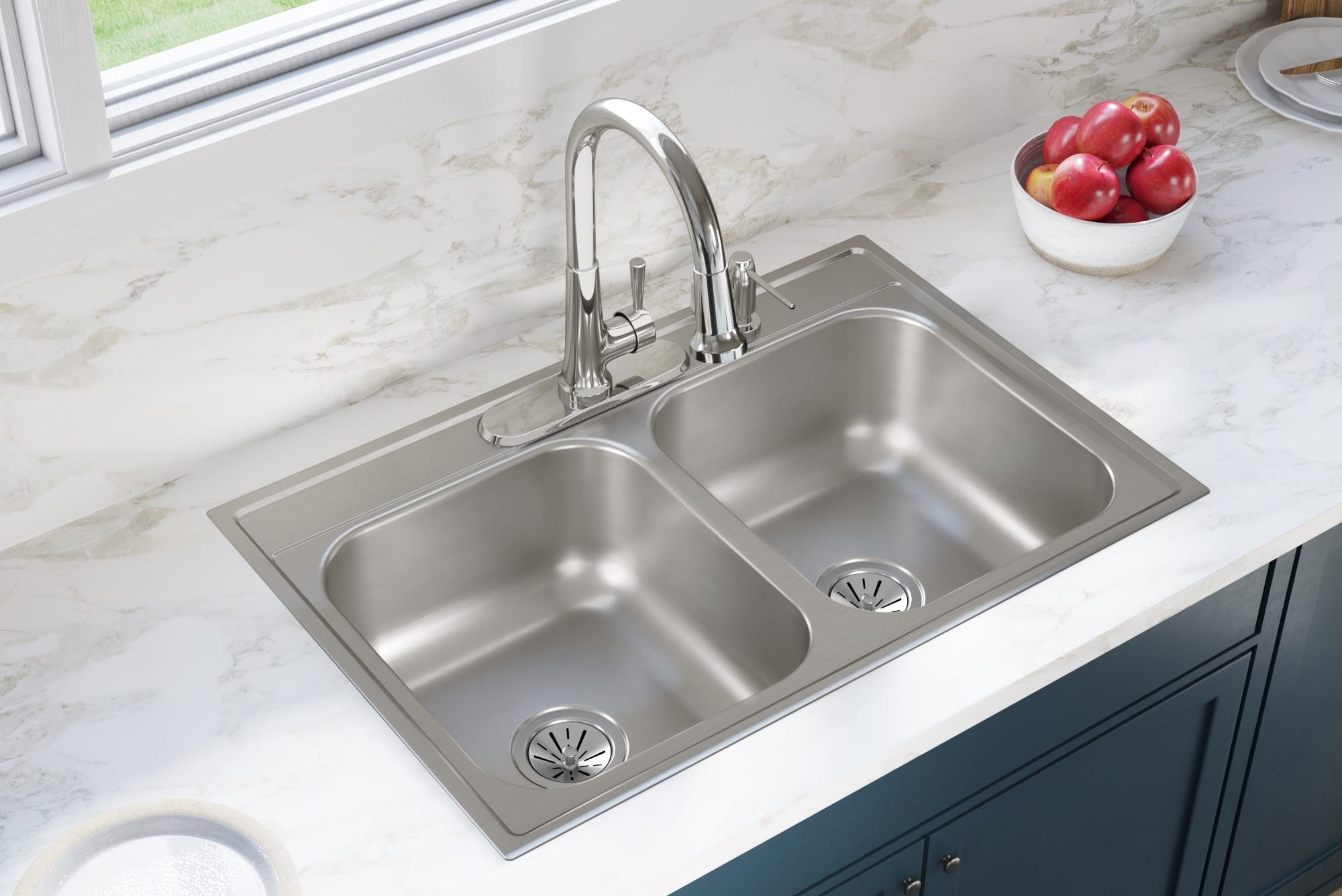
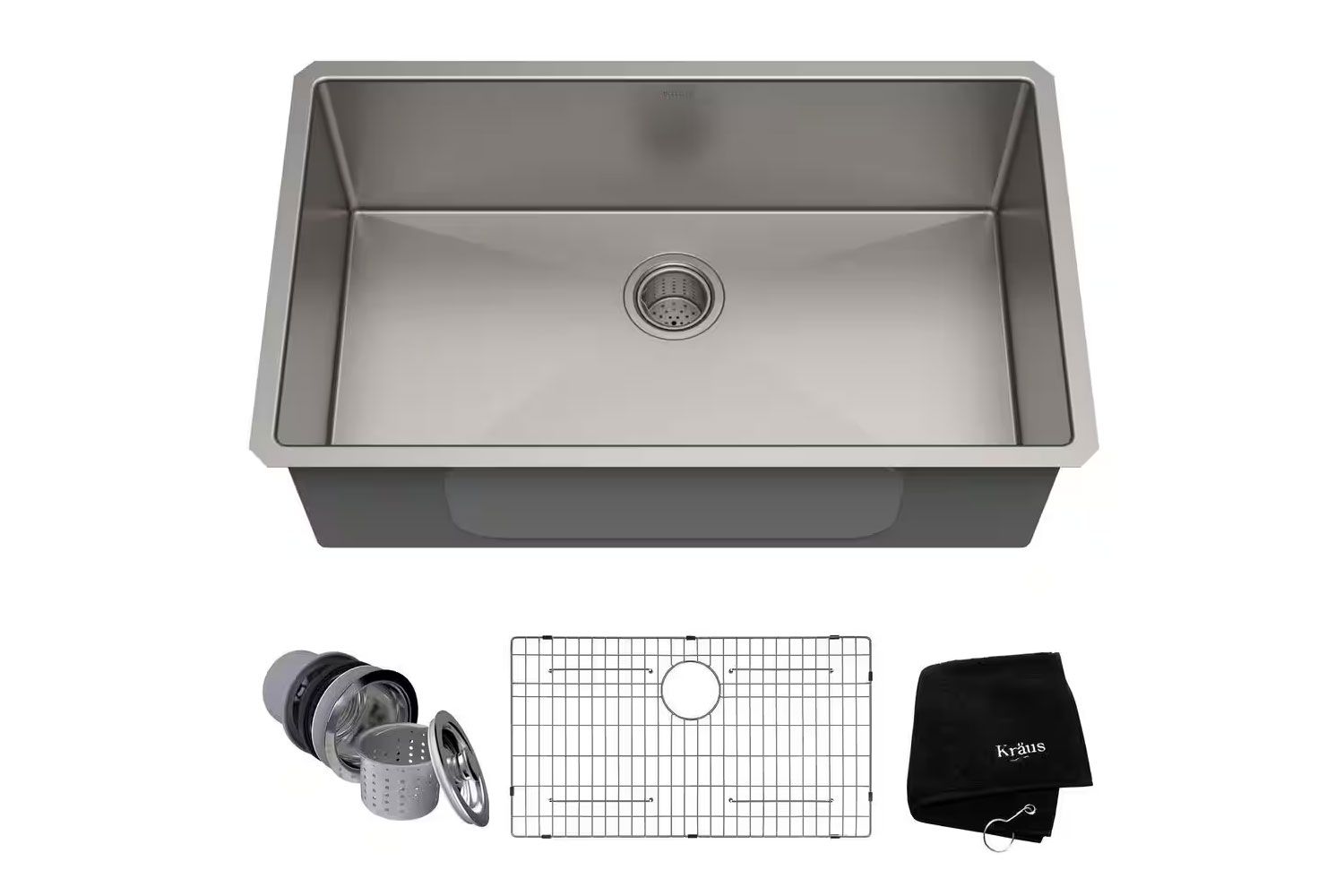
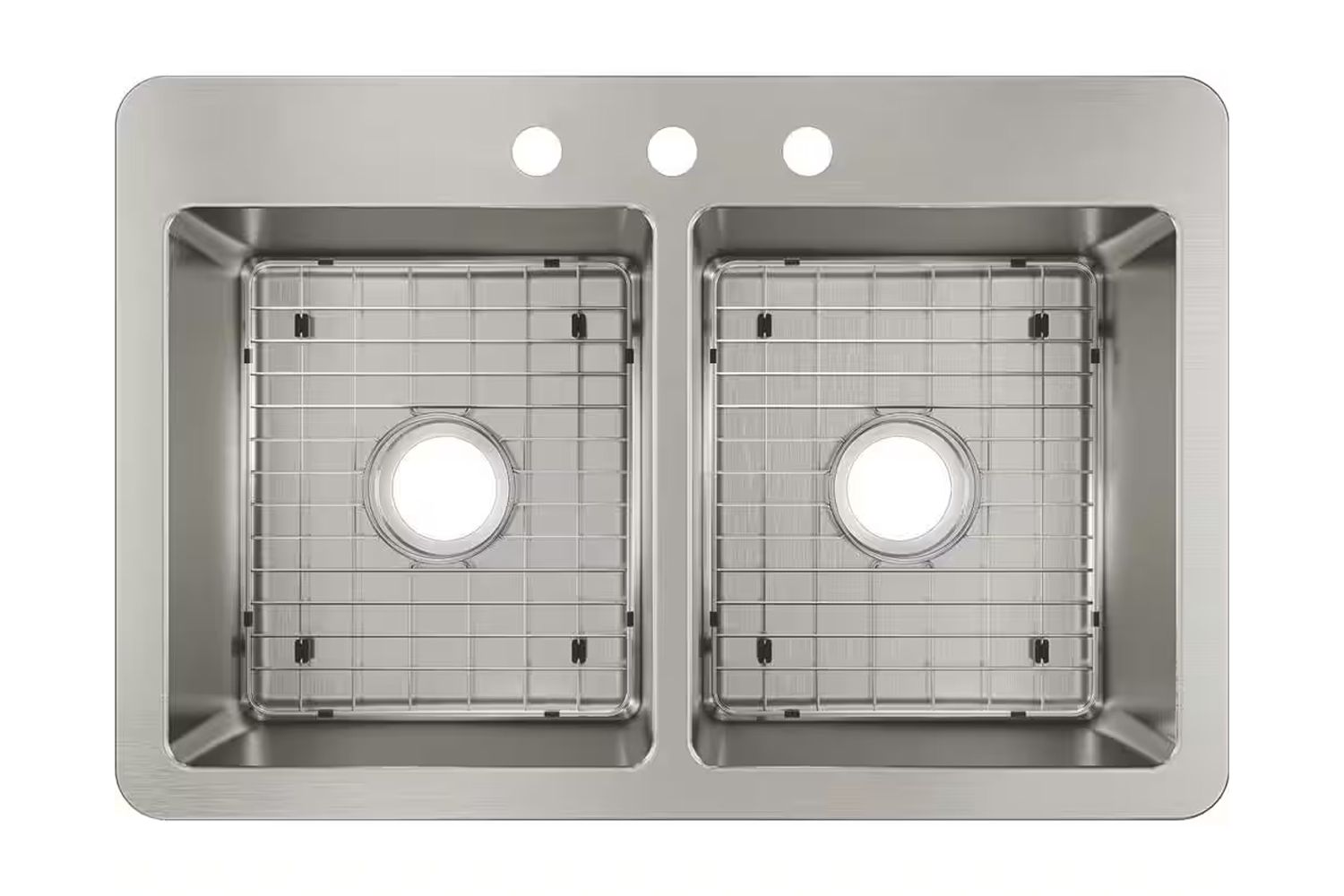
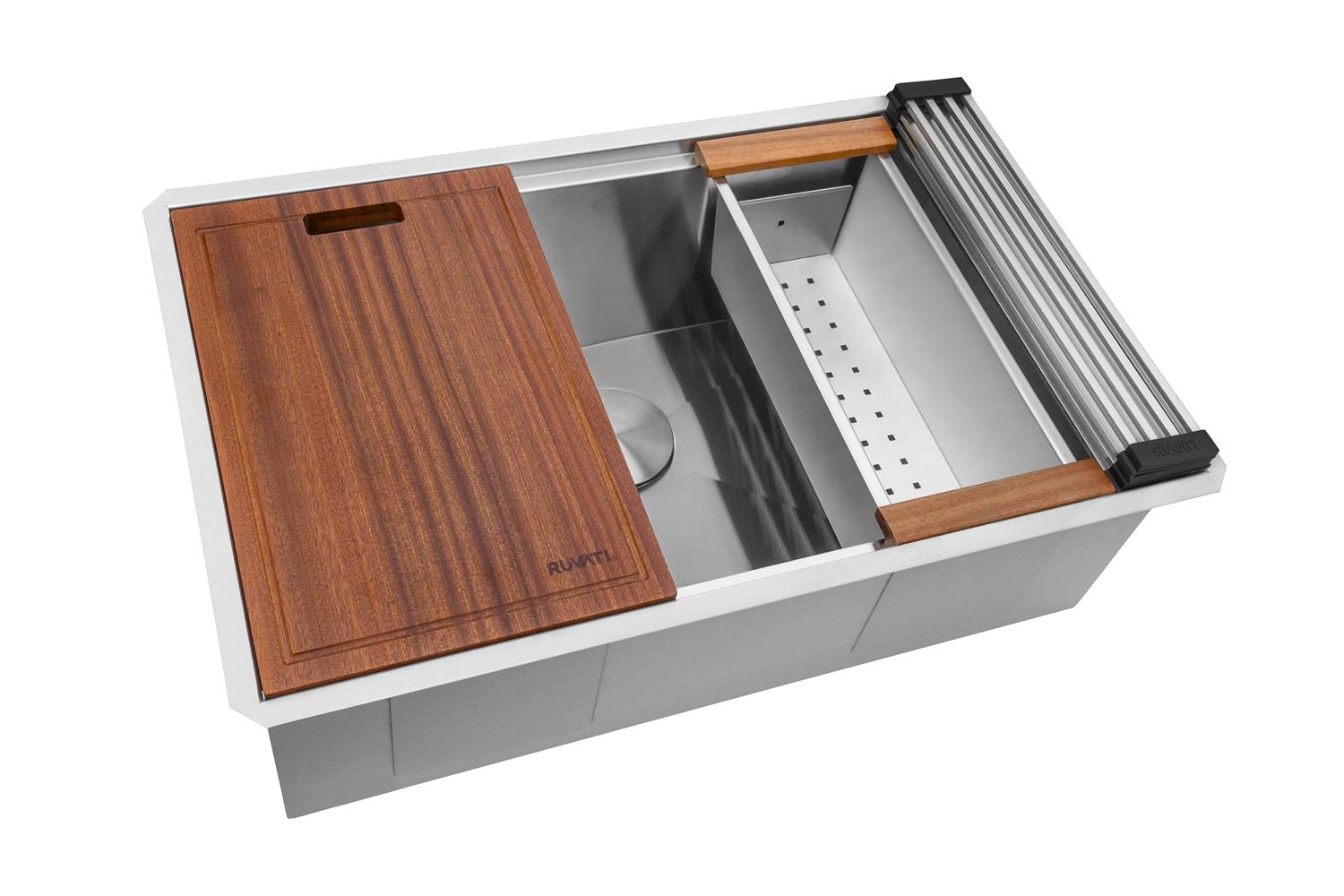
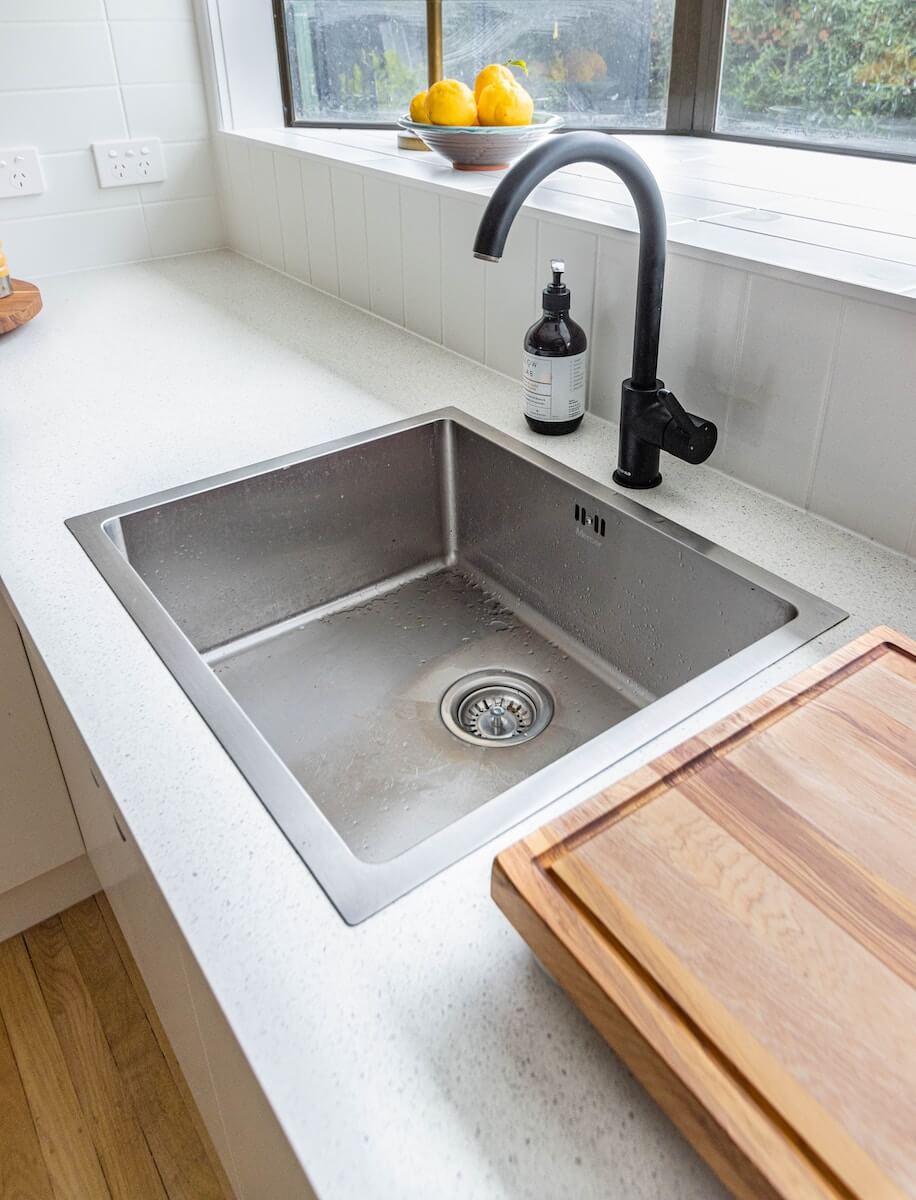
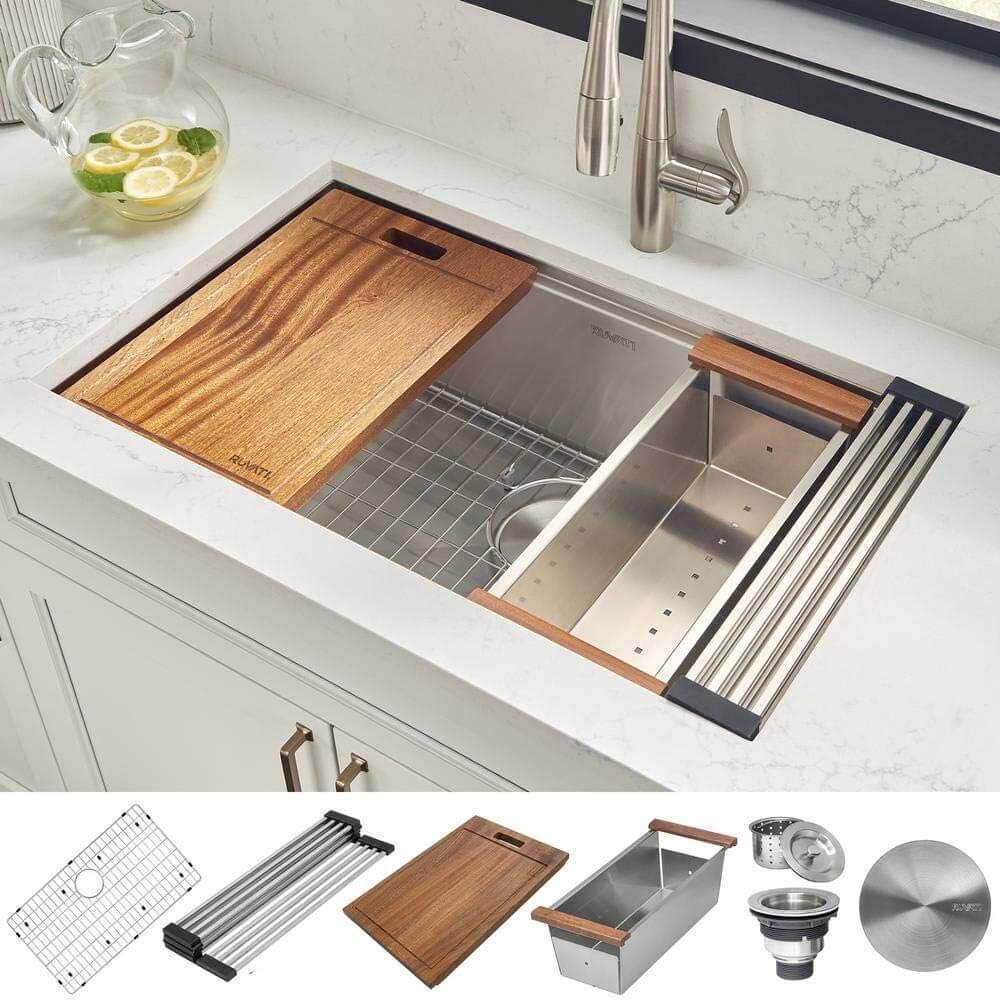
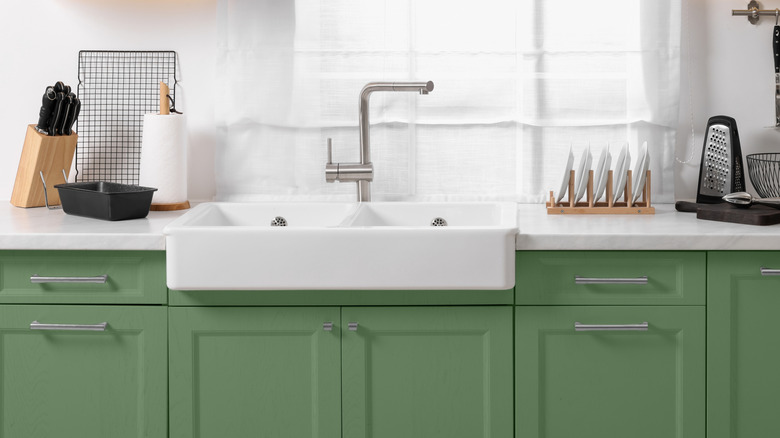
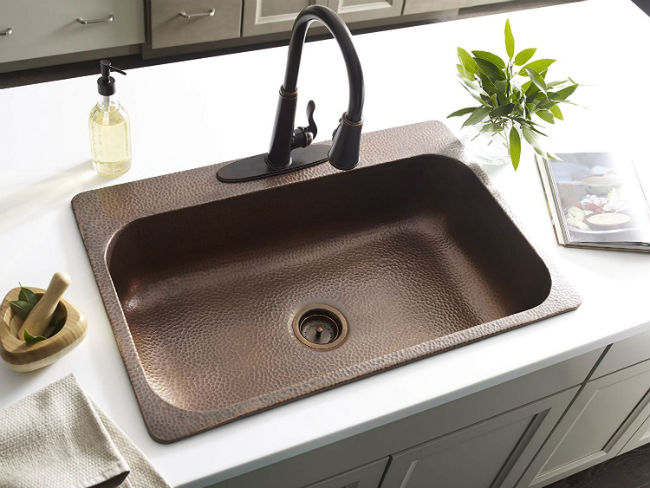
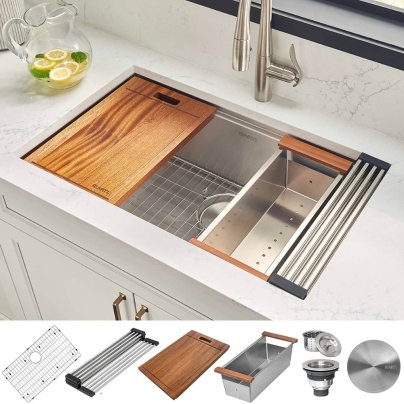
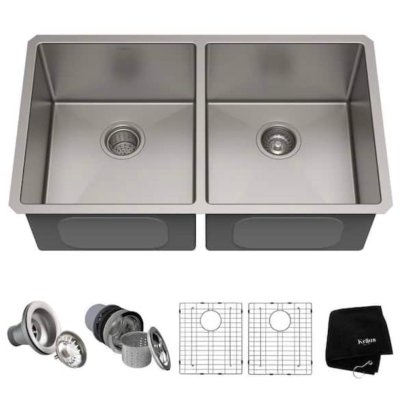
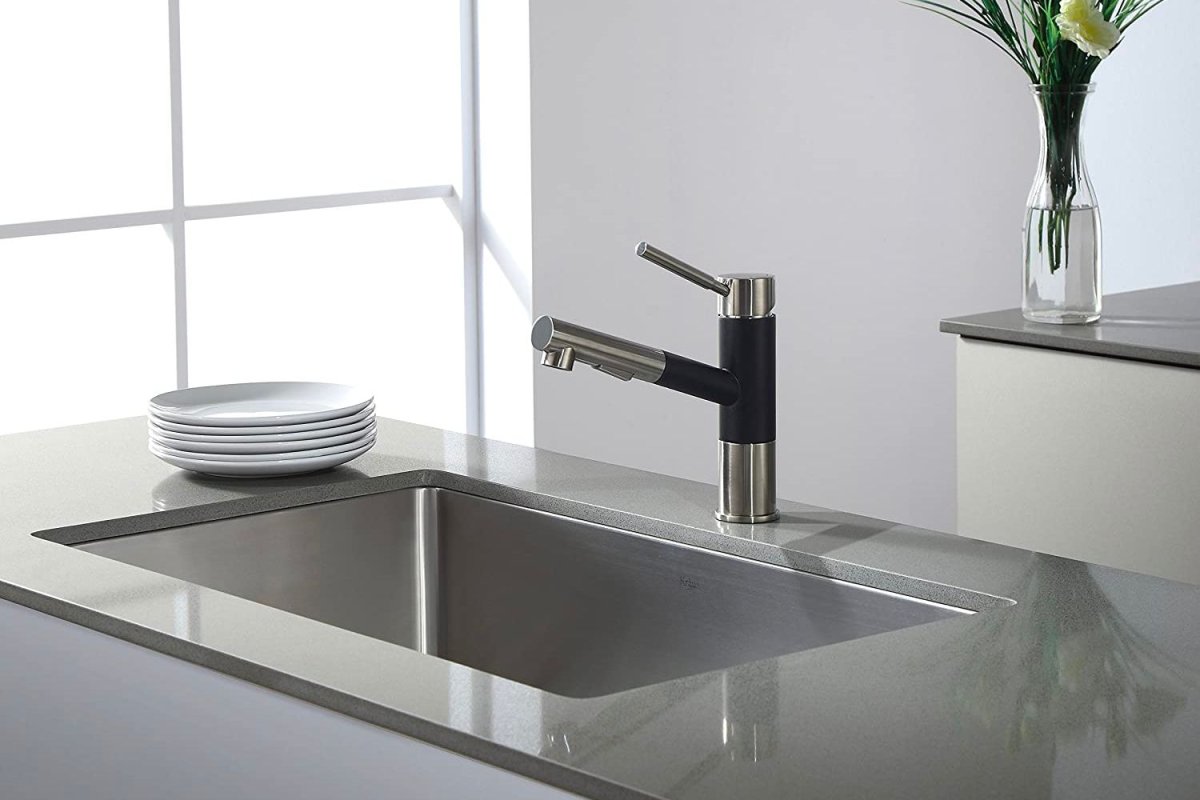
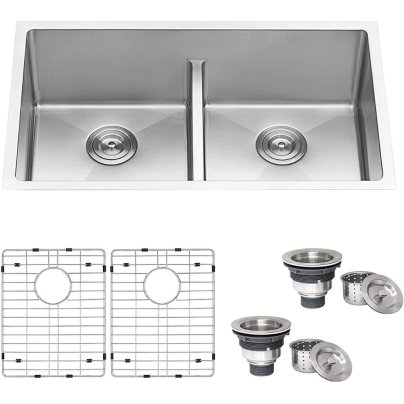
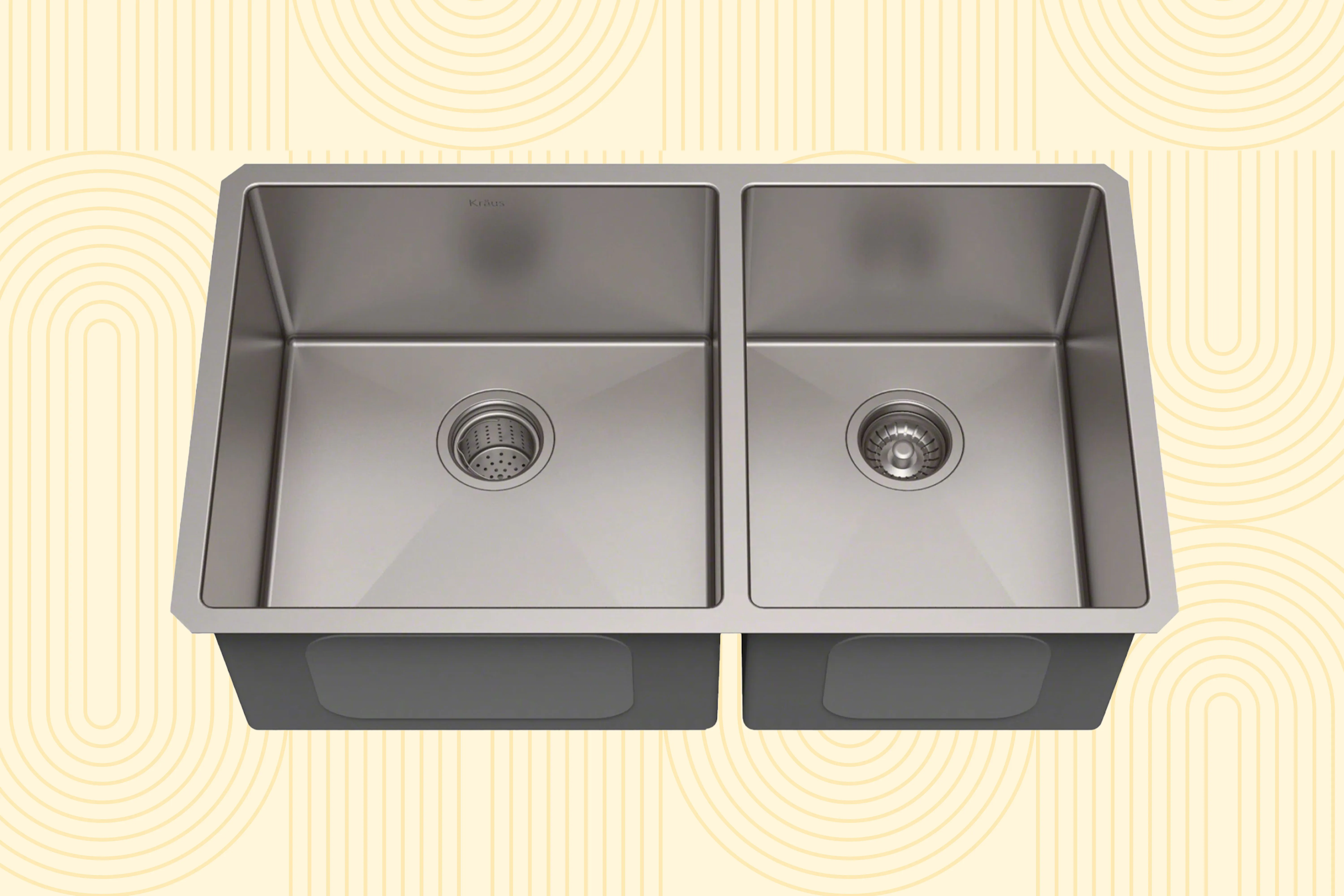
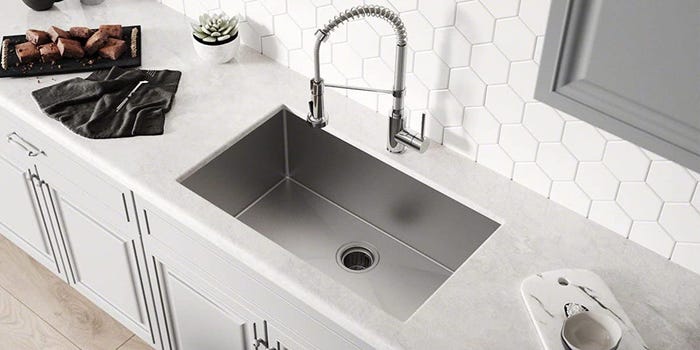
The kitchen sink, often overlooked in grand kitchen designs, is a crucial element for daily functionality and aesthetics. This guide explores various kitchen sink options, offering insights into materials, styles, and installation types to help consumers make an informed decision. The top recommendation is the Ruvati Urbana 32-Inch-Wide Stainless Steel Sink, praised for its low-center divider that combines the benefits of a double-bowl sink with the ability to accommodate large dishes. Its commercial-grade brushed stainless steel finish is lauded for its scratch resistance and ease of cleaning, alongside its 18/10 nickel/chromium construction ensuring rust resistance. Other highly-rated sinks include the Kraus Standart Pro 23-Inch-Wide Kitchen Sink for its affordability and durability, the Kraus Forteza 33-Inch-Wide Single-Bowl Granite Sink for its scratch resistance, and the Kohler Whitehaven 35 ½-Inch-Wide Apron Front Sink for its enameled cast-iron strength and classic design. The Sinkology Adams 33-Inch-Wide Copper Farmhouse Sink offers a unique antimicrobial and aesthetic appeal, while the Bocchi Classico 30-Inch-Wide Apron Front Sink stands out for its environmentally friendly fireclay material. For workstation versatility, the Kraus Kore Workstation Farmhouse Kitchen Sink provides numerous accessories, and the Kraus Standart Pro Stainless Steel Kitchen Sink serves as an excellent double-bowl option.
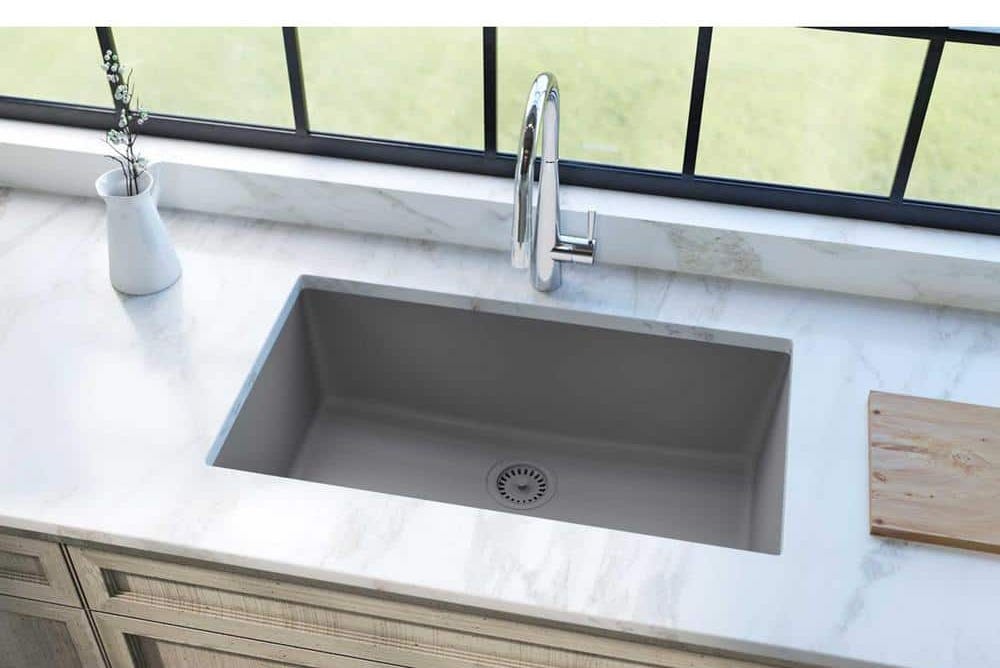
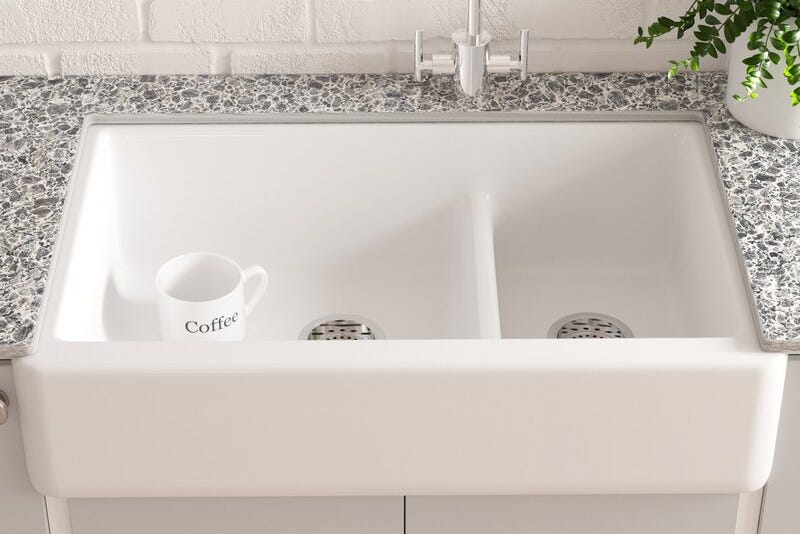
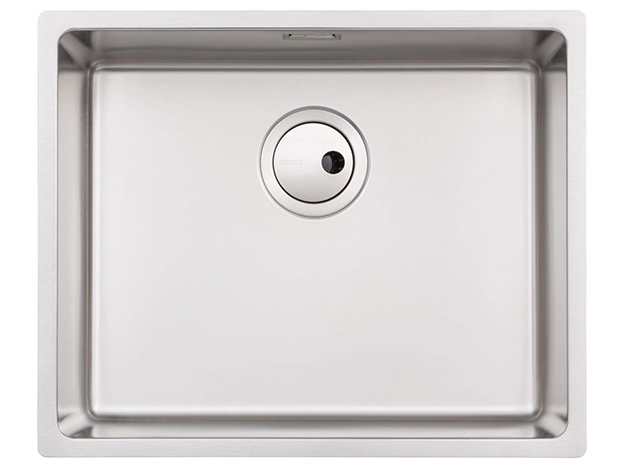
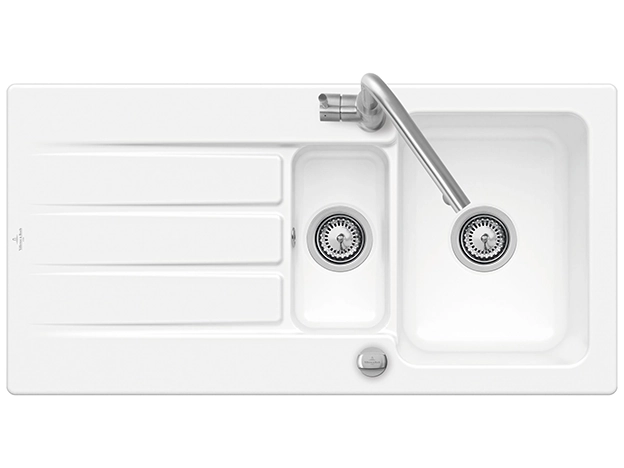
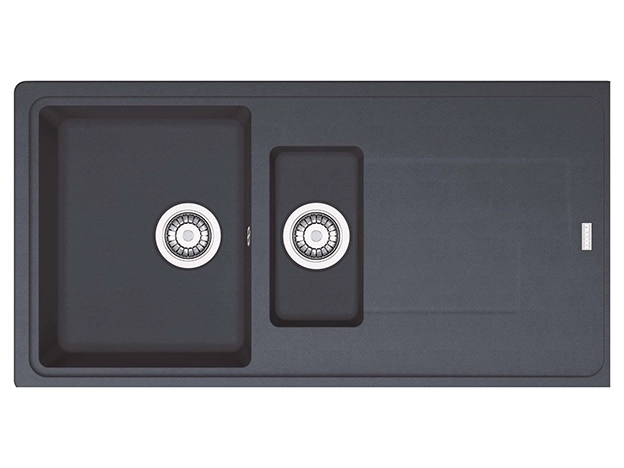
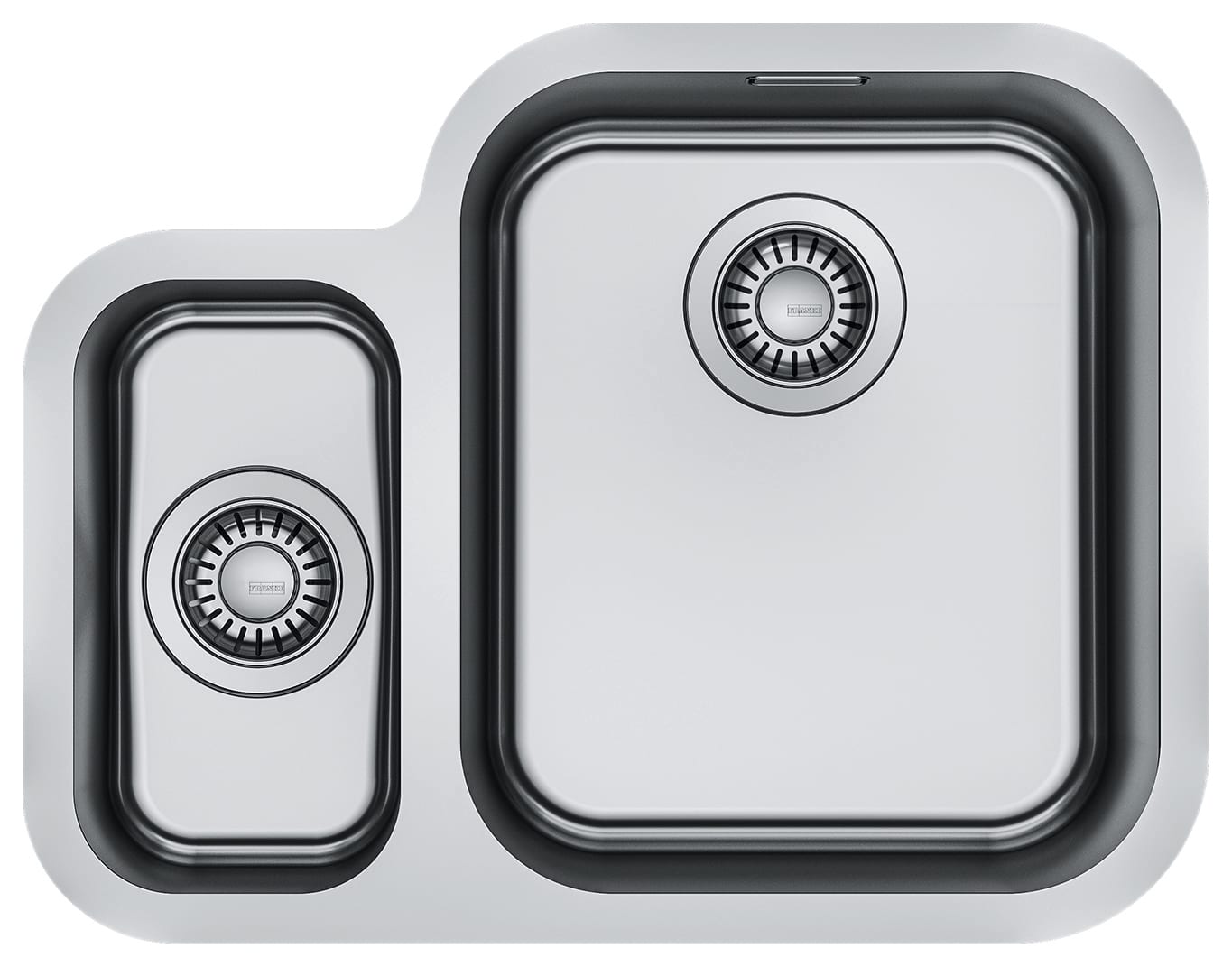
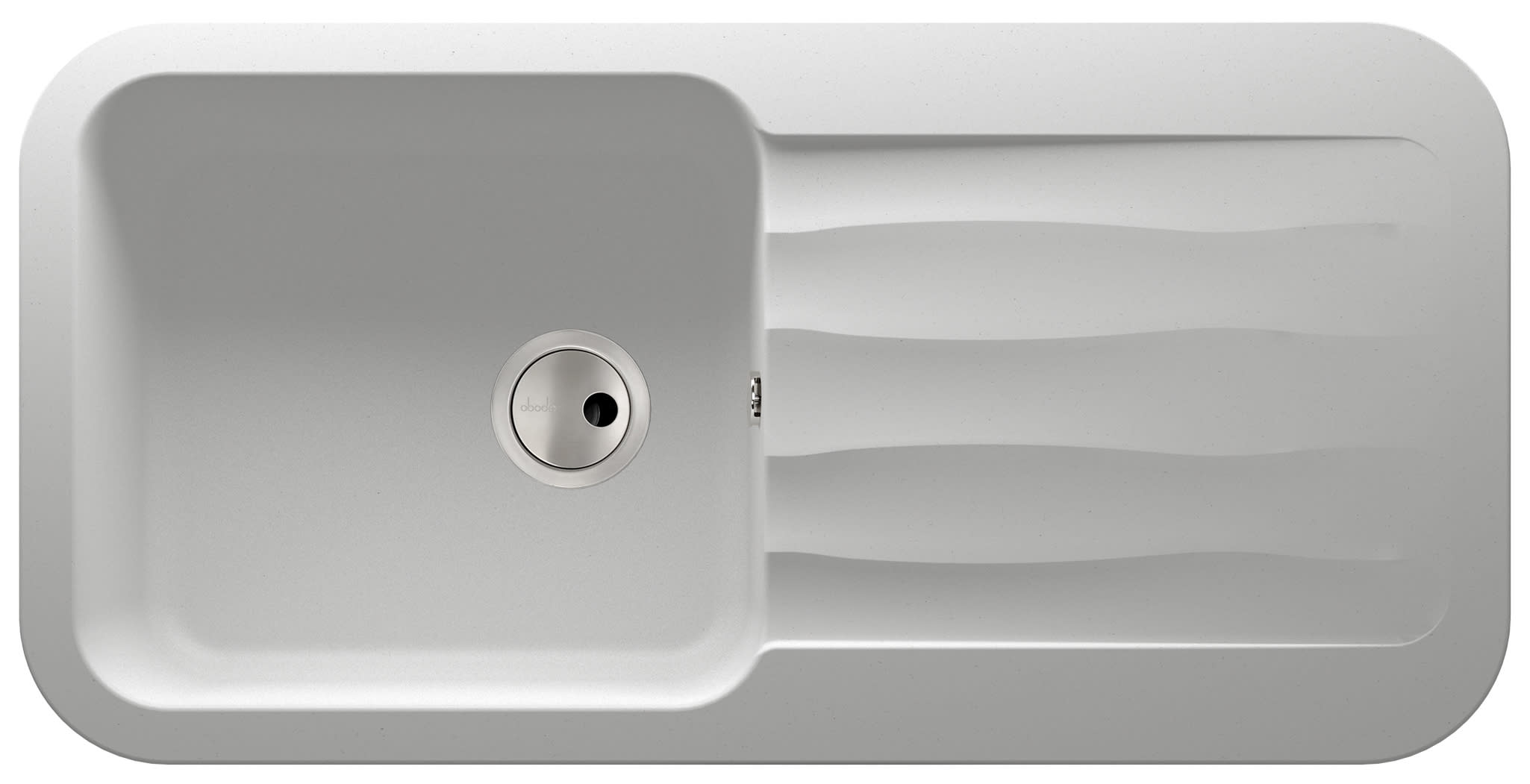
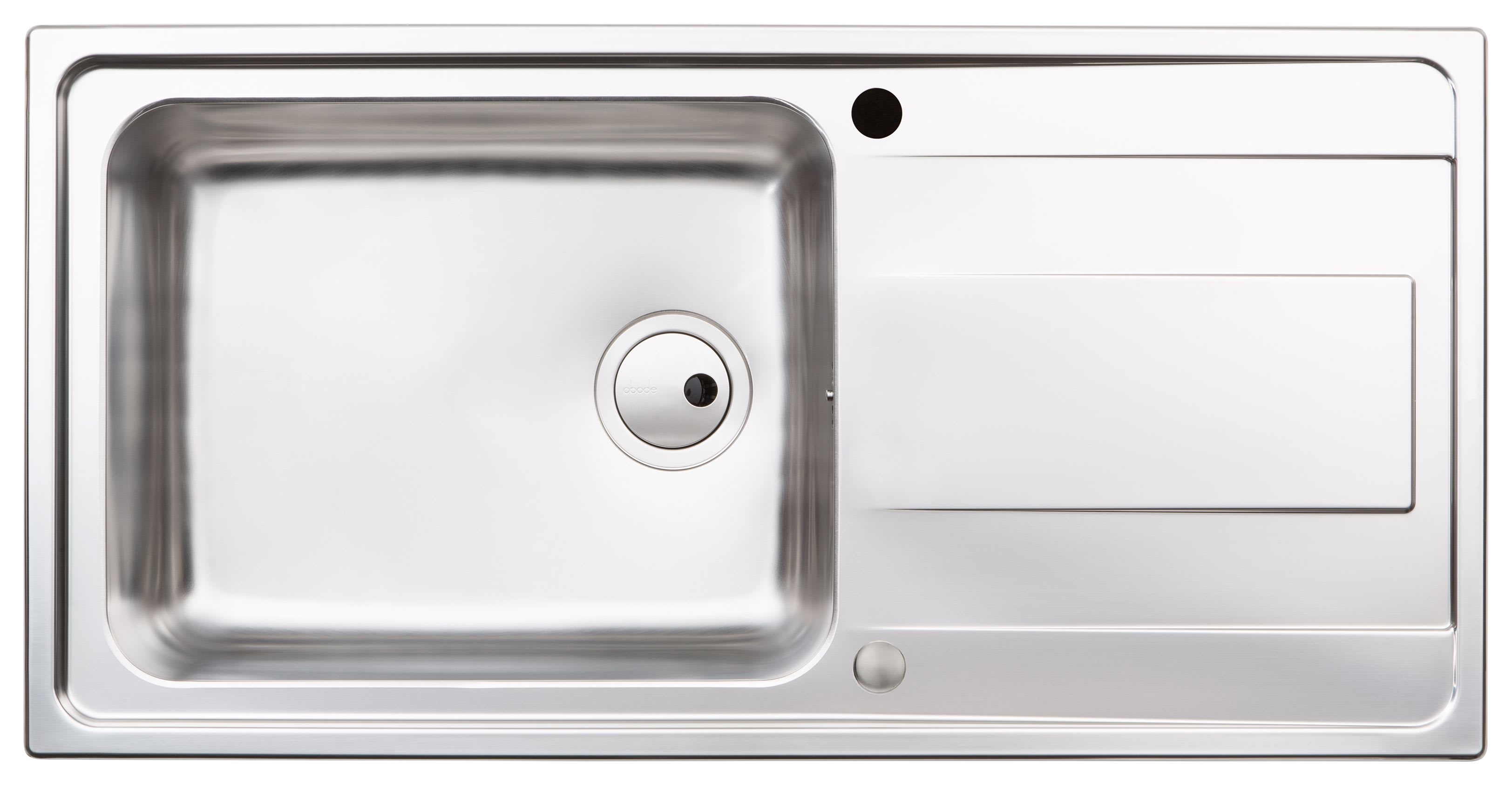
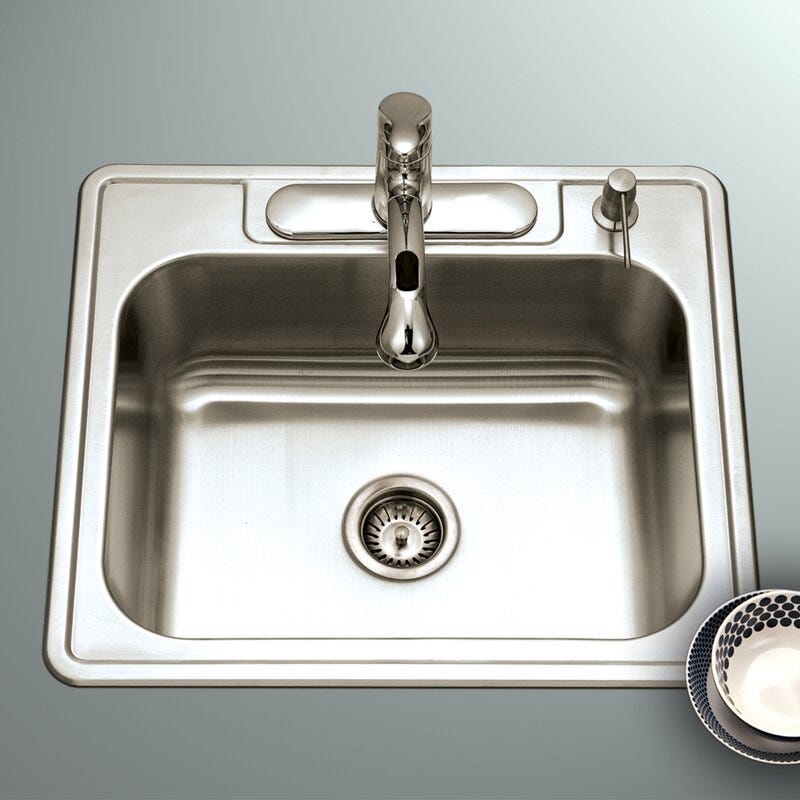
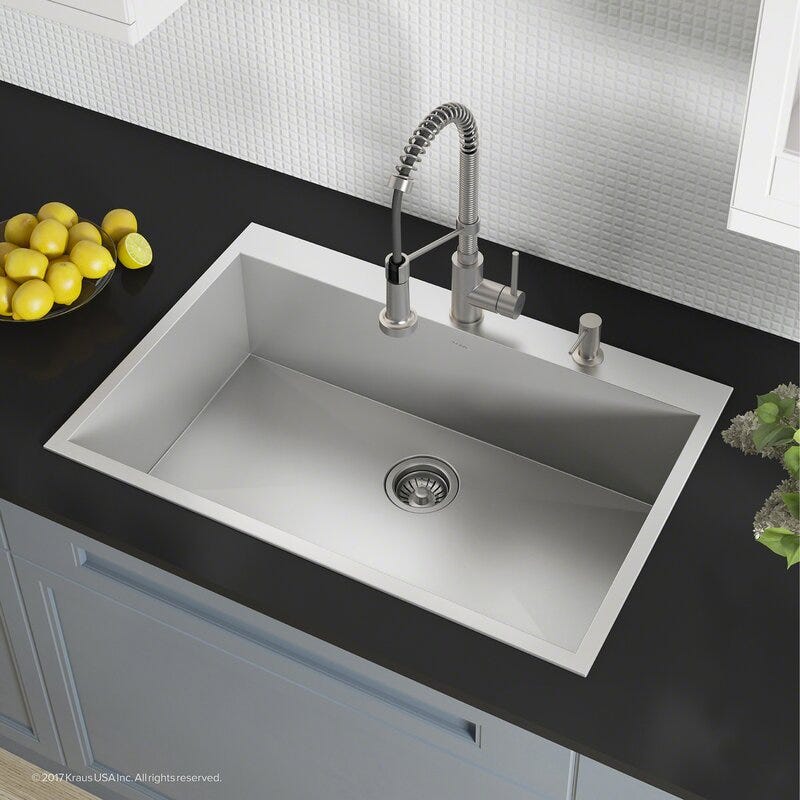
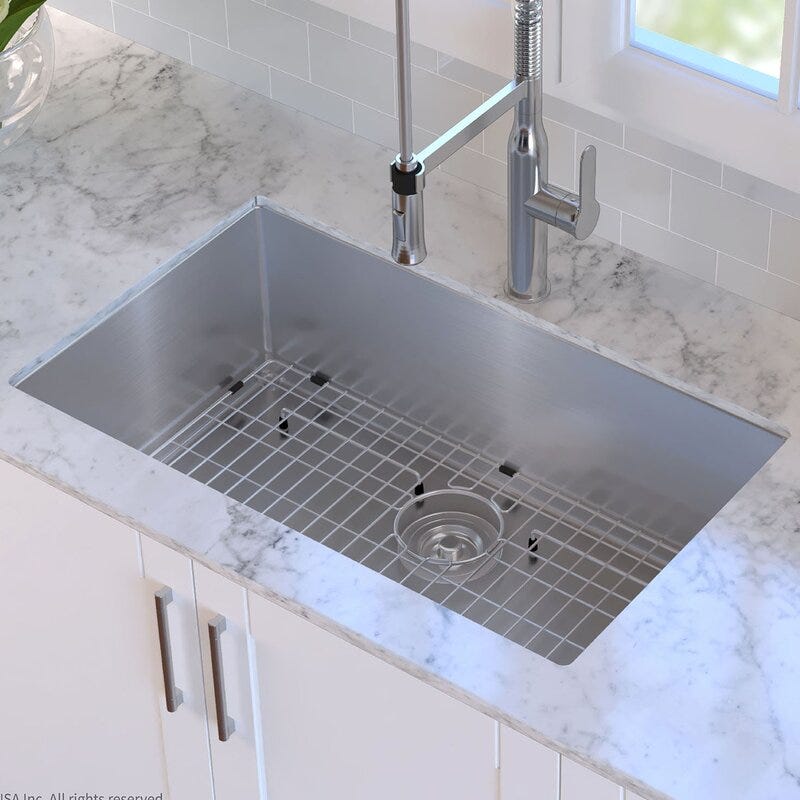
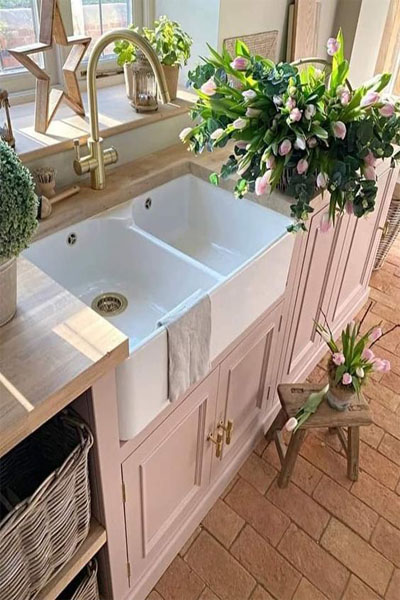
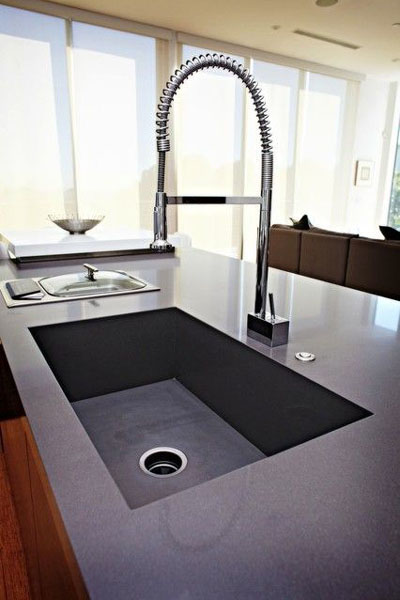
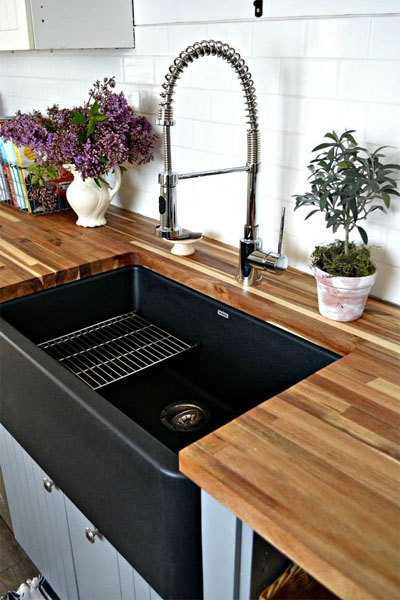
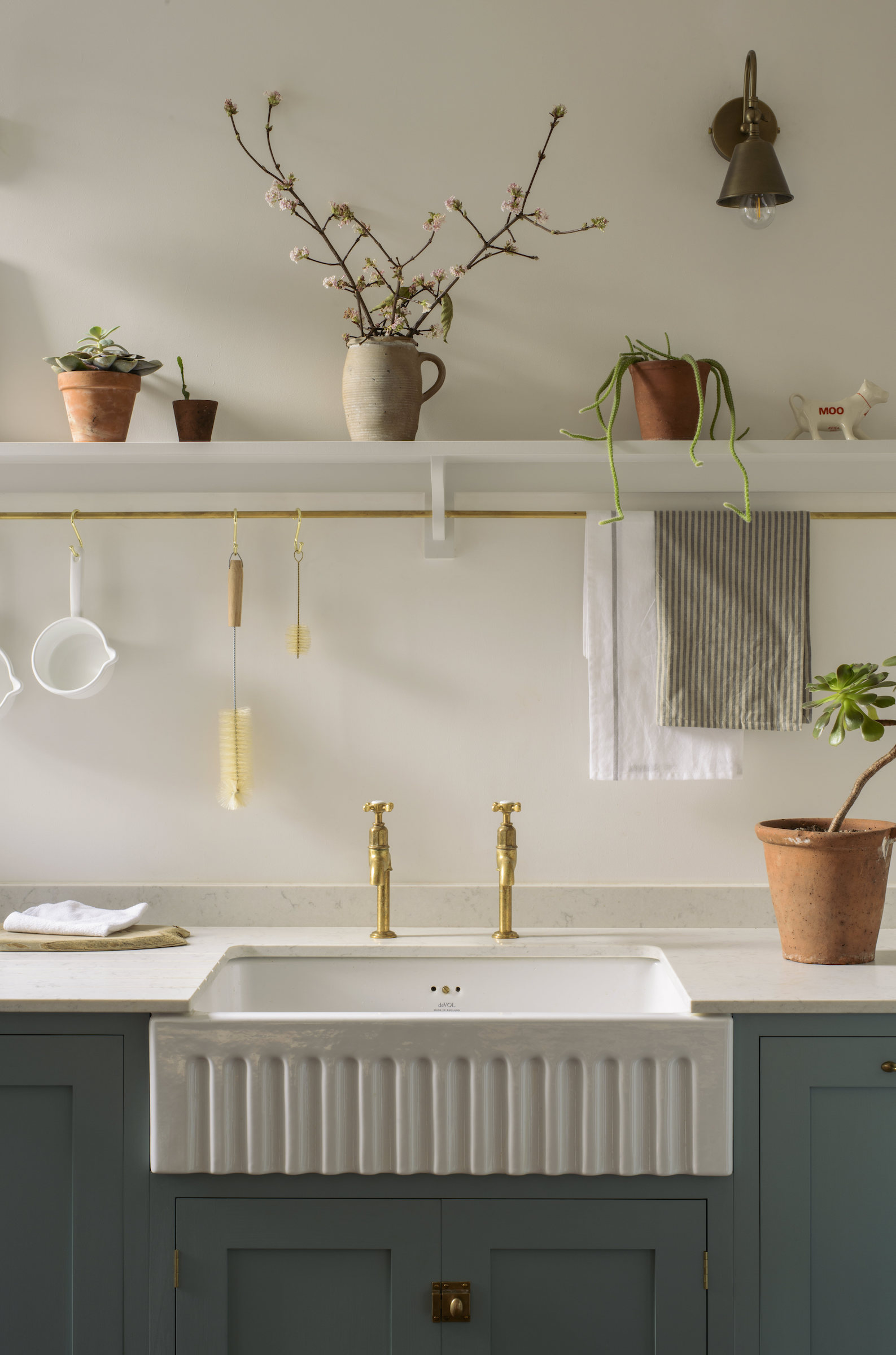
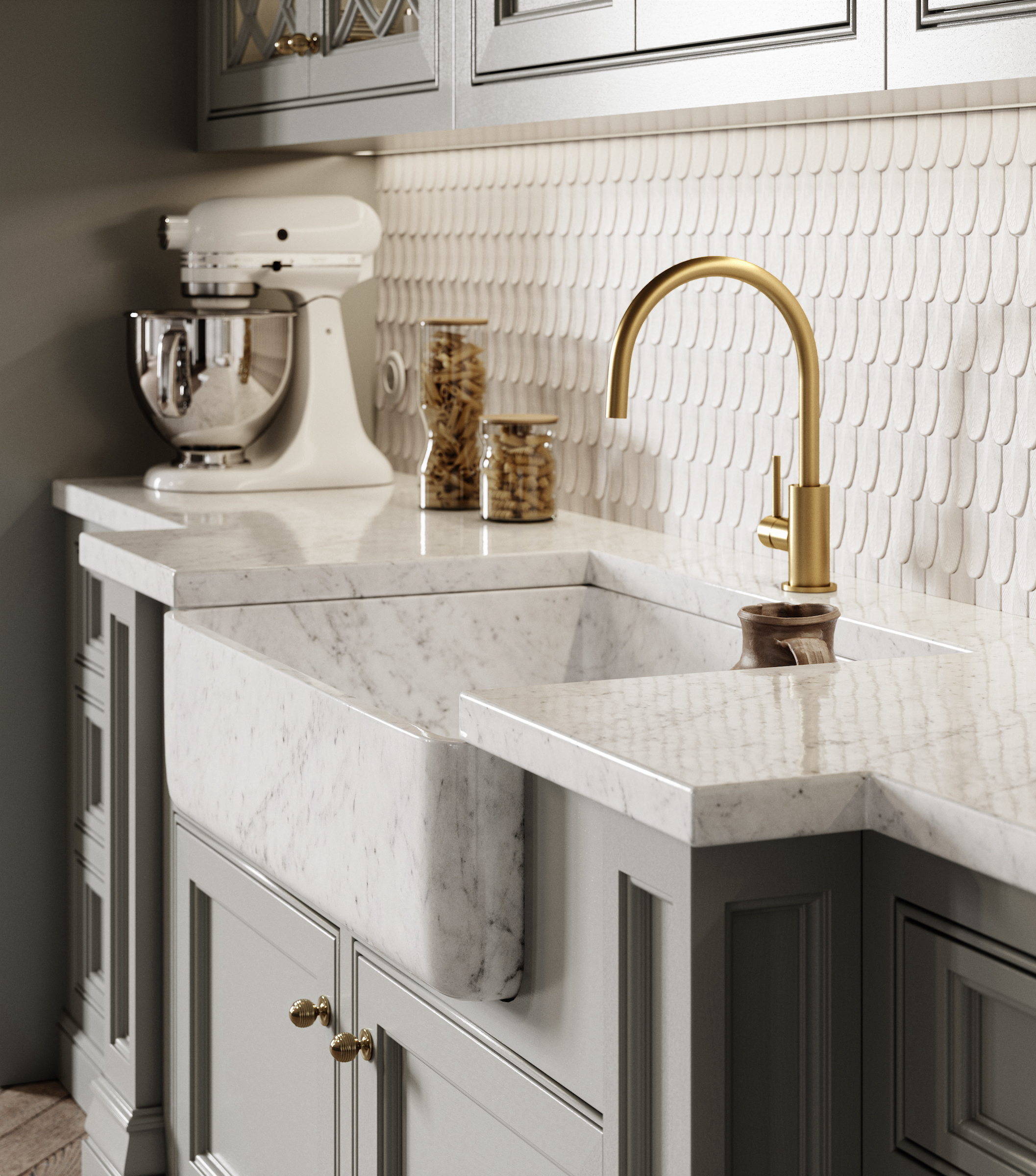
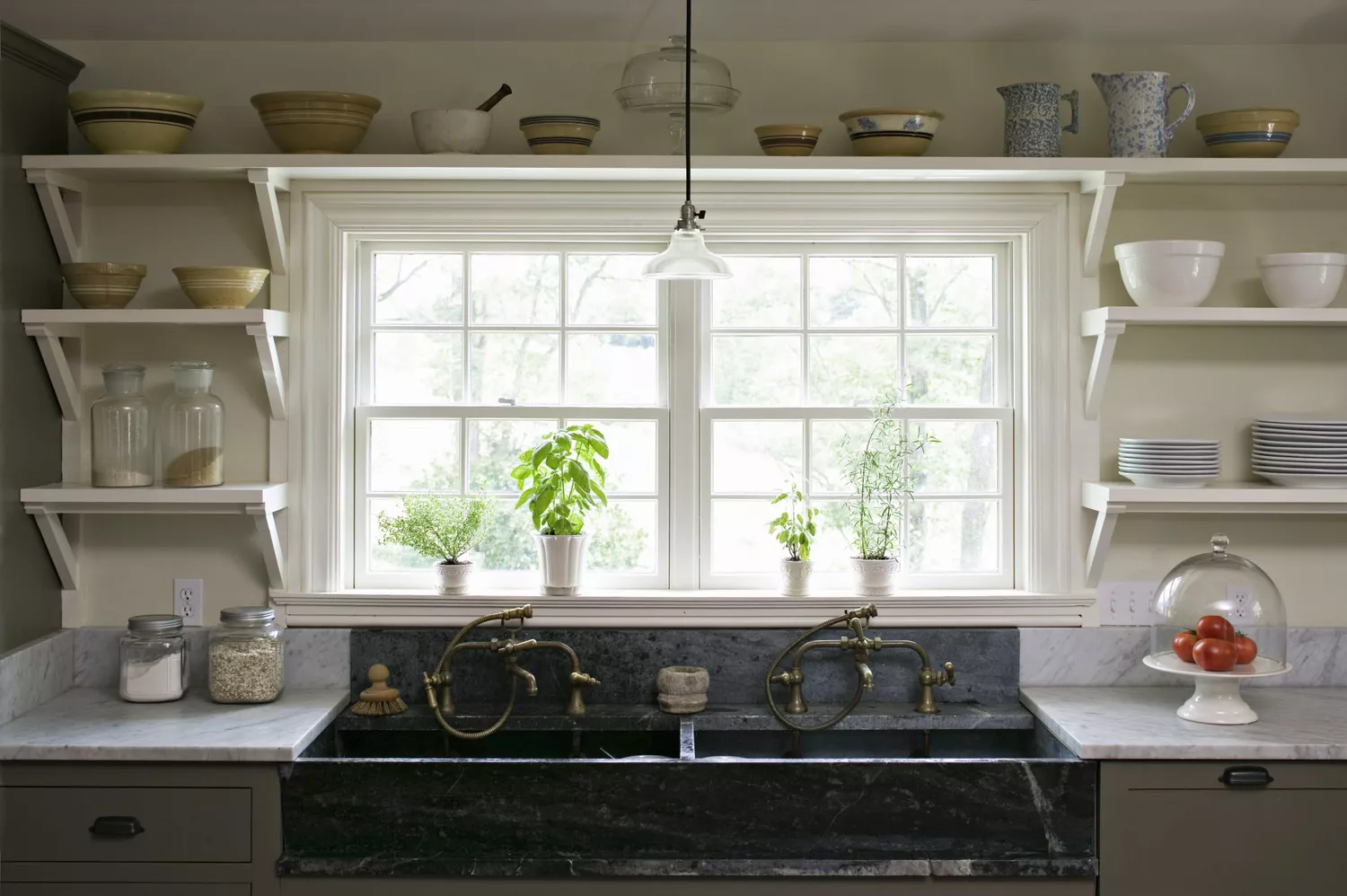
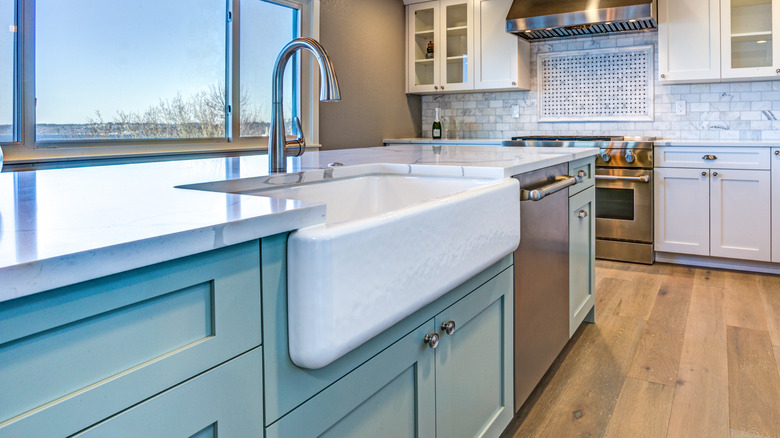
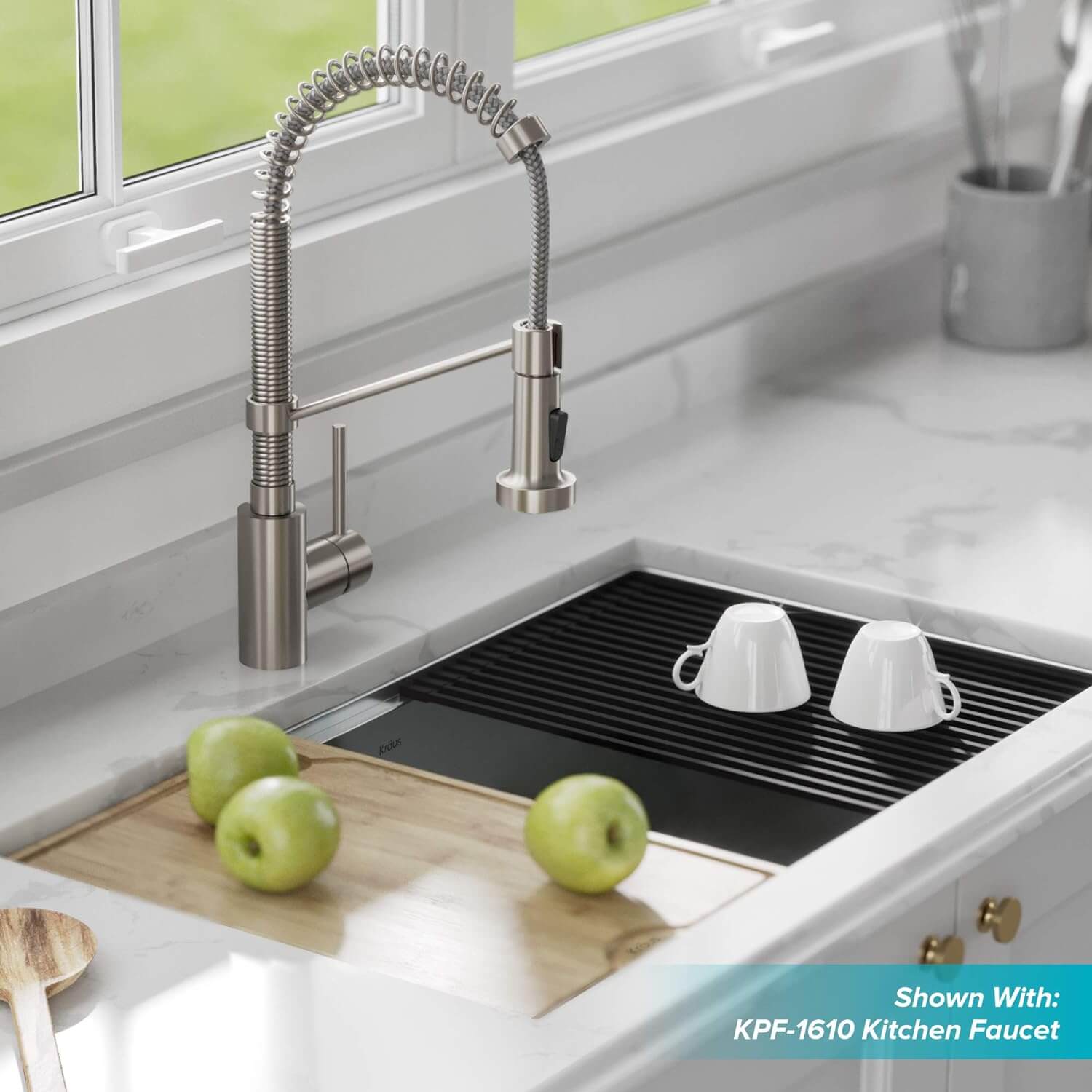
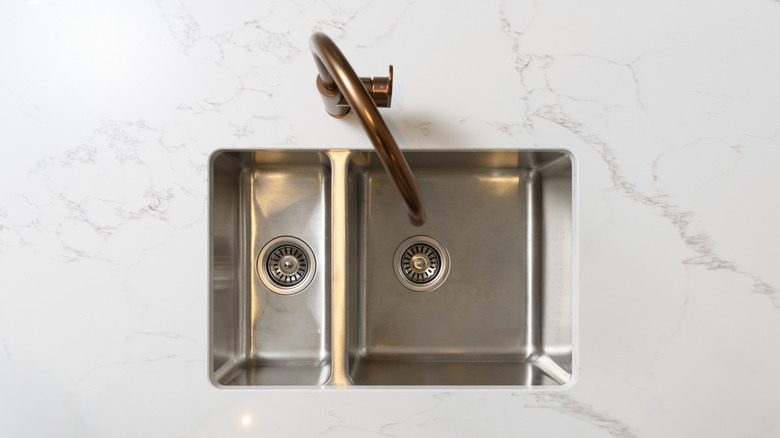
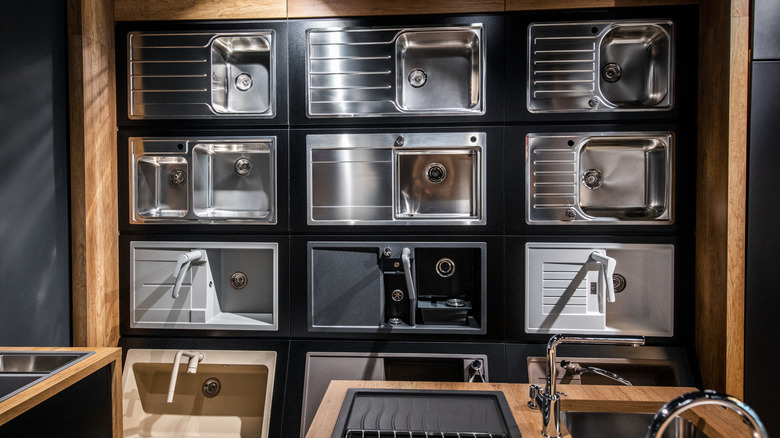
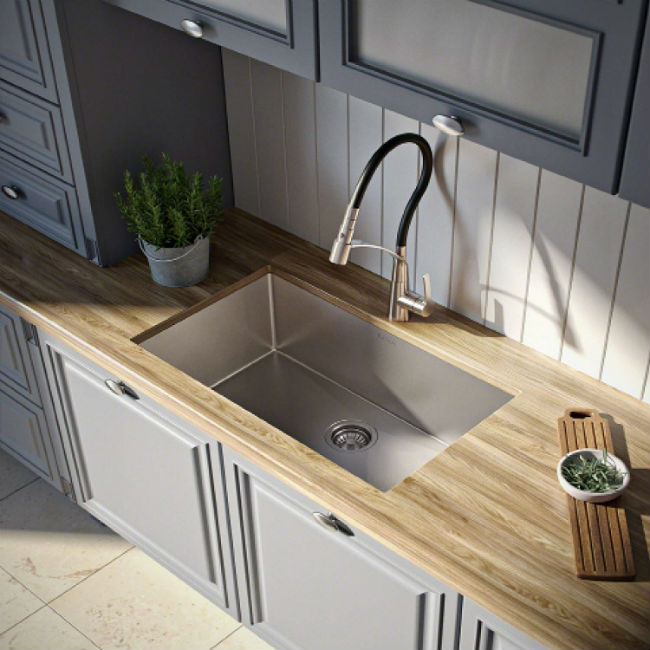
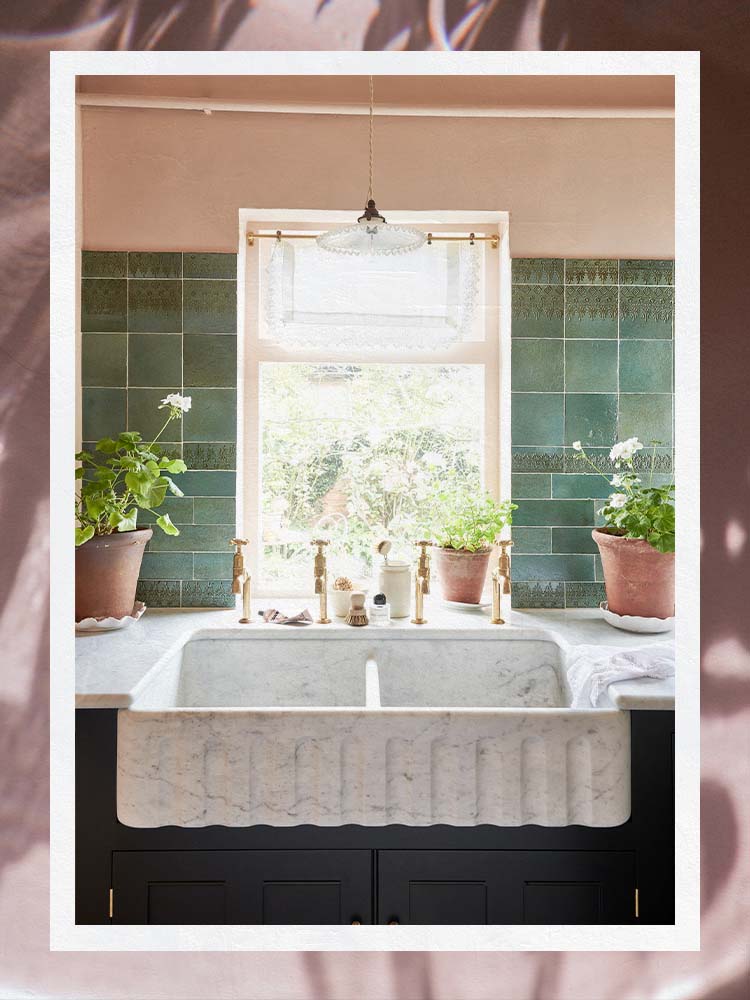
Choosing a kitchen sink involves considering several factors beyond initial appearance. The mounting type is critical, with top-mount (drop-in) sinks being easier to install and compatible with most countertops, and undermount sinks offering a sleek look, easier cleanup for solid-surface countertops, and typically requiring professional installation. Various styles cater to different needs, including double basin/bowl sinks for multitasking, single basin/bowl sinks for large items, and farmhouse/apron front sinks for a traditional aesthetic and deep basin capacity. Drainboard sinks provide convenience for food prep and drying, while island/bar/prep sinks serve as auxiliary stations. Corner and workstation sinks offer specialized functionality and space utilization, with workstation sinks integrating accessories like cutting boards and drying racks.
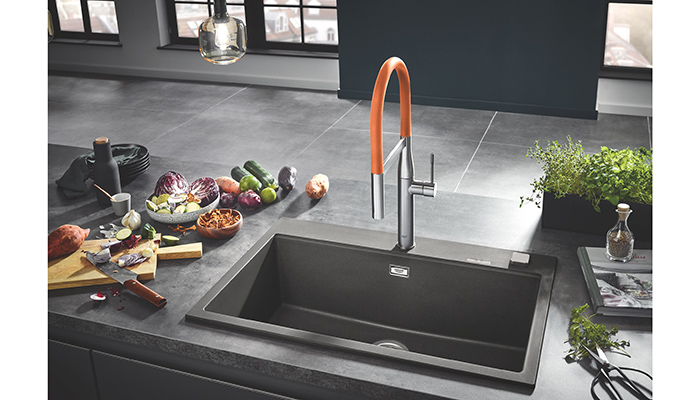
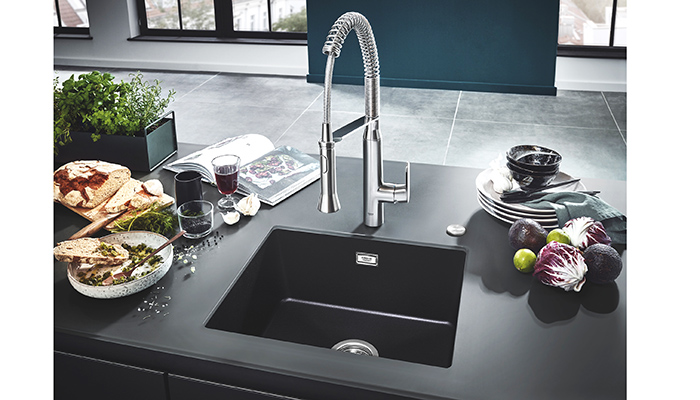
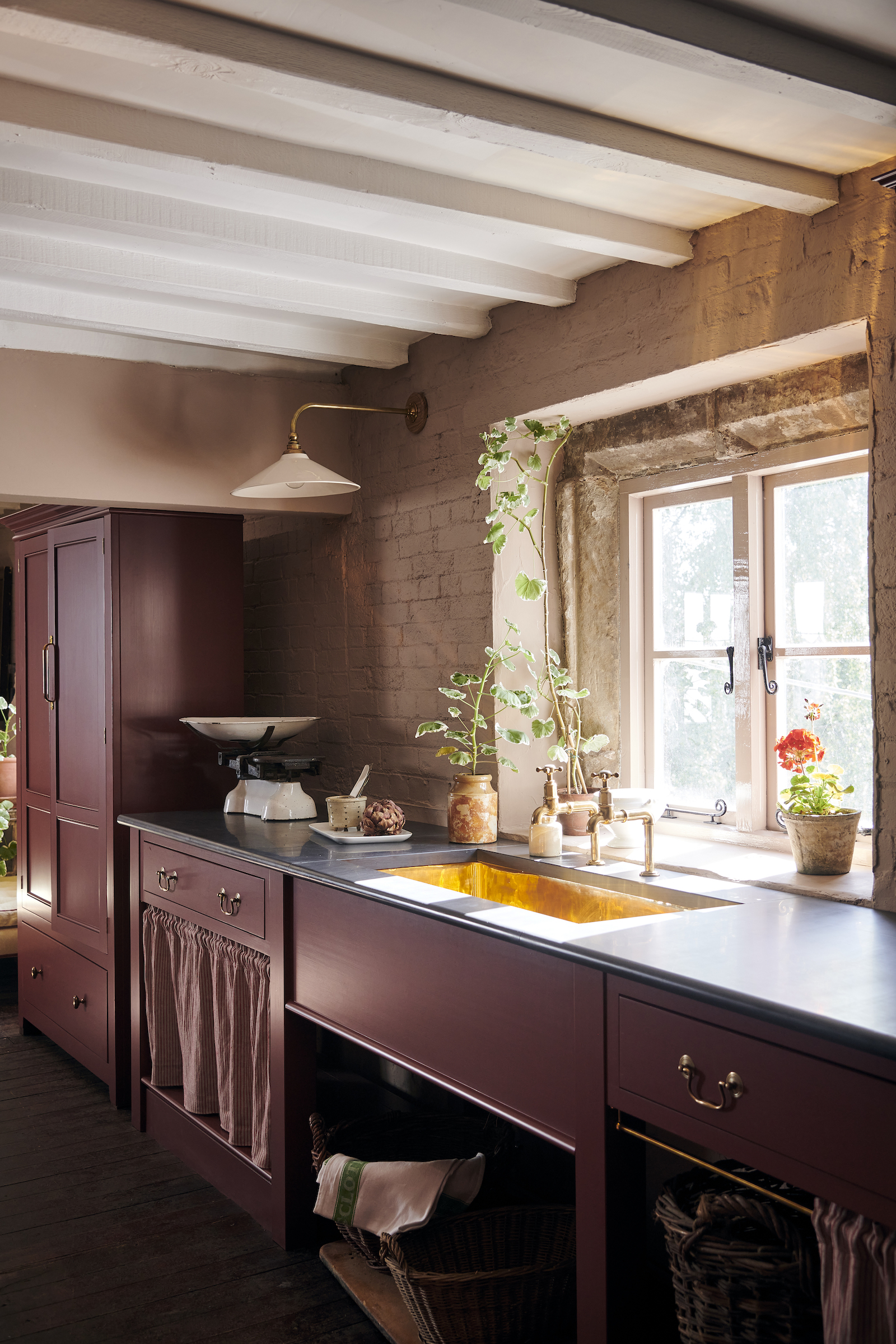
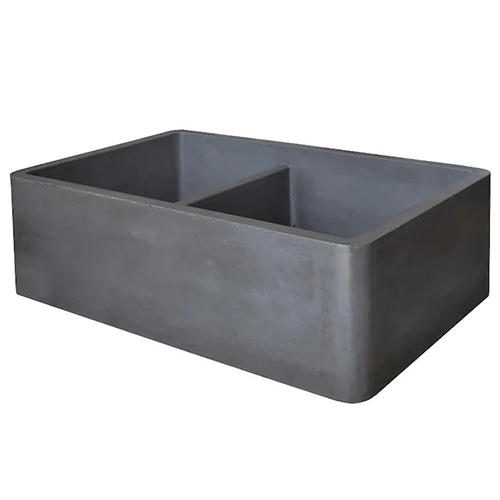
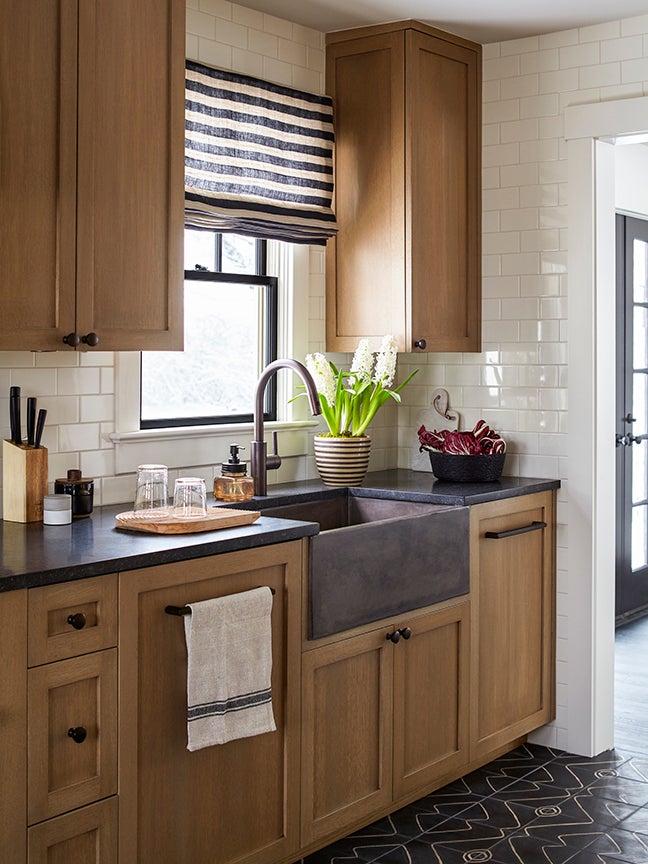
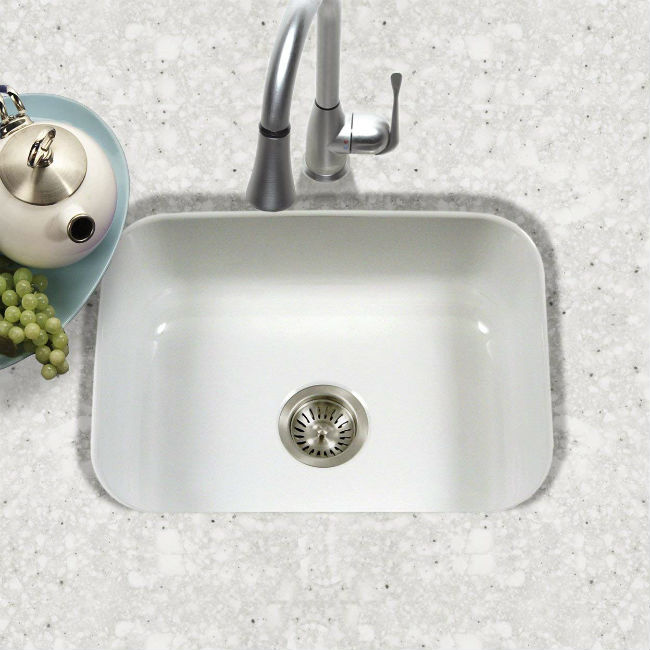
Size is another essential consideration, with standard kitchen sinks ranging from 22 to 48 inches in length and 24 to 32 inches in width, and depths typically between 8 and 10 inches, though deeper options exist. Materials vary widely, each with distinct advantages and disadvantages. Stainless steel is the most popular due to its affordability, low maintenance, and contemporary look, with higher gauges indicating thicker, more durable material. Granite, quartz, and granite composite offer durability and aesthetic variety, with composite options enhancing resistance to chipping and scratching. Cast iron, historically popular, provides durability and a classic look, though heavy. Fireclay and vitreous china are ceramic options known for their rustic appeal and ease of cleaning, but they can be heavy and prone to chipping. Copper sinks are aesthetically pleasing and naturally antimicrobial but require specific maintenance. Man-made materials like acrylic and polyester, known as solid-surface sinks, are durable and resistant to scratches but can be prone to staining and heat damage. Concrete is an emerging material offering customizability and durability but is heavy and susceptible to staining.
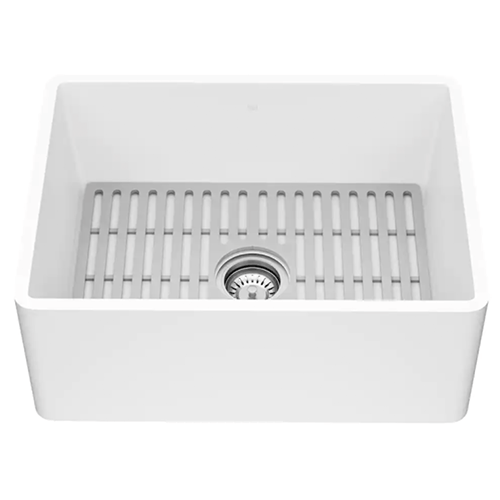
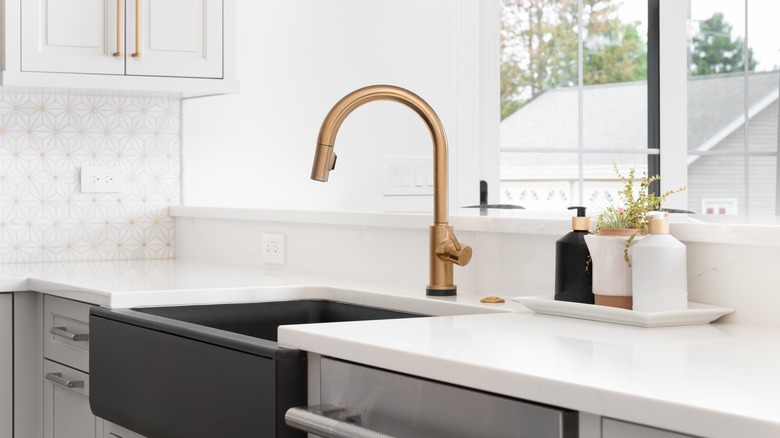
Finally, color and installation logistics play a role. Stainless steel remains the most popular color, with natural stone shades and traditional whites also being common. Installation requires careful measurement and consideration of faucet mounting holes, as well as the potential need for specialized cabinetry for certain sink styles like farmhouse sinks. Overall, modern kitchen sinks, with proper care, are expected to last 20 to 30 years, highlighting the importance of choosing a sink that balances personal style, functional needs, and material durability.
#KitchenSinks #HomeImprovement #KitchenDesign #SinkMaterials #HomeRenovation #InteriorDesign #KitchenAppliances #DIYHome #KitchenSinks #HomeImprovement #KitchenDesign #SinkMaterials #HomeRenovation #InteriorDesign #KitchenAppliances #DIYHome
0 komentarzy łącznie
 Brak komentarzy jeszcze
Możesz również polubić
These Top-Rated Sinks Will Instantly Upgrade Your Kitchen


The Most Popular Kitchen Sink Styles to Transform Your Space

The best 5 kitchen sink materials – and how to choose the best type and design for your home

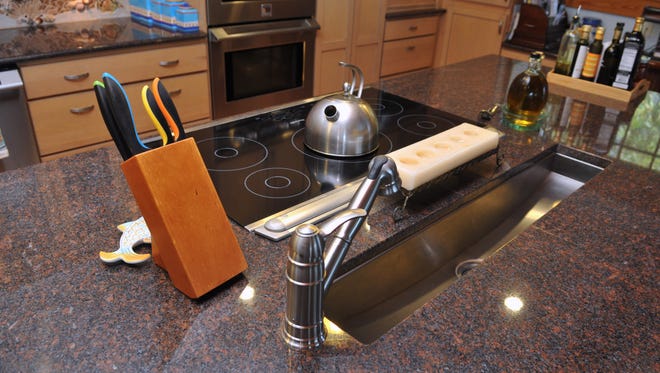
Home design for everything plus the kitchen sink
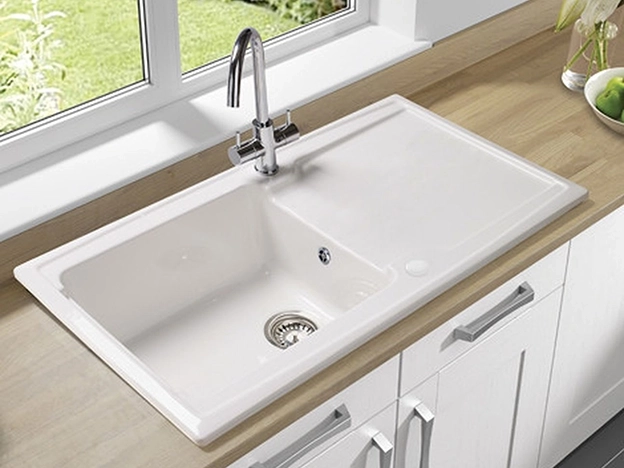
Kitchen Sinks

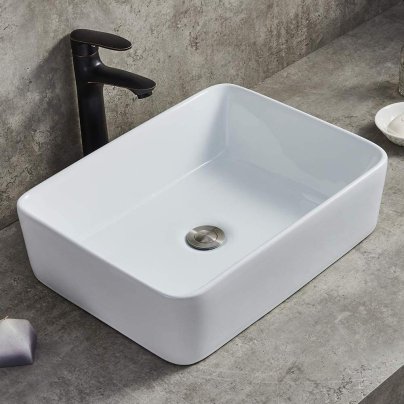
The Best Bathroom Sinks

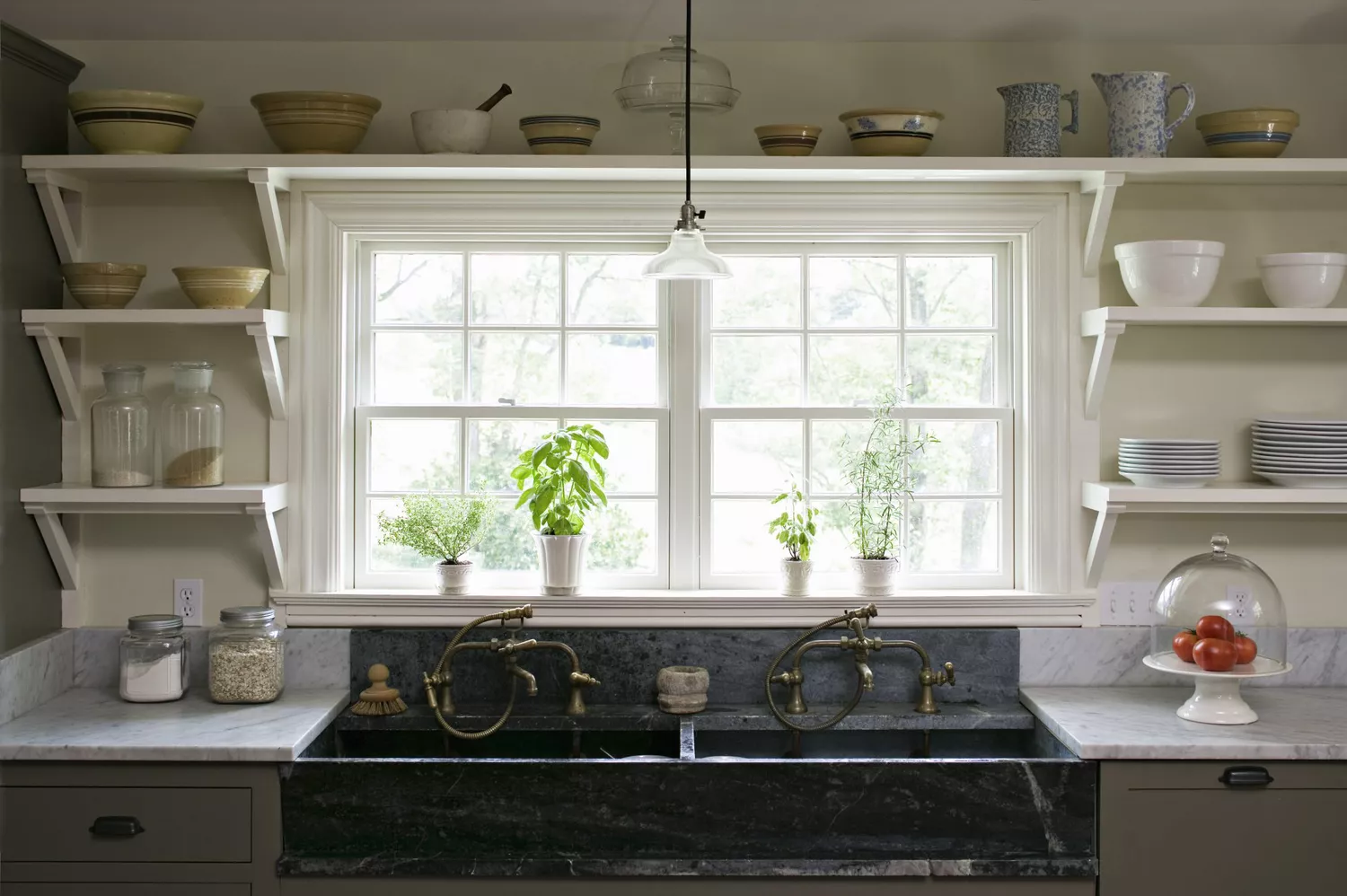
11 Beautiful Kitchen Sink Ideas That Will Transform Your Space
Designers and DIYers Dish on the Best Farmhouse Sinks From Their Own Kitchen Renos

The Best Kitchen Sinks for Your Home, Based on Sink Style

The 5 Best Kitchen Sinks
These Are The Best Sink Colors
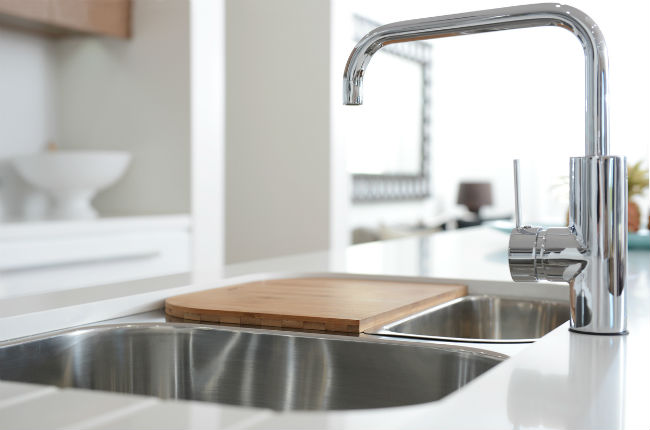
Stylish, Stain-Resistant, or Both: Which Type of Kitchen Sink Is Right for You?

Our Favorite Kitchen Sinks Keep Your Workspace Efficient Without Sacrificing Style

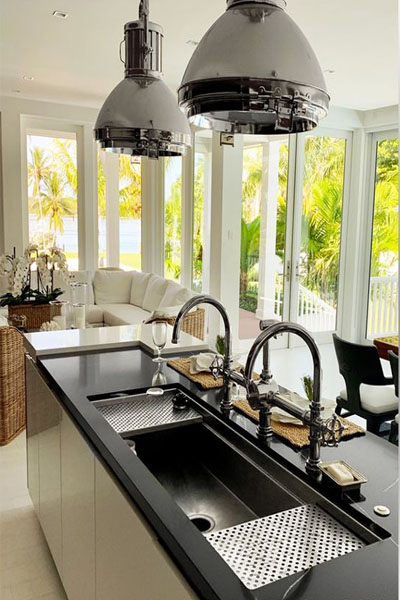
20 Simple and Latest Kitchen Sink Designs for 2024
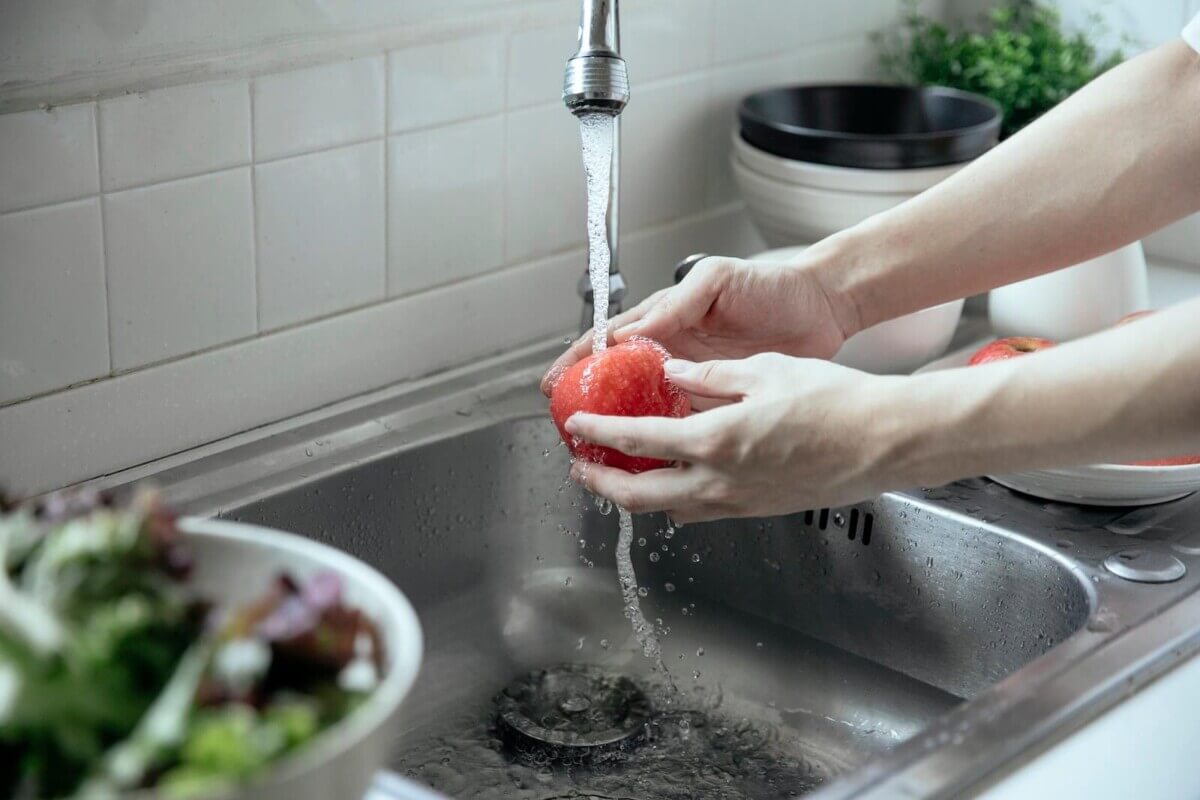
Best Kitchen Sinks: Top 5 Models Most Recommended By Design Experts

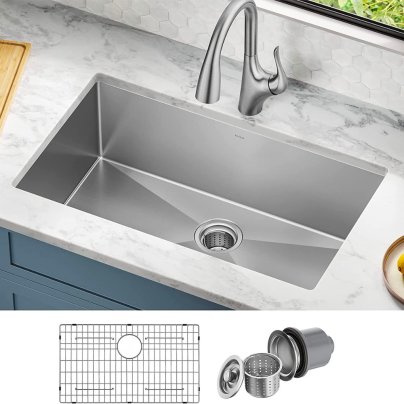
We Researched Dozens of Undermount Kitchen Sinks. Our Top Pick Will Enhance Your Kitchen Design and Functionality

All Kitchen Sinks
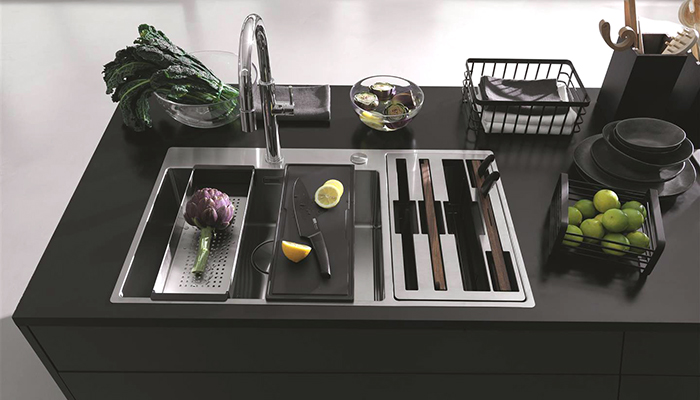
The latest sinks offer designers limitless ways to get in the zone
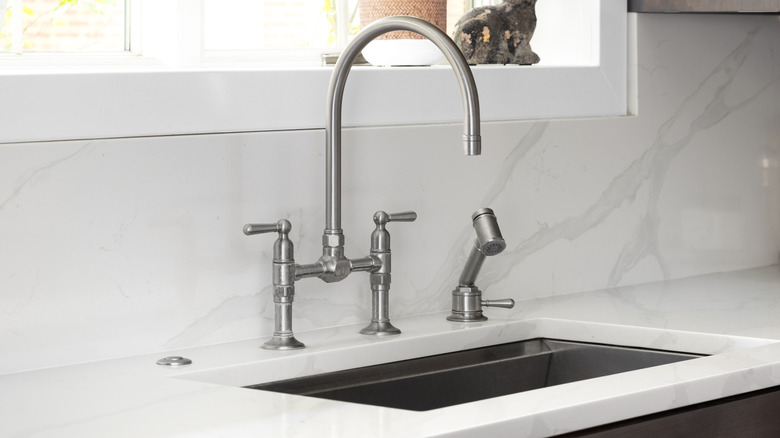
The Ultimate Guide To Choosing A Sink For Your Kitchen

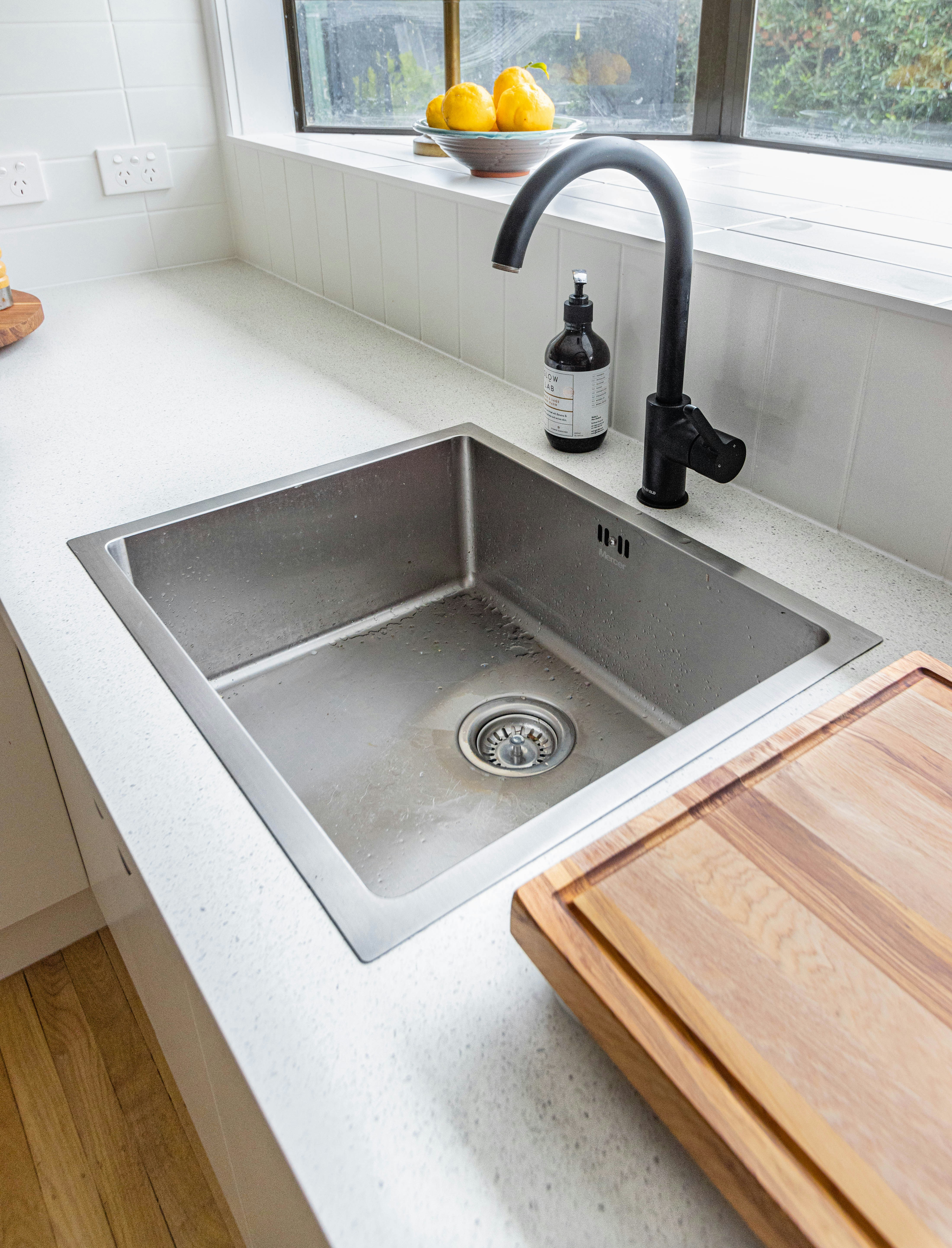
The Rise of Multi-Functional Kitchen Sinks in Modern Homes