Natural Swimming Pools: More Beauty, No Chemicals
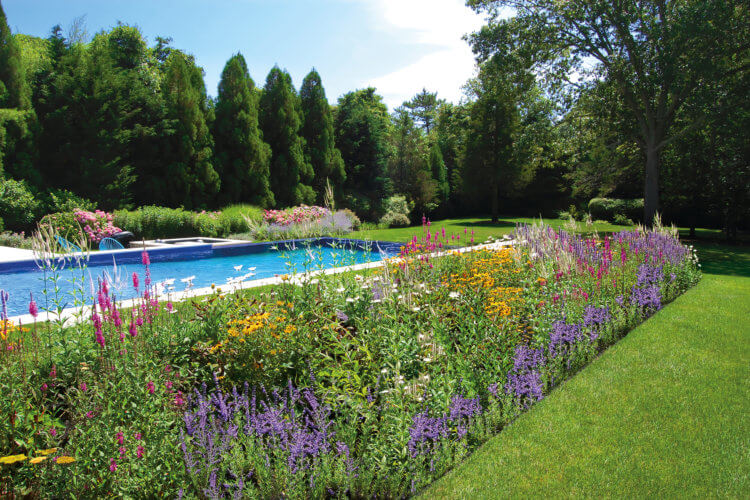
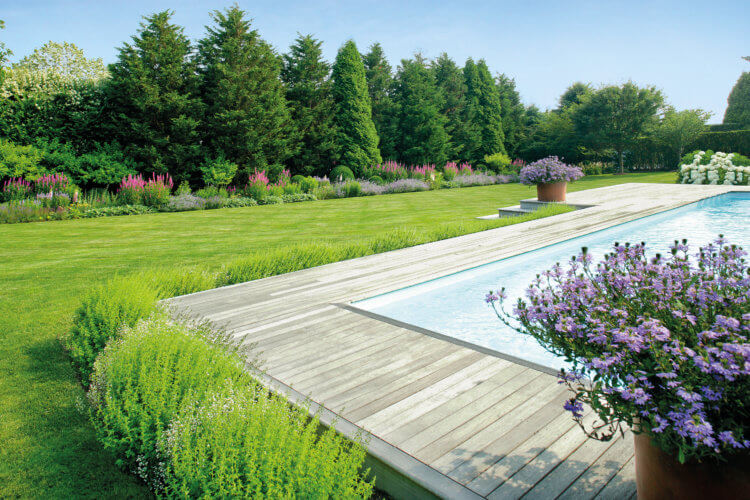
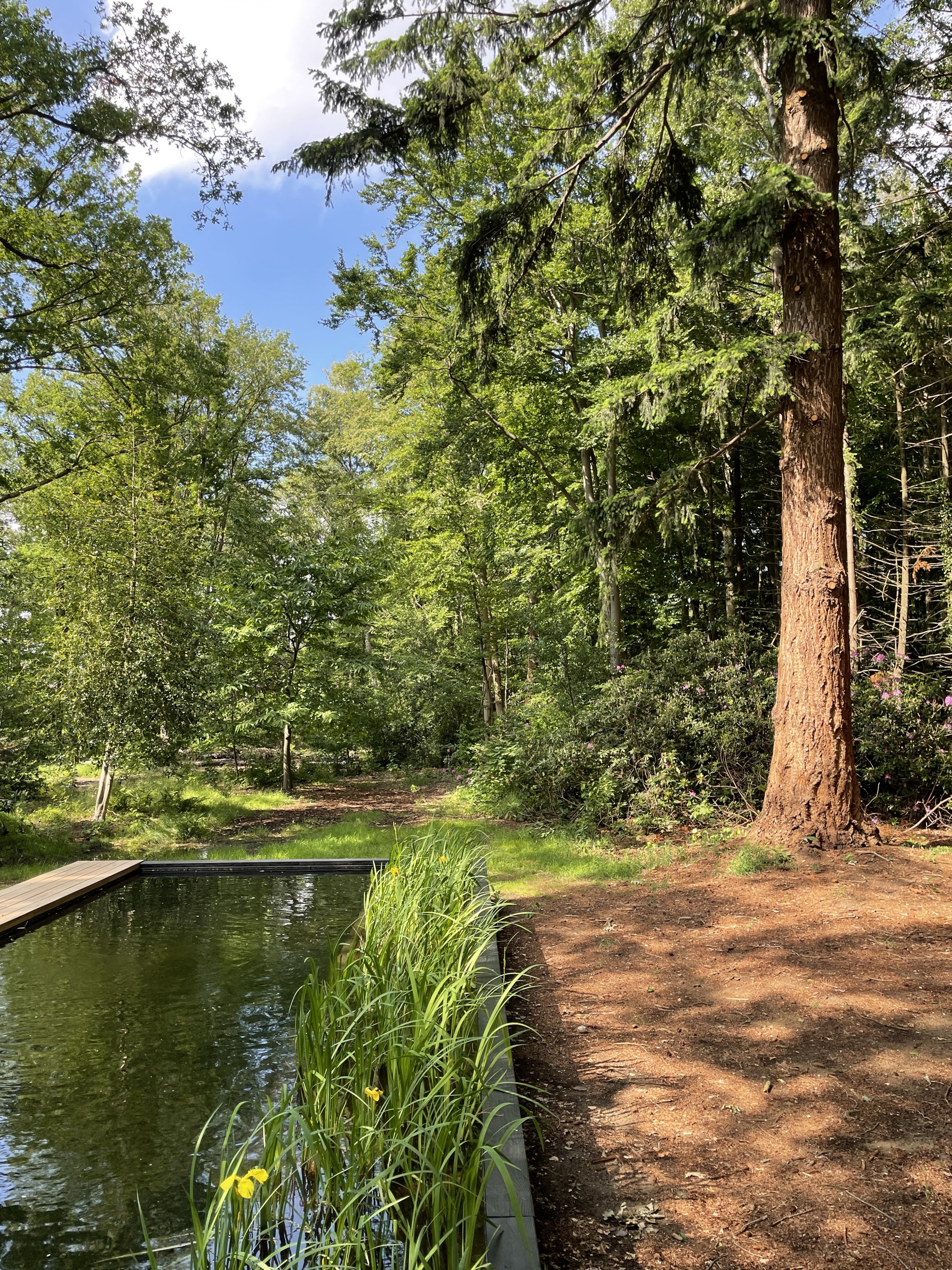
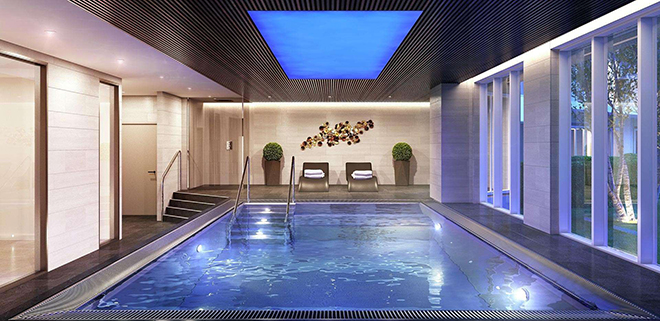
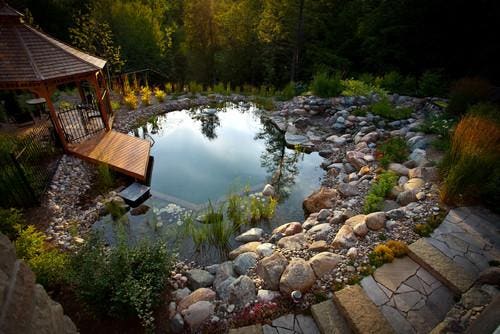
Natural swimming pools offer an eco-friendly and aesthetically pleasing alternative to traditional chlorinated pools, relying on biological filtration to maintain water quality. These pools are designed with two distinct zones: a swimming area and a regeneration zone, the latter typically comprising plants and gravel that act as natural filters. The water circulates between these zones, allowing microorganisms on the plant roots and gravel to break down organic matter and absorb nutrients, thereby preventing algae growth and keeping the water clean without the need for harsh chemicals like chlorine.
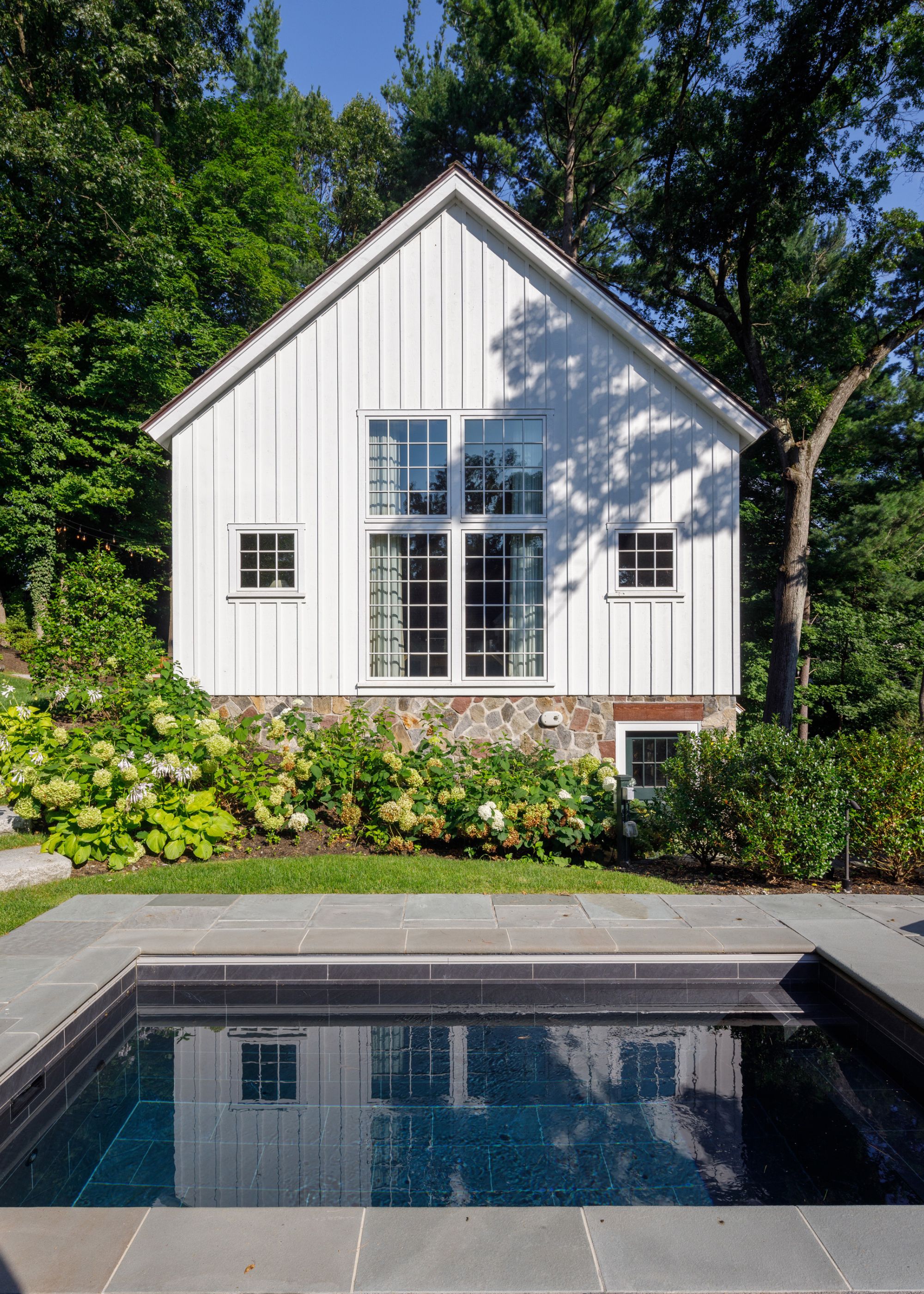
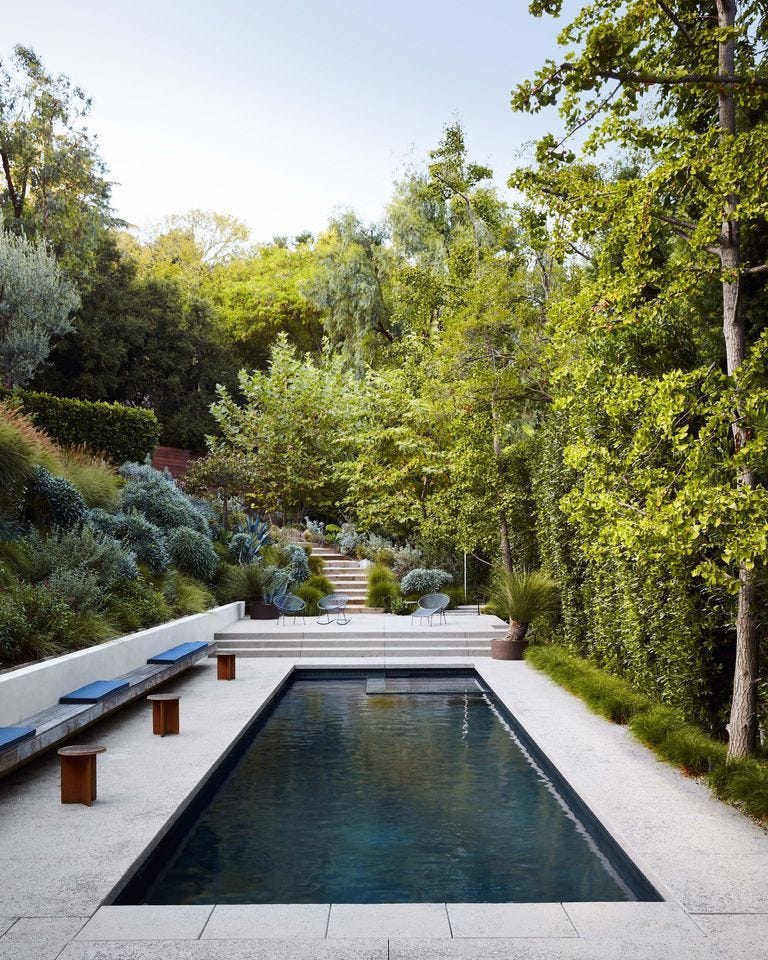
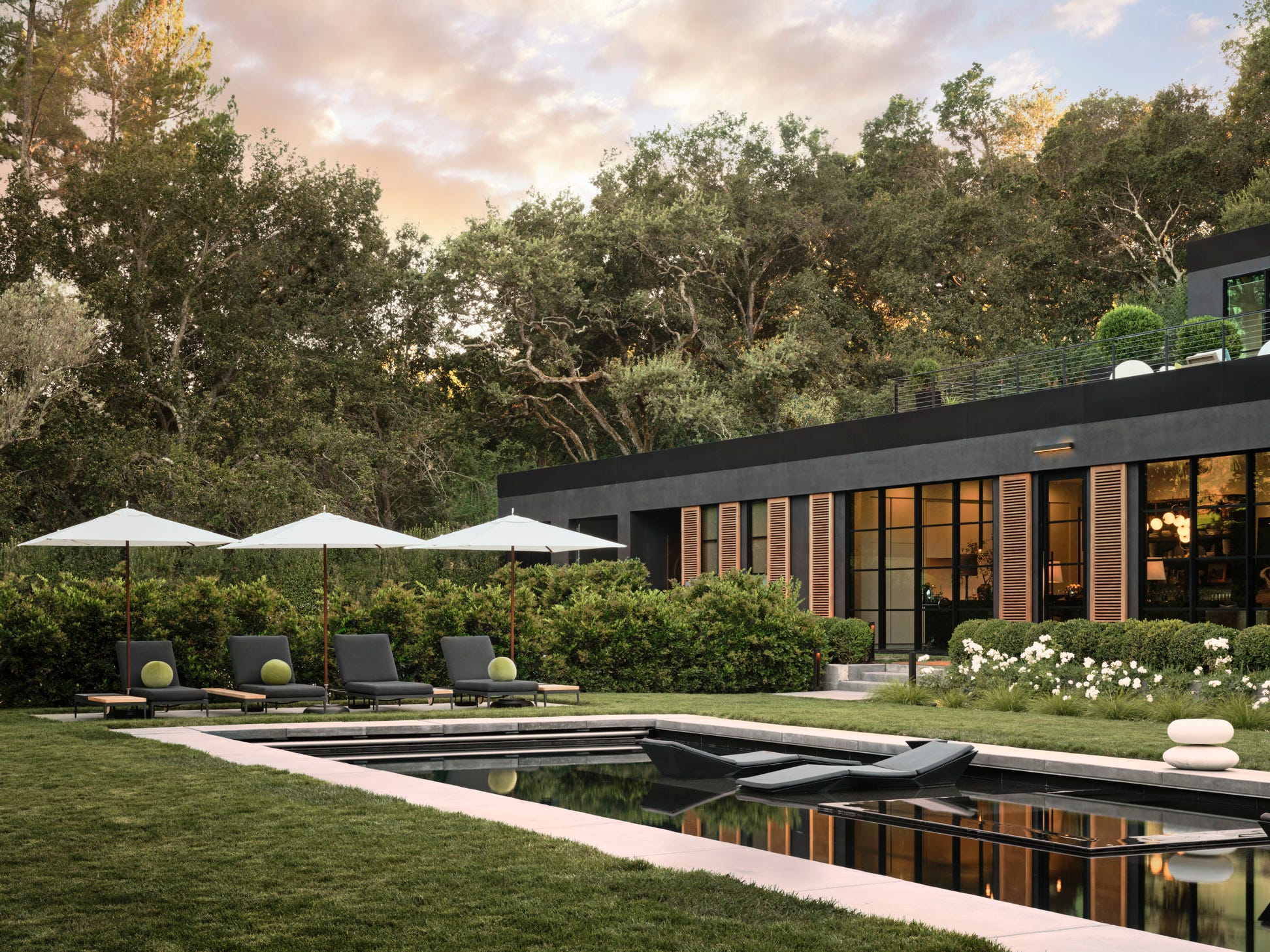
The initial cost of installing a natural swimming pool can be higher than that of a conventional pool due to the specialized design and landscaping involved in creating the regeneration zone. However, proponents argue that the long-term maintenance costs are significantly lower because there's no continuous need for chemical purchases or energy-intensive filtration systems. These pools are often praised for their seamless integration into the surrounding landscape, providing a more natural and serene aesthetic that enhances the overall beauty of a property. They can mimic natural ponds or lakes, complete with aquatic plants, rocks, and even waterfalls, making them a focal point in any garden or backyard.
Beyond aesthetics, natural swimming pools offer health benefits by eliminating exposure to chlorine and other chemicals that can irritate skin, eyes, and respiratory systems. This makes them particularly appealing to individuals with chemical sensitivities or those seeking a healthier swimming environment. Furthermore, these pools contribute positively to biodiversity, as the regeneration zones can create habitats for various aquatic organisms, insects, and birds, turning a backyard into a thriving ecosystem. The plants in the regeneration zone also absorb carbon dioxide, adding to the environmental benefits.
Designing a natural swimming pool requires careful planning, including considerations for water volume, plant selection, and the overall ecological balance of the system. Common plant choices include water lilies, irises, rushes, and reeds, each playing a role in the filtration process and contributing to the natural beauty. The design can be customized to suit different tastes, from formal, minimalist styles to more wild and rustic landscapes. Regular maintenance involves occasional cleaning of the swimming zone, pruning of aquatic plants, and ensuring proper water circulation, though it is generally less demanding than the chemical balancing required for traditional pools.
While natural swimming pools are gaining popularity in regions like Europe, their adoption is slower in North America, partly due to a lack of awareness and stringent local regulations concerning water quality. Educational efforts are underway to inform homeowners and regulatory bodies about the benefits and feasibility of these sustainable swimming solutions. The trend towards sustainable living and a desire for chemical-free environments is expected to drive further interest in natural swimming pools, positioning them as an attractive option for environmentally conscious homeowners looking to enhance their outdoor living spaces with a beautiful, healthy, and low-maintenance pool.
#NaturalSwimmingPools #EcoFriendly #SustainableLiving #ChemicalFree #LandscapeDesign #Biodiversity #WaterQuality #OutdoorLiving #HomeImprovement #RealEstate #NaturalSwimmingPools #EcoFriendly #SustainableLiving #ChemicalFree #LandscapeDesign #Biodiversity #WaterQuality #OutdoorLiving #HomeImprovement #RealEstate
0 komentarzy łącznie
 Brak komentarzy jeszcze
Możesz również polubić
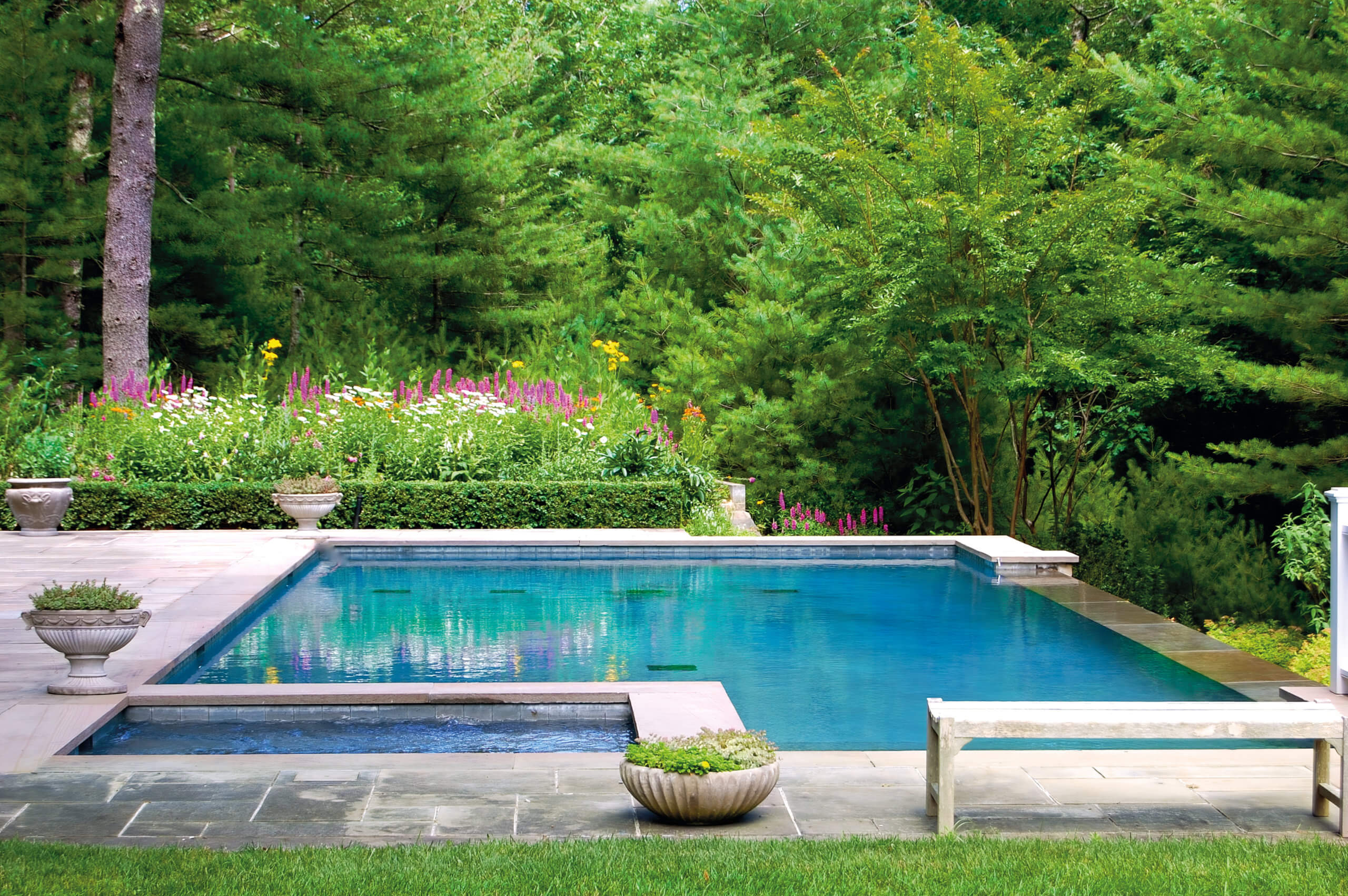
Creating An Oasis of Color and Beauty Around the Pool


Freestanding Baths

Basin Pool Designs Has The Right Recipe For Creating Spectacular Luxury Pools

20 Small Pools that Will Make a Big Splash

12 Clever Ways to Design a Small Pool Into Your Yard That Are Ideal for Hot Summers and Feel Perfectly to Scale

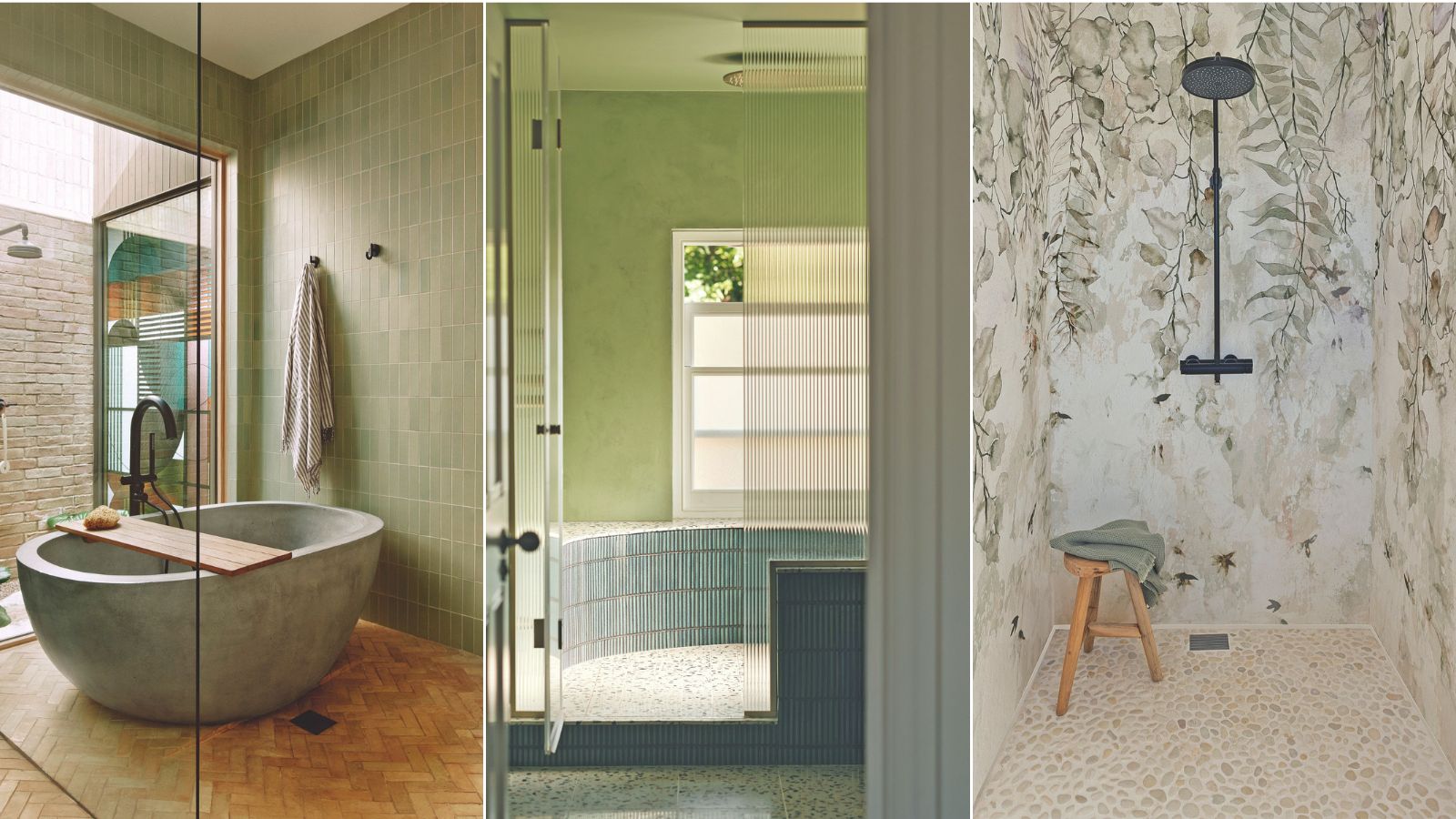
5 nature-inspired bathrooms that nail the biophilic trend
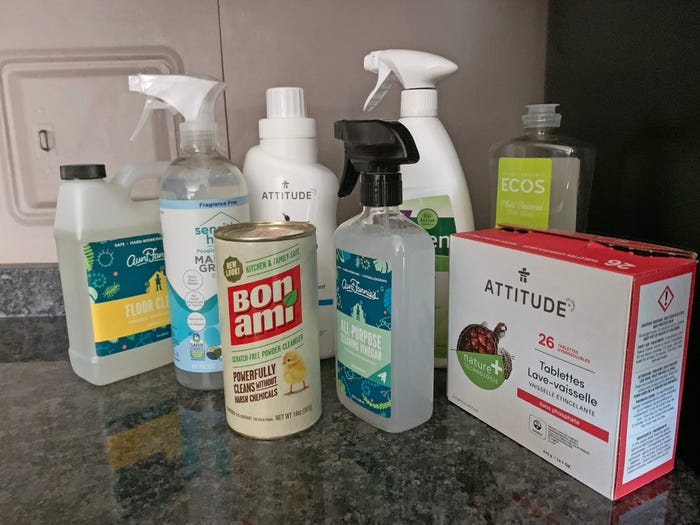
The 7 Best Natural Cleaning Products
Hard Water Wrecking Your Hair? Try These Editor-Approved Shower Filters
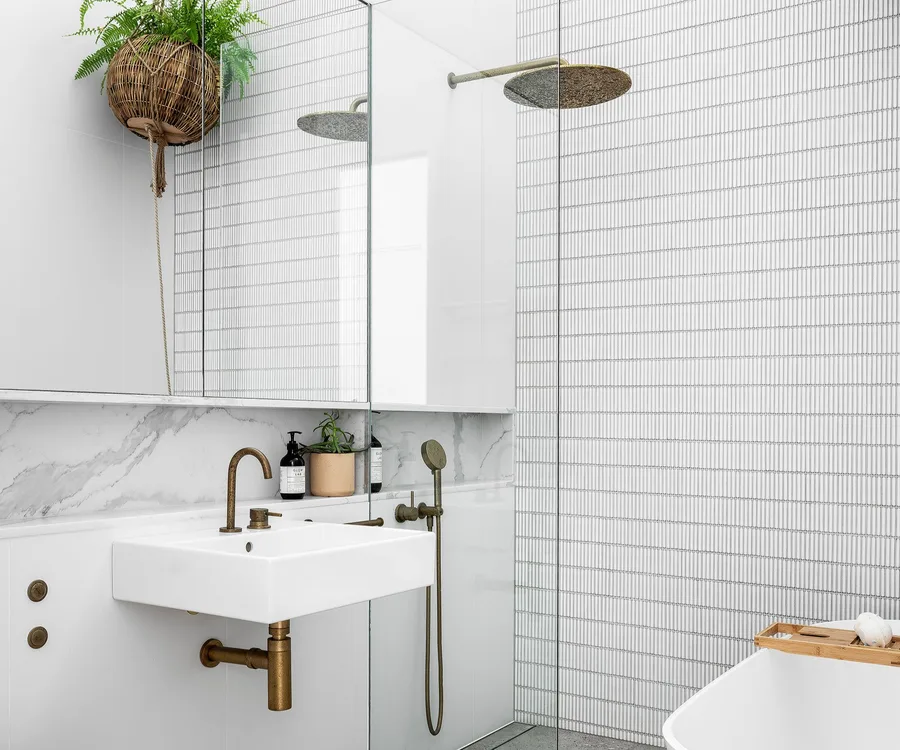
7 ways to clean your shower (and keep it that way) using natural products


Cutting-Edge Innovations in Pool Construction

50 Dreamy Pool Designs to Inspire Your Own Outdoor Escape


Getting Pools up to date in 2025
26 Insanely Cool Backyard Pool Ideas That Are 1,000x Cooler Than That Overrated Beach Trip
Above-Ground Pools Are Having a Serious Style Moment
Dyeing Your Pool Green For St. Patrick’s Day Can Be an Unlucky Mistake
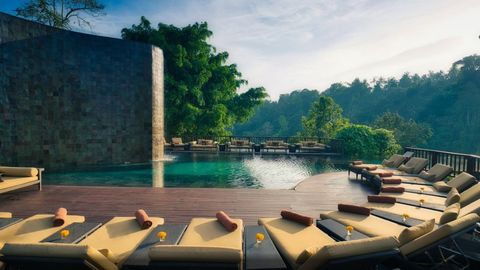
10 Of The World's Coolest Pools To Dive Into Right Now
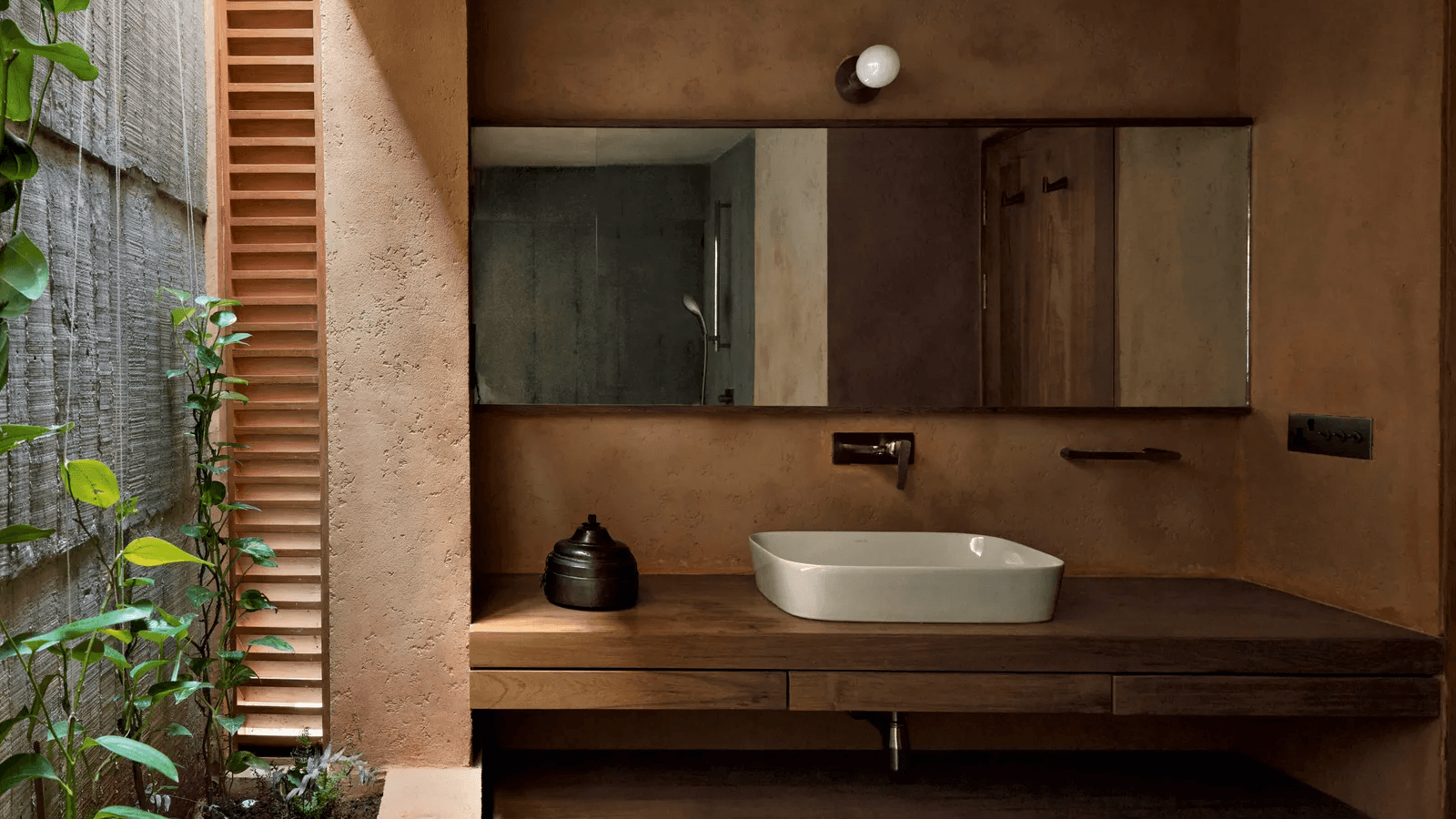
5 biophilic bathrooms that invite the beauty of nature indoors

The Best Natural Cleaning Products, Tested and Reviewed

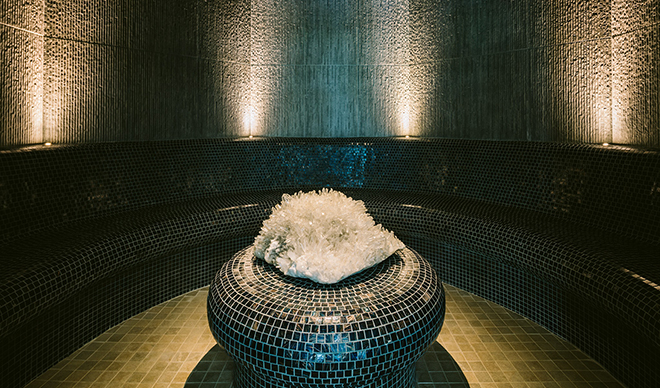
New Status Symbol: Your Own Home Luxury Spa

Top Tips for Maintaining an Above Ground Pool