1/10
How to Cool Down Your Sunroom — 5 Simple Methods to Stop This Spot Overheating in Summer
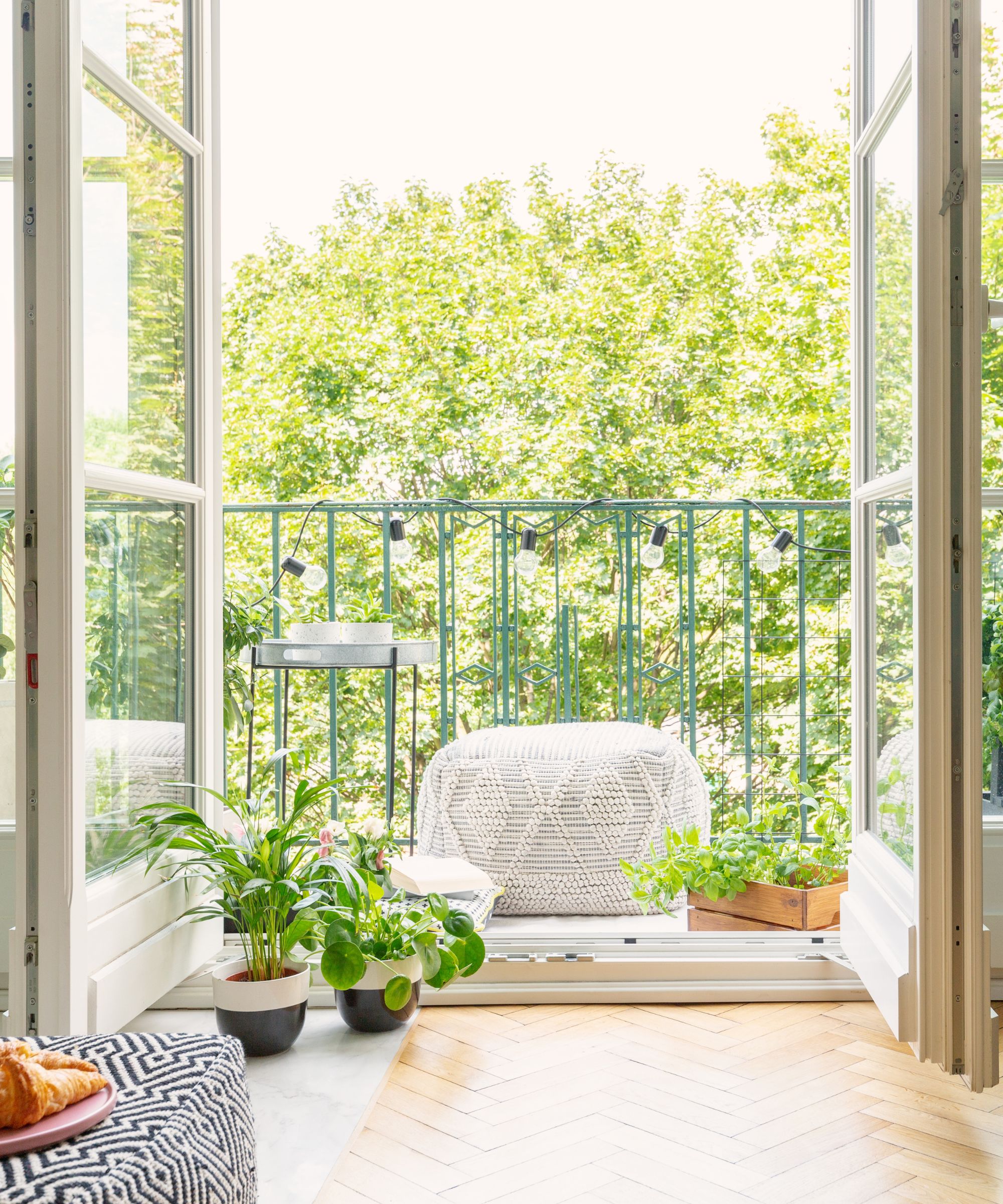
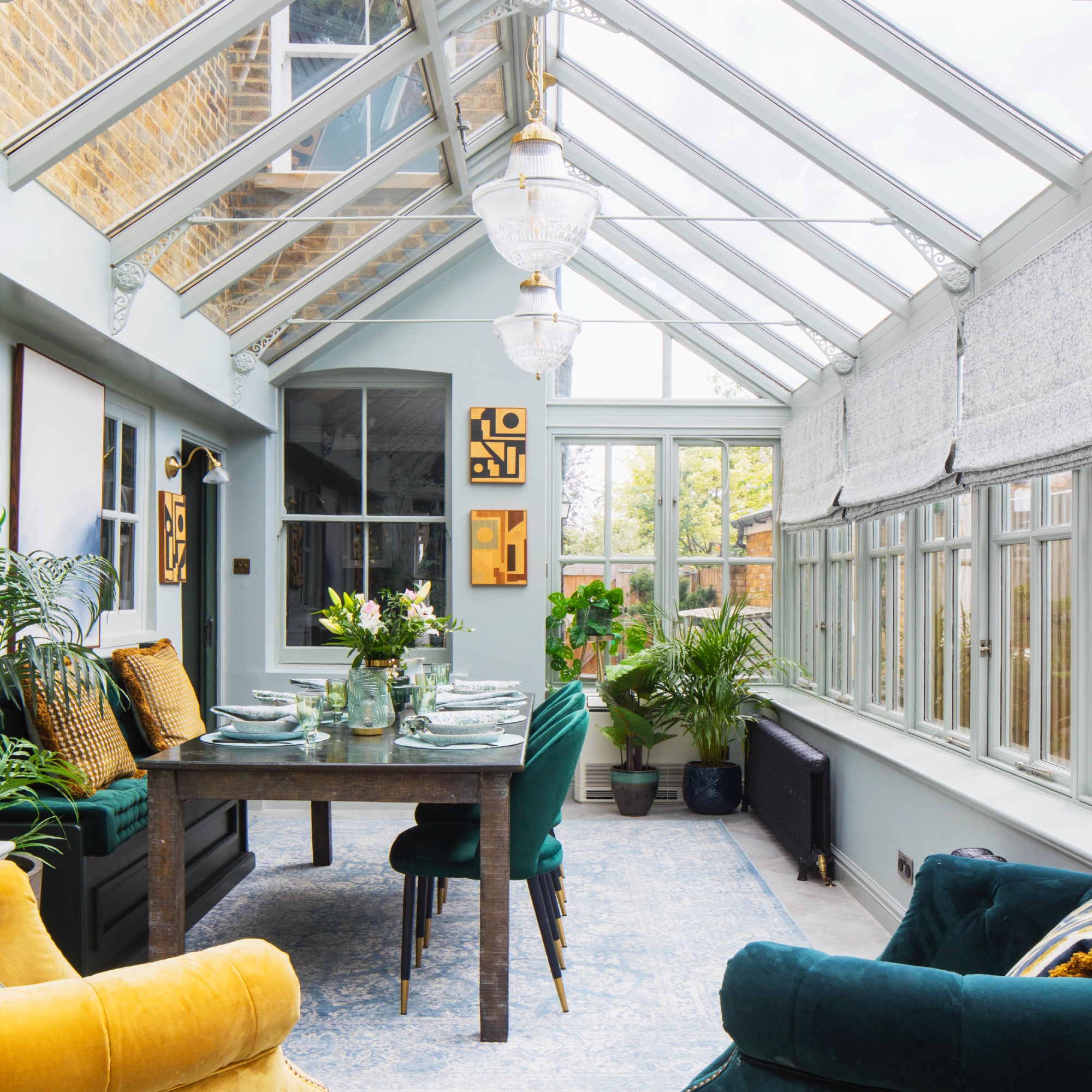
Sunrooms offer a unique space within a home, providing abundant natural light and a connection to the outdoors without exposure to the elements. These areas are versatile, serving as lounge spaces, home offices, or dining areas. However, a common challenge with sunrooms is their tendency to overheat, especially during warmer months, due to the extensive glazing. This overheating can make the space uncomfortable and less functional. Addressing this issue requires strategic cooling methods to ensure the sunroom remains an enjoyable and usable part of the home.
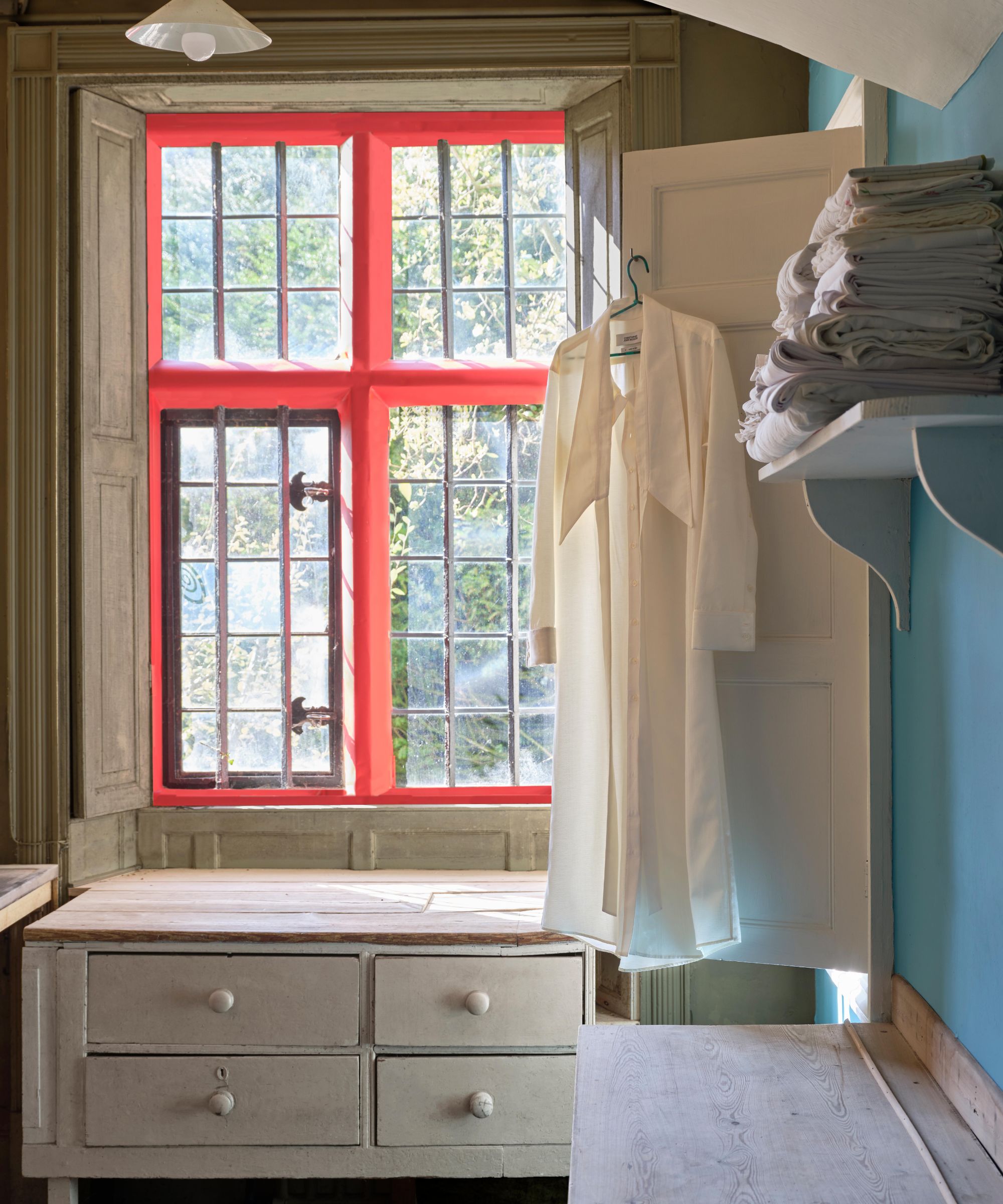
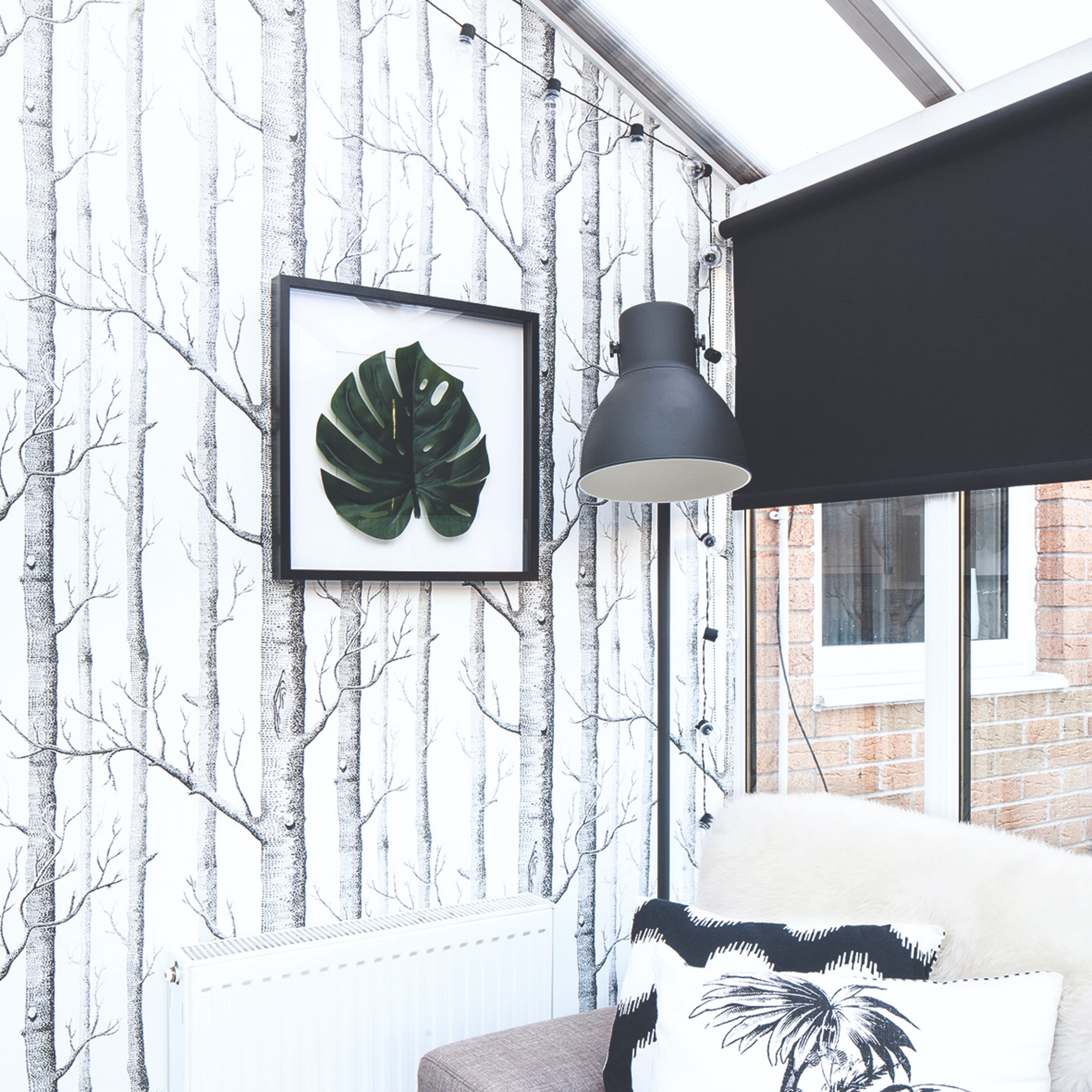
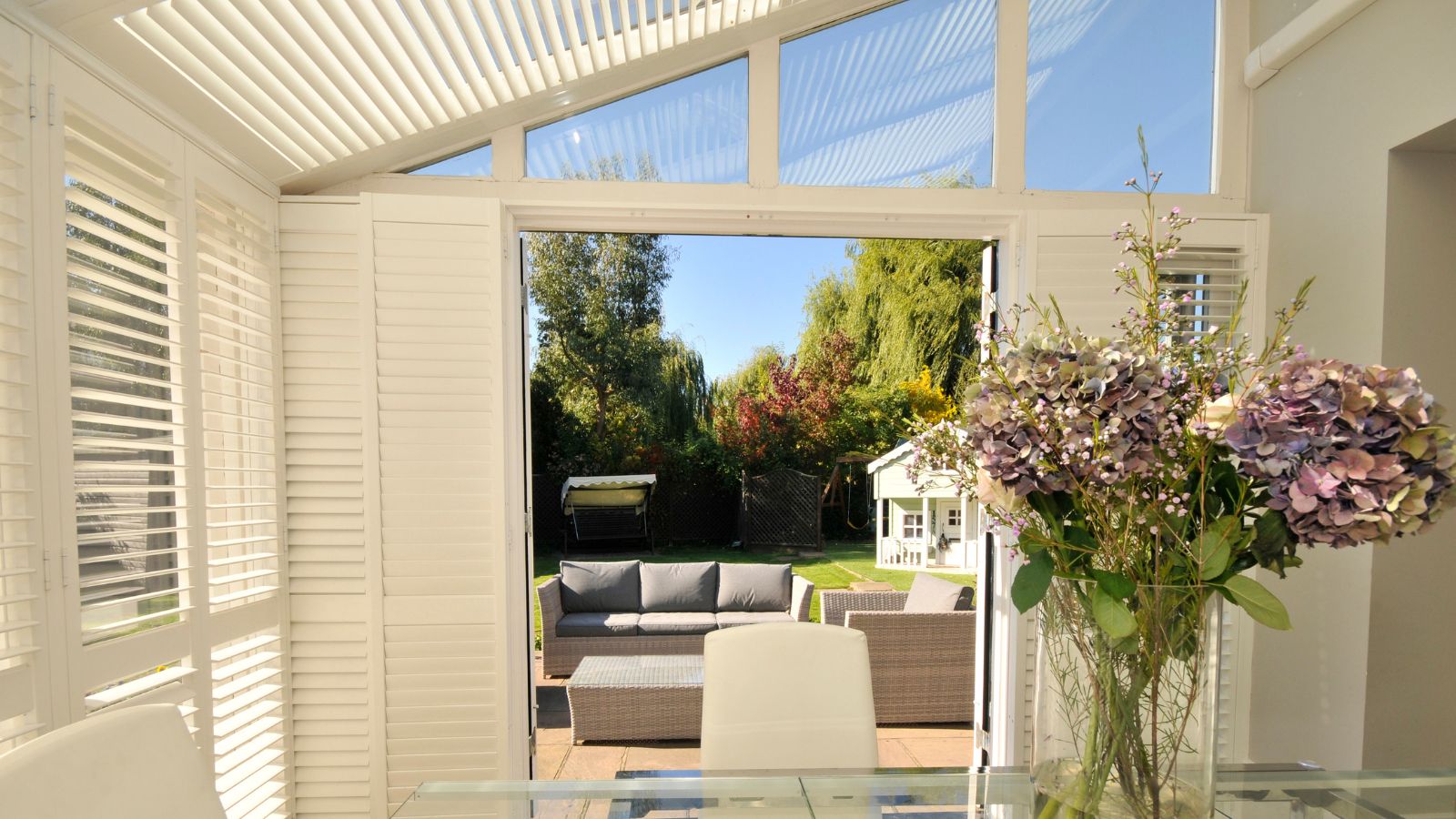
One effective method for cooling a sunroom is the installation of shades such as blinds, drapes, or curtains. These window coverings act as a barrier against direct sunlight, preventing excessive heat from entering the room. Beyond temperature regulation, shading also protects sunroom furniture, particularly items that are not UV-protected, from potential sun damage and fading. Reflective films, similar to those used on car windows, can also be applied to further reduce solar heat gain.
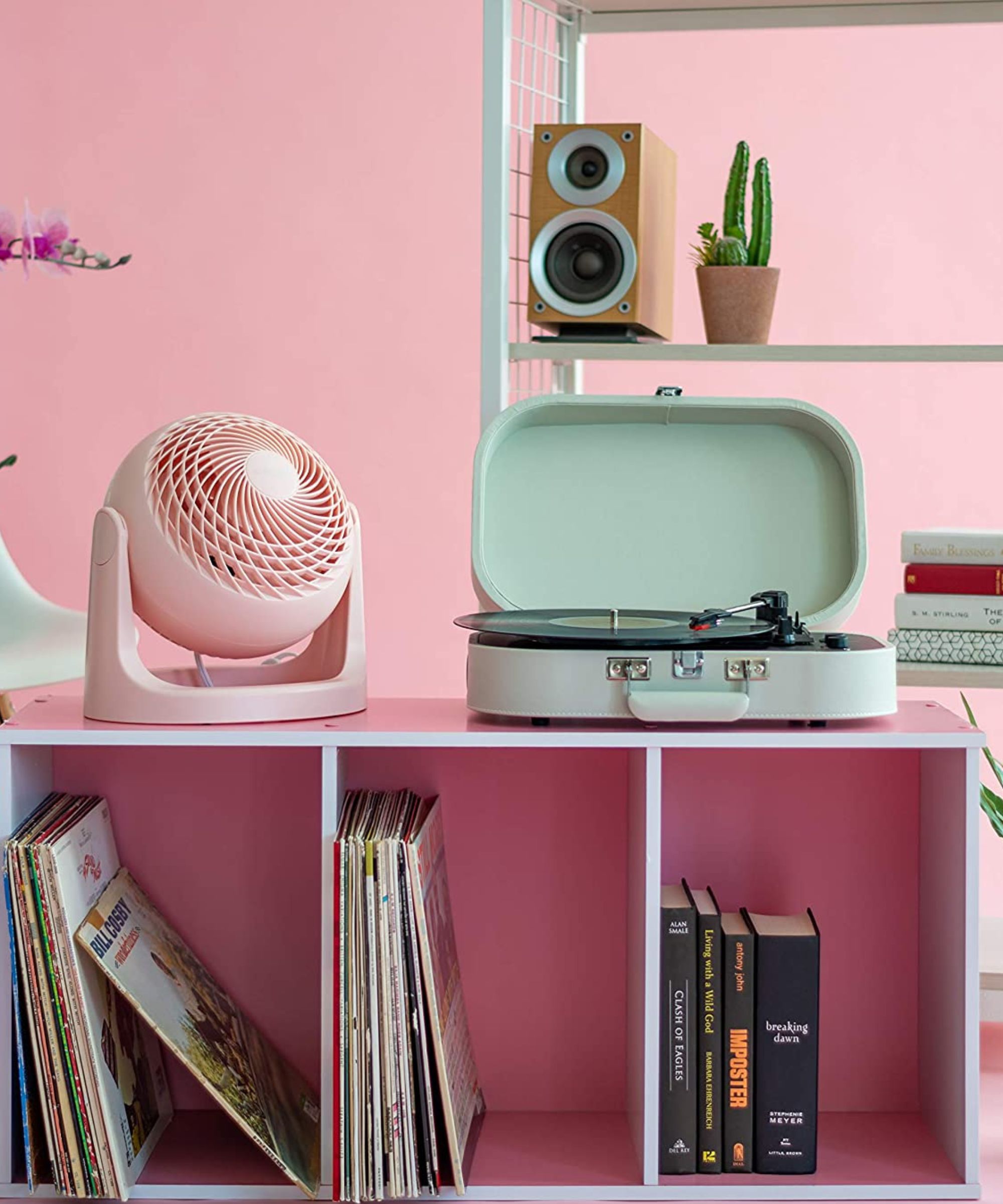
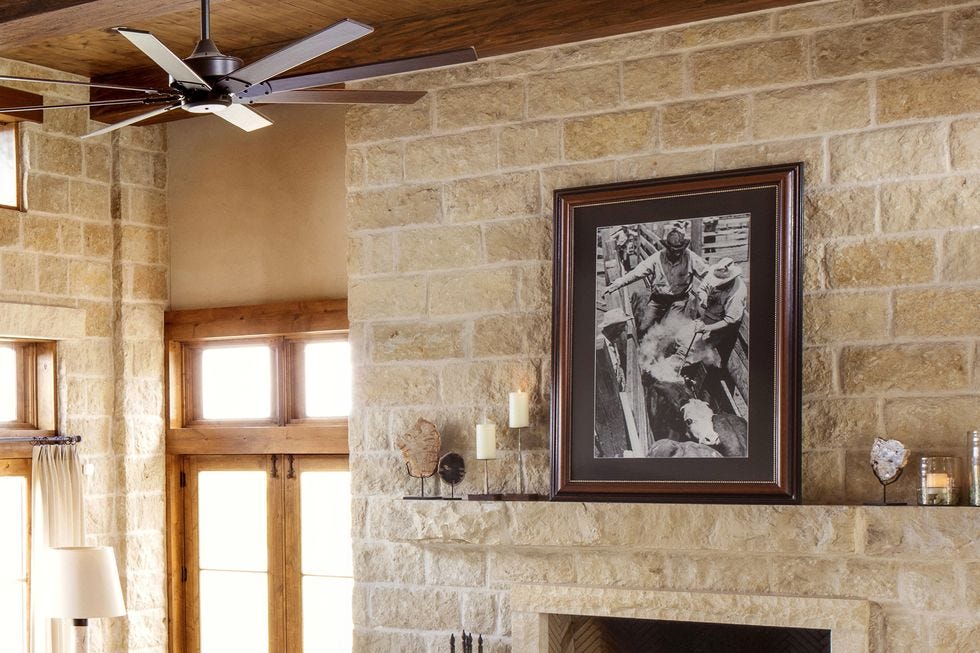
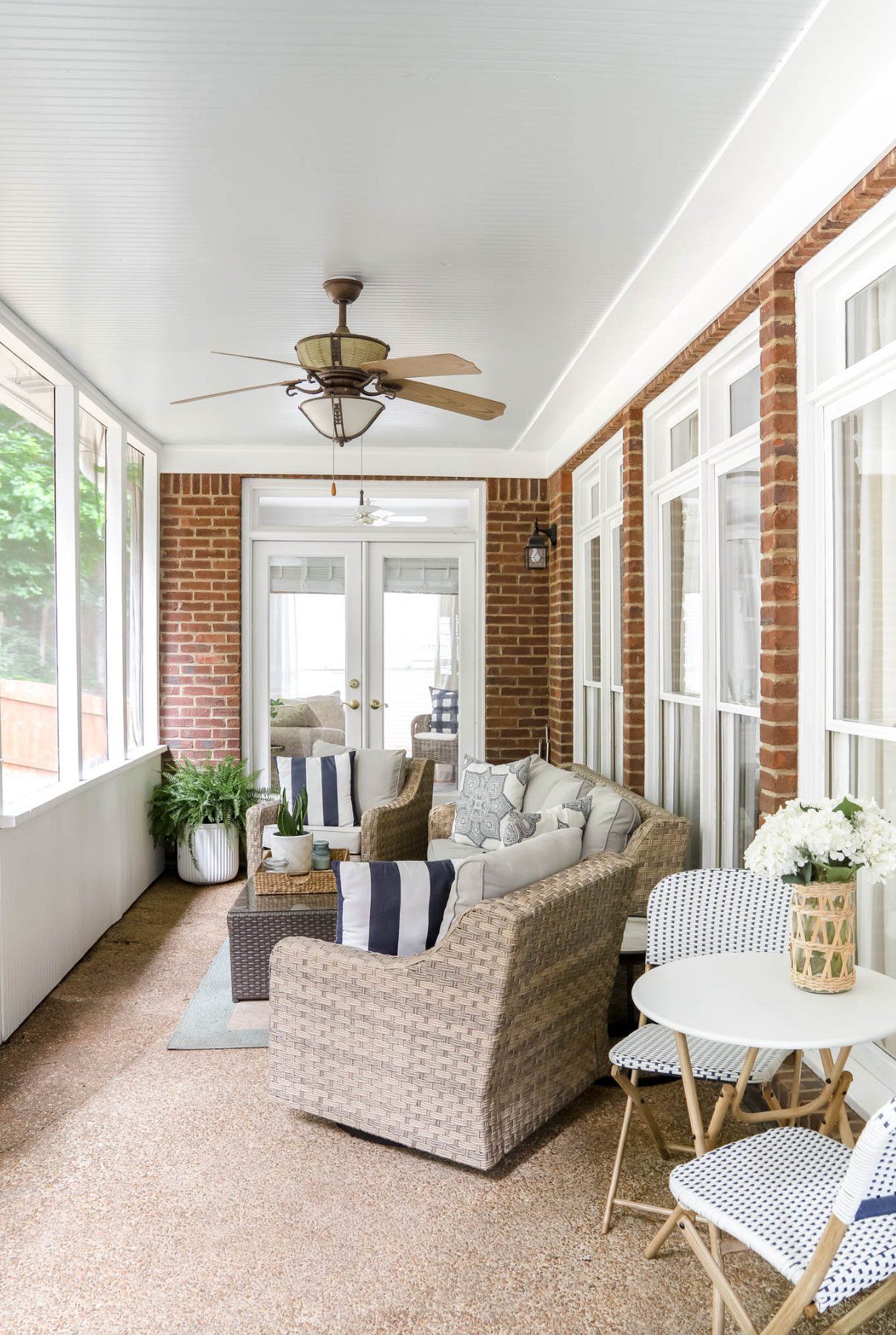
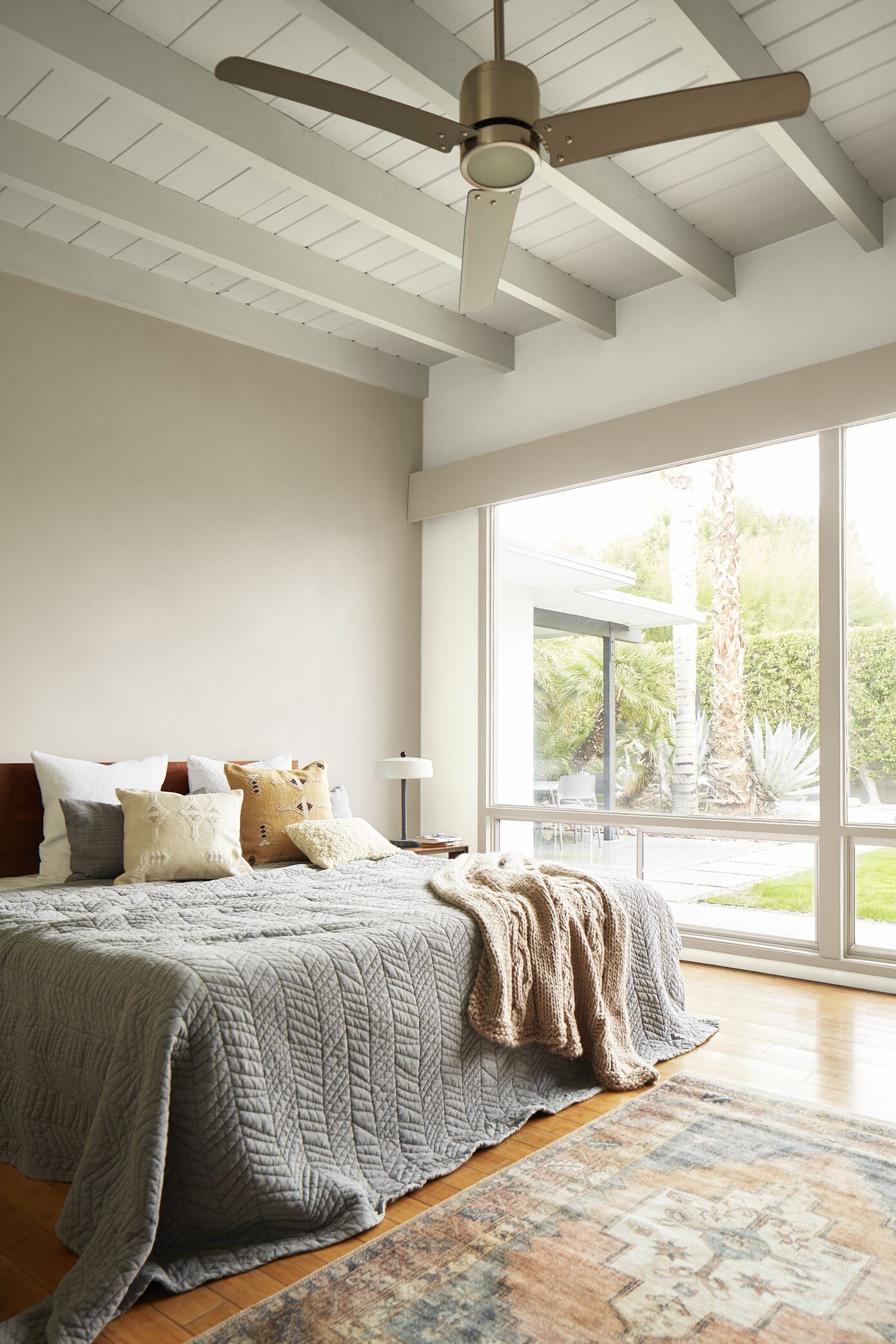
Another crucial cooling strategy involves enhancing air circulation, and ceiling fans are highly effective for this purpose. While ceiling fans do not actively cool the air, they create a significant windchill effect by moving large volumes of air. This movement disrupts stagnant hot air, providing a sensation of coolness and making the room feel more comfortable. Modern ceiling fans are available in various stylish designs, ensuring they complement the room's aesthetic rather than detracting from it.
Ventilation plays a vital role in removing hot air from a sunroom. Installing an exhaust fan can help expel warm air, particularly beneficial after sundown when the room naturally begins to cool. This approach allows cooler air from other parts of the home to circulate into the sunroom more effectively, preparing the space for comfortable use. Proper ventilation is essential for preventing heat buildup throughout the day.
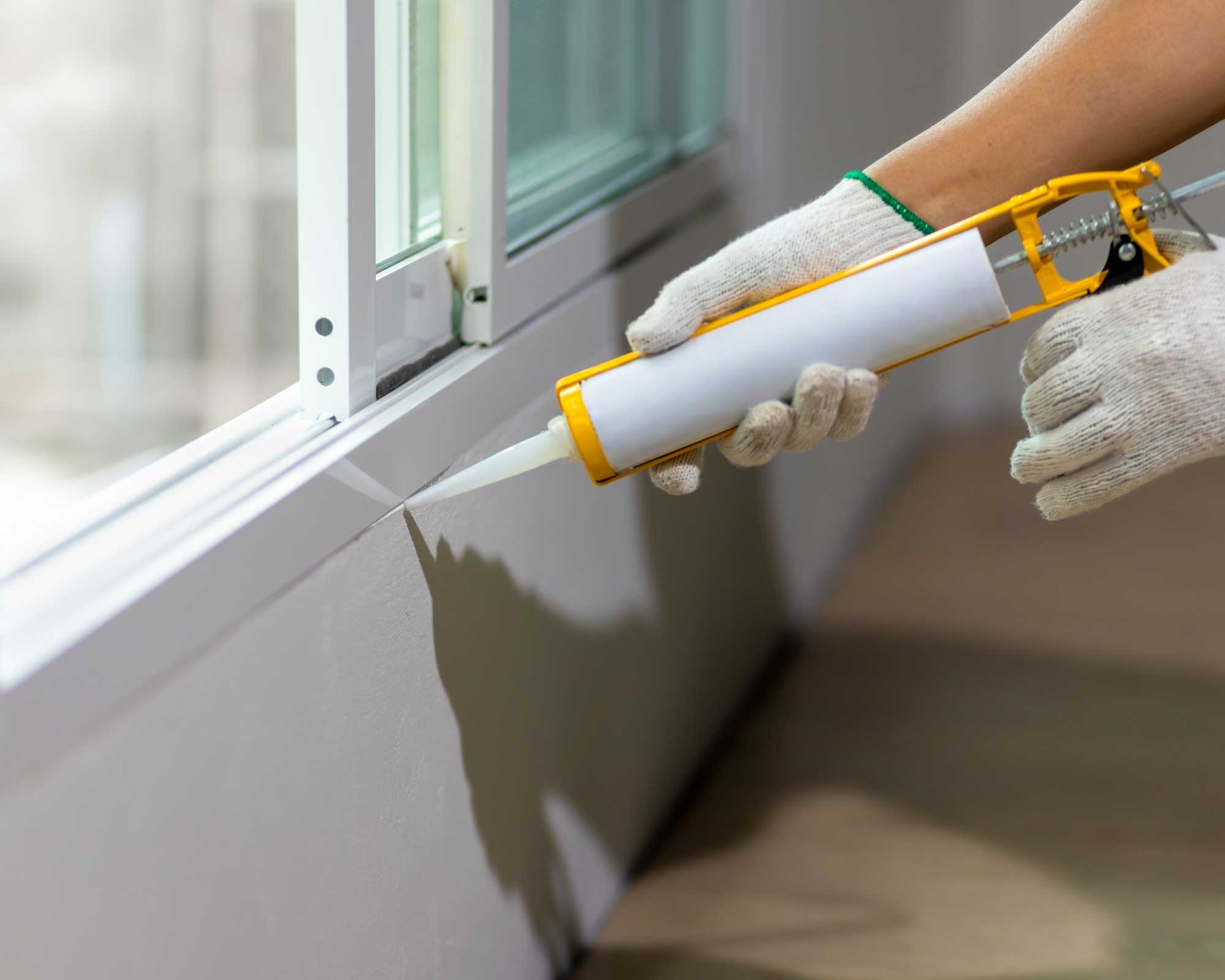
Insulation is a long-term solution to mitigate heat transfer into a sunroom. Applying insulation to the ceiling, interior walls, and around windows and doors creates a thermal barrier. This barrier reduces the amount of thermal radiation that heats the structural components of the sunroom, thereby minimizing heat transfer between the outdoor and indoor environments. Effective insulation helps maintain a more stable indoor temperature, keeping the room cooler in summer and warmer in winter.
Finally, for sunrooms where ventilation or insulation improvements are difficult or cost-prohibitive, evaporative coolers offer a practical alternative. These devices can significantly lower room temperatures by nearly 20 degrees in some cases. Evaporative coolers work by drawing in warm, dry air and passing it over water-soaked pads, which cools the air through evaporation before circulating it back into the room. Advances in technology have led to compact and efficient evaporative cooler designs, some small enough to be placed on a desktop, making them a versatile option for localized cooling.
#SunroomCooling #HomeClimateControl #InteriorDesign #EnergyEfficiency #VentilationSolutions #ShadingTechniques #HomeImprovements #SummerComfort #SunroomCooling #HomeClimateControl #InteriorDesign #EnergyEfficiency #VentilationSolutions #ShadingTechniques #HomeImprovements #SummerComfort
0 komentarzy łącznie
 Brak komentarzy jeszcze
Możesz również polubić

How to keep a top-floor apartment cool in summer


Sunroom ideas to create spaces where the sun feels like it shines all year round

The One Home Feature You Need for a DREAMY Transition to Fall

Invest in a ceiling fan to keep your cool this summer
5 easy DIY tricks to draft-proof sunrooms for winter

6 Ways to Create a Cooling Patio in 2024

This Easy Ceiling Fan Trick Will Help Keep You Cool in the Summer


Sick of the heat? Here's how to keep your home cool, heatwave or not, if you don't have AC

Sunny Days Ahead: 5 Ways to Refresh Your Living Room for Summer


6 Sunroom Decorating Dos And Don'ts So You Can Enjoy The Space Year-Round
Try These Dreamy Sunroom Ideas for a Bright and Relaxing Space

Conservatory blind ideas – 19 ways to shield your conservatory from extreme heat and sunlight in style

Stay cool this summer with ceiling fans


6 things people with clean sunrooms always do – expert tips to make the most of your sunroom this spring

Patio shade ideas – 11 stylish ways to stay cool this summer

Beat the heat: 7 DIY natural ways to summer-proof your house | Lifestyle News


12 light-filled sunroom ideas that bring the outdoors in

Too Hot to Stay in the Kitchen? 9 Ways to Stay Cool While Cooking This Summer


Don't Do This—There Are Better Solutions for Cooling Your Garage in the Summer


Take a shine to sunrooms