1/15
How Can Hidden Niches Transform Walls into Functional Architecture?
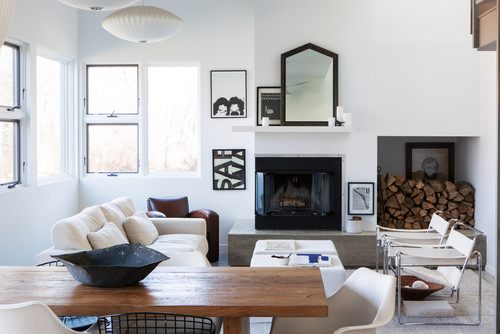
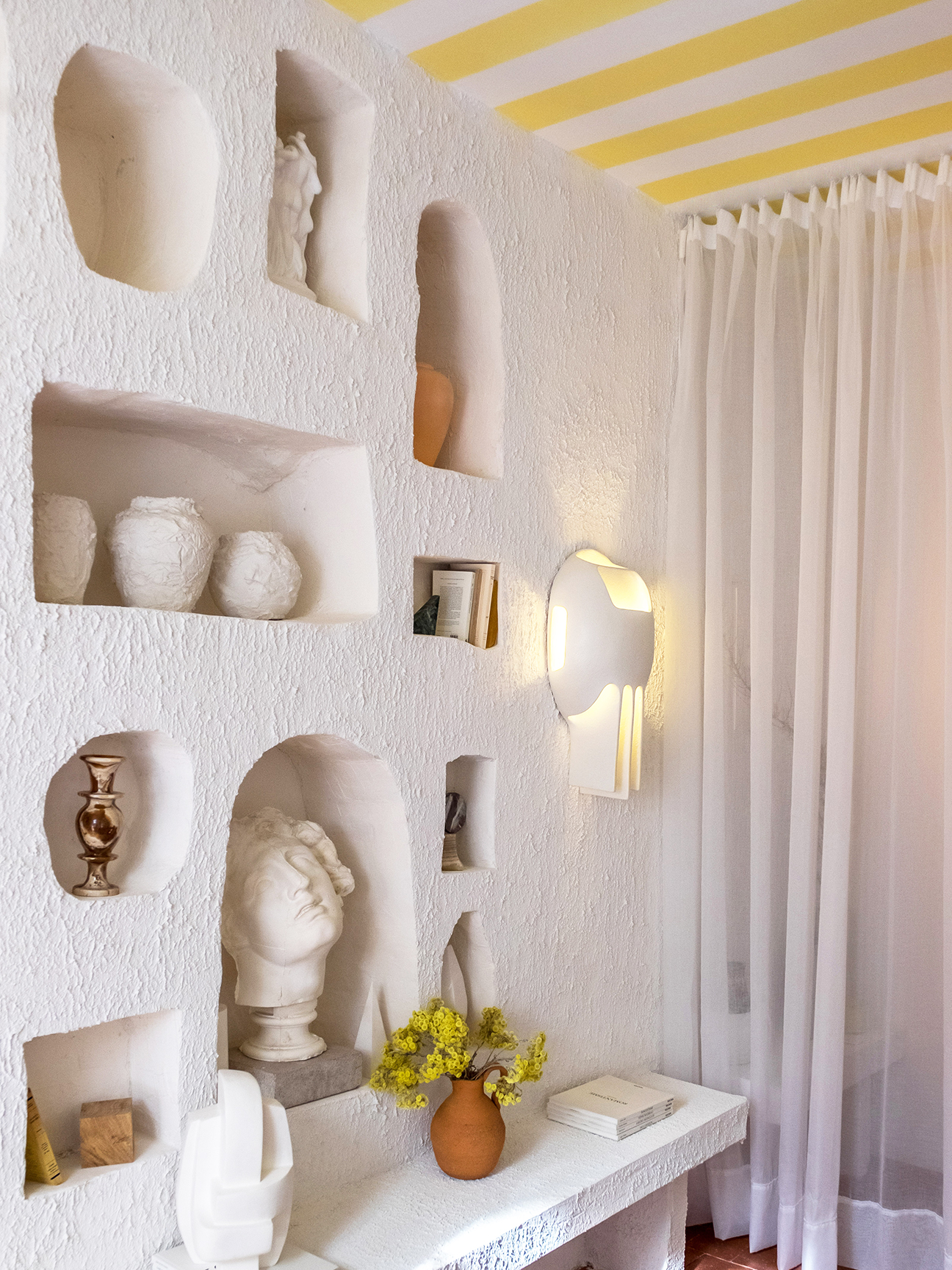
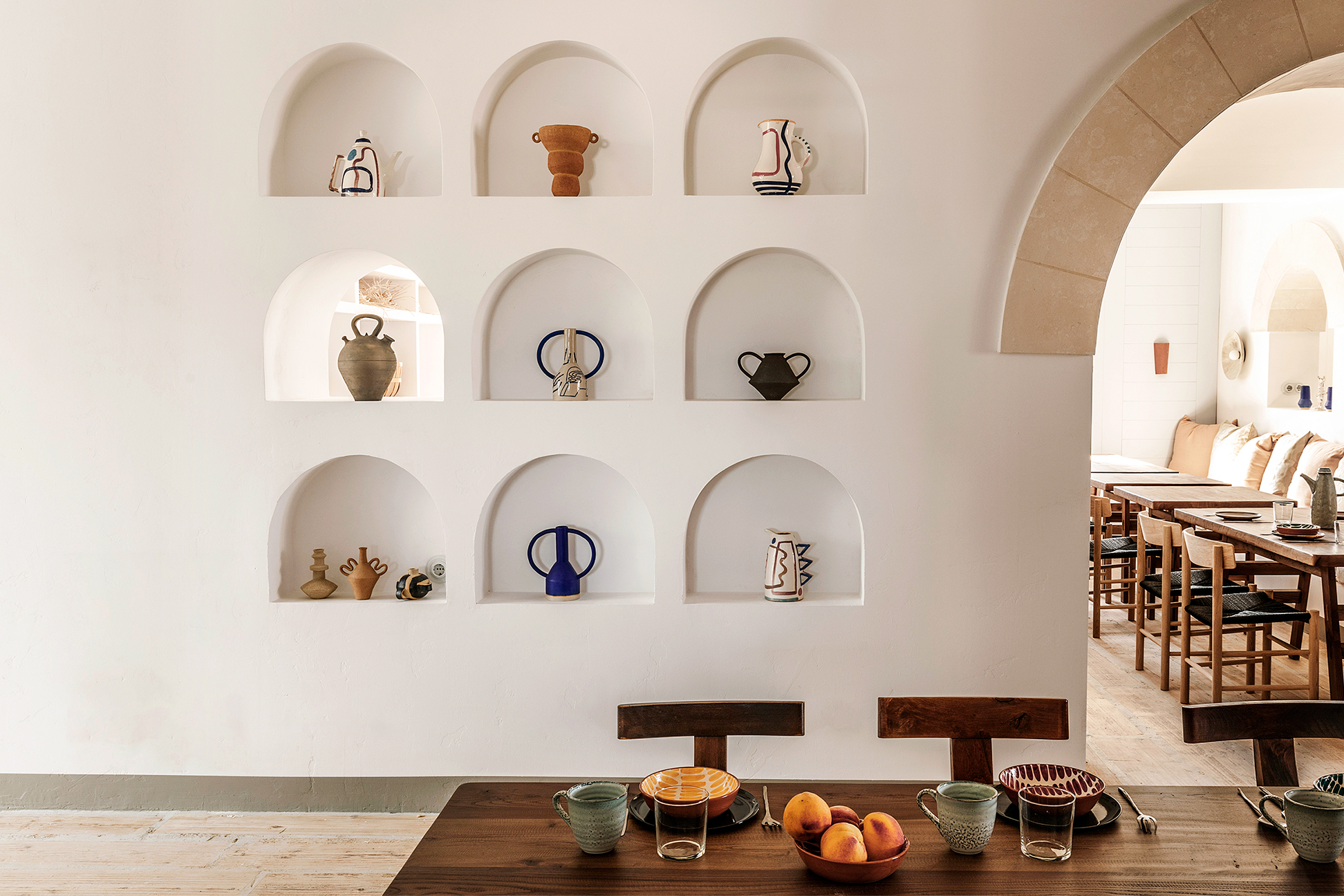
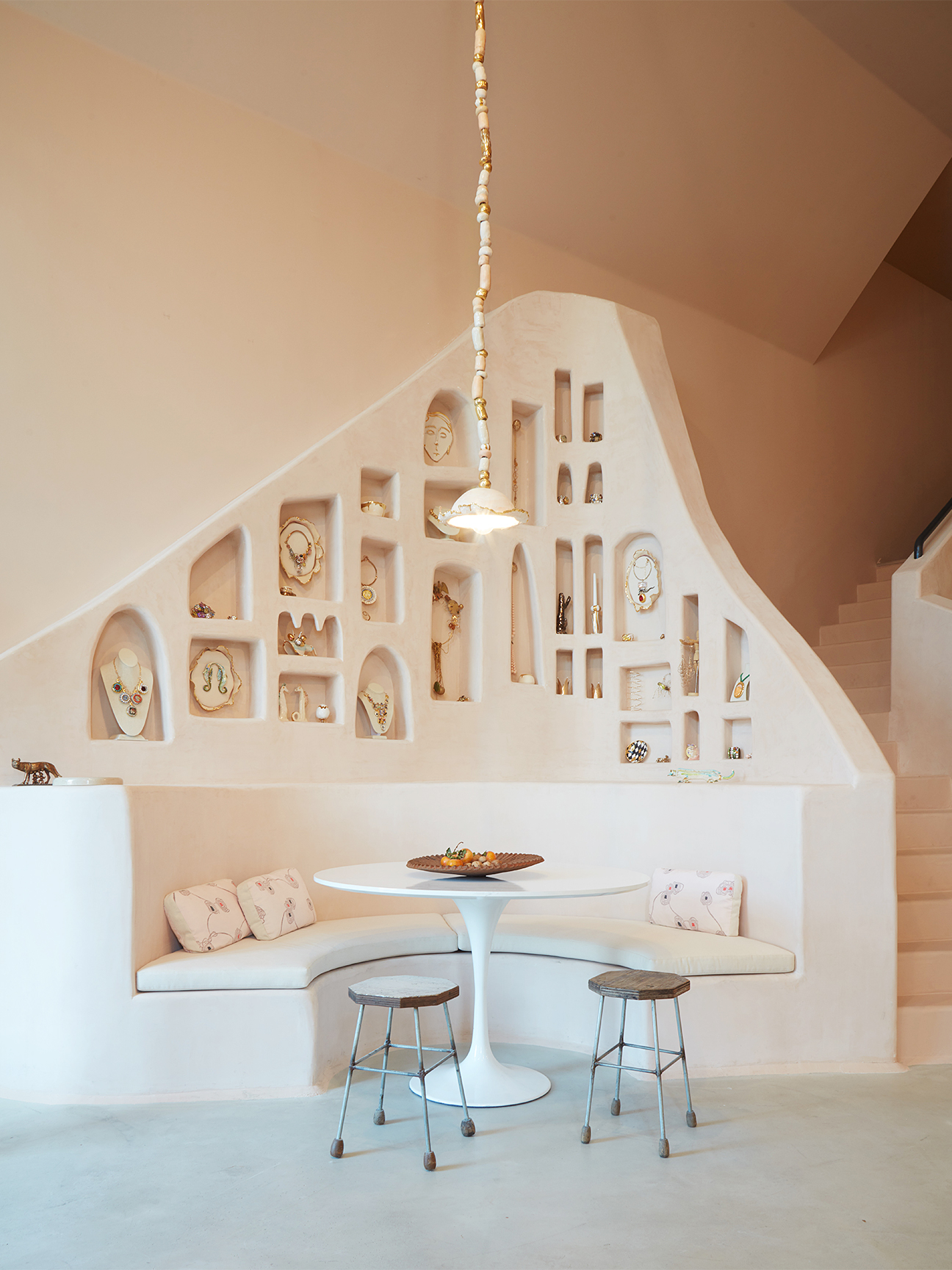
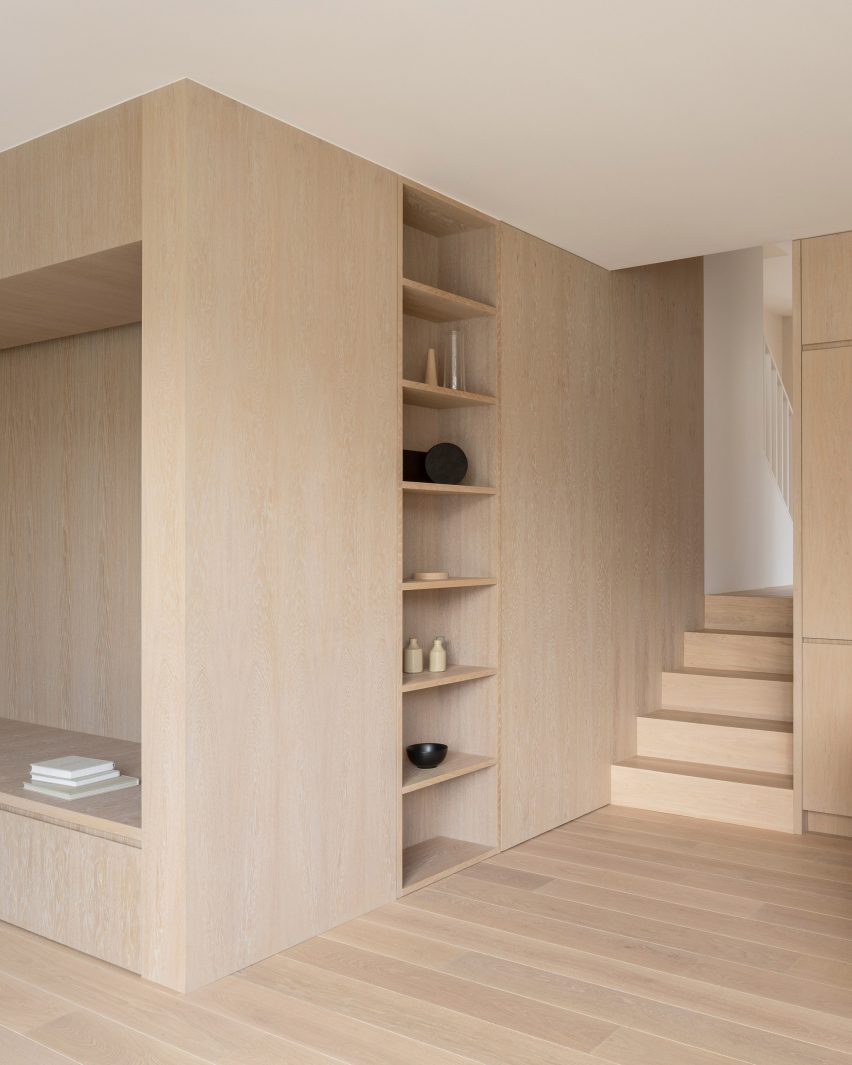
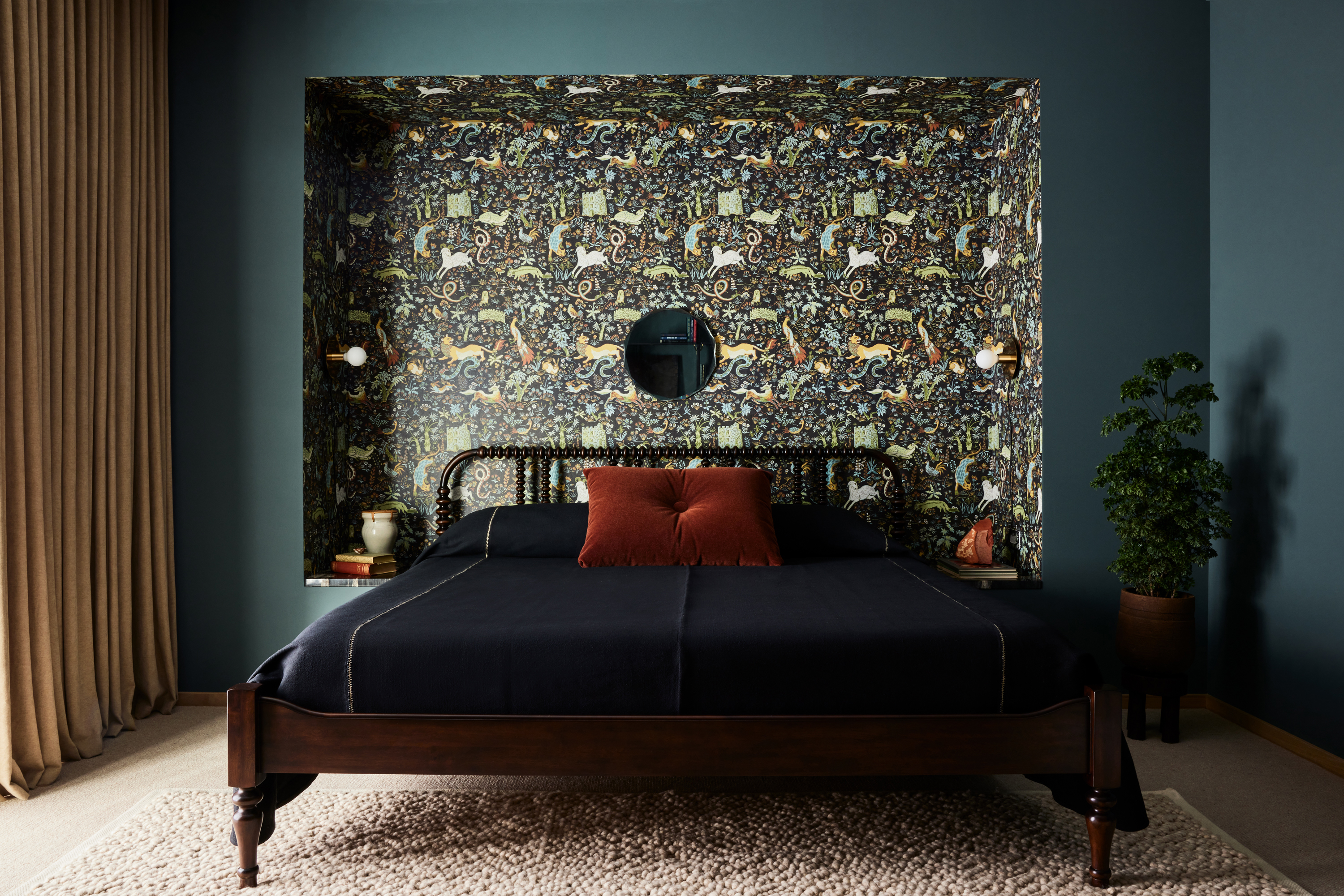
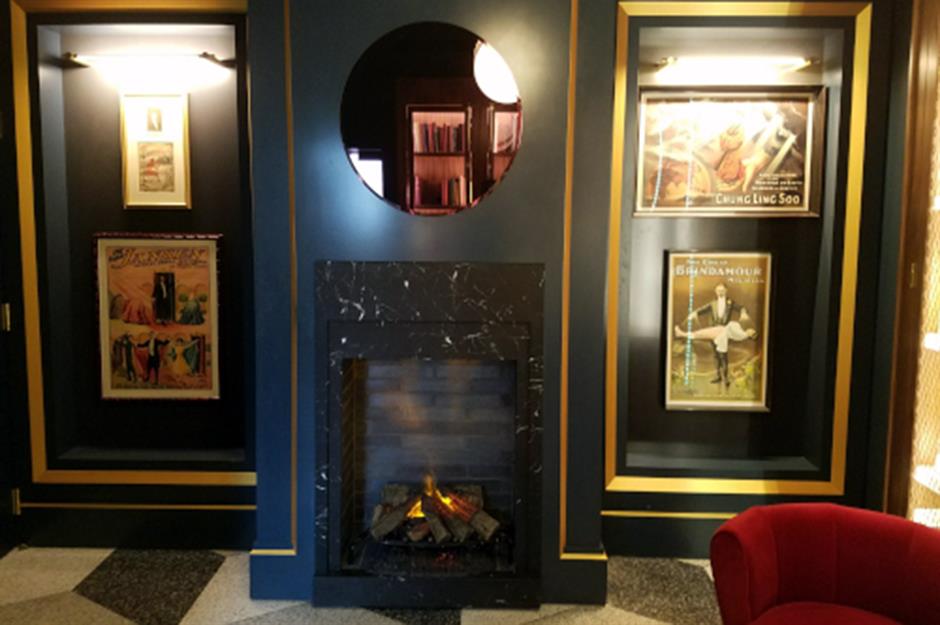
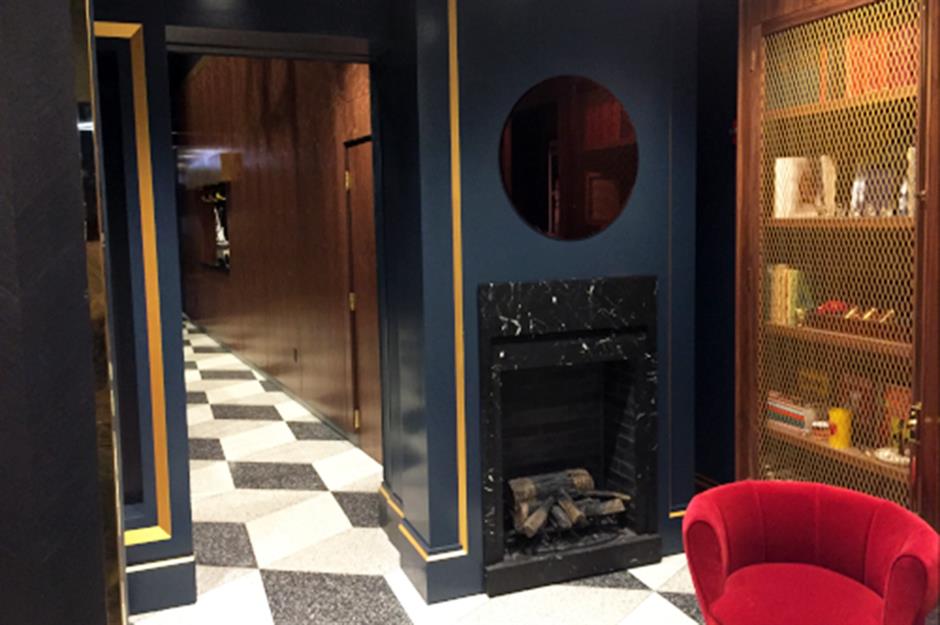
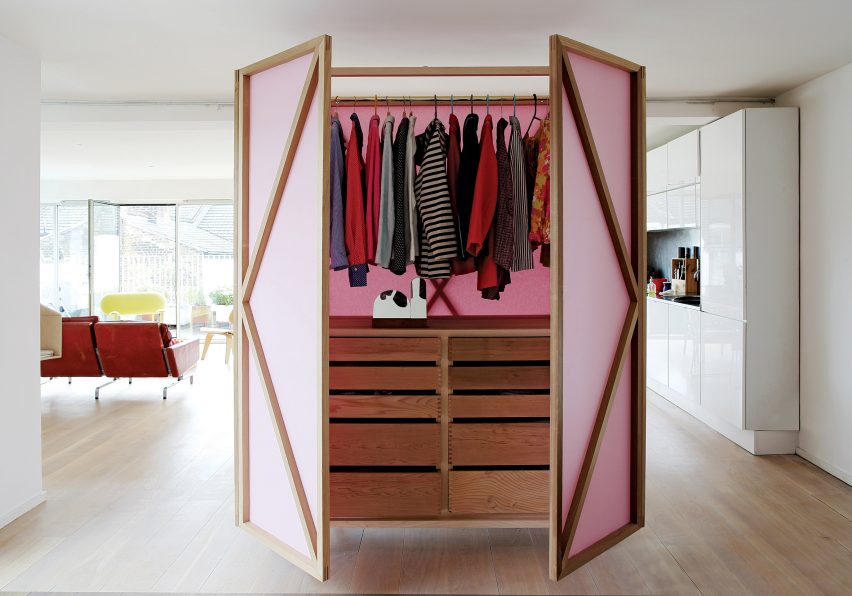
The architectural niche, a feature with roots in ancient Roman times, has undergone a significant evolution from its traditional role of public display to its contemporary function of discreet concealment and enhanced utility. Historically, as seen in ancient Roman architecture, niches served as prominent recesses in masonry to showcase statues, vases, or other artistic and significant objects. These elements were integral to the aesthetic and structural rhythm of temples, bath complexes, and civic buildings, adding depth and visual interest to otherwise monolithic structures. During the Renaissance, the niche refined its purpose, acting as an architectural frame for sculptures and contributing to the hierarchical and visual articulation of both interior and exterior walls.
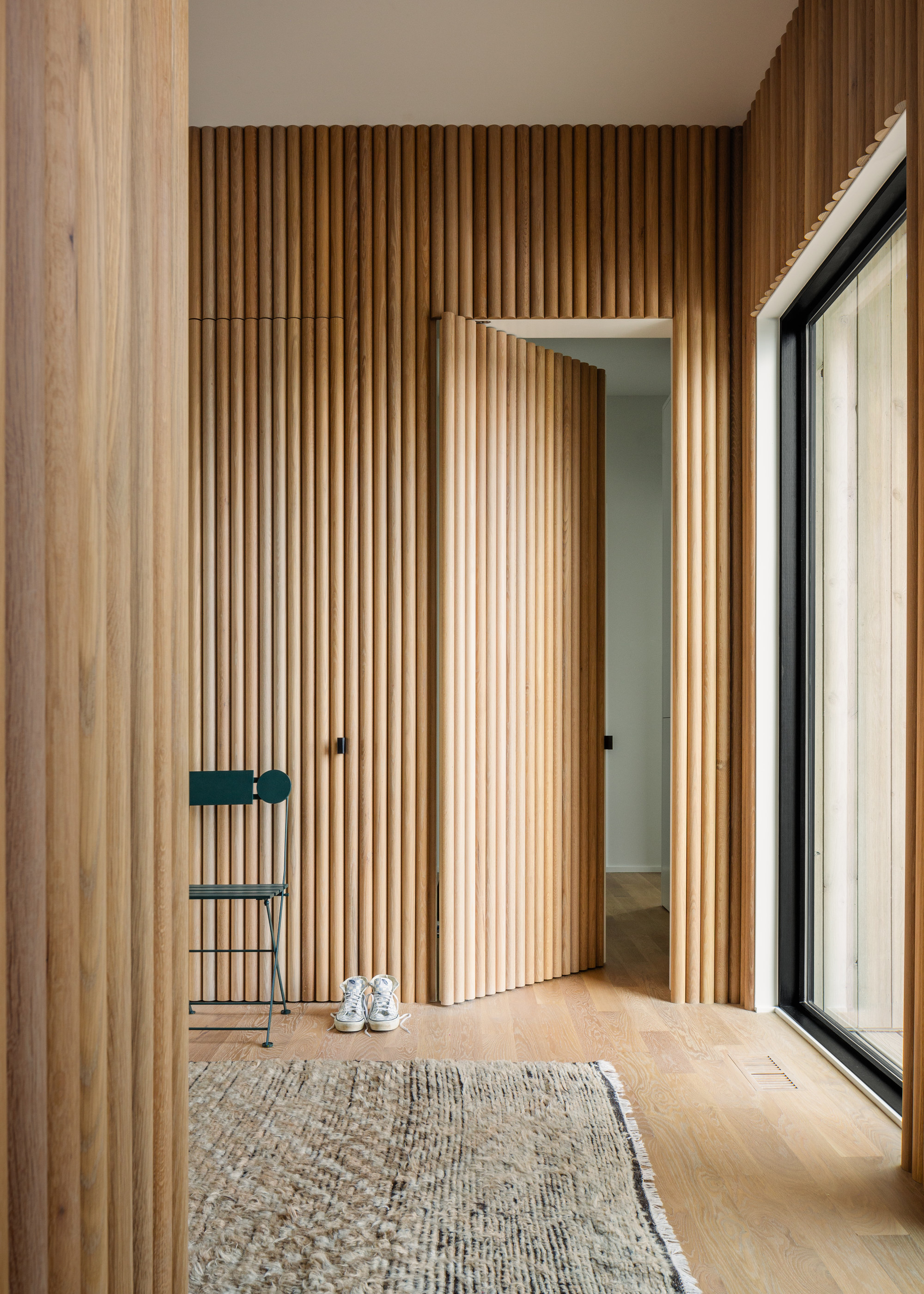
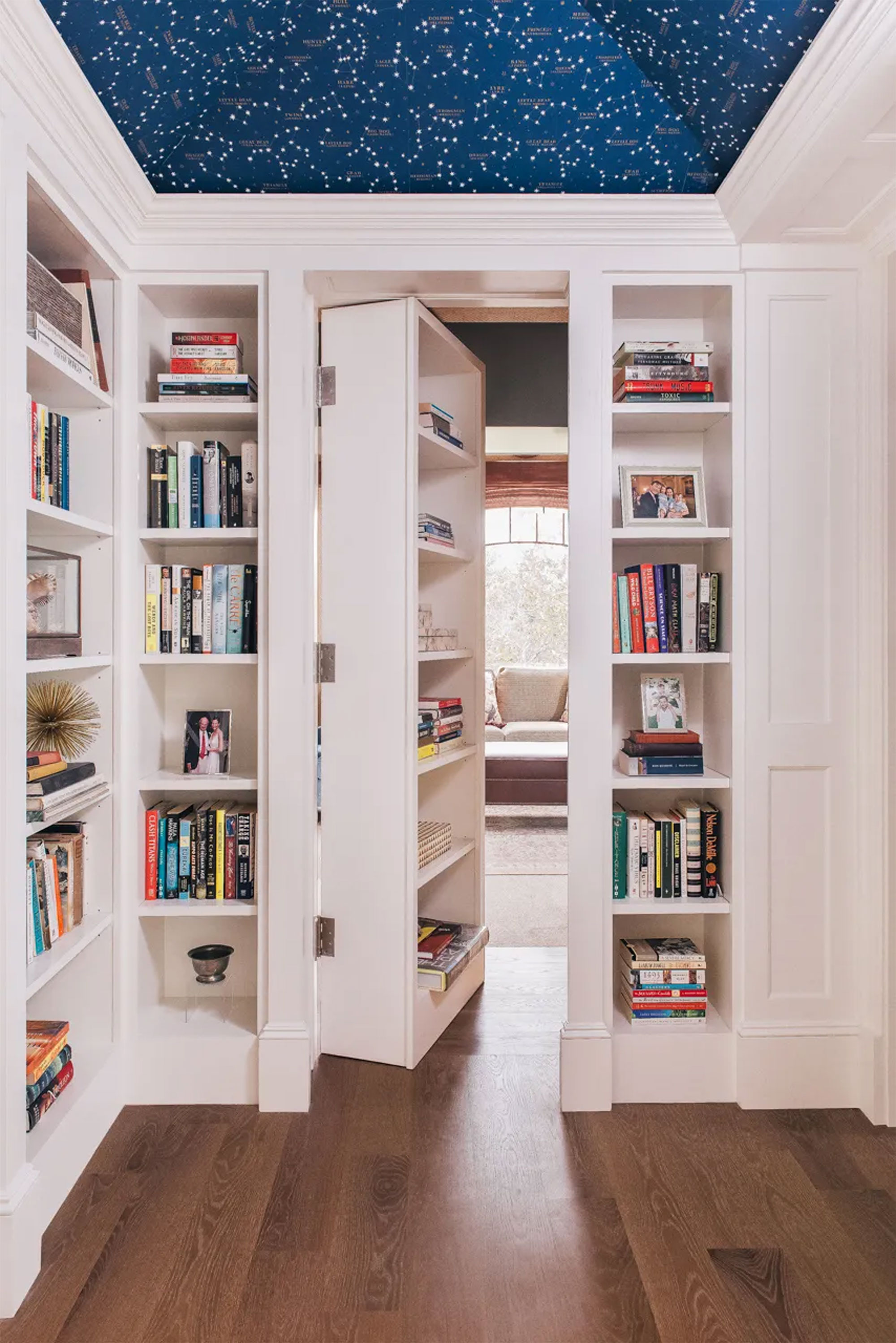
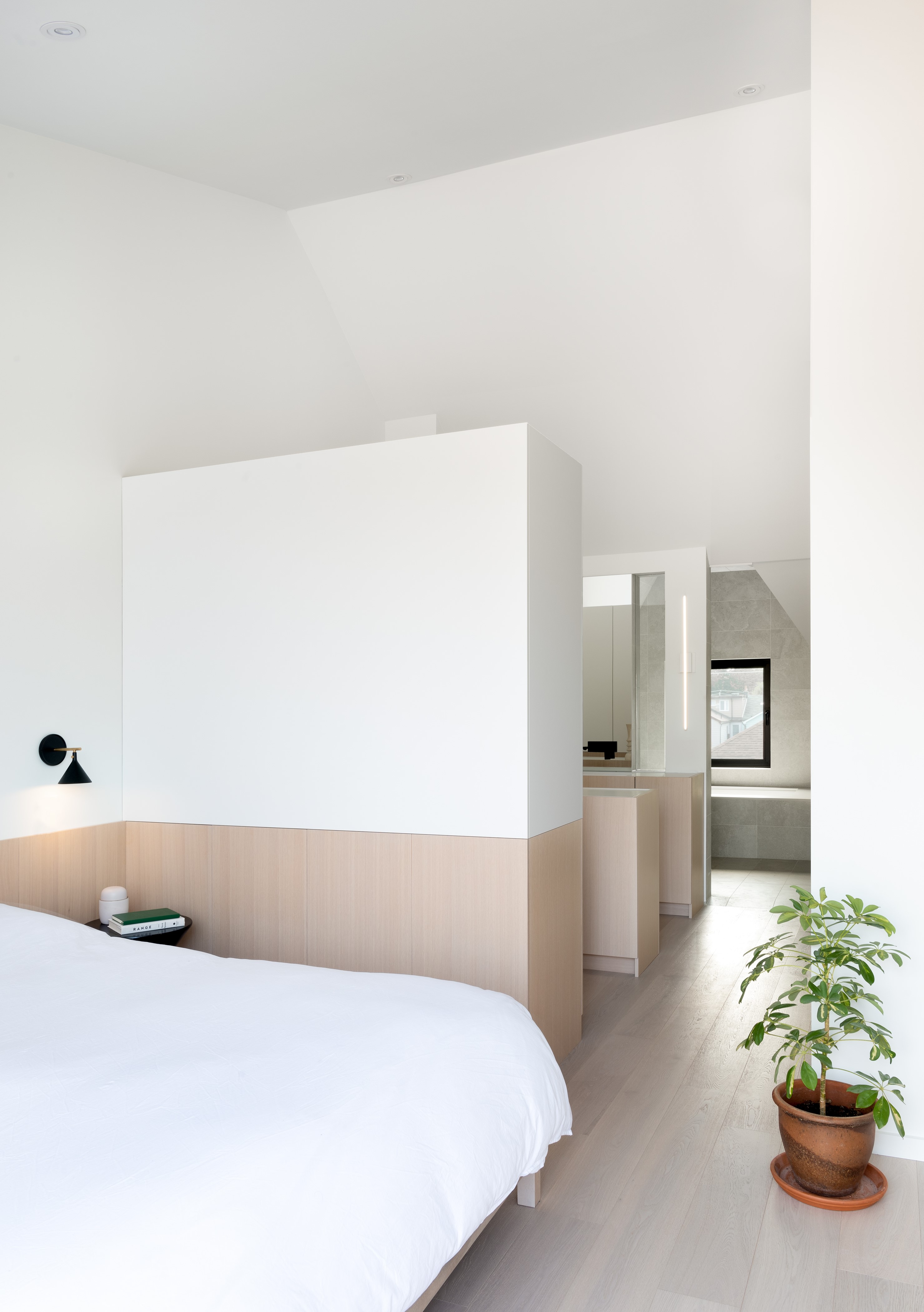
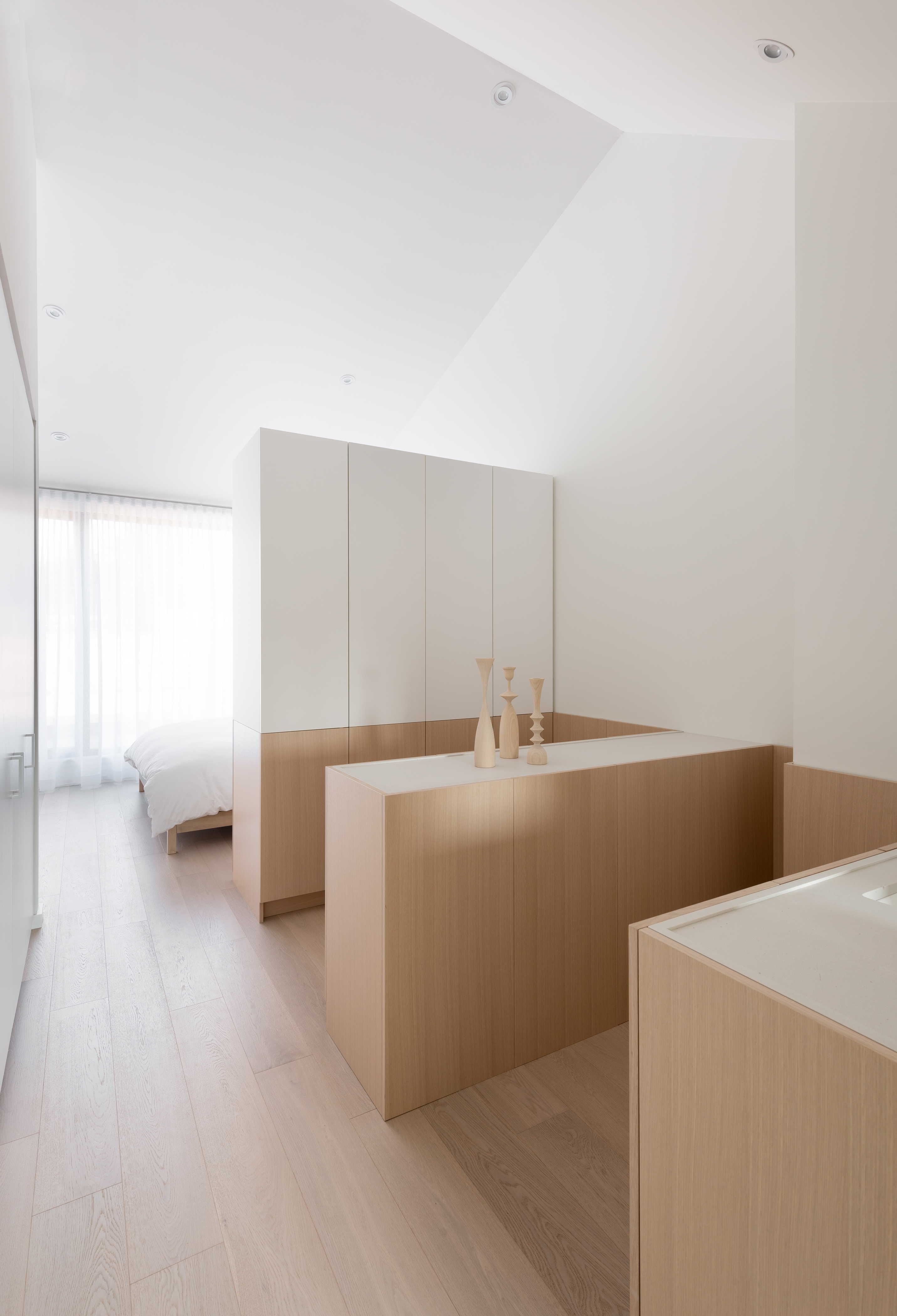
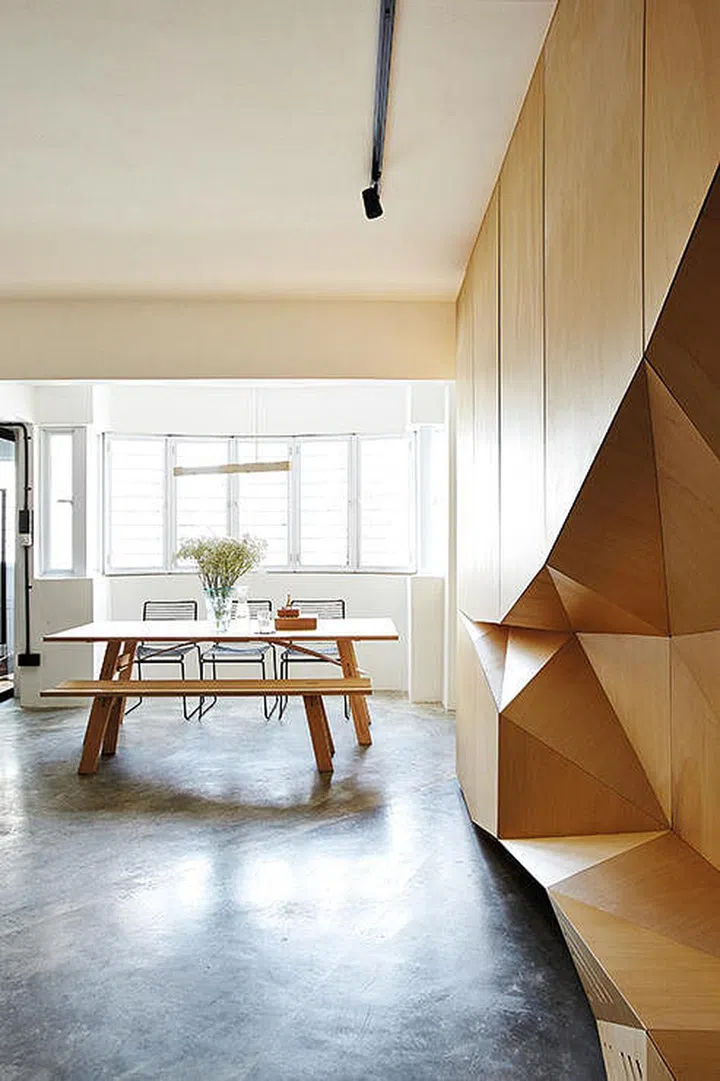
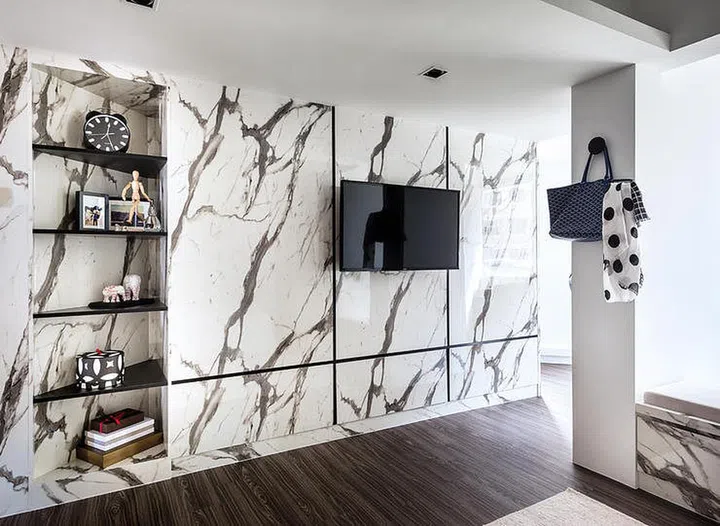
In modern architecture, the function of the niche has shifted dramatically, moving from a deliberate point of display to a strategic element of concealment. This transformation is driven by contemporary design principles that prioritize visual calm, seamless surfaces, and efficient spatial organization, especially in the context of urban densification and shrinking interior spaces. Today's niches are primarily used to hide technical and everyday elements such as electrical cables, control panels, plumbing pipes, or even appliances, thereby maintaining a clean and uncluttered aesthetic. This adaptation aligns with the timeless architectural principles articulated by Marcus Vitruvius Pollio in "De Architectura," specifically his concept of _utilitas_ (usefulness), by addressing practical needs while preserving aesthetic integrity.
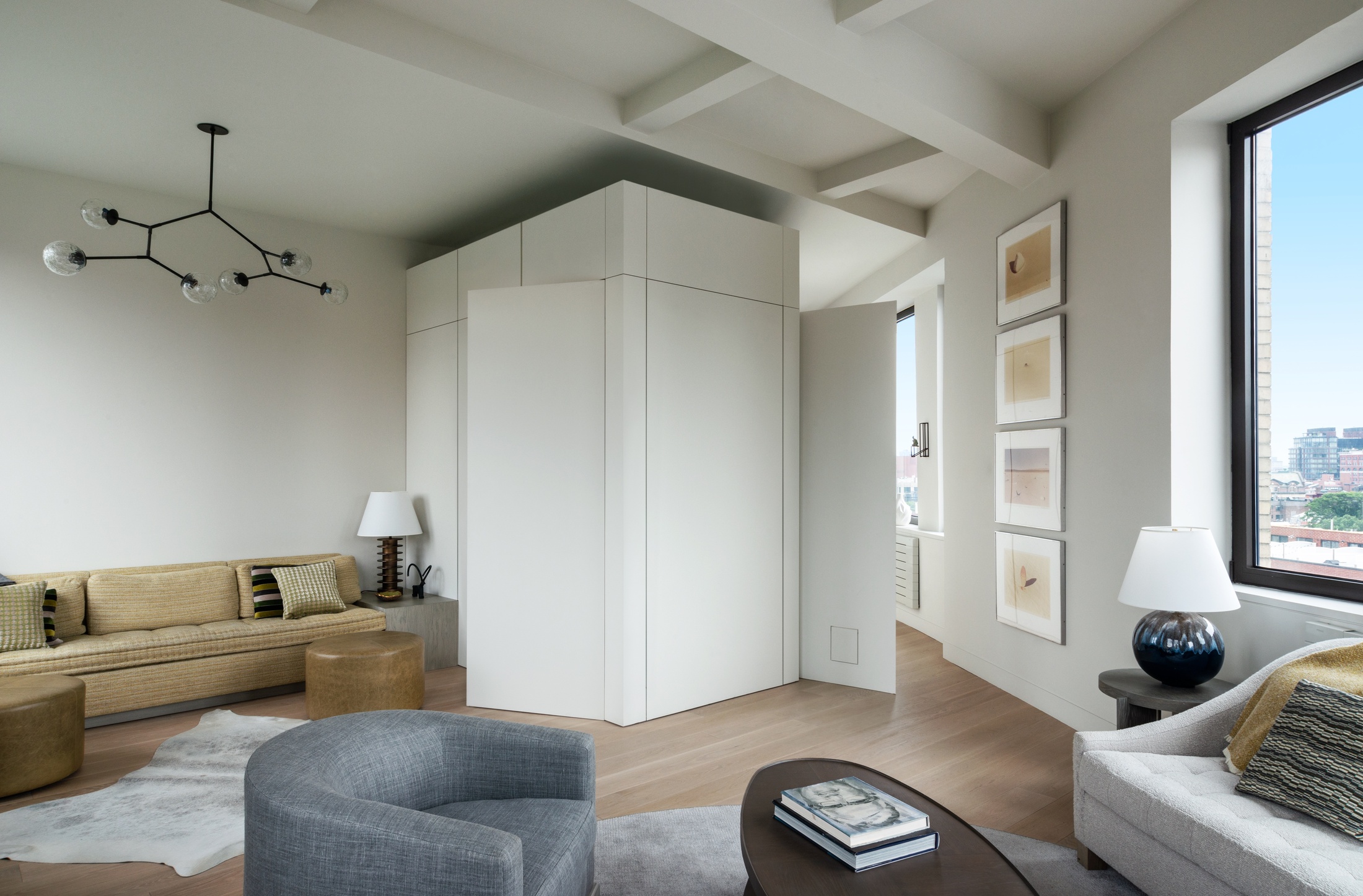
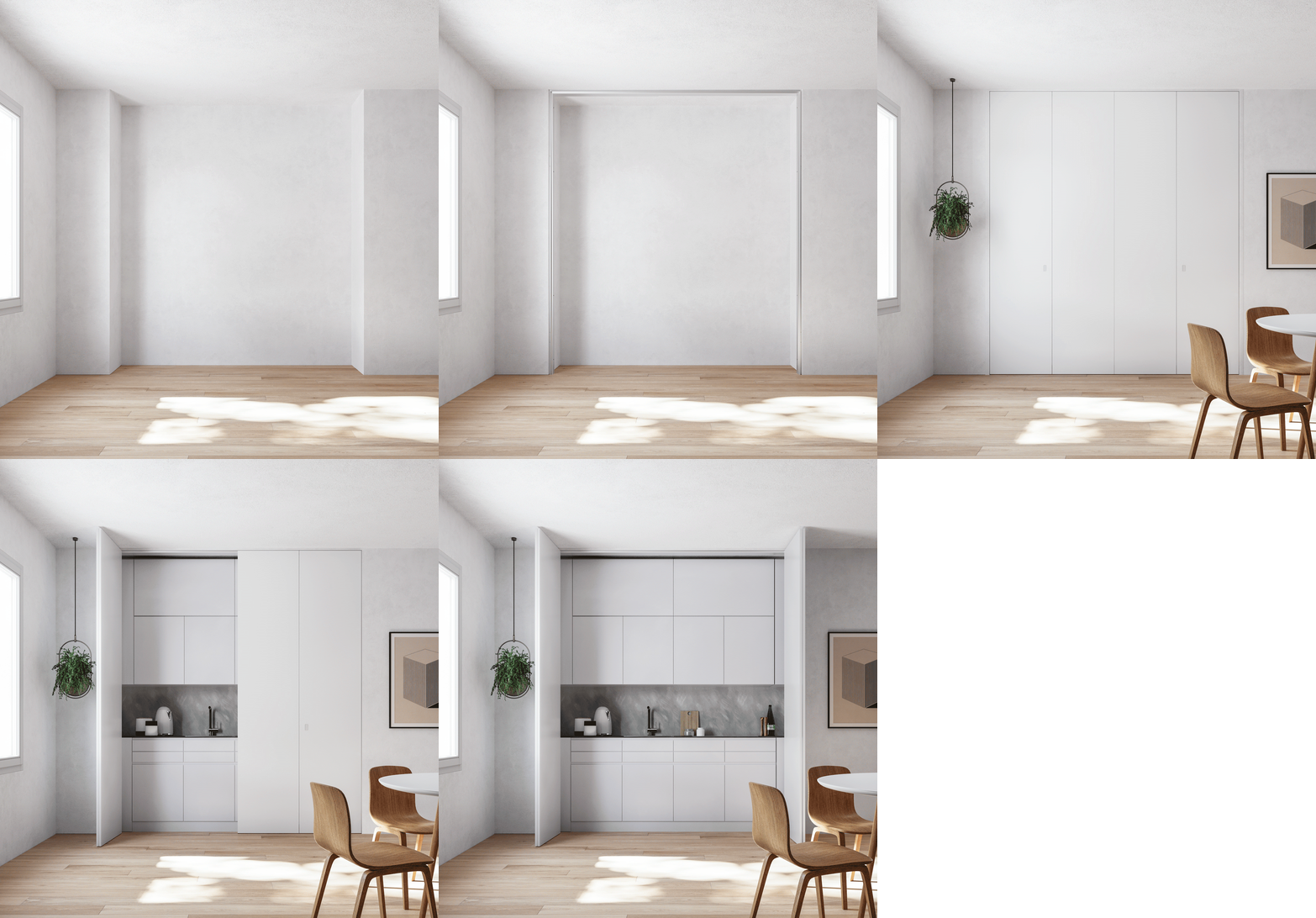
Technological advancements in building materials and systems, such as ECLISSE's Syntesis Areo, facilitate this modern interpretation of the niche. These systems feature flush-to-wall panels and anodized aluminum frames that blend seamlessly with surrounding wall surfaces, whether indoors or outdoors. They allow for the integration of hidden compartments that are paintable and weather-resistant, ensuring continuity in architectural finishes. This approach is particularly beneficial in renovations, where incidental voids—such as those found near chimneys, old plumbing stacks, or under stairs—can be transformed into purposeful, functional storage or utility spaces. In new constructions, similar opportunities arise within thicker walls and service zones.
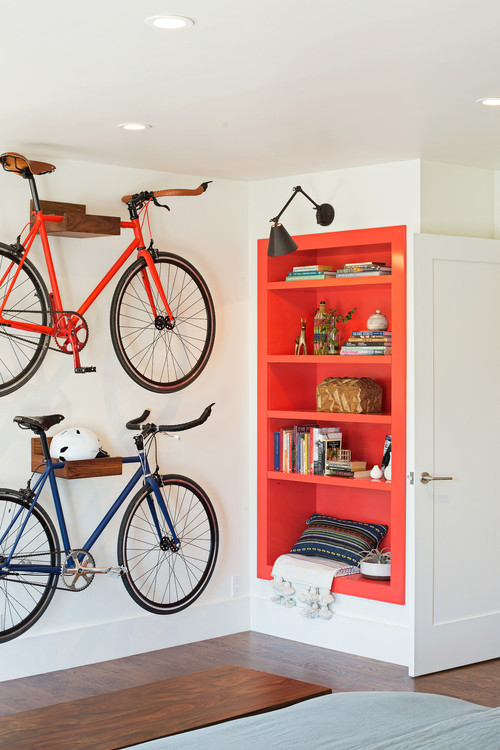
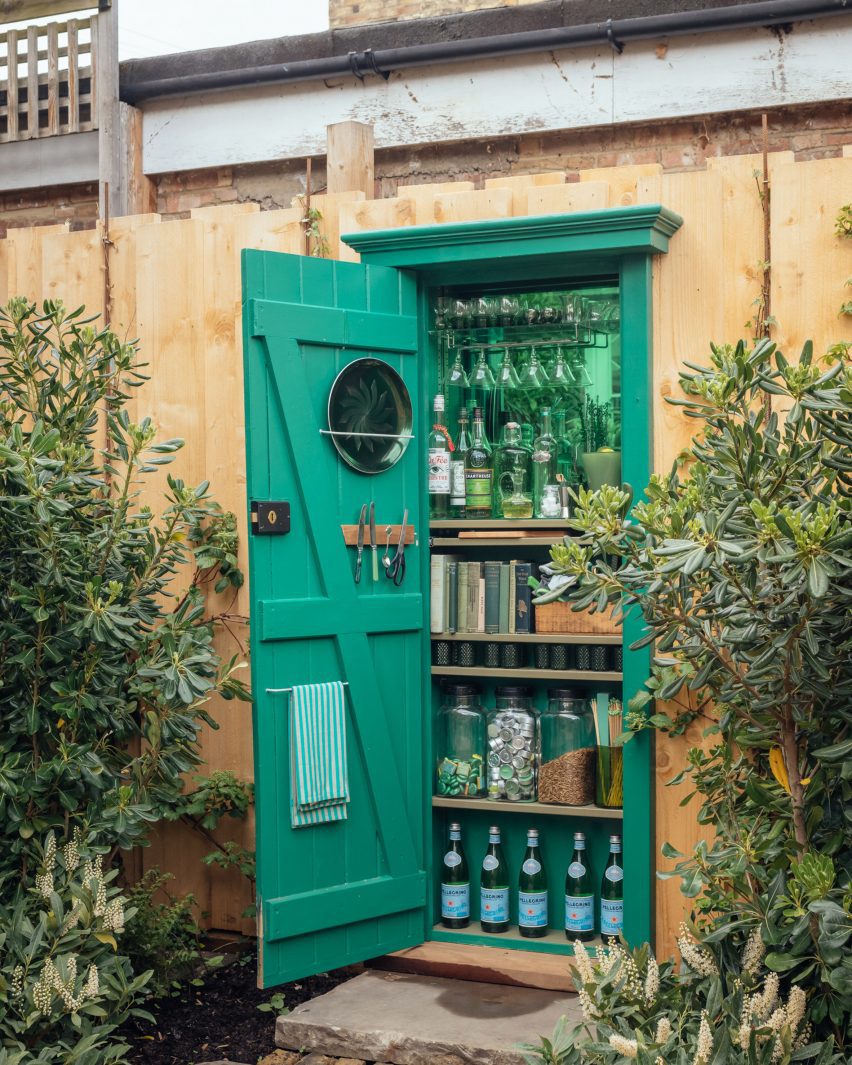
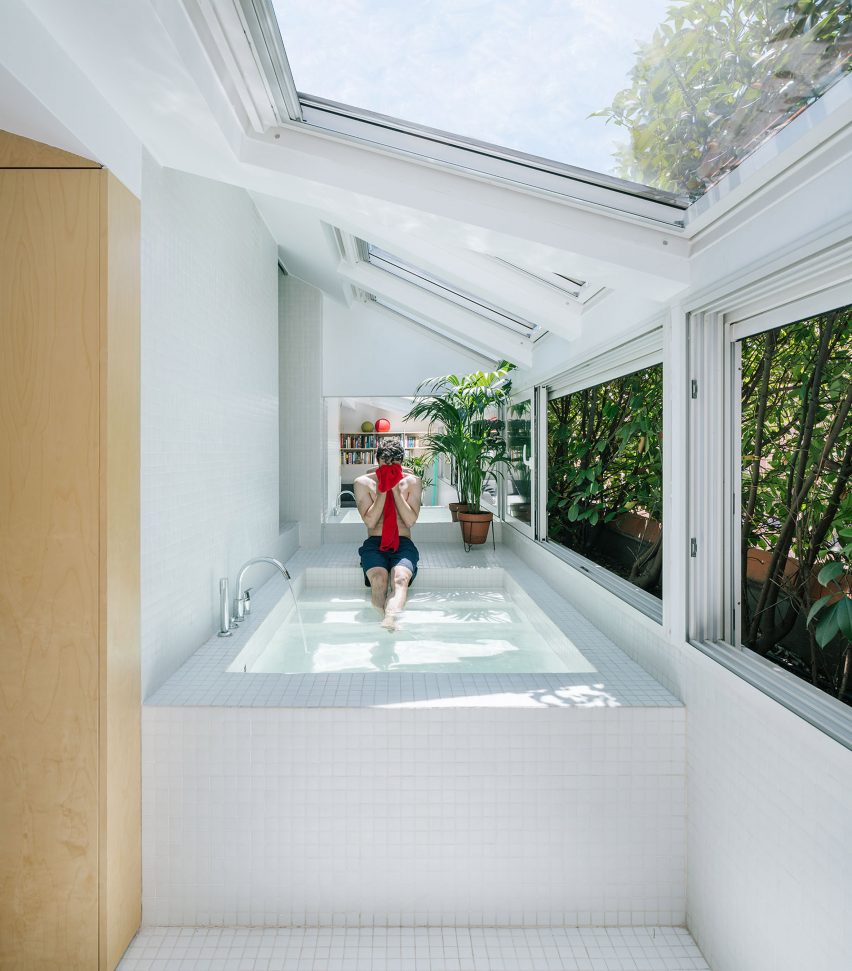
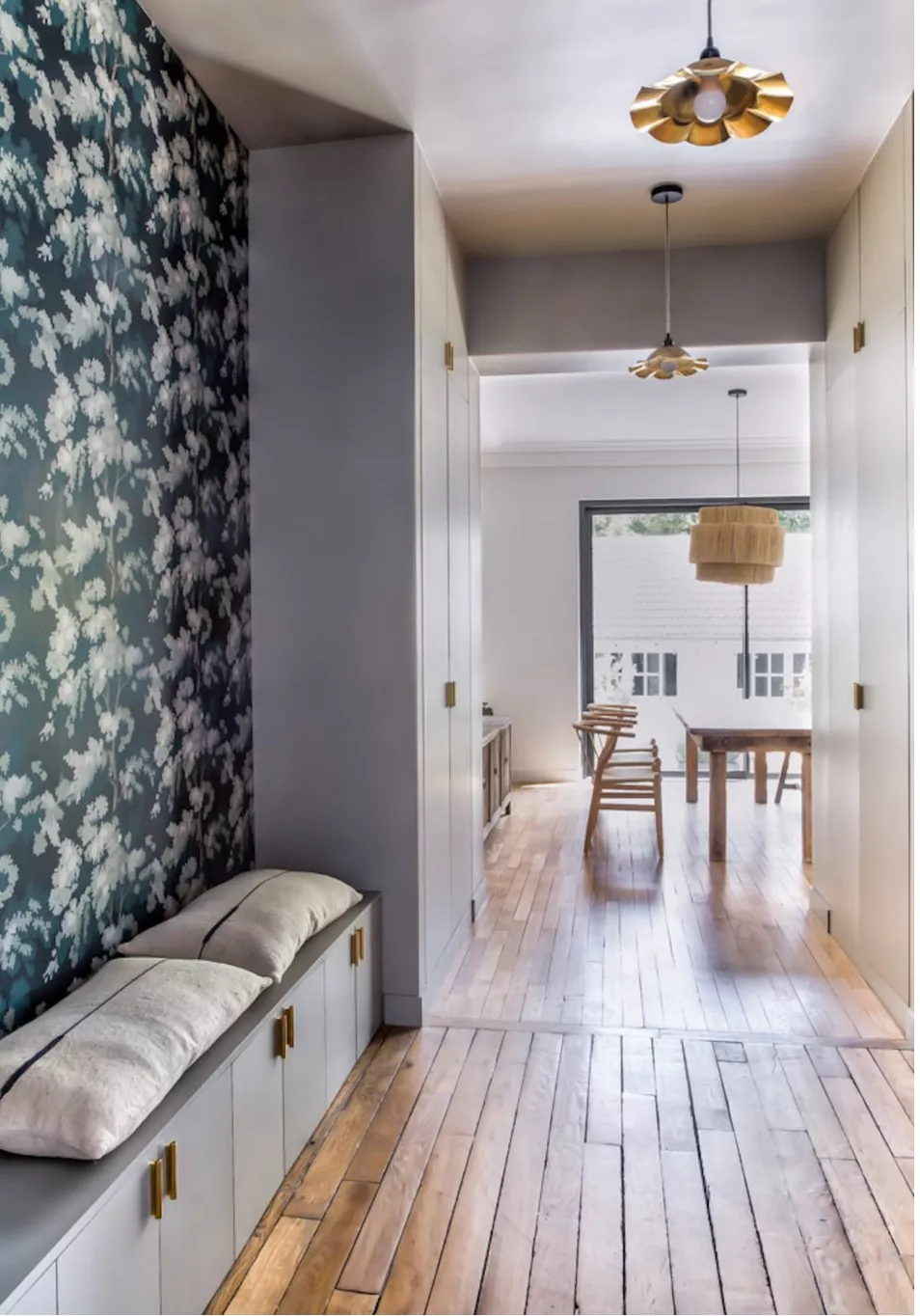
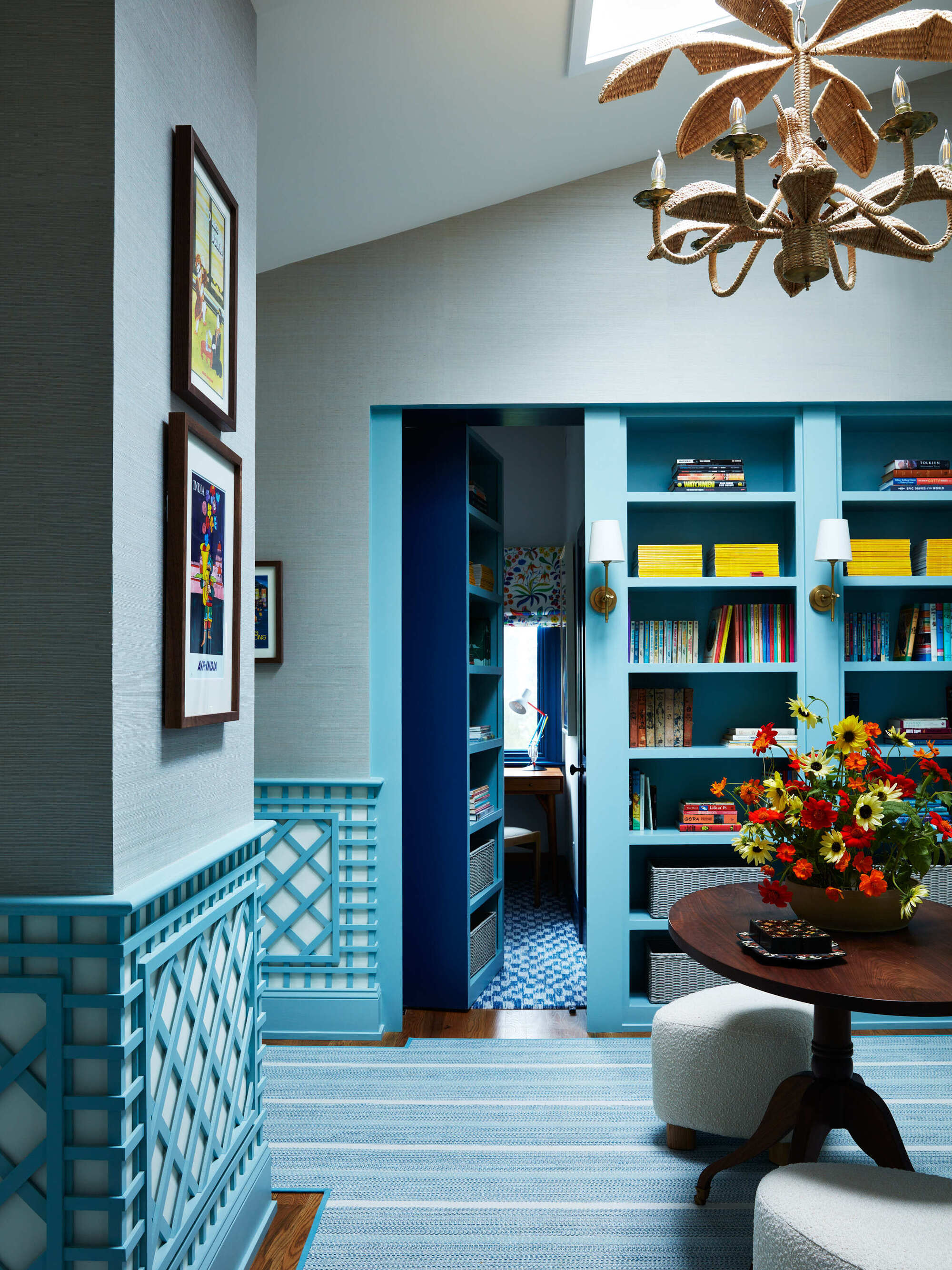
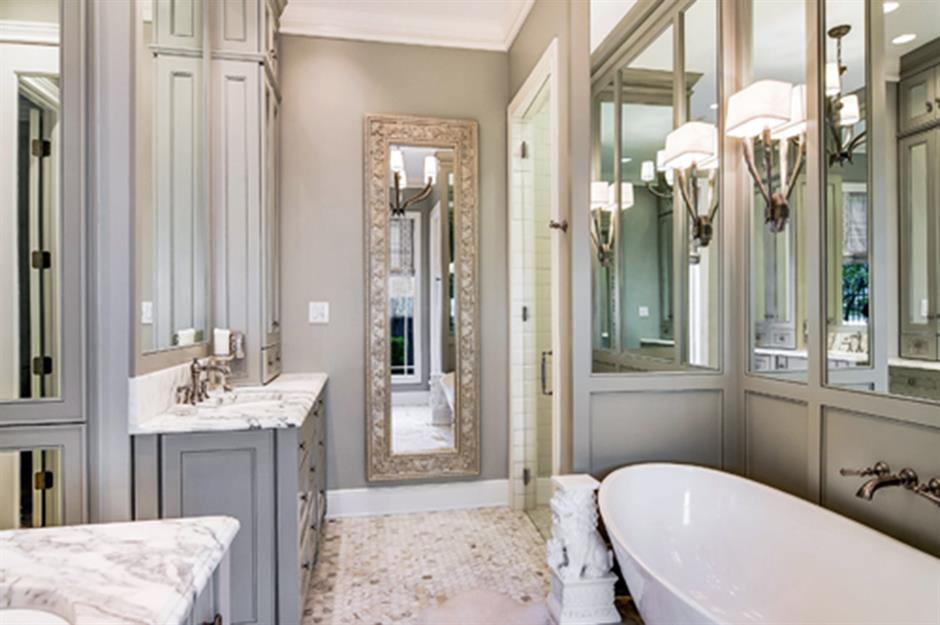
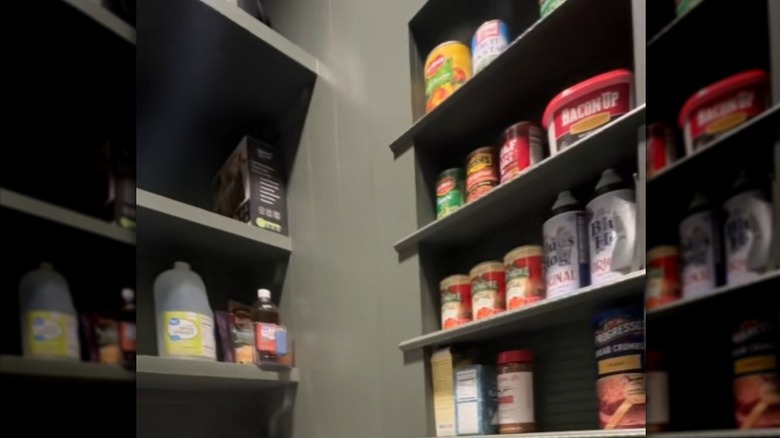
The strategic use of hidden niches addresses the challenges of small interiors by converting unused volume into integrated, functional spaces, effectively reducing clutter and enhancing perceived openness. This is evident in various domestic settings: in bathrooms, hidden niches can eliminate the need for bulky cabinets, organizing personal items behind flush panels to create a calmer environment. In kitchens, they can form concealed pantries or appliance zones. For living areas, they might create discreet workspaces, supporting the evolving patterns of modern living and working. Exterior applications also benefit, with weather-resistant, flush panels concealing boilers, meters, and outdoor kitchen elements, thereby maintaining the architectural coherence of facades and outdoor spaces.
This contemporary reinterpretation of the niche continues to uphold Vitruvius's triad of strength, usefulness, and beauty. While the _utilitas_ aspect has evolved from public exhibition to private organization and concealment, the core principle remains: architecture must effectively serve its occupants' needs. Modern hidden niches achieve this by mediating functionality and aesthetic appeal through subtraction rather than addition, ensuring that spaces appear larger, calmer, and more coherent by protecting the clarity and efficiency of the environment through elegant, unseen solutions.
#ArchitecturalNiche #FunctionalArchitecture #InteriorDesign #SpaceOptimization #ModernArchitecture #VitruvianPrinciples #HiddenStorage #SeamlessDesign #HomeRenovation #ArchitecturalNiche #FunctionalArchitecture #InteriorDesign #SpaceOptimization #ModernArchitecture #VitruvianPrinciples #HiddenStorage #SeamlessDesign #HomeRenovation
0 komentarzy łącznie
 Brak komentarzy jeszcze
Możesz również polubić
10 Decorating Ideas For Your Wall Niche

Feature walls are back, here’s 21 to try now
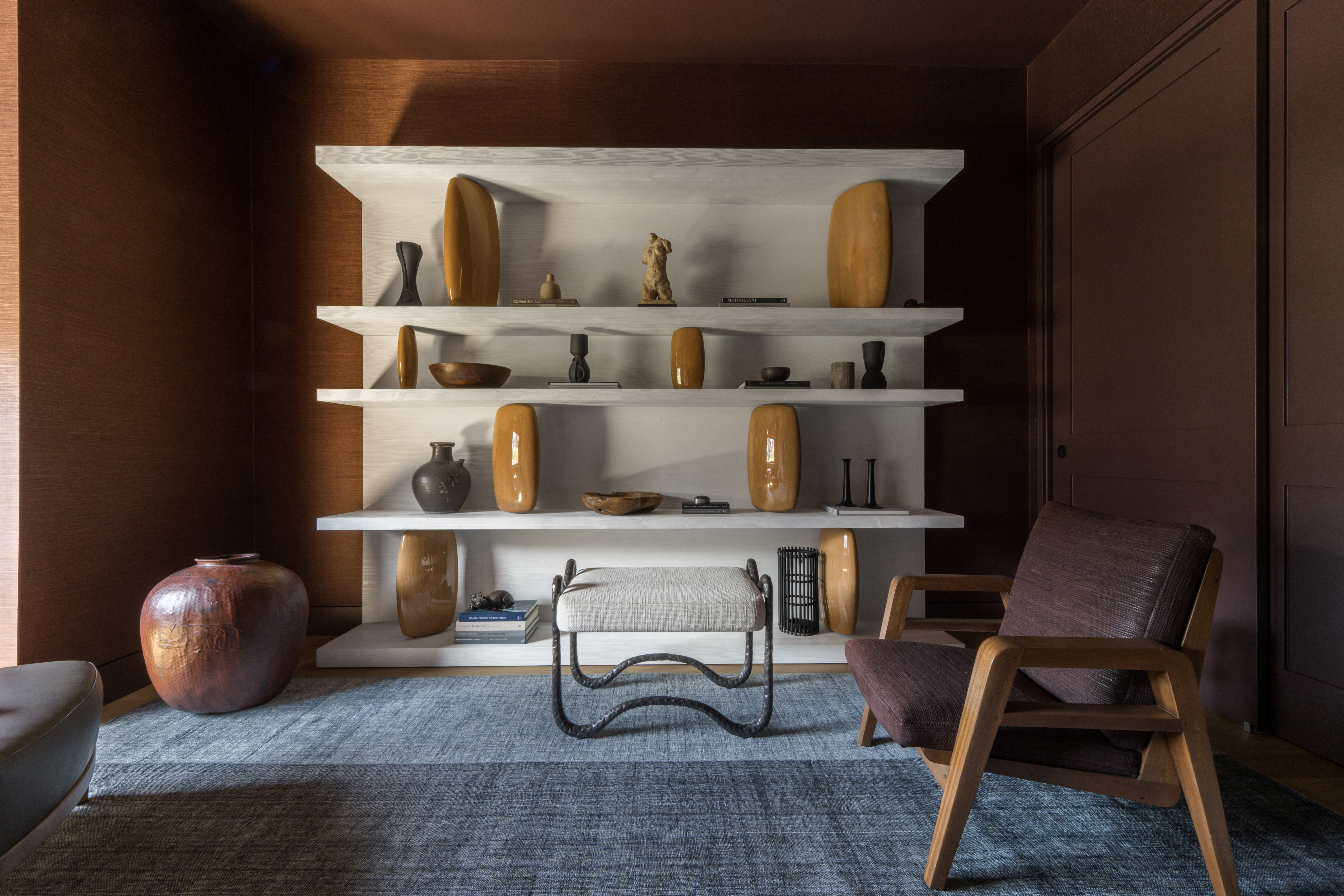
10 Ways Designers Decorate Modern Walls To Create Homes That Feel Warm and Inviting


Unlock Hidden Pantry Storage With This Surprisingly Simple Wall Niche DIY

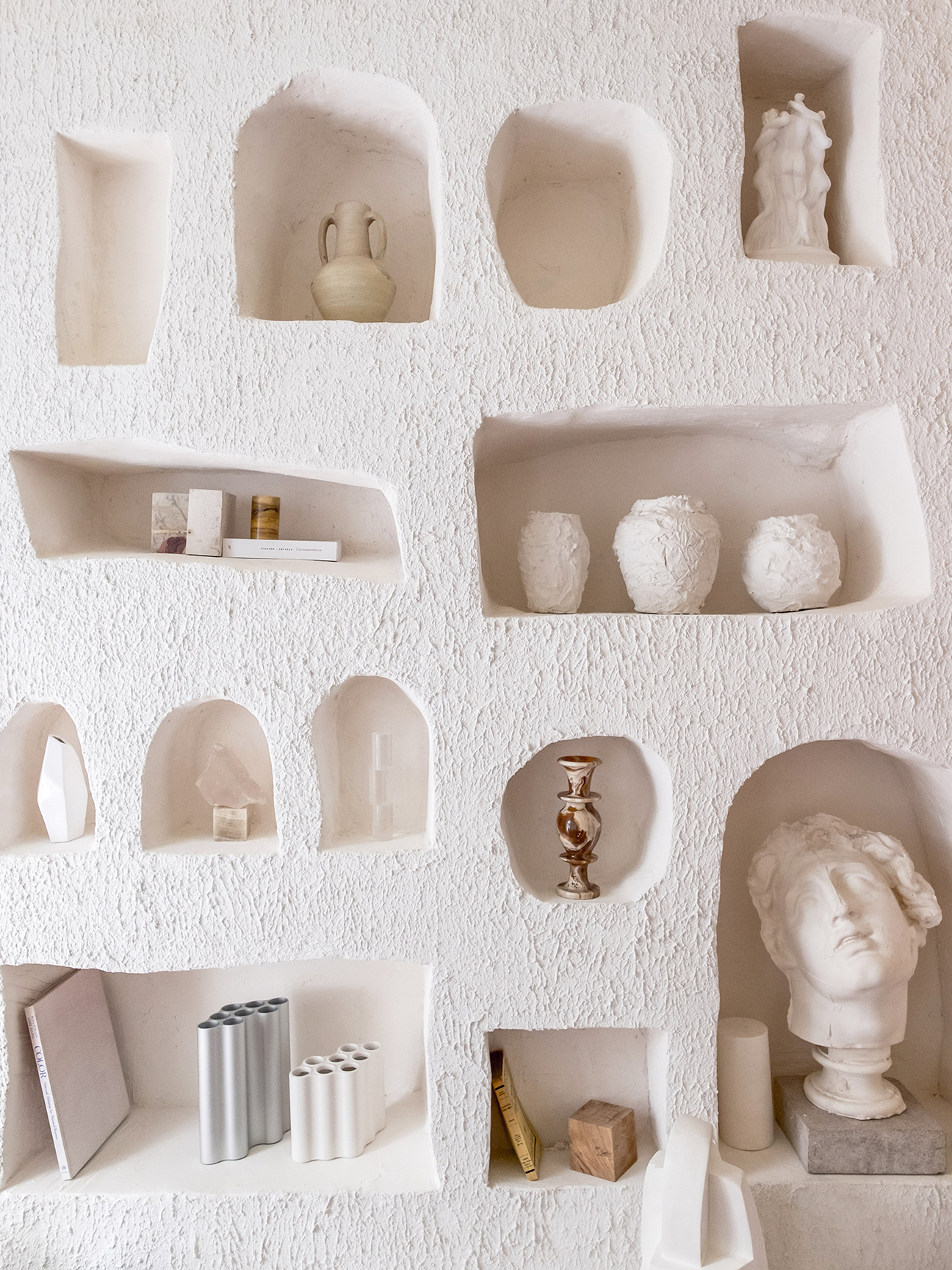
These Flintstone-esque Nooks Are the Bookshelves of the Future
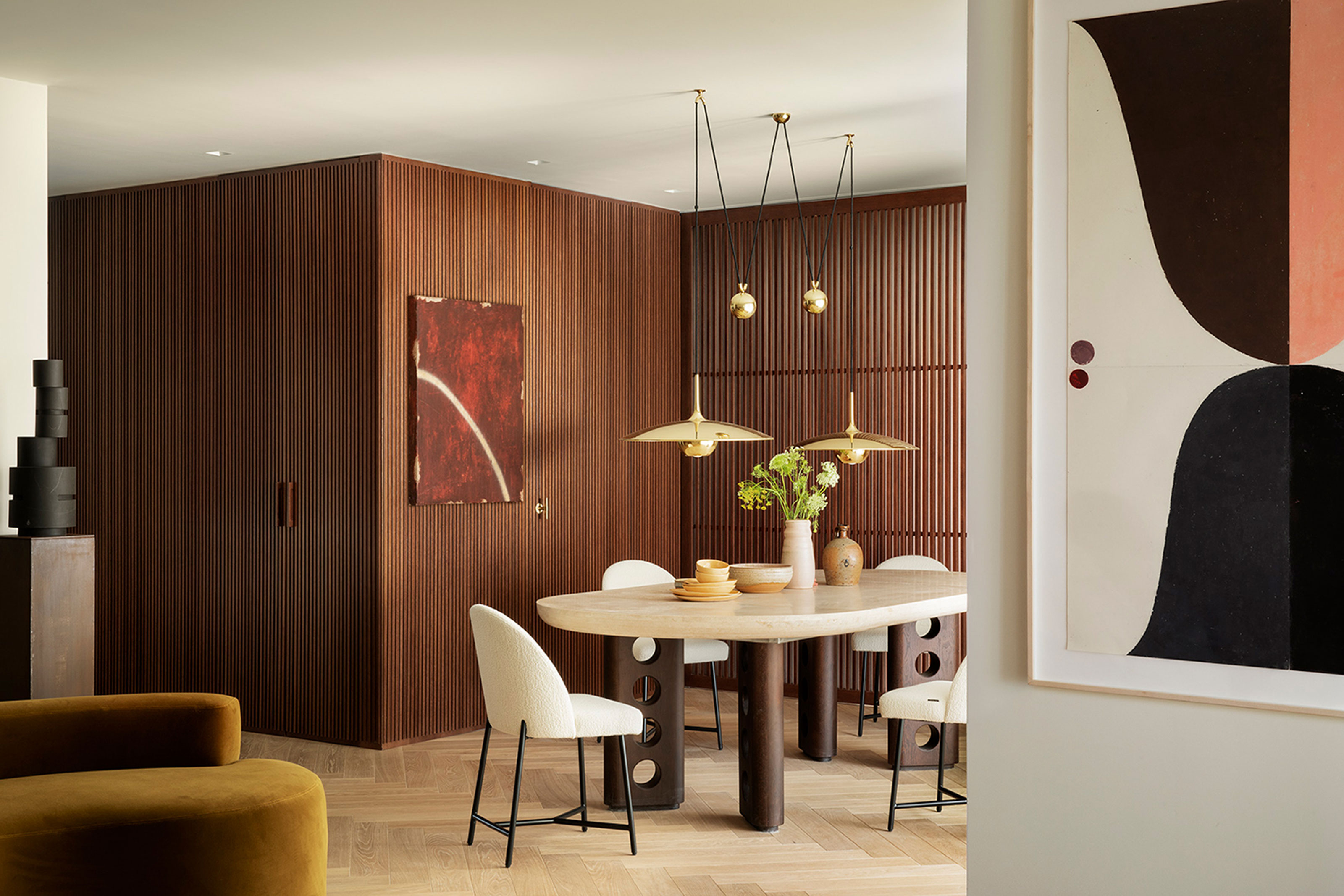
16 Hidden Door Ideas — Make Your Home Super Streamlined by Concealing Passages and Storage
Hide your outdated home feature with this clever storage hack!

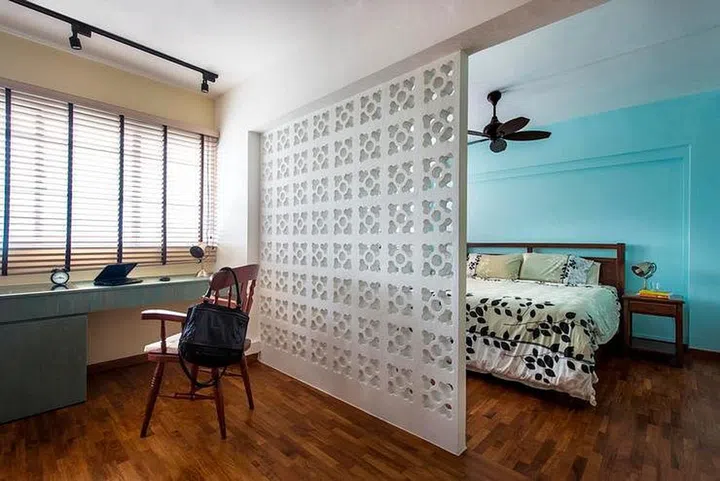
10 design ideas for feature walls in HDB flat homes
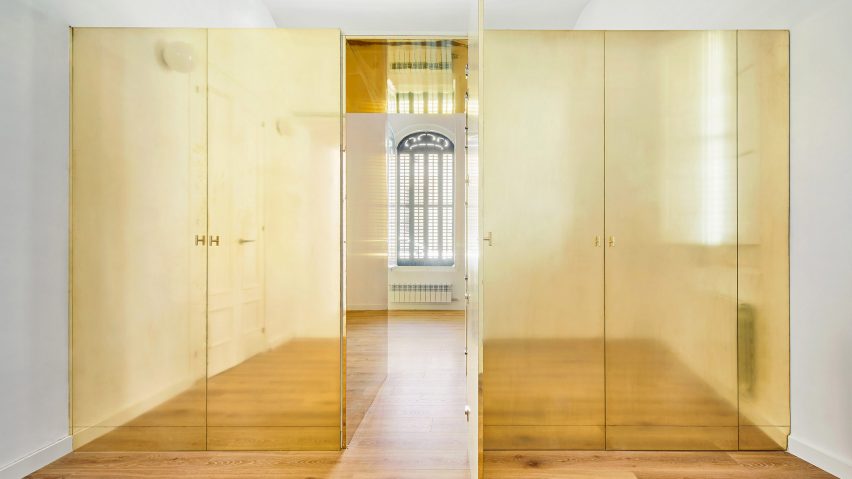
Seven interiors where doors and panels hide secret rooms
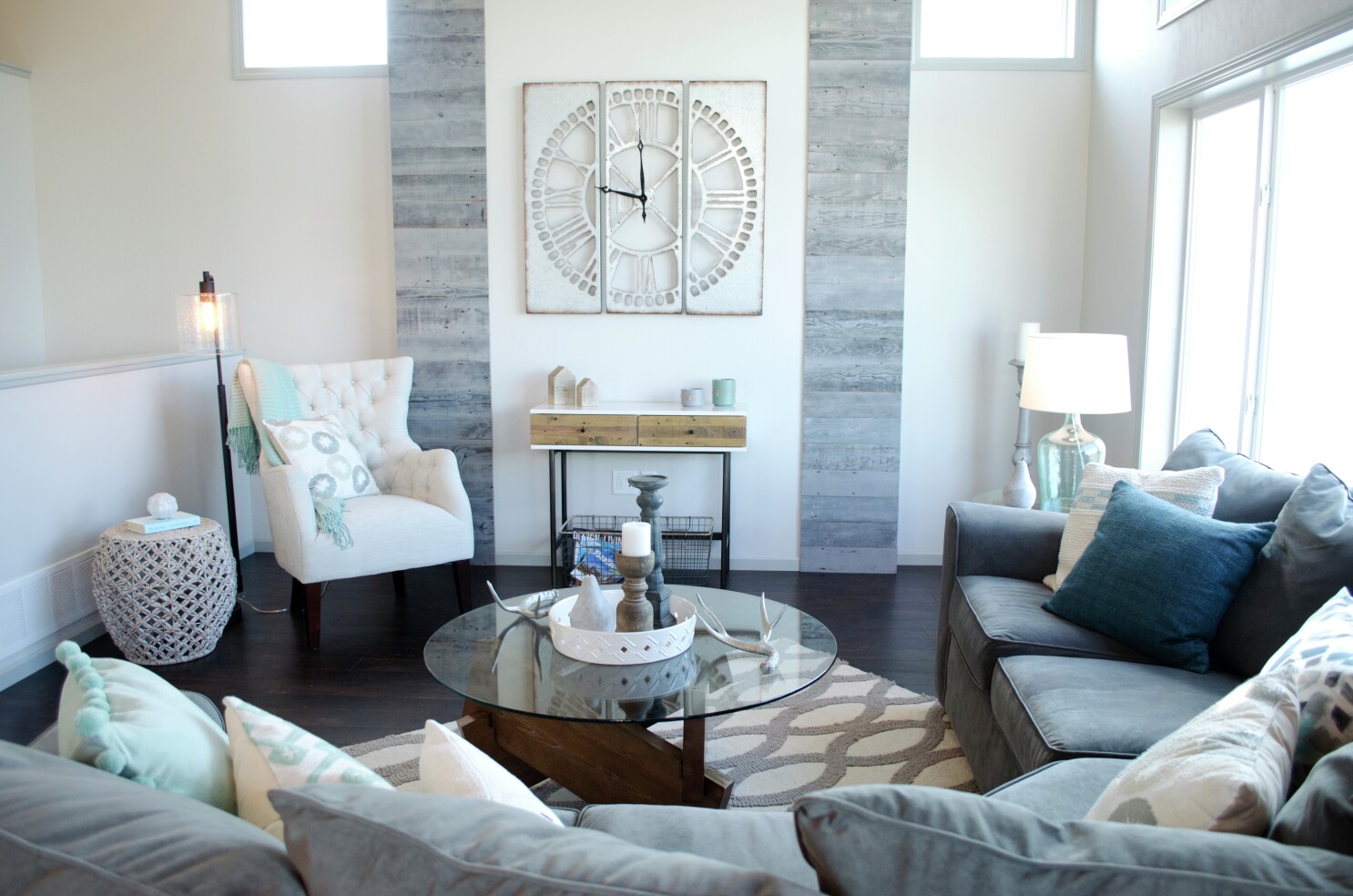
Feature walls frame out spaces, add interest to rooms

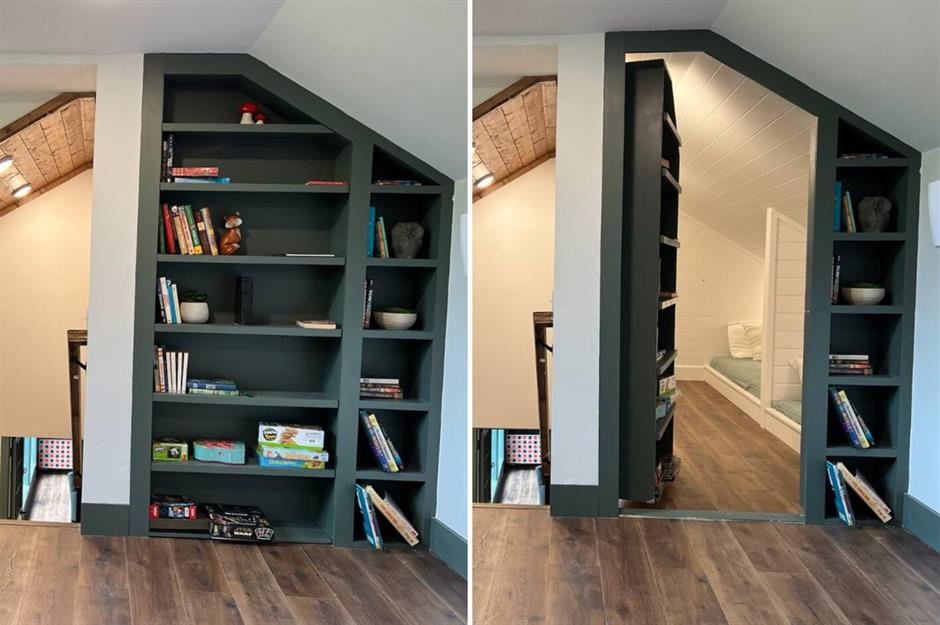
13 curious homes with secret rooms hidden inside | loveexploring.com

You Can Build a Hidden Cupboard Into a Wall

31 Feature Wall Ideas to Make Your Life More Exciting

Movable Walls: The Transformative Effect of Retractable and Folding Partitions

The New Trick Designers are Using To Zone Rooms and Create Privacy Is Both Beautiful and Functional

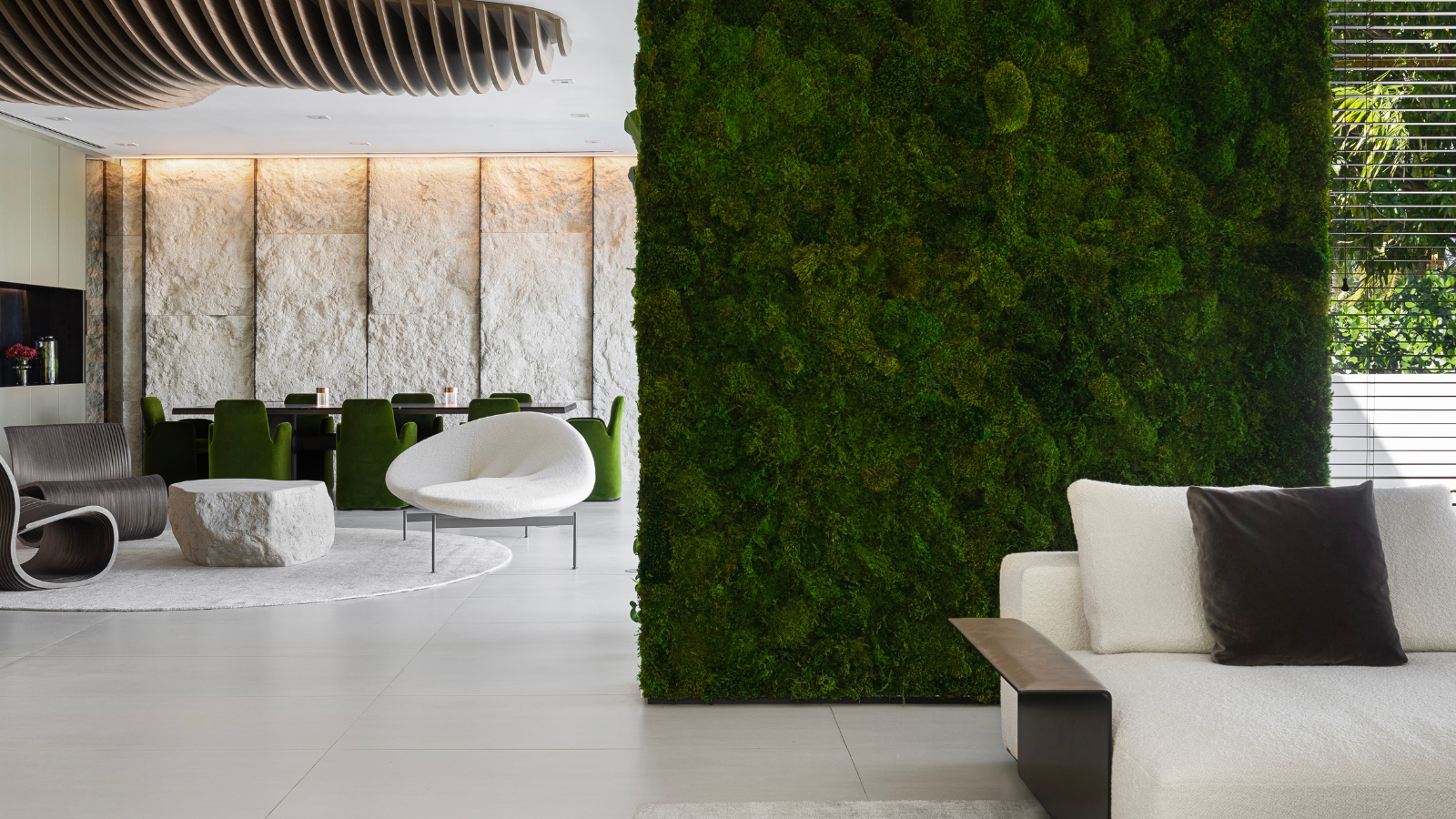
9 Genius Ways to Do Living Walls in 2025 That Take This Idea in a Style-Forward Direction
Achieving Precision in Flexible Design: The Path to 10,000 Vertically Folding Skyfold Walls
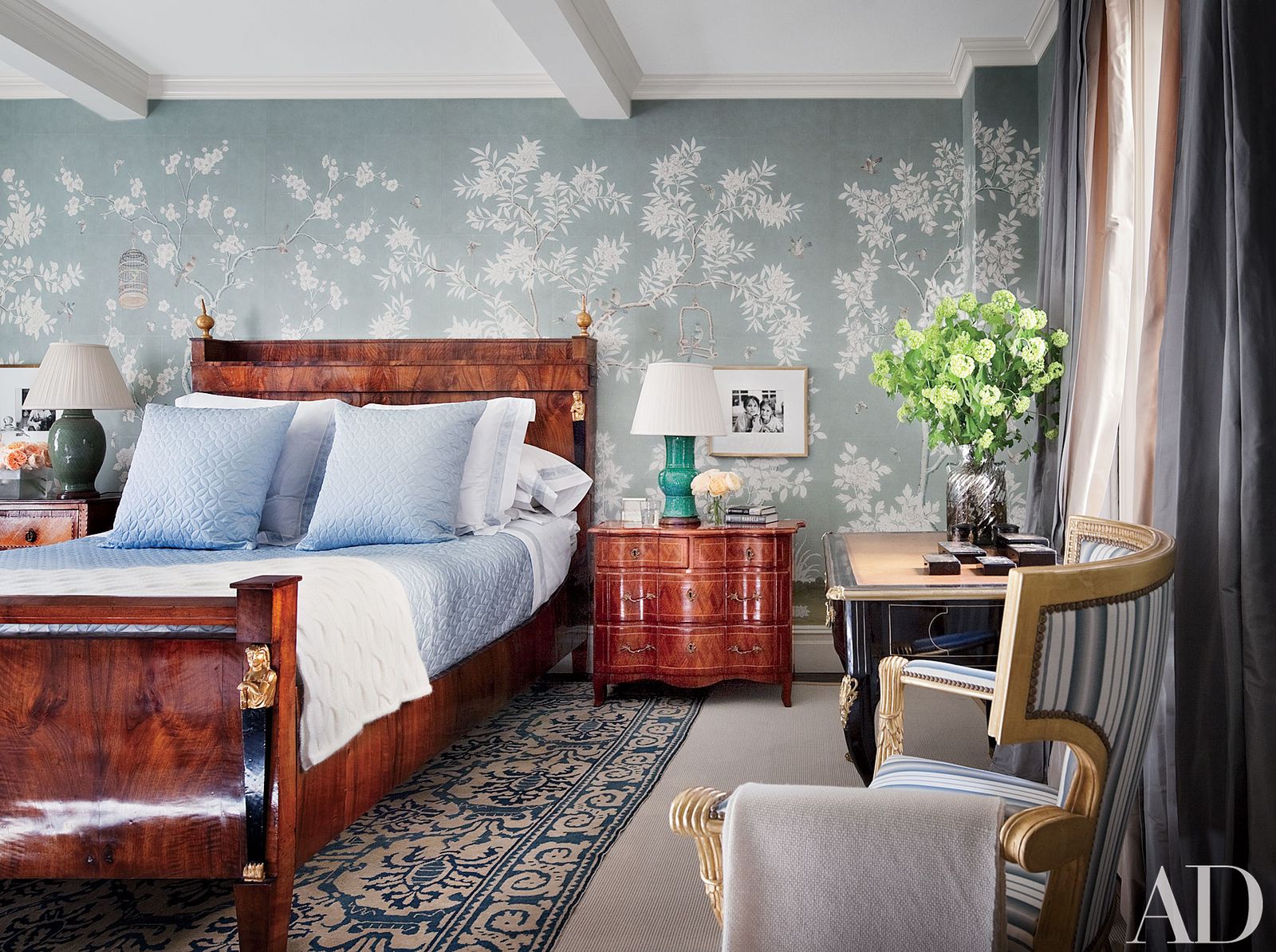
9 Designer Wall Treatments That Will Reinvent Your Interiors

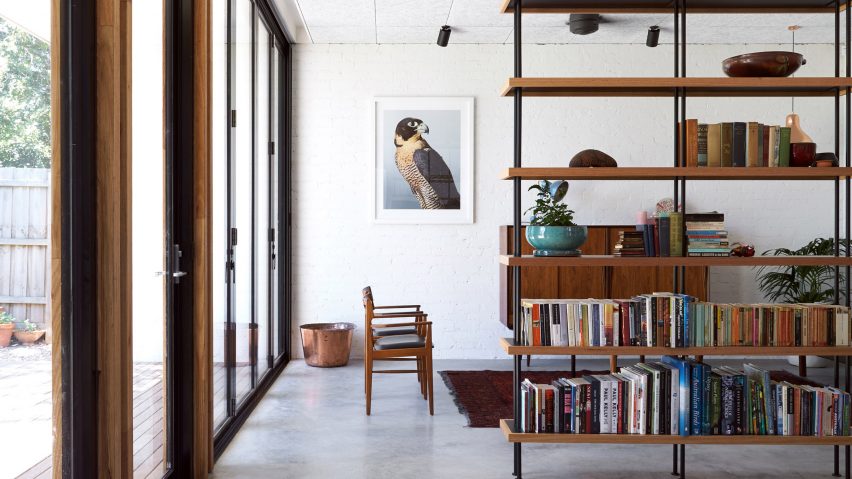
Ten interiors that use innovative room dividers instead of walls


Picture of the Day: Super Sneaky Sliding Brick Wall Door