Faux-Limewashing: The DIY Technique Taking Over TikTok
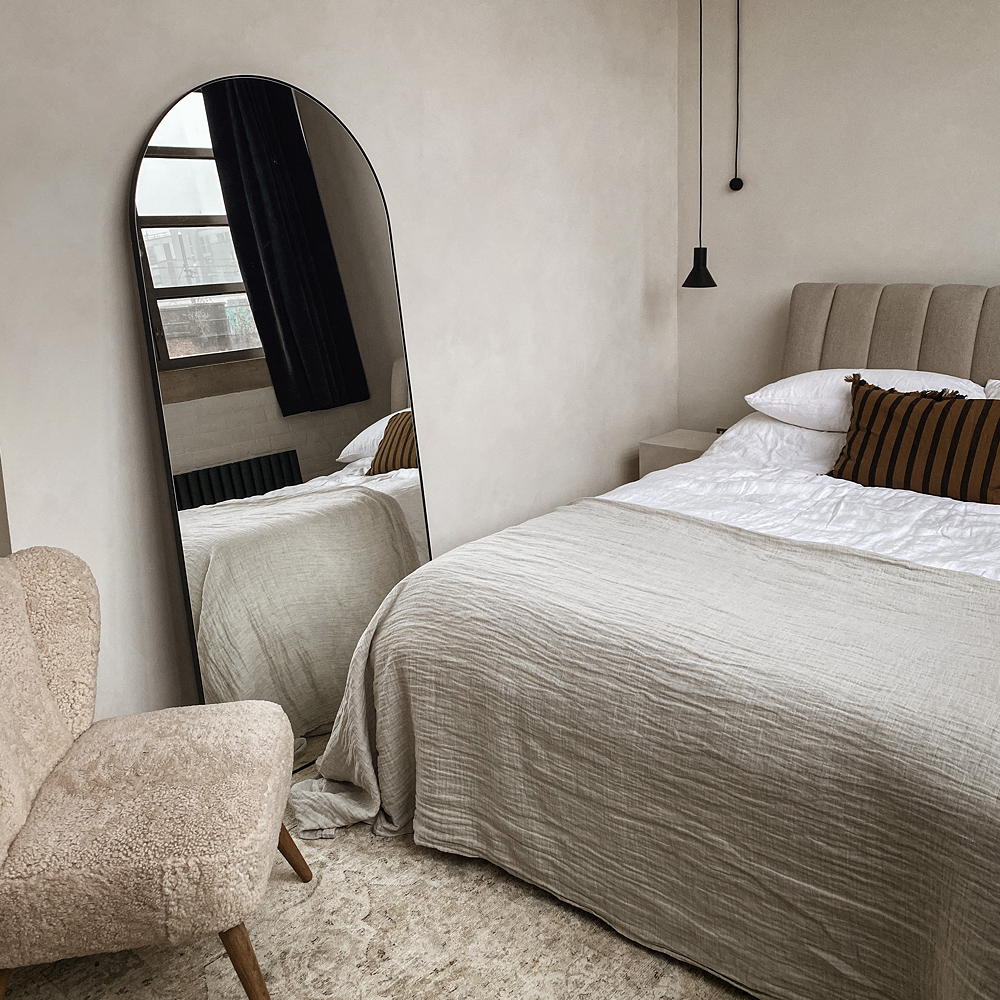
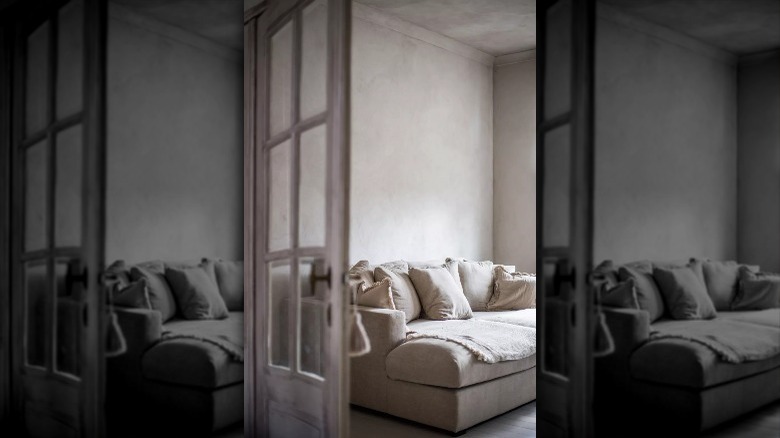
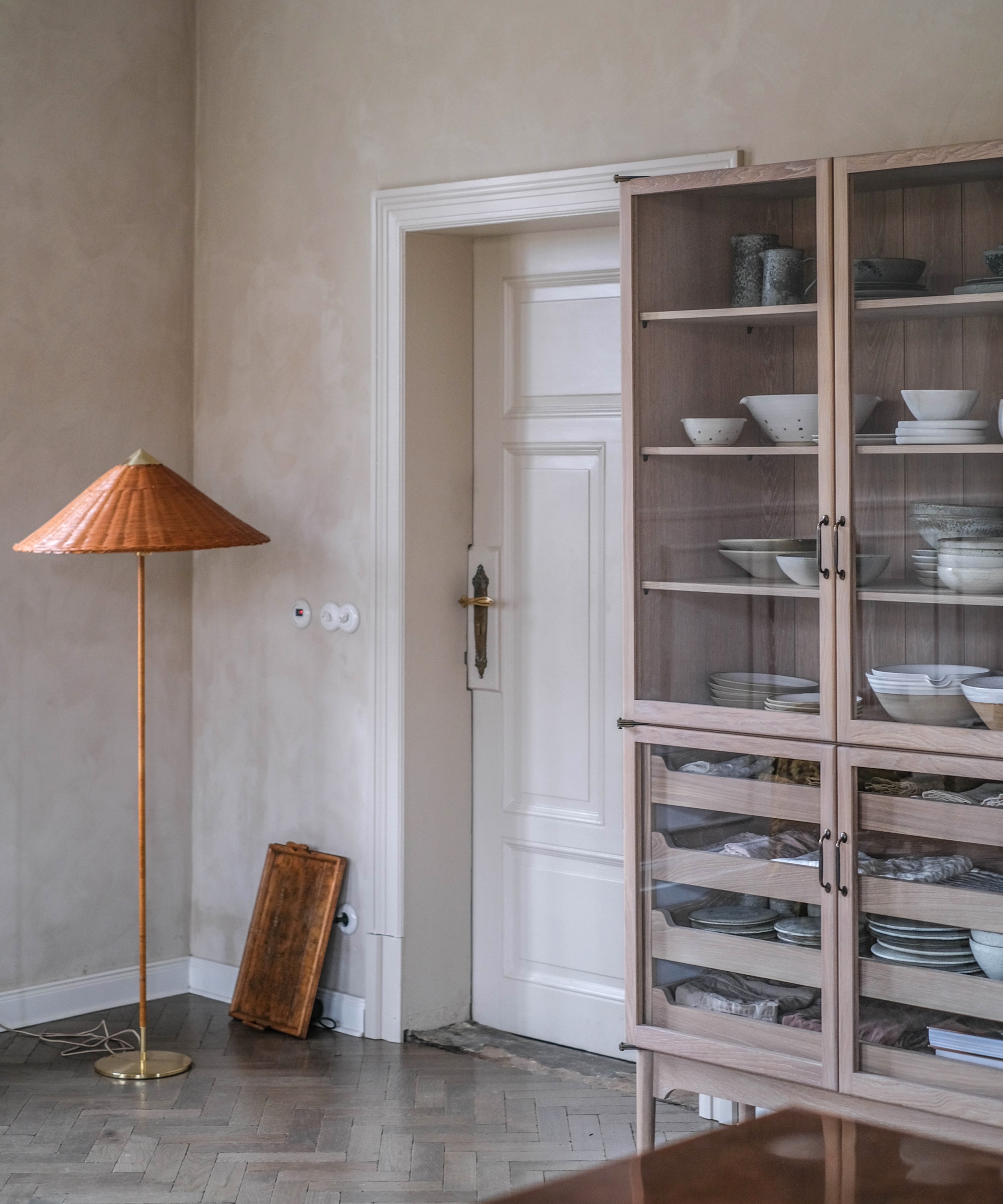
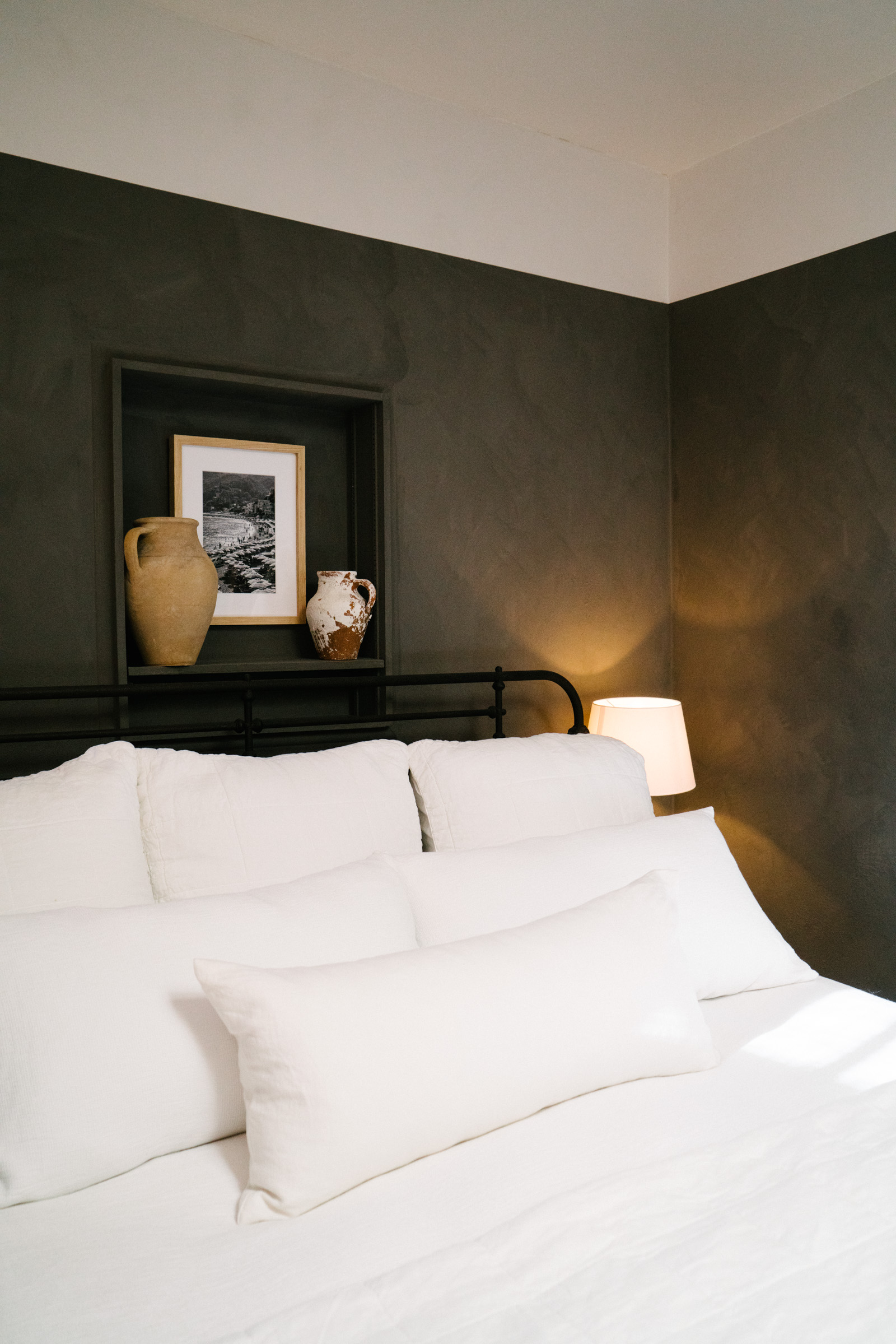
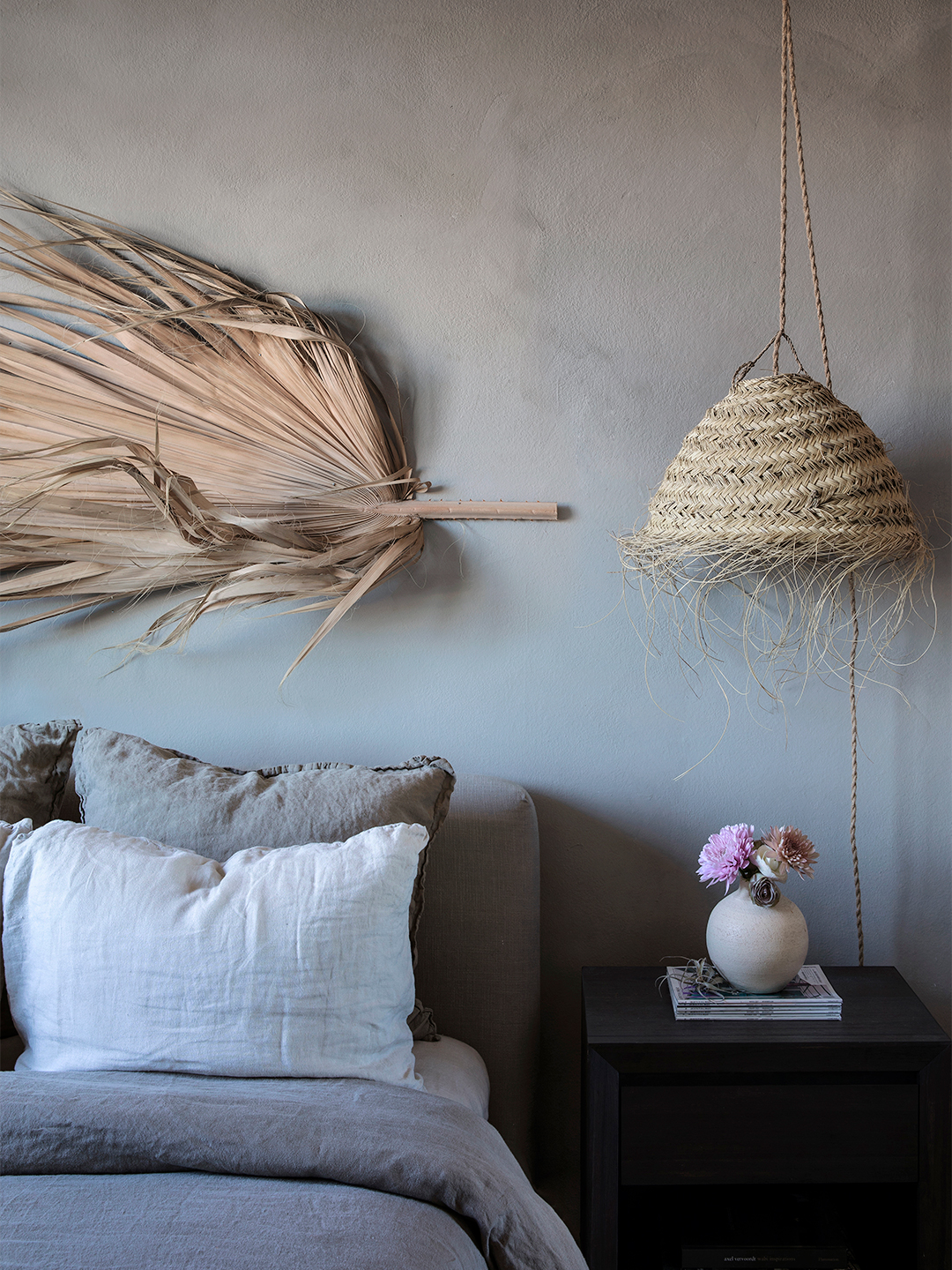
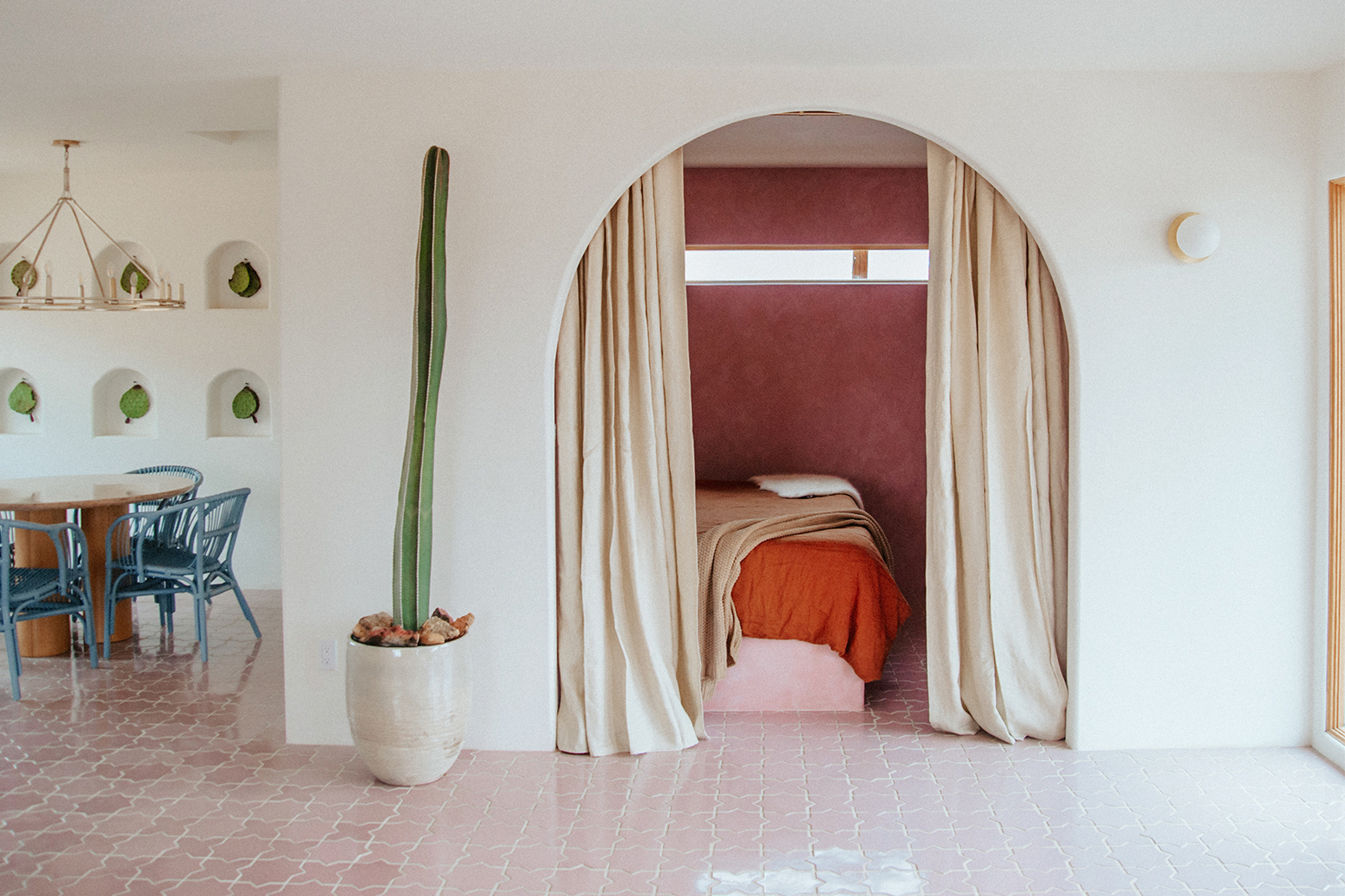
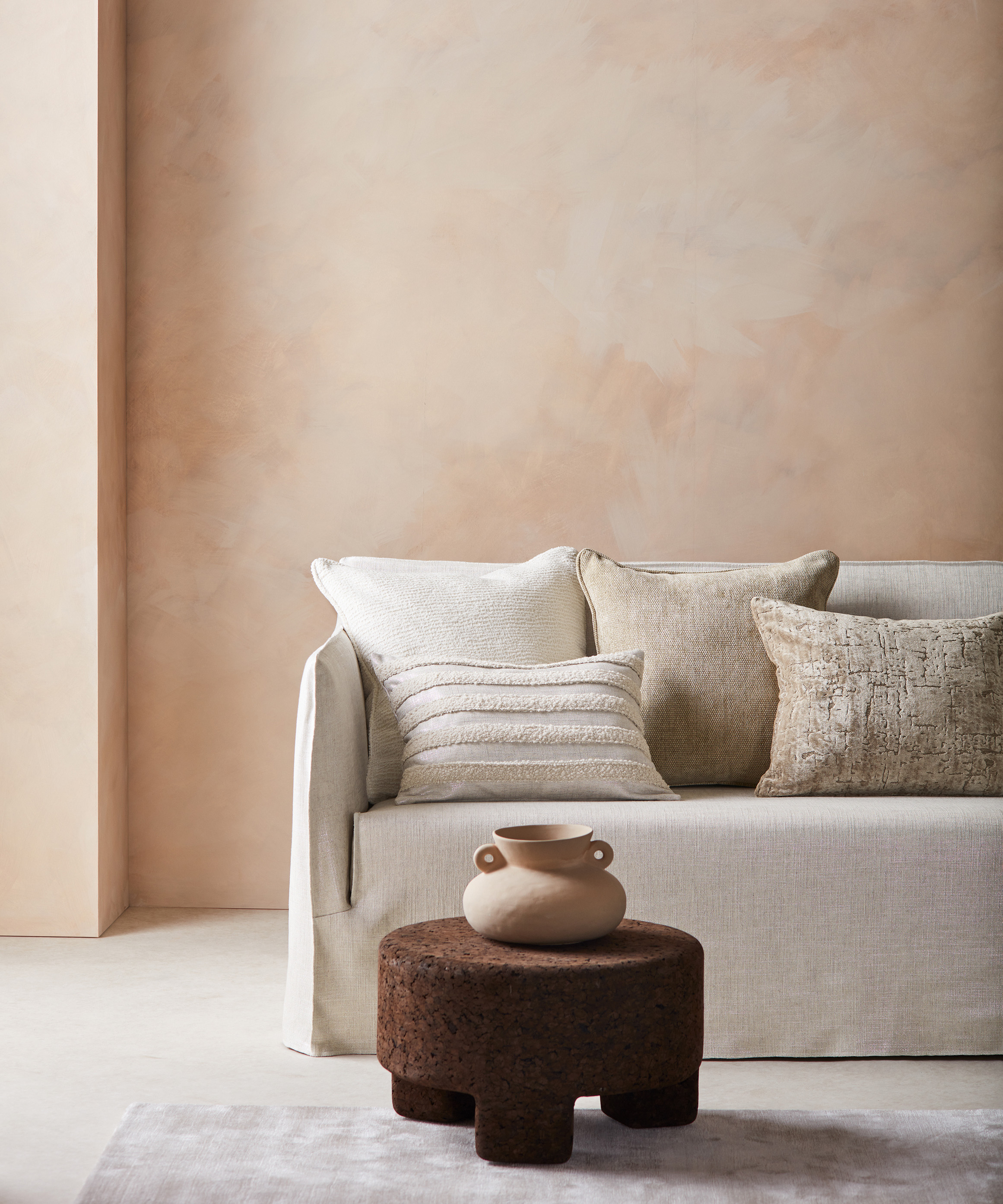
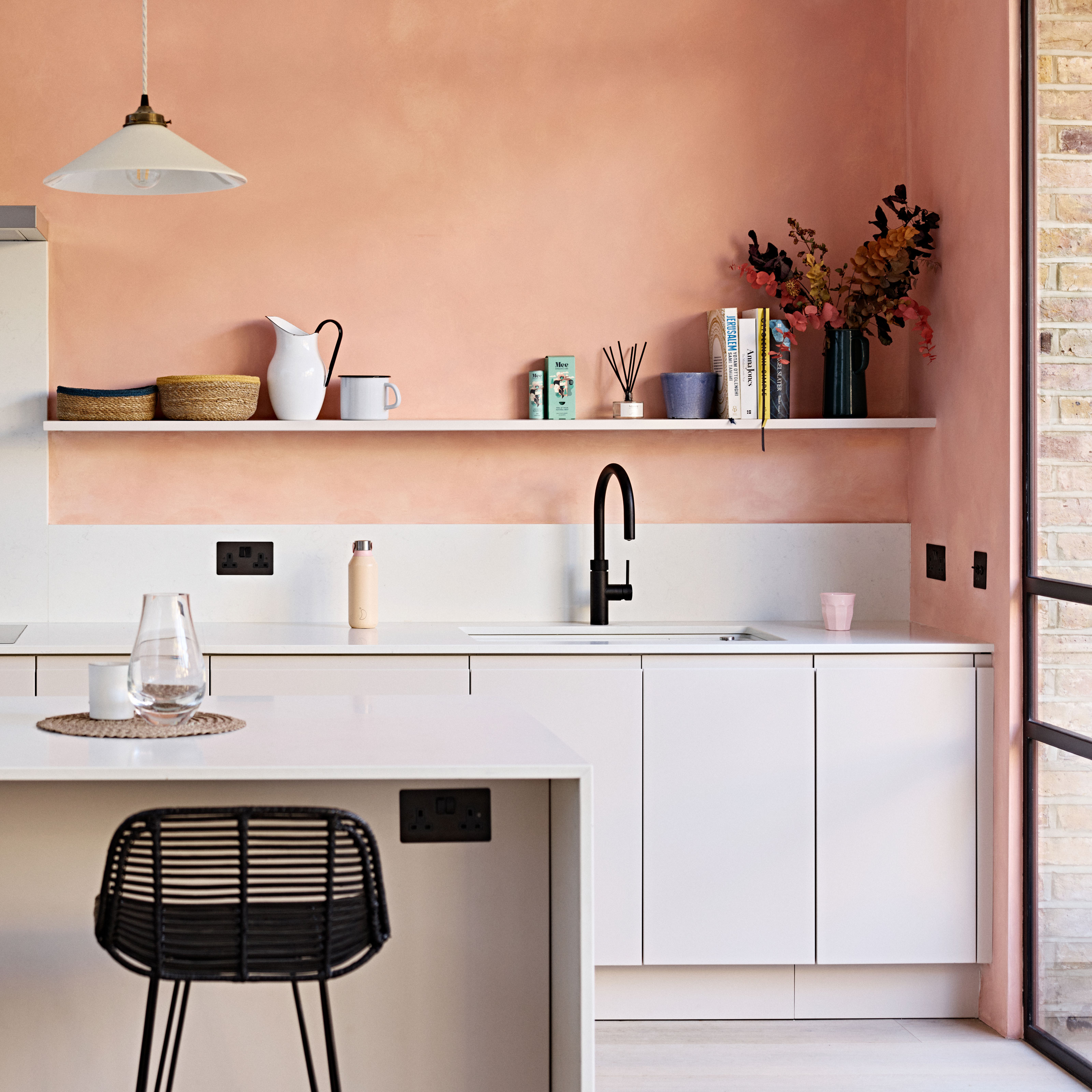
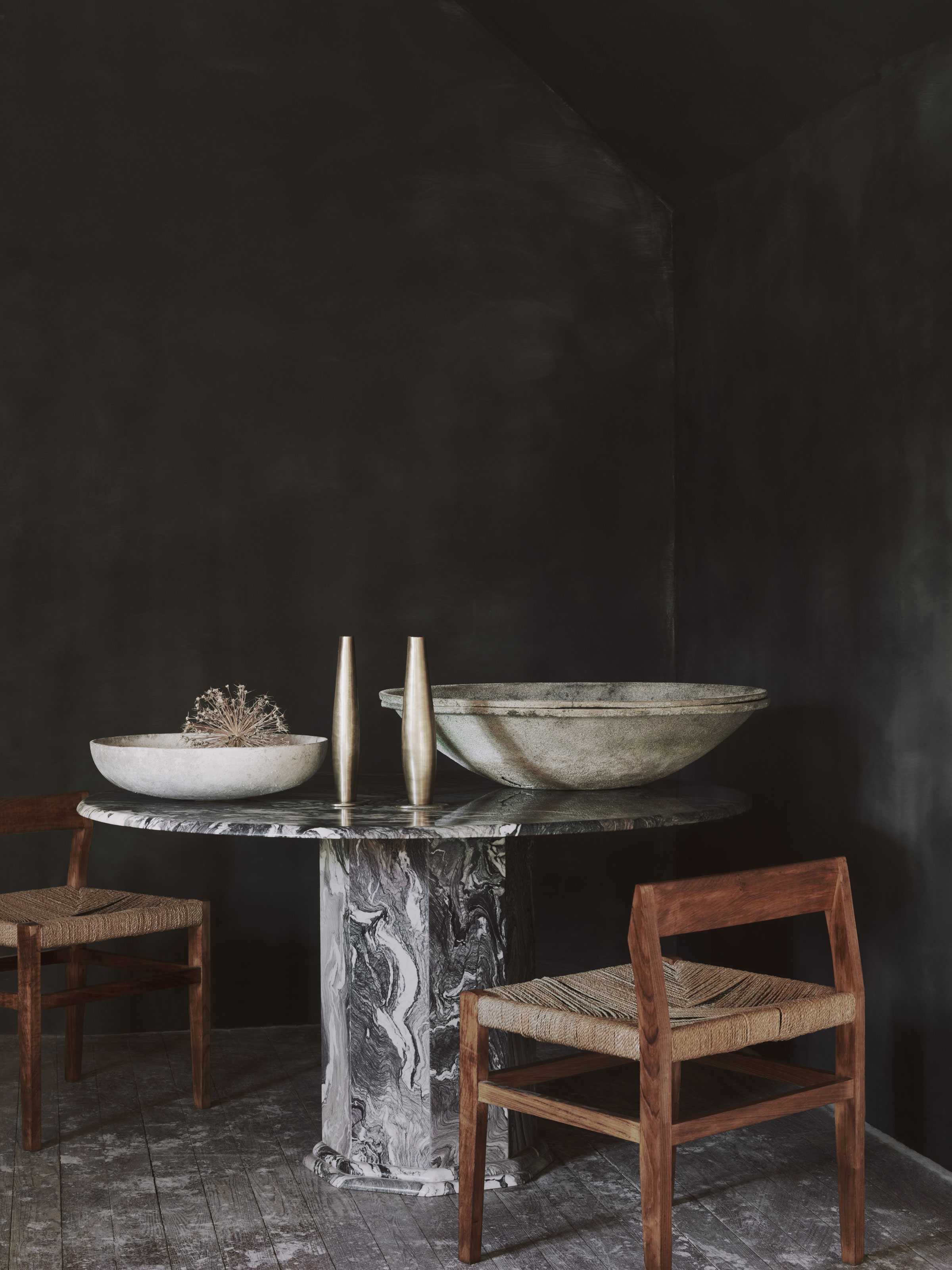
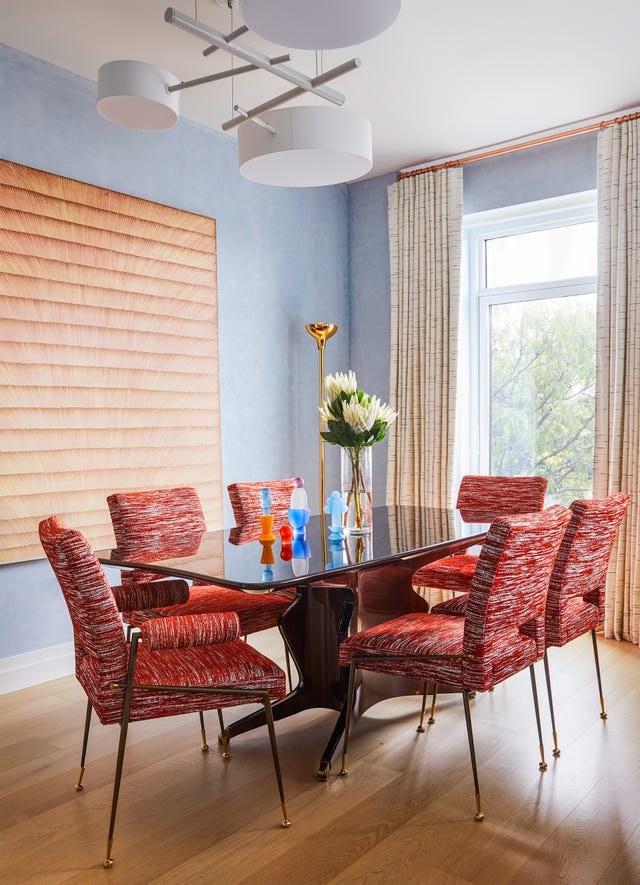
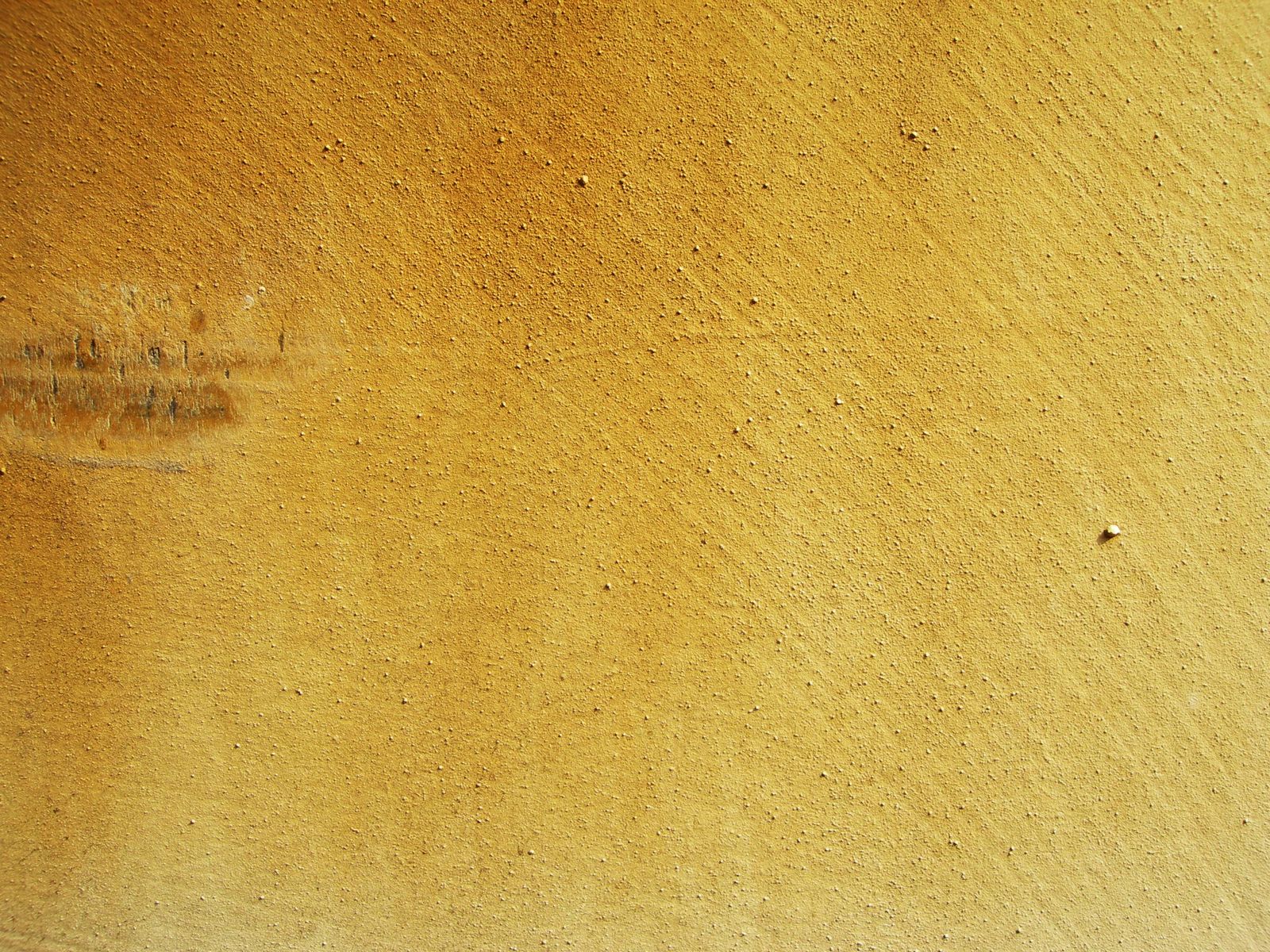
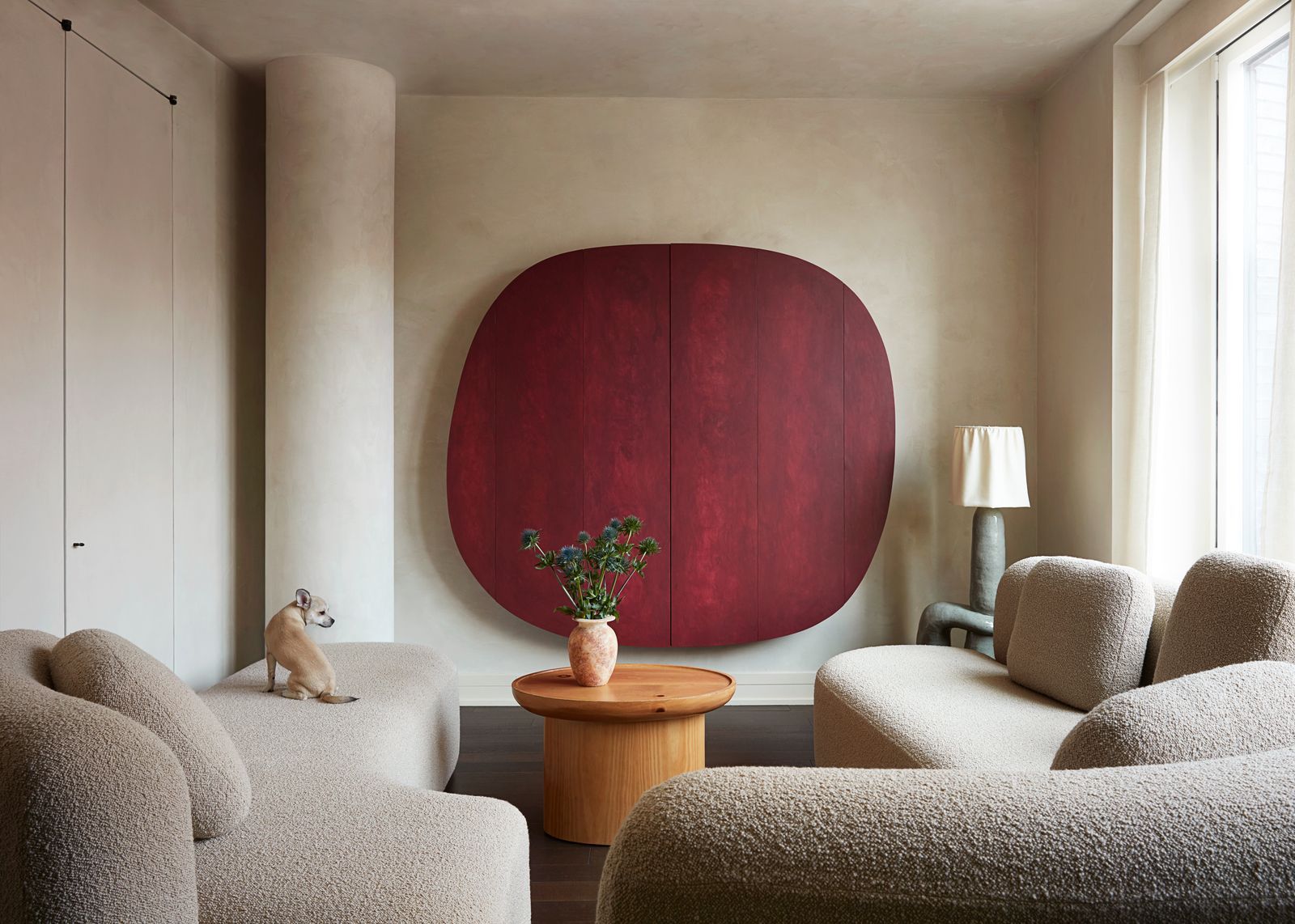
The trend of limewash walls, characterized by their chalky texture and unique appearance, has gained significant popularity on social media platforms like TikTok. This article explores the growing interest in "faux-limewashing" as a cost-effective and simpler alternative to traditional limewash paint. Hashtags such as #DIYlimewashpaint and #limewashpainttutorial have accumulated millions of views, indicating a widespread desire to achieve this aesthetic.
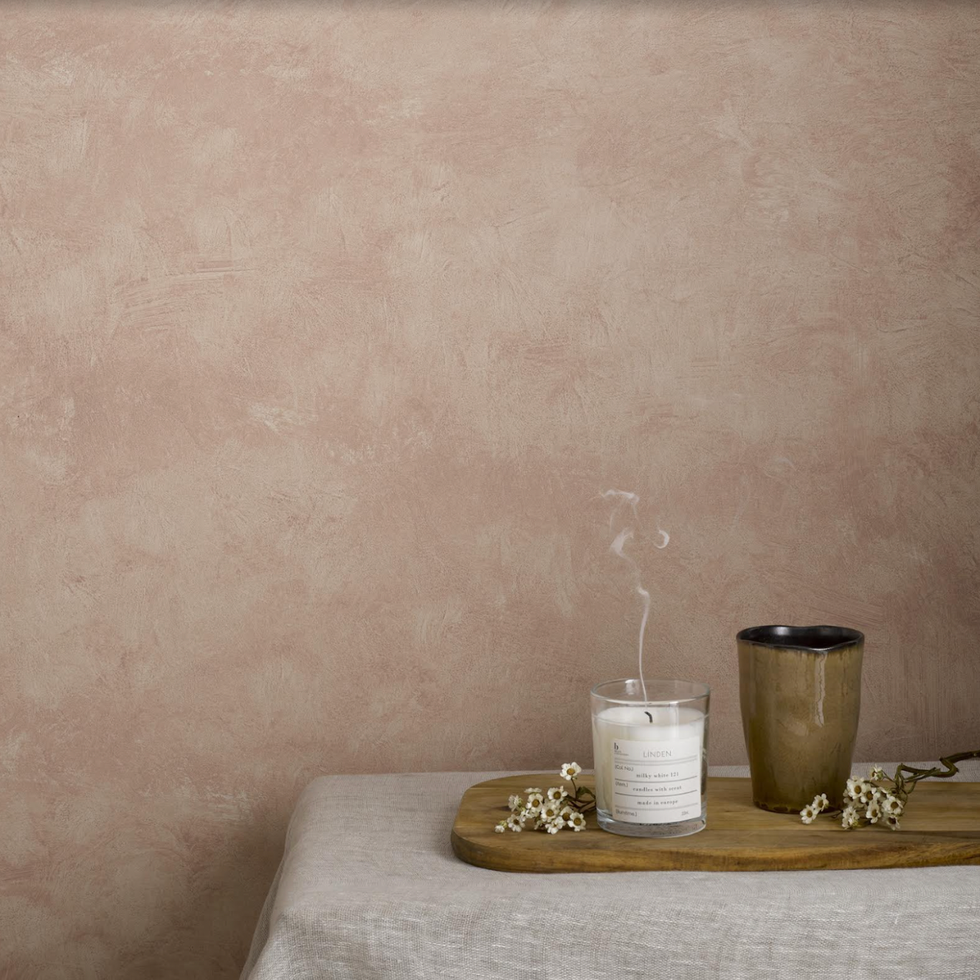
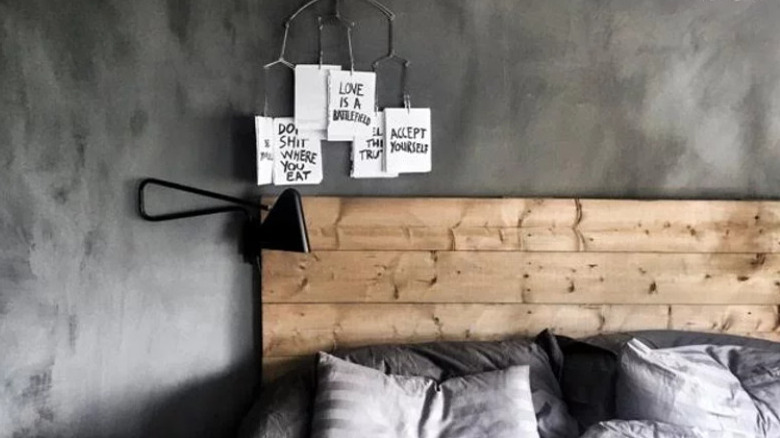
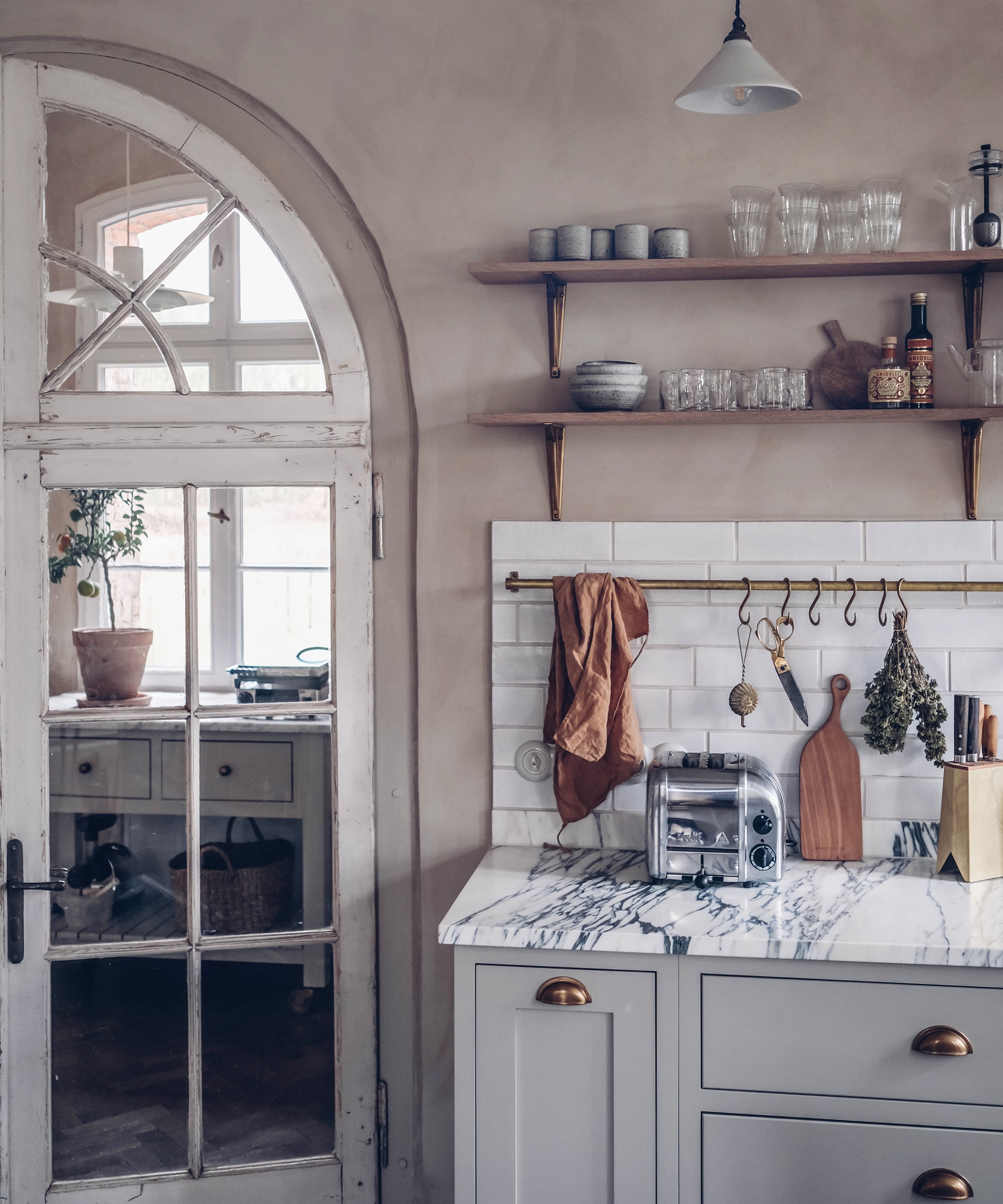
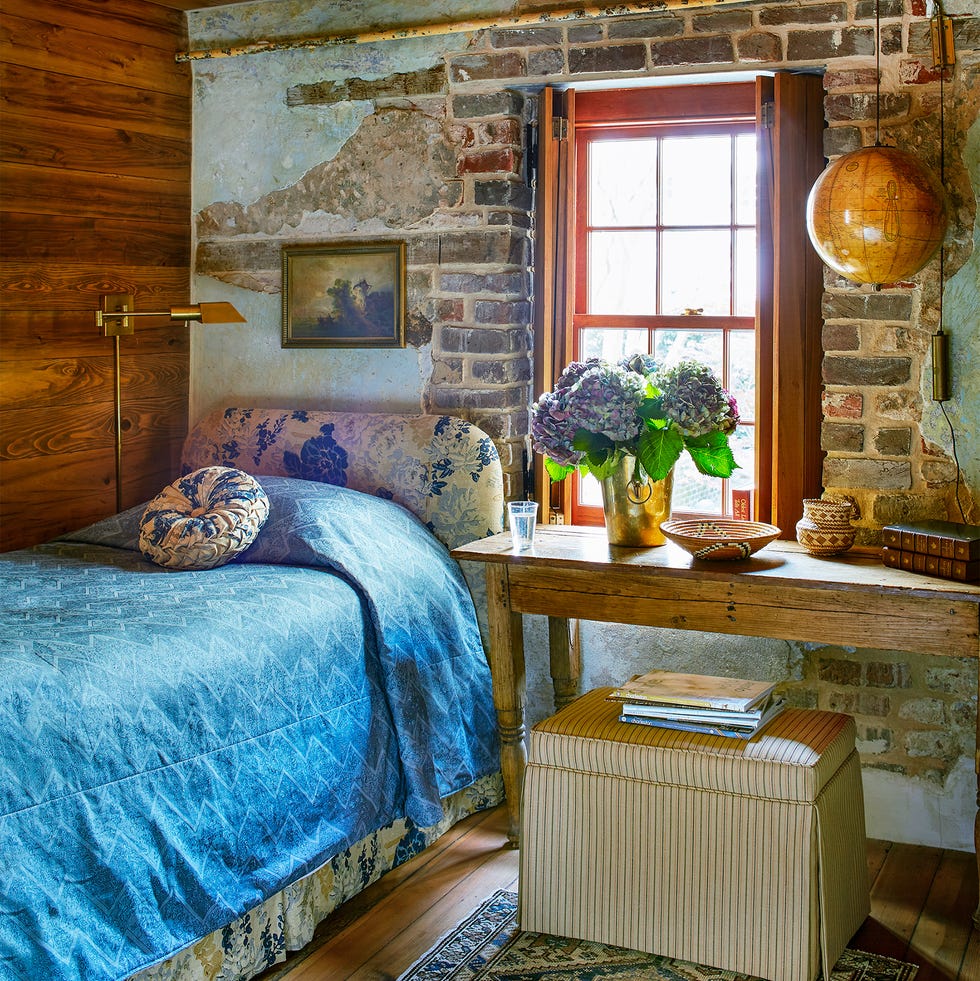
Michael Rolland, Managing Director at The Paint Shed, explains that traditional limewash paint is composed of crushed limestone, water, and natural additives. Historically, it has been used for painting, decorating, and protecting building surfaces, valued for its breathable, matte, and chalky finish that highlights the underlying surface texture. While limewashing offers an attractive finish and is natural and solvent-free, it is known for being difficult to apply correctly. It requires meticulous preparation, multiple undercoats, and does not conceal imperfections effectively. Moreover, its unpredictable nature can lead to uneven and patchy results, and the final color often lightens considerably more than initially anticipated, making it challenging for DIY enthusiasts to achieve the desired outcome.
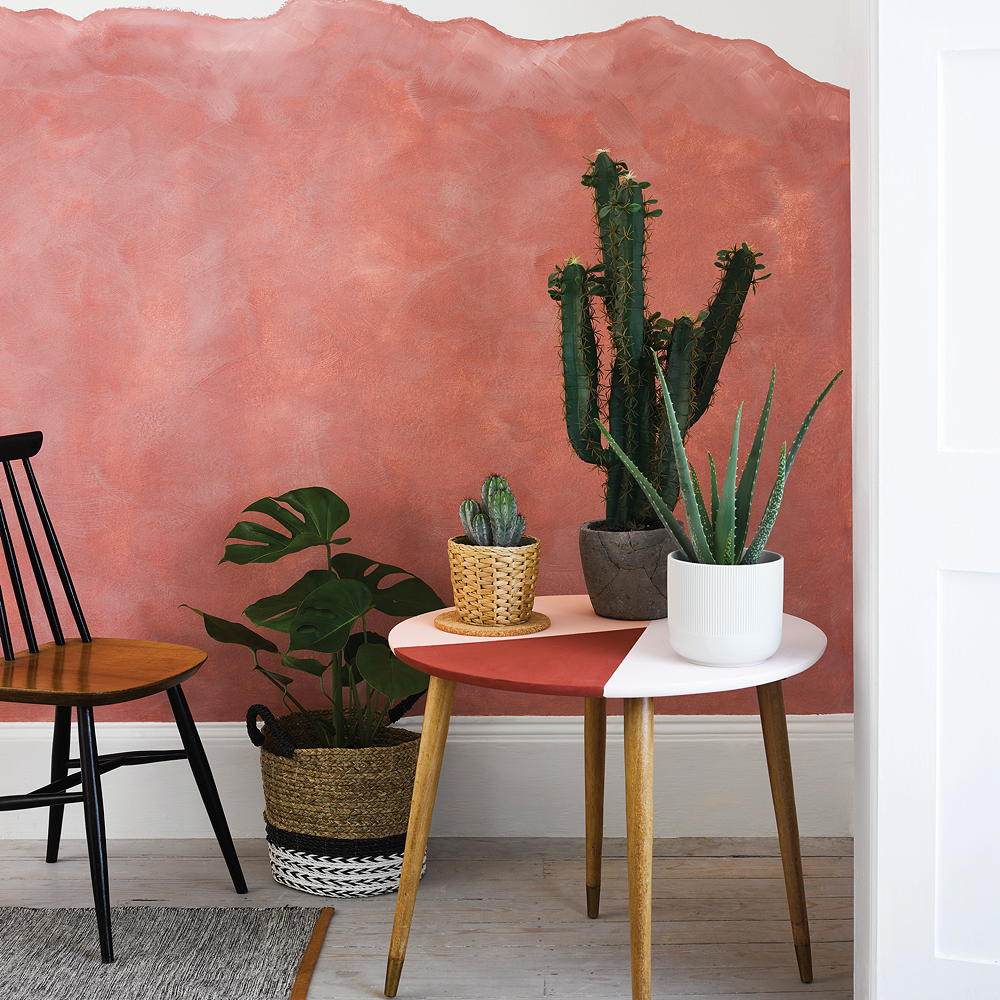
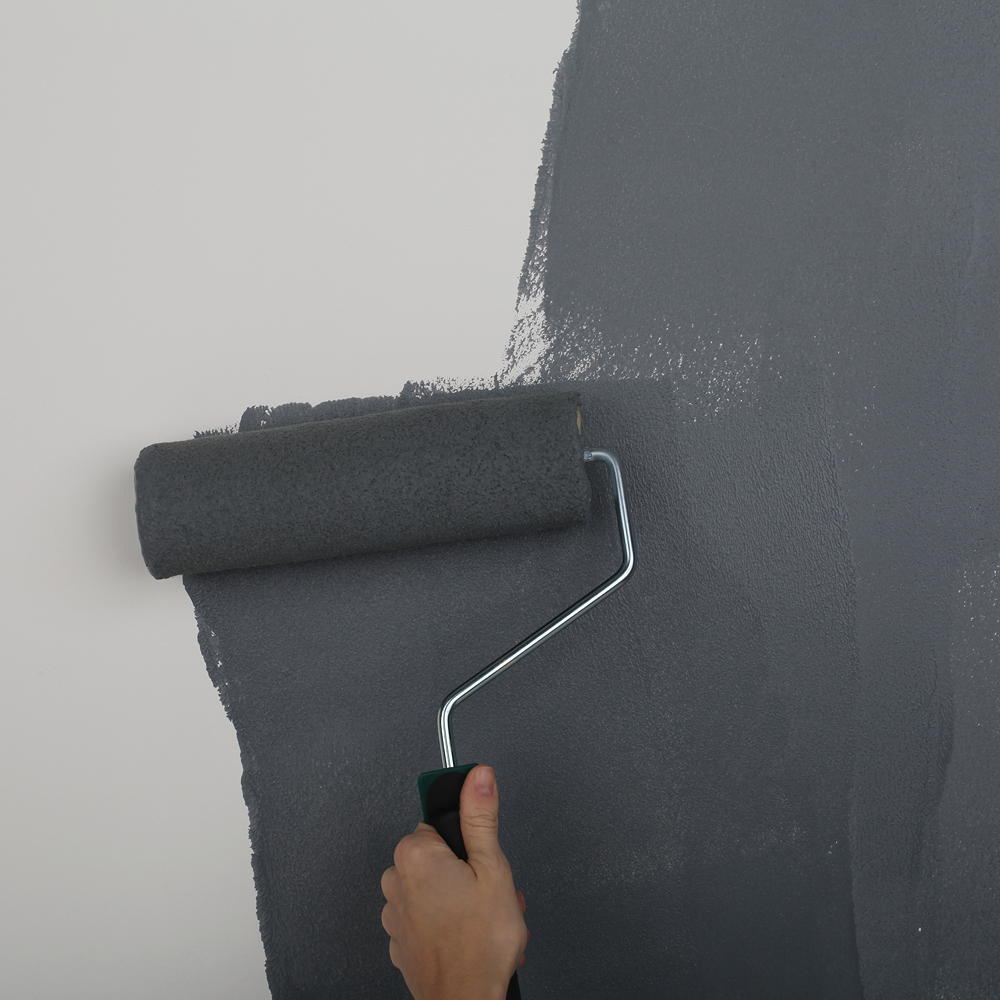
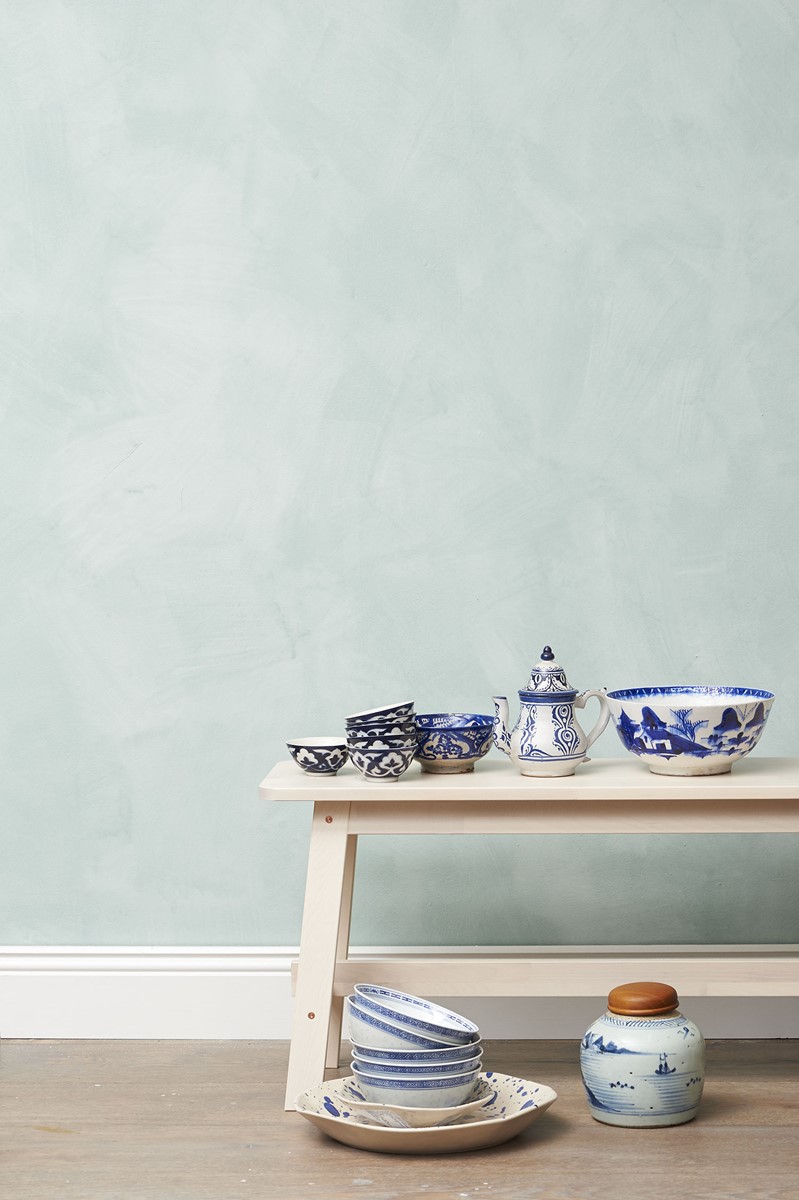
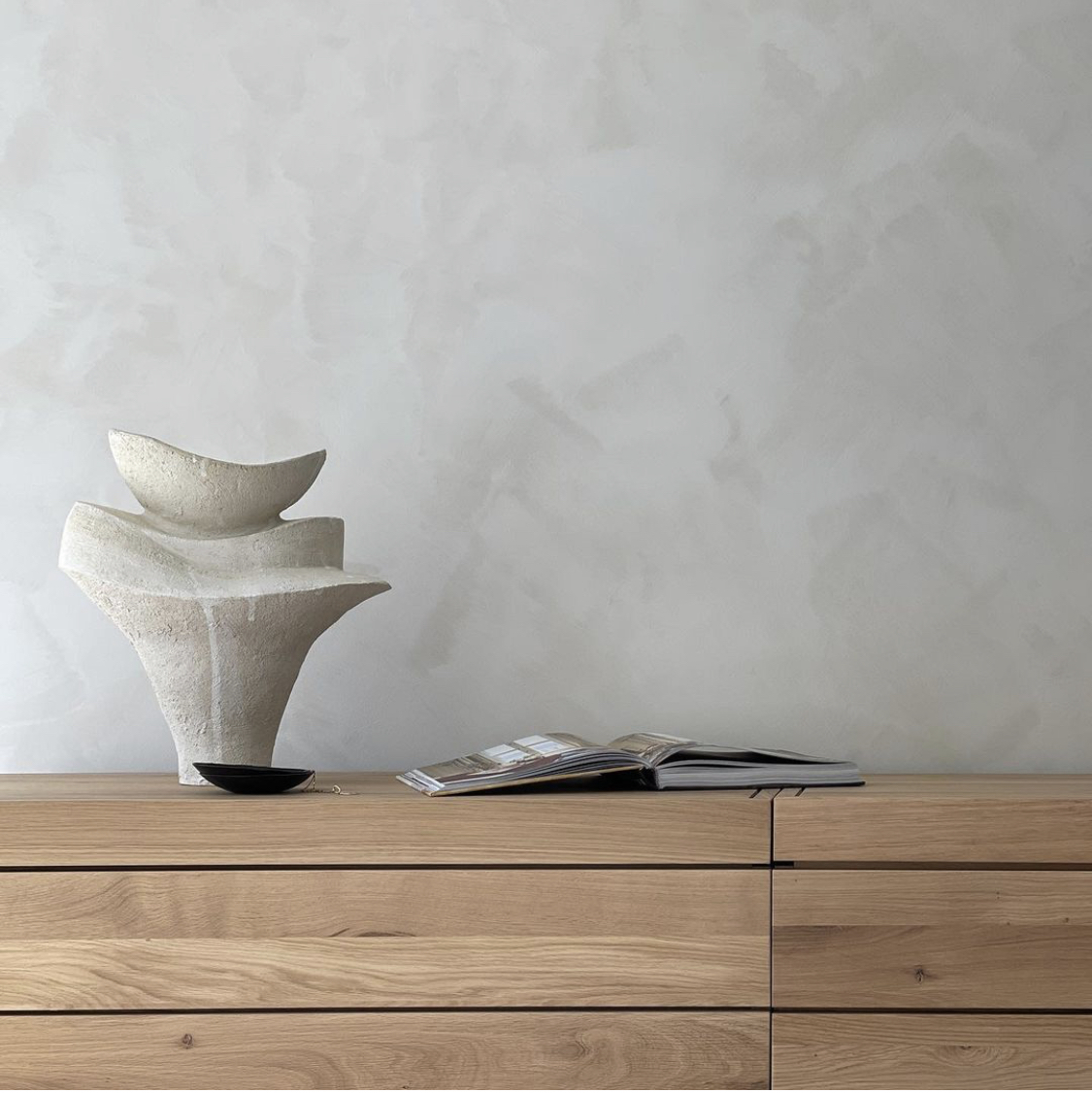
In contrast, faux-limewashing presents a more accessible solution for those seeking the marbled effect without the complexities of traditional limewash. Rolland highlights that this DIY method is less prone to errors and easier to correct if mistakes occur, making it suitable for individuals with less painting experience. The technique involves thinning regular paint by mixing one part paint with three parts water. This mixture is then applied to the wall in circular motions. To best mimic the traditional off-white appearance of limewash, neutral colors are recommended.
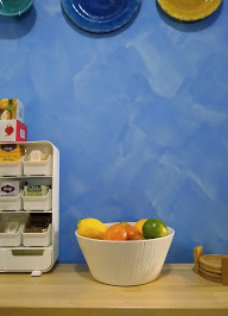
Rolland provides a step-by-step guide for faux-limewashing. The process begins with thorough surface preparation, which includes cleaning dust and dirt, repairing cracks and holes, and taping off areas not intended for painting. Following this, a primer or undercoat is applied. For the chalk wash, a wide, synthetic brush is used to apply the paint in a cross-hatching, randomized pattern, ensuring even coverage. Immediately after application, a clean sponge or muslin rag is lightly and quickly pressed onto the surface to create a soft, dappled, and translucent effect, using only one layer of the wash paint to achieve the desired textured finish. The article includes embedded TikTok videos showcasing successful faux-limewash projects, demonstrating the achievable results and inspiring readers to attempt this popular interior design trend.
#FauxLimewashing #DIYHomeDecor #TikTokTrend #InteriorDesign #LimewashPaint #HomeImprovement #PaintTechniques #ChalkPaint #DIYPainting #FauxLimewashing #DIYHomeDecor #TikTokTrend #InteriorDesign #LimewashPaint #HomeImprovement #PaintTechniques #ChalkPaint #DIYPainting
0 komentarzy łącznie
 Brak komentarzy jeszcze
Możesz również polubić

This Simple DIY Limewash Paint Hack Costs Less Than $20 — But the Results Look Way More Expensive

Woman Records Her Efforts To Find Out What Is The Cause Of Her Bathroom Cabinet “Bleeding”, Asks The Internet For Help
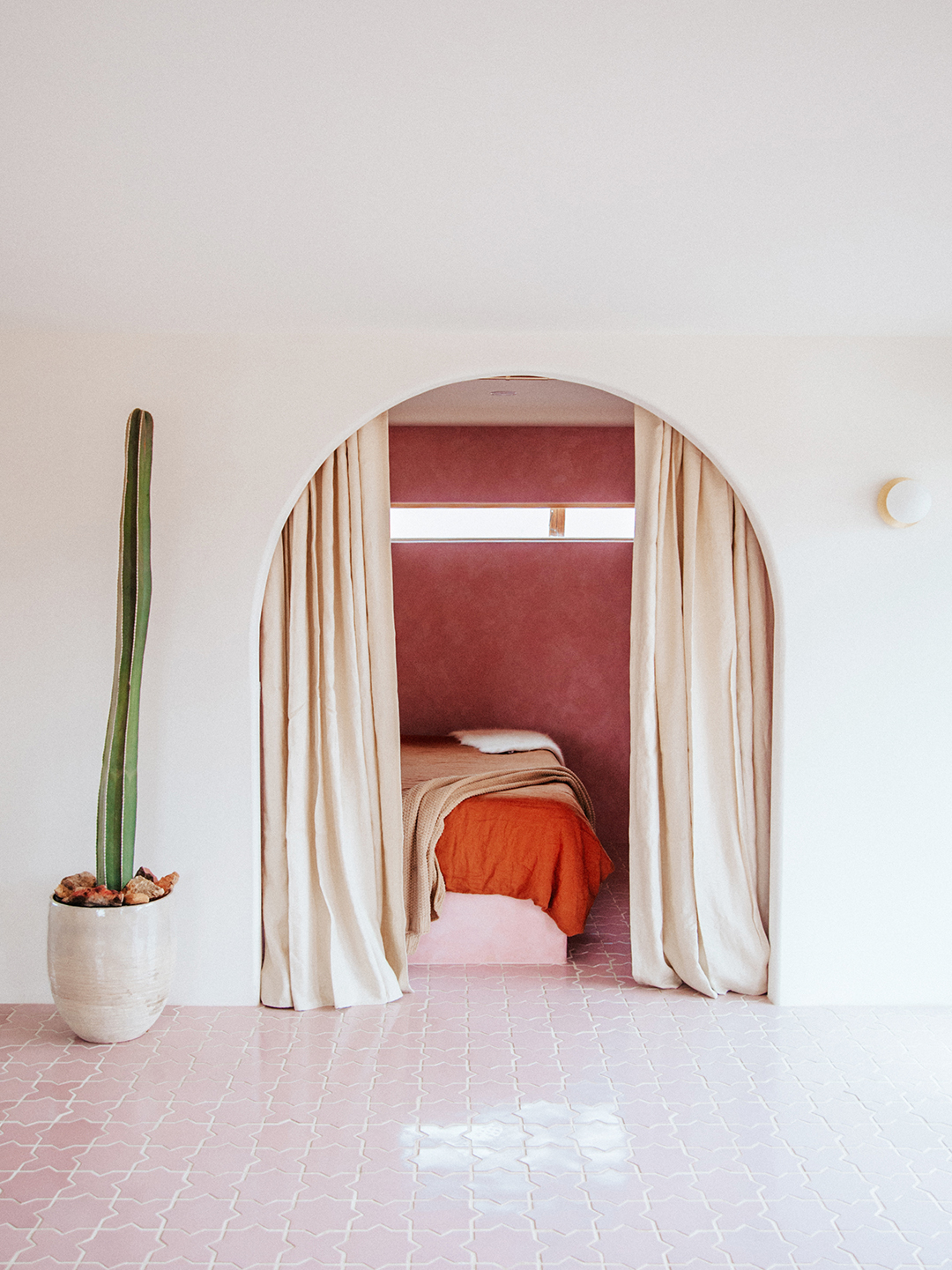
If You Want Your Home to Look Like a Charming Tuscan Villa, Try This

9 Ways to Use That 'Pink Stuff' You've Seen on TikTok
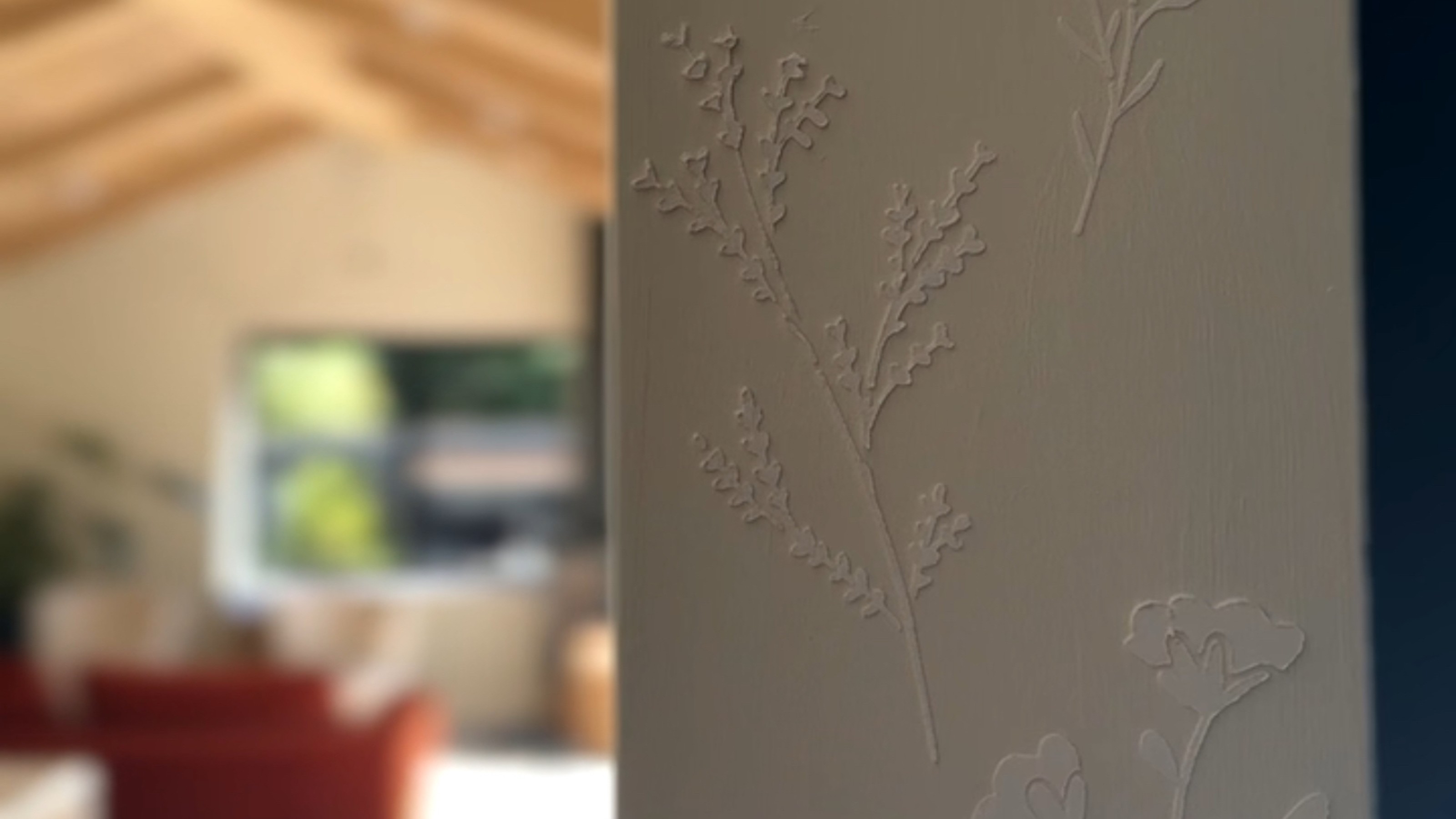
3D stencilling is trending on TikTok and Instagram
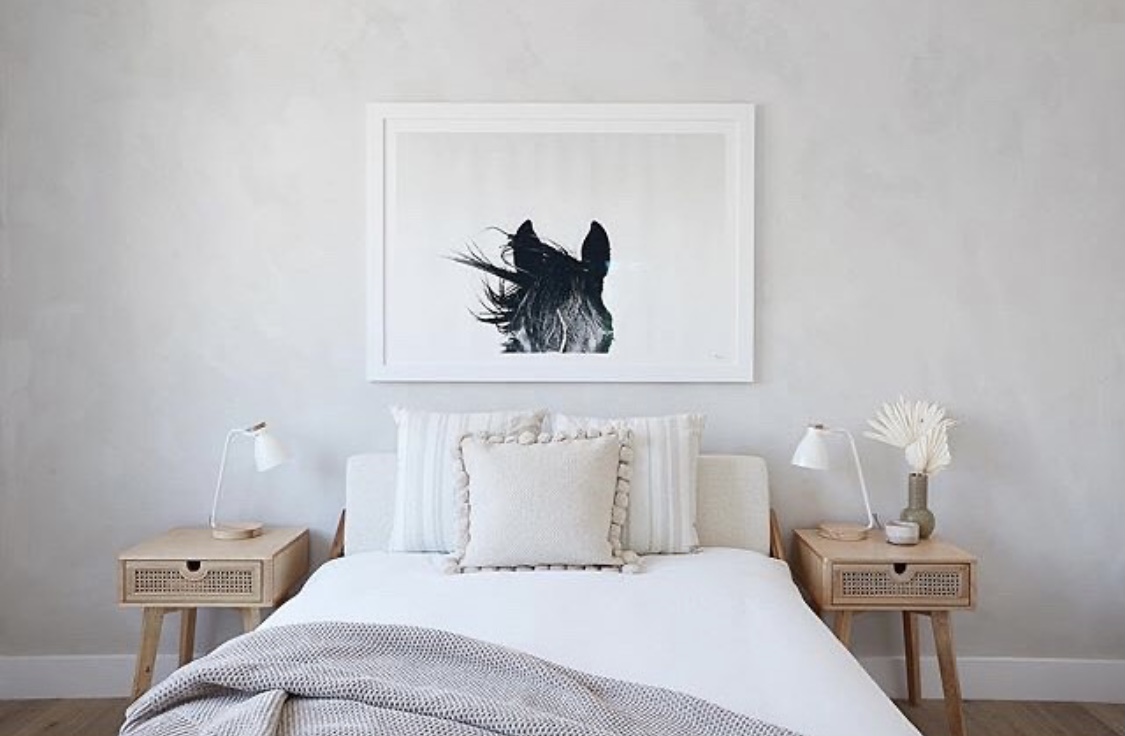
The Allure of Limewash Paint
TikTok's IKEA Hack Completely Disguises Dreaded Flush Mount Light Fixtures

Getting your colours done is the latest 1980s fashion trend resurrected by TikTok — but does it actually work?

Instagram can't get enough of this new textured paint craze - here's how to get the look
DIY hack: How to recreate the limewash wall trend for less than £10

DIY fans are reaching for the fridge to try out this ingenious new painting hack
This Texture-Rich Finish Is Designers' Go-To for Instant Patina

I Tried TikTok’s New Viral Spring Cleaning Method & It’s A Game-Changer

4 Creative Ways To Use Limewash Paint To Transform Your Home

This genius TikTok hack removed a popcorn ceiling using only water - here's how to do it
What Is Limewash Paint: Four Places to Use It in Your Home


This wall panelling method is going viral on TikTok – how to get the look, according to DIY experts

Limewashing trend: why this European paint trend is perfect for your kitchen

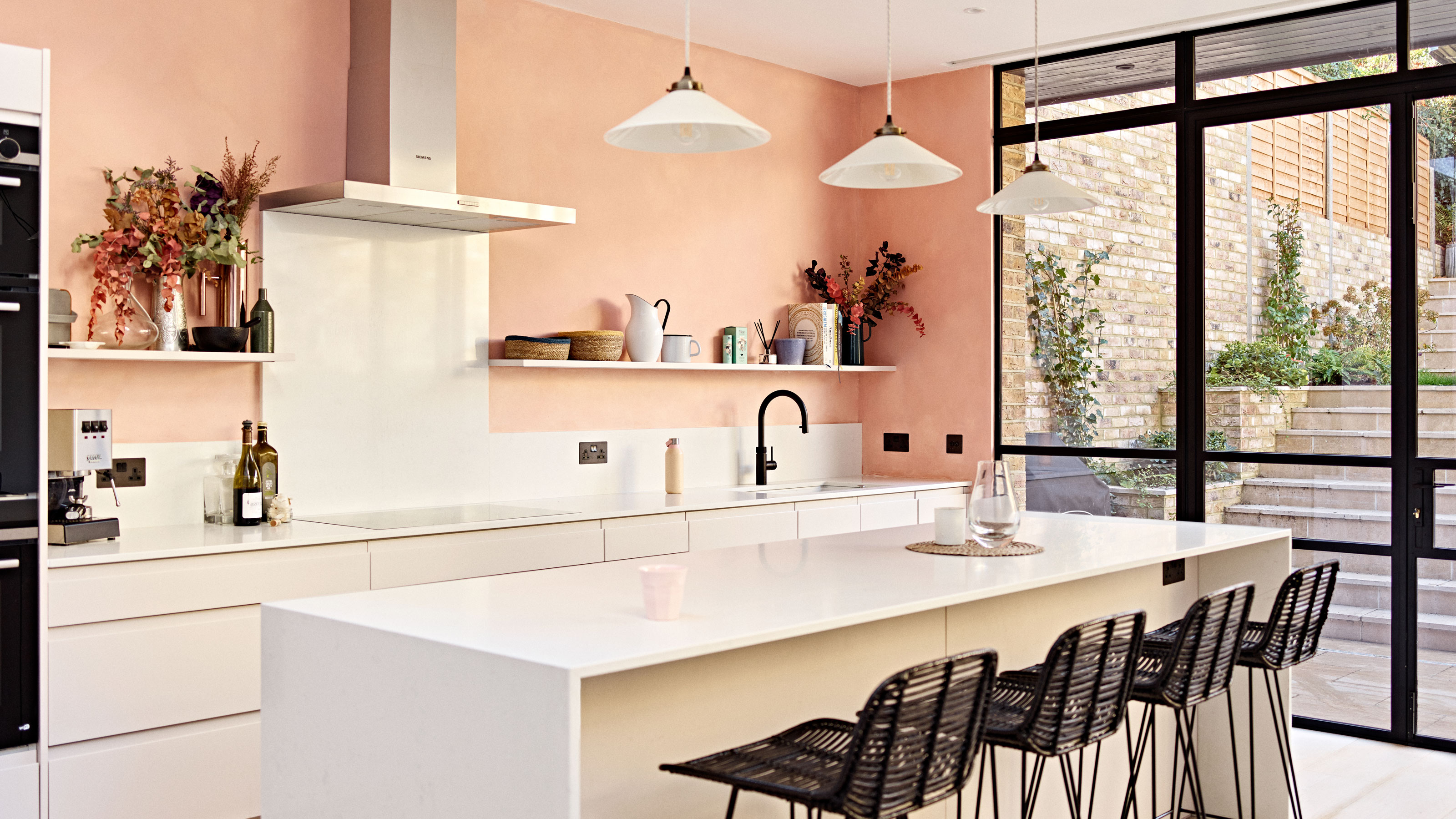
Limewash paint ideas – 10 ways to use this trending wall finish to bring texture to your home
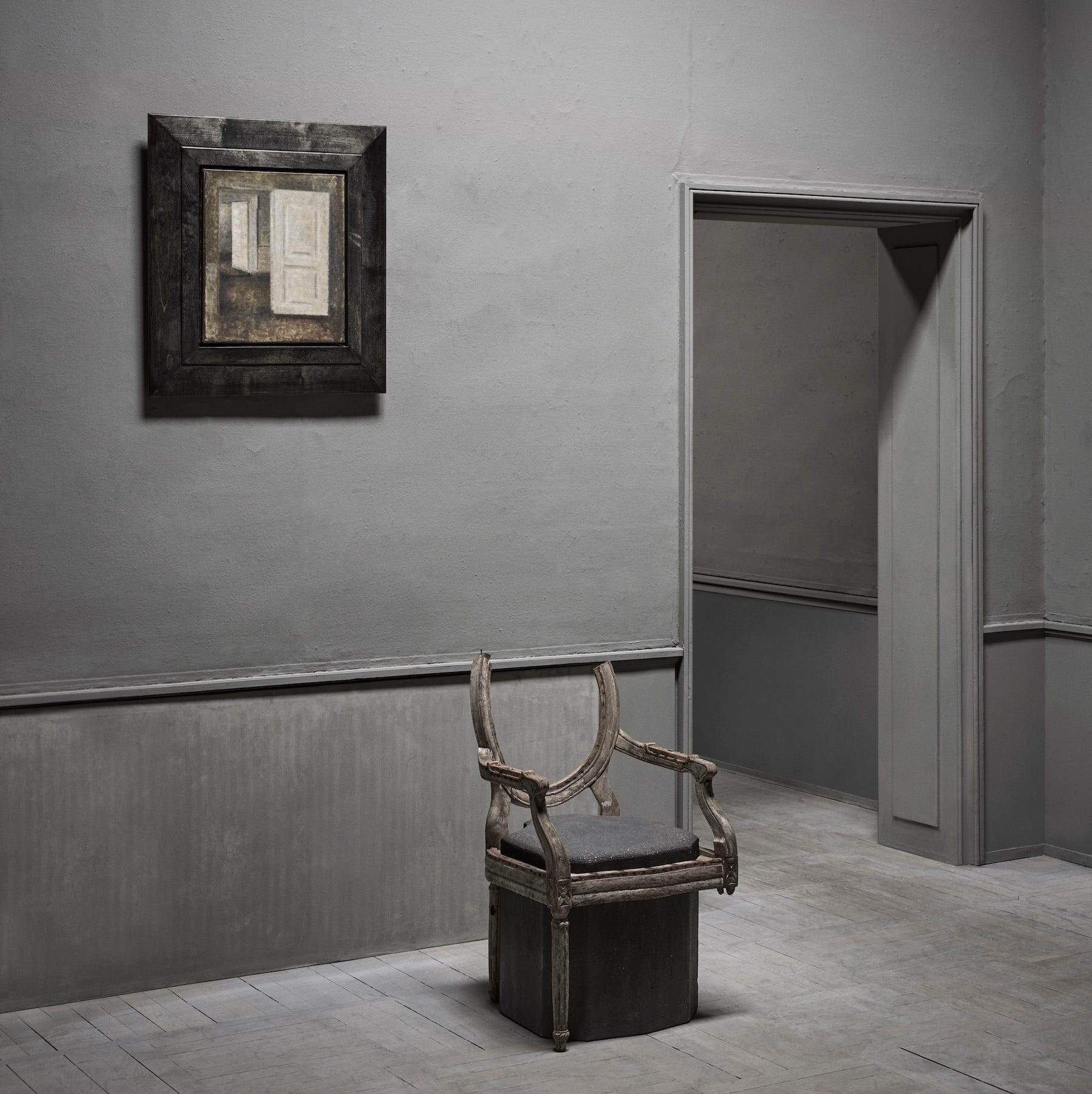
This Is the Cool Paint Technique You've Been Seeing All Over Instagram