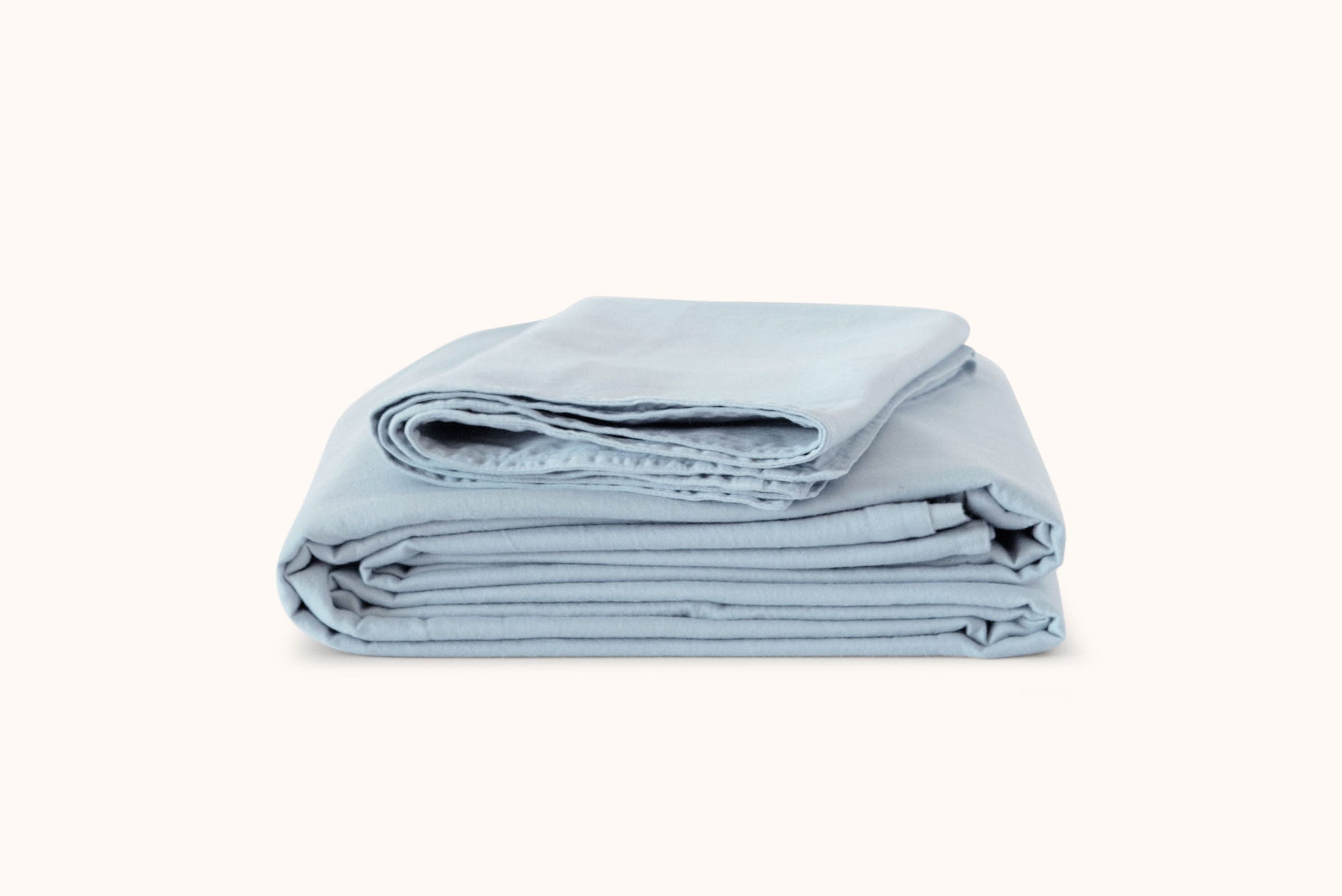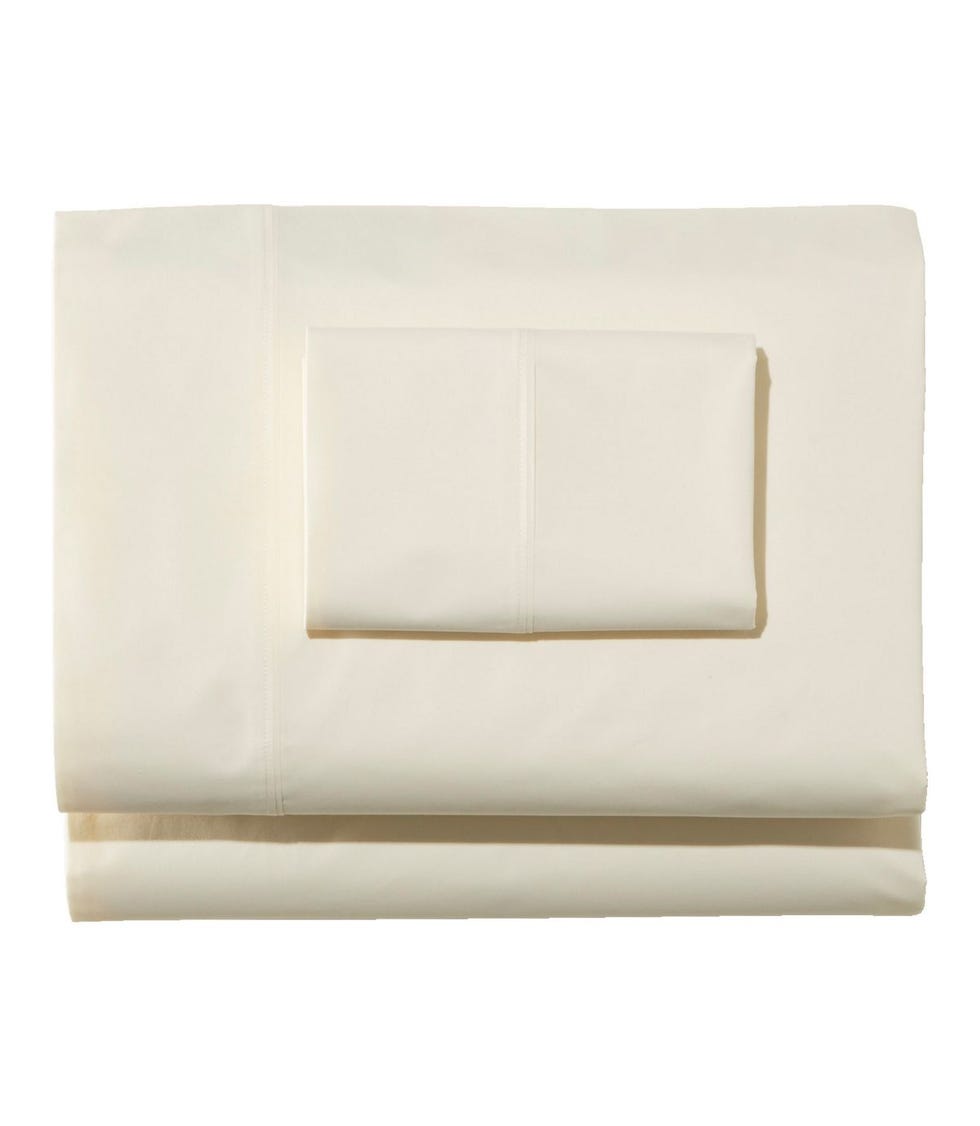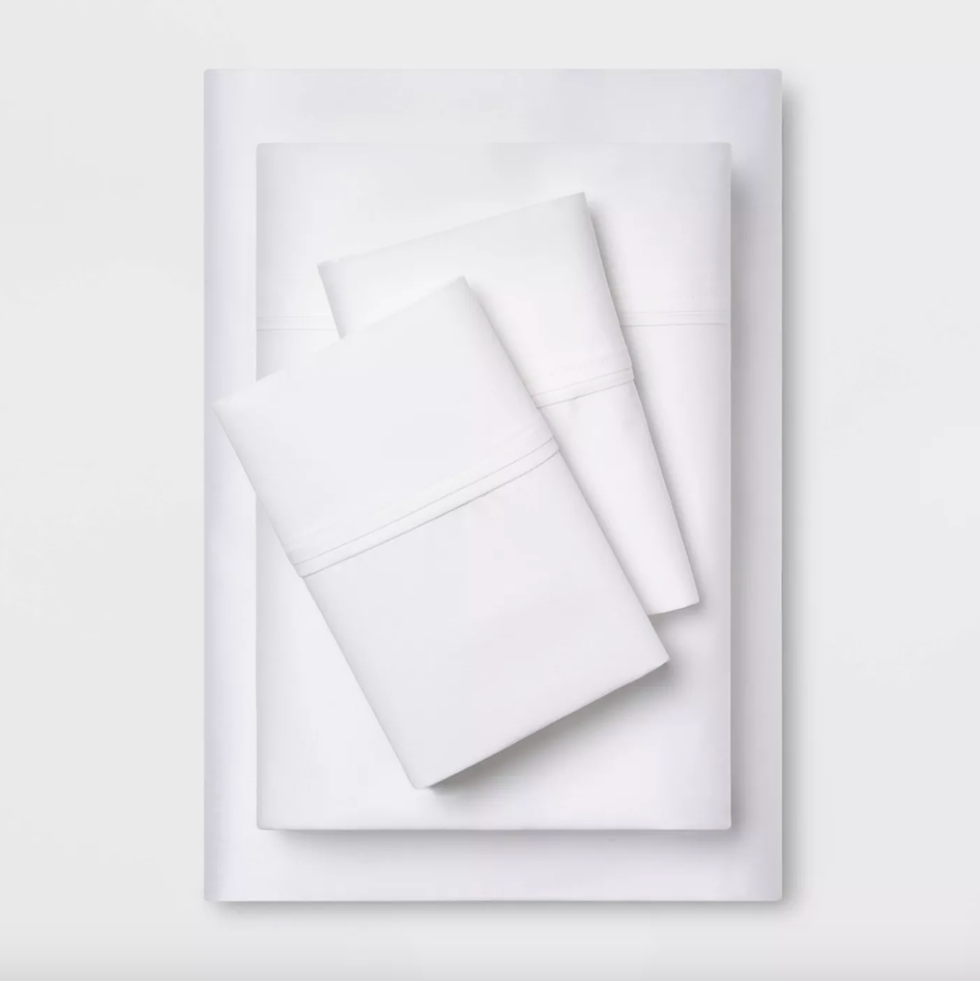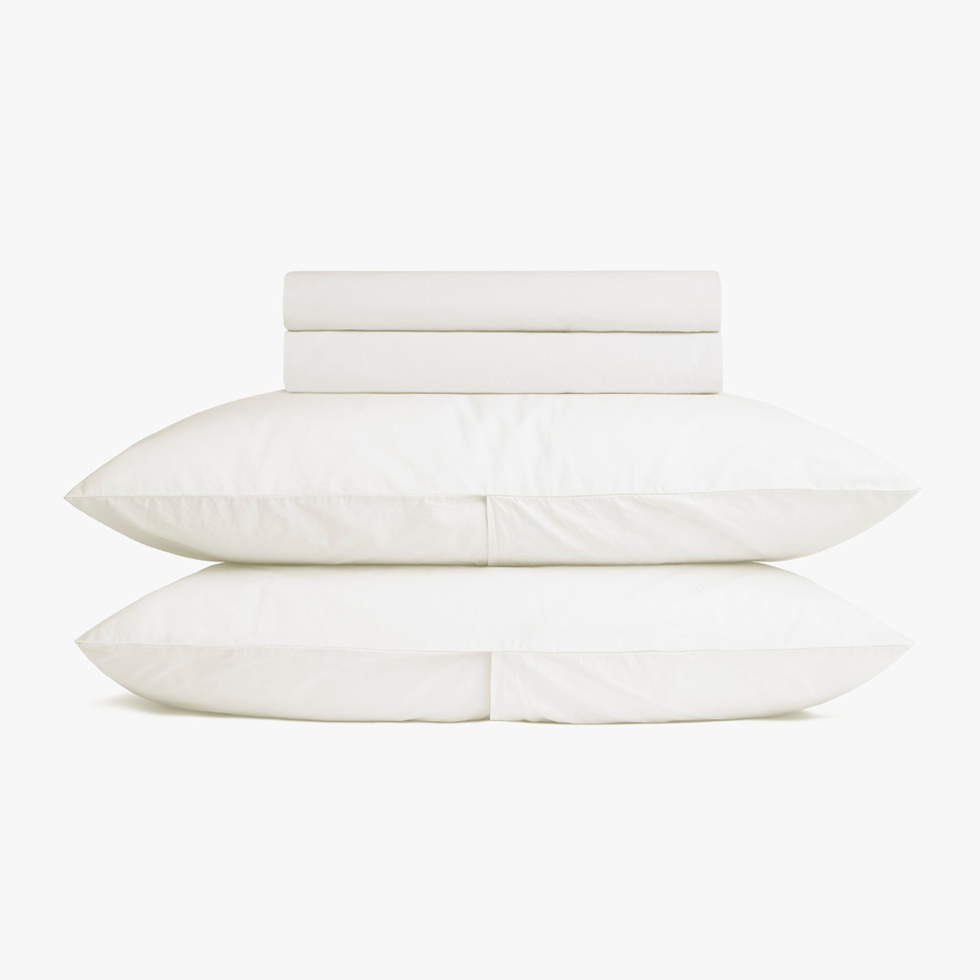
1/14
Best Organic Sheets of 2025
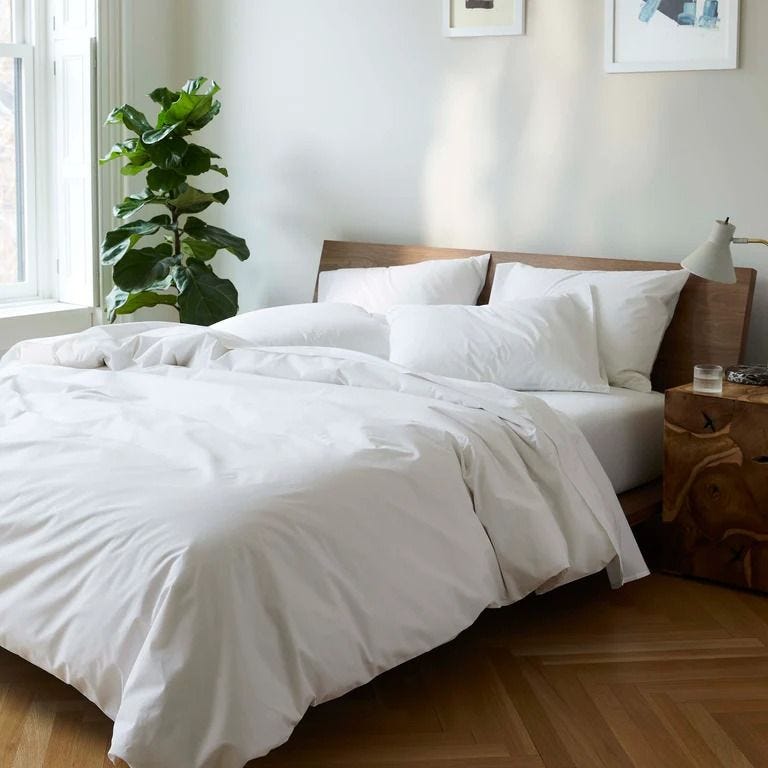
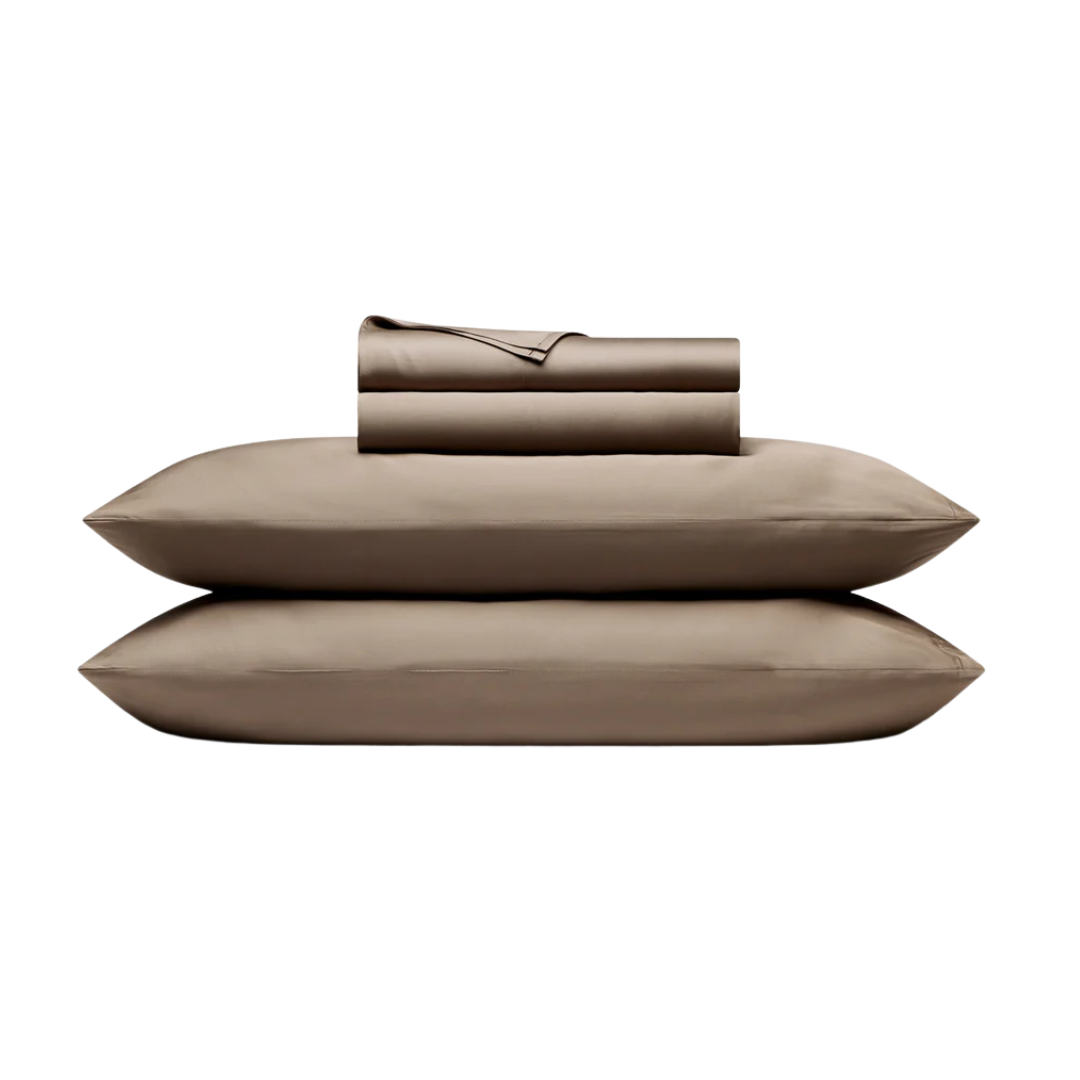
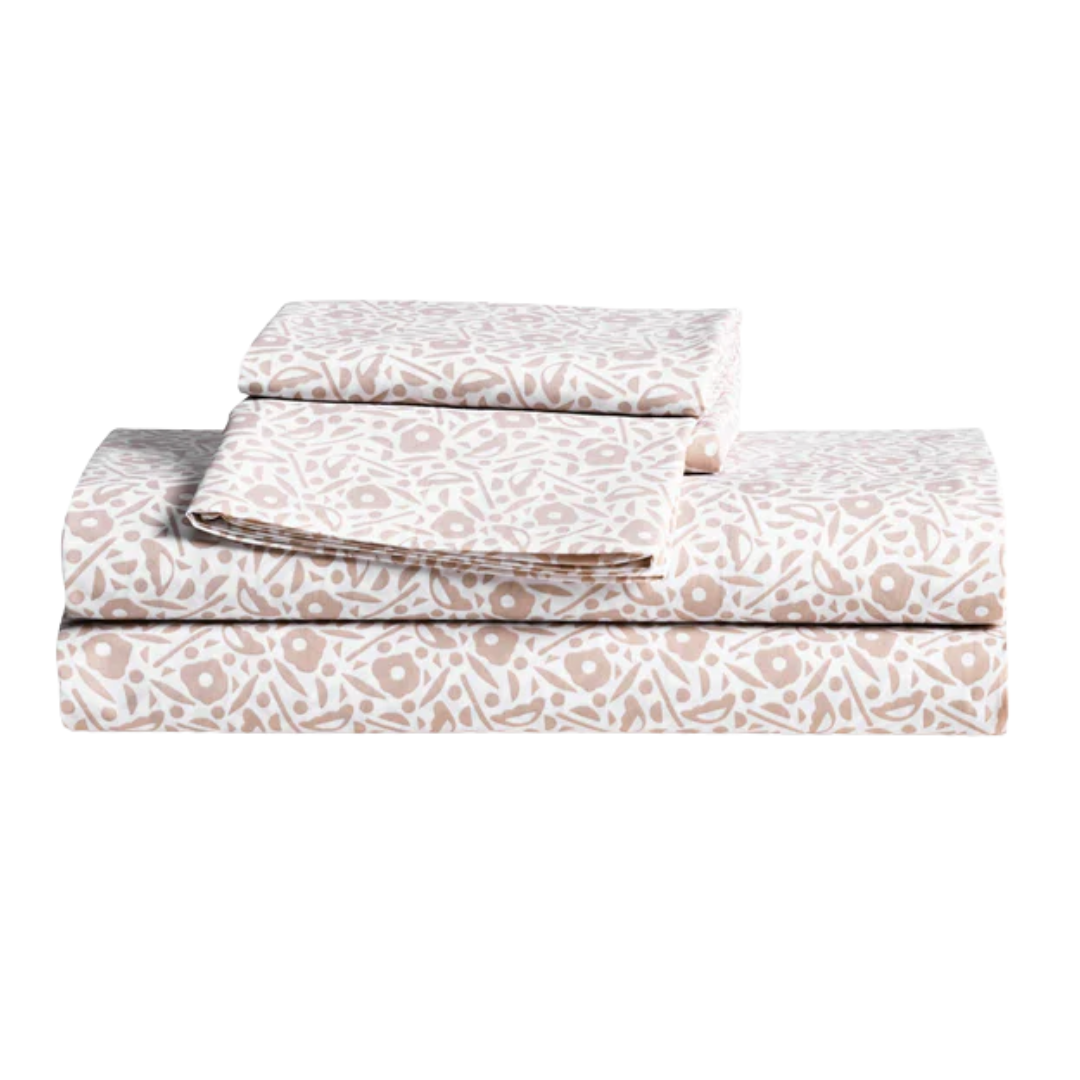
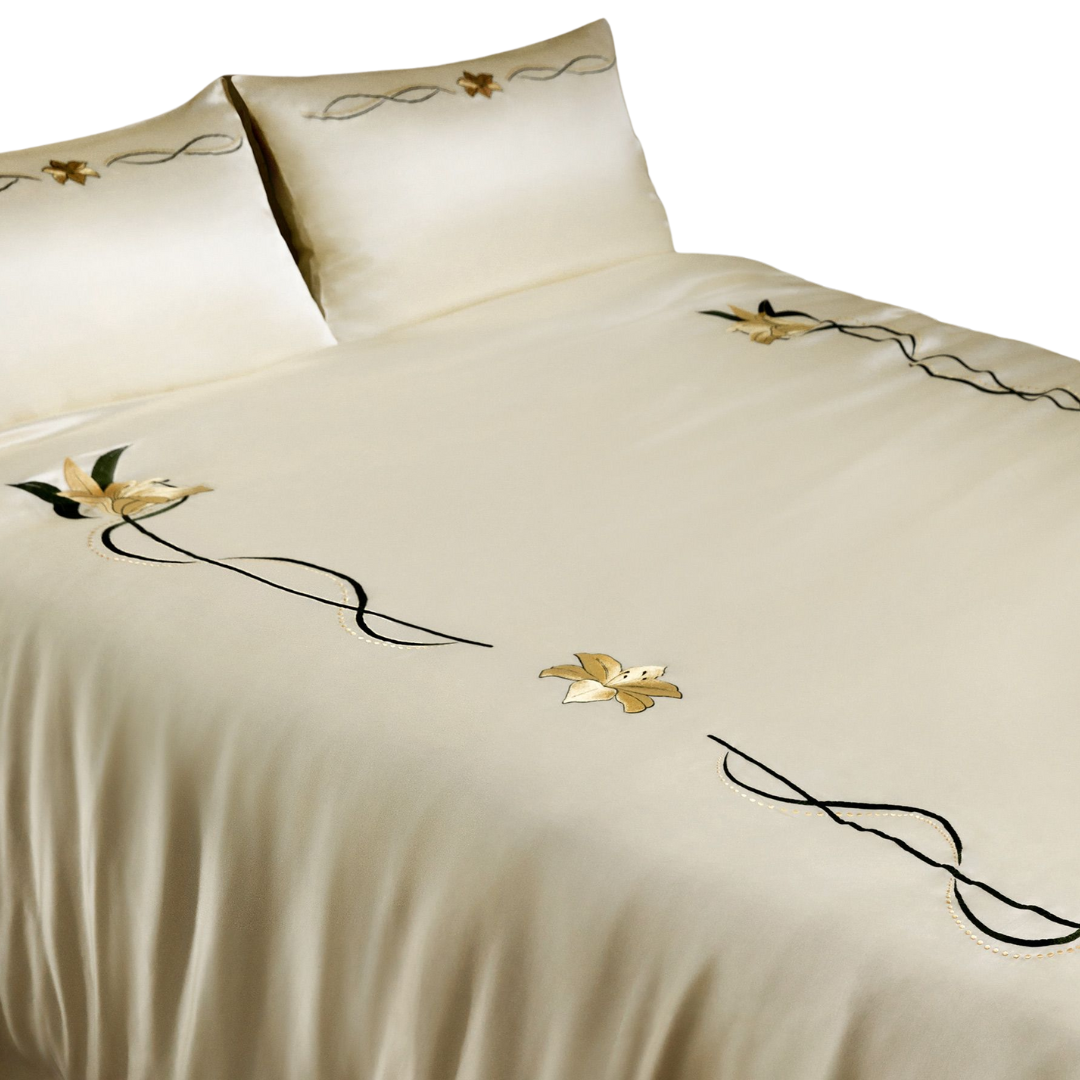
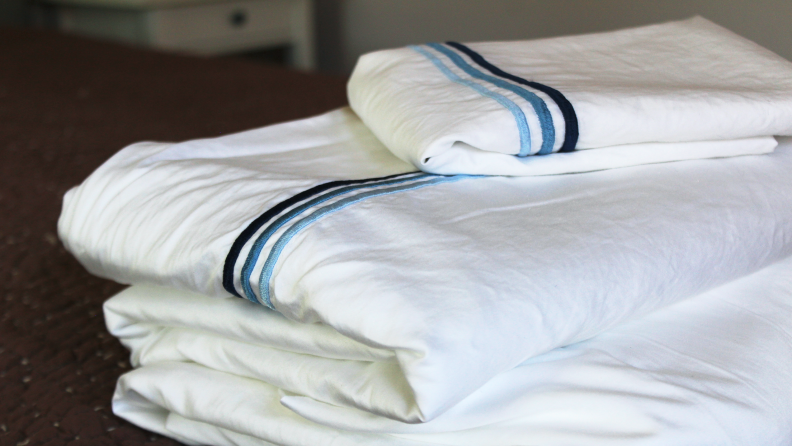
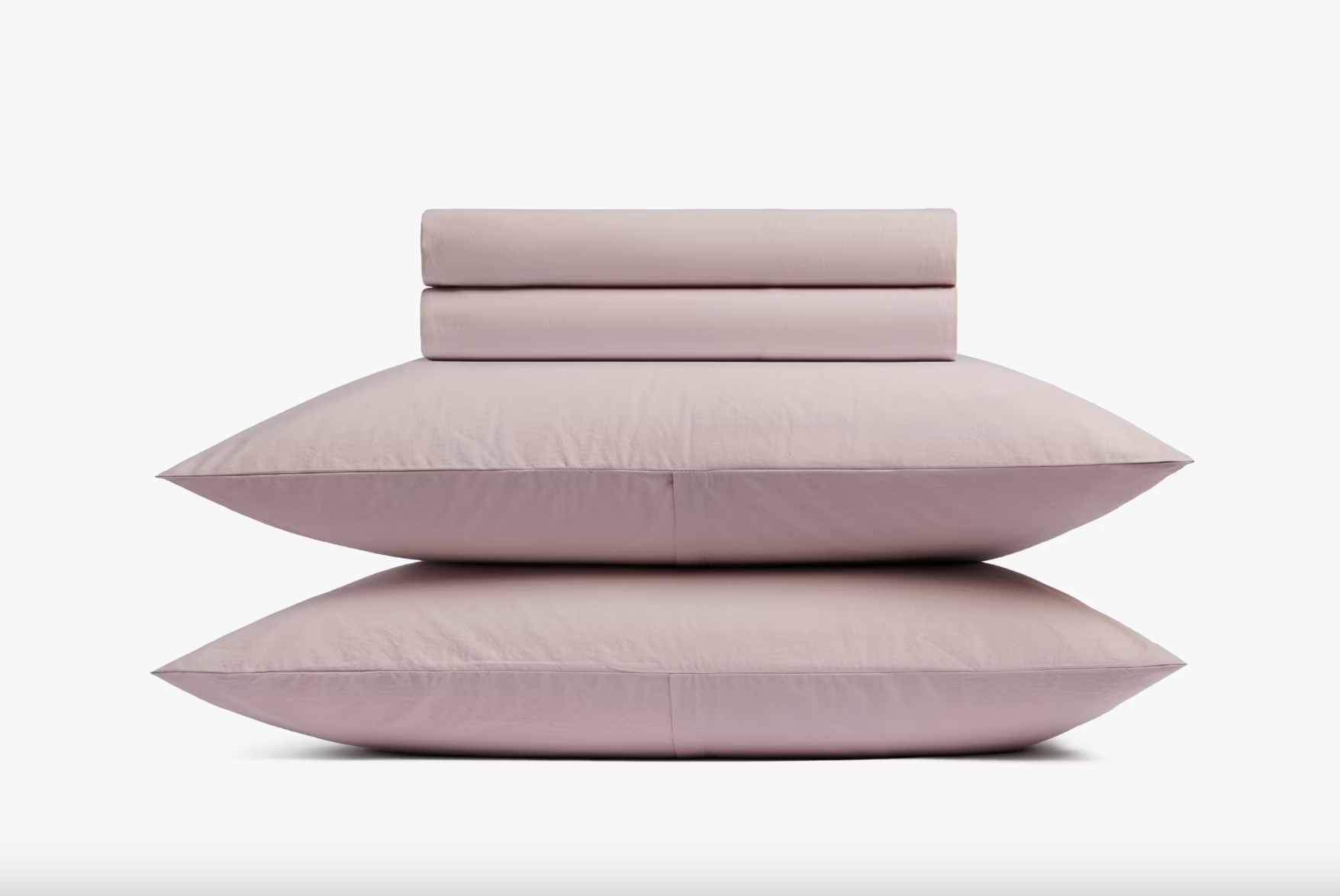
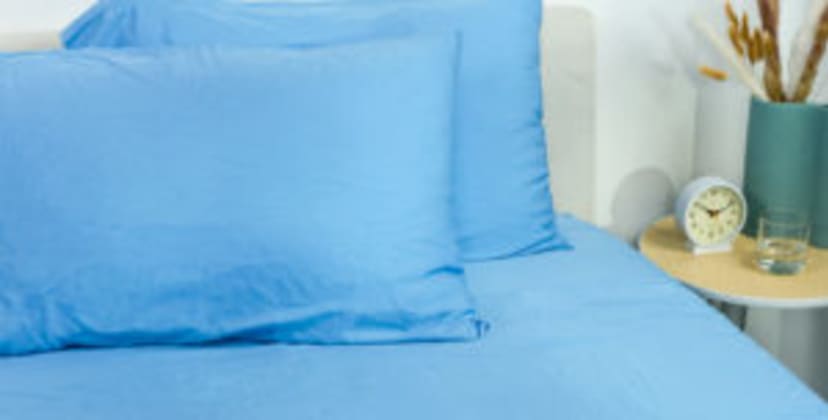
This article explores the benefits and considerations of choosing organic sheets, providing comprehensive guidance for consumers. Organic bedding offers advantages such as enhanced breathability, absence of harsh chemicals that can cause skin or respiratory irritation, and often greater durability compared to non-organic or synthetic alternatives. The production of organic sheets frequently employs sustainable practices, benefiting both the environment and workers.
The article outlines a methodology for testing sheets, emphasizing objective evaluation across various mattress types (foam, latex, hybrid) to assess breathability, softness, and overall comfort. Observable characteristics like fit and ease of cleaning are also considered, with continuous testing and updates to product recommendations.
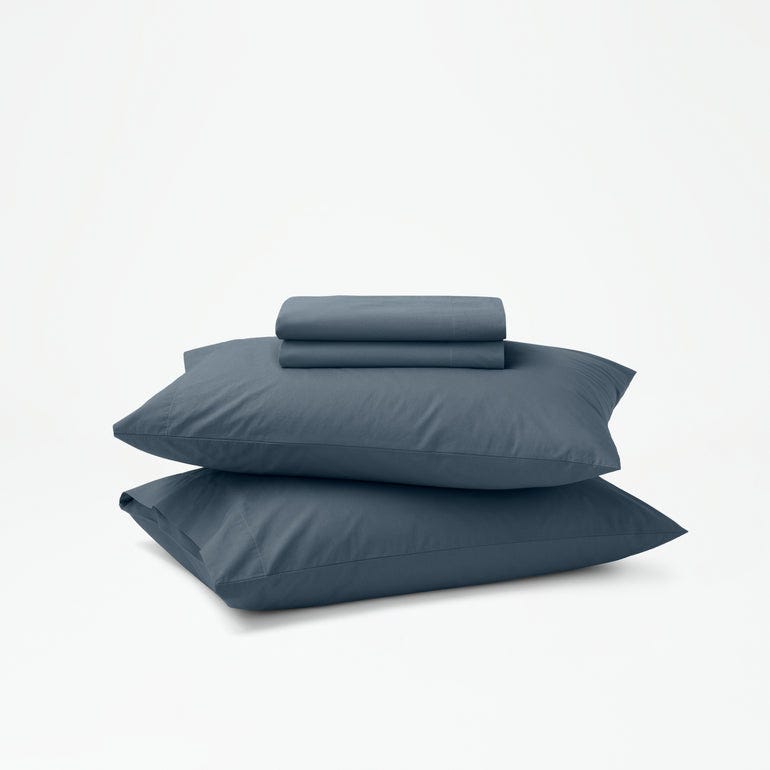
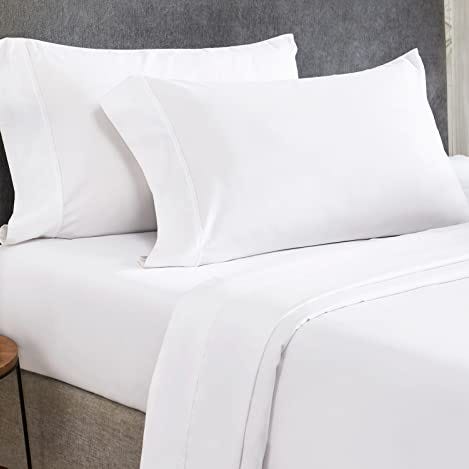
Key factors to consider when purchasing organic sheets include material type, weave, thread count, and performance. Weave and knit influence breathability, durability, and feel, with weaves generally offering a tighter structure and knits providing more stretch. Staple refers to the length of cotton fibers, where longer staples typically indicate softer and more durable fabrics. The feel of the fabric, influenced by material and weave, is crucial for comfort. Proper fit, considering mattress dimensions and pocket depth, is essential to prevent discomfort. Price is another significant factor, with quality organic sheet sets typically ranging from $150 to $250, often costing more due to higher production standards and the enhanced durability that makes them a long-term investment. Thread count, while often manipulated, is a measure of threads per square inch, and an ideal range for many fabrics is between 200 and 800, though this varies by fabric type. Design, color, and pattern are aesthetic considerations, and breathability is vital for temperature regulation, especially for hot sleepers. Durability is important given frequent washing, and ease of care, generally machine washable with specific instructions, is also a practical consideration.
To ensure authenticity, the article stresses the importance of third-party certifications such as Global Organic Textile Standard (GOTS), which guarantees at least 70% certified organic fibers and adherence to ecological and social criteria. GREENGUARD Gold certification ensures low chemical emissions and better indoor air quality, while OEKO-TEX STANDARD 100 certifies that textiles are free from harmful substances.
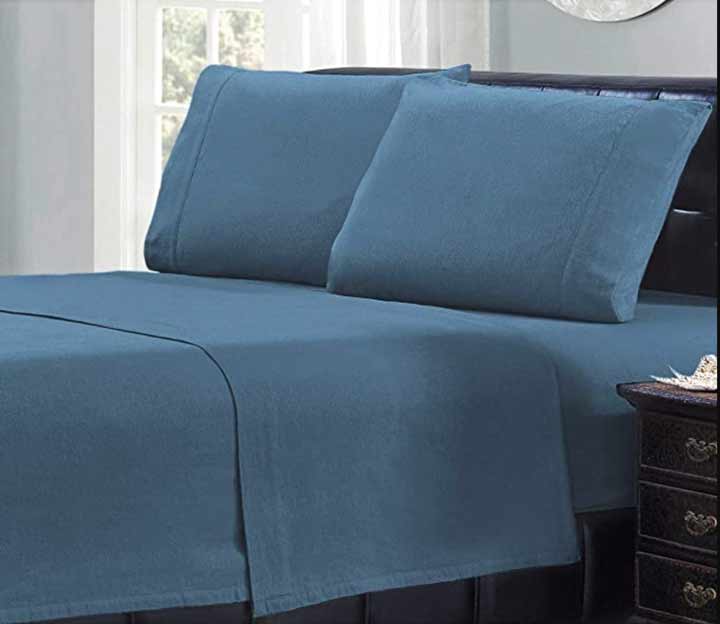
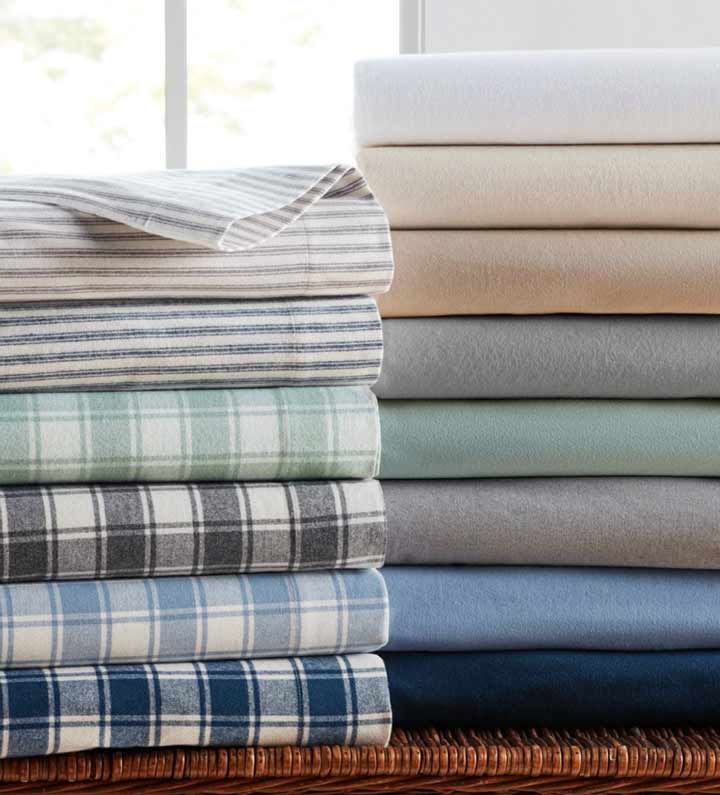
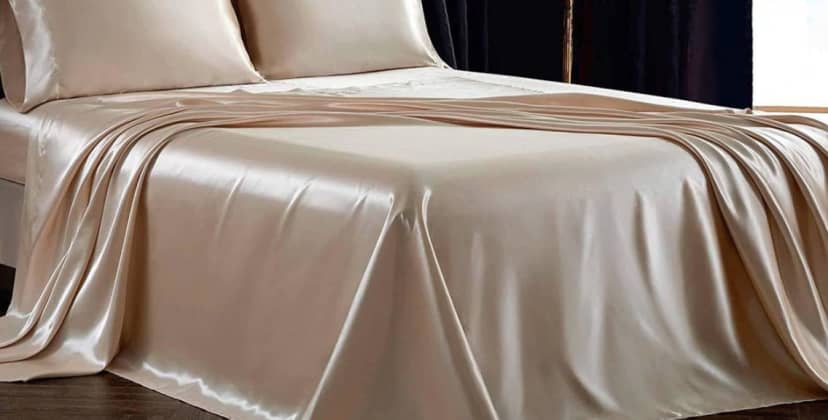
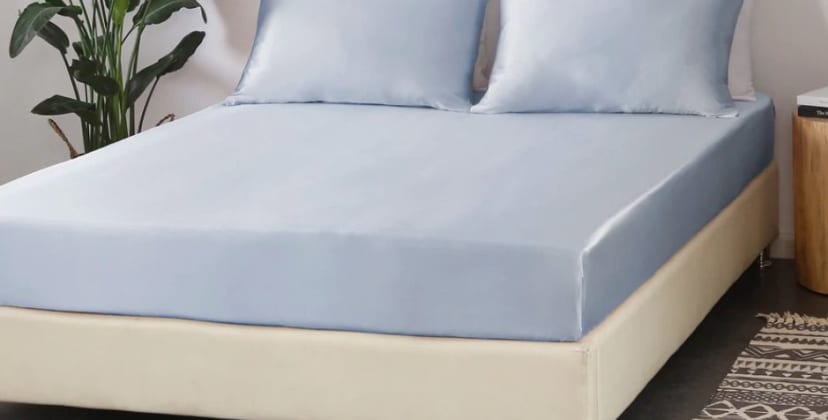
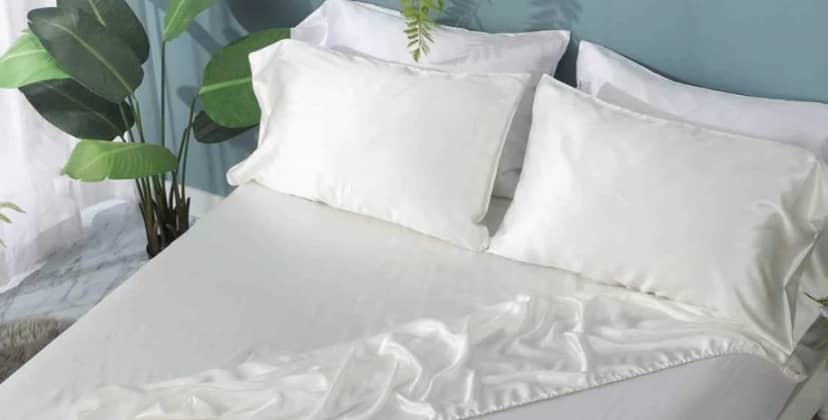
The article details various types of organic sheets, including different forms of organic cotton (regular, Pima, Egyptian), and other organic materials like bamboo-derived fabrics, linen, silk, and flannel. Each material has distinct characteristics regarding feel, breathability, and durability. Different weaves like sateen, percale, twill, and jersey are also explained, highlighting their impact on fabric texture and performance.
Pros of organic sheets include limited potential irritants, environmental benefits through sustainable cultivation, and longer lifespan. Cons include a typically higher price point and the need for consumers to research and verify organic claims due to potential greenwashing. Organic sheets are particularly suitable for individuals with chemical sensitivities, eco-conscious shoppers, and those seeking durable, long-lasting bedding. The ideal thread count varies by fabric, with general guidelines provided for cotton, linen, and bamboo-derived fabrics. The article also covers frequently asked questions regarding price, lifespan, washing instructions, and the necessity of organic certifications.
#OrganicSheets #Bedding #SleepProducts #SustainableLiving #HomeTextiles #GOTS認定 #OEKOStandard100 #SleepHealth #BedroomDecor #OrganicSheets #Bedding #SleepProducts #SustainableLiving #HomeTextiles #GOTS認定 #OEKOStandard100 #SleepHealth #BedroomDecor
0 komentarzy łącznie
 Brak komentarzy jeszcze
Możesz również polubić
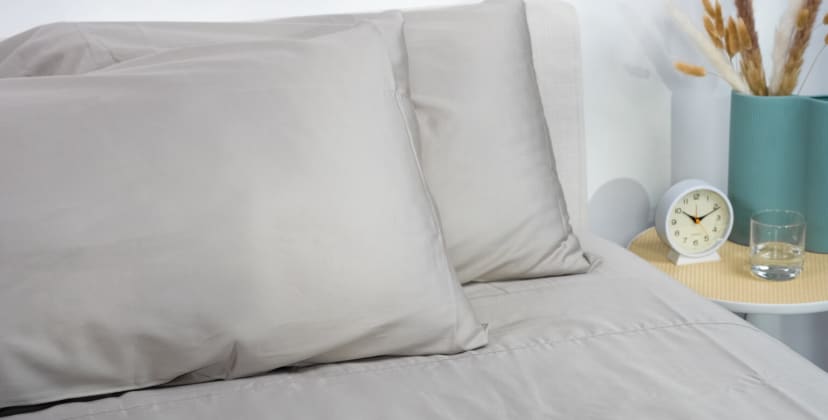
Best Cotton Sheets of 2025: Supima, Pima, and Organic Options
Best High Thread Count Sheets of 2025
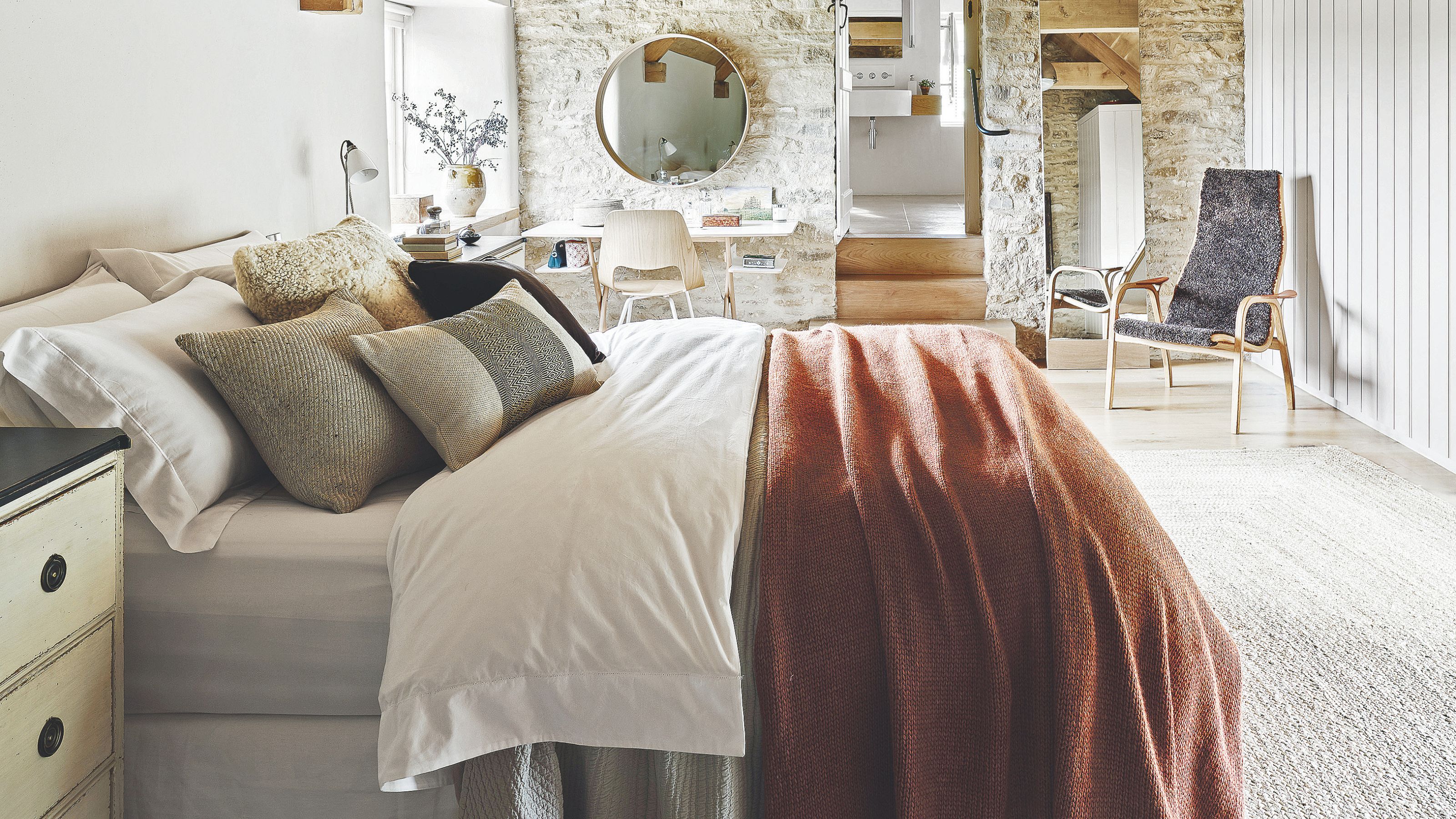
Best Bed Sheets 2025

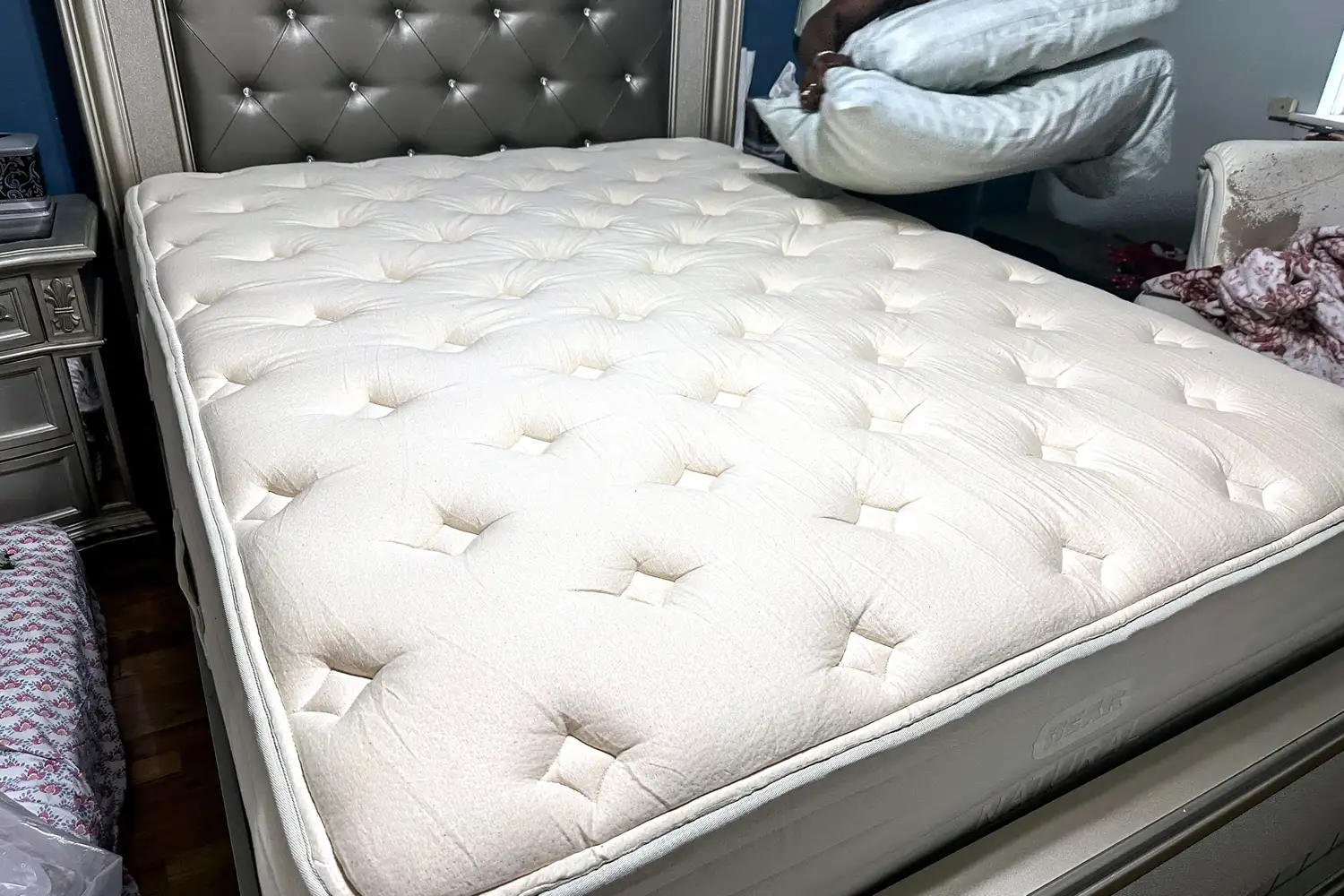
7 Organic Mattresses That Guarantee a Restful Night of Sleep
Best Sheets of 2025: Expert Tested
The Best Flannel Sheets of 2025

Cool, breathable, and addictively soft, these bamboo sheets made me a convert for life
These Are the Best Luxury Sheets of 2025, According to Designers

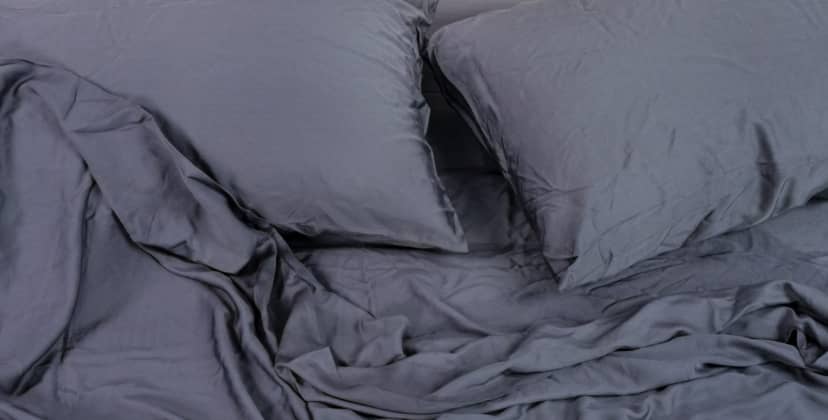
Softest Sheets of 2025
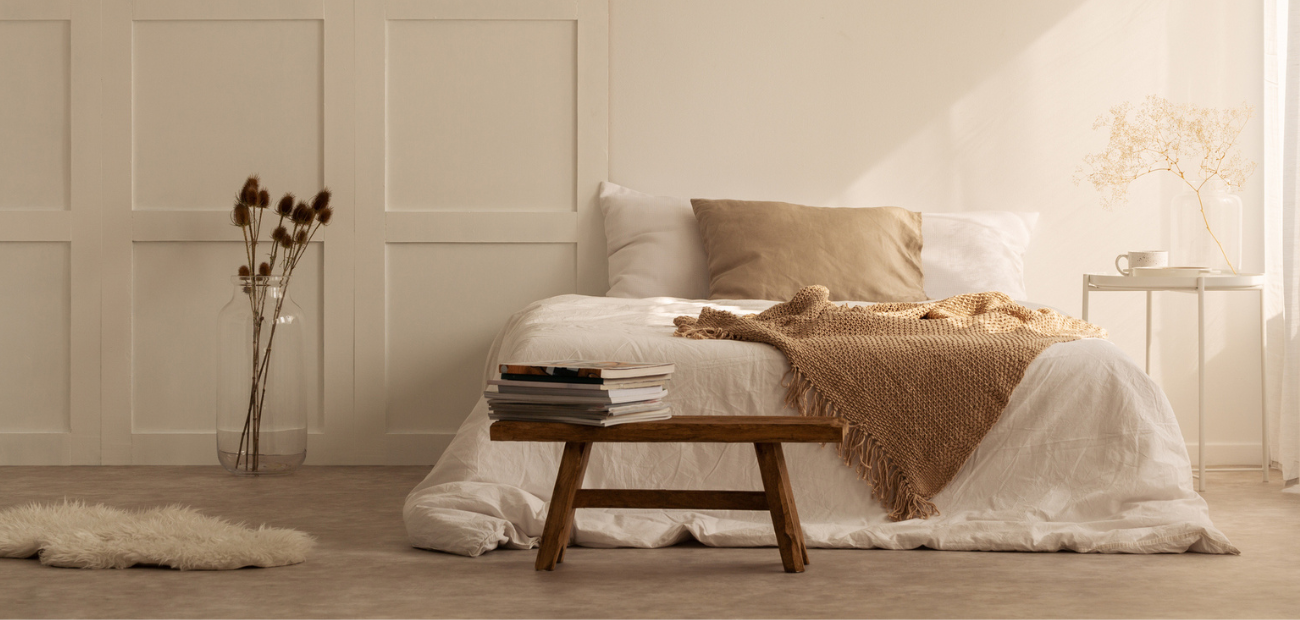
Sustainable Material Spotlight: Organic Cotton
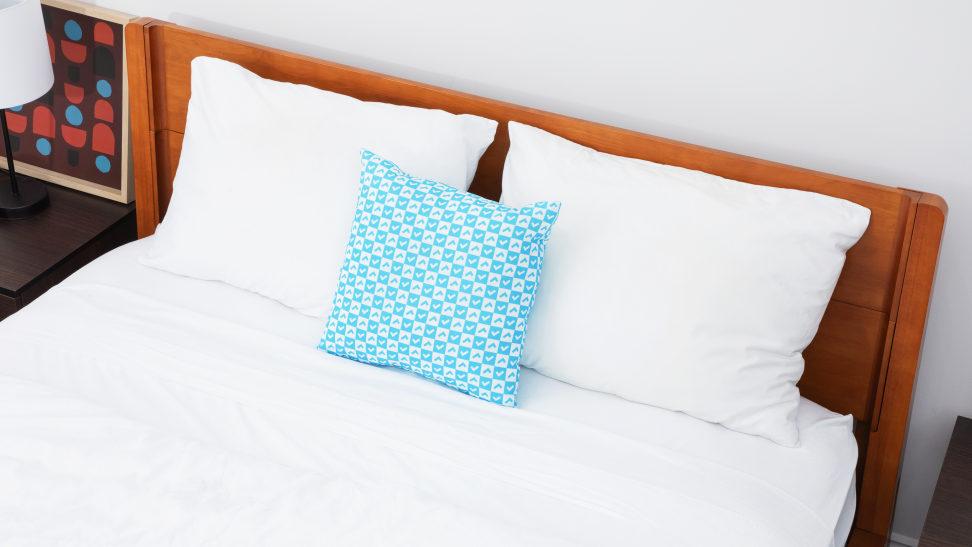
The Best Sateen Sheets of 2025

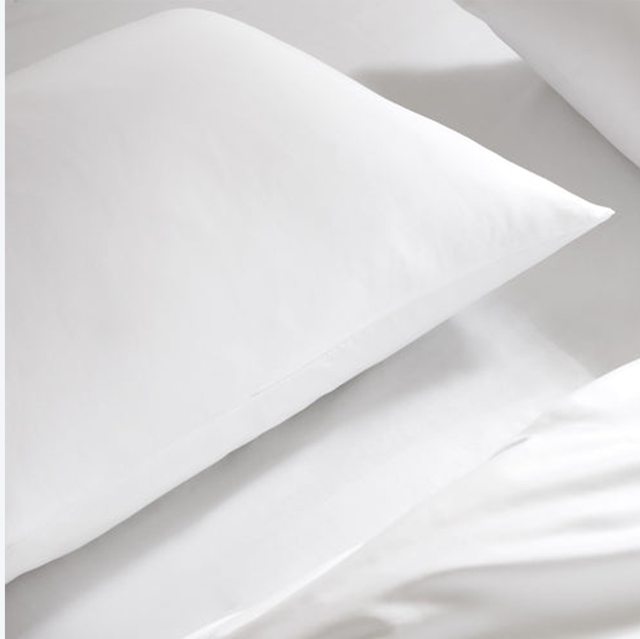
A Complete Guide on the Best Cotton Sheets
Best Sheets of 2025

Best Silk Sheets of 2025

Rest Easy on One of Our Top-Tested Organic Pillows

Sheet Materials

The 8 Best Sheets of 2025 | Reviews by Wirecutter
11 Comfortable Cotton Sheet Sets You Can Use Year-Round
The 7 Best Shelf Liners of 2025

How Much Does Thread Count Matter, Really?