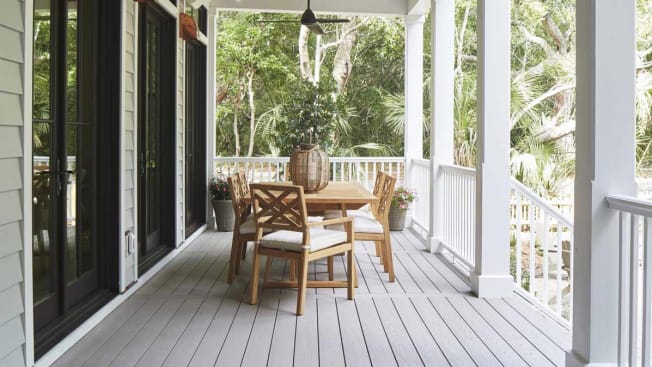
Best Composite Decking of 2025
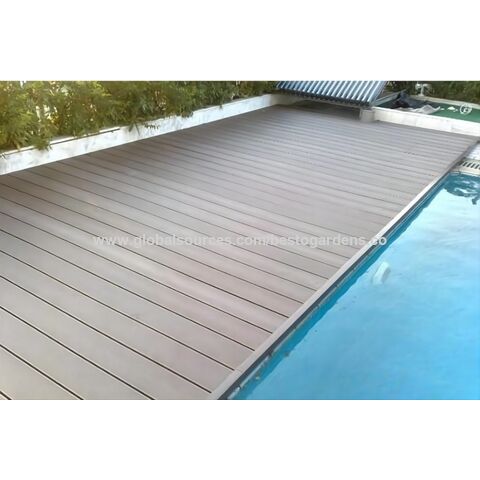
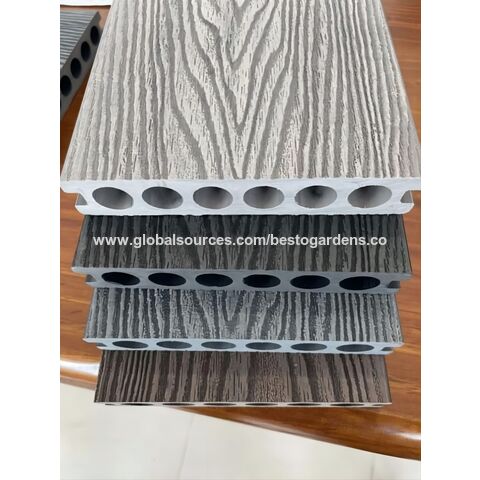
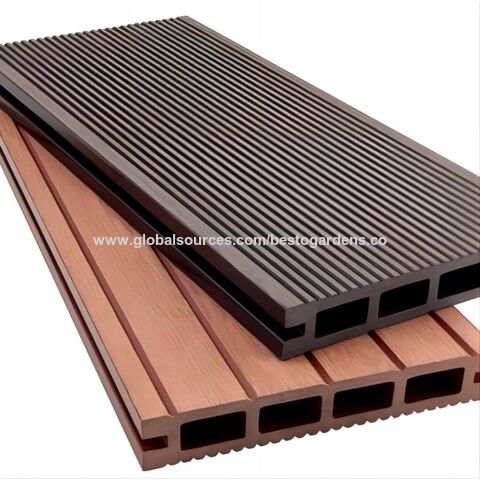
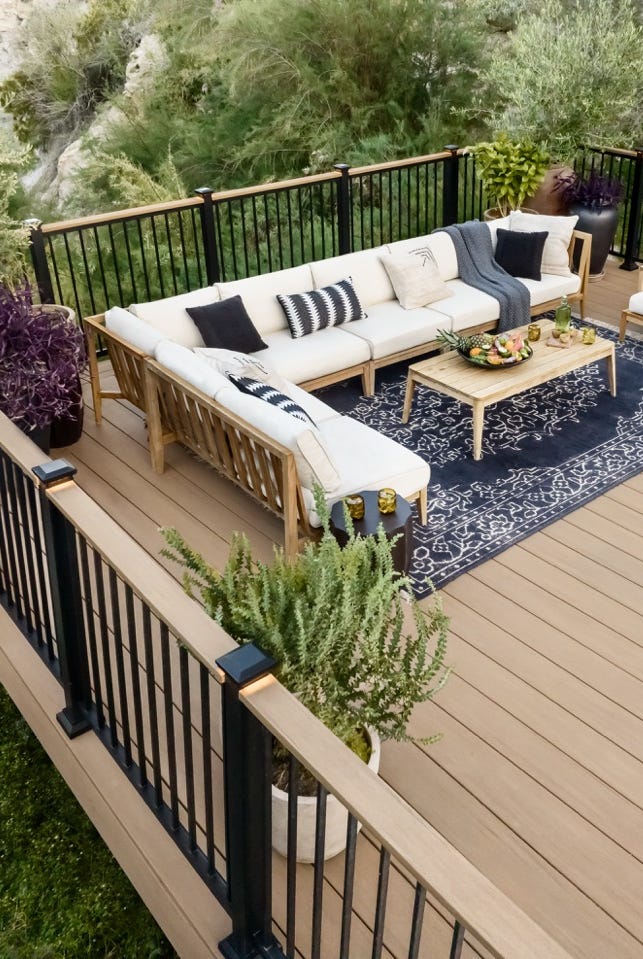
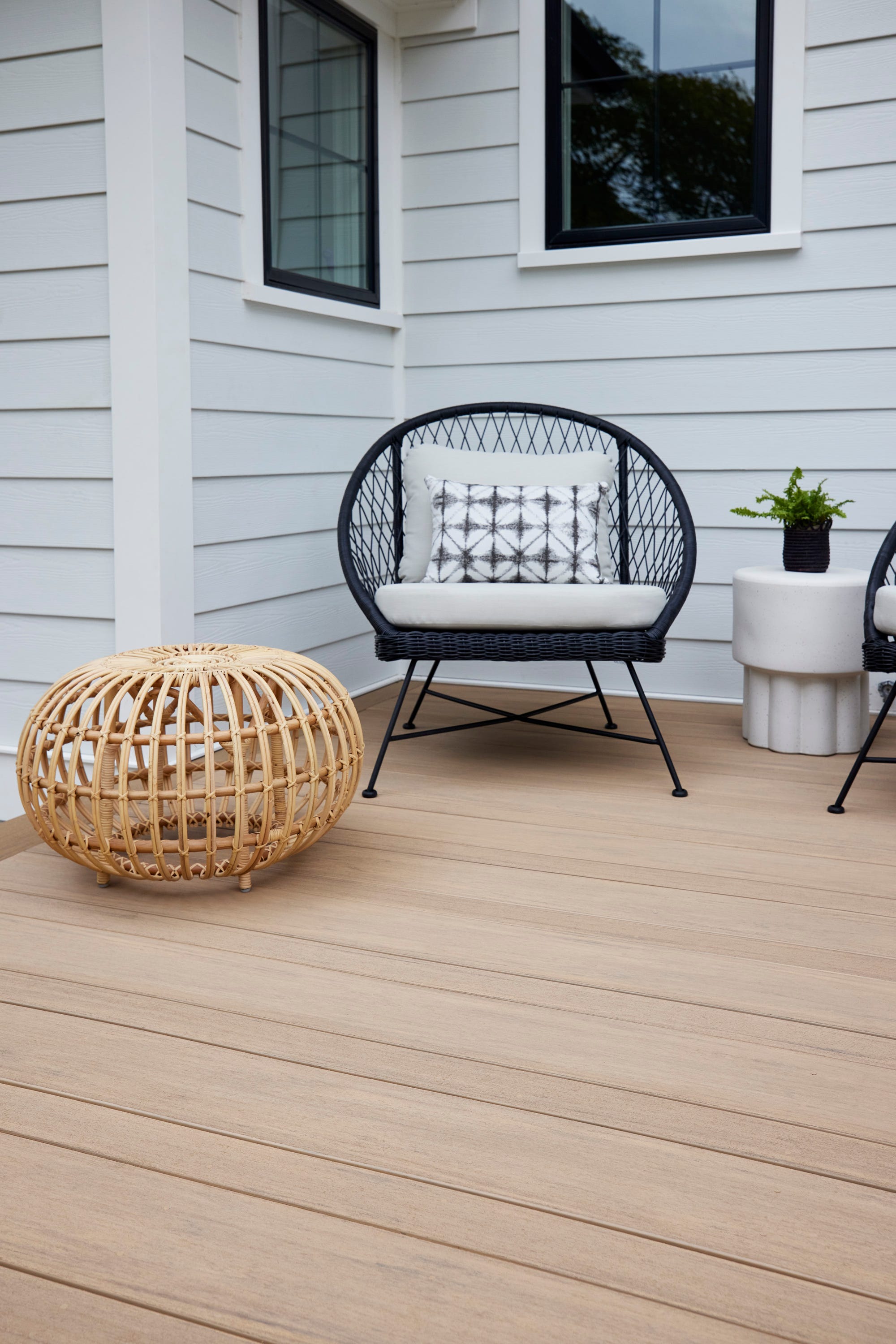
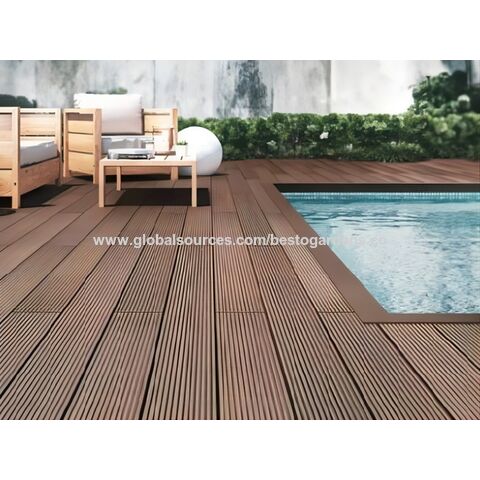
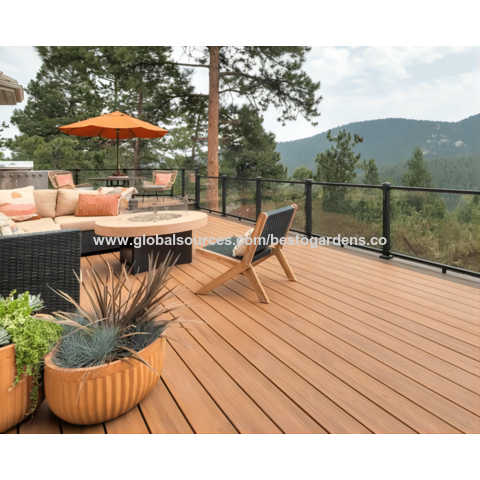
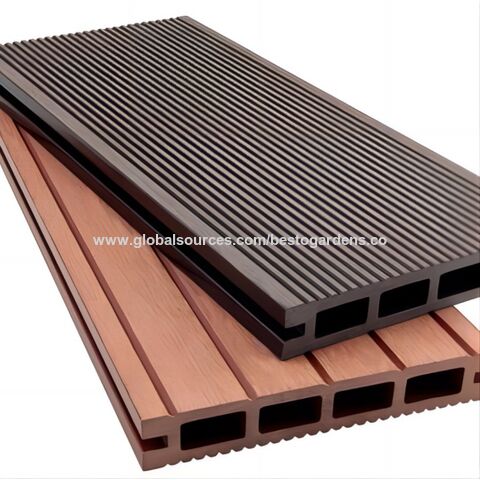
This article discusses the advantages and disadvantages of composite decking, comparing it to traditional wood decking based on extensive testing conducted by Consumer Reports. Composite decking, made from a blend of ground-up wood and plastic, offers significant benefits such as reduced maintenance requirements; it does not need frequent sealing, staining, or painting, unlike real wood, which might require restaining every two years. While composite decking historically costs more than wood, the price gap fluctuates, having narrowed during the pandemic due to rising wood prices but widening again since. The material’s durability is a key advantage, but composite decking also offers aesthetic flexibility. Its ability to be heated and shaped allows for custom designs like rounded corners or railings, or borders for irregularly shaped pools, which would be prohibitively expensive with solid wood. Furthermore, composite decking provides a uniform appearance, devoid of natural wood irregularities like knots, and is available in various patterns due to manufacturers utilizing multiple molds. Many manufacturers also highlight the use of recycled materials, such as plastic grocery bags, in their products. However, it is noted that after its typical 25-year lifespan, these boards are still likely to end up in landfills.
Consumer Reports' testing reveals that while most composite decking excels at resisting common stains from items like ketchup and mustard, certain products may offer less resistance to slips, flexing, and sagging compared to wood. Composite options are generally more expensive and heavier than natural pine, which can make self-installation more challenging. Despite their stain resistance, composite decks require periodic cleaning to remove everyday dirt. Cleaning instructions vary by manufacturer, particularly regarding pressure washing, so consulting the manufacturer’s website is advised. Other non-wood decking options, such as aluminum and plastic, are also available, but composite is highlighted for its wood-like appearance without the need for wood stain.
The testing methodology employed by Consumer Reports involves rigorous evaluation of several factors to ensure longevity and safety. Specialized instruments measure resistance to flexing, preventing boards from bowing or bending under heavy loads or concentrated weight, such as a grill. Stain resistance is assessed using common household spills, and slip resistance is also evaluated, especially crucial for decks near pools. The impact resistance of each sample is determined by dropping weights of various sizes to check for denting. To gauge the effects of environmental exposure, more than a dozen samples of each material are sent to two distinct climates: hot and dry Arizona, and humid Florida. These samples are assessed annually for three years, with their appearance re-evaluated and all initial attributes retested to understand how age and exposure impact overall performance. This comprehensive testing aims to provide consumers with reliable information to make informed decisions about decking materials.
#CompositeDecking #HomeImprovement #DeckingMaterials #ConsumerReports #OutdoorLiving #MaterialComparison #DurabilityTesting #MaintenanceTips #ProductReview #CompositeDecking #HomeImprovement #DeckingMaterials #ConsumerReports #OutdoorLiving #MaterialComparison #DurabilityTesting #MaintenanceTips #ProductReview
0 komentarzy łącznie
 Brak komentarzy jeszcze
Możesz również polubić
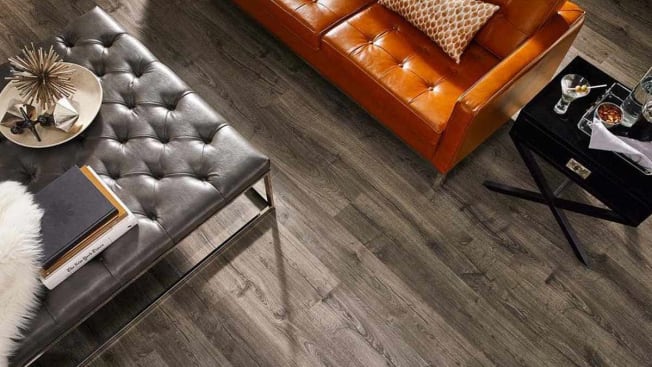
Best Flooring of 2025
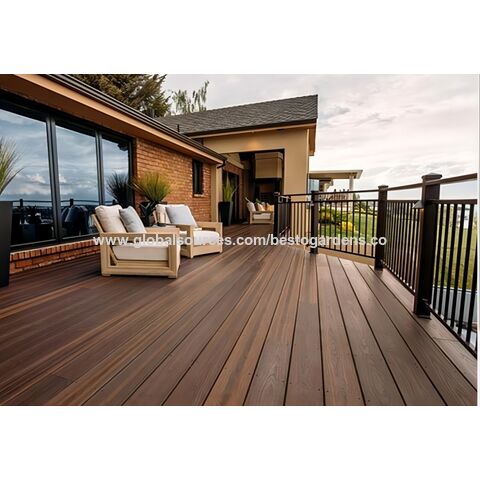
Patio Interlocking Deck Tiles Outdoor Flooring Square Composite Decking Boards for Balcony Porch Poolside Backyard
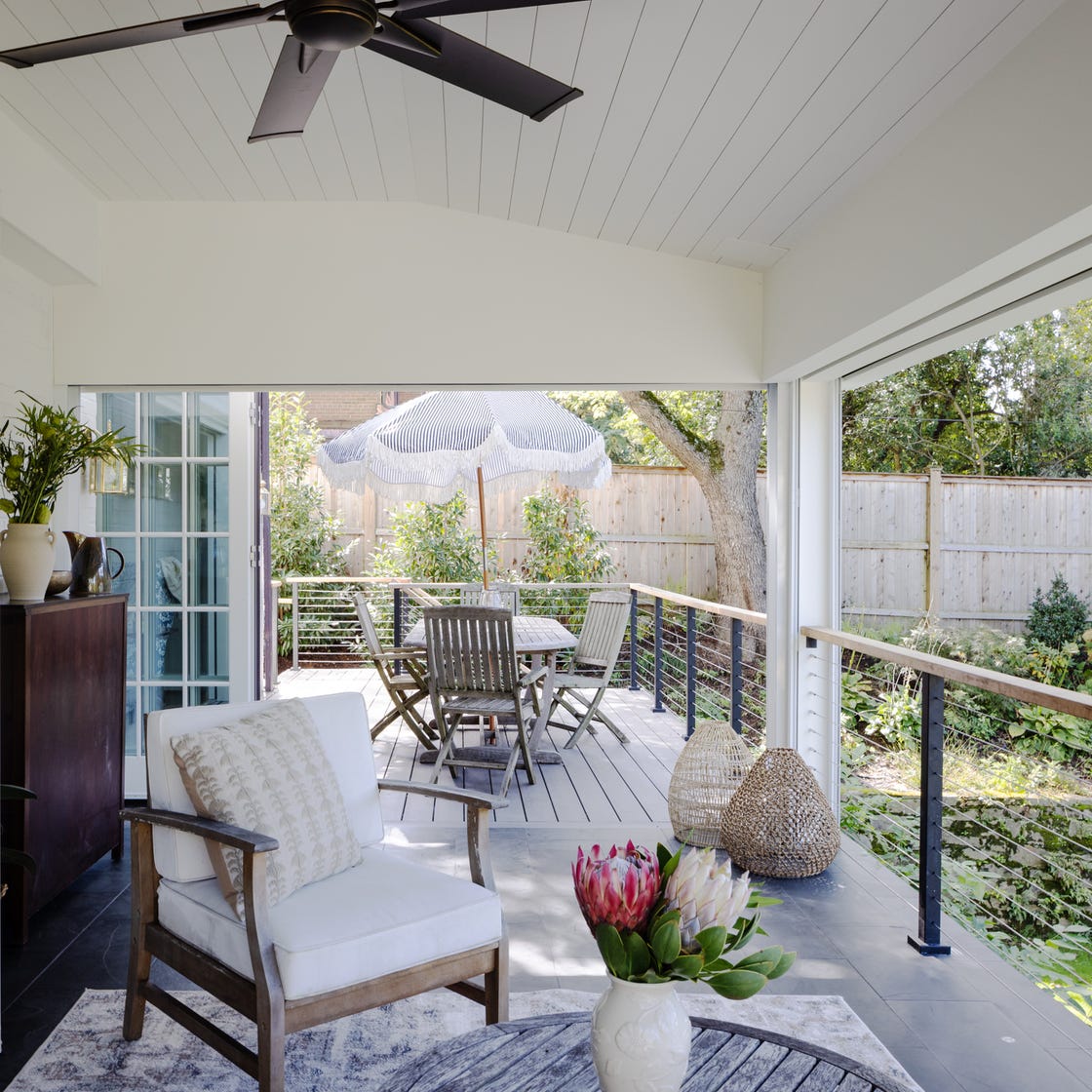
18 Popular Deck Updates That Are Worth the Investment, According to Architectural Experts

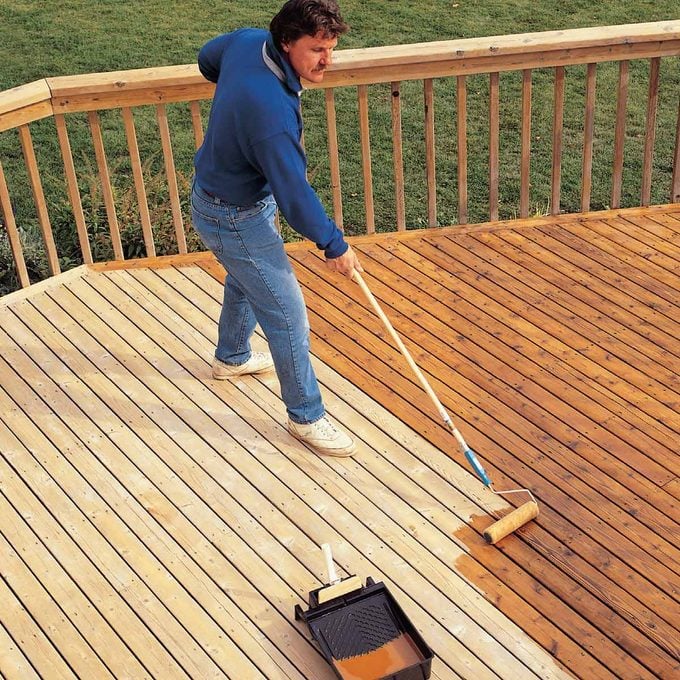
How to Choose the Best Deck Finish

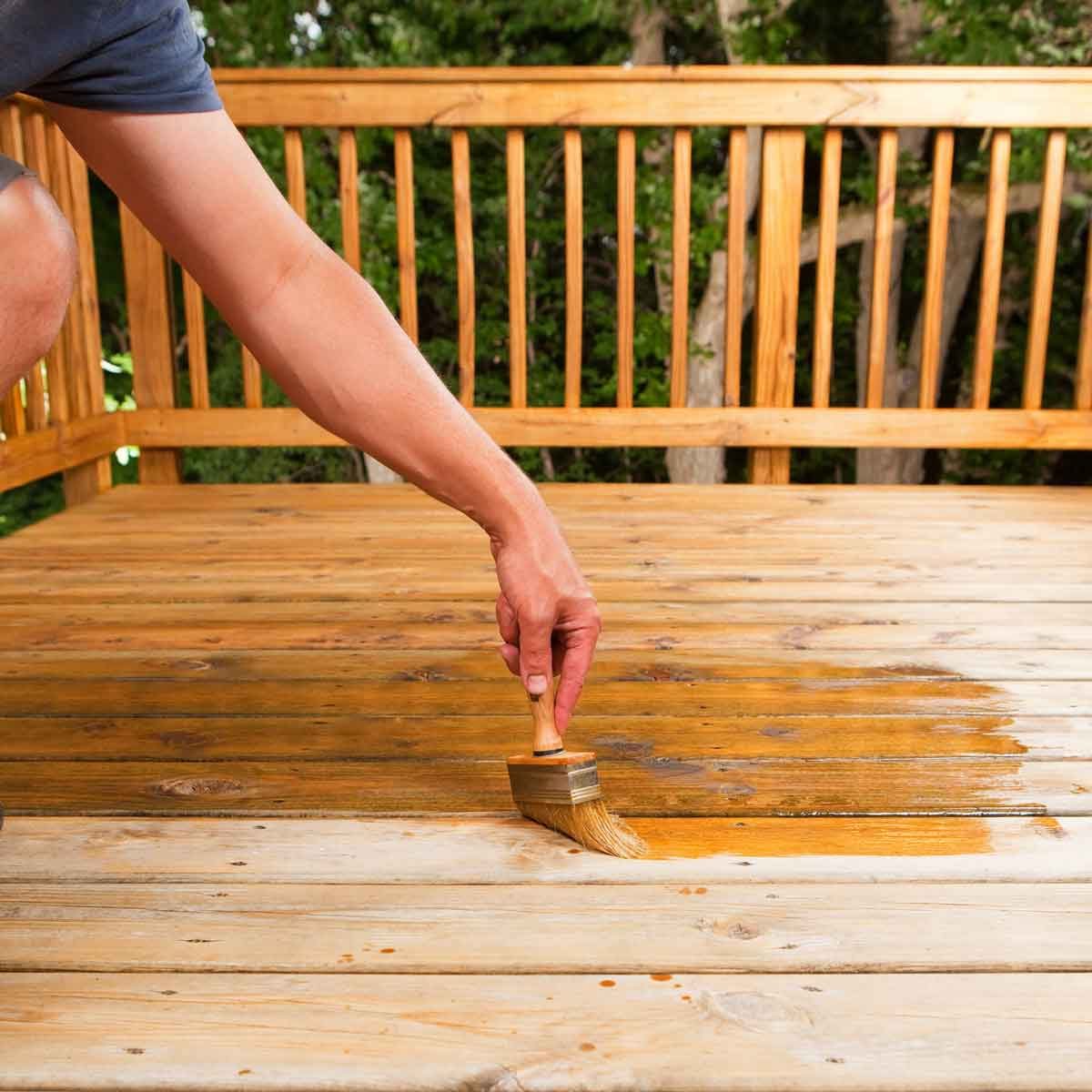
Best Deck Paints and Stains for 2025
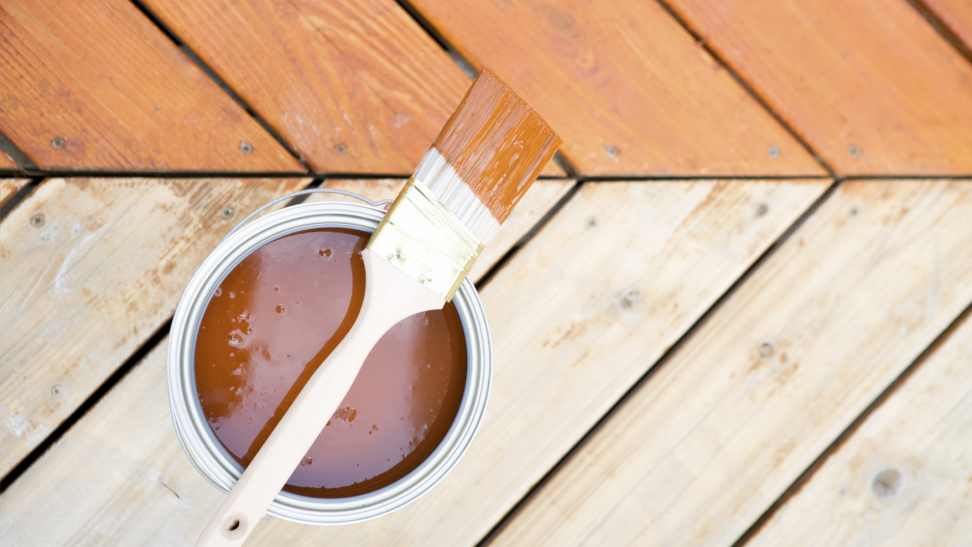
The Best Deck Stains of 2026


Best Sheets of 2025


What's the most on trend wood to use in 2025? Designers reveal their top choices

The Best Deck Stains of 2025

The Top Deck Trends of 2024 You'll Want to Steal ASAP


The Best New Wall, Floor, and Window Products of 2025

Best Sheets of 2025: Expert Tested


8 Deck Trends That Will Transform Your Backyard in 2025
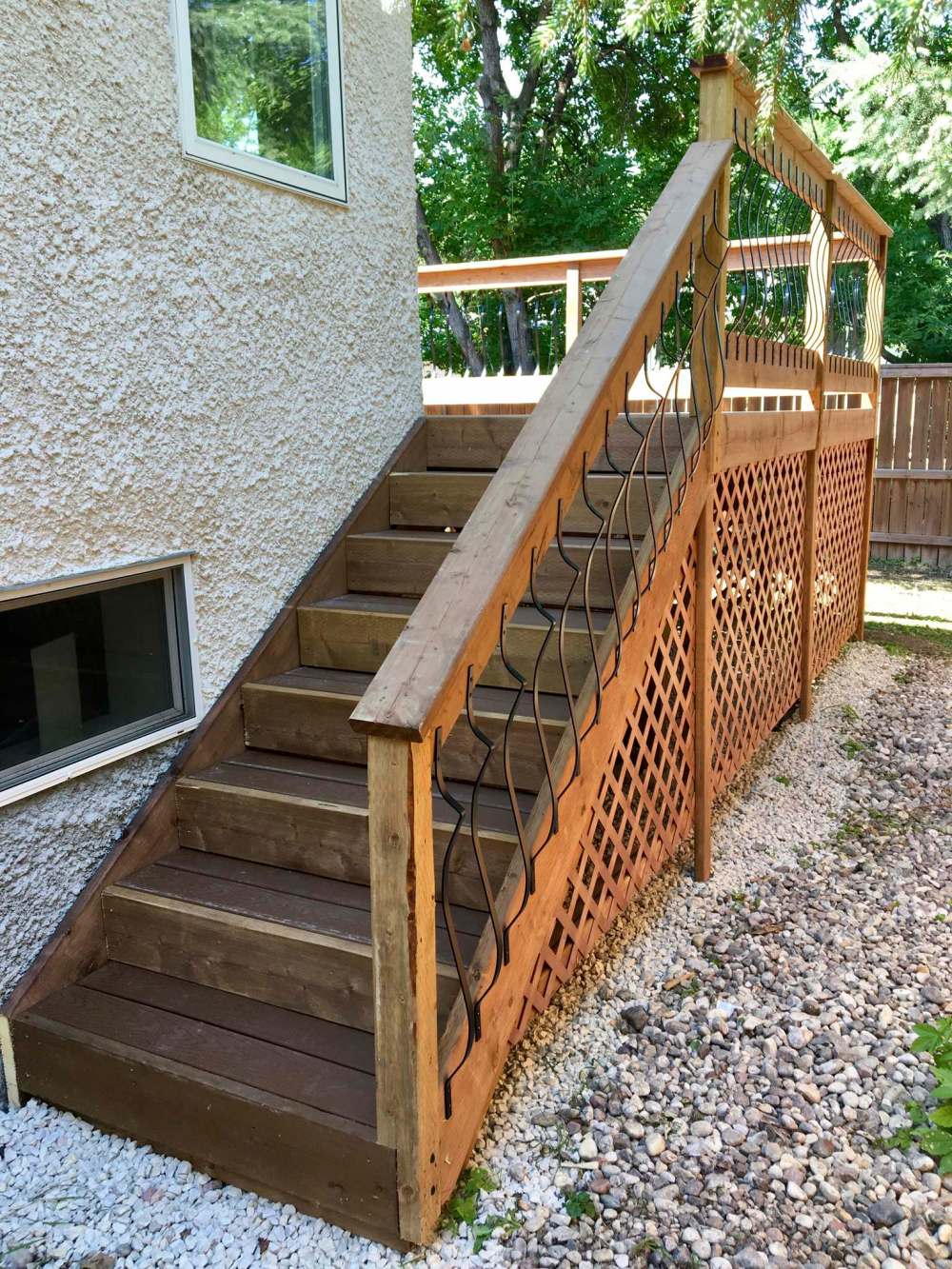
Jul 2018: Old meets new in backyard deck reno


Designers Swear By These 7 Outdoor Rug Trends for an Effortlessly Elegant Patio

Discover The Top 10 Tile Trends Discusses at Coverings 2025
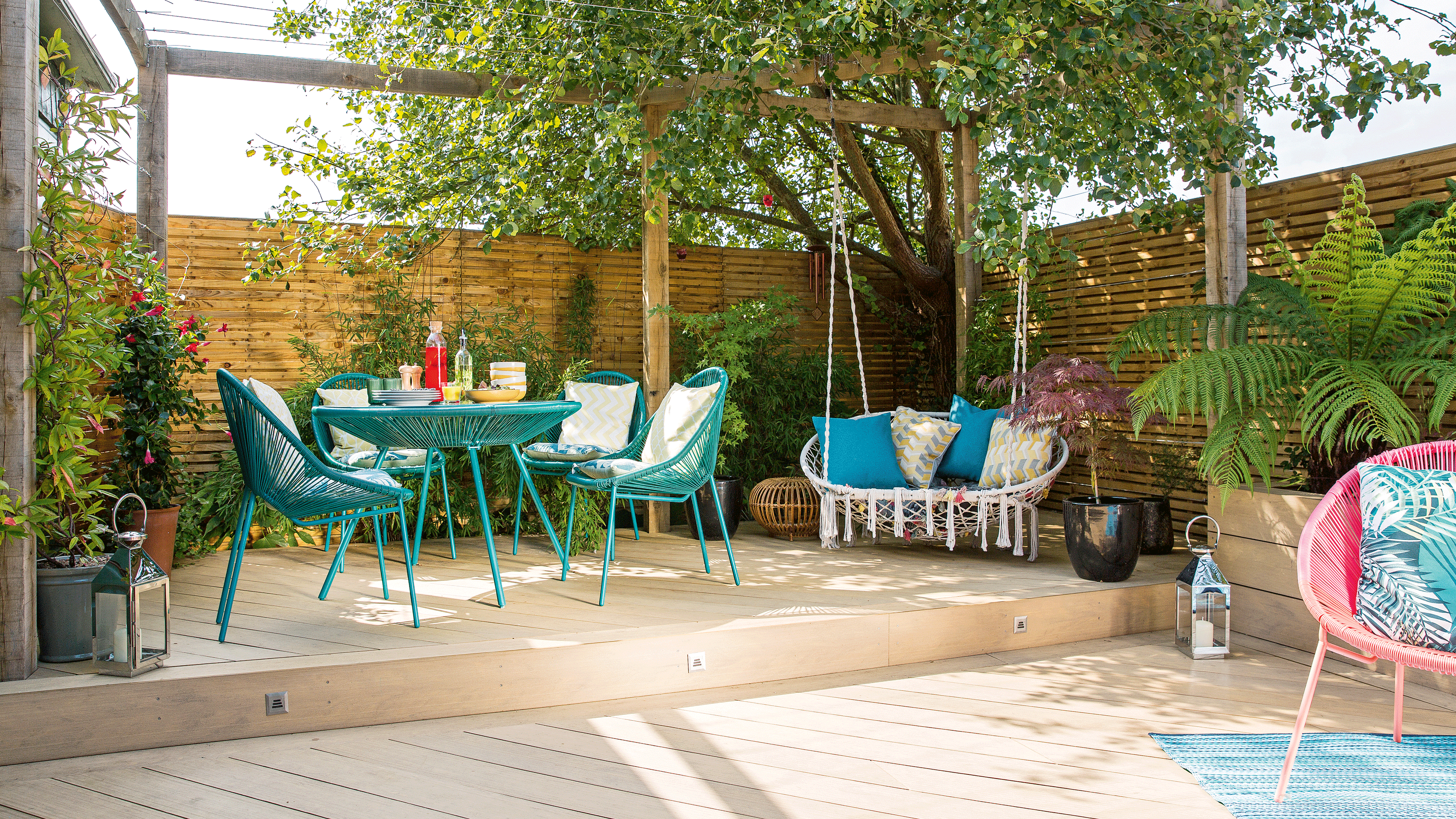
7 signs you need to replace your wooden deck – the red flags to look out for in your garden
Top Tile Trends Spotted At Coverings 2025

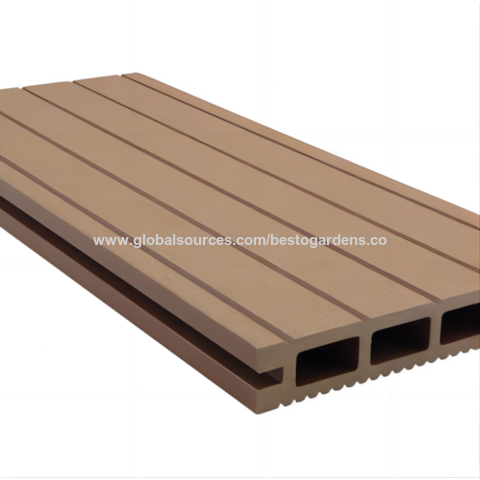
Besto Wood Plastic Composite Patio Deck Tiles, DIY Interlocking Decking Tiles, Floor Tile,Durable, Maintenance,Waterproof,Outdoor
The 25 Best Outdoor Rugs of 2025 Our Editors Love