1/4
Apple’s first smart display needs to make the smart home just work
The smart home ecosystem faces a significant interface problem, where users often struggle with cumbersome apps, voice assistant issues, and inefficient smart displays. Apple is reportedly stepping into this challenging market with a new 'AI wall tablet for home control,' referred to as the HomePad, alongside other rumored home devices like cameras and a tabletop robot. This move signals a renewed interest from Apple in the smart home sector, particularly after a decade of its HomeKit platform remaining relatively underdeveloped. The company's involvement in the Matter connectivity standard and a push to identify its next major product are driving this strategic shift.
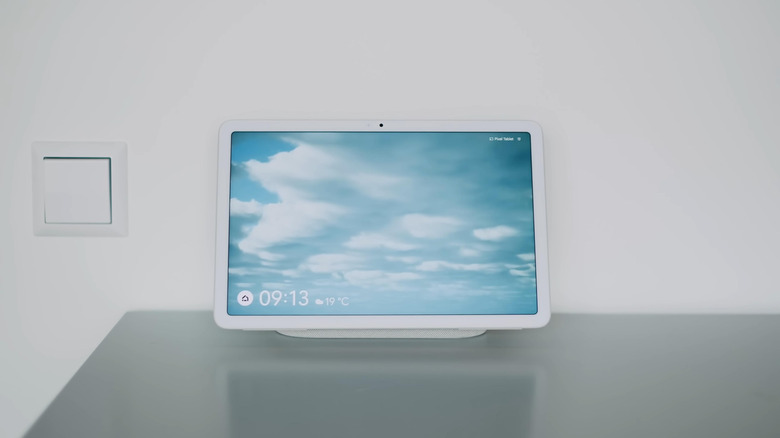
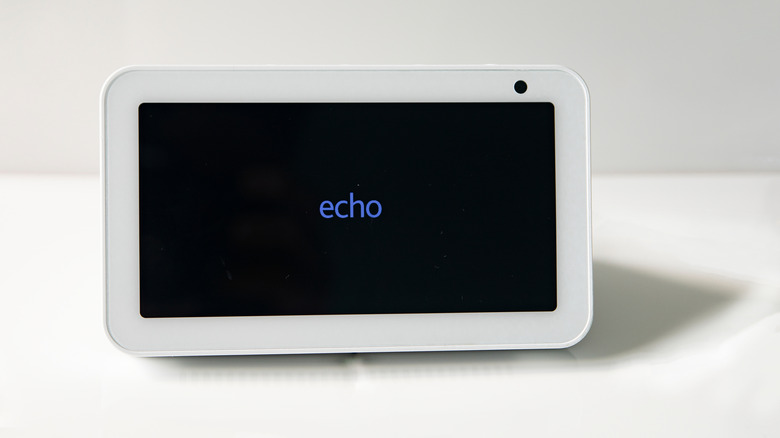
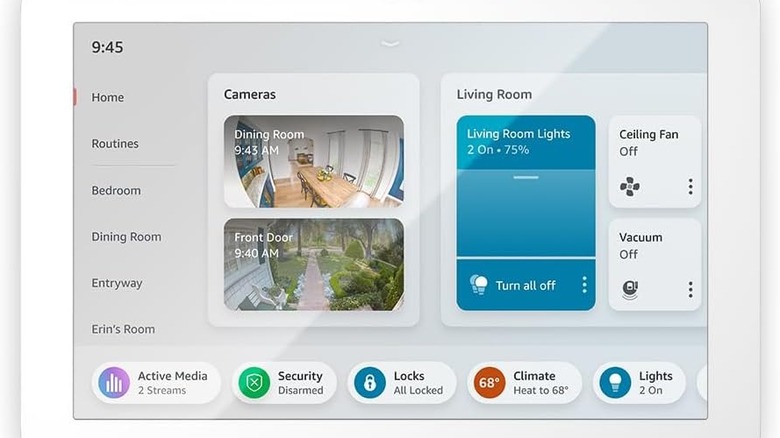
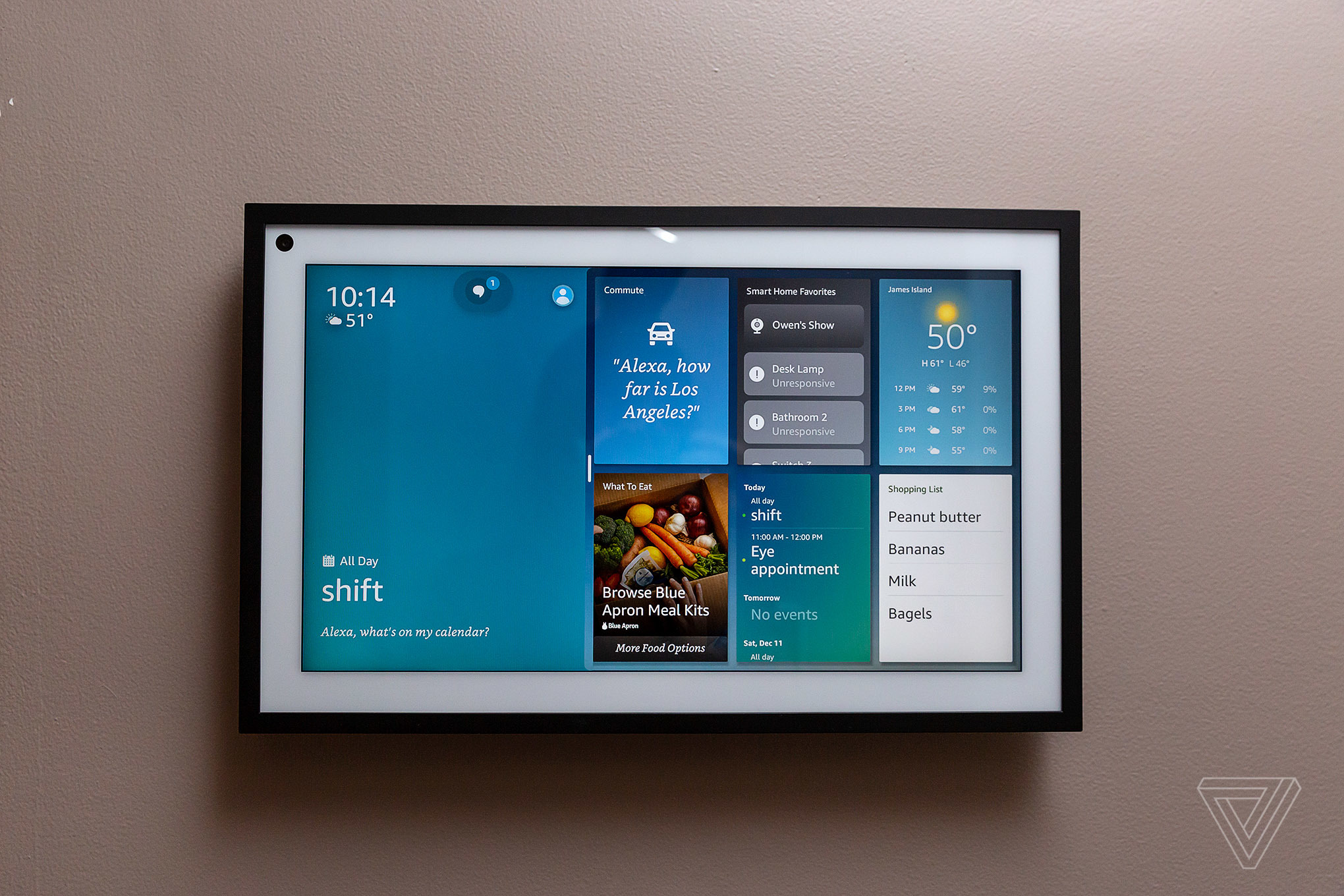
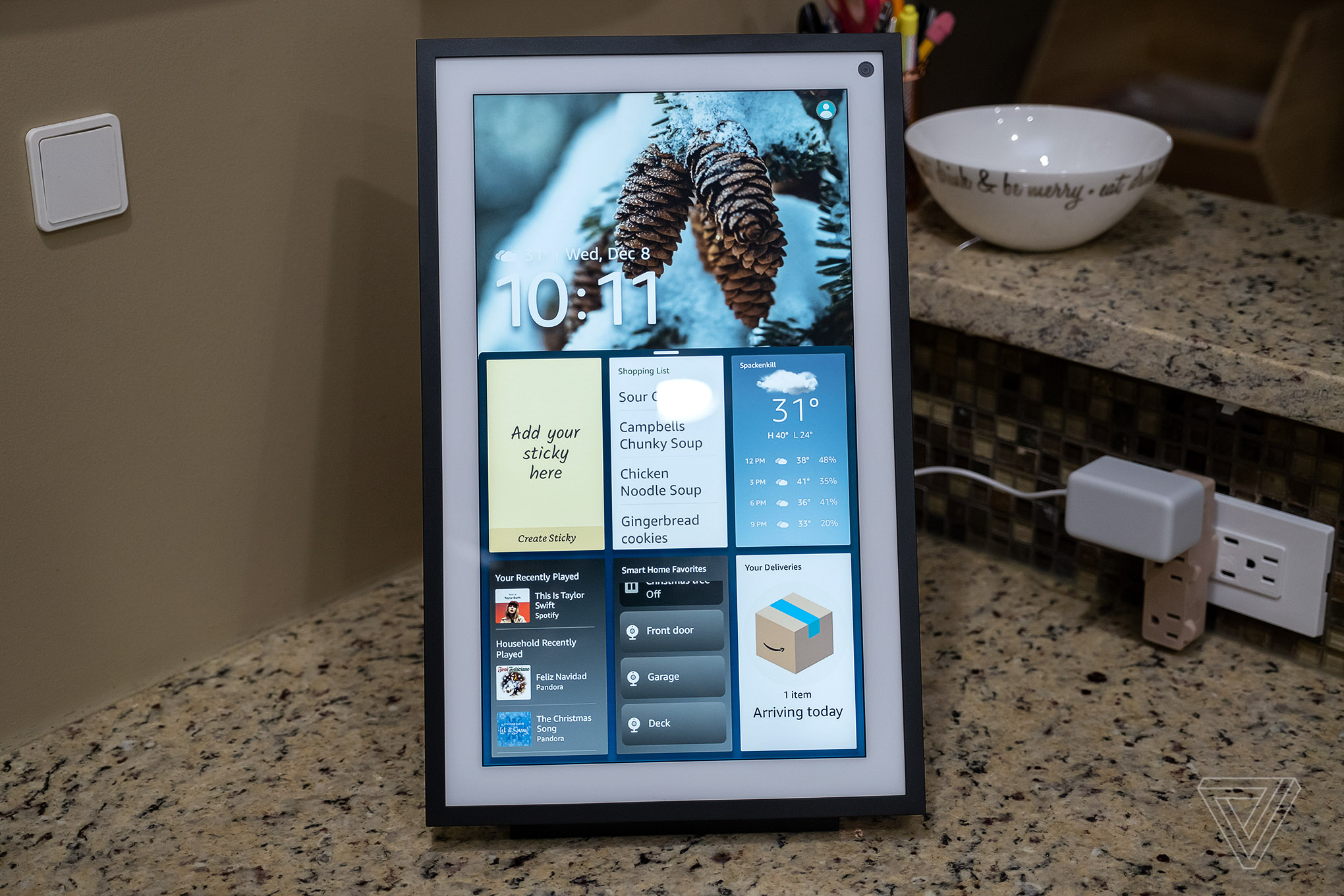
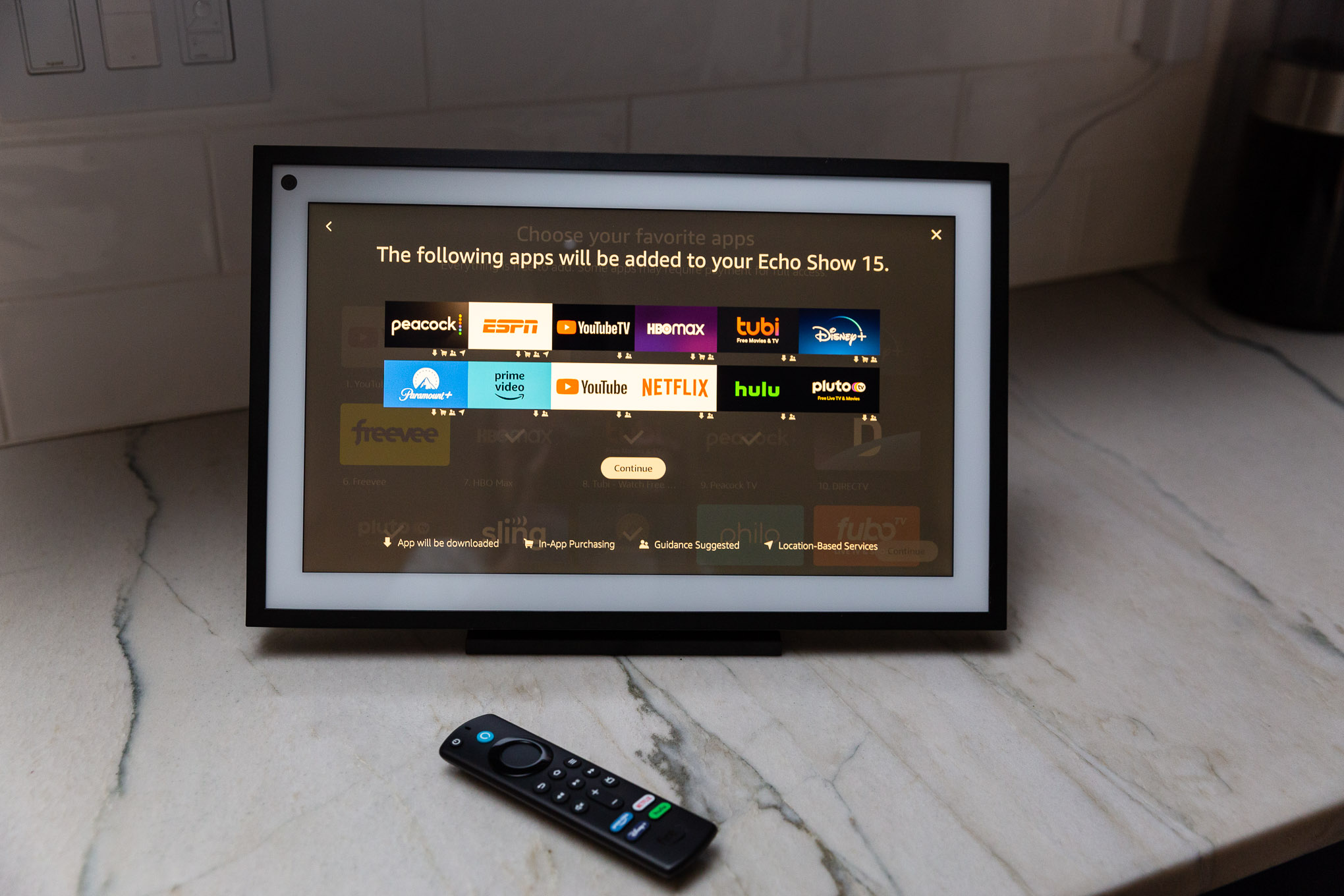
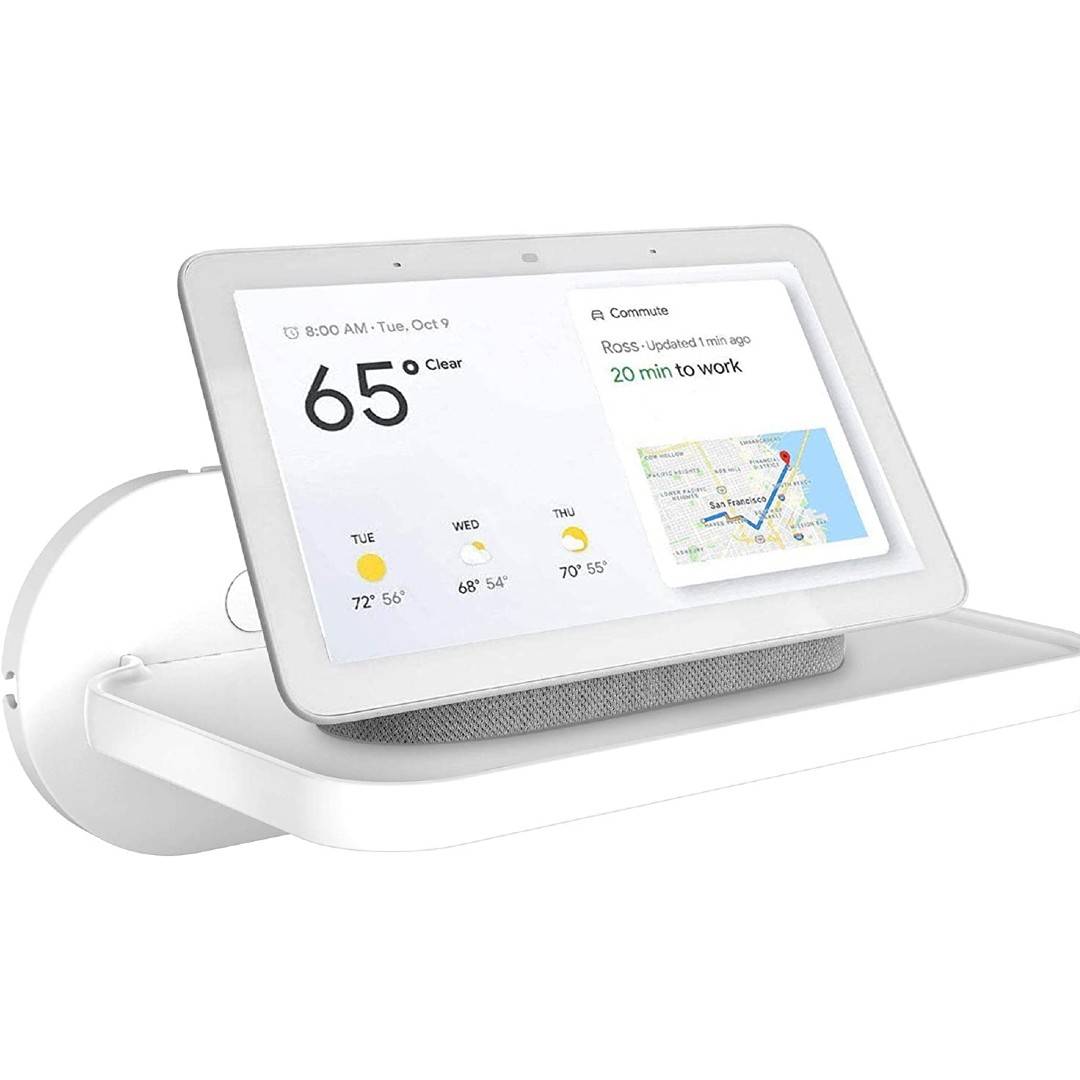
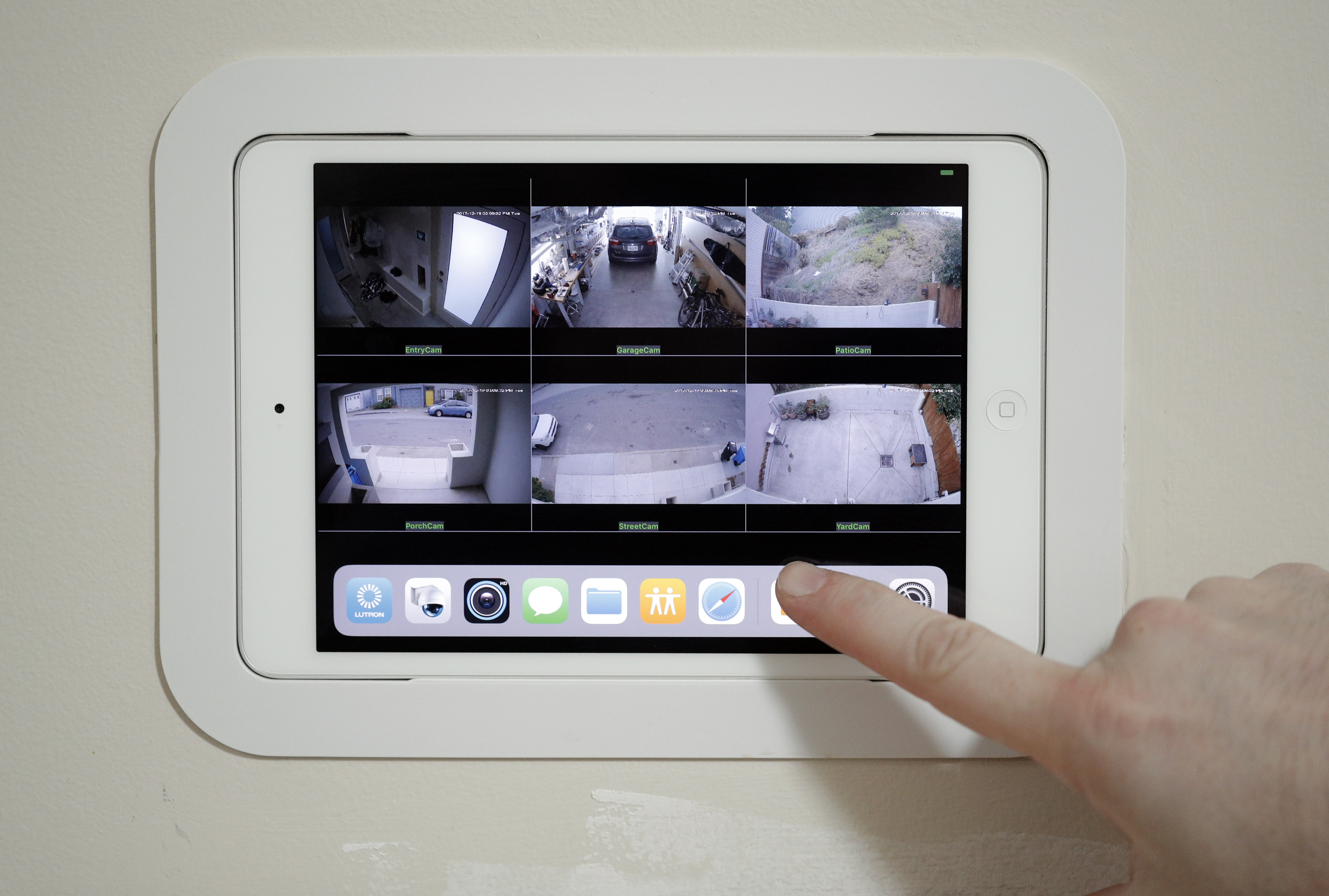
The current generation of smart displays, such as Amazon's Echo Show and Google's Nest Hub, are criticized for being generalists that excel at no single function. These devices attempt to combine smart home control, video calling, camera surveillance, digital photo frames, calendars, and entertainment into a single, often underpowered, touchscreen. This approach has largely resulted in user dissatisfaction, as the complexity of setup and programming often overwhelms the average consumer. Even more advanced systems like Crestron and Savant require professional installation, while powerful DIY platforms like Home Assistant demand significant technical expertise and time from homeowners.
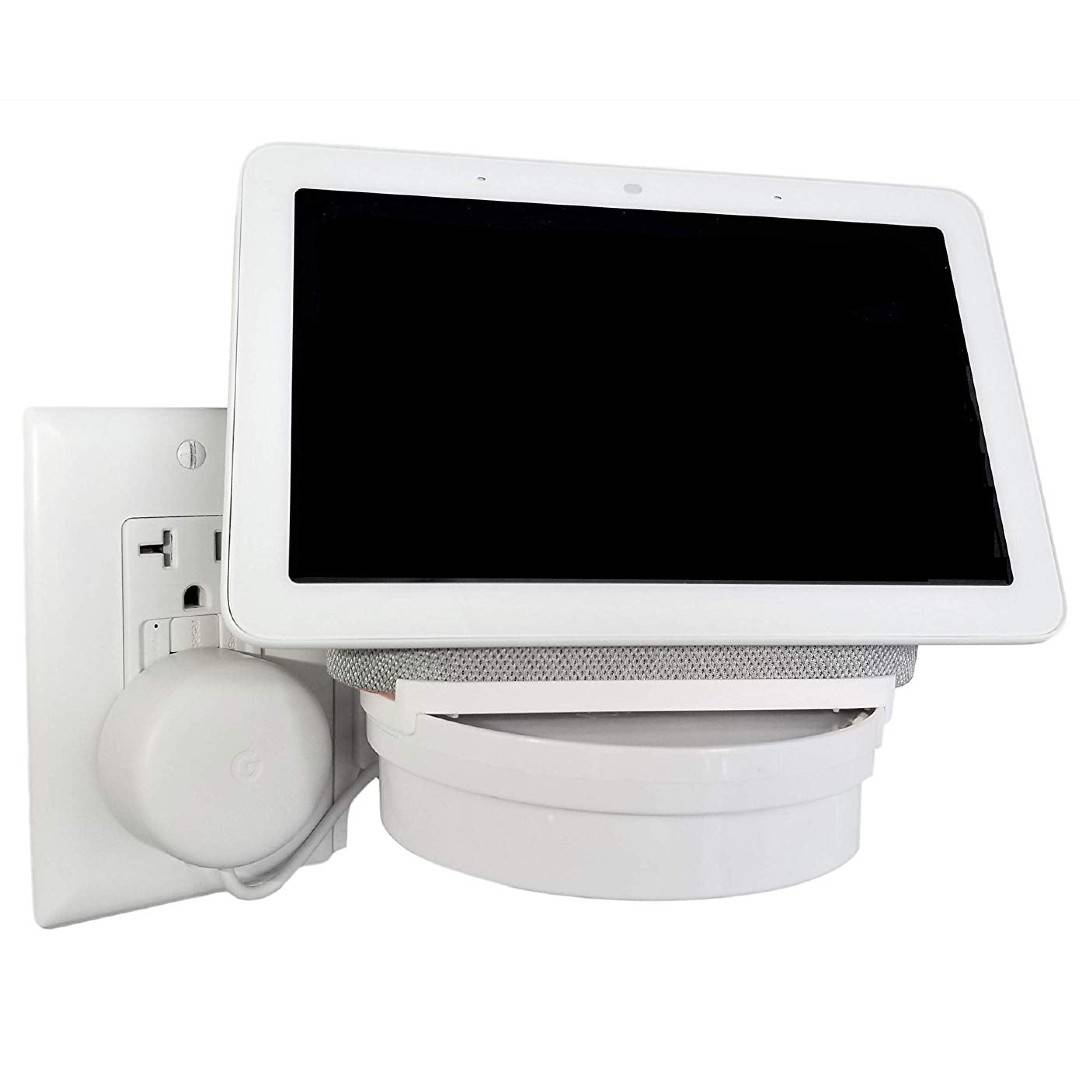
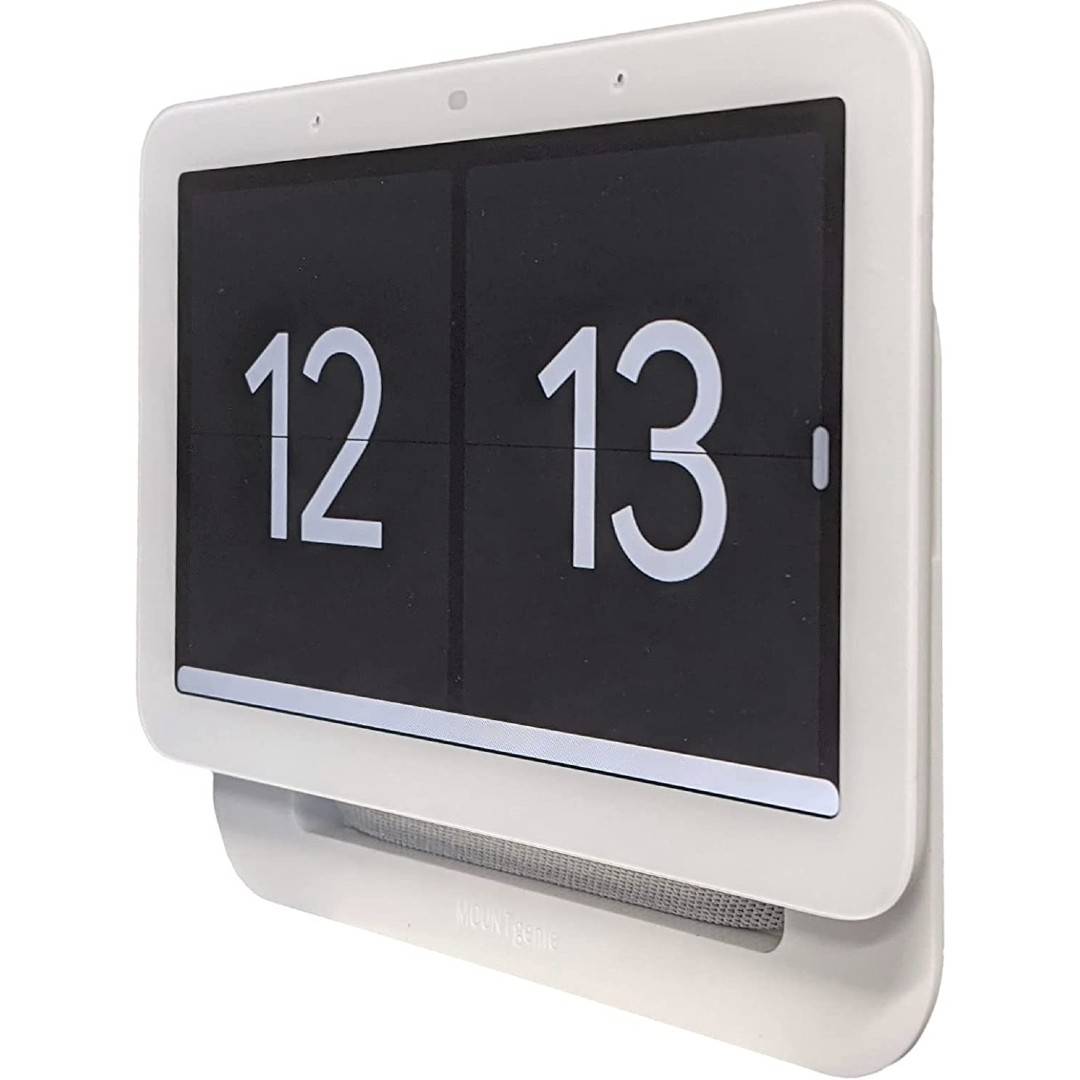
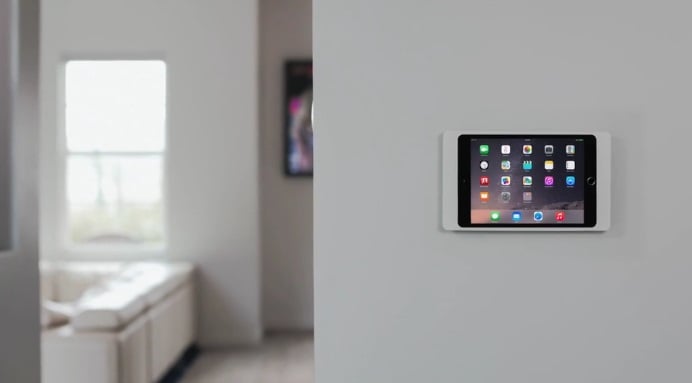
Apple's rumored HomePad device, detailed by Mark Gurman, is expected to feature a square, six-inch tablet design that can be wall-mounted or docked to a speaker, similar to existing products like Amazon’s Echo Hub and Google’s Pixel Tablet. It will reportedly include a built-in security camera and sensors to adjust the interface based on user proximity. Functionally, it will offer music playback, video intercom capabilities, security camera streaming, and smart home device control, aligning with the offerings of its competitors.
To succeed where others have fallen short, Apple must leverage its expertise in creating intuitive user interfaces. The company has a history of innovating in device categories by introducing simplified and effective user experiences, as seen with iOS, tvOS, and watchOS. The HomePad is expected to run on a new homeOS, codenamed Pebble, which will likely draw inspiration from tvOS and incorporate elements of watchOS and iPhone’s StandBy mode. The interface aims to integrate voice and touch seamlessly, allowing users to initiate actions with voice commands and then refine them with a single tap on the screen.
A significant hurdle for Apple's smart display will be the performance of Siri, its voice assistant. While capable of basic commands, Siri currently lags behind competitors in smart home voice control and context interpretation. Gurman suggests that the HomePad's hardware is designed to utilize App Intents, a system intended to enhance AI control over applications and tasks, promising a more intelligent Siri and Apple Intelligence integration. However, a truly capable, conversational, LLM-powered Siri is not anticipated until at least 2026. This delay mirrors similar challenges faced by Amazon and Google, which are also working on next-generation voice assistants but are struggling with the complexities of integrating new AI models with existing legacy systems. Ultimately, Apple's success in this market will depend on its ability to overcome these interface and AI challenges, making smart home control effortlessly functional for the everyday user.
#AppleHome #SmartHome #SmartDisplay #HomePad #Siri #HomeAutomation #MatterStandard #HomeKit #AIWallTablet #TechInnovation #AppleHome #SmartHome #SmartDisplay #HomePad #Siri #HomeAutomation #MatterStandard #HomeKit #AIWallTablet #TechInnovation
0 komentarzy łącznie
 Brak komentarzy jeszcze
Możesz również polubić
Smart home technology still isn't good enough for my latest home upgrade project and this is a huge problem


17 Best Smart Home Devices for Apple HomeKit and Siri in 2026 | Reviews by Wirecutter


Best Google Nest Hub mounts and stands

Next-Level Kitchen Design At Lowe’s With Free Apple Vision Pro Experience
9 Of The Best Smart Screens & Smart Displays You Can Buy

This smart lighting strip gave me 12 hours of hell

Maco Brings Invisible Matter Contacts for Doors and Windows
Alternatives to Samsung’s The Frame TV Have Finally Arrived

Is Lowe’s Style Studio for Apple Vision Pro the Future of Home Renovation?

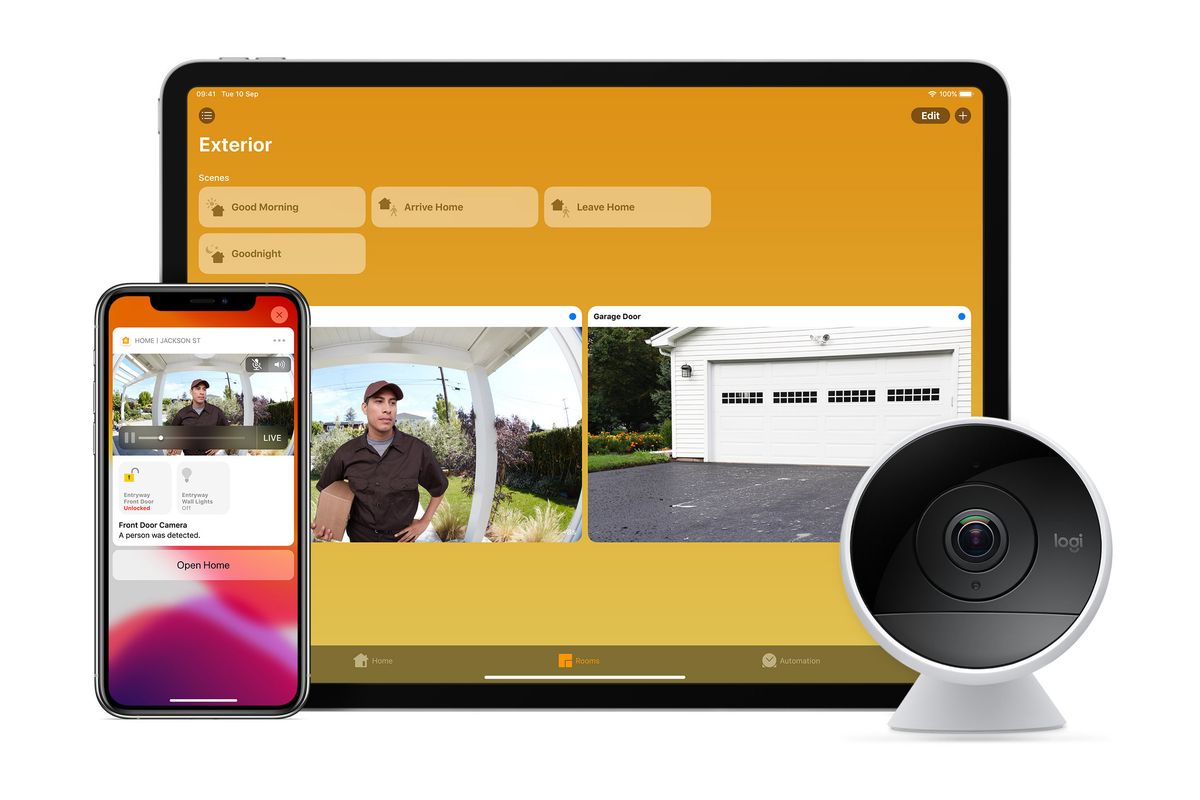
How to add a new smart home device to the Apple Home app

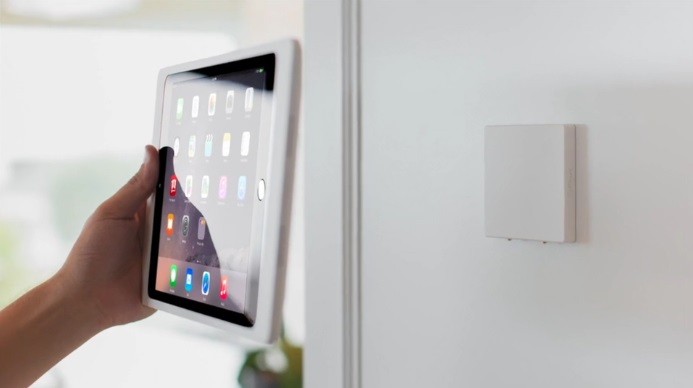
IPORT Home LUXE WallStation iPad Mount Review

'It's the only thing that made sense' – this Brooklyn loft's clever TV display isn't just for looks, it's key to the home's layout

Clean up your TV setup with the Dreamscreens TV Skirt Flex, now just $24

Amazon’s Echo Show 15 review: should anybody put Alexa on the wall?
Nanoleaf’s Matter Essentials smart bulbs are here and they’re good
Wemo Stage Smart Scene Controller (review)


17 Best Smart Home Devices for Apple HomeKit and Siri in 2025 | Reviews by Wirecutter
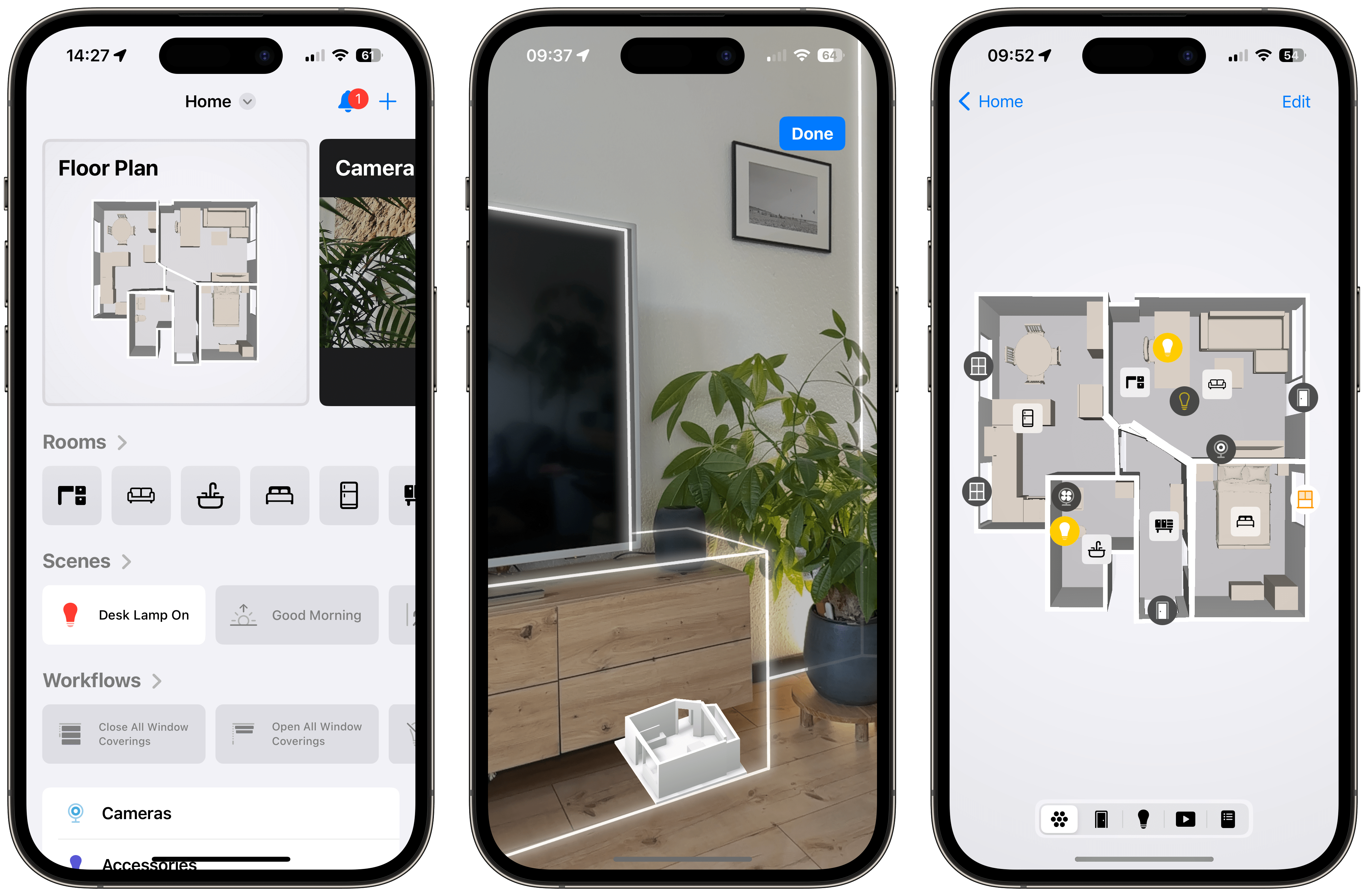
This app put my Apple Home smart devices into an interactive map
Smart Blinds: Window Covering in the Matter Standard

10 High-Tech Home Innovations