1/8
An Unlikely Source Inspired This Designer’s Mexico City Apartment: Catholic Convents
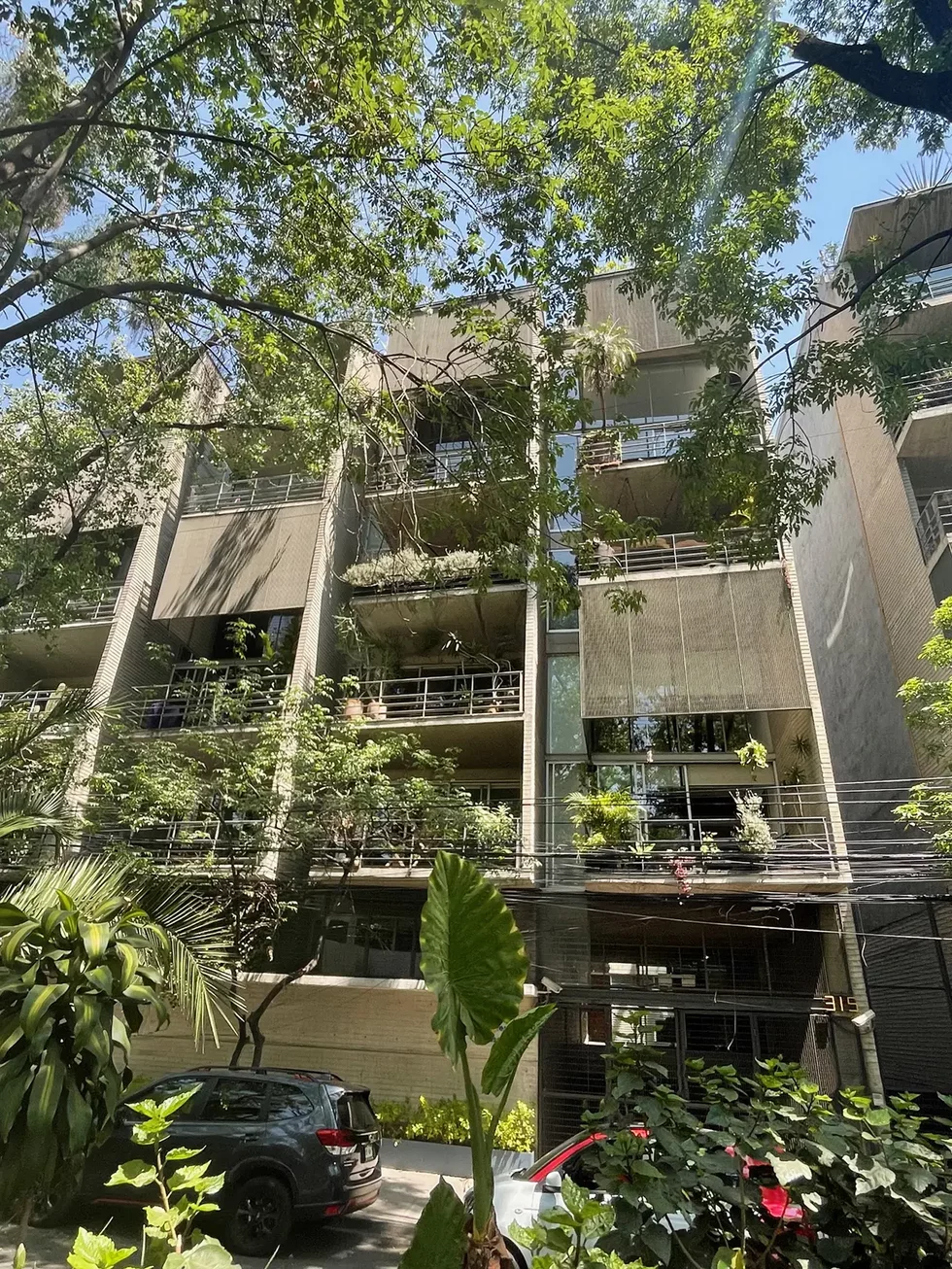
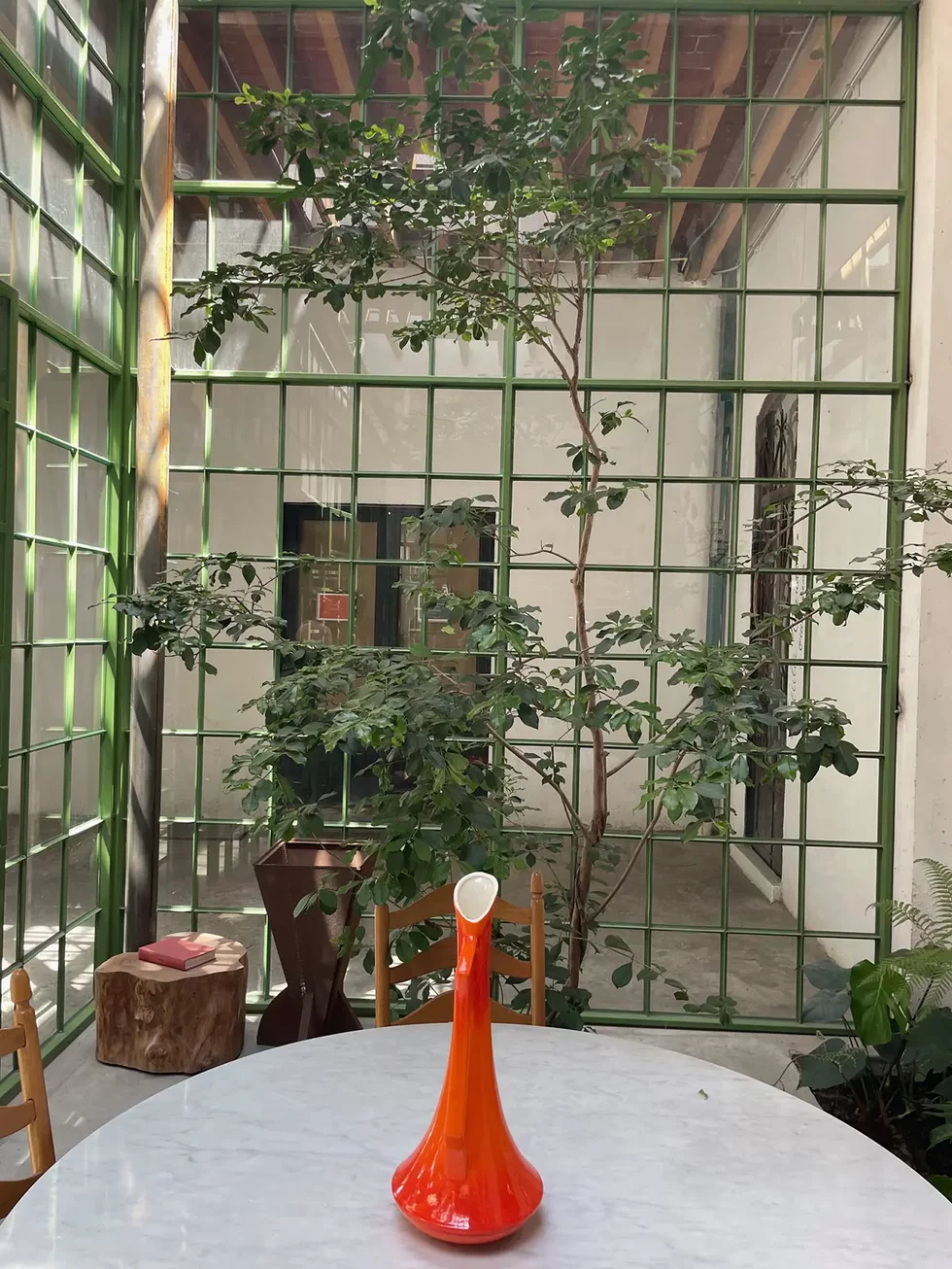
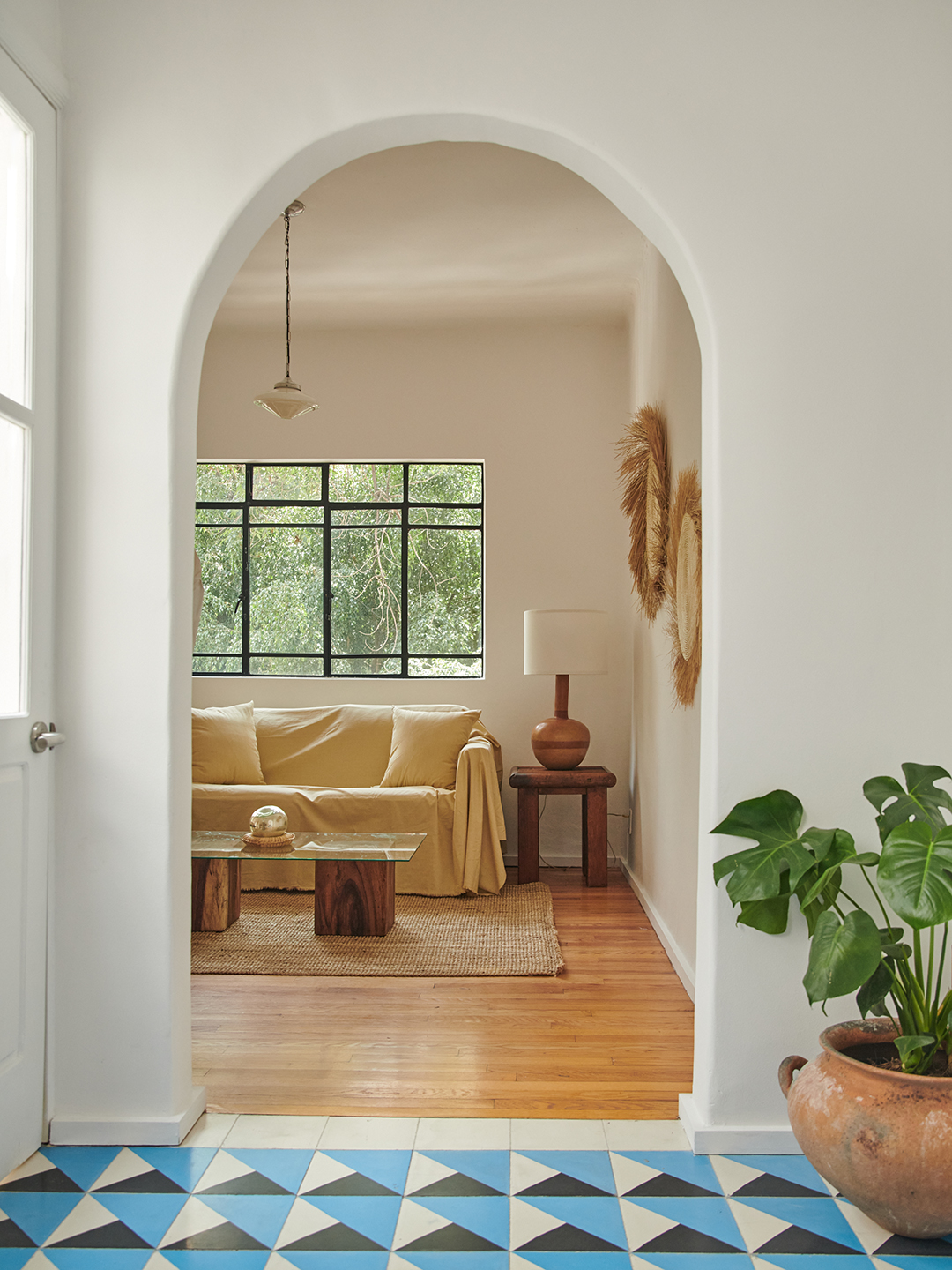
In 2021, graphic designer Victoria Herrera purchased her first home, a 900-square-foot apartment in Mexico City's Condesa neighborhood, with the intention of using it part-time and renting it out on Airbnb. The apartment's square layout with a central courtyard and numerous large windows, providing natural light in every room, were significant selling points. The existing architecture featured rounded elements, such as arched doorways and curved wall-to-ceiling transitions, which Herrera appreciated for their soft aesthetic against the industrial windows. Major renovations, including electrical and plumbing updates, had already been completed by the previous owners, allowing Herrera to focus her budget on decorating and selecting paint colors.
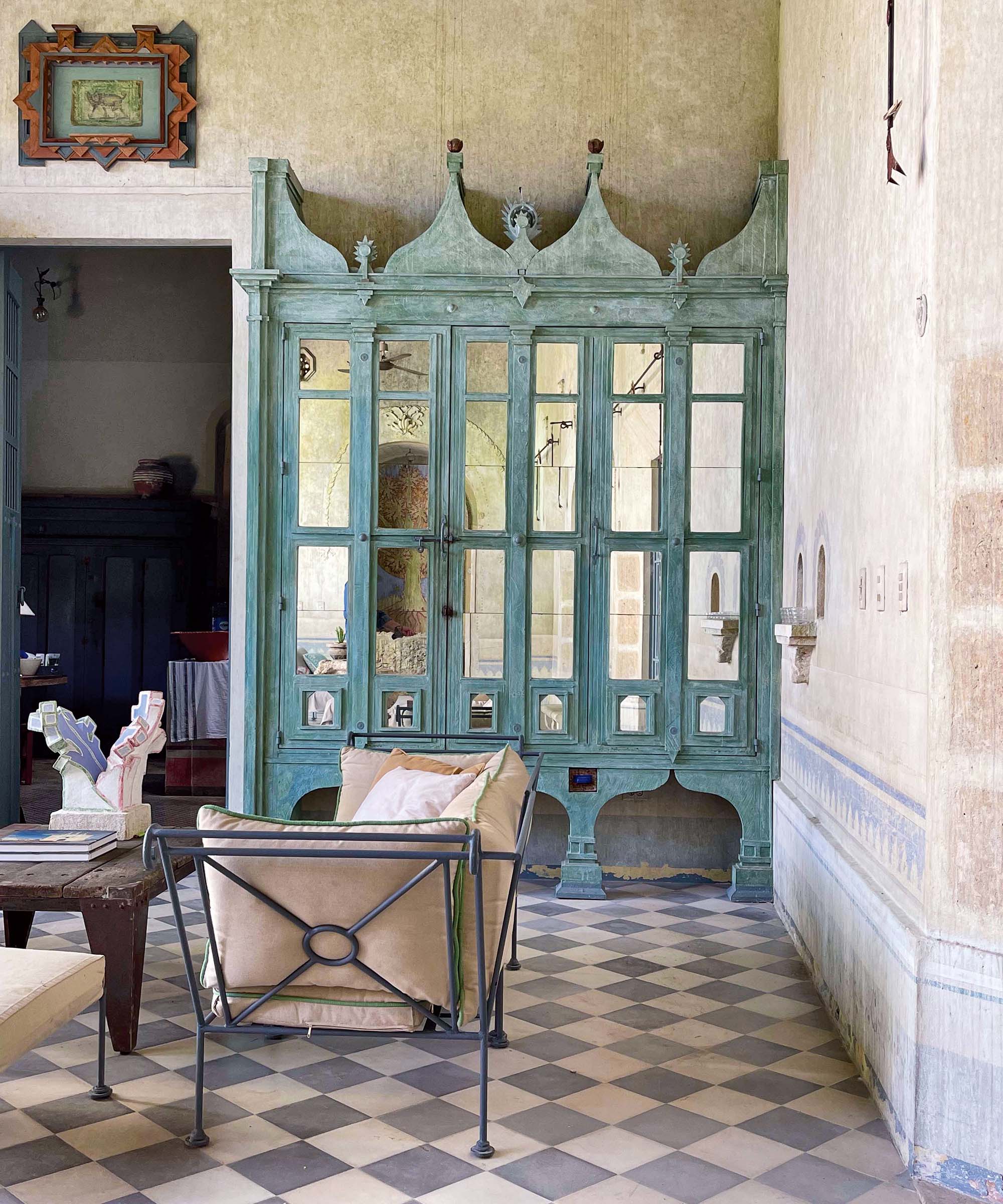
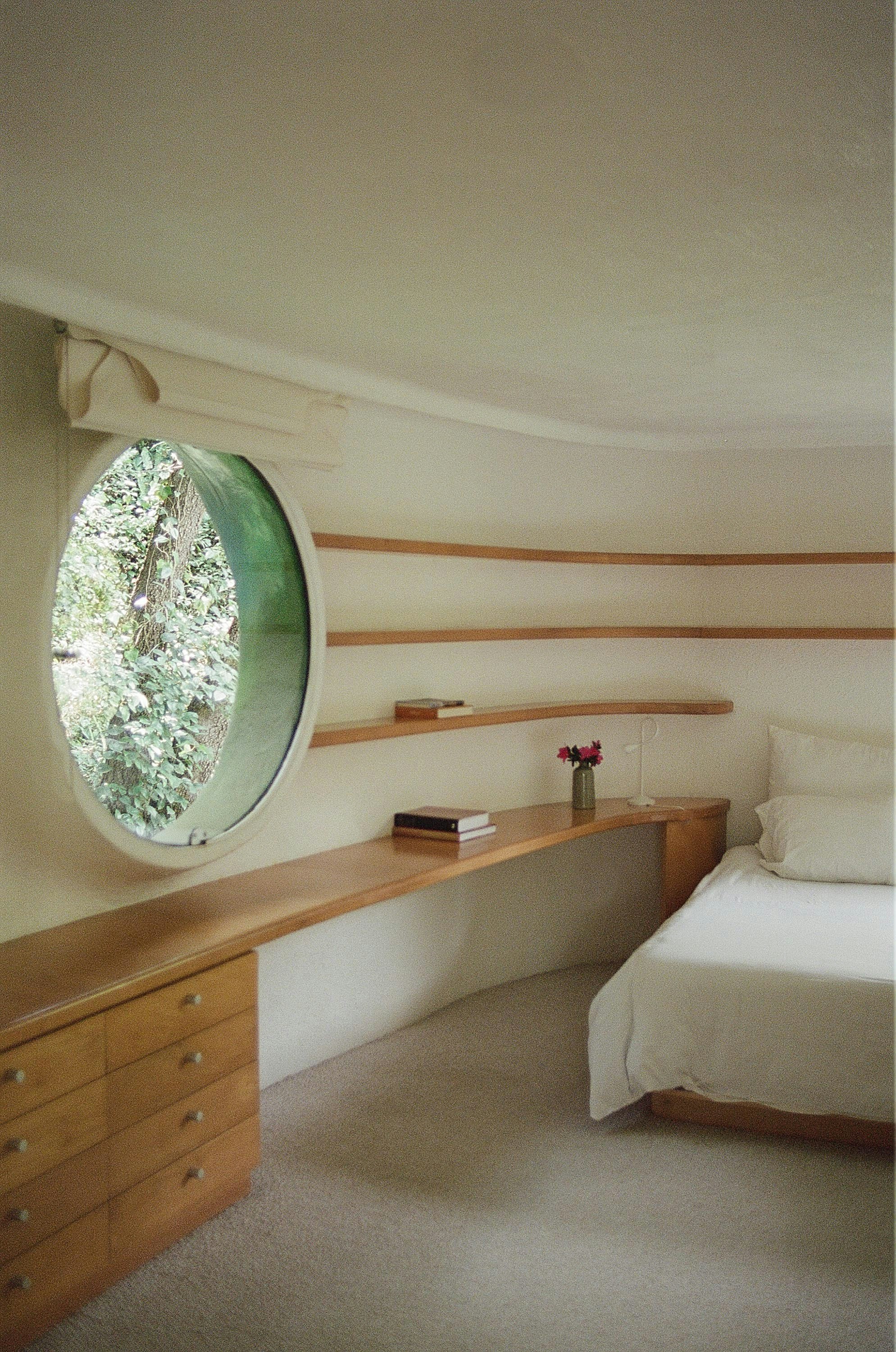
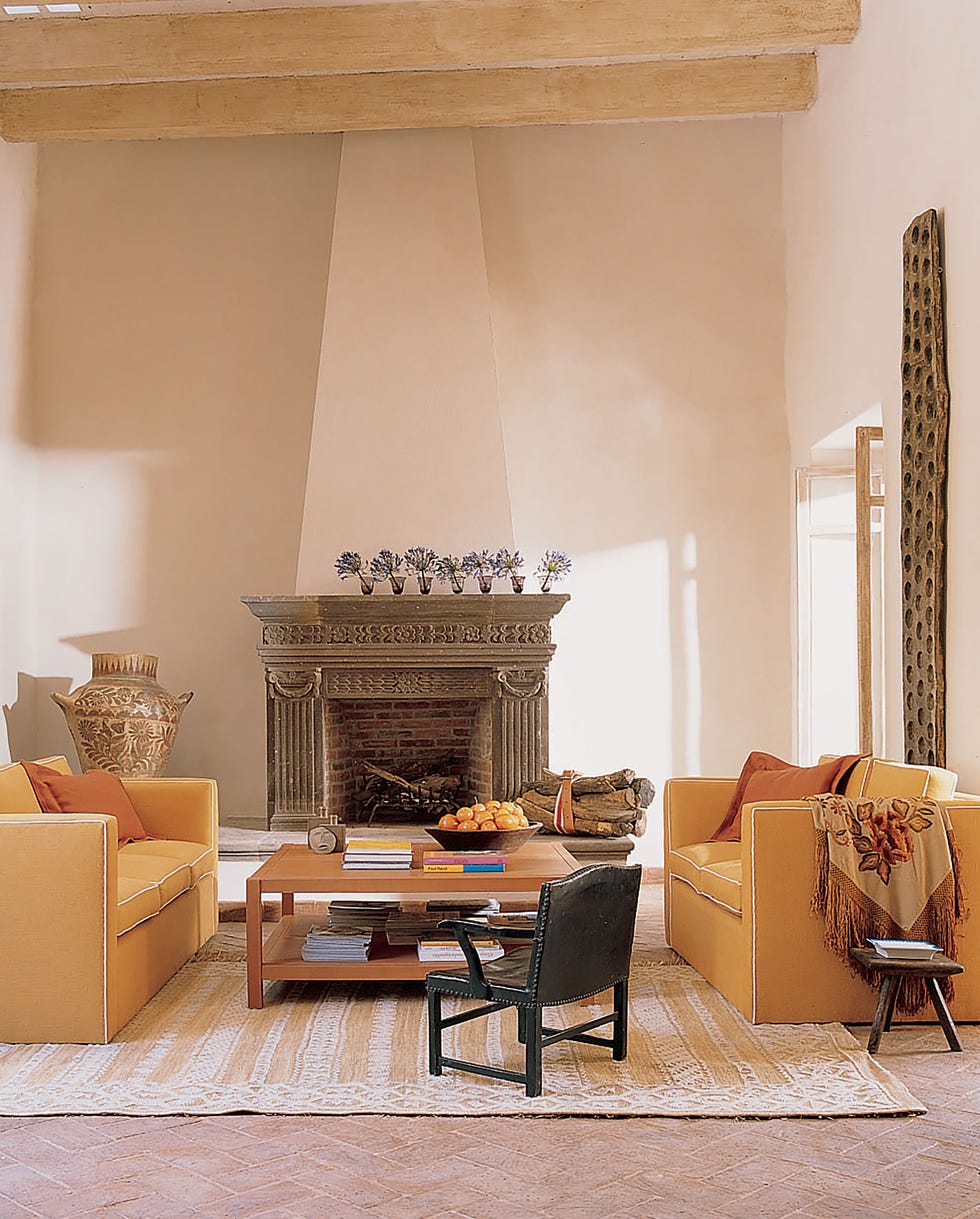
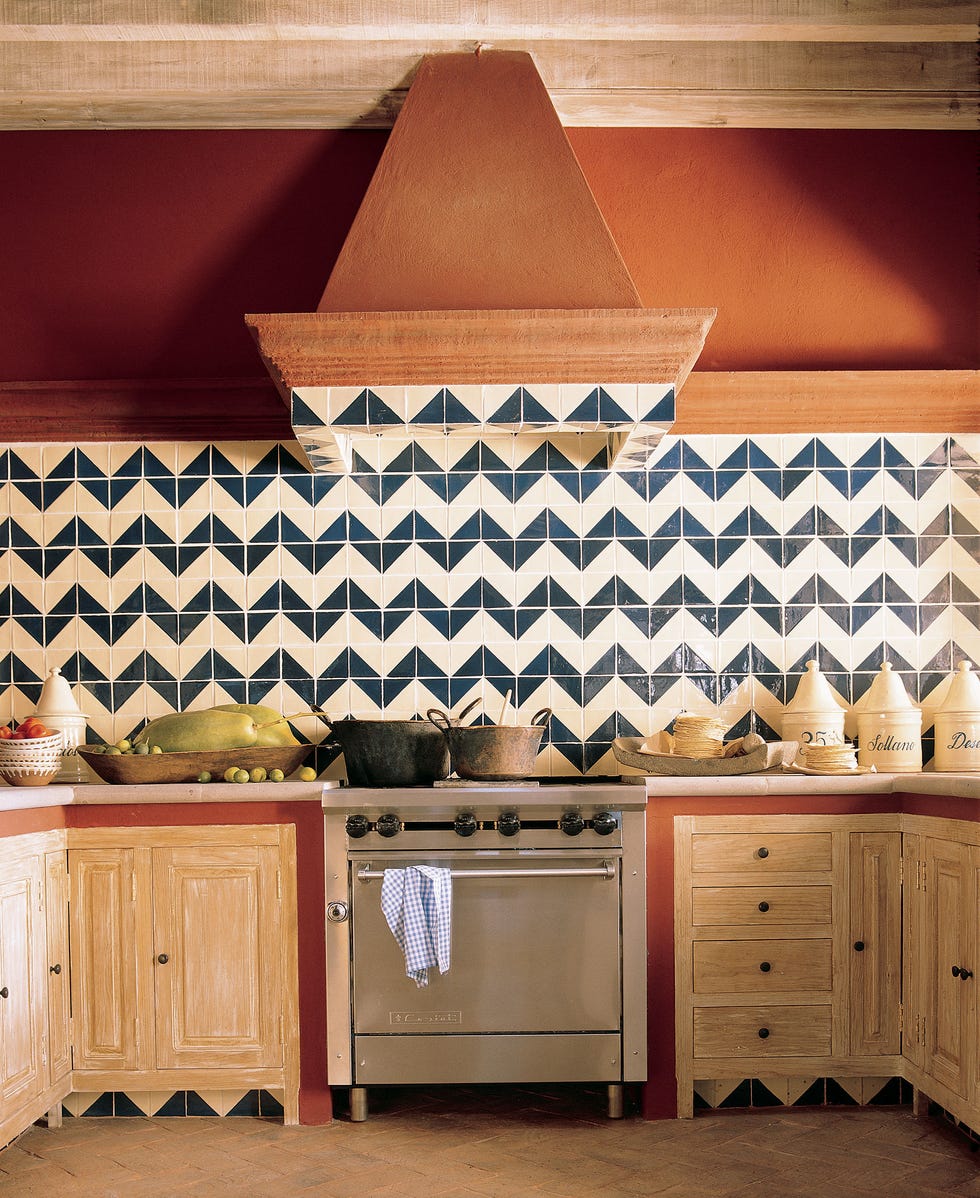
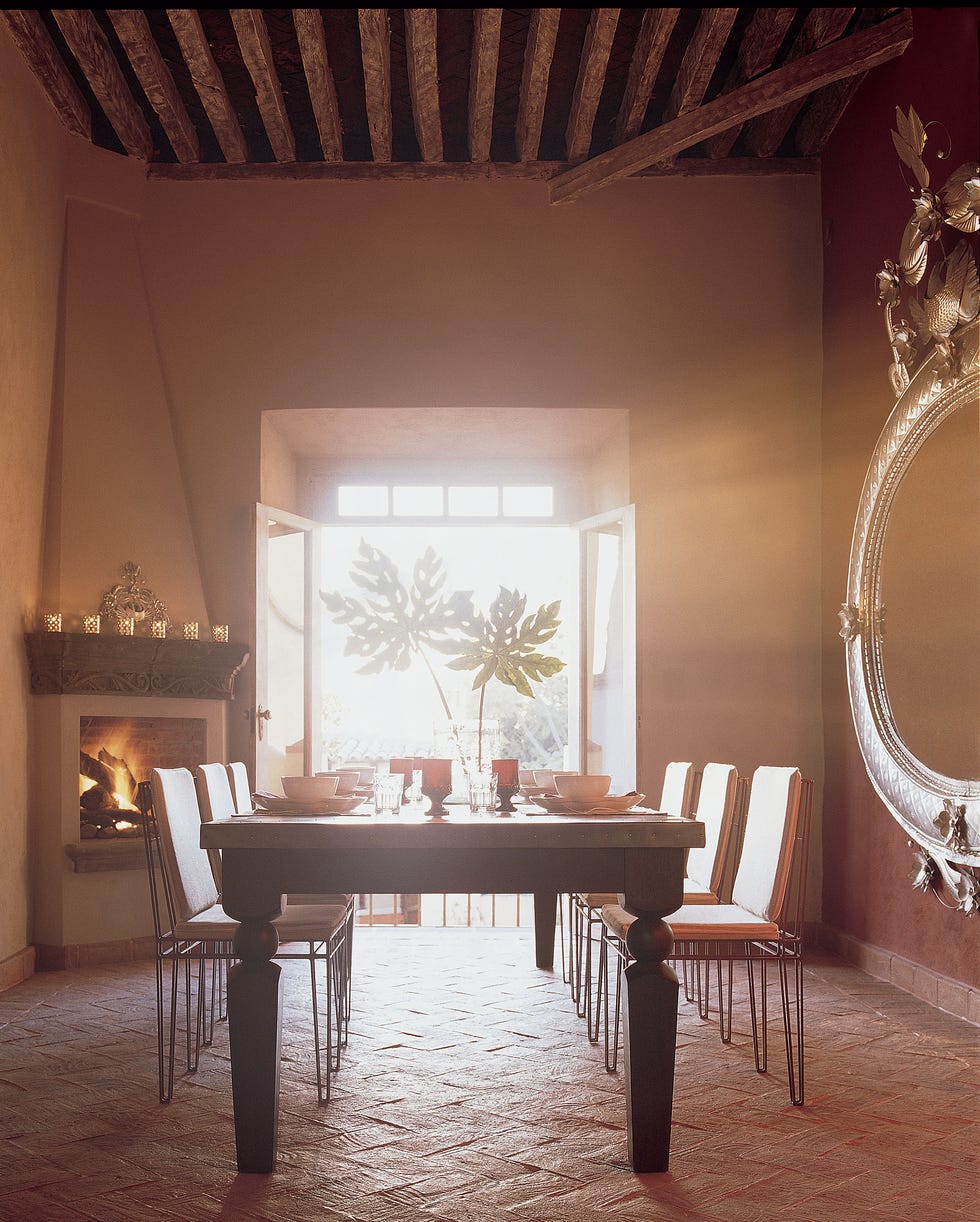
Herrera aimed to infuse her home with a warm atmosphere that celebrated Mexican heritage, culture, and her Catholic upbringing. This inspiration led her to choose a yellow limewash for the bedroom walls, reminiscent of traditional Catholic convent walls. The apartment's entryway and hallway featured striking blue and black floor tiles. Although initially hesitant about these tiles, Herrera found that their integrated feel eventually inspired her to embrace bold color choices in other areas of the apartment. Her design philosophy successfully merges vintage and modern elements, exemplified by pairing a contemporary tulip table with antique chairs.
A significant portion of Herrera's furnishing process involved frequent visits to Lagunilla Market, a large weekly furniture, vintage, and flea market in Mexico City. Over three months, she diligently explored the market every Sunday, learning how to navigate the vast array of goods, negotiate prices, and identify unique pieces. She developed a keen eye for spotting hidden treasures, often revisiting stalls multiple times to discover items that initially went unnoticed. Her finds included old artwork from Catholic convents, which contributed to the sense of tradition and beauty she sought to incorporate into her home.
Beyond Lagunilla Market, Herrera also sourced items from other local establishments in Mexico City, such as El Resplandor Vidrio for blown glass, Pericon for artisan pottery, and Utilitario Mexicano for market-inspired decor and kitchenware. She also demonstrated creative resourcefulness, making custom throw pillows for the beds from "jerga" fabric, a common, inexpensive material typically used for cleaning, which she repurposed due to its graphic stripes and diverse color options. Among her most cherished market discoveries was a sun sculpture, initially found hidden in a pile of junk, which a friend later identified as a collectible Emaus Talleres piece.
After completing the design, Herrera's plan to rent the apartment on Airbnb was put into action for about a year. However, she ultimately realized that she had furnished the space not as a temporary rental, but as a deeply personal home designed for her own living. This realization led her to move into the apartment herself, acknowledging that her design choices were intrinsically tailored to her own preferences and lifestyle rather than those of short-term tenants.
#HomeTour #MexicoCityDesign #VintageDecor #SecondhandFinds #InteriorDesign #CulturalInspiration #GraphicDesignerHome #CondesaApartment #HomeTour #MexicoCityDesign #VintageDecor #SecondhandFinds #InteriorDesign #CulturalInspiration #GraphicDesignerHome #CondesaApartment
0 komentarzy łącznie
 Brak komentarzy jeszcze
Możesz również polubić
The Innovative Indoor-Outdoor Fluidity of Contemporary Mexican Architecture
Mexican decor – 9 periods in this vibrant country's rich history and the styles they inspired


Mexican Interiors: 18 Spaces That Use Books as a Design Element

Max Núñez' greenhouse in Chile gives the impression of a floating glass box

How travel inspires new decorating ideas for the home

This Spanish Mission-Style Home Embodies Cozy, Eclectic Design

Upon This Foundation: Are new church designs taking us backward?

One Night in a Kaleidoscopic, Snake-Shaped Apartment Complex Near Mexico City


Patrón Designed a Spanish Colonial Guest House with Modern Flair

Home Decor, Latina Style: Meet 4 Trendsetting Latina Designers

Simon Hamui creates clean-lined furniture for minimalist Mexico City house
This Beautiful Mexican Painter’s Studio Is So Charming, It Even Has Its Own Donkeys
Bold Colors, Playful Shapes, Handmade Textures: This Mexico City Home Is 100% Joyful!

HOUSE TOUR: Modern Furniture Meets Playful Design Inside A Mexican Tree House

This Mexico penthouse is inspired by a New York loft
Mexican bolthole Los Durmientes offers total immersion in nature
Apartment in Bosques de las Lomas / Taller David Dana

A Brick-and-Concrete Home With a Library Emphasizes Circular Motifs in Mexico
10 Questions With… Maritza Lara Cáceres and Daniel Cruz Maldonado


house of miracles by danilo veras godoy looks almost alive through naser nader ibrahim's lens