A Curiosity Tray, An Under-Pillow Talisman, and 8 More Kids’ Room Essentials
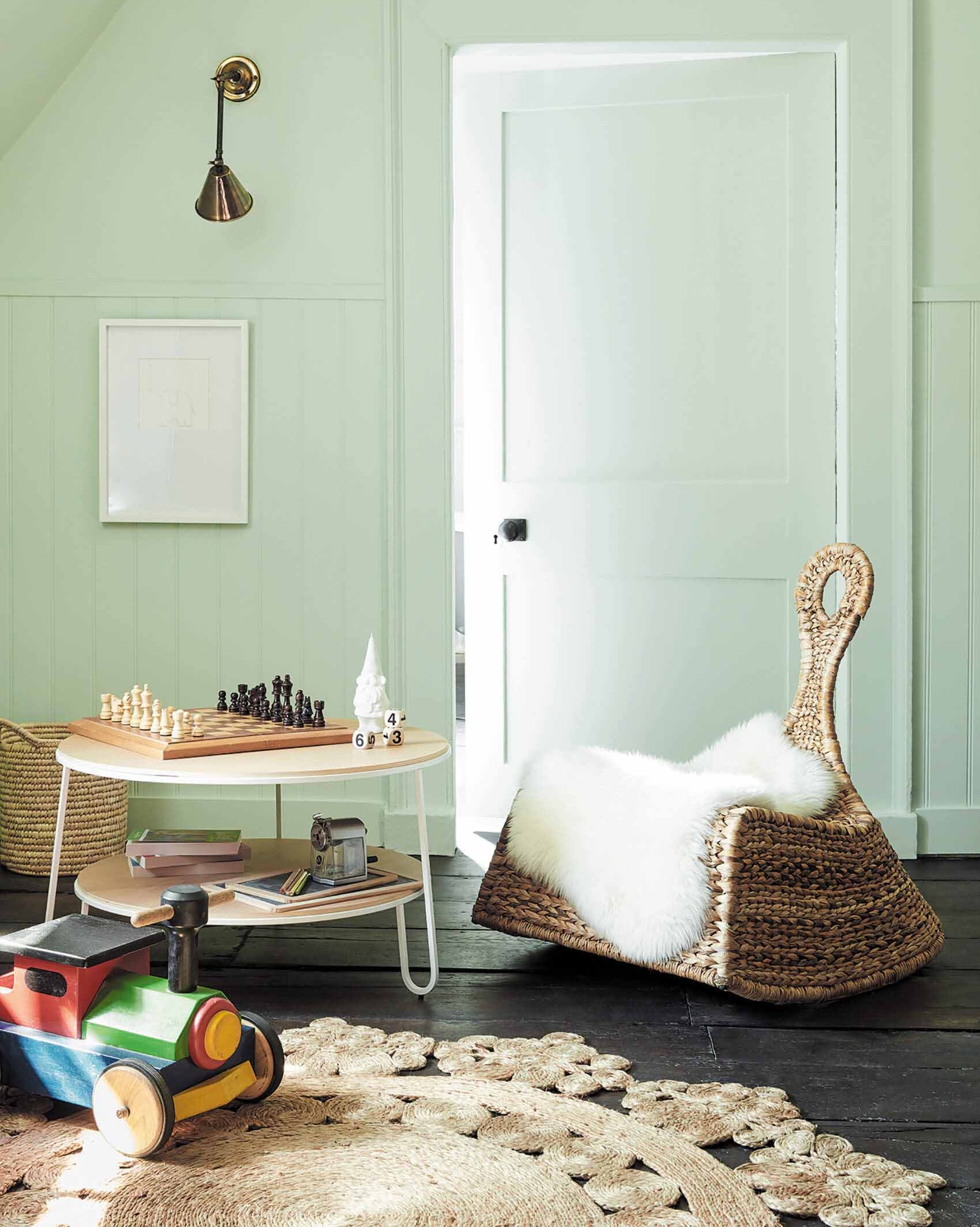
Interior designer Hollie Velten-Lattrell, often referred to as a "space doula," emphasizes that creating a nurturing and stimulating environment for children goes beyond basic furniture. Having designed numerous children's rooms and observed their occupants, Velten-Lattrell has identified ten essential items that foster a strong sense of self, curiosity, and emotional well-being in a child's personal space. Her approach views these rooms as "time capsules" that encourage discovery and connection to one's past.
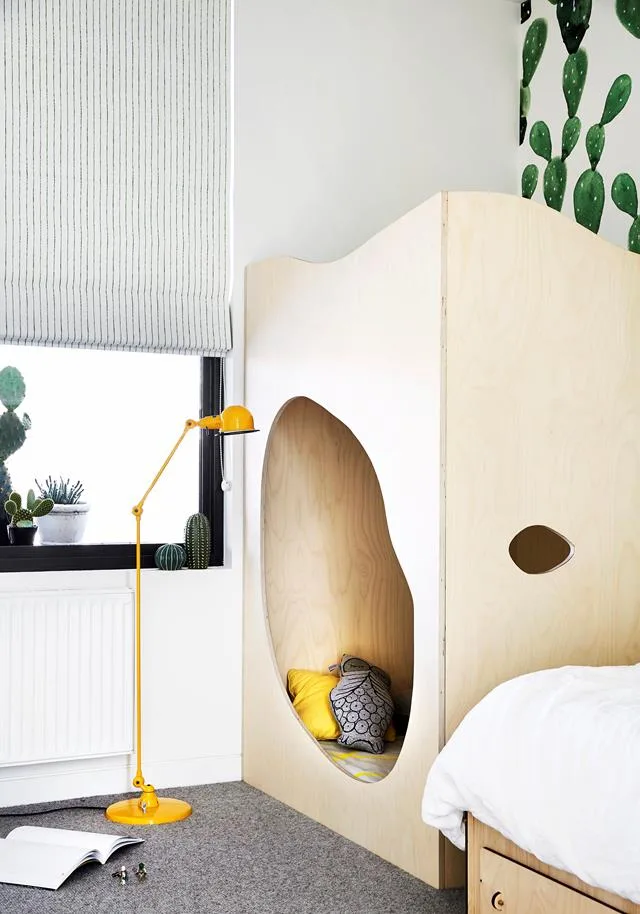
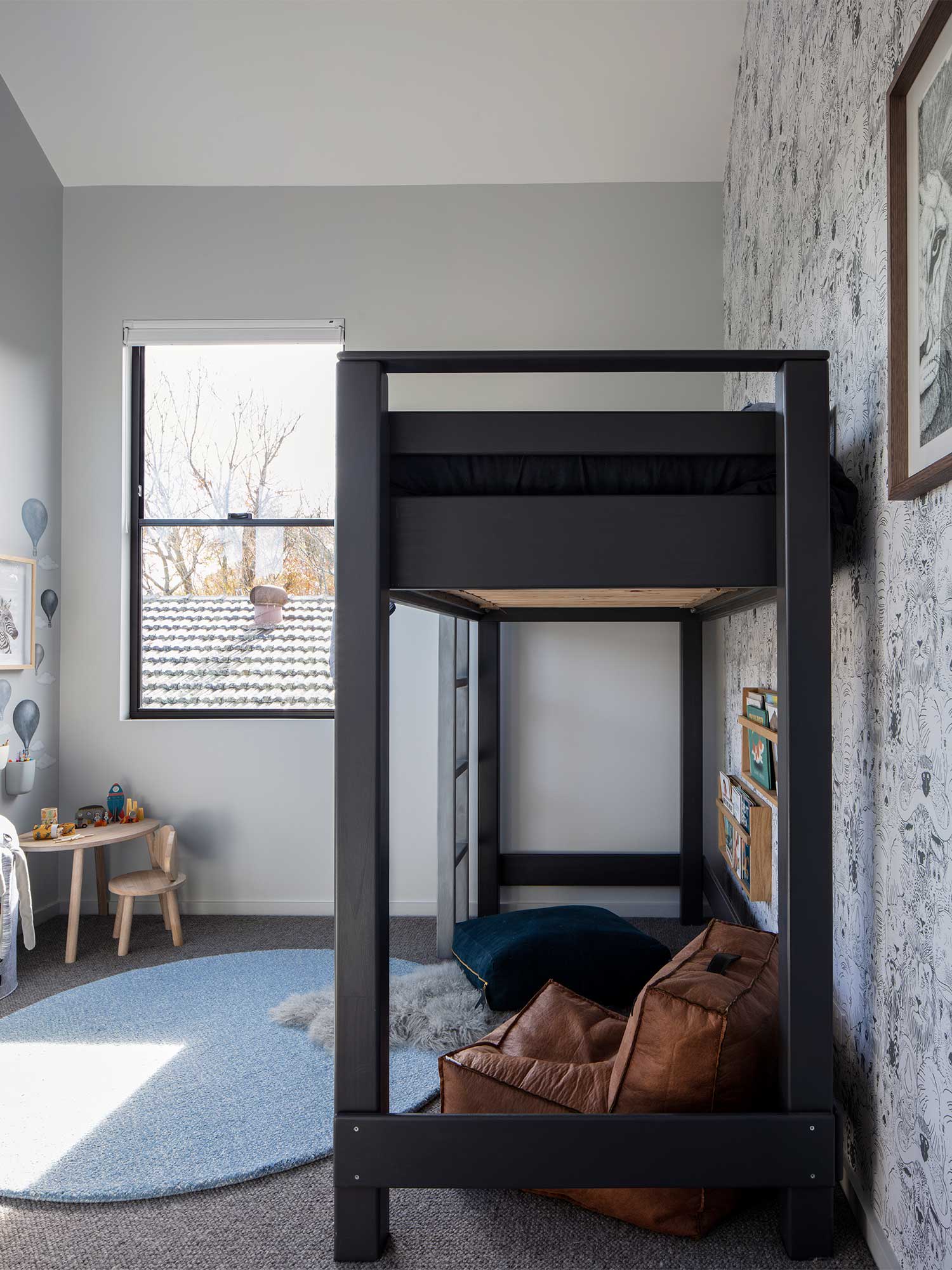
Among the top recommendations is a mirror, which she considers crucial for self-exploration. A mirror allows children to recognize and express a range of emotions, engage in dress-up and role-play, and develop body confidence as they grow. For safety, mirrors should be securely wall-mounted at the child's height. Another key element is a designated "space to cocoon," such as a converted closet or a reading nook under a bed. These private retreats offer a sense of security and a haven for imagination, enhanced with items like small pillows, glow-in-the-dark stickers, and a portable flashlight for nighttime navigation.
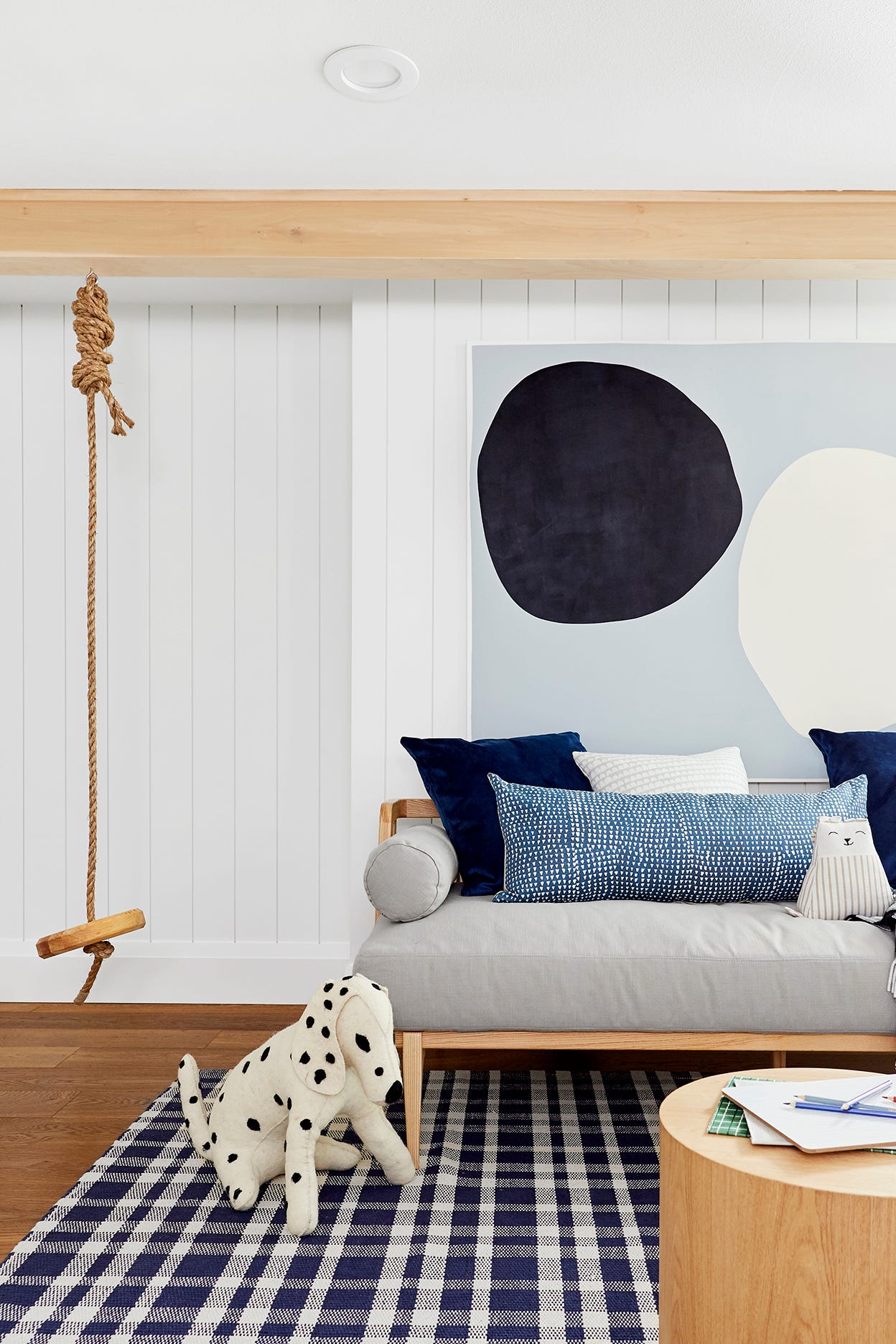
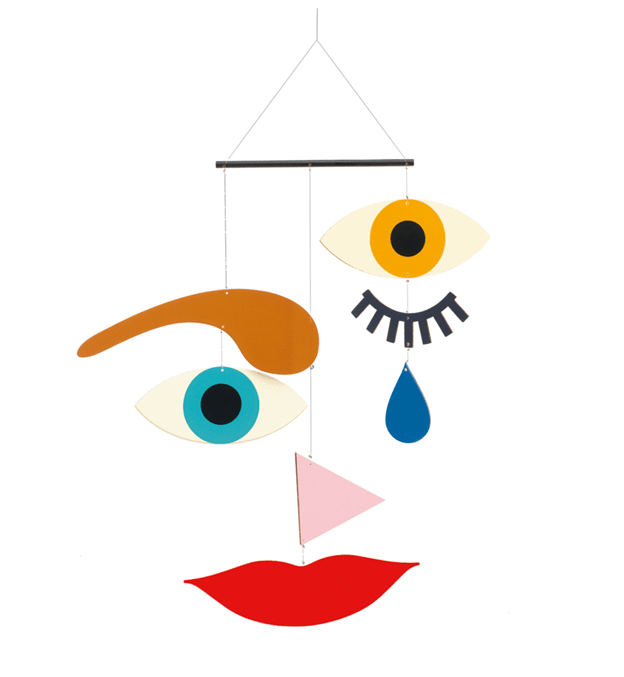
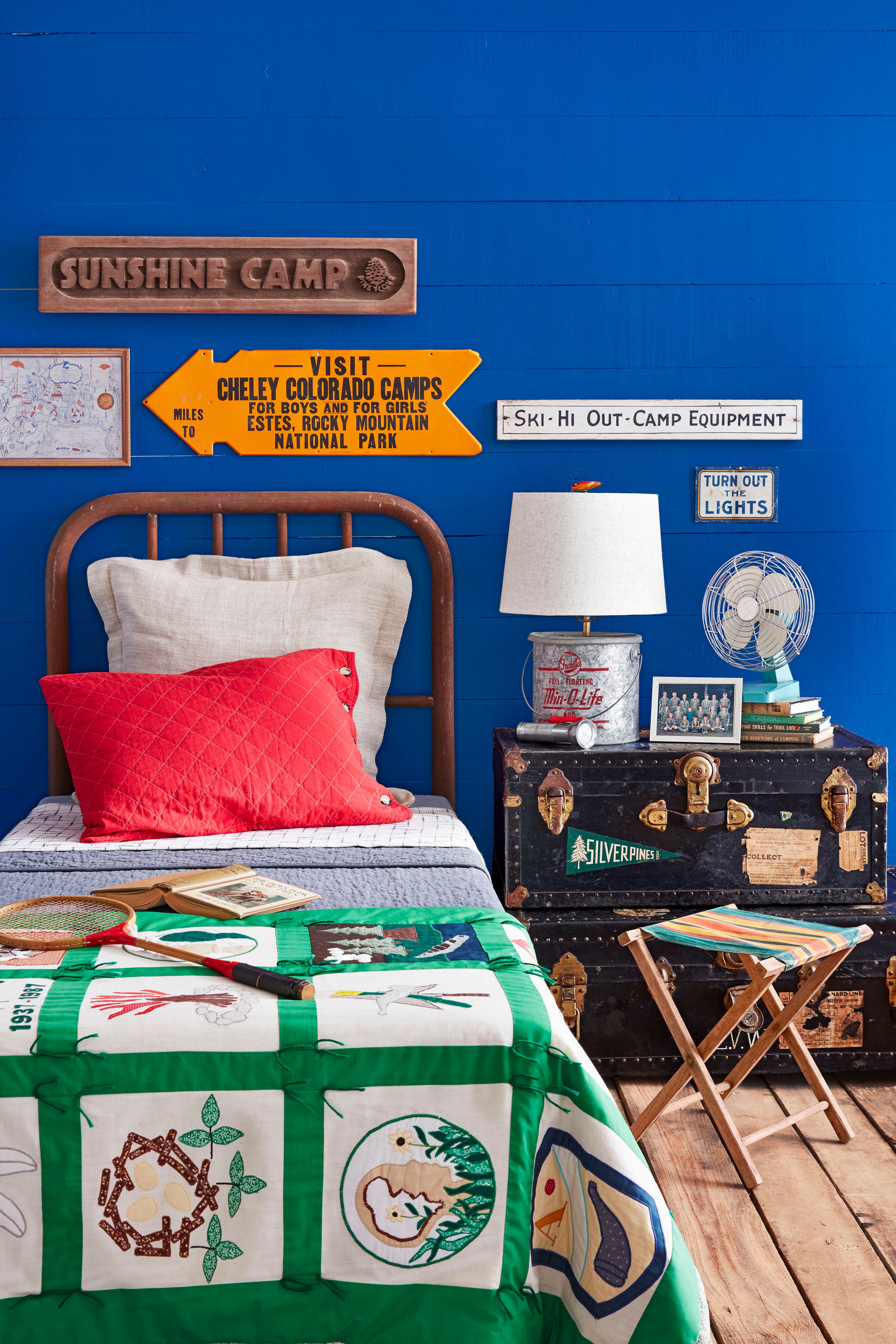
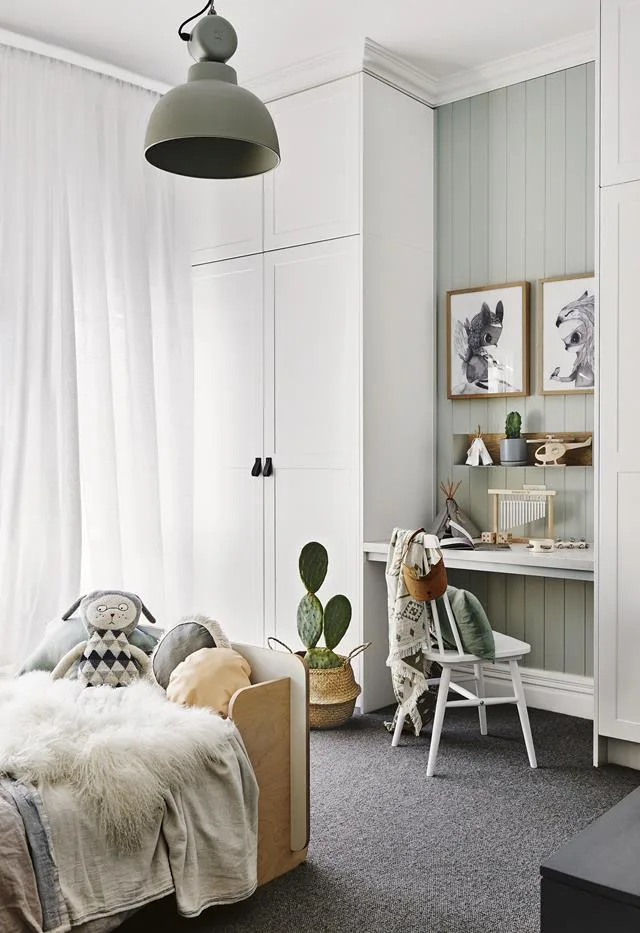
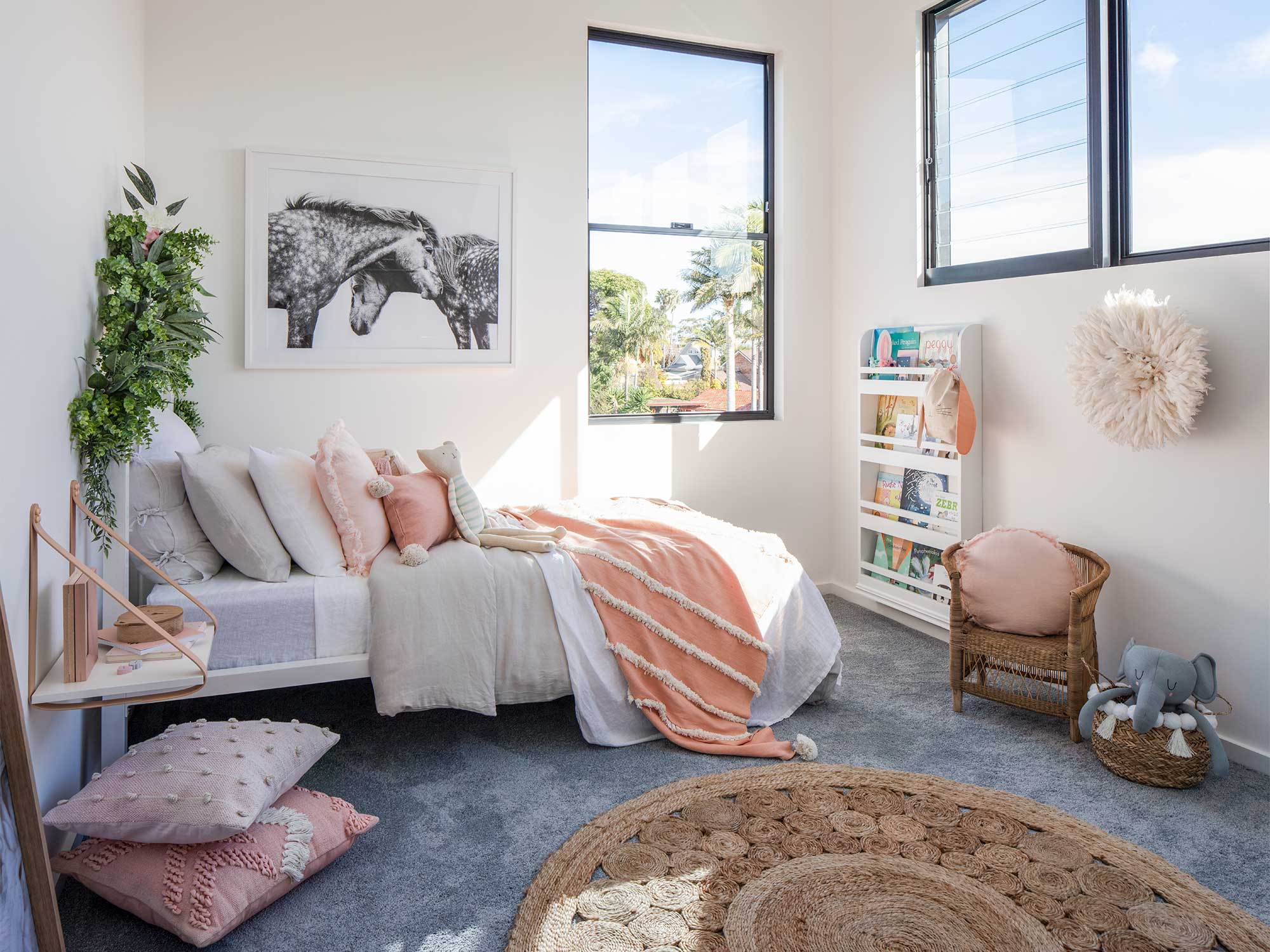
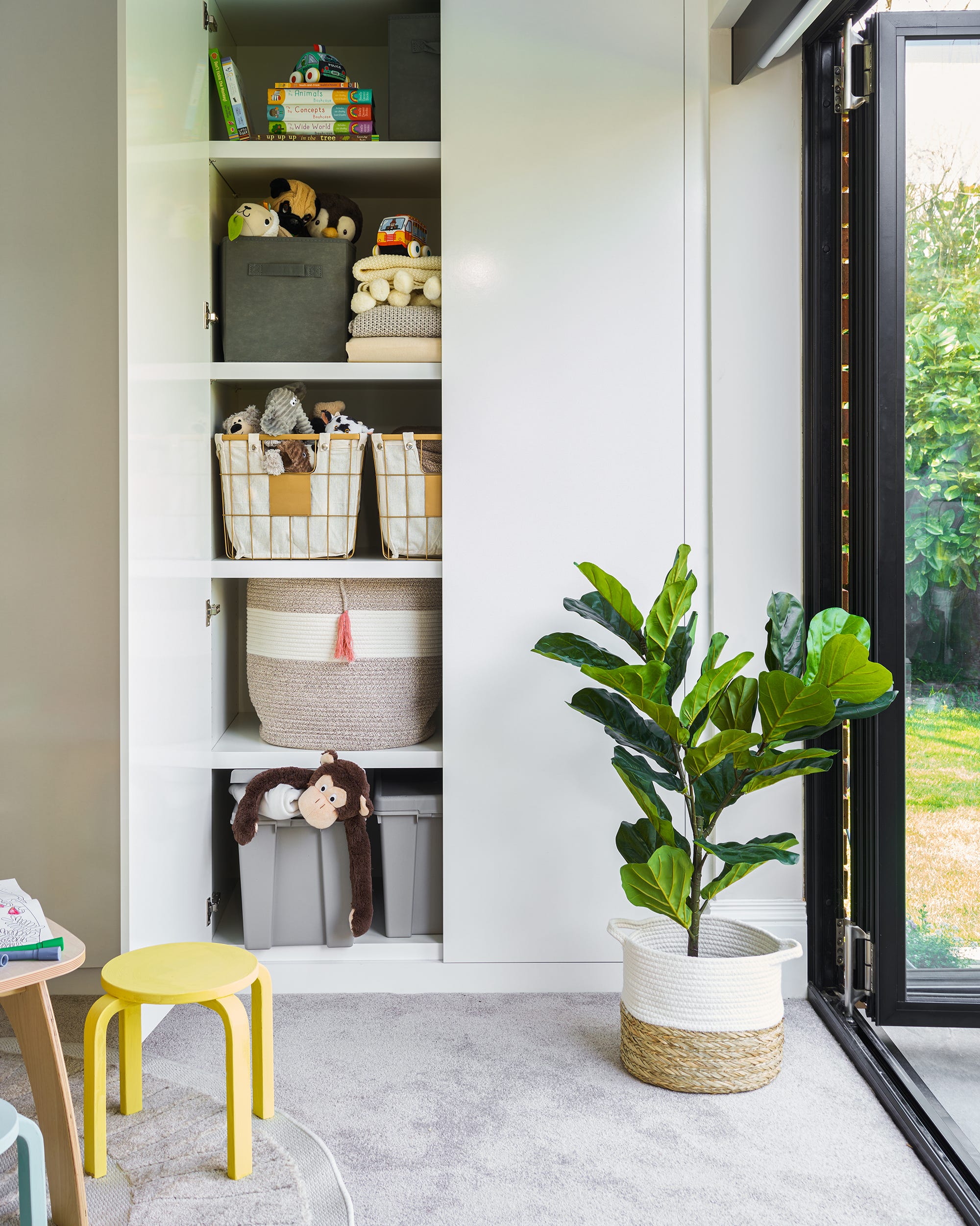
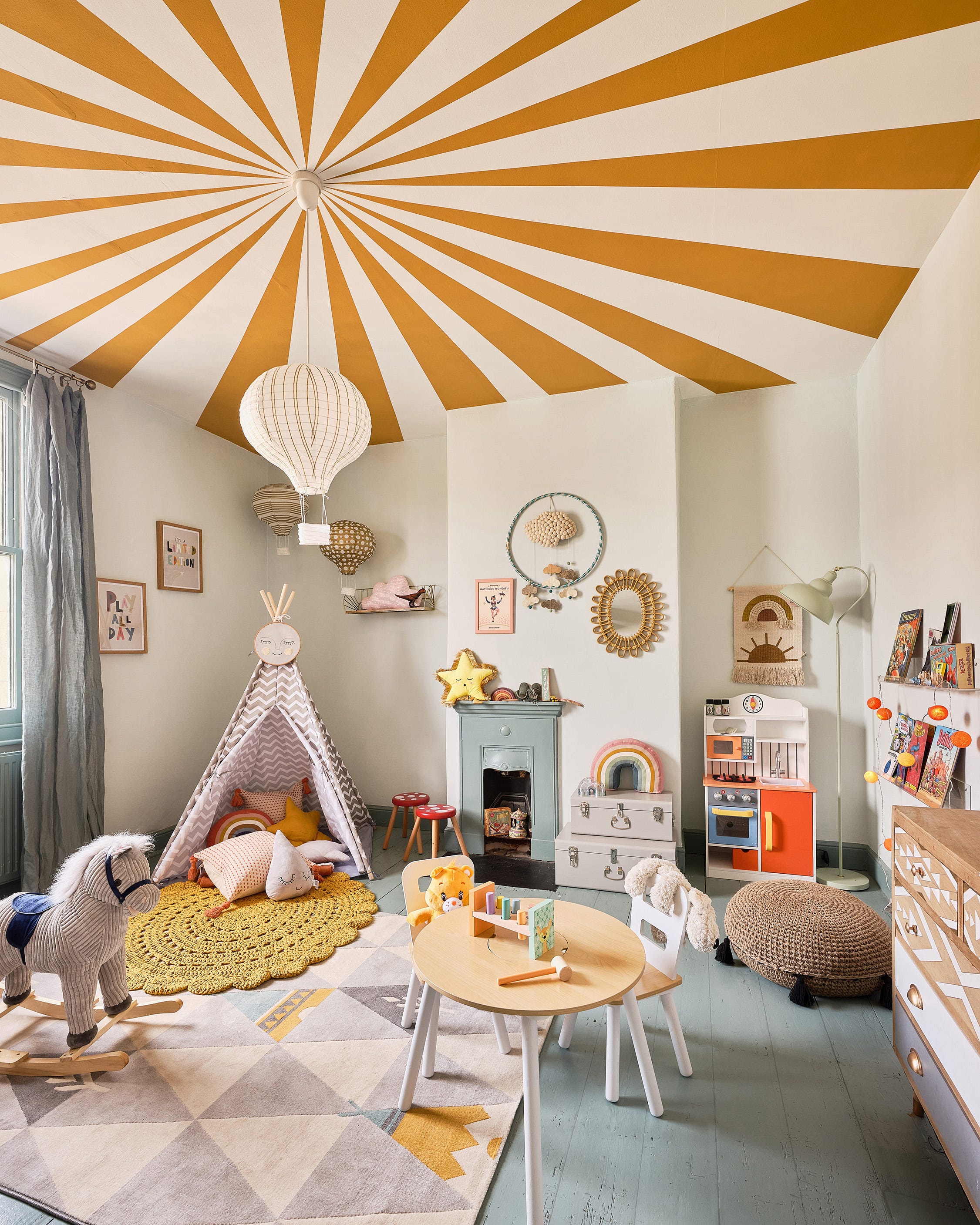
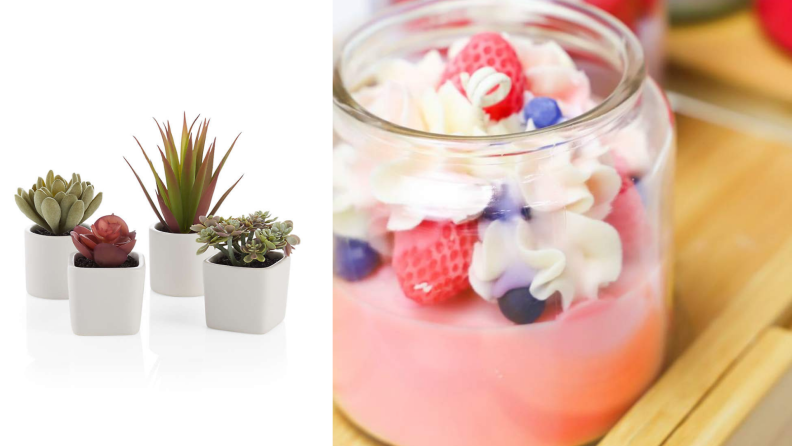
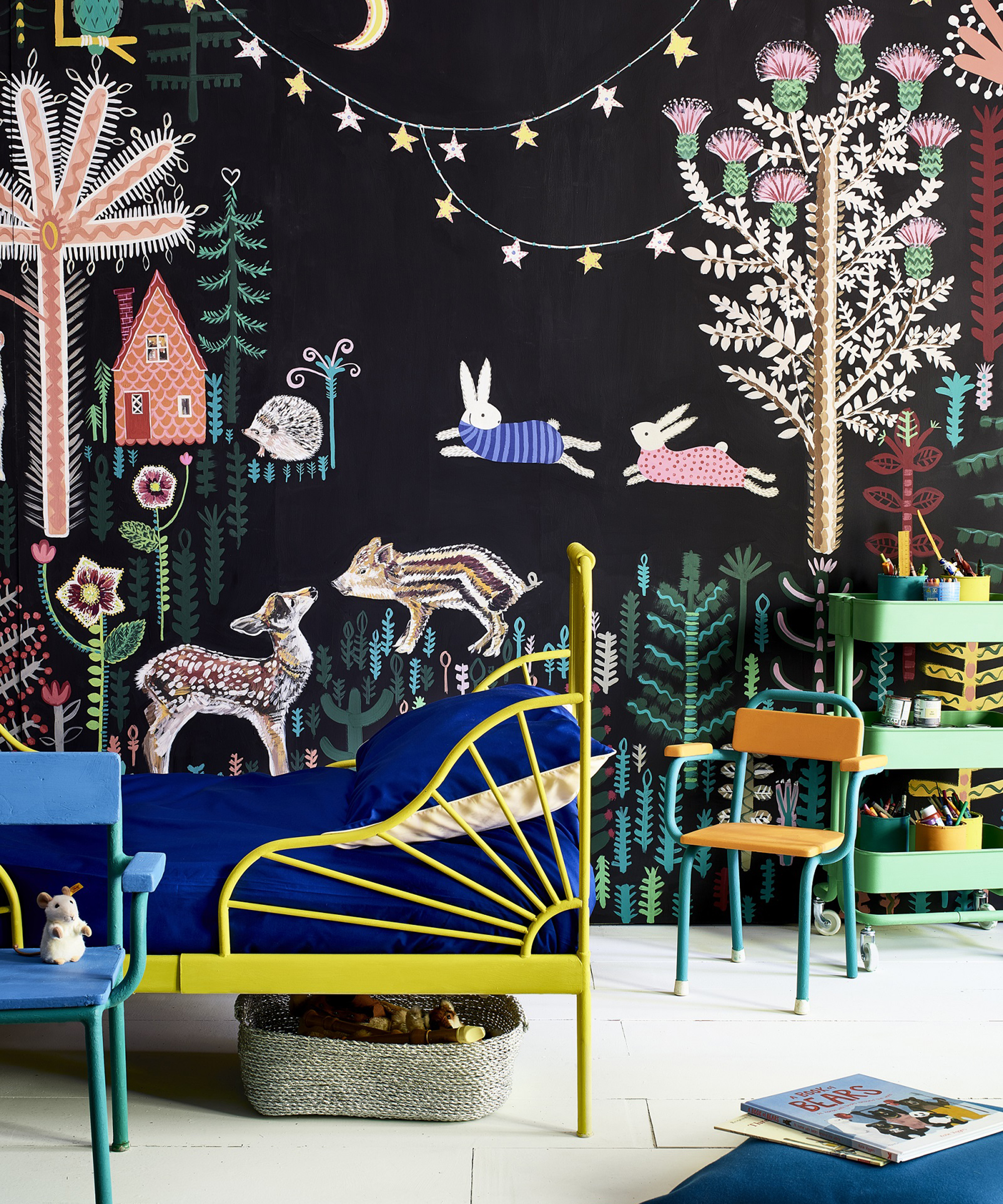
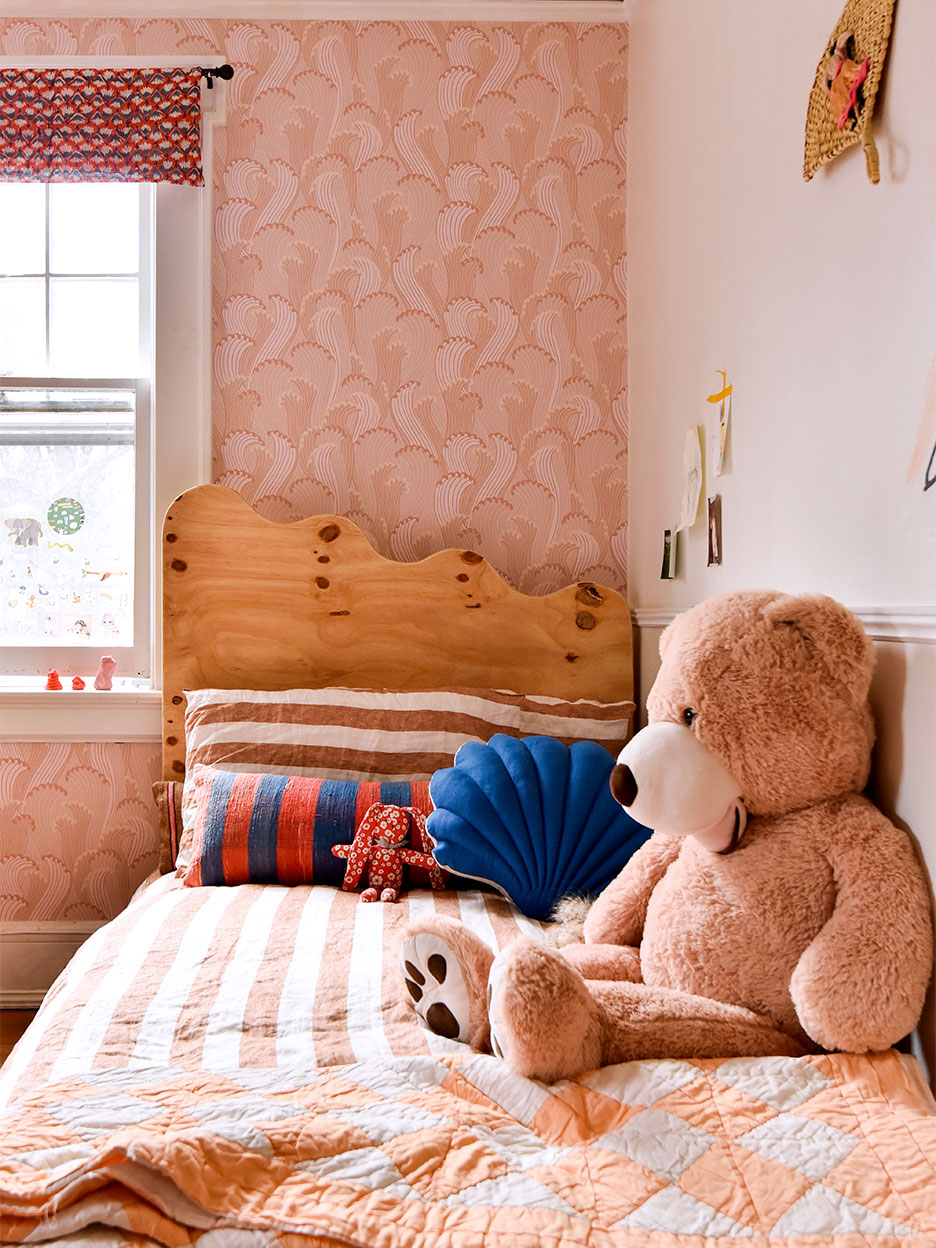
Introducing something living, like a potted plant, provides children with an opportunity to learn responsibility and companionship without the commitment of a pet. This also models positive behavior for younger siblings. An ancestral object, such as an heirloom or a family photograph, helps children feel connected to their history and heritage, often serving as a foundational piece for the room's overall mood and direction. Abstract forms, including graphic wallpaper, woven rugs, or papier-mâché art, are incorporated to stimulate imagination through non-prescribed patterns, offering a sense of mystery and fostering independent thought before sleep.
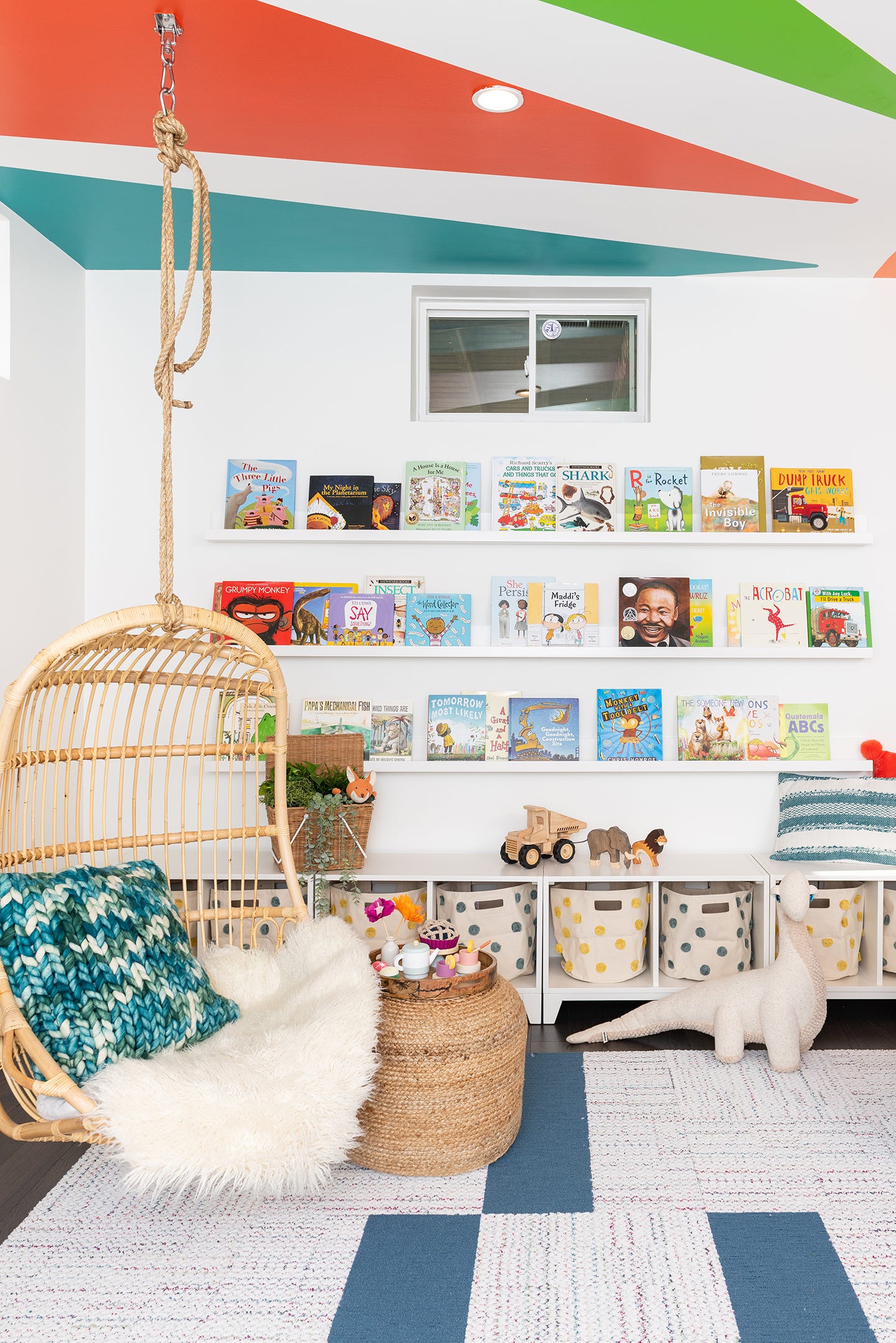
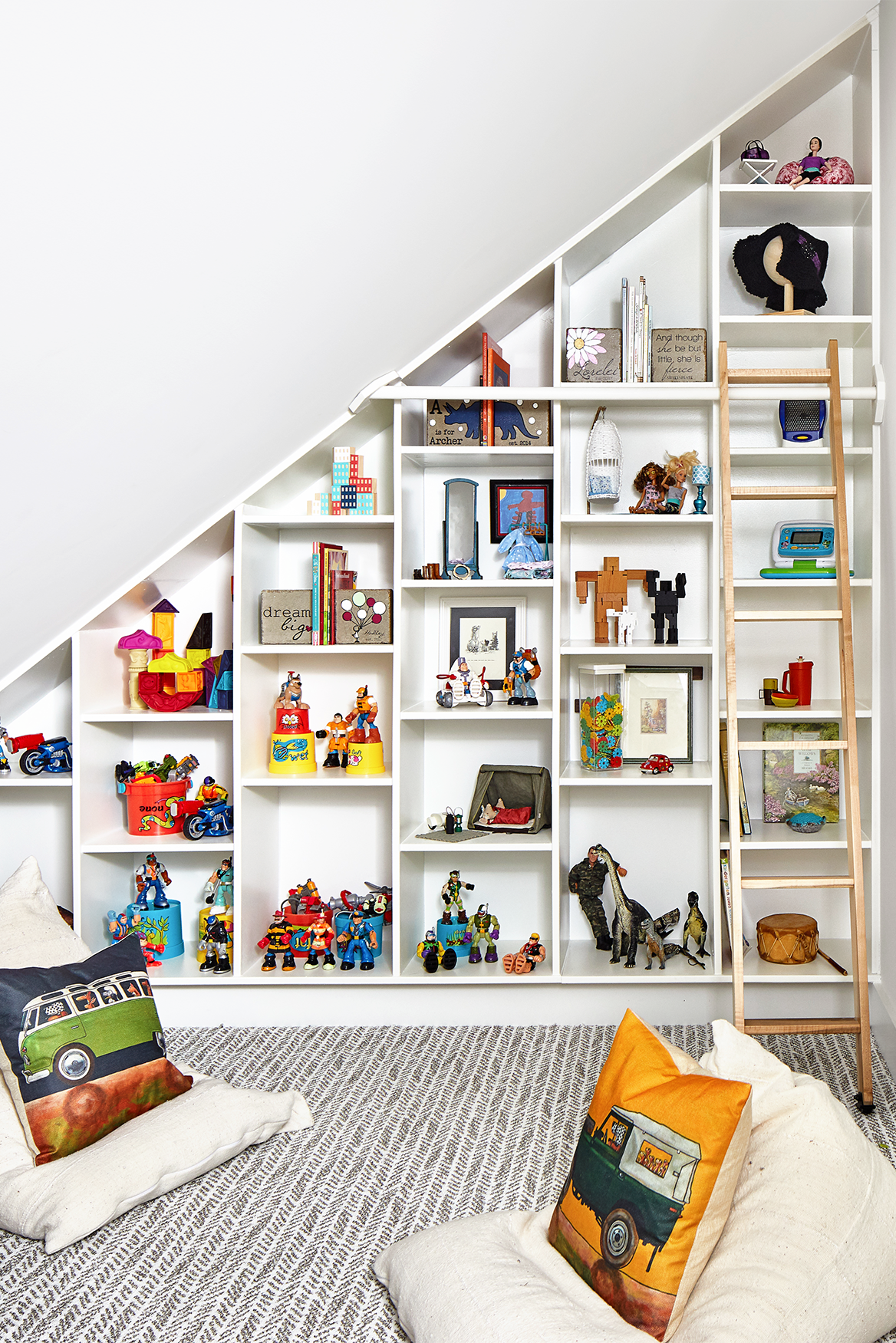
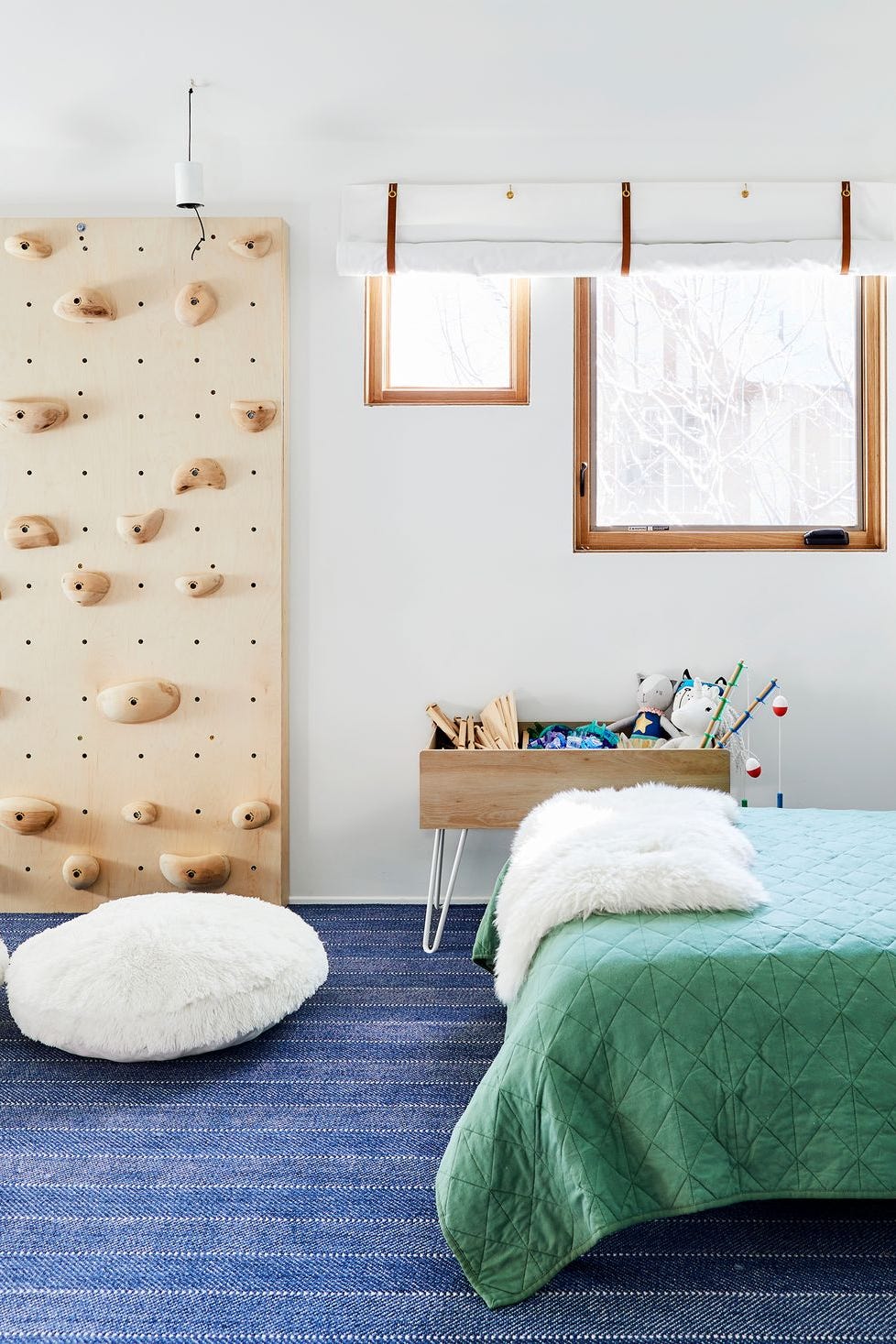
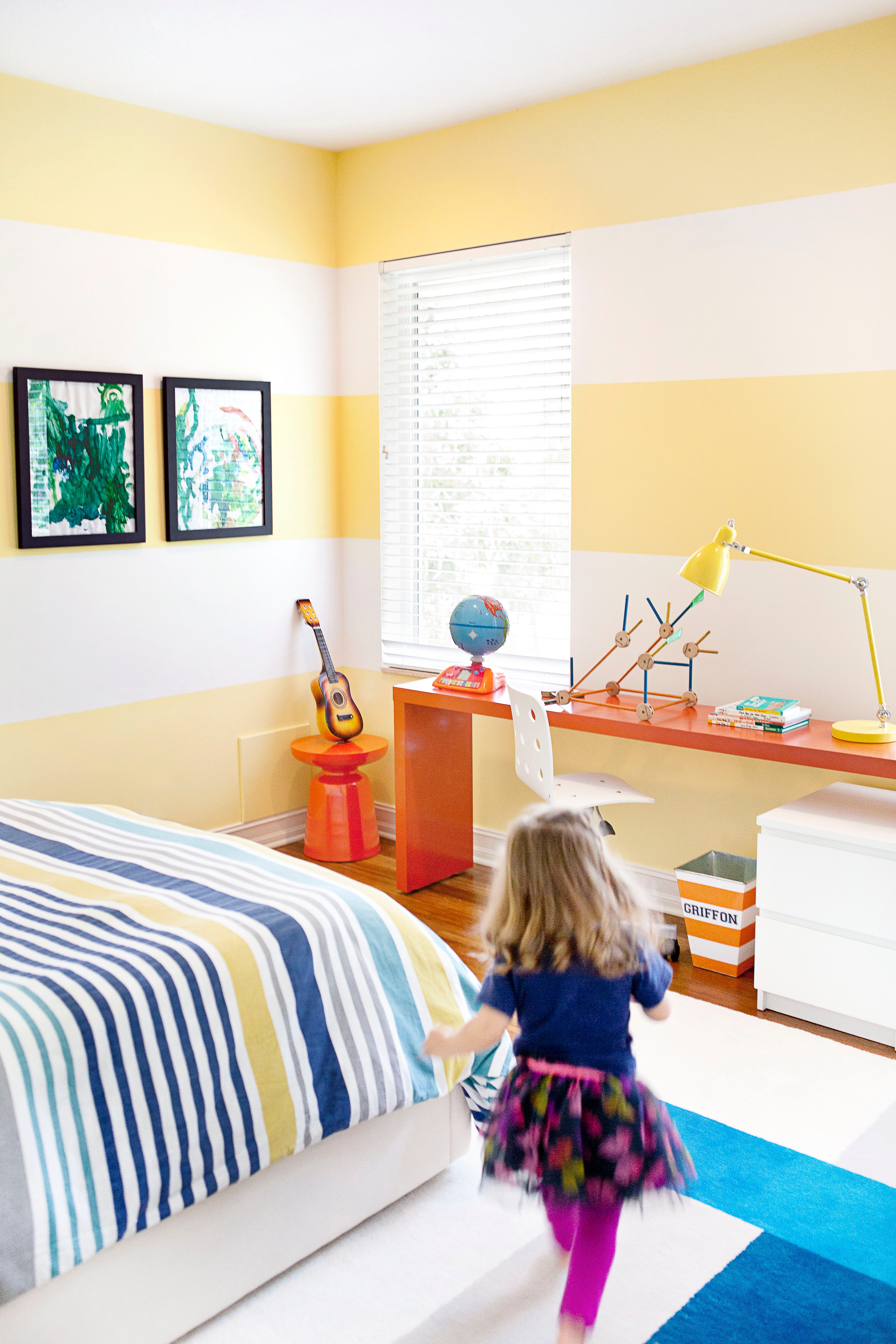
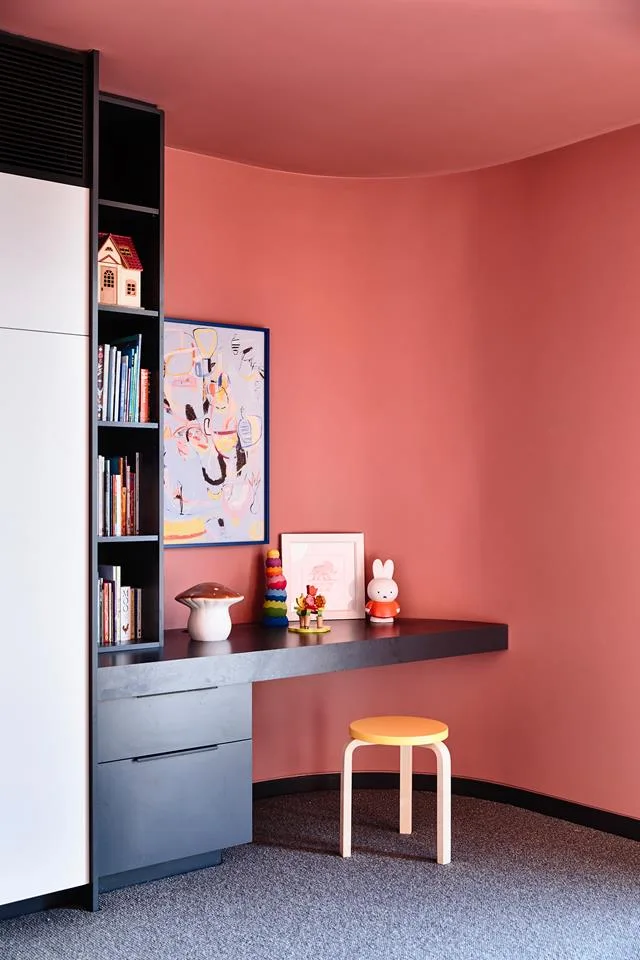
Encouraging artistic expression, Velten-Lattrell suggests displaying children's own artwork and giving them the freedom to curate their exhibition. This empowers them and develops an artistic eye. She even advocates for allowing drawing on walls in a small, designated spot, such as the back of a closet, as an invitation to create. A curiosity tray, along with cubbies and empty shelves, provides a space for children to collect and display their "pocket junk" – precious and meaningful findings that they can organize and cherish.
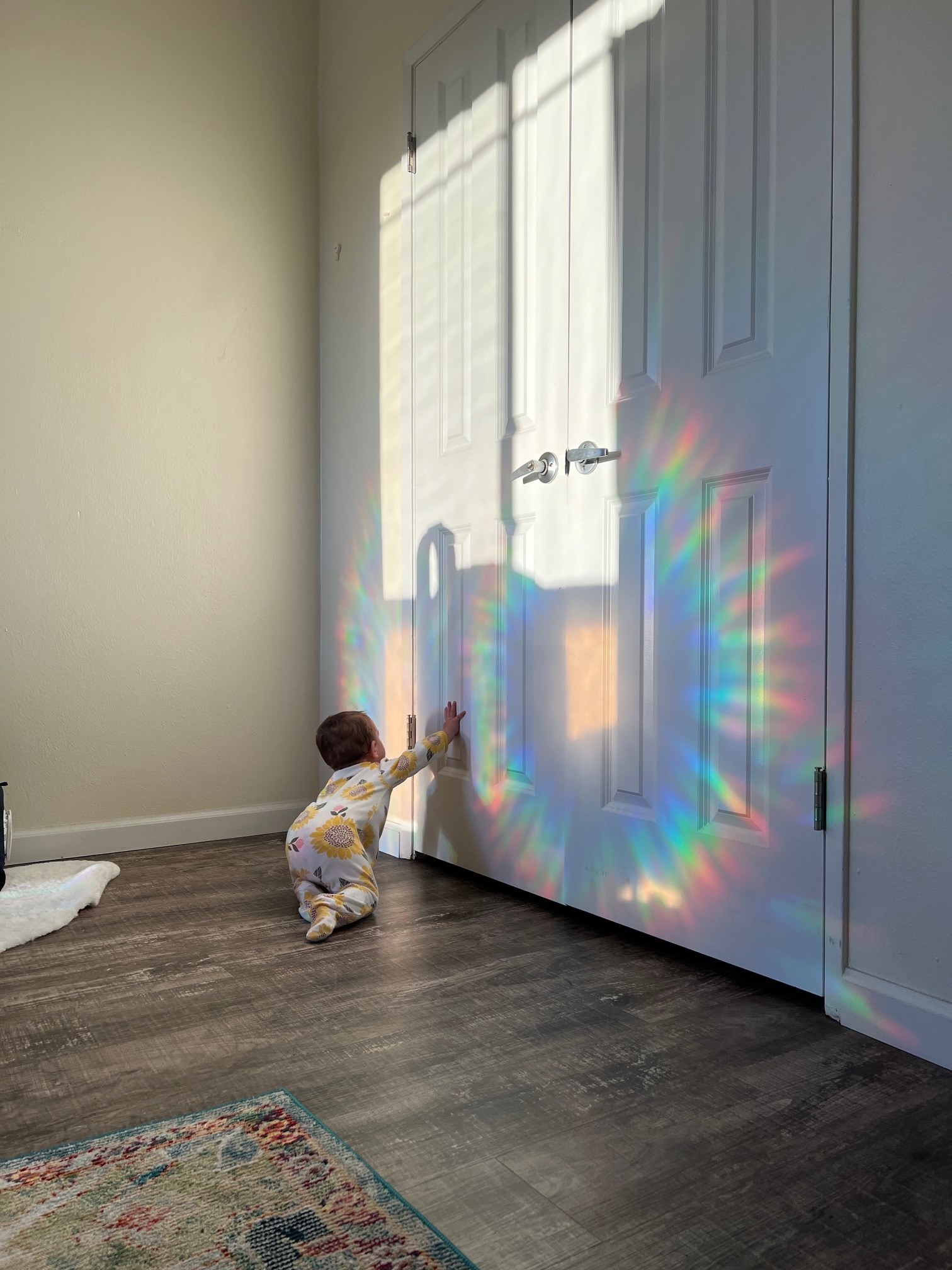
To address common childhood anxieties, an under-pillow talisman, such as a worry doll, crystal, or lucky penny, can serve as a "bad-dream chaser," helping children feel secure and fall asleep more peacefully. A journal placed on the nightstand offers a private space for doodling, writing, and recording dreams, often accompanied by open-ended prompts to encourage self-expression. Finally, engaging the five senses is paramount. This includes incorporating sleep rituals with eucalyptus balms or lavender sachets, curating visually pleasing elements for when they wake up, and ensuring the bed features tactile elements like cozy sheets and textured throws. A sound source, such as a record player or music box, completes the sensory experience. These elements collectively transform a child's room from merely a sleeping and storage area into a dynamic vessel for self-discovery and foundational development.
#KidsRoomDesign #ChildDevelopment #InteriorDesign #HomeDecoration #ParentingTips #ChildhoodEssentials #CreativeSpaces #SensoryIntegration #KidsRoomDesign #ChildDevelopment #InteriorDesign #HomeDecoration #ParentingTips #ChildhoodEssentials #CreativeSpaces #SensoryIntegration
0 komentarzy łącznie
 Brak komentarzy jeszcze
Możesz również polubić
11 decorative toys for kids’ bedrooms and playrooms
Add to Cart! Nursery Furniture & Decor Finds You’ll Want for Your Home
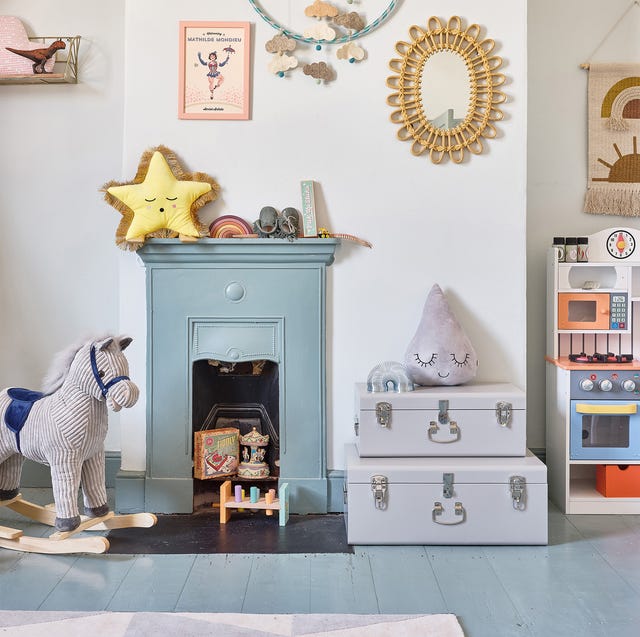
21 fabulous playroom ideas to encourage creativity and play

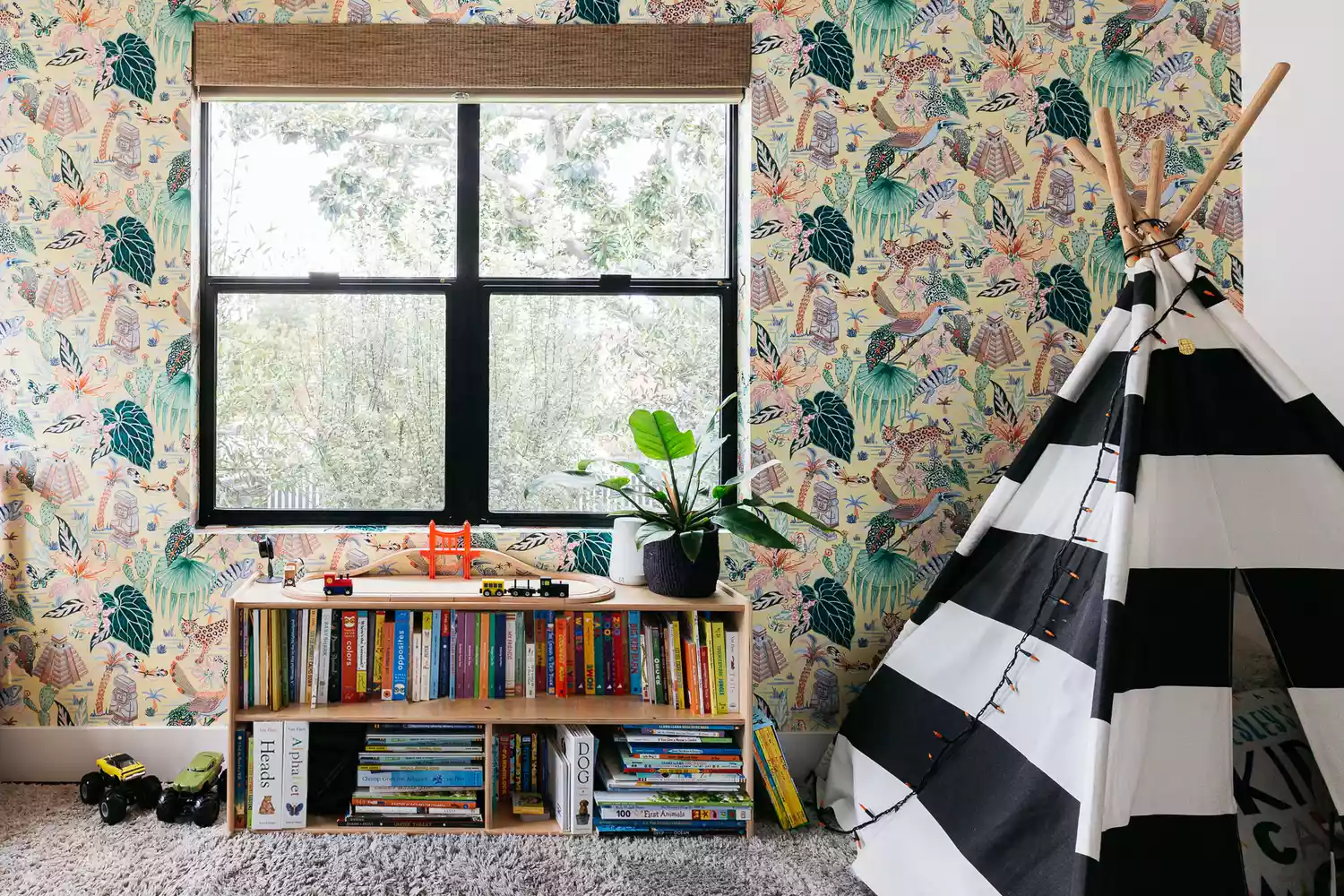
42 Whimsical Playroom Ideas Designed for Hours of Endless Fun

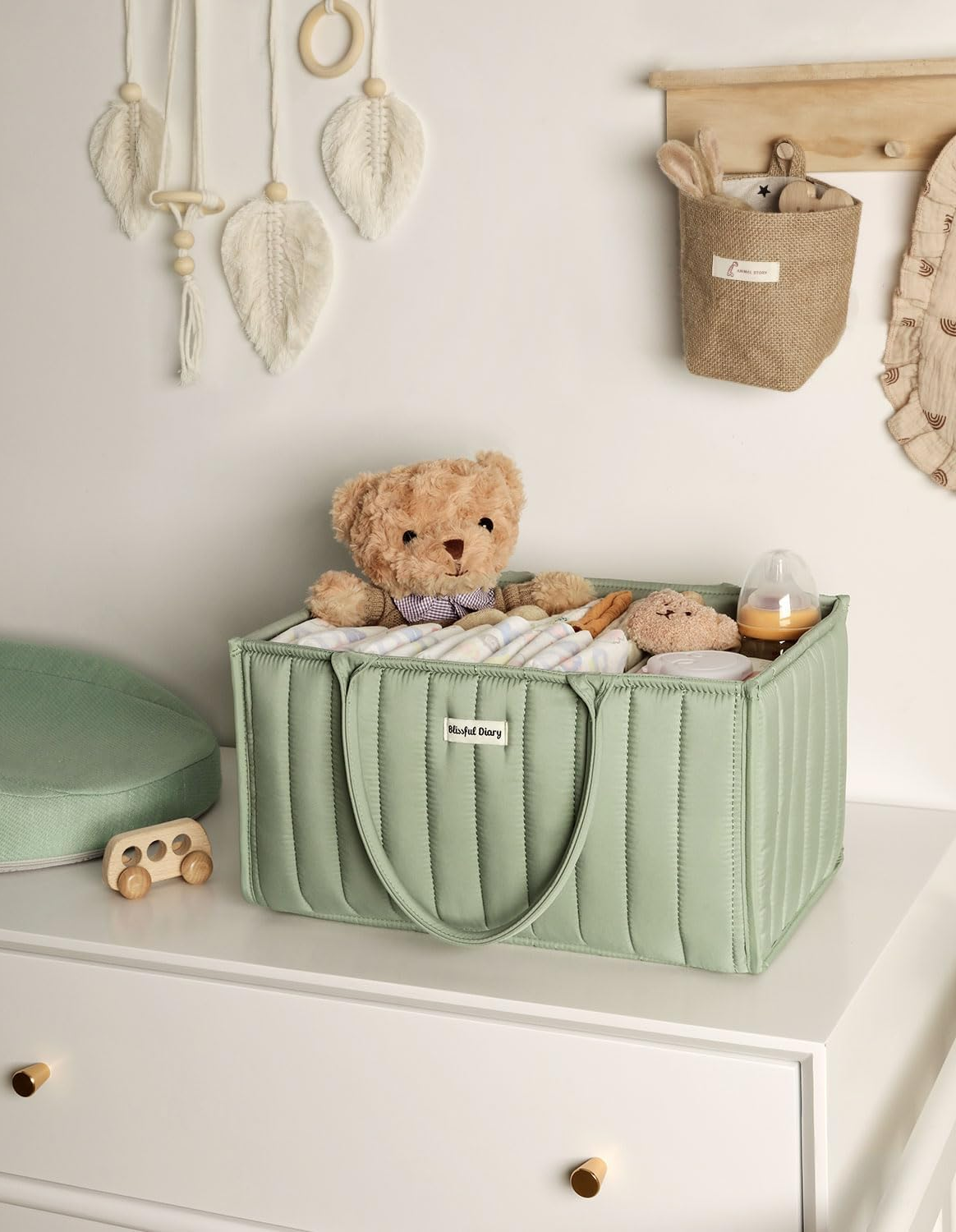
Just 24 Things To Help You Decorate Your Nursery

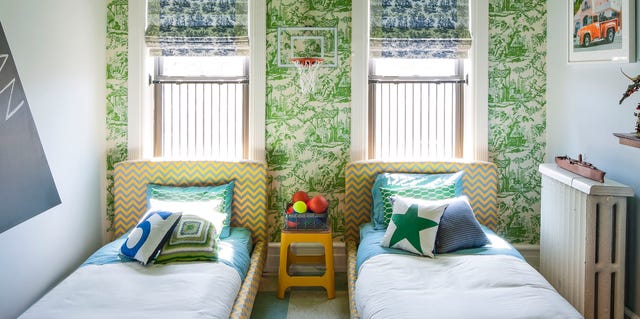
Stylish Kids' Room Ideas That Will Show Off Their Personalities

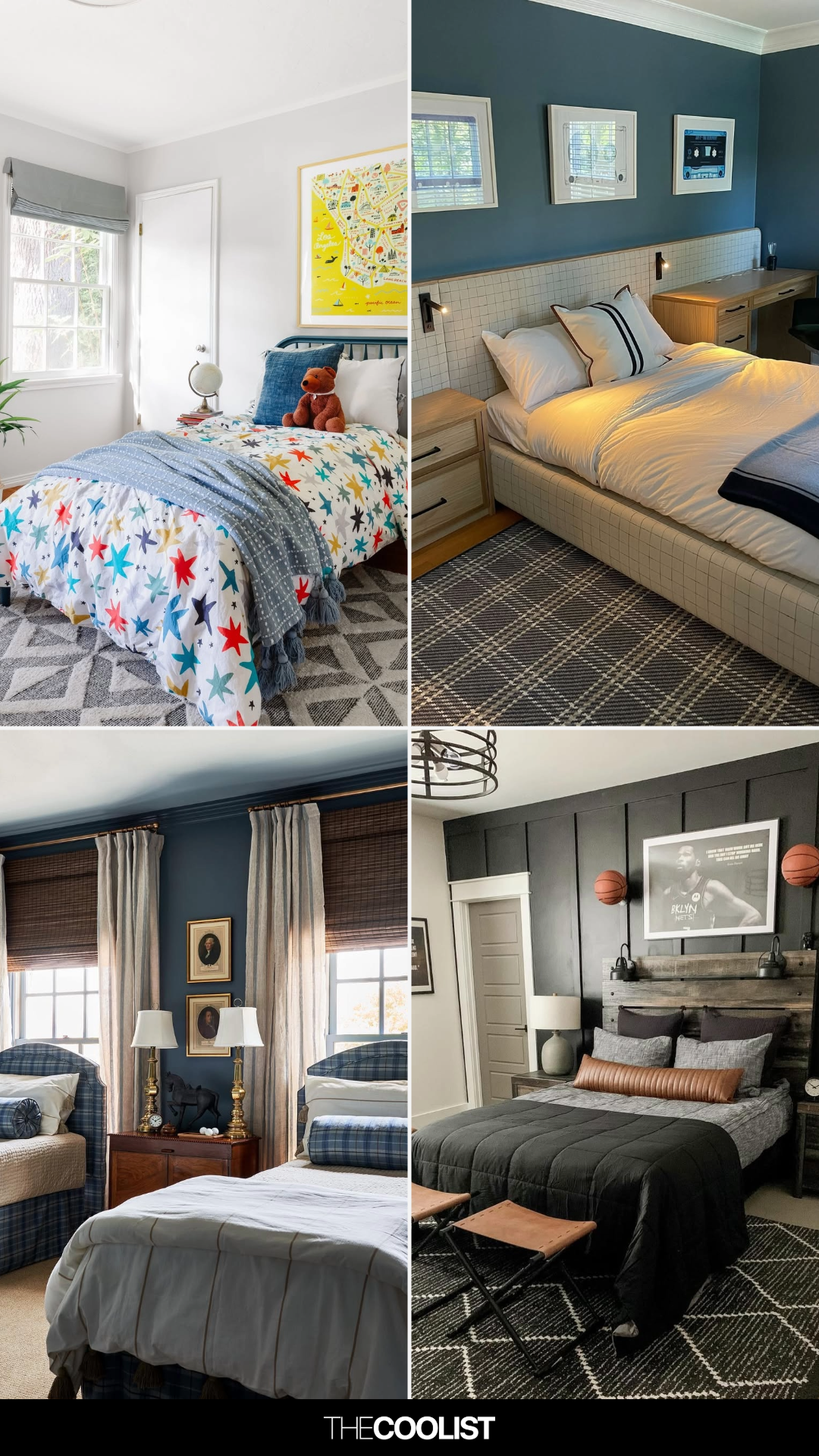
26 Smart Boys Bedroom Ideas That Prioritize Storage, Sleep, and Personality (In That Order)
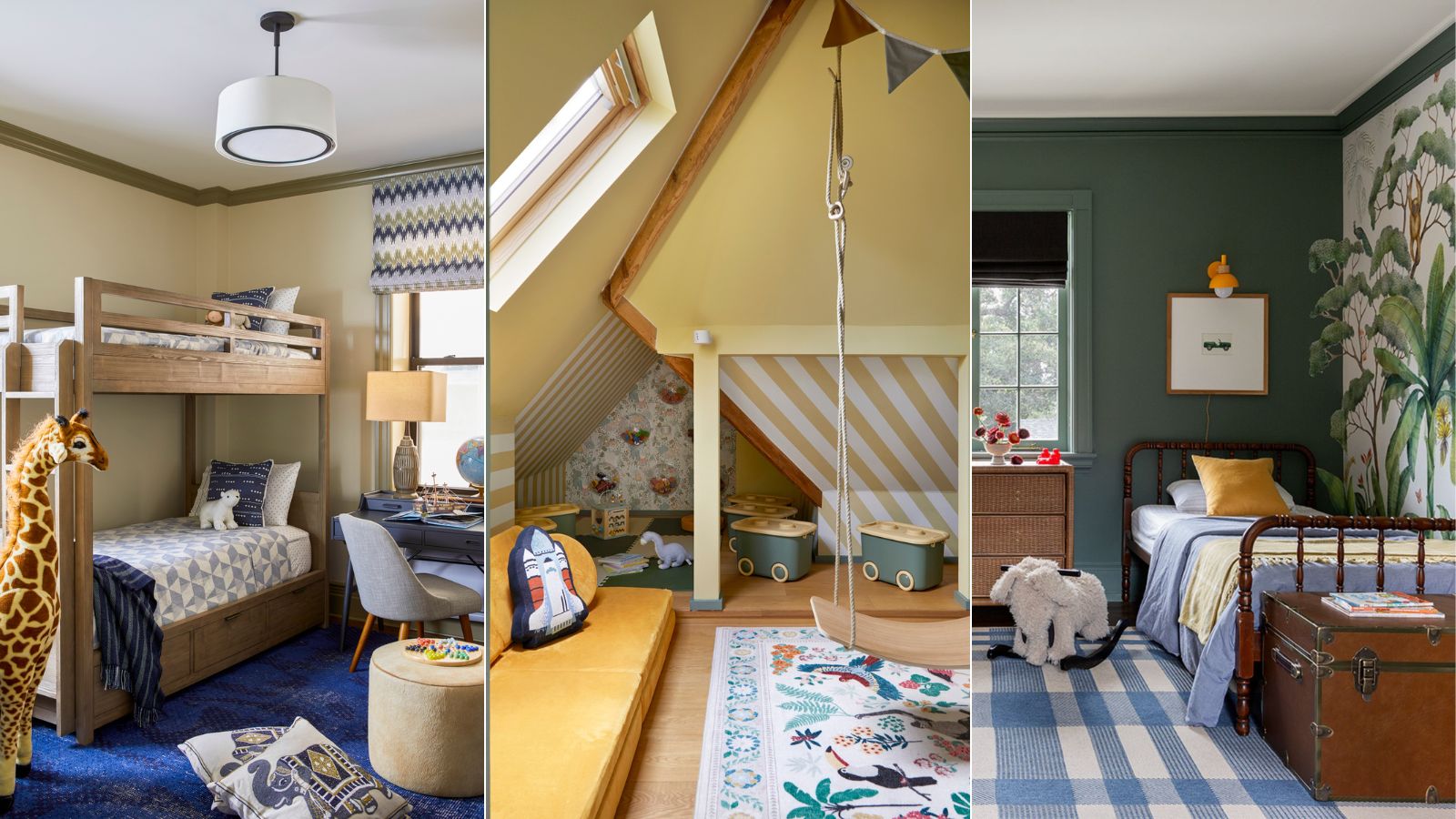
Here are all the most common mistakes to avoid when decorating a kids' bedroom according to interior designers
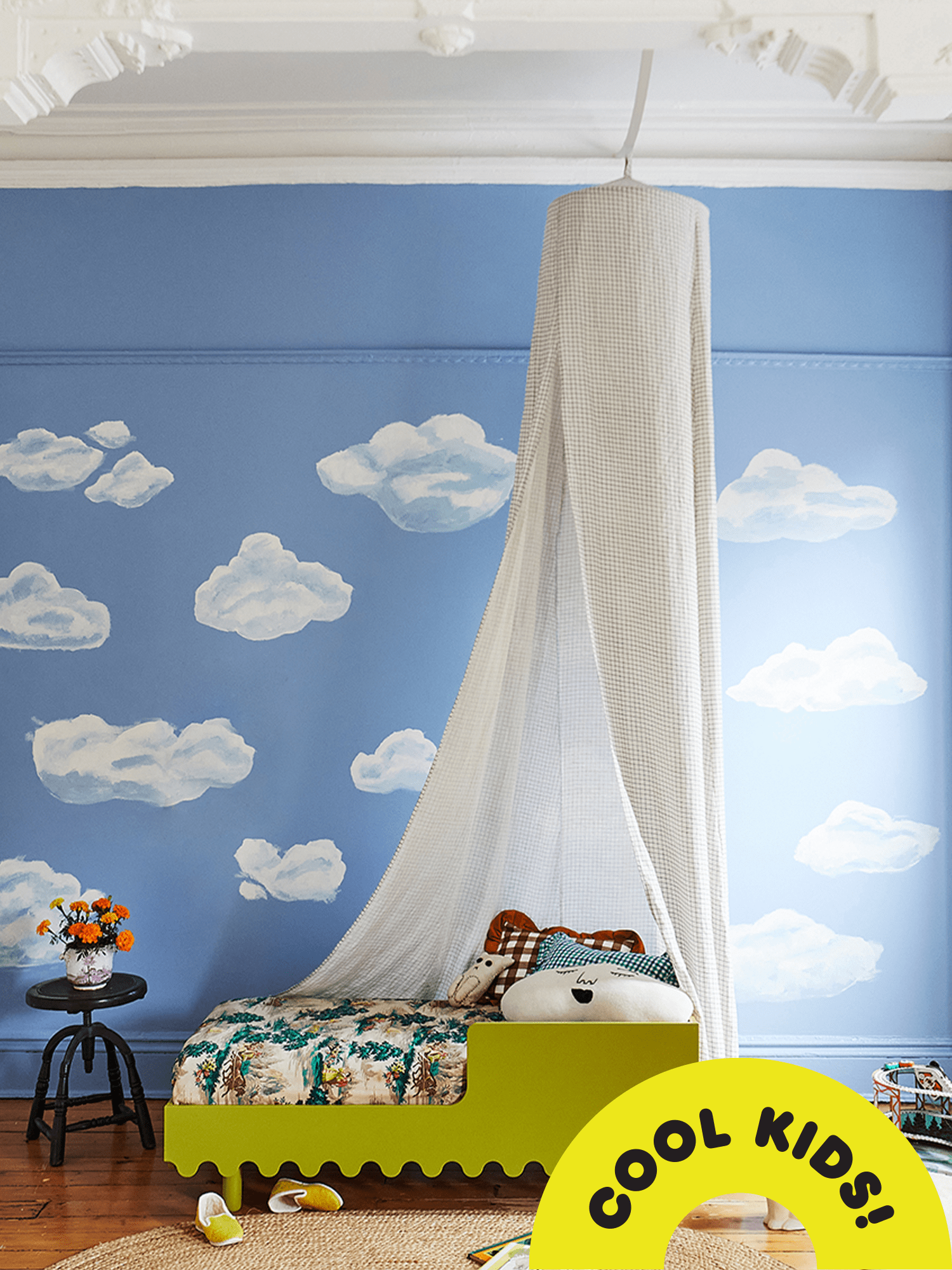
This Month in Cool Things for Kids: Playfully Painted Beds, Pint-Size Suitcases, and More

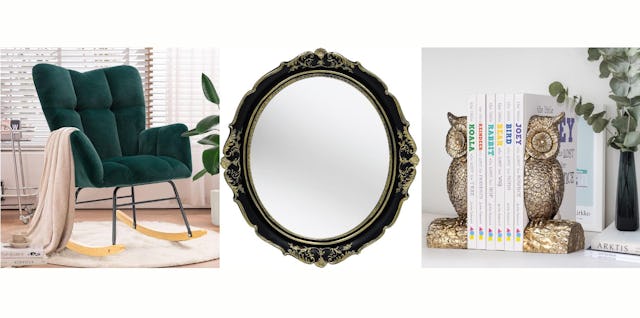
22 Witchcore Items To Conjure Up A Truly Magical Kid's Room


33 Nursery Ideas To Turn Your Baby's Room Into The Coolest In The House
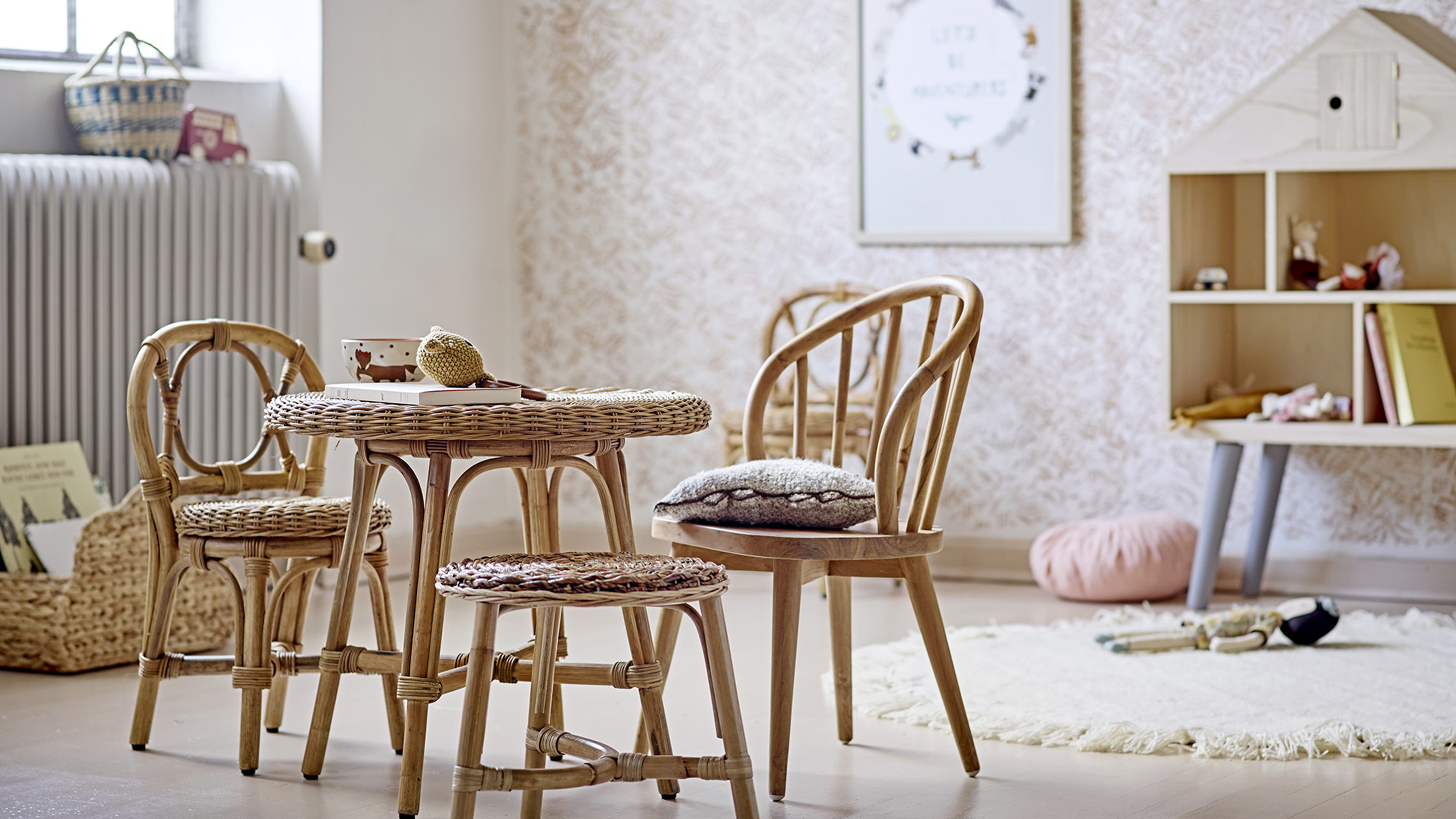
Playroom ideas: 22 ways to make your kid's room shine 🌈

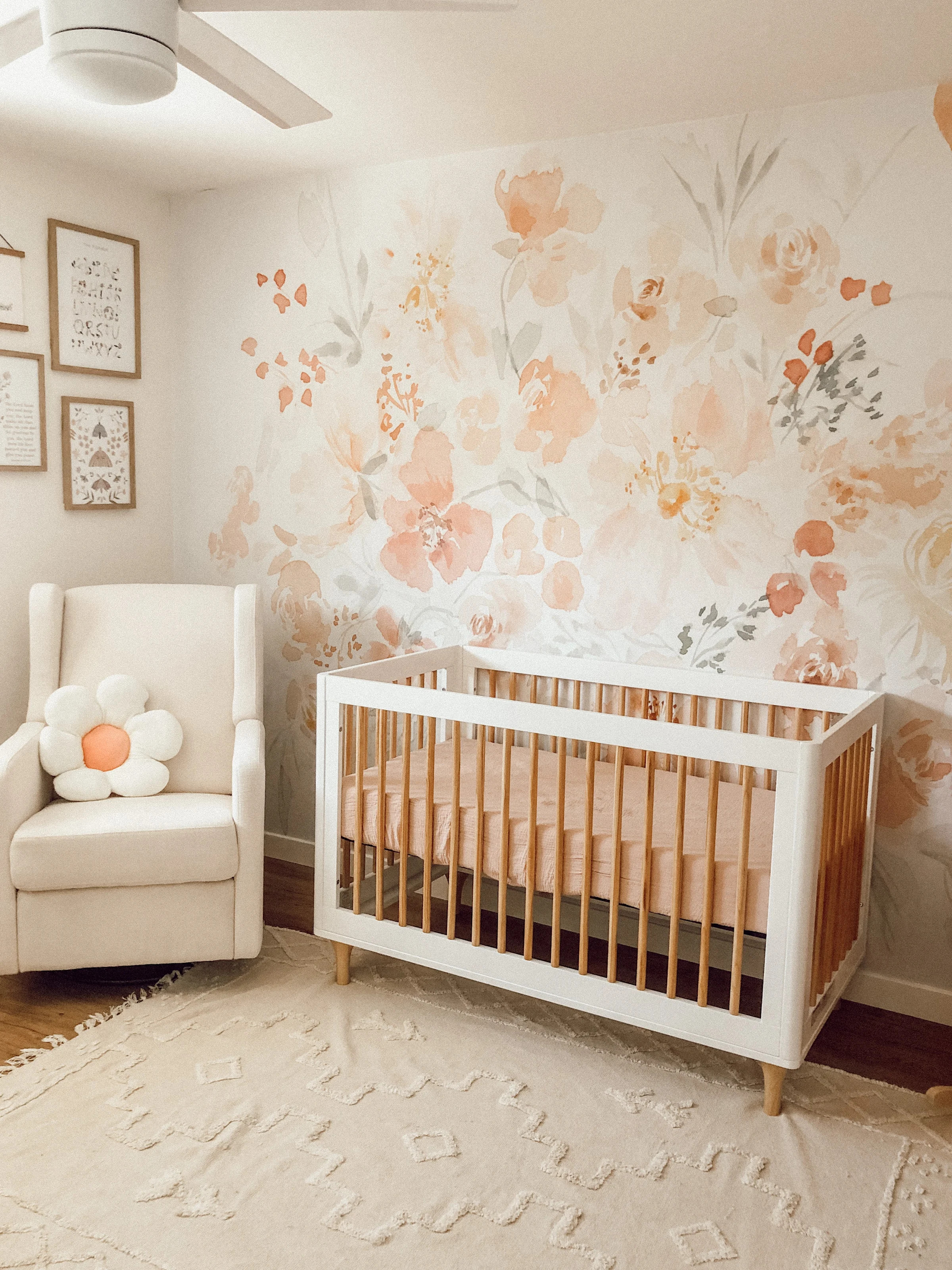
Unpacking the Beige Kids Decor Controversy Rocking the Internet
10 cool and creative kids room decorating ideas

Must-have kids bedroom ideas for little ones, ‘tweens, and teens

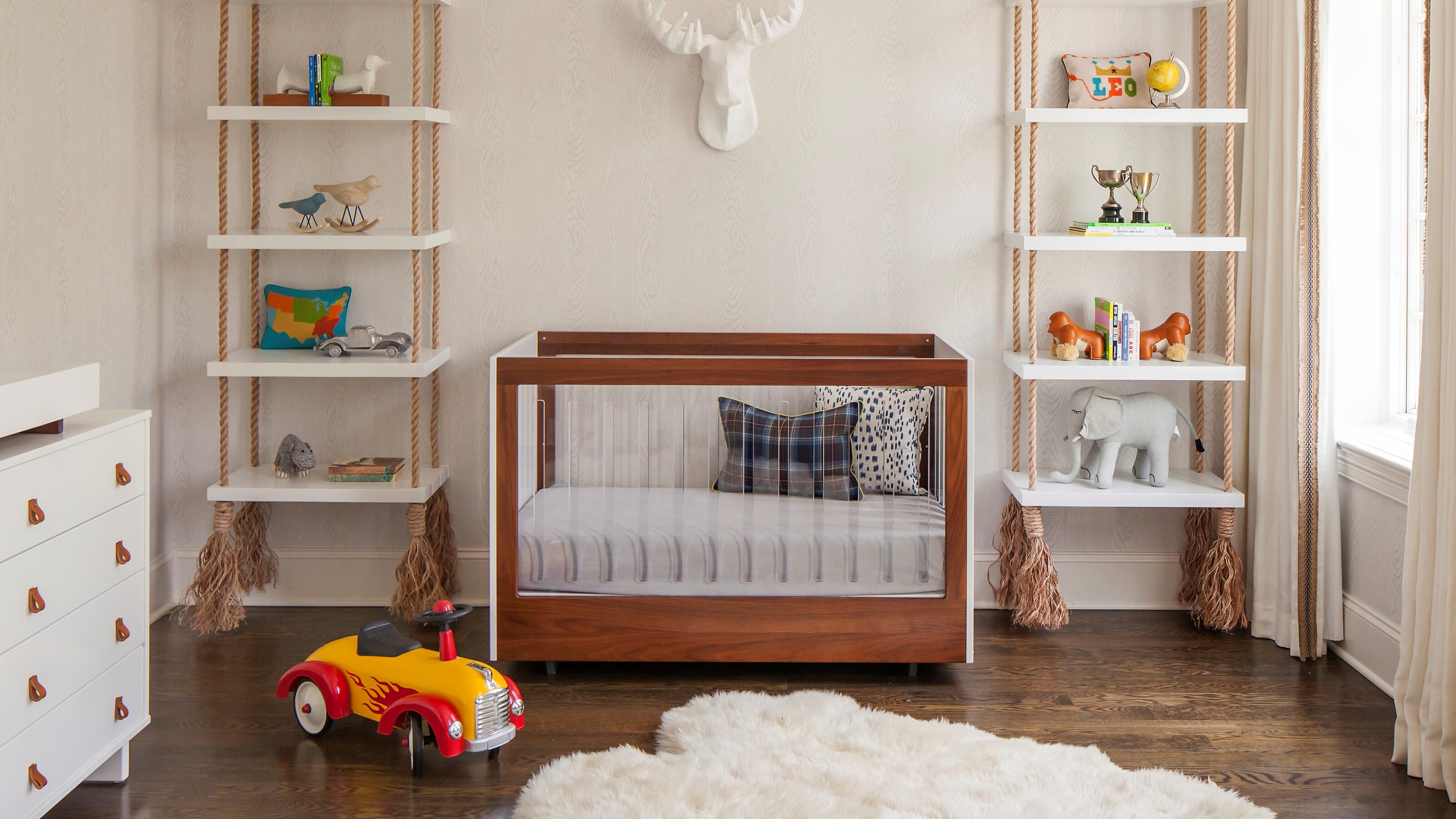
9 things experts say you should never include in a nursery

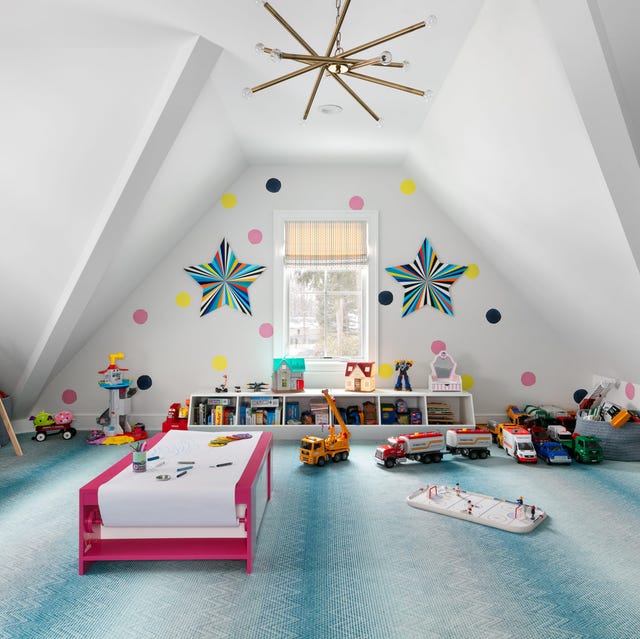
Kids' Playroom Ideas Guaranteed to Spark Endless Creativity
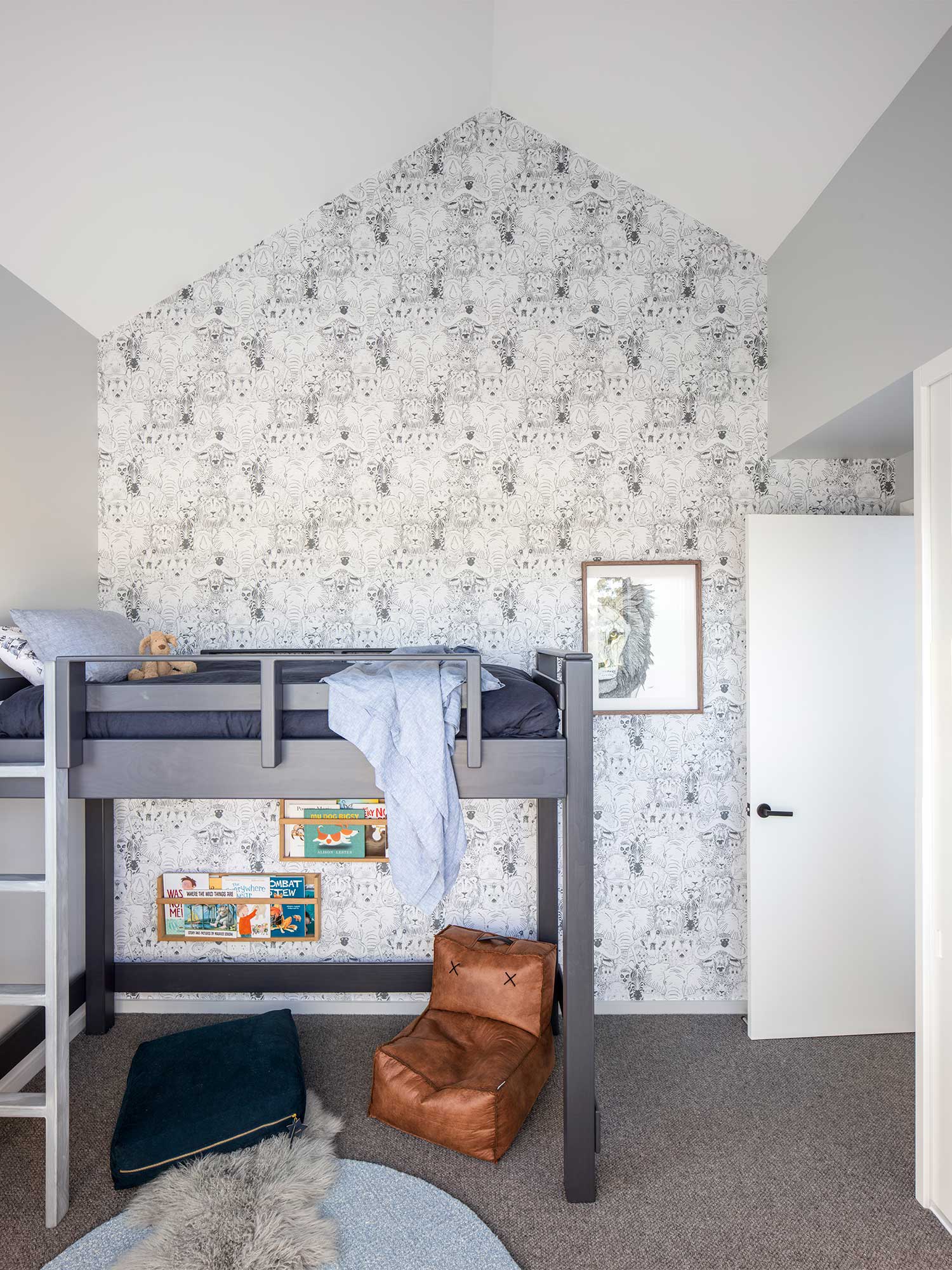
Kids' Room Decor Ideas From The Stables' Founder
Patrick and Brittany Mahomes' nursery is an adorable masterclass in personalizing a child's space – and it will grow with their baby

25 Toy Storage Ideas to Help You Tidy Up