Gloss paint – a guide to how and where to use it
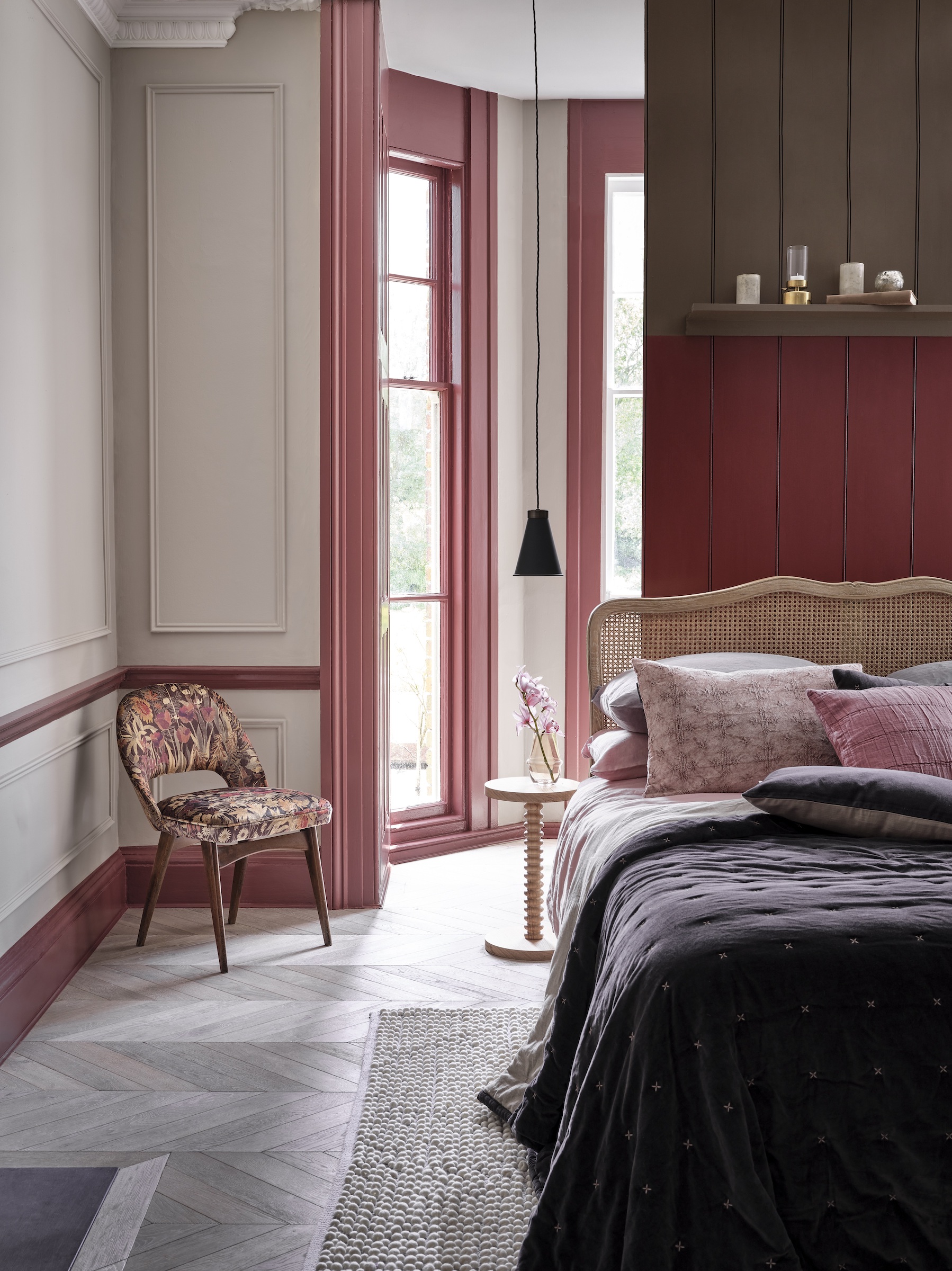
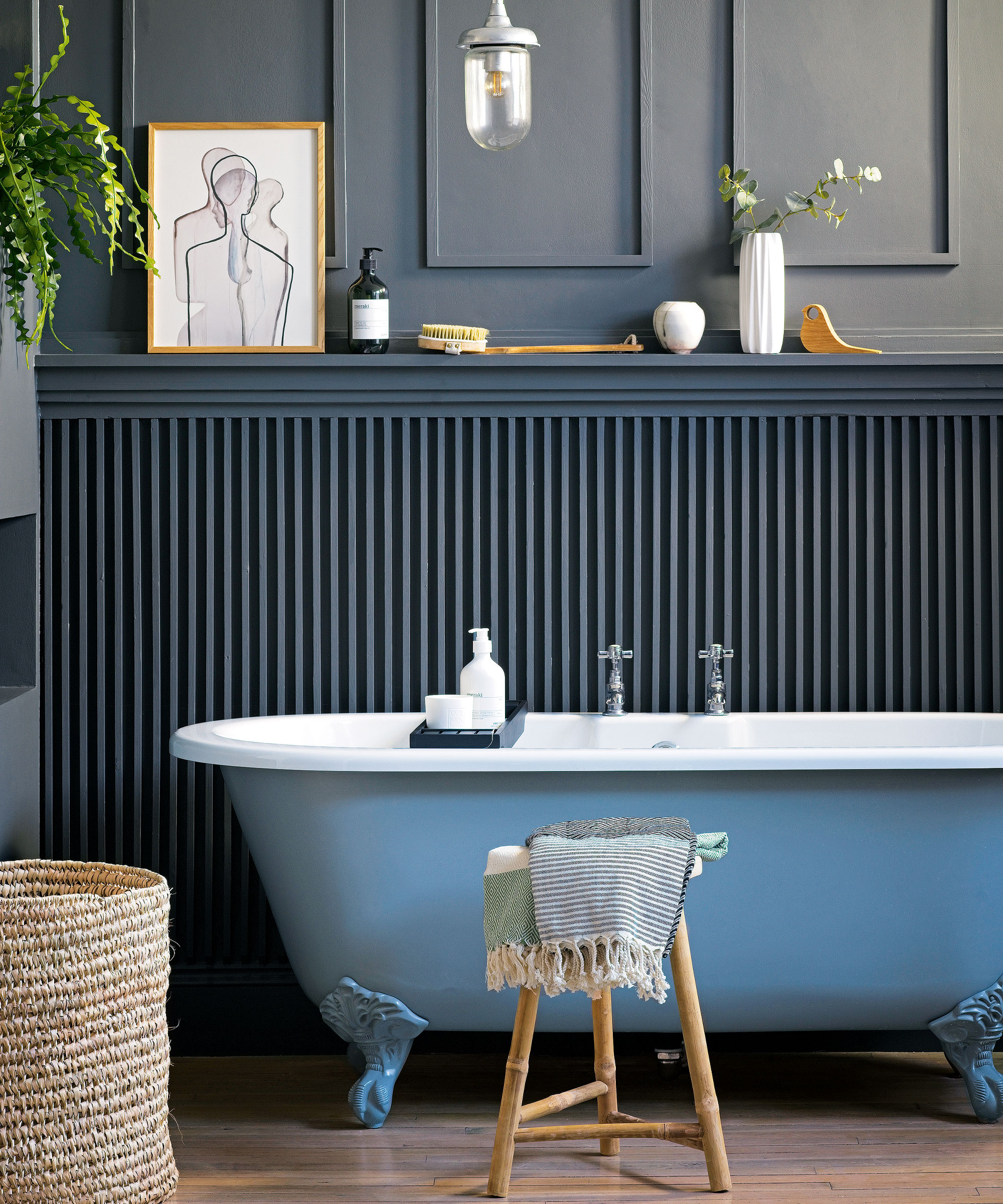
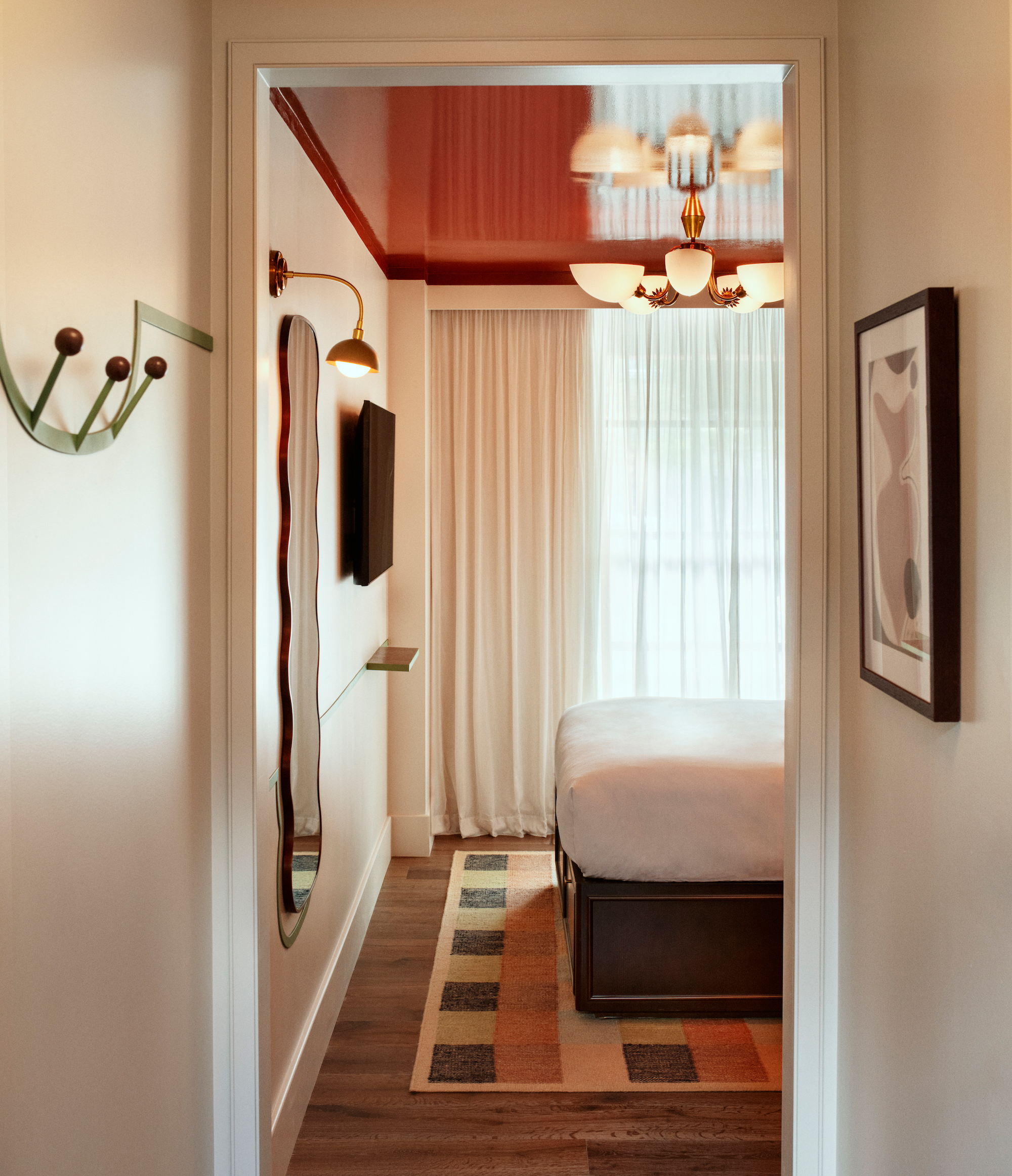
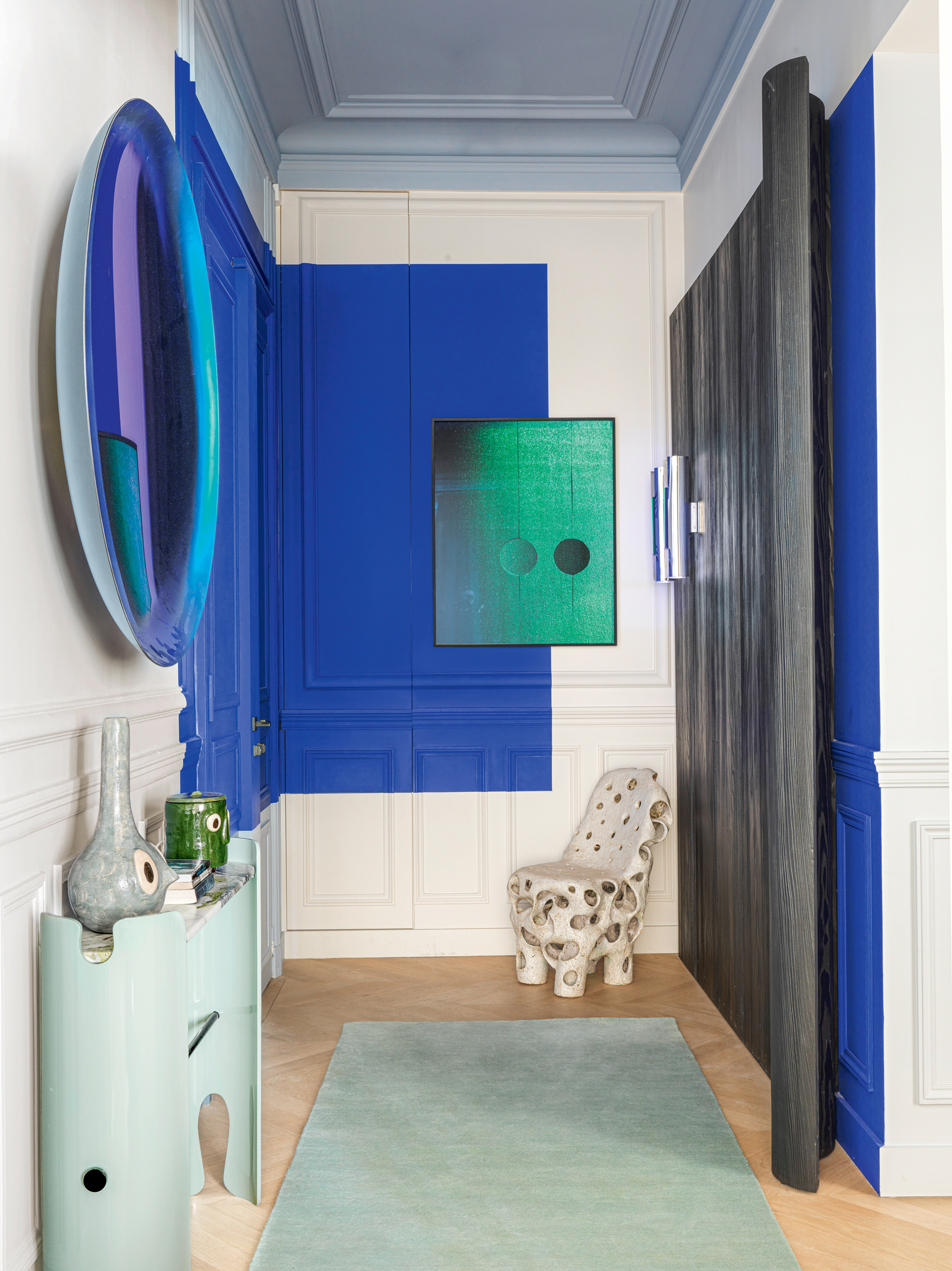
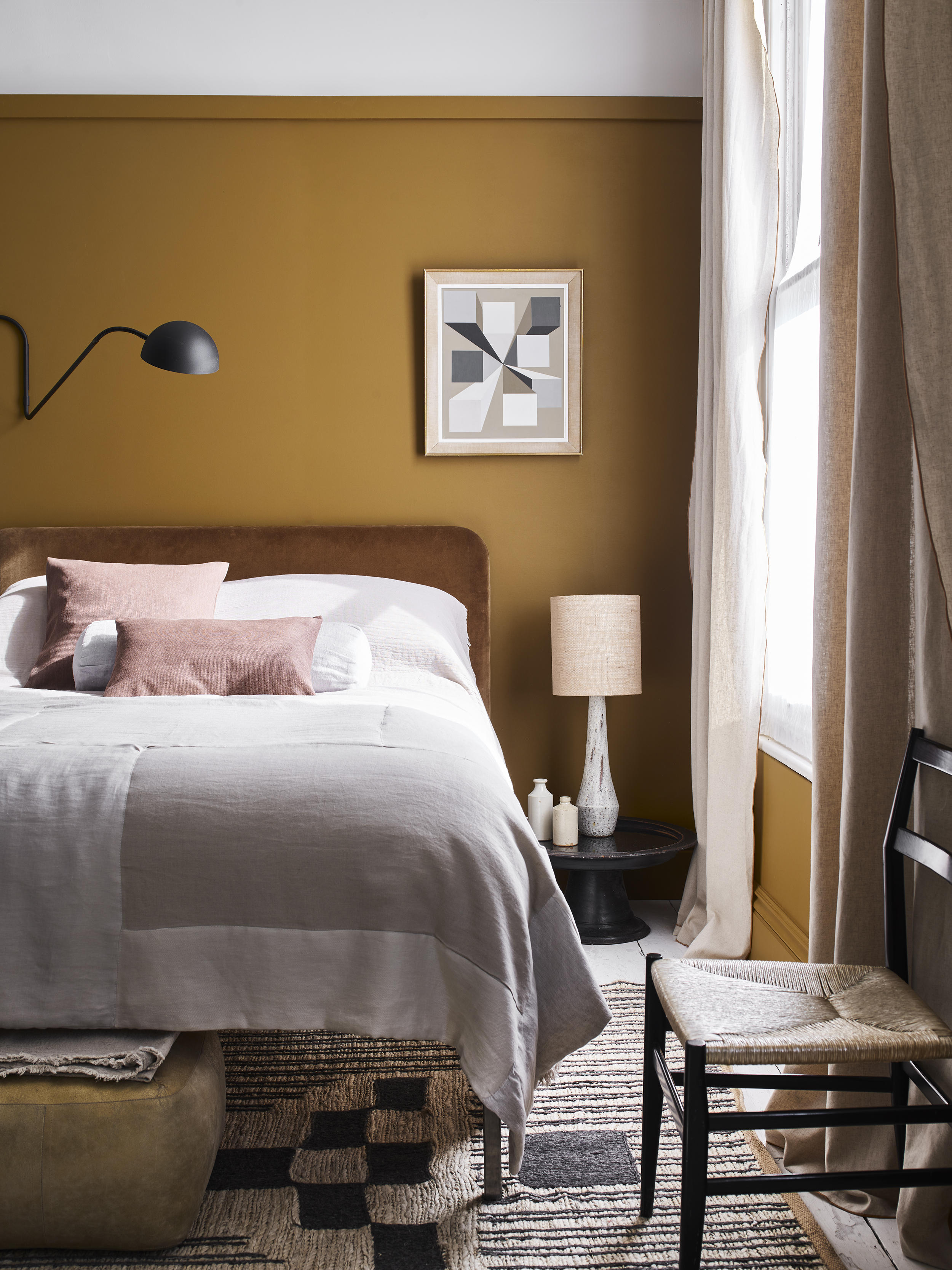
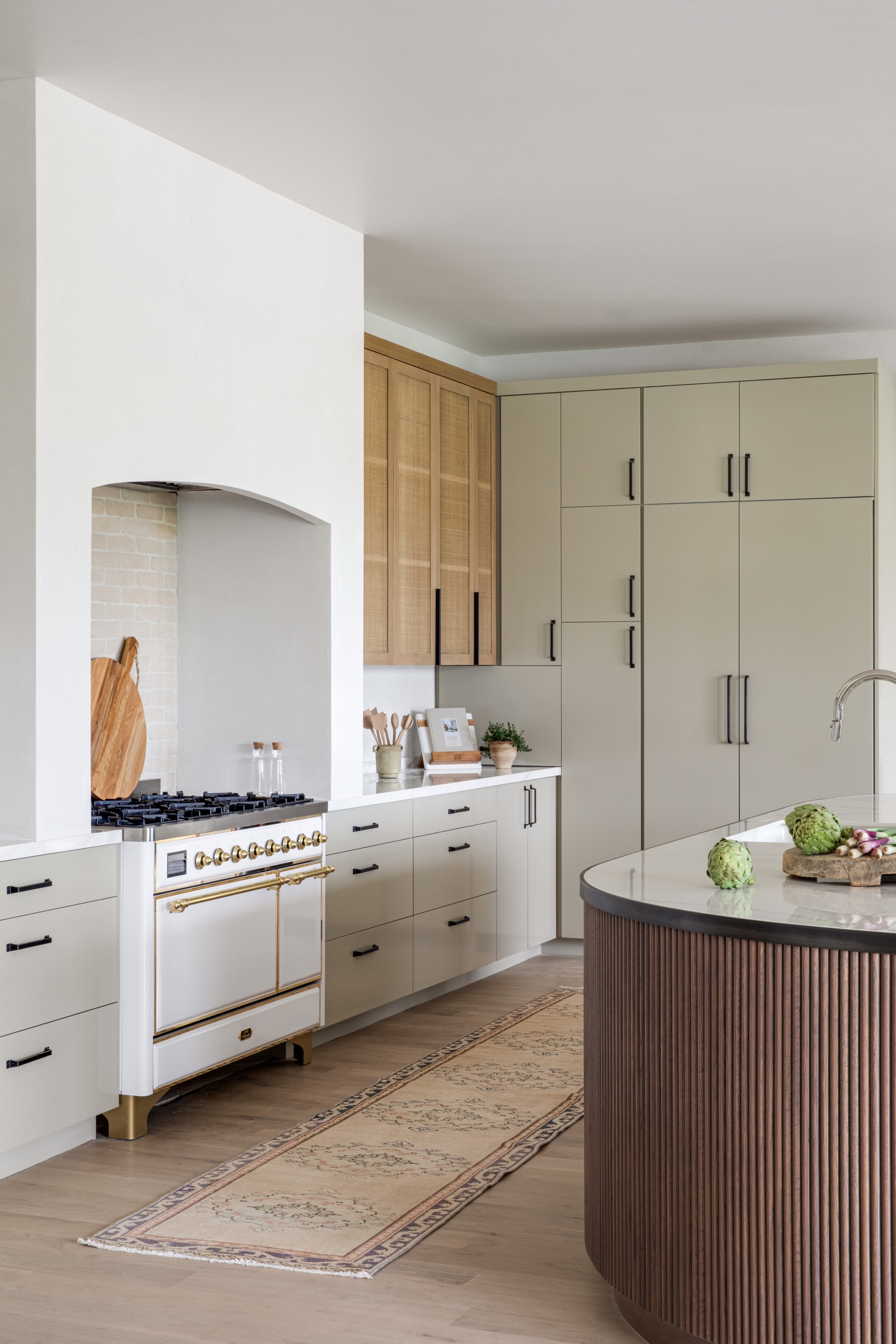
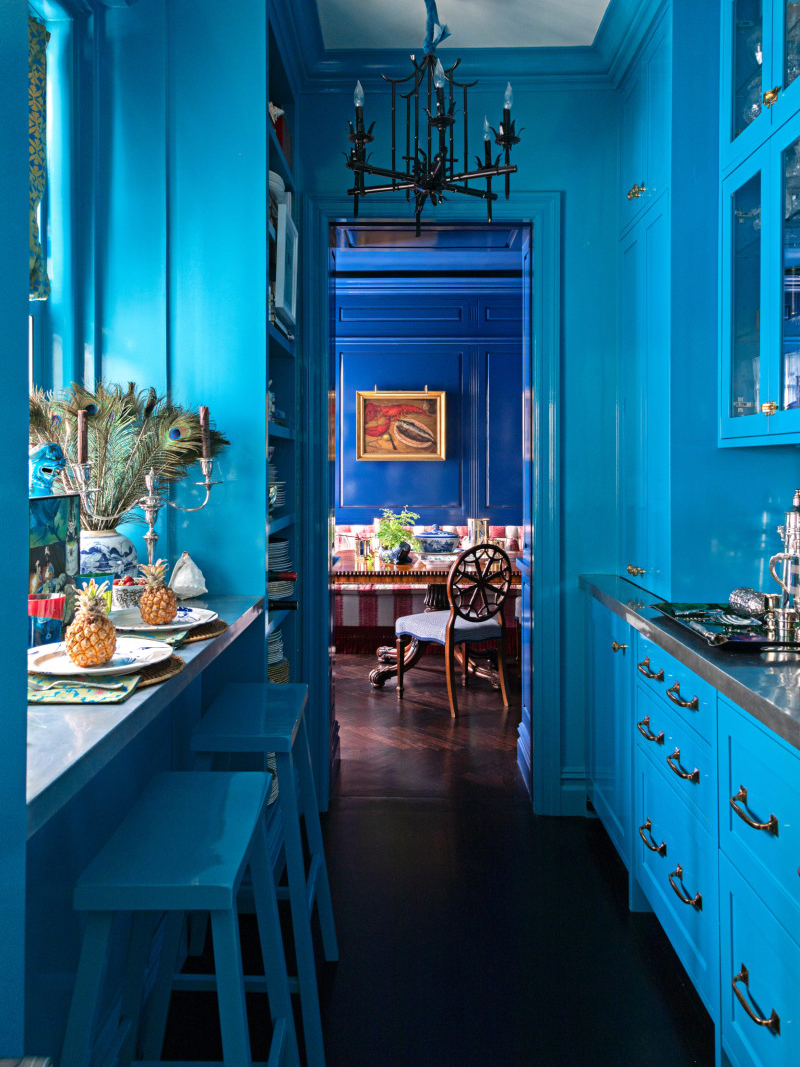
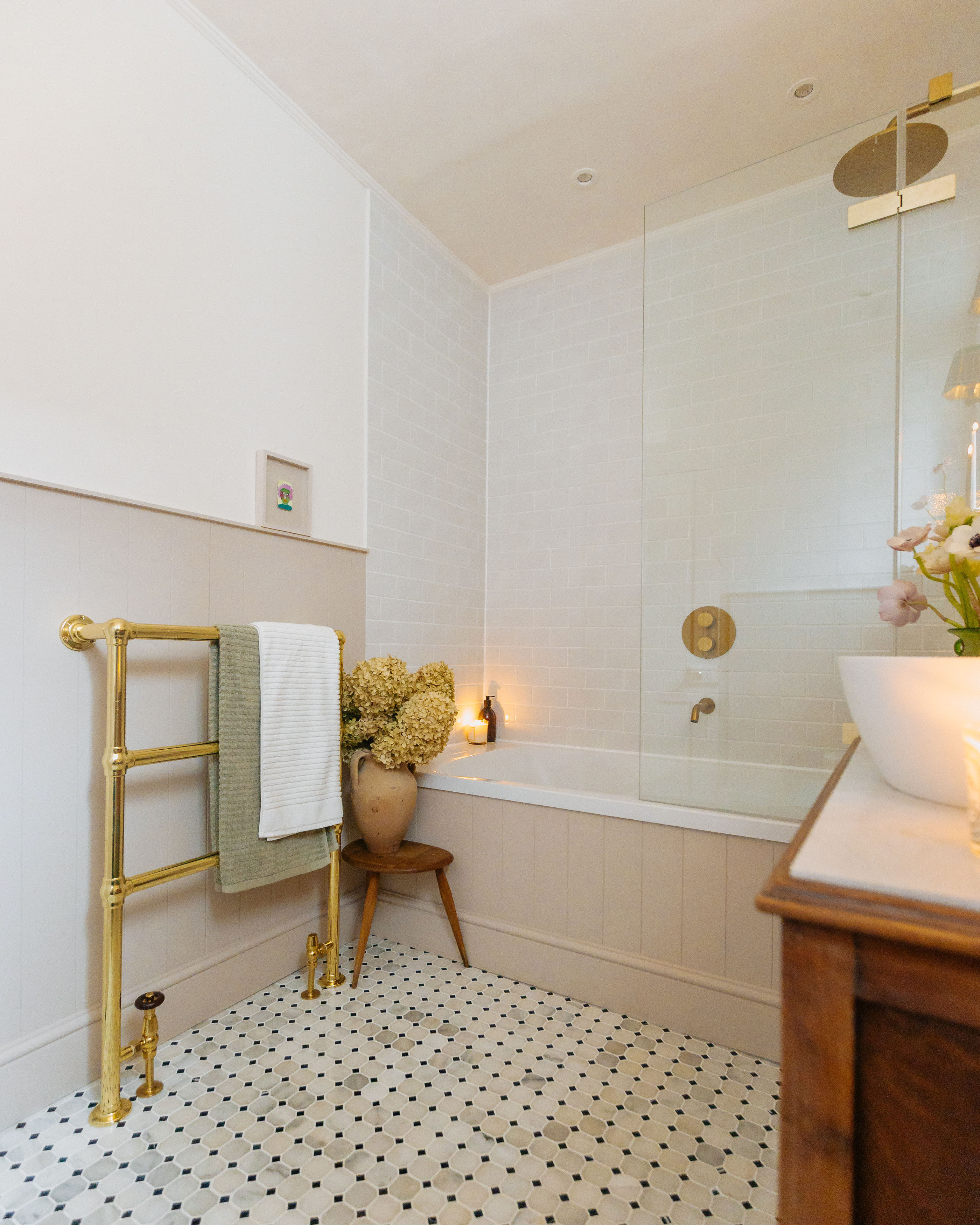
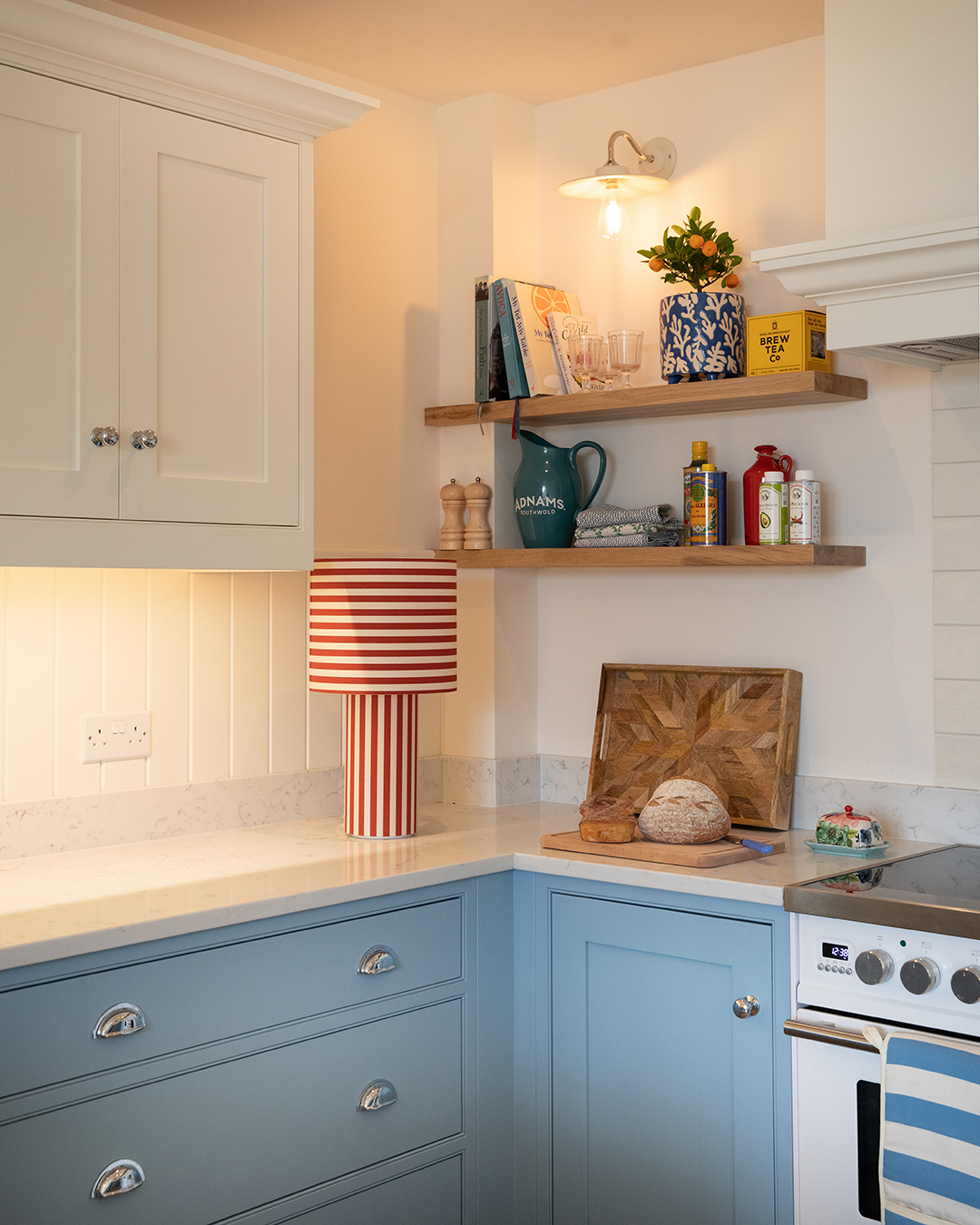
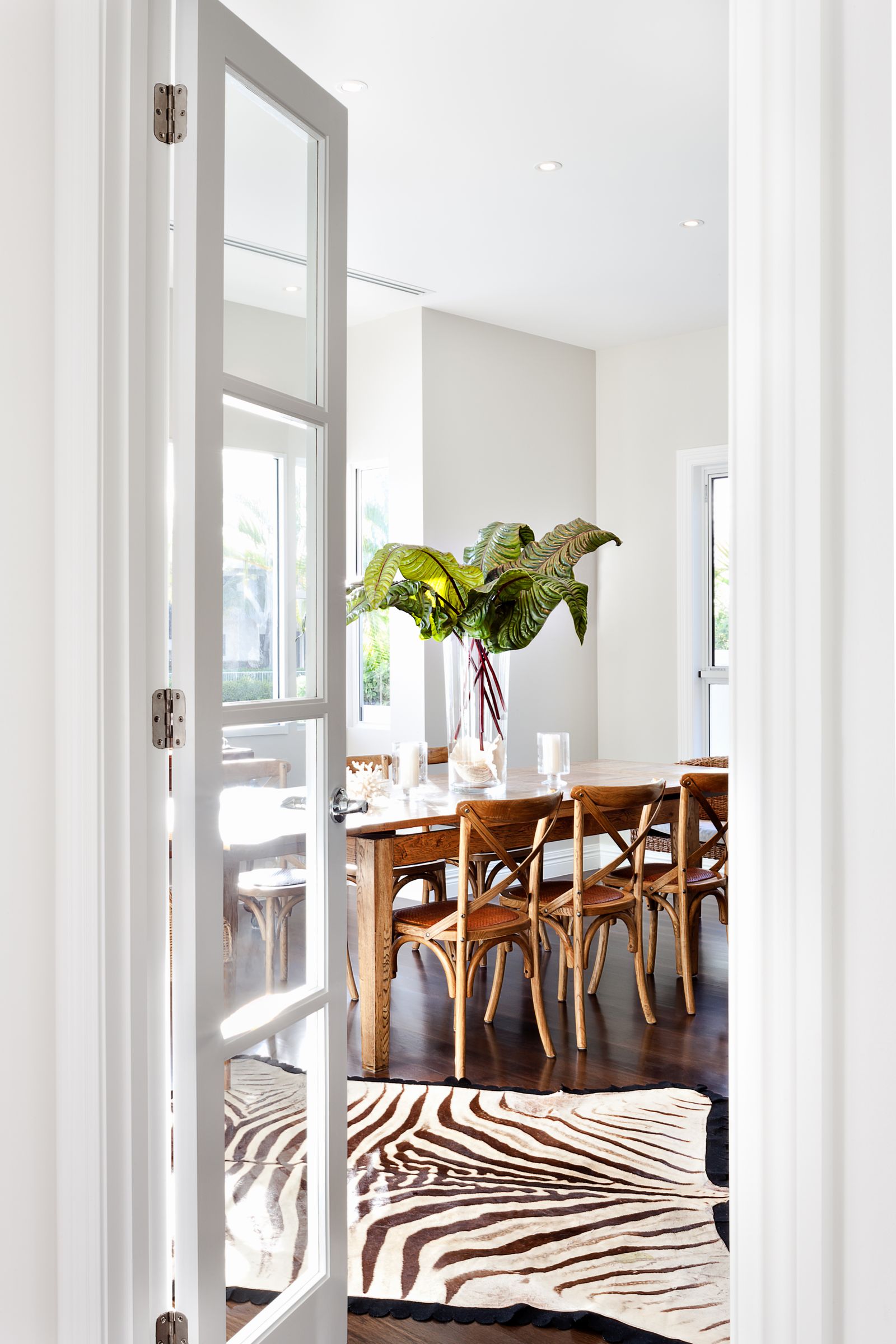
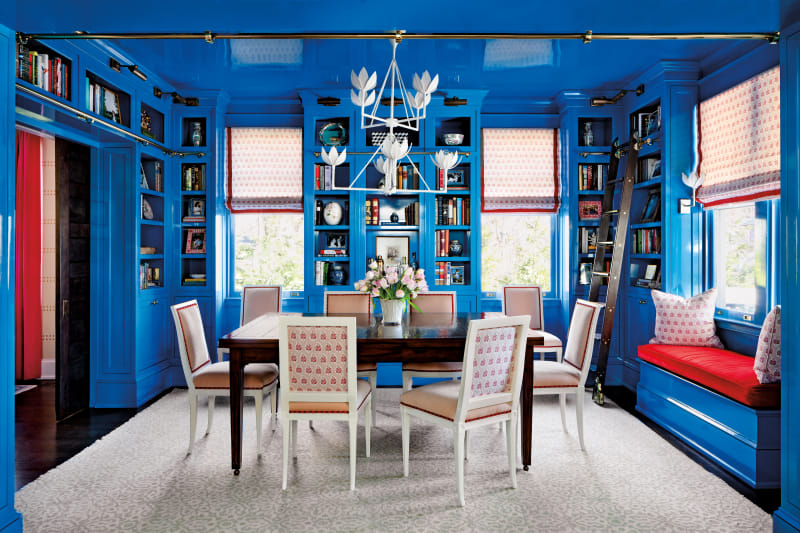
Gloss paint offers a high-sheen, reflective finish that can significantly enhance interior spaces, particularly in high-traffic areas and on architectural details. Its inherent ability to reflect light can make smaller or darker rooms appear larger. This type of paint is ideal for woodwork such as trim, banisters, coving, and cabinet doors, as well as in functional spaces like kitchens and bathrooms, due to its exceptional durability and resistance to scuffs. Key benefits of gloss paint include its hardwearing nature, ease of cleaning, and its capacity to bring a polished, modern aesthetic to interiors. Experts like Dominic Myland of Mylands highlight its practicality and ability to create intense color with a bold finish, making it suitable for high-impact schemes both indoors and outdoors. It adds dimension and can effectively bounce light around a space, highlighting design details.
Gloss paint is characterized by its high paint sheen level, which dictates how much light it reflects. This reflectivity not only contributes to a sense of spaciousness but also makes it easier to clean compared to lower-sheen finishes like matte paint. James Greenwood, a paint and wallpaper expert at Graham & Brown, notes that while gloss can be used on similar surfaces as eggshell paint, its higher sheen offers greater light reflection and enhanced durability, making it preferable for areas prone to wear and tear. Marianne Shillingford, creative director at Dulux, emphasizes that the smooth surface of gloss paint repels dirt, making cleaning effortless. However, she also advises that a gloss finish demands meticulous surface preparation, as its high reflectivity unforgivingly exposes any imperfections, lumps, or bumps.
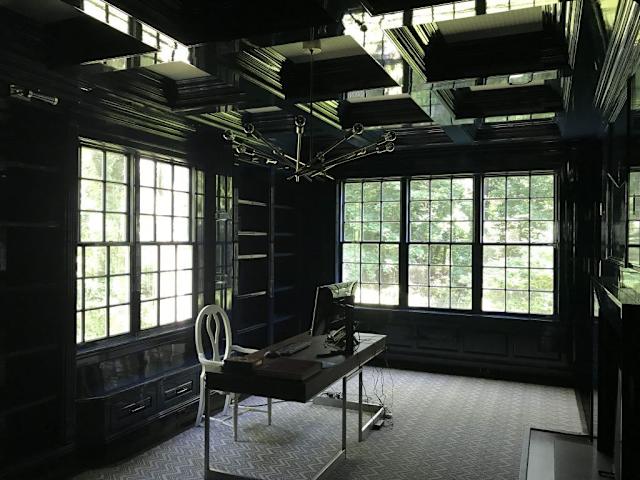
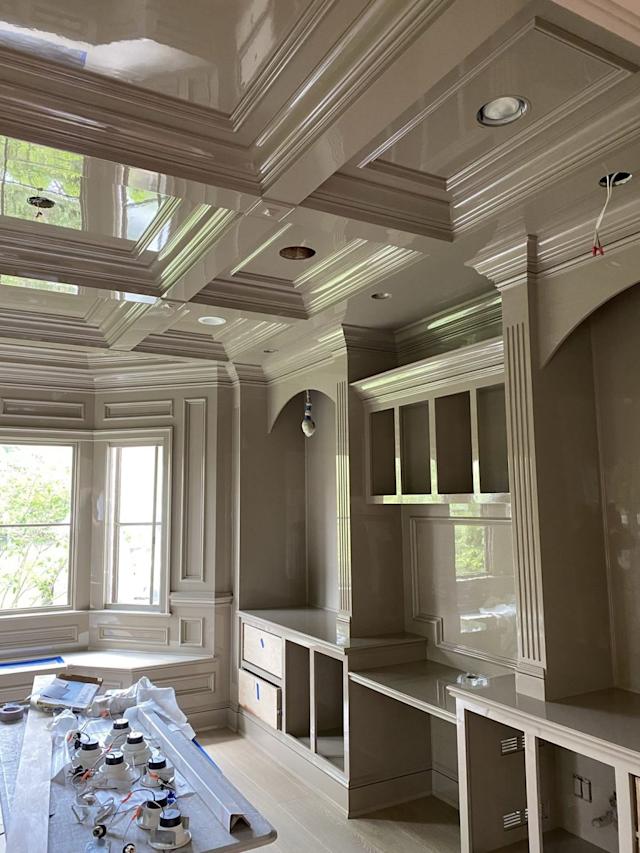
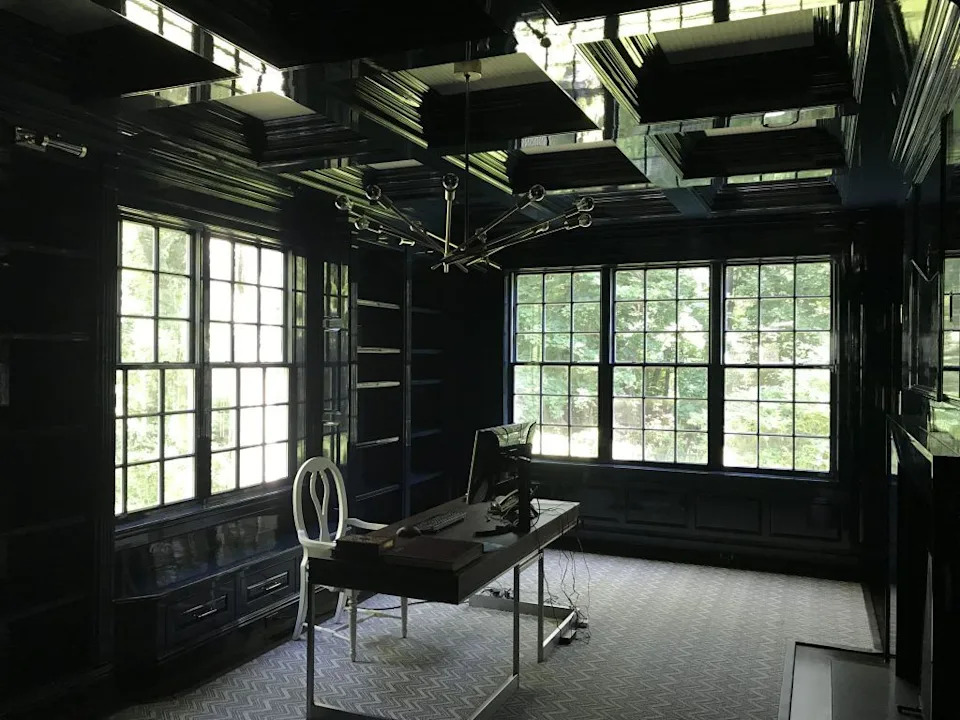
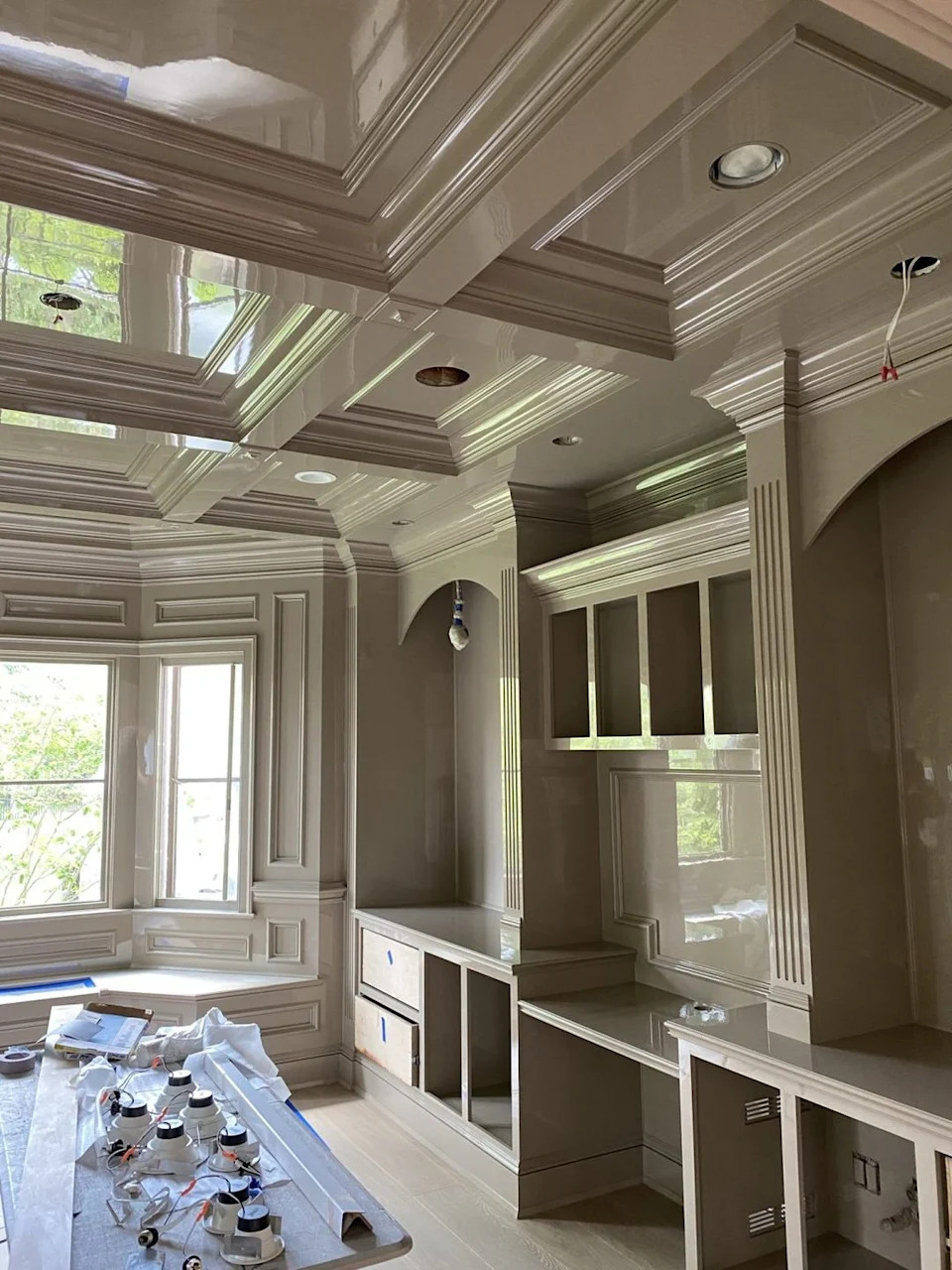
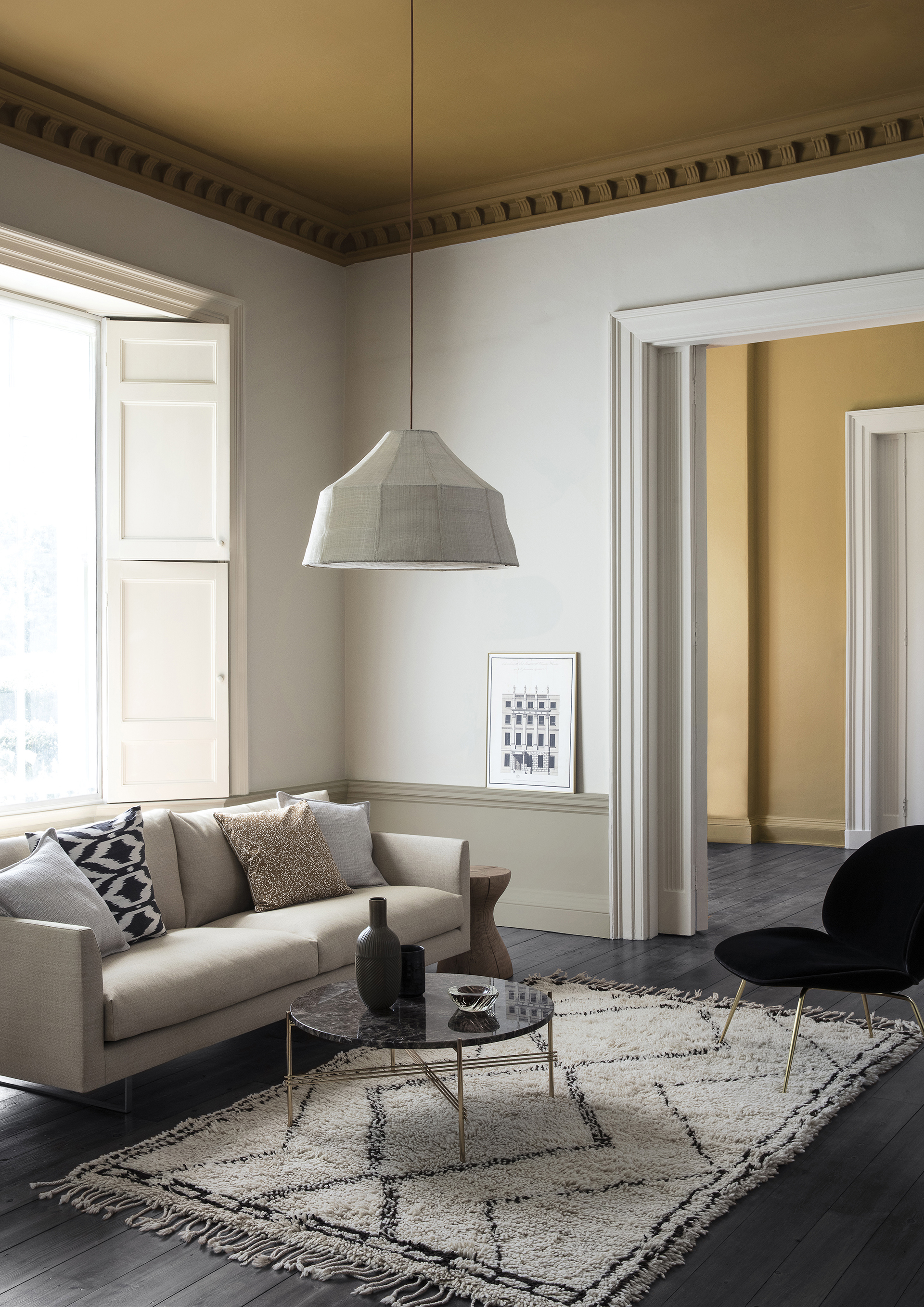
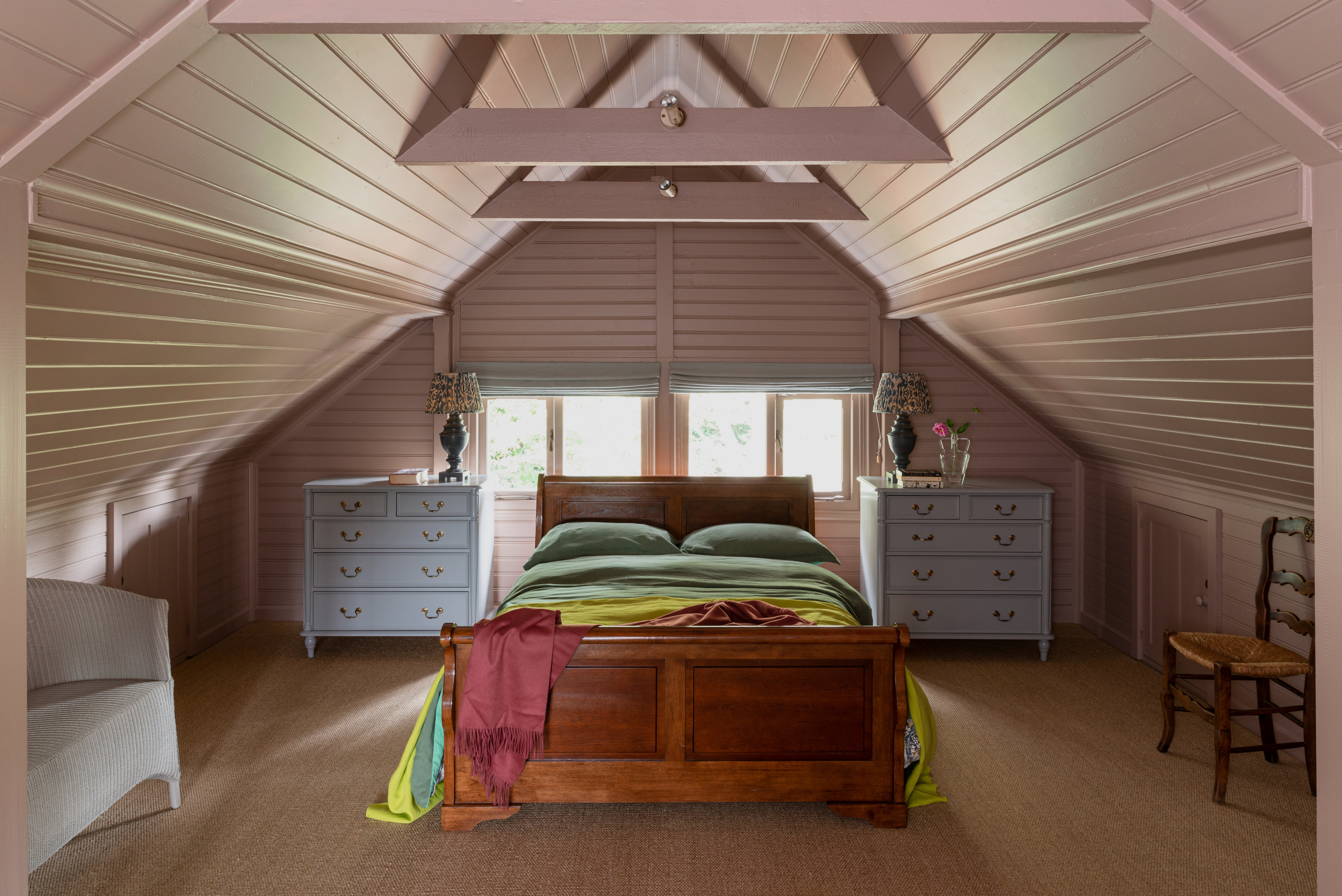
Gloss paint is available in various sheen levels, each suited to different applications. Semi-gloss paint offers the lowest sheen, typically between 35% and 60%, providing a soft yet durable finish. It is more reflective than satin paint. Standard gloss paint, with 60% to 85% sheen, is the most commonly used, particularly for bathrooms, hallways, and woodwork, due to its easy-to-clean surface. At the highest end is high or full gloss, boasting over 85% sheen, which creates an almost glass-like, incredibly reflective effect. Helen Shaw, UK director of Benjamin Moore, describes high gloss as elegant and highly durable, often used on trims and doors. She notes that adventurous homeowners might use it on ceilings or accent walls for a dramatic effect, but cautions that its application requires careful preparation and priming to ensure a perfectly smooth surface, as it will highlight any blemishes.
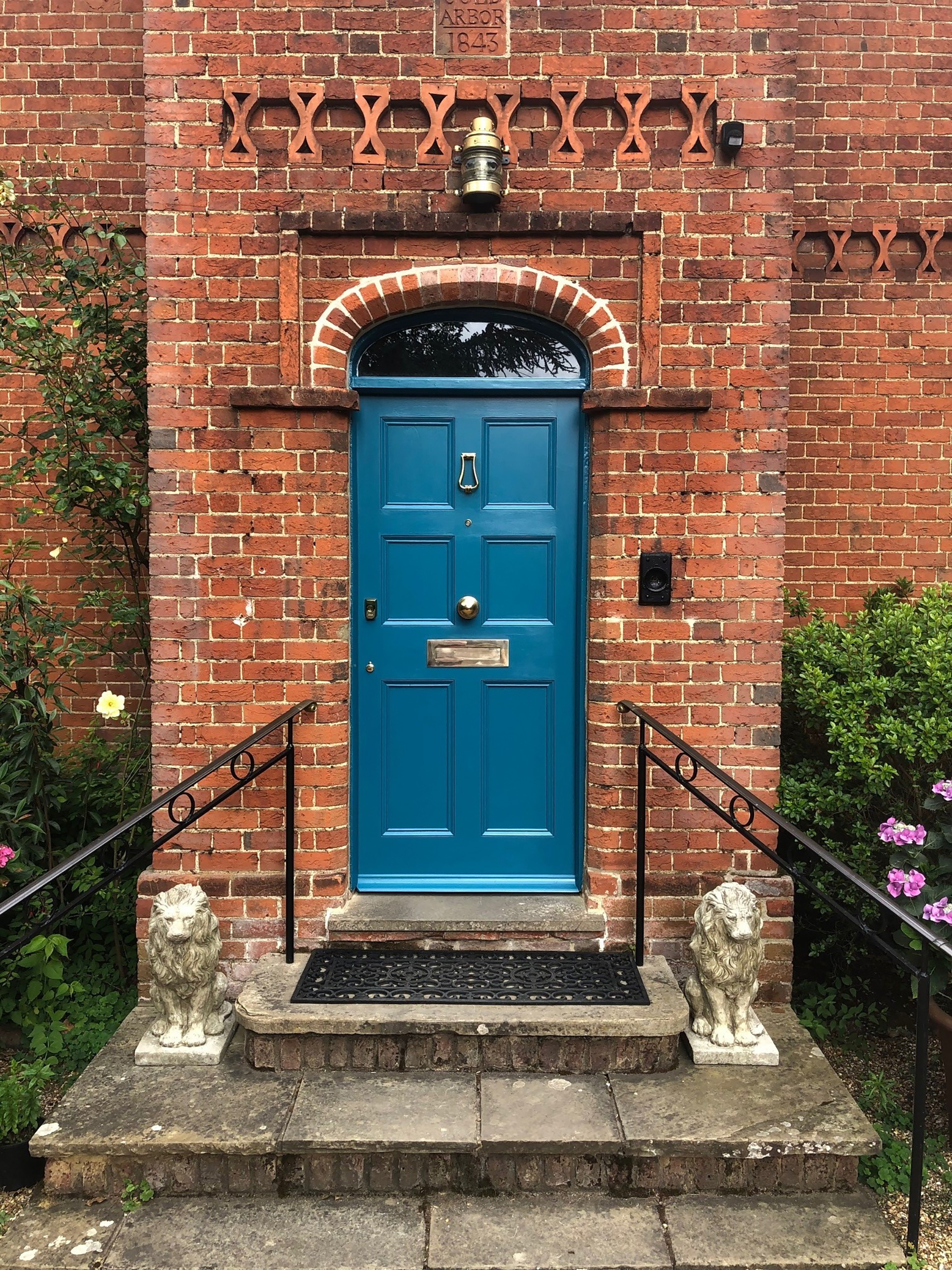
Modern advancements in paint technology have made gloss paint more accessible and user-friendly. David Harris, design director at Andrew Martin, points out that many contemporary gloss paints are water-based, significantly reducing odor and simplifying application and cleanup. These newer formulations often require minimal preparation, such as a quick rub-down of existing paintwork, eliminating the need for primers. This makes gloss paint a versatile and impactful choice for various home decorating projects, from front doors to paneling, offering both aesthetic appeal and practical benefits. Choosing the right gloss color, as Andy Greenall of Paint & Paper Library notes, can further maximize the textural depth and overall scheme of an interior space.
#GlossPaint #InteriorDesign #PaintFinishes #HomeDecor #WoodworkPaint #HighSheen #DurablePaint #PaintApplication #DecoratingTips #GlossPaint #InteriorDesign #PaintFinishes #HomeDecor #WoodworkPaint #HighSheen #DurablePaint #PaintApplication #DecoratingTips
0 komentarzy łącznie
 Brak komentarzy jeszcze
Możesz również polubić

High-Gloss Paint May Be a High-Maintenance Finish—But It's Worth It

Paint finishes explained – an expert guide to choosing the perfect type of paint for your projects


What are the best paint techniques for walls? 11 inventive effects that go beyond basic

5 different paint finishes, from flat to high-gloss, and when to use them

High-Gloss Paint May Be a High-Maintenance Finish—But It's Worth It
Understanding paint finishes


This Paint Sheen Makes Any Room Look Tacky, Designers Say—No Matter the Color

This Once-Fussy Finish Is Getting a Reputation Revamp

What paint finish is best for walls and ceilings?
Matte vs glossy

Should ceilings be glossy or flat? A paint expert lifts the lid on getting this vital touch just right
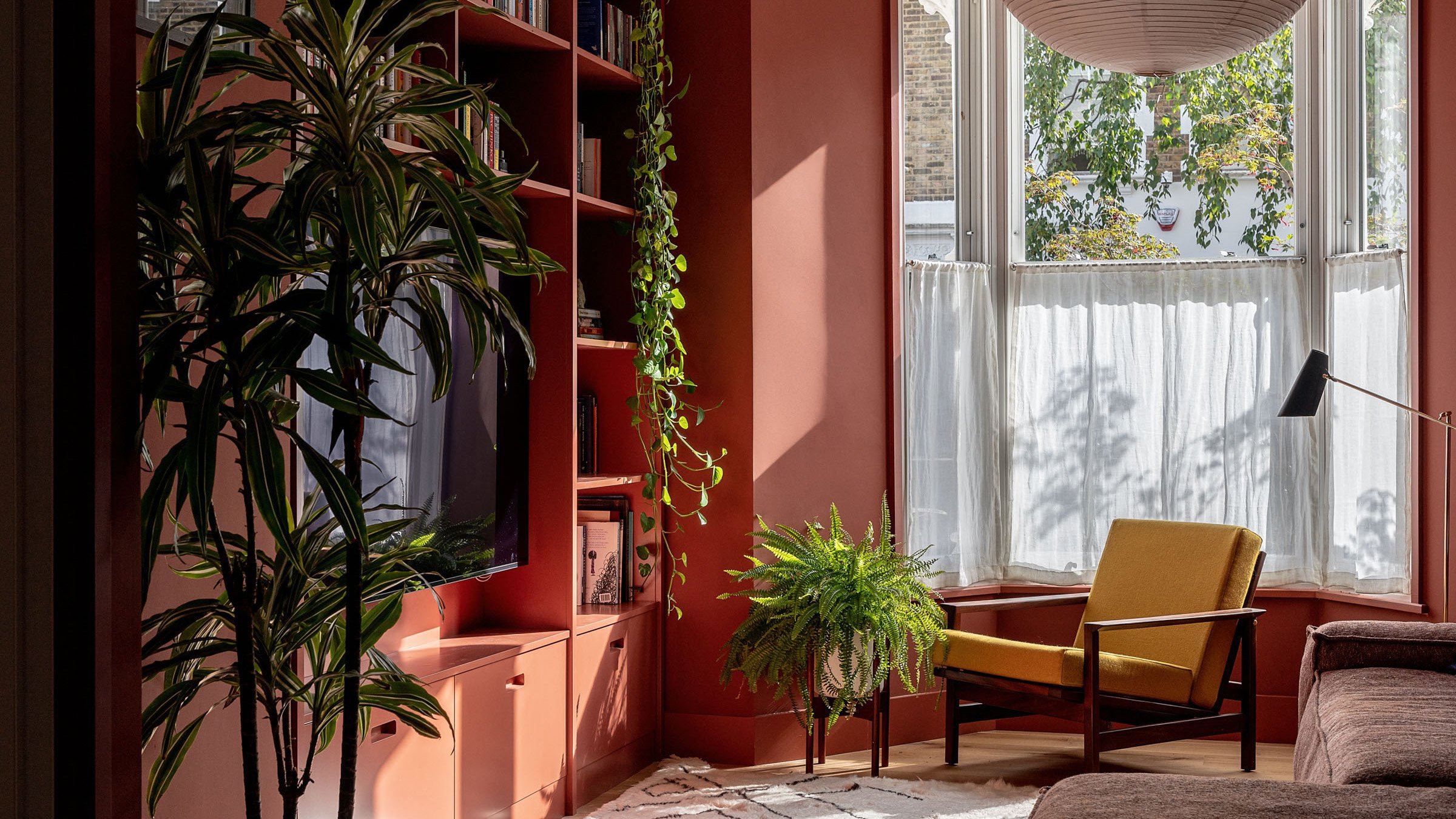
Lick launches new Supreme Ultra Flat Matt paint that's scrub resistant


The Right Paint Finish Can Actually Help Your Home Look Cleaner—Here's How

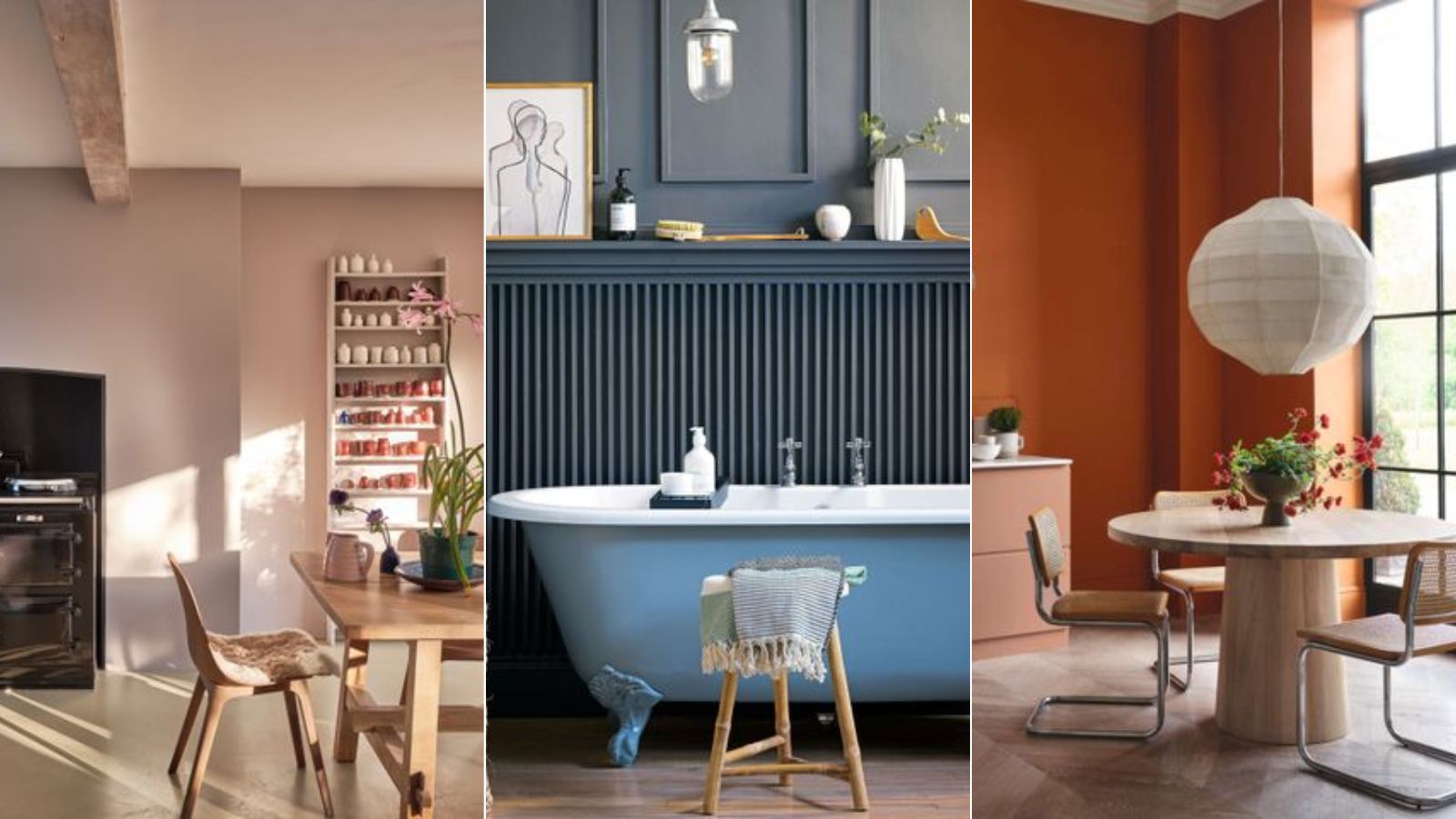
How to prolong the life of your paint job, according to painters and decorators
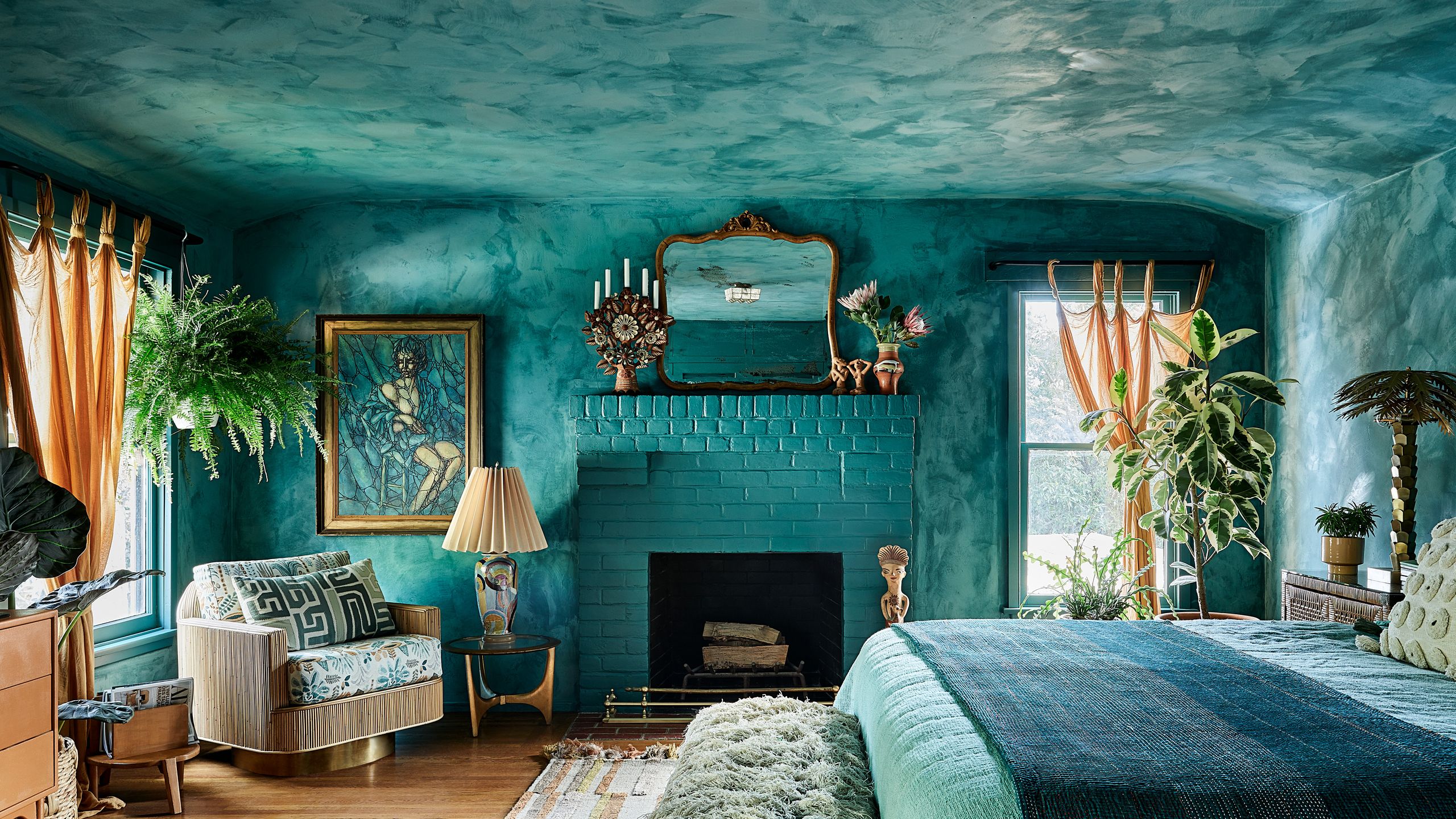
What Is Limewash Paint: Four Places to Use It in Your Home


Interior Paint: A Guide to Buying the Best Paints for Your Home
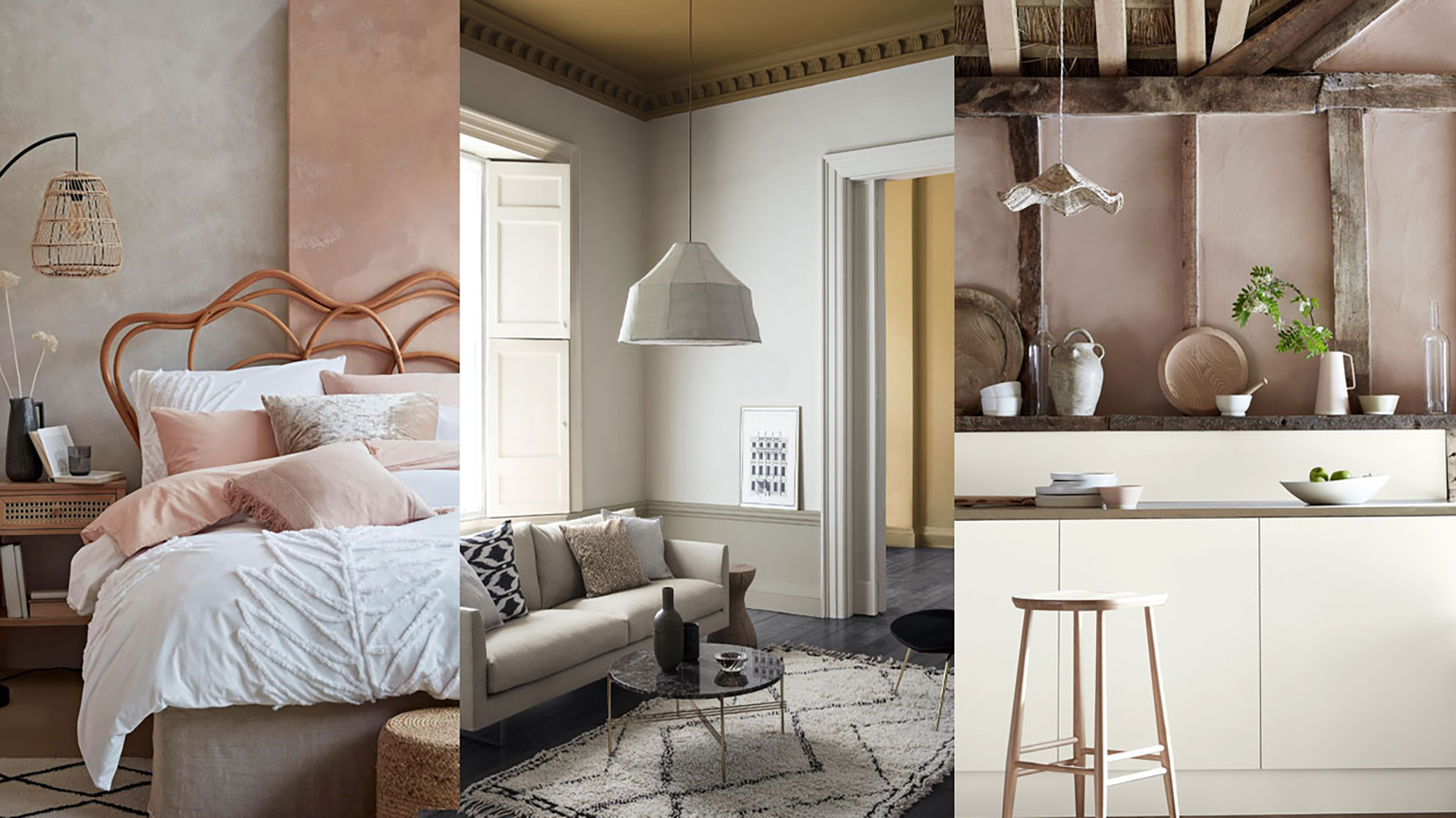
Paint finishes – a guide for every room
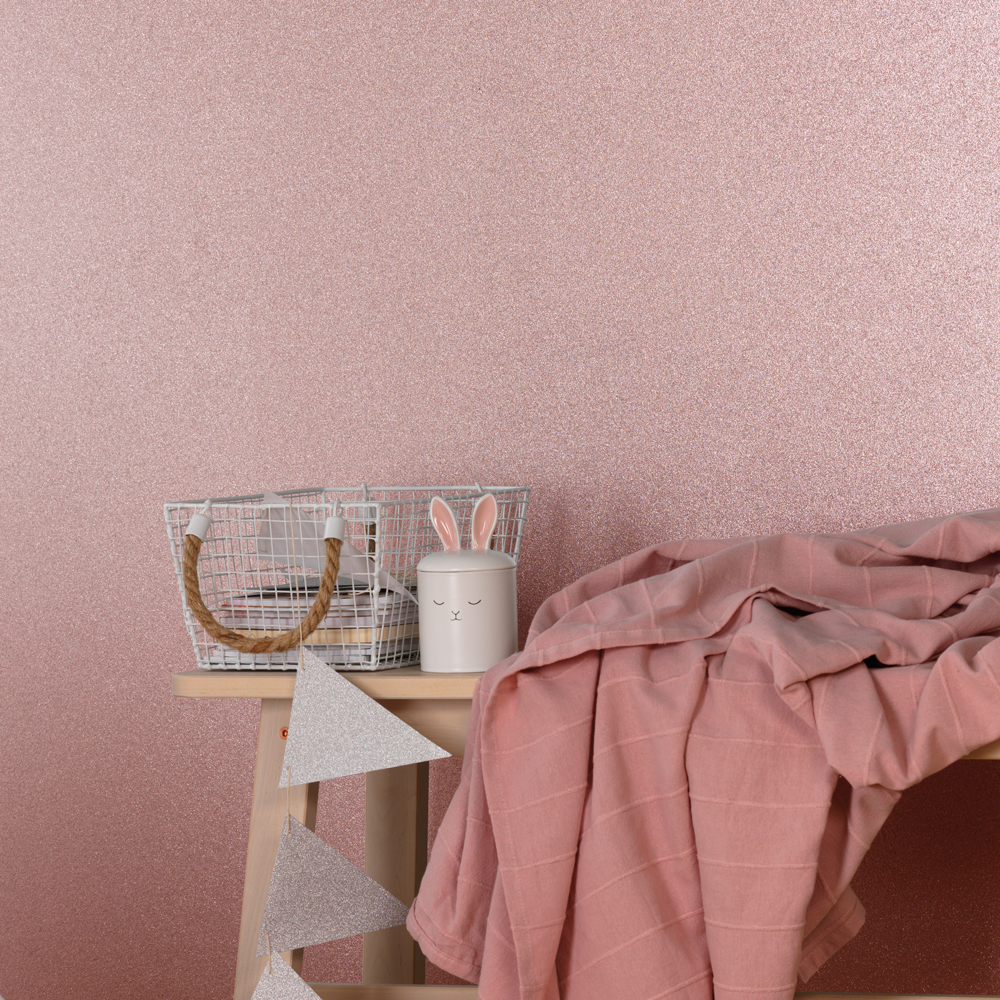
Create the ultimate feature wall or statement skirting boards with new glitter paints at Homebase

What is limewash paint: Four places to use it in your home

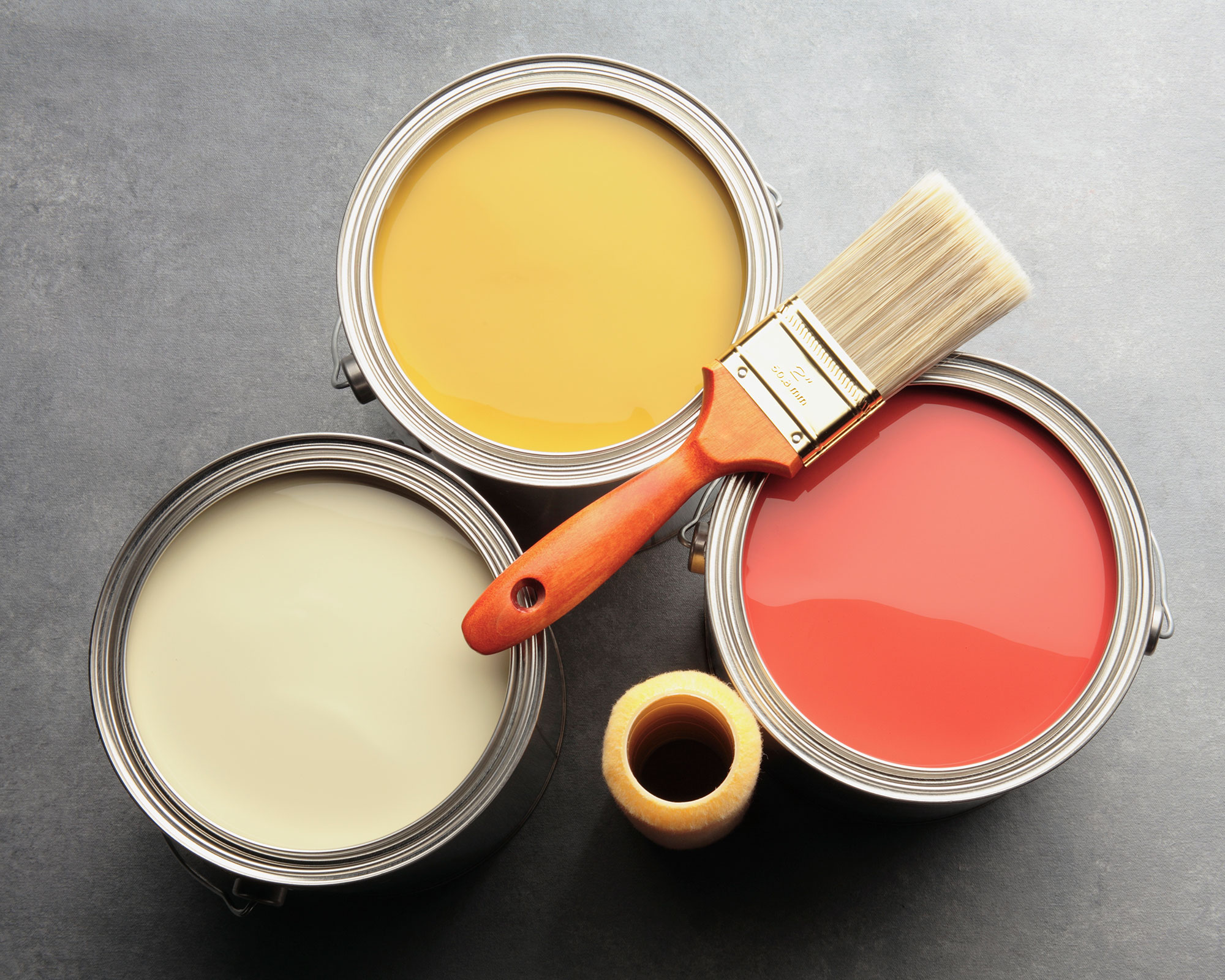
Best paint finishes for living rooms explained – how to get an expert finish