1/4
All You Need to Know About Knockdown Texture
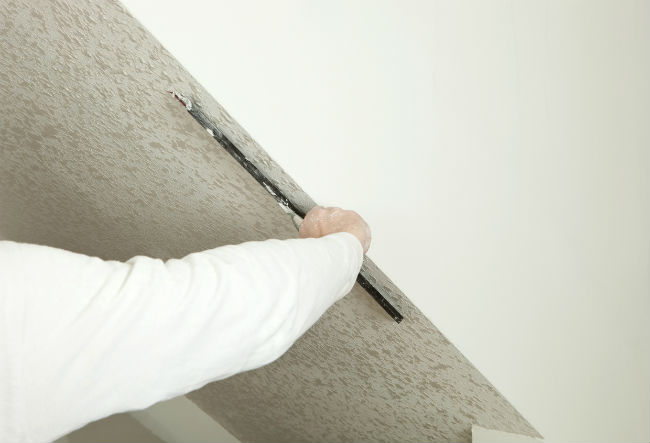
Knockdown drywall texture, a popular finish since the early 1990s, offers both aesthetic appeal and practical benefits. It provides dimensional visual interest to walls and ceilings, effectively concealing surface imperfections, and contributes to sound dampening. This finish is achievable by DIY enthusiasts with basic drywall skills and readily available tools and materials.
There are three primary types of knockdown texture, each distinguished by its unique appearance, tools, and application methods. Splatter knockdown, the most common, mimics Spanish lace stucco with an intricate pattern of splotches. It involves spraying drywall mud with a hopper gun, then flattening the resulting peaks with a knockdown knife, covering about 40 percent of the surface. This method, while initially messy, offers quick and uniform application once set up.
Stomp knockdown, characterized by its prominent texture, has a higher elevation compared to splatter or mud trowel. This technique involves rolling thinned drywall mud onto the surface, stomping it with a stiff-bristled crows-foot brush, and then flattening it with a knockdown knife to create a finger-like texture covering 60 percent or more of the surface. The process is more time-consuming than splatter due to the full surface coverage and additional stomping step.
Mud trowel, also known as skip trowel, offers a flatter and more subtle appearance. It's achieved by applying drywall mud with a curved-blade trowel and then skimming the area again with the cleaned trowel. The curved motion causes the mud to skip, creating sparse, quarter-sized globules on approximately 50 percent of the surface. This hand-troweling technique requires patience and is more time-intensive than splatter.
For applying splatter knockdown texture, the process involves several steps. First, the room must be prepped by clearing furniture, laying tarps, and protecting fixtures and trim with masking tape. Next, the surface needs to be smoothed by filling any divots or cracks with spackling compound, which is then dried and sanded. The drywall hopper gun is assembled, connecting the hopper, gun assembly, and air hose to an air compressor set to 30 to 40 psi. An un-aggregated drywall joint compound powder is mixed with water to a pancake batter consistency in a two-gallon bucket using a power drill with a paddle attachment. The consistency is tested with a drywall knife; if the mud slides off easily, it's ready. The air compressor is then turned on, and the optimal spraying speed is determined by testing on a scrap of drywall. Slower spraying yields a heavier texture, while rapid spraying creates a lighter one.
Once the technique is perfected, the intended wall or ceiling is splattered in three-foot sections from about 18 inches away, optionally using the gun's trigger lock for continuous spray. Each three-foot section is allowed to dry for 10 to 15 minutes until it loses its wet shine. An 18-inch knockdown knife attached to an extension pole is then used to glide across the surface in a single, straight line, flattening the peaks without completely smoothing them out. The edge of the knife is wiped clean with a damp rag after each pass. This process of alternating splatter and knockdown is repeated until the entire area is textured. Finally, the drywall mud is allowed to dry completely, typically for several hours to overnight, before removing tape and tarp. If painting is desired, it's recommended to wait several days to a week after drying before priming and painting.
Maintaining knockdown texture involves weekly dusting with an electrostatic duster or a vacuum with a soft brush to avoid damaging the texture. Grime and stains can be removed by gently rolling a solution of dish soap and warm water over the affected areas, followed by a clean, damp roller, and then a dry roller or soft sponge. To prevent permanent discoloration, it is advised to avoid smoking and limit the use of fireplaces near textured surfaces, as drywall compound can absorb smoke and soot stains.
#KnockdownTexture #DrywallFinish #HomeImprovement #DIYHome #InteriorDesign #WallTexture #CeilingTexture #HomeRenovation #HomeMaintenance #KnockdownTexture #DrywallFinish #HomeImprovement #DIYHome #InteriorDesign #WallTexture #CeilingTexture #HomeRenovation #HomeMaintenance
 Brak komentarzy jeszcze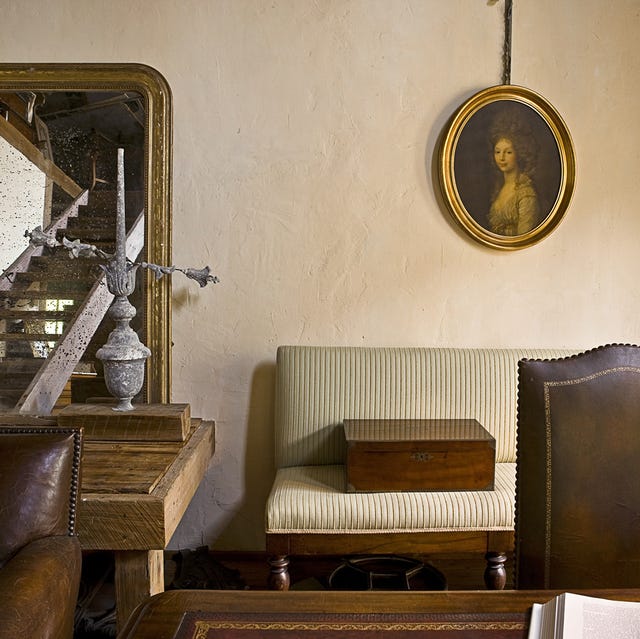
This Texture-Rich Finish Is Designers' Go-To for Instant Patina

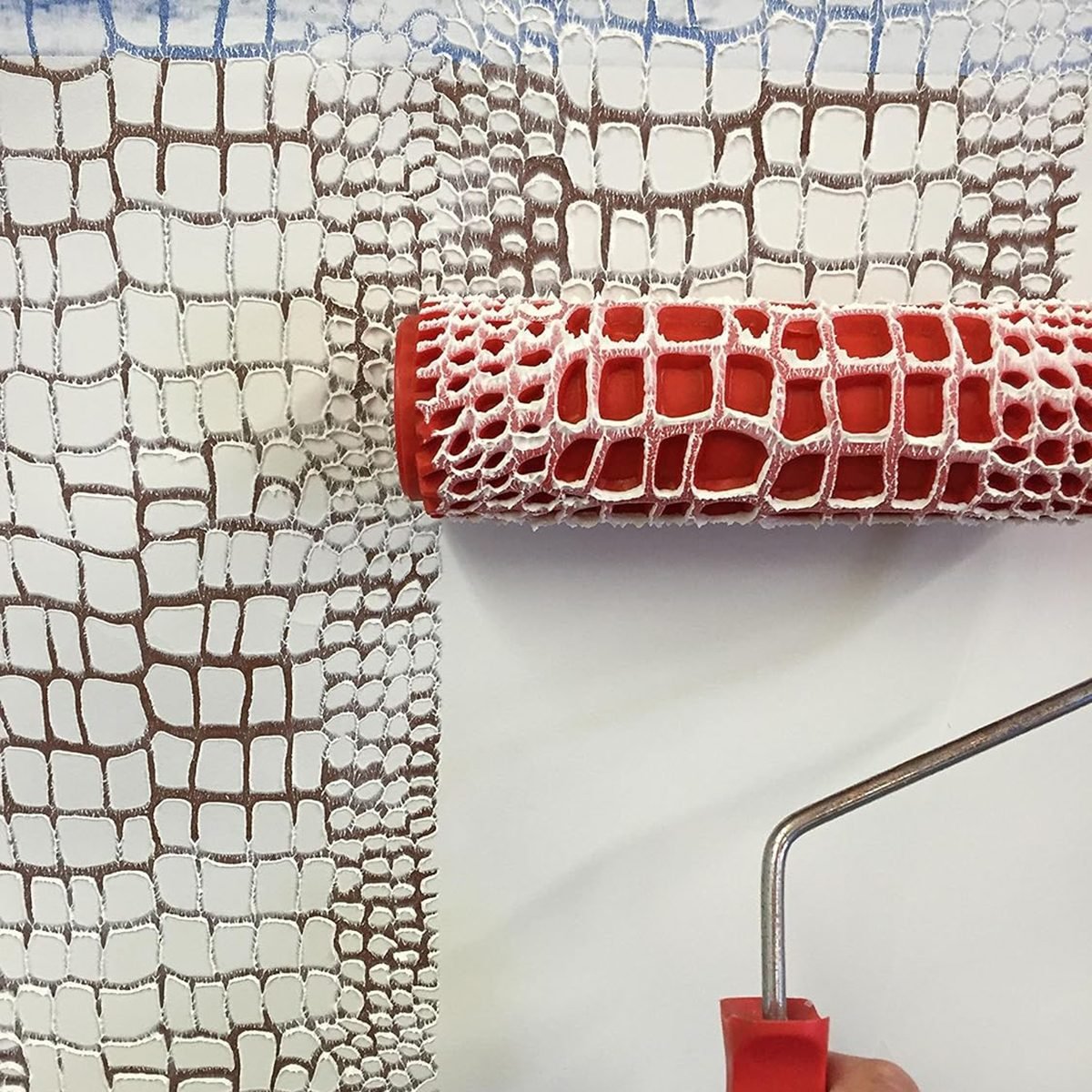
8 Tips for Painting With a Textured Roller

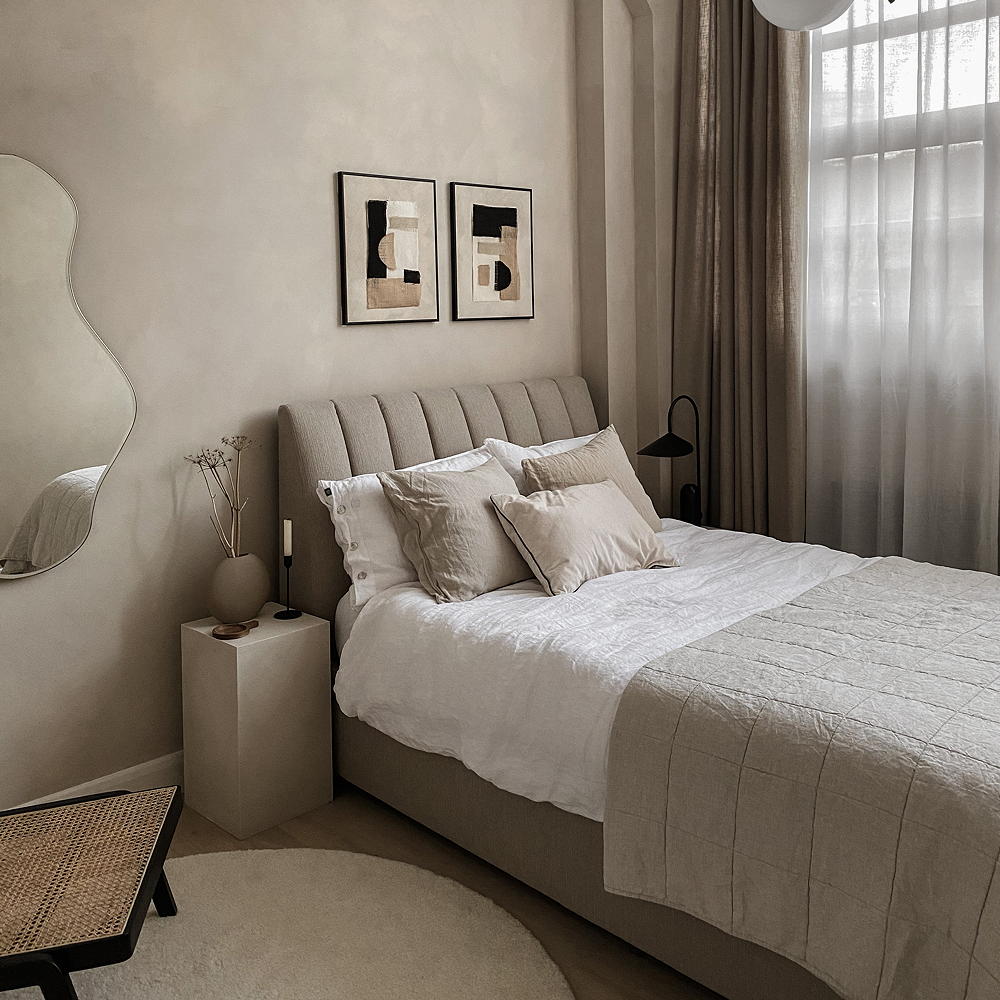
Instagram can't get enough of this new textured paint craze - here's how to get the look
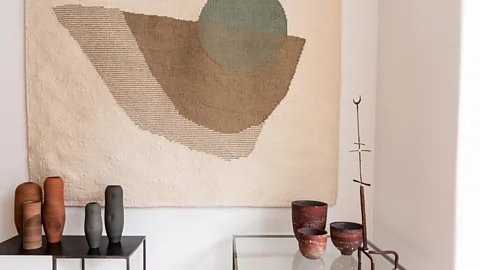
Why we need soft textures right now

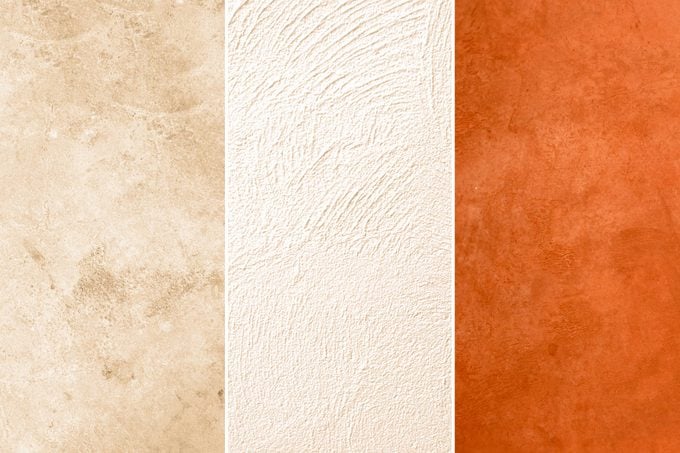
What To Know About Textured Paint
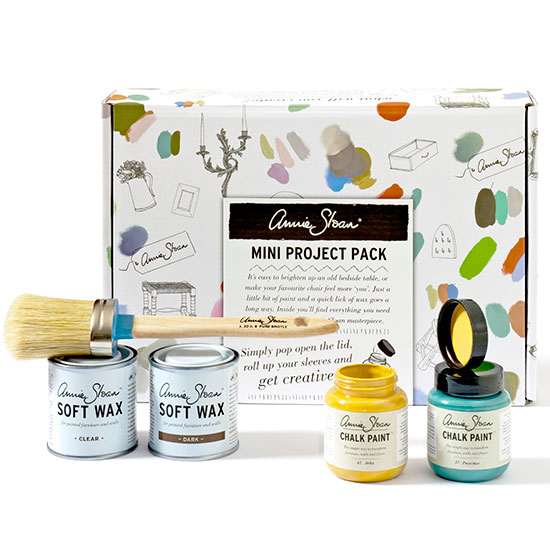
3 things you need to know about chalk paint