Buzzing pests: Carpenter bees can cause destruction
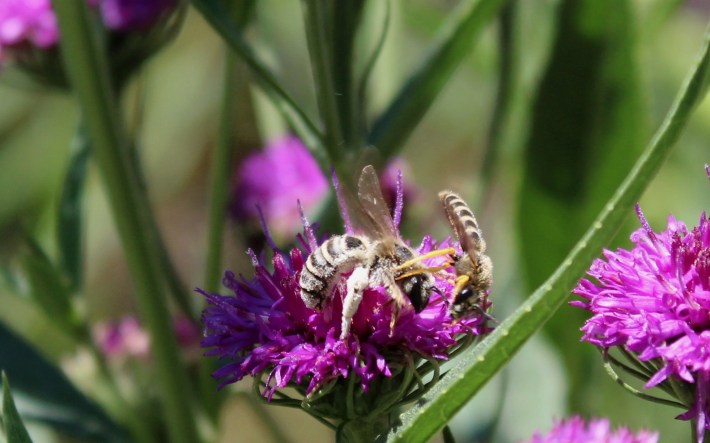
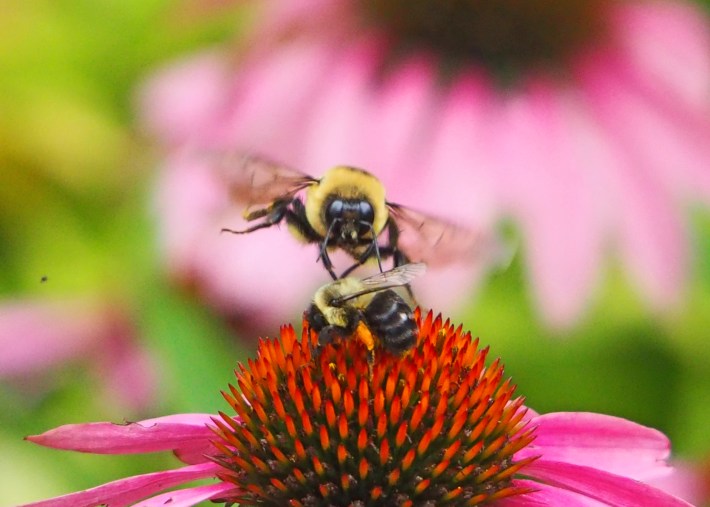
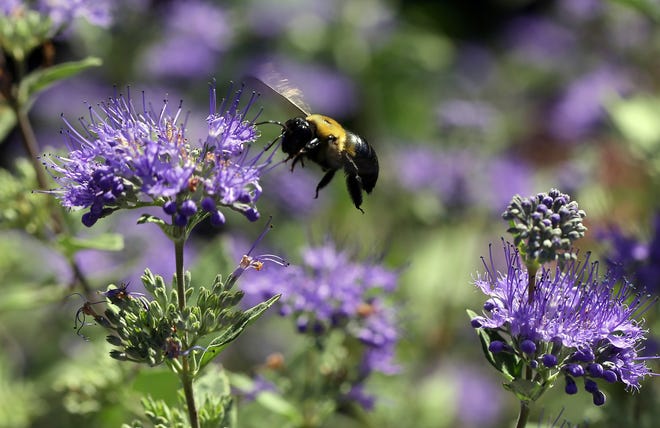
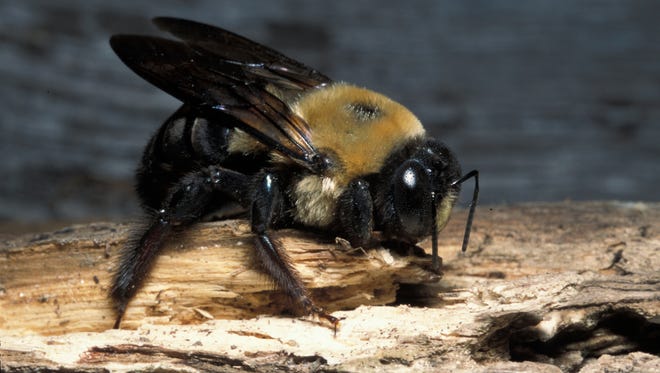
Carpenter bees are a common pest known for their ability to bore holes into wood, posing a threat to the structural integrity of buildings and homes. Unlike some other wood-destroying insects, carpenter bees do not consume wood for nutrition; instead, they feed on nectar and pollen from plants, similar to bumblebees. Female carpenter bees are responsible for chewing round nest entrances and excavating channels, known as galleries, in untreated wood. These galleries serve as locations for egg-laying. The construction of these channels is a labor-intensive process, leading many female carpenter bees to prefer inhabiting existing nests rather than creating new ones. After laying an egg, the female bee provides a mass of pollen for the developing larva and then seals off the chamber to ensure its proper growth before repeating the process for subsequent eggs.
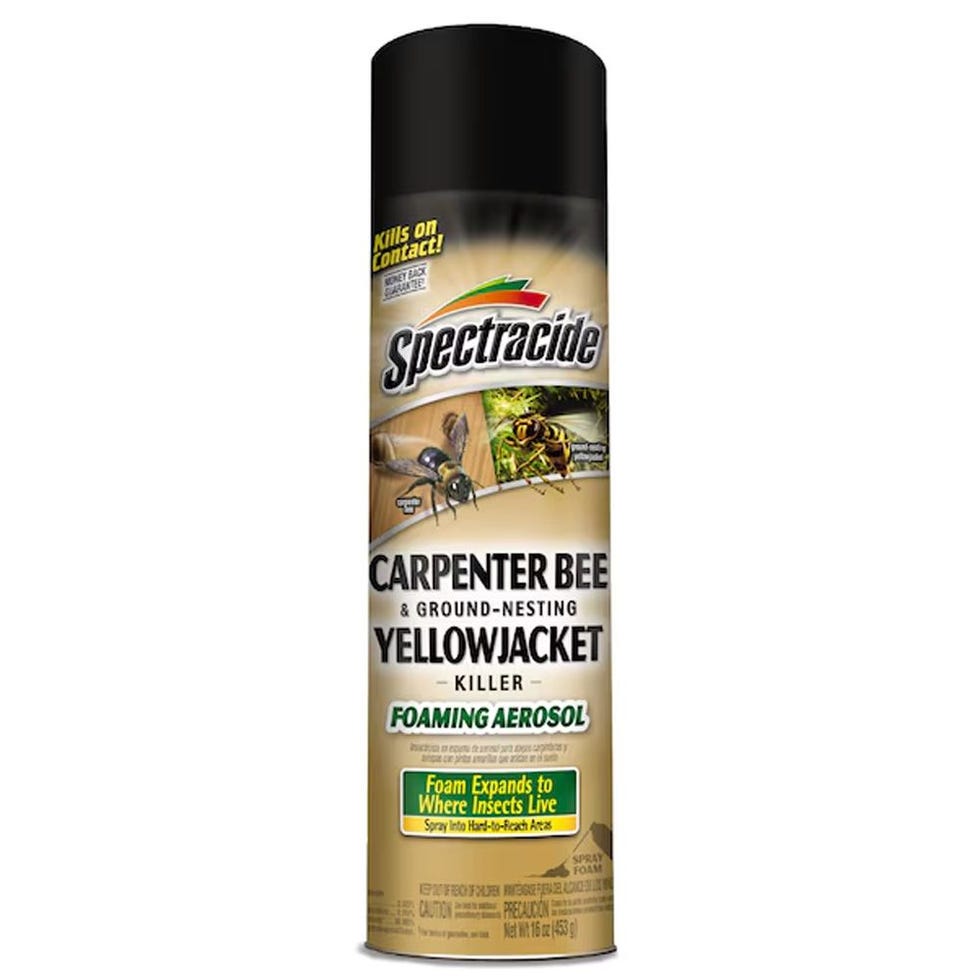
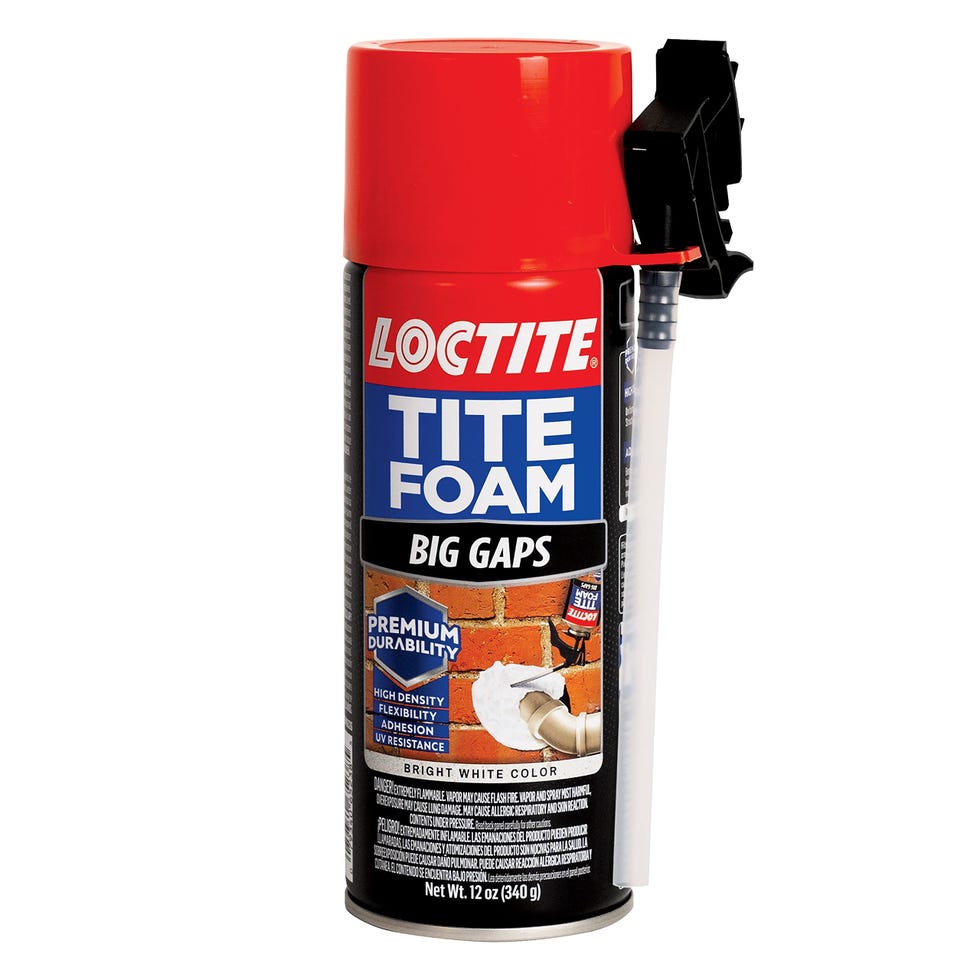
While male carpenter bees do not possess stingers, they are often territorial and may buzz around individuals who approach their nests, primarily as a display of intimidation rather than an actual threat. Effective control of carpenter bee infestations involves applying insecticide, either as a spray or dust, directly into the entrance holes of their nests or onto adjacent wood surfaces. Following the insecticide application, it is recommended to caulk and seal the holes approximately one day later. Caulk is generally preferred over spray foam insulation for sealing these holes because carpenter bees are unable to chew through hardened caulk materials.
However, it is crucial to allow caulk to fully cure before considering the problem resolved. An entomologist once encountered a severe carpenter bee infestation where, after applying insecticide and immediately sealing holes with caulk, the bees were able to chew through the soft, uncured sealant. This experience highlighted the importance of using fully cured caulk or allowing sufficient time for it to harden. The subsequent intervention involved re-dusting the holes with insecticide and then resealing them, emphasizing a two-step approach for effective eradication and prevention. For further information on carpenter bee biology and management, resources are available through agricultural extension offices.
#CarpenterBees #PestControl #WoodDamage #HomeMaintenance #Insecticide #Caulking #Entomology #BeeBehavior #CarpenterBees #PestControl #WoodDamage #HomeMaintenance #Insecticide #Caulking #Entomology #BeeBehavior
0 komentarzy łącznie
 Brak komentarzy jeszcze
Możesz również polubić
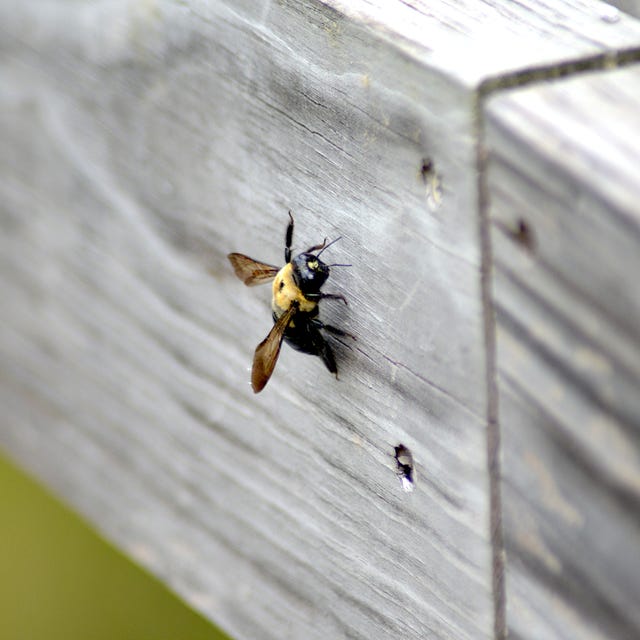
My Battle With Carpenter Bees Is About To End. Here’s How to Repair Holes and Prevent Damage.
Rock River Valley Insider: Keep the creepy crawlies outside
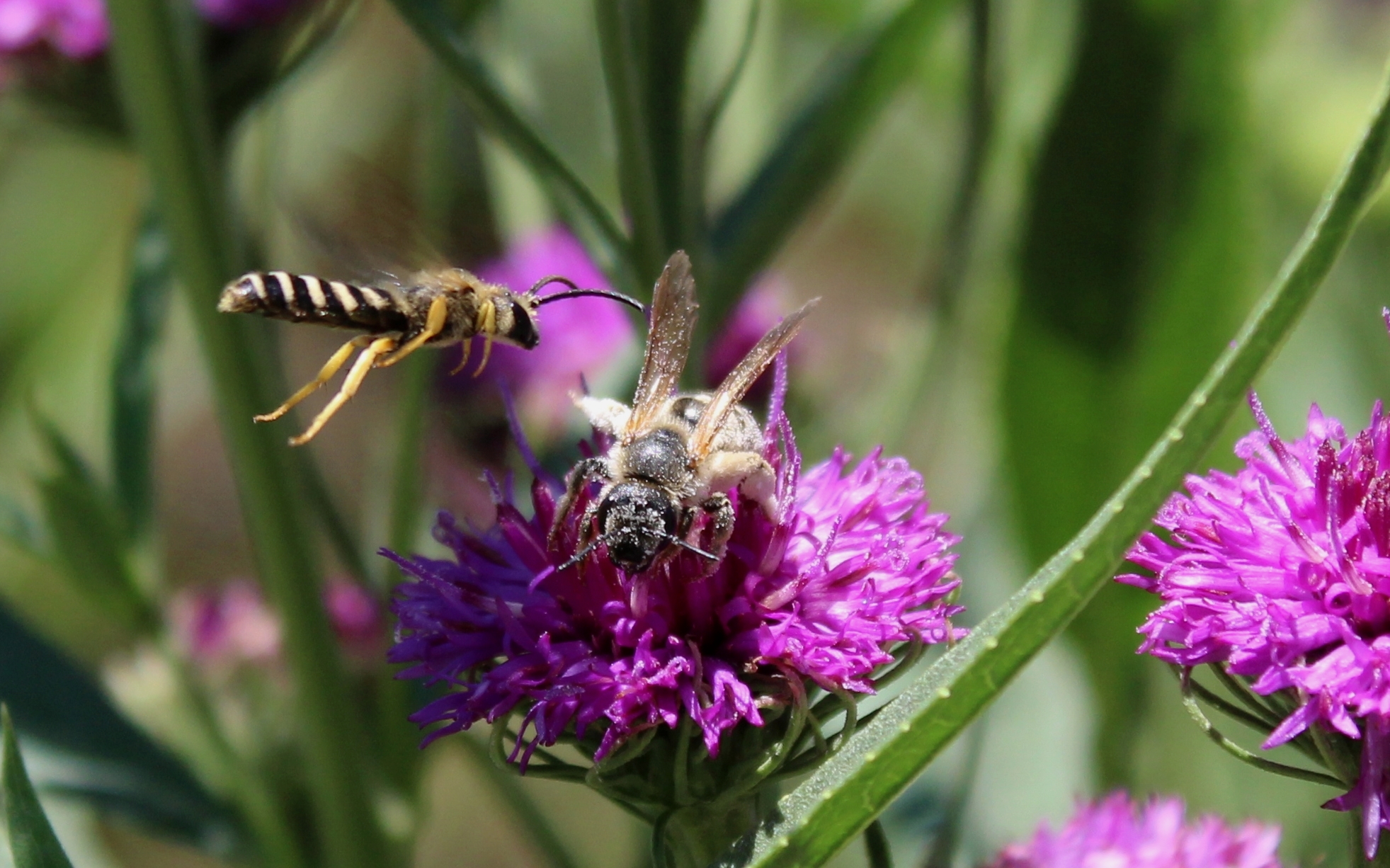
It’s A Bee Brawl In The Flower Patch!
Daddy Long Legs could cause destruction to lawns this autumn, according to a new study
Rideout: Carpenter bees on patrol
How to make sure that lady beetles, and stink bugs too, never spend winter in your home again