1/14
Why designers can't stop buying tiny tables
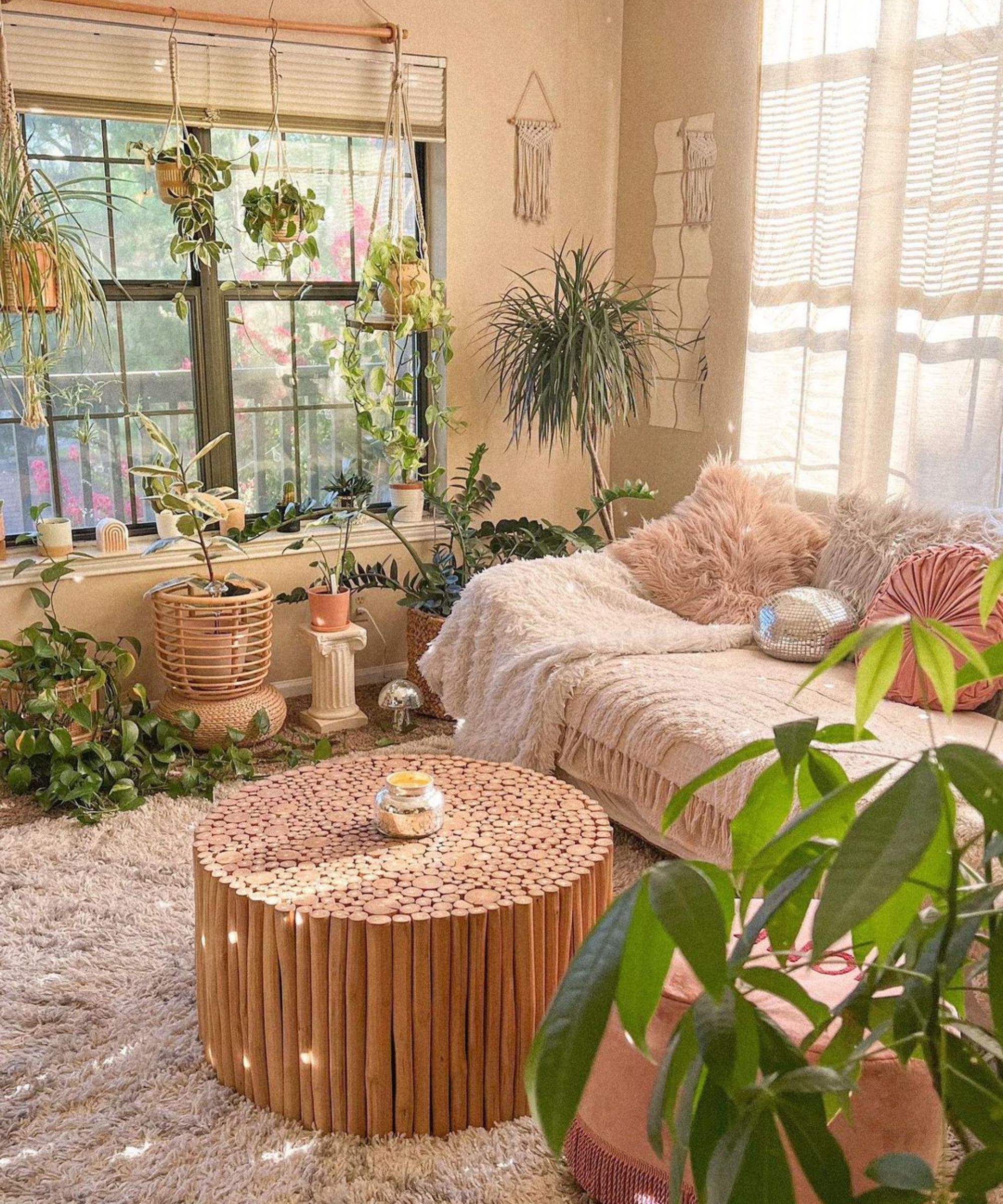
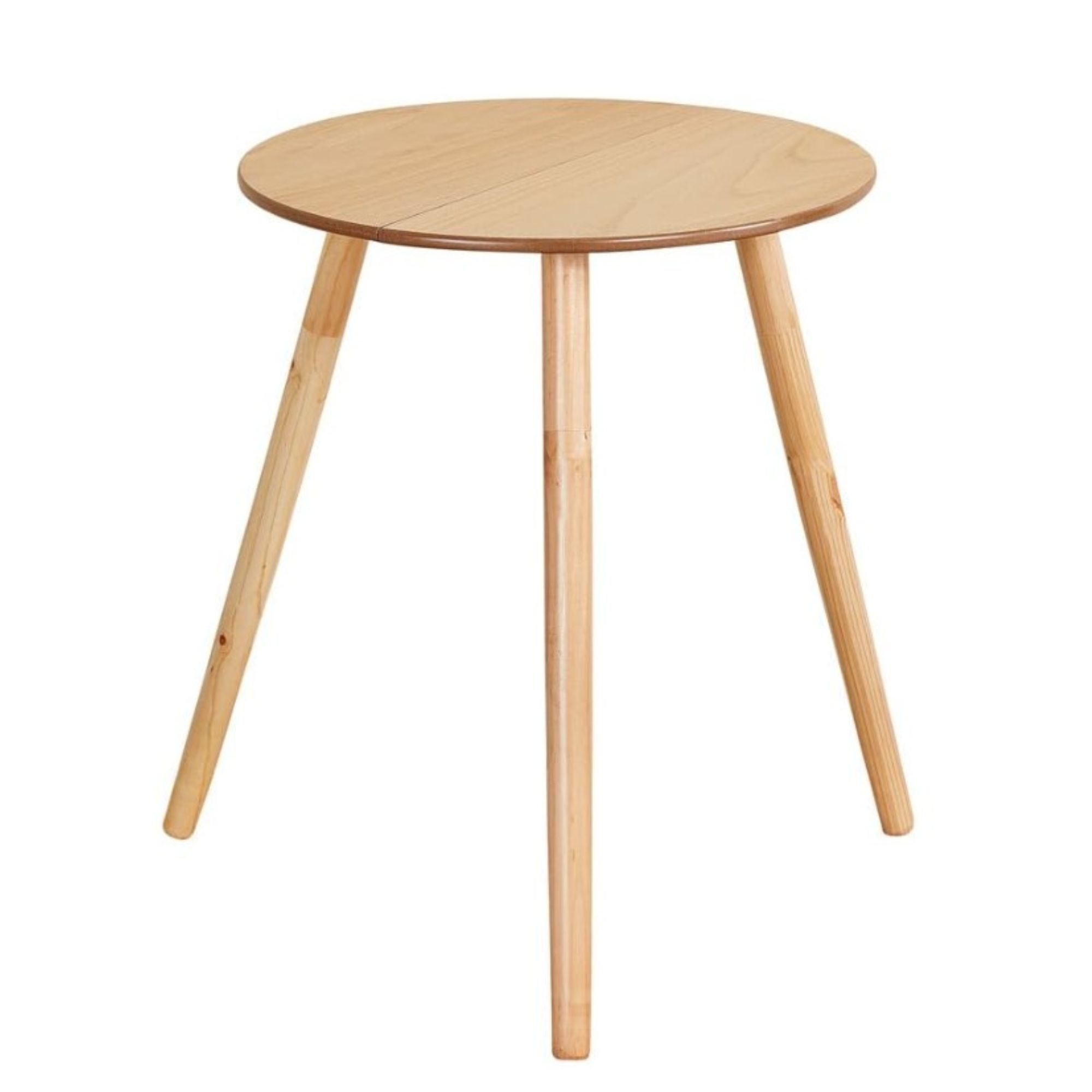
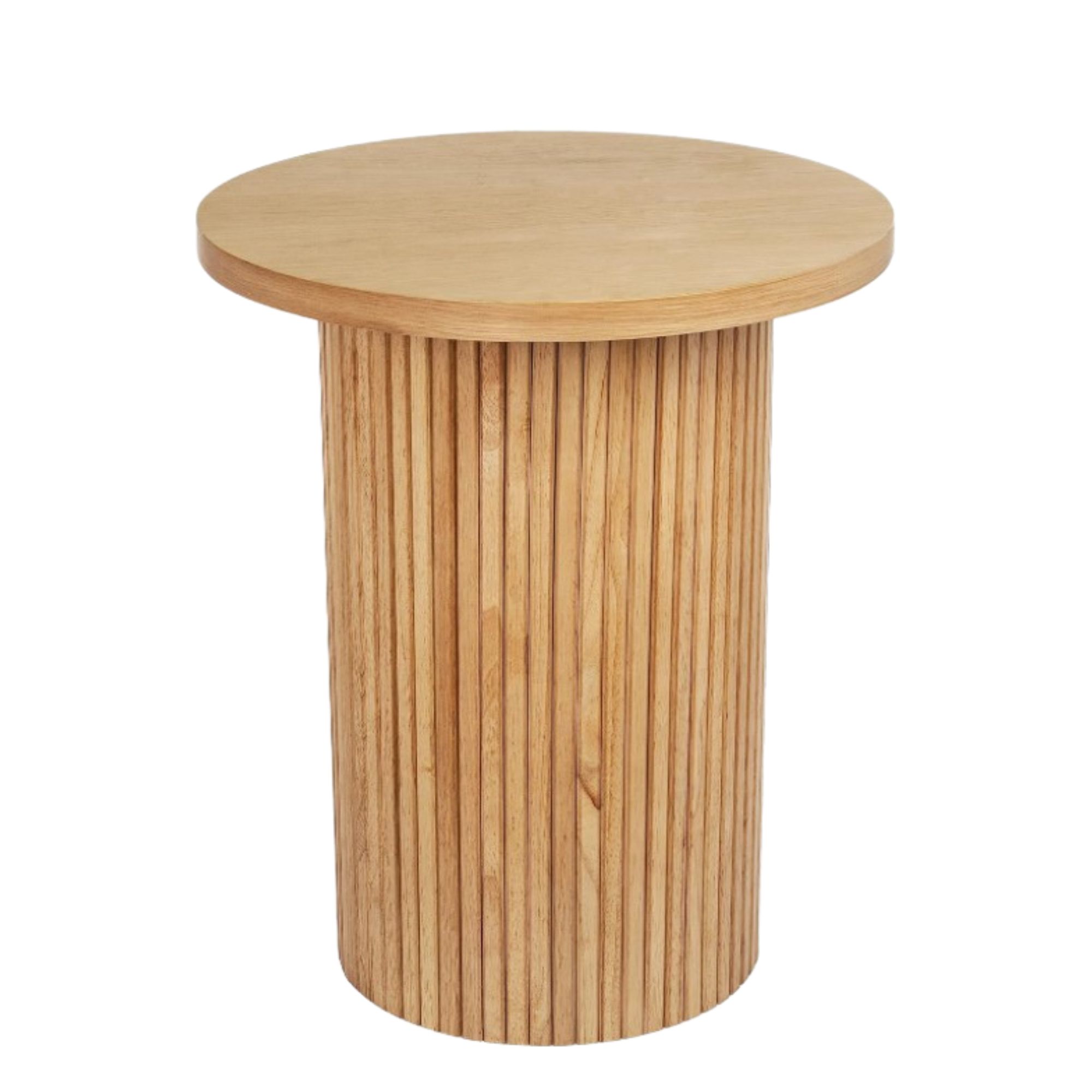
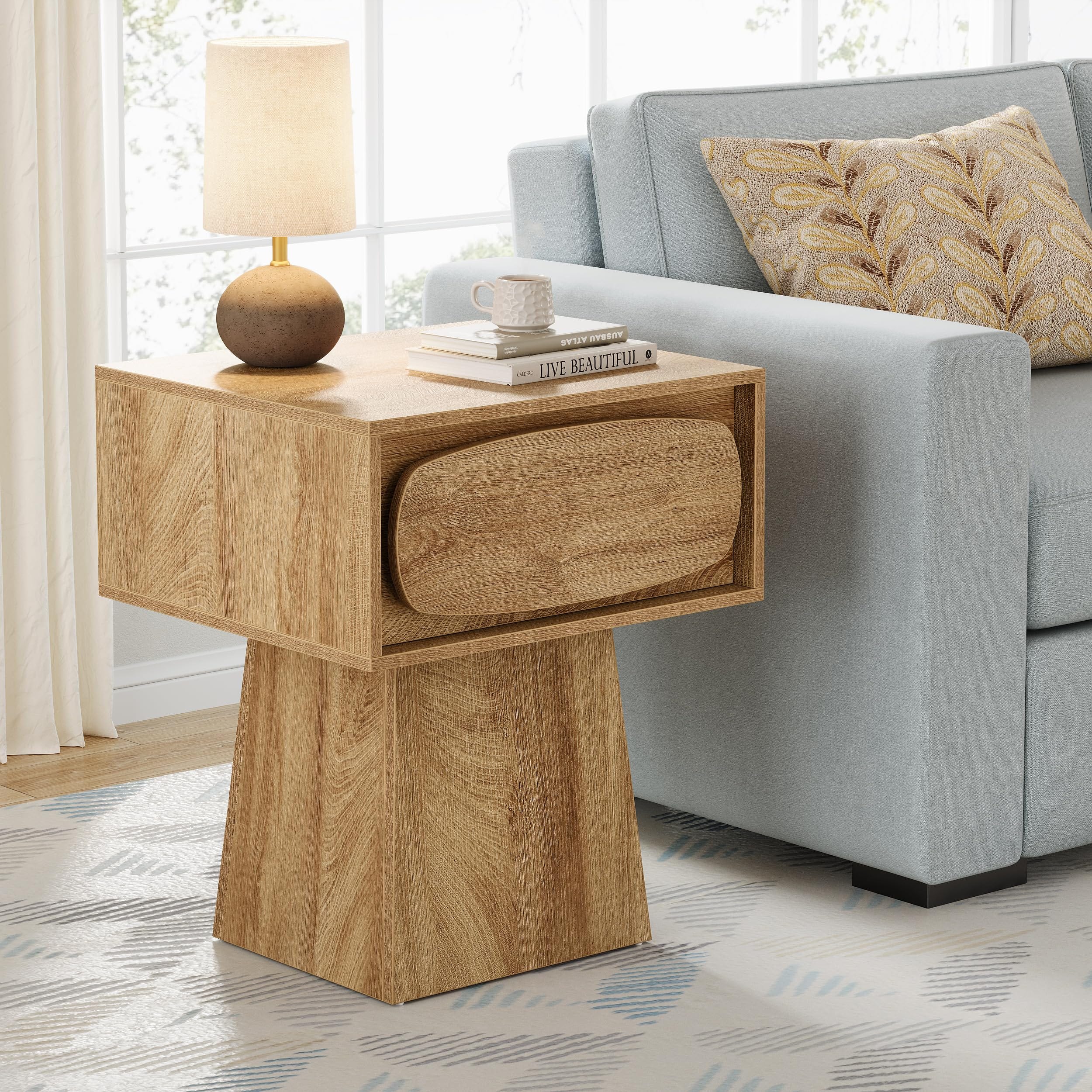
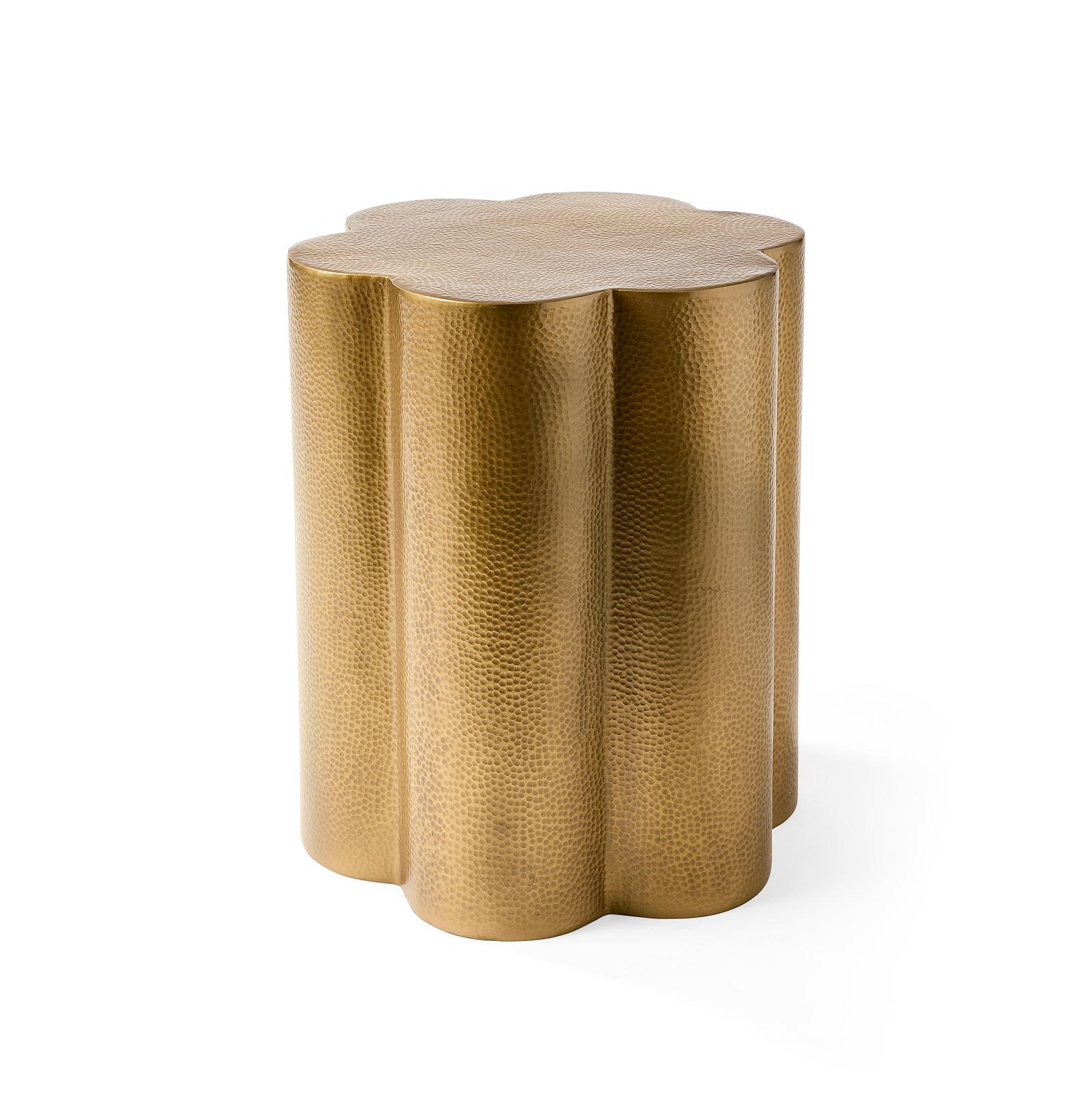
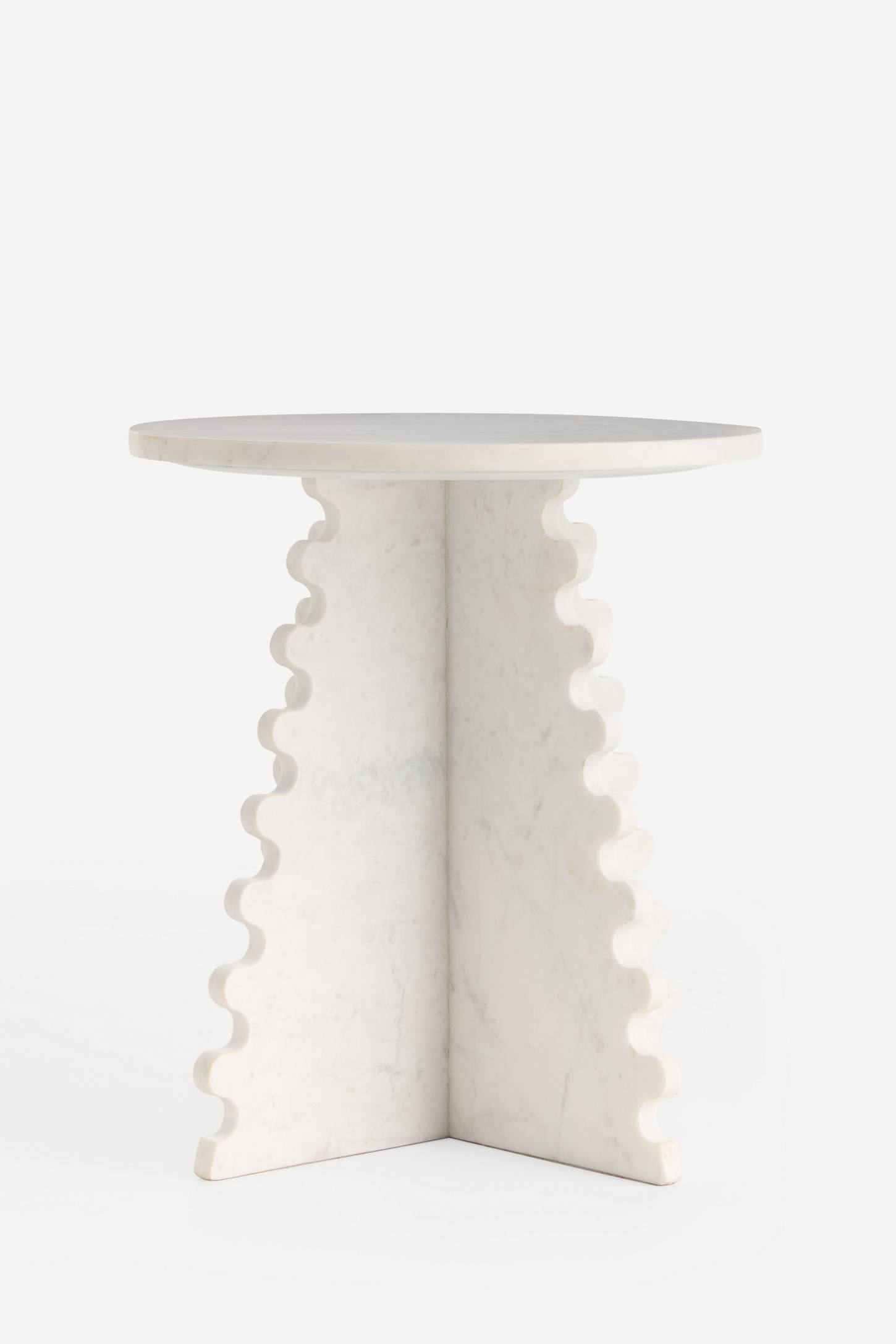
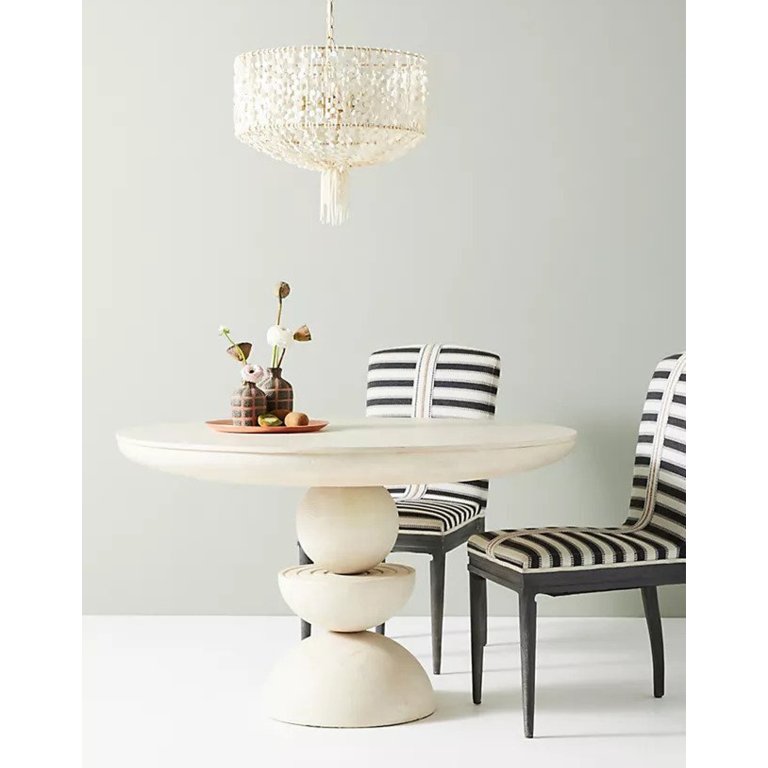
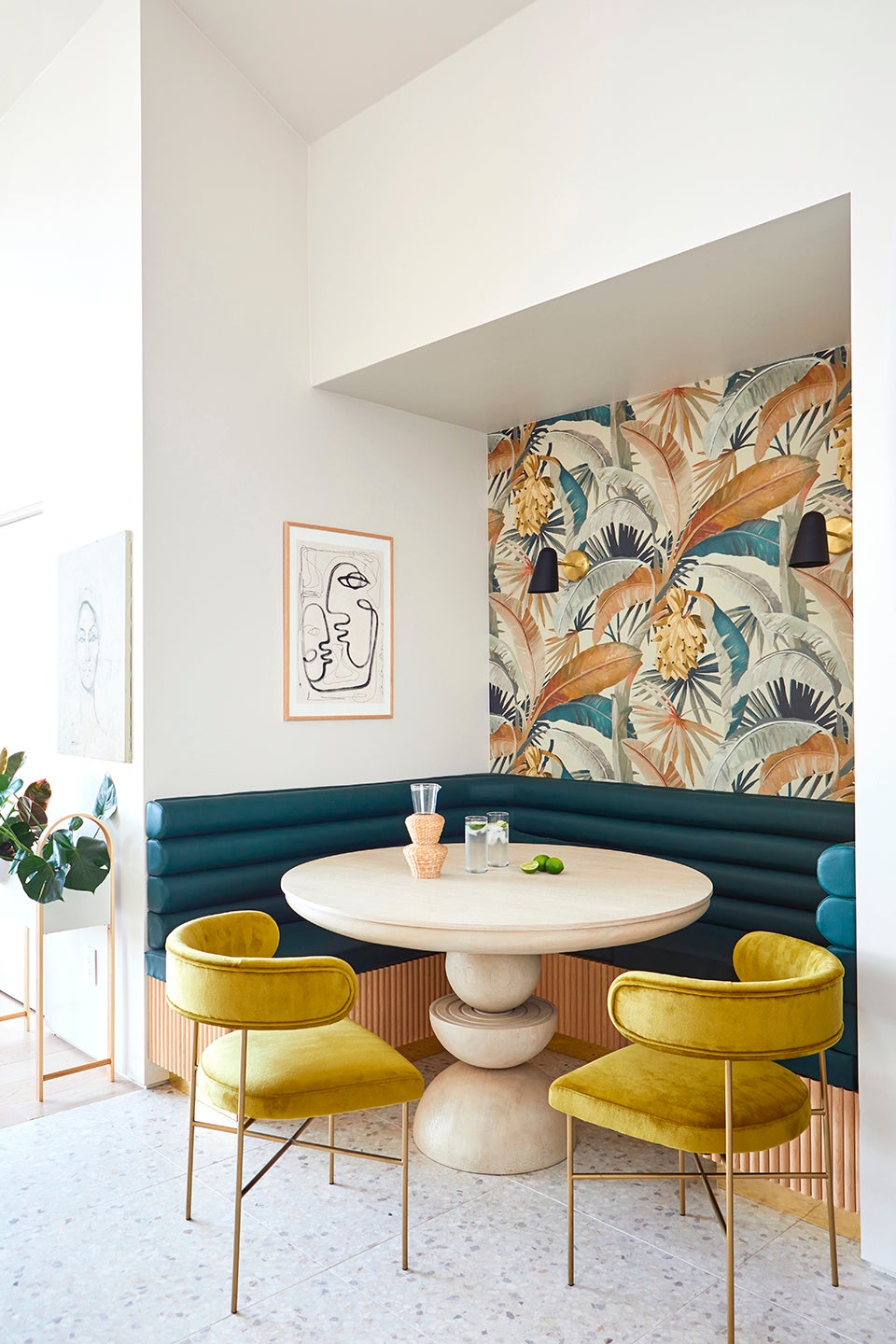
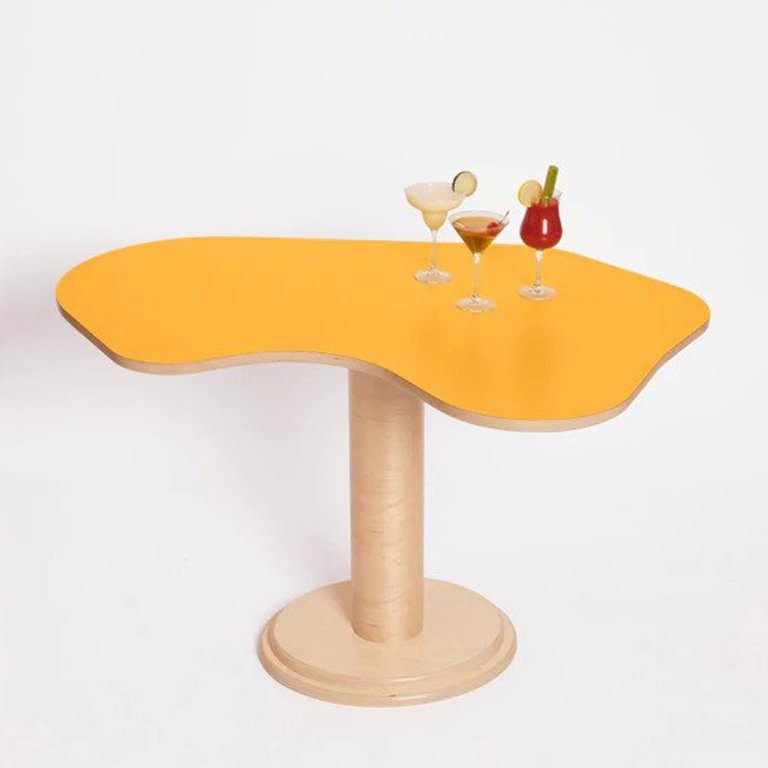
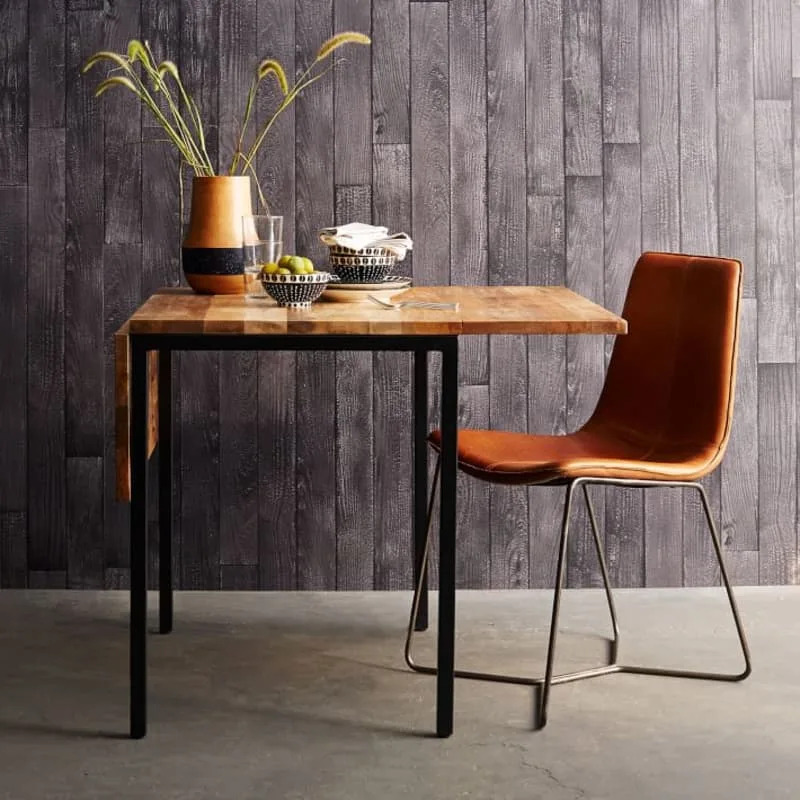
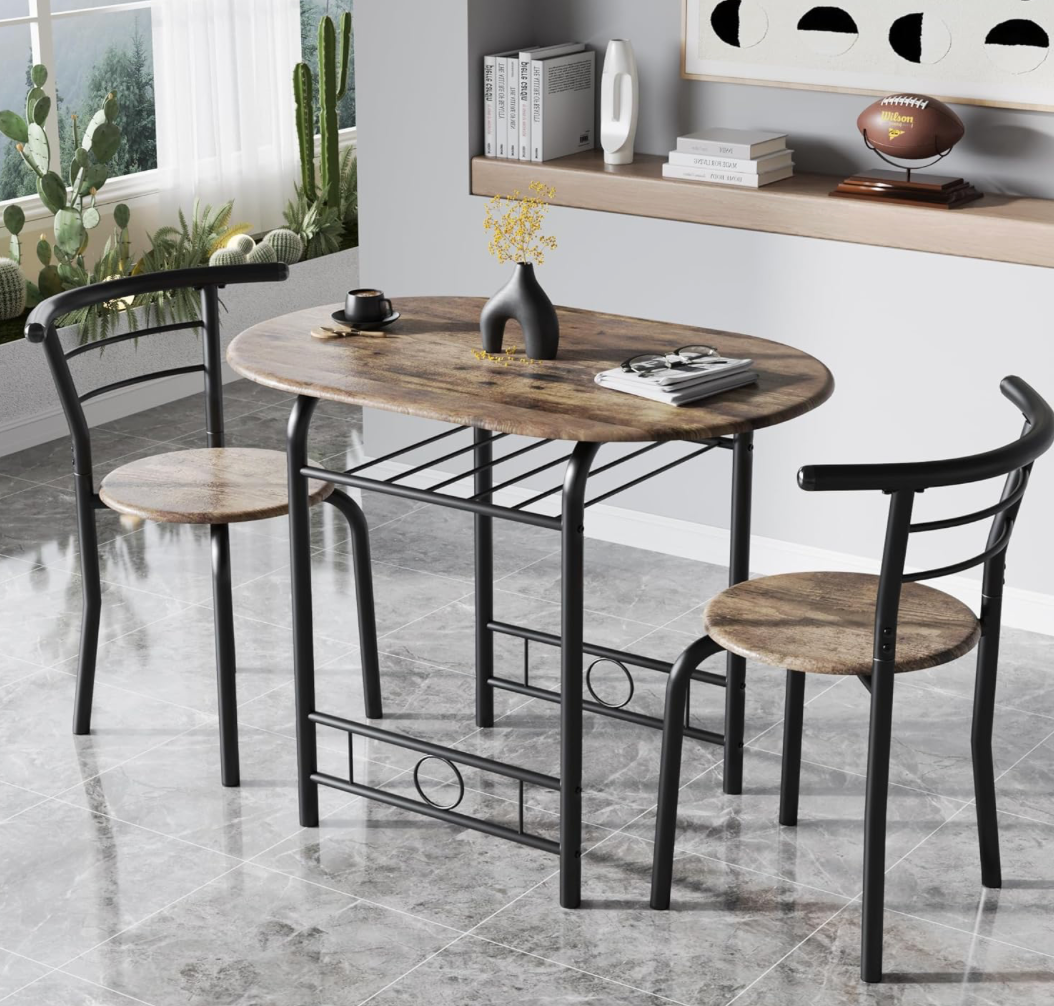
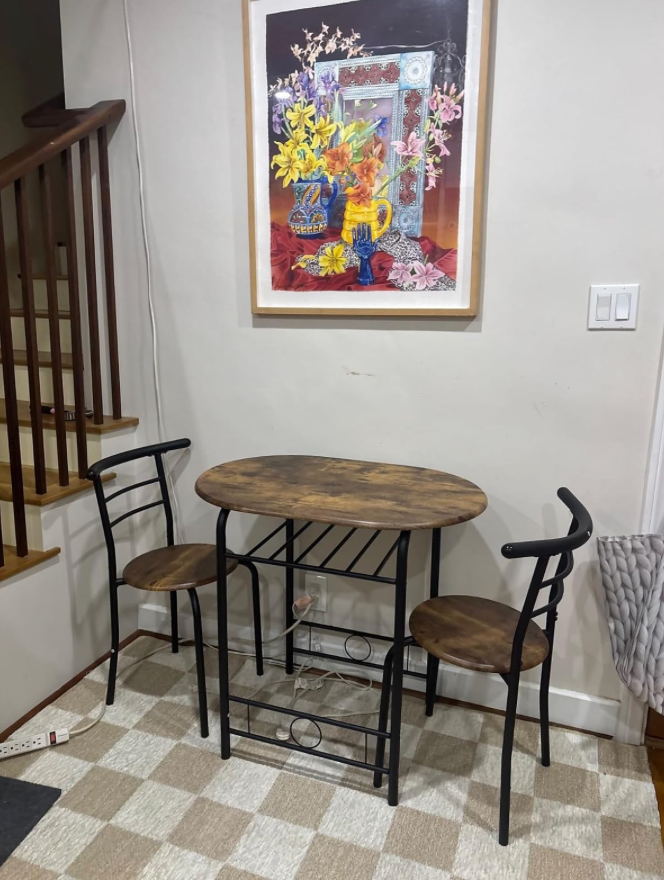
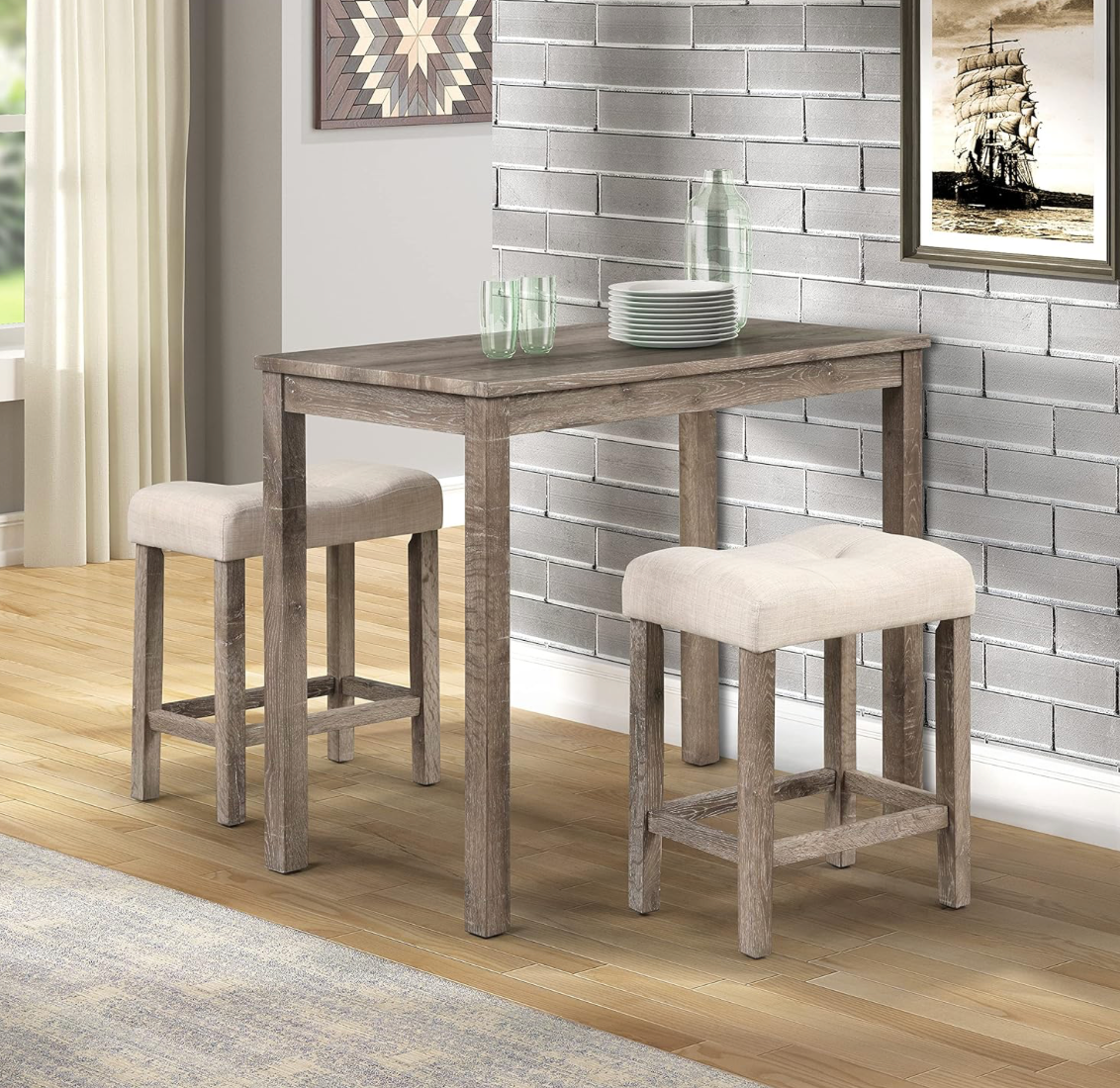
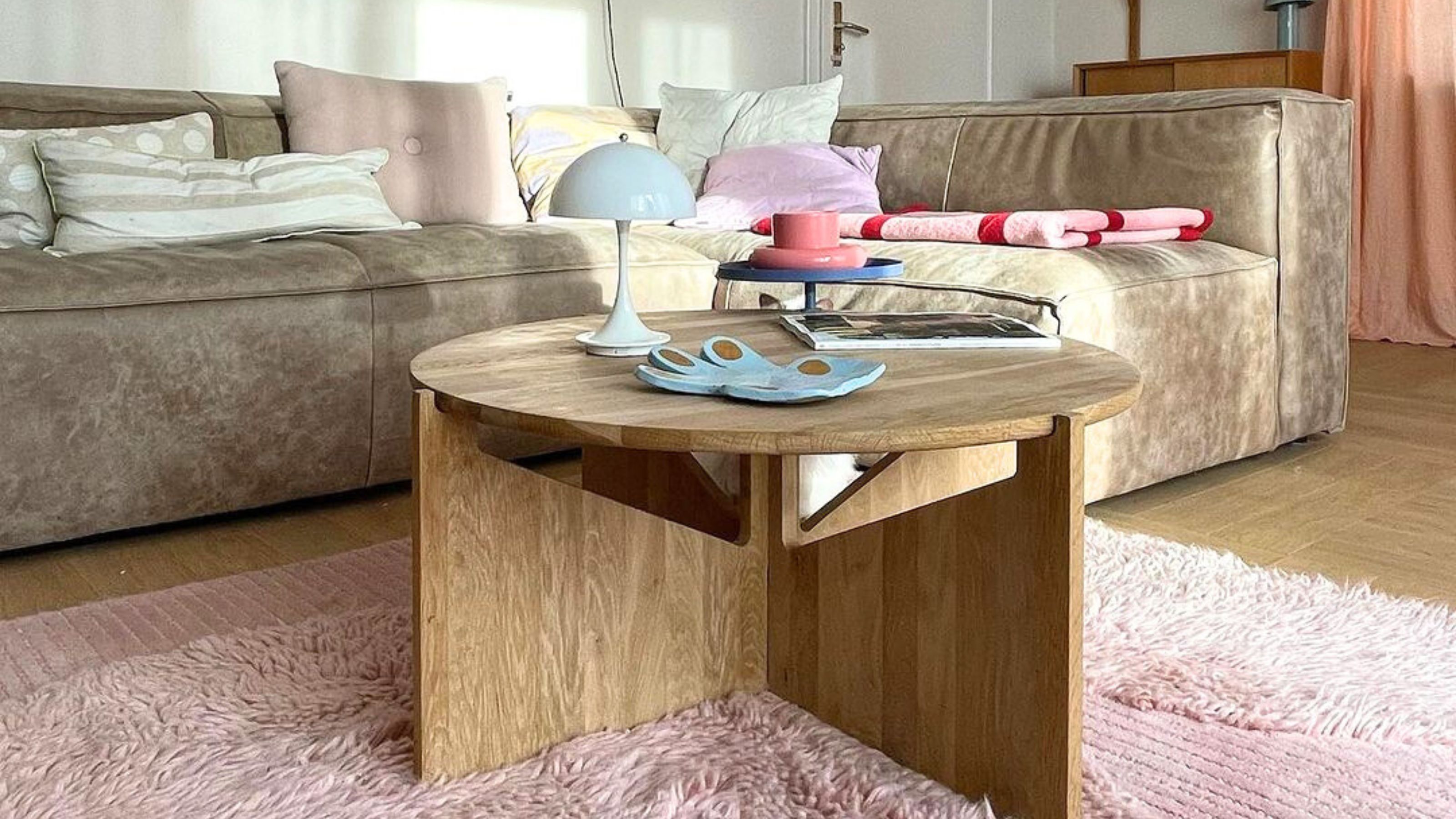
The article highlights the emerging interior design trend of incorporating 'tiny tables,' also known as cocktail tables, into living spaces as a versatile and aesthetically pleasing alternative to traditional coffee tables. These smaller, often sculptural pieces are gaining significant popularity in 2025 due to their ability to serve both functional and decorative purposes, making a strong visual impression despite their size.
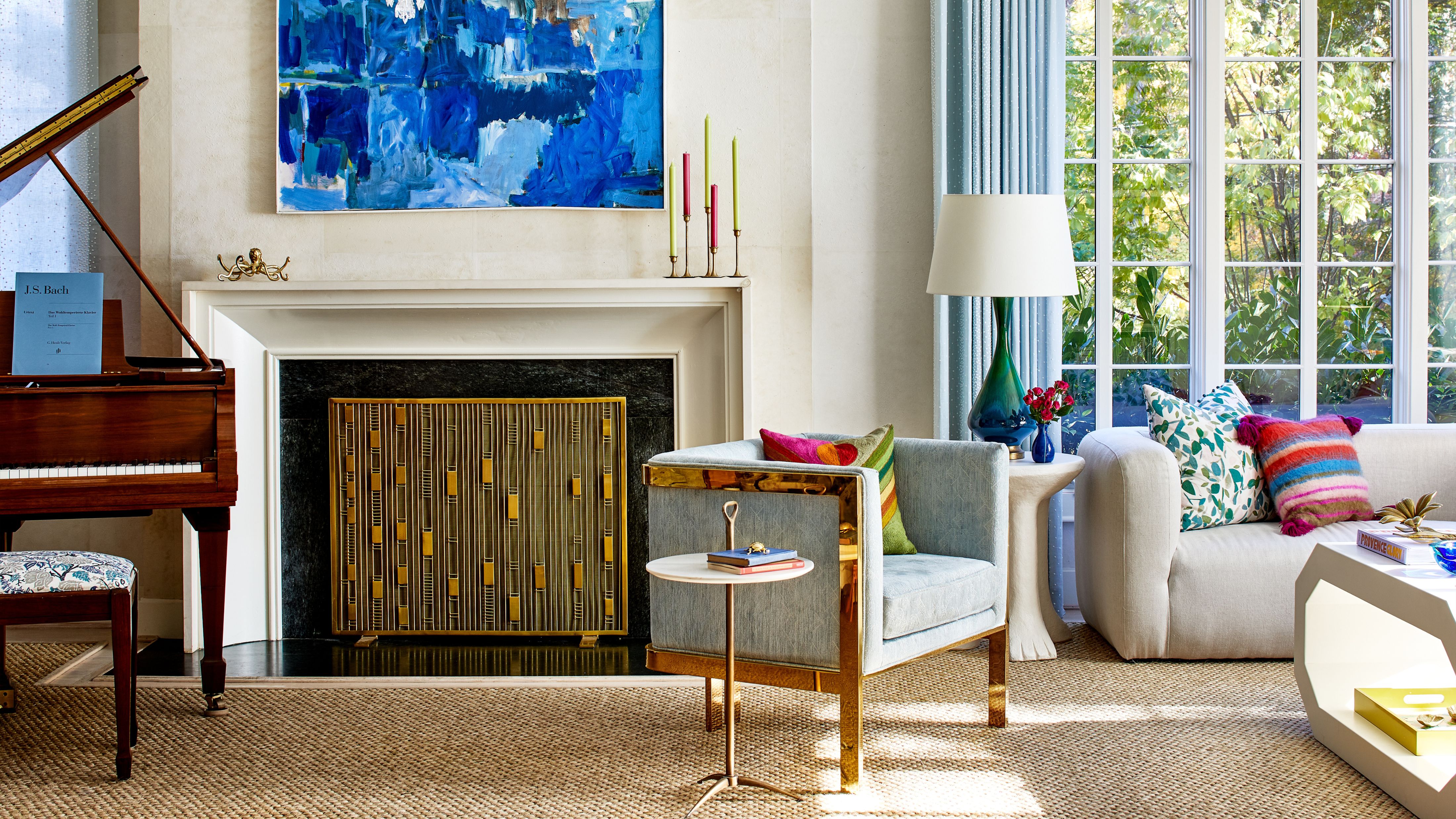
Designers emphasize that tiny tables act as a crucial element in a room, akin to a "punctuation mark" that completes a seating arrangement without overwhelming it. Unlike the more conventional and often larger coffee tables, tiny tables are praised for their sculptural qualities and their capacity to function as standalone art pieces. They provide practical surfaces for placing drinks, books, or small decorative accents like flowers and candles, adding dimension and character to a room. This trend is seen across various high-end and accessible brands, including CB2, Joon Loloi, and Reflections Copenhagen, indicating its widespread adoption in contemporary design.
A key benefit highlighted by designers is the enhanced versatility of tiny tables. They are not confined to just living rooms; designers like Antonio Pippo suggest using them in bedrooms to create cozy retreats with a pair of chairs, while Marika Meyer sees them transforming hallways into elegant pedestals for plants. Darci Hether even recommends them for bathrooms, positioned next to freestanding tubs for practical indulgence, holding wine glasses or stacks of towels. This adaptability allows homeowners to integrate these tables into diverse spaces, maximizing both utility and aesthetic appeal.
The article also addresses concerns about potential overuse of tiny tables, with designer Michelle Barry advocating for their abundance, especially in larger homes, to ensure convenience for guests. Even in smaller spaces, the rationale holds, as multiple small tables strategically placed can be more functional than a single, large coffee table. To prevent a monotonous or "matchy-matchy" look, designers advise clustering different tiny tables with varied finishes, materials, and leg styles, creating visual interest and avoiding a sterile showroom appearance. Peggy Haddad, a Denver-based designer, specifically recommends mixing various textures and styles, citing examples from Currey & Company to achieve an eclectic yet cohesive design.
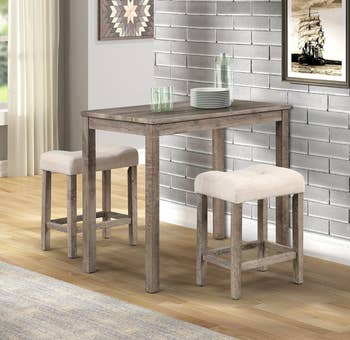
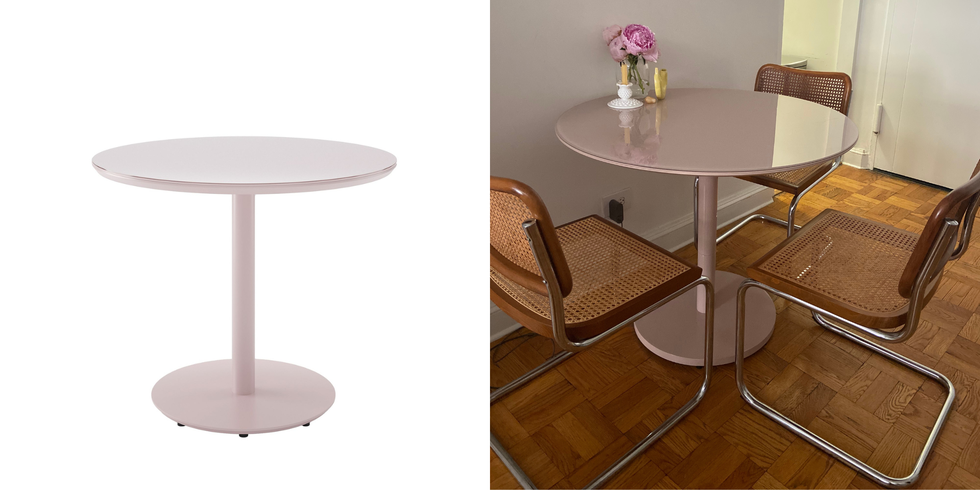
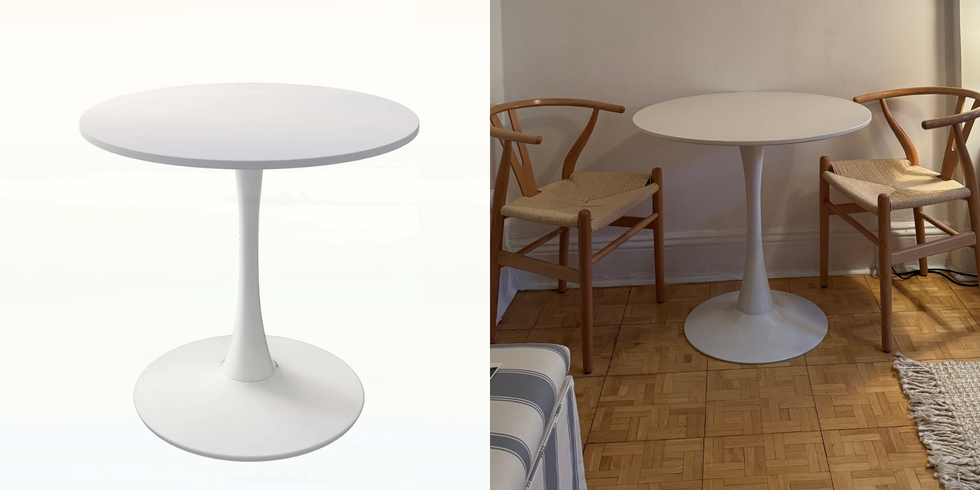
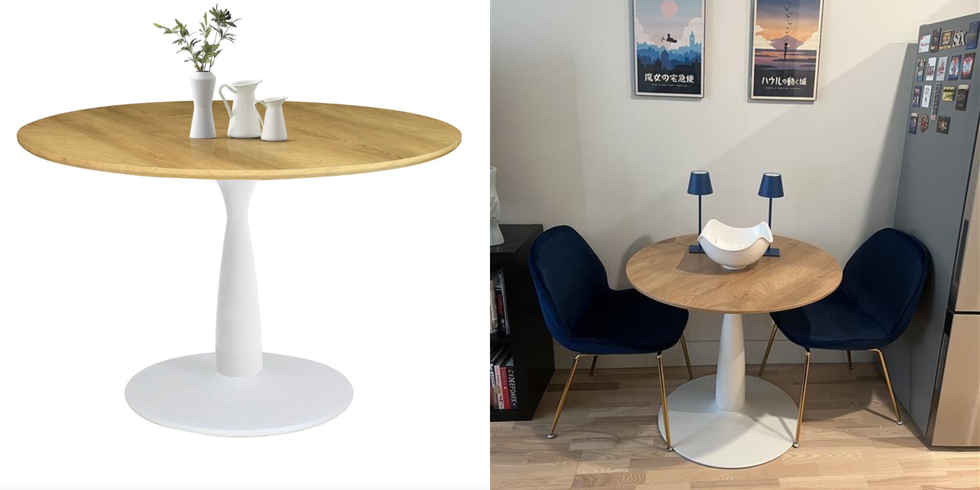
However, a crucial consideration for implementing this trend successfully is proper scaling. Designers caution against tables that are too tall or too short relative to the surrounding seating, emphasizing that a cocktail table should ideally align with the seat and arm height of adjacent chairs or sofas. Accurate measurement before purchase is essential to maintain aesthetic balance. The article concludes by showcasing a curated selection of tiny tables from various brands, illustrating diverse styles from marble and wood to rattan and iron, making them accessible for consumers looking to adopt this modern design approach.
#InteriorDesign #TinyTables #FurnitureTrends #CocktailTables #HomeDecor #DesignVersatility #ModernInteriors #FunctionalDecor #2025Trends #InteriorDesign #TinyTables #FurnitureTrends #CocktailTables #HomeDecor #DesignVersatility #ModernInteriors #FunctionalDecor #2025Trends
0 opmerkingen in totaal
 Nog geen opmerkingen
Dit vindt u mogelijk ook leuk
How to fit a table into a small space, according to interior designers

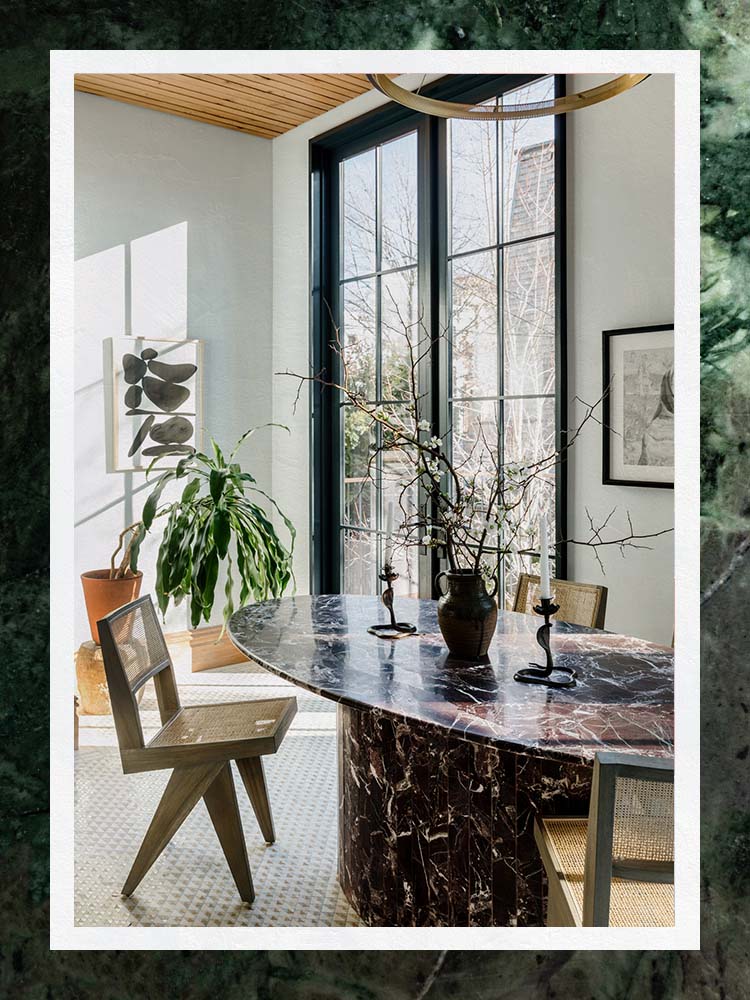
The Best Dining Tables, as Seen in Our Favorite Spaces

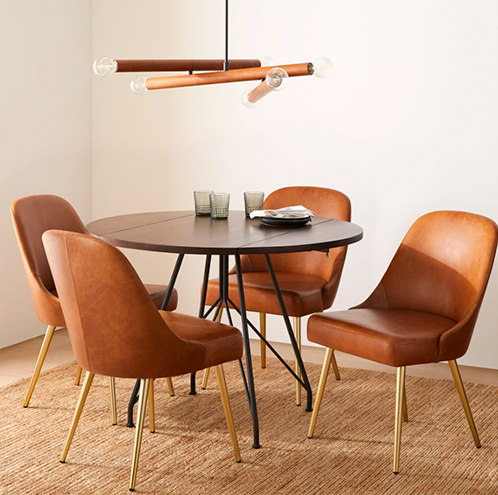
This Foldable Dining Table Will Maximize Your Small Space (and It's On Sale for $126)

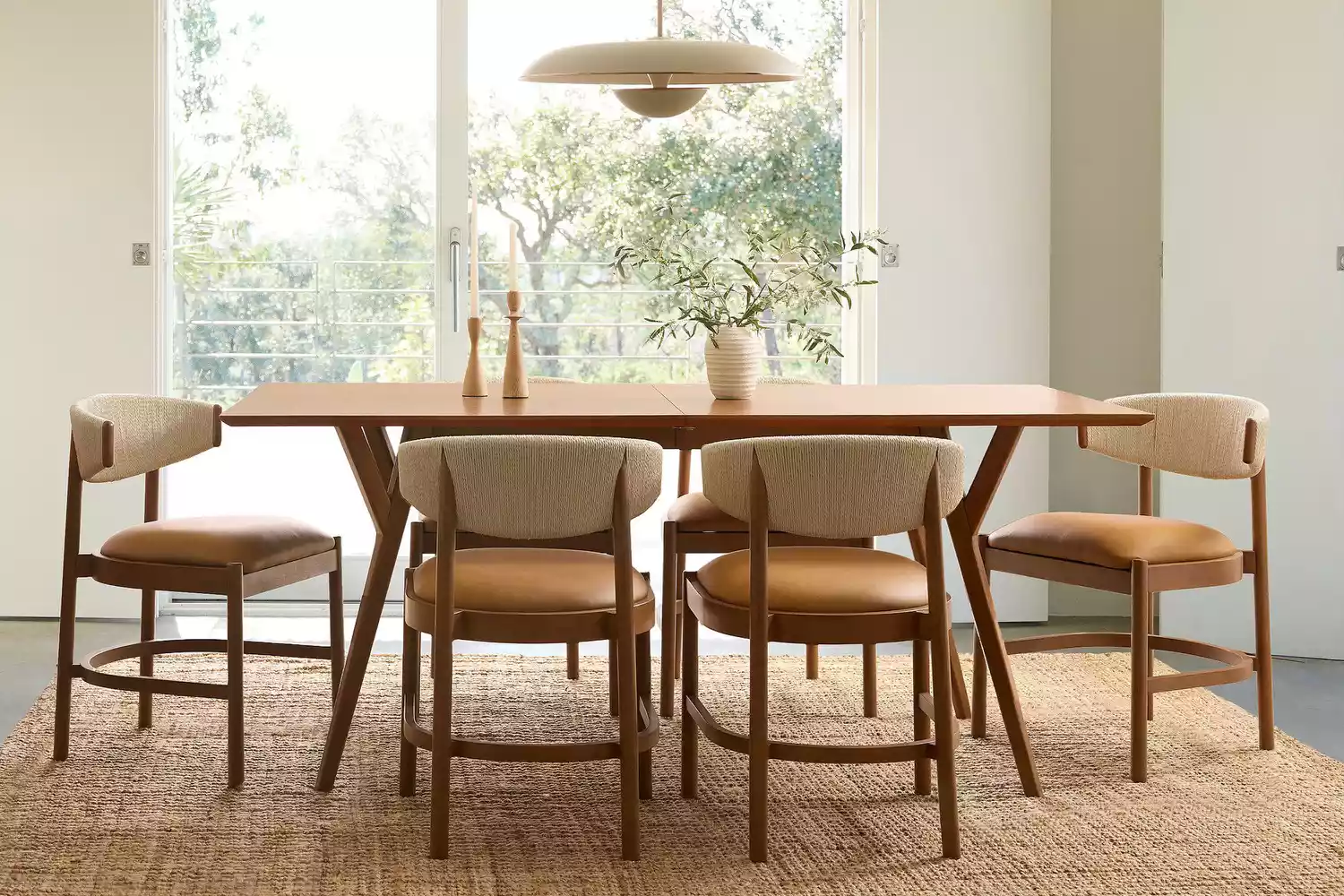
Time to Upgrade Your Dining Table? These Designer-Approved Picks Are on Sneaky Sale

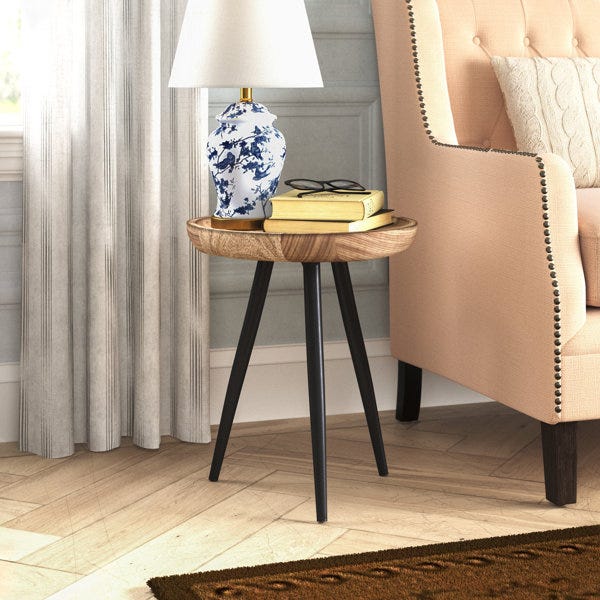
The Best Small End Tables for Drinks, Books, or Extra Storage
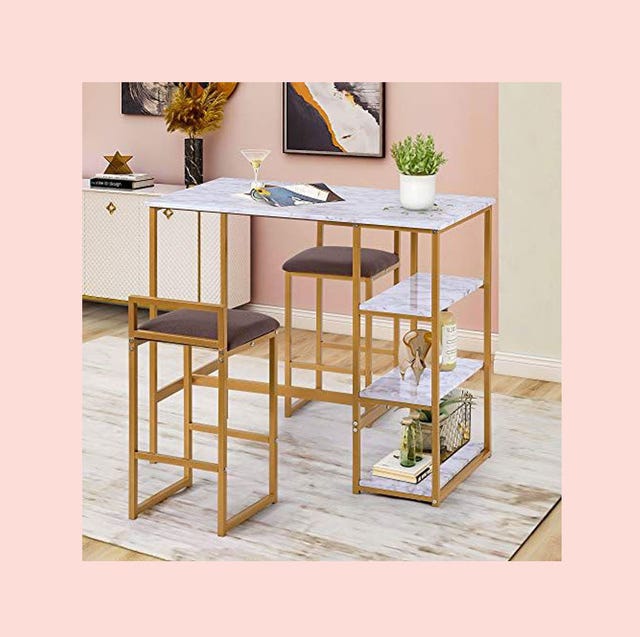
14 of the best small dining tables for feasting in style
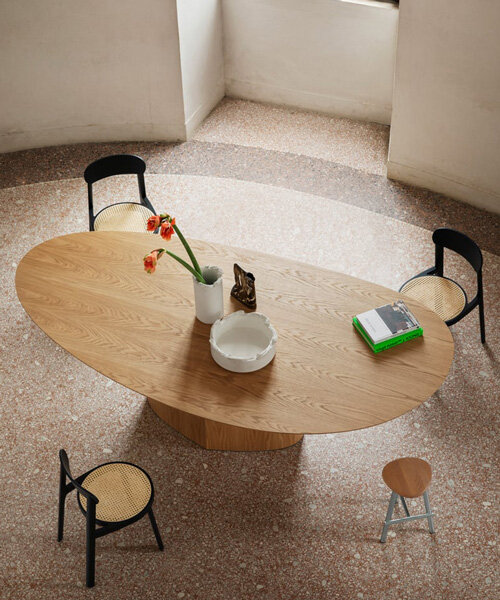
curving tabletops perch atop a monolithic, leaf-shaped base for miniforms' monoplauto table
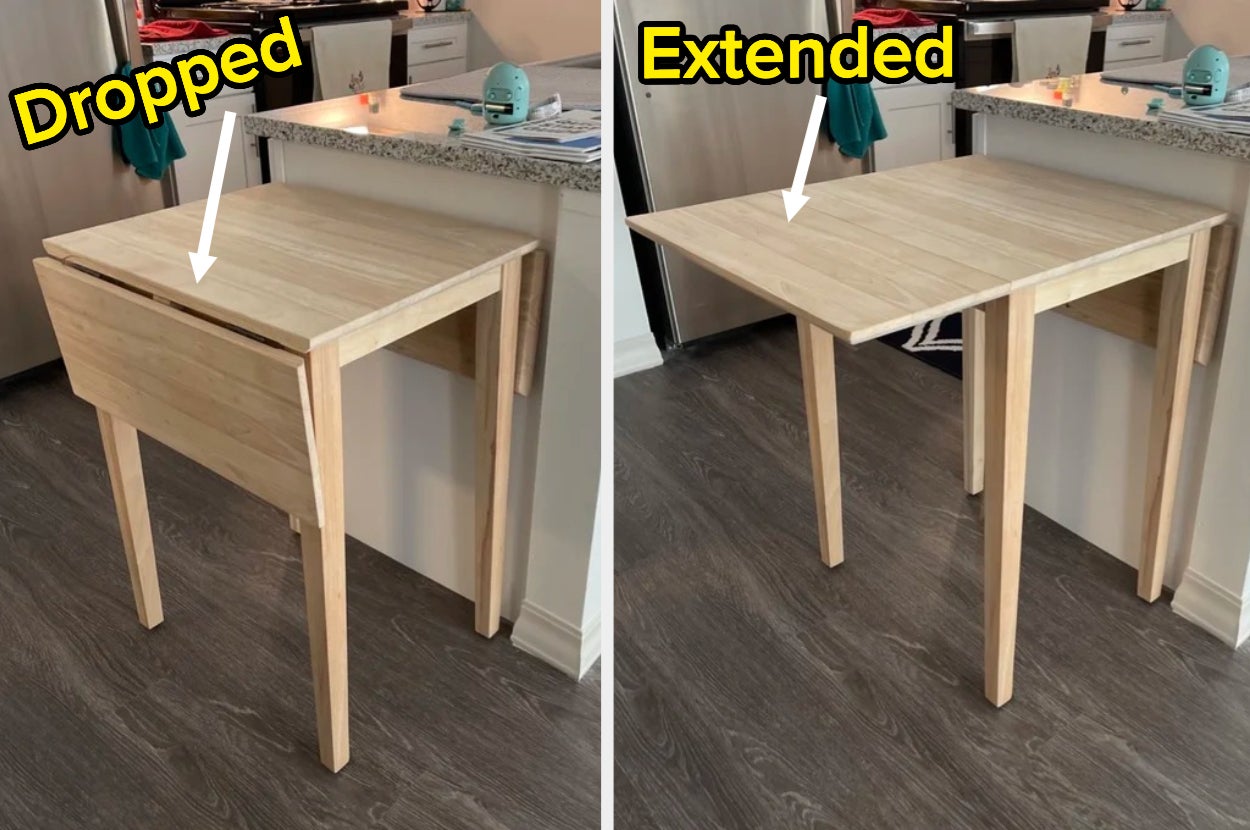
33 Of The Best Small Dining Tables That Will Fit Even The Tightest Space

35 Of The Best Small Dining Tables That Will Fit Even The Tightest Space
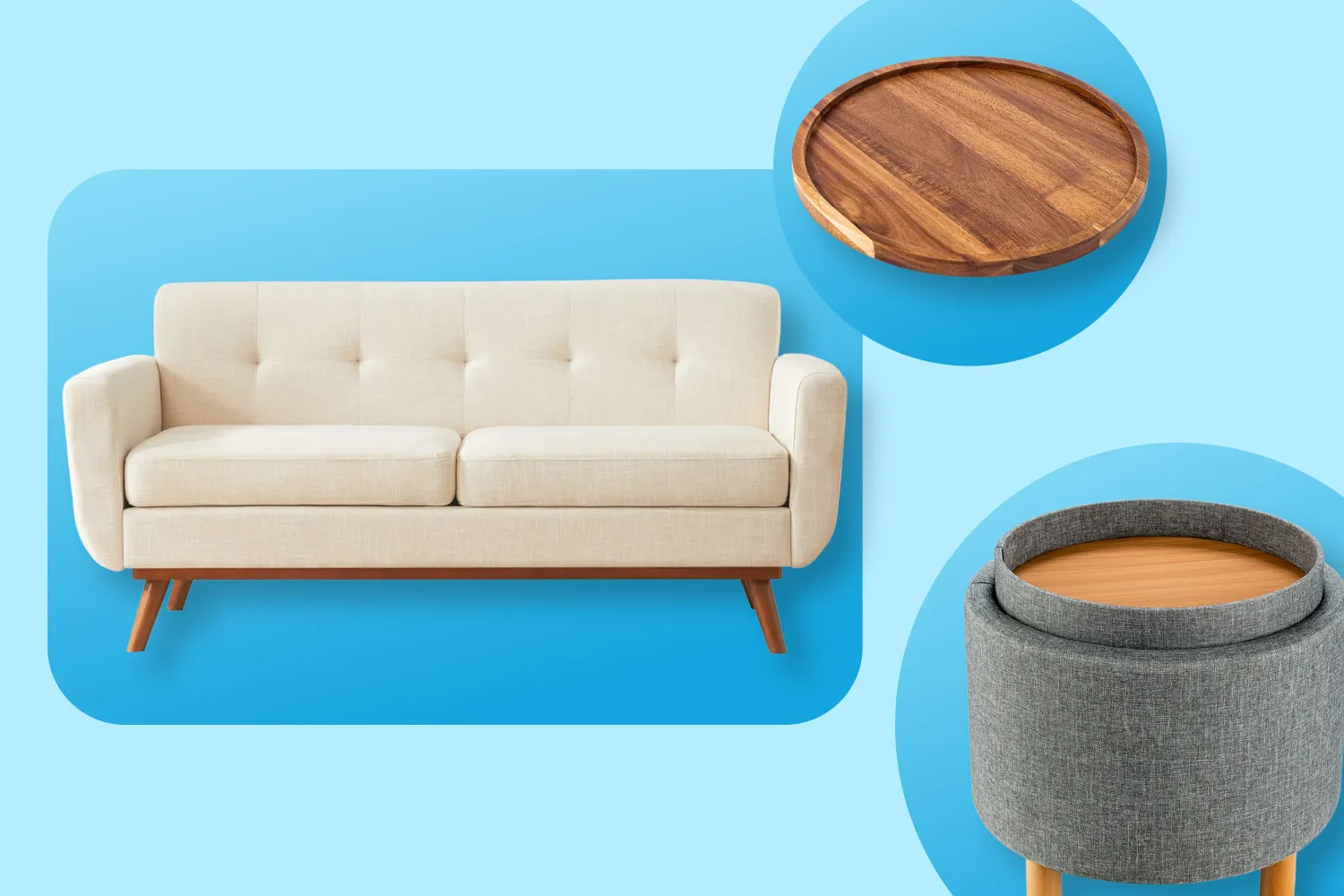
An Interior Designer Recommends Ditching 'Bulky Recliners' and Coffee Tables for These Space-Saving Pieces Instead

Ideas For Business – Call #1: Meet the three winning projects

The Best Dining Tables (and How to Shop for One)
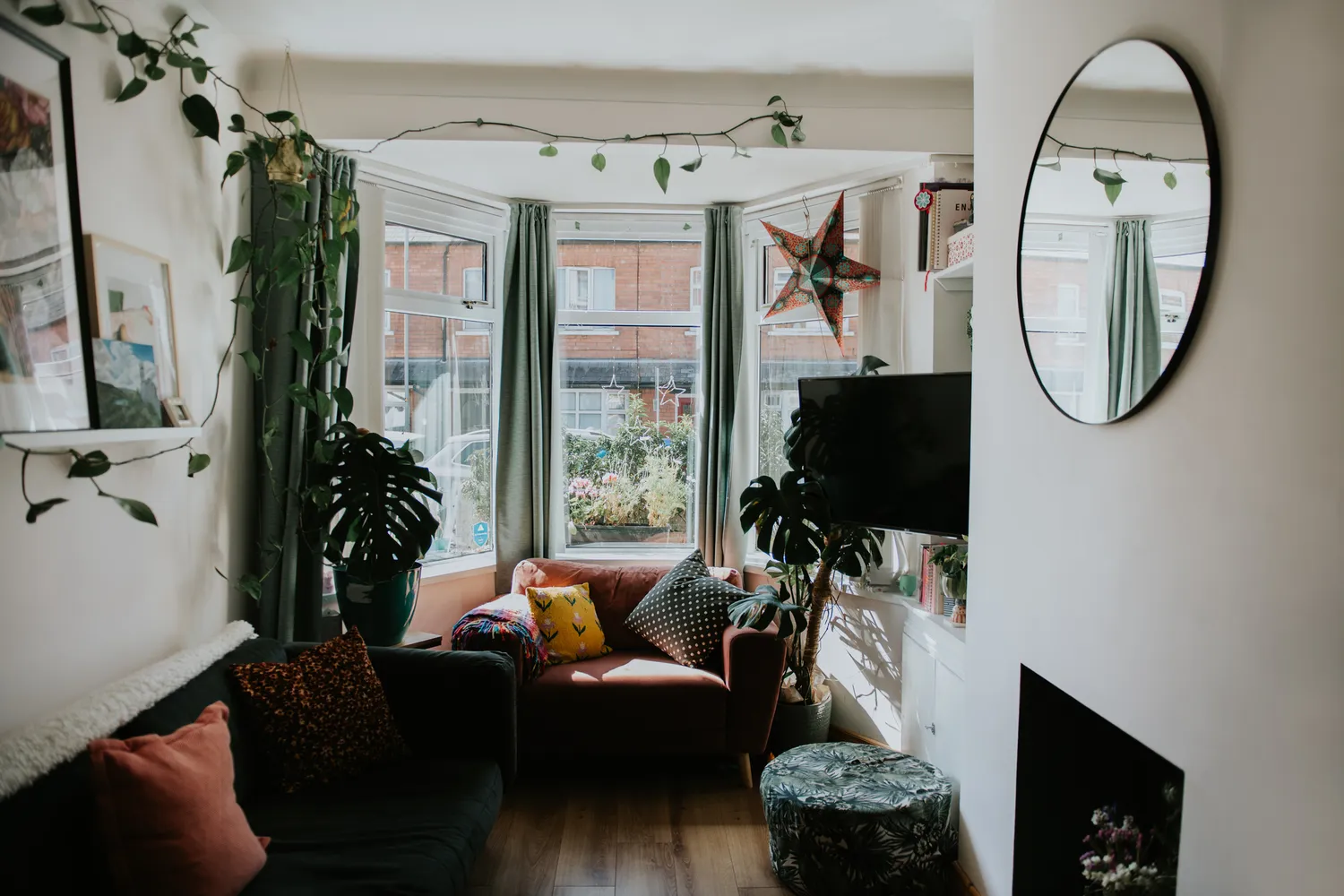
The One Thing Interior Designers Avoid in Small Rooms—and You Should Too

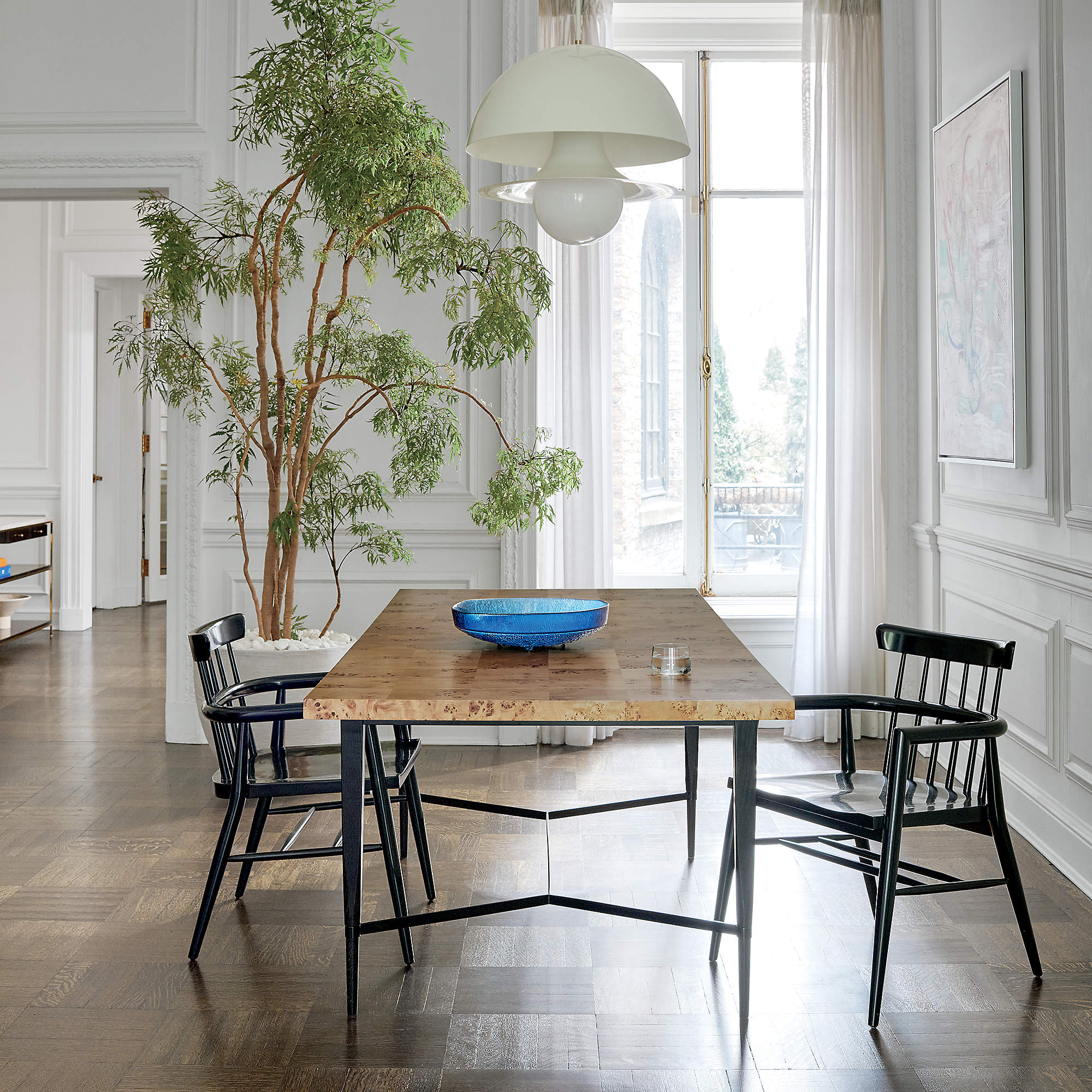
16 Editor-Approved Drop Leaf Tables Perfect for Small Spaces


15 Dining Tables For Super Small Spaces That'll Still Let You Host
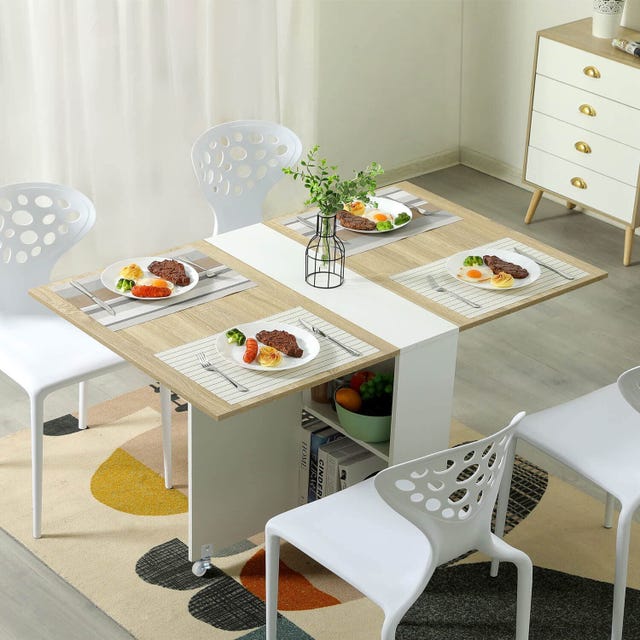
These Top-Rated Small Dining Tables Won’t Eat Up Space in Your Tiny Apartment (Promise)
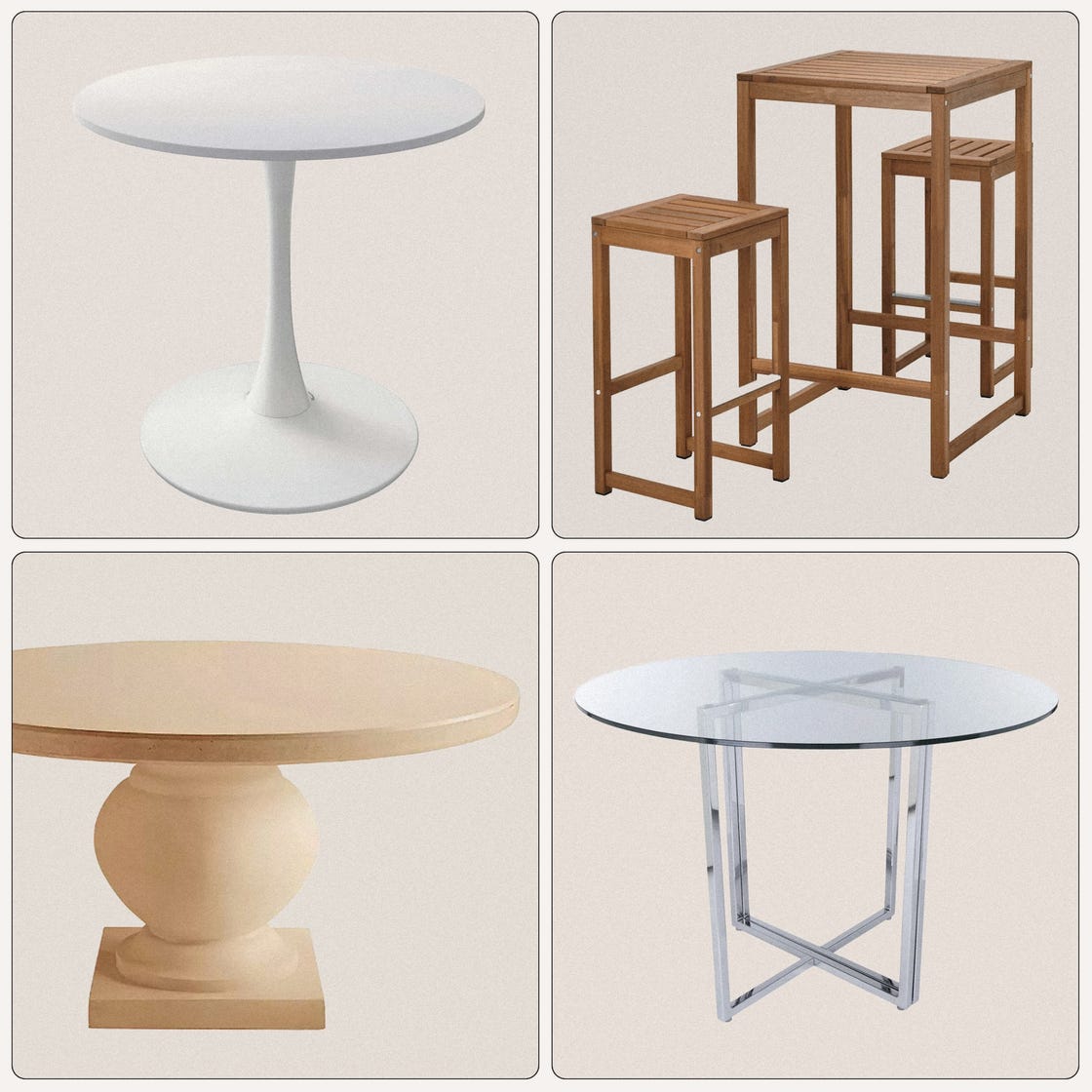
Small Dining Tables Are Having a Moment—and These 8 Are the BEST
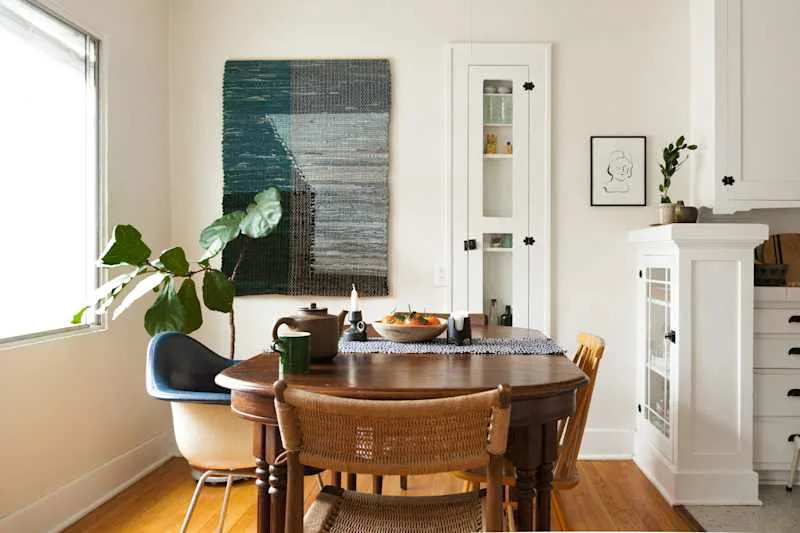
The "Life-Saving" Folding Table Small-Space Dwellers Can't Stop Raving About
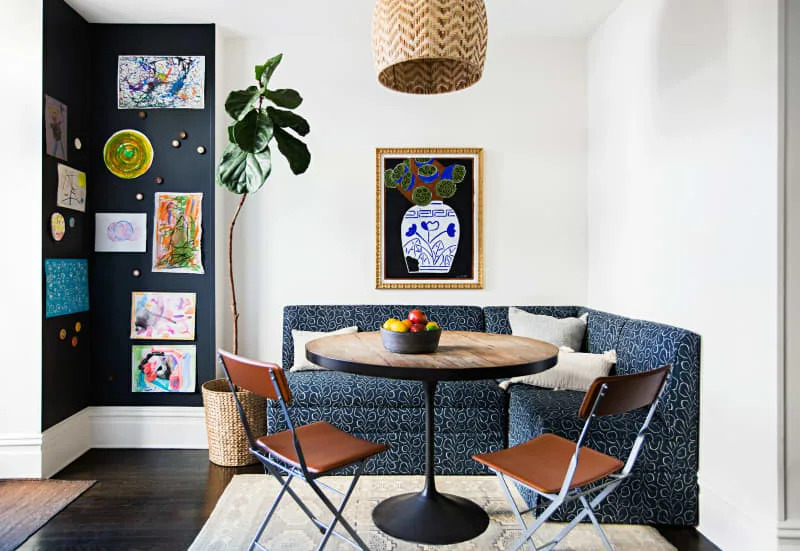
The Best Small-Space Dining Tables That Can Double as Work Desks
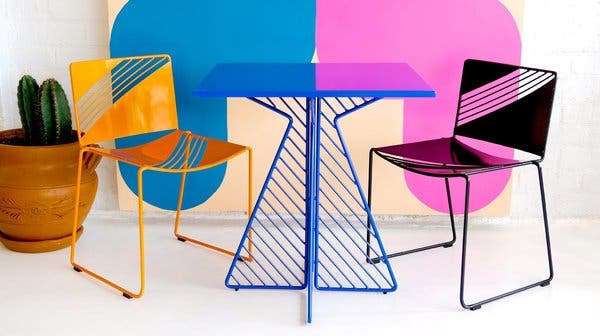
Shopping for Cafe Tables (Published 2019)