1/10
The Medicine Cabinet Meets the Modern Age
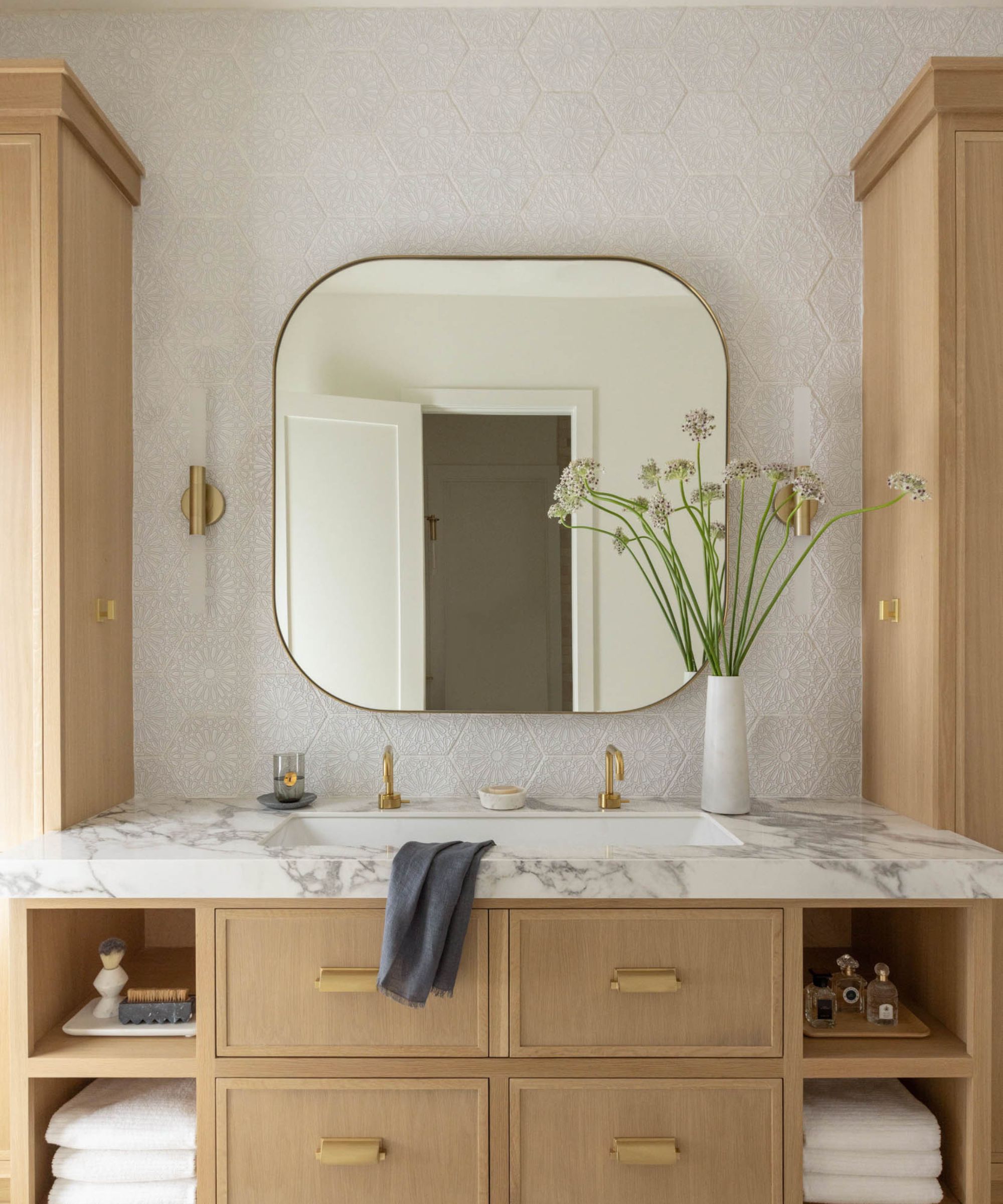
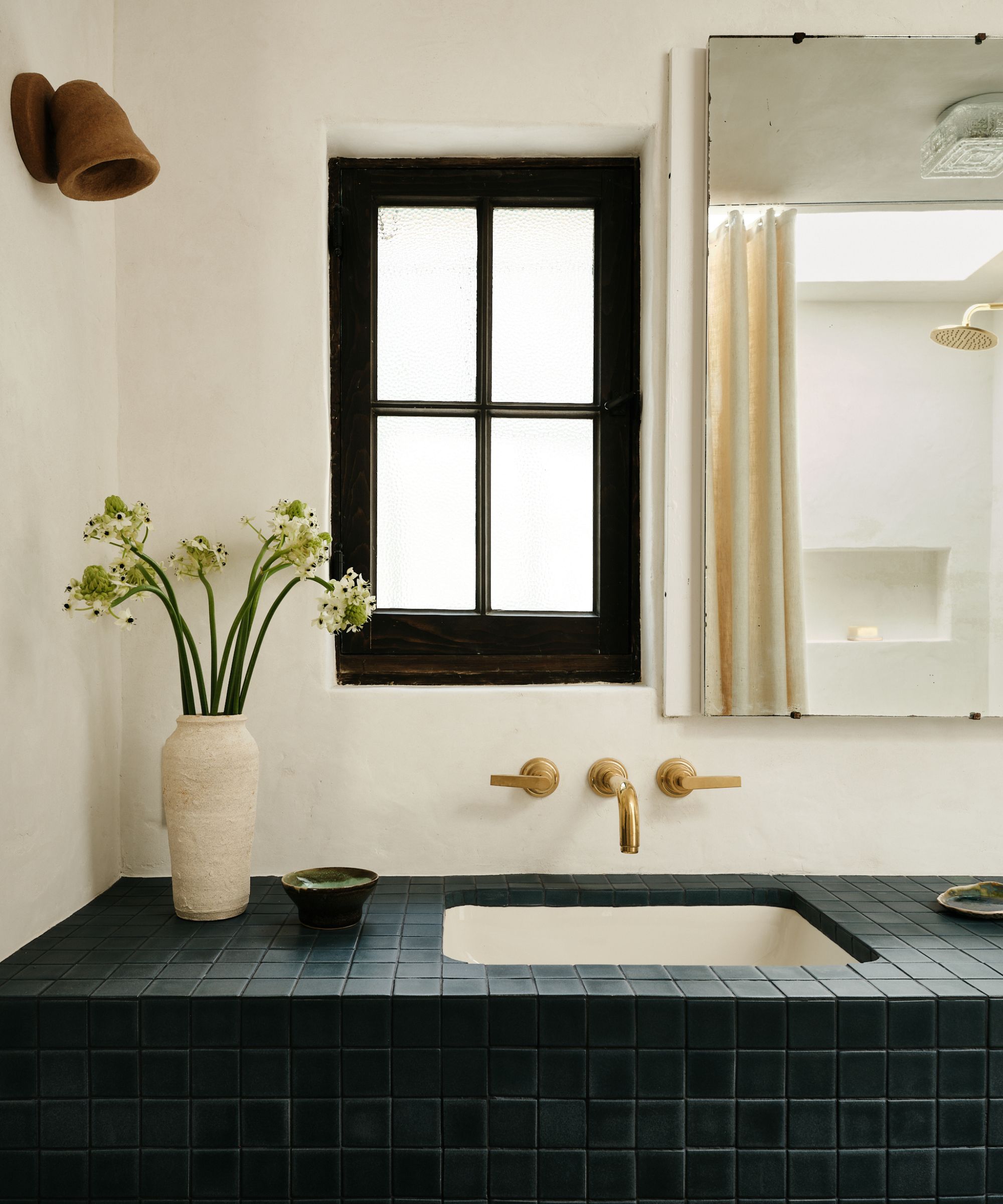
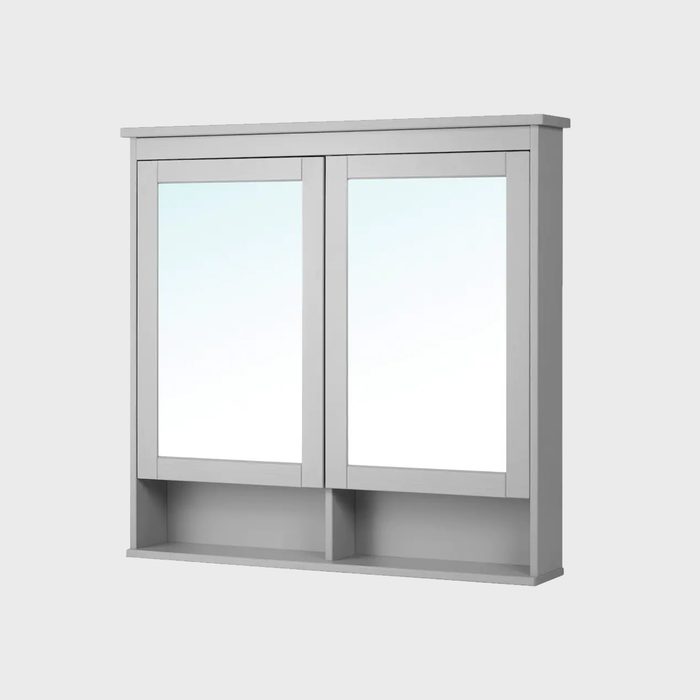
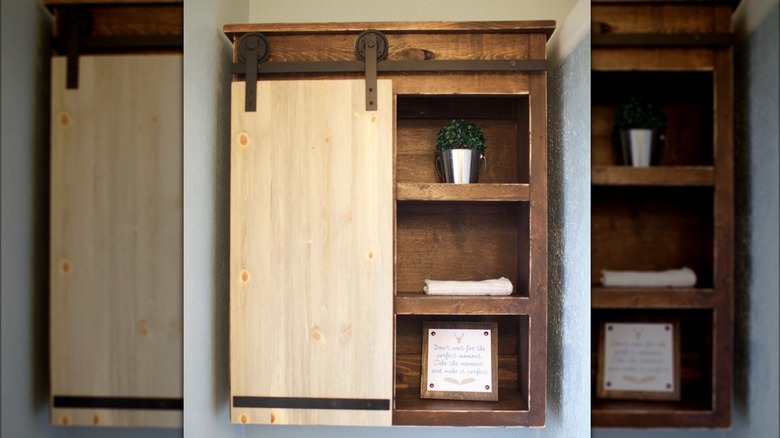
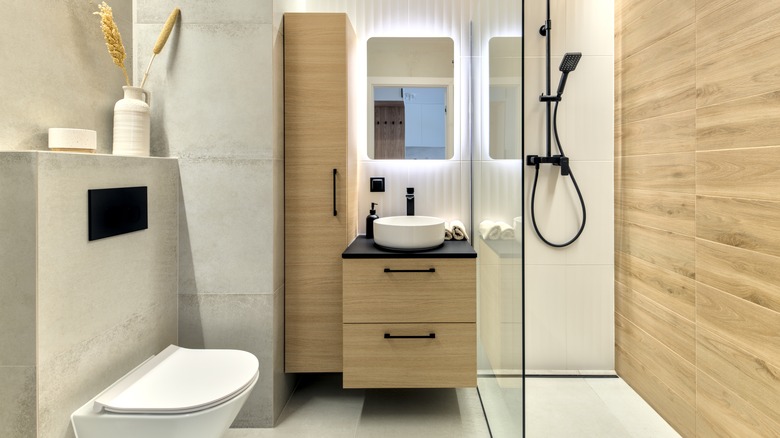
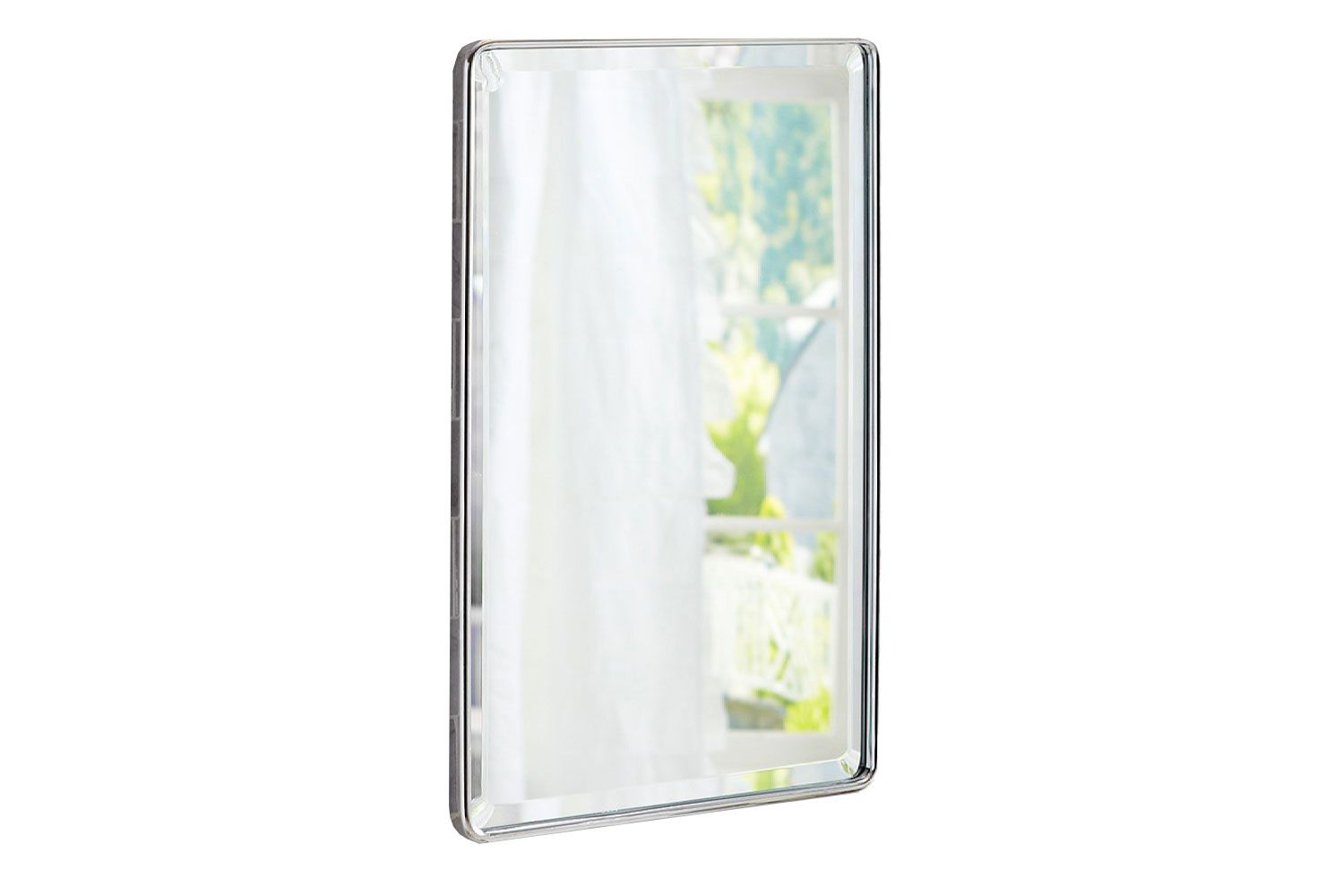
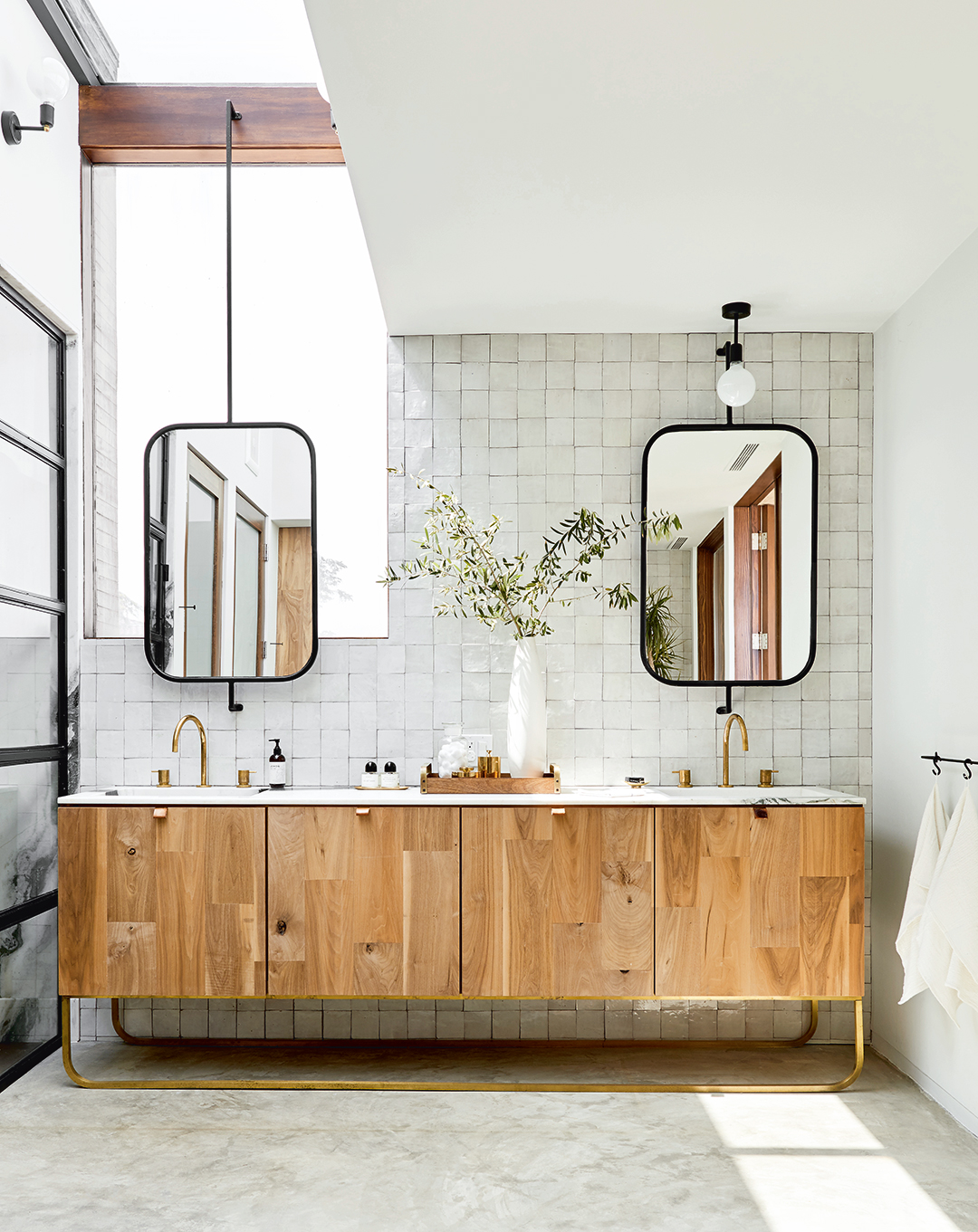
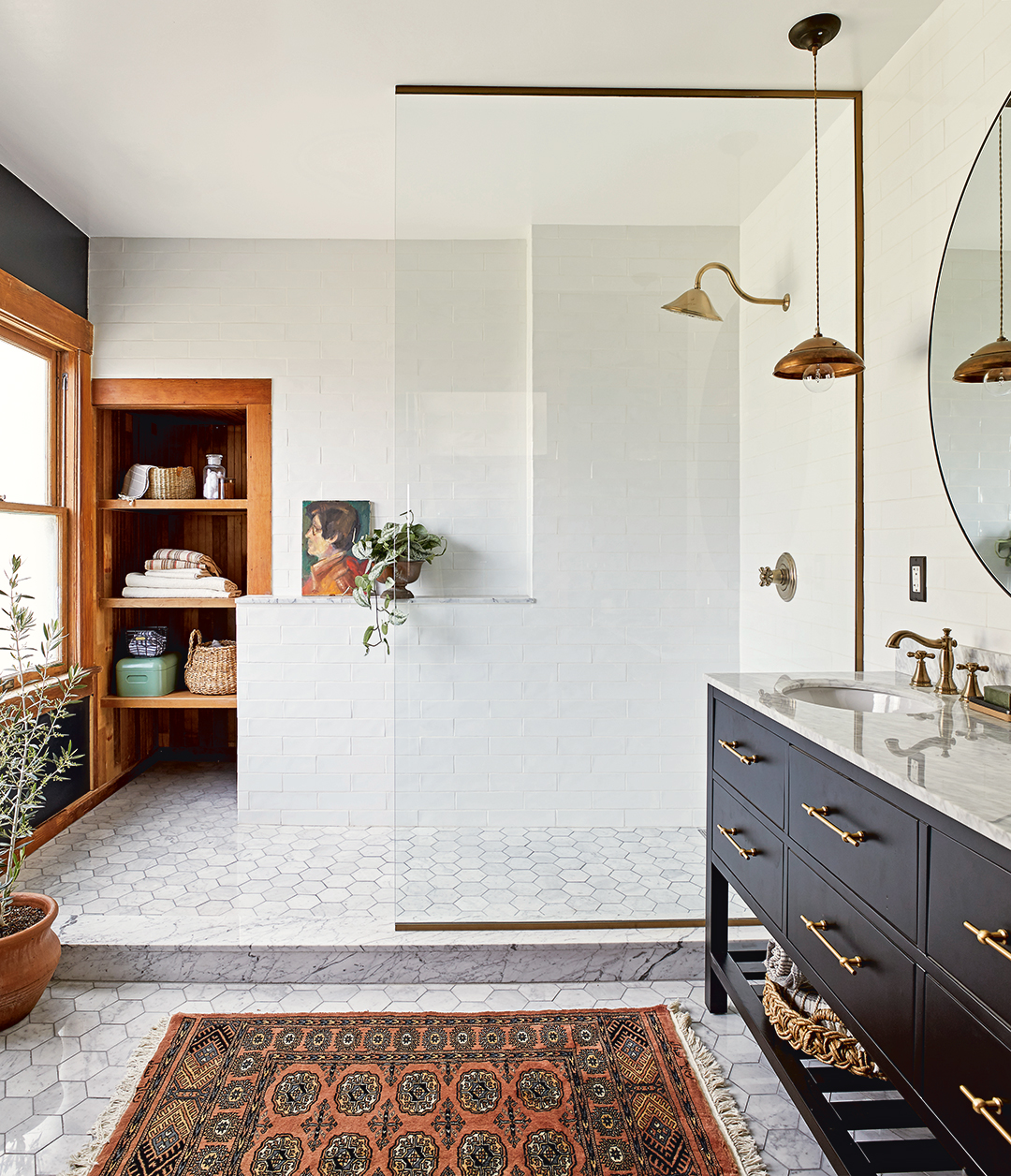
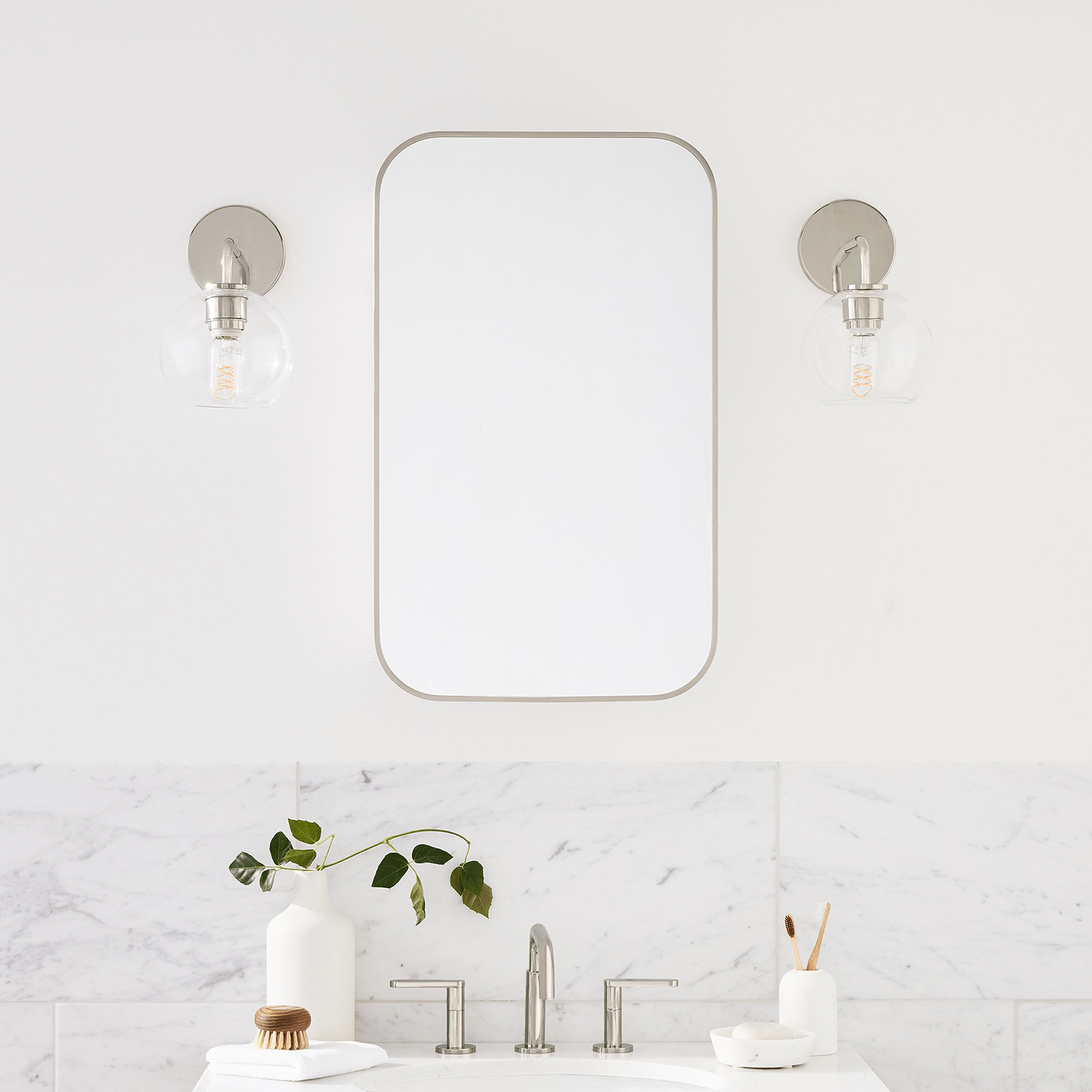
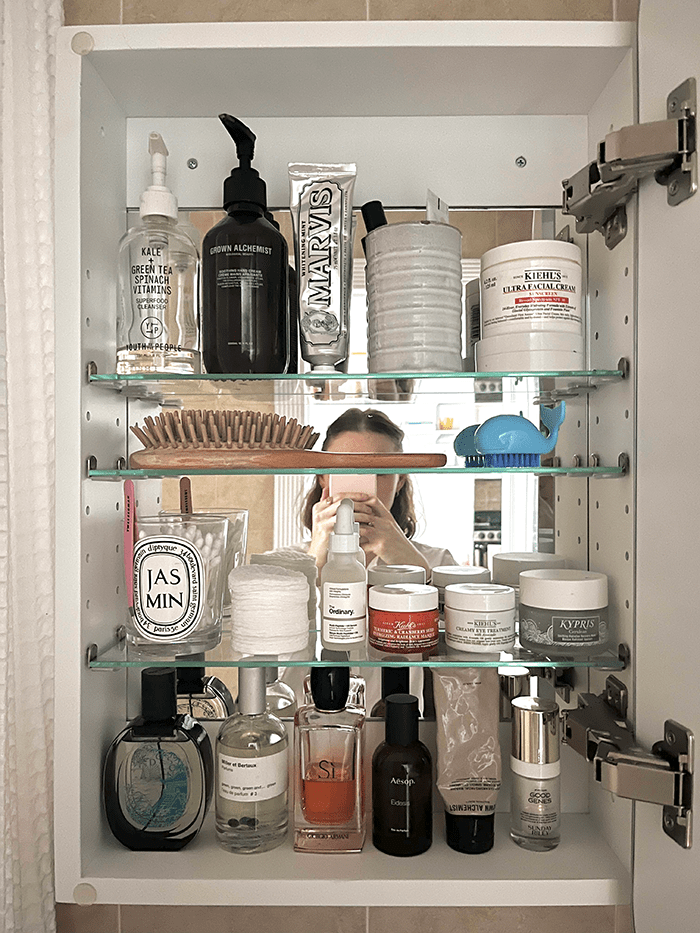
The traditional medicine cabinet, long considered a clunky and outdated bathroom fixture, is undergoing a significant transformation, evolving into a design-centric element within contemporary bathrooms. Interior designers have historically expressed frustration with the limited aesthetic options for bathroom cabinetry, but this trend is actively changing, with the medicine cabinet now poised to become a focal point rather than a functional afterthought.
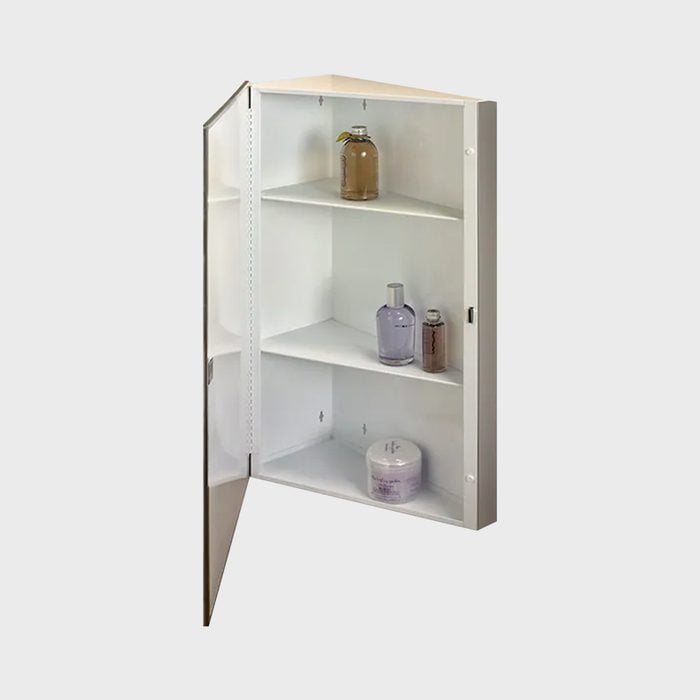
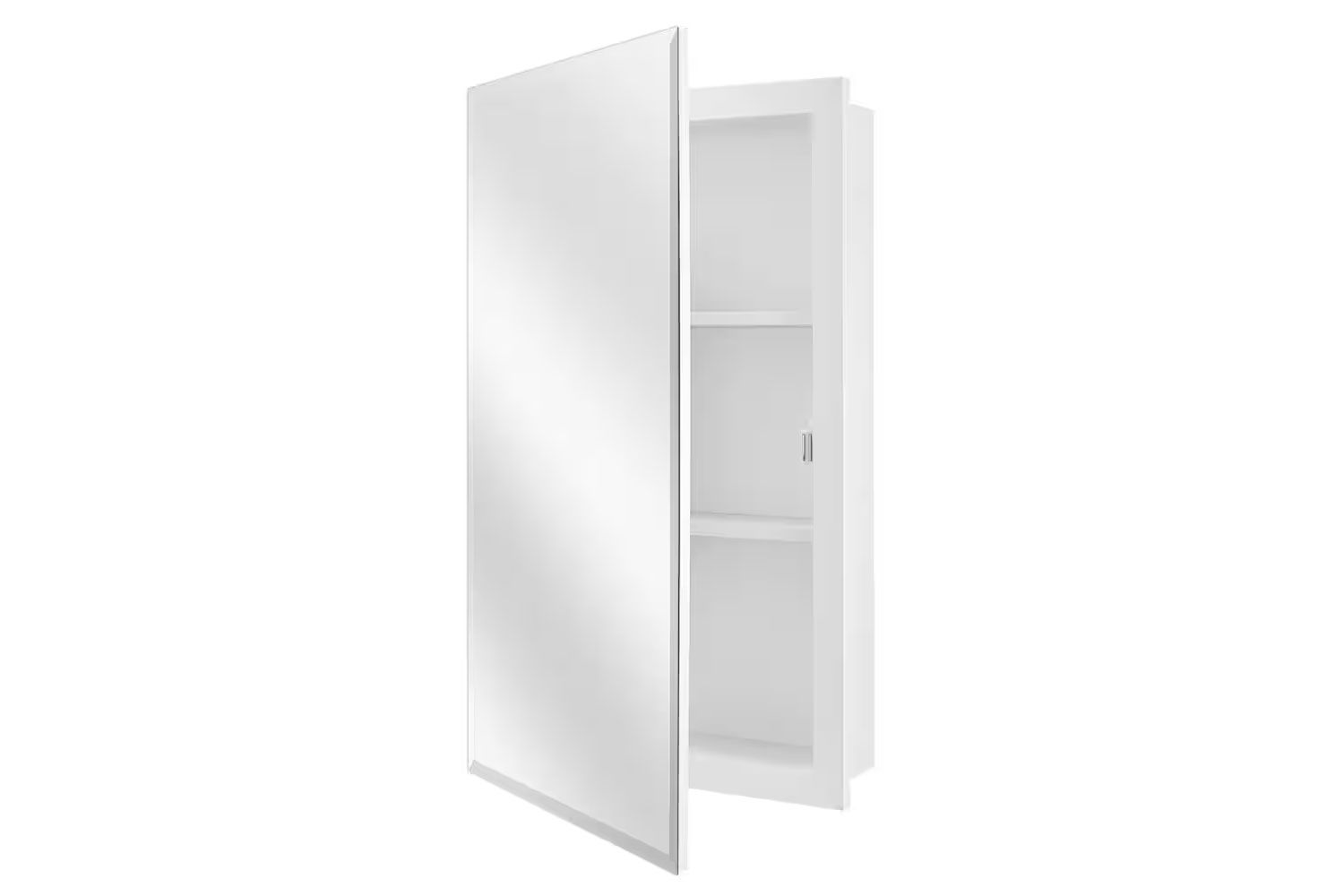
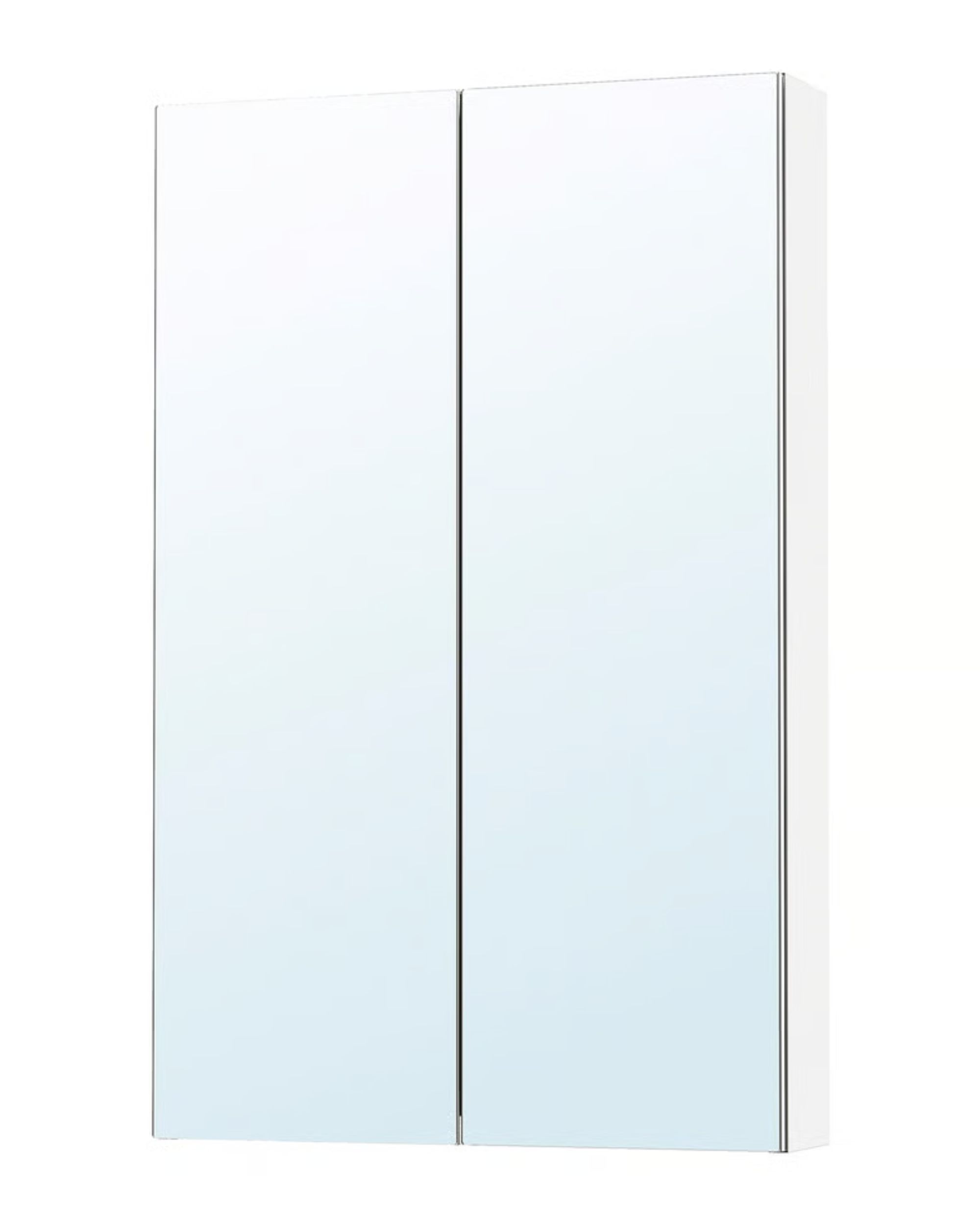
DuVäl Reynolds, founder of DuVäl Design, highlights that "builder-basic" medicine cabinet models, prevalent in standard renovations and new constructions, have failed to keep pace with evolving bathroom aesthetics. As design preferences shifted towards cleaner lines, floating vanities, and oversized modern mirrors, these traditional, often bulky cabinets became incongruous with the desired spa-like, minimalist spaces. The perception of these older cabinets as reminiscent of 1990s rentals led to their gradual phasing out in favor of more sophisticated solutions.
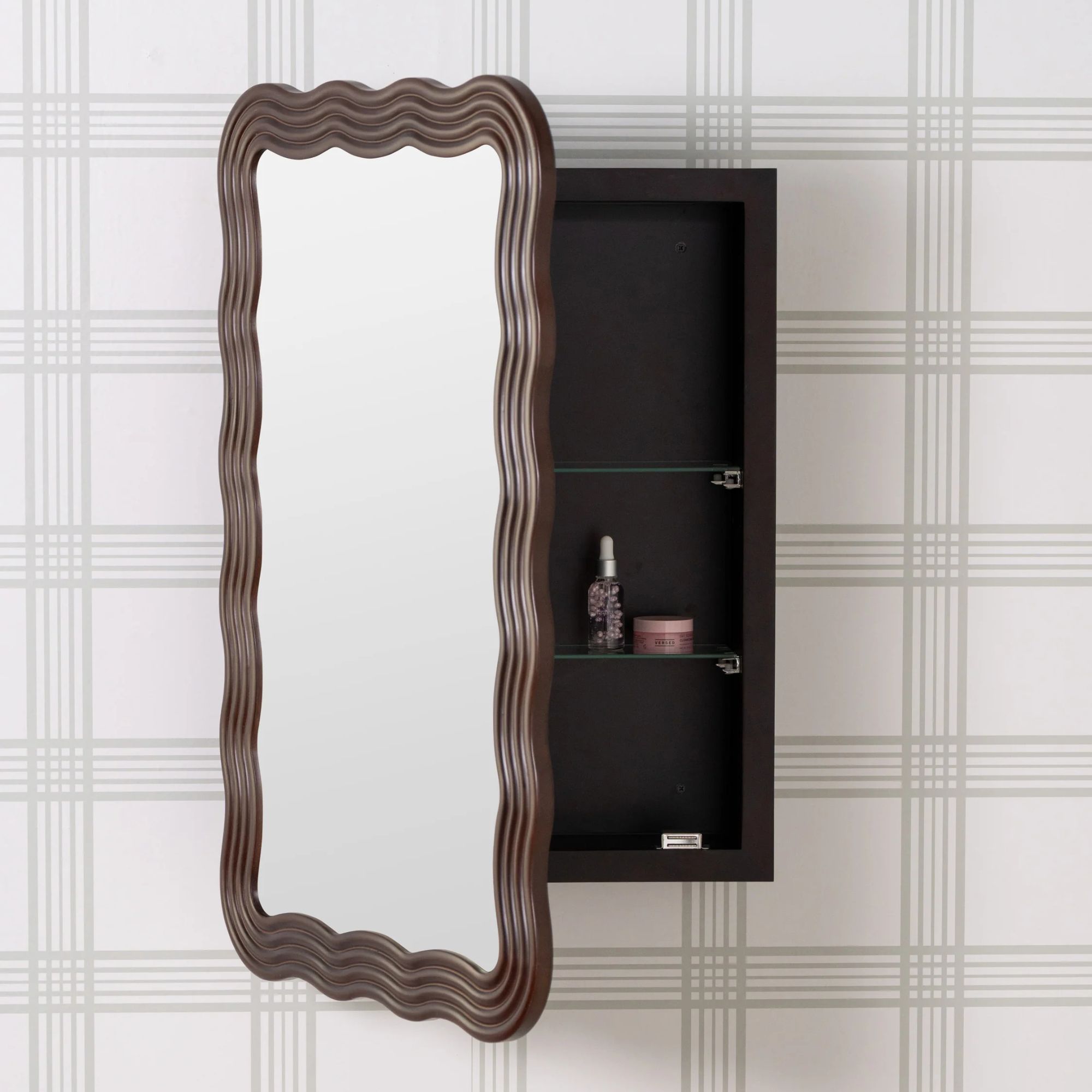
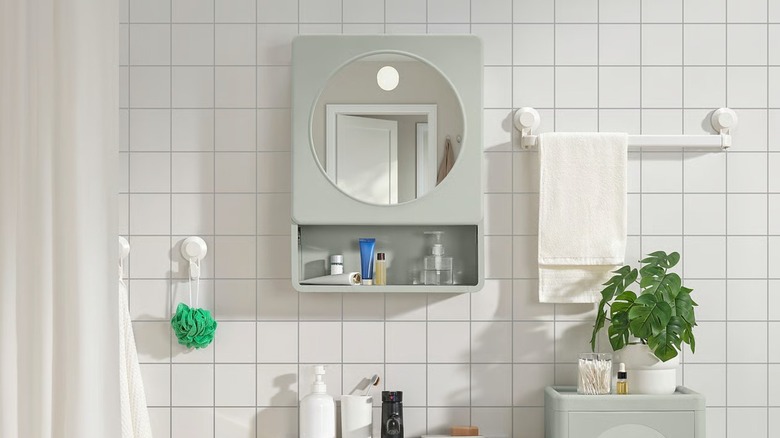
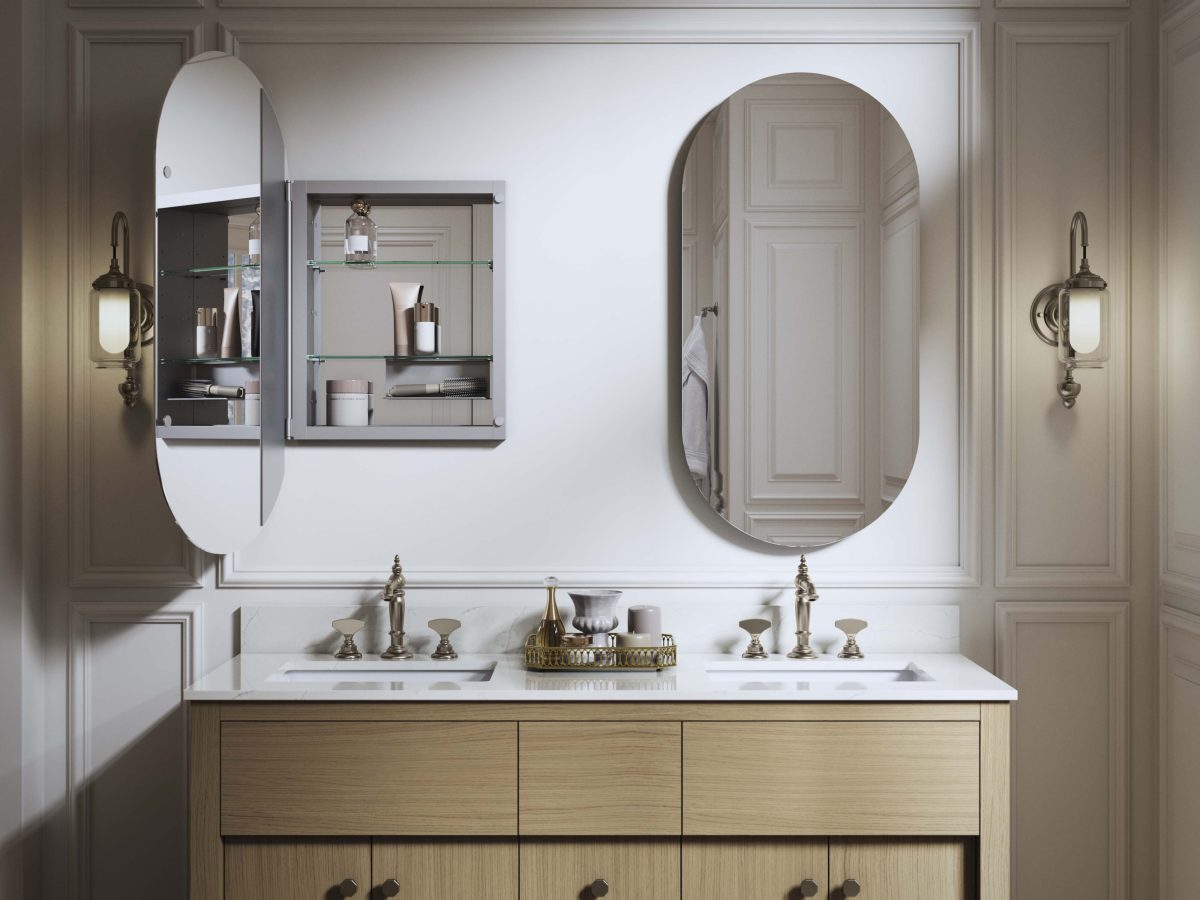
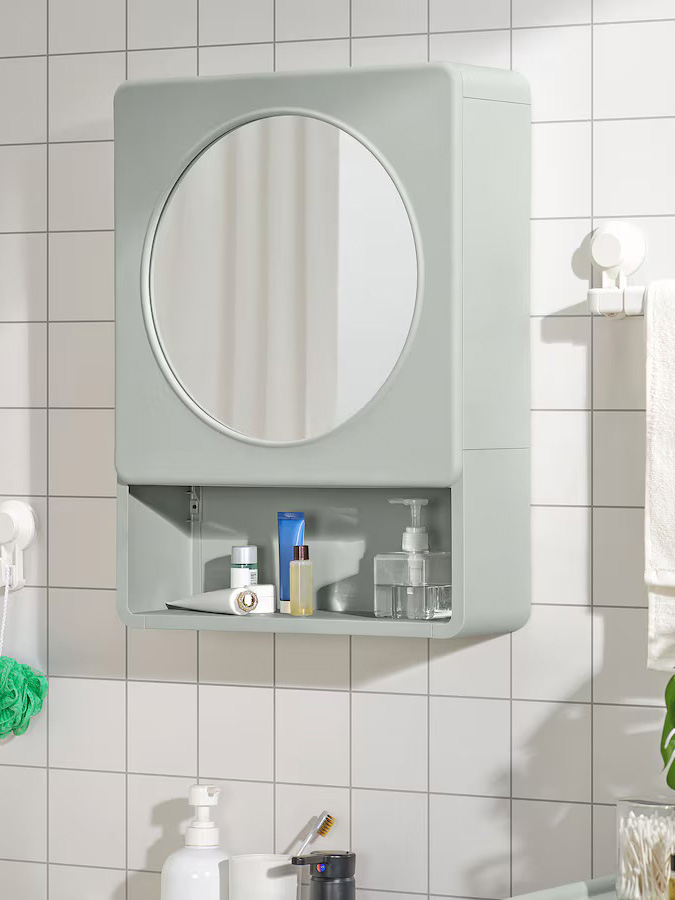
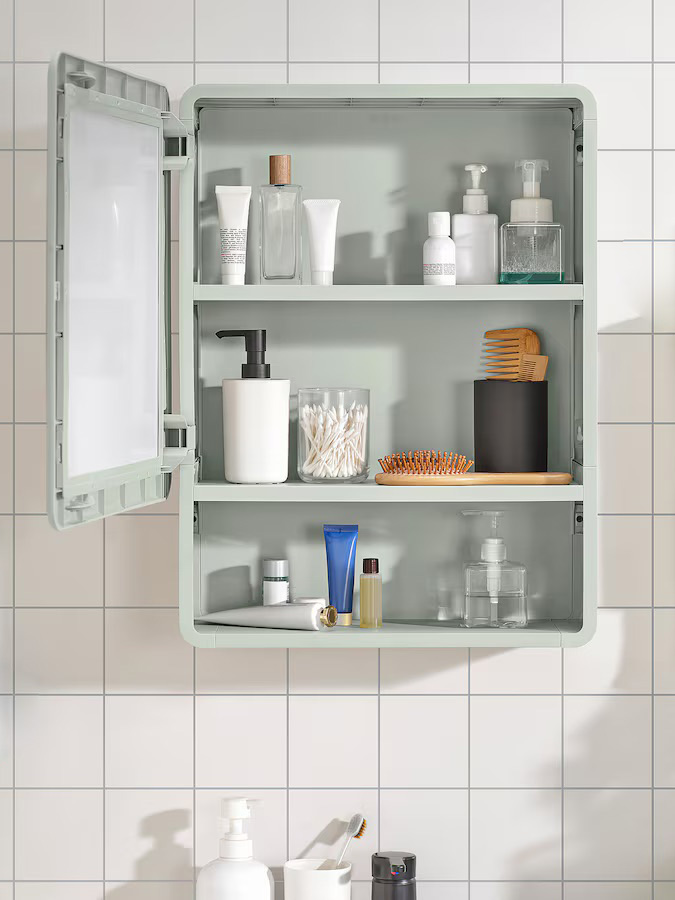
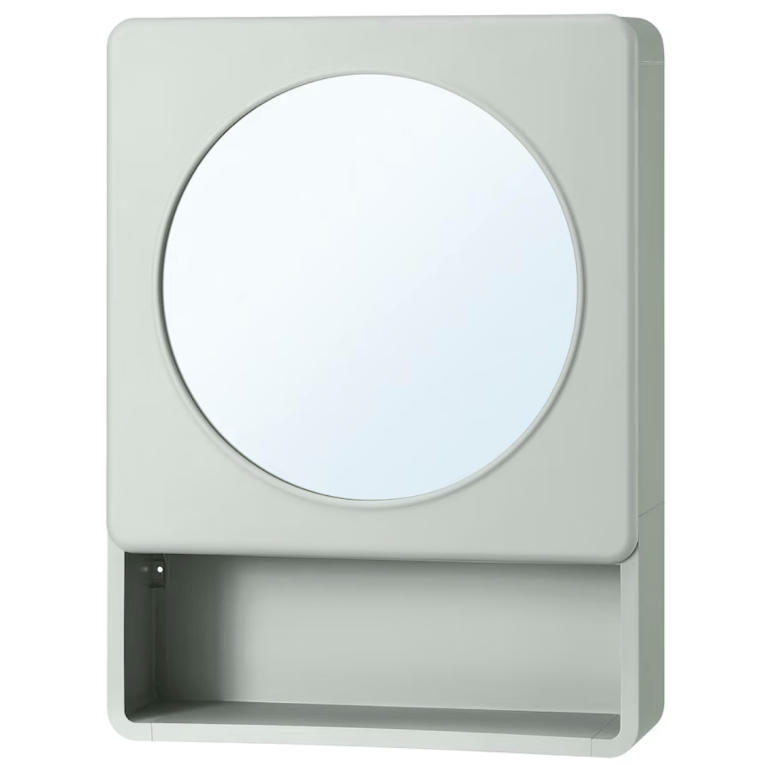
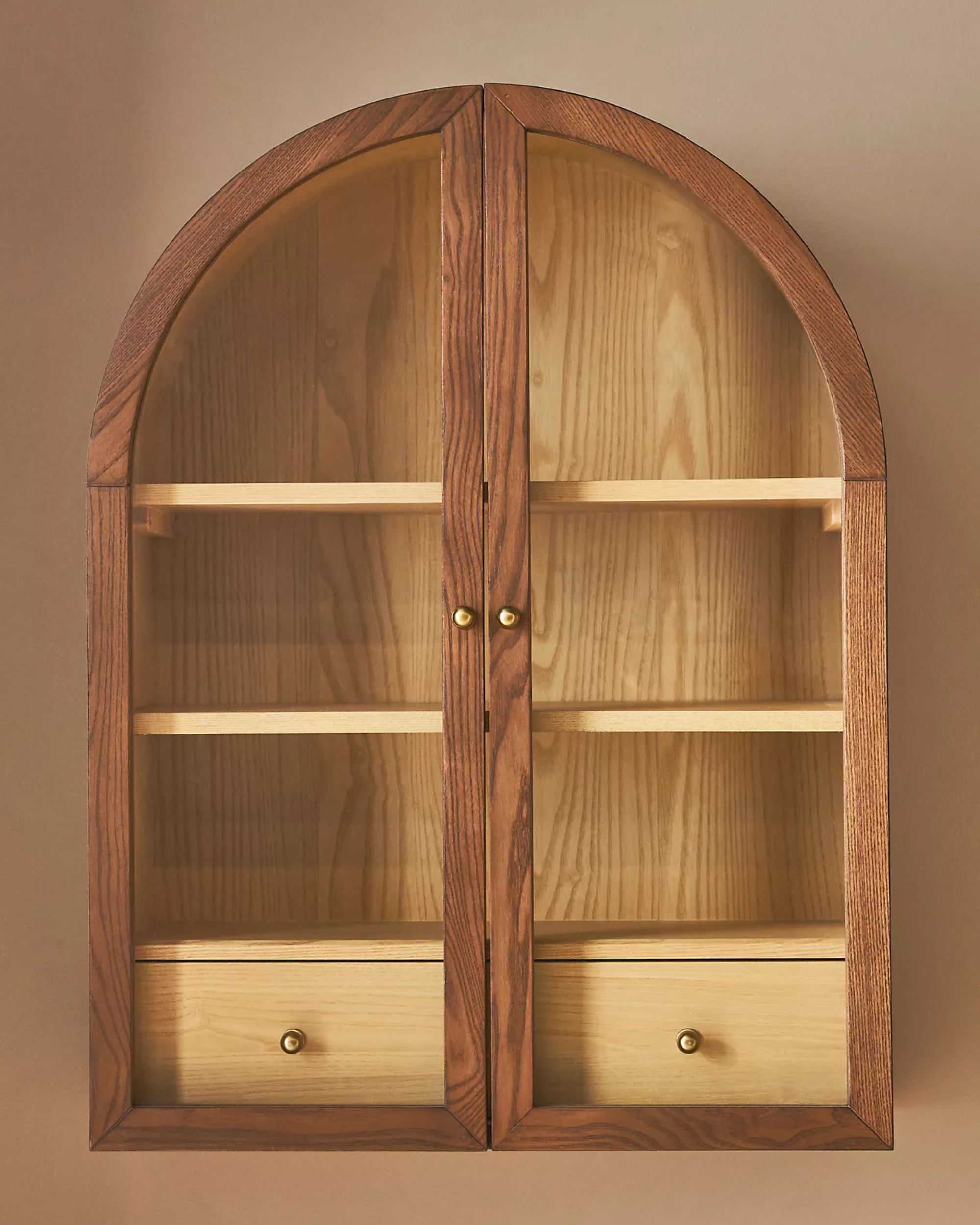
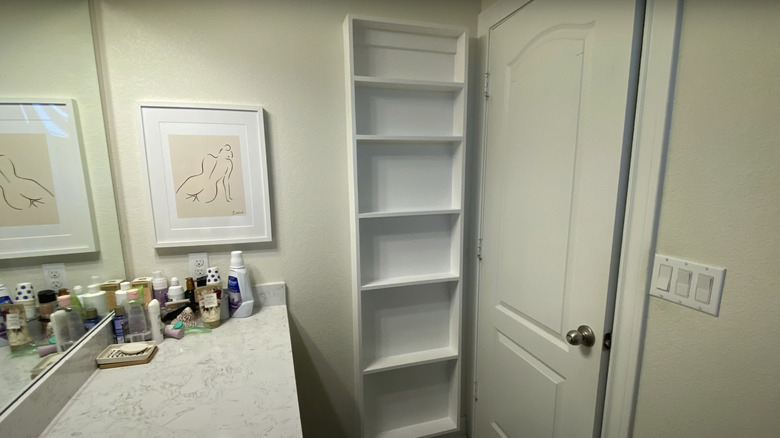
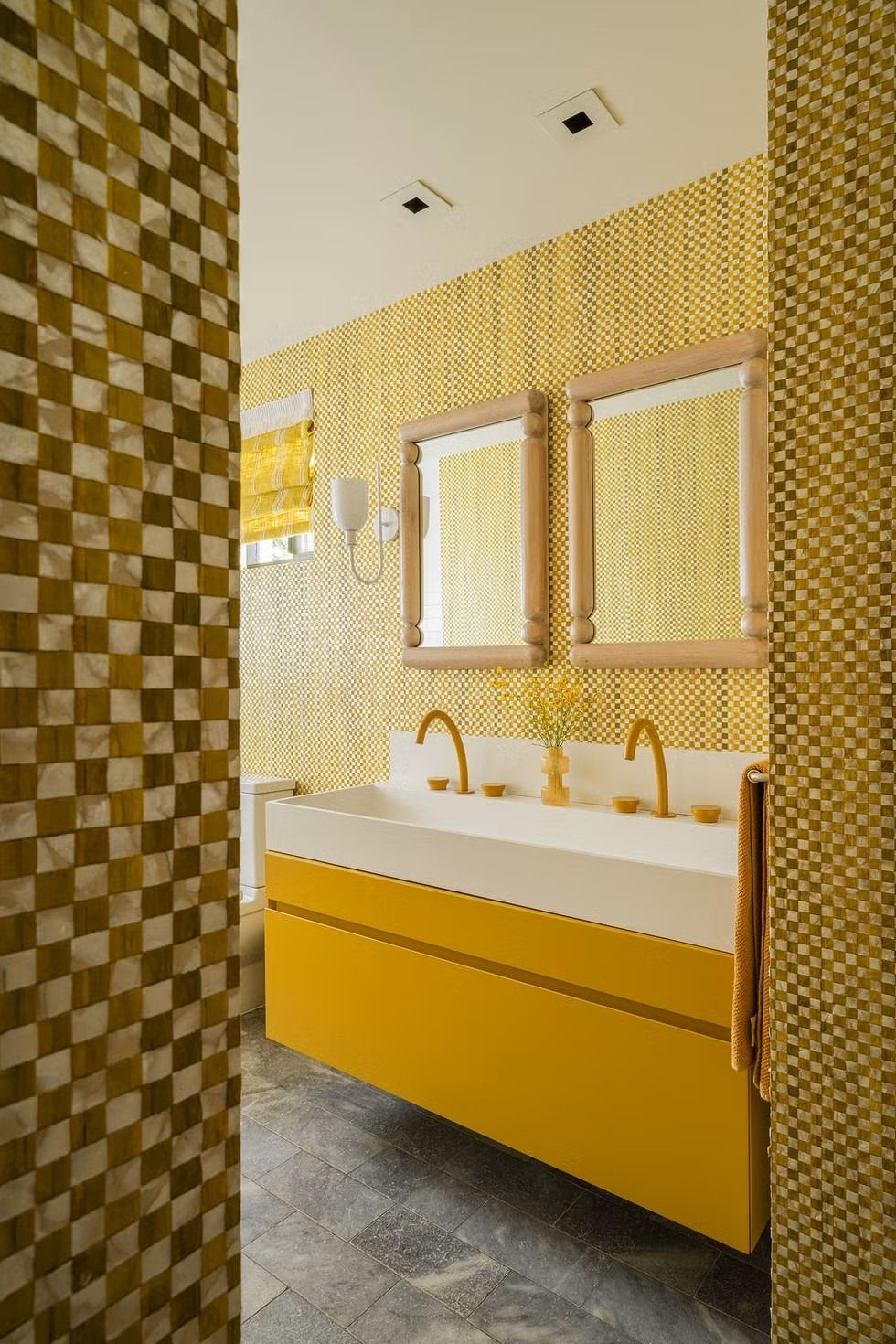
The shift towards more aesthetically pleasing and readily available medicine cabinet options began approximately five years ago. This new generation of cabinets often features 1970s-influenced silhouettes, colorful trims, and streamlined designs. Jill Siegel, chief inspiration officer at Lavish Kitchen + Bath, notes that these updated versions, particularly recessed models, effectively organize small essentials without compromising the bathroom's overall design.
New York City-based designer Josh Greene, recognizing the scarcity of attractive medicine cabinets, launched his own line in 2021. He observed that existing high-end options often featured uninspiring finishes, while more affordable metal alternatives lacked design integrity. Driven by the challenge of incorporating elegant storage and a desire for more refined wood finishes, Greene developed a collection of geometric medicine cabinets available in various solid wood materials and mount options. His aim was to provide design professionals with greater flexibility, ensuring that each cabinet could be uniquely tailored to different bathroom styles. Popular designs from his collection include the timber-and-oak Sento, which evokes an antique picture frame, and the intricately carved Sutro and Redondo, known for their subtle yet impactful presence.
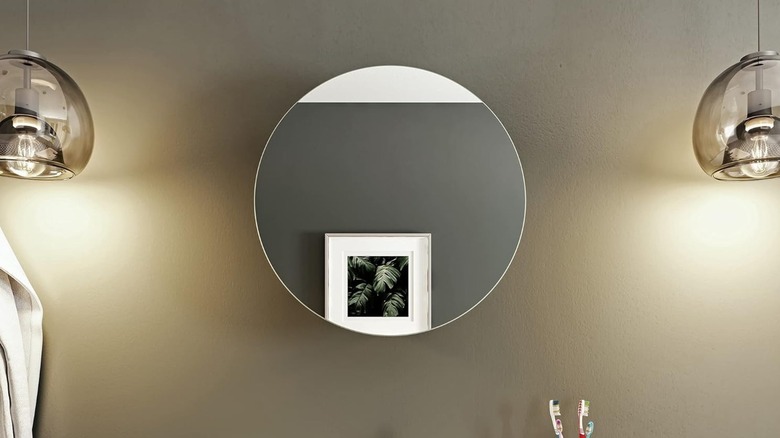
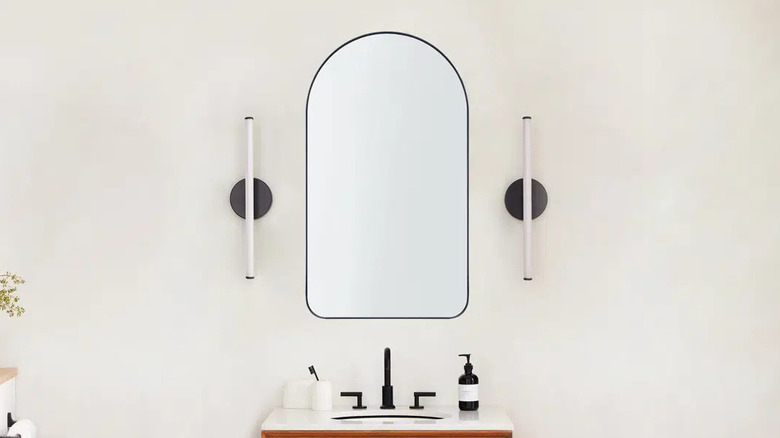
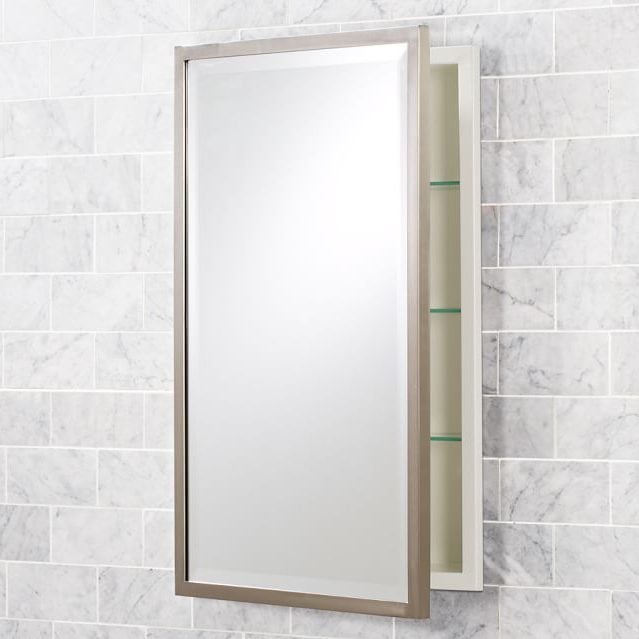
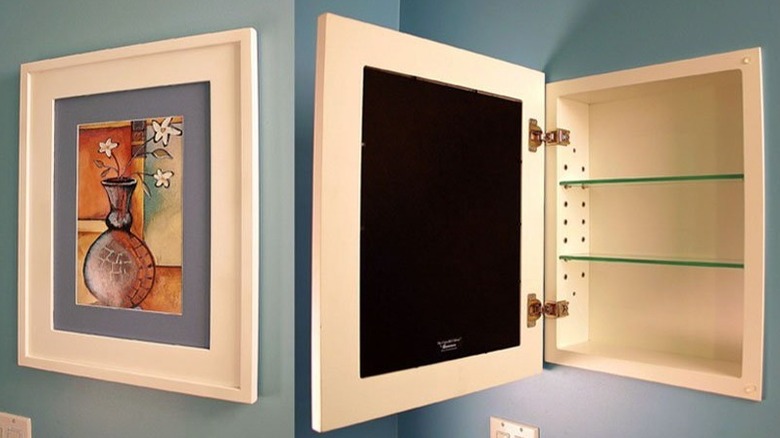
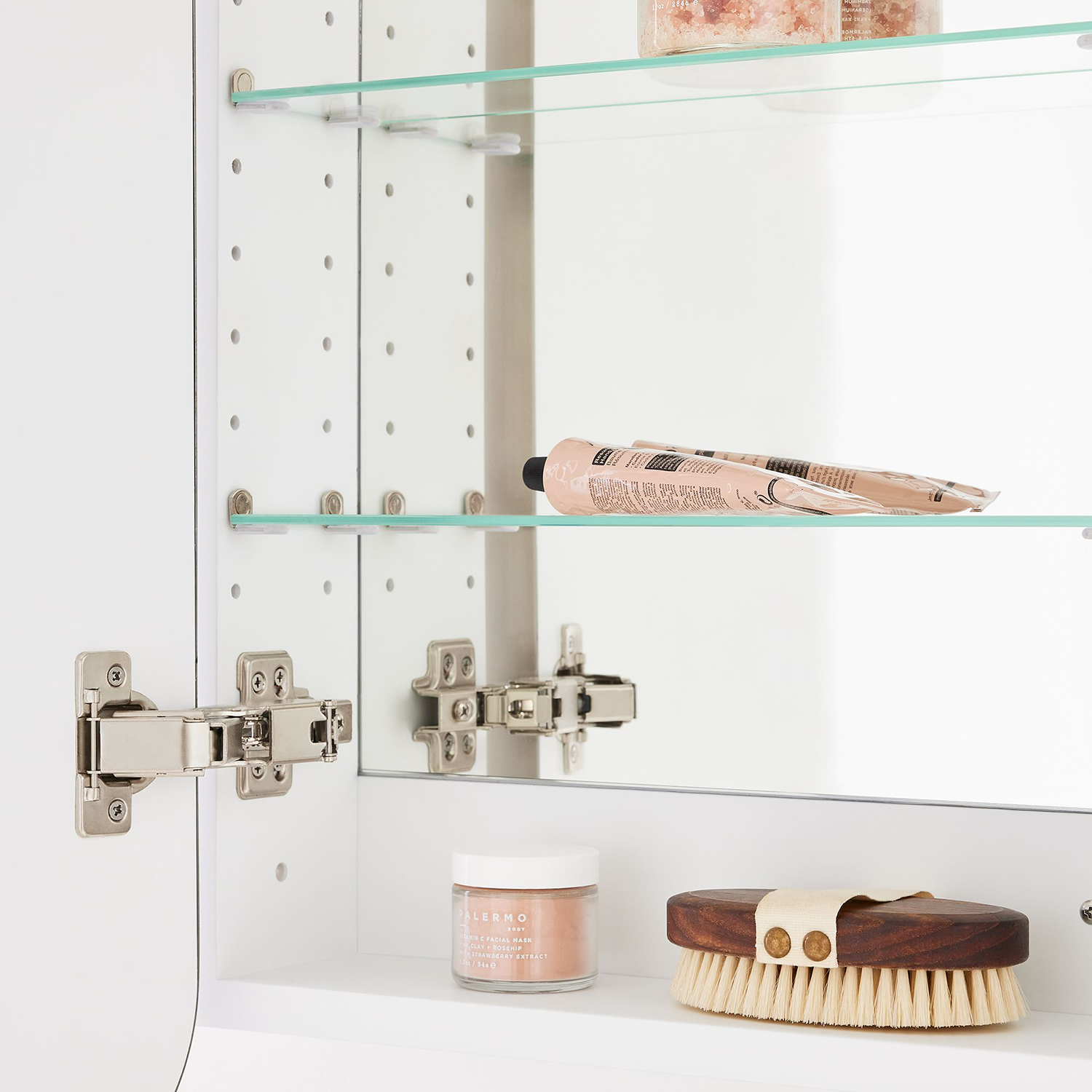
While custom options were previously the primary route for achieving modern and tasteful medicine cabinets, such as Greene's octagonal design for an Upper East Side estate or a maximalist Manhattan apartment's lift-up mirror storage, an increasing number of ready-to-order alternatives are now available. These new offerings incorporate abstract shapes and youthful designs, allowing for a more personalized touch. Examples include Ettore Sottsass-inspired cabinets, jagged-edged versions, and Memphis-y or Space Age-inspired styles. Silvana Vergara of Studio Tove emphasizes the importance of simple elegance in modern medicine cabinets. To avoid the clunky appearance of traditional cabinets that protrude from the wall and disrupt visual flow, she favors newer options with thin frames, concealed hinges, soft finishes that harmonize with the bathroom's color palette, or recessed designs, like Rejuvenation's Cade Inset. This intentional design approach ensures that the cabinet feels warm, modern, and seamlessly integrated into the space. The evolution of medicine cabinet design offers homeowners and renters alike the opportunity to infuse their bathrooms with personal style, moving beyond purely utilitarian fixtures to embrace more playful and sophisticated storage solutions.
#MedicineCabinet #BathroomDesign #InteriorDesignTrends #HomeRenovation #ModernBathroom #StorageSolutions #DesignInnovation #HomeDecor #MedicineCabinet #BathroomDesign #InteriorDesignTrends #HomeRenovation #ModernBathroom #StorageSolutions #DesignInnovation #HomeDecor
0 opmerkingen in totaal
 Nog geen opmerkingen
Dit vindt u mogelijk ook leuk
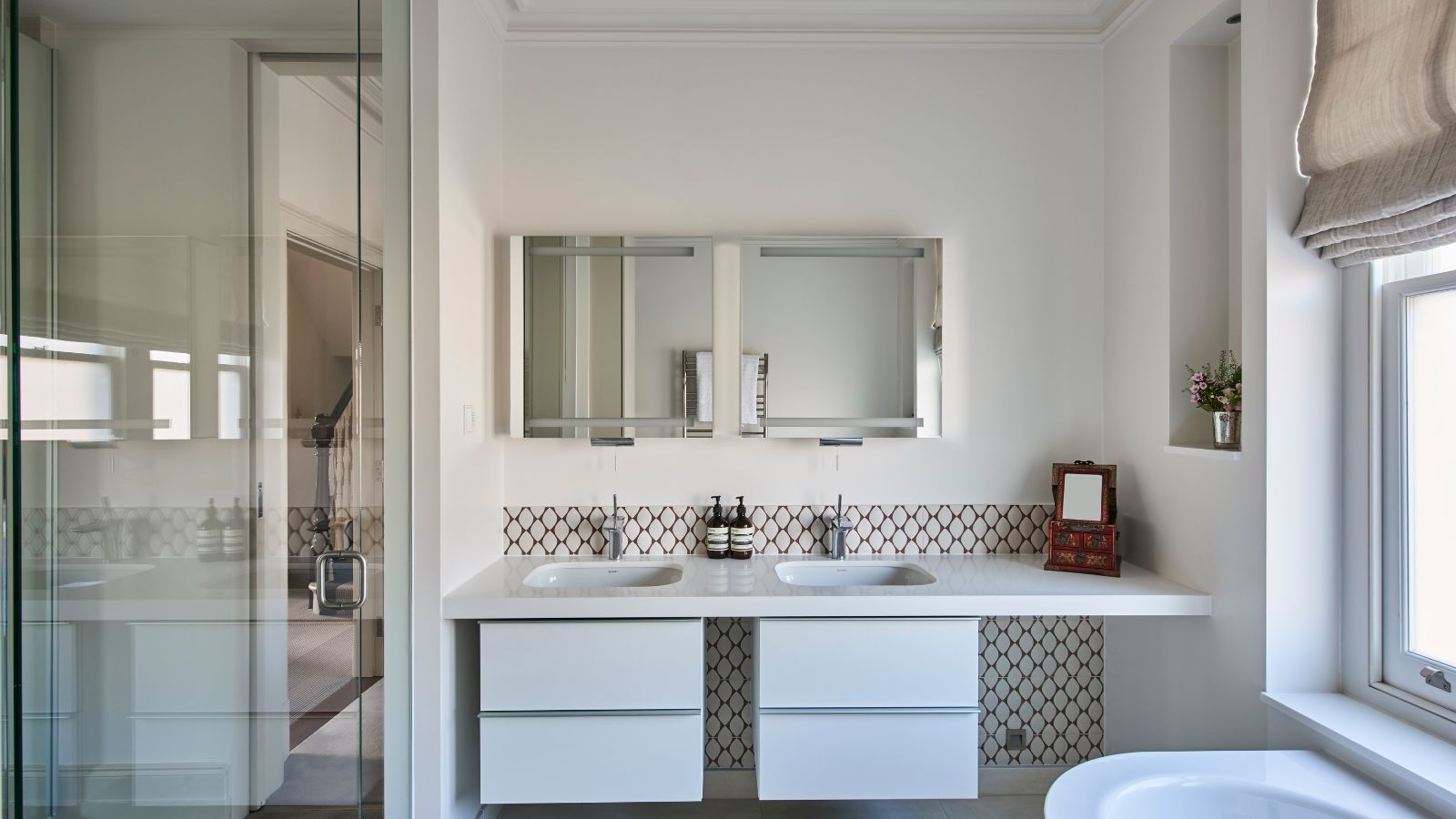
Are medicine cabinets out of style for 2025?

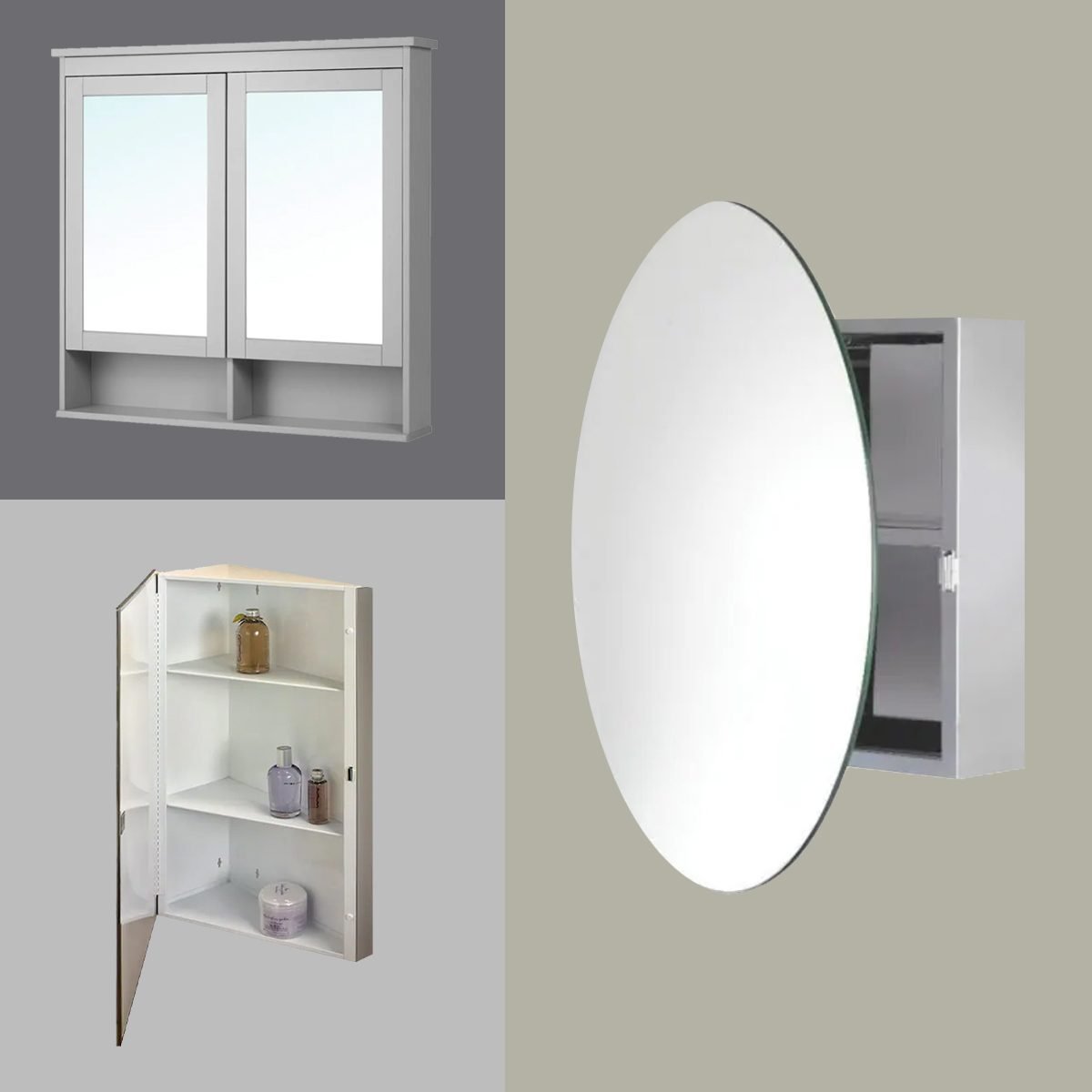
10 Best Medicine Cabinets in 2022

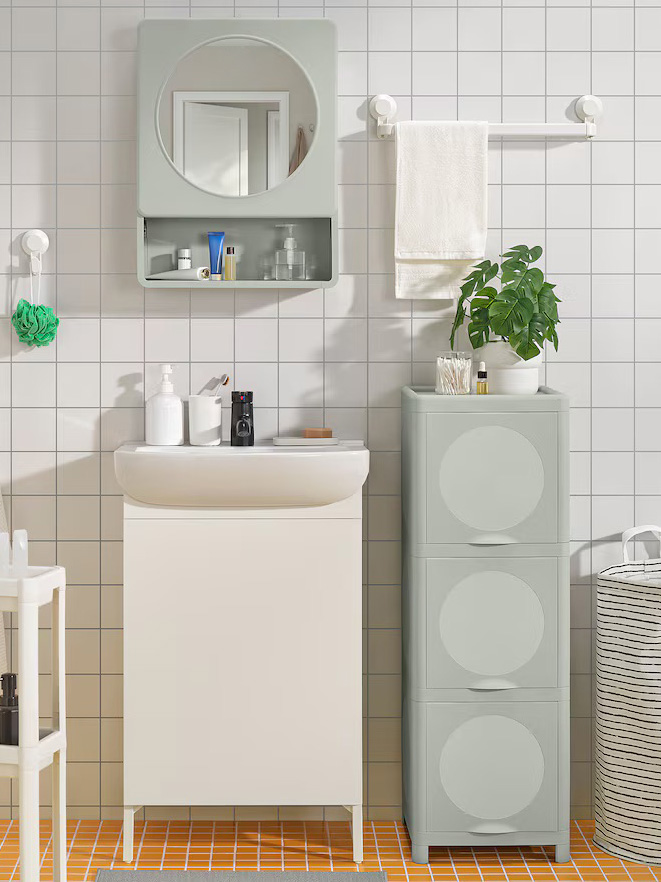
This $20 IKEA Medicine Cabinet Offers Both Open and Closed Storage

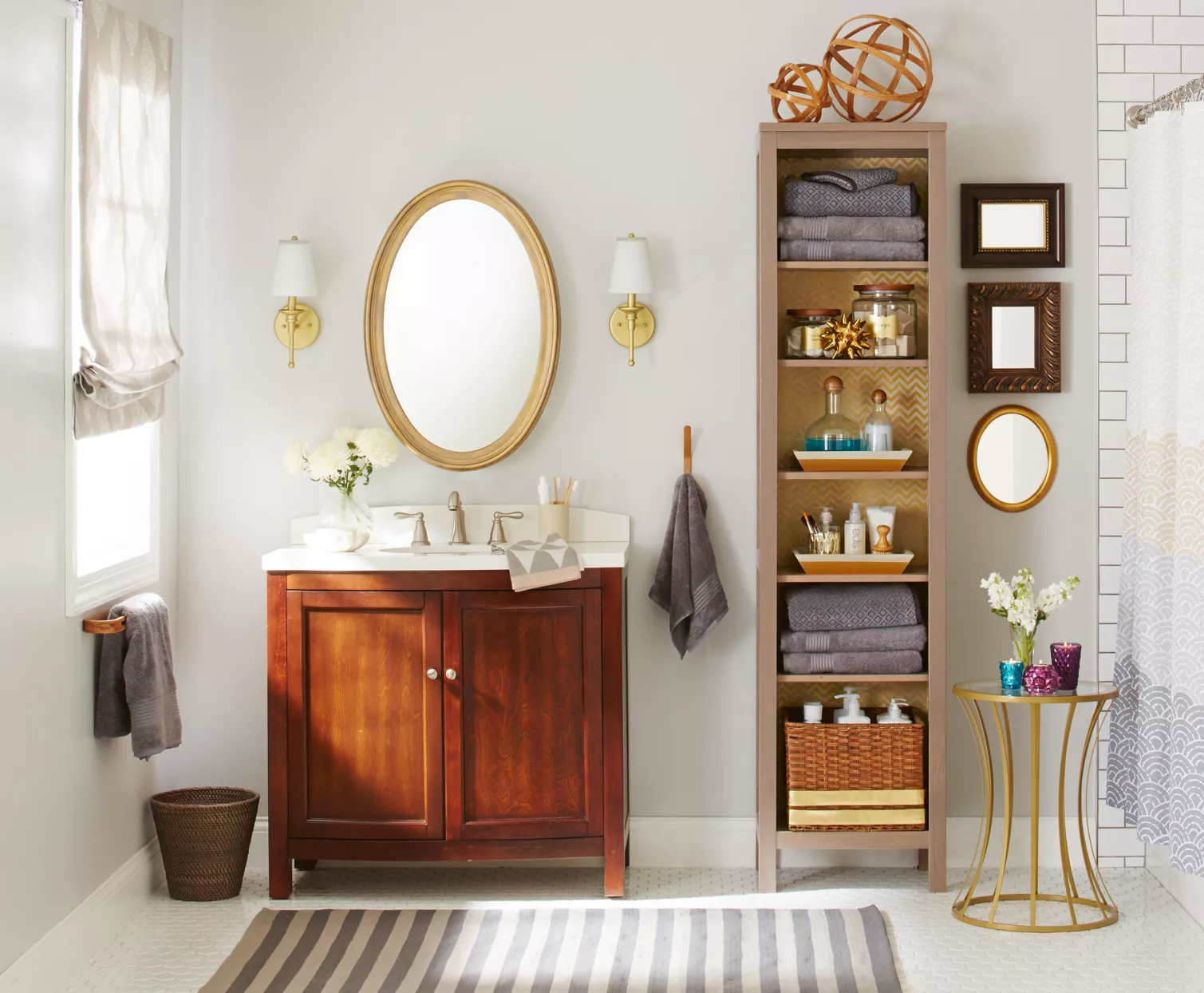
6 Medicine Cabinet Items You Should Throw Away Right Now

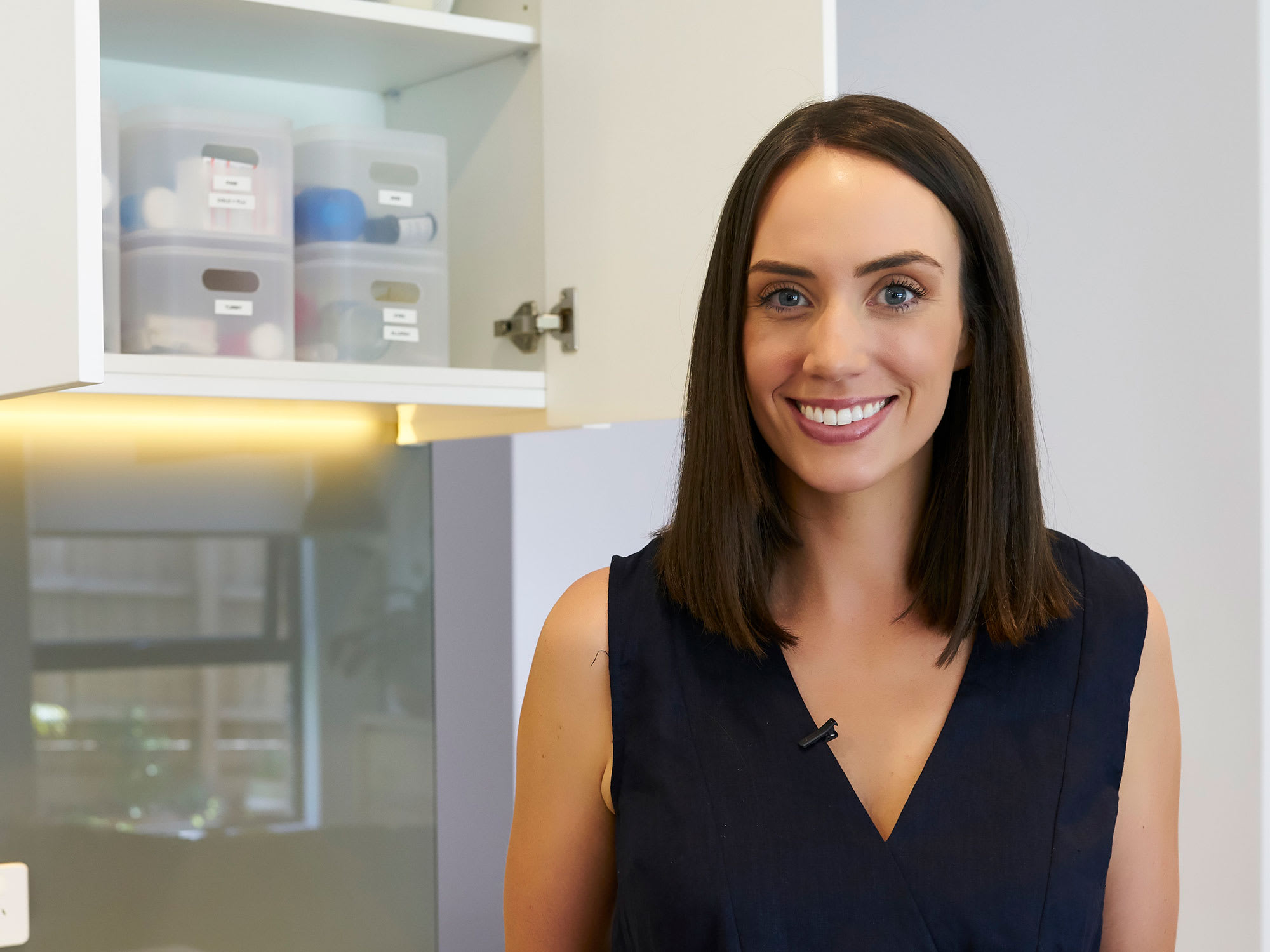
How to Organise a Medicine Cabinet in 4 Simple Steps
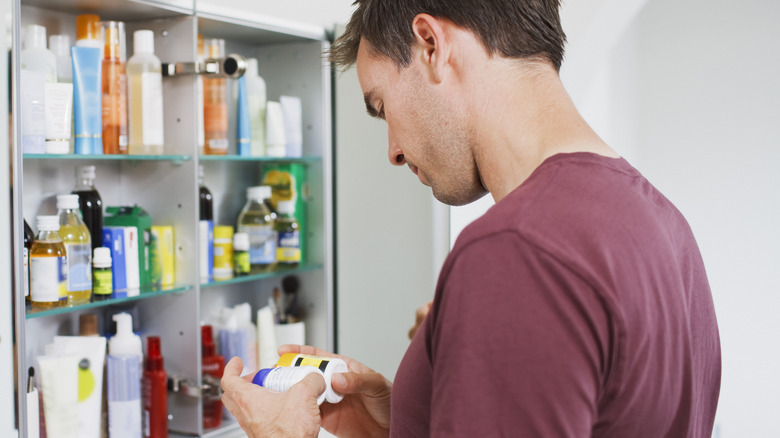
8 Medicine Cabinet Options Without The Dated Mirror Look
Hide your drugs in this high tech medicine cabinet
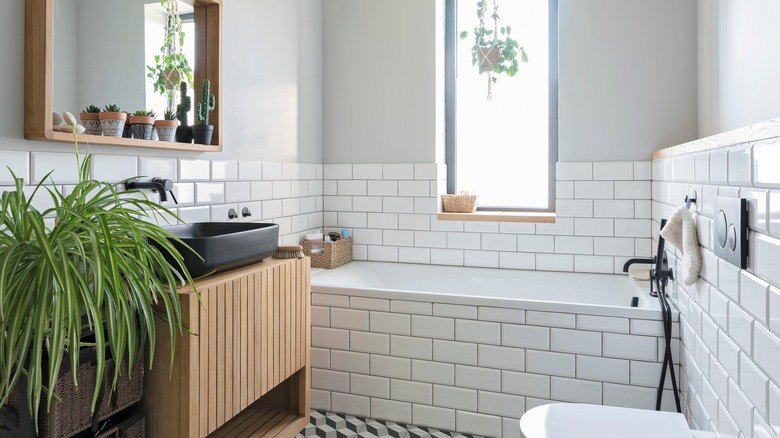
11 Medicine Cabinet Alternatives For Stylish Bathroom Storage
16 Of The Best Medicine Cabinets For Both Style And Storage
Geometric Medicine Cabinets

Integrated Cabinet System - BTM12 from Mediclinics

These aren't your Grandma's cabinets! Meet today's chic new breed of kitchen storage.
8 Things to Remove From Your Medicine Cabinet ASAP, According to Experts

The 20 Best Medicine Cabinets to Store Your Items in Style

Ever Considered a Medicine Cabinet in Your Living Room?

I Swapped My Rental Medicine Cabinet So I Could Actually Store My Skin Care
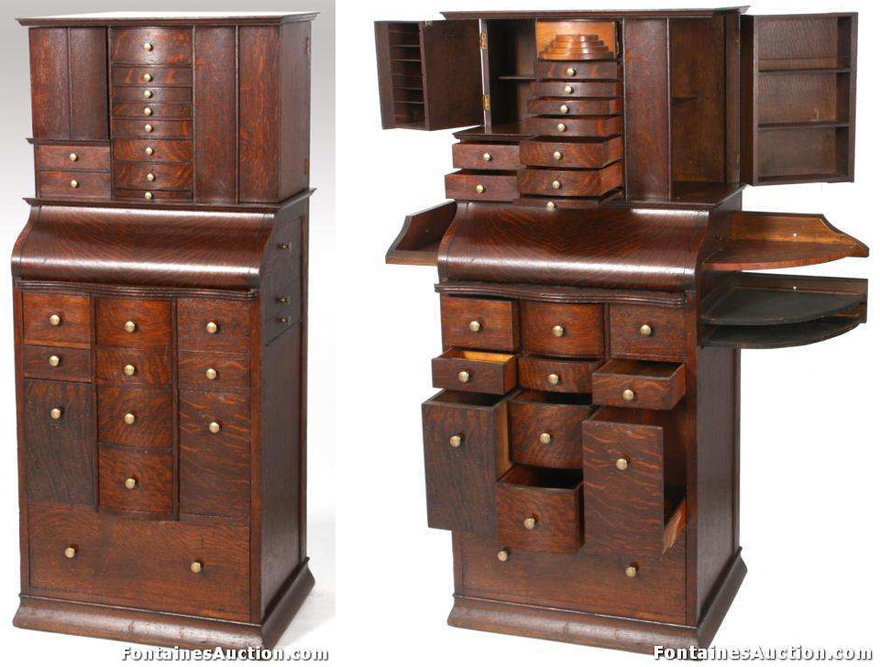
Unusual Vintage Storage Furniture: Dental Cabinets

9 things to get rid of from your medicine cabinet right now – according to experts
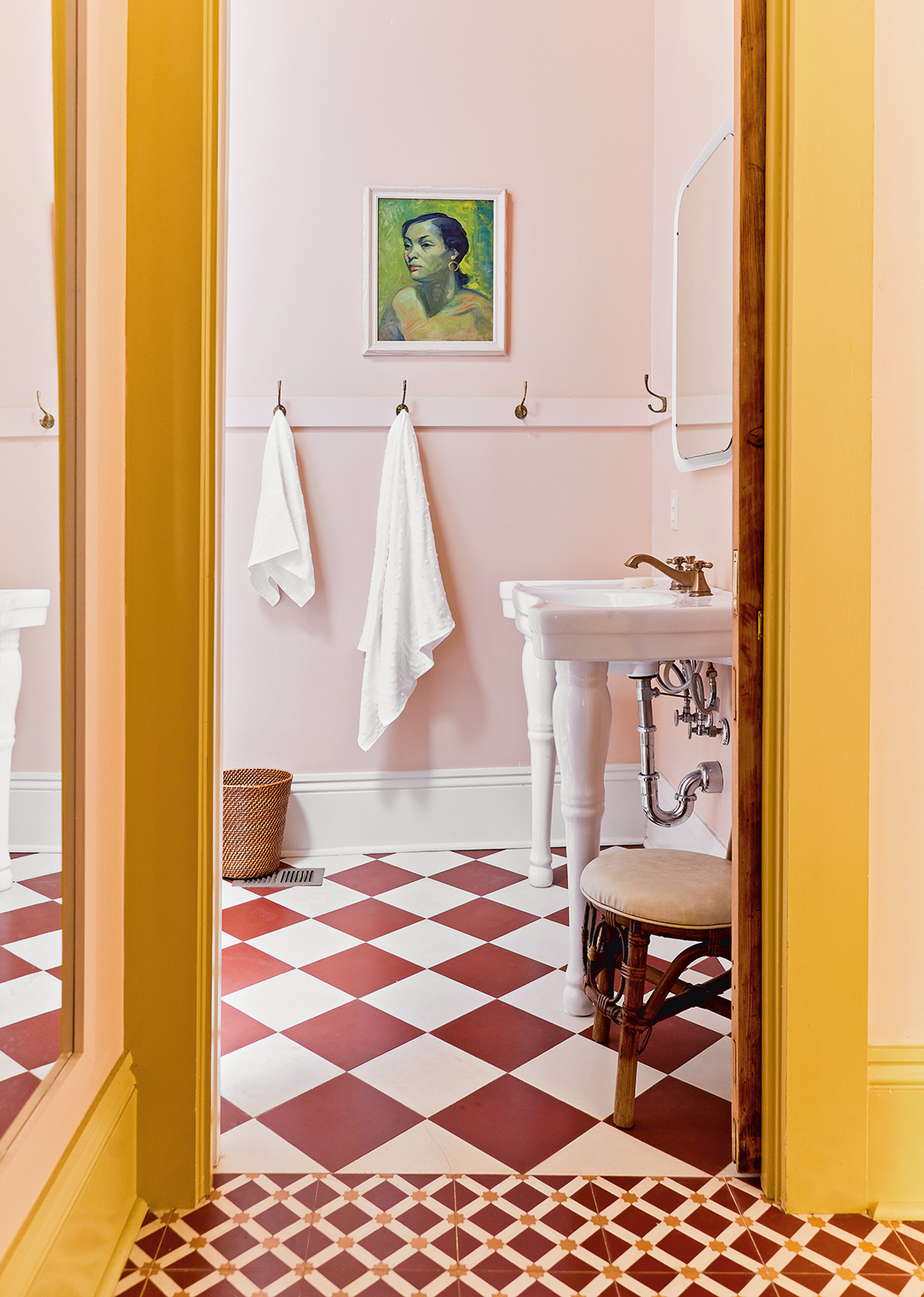
Emily Henderson Has Never Been a Fan of This Generic Bathroom Storage Solution
MCM Meets MD: A Blueprint For Better Healthcare From Mid-Century Modern Architecture