1/2
Rainscreen Systems for Stucco
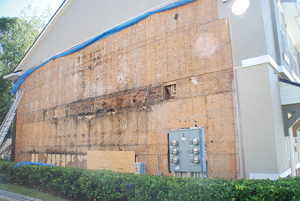
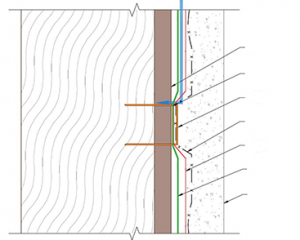
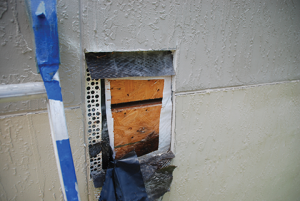
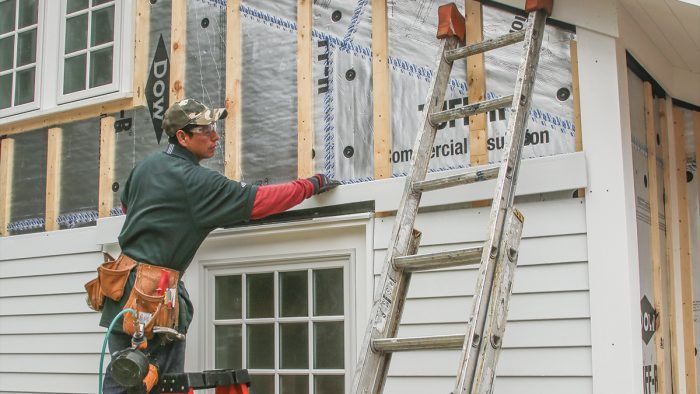
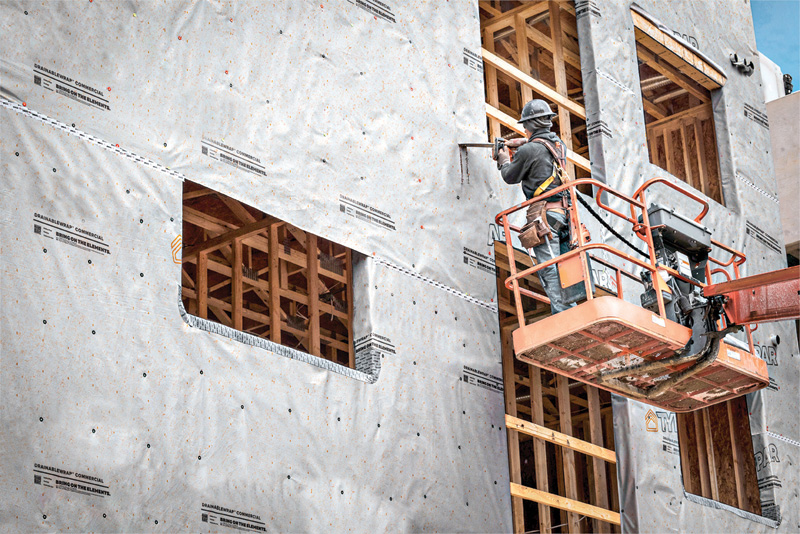
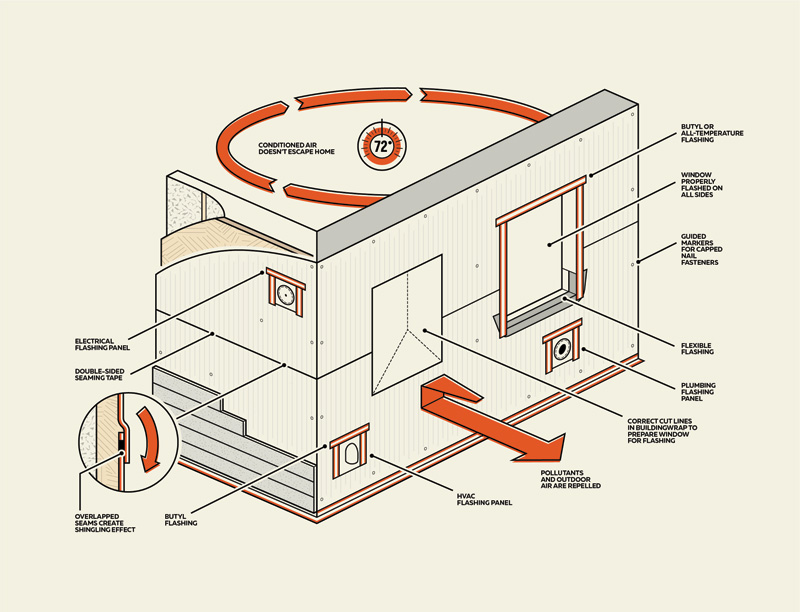
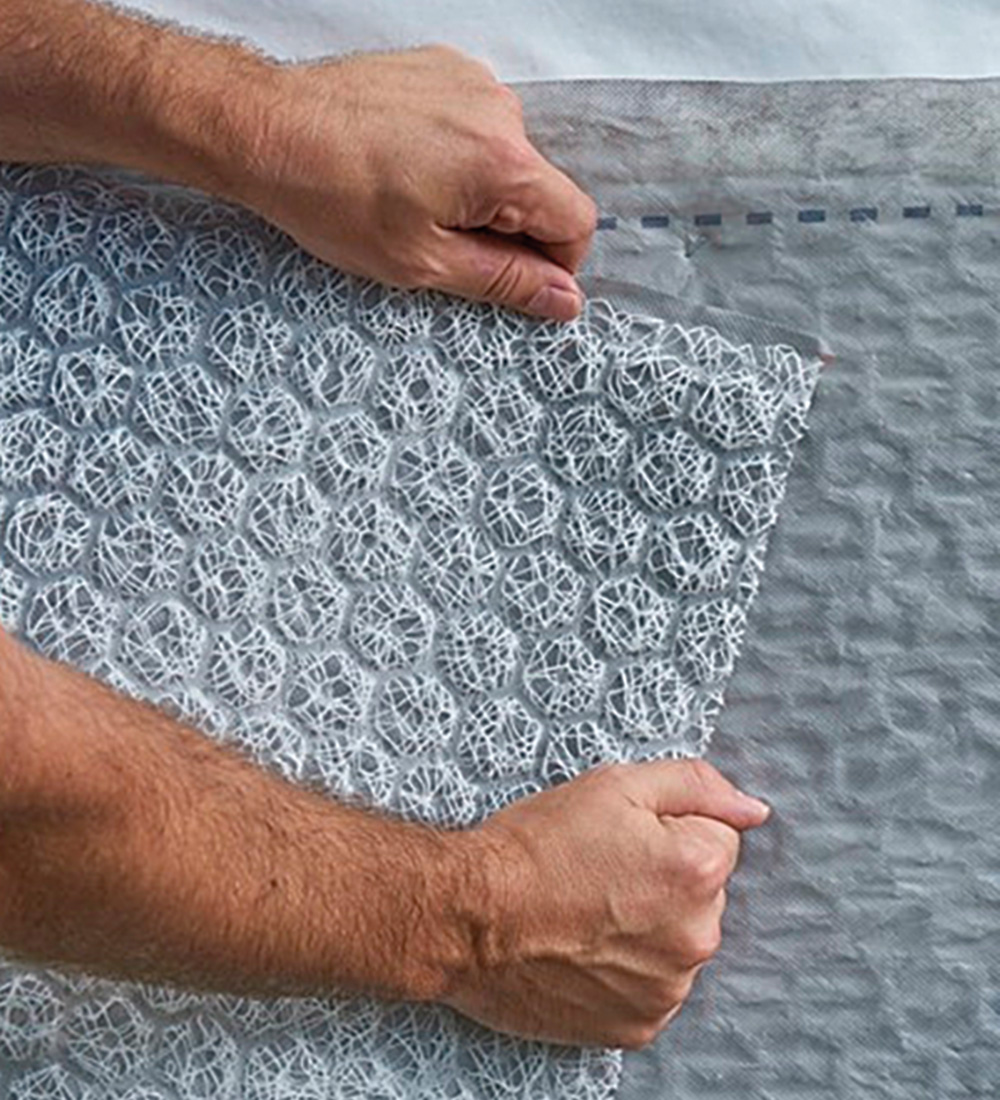
Building scientists and experienced builders acknowledge that stucco and adhered stone installations are more reliable when a drainage cavity is incorporated. This crucial element facilitates water drainage away from the wall and allows for ventilation, preventing moisture from becoming trapped and leading to rot. Products designed for this purpose typically combine a water-shedding layer with a three-dimensional matrix, creating the necessary drainage and ventilation space between the water-resistive barrier (WRB) and the stucco itself. A secondary WRB further enhances the assembly's ability to shed water and mitigate moisture intrusion.
The widespread adoption of these rainscreen systems, however, faces challenges, primarily due to cost. John Koester, founder of Masonry Technology Incorporated (MTI), notes that while manufactured rainscreen drainage mats are effective, their market price often exceeds what residential builders are willing to pay. He suggests that the industry might eventually shift towards site-built assemblies using furring strips as a more cost-effective alternative. This sentiment highlights a disconnect between established best practices and economic realities within the building industry, where the value of such protective measures is not always reflected in builders' budgets or perceived cost-effectiveness.
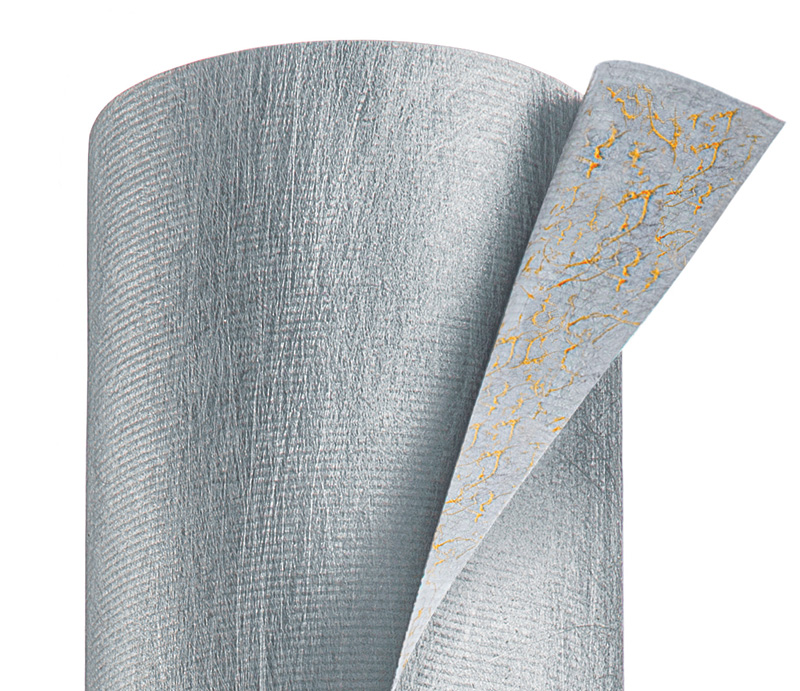
Two prominent manufactured rainscreen products demonstrate varying approaches and price points. DuPont’s Tyvek DrainVent Rainscreen, a 6.8-mm-thick honeycomb mesh with an integrated filter fabric and insect screen, serves as an effective option for stucco and other siding materials. It requires a specific fastener schedule and tape for vertical seams, offering a 10-year warranty, which extends to labor when used with other Tyvek products. Its cost is approximately $1.20 per square foot. Kingspan’s GreenGuard DC14, on the other hand, is a fanfold sheet of extruded polystyrene featuring drainage and ventilation channels on both sides. It connects with a shiplap style and requires specific fasteners and penetration depth into studs. Unlike some competitors, it does not include a filter-fabric screen and does not mandate additional housewrap. Kingspan provides a 10-year warranty, extended to 15 years with compatible WRB and flashing products, at a lower cost of about $0.45 per square foot.
Beyond product specifics, understanding the behavior of stucco as a “reservoir cladding” is essential. Stucco can absorb and hold water, which, under certain weather conditions, can be driven inward, potentially compromising the wall assembly. The ventilation space created by rainscreen systems addresses this by allowing the stucco to dry to the exterior and preventing moisture from migrating into the wall. Building codes, such as the International Residential Code (IRC) section R703.7.3, provide guidelines for water-resistive barriers for stucco, specifying a performance equivalent to two layers of Grade D paper with integrated flashing to create a drainage plane. This code emphasis, while providing a minimum standard, underscores the importance of thoughtful water management in stucco installations. Ultimately, the integration of effective rainscreen systems is critical for ensuring the longevity and integrity of stucco-clad structures, preventing costly moisture-related issues.
#StuccoSiding #RainscreenSystems #MoistureManagement #BuildingScience #DrainageCavity #WallAssembly #BuildingCodes #ConstructionMaterials #StuccoSiding #RainscreenSystems #MoistureManagement #BuildingScience #DrainageCavity #WallAssembly #BuildingCodes #ConstructionMaterials
0 opmerkingen in totaal
 Nog geen opmerkingen
Dit vindt u mogelijk ook leuk
Learn How to Install Rainscreen Siding Like a Pro
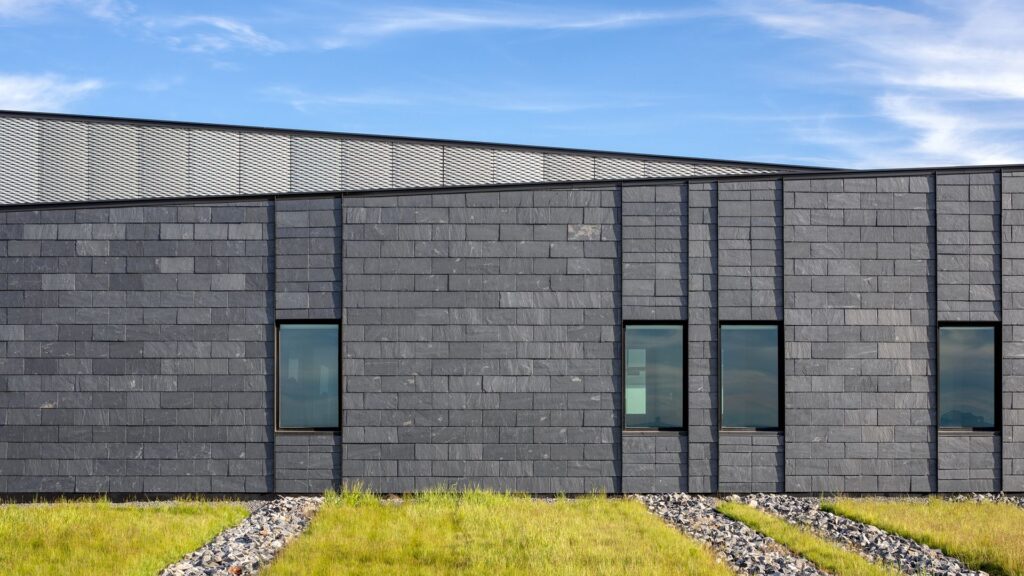
CUPACLAD: Why This Natural Slate Is Raising The Bar For Exterior Cladding
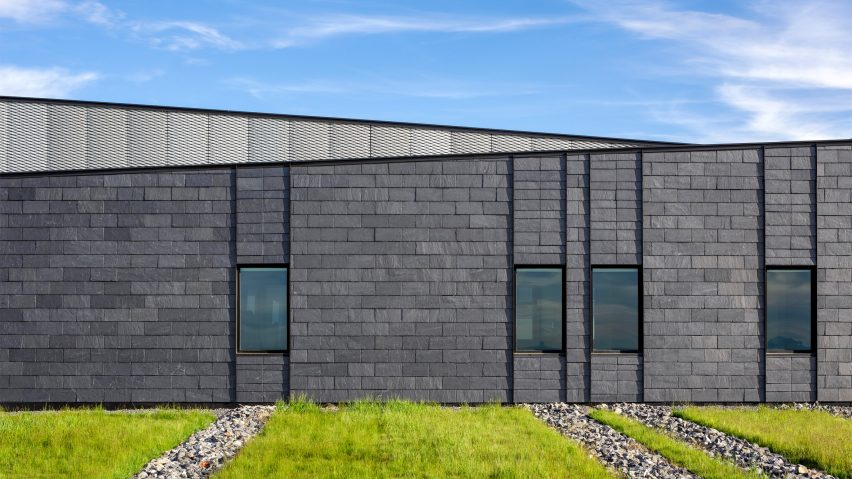
Cupa Pizarras creates cladding system that "utilises the beauty of natural slate"

Rainscreen walls: An updated definition for today’s construction environment
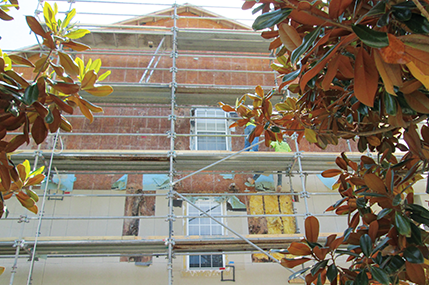
Getting Along With Stucco: Sometimes it just needs space
Outdoor shade and screens ride the storms out

Understanding Rainscreens

How to waterproof a basement – 5 steps from experts to safeguard this space

Cupa Pizarras slate-cladding system Cupaclad offers modern siding options
What’s the Best Way to Install Rainscreen Siding?

Facade Systems

Roof & Gutter Sealants

Stucco tips all Arizona homeowners should know
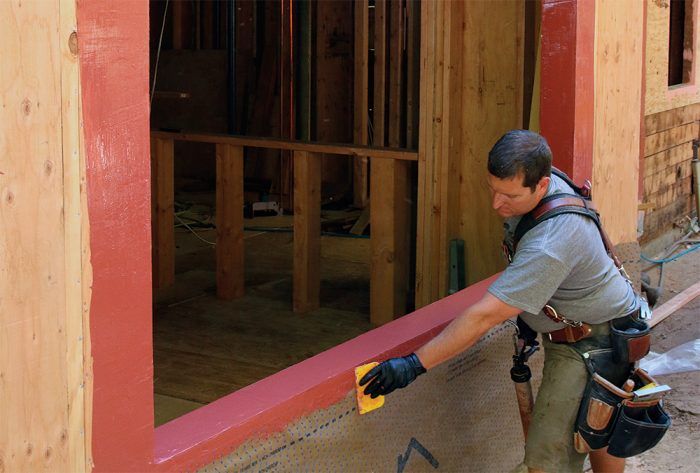
Waterproof Your Windows with Liquid Flashing

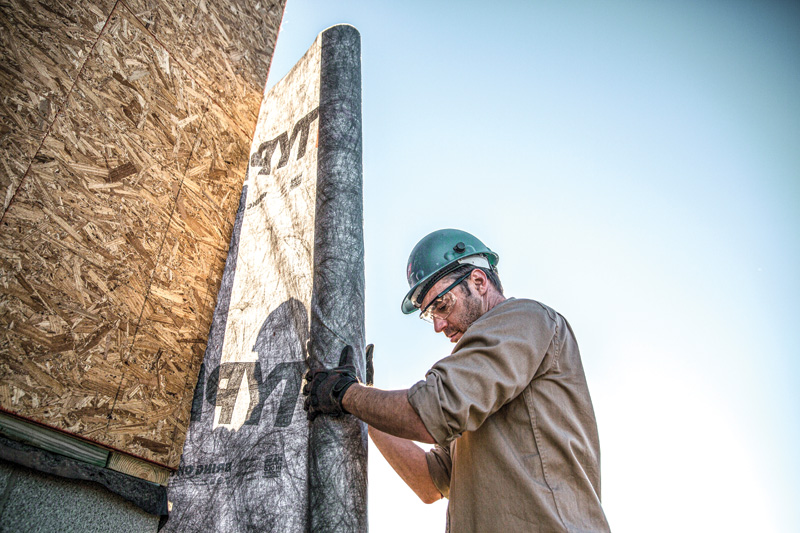
Weather-resistant barriers: Advanced technologies for modern construction

Plastered In Style
Guttering & Drainage
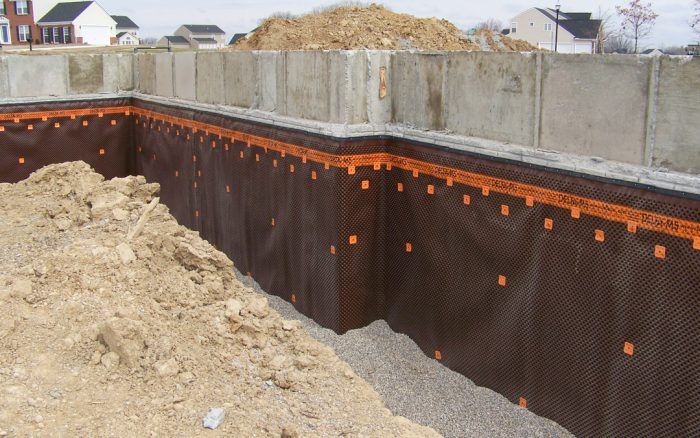
Dampproofing and Waterproofing for Foundation Walls
Best decking paint and decking stain
Stone wool insulation: Improving open-joint cladding systems