1/12
No-grass front yard ideas – 10 ways to say goodbye to that dry patch of lawn
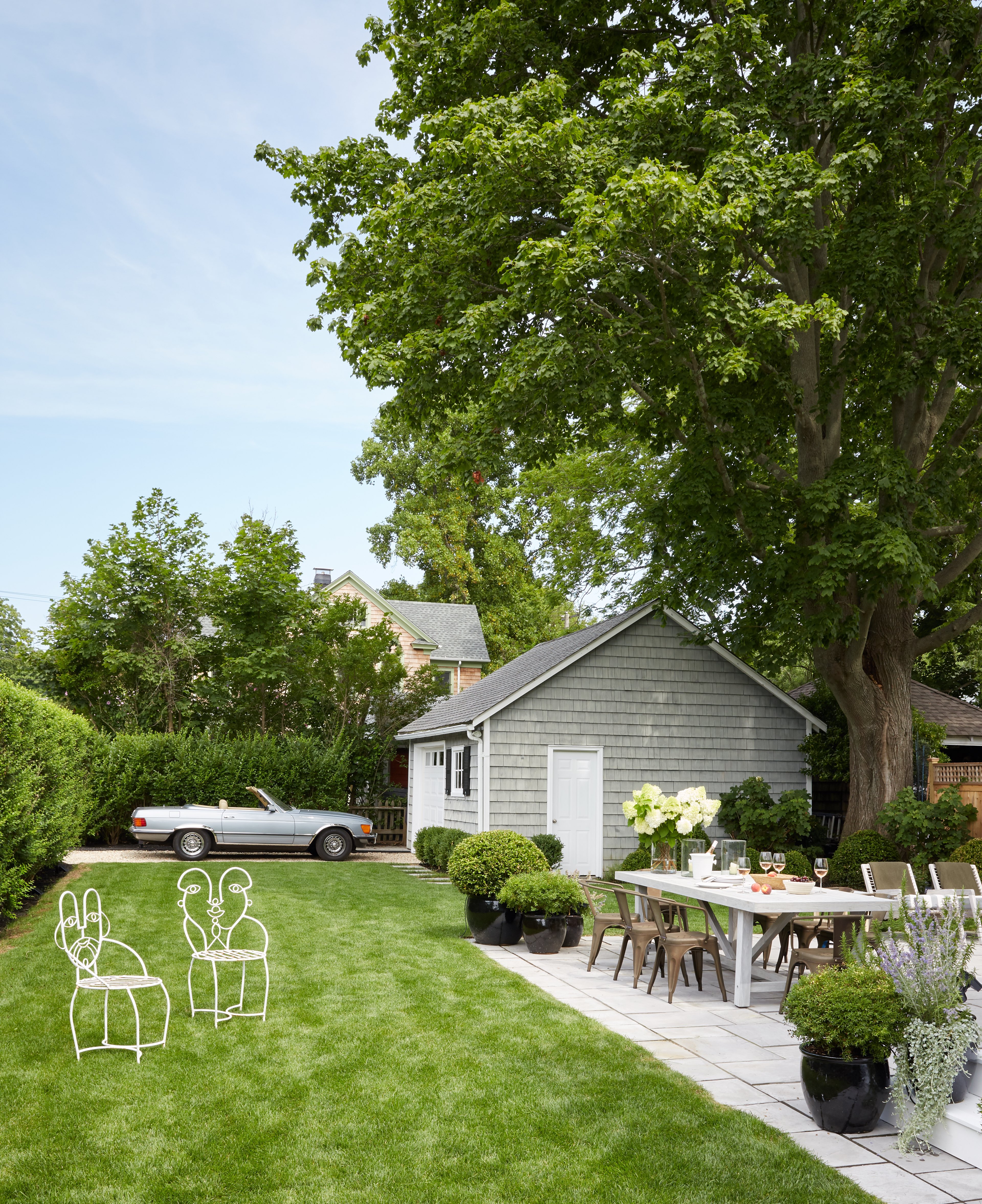
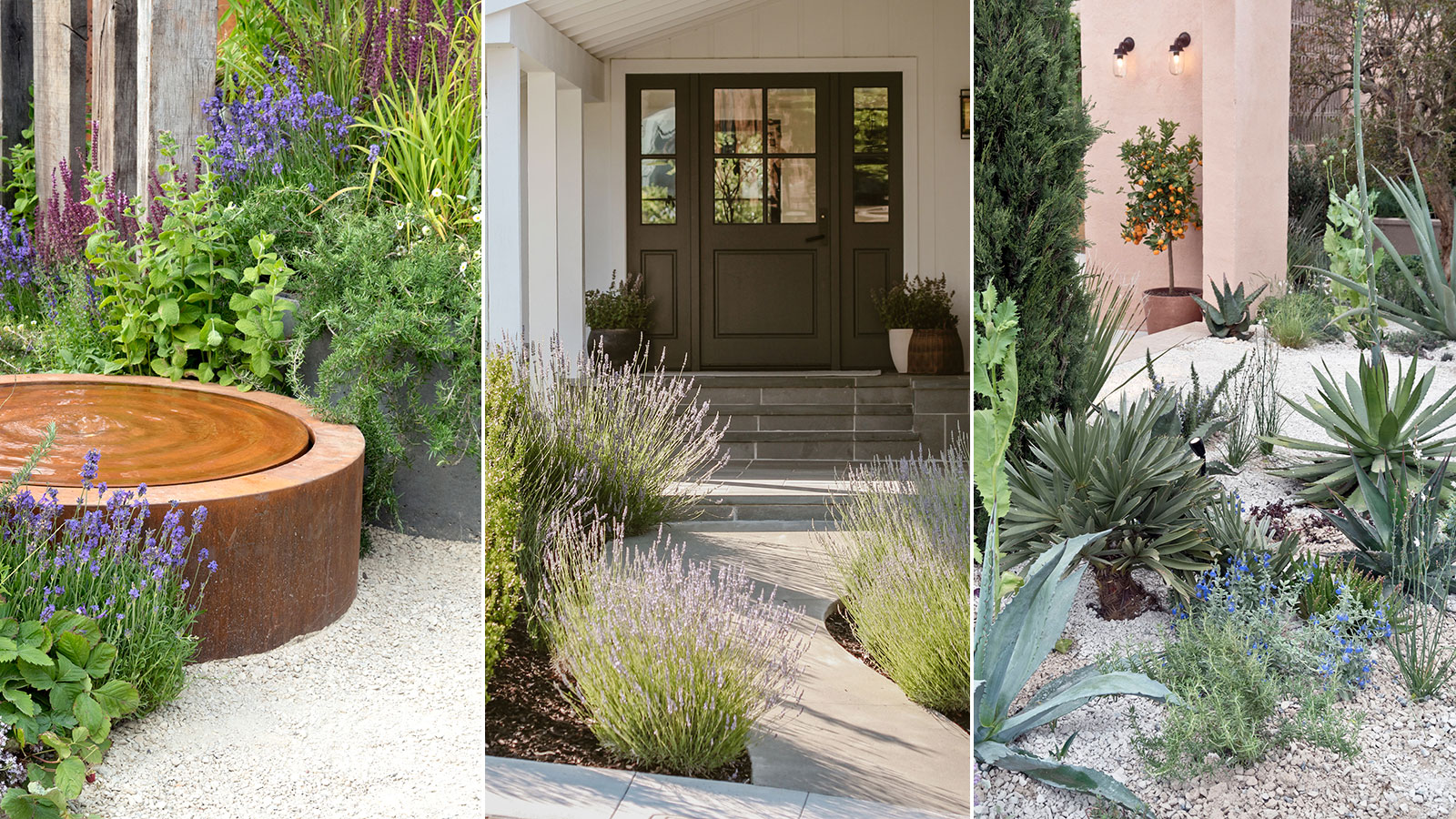
The increasing search for environmentally friendly options has led many homeowners to explore no-grass front yard ideas. This shift moves away from traditional lawns, which are often difficult to maintain in drought conditions, towards more sustainable and diverse landscaping. Replacing turf with a variety of plants that offer overlapping bloom seasons and integrating interesting hardscaping elements can transform a front yard into a unique and visually appealing space. The goal is to create a vibrant, low-maintenance, and climate-sensitive outdoor area that reflects personal vision while also contributing positively to the environment.
Several practical steps are involved in transitioning to a grass-free front yard. Homeowners can choose between a complete overhaul or a gradual reduction of turf, depending on their preferences and existing design. Incorporating drought-tolerant landscaping ideas is a logical progression from eliminating water-intensive lawns and plants. Selecting hardscaping materials that align with the property's aesthetics and budget is crucial. Additionally, integrating curb appeal ideas helps personalize the design and ensures it stands out.
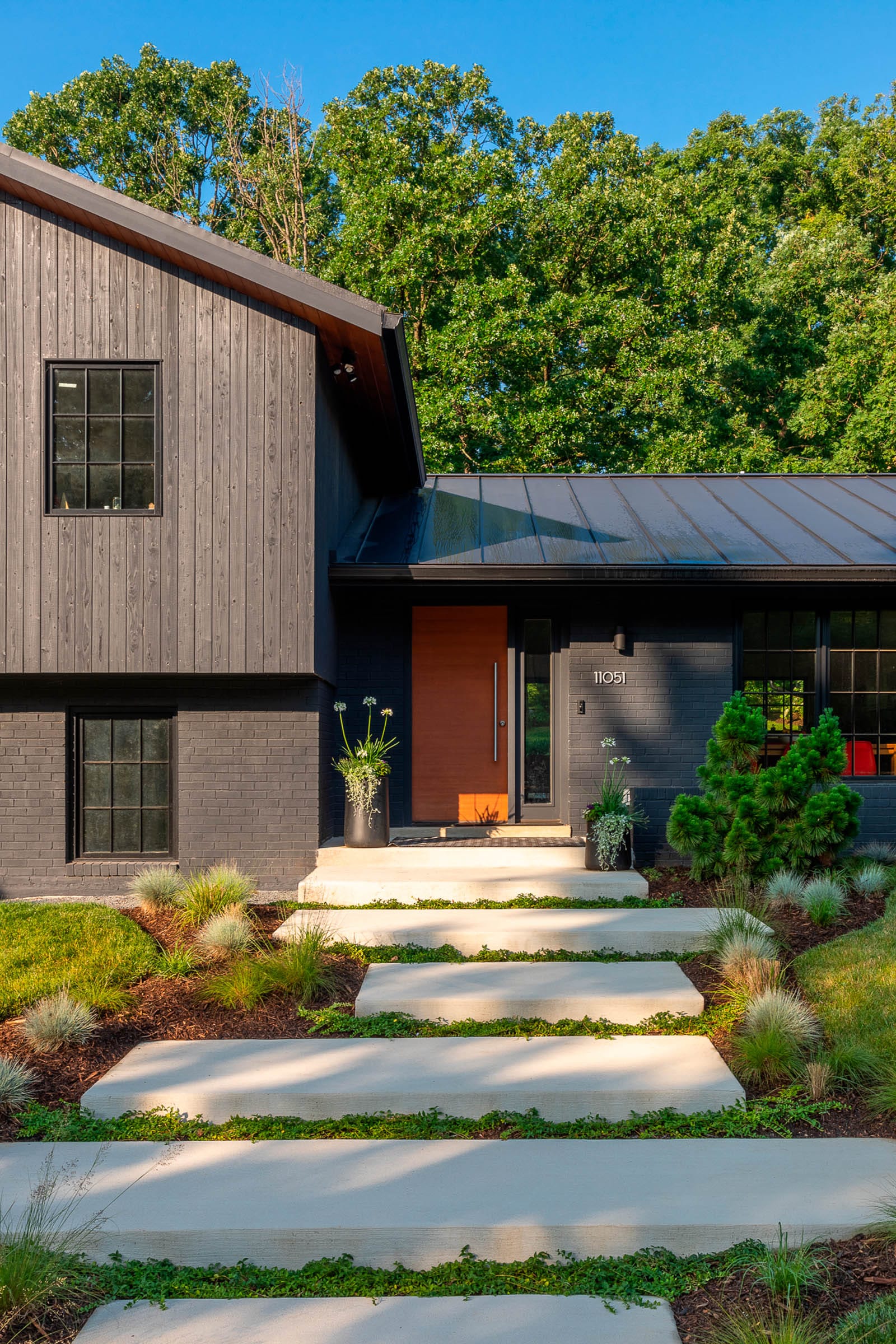
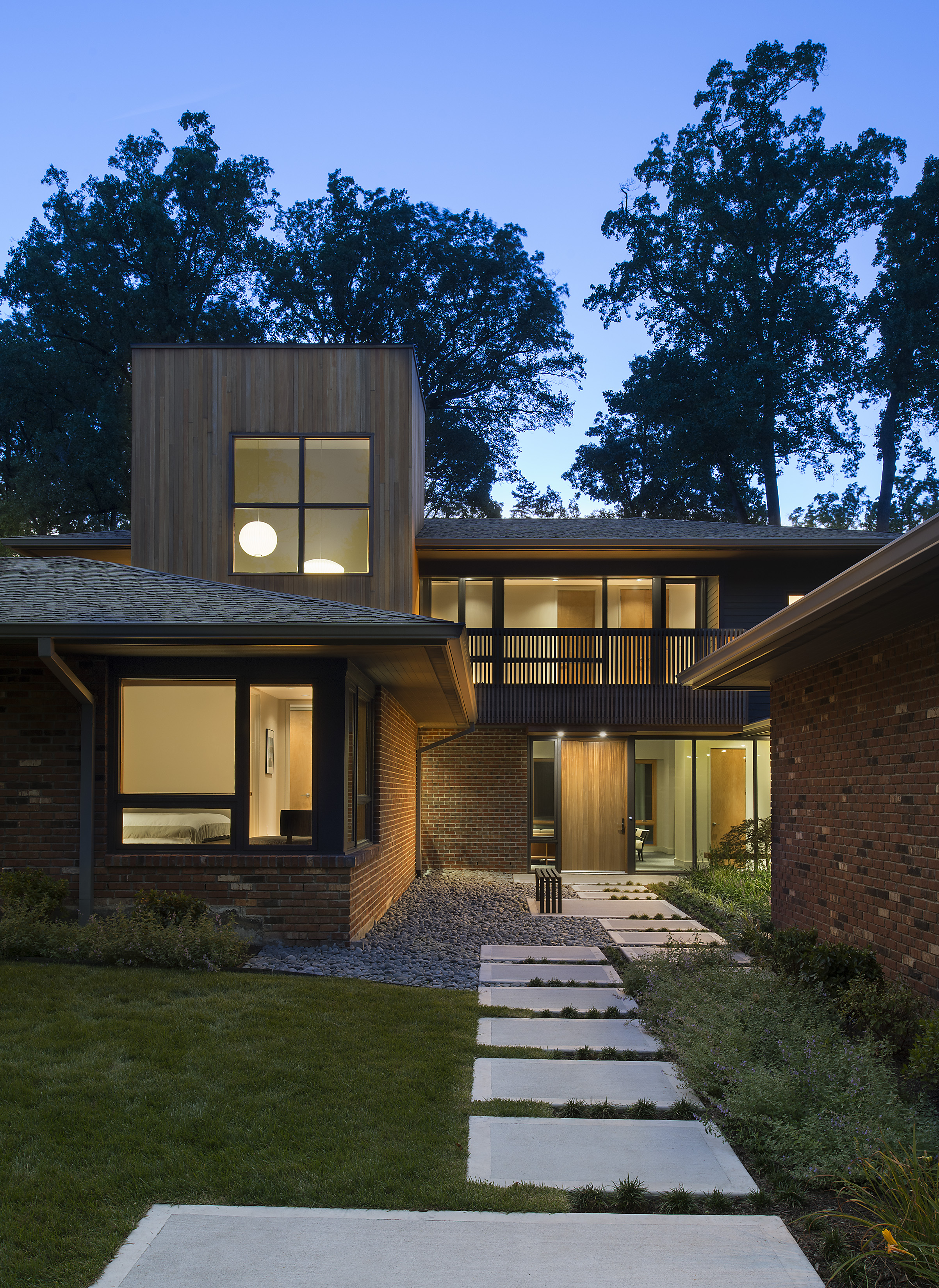
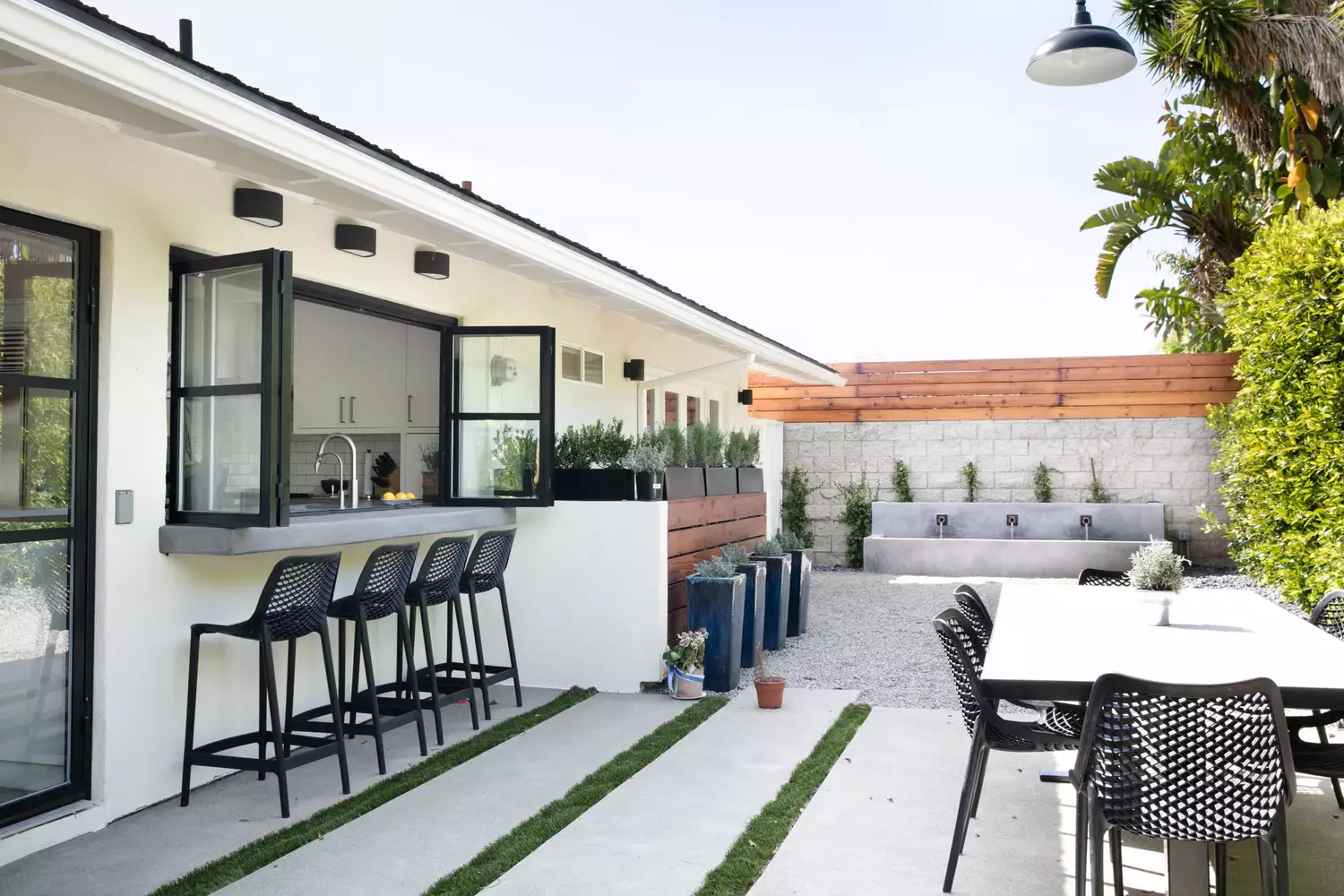
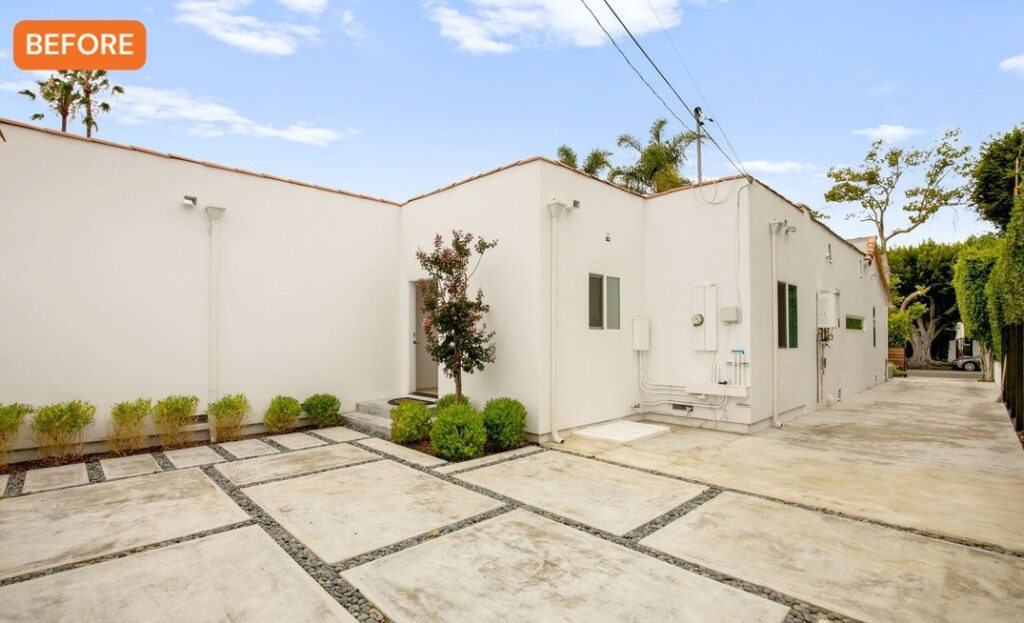
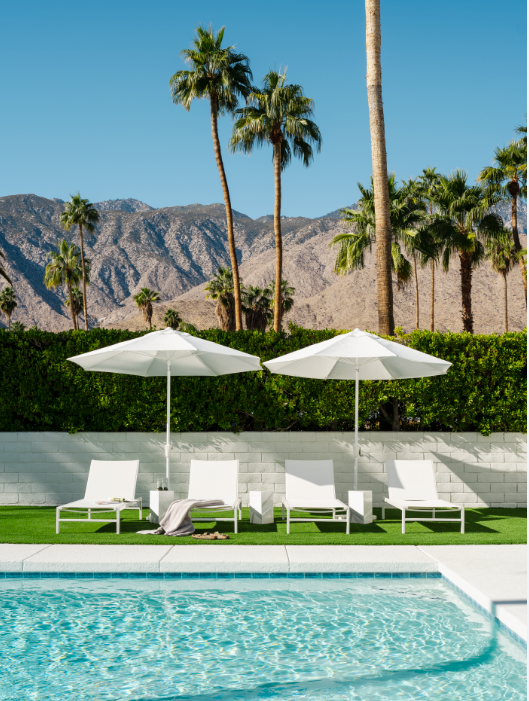
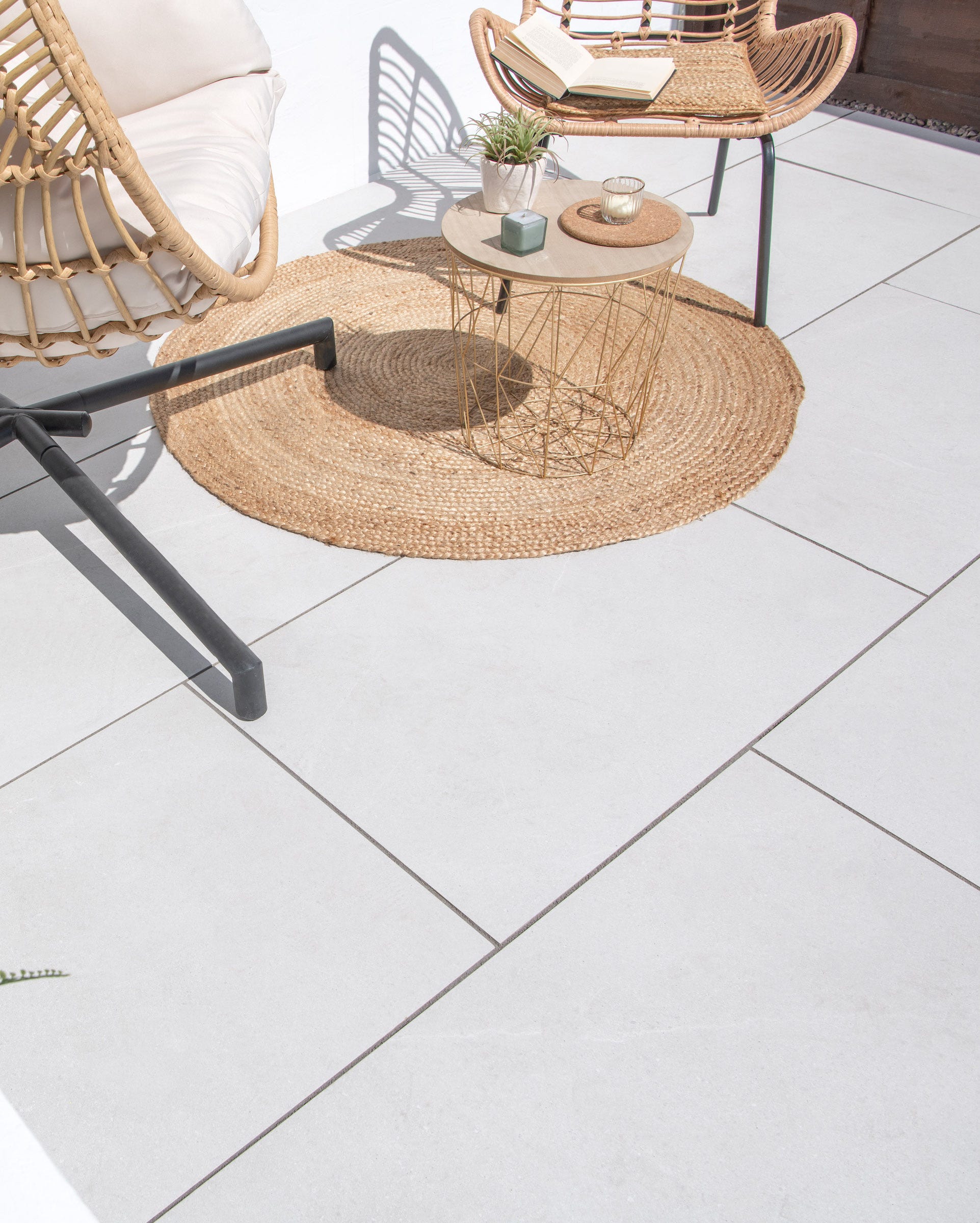
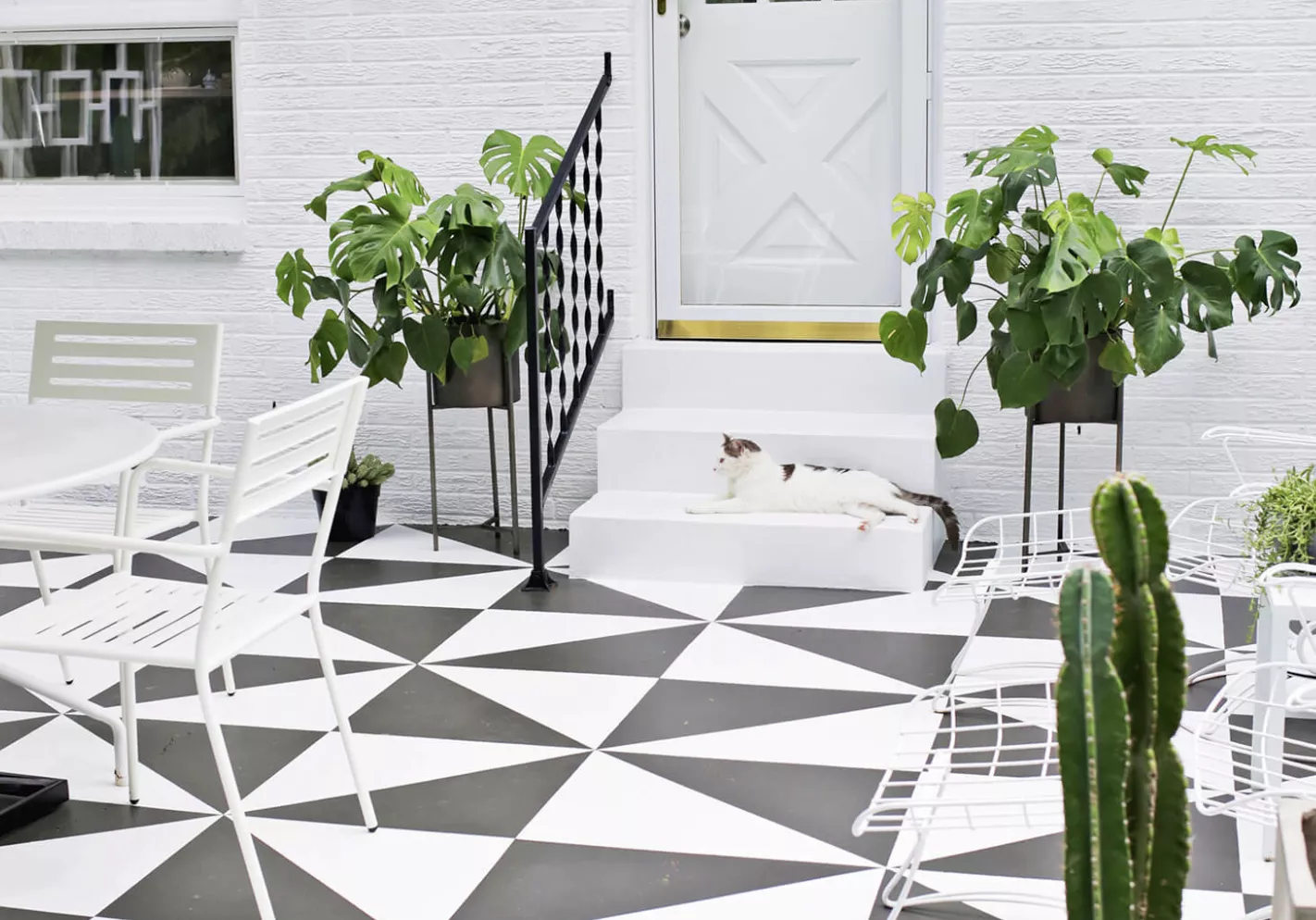
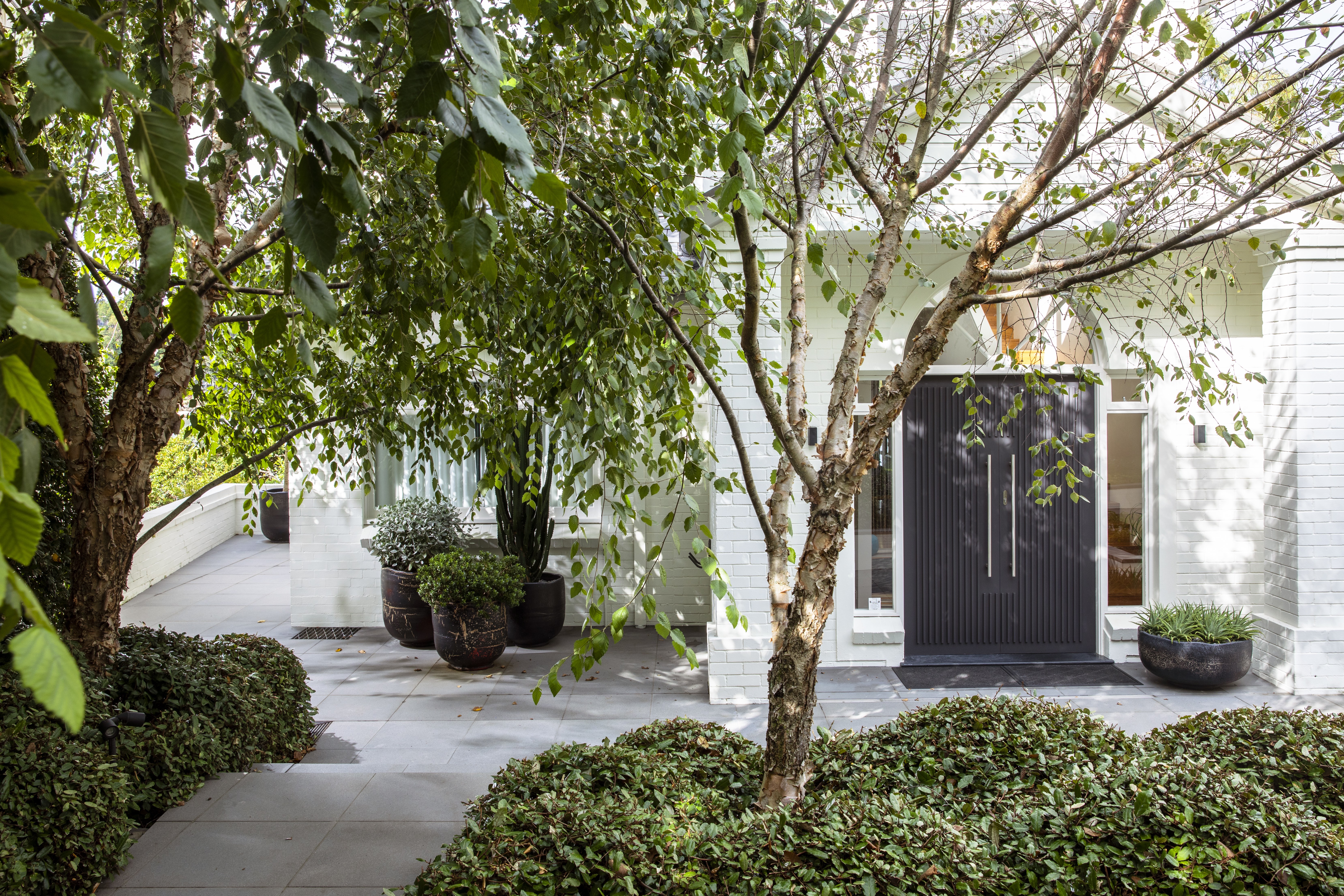
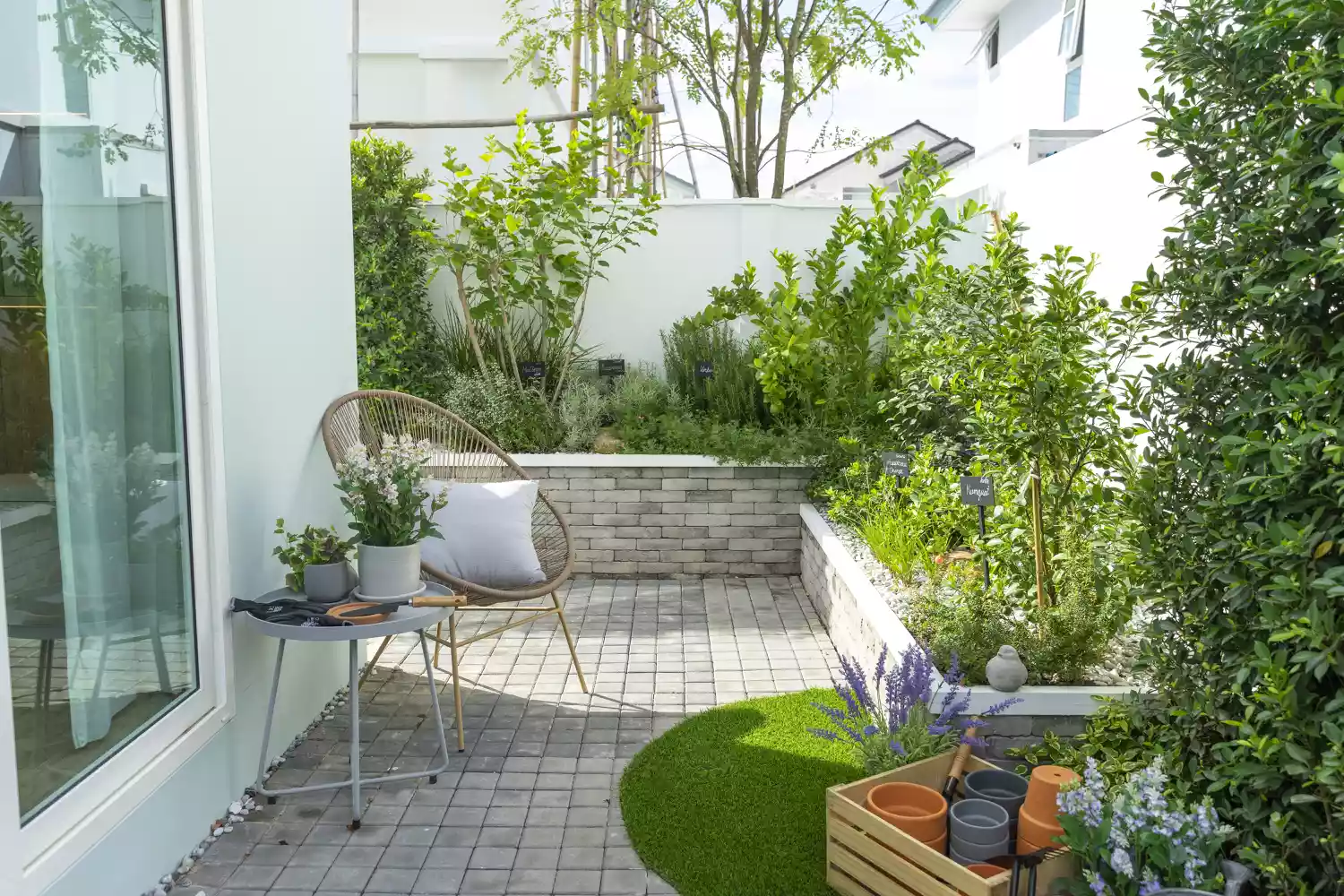
One effective strategy is to replace a lawn with paving to achieve a tailored look. This approach allows for a balanced design that combines hardscaping, planting pockets, and features like spot lighting. Interlocking pavers, available in various colors, shapes, and hues, offer versatility and can create unique patterns for walkways. Artificial turf can also be used to mimic the look of natural grass without the maintenance. Finishing touches, such as recessed front yard lighting, underwater lights for water features, and uplighters for ornamental trees, enhance the overall ambiance.
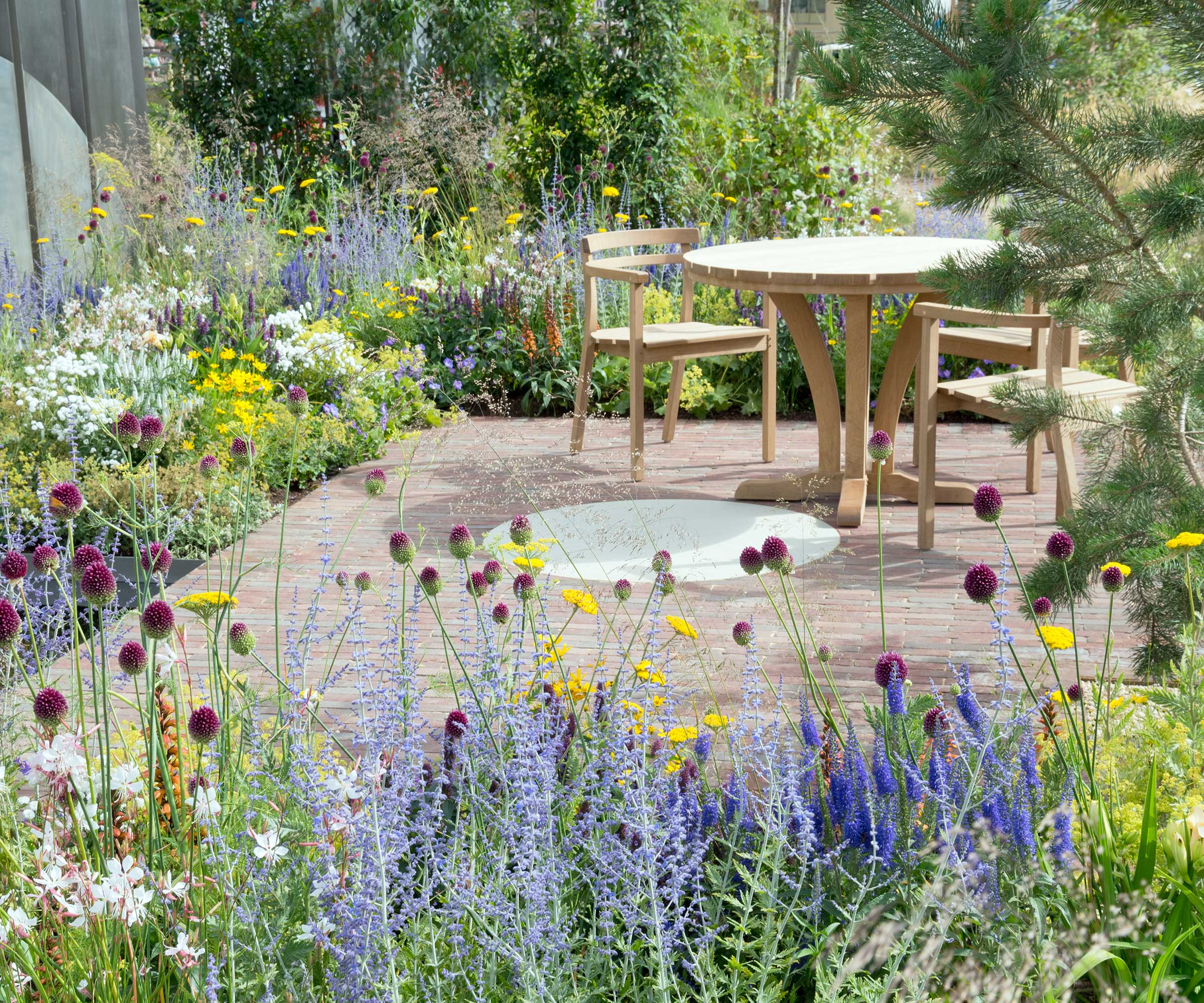
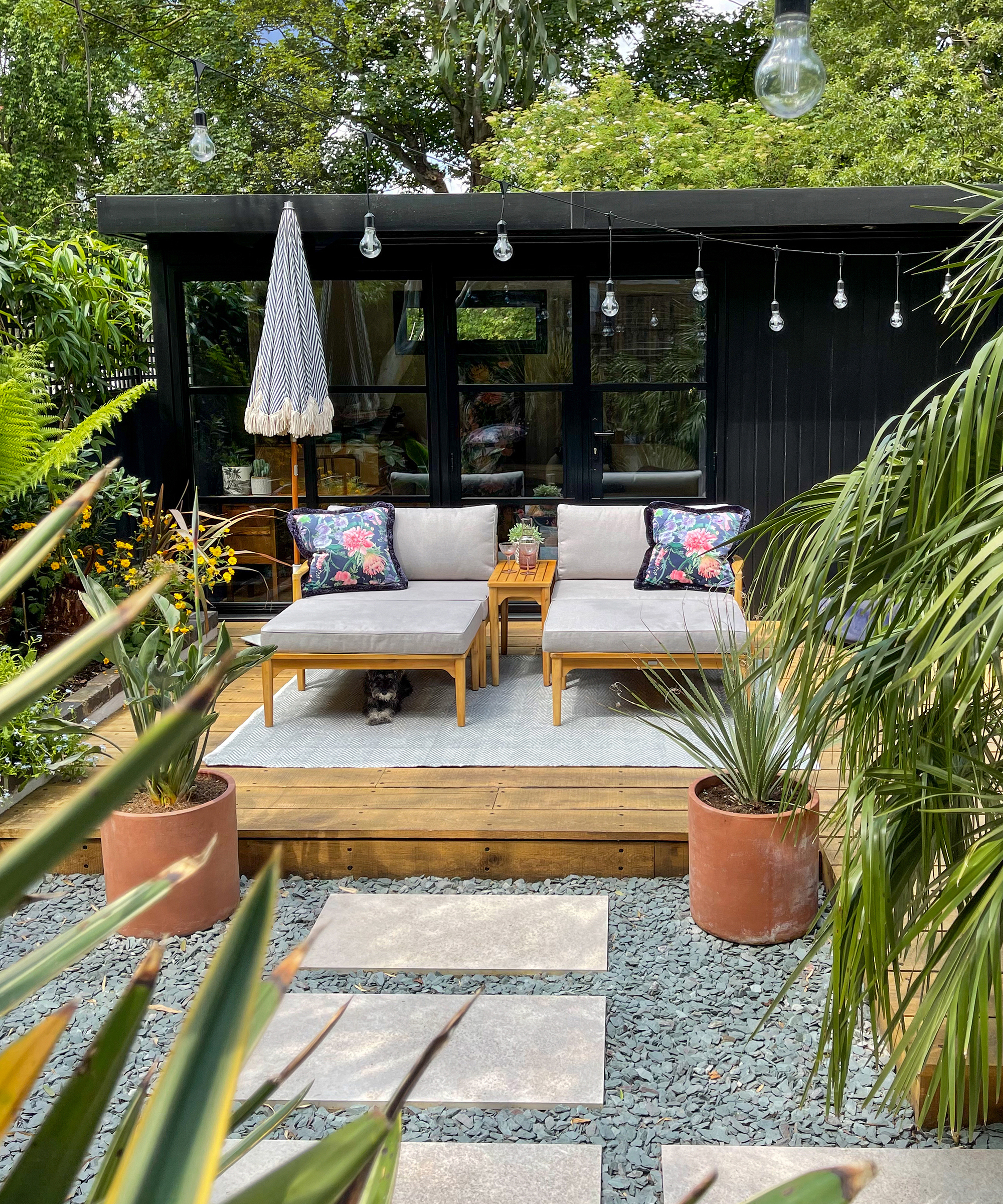
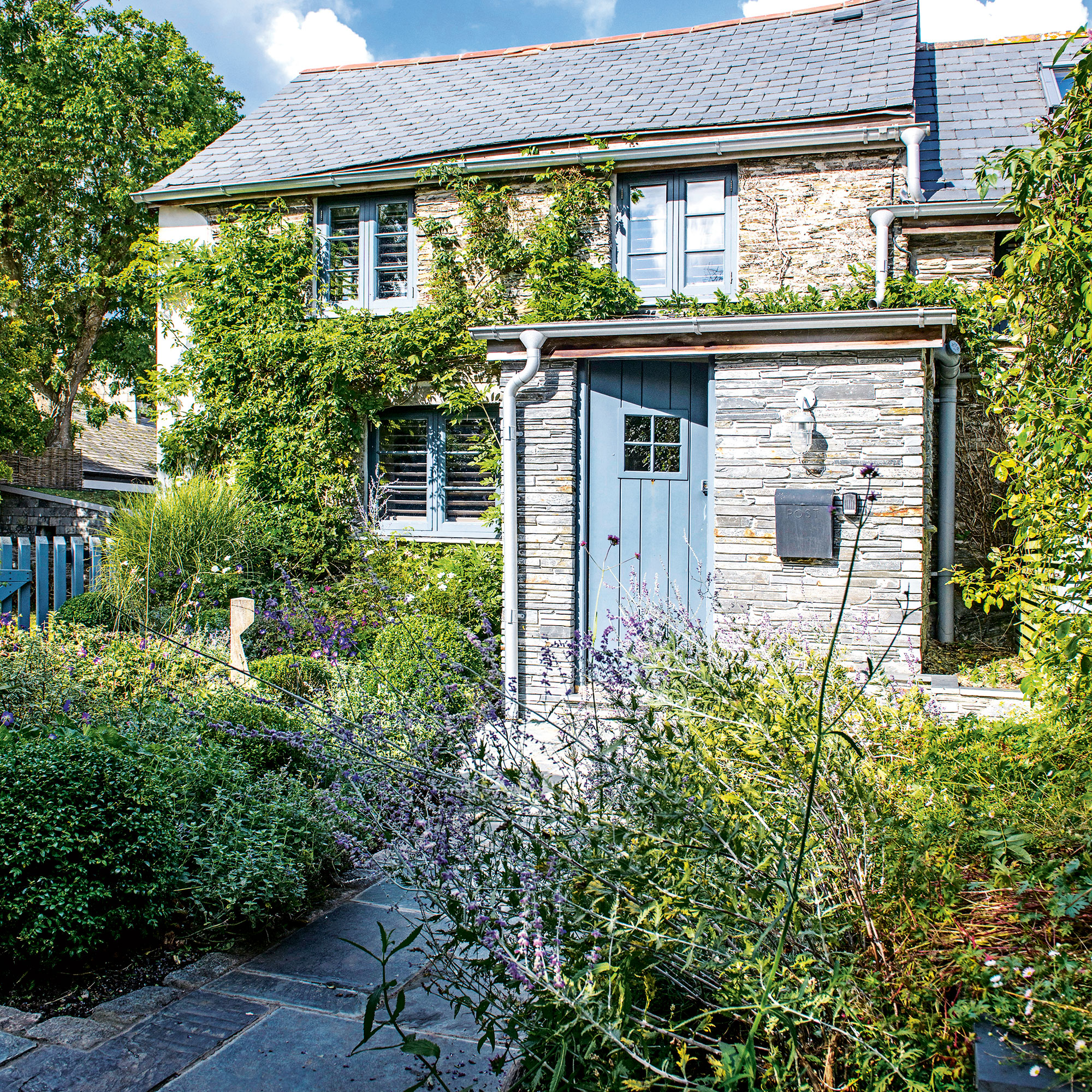
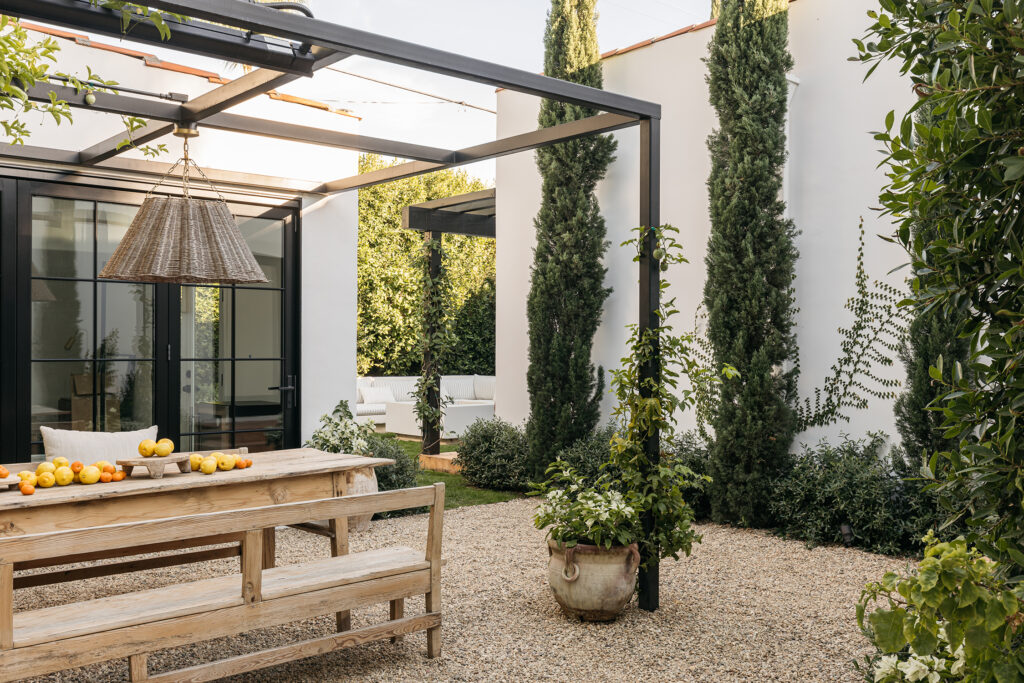
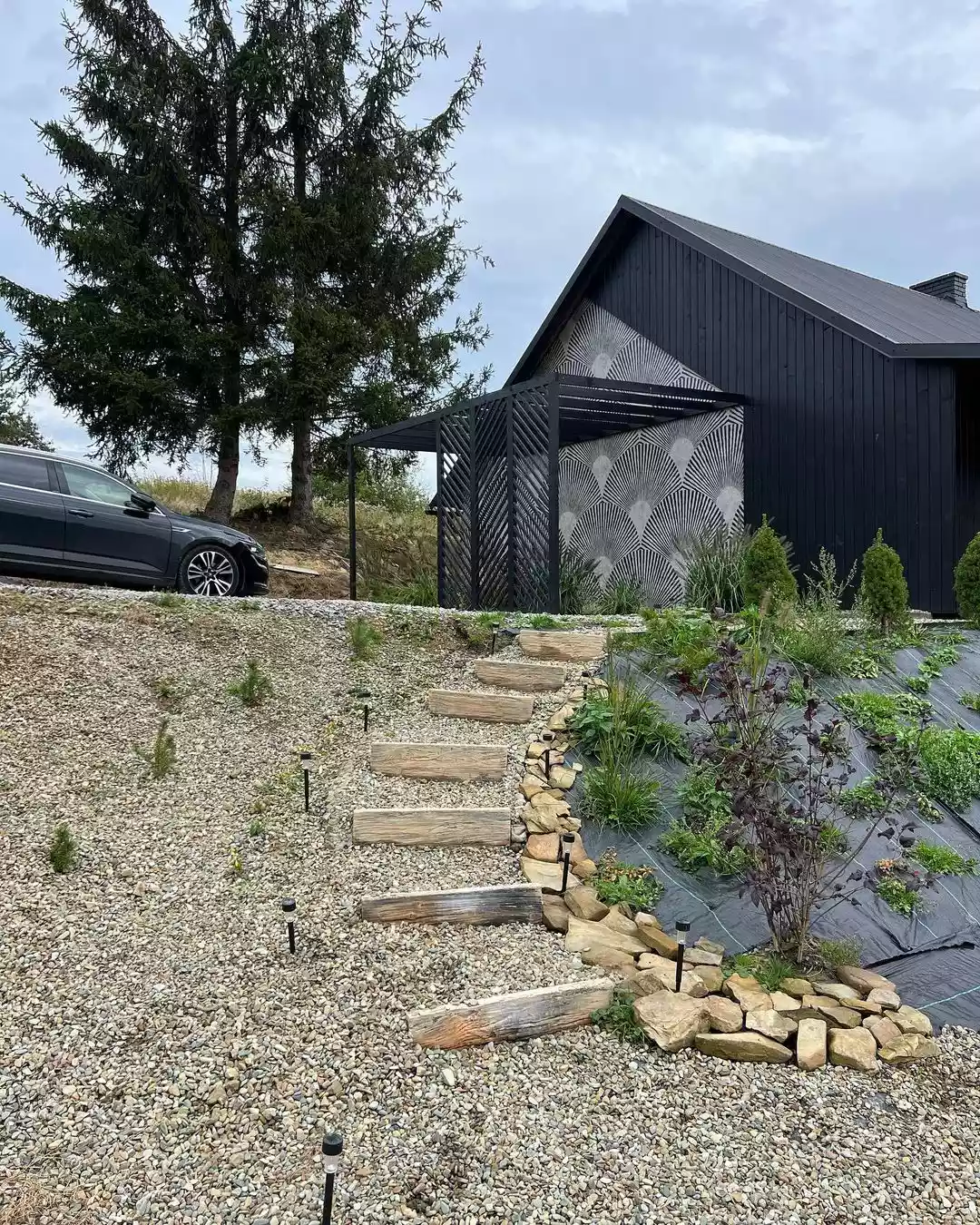
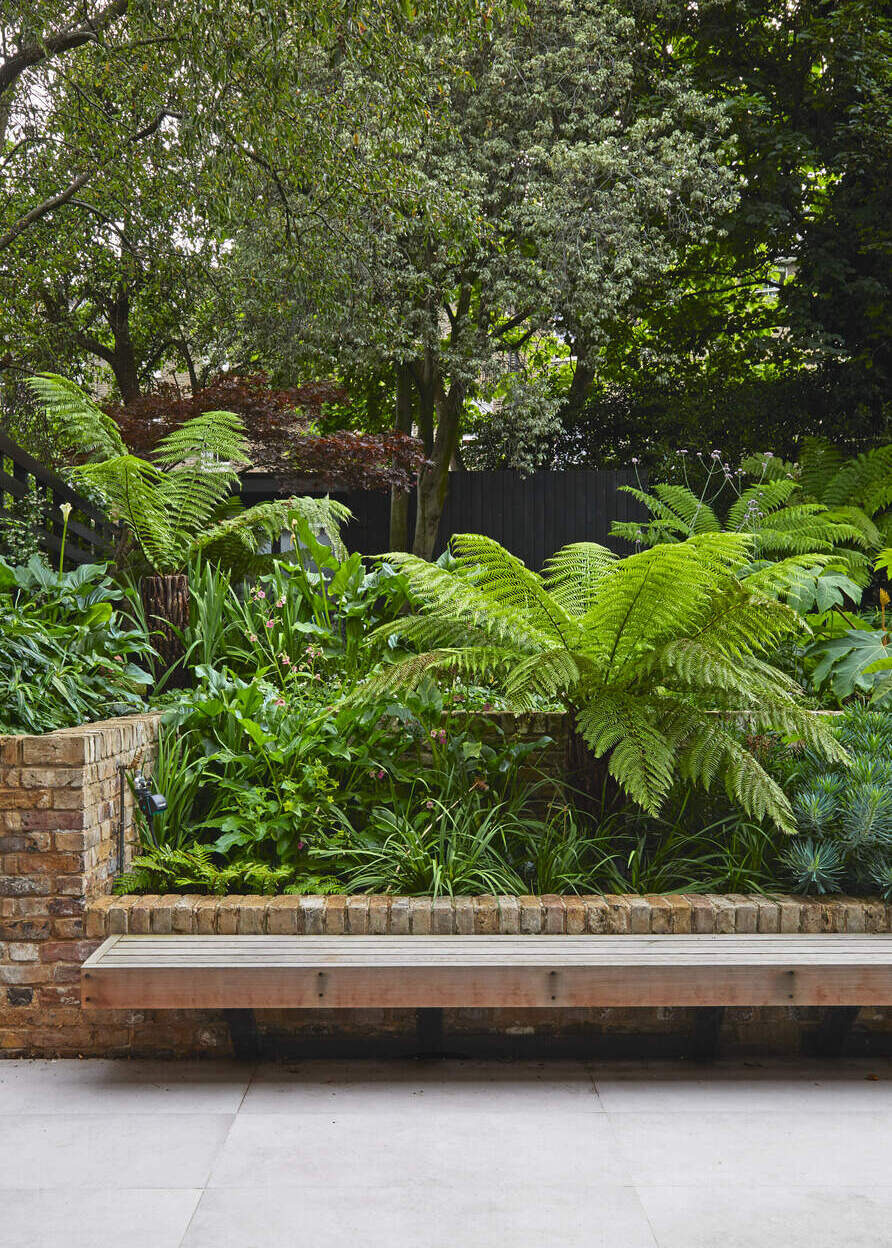
Designing an attractive front yard planting scheme is essential when removing a lawn. This involves using plants to complement hard landscaping, softening the property's exterior, and providing habitat value. Replacing grass with cacti and succulents in sunny areas is particularly effective for drought-resistant designs. After turf removal, a weed-free porous sub-base topped with gravel and drought-tolerant plants like ornamental grasses and succulents creates a climate-sensitive and low-impact garden. This also reduces the need for frequent weeding and watering, making the space easier to maintain.
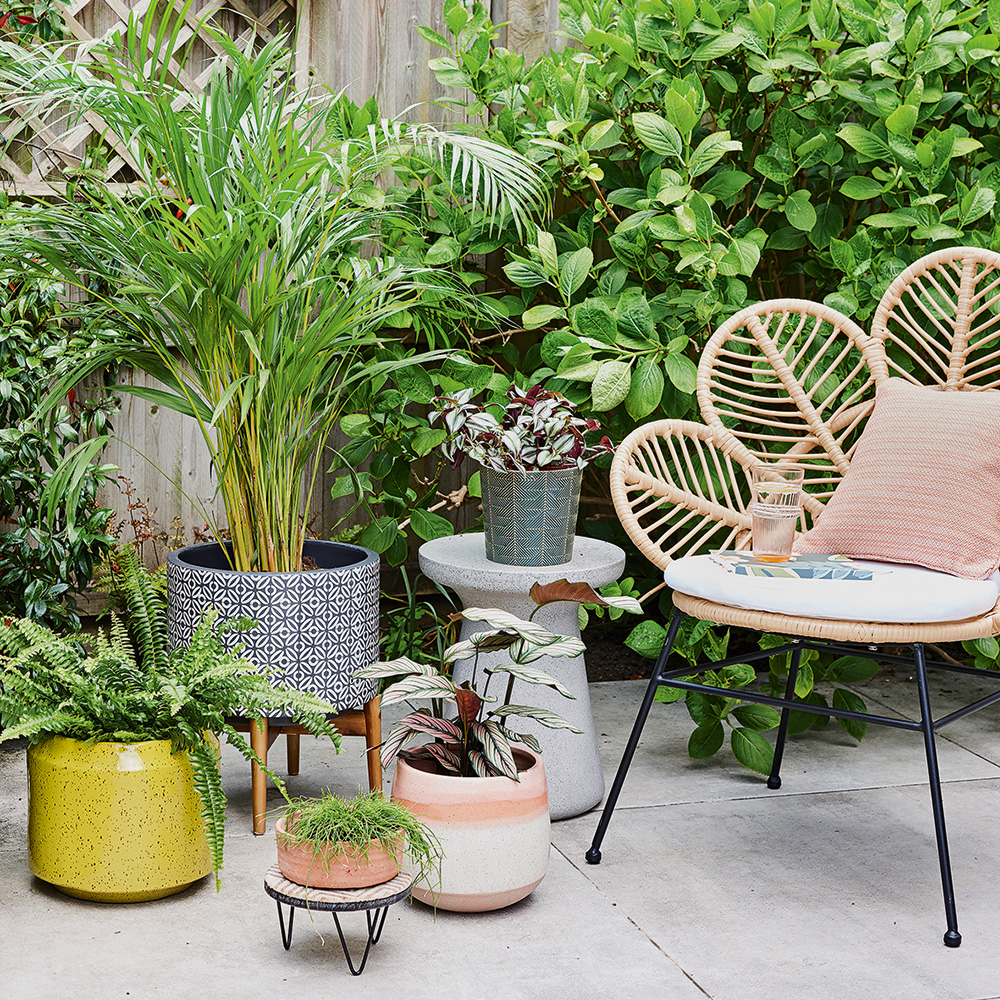
Adding eye-catching details like water features introduces a tranquil element and helps soften modern front yard aesthetics. Options include fountains, ponds, or cascading waterfalls, chosen to complement the home's style. Sculptures or unique focal points further personalize the space. Statement planters are another way to introduce foliage and flowers, especially in constructed, lawn-free areas. These can be clustered for impact, rearranged seasonally, or used as focal points along paths. Drought-tolerant plants for pots, such as aeoniums, require minimal watering due to their water-storing leaves.
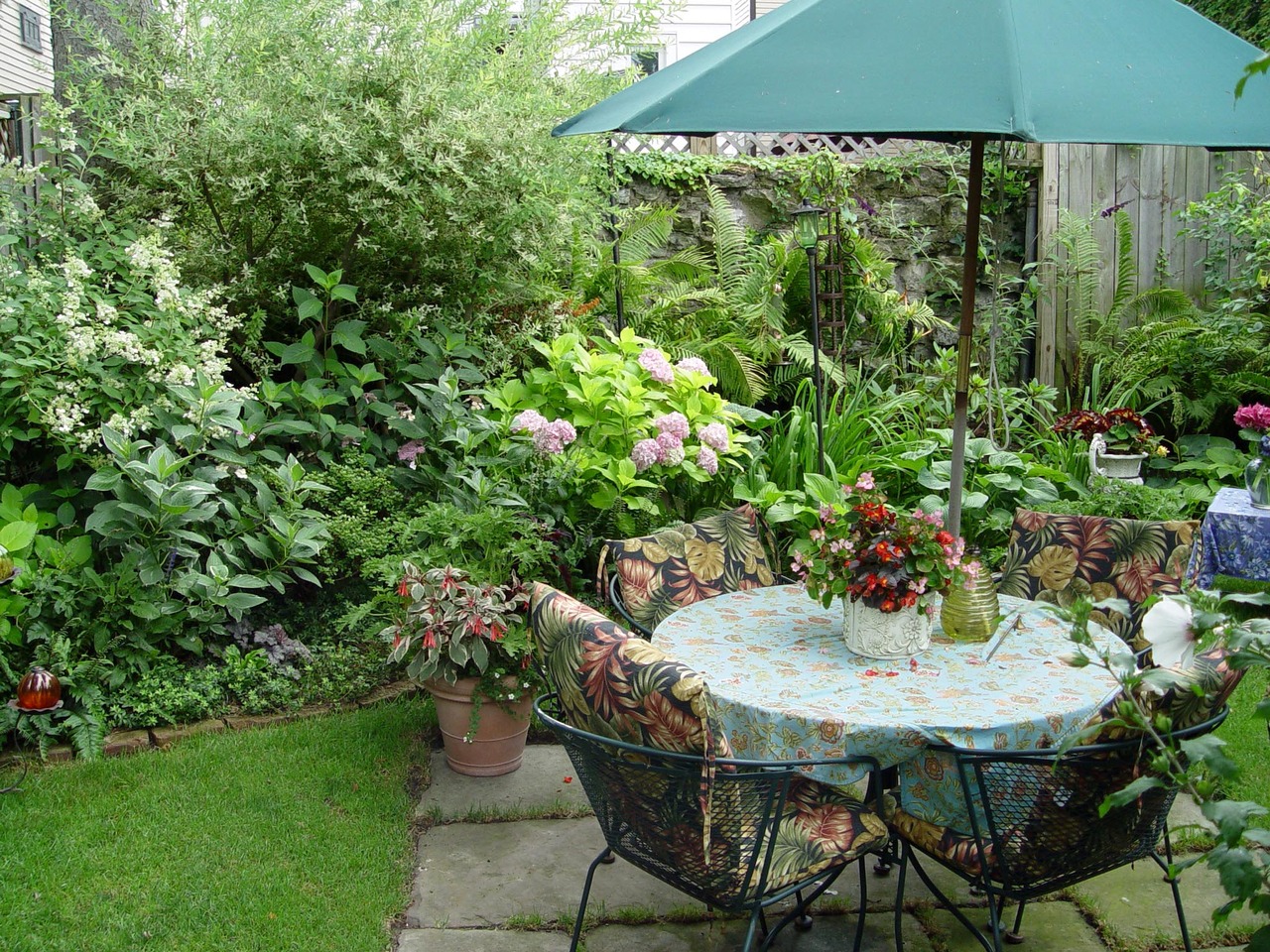
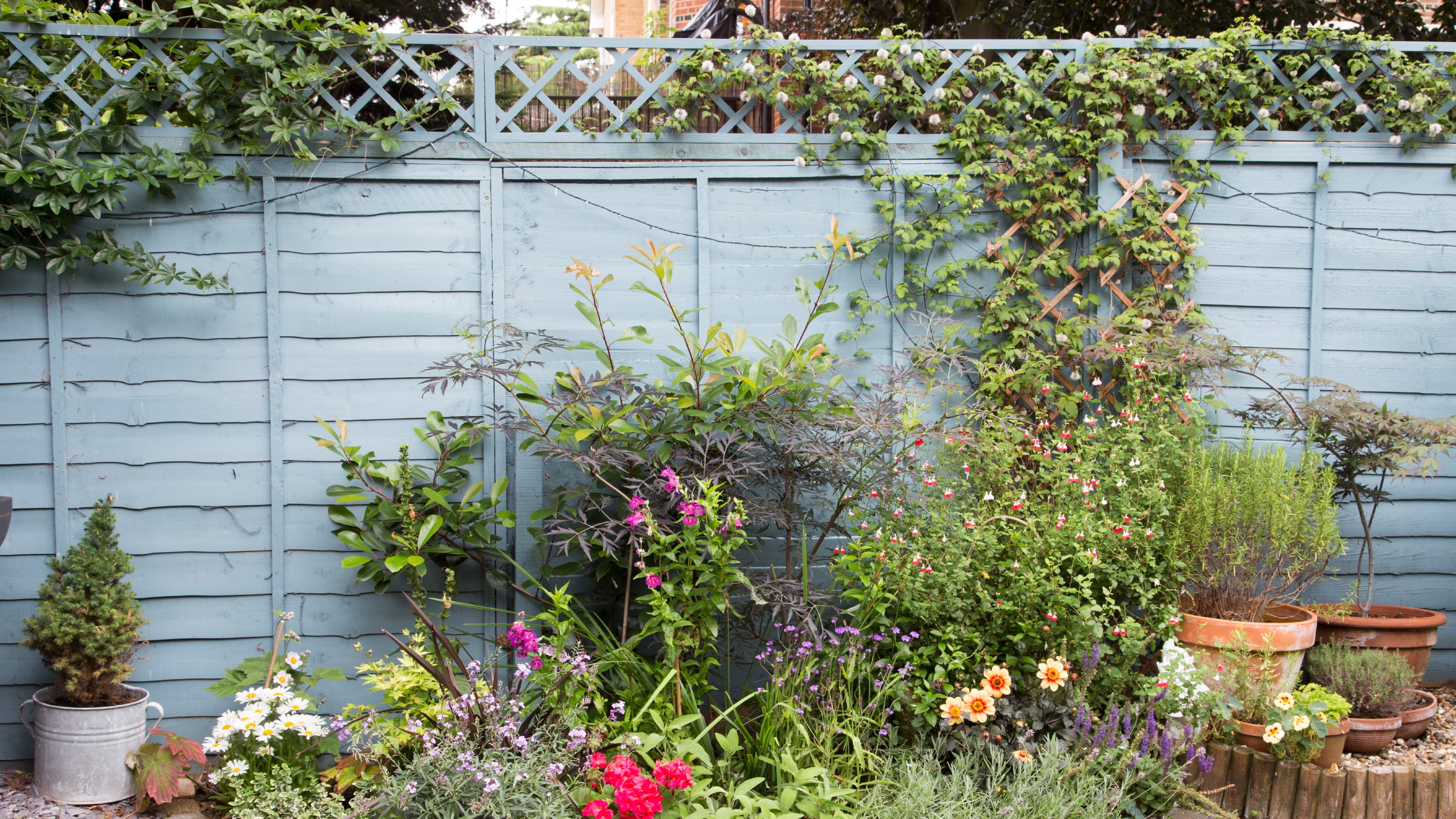
Maximizing growing space with deeper flower beds allows for a greater variety of plants. Creating a garden path through these beds enhances the experience of color and scent. This approach is more water-efficient than traditional lawns, especially when using native and desert-adapted plants. Ground cover plants and shorter ornamental grasses can effectively substitute for thirsty lawns, while taller grasses can replace shrubs. Introducing textured hardscaping elements like gravel accents or rocks prevents the area from becoming monotonous and adds visual interest. Incorporating stepping stones or meandering pathways improves accessibility and aesthetic appeal, and pebble gardens can create a low-maintenance, zen-like Japanese garden aesthetic.
Xeriscaping is a comprehensive approach for drought-prone environments, focusing on water conservation through strategic plant selection, soil improvement, proper watering techniques, and mulching. This method results in green, colorful, and water-friendly landscapes. Homeowners are encouraged to convert areas that are difficult to maintain into xeriscaped zones. Adding a standout tree, such as a small ornamental tree like a weeping Japanese maple or a Yoshino cherry, provides shade, privacy, and seasonal interest. Fast-growing trees can quickly establish a mature look.
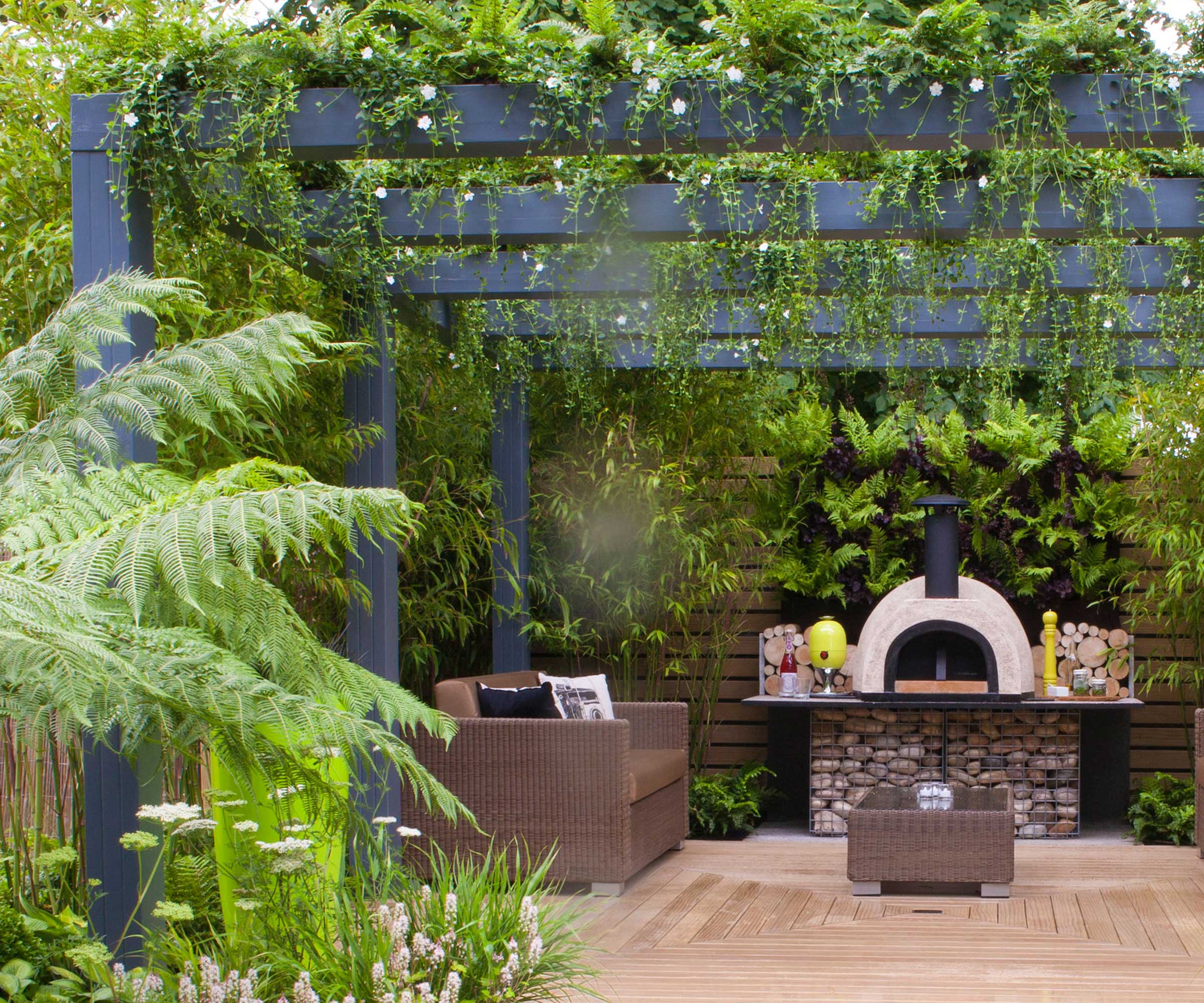
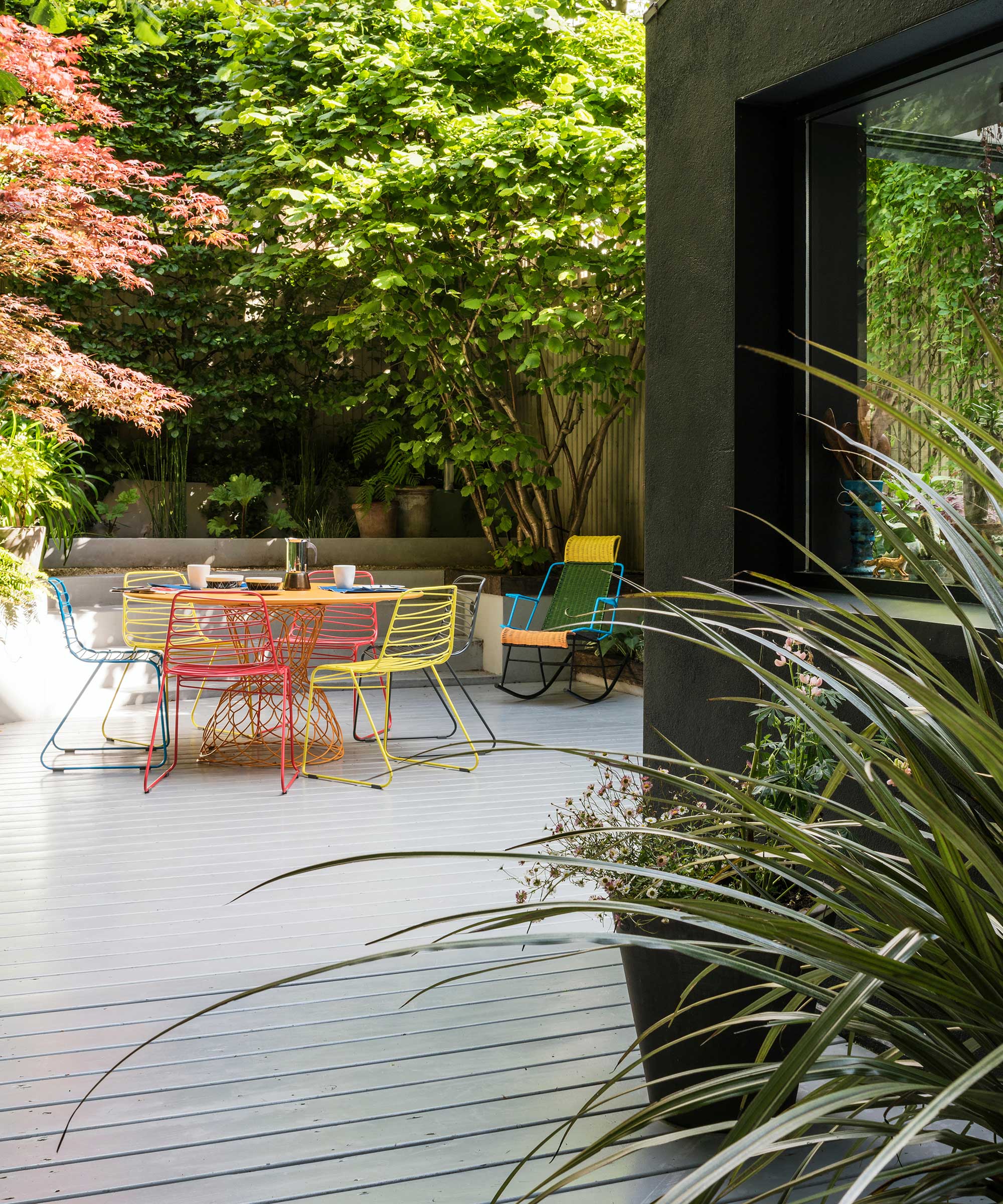
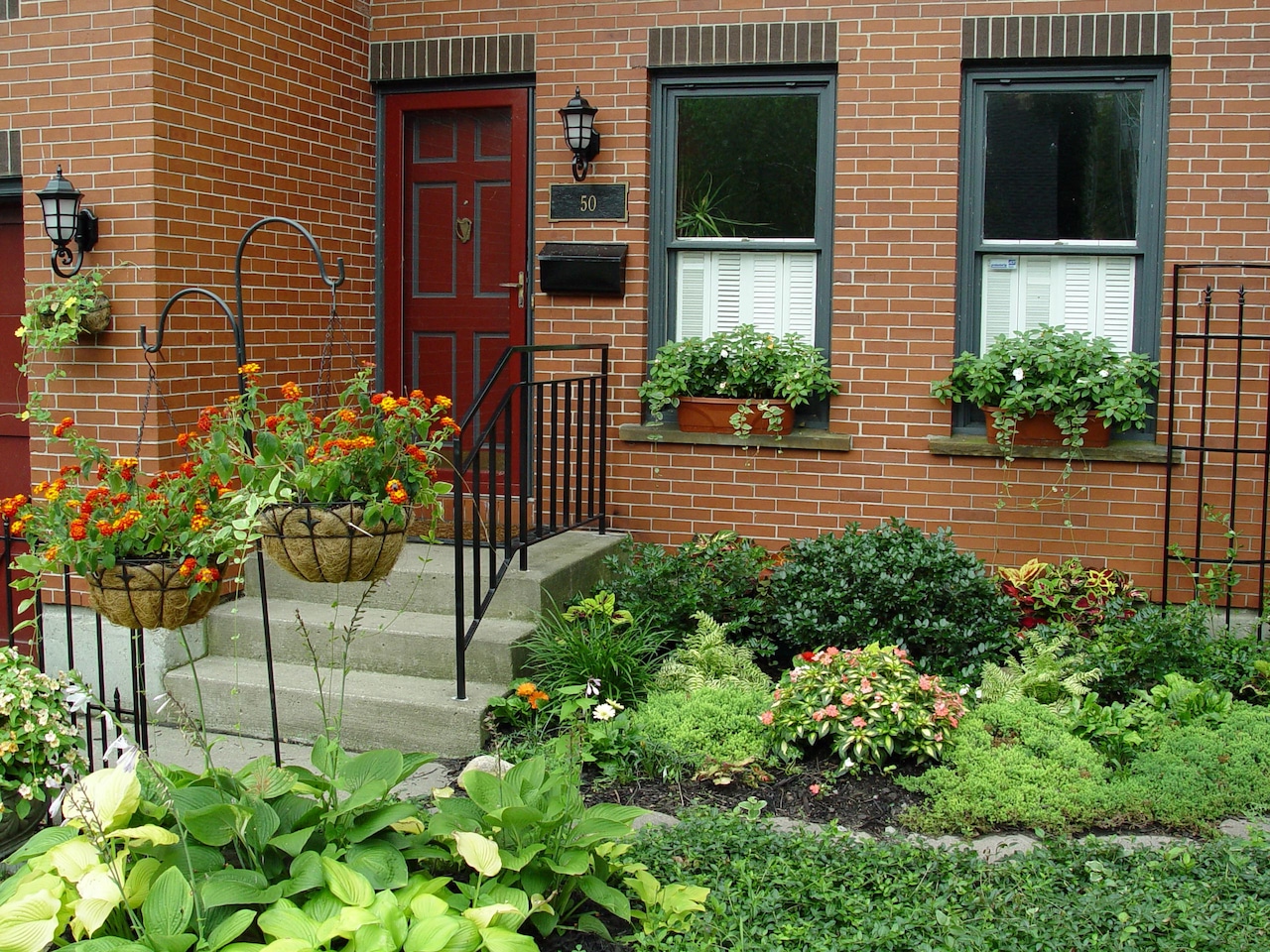
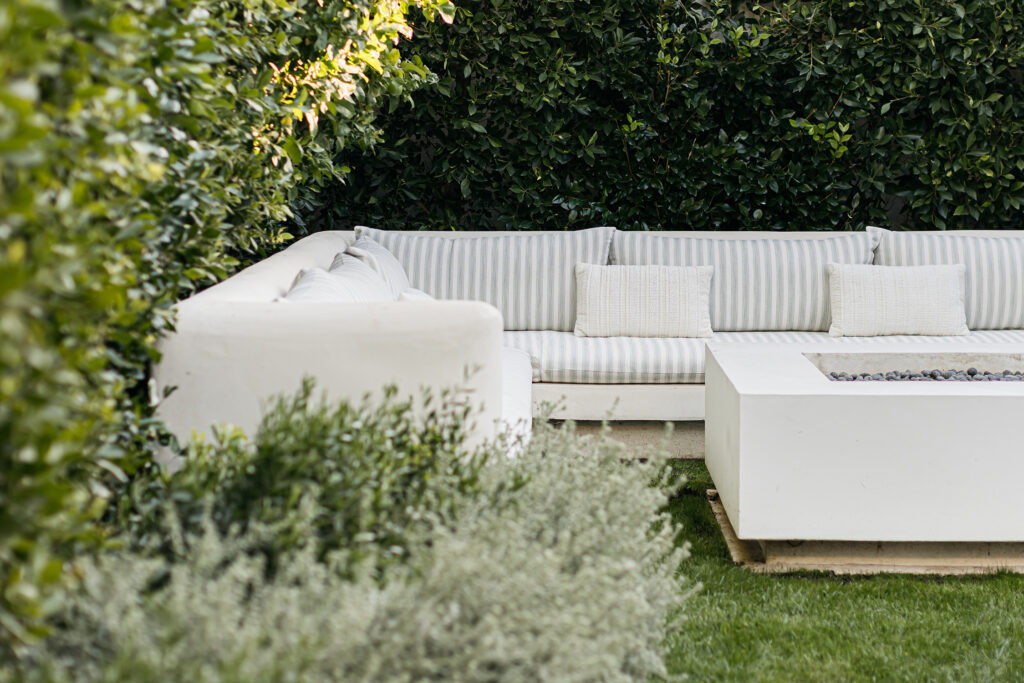
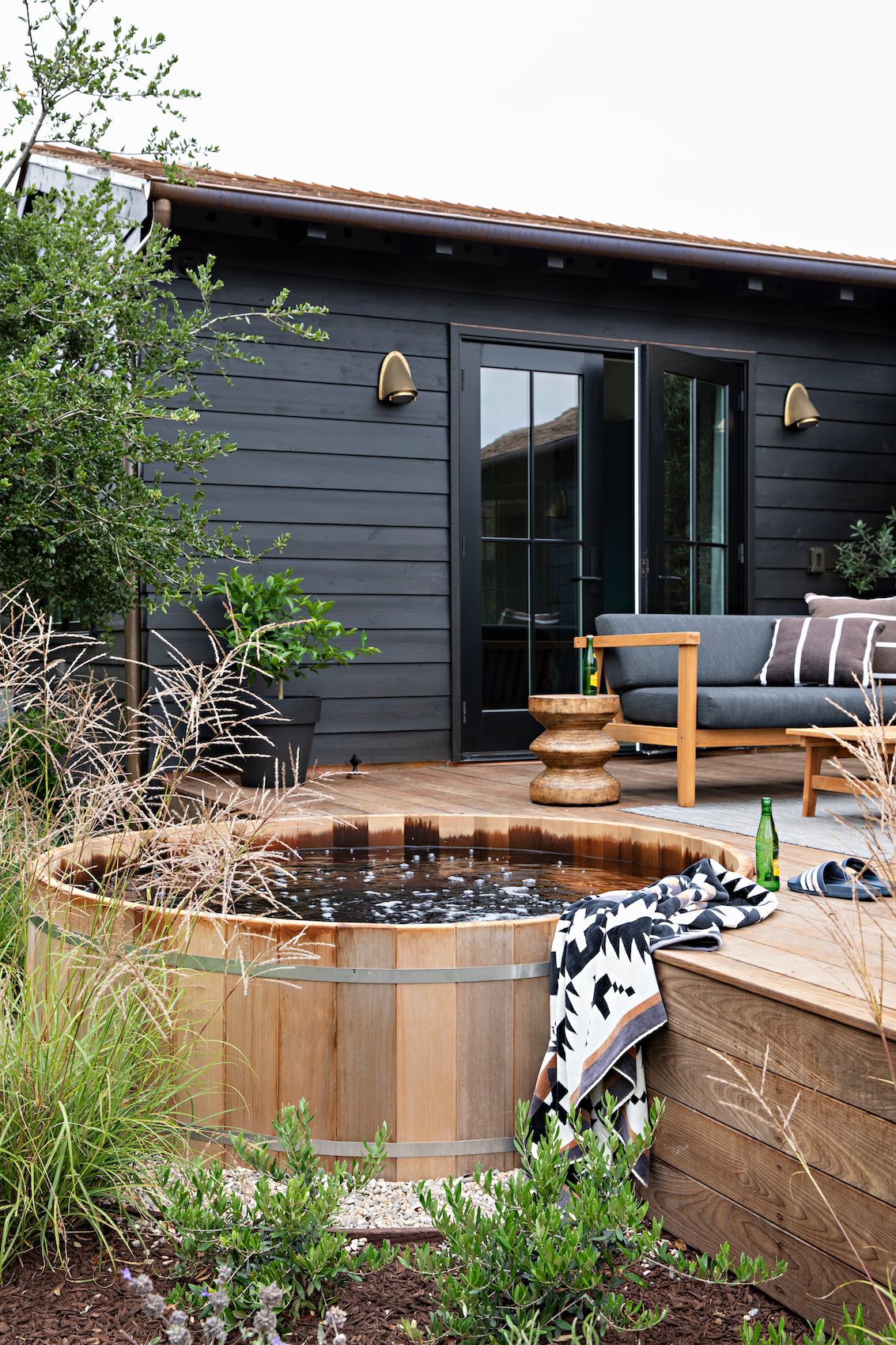
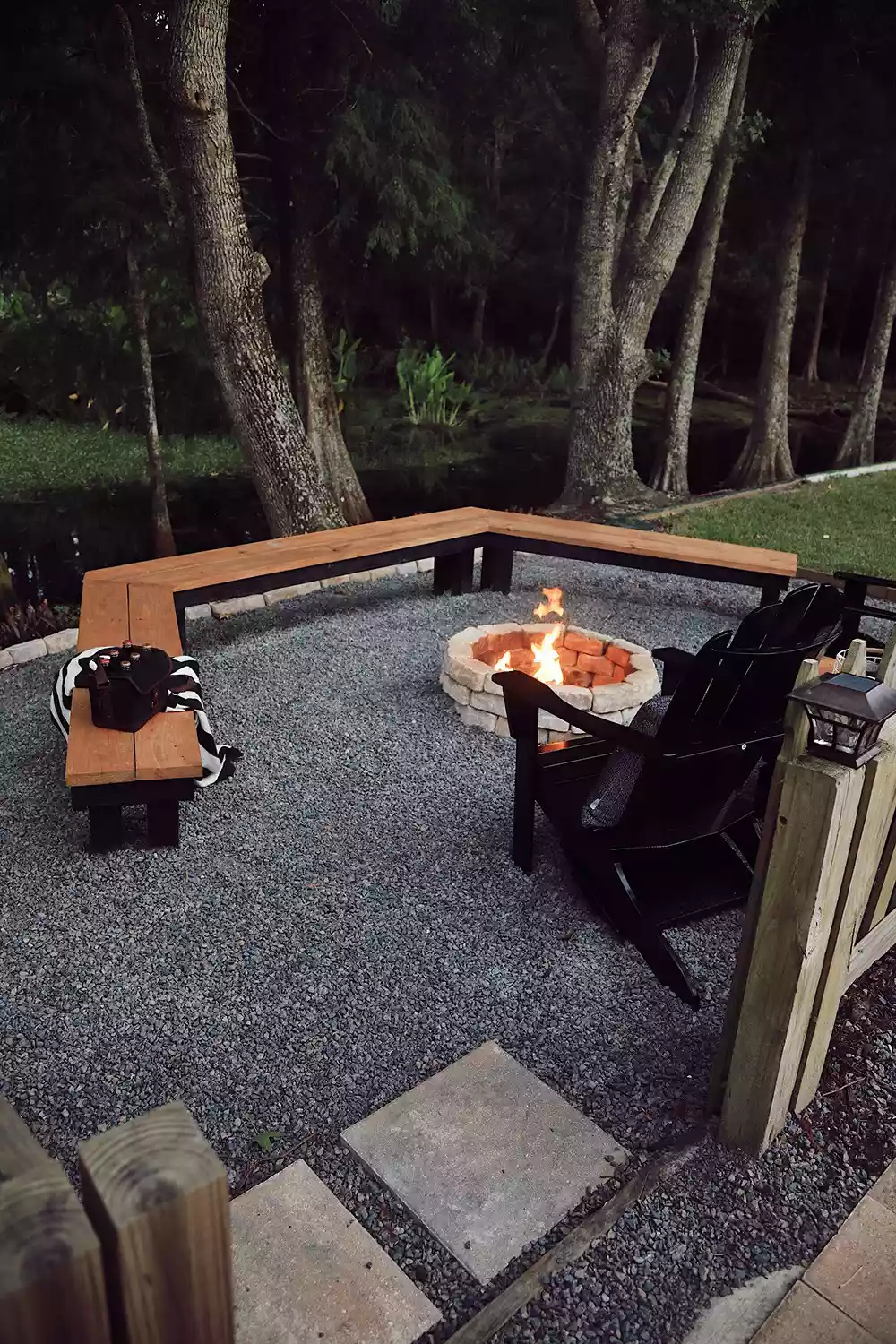
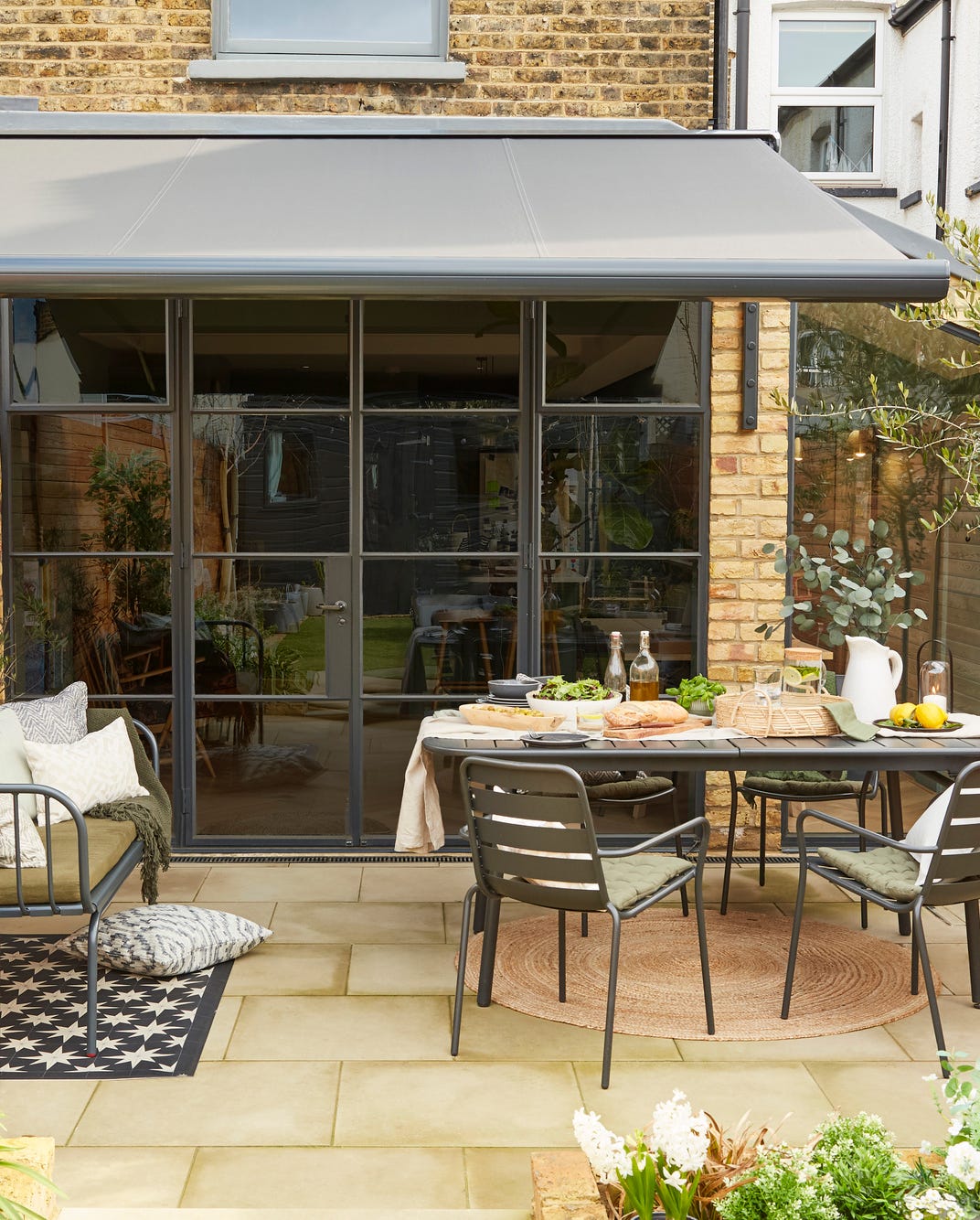
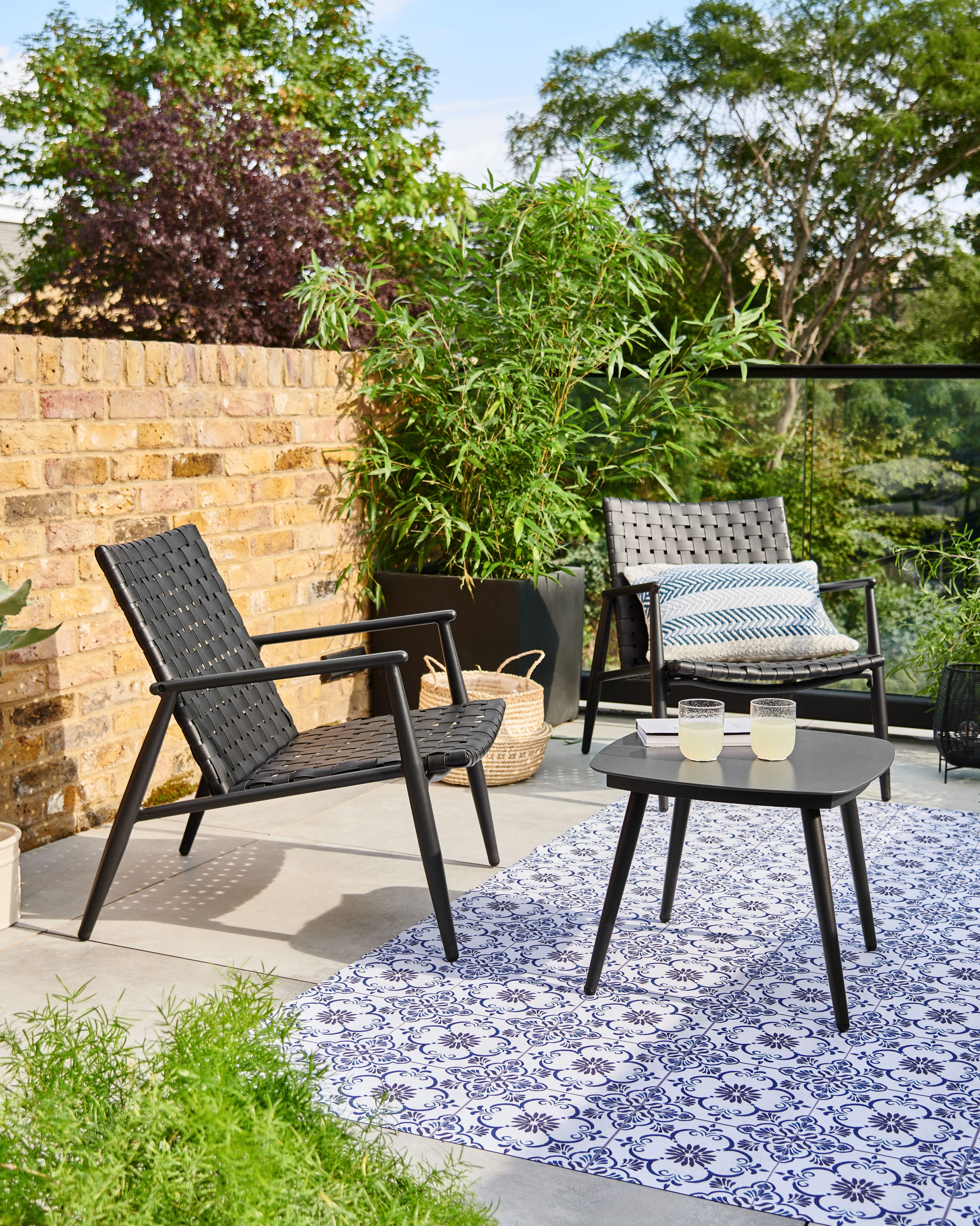
Making the best use of new space involves creating functional areas, such as a front yard deck or a spacious decked terrace. This inviting area can serve as a retreat, enhanced by decorative elements like potted plants and strategically placed shrubs. Considering the sun's direction and desired usage times helps optimize the space for relaxation, and incorporating privacy and shade solutions enhances comfort. Finally, adding pops of color through plants or other details can lift the mood of the front yard, adding personality and allowing for easy seasonal refreshes. Homeowners are advised to understand their home's style to create a cohesive and impactful first impression, making the front of the house a smart investment.
#FrontYardLandscaping #NoGrassYard #DroughtTolerantPlants #SustainableGardening #Xeriscaping #HardscapingDesign #OutdoorLivingSpace #GardenDesignIdeas #ContainerGardening #FrontYardLandscaping #NoGrassYard #DroughtTolerantPlants #SustainableGardening #Xeriscaping #HardscapingDesign #OutdoorLivingSpace #GardenDesignIdeas #ContainerGardening
0 opmerkingen in totaal
 Nog geen opmerkingen
Dit vindt u mogelijk ook leuk
No-grass backyard ideas – 7 ways to switch out lawns for stylish and easy-care alternatives
Front garden ideas – 32 ways to transform your space for the ultimate kerb appeal

This Is Your Sign to Rip out Your Concrete Backyard and Turn It into a Lush Retreat
Revamp Your Outdoor Space on a Budget With These Clever DIY Backyard Ideas

6 simple ways you can make your front yard look beautiful without having to plant anything new

Easy garden ideas – 34 low-maintenance ways to enhance your outdoor space
20 Affordable Backyard Lawn Ideas That Skip the Grass (and the Upkeep)
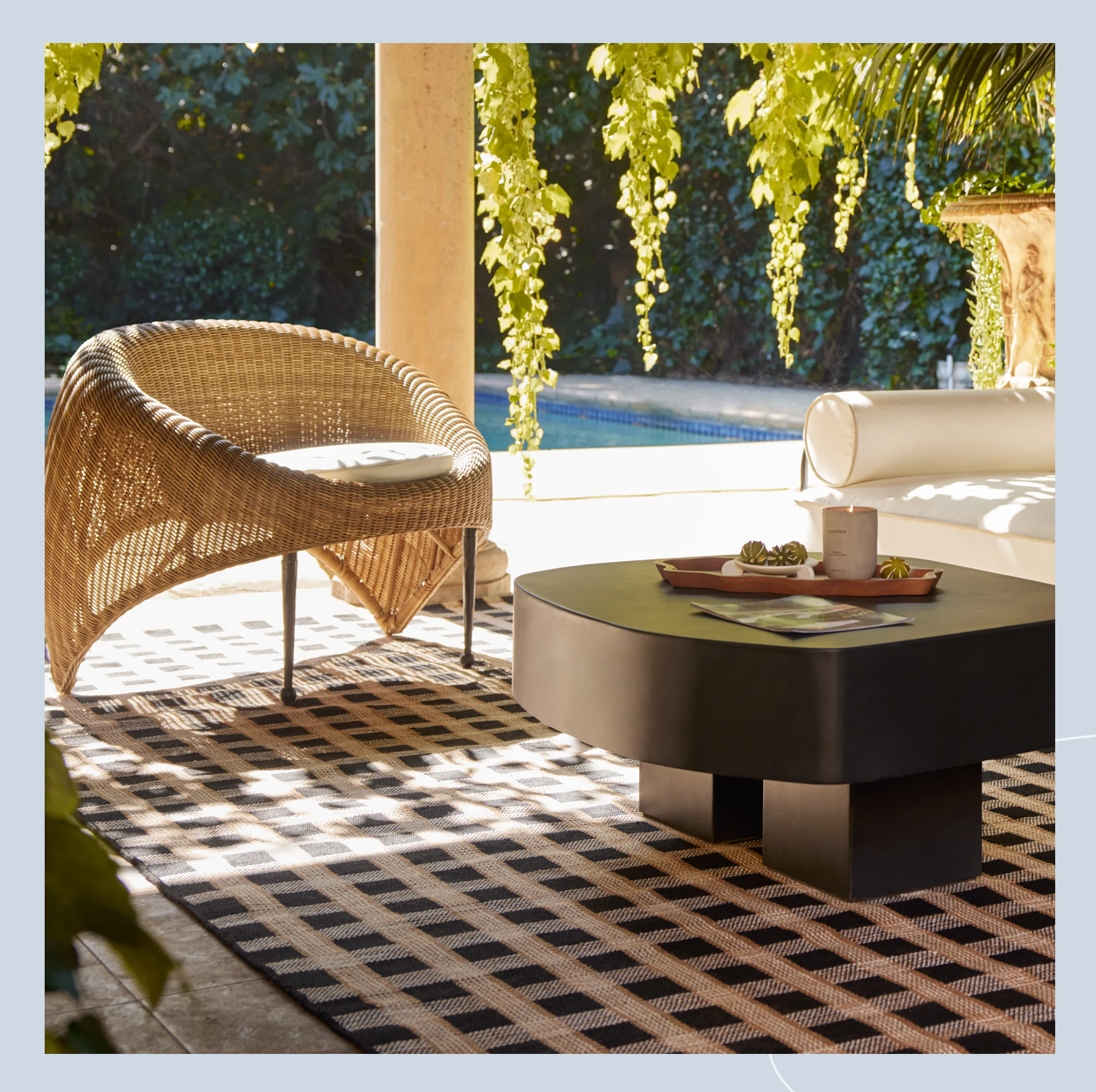
The 10 Best Outdoor Rugs to Transform Your Backyard

Make Meadows Wants To Dismantle the Tyranny of Lawns
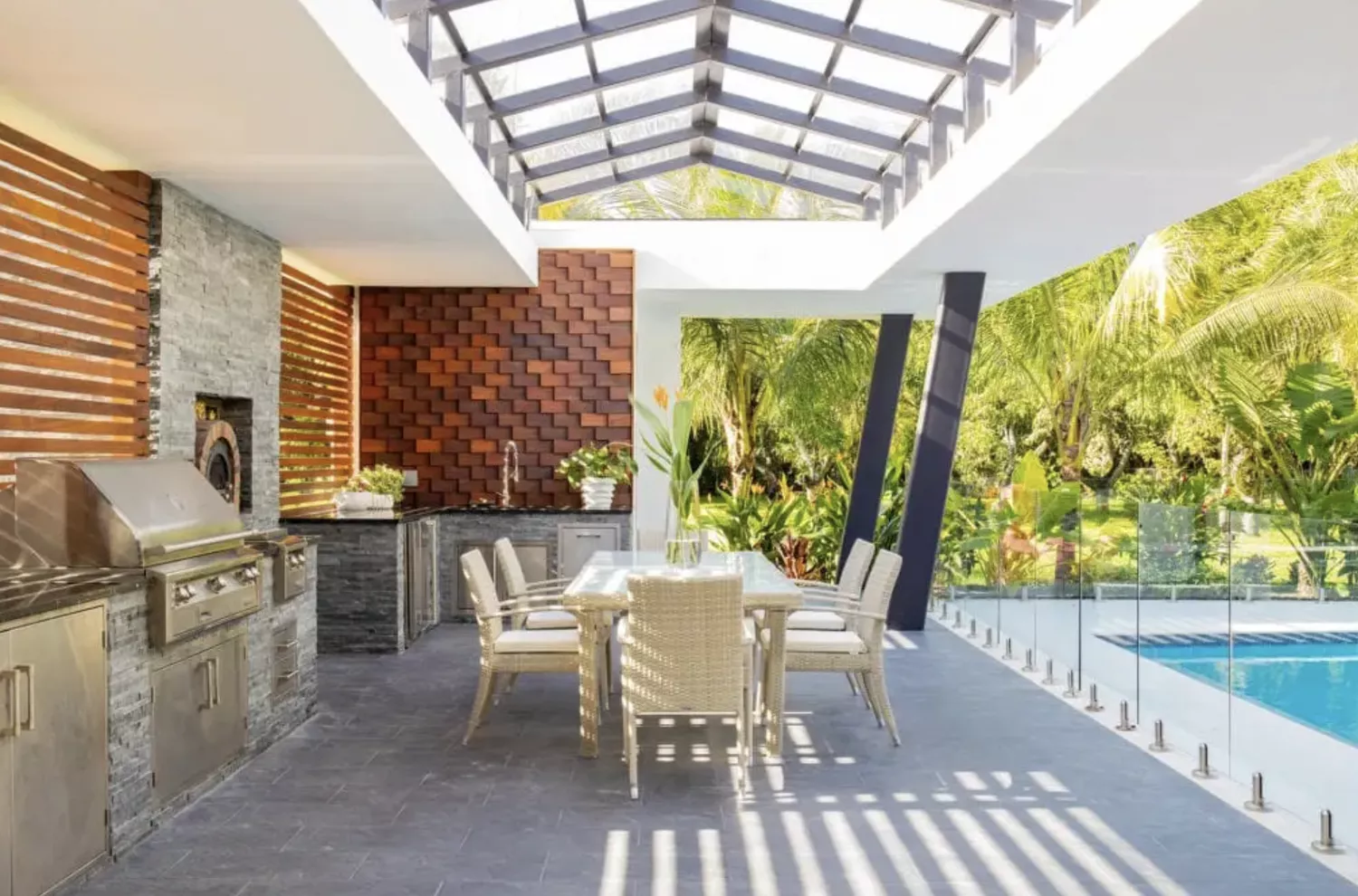
20 No-Grass Backyard Ideas That Are Still Lush

42 Backyard Upgrades That’ll Turn Even The Smallest Space Into An Outdoor Oasis
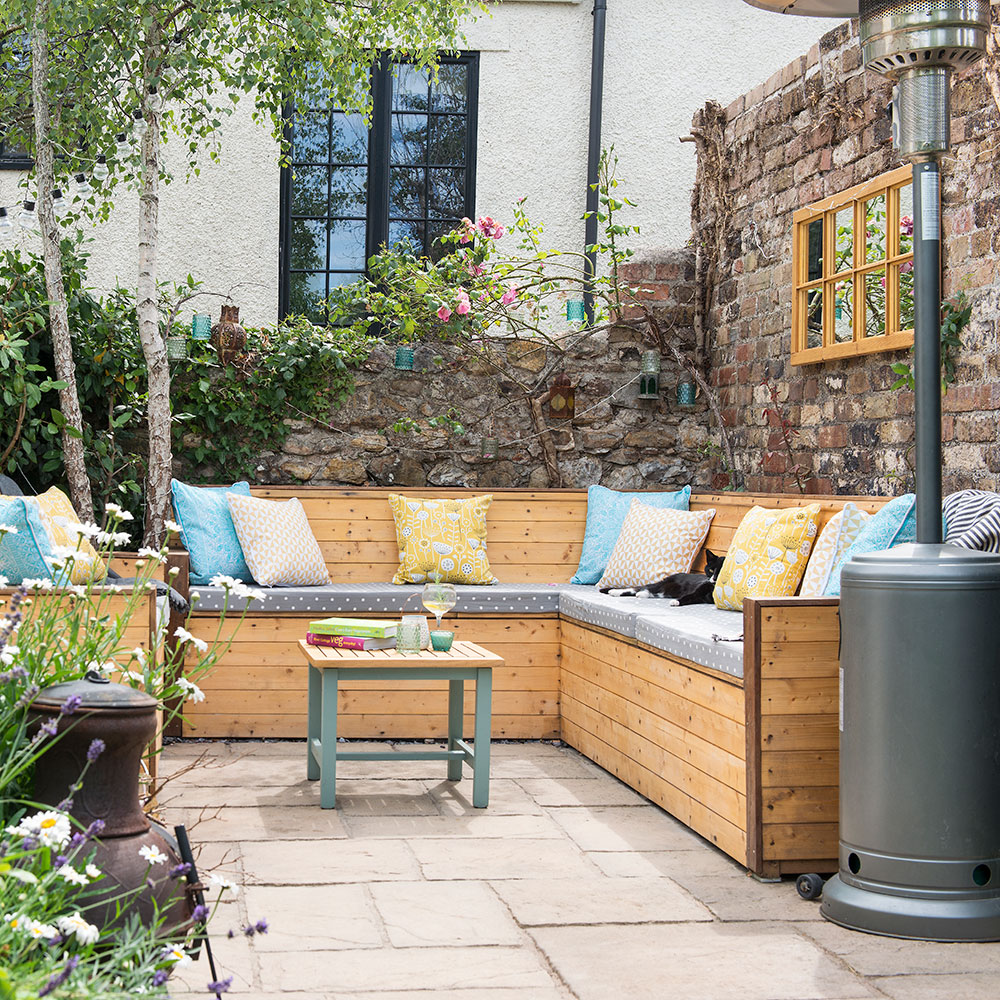
Enjoy this multi-level garden makeover with clever planting and banquette seating
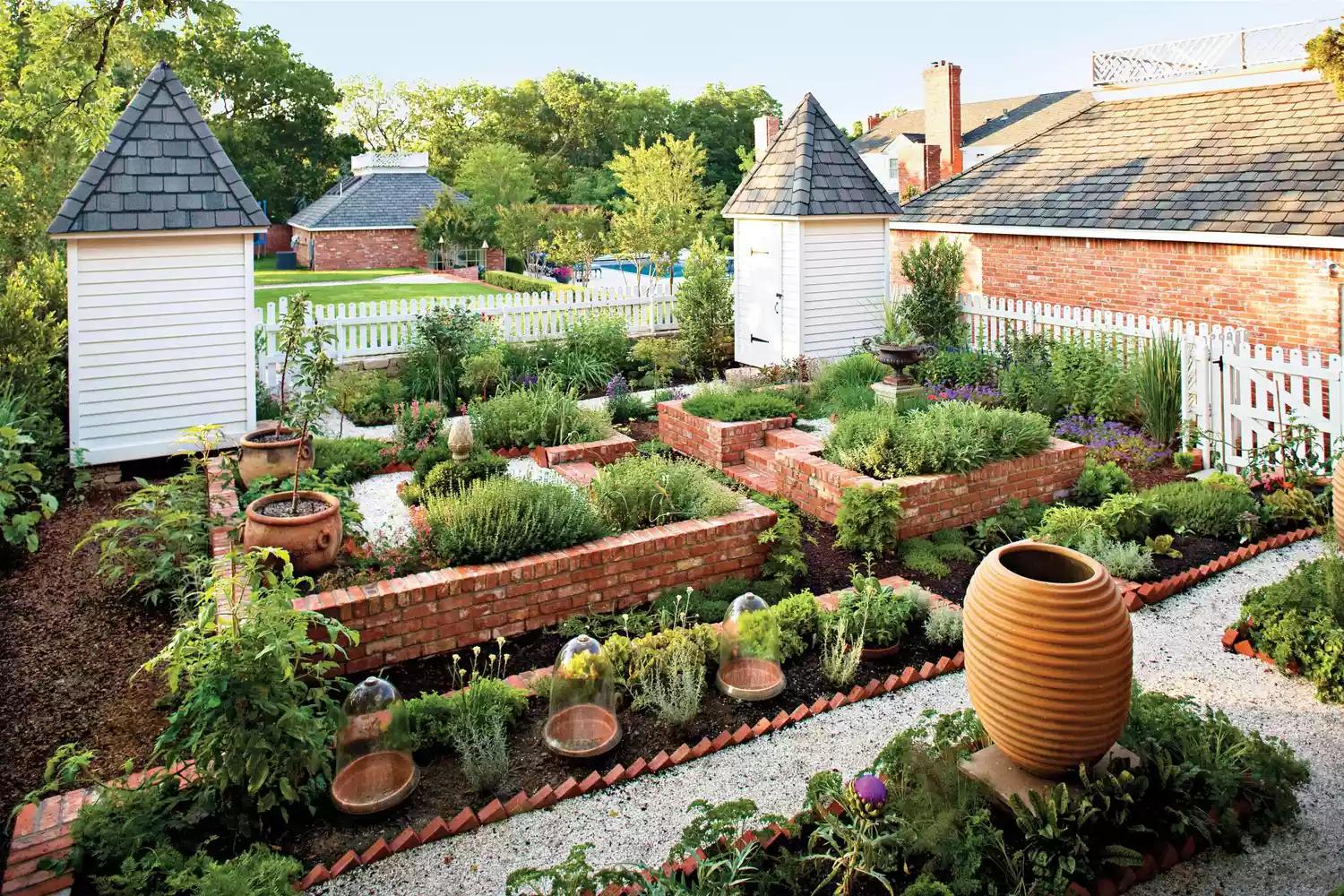
10 No-Grass Backyard Ideas For Easy Maintenance In Any Season
Outdoor rug ideas – 10 easy ways to revamp your outdoor space
Backyard Ideas — 15 Brilliant Ways to Make the Outdoors Fun and Functional

19 ways to give your patio a makeover

10 easy DIY landscaping ideas to elevate your backyard

Great landscaping ideas for ‘regular people’ from a design expert
Modern Garden Ideas — 38 Transformative Ways to Rejuvenate Your Outdoor Space
10 things to get rid of in your outdoor space, according to designers and gardeners