Mosaics, tiles and flagstones covering Barcelona’s floors
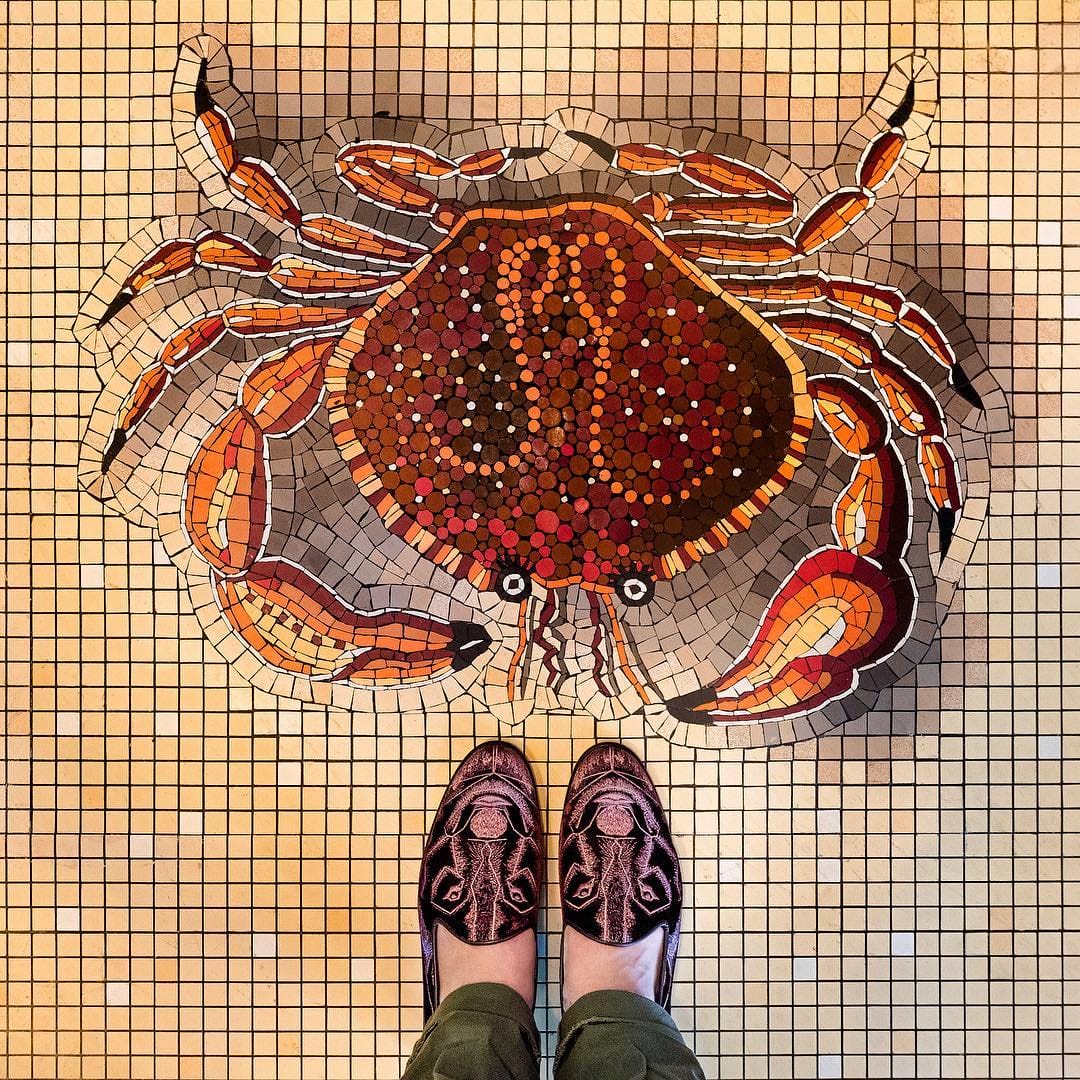
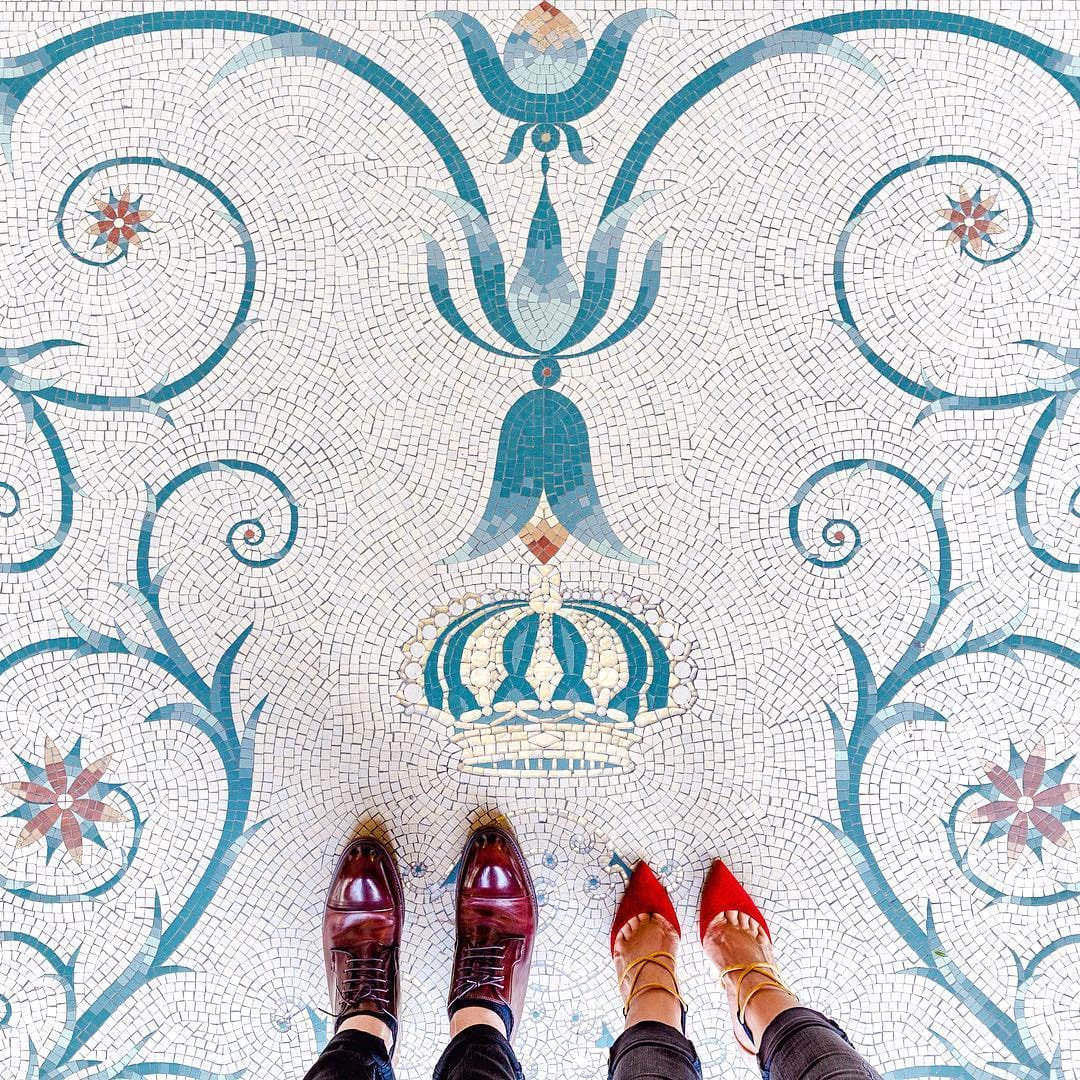
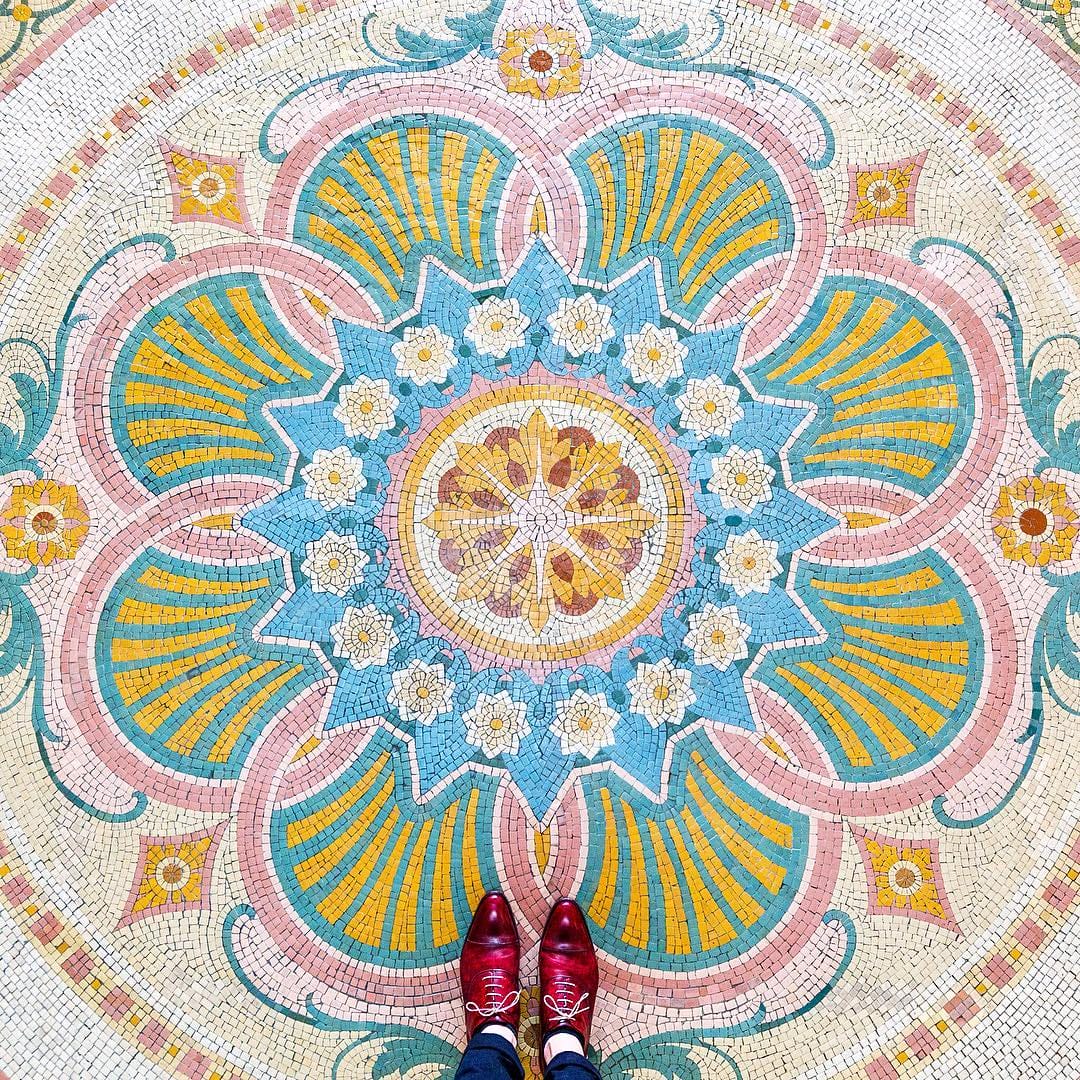
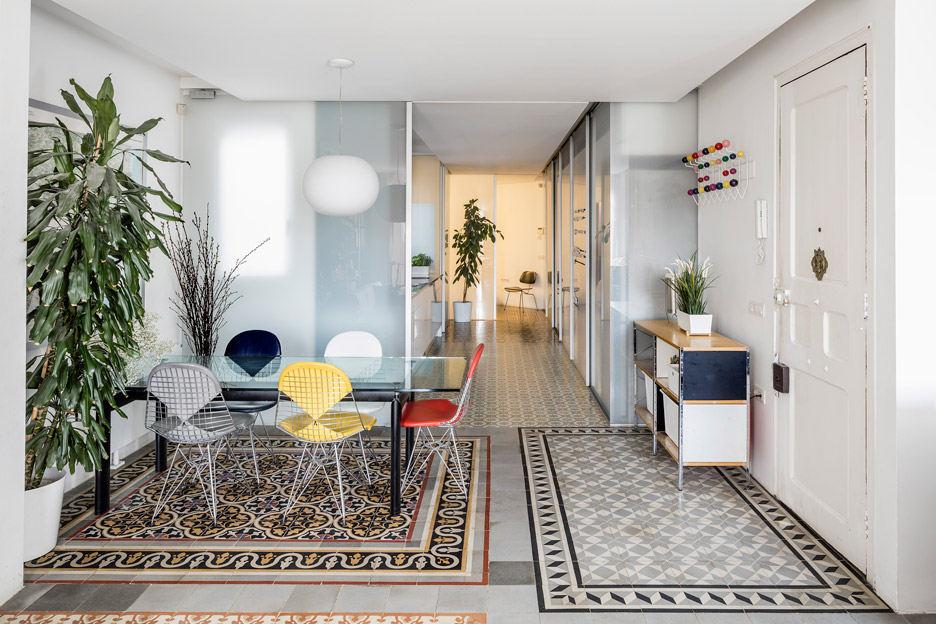
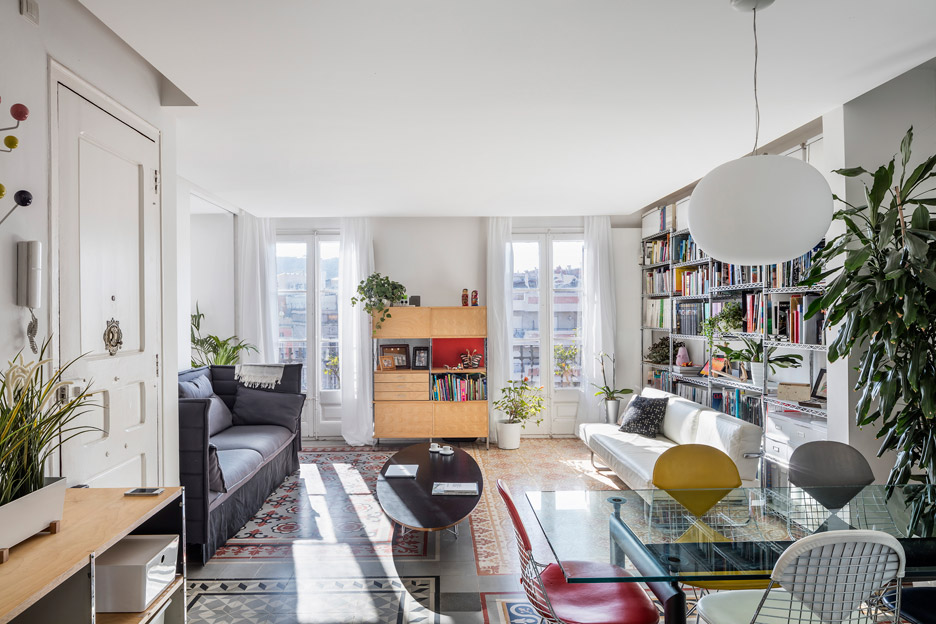
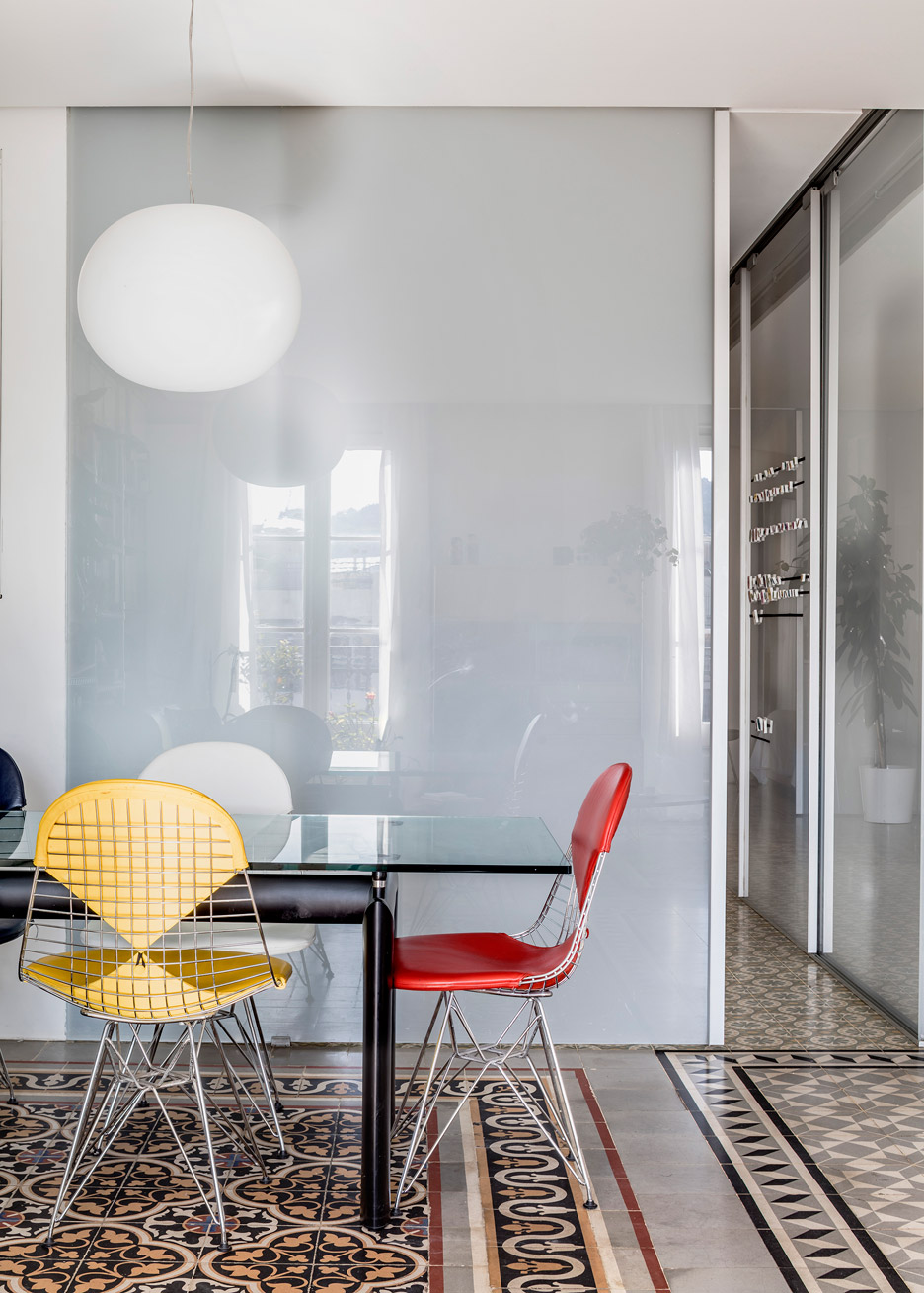
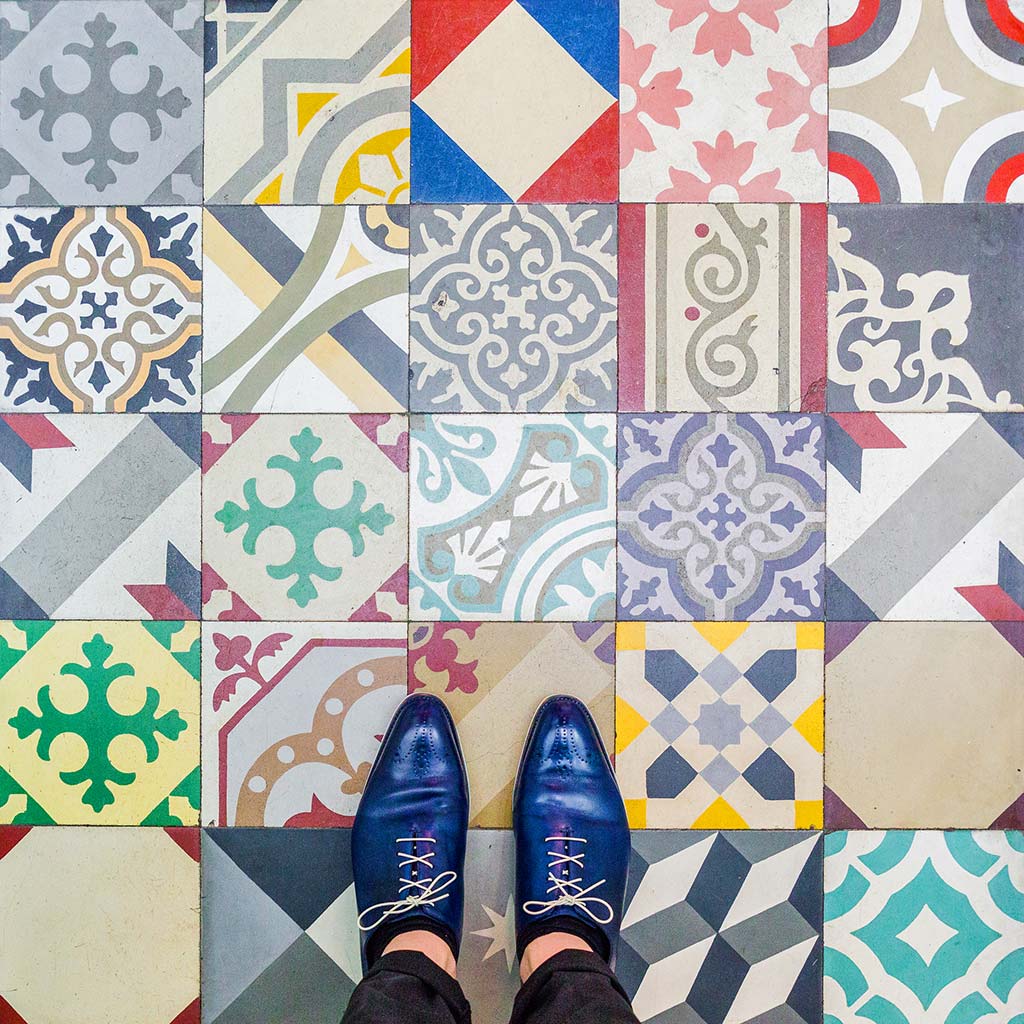
Barcelona's urban landscape offers a unique artistic experience right underfoot, showcasing a rich tapestry of mosaics, tiles, and flagstones that narrate the city's history and creative spirit. These elements, often overlooked, are celebrated as true icons of Barcelona, inviting pedestrians to discover their intricate details, vibrant colors, and historical significance with every step. The city's floors serve as an expansive canvas where various artists and designers have expressed their creativity over time.
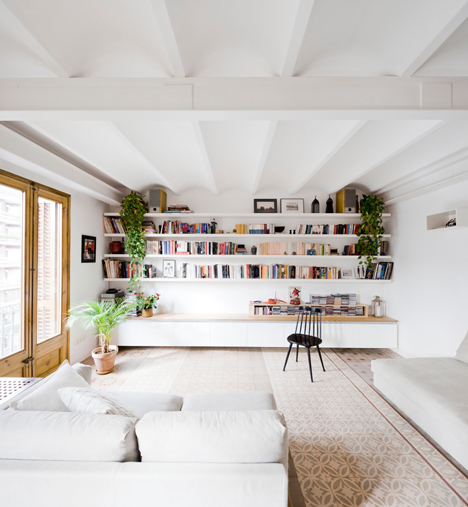
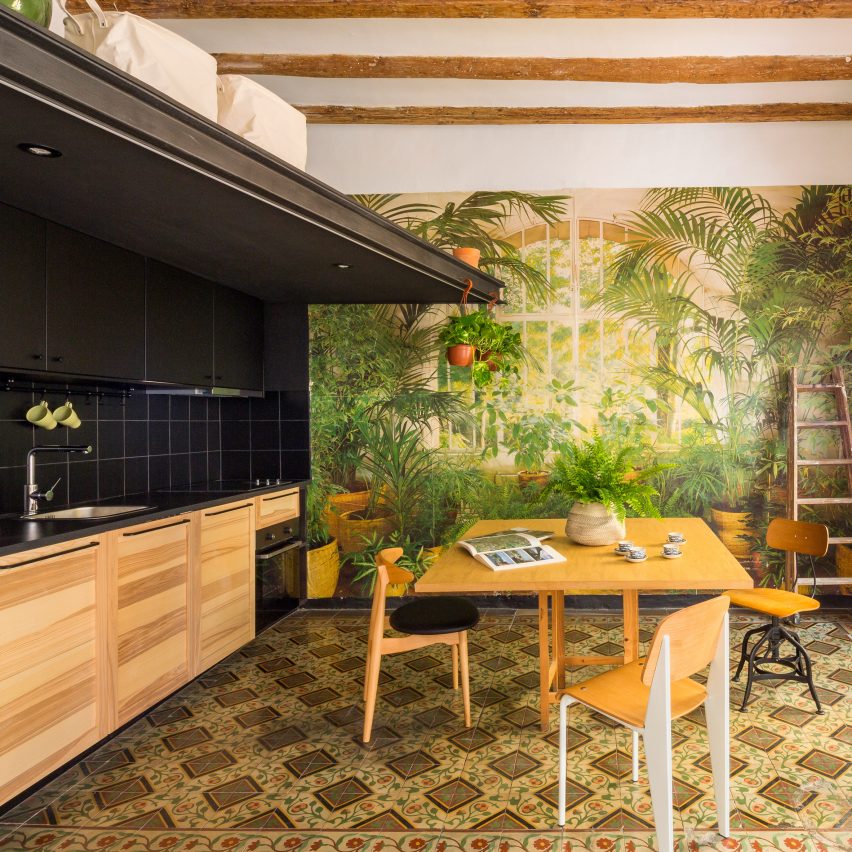
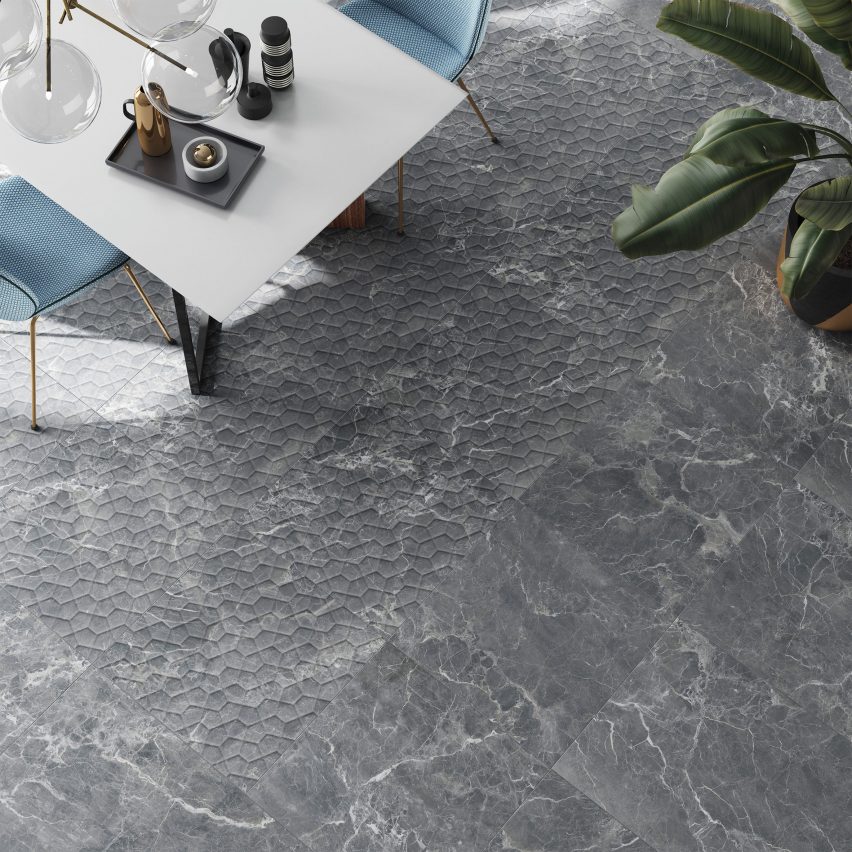
Danae Esparza, a PhD in Public Space and Urban Regeneration, delves into this fascinating aspect of Barcelona in her book, “Barcelona at ground level” (Ediciones UB, 2018). Her research highlights several significant designs and their historical contexts. One notable finding reveals a public contest held by the City Hall in 1906 to select five tile designs, with the winning patterns, such as the iconic 'flower' tile, becoming ubiquitous across the city. Esparza's work categorizes different types of flooring, including Gaudí’s distinctive hexagonal design found on Passeig de Gràcia. This specific design, produced by the Barcelona-based company Escofet, features motifs of starfish, fossils, and seaweed, reflecting Gaudí's deep connection to nature. Other notable examples include the "B" for Barcelona design installed on Ganduxer street in 2008 and the textured relief tiles with banana leaf patterns on the Diagonal, which, despite their artistic value, are also noted for being slippery.
Beyond these examples, Barcelona boasts numerous other emblematic sites where art and design are beautifully integrated into the ground. La Rambla features a significant mosaic by Joan Miró, created in 1968. Miró, in addition to contributing a mural to the airport and the sculpture ‘Dona i ocell’ in Joan Miró Park, designed the ‘Paviment Miró’ for La Rambla, specifically at Pla de l’Os de la Boqueria. Miró's intention for this mosaic was for it to be an accessible piece of art, meant to be walked upon by the thousands of daily passers-by, rather than being preserved as a museum exhibit. This philosophy underscores the interactive and public nature of Barcelona's ground-level art.
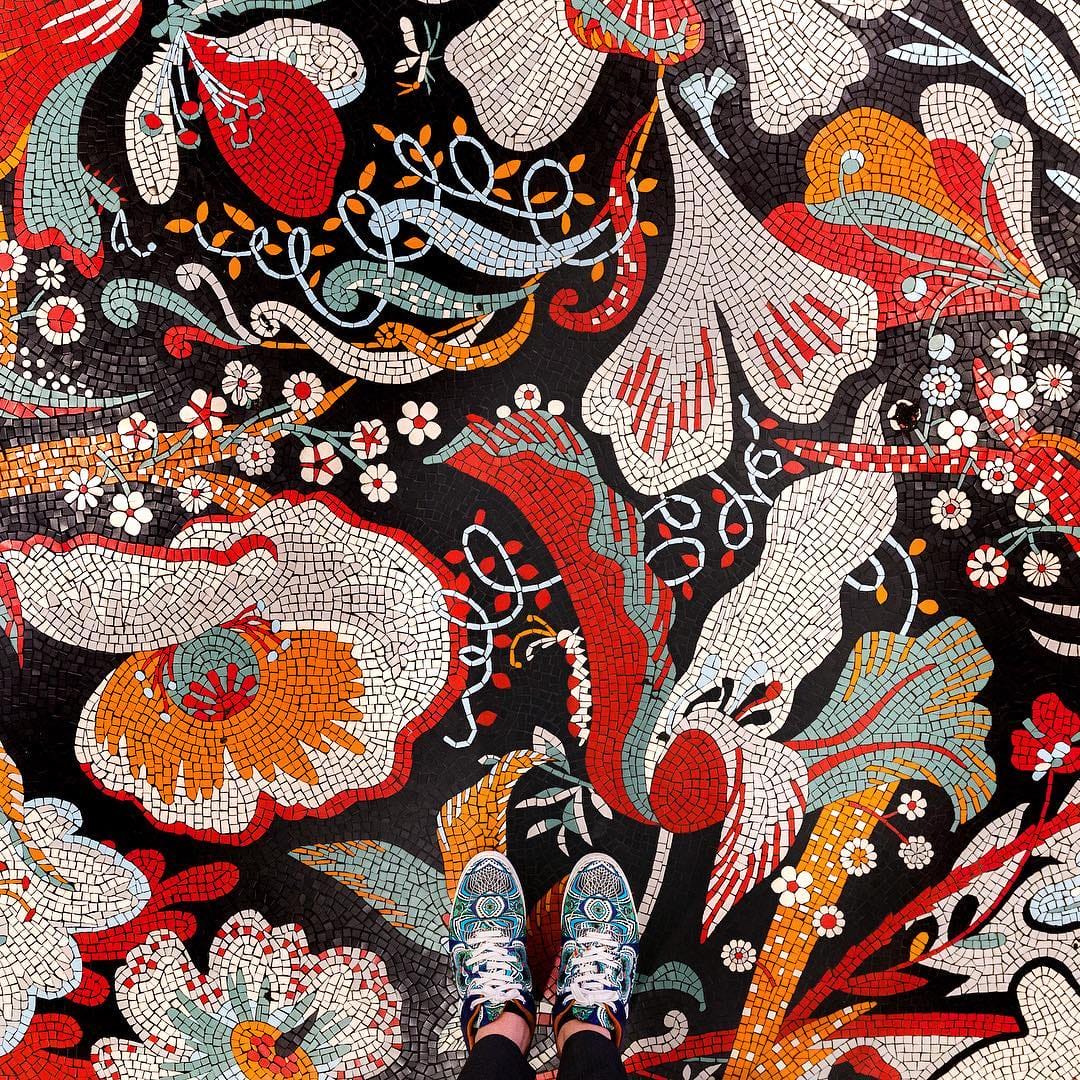
Another exquisite example is the mosaic at Casa Amatller, crafted by artist Mario Maragliano around 1900. This mosaic is characterized by its wavy borders, rectangular stone tesserae, and intricate floral motifs, contributing to the visual richness of the city's ground. The Alexandre Riquer Hall also showcases a remarkable pavement, designed by the Escofet company at the beginning of the 20th century. This flooring integrates a harmonious palette of ochers, oranges, and greens, demonstrating the enduring legacy of artistic craftsmanship in Barcelona's public and private spaces. These diverse examples collectively illustrate how Barcelona's floors are not merely functional surfaces but integral components of its cultural heritage and artistic expression, offering an ongoing visual journey for residents and visitors alike.
#Barcelona #Mosaics #Tiles #Flagstones #UrbanArt #Gaudí #JoanMiró #ArtHistory #PublicSpace #Barcelona #Mosaics #Tiles #Flagstones #UrbanArt #Gaudí #JoanMiró #ArtHistory #PublicSpace
0 opmerkingen in totaal
 Nog geen opmerkingen
Dit vindt u mogelijk ook leuk
New Charming Mosaic and Tile Floors Captured by Photographer Sebastian Erras

Marble, Stone and Wood Effect Floors: Ceramics Inspired by Nature

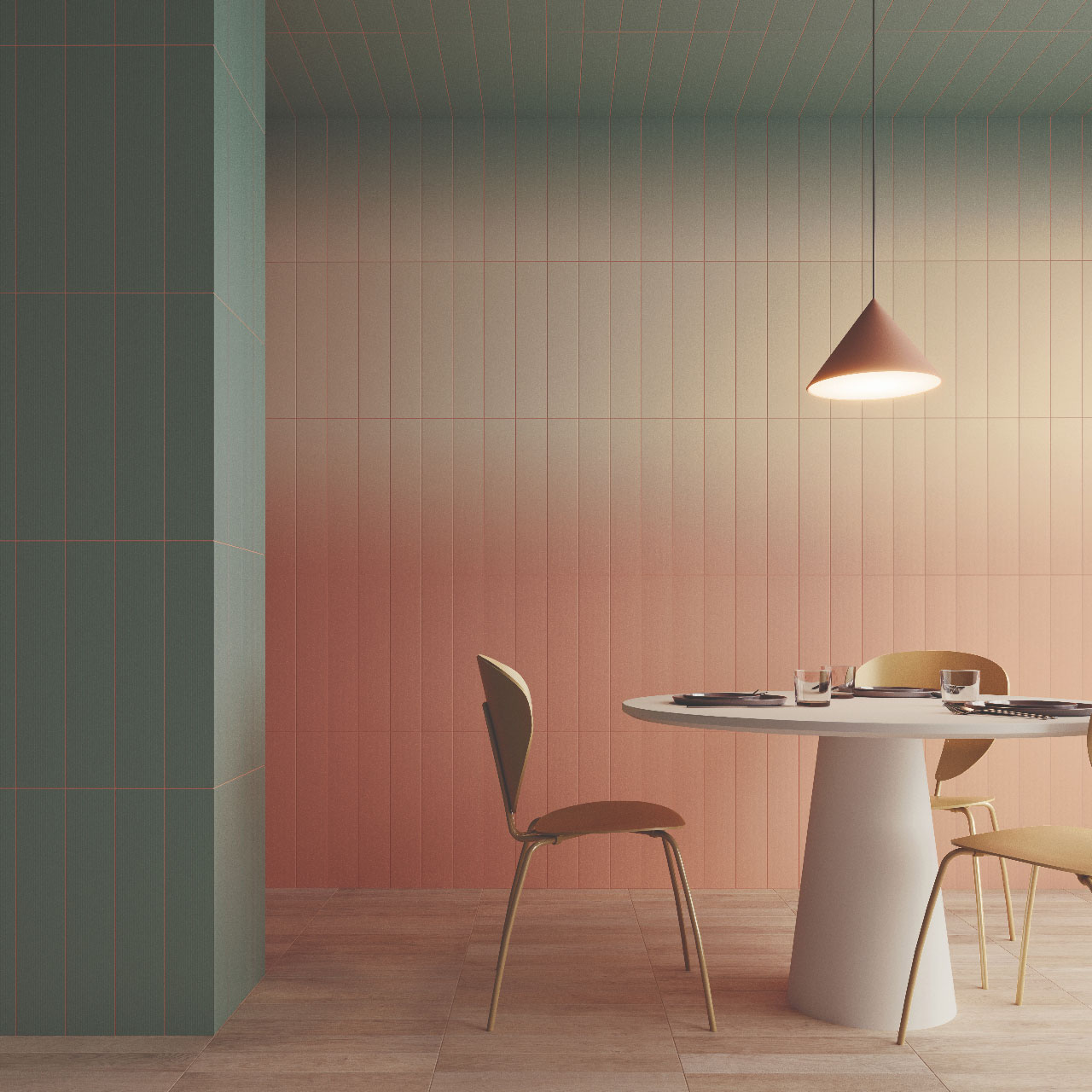
The Melange Tile Collection Showcases Artistic Ombré Effects


Acme Brick, Tile and Stone – Memphis
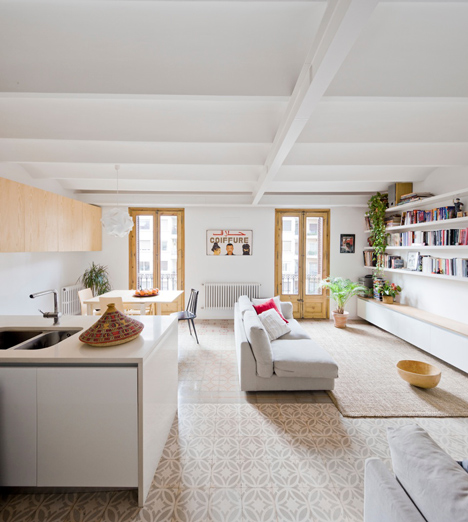
Traditional floor tiles arranged in stripes in a Barcelona apartment by Bach Arquitectes
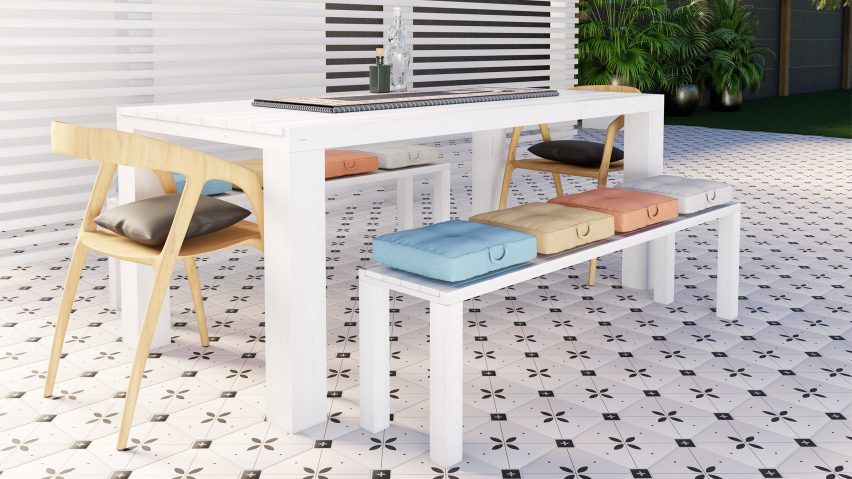
Tender tiles by Cevica
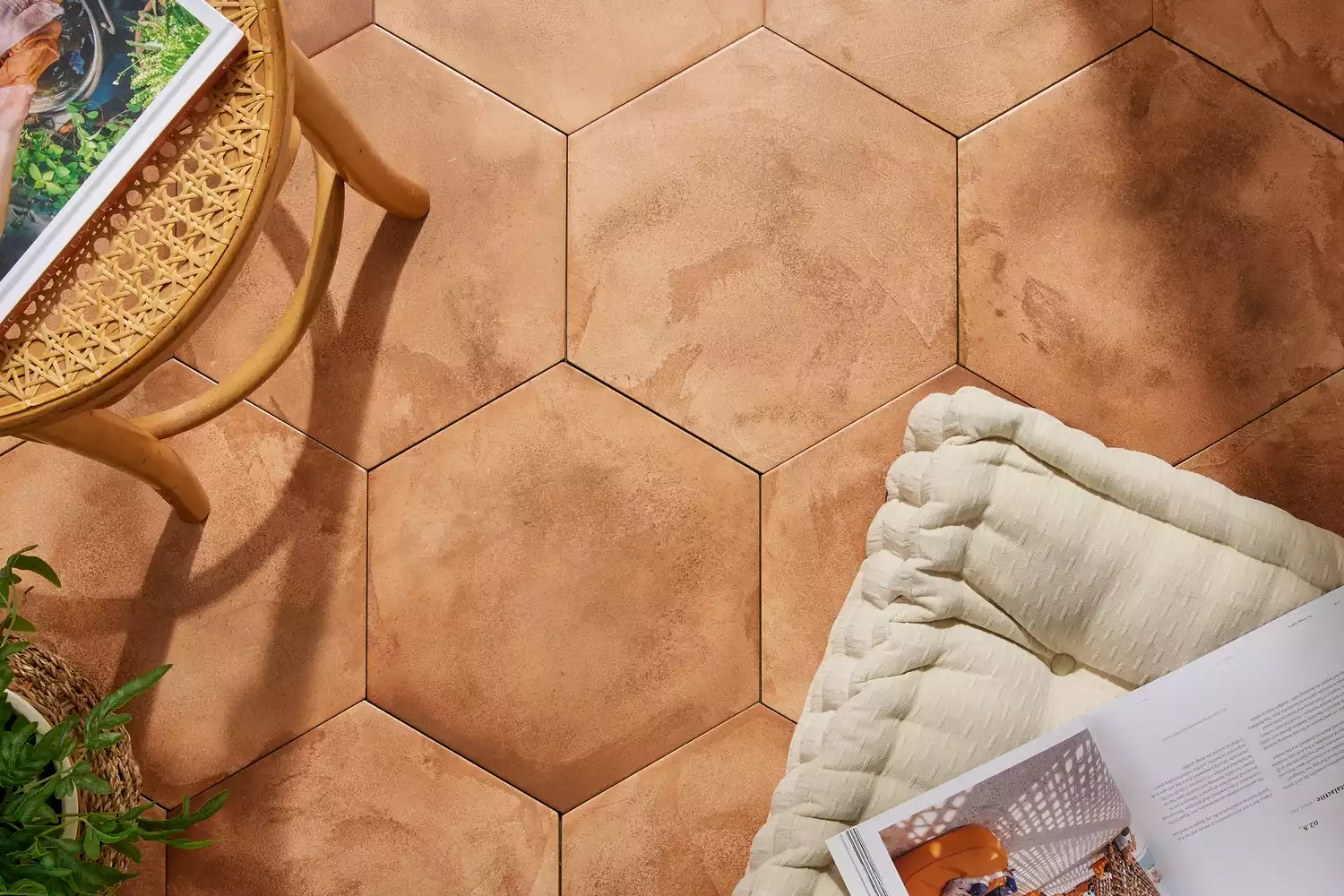
6 Outdated Flooring Trends That Are Suddenly Back in Style, According to Designers

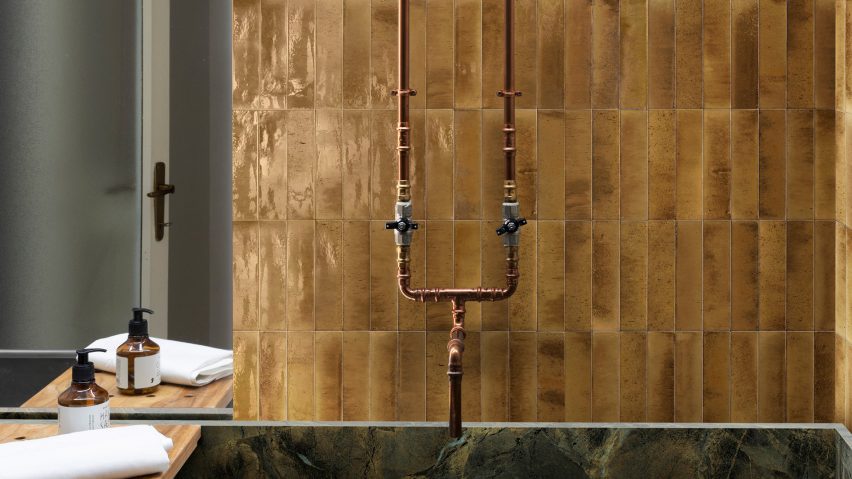
Marazzi glazed tiles informed by Italian ceramics feature on Dezeen Showroom
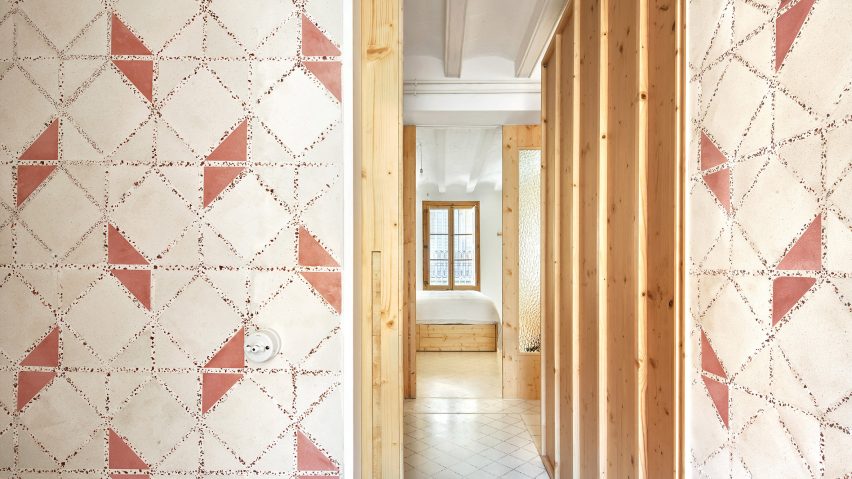
Seven Barcelona homes with tile designs worth repeating
MOSA scenes wall + floor color gradations bring depth to interiors
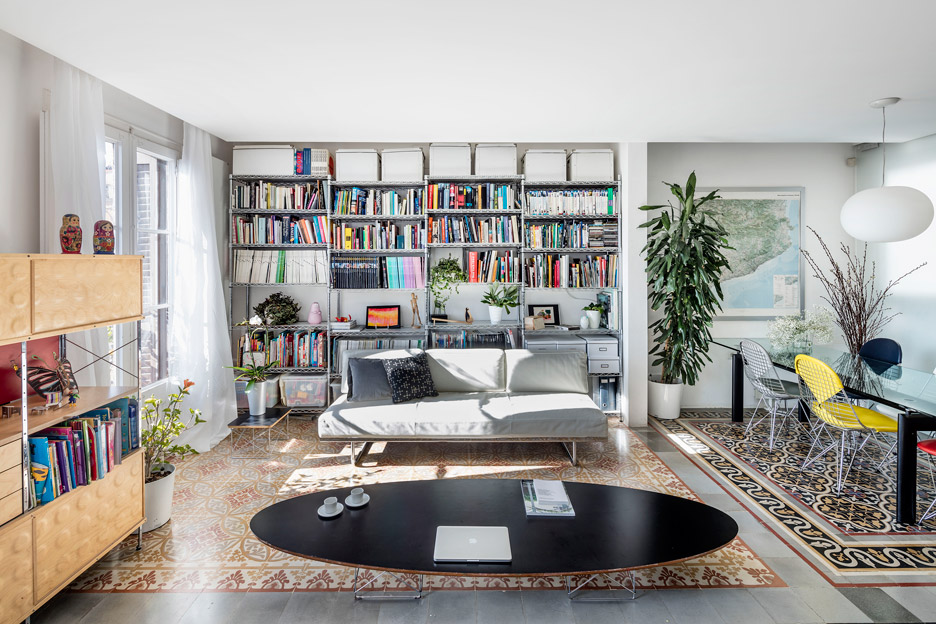
Narch creates a collage of decorative tiles by removing walls in a Barcelona apartment
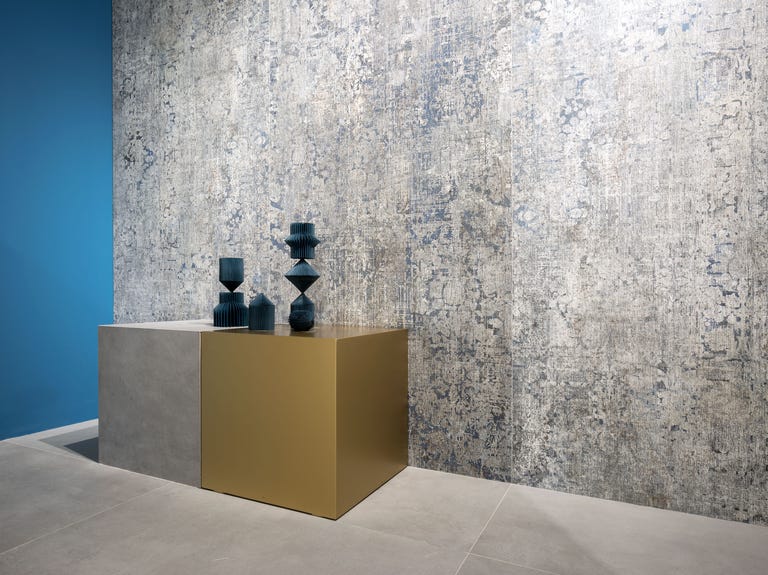
Decorative Tiles Are Back, Bigger and Better Than Ever
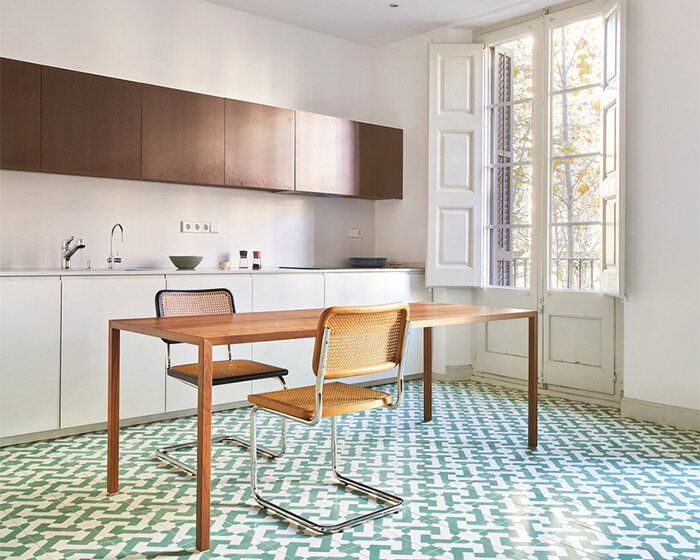
handmade tile flooring becomes the protagonist of renovation by forma in barcelona
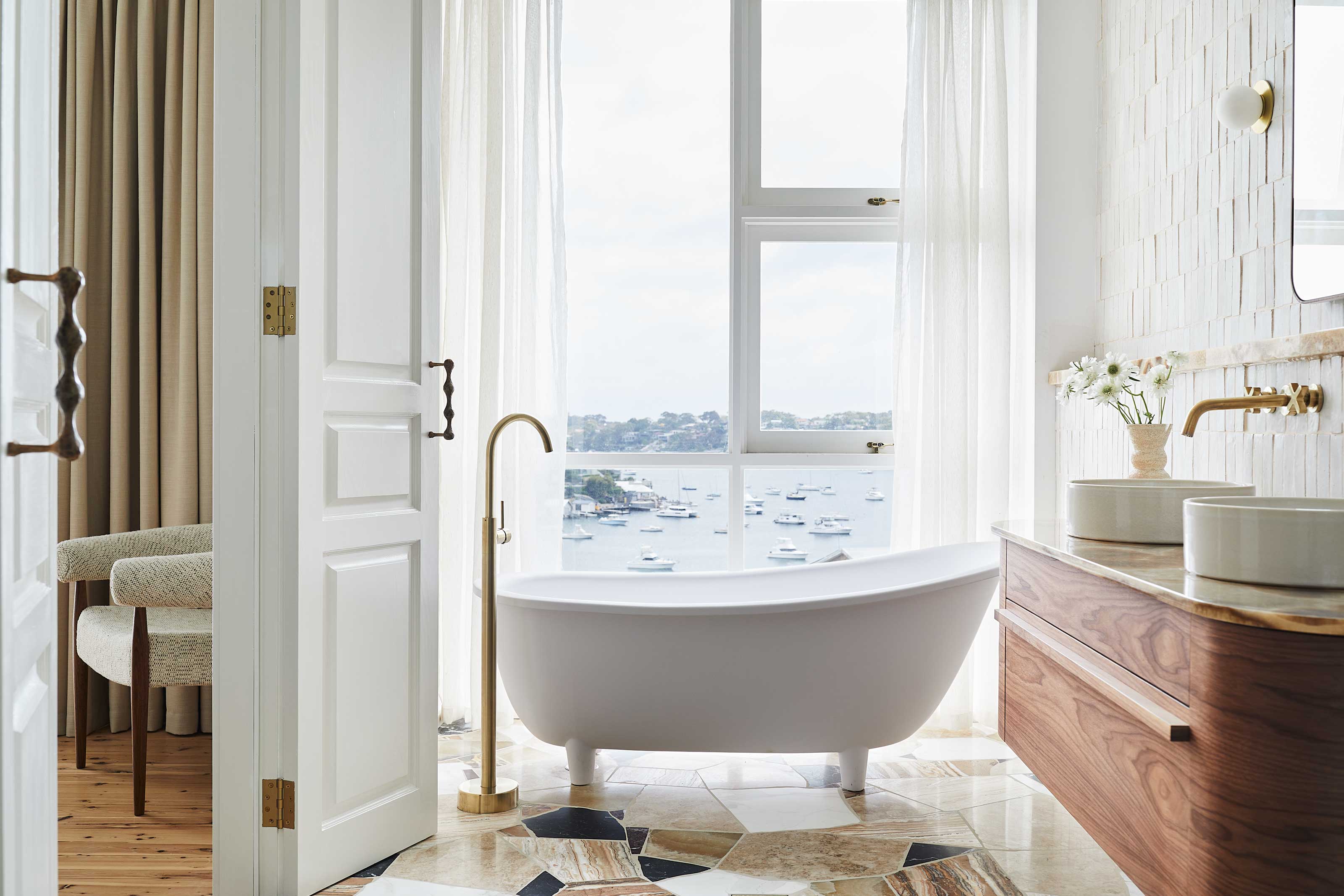
This 'dated' flooring I once considered ugly is having a renaissance both indoors and out – now, I love it


Acme Brick, Tile and Stone – Shreveport

Flooring


Birmingham

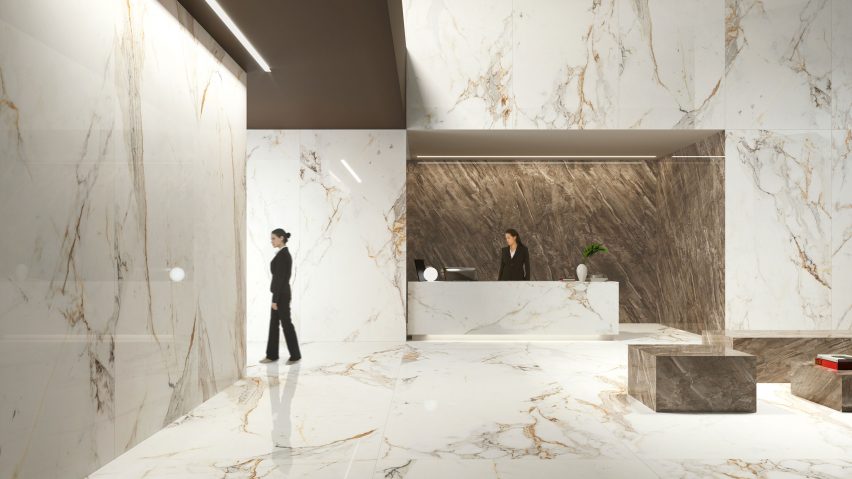
Ceramics of Italy predicts tile trends for 2019
Tiny tiles make a big comeback with personalized style