Kip's Castle Has Full History
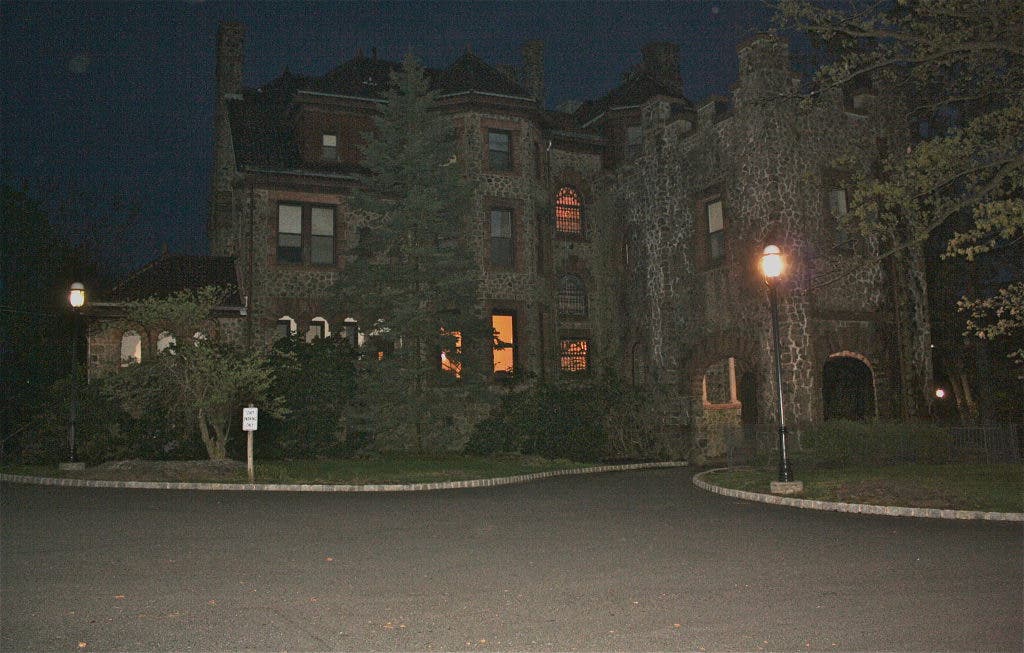
The Verona Historical Society hosted an event at Kip's Castle, where president Robert Williams shared insights into the residence's history and clarified longstanding rumors. Over 35 attendees gathered on the first floor of the castle, which Williams described as a tangible link to the Gilded Age. Constructed between 1902 and 1905 by Frederick Kip, the Rhine-style castle, though resembling an English residence, has deep connections to Verona. It was built for Kip's wife, Charlotte Bishop Williams Kip, using trap rock sourced from the local Marley Quarry, located near the intersection of Bloomfield Avenue and Pompton Avenue. The site is situated at 22 Crestmont Road in Verona. Williams highlighted that a building where dynamite for the quarry was stored can still be seen on Bloomfield Avenue, near the Montclair side.
The Kips resided in the castle from 1905 to 1926. Charlotte Williams is credited with both the architectural design and interior decoration of the property. Construction initially began in 1898 but was halted because Charlotte was dissatisfied with the initial design. The castle's location now spans the border between Montclair and Verona, though it was originally entirely within Montclair. Frederick Kip commissioned the castle as a gesture of love for his wife. Following her death, Kip relocated to Montclair to live with his son, as the house was deeply reflective of his late wife.
The first floor of the castle features dark-finished quarter-hewn oak paneling, which extends to the doors, wood trim, ceiling moldings, and the main staircase. The original first-floor layout included a foyer, a dining room, and a chapel. In the 1980s, a rumor circulated that if Verona did not acquire the 11-acre property, it would be purchased by a religious cult. This rumor proved true, as an Indian religious cult, known for wearing purple robes and black hoods, bought the house and occupied it for five years. During their tenure, the cult painted the entire first floor white, replaced all original doorknobs, and removed most of the stained-glass windows. Williams recounted that these windows were initially stored in the carriage house before being sold to a collector in Montclair, totaling 82 stained-glass pieces.
Despite these alterations, Williams emphasized that the building retains much of its original integrity. The ornate woodwork remains, and the thin oak finishes, dating back a century, are still restorable. An attendee inquired about the presence of monks, recalling seeing them as a child near the castle. Williams clarified that Franciscan monks resided on an adjacent property, not within the castle itself. After the cult departed, the property was sold to a law firm, which converted the top two floors into offices. Williams noted that in his youth, these upper floors were rented out as apartments. Currently, these floors are not open for public tours, as they house Essex County offices. Williams expressed approval that the county acquired the property, ensuring its accessibility for current and future generations to appreciate.
#KipsCastle #VeronaHistoricalSociety #RobertWilliams #GildedAge #FrederickKip #CharlotteBishopWilliamsKip #ArchitecturalHistory #ReligiousCult #EssexCounty #KipsCastle #VeronaHistoricalSociety #RobertWilliams #GildedAge #FrederickKip #CharlotteBishopWilliamsKip #ArchitecturalHistory #ReligiousCult #EssexCounty
 Nog geen opmerkingen
The Keemala Hotel: A Tale Of Four Ancient Clans

At Home: Landmark Topeka homes — History still standing