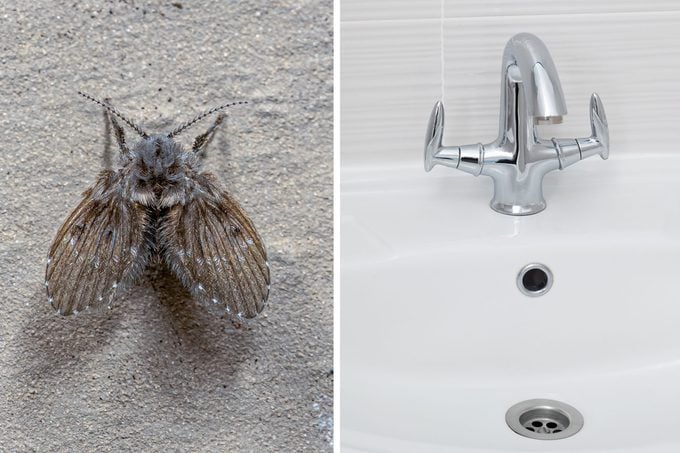
How To Get Rid of Small Flies In Your Bathroom
The article addresses the common problem of drain flies, often mistaken for fruit flies, in residential settings, particularly in bathrooms. It highlights the characteristics of drain flies, their breeding habits, potential harm, and effective methods for eradication and prevention. Drain flies are described as tiny, moth-like insects that gather near sinks, toilets, floor drains, and tubs. Unlike fruit flies, they are attracted to the biofilm that builds up in drains, which serves as a perfect breeding ground for their larvae. These larvae, or maggots, feed on the slimy organic material found in drains and pipes.
The article clarifies that drain flies are not typically harmful to humans. While any fly can potentially transmit pathogens, drain flies are considered beneficial decomposers that help clean pipes. The primary cause of drain fly infestations is infrequent use of drains, such as in guest bathrooms or basement sinks, which allows organic matter to accumulate and create a suitable breeding environment. Therefore, consistent use of drains and regular cleaning are crucial for prevention.
To identify a drain fly problem, the article suggests a simple tape test: placing a piece of tape over a suspected drain. If drain flies are present, they will get stuck on the tape as they attempt to exit the drain. Once an infestation is confirmed, the focus shifts from killing adult flies to eliminating their breeding grounds. Conventional cleaning chemicals like bleach are ineffective against these flies because they do not remove the biofilm where larvae thrive.
Effective cleaning methods include using a long-handled brush with stiff bristles to physically remove the biofilm, maggots, and pupae from pipes. A DIY cleaning solution consisting of ½ cup salt, ½ cup baking soda, and 1 cup vinegar is recommended. This mixture, when poured down the drain, fizzes and helps break down organic matter. Following this, pouring boiling water down the drain flushes away any remaining residue, larvae, and eggs. This process should be repeated as necessary. For ongoing prevention, regularly running water through drains, cleaning them with brushes and boiling water, and emptying standing water in areas like mop buckets and garbage cans are advised. Placing stoppers over infrequently used drains can also deter drain flies.
For lingering adult flies after the breeding ground has been addressed, a simple trap can be created using apple cider vinegar. A small bowl of apple cider vinegar, tightly wrapped with plastic wrap and poked with small holes, will attract the flies, which then become trapped inside. The article draws on expertise from entomologists Jonathan Larson and Eric Braun, and environmental toxin expert Tonya Harris, providing a comprehensive guide to understanding and managing drain fly issues.
#DrainFlies #PestControl #BathroomCleaning #DIYPestControl #HomeMaintenance #InsectInfestation #Hygiene #DrainFlies #PestControl #BathroomCleaning #DIYPestControl #HomeMaintenance #InsectInfestation #Hygiene
0 opmerkingen in totaal
 Nog geen opmerkingen
Dit vindt u mogelijk ook leuk
How to declutter a bathroom according to the experts


17 Products to Organize Your Small Bathroom


How to hide a toilet in a small bathroom - 7 clever tricks to maximize space and style


How to Get Rid of Streaks on Painted Bathroom Walls

How can I make my small bathroom feel more minimalist? 10 design tips to reduce clutter in tiny spaces

These Small Bathroom Storage Ideas Are Total Game-Changers

8 Questions You Should Always Ask Yourself Before Decluttering Your Bathroom

I Swear by Using This Bedroom Staple to Tidy Up My Bathroom

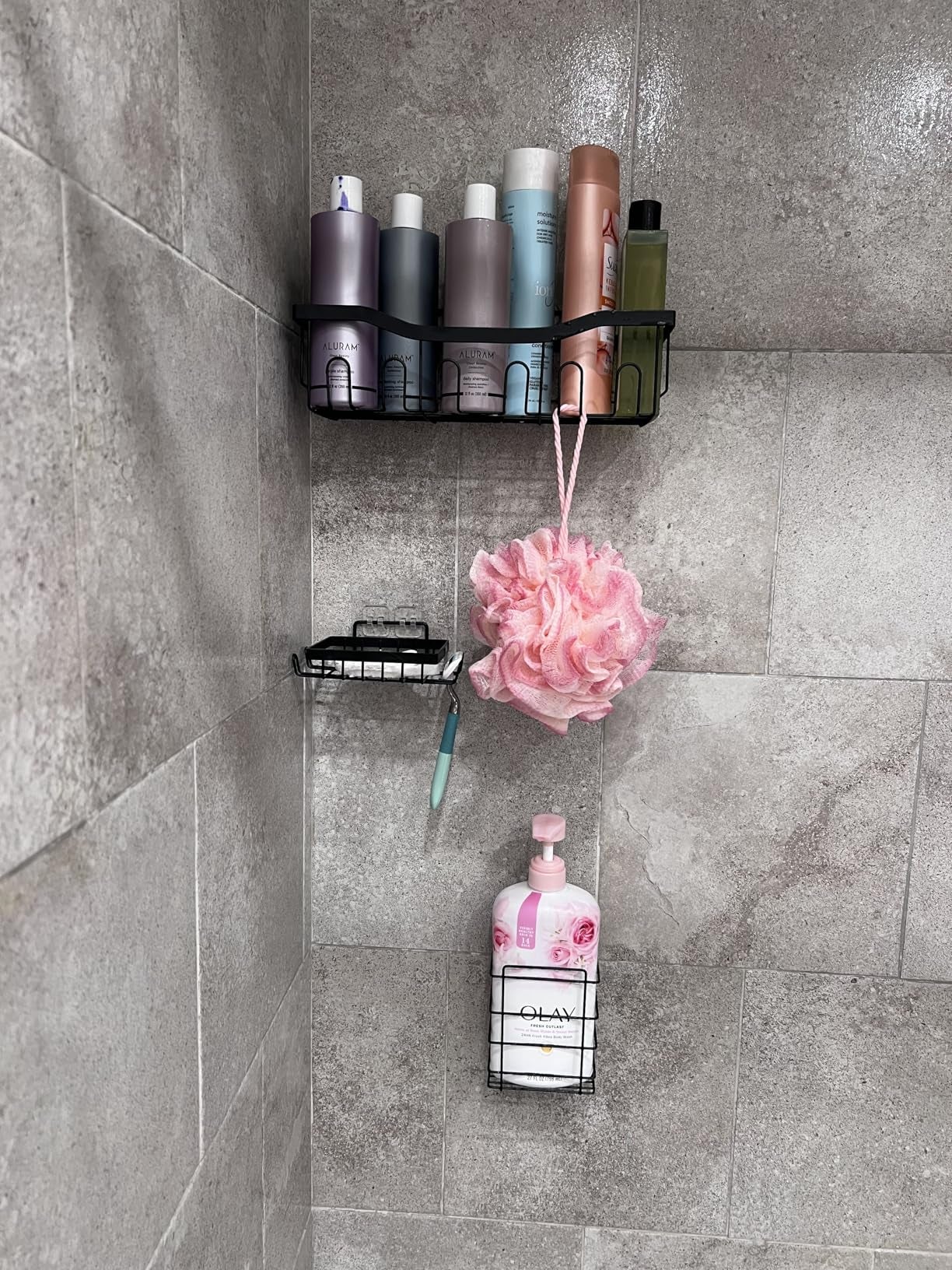
If You Have A Tiny Bathroom, These 25 Products Will Help

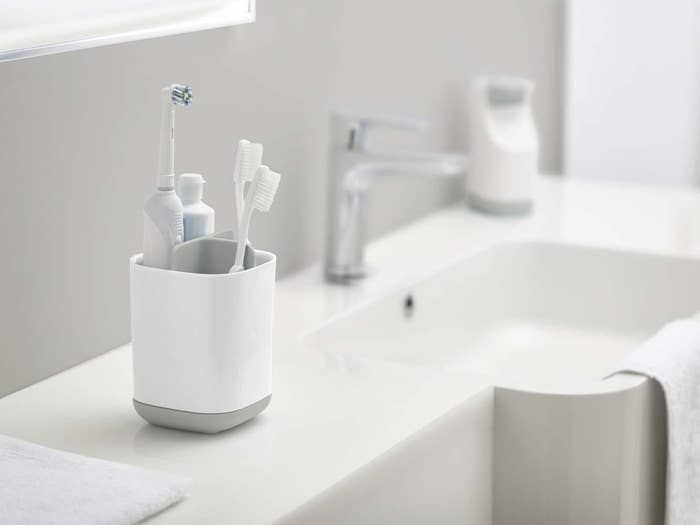
25 Low-Effort Ways To Keep Your Bathroom Clean

7 ideas for organizing a bathroom with little to no storage - these are the tricks designers rely on for small spaces

11 Ways to Conceal Clutter in a Bathroom — Trust Us, These Tips Will Change Your Space Drastically
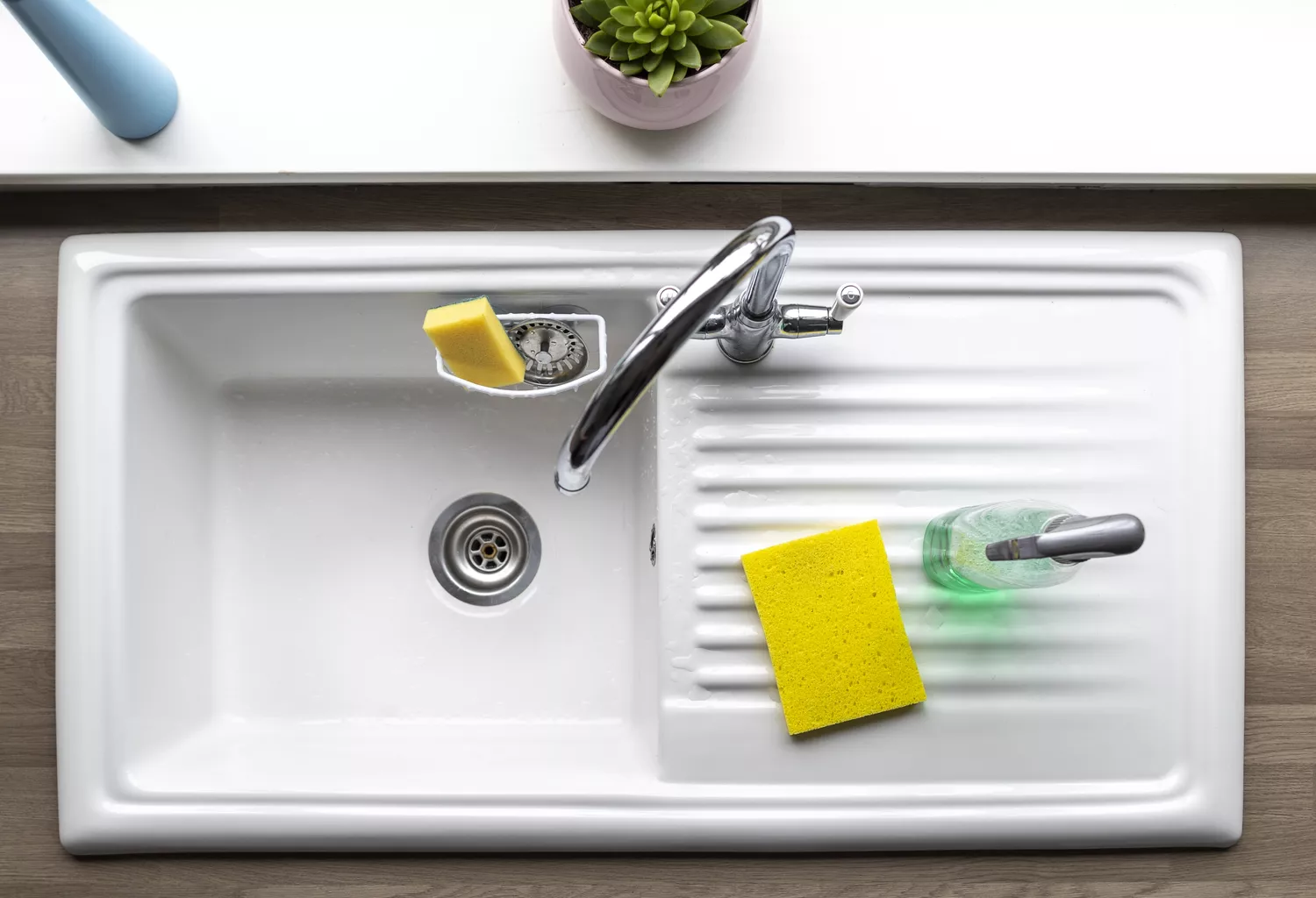
3 Easy Ways to Get Rid of Drain Flies—and Prevent Them From Coming Back
We Asked a Cleaning Pro How to Finally Get Rid of Mold in the Shower—And We're Trying This ASAP
8 natural home remedies to remove lizards from your house this summer

28 Ridiculously Clever Storage Ideas For Your Bathroom

A Professional Organizer’s Guide to Minimizing Bathroom Clutter

How to get rid of cluster flies – simple expert-approved methods to banish these pests

A Bar Cart Is the Perfect Way to Store Your Bathroom Essentials
15 Small Bathroom Storage Ideas That Will Keep Your Space Organized