1/2
GCC Ceramic Tiles Market Grows with Rising Construction Demand
The ceramic tiles market in the Gulf Cooperation Council (GCC) region has emerged as a highly dynamic sector within the broader construction and building materials industry. This market, encompassing countries like the UAE, Saudi Arabia, Kuwait, Oman, Qatar, and Bahrain, reflects the region's ongoing economic diversification from oil dependence towards modern, varied economies. In 2024, the GCC ceramic tiles market size reached an estimated USD 10.3 billion, with projections indicating a rise to USD 15.3 billion by 2033, demonstrating a compound annual growth rate (CAGR) of 4.27% from 2025 to 2033.
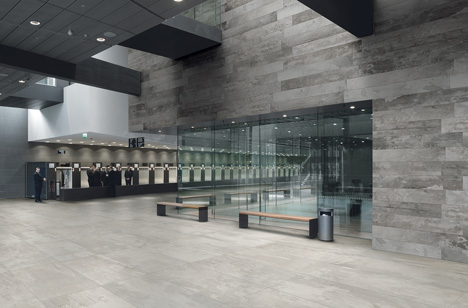
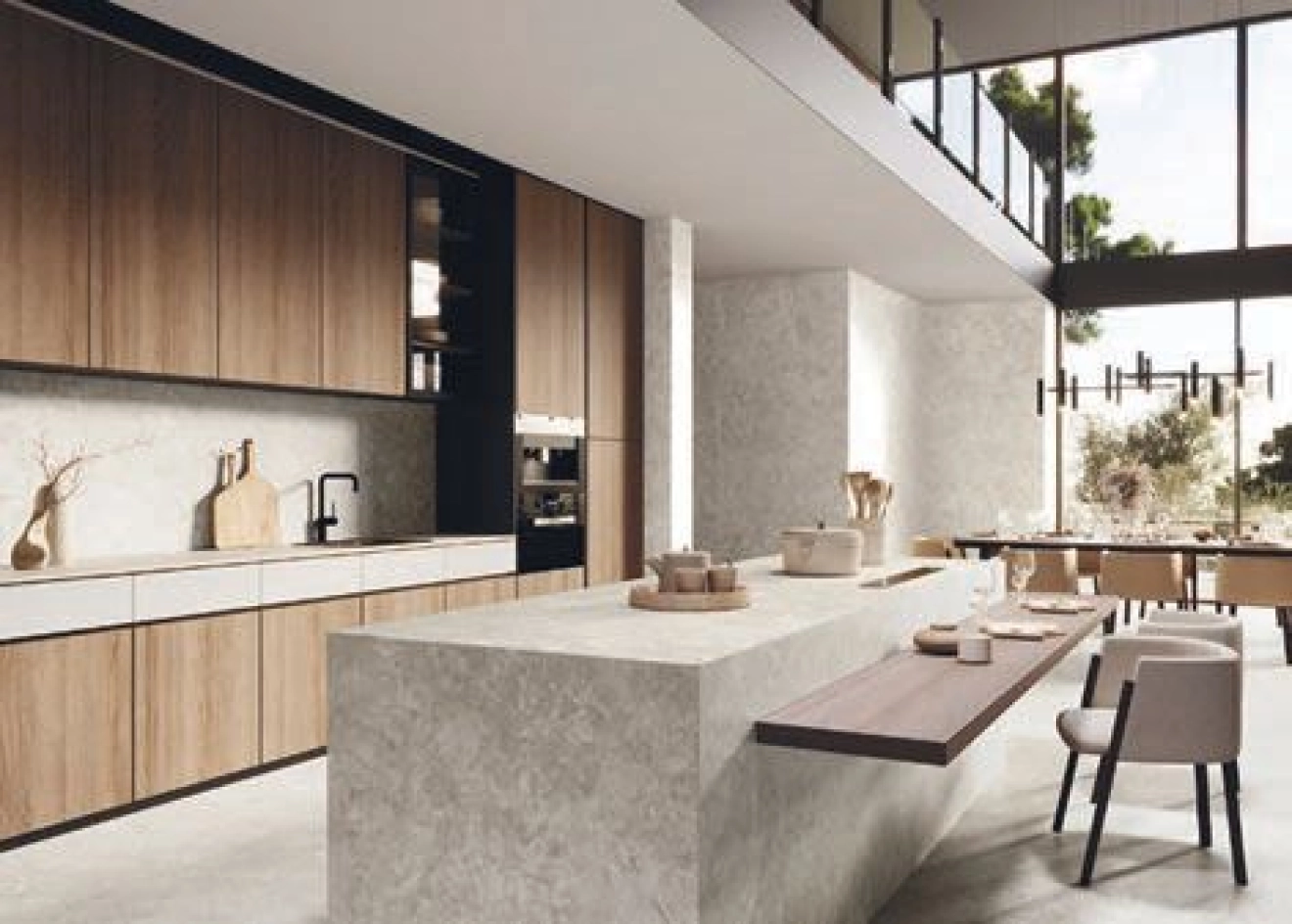
Ceramic tiles are integral to various construction projects across the GCC, including residential, commercial, and industrial developments. Their versatility, durability, and aesthetic appeal make them essential for applications such as flooring, wall coverings, facades, and decorative elements. The sustained growth of this market is influenced by several key factors that shape its expansion and future potential.
One primary driver is the unprecedented construction boom and extensive infrastructure development across the GCC. Governments in the region are heavily investing in ambitious infrastructure projects aimed at improving connectivity and transforming urban landscapes. Initiatives like Saudi Arabia's Vision 2030, the UAE's economic diversification plans, and Qatar's National Vision emphasize modern infrastructure, smart city development, and enhanced quality of life. These large-scale projects necessitate vast quantities of building materials, with ceramic tiles playing a crucial role in both functional and aesthetic capacities. This includes significant demand for durable and aesthetically pleasing tiling solutions for transportation infrastructure such as airports, metro systems, and railway networks, which experience high traffic volumes.
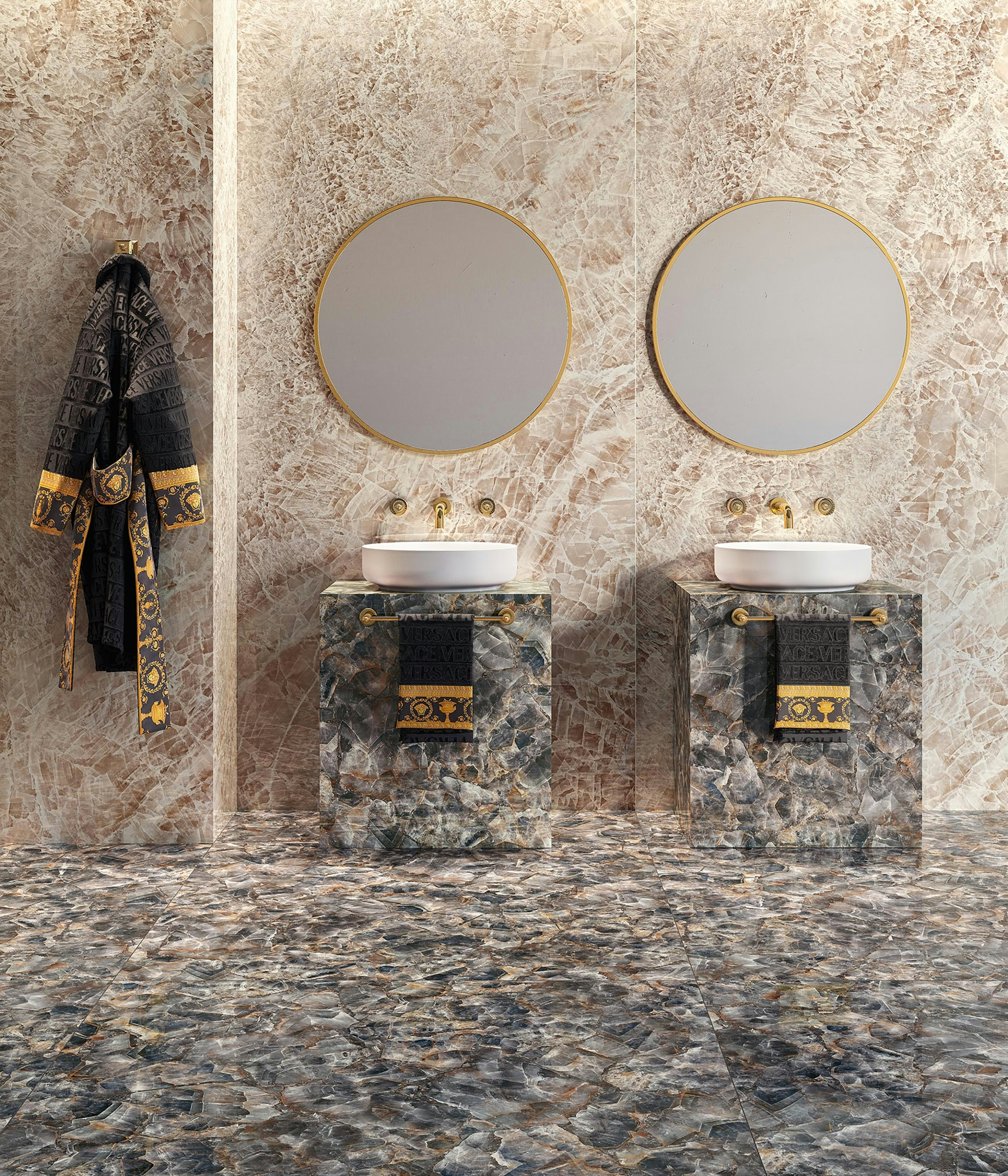
The expansion of the real estate sector and increasing housing demand also contribute significantly to market growth. Driven by population growth, urbanization, and evolving lifestyle preferences, both residential and commercial real estate segments consume a substantial volume of ceramic tiles. Government programs promoting homeownership and attractive mortgage options stimulate demand for quality housing featuring ceramic tile installations. Luxury residential developments, targeting affluent local and expatriate communities, drive demand for high-end ceramic tiles with innovative designs and sophisticated finishes. Commercial real estate developments, including office towers, shopping centers, and mixed-use complexes, also require extensive ceramic tile installations for various areas, emphasizing unique designs that enhance brand identity and customer experience.
Growth in the tourism and hospitality sector is another significant factor. The GCC's strategic focus on tourism has led to the development of world-class hospitality infrastructure, including numerous hotels, resorts, entertainment venues, and cultural attractions. These facilities require ceramic tiles that meet rigorous standards for durability, hygiene, ease of maintenance, and aesthetic appeal to create immersive guest experiences. Theme parks, museums, and cultural centers further amplify the demand for specialized ceramic tile solutions.
Rapid urbanization and population expansion throughout the GCC region are fundamental drivers. As cities grow, vertically and horizontally, to accommodate increasing populations, the demand for building materials, including ceramic tiles, remains consistently high. A young and growing demographic with rising disposable incomes drives preferences for modern housing and contemporary living spaces, influencing the demand for quality ceramic tiles that offer both functional performance and design versatility. Smart city initiatives also incorporate ceramic tiles with innovative features like enhanced thermal properties and easy maintenance.
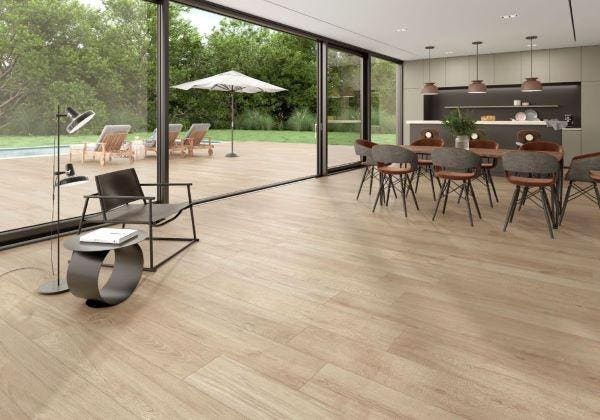
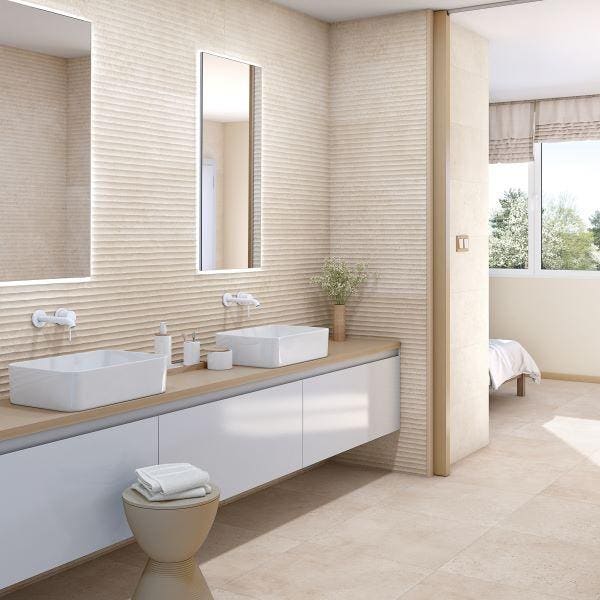
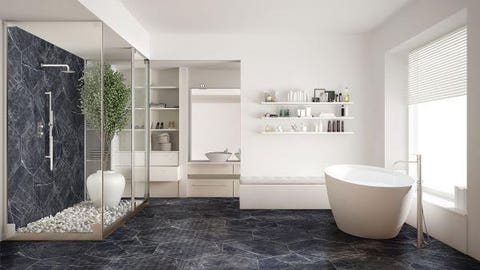
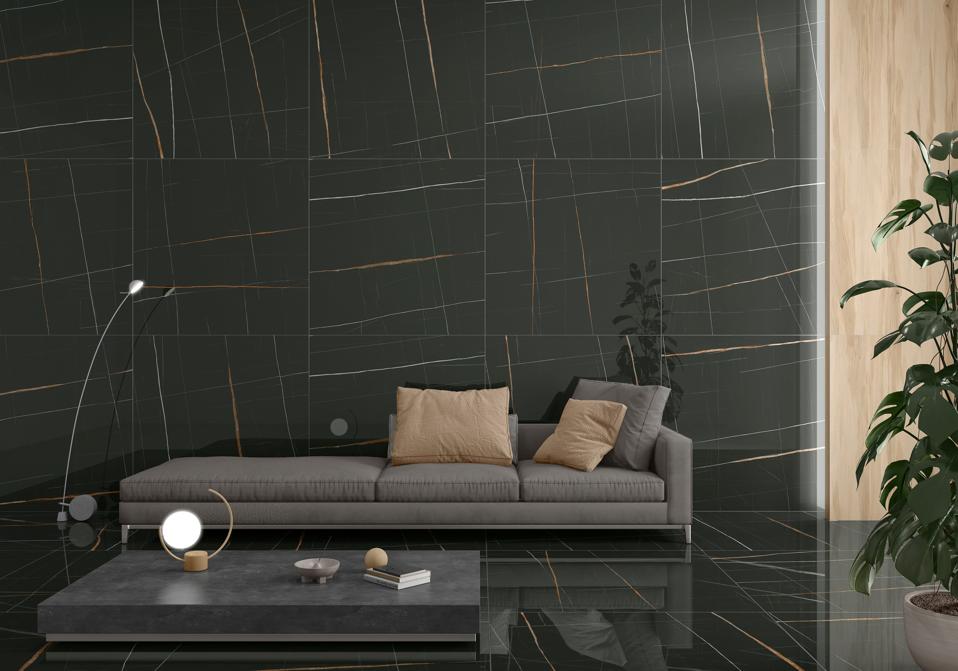
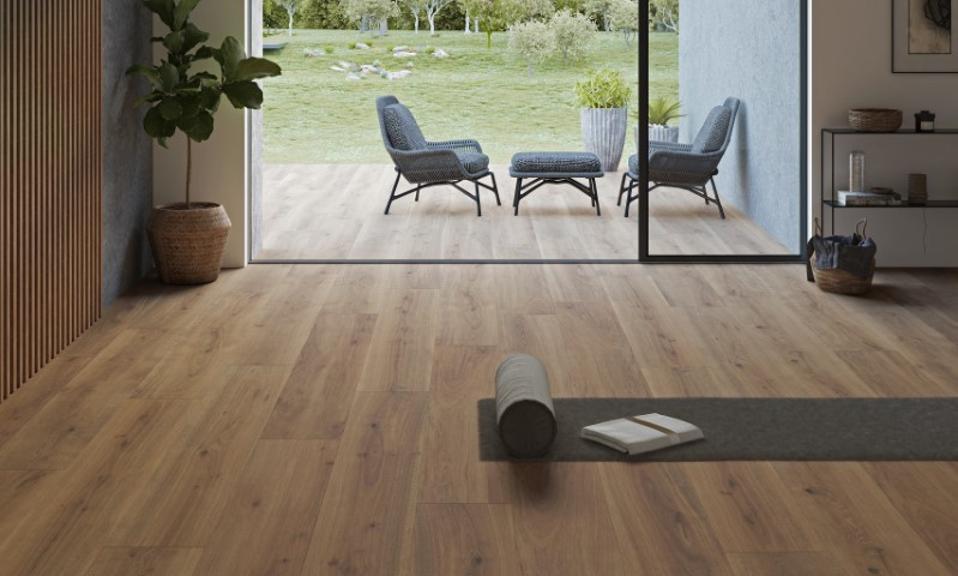
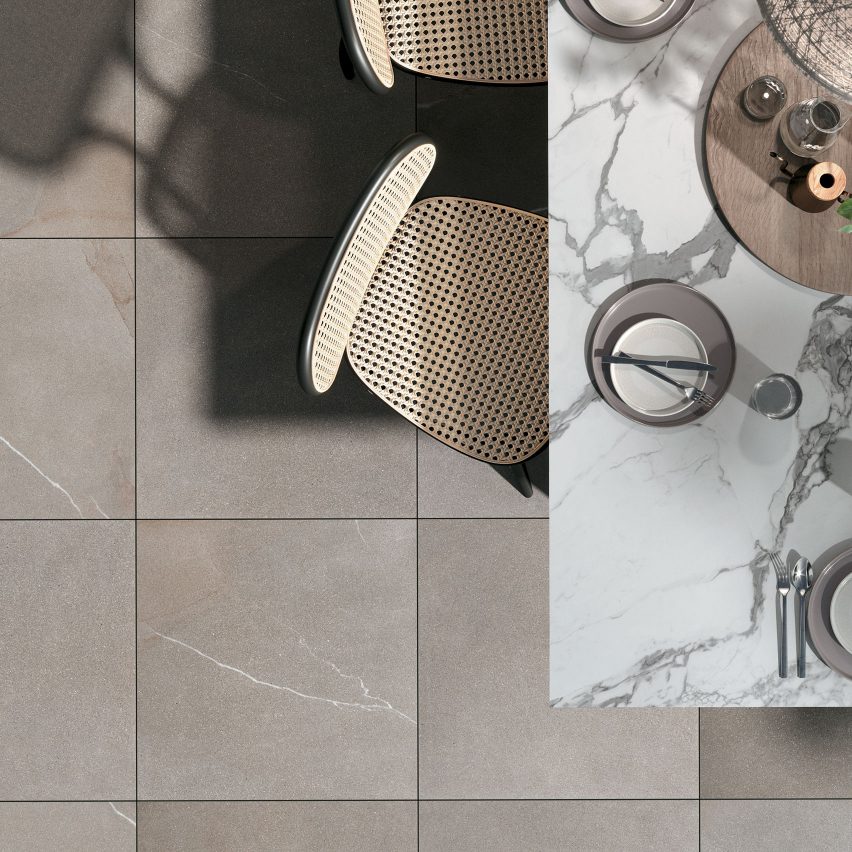
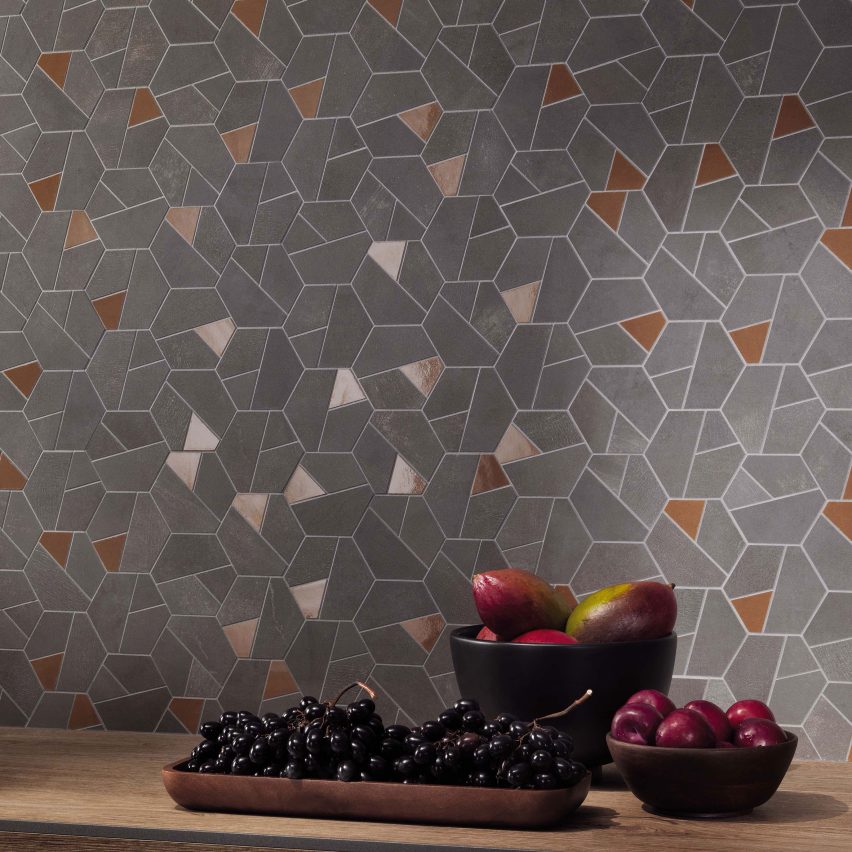
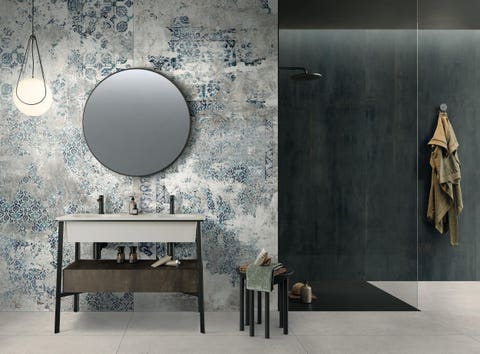
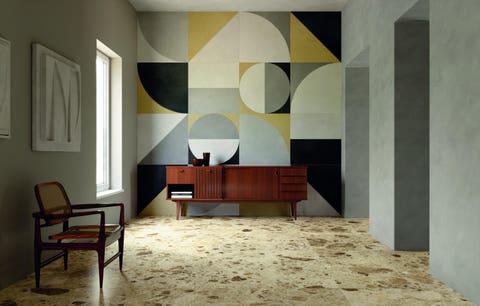
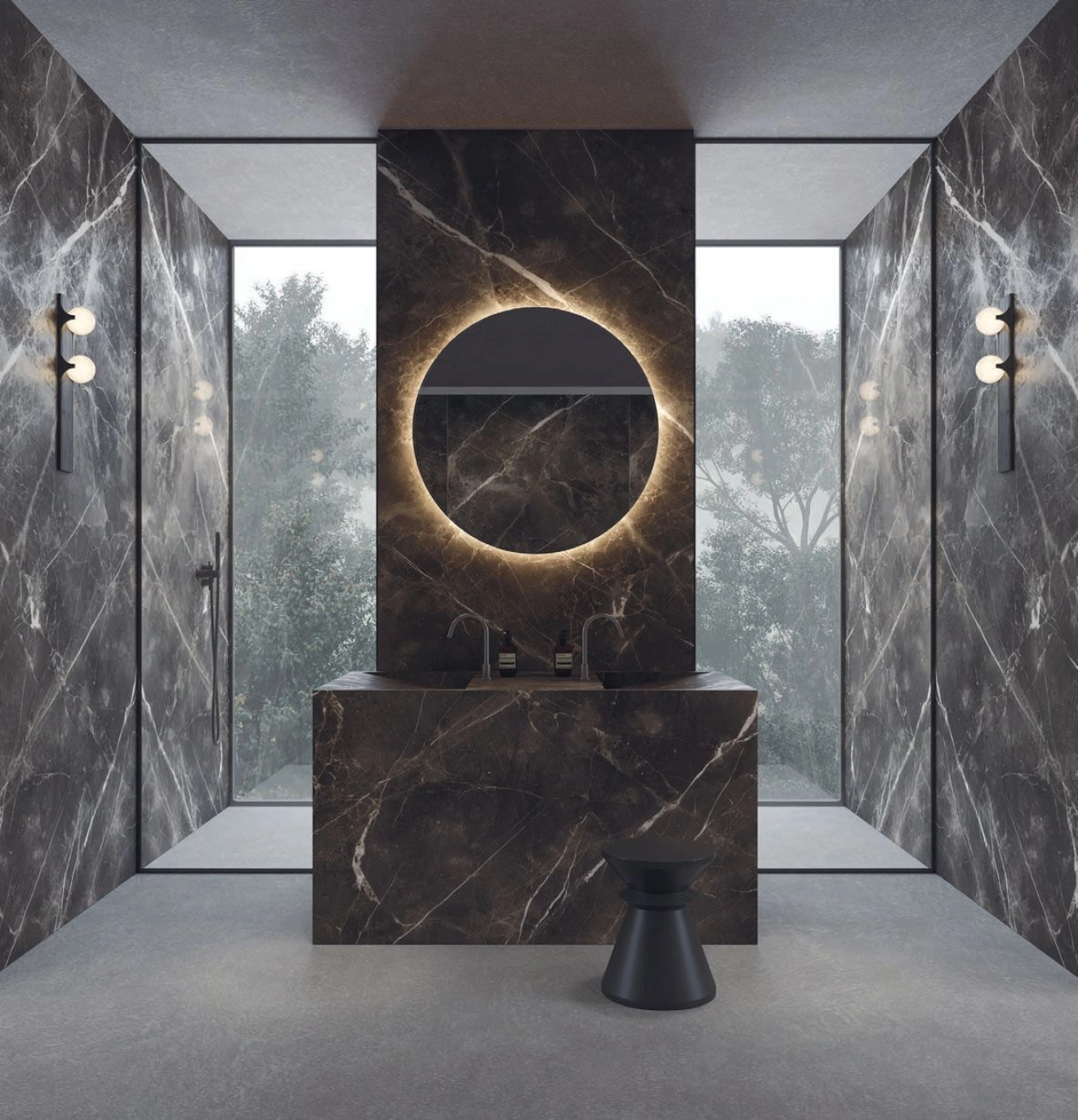
Evolving design trends and aesthetic preferences among GCC consumers also impact the market. There is a growing demand for products that blend traditional regional aesthetics with modern design. Large-format tiles have gained popularity for creating seamless, expansive surfaces, while digital printing technologies allow for realistic replication of natural materials like marble, wood, and stone, offering designers and homeowners diverse aesthetic options without the associated costs or maintenance of natural materials.
Sustainability imperatives and the adoption of green building practices are increasingly influencing material selection. Ceramic tiles align well with sustainability objectives due to their natural composition, durability, and recyclability. LEED certification and other green building rating systems incentivize the use of environmentally responsible materials. Ceramic tiles contribute to energy efficiency in the GCC's climate through their thermal mass properties, which help moderate interior temperatures and reduce cooling loads.
Technological innovations in tile manufacturing, such as digital inkjet printing and nanotechnology applications, have transformed the industry. These advancements enable intricate designs, realistic textures, and enhanced properties like anti-bacterial surfaces, self-cleaning coatings, and stain resistance, which are highly valued in various applications. Porcelain tile technology has advanced, offering superior strength, frost resistance, and low water absorption rates for diverse environments.
Economic diversification and industrial development initiatives by GCC governments support local ceramic tile production, reducing import dependence and creating employment opportunities. Industrial clusters and free zones attract investments from international tile manufacturers, bolstering regional manufacturing capabilities and supply chain reliability. Trade agreements and cooperation frameworks facilitate cross-border commerce, strengthening the region's position as both a consumer and producer of ceramic tiles.
The renovation, retrofitting, and replacement markets also present significant growth opportunities. As existing buildings age, renovation projects consistently generate demand for ceramic tiles, independent of new construction cycles. Heritage building restoration and adaptive reuse projects require specialized and often artisanal tile solutions. Retail and hospitality sectors regularly update facilities, driving periodic ceramic tile replacements and installations.
Finally, government policies and regulatory support play a crucial role. Housing programs provide predictable demand for ceramic tiles, while building codes and quality standards drive product specifications and improvements. Public sector construction projects, including schools and hospitals, generate substantial material requirements and often favor domestic production, supporting local industry development goals. These interconnected factors collectively contribute to the sustained growth trajectory of the GCC ceramic tiles market, positioning it for continued expansion and innovation.
#GCCTilesMarket #ConstructionBoom #RealEstateExpansion #TourismDevelopment #UrbanizationGrowth #DesignTrends #SustainableBuilding #TechnologicalInnovation #EconomicDiversification #GCCTilesMarket #ConstructionBoom #RealEstateExpansion #TourismDevelopment #UrbanizationGrowth #DesignTrends #SustainableBuilding #TechnologicalInnovation #EconomicDiversification
0 opmerkingen in totaal
 Nog geen opmerkingen
Dit vindt u mogelijk ook leuk
Reliable companies to consider when looking to buy tiles
2023 Tile Trends Feature Wellness, Sustainability And Resilience

Design Industry ceramic tiles by Refin
An Outlook on 2025 - Is 2025 Looking Good For Concrete Contractors?

![Doors Market, Industry Size Growth Forecast Report, [Latest]](https://gstatic.ideal.house/news/images/49bdcee660bd4d108750313d21923184.webp)
Doors Market, Industry Size Growth Forecast Report, [Latest]

Mal Stone Trading & Industry
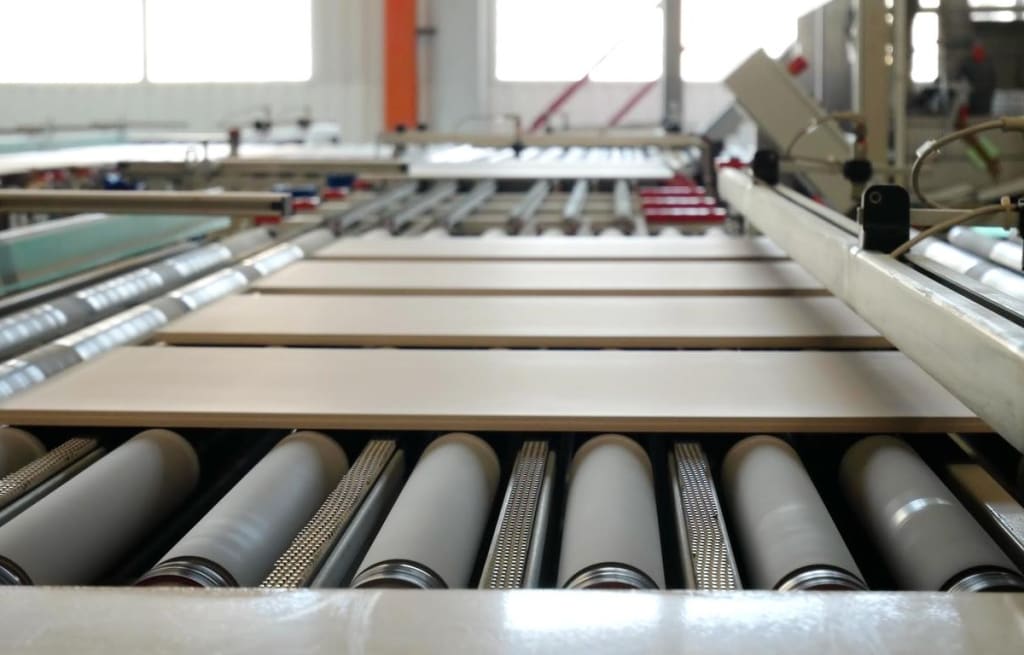
Top 10 Ceramic Tiles Manufacturing Companies In India

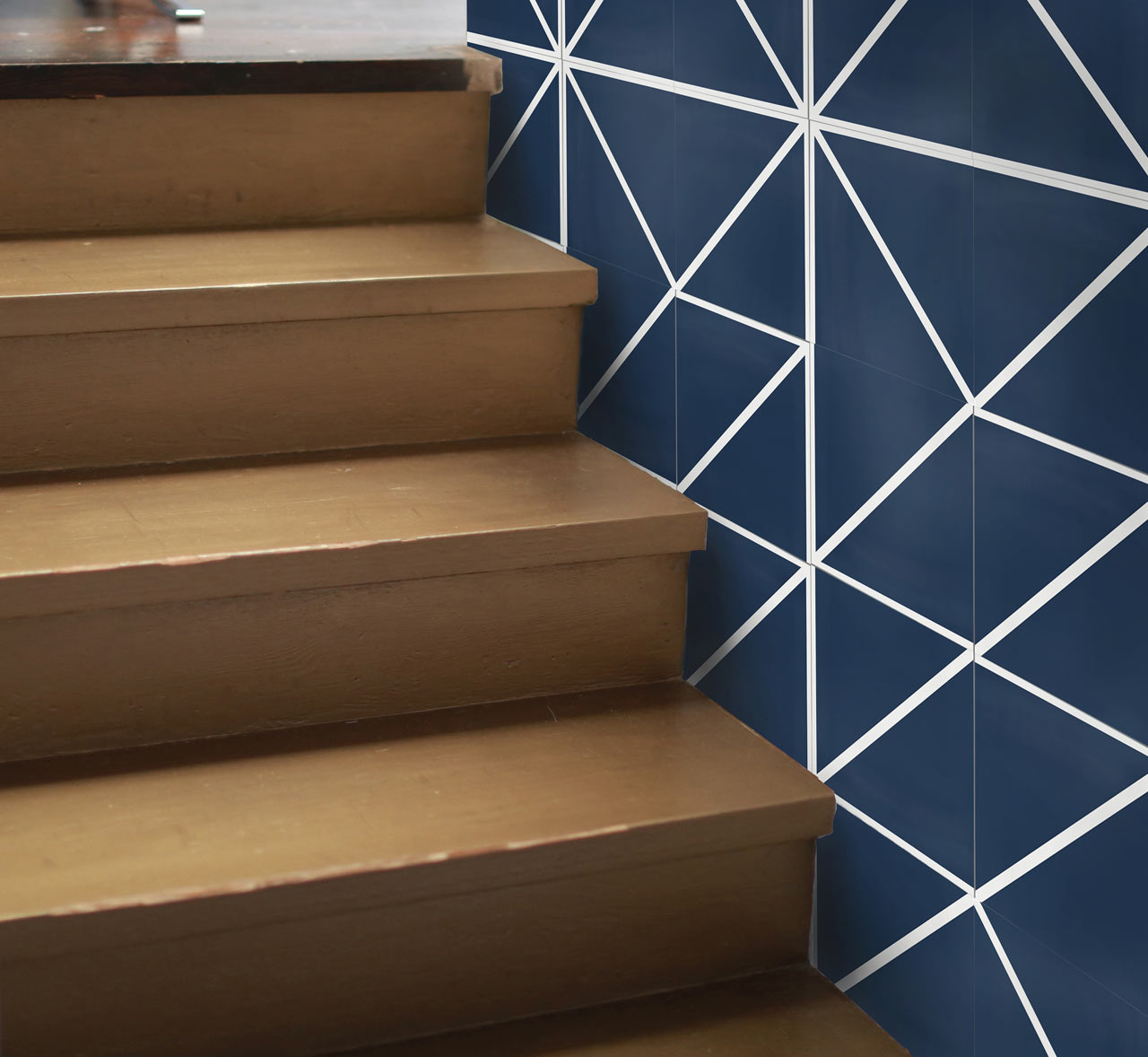
clé Launches Artist-Designed, Cement Tiles
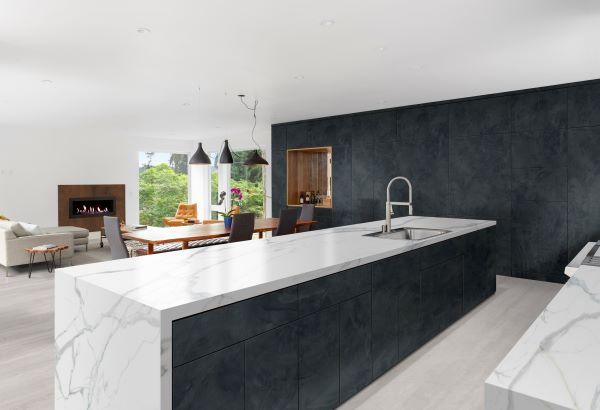
7 Top Tile Trends And Styles For 2021
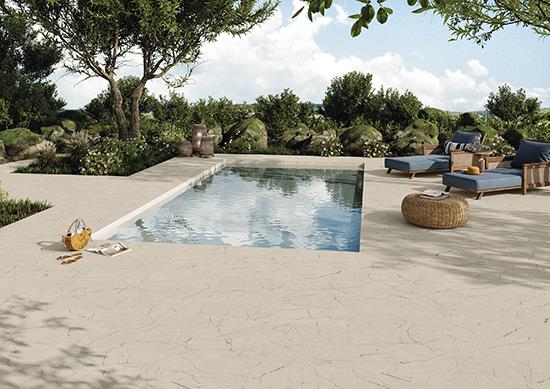
Ceramic Tile Report: Tariffs put renewed focus on domestic supply – April 2025

Ceramic Tile Provides A Durable Artistic Canvas For Architectural And Interior Designers
Miles of Tile at Cersaie 2022


Orient Ceramics & Industries Limited Long Term Buy Call : Fairwealth Securities
Ceramics of Italy predicts tile trends for 2019
![Modular Flooring Market Size & Forecast [Latest]](https://gstatic.ideal.house/news/images/88e7dffc81964dc0b0928f6aca821eed.jpg)
Modular Flooring Market Size & Forecast [Latest]
Discover The Top 10 Tile Trends Discusses at Coverings 2025
In Depth: Deck Fasteners

In Depth: Engineered wood products
Ceramiche Refin launches Craft tiles influenced by hand-applied cement surfaces
The 10 Biggest Concrete Contractors in the U.S. in 2023