
1/2
Dr. Carol Bentel Tackles the Issue of Disposable Design at Design Talks 2019
The restaurant industry, particularly in New York City, is characterized by its ephemeral nature, with establishments frequently closing or changing ownership. This rapid turnover poses a significant challenge regarding the longevity of interior design and the fate of materials used in these spaces. Dr. Carol Bentel, a partner at Bentel & Bentel Architects and Chair of the BFA Interior Design Department at the School of Visual Arts, addressed this issue at Design Talks 2019, a series of lectures hosted by Design Pavilion NYC as part of NYCxDESIGN events.
Bentel highlighted that restaurant designs, on average, have a lifespan of only seven years. She illustrated this point with a personal anecdote involving Eleven Madison Park, a restaurant her firm originally designed in 1998 for restaurateur Danny Meyer. When the restaurant underwent a gut renovation by its new owners in 2017, they hosted a 'graffiti party' where walls were covered in paint before demolition, signaling the end of the original design. This event prompted Bentel to investigate the fate of designs created by her firm.
Her research revealed that out of 58 restaurant projects her firm had designed, only 41 still existed, meaning nearly one-third had been dismantled or significantly altered. This led her to question what happens to the materials meticulously selected for these projects. Bentel cited further examples, such as the walnut flooring in the Rouge Tomate restaurant and the marble slabs and bronze columns in the Grand Hyatt New York lobby, both of which faced or are facing demolition, underscoring the impermanence of modern design.
In response to this widespread issue of disposable design, Bentel proposed several solutions for creative reuse and more sustainable design practices. These suggestions included employing dismantling techniques that preserve materials, utilizing reusable surfaces for walls, floors, and ceilings, adopting panelized systems, specifying enduring materials that resist obsolescence, rethinking prefab construction, and designing with future obsolescence in mind to facilitate reuse rather than destruction.
Bentel also issued a broader call to action for the design industry. She advocated for a greater appreciation for the durability of good design, the establishment of awards for initiatives focused on preserving existing structures and materials, and the development of programs akin to City Harvest. City Harvest, founded in 1982, collects unused food from restaurants and distributes it to those in need, diverting waste and addressing social issues simultaneously. Bentel suggested a similar model could be applied to design materials.
While acknowledging that the trend of disposable design is unlikely to cease entirely, Bentel expressed optimism that its destructive and wasteful impacts could be mitigated. She concluded by emphasizing three core principles for designers and clients: resisting ephemeral fads, embracing authenticity in design, and striving for timelessness in their creations. By adhering to these principles, the design community can contribute to a more sustainable and less wasteful future.
#DisposableDesign #SustainableDesign #RestaurantDesign #DesignLongevity #MaterialReuse #NYCxDESIGN #DesignTalks #InteriorDesignTrends #DesignWaste #DisposableDesign #SustainableDesign #RestaurantDesign #DesignLongevity #MaterialReuse #NYCxDESIGN #DesignTalks #InteriorDesignTrends #DesignWaste
0 opmerkingen in totaal
 Nog geen opmerkingen
Dit vindt u mogelijk ook leuk
Terrazzo-like table brings electronic waste to life with closed-loop design


ECONYL® by Aquafil: Inspiration + Hope for the Future of Sustainable Design

Marble-look surfaces top 3D-printed plastic bases in Elli’s furniture collection

Designers Talk ’tops

Spotlighting 8 projects from Isola’s showcase at Dutch Design Week 2023

Fefostudio and Kamilla Csegzi create mycelium-based Ephemeral Table
W Tiles: Behind the Great Walls

Roundtable: the language of biophilia in surface design

BekaertDeslee Showroom Innovation Textiles: A Look into Design, Sustainability & More


Trash to treasure: Upcycling and repurposing in sustainable interior design | Hindustan Times

These 6 Innovators Are Changing Denver’s Aesthetic

A next-generation material for sustainable padding applications

The Soul in the New Machines (Published 2008)
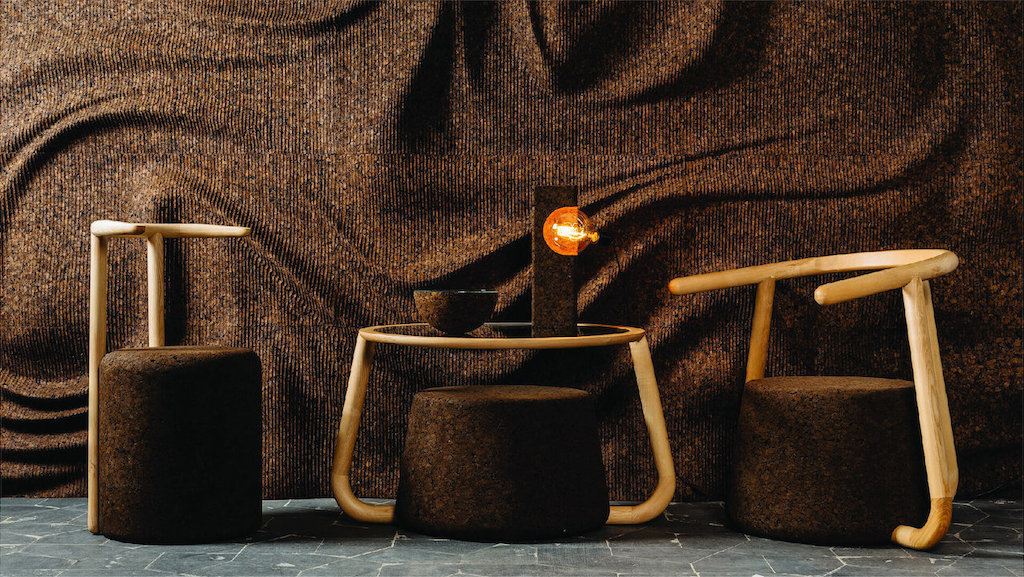
A new vision for cork, that is attractive and utilizes contemporary digital designs
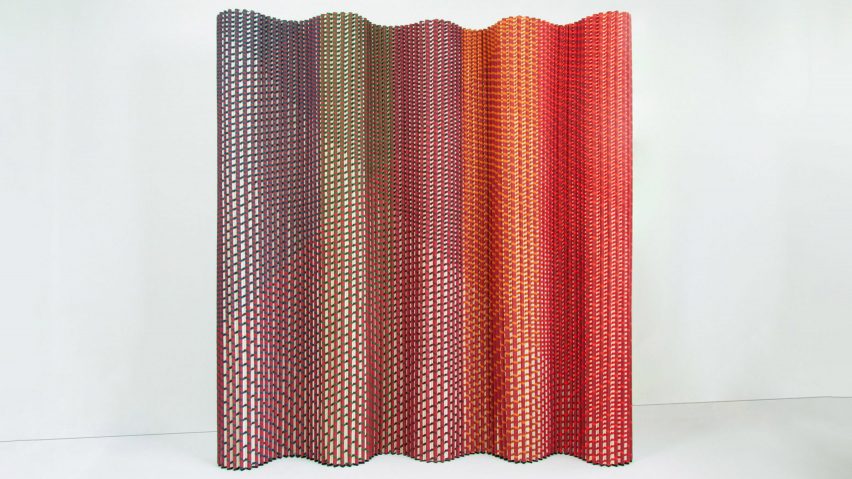
Luis Marie pleats recycled fabric to create "first-ever all-textile room divider"
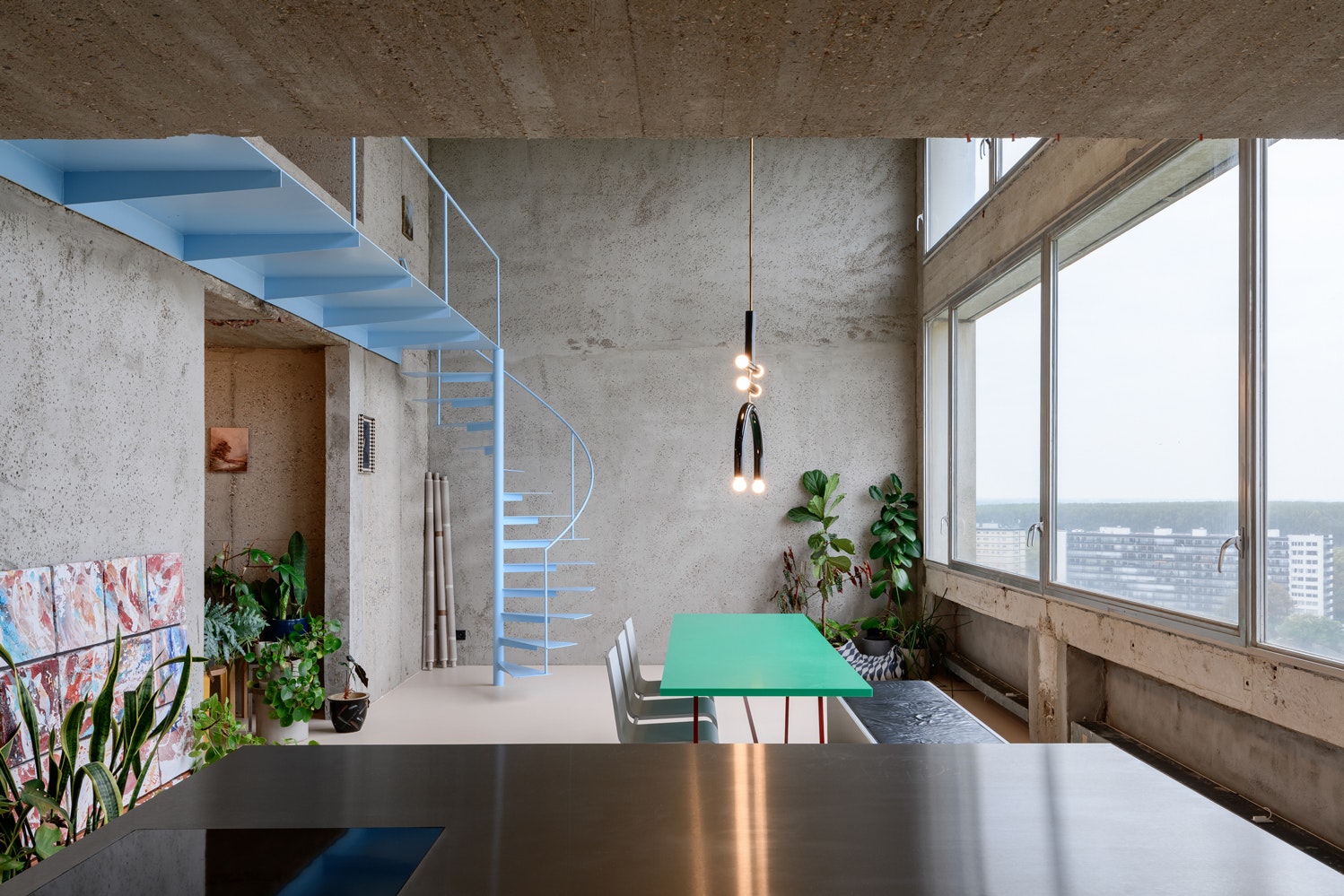
17 Projects That Use “Ugly” Materials in Beautiful Ways


RCA Product Design Student Invents Stone-Like Material Made from Fish Scales

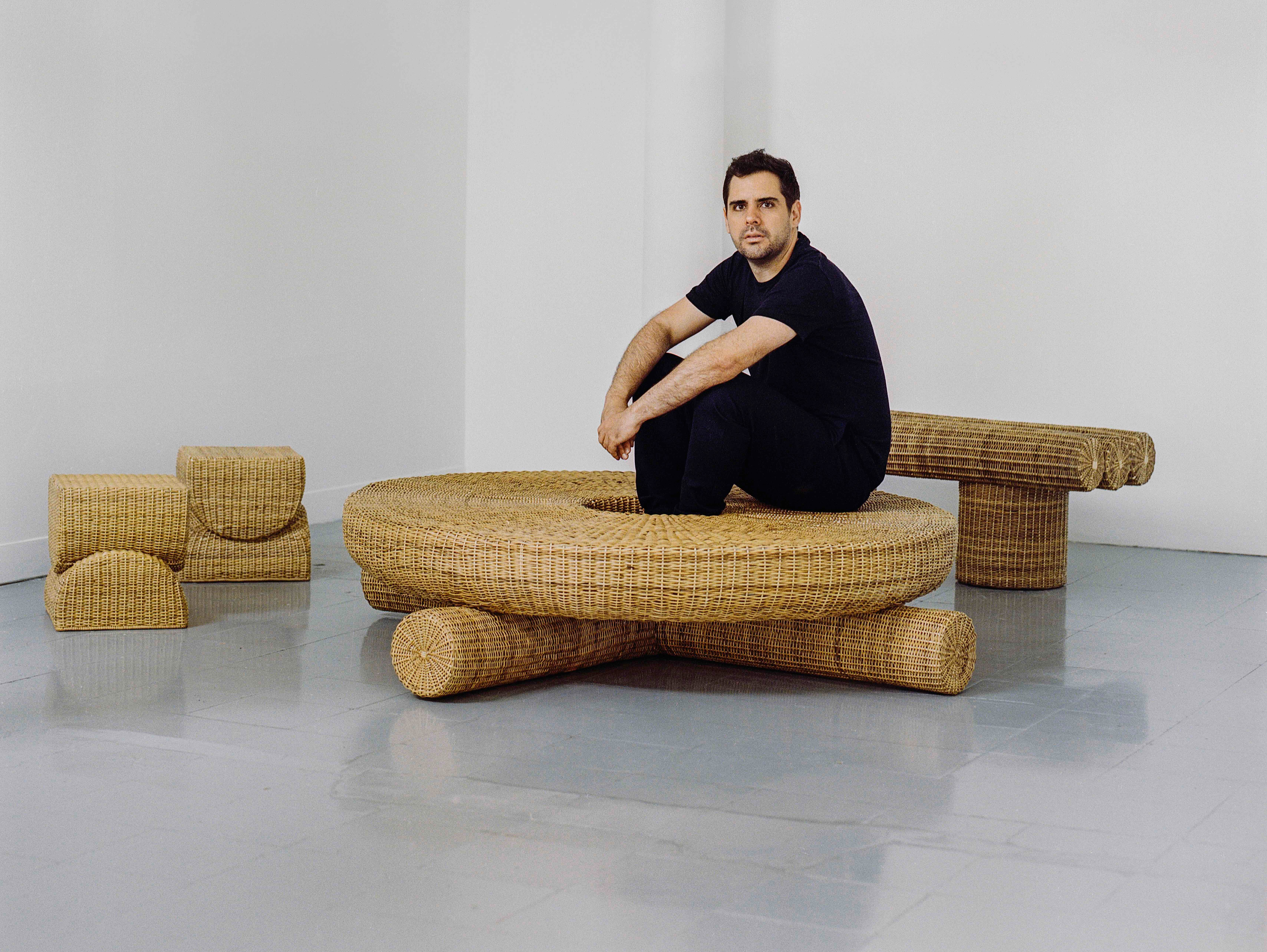
Meet the designers using revolutionary eco materials

Tile as Door Molding and 4 Other Aha Moments From Copenhagen’s Design Festival


Watch Every Talk From the AD PRO Global Design Summit