Custom furniture is booming. Grant Trick knows why
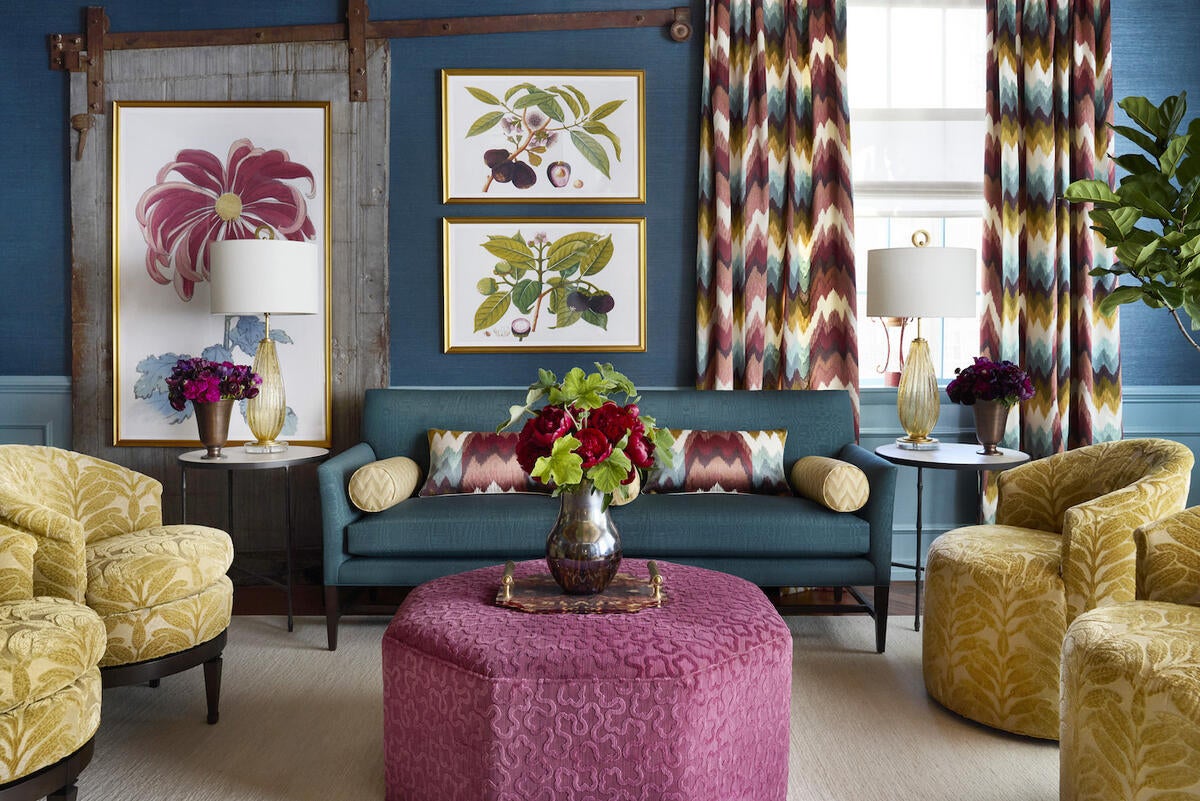
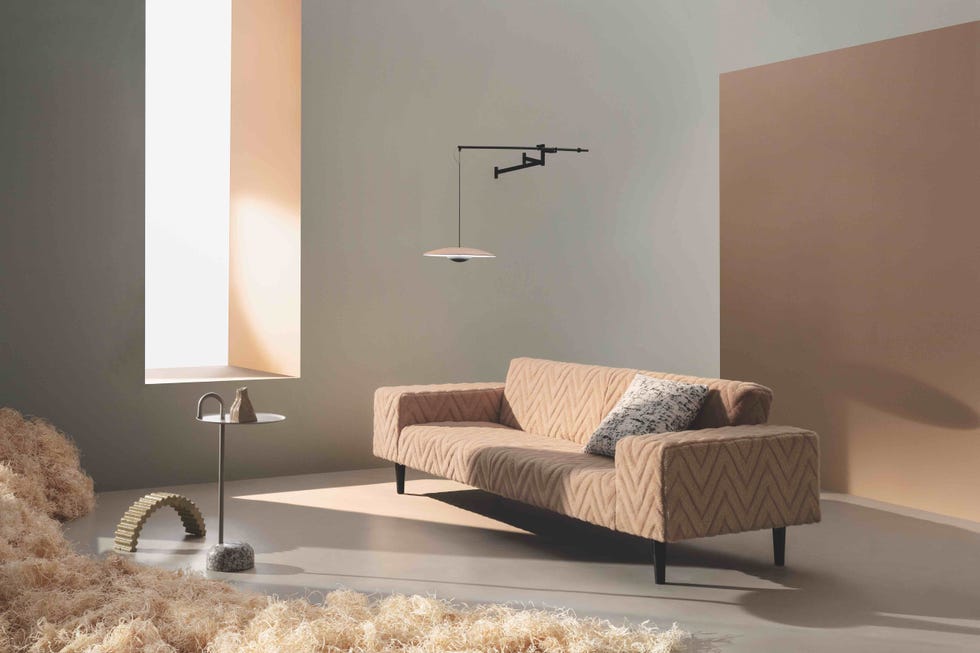
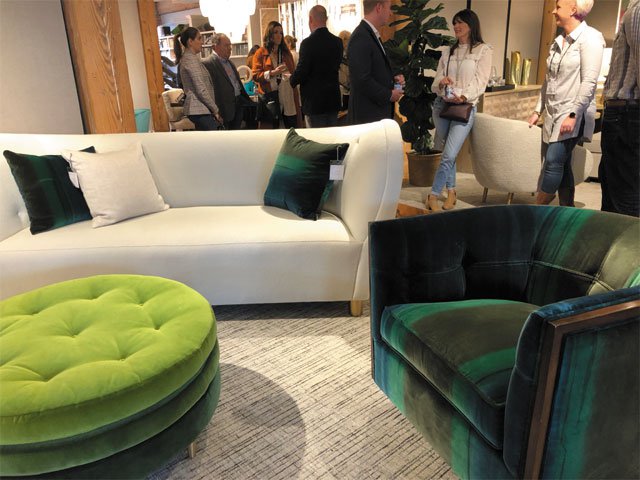
Grant Trick, a custom furniture designer based in Irondale, Alabama, has established his workshop as a nationally recognized source for designers seeking high-quality, tailored custom furniture. In an interview on The Business of Home Podcast, Trick discussed the current boom in custom furniture, attributing part of his success to his ability to offer reasonable lead times, a significant advantage over larger manufacturers facing supply chain issues. He noted that his workshop, which now includes its own frame shop and has a robust foam resource, can sustain its operations for several months, whereas a North Carolina factory might exhaust its supply in minutes. This operational efficiency allows Trick to maintain shorter lead times than many larger industry players, effectively capitalizing on the challenges faced by others in the market.
Trick's entry into the furniture business was somewhat accidental. He initially pursued a career in fashion and later designed window displays for Tiffany’s. During a trip to San Francisco amidst a recession, he found an opportunity to work for a custom furniture workroom, which served as his introduction to interior design. In 2010, after moving to Alabama to be closer to family, Trick launched his own venture. Over the years, his business has evolved, moving from producing a wide range of items to specializing in custom furniture with a distinct fabric-first approach. This specialization, combined with an engaging presence on Instagram featuring spontaneous sing-alongs, has cultivated a loyal client base.
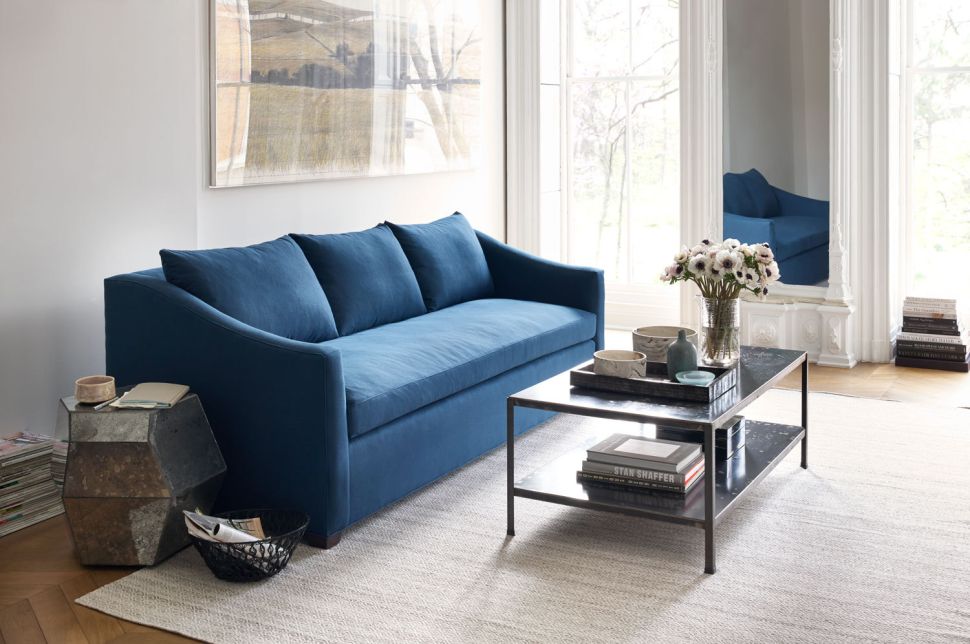
During the podcast, Trick provided insights into identifying quality sofas and shared his perspectives on the reasons behind the current surge in demand for custom furniture. He also reflected on the lessons learned from the early stages of launching his own collection, emphasizing the iterative nature of product development and market adaptation. A prominent topic of discussion was the issue of design copying and the role of social media accounts like @DesignWithinCopy in critiquing such practices. Trick acknowledged that many in the custom furniture industry, including his own workshop and other reputable workrooms, might have produced pieces inspired by iconic designs like Kagan sofas, particularly in earlier stages of their careers. However, he stressed that these pieces are typically not branded or claimed as original designs.
Trick expressed reservations about the social-media-driven shaming tactics, likening them to bullying, particularly when conducted anonymously. He challenged critics to demonstrate comparable originality by conceiving seven novel sofa designs without reference to existing aesthetics. This statement underscored his belief in the difficulty of constant innovation and the impracticality of expecting an endless stream of completely unprecedented designs in a mature industry. His remarks highlighted the complexities of design originality, intellectual property, and competitive dynamics within the custom furniture sector, advocating for a more constructive approach to addressing design integrity rather than public shaming.
#CustomFurniture #FurnitureDesign #InteriorDesign #BusinessOfHome #GrantTrick #PodcastInterview #SupplyChain #LeadTimes #DesignEthics #CustomFurniture #FurnitureDesign #InteriorDesign #BusinessOfHome #GrantTrick #PodcastInterview #SupplyChain #LeadTimes #DesignEthics
0 opmerkingen in totaal
 Nog geen opmerkingen
Dit vindt u mogelijk ook leuk
Accessible Custom Furniture And Decor Is The Next Big Interior Design Trend

Update your furniture with extreme texture, the biggest trend in upholstery…

The 10 Coolest Things We Saw at High Point Fall Market 2025

You Can Now Spec Kravet Fabric at Mitchell Gold + Bob Williams

Target Made-to-Order Furniture: a retail giant gets personal

This customizable furniture retailer just added a dining set
Restoration Hardware’s Growing Sale Is Overflowing With Sleek, Luxurious Pieces
Trend Spotting at High Point
Carving out a niche in the timber-furniture industry
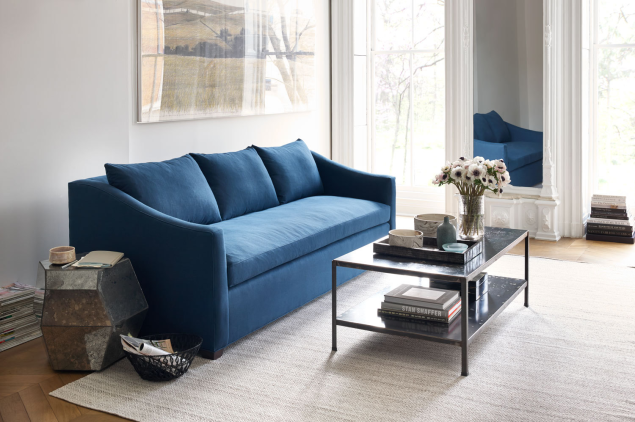
These Custom Couches Are a Much Cooler Alternative to West Elm

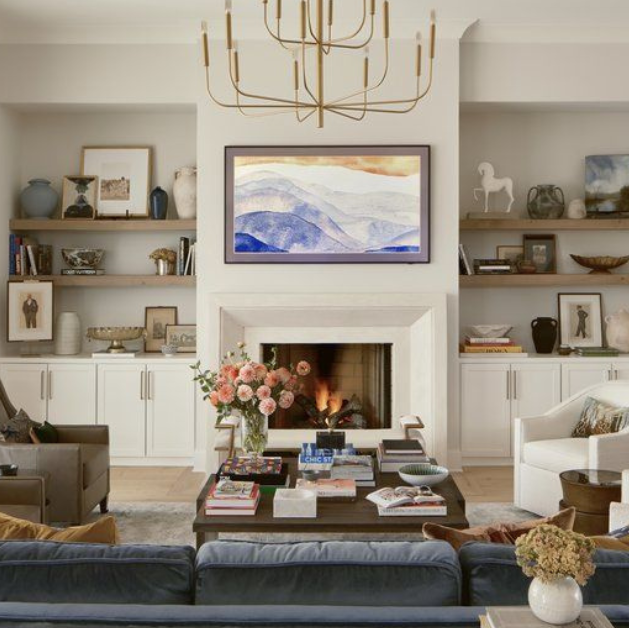
Designers Reveal the Surprising Home Trend That's Taking Over Right Now

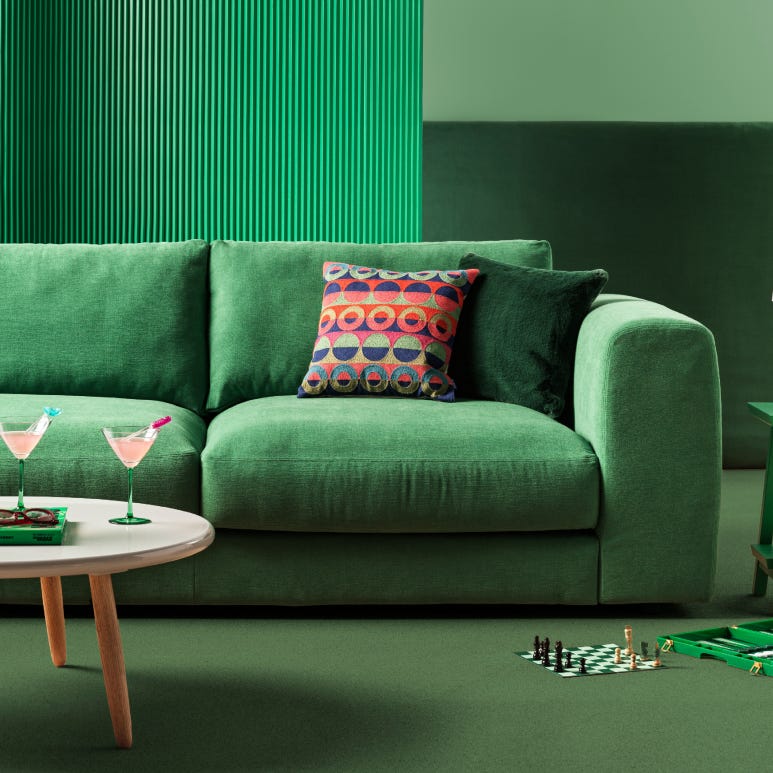
Habitat Launches Exclusive Made-To-Order Upholstery Collection

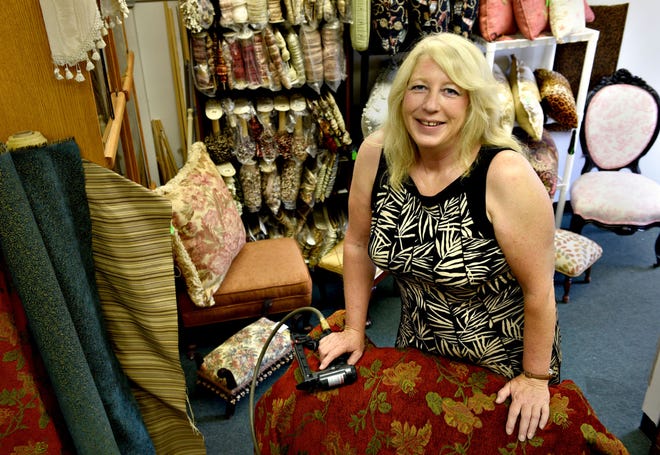
Making a Living: Coming together at the seams
Which furniture brands do interior designers always rely on? 26 American-made stores for timeless quality pieces
It’s All in the Family at Childress Furniture and Fabrics

The Best Online Furniture Stores

The best debuts at High Point Market this fall
We’re Calling It: These Are the Best Online Home Decor Brands Around

The burl wood furniture trend takes the high street by storm
Interior Designers and Stylists Can’t Get Enough of This New Target Line