
1/2
Are Damp Surveys a waste of money?
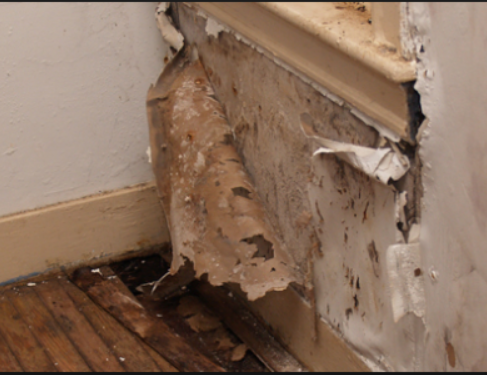
The article addresses a common concern for property investors: the necessity and value of specialized damp surveys after an initial Homebuyers survey identifies dampness. A prospective property buyer, Tom, recounts a Homebuyers survey that detected damp at the rear of a building, specifically in the ground floor WC, suggesting a faulty or non-existent damp proof course (DPC). Despite believing it to be rising damp and not condensation, Tom questions whether a further, more detailed damp specialist survey is truly essential given its comprehensive scope.
The proposed damp specialist survey includes a thorough examination of chimney stacks, external elevations (pointing, brickwork, render), external ground levels relative to internal floor levels, and internal rooms. For each internal room, it involves moisture content and relative damp assessments, salt analysis to determine moisture origin, thermal imaging to ascertain damp extent and source points, and checks for pipe leakage. The specialist promises to identify causes, extent, and recommend rectification works.
Responses from other experienced individuals challenge the immediate need for such a specialized survey. Neil Patterson, a member since 2011, raises the point of whether the property is being purchased with a mortgage, as lenders might mandate a damp report. Steven Way, a surveyor, criticizes the limitations of HomeBuyers Reports, stating they often provide insufficient detail and lead to requests for additional surveys. He argues that many aspects of the proposed damp specialist survey, such as checking external conditions and using thermal imaging, should ideally be covered in a comprehensive building survey.
Steven Way also highlights that WCs are prone to condensation and surface dampness from cleaning. He suggests that some dampness in older properties is inevitable and not always detrimental, especially in ancillary spaces like WCs. He proposes evaluating damp issues based on three criteria: impact on structural integrity and performance, visual appearance, and health risks. If none of these are significantly affected, remedial work might be unnecessary.
Chris Clare further supports this perspective, noting that in 20 years of surveying, he rarely encountered genuine rising damp, attributing most cases to issues like high external floor levels, poor rainwater drainage, or objects bridging the damp course. He explains that DPCs prevent water from both rising and draining downwards, meaning external water ingress can be trapped, mimicking rising damp. He also emphasizes that cold, unheated toilets often collect and condense moisture from the rest of the house, which can be mistaken for other forms of damp. Chris recommends moving into the house and ensuring it is adequately heated before commissioning further surveys, as damp specialists are inherently incentivized to recommend works.
#DampSurvey #PropertyInvestment #HomebuyersReport #RisingDamp #PropertyMaintenance #LandlordAdvice #BuildingSurvey #Condensation #PropertyInspection #DampSurvey #PropertyInvestment #HomebuyersReport #RisingDamp #PropertyMaintenance #LandlordAdvice #BuildingSurvey #Condensation #PropertyInspection
 Nog geen opmerkingen
Damp guarantee – is it worthless?
Advice on Damp problems – are these damp specialists trying to make a quick buck?