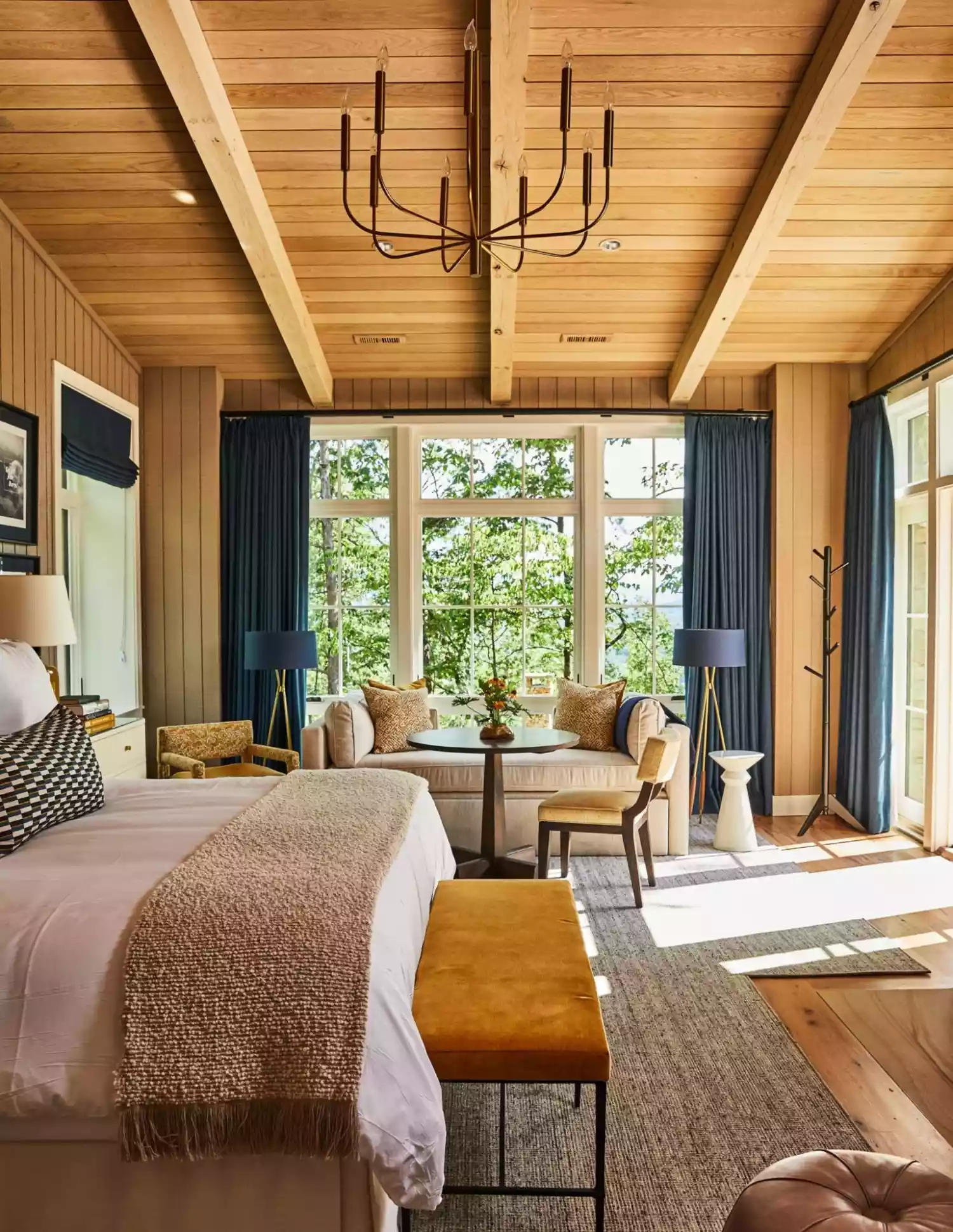
9 of the Most Popular Curtain Styles and How to Use Them in Your Home
Window treatments are an essential element of home design that are often overlooked despite their significant impact on a room's atmosphere, privacy, and overall aesthetic. While blinds and shades offer functionality, curtains are frequently chosen by interior designers for their versatility and visual appeal. Different curtain styles possess nuanced characteristics that can dramatically alter the feel of a space.
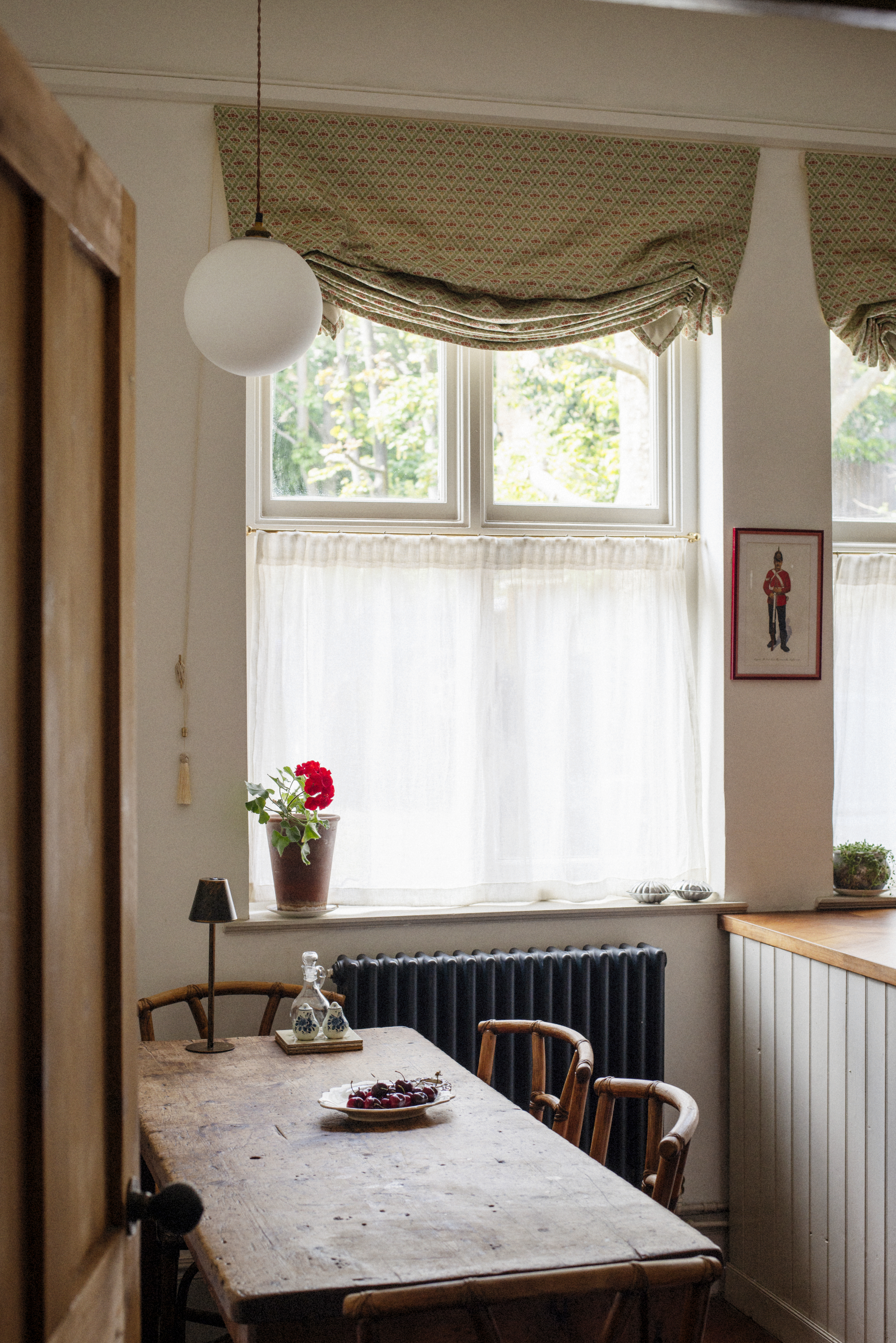
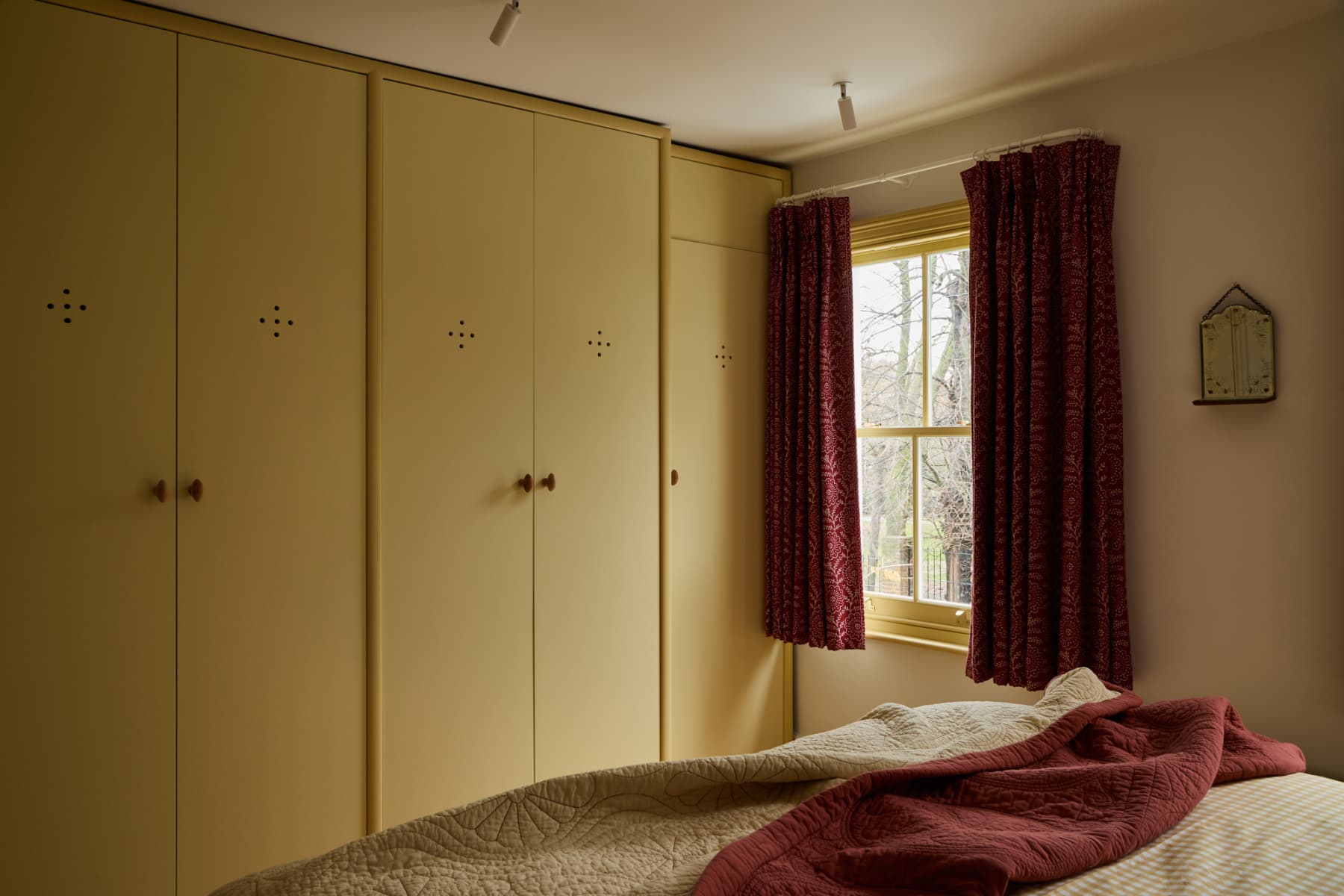
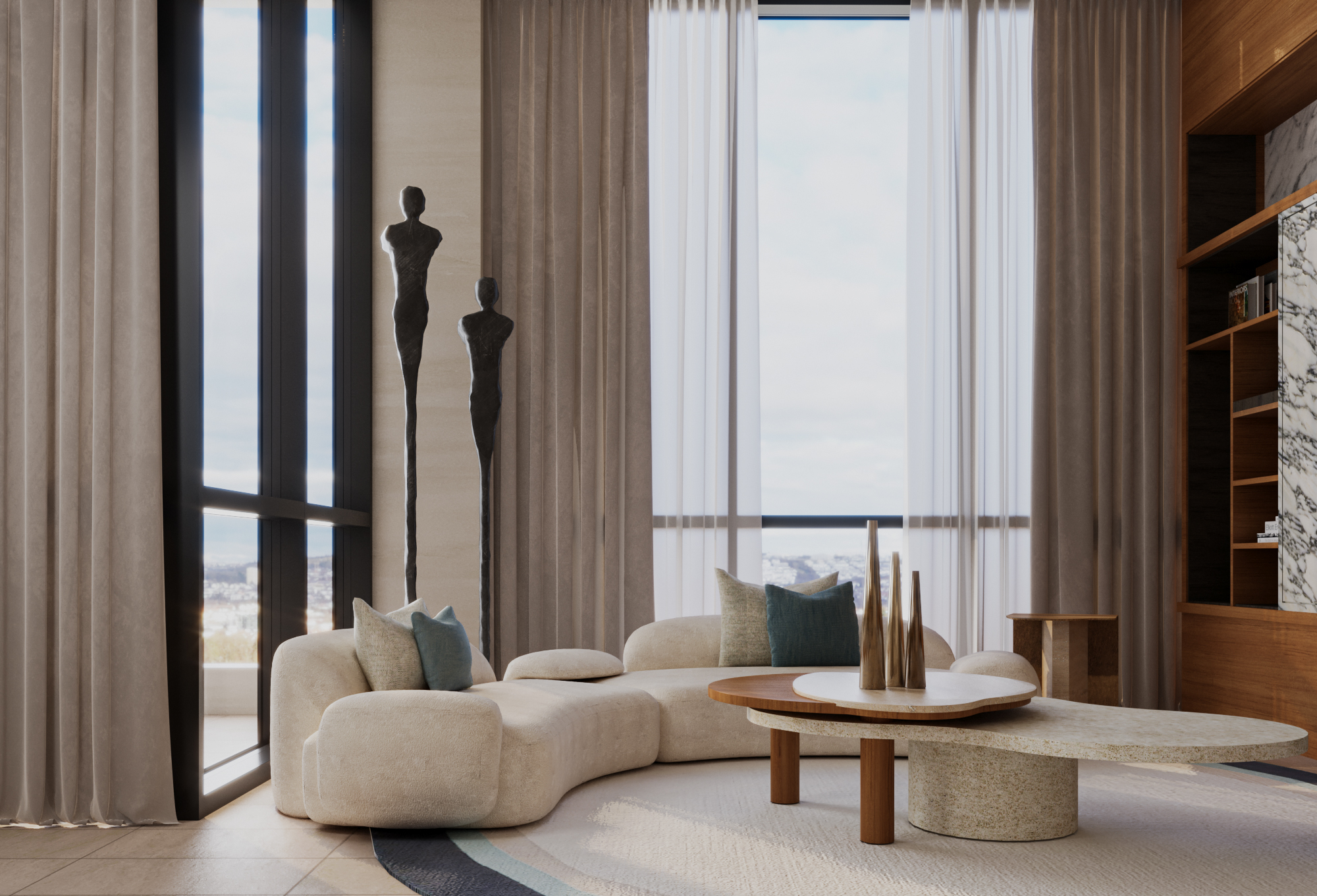
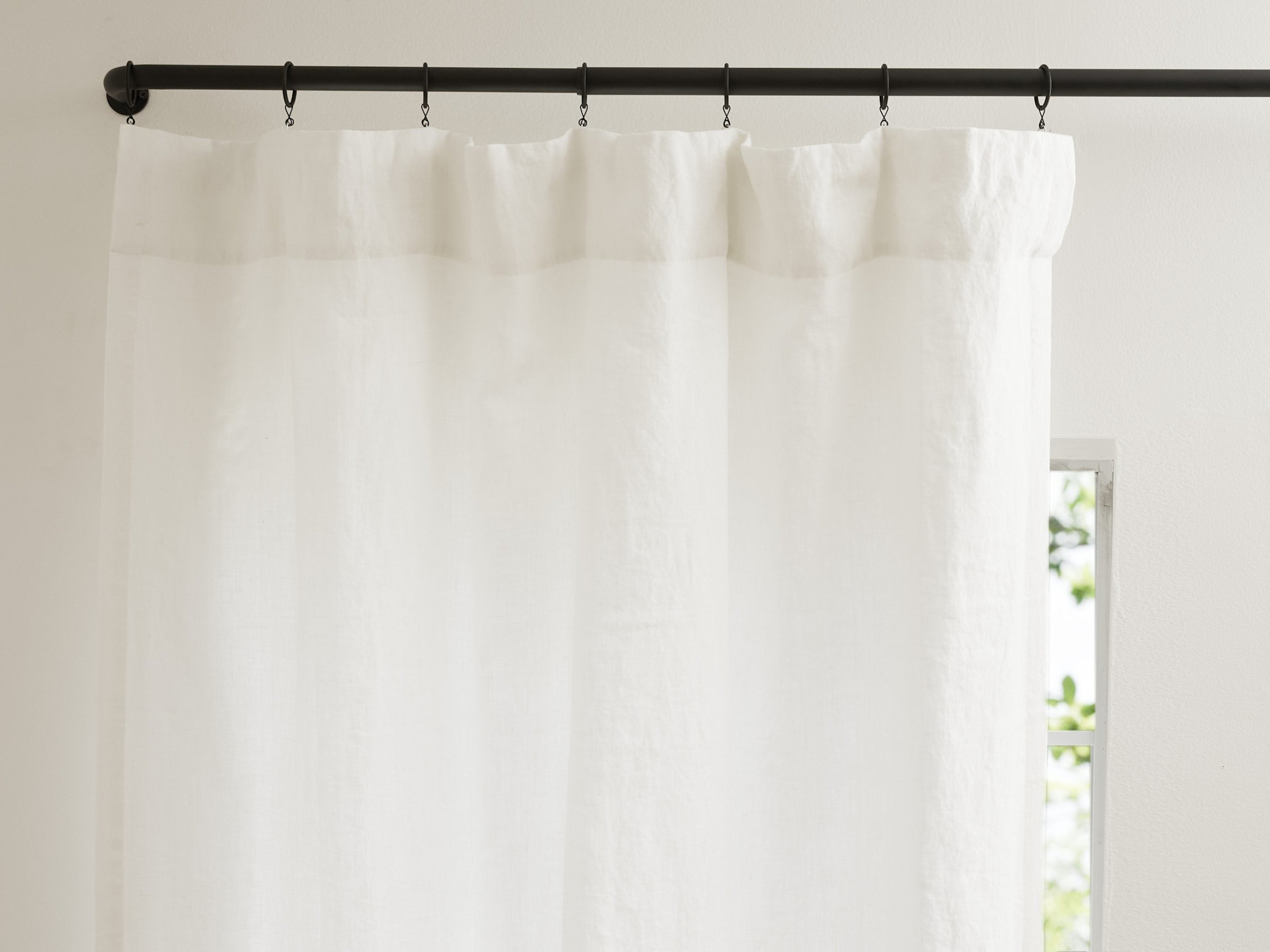
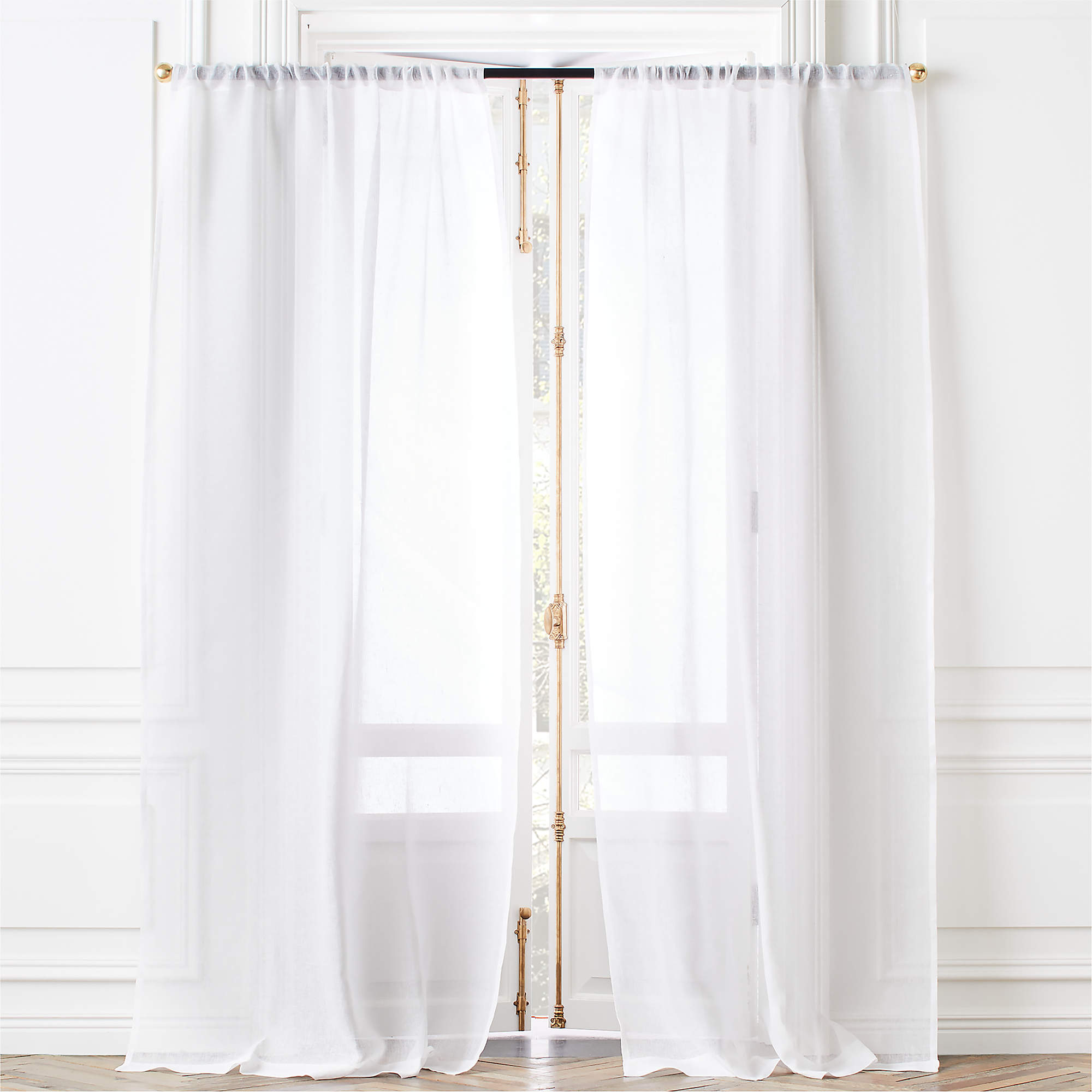
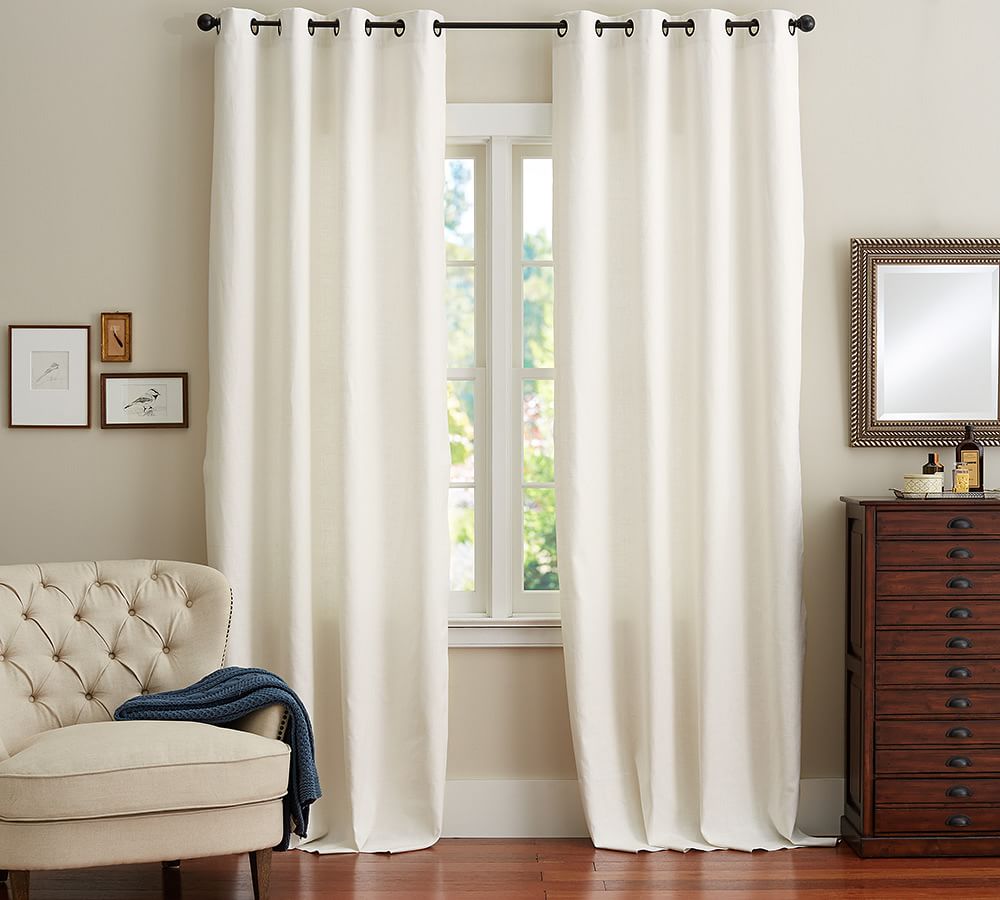
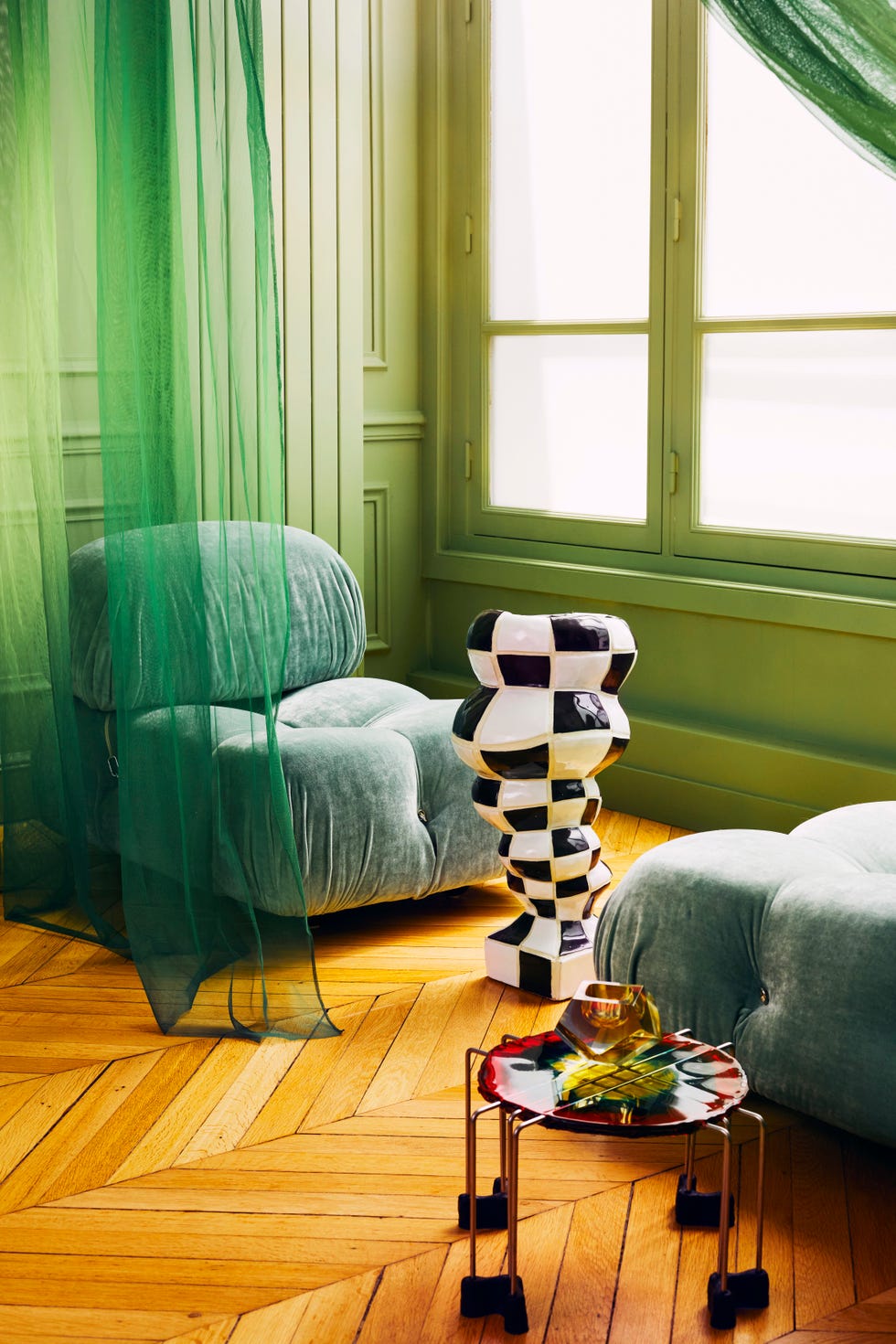
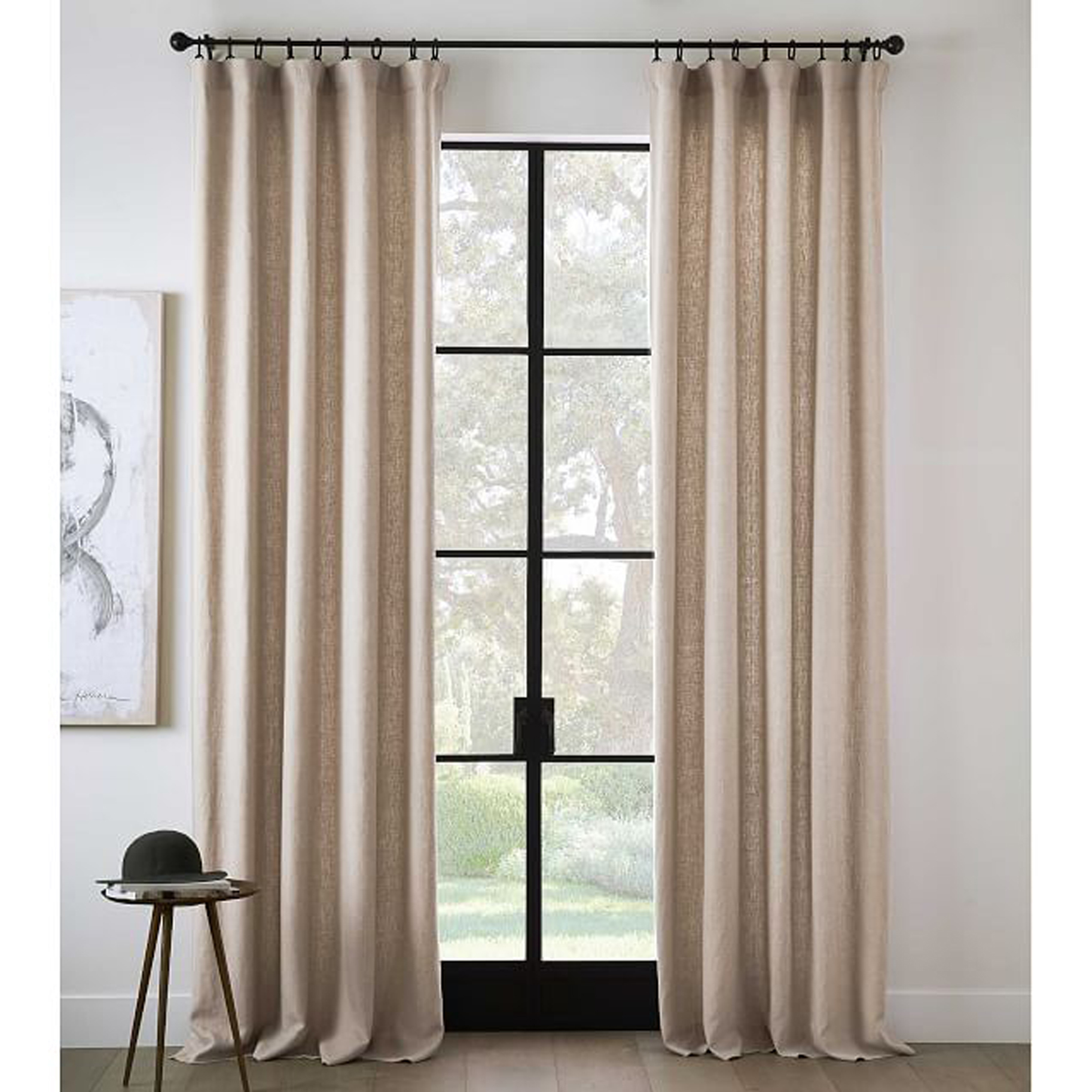
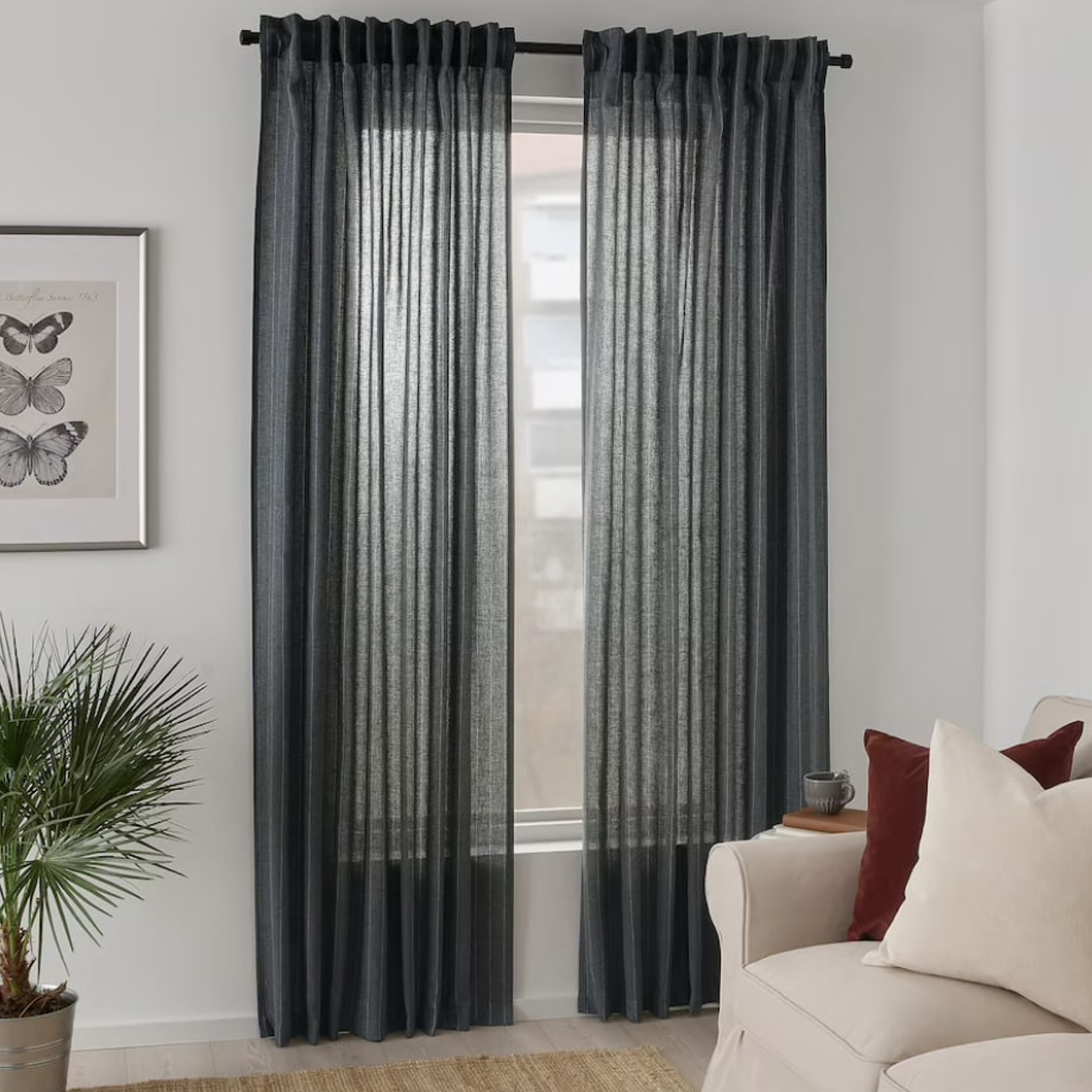
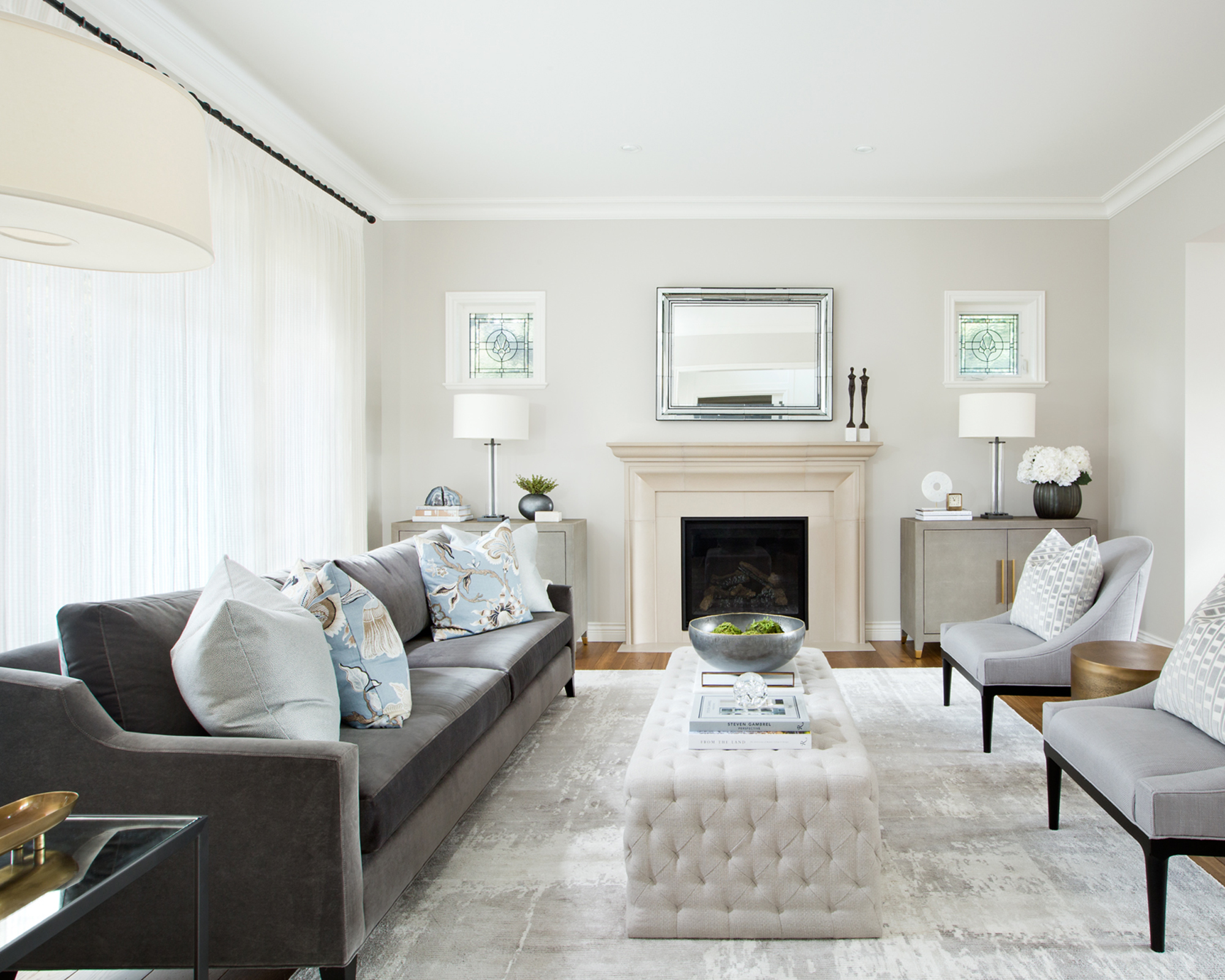
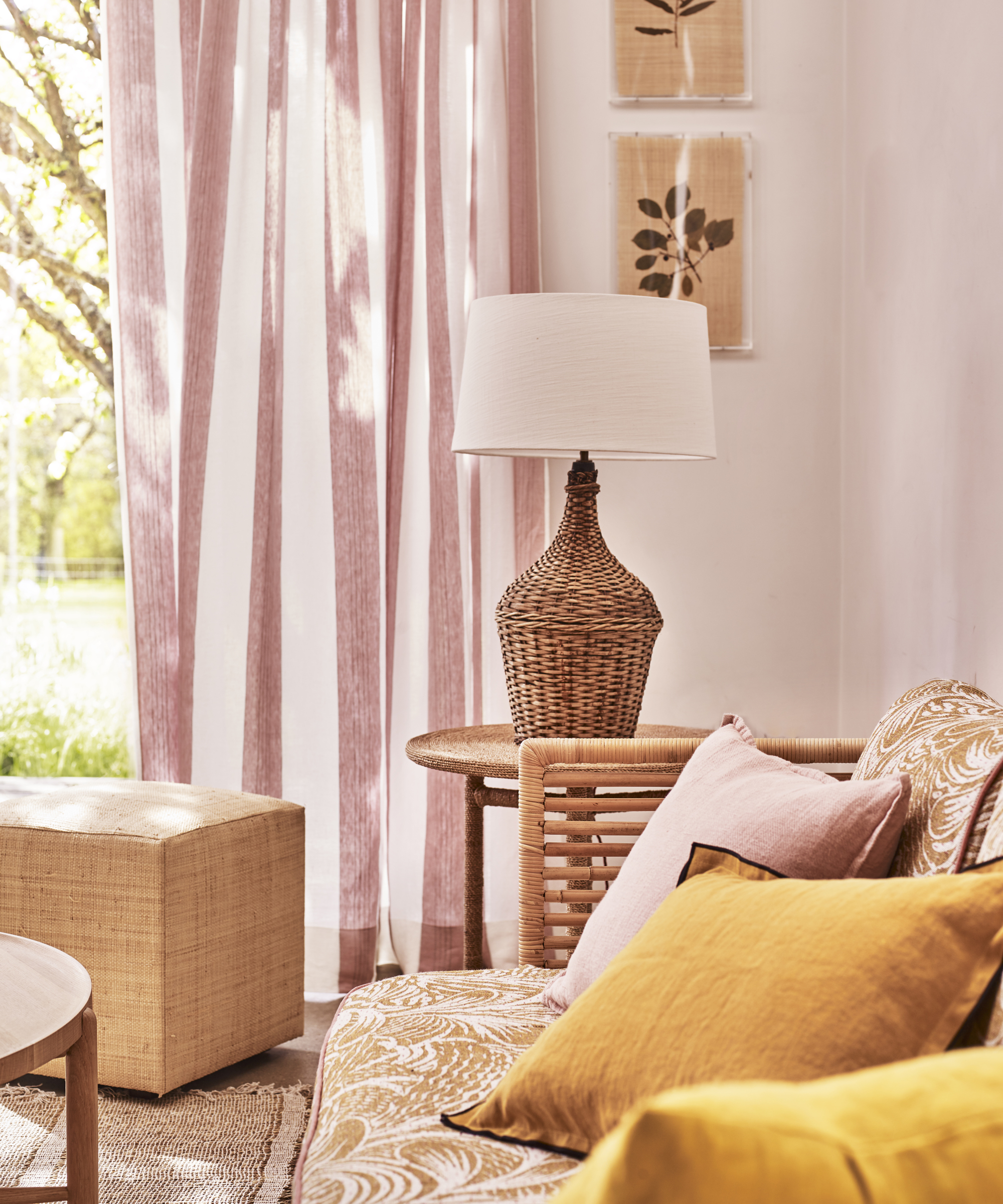
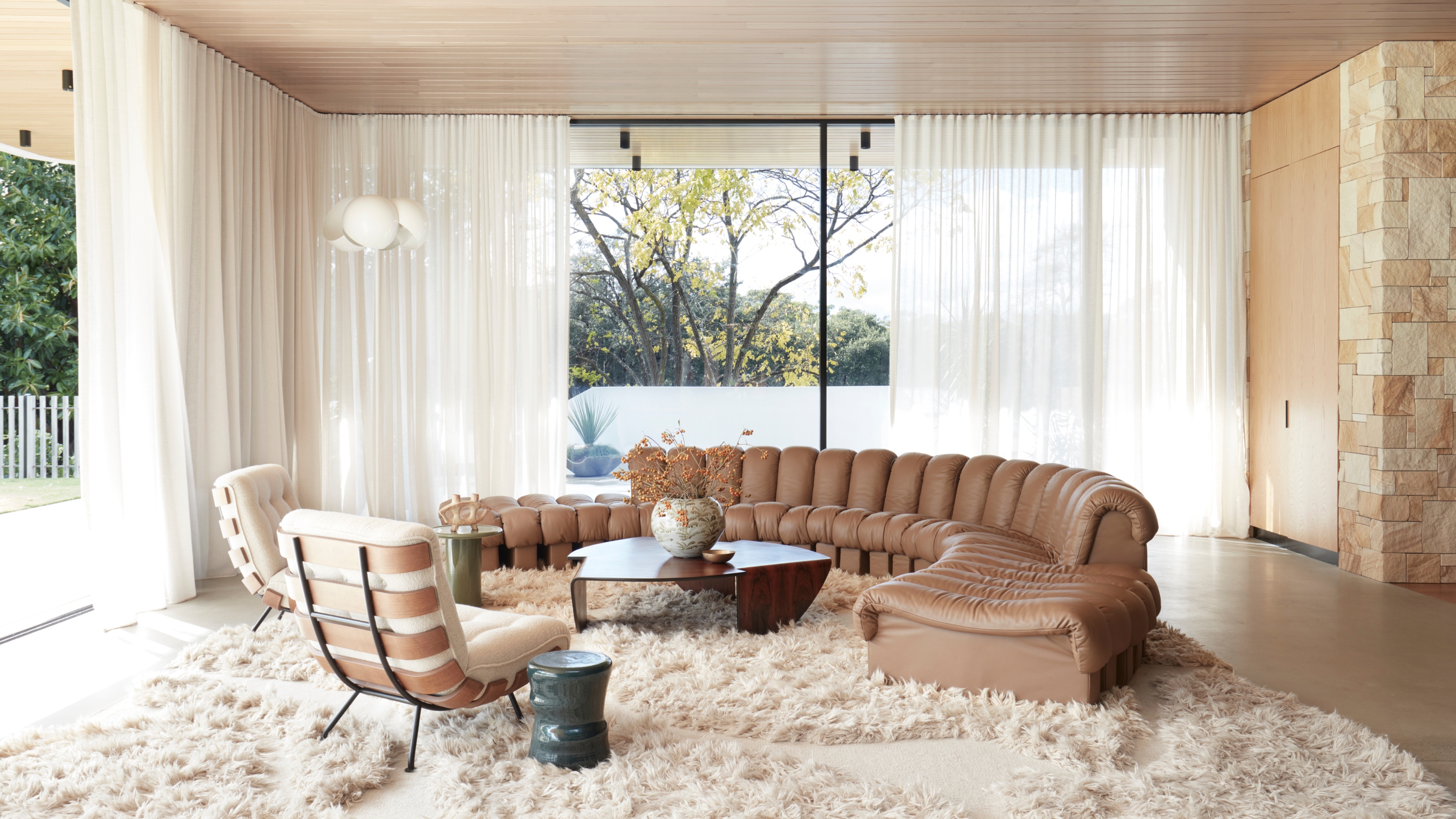
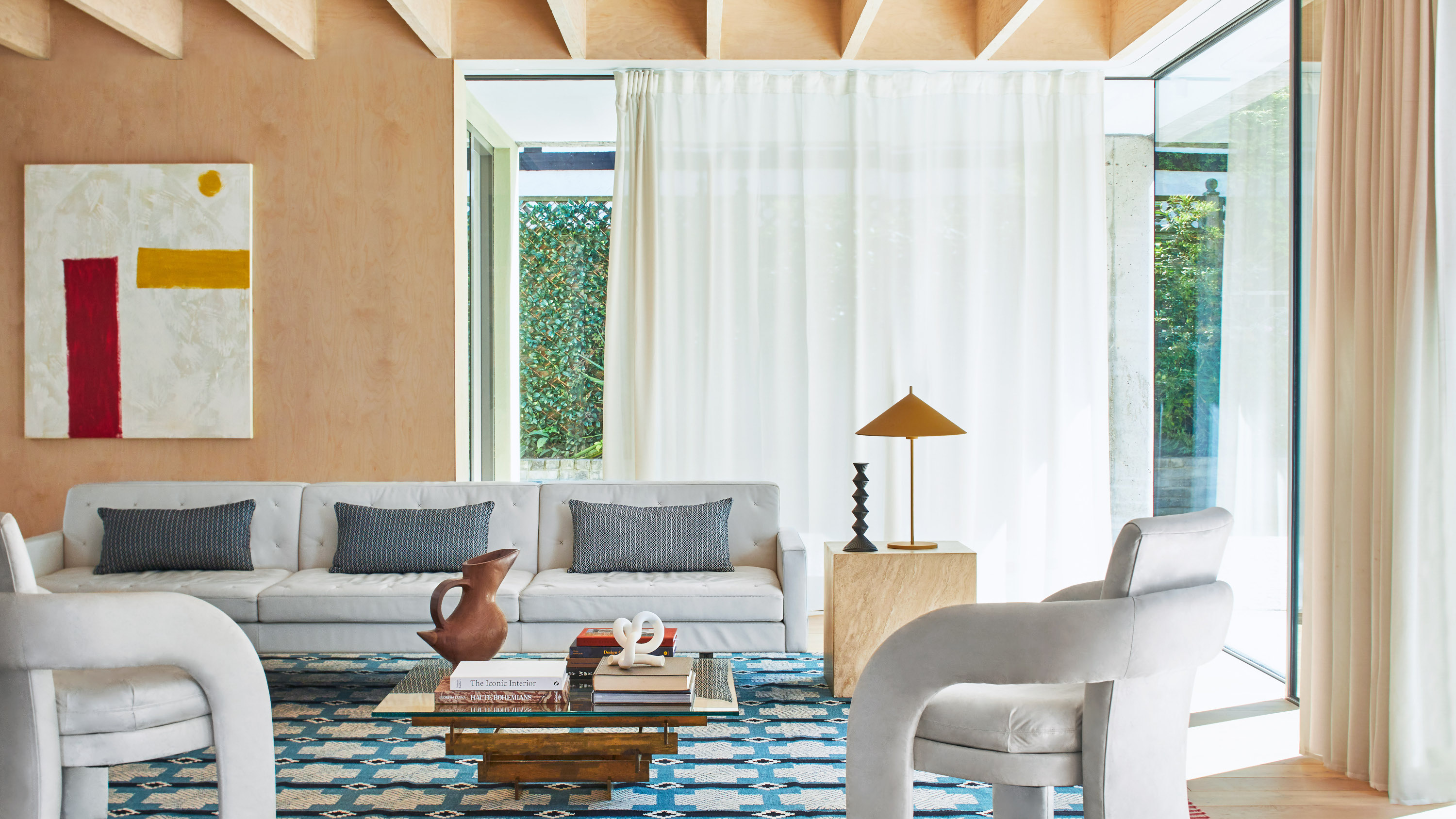
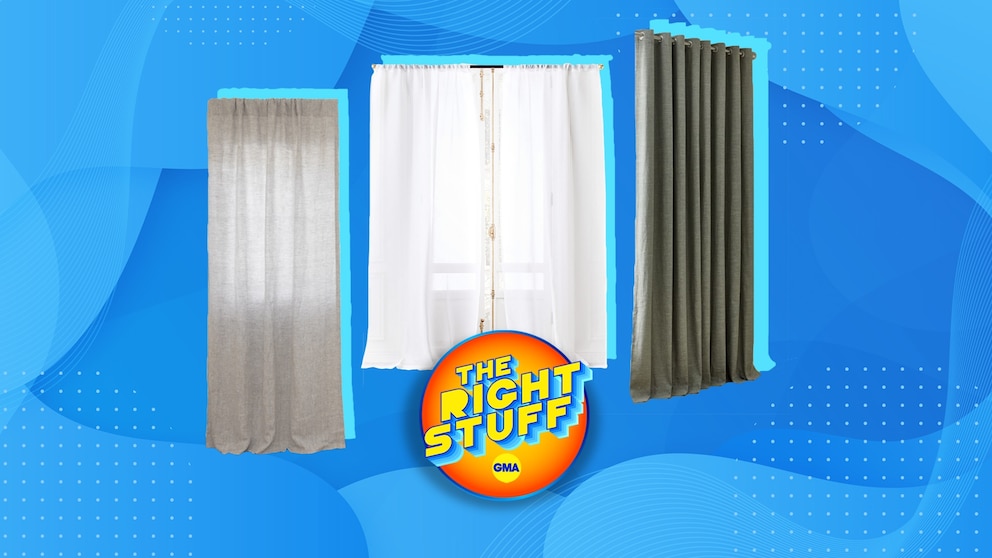
Sheer panels provide privacy without sacrificing natural light, creating an airy ambiance. Often made from linen, these curtains are light and bright, and when hung floor-to-ceiling, they can make a room appear taller and larger. Another option balancing sunlight and privacy is the café curtain, which hangs from the mid-section of the window to the sill. This style offers a simple, clean, and elegant choice, particularly suitable for bathrooms where they provide necessary privacy while allowing ample natural light and adding softness.
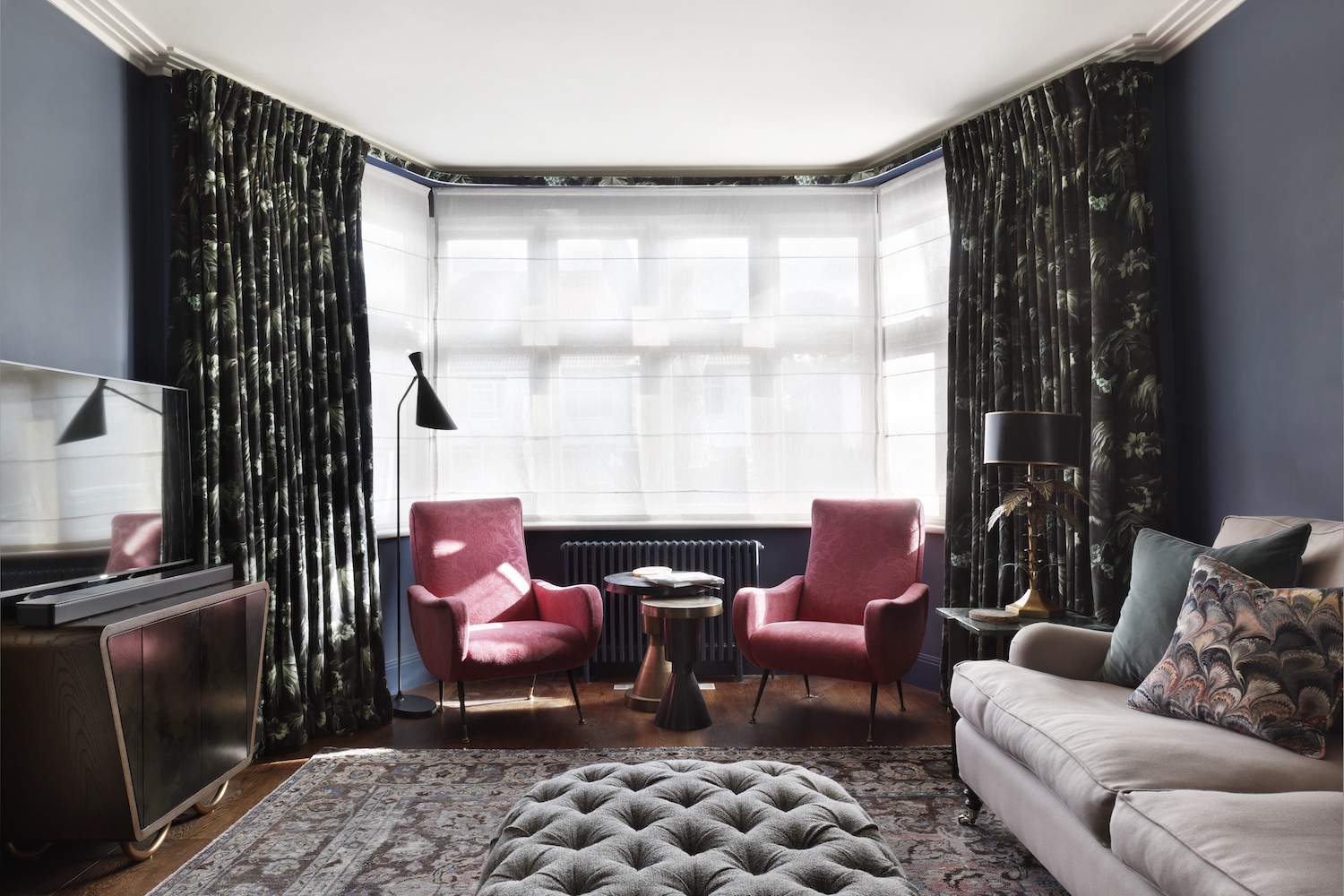
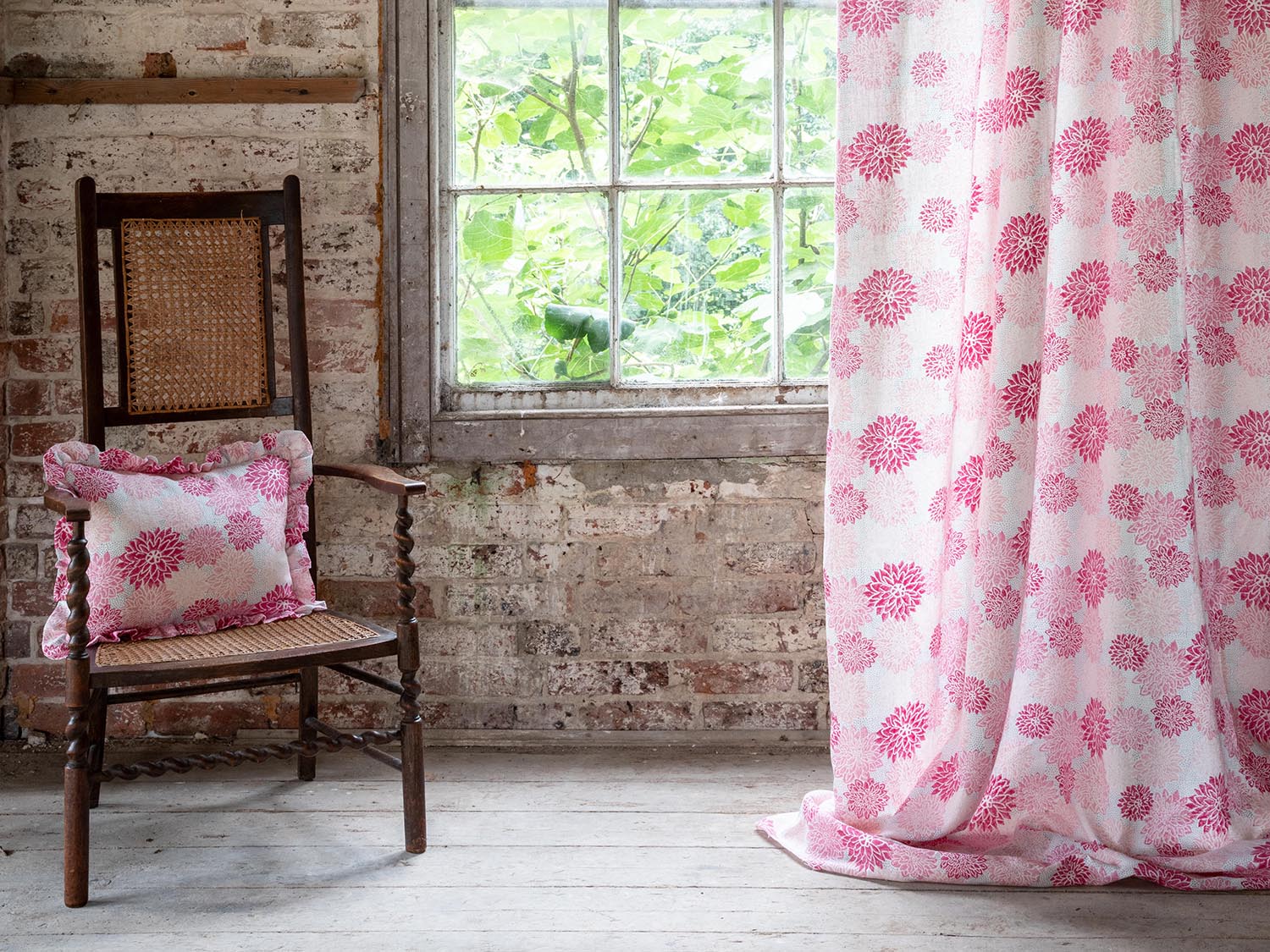
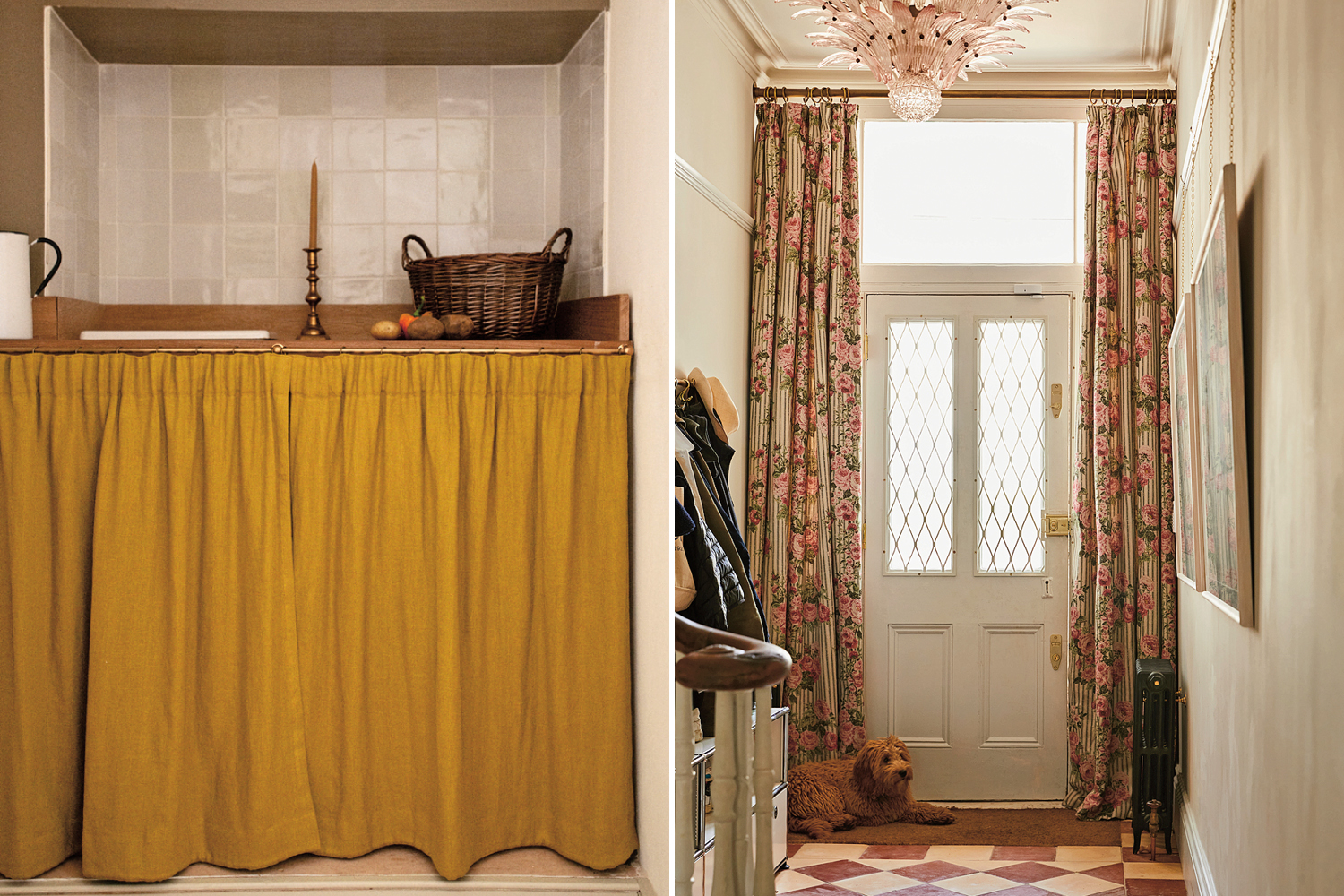
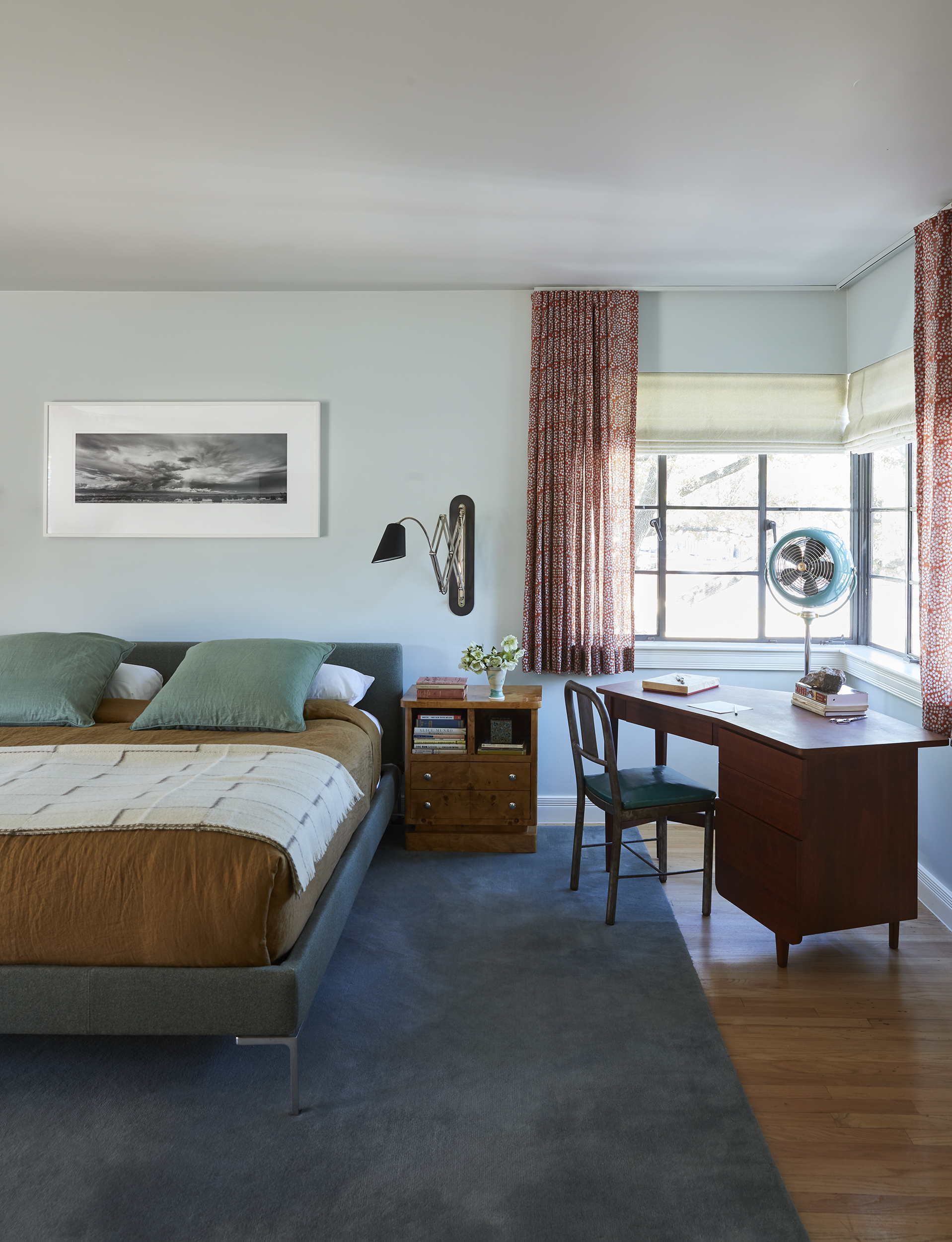
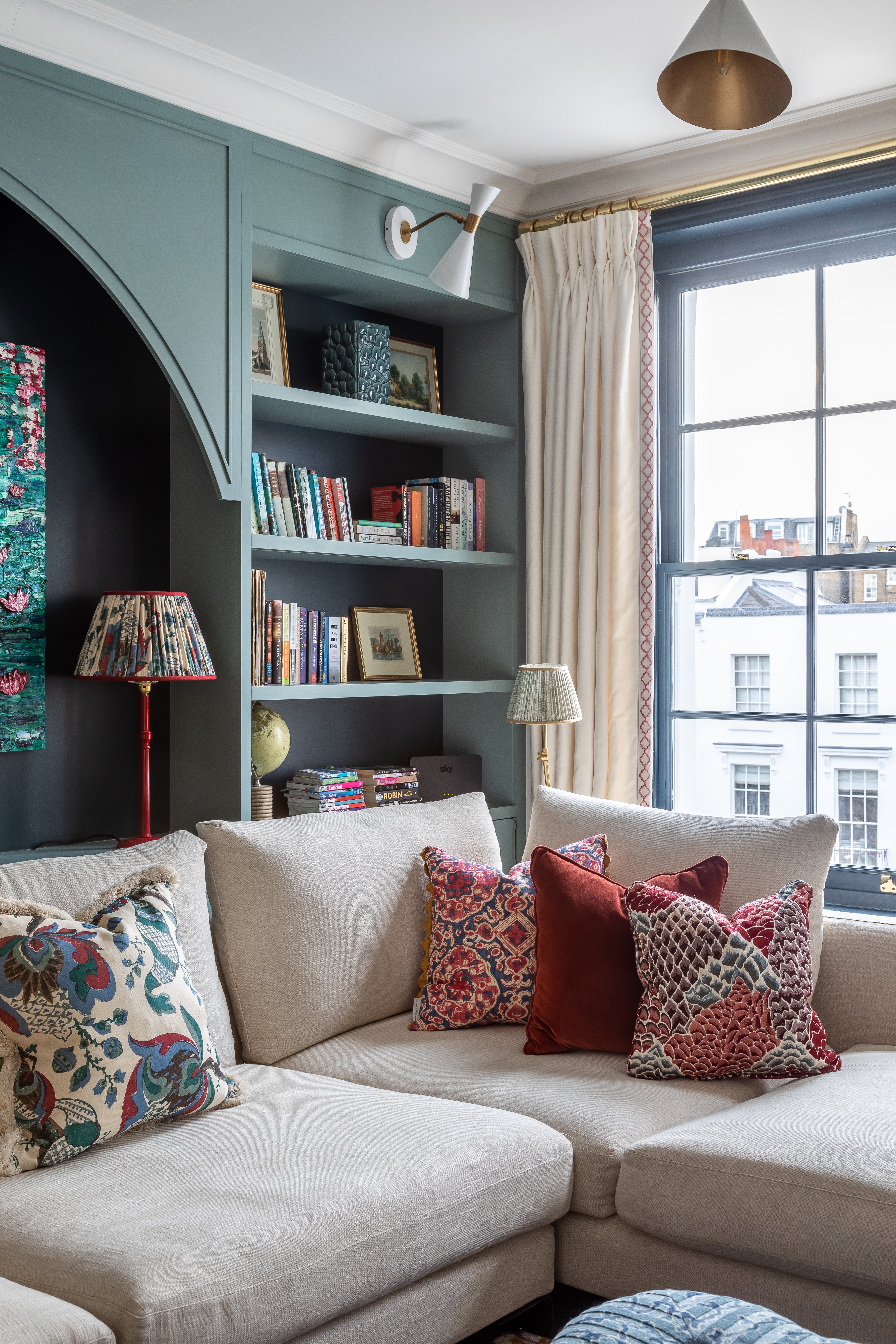
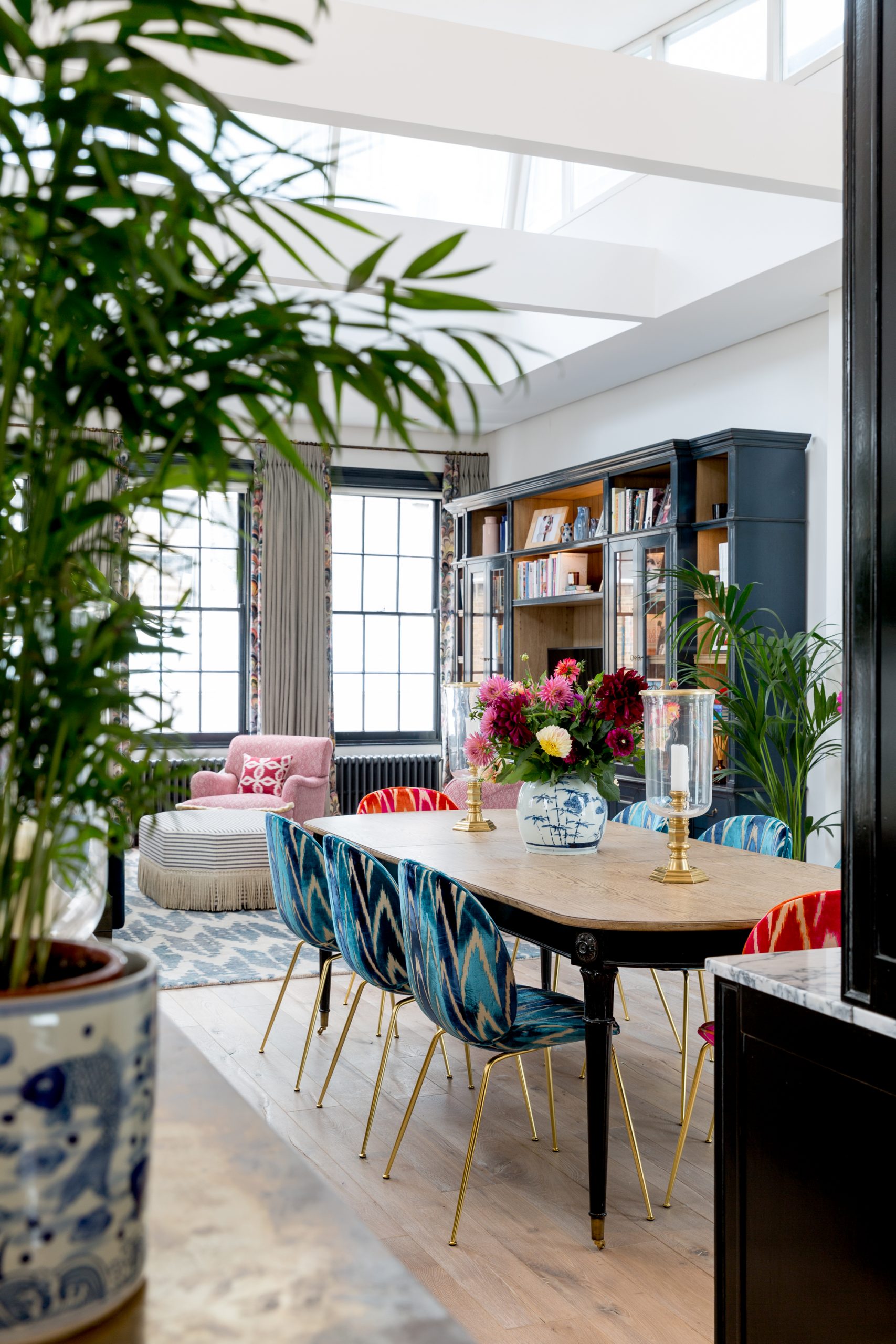
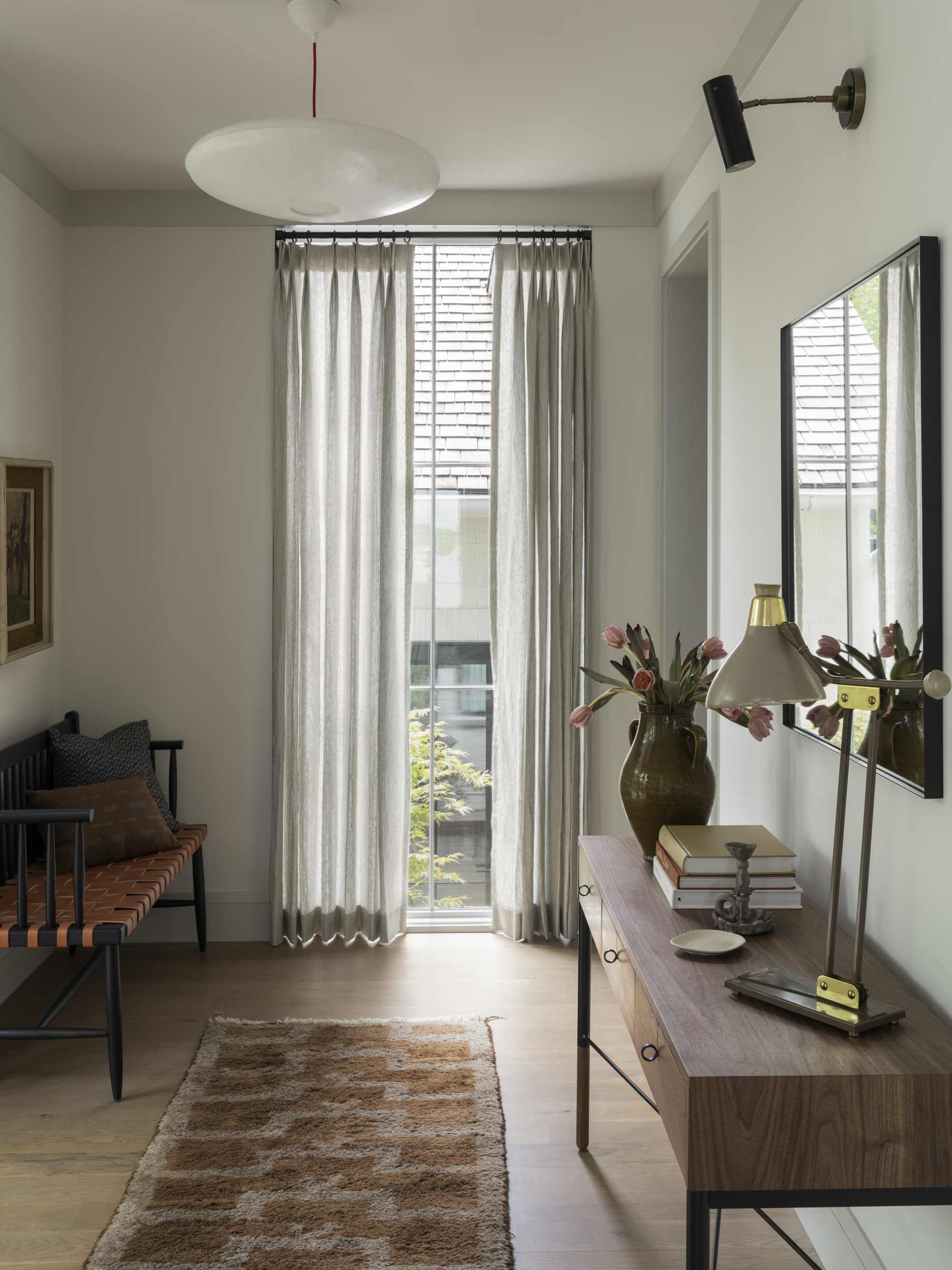
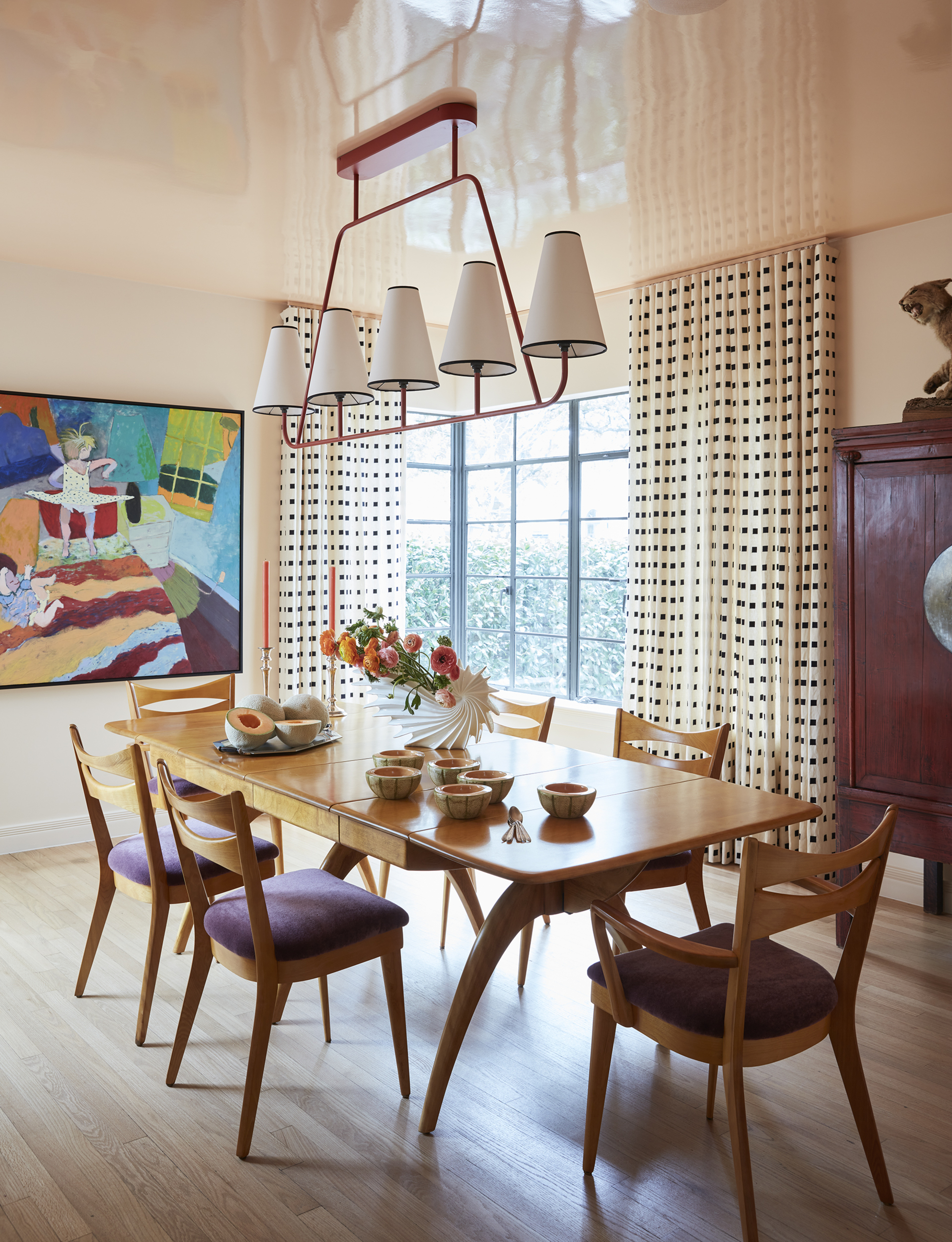
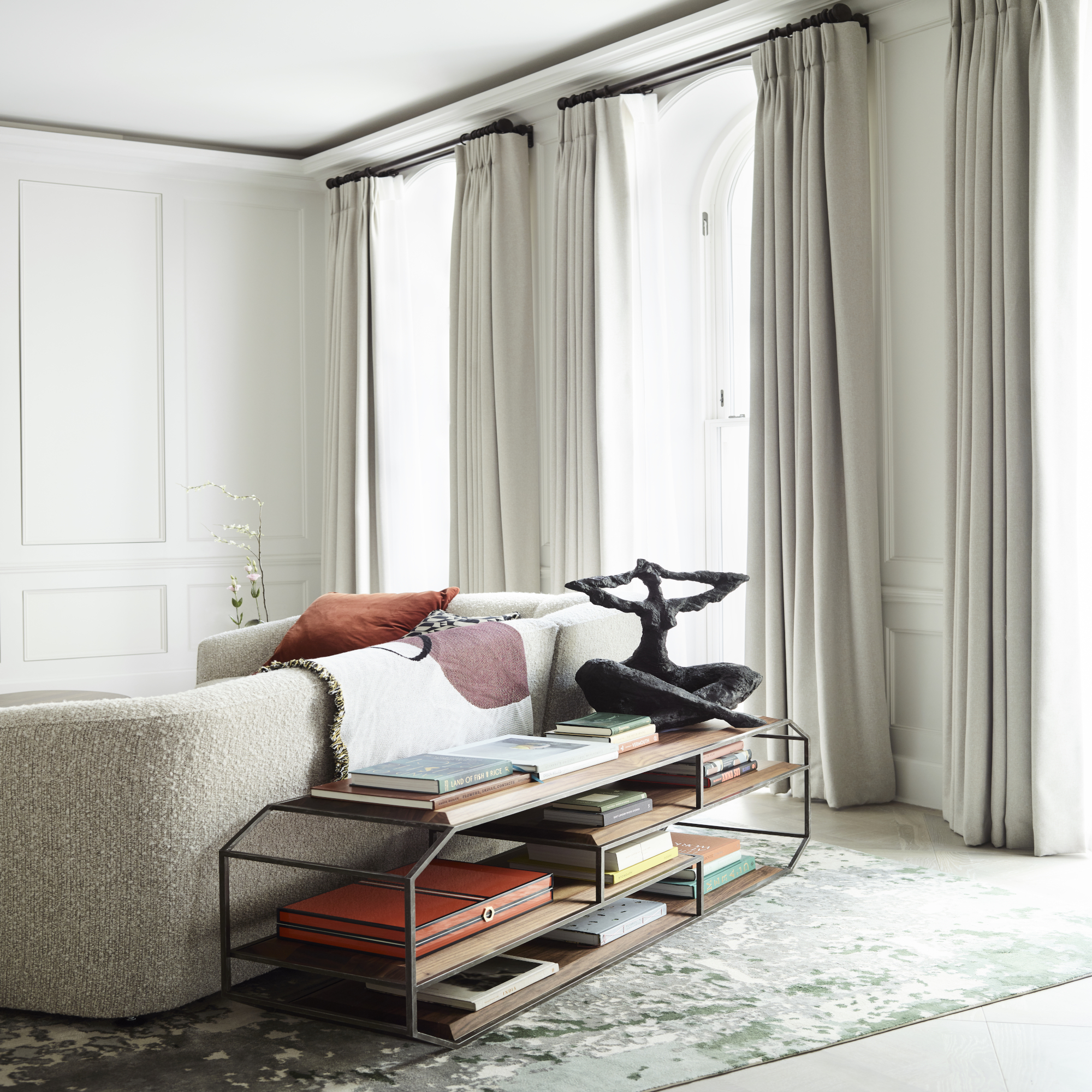
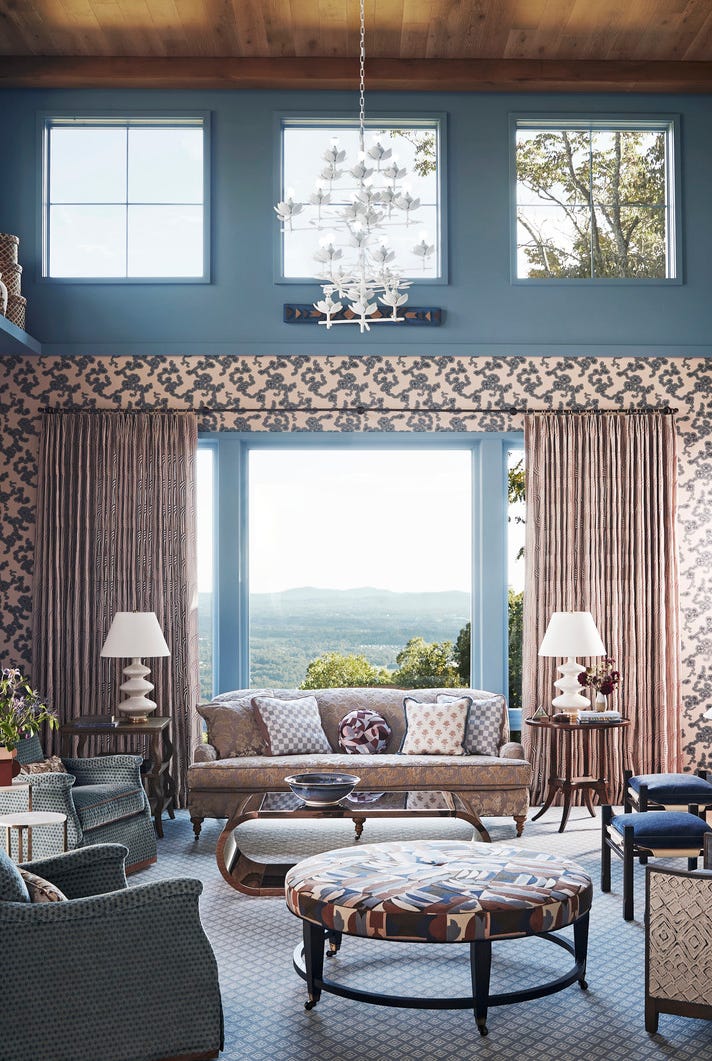
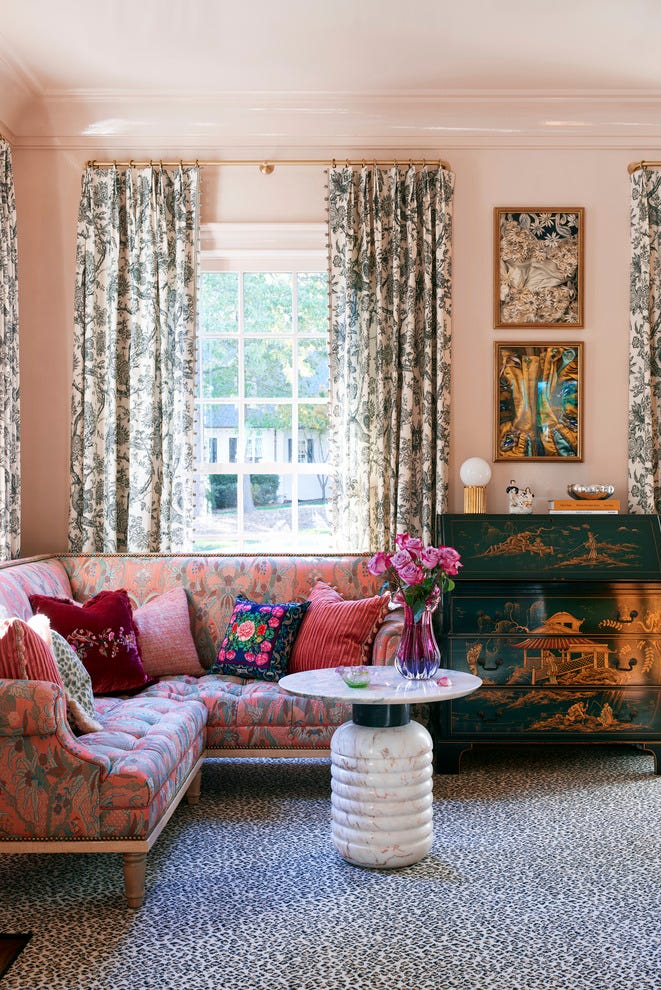
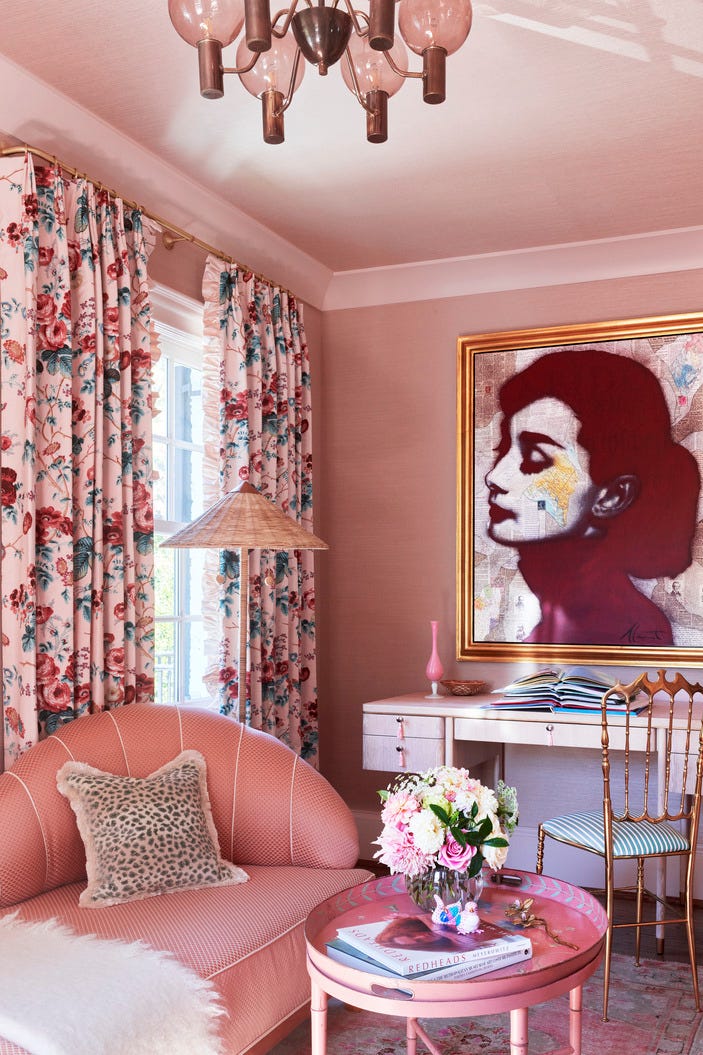
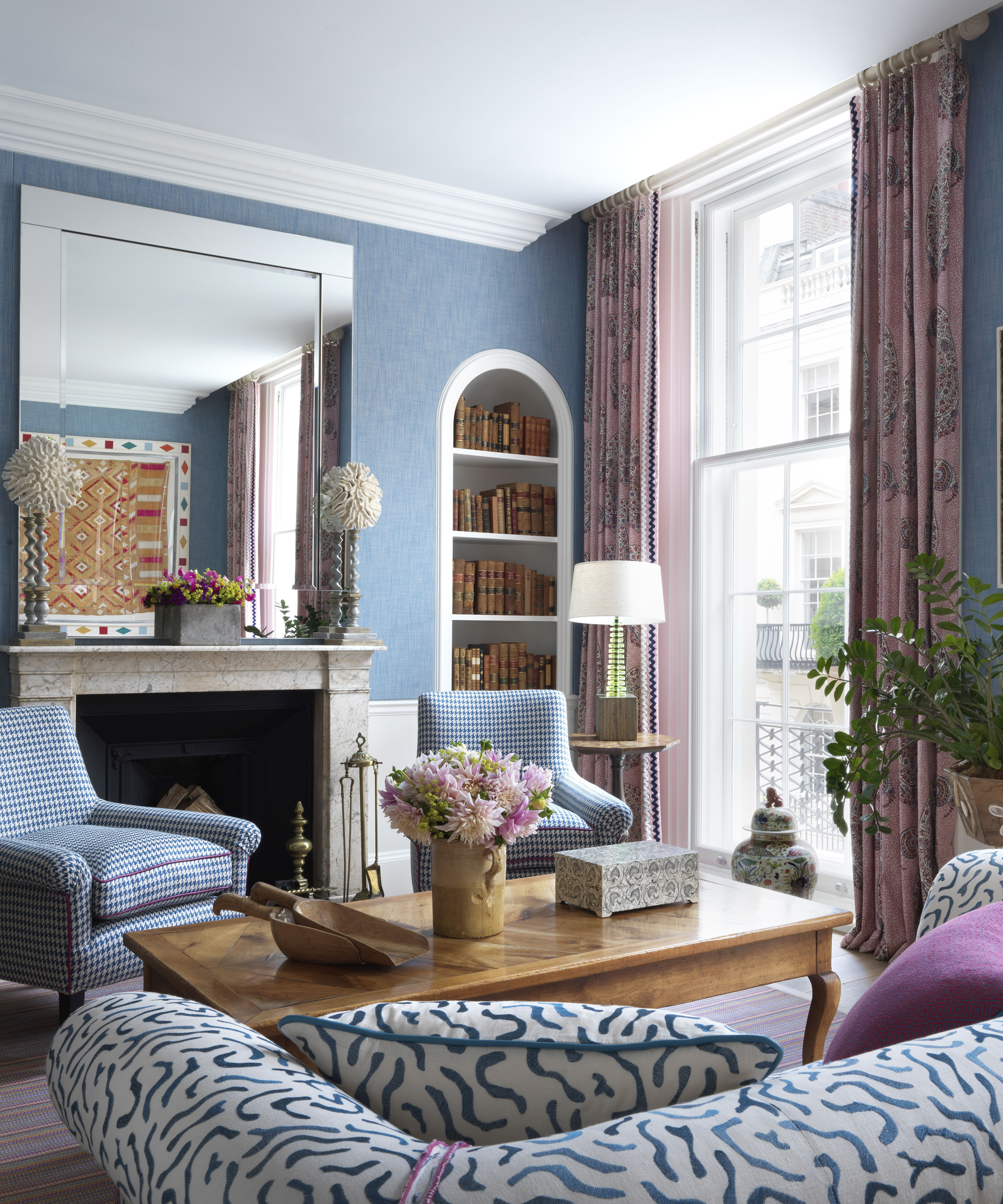
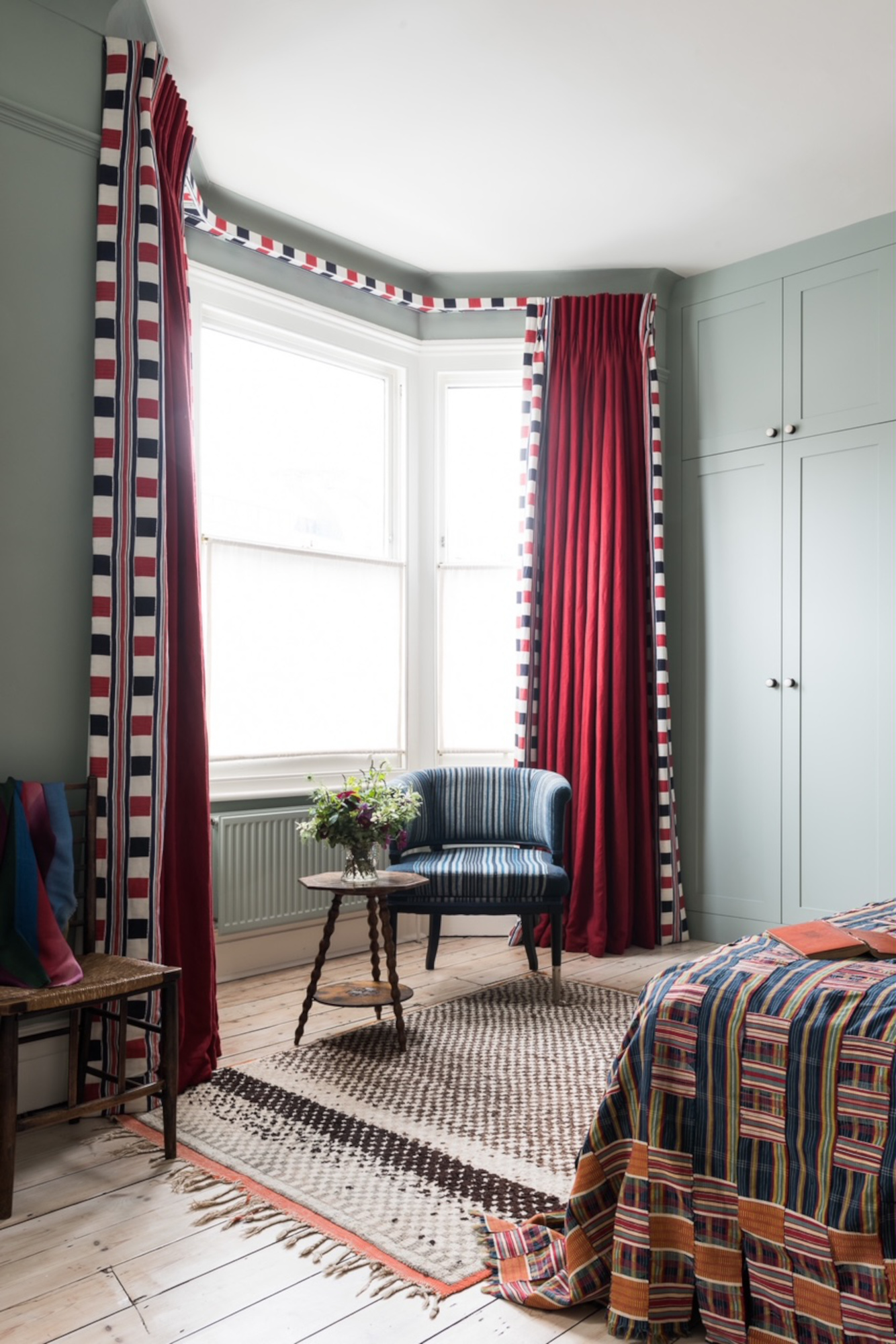
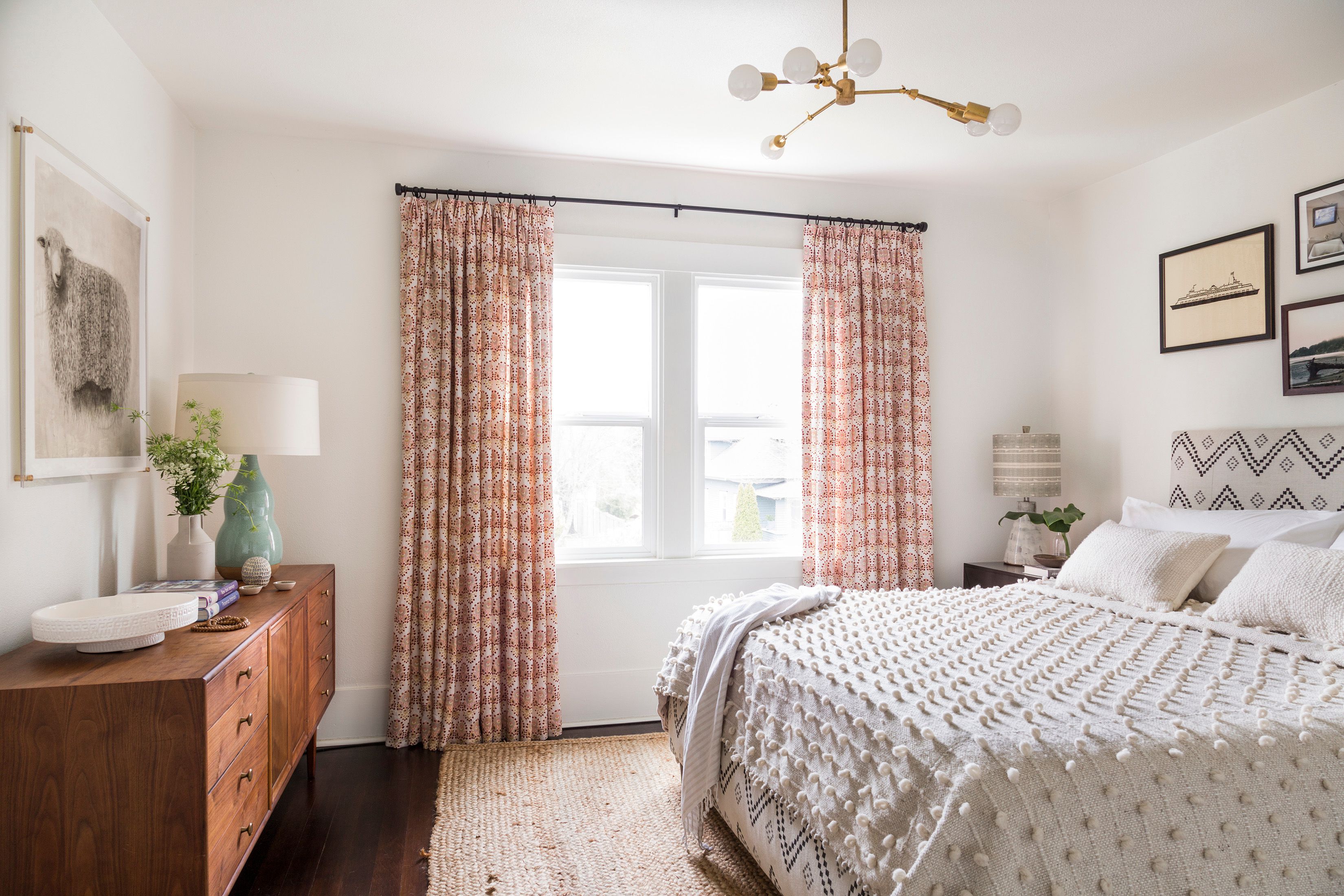
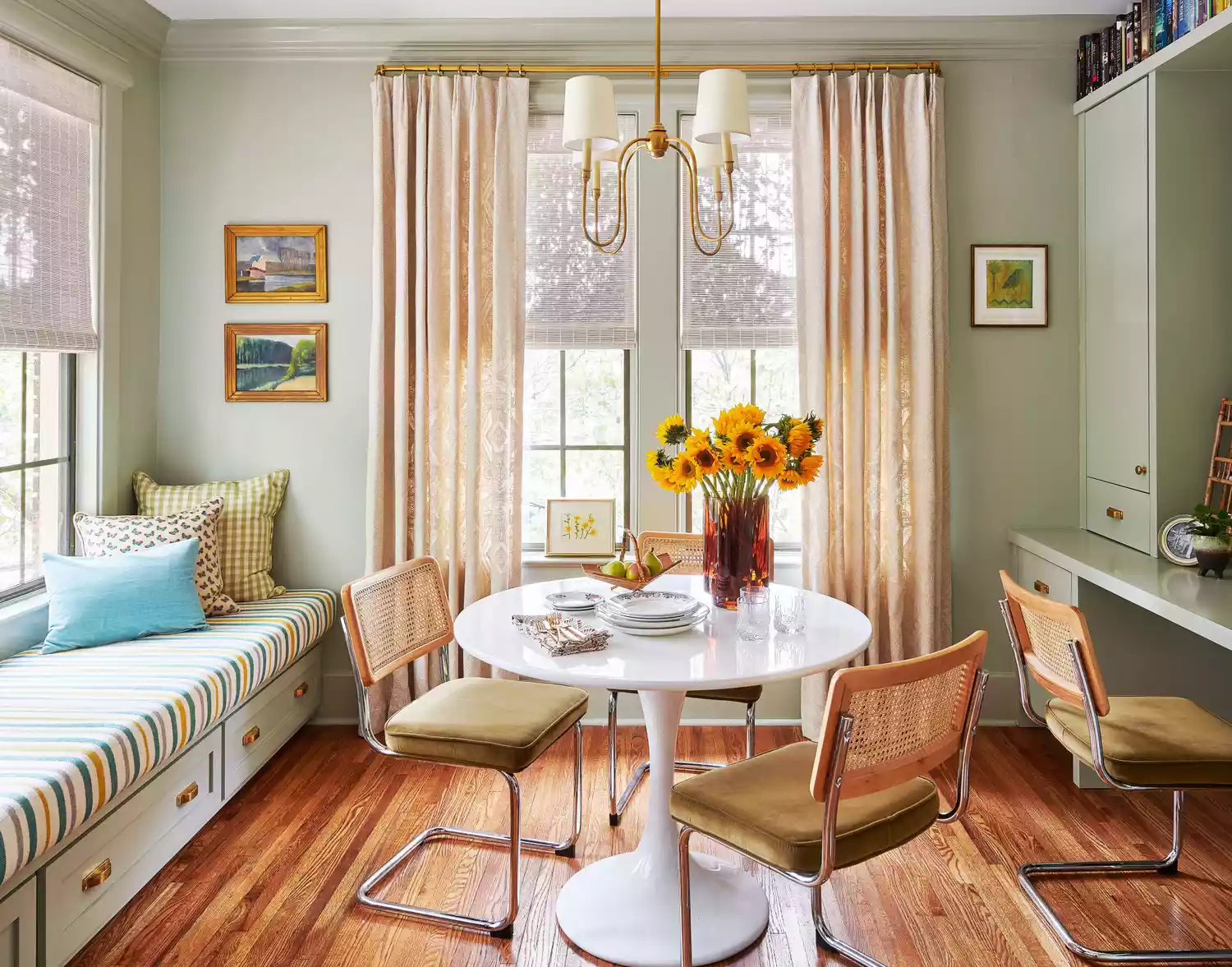
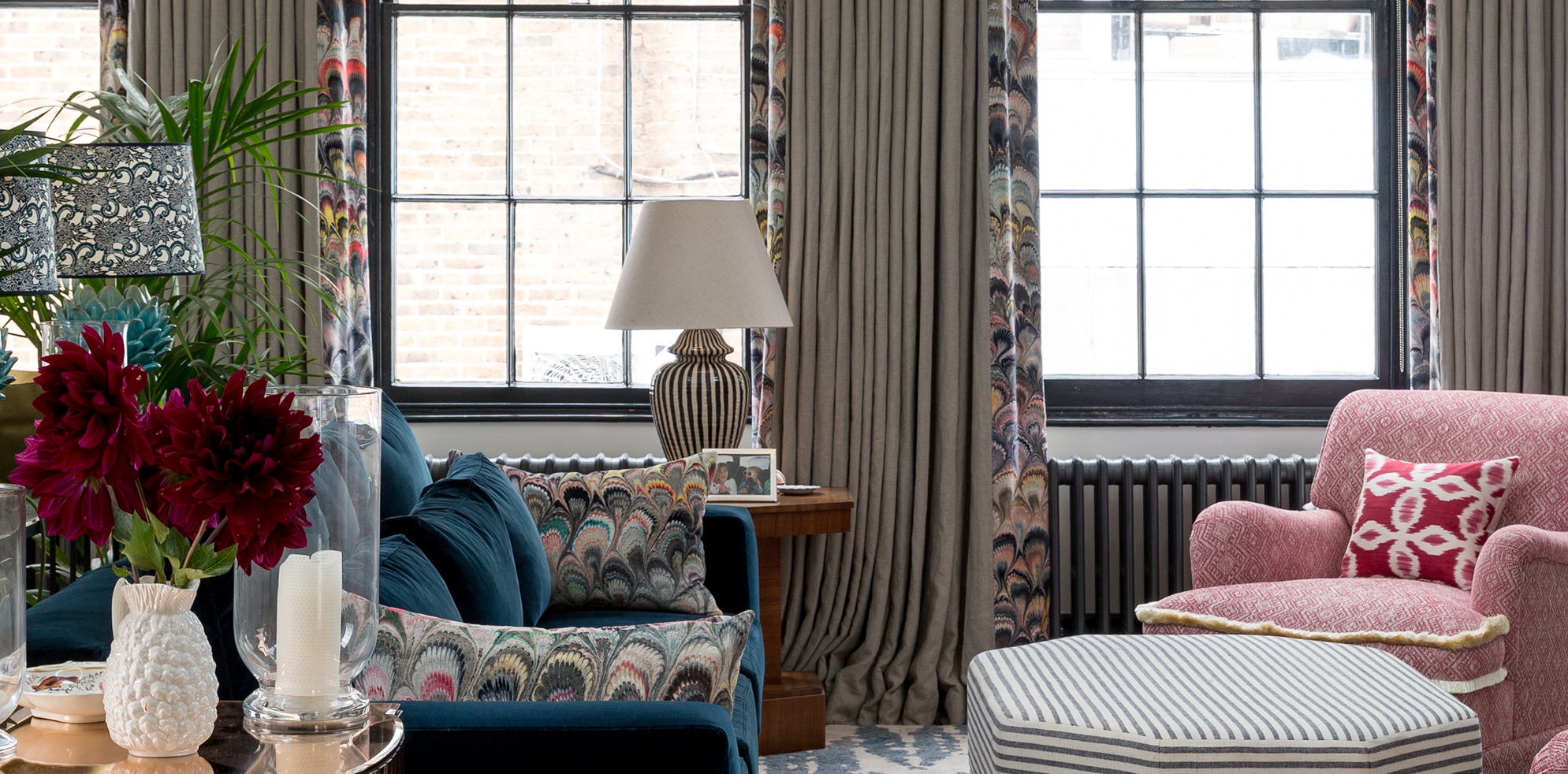
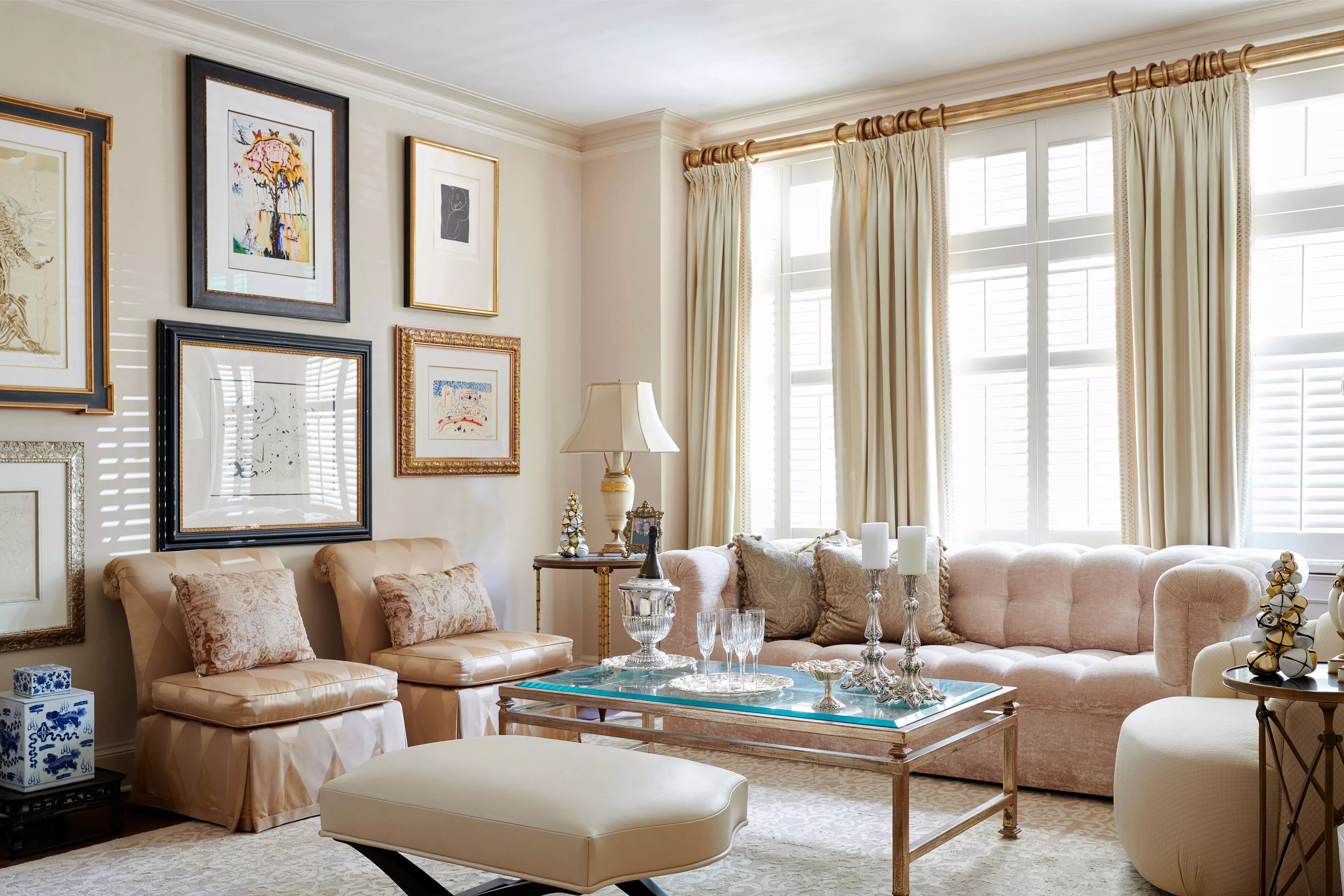
Pinch-pleat curtains offer a thoughtful and tailored finish with sweet stitching at the top, creating a simple pleat. This traditional style adds warmth and layers to a room and can effectively balance subtlety and a statement, especially when using patterned fabrics. Similarly, Euro-pleated drapes feature a stitched, three-fold pleat at the very top, pinched there but open at the bottom. This design provides an easy elegance, making it ideal for transitional spaces where a dressy yet unfussy look is desired. Its structure ensures the folds consistently fall back into place, requiring minimal arrangement.
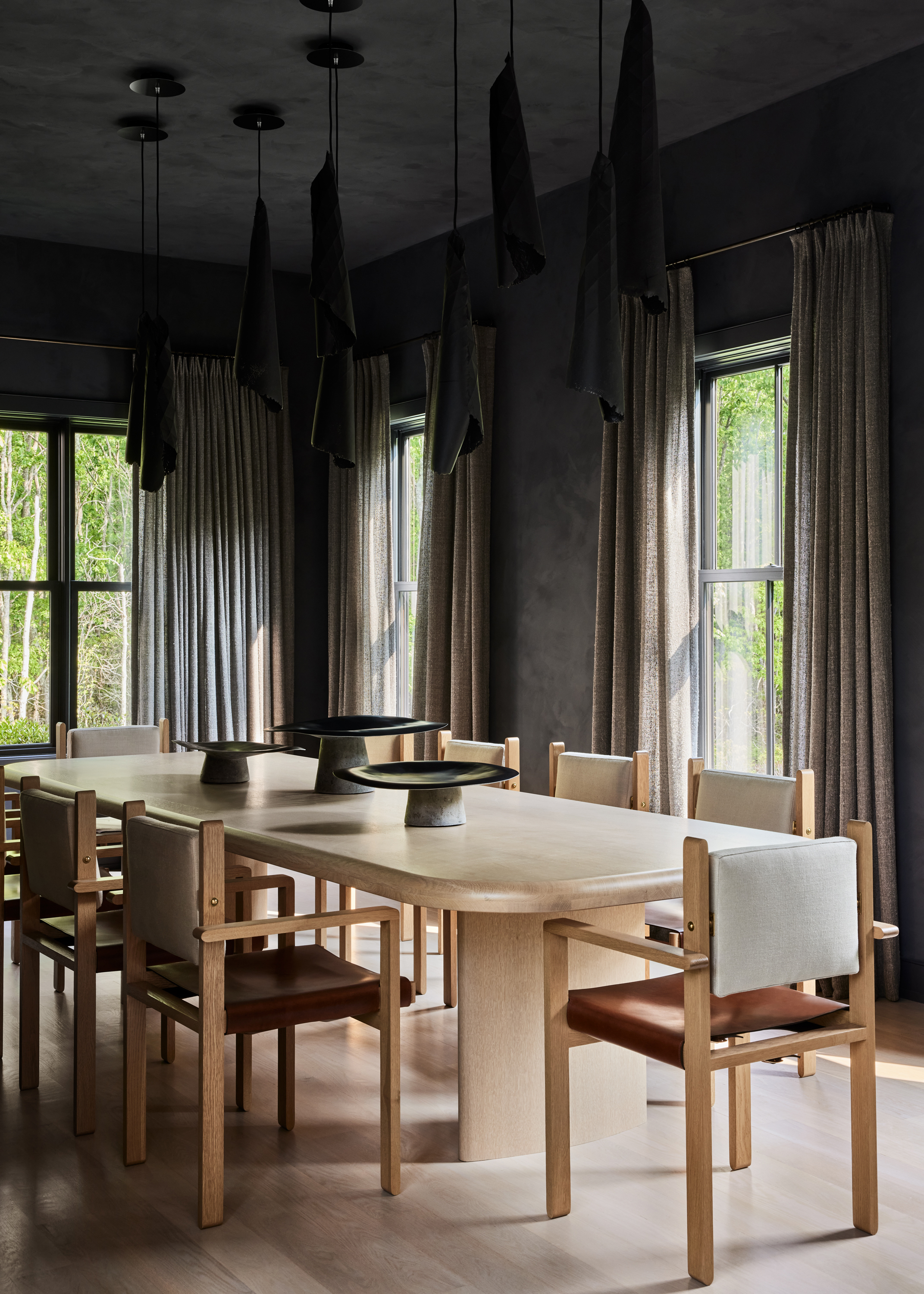


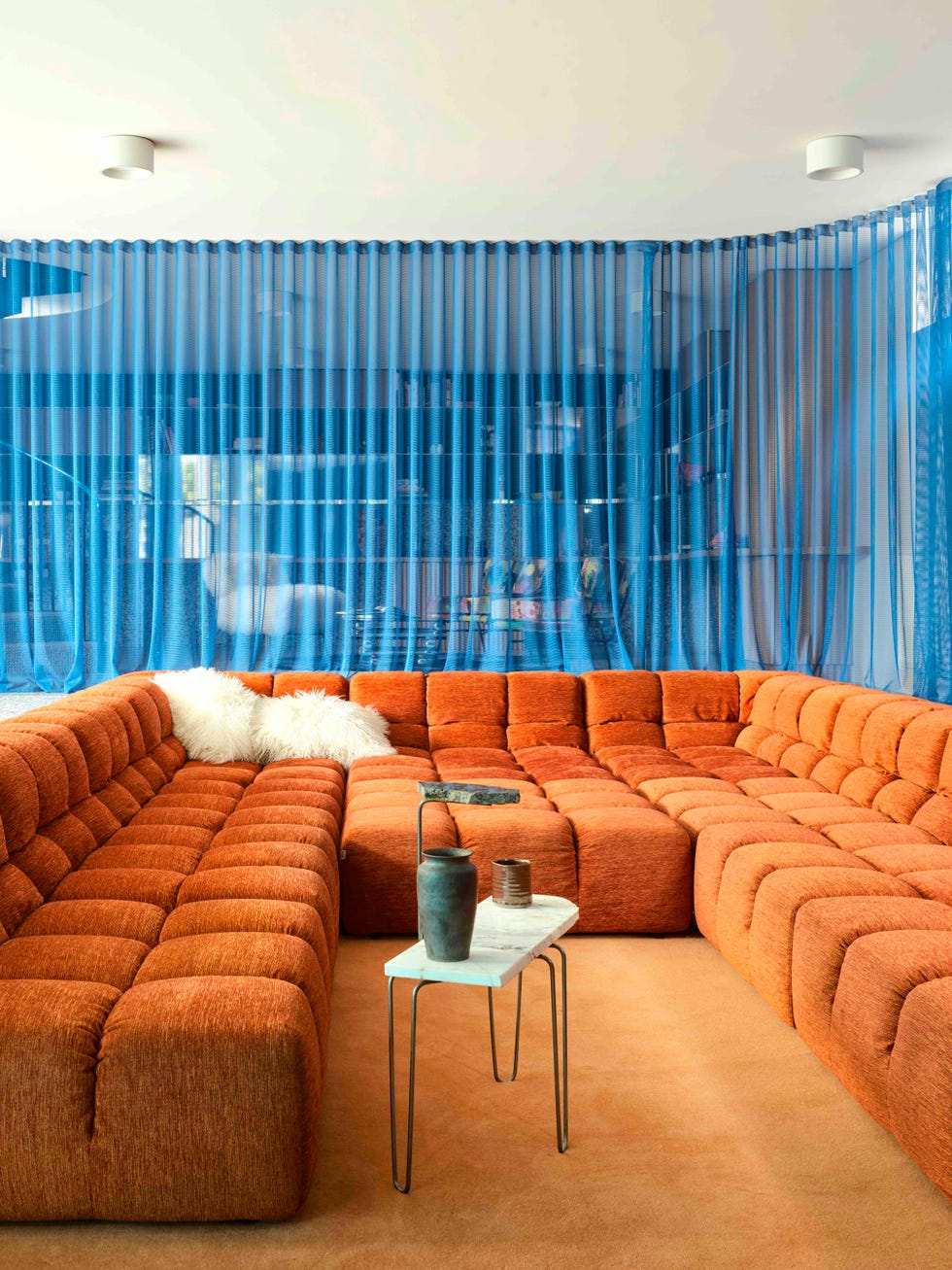
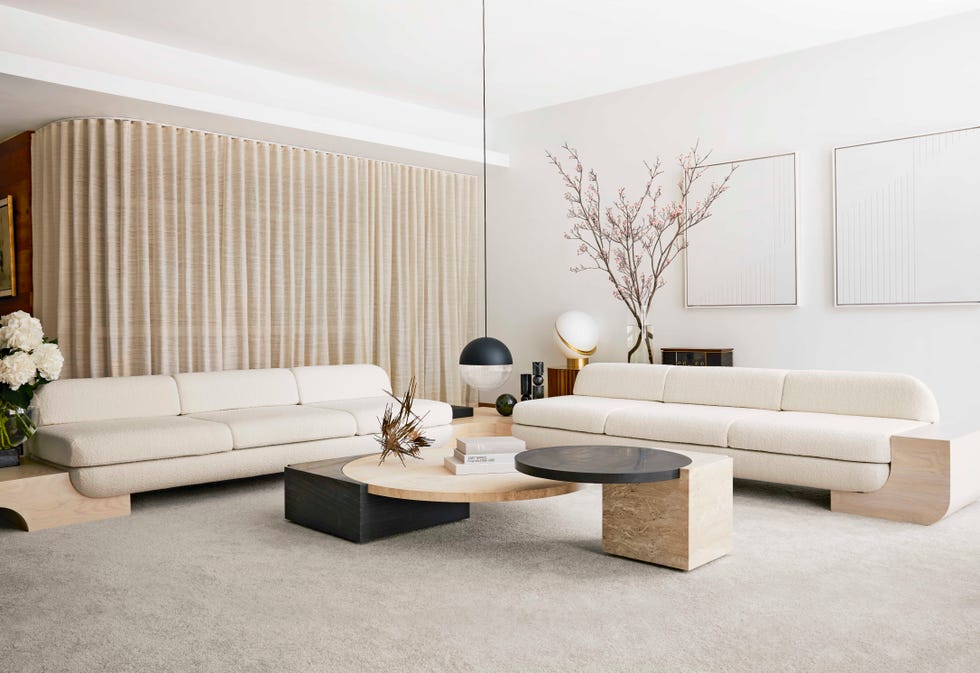
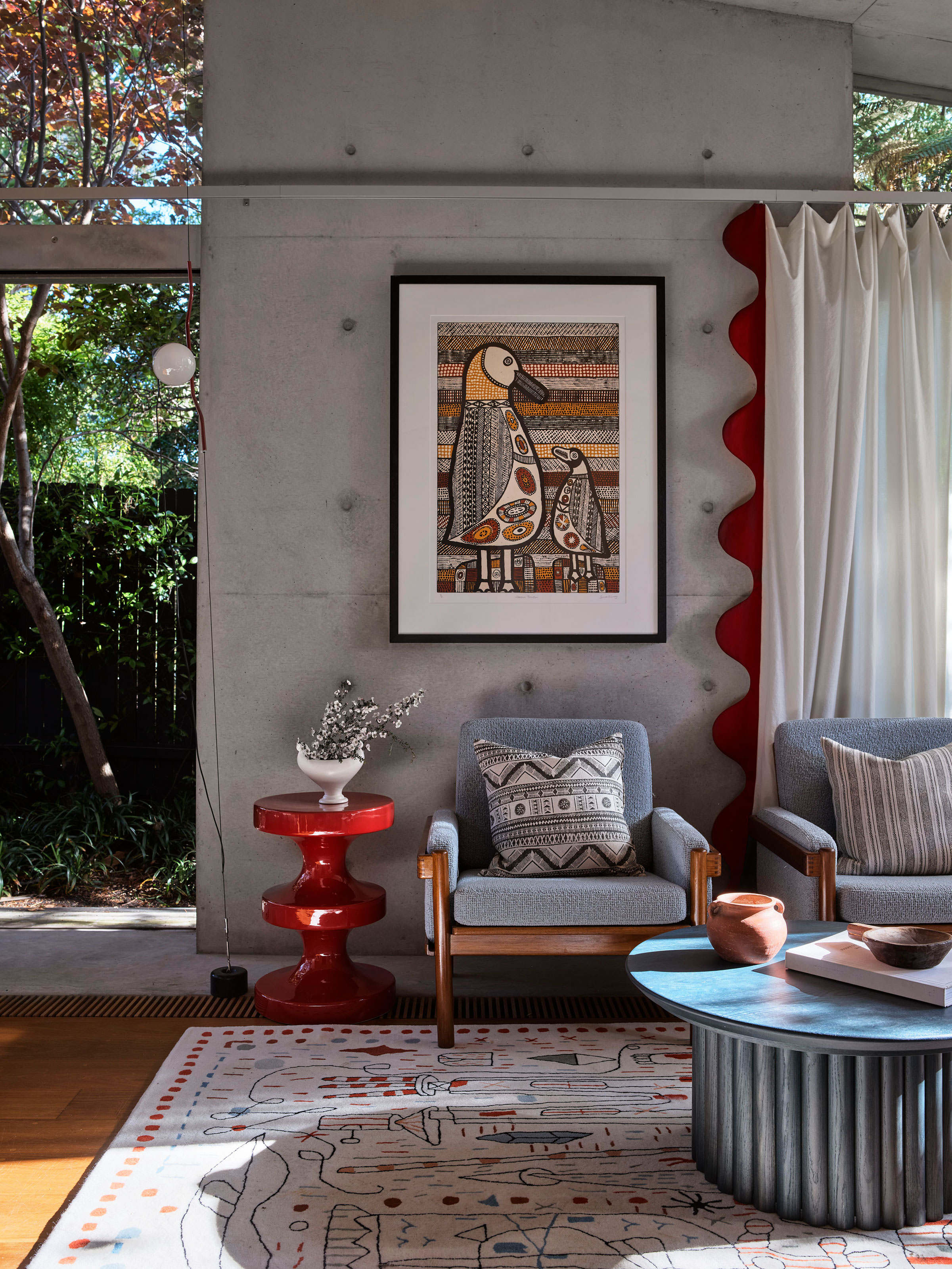
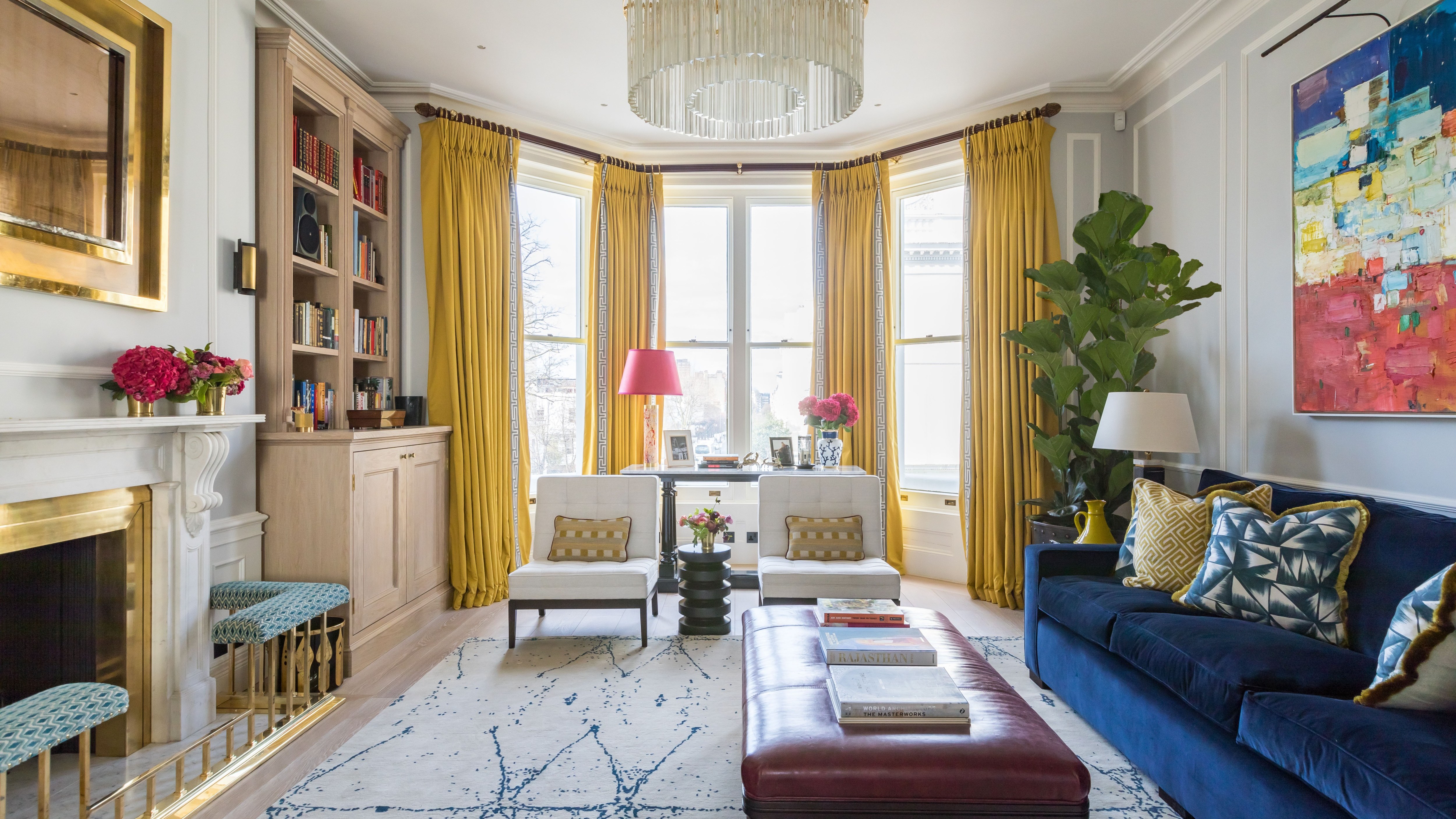
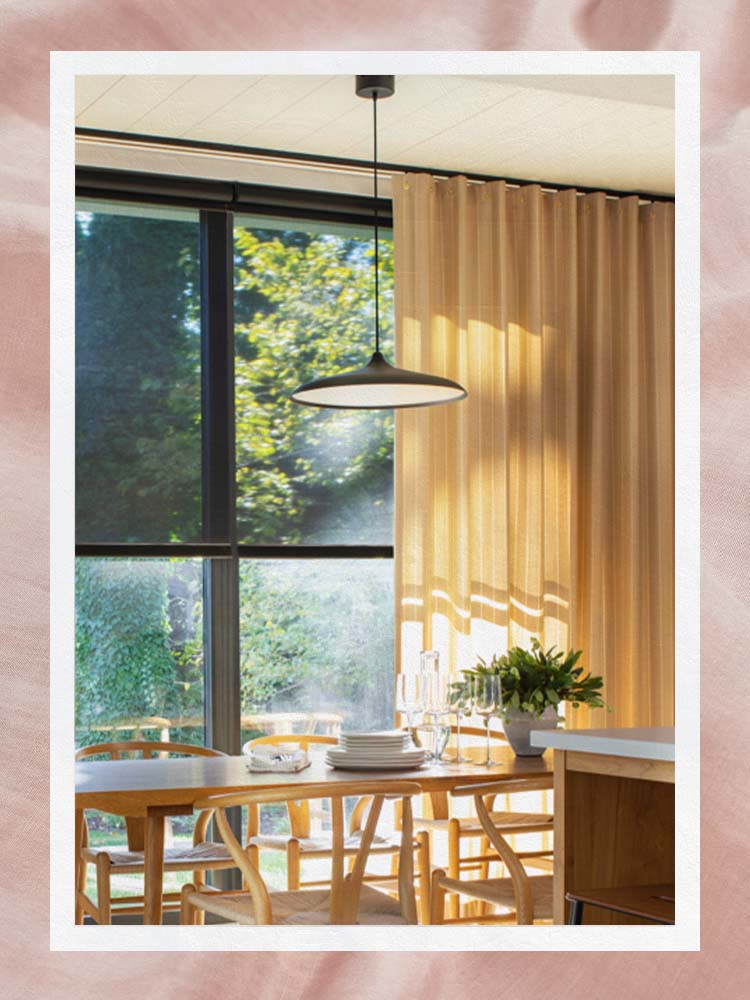
The French-pleat drape, also known as the three-finger pleat, features stitching at the center of the ruffle, creating a luxurious fullness. This timeless and classic style can be mounted on a black metal rod and complements a variety of textiles, from patterns to textures and solids. For contemporary homes, ripple-fold curtains are a popular choice. These curtains achieve their distinctive S-curve shape through corded carriers on a track, offering a streamlined, textural element. Often seen in hotels, they are increasingly used in homes, and when placed on a recessed track, they create a modern, simple, and elegant look that highlights the fabric's drape without visual distractions from hardware.
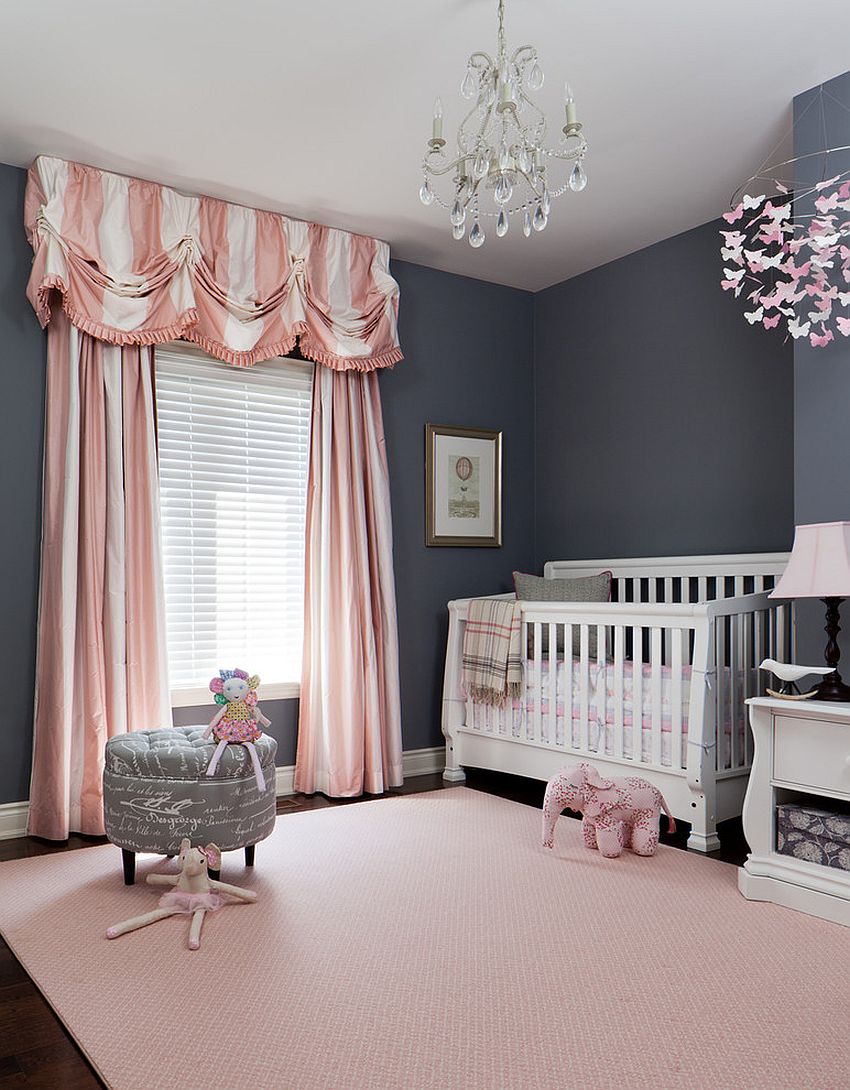
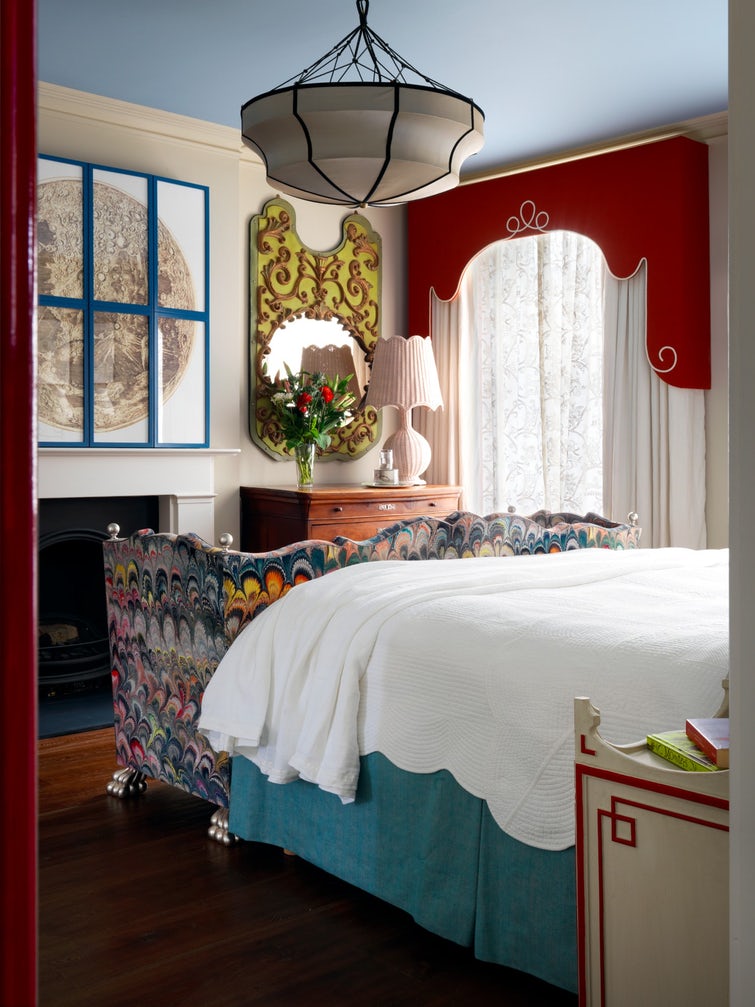
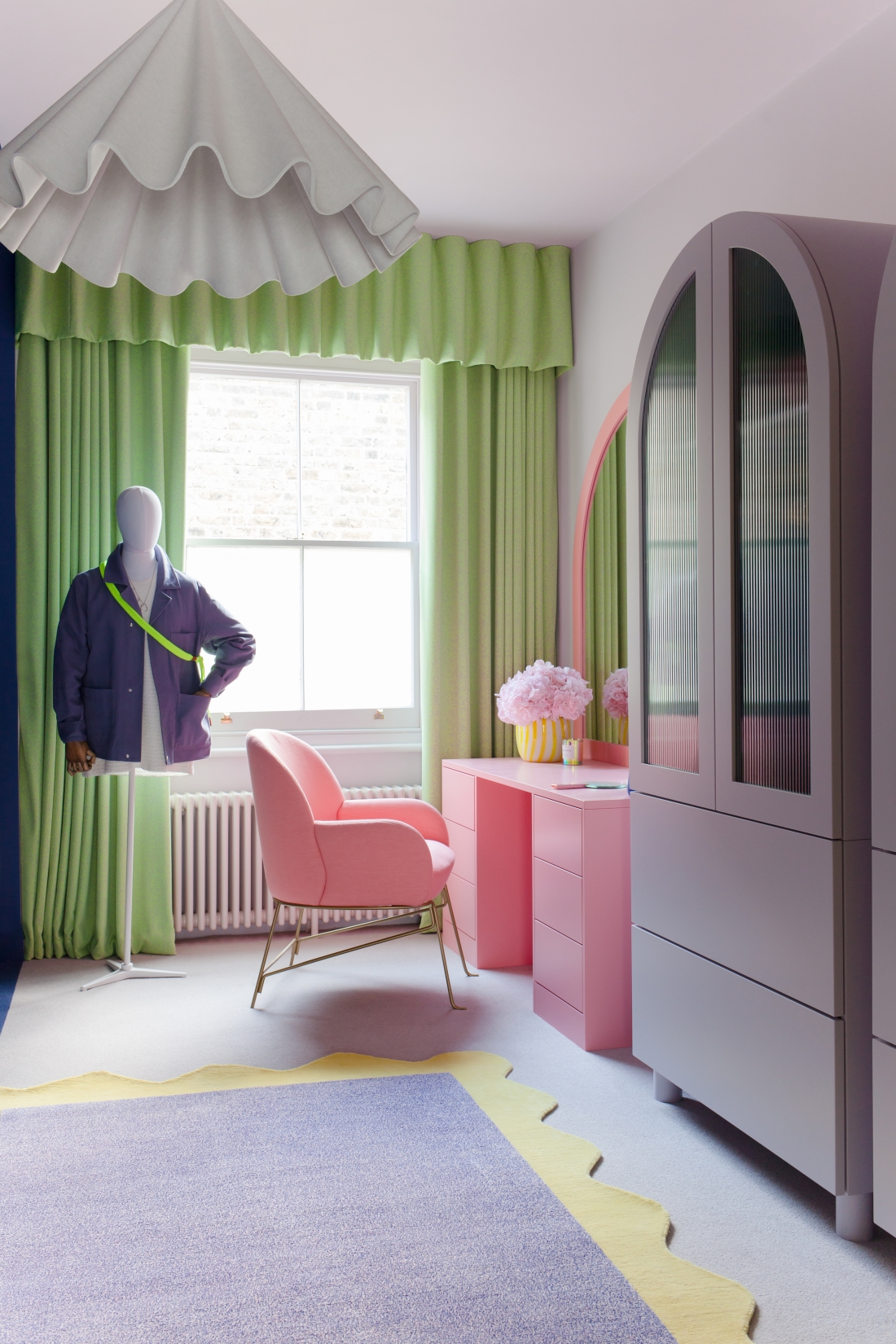
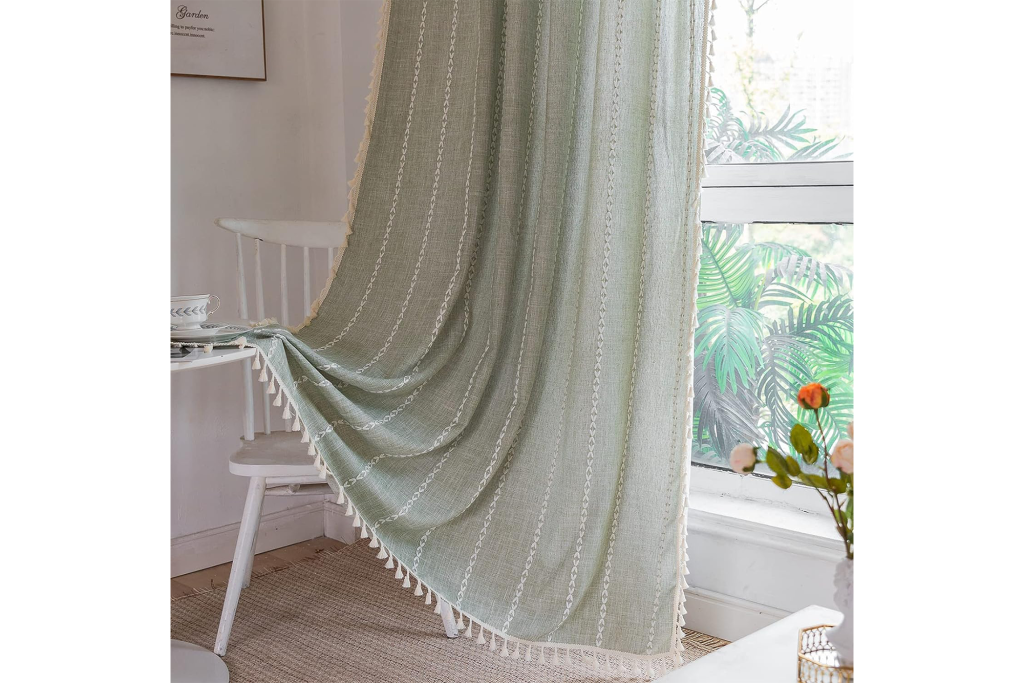
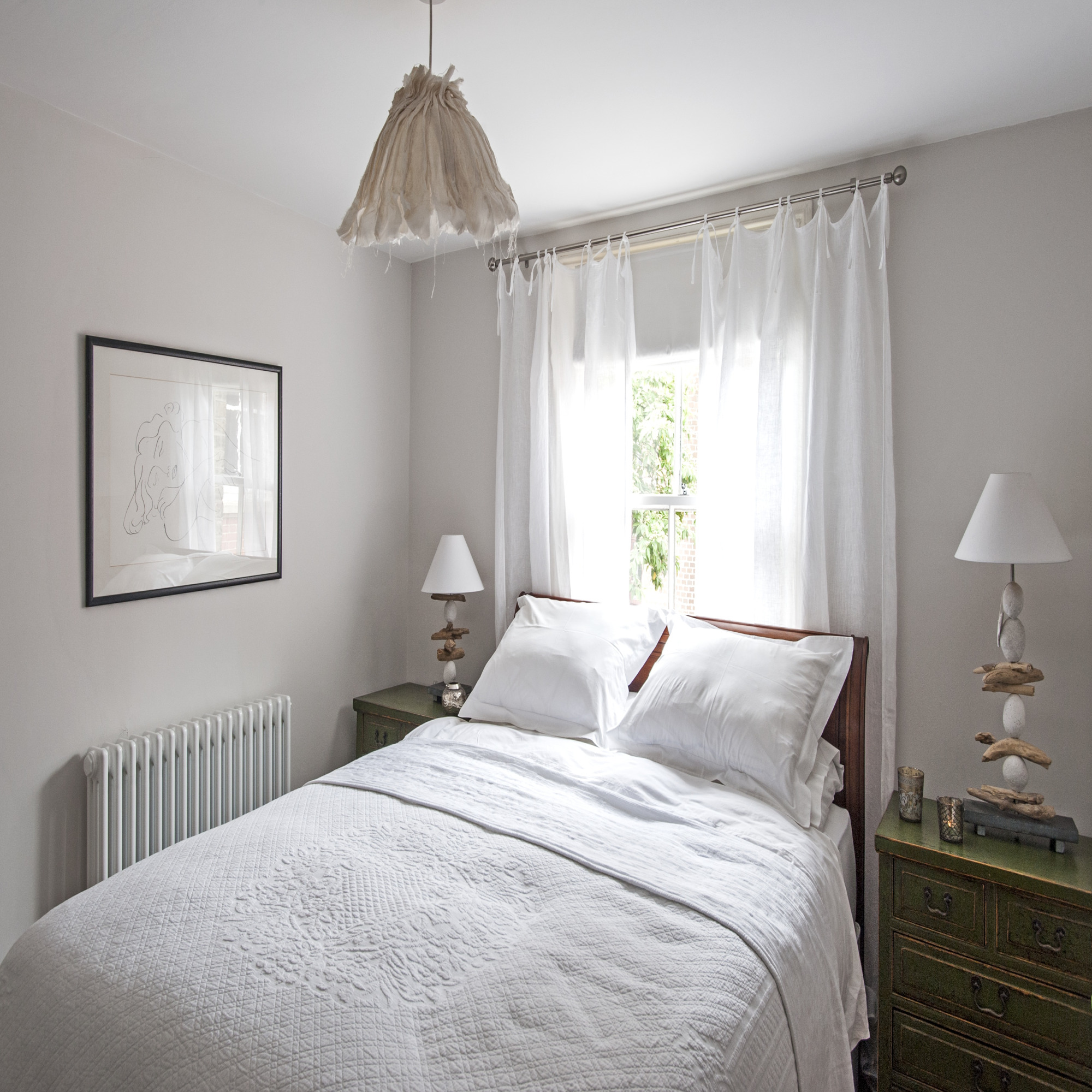
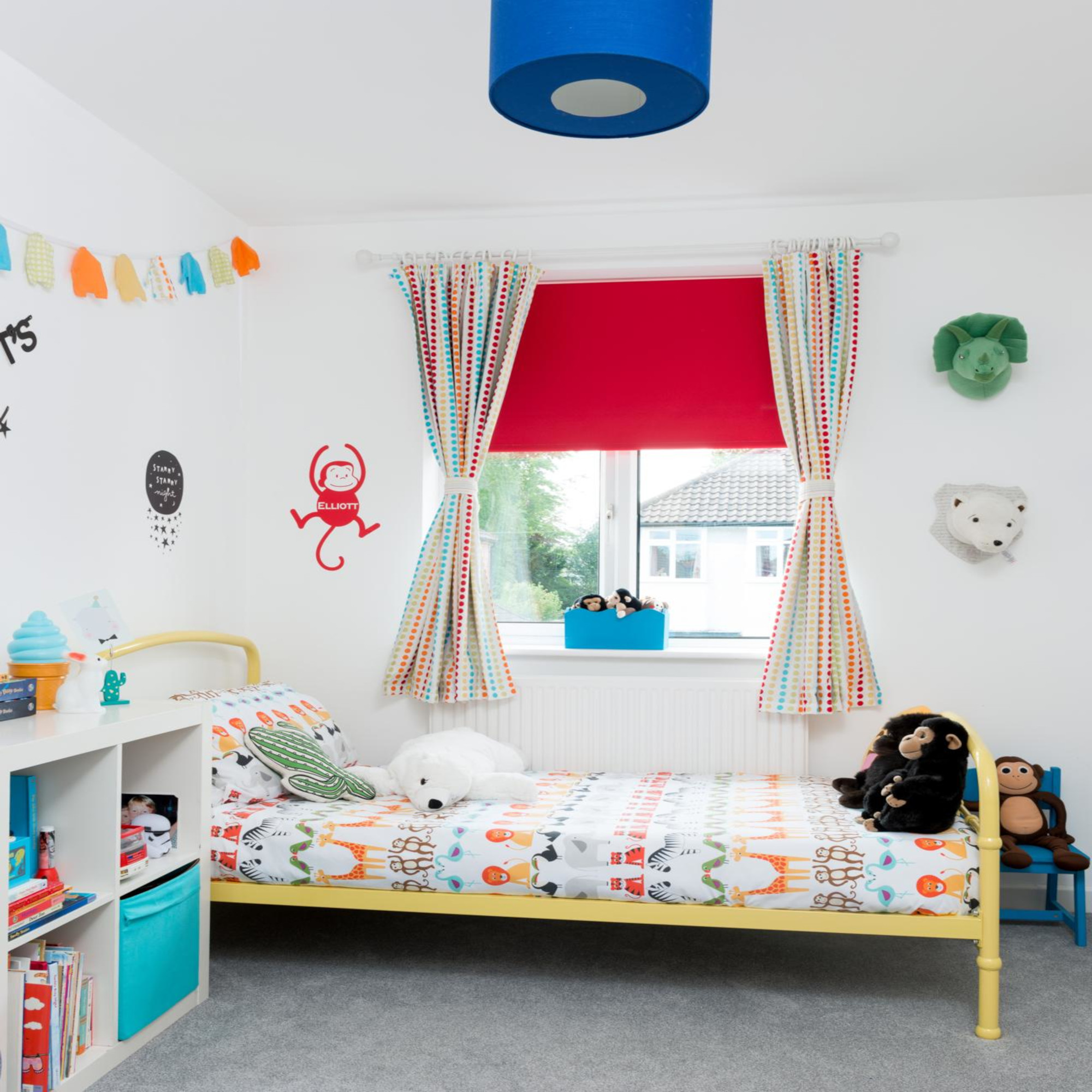
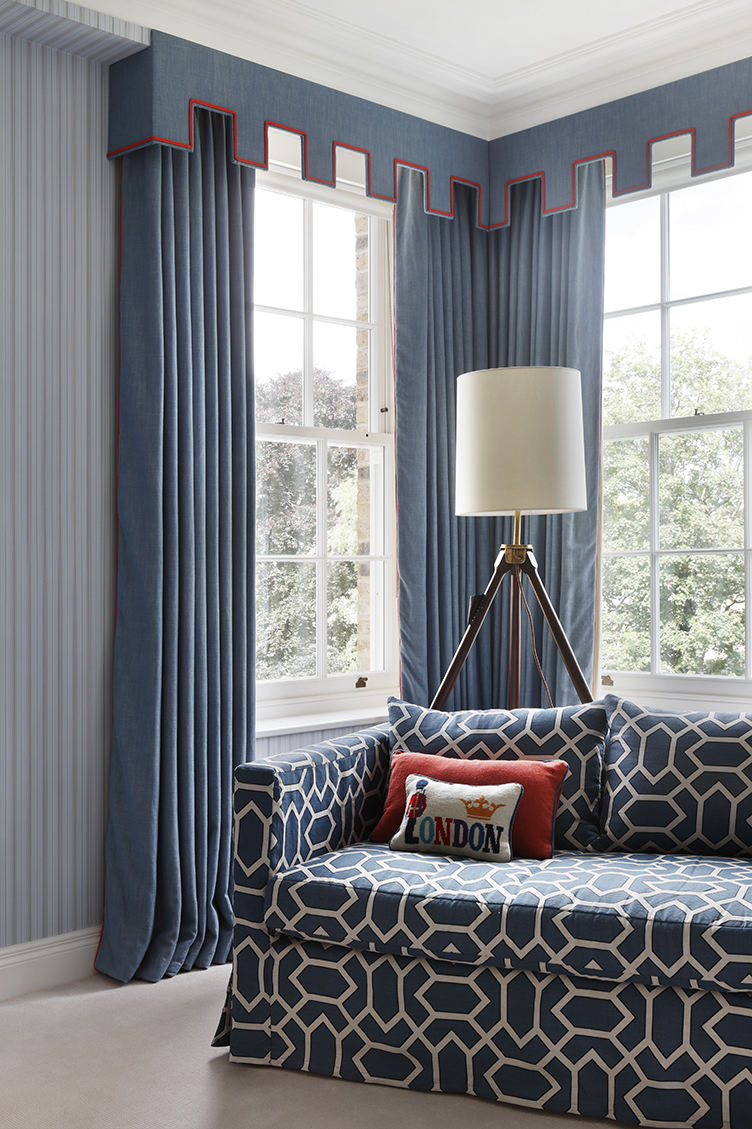
For a less formal aesthetic, knotted curtains, also known as tied iterations, are an excellent alternative. These curtains have two ends at the top tied around the rod, providing an easy, breezy, and bohemian vibe. They are perfect for those who enjoy dappled sunlight and a see-through fabric. To achieve a polished finish and minimize light seepage, an upholstered cornice can be added above curtains. While cornices traditionally cover hardware, they also serve an aesthetic purpose and are particularly useful in nurseries.
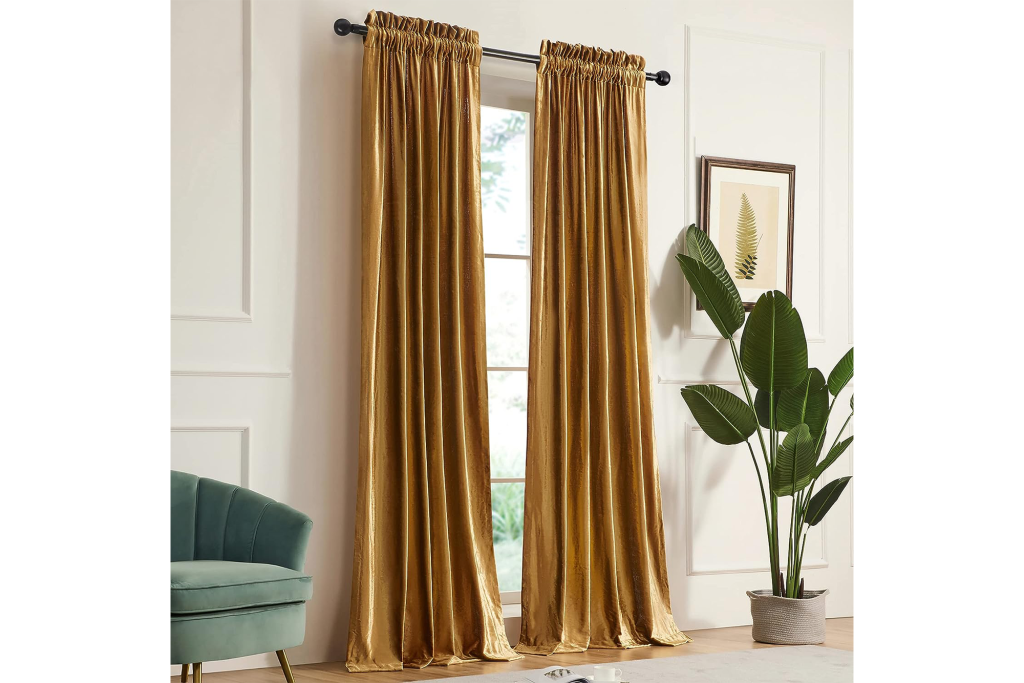
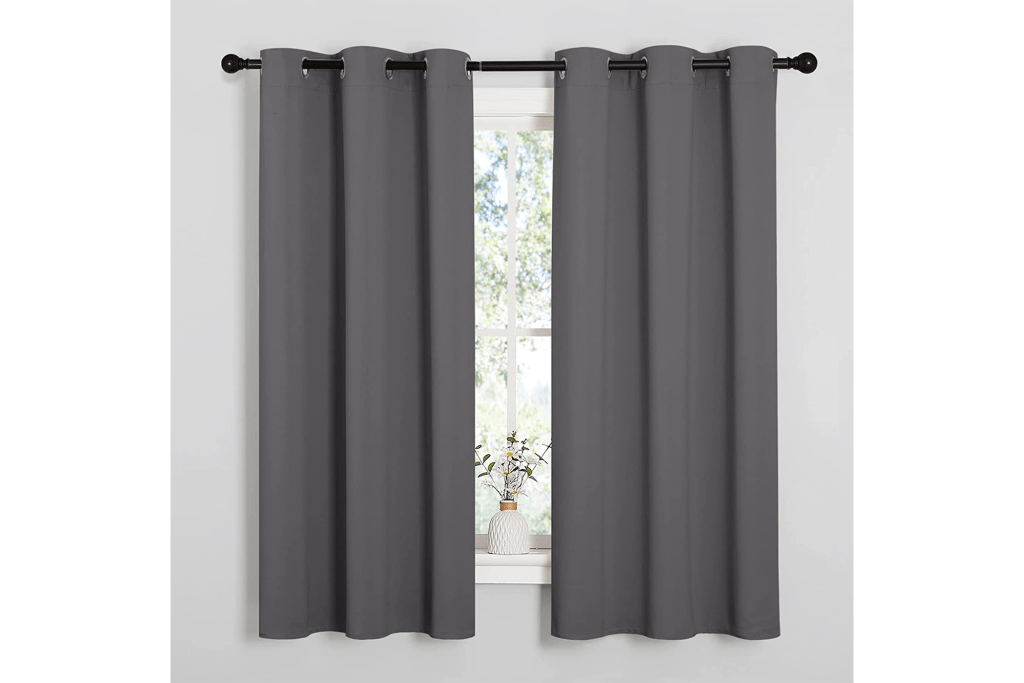
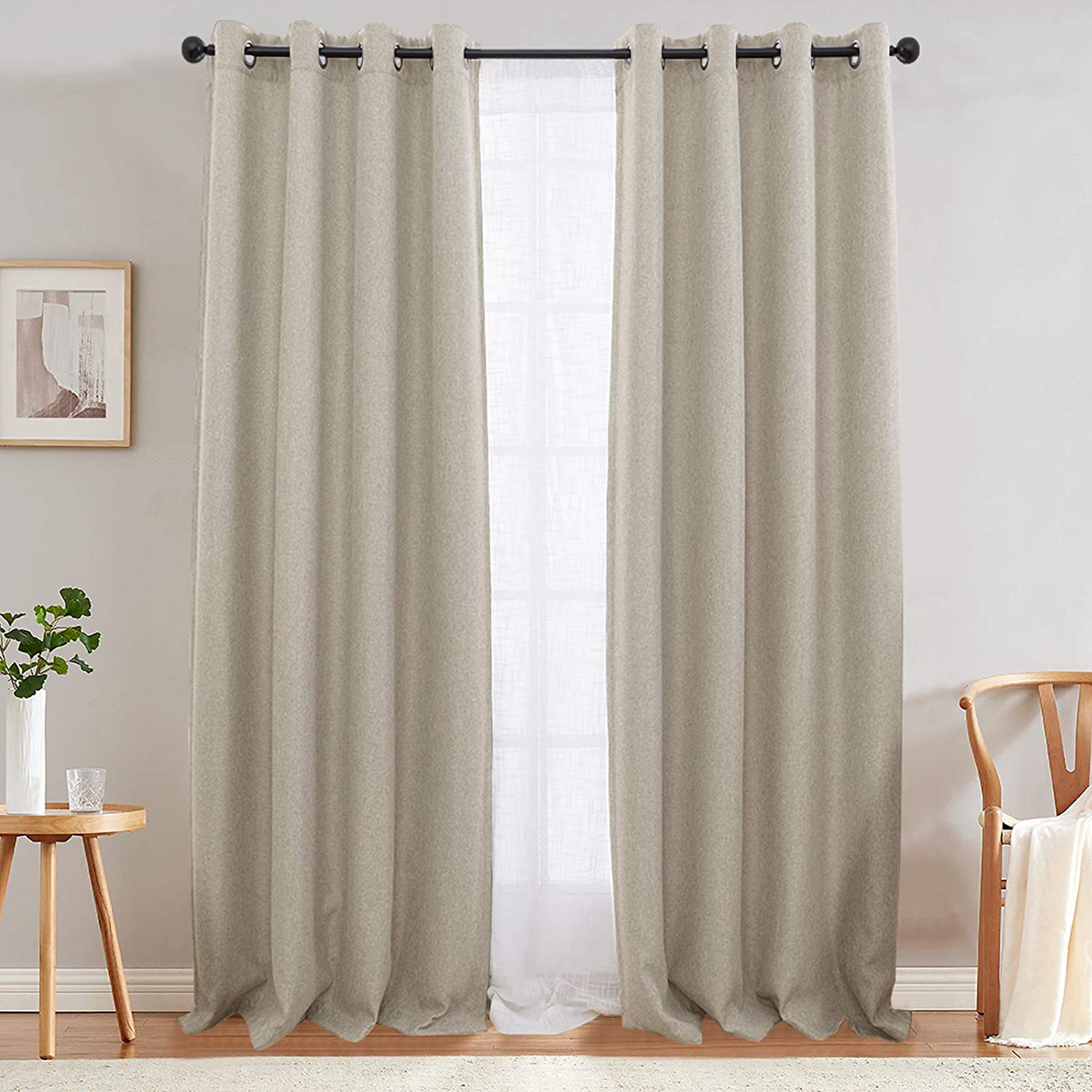
Finally, rod-pocket curtains offer a stealthy way to integrate the curtain rod seamlessly into the room's design. This style features a pre-sewn casing at the top that slips over the rod, making it virtually invisible. By matching the curtain rod color to the walls or windows, the line between the window and walls can be blurred, creating a cohesive look. Each of these curtain styles offers unique advantages, allowing homeowners to select the perfect treatment to enhance their living spaces.
#CurtainStyles #HomeDesign #WindowTreatments #InteriorDecor #SheerCurtains #PleatedCurtains #RippleFold #HomeDecor #DesignTips #CurtainStyles #HomeDesign #WindowTreatments #InteriorDecor #SheerCurtains #PleatedCurtains #RippleFold #HomeDecor #DesignTips
0 opmerkingen in totaal
 Nog geen opmerkingen
Dit vindt u mogelijk ook leuk
13 curtain ideas and styles to help you pick the best drapes for your room

20 Best Living Room Curtain Designs With Pictures In 2023

The 7 best places to buy curtains, with interior designer tips
6 Curtain Styles Designers Say Are Outdated (and What to Use Instead!)

Bye-bye blinds — how curtains became cool again
Are Curtains Out of Style? Of Course Not, but Some Designs Will Date Your Space Faster — Here's What to Know
21 Types Of Curtains To Frame Your Windows
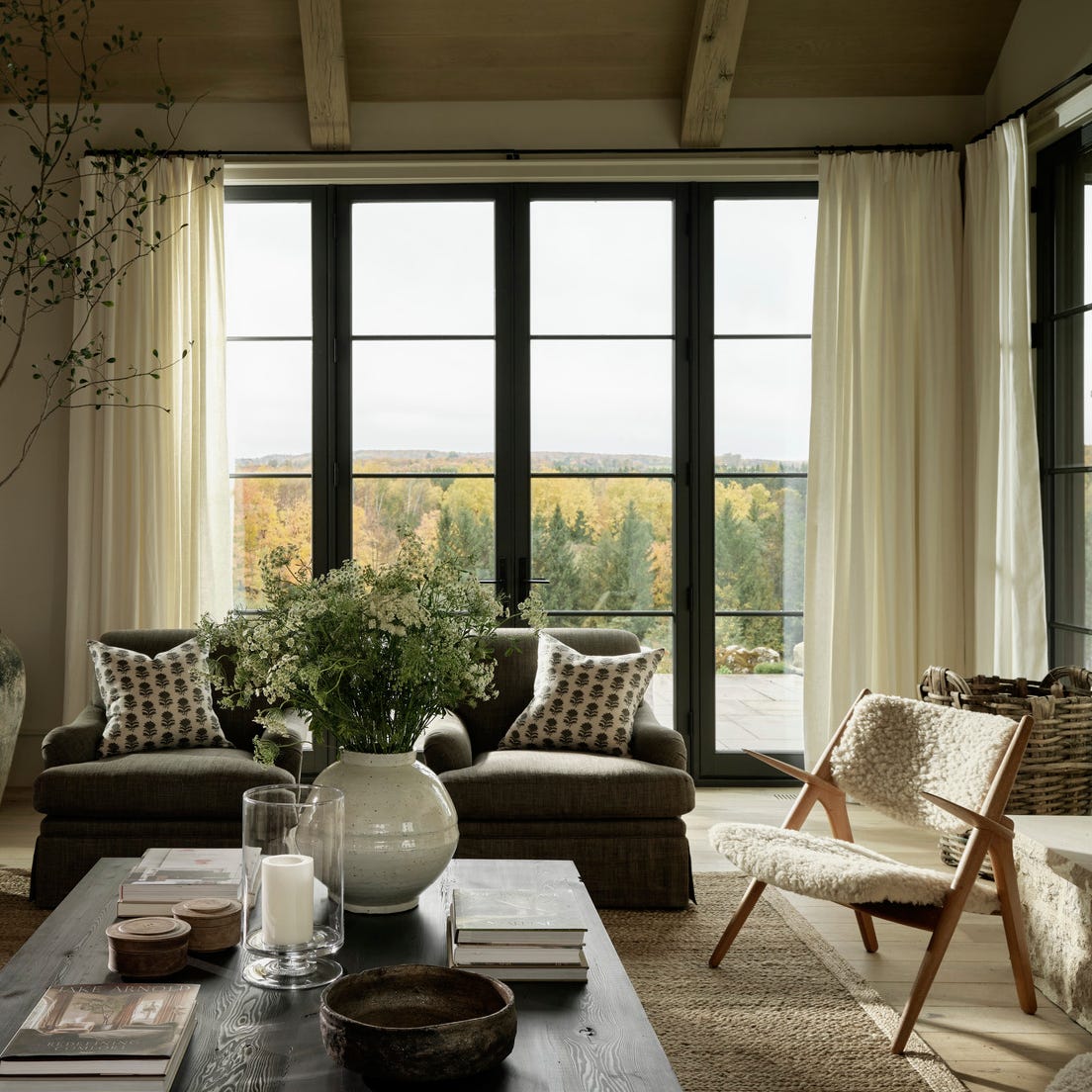
39 Versatile Living Room Curtain Ideas That Instantly Complete the Space

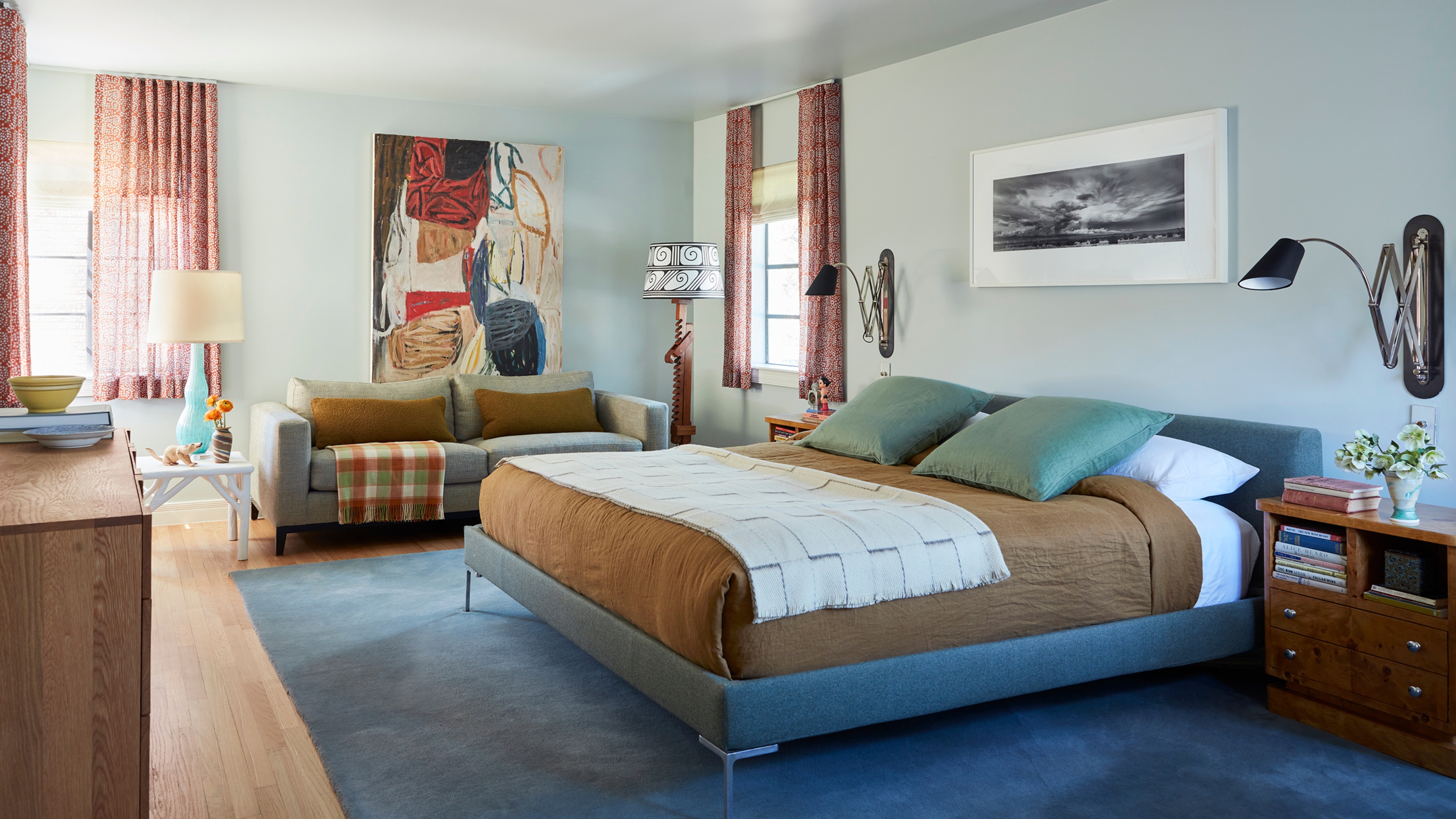
Suddenly, Short Curtains Have Got My Attention in the 'Long vs Short Curtain' Debate

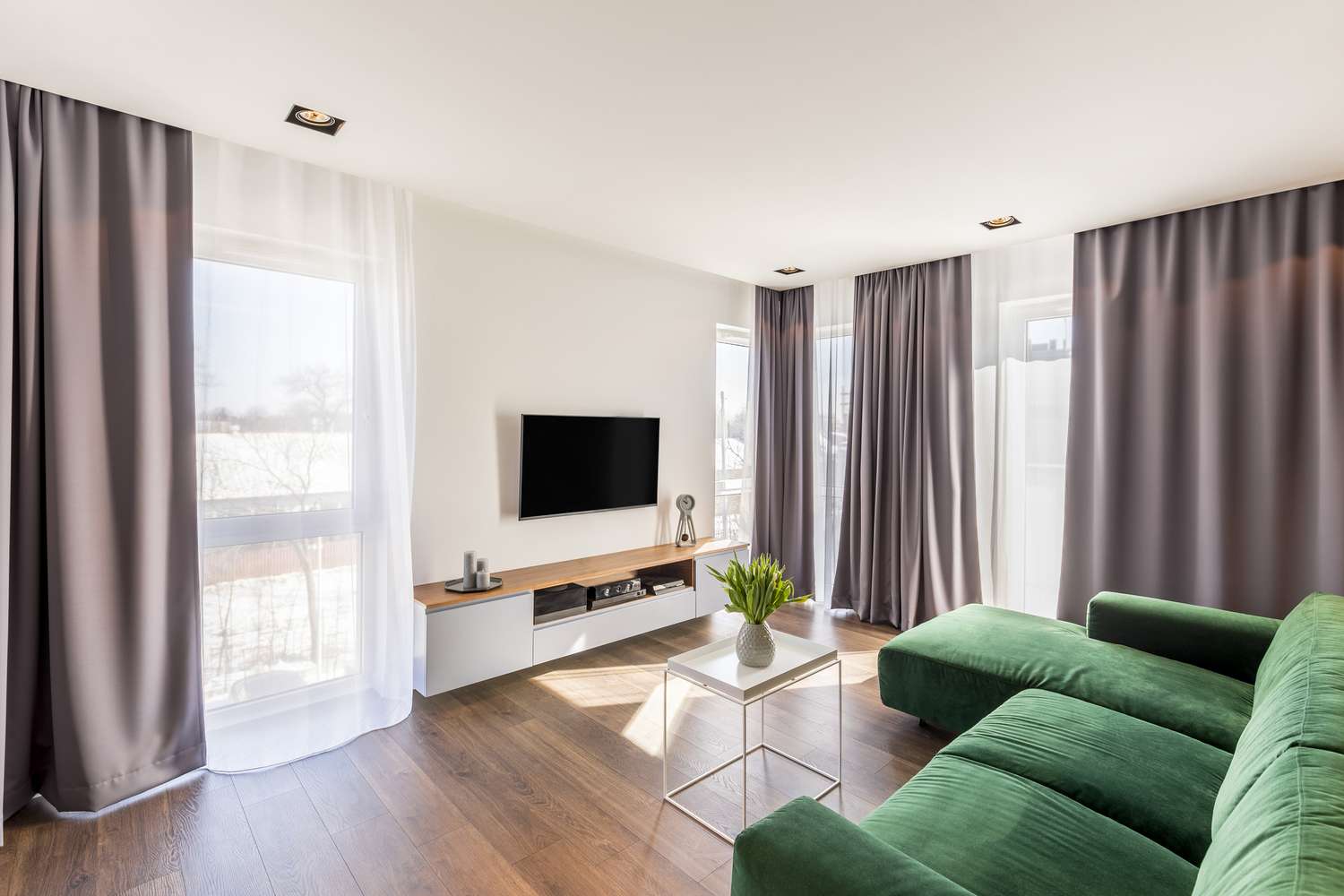
6 Curtain Styles That Are So Outdated, According to Designers

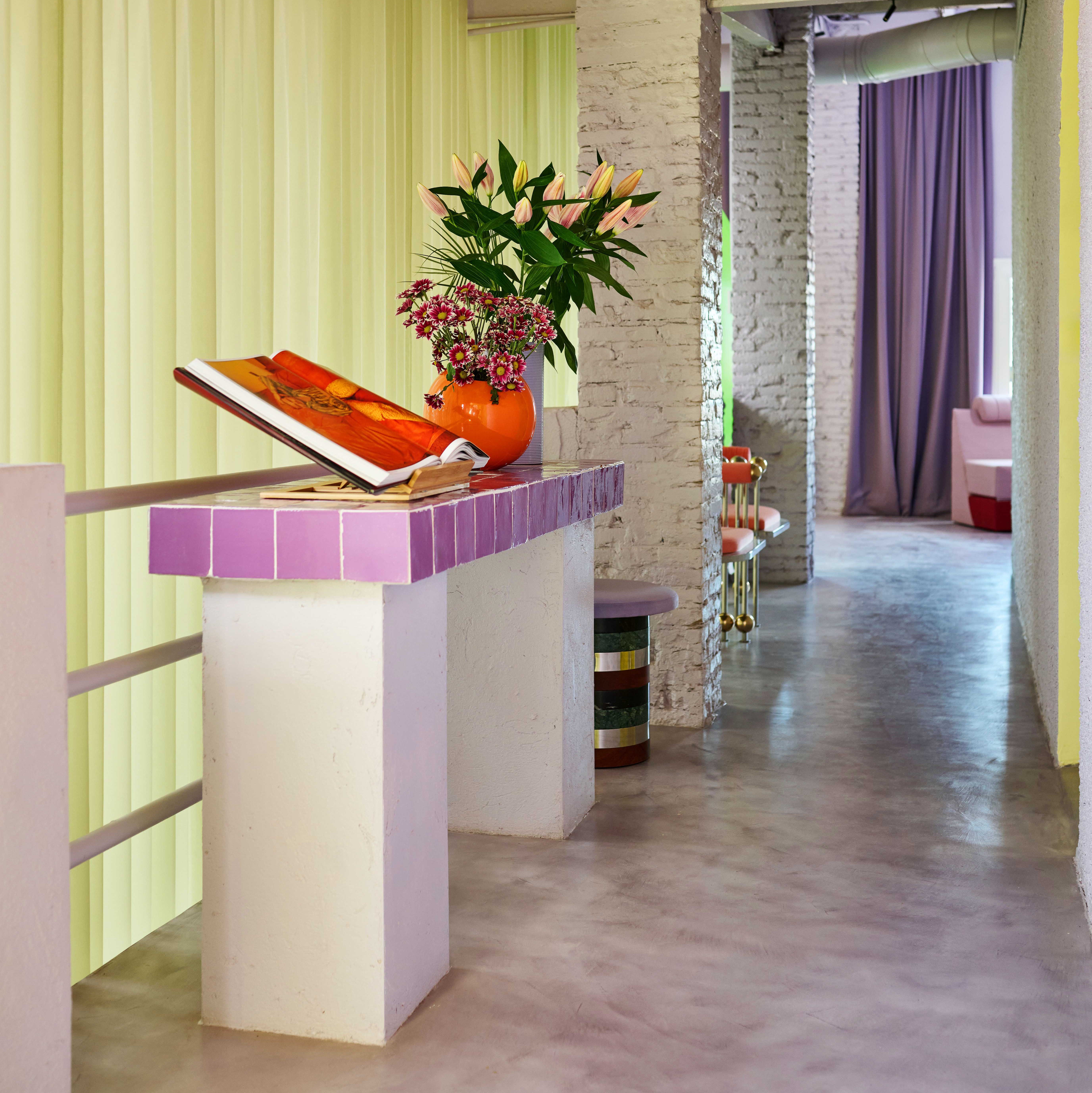
Steal ideas from these homes that use curtains for more than just window dressing

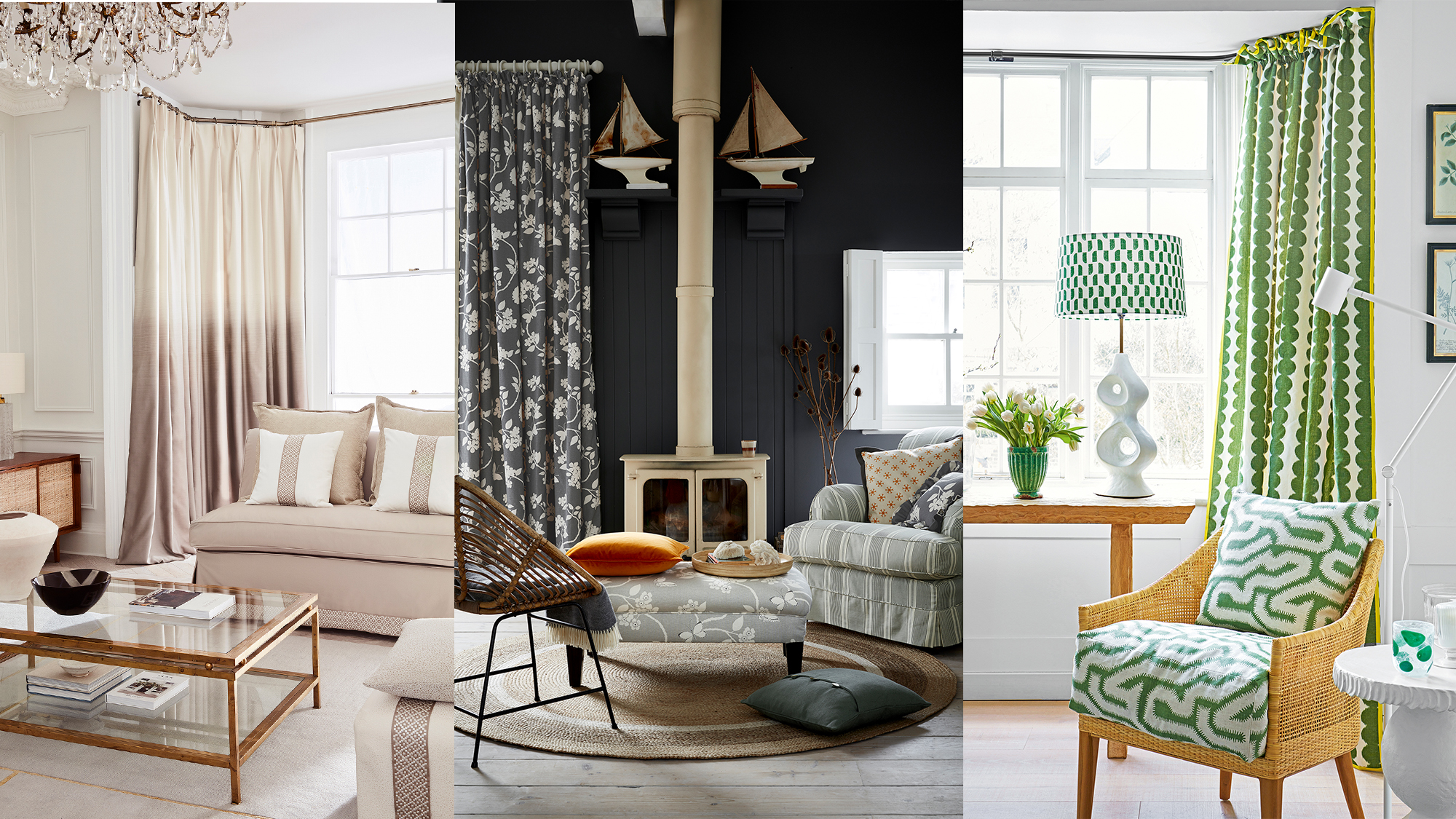
Living room curtain ideas – 17 tips for stylish drapery

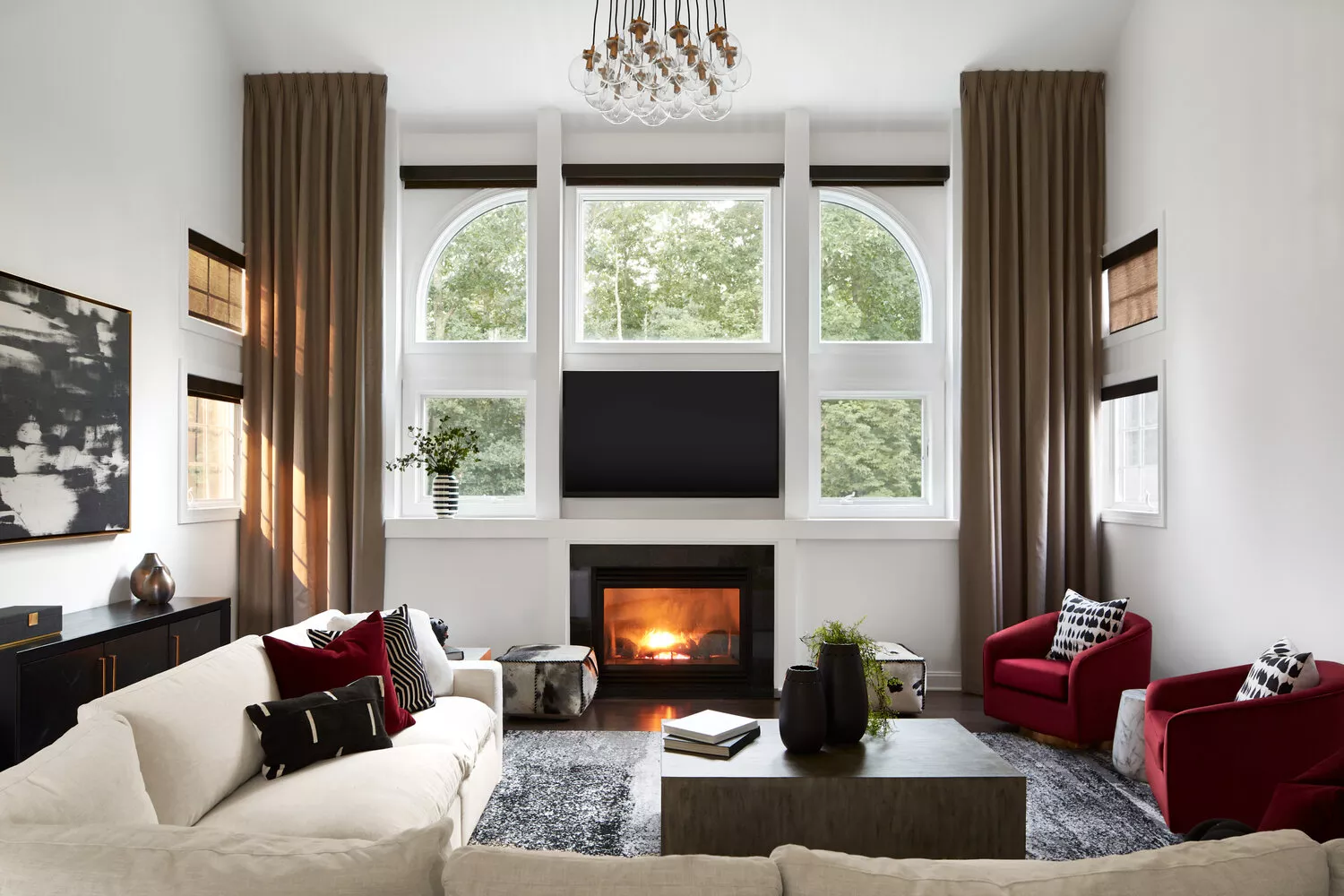
How to Choose Curtains for Your Home the Right Way
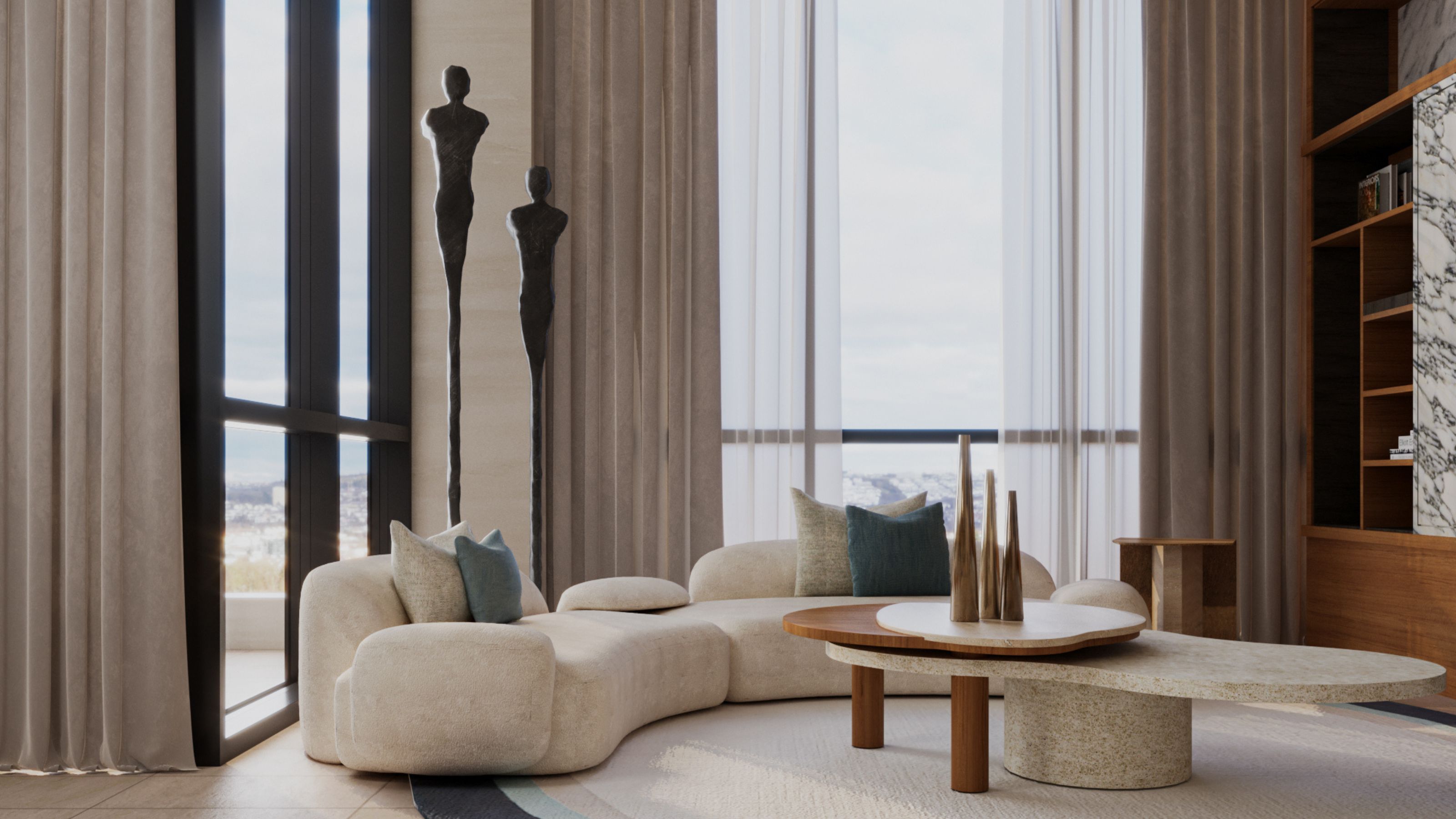
How to Hang Curtains the Way an Interior Designer Would — To Balance, Blur Lines, and Bring Impact to a Room
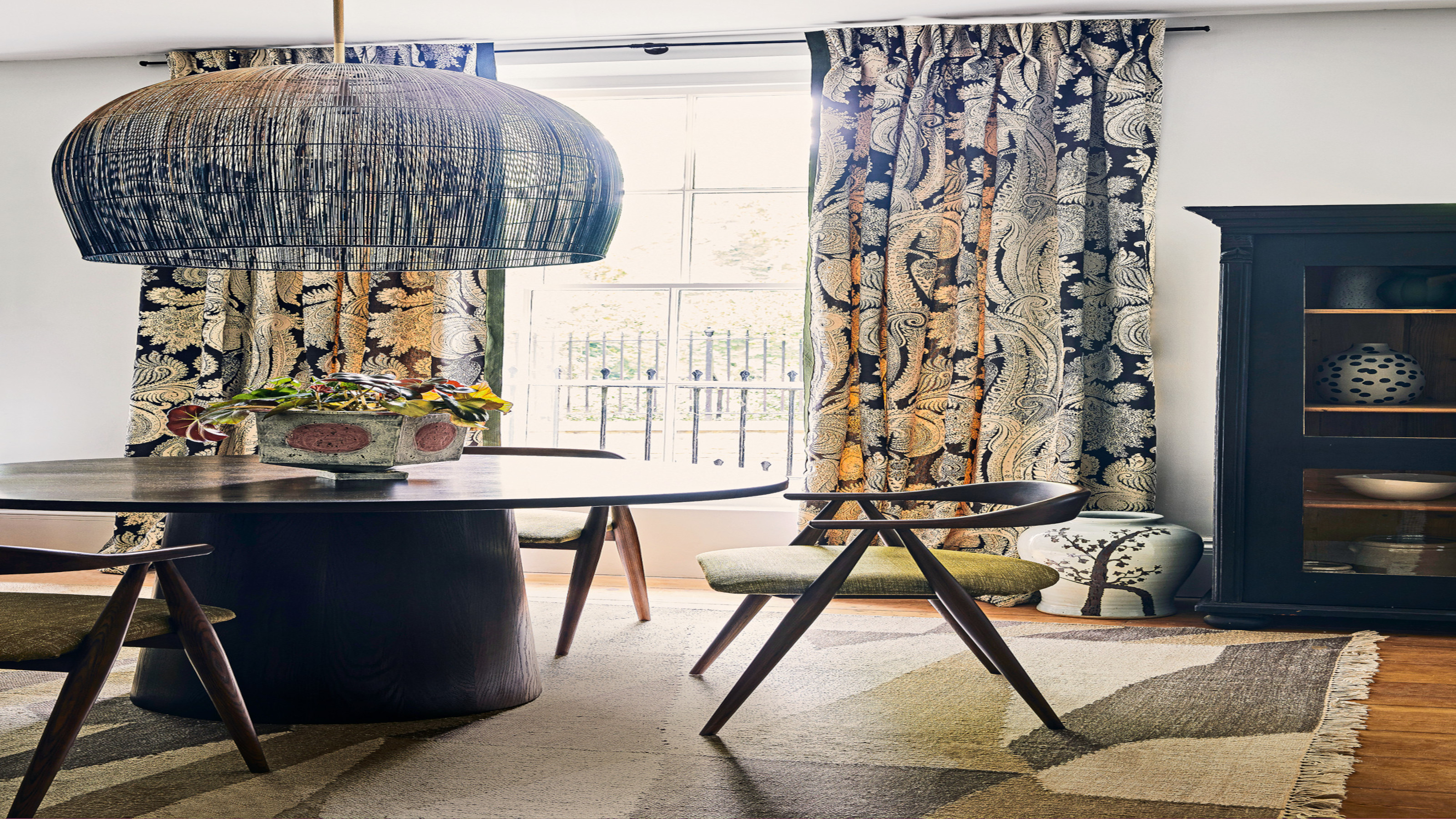
The curtain ideas to add instant style to your space
Curtain trends for 2023 – the colors, patterns and looks designers predict will be big
An easy add-on to your curtains makes rooms look expensive - designers explain
Best curtains to shop now: From blackout to linen and top tips for installation
The Best Places to Buy Curtains, Whether You Want to Go Custom or Off the Rack

Designers Say to Ditch These 6 Curtain Styles for an Instant Room Upgrade