1/3
The Flooring Material To Avoid Putting In The Bathroom, According To Our Tiling Expert
The article delves into the critical considerations for selecting bathroom flooring, highlighting the importance of this decision given the significant amount of time individuals spend in their bathrooms over a lifetime. It features insights from tiling expert Schannon Yodice of That Tile Chick, who advises against using certain vinyl flooring types in bathrooms. Yodice specifically recommends avoiding vinyl flooring that contains potentially harmful materials such as lead, cadmium, and VOCs, citing that vinyl, as a petroleum product made from PVC, can off-gas VOCs. This off-gassing can introduce undesirable elements into a frequently used space.
However, the article clarifies that not all vinyl flooring is inherently problematic. Yodice suggests that consumers can find non-toxic vinyl options by verifying certifications from the Resilient Floor Covering Institute (RFCI). This organization provides independent, scientific certification to ensure unbiased testing, helping consumers identify safer products. Additionally, she notes that flooring manufactured in the USA or certified by Floorscore can also indicate a non-toxic material.
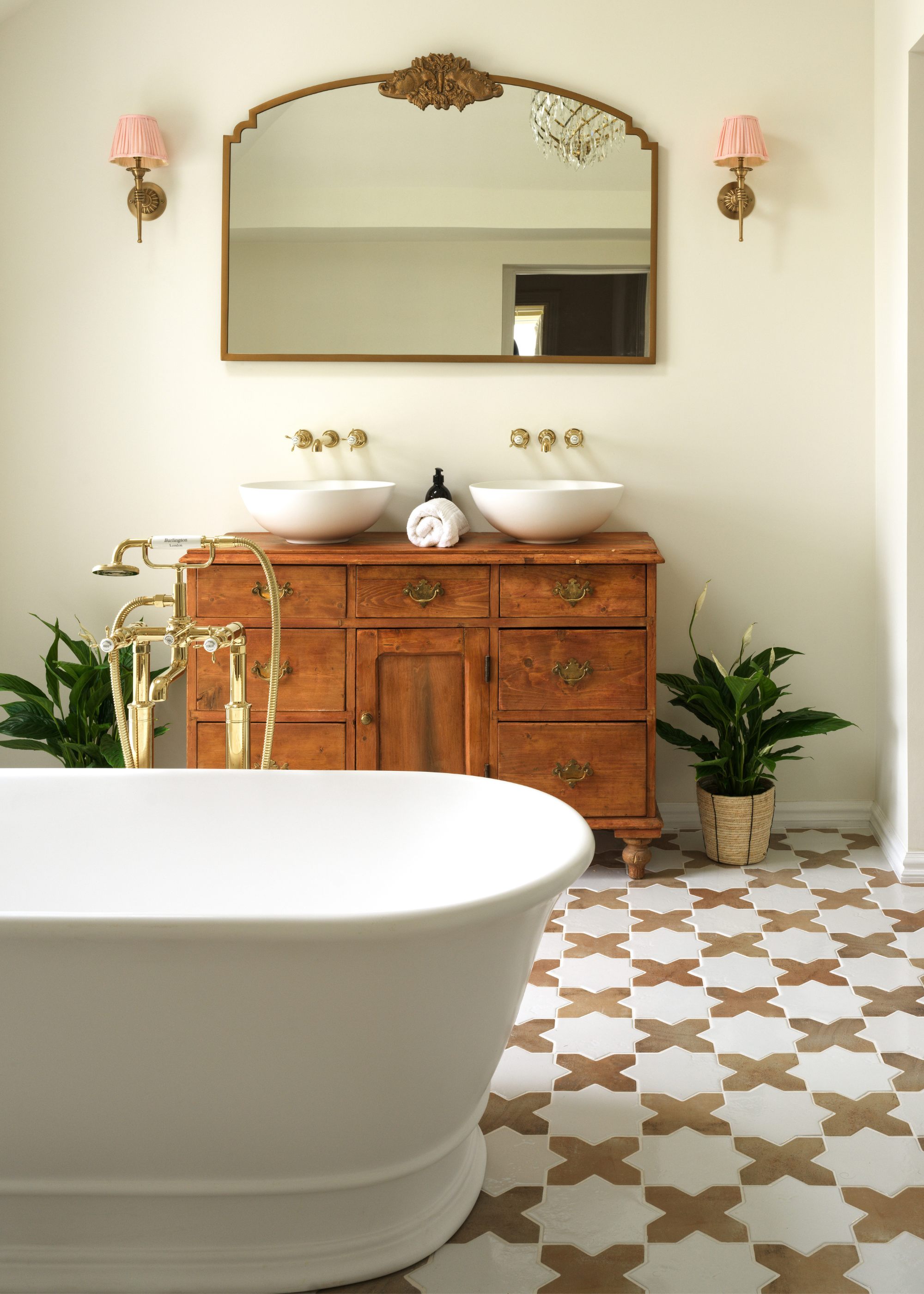
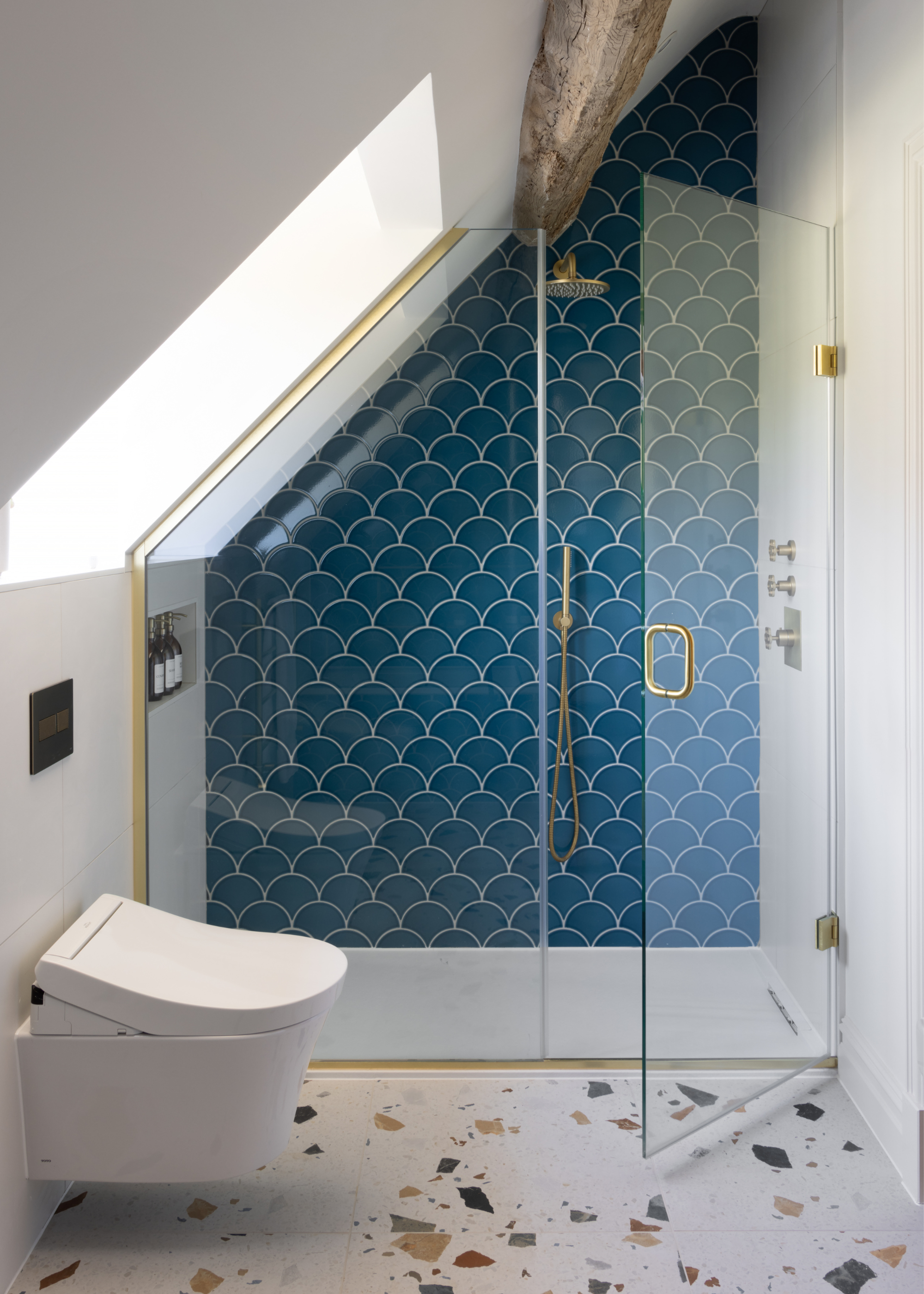
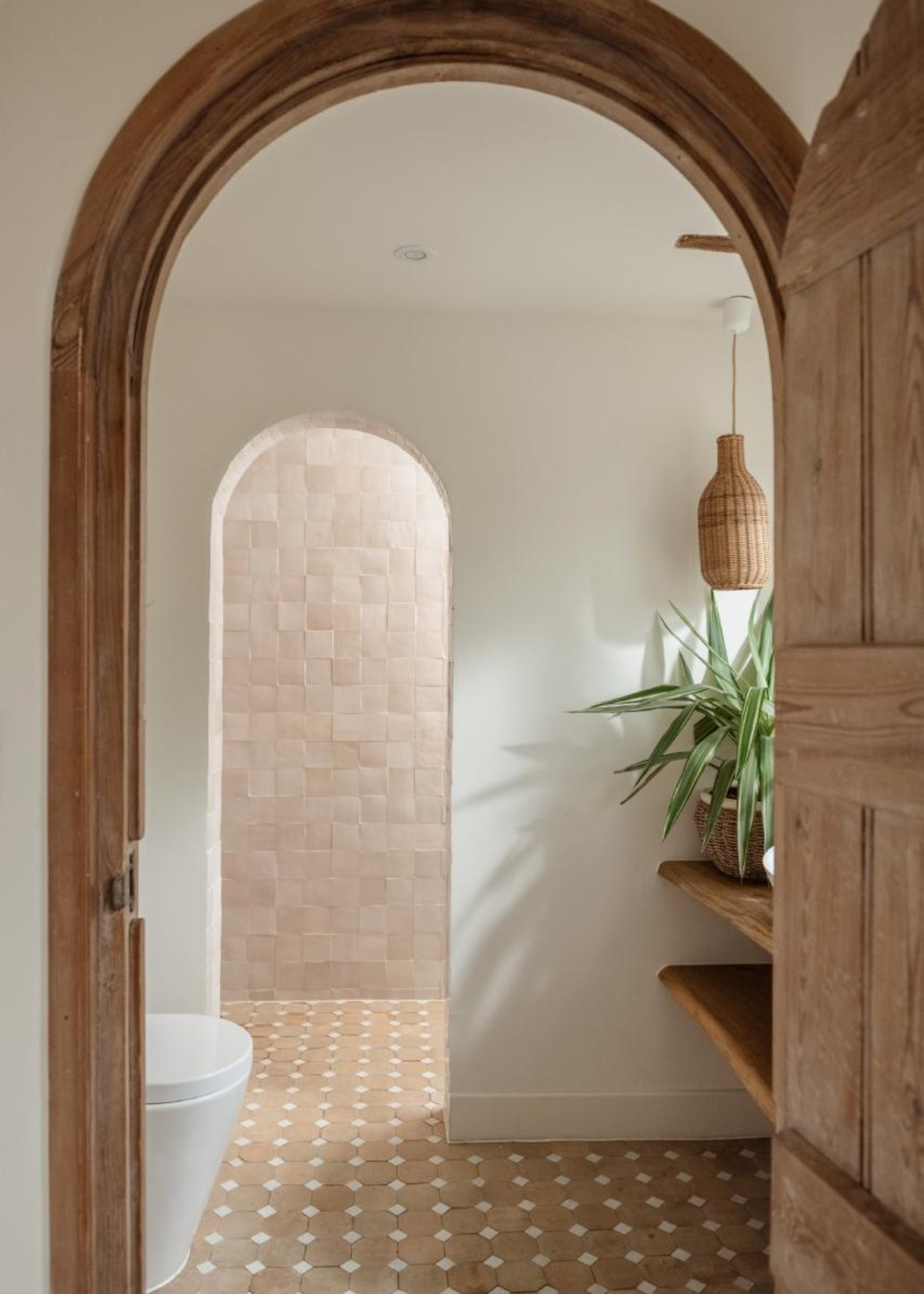
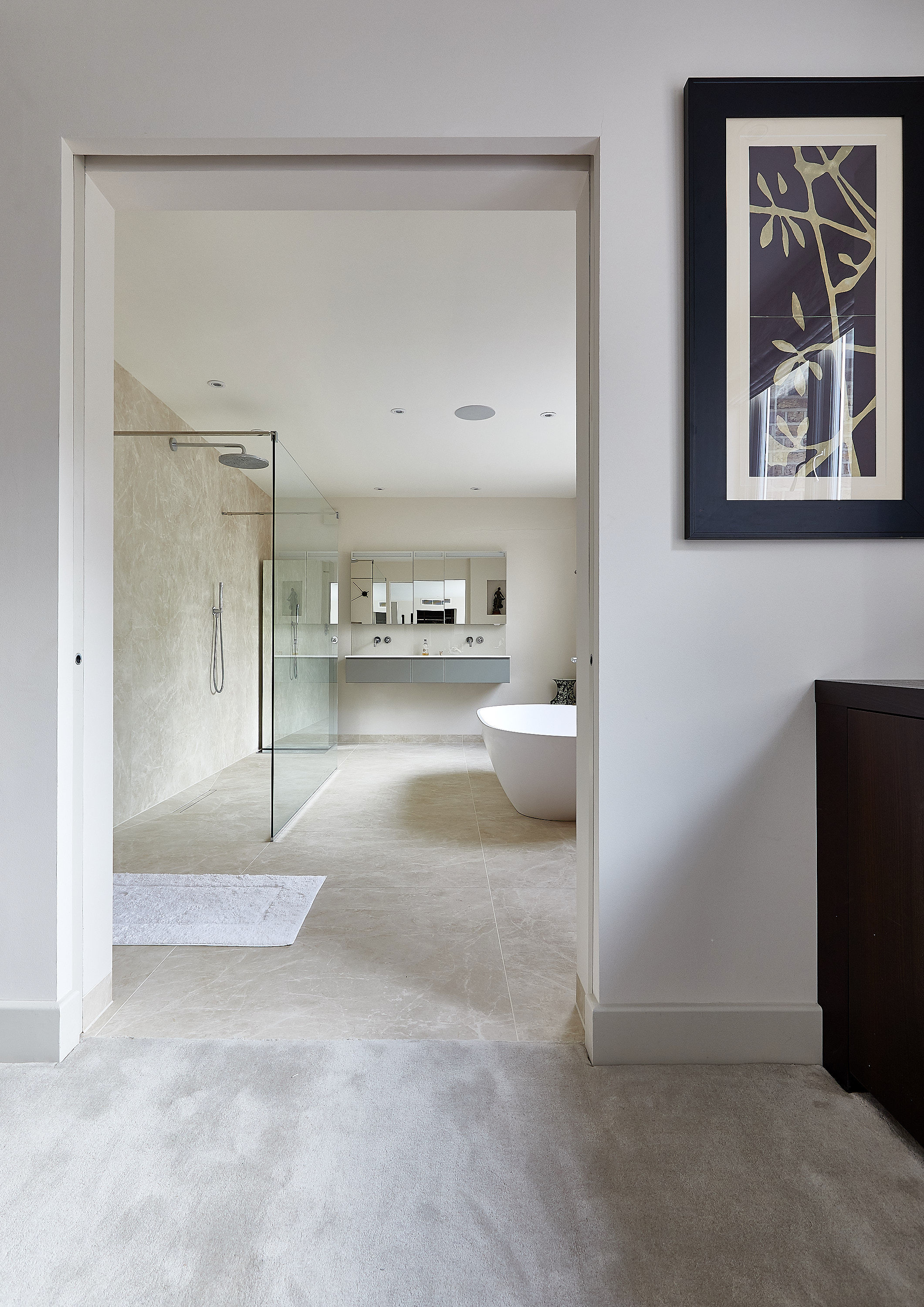
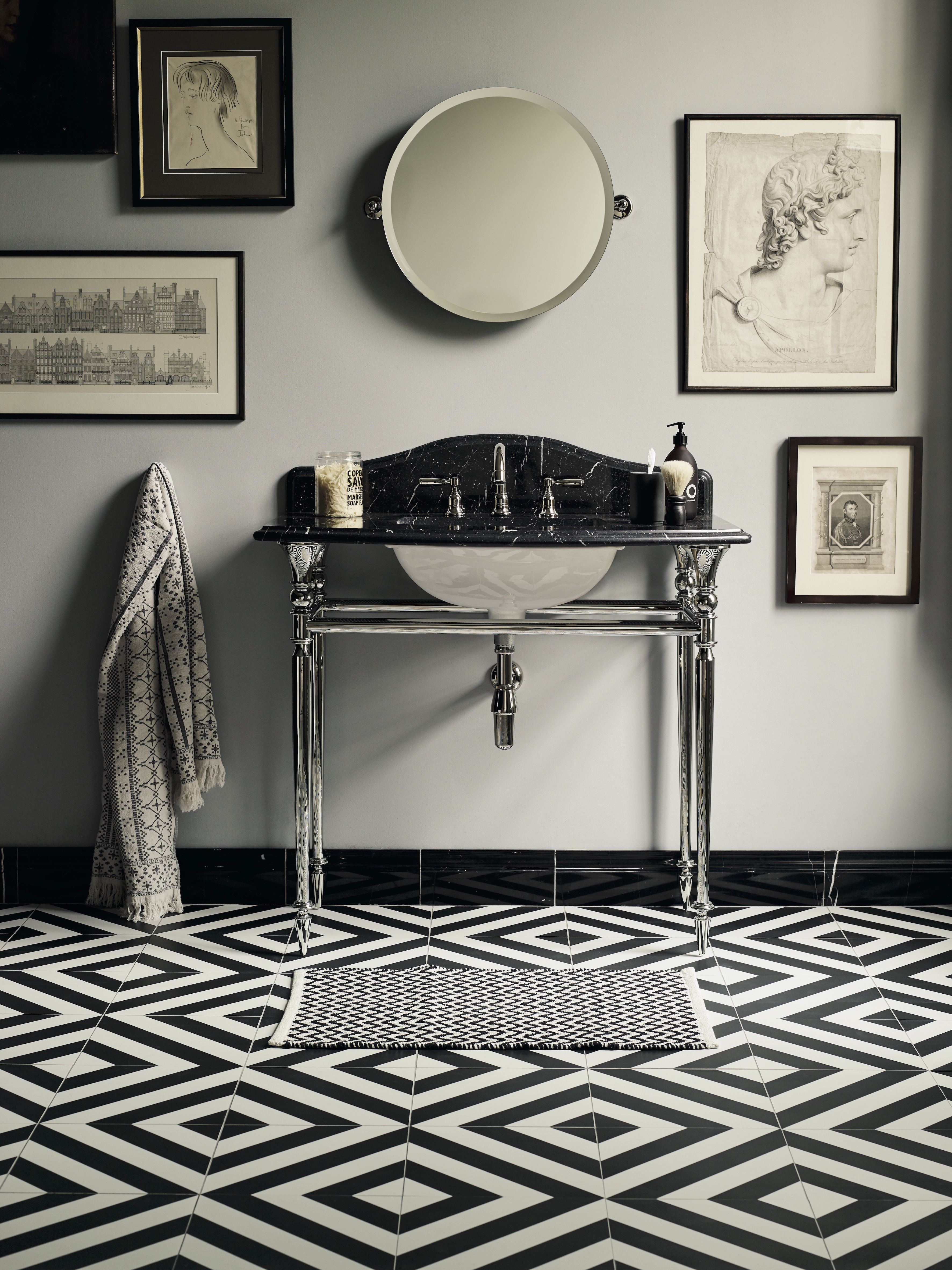
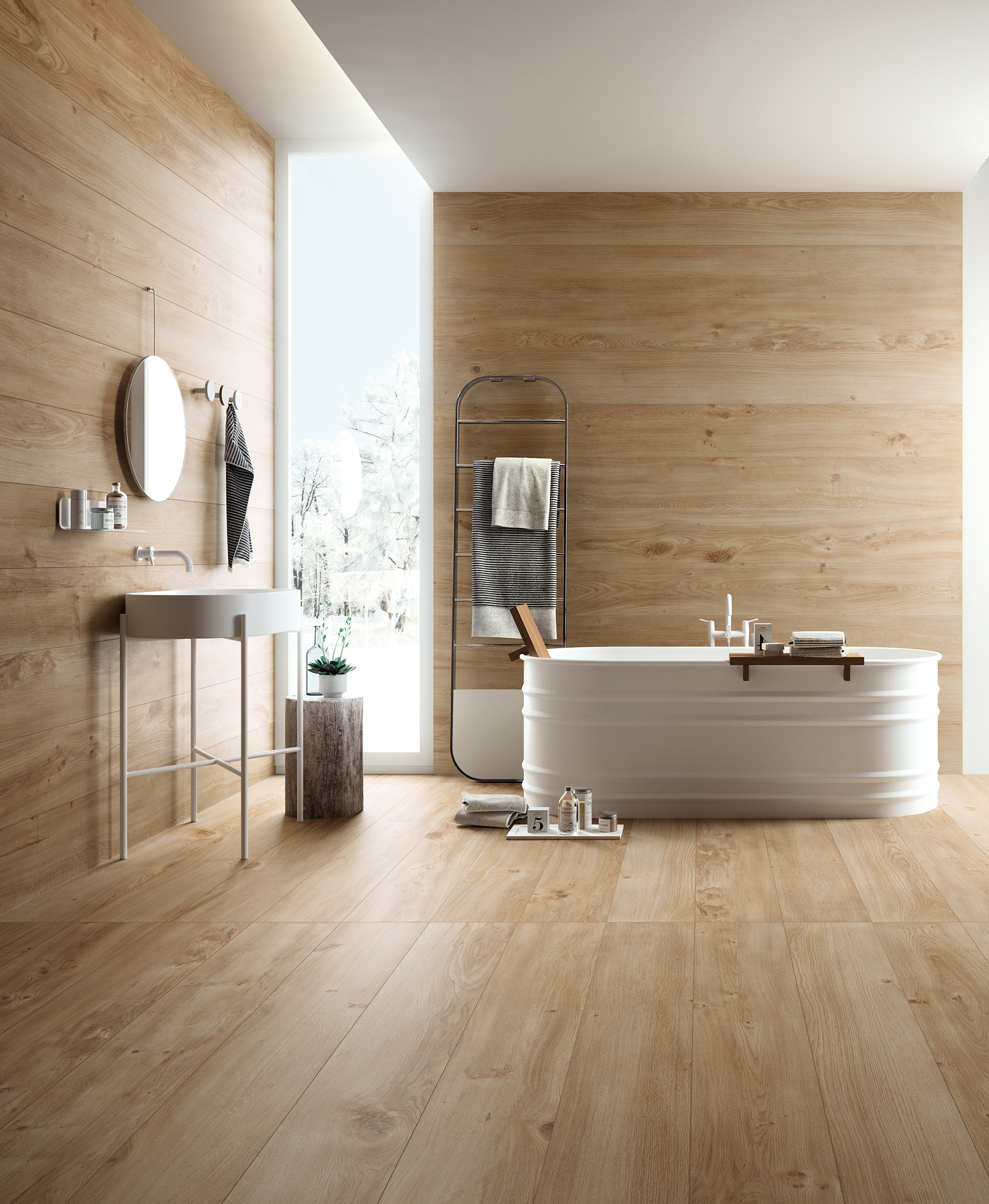
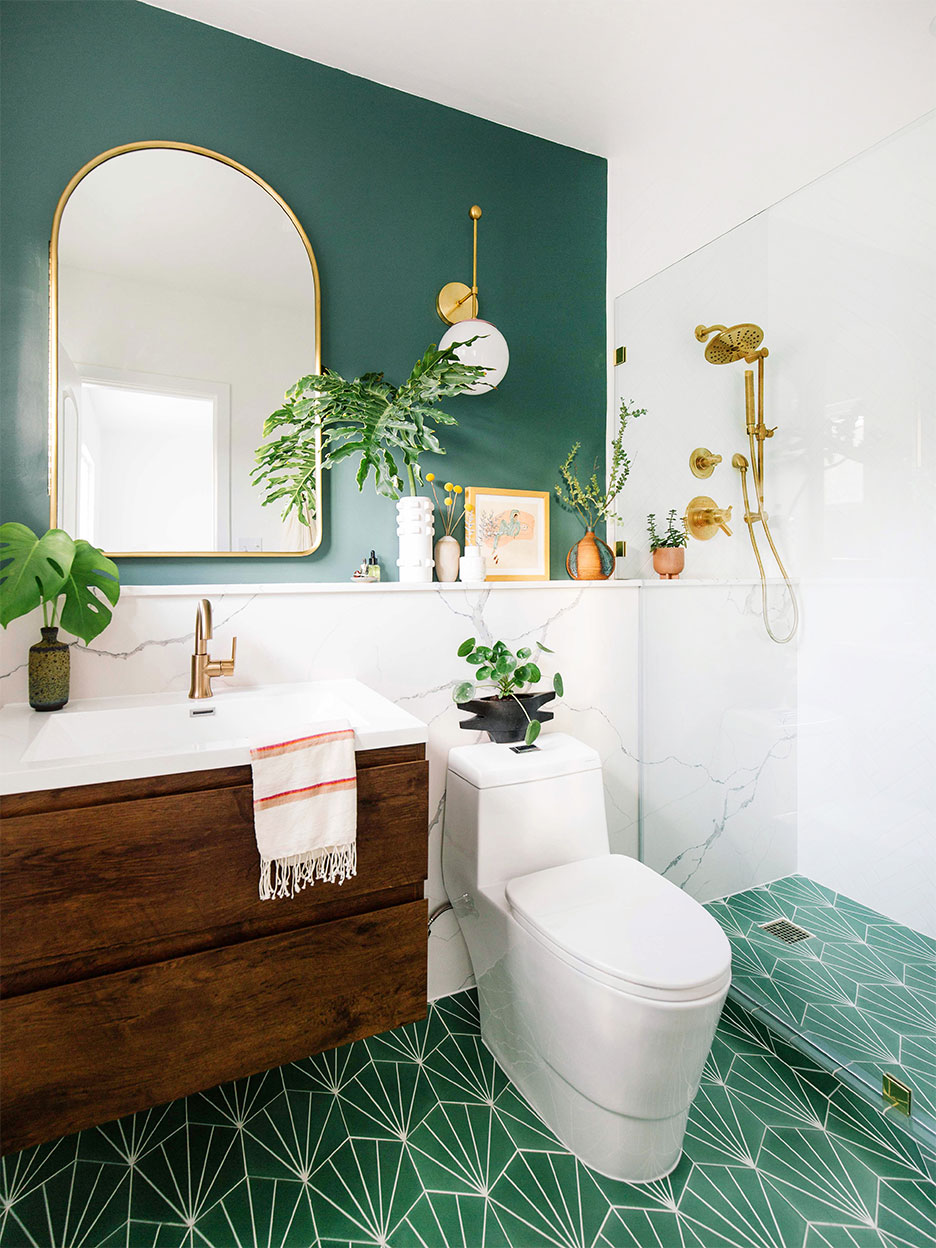
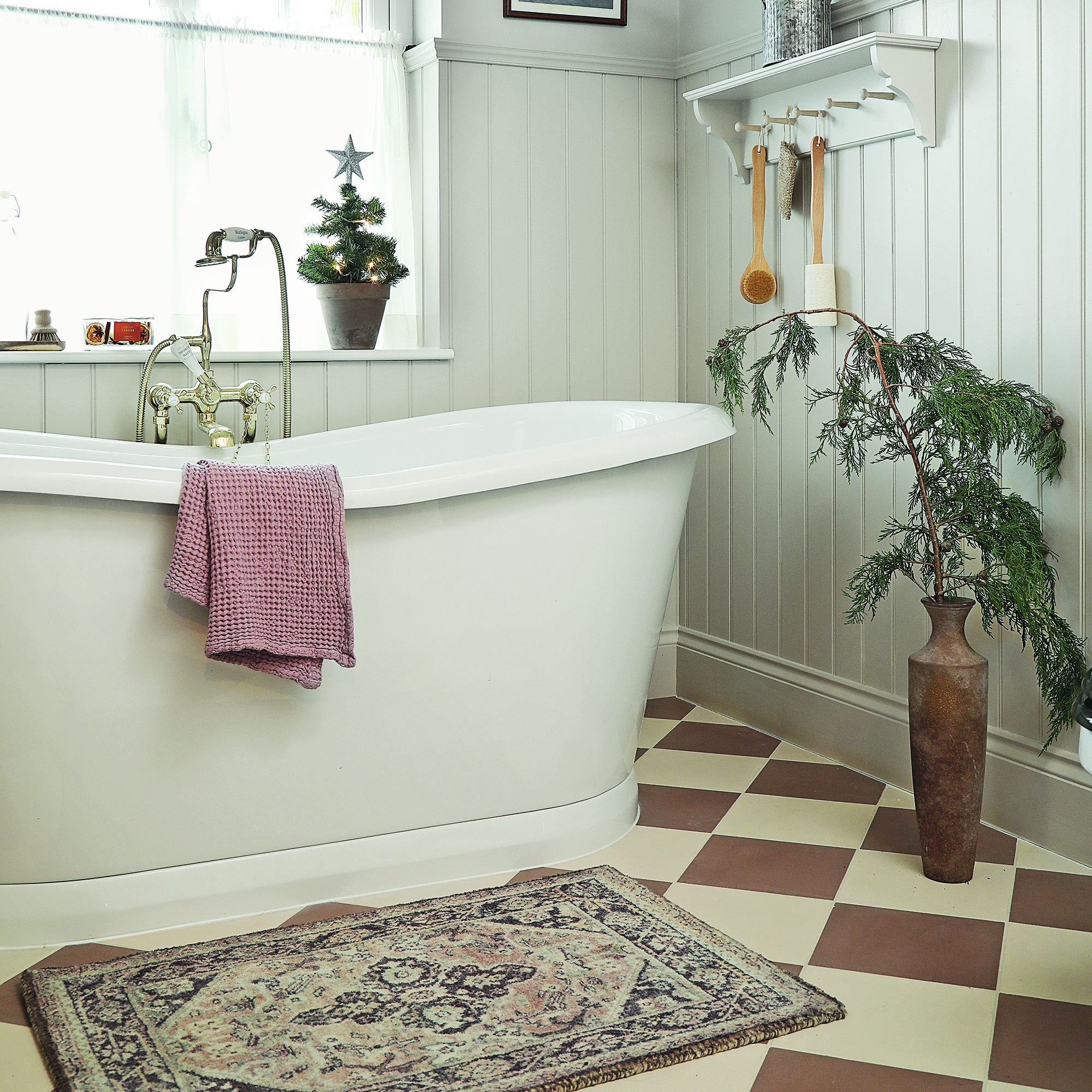
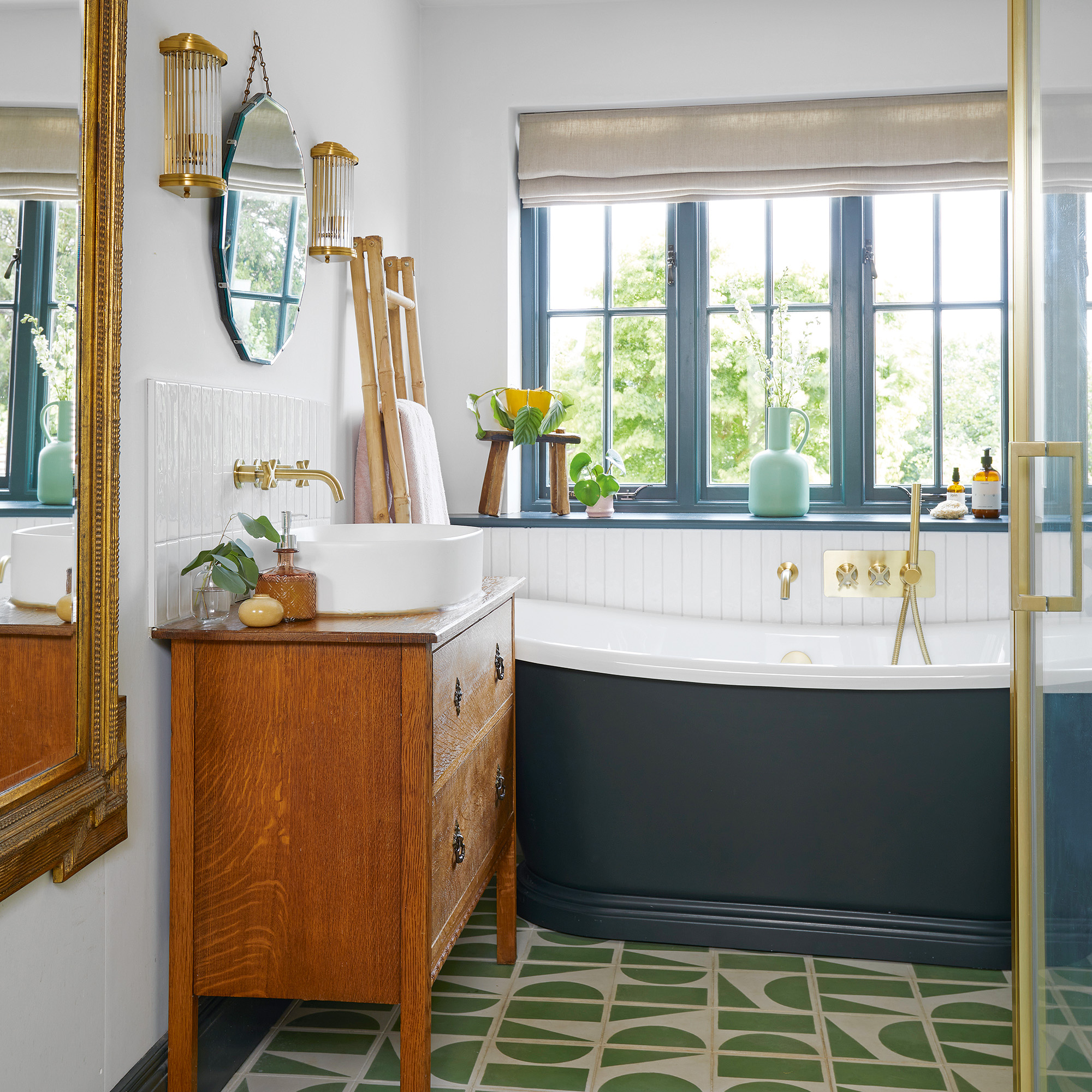
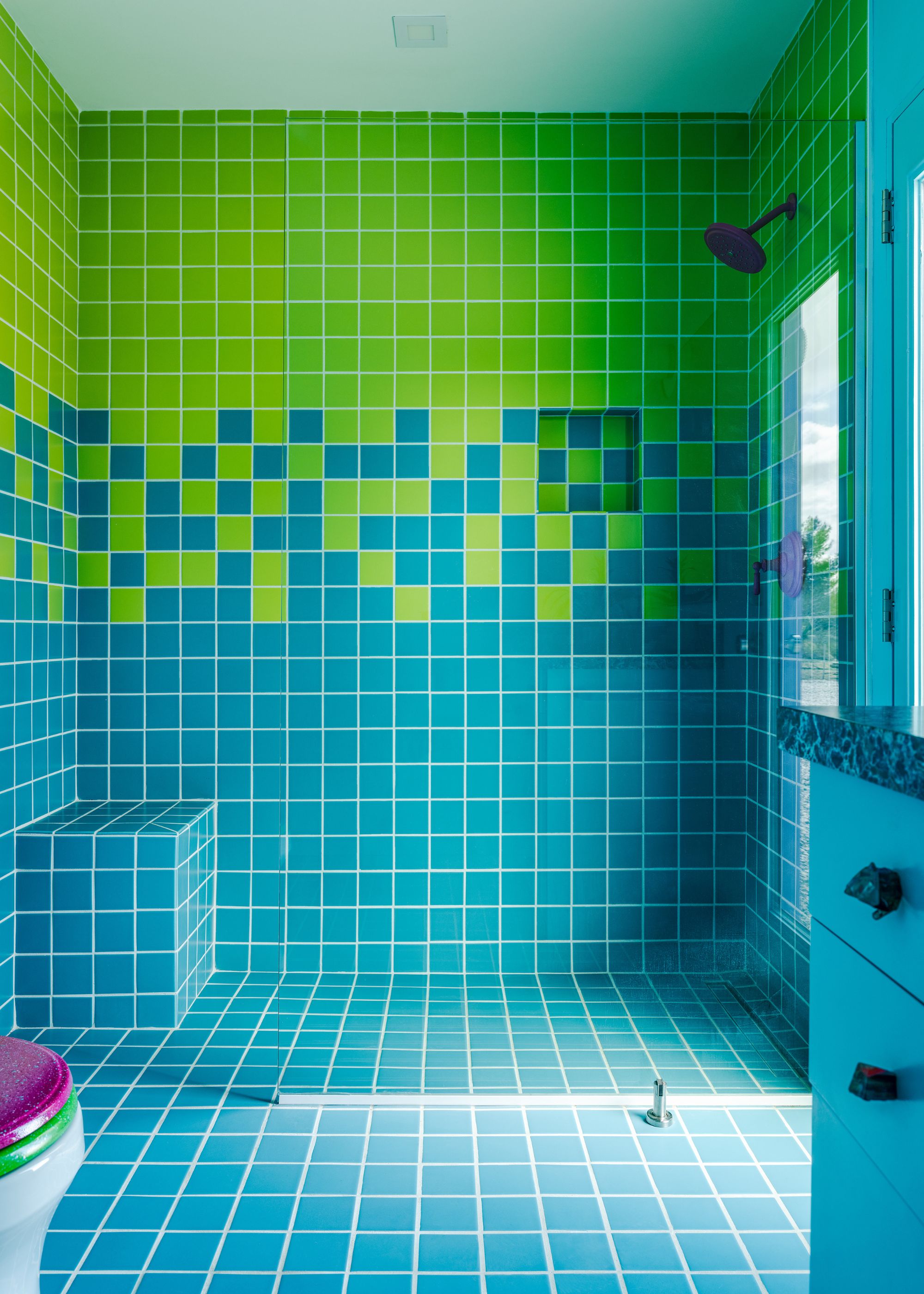
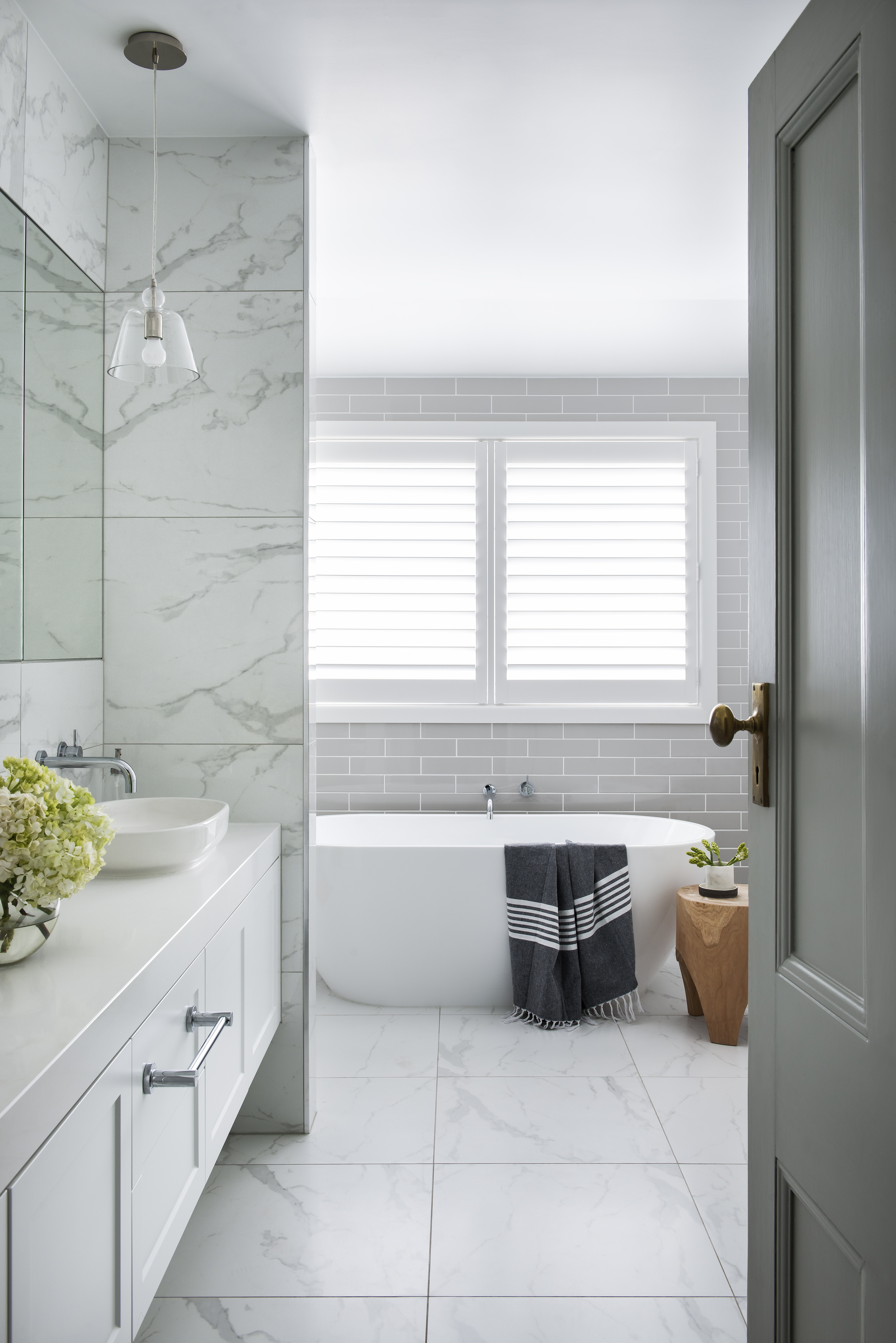
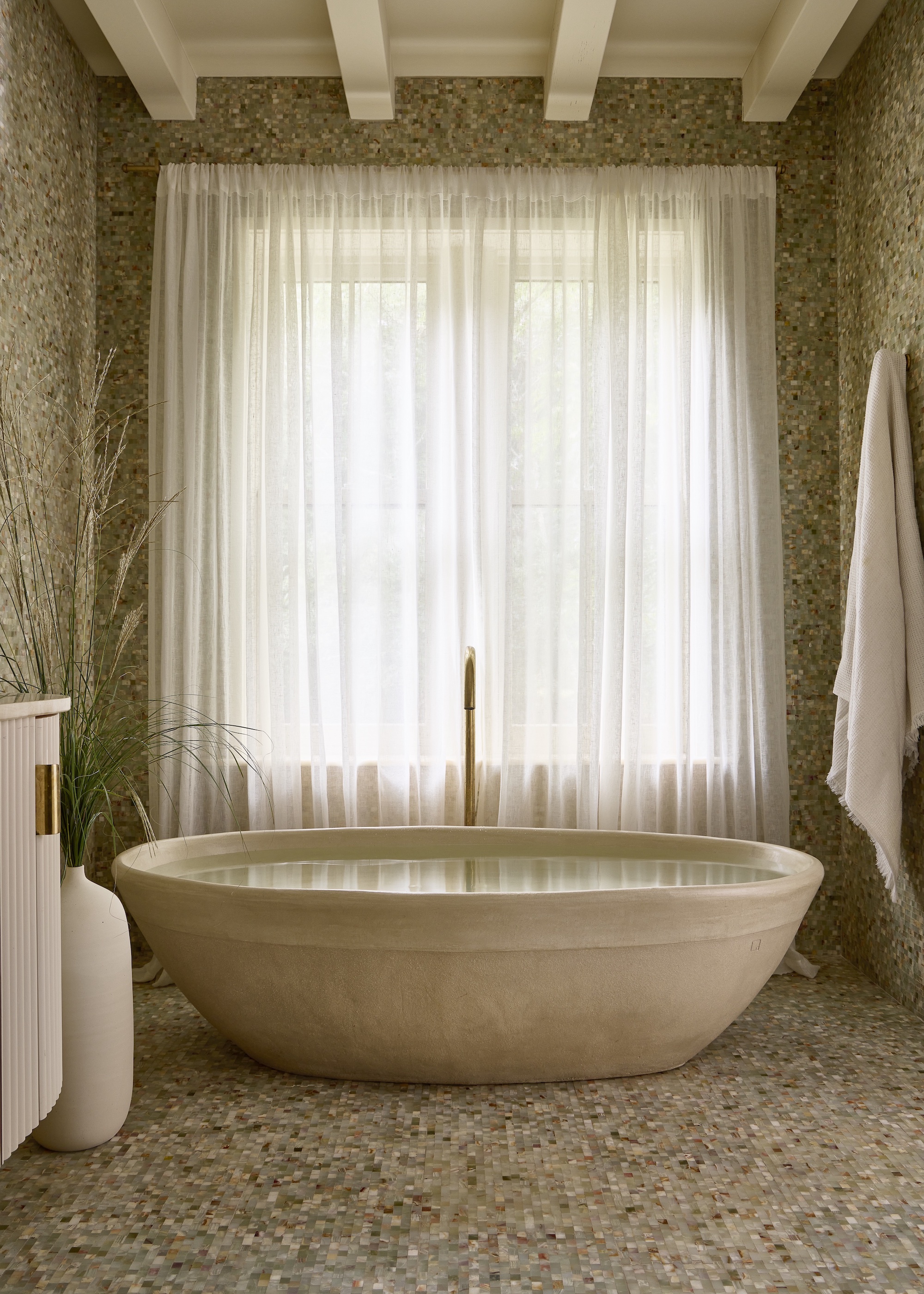
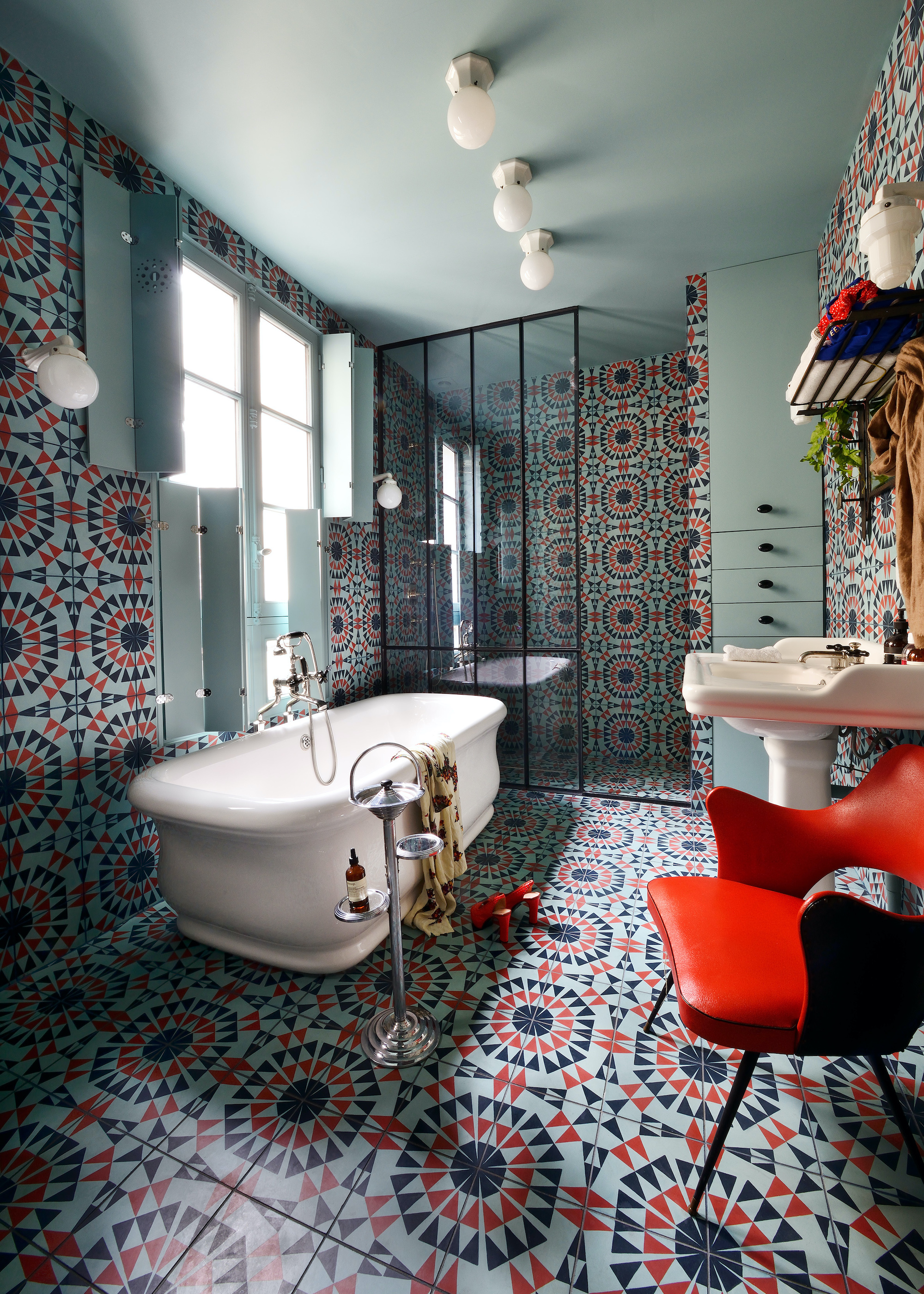
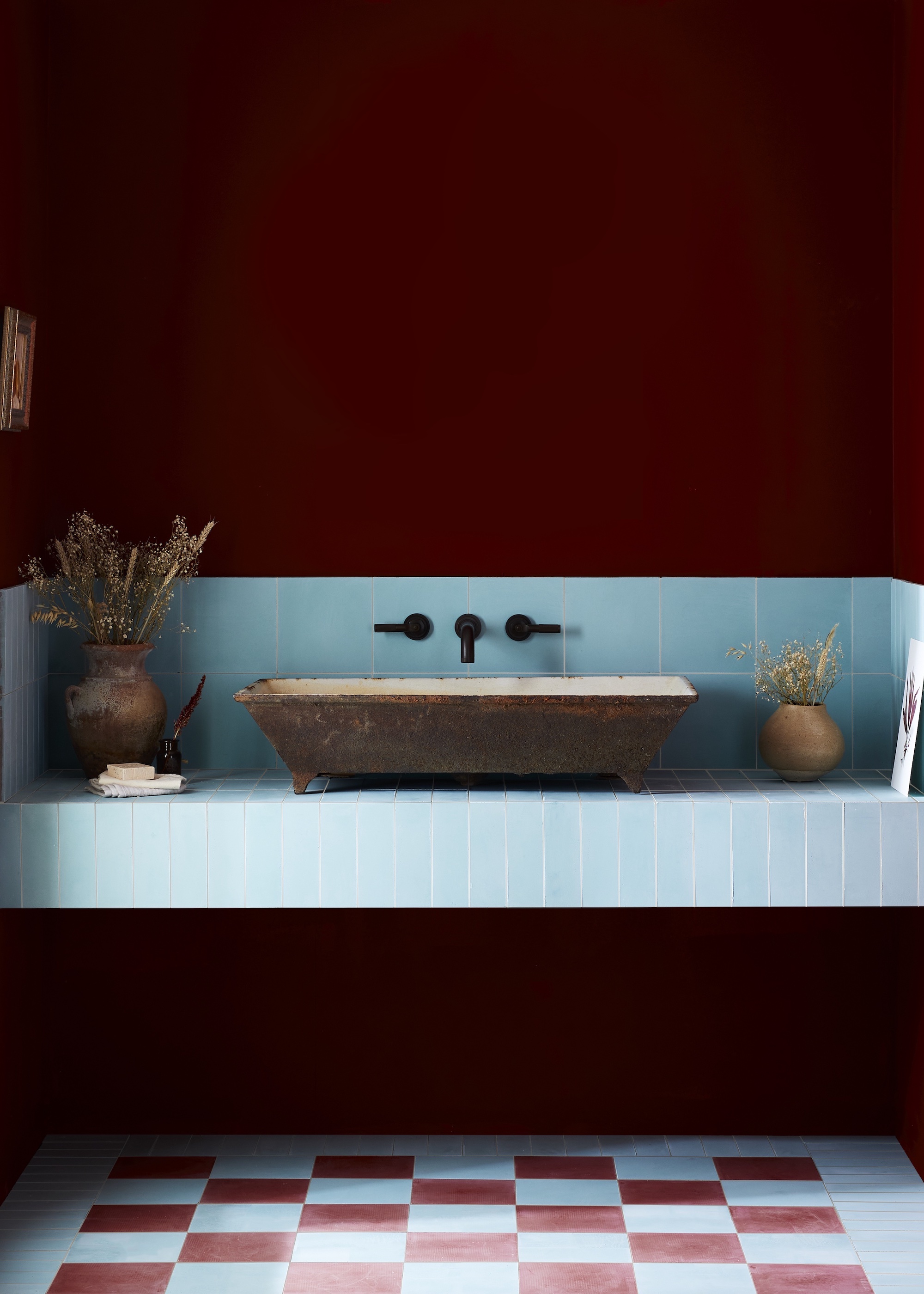
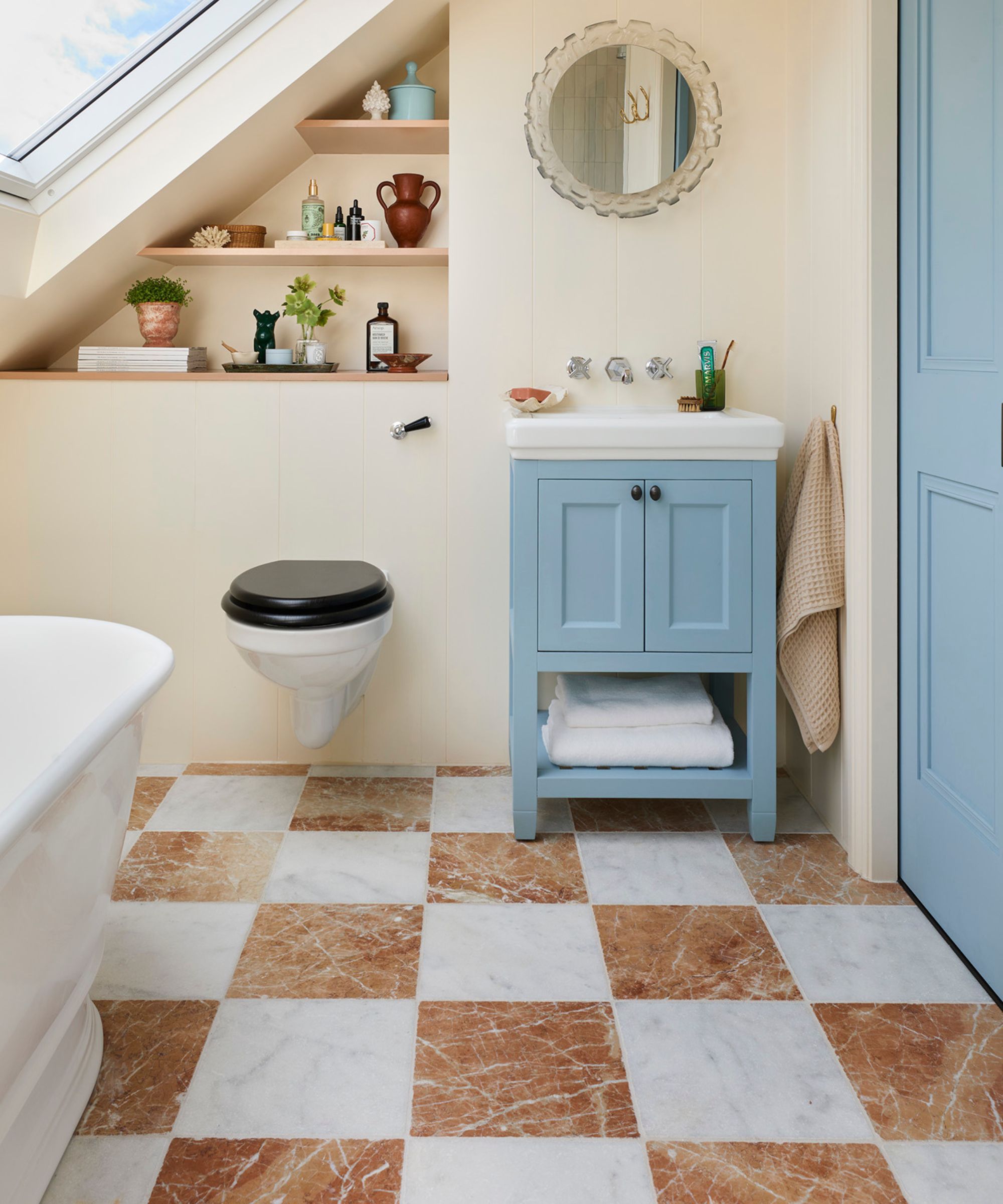
Despite the availability of safer vinyl options, Yodice strongly advocates for ceramic or porcelain tiles as the superior choice for bathroom flooring. She emphasizes several advantages of these materials, including their potential to be made from recycled content, their extreme durability, and their long-lasting nature. A key benefit highlighted is their resistance to mold growth, which is particularly crucial in the moist environment of a bathroom. Yodice explains that ceramic and porcelain tiles, being composed of clay and other naturally occurring minerals, are free from harmful substances like formaldehyde, VOCs, and PVC resin. This makes them a safe and effective option that also offers a vast array of design choices.
While ceramic and porcelain tiles are not entirely waterproof, they possess antimicrobial properties and are inhospitable to bacteria often found in damp areas. The article also addresses a potential drawback: these tiles can become slippery when wet. To mitigate this, it recommends opting for textured ceramic or porcelain tiles to ensure a non-slip surface, enhancing safety in the bathroom.
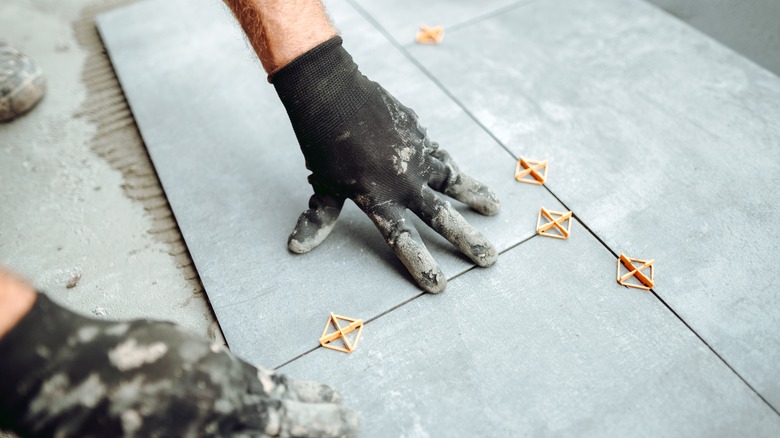
Beyond material selection, the article touches upon the financial aspect and installation. Yodice advises considering the long-term costs associated with flooring choices. Although porcelain tile might have a higher upfront cost, its durability and minimal maintenance requirements often make it a more cost-effective solution over time. Investing in such durable materials can prevent future issues like mold, mildew, and water damage, and also ensures that no harmful ingredients are introduced into the home environment. The main challenge with porcelain and ceramic installation is its complexity, making professional installation highly recommended. Yodice concludes by stressing the importance of hiring a qualified contractor to guarantee a proper and lasting installation, ensuring that homeowners can enjoy their bathrooms without future complications.
#BathroomFlooring #VinylFlooring #CeramicTile #PorcelainTile #HomeImprovement #TilingExpert #VOCs #NonToxicMaterials #Durability #HomeDesign #BathroomFlooring #VinylFlooring #CeramicTile #PorcelainTile #HomeImprovement #TilingExpert #VOCs #NonToxicMaterials #Durability #HomeDesign
0 opmerkingen in totaal
 Nog geen opmerkingen
Dit vindt u mogelijk ook leuk
How to choose bathroom flooring - everything you need to know, according to experts

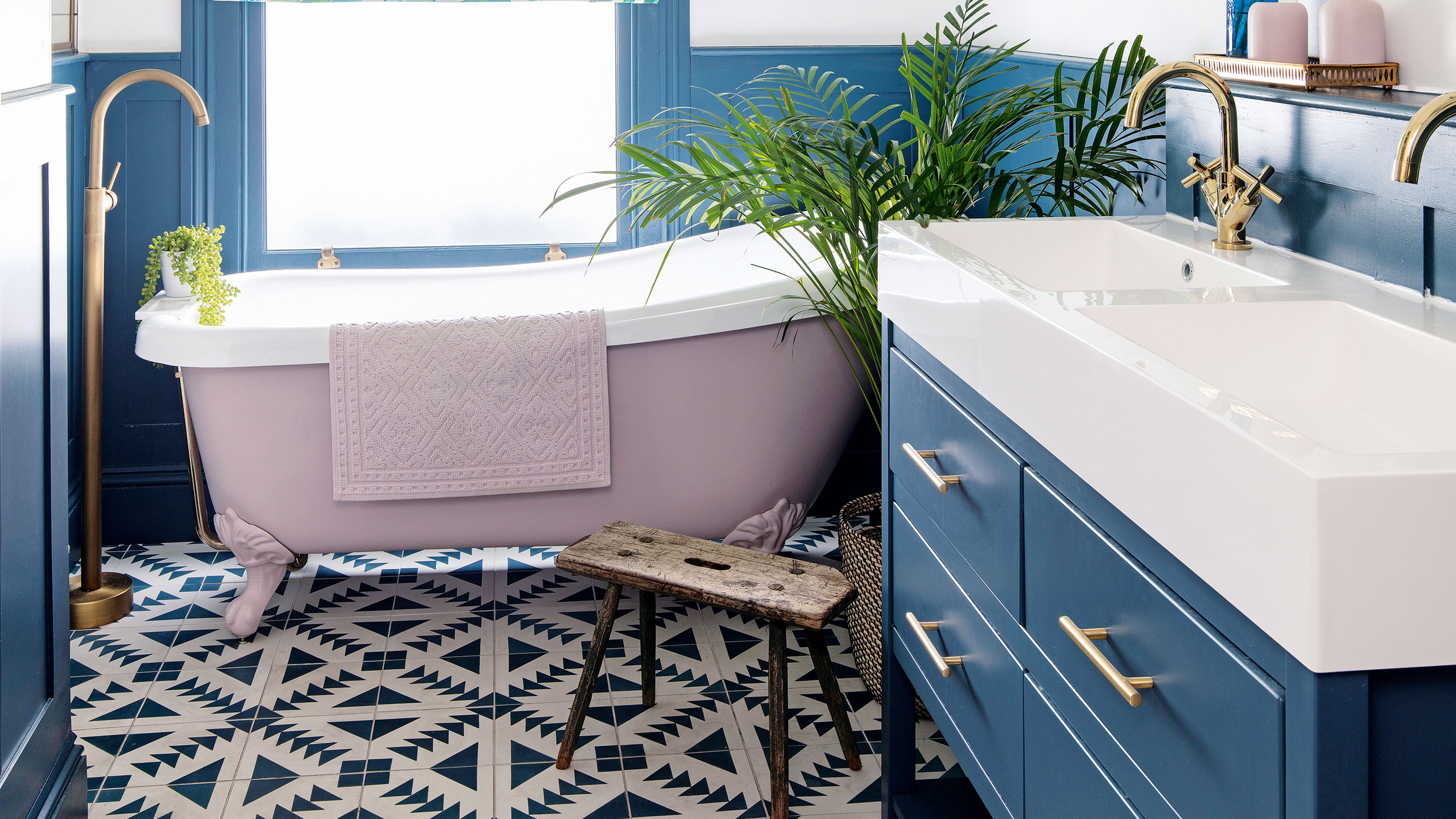
Experts warn against these 6 bathroom flooring mistakes - what to do instead
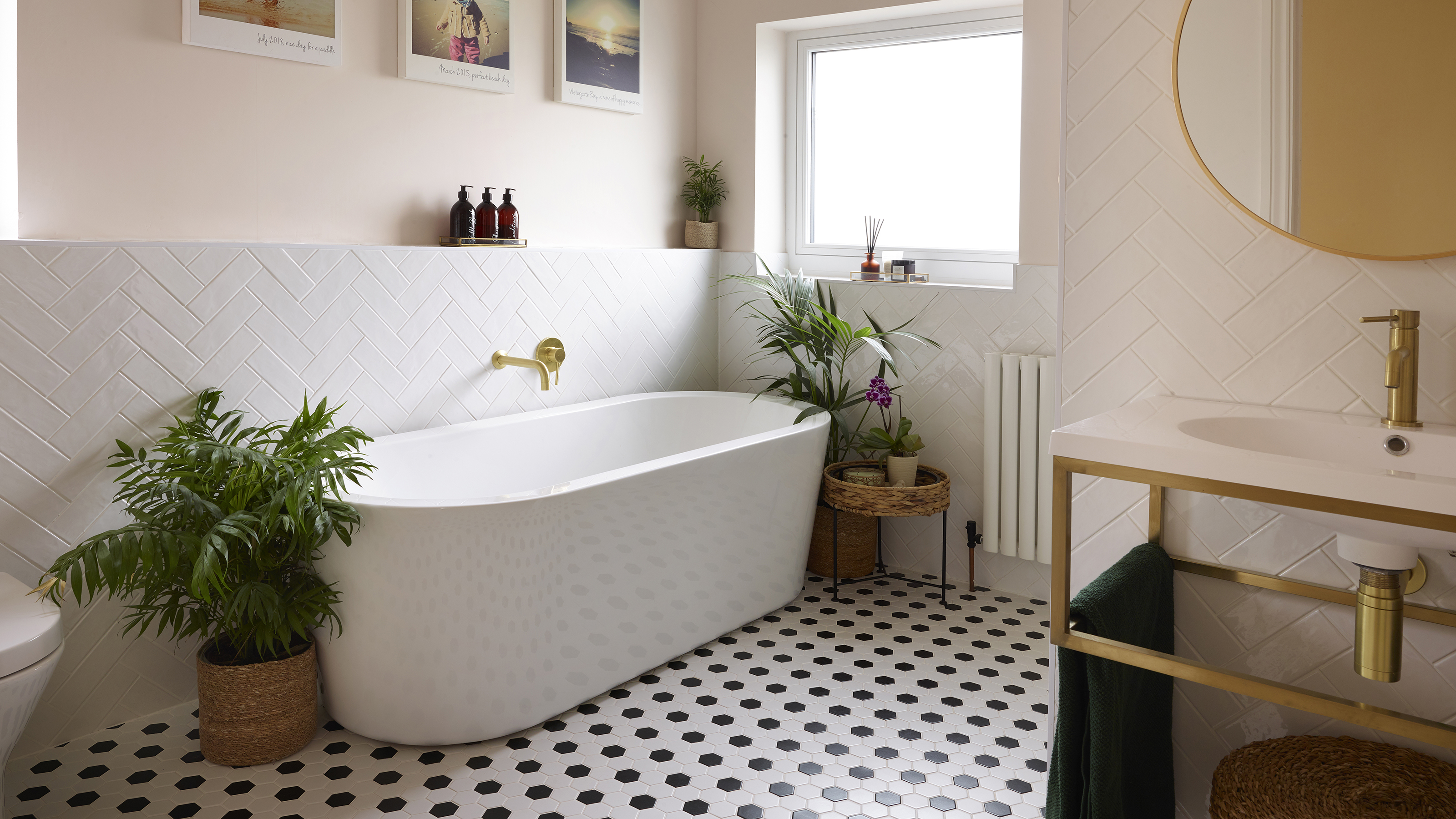
14 Bathroom flooring ideas to create a stylish and sensible space in 2025
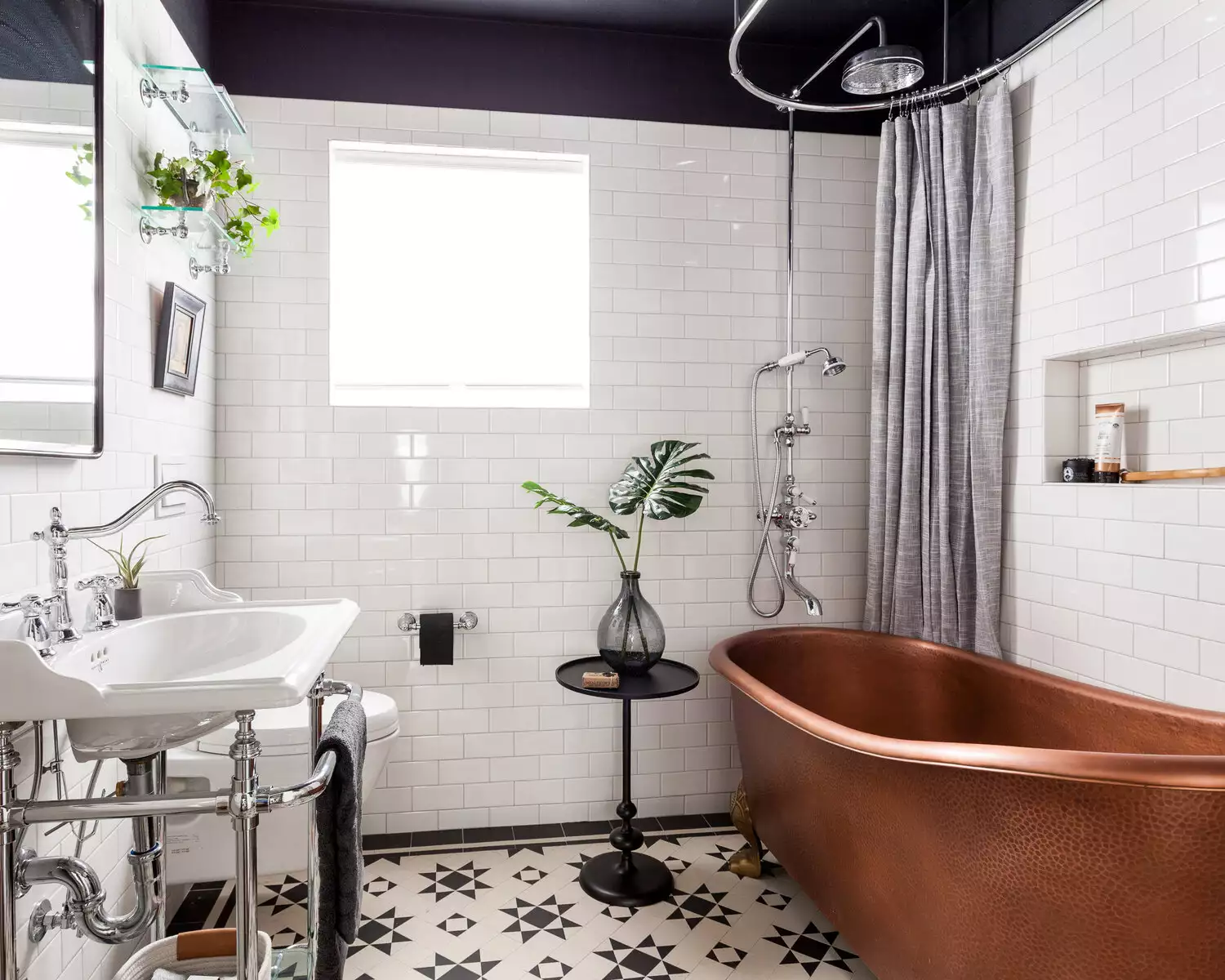
How to Choose Bathroom Tile That You'll Love Forever, According to a Designer

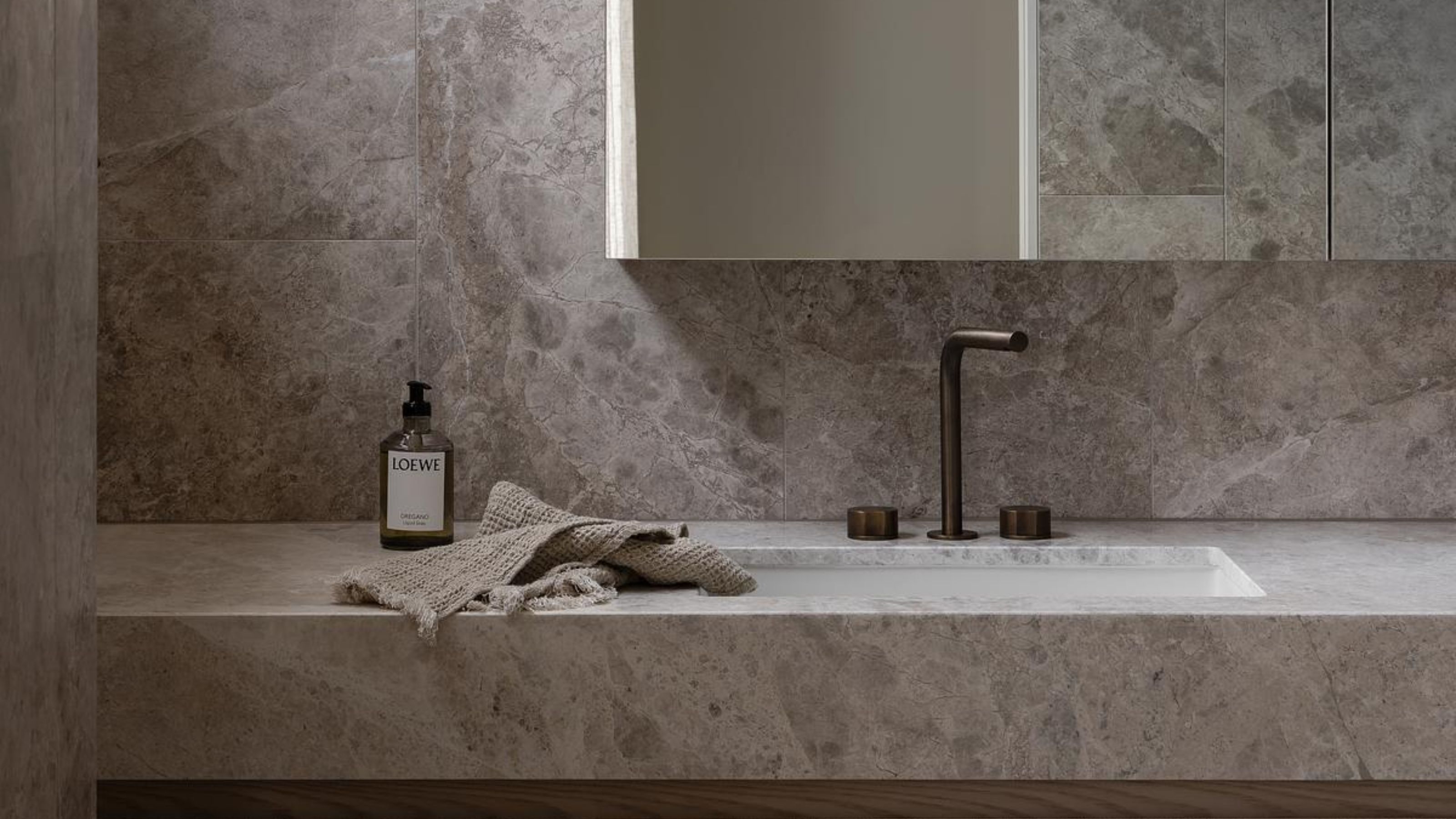
4 Countertop Materials to Avoid in a Bathroom and What to Use Instead in Your Next Renovation
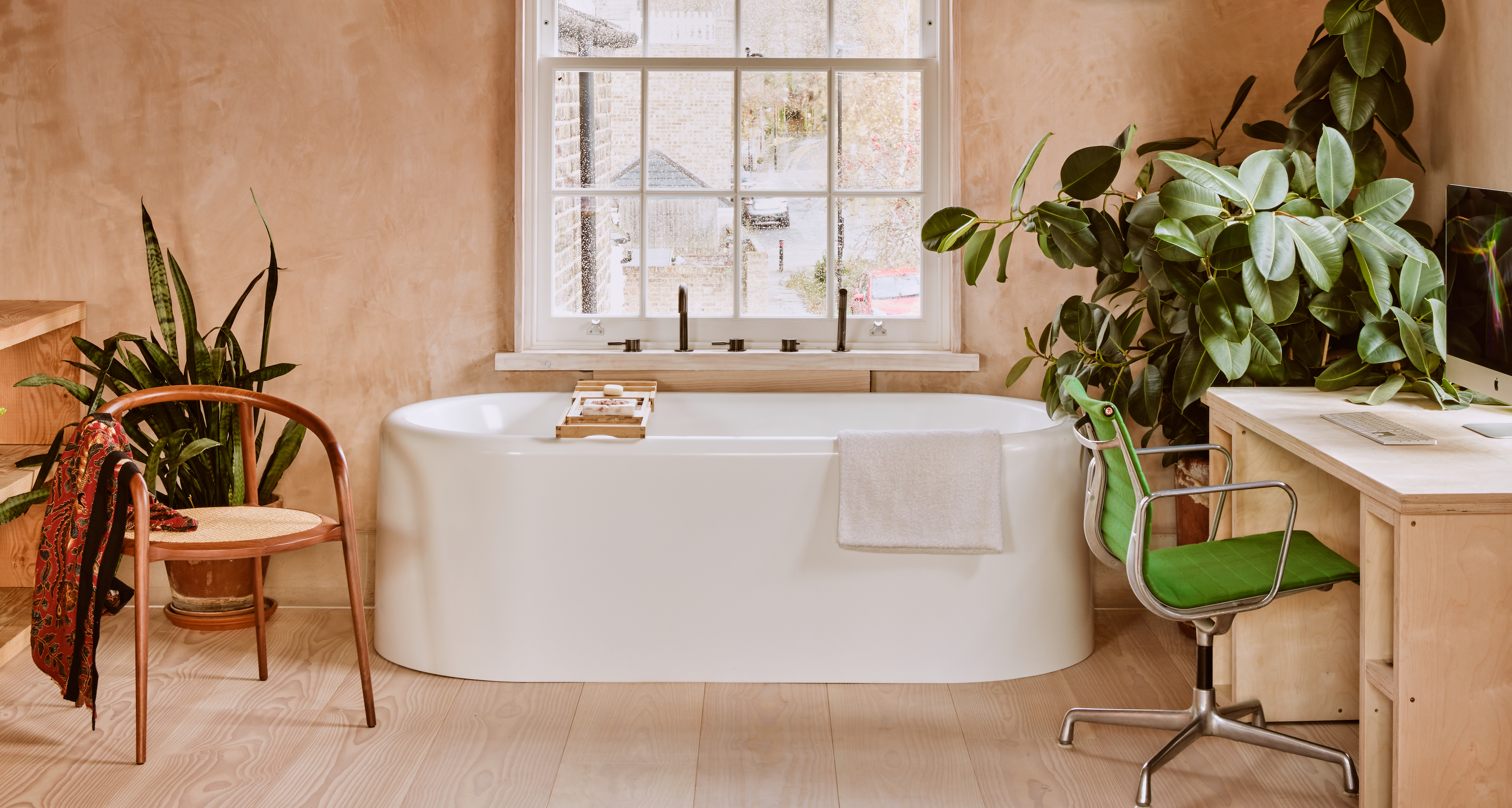
Don't use hardwood flooring in a bathroom without reading this expert advice for long-lasting boards
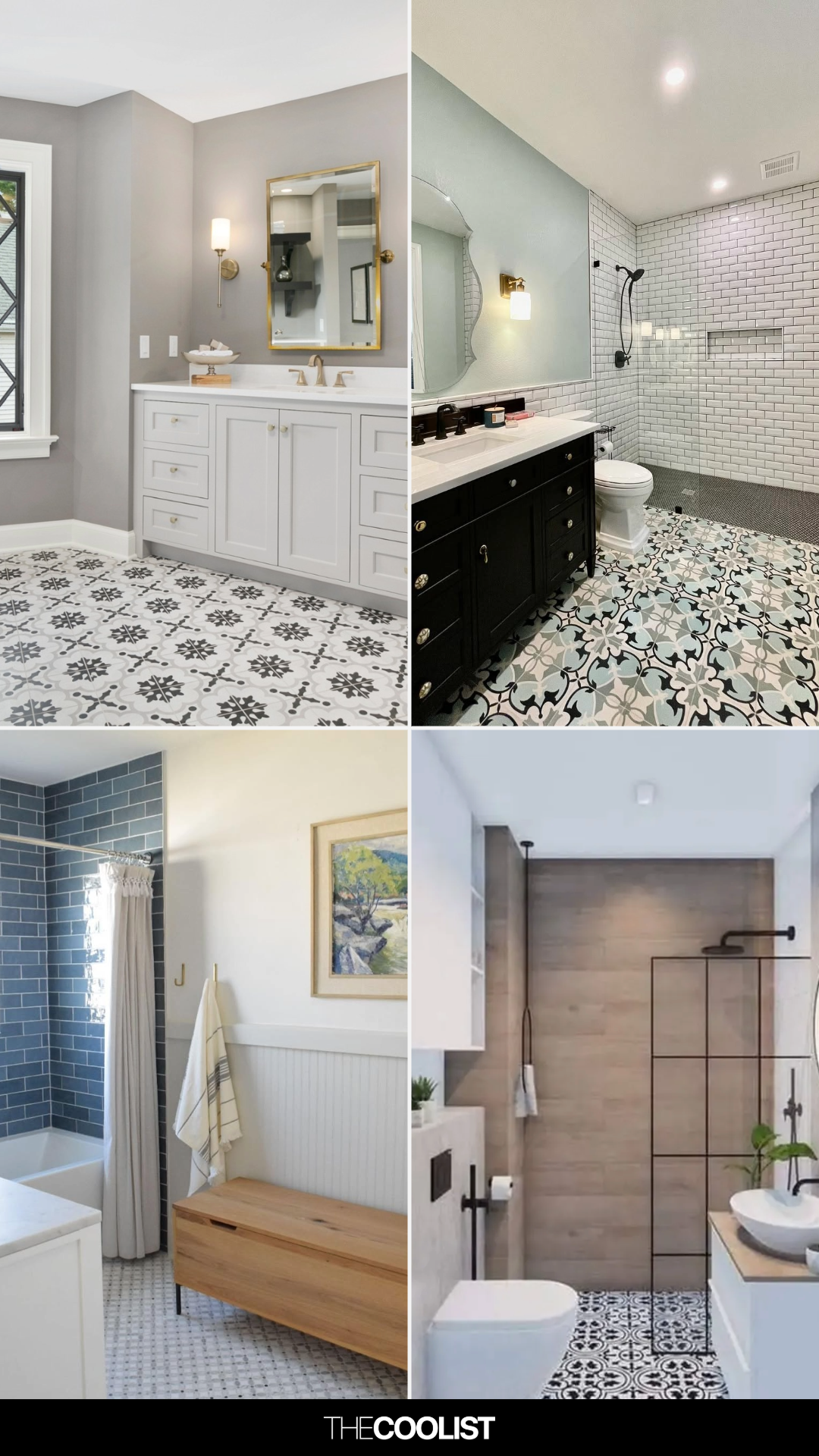
24 Shockingly Chic Bathroom Flooring Ideas That Will Make You Cancel Every Other Remodel Plan
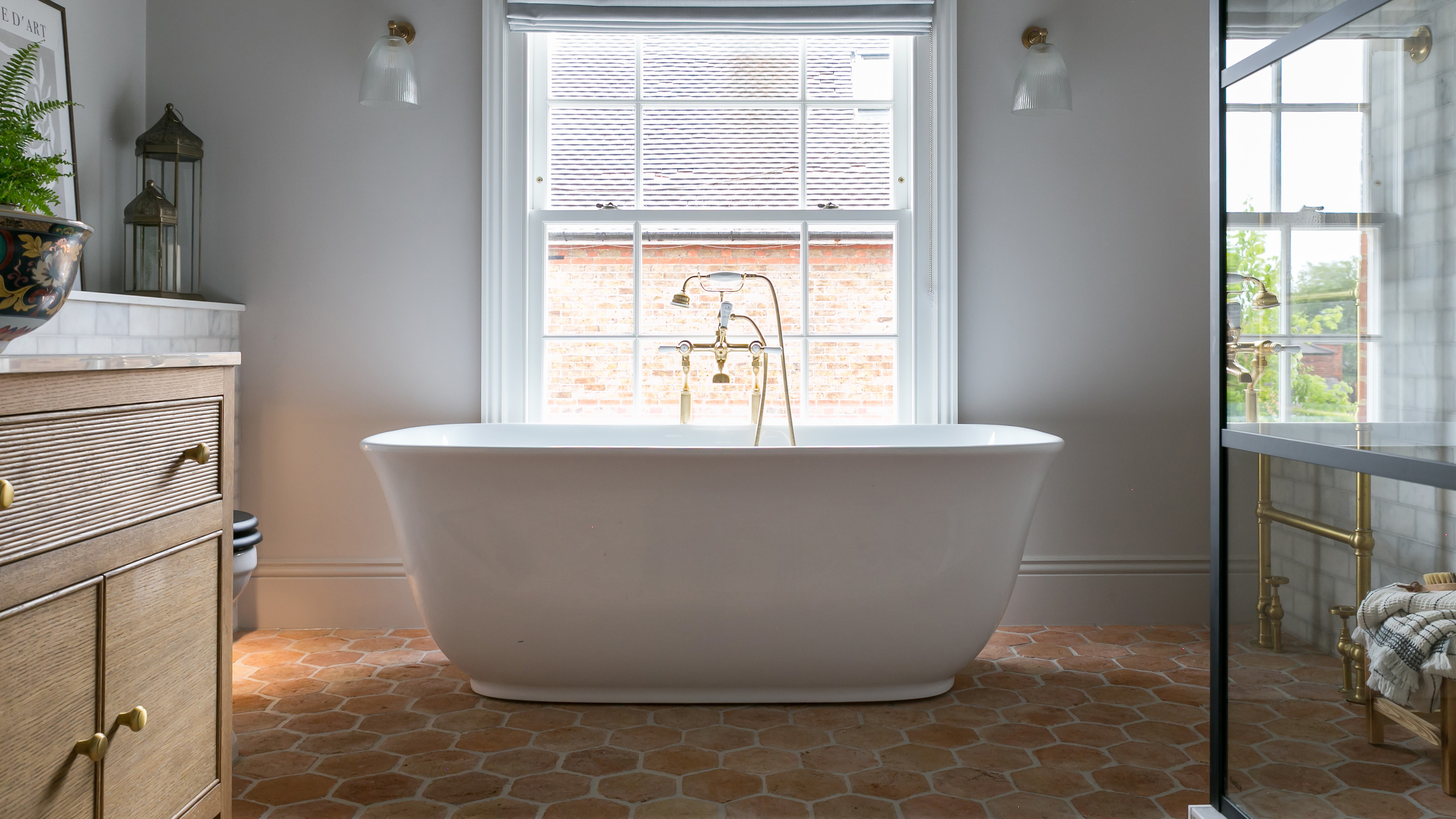
10 Bathroom Flooring Trends That the Best Designers Are Choosing in 2025
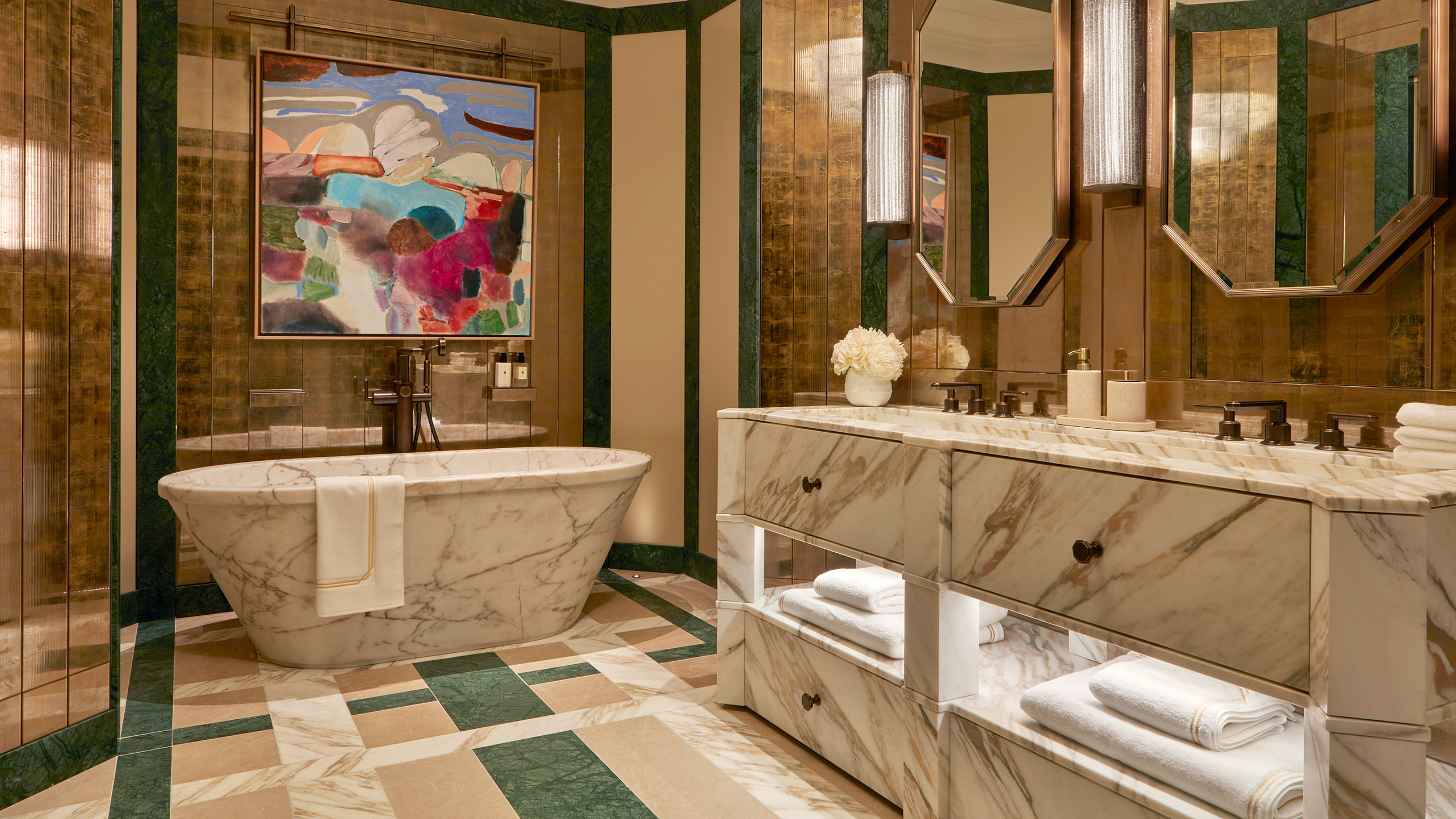
5 Outdated Bathroom Flooring Trends to Avoid in 2025 — Plus the Ones the Experts Want to See More of in Your Home
Say Goodbye to Soggy Toes and Scary Slips–These Are the Best Non-Slip Bath Mats

15 of the Most Important Bathroom Flooring Ideas You Need to Know When You're Planning a Makeover This Year
15 bathroom flooring ideas designers always return to

20 Bathroom Floor Tile Ideas That Go Beyond the Basics
Non-slip bathroom flooring ideas – 10 beautiful yet functional designs for underfoot
5 Major Bathroom Flooring Trends That Will Take Over 2024 — "This is What People Are Choosing Now"
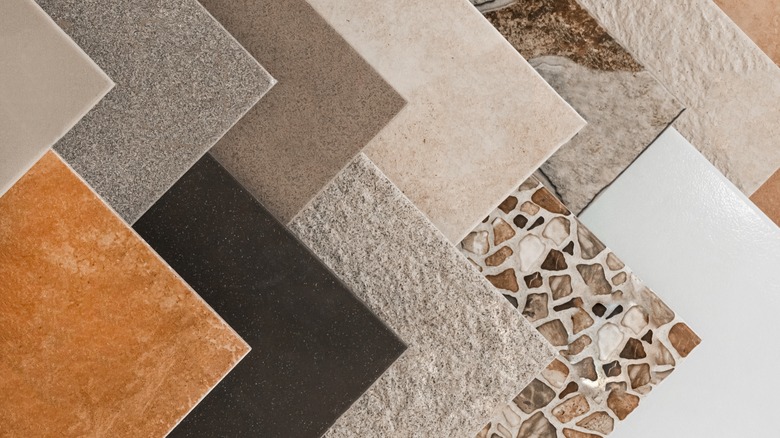
The Best Shower Tile To Use In Your Bathroom, According To A Design Expert
Interior designers believe these are the bathroom tiling trends to follow (and avoid)

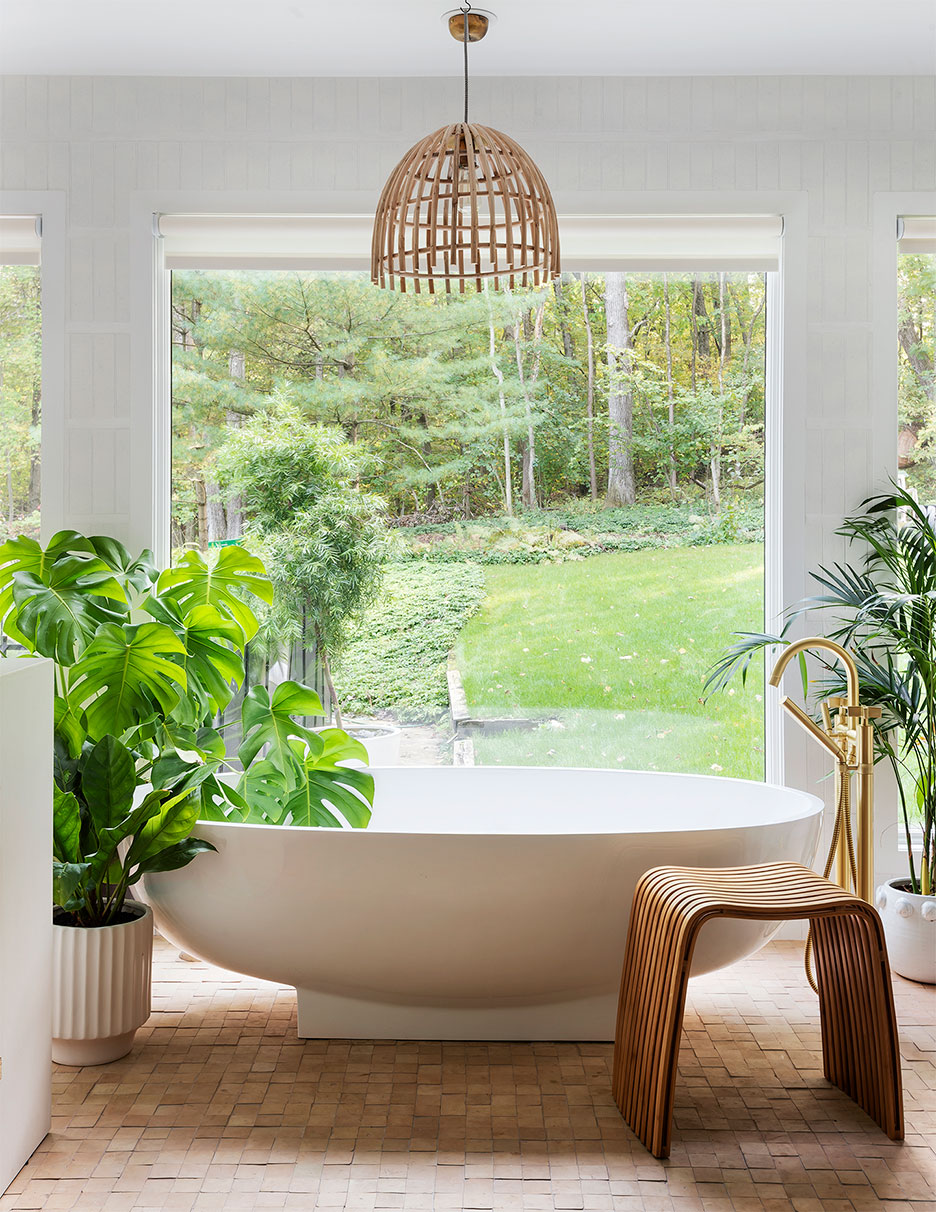
7 Designers Weigh in on the Best Tile for Bathroom Floors

Bathroom Tiles

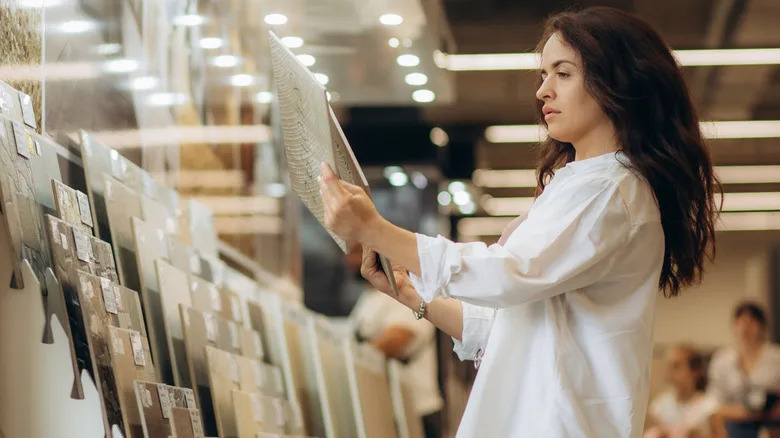
The Bathroom Floor Tile Trend That Will Dominate In 2025