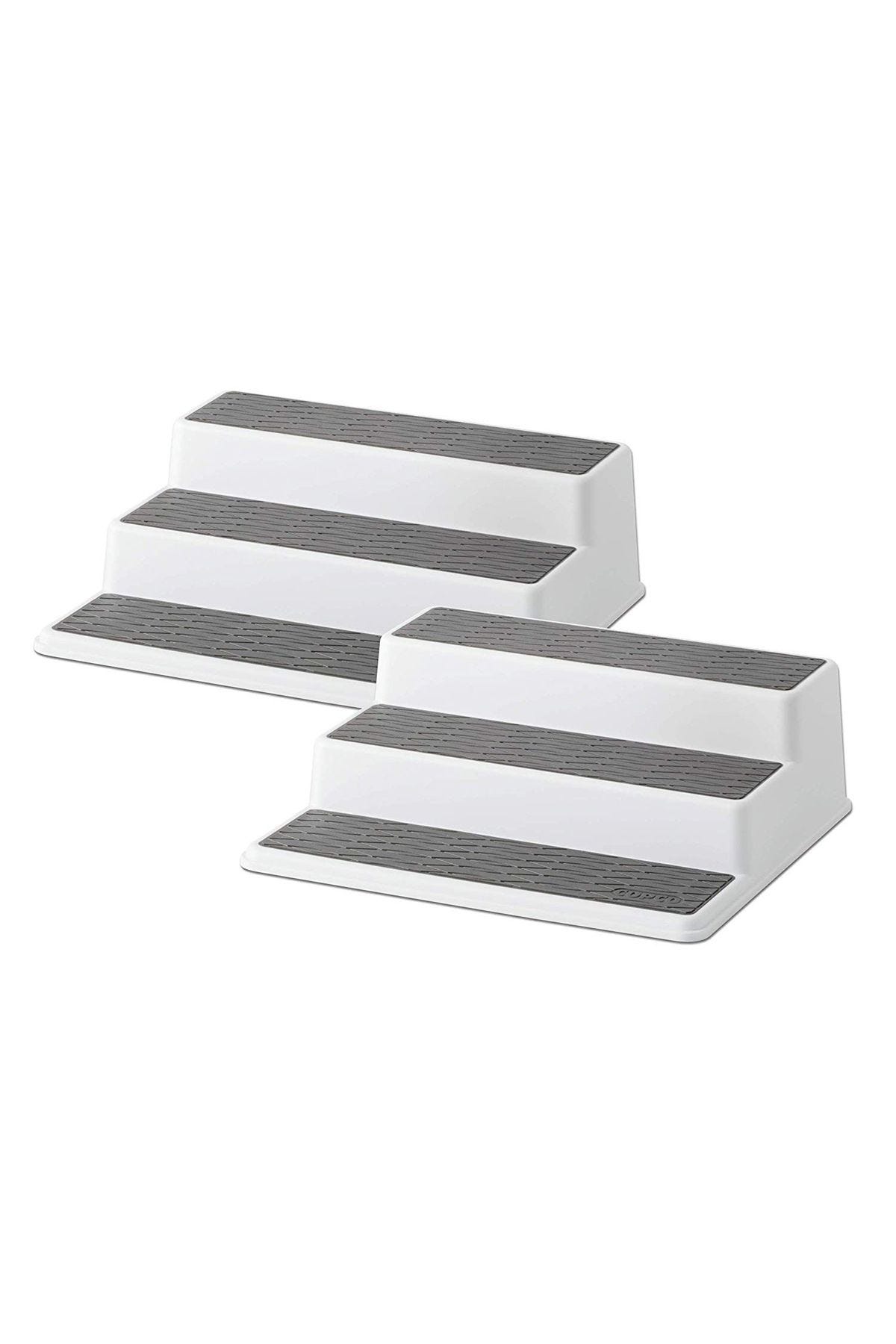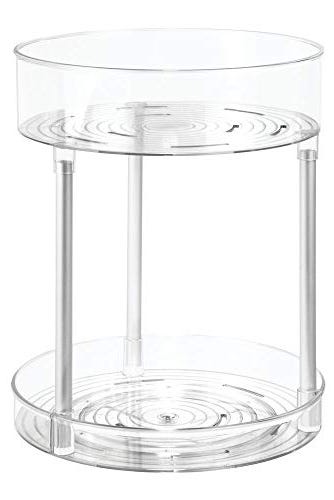
1/4
Emily Henderson shares a surprisingly aesthetic vitamin storage hack
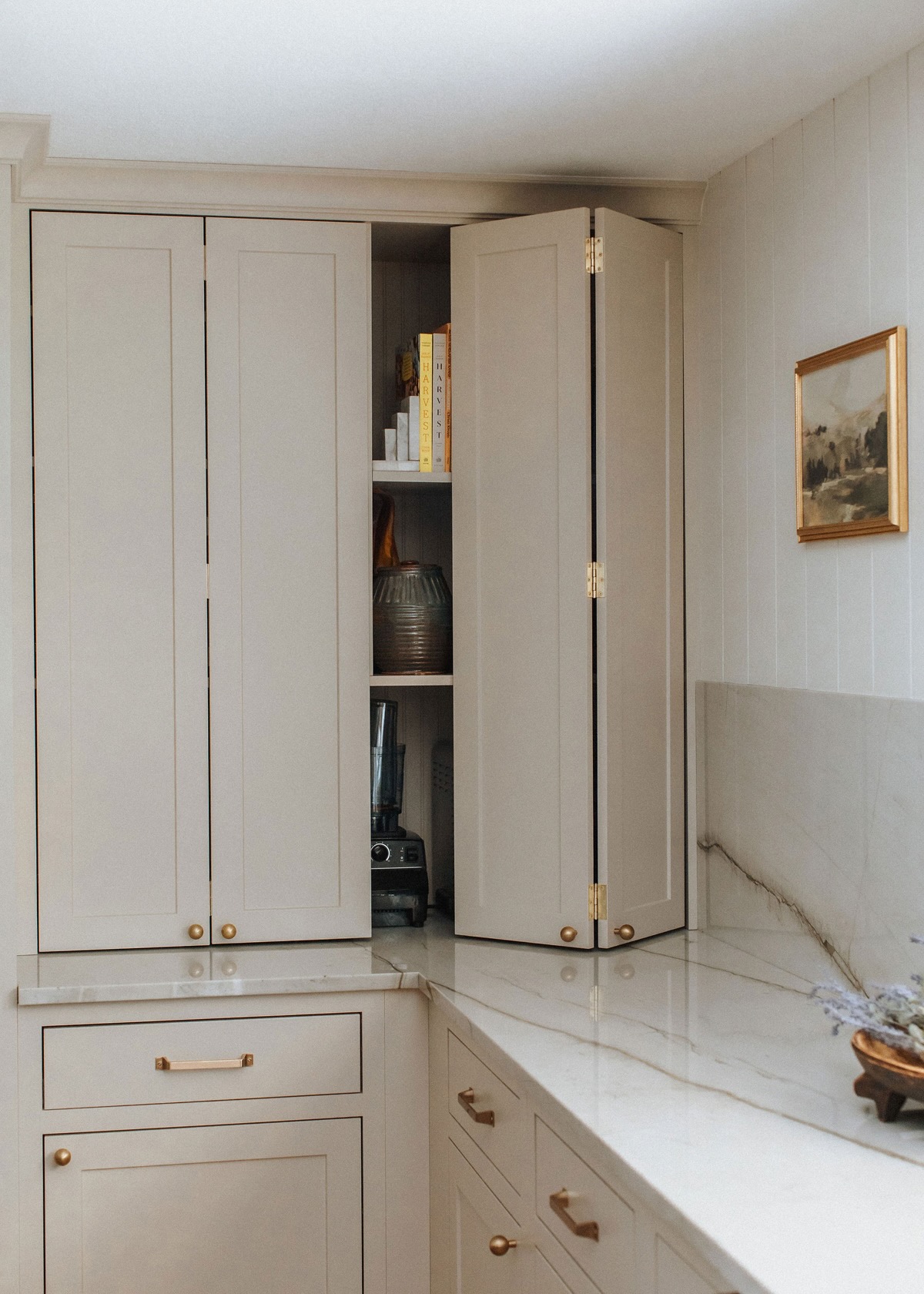
The increasing prevalence of winter illnesses often leads to an accumulation of vitamin and supplement bottles on kitchen countertops, which can detract from a kitchen's aesthetic. Interior designer and author Emily Henderson addresses this common issue by suggesting practical and visually appealing storage solutions to integrate these health essentials seamlessly into home decor. Her recommendations are particularly relevant for those seeking to maintain an organized and visually harmonious kitchen environment while ensuring easy access to daily supplements.
One of Henderson's primary suggestions is the use of a magnetic kitchen rack, which offers a discreet and efficient way to store vitamins and other frequently used items. This type of rack can be attached to the side or front of a refrigerator, utilizing often-unused vertical space. The magnetic rack is versatile, suitable for organizing not only vitamins but also condiments, sauces, spices, or even cleaning supplies, making it a multi-functional storage asset. Its installation requires no DIY, simplifying the process of incorporating it into the kitchen. The placement of vitamins on the refrigerator door serves as a visual reminder, enhancing adherence to daily routines, particularly for those who need to take medication regularly.
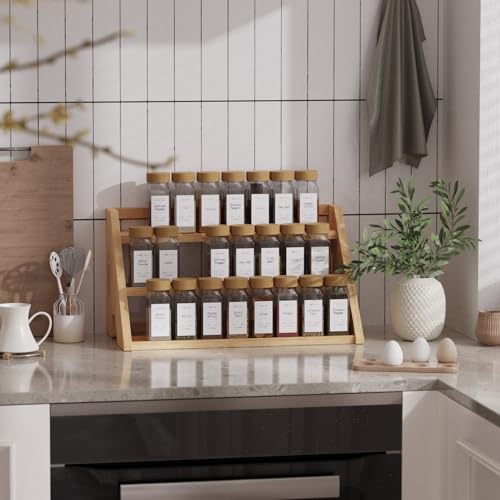
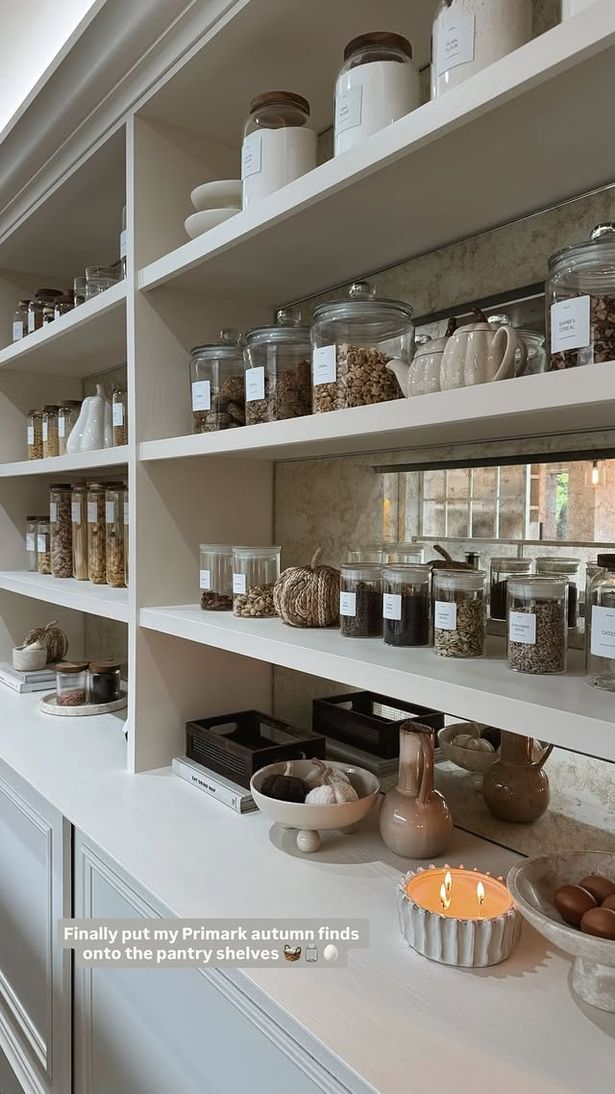
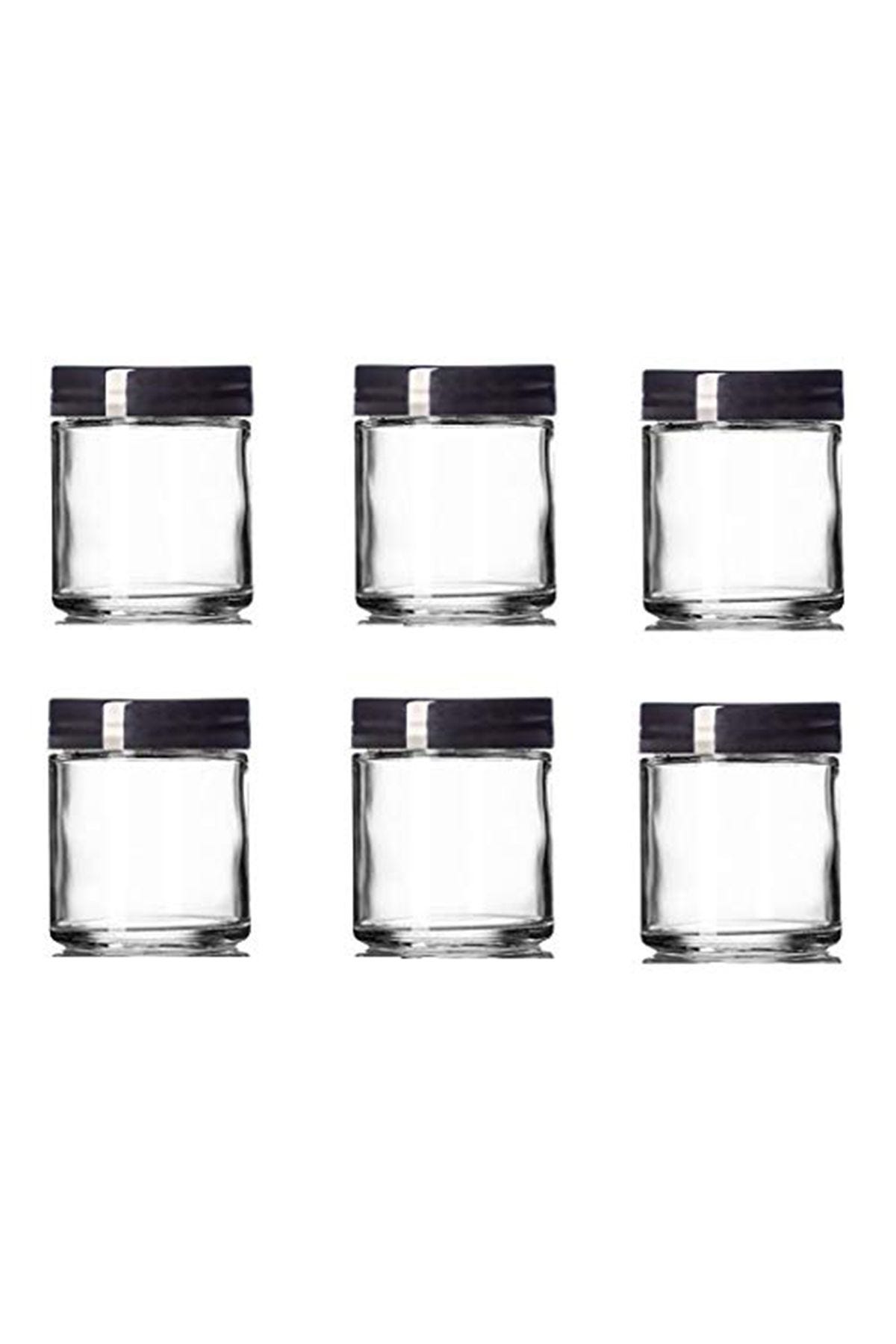
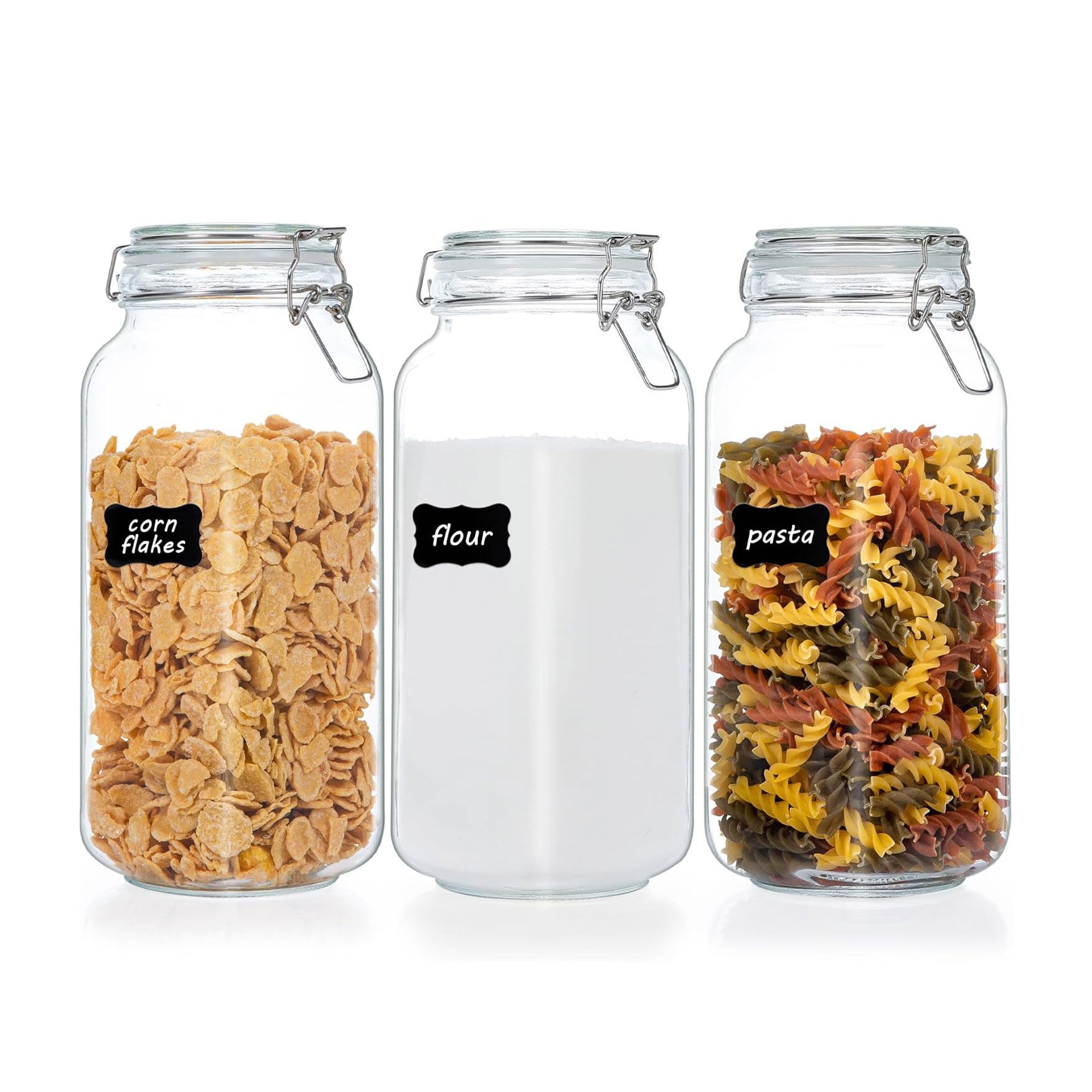
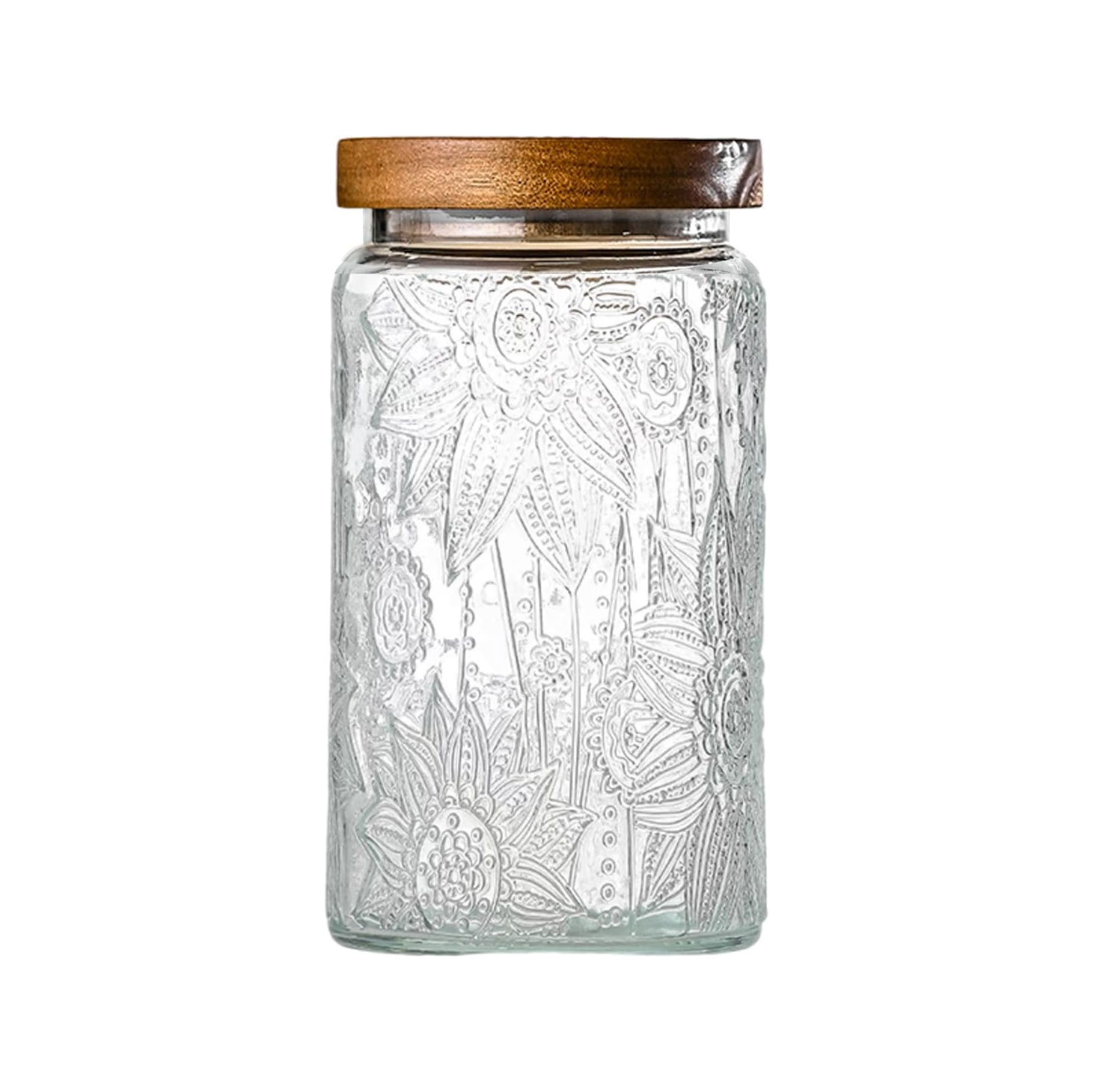
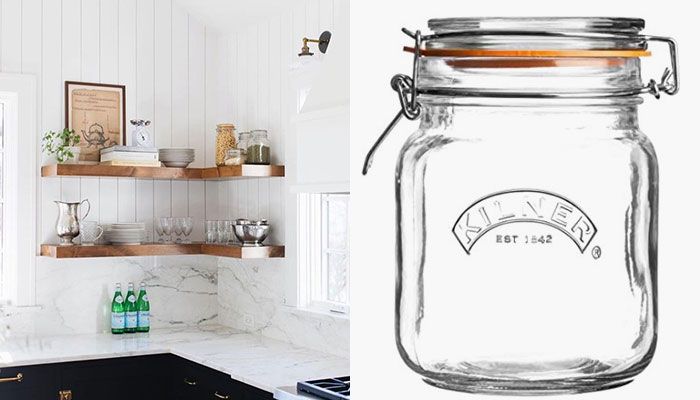
For households with young children, safety is a paramount concern. In such cases, Henderson advises storing vitamins and medications out of reach, perhaps in a linen closet. Utilizing a caddy within these storage areas can help maintain organization. Another aesthetic and practical solution for vitamin storage involves decanting them into small Mason jars. This method, popular among organization experts, requires ensuring the jars are stored in a cool, dry place away from direct sunlight, as light and humidity can diminish the potency of vitamins. Labeling these jars further enhances organization and ease of identification.
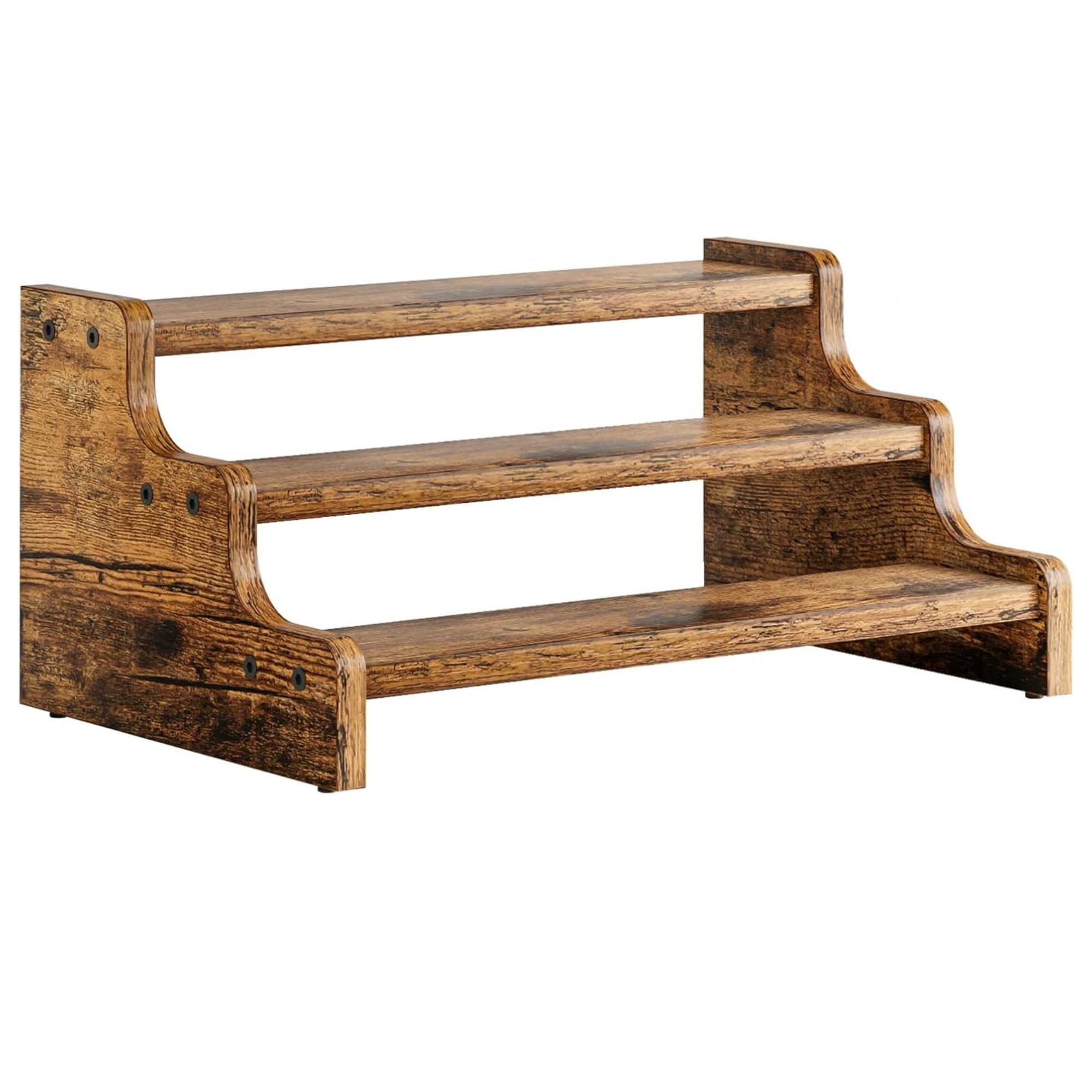
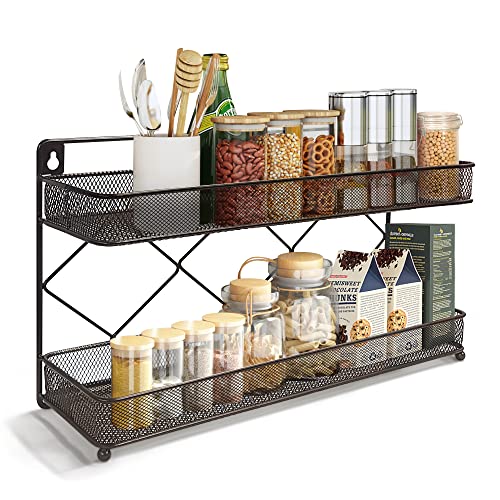
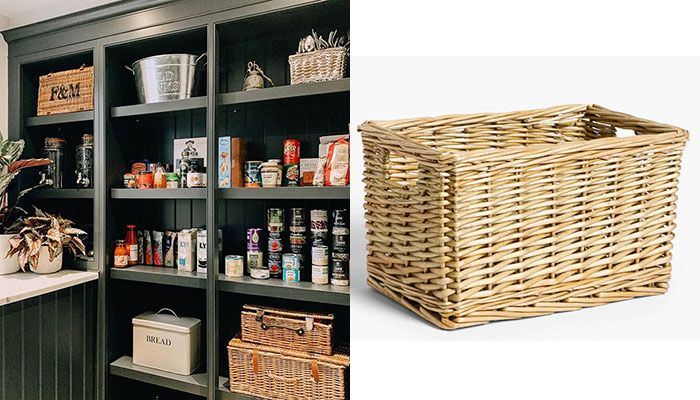
Developing a consistent routine is crucial for ensuring daily vitamin intake. Henderson suggests integrating vitamin consumption into existing daily habits, such as placing them near coffee mugs or using a 7-day pill planner stored in a cutlery drawer. This approach leverages established routines to create new ones. For instance, Homes & Gardens Deputy Editor and Stylist Jo Bailey, who uses open shelving in her kitchen, stores her vitamins in a wooden condiment carrier, transforming a functional item into a decorative one.
Alternatively, storing vitamins outside the kitchen, such as in the bedroom, can be beneficial. Dean Lee from Sealions, a vitamin and supplement store, highlights that bedrooms typically offer stable humidity and temperature, making them ideal storage locations. He emphasizes the importance of keeping vitamins away from direct sunlight, open windows, radiators, and other heat sources to preserve their effectiveness. Additionally, ensuring all medications, even those in childproof containers, are stored securely away from children and pets is a critical safety measure.
In conclusion, adopting smart storage solutions for vitamins and supplements, such as magnetic racks, Mason jars, or decorative boxes, significantly contributes to a clutter-free and aesthetically pleasing kitchen. These methods not only reduce visual clutter but also facilitate easier cleaning of countertops, fostering a more serene and enjoyable cooking and entertaining space. Implementing these strategies supports both well-being through consistent vitamin intake and the overall organization and cleanliness of the home.
#KitchenOrganization #VitaminStorage #HomeDecor #InteriorDesign #StorageHacks #MagneticRack #CountertopDecluttering #KitchenAesthetics #EmilyHenderson #KitchenOrganization #VitaminStorage #HomeDecor #InteriorDesign #StorageHacks #MagneticRack #CountertopDecluttering #KitchenAesthetics #EmilyHenderson
0 comment in total
 No comments yet
You may also like

Hailee Steinfeld's spice jar backsplash reinvents storage
Savvy Storage


A Gem of a Collection

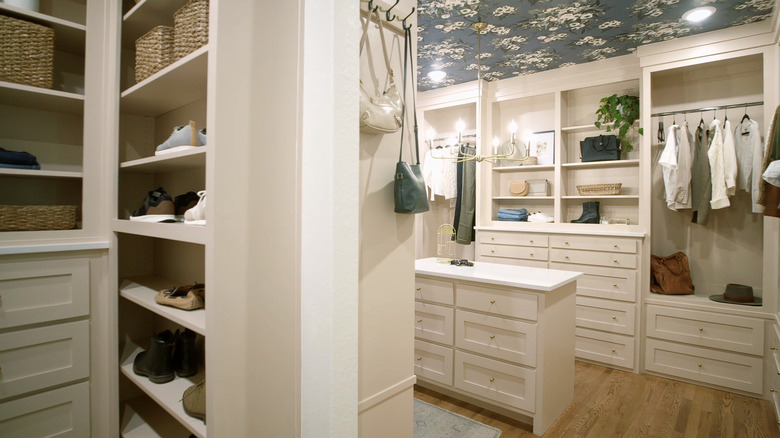
HGTV's Jenny Marrs Has A Genius Storage Solution For Maximizing Closet Space
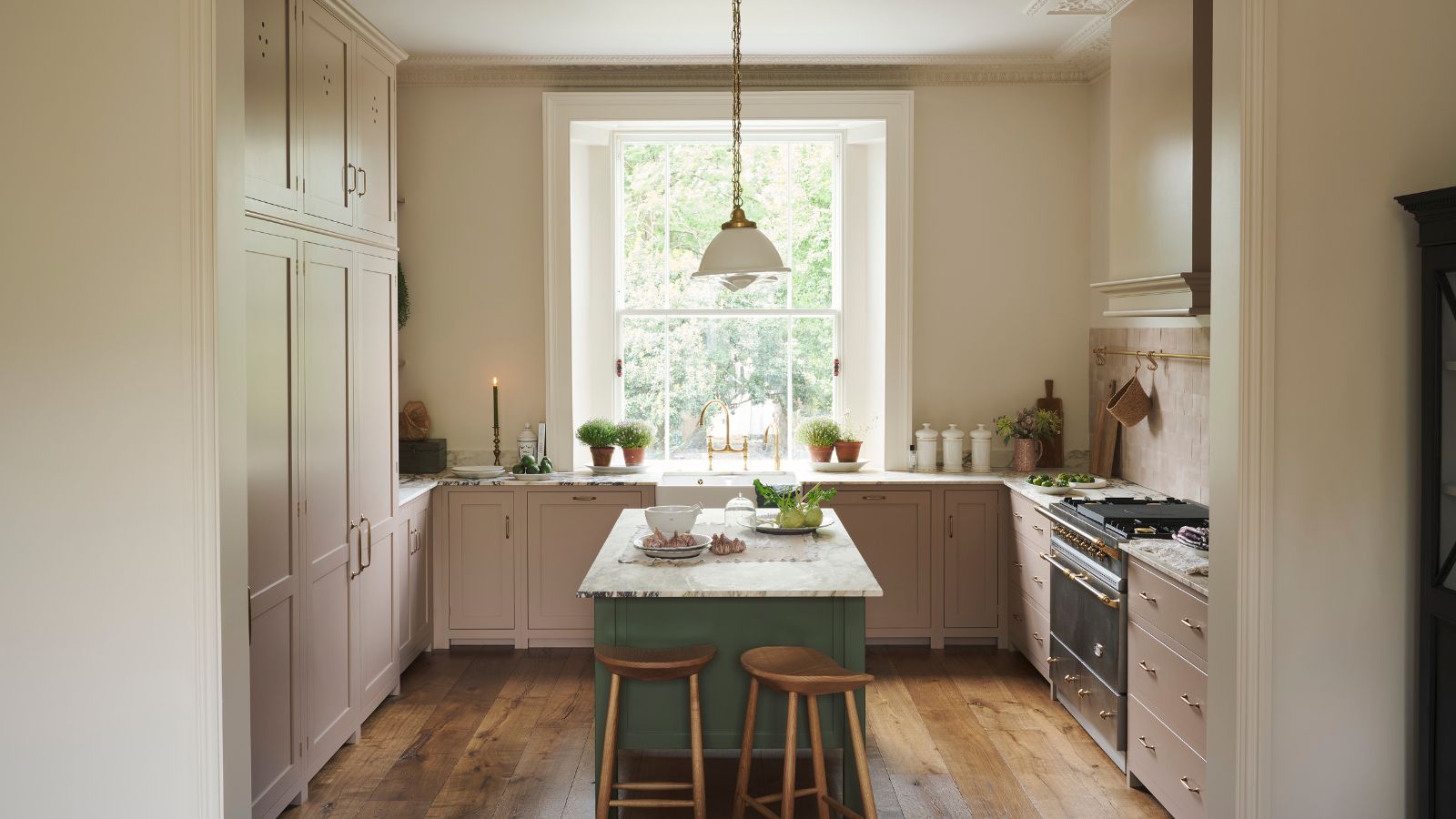
This bacteria-busting kitchen storage solution instantly tidied up my small sink area – it's chic and clever
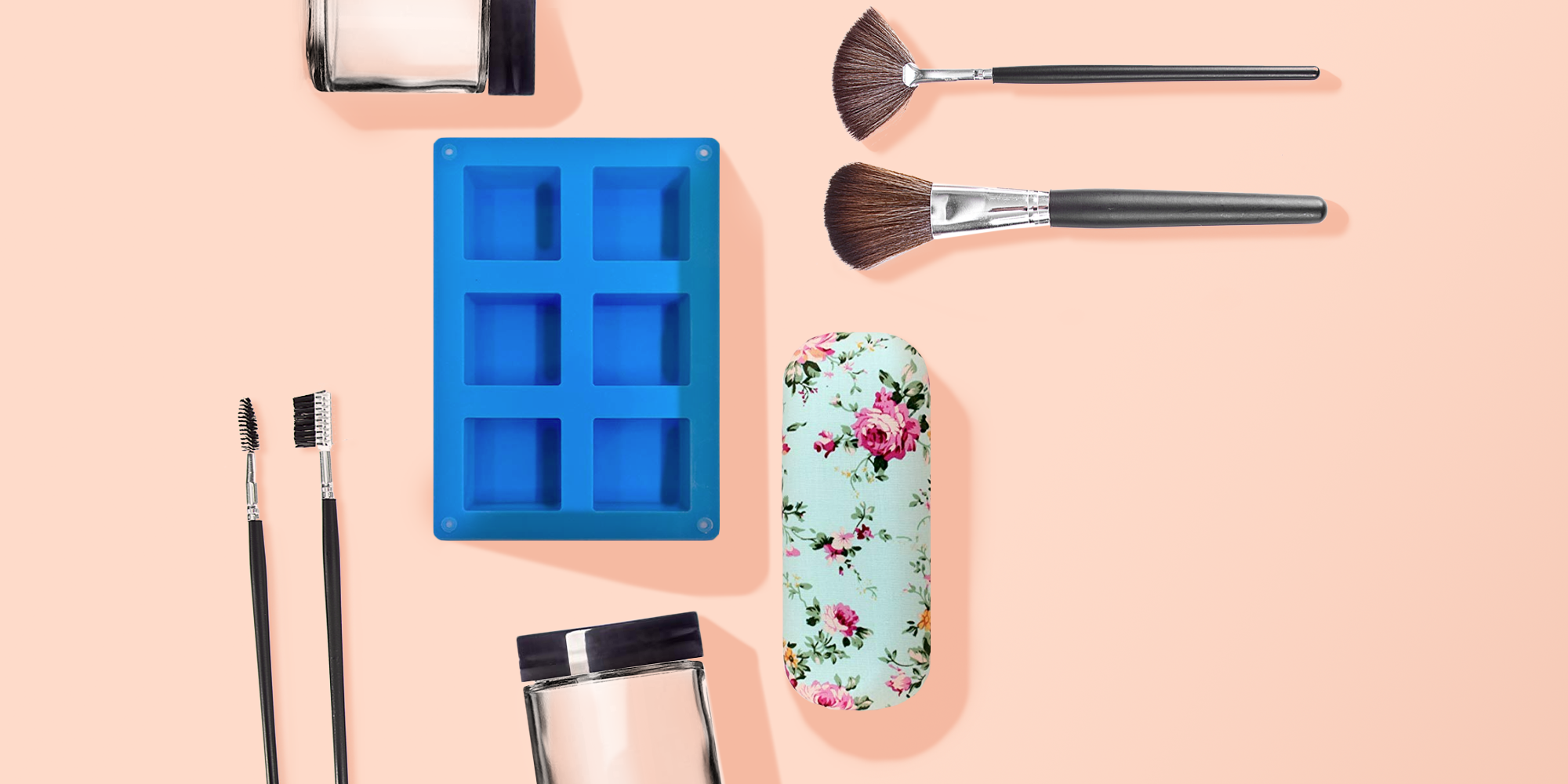
Ice Cube Trays Make the PERFECT Makeup Organizers

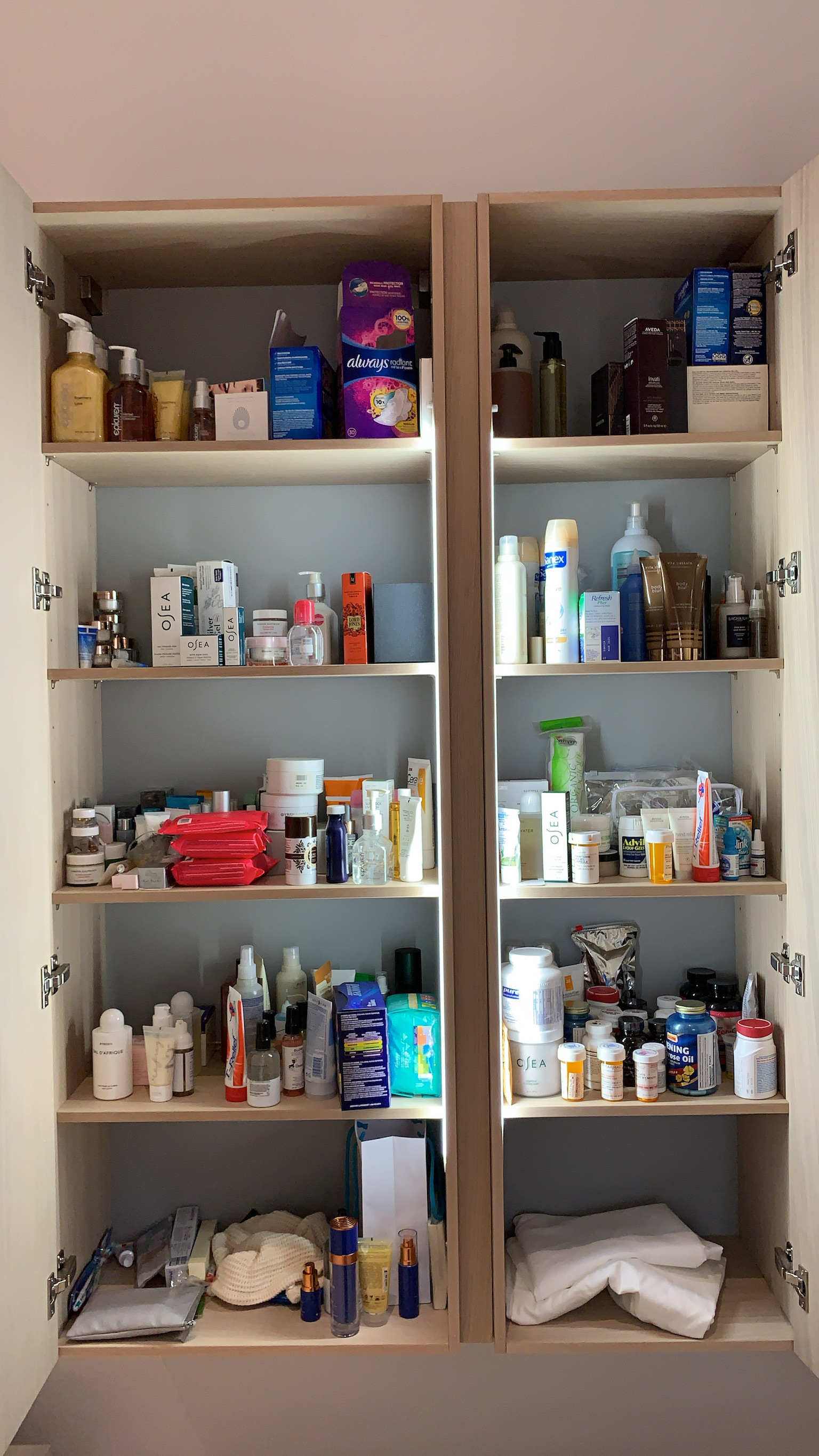
Kate Bosworth’s Beauty Cabinet Features an Underrated Organizer

Martha Stewart's under-sink storage trick is ingenious

Molly-Mae's perfectly organised kitchen cupboards are thanks to a £16 aesthetic storage solution
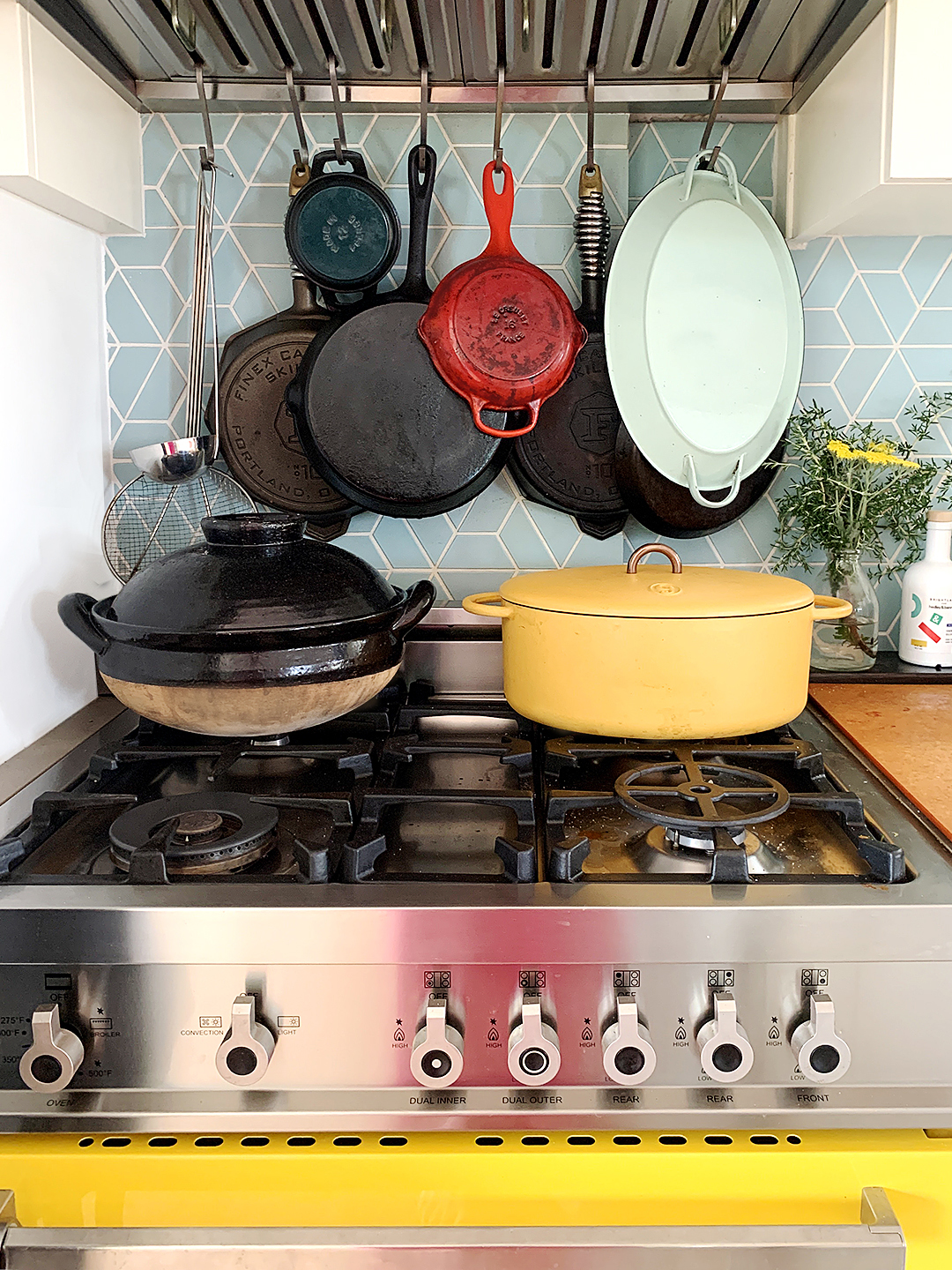
Ellen Marie Bennett’s $3 Storage Hack Works Wonders in Her Small Kitchen

Our Favorite Pantry Containers

8 kitchen storage hacks from influencers Lydia Millen, Fleur de Force, In The Frow and more

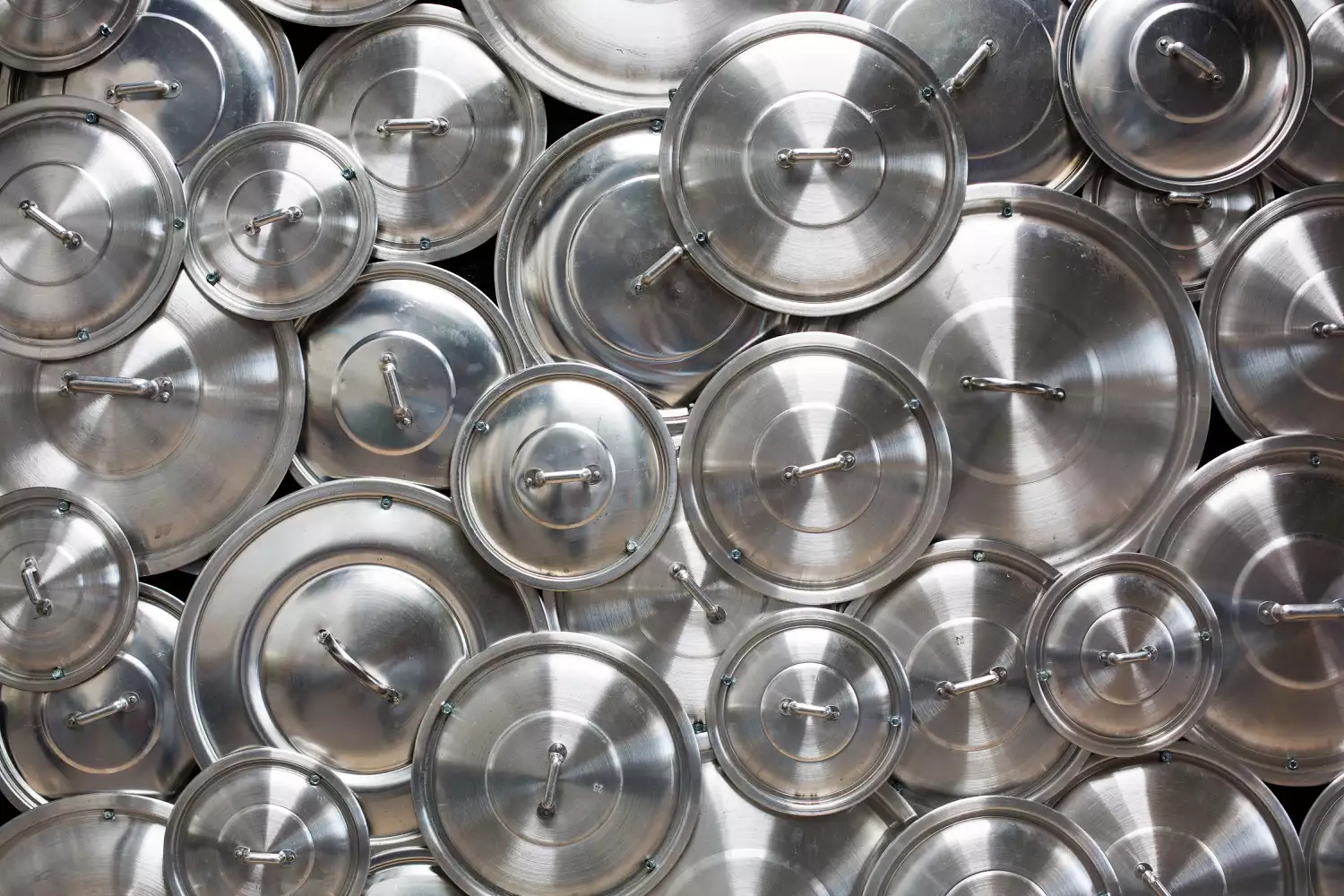
Transform Your Chaotic Collection of Lids Into Tidy Bliss With This Smart Storage Solution


Martha Stewart’s Pantry Storage Method Still Works After 27 Years
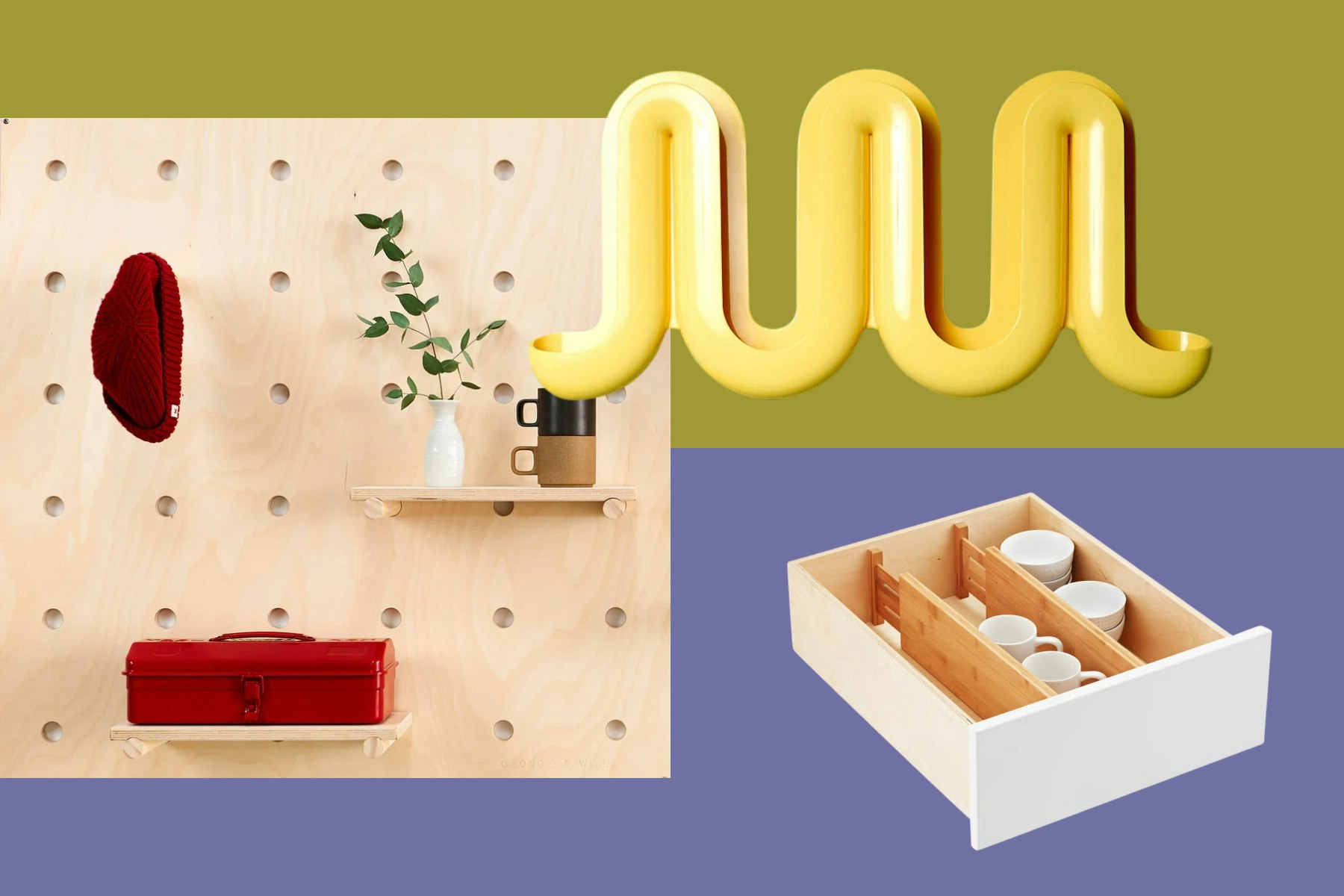
I Found Some Smart Storage Solutions for Those Allergic to Visual Clutter

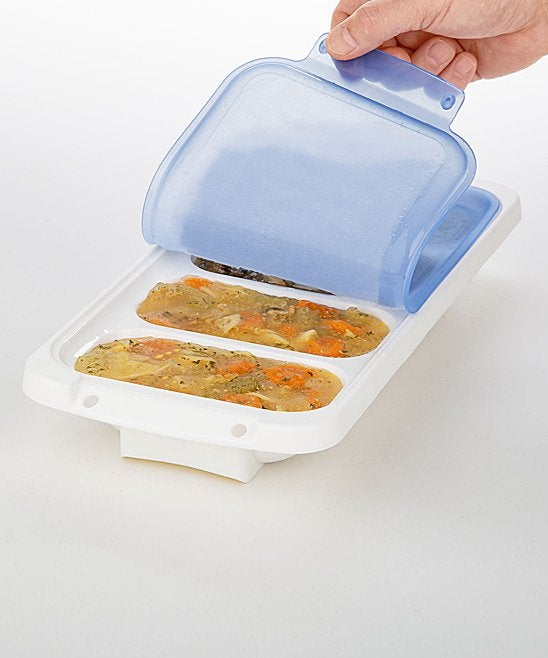
This Sparks Joy: The Food Storage Containers That Really Get Me Goin'

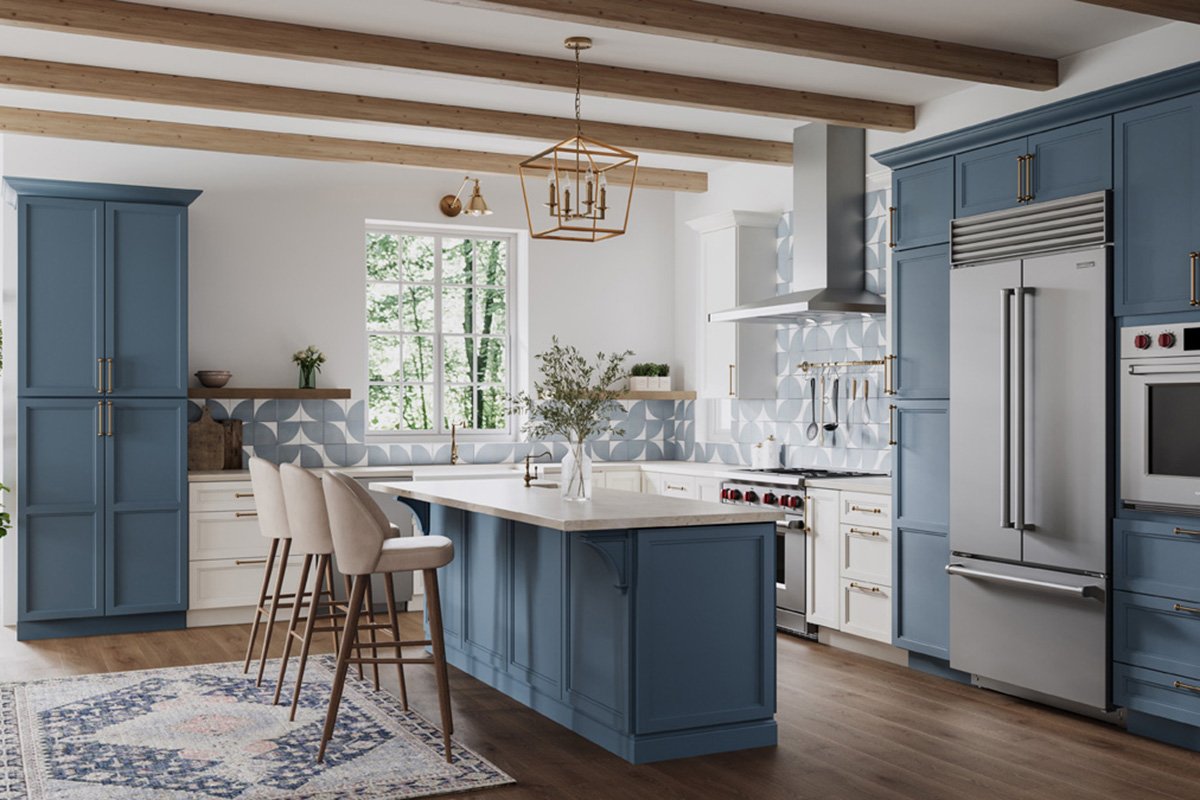
Sleek Storage
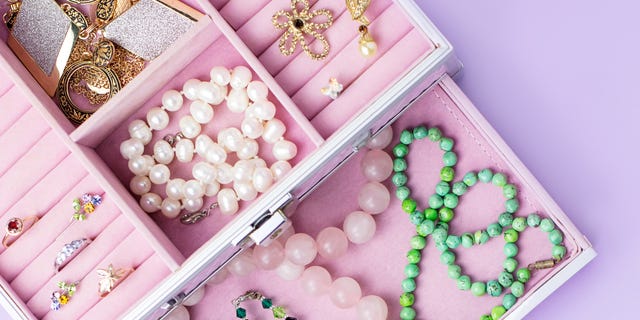
These Jewelry Storage Hacks Are Functional and Stylish
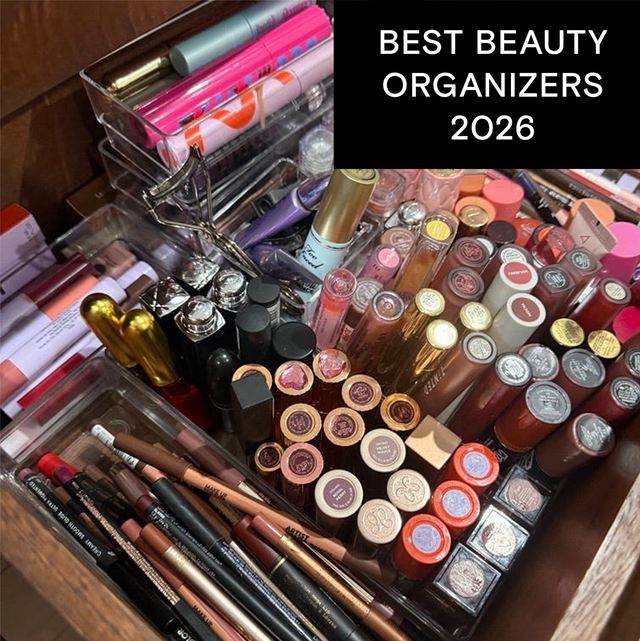
I’m a Beauty Editor With Hundreds of Products—Here’s How I Keep Everything Organized in My Tiny NYC Apartment
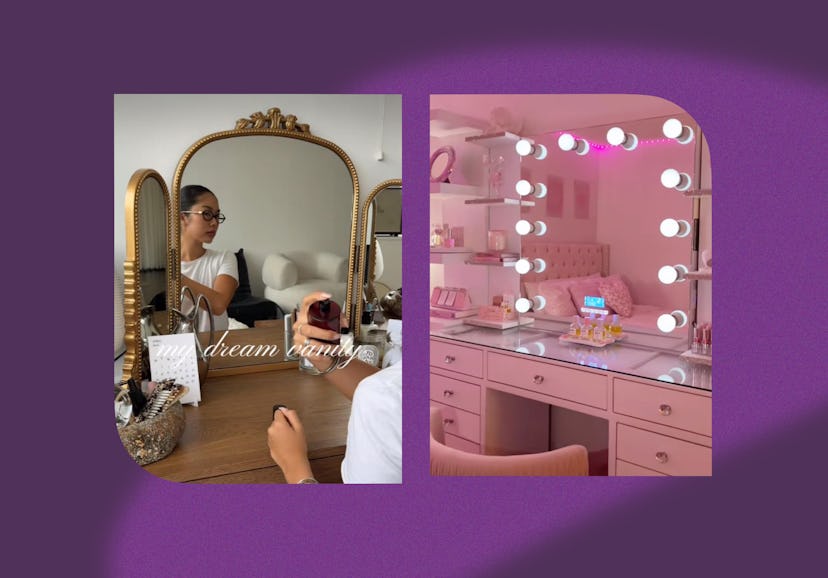
TikTok's "Vanity Time" Trend Is The Most Glam Form Of Self-Care