1/7
Vastu for toilets: Here's everything you need to know
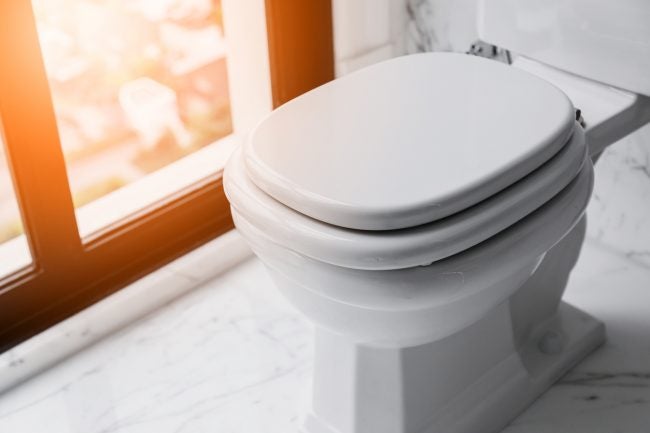
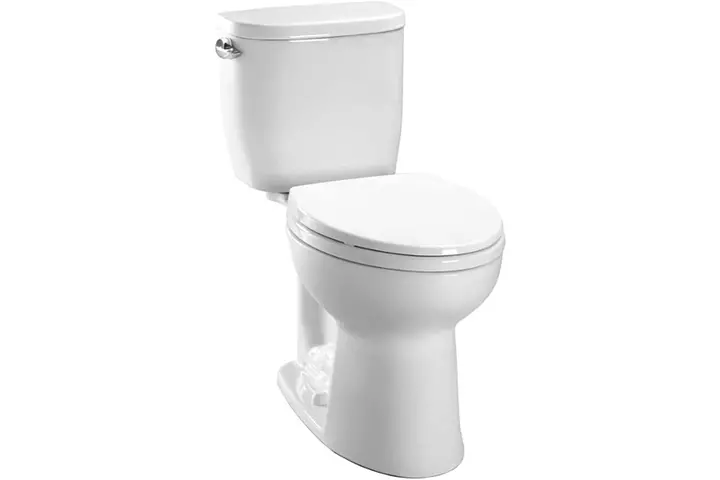
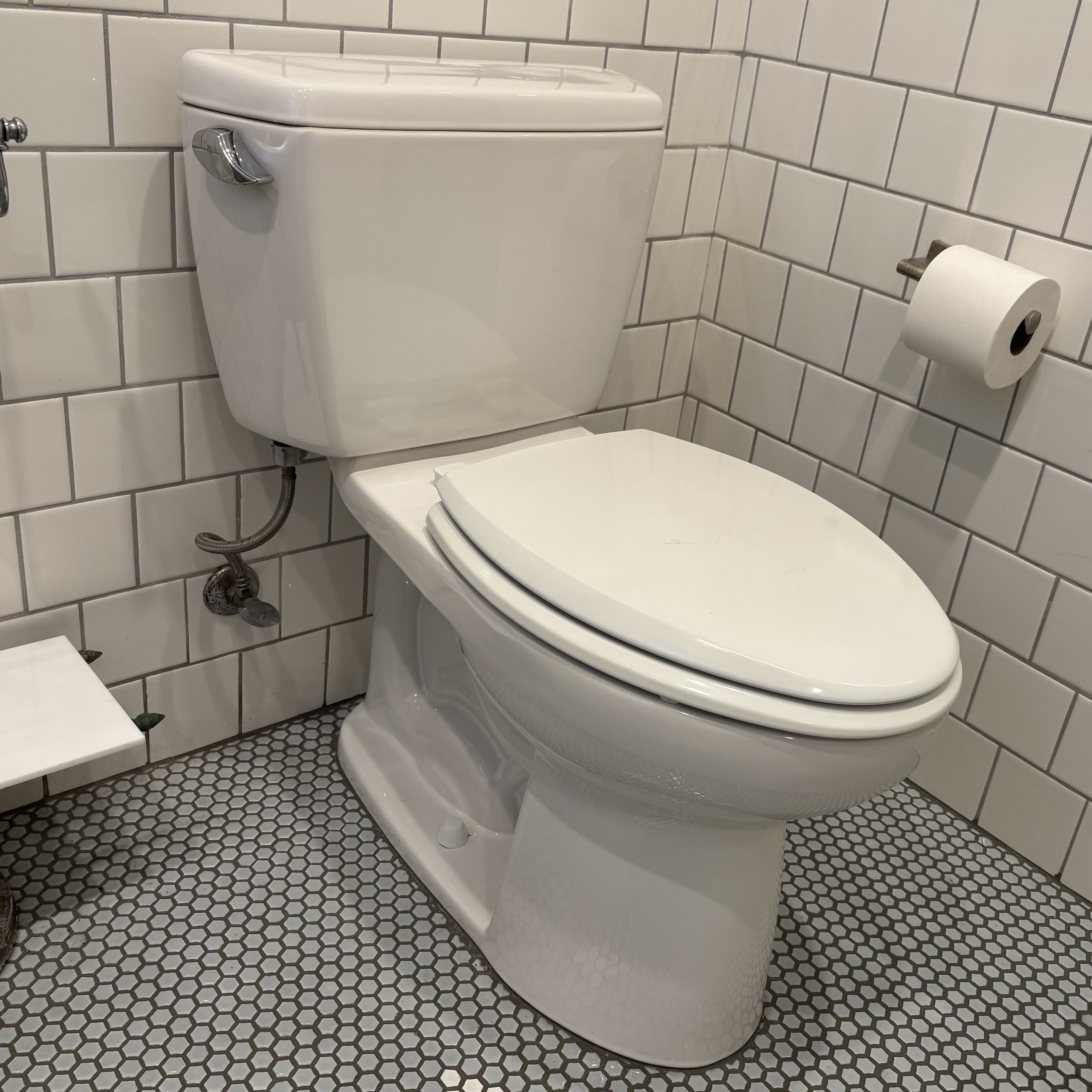
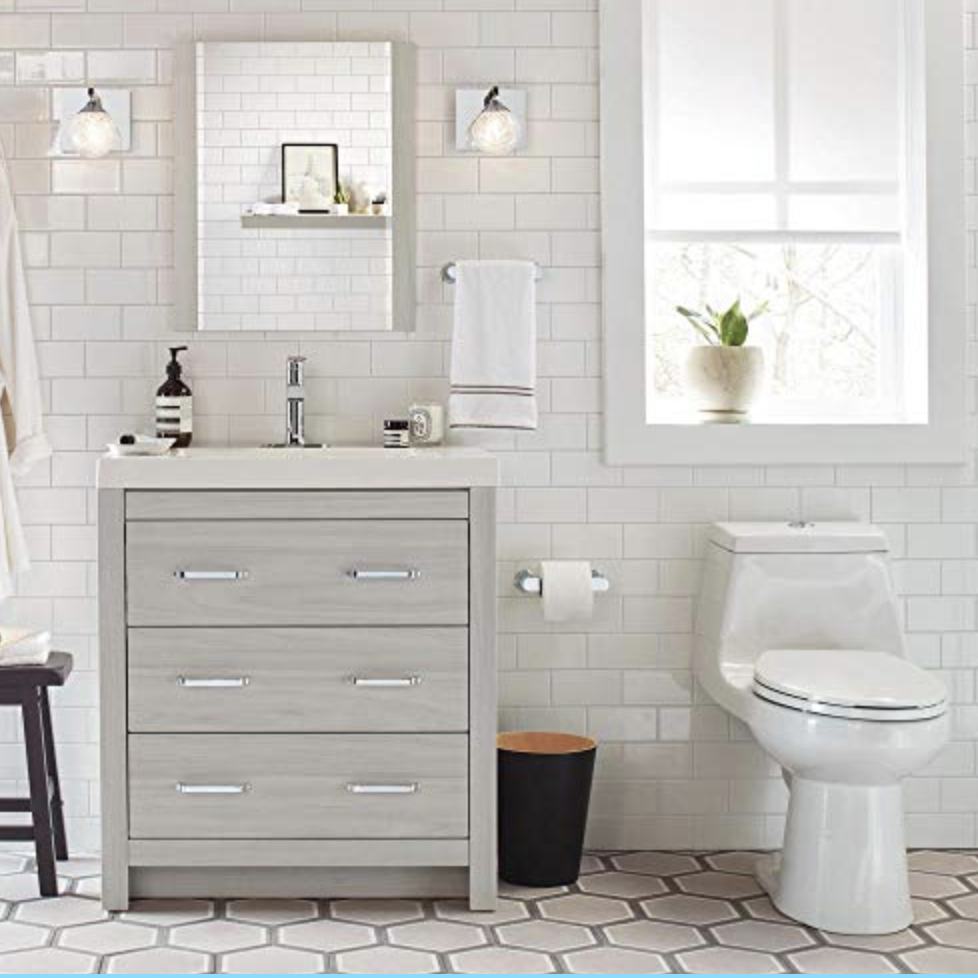
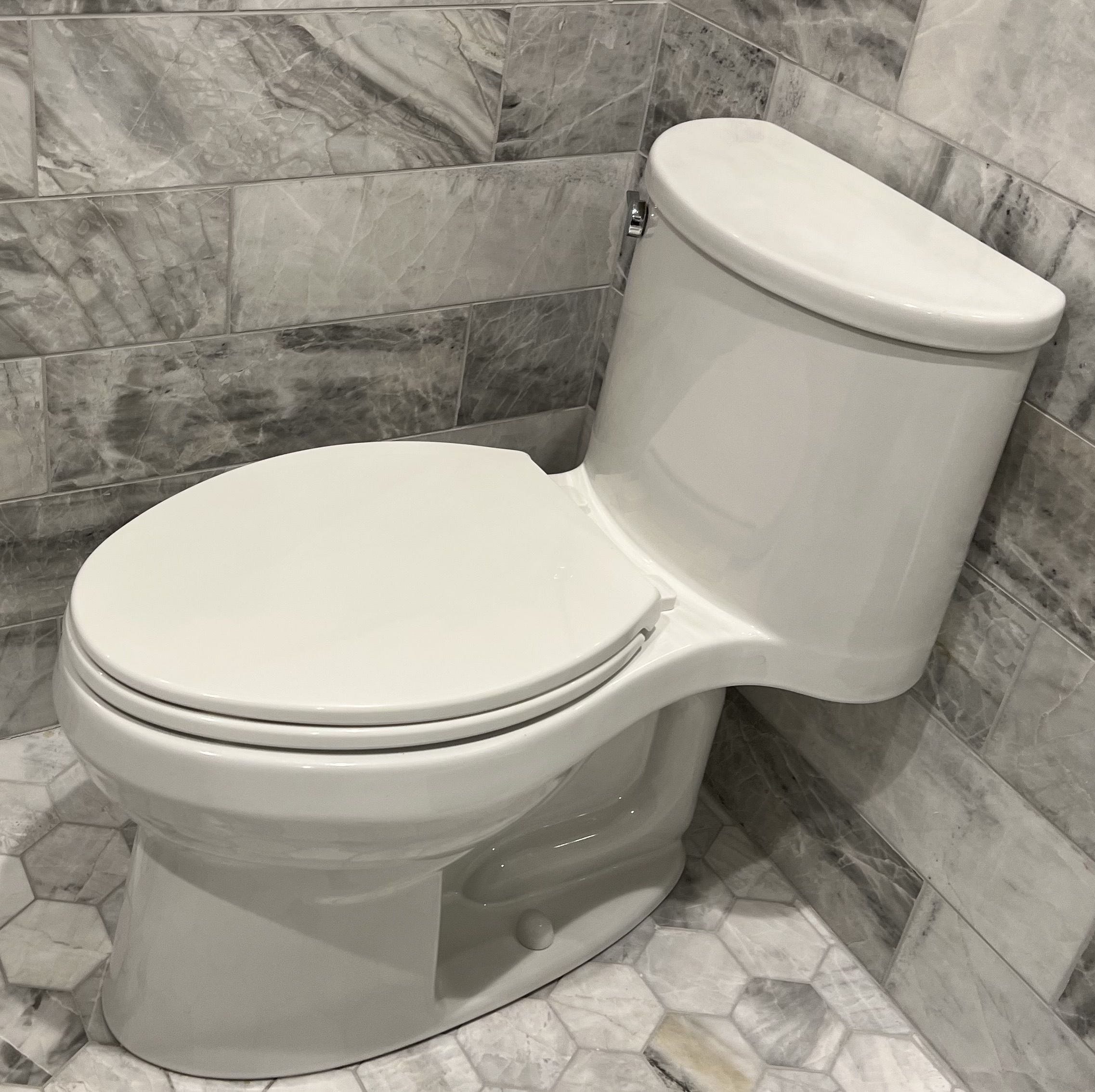
The placement, colors, and design elements within a toilet can significantly impact the energy flow of a home, according to Vastu Shastra. Traditionally, toilets were separate from the main living structure due to their association with negativity. However, modern residential designs often integrate them within homes, presenting a challenge for Vastu compliance. Expert Namrataa Kripallani offers guidance on how to adhere to Vastu principles in contemporary apartment settings.
Optimal placement for a toilet, according to Vastu, is in the south-of-southwest (SSW) direction, known as the ‘disposal corner.’ Other acceptable directions include west-of-northwest (WNW), the ‘detox corner,’ or east-of-southeast (ESE), the ‘anxiety corner.’ These placements are believed to minimize negative energy impact and align with natural spatial energies. It is crucial to avoid constructing toilets in the sacred northeast corner, or ‘Ishaan Kon,’ as this direction is associated with spiritual flow and positivity. Placing a toilet here can disrupt positive energy, potentially leading to health issues and mental disturbance.
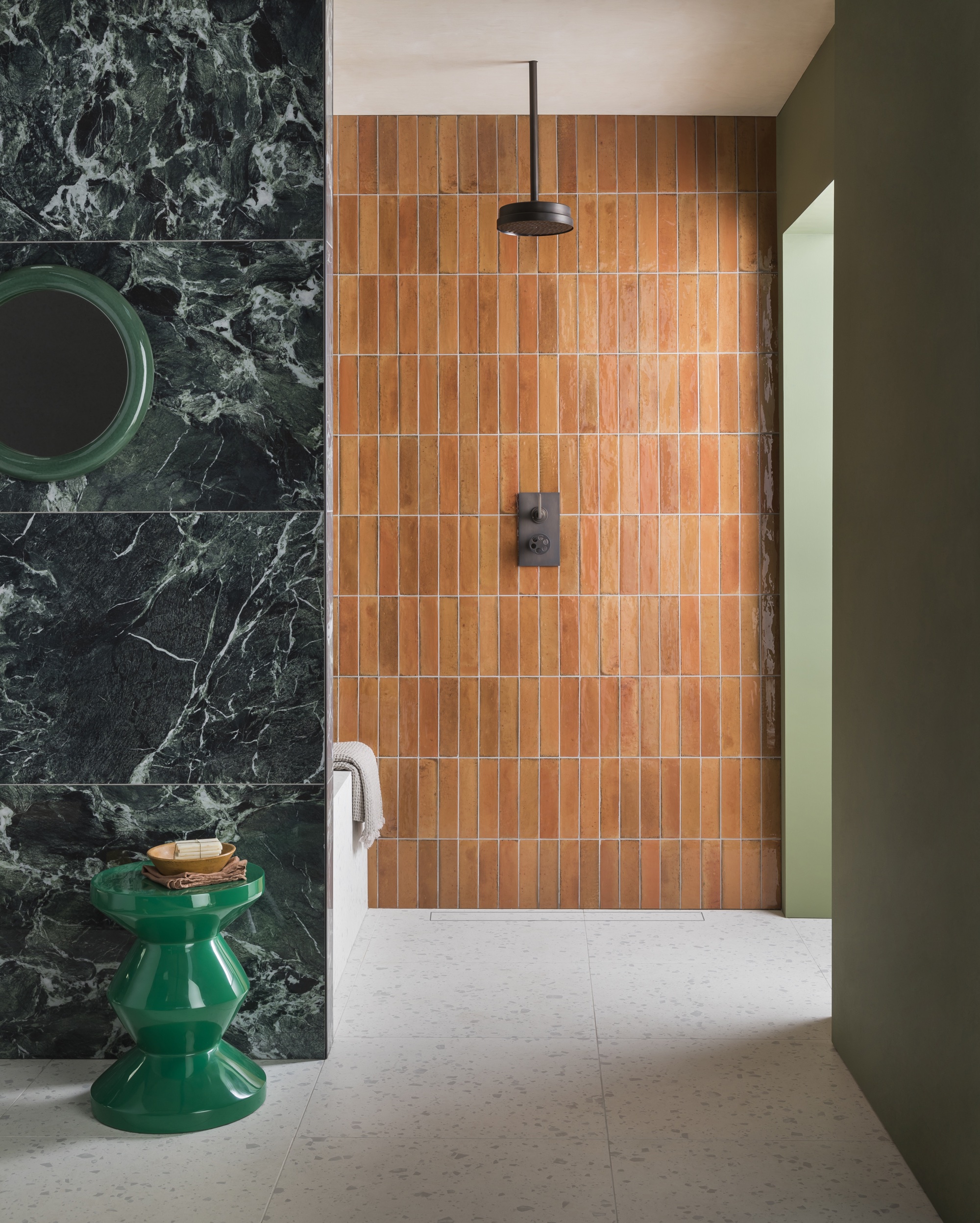
For existing apartments where toilet relocation is not feasible, Kripallani suggests practical remedies. These include tiling the bathroom in shades of green, placing a bowl of salt (known for absorbing negative energies), and incorporating low-light plants. Additionally, consulting a Vastukar to install an ‘energy grid’ metal plate is recommended to mitigate adverse Vastu effects.
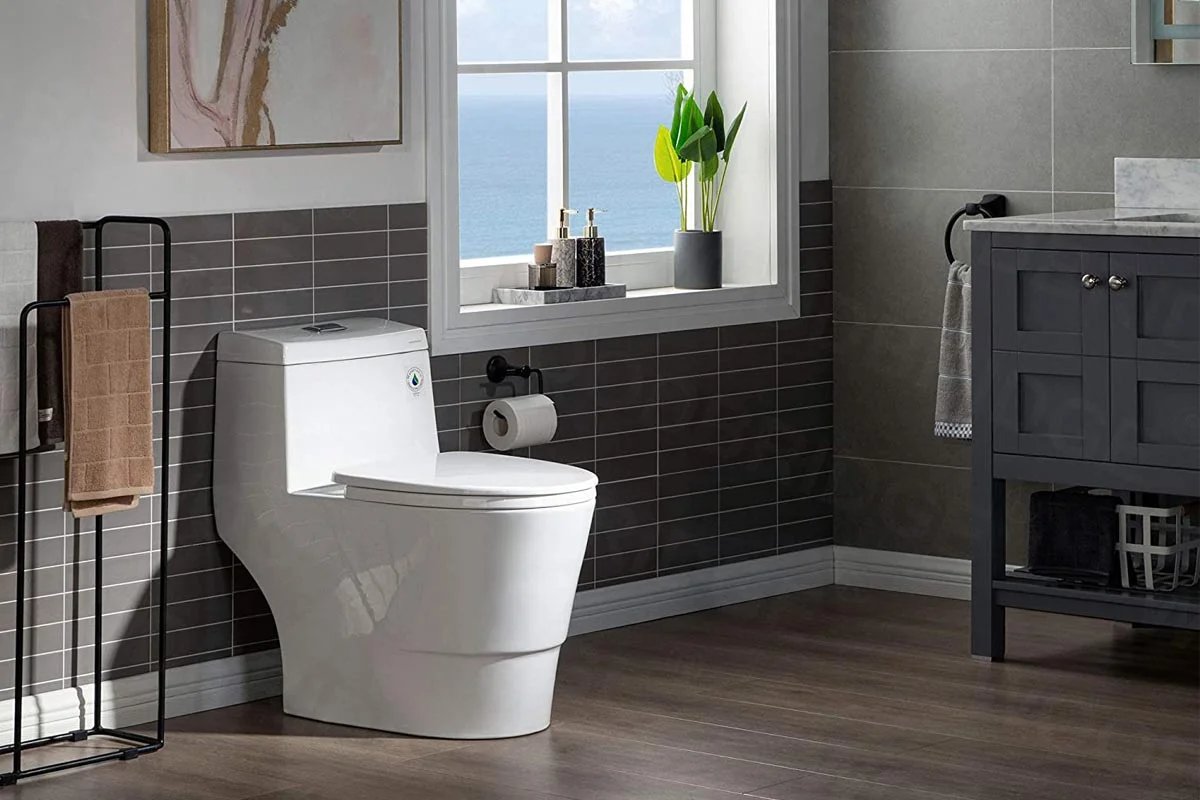
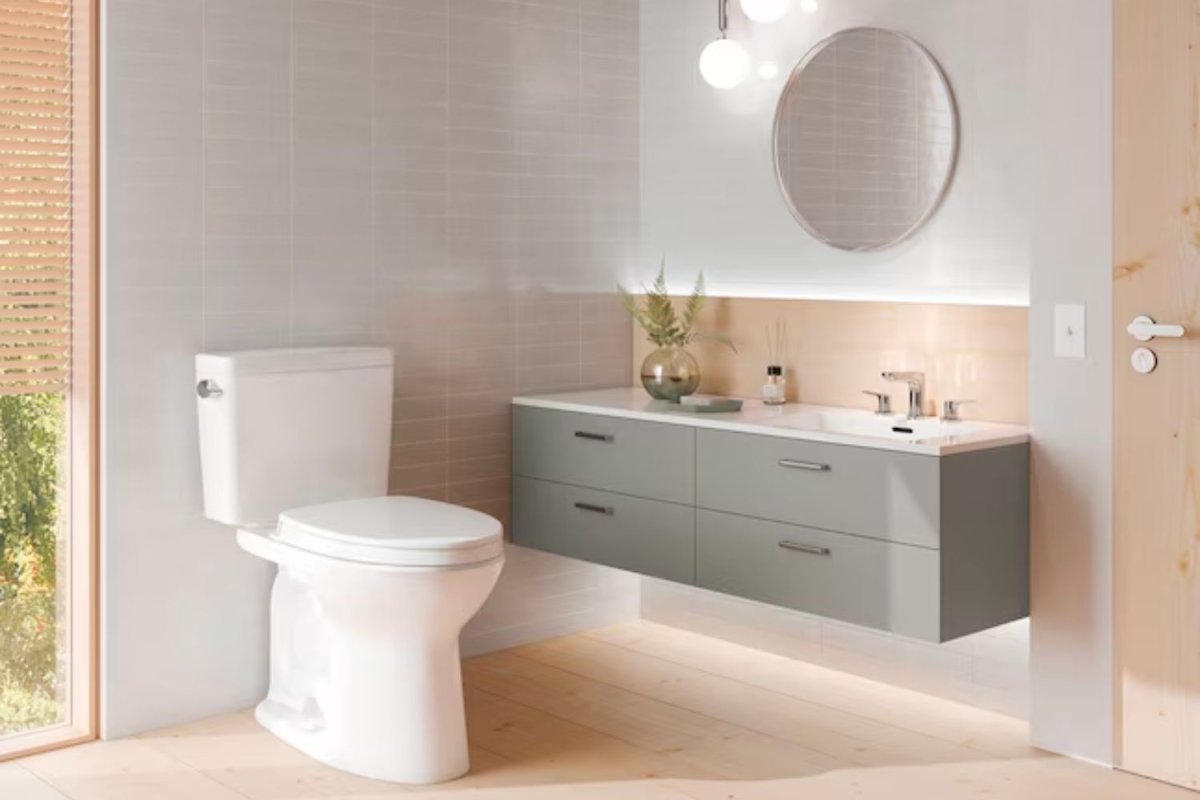
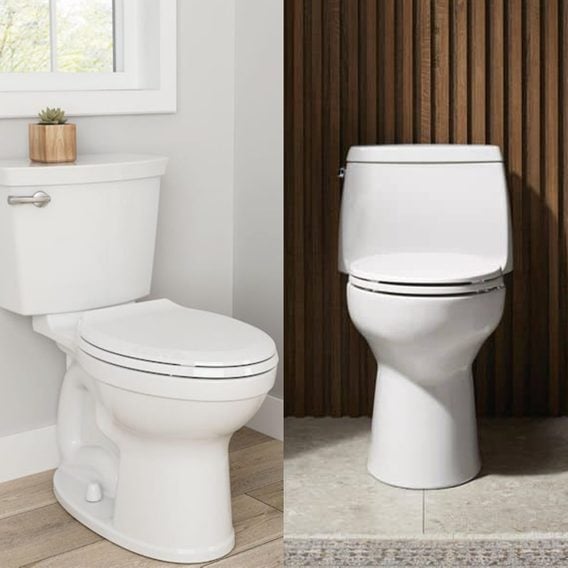
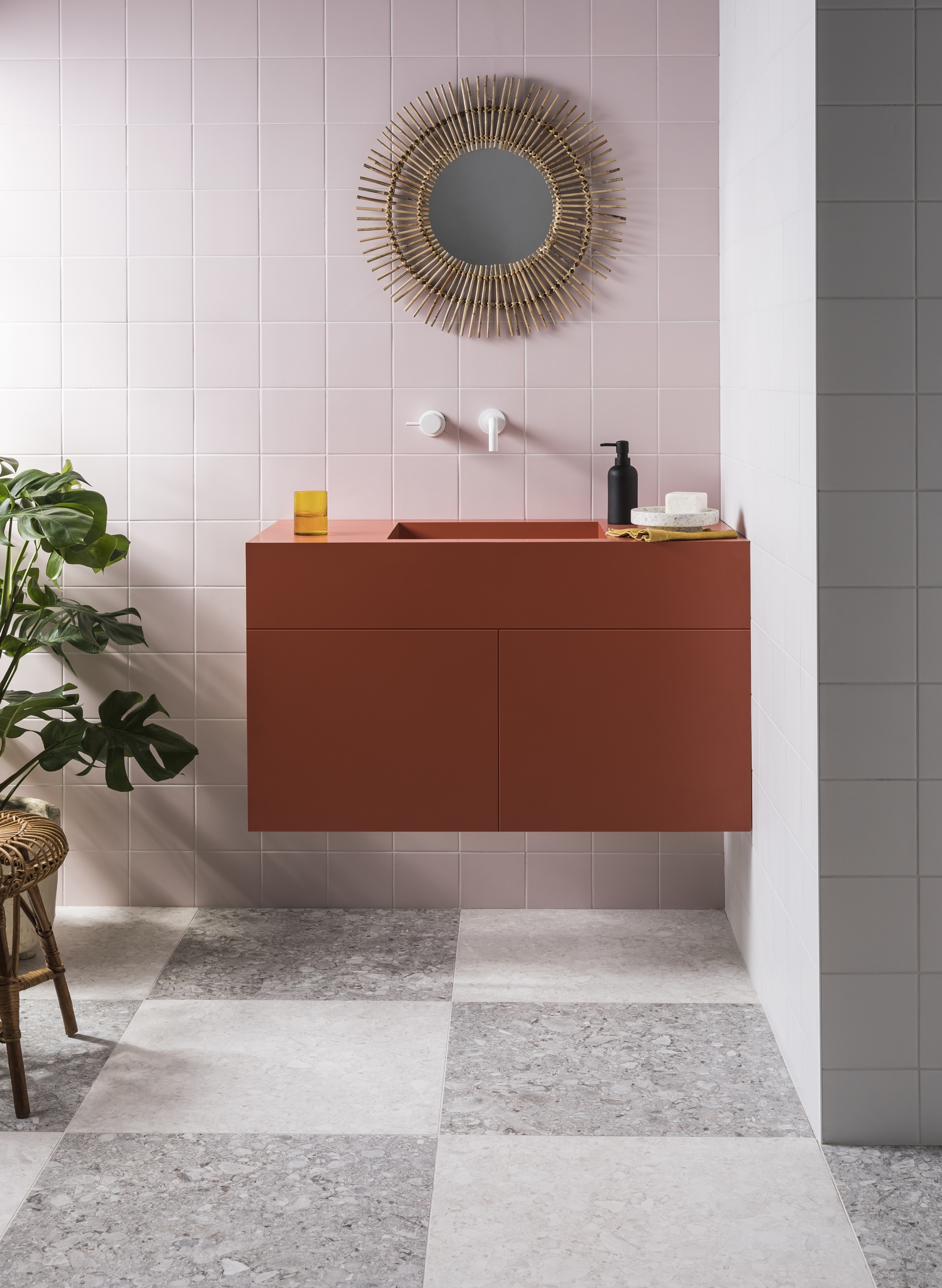
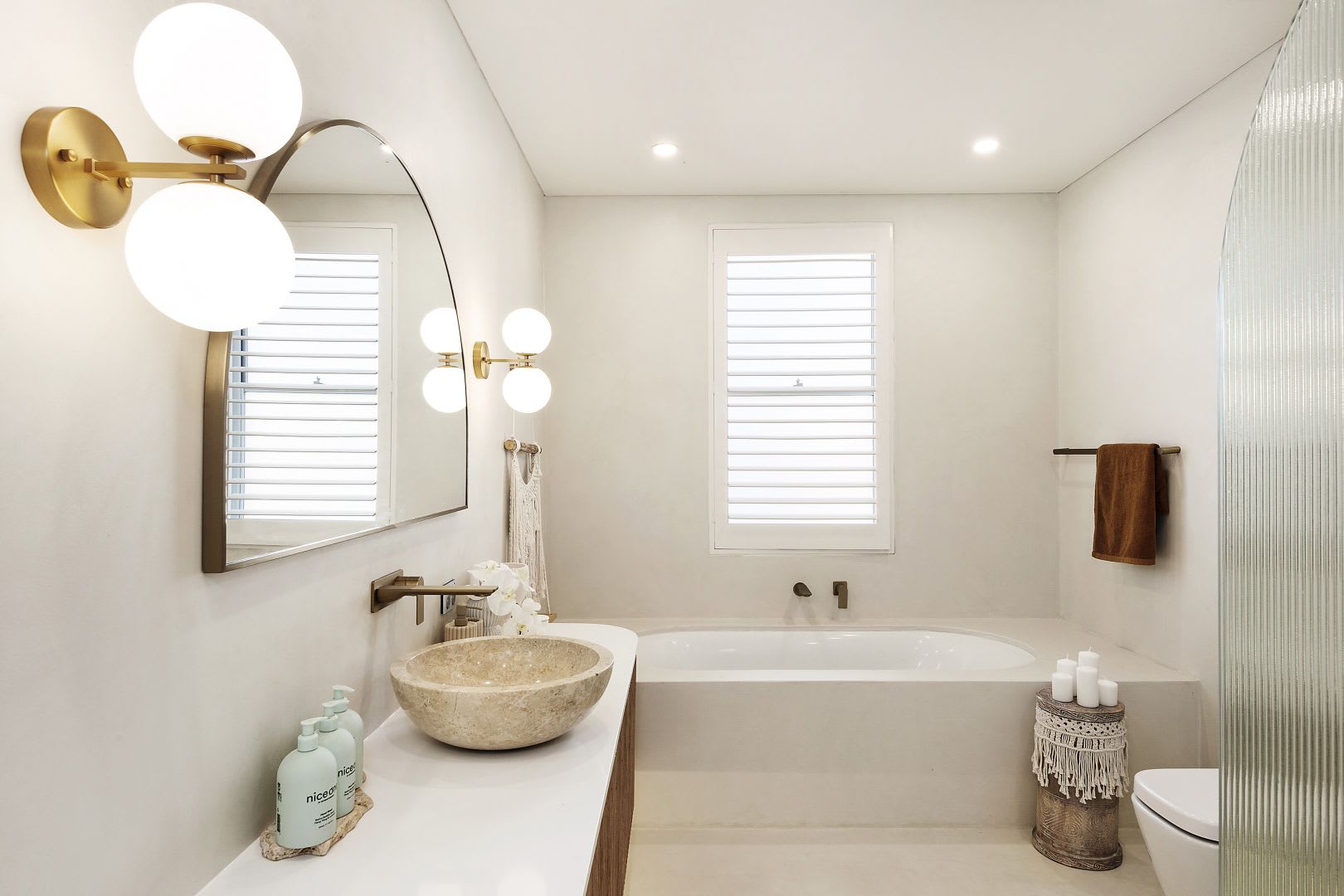
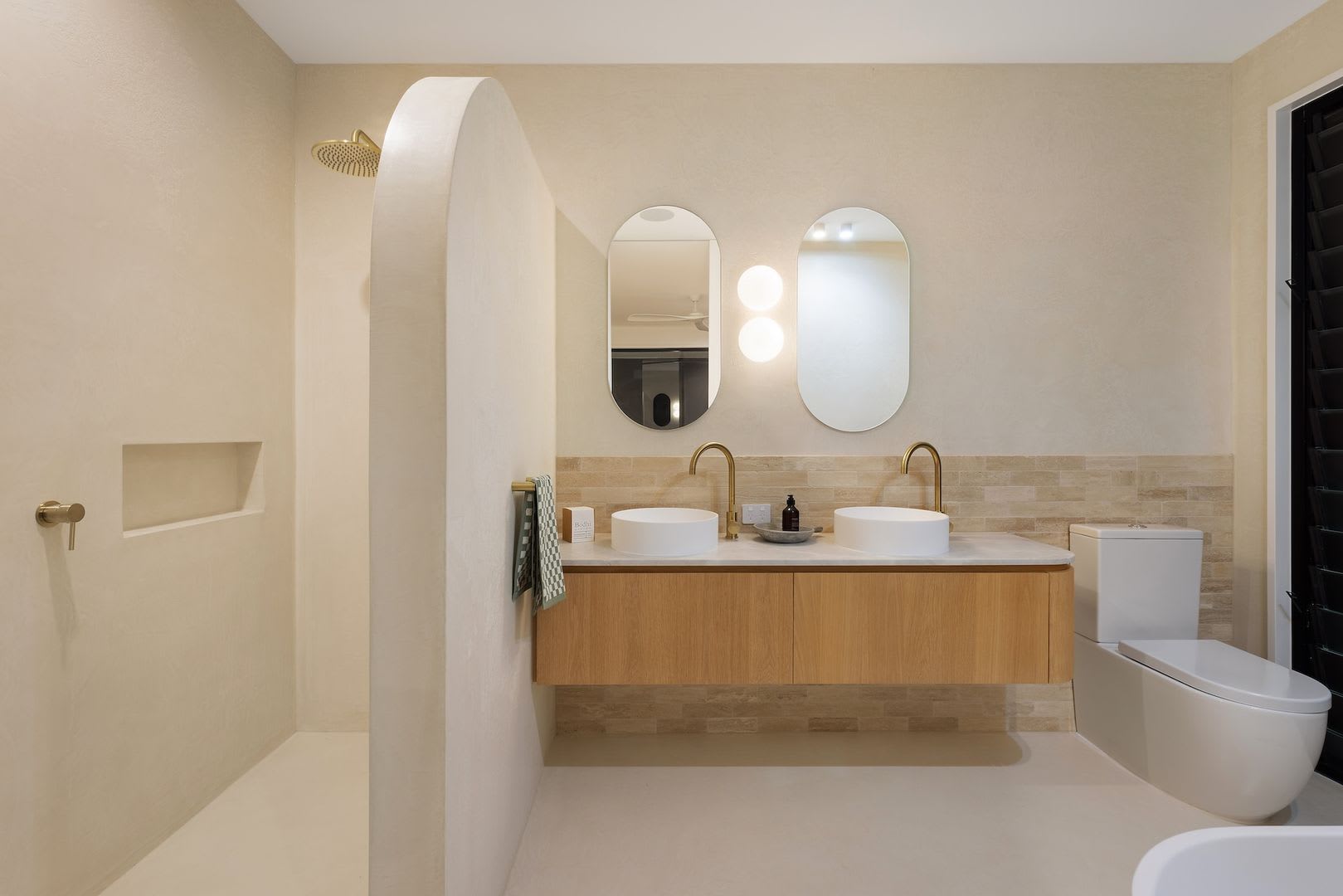
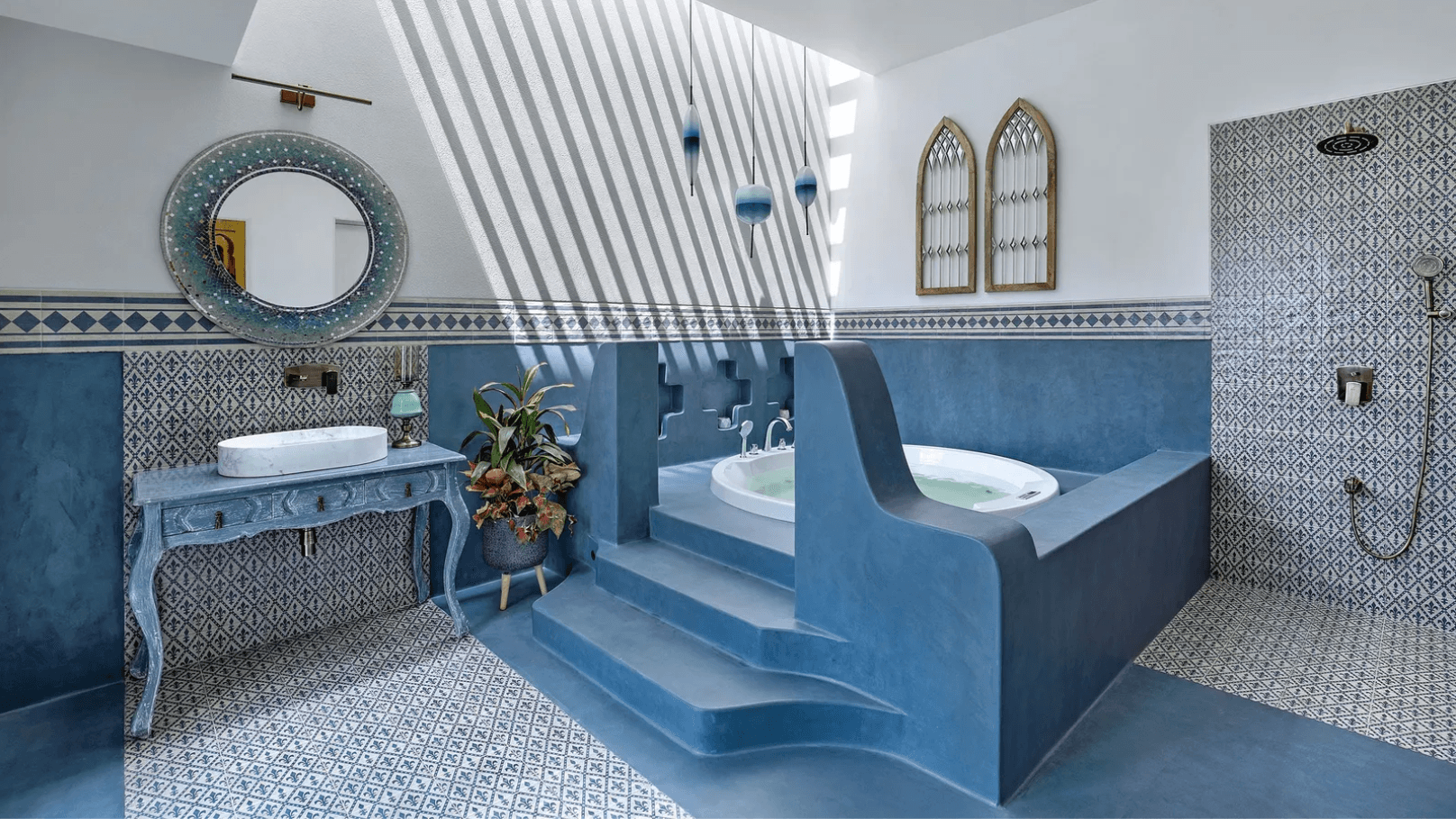
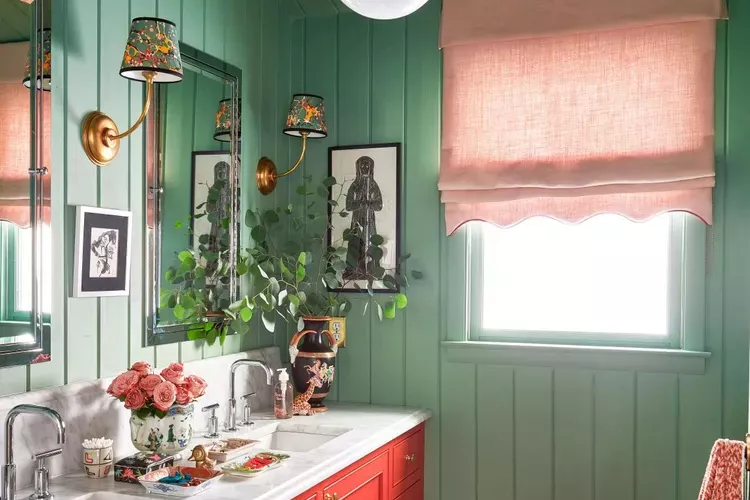
Vastu-compliant color schemes for toilets emphasize neutral tones like off-white or beige for water closets. Dark colors such as black, dark blue, and red should be avoided. If incorporating colors, light shades corresponding to the toilet's direction are advised: blues for north, greens for east, pinks and peaches for south, and whites for west. When using the toilet, individuals are advised to face north or south, rather than east or west, to harmonize with natural energy currents and promote well-being.
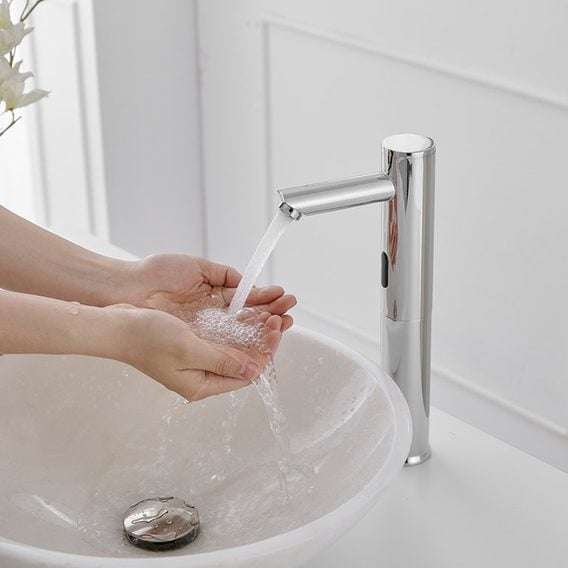
Maintaining taps and showers properly is also vital for Vastu. Leaking fixtures are believed to negatively impact residents' financial stability. Beyond Vastu, persistent leaks can cause dampness and structural damage, leading to costly repairs. Furthermore, bathroom floors should incline towards the east or north to ensure efficient drainage and water removal, preventing stagnation. Adequate air circulation is crucial for a clean and refreshing atmosphere. Installing an exhaust fan, ideally in the east or northeast direction, facilitates proper ventilation, removing odors, moisture, and impurities.
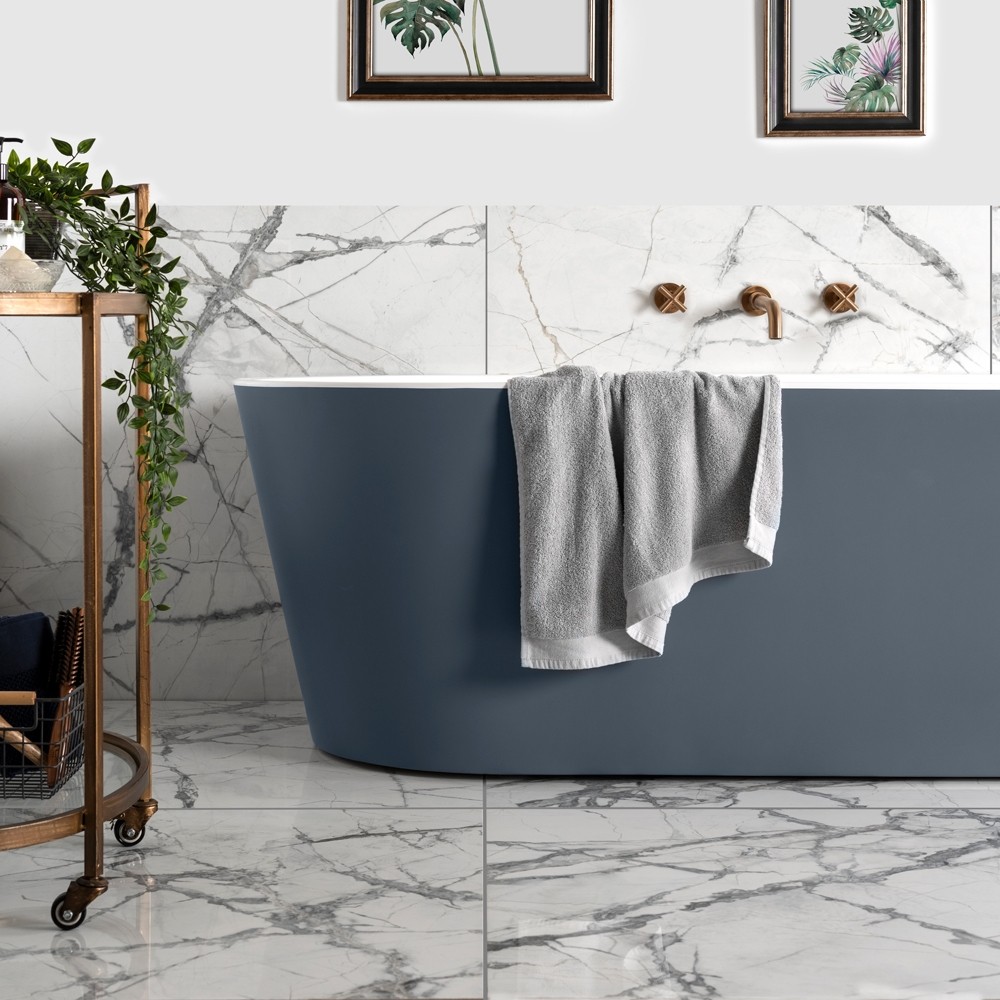
For bathtubs and shower cubicles, the north direction is considered highly favorable, as it is associated with the water element in Hinduism, symbolizing prosperity, abundance, and purification. Placing these features in the north is thought to enhance these qualities. Geysers, associated with the fire element and the planet Shukra, should be placed in the southeast direction of the bathroom to balance elemental energies.
Cleansing rituals, such as using salt water solutions or placing a bowl of sea salt or Himalayan salt crystals, are also recommended in Vastu Shastra. Salt is believed to absorb negative energies and purify the environment, with weekly changes of the salt bowl suggested for continuous purification.
#VastuShastra #ToiletDesign #BathroomVastu #HomeDecor #InteriorDesign #EnergyFlow #VastuTips #IndianArchitecture #VastuShastra #ToiletDesign #BathroomVastu #HomeDecor #InteriorDesign #EnergyFlow #VastuTips #IndianArchitecture
0개의 댓글이 총 표시됩니다.
 아직 댓글이 없습니다
추가로 마음에 드릴 만한 콘텐츠

Toilets & Accessories

The Best Toto Toilets You Can Get

The 9 Best Toilet Seats to Buy in 2024
Should You Hang Toilet Paper Over or Under?

The Best Toilet Seats for Bathroom Updates
Best TOTO Toilets: 11 Models With Bidets, Heated Seats & Dryers

Ask Wirecutter: Why Can’t Anyone in My Family Manage to Change the Dang Toilet Paper Roll?


The 2 Best Toilet Seat Risers of 2026 | Reviews by Wirecutter
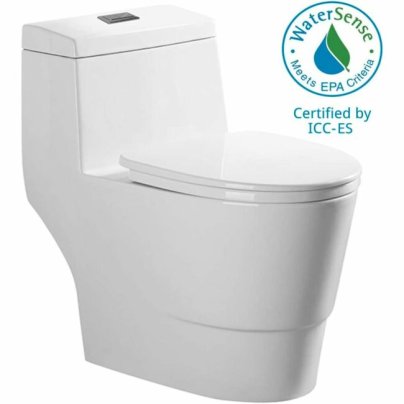
The Best Toilets for Today’s Home, Vetted
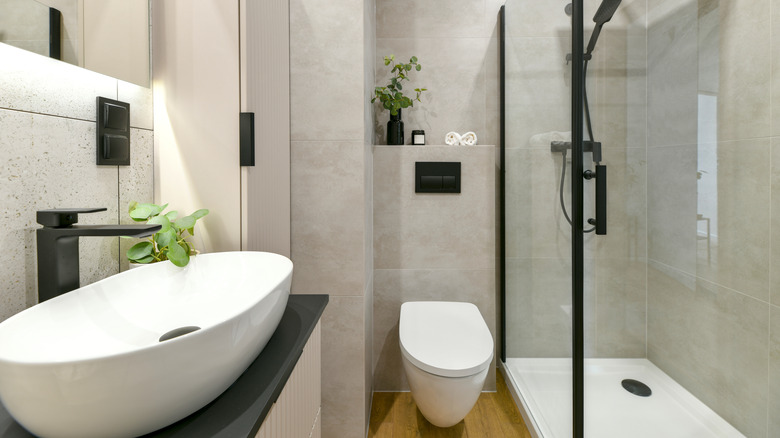
The Bathroom Design Trend That Experts Are Seriously Conflicted On (Is It An Eyesore?)
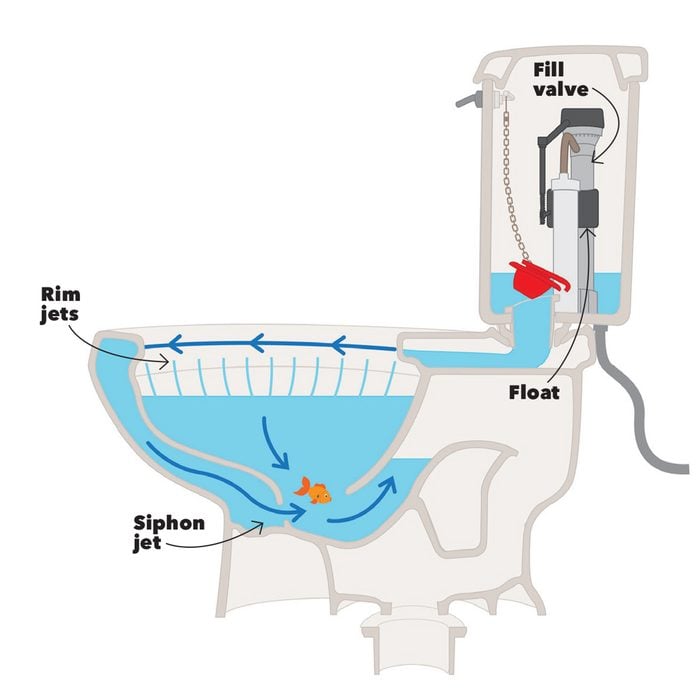
14 Toilet Problems You Should Never Ignore

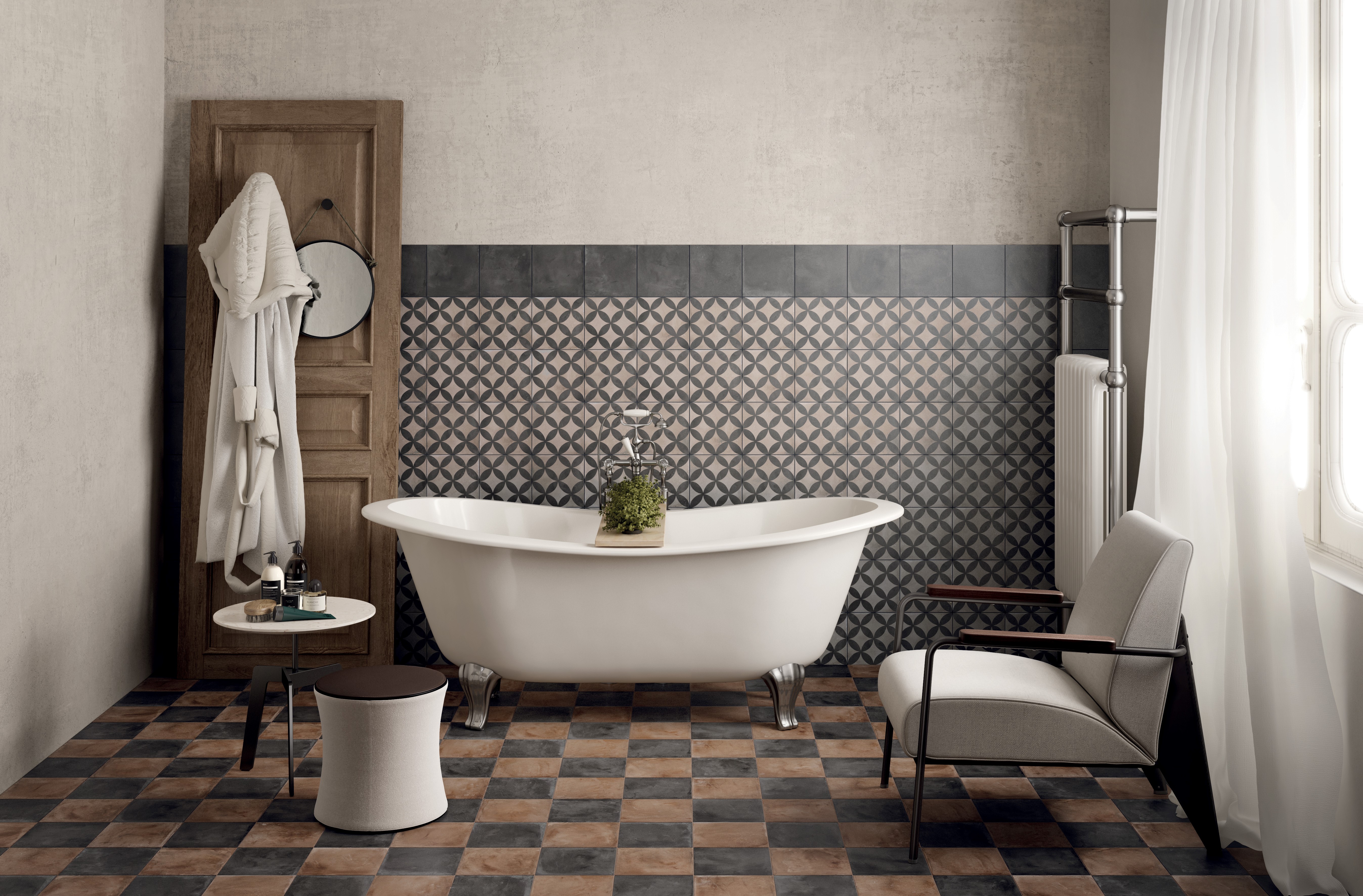
How to choose bathroom flooring - everything you need to know, according to experts


Vastu for Bathrooms: Designing a Spa-Like Sanctuary

After 25 Years of Testing Toilets, These Are My Top Picks for Every Bathroom

Bathroom Ideas, Cleaning and Repair
Hate cleaning? Design tips that will make your bathroom a dream to maintain

All Toilets

Reviews Of 11 Best Toilet Bowls In Singapore (2025)
Best toilet seat: 10 stylish options for every loo

9 Things In Your Bathroom Guests Always Notice Immediately