1/7
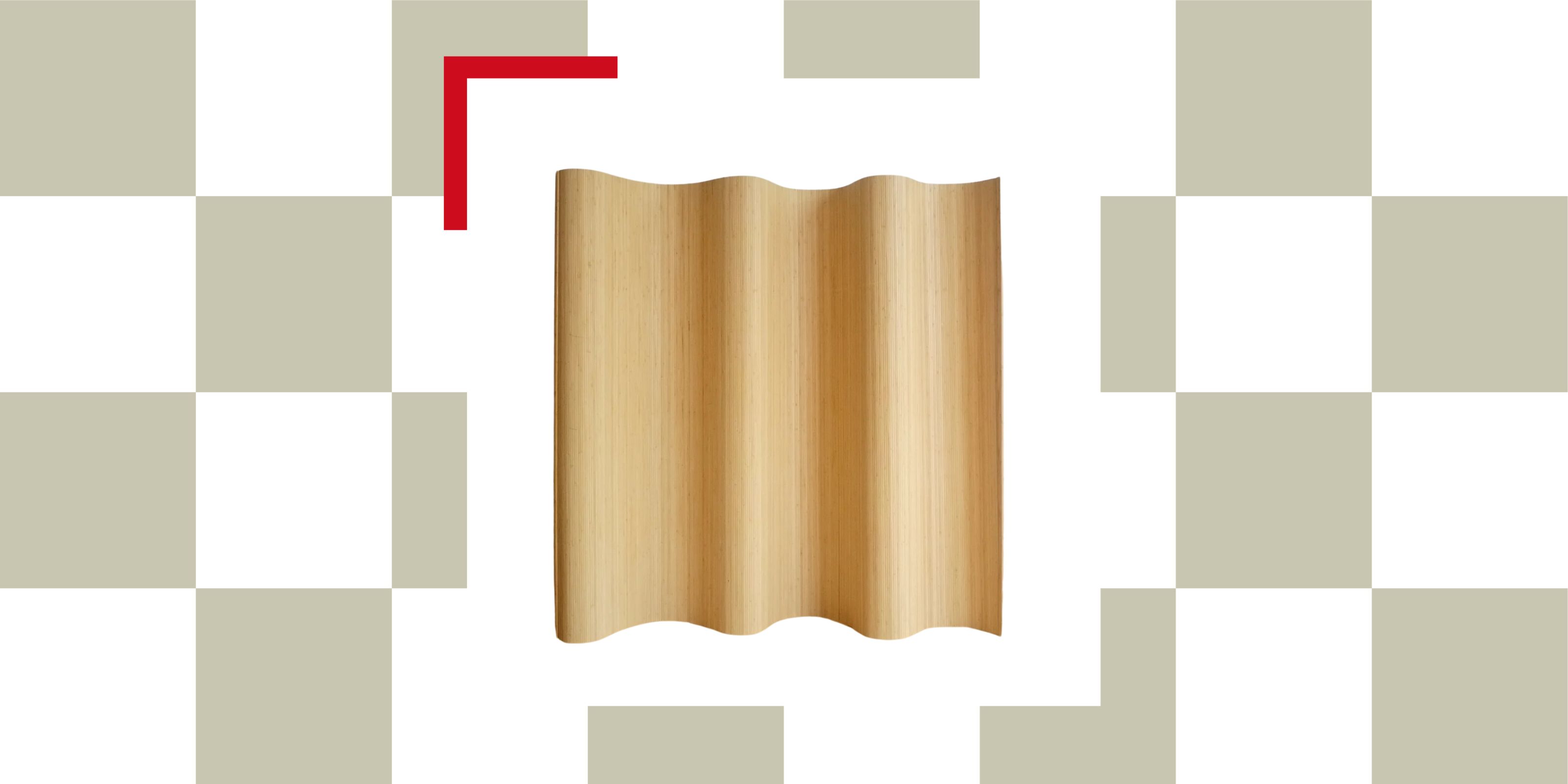
This Wavy Room Divider May Be Everywhere Right Now, but It's Actually an Iconic Design That Dates Back to the '30s
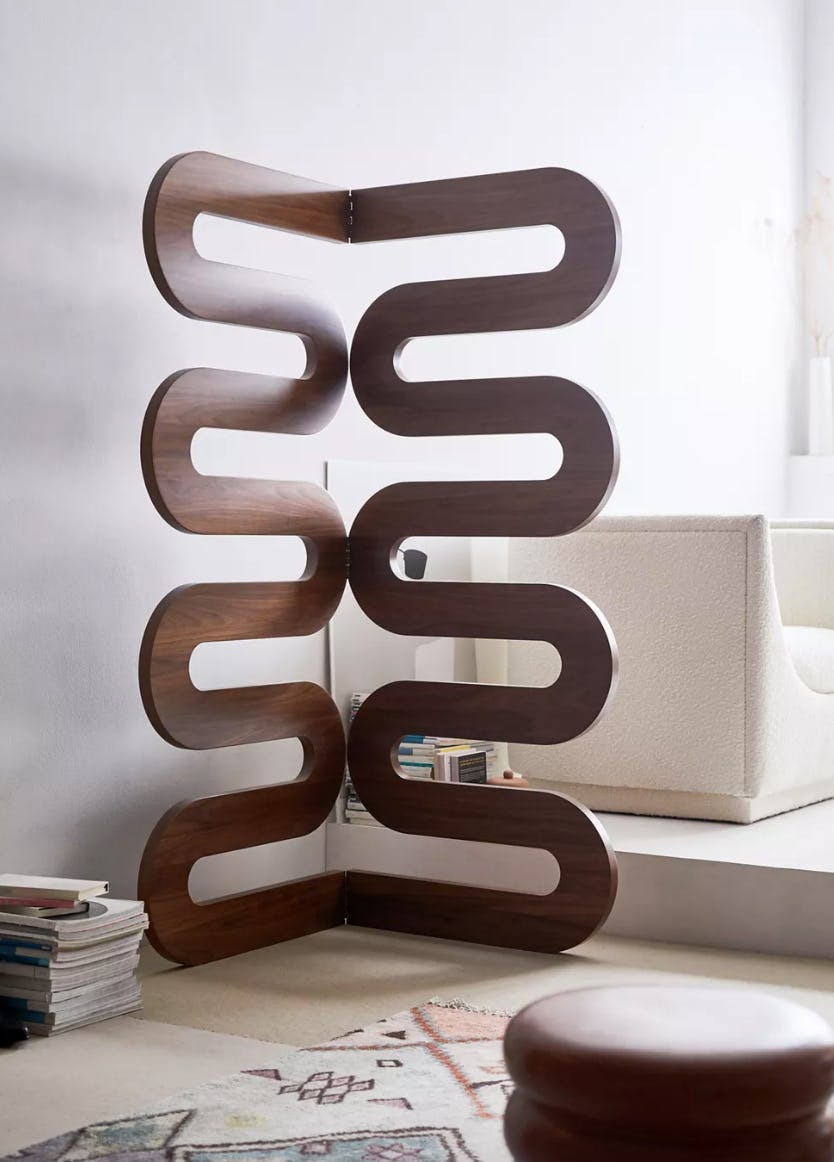
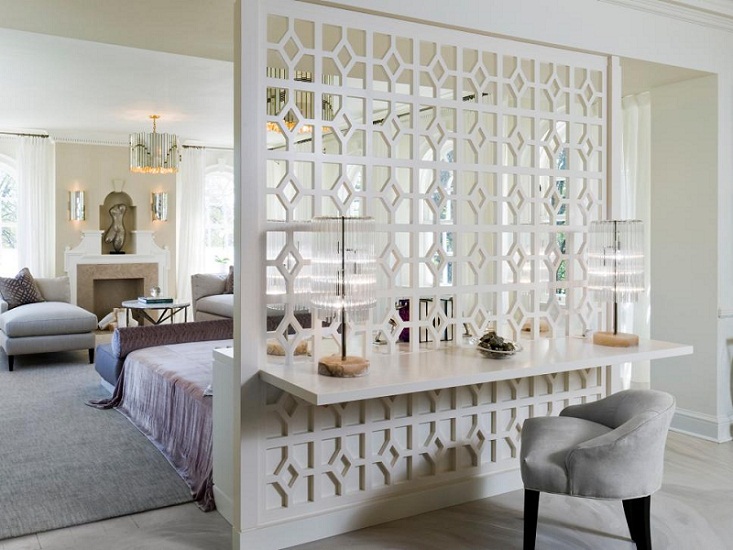
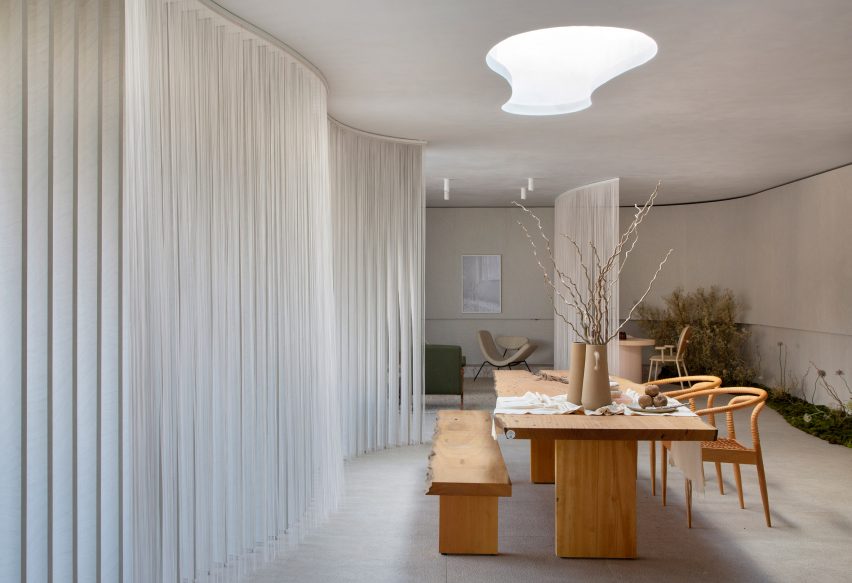
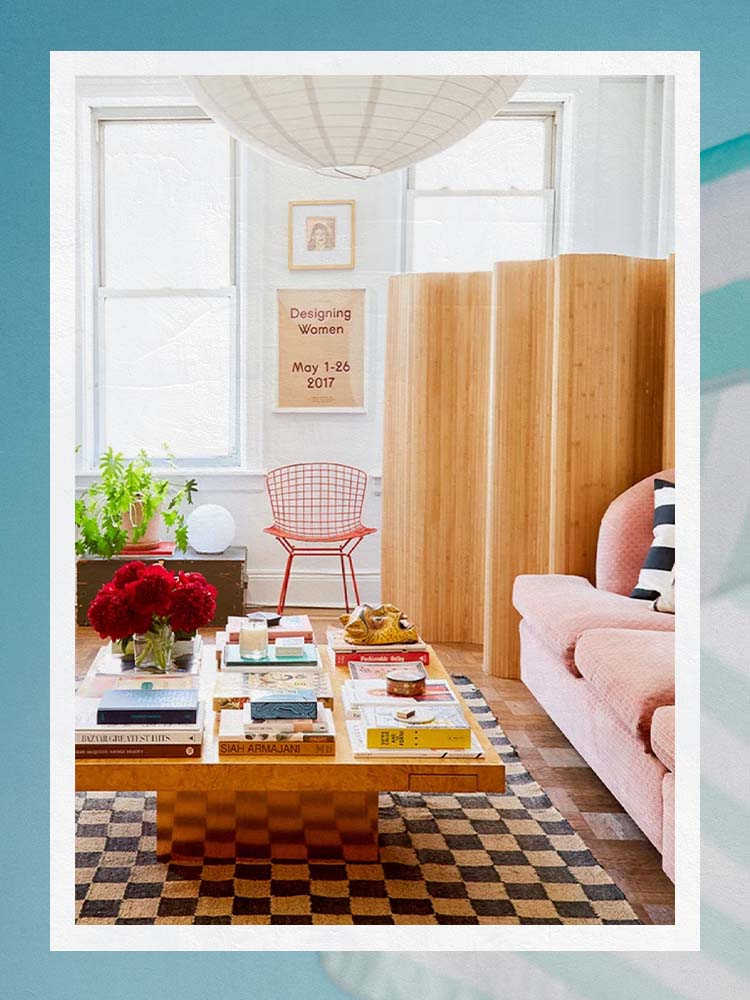
The article discusses the resurgence of the timber-slatted wavy room divider in contemporary interior design, highlighting its dual function as both a practical space divider and an eye-catching art piece. This design has gained significant traction on social media, with home interiors content creators showcasing its versatility in hiding clutter like storage, cords, and technology, while also introducing texture and visual interest to a space. The author notes that this modern trend is reminiscent of a classic screen style from the 1930s, indicating its timeless appeal across various aesthetic preferences, from vintage to contemporary.
Anthony Barzilay Freund, editorial director at 1stDibs, provides insight into the historical context and enduring appeal of the wavy room divider. He explains that the original design, characterized by its modernity, simplicity, surface patina, and striking sculptural silhouette, possesses a timeless quality that aligns perfectly with current decorating trends. Freund specifically points to Alvar Aalto’s 1936 design for his Screen 100 as an early exemplar of organic modernism, which also incorporated the streamlined ideals prevalent during the Art Deco period. Over time, numerous screens were developed to emulate Aalto’s influential design, including the minimalist versions seen in contemporary social media trends and the popular examples produced by Baumann Fils et Cie.
Baumann Fils et Cie, a French company active from 1921 to 1969, specialized in rolling and folding window blinds and garage doors. Their expertise in crafting durable and flexible slatted items made them well-suited for creating paravents, or screens, in a style similar to Aalto's. Freund notes that Baumann Fils et Cie's screens are more widely available and accessibly priced today compared to the original Aalto pieces. The article emphasizes that despite its contemporary interpretation, the warmth and texture of the wood in these room dividers ensure their seamless integration into diverse design styles, such as Japandi living rooms or creative home office spaces.
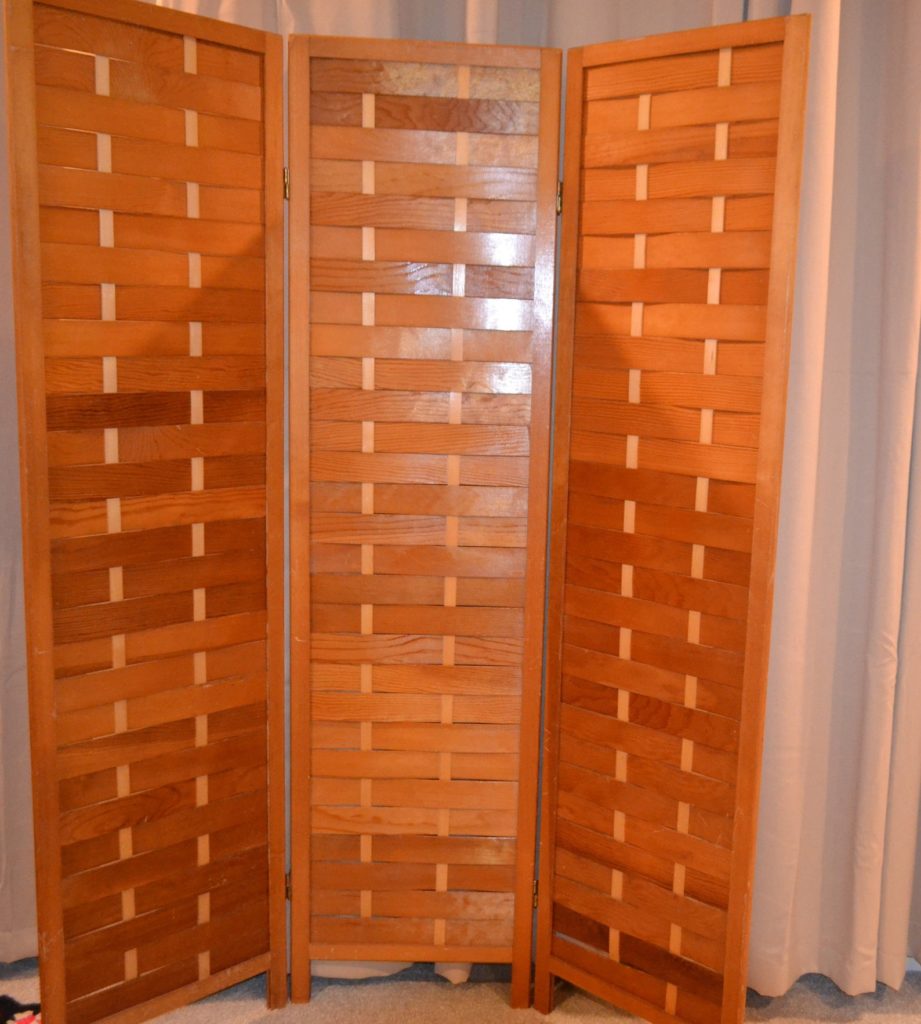
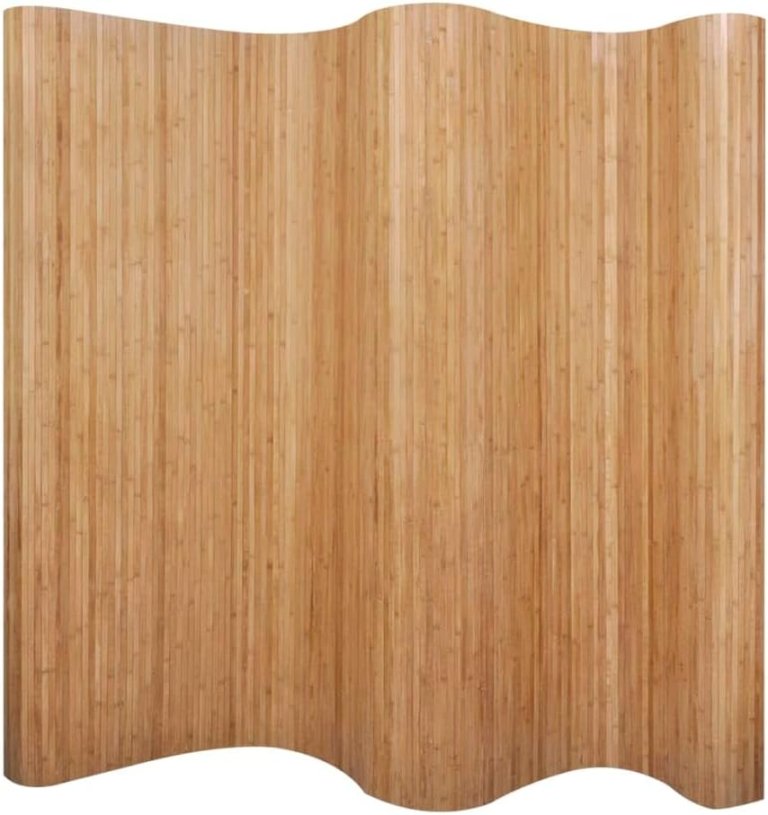
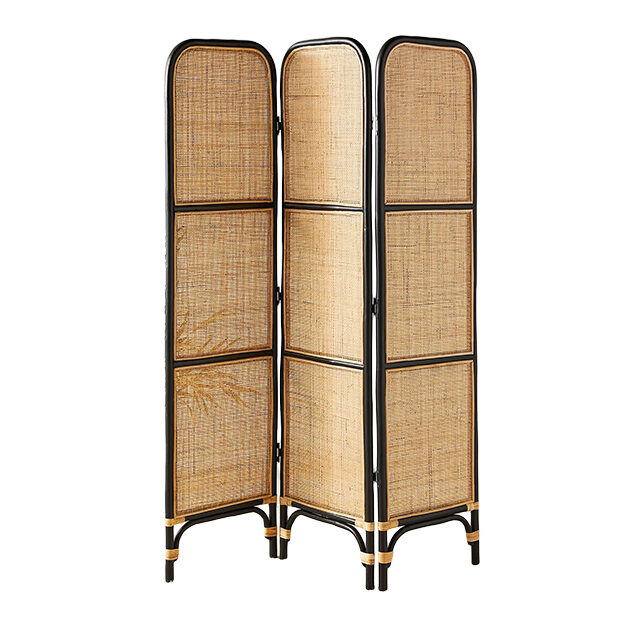
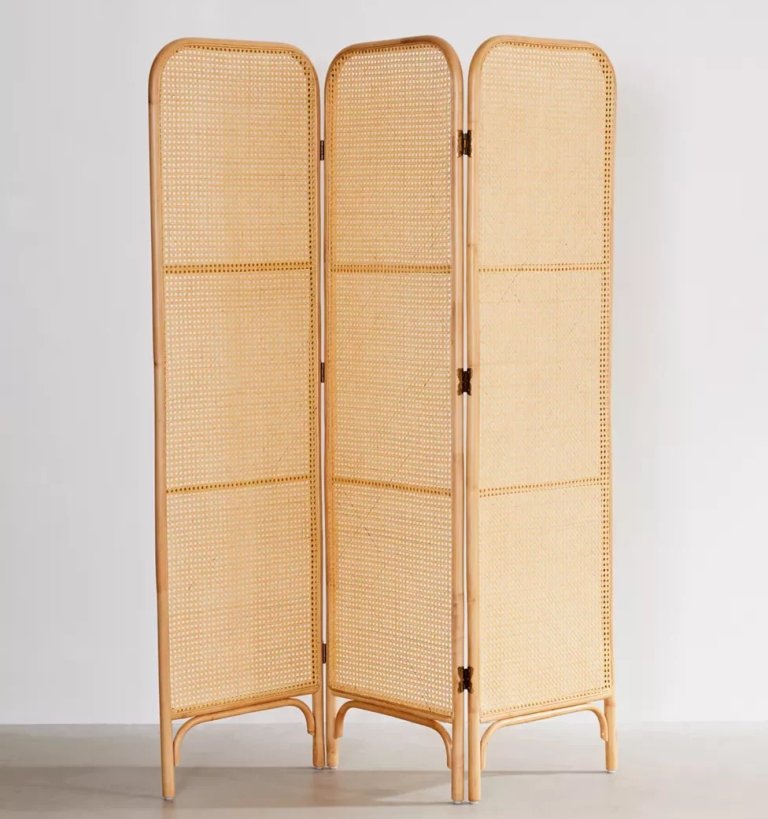
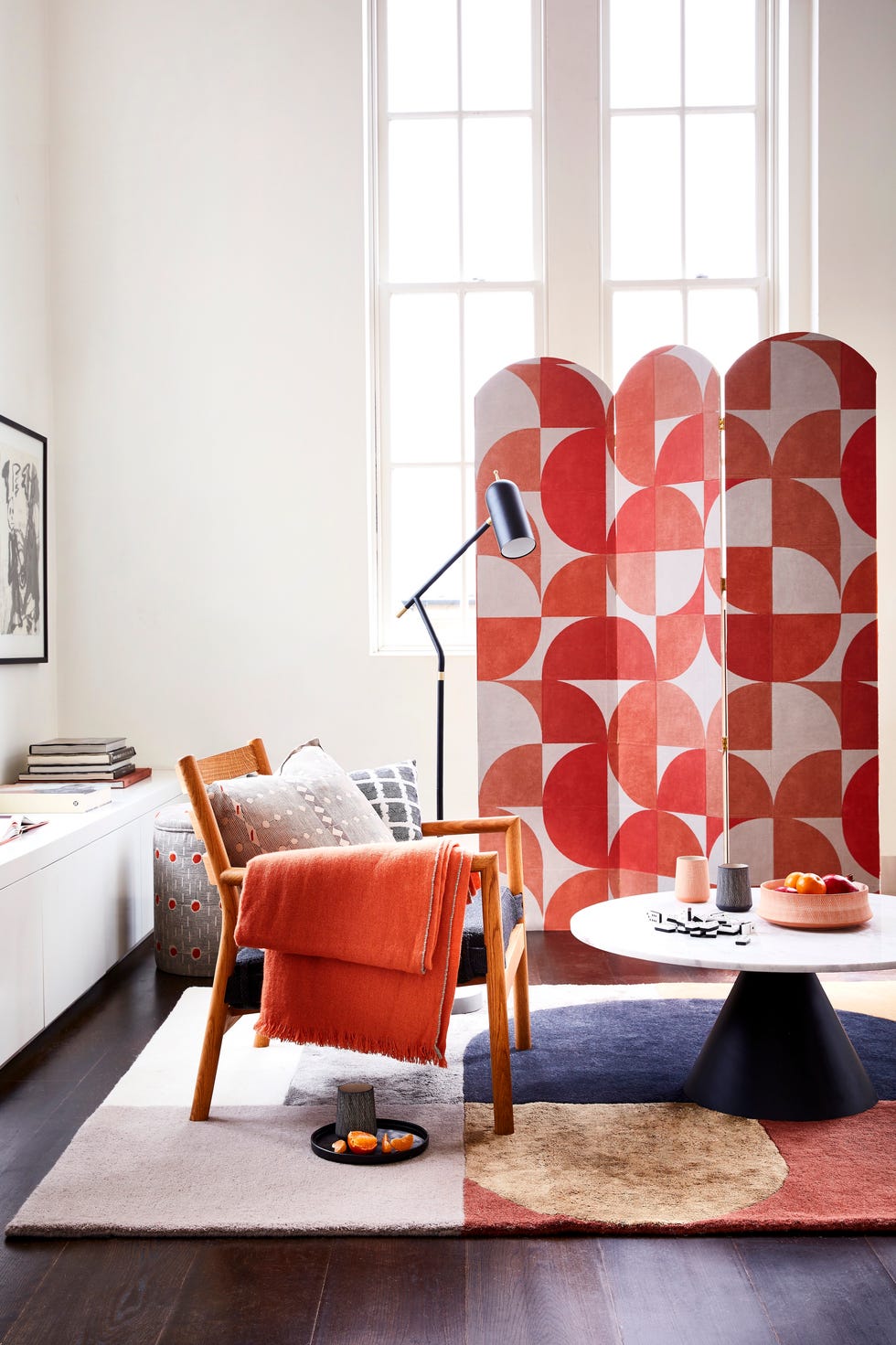
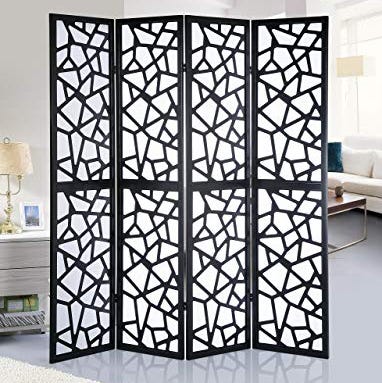
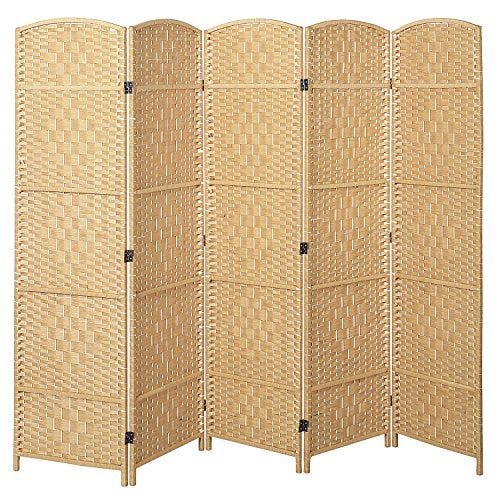
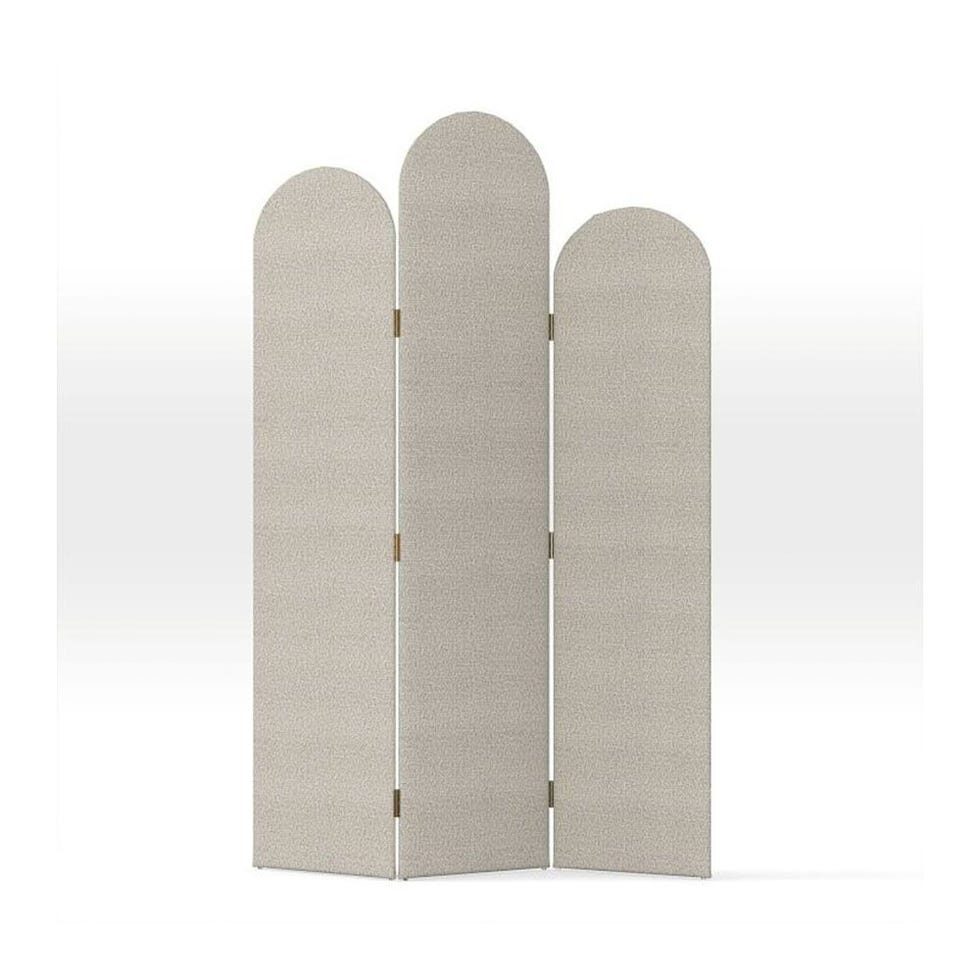
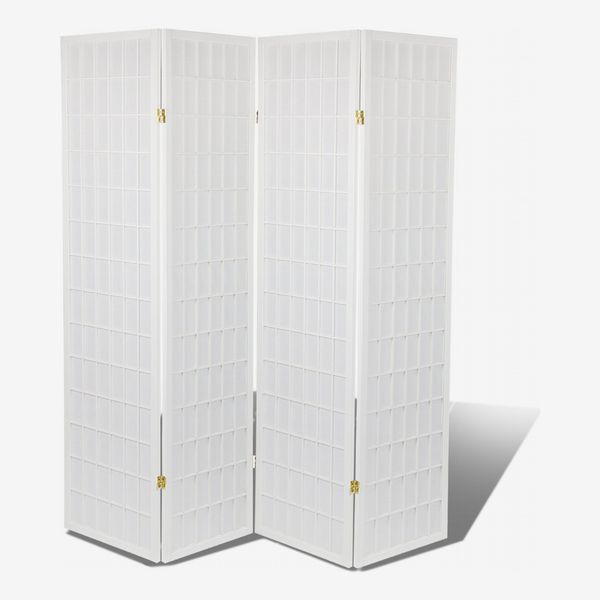
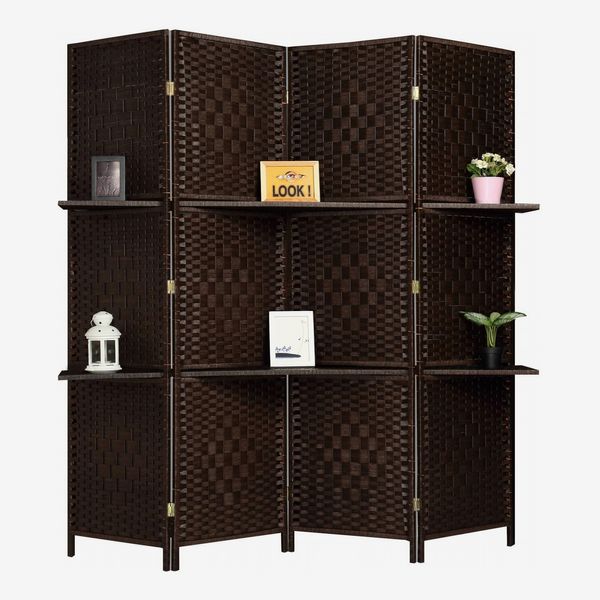
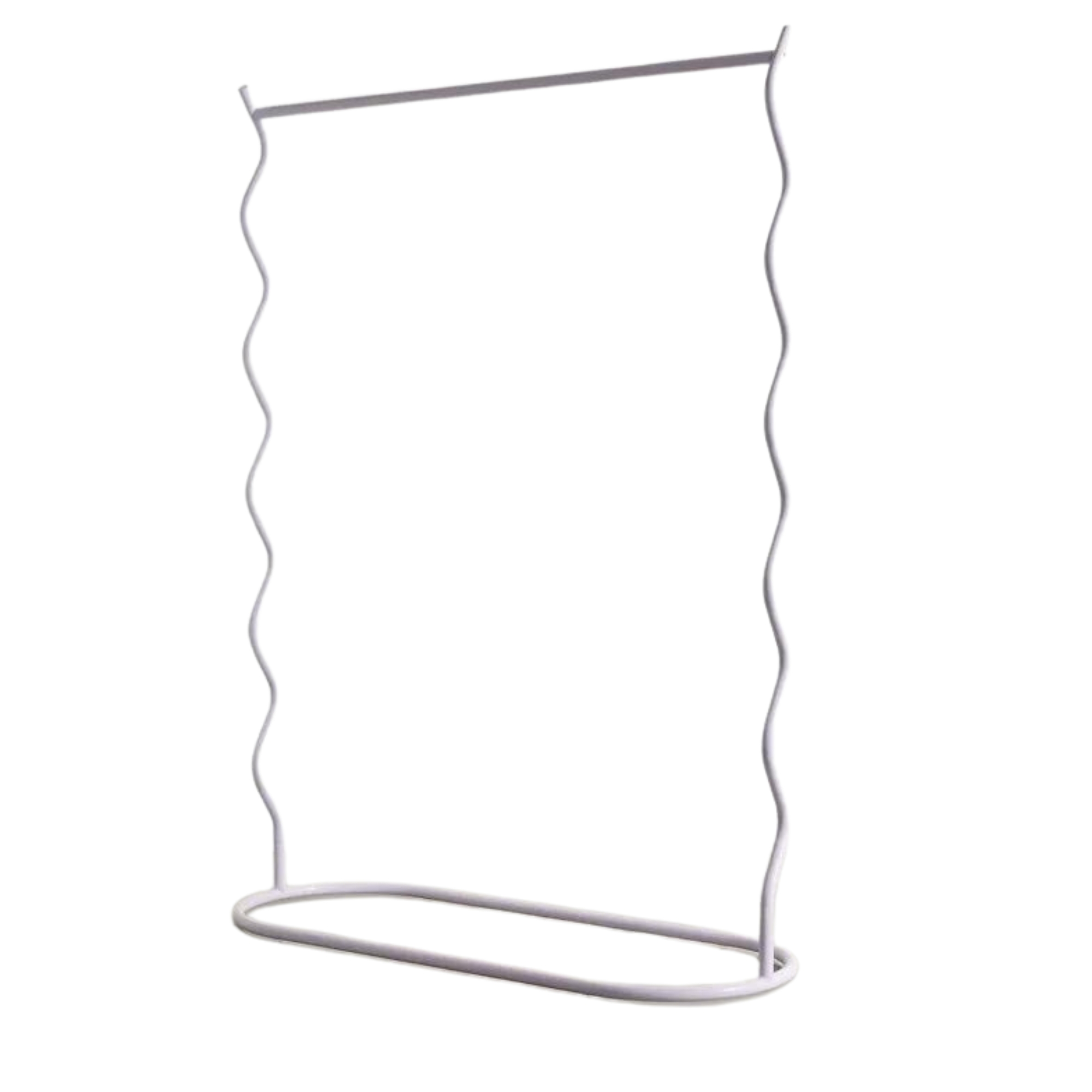
The article further elaborates on the design's characteristics, describing it as simple in form but striking due to the beauty of its wood tambour construction and gently undulating shape, which can be curved to fit various spaces. The wooden material is highlighted as a key factor contributing to the divider's versatility in decorating. The author suggests two primary styling approaches: embracing a "wood-drenched" aesthetic for a cohesive look or positioning it as a standout accent piece by selecting a complementary paint color for the surrounding environment. Examples of both a modern color-stained screen and a budget-friendly bamboo interpretation are provided, along with an arched rattan screen as an alternative. The piece concludes by underscoring that incorporating such a partition, whether an antique find or a DIY project, not only enhances a room's aesthetic but also adds a touch of history.
#InteriorDesign #RoomDivider #HomeDecor #VintageDesign #ModernDesign #AlvarAalto #ArtDeco #WoodFurniture #HomeStyling #InteriorDesign #RoomDivider #HomeDecor #VintageDesign #ModernDesign #AlvarAalto #ArtDeco #WoodFurniture #HomeStyling
0개의 댓글이 총 표시됩니다.
 아직 댓글이 없습니다
추가로 마음에 드릴 만한 콘텐츠

Room dividers – and all their old-Hollywood charm – are back

12 Folding Screens That Divide and Conquer Any Room

10 Best Room Dividers for Creating More Privacy at Home
room dividers Archives

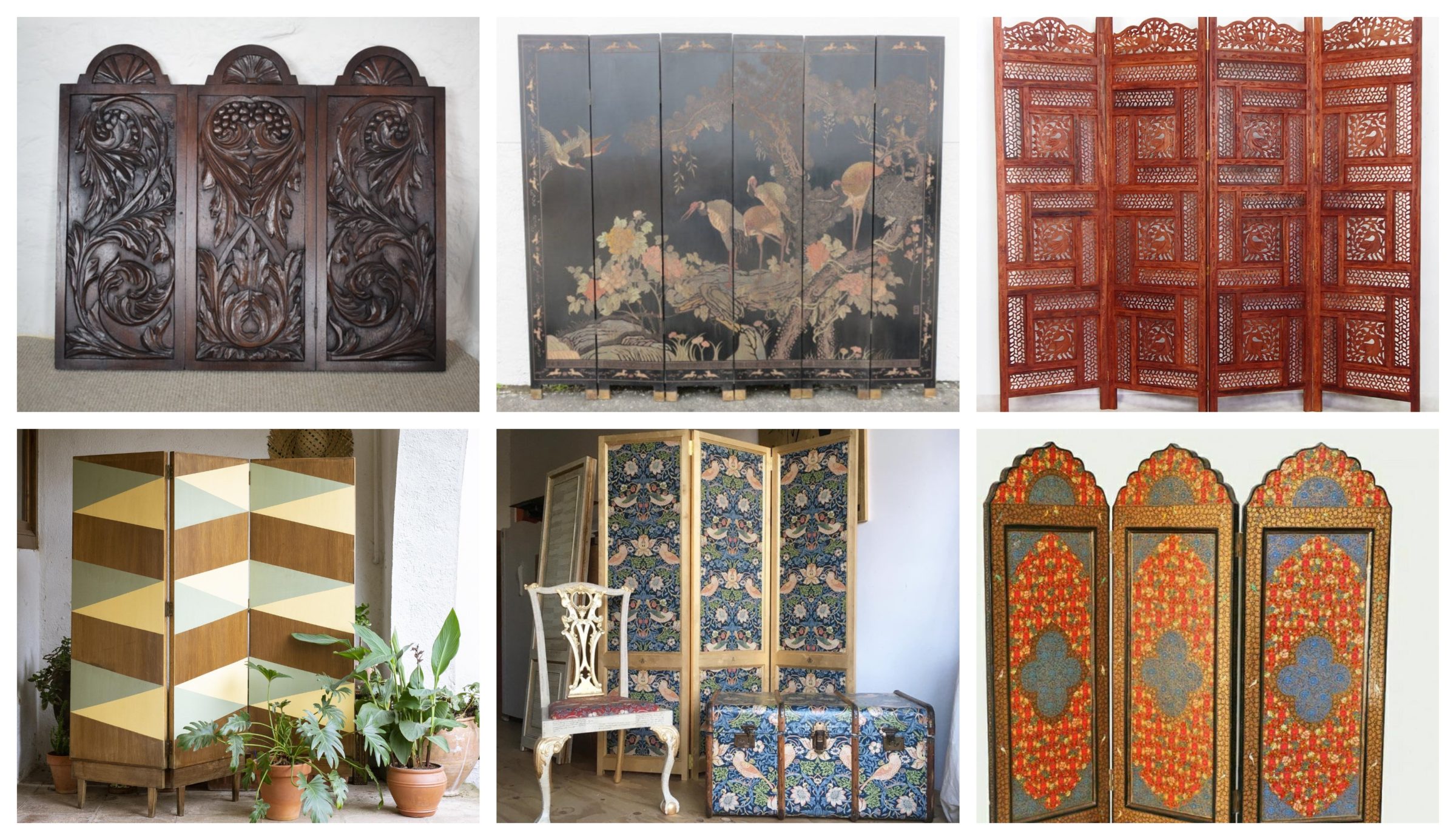
9 vintage room dividers you can buy on Etsy

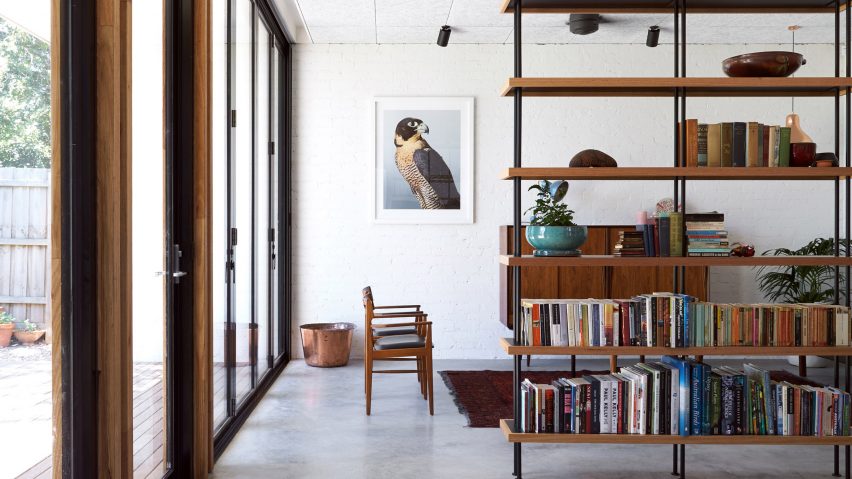
Ten interiors that use innovative room dividers instead of walls

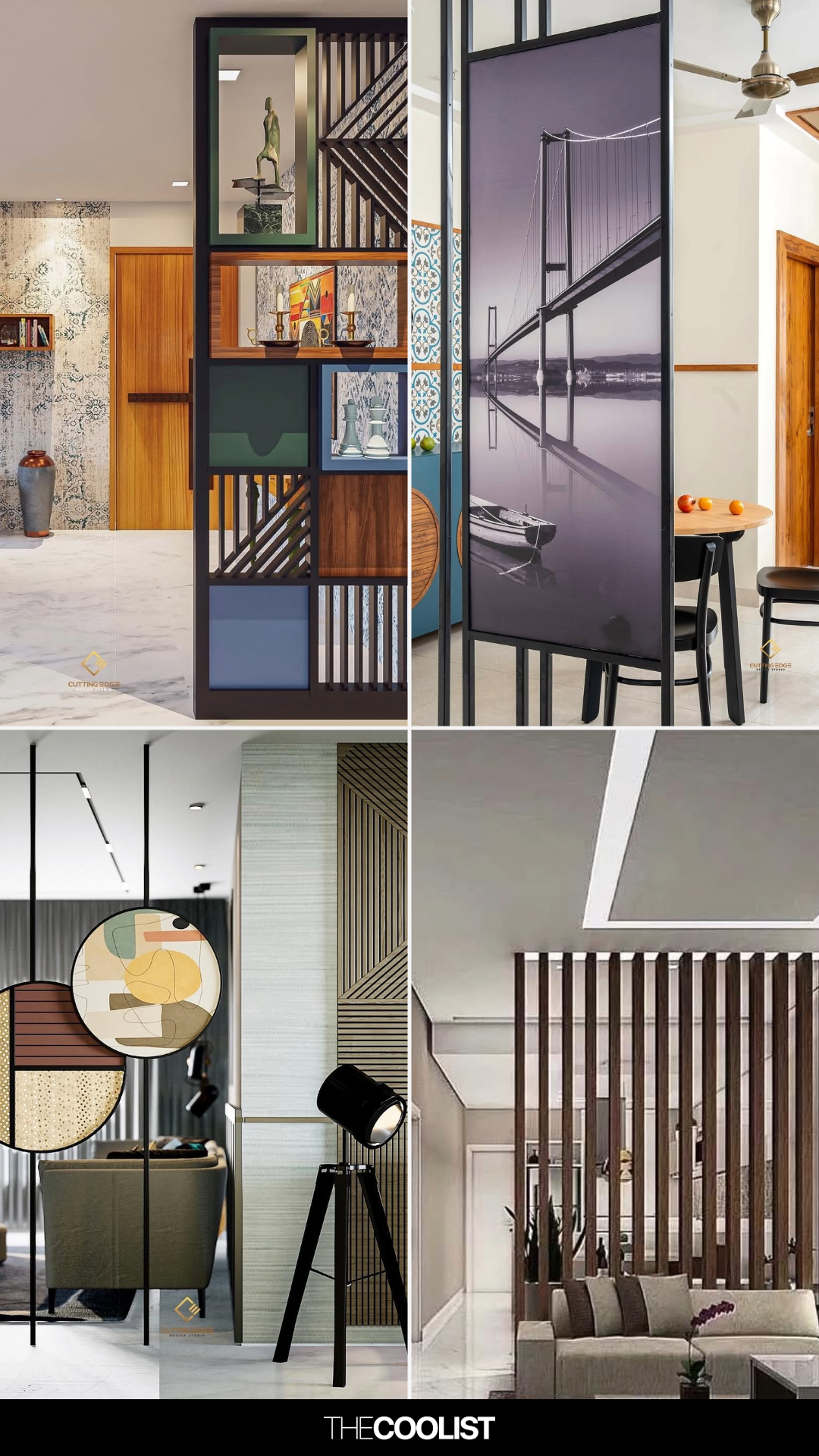
28 Clever Divider Screen Ideas That Stylish Homeowners Are Using for Instant Style + Function

10 unique room dividers from Indian and international designers


The Alexa Chung-Approved Decor Trend That Should Be Next On Your Wishlist

We’re Hooked on This Clever Room Divider Idea

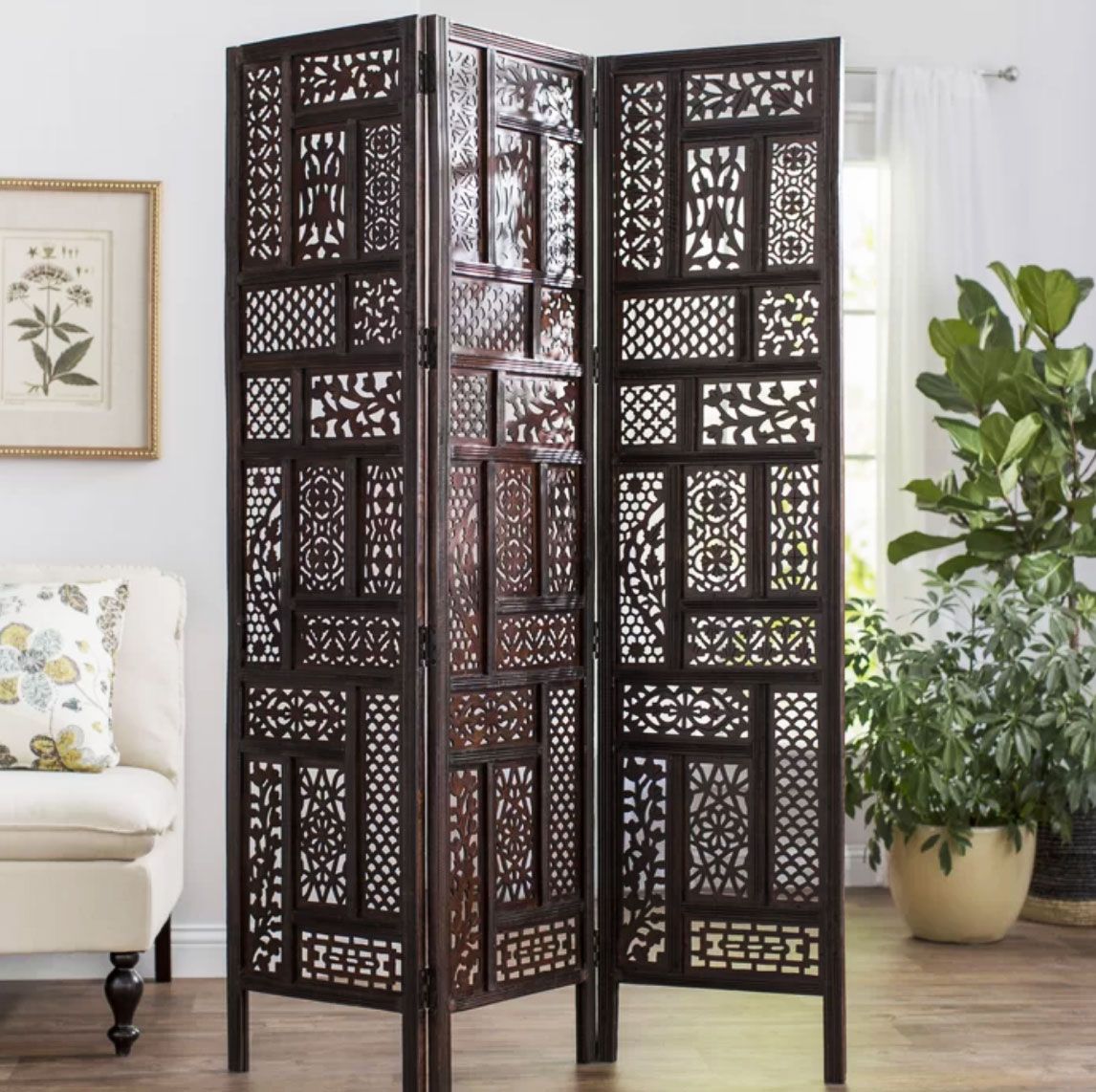
The Best Room Dividers, According to Interior Designers
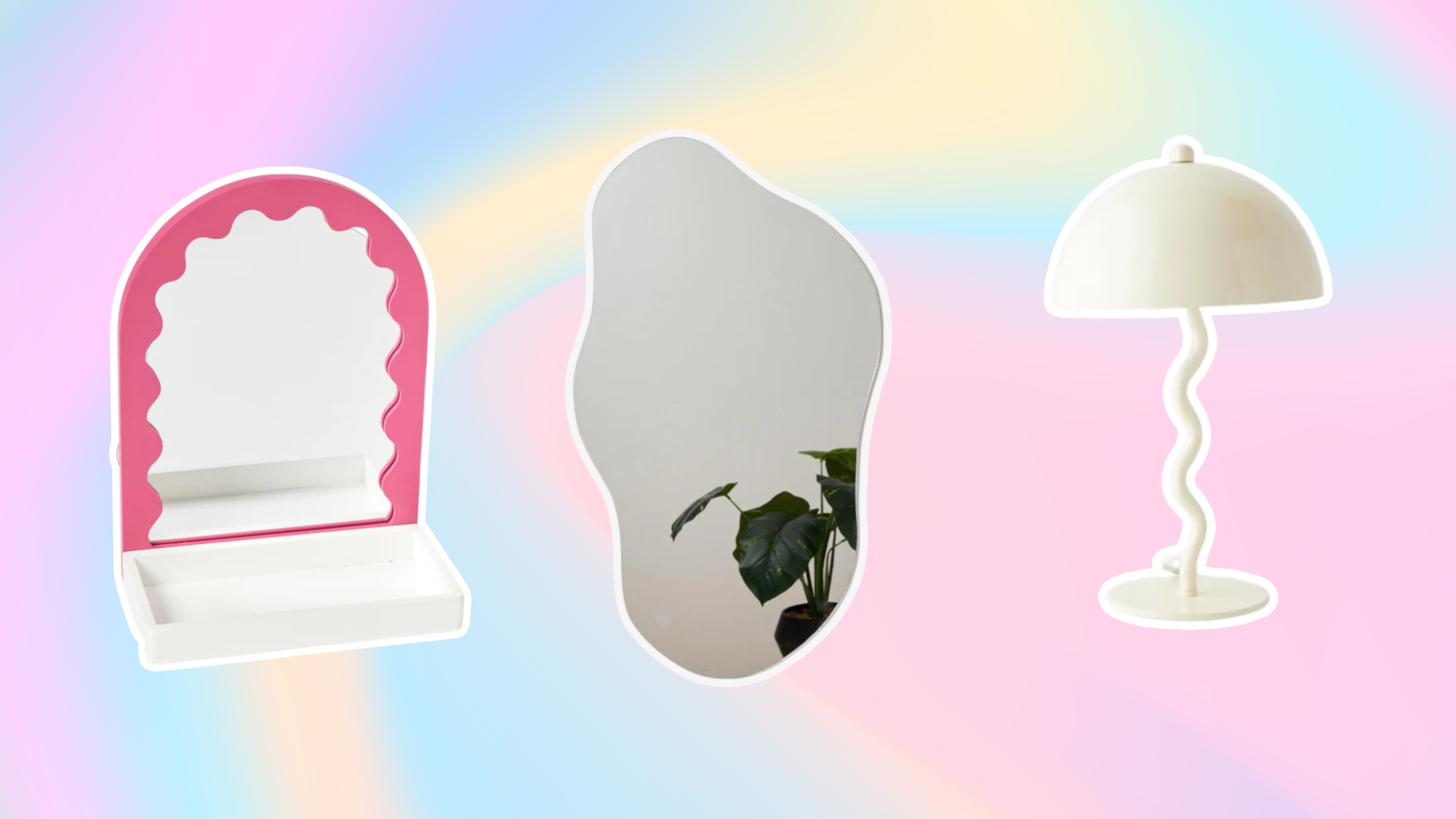
9 wavy home decor buys that are SO on-trend


We’re Hooked on This Clever Room Divider Idea
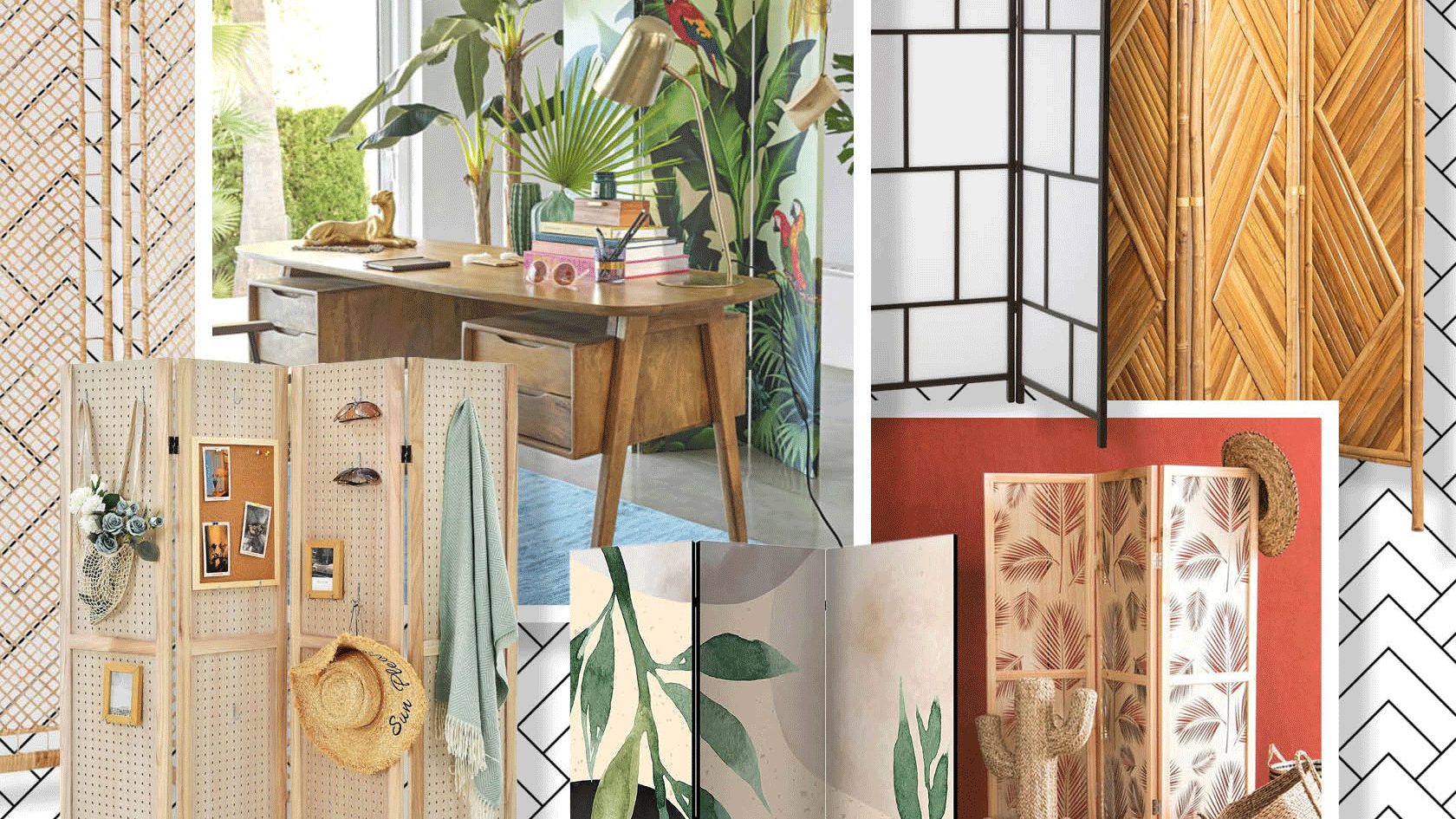
Transform small spaces with the help of these 9 clever and chic room dividers
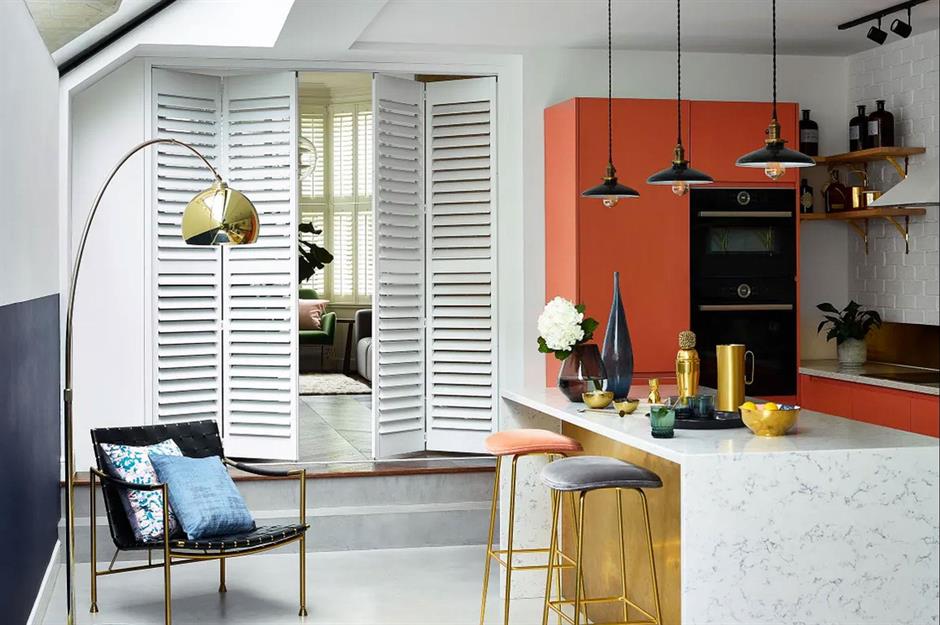
Smart room dividers that break new boundaries | loveproperty.com
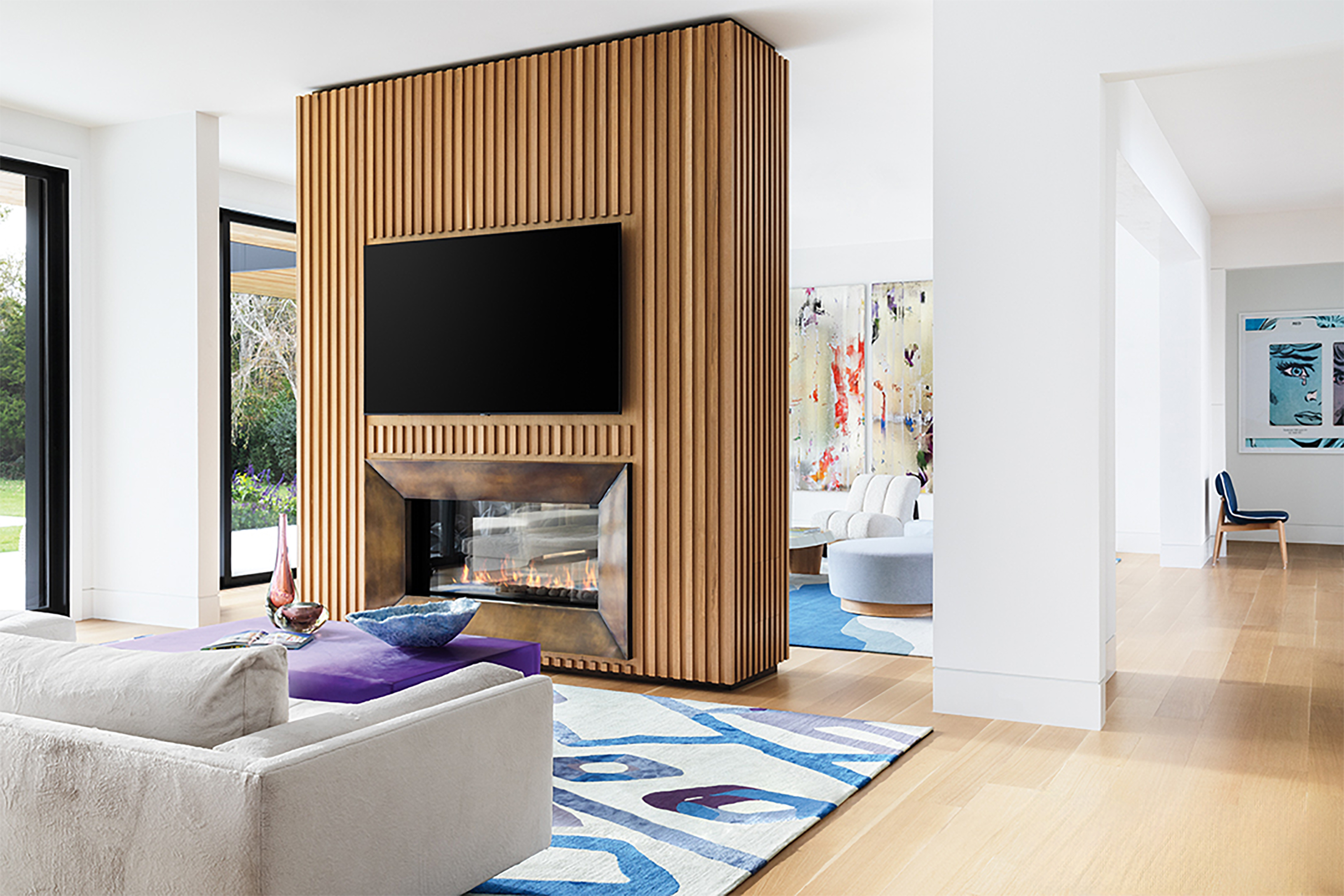
'TV Room Dividers' Are the Living Room Layout Trend That Might Spell the End of True Open Concept
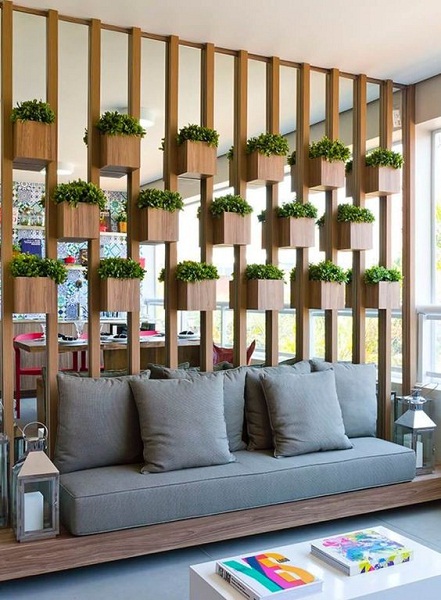
15 Best Room Divider Designs With Pictures 2023

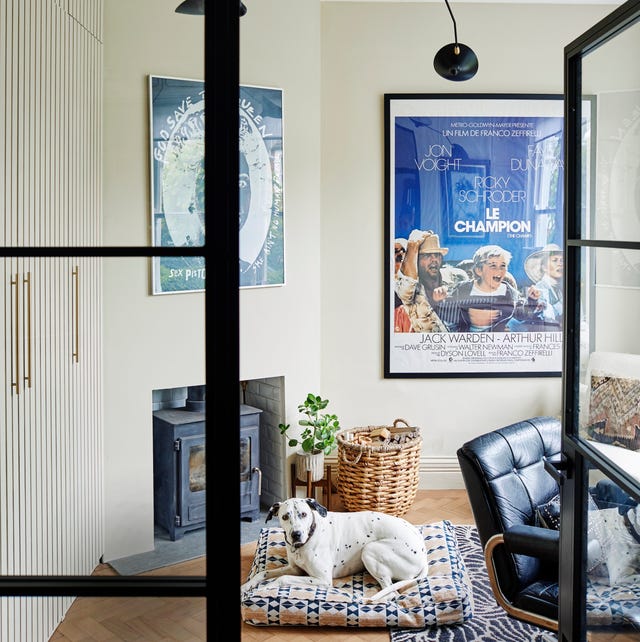
Room divider ideas: 12 stylish ways to divide a room

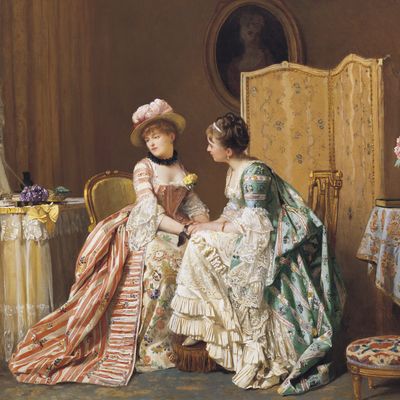
The Best Room Dividers on Amazon, According to Hyperenthusiastic Reviewers
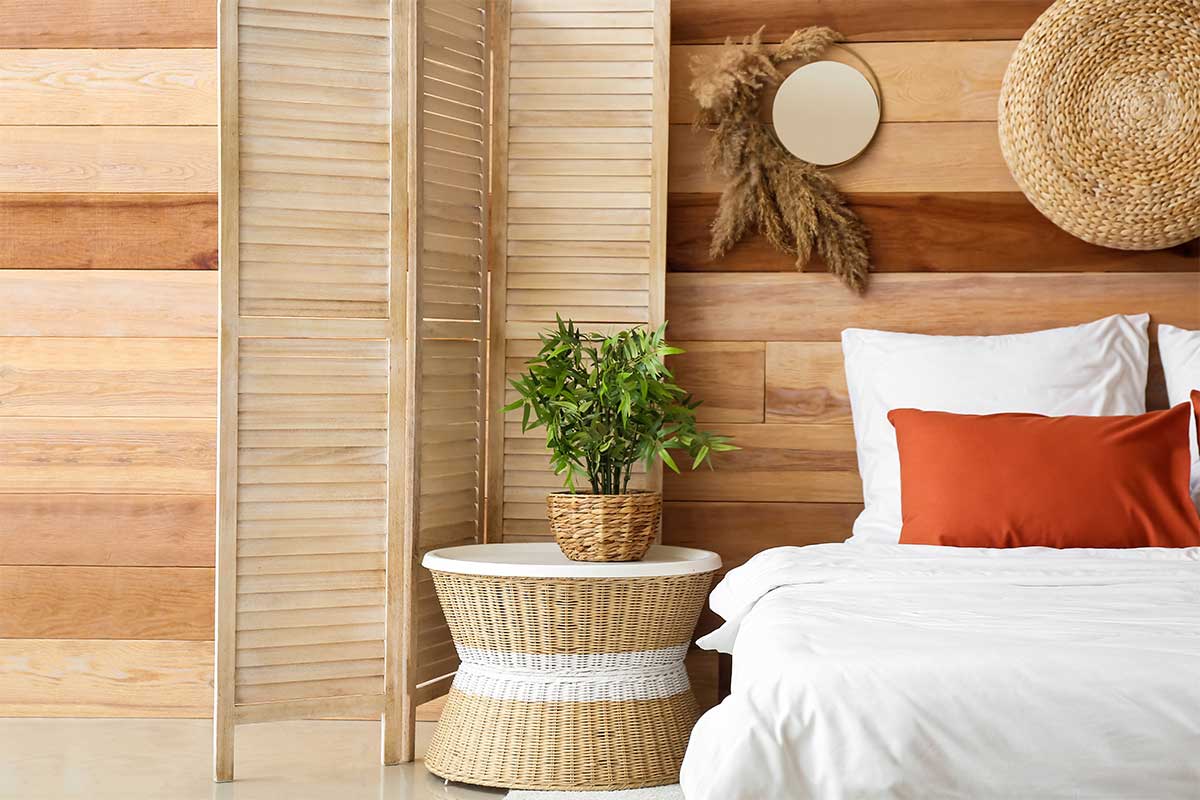
Divide & Conquer: NoVA Decor Experts on Making the Room Divider Work