These Are the Top 10 Dos and Don'ts for Choosing Front Door Colors
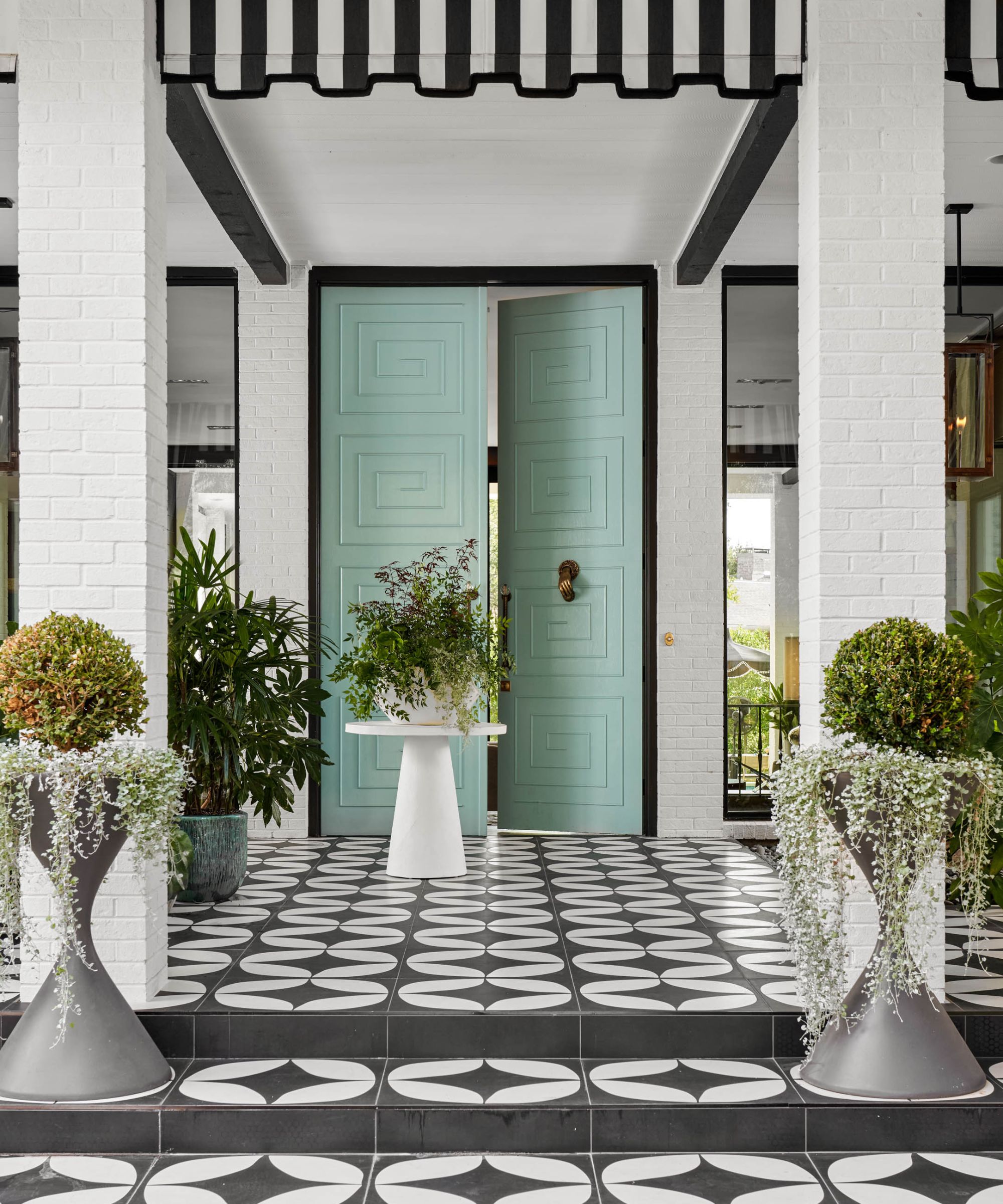
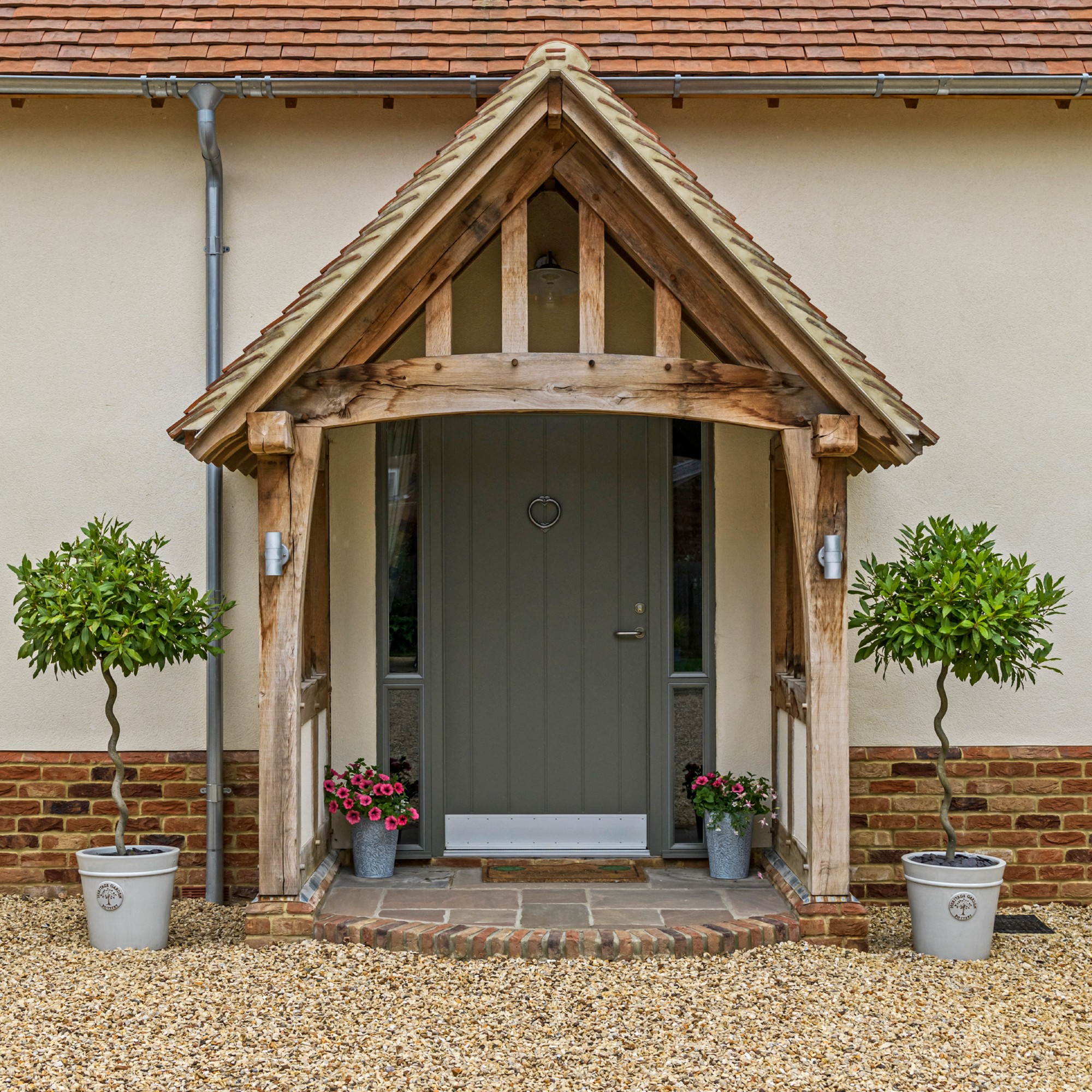
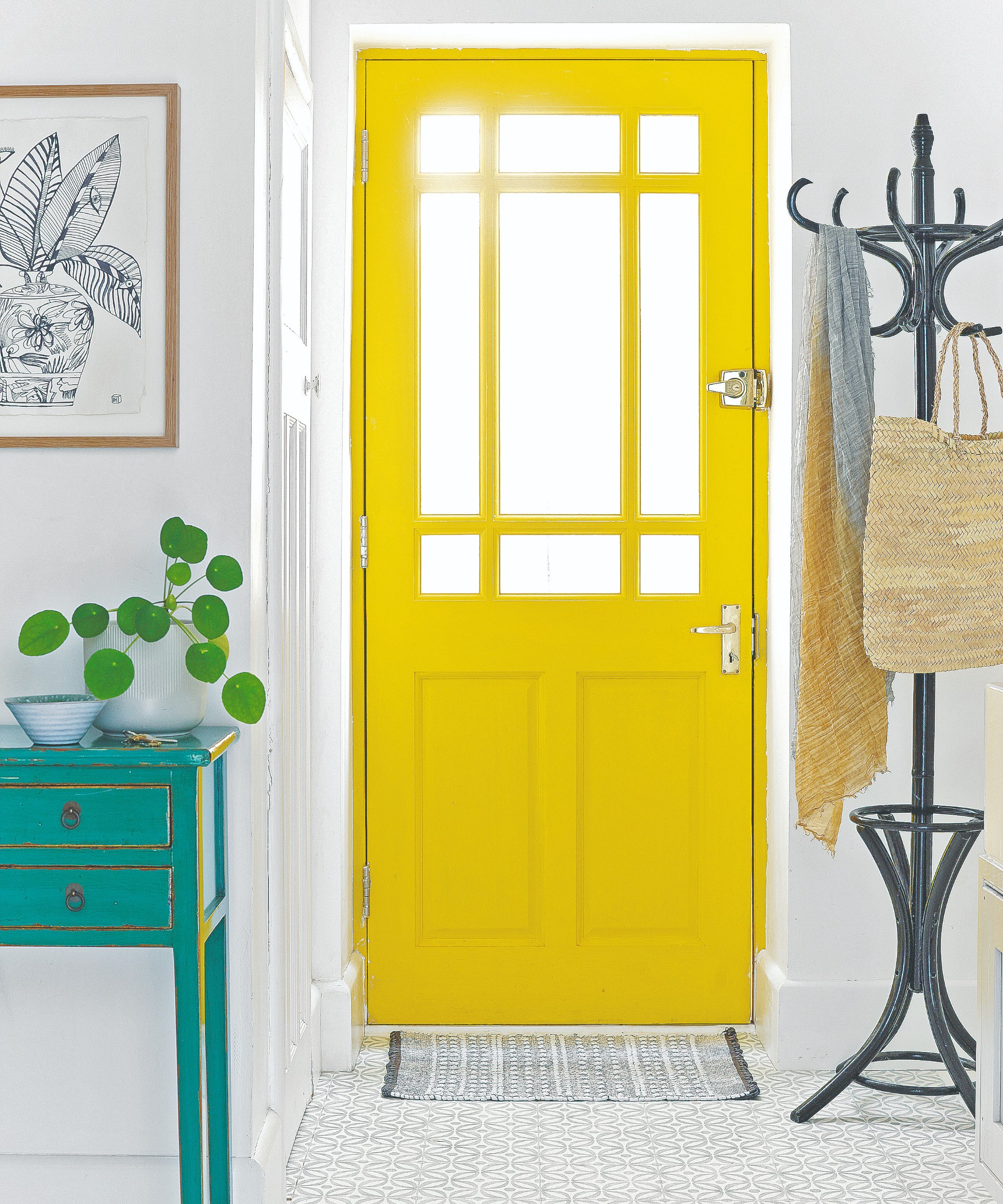
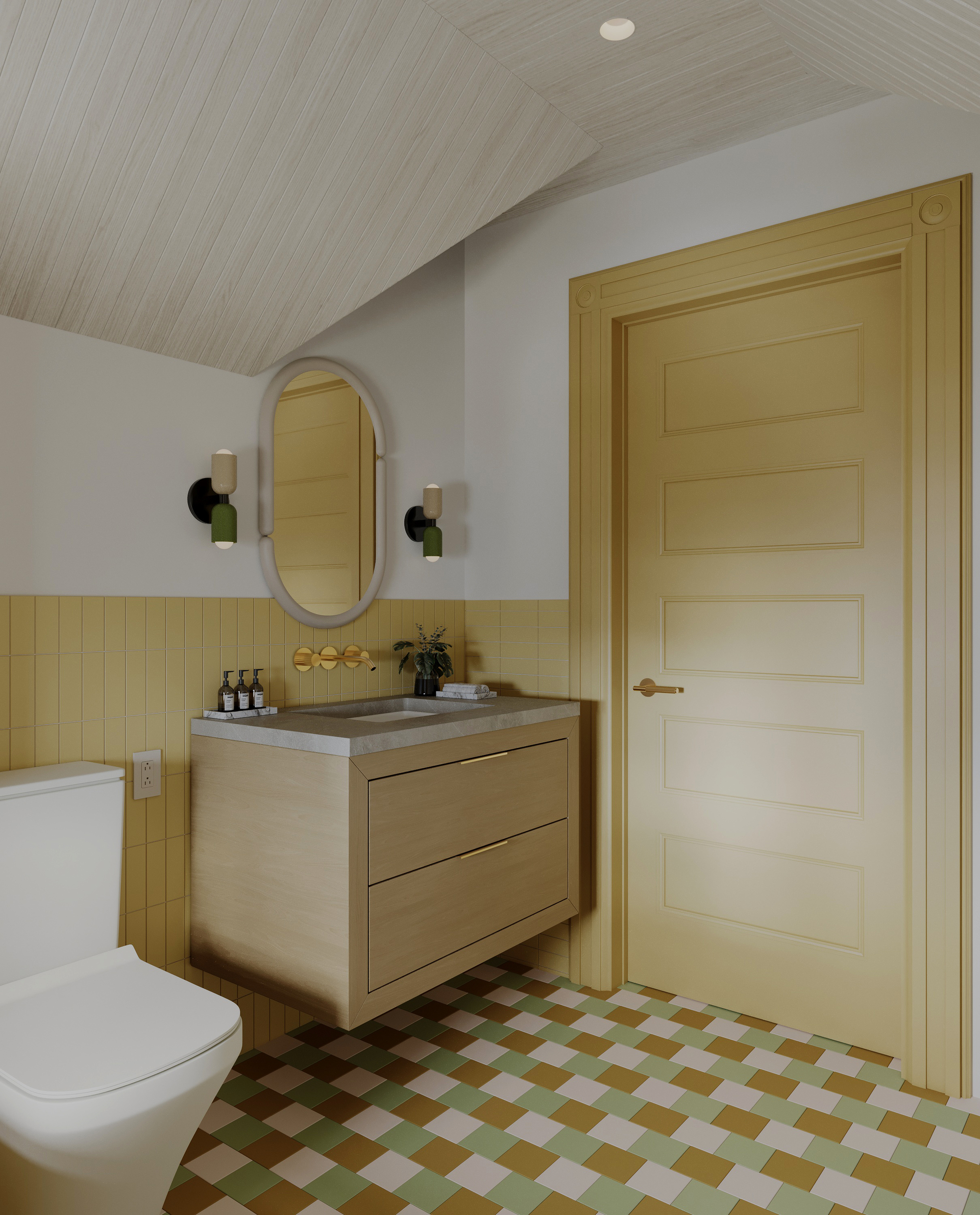
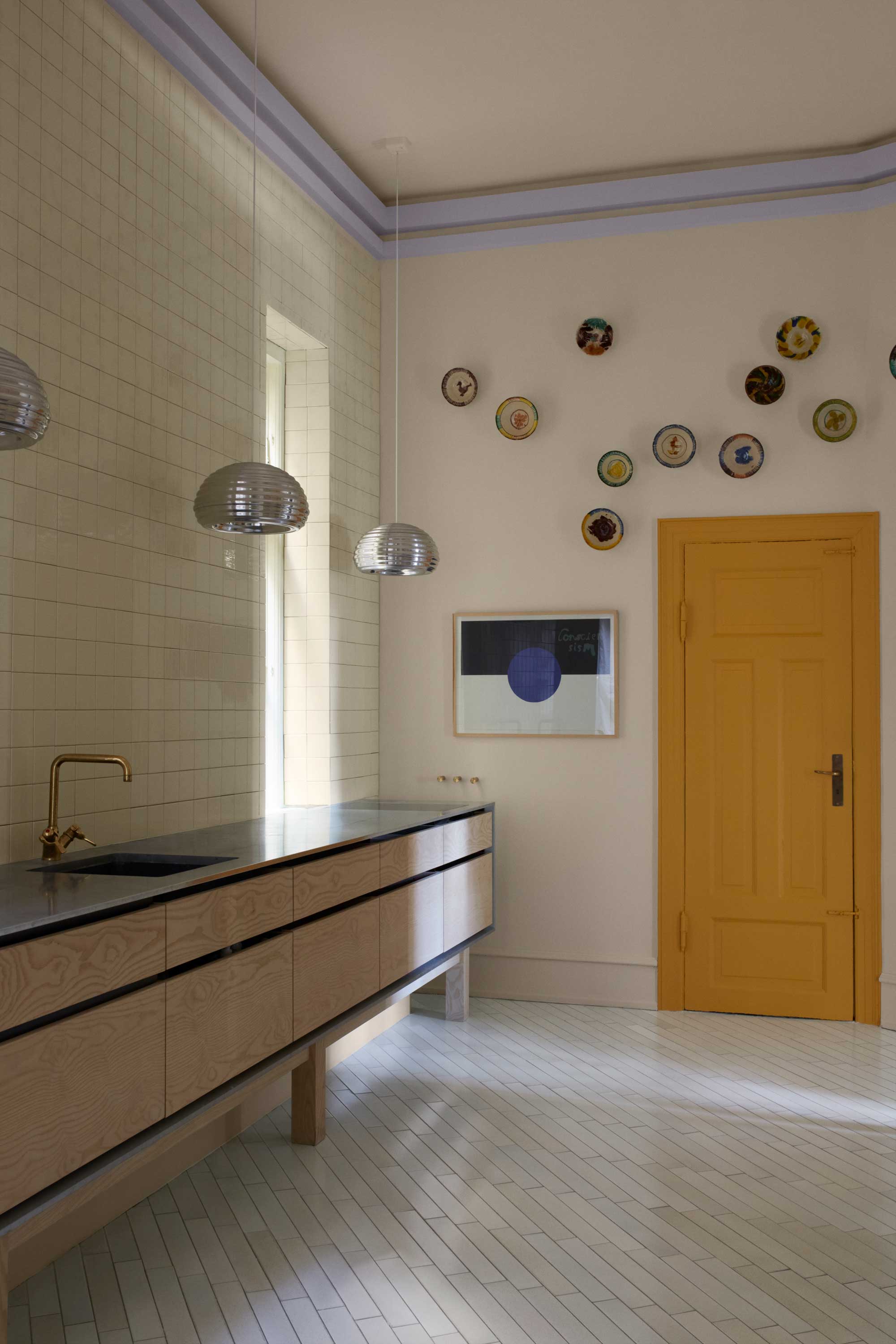
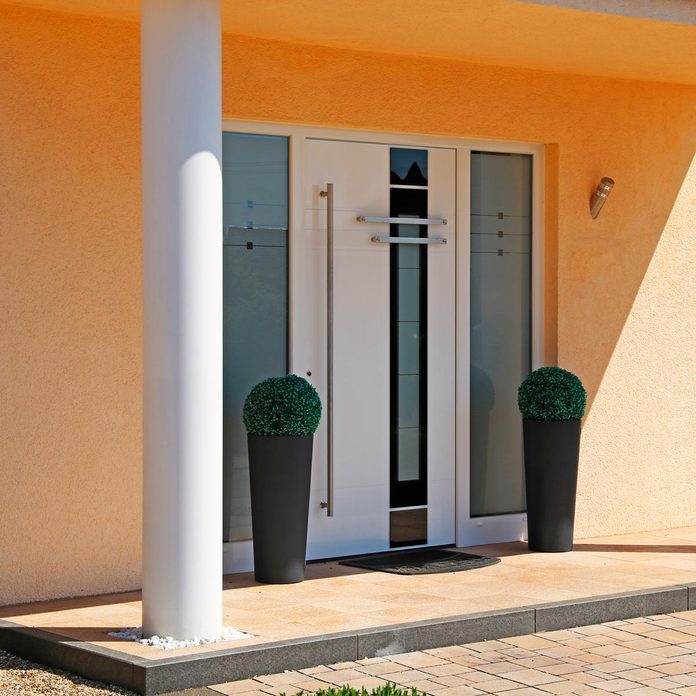
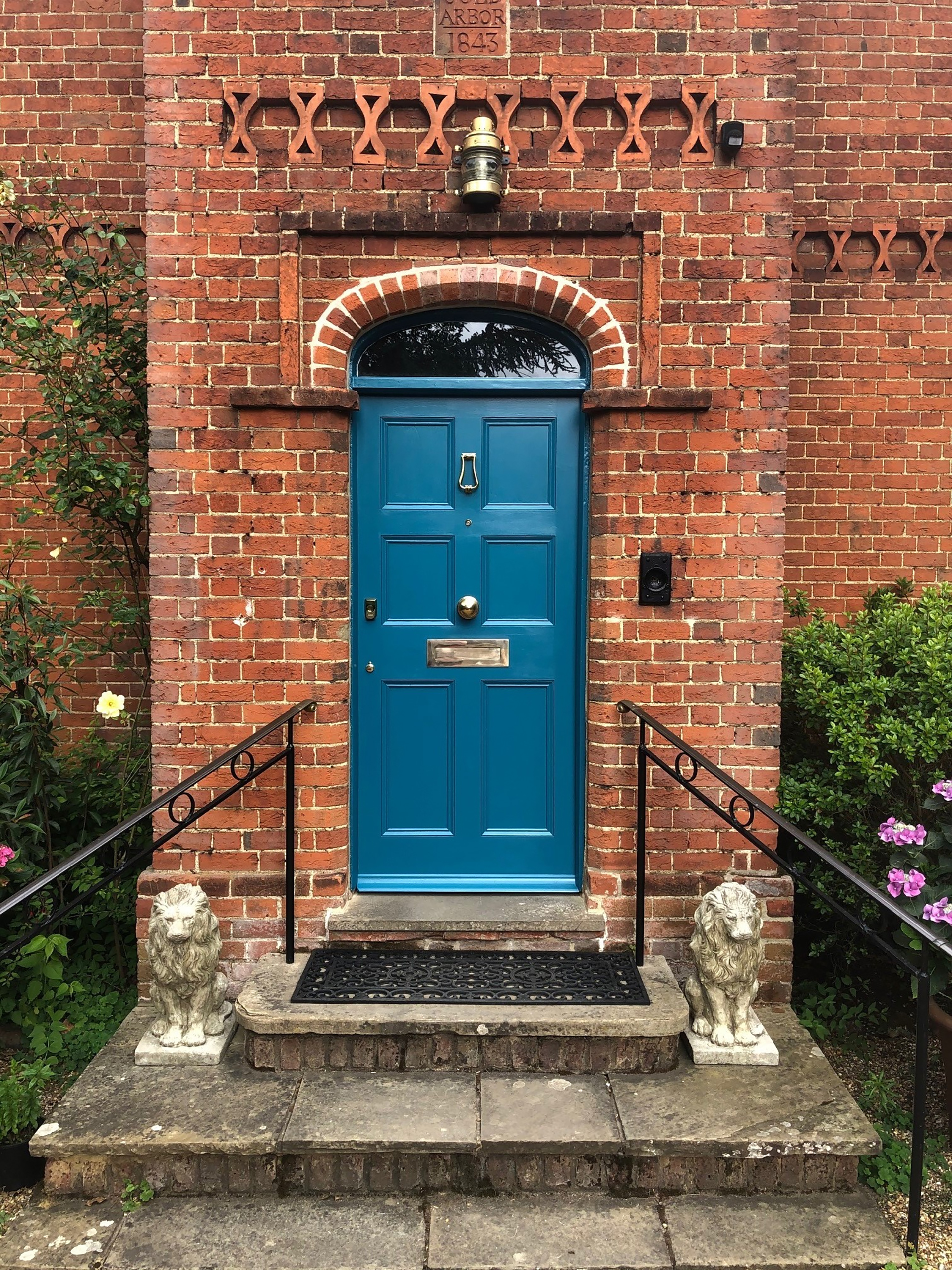
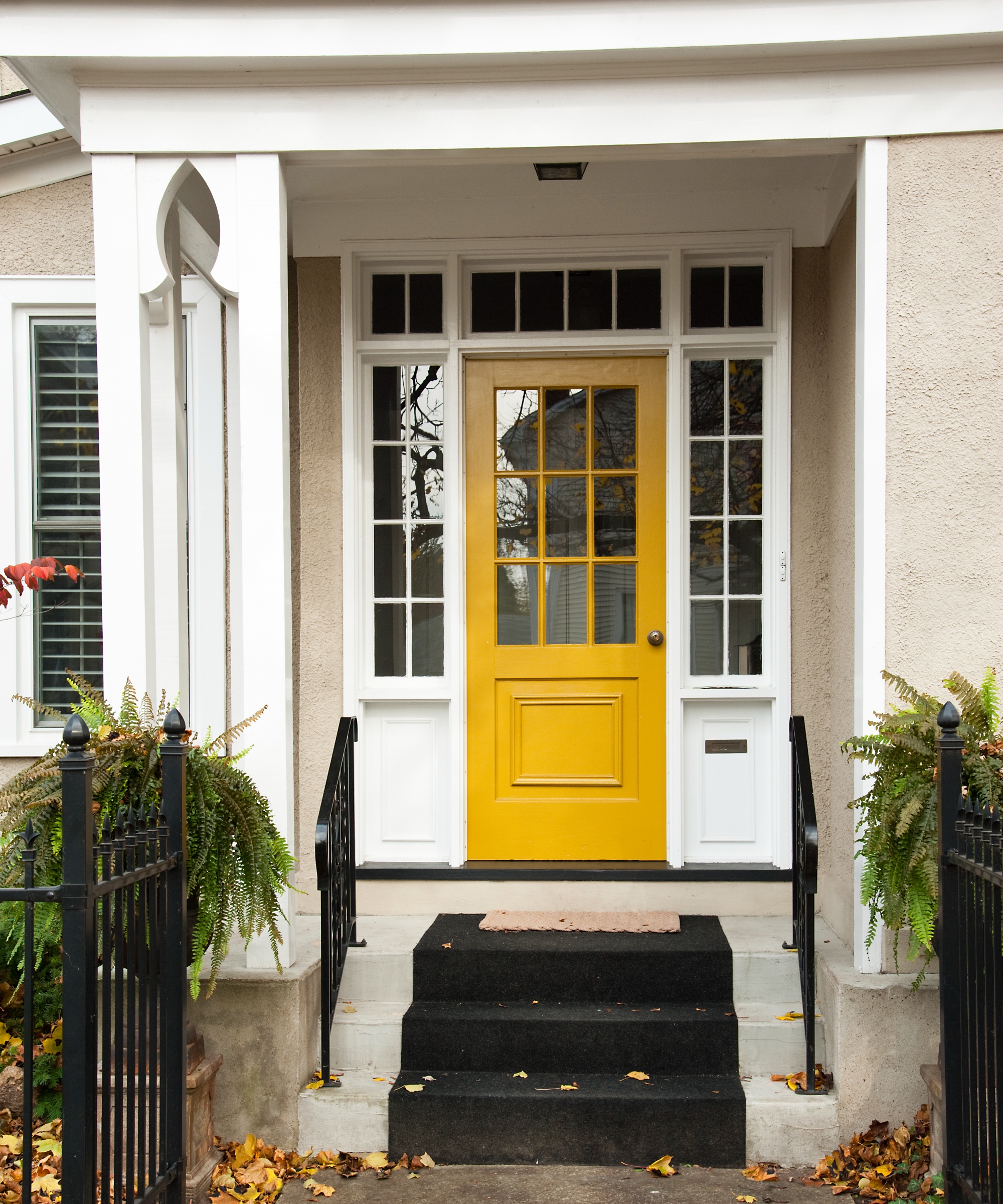
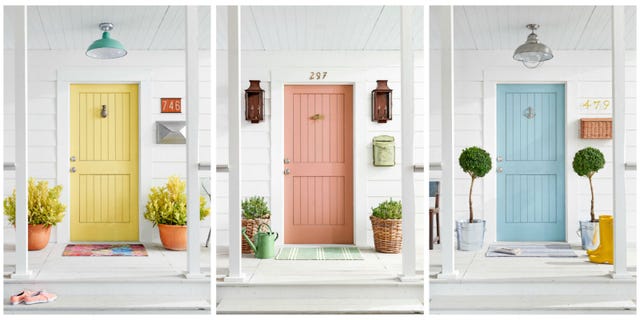
The front door serves as the initial impression of a home, influencing its curb appeal and reflecting the homeowner's personal style. When selecting a front door color, consider what message the color conveys, whether it's a vibrant yellow or a classic blue. The color and architectural style of the house should also be taken into account, though a bold, statement-making color can be used to add a playful touch. Experts recommend a careful selection process, despite the vast array of available colors.
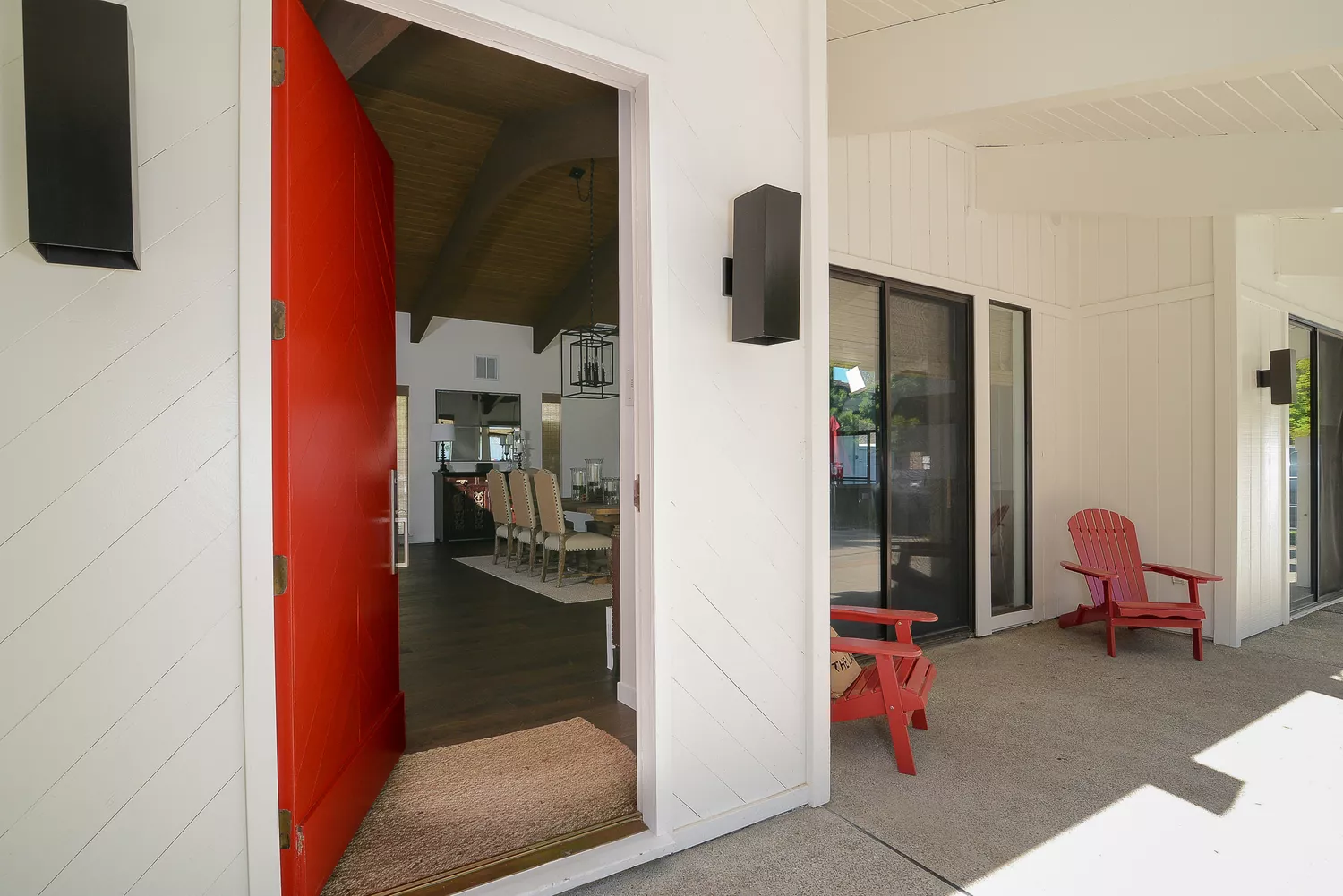
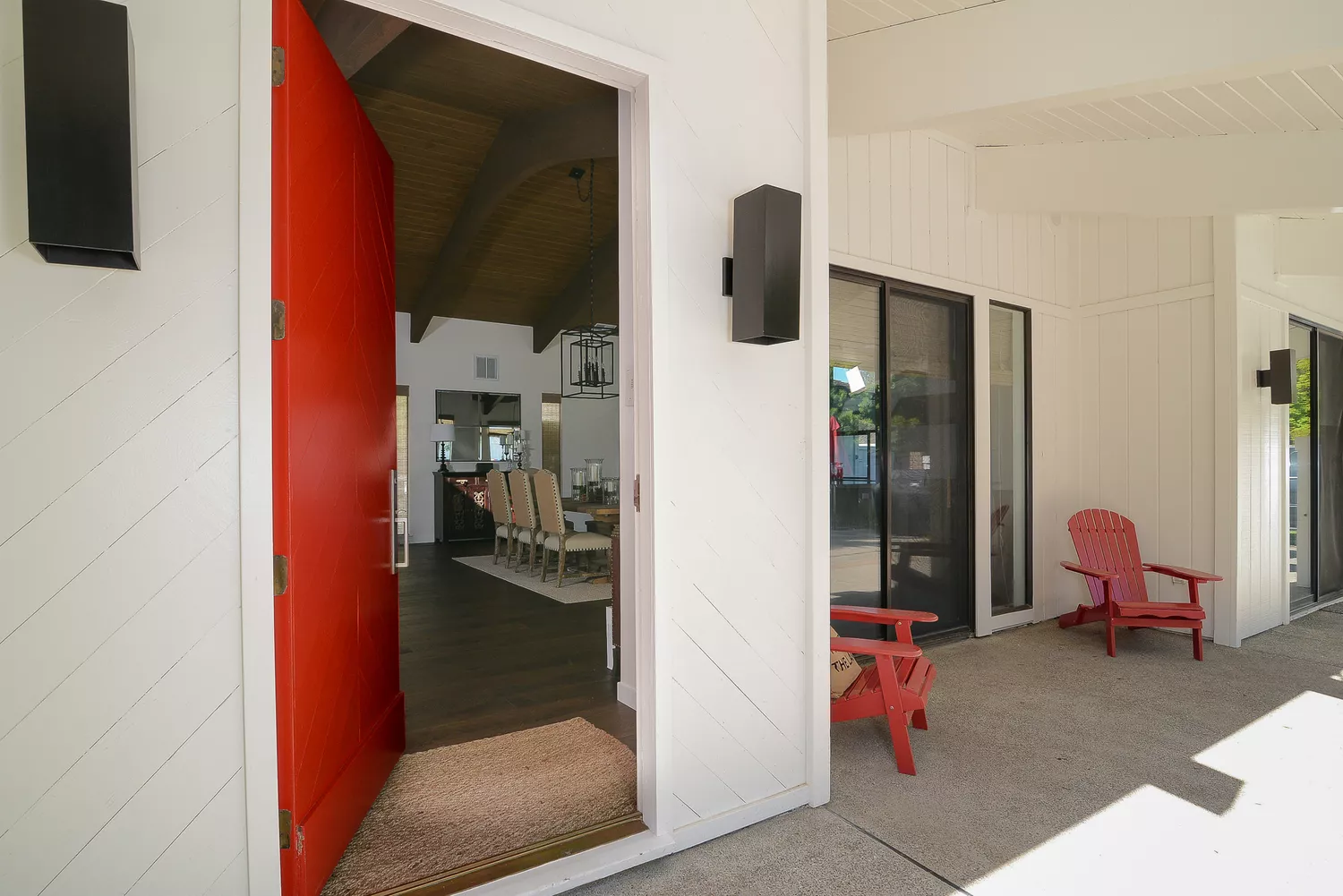
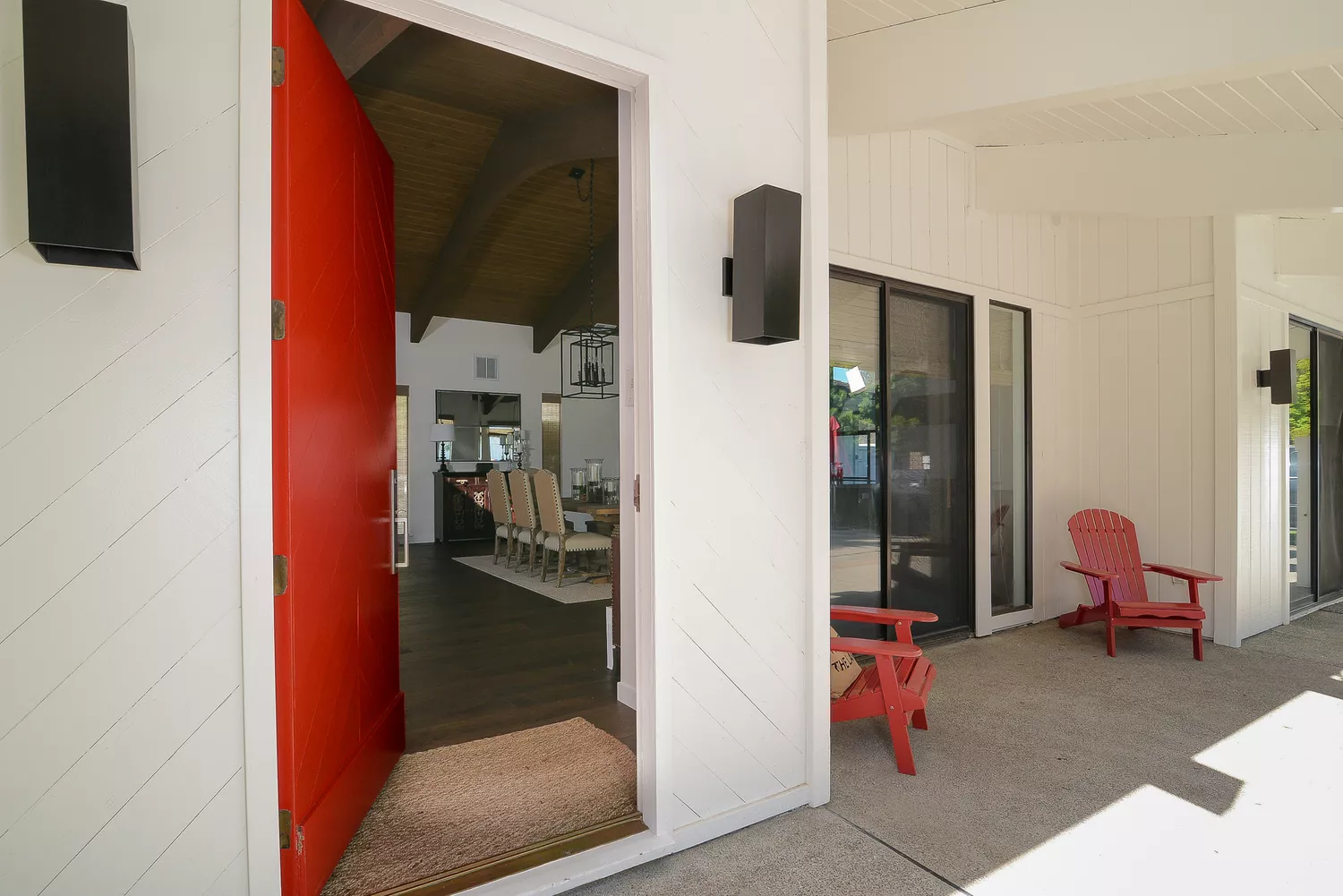
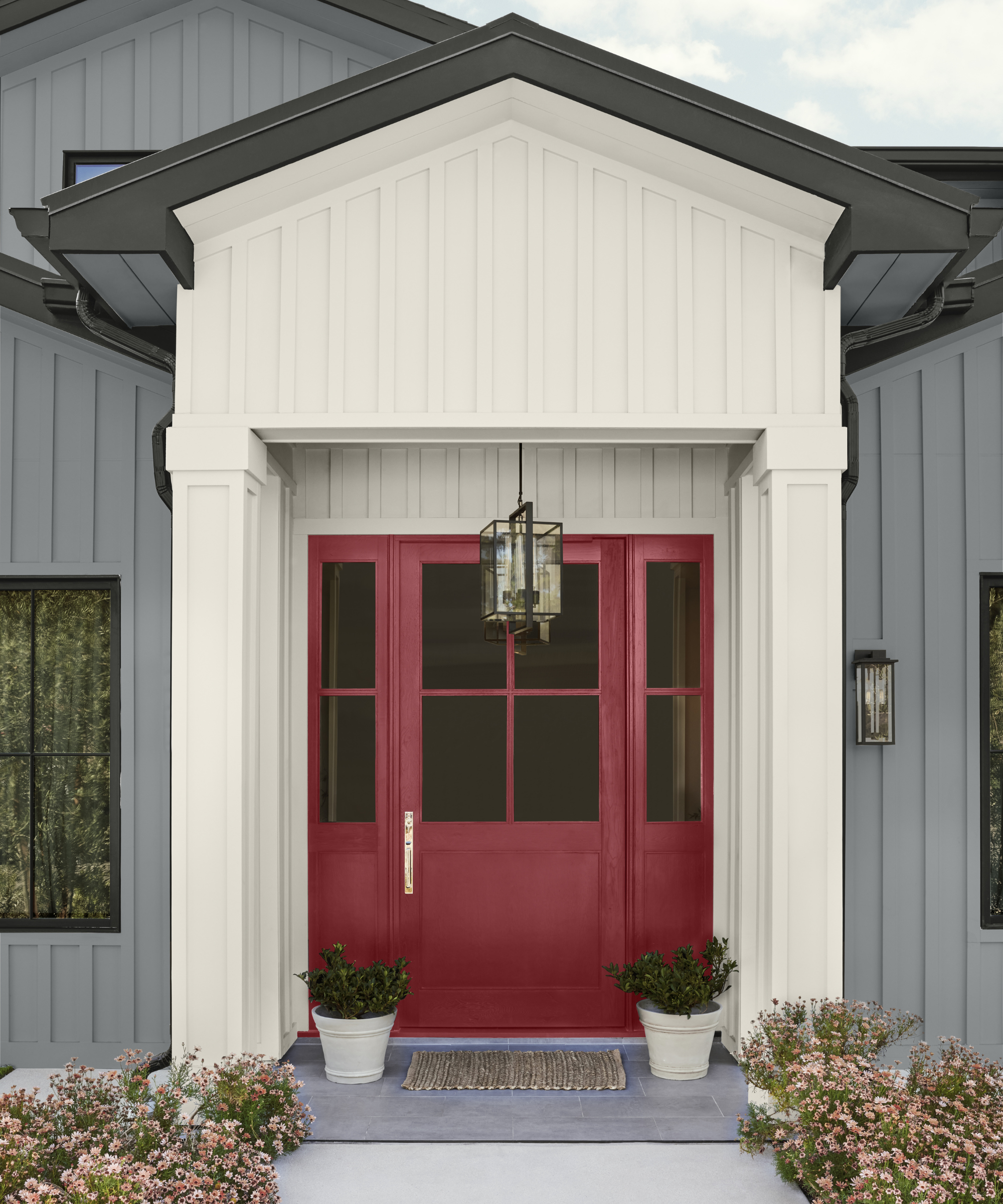
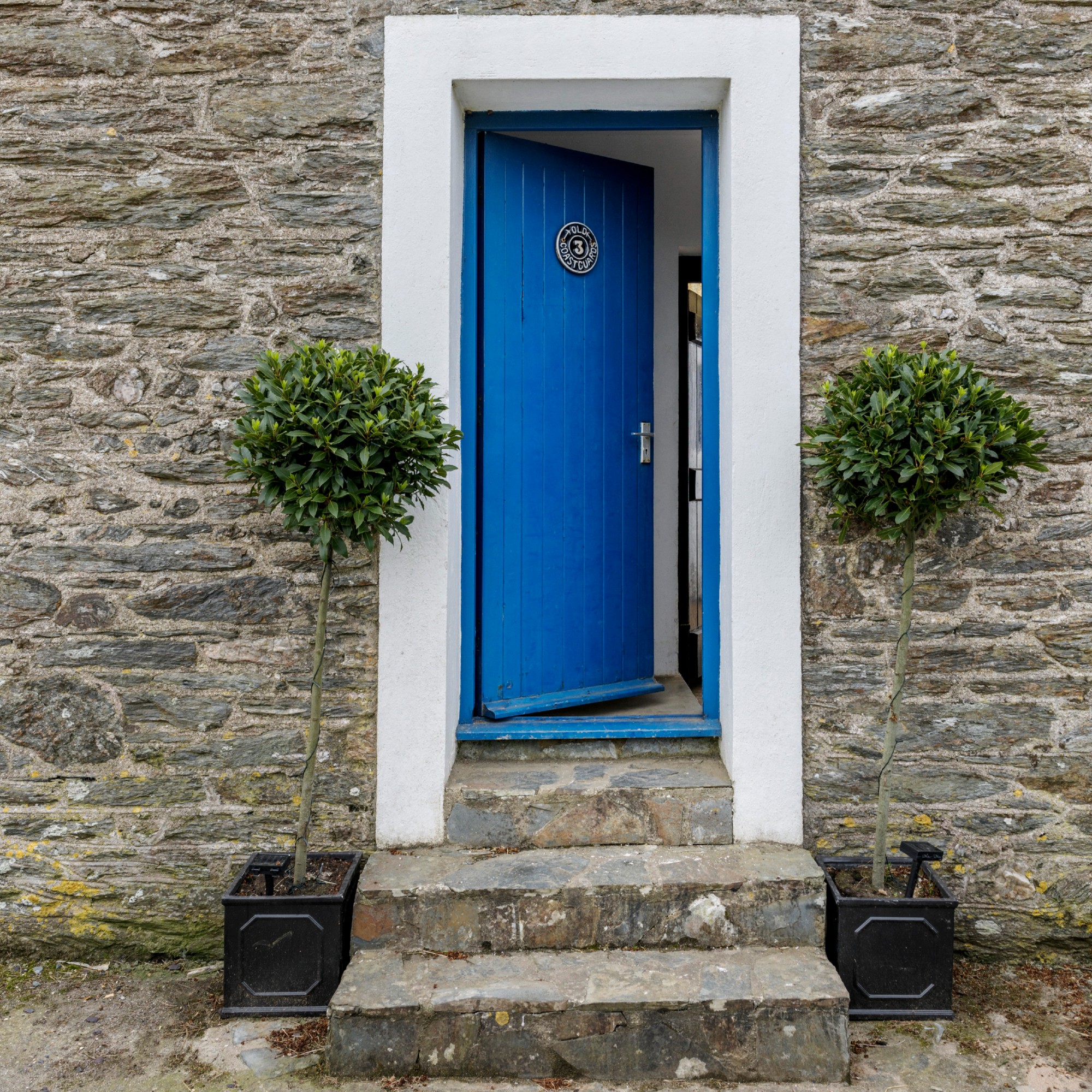
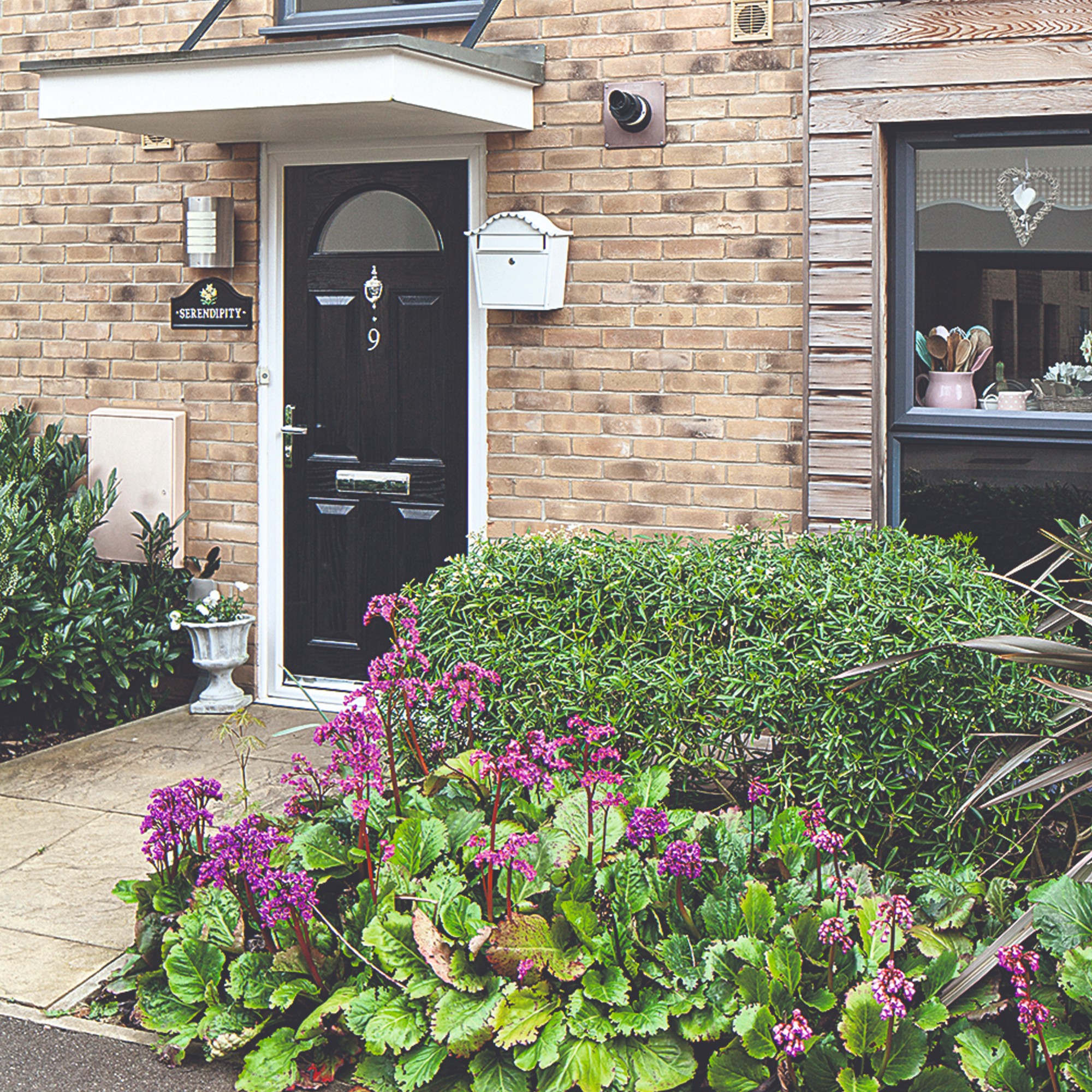
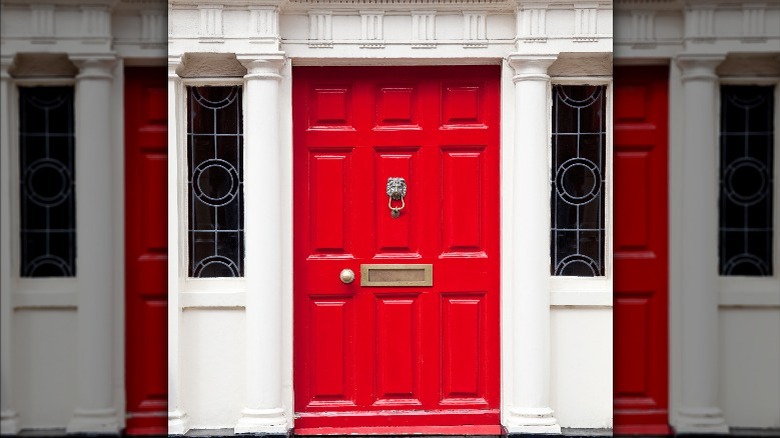
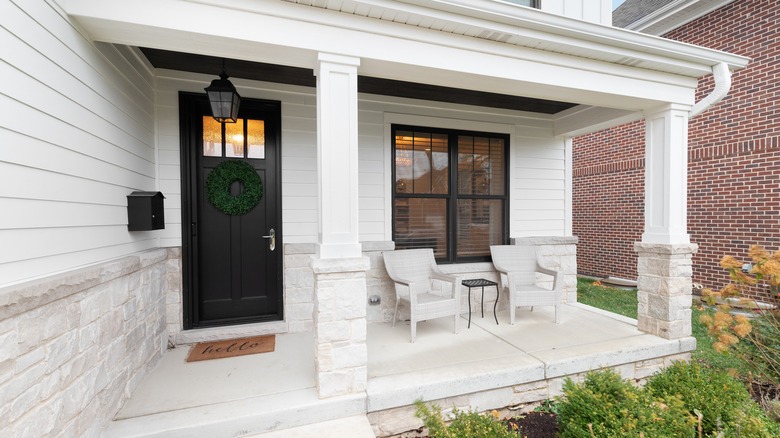
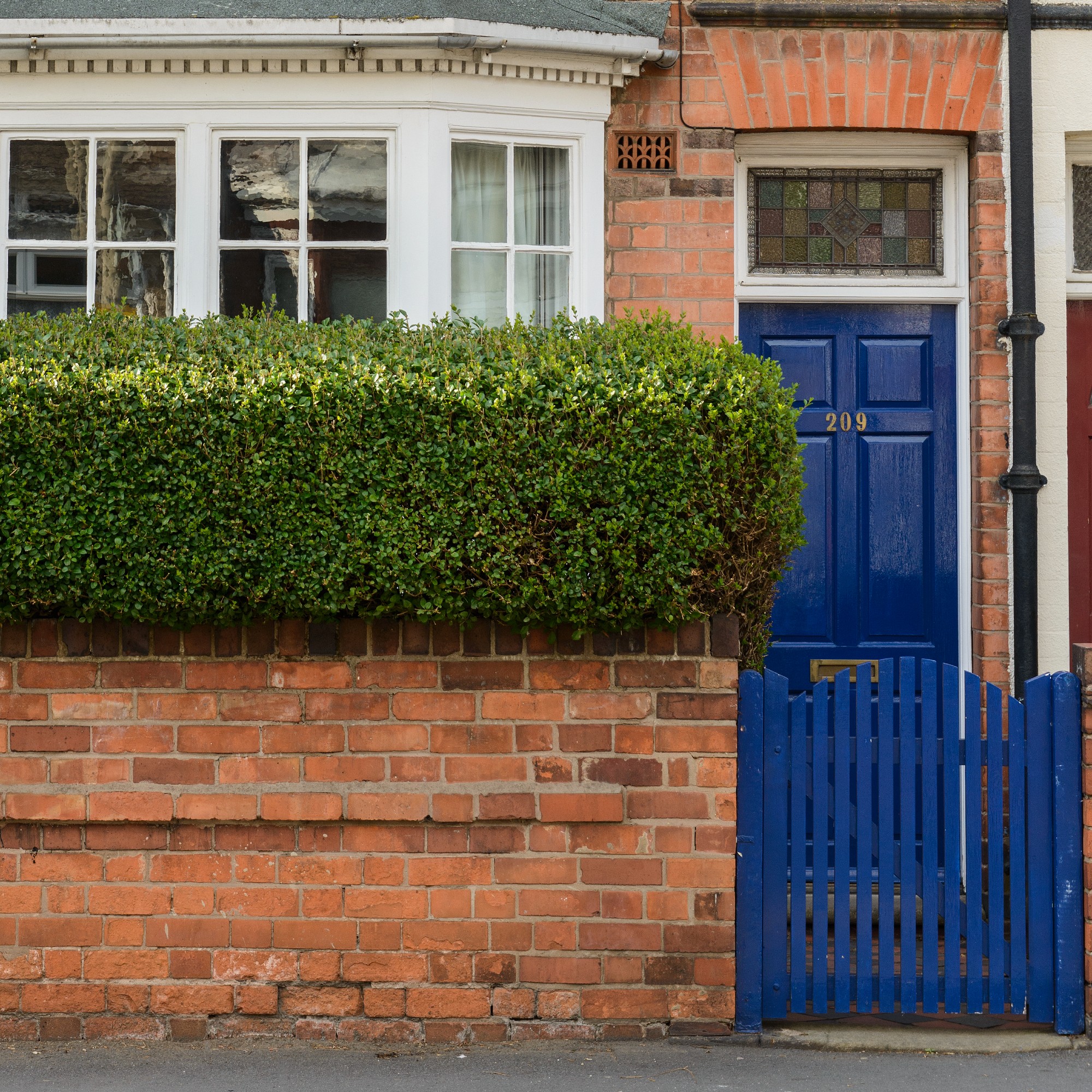
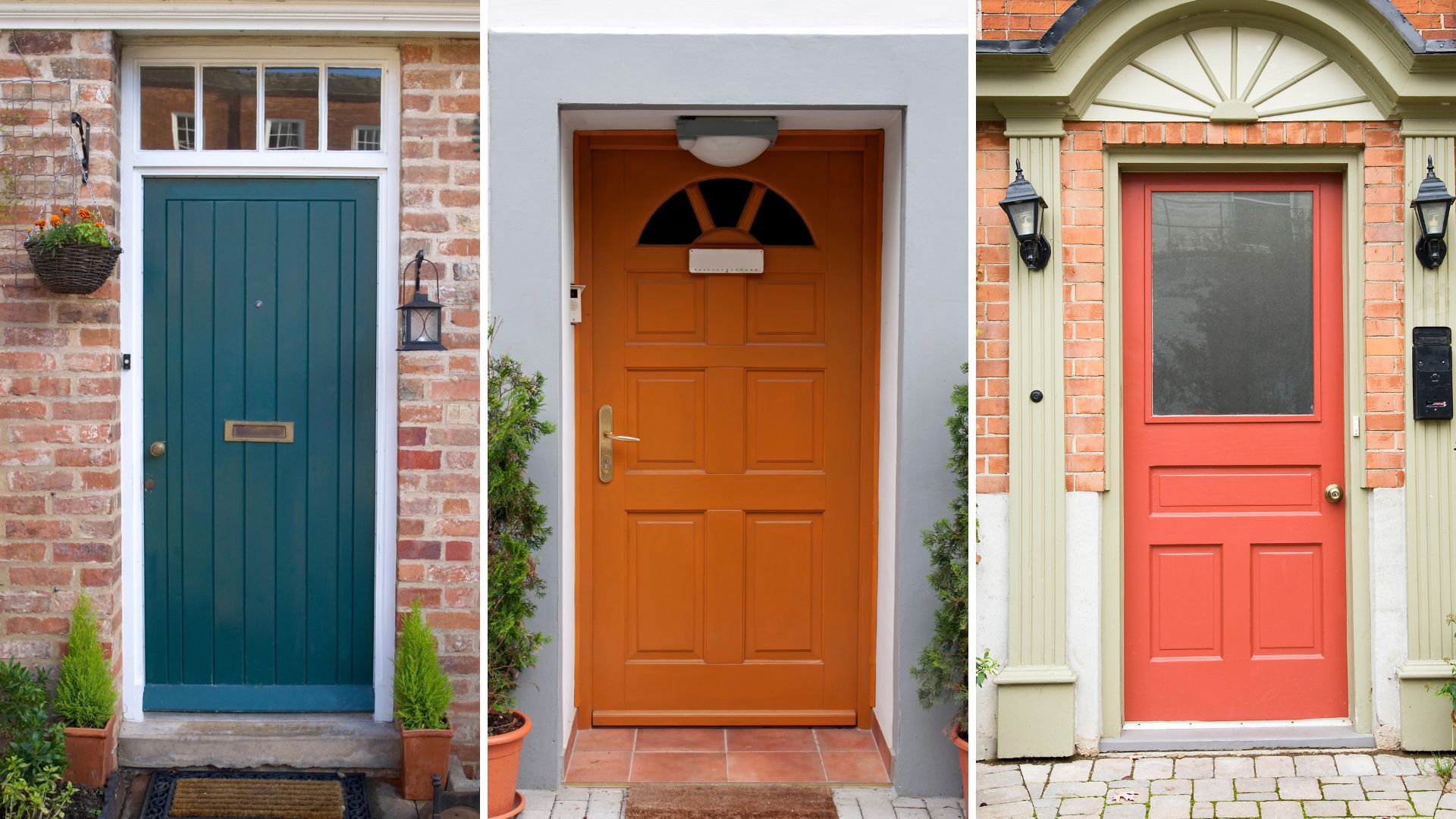
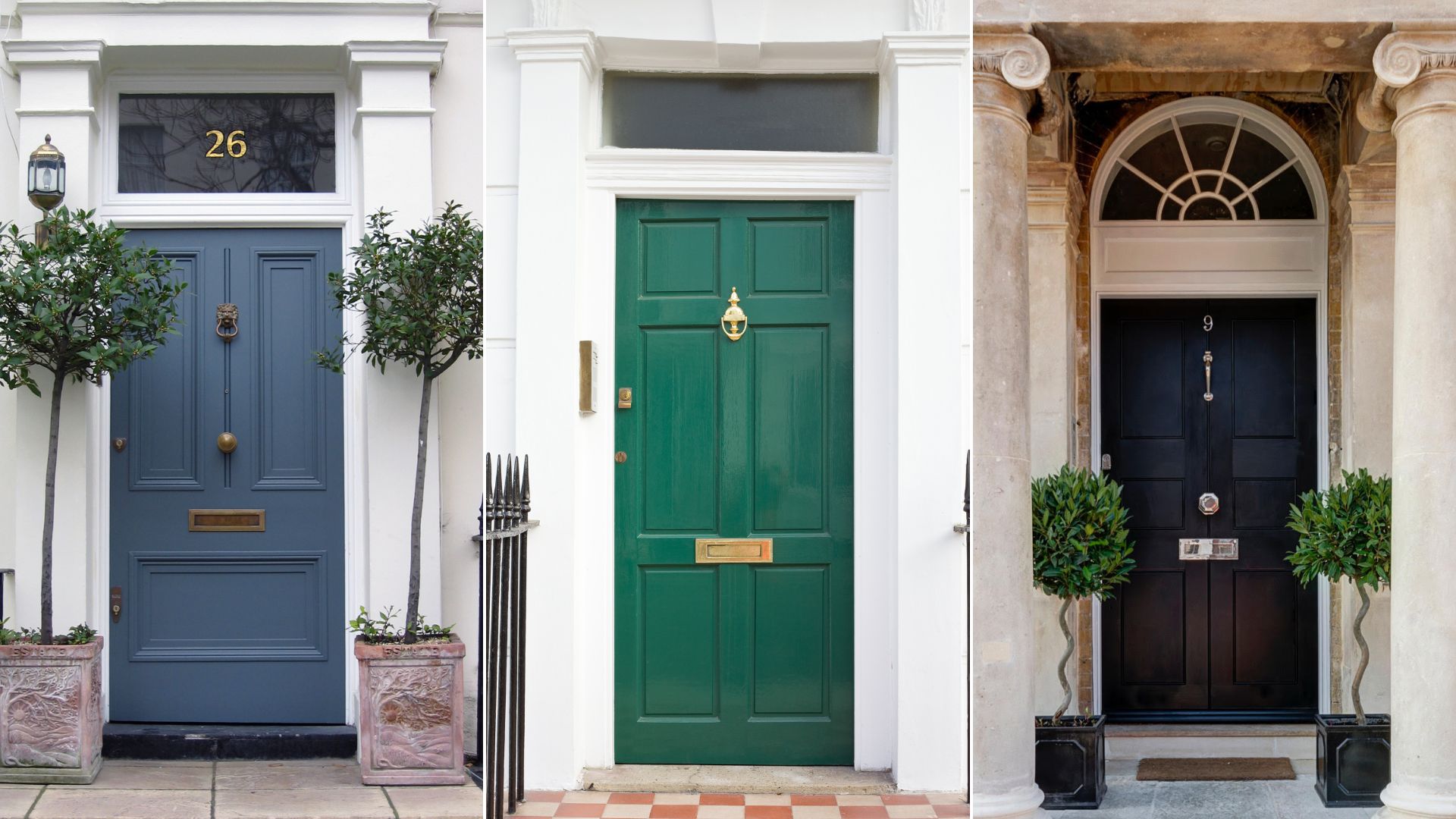
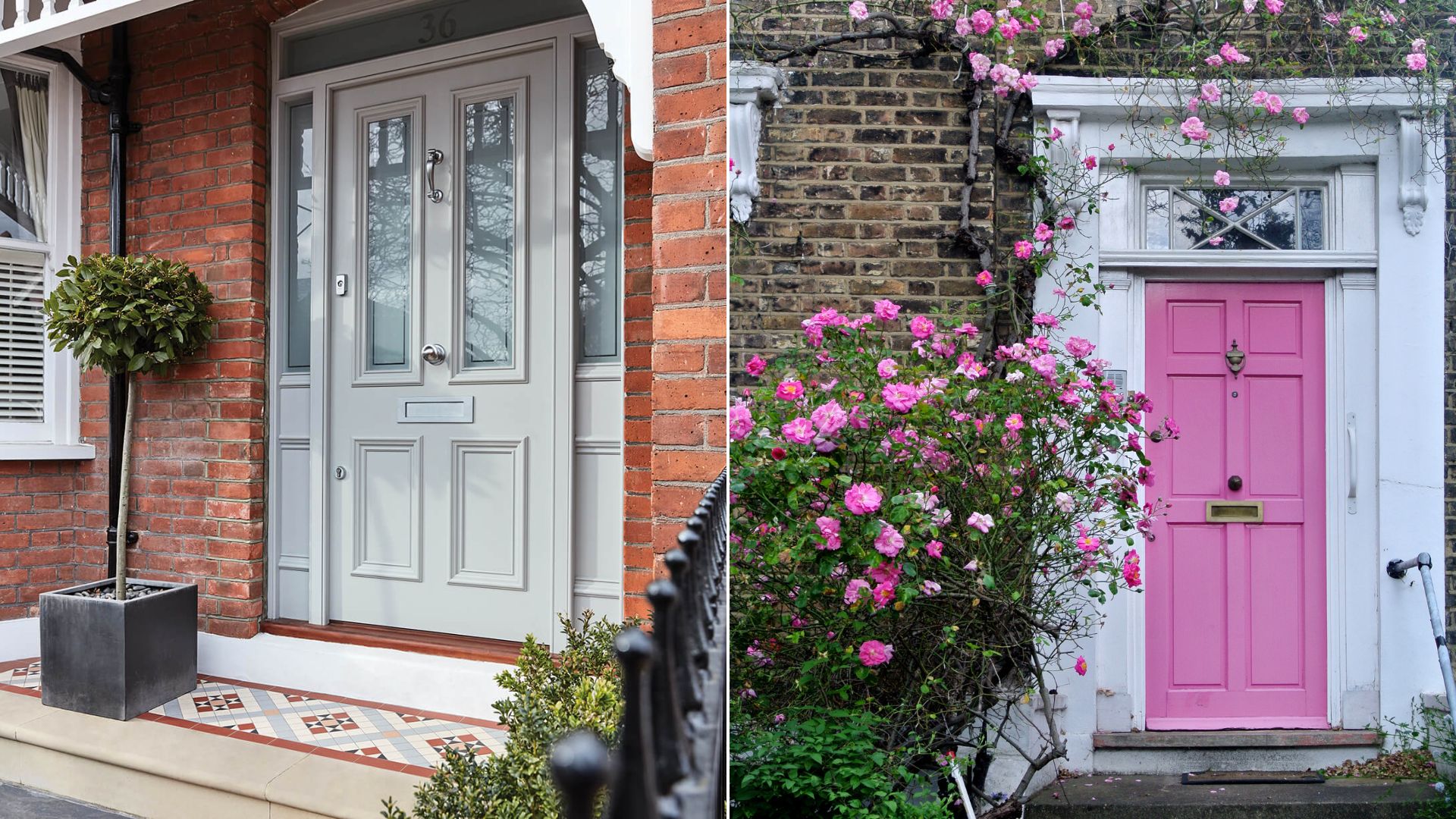
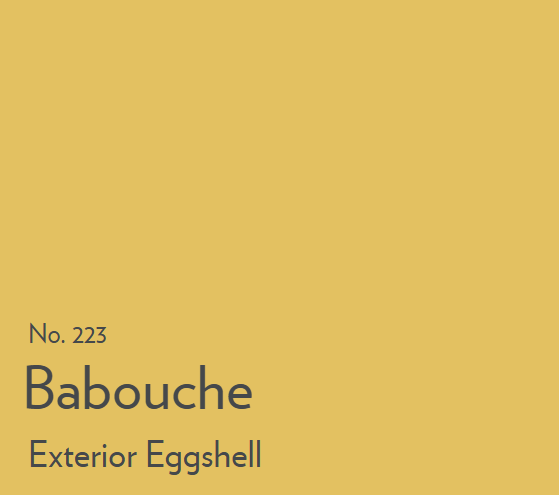
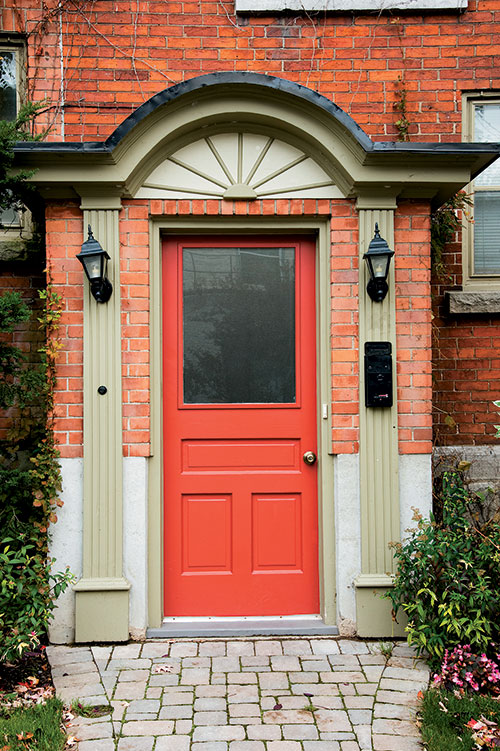
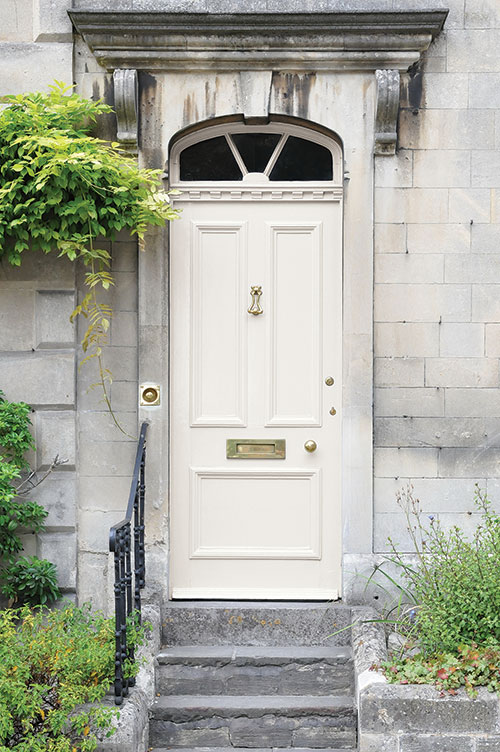
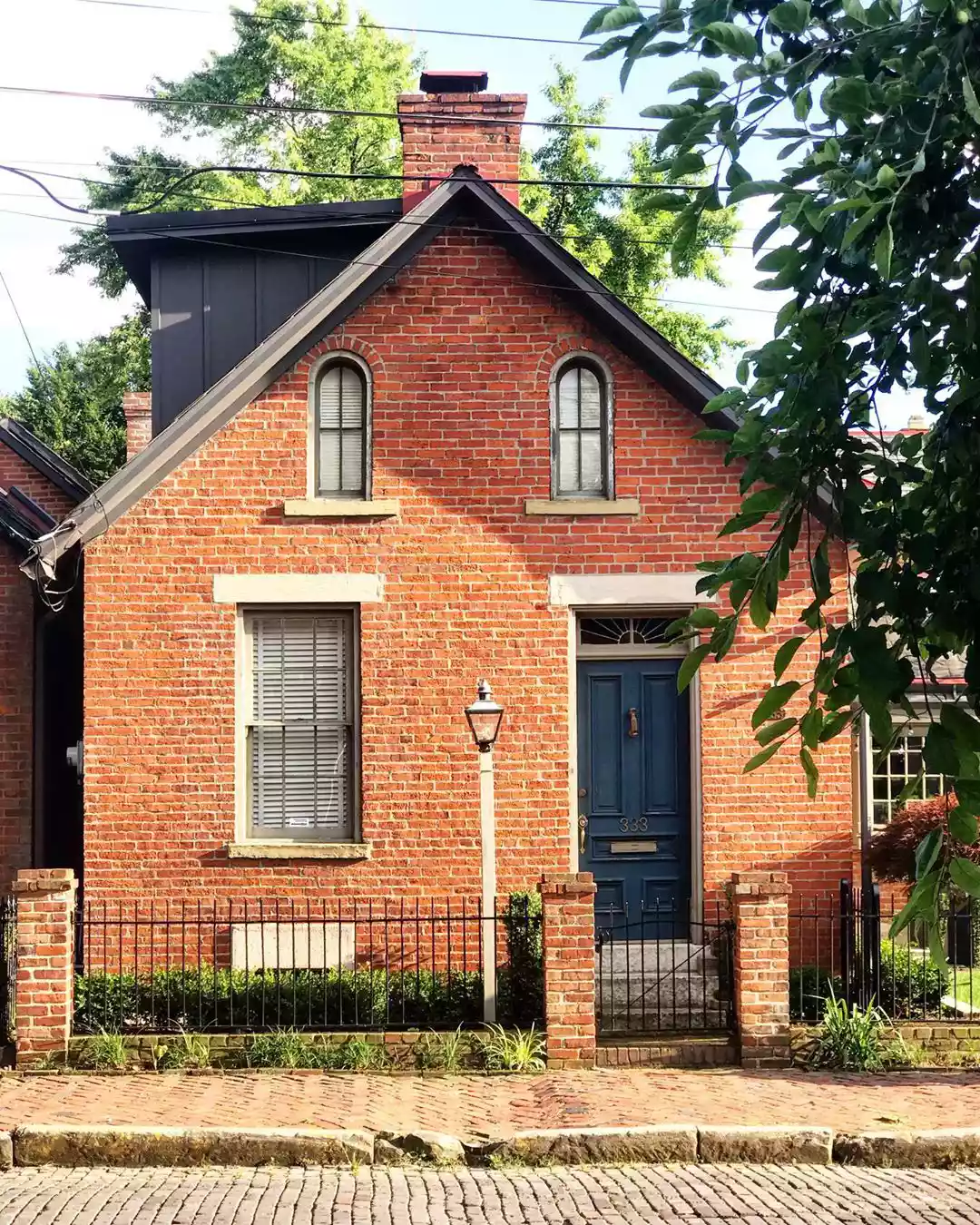

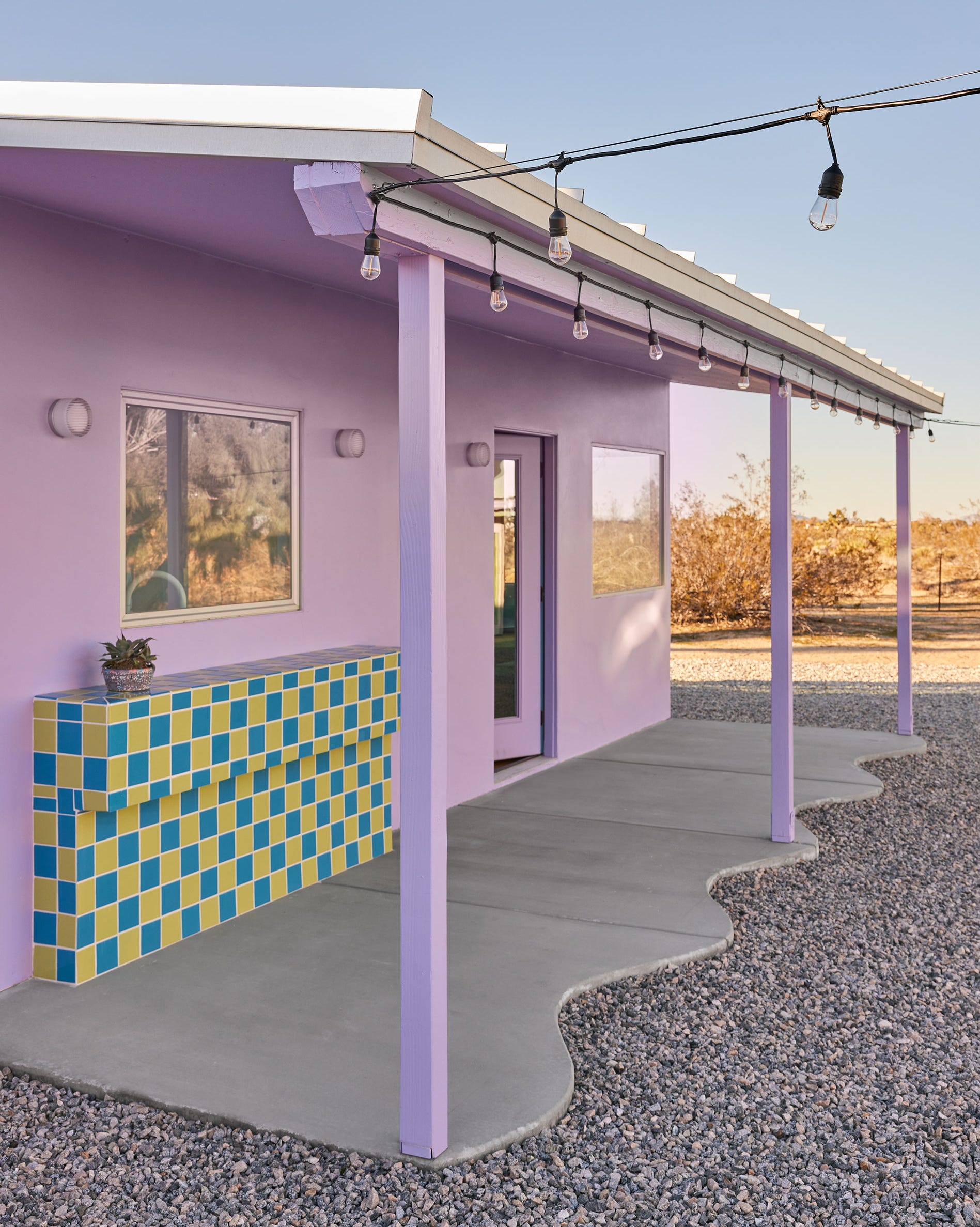
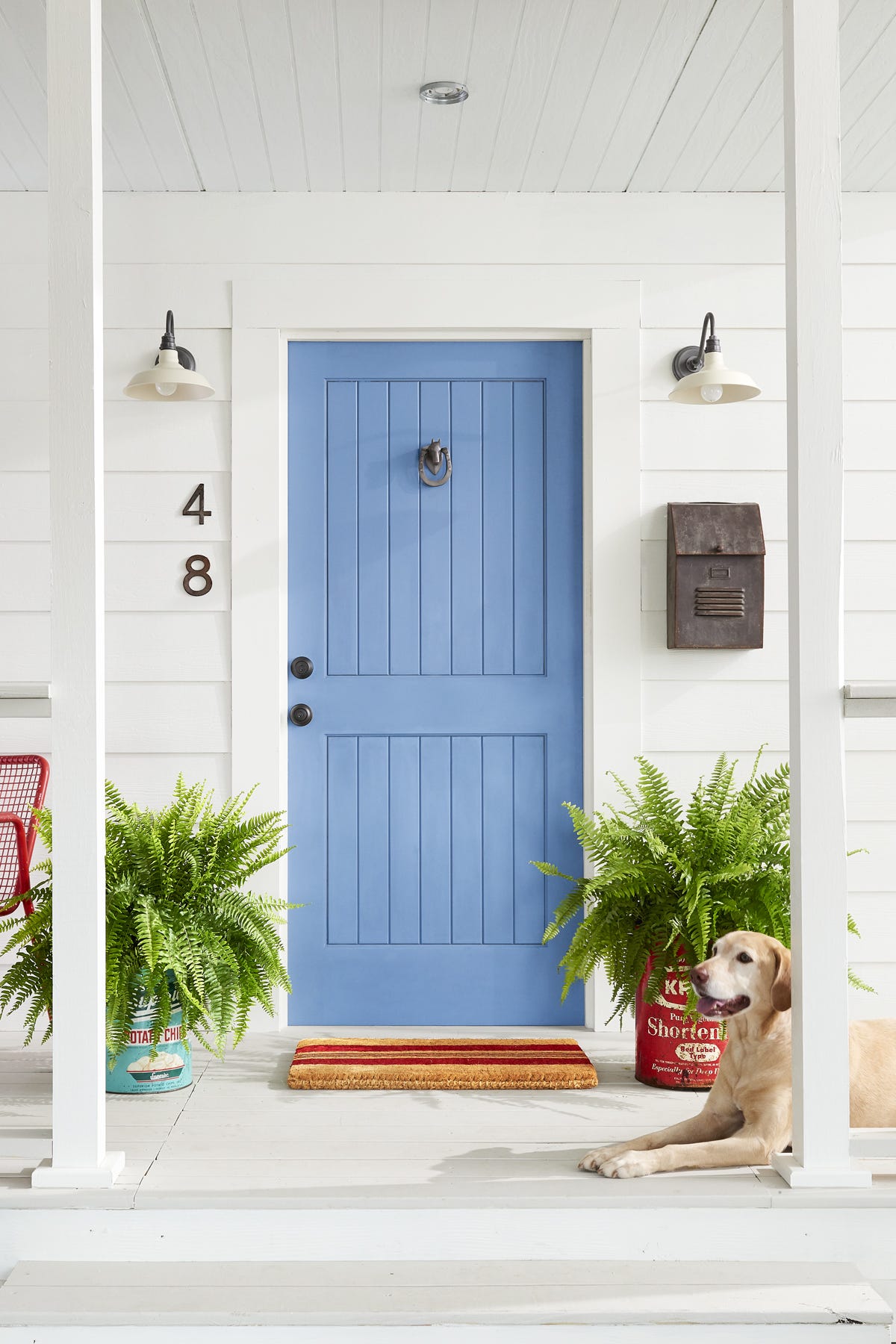
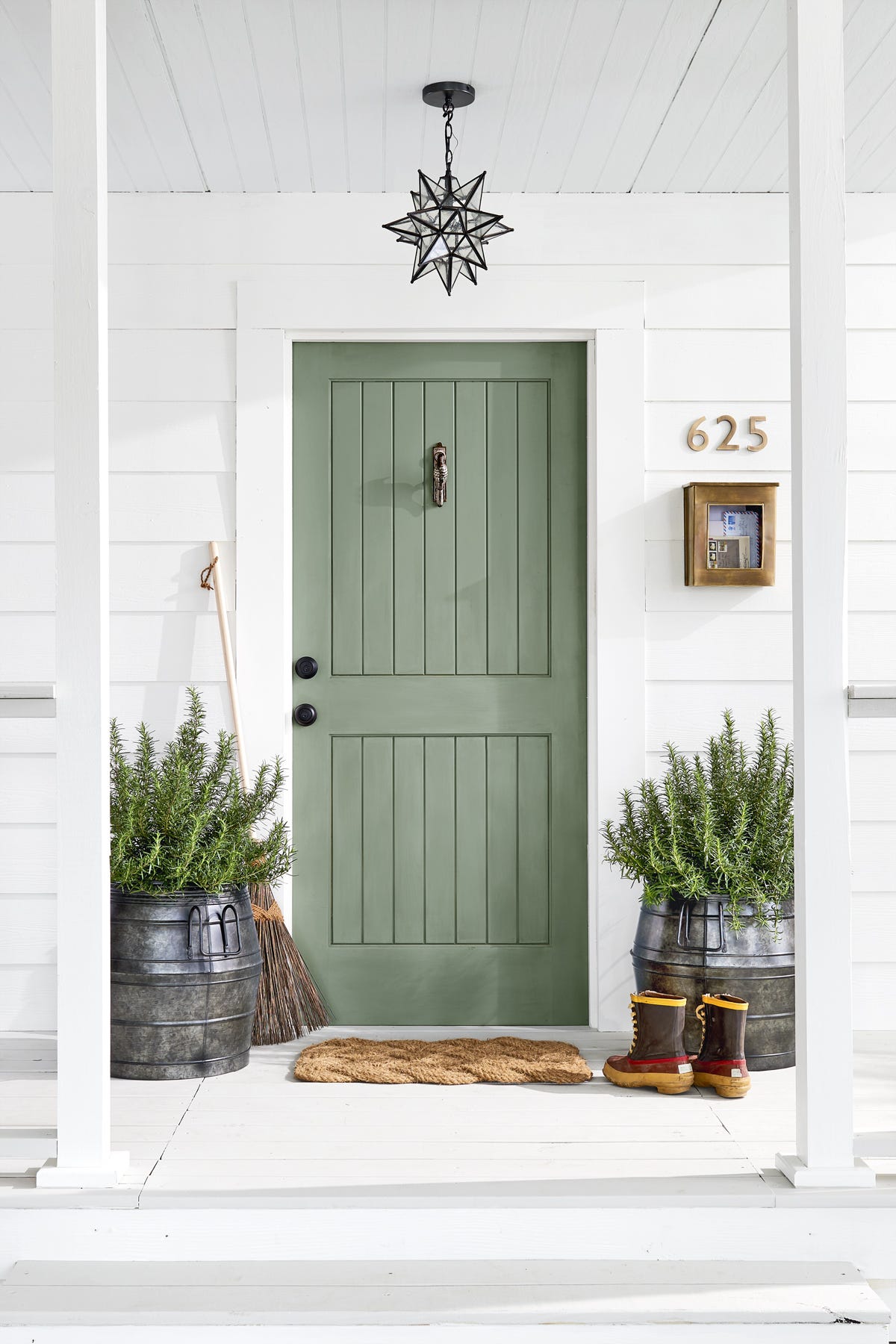
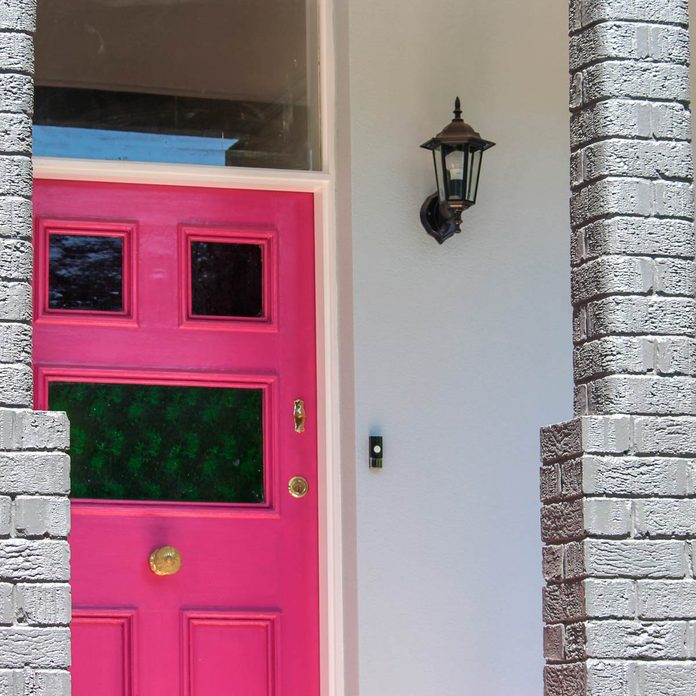
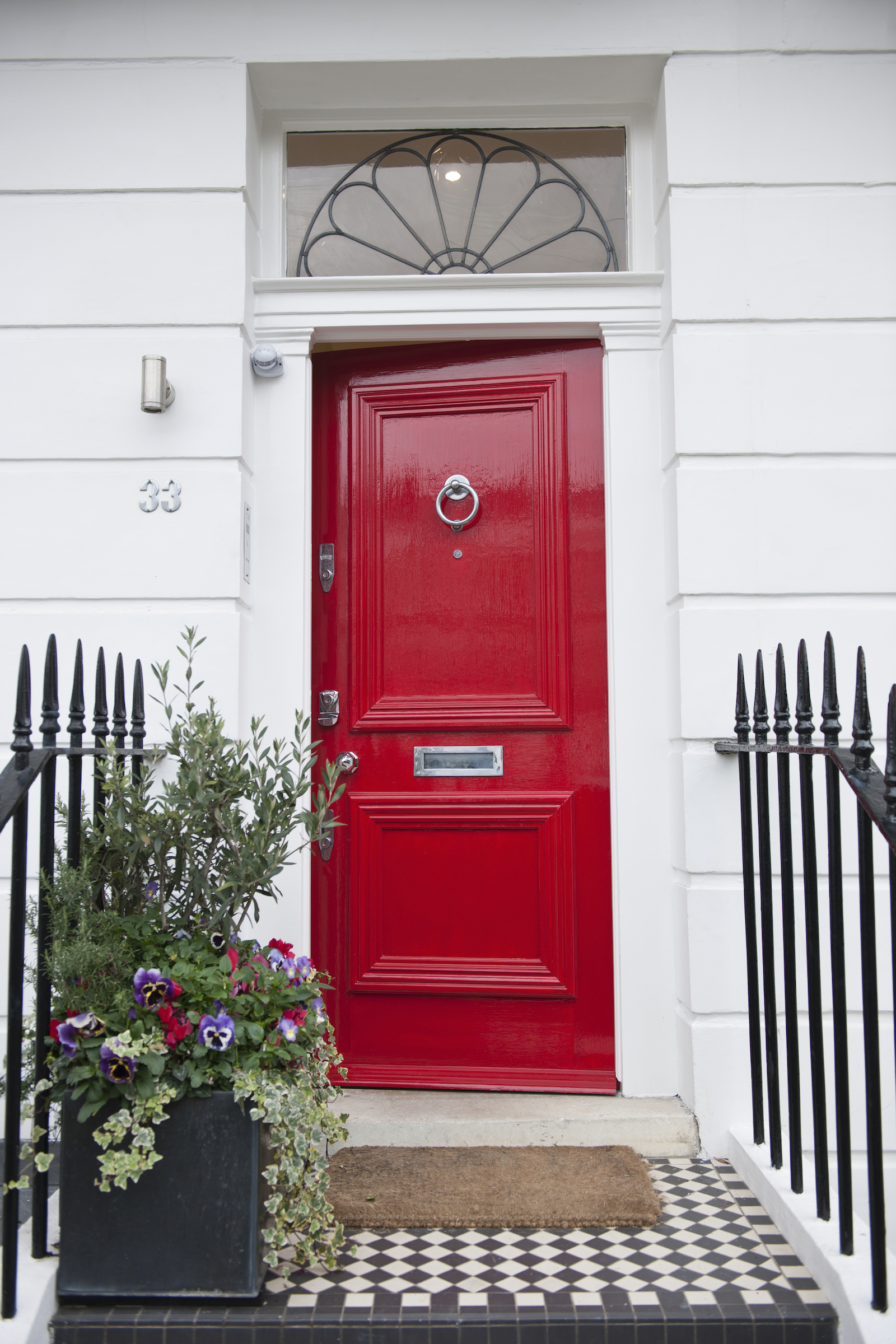
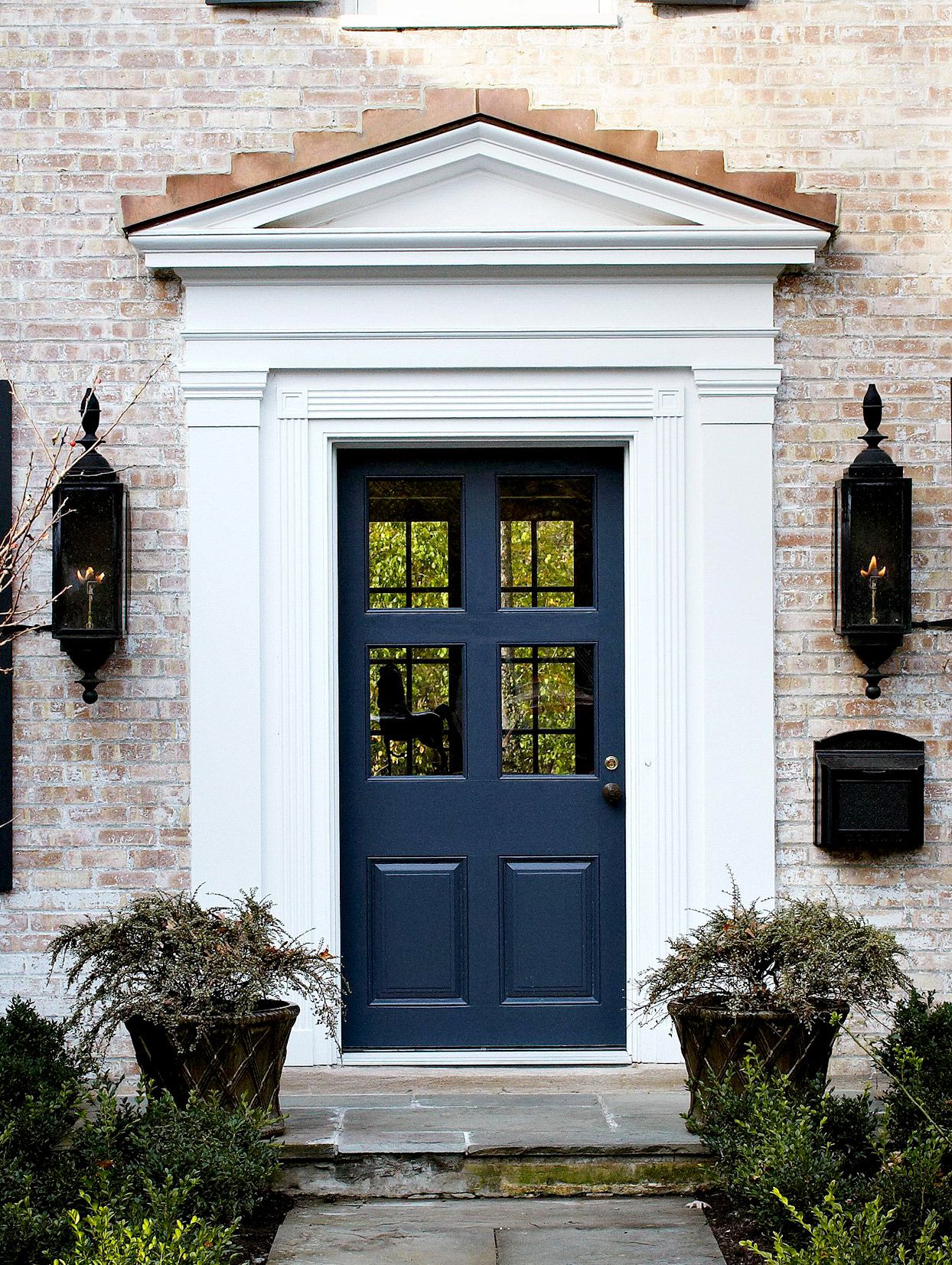
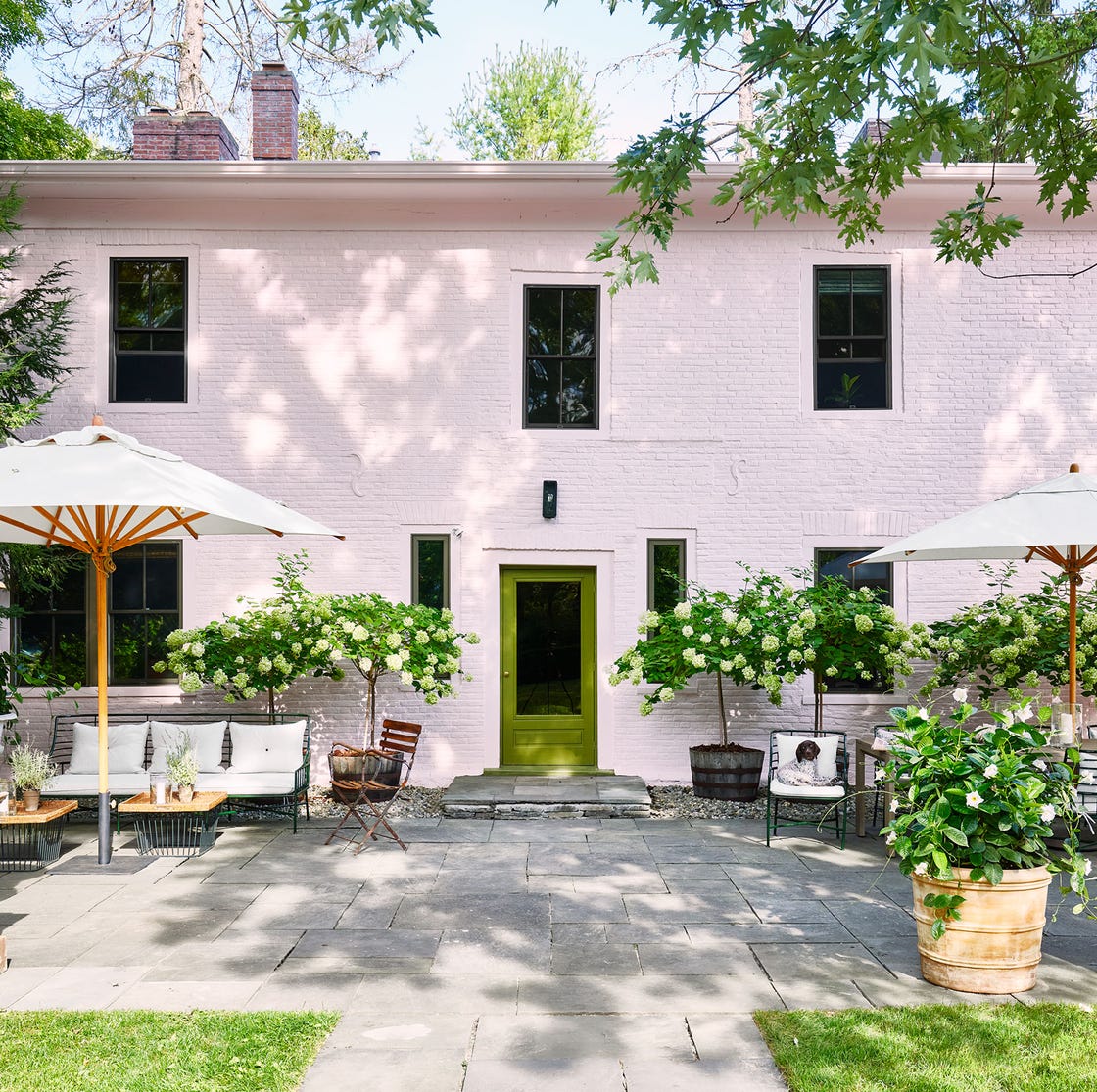
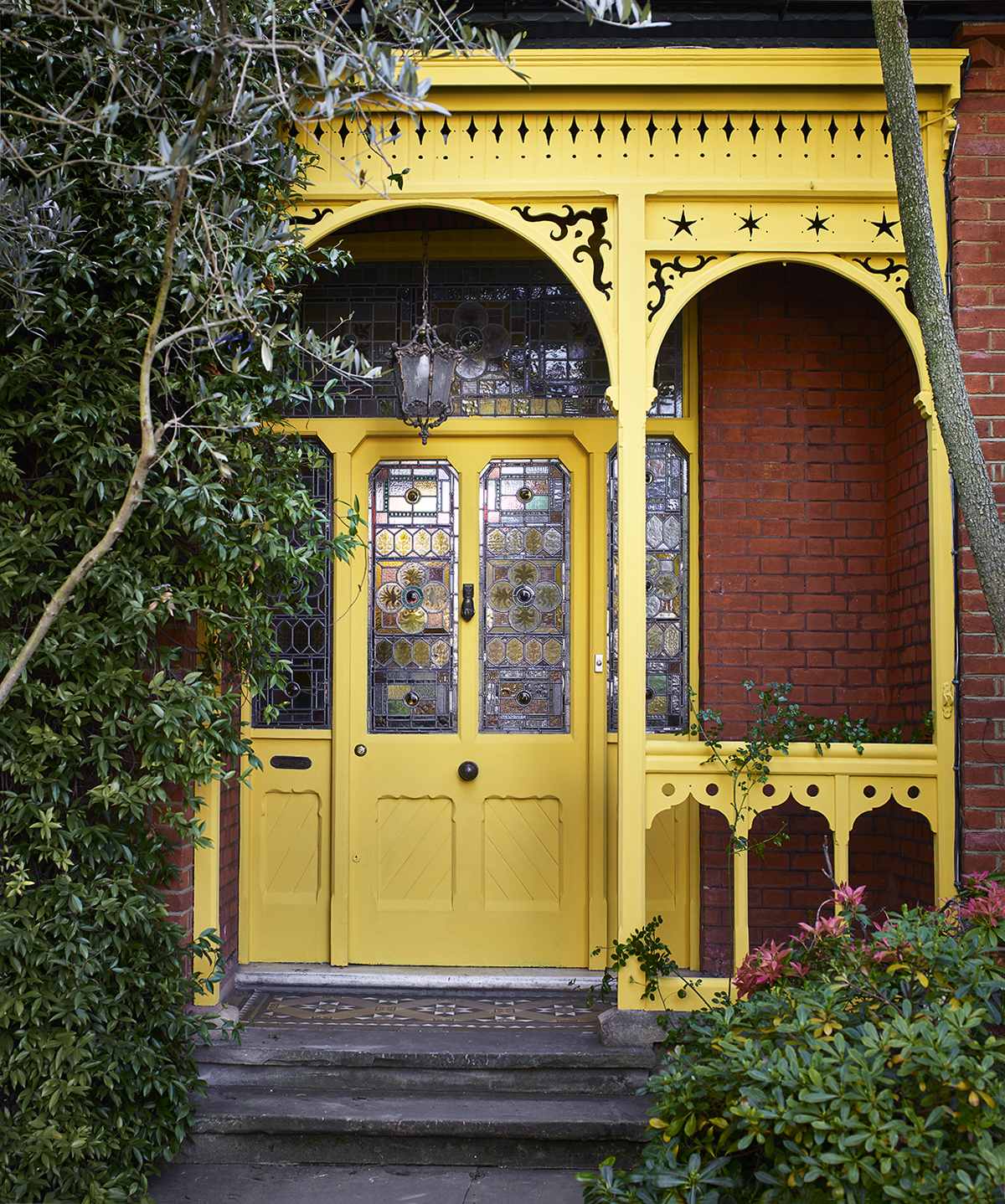
Classic choices such as black, dark gray, or dark brown offer a timeless appeal, while deep red or dark blue provide versatility akin to neutrals, complementing various house colors and materials. These classic hues remain adaptable even if the house color changes. Conversely, homeowners should not shy away from bold colors. Most houses feature neutral exteriors, allowing a showstopping front door color to stand out. Experimenting with vibrant colors like orange, yellow, or lime green is a low-commitment way to make a statement, or opt for more subdued yet bold shades like burgundy, forest green, or eggplant.
Choosing the right paint is crucial, as the front door is exposed to the elements. High-quality, exterior-grade paints are essential for durability, resisting peeling, grime buildup, and UV fading for nearly a decade. Some even contain antimicrobial properties, beneficial in rainy or snowy climates. The type of door dictates the paint choice: water-based latex for most wood and fiberglass, and oil-based enamel for metal doors to prevent rust. Always use a corresponding primer and select a gloss or semi-gloss finish for enhanced wear resistance.
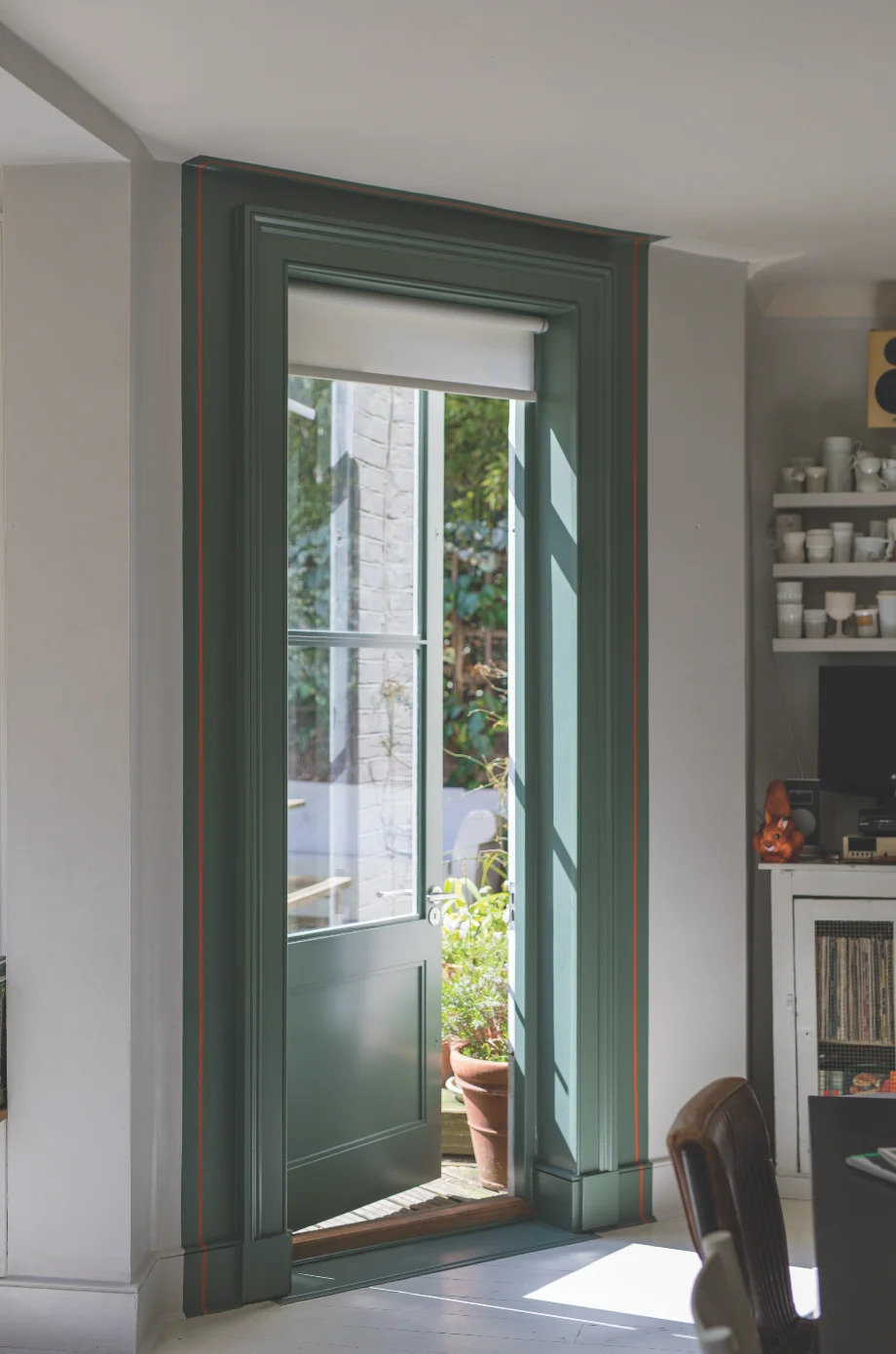
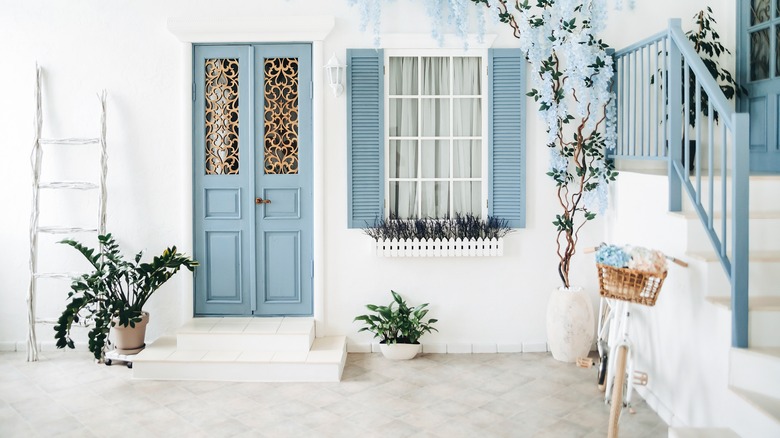
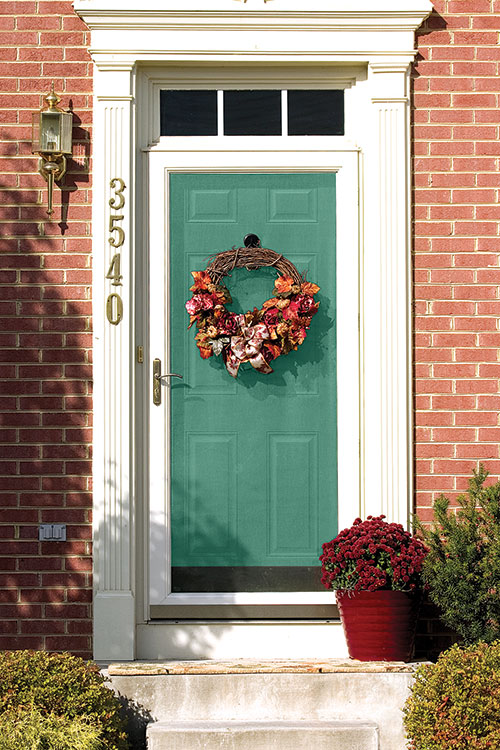
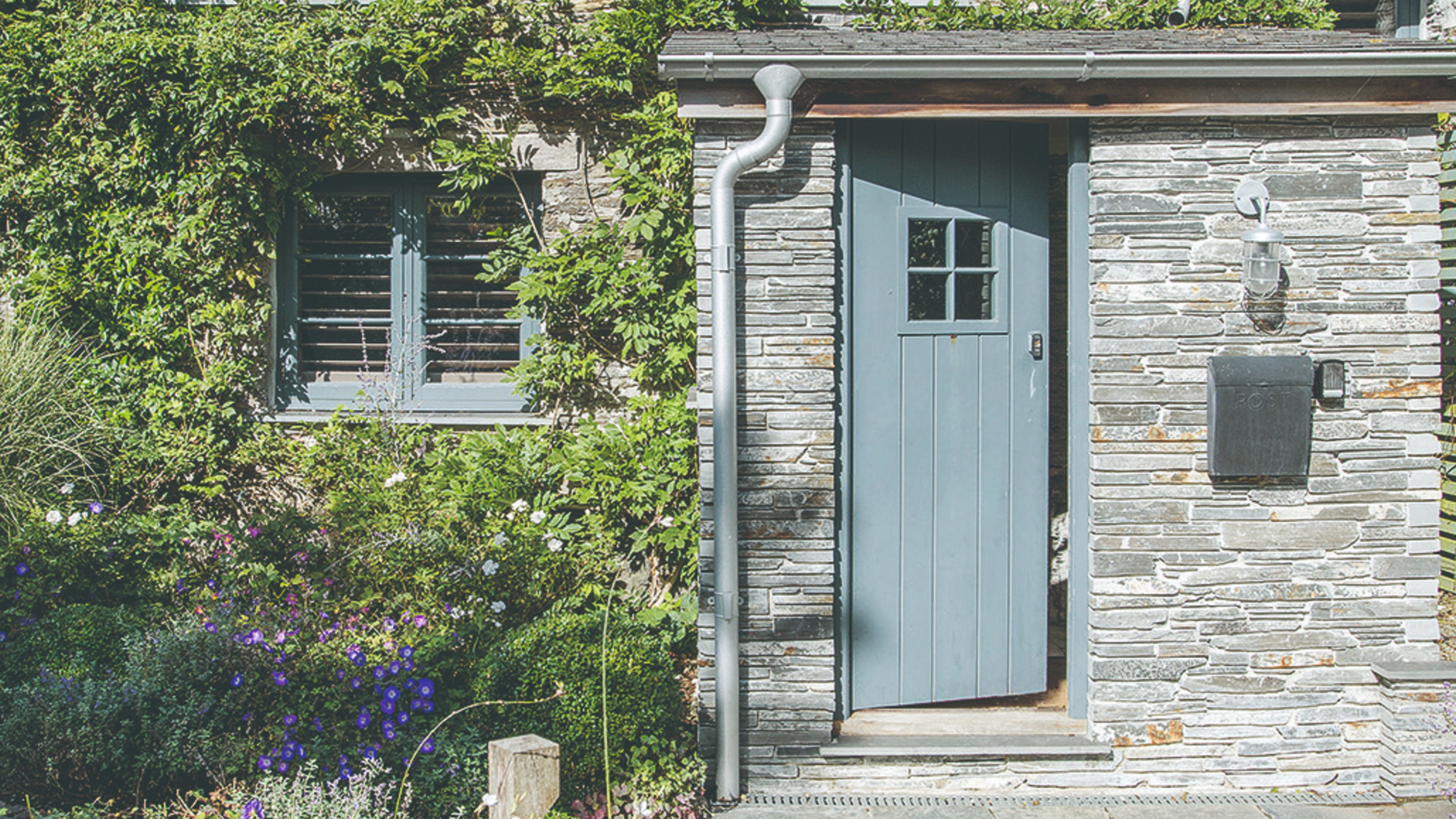
Screen doors should not be overlooked; paint their frames the same color as the front door to create a cohesive look. This integration enhances curb appeal, as demonstrated by cottages where the screen door color is echoed on stair risers. The architectural style of the home should guide color selection. Modern homes might suit a lime green door, while traditional facades can be updated with an unexpected, vibrant hue. Additionally, homeowners should consider their surroundings, drawing inspiration from natural elements like plants, trees, or the sky. Harmonizing with neighboring houses and adhering to homeowners association guidelines are also important considerations.
Always evaluate paint colors outdoors, as lighting conditions can drastically alter their appearance. Test swatches on the door and observe them throughout the day, or paint a small area directly on the door for a more accurate assessment. Painting the entire exterior, including siding, trim, window frames, and the front door, the same color can make a small house appear larger, creating a sophisticated monochromatic backdrop that highlights accessories. For additional architectural detail, use a slightly different color for features like columns.
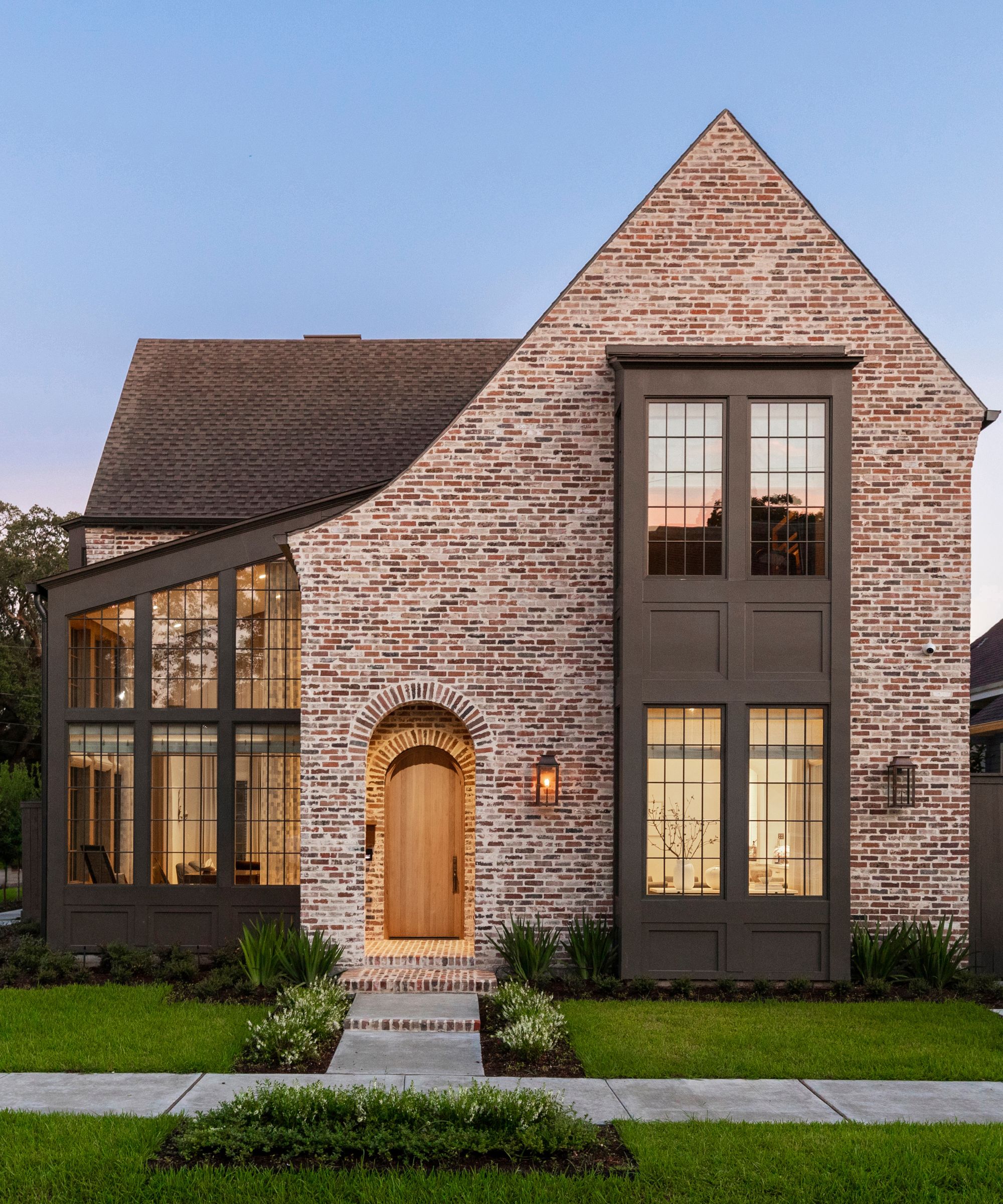
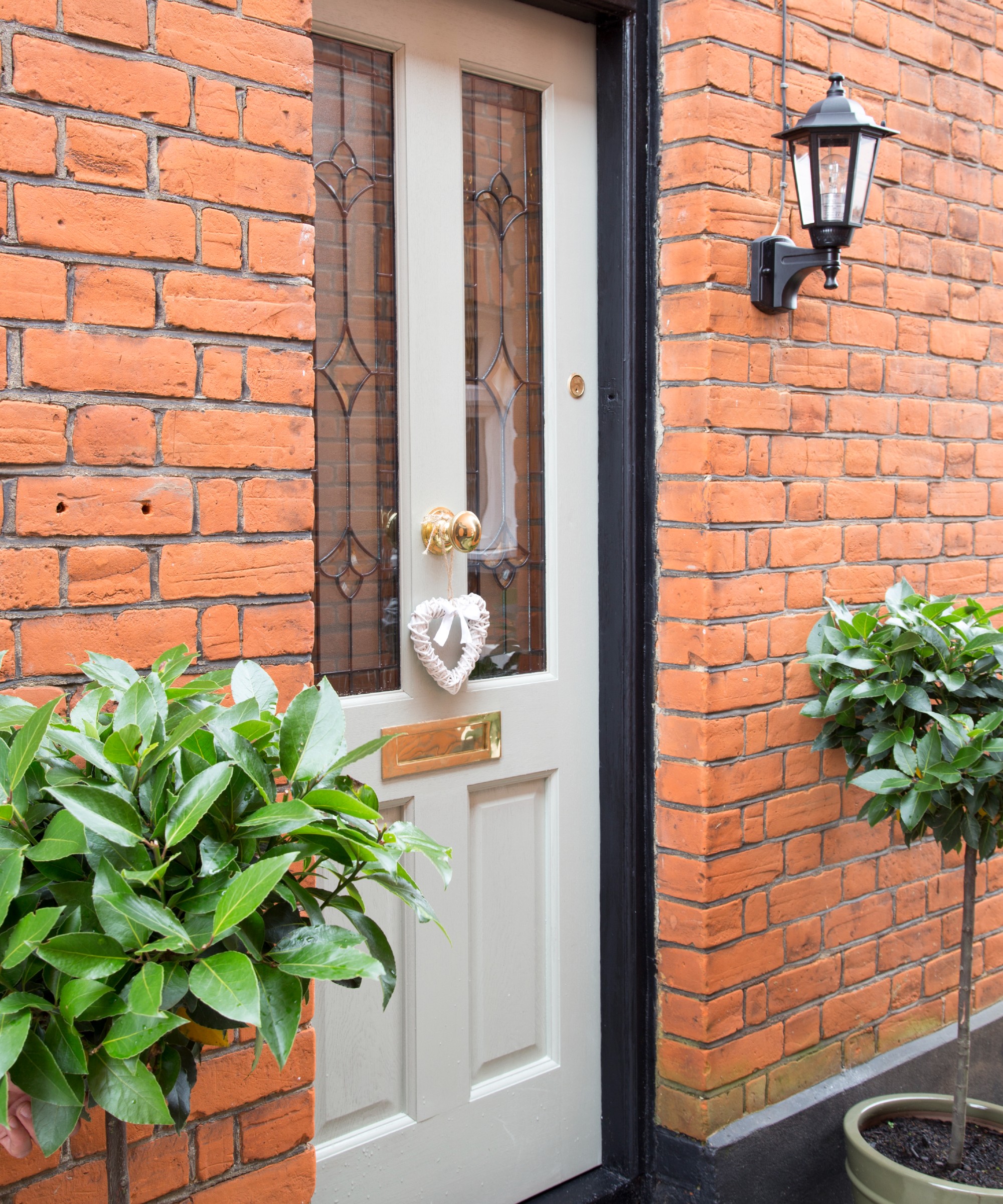
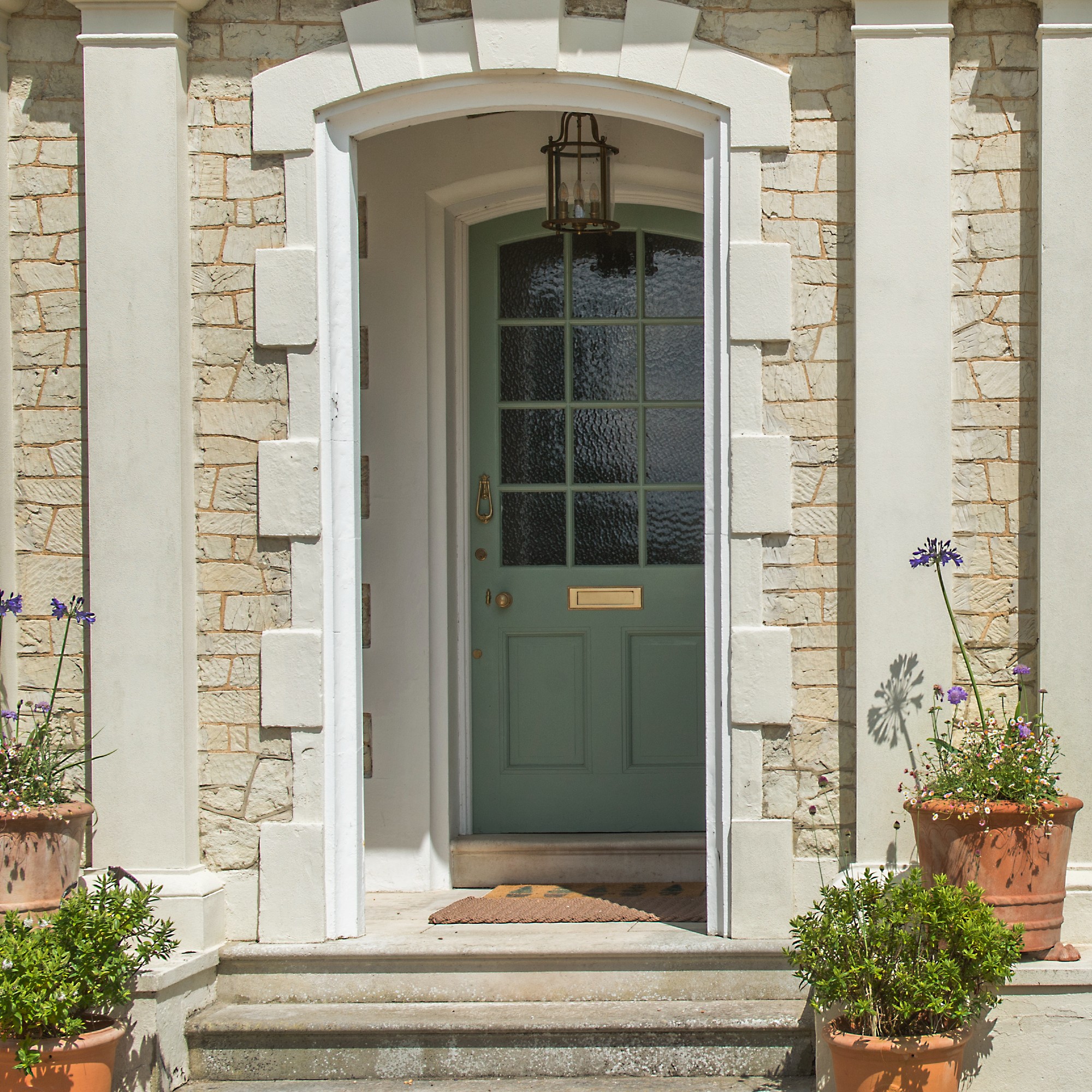
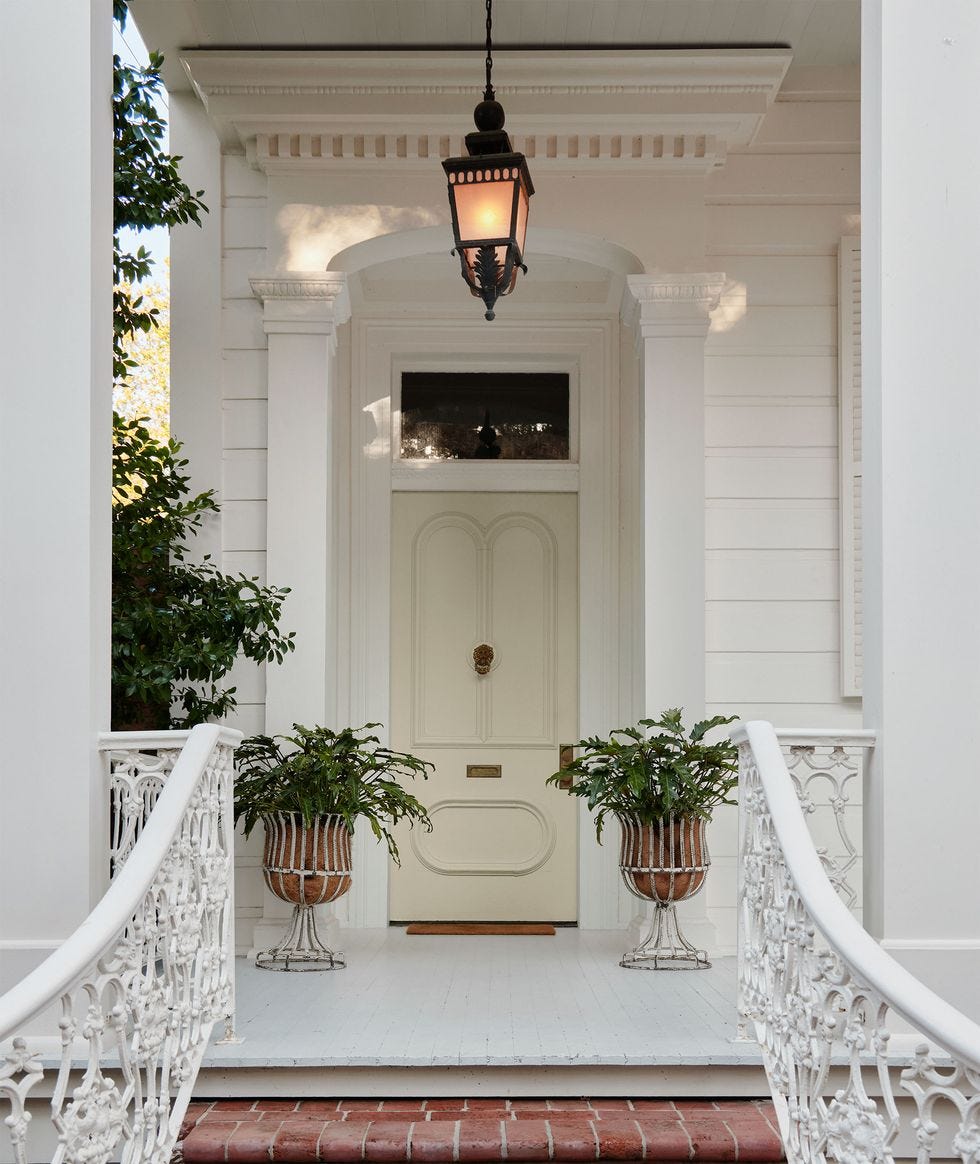
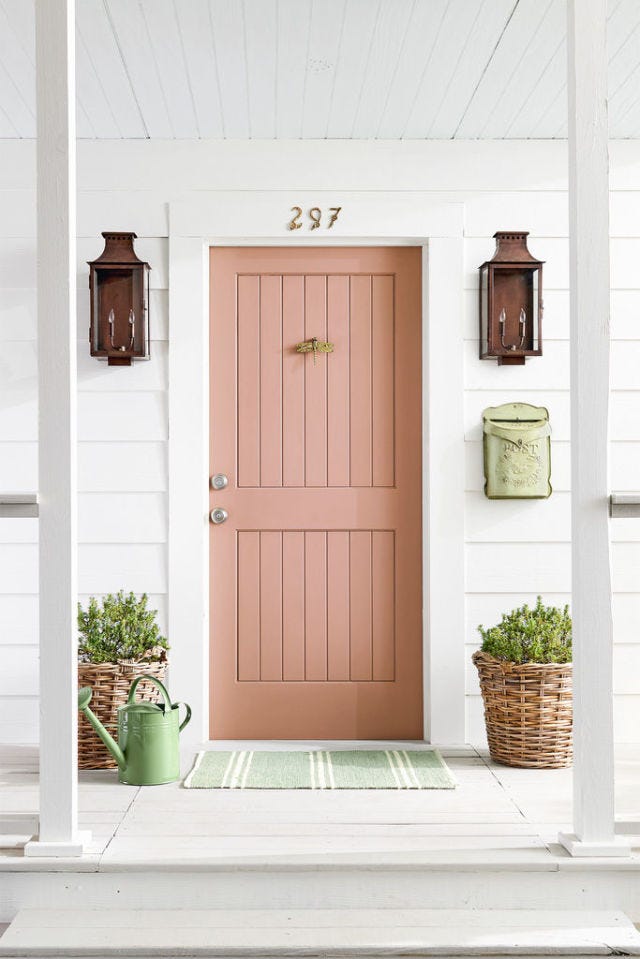
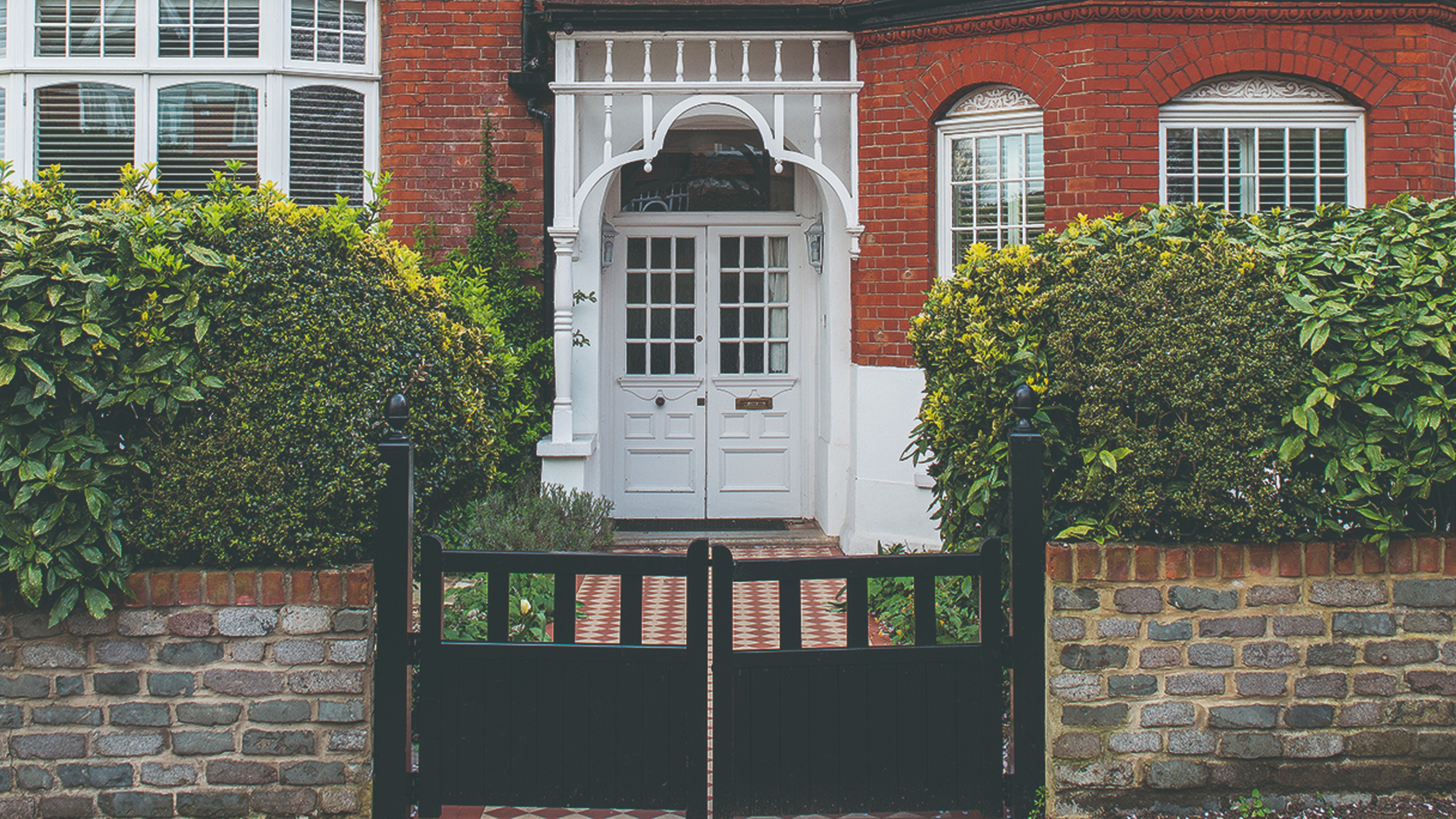
Finally, the trim around the front door should not be ignored. While white is a classic choice, a contrasting trim can make a colorful door pop, much like a frame enhances artwork. Dark brown trim, for example, can complement an emerald green door and seamlessly transition to a stone facade, contributing to a polished aesthetic. Consulting a color wheel can simplify the selection process, helping identify complementary or analogous colors to create harmonious or dramatic accents against the house's primary color.
#FrontDoorColors #CurbAppeal #HomeExterior #PaintSelection #ArchitecturalStyle #ColorWheel #HomeImprovement #ExteriorDesign #DIYPainting #FrontDoorColors #CurbAppeal #HomeExterior #PaintSelection #ArchitecturalStyle #ColorWheel #HomeImprovement #ExteriorDesign #DIYPainting
0개의 댓글이 총 표시됩니다.
 아직 댓글이 없습니다
추가로 마음에 드릴 만한 콘텐츠
A Design Pro Shares Her Best Tips for Choosing a Timeless Front Door Color

The 5 Best Front Door Colors For A White House (And 5 To Avoid)
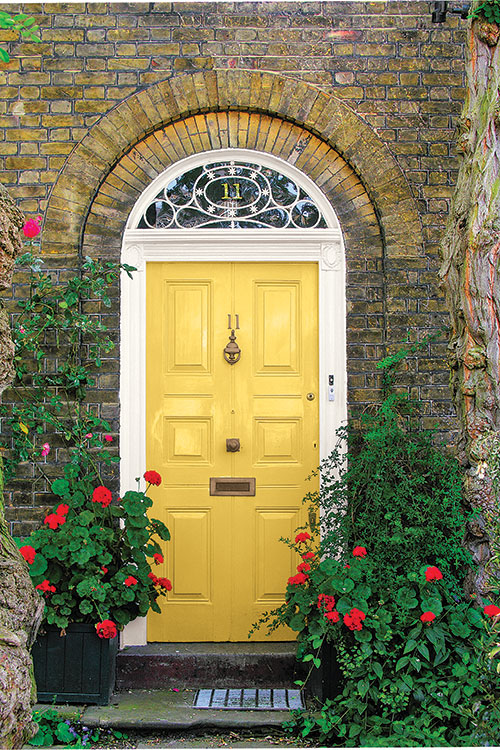
Bold & Bright. How to Make Your Front Door Colorful & Inviting

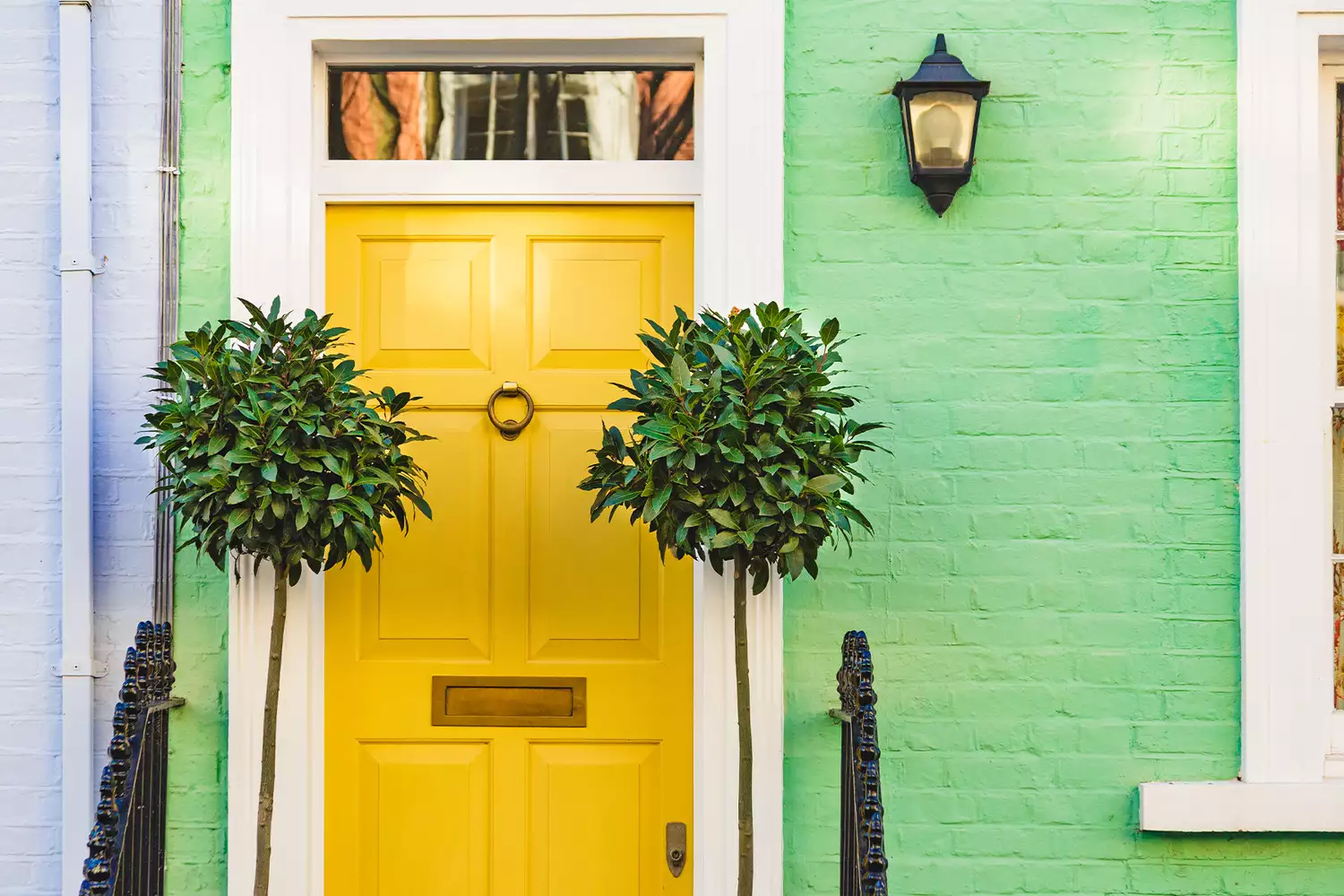
15 Paint Colors for Your Front Door That Make Your Home More Inviting

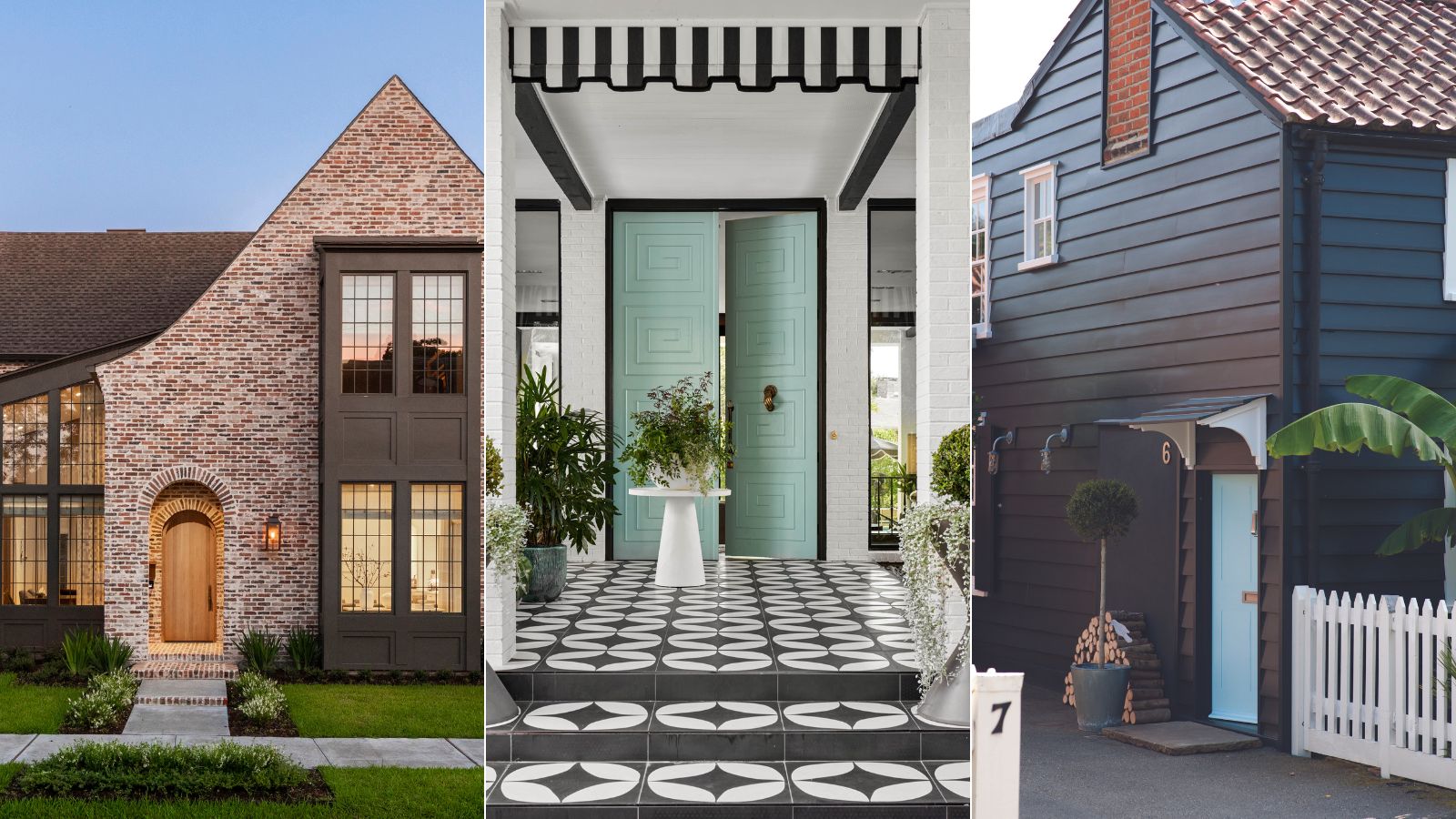
19 front door color ideas that are sure to boost your home's curb appeal

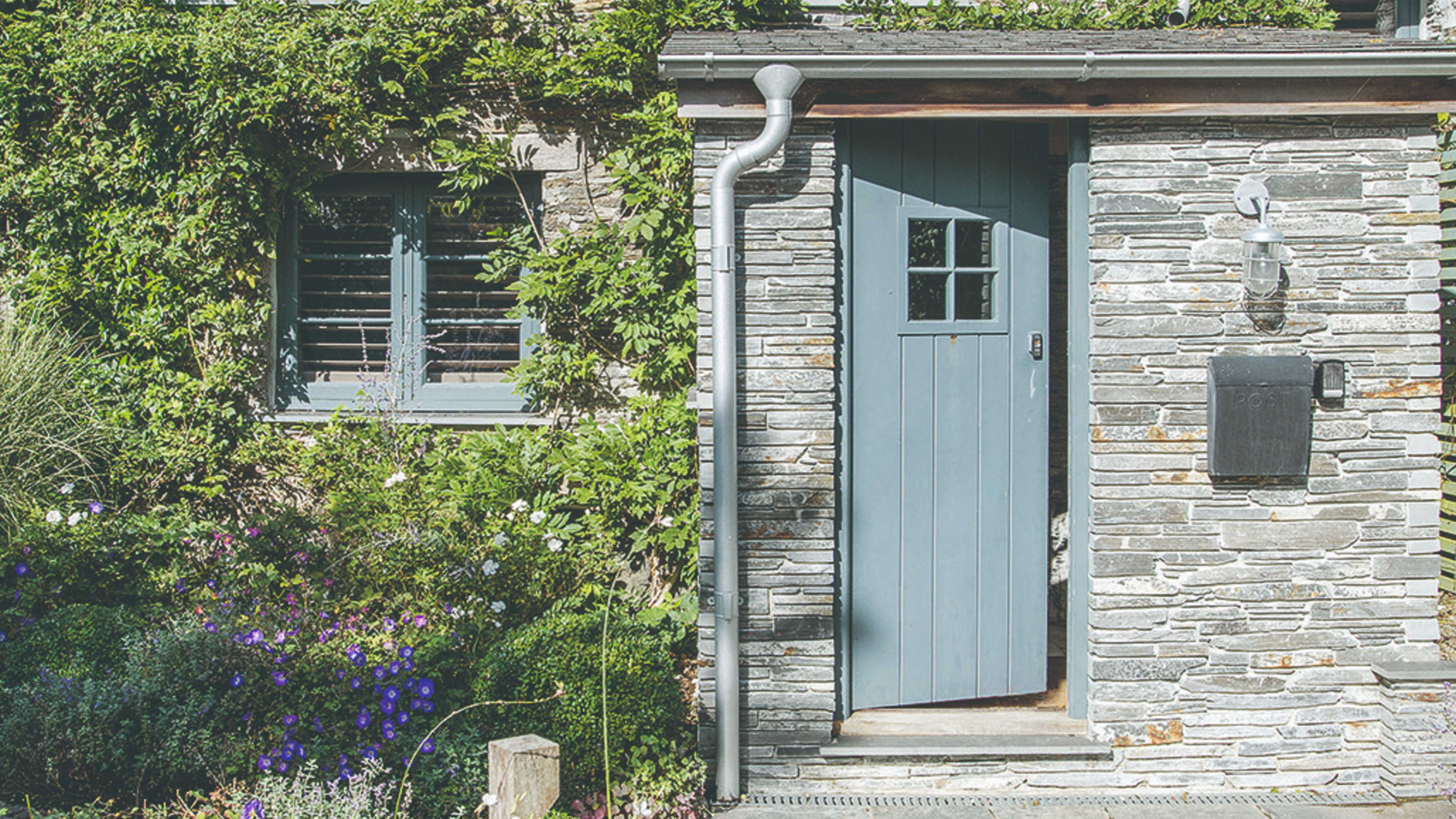
Front door colour ideas – 9 shades to elevate your home’s entrance and set it apart from the rest on your road
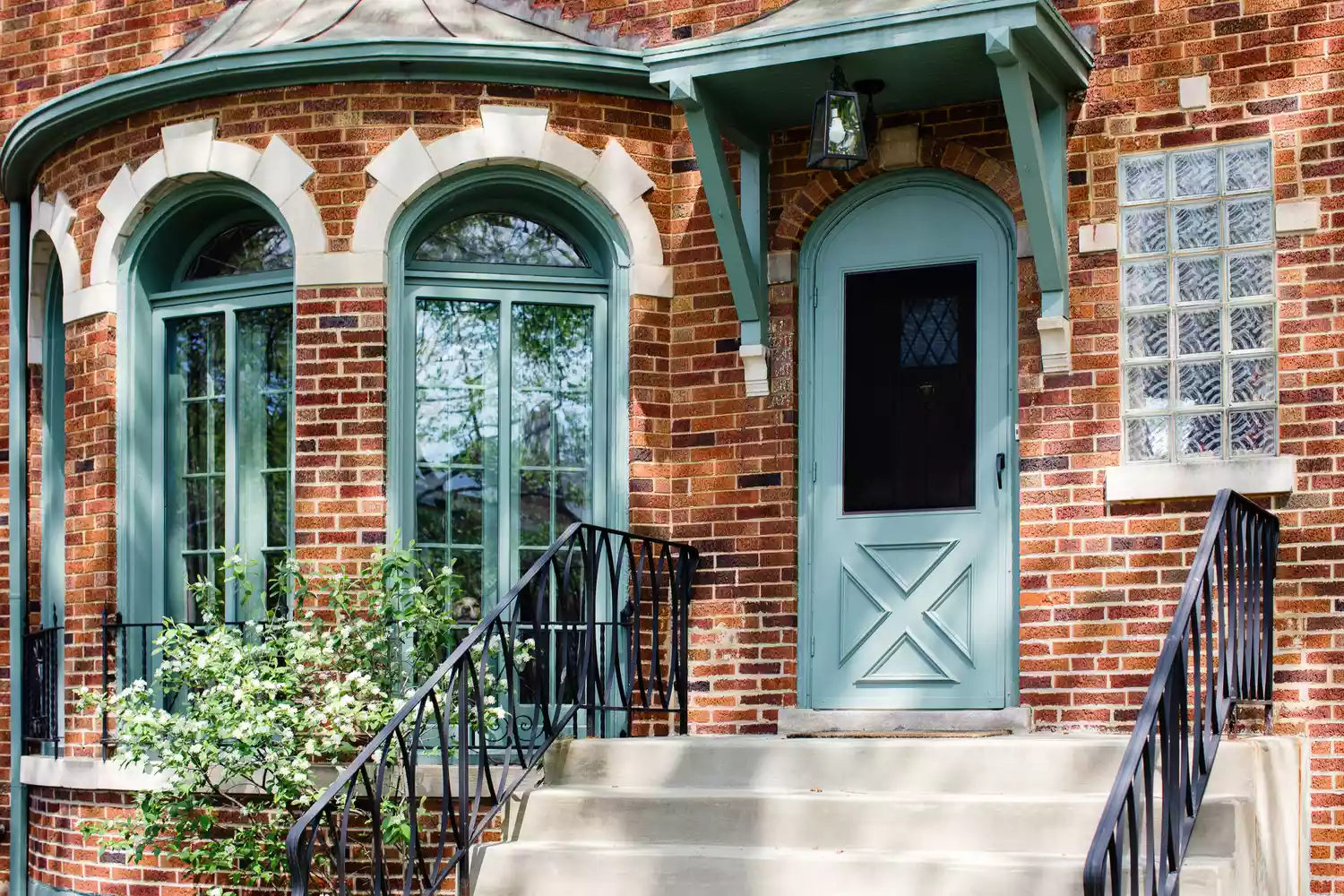
10 Great Front Door Colors for Your Brick House

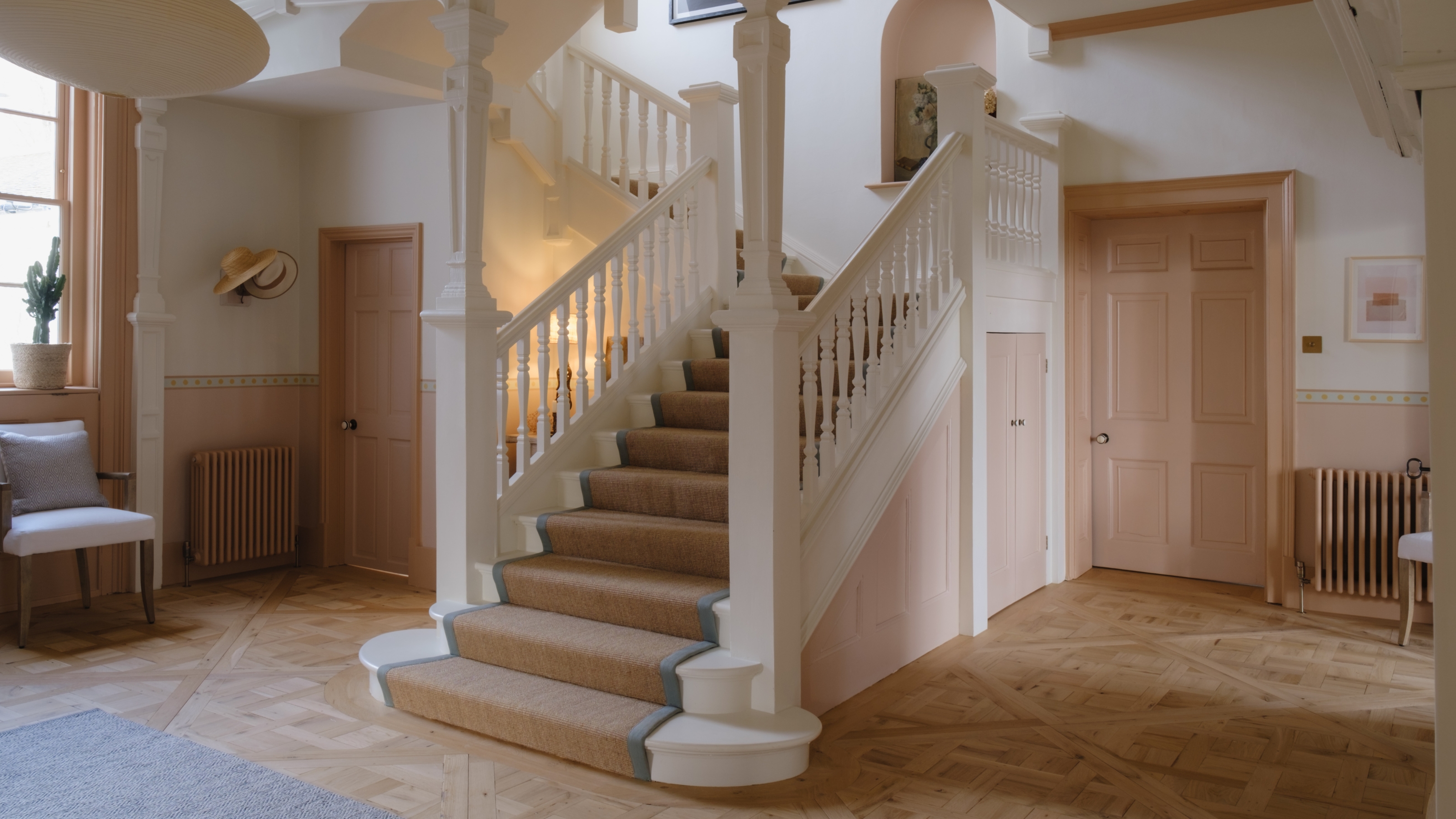
Should Doors and Trim be the Same Color? In 2025, Here's What Designers Are Doing

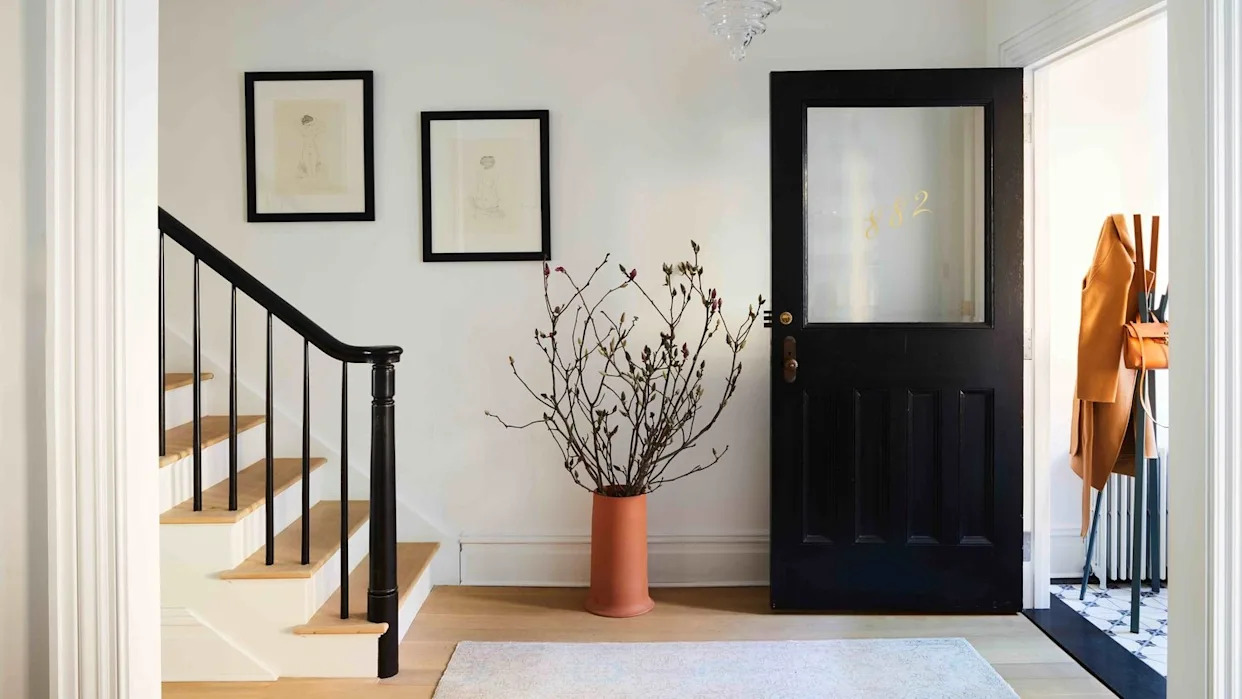
How to decide what color to paint the inside of your front door
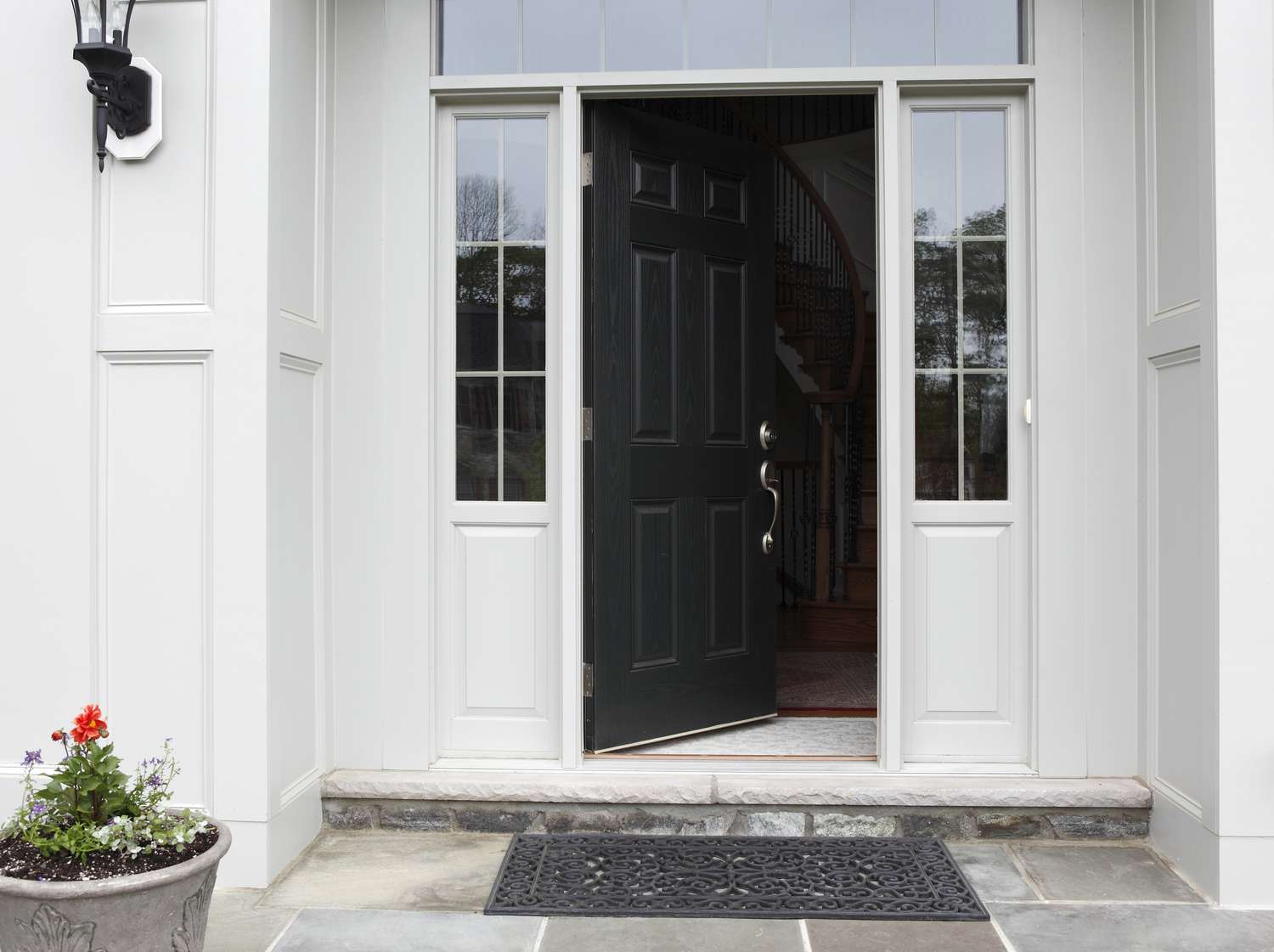
8 Paint Colors You Should Never Use For Your Front Door
What color should you paint interior doors? The ideas to try, and what they say about your design personality
10 Modern Front Doors We are Loving Right Now

10 Front Door Paint Color Trends to Freshen Up the Exterior of Your Home
How to choose the best colour for a front door in 2024: 7 tips to boost your home's curb appeal

15 Striking Front Door Color Ideas That Will Make Your Neighbors Smile

The colors people paint their front doors for good luck – spiritual experts explain why
13 front door colours mistakes you might be making
5 most welcoming colours to paint a front door, according to experts and colour psychology
5 Easy Ways To Give Your Front Door a Colorful Makeover
Interior Doors Don't Have to Be Boring—These Designer-Approved Colors Prove It