1/11
The Insider’s Guide to Art-Directing Your Bookshelves
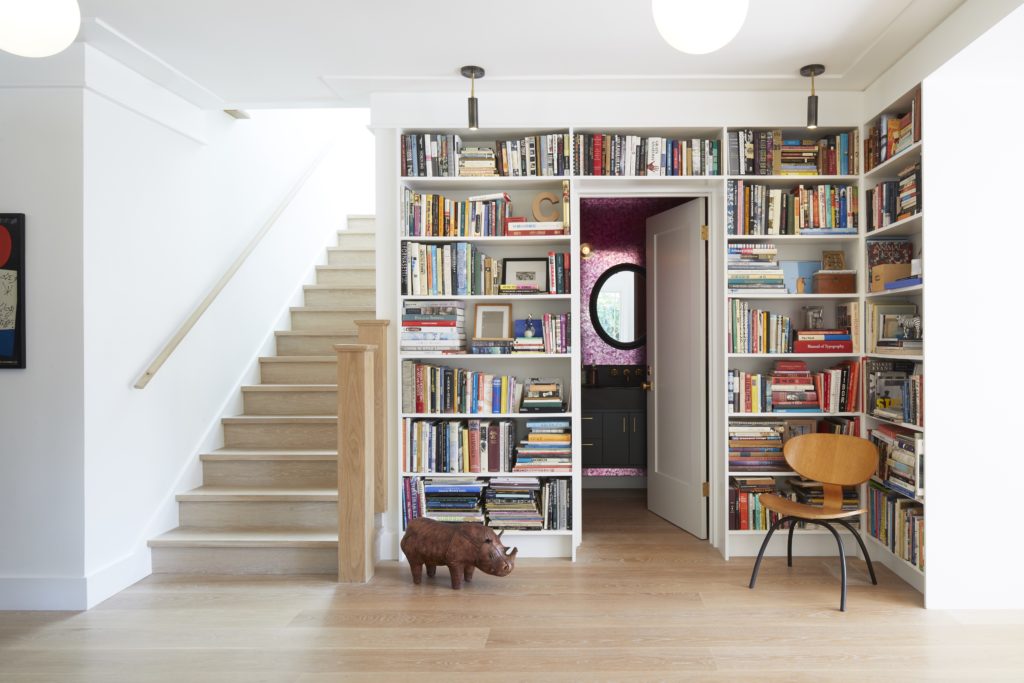
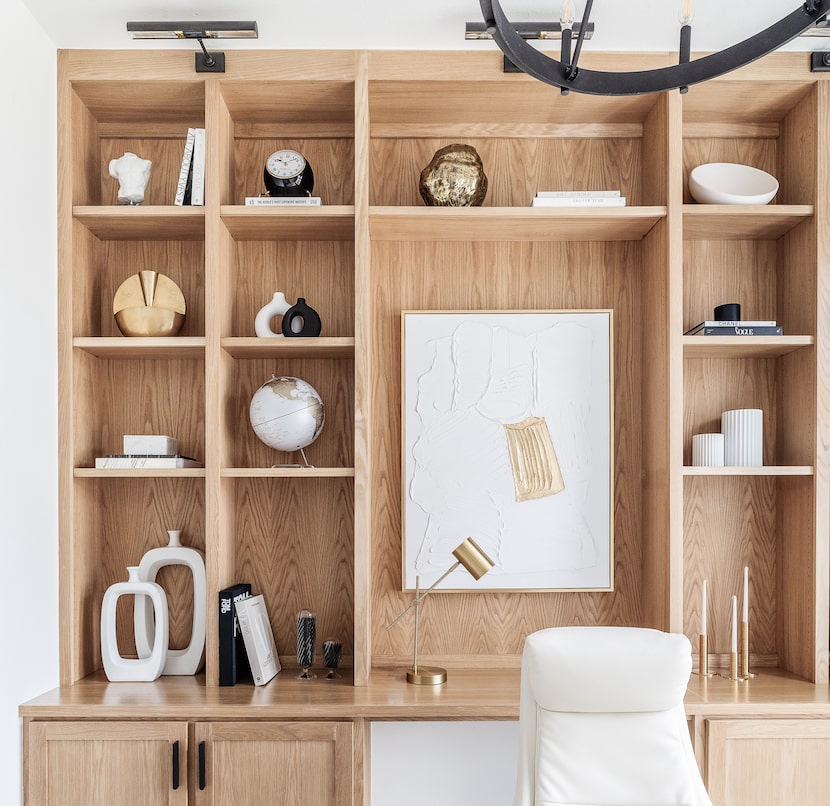
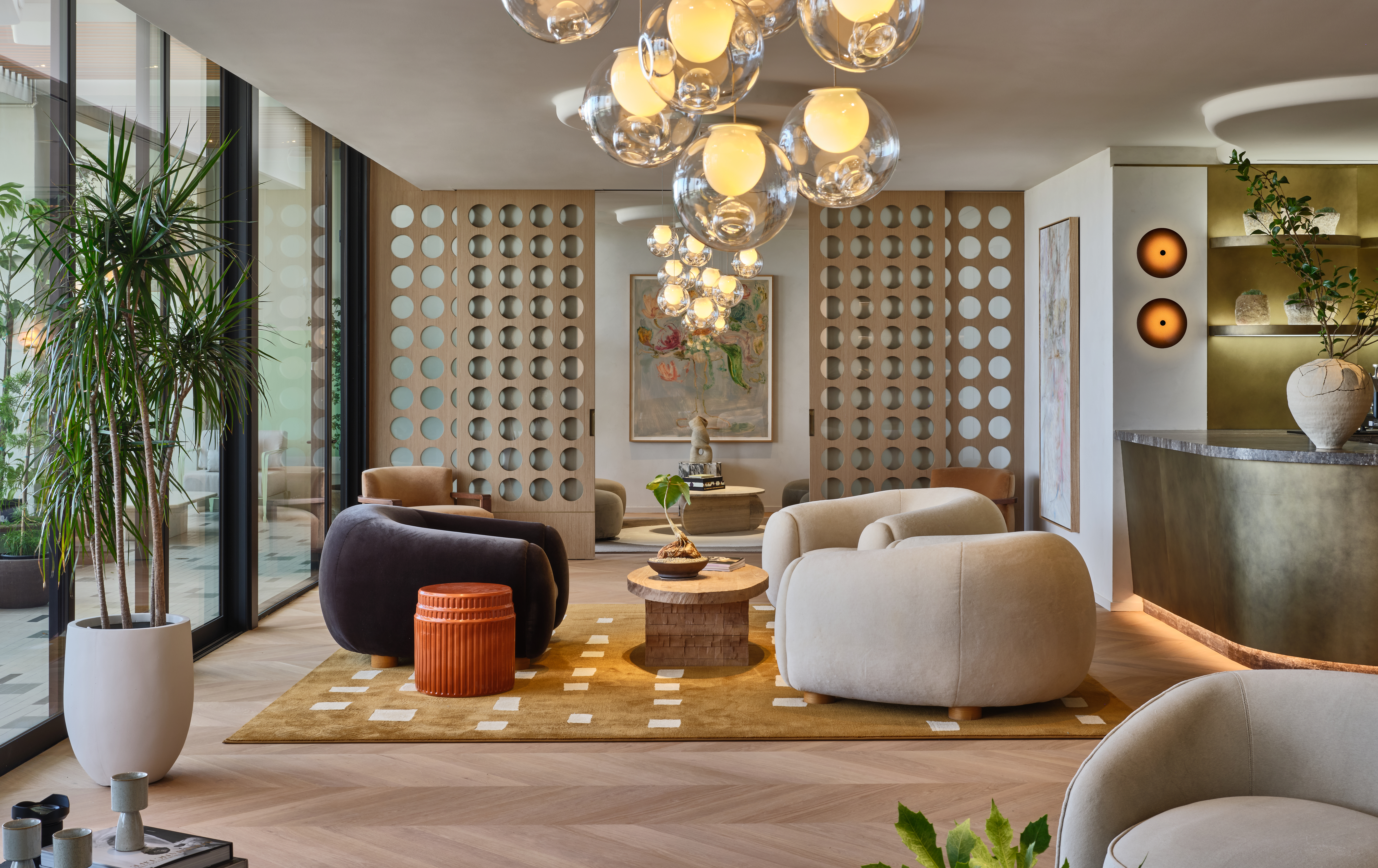
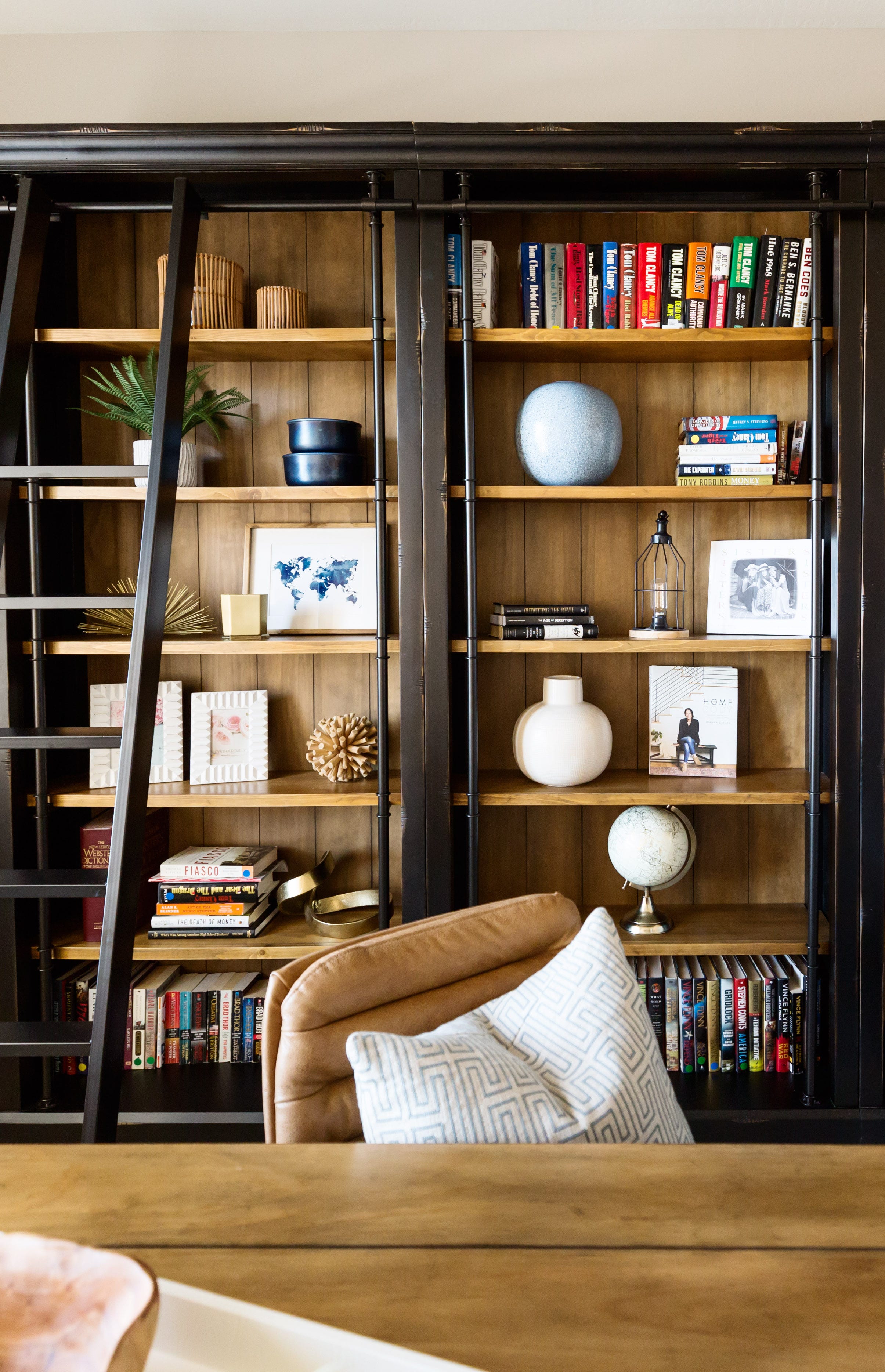
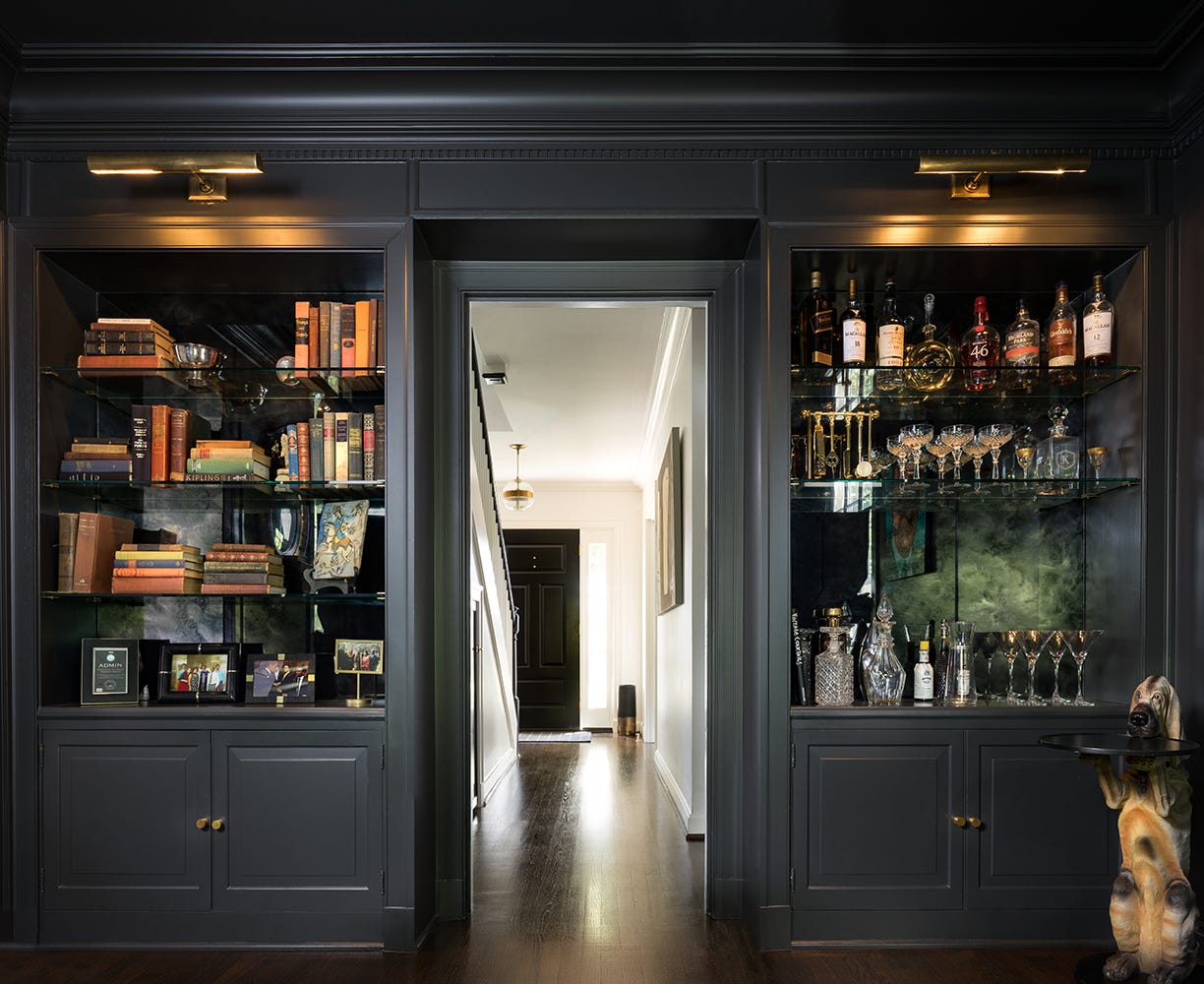
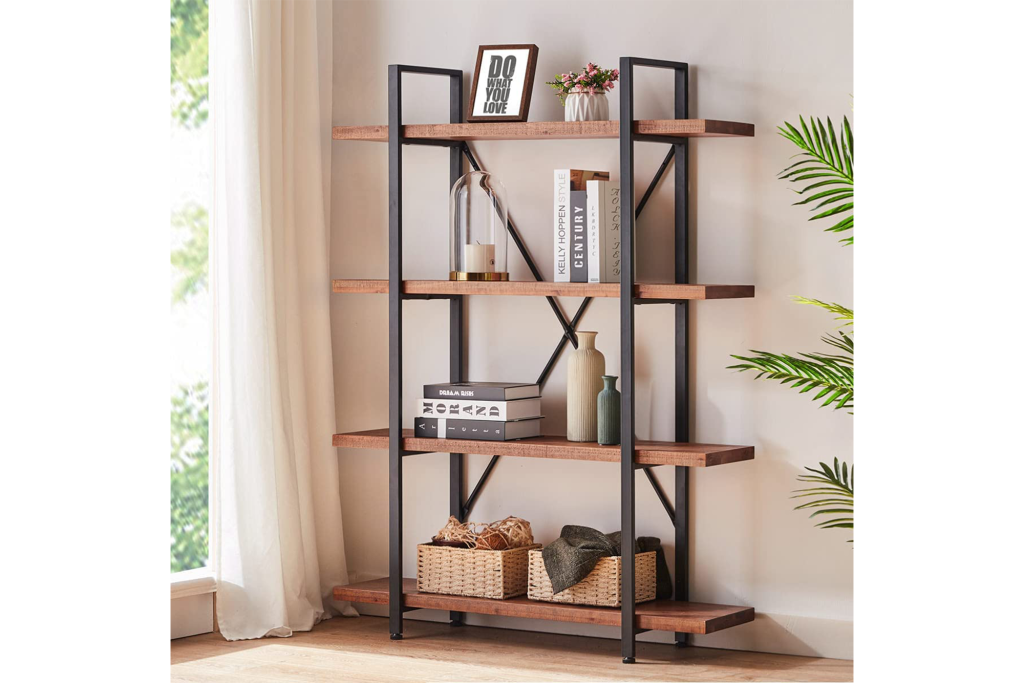
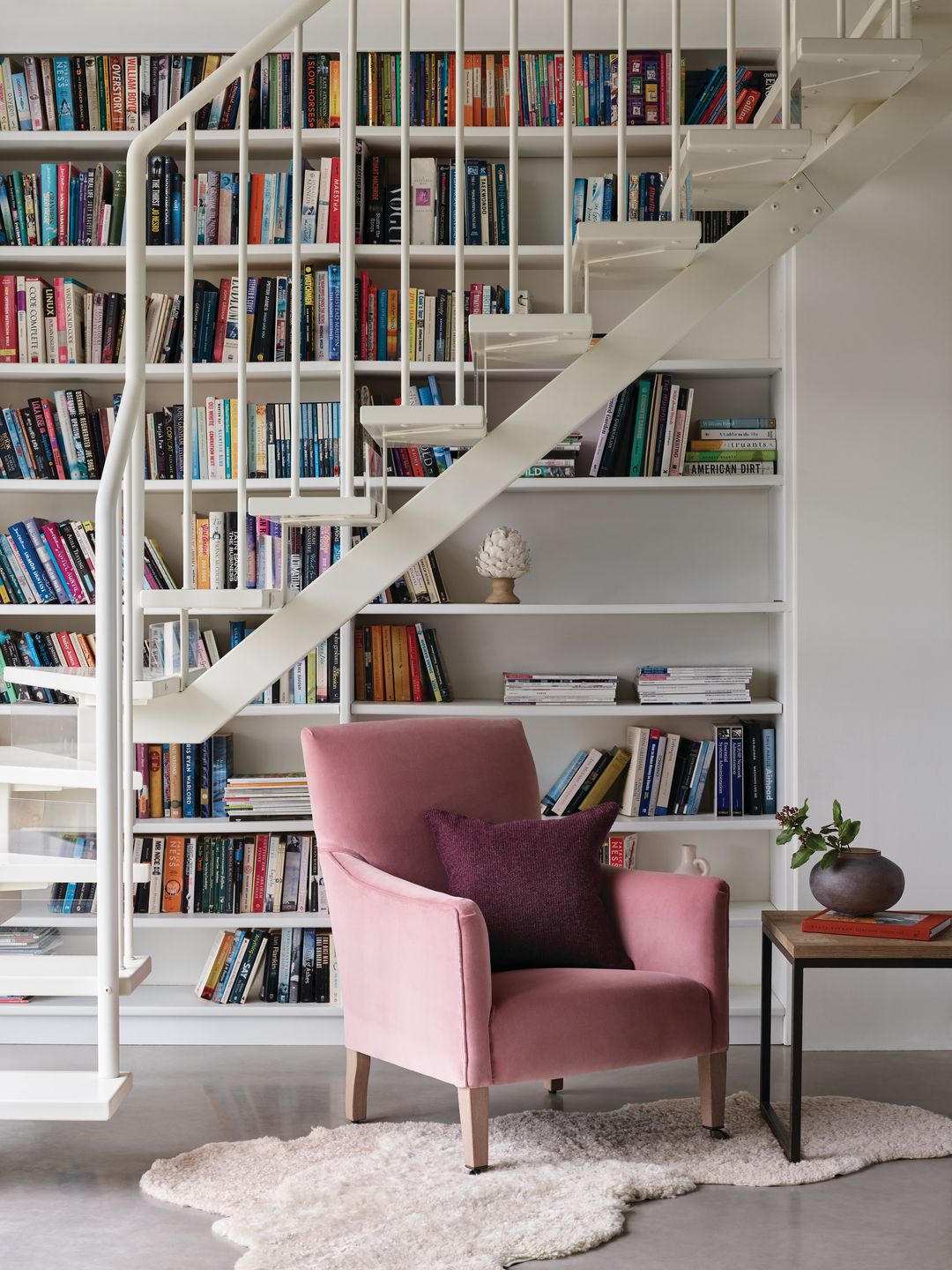
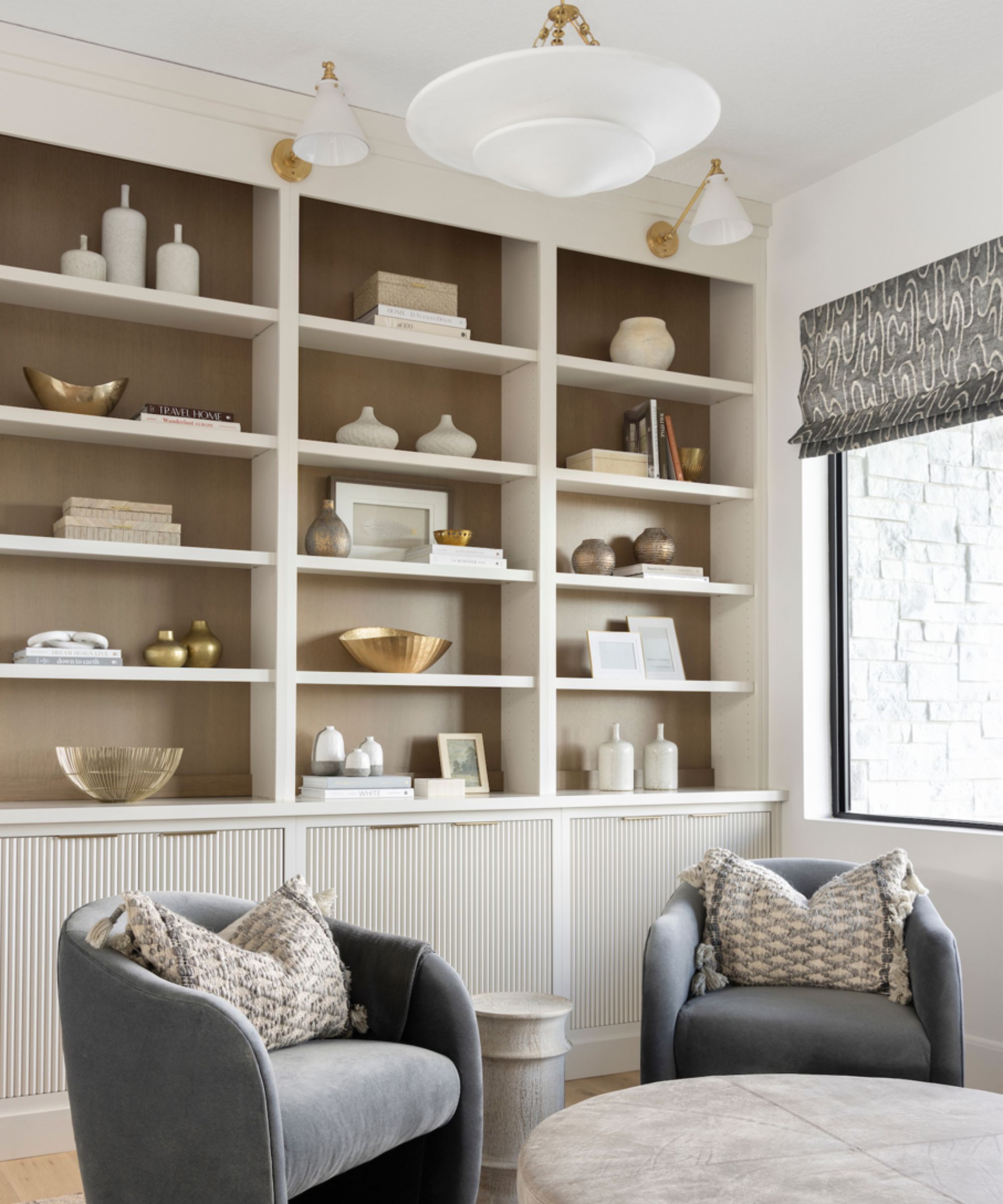
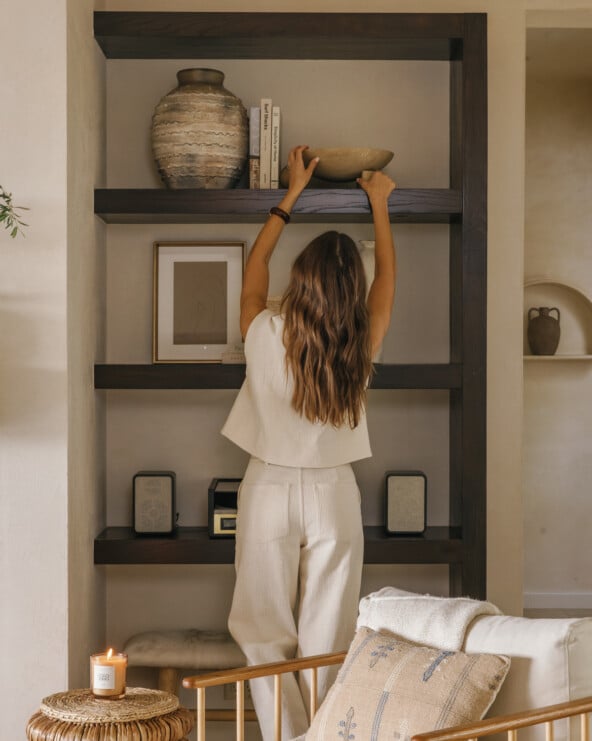
This article explores the art of styling bookshelves, presenting them not just as storage but as a reflection of personal style and narrative. It advocates for an intentional approach to curation, highlighting Camille Styles' 'warm minimalism' philosophy, which balances simplicity with natural textures to create a lived-in yet elevated aesthetic. The core idea is to view bookshelves as a visual diary where each item, from books to decorative objects, contributes to a story.
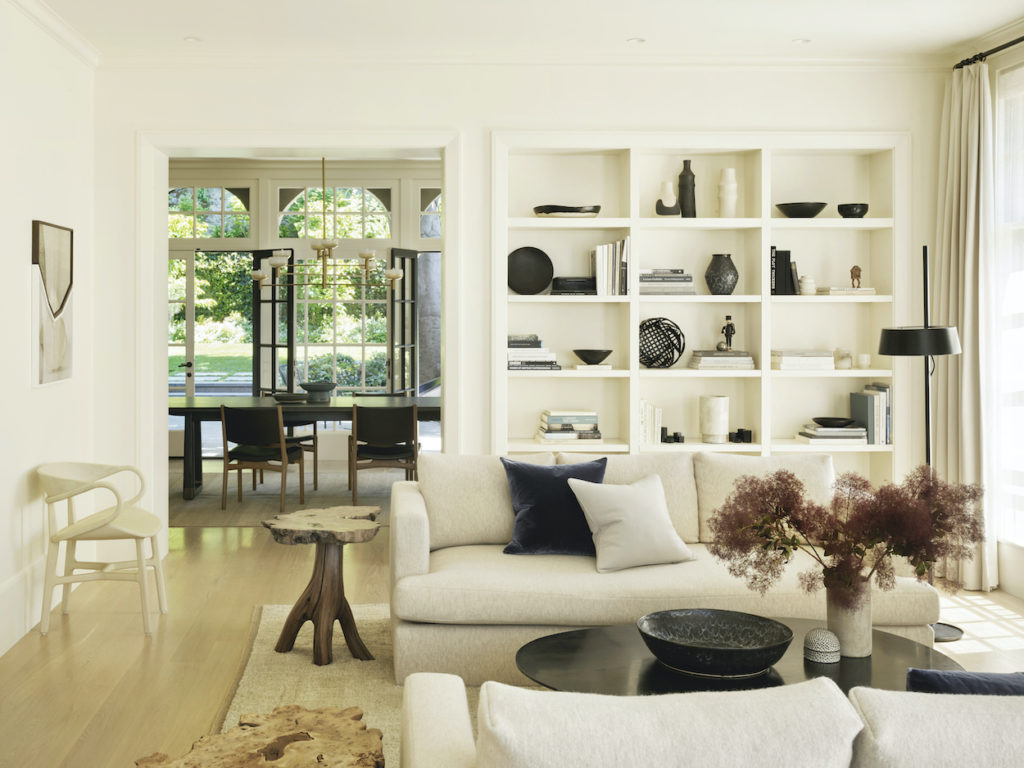
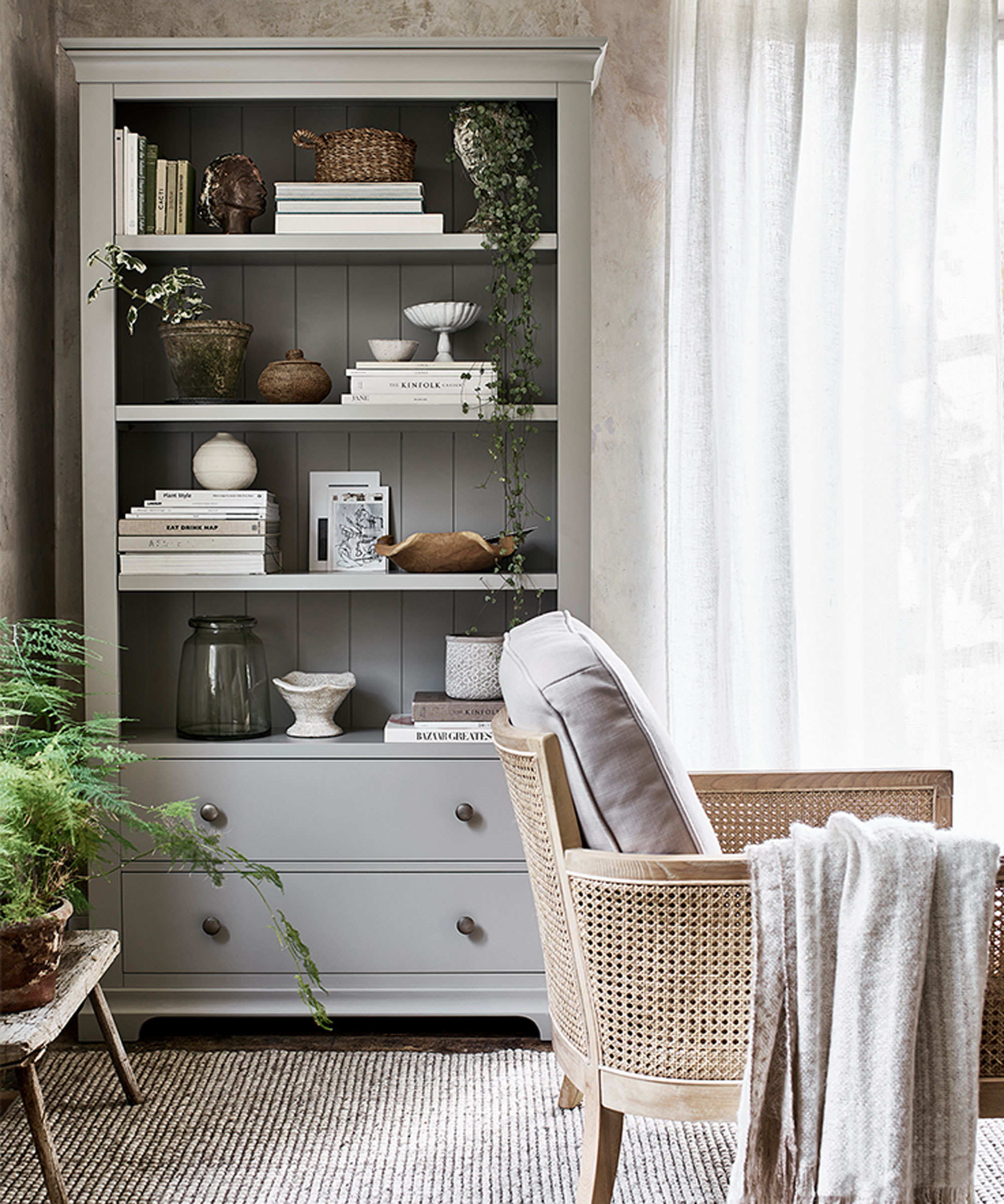
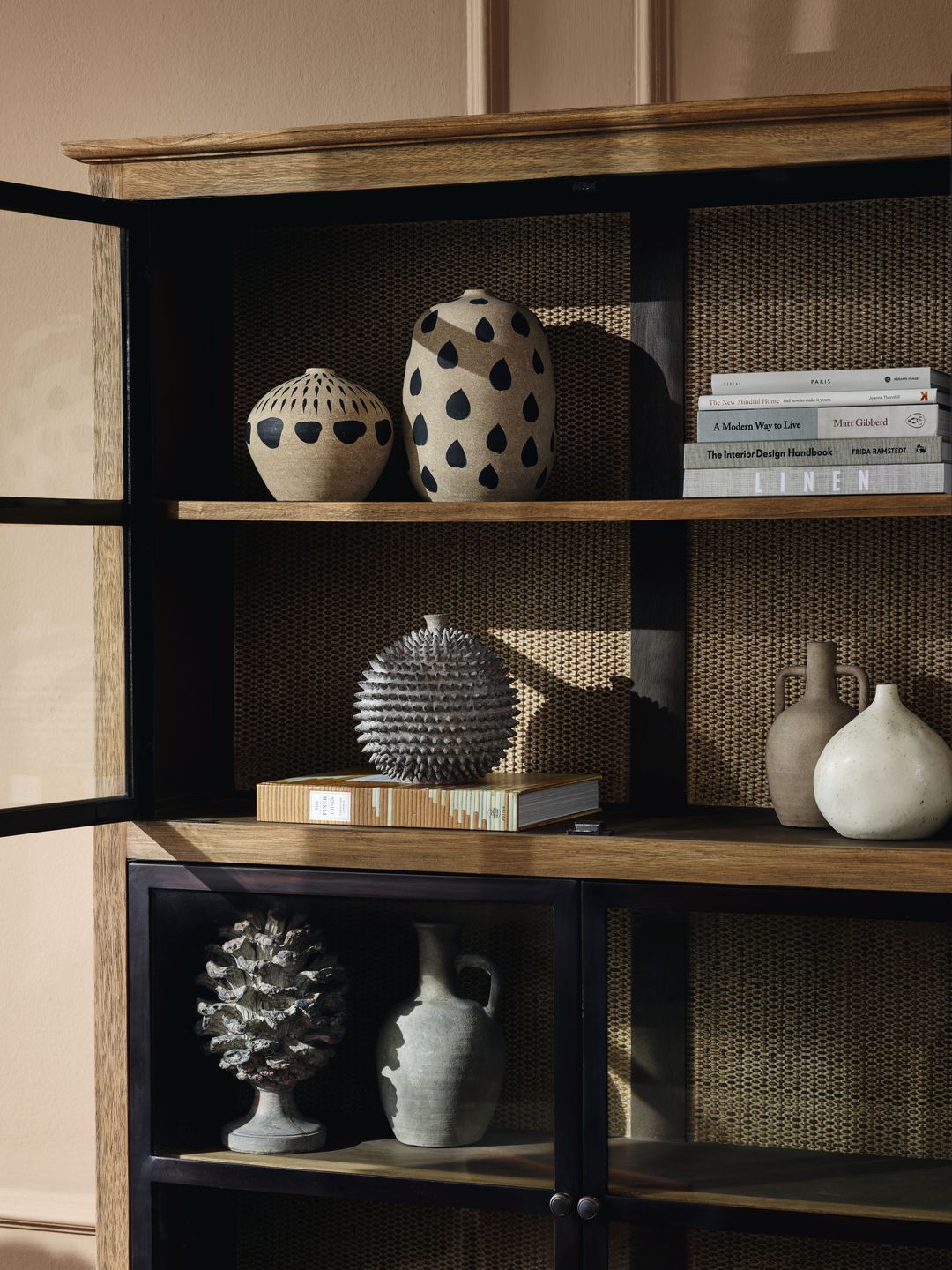
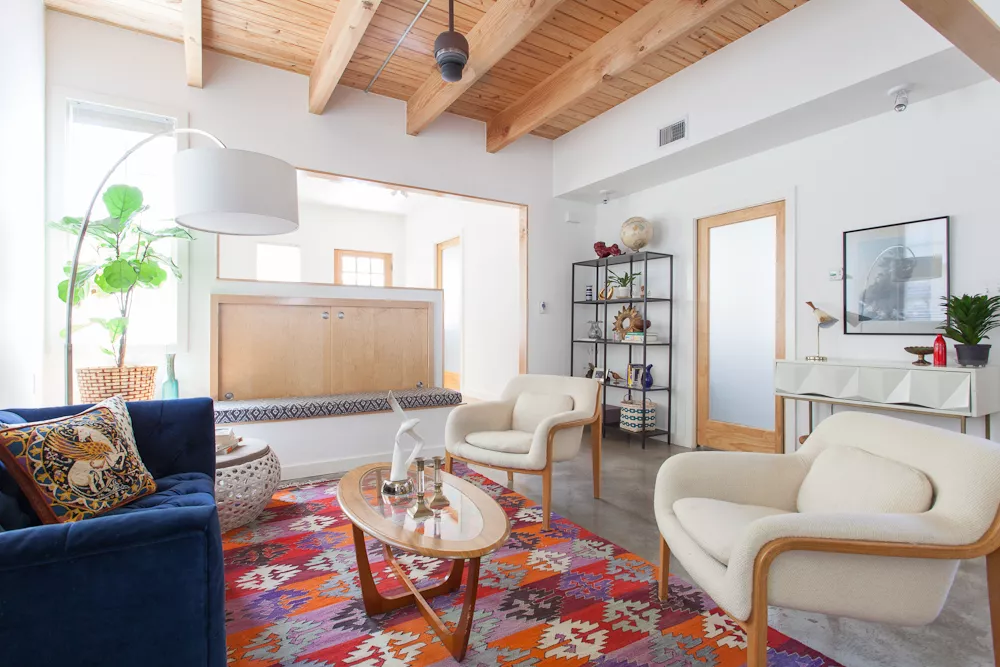
The first tip emphasizes storytelling, suggesting that individuals gather meaningful pieces like souvenirs, gifts, or travel mementos. This approach ensures that shelves feel personal and effortless rather than merely aesthetically pleasing. Camille's philosophy encourages authenticity over impression. The second point focuses on 'warm minimalism,' urging the use of neutral tones, tactile materials, and natural light to create calm, inviting spaces. Contrasting textures like smooth ceramics with rough wood, or matte books with woven baskets, prevents minimalism from feeling sterile and adds a sense of 'quiet abundance.'
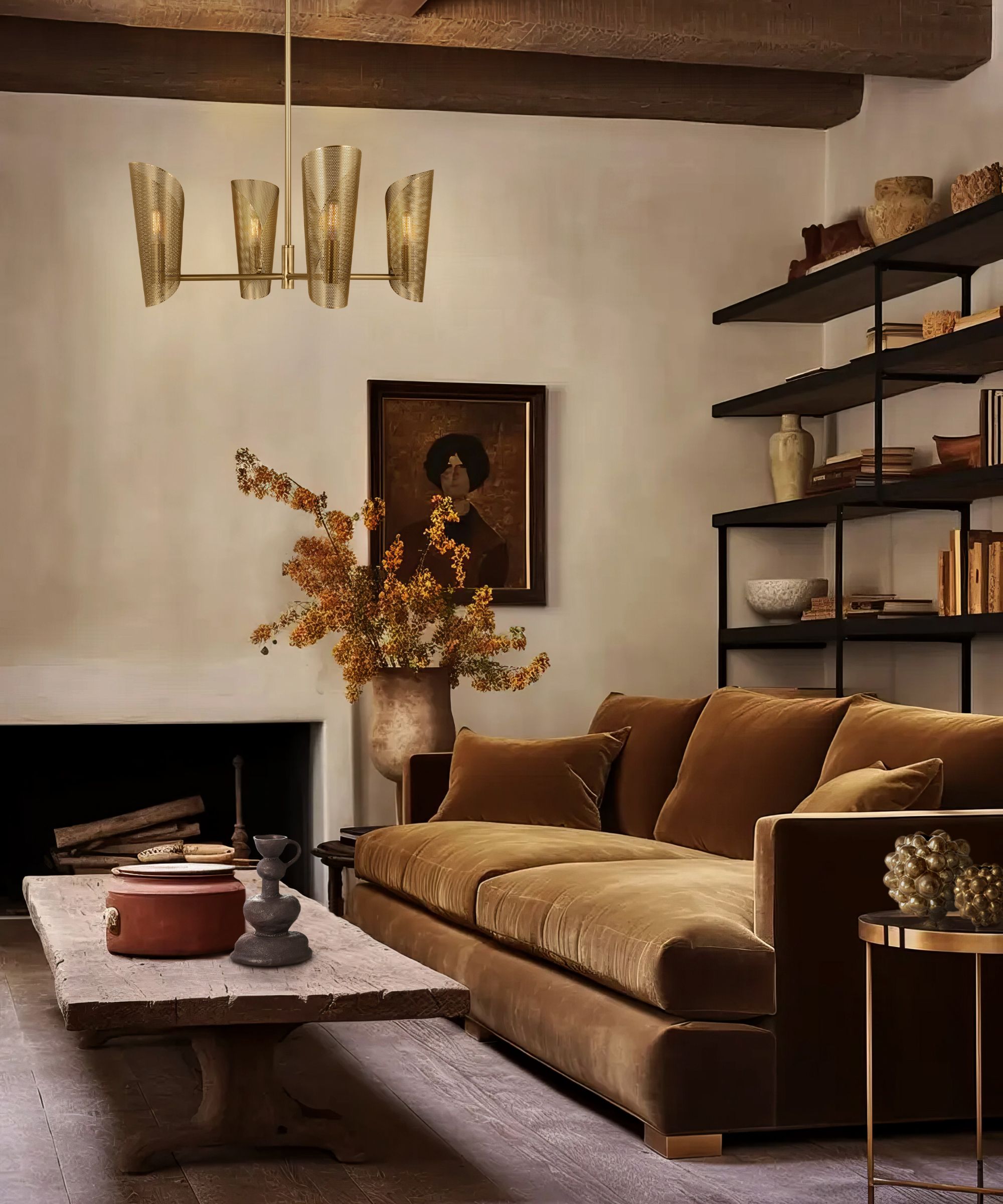
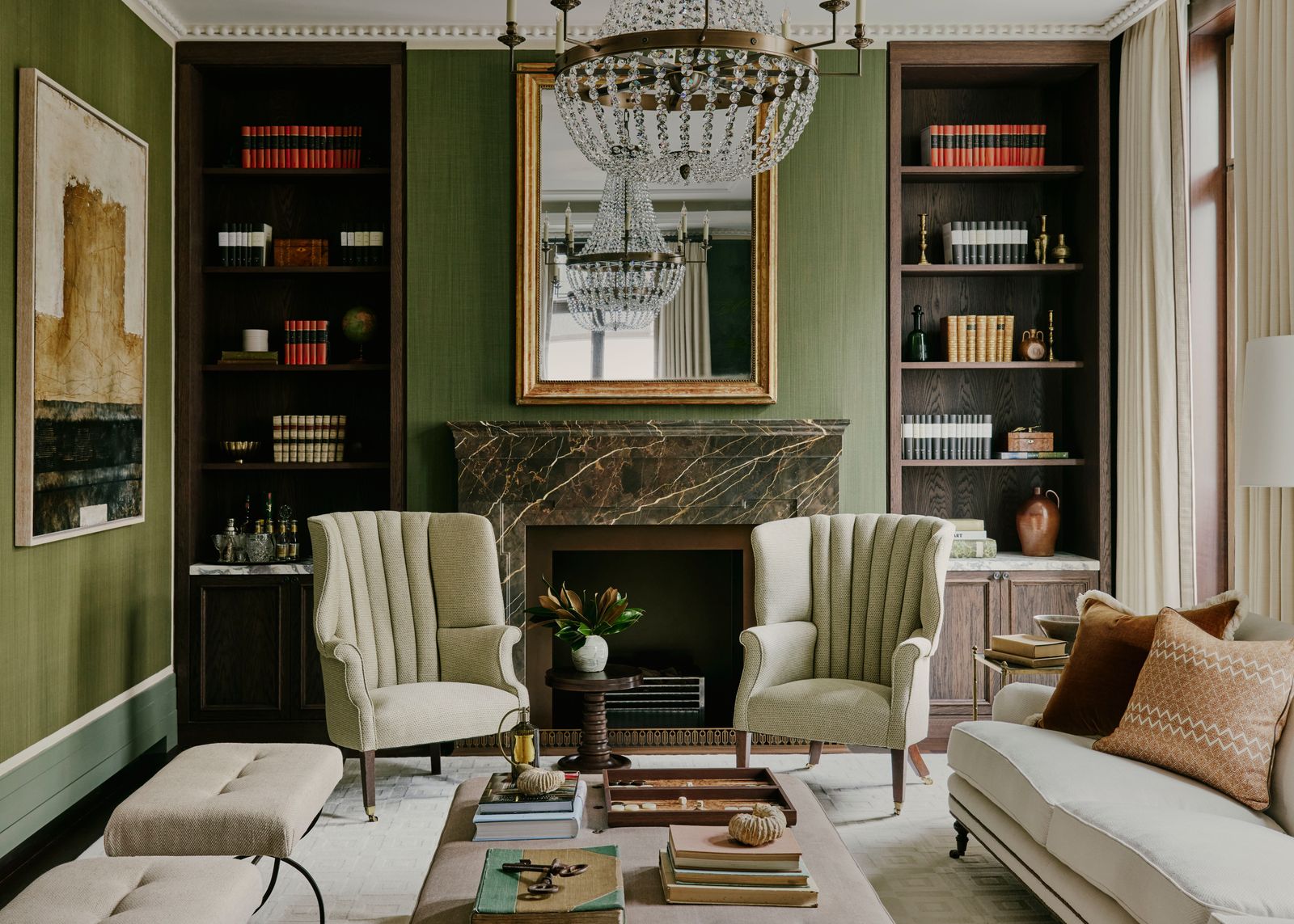
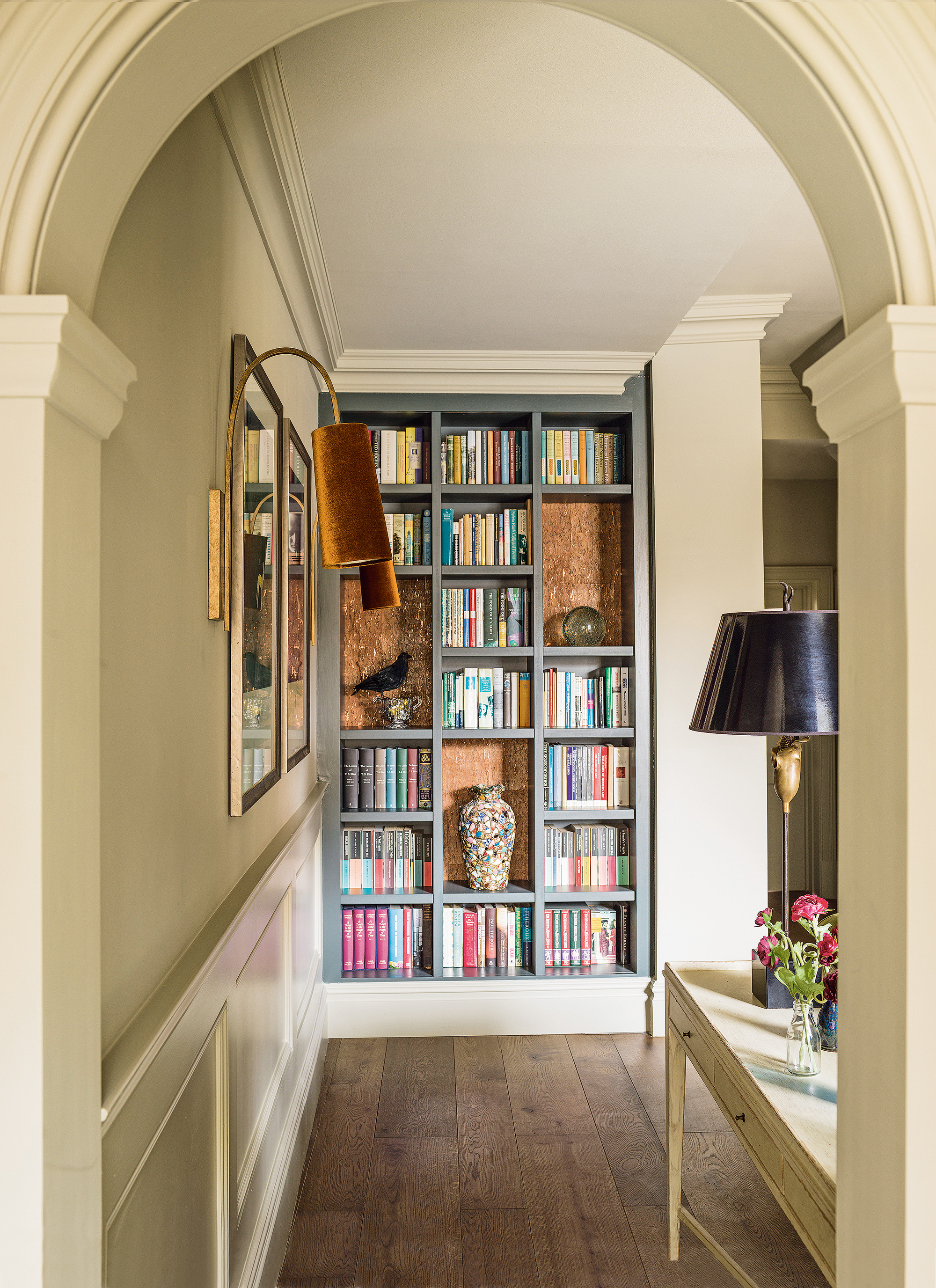
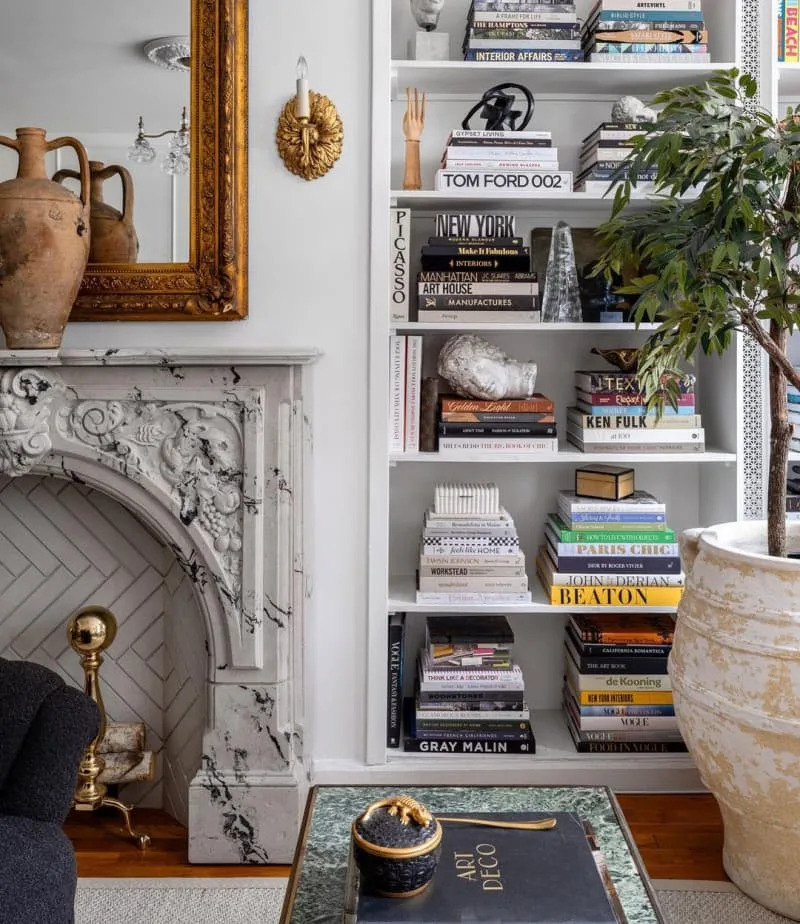
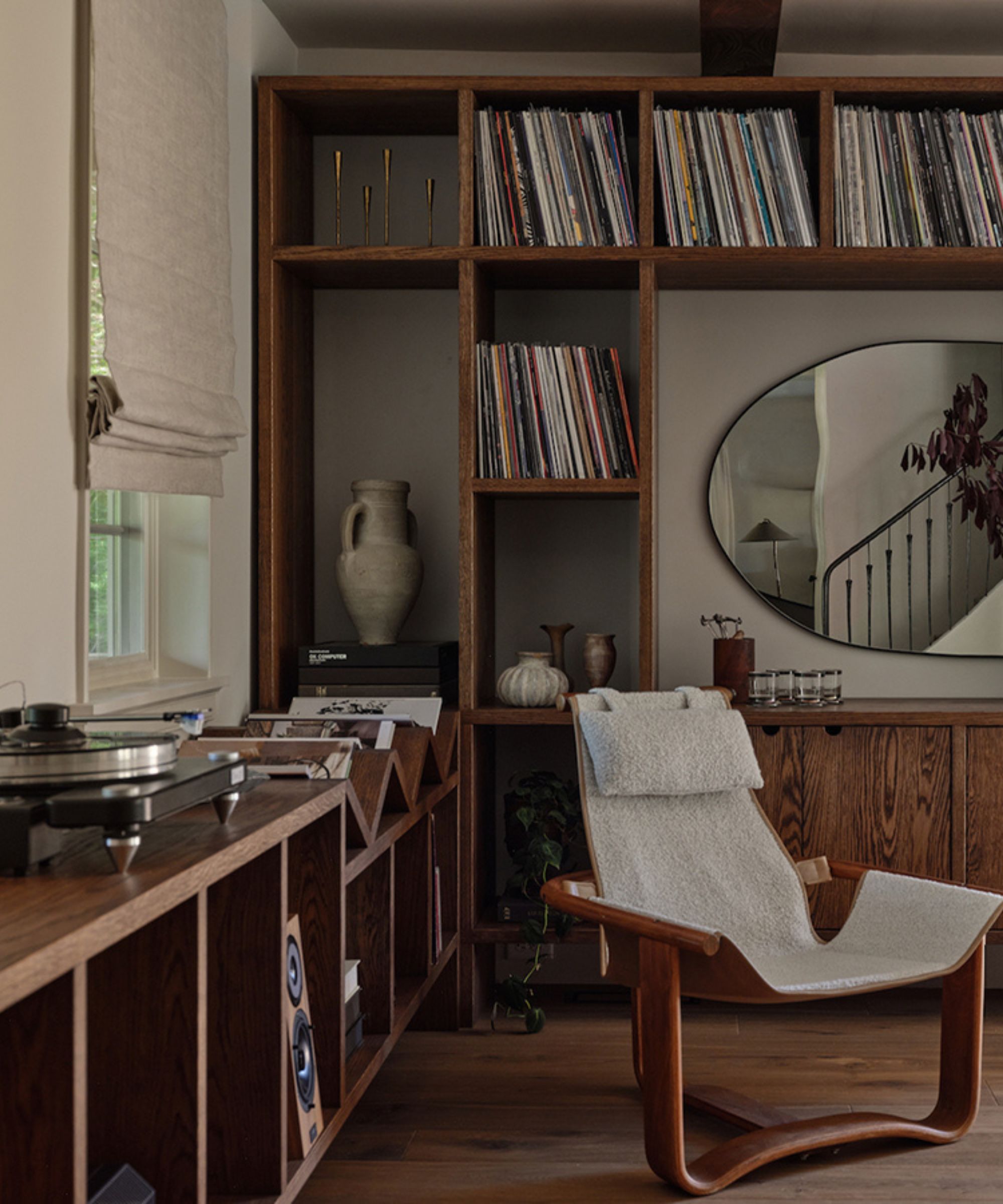
Maintaining a neutral palette is discussed in the third section, but with an emphasis on texture to avoid boredom. Layering materials with different finishes and subtle shifts in surface and shape creates depth and visual rhythm, resulting in a cohesive yet lively appearance. Mixing old and new items is the fourth tip, as juxtaposing modern objects with vintage finds imbues shelves with character and a layered history, making them feel lived-in rather than overly polished.
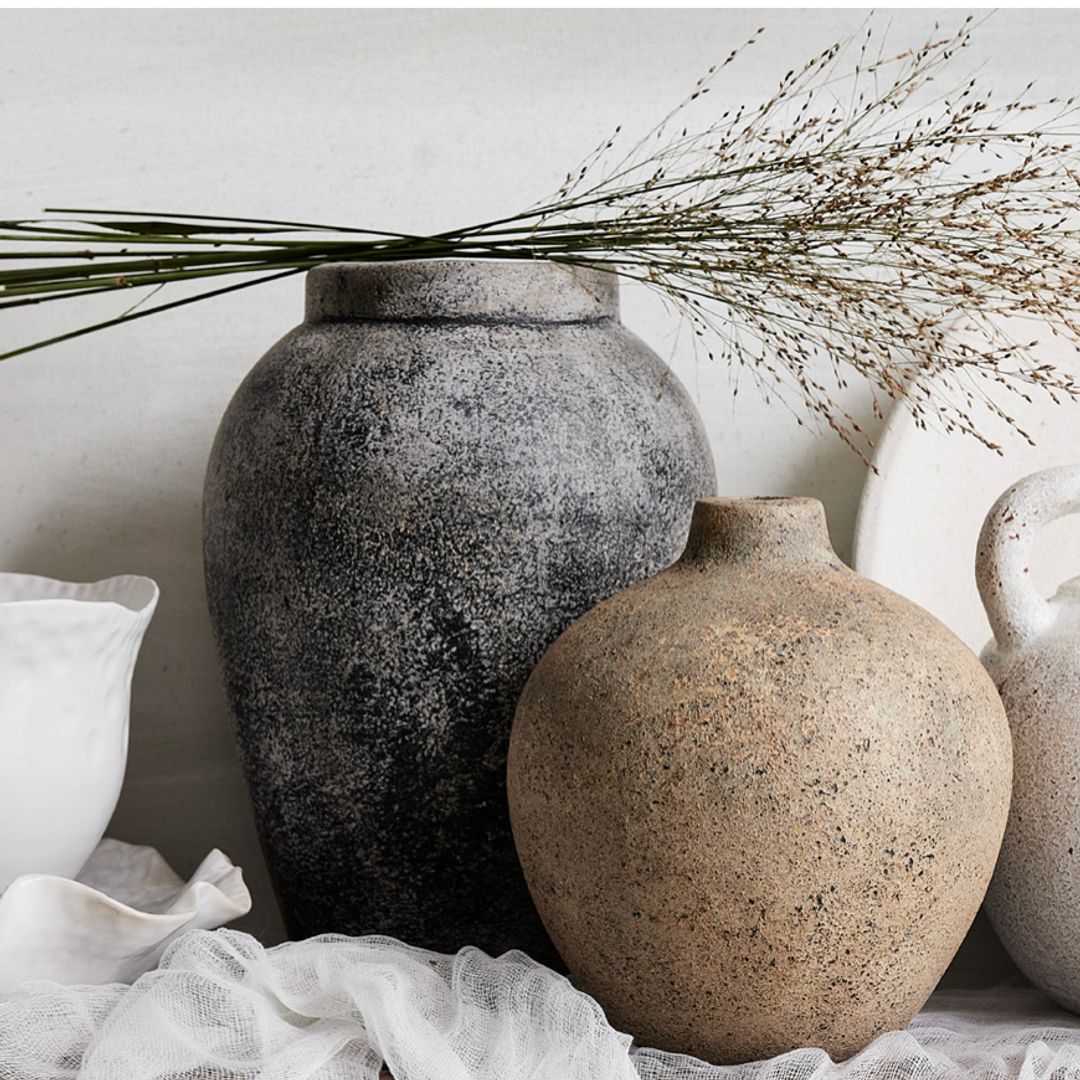
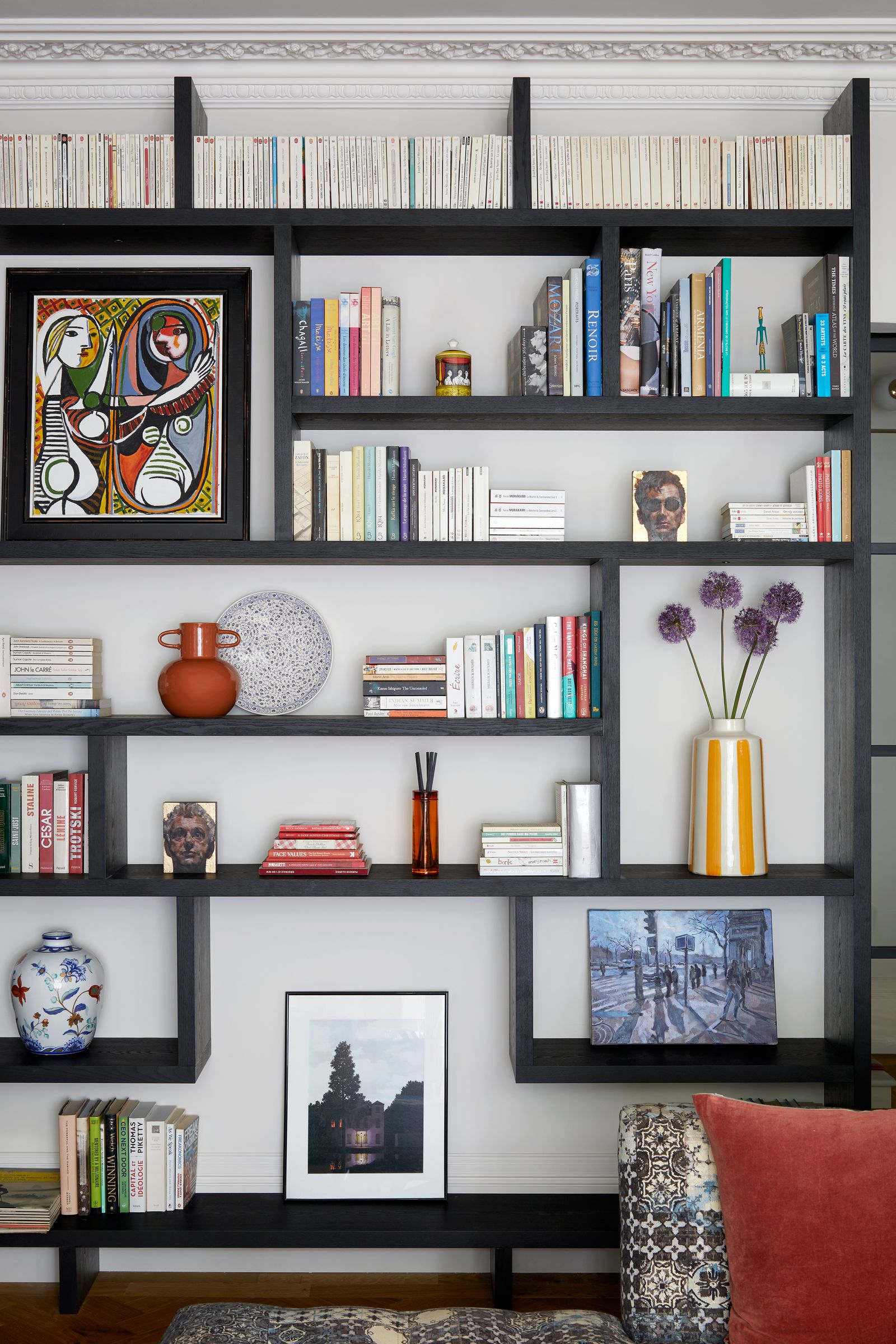
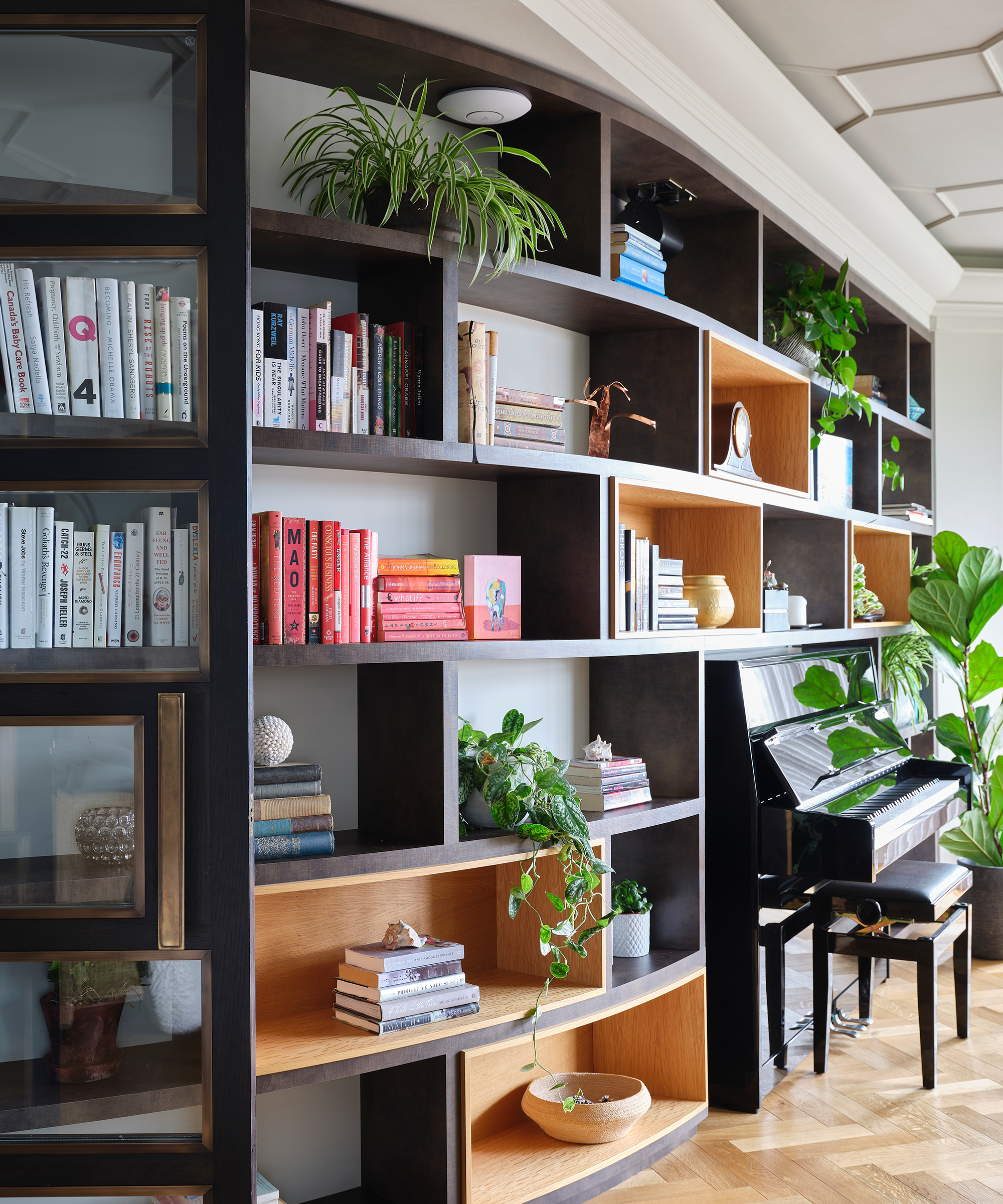
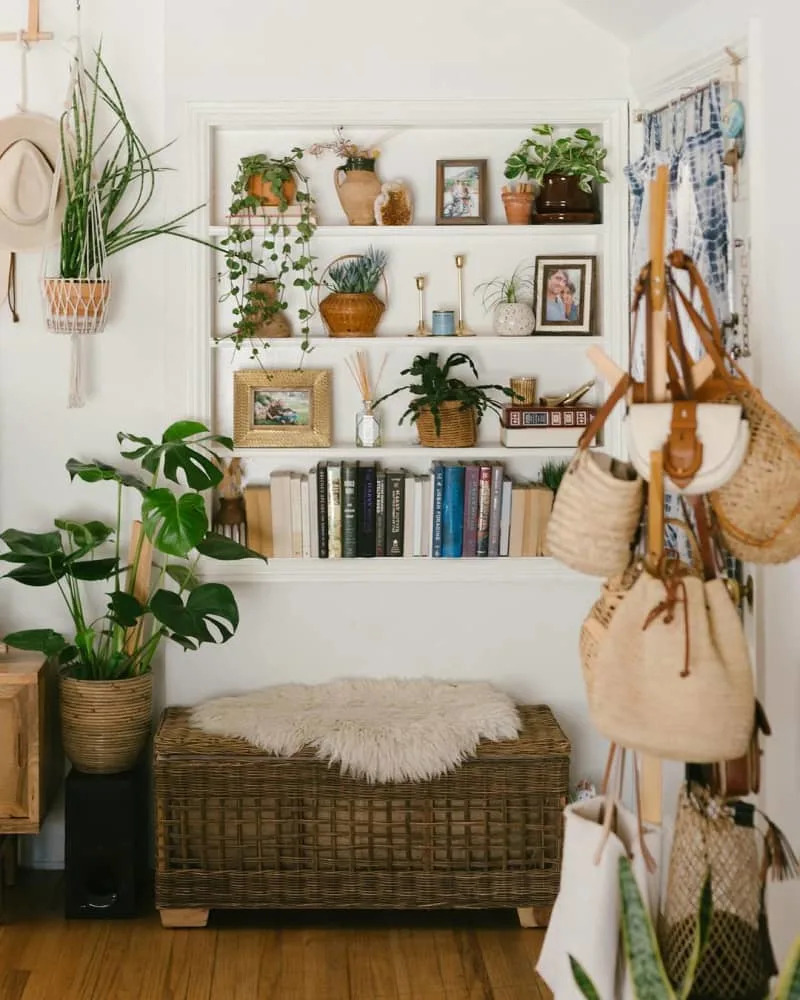
Asymmetry is introduced as a method to create movement and rhythm, encouraging varied arrangements of books and objects rather than uniform setups. The goal is an effortless flow that allows the eye to move dynamically across the shelves. The sixth point, layering with natural materials, reinforces Camille's connection to nature in design. Elements like terracotta, woven baskets, and wood bring warmth and organic texture, grounding the space and offering a 'visual aromatherapy.'
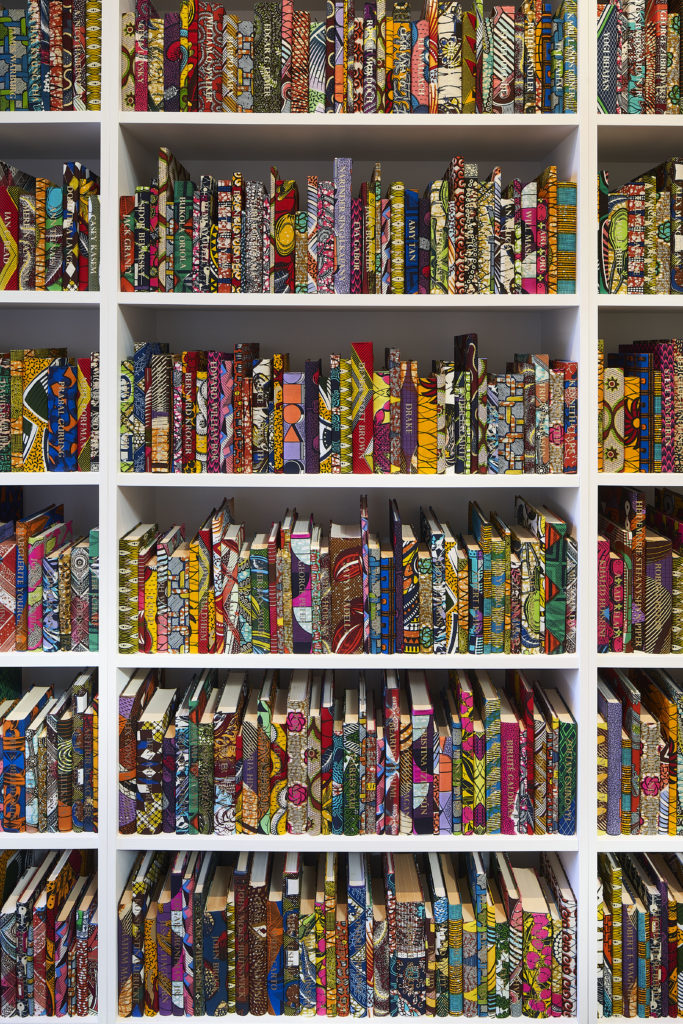
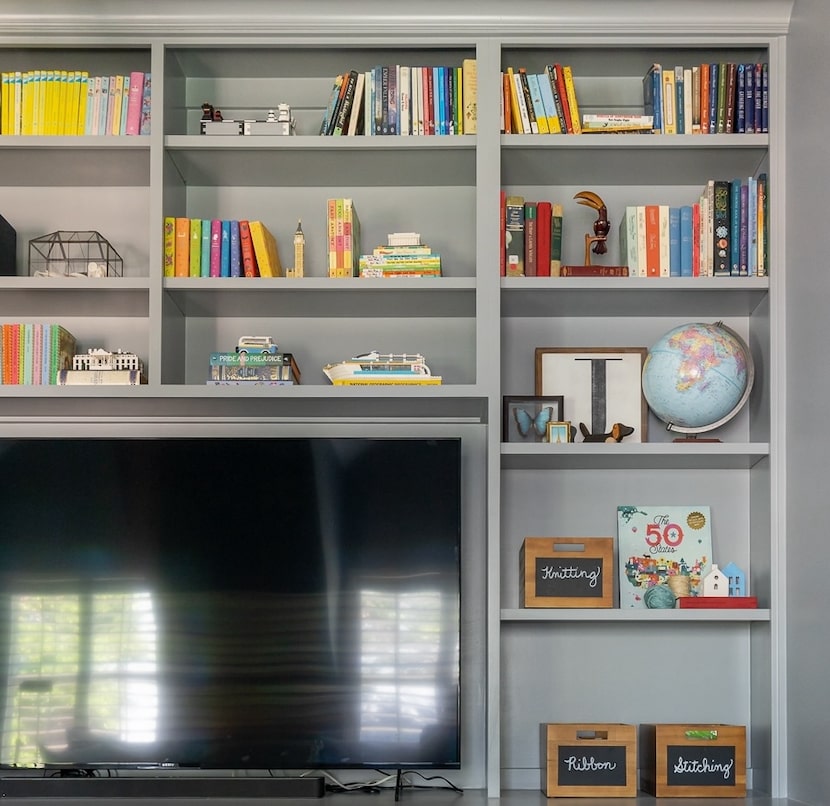
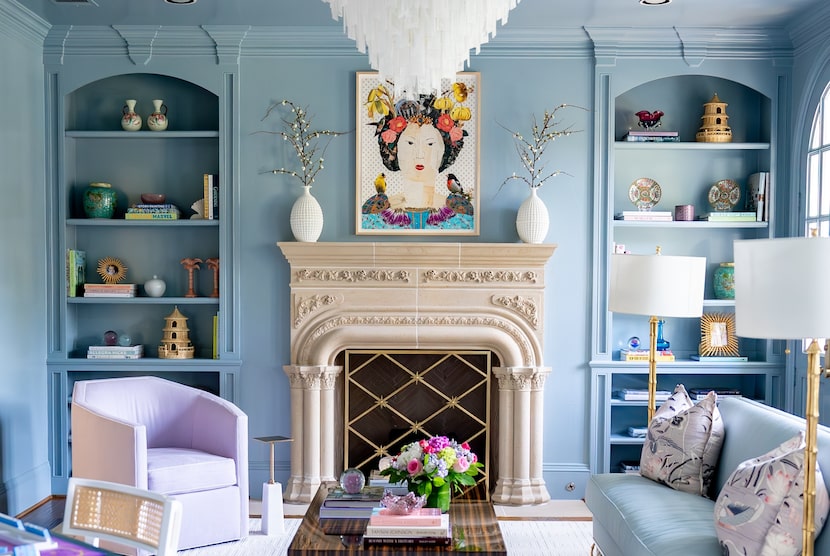
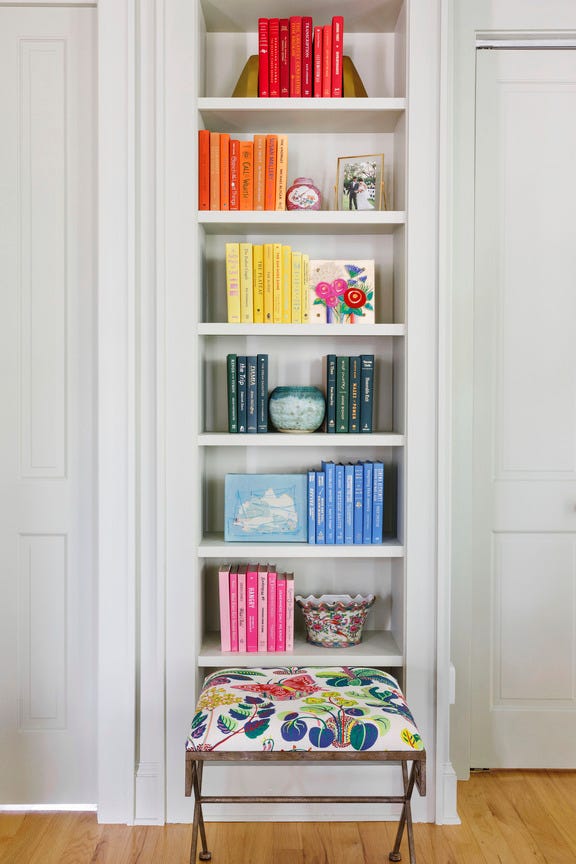
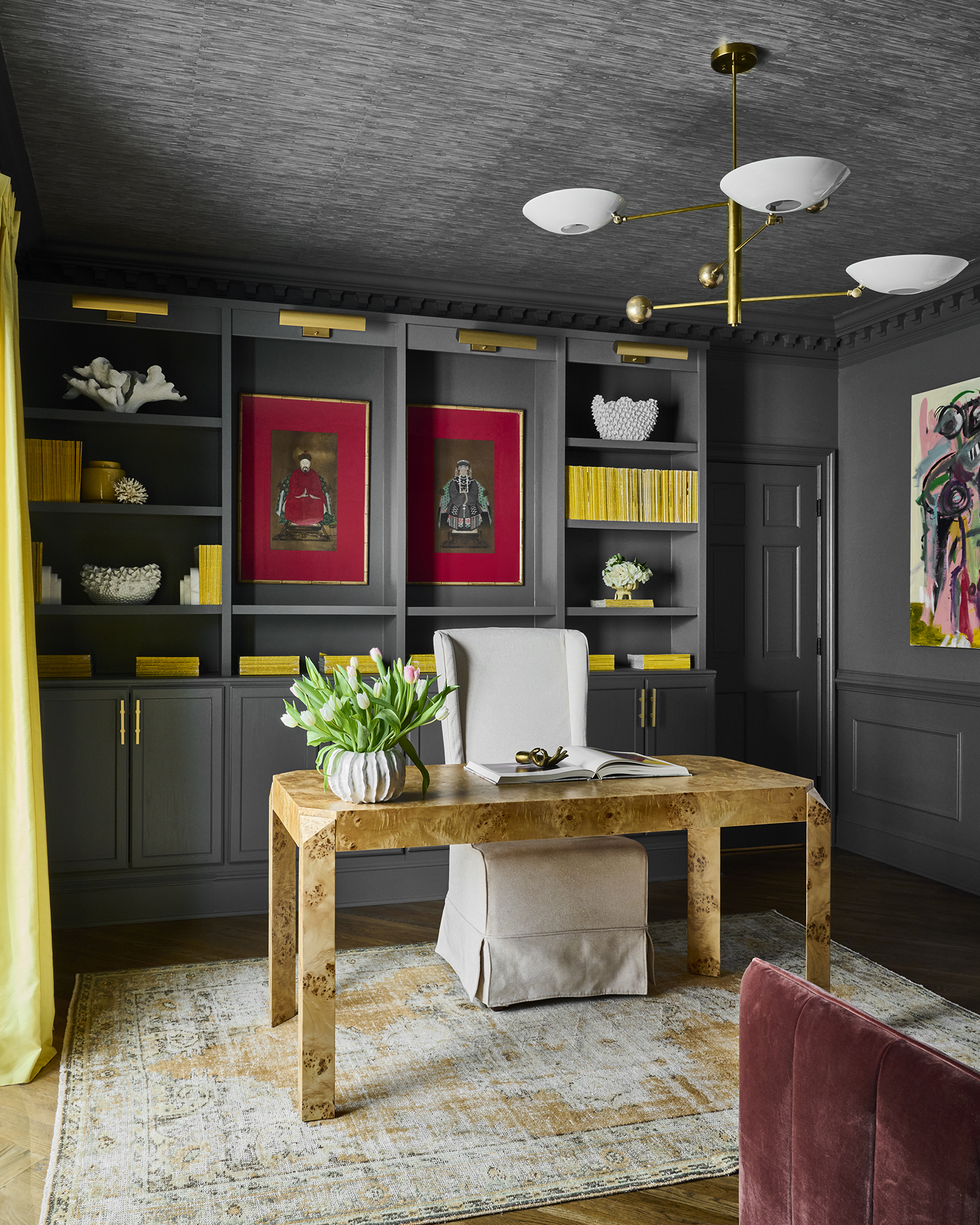
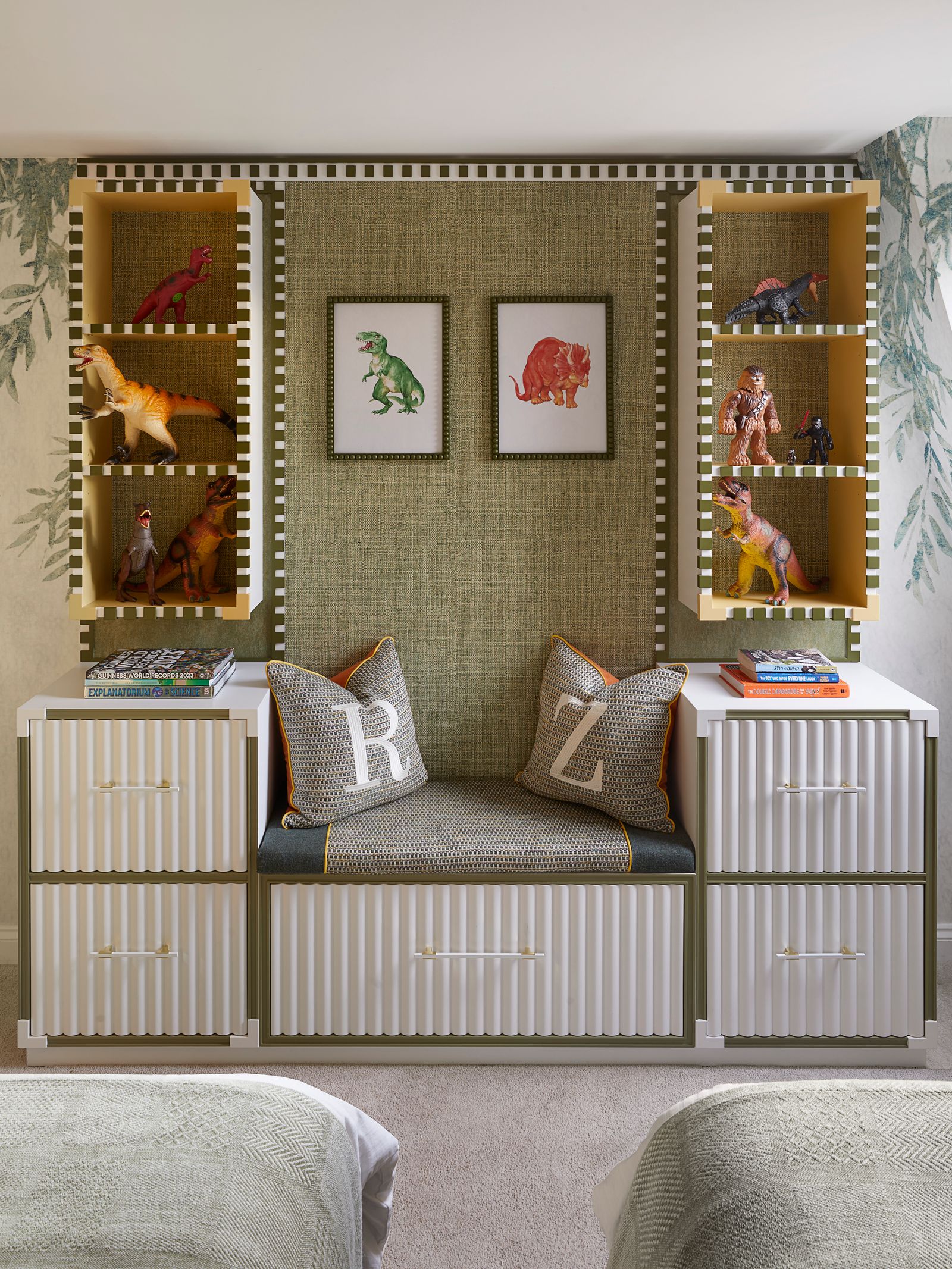
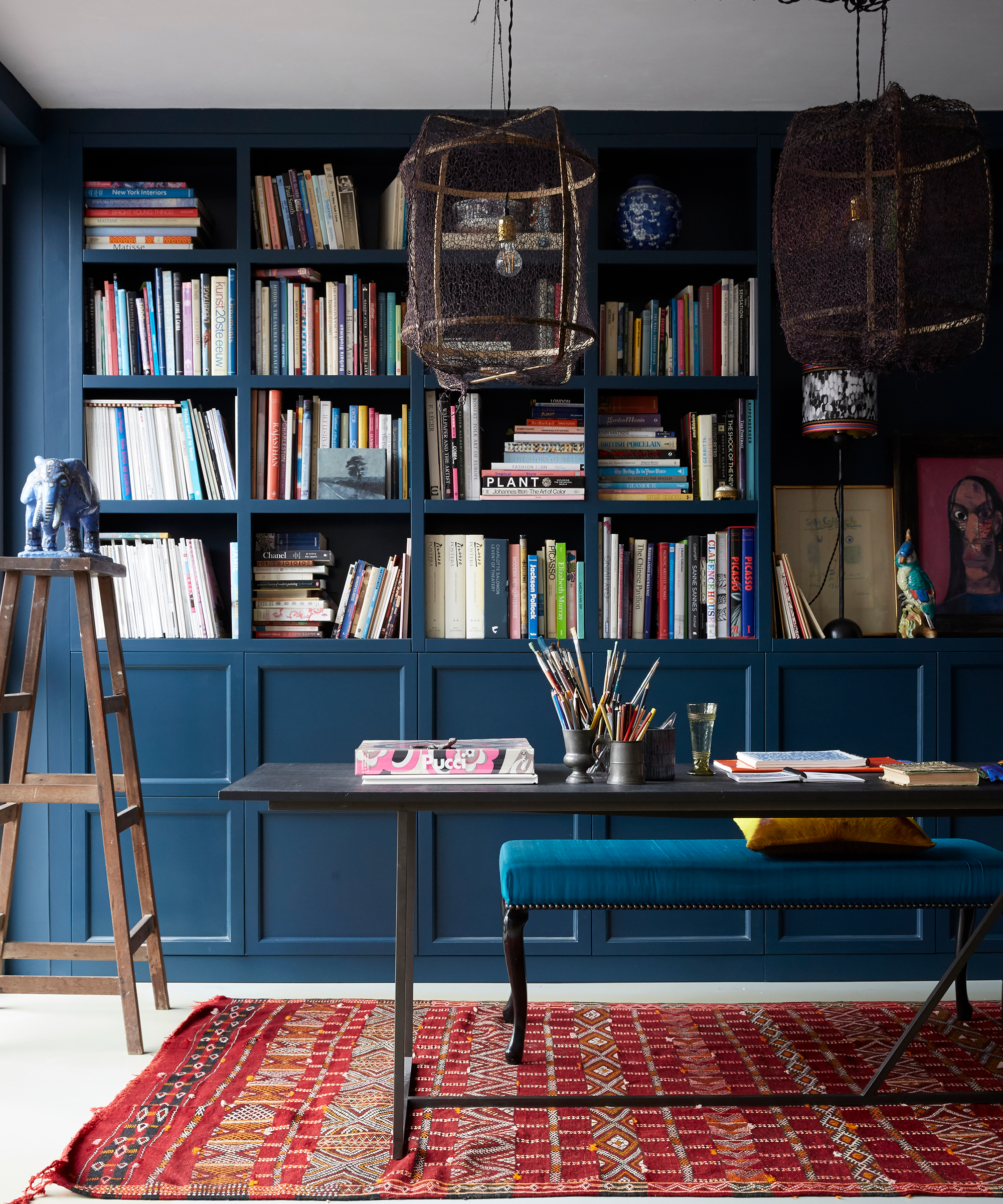
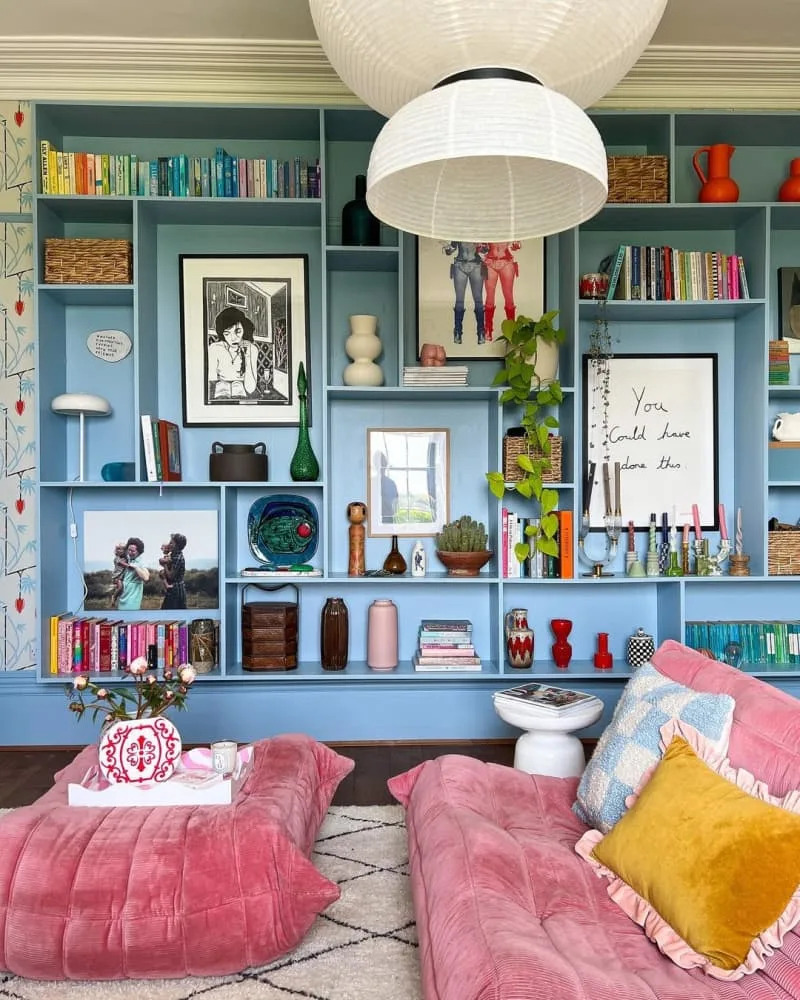
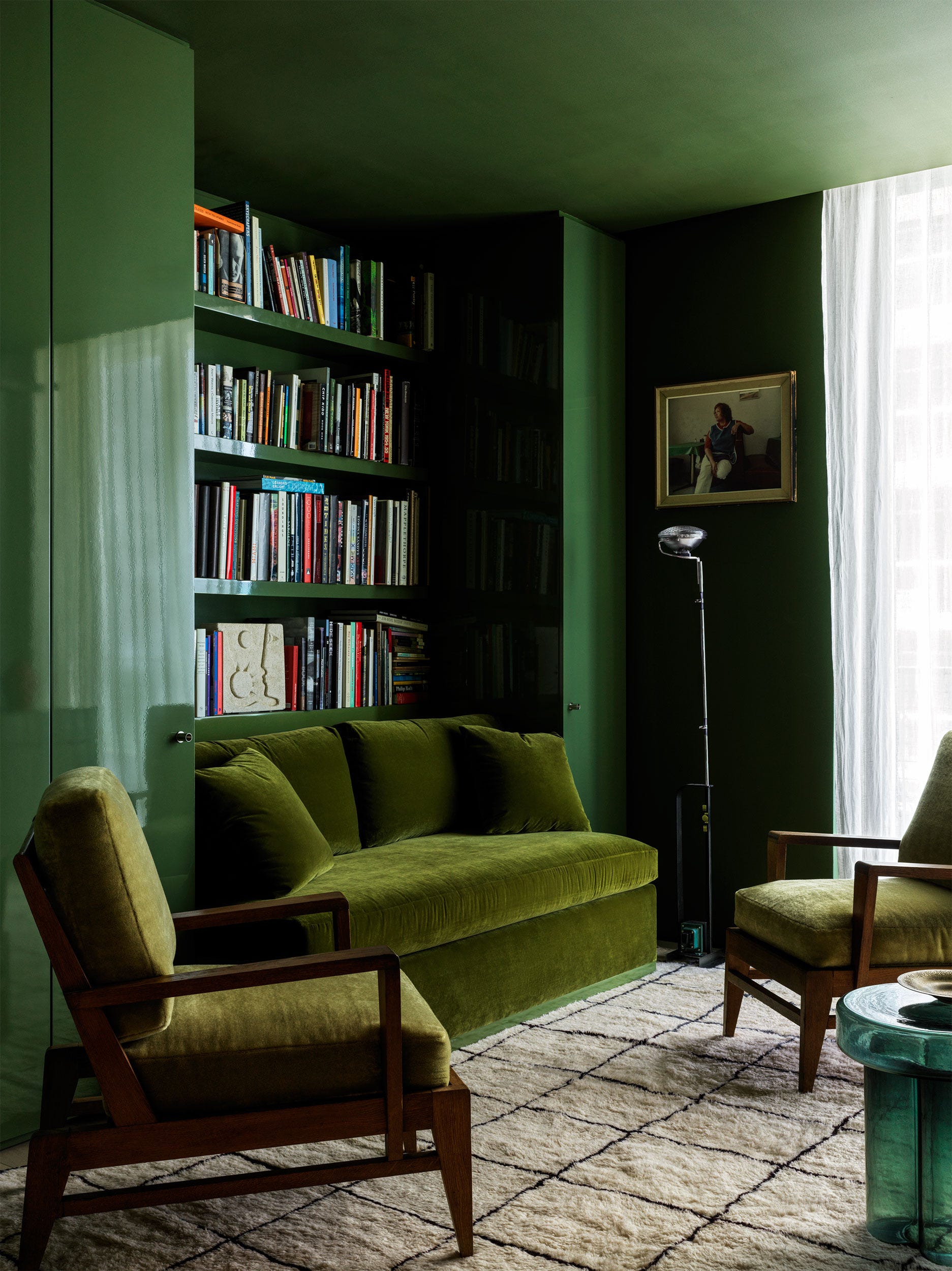
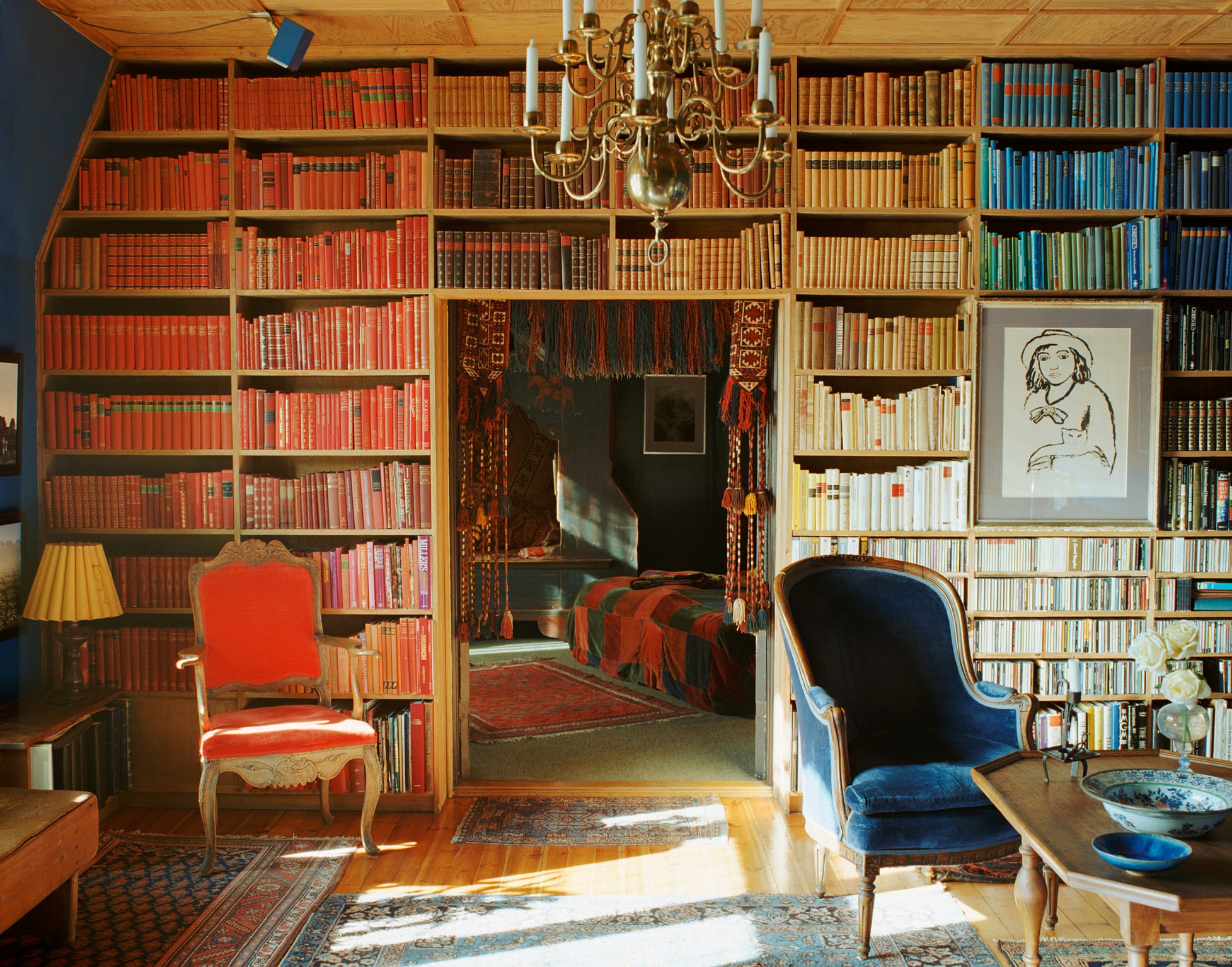
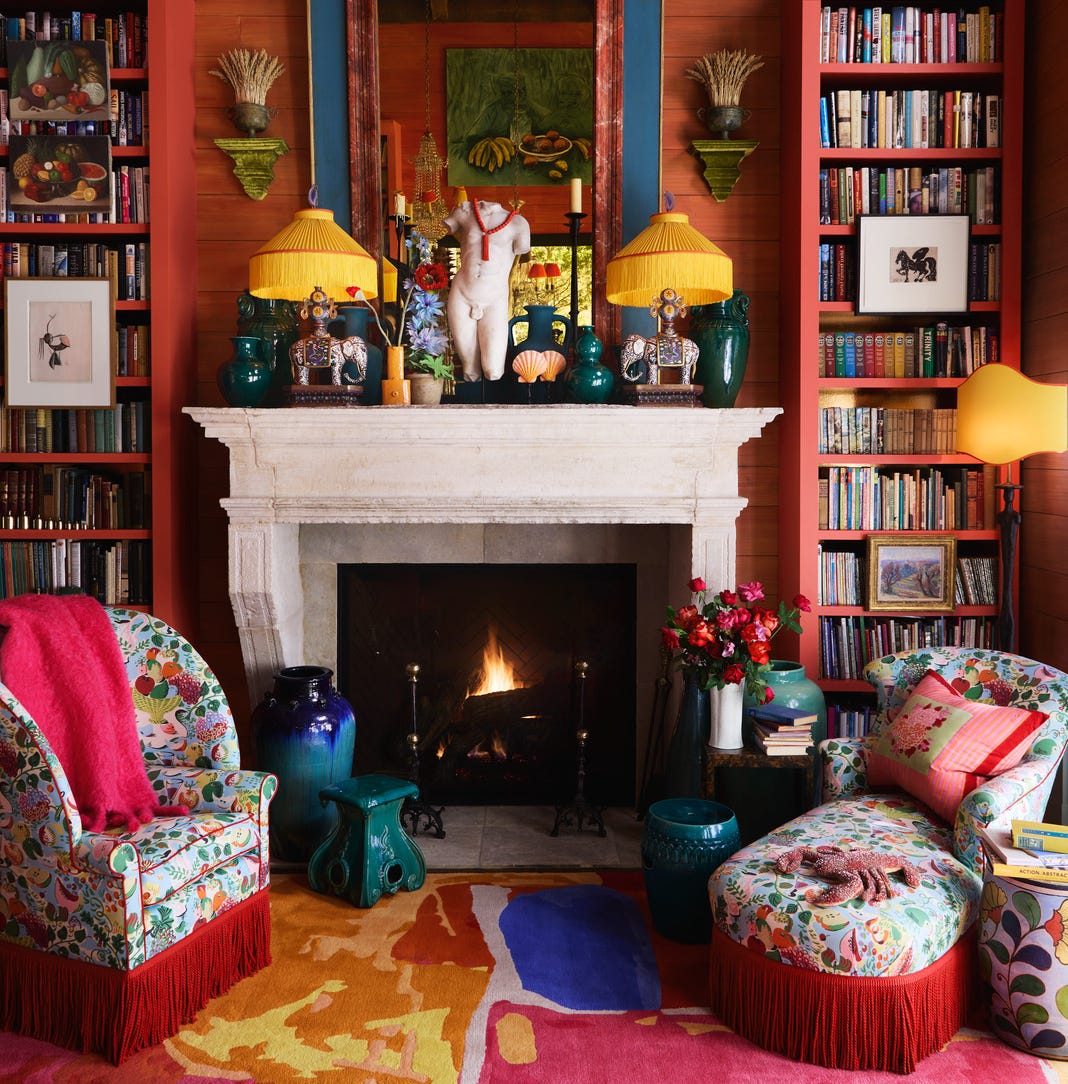
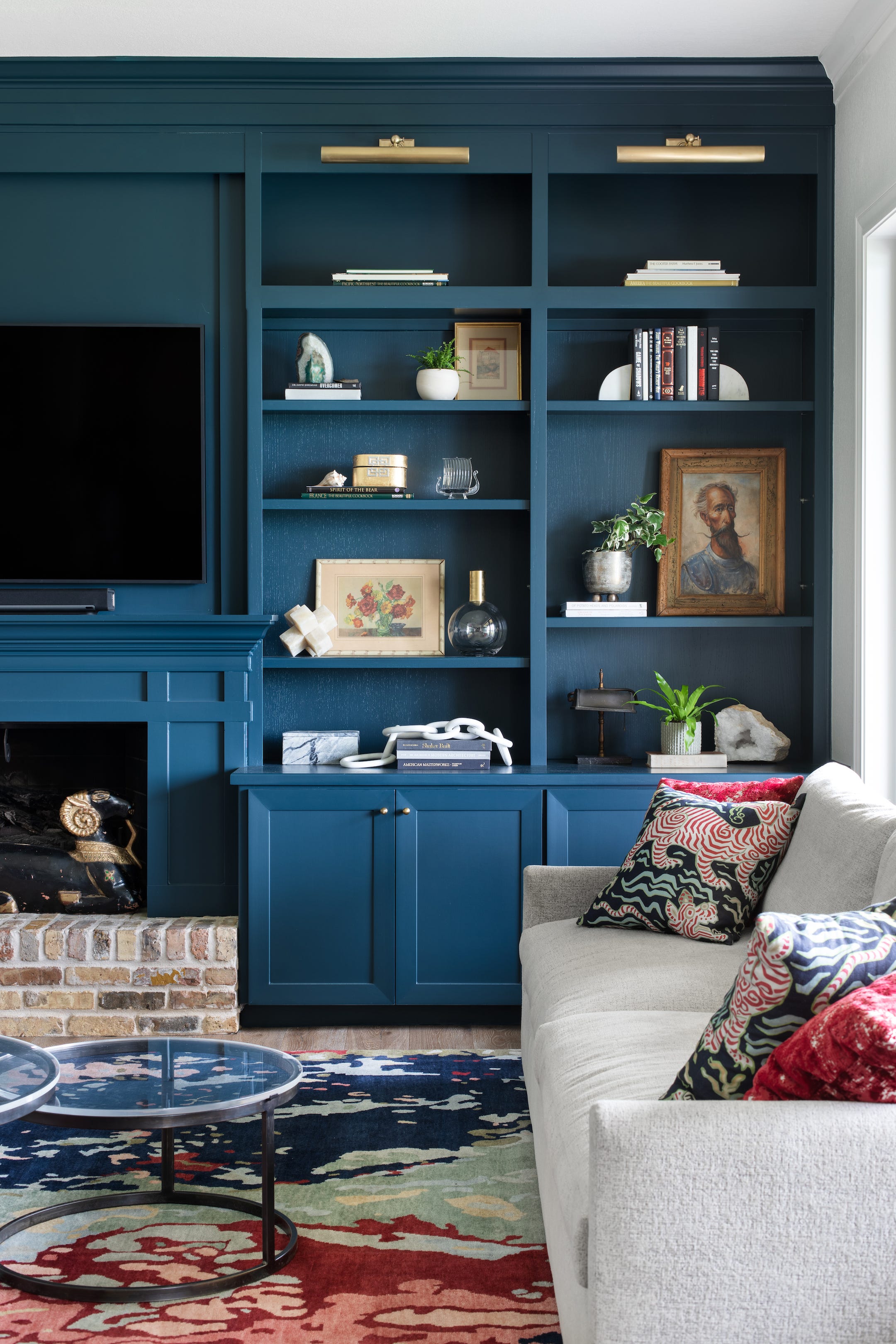
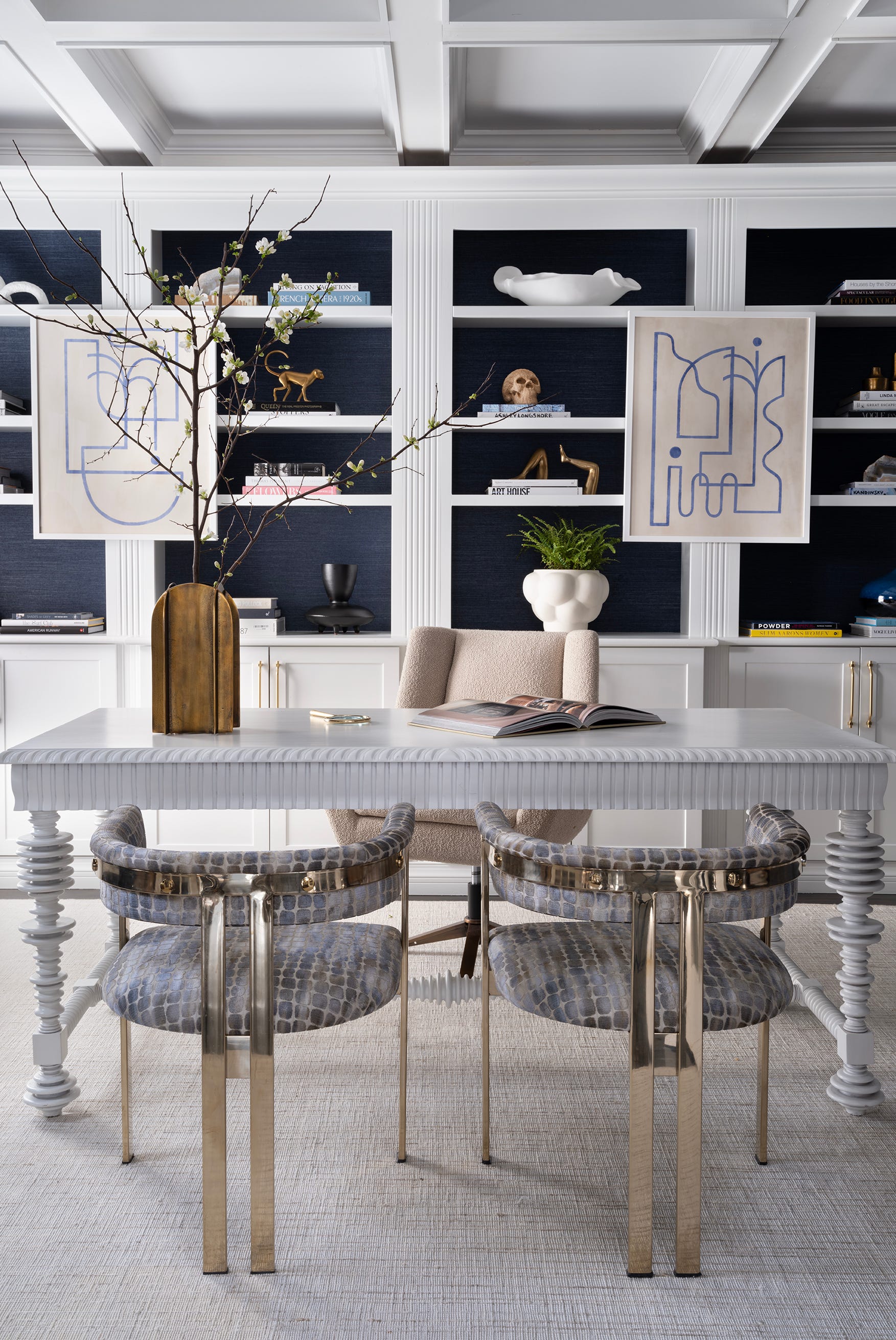
Curating a seasonal shift is presented as a way to keep shelves fresh and responsive to external changes, rotating items like candles or vases to reflect the mood of different seasons without needing new purchases. The eighth tip highlights the importance of a focal point to anchor the composition and prevent clutter. A sculptural object, framed art, or an oversized vessel can draw the eye and bring balance to the arrangement. The article also encourages playing with color and contrast, suggesting that organizing books by hue can create instant cohesion or bold statements, and even painting the shelves themselves can transform the entire wall.
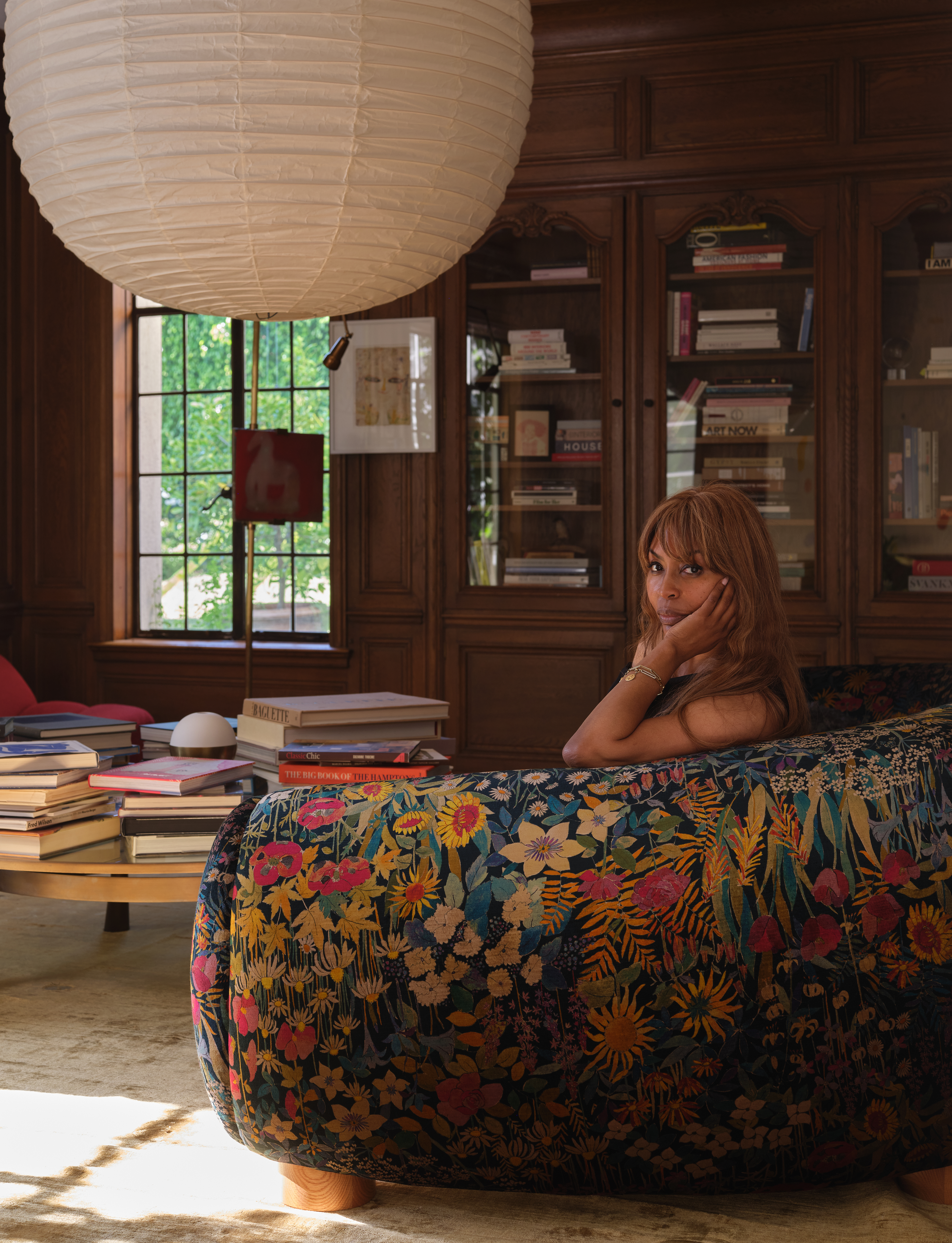
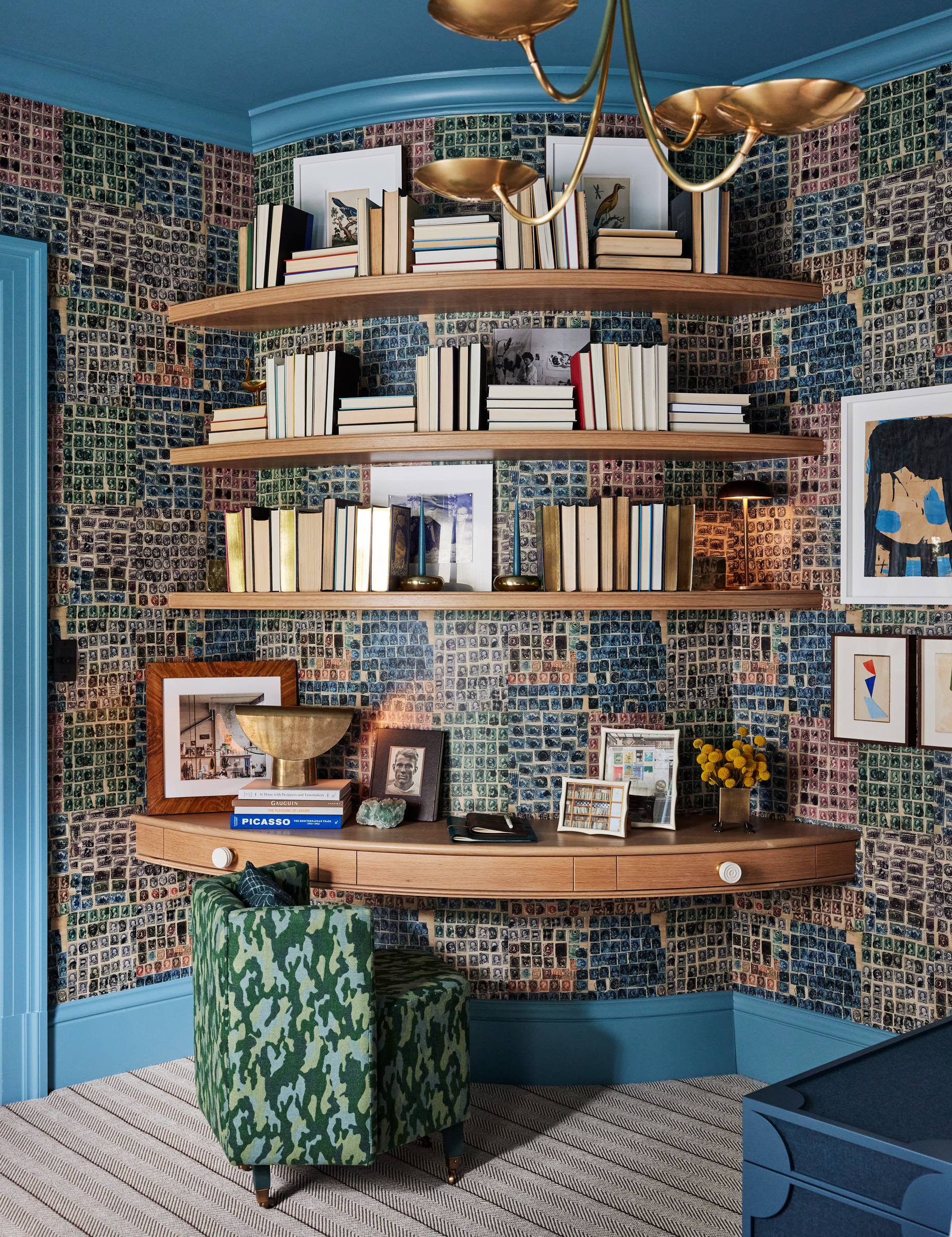
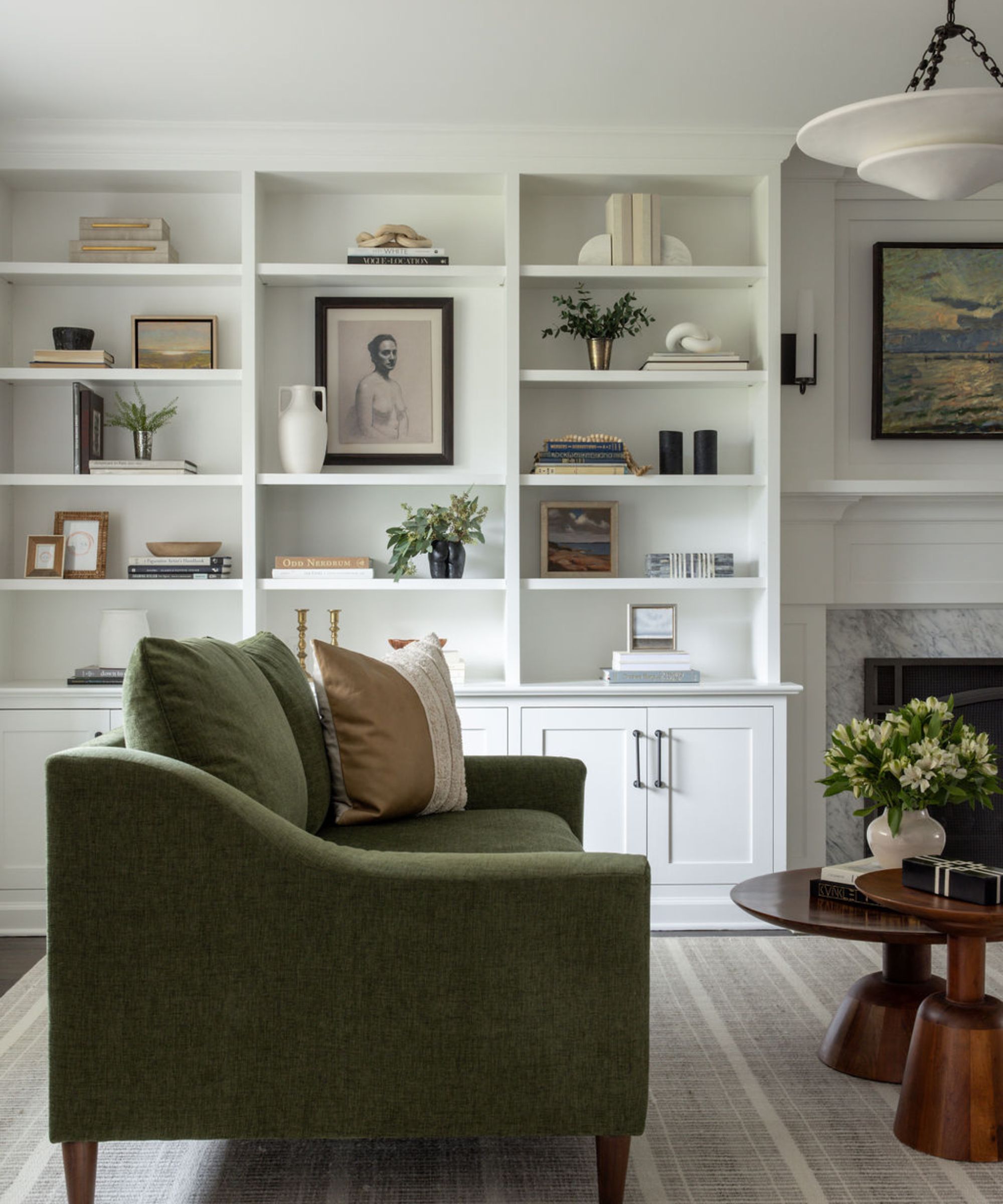
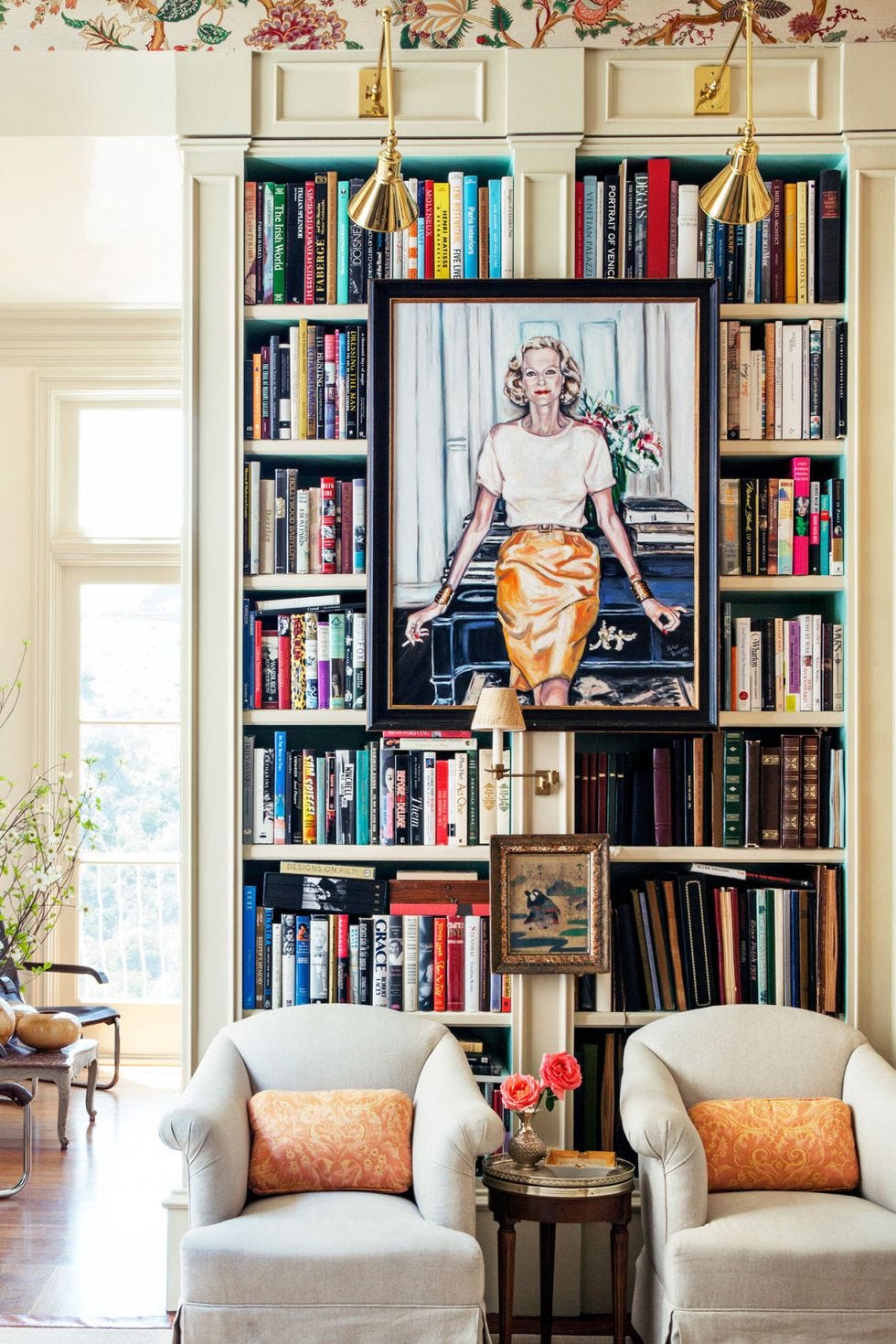
Finally, the article stresses the importance of leaving room to breathe, or negative space, which allows each object to have presence and prevents the shelves from looking crowded. It also advises letting art and books intermingle, using framed pieces to add depth and a gallery-like feel. The concluding tip emphasizes that shelves should evolve with the owner's life, reflecting new experiences and interests, ensuring they remain deeply personal, effortless, and inspiring.
#BookshelfDecor #HomeDesign #InteriorStyling #WarmMinimalism #ShelfStyling #NaturalMaterials #DesignTrends #HomeDecoration #InteriorDesign #BookshelfDecor #HomeDesign #InteriorStyling #WarmMinimalism #ShelfStyling #NaturalMaterials #DesignTrends #HomeDecoration #InteriorDesign
0개의 댓글이 총 표시됩니다.
 아직 댓글이 없습니다
추가로 마음에 드릴 만한 콘텐츠
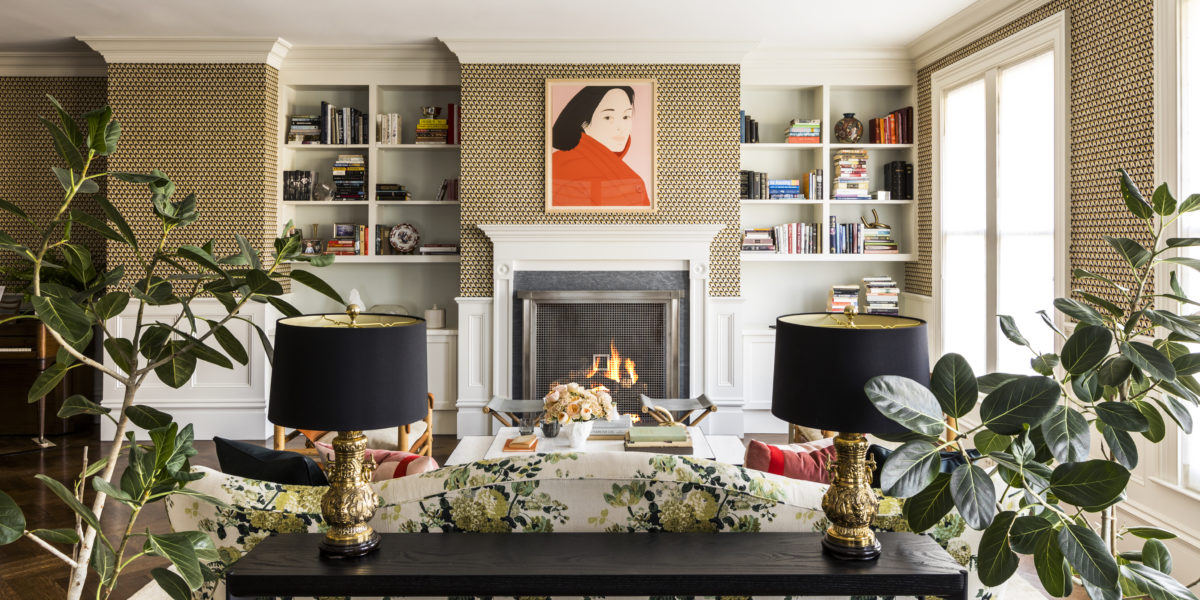
A Book Lover’s Guide to Styling Your Shelves
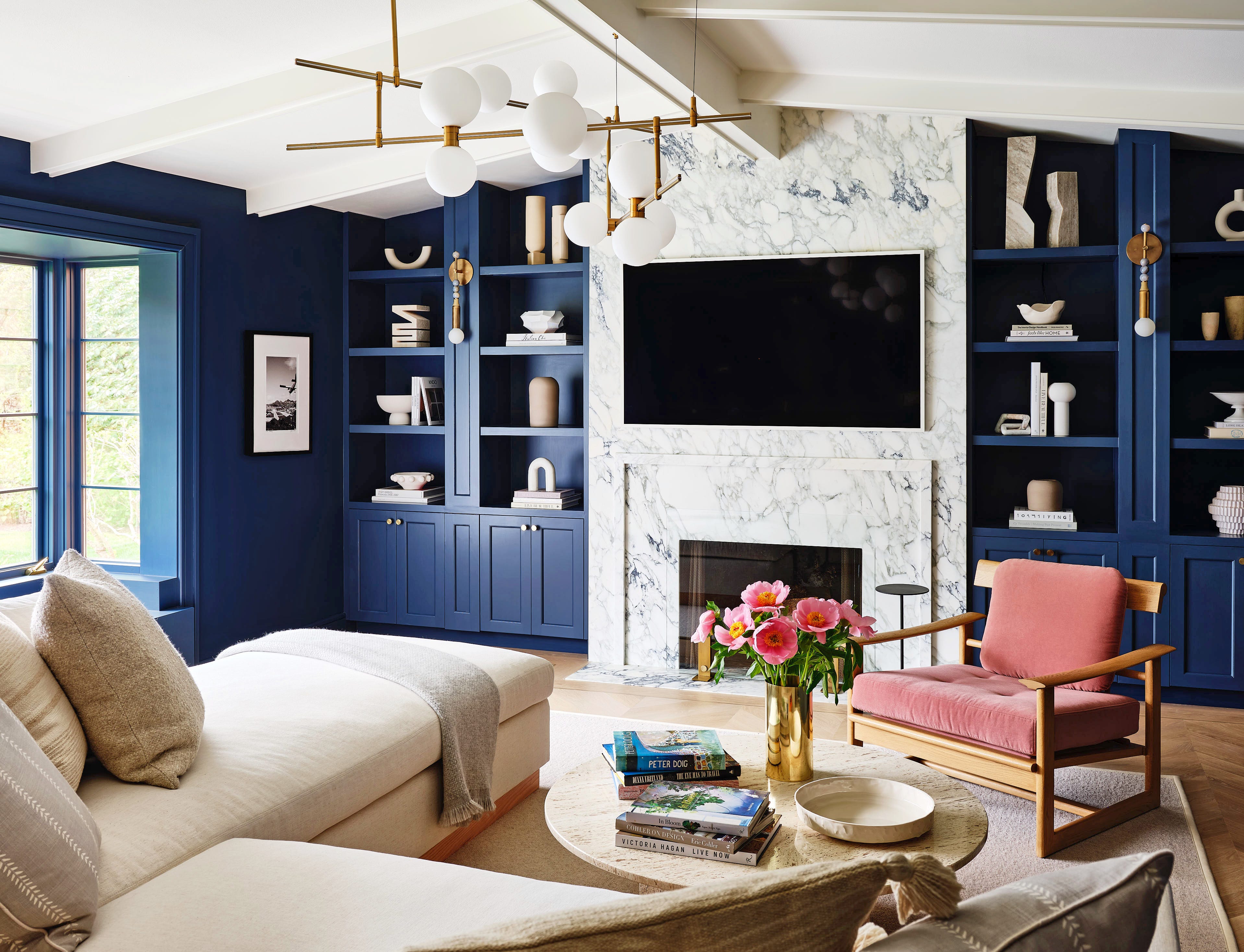
22 Ways to Style Your Bookshelf Like a Designer

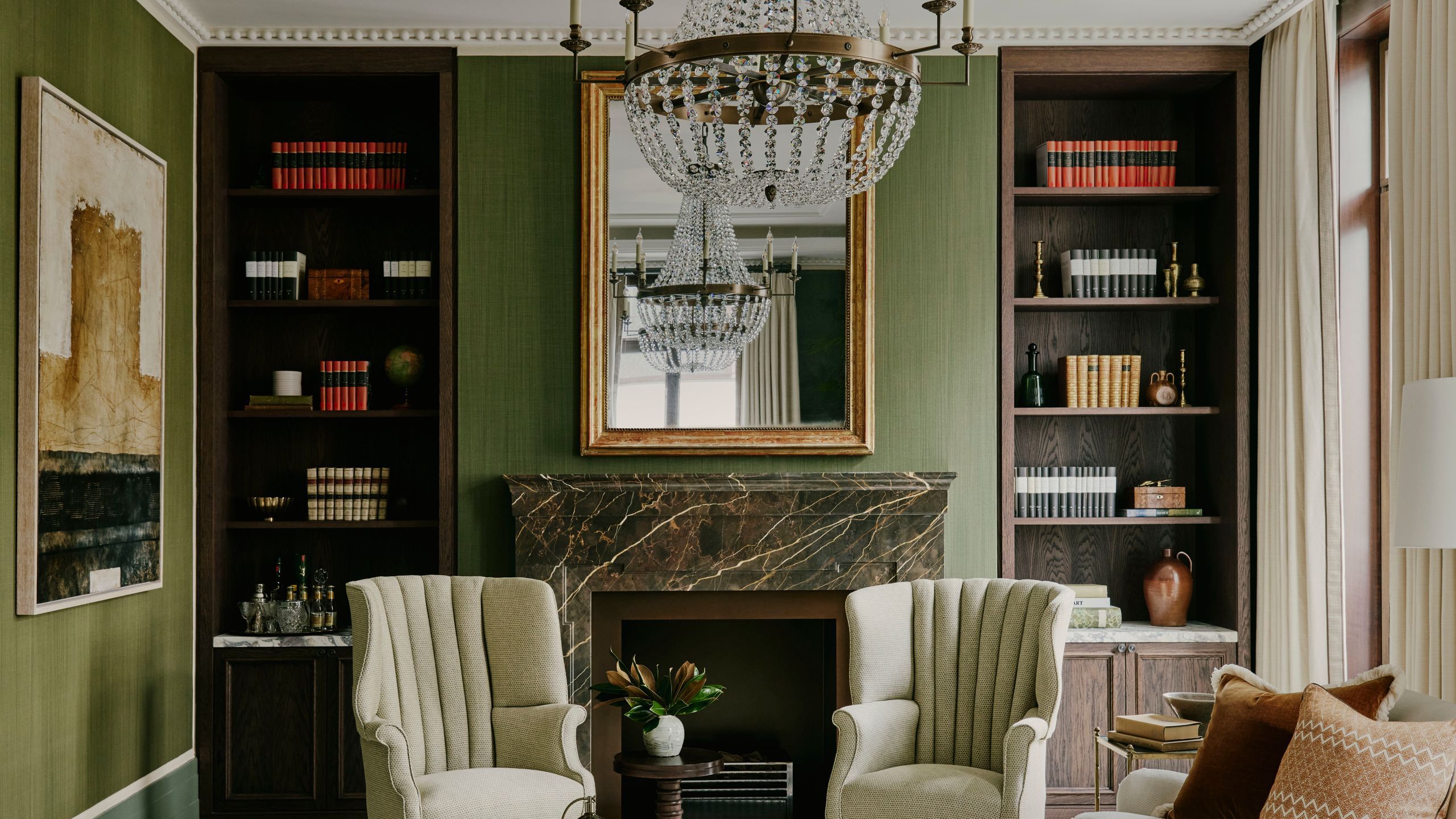
Styling Shelves: Your Expert (Five-Point) Guide
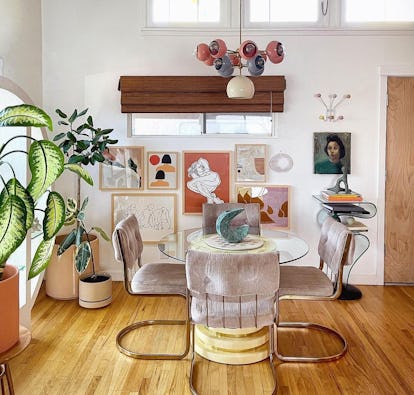
Here’s Where Gallery Wall Enthusiasts *Actually* Shop For Artwork
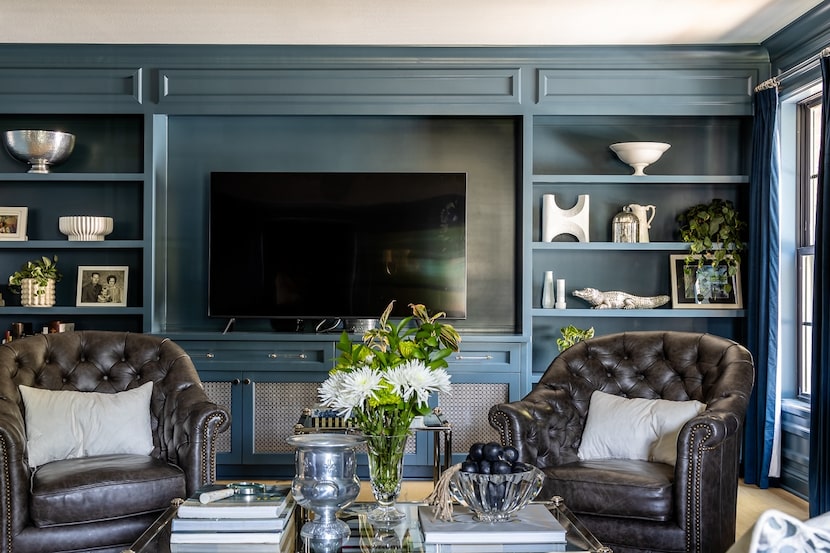
Master the art of styling bookshelves with these tips from design experts

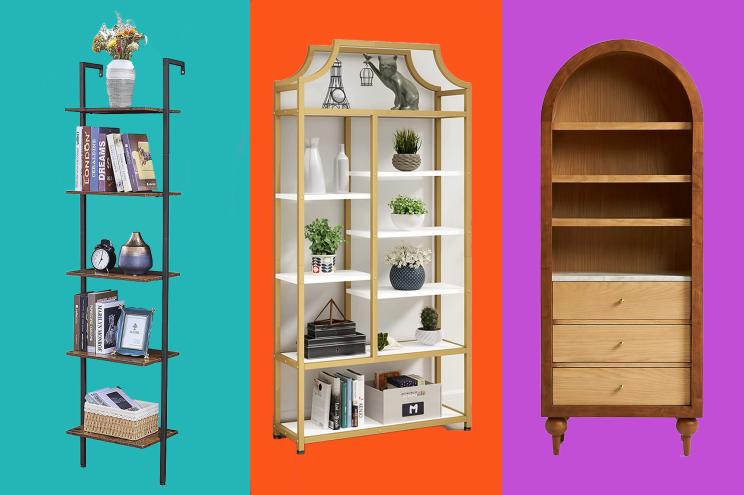
The 20 best bookshelves, plus tips from an interior designer
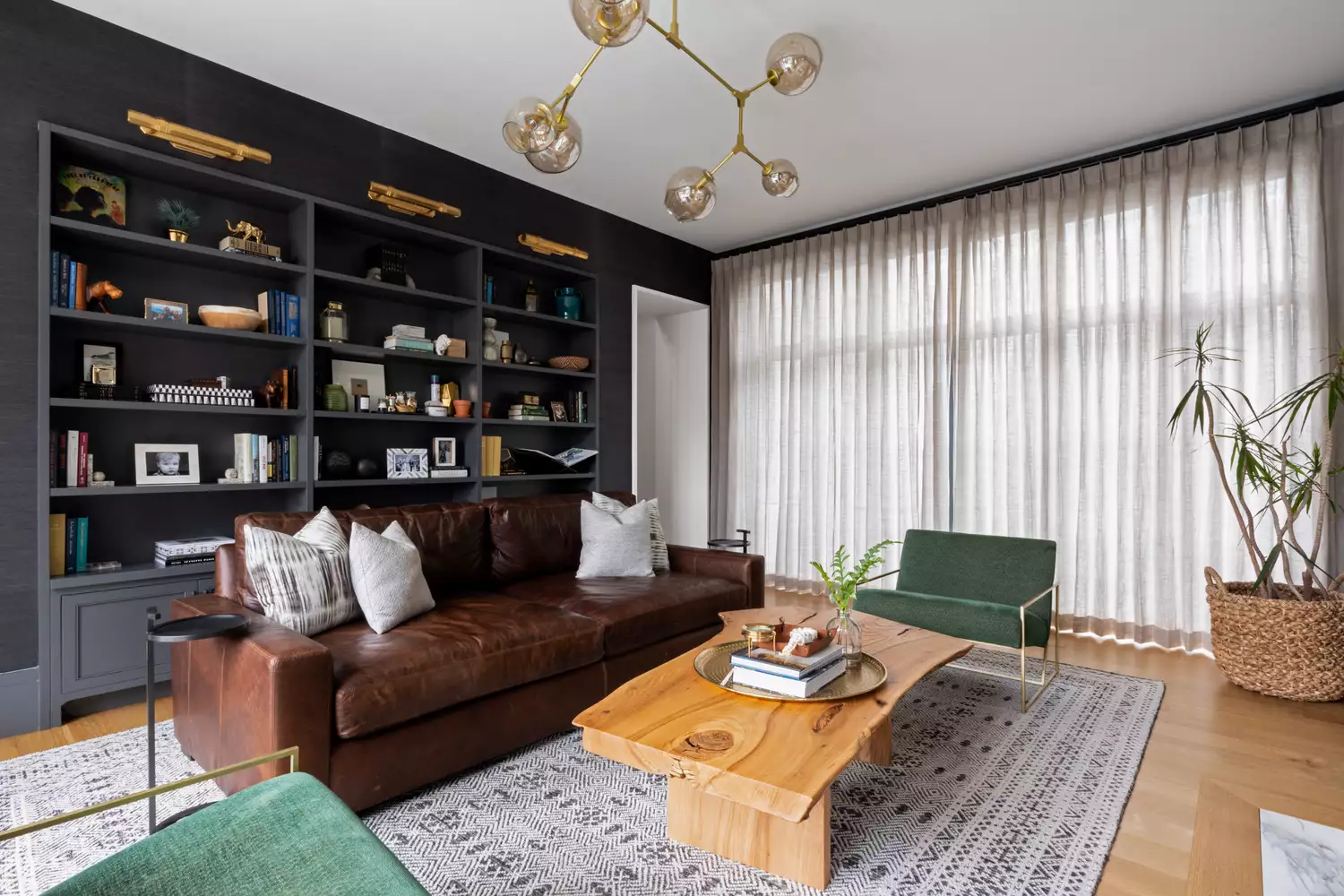
50 Bookshelf Decor Ideas to Keep Your Growing Collection Organized and Stylish
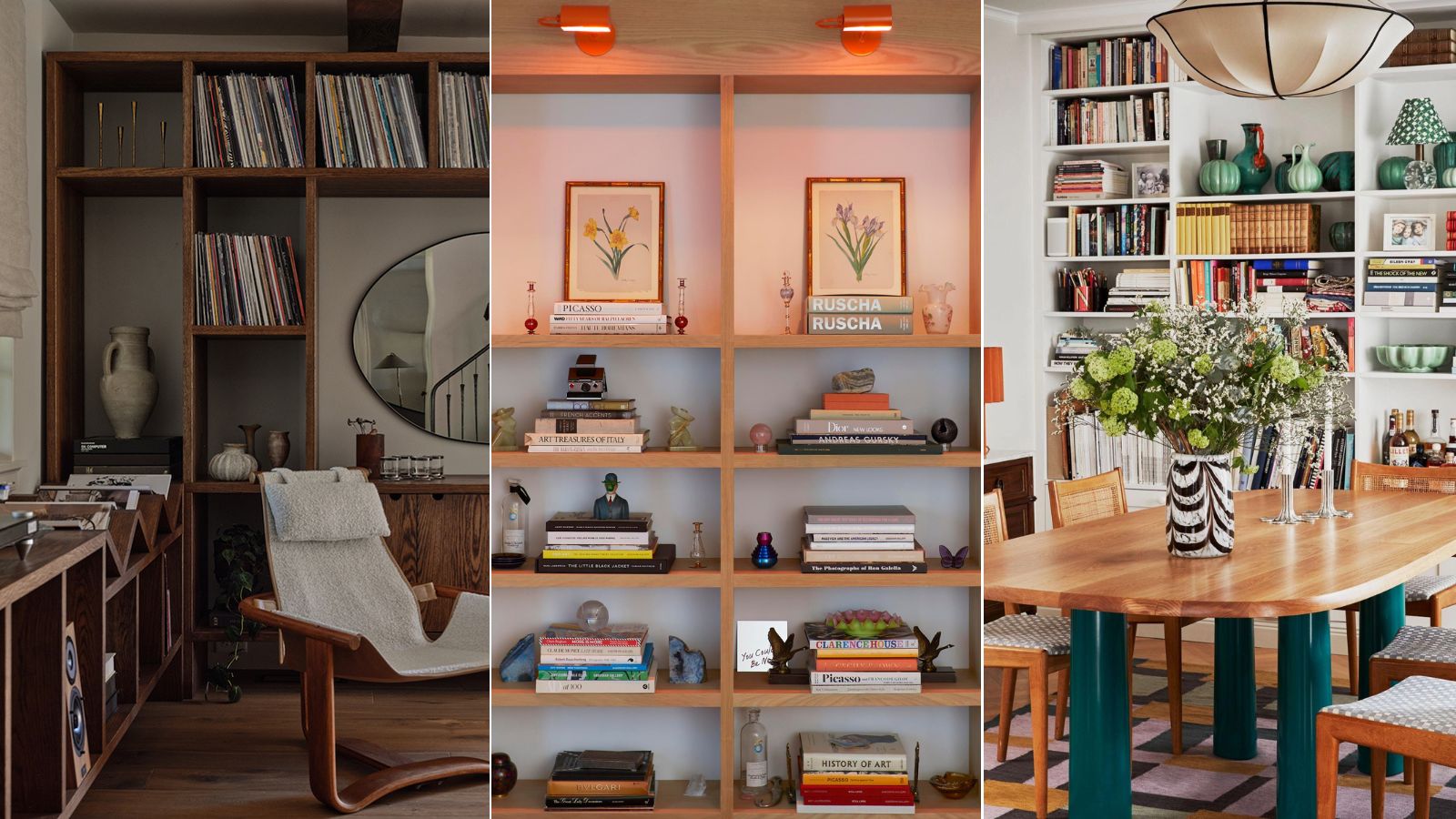
Interior designers warn against these 17 bookshelf styling mistakes – this is what you should avoid

7 Interior Designers Share Their Tips on Buying Art for Your Home

Jessica Simpson's bookshelves show us how styling is a fine art – but it's one we can master with these simple tips
How to style a bookcase – the 10 rules our decorating editors never break
13 Designer Styling Secrets to Elevate Your Bookcases

How to Style Your Bookshelves, According to Interior Designers and Stagers
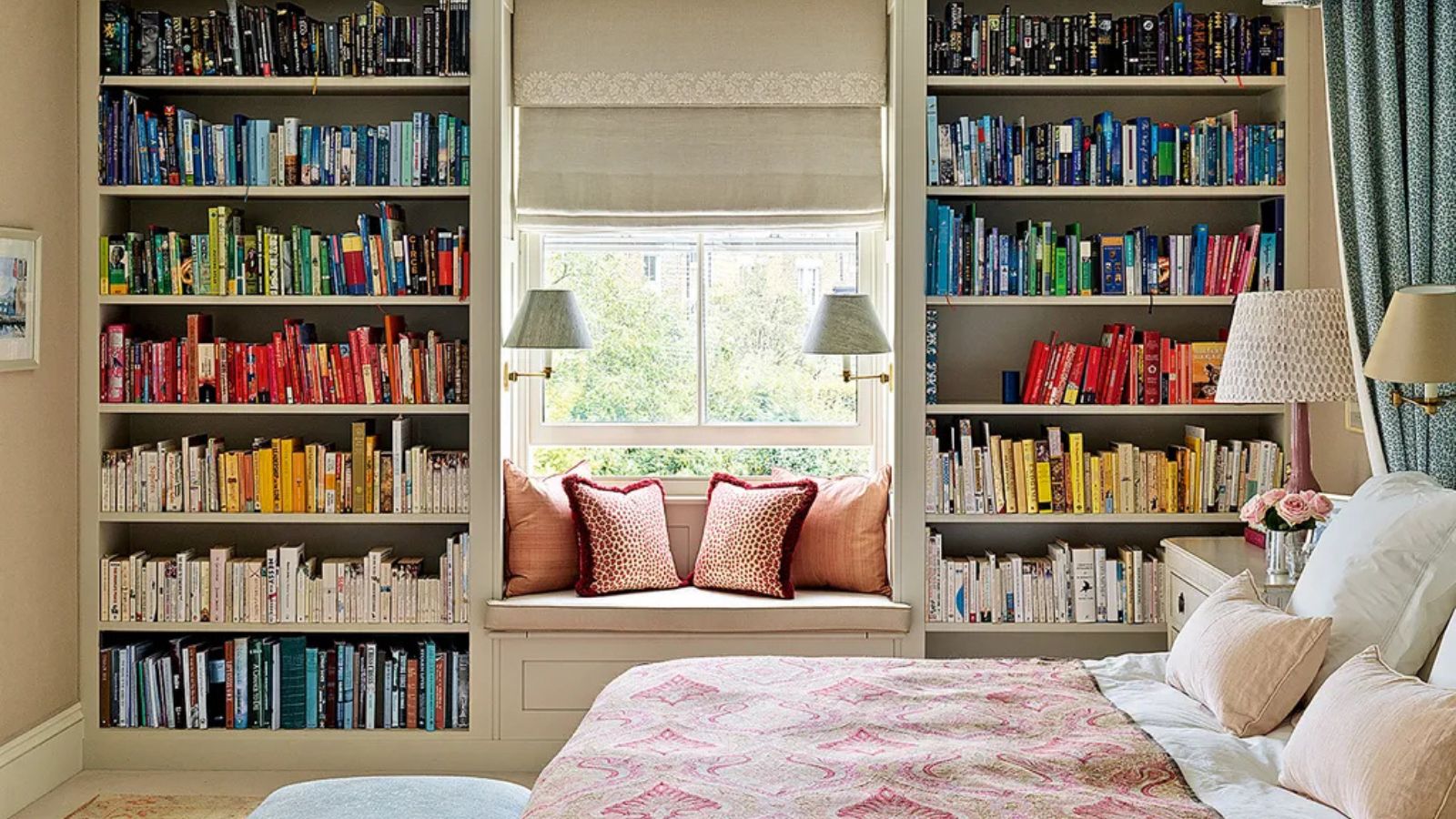
Bookshelf trends – 8 stylish ways designers are displaying their books in 2025
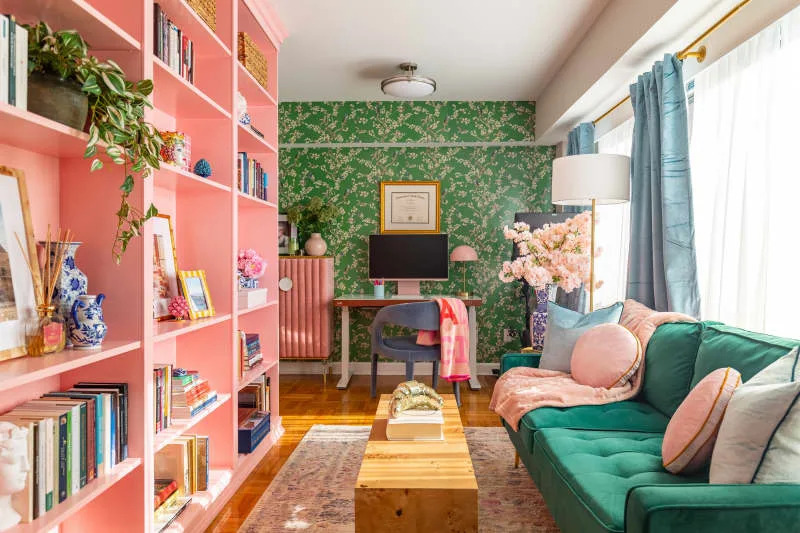
11 Clever Bookshelf Decor Ideas for Styling Your Space Like a Pro

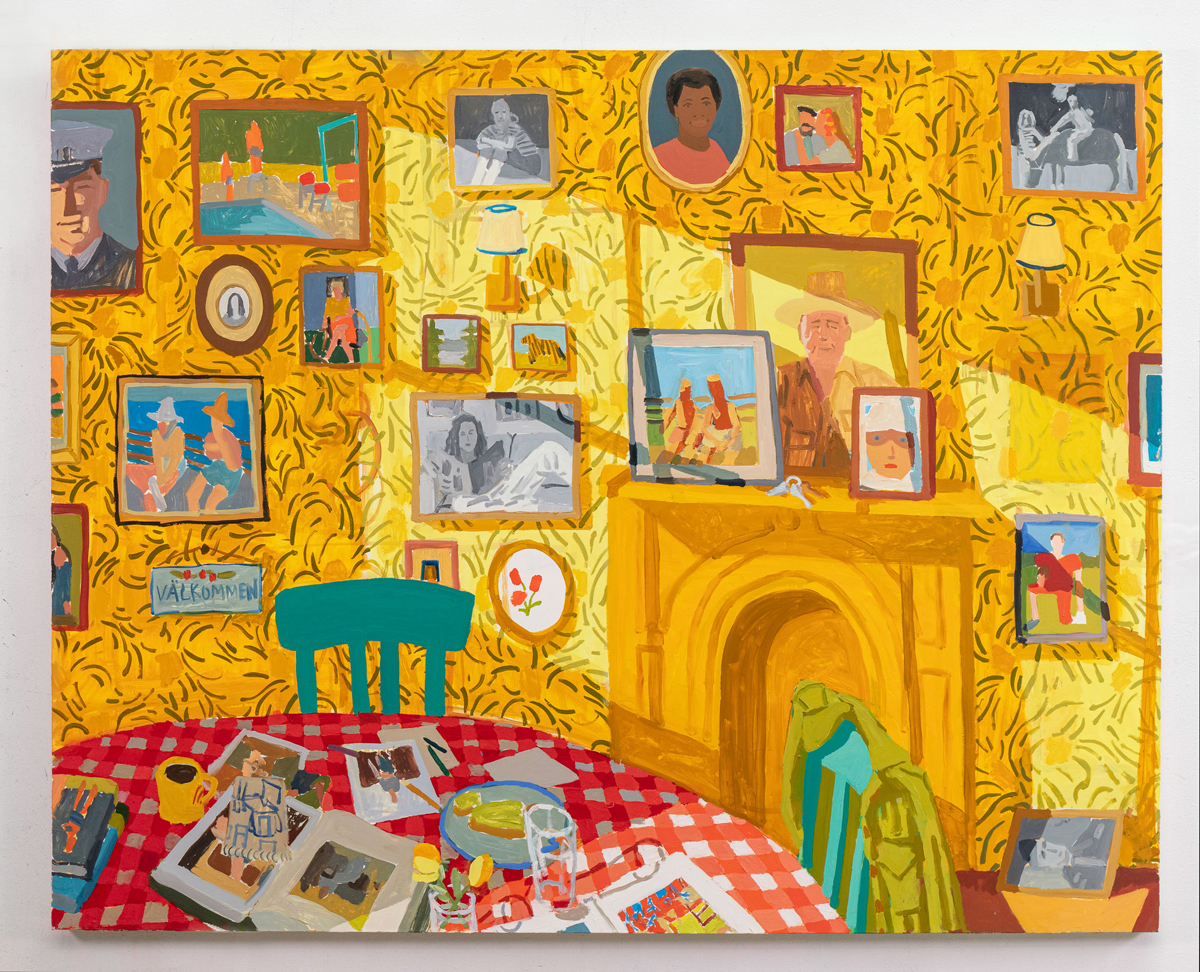
How to Hang an Art Collection Like an Expert
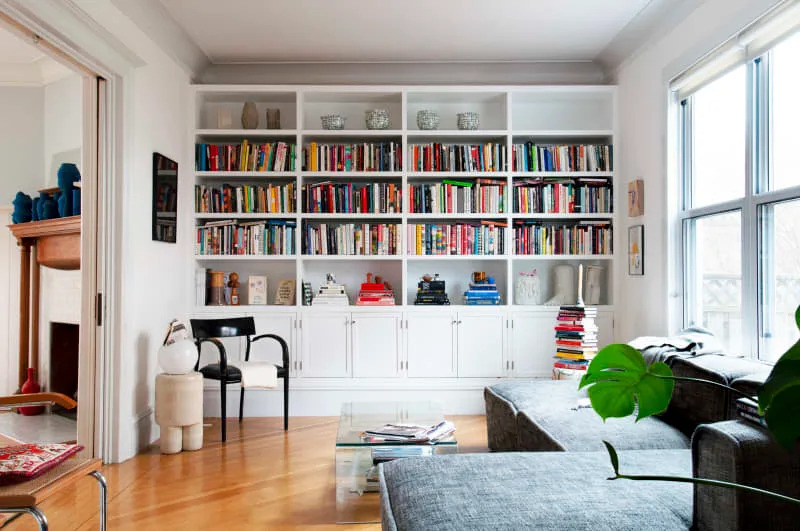
“Bookshelf Wealth” Is the New (Viral!) Way to Style Your Old Books & Trinkets
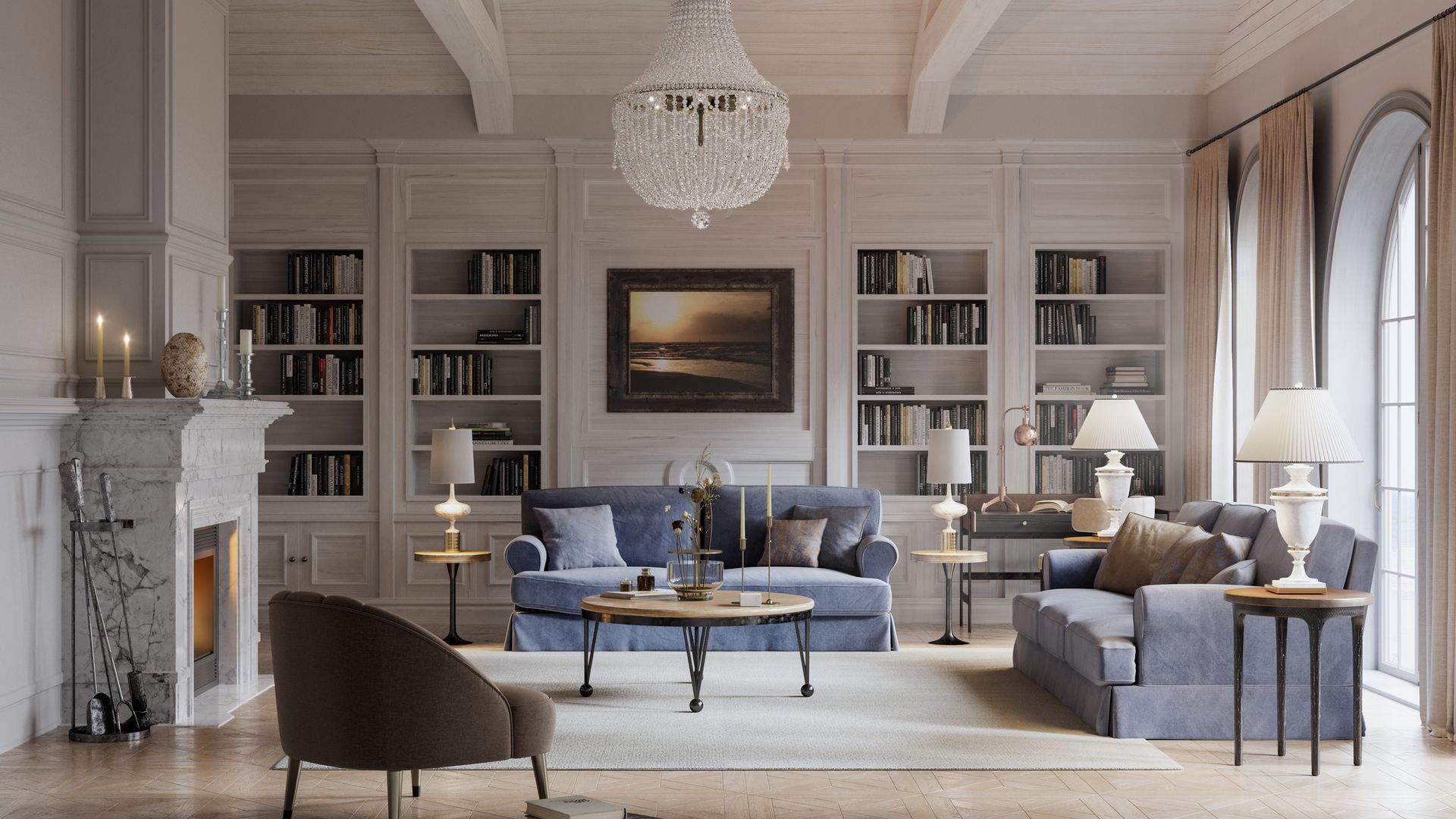
Bookshelf Wealth: The chic interior design trend everyone can try at home

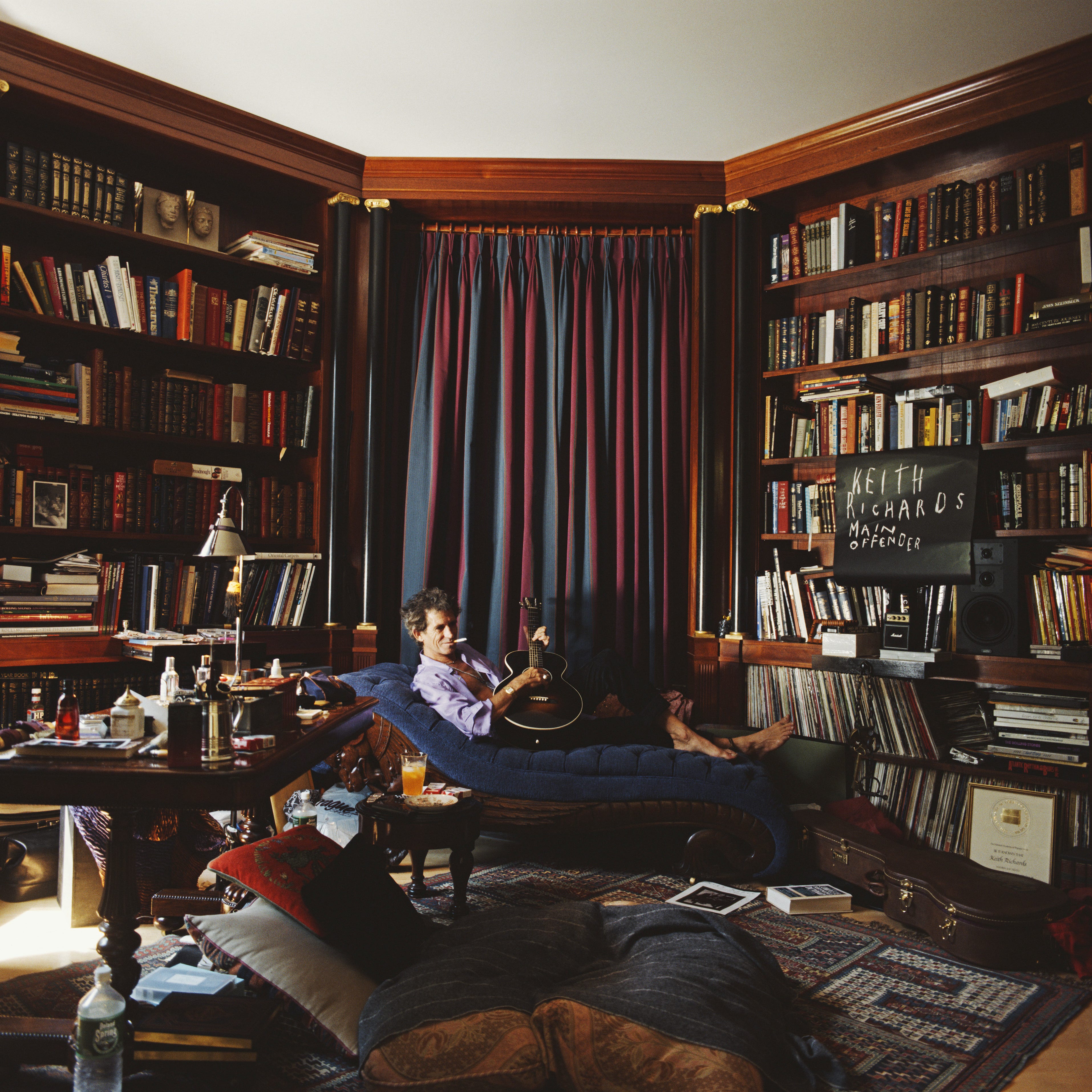
How Bookshelf Wealth Became the Ultimate Status Symbol
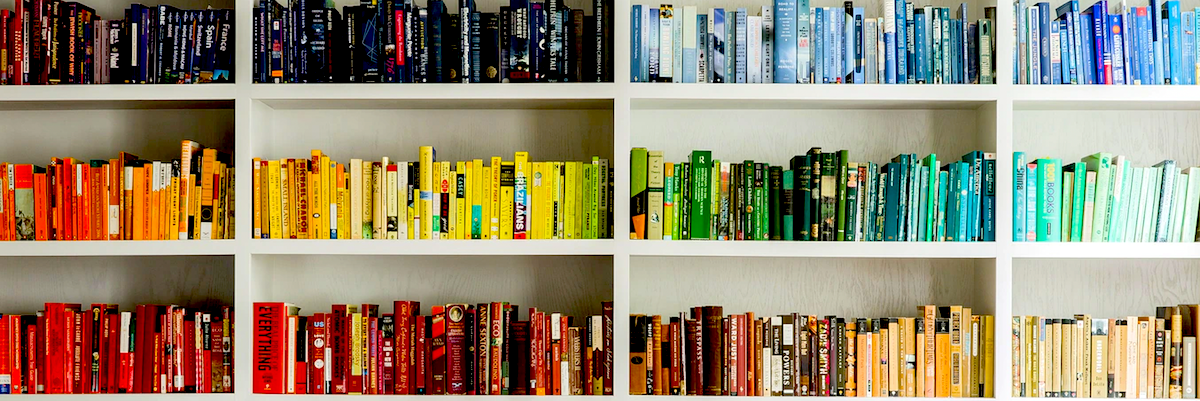
Inside the Picture Perfect—and Highly Lucrative—Business of Book Styling