1/8
Natural elements make authentic decorative statements
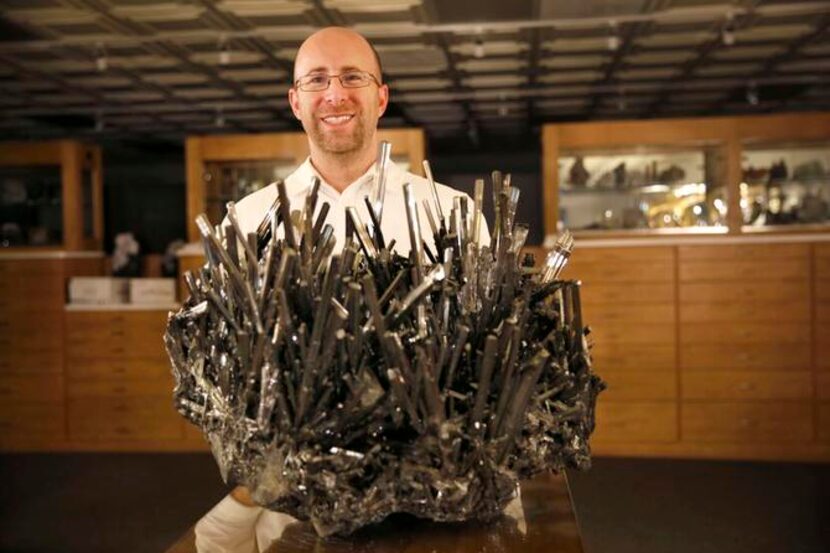
Natural elements, such as rocks, minerals, and fossils, are increasingly being used as distinctive decorative statements in home interiors, moving beyond their traditional roles as scientific specimens or casual curios. Mark Pospisil's Southlake home exemplifies this trend, showcasing a diverse collection of geological artifacts integrated into his living space. His collection includes a large calcite stalactite from Bisbee, Arizona, which once resided in New York's American Museum of Natural History, now prominently displayed on his living room hearth. This piece highlights how natural formations can function as unique, sculptural art.
Pospisil's home also features wall-mounted fossils of fish and palm flowers from Wyoming's Green River, as well as framed fossilized palm fronds that exhibit a spectrum of colors. A substantial coffee table, approximately seven feet long, is crafted from a slab of polished petrified wood mounted on an irregularly shaped cypress wood base, serving as a functional and artistic centerpiece. Throughout his living space, cherry wood display cases house smaller, meticulously arranged minerals and gems, demonstrating a passion that extends beyond mere hobbyist collecting. Pospisil, a retired senior vice president for geology from XTO Energy Inc., is the curator of the Lyda Hill Gems and Minerals Hall at the Perot Museum of Nature and Science, with 27 specimens from his personal collection on loan to the museum. He is also an active member of the Mineralogical Association of Dallas, indicating a vibrant community of collectors in the area, often stemming from the region's petroleum industry.
The market for these natural decorative items spans a wide price range. While museum-quality pieces, such as the 200-ounce crystallized gold or 51-pound gold nugget at the Perot Museum, can fetch millions, and rare crystal formations can reach six-figure sums, Pospisil notes that many attractive decorative rocks are available for under $500. Common examples include petrified wood bookends or geode cathedrals filled with amethyst crystals. For more exotic requirements, businesses like Mineral Hunters Gallery, run by Jim Penix and D Oswalt in the Dallas Design District, cater to designers seeking unique pieces. Penix, with a background in geology, started the gallery over two decades ago and now supplies custom orders, such as 20 selenite crystal lamps mounted on acrylic bases, known for their elegant, shimmering effect.
Designers at Mineral Hunters Gallery often cut, polish, and even alter the color of stones to meet specific aesthetic demands; for instance, purple quartz (amethyst) can be heated to transform into golden yellow citrine. Oswalt points out that the stark, hard-edged silhouettes of rocks and minerals make them particularly suitable for modern decor, though they can complement traditional styles as well. The gallery's inventory includes diverse specimens like fossilized sea urchins, pink zeolite, sea-green apophyllite, and blackish-purple stalactites, with a restroom even featuring a sink made from amethyst crystals, emphasizing the uniqueness of each natural piece.
Another significant player in this field is The Arkenstone Mineral Gallery in Richardson, owned by Rob Lavinsky. Named after a magical heirloom from J.R.R. Tolkien's *The Hobbit*, the gallery focuses on museum-quality specimens for serious collectors, operating by appointment. It boasts a 3,000-square-foot gallery, a plastics lab for custom display bases, and a dedicated designer room where specific requests for color, size, and material are met without requiring clients to know the exact mineral. Lavinsky, who began collecting at age 14, emphasizes the intellectual appreciation for intermediate-priced rocks (ranging from $500 to over $5,000). He has expanded his business internationally, opening a gallery in Shanghai to tap into the burgeoning Chinese collector market and participating in major international shows. High-end pieces, such as an 18-inch-tall clear quartz crystal tower resembling a skyscraper, can be acquired for approximately $20,000, offering a singular accent for a home.
#HomeDecor #NaturalElements #GeologicalSpecimens #MineralCollecting #FossilDecor #InteriorDesign #DecorativeStones #LuxuryDecor #DallasDesignDistrict #HomeDecor #NaturalElements #GeologicalSpecimens #MineralCollecting #FossilDecor #InteriorDesign #DecorativeStones #LuxuryDecor #DallasDesignDistrict
0개의 댓글이 총 표시됩니다.
 아직 댓글이 없습니다
추가로 마음에 드릴 만한 콘텐츠
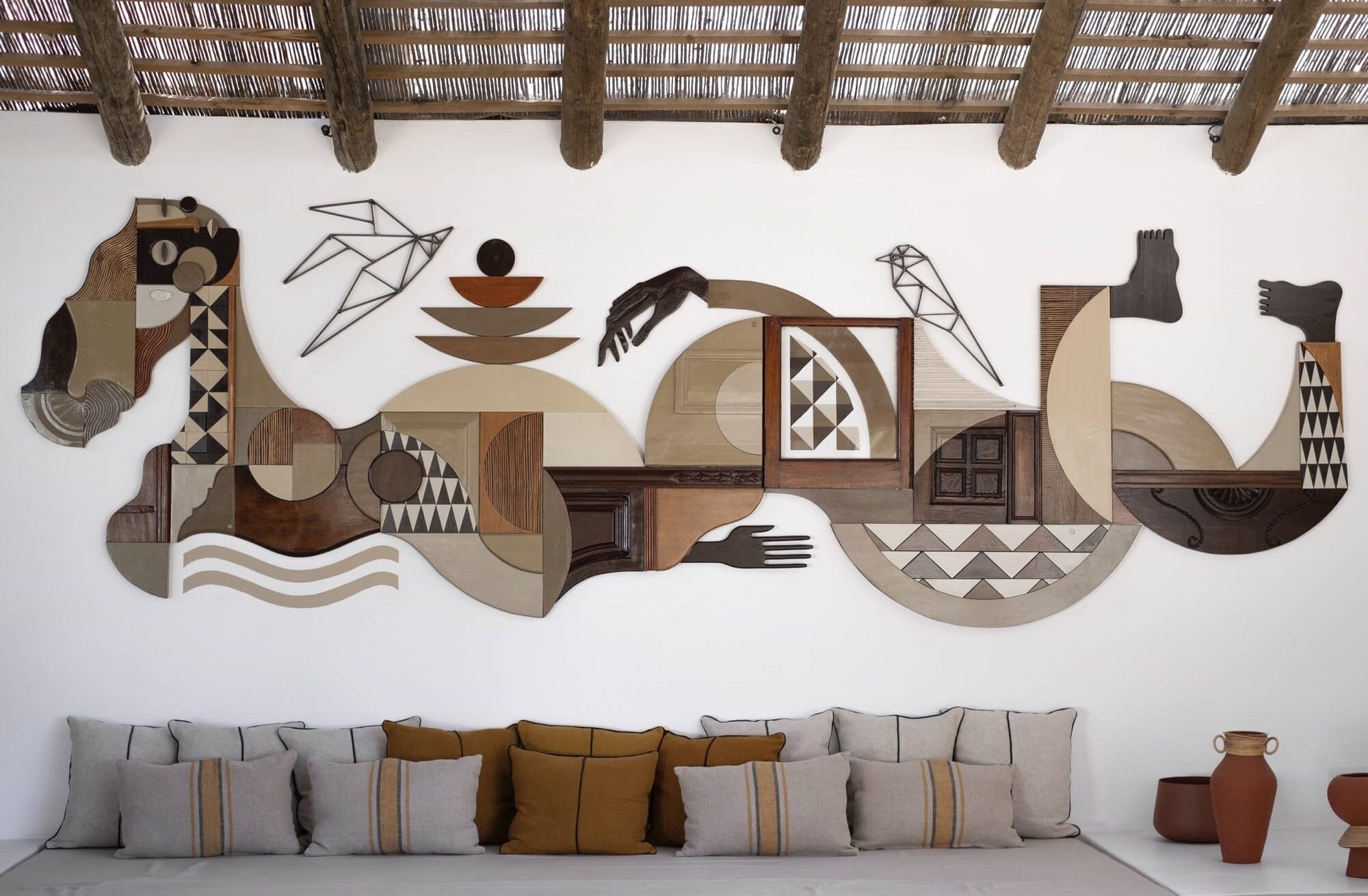
Wood and Ceramic ‘Guardian’ Assemblages by Expanded Eye Emphasize Earthy Materials

Why every room needs a statement piece — and how to choose yours

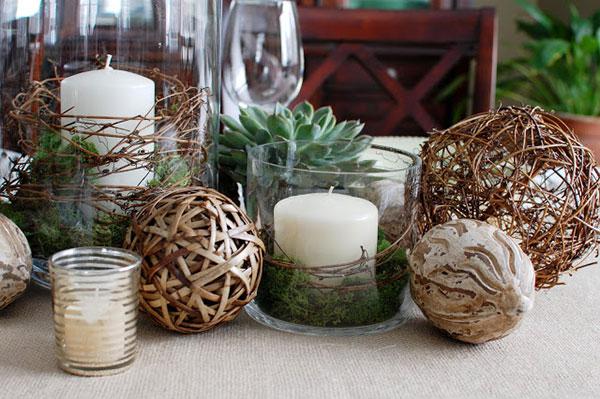
15 Centerpieces inspired by nature

Luxe meets nature: Decor ideas for refined interior | Hindustan Times


Decorative Stones & Gravel

30 Best Luxury Home Decor Items That Are as Unique as You Are
Florists Take to the Floor (Published 2023)

The 10 decoration trends to watch out for in 2025
Embrace the Natural Look With Raffia, Rattan, and Cane Design Pieces
The Secret to More Stylish Home Decor This Summer? It’s Already in Your Yard


Home Accessories - Accent Pieces for Home
6 coastal bathroom ideas – for a serene, clean, and calming scheme that doesn't look kitsch
The Home Trend Interior Designers Hope Never Comes Back—and What to Do Instead
Bring in the outdoors with these nature-inspired home decor finds
How To Keep It Cozy? It’s All About the Brick!

What’s the most underused design element?

Arts and Crafts decor is making a comeback for 2025 – here's how designers are reimagining this iconic vintage style

Is coastal decor still on trend? Interior designers decide whether this style is a classic or cliché

Rustic Charm

Folklore Decorative Hardware