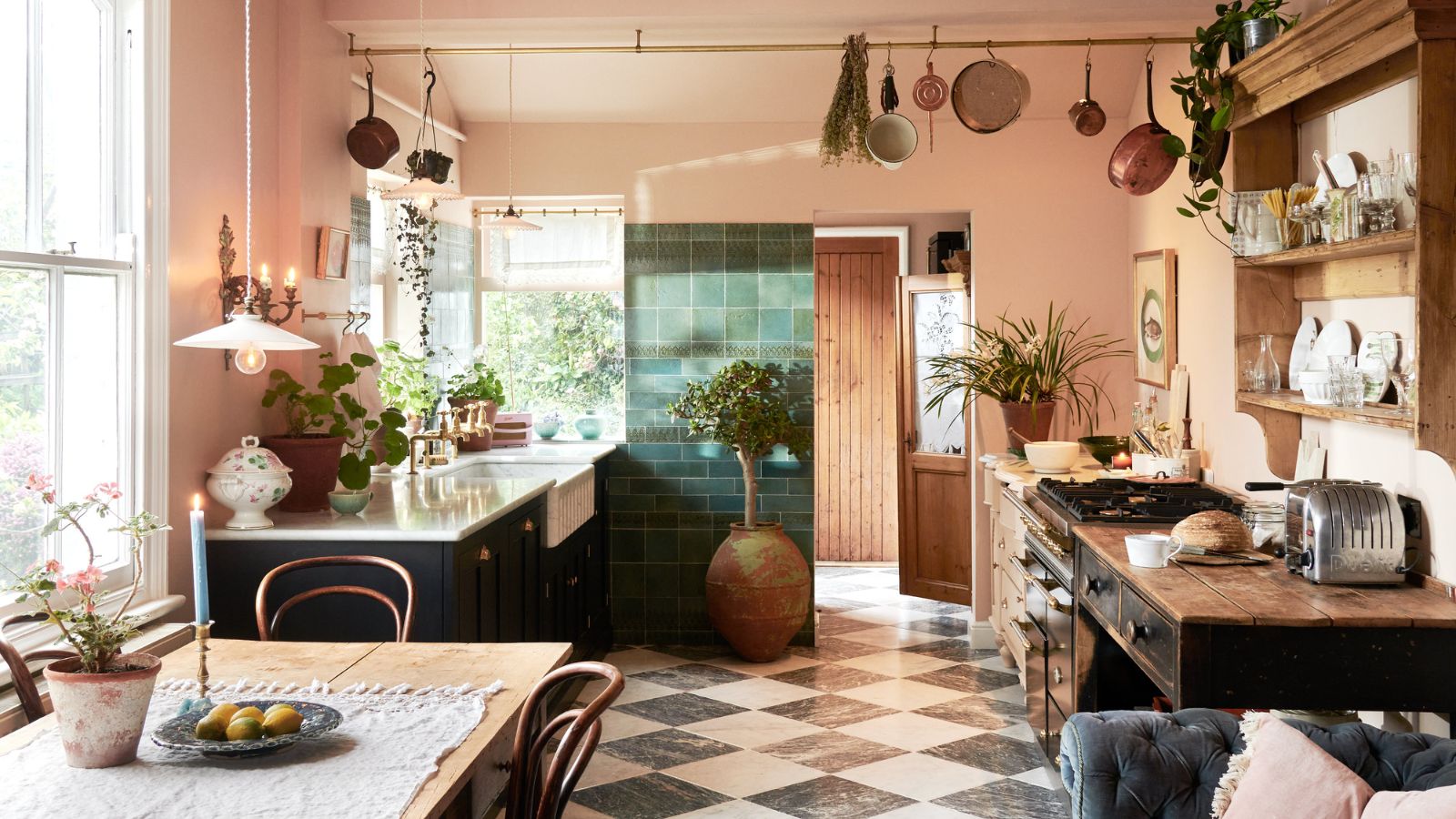
1/5
I tried the 50% decluttering rule, and it gave me the ruthless push to clear the clutter in my cramped kitchen cabinets
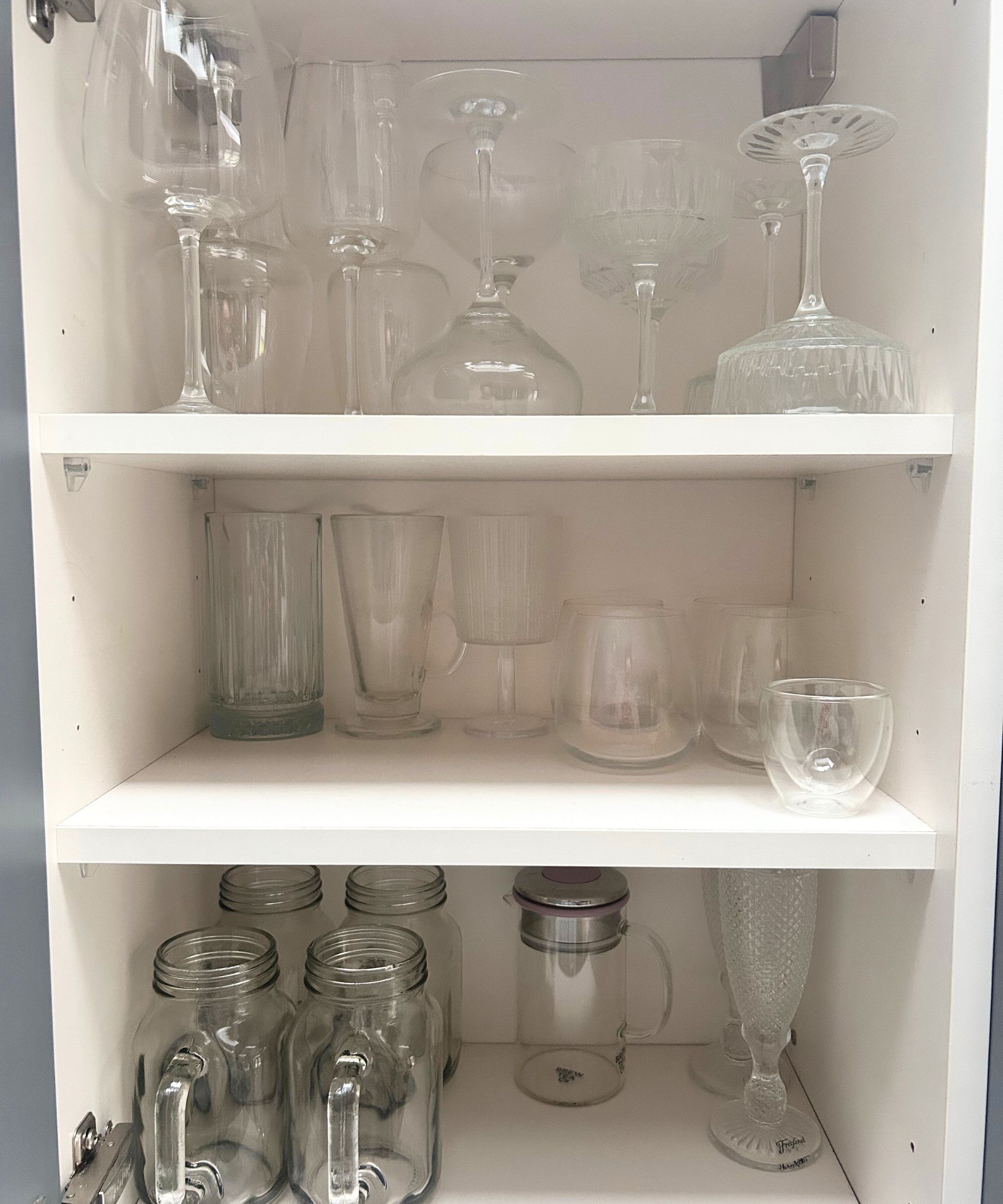
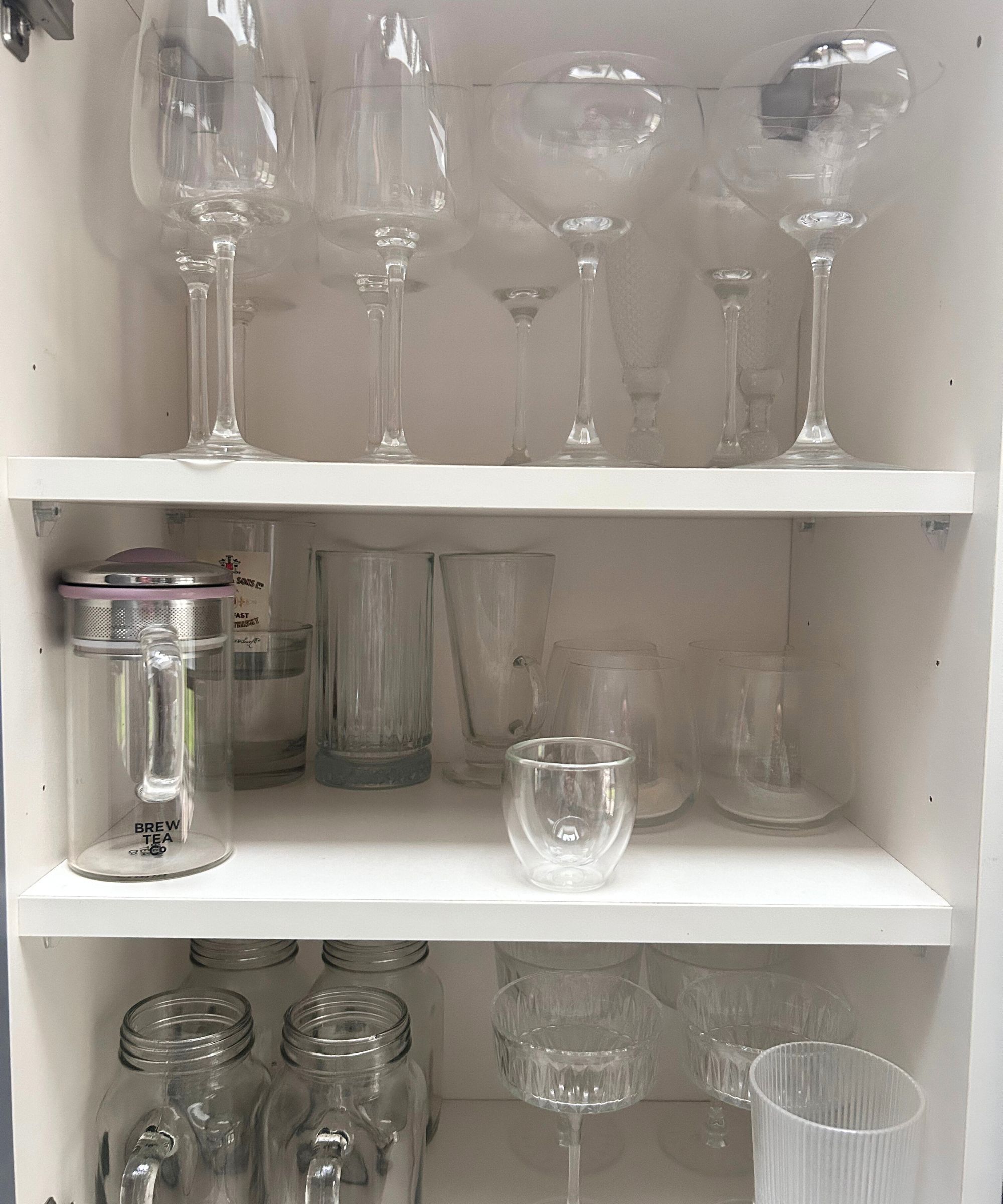
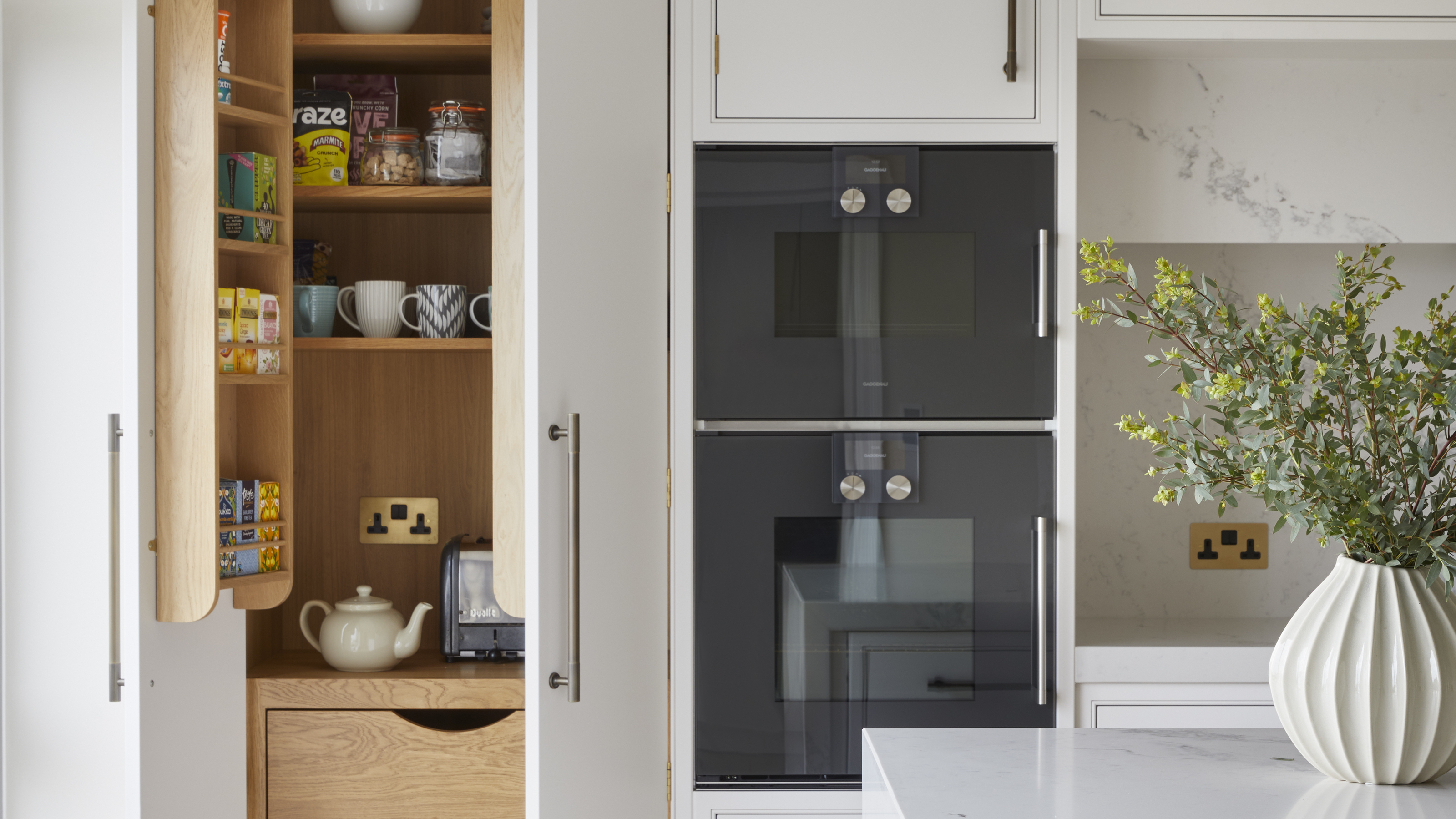
The article details a personal experience with the "50% decluttering rule" to organize a cluttered kitchen cabinet, emphasizing the method's simplicity and effectiveness. The author, Rebecca Shepherd, outlines how this rule helped her manage an overflowing crockery cabinet in her small, open-plan kitchen, which often becomes chaotic due to limited storage and a constant influx of items. She notes that the clutter significantly impaired the cabinet's functionality, making it difficult to access specific items.
The 50% rule involves reducing the items in a designated space by half. Sofia Martinez, CEO of Sparkly Maid Austin, explains that this method provides a quick way to reduce clutter, offering immediate visible results while retaining necessary items. This approach is presented as an ultimate decluttering method suitable for integration into a regular routine. The author applied this rule to her crockery cabinet, a frequently used and messy area, and found it to be highly effective in preventing it from becoming disorganized.
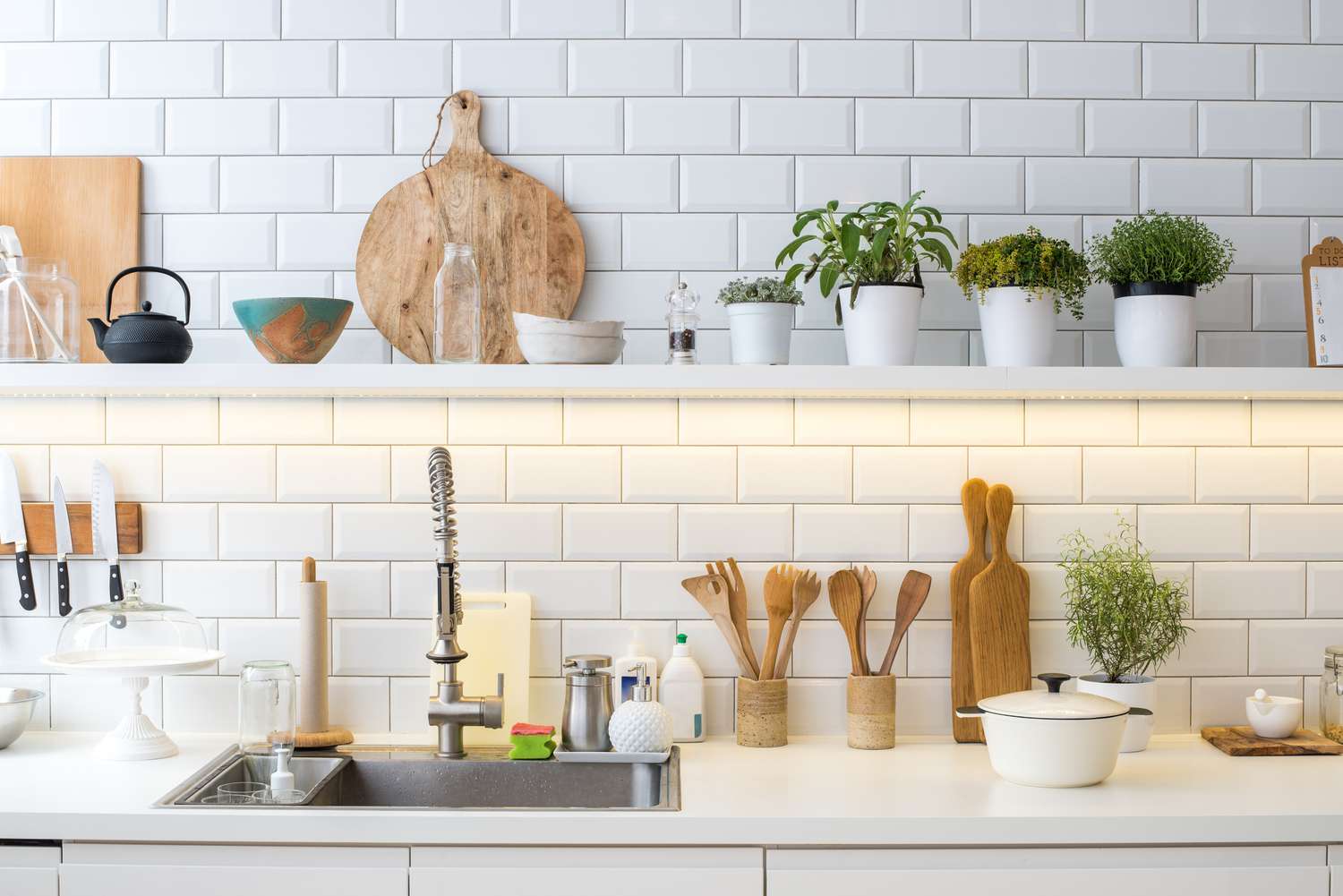
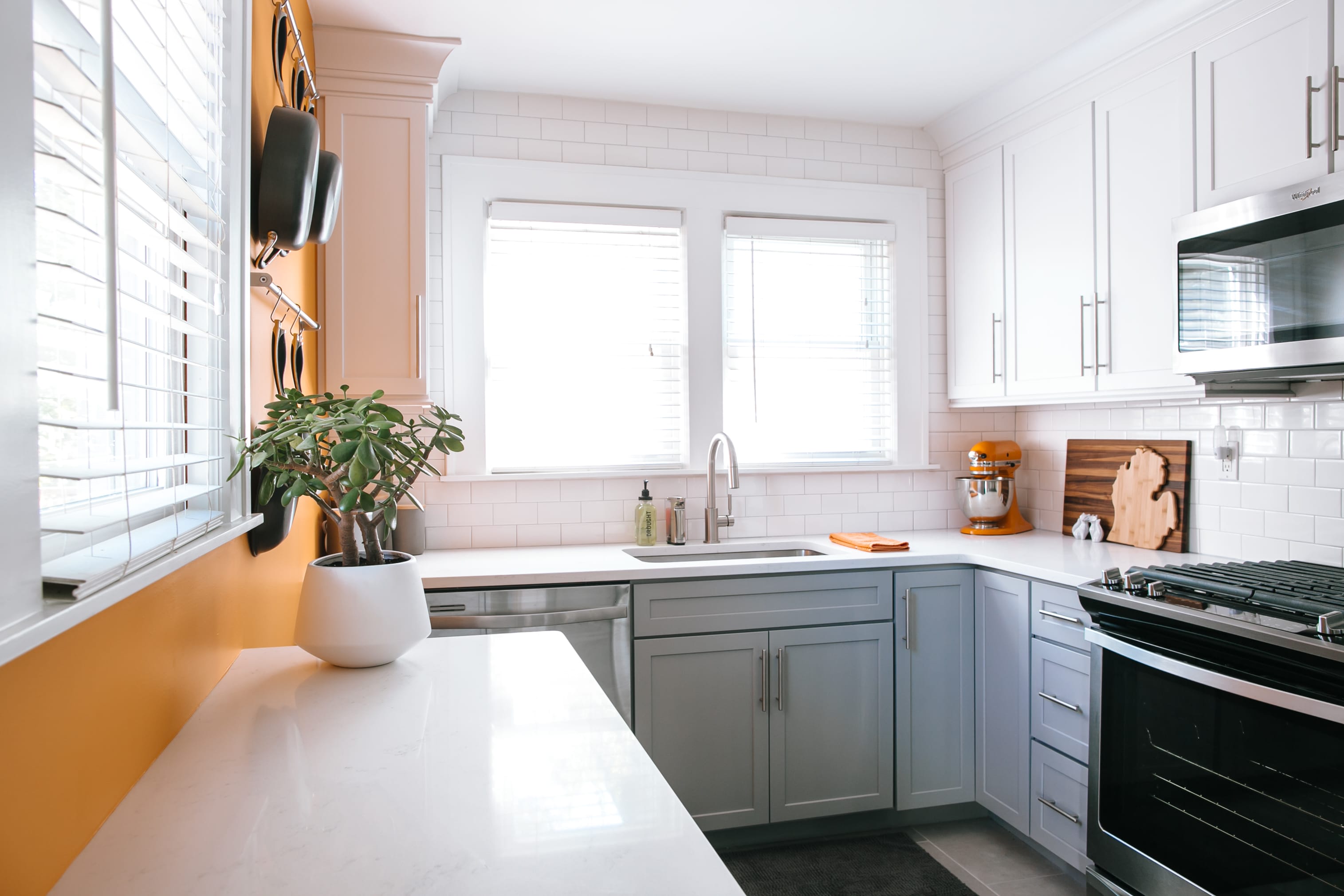
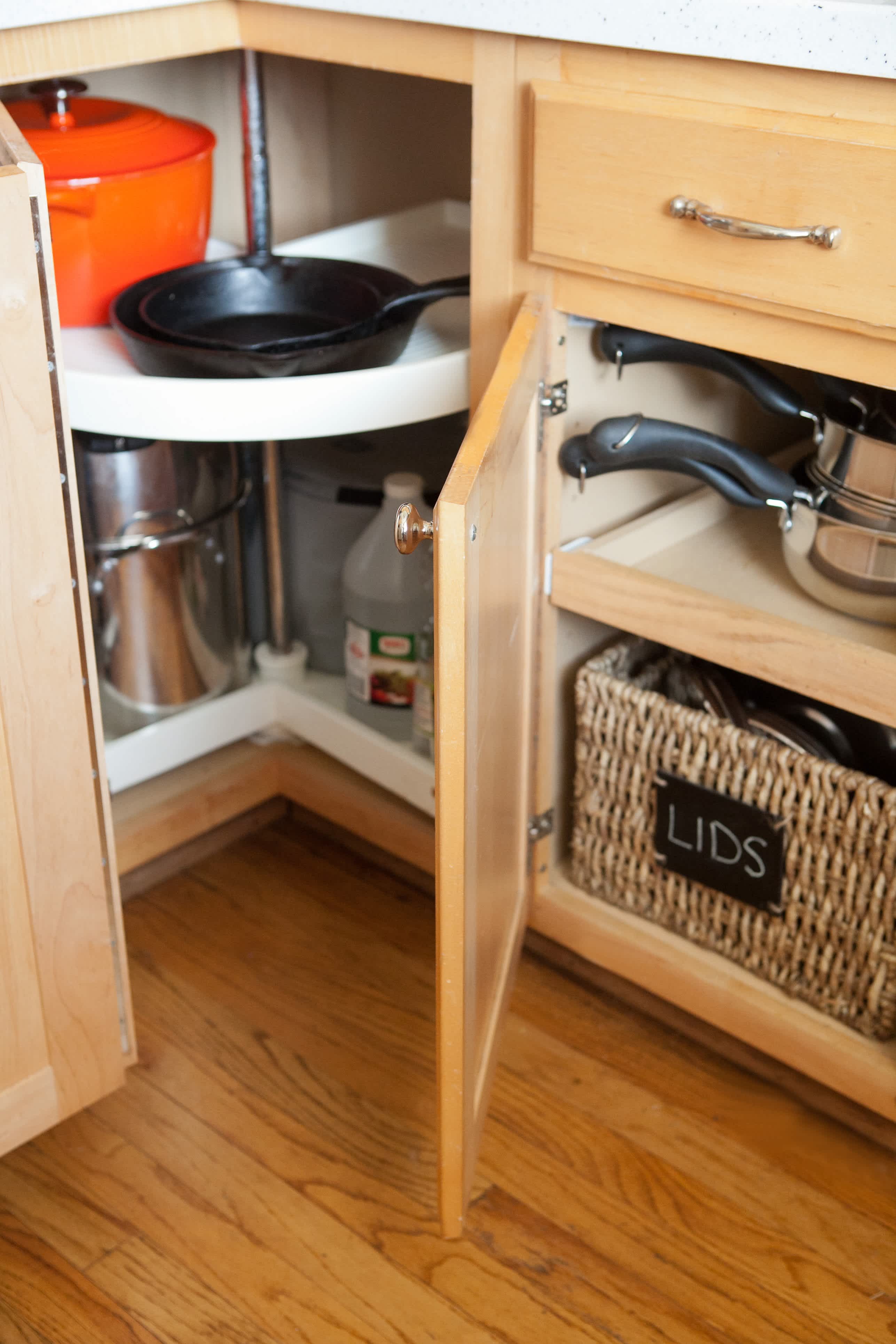
Clutter in kitchens, particularly in small open-plan spaces, is a common issue, often exacerbated by visible appliances and mismatched items on open shelves. The author's struggle with her kitchen cabinets, filled with haphazardly stacked plates, bowls, and other items, highlights a prevalent challenge in home organization. The article points out that disorganization can hinder practical use of space, making it challenging to retrieve items when needed.
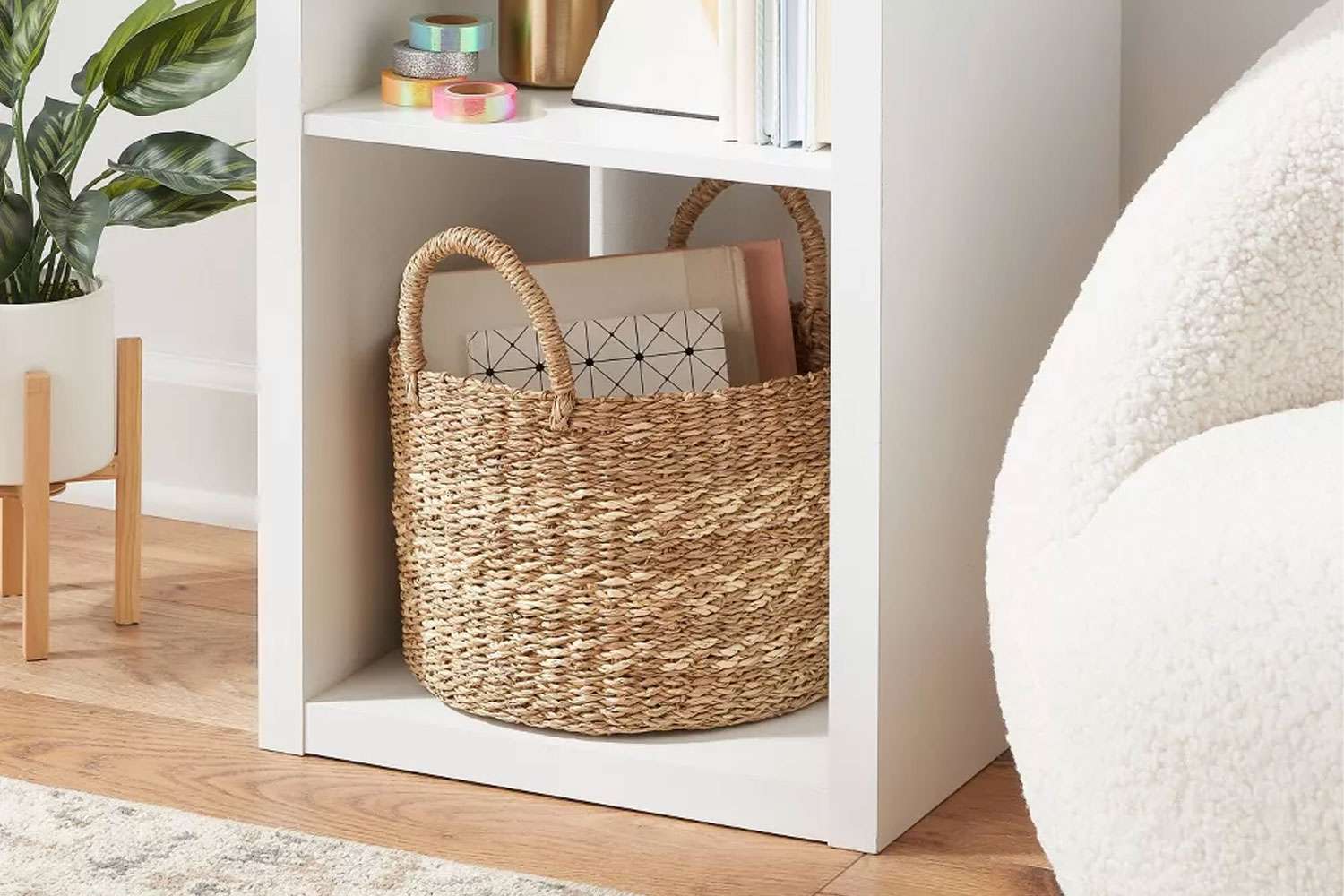
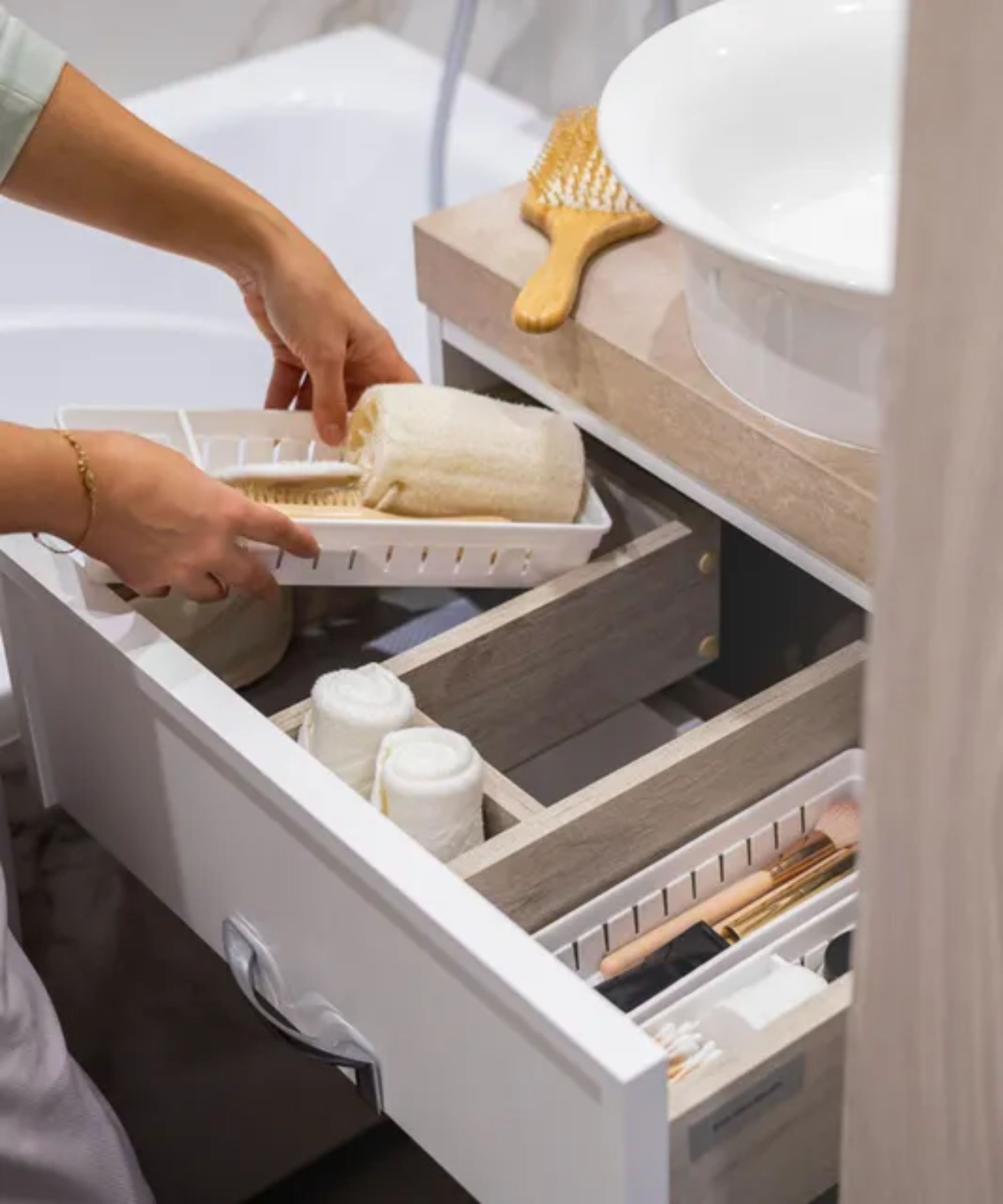
To implement the 50% rule, the process is straightforward: select an area, such as a wardrobe or kitchen cabinet, and divide all items into two piles: "keep" and "let-it-go." The author used a basket to immediately store unwanted items, facilitating a quicker and more organized decluttering process. This technique helped maintain a clear workspace and improved efficiency in sorting.
The outcome of applying the 50% rule to the crockery cabinet was a significantly tidier space where all items were easily visible and accessible. Martinez supports the application of this rule to areas like kitchen gadgets, containers, and excessive utensils. She also suggests applying it to closets, wardrobes, bookshelves, children's toy areas, and bathroom storage, noting that most individuals only use a fraction of their possessions. The method is particularly beneficial for those who need immediate results to stay motivated or find more complex organizing methods overwhelming. It is also suitable for individuals preparing for a move or downsizing, providing a simple and quick way to reduce belongings.
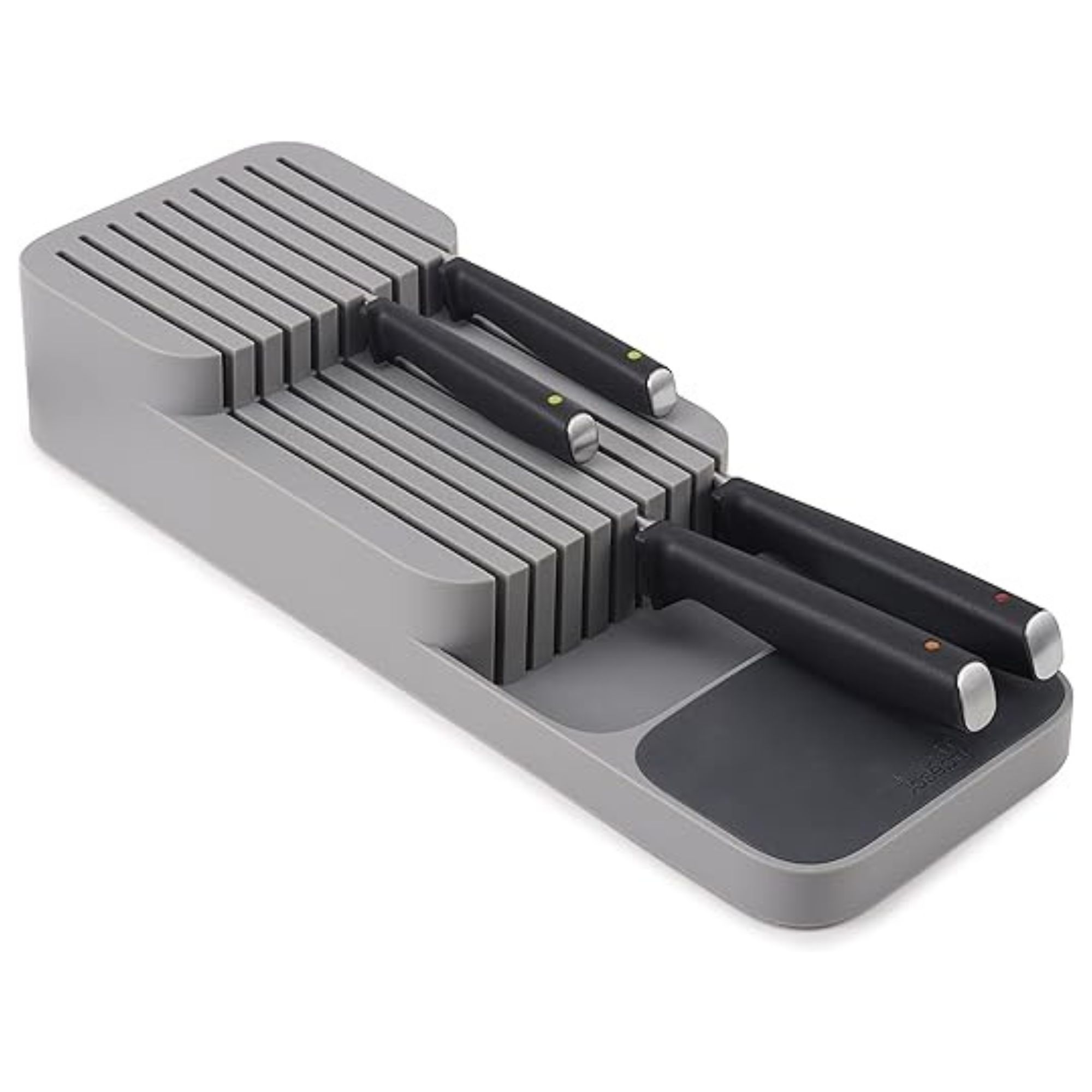
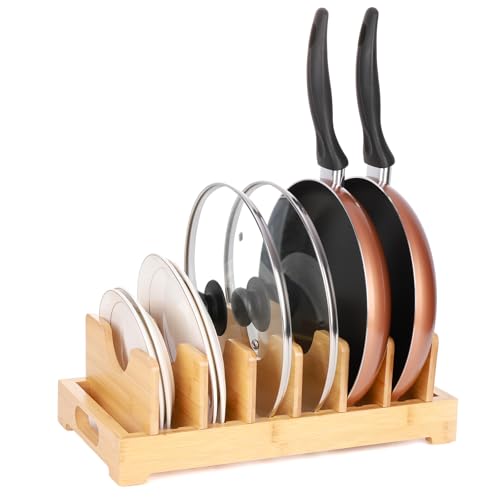
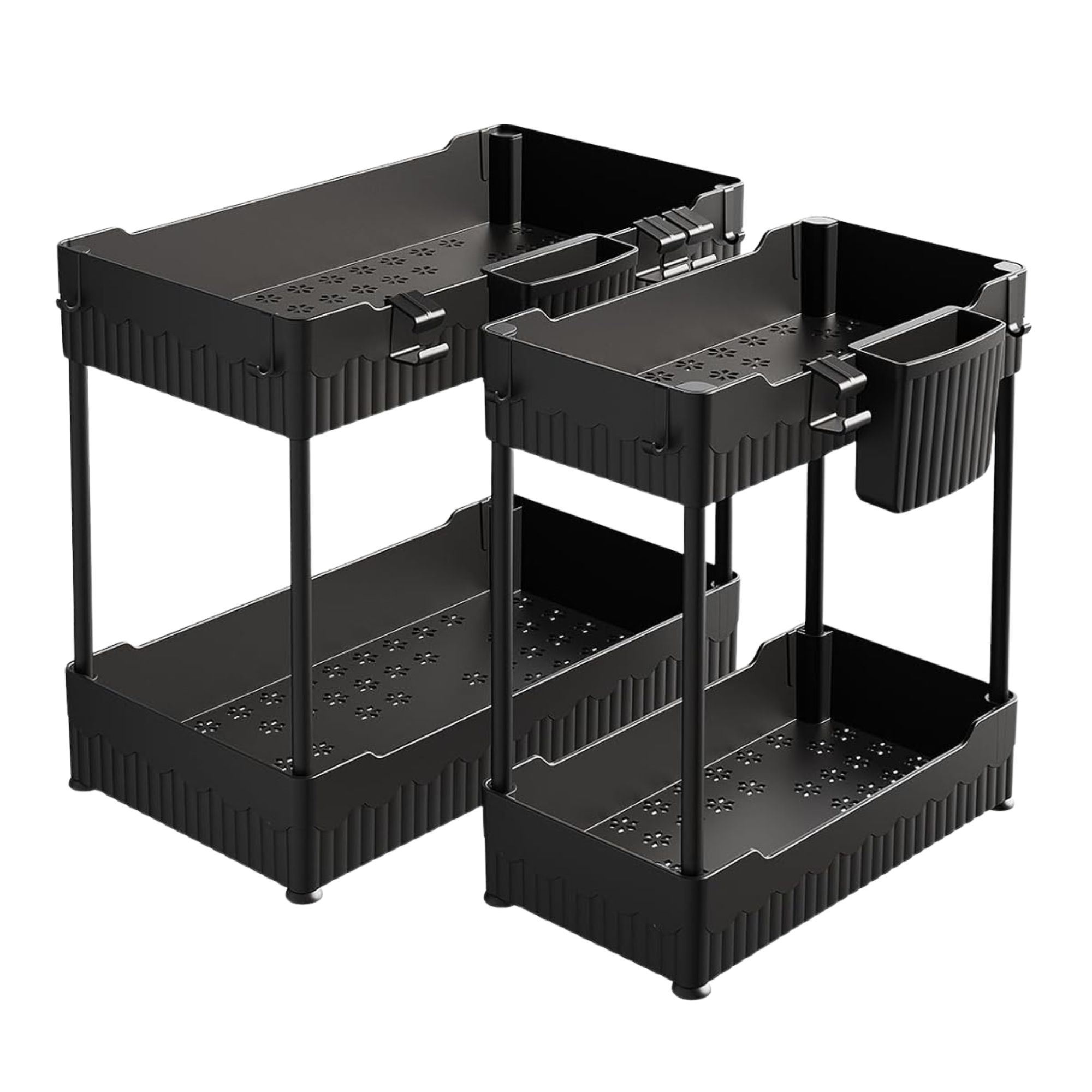
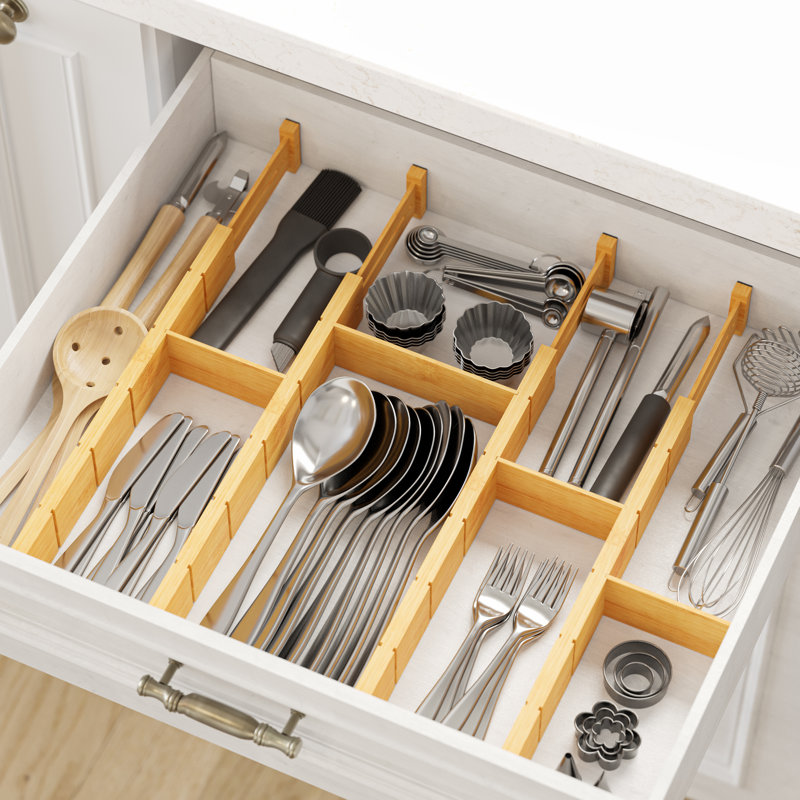
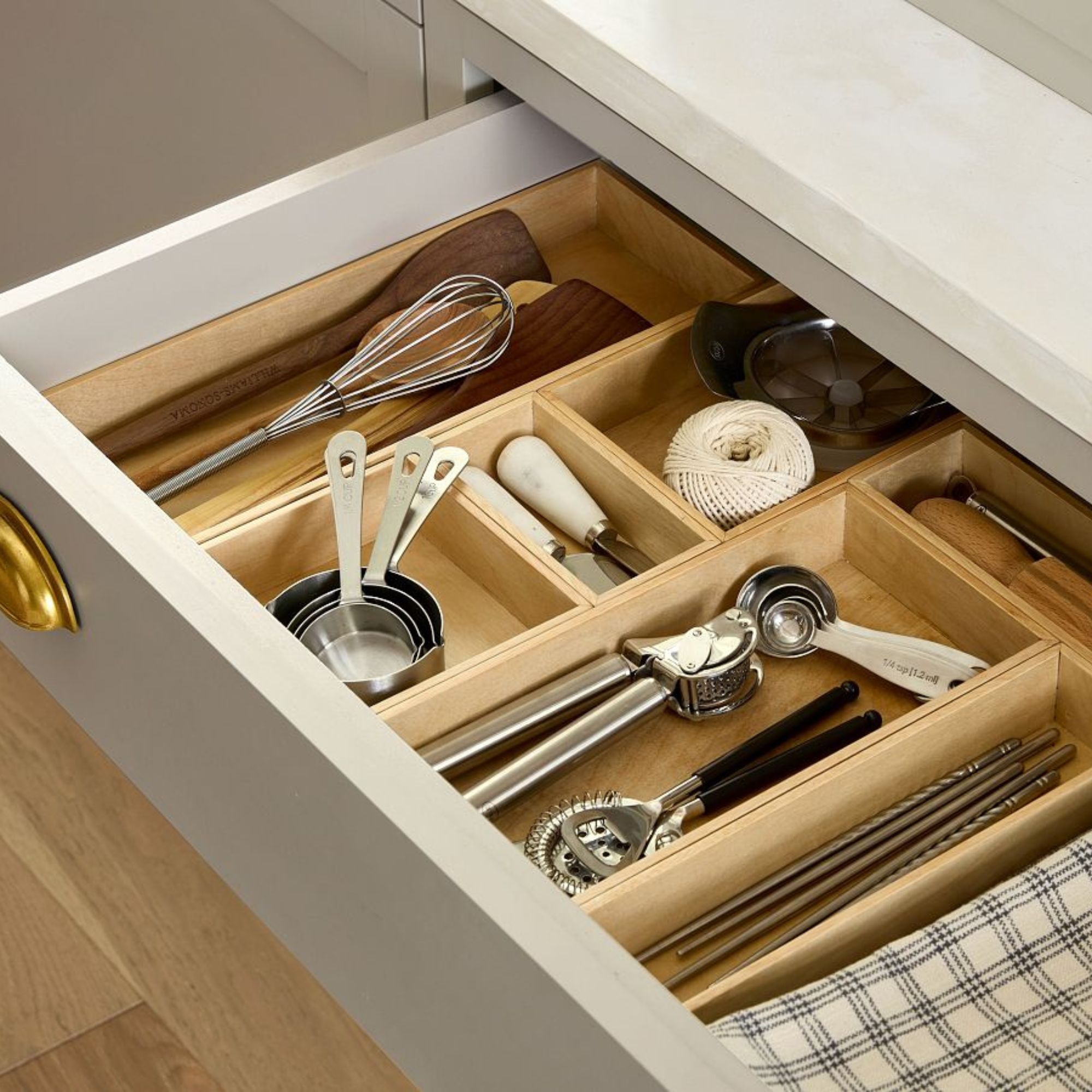
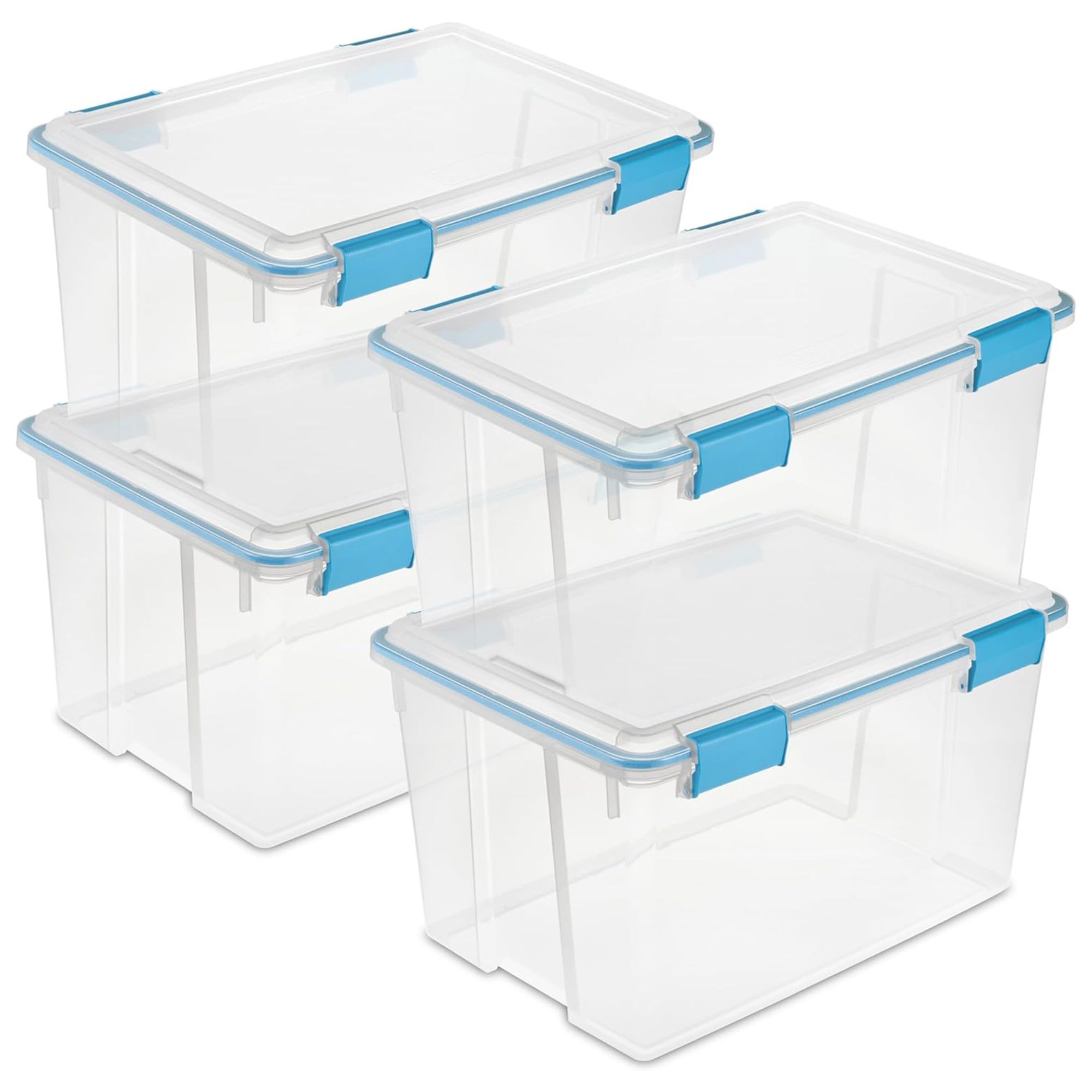
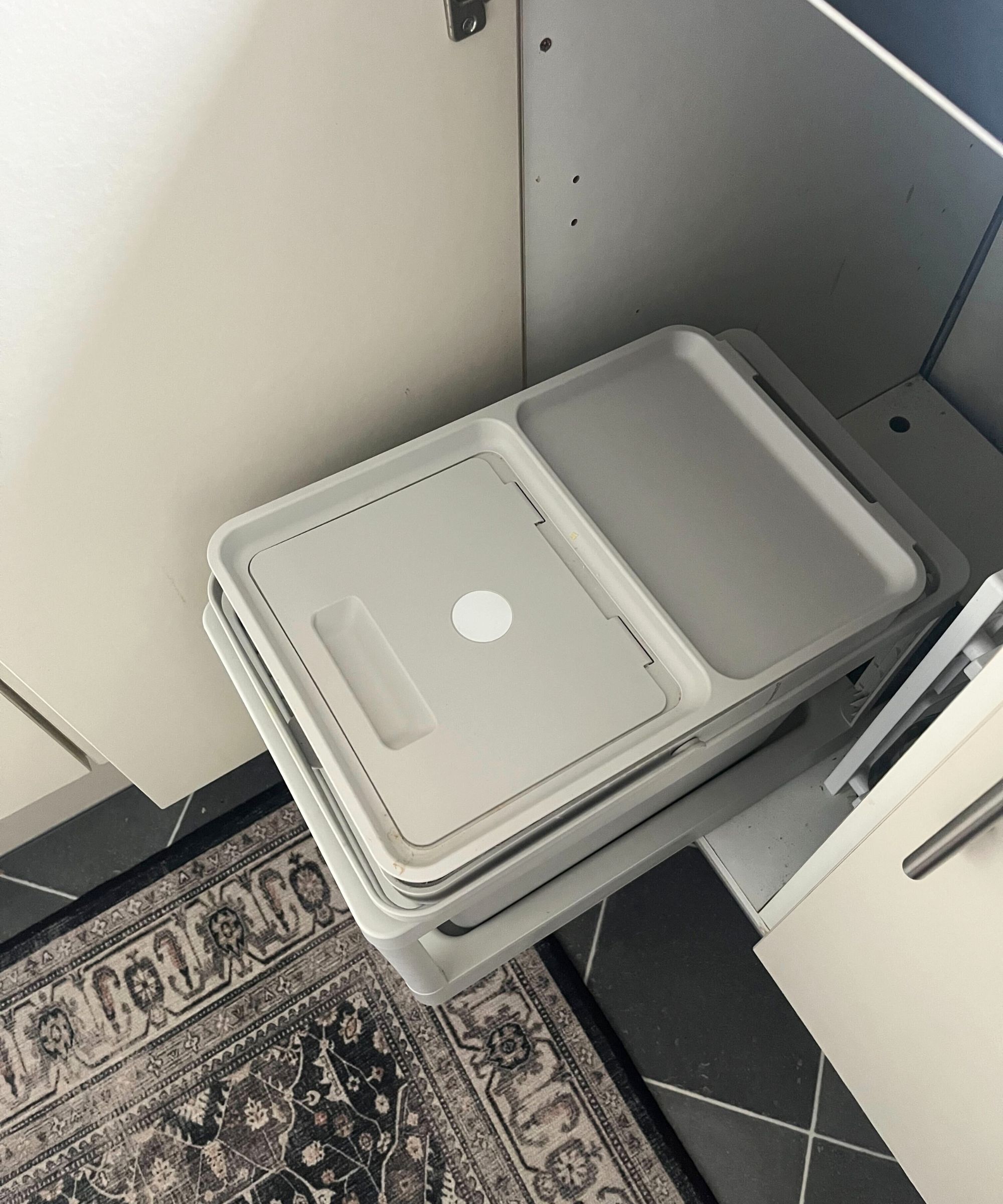
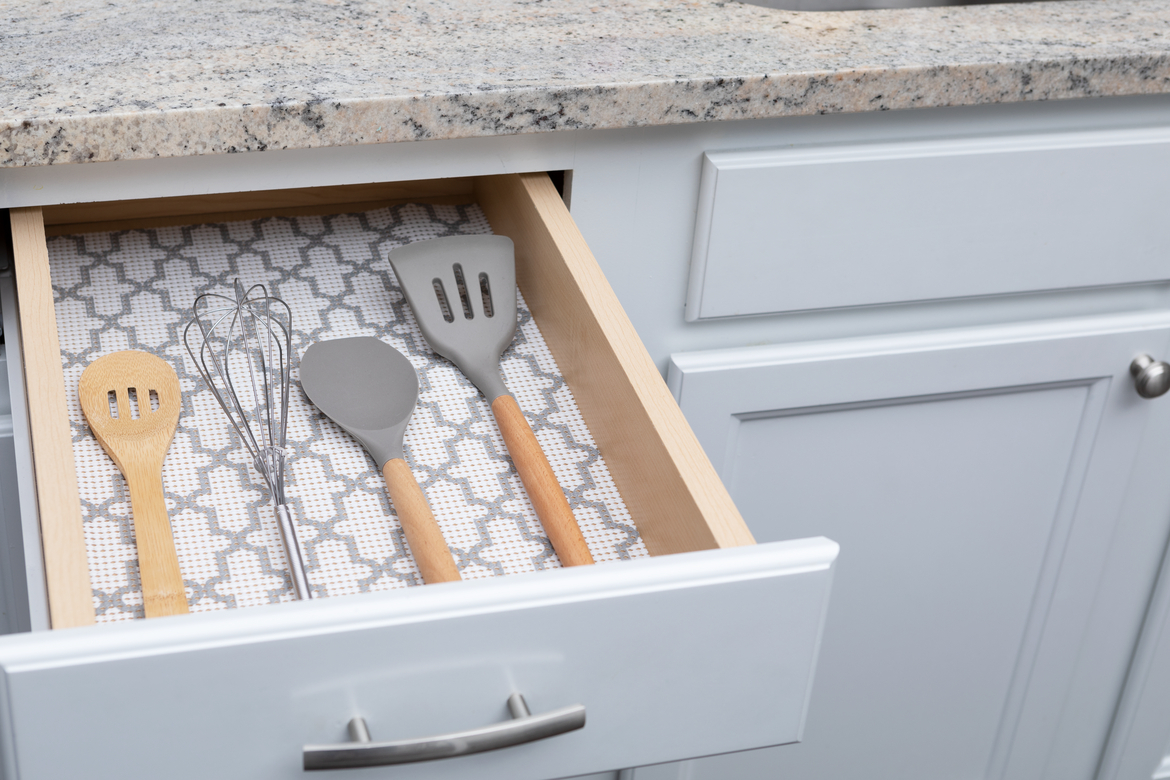
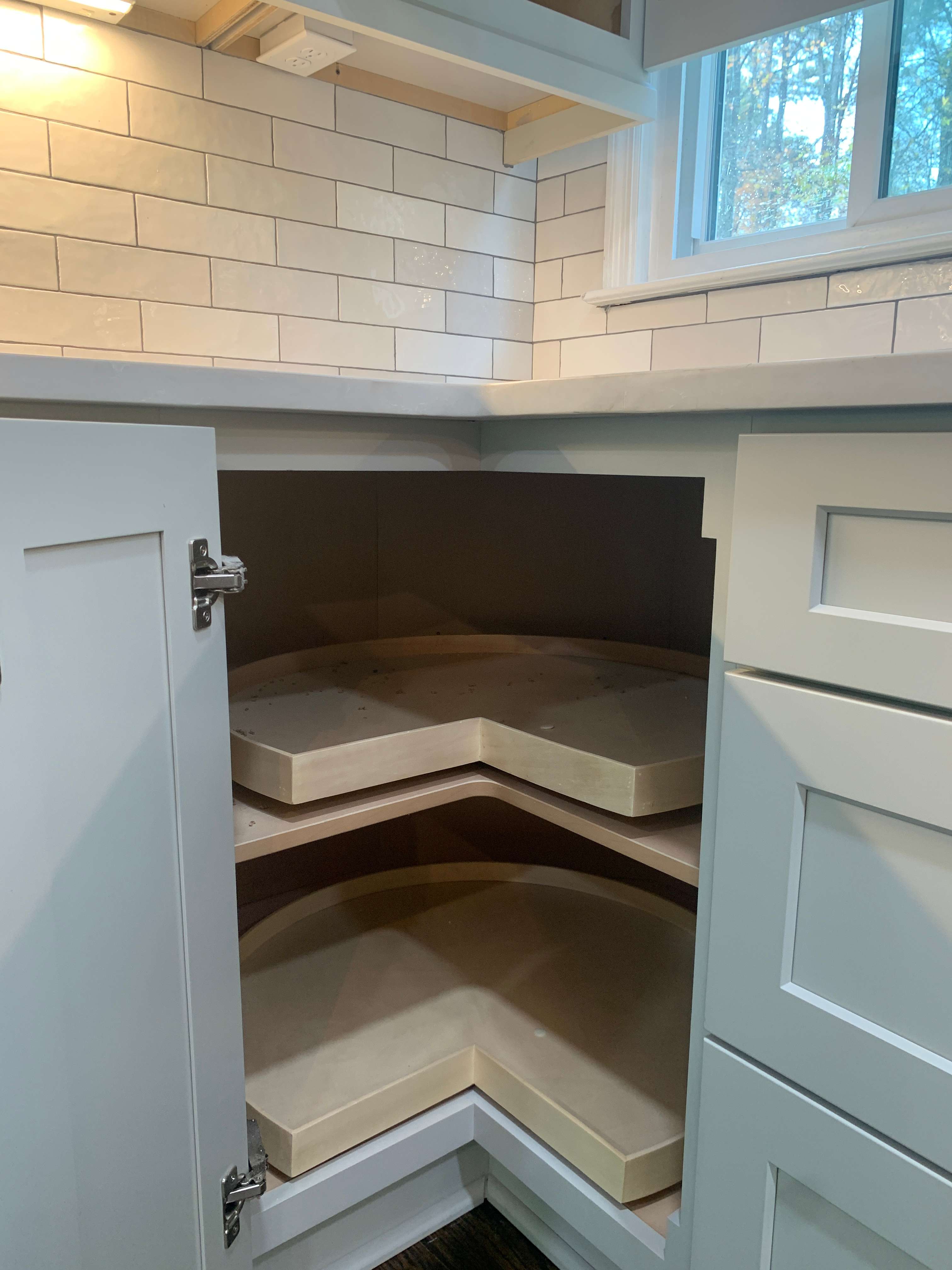
However, the article acknowledges that the 50% rule may not be universally applicable. It might be too drastic for individuals with special collections or strong emotional attachments to their belongings. For such cases, alternative methods for decluttering sentimental items are recommended. Additionally, minimalists who already possess only essential items would find little benefit from this rule. The article concludes by providing a list of kitchen cabinet organizing essentials, such as bamboo corner shelves, lazy Susans, in-drawer knife organizers, and pull-out cabinet organizers, to further enhance kitchen organization. The overall message is that the 50% rule offers a pragmatic, efficient, and mentally calming solution for many common decluttering challenges.
#Decluttering #HomeOrganization #KitchenOrganization #50PercentRule #Minimalism #StorageSolutions #HomeImprovement #ClutterManagement #Decluttering #HomeOrganization #KitchenOrganization #50PercentRule #Minimalism #StorageSolutions #HomeImprovement #ClutterManagement
0개의 댓글이 총 표시됩니다.
 아직 댓글이 없습니다
추가로 마음에 드릴 만한 콘텐츠
I'm Decluttering Every Room in My Home With Target’s Clever Storage and Organization Deals That Start at $5

I used the Japanese low-waste concept of 'Mottainai' to organize my busiest kitchen cabinets and decluttered with ease
A simple trash can swap eliminated odors and saved vital floor space in my tiny kitchen – and it's now on sale
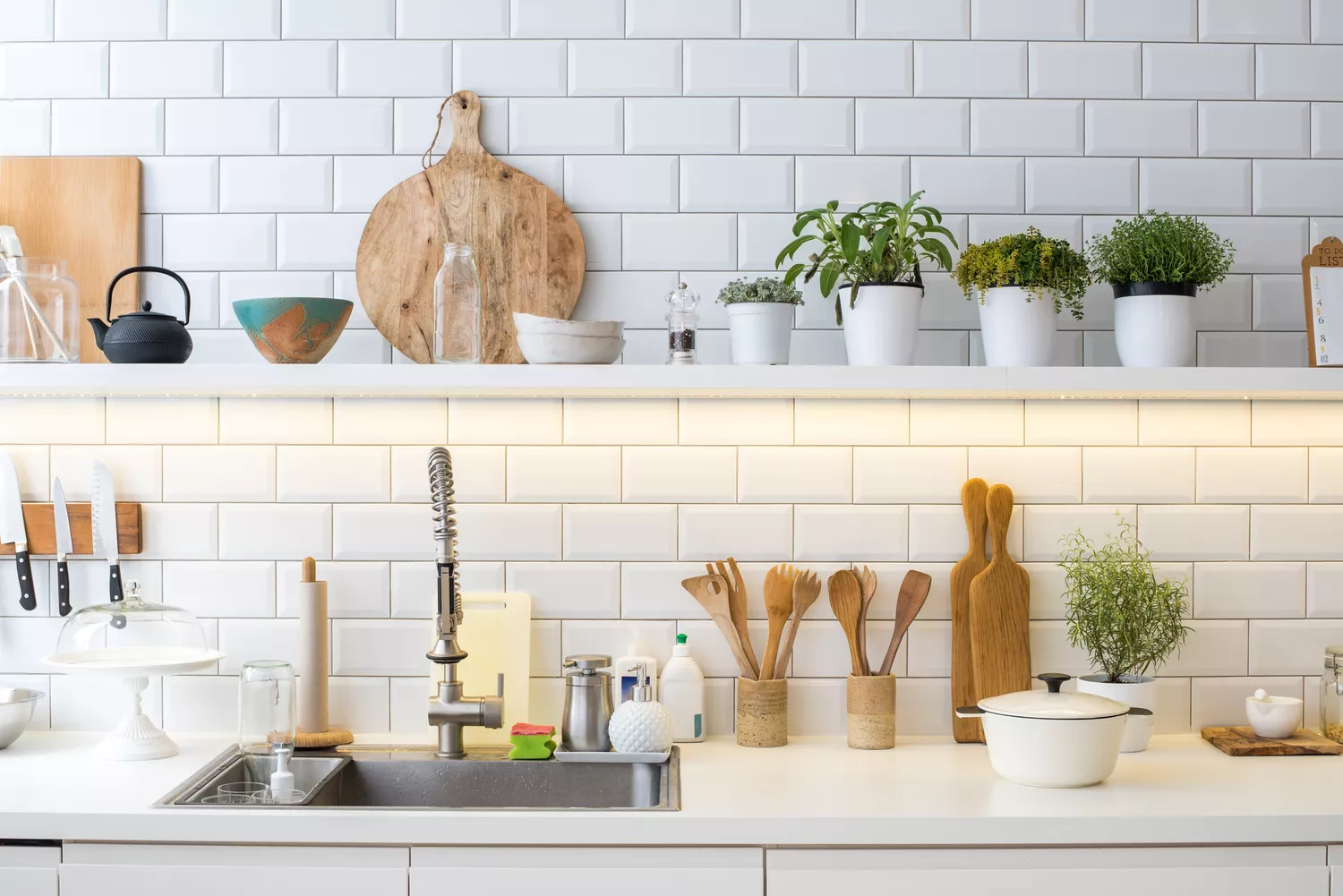
10 Things Making Your Kitchen Counter Messier, According to Pro Organizers
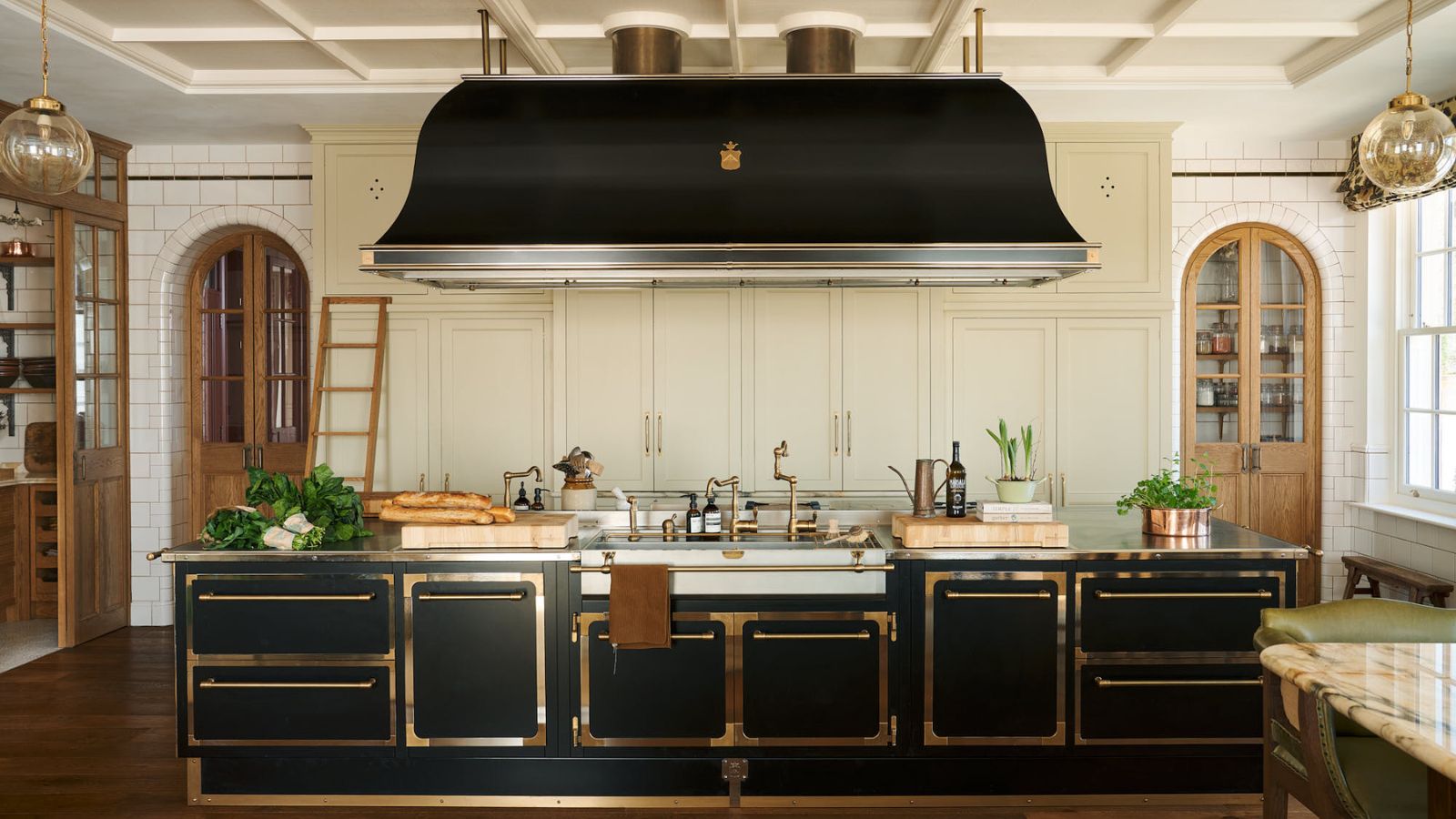
I'm spending my $50 Amazon birthday gift card on 4 kitchen cabinet essentials to instantly tidy up the chaos
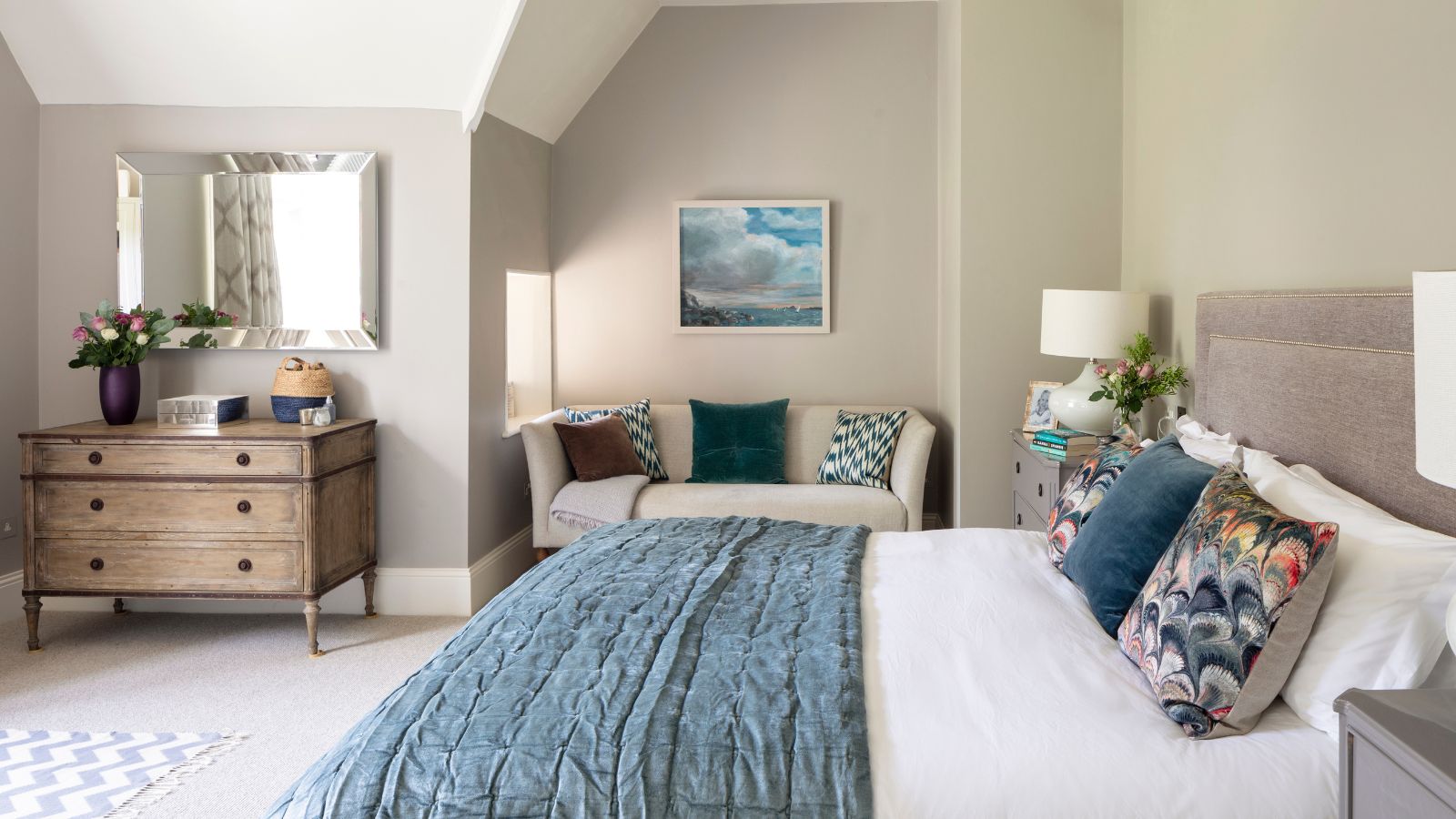
I tried the ‘Would you buy it again’ test in my bedroom
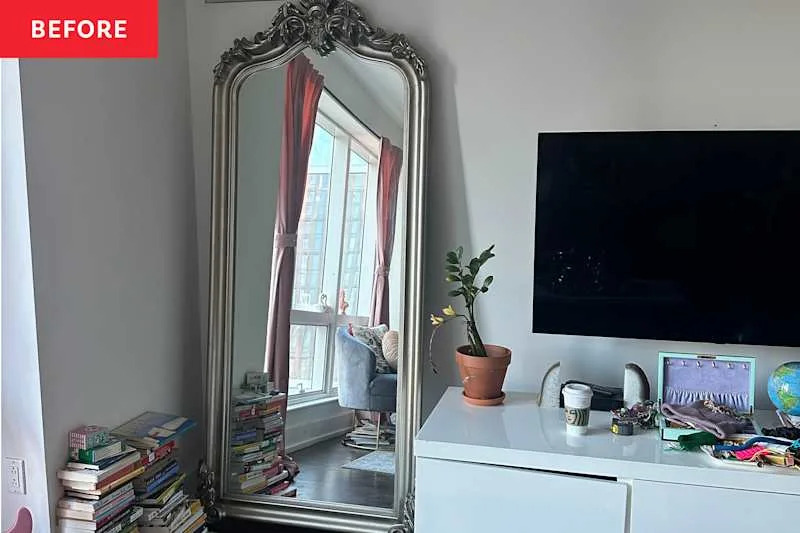
The "3-4-5" Rule Transformed My Living Room from Bleak to Quirky-Chic

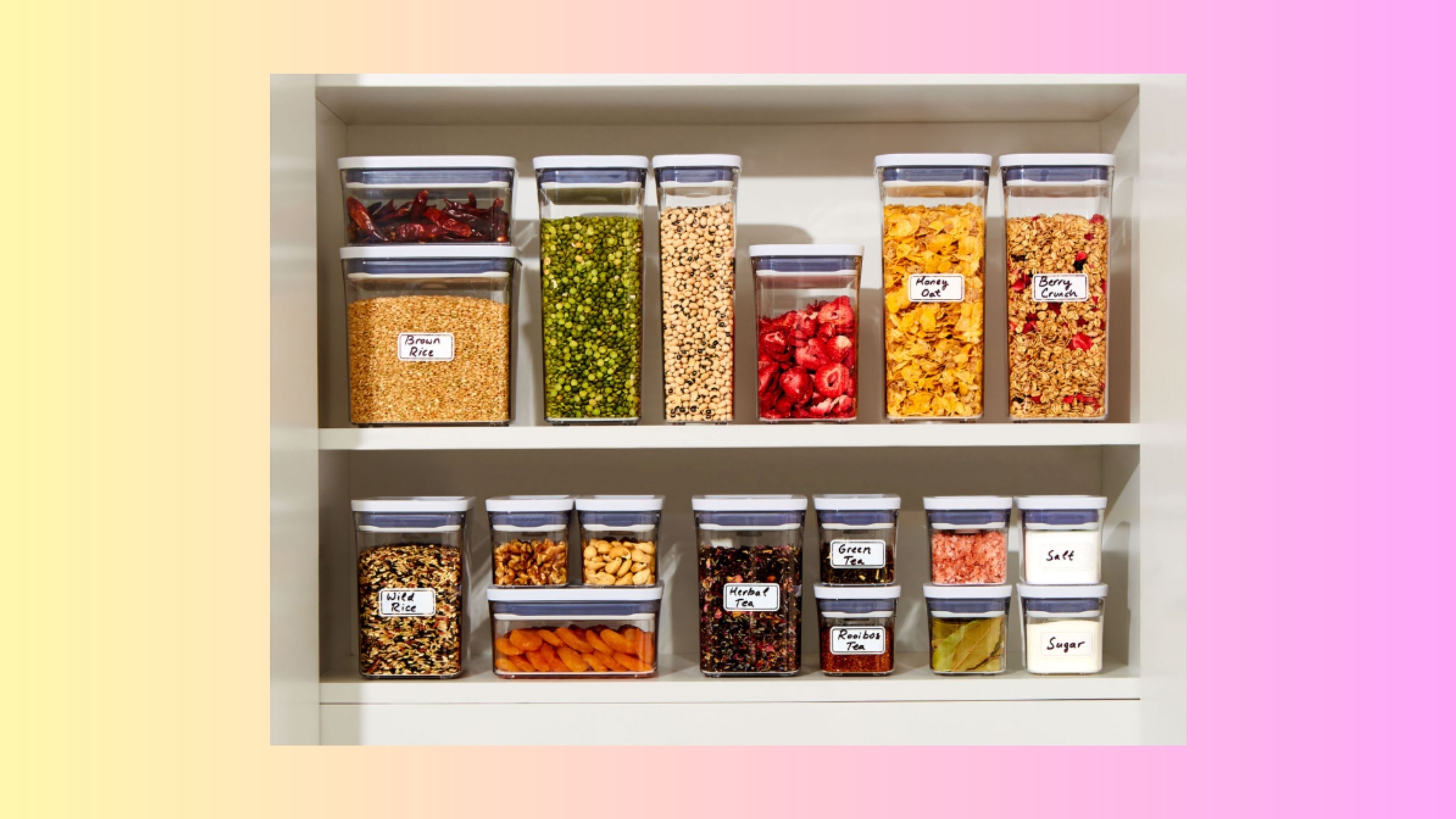
Kickstart your kitchen decluttering with the kitchen storage containers reviewers are raving about


Drawer organizers tidied my tiny kitchen drawers in 5 minutes
How a 15-Minute Cleaning Routine Transformed My Entire Home

I Instantly Doubled the Capacity of My Kitchen Cabinets With This Sleek $15 Storage Hack

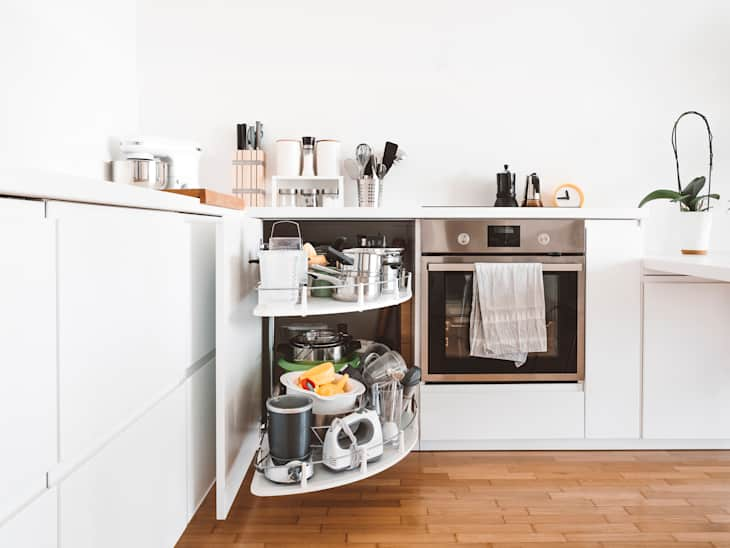
I Just Discovered the Smartest Trick for Organizing a Corner Cabinet in My Kitchen
The $3 Organizer That Instantly Decluttered My Entire Kitchen (I’ve Used It for Years!)

I Turned My Chaotic Pantry Into an Oasis of Organization

If You're Trying To Hide All Your Junk In Plain Sight, Try These 24 Organization Products
TikTok Made Me Buy These Stackable Drawers—And They Actually Tame the Chaos Under My Bathroom Sink
I tried the 3-5-7 styling rule – and it made my home feel more curated
Marie Kondo's 5 Tricks for an Organized Entryway Helped Me Cut My Clutter — And Uncover the Value of Space
"This $15 Buy Can Make Your Kitchen Shelves so Much More Practical," Say Professional Organizers
This Kitchen Tool Instantly Organized My Narrow Drawers