1/5
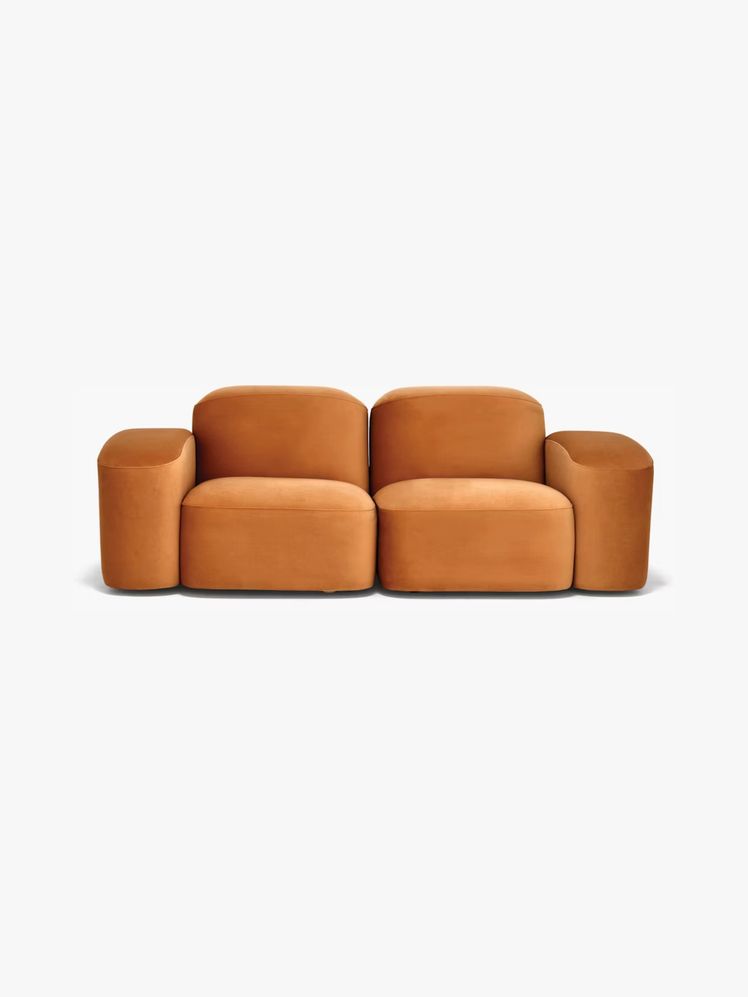
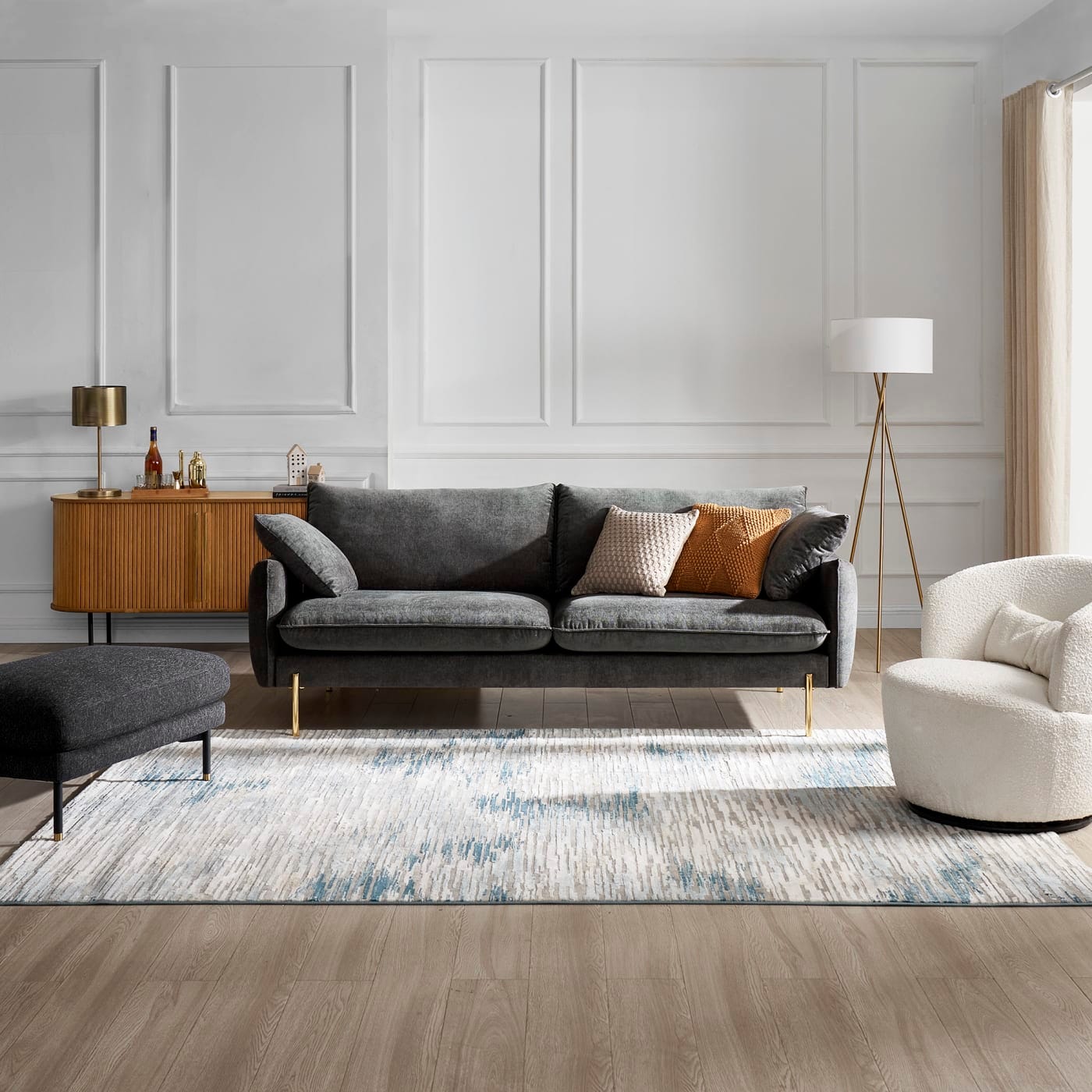
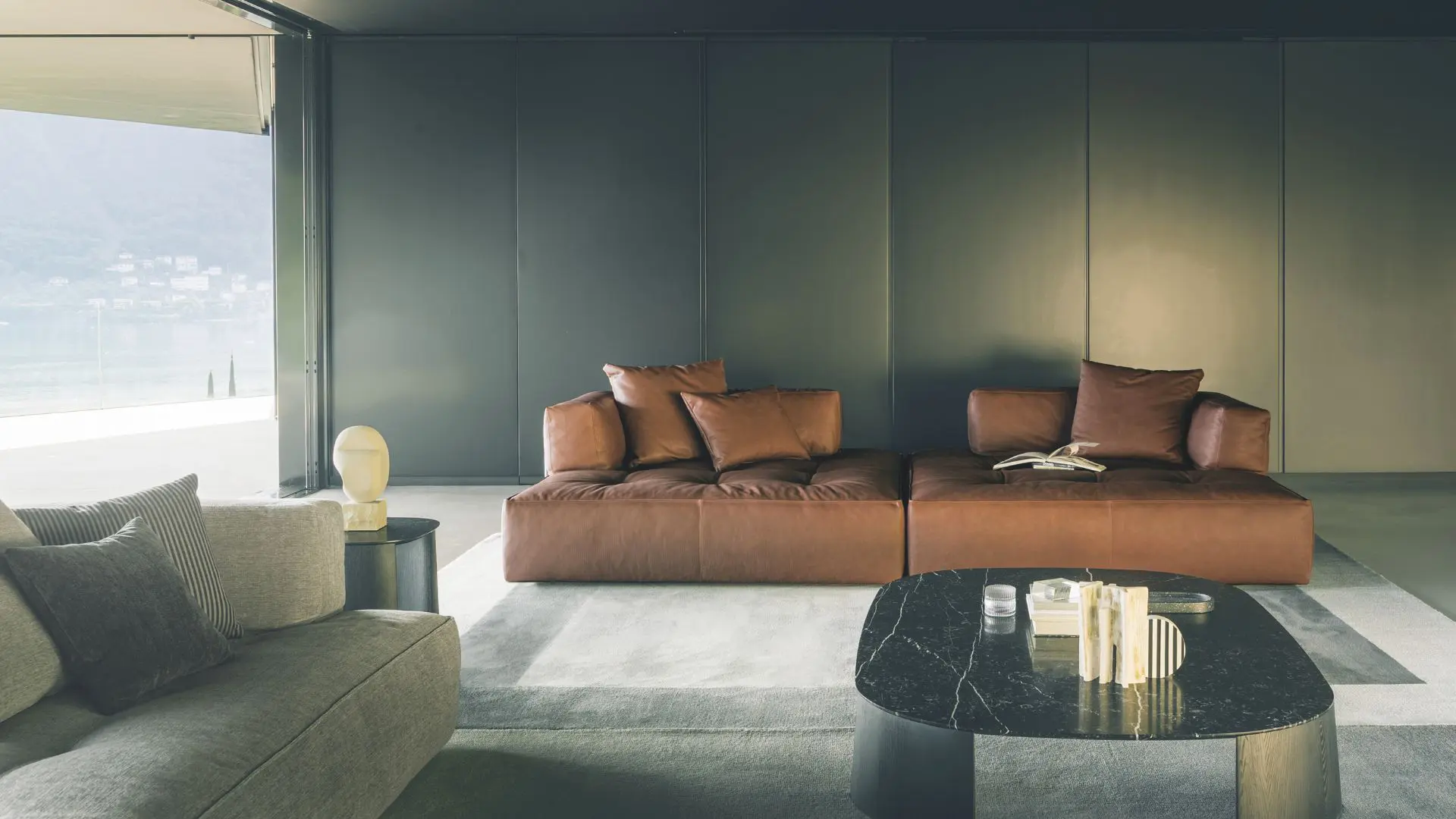
Desiree’s Melvil Sofa is a contemporary twist on Bauhaus design
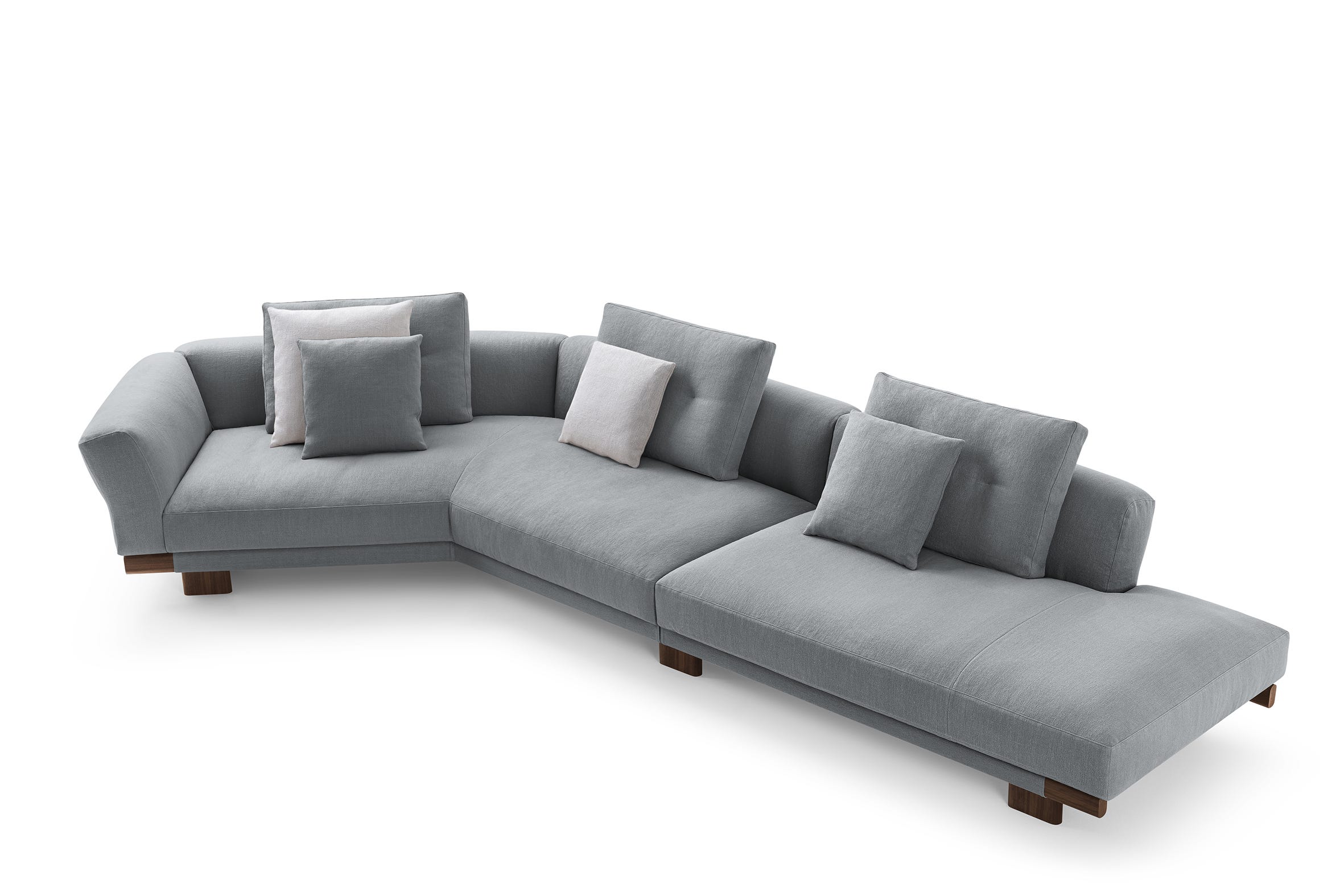
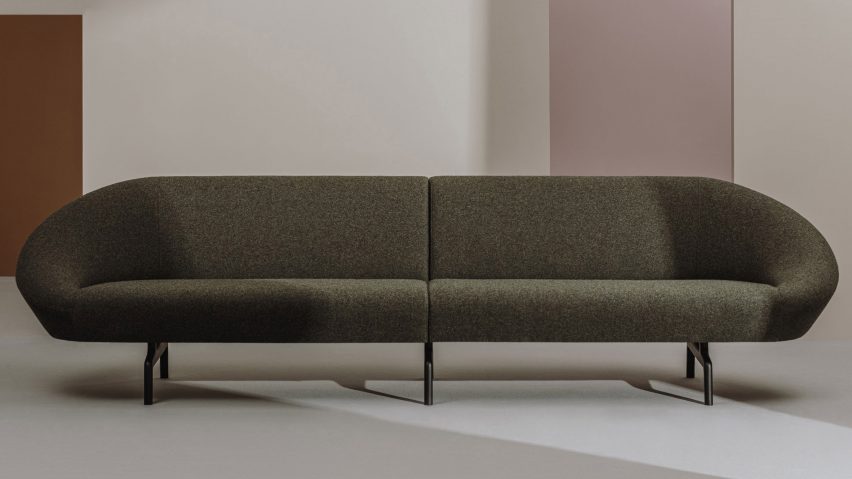
The Italian design brand Desiree, established in 1968, exemplifies a synthesis of quality, innovation, and collaboration in its furniture creation. This commitment is evident in the Melvil sofa, a new design resulting from a partnership with French designer Marc Sadler. The Melvil sofa offers a modern interpretation of Bauhaus principles, integrating elements of fine art with industrial craftsmanship. The Bauhaus movement, founded in Germany in the early 20th century by architect Walter Gropius, championed geometric simplicity, functional design, and the seamless integration of art, craft, and technology. Influential figures like Mies van der Rohe and Marcel Breuer emphasized clean lines, practicality, and an industrial approach to materials, values that continue to shape contemporary design.
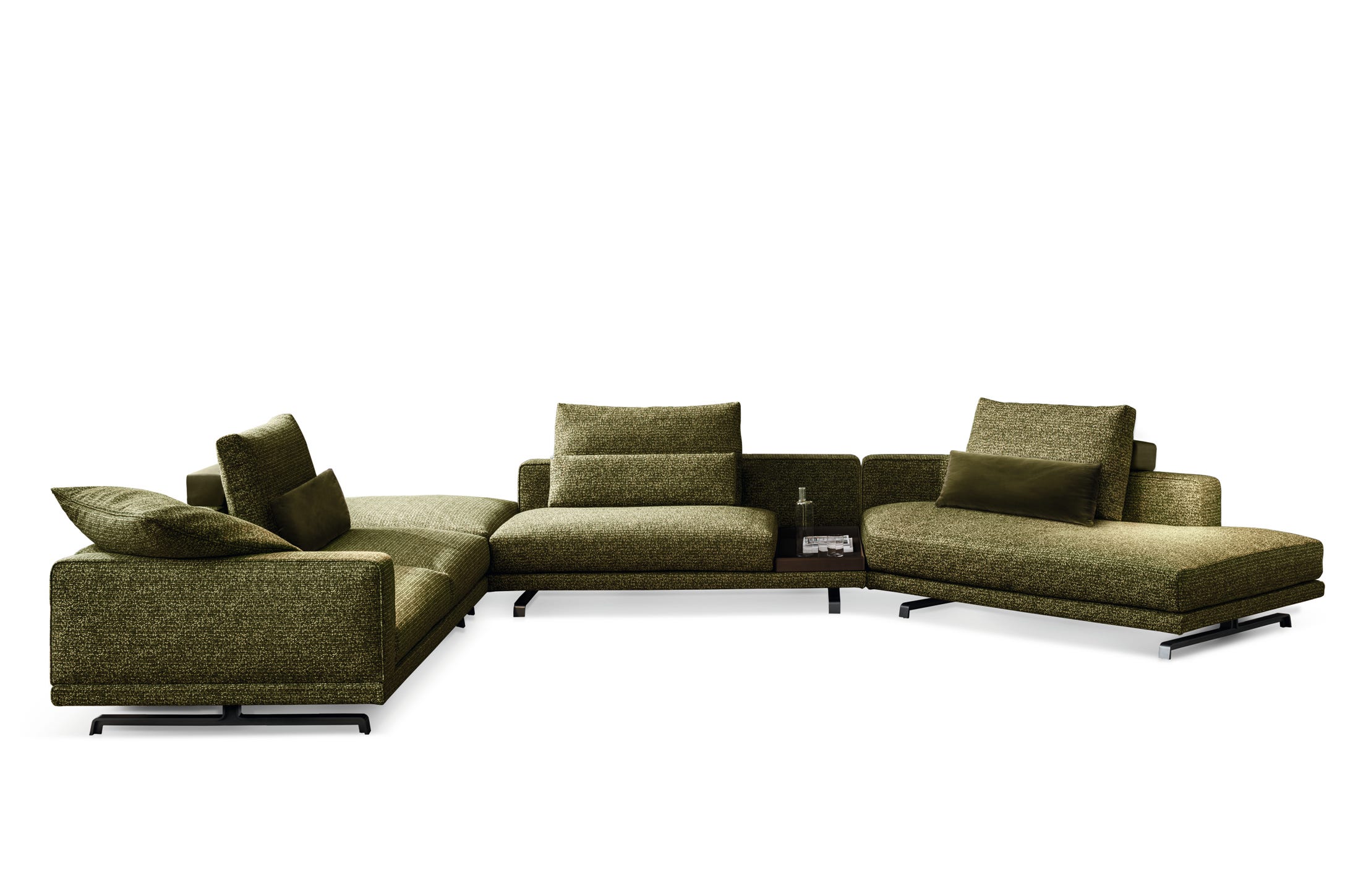
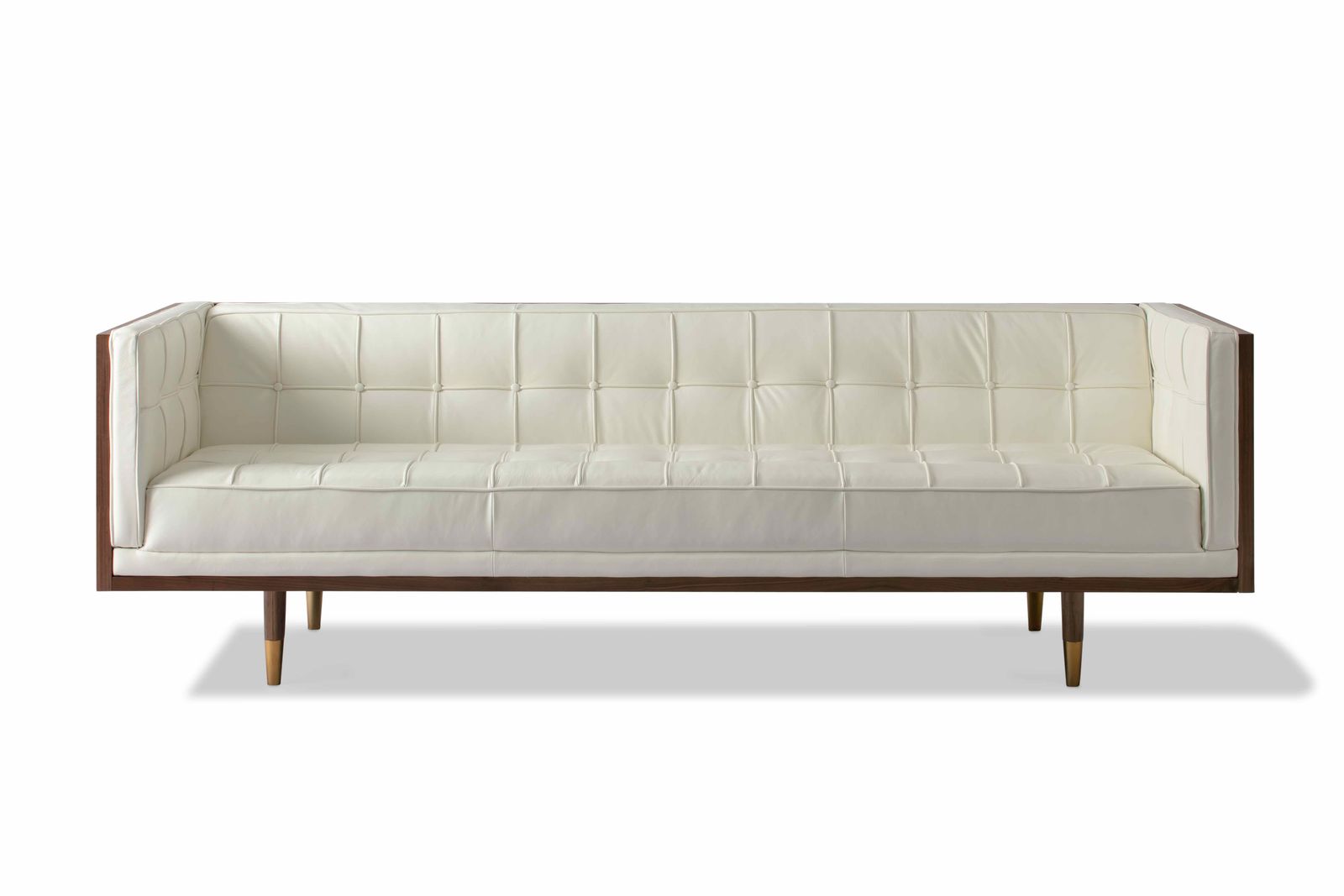
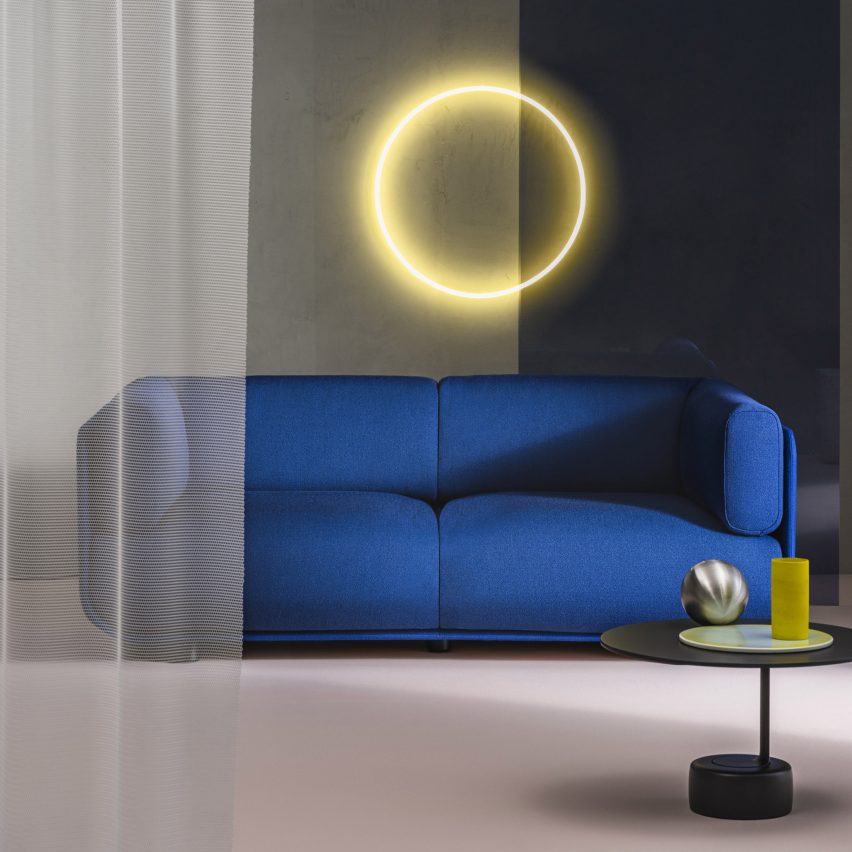
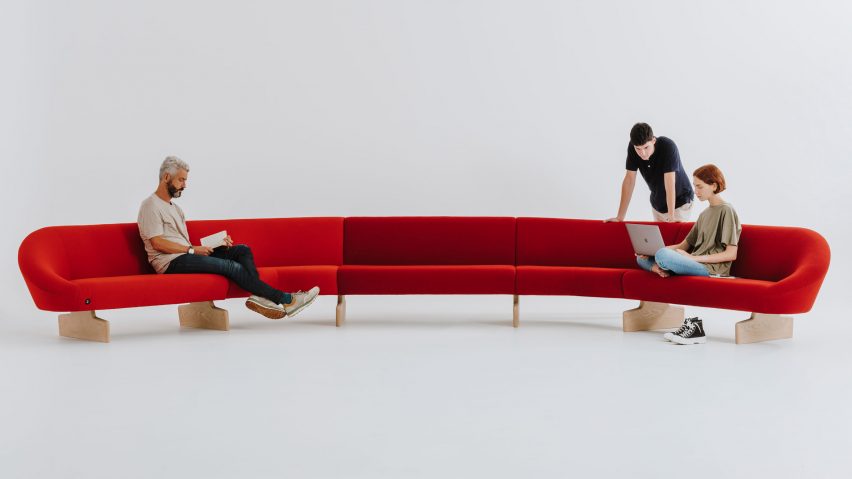
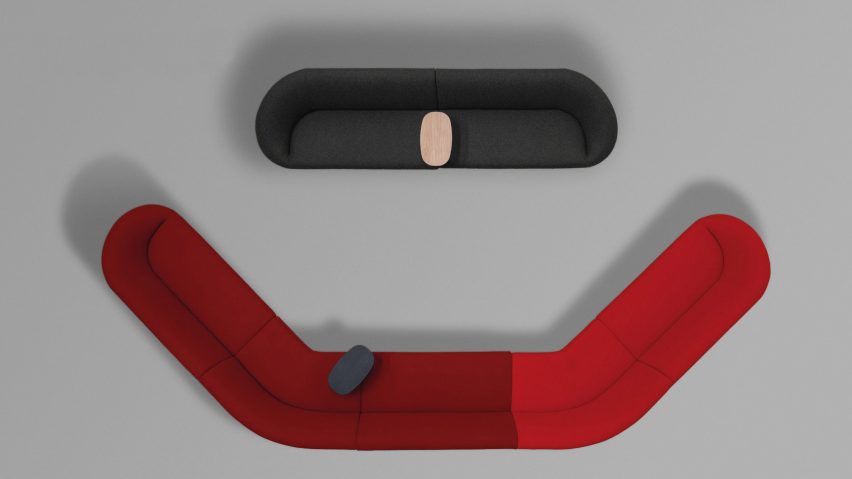
Marc Sadler’s Melvil sofa pays homage to this legacy while introducing a contemporary flair to its geometric precision. The sofa is constructed from three primary components: a deep, capitonné-effect seat; adjustable, movable backrests; and a robust black chromed-metal frame. These elements combine to form a modular design that allows for flexible seating arrangements, accommodating various user preferences and spatial requirements. The backrests are not fixed, providing the ability to create different configurations for comfort or aesthetic appeal. Users can choose straight or angled backrests, or a combination of both, offering extensive personalization options.
Key to the Melvil sofa's appeal is its adaptability. Its modular components, available in both linear and angular forms, facilitate numerous arrangements, ranging from simple, streamlined setups to more dynamic configurations. This versatility makes the sofa suitable for diverse environments, whether a formal seating area or a casual lounge. This inherent flexibility, coupled with its clean, geometric aesthetics, directly reflects the Bauhaus principle of functionalism, ensuring the piece is not only visually pleasing but also highly practical and user-adaptable.
Beyond its utilitarian aspects, the Melvil sofa incorporates refined details. The capitonné upholstery introduces a touch of luxury, contrasting and complementing the industrial character of the black metal frame. Subtle stitching details enhance the sofa’s sleek profile, achieving a balanced interplay between softness and structural integrity. Sadler’s collaboration with Desiree on the Melvil sofa is part of a broader history of their joint projects, all reflecting Desiree’s philosophy of expressing emotion through design, influenced by the tranquil landscapes of Treviso, Italy.
Desiree, under the ownership of Gruppo Euromobil since 1995, has also broadened its focus to include sustainability. The company employs eco-friendly and recyclable materials in its production processes, ensuring that environmental impact is minimized without compromising product quality. This dedication to circularity extends to its packaging, which is fully recyclable. The Melvil sofa is offered in a wide array of luxurious fabrics and leathers, providing numerous customization options to seamlessly integrate into various interior styles, from minimalist to eclectic or traditional.
Ultimately, the Melvil sofa exemplifies Desiree’s and the Bauhaus tradition’s commitment to purposeful design. It combines aesthetic allure with functional utility. Its modular structure ensures flexibility and comfort, while its ergonomic design offers sustained support. Constructed from robust materials, the sofa is built for durability, making it an ideal choice for modern interiors.
#FurnitureDesign #BauhausDesign #ModularSofa #MarcSadler #DesireeFurniture #InteriorDesign #SustainableDesign #ItalianDesign #FurnitureDesign #BauhausDesign #ModularSofa #MarcSadler #DesireeFurniture #InteriorDesign #SustainableDesign #ItalianDesign
0개의 댓글이 총 표시됩니다.
 아직 댓글이 없습니다
추가로 마음에 드릴 만한 콘텐츠
Doshi Levien unveils new modular sofa for Hay

25 Types of Sofas, Explained

The biggest sofa trends of 2025: 8 designs to elevate style and comfort

MUT design launches duplex, a small range of occasional tables for sancal
The Latest Design Sofas of 2020

27 Contemporary Bauhaus Furniture and Decor Ideas That’ll Run You Less Than $300
Shop Our Editors' Favorite Places to Buy Mid-Century Modern Sofas

Georgina Davies Undresses MDF to Reveal Its Understated Beauty

I’ve tried the viral OMHU Teddy sofa IRL
doshi levien: paper planes for moroso
Alfredo Häberli creates "architectural" Giro Soft sofa for Andreu World
Article is open in Vancouver with a gorgeous new store you didn’t know you were craving
5 Sofa Styles That Are Falling Out of Favor, According to Experts


I Tried It: How I Met My Perfect Match With Sarah Ellison’s Muse Sofa

SIGNATURE COLLECTION: THE NEW SOFAS COLLECTION. FEBAL HOME

Zooey Deschanel’s colorful couch is the best sofa we've seen this year – here’s why

5 Mid-Century Modern Sofas to Breathe Life Into Your Living Space
Eight statement sofas that can liven up any space
PSA: We Found the Best Midcentury Modern Sofas Online
38 Living Room Couch Ideas Perfect for Every Design Style