Designers Revealed the Best Way to Use ChatGPT for Home Projects—So I Tried It
Artificial intelligence, particularly tools like ChatGPT, is increasingly becoming an integral part of daily life, extending its utility to various domains, including home redesign and renovation, especially during the initial conceptualization stages. This article explores how professional designers leverage ChatGPT for room layouts and other home projects, alongside a personal experiment to evaluate its effectiveness.
ChatGPT offers a more tailored experience compared to conventional web searches. Users can input specific details, such as room descriptions or images, to receive personalized recommendations for paint colors, finishes, and even brands. This specificity makes it an excellent tool for brainstorming and initiating design changes. However, it's crucial to acknowledge its limitations. Jennifer Jones, Principal Designer at Niche Interiors, highlights that ChatGPT excels in visualizing broader concepts rather than specific furniture shapes or accurate textures. Niki Cheng, Co-founder of 18th Street Design Collective, advises treating AI tools as mood boards rather than blueprints, suggesting that while they inspire ideas, a human eye is still essential for adapting them into functional and aesthetically pleasing designs.
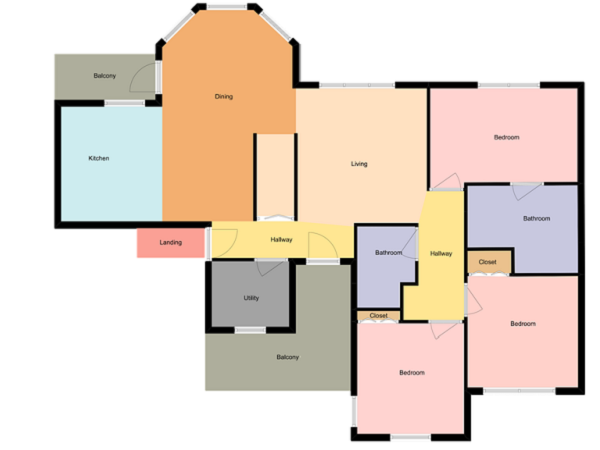
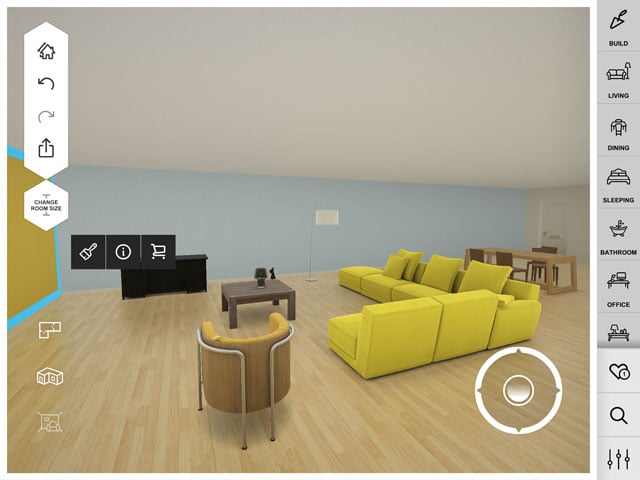
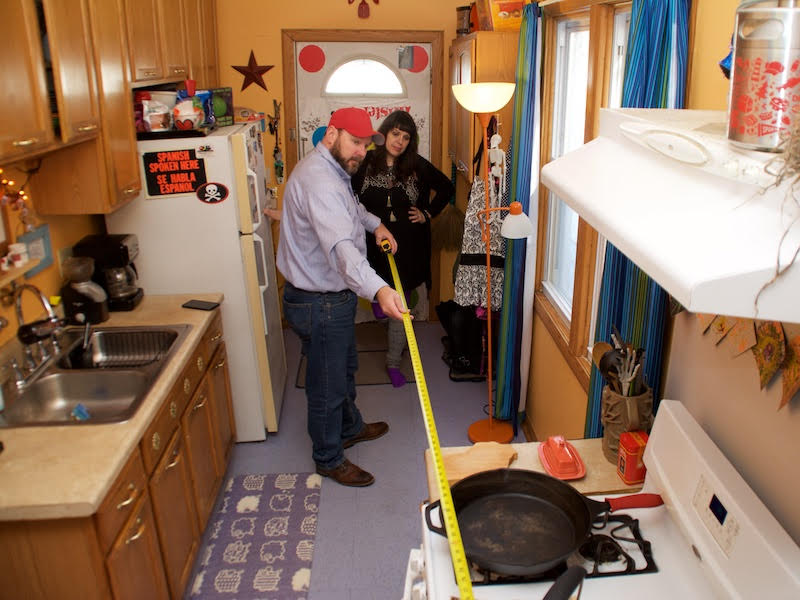
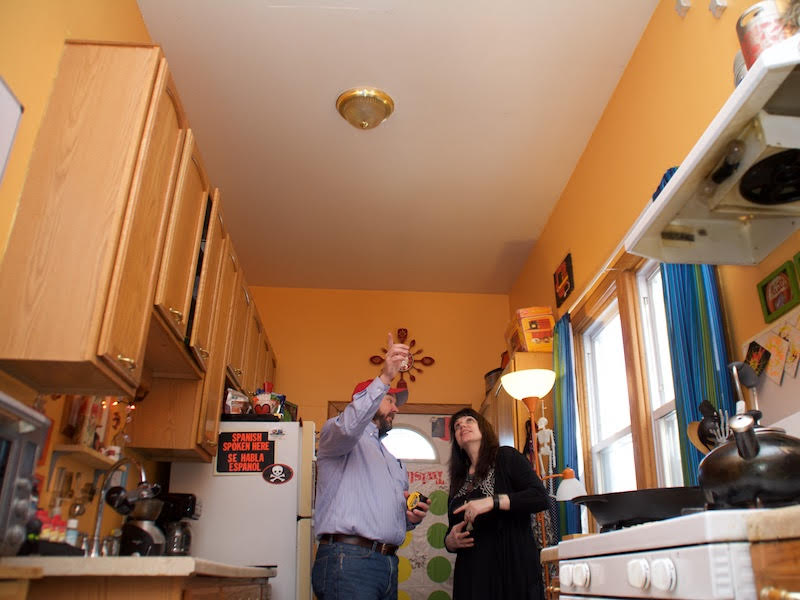
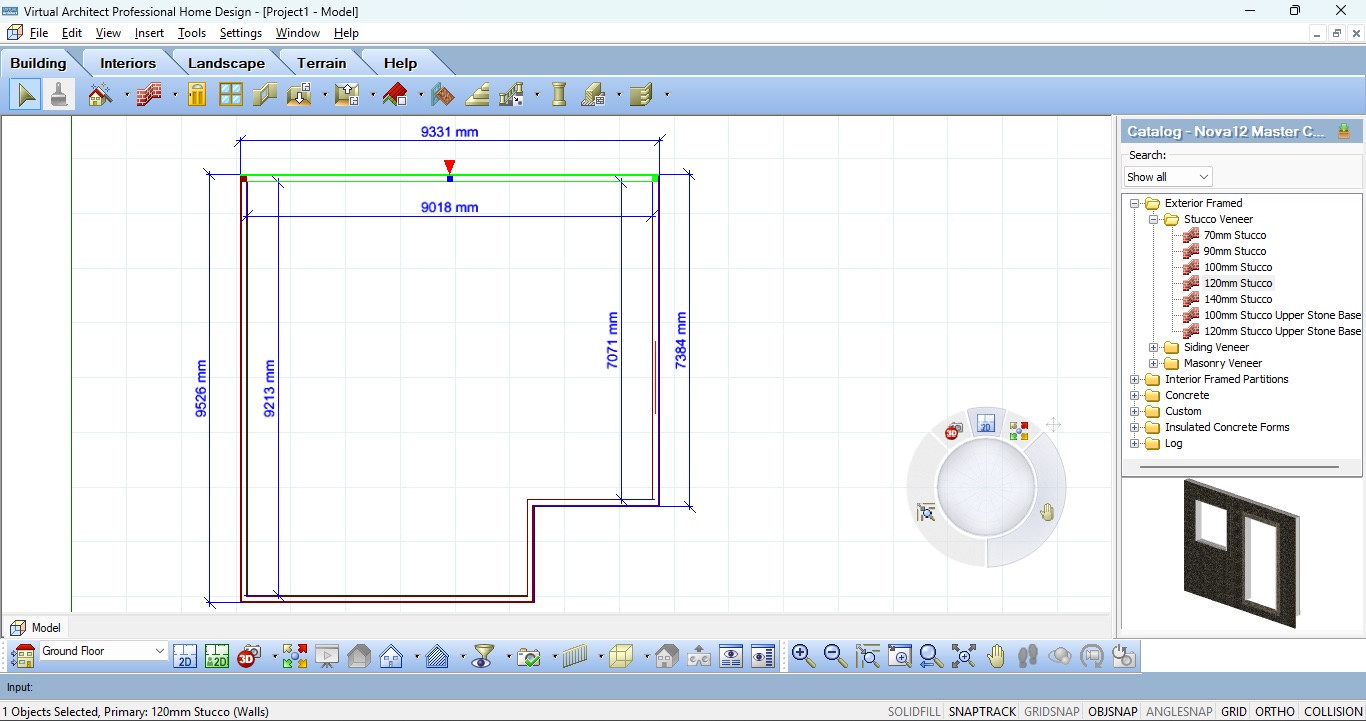
For optimal results, precise input is key. Providing room dimensions and furniture requirements allows ChatGPT to generate room layouts efficiently. Beyond major renovations, it can assist with smaller tasks, such as planning gallery wall layouts or suggesting light fixture updates. Designers utilize ChatGPT to quickly alter paint colors in a room, enabling clients to visualize options before making commitments. One client even used it to select accent pillows for a sectional sofa, demonstrating its versatility in singular design decisions.
Despite its advantages, AI in home design has significant limitations. It cannot replicate the expertise of a human designer physically present in a home. While users can specify desired styles, without extreme detail, ChatGPT may offer generic ideas that don't align with a home's unique layout or aesthetic. Interior designers, who are often at the forefront of trends, possess a nuanced understanding that AI currently lacks. Scale and proportion are also common challenges; AI-generated layouts can appear convincing at first glance but often misrepresent furniture sizes in real spaces. Moreover, color rendering in AI may not accurately translate to physical materials, a critical factor in creating a cohesive room design where texture, tone, and lighting play vital roles.
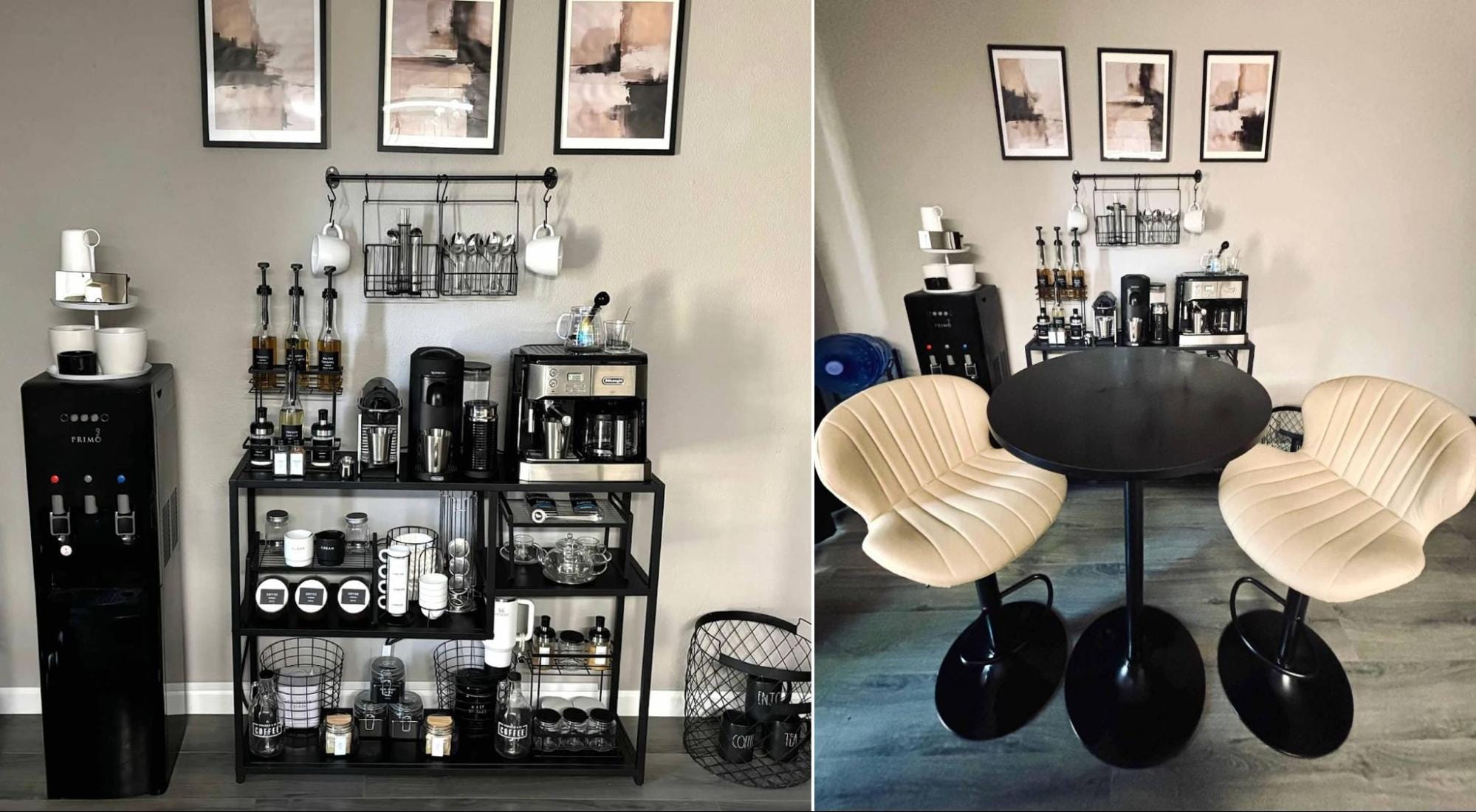
Furthermore, ChatGPT lacks the practical expertise of a human. While it might propose an "optimal" living room arrangement, it may overlook crucial elements like electrical outlets or high-traffic areas. Therefore, relying solely on ChatGPT for comprehensive room design is not advisable. The author's personal experiment with designing a home office confirmed these limitations. Despite providing extensive details, including room dimensions and furniture requirements, ChatGPT's suggestions, while initially promising, proved impractical when applied. It suggested moving a table to open up space, but this created an awkward empty corner and impeded functionality. Additionally, some recommendations were contradictory, such as suggesting a webcam setup that would require moving the desk, despite being instructed not to. The AI also proposed stacking organizers in a manner inconsistent with their design.
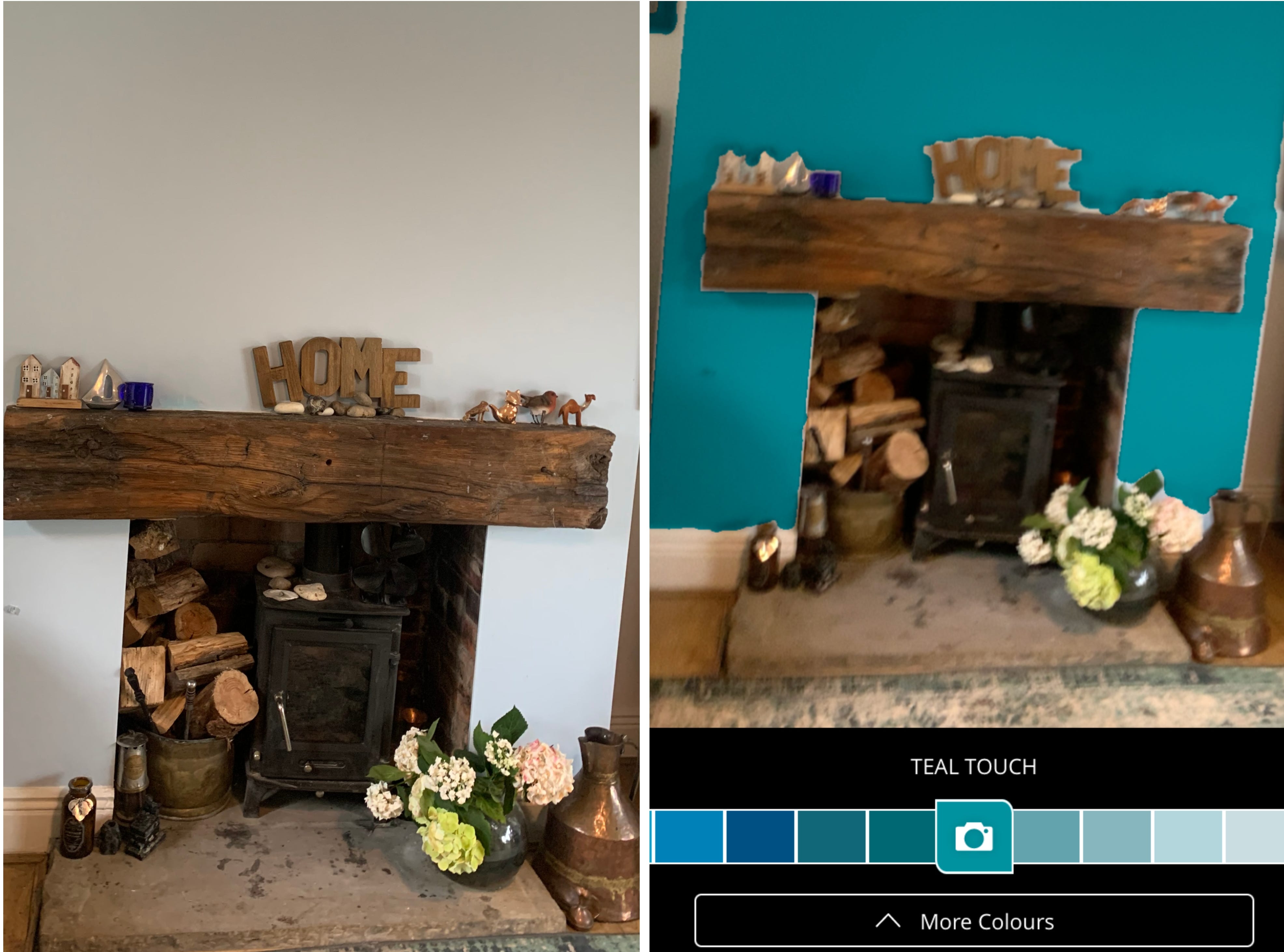
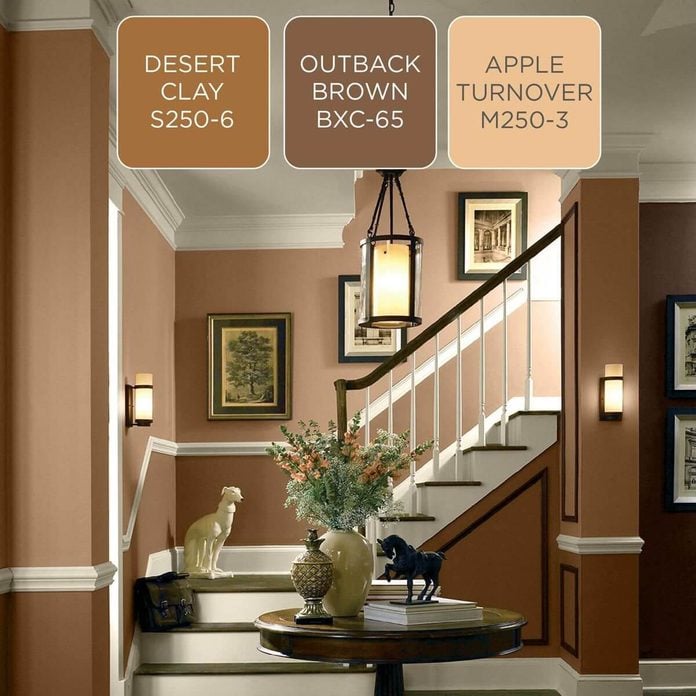
However, when the author simplified the requests, treating ChatGPT more like a brainstorming tool for specific elements, the results were more focused and useful. For instance, uploading a room picture and asking for paint recommendations to emphasize natural light yielded practical suggestions for accent walls, brand-specific paint shades, and suitable sheens. While ChatGPT cannot replace an expert interior designer, it can serve as a valuable assistant for brainstorming smaller projects, generating image visualizations, and offering specific recommendations like paint colors. Its ability to process information and offer diverse ideas makes it a useful tool for enhancing, rather than entirely replacing, human creativity and expertise in home improvement endeavors.
#ChatGPT #HomeDesign #RoomLayouts #InteriorDesign #AIinDesign #HomeRenovation #DesignTools #SmartHome #DecoratingAdvice #ChatGPT #HomeDesign #RoomLayouts #InteriorDesign #AIinDesign #HomeRenovation #DesignTools #SmartHome #DecoratingAdvice
0개의 댓글이 총 표시됩니다.
 아직 댓글이 없습니다
추가로 마음에 드릴 만한 콘텐츠

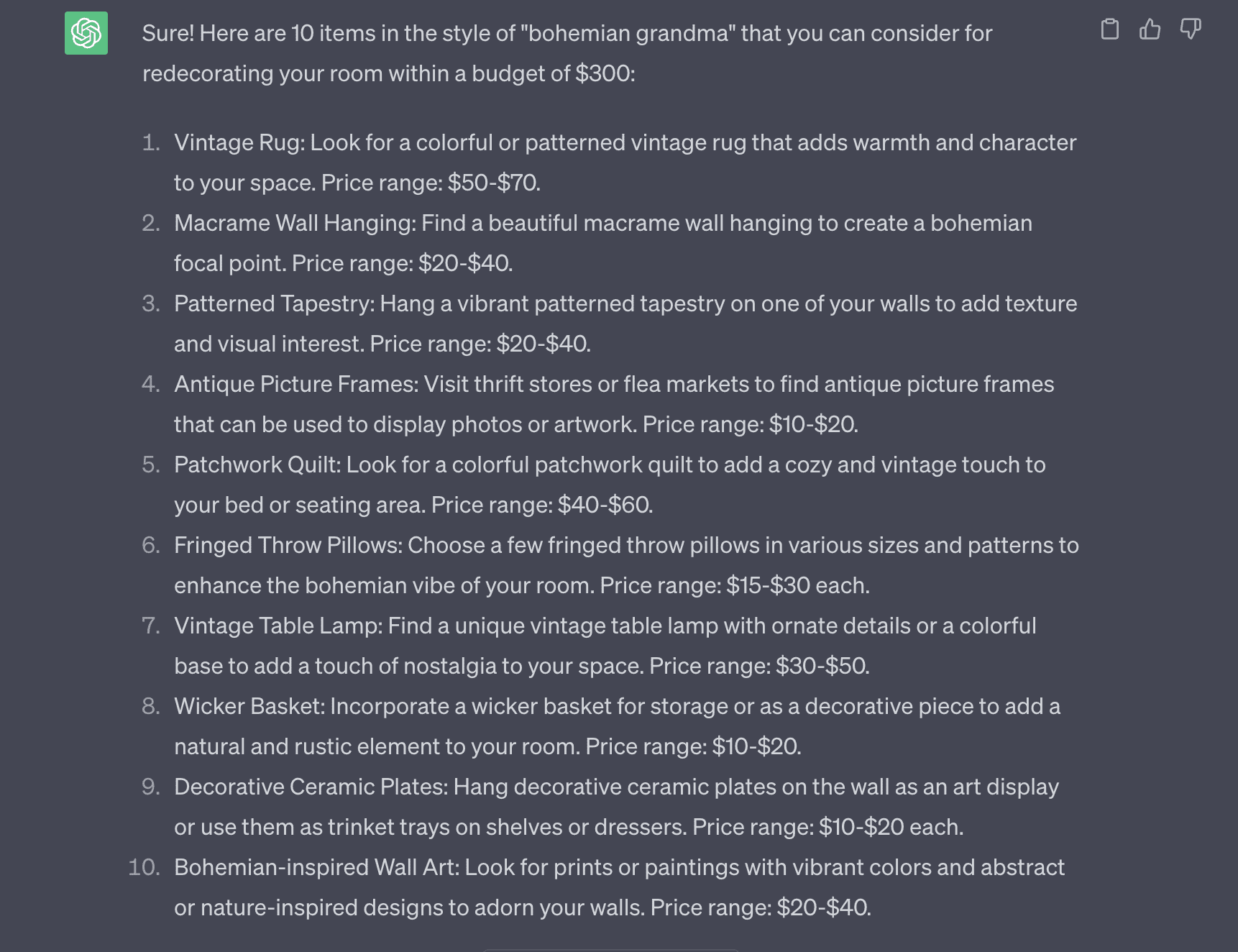
I Asked ChatGPT to Decorate My “Bohemian Grandma” Bedroom, and I’d Do It Again
Don’t Start Your DIY Projects Without These DIY Apps

How One Interior Design Enthusiast Uses Temu to Transform Seasonal Home Decor and Family Party Planning
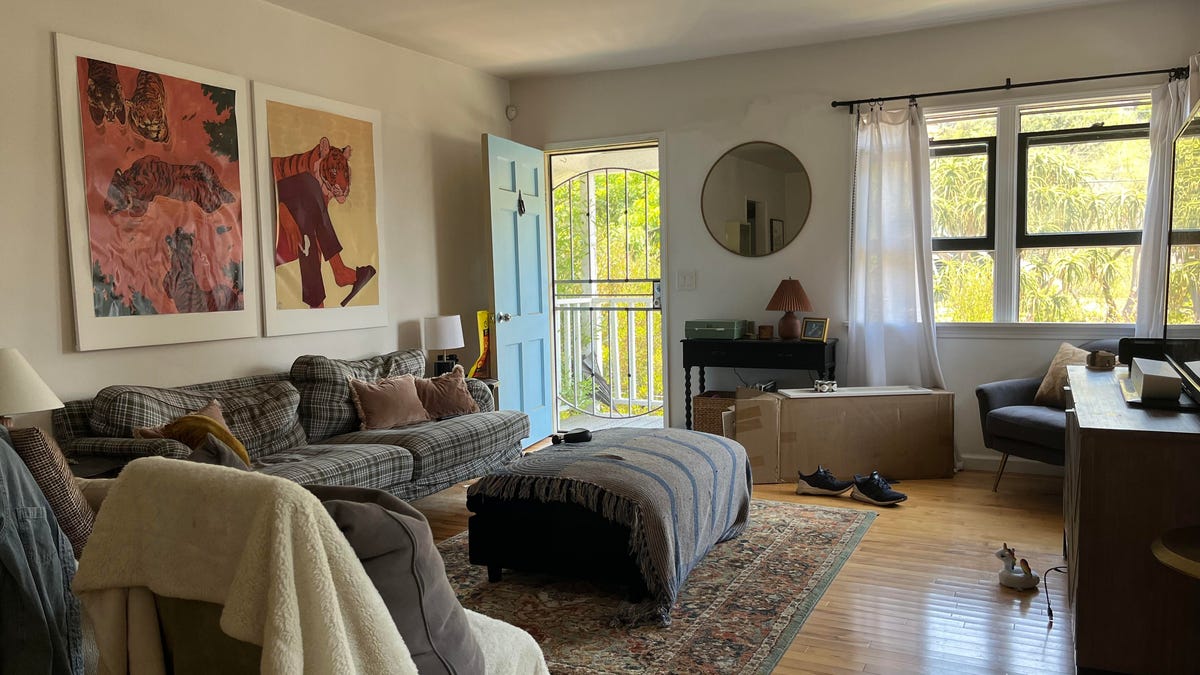
I Let Gepetto AI Redesign My Room. The Results Were Mixed

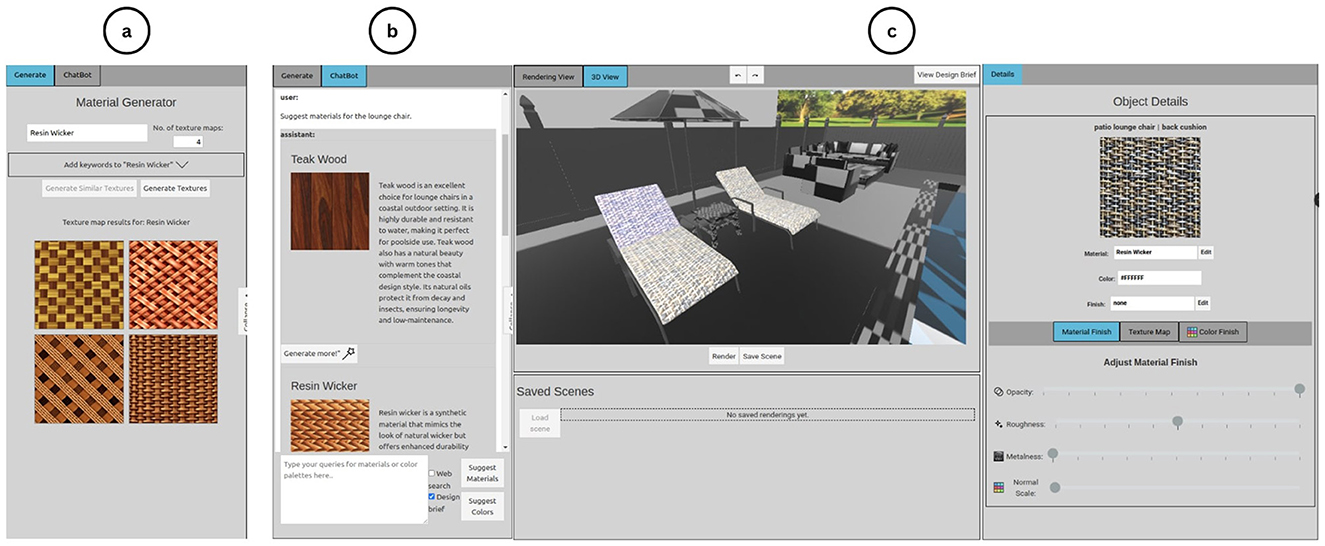
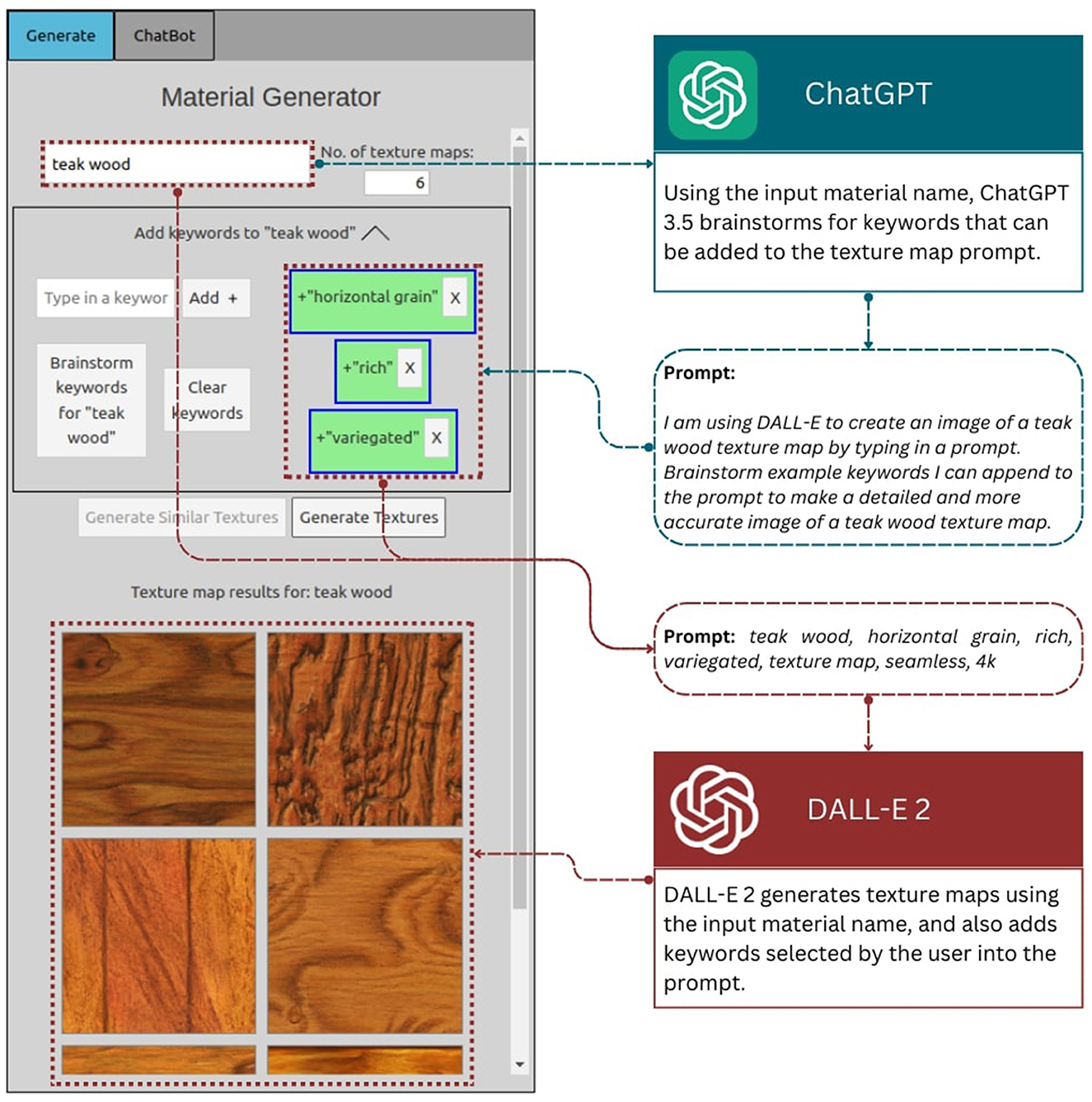
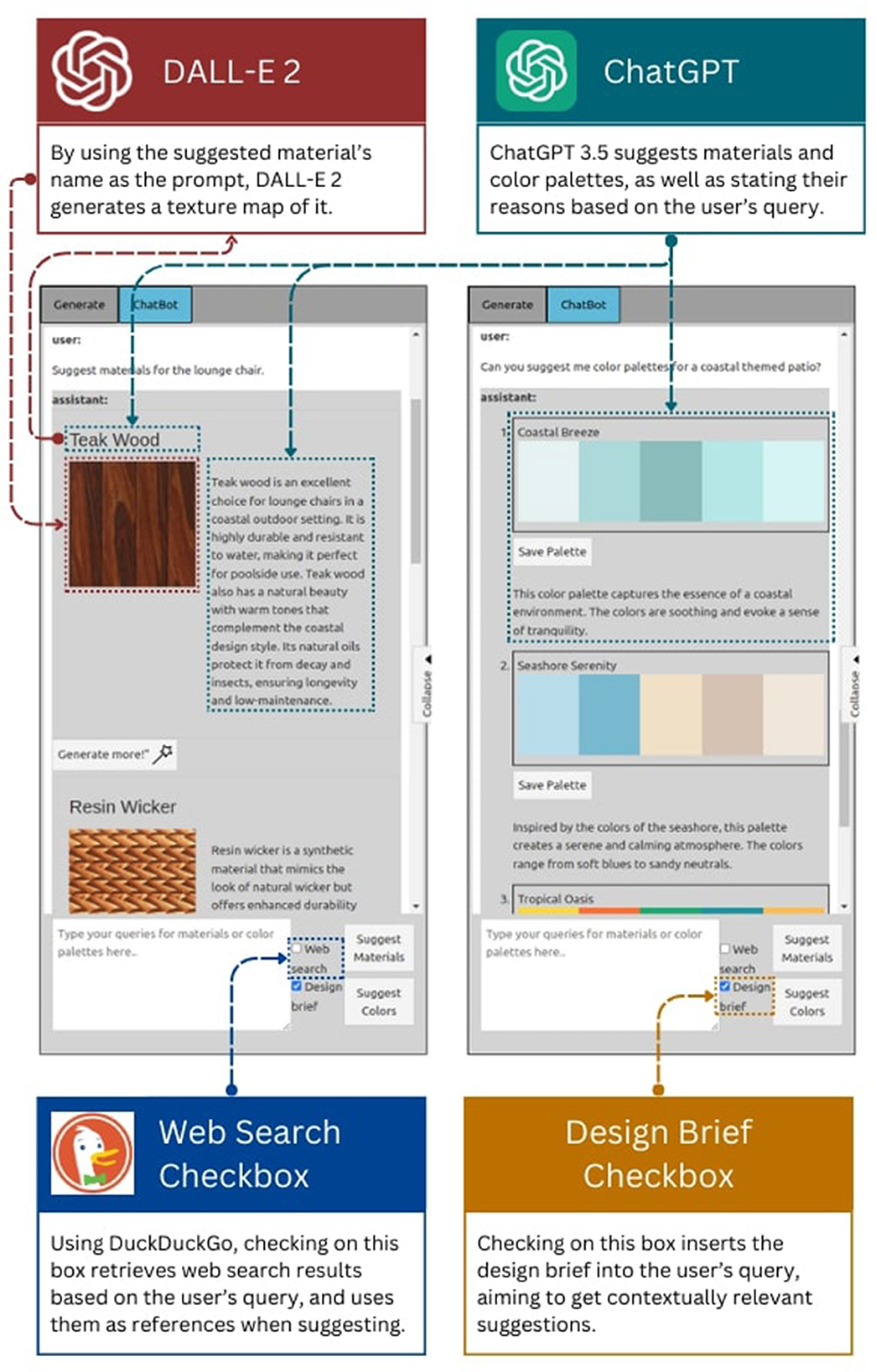
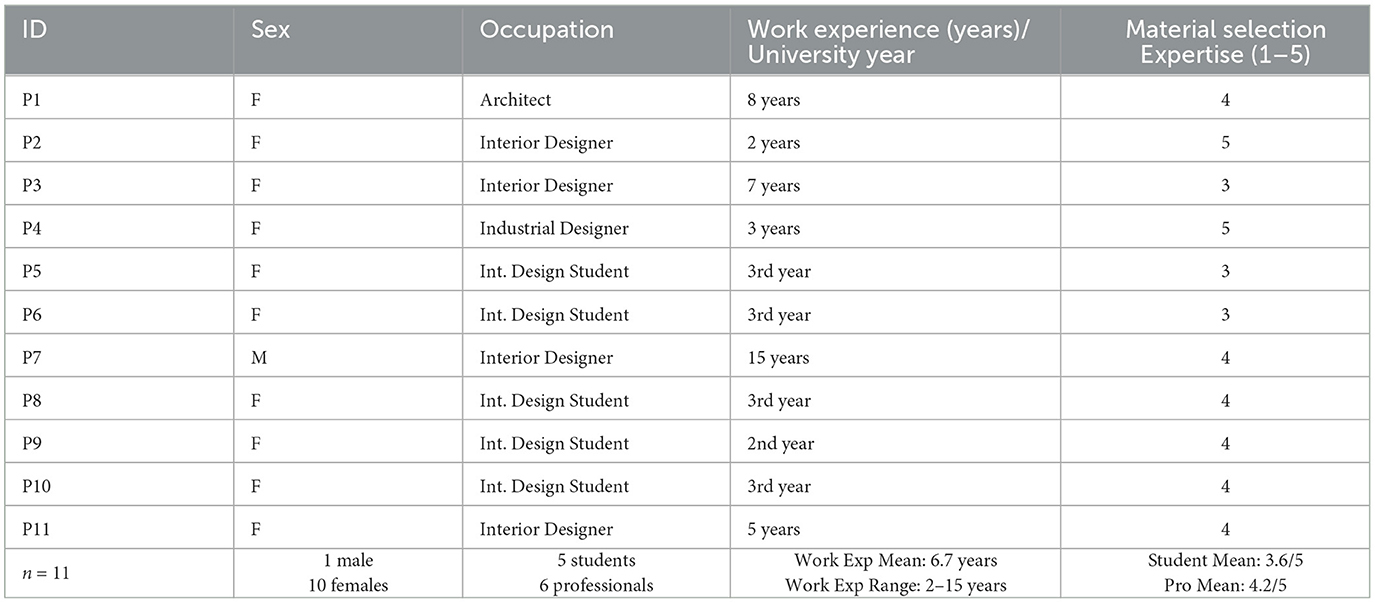
Exploring the use of generative AI for material texturing in 3D interior design spaces

I Tried New AI Project Planning Tools From The Home Depot and Lowe's—Here's What Happened


A guide to apps to support your home renovation project

The Studio - Explore All Projects On Studio McGee

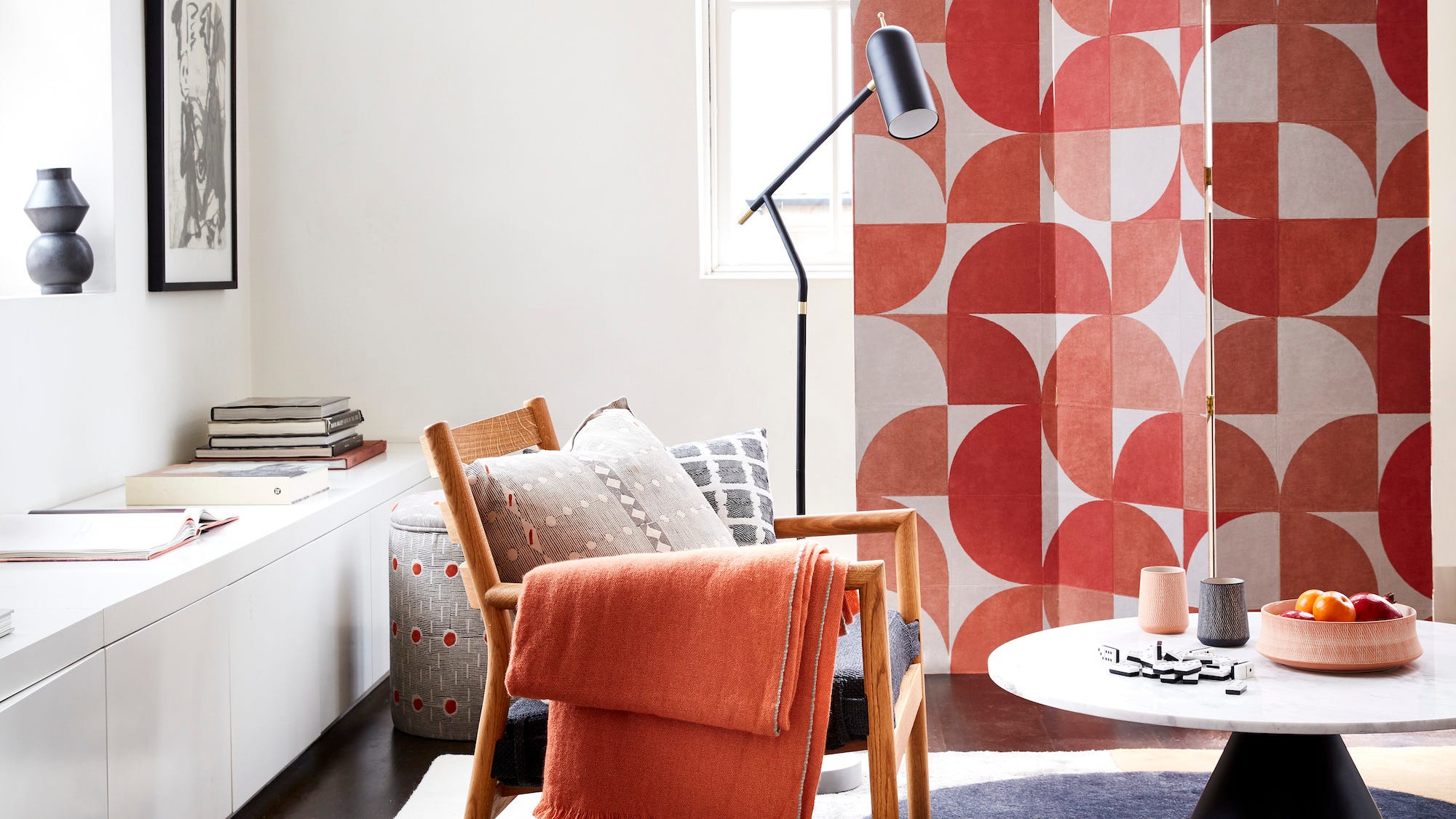
16 Best Free Home and Interior Design Apps, Software and Tools

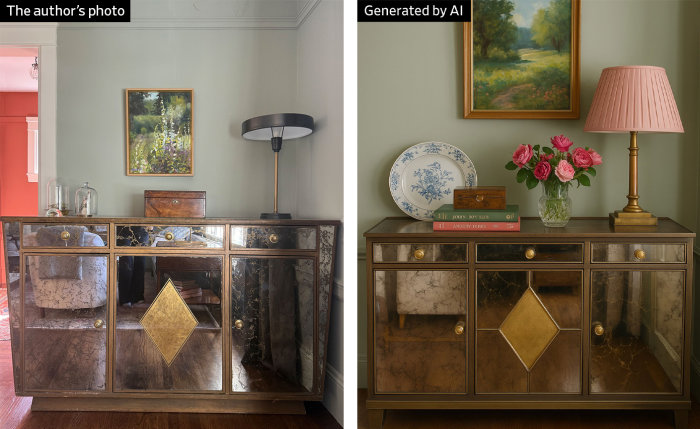
Can AI Save Me the Cost of an Interior Designer?

8 Useful Apps for DIY Home Design

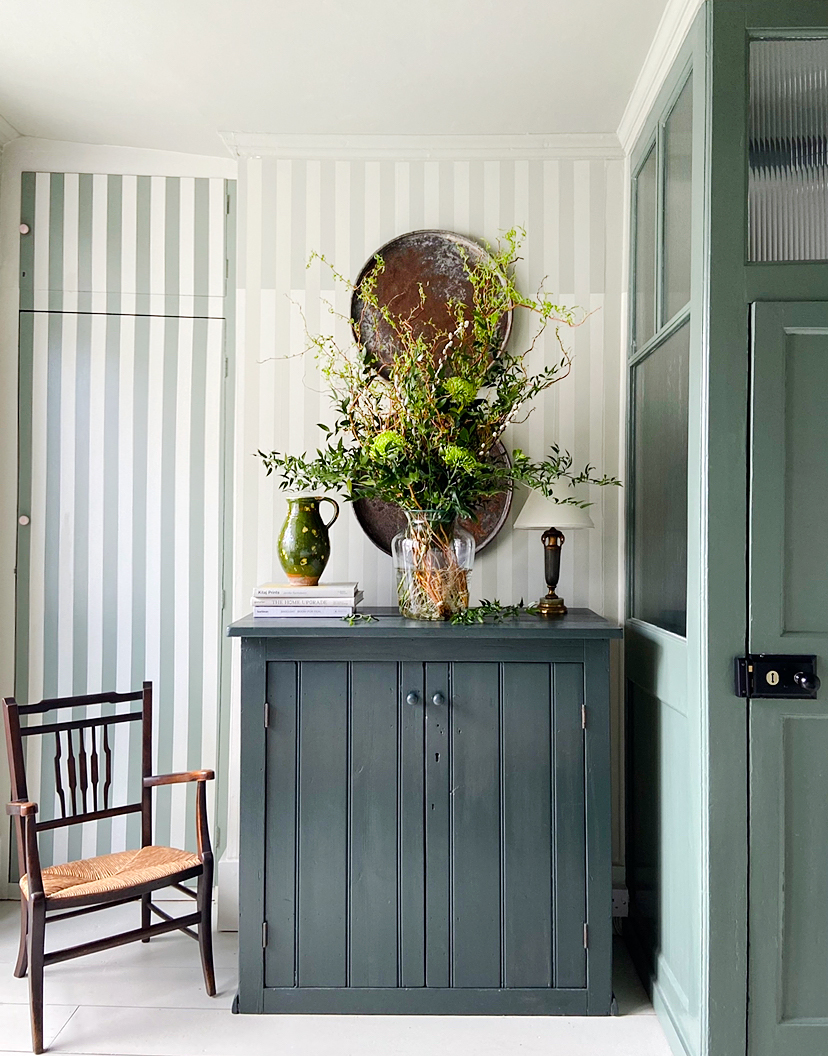
This Budding Designer Proudly Curated His Home to Grow His Social Media Following

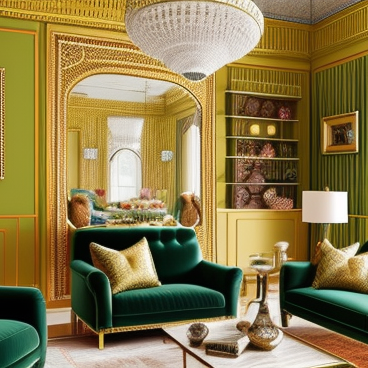
I Let AI Design My Home. Here’s What Happened

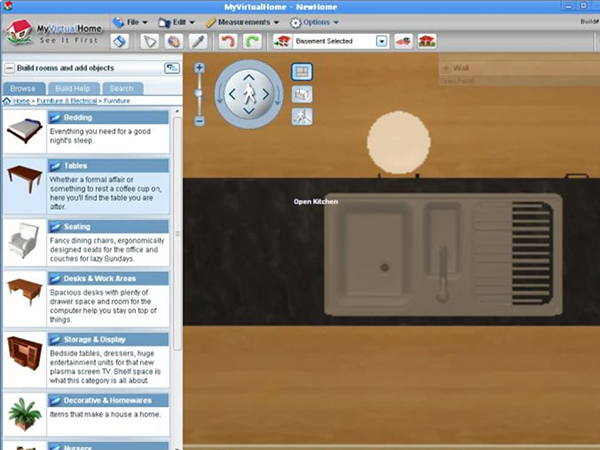
3D House Design: 8 Best Three-Dimensional House Plan Apps, Software & Online Tools
Gabor Design Build brings creativity, communication to remodeling projects

Joanna Gaines, Christina Haack, and More TV Expert Advice I Followed to Renovate and Decorate My Home
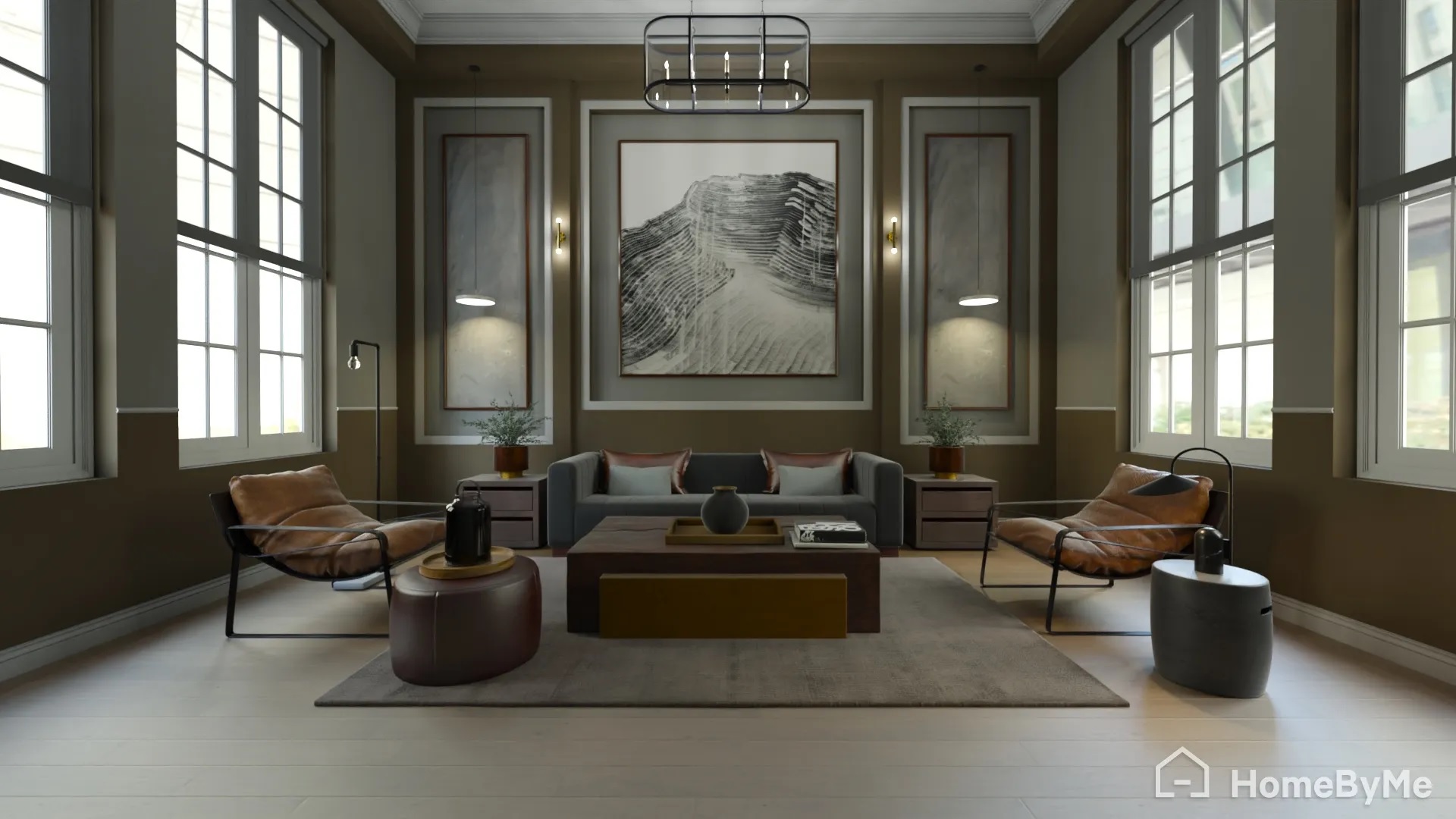
3DVIA


House Design App: 10 Best Home Design Apps
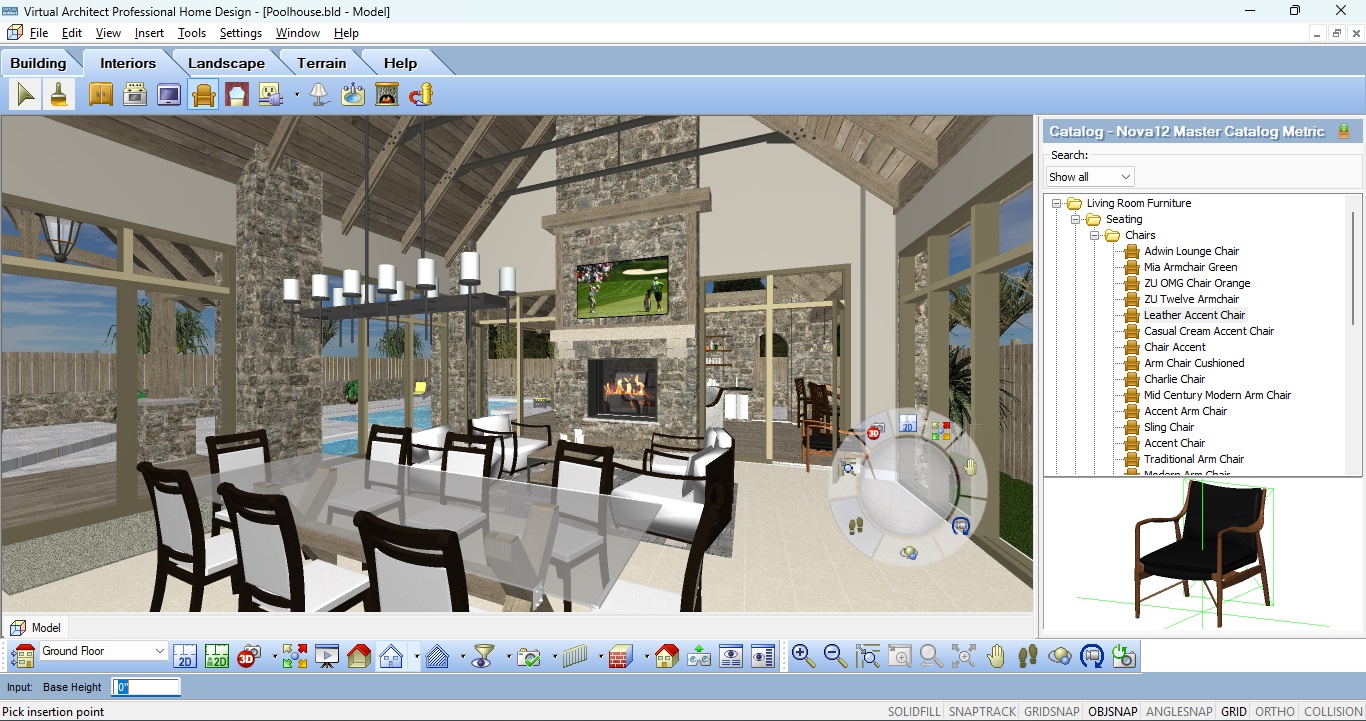
Nova Development Virtual Architect Professional Home Design 12 review

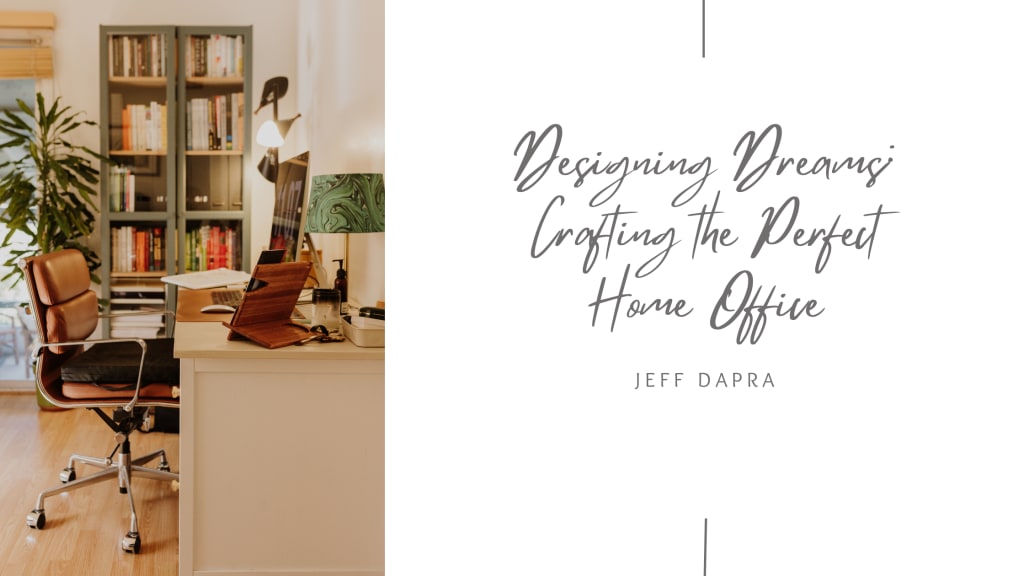
Jeff DaPra talks about Designing Dreams: Crafting the Perfect Home Office