1/11
Bedroom accent wall ideas – 10 ways to create a feature wall
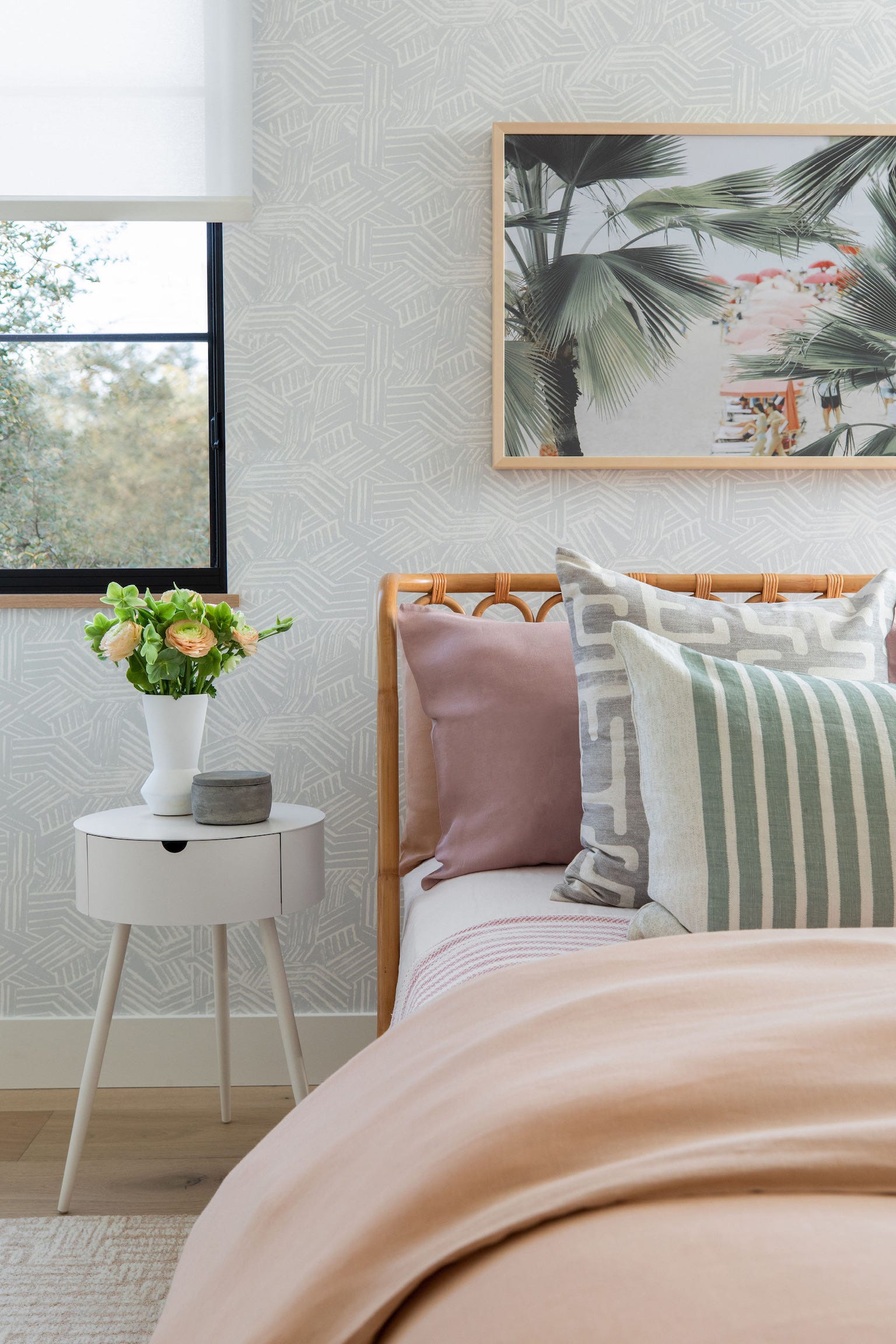
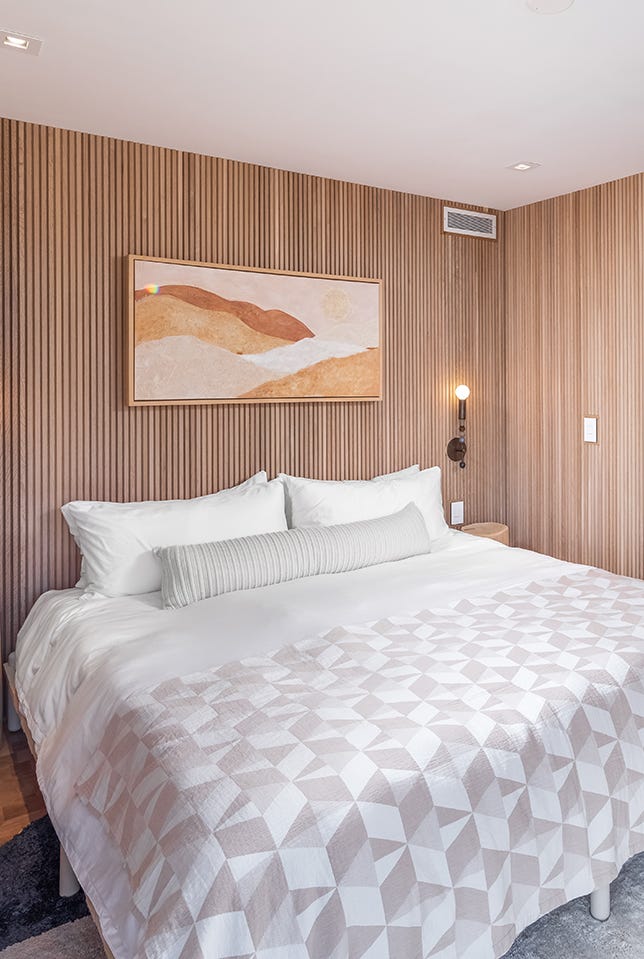
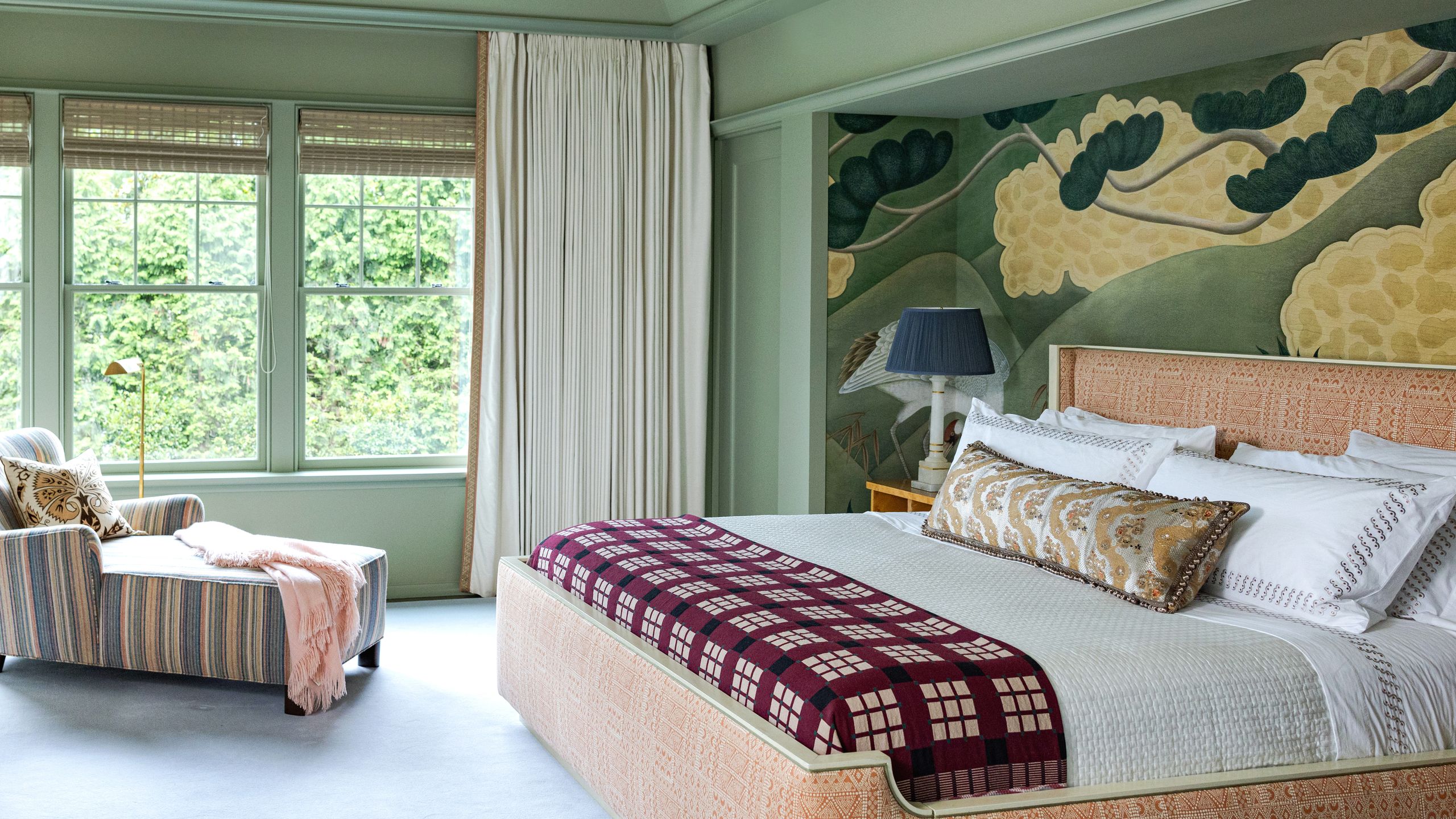
Accent walls offer a unique opportunity to inject personality and style into a bedroom, moving beyond traditional paint and wallpaper to incorporate various creative elements. The article explores ten distinct approaches to designing a bedroom accent wall, encouraging readers to think innovatively about their space.
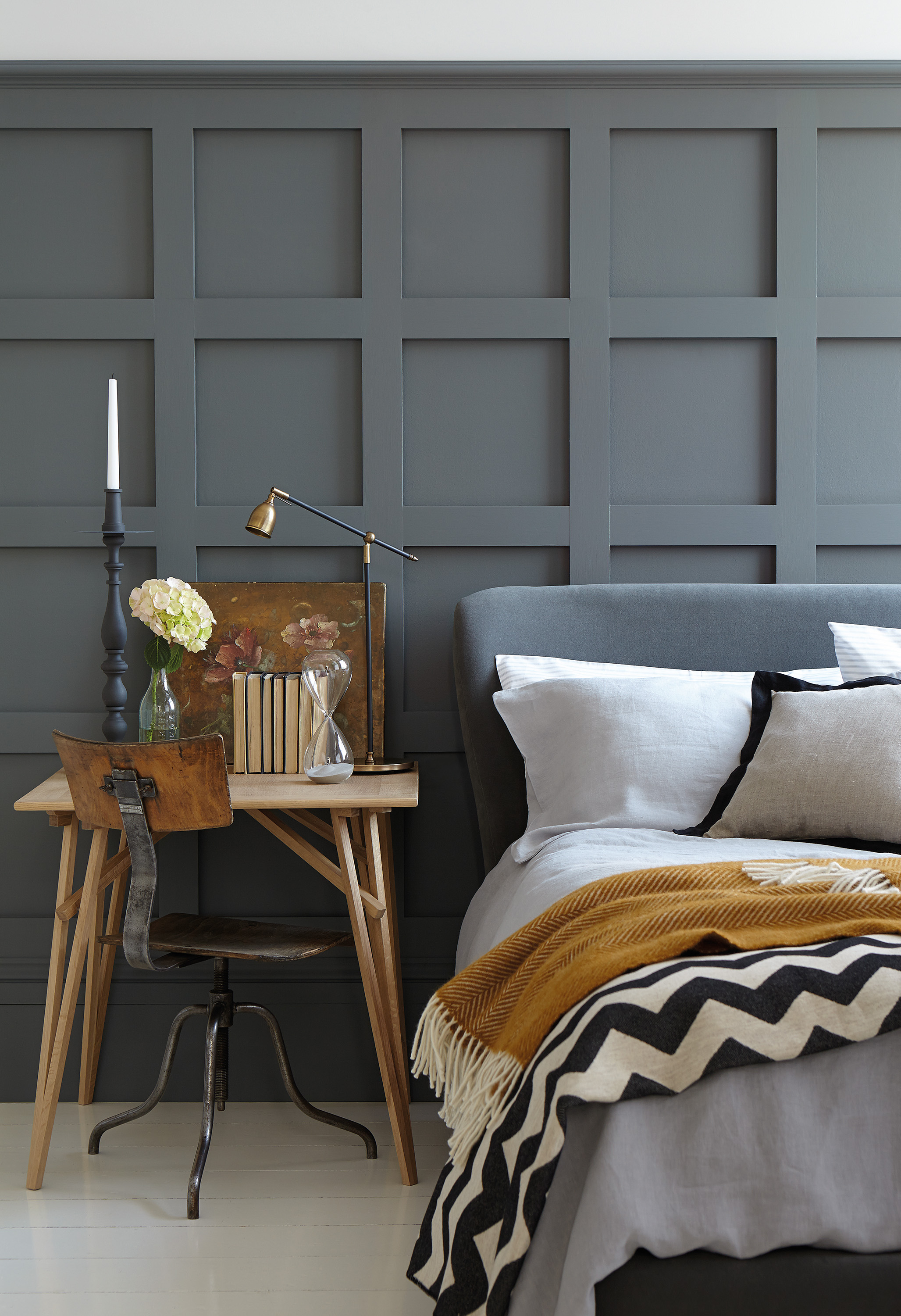
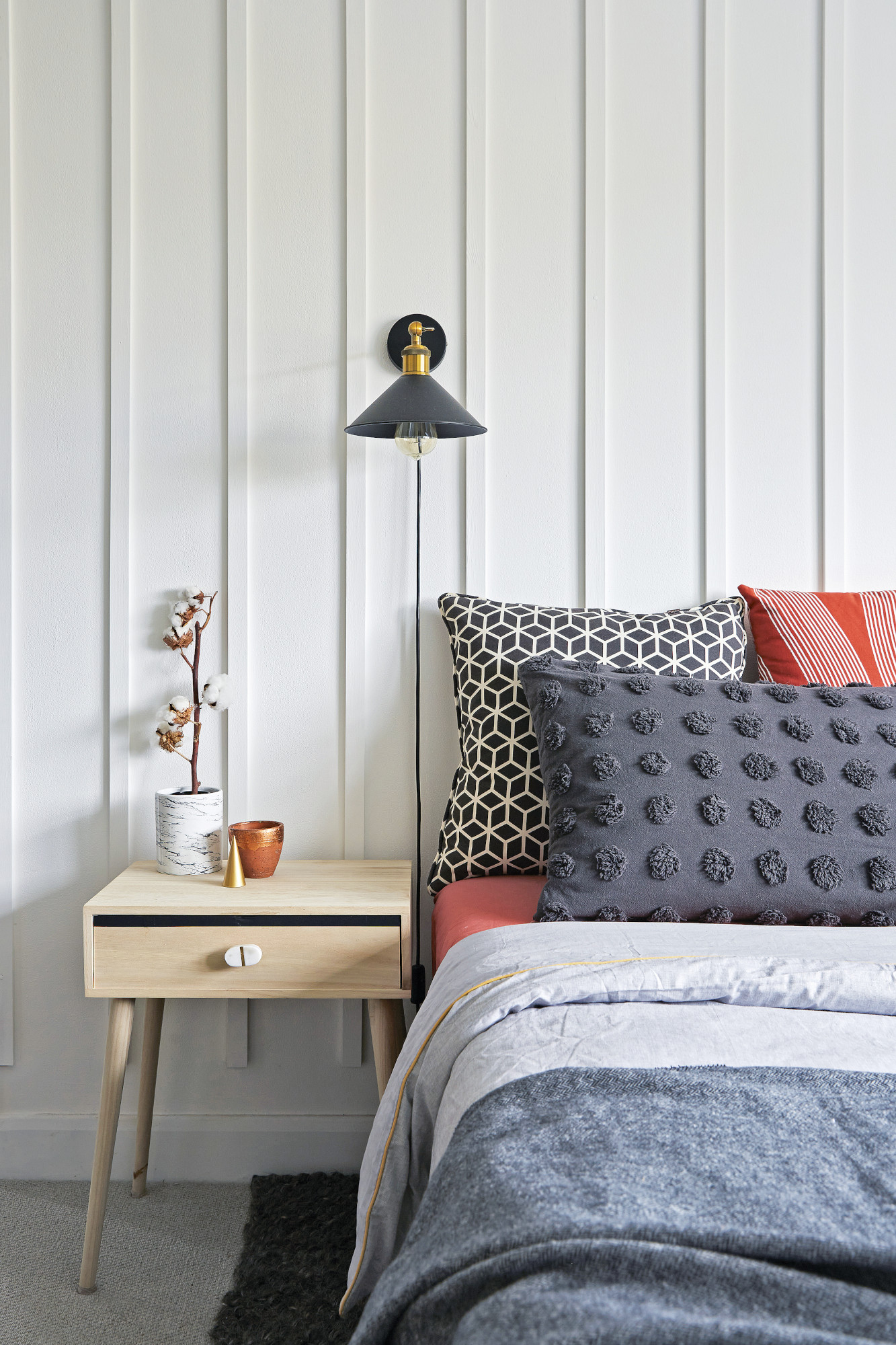
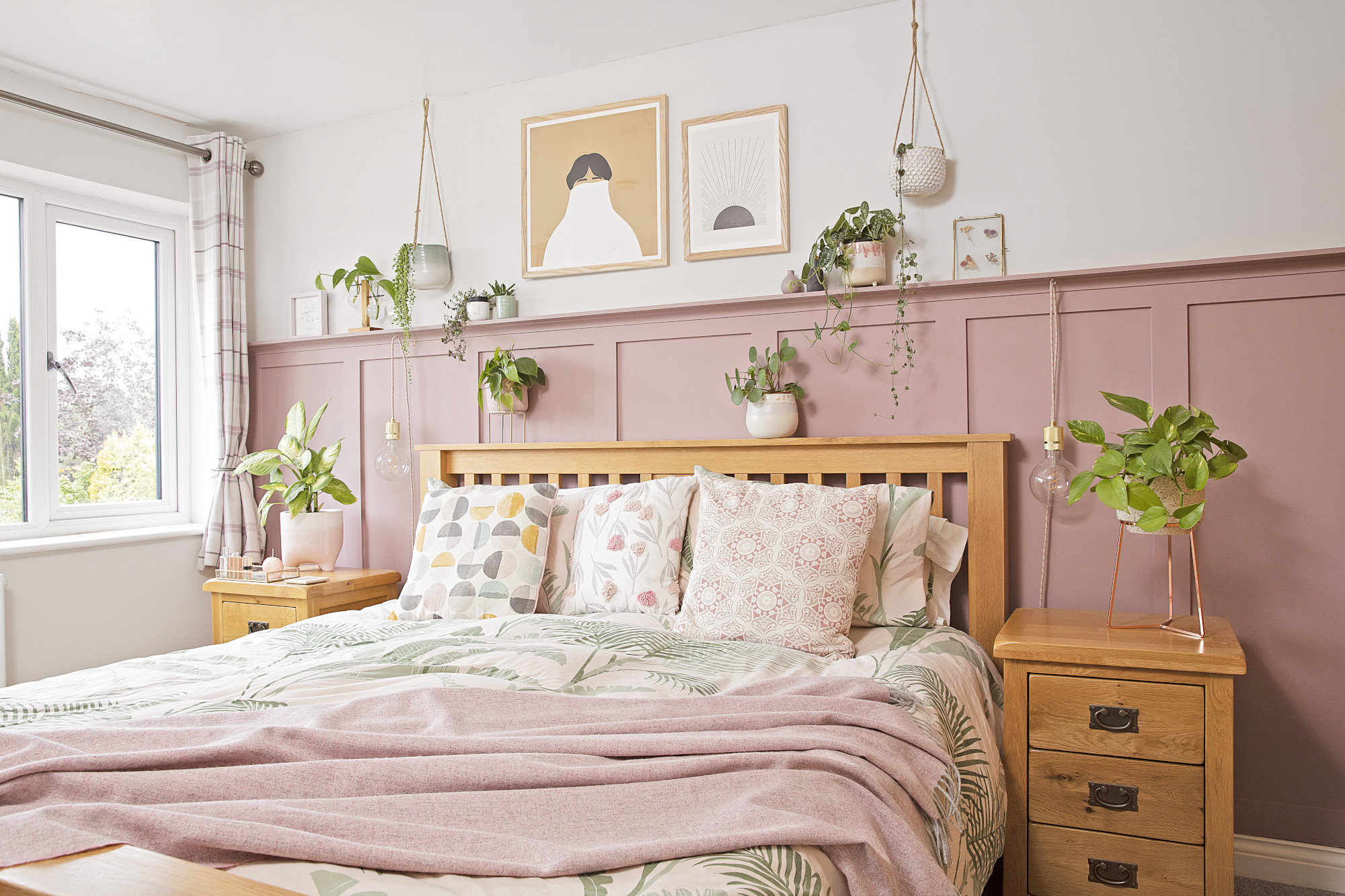
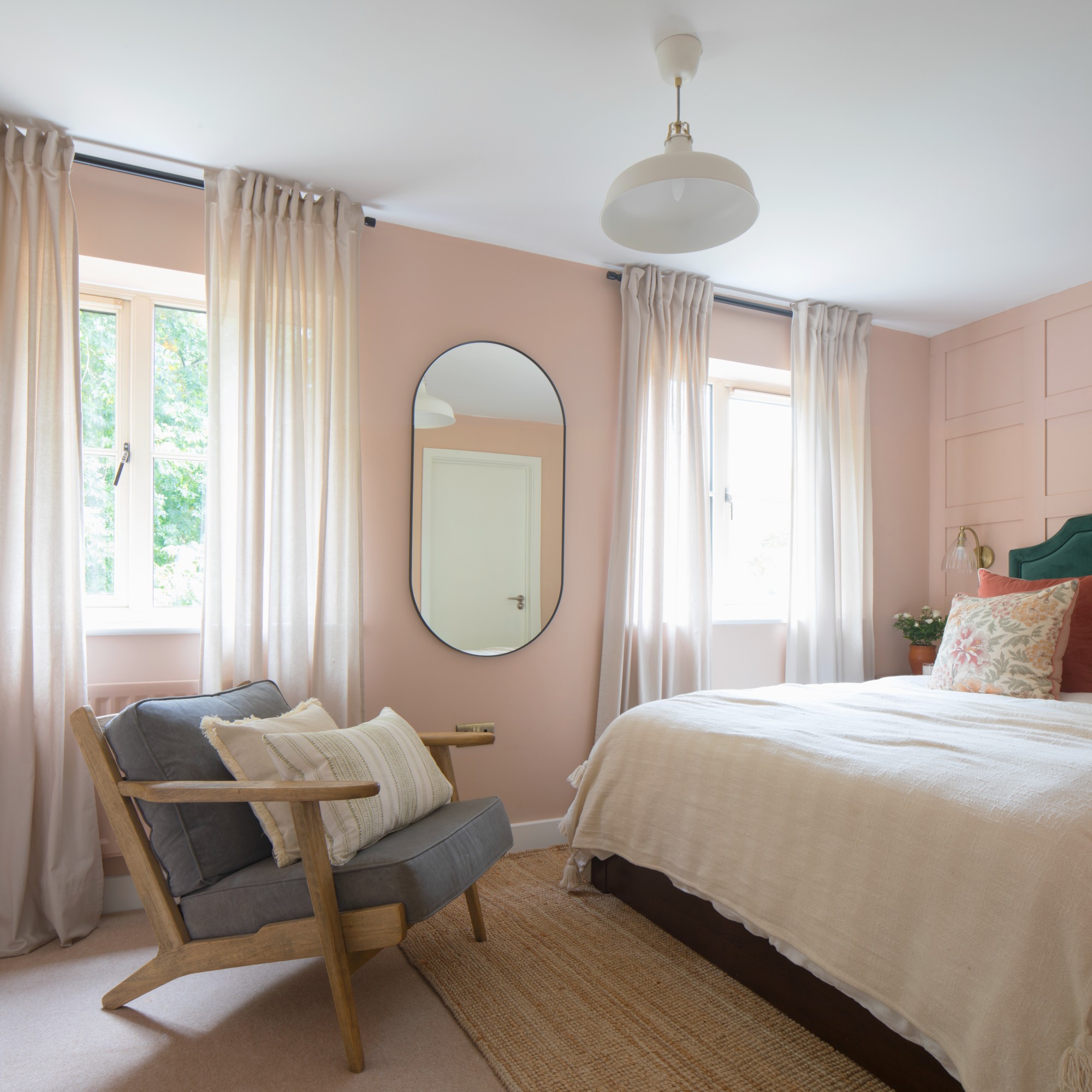
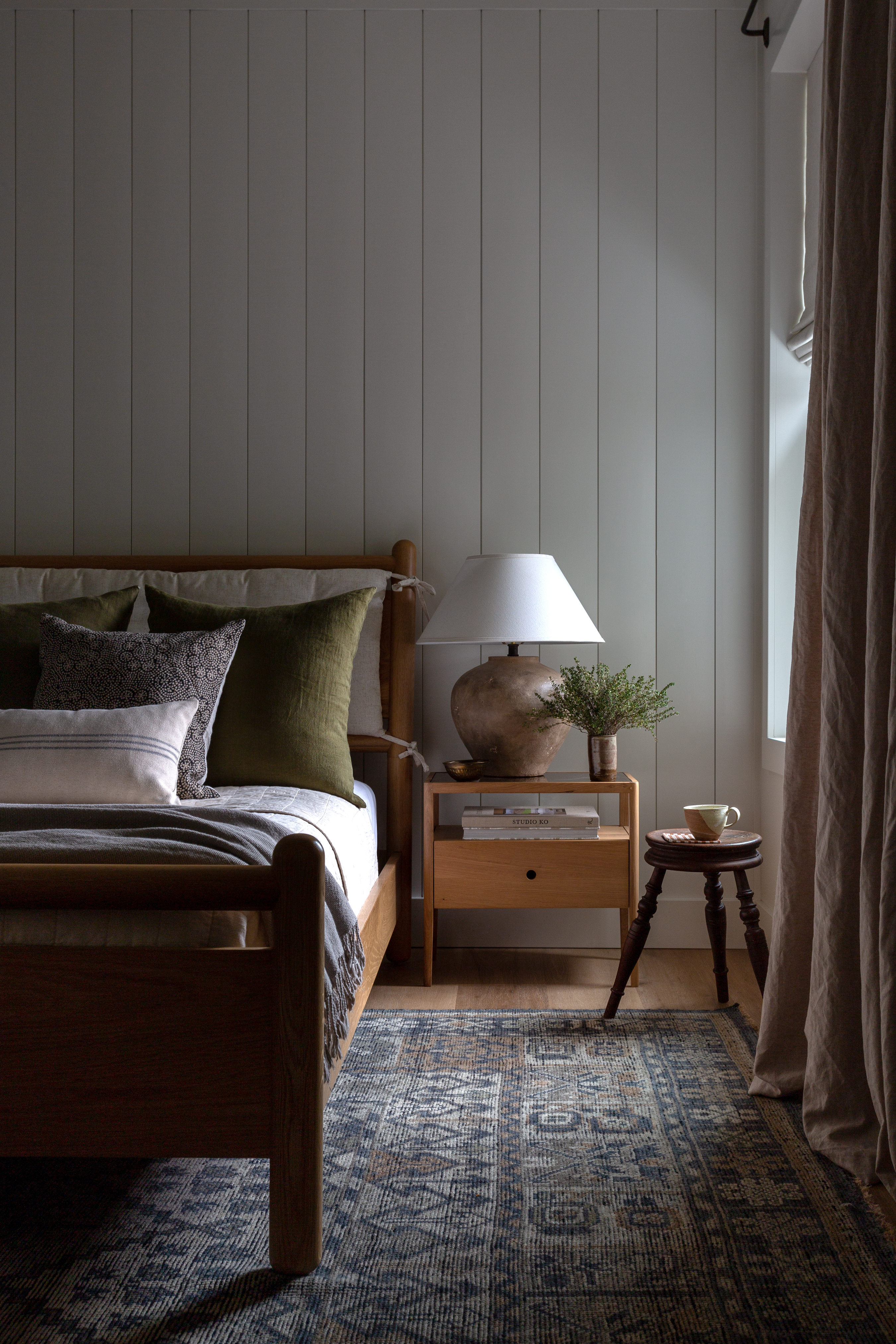
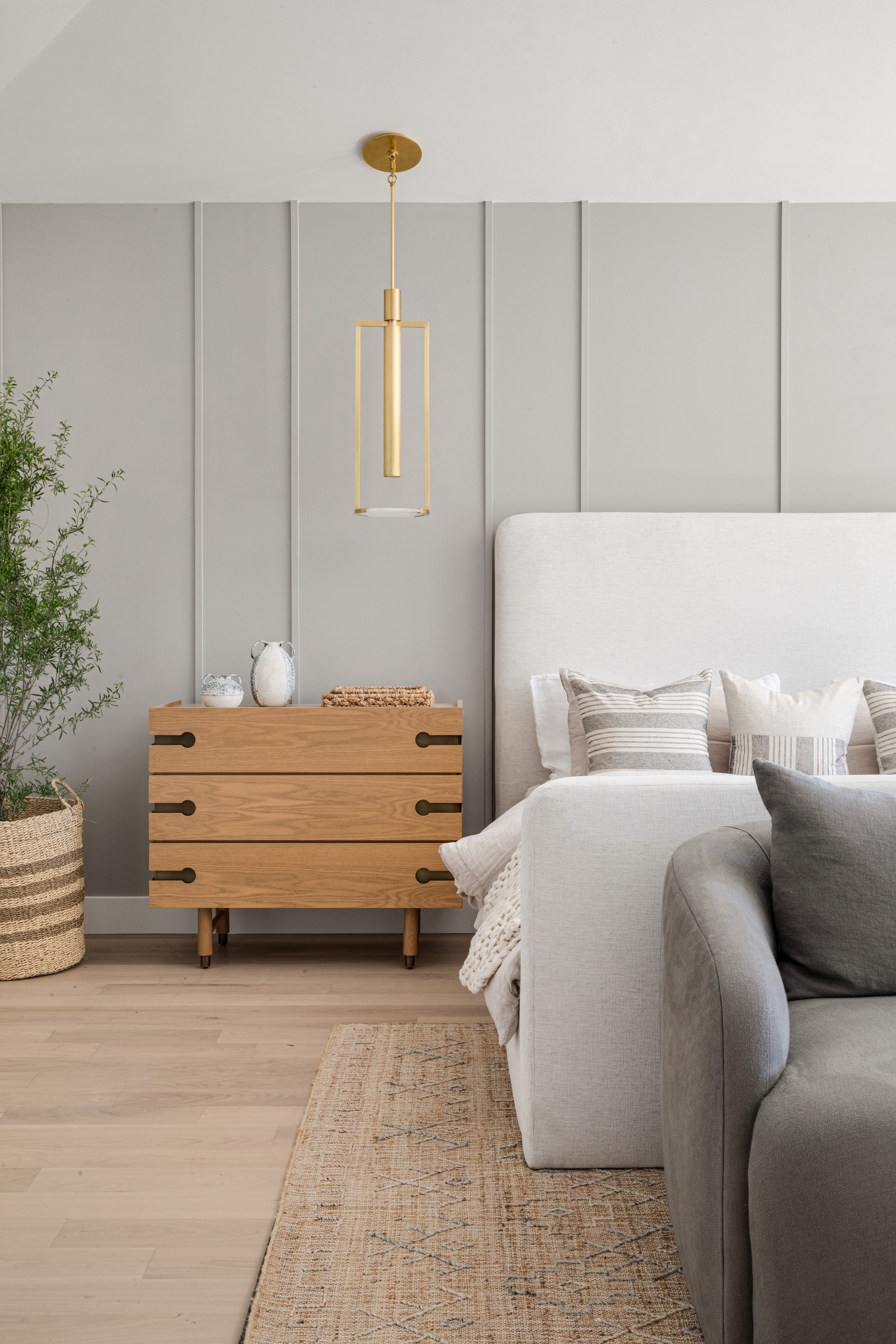
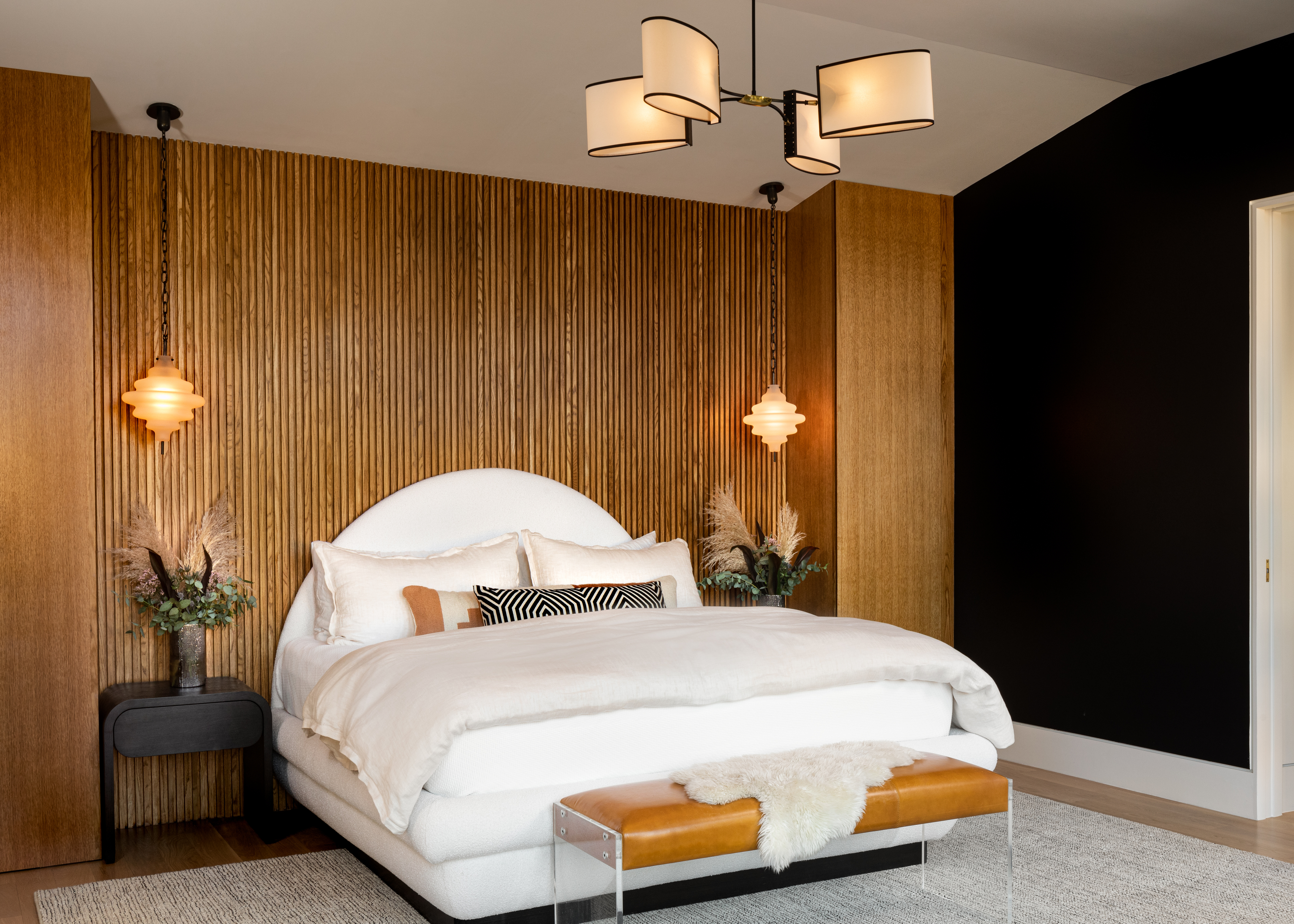
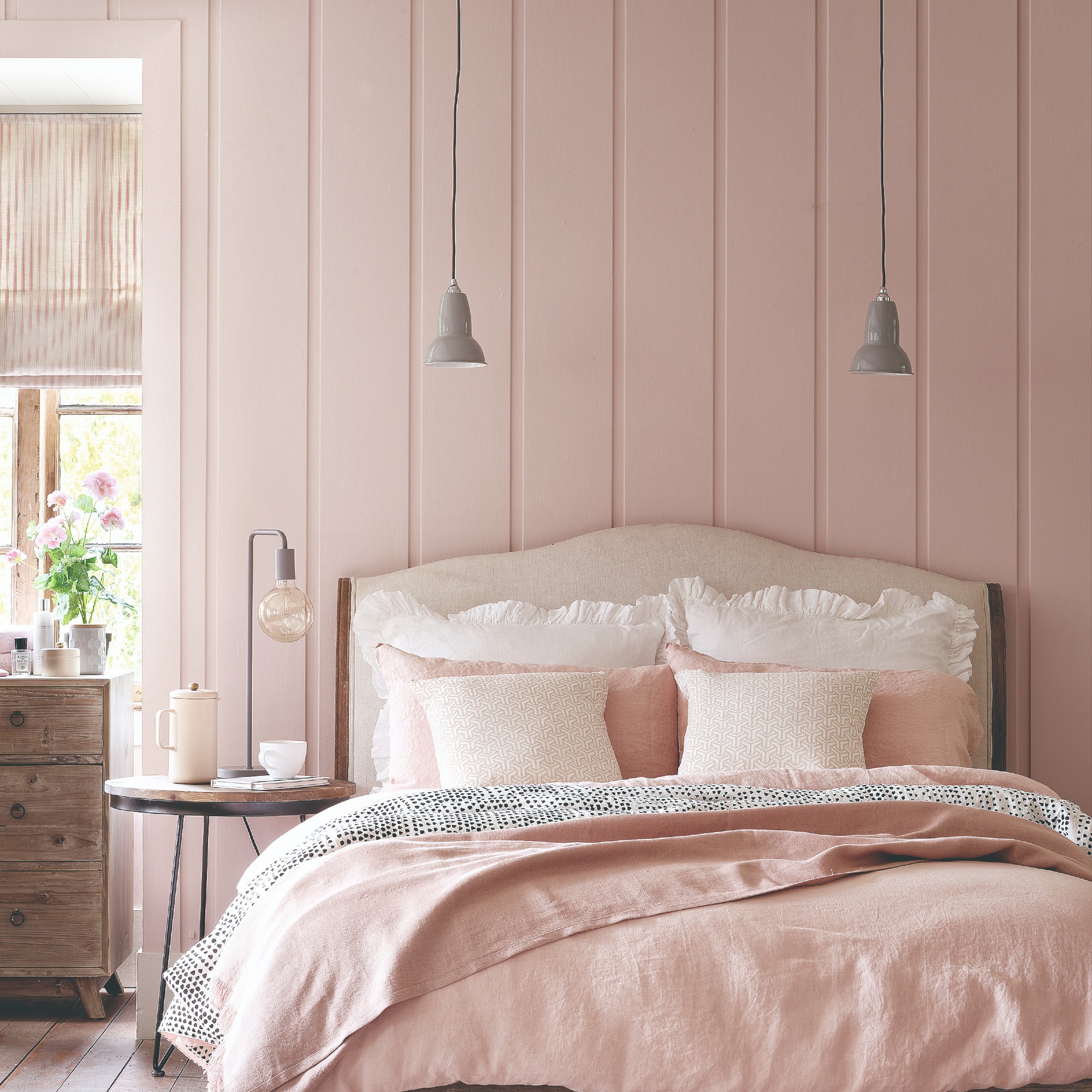
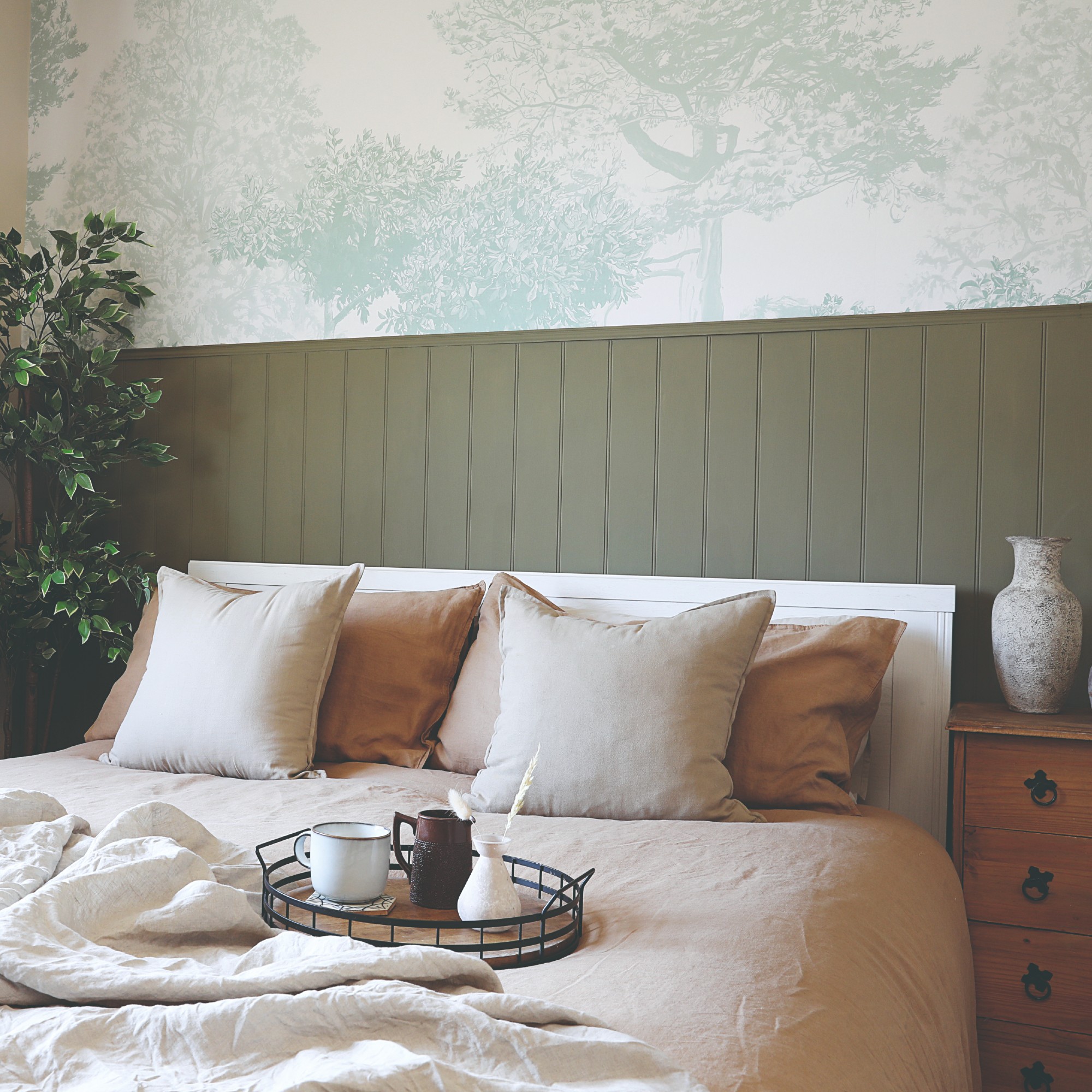
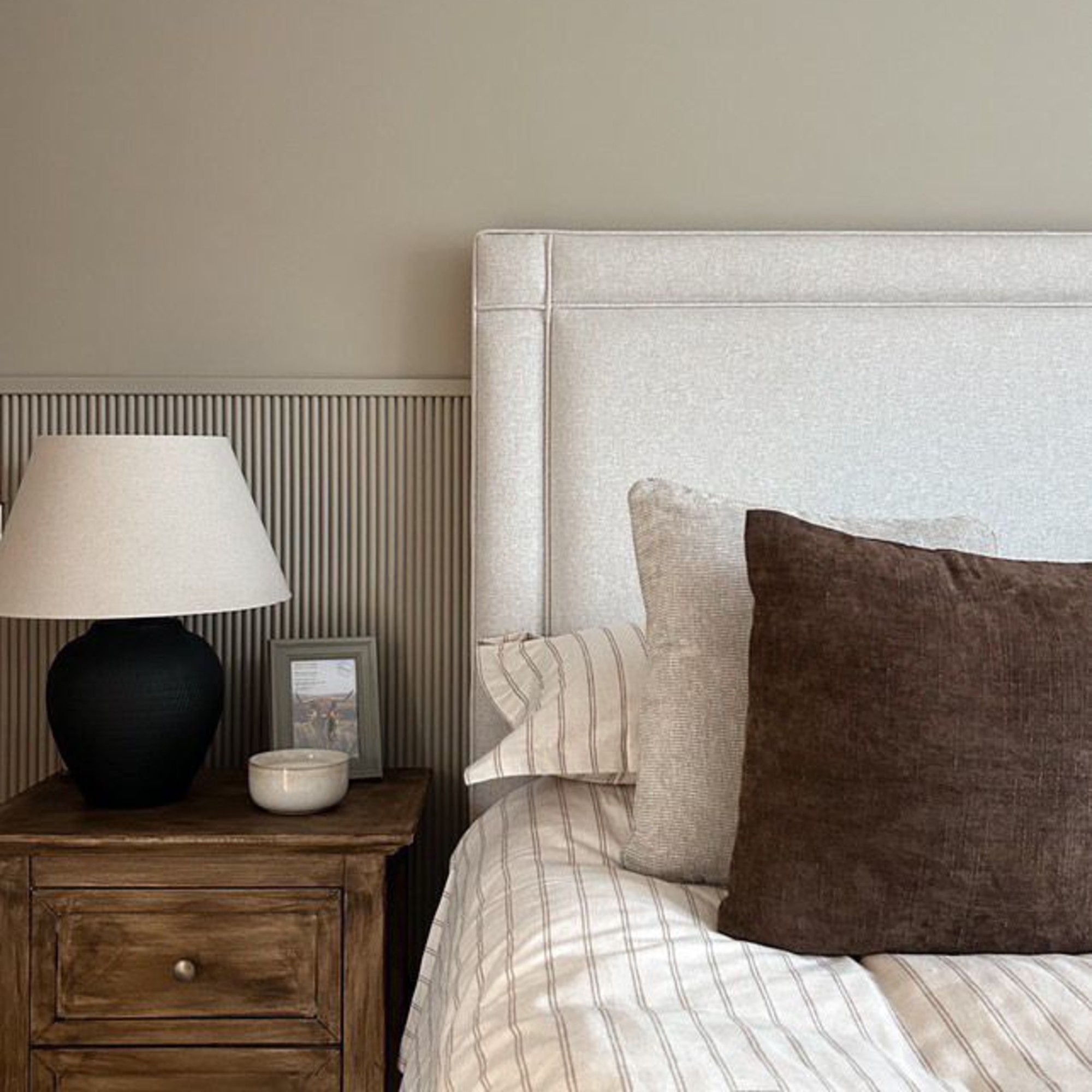
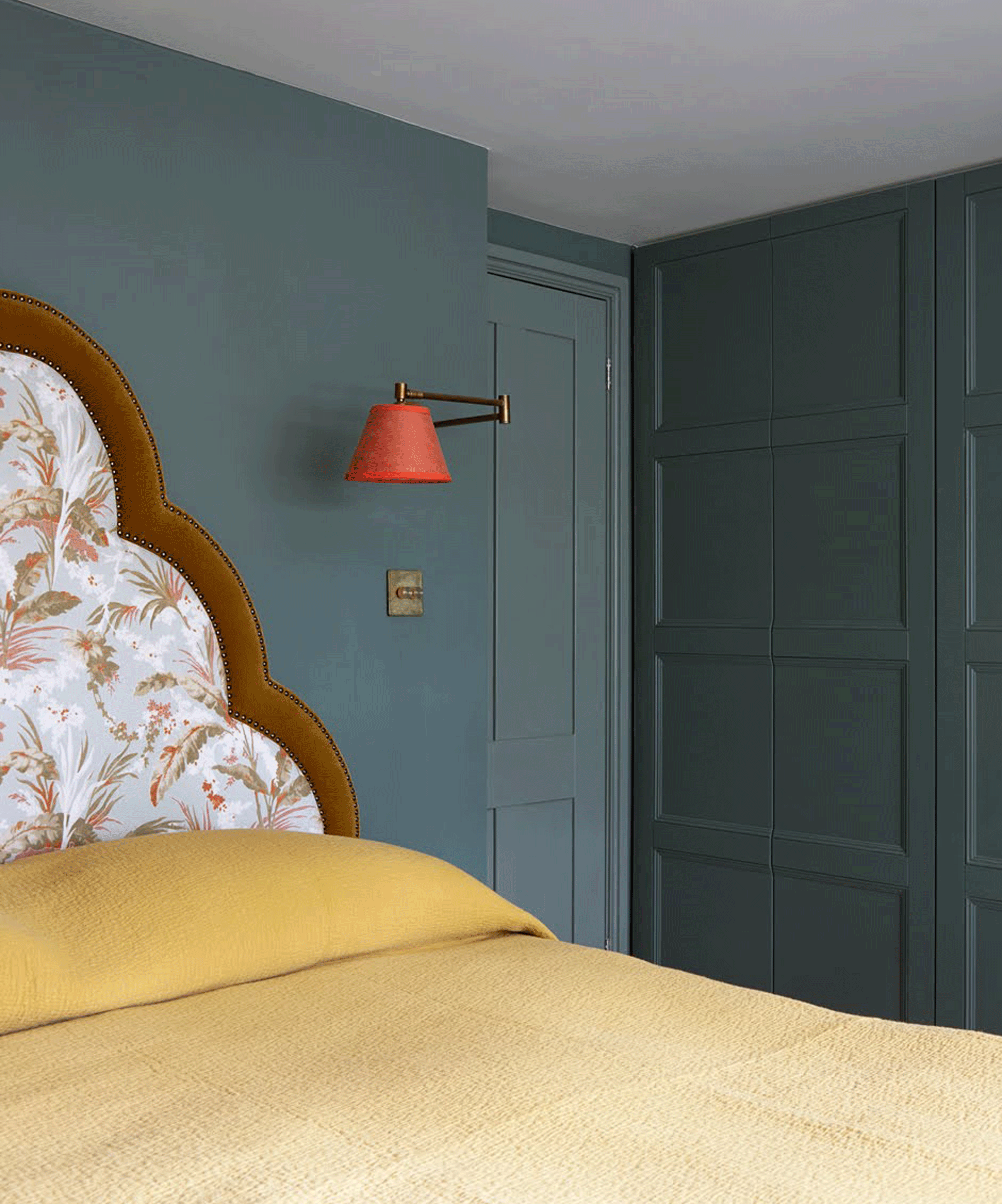
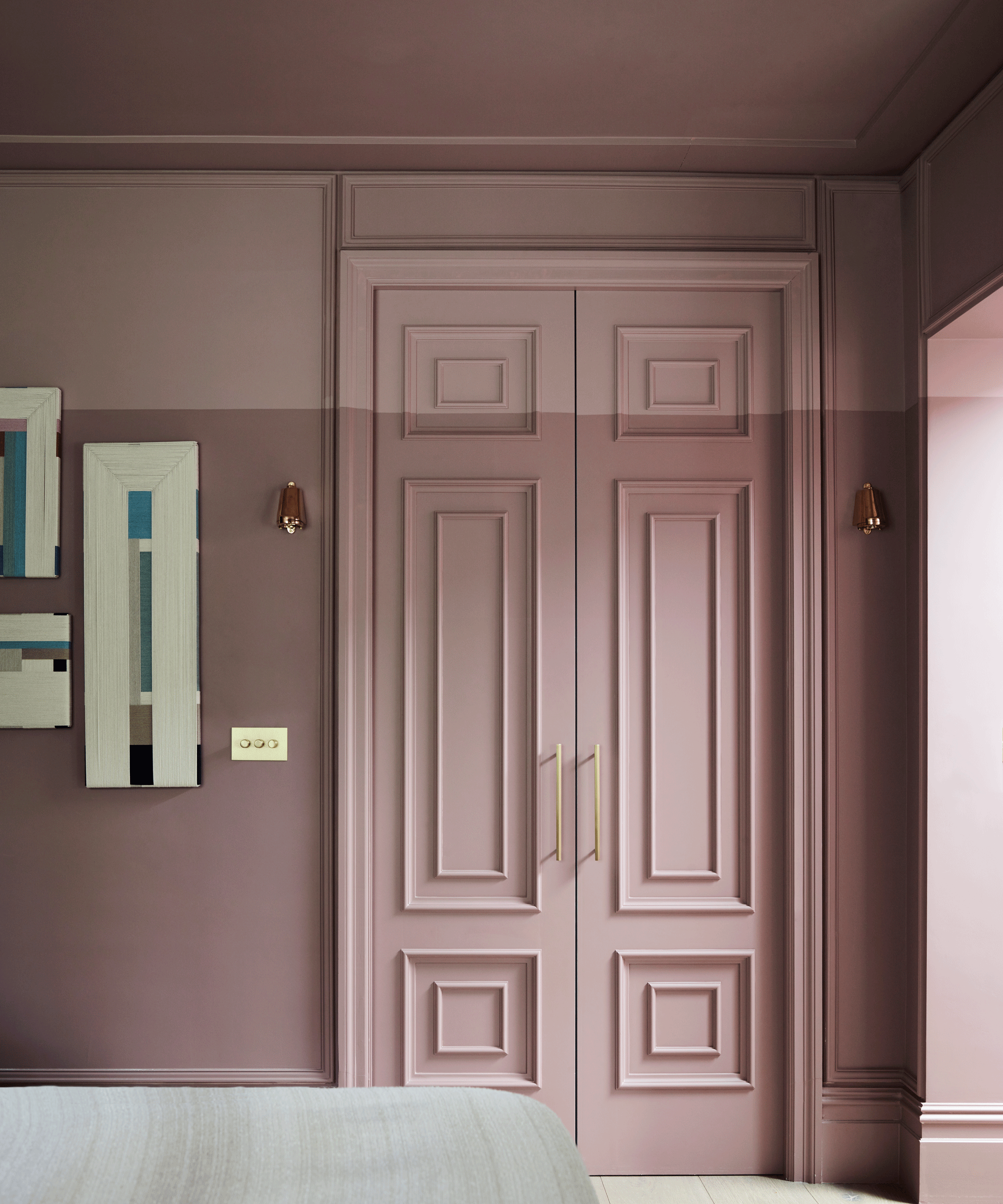
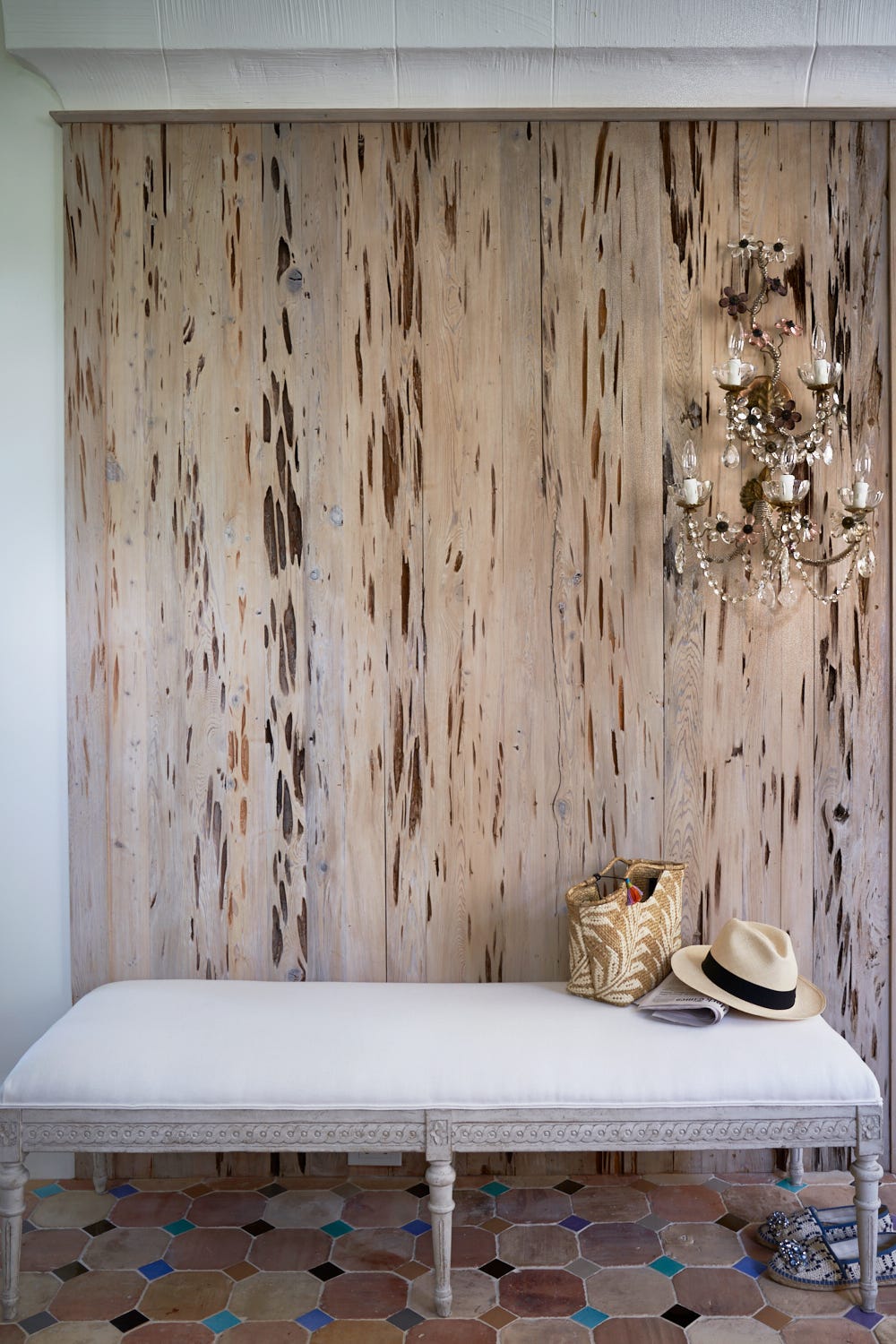
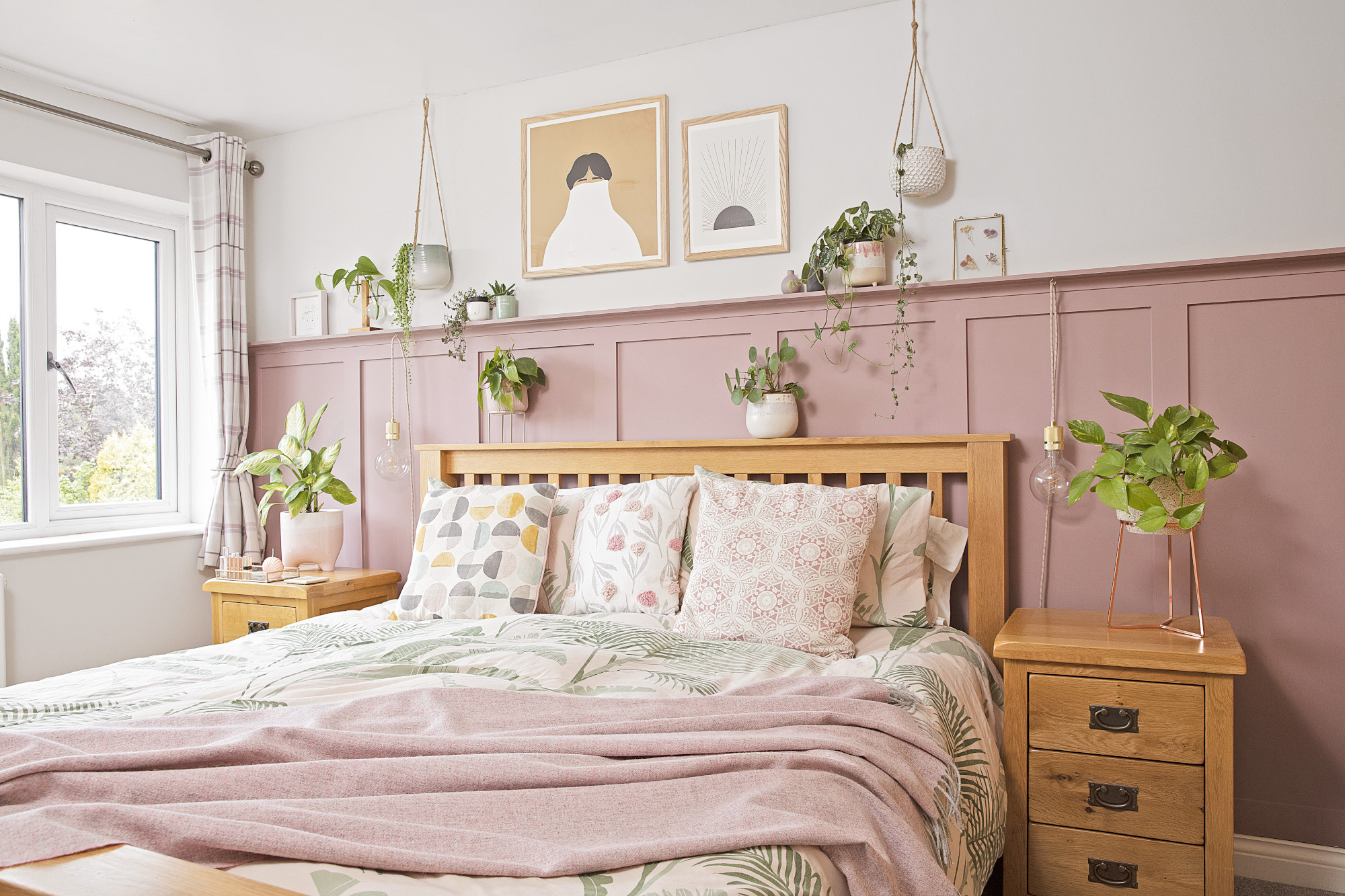
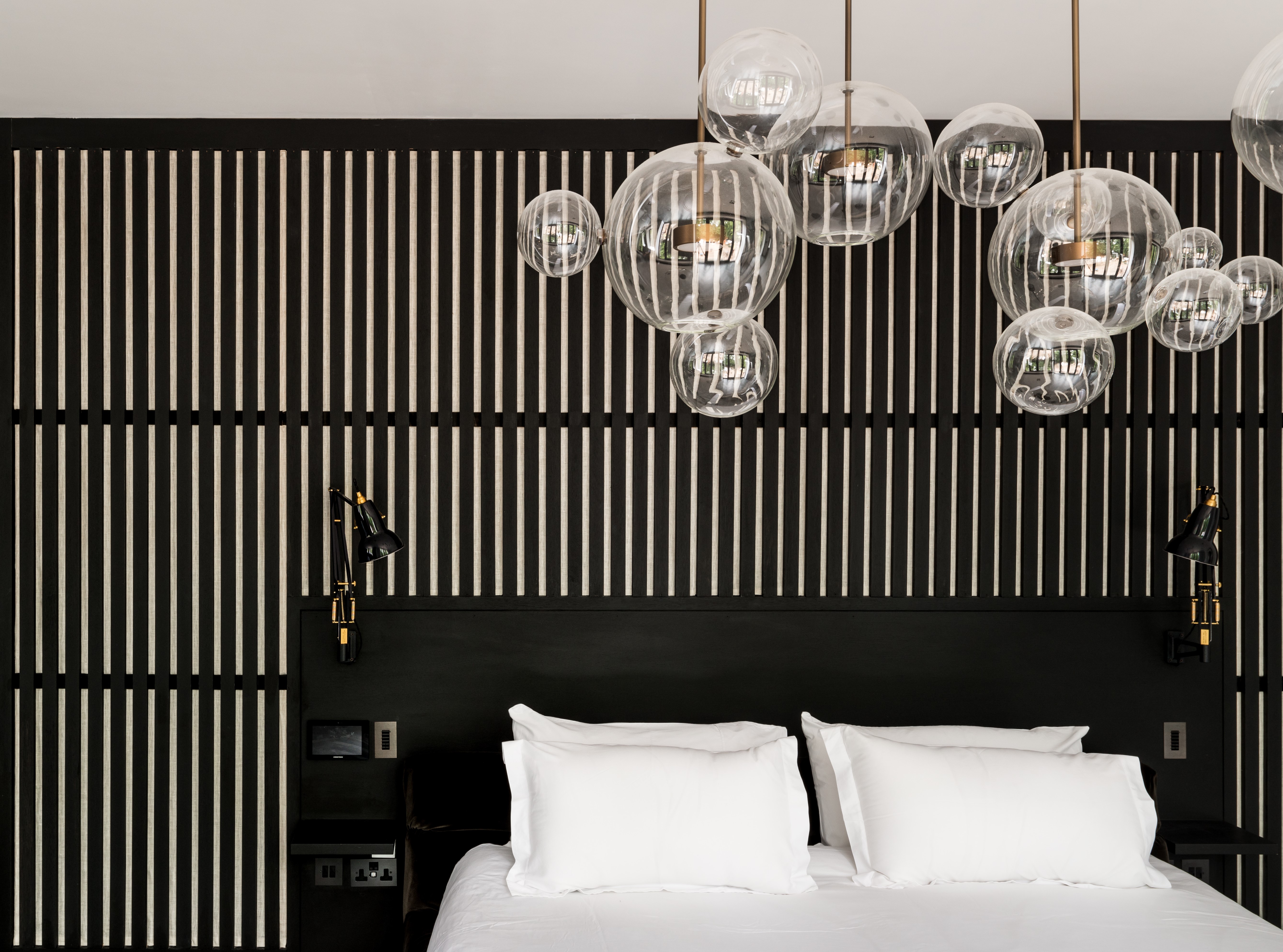
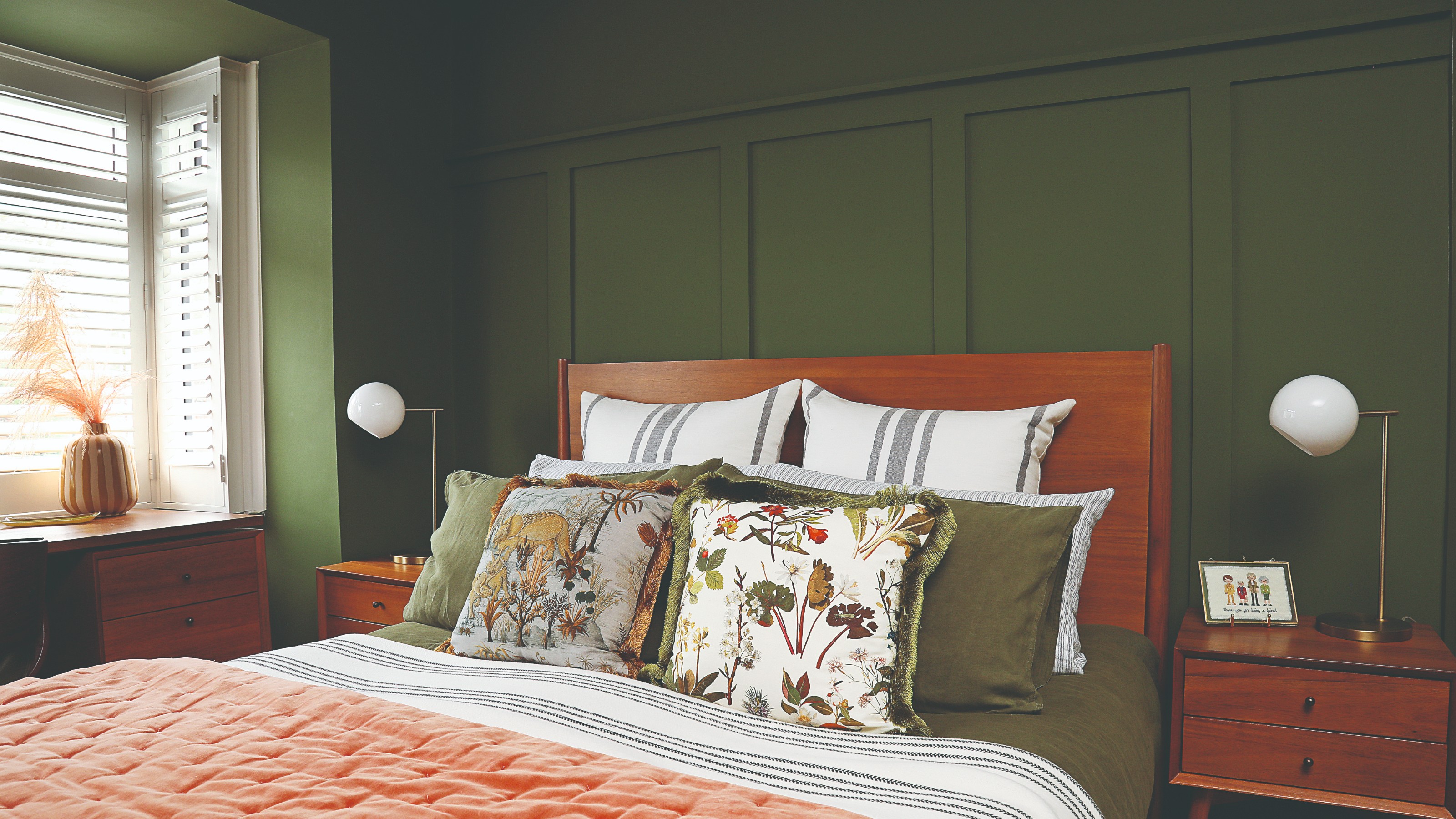
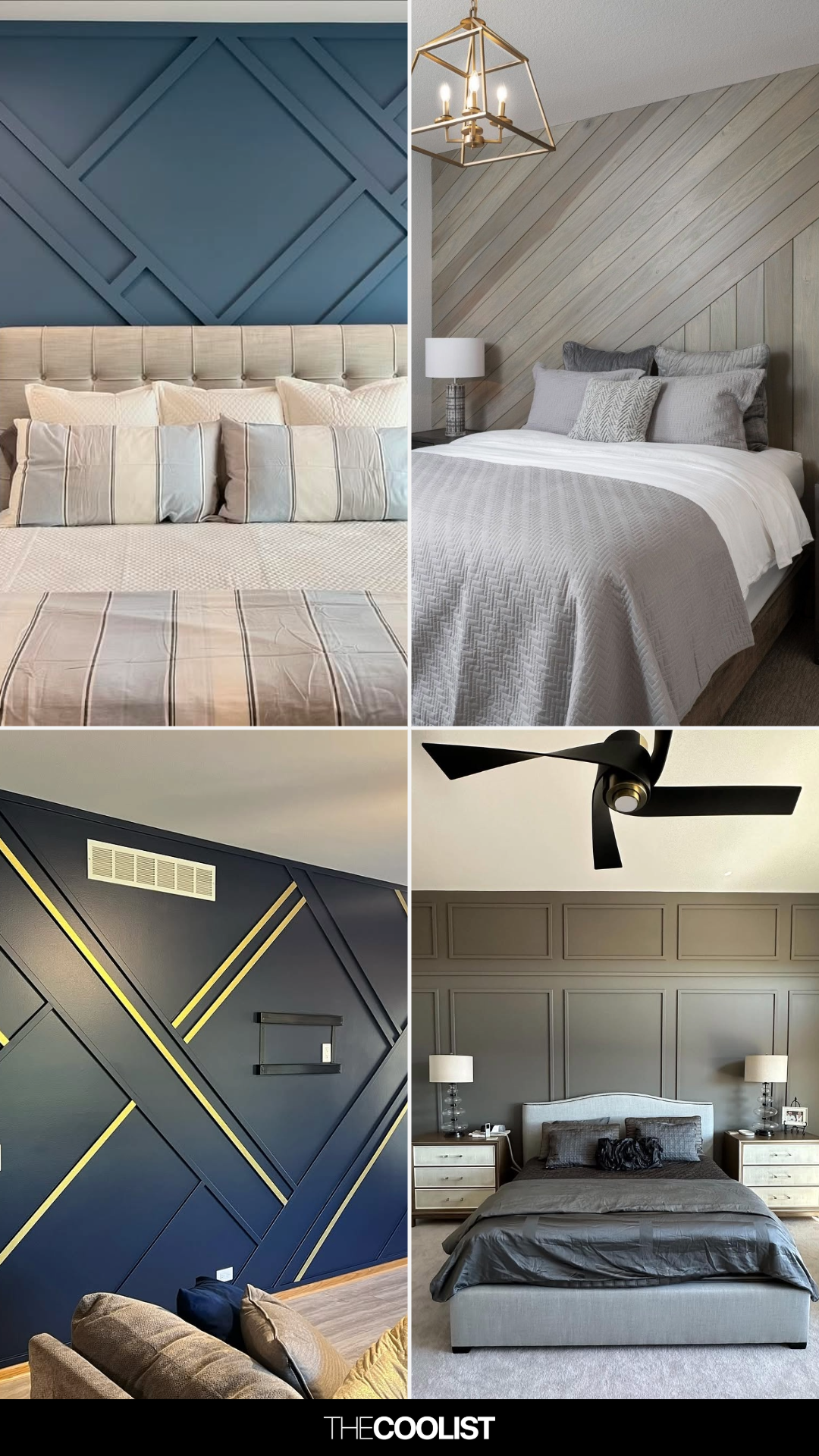
One effective method is incorporating wall paneling, which adds architectural interest and a sense of luxury. Paneling can provide insulation, conceal imperfections like uneven walls or radiators, and can be constructed from materials beyond wood, such as fabric-backed panels for added softness and texture behind a headboard. This technique enhances both the aesthetic and practical aspects of a bedroom.
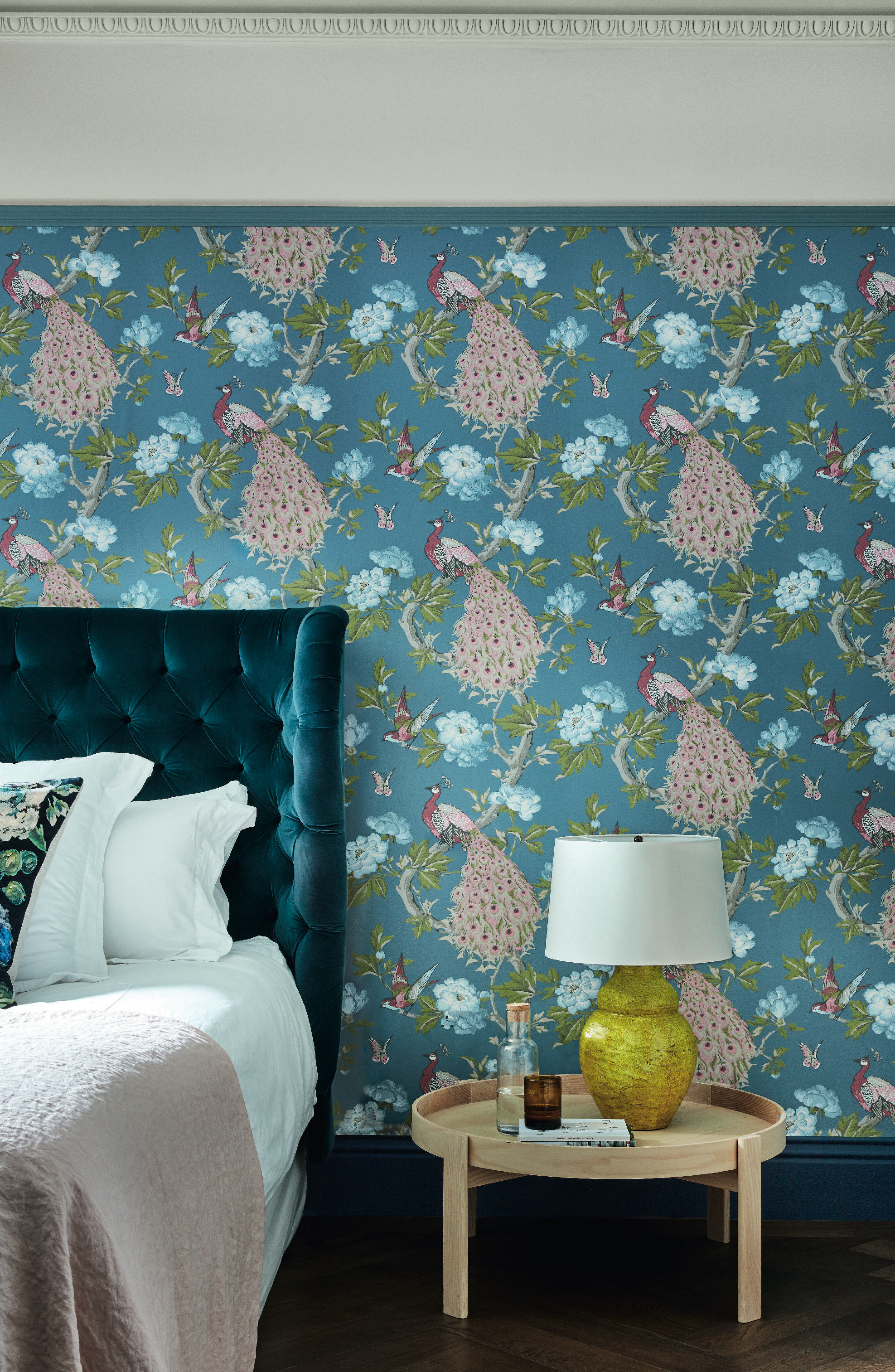
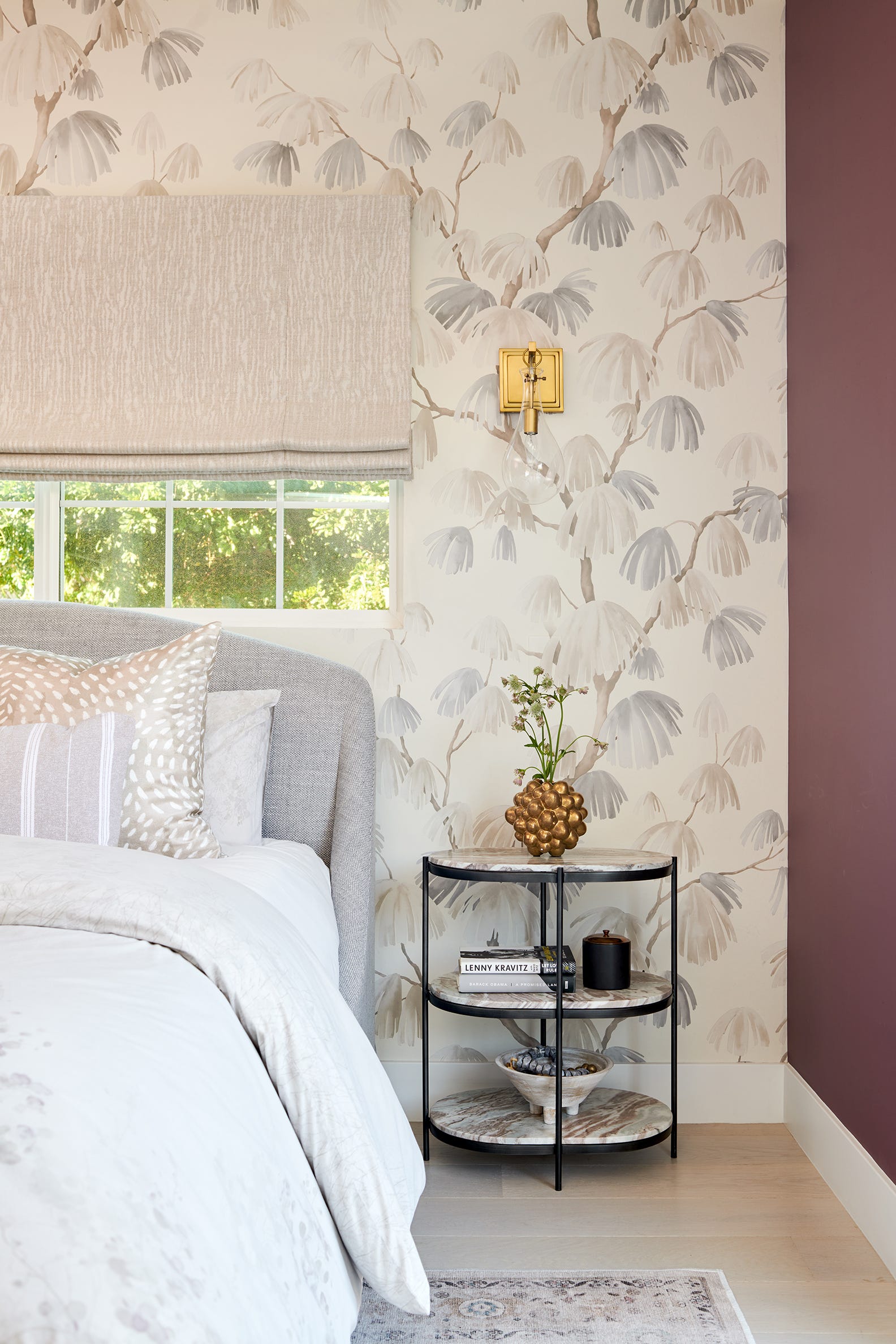
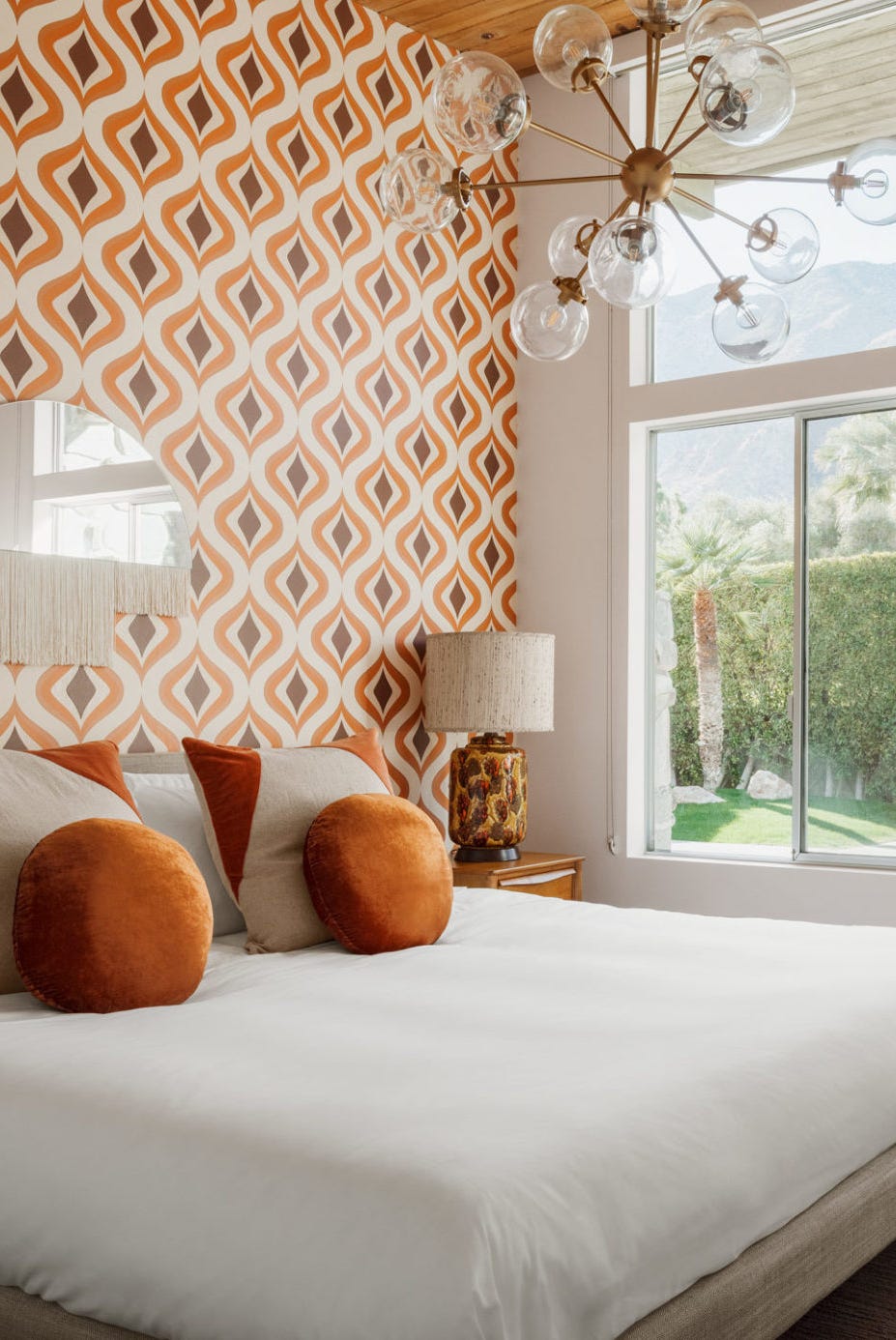
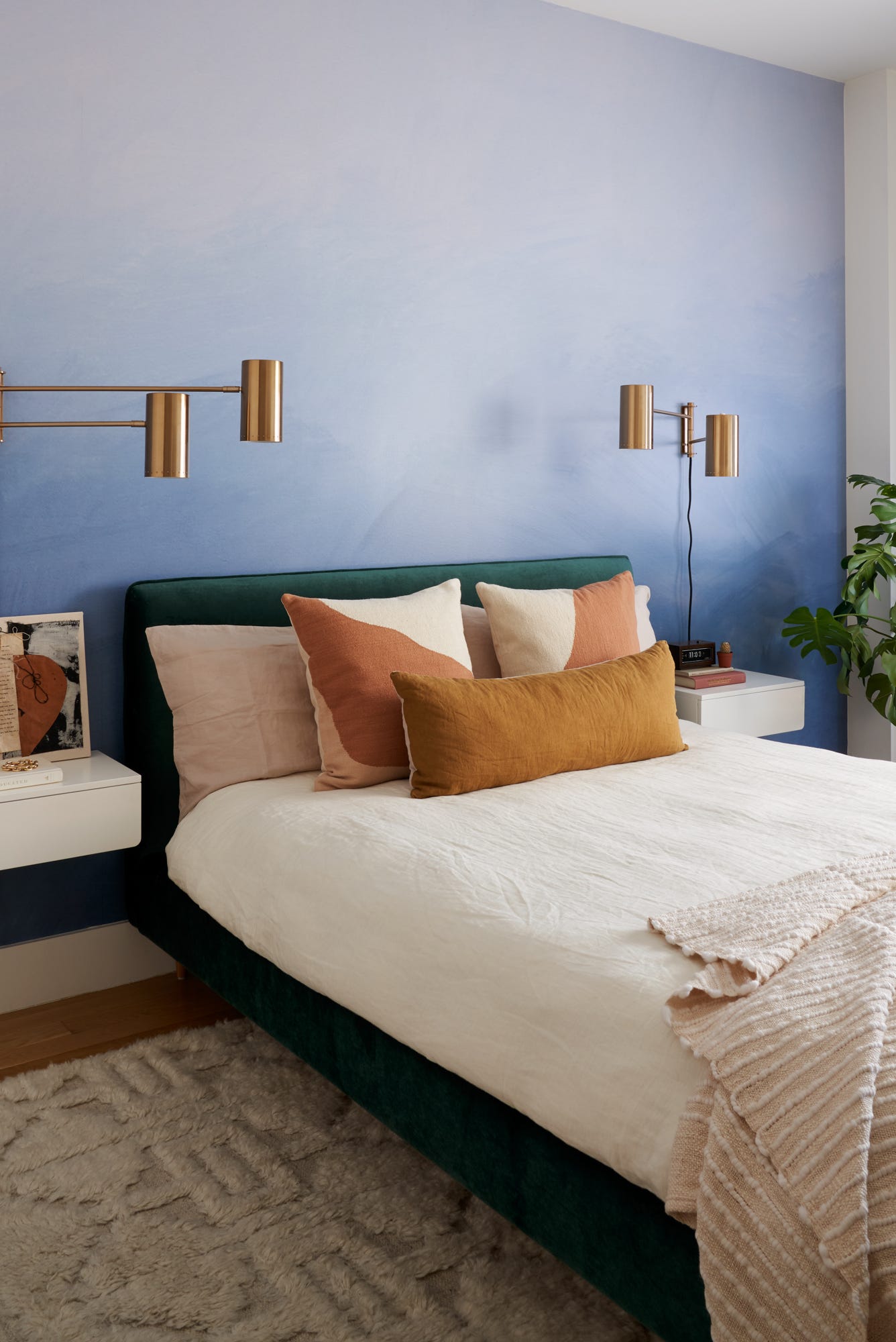
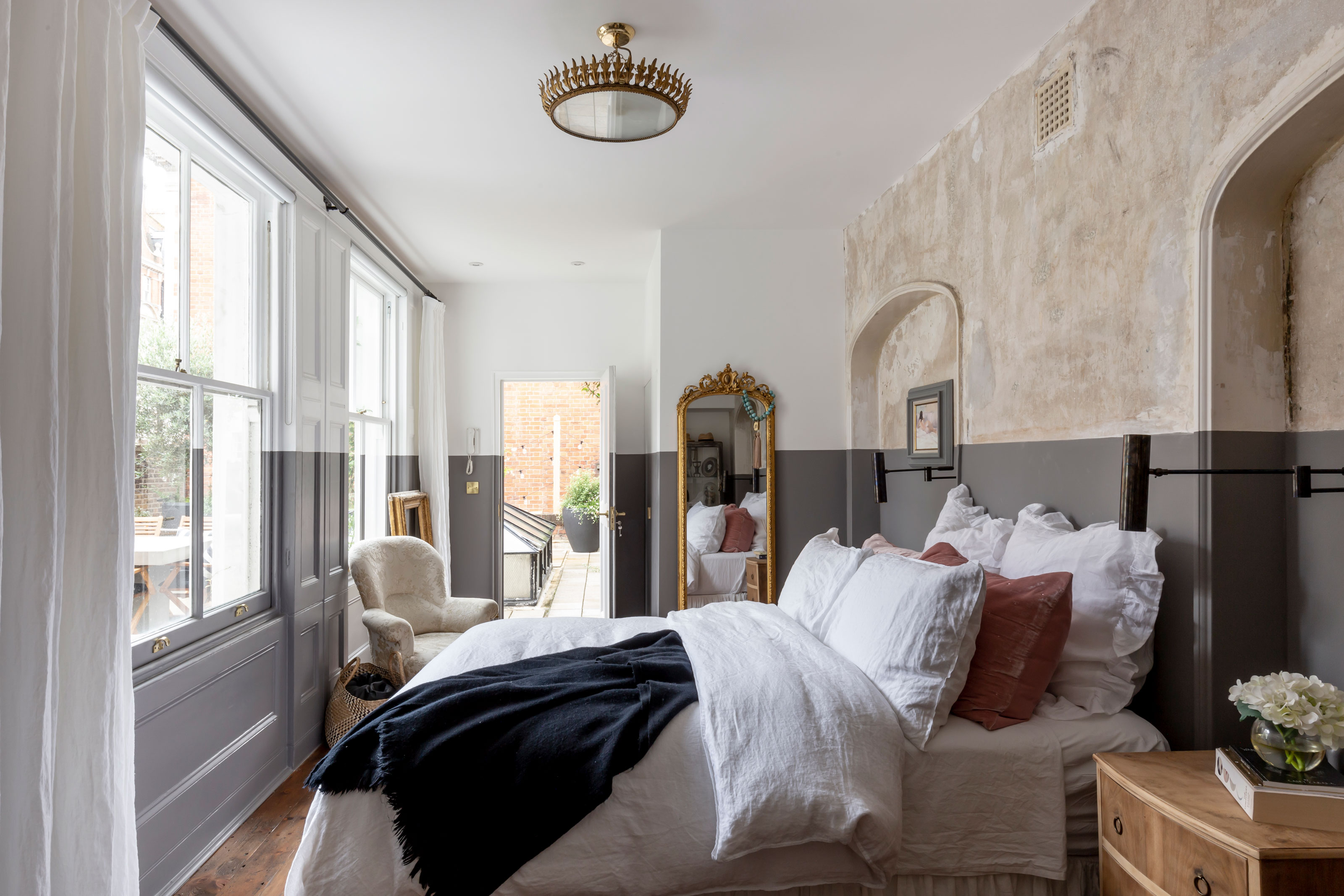
Another impactful option is a wall mural, which allows for a single, dramatic image to dominate a wall. Many mural designs are available as wallpapers, making them relatively easy to install. Complementing colors from the mural on adjacent walls can further enhance the design. For a more rustic or industrial feel, exposing a brick wall adds natural character and warmth, creating a cozy ambiance. This is best done on a single wall or section, such as behind the bed, to avoid overwhelming the space.
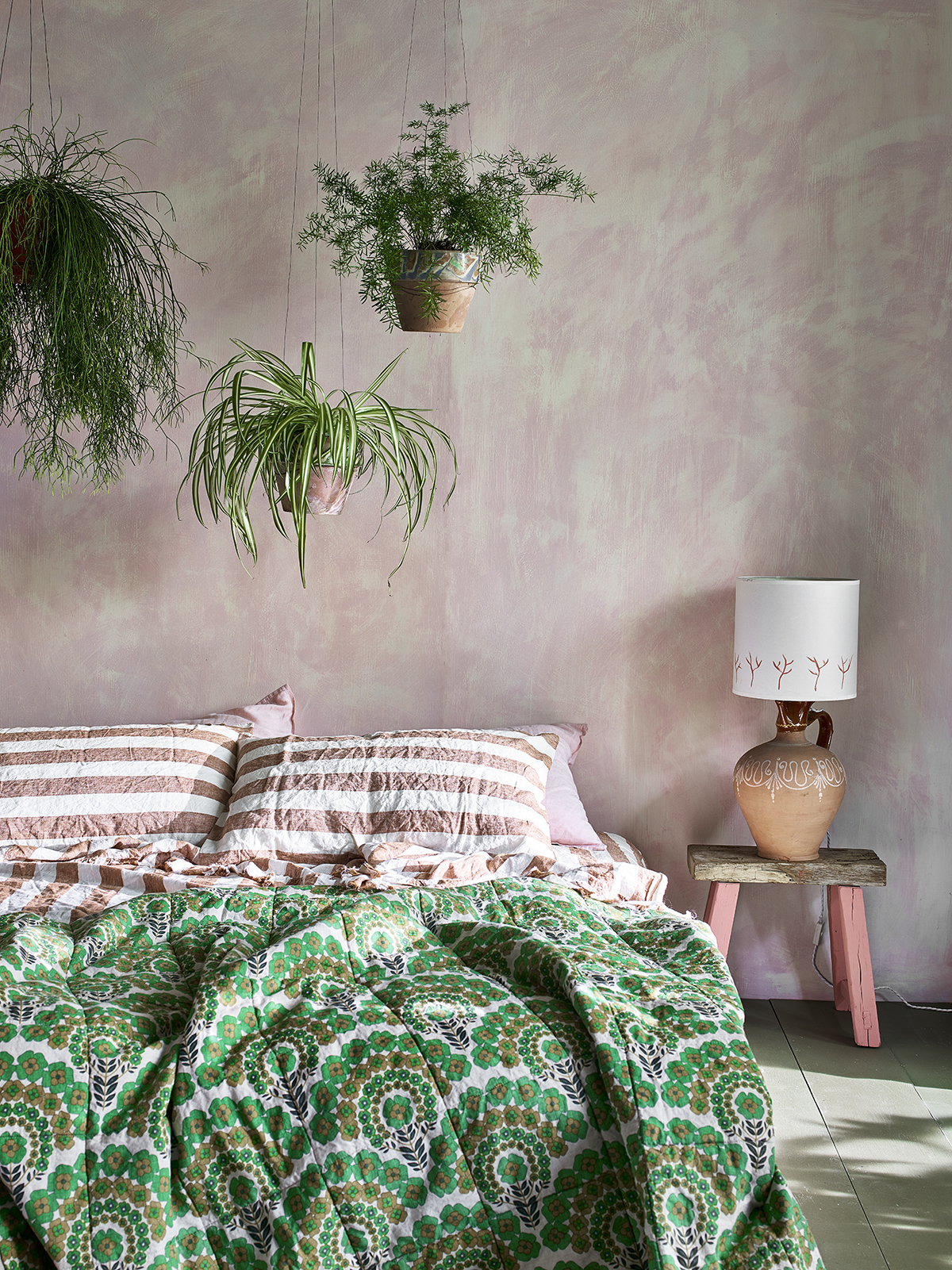
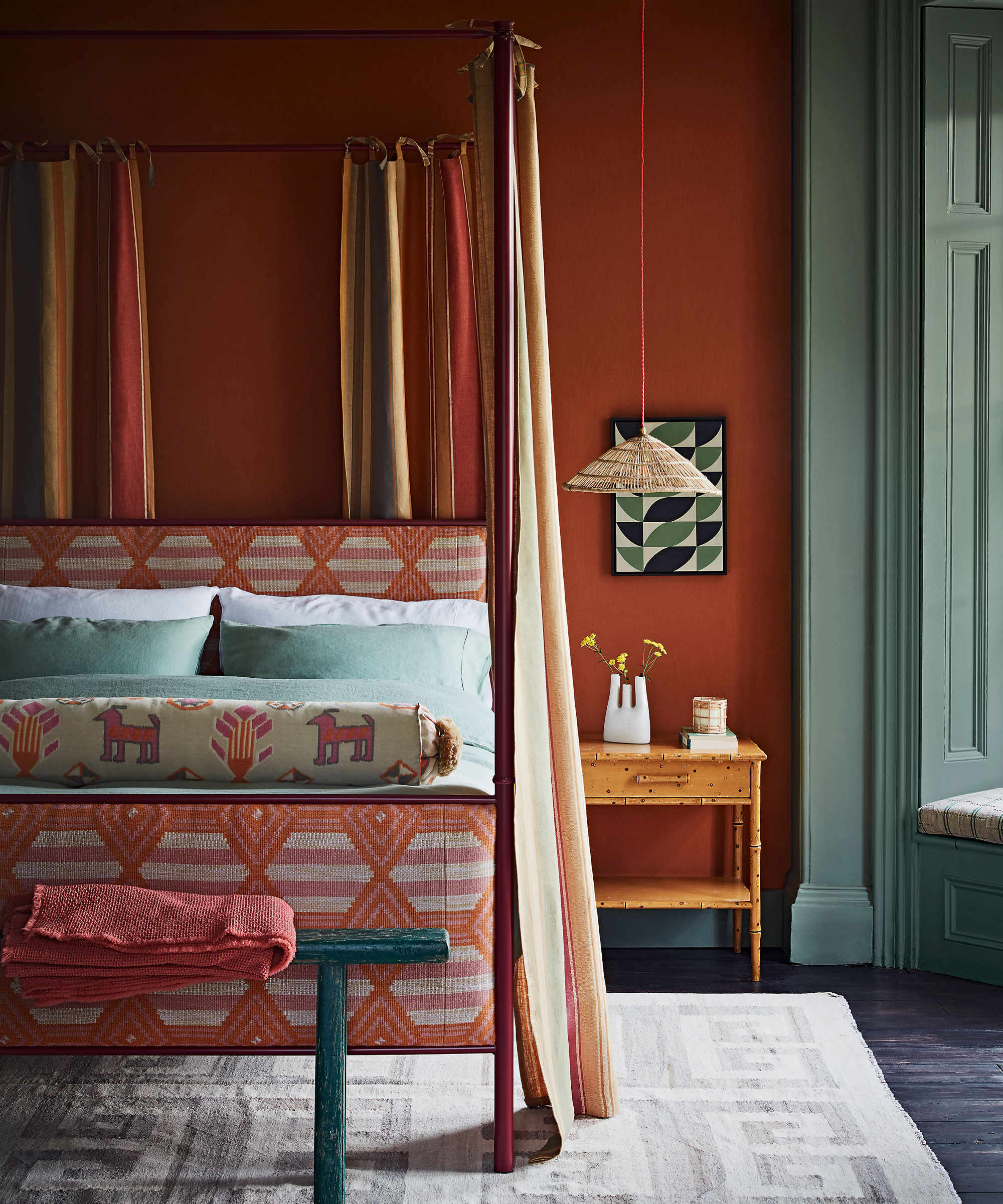
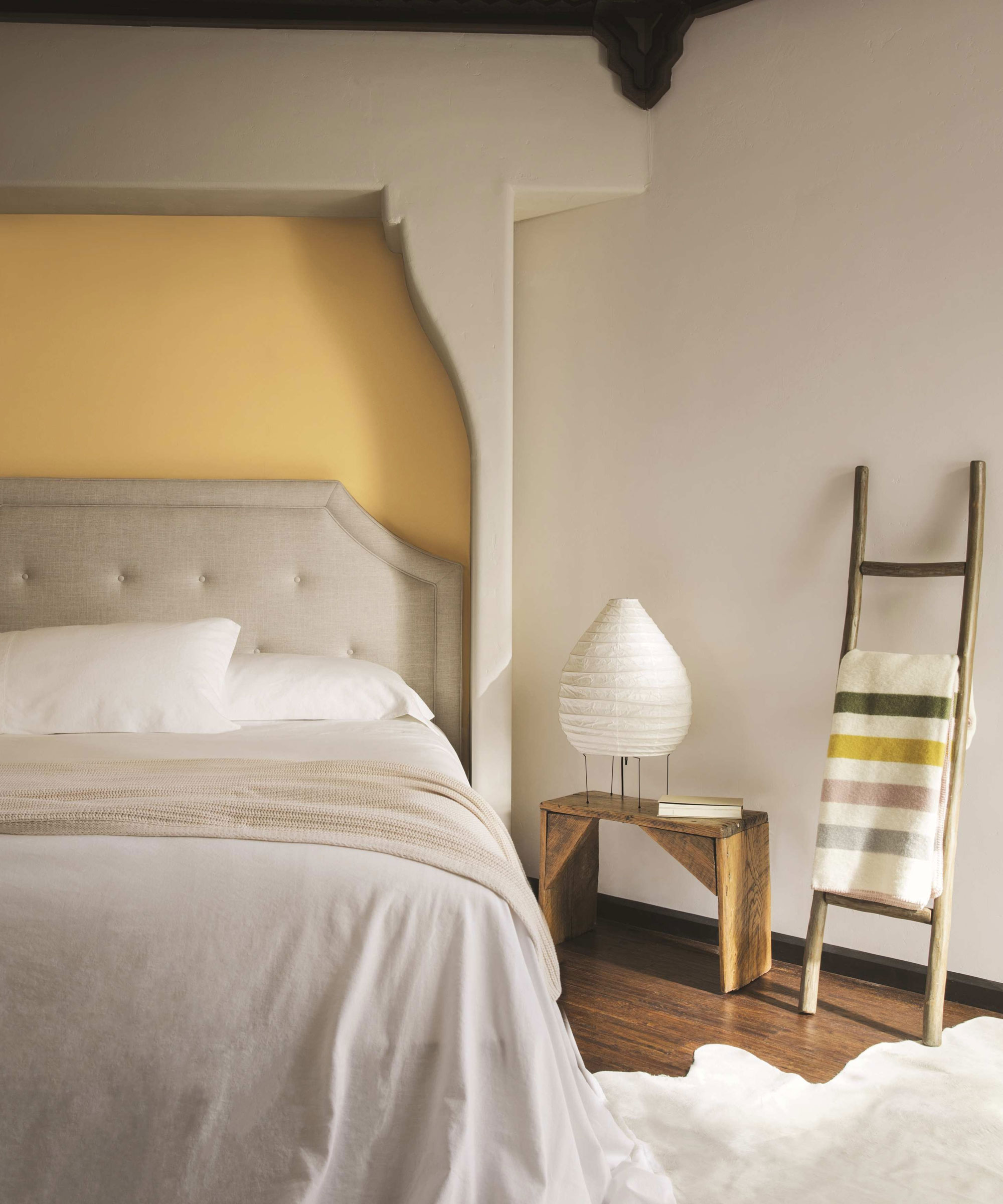
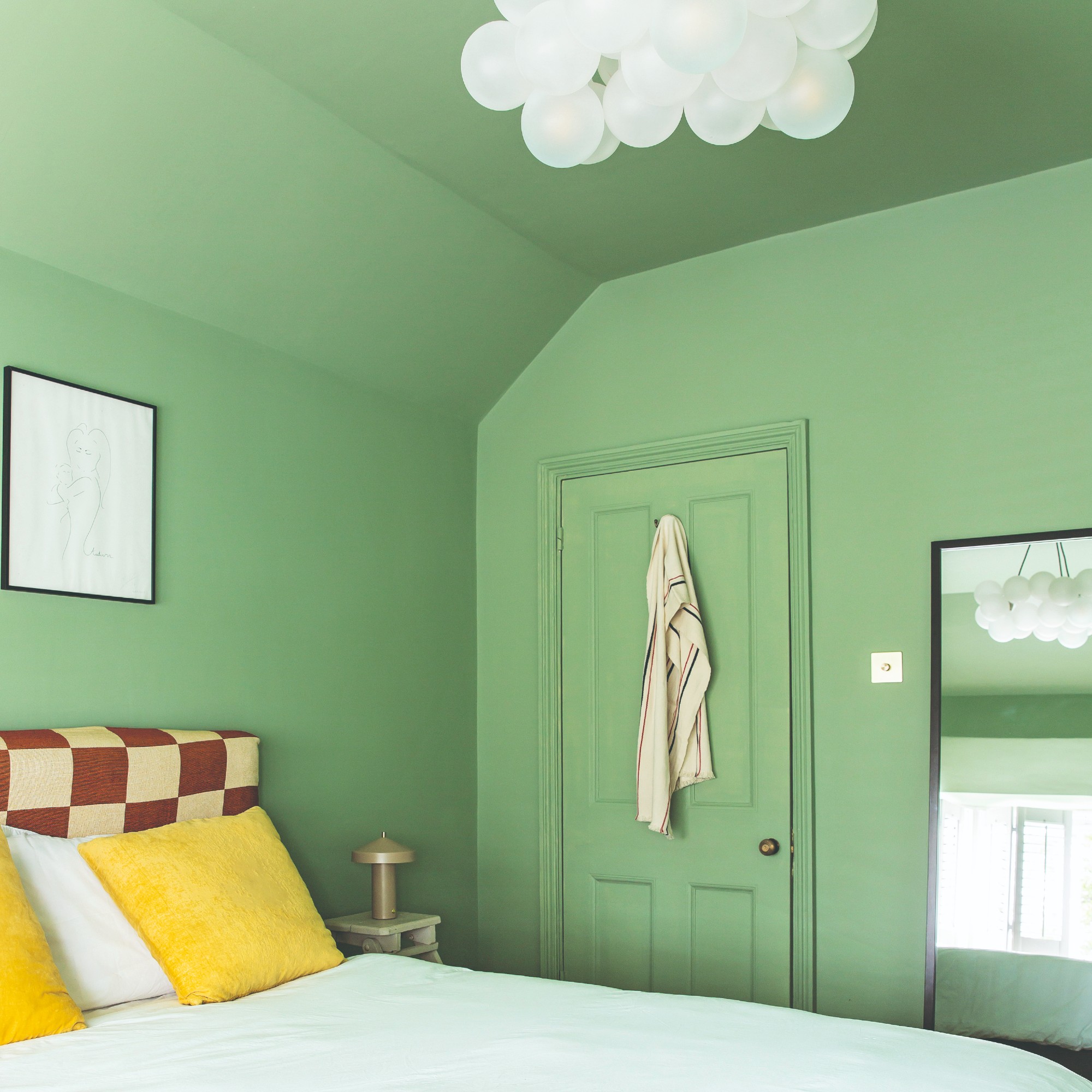
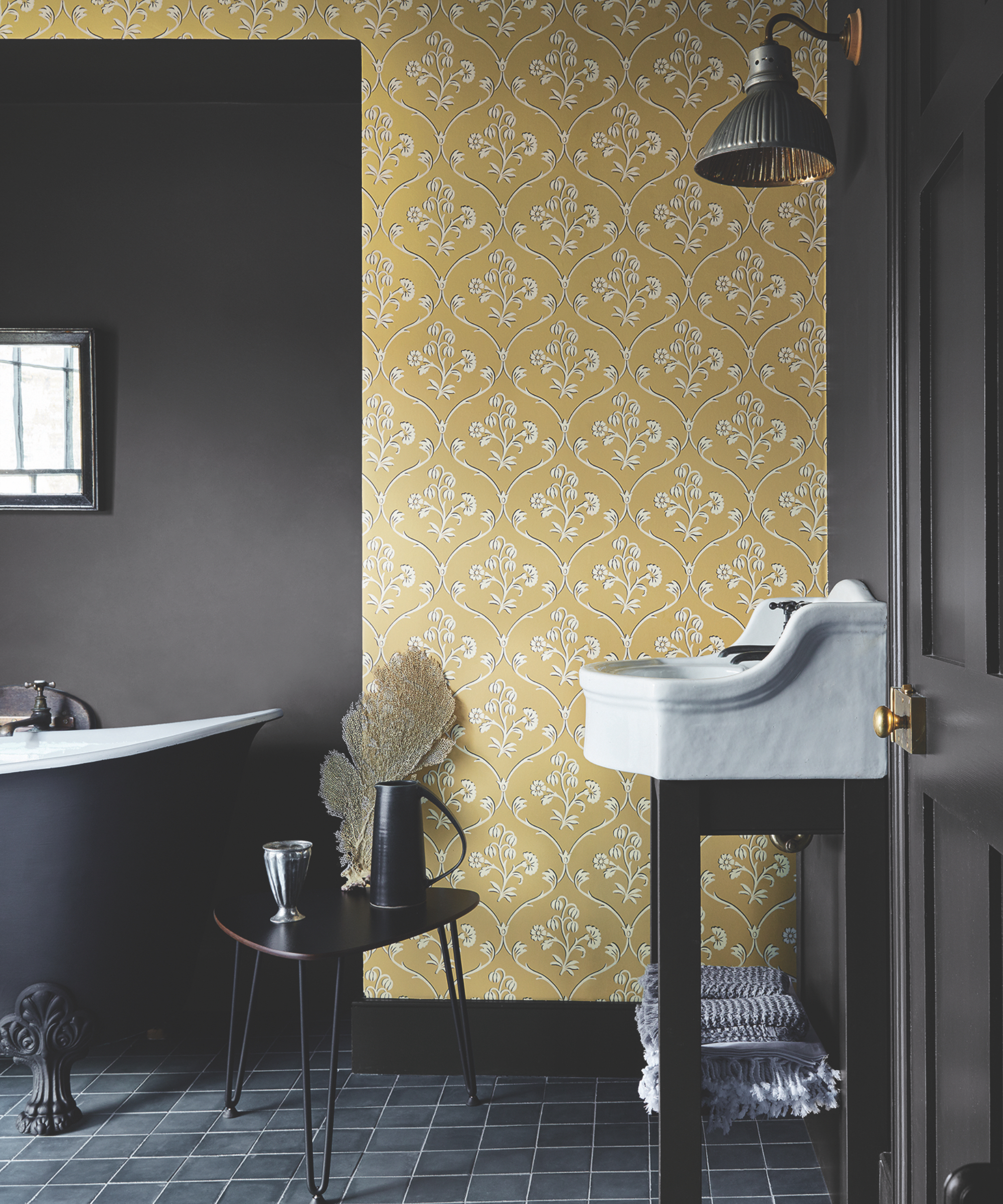
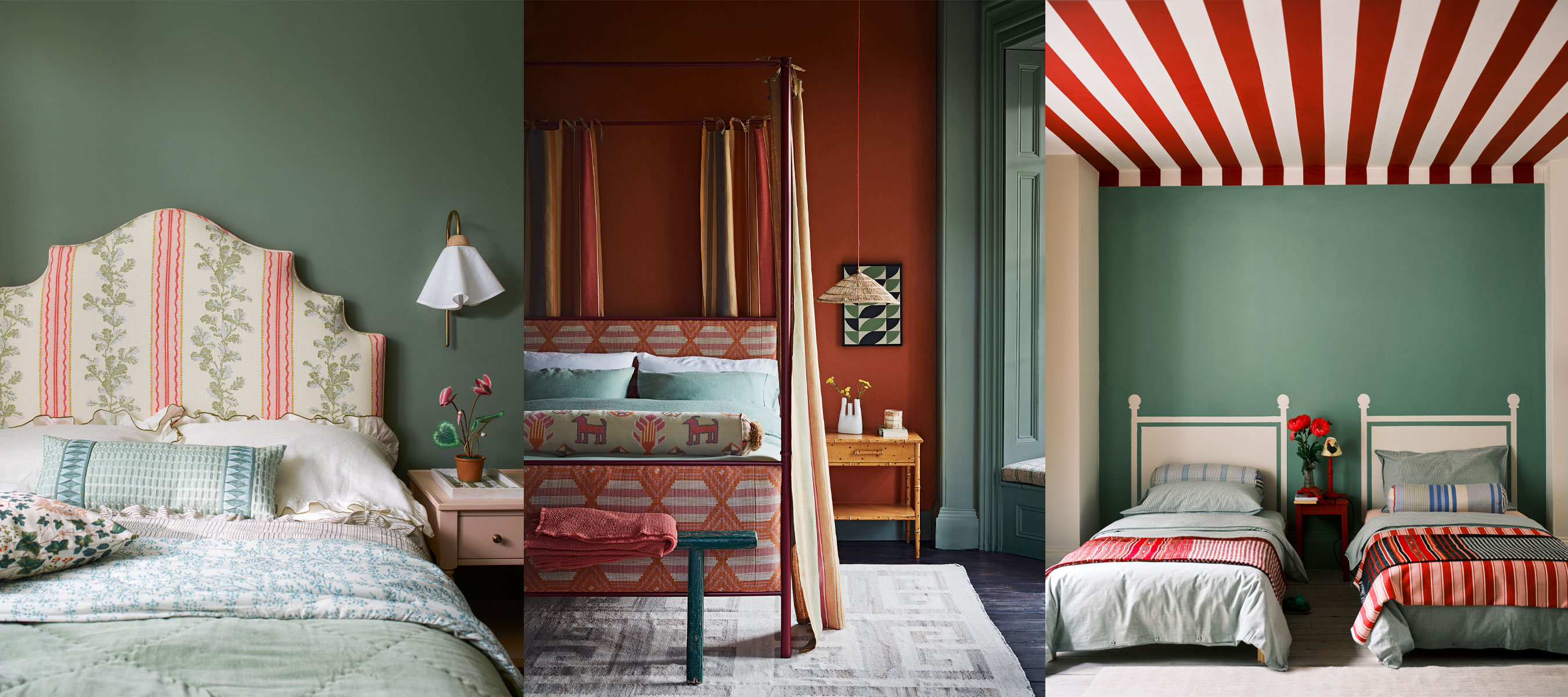
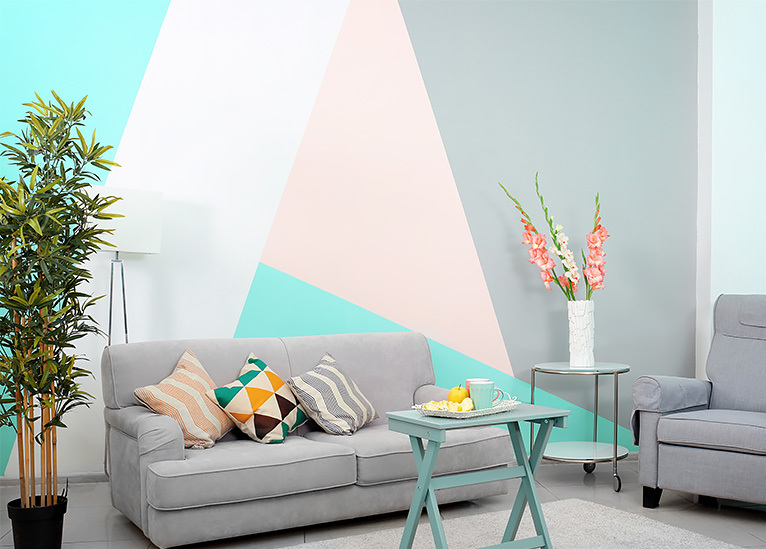
Paint remains a versatile tool for accent walls, allowing for bold color choices that can dramatically alter the room's mood. Since paint is easily changed, it encourages experimentation with high-impact hues. Yellow, for instance, can evoke optimism and a summery feel, pairing well with either modern charcoal accents or traditional antique furniture.
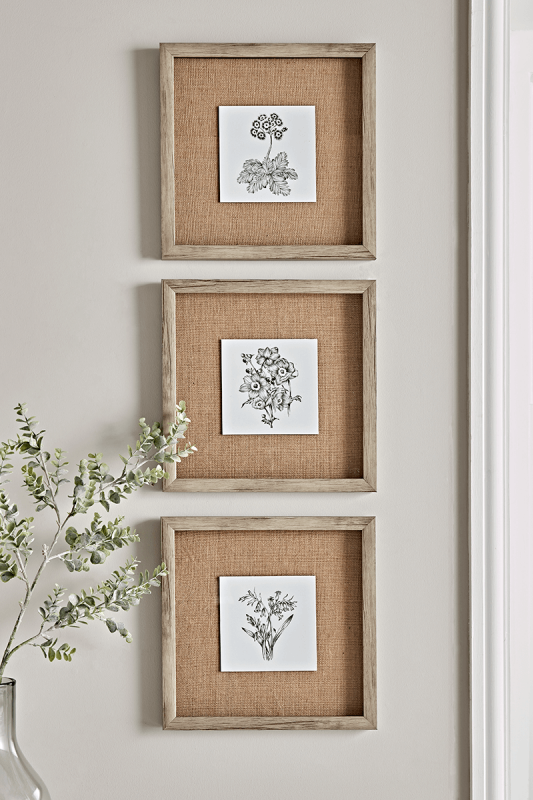
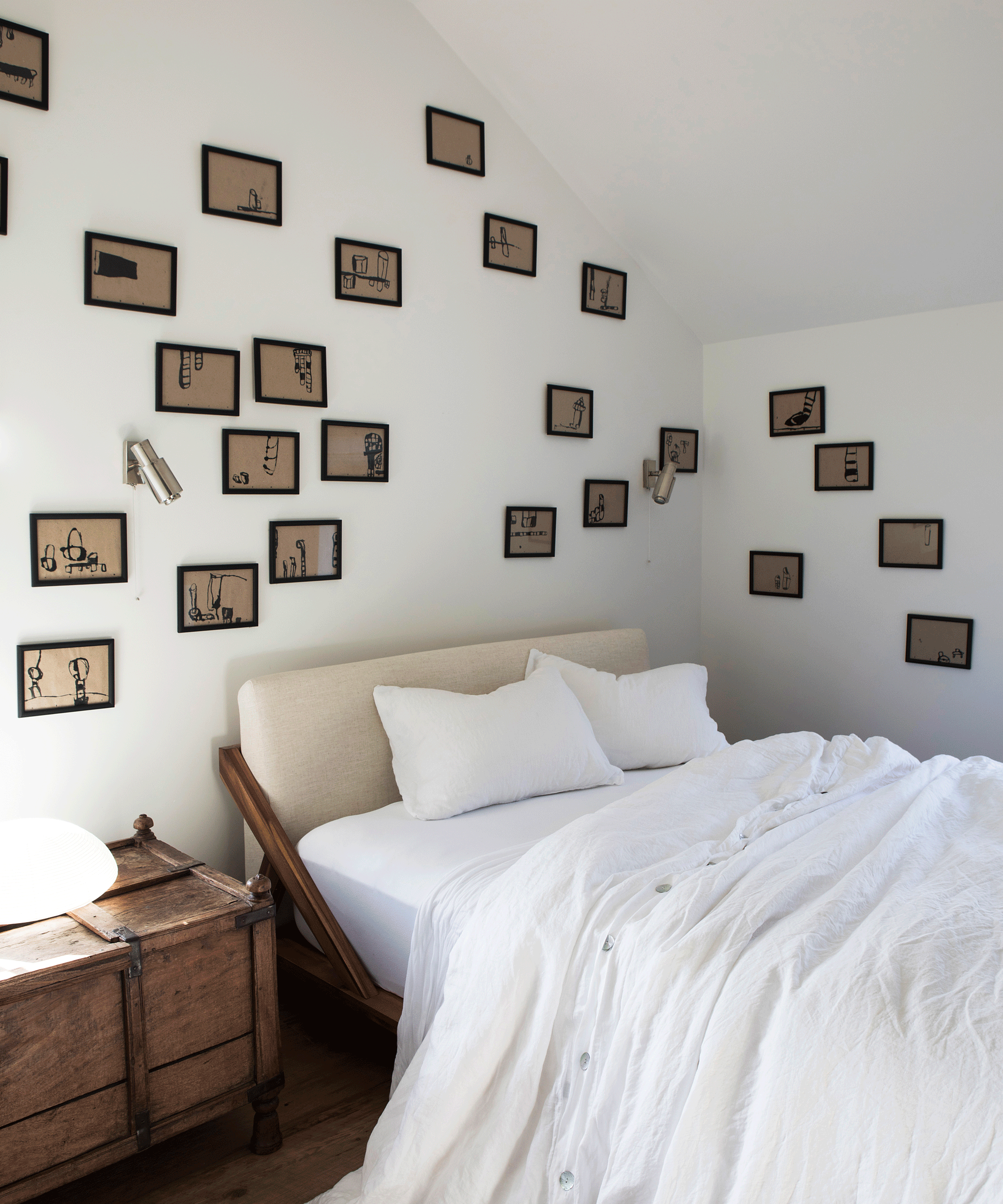
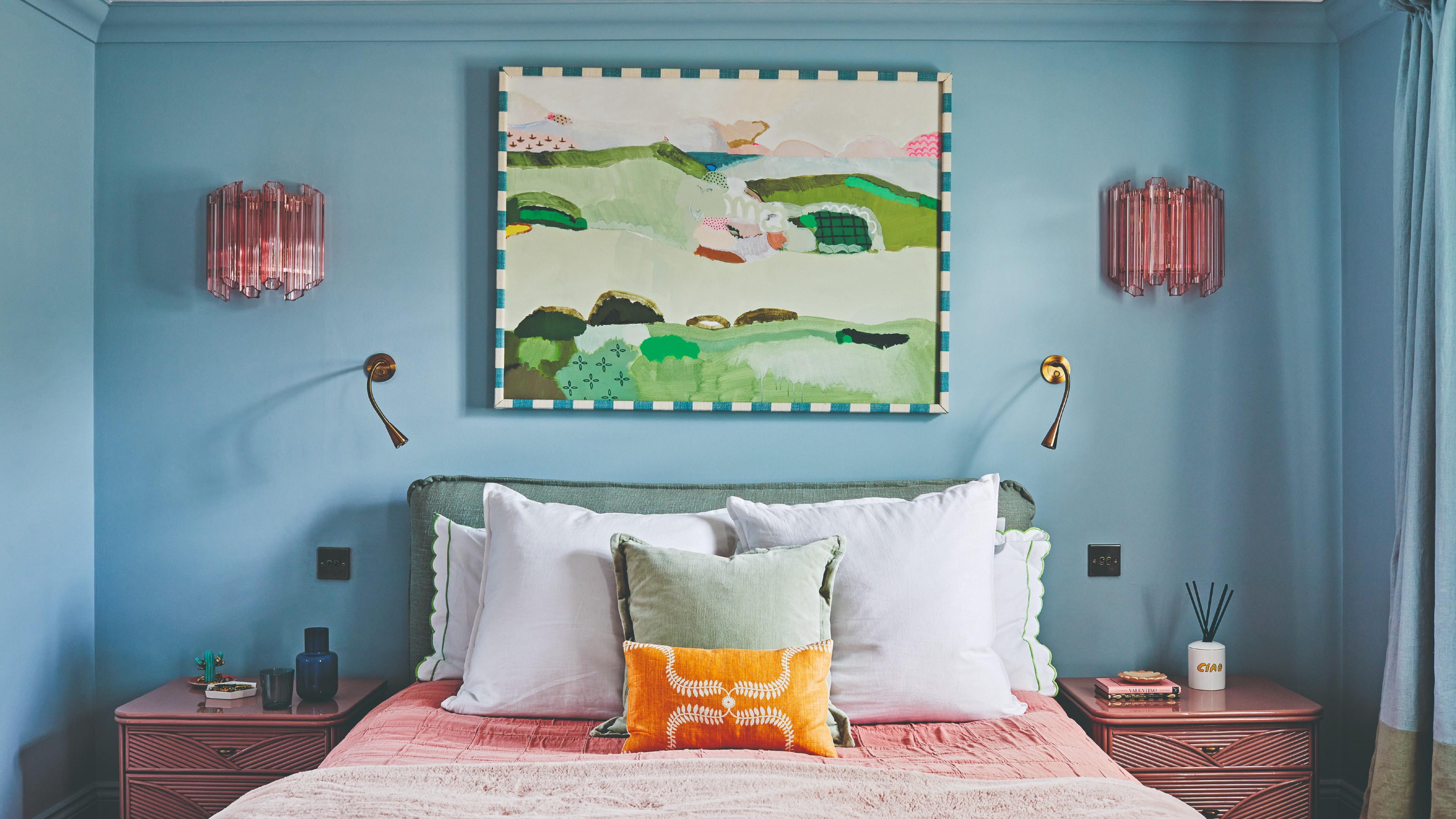
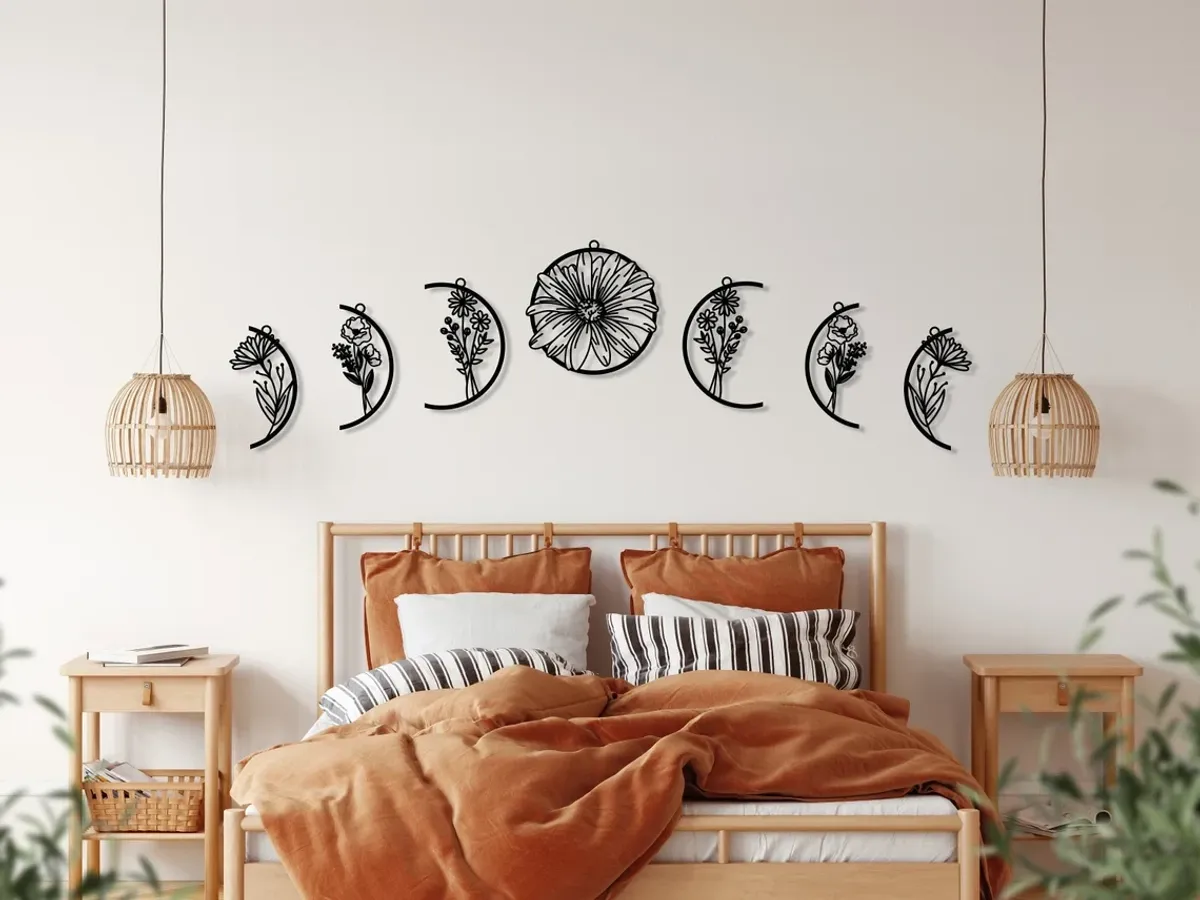
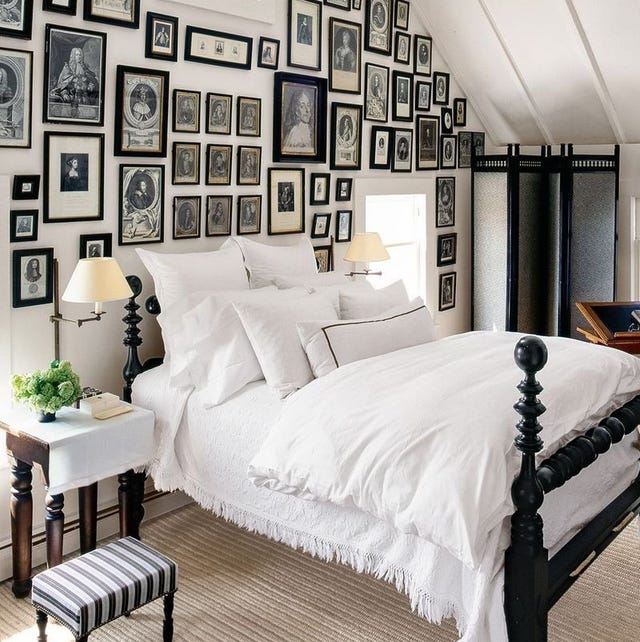
Wall decals and painted details offer flexible and artistic solutions. Initially popular for children's rooms, contemporary designs now cater to adult schemes, ranging from sophisticated silhouettes to modern graphics. Investing in artwork is another way to create a feature without a full revamp. Gallery walls, with carefully curated prints, can unify a room, especially when frame colors are echoed in other soft furnishings. Size and proportion are crucial for effective artwork displays, often grouped to form a cohesive visual.
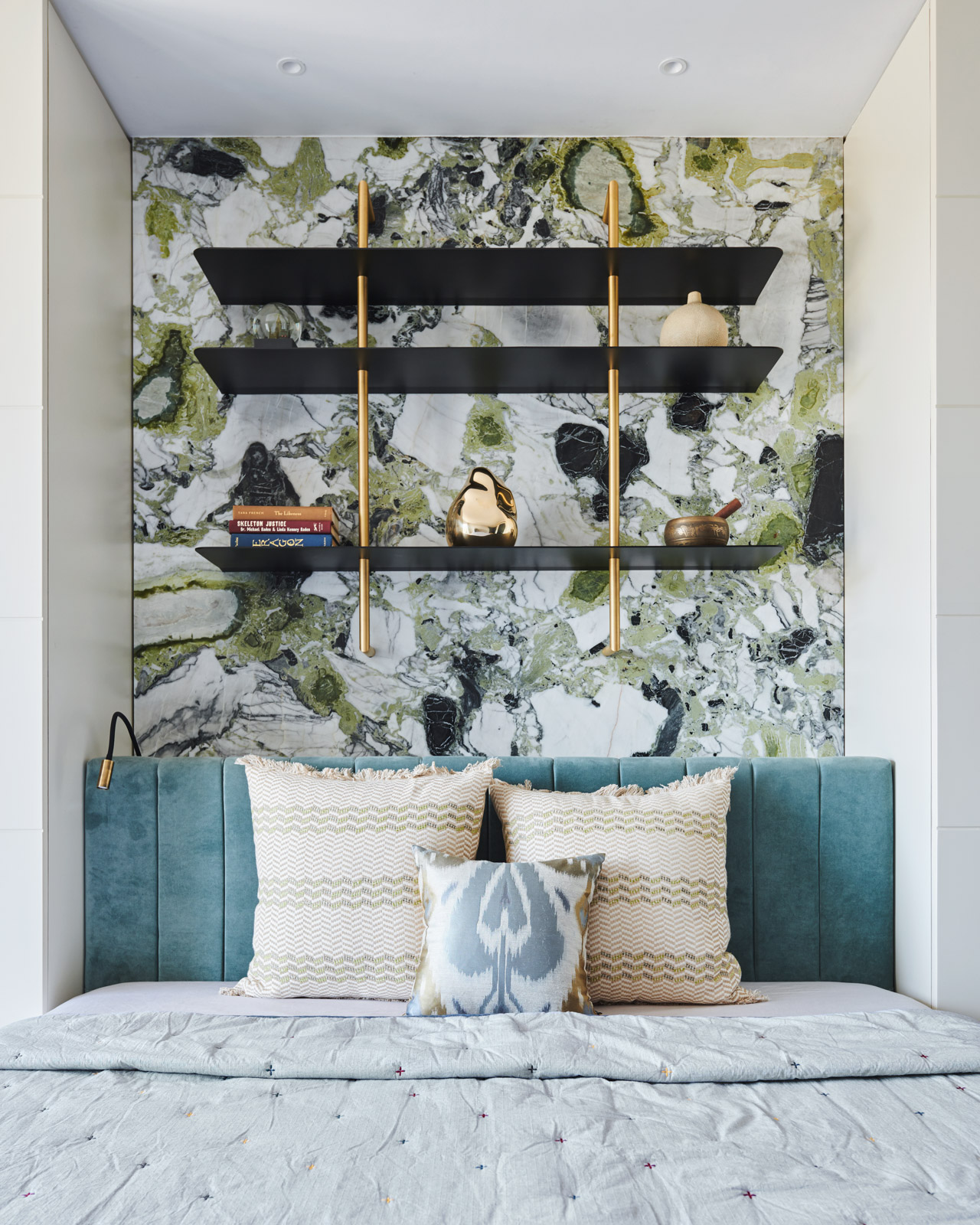
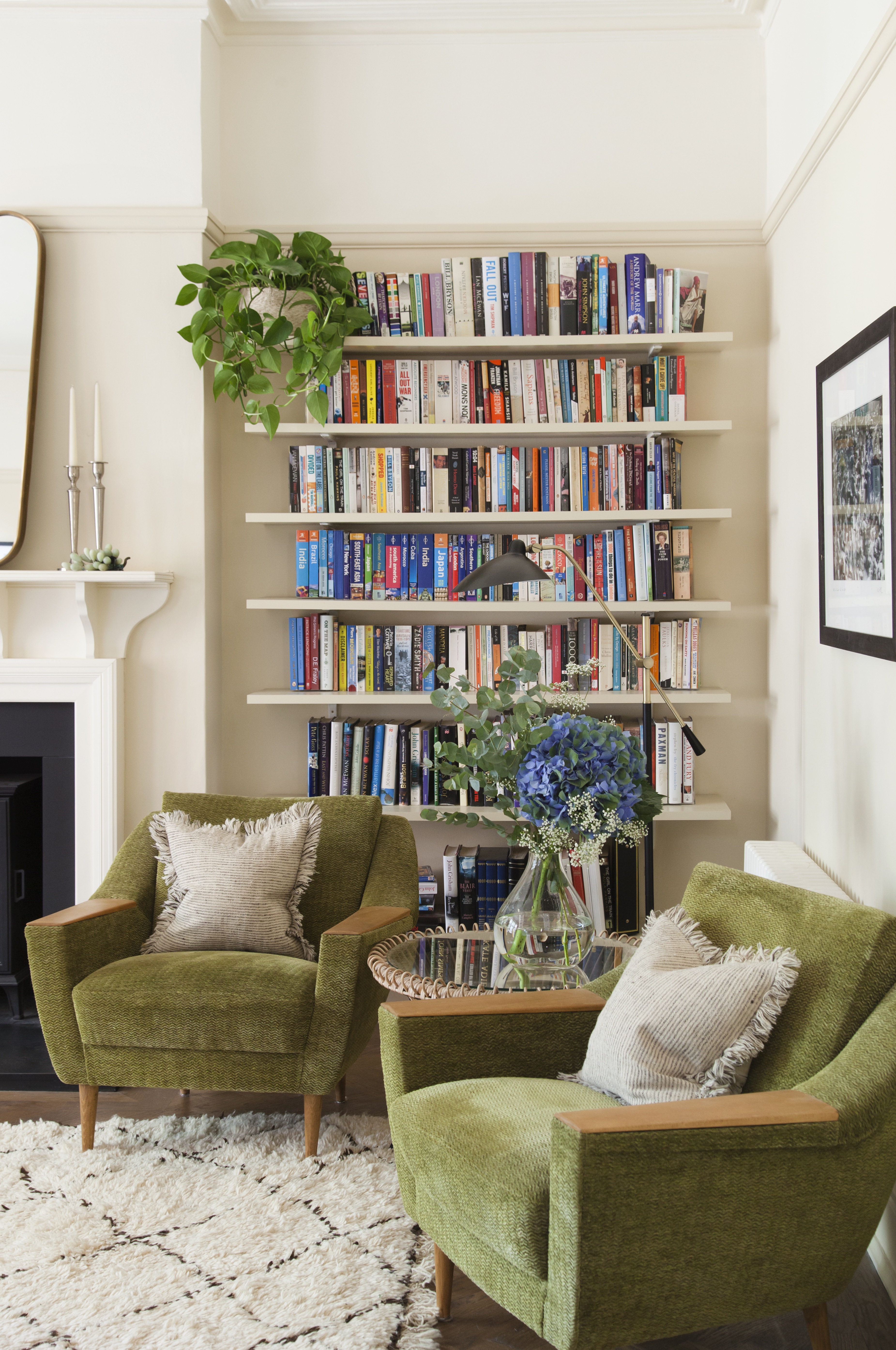
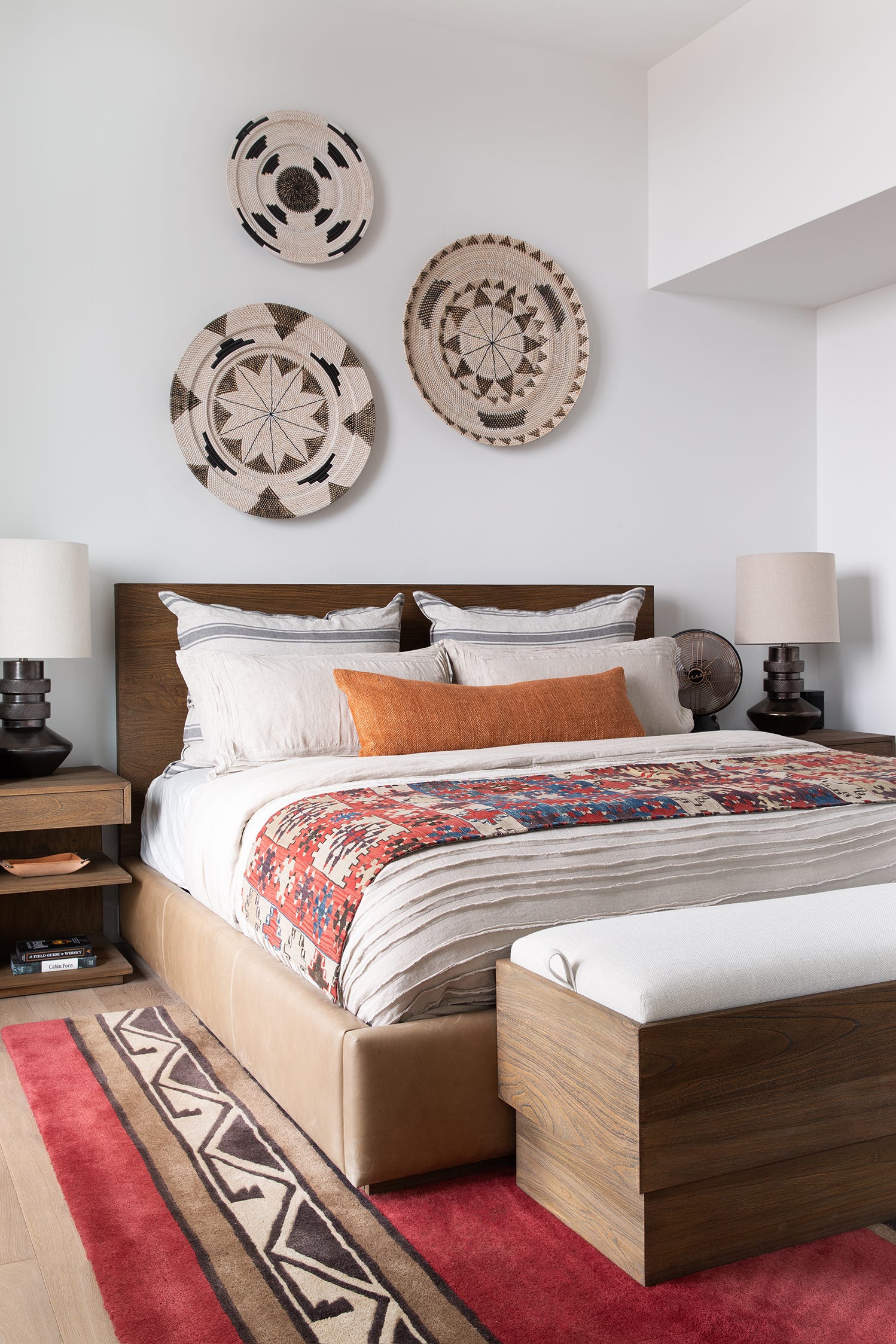
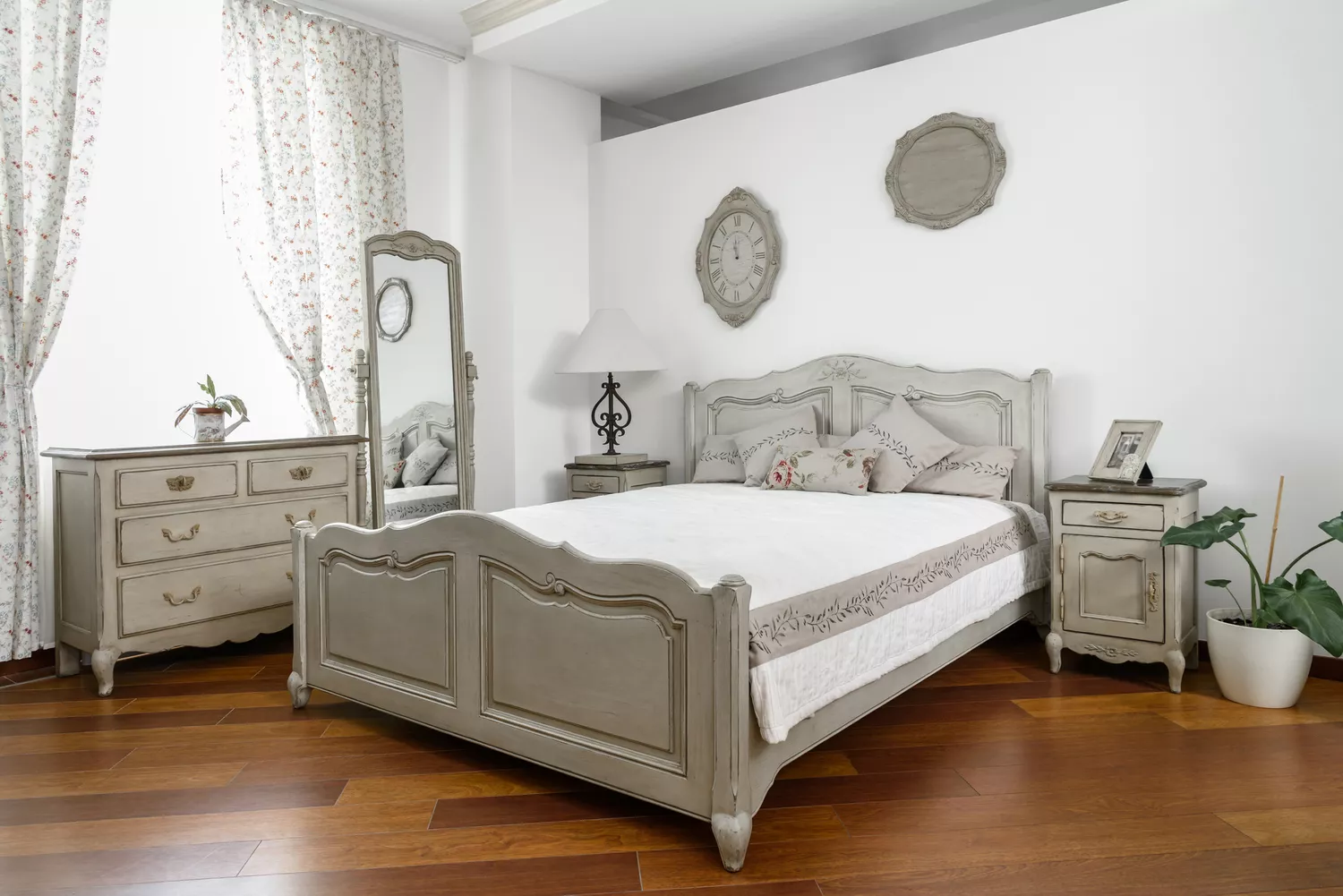
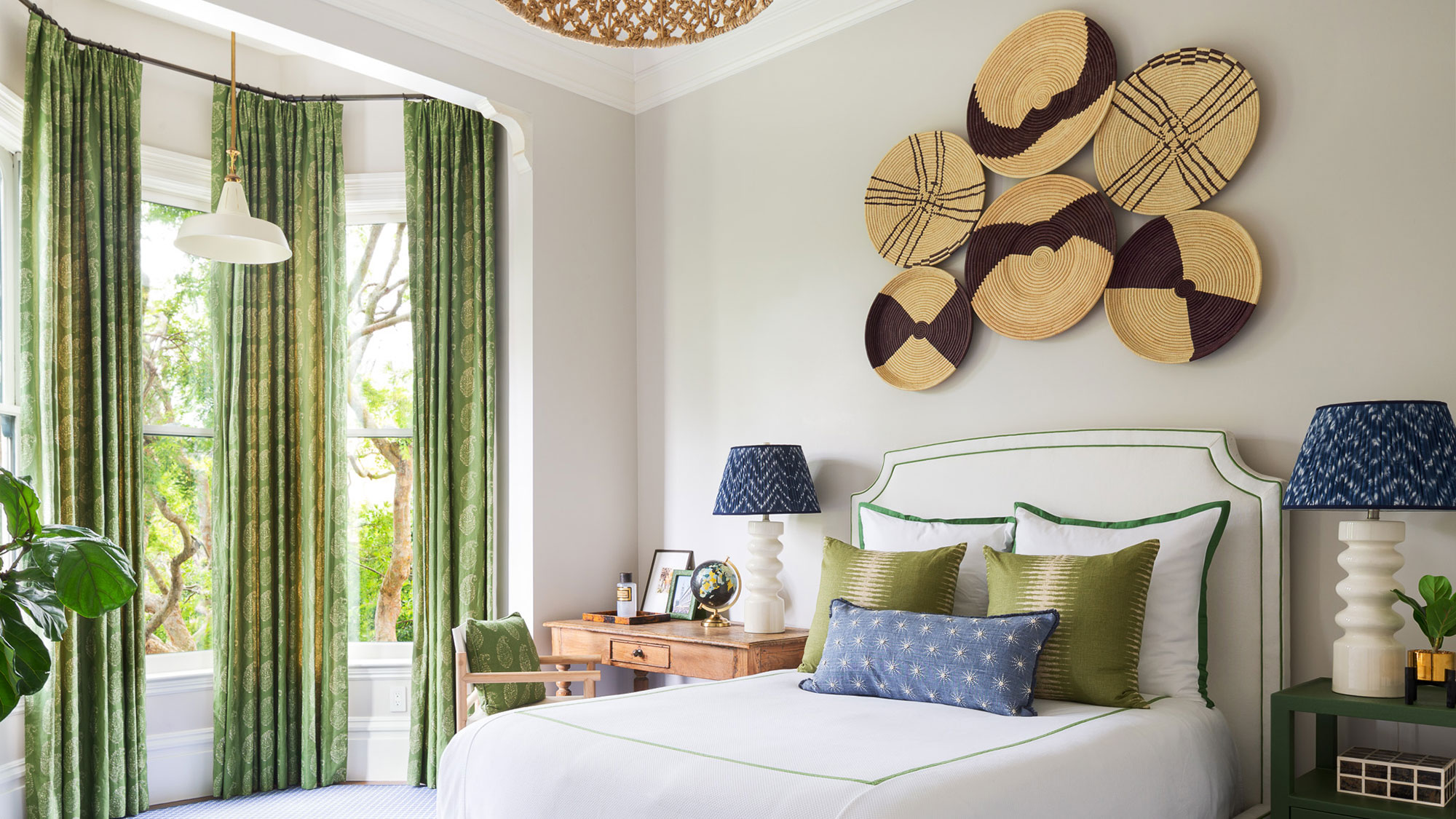
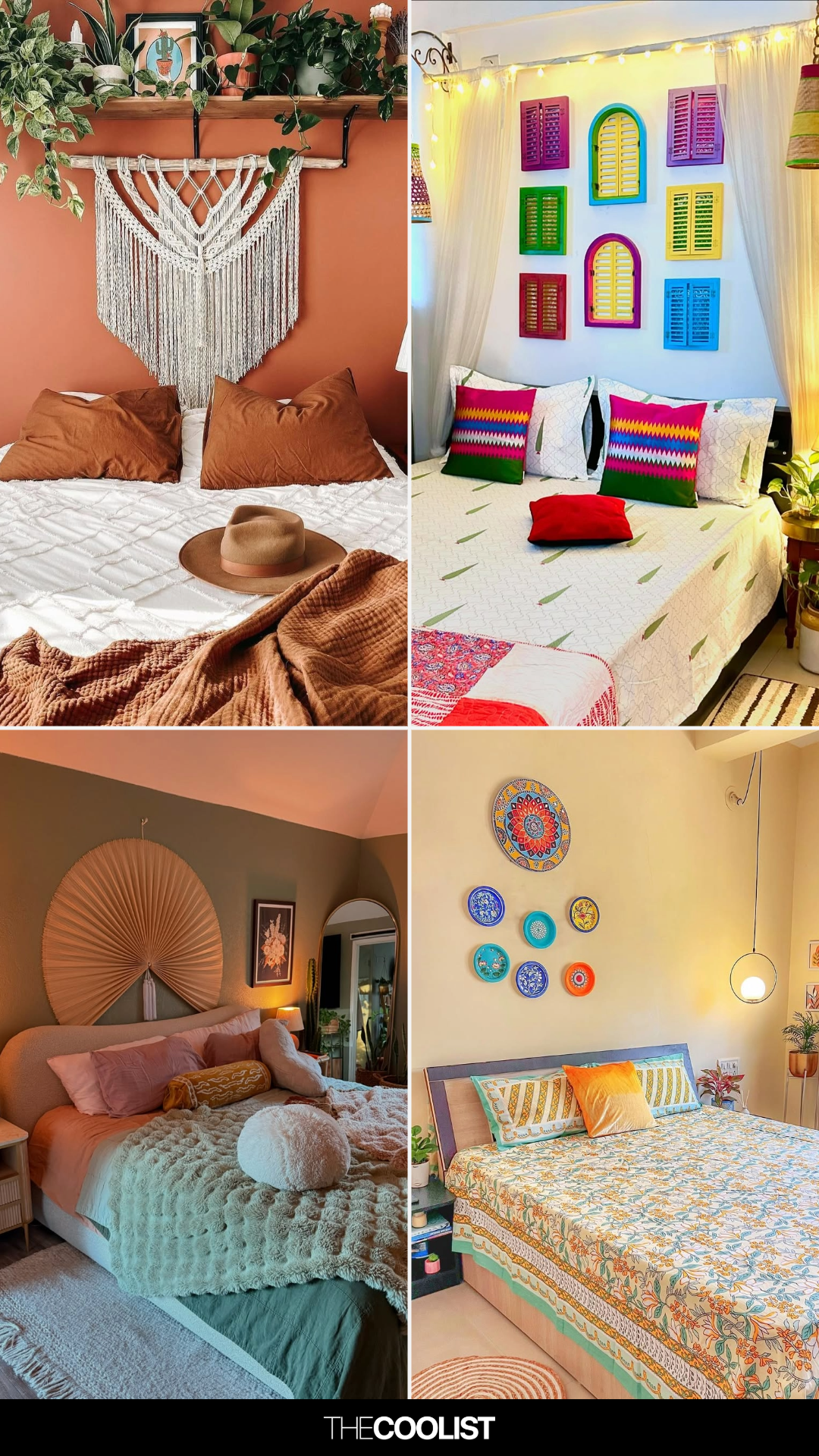
Unusual architectural features, such as uniquely framed windows, can also serve as natural accent walls, drawing attention to a view or structural element. Curating a masterful display of items like woven platters or ceramics provides a three-dimensional effect that adds impact through its simplicity and natural texture. This approach can define a specific area, such as the space above a bed.
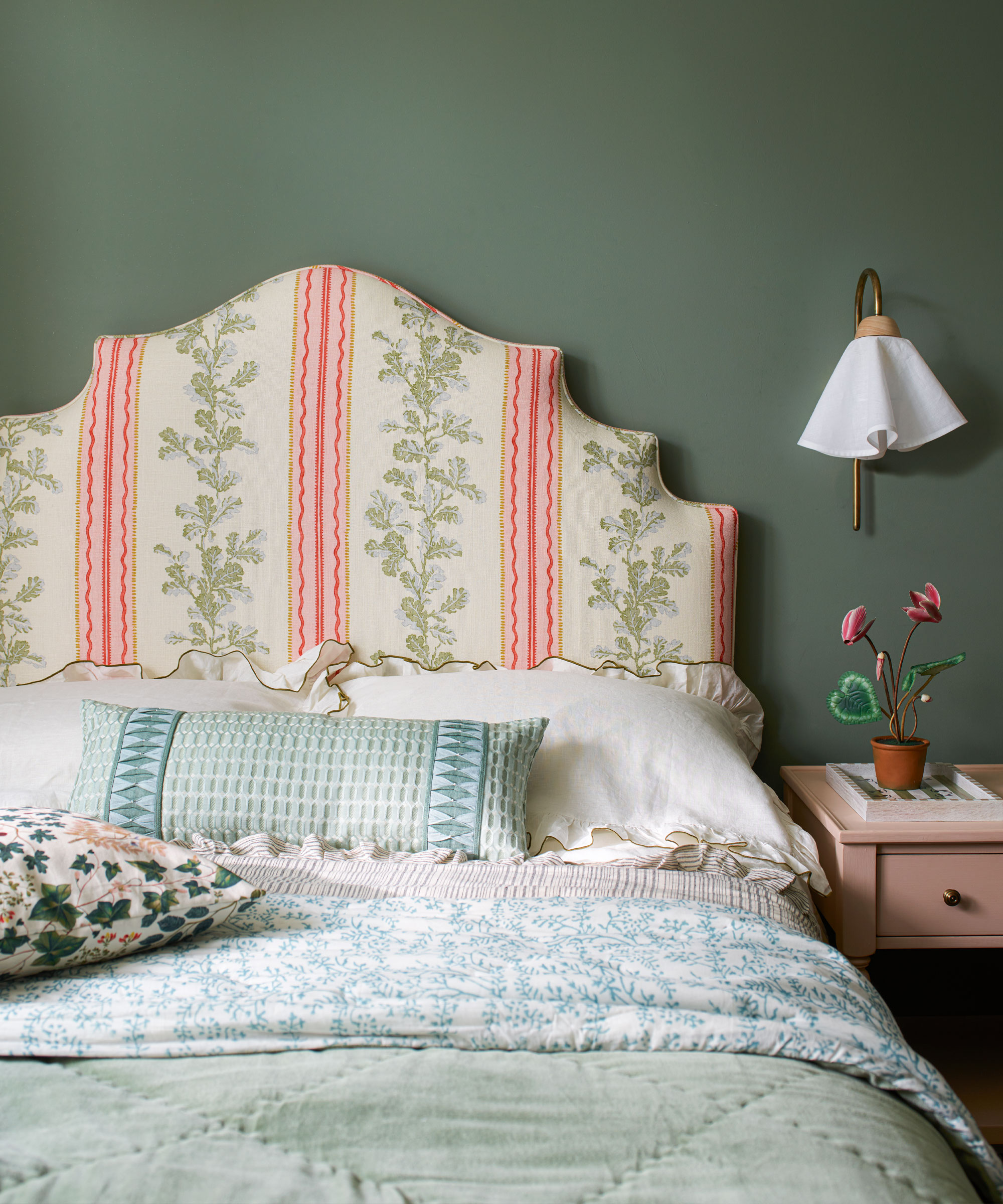
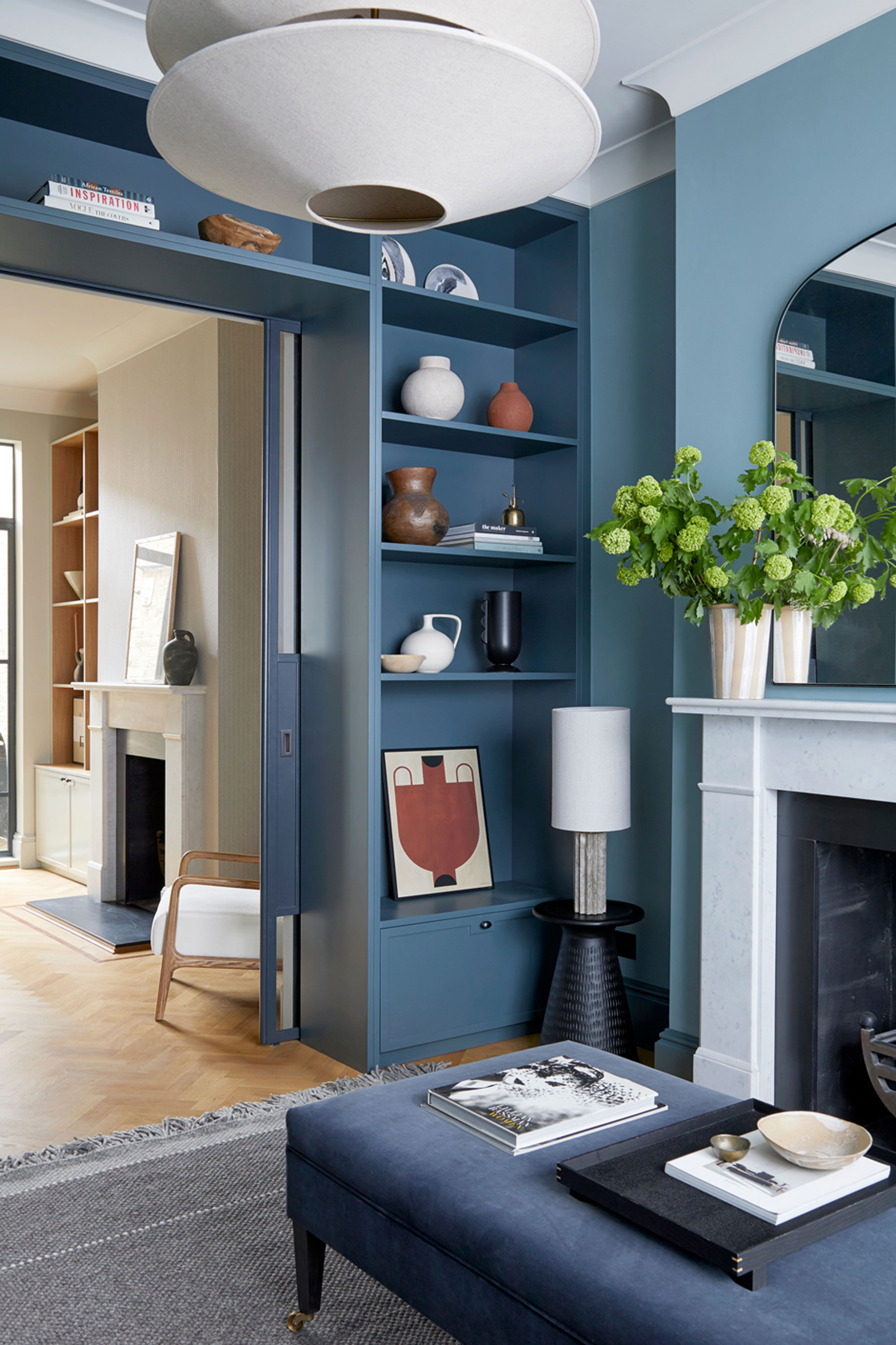
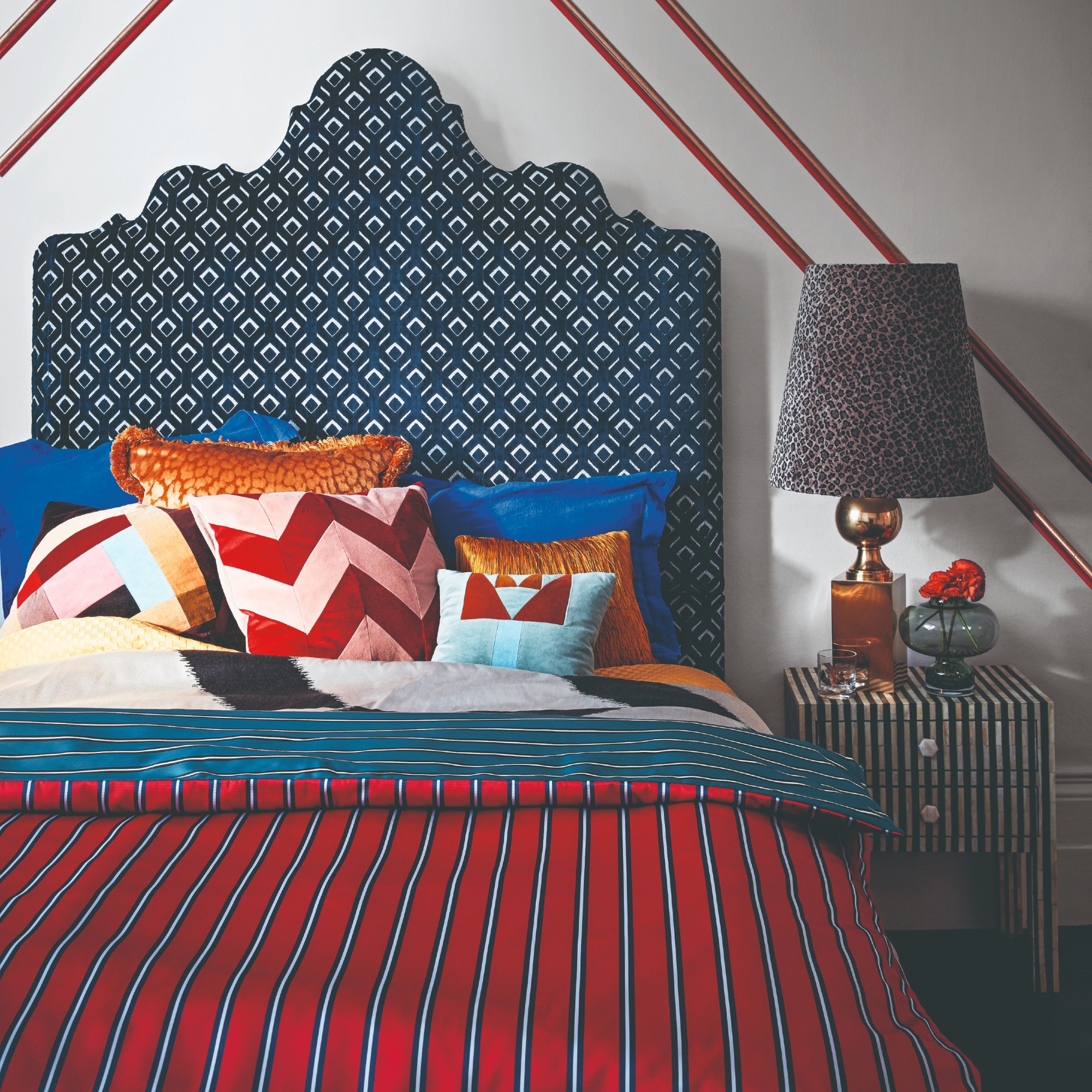
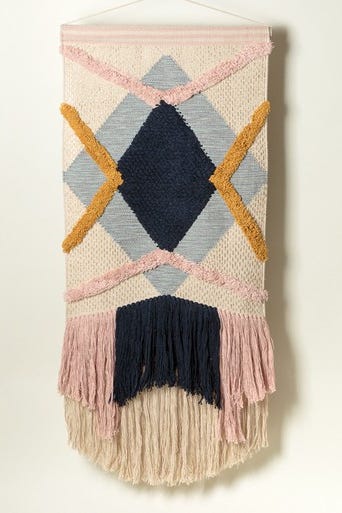
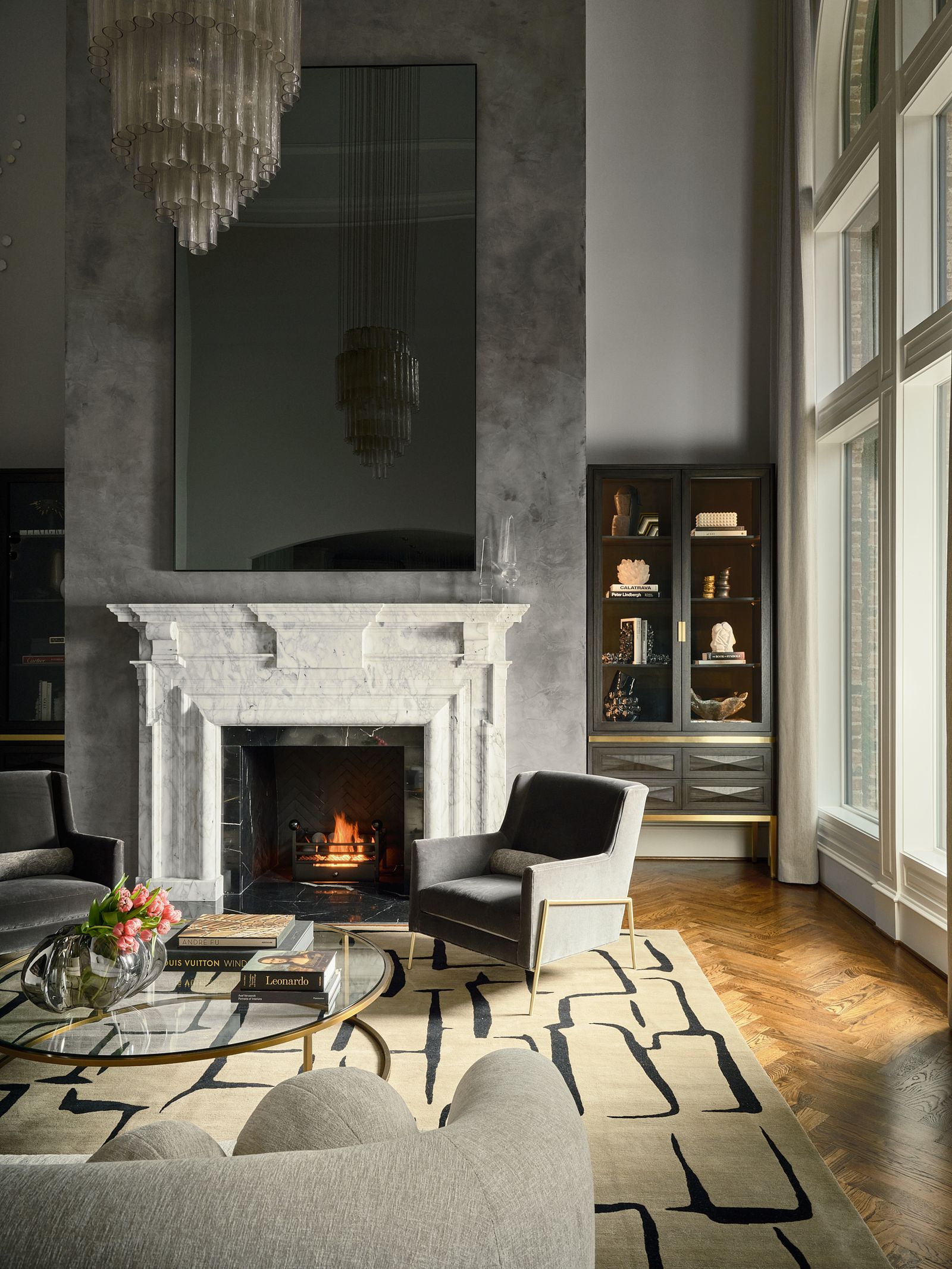
For a touch of intrigue and drama, wall hangings or tapestries offer an alternative to traditional headboards. A large suzani or tapestry can introduce color and pattern, transforming a plain bed into a focal point. Lastly, leveraging existing room features, such as a redundant chimney breast, allows for integrated designs. These can incorporate built-in shelves, lighting, or even disguise radiators, creating a hotel-like aesthetic. Mixing materials, such as mirrored glass with upholstered headboards, adds depth and visual interest.
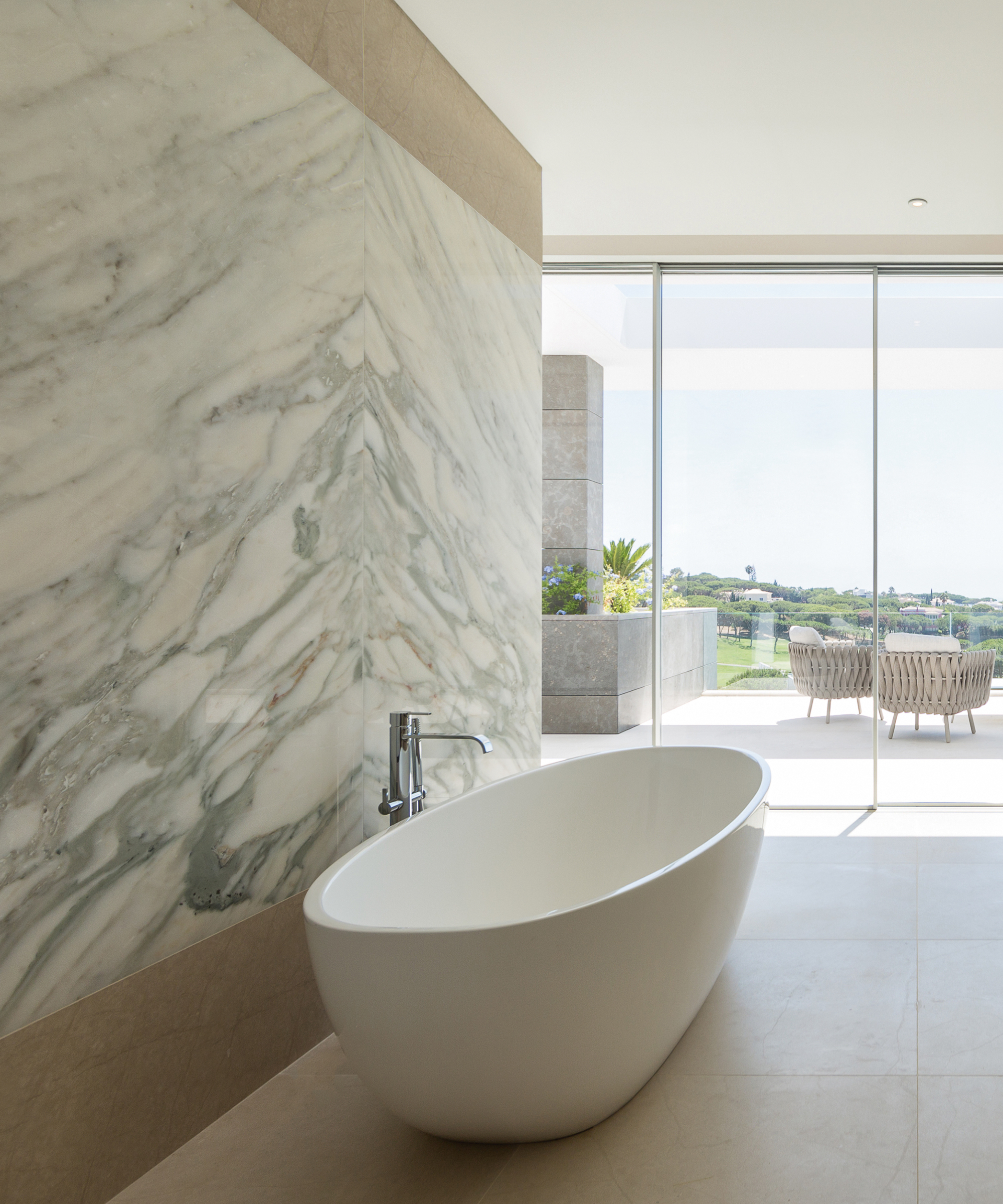
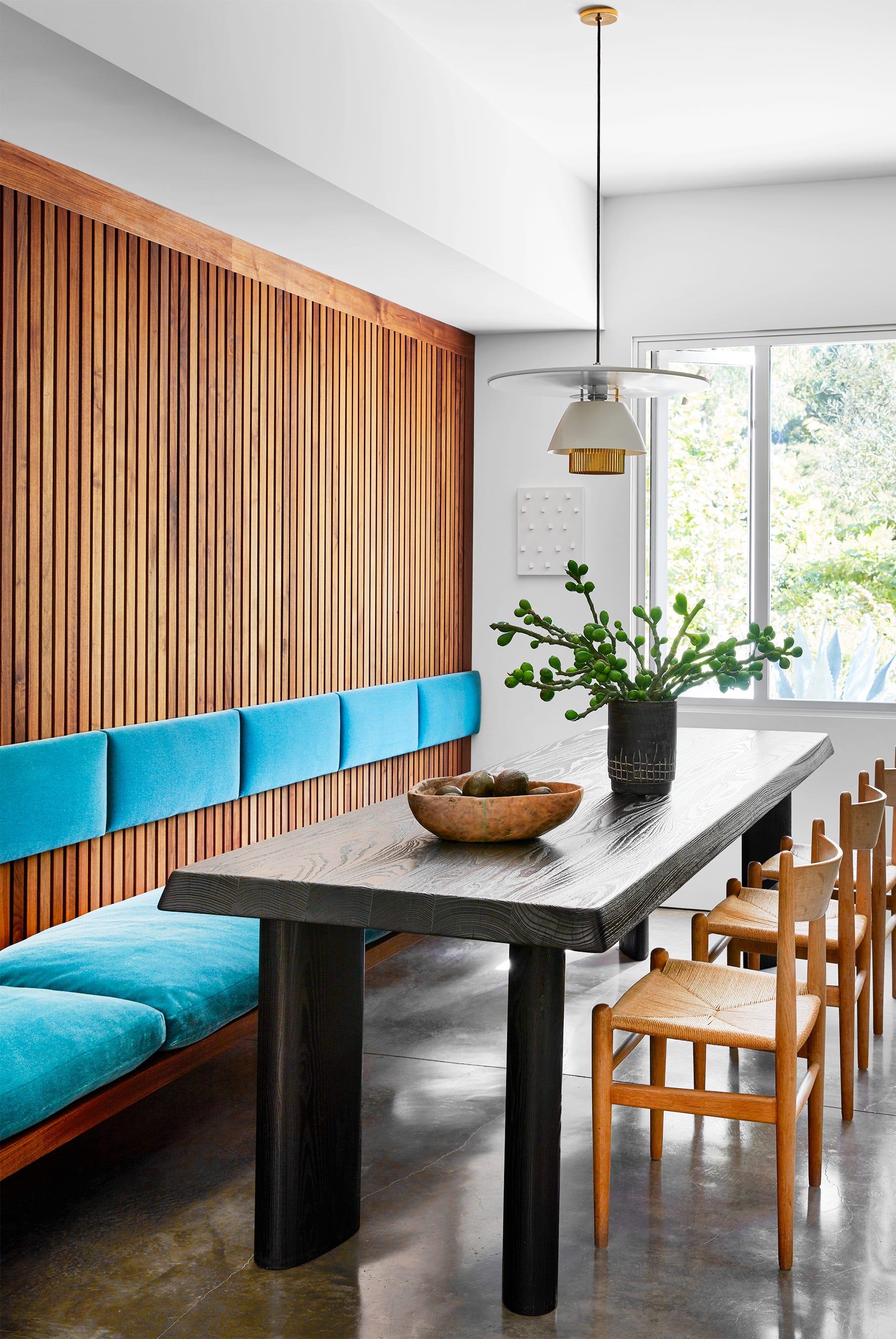
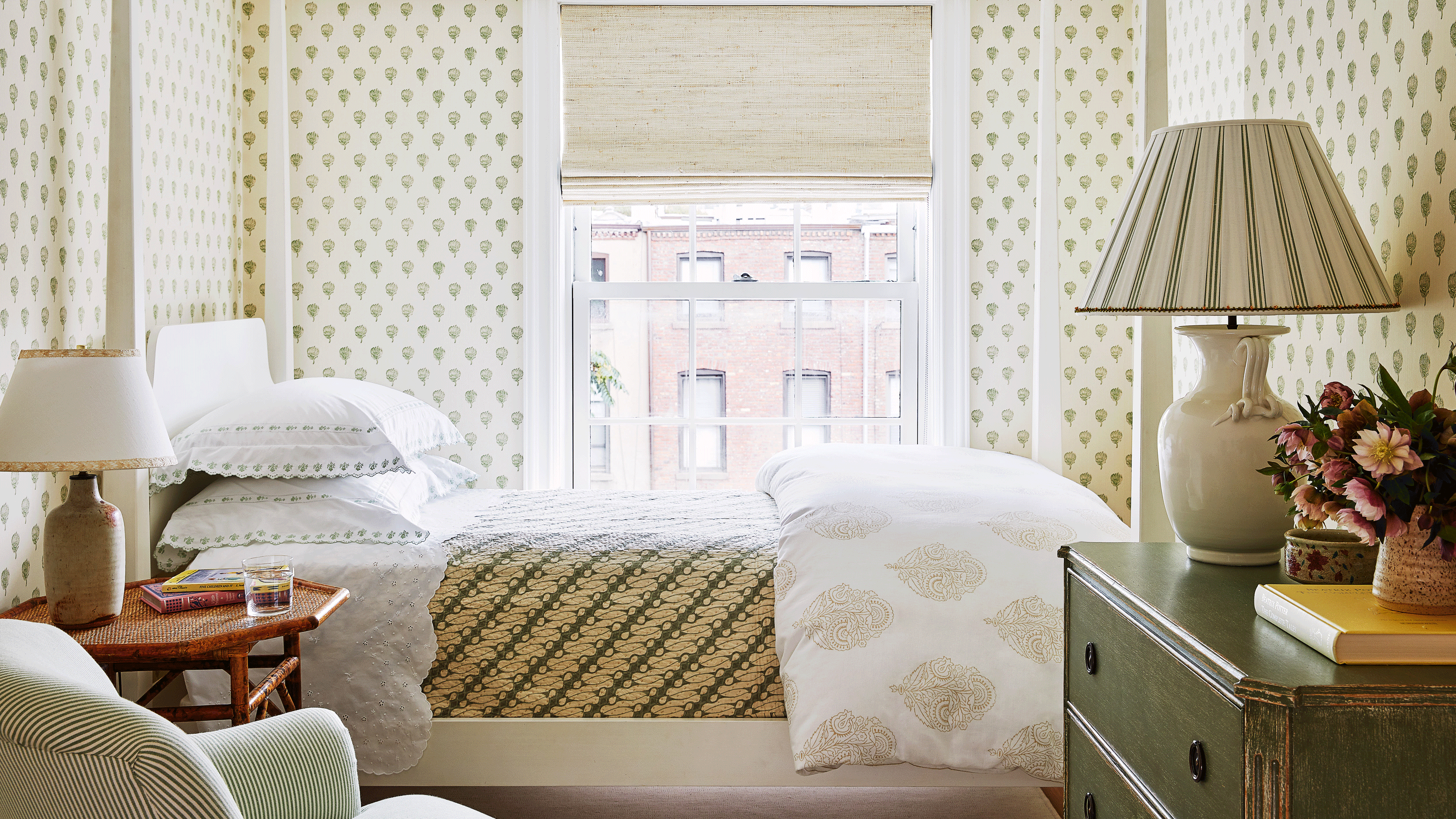
The ideal location for an accent wall is typically the first wall seen upon entering the room, or one behind a key piece of furniture like the bed or dressing table. However, accent walls can also highlight structural features or be placed in unexpected locations for a subtle surprise. Beyond paint and wallpaper, items like plates, hats, or memorabilia can be grouped to create unique, changeable displays. Emerging trends also include textured walls with polished concrete or molded plaster panels, which are enhanced by thoughtful lighting.
#BedroomDesign #AccentWalls #InteriorDecor #HomeStyling #WallPaneling #Murals #TexturedWalls #WallArt #DecoratingIdeas #BedroomDesign #AccentWalls #InteriorDecor #HomeStyling #WallPaneling #Murals #TexturedWalls #WallArt #DecoratingIdeas
0개의 댓글이 총 표시됩니다.
 아직 댓글이 없습니다
추가로 마음에 드릴 만한 콘텐츠
12 bedroom accent wall ideas for an on-trend focal point

Bedroom wall paneling ideas: 9 easy ways to add character and depth

Bedroom wall panel ideas – 7 easy ways to give your room an incredible architectural edge
These Bedroom Features Are Always Eyesores (And You May Have Them), Designers Say

Bedroom accent wall paint ideas – 12 ways to add style and impact
Bedroom wall decor ideas – 20 ways to express your style and elevate your bedroom’s walls
23 Bedroom Wall Decor Ideas That Add Personality and Style to Your Space
Bedroom wall panelling ideas – 13 ways to bring texture and interest to your bedroom walls
Living room accent wall ideas – 10 new ways designers recommend to style your blank spaces
20 Innovative Bedroom Wall Decor Ideas Beyond Paint

Artwork, Accent Walls and Mirrors, Here are 30 Tips for Boosting Blank Bedroom Walls

Bedroom wall decor ideas – 11 fresh ways to transform boring and dreary walls
22 Bedroom Accent Wall Ideas That Add Personality and Charm
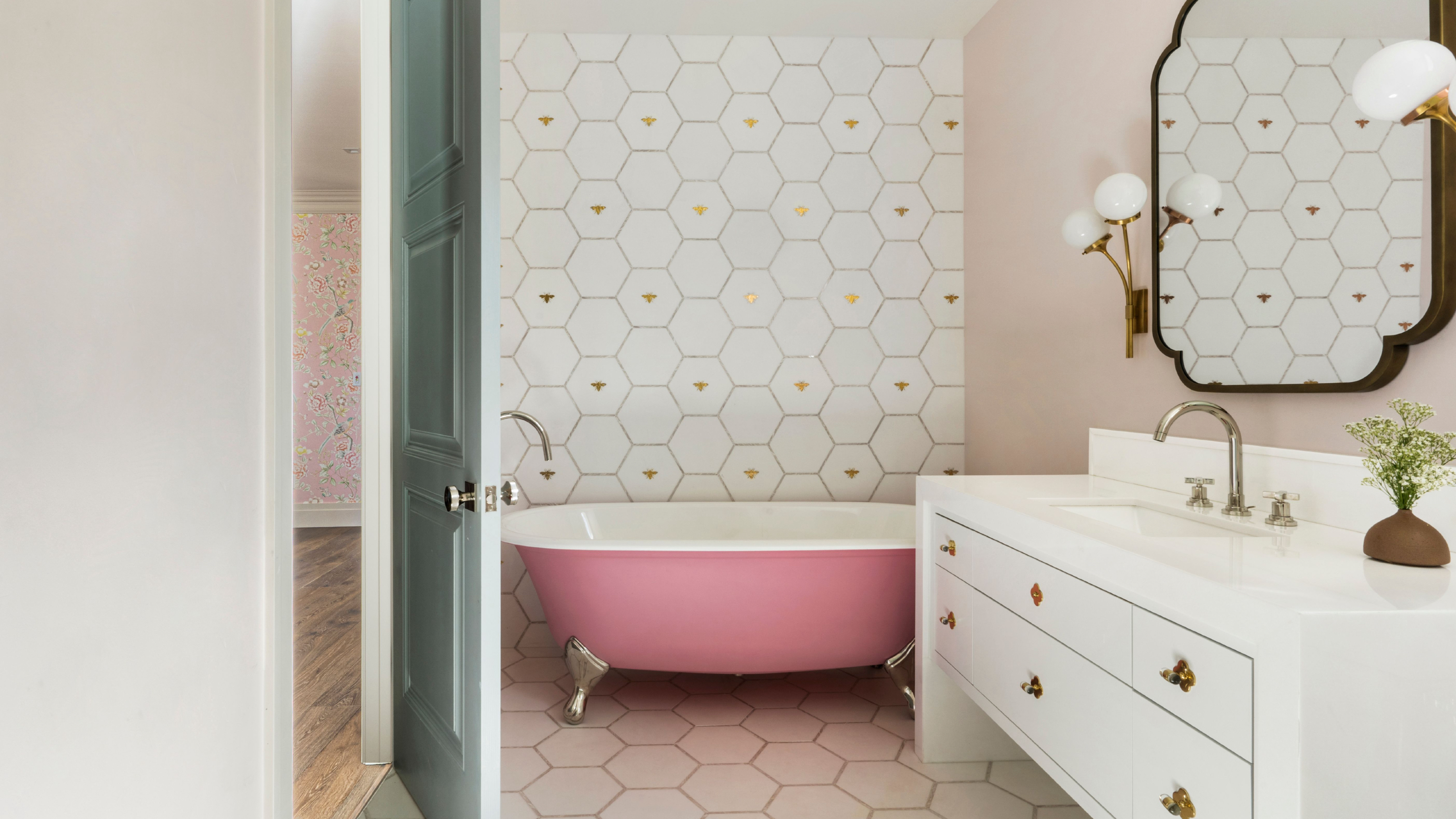
10 bathroom accent wall ideas – perk yours up with paint, tiles or wallpaper


34 Accent Wall Ideas for Every Room in the House

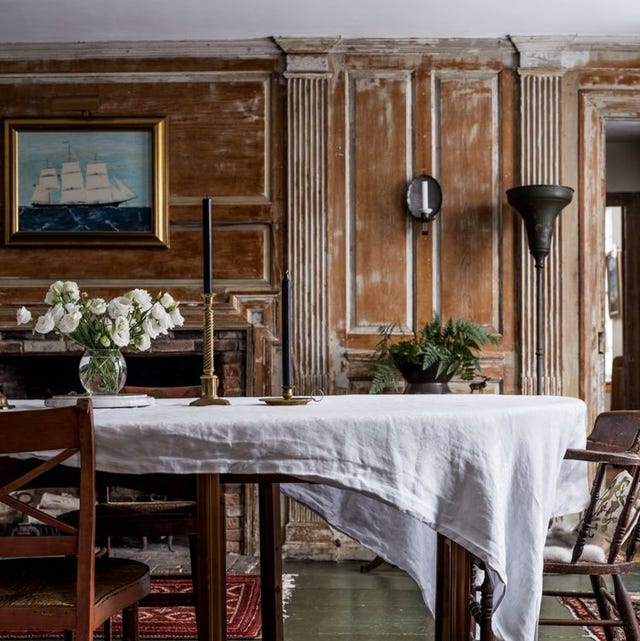
Instantly Elevate Your Space with These 10 Wonderful Wood Accent Wall Ideas

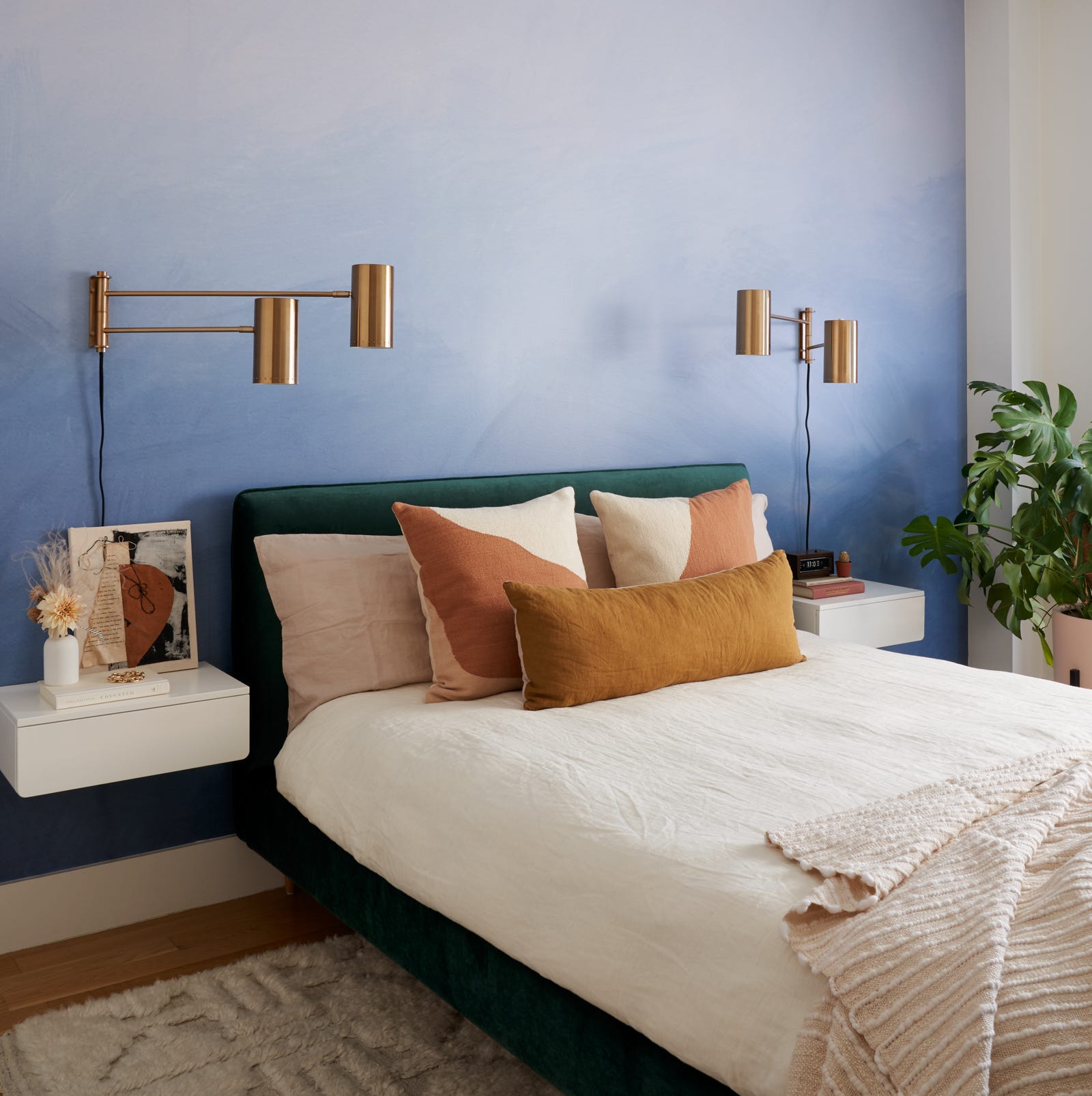
The Right Way to Pull off a Bedroom Accent Wall, According to Design Pros
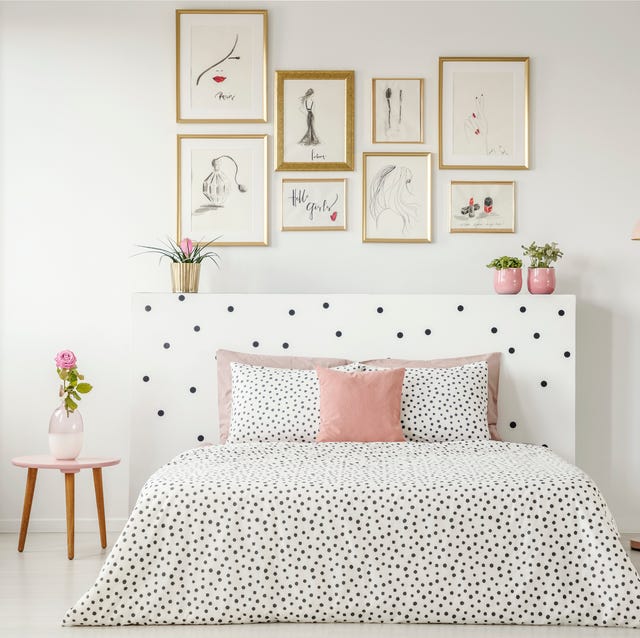
Bedroom wall decor ideas that the whole family will love love
Feature Wall Designs, Wallpaper and Paint Ideas

Time for a new bedroom accent color? These are our 4 favorites for fall