1/7
Are darker woods back on trend? Designers say this once-dated finish is in fact perfect for creating character
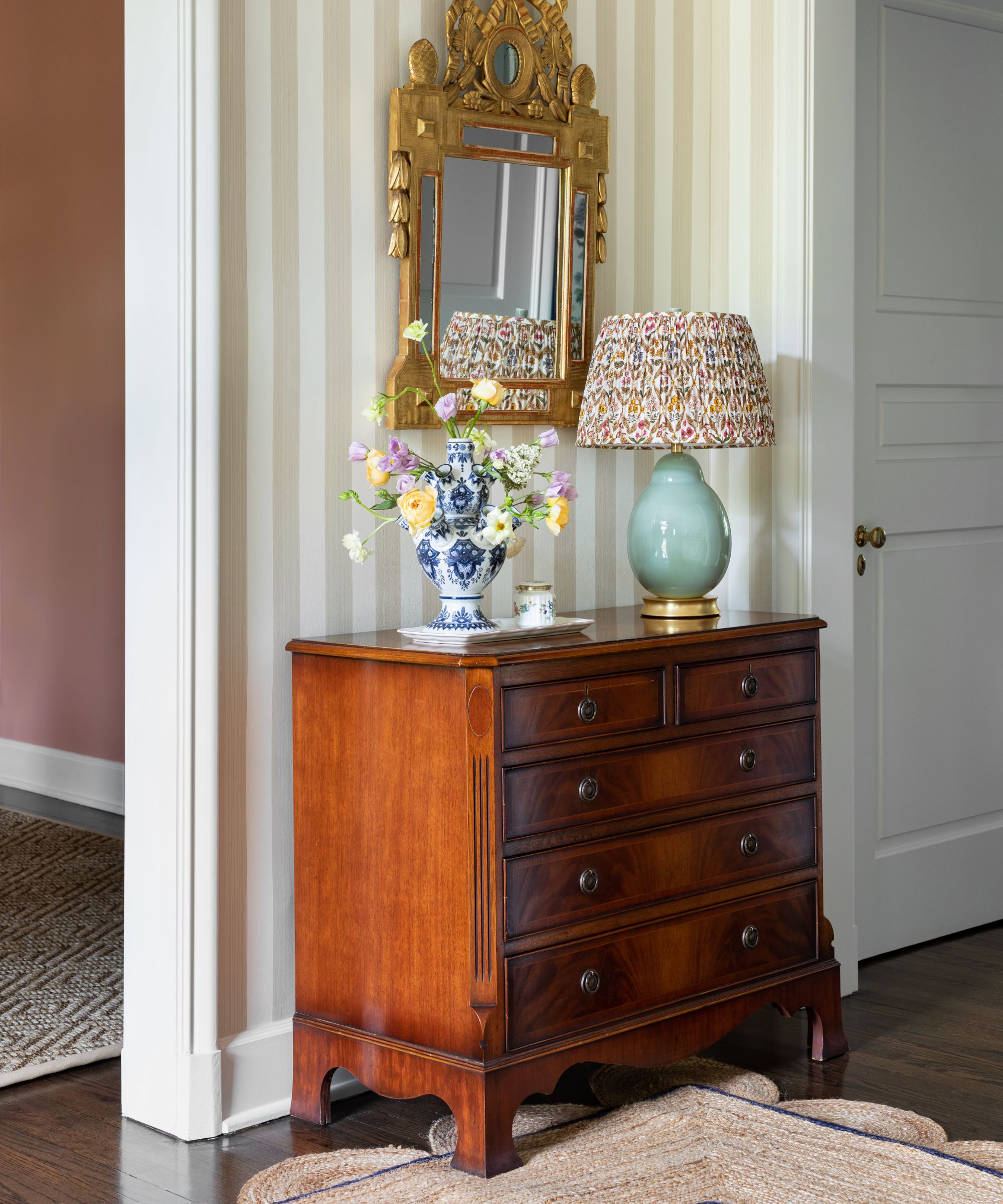
The perception of interior design trends often revolves around overarching styles, color palettes, or patterns, but less frequently on specific material tones like wood. While light-toned woods, popular in Scandinavian and minimalist decor, continue to hold their appeal, there is a notable resurgence of medium and dark wood tones such as walnut, cherry, and mahogany. These rich, deep, and chocolatey finishes are making a comeback, offering an aesthetic that blends old-world charm with contemporary warmth and character. Experts in interior design, color theory, and branding suggest that this shift is a natural progression from the overall trend towards warmer and more welcoming interior aesthetics in 2024.
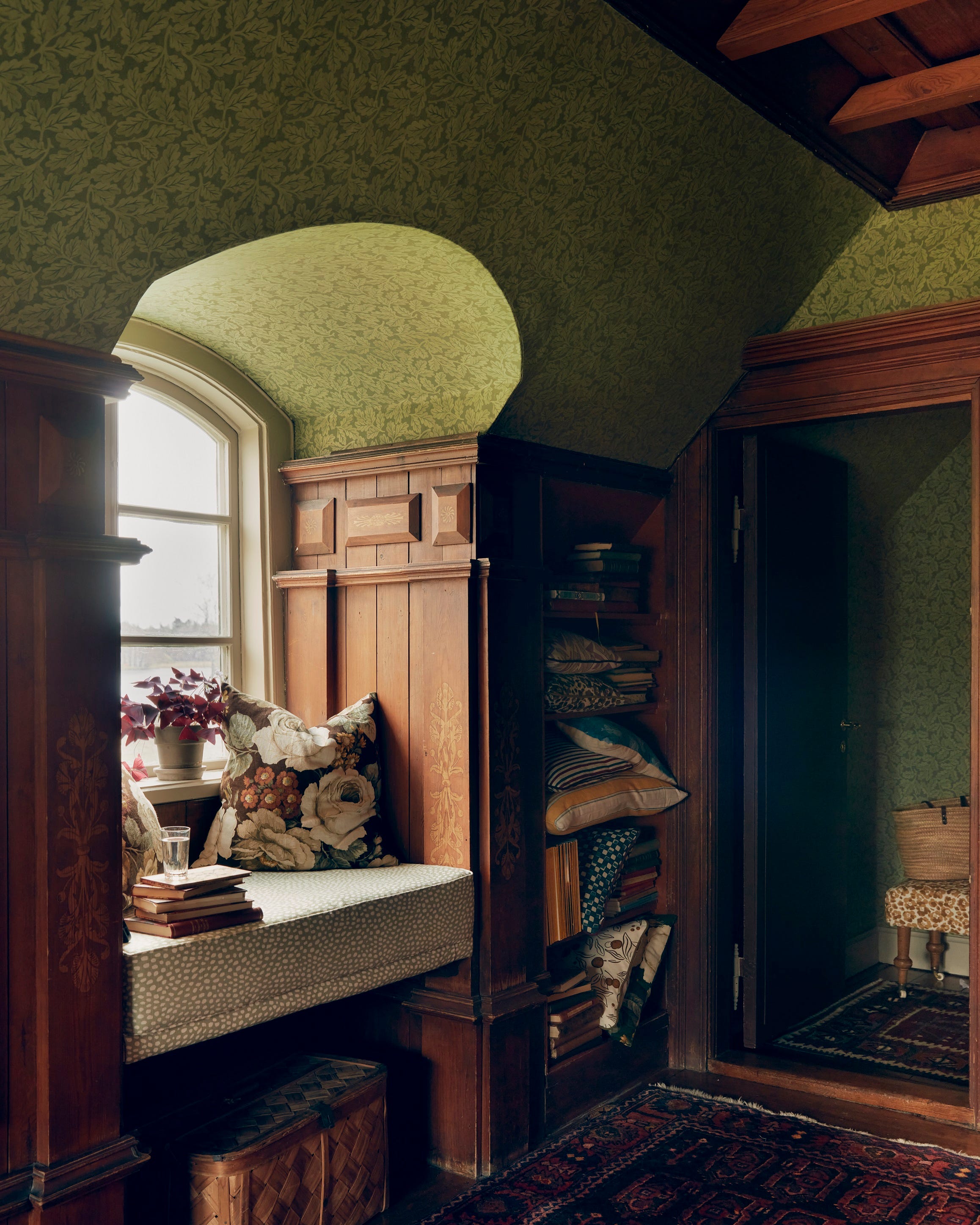
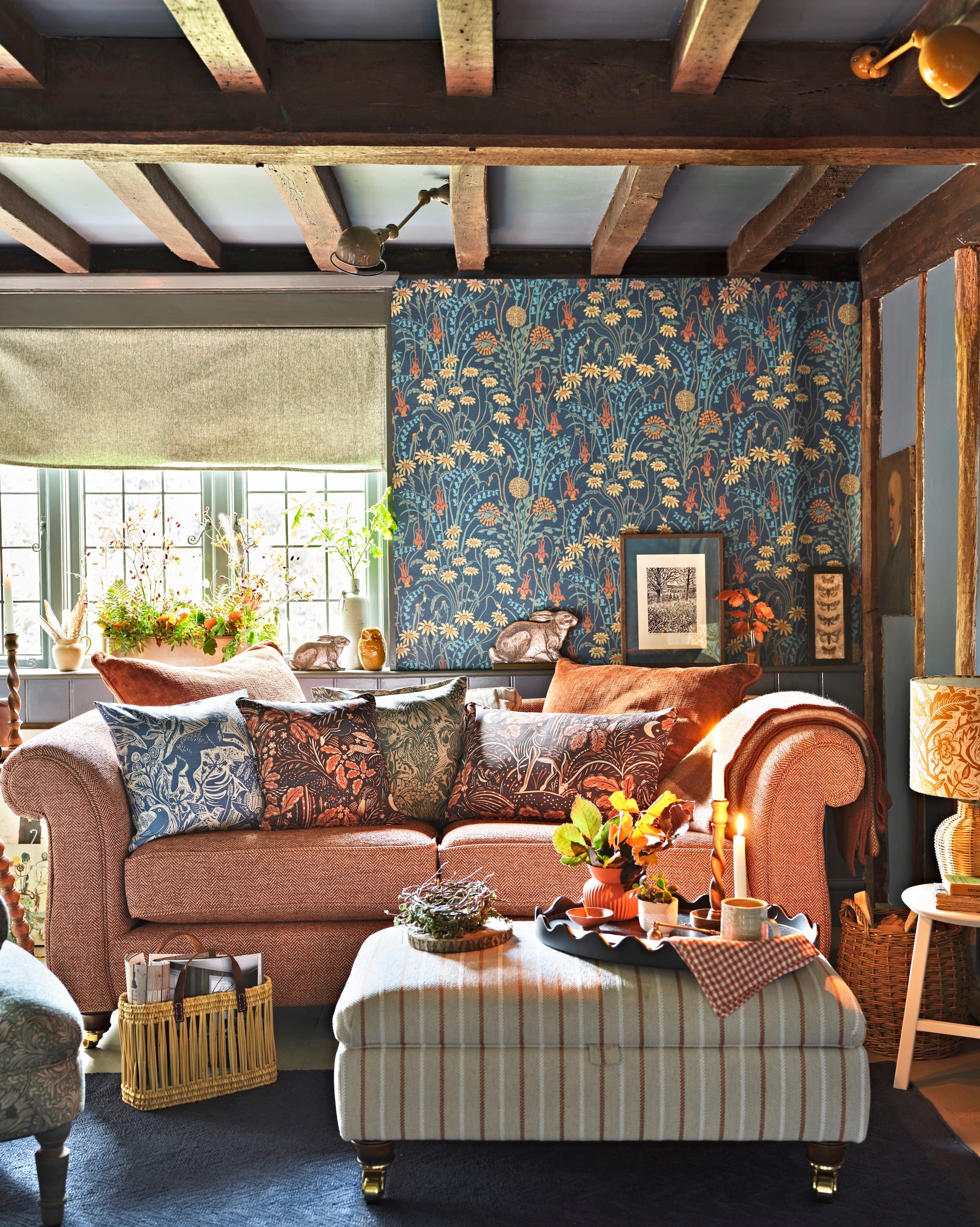
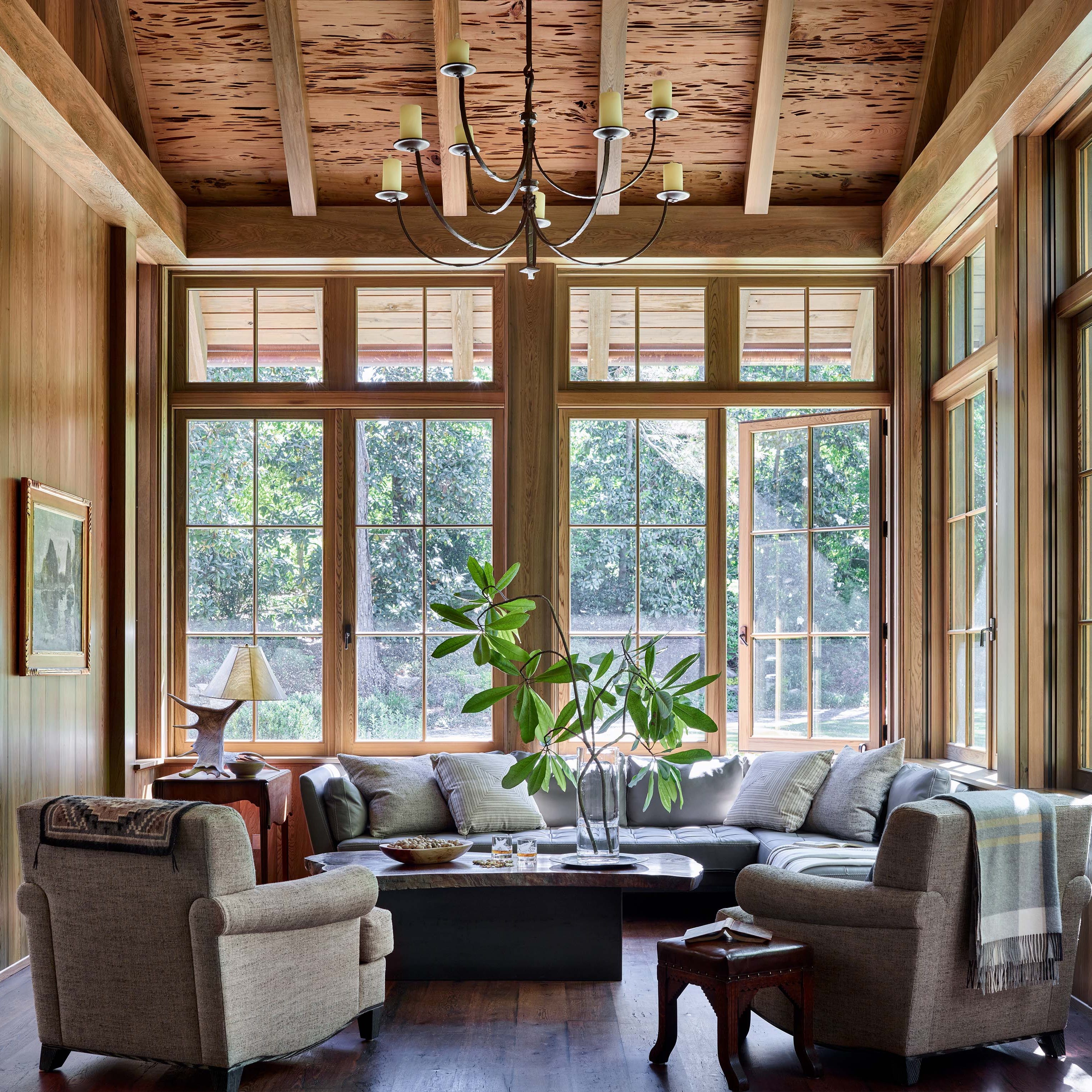
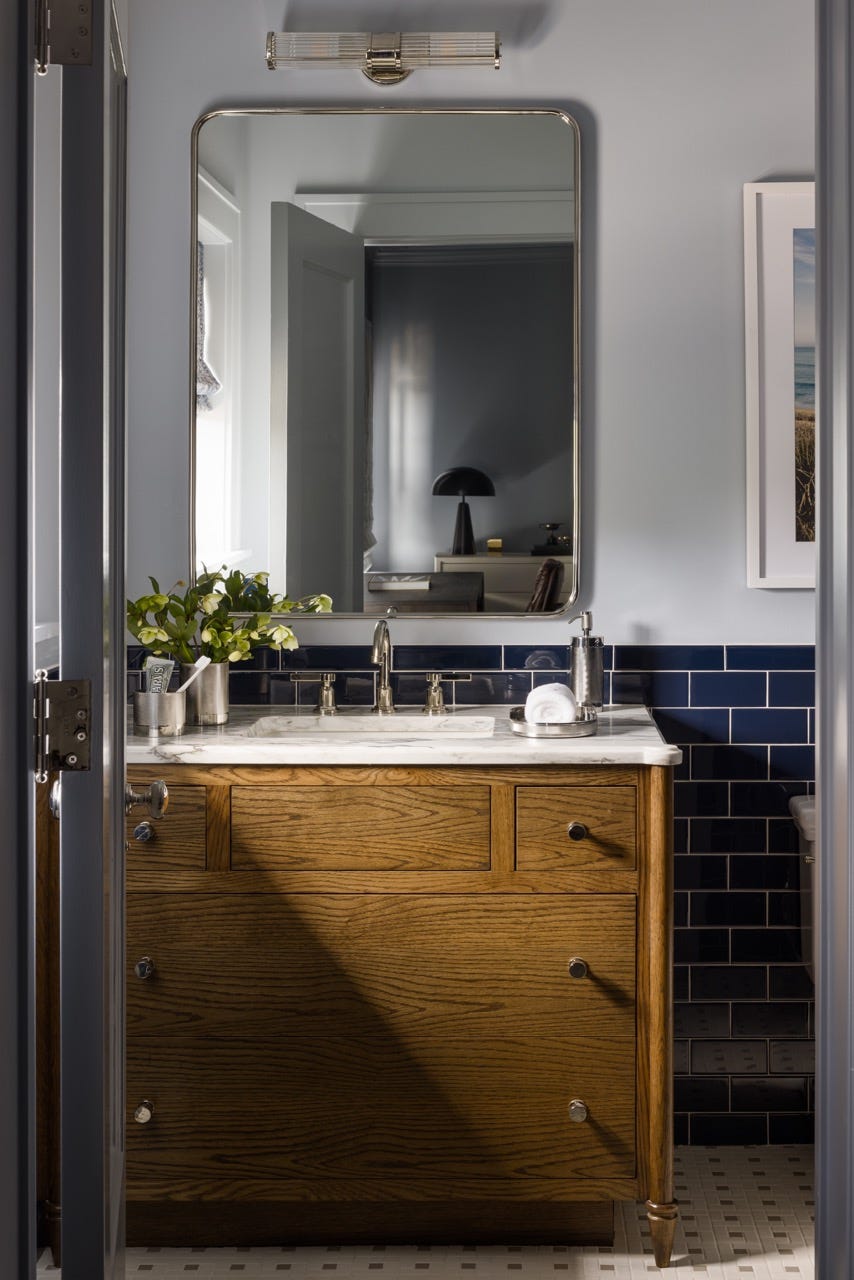
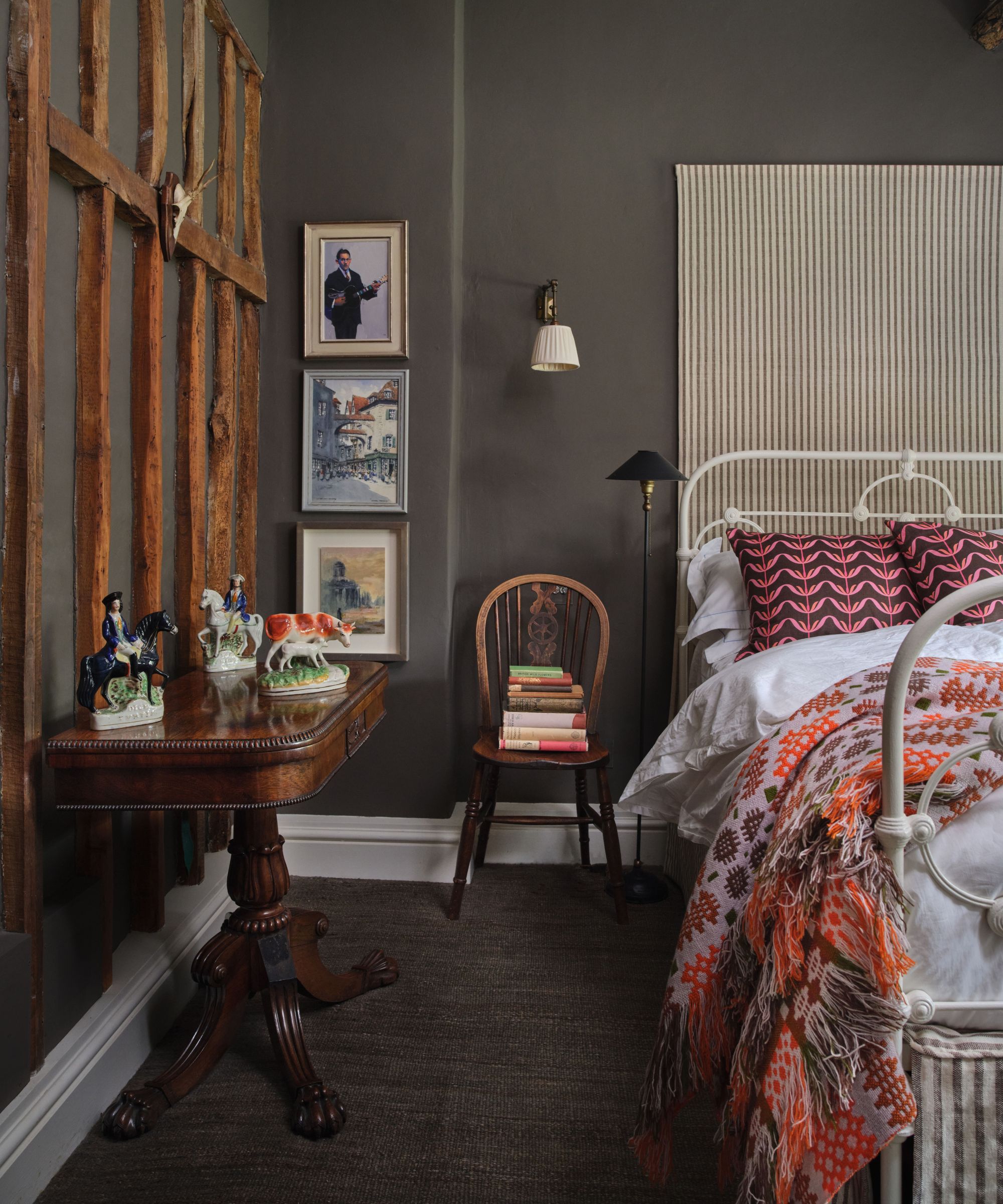
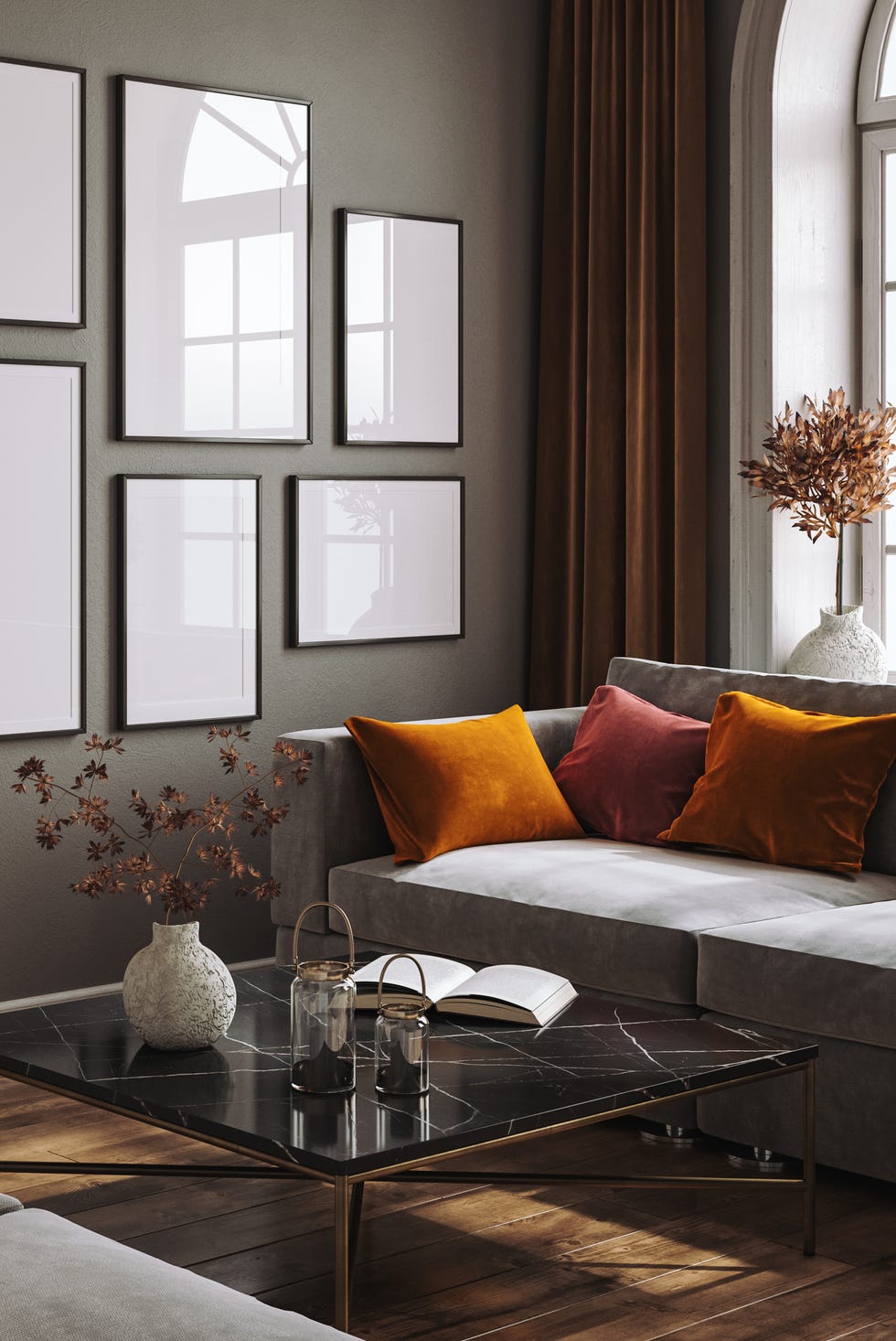
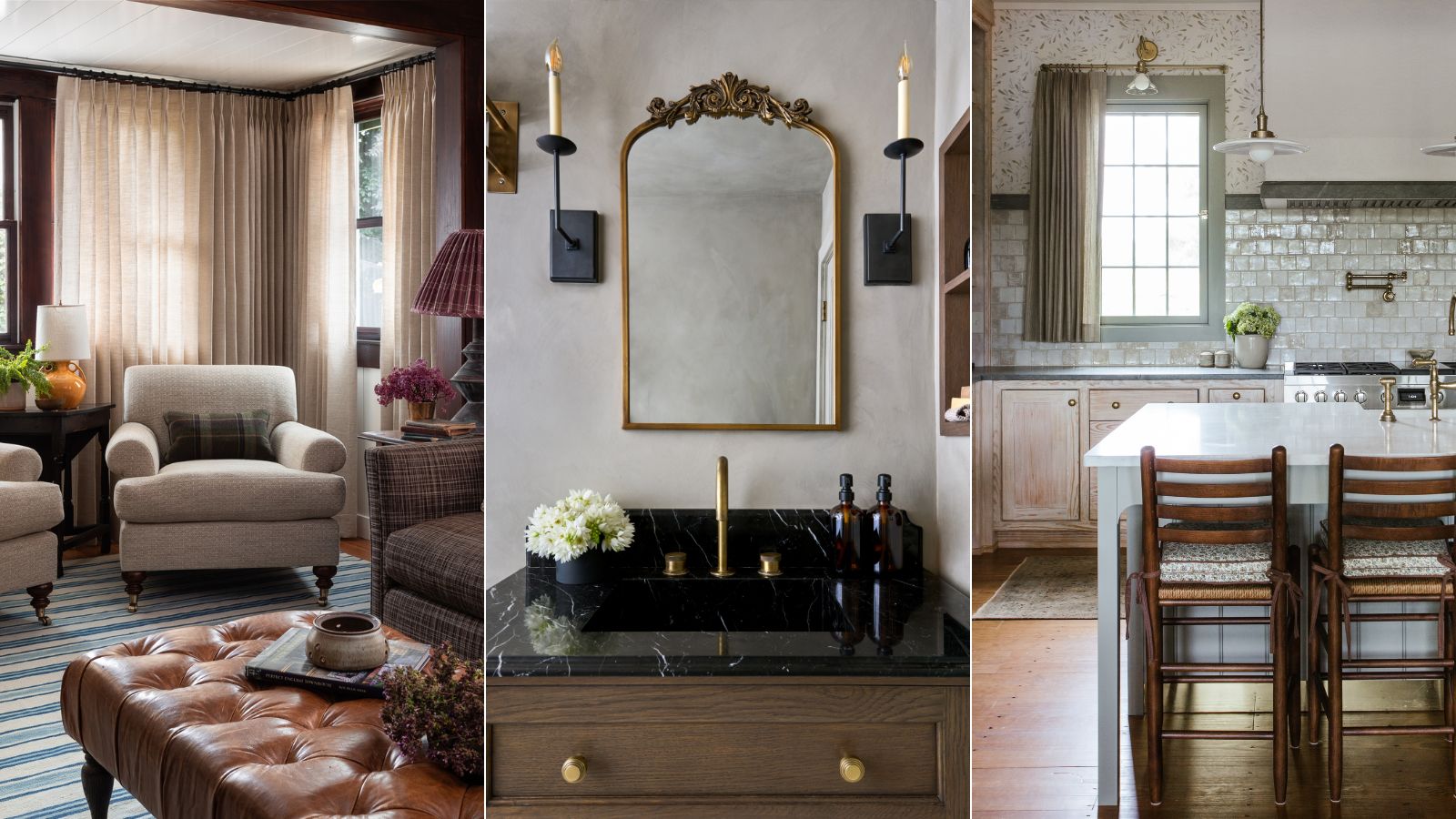
Interior designers link the return of darker woods to the growing popularity of beige and a general move away from gray tones. Warm, dark woods are seen as a perfect complement to warmer-toned neutrals, contributing to a cozy yet sophisticated feel. These woods, particularly those with warm undertones like mahogany and oak, are well-suited to aesthetics such as rustic, cottagecore, and dark academia, especially when paired with rich textures like cashmere, wool, velvet, and hair-on-hide. This trend is not confined to period homes; the richness and depth of warm wood tones can create a cozy, inviting atmosphere in any style of home, including contemporary spaces. Darker stained oak can offer a rich warmth without being as intensely dark as mahogany or walnut. The integration of darker woods with modern design’s earth tones and pastels is seamless, with darker woods providing warmth and comfort that can act as a focal point, especially when paired with lighter pastel tones.

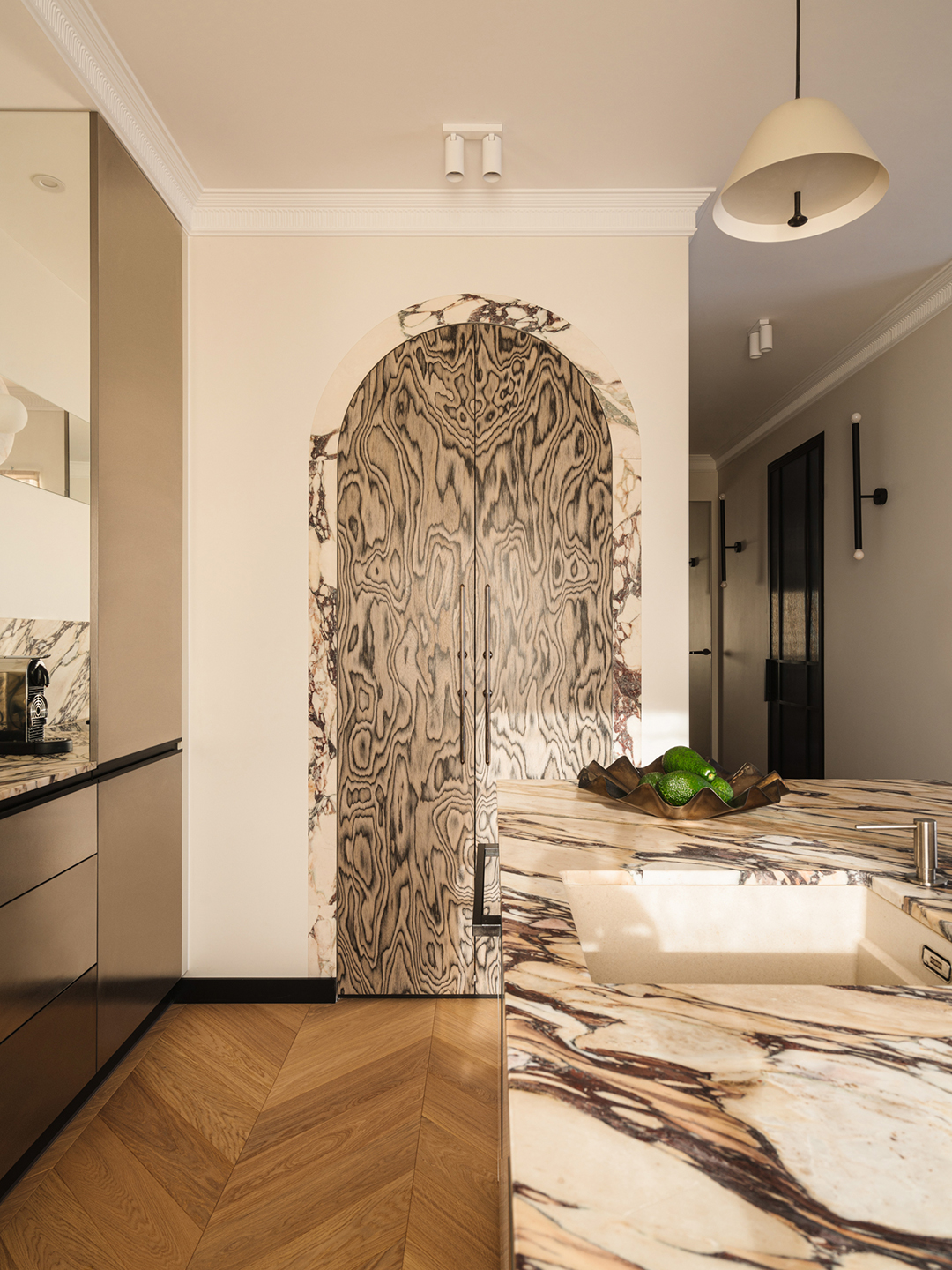
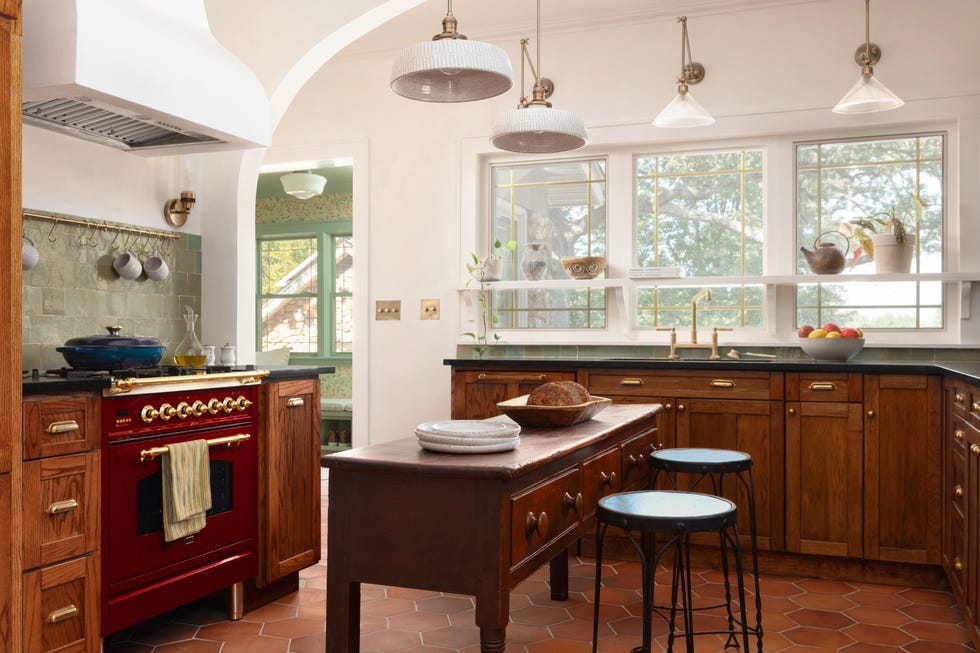
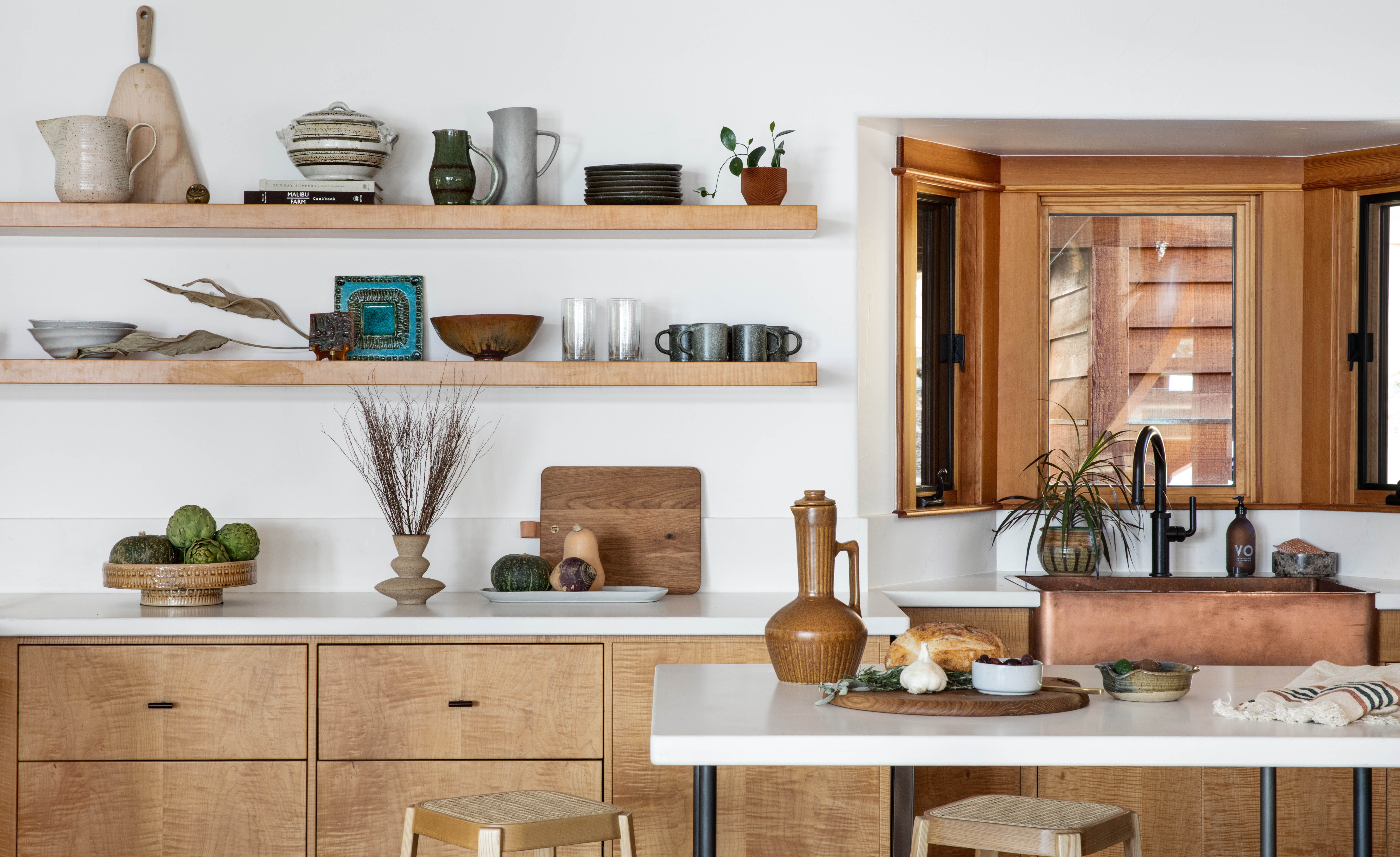
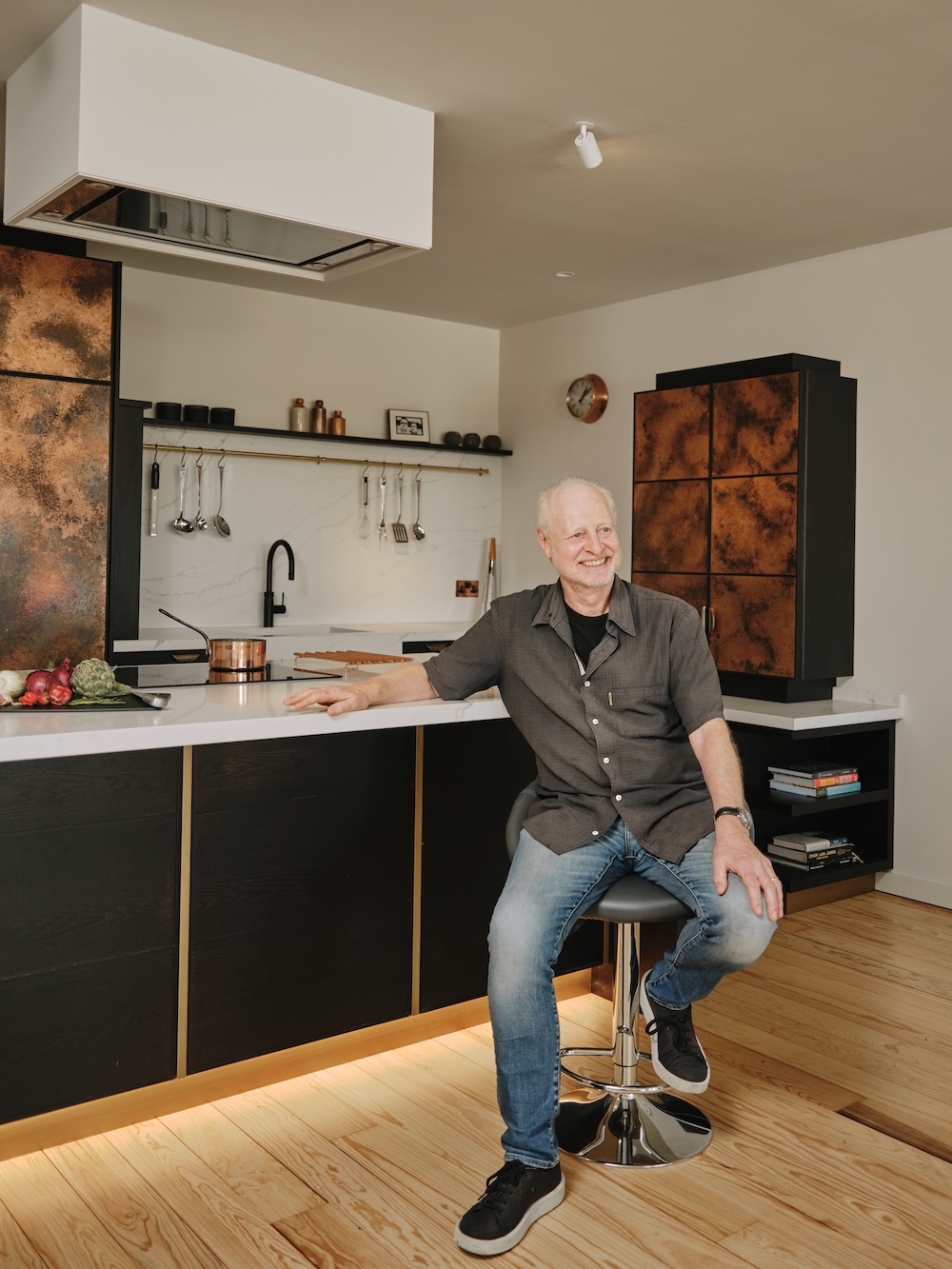
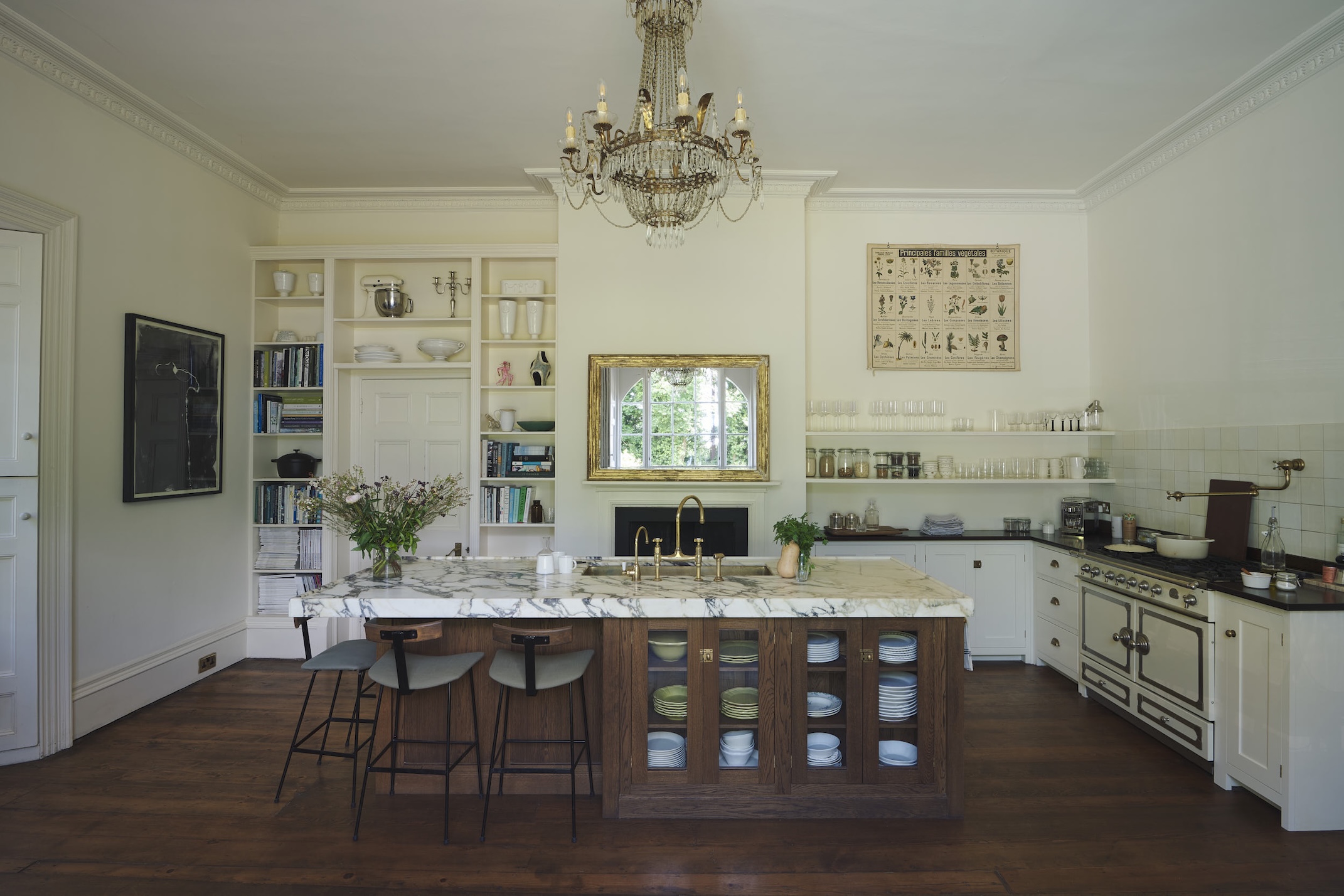
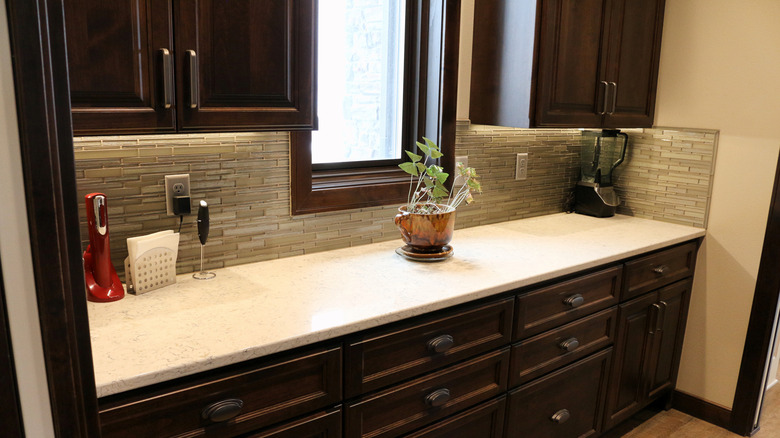
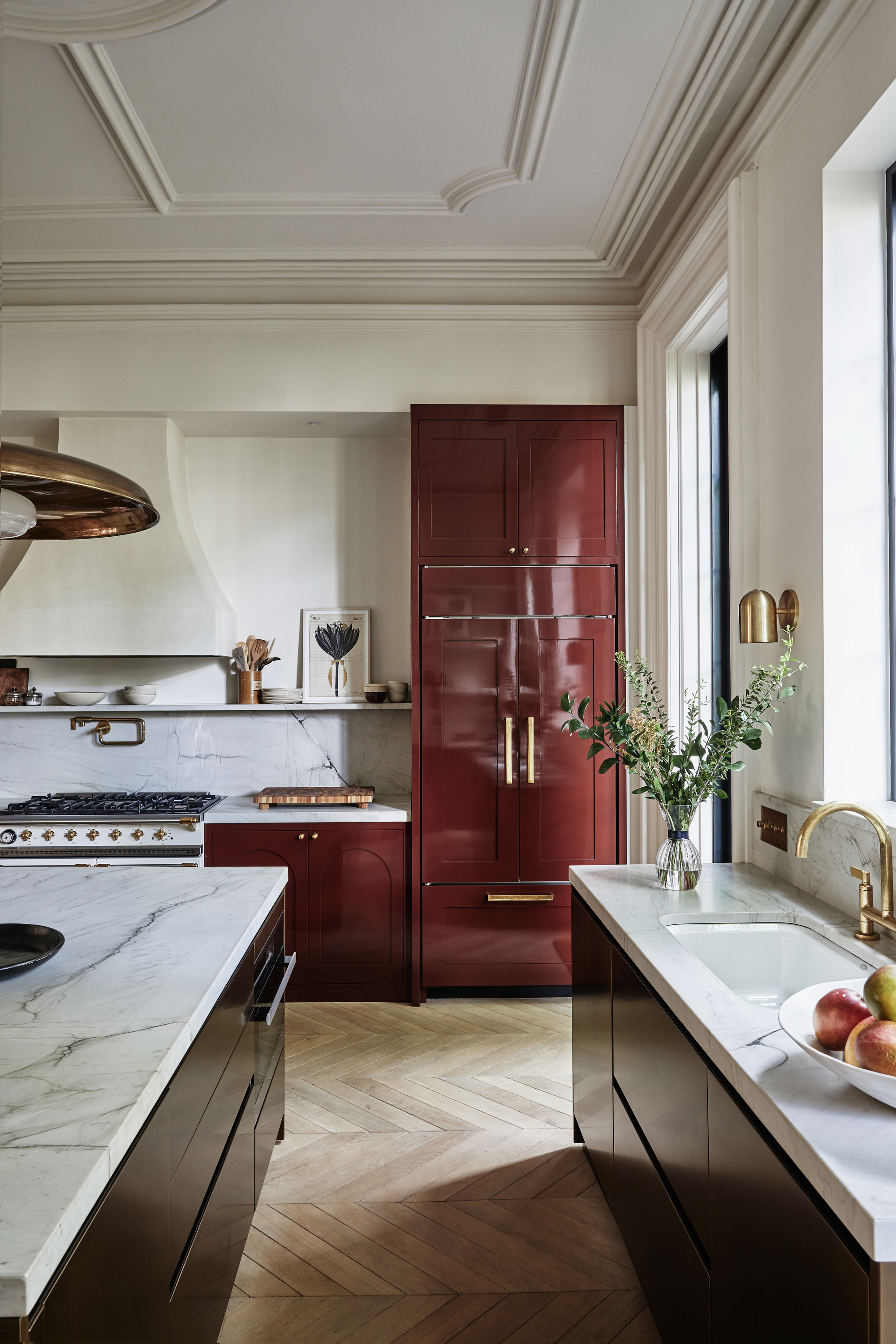
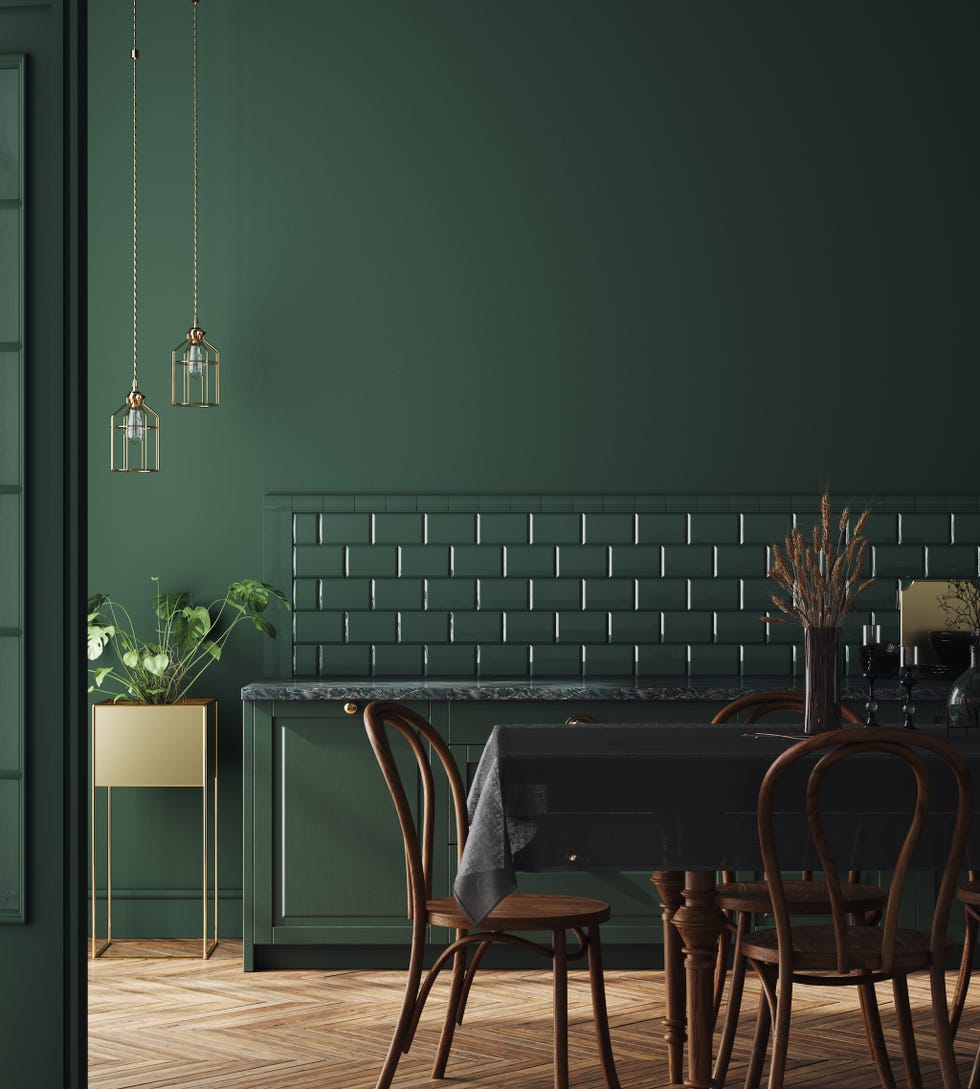
There are four primary ways to incorporate darker woods into home design. First, richer wood tones are emerging as a significant trend in kitchen design, with unpainted kitchen cabinets allowing natural wood grains to shine. Walnut, for instance, is highly favored for its rich and dark aesthetic, contributing to a warm and homely feel in both modern and contemporary kitchens. This shift is driven by changing kitchen color palettes that lean towards warmer hues, which natural wood effectively achieves. Espresso-stained cabinets, teak countertops, or mahogany islands can transform a kitchen into a luxurious space. For those not ready for a full remodel, a vintage freestanding pantry or restaining old butcher block counters can introduce this element.
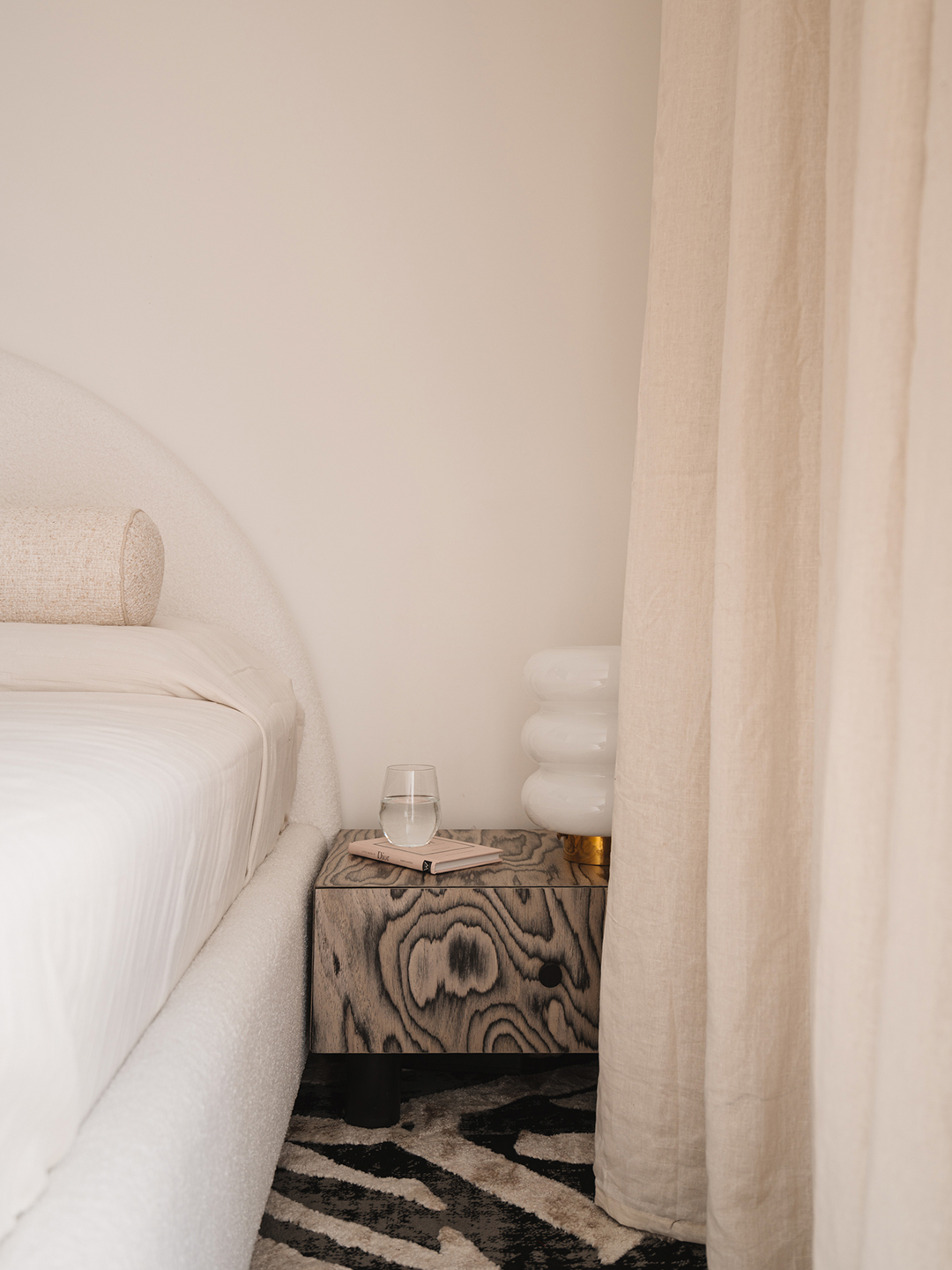
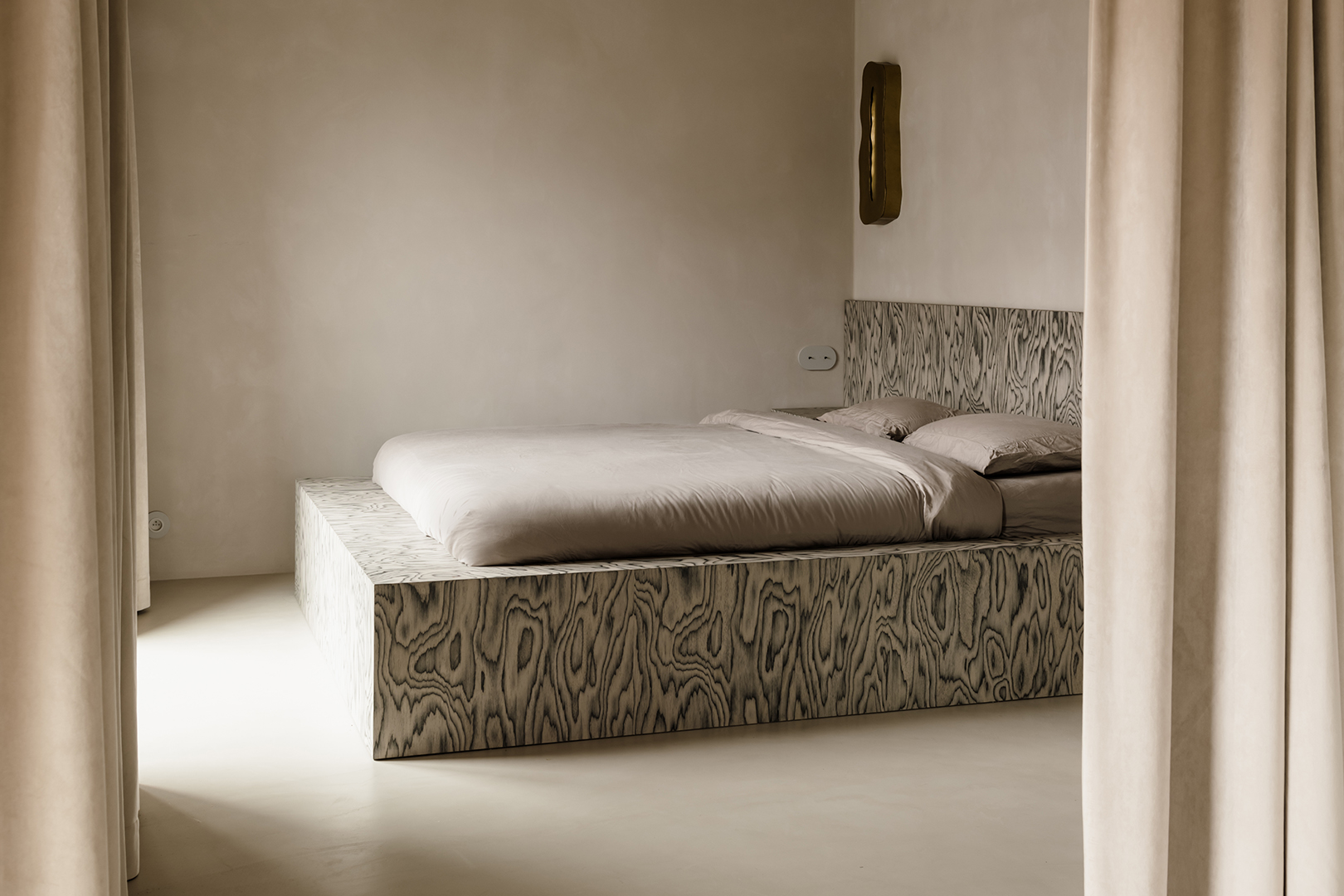
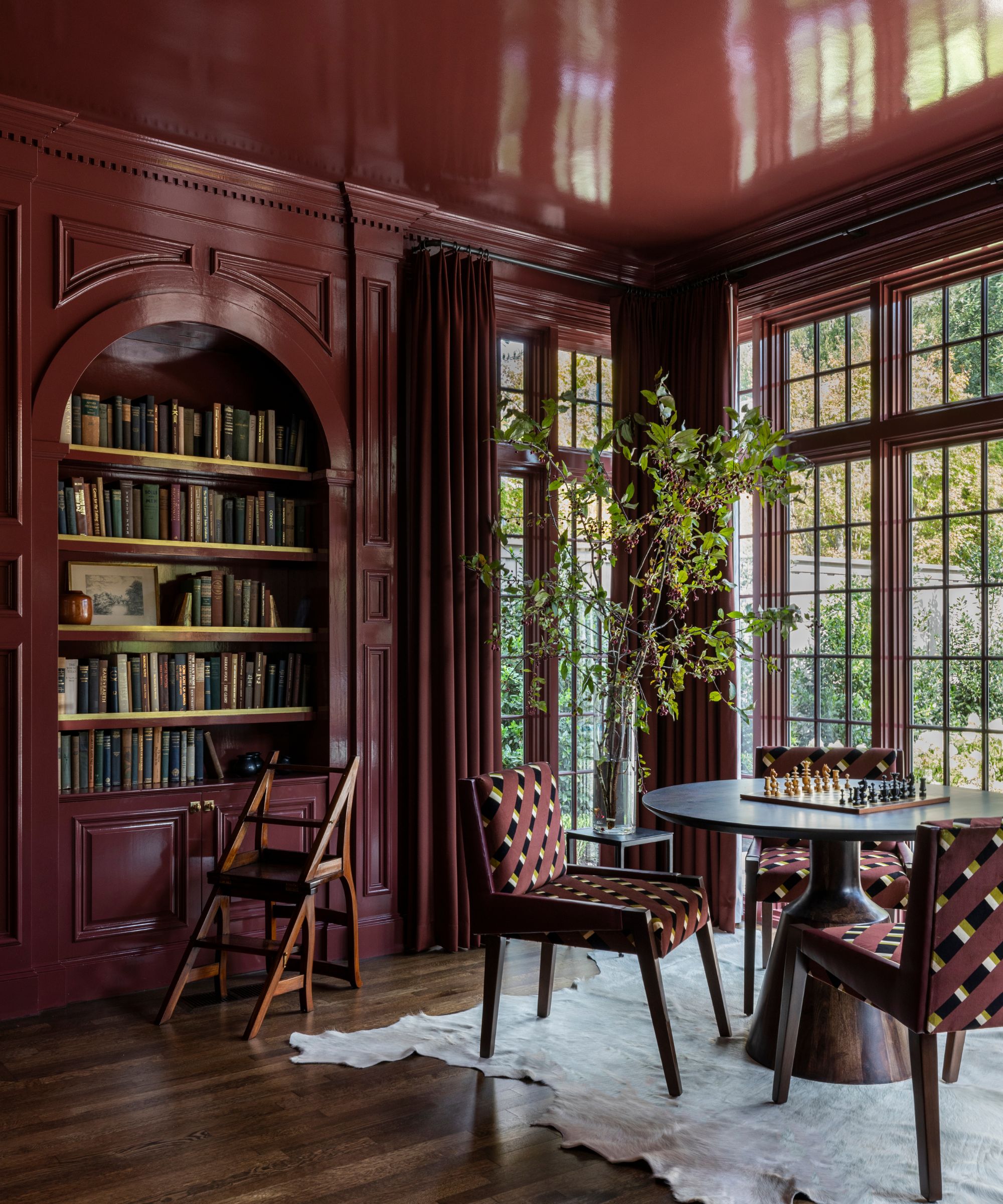
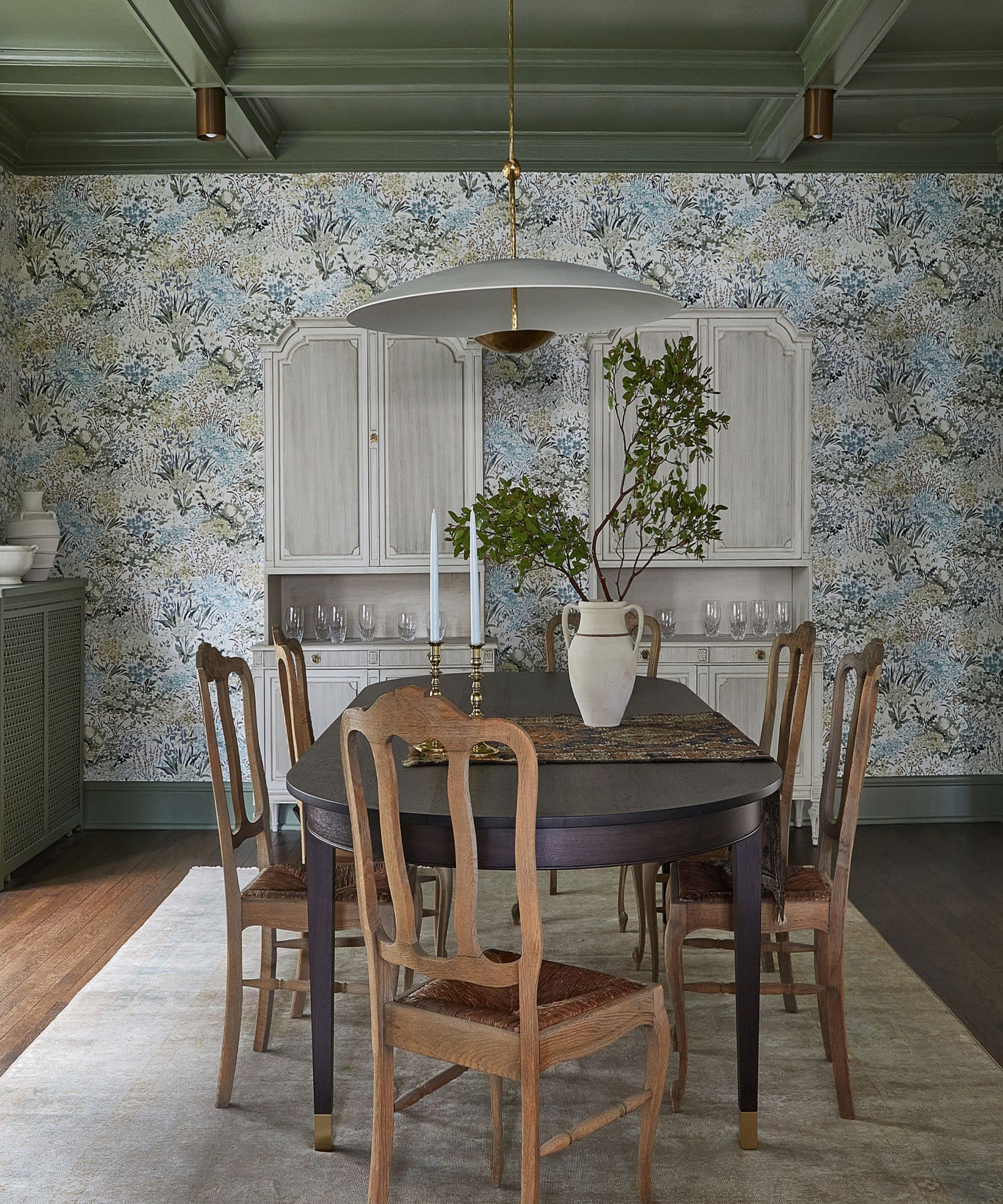
Second, dark wood floors can ground a room, creating a sense of sophistication and warmth. These transitional, old-meets-new elements add an elegance unique to deep hues. Using dark wood for flooring can create a cocooning effect, connecting the space to nature and providing warmth. It is also a durable and timeless investment. In home offices, custom walnut bookcases, wall panels, and traditional lighting can echo original wood flooring, creating a nostalgic, old-world feel. Subtler uses, like mahogany side tables or walnut paneling, can add weight, depth, and texture, drawing the eye into the room.
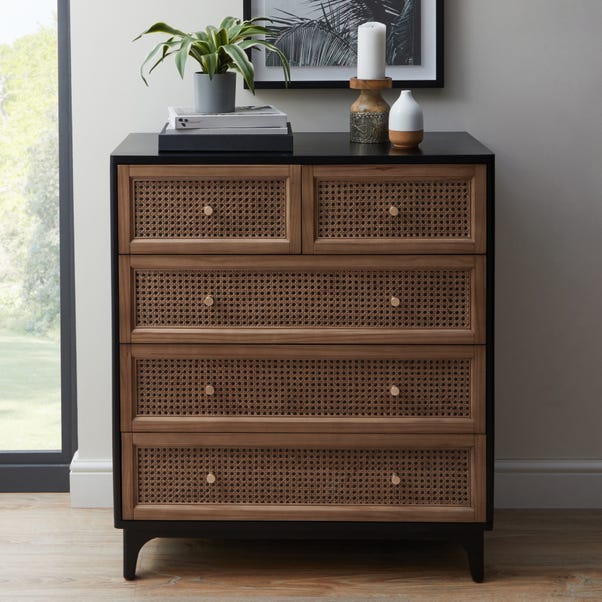
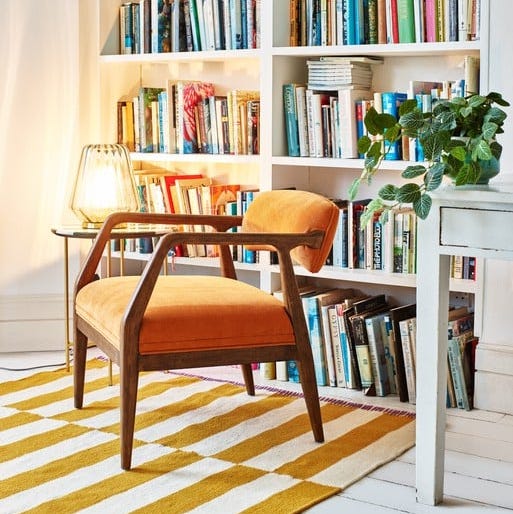
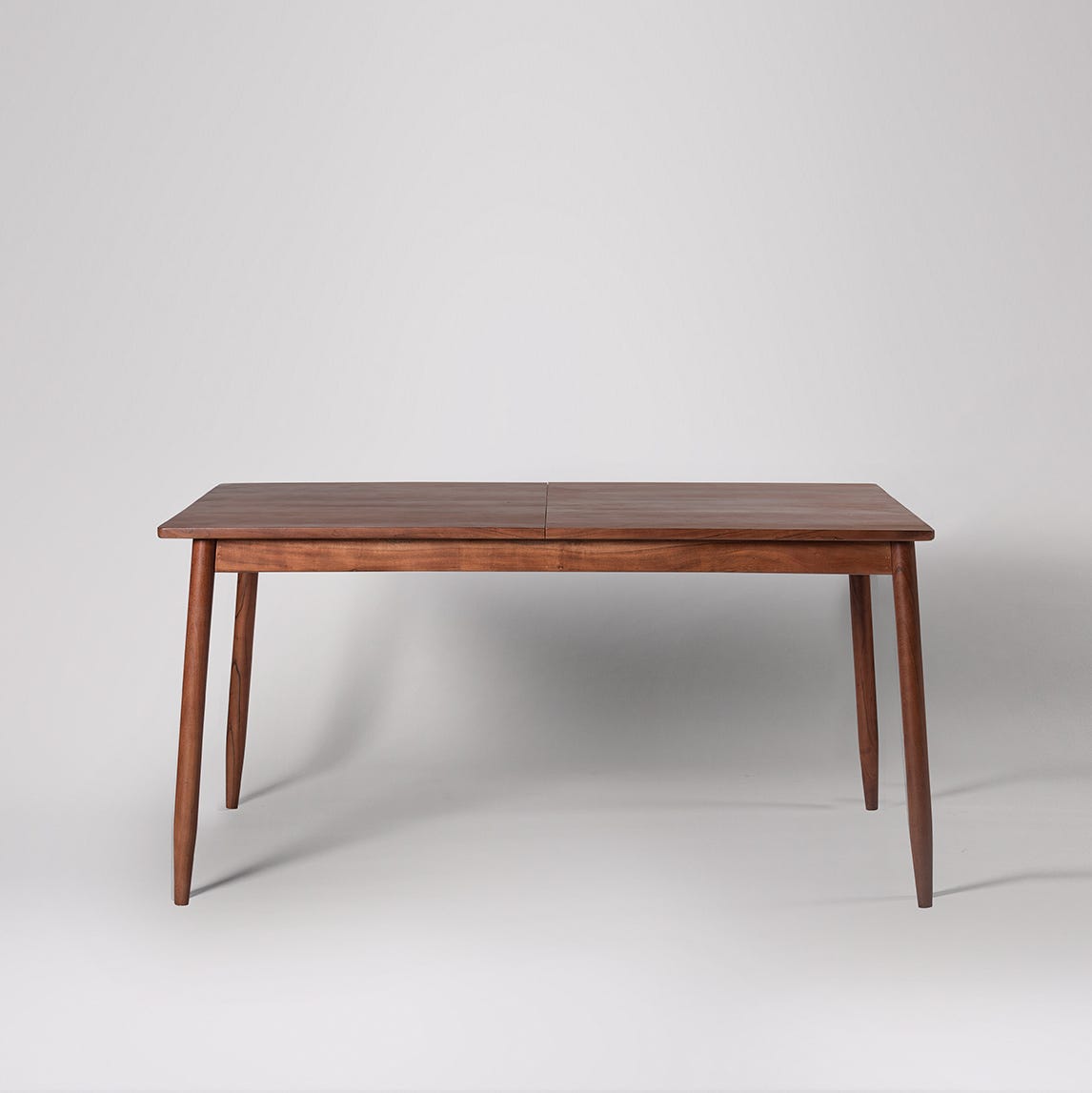
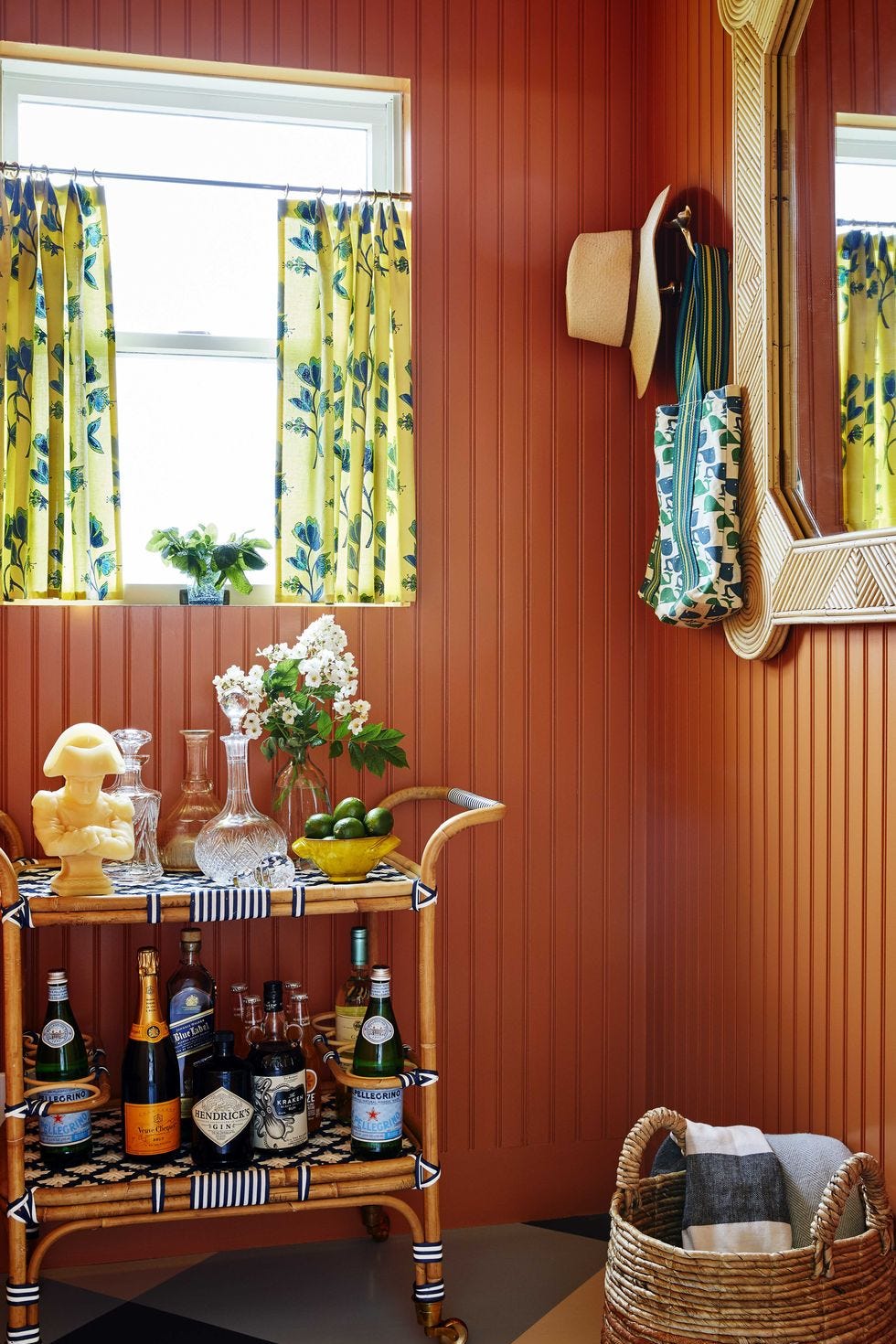
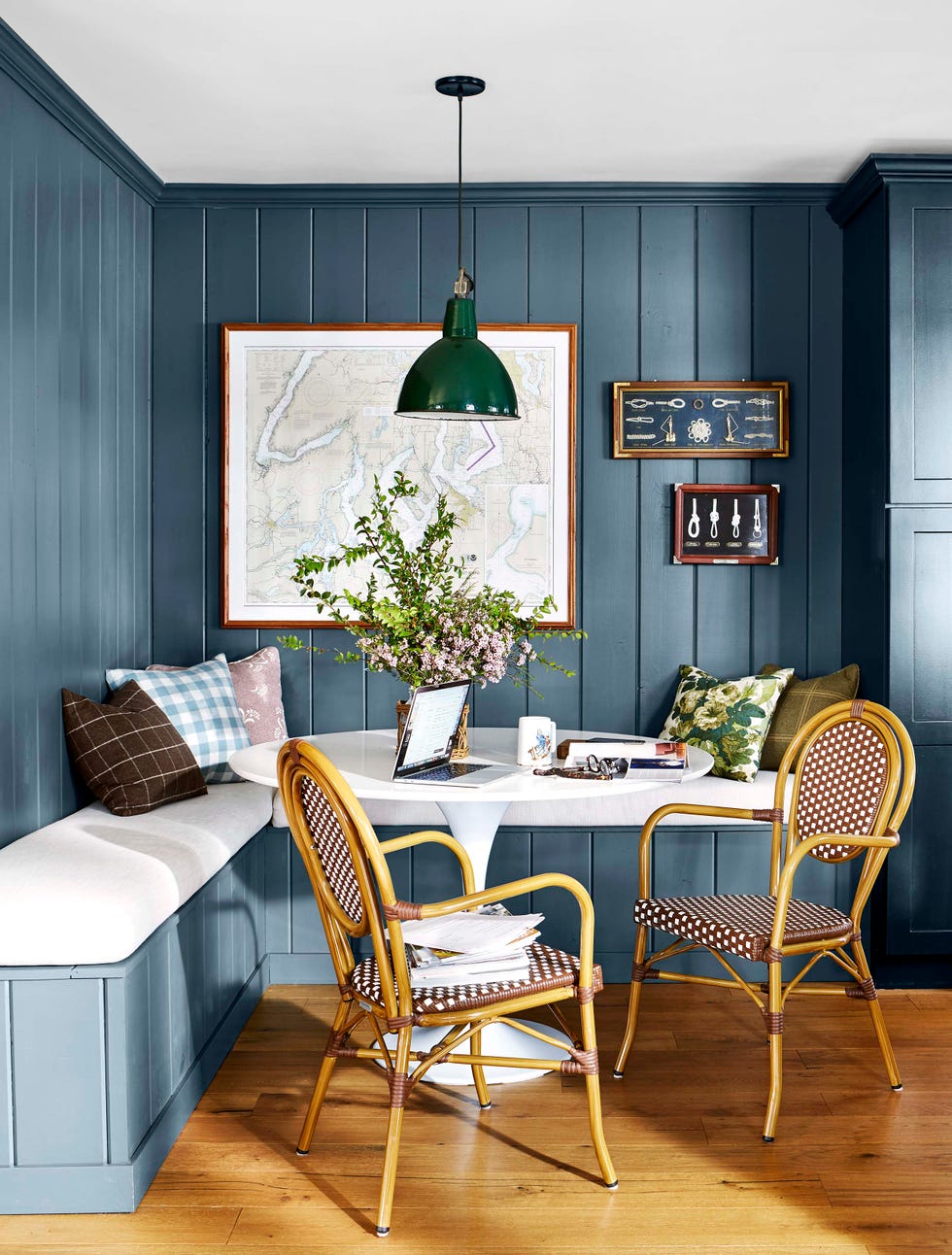
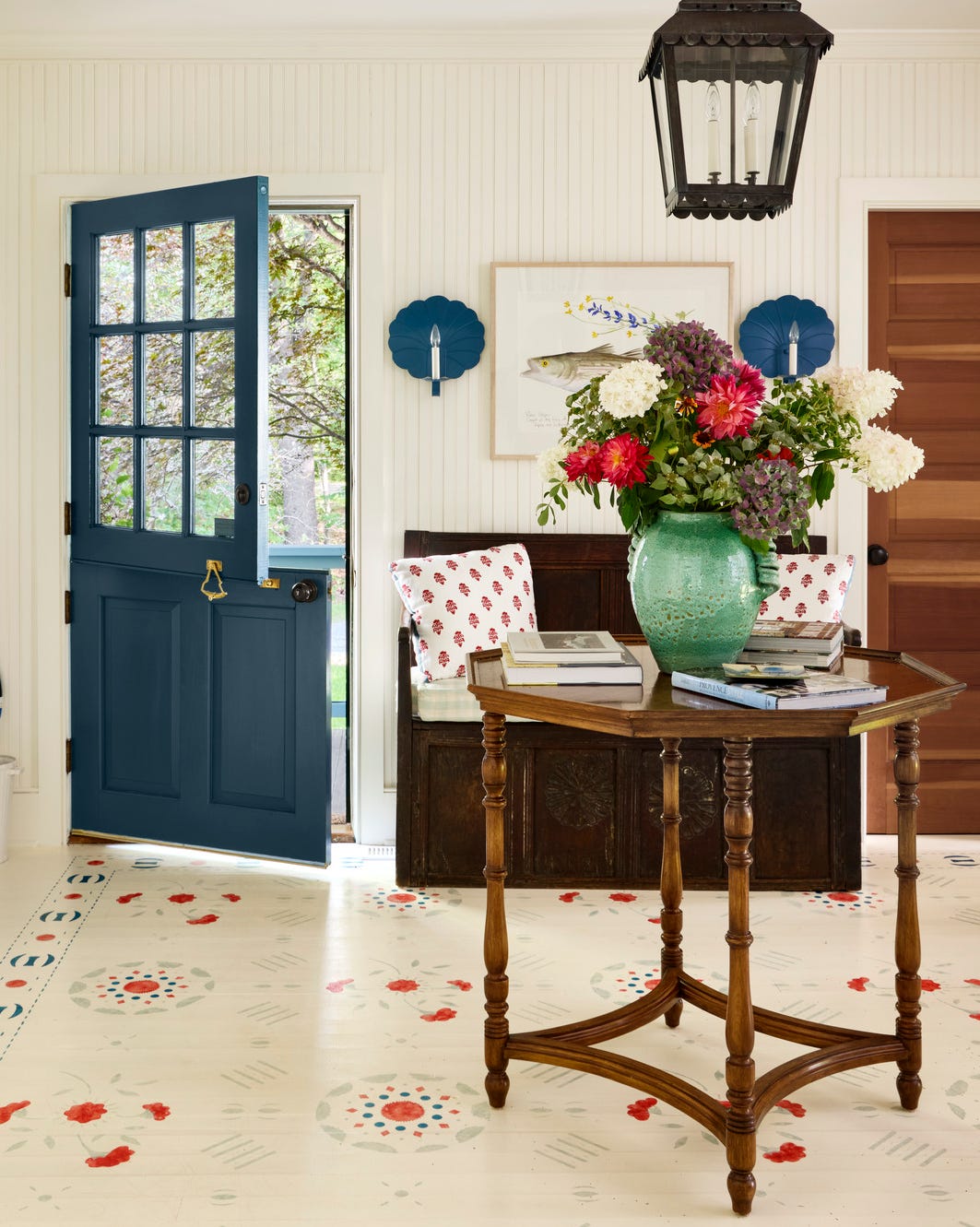
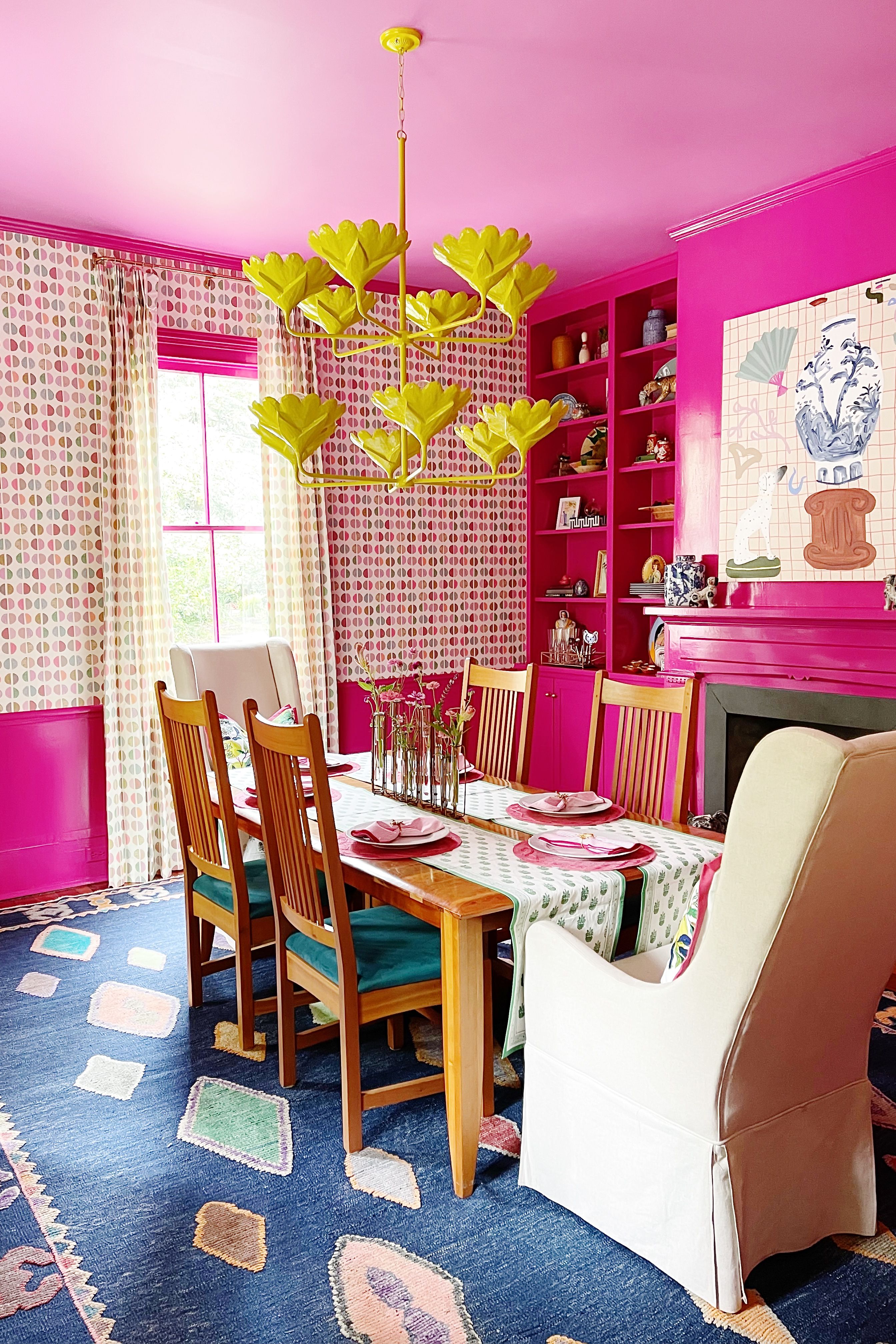
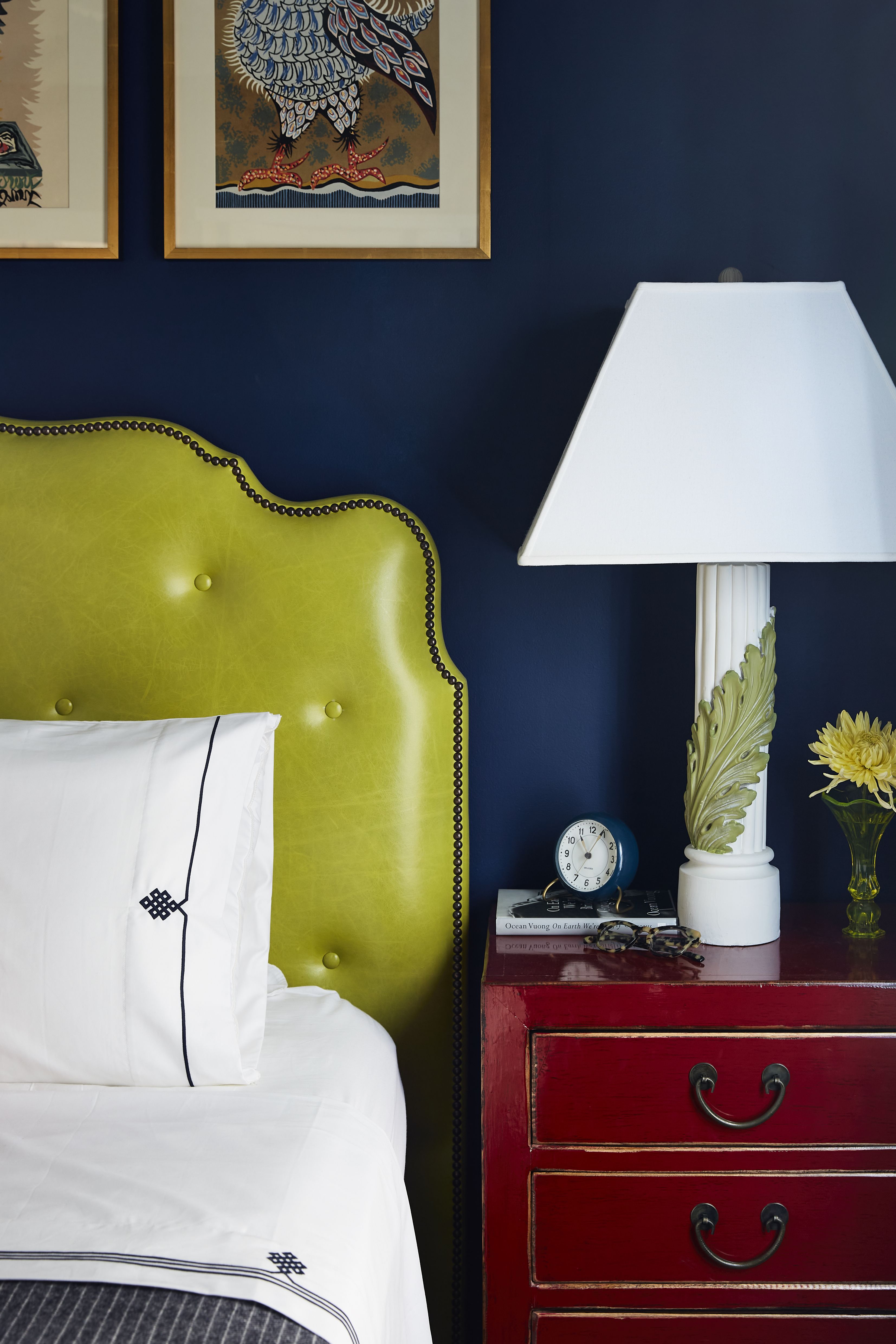
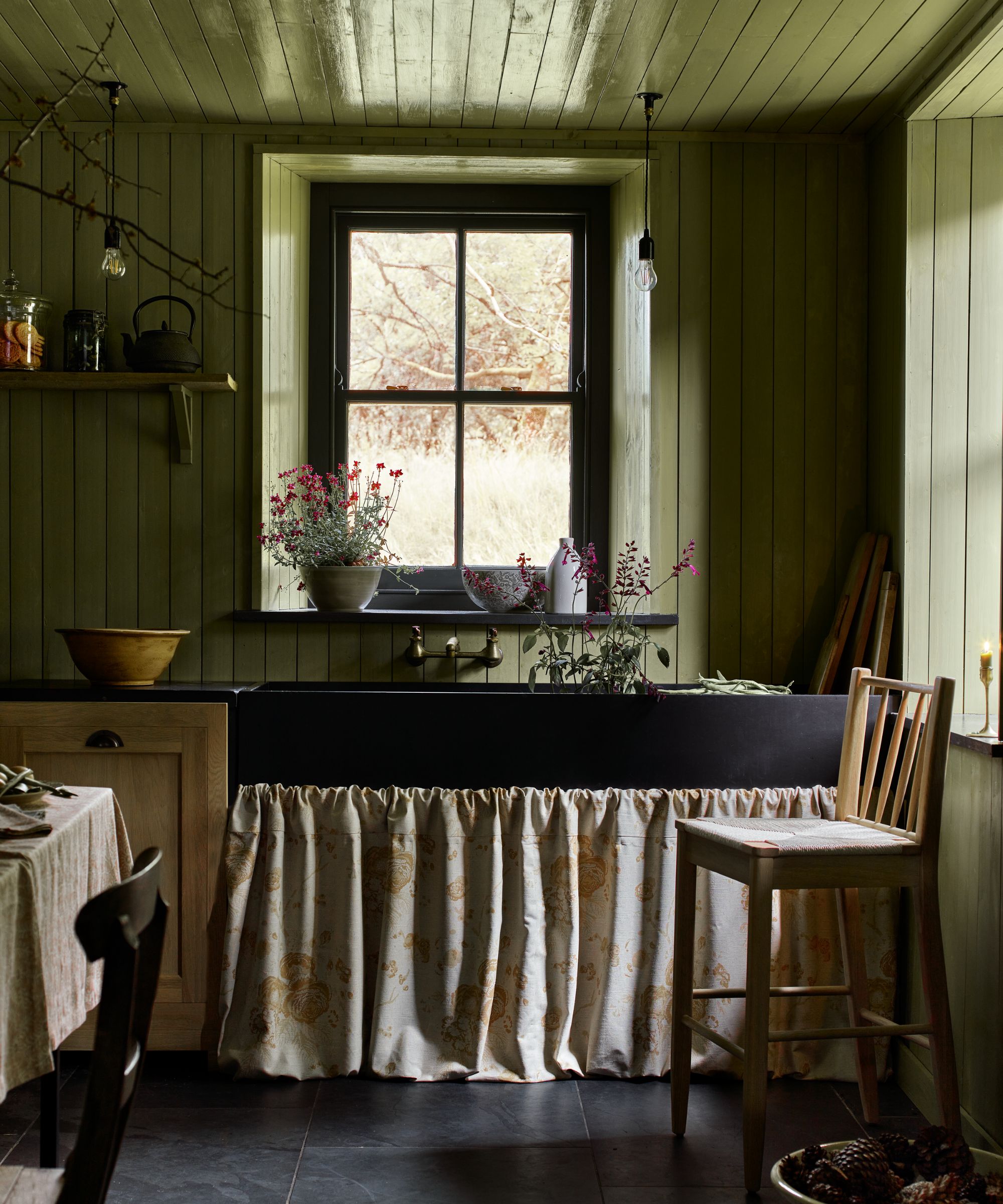
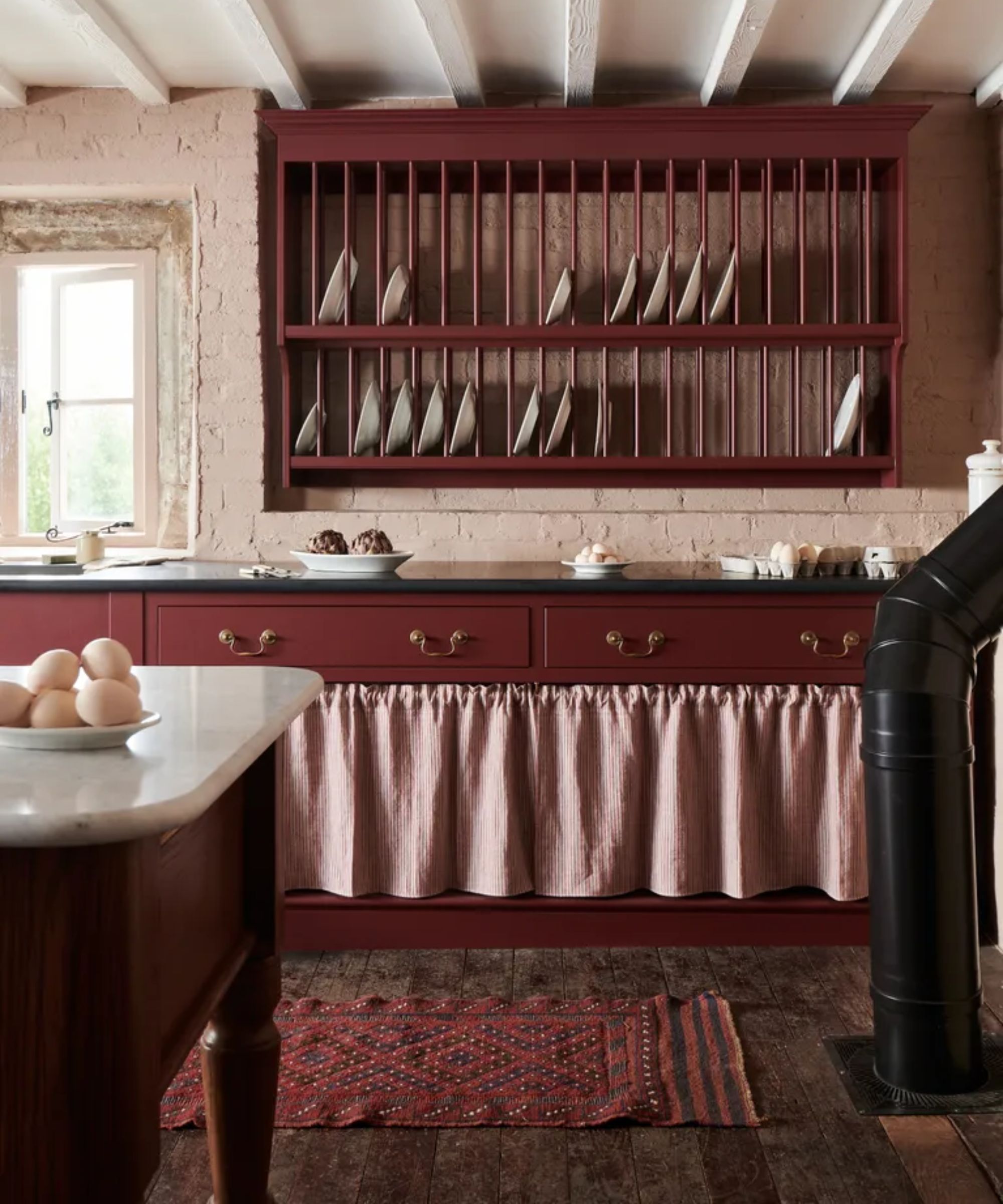
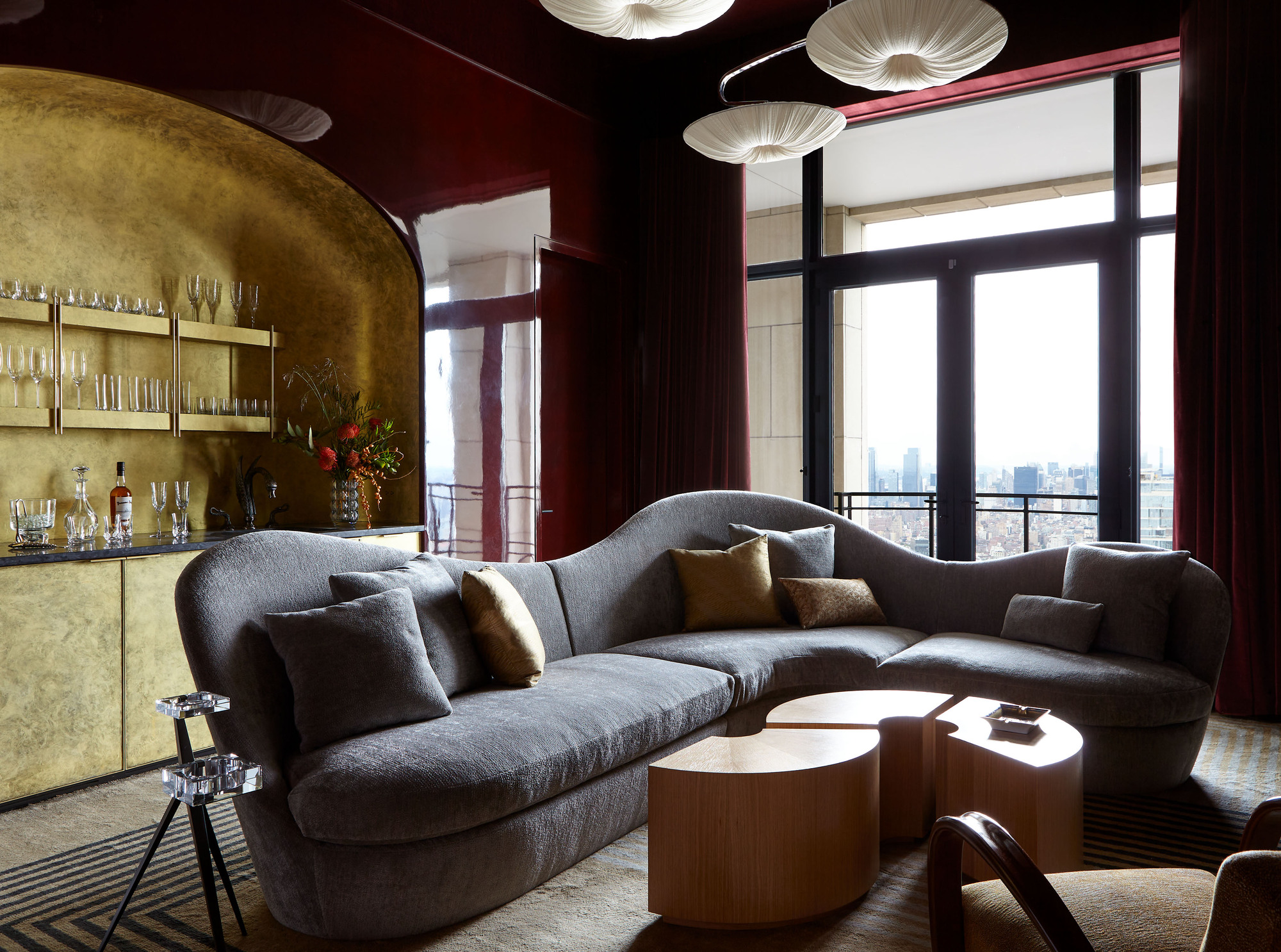
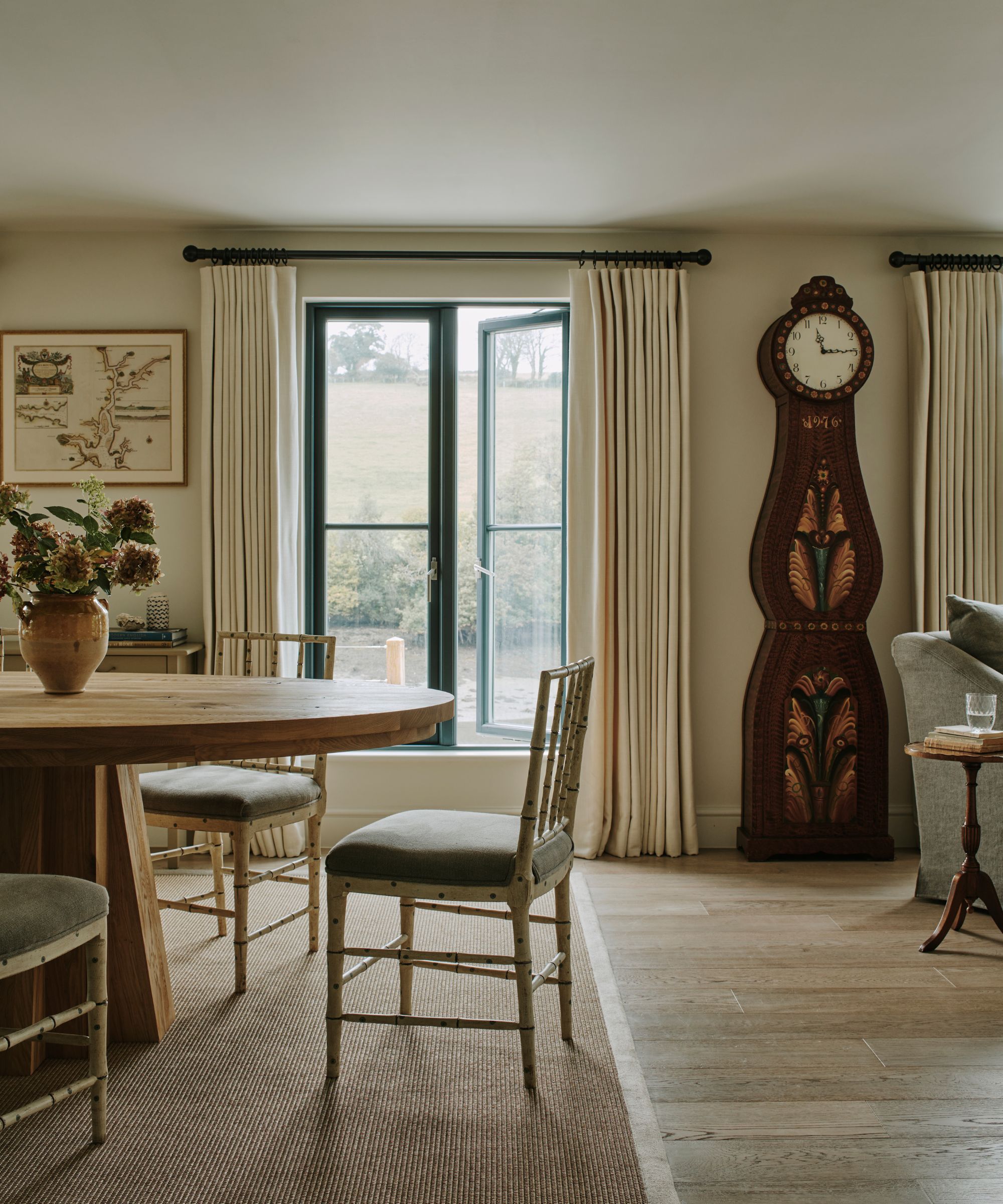
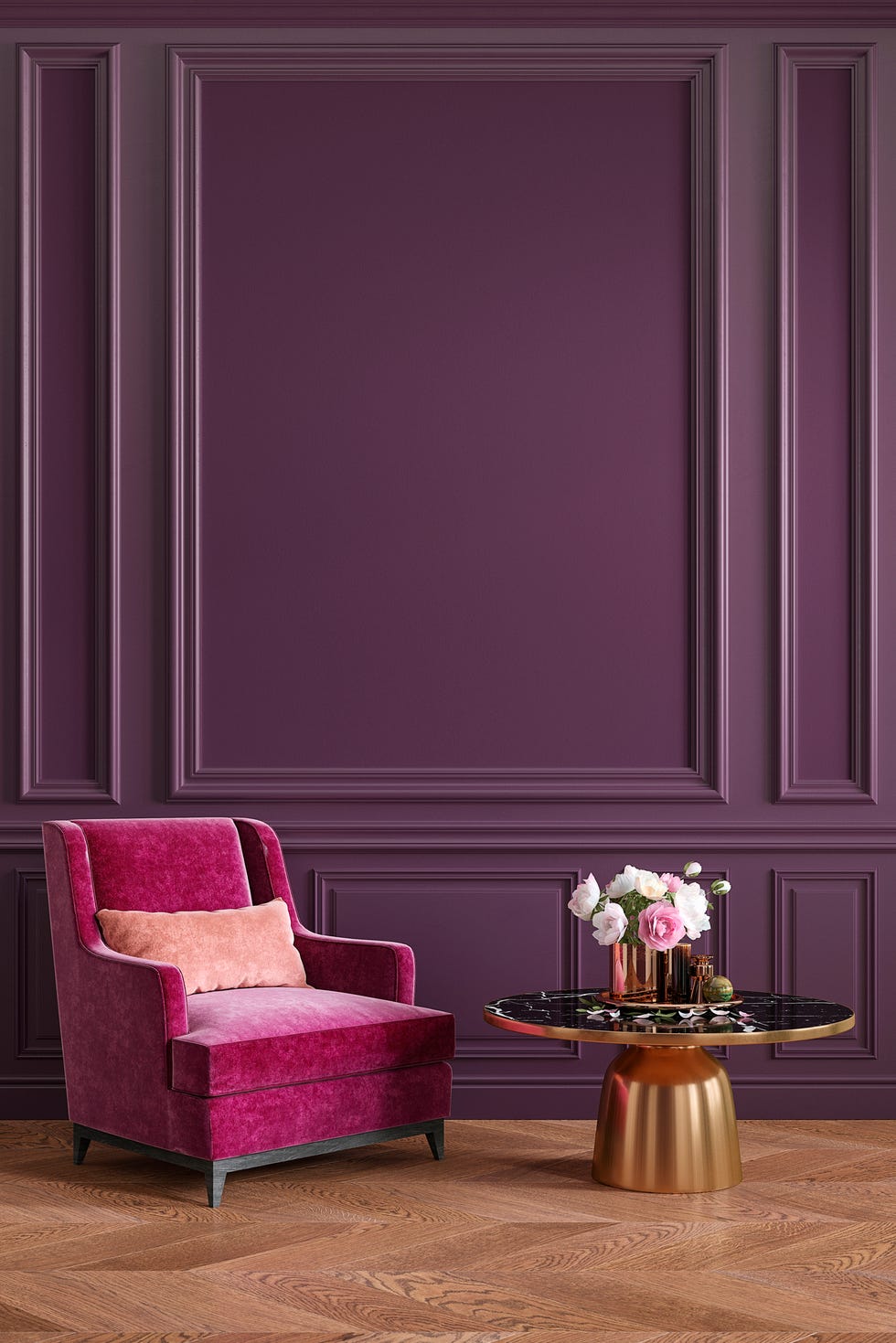
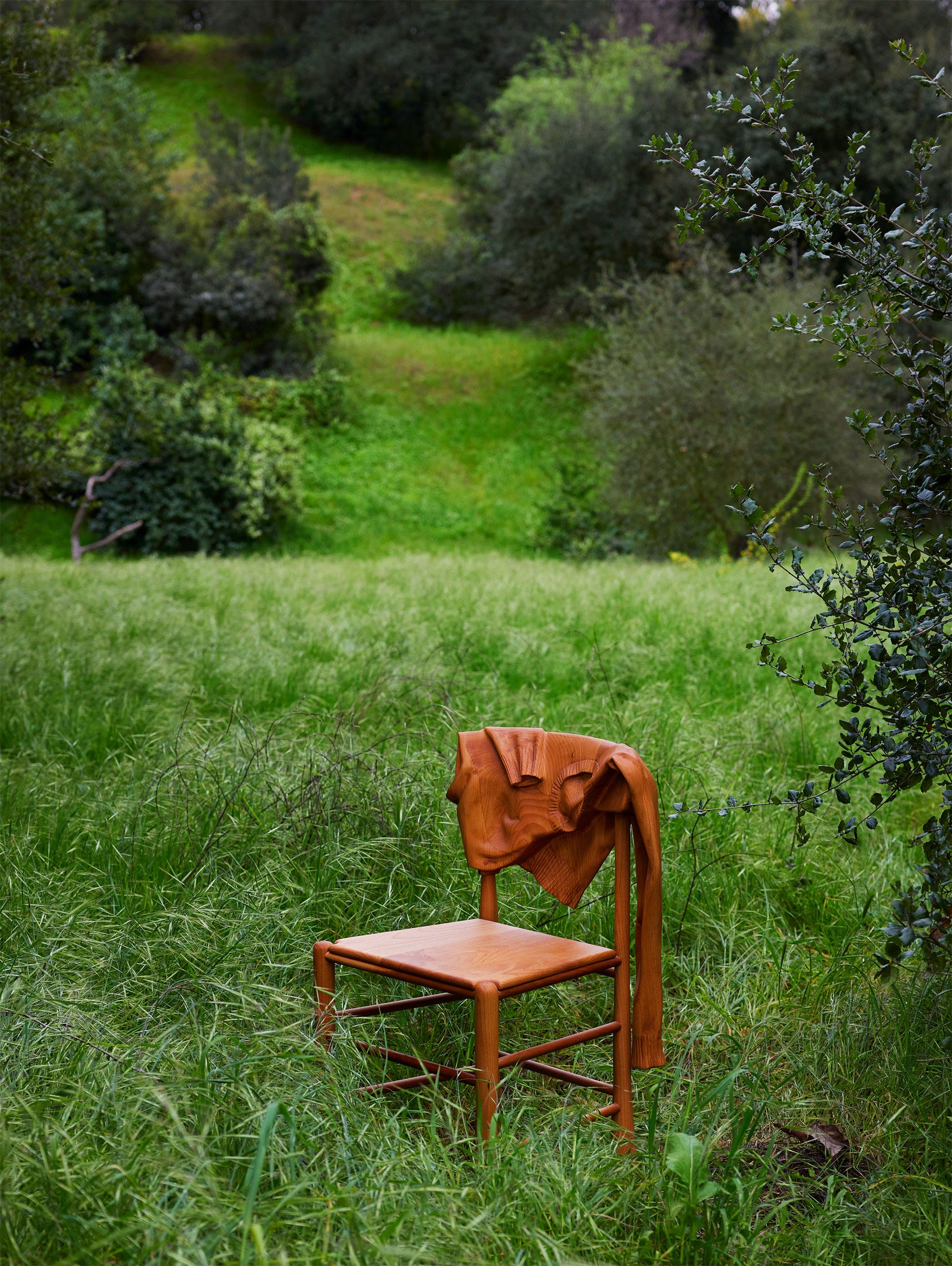
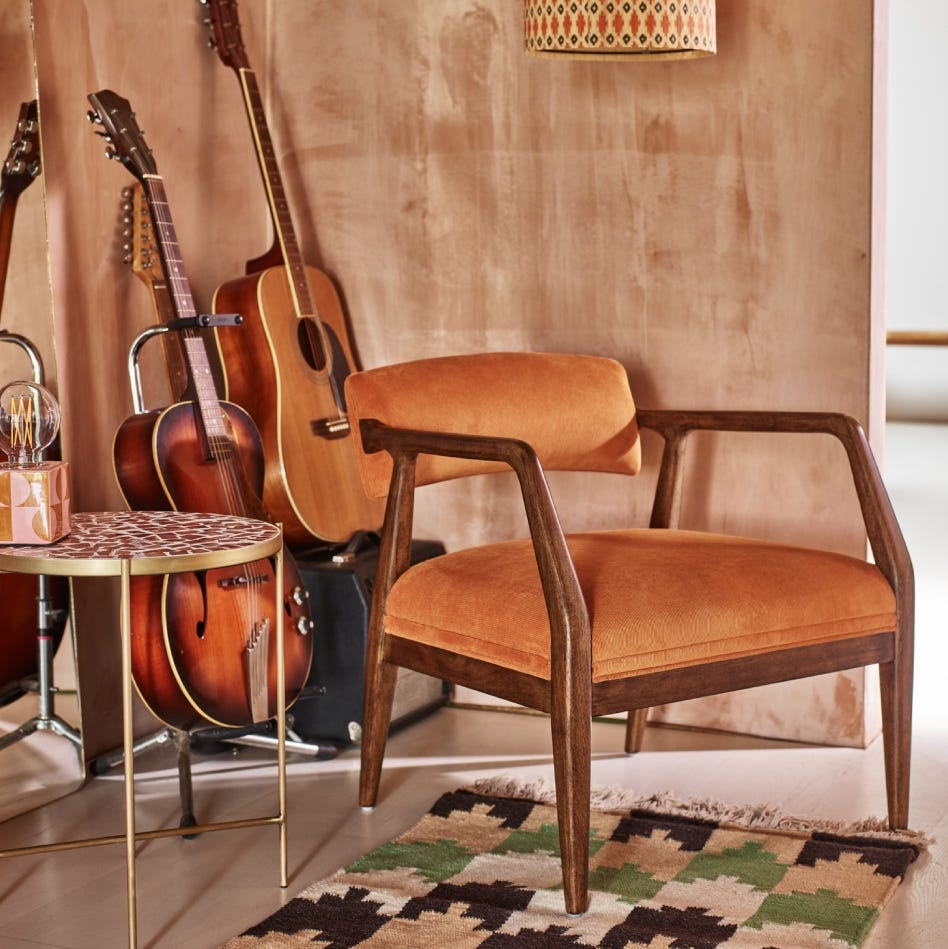
Third, pairing dark woods with warm, rich tones for an enveloping color palette is crucial. While some warm woods suit minimalist spaces, deep, saturated hues such as burgundy, forest green, ochre, and navy blue, when combined with dark wood, create a cocooning effect and a curated, luxurious, and lived-in mood. This approach emphasizes comfort, coziness, and an inviting, relaxed, yet casually luxurious ambiance. Dark brown woods or accents paired with rich burgundy can bring rustic warmth, particularly in well-lit spaces, and can be layered with natural materials like ceramic clay vases and textured fabrics to soothe the senses. Fourth, selecting one or two accent pieces is an ideal way to introduce dark wood without a full commitment. A side table, bookshelf, or statement chair in a deep wood finish can integrate seamlessly with existing decor, adding personality without being jarring. A well-chosen dark wood accent against a neutral background can elevate the entire room. In a dining room, a dark oak table can become a focal point. Stained or lacquered rattan offers a softer alternative, with its tactile texture softening the dark hue and suiting both traditional and contemporary settings. Ultimately, styling dark wood pieces with confidence, letting them harmonize with existing decor, allows them to bring character to any room, easily interchanged and enduring as a timeless trend.
#InteriorDesign #DarkWood #HomeDecorTrends #KitchenDesign #FlooringIdeas #ColorPalettes #AccentFurniture #WarmInteriors #WoodTones #InteriorDesign #DarkWood #HomeDecorTrends #KitchenDesign #FlooringIdeas #ColorPalettes #AccentFurniture #WarmInteriors #WoodTones
0개의 댓글이 총 표시됩니다.
 아직 댓글이 없습니다
추가로 마음에 드릴 만한 콘텐츠
Raw, light woods out? Darker, traditional woods in?

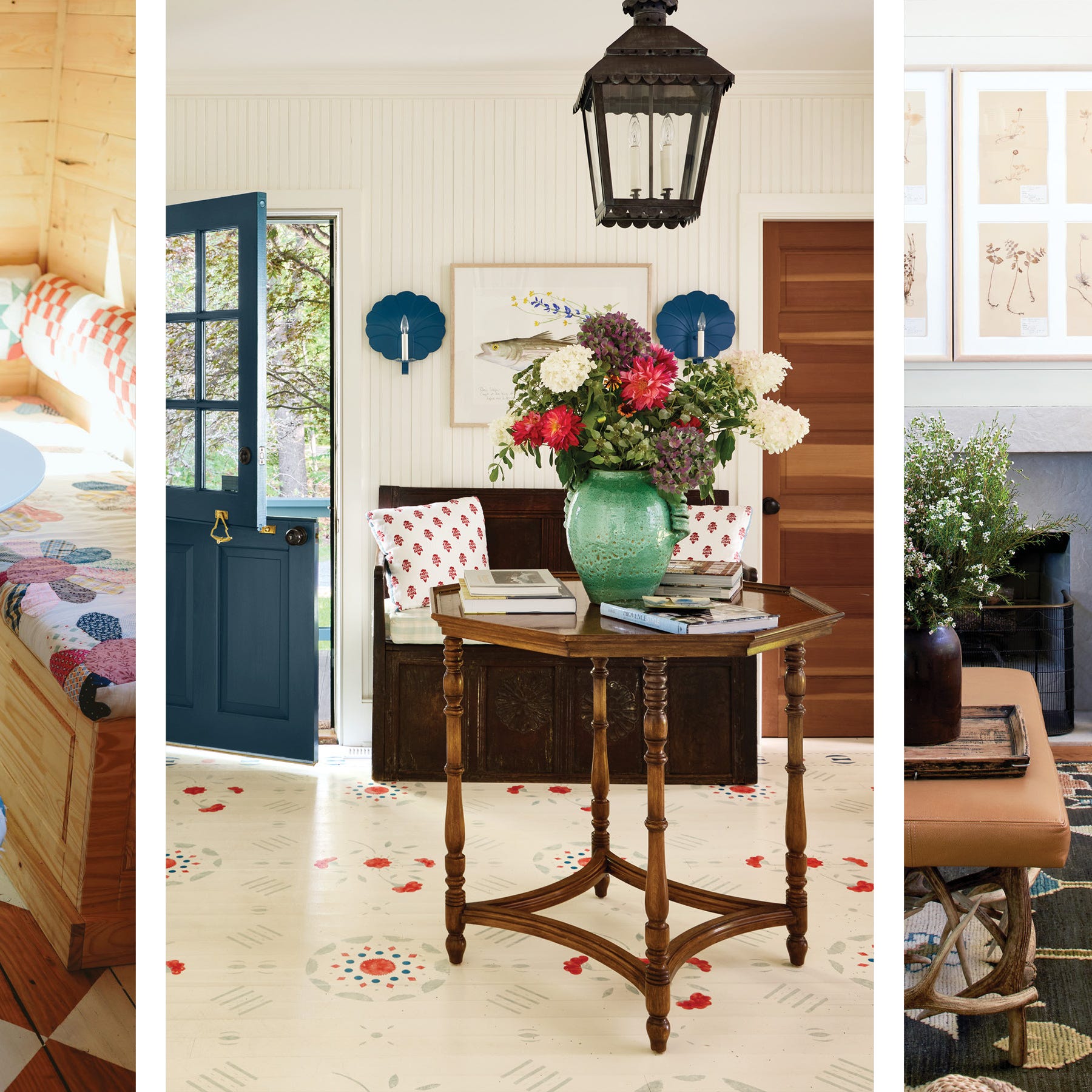
Wood Paneling and 11 More Vintage Decor Trends Making Huge Comebacks
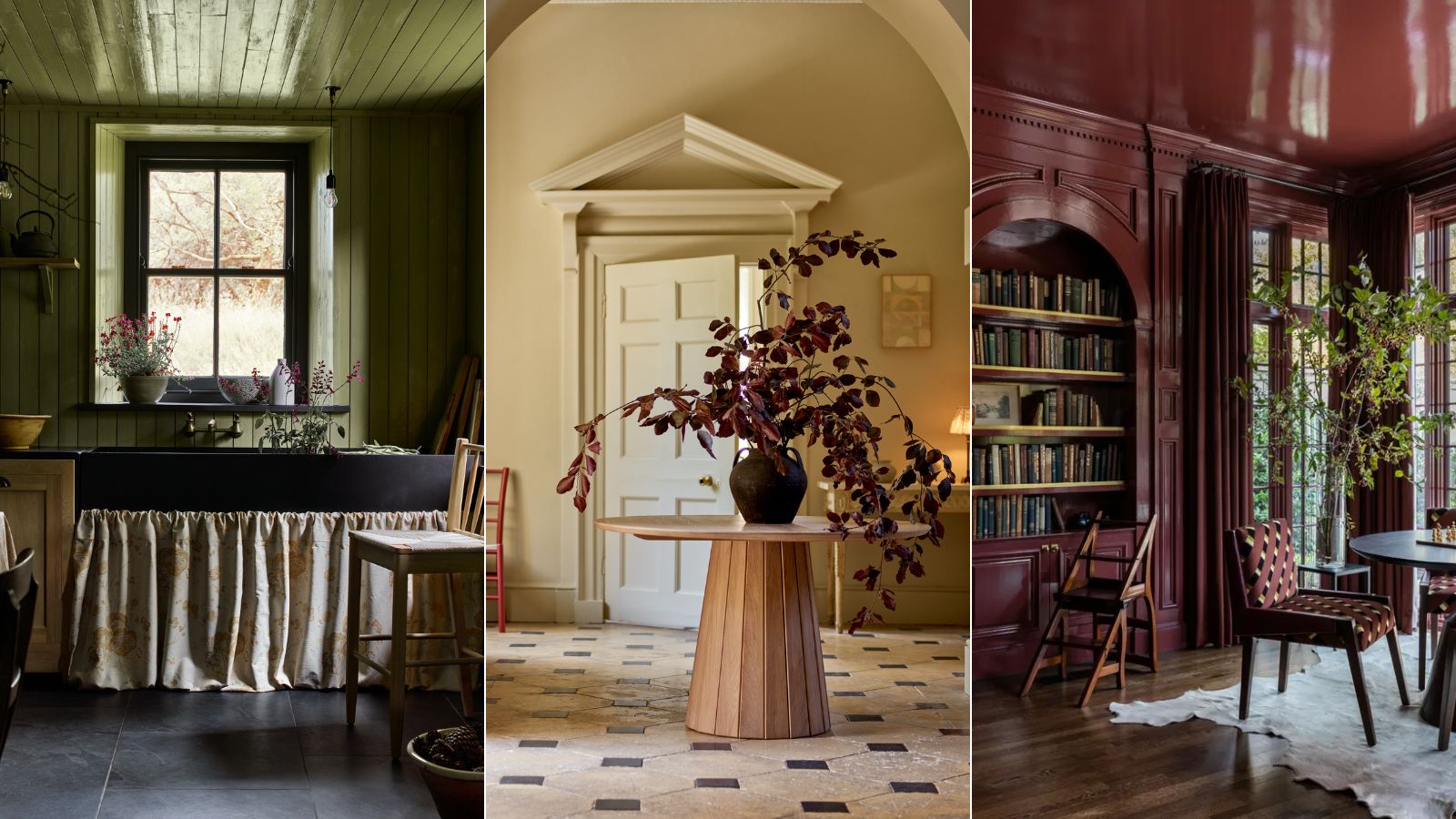
11 fall interior design trends that will help you to create elegant, warm looks for your home this autumn
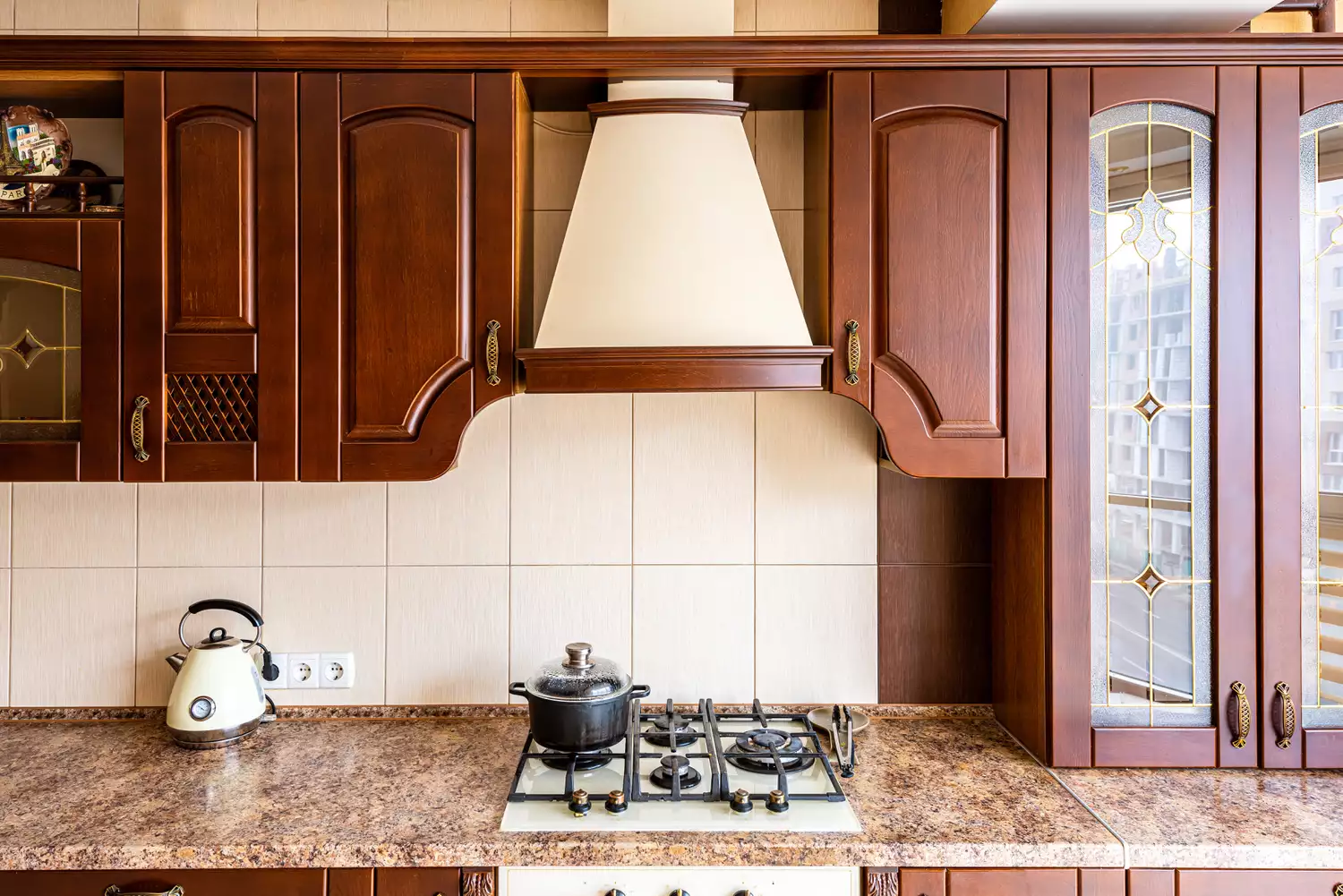
7 Wood Finishes That Are Making Your House Look Dated, According to Designers

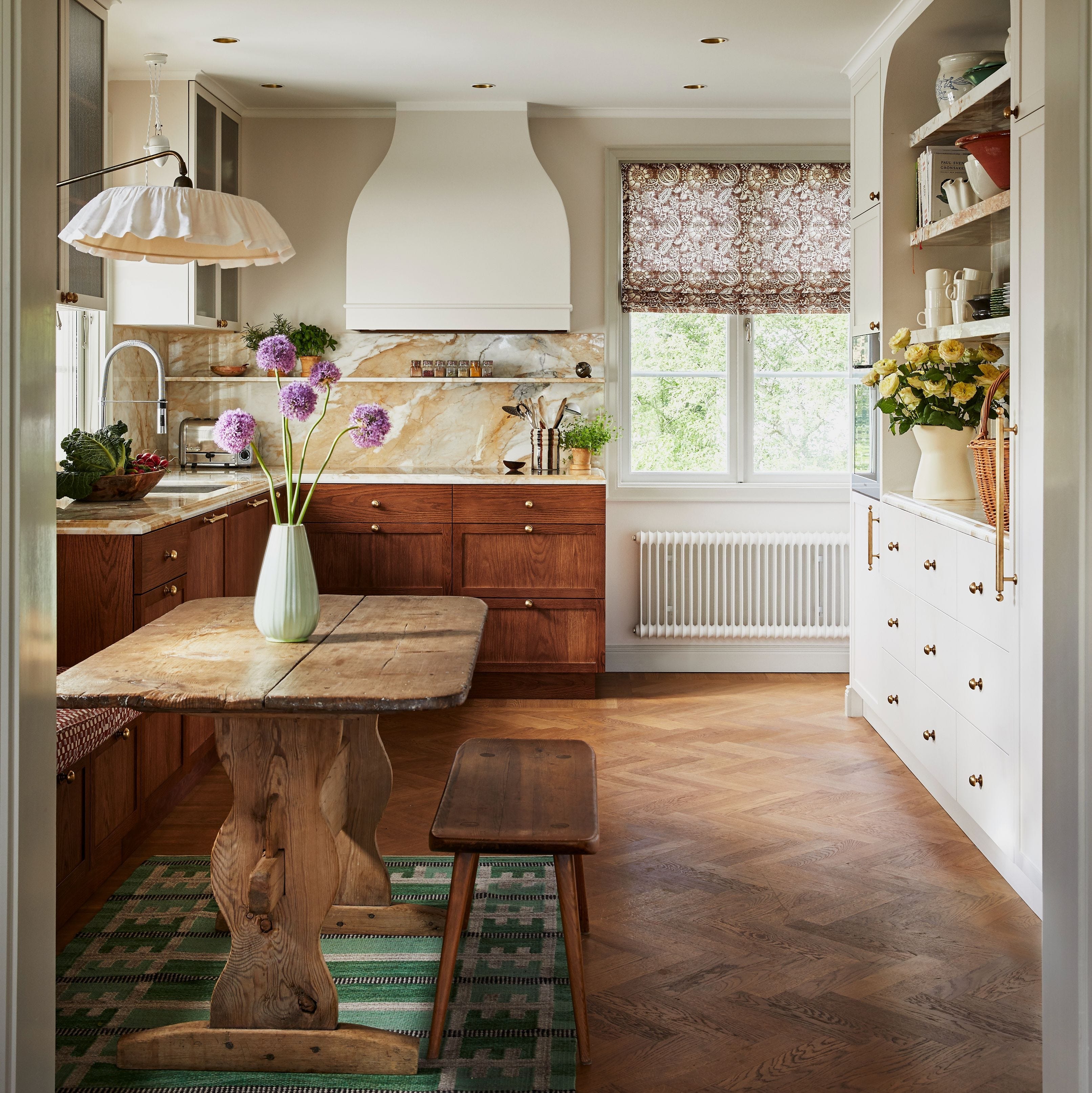
Embrace the dark wood comeback: 12 ways to use the decor trend in your home
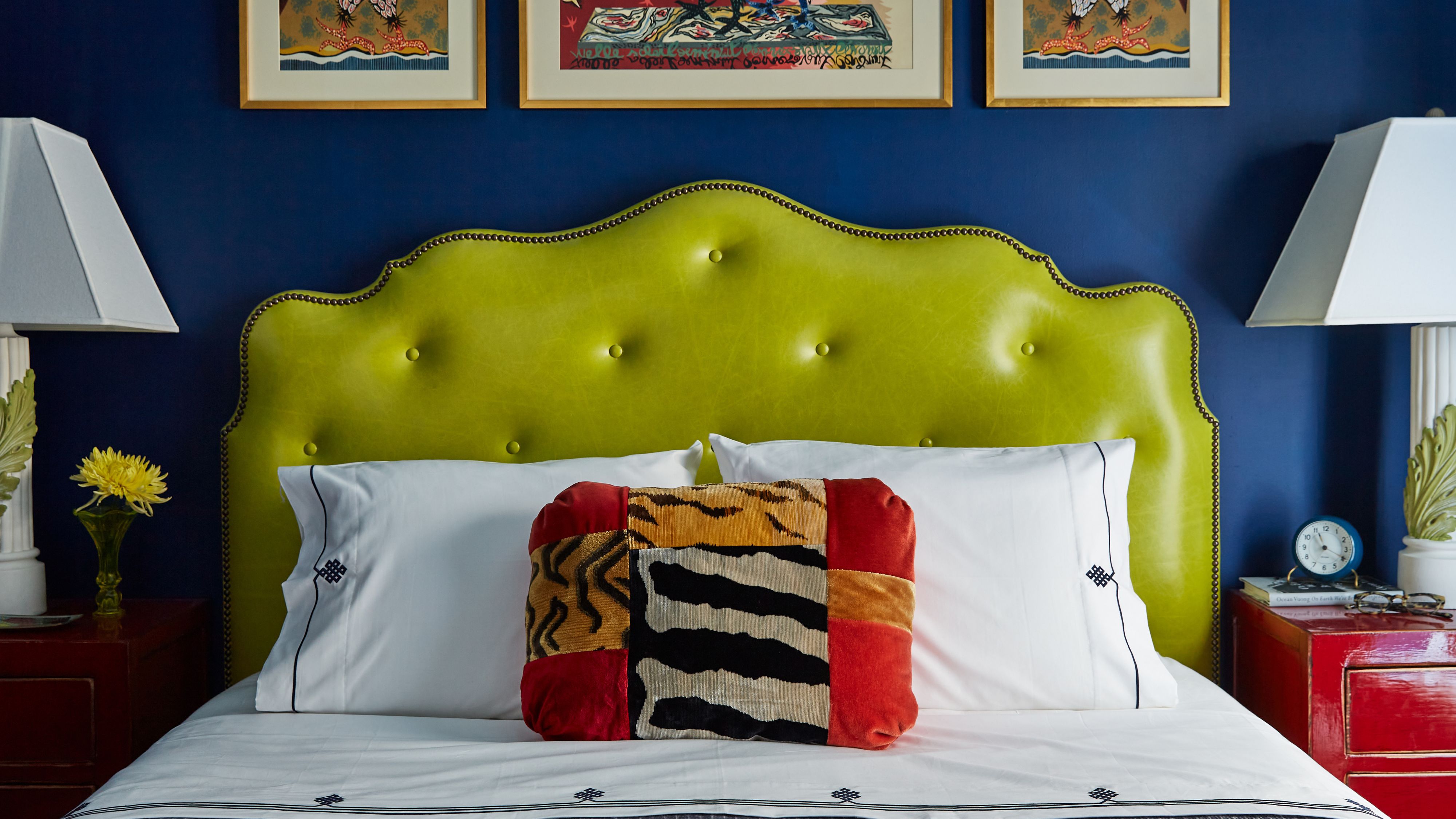
This electric 1960s shade is making an unexpected return – and designers say it’s the key to lifting darker, moodier interiors this fall
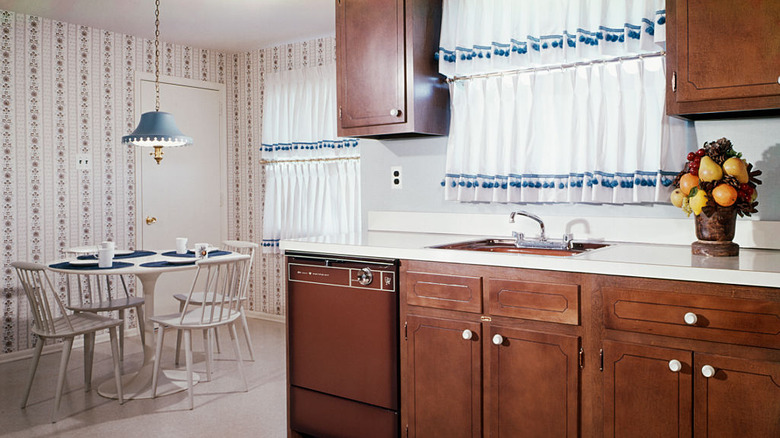
The Wood Tone Trend That Makes Kitchens Feel Timeless Instead Of Dated

Rich colors and sumptuous textures are on designers' minds

Wood Paneling Is Back—and Better Than Ever

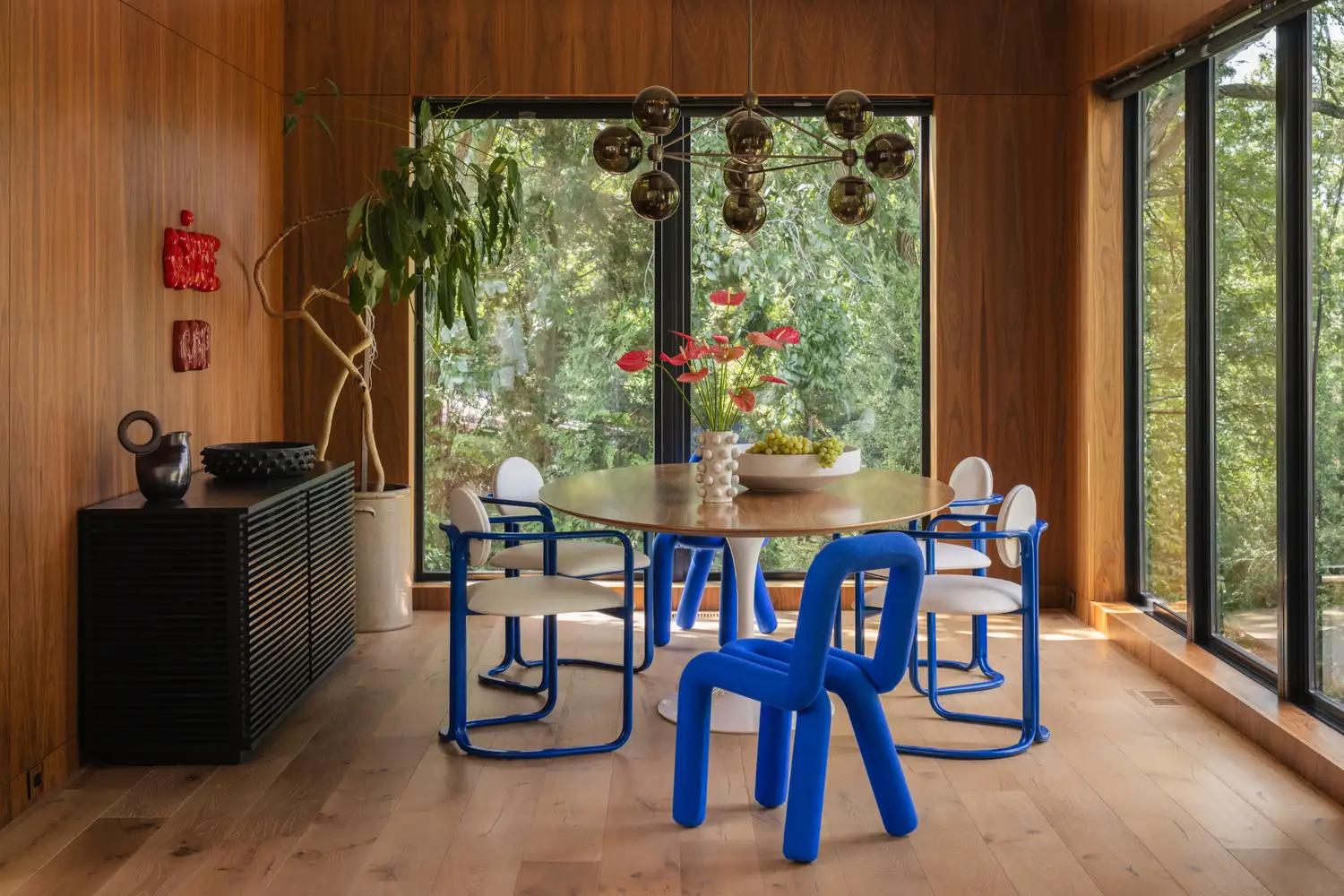
Wood Paneling Is Officially Cool Again—Here's How Designers Are Using It Now

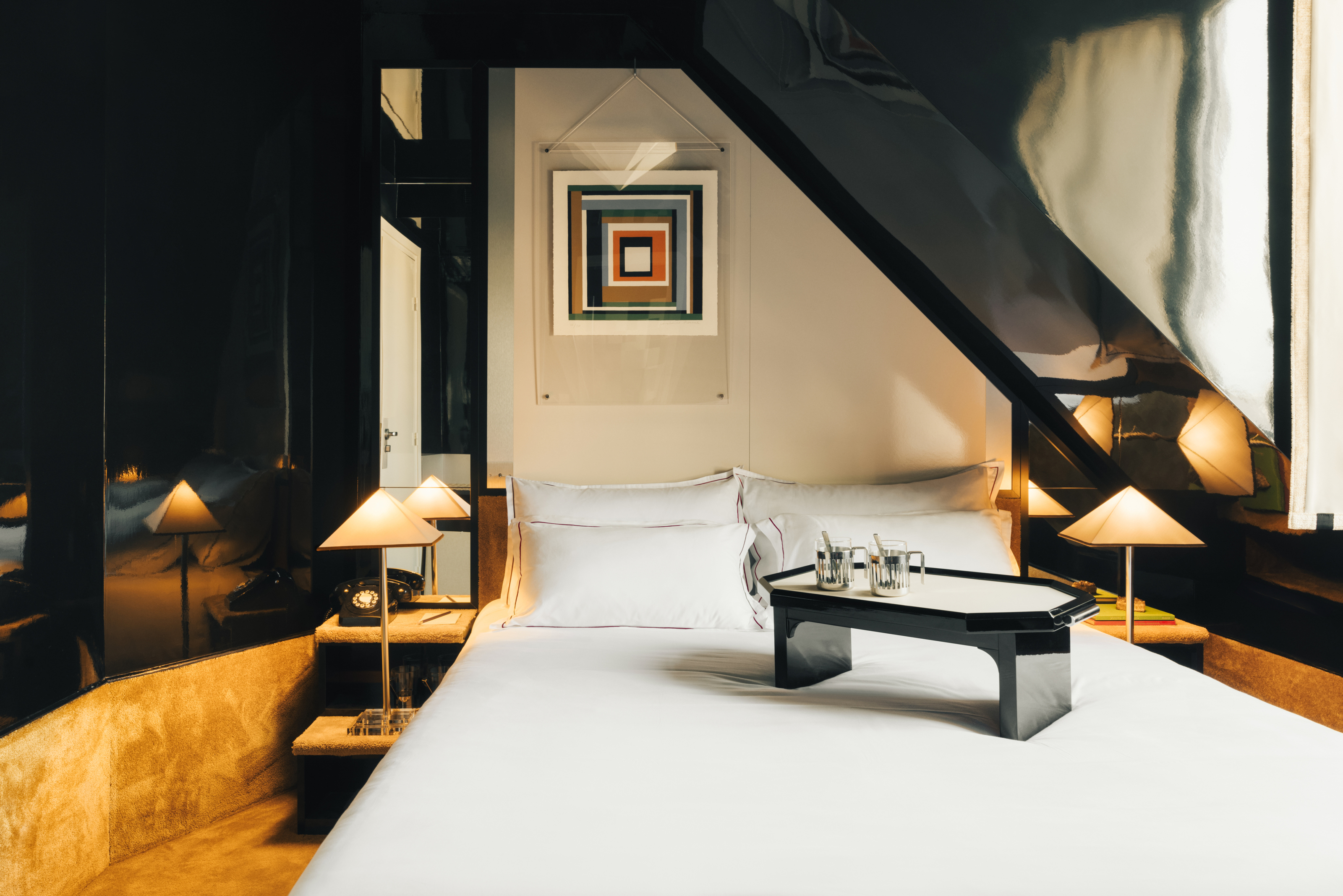
This Outdated Paint Trend is now Predicted to Return — Designers Love its "Fun, Eye-Catching Glamor"

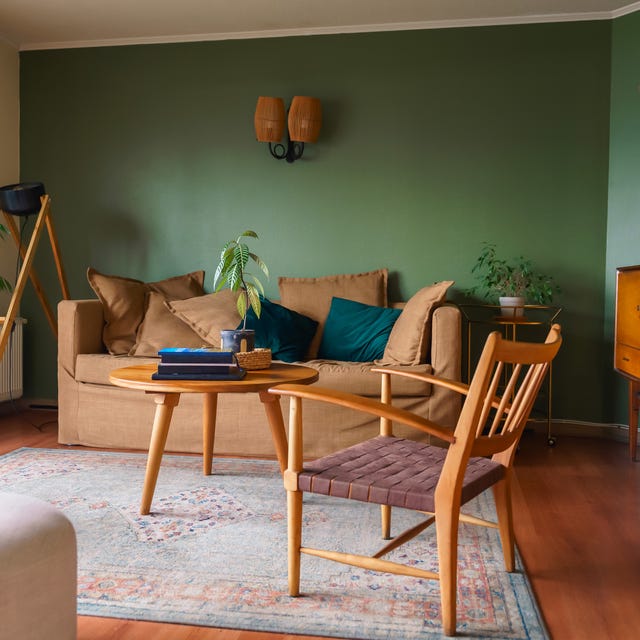
Designers Say These Vintage Paint Colors Are Back

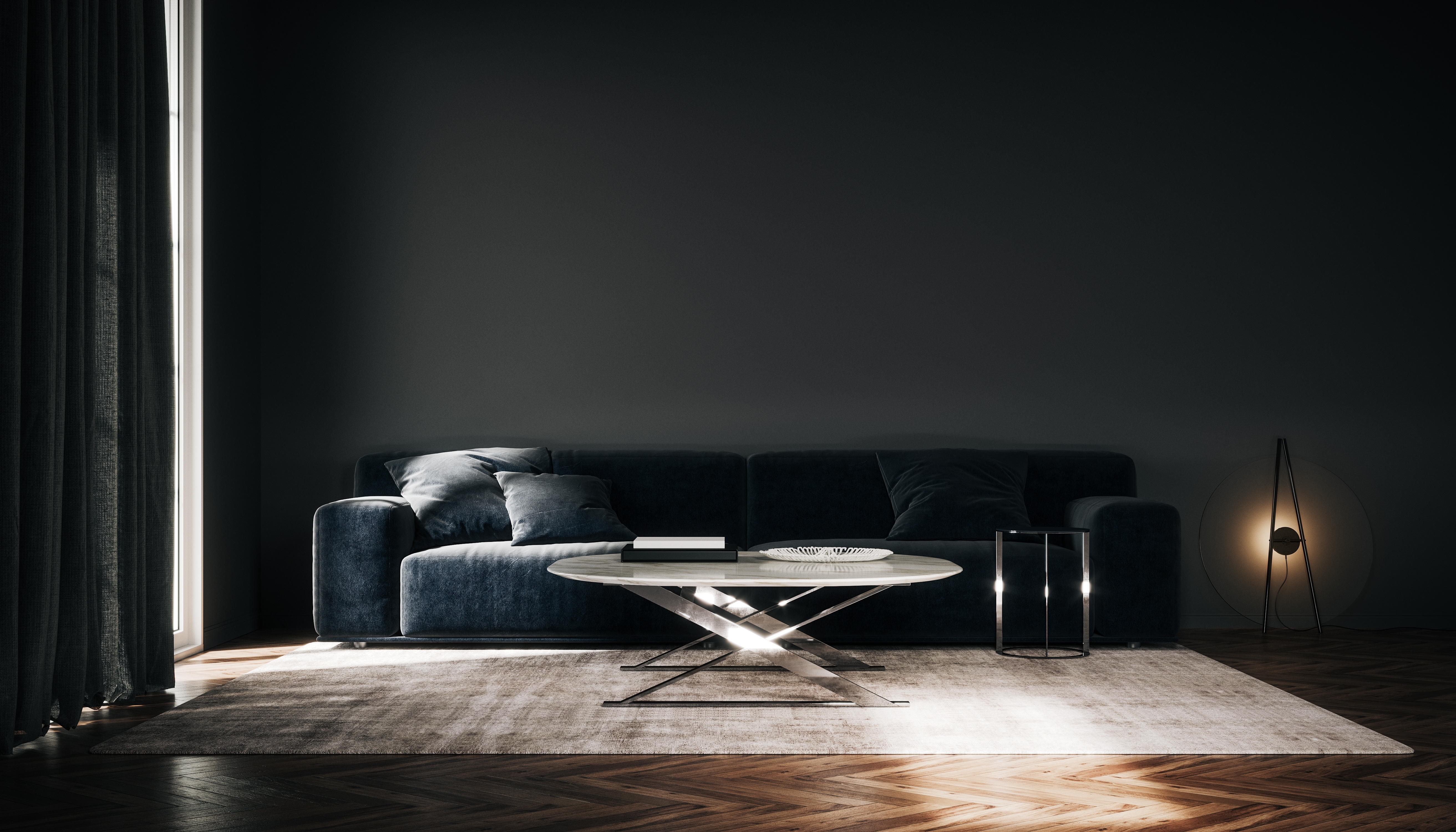
Are dark woods making a comeback?

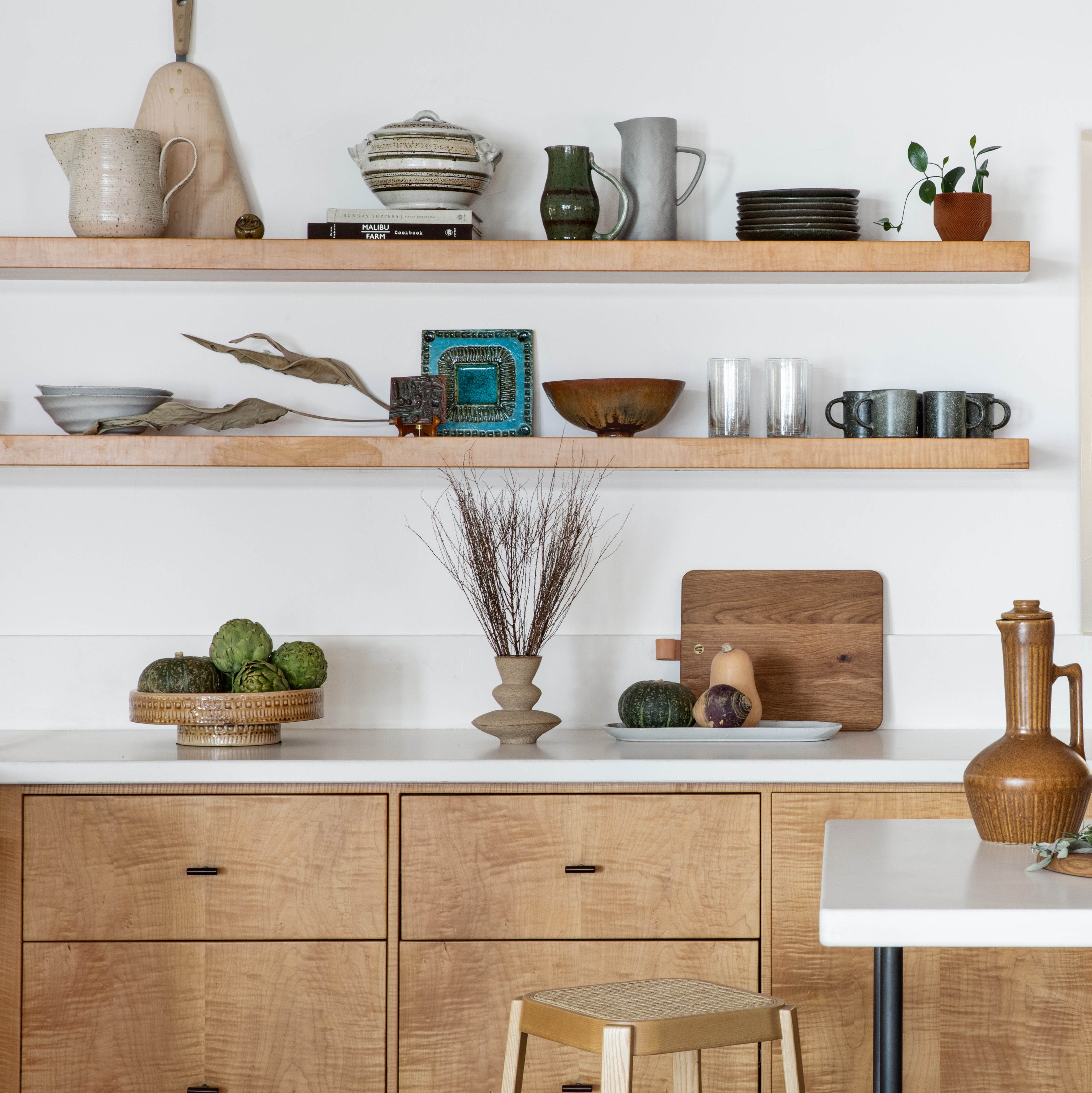
The Most DIVISIVE Wood Stain From the '90s Is Back in a Big Way
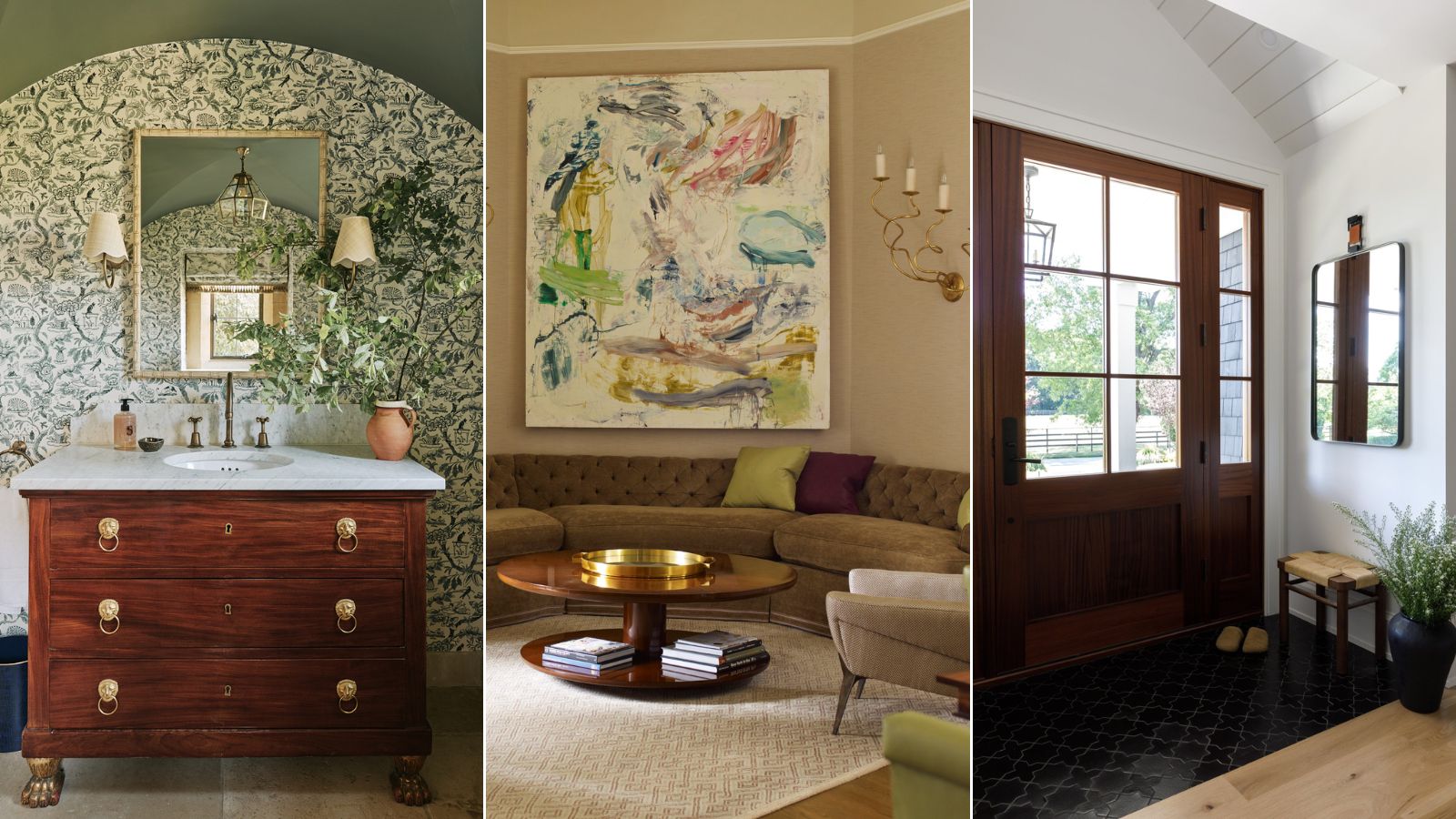
Is mahogany wood back on trend in 2025?
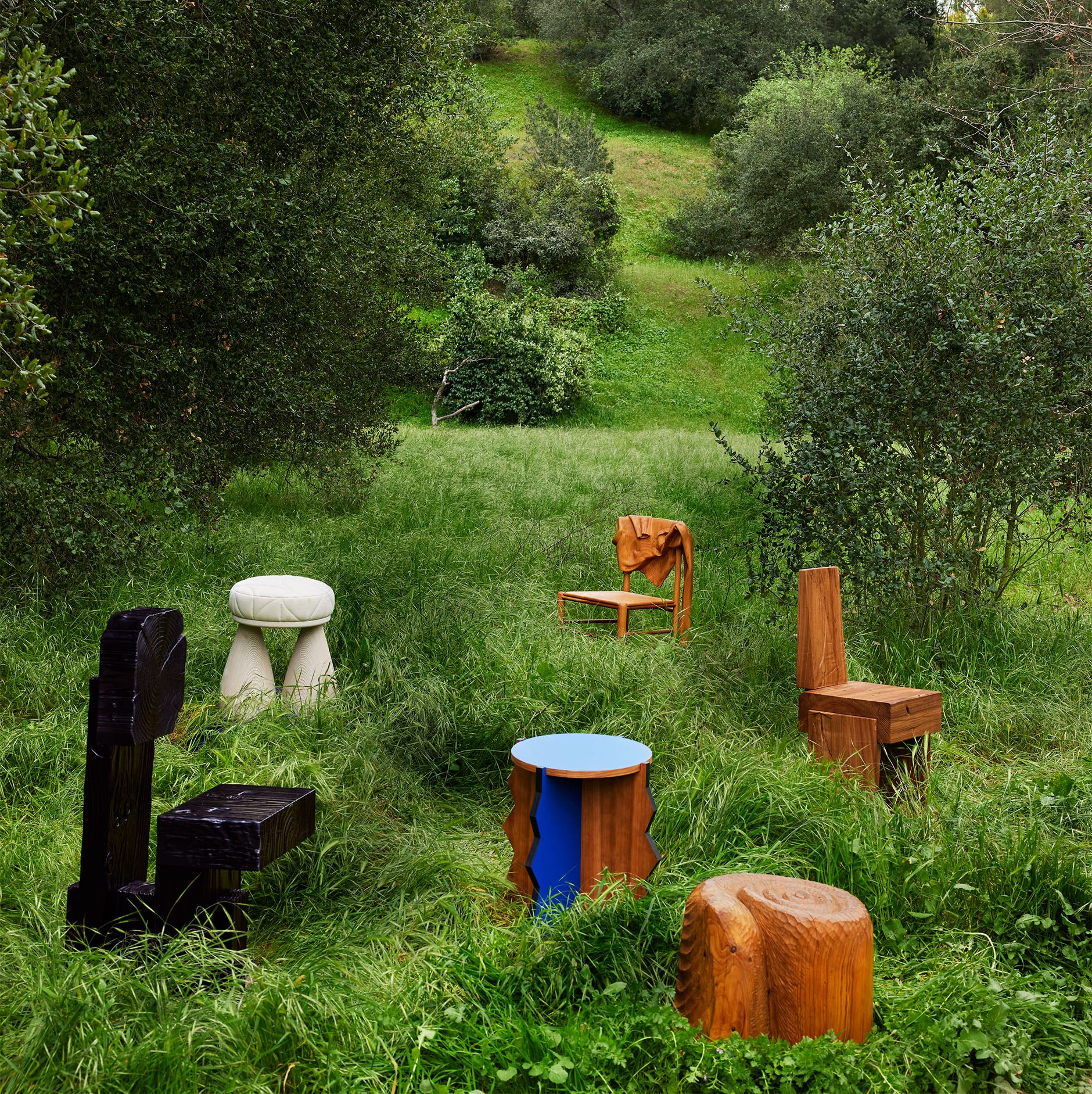
Wood Furniture Is Cool Again, Thanks to This Upcoming Group of Designers
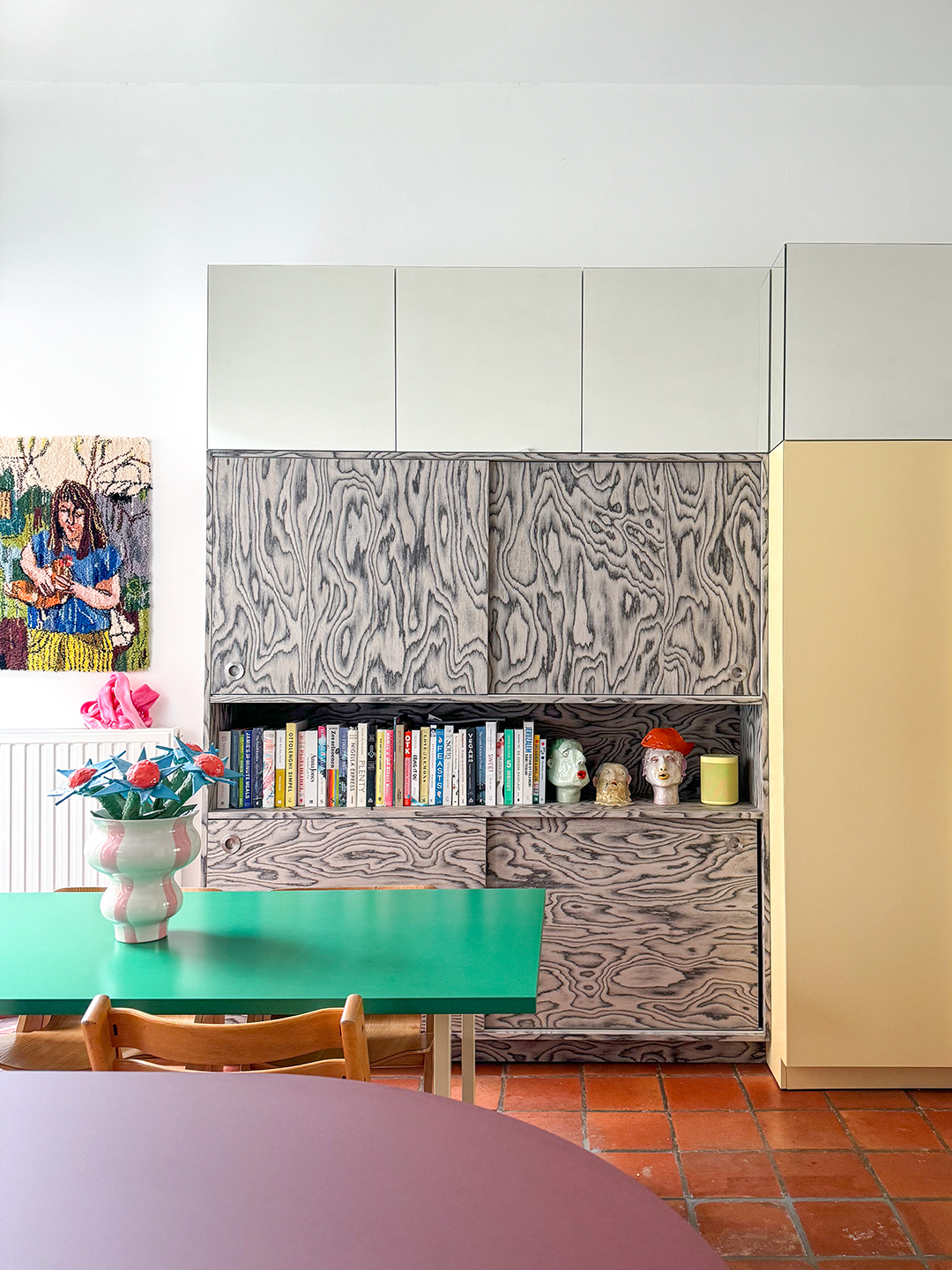
Move Aside, Ply—Designers Are Loving This Wood for Its Captivating Pattern

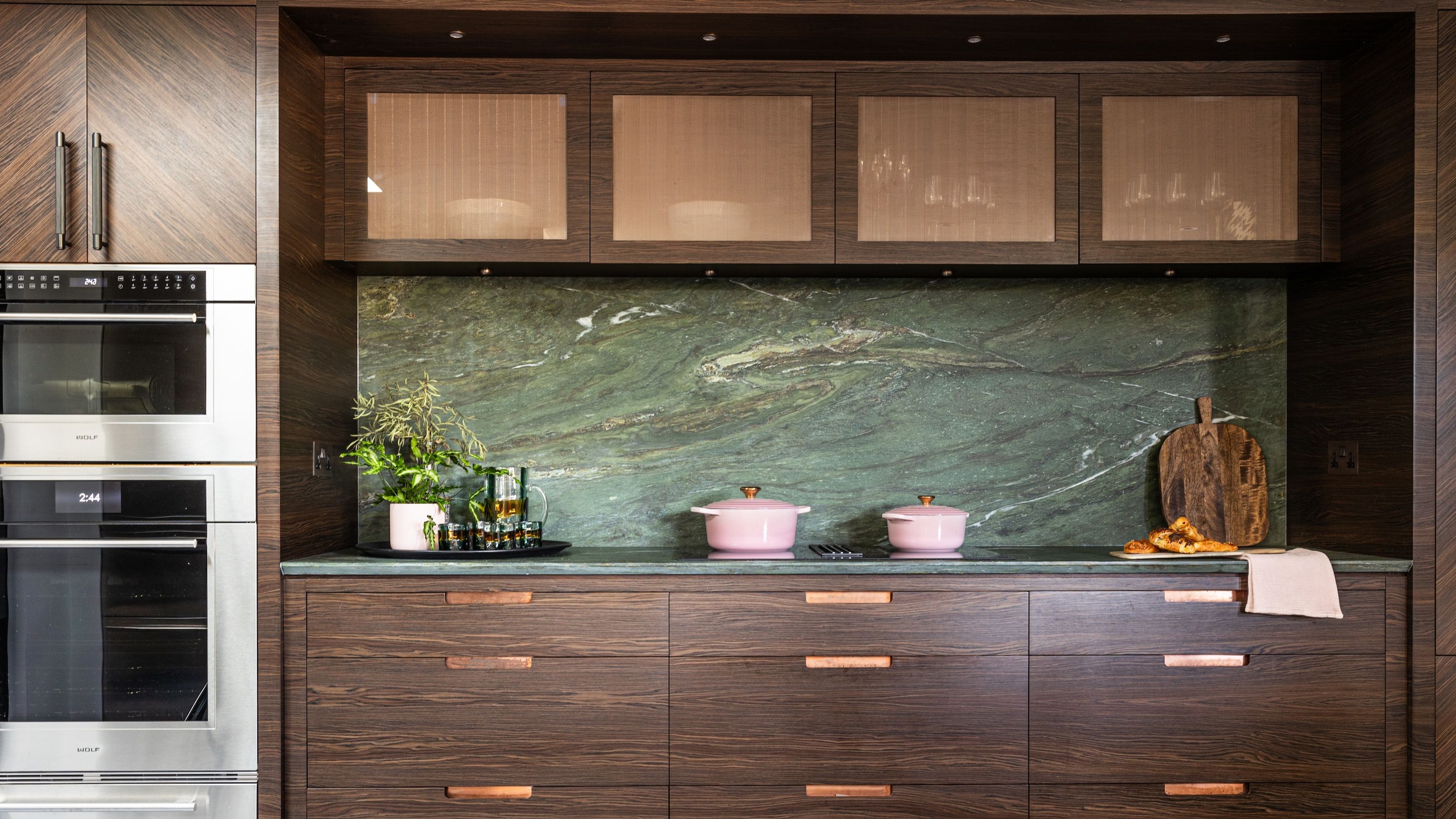
6 Dark Wood Kitchens and Why We're Drawn to Them
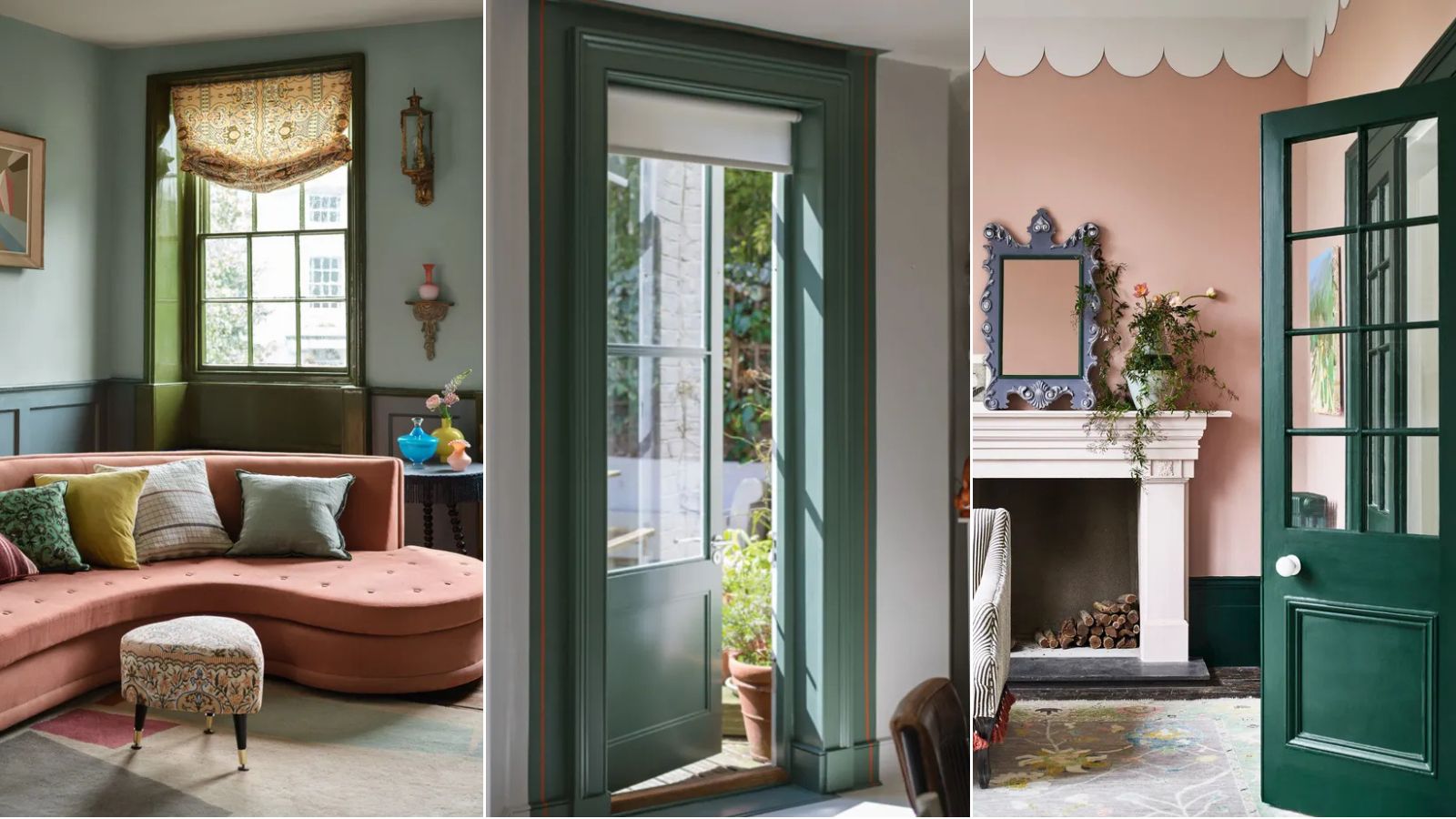
Is colorful woodwork a fresh new take on the classic feature wall?
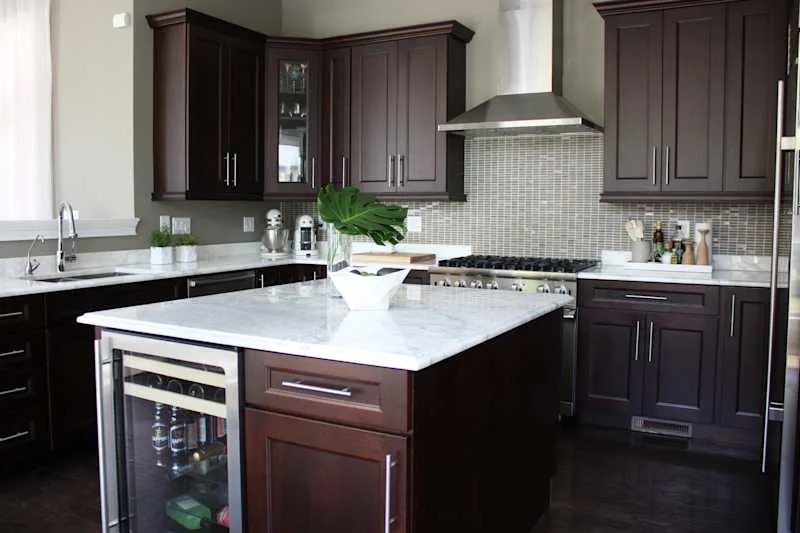
The “Outdated” Kitchen Cabinet Trend That’s Making a Huge Comeback in 2025