7 things in every lower middle-class living room in the 80s and 90s
This article delves into the characteristic elements of lower middle-class living rooms in the 1980s and 1990s, highlighting how these spaces prioritized comfort, practicality, and family togetherness over curated aesthetics. The author reminisces about seven common items found in these homes, examining their significance and the unspoken lessons they imparted. These living rooms were not designed for admiration but were accumulated spaces reflecting a family's life.
First, the article discusses the 'entertainment altar' – the large, boxy television. Before flat screens, this heavy appliance, often housed in a wood or faux-wood console, served as a focal point. It was typically accompanied by a VCR, stacks of VHS tapes (often with handwritten labels), a cable box with an A/B switch, and rabbit ears. This setup necessitated a scheduled approach to viewing, teaching patience through rewinding and sharing among siblings for gaming inputs. The article emphasizes that picture perfection was secondary to communal viewing, with minor technical glitches being tolerated. A humorous anecdote illustrates the emotional attachment to VHS tapes, even leading to systems for labeling to prevent accidental recording over cherished memories.
Next, the wall unit is described as a 'plywood cathedral' that housed the TV, VCR, family photos, souvenirs, and even artificial plants. These units, sometimes featuring glass doors or sliding panels, often sagged under the weight of yearbooks and other family memorabilia. The wall unit acted as a three-dimensional scrapbook, displaying report cards, graduation tassels, and trophies alongside ceramic knick-knacks. This item taught a lesson in 'curation on a budget,' demonstrating that personal value and storytelling were more important than designer aesthetics. Every object had a story, contributing to the room's authentic and lived-in feel.
The third significant item was the personal recliner, often a La-Z-Boy or similar, which was implicitly reserved for a specific family member, typically the one who shouldered significant responsibilities. This chair served as a 'throne,' signaling roles within the household without needing explicit rules. Its presence underscored the idea that rest was an earned ritual, and the sound of its footrest clicking up symbolized the end of a long day. The article shares a personal memory of a grandfather's recliner, complete with a pocket holding a TV Guide and channel list, illustrating the established routines and rhythms centered around this piece of furniture.
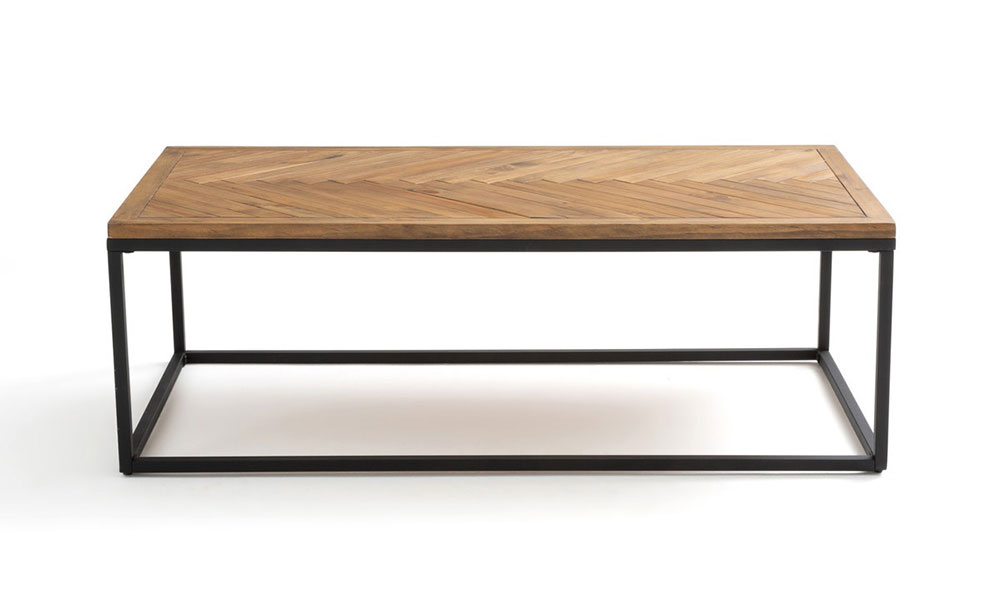
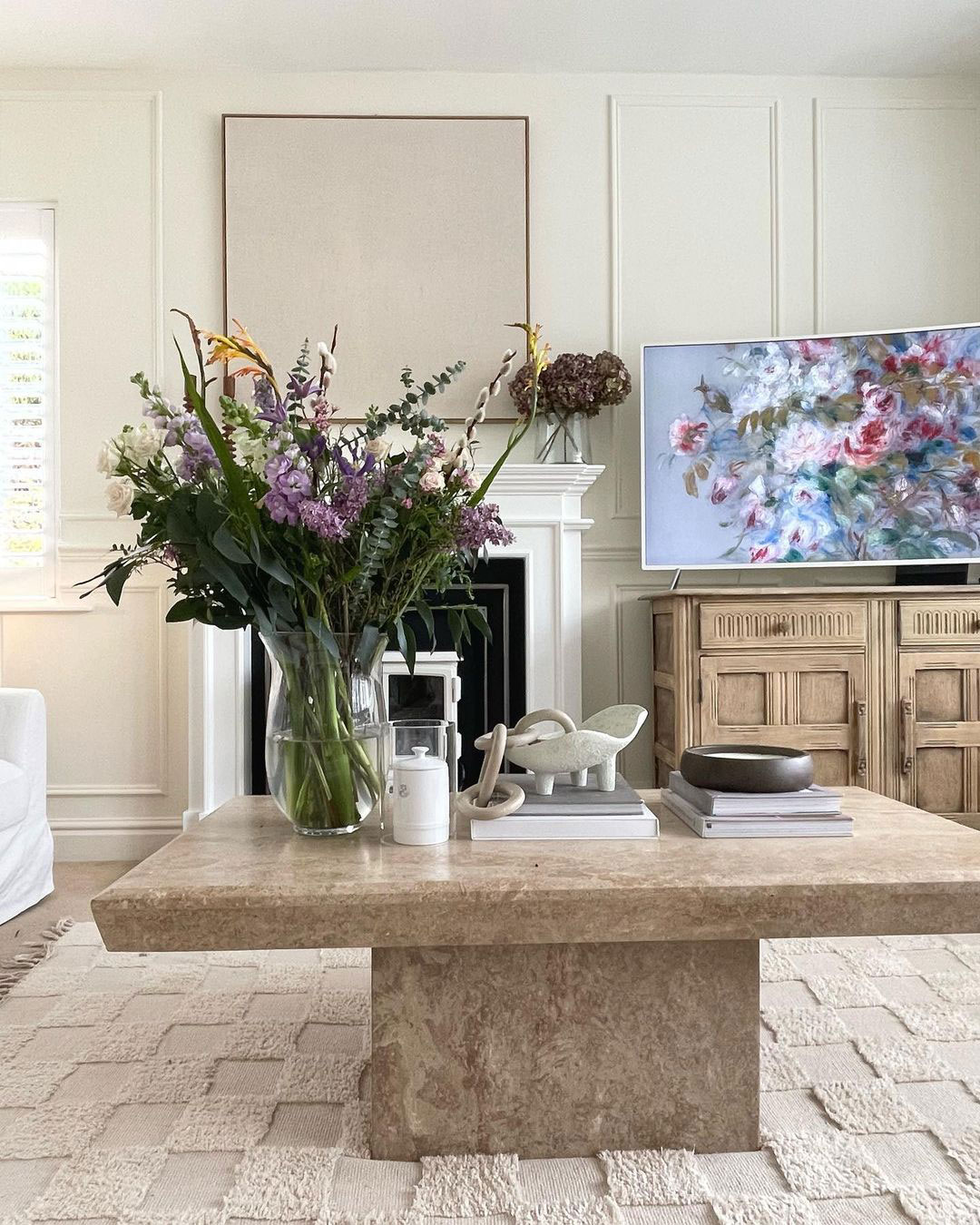
The coffee table is presented as a multi-functional 'Swiss Army knife,' serving as a homework station, game board, dining surface, and footrest. It was typically cluttered with remote controls, coupons, church bulletins, scented candles, and family photos under glass. This central piece of furniture kept the family 'orbit tight,' facilitating board games, pizza nights, and parent-child discussions over schoolwork. The underlying lesson here was 'function first, polish second,' highlighting that the table's utility and role in family interactions outweighed its material quality or pristine appearance.
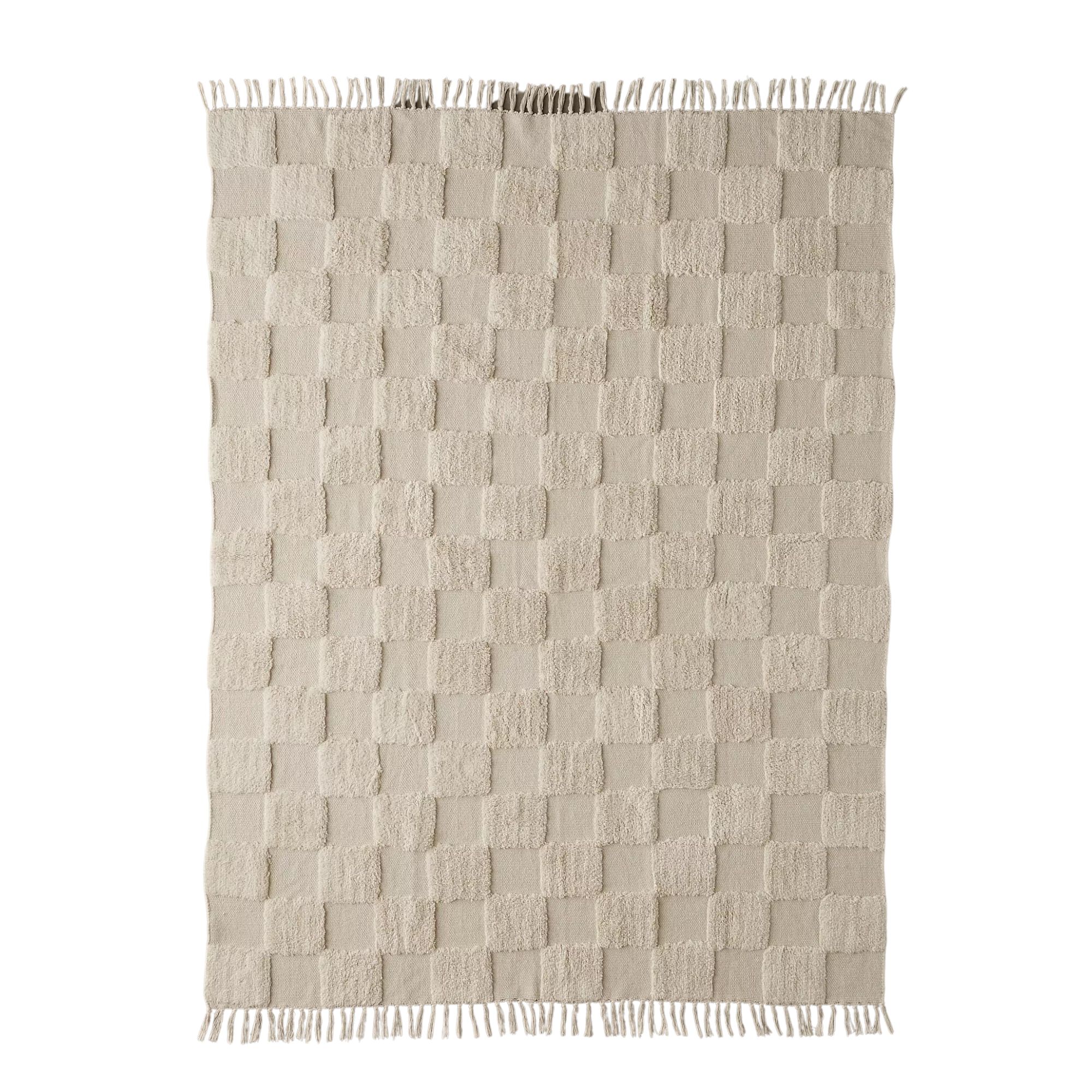
Crocheted afghans and doilies are highlighted as textures that felt like 'hugs.' These handmade items, ranging from zigzag patterns to granny squares, and lace runners, provided warmth and comfort. They were not considered precious and were freely used for various activities, from fort-building to picnics. This taught that 'hand-made beats hype,' emphasizing the value of items crafted with care during moments of leisure, and the passing down of comfort as a habit.
Before the advent of Bluetooth, music was organized in 'stereo towers and media racks.' These systems, comprising receivers, cassette decks, and CD changers, along with large speakers, filled homes with sound. Tape racks or spinning CD towers, with carefully labeled media, were common. This setup underscored that music was a participatory experience, involving making mixtapes, recording songs off the radio, and developing patience with pause buttons and rewinding. Entertainment was active and subscription-free.
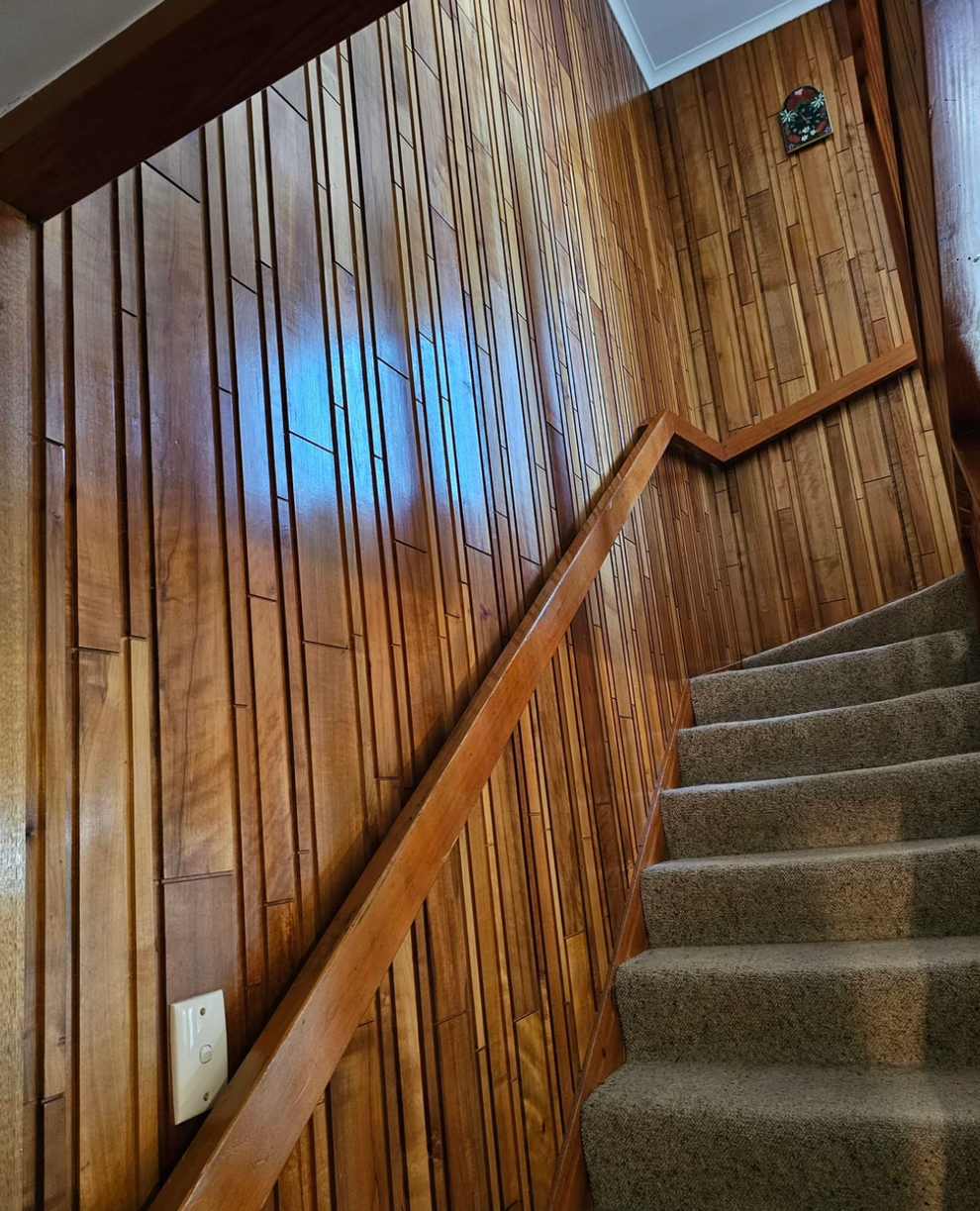
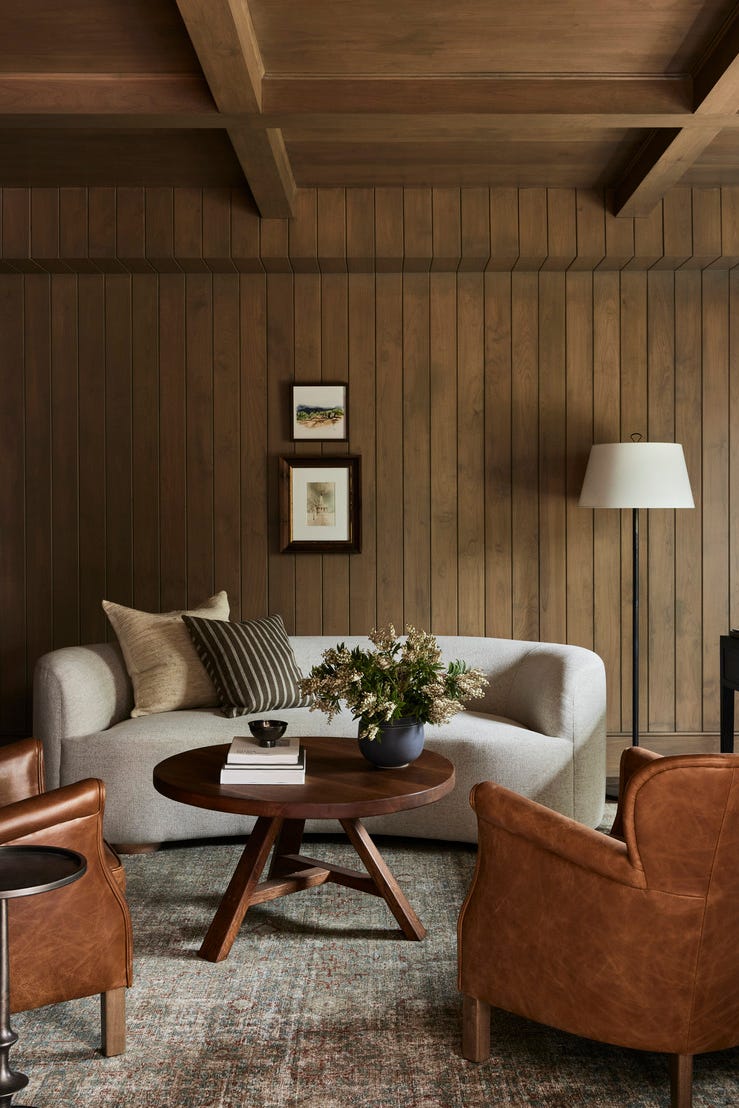
Finally, the article mentions plants, prints, and paneling, including spider plants, pothos, and even fake ficus trees. Walls often displayed framed needlepoints, Olan Mills portraits, and school photo collages, alongside faux-brass clocks. Wood paneling was common, creating a warm, cabin-like ambiance. These elements combined to form a layered home environment, built rather than bought, where 'maintenance is love.' The continuous care of plants, rotation of photos, and washing of curtains demonstrated that beauty grew from attention, not just price tags, affirming that a living room is a living entity that thrives with care.
#LowerMiddleClass #Nostalgia #1980s #1990s #HomeDecor #FamilyLife #VintageTech #Lifestyle #LowerMiddleClass #Nostalgia #1980s #1990s #HomeDecor #FamilyLife #VintageTech #Lifestyle
0개의 댓글이 총 표시됩니다.
 아직 댓글이 없습니다
추가로 마음에 드릴 만한 콘텐츠
Eight decadent living rooms with 1970s-style furnishings
People Are Revealing The "Outdated" Home Design Trends From The '80s That Need To Come Back


Julie Bowen's '70s-inspired living room is retro yet chic – you can get the look from $15
'80s Bedrooms For People Who Hate Minimalism: 15 Ideas

7 mid-century small living room ideas to covet now and forever

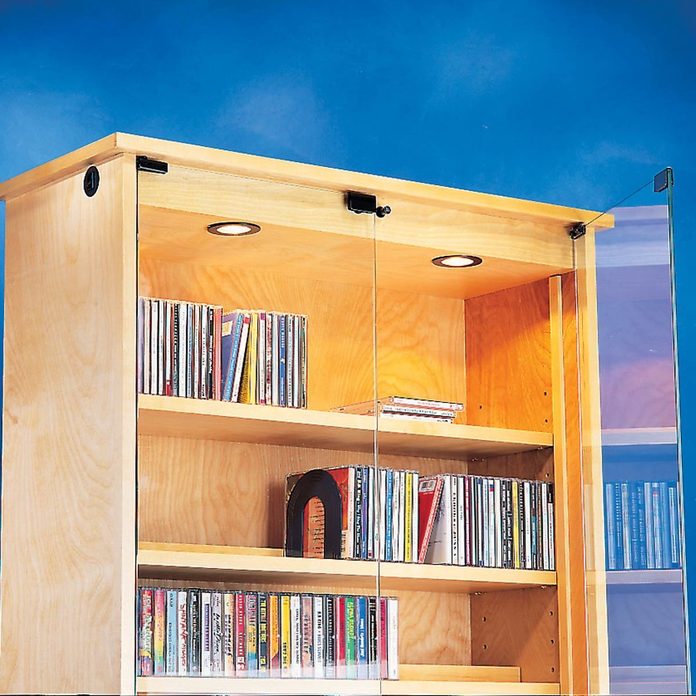
30 Home Trends Kids of the ’90s Remember


7 things upper middle class parents never allow in their living room
10 essential pieces for a country living room (and they're all on sale)
Home decor in the 1990s – recreate a classic living room from then, updated for now
These ‘80s Home Trends Are Back—And More Stylish Than Ever

47 Midcentury Modern Living Rooms That Get the Retro Balance Right

These Midcentury Modern Living Rooms Put Retro Back on the Map

The ’90s Display Cabinet Is Back, and Here Are 8 Clever Things You Should Store in Yours
Eight living rooms where low-slung furniture creates a casual lounge atmosphere

8 luxury small living room ideas that bring the right kind of drama
7 'quiet luxury' living rooms that look expensive – decorate with 2023's must-have interior and lifestyle trend
Remember 80s decorating? Iconic 1980s interior designs and home accessories
8 Bedroom Decor Icons From the ’90s That Are Cool Again
Eight living spaces that go heavy on metal furniture
7 Outdated Living Room Features That Designers Immediately Notice