1/5
4 Countertop Materials to Avoid in a Bathroom and What to Use Instead in Your Next Renovation
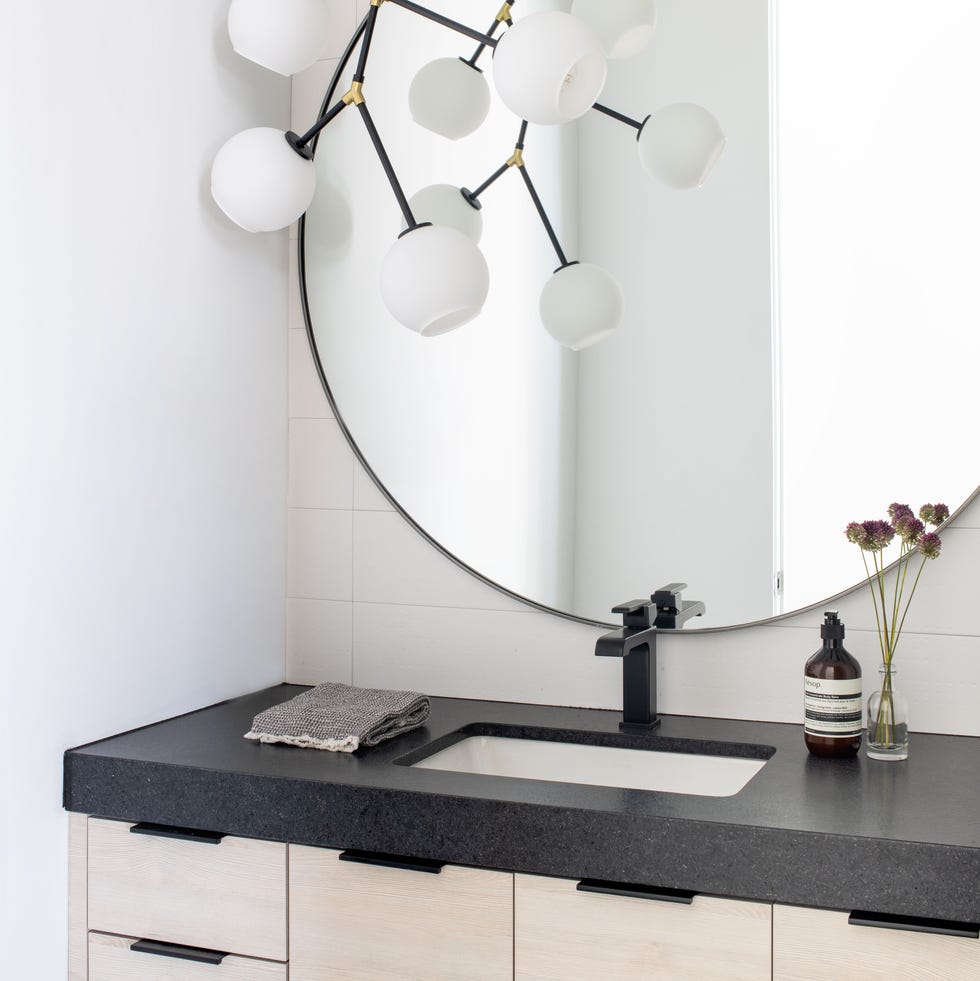
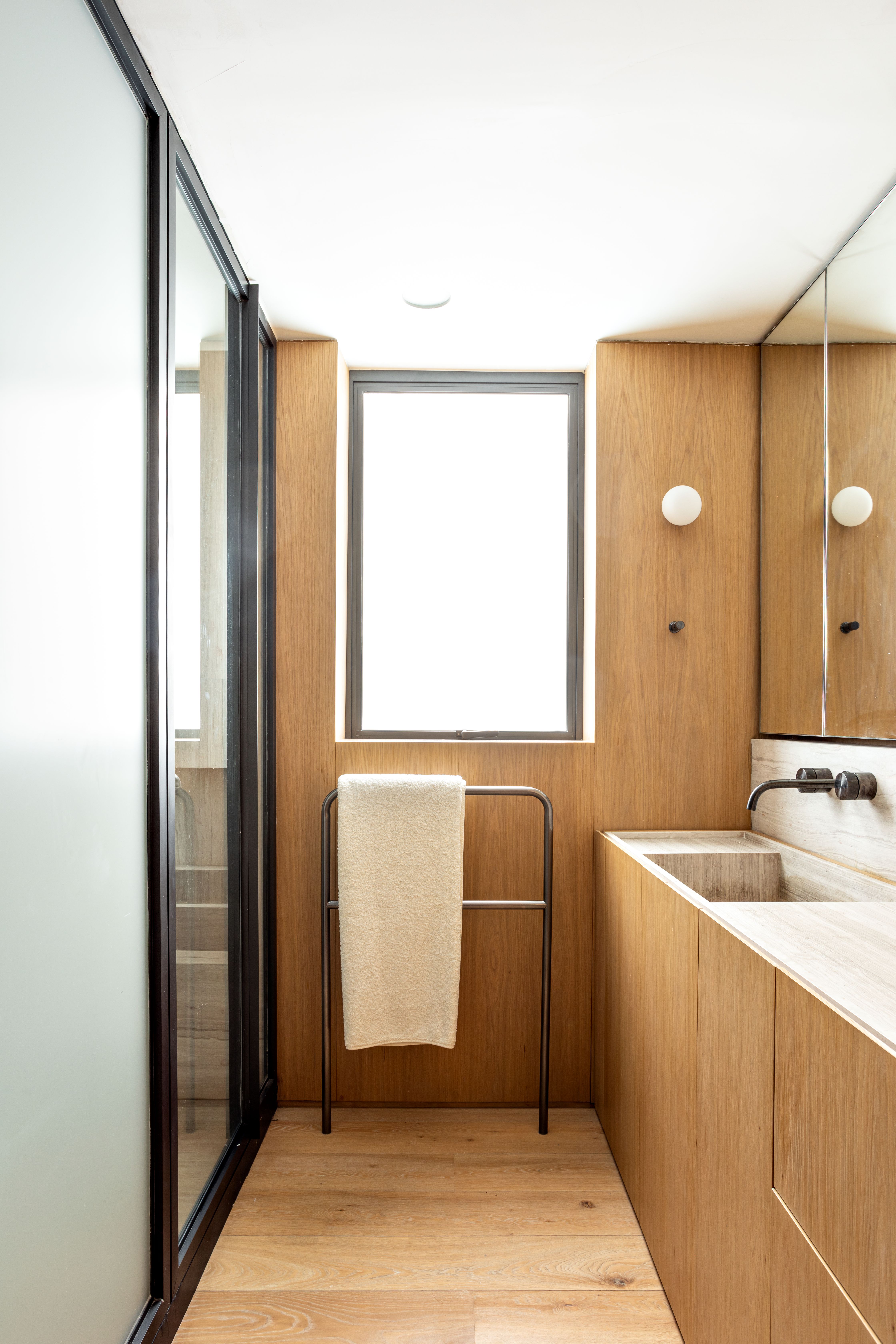
Choosing the right bathroom countertop material is crucial for a long-lasting and aesthetically pleasing design. When renovating a bathroom, it's important to select materials that can endure moisture and maintain their appearance over time. Experts suggest avoiding certain materials that can quickly make a bathroom look dated or are difficult to maintain. Lauren Saab, founder of Saab Studios, emphasizes the need for materials that are both functional and visually appealing, recommending solid surface countertops with integrated sinks for their clean, watertight, and seamless construction, which prevents buildup and maintains finish.
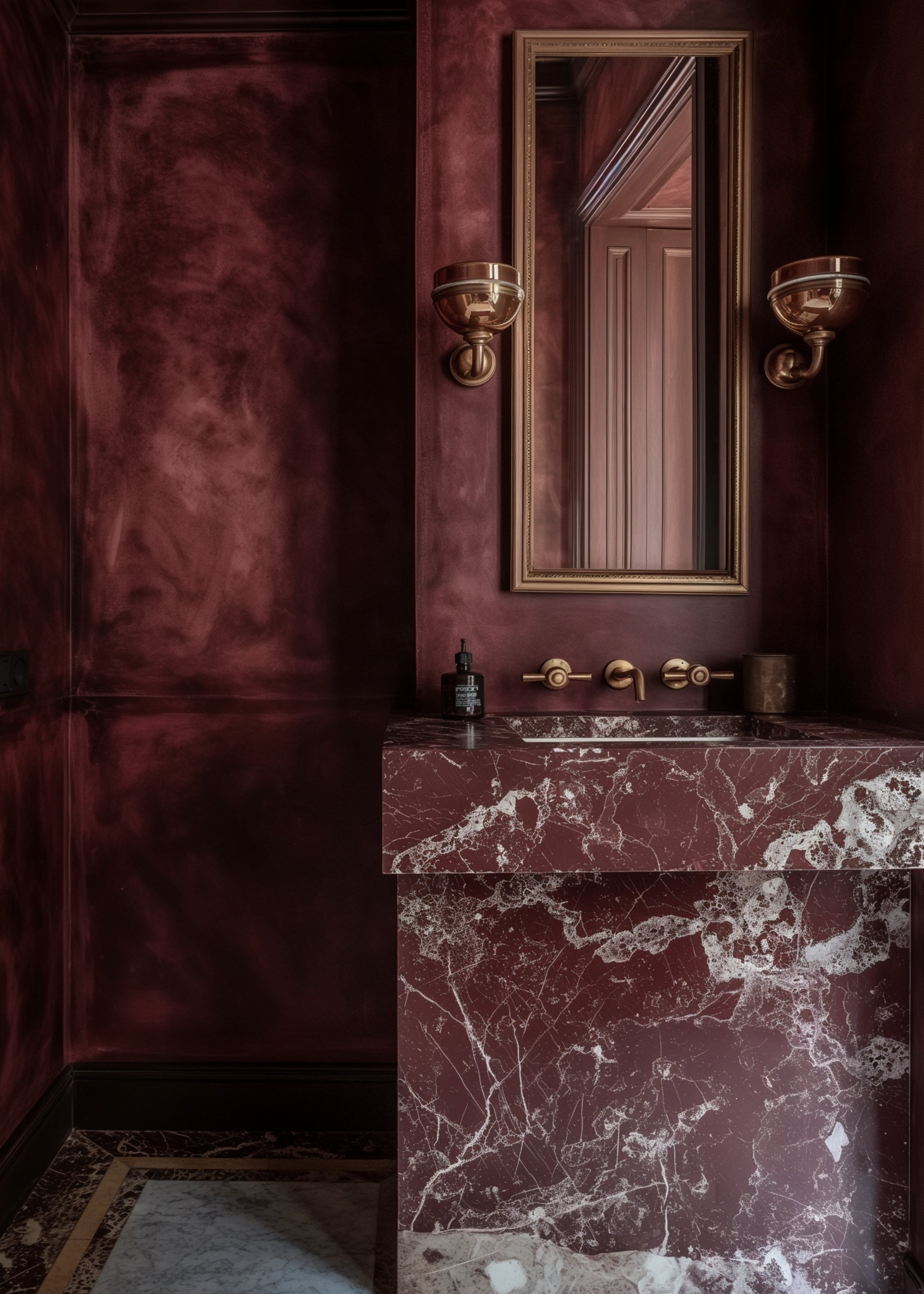
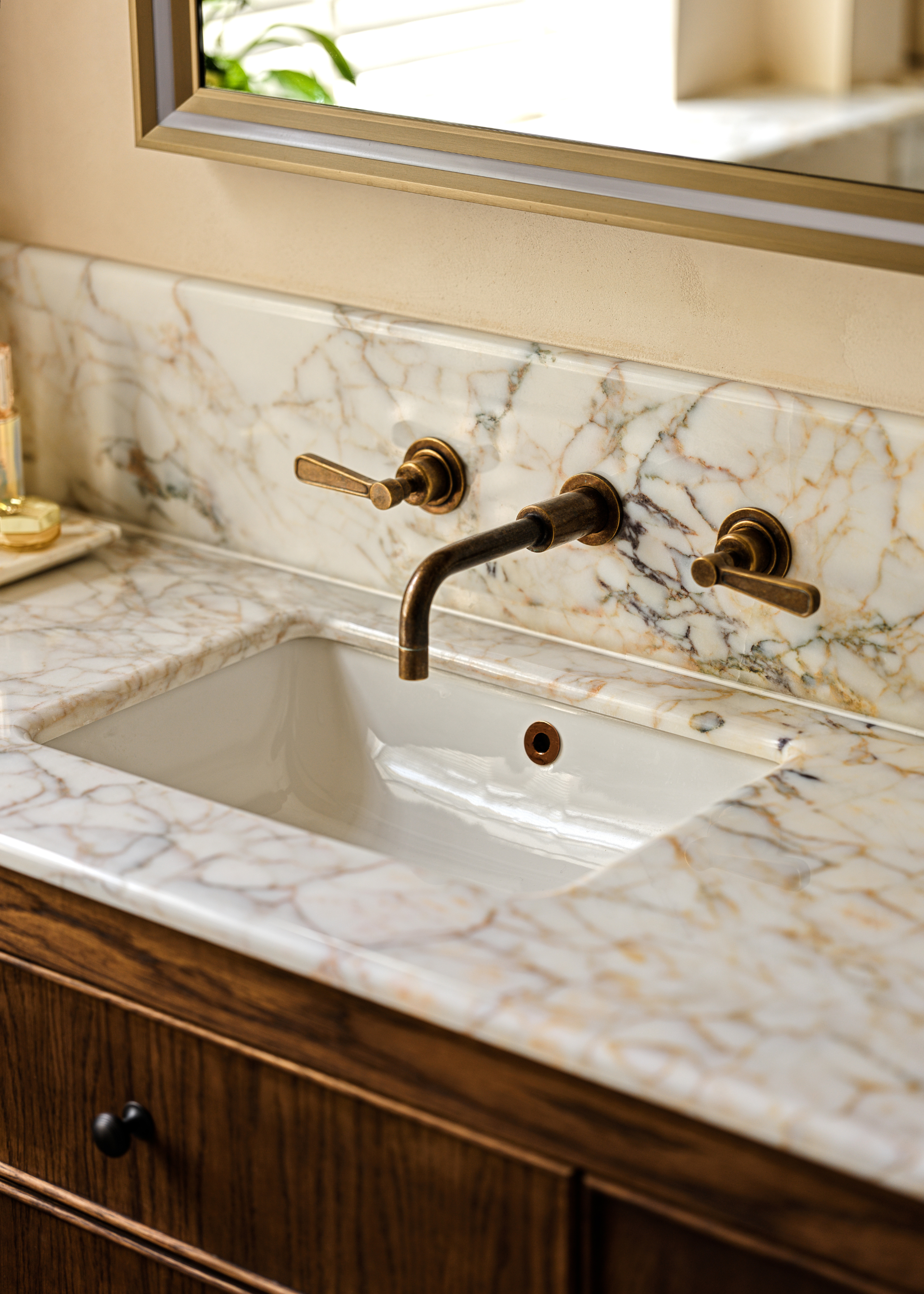
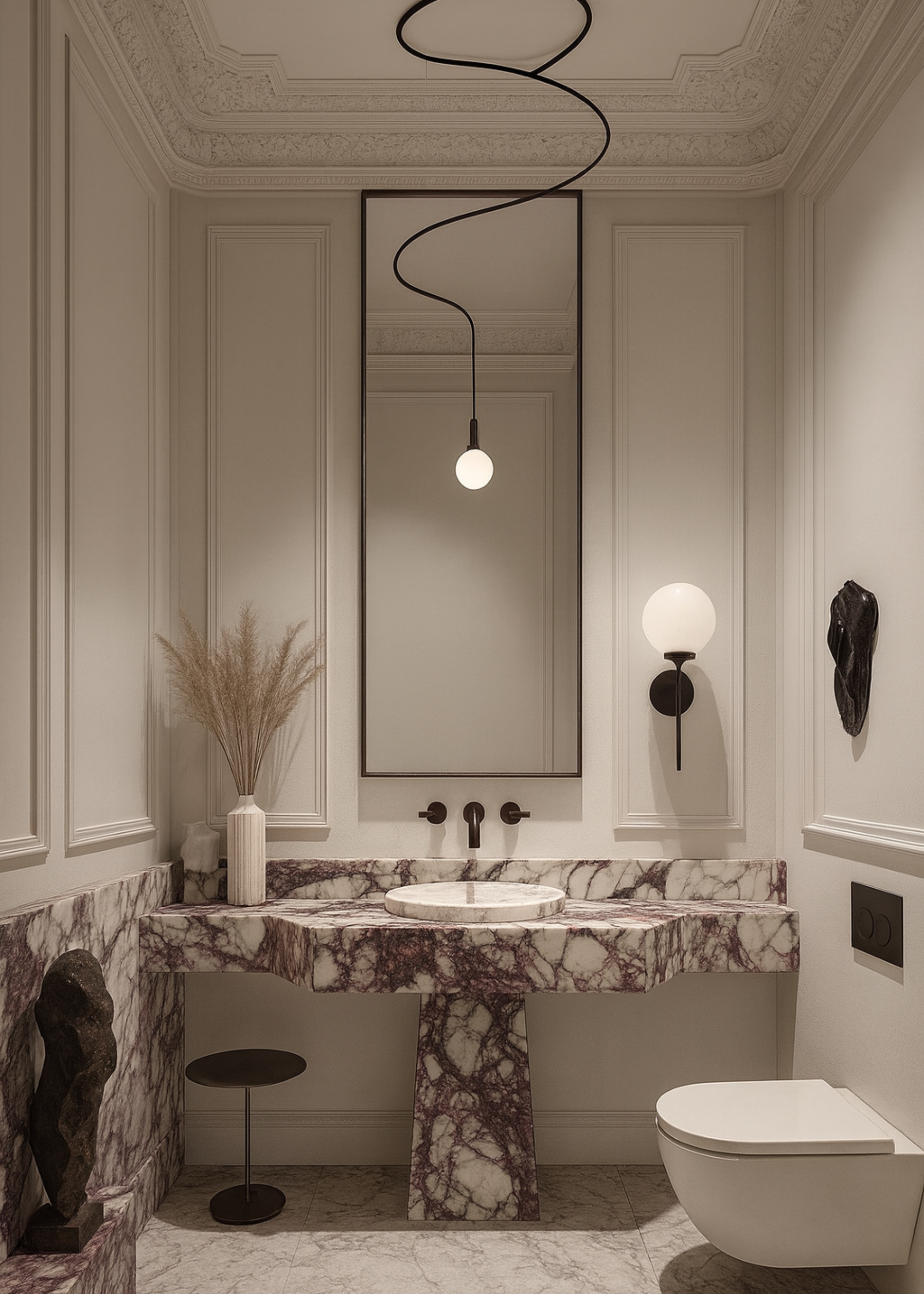
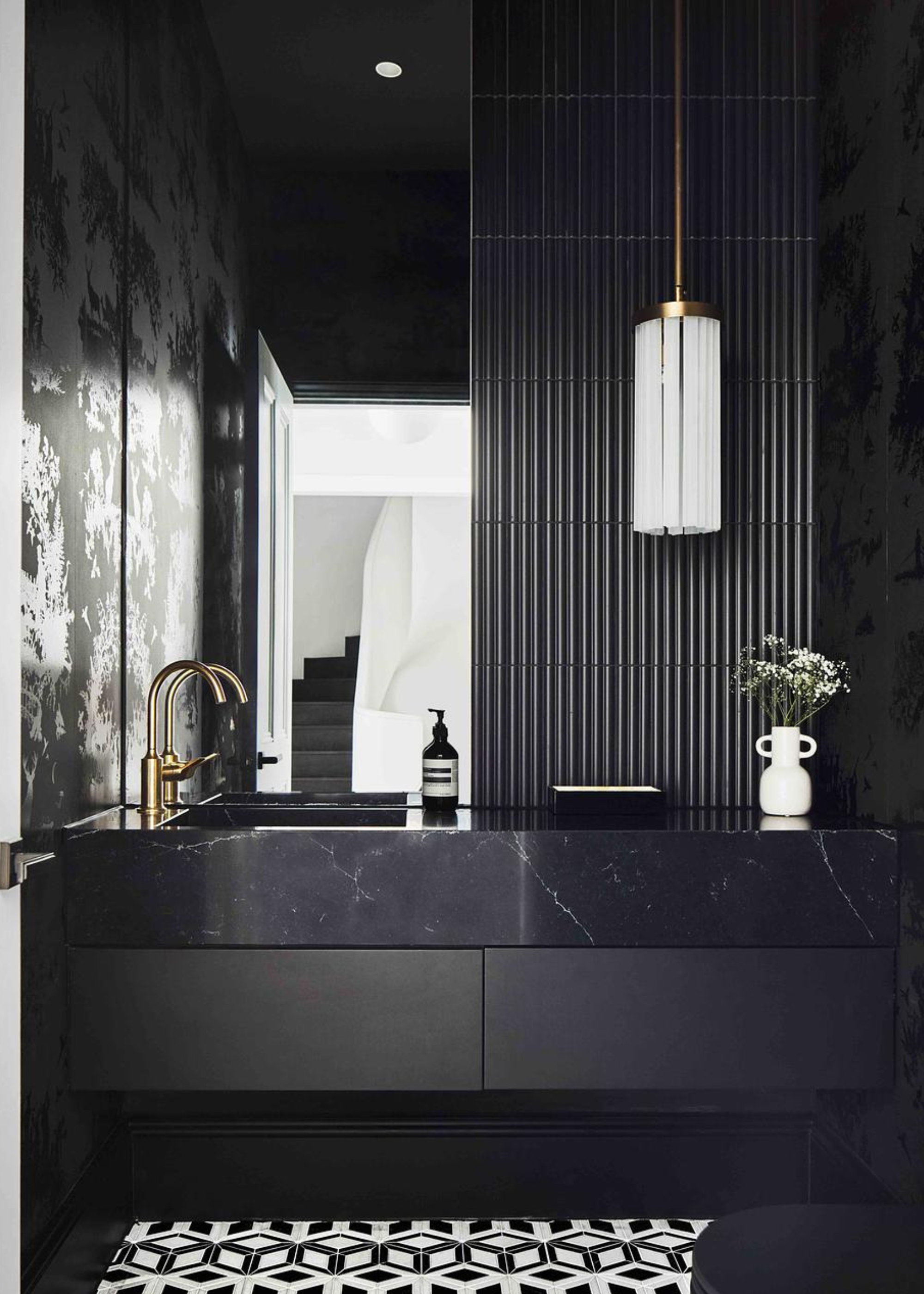
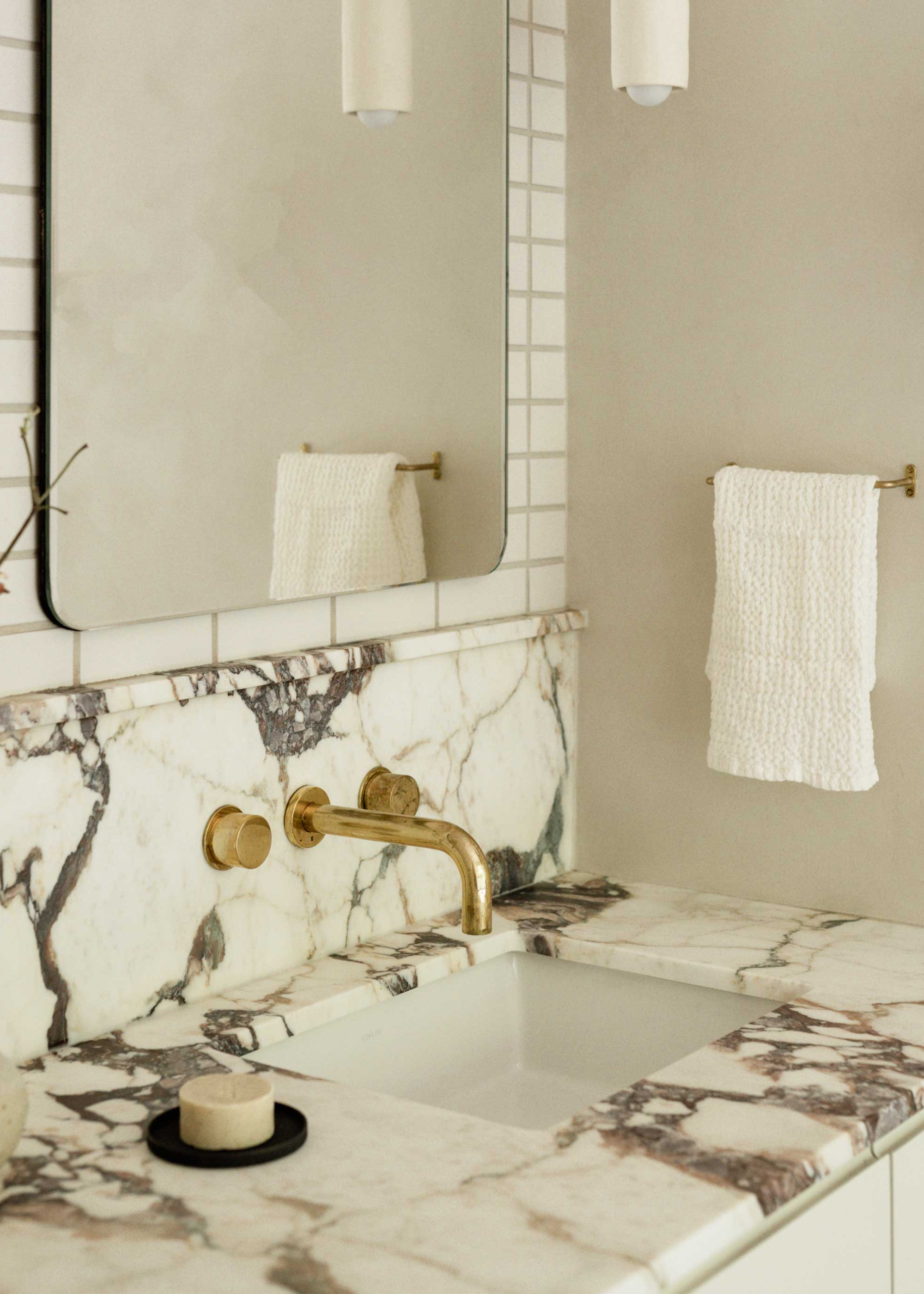
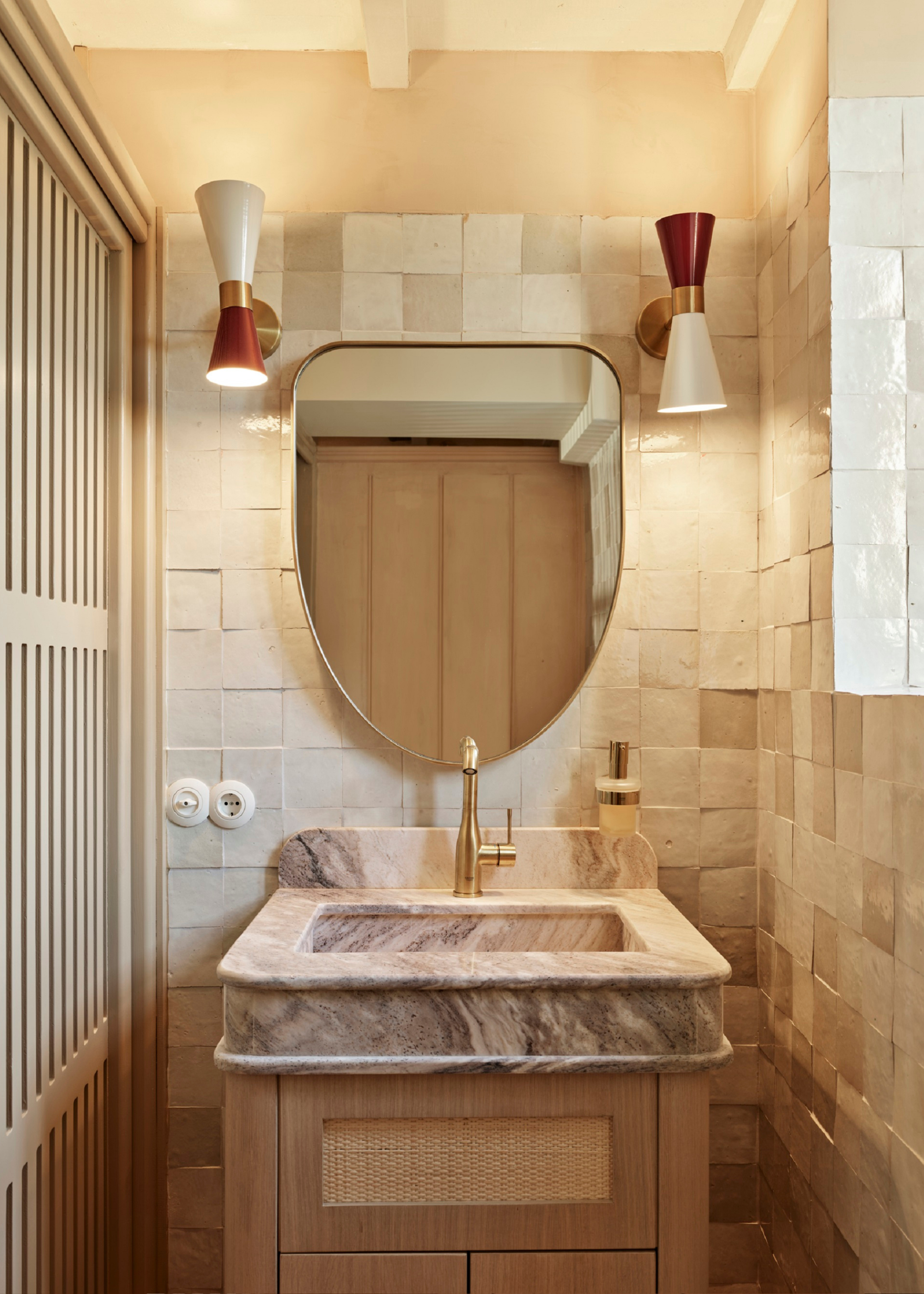
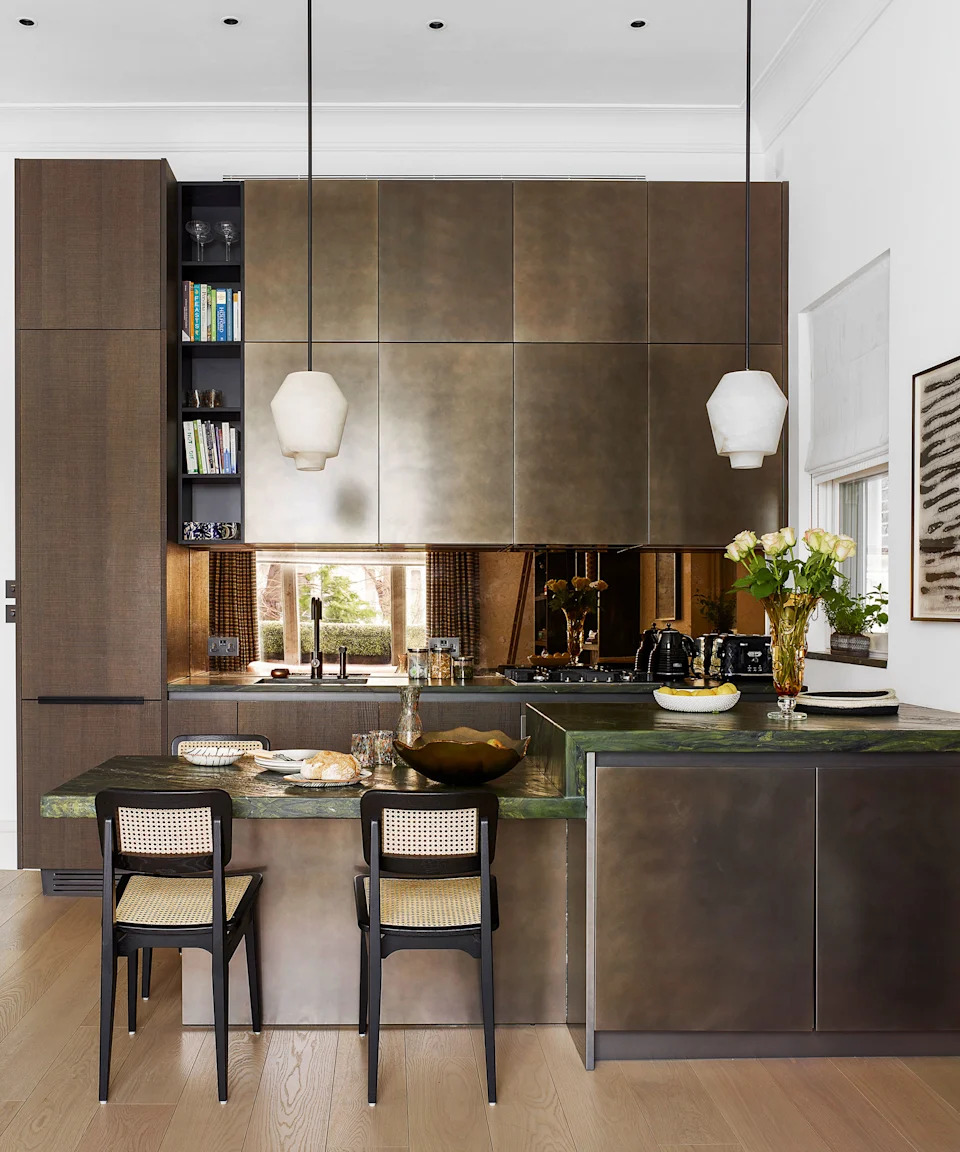
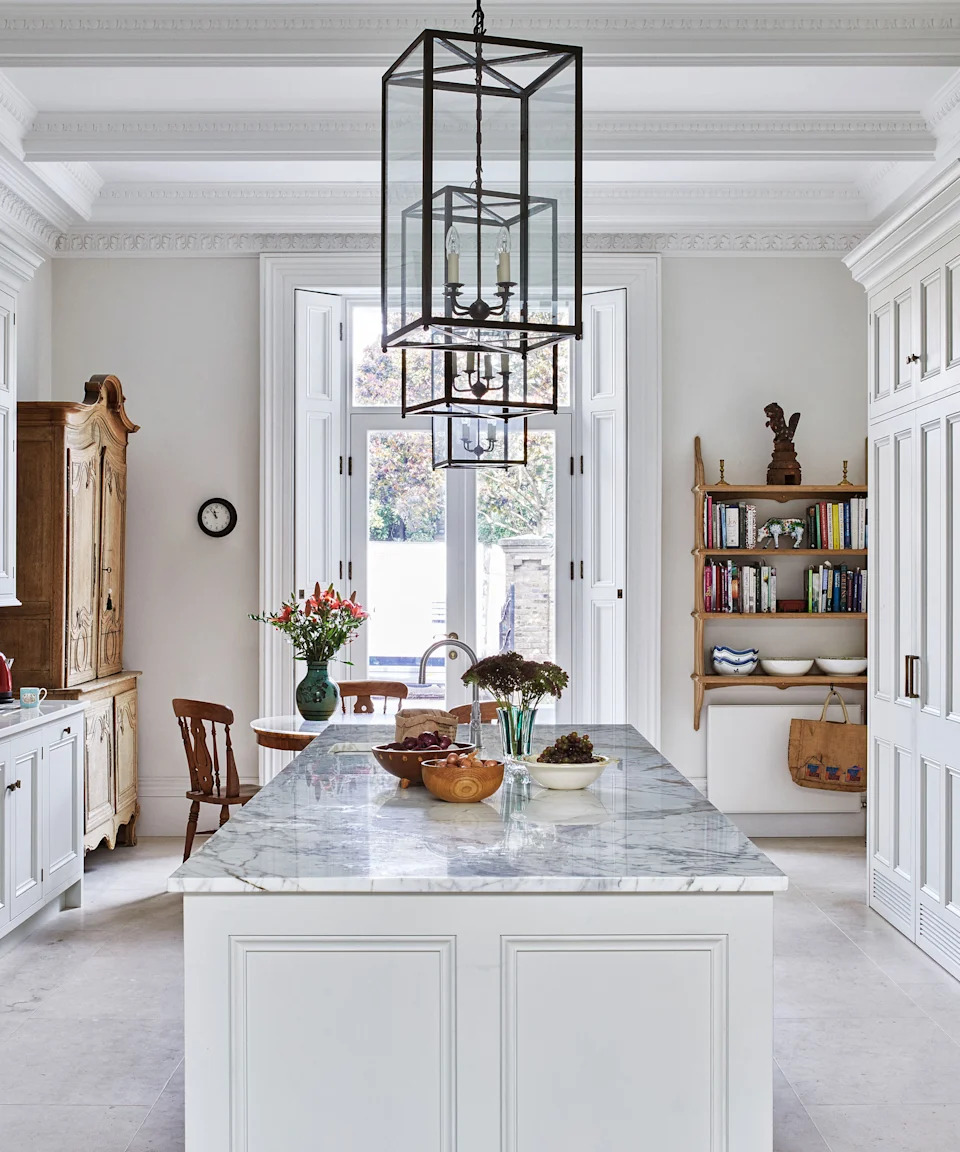
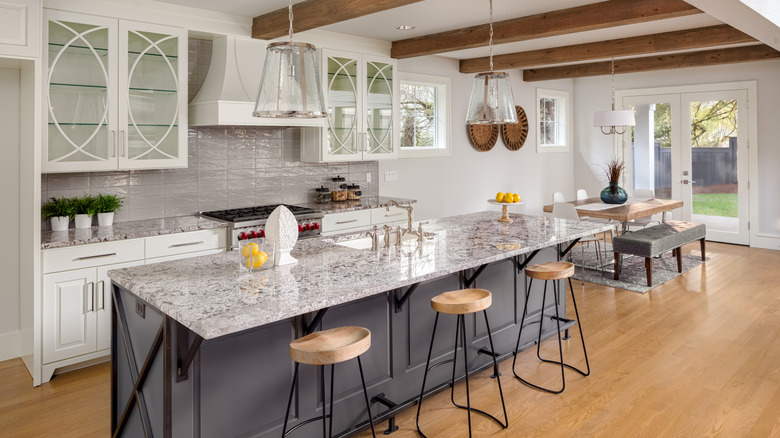
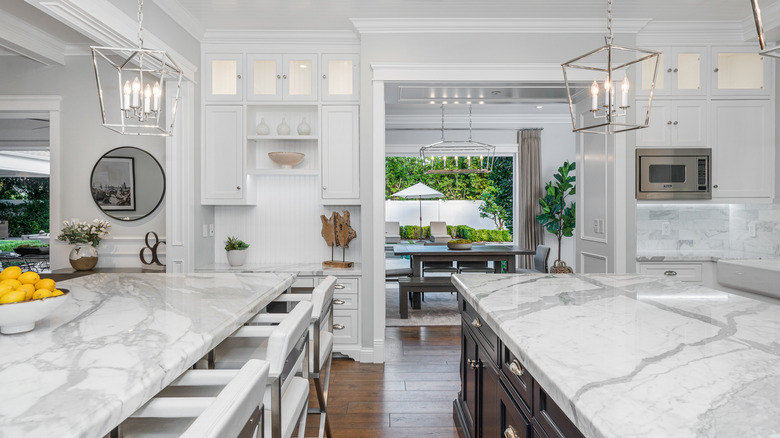
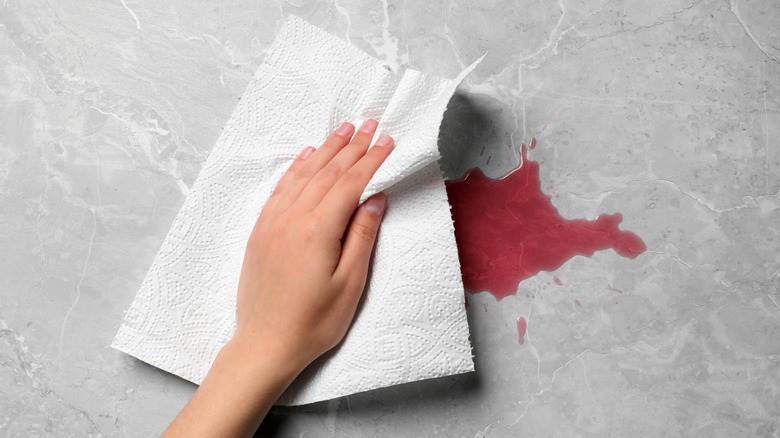
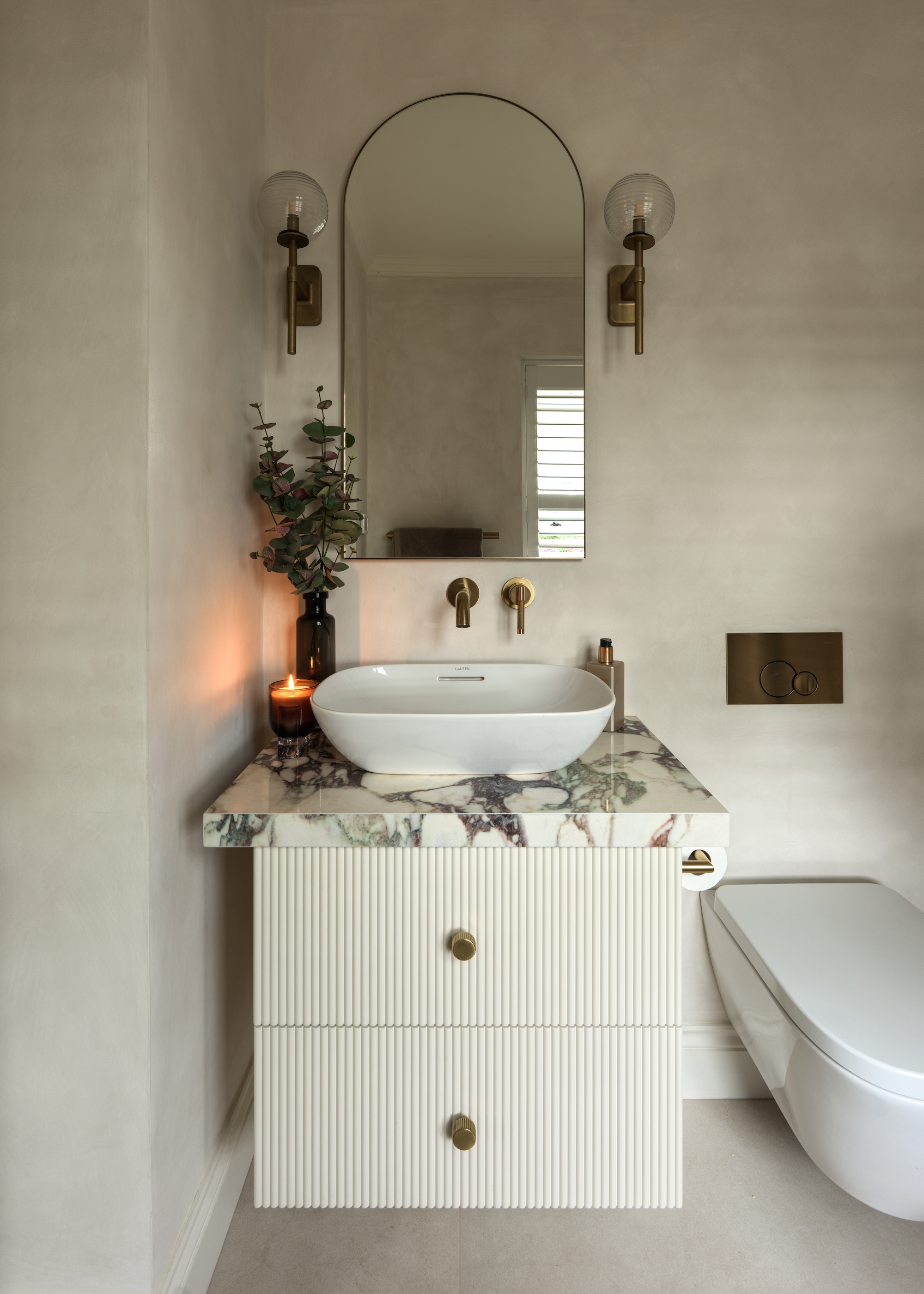
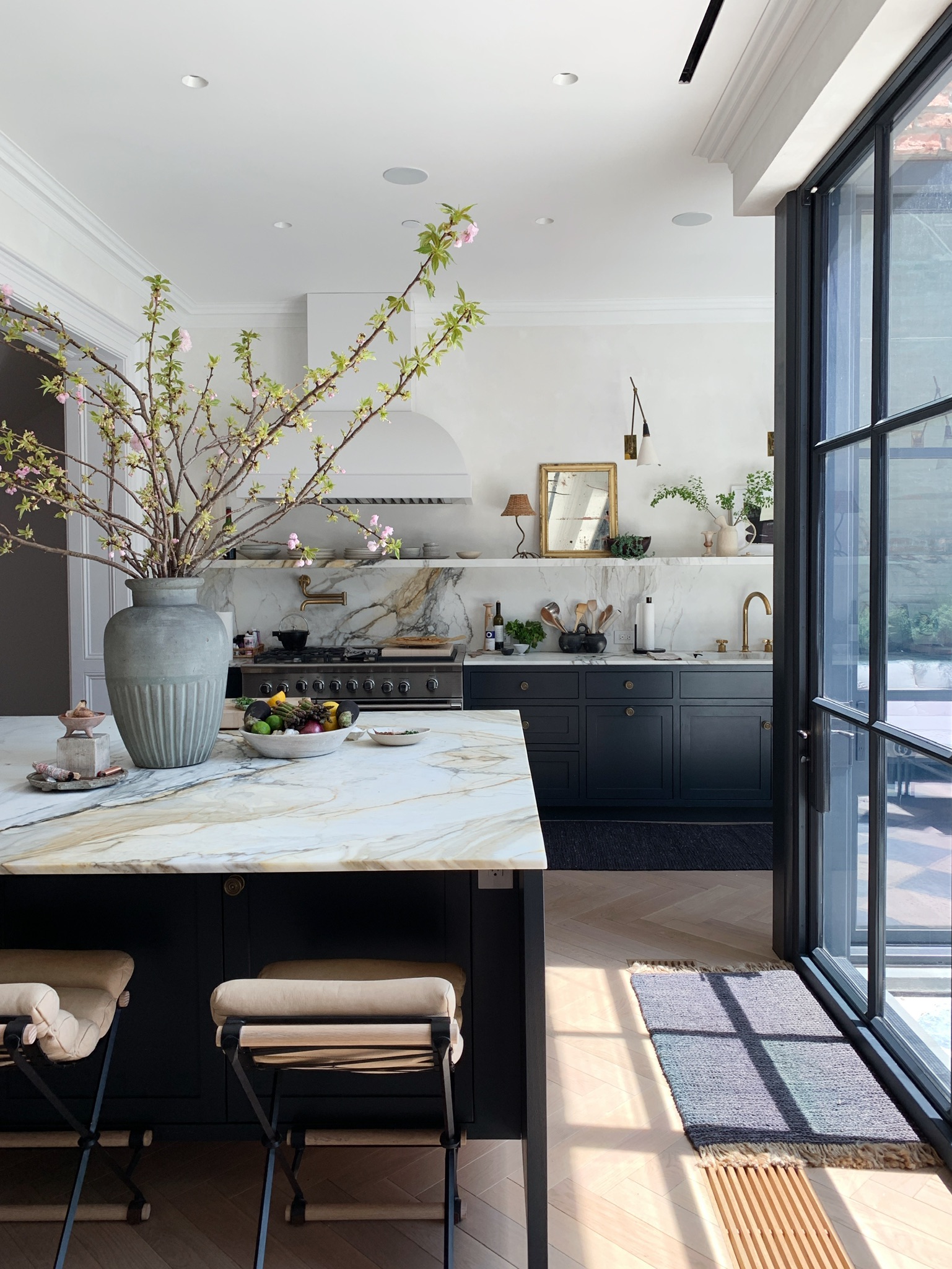
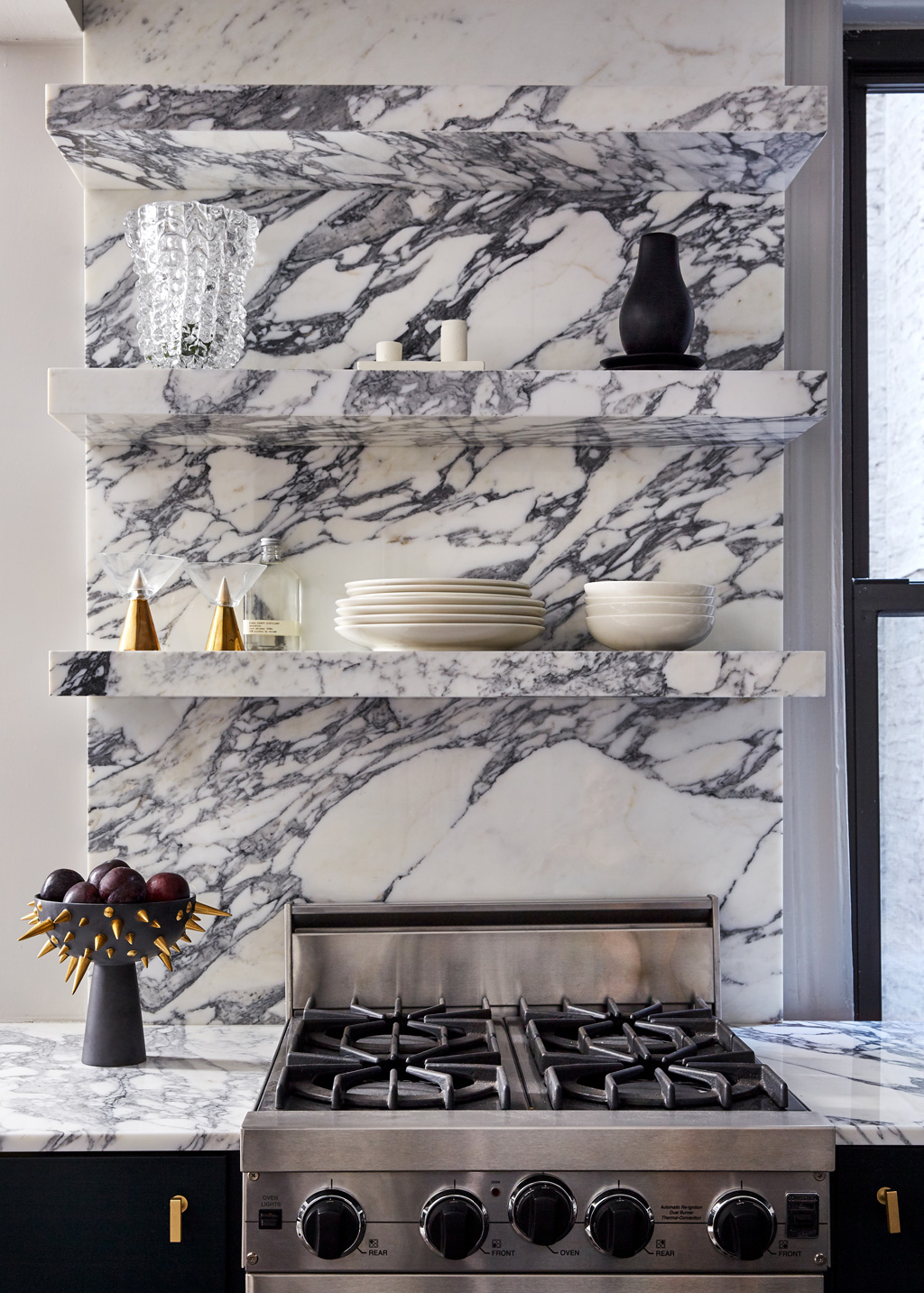
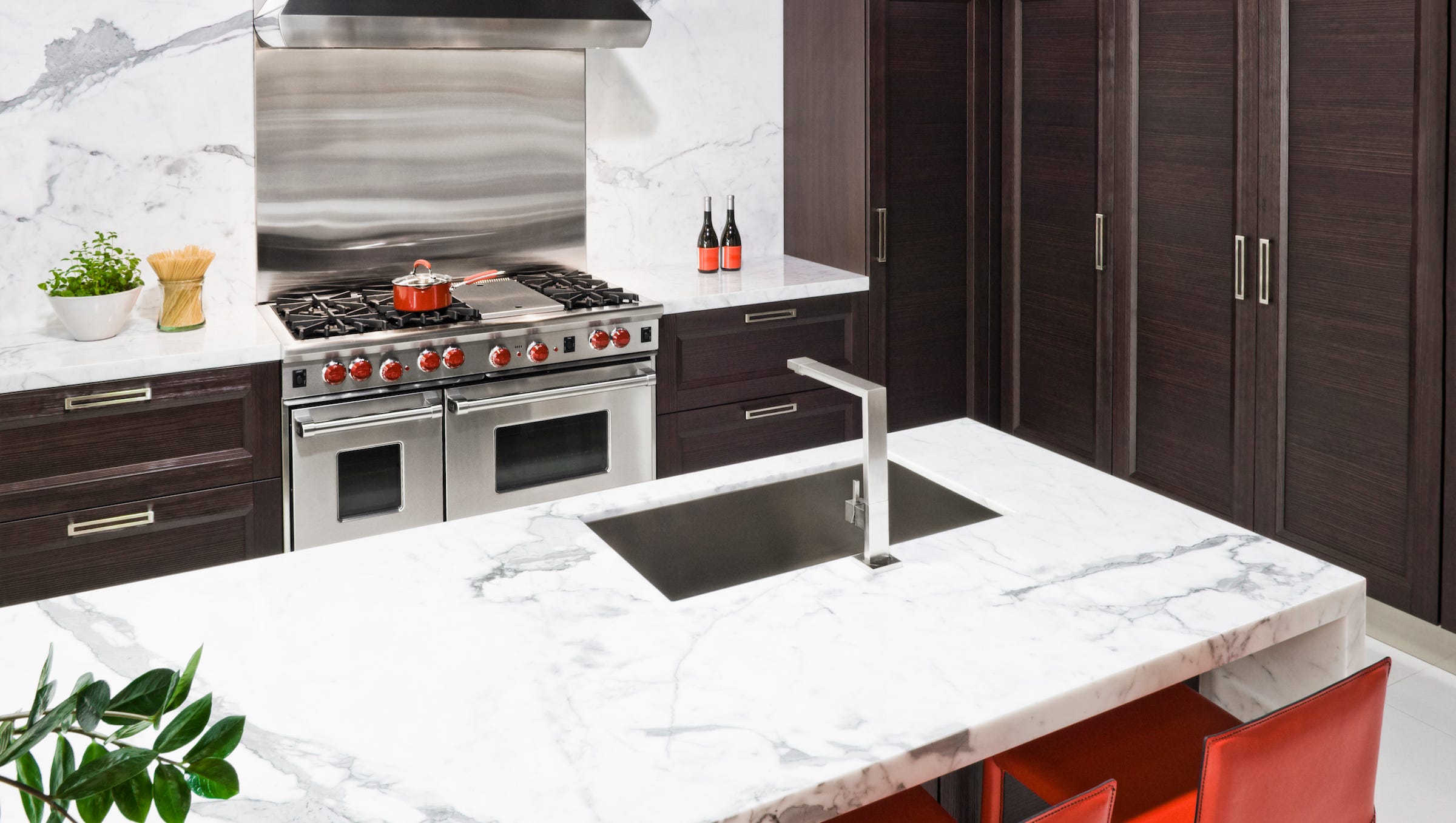
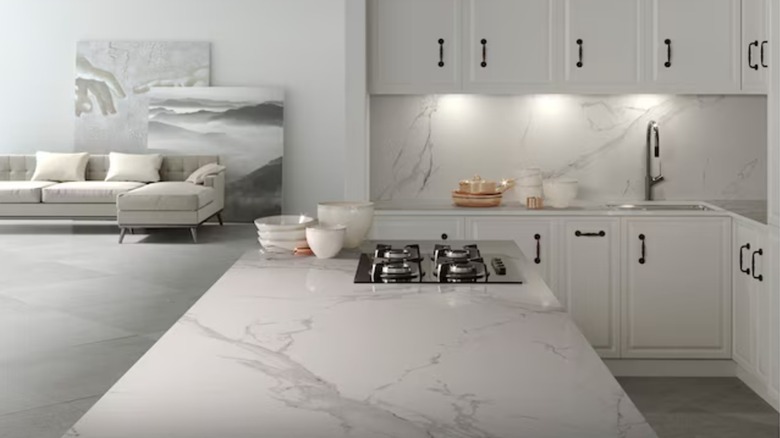
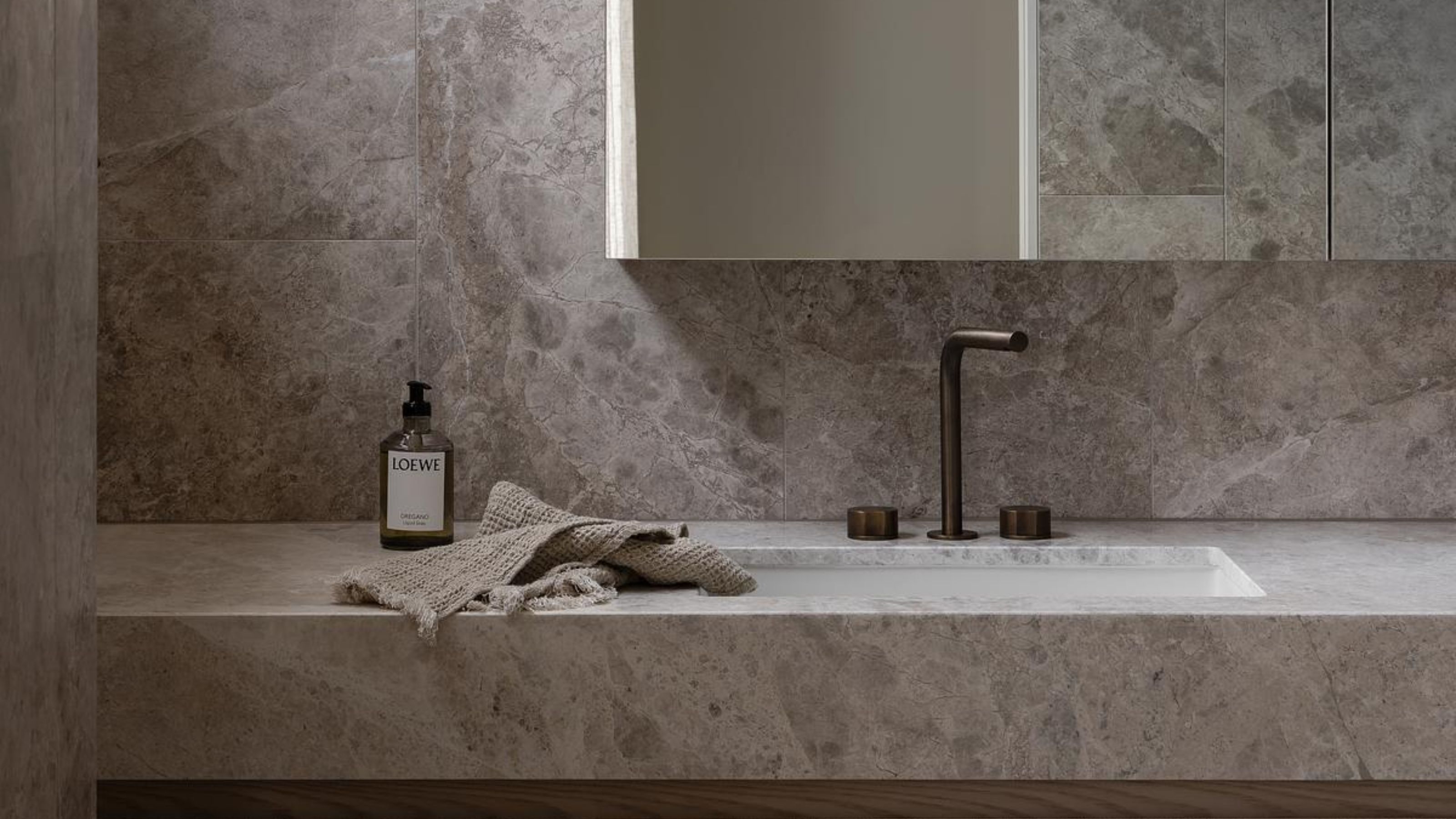
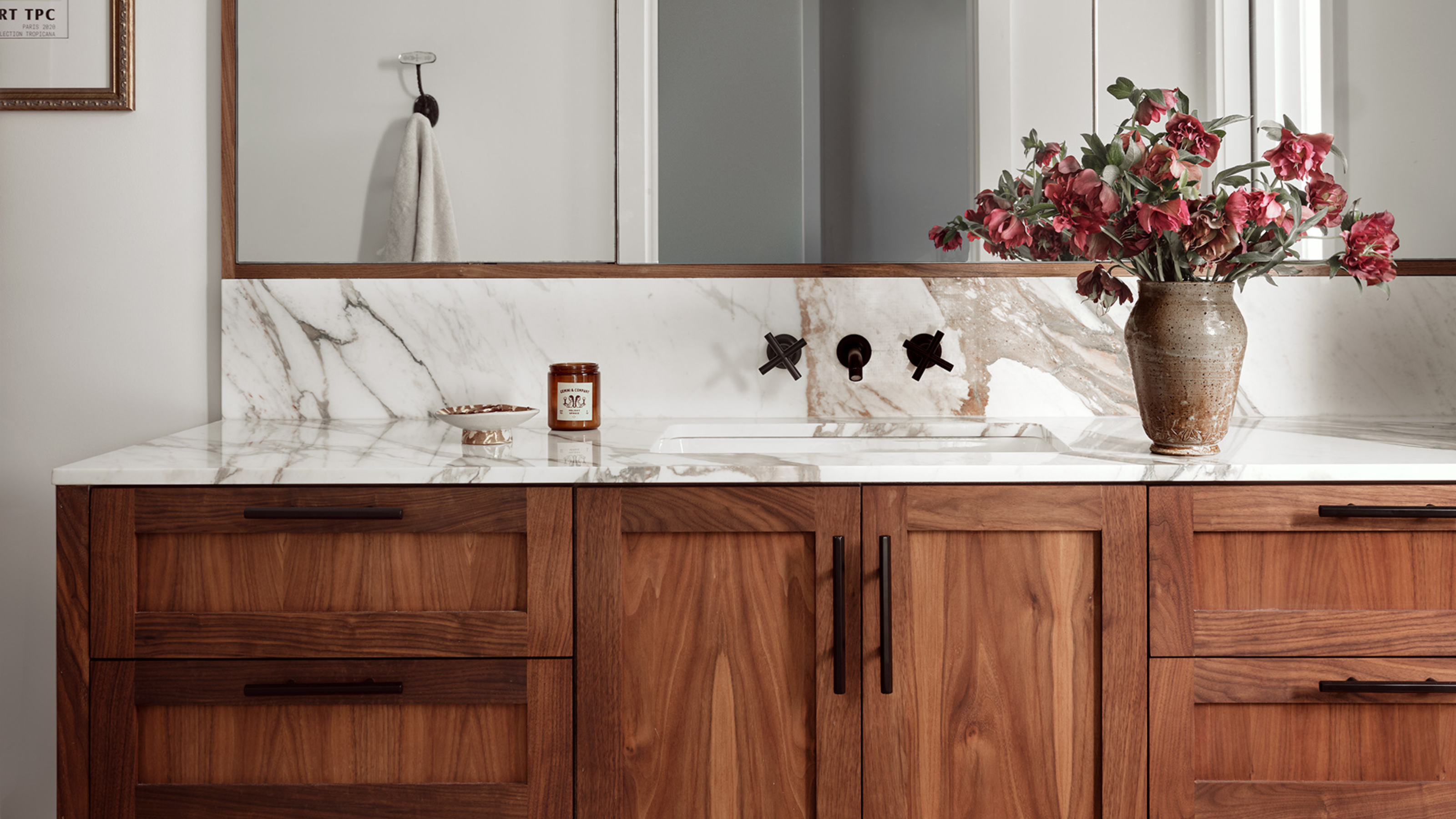
One material to avoid is marble, despite its luxurious appearance. Marble is prone to stains and scratches from everyday products and spills, making it impractical for daily bathroom use. Instead, experts suggest quartzite, which offers similar natural veining and depth to marble but without the maintenance issues. Paul McManus of McManus Kitchen and Bath notes that marble is only suitable if one appreciates its natural aging process or is prepared for frequent refinishing.
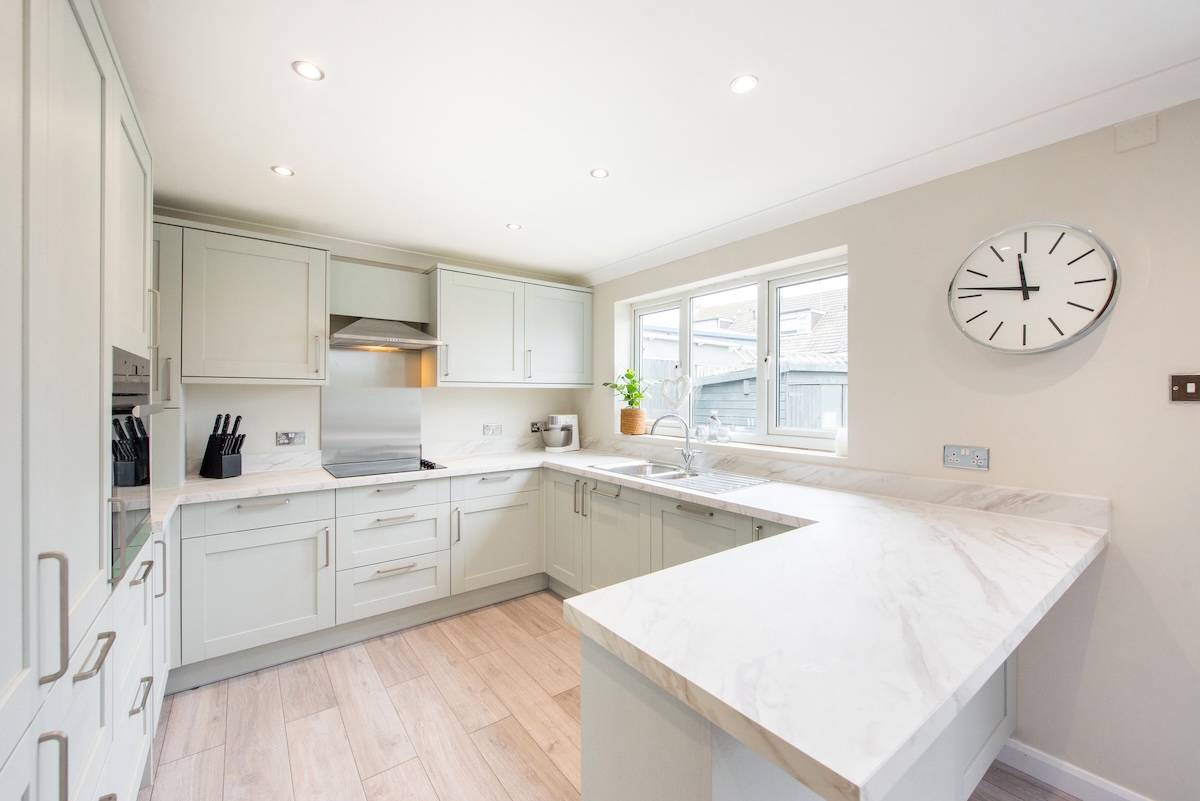
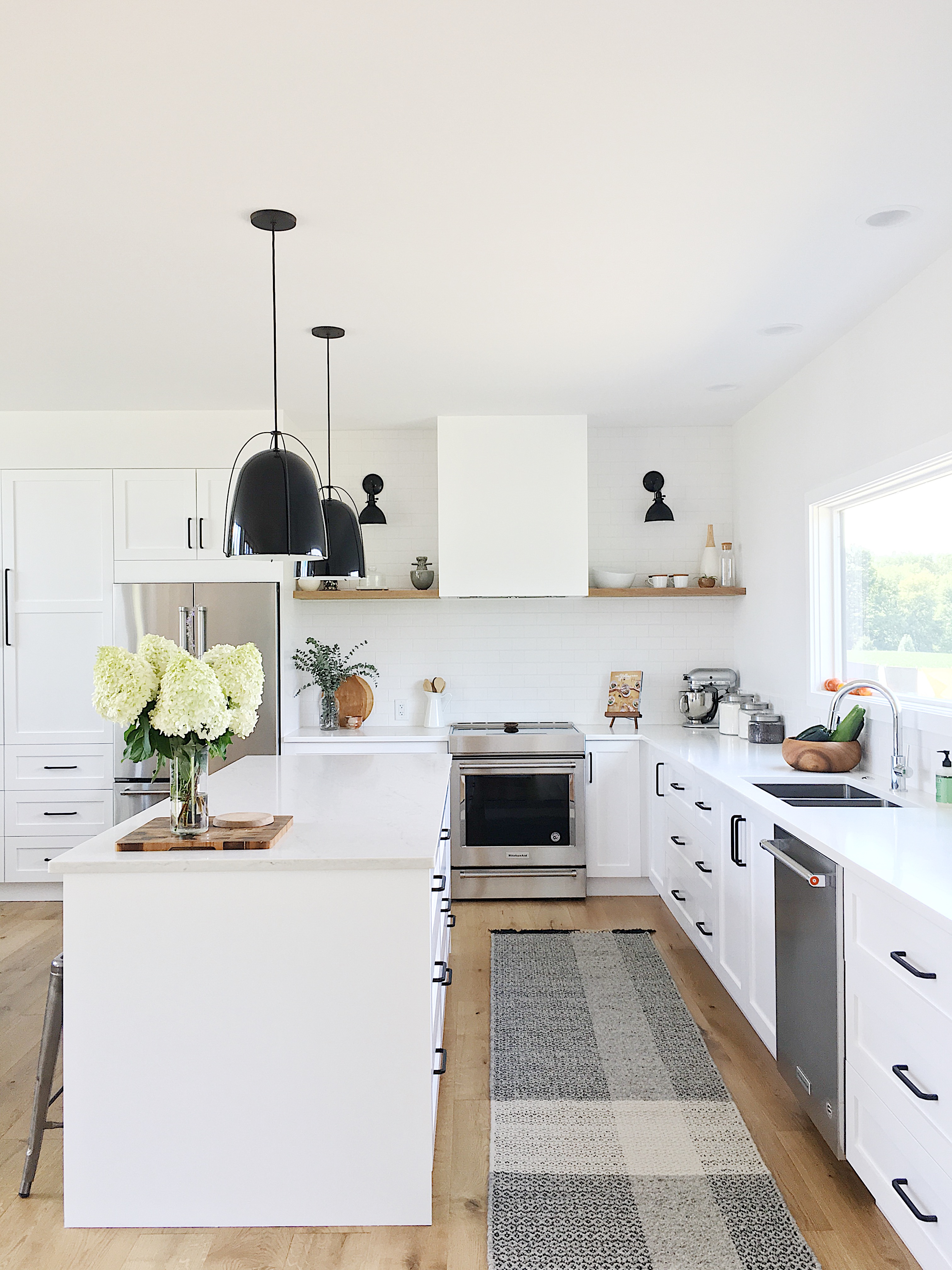
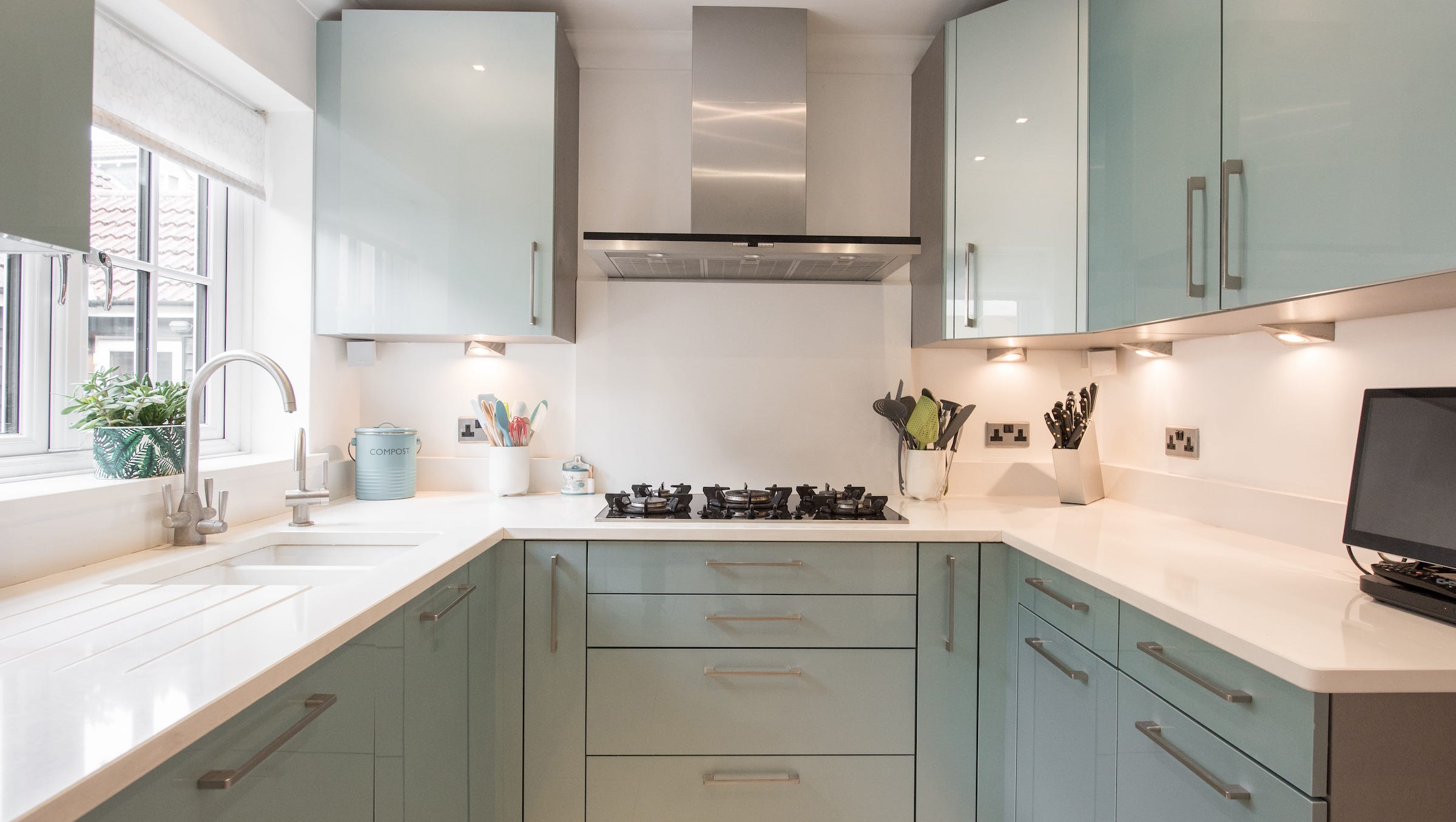
Laminate is another material to steer clear of for bathroom countertops. It is highly susceptible to bubbling and warping in moist environments, and its edges chip easily. Lauren Saab recommends quartz as a superior alternative, as it provides a polished stone look while effectively resisting daily moisture and being easy to clean. While laminate can be budget-friendly, its common use with cheap particle board substrates makes it unsuitable for wet areas. If laminate is chosen, using quality plywood as a substrate would improve durability, though a different material is generally preferred if the budget allows.
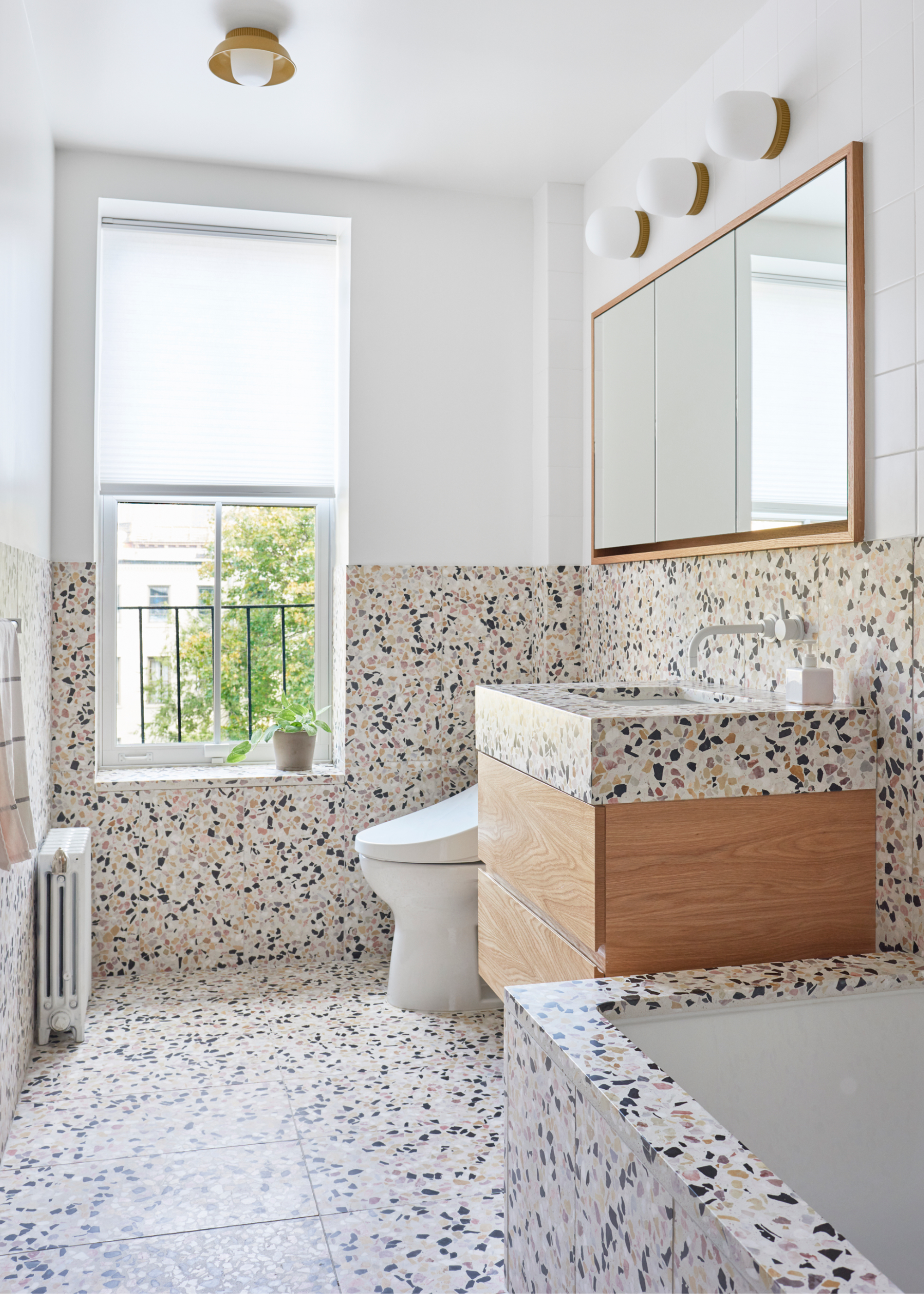
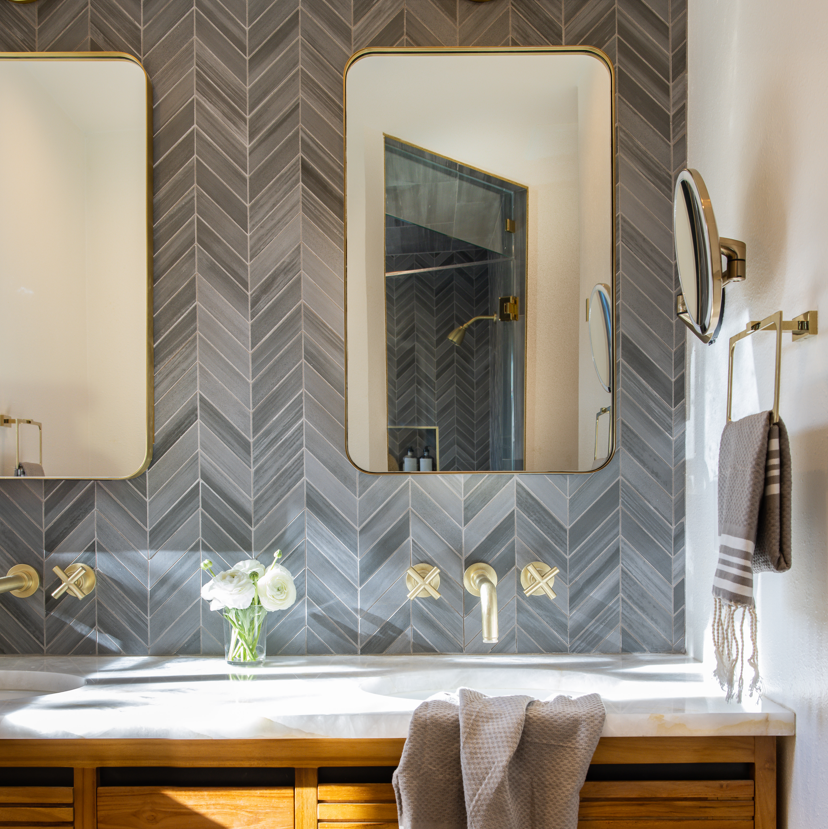
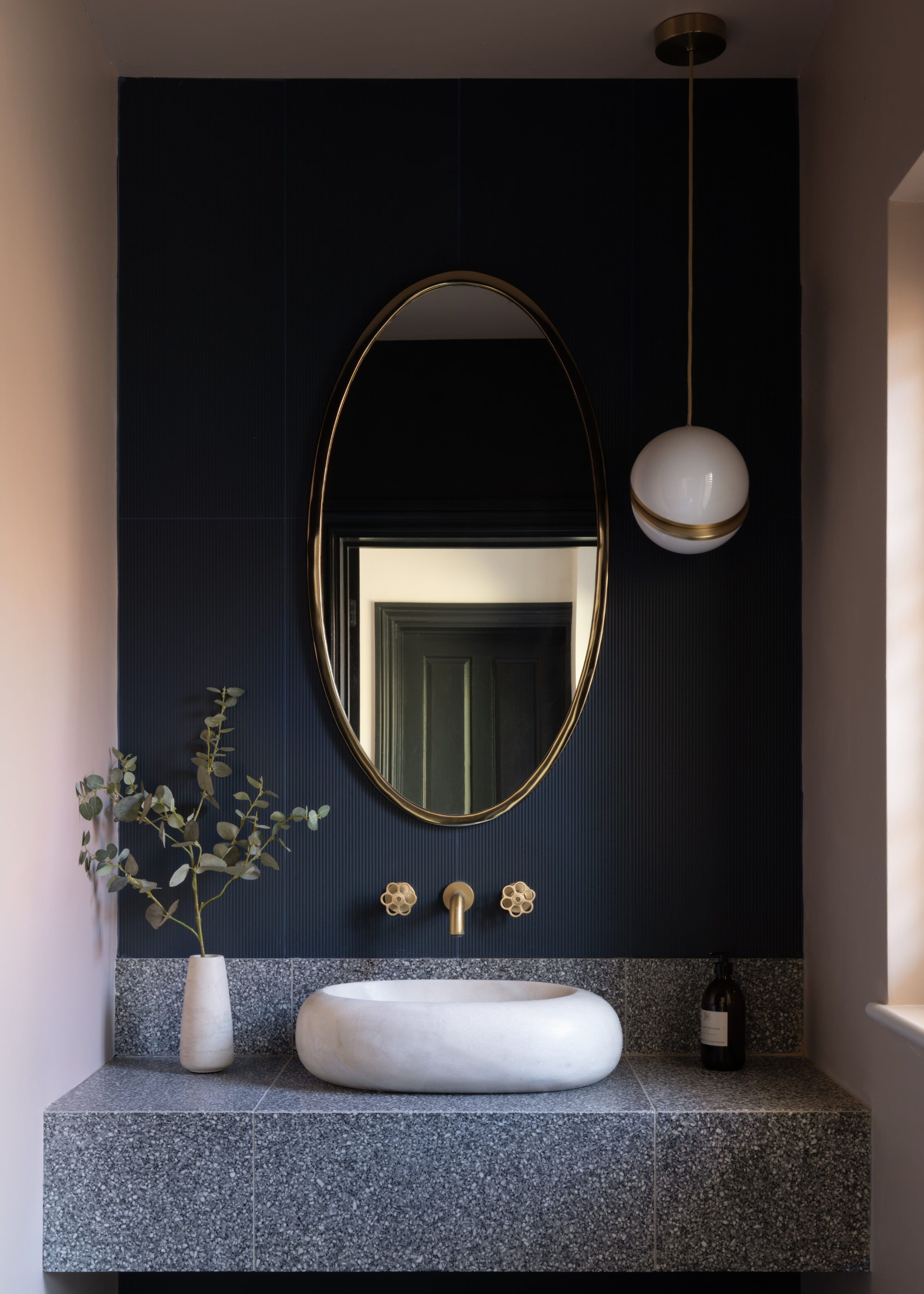

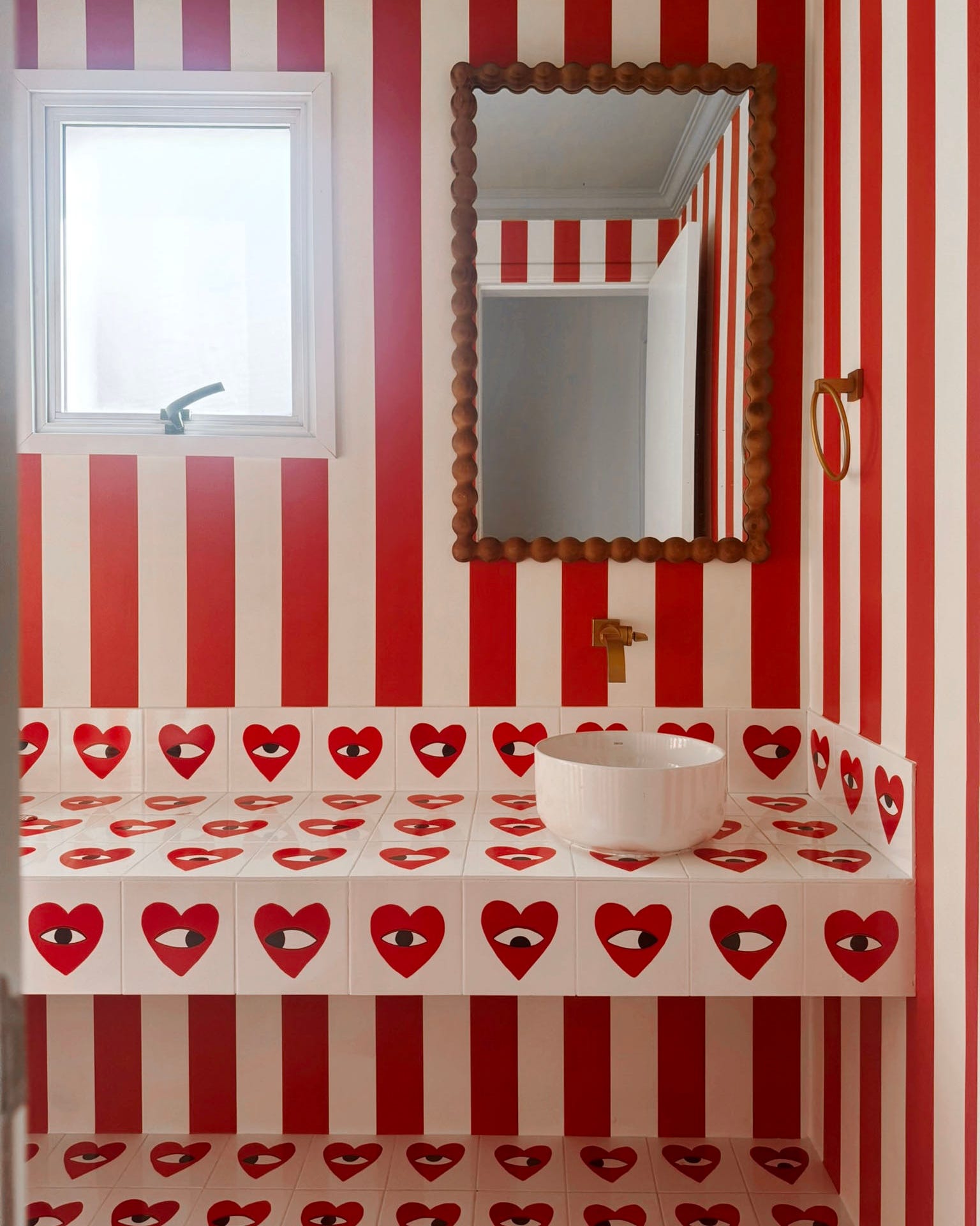

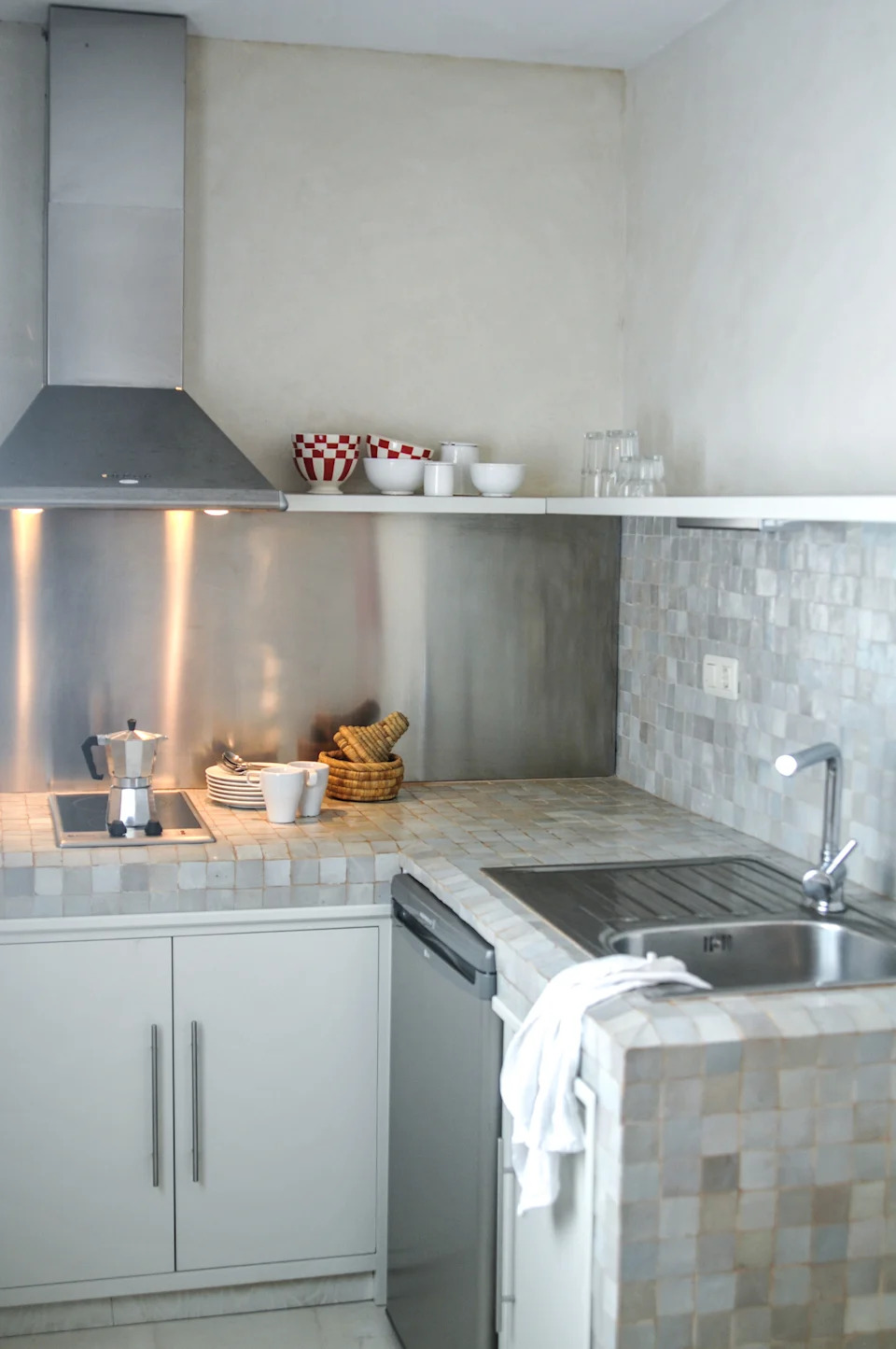
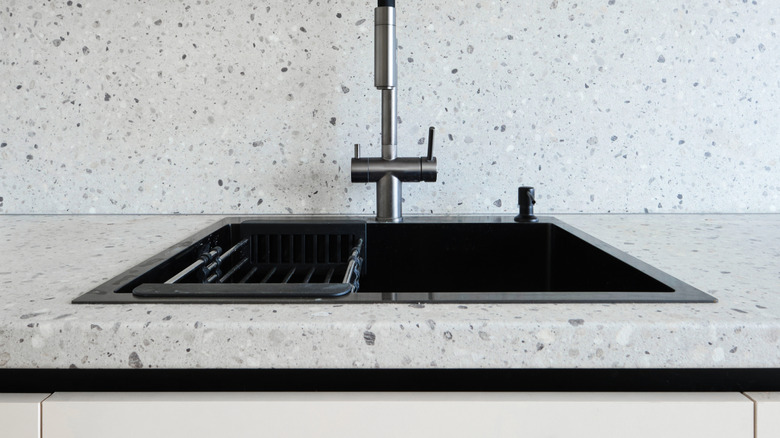
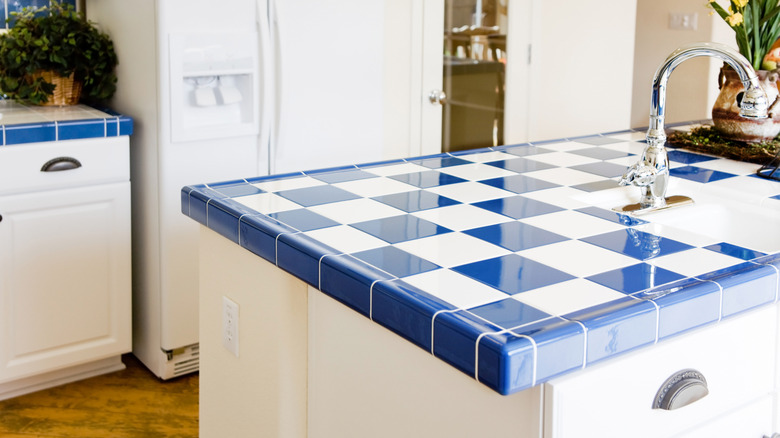
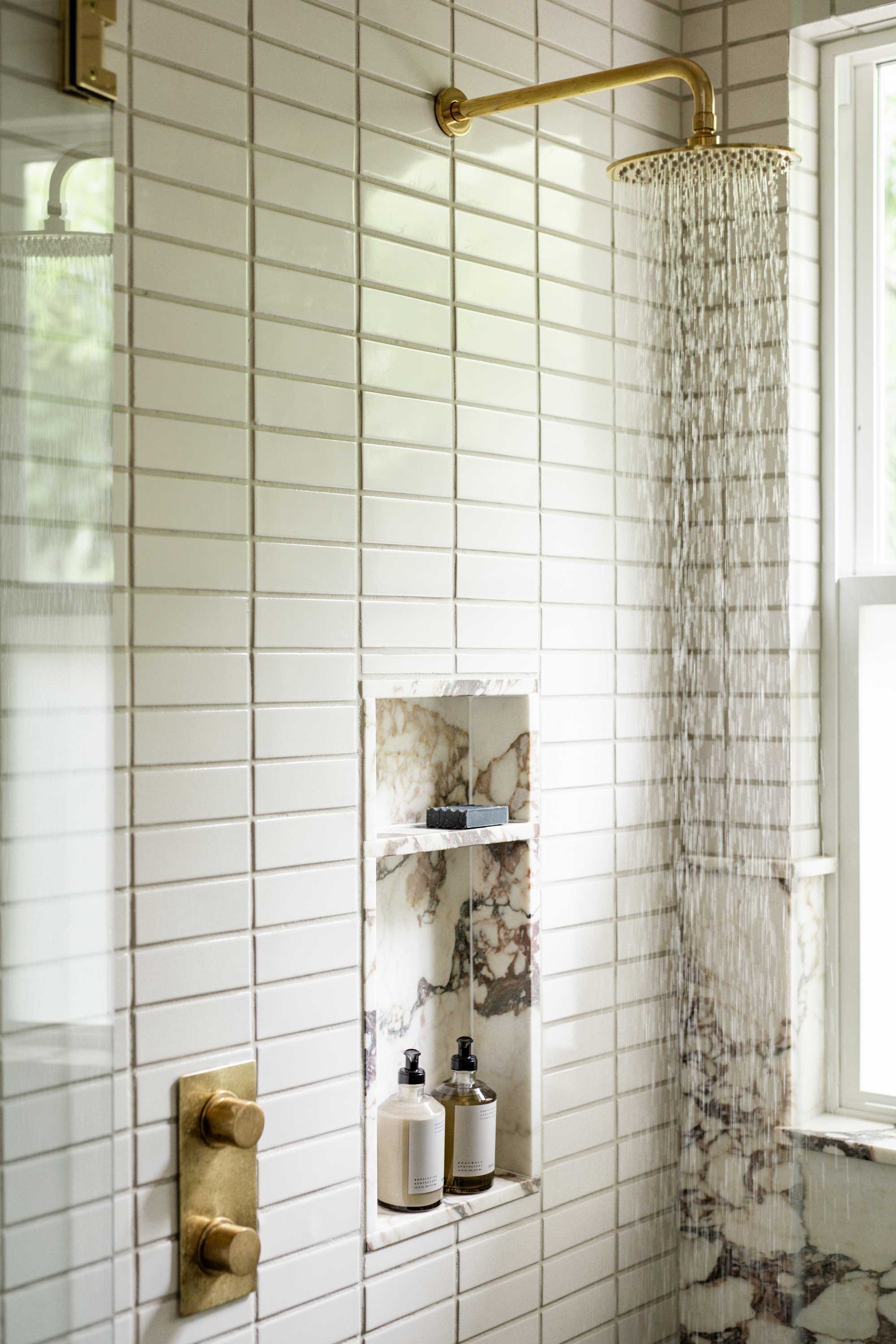
Tile, while popular for bathroom walls, is generally not recommended for countertops due to its grout lines, which tend to collect buildup and lose brightness quickly. Lauren Saab advises using tile for texture and pattern on walls rather than on vanity surfaces. For countertops, a solid surface vanity provides a smooth, continuous finish that is modern, seamless, and easy to maintain. Brands like Corian, made from acrylic resins and natural materials, offer non-porous and durable options. However, Grazzie Wilson, a bathroom expert, suggests that if tiles are used, they should be applied in a refined manner, avoiding small ceramic tiles with heavy grout lines. Terrazzo countertops are recommended as an alternative to add character, offering a timeless yet playful speckled surface that pairs well with various cabinetry styles. A honed finish provides a relaxed feel, while a polished finish offers a contemporary aesthetic.
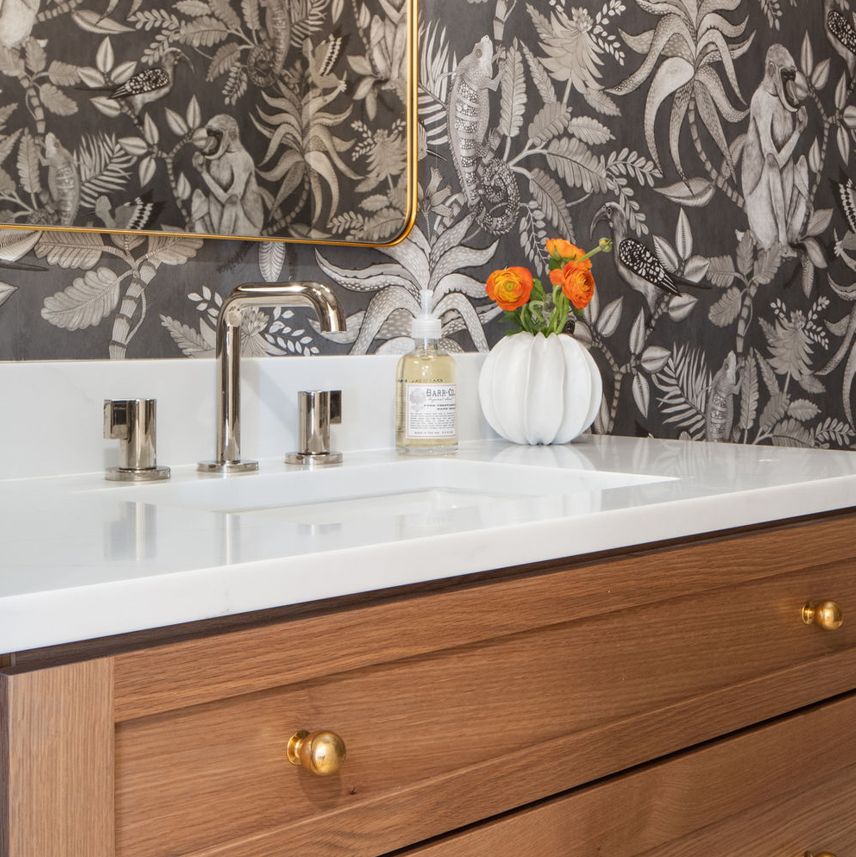
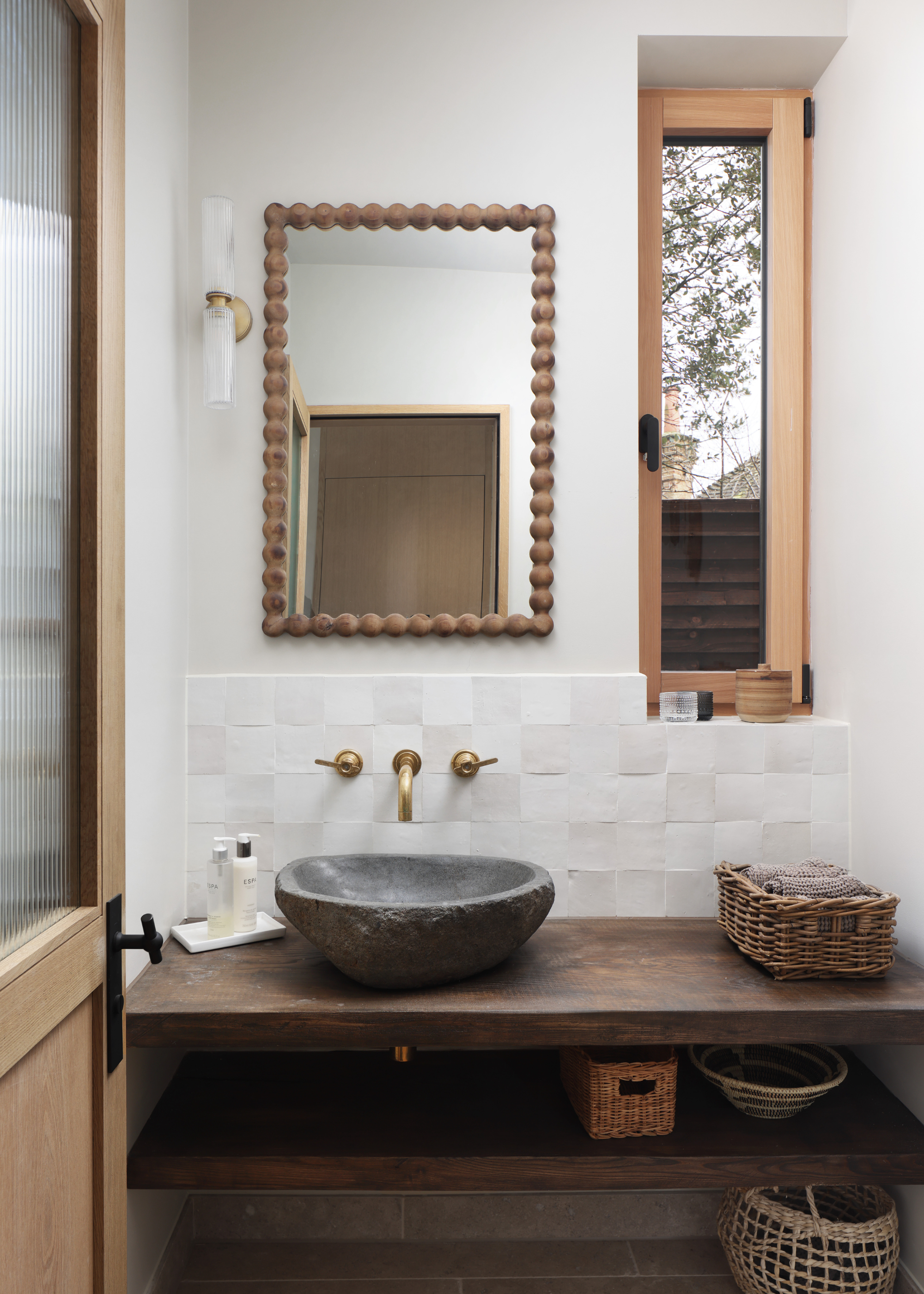
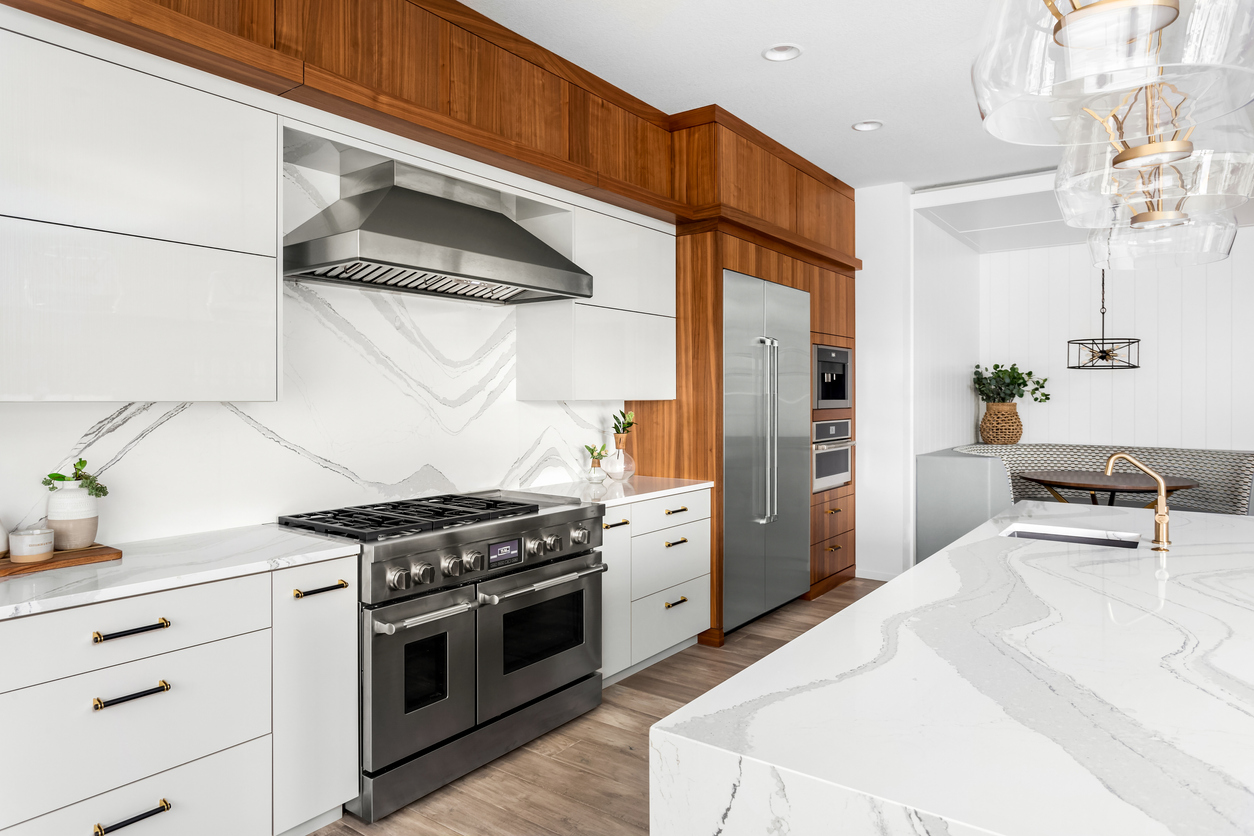
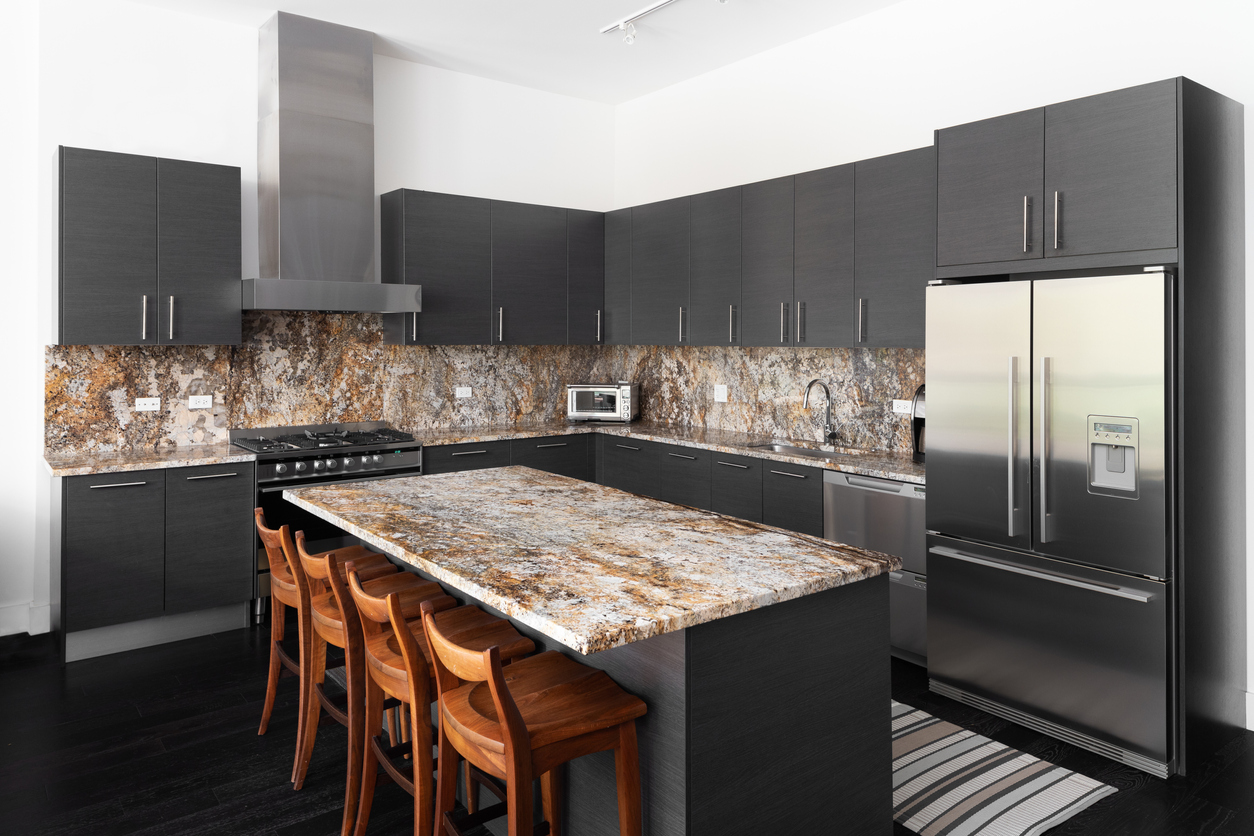
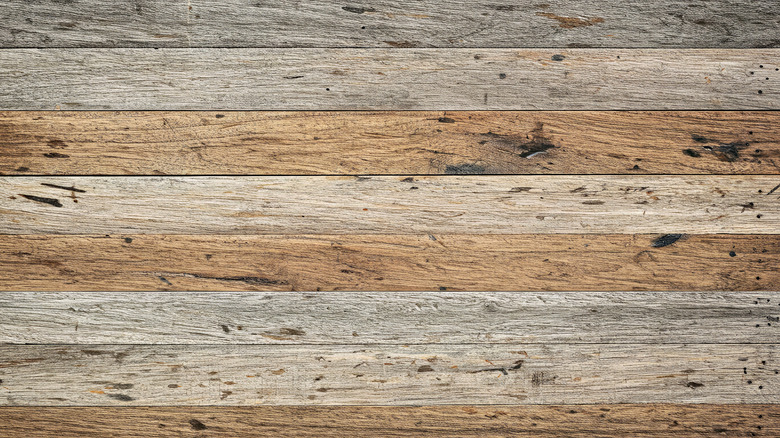
Lastly, wood is not suitable for bathroom countertops because it swells and discolors when exposed to moisture. Ariana Anderson from Tile Club highlights that while live-edge wood countertops may look appealing in photos, they warp in reality. Soapstone is presented as an excellent alternative, offering the warmth and organic feel of wood while being non-porous, stain-resistant, bacteria-resistant, and easy to maintain. In summary, selecting hardy, low-maintenance materials like quartzite, quartz, solid surfaces (including Corian), terrazzo, or soapstone is crucial for creating a durable and visually appealing bathroom countertop, avoiding common pitfalls associated with marble, laminate, tile, and wood.
#BathroomDesign #CountertopMaterials #HomeRenovation #InteriorDesign #MaterialSelection #Quartzite #Quartz #Terrazzo #Soapstone #BathroomDesign #CountertopMaterials #HomeRenovation #InteriorDesign #MaterialSelection #Quartzite #Quartz #Terrazzo #Soapstone
0개의 댓글이 총 표시됩니다.
 아직 댓글이 없습니다
추가로 마음에 드릴 만한 콘텐츠
7 Material Options for Your Bathroom Countertops
5 Bathroom Backsplash Materials Designers Tend to Avoid for Practical Reasons — And What They're Choosing Instead When Renovating
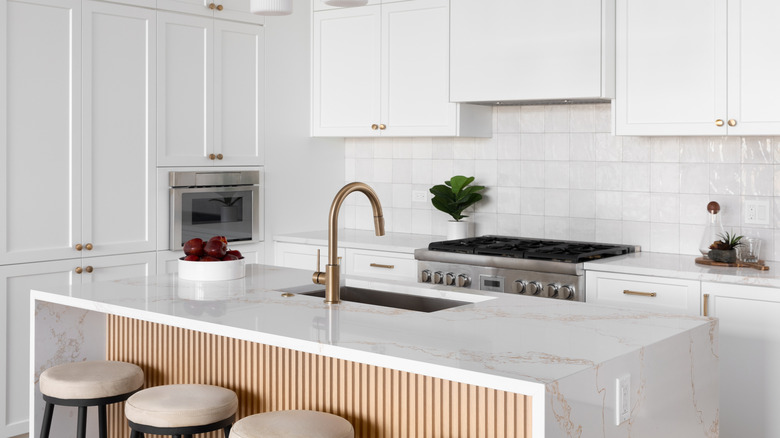
5 Outdated Countertop Trends To Avoid And 5 To Try Instead

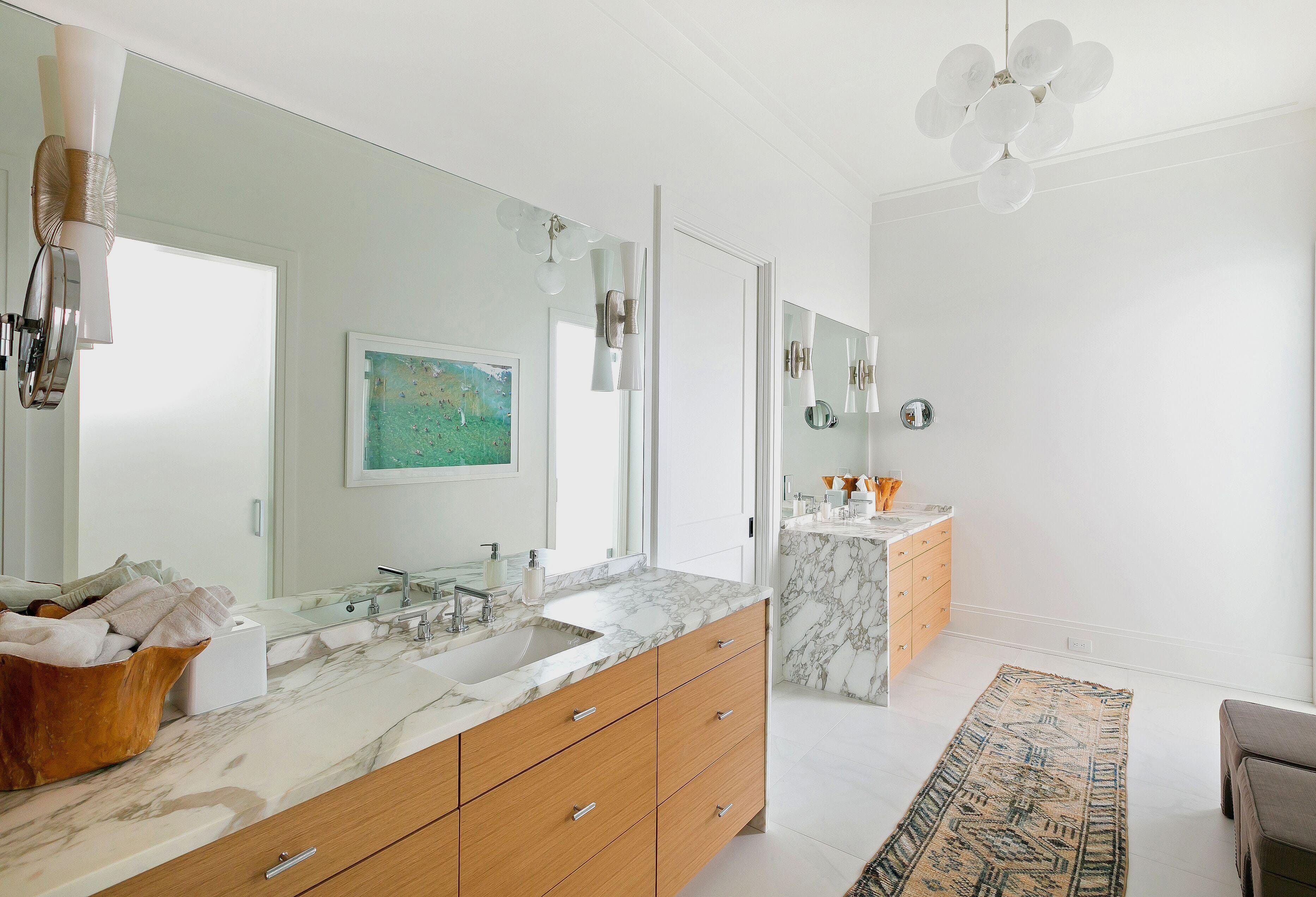
Quartz, granite and marble in your bathroom remodel
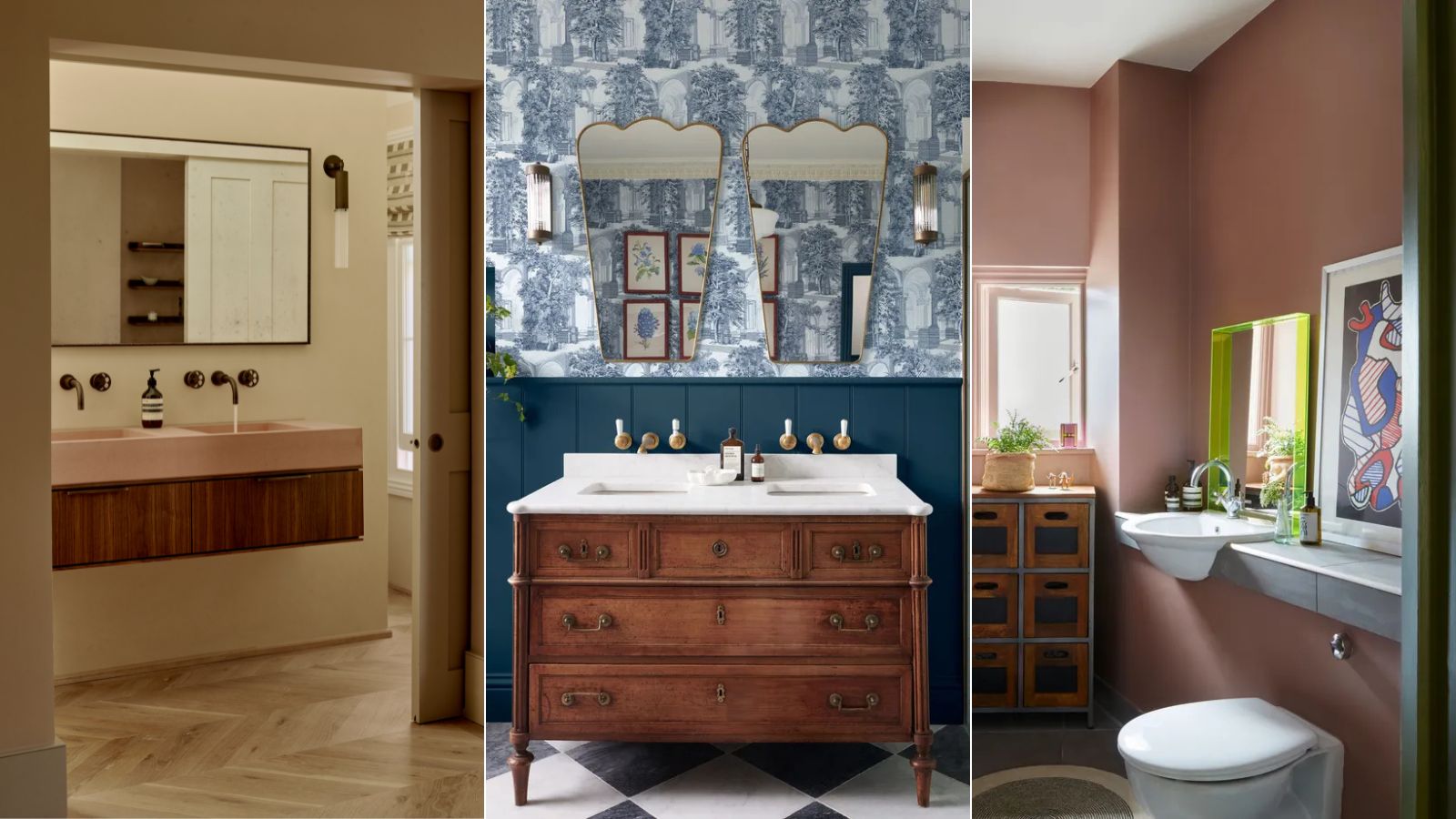
5 things not to put on your bathroom countertops, according to interior designers
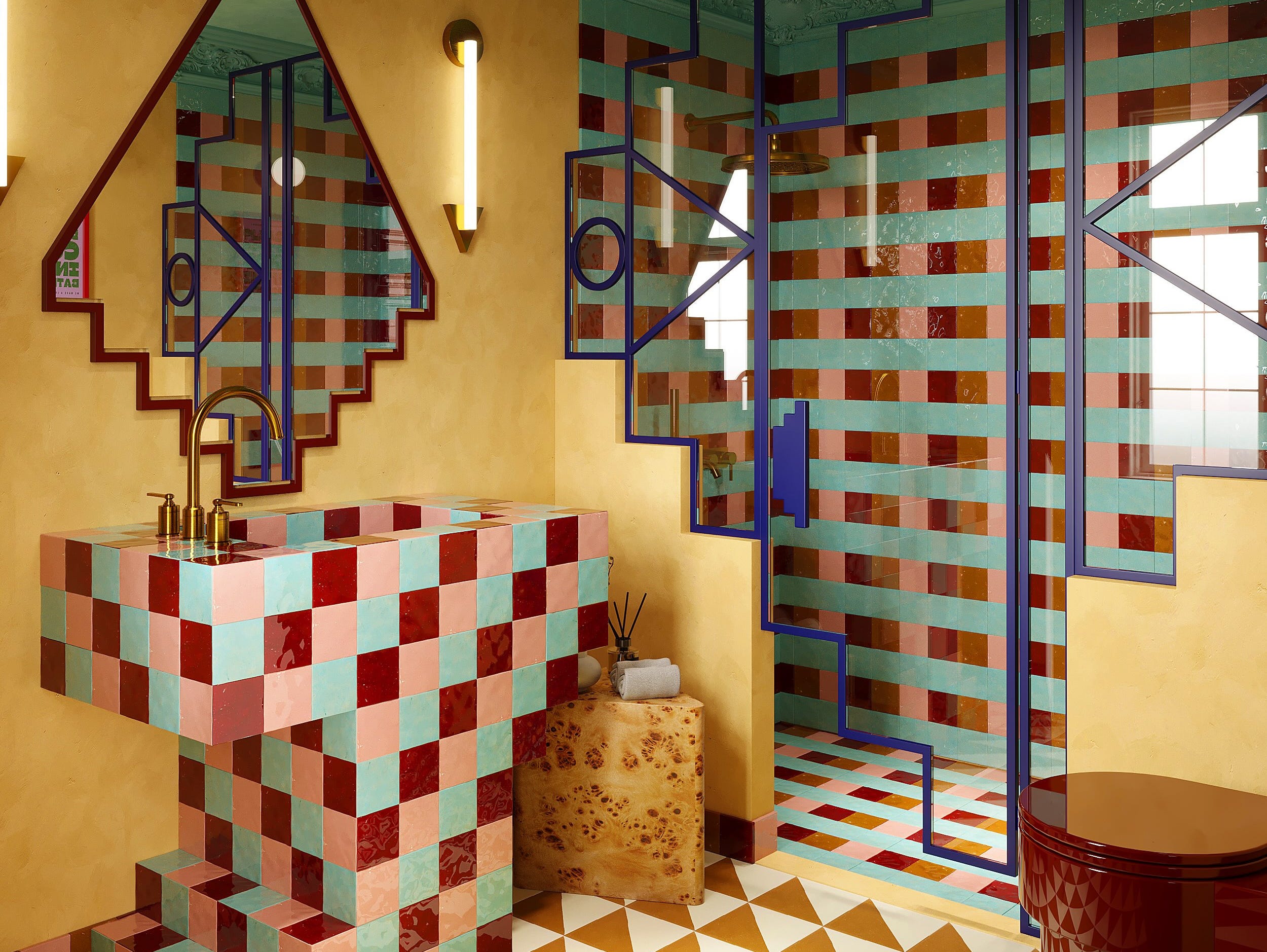
Interior designers believe these are the bathroom tiling trends to follow (and avoid)

The Kitchen Countertop Material Designers Say You Should Avoid

4 Cool Countertop Ideas That’ll Spark Your Next Kitchen Remodel
5 Bathroom Vanity Countertops Experts Avoid
Designers No Longer Love This Kitchen Countertop Material—Here's What to Use Instead
How To Pick The Perfect Countertop Material For Your Kitchen

The Best Types of Kitchen Countertops

4 Bathroom Tile Trends That Are So Outdated, According to Designers

Designers reveal the outdated countertop materials we should all be avoiding in 2024

4 Ugly Organizers and Storage Items You Should Never Buy for Your Bathroom, and What to Swap Them for
7 Stunning Countertops That Mimic The Beauty Of Marble (And 2 We'd Avoid)
What Designers Call the "Little Black Dress" of Bathroom Countertops

The Best Countertop Materials for Every Type of Kitchen

5 Products That Will Organize Your Bathroom & Protect Countertops From Heat
22 Bathroom Countertop Ideas to Inspire Your Next Renovation