20 Photos of 1990s Home Décor to Overwhelm You With Nostalgia
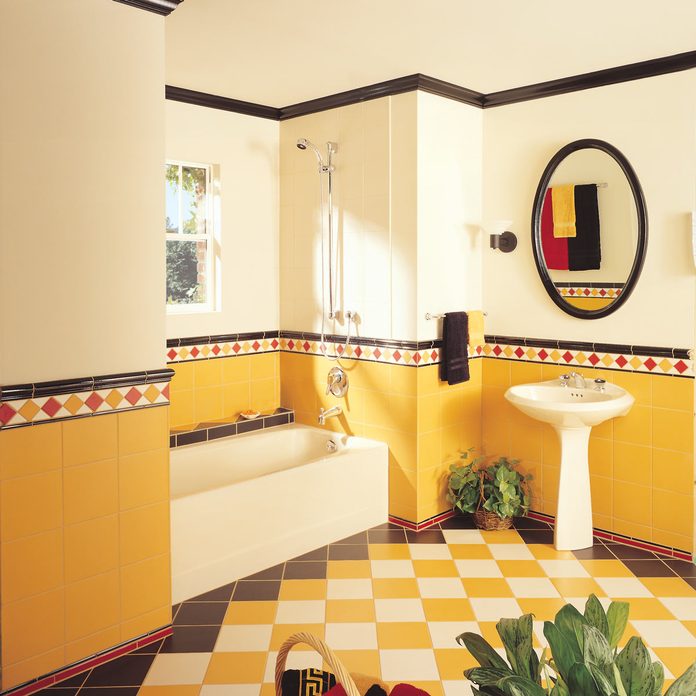
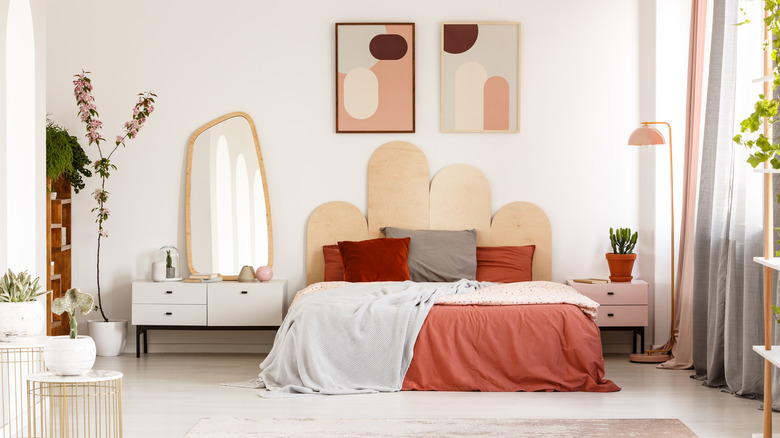
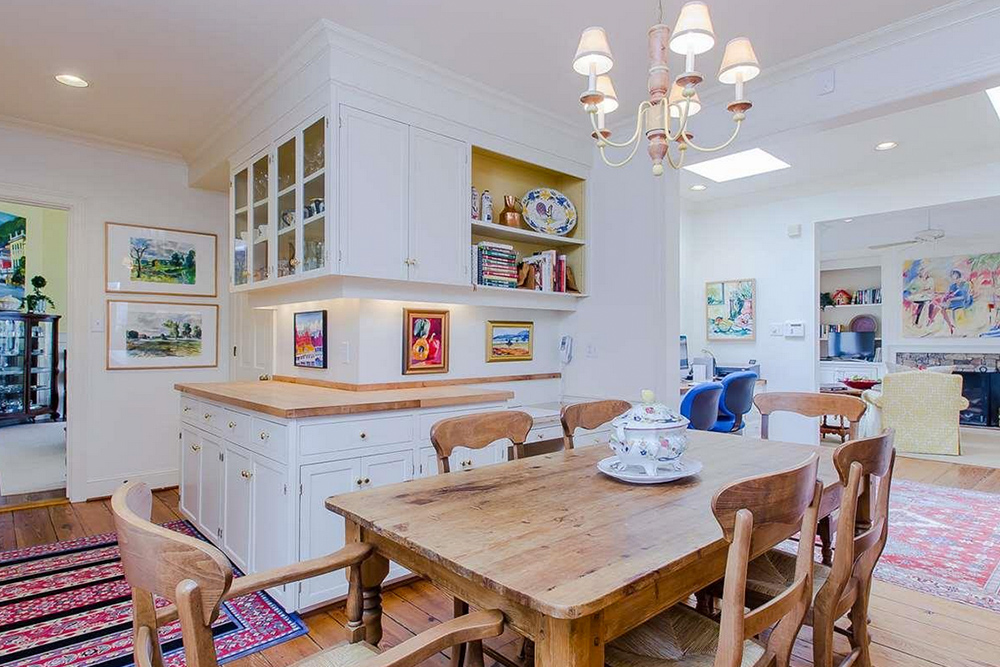
The 1990s, a decade often associated with iconic fashion, music, and technology trends like Doc Martens, flannel shirts, and Game Boys, also had a distinct influence on home décor. This article explores 20 prevalent home design staples from the 1990s that evoke a strong sense of nostalgia for the era. The period saw a shift in interior aesthetics, moving away from some of the trends of the 70s and 80s while incorporating new, often bold, elements.
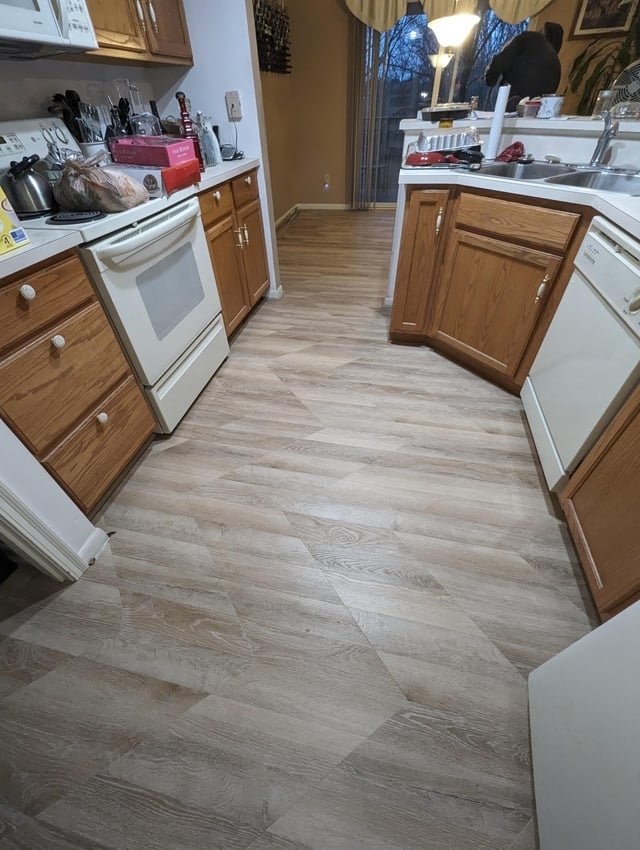
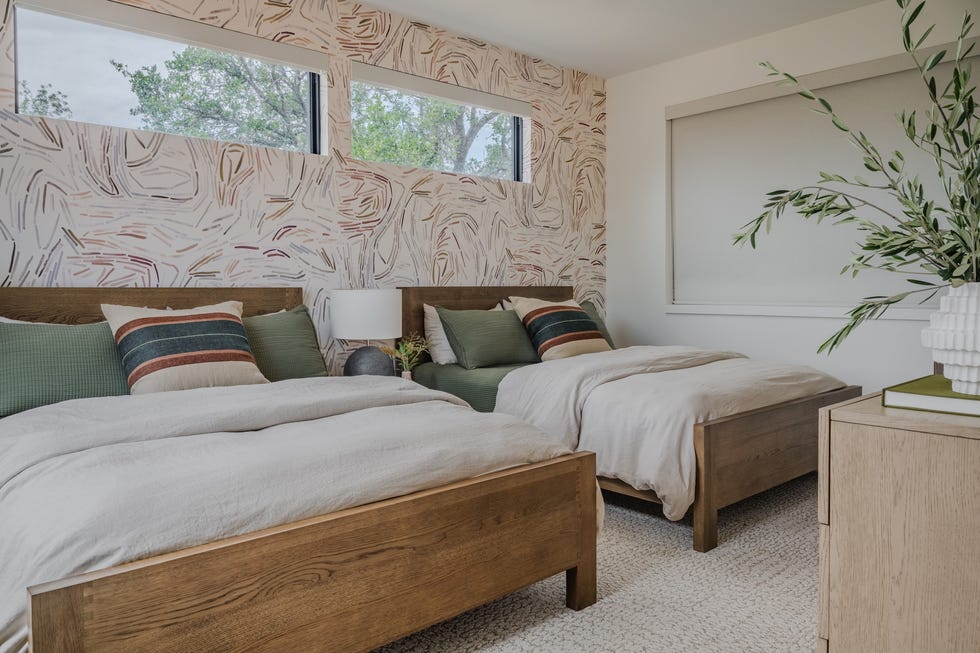
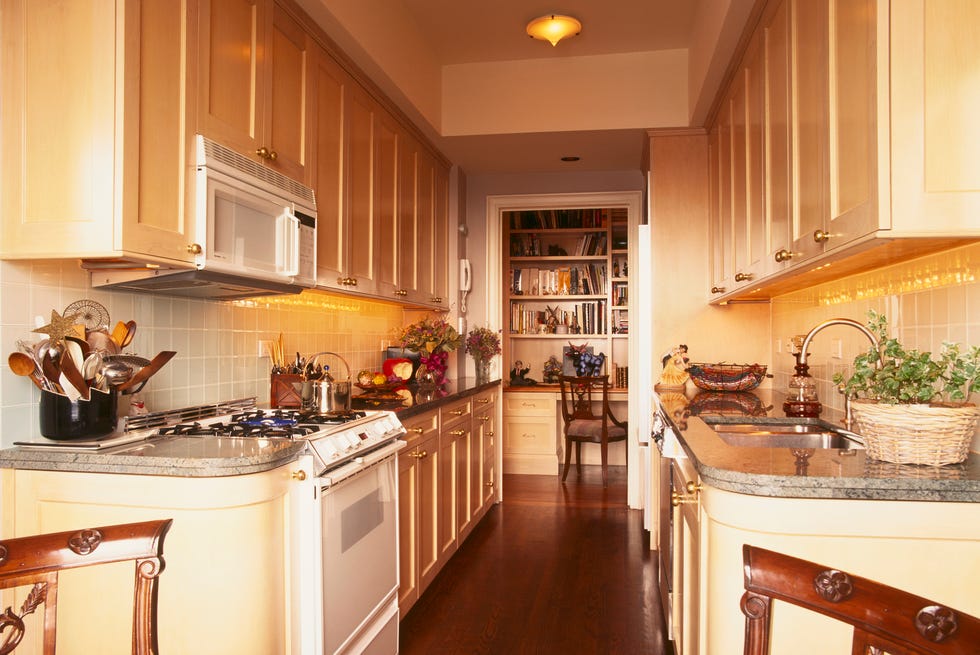
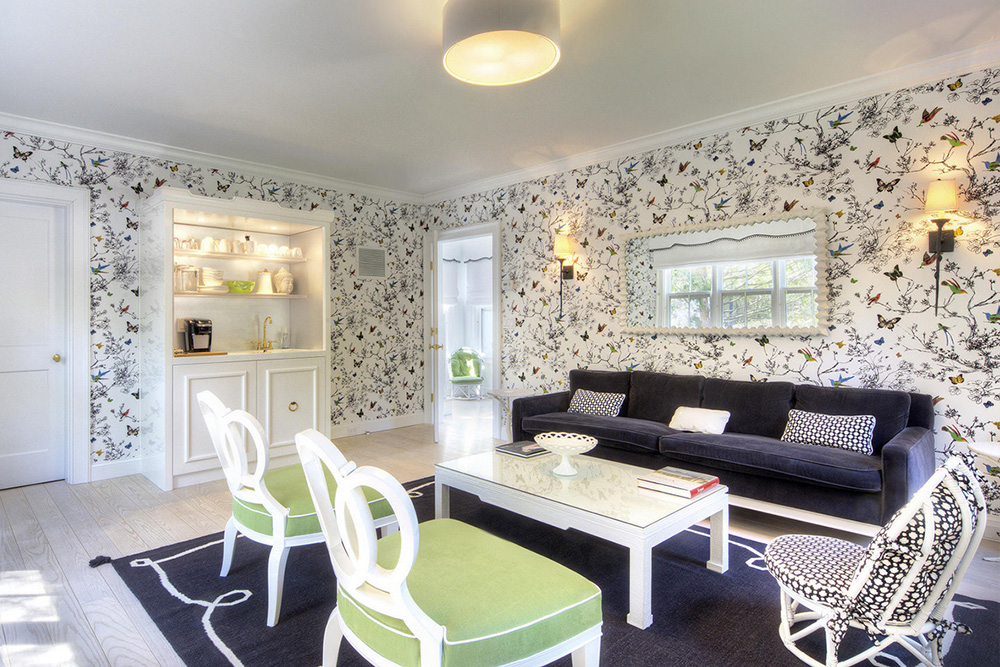
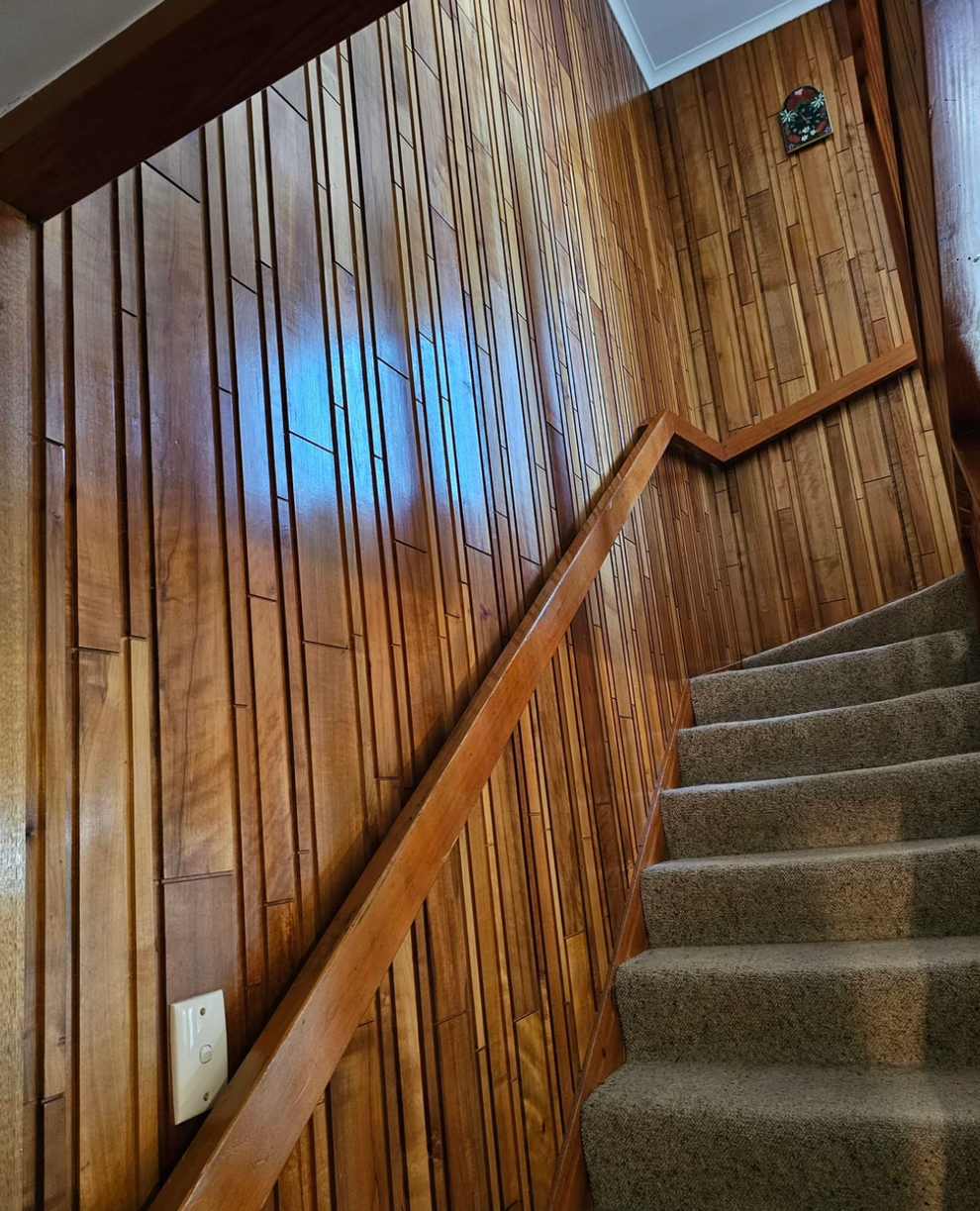
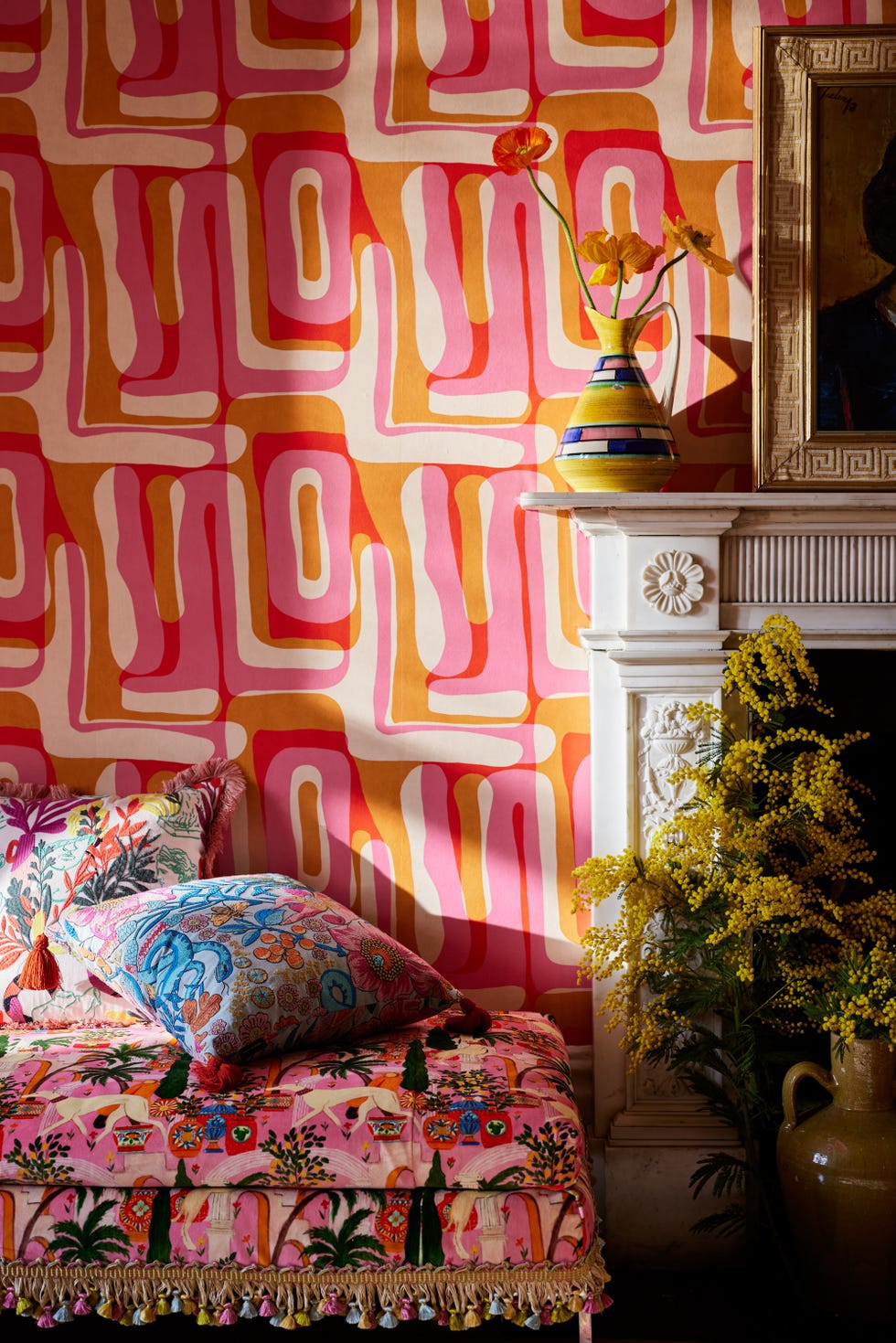
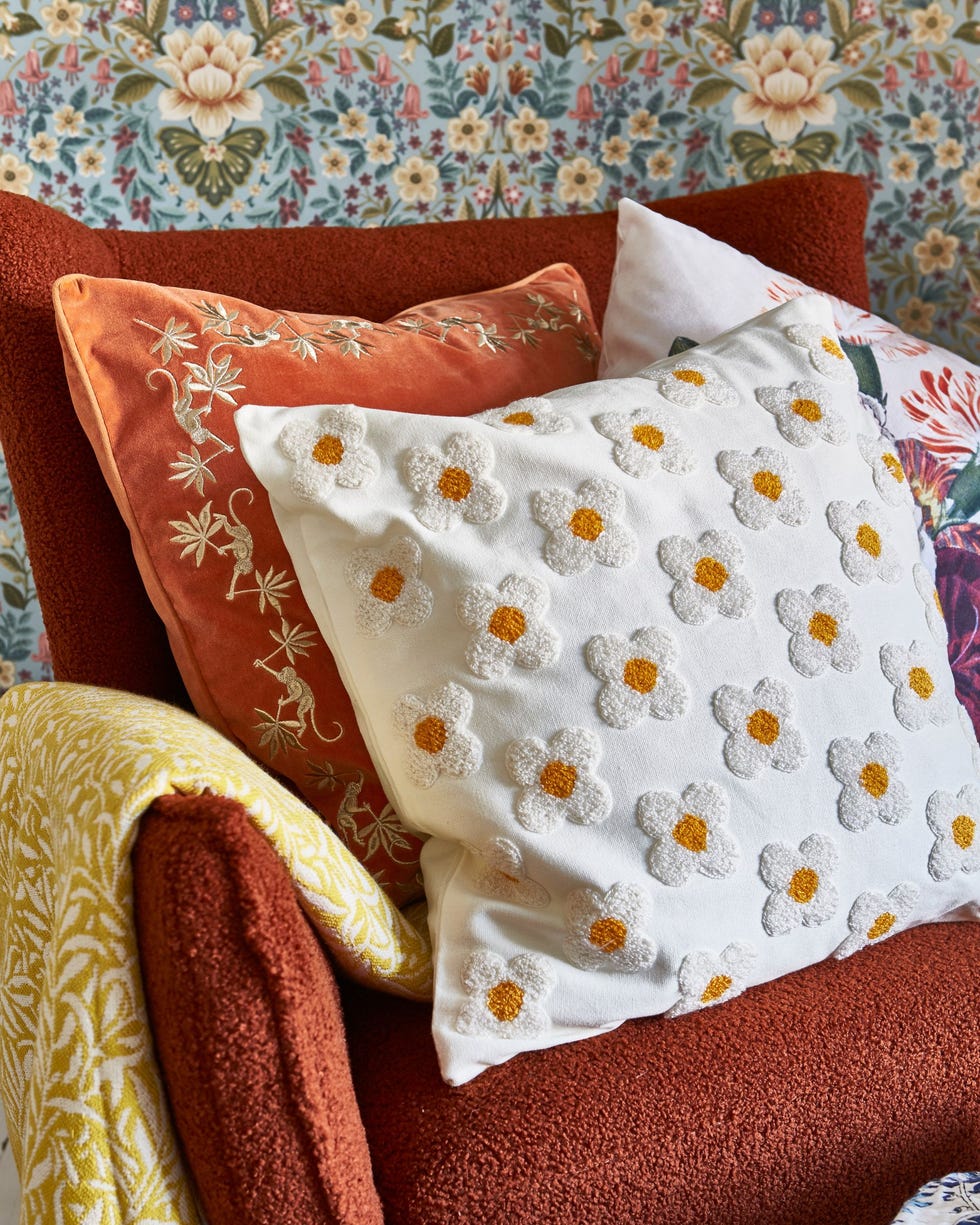
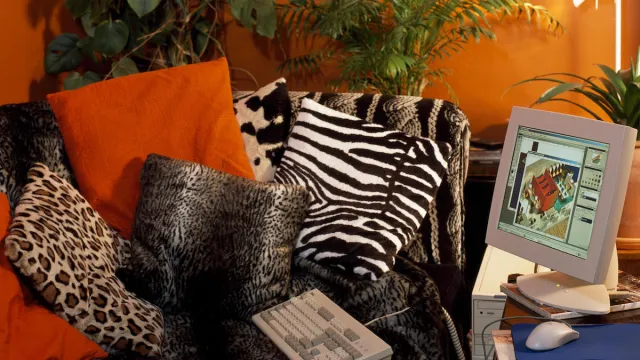
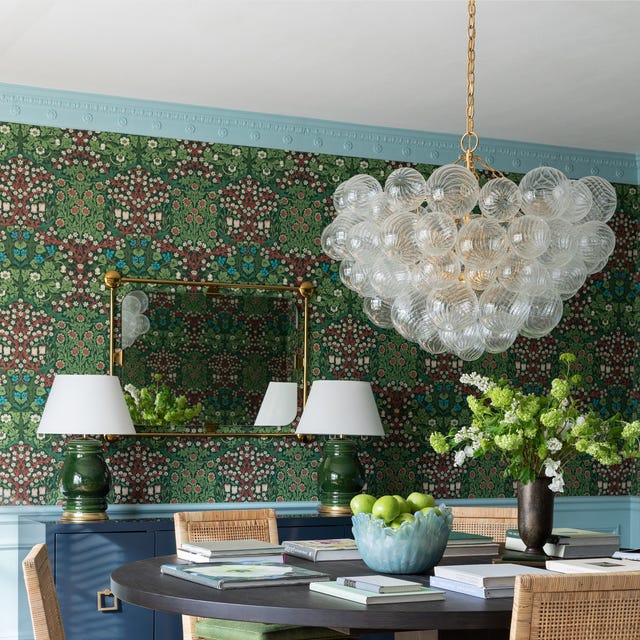
Neon signs, previously popular in clothing, found their way into home interiors, with signs featuring words like “bar” becoming common decorative pieces. Animal prints, inspired by high fashion designers, proliferated in homes, appearing on furniture, textiles, and lamps, showcasing a maximalist approach to patterns. Blond wood, frequently lacquered to a high gloss, replaced darker wood tones in newer homes, influencing flooring and cabinetry designs. Botanical wallpaper, a carryover from earlier decades, remained a popular choice for wall coverings, bringing natural motifs indoors.
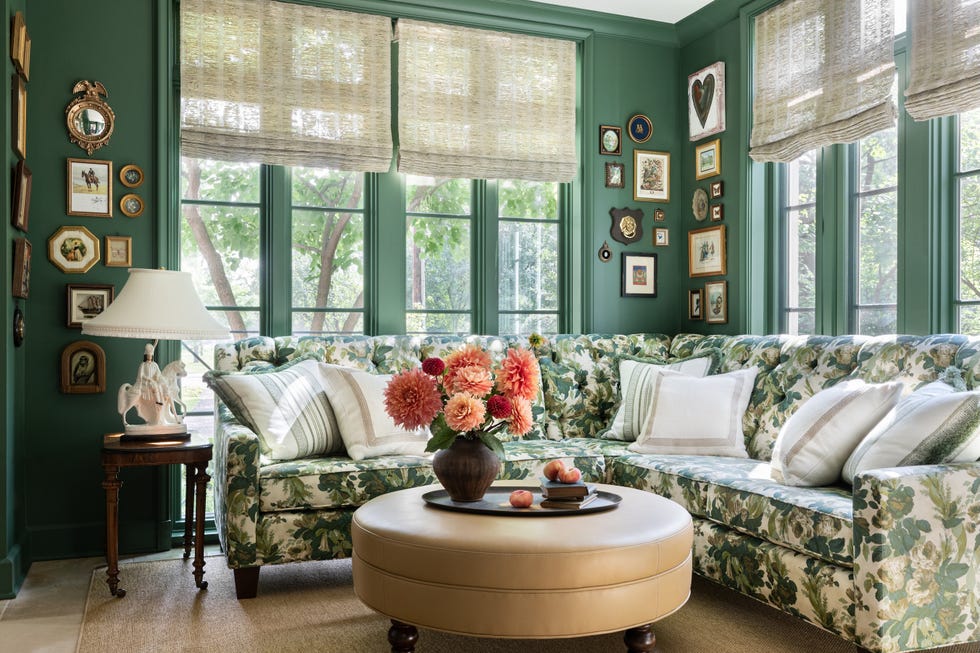
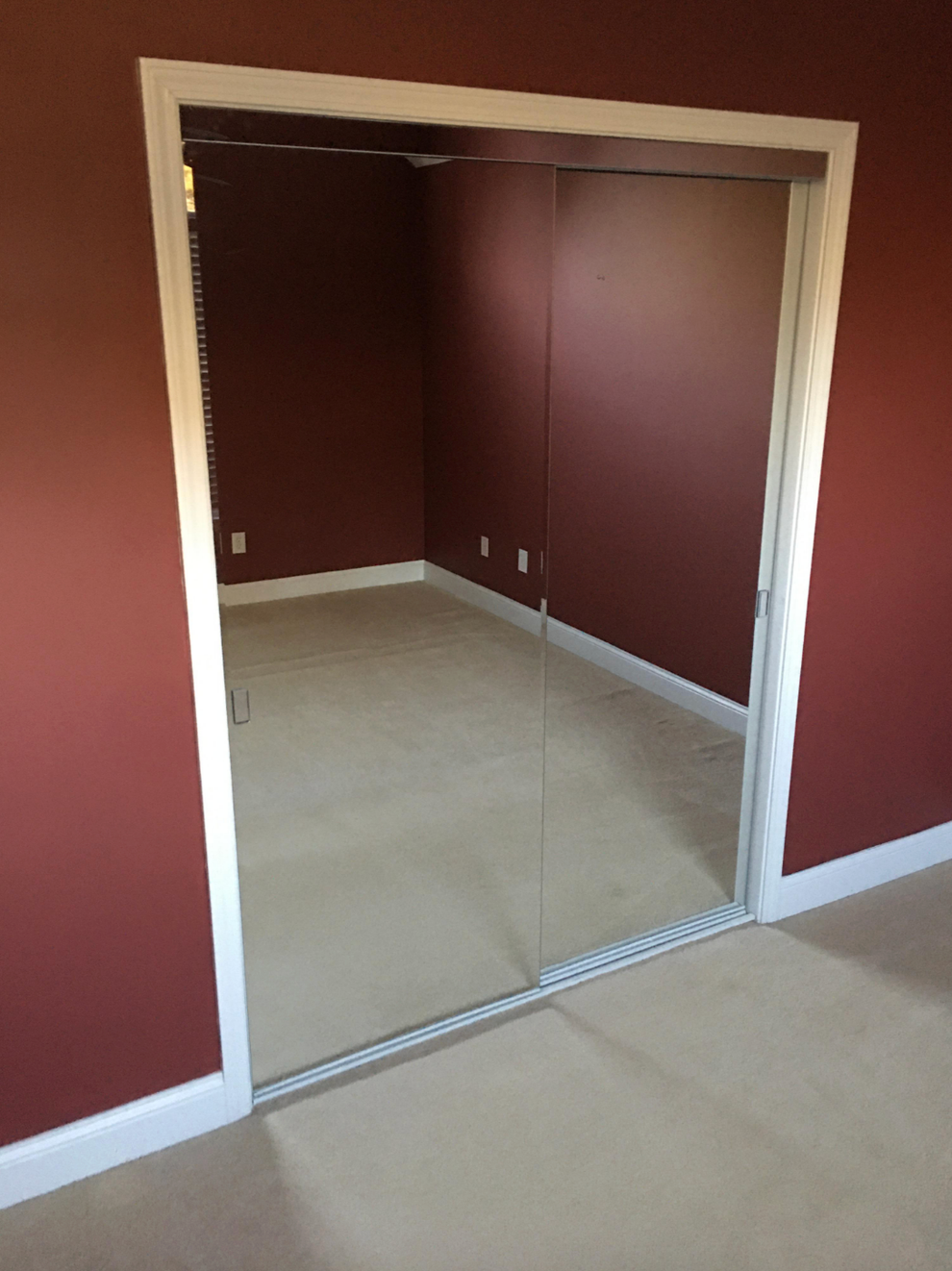
Track lighting emerged as a functional yet divisive trend, providing an alternative to multiple lamps for room illumination. Deep jewel tones, particularly hunter green, were highly fashionable, adorning everything from walls to furniture, often paired with burgundy for a rich color scheme. Sponge painting offered an accessible and forgiving method for creating textured wall designs, allowing for free-form artistic expression. The Victorian-era furniture skirt made a significant comeback, with ruffled skirts appearing on beds and side tables, adding a touch of traditional opulence.
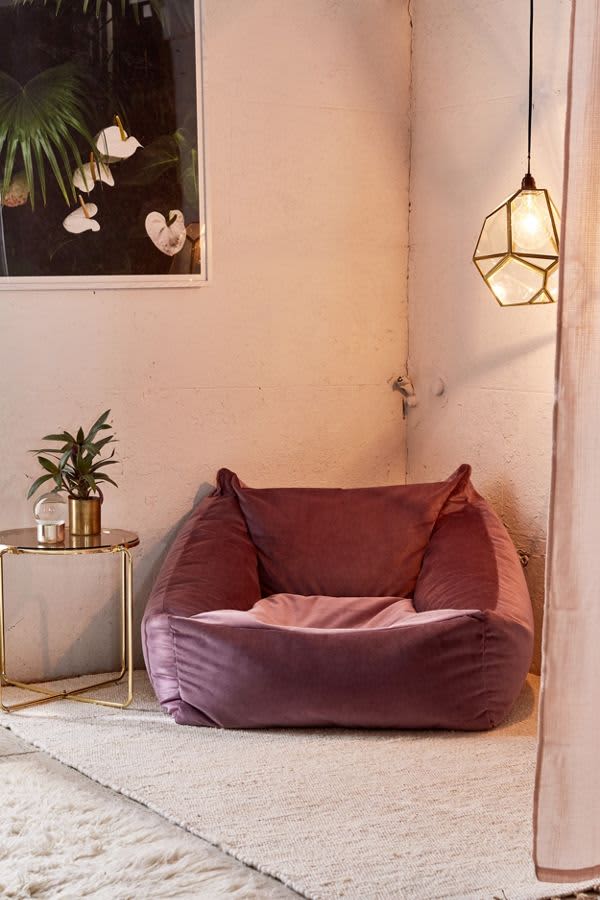
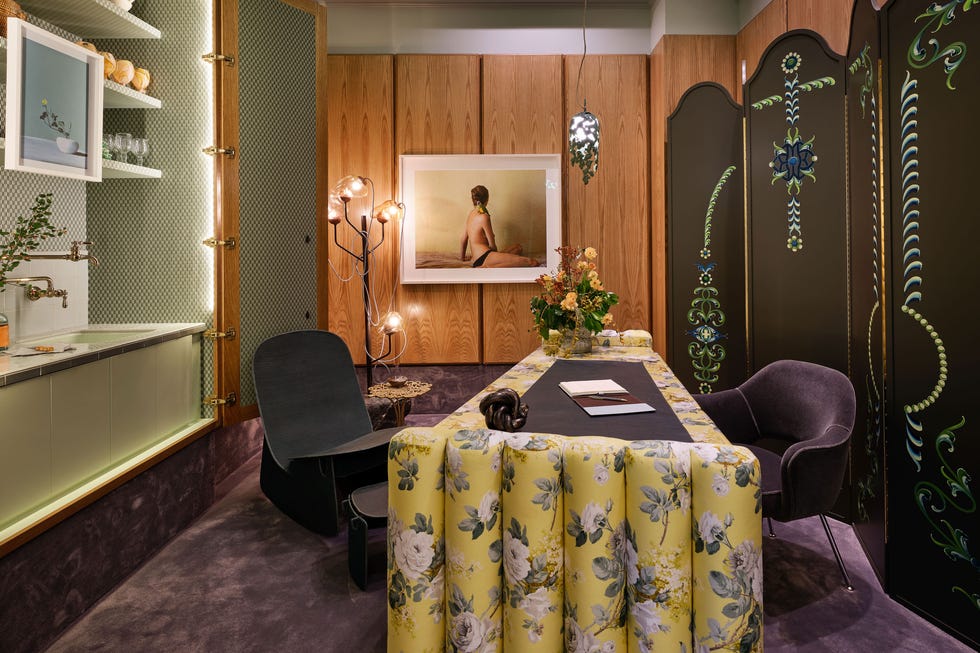
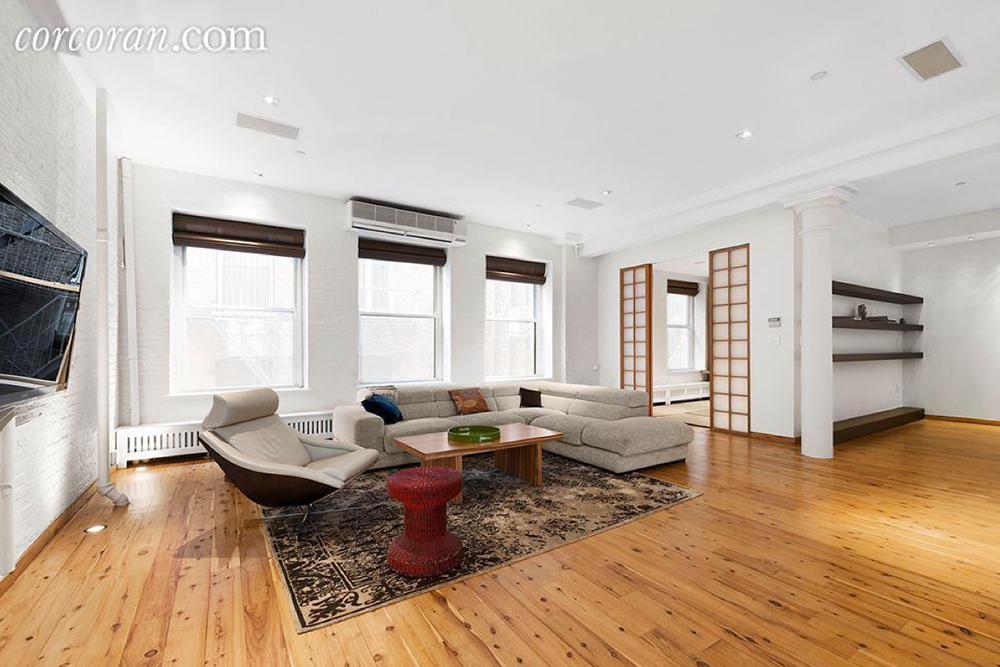
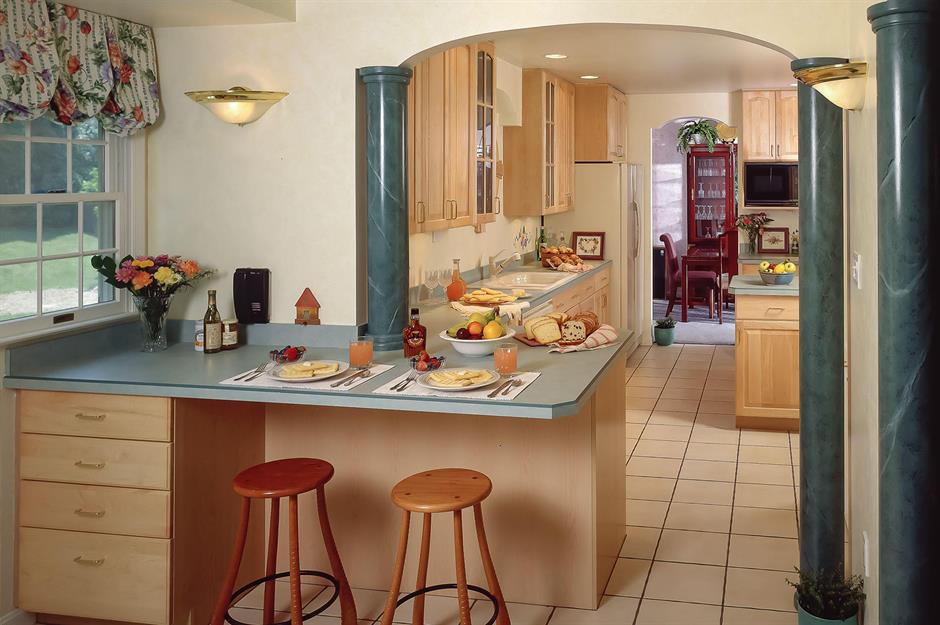
Zen minimalism gained traction, emphasizing clean lines, neutral colors, natural materials, and Asian accents, reflecting a desire for less cluttered living spaces. Folding screens, often featuring chinoiserie prints, were utilized for room division, radiator concealment, or purely decorative purposes. Arched windows became a signature architectural feature in many McMansions built during the decade. Inflatable furniture, primarily targeting teens and tweens, made a resurgence in various forms, from chairs to loungers, despite their practical drawbacks.
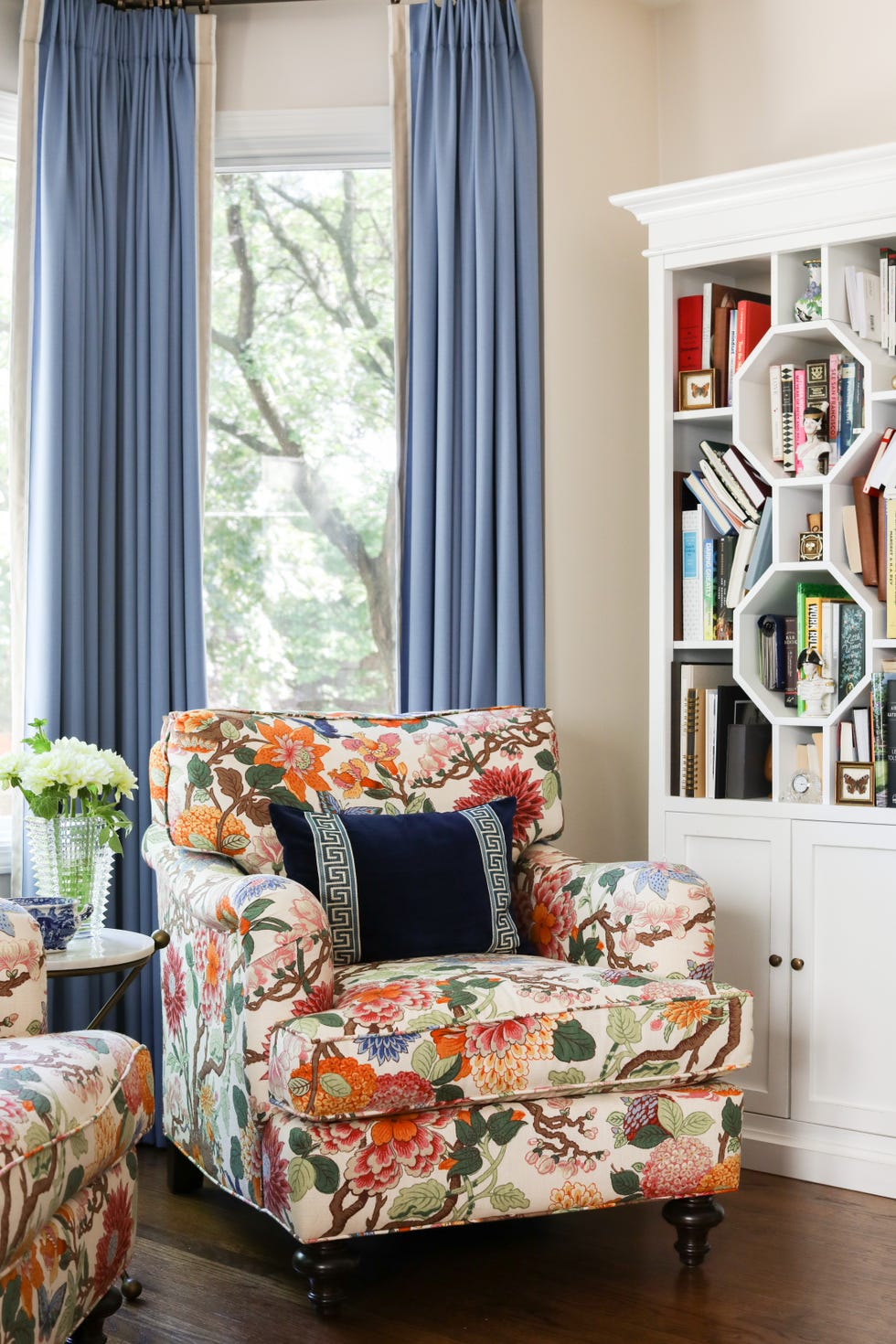
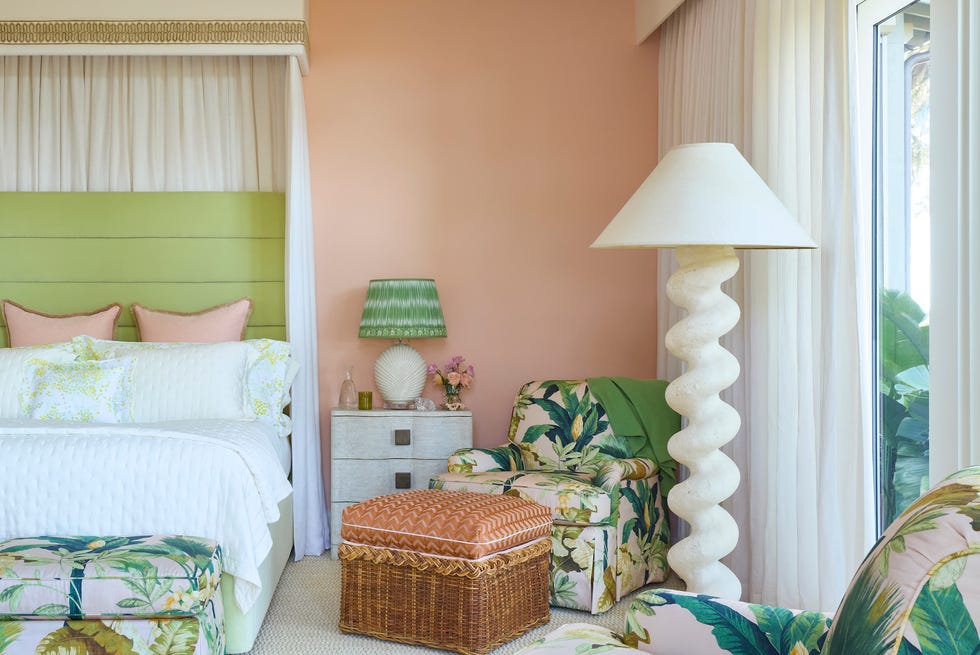
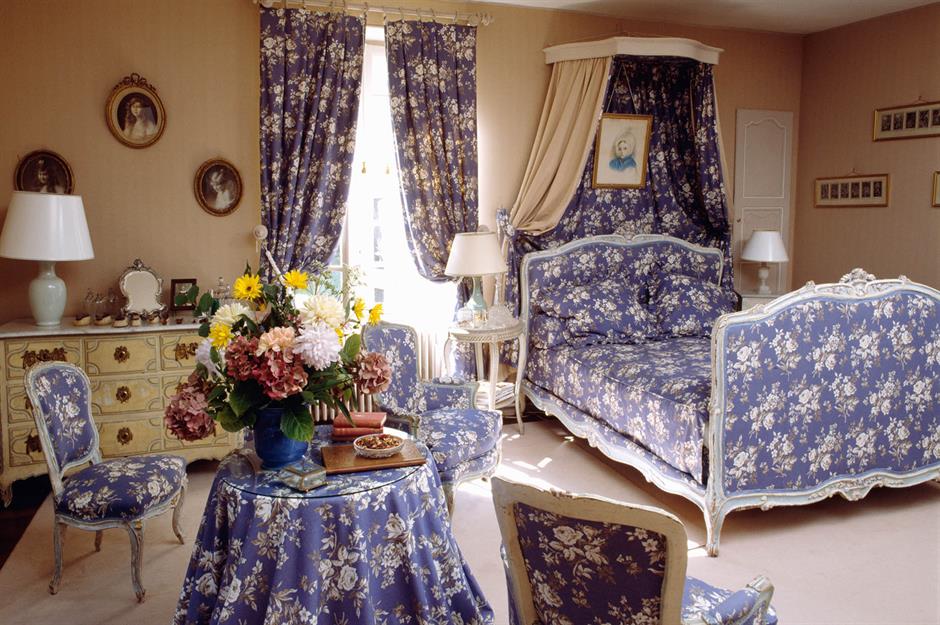
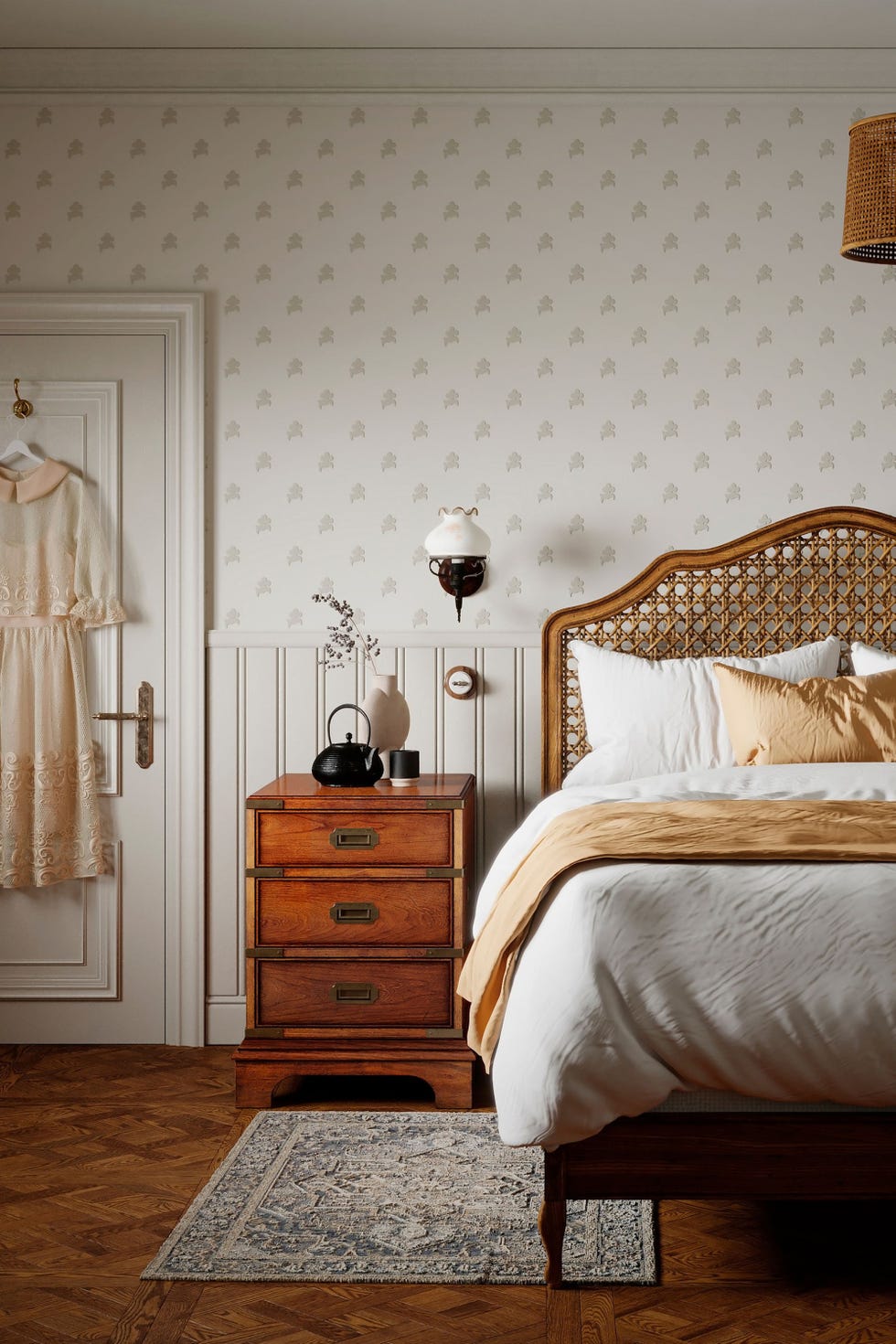
Damask wallpaper, in diverse patterns, replaced plain walls, adding character and visual interest to rooms, exemplified by prominent uses in popular culture. Wicker furniture transitioned from outdoor patios to indoor living spaces, becoming ubiquitous despite its fragility and potential for discomfort. Canopy beds, adorned with heavy drapes or light frills, allowed for personalized and regal sleeping environments. Fake plants were prevalent, serving as a low-maintenance way to bring greenery into homes. Southwestern prints, even in areas geographically distant from the American Southwest, were adopted in many homes, creating distinct regional-themed rooms.
Glow-in-the-dark decals, specifically stars, provided a compromise between nightlights and complete darkness for children. Transparent phones, alongside other clear electronics, showcased a fascination with visible internal mechanisms. Lastly, fake fruit became a common dining room and kitchen accessory, intended to provide a consistently perfect aesthetic, reflecting a desire for enduring perfection in home presentation. These trends collectively illustrate the unique and memorable character of 1990s home décor.
#NinetiesHomeDecor #RetroDesign #InteriorTrends #HomeNostalgia #VintageDecor #DesignHistory #HomeFurnishings #1990sAesthetics #ThrowbackDecor #NinetiesHomeDecor #RetroDesign #InteriorTrends #HomeNostalgia #VintageDecor #DesignHistory #HomeFurnishings #1990sAesthetics #ThrowbackDecor
0개의 댓글이 총 표시됩니다.
 아직 댓글이 없습니다
추가로 마음에 드릴 만한 콘텐츠
Home decor in the 1990s – recreate a classic living room from then, updated for now
’90s Fashion is Back—But What About ’90s Interiors? Here’s What Designers Say

Remember 80s decorating? Iconic 1980s interior designs and home accessories
'90s Decor Trends Are So Back in Style—6 Trends to Try This Season

8 Bedroom Decor Icons From the ’90s That Are Cool Again
30 Home Trends Kids of the ’90s Remember

'90s Decorating Trends We're Still Obsessed With

21 Retro Kitchen Photos That Will Transport You Back In Time

24 Photos Of Early '00s Home Decor Features That've Become Obsolete In Only 20 Short, Short Years

24 Photos Of Early '00s Home Decor Features That've Become Obsolete In Only 20 Short, Short Years

People Are Revealing The "Outdated" Home Design Trends From The '80s That Need To Come Back

Katie Holmes's living room looks straight out of the 1990s
Like it or Not, 90s Décor Is Back and in Homes Everywhere, According to Interior Designers
15 Colors To Decorate With For A '90s Aesthetic
The enduring comfort of nostalgiacore – and why it's loved by designers
9 ideas to steal from the kitchens of the 1990s and how to make them actually look chic in 2025
Interior Designers Say the 1990s Are Back—Here’s How to Capture the Look

Surprise: 1990s Design Trends Are Coming Back
10 items to bring 1920s art deco style into your home
7 things in every lower middle-class living room in the 80s and 90s