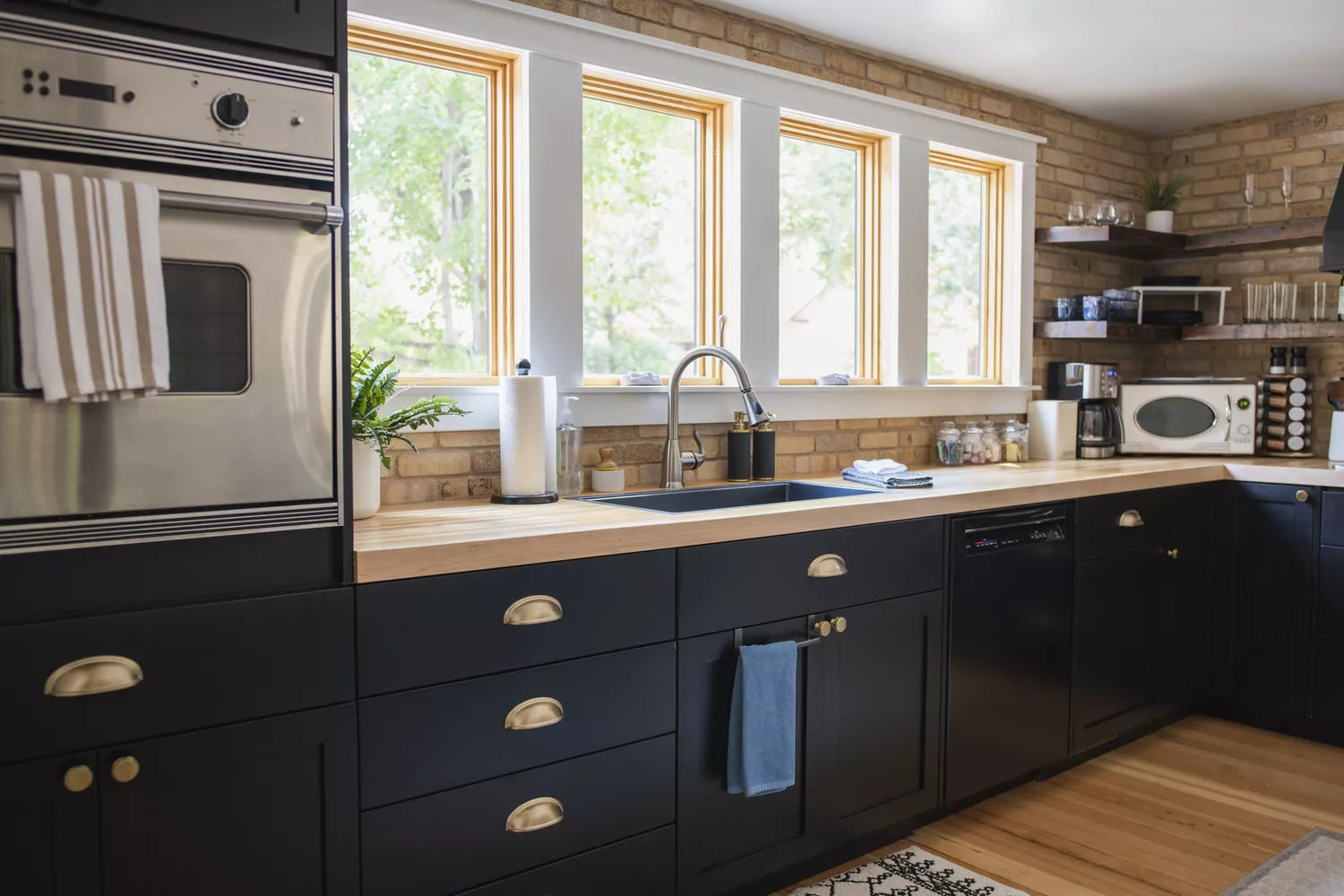
1/2
These 5 Hardware Finishes Are So Outdated, Designers Say
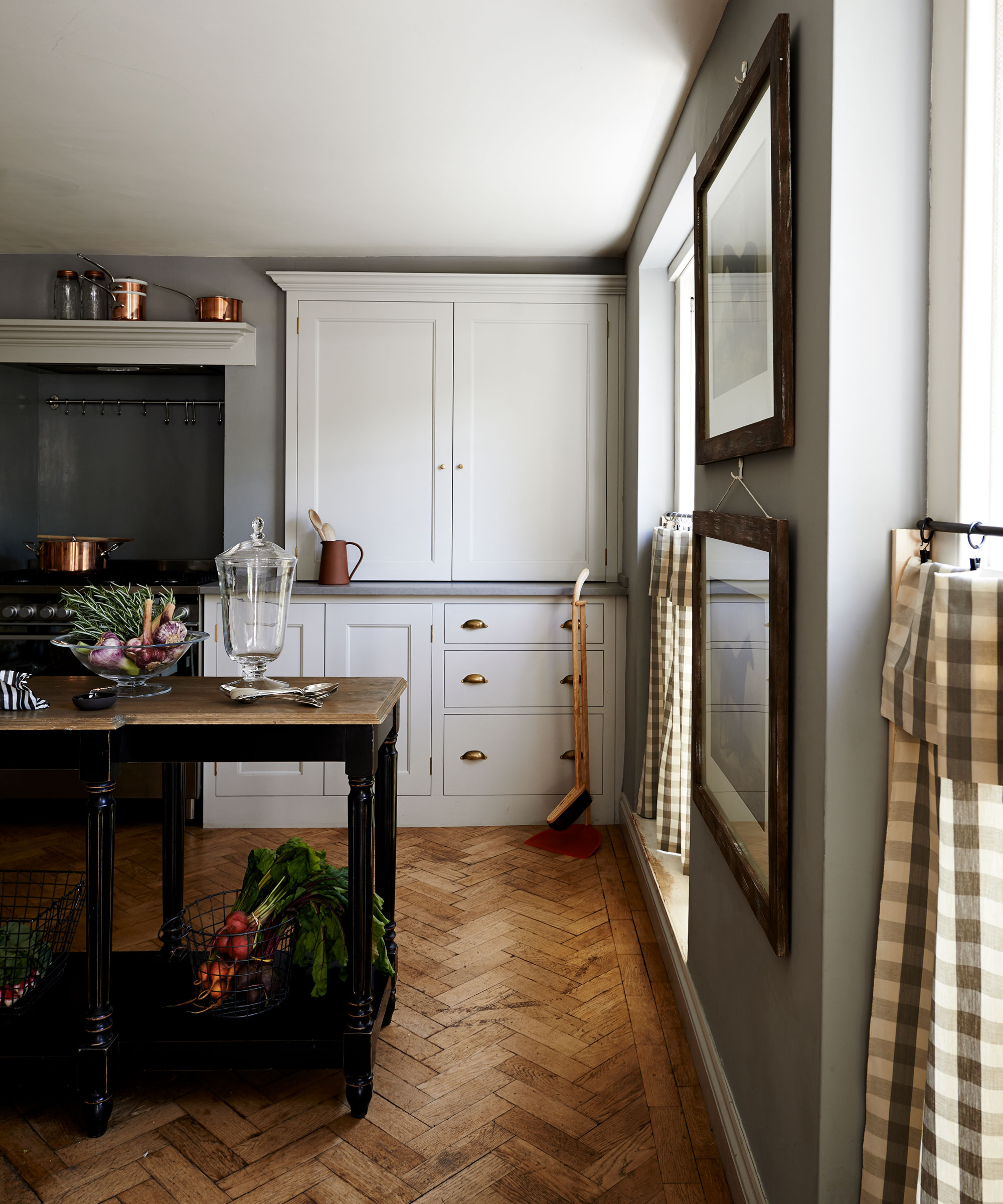
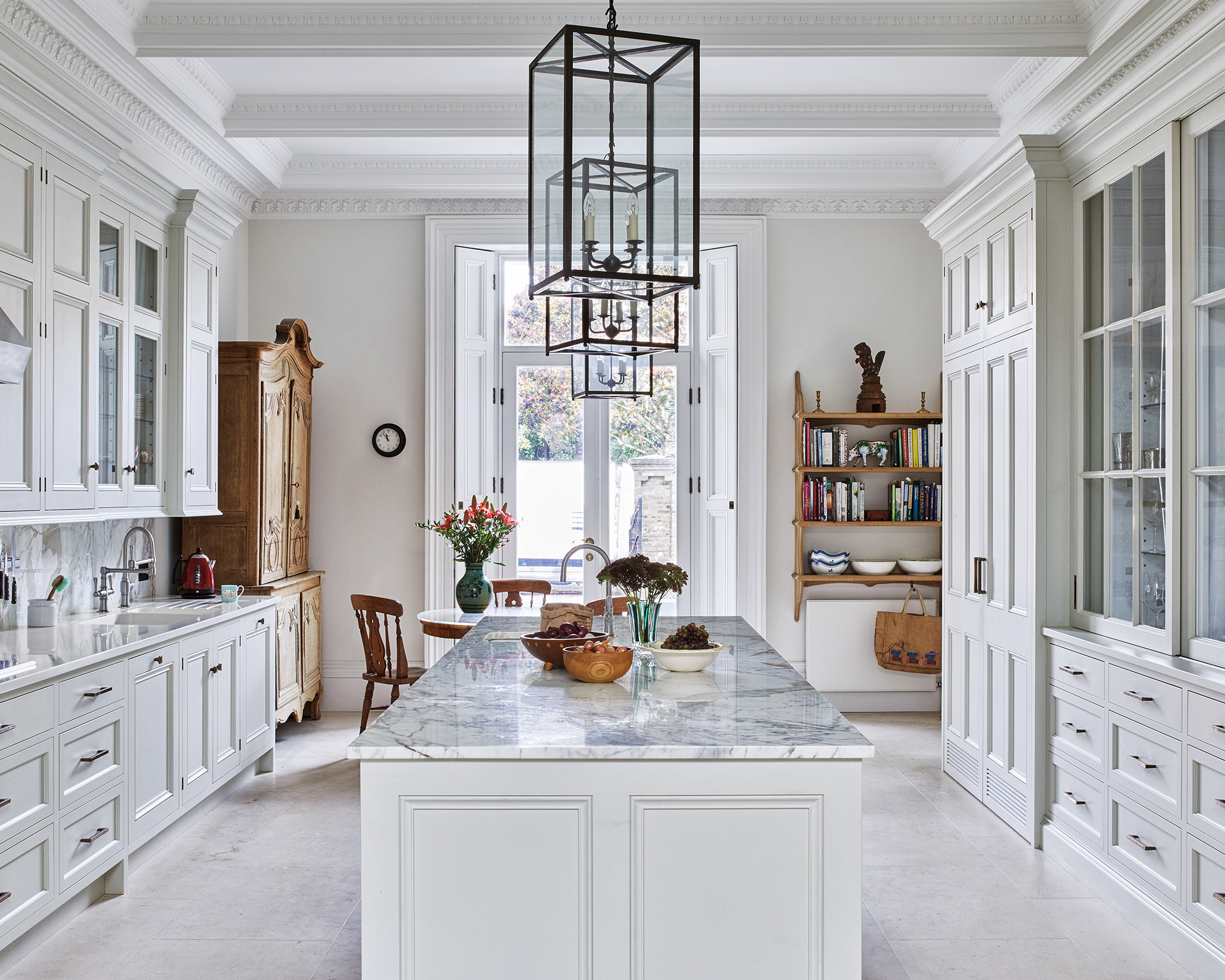
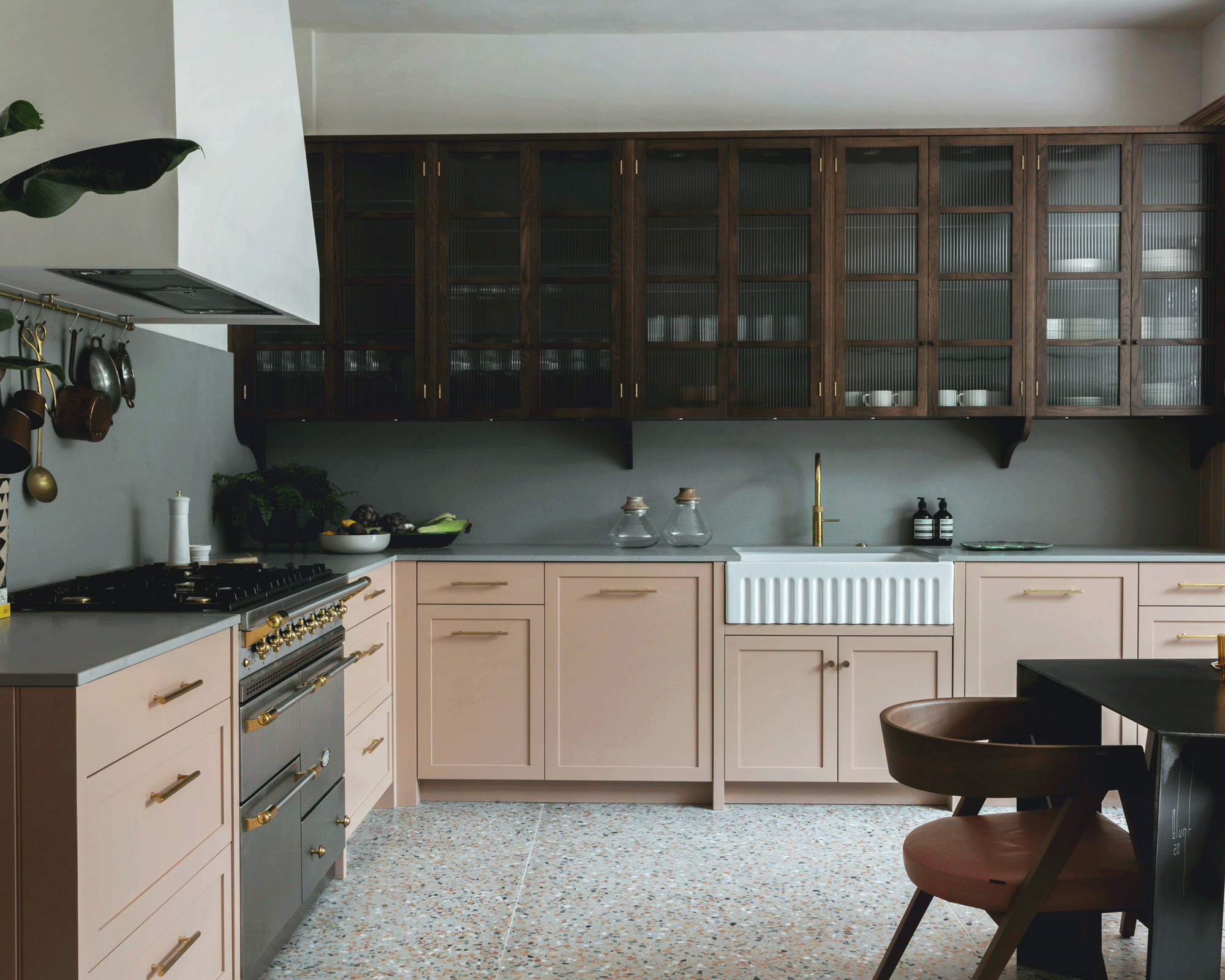
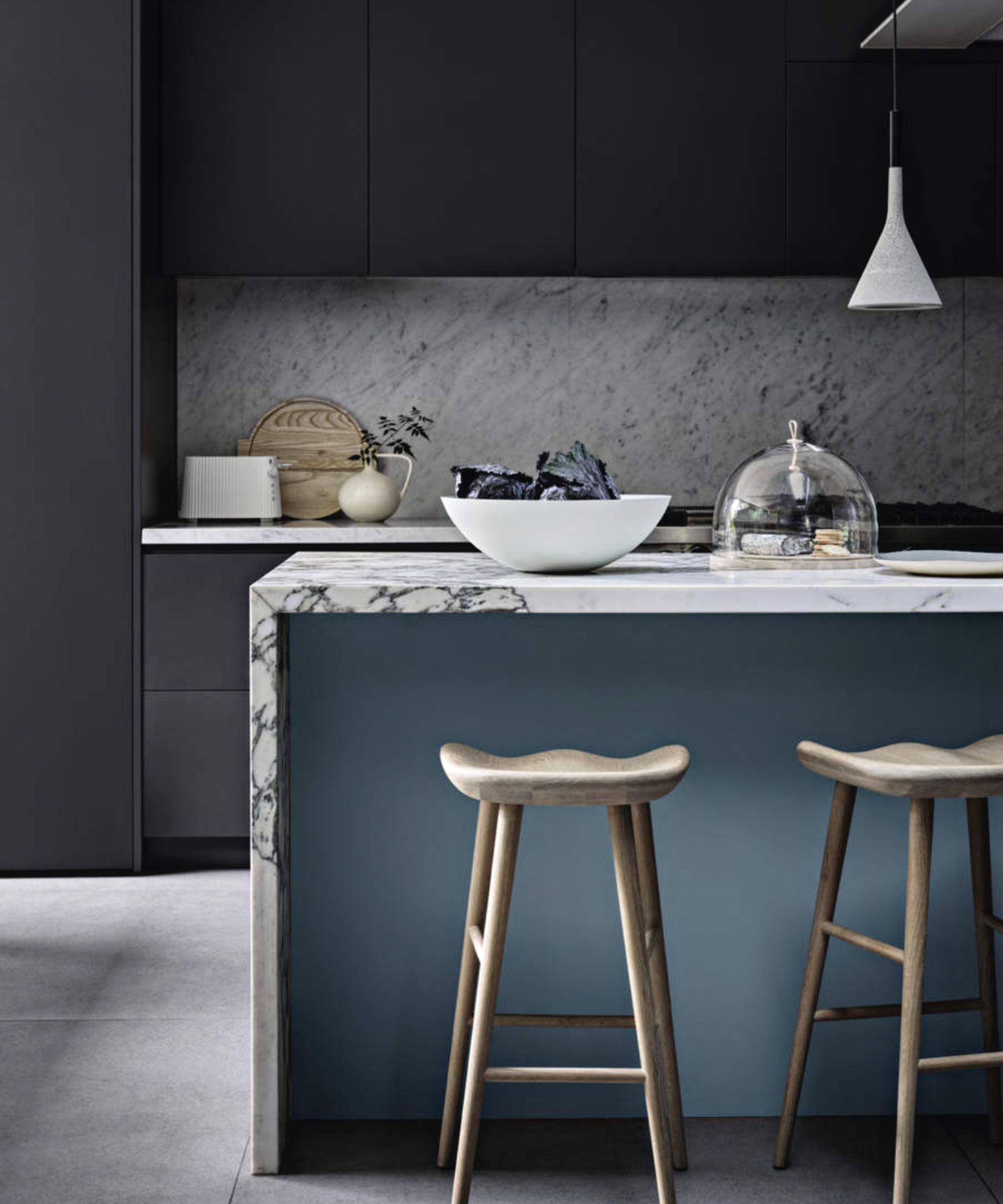
The selection of hardware finishes plays a crucial role in the overall aesthetic of a home, capable of either enhancing its style or making it appear dated. As 2025 approaches, interior designers are identifying specific hardware finishes that are losing relevance and are best avoided. These insights come from Laura Umansky of Laura U Design Collective, Isabella Patrick of Isabella Patrick Interiors, and Ellie Mroz of Ellie Mroz Design, who offer their perspectives on why certain finishes are falling out of favor.
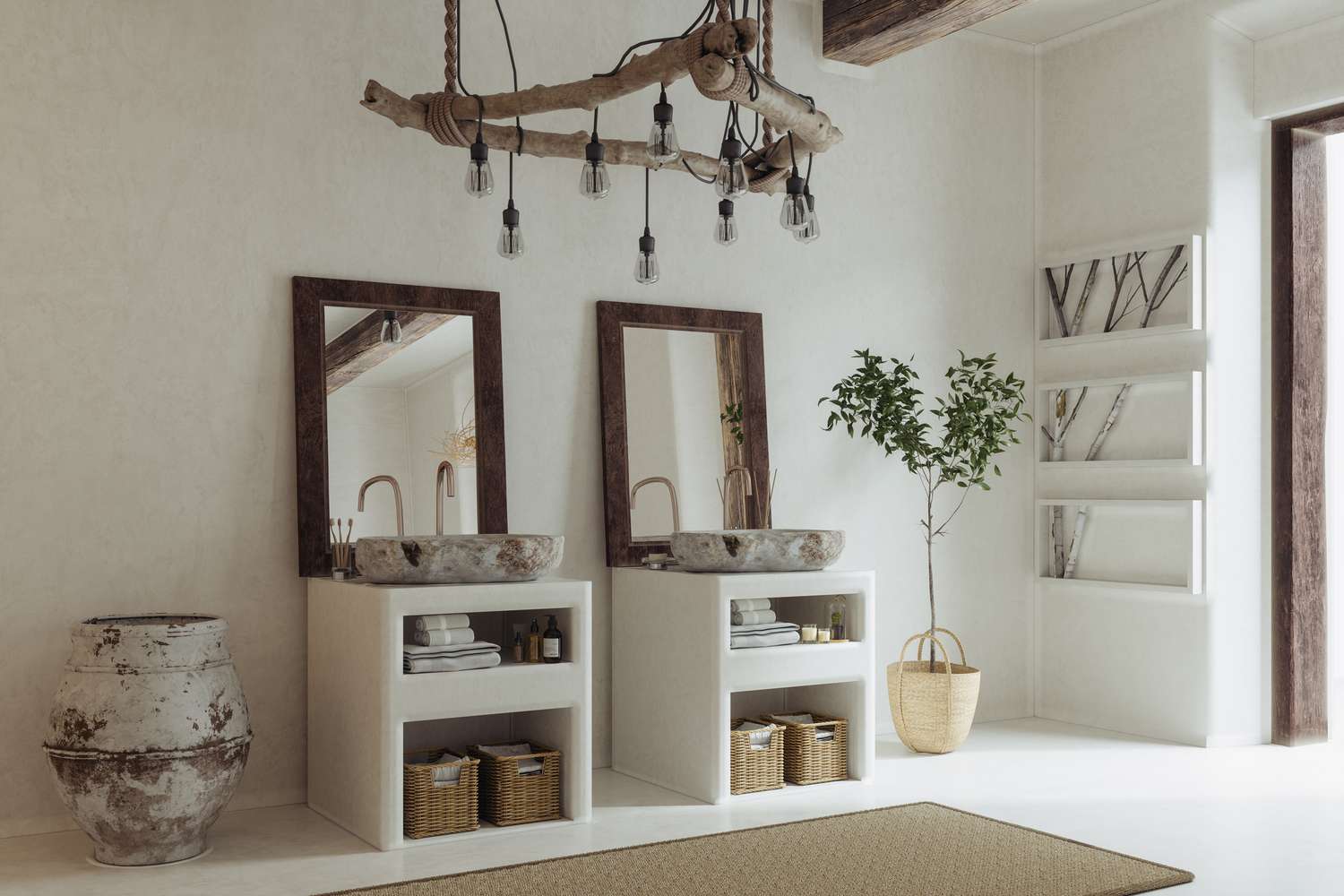
One significant trend highlighted is a shift away from machine-made finishes that attempt to mimic handcrafted appearances. Laura Umansky emphasizes the growing importance of authenticity in design, advocating for finishes that genuinely highlight craftsmanship over imitations. She suggests that finishes designed to look handmade, such as faux hammered bronze or imitation pewter, lack the genuine quality that contemporary design demands, thereby diminishing the sophistication of a space. This preference for authentic materials reflects a broader design movement towards natural, genuine elements.
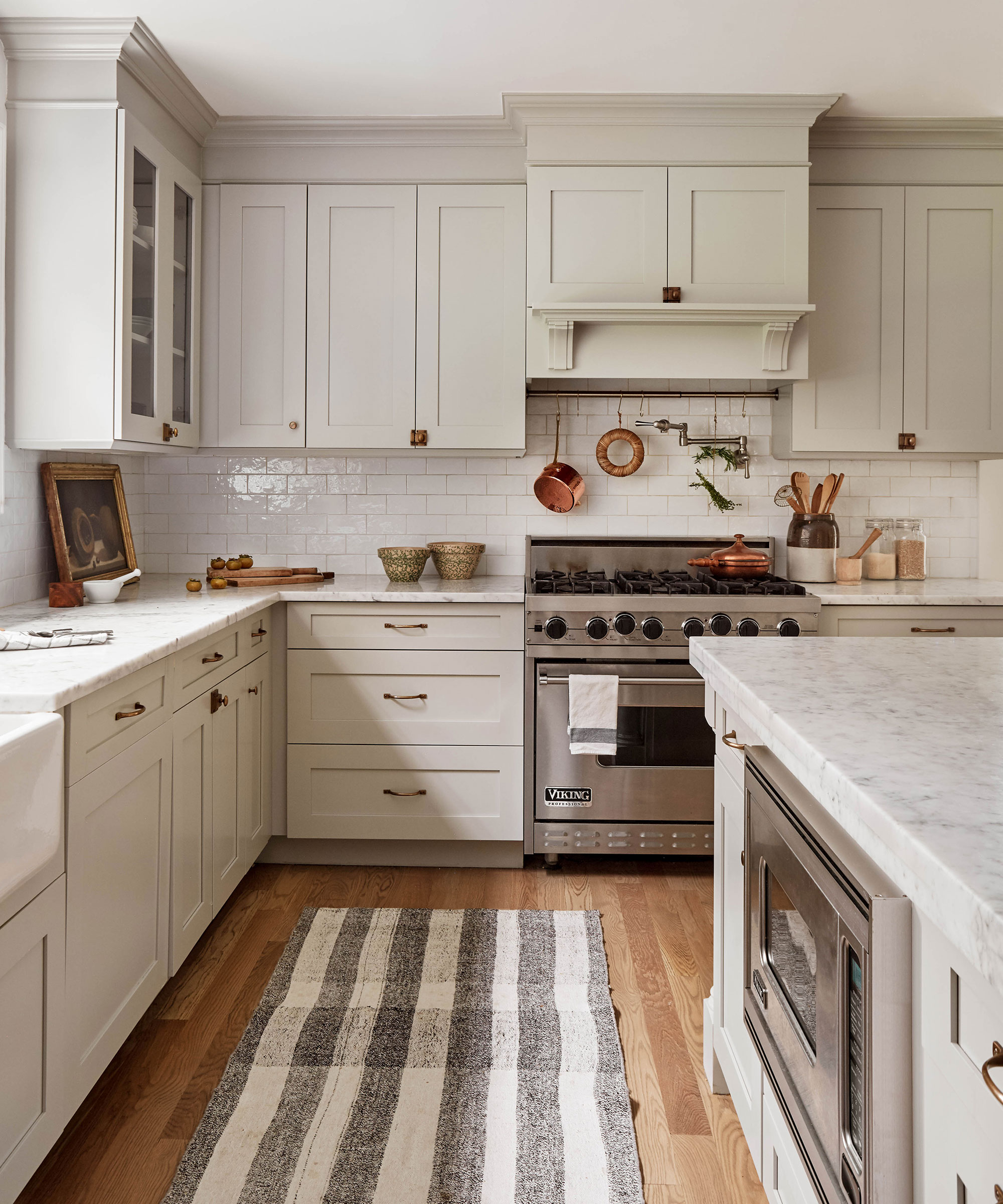
Matte black hardware, while still popular, is evolving in its application. Isabella Patrick notes that while matte black continues to be a viable option, particularly in bathrooms, its use in isolation is becoming less common. Instead, designers are increasingly pairing it with other metallic finishes, such as brass, to create more dynamic and layered looks. This approach of mixing metals introduces a modern and chic dimension to interiors, moving away from monochrome hardware schemes.
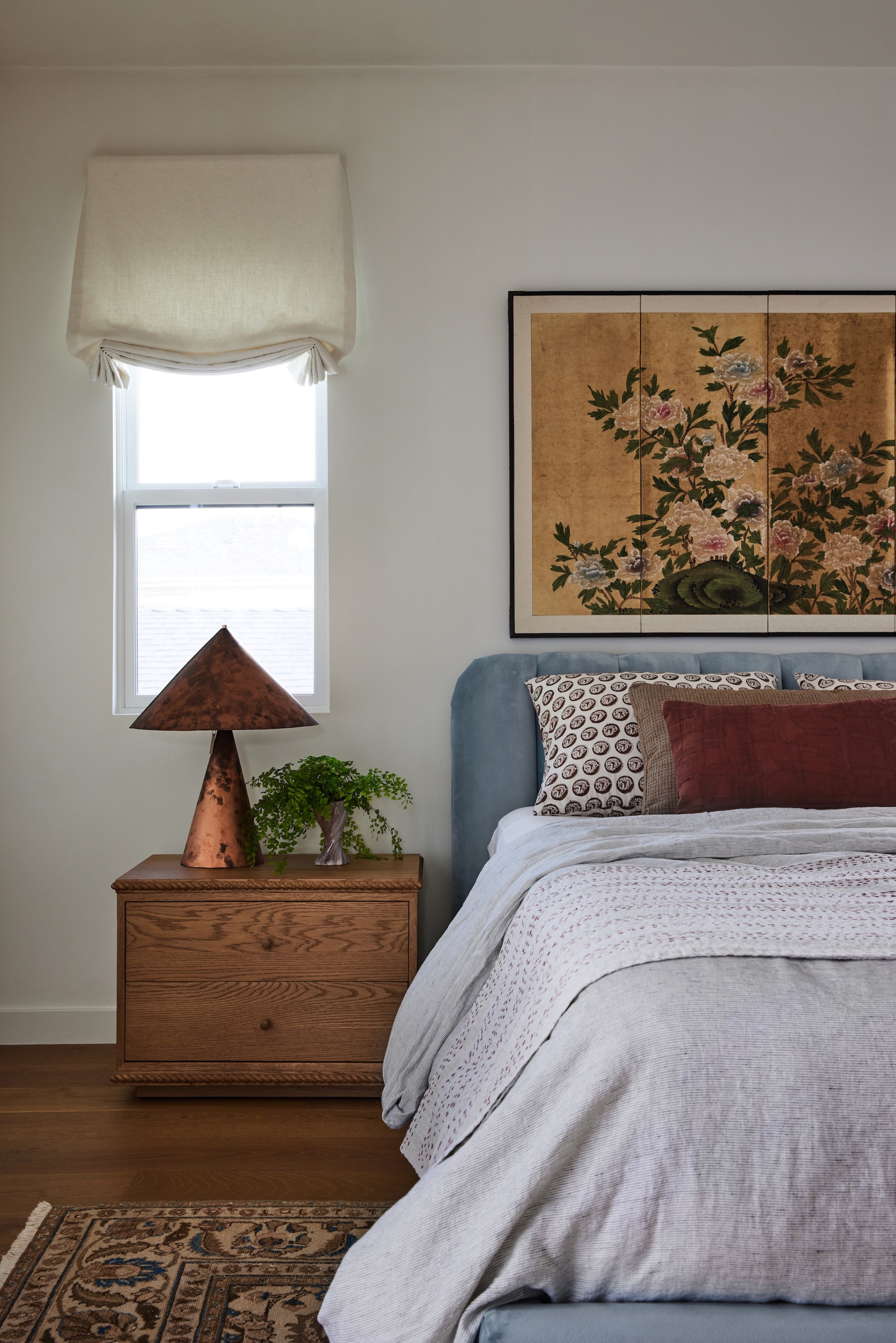
Bronze finishes are also identified as largely outdated. Patrick observes that bronze is now a rare choice in most residential settings, typically found only in highly traditional designs. Ellie Mroz further elaborates, describing overly distressed oil-rubbed bronze as an attempt to appear authentic that ultimately results in a "faux farmhouse" aesthetic, which is no longer desirable. This indicates a preference for cleaner, less contrived finishes.
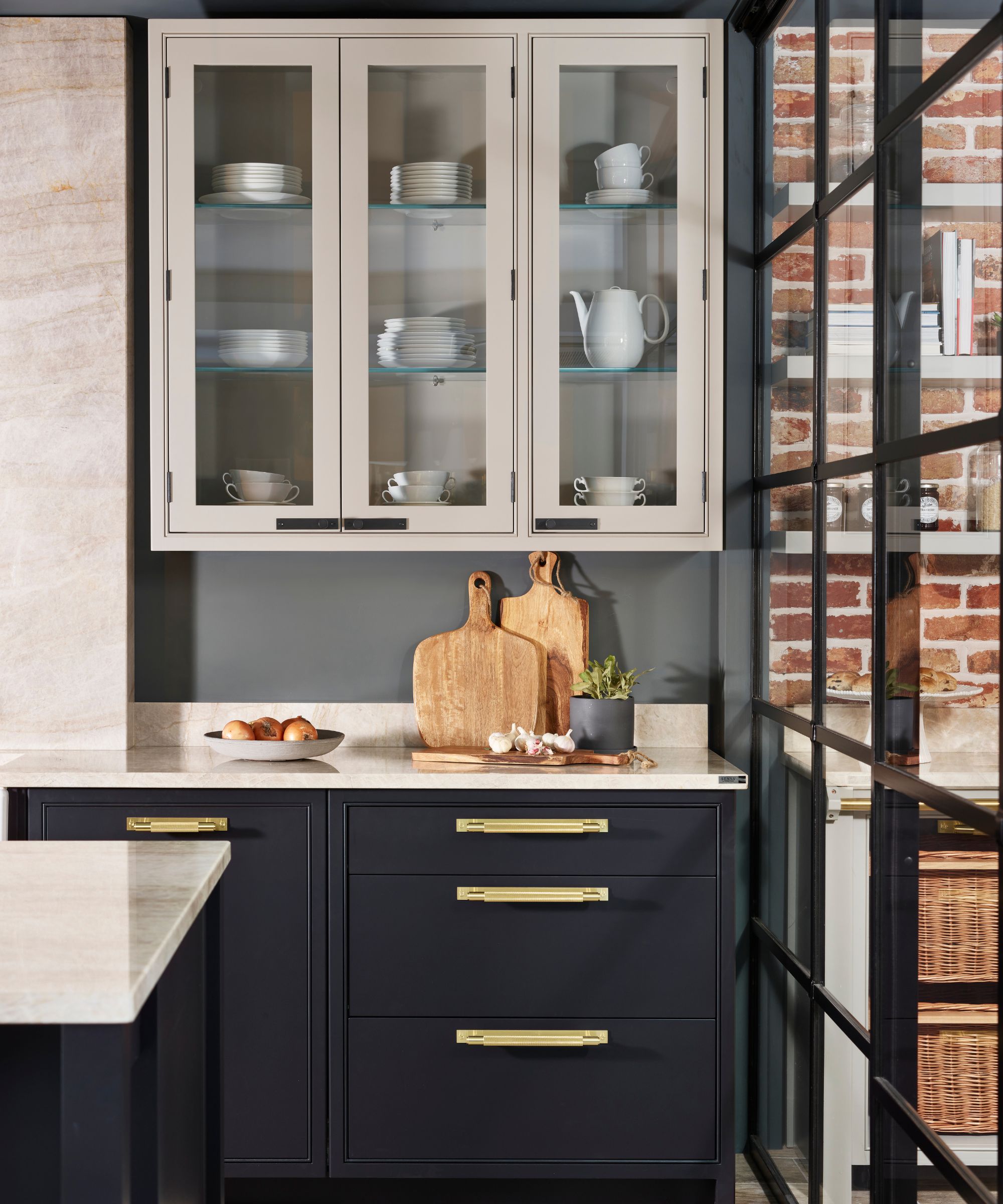
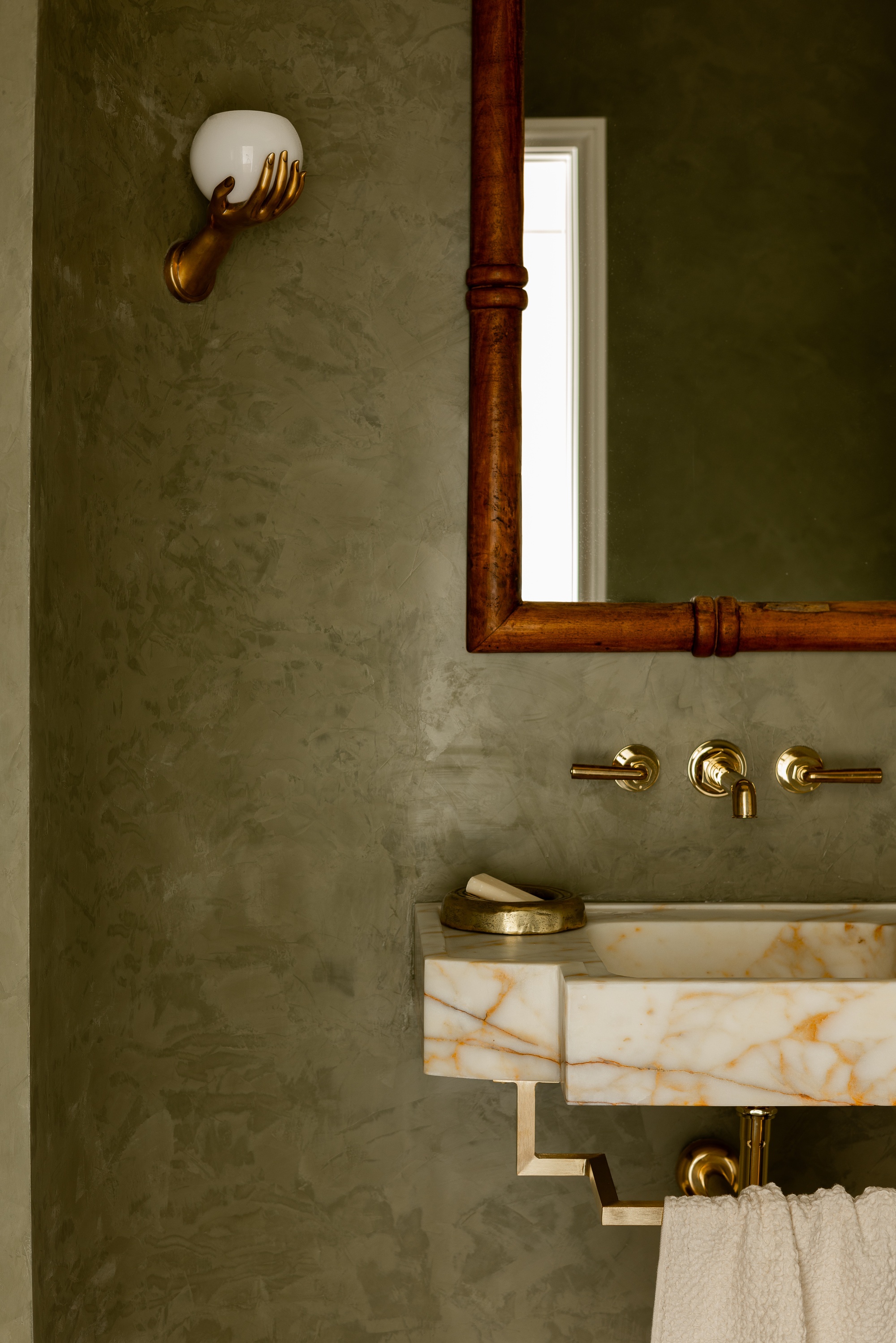
Brushed satin and nickel finishes are another category that designers recommend avoiding. Mroz points out that these finishes often evoke a builder-grade quality, which can make a space feel generic and lacking in character. Similarly, brushed brass, especially variations with warm or yellow undertones, has become overused by manufacturers, leading to a decrease in its demand and perceived uniqueness. The widespread availability of these finishes has inadvertently contributed to their decline in popularity, as homeowners seek more distinctive and personalized options. The advice here is to explore a wider range of hardware options to find something that truly aligns with a home's unique aesthetic, rather than settling for commonplace choices.
Lastly, chrome is cited as a finish to steer clear of. Despite its perceived modernity, designers believe chrome can make a space feel flat and uninviting. Mroz specifically notes its "bluish, cold undertones," which contrast with the current design preference for warmth and depth in interior projects. Furthermore, chrome is prone to showing water spots and fingerprints, demanding higher maintenance to keep clean, which is another practical reason for its diminishing appeal. Ultimately, the consensus among these designers points to a broader movement towards more authentic, warm, and thoughtfully curated hardware choices that enhance a home's character without appearing mass-produced or dated.
#InteriorDesignTrends #HardwareFinishes #HomeDecor #DesignAdvice #OutdatedDesign #AuthenticityInDesign #MixingMetals #KitchenHardware #BathroomHardware #InteriorDesignTrends #HardwareFinishes #HomeDecor #DesignAdvice #OutdatedDesign #AuthenticityInDesign #MixingMetals #KitchenHardware #BathroomHardware
0개의 댓글이 총 표시됩니다.
 아직 댓글이 없습니다
추가로 마음에 드릴 만한 콘텐츠
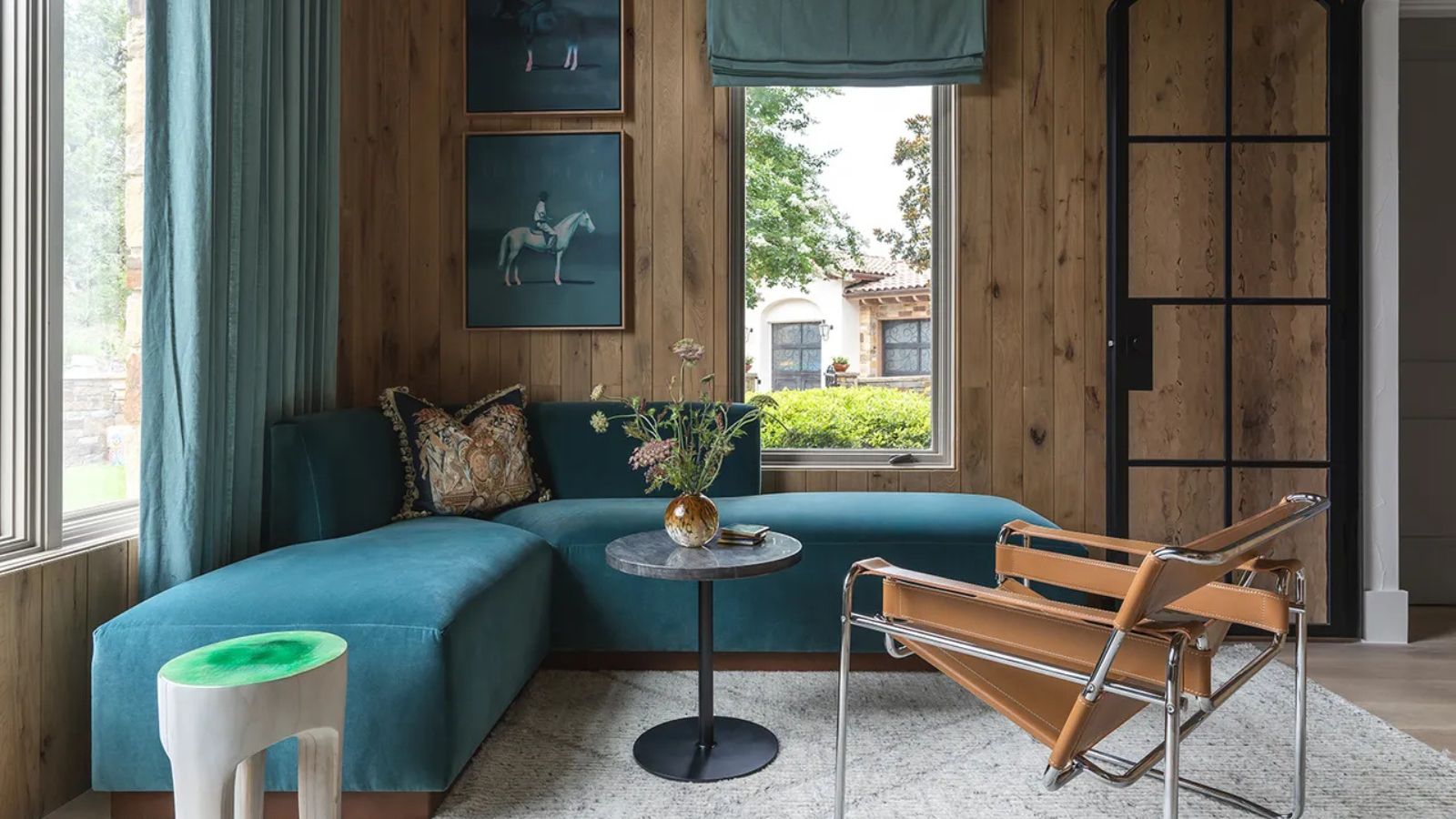
5 trends that look good right now but interior designers warn they won't last
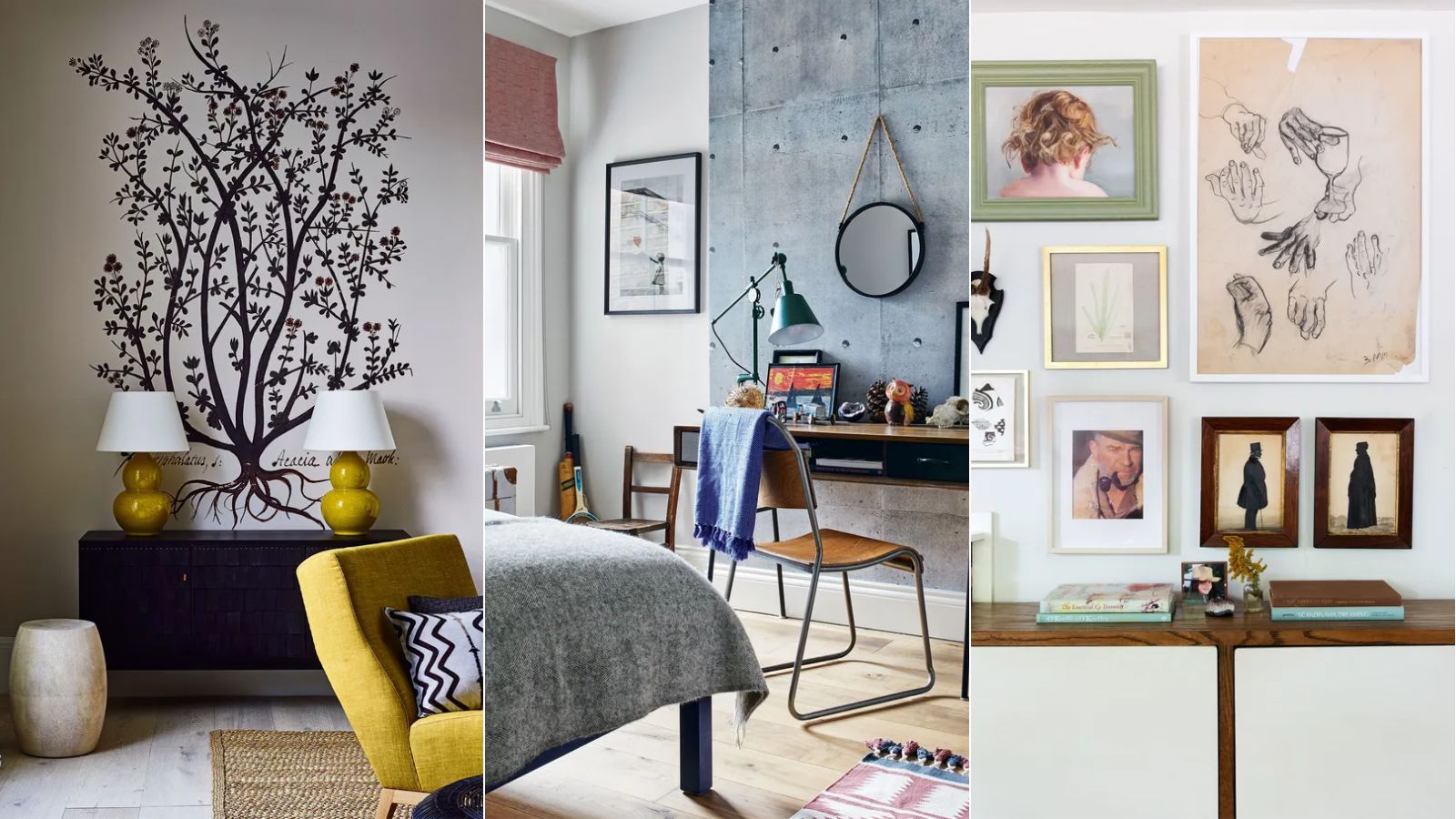
5 outdated wall decor trends designers warn to avoid – plus what we should be doing instead

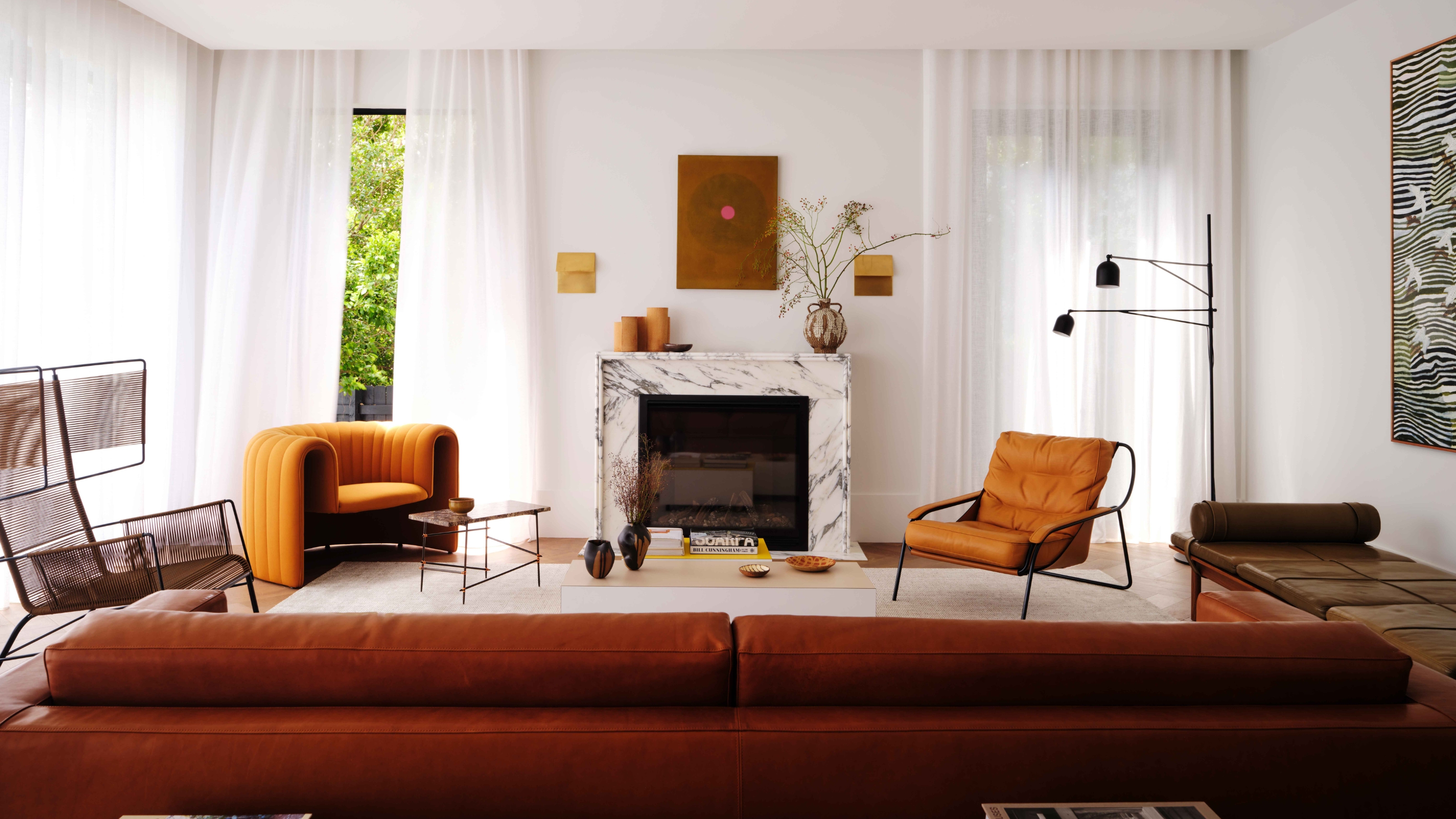
Sorry, but It's 2025 — These Outdated Interior Design Rules (Too Many People Still Swear By) Should Be Ignored

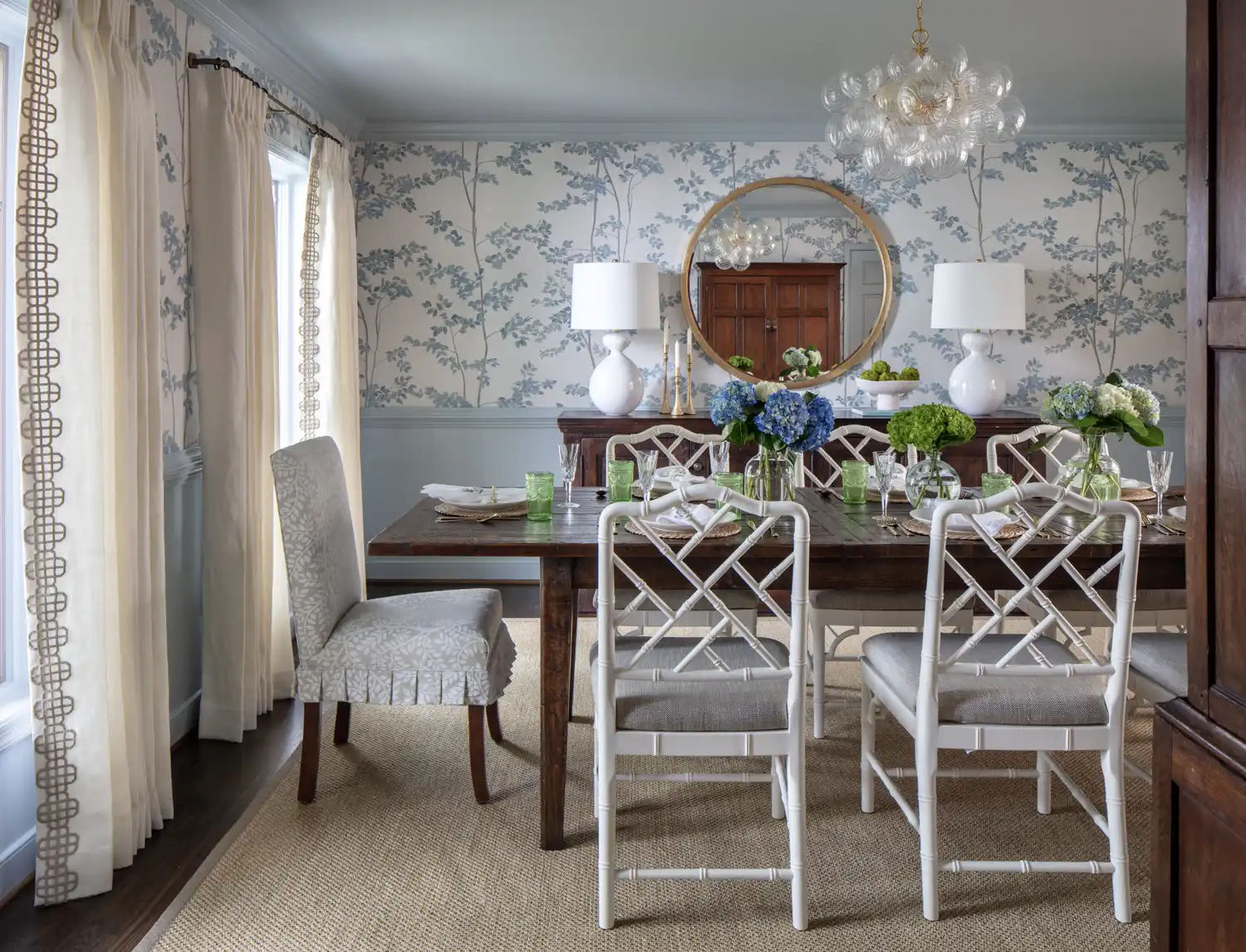
10 Dining Room Pieces Designers Say Are Outdated
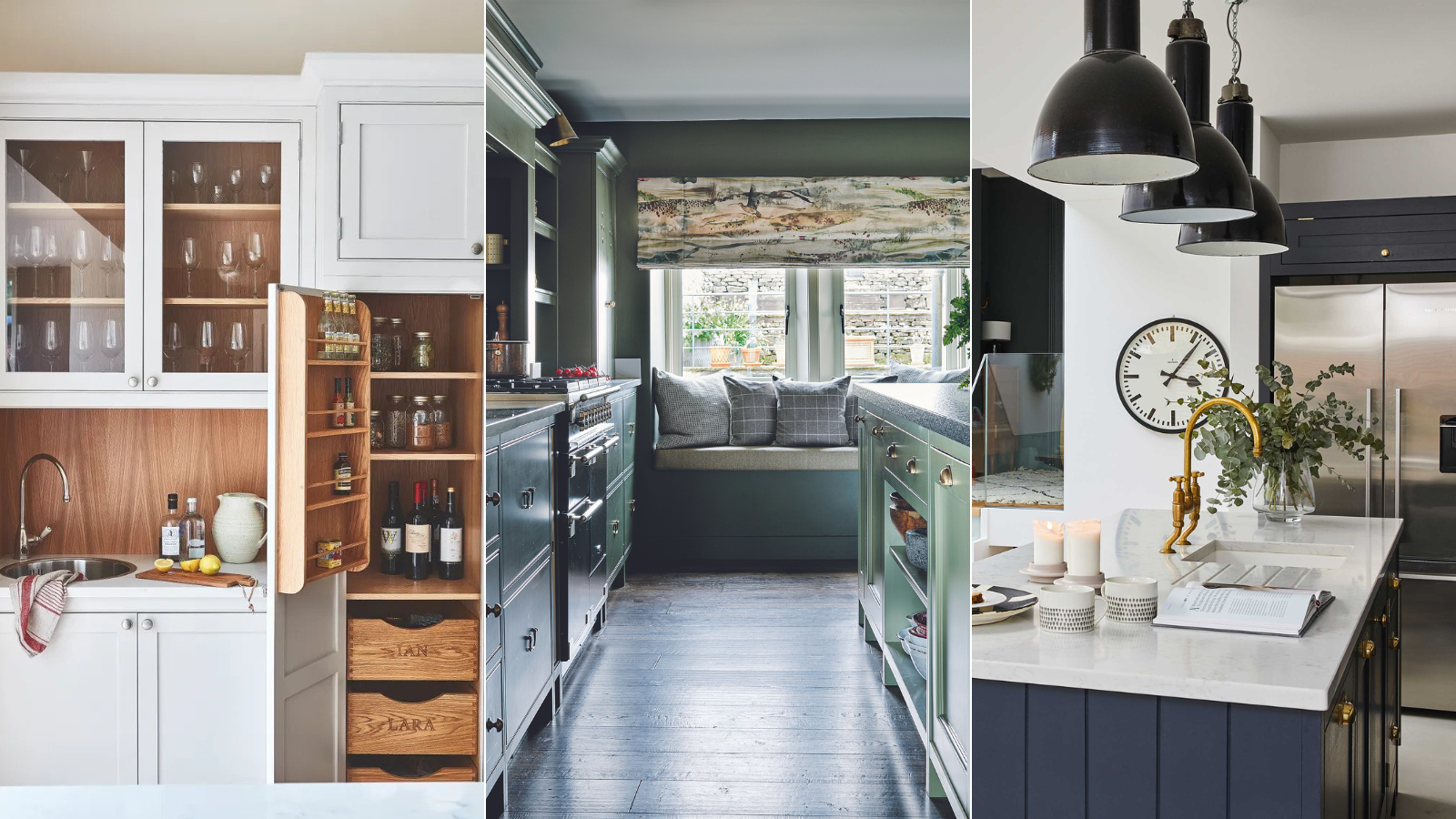
These 5 features make kitchen cabinets look dated, designers warn us
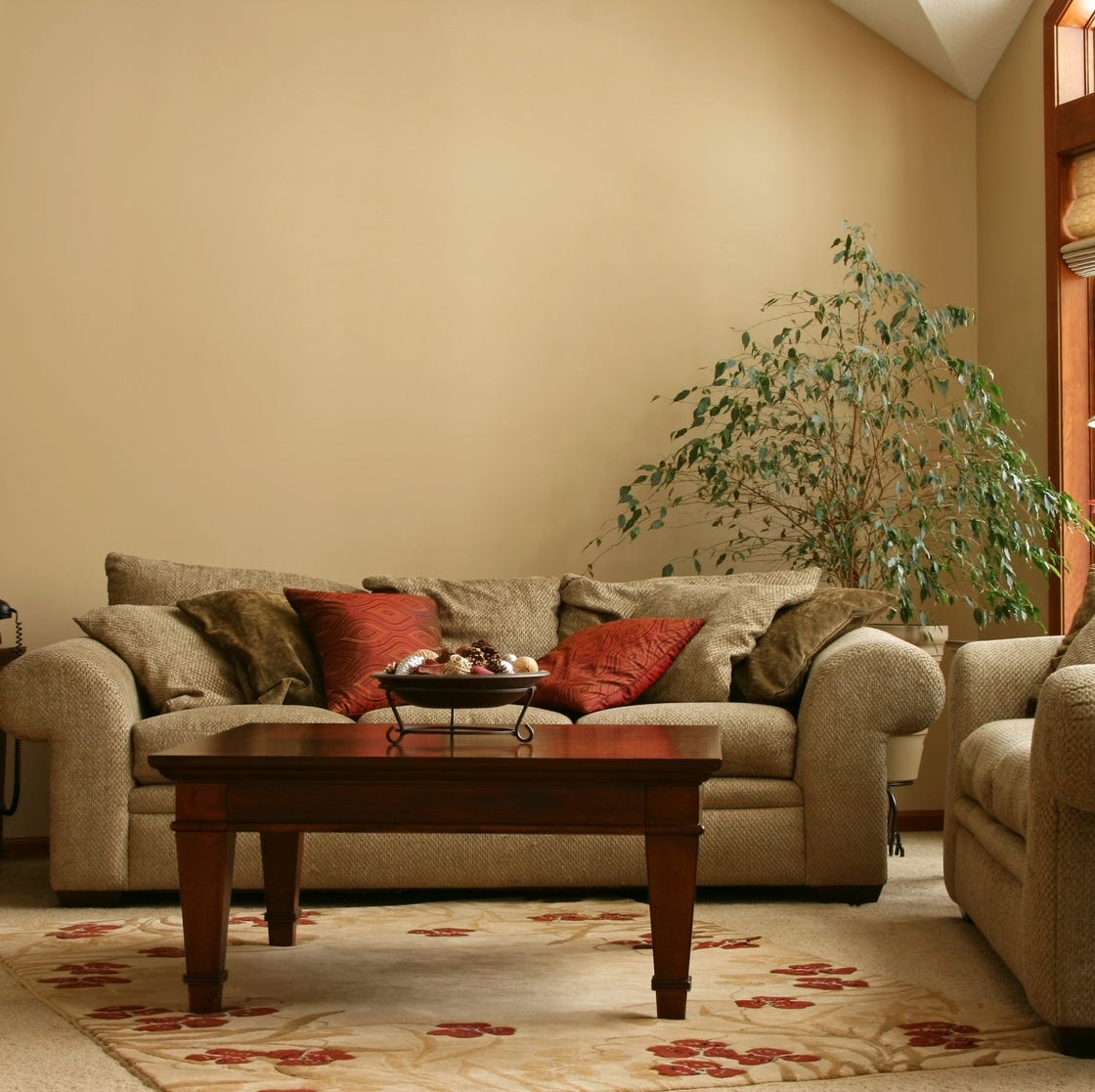
5 Design Choices That Make Your House Look Super Dated, According to Designers

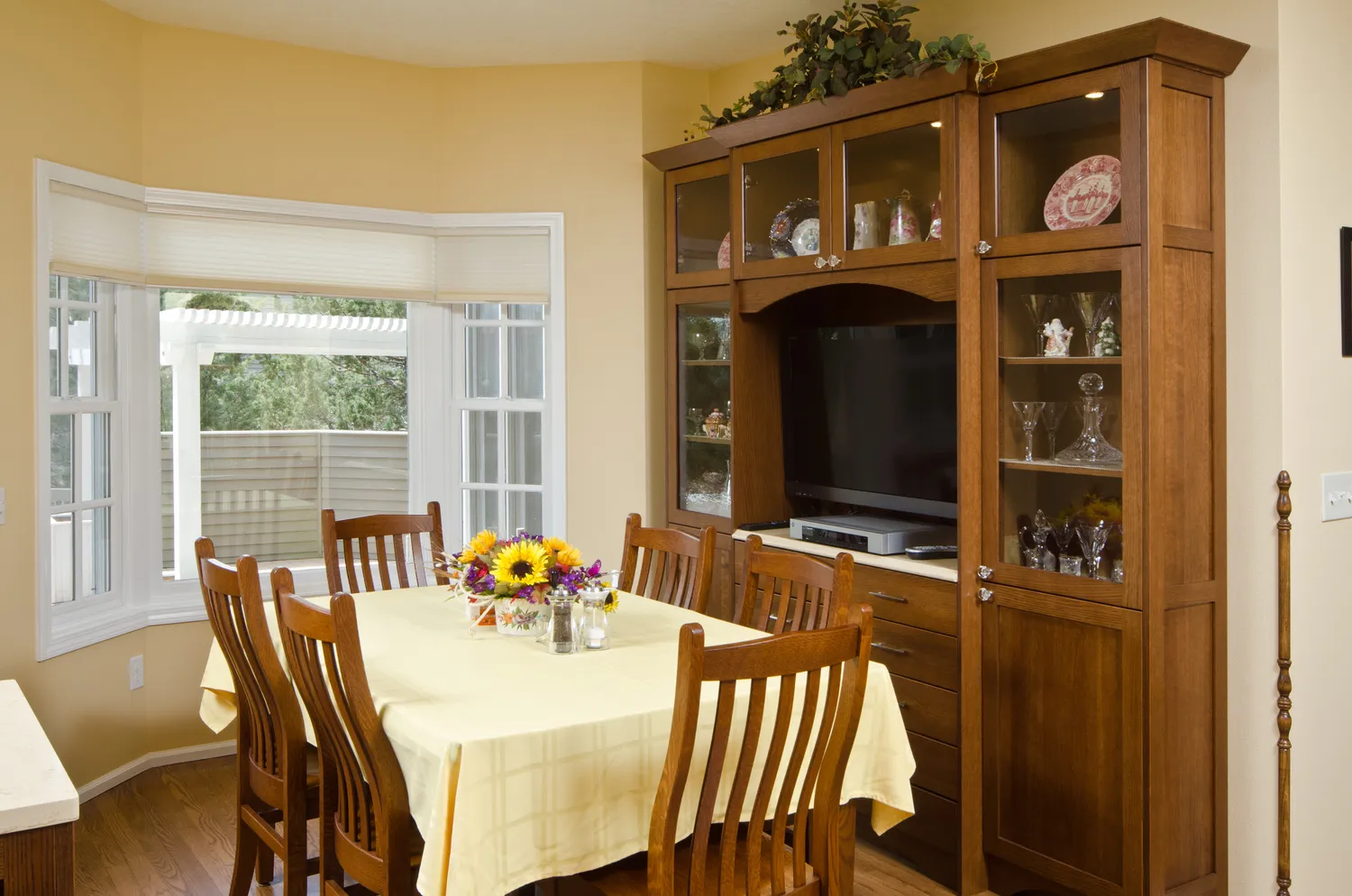
5 Dining Room Furniture Items That Are So Outdated, According to Designers
Outdated color trends – 5 overdone colors that designers no longer love, and what to use instead
5 dated kitchen hardware trends that could be bringing down the look of your kitchen
These Backsplashes Are Completely Outdated, According to Designers
Ready to Redecorate? 2025’s Top Design Trends Just Dropped

Designers Say These 4 Decor Trends Are Super Outdated—Update Your Home With These 8 Finds Instead

These 5 Home Decor Styles Are So Outdated, According to Interior Designers
The 5 outdated paint colors of 2024 designers loathe — and what they're loving instead

5 ‘Overlooked’ Antiques That Are About to Become Cool Again, According to Designers

Bathroom Decor Items That Will Look Severely Outdated In 2025
No More of These, Please — 4 Outdated Window Treatments Designers Don't Want to See You Using Anymore
Designers Say These Vintage Paint Colors Are Back

5 outdated kitchen cabinet color trends to avoid if you don't want your kitchen to look unfashionable, say designers
5 Lighting Trends That Are So Outdated, According to Designers