Ranch-Style Houses Are More Popular Than Ever—Here's Why
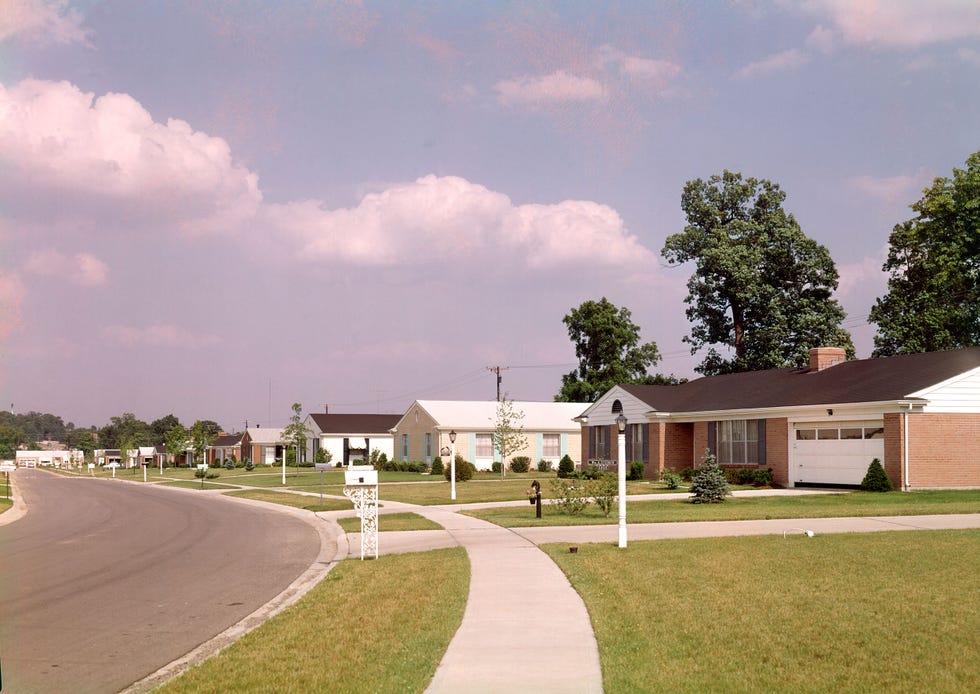
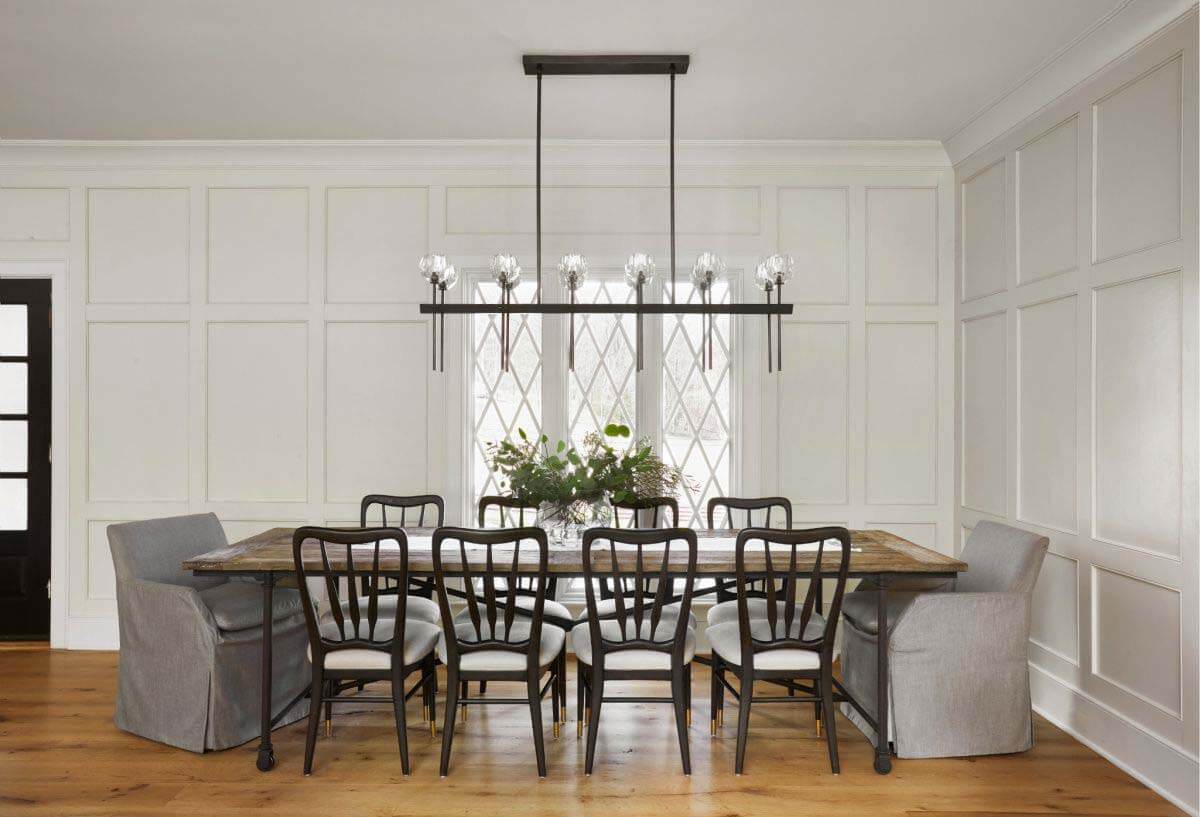
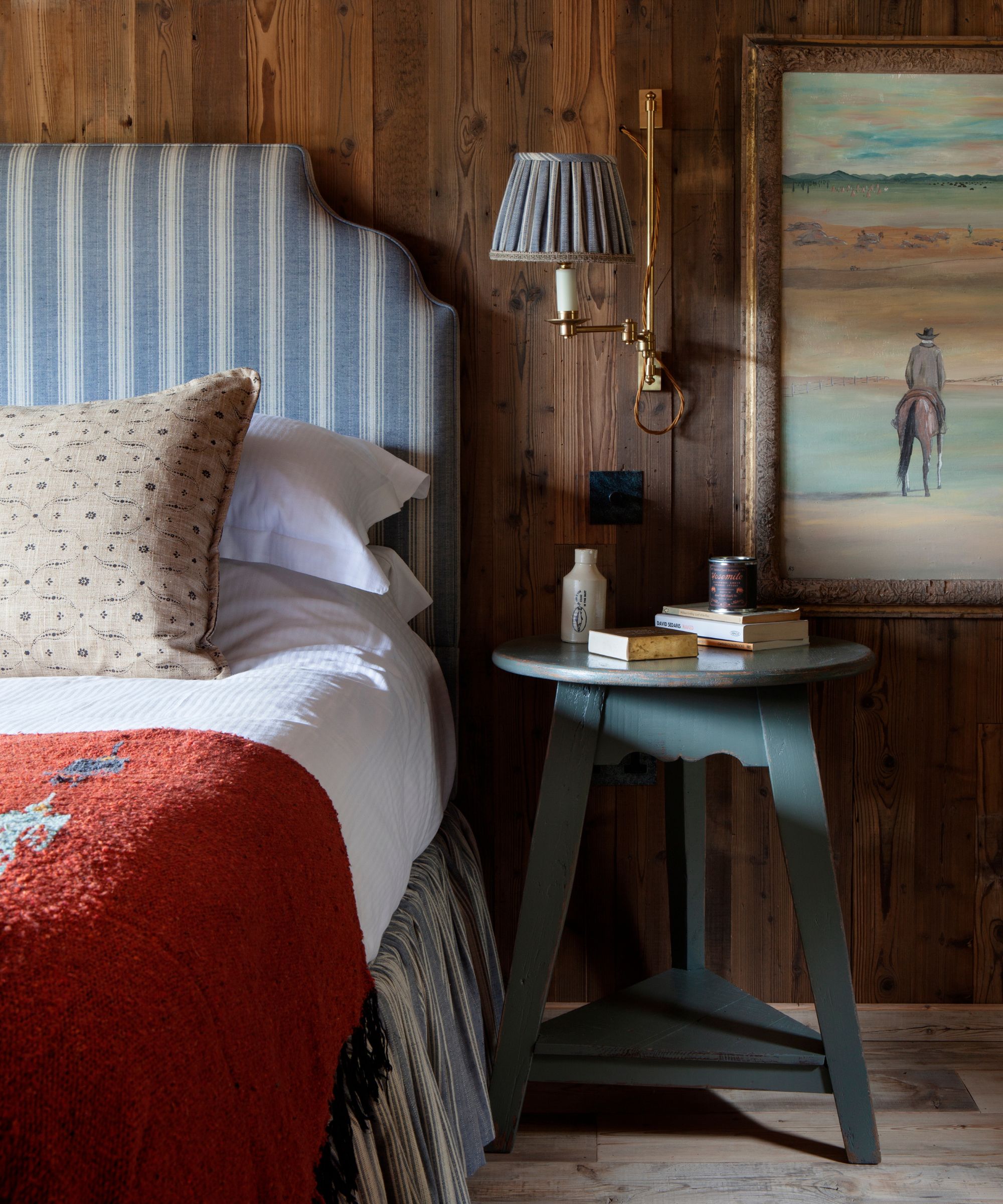
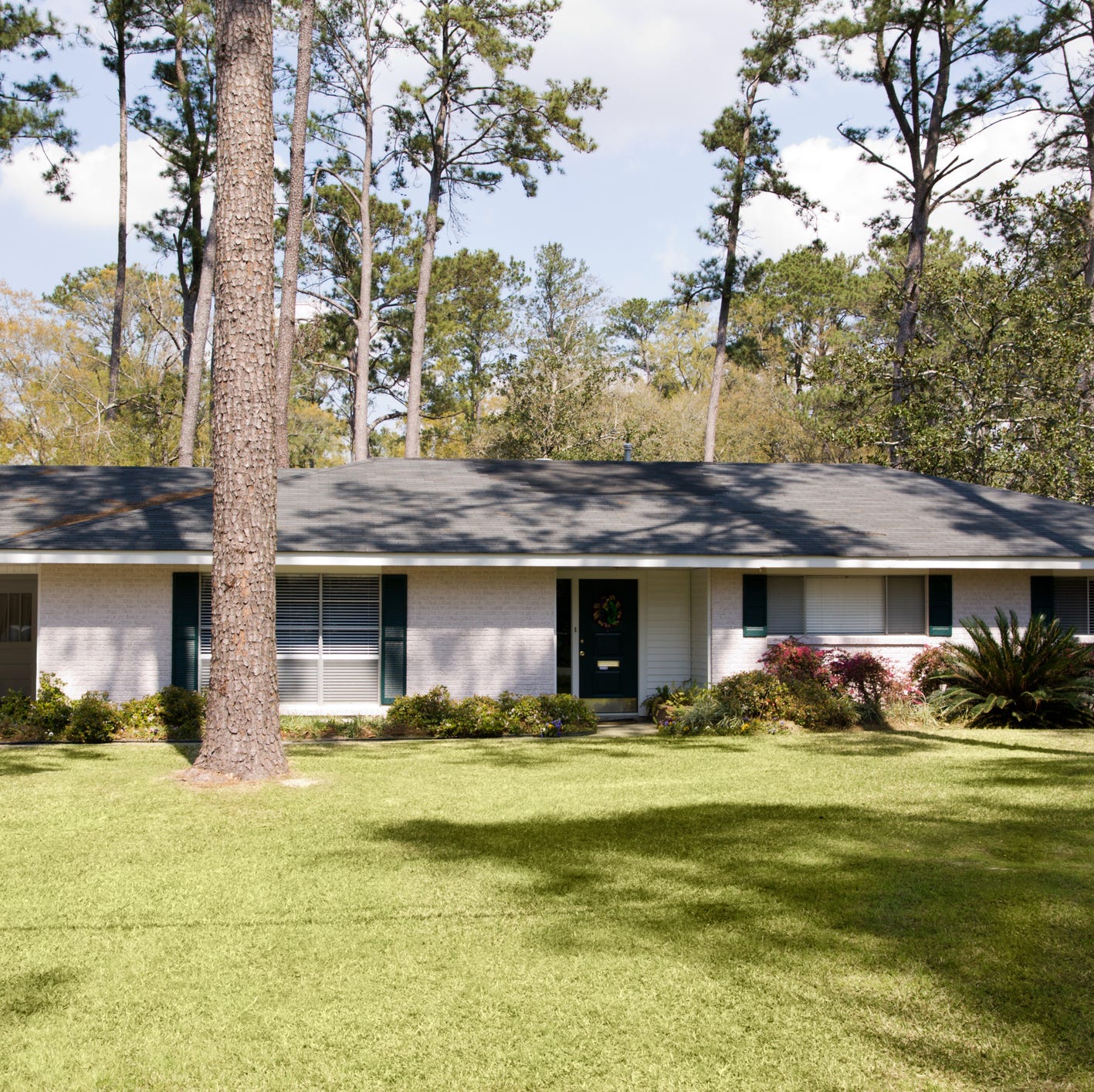
Ranch-style homes have maintained their appeal for over 80 years, initially gaining traction on the West Coast and subsequently becoming a widespread choice for families across the United States. These homes are currently experiencing a resurgence in popularity, attributed to their versatile design capabilities, which can range from minimalist to luxurious, cozy to expansive, and rustic to modern, while consistently integrating core features.
The origins of the ranch-style home trace back to the 1920s and 1930s, though their widespread adoption occurred after World War II. This style emerged as a response to the post-war demand for housing, particularly in burgeoning Southwestern urban centers like Los Angeles. The design offered a comfortable and timeless aesthetic, characterized by long, low, and horizontal rooflines, appealing to the typical American nuclear family and fostering a strong connection to the natural landscape. Architect Cliff May is often credited with popularizing the ranch house, designing numerous developments across California and significantly influencing its widespread appeal. The style's adaptability to various individual tastes and the abundance of mass production techniques further contributed to its success, allowing for diverse stylistic opportunities ranging from minimal detailing to more ornate materials.
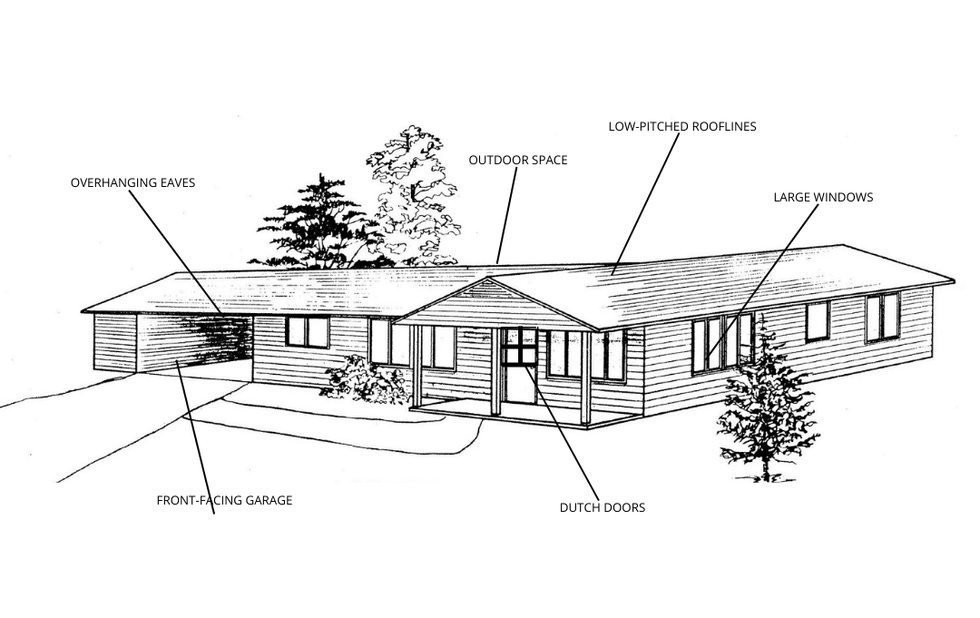
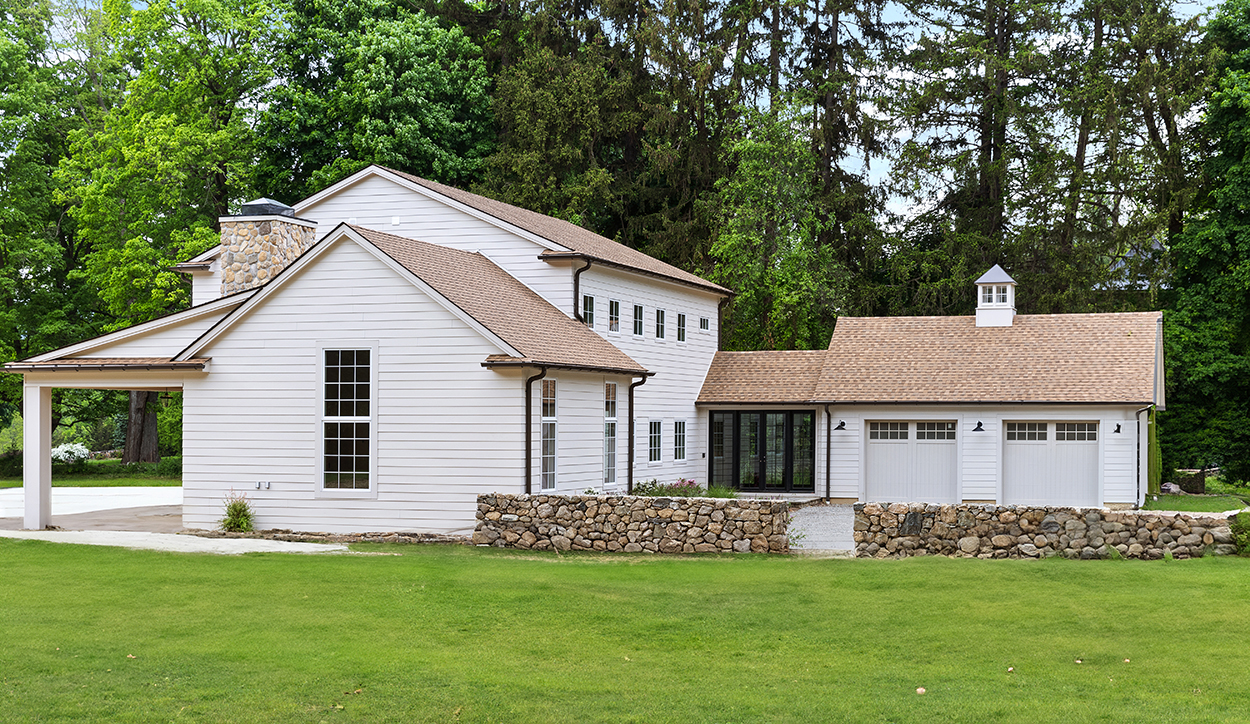
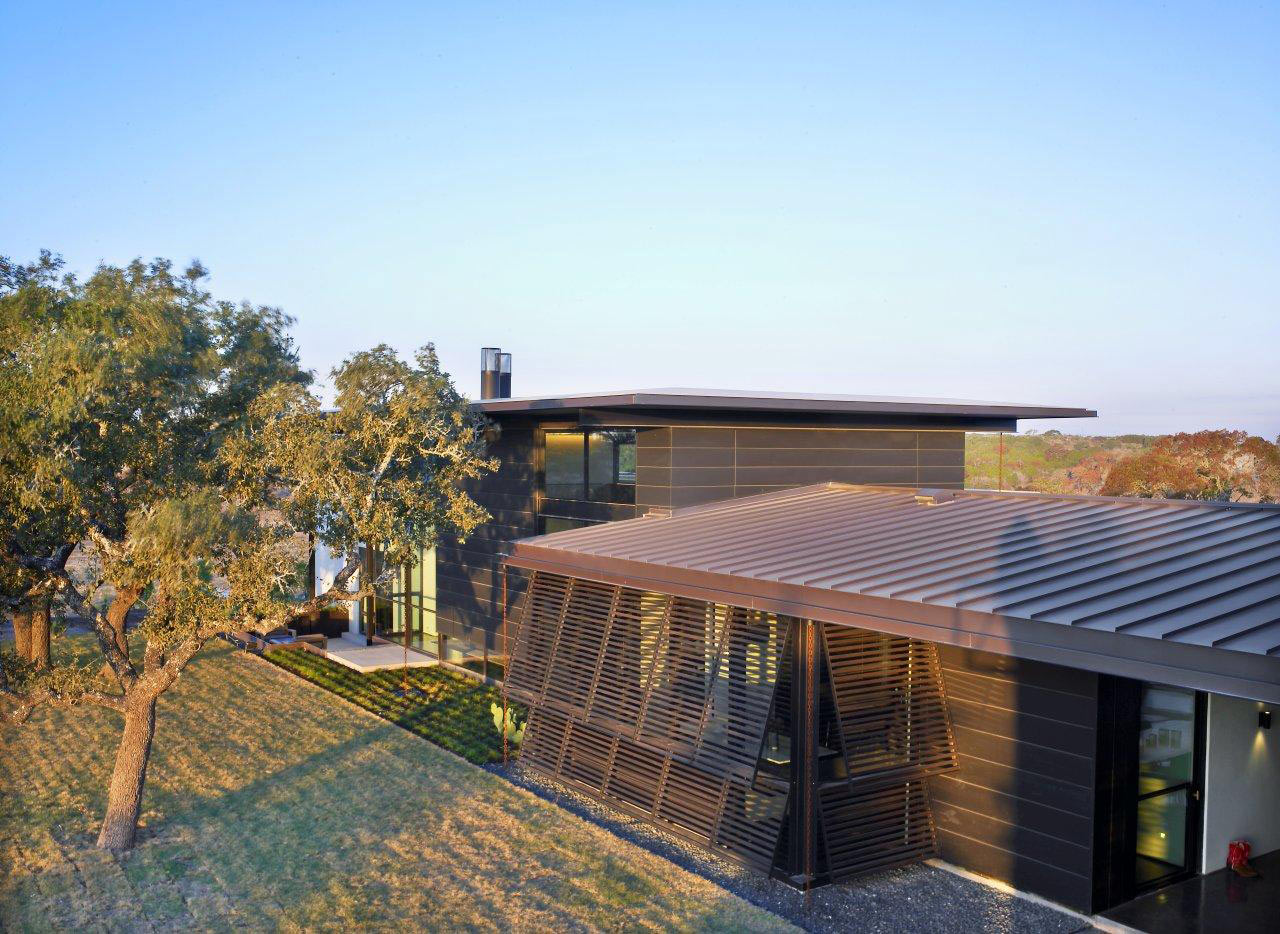
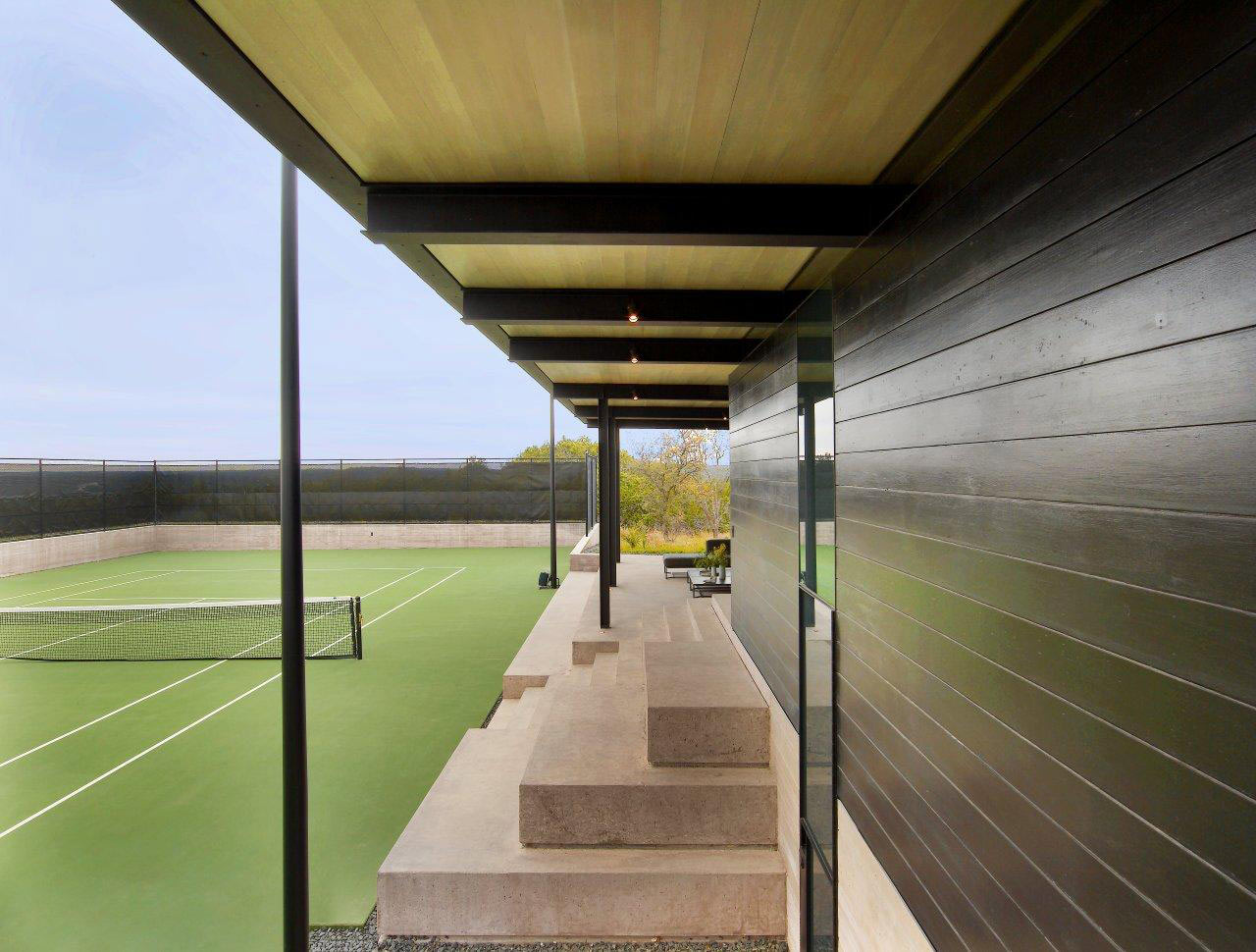
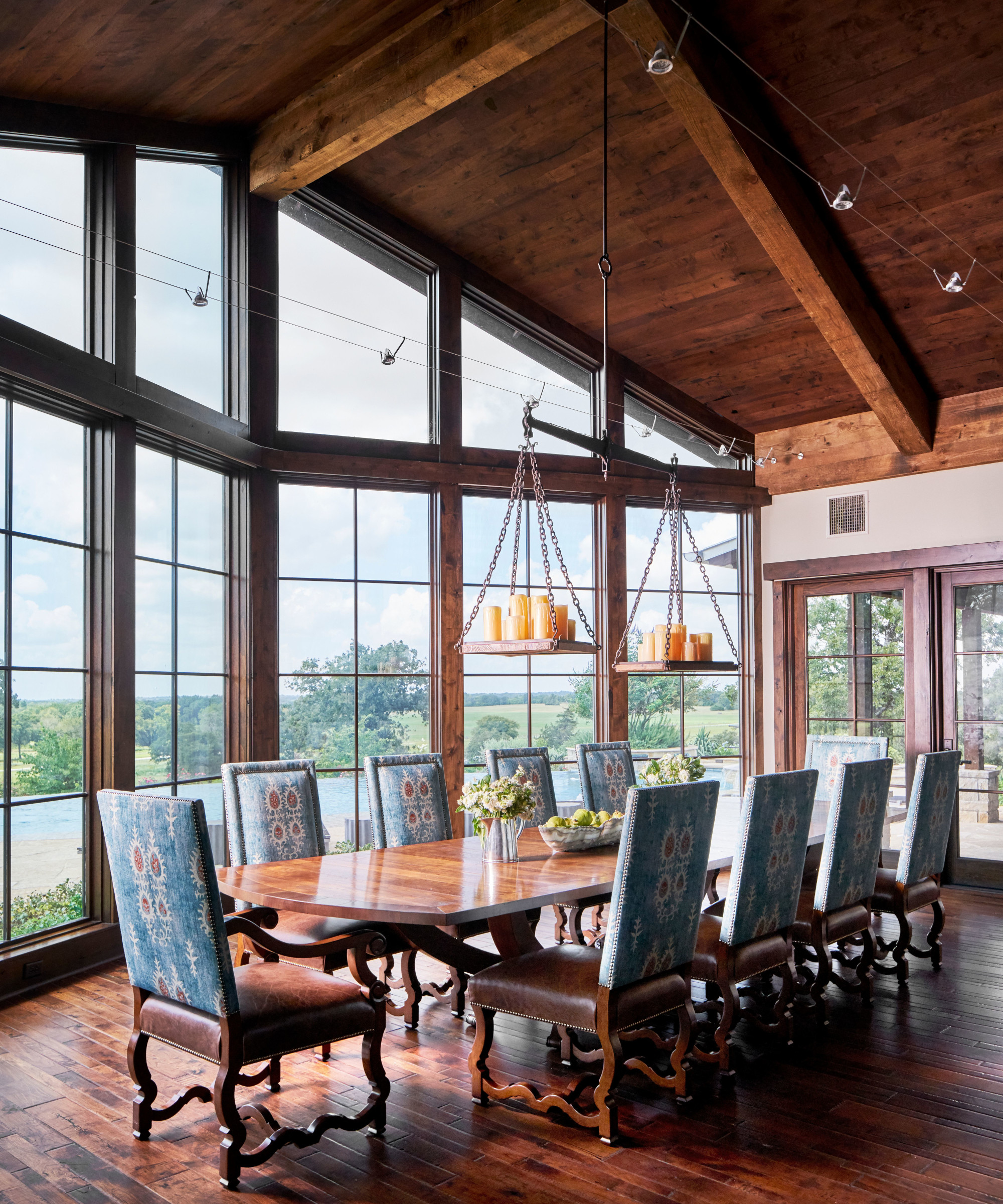
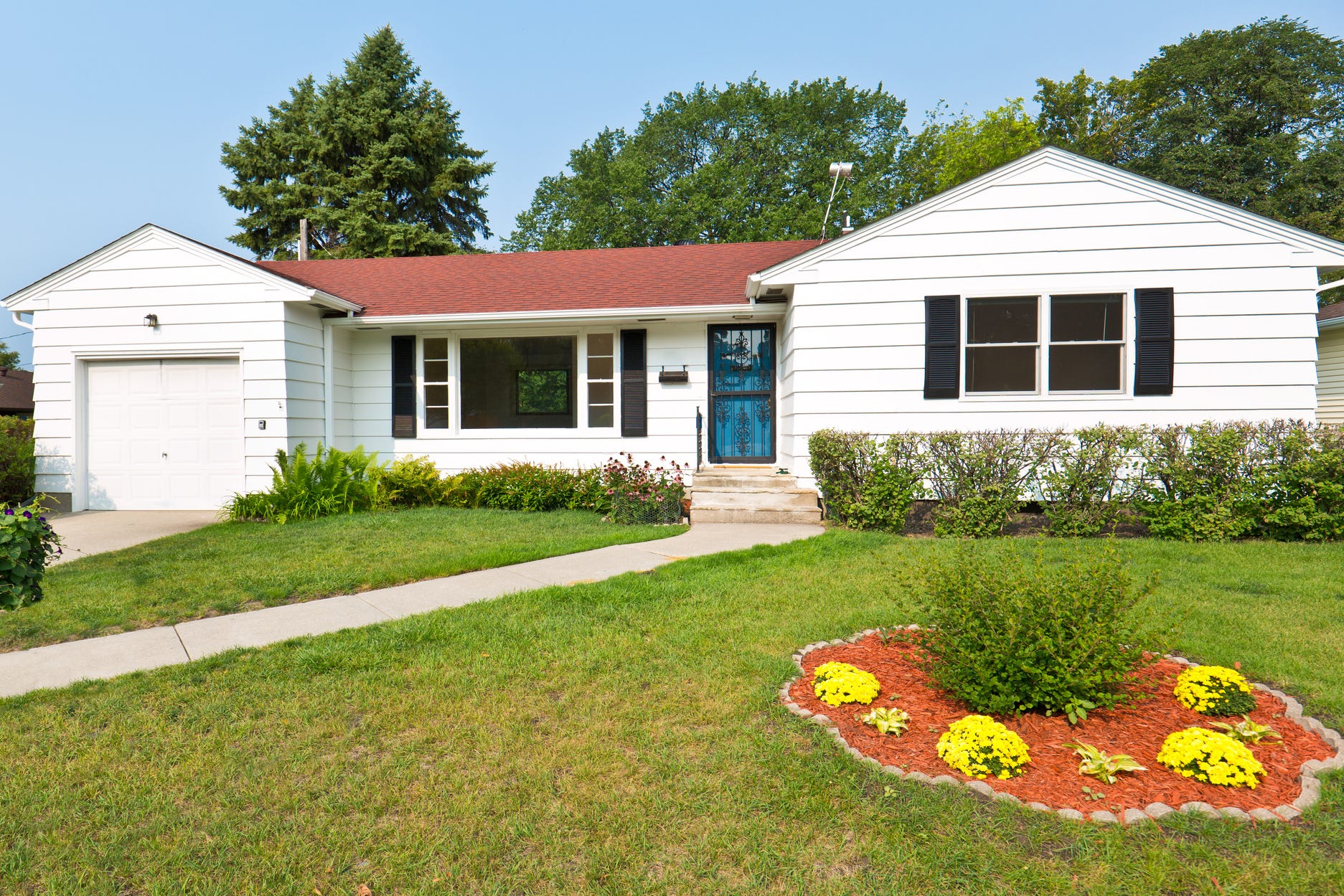
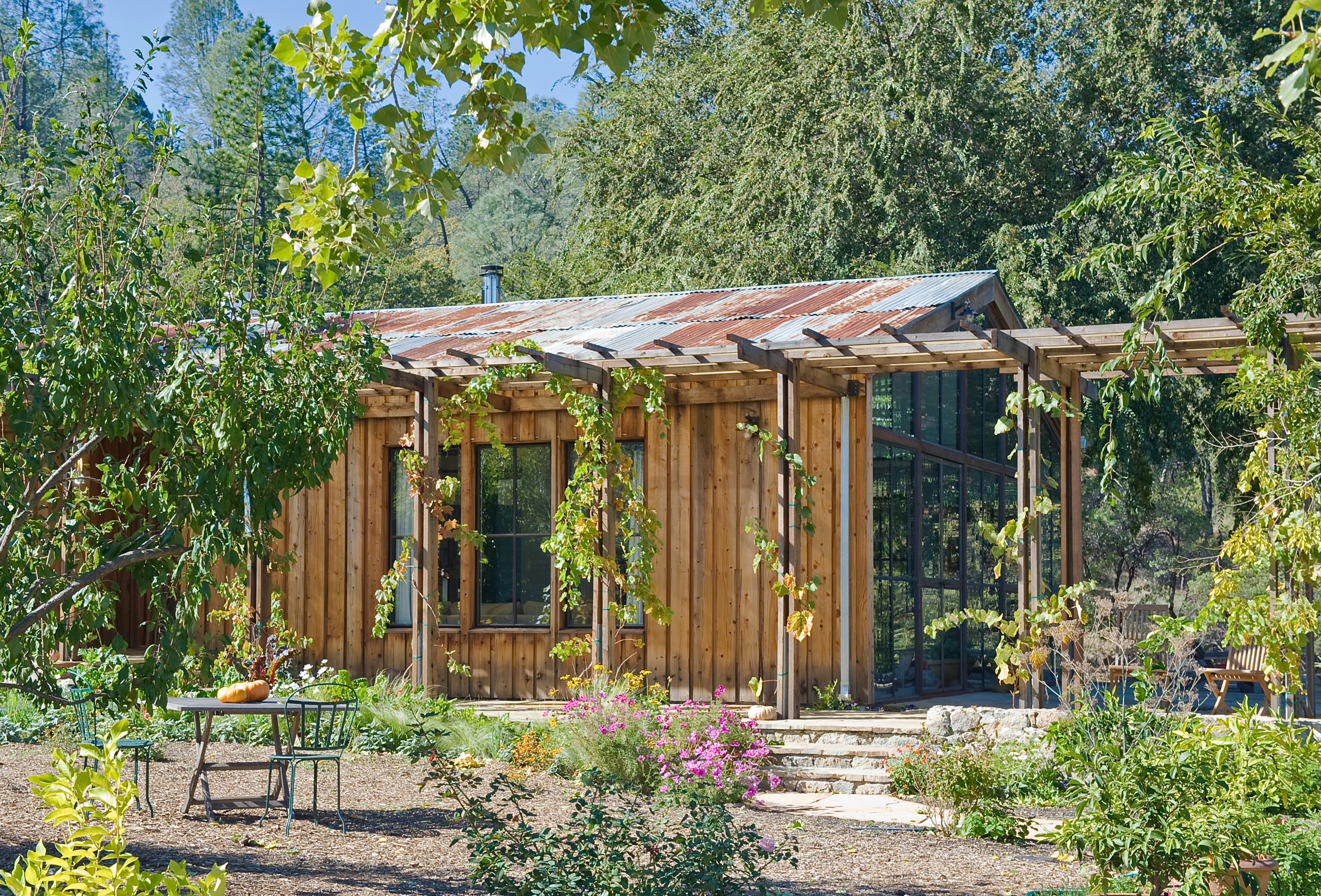
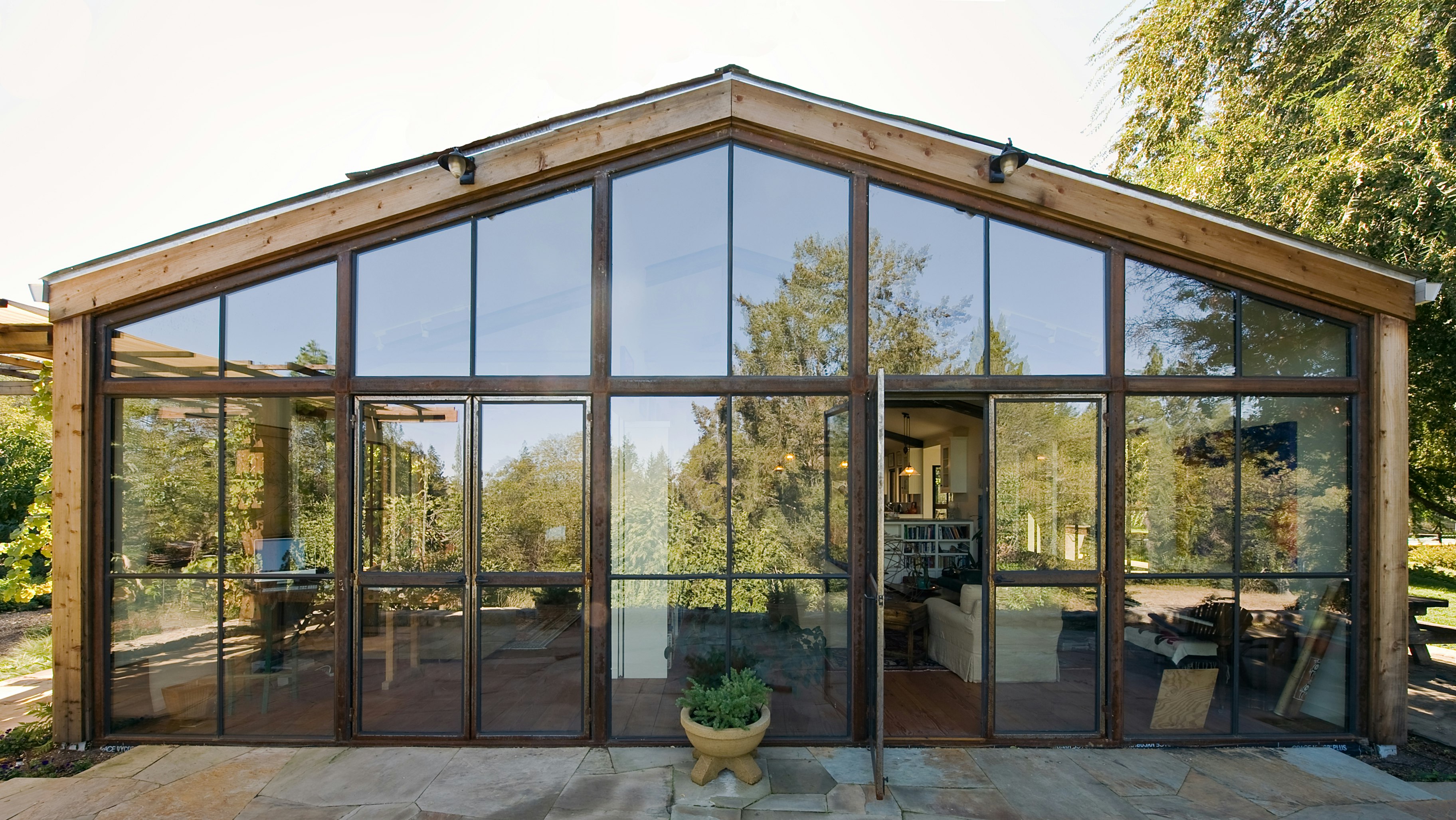
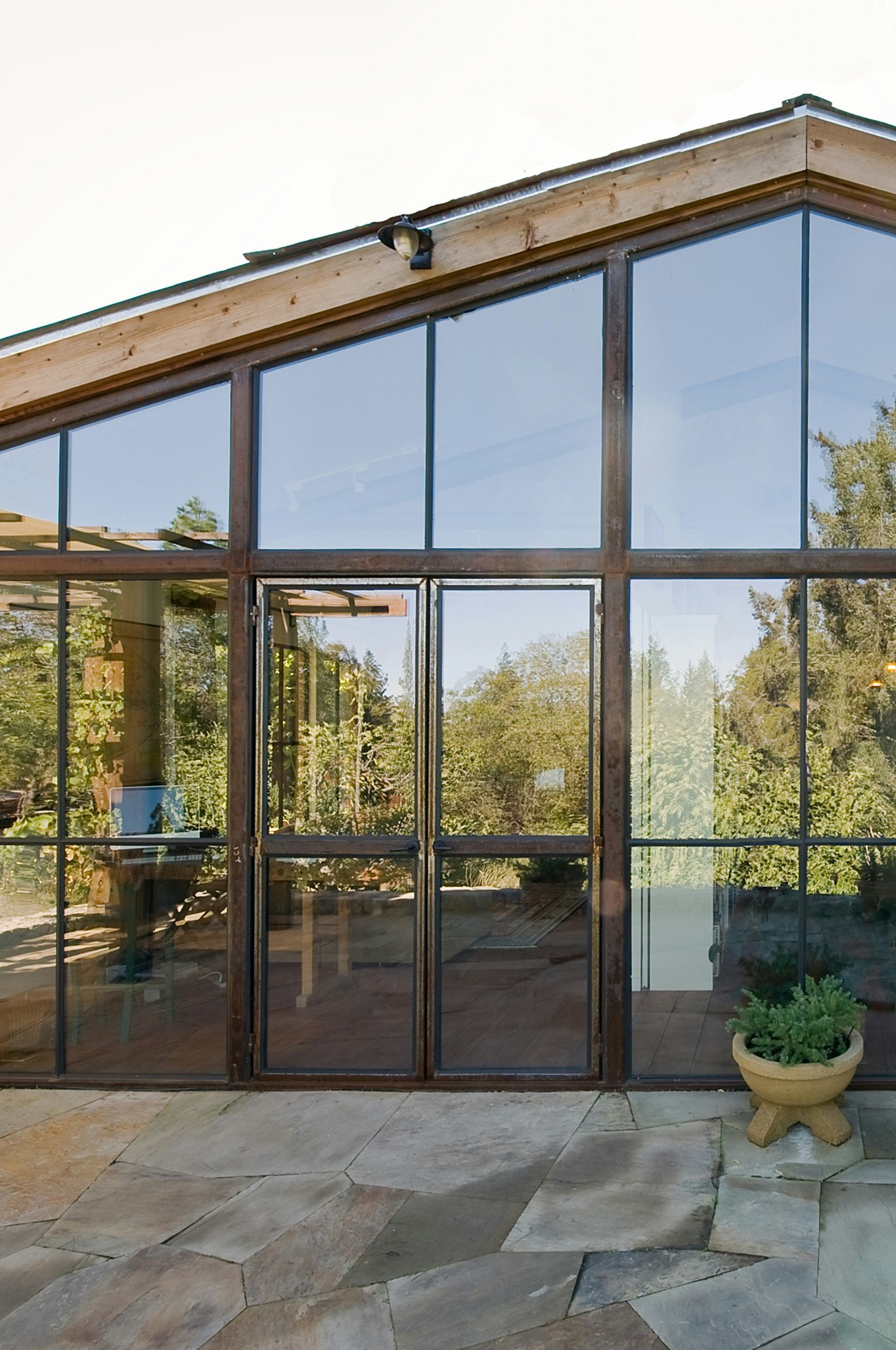
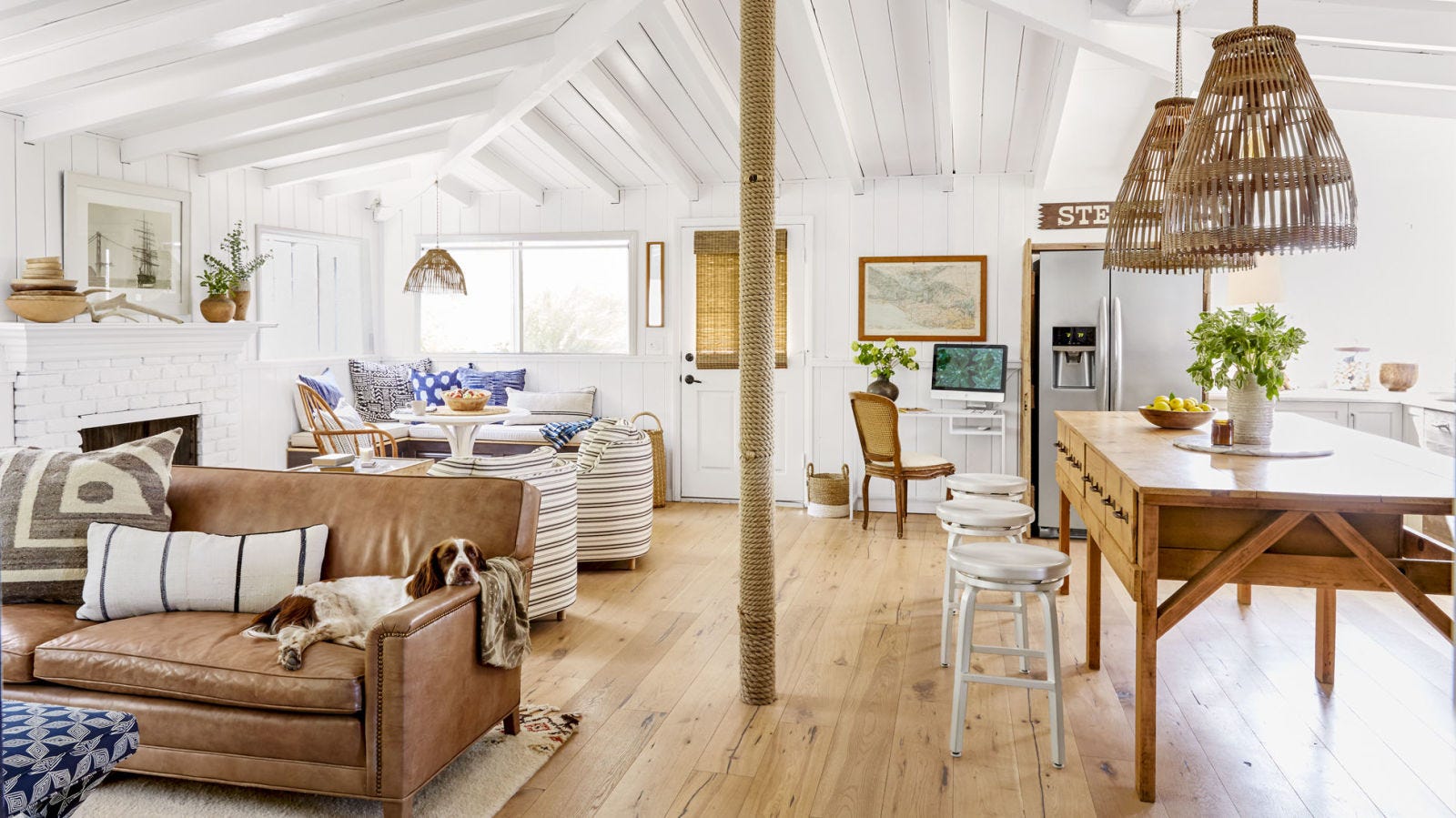
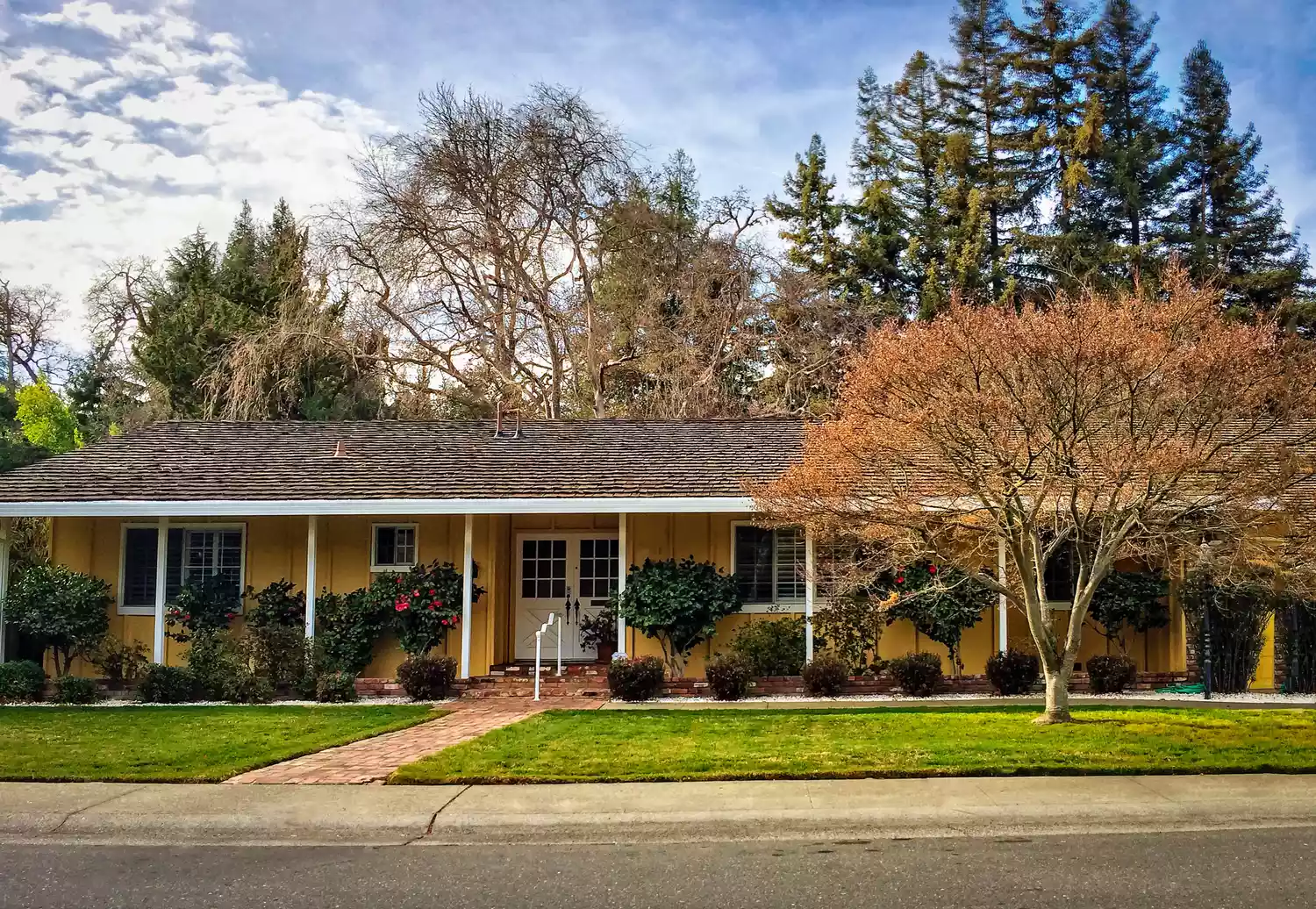
Key characteristics of ranch homes include their single-story structure, often featuring an L- or U-shaped footprint, with an emphasis on fluid transitions between rooms. This sprawling horizontal layout promotes an open and relaxed flow between interior spaces and the outdoors. A crucial element is the strong link to nature, evidenced by varying window sizes on the front and more prominent, often large glass doors and windows at the back, which frequently open onto a full or half courtyard. The interior layout is typically organized with a central section dedicated to common spaces, flanked by more private areas. Bedrooms are often clustered on one side, with an integrated car garage on the other, leaving the central area open for living spaces.
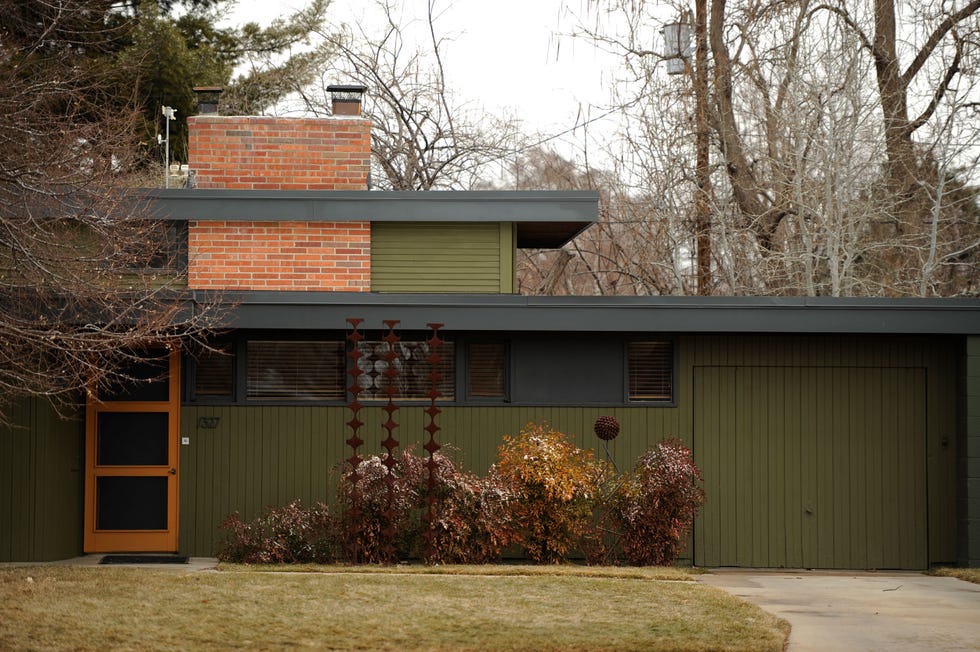
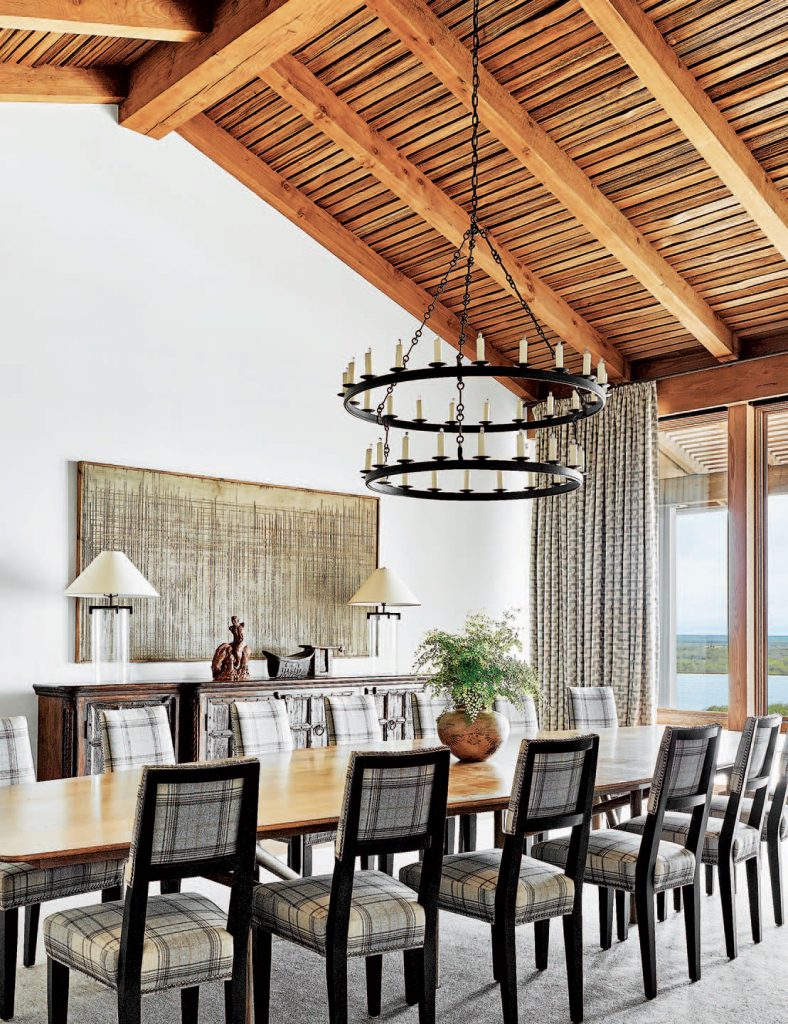
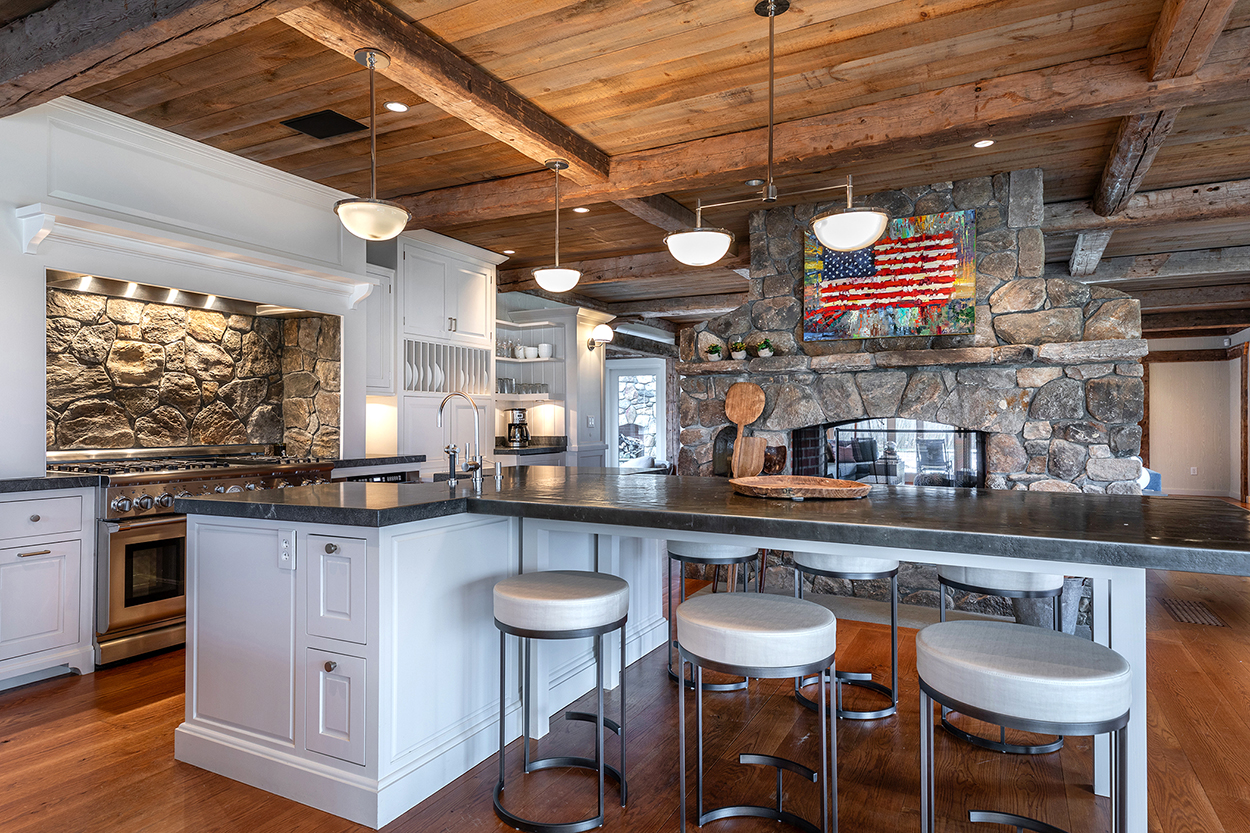
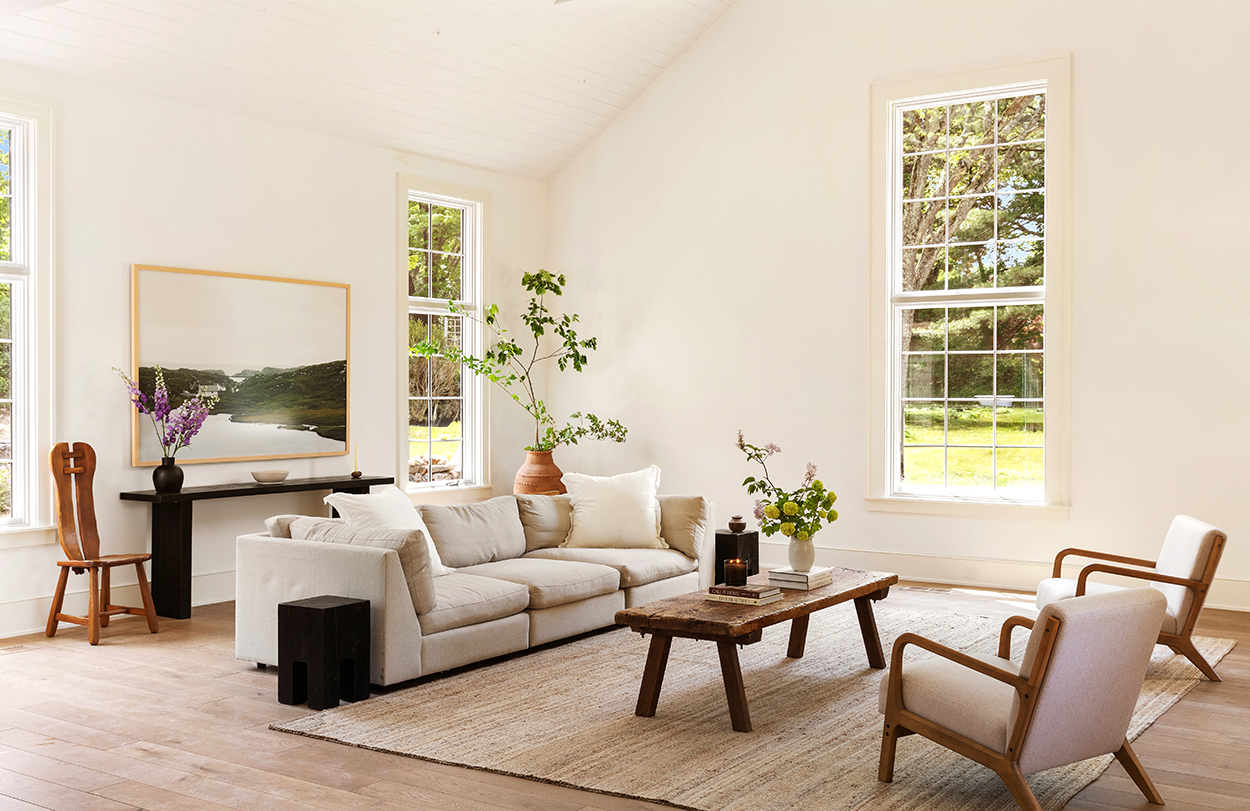
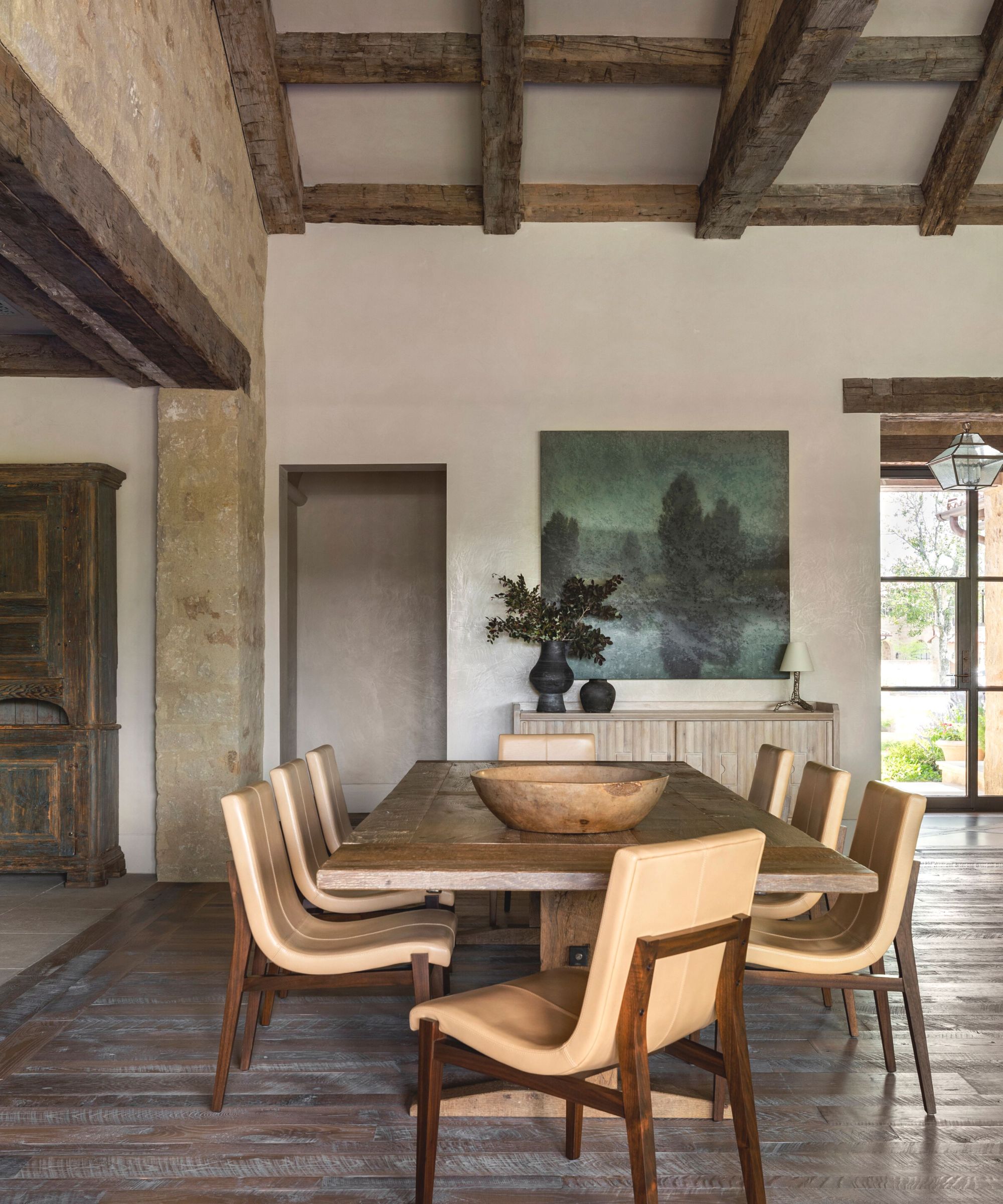
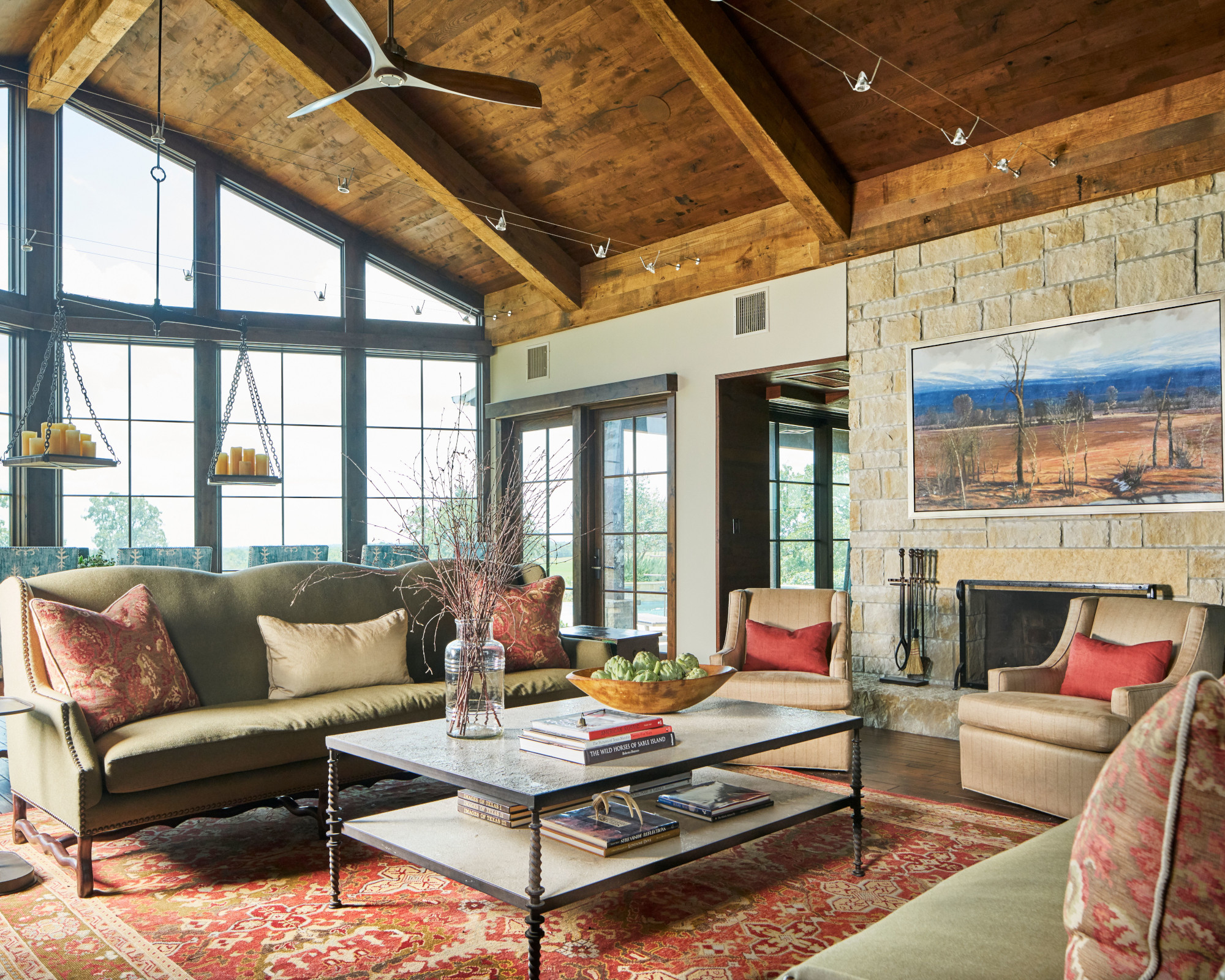
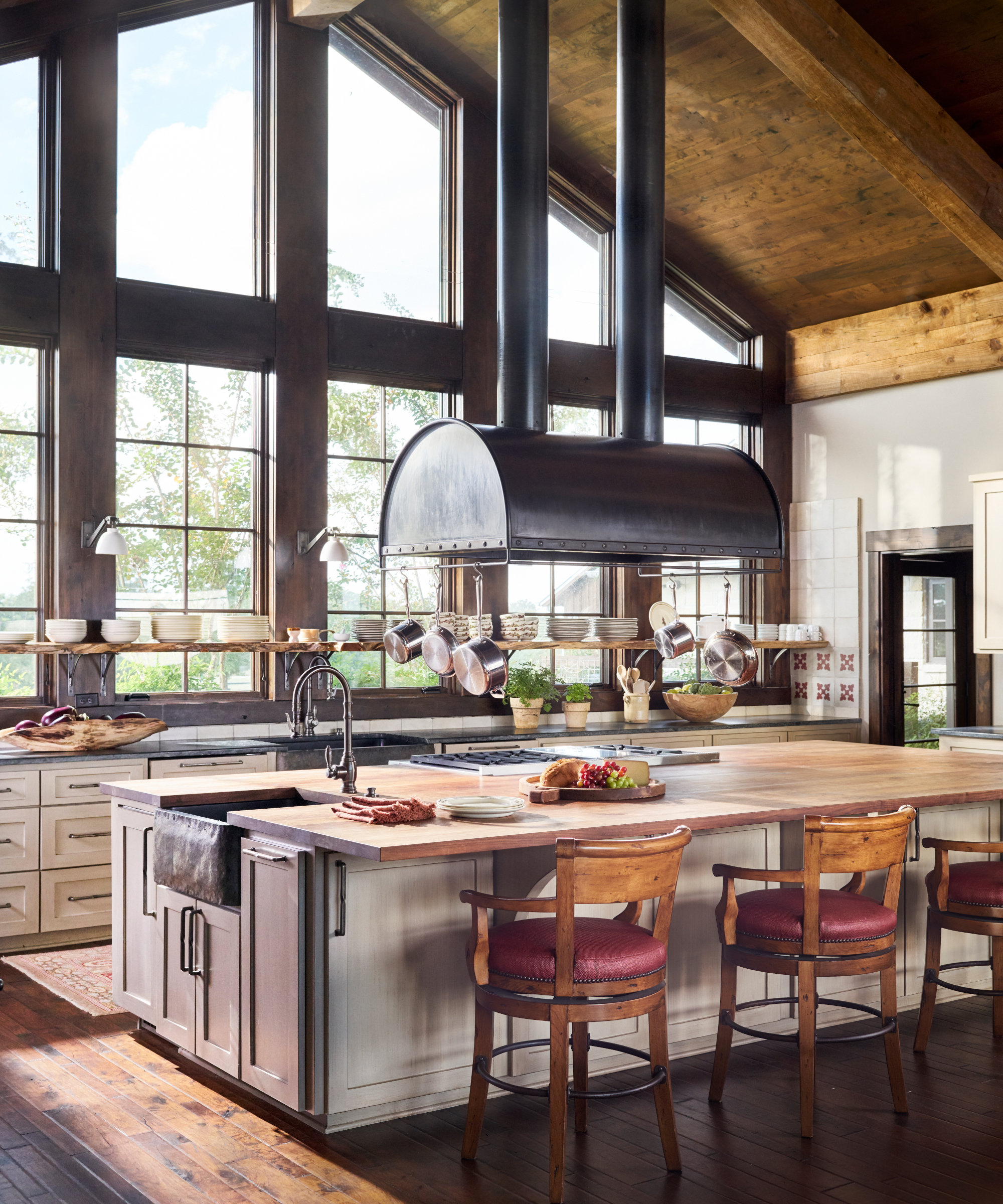
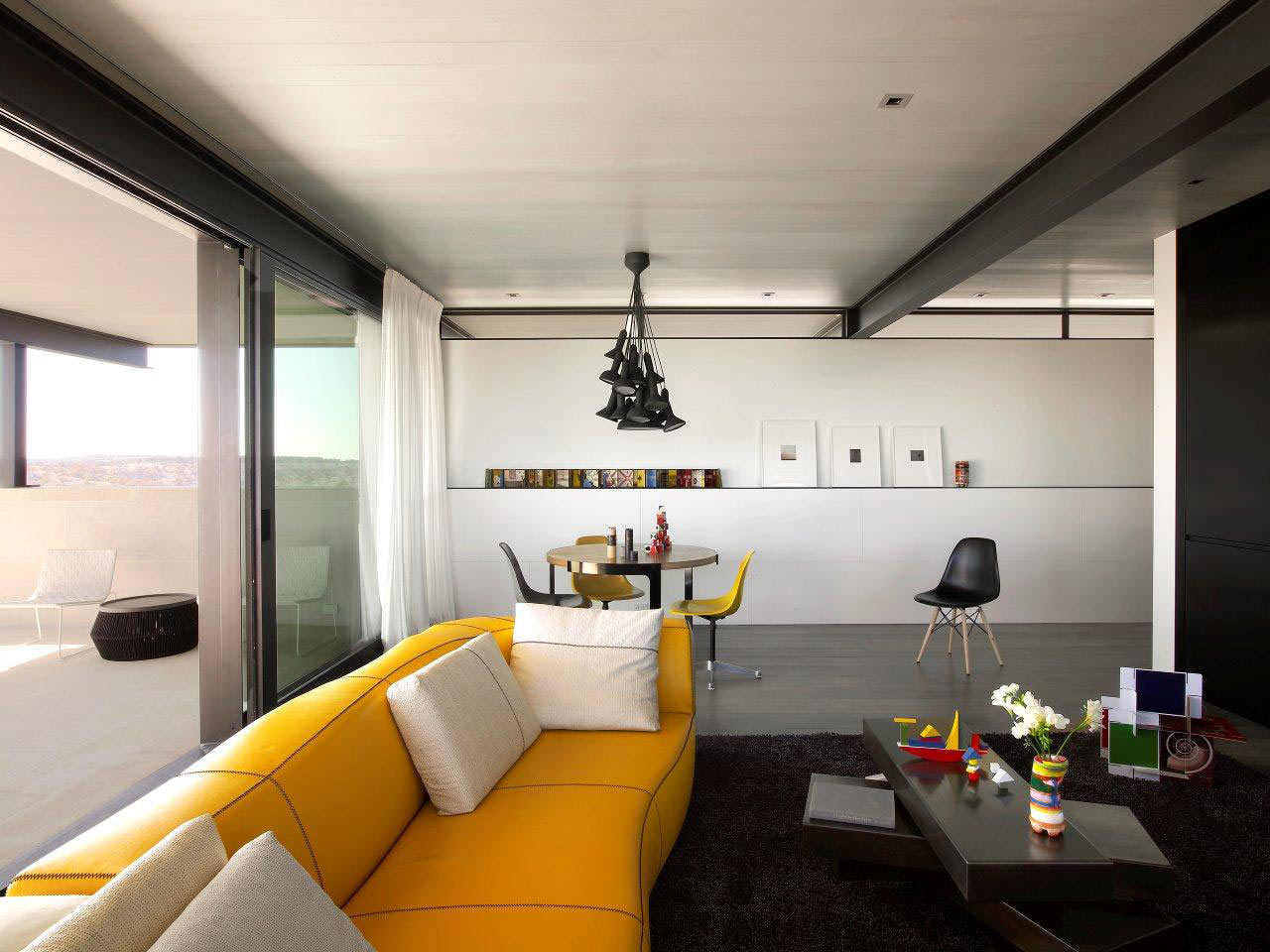
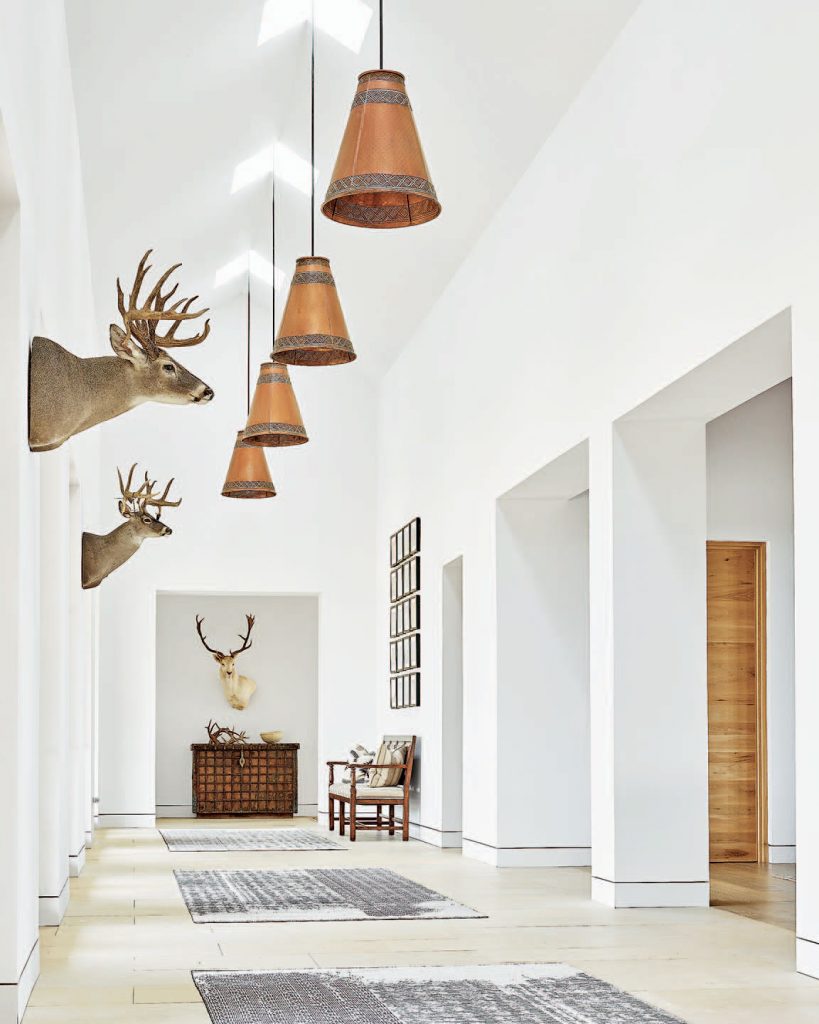
Despite being single-story, ranch homes achieve a light and airy feel through soaring ceilings and distinctive detailing. The absence of a second floor allows for expansive vertical space, often enhanced by exposed post-and-beam structures that contribute to a visually larger feel. Over the past century, ranch-style homes have undergone various evolutions to align with different aesthetics and needs while retaining their relaxed appeal and unique flow. Notable versions include the traditional ranch, characterized by exposed wood posts and beams, stucco or wood siding, and low, tiled roofs. The Joseph Eichler house represents a more contemporary interpretation, known for its exposed post-and-beam system, distinctive roof, blank exterior wall panels, and extensive use of glass. Another popular iteration is the Palm Springs Butterfly style, recognized by its inverted, butterfly-shaped roof and large, blank stucco walls, a style that gained prominence through architectural developments in the Palm Springs desert of California.
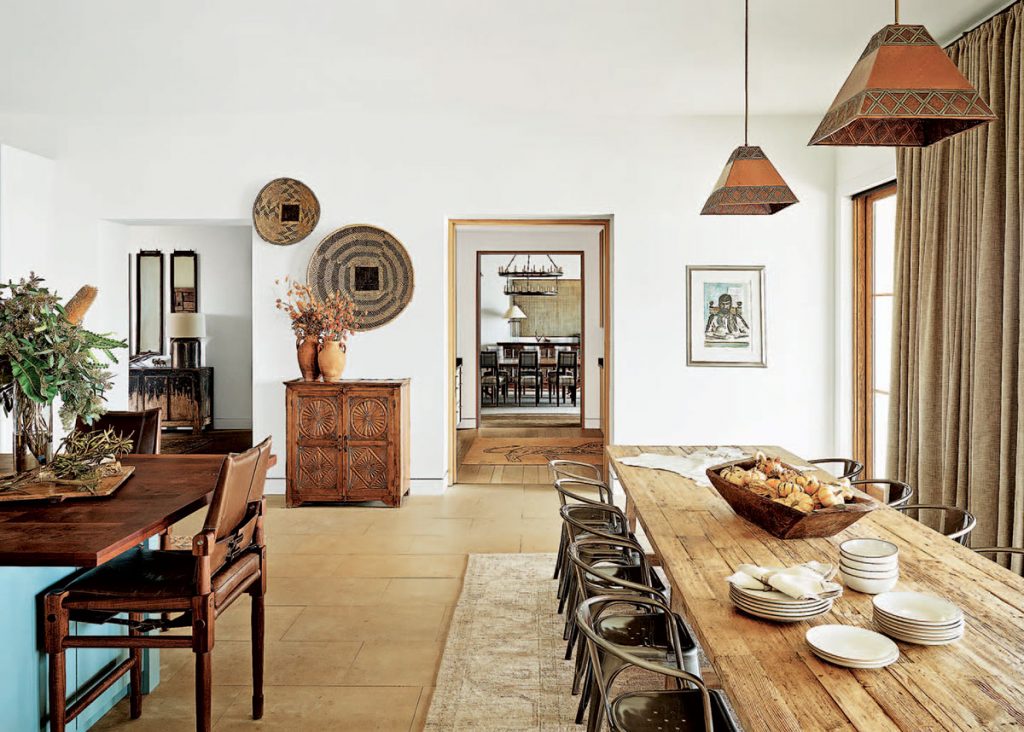
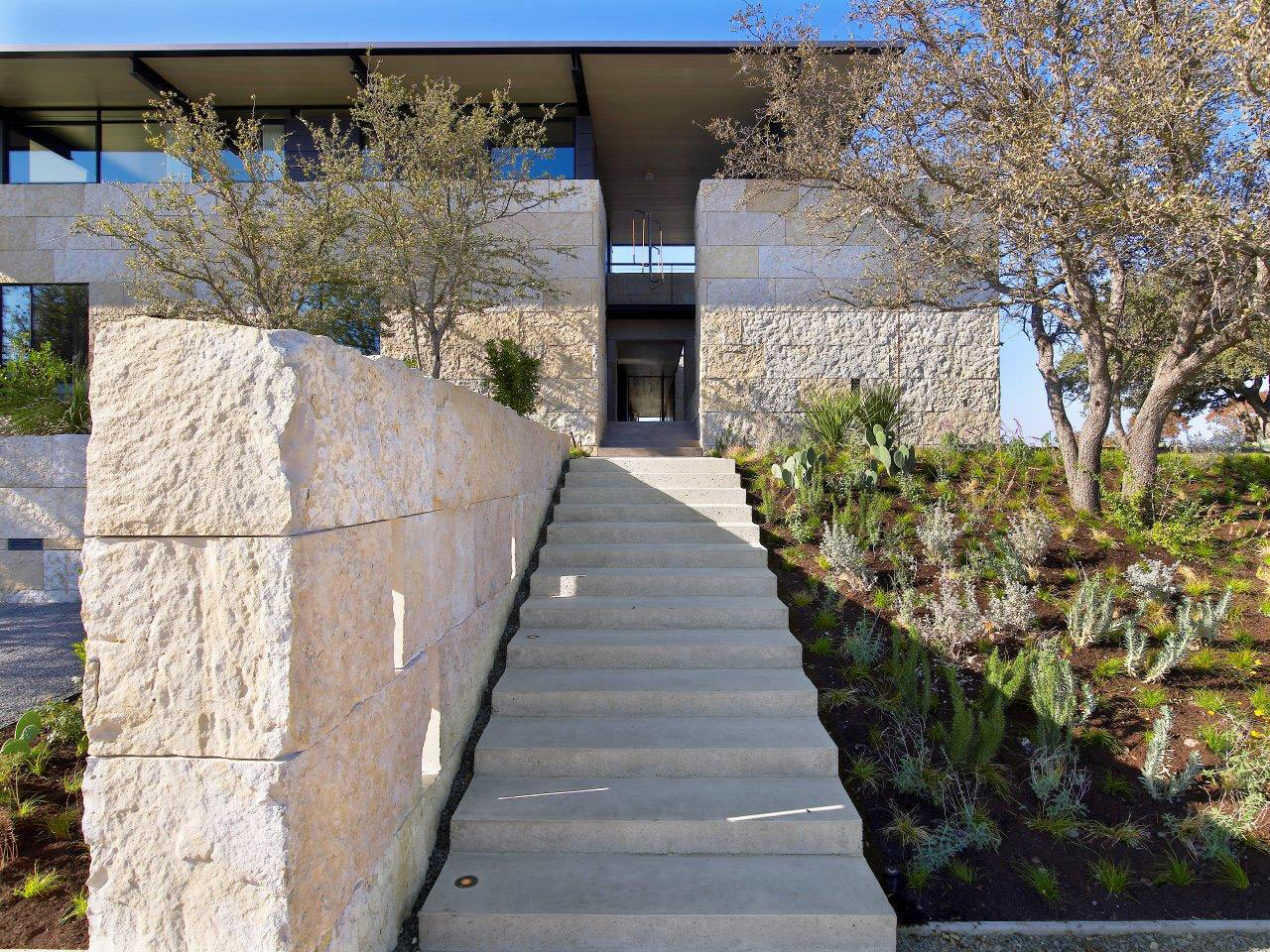
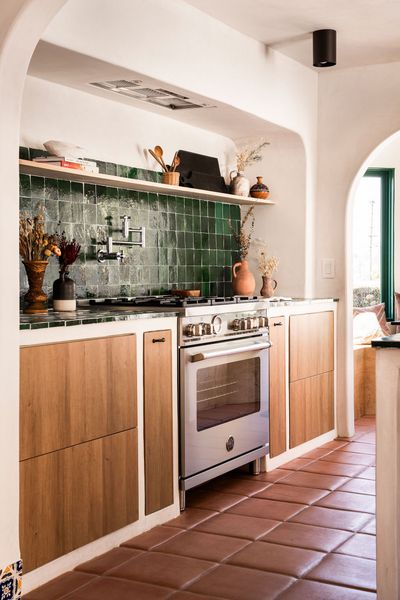
Contemporary ranch homes often incorporate modern construction methods while honoring historical elements such as terracotta floors or plaster walls. The enduring popularity of this style is rooted in its iconic characteristics: the open floor plan, the use of natural materials, and the inherent connection to the landscape, making it as desirable today as it was decades ago.
#RanchStyleHome #ArchitecturalHistory #HomeDesign #PostWarHousing #OpenFloorPlan #IndoorOutdoorLiving #CliffMay #MidCenturyModern #HousingTrends #RanchStyleHome #ArchitecturalHistory #HomeDesign #PostWarHousing #OpenFloorPlan #IndoorOutdoorLiving #CliffMay #MidCenturyModern #HousingTrends
0 comment in total
 No comments yet
You may also like
Everything You Need to Know About Ranch-Style Houses

A Modern Family Ranch in Texas

You're About To See This Rustic Home Decor Trend Everywhere

Home Trends

Home & Ranch: Ranch Style Redefined

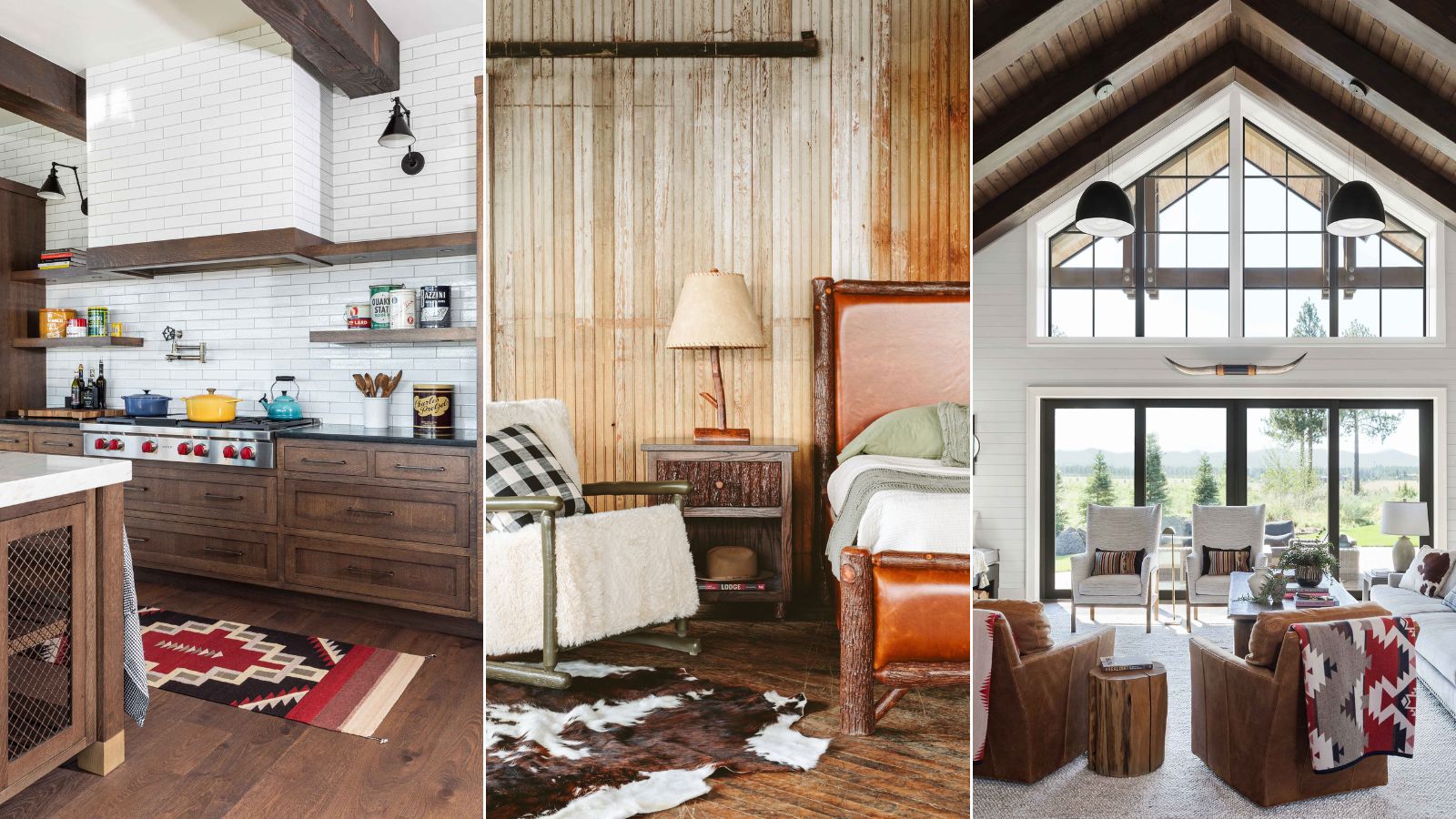
Rich Ranch is the latest take on Western style – here's how to get the rugged-meets-upscale look

Why This Architect Says Ranch-Style Houses Are ‘Important Historical Artifacts’

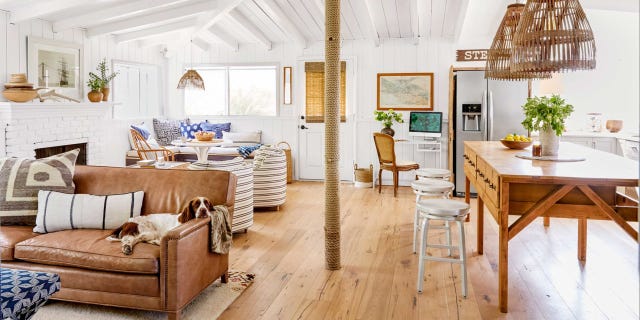
This Repurposed Ranch Home Gives New Meaning to the Term "Great Room"
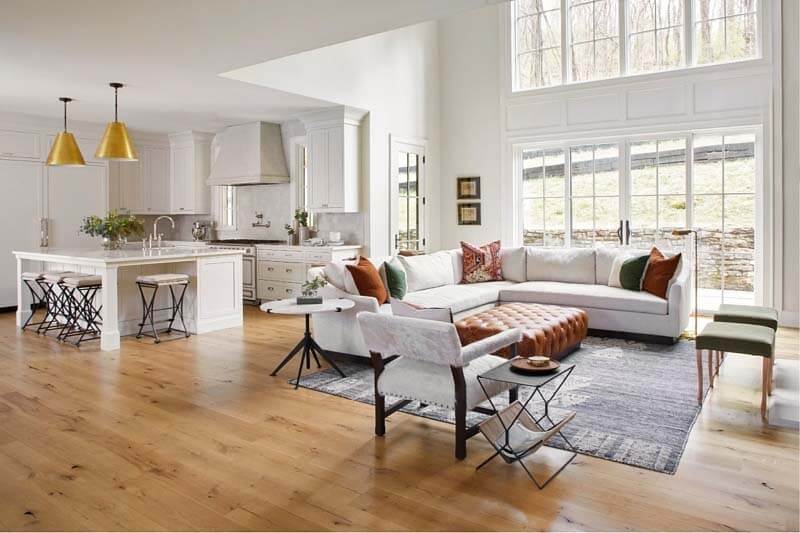
An Amazing Ranch Home Transformation

28 Ranch House Decor Ideas That Bring Warmth and Character Without Losing the Simple Ranch Feel

This Overhauled 1960s Ranch House Connects a Family to the California Countryside

The Truths About Buying and Living in an Old House


For the Farmhouse-Style Skeptics, Richard Gere's Modern Twist on Ranch Living Might Change How You Decorate Your Living Room for Good
This Texan ranch blends contemporary and classic to epitomize modern country
20 Modern Country Houses Designed for R&R

This Raised Ranch Was Reinvented as a Vibrant Family Home With Old Florida Soul
6 rustic homes in modern farmhouse style

New Homeowners Finally See Potential in This 200-Year-Old Farmhouse

18 Ideas to Steal from a Rustic-Modern Ranch House
Modern Farmhouse: Design trendsetter