1/2
Turn Your Ugly Radiator Into Something Beautiful—a Functional Seat
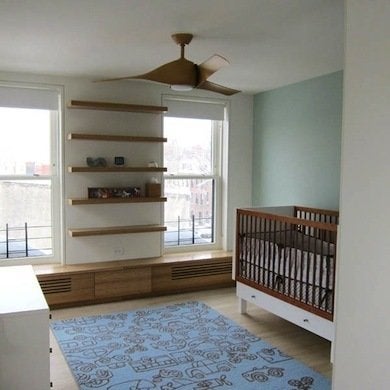
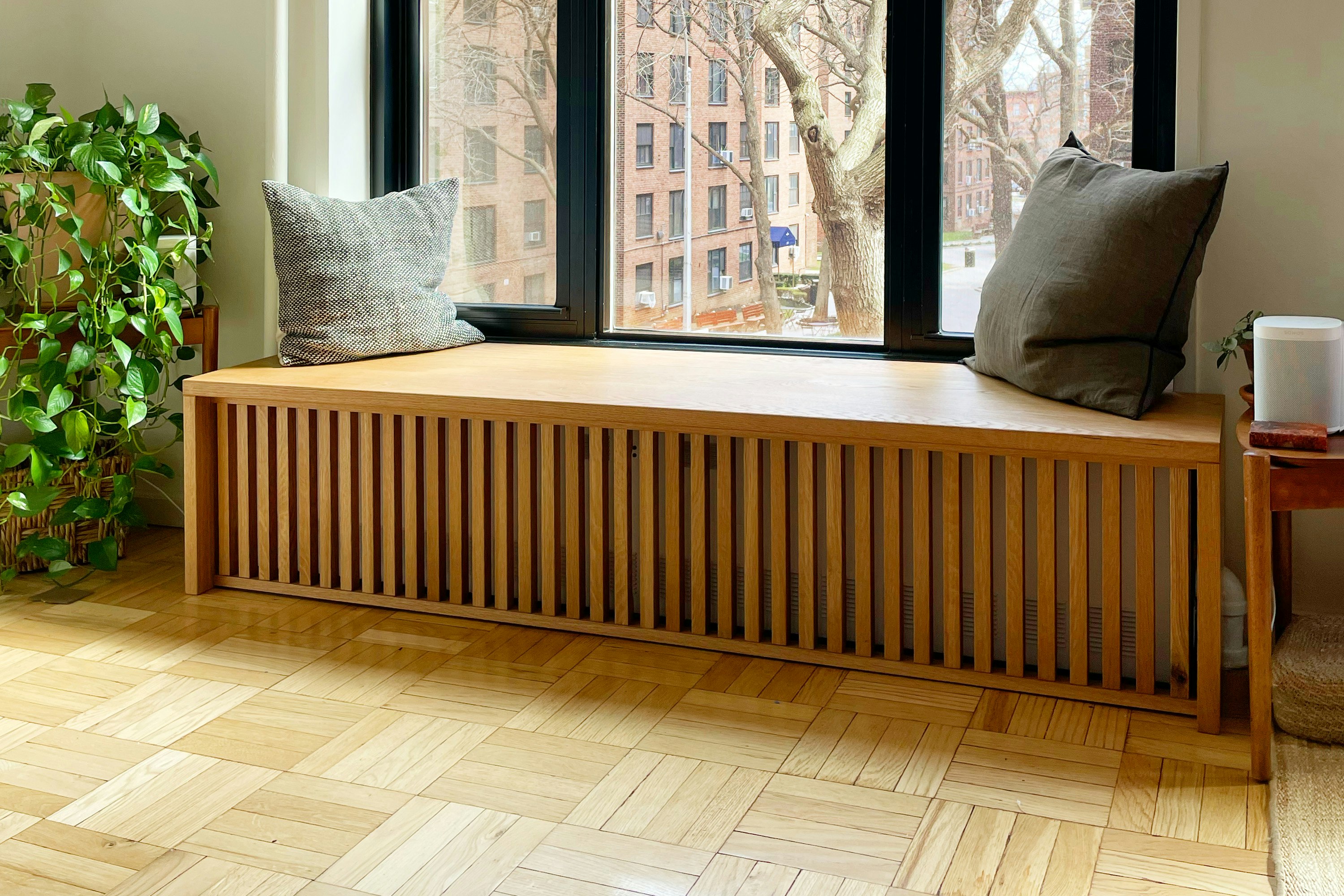
Chuck Van Dyck, founder of Current Flow Woodwork, addressed the challenge of an unsightly and underutilized radiator in a client's Brooklyn apartment by designing and fabricating a solid white oak cover. The clients frequently sat on the existing sheet-metal radiator, causing it to bow. Van Dyck's solution transformed the radiator into a sturdy, functional bench, providing an additional eight square feet of surface area—a significant benefit for a New York City apartment where space is at a premium.
The design process involved several key considerations, particularly the nature of hardwood. Van Dyck emphasized that wood is a living material that reacts to changes in humidity and temperature, expanding and contracting. This characteristic was central to his design approach, ensuring the cover's longevity and stability. He chose solid wood over veneered or painted plywood for its repairability and durability, creating an inch-thick top designed for a lifetime of use with occasional refinishing.
The cover's dimensions were carefully planned. It matches the radiator's length but is deeper (approximately 20 inches, compared to the radiator's 12 inches) to enhance comfort and utility. The top is designed to back directly into the window frame and hovers above the radiator, preventing direct contact with the hot metal. The cover is not fastened, making it a freestanding piece of furniture supported by the windowsill, ensuring a snug fit. Before construction, Van Dyck created a template of the top bench piece, accounting for pipes along the radiator's sides, and tested its fit in the window frame to guarantee precision.
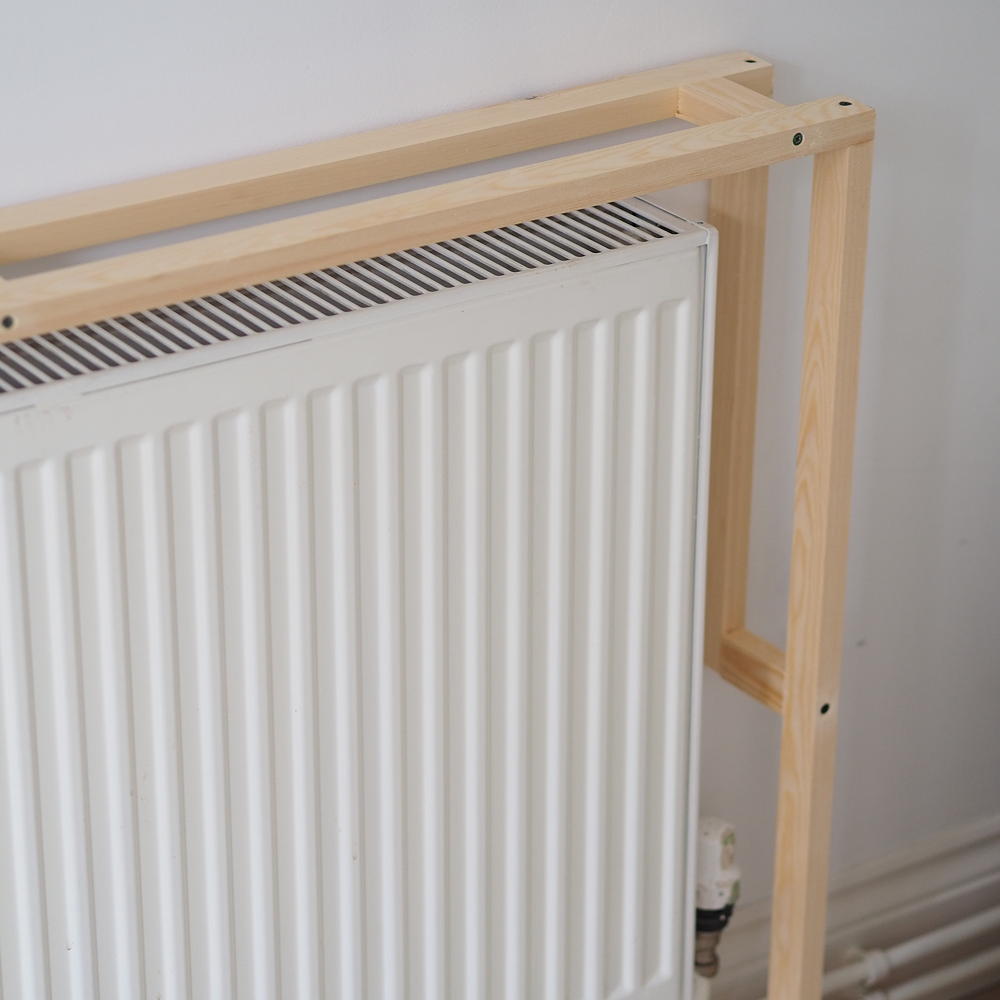
Accessibility to the radiator was another critical design element. Instead of using adhesive, Van Dyck designed the cover to be easily removable for maintenance or access to the radiator unit. The slatted design of the cover is particularly functional, allowing access to controls on the hybrid-electric radiator. The finish chosen for the cover was Osmo, an ultralow VOC blend of oils and waxes. This maintenance finish, unlike a film finish like polyurethane, allows for easier repairs of scratches or damage by re-applying the mixture, as it bonds with the wood rather than sitting on the surface.
A notable aspect of the construction is that none of the slats are nailed or screwed into place. Van Dyck utilized traditional mortise and tenon joinery, creating 78 of these joints. This labor-intensive method was chosen to accommodate the natural movement of the wood, allowing it to expand and contract with temperature and humidity changes without loosening over time. The article concludes by offering alternative radiator cover options for those seeking ready-made solutions, including unfinished Medex wood covers, customizable MDF covers, slatted wooden covers from an international seller, and slip-on steel covers for baseboard radiators, highlighting the variety of choices available for homeowners to conceal and enhance their heating units.
#radiatorCover #woodworking #homeDesign #functionalFurniture #hardwood #DIY #spaceSaving #interiorDesign #customFurniture #radiatorCover #woodworking #homeDesign #functionalFurniture #hardwood #DIY #spaceSaving #interiorDesign #customFurniture
合計0件のコメント
 まだコメントはありません
あなたも好きかもしれません
How to Transform Your Radiator from Eyesore to Eye Candy

10 modern radiators that make a room


Make your furniture work for your entertaining needs

How to Dress Up Your Baseboard Radiator Space
5 Ways to Make Radiators Actually Look Good —…

11 Stylish Ways to Enhance—or Hide—Your Radiators

From Your Car to Home Office, Instantly Make Any Seat More Ergonomic With This $34 Hack

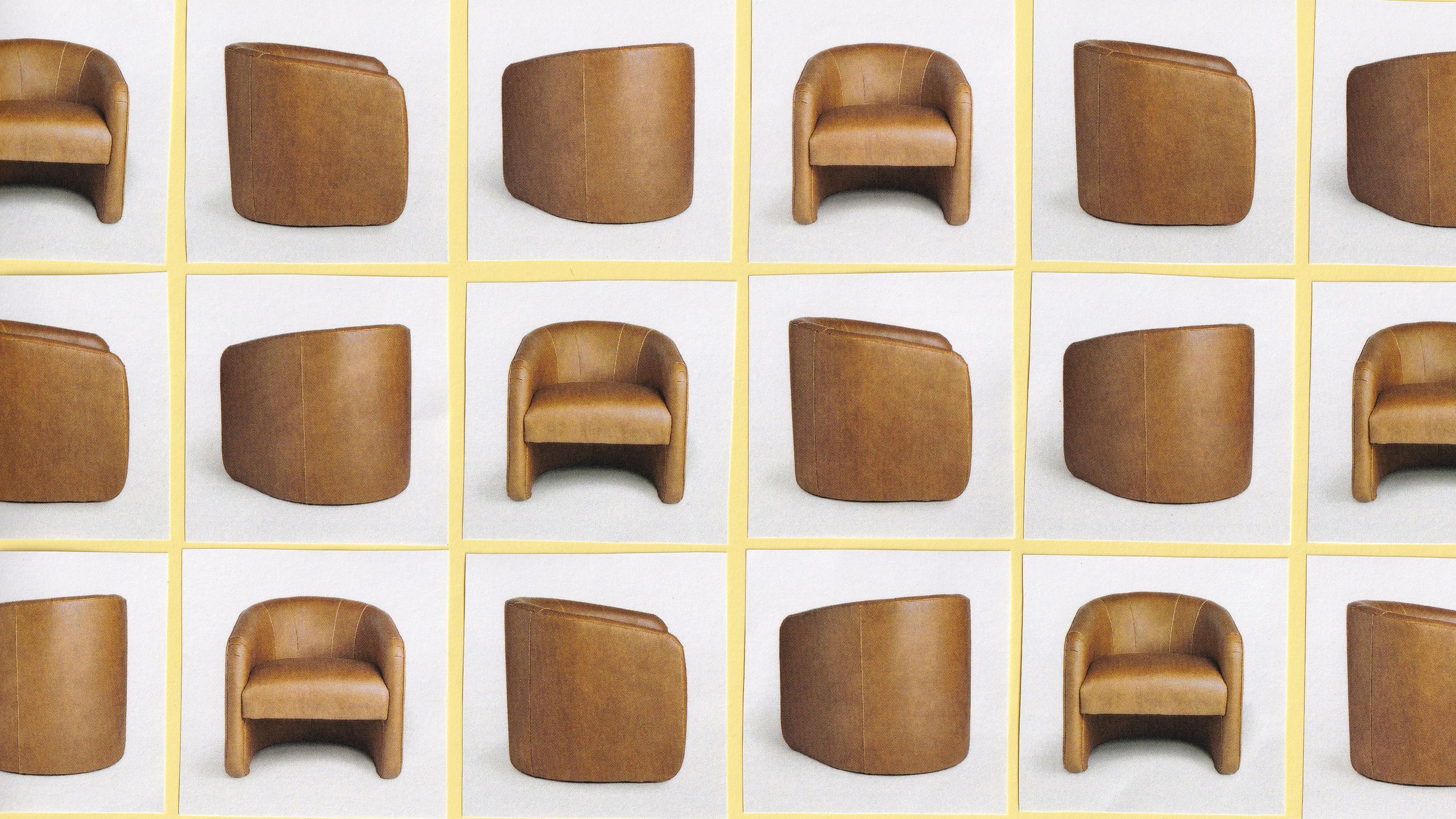
I Tried It: The Rejuvenation Claude Accent Chair Looks Better the More Weathered It Gets

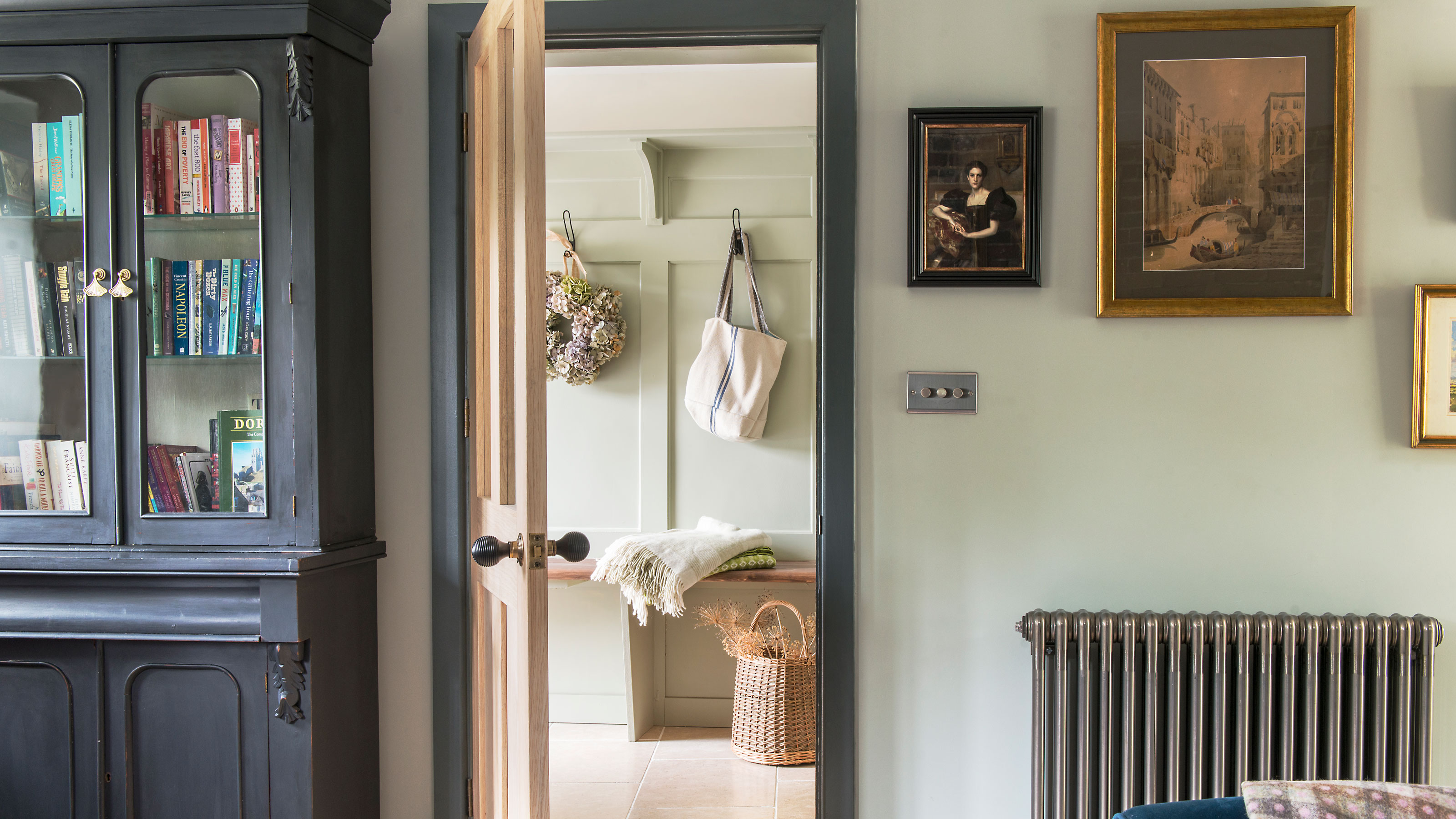
6 clever ways to make a radiator look good – there is no excuse for an ugly radiator to sabotage your scheme
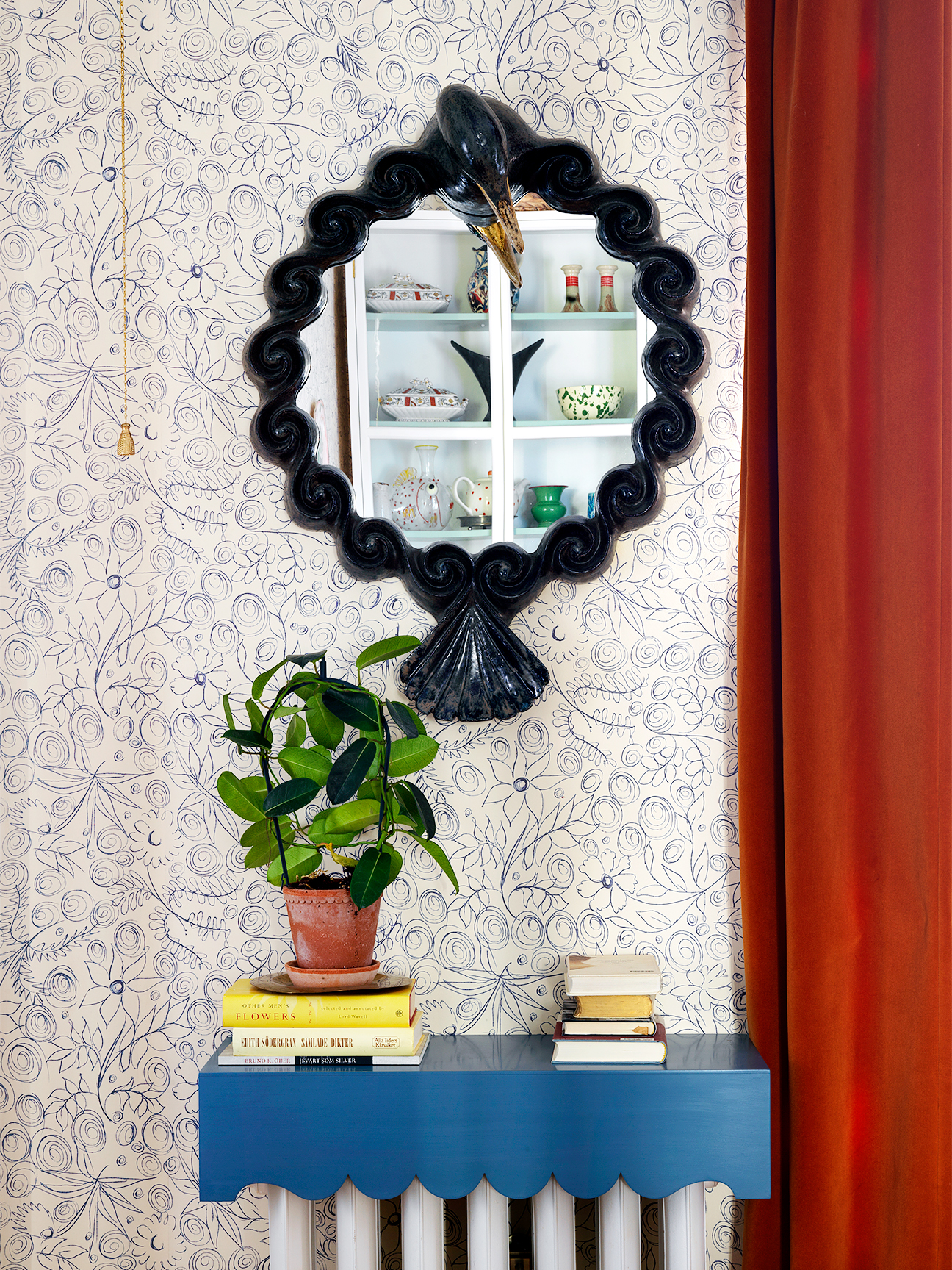
This Designer Cleverly Transformed an Eyesore Radiator Into Storage
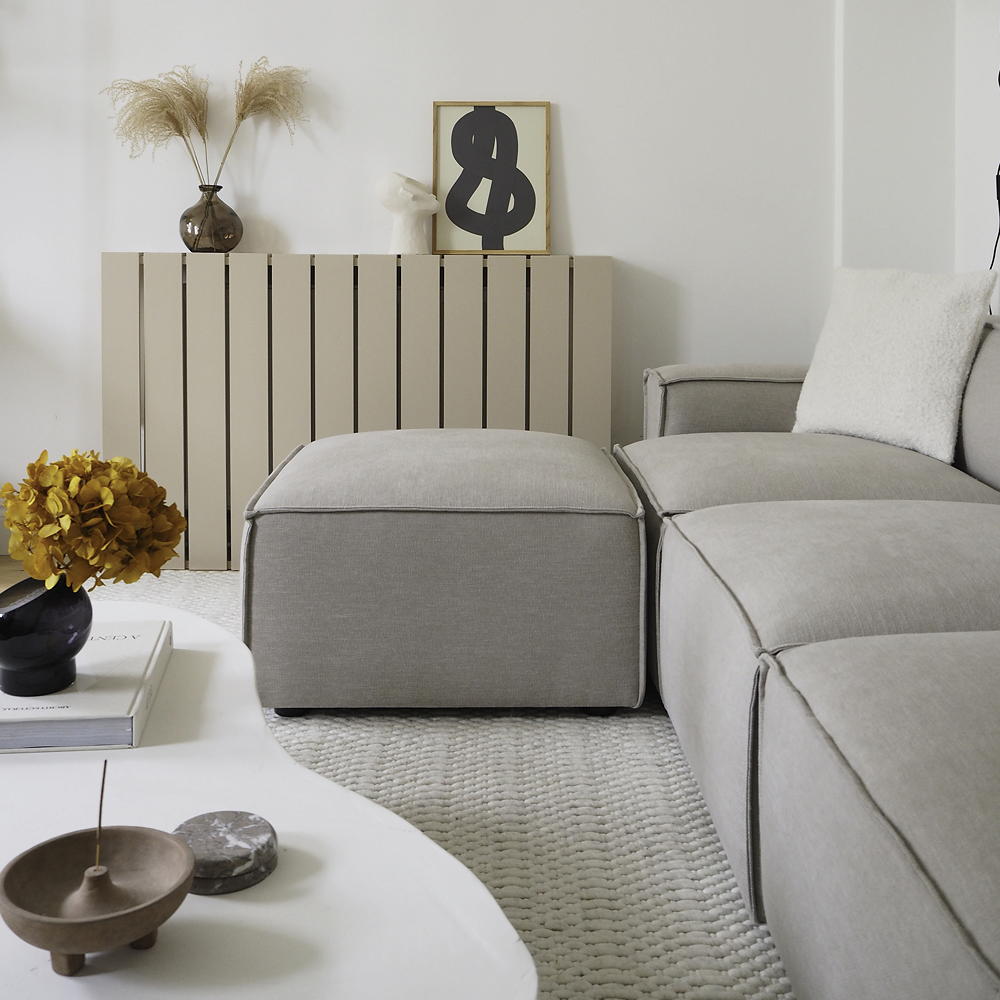
See how this savvy Instagrammer created a stylish radiator cover using pre-cut panels
How to paint a radiator - an easy guide to update an ugly radiator in an afternoon
Take cover / Turn your unsightly radiator into a thing of beauty with an enclosure

Radiant Heating
Turn your nonworking fireplace into something beautiful

The 9 Best Toilet Seats to Buy in 2024
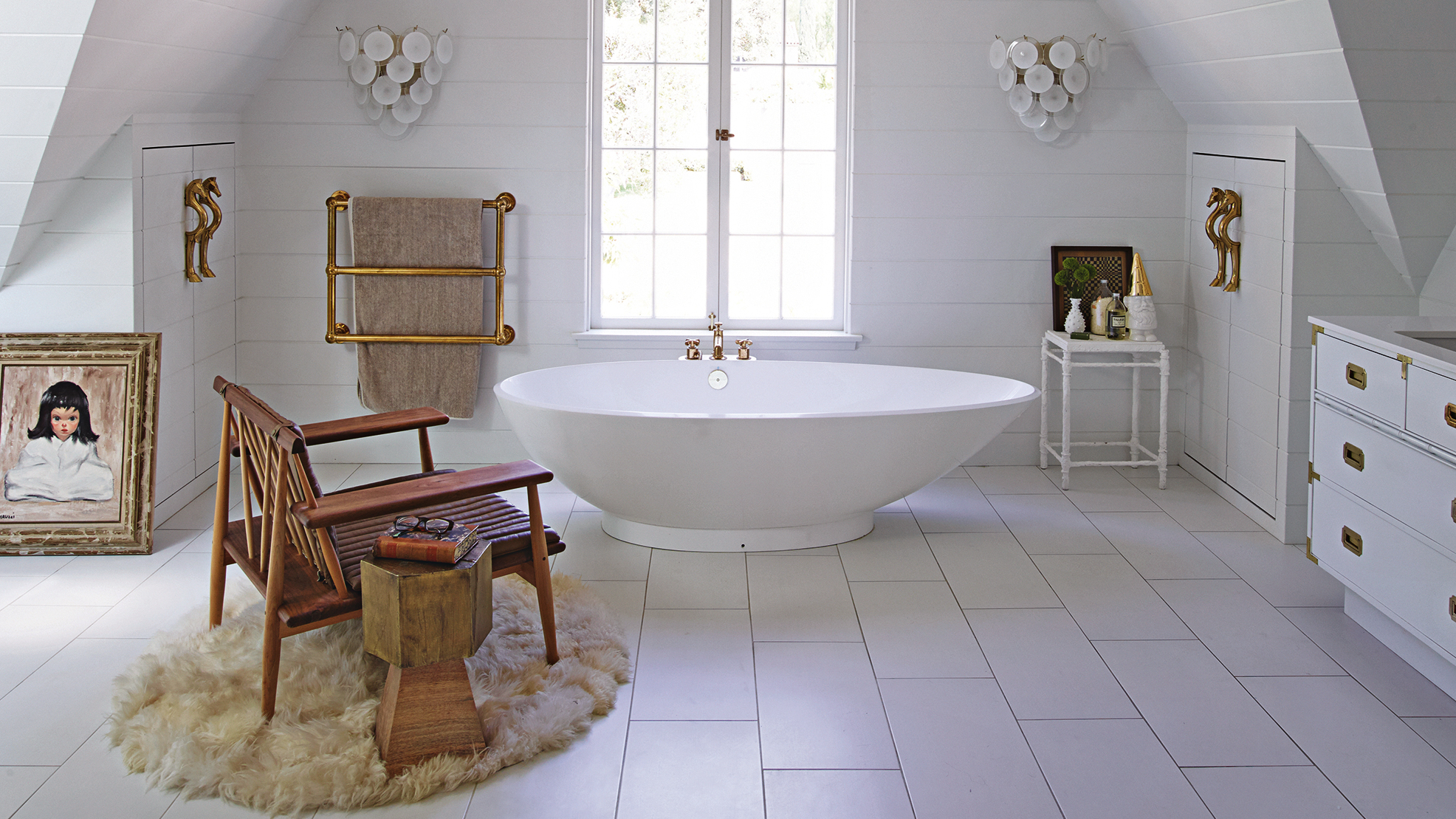
How to hide a radiator - the expert guide to decorating tricks to help them blend in

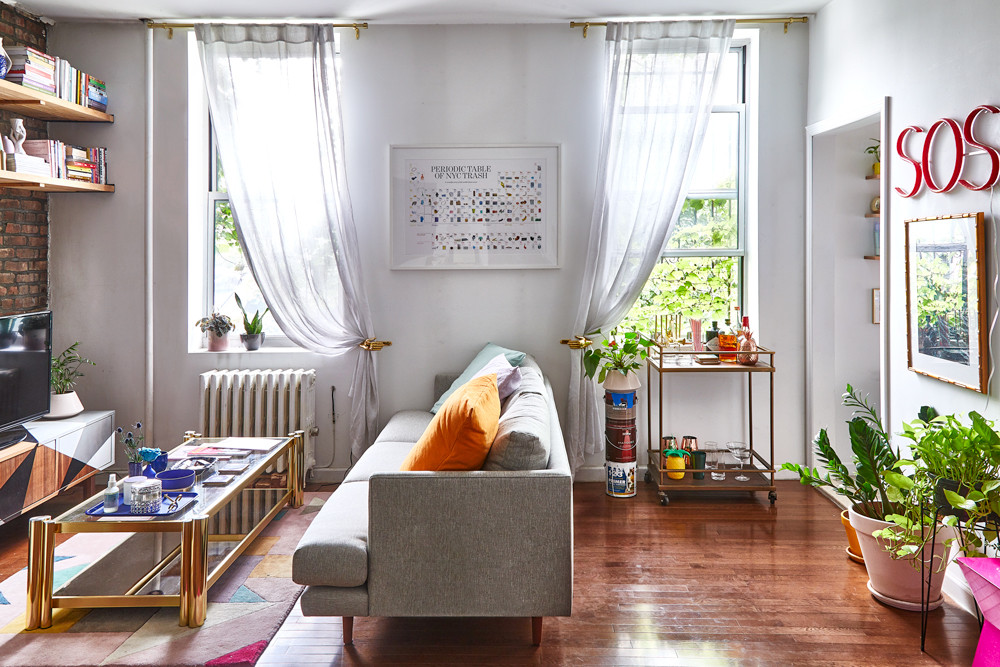
Stylish Ways To Hide Your Ugly Radiator And Other Common Household Eyesores
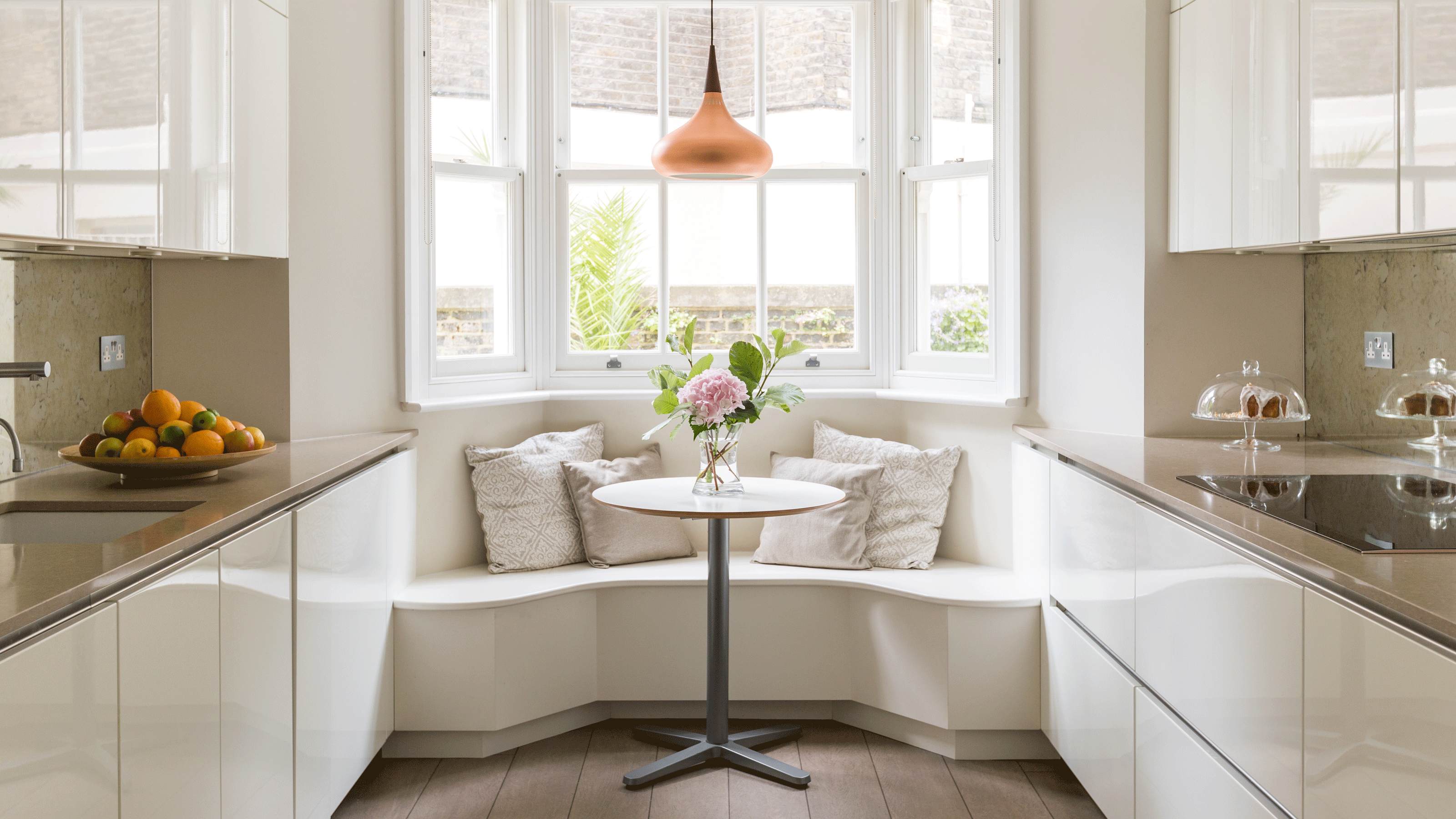
Window seat ideas – how to turn an awkward space into a cozy nook

Toss Out Your Old Toilet Seat: These Are the Best Upgraded Options