The ‘Seasonal Swap’ Method Is the Best Way to Declutter Your Closet—and Simplify Your Mornings
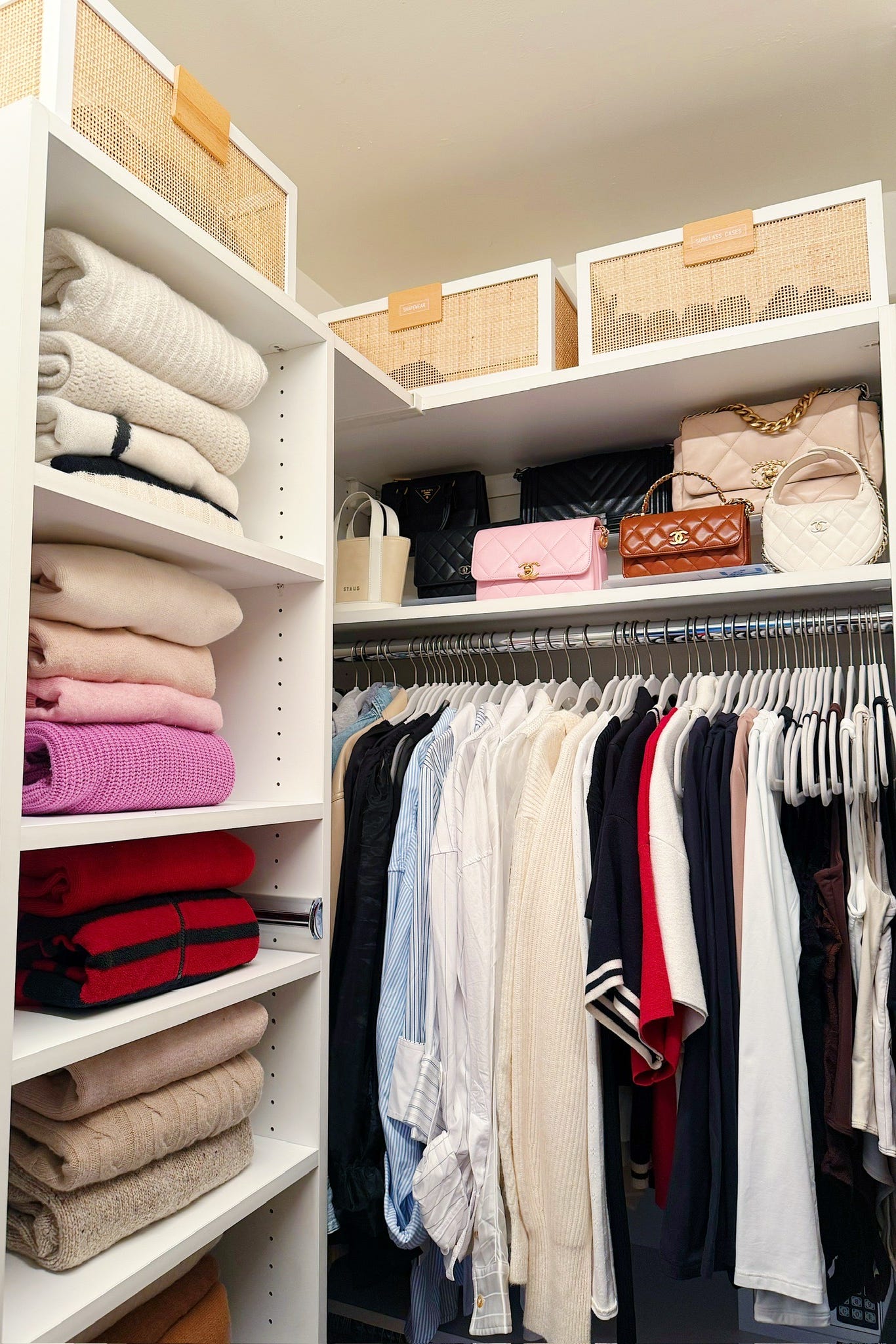
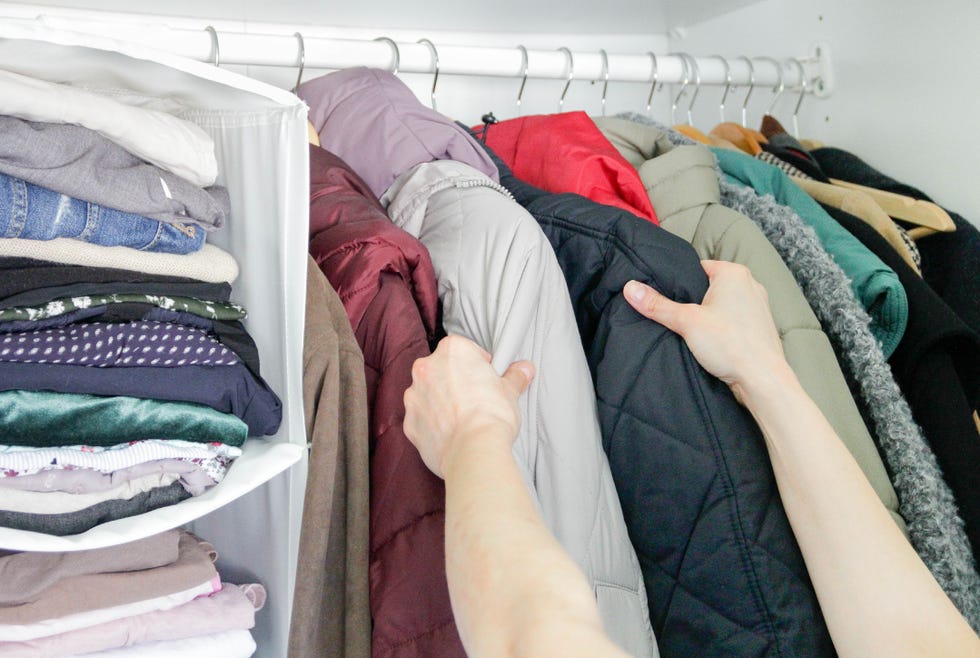
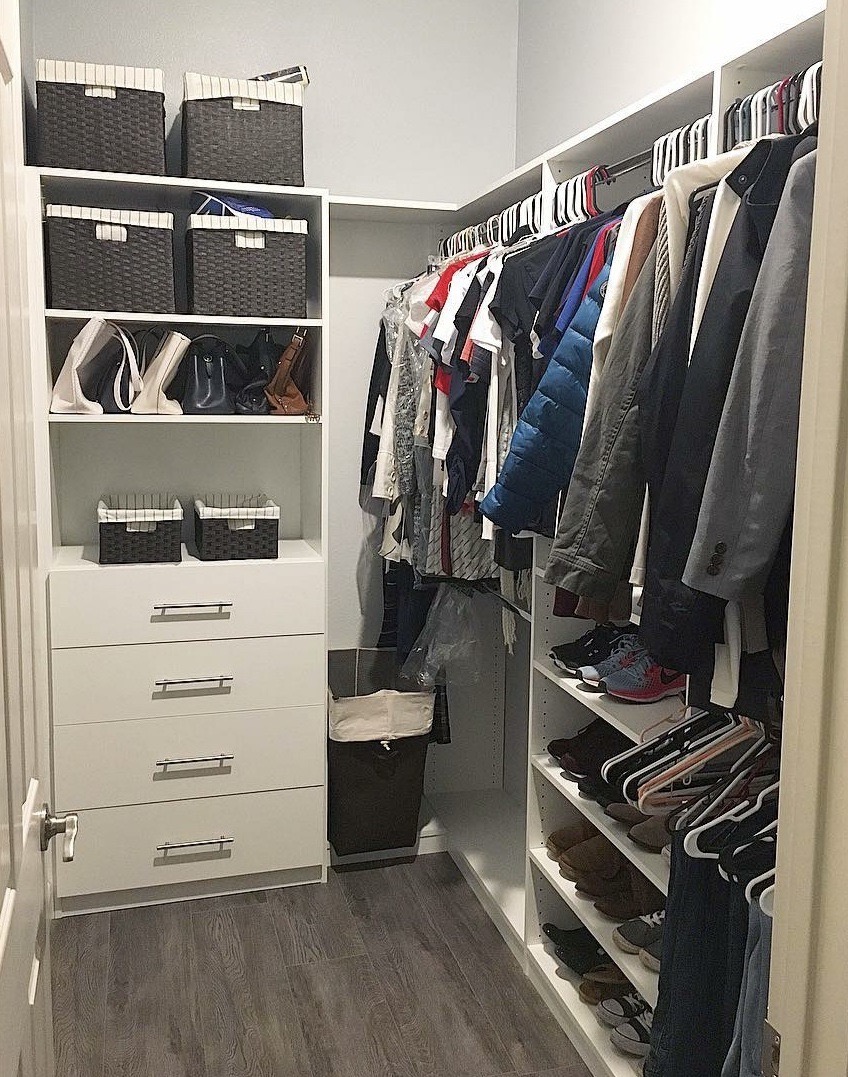
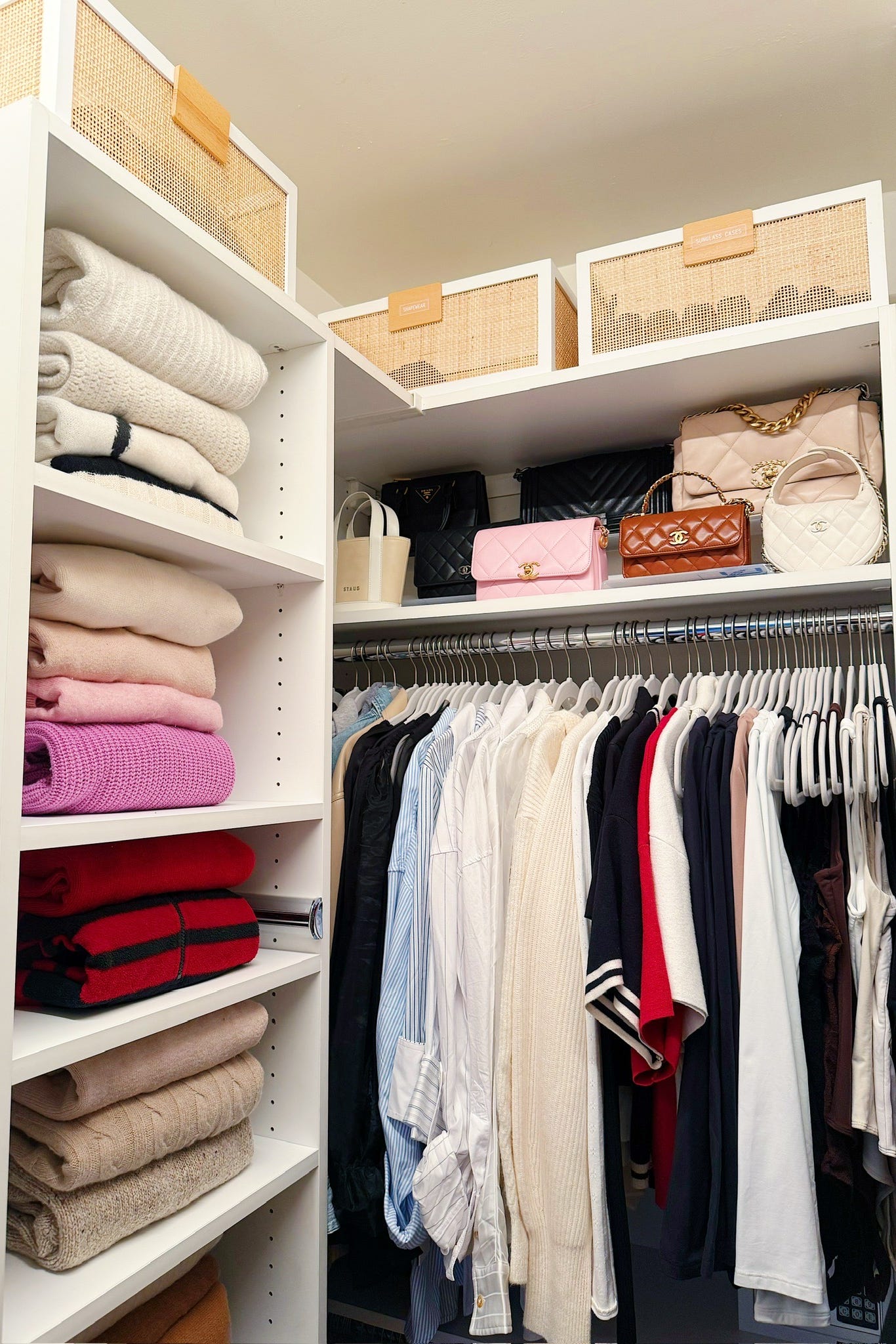
The seasonal swap method is an effective organizational strategy that involves rotating clothing based on the time of year. This approach ensures that only in-season items are readily accessible, while off-season garments are stored away. This system is particularly beneficial for individuals with limited closet space or those seeking to streamline their daily routine by reducing clutter and decision fatigue. Organizing experts, such as Tracy McCubbin and Lisa Adams, endorse this method for its efficiency and ability to encourage a more refined wardrobe.
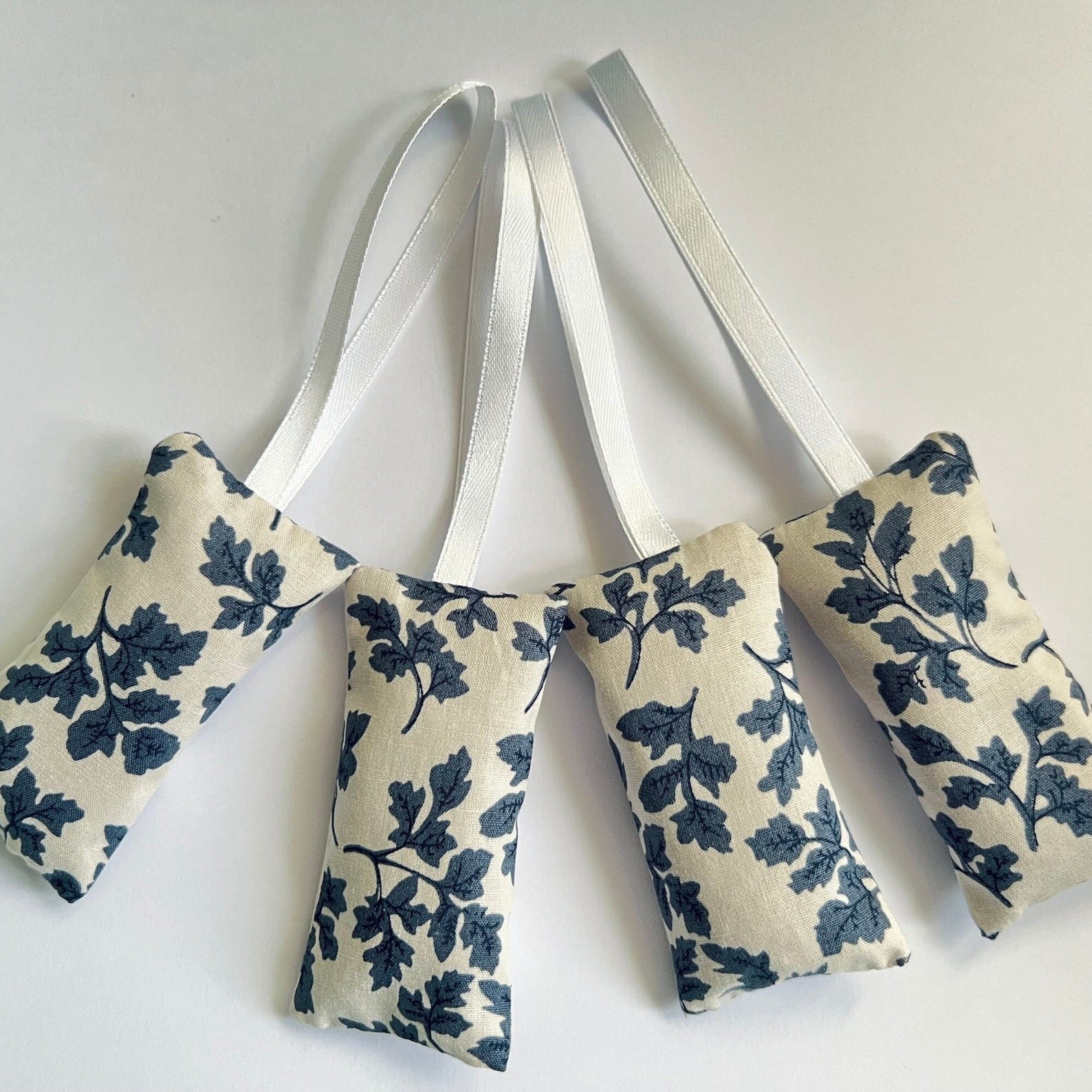
The primary advantages of implementing a seasonal closet include improved efficiency in getting dressed, as the absence of out-of-season clothing eliminates visual and physical clutter. This streamlined environment makes it easier to locate desired items. The method also promotes regular wardrobe editing, compelling individuals to assess and retain only items they frequently wear and love. This periodic evaluation helps in decluttering and maintaining a functional wardrobe. Furthermore, proper storage of off-season items, utilizing solutions like dust bags, boxes, and cedar-lined cabinetry, aids in preserving fabrics and extending the lifespan of valuable clothing pieces, such as outerwear, knits, and boots.
To successfully set up a functional seasonal closet, several key tips should be followed. A commitment to a twice-annual swap—typically in the fall and spring—is essential. This involves exchanging spring/summer attire for fall/winter wear and vice versa. Before each swap, it is crucial to take inventory and evaluate each item. Any clothing not worn in the previous season should be considered for donation, sale, or repurposing. This is also an opportune time to identify wardrobe gaps, mend damaged pieces, and make strategic additions that align with one's lifestyle.
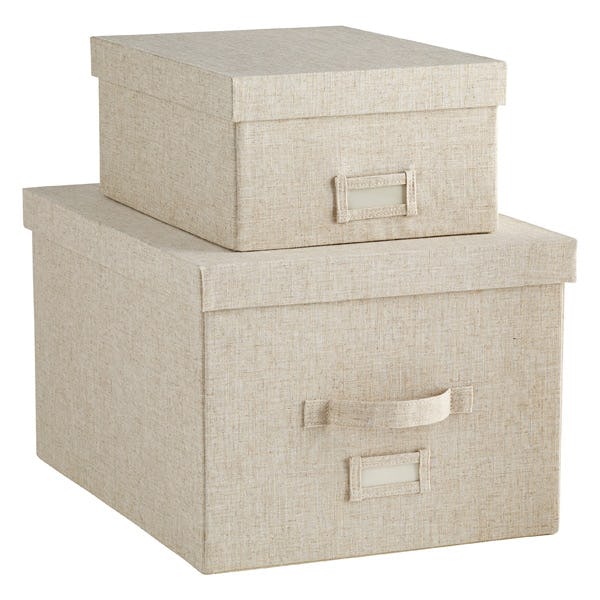
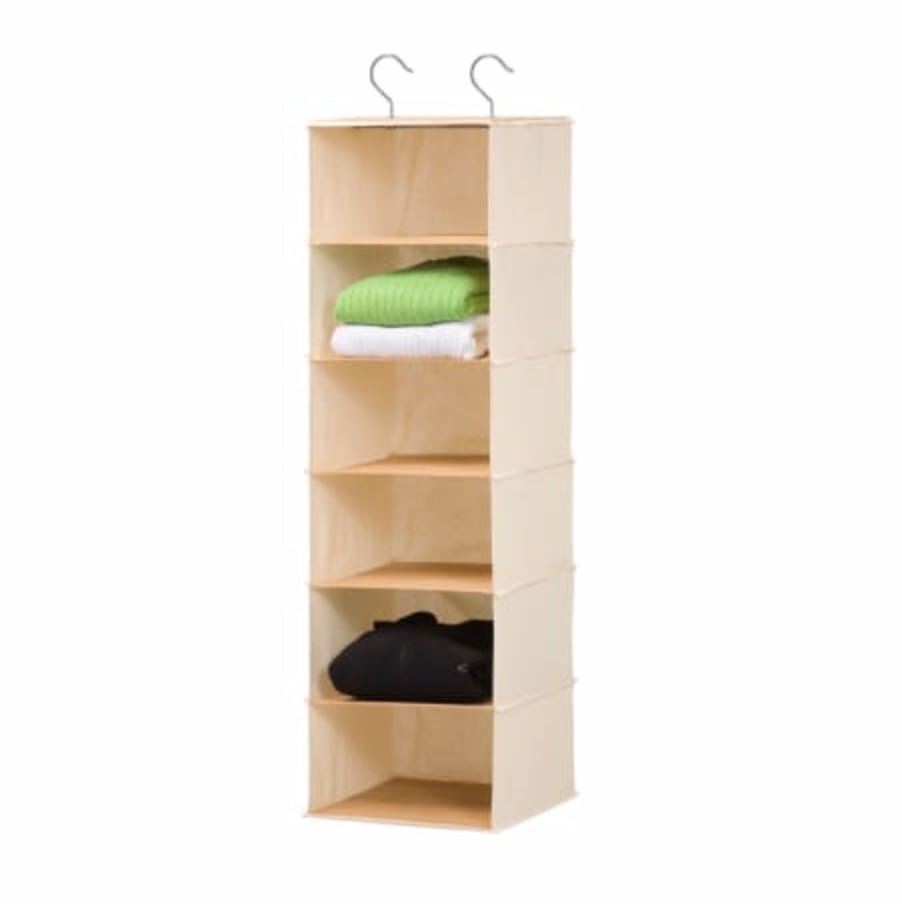
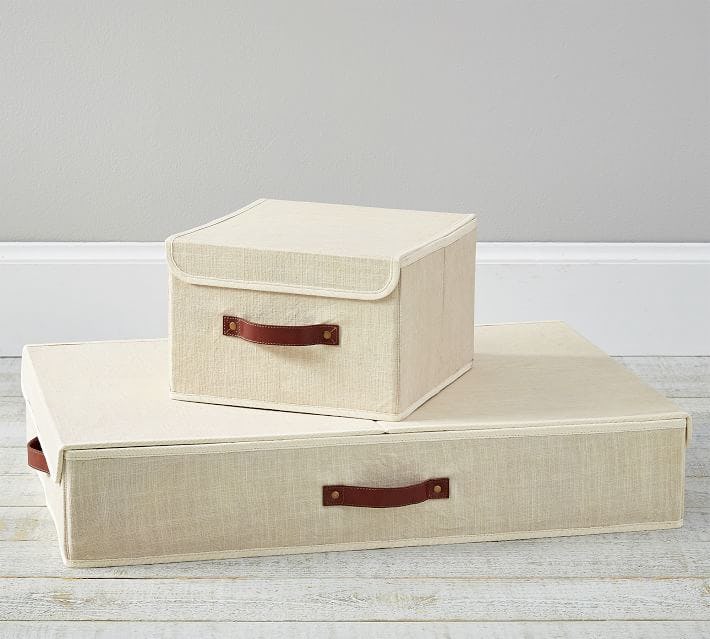
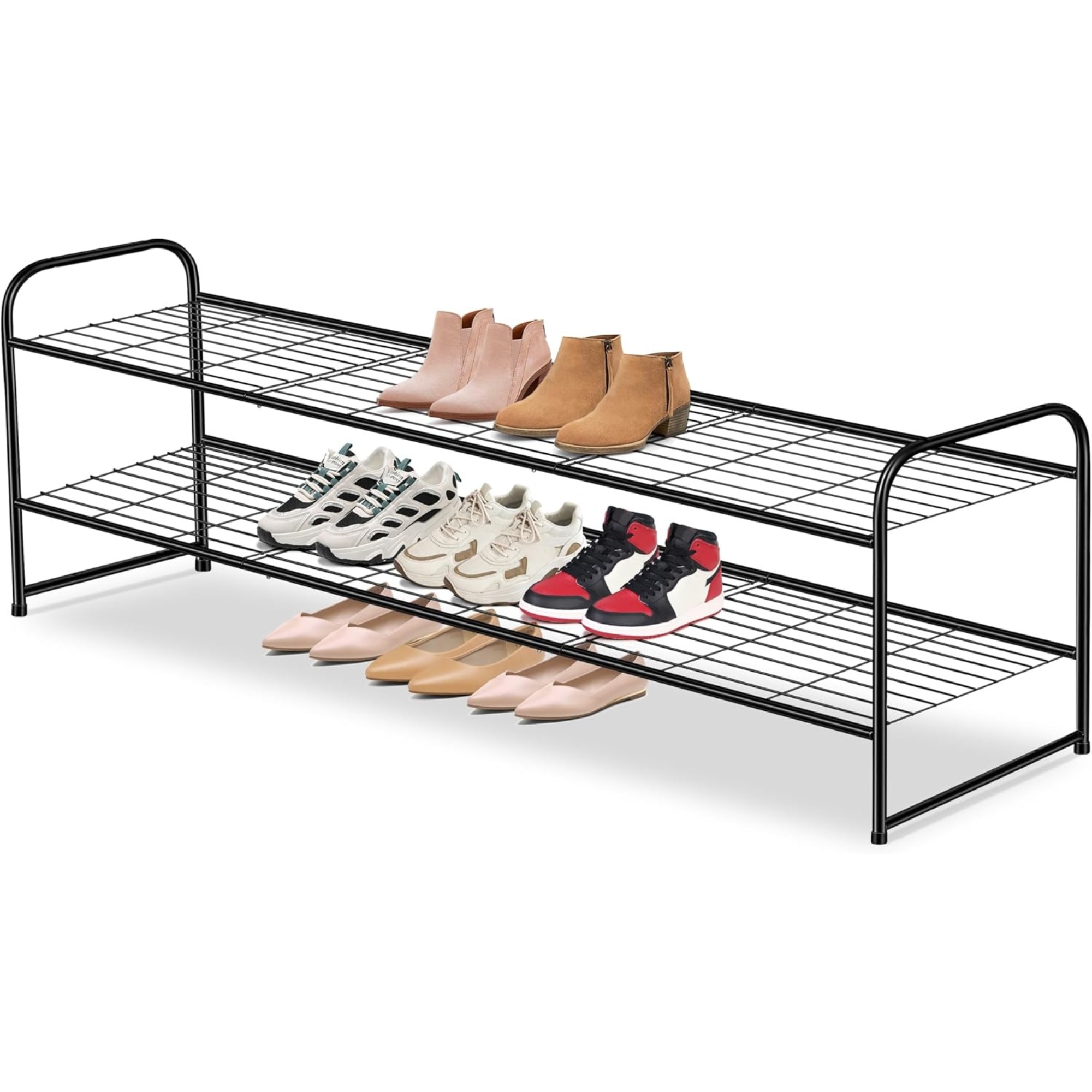
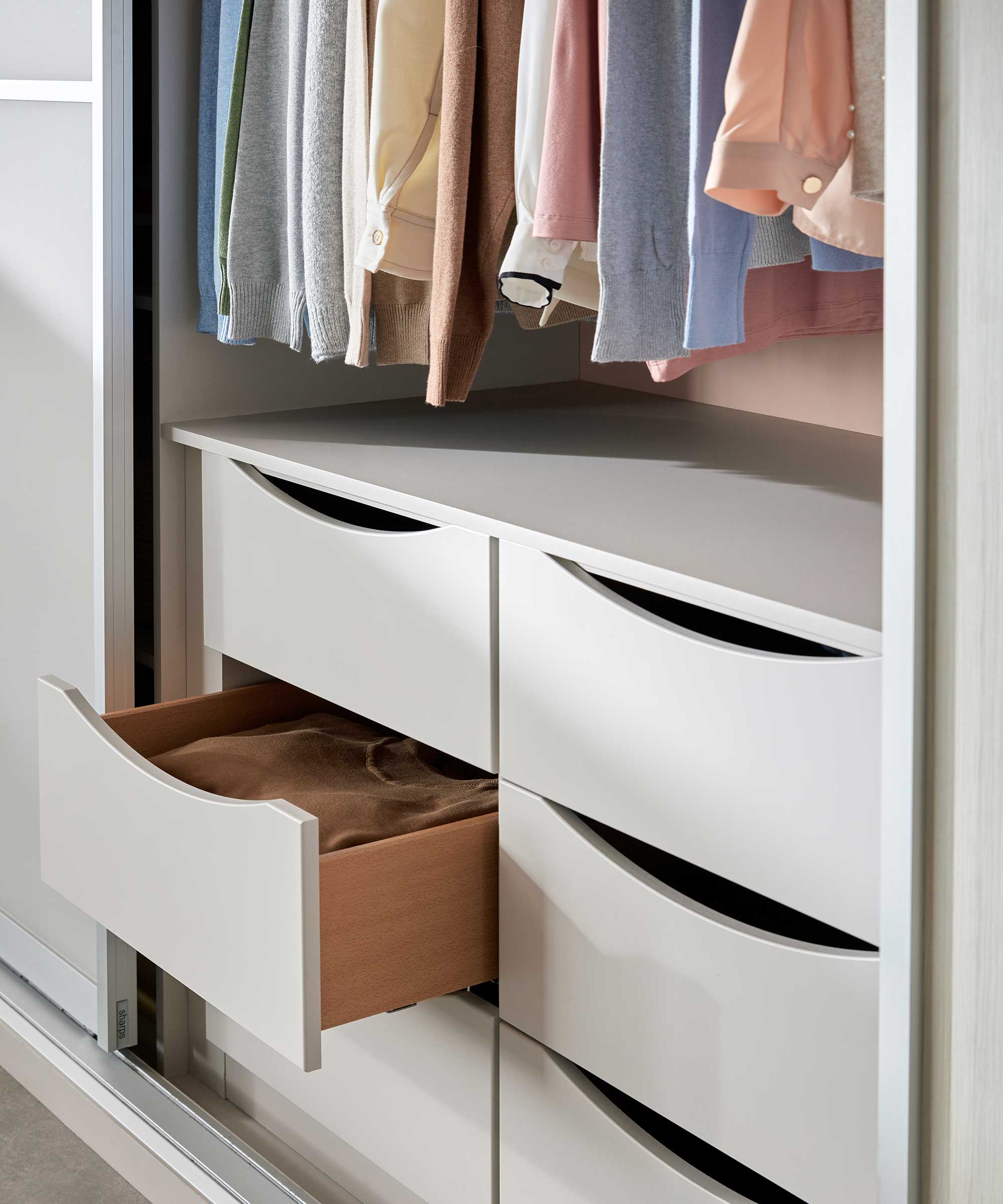
Investing in appropriate storage solutions is another critical step. Clear bins are highly recommended as they allow for easy visibility of contents, which can be particularly useful if an off-season item is needed unexpectedly. Thrift stores can be a budget-friendly source for bins, baskets, and bags. Creativity in utilizing secondary storage spaces, such as guest closets, home offices, coat closets, or even well-ventilated attics, is also important. Under-the-bed storage solutions are also viable for snug spaces, and in some cases, off-site storage facilities might be considered. For those with larger closets, dedicated areas for garment bags and dust bags within the primary closet can facilitate seasonal rotation.
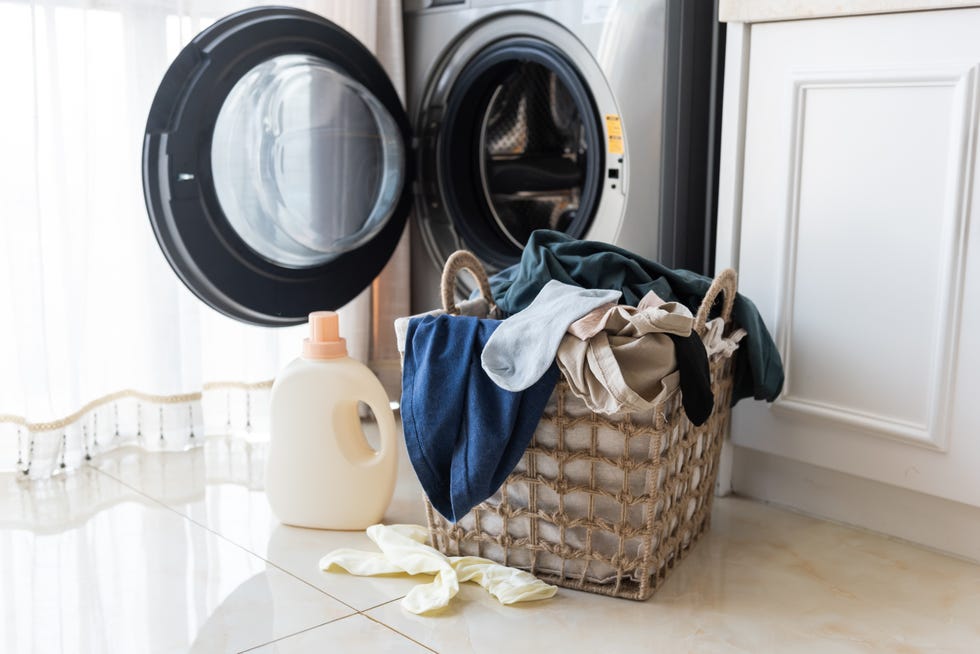
A crucial step before storing any garments is to ensure they are clean and any damage is addressed. Dry cleaning items like coats or delicate dresses and repairing torn clothing or worn shoes prevents stains from becoming permanent and helps deter pests like clothing moths. Finally, storing off-season clothes in an organized manner, perhaps with labels, makes retrieval easier and less daunting, especially if a specific item is required outside its designated season.
#SeasonalSwap #ClosetOrganization #WardrobeManagement #Decluttering #HomeOrganizing #StorageSolutions #EfficientLiving #SeasonalSwap #ClosetOrganization #WardrobeManagement #Decluttering #HomeOrganizing #StorageSolutions #EfficientLiving
合計0件のコメント
 まだコメントはありません
あなたも好きかもしれません

How To Declutter Your Wardrobe Like A Pro: Expert-Approved Tips And Easy Storage Hacks


13 Things EVERY Professional Organizer Does to Keep Their Home Clutter-Free

20 GENIUS Expert Tricks for Organizing a Tiny Closet

Get your closets and laundry room in shape for spring & summer!

6 warning signs it is time to quickly reorganize your closet and make stressful mornings easy to navigate again

I Bested My Fashion Burnout With These Expert Closet Cleanout Tips

6 Signs It’s Time to Reorganize Your Closet, According to Pro Organizers


These Genius Closet Hacks Will Transform Your Morning Routine Forever


Spring cleaning time: How to organize (in 6 easy steps) and clean your closet like a pro

How Often Should You Really Be Cleaning Out Your Closet?

5 expert tips from local designers to maximize your closet space

It's Officially Time to Refresh Your Closet for Spring


Closet organization tips for a seamless sweater weather transition
If You Didn’t Clean And Organize Your Closet For The New Year, Spring Is The Perfect Time To Do It — These 19 Products Will Help


5 simple springtime organization tips—local design experts get real


I'm trying Project 333 to streamline my packed closet

10 Clever Ways to Organize a Small Laundry Room
Never Make These Closet Organization Mistakes, Warn Experts

10 things to declutter in March that will banish any clutter-tastic remnants of a chilly winter spent indoors

Why Maybe We Should Be Decluttering Our Closets Less, Like Our Mothers