
1/6
The floating homes of Lake Titicaca
The Uros Islands, located in the north-western part of Lake Titicaca, represent a remarkable achievement of human engineering. These man-made floating islets are home to the indigenous Uros people and were initially constructed over 500 years ago as a defensive measure against the expanding Inca Empire. The Uros built these islands to be movable, allowing them to retreat into the lake for safety. Today, approximately 120 such islands exist, supporting a community of about 1,300 people.
The islands and virtually everything on them, including boats, houses, roofs, and mattresses, are crafted from totora reeds, a water-resistant plant abundant in Lake Titicaca. The totora is integral to the Uros' survival, serving not only as building material but also as food, medicine, and for making tea from its flowers. The plant's strength and flexibility are key to its versatile use, as demonstrated by a 2002 study where archaeologists successfully transported heavy stones across the lake using a totora reed boat, similar to ancient practices.
Building an Uros island involves gathering large blocks of totora roots, which often float to the surface during the rainy season. These blocks are then pulled together, and their roots and reeds intermingle to form a dense, 1-2m thick base known as 'khili'. Dried totora reeds are subsequently laid in alternating directions on top of this base, forming the walking surface and foundation for homes. To prevent the islands from drifting, eucalyptus rods are used as anchors, driven into the lakebed and tied to the root blocks. The maintenance of these islands is a continuous process, requiring fresh totora reeds every 15 to 20 days as the older ones decay, highlighting the ephemeral yet magical nature of these structures.
In 1986, a severe storm significantly impacted the Uros community, scattering islands and prompting them to relocate closer to the mainland city of Puno. This move led to a shift in their livelihood from primarily fishing to tourism. The Uros now engage with visitors, selling handicrafts, and sharing their unique way of life. While modern influences like solar panels and Airbnb lodgings are present, the core traditional building methods and the reliance on totora persist. Experts acknowledge the potential for tourism to alter traditional ways of life, yet the Uros' connection to their totora-based existence remains fundamental. The community hopes for greater recognition, with discussions about the islands becoming an official 'wonder of the world', underscoring their cultural and engineering significance.
#UrosIslands #LakeTiticaca #IndigenousCulture #FloatingHomes #TotoraReeds #SustainableLiving #HumanEngineering #PeruvianHeritage #CulturalTourism #UrosIslands #LakeTiticaca #IndigenousCulture #FloatingHomes #TotoraReeds #SustainableLiving #HumanEngineering #PeruvianHeritage #CulturalTourism
合計0件のコメント
 まだコメントはありません
あなたも好きかもしれません
7 Floating Homes That Will Make You Want To Live on Water
50 Tiny Houses That Actually Float

5 holiday homes with infinity pools that are perfect for basking in the summer sun

Copy These 10 Lake House Decorating Ideas for Your Waterfront Escape

11 fabulous floating homes that you’ve never seen before | loveproperty.com

A Waterfront Home on Biscayne Bay with a Dramatic Cantilevered Pool
A Lakefront Party House
Live the Life Aquatic in This Floating Home on the River Thames

Eight floating homes around the world
A Floating Living Room Sets a Family’s Lake Michigan Cottage Apart From the Rest

Contemporary A-frame home soaks up lakeside views in Mexico
wood and concrete volumes form seaside retreat by taller alberto calleja / TAC in mexico
Seattle's floating home community makes room for a new wooden houseboat

Houseboat of Our Dreams: Complete with underwater window, "floating islands"

Pura Vida Is a Modern Floating Home on Seattle’s Portage Bay
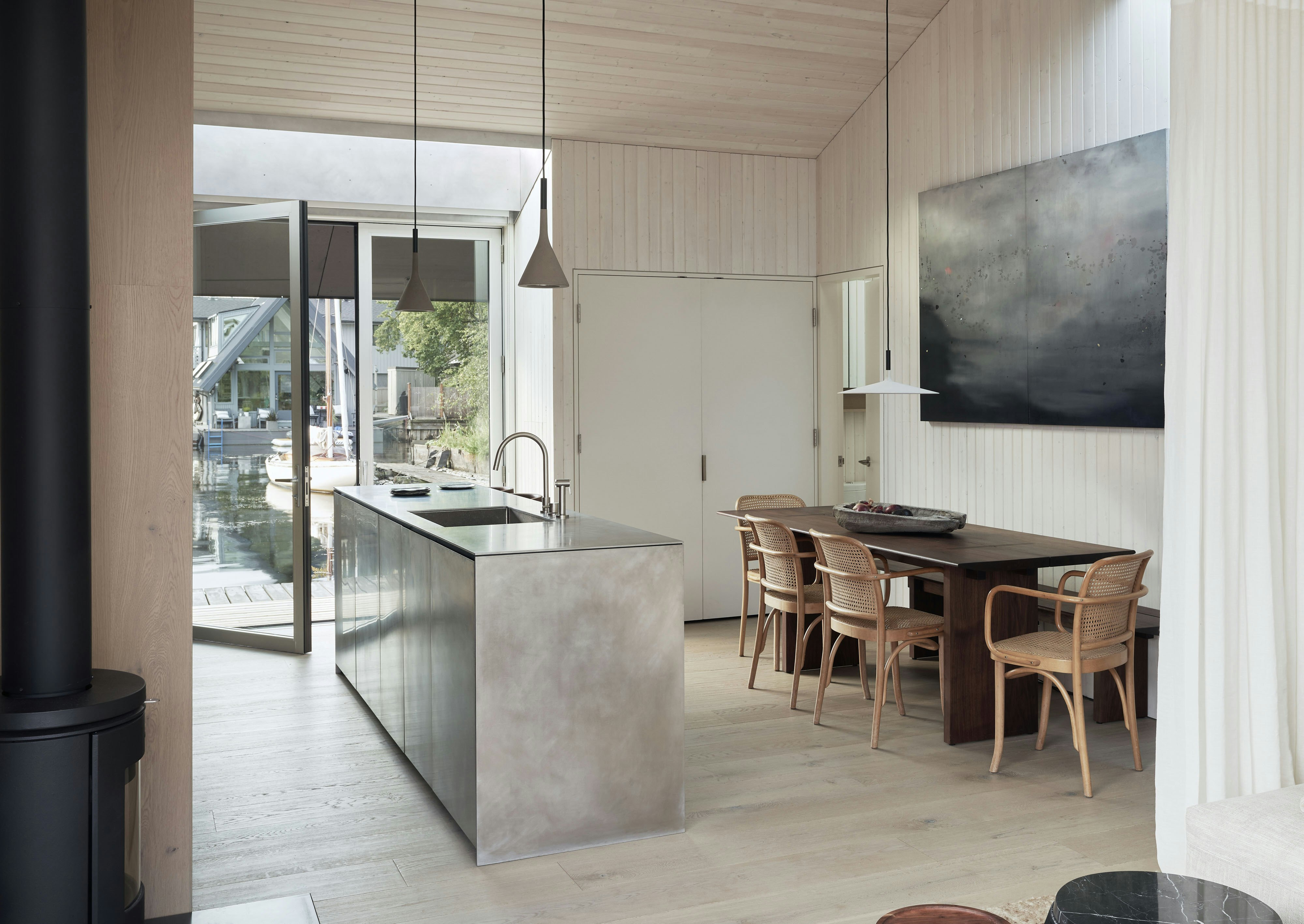
This Breezy Floating Home Makes the Most of a Tranquil Setting Along Seattle’s Portage Bay
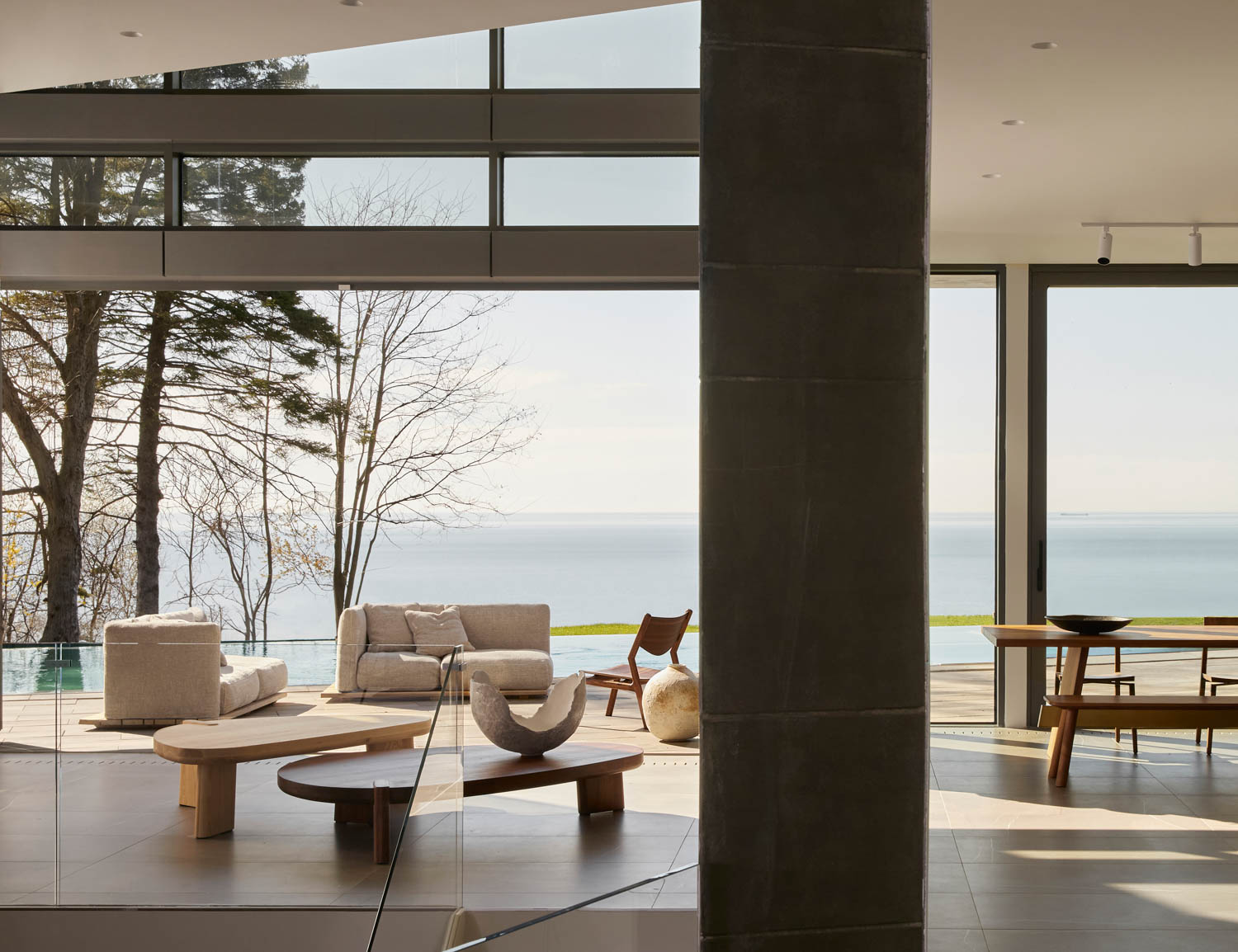
A Serene Lakeside Family Home Inspired By The Water

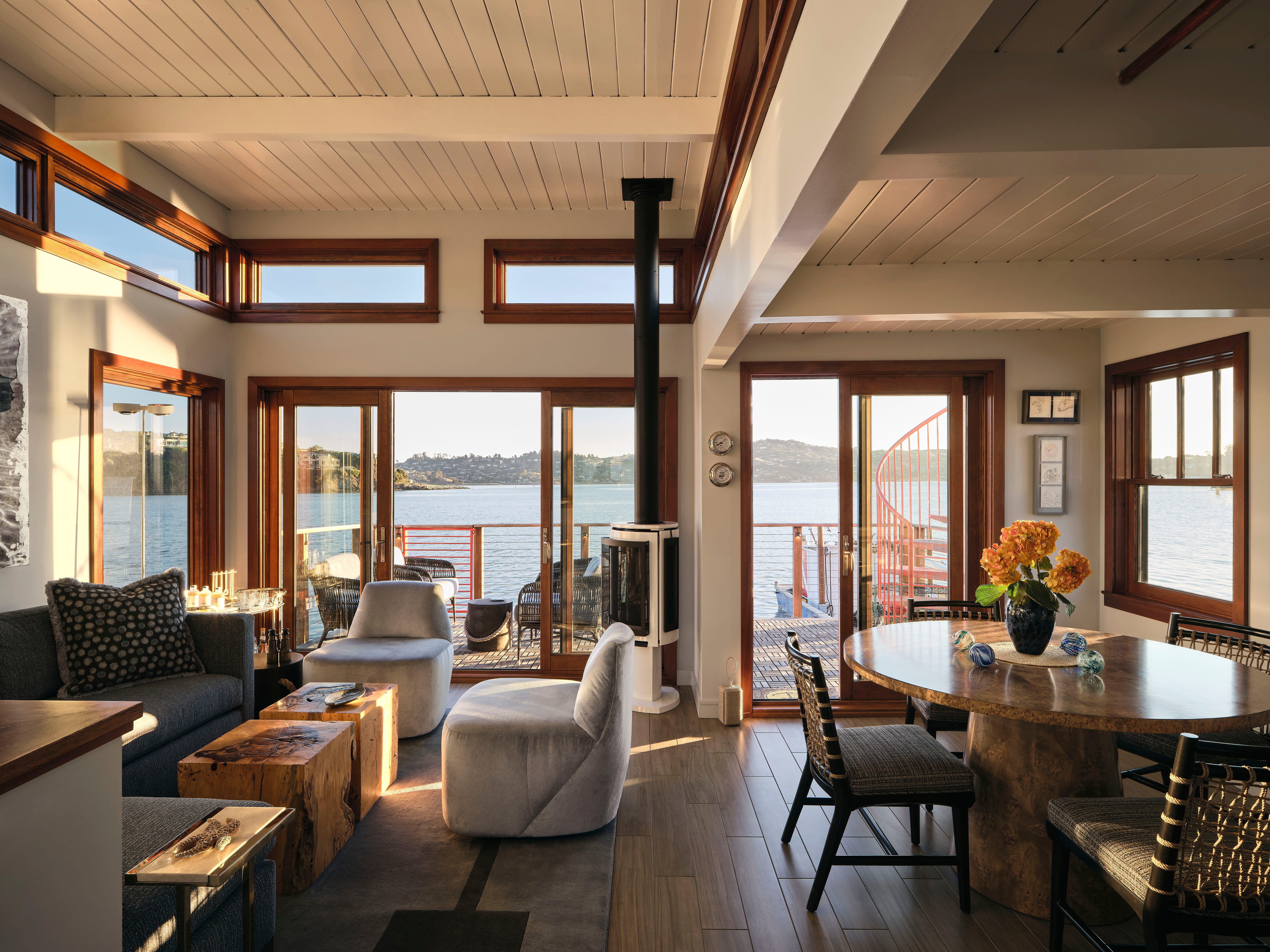
You'll Want to Move Into This Magical Floating House ASAP

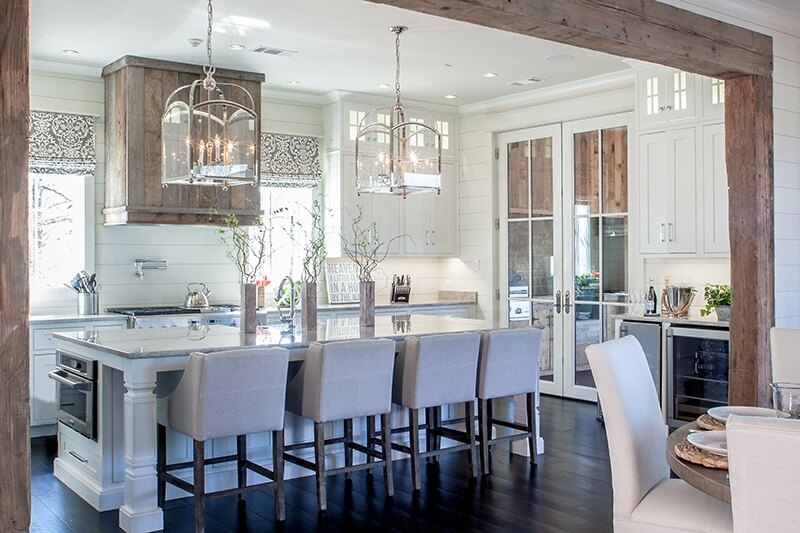
Rustic Elegance Overflows in This Beach House … on Pickwick Lake

The most charming home on the lake: prefab house with 870 ft² and rustic architecture