1/6
Should your shower tiles match the rest of your bathroom?
The article explores whether shower tiles should match the rest of the bathroom, a common design dilemma. It highlights how tile designs are increasingly taking center stage in bathroom aesthetics, with a growing trend towards contrasting shower spaces. The piece gathers insights from interior design experts to determine the most timeless and effective approach to bathroom tiling, considering both cohesive and statement-making designs. The experts offer varied perspectives, acknowledging that the choice largely depends on personal taste, the overall style of the home, and critically, the size of the bathroom.
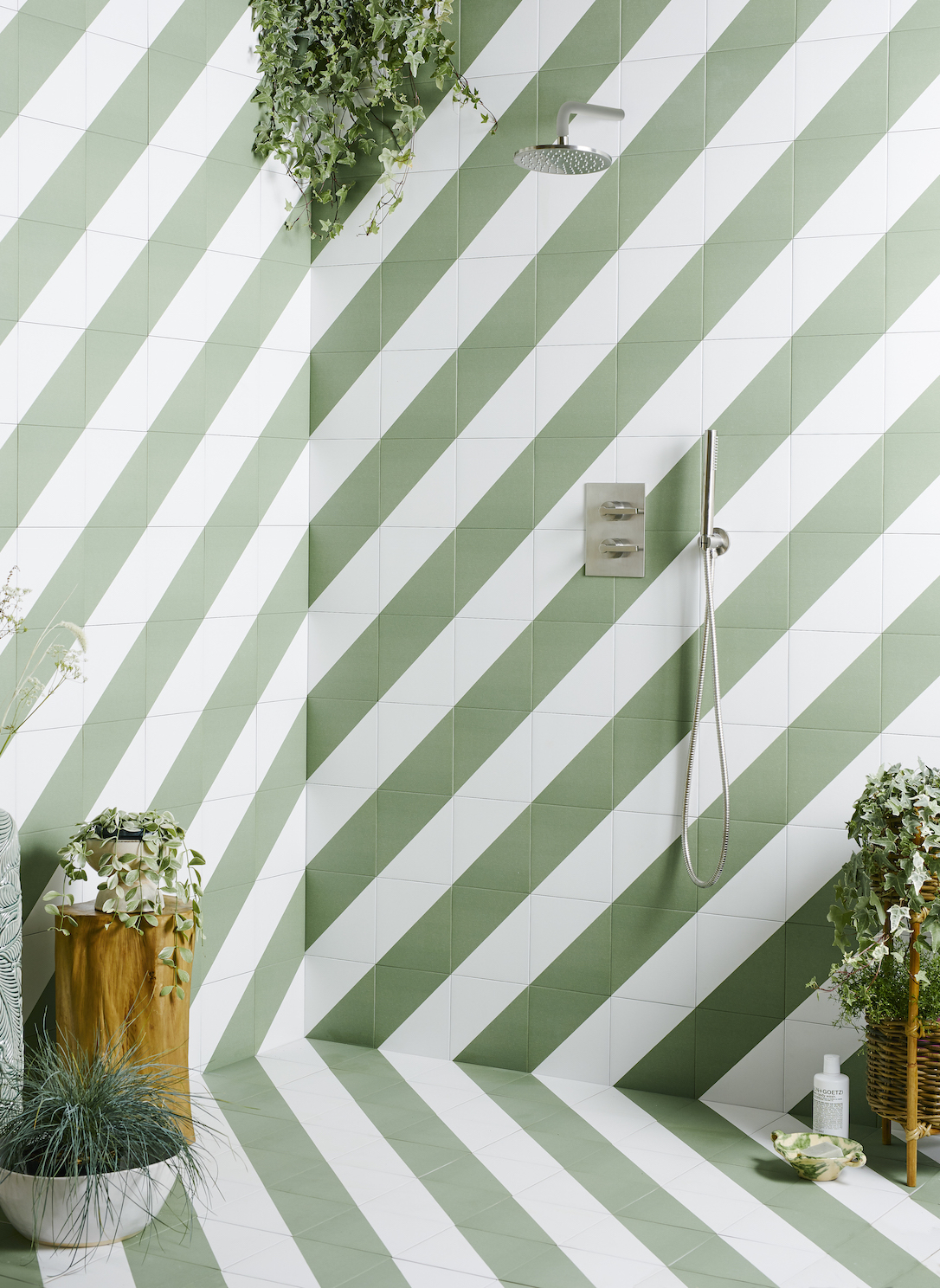
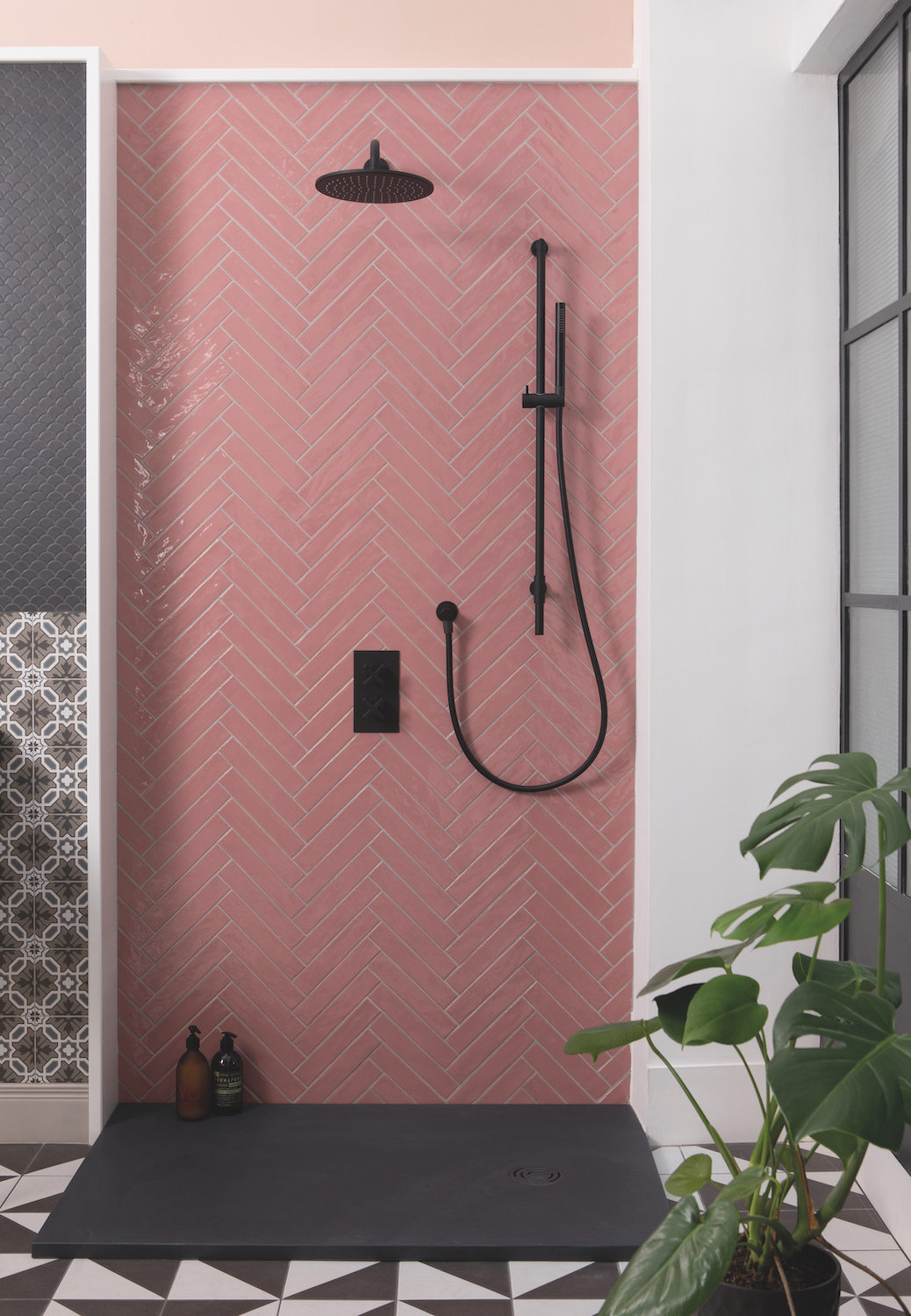
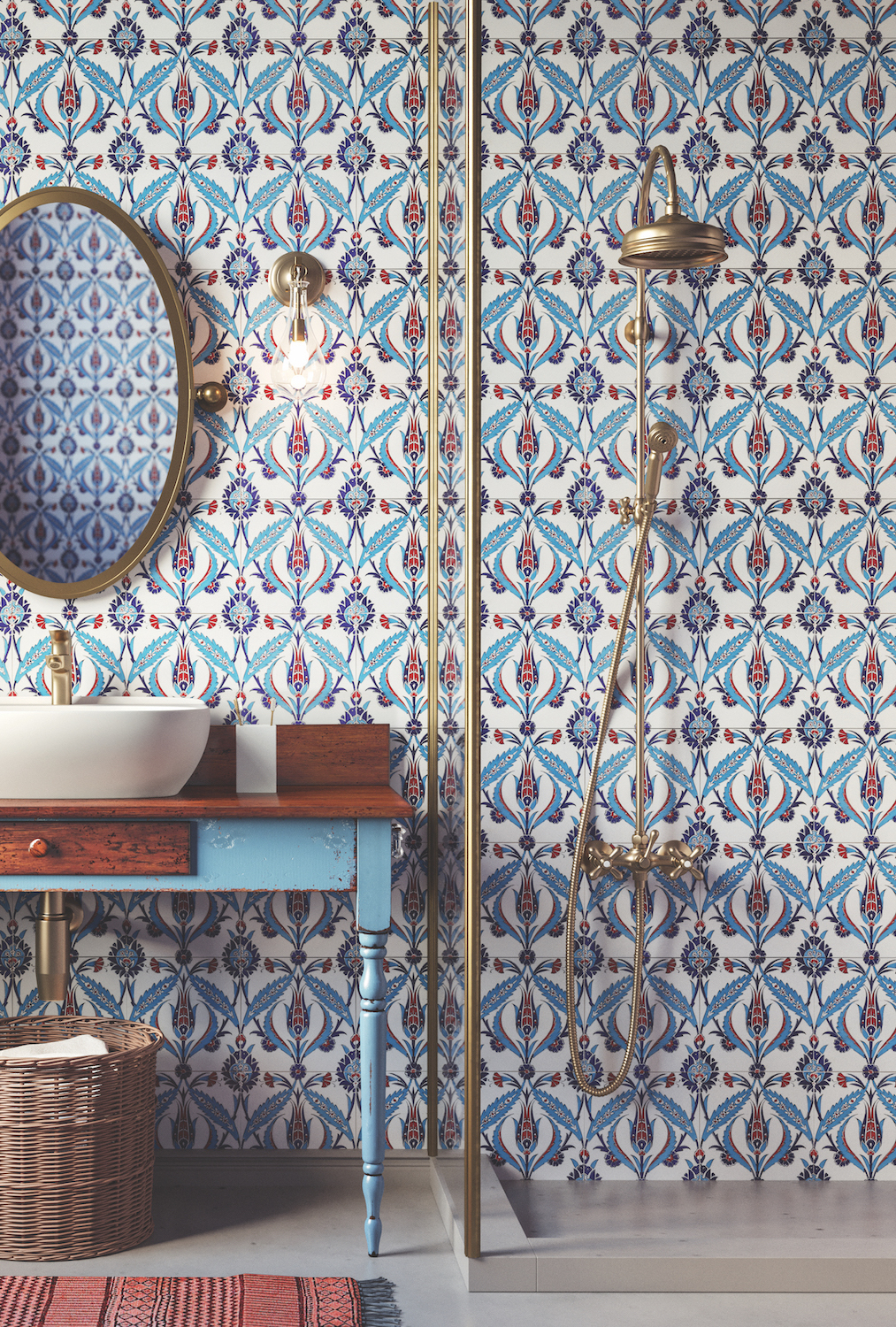
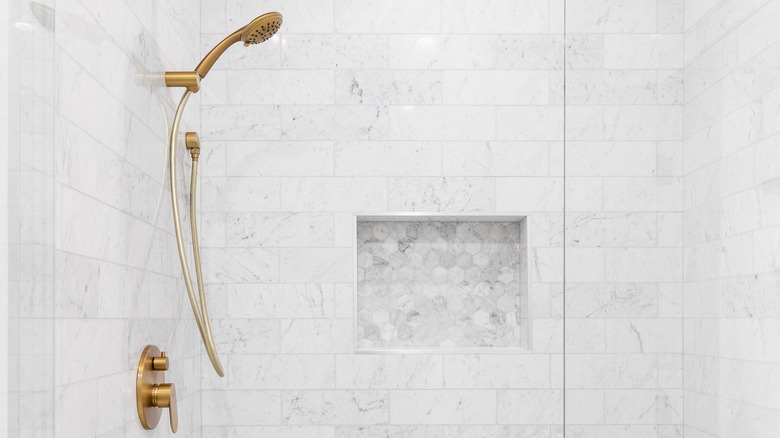
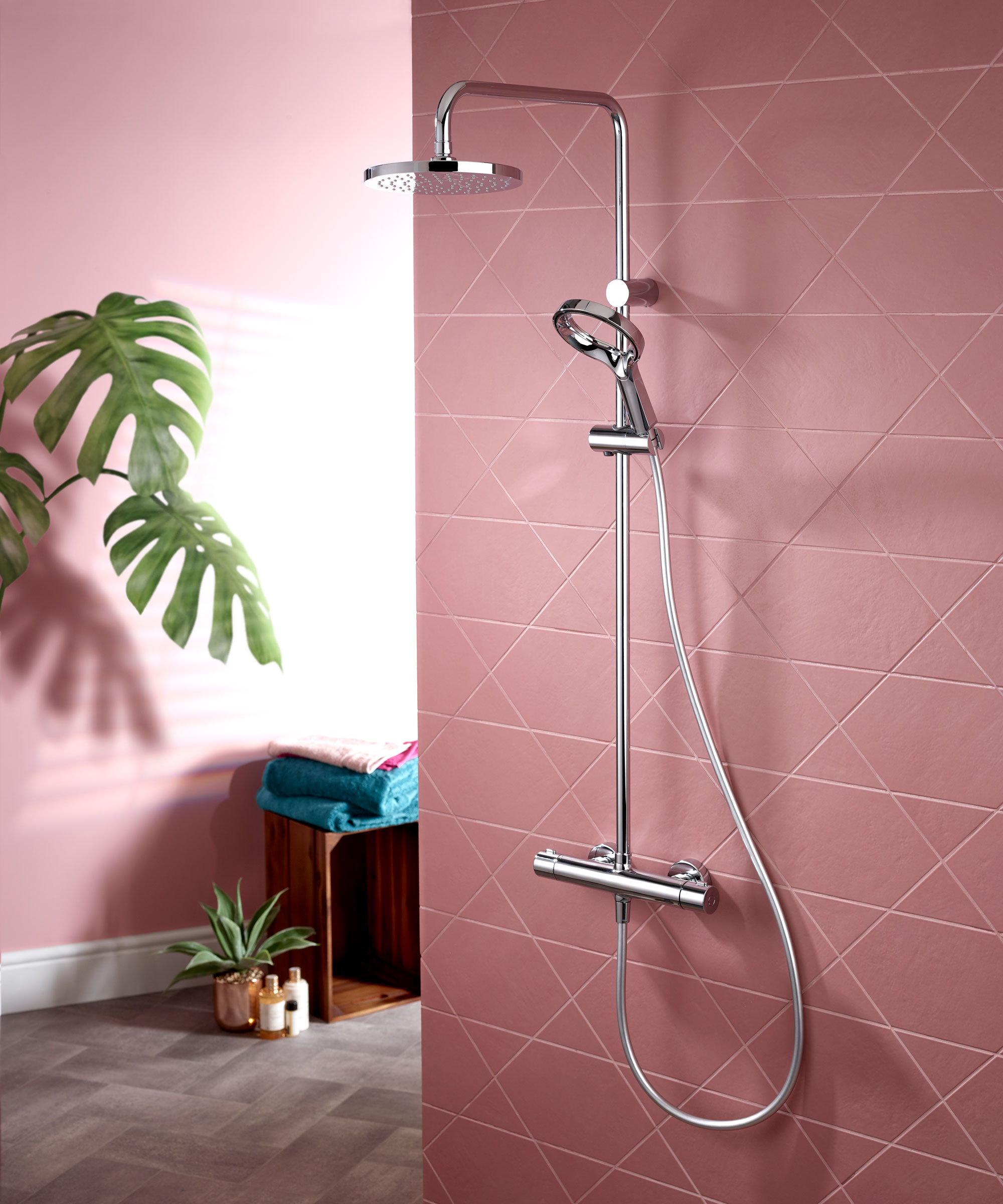
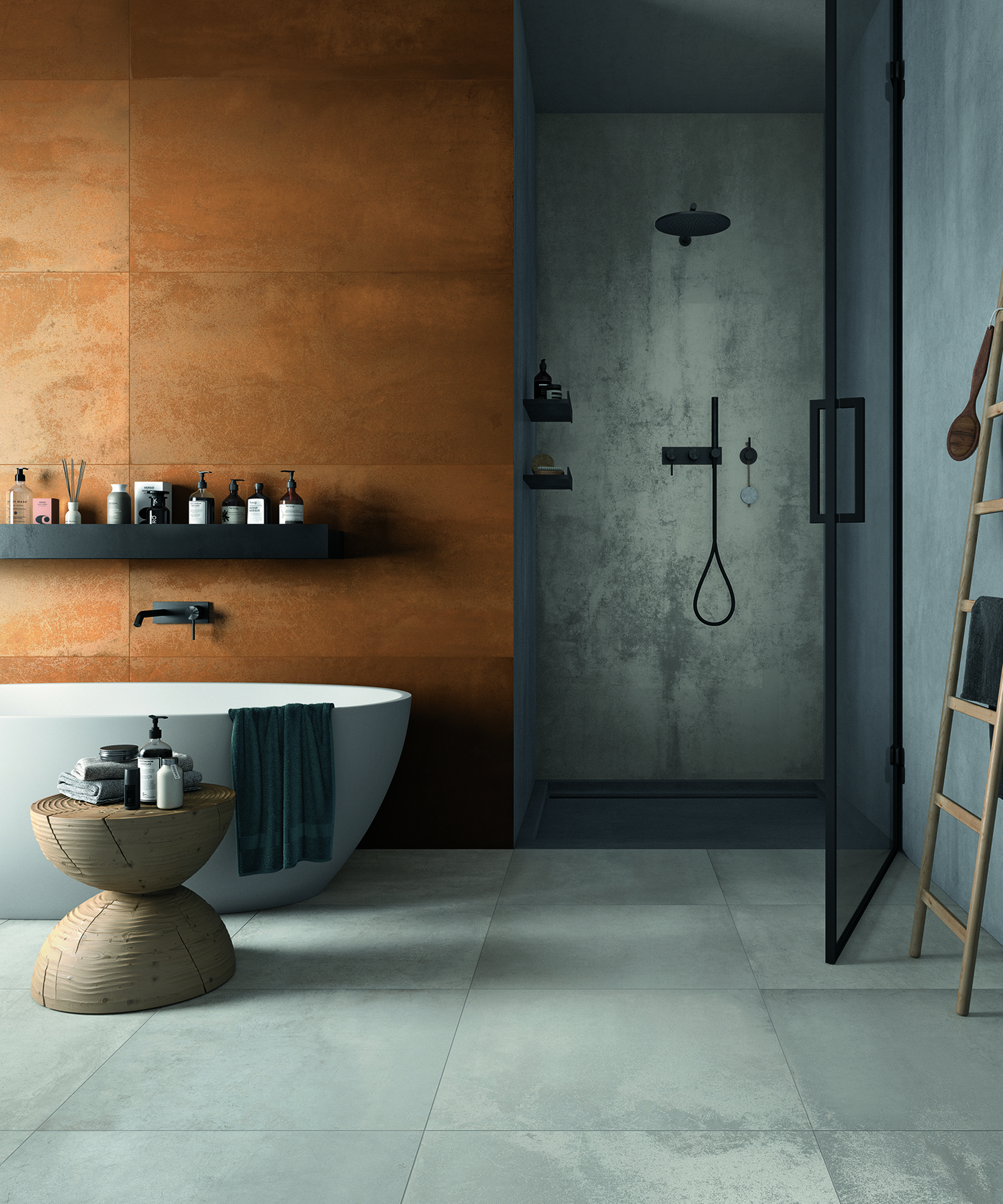
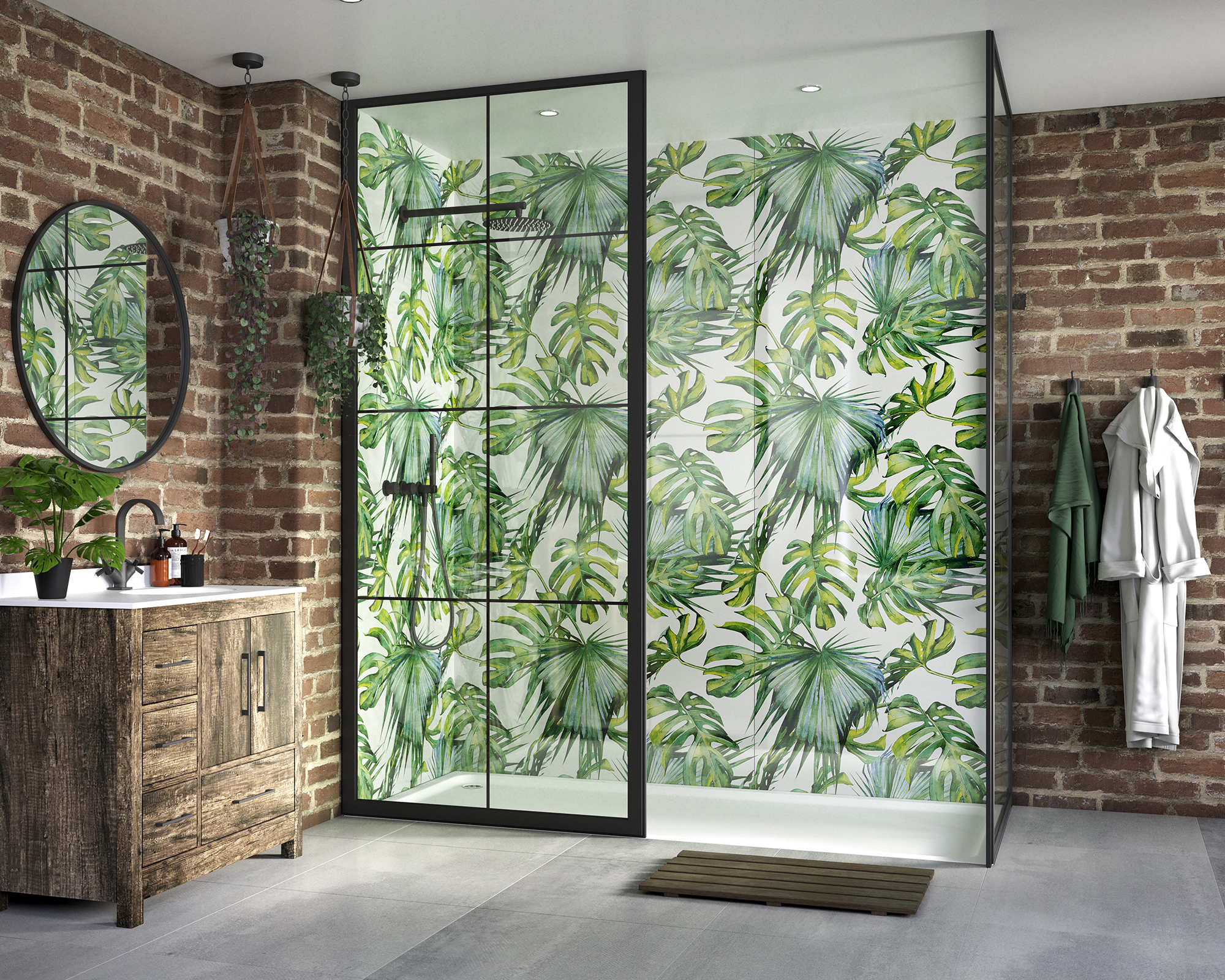
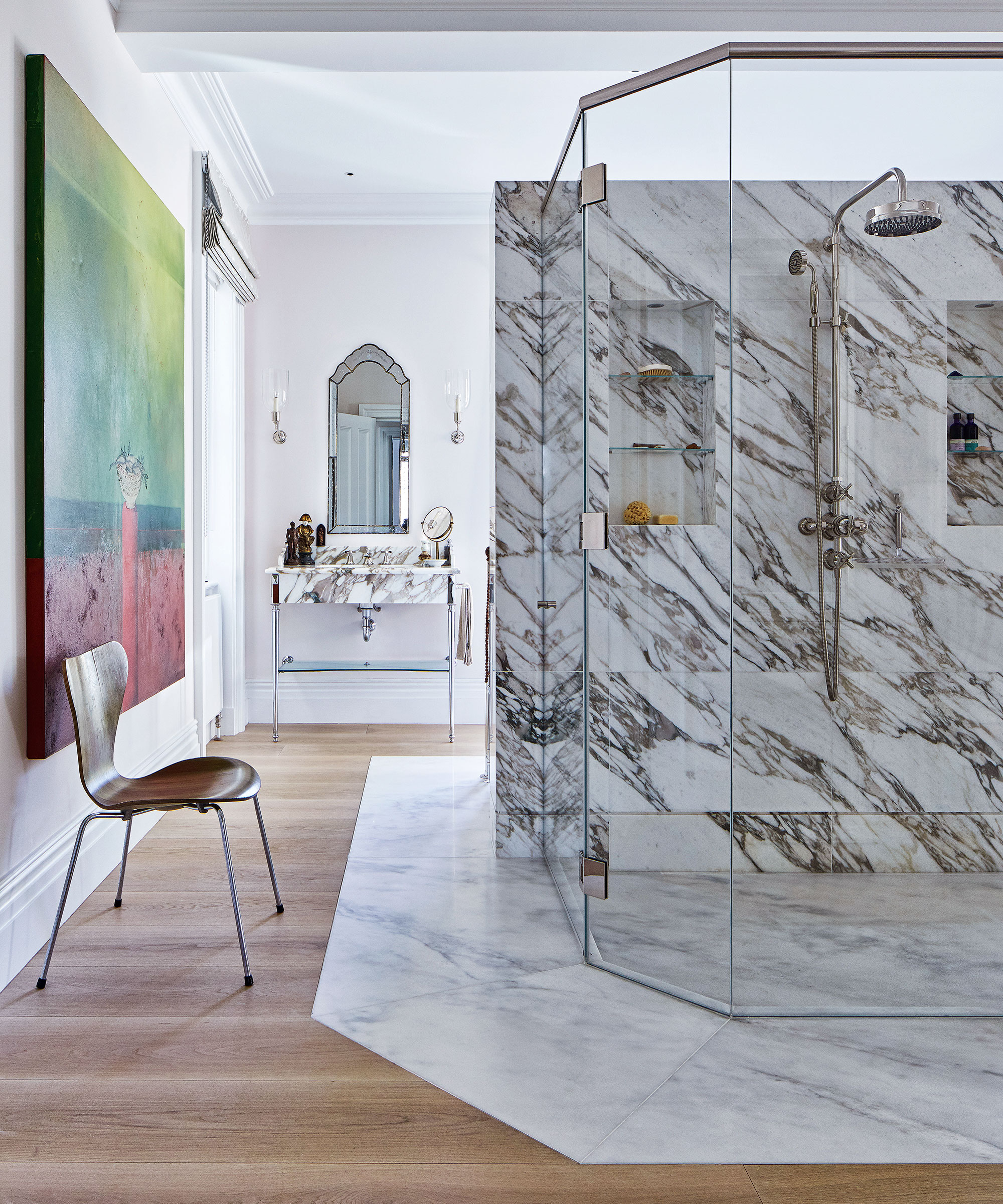
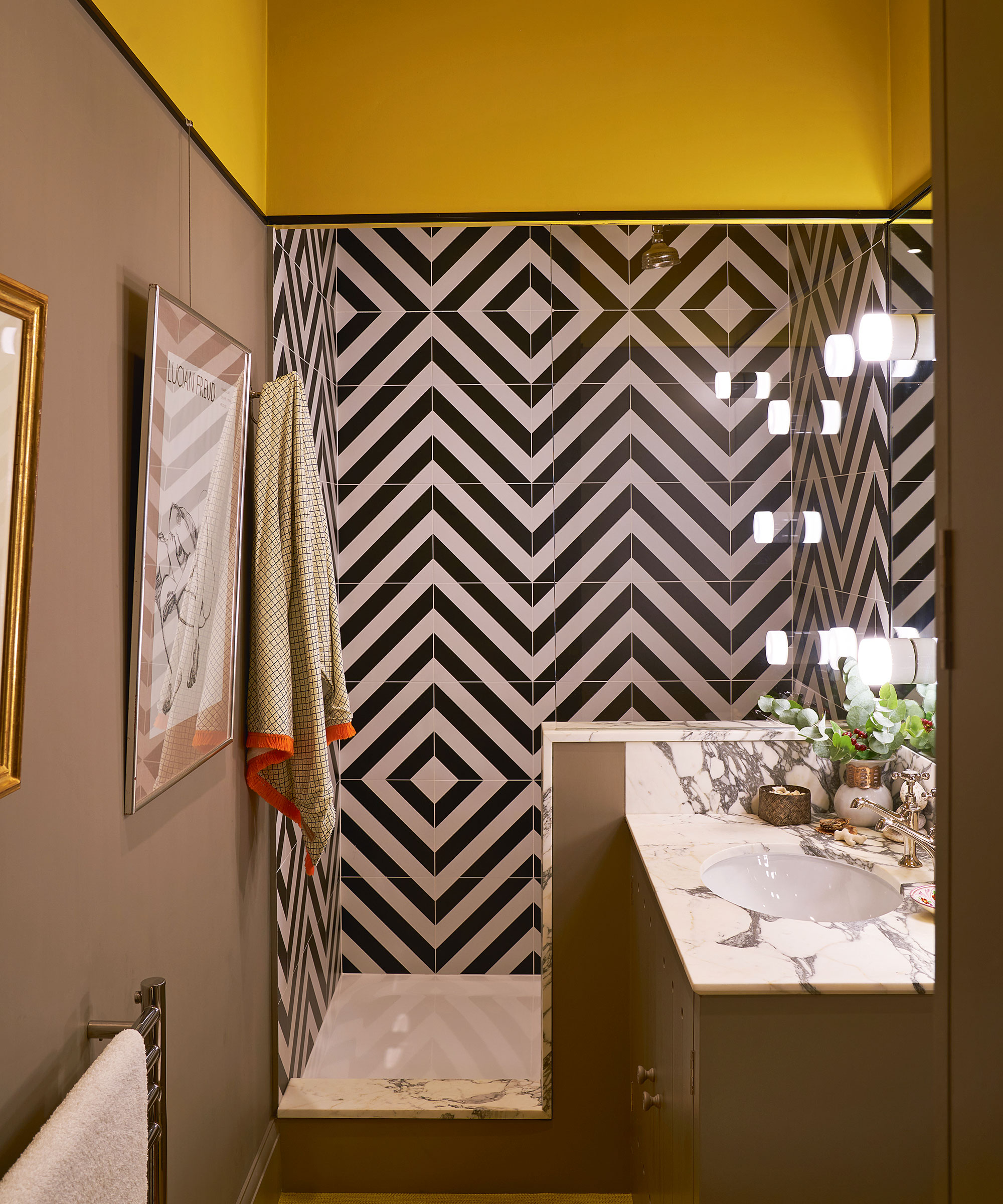
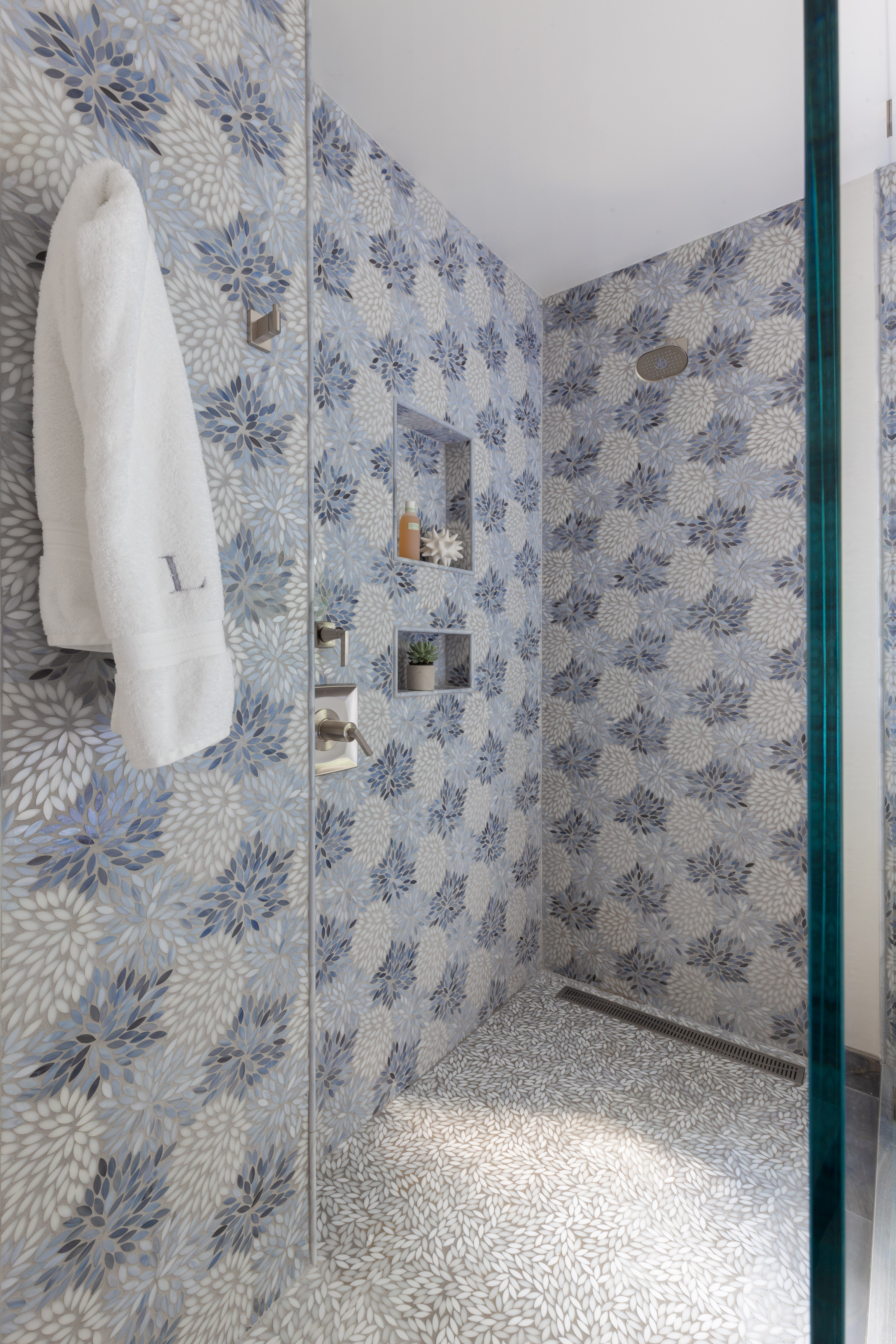
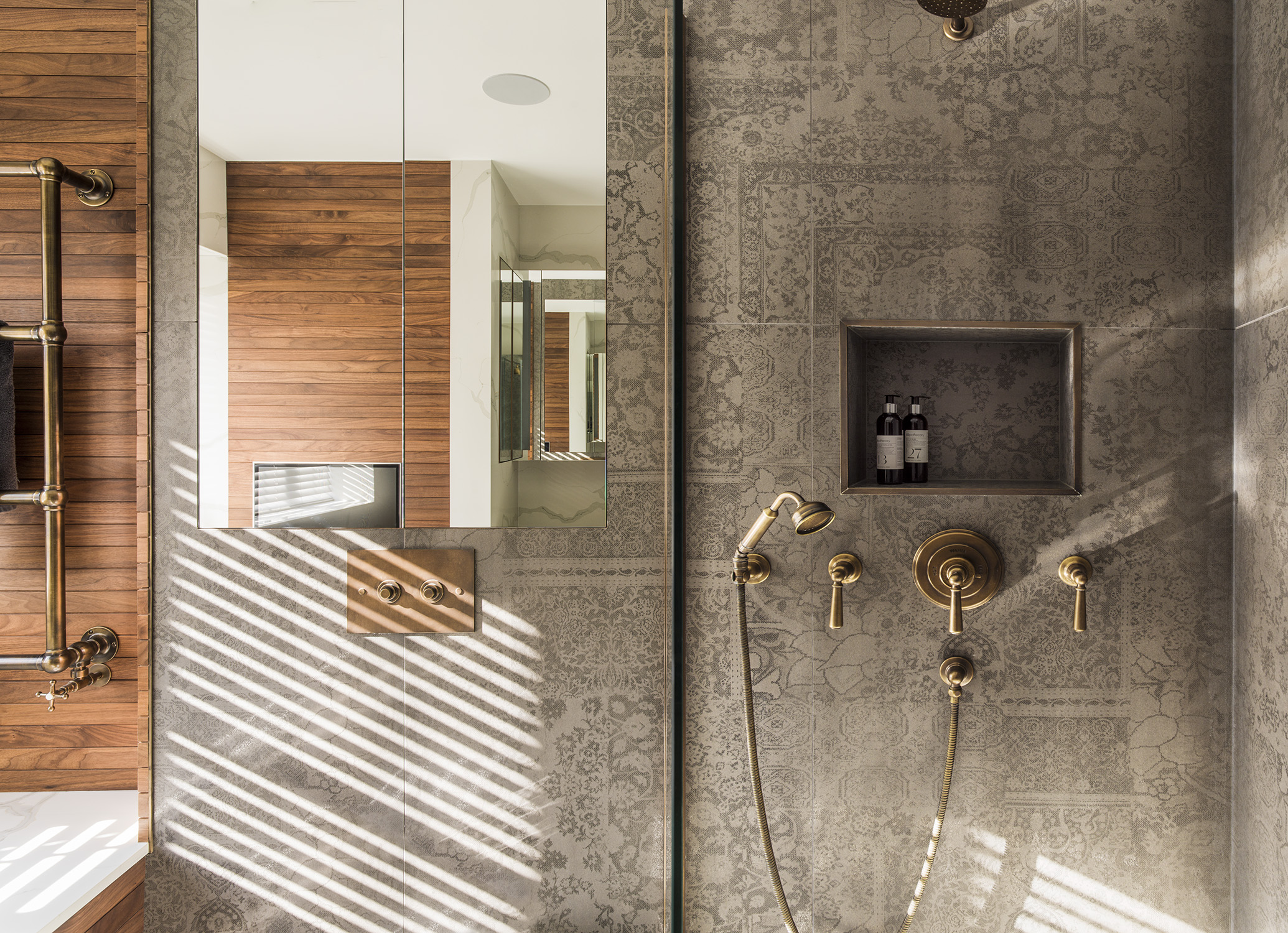
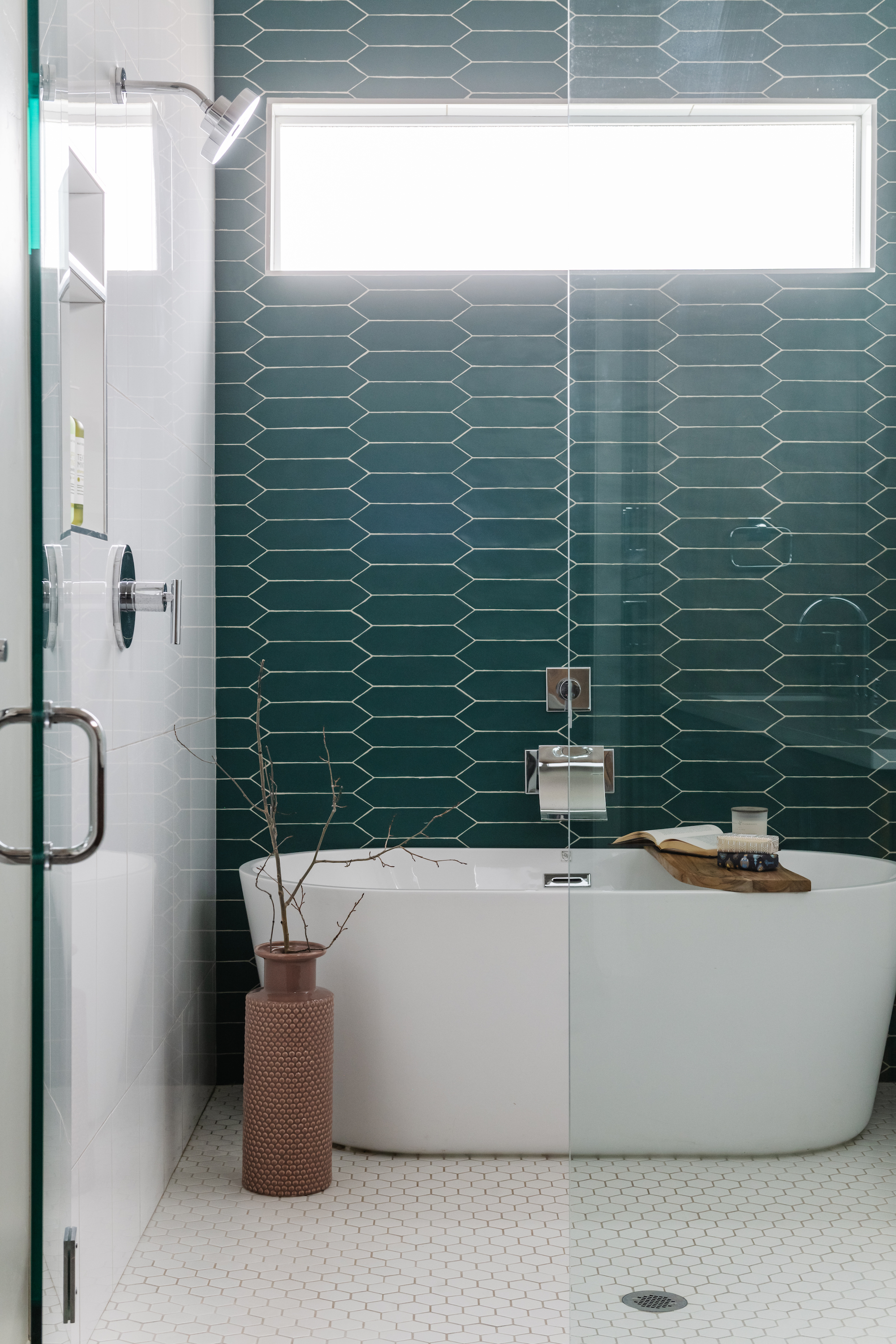
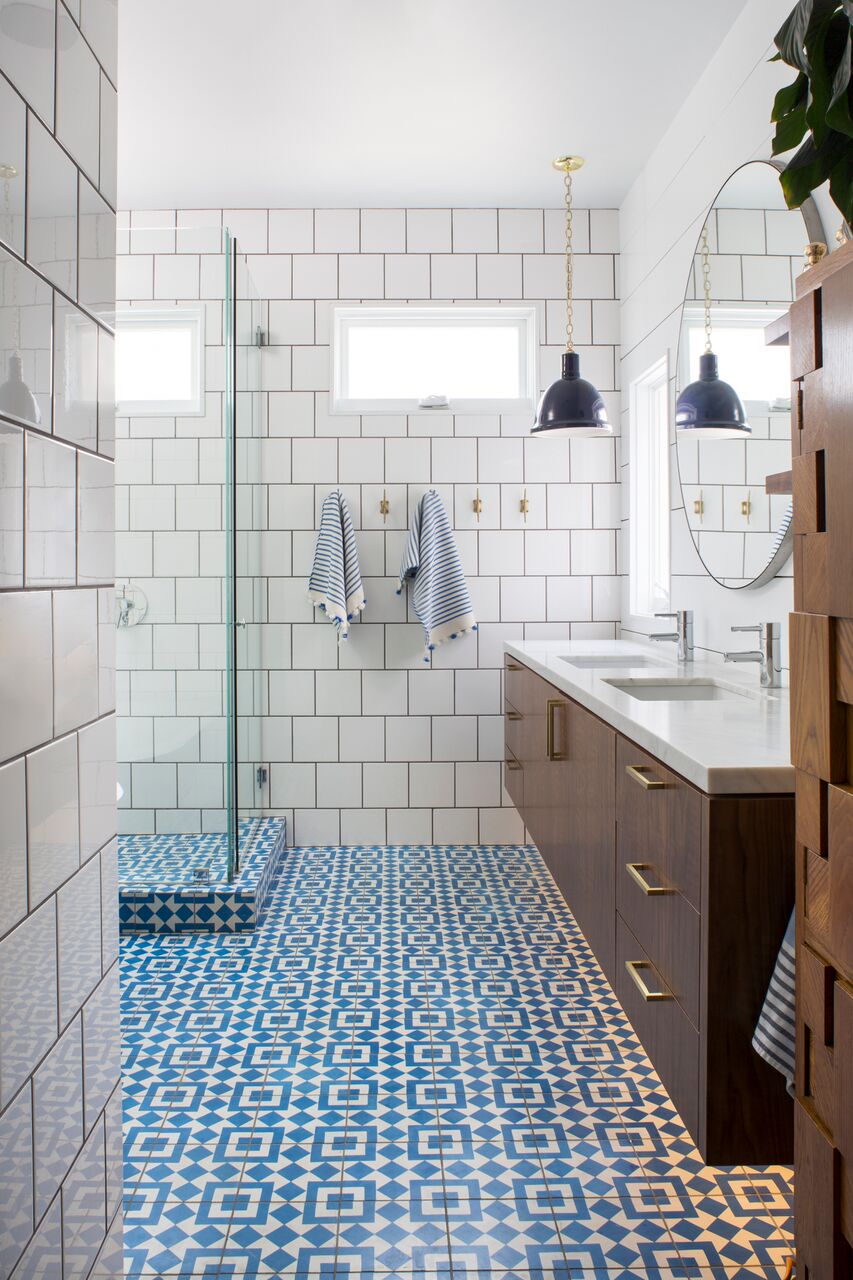
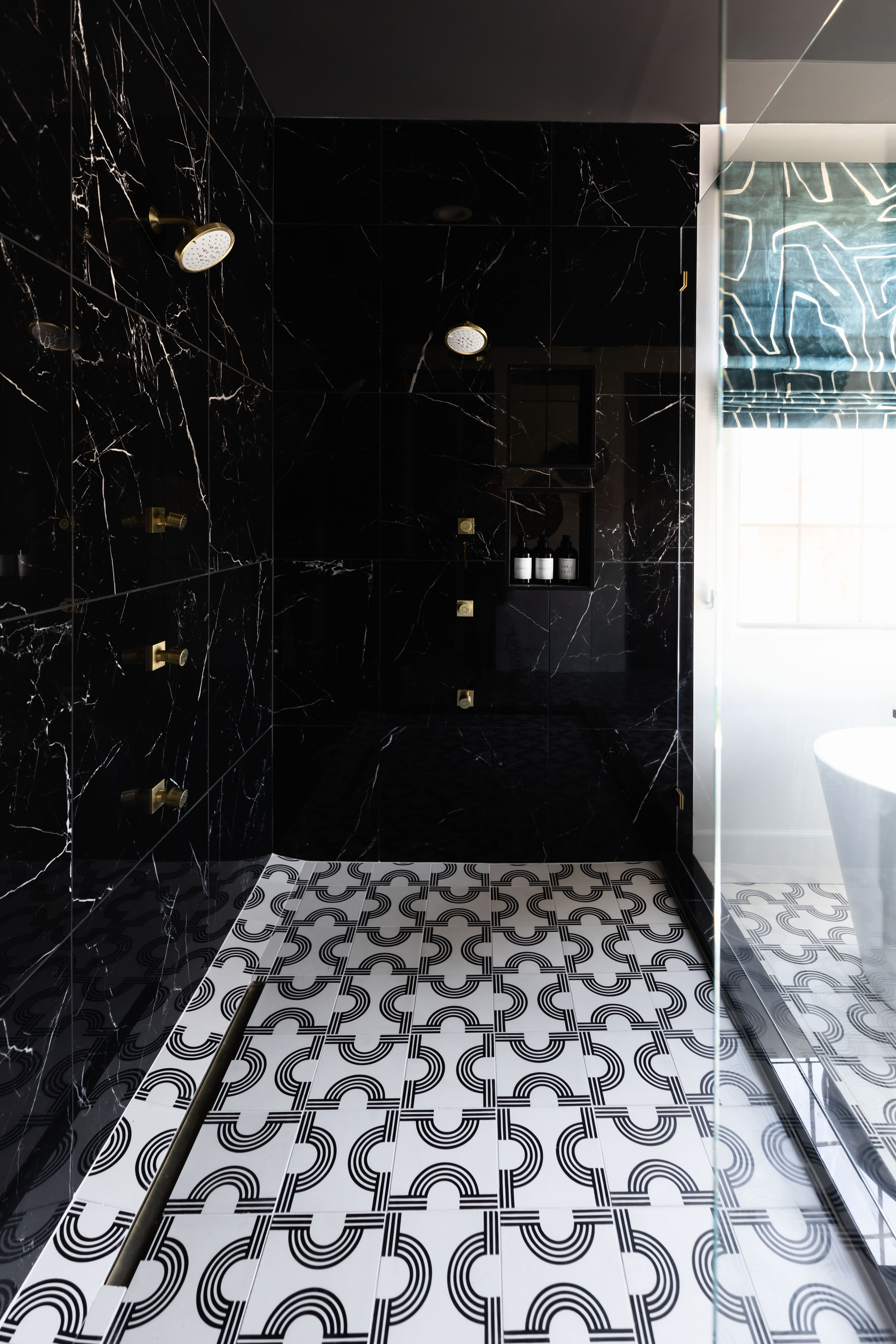
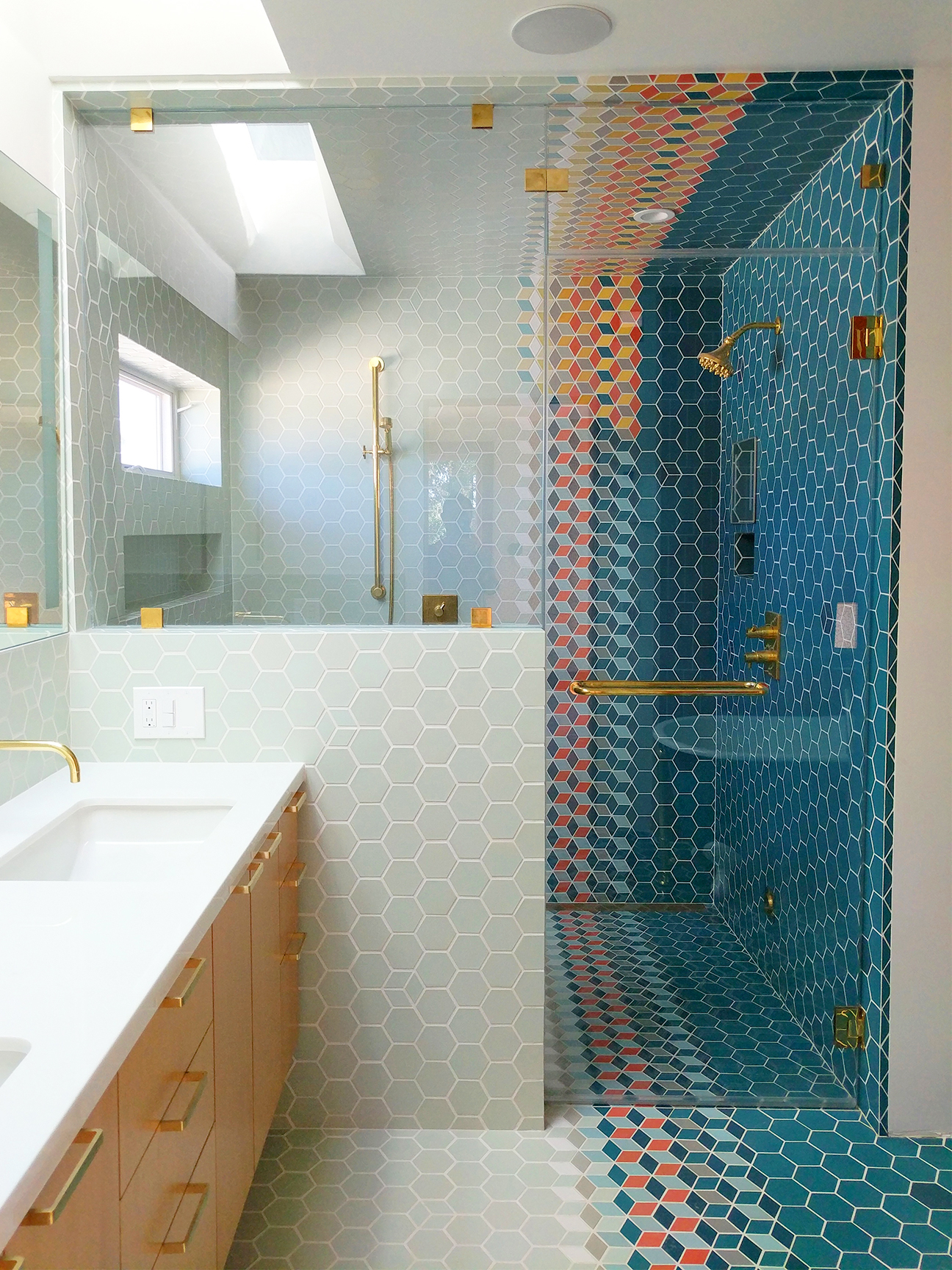
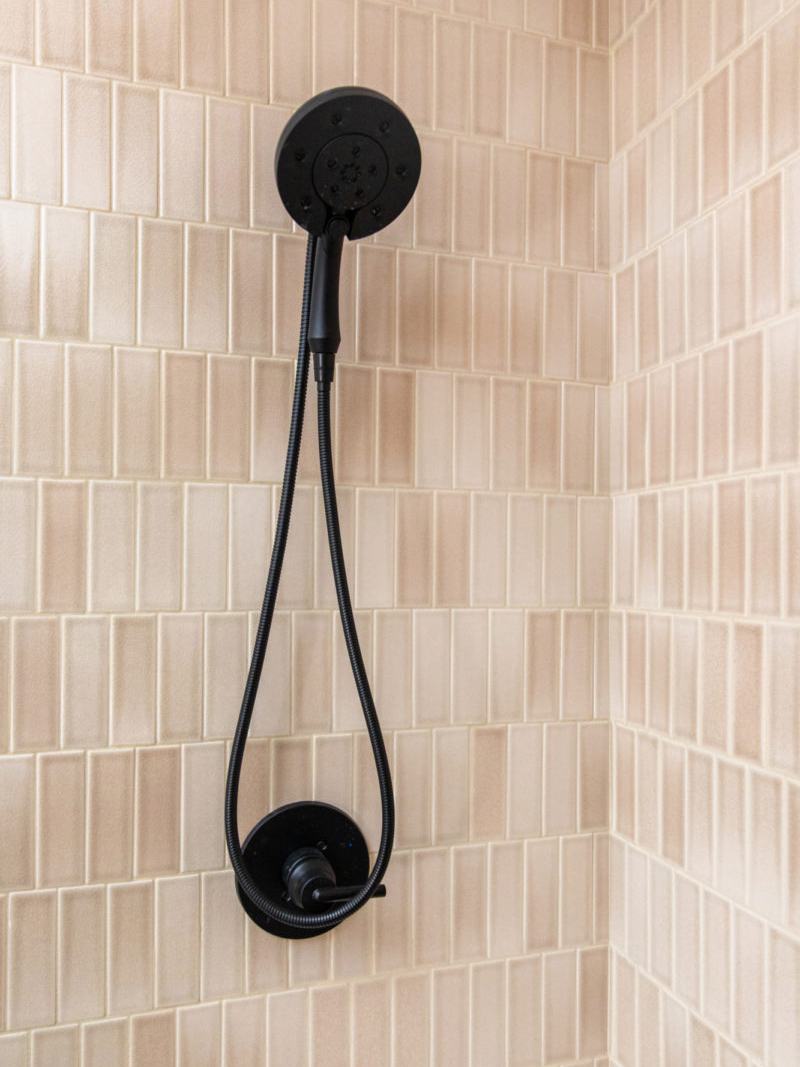
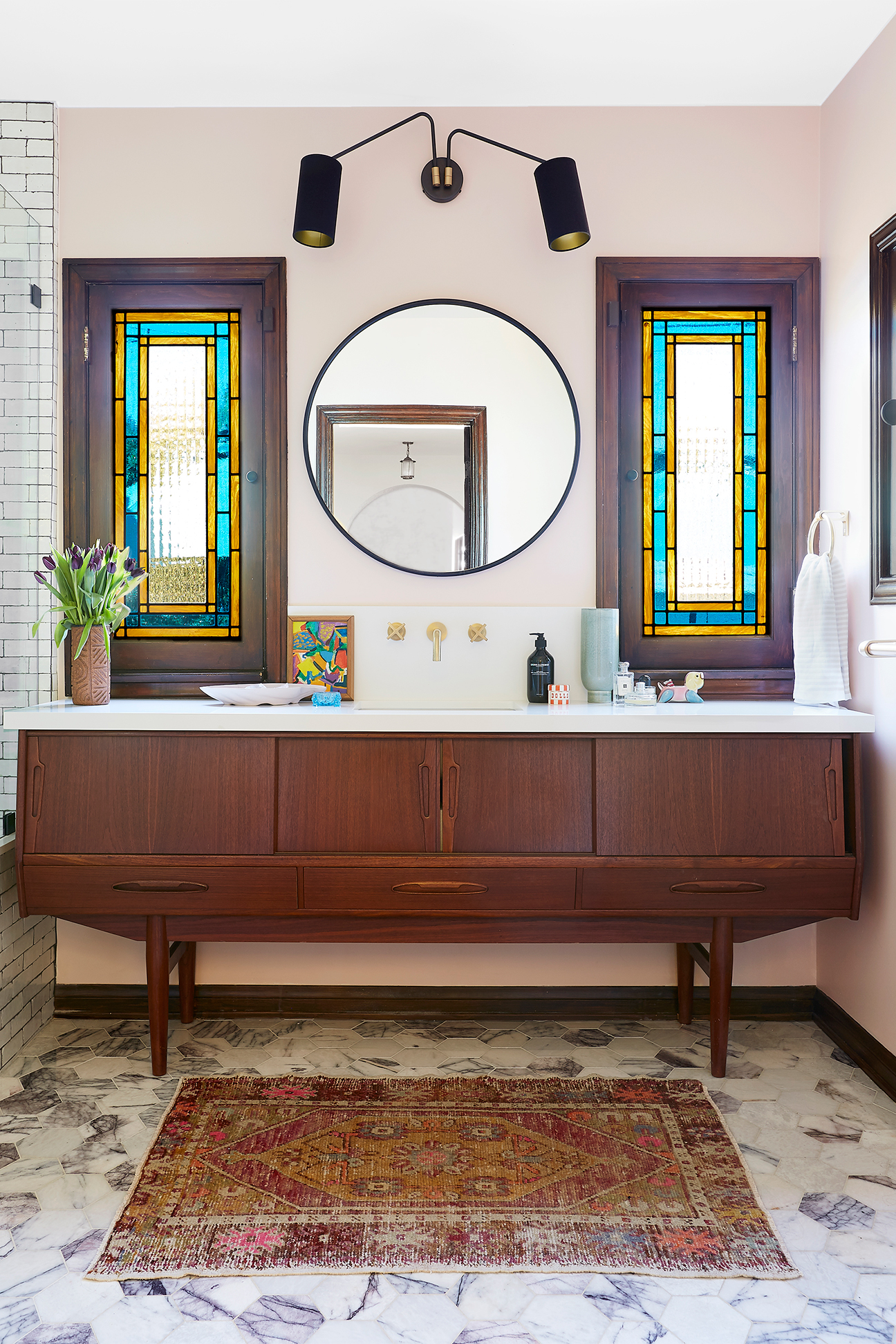
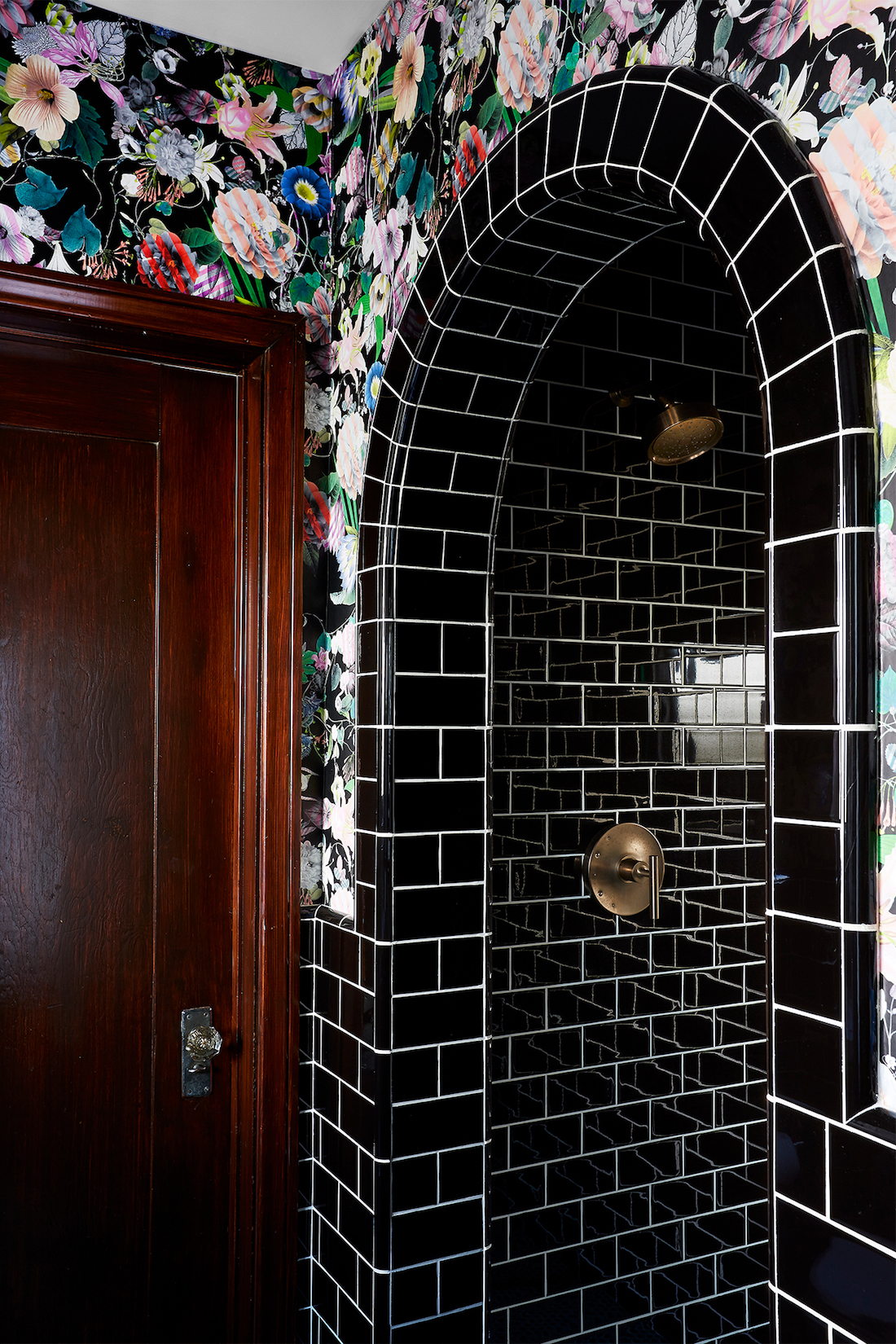
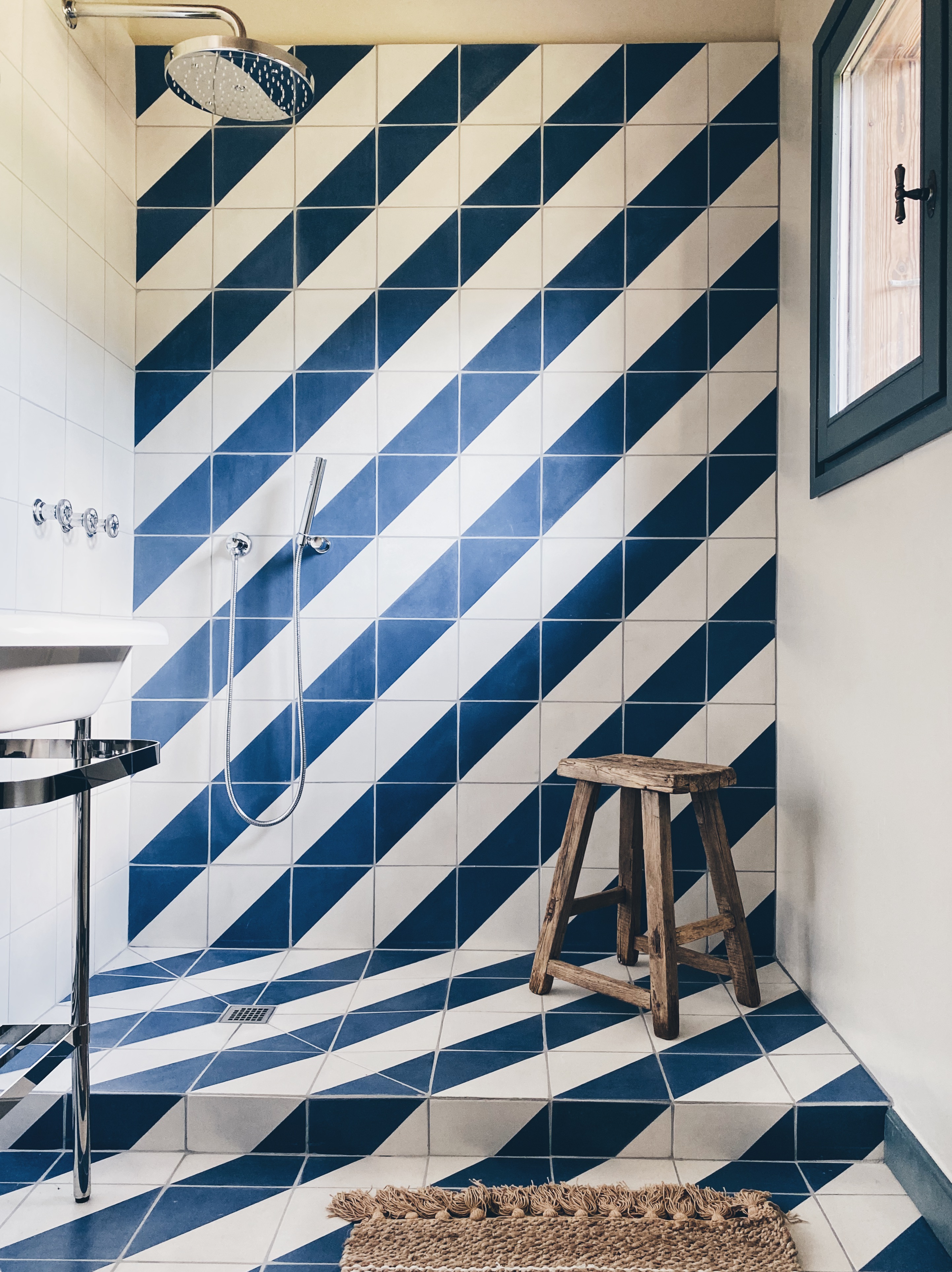

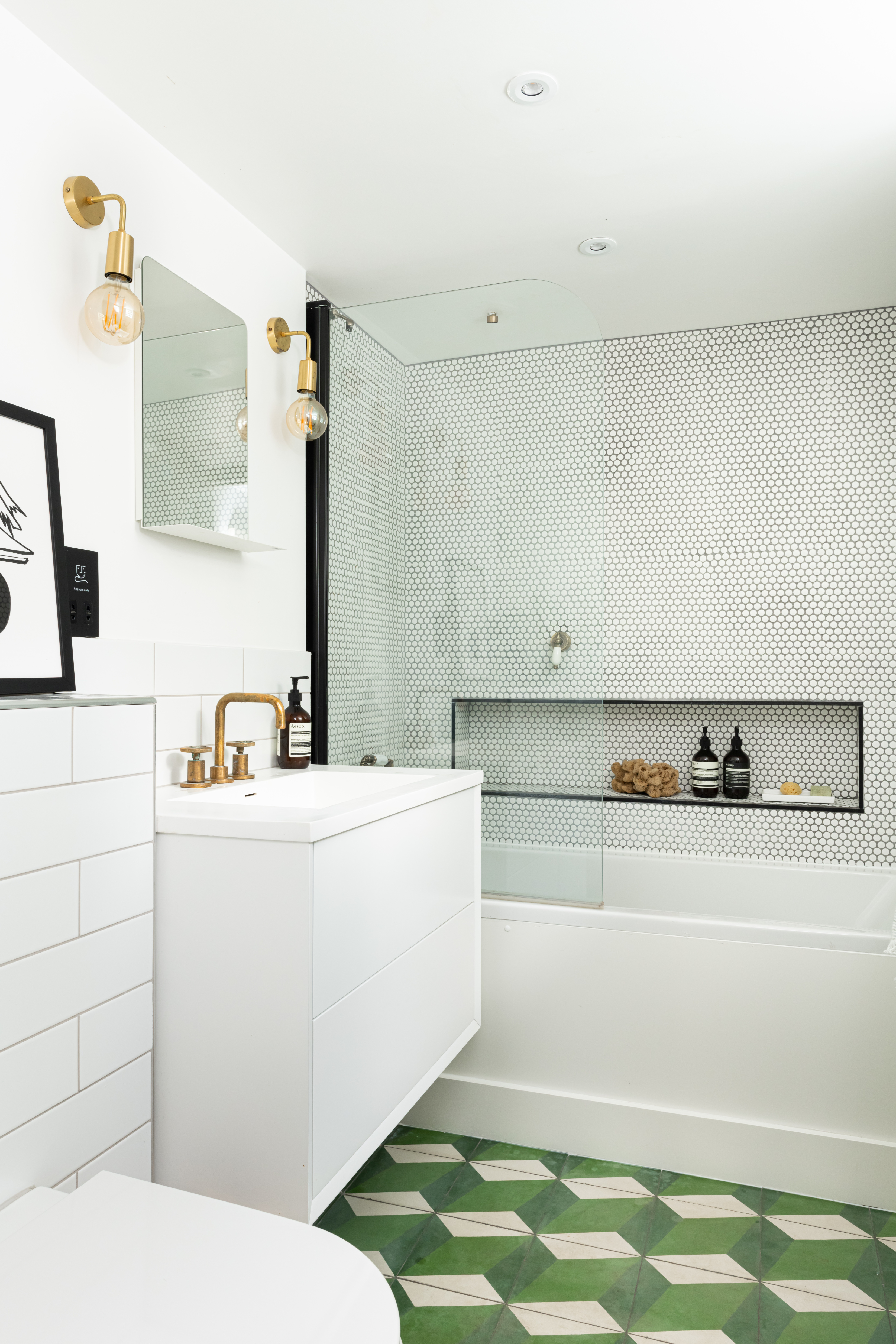
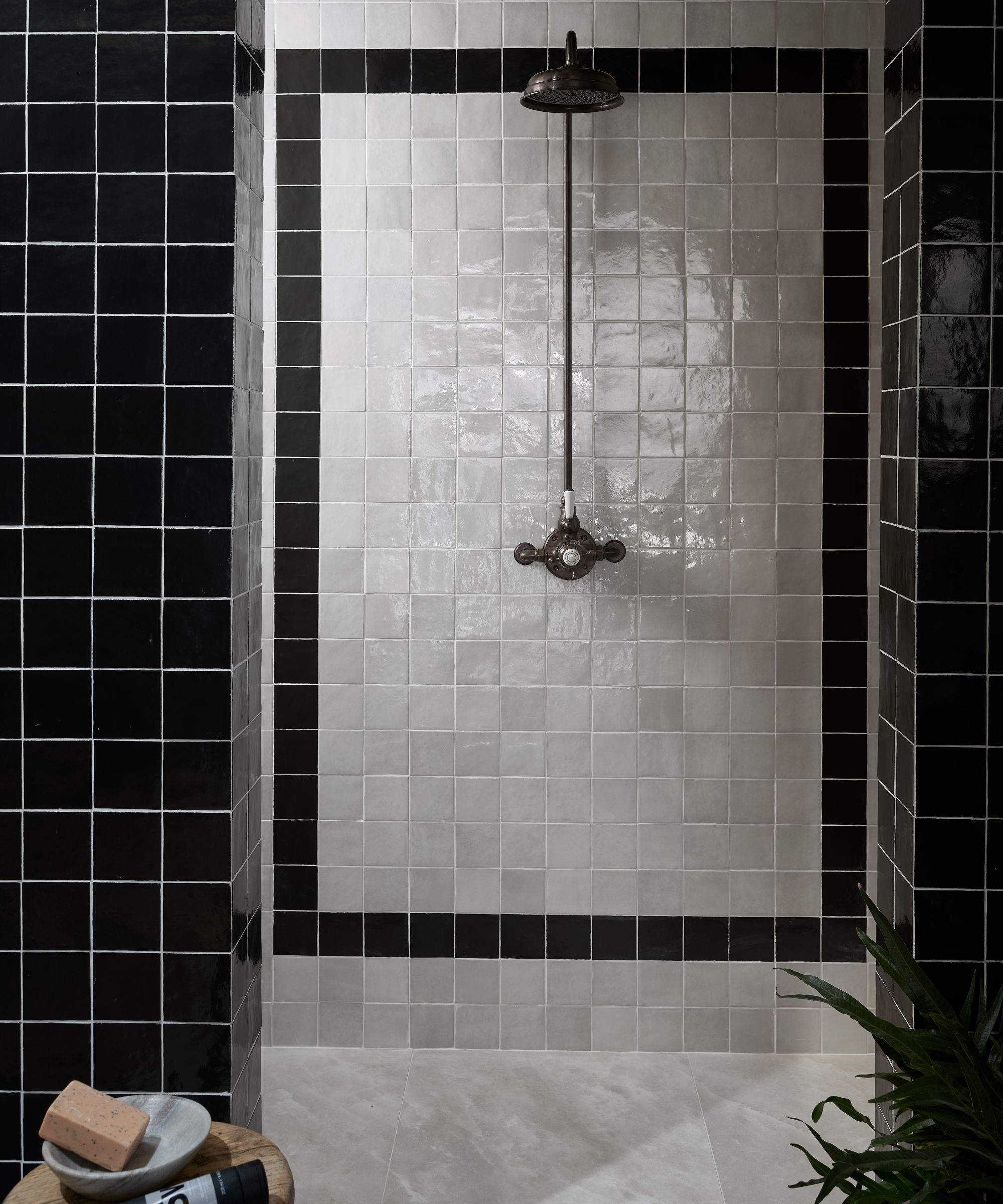
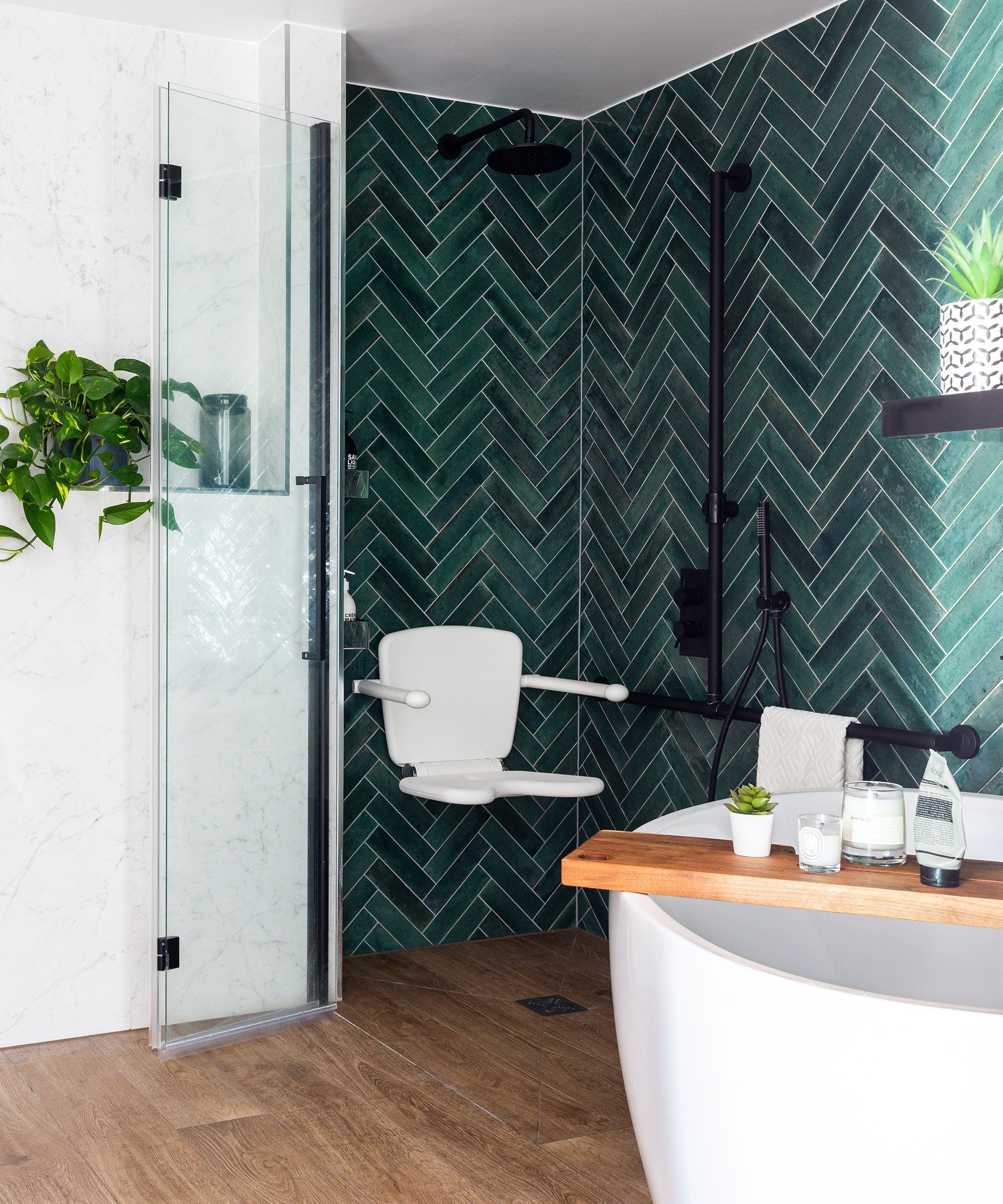
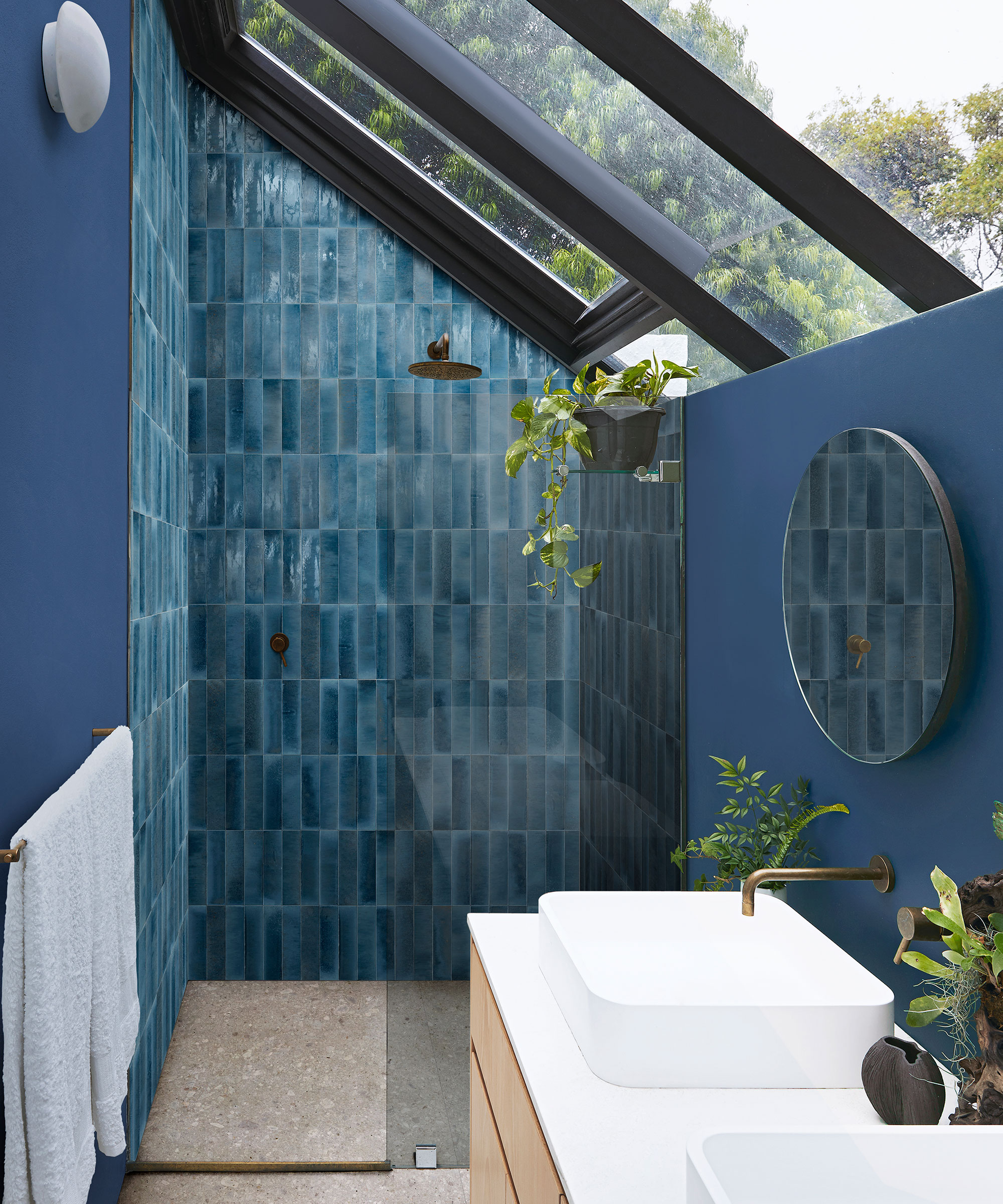
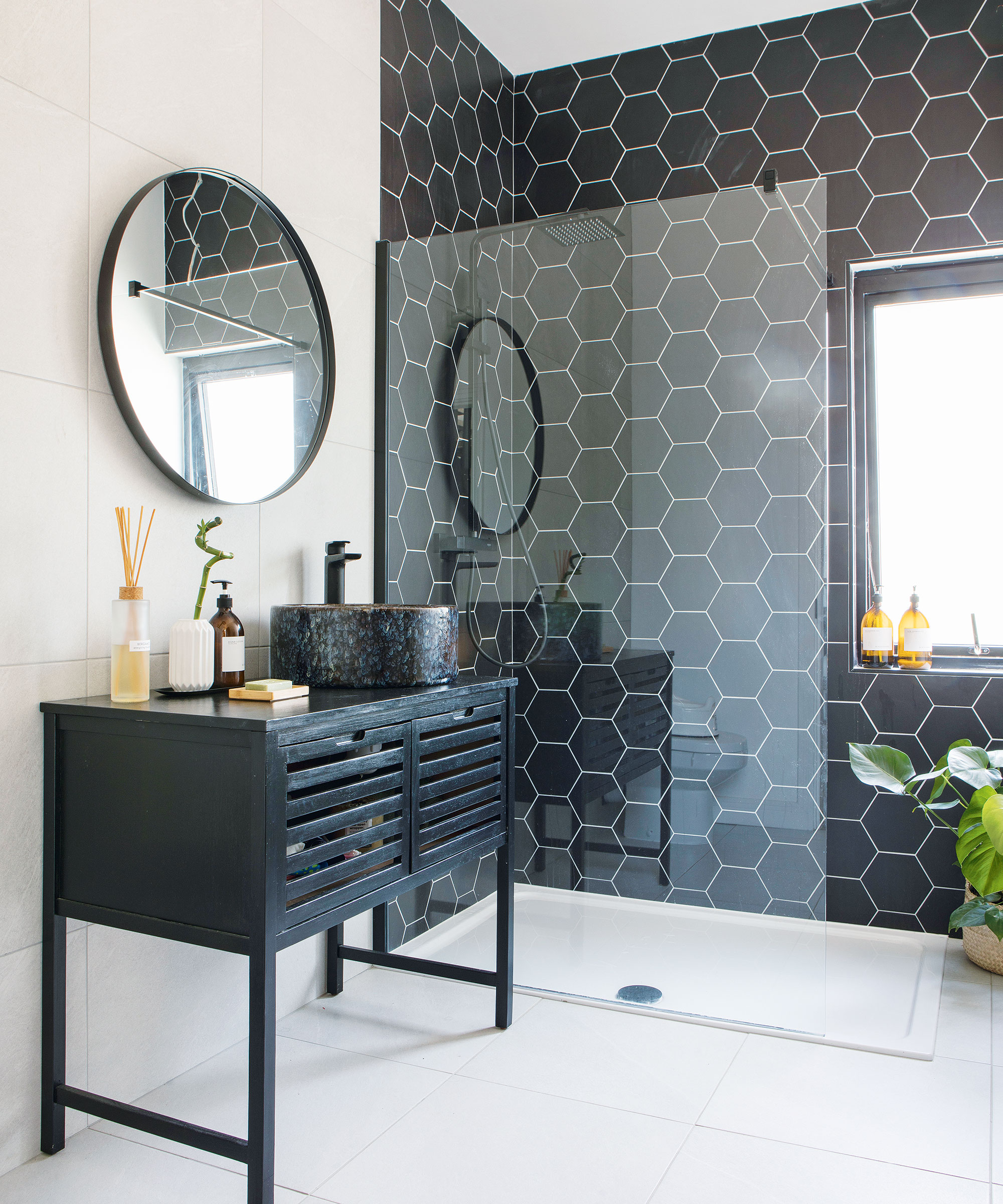
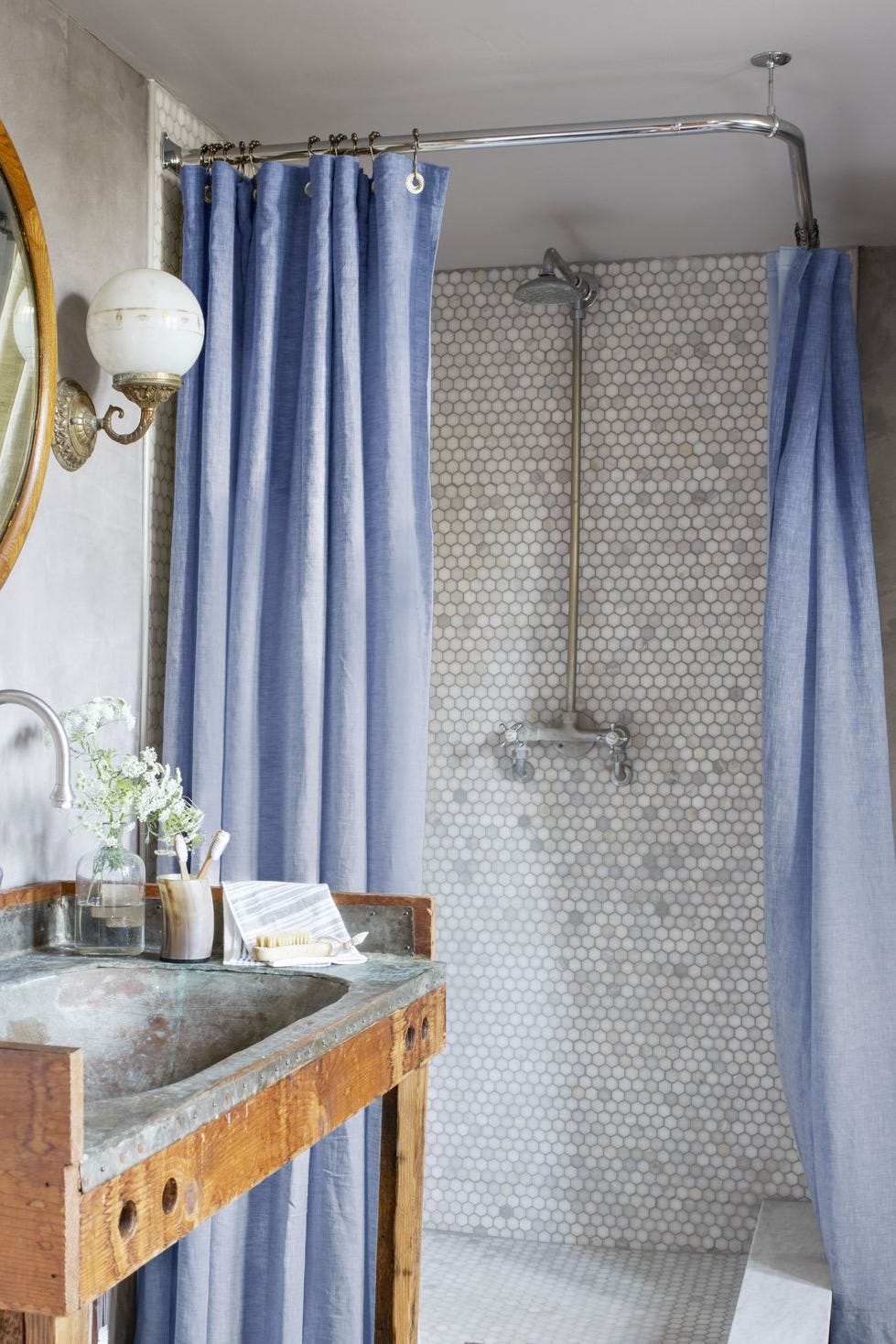
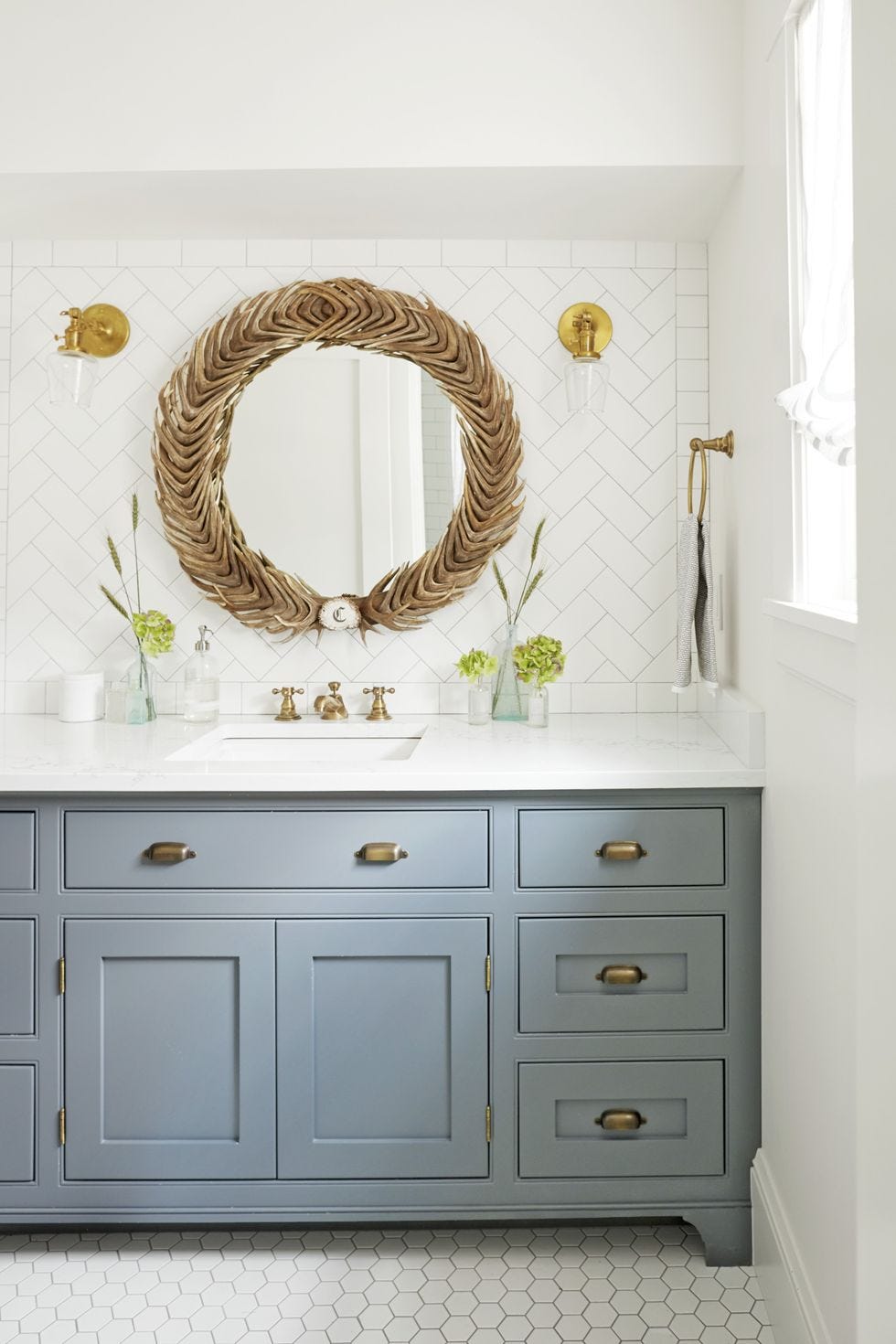
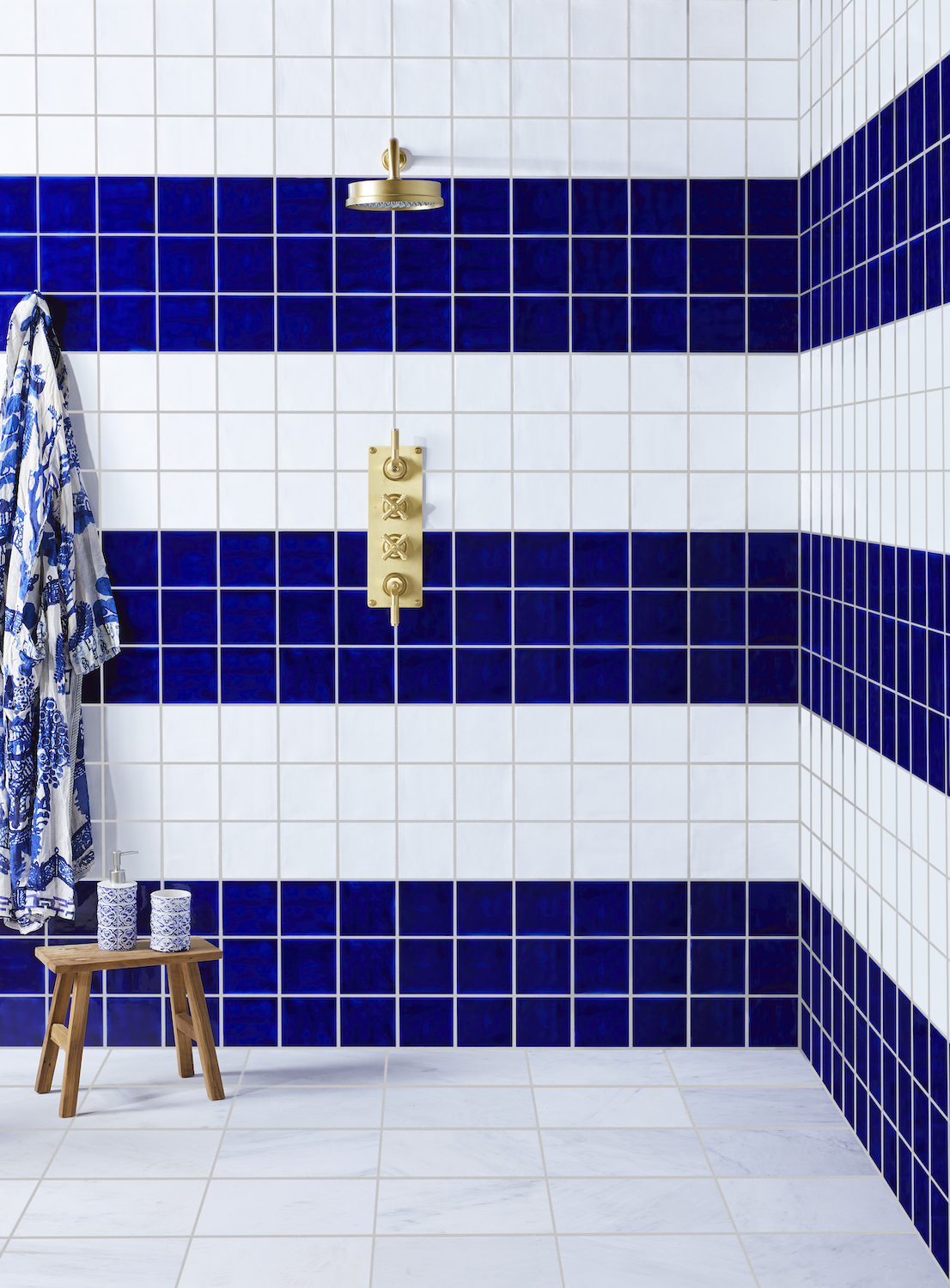
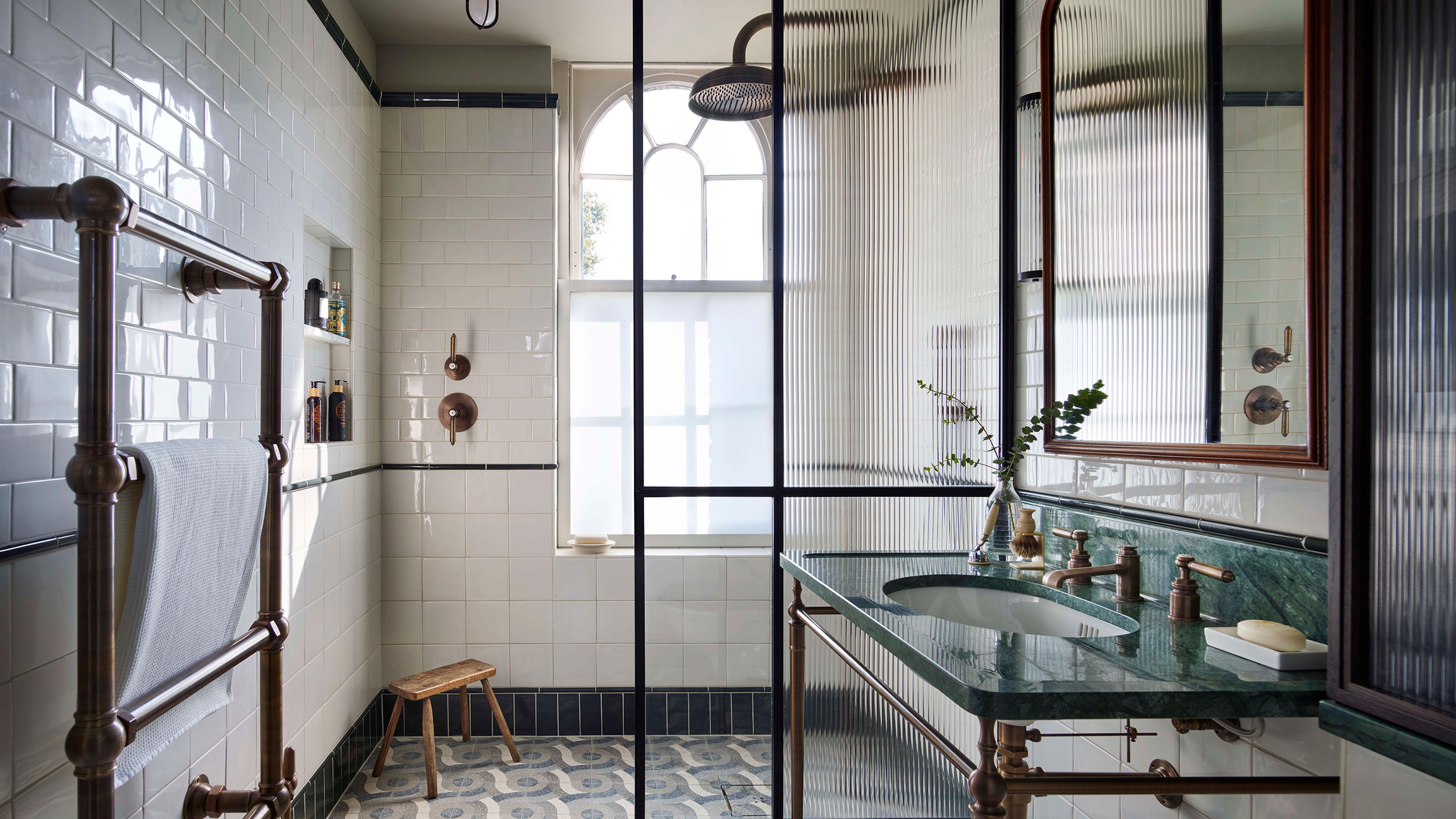
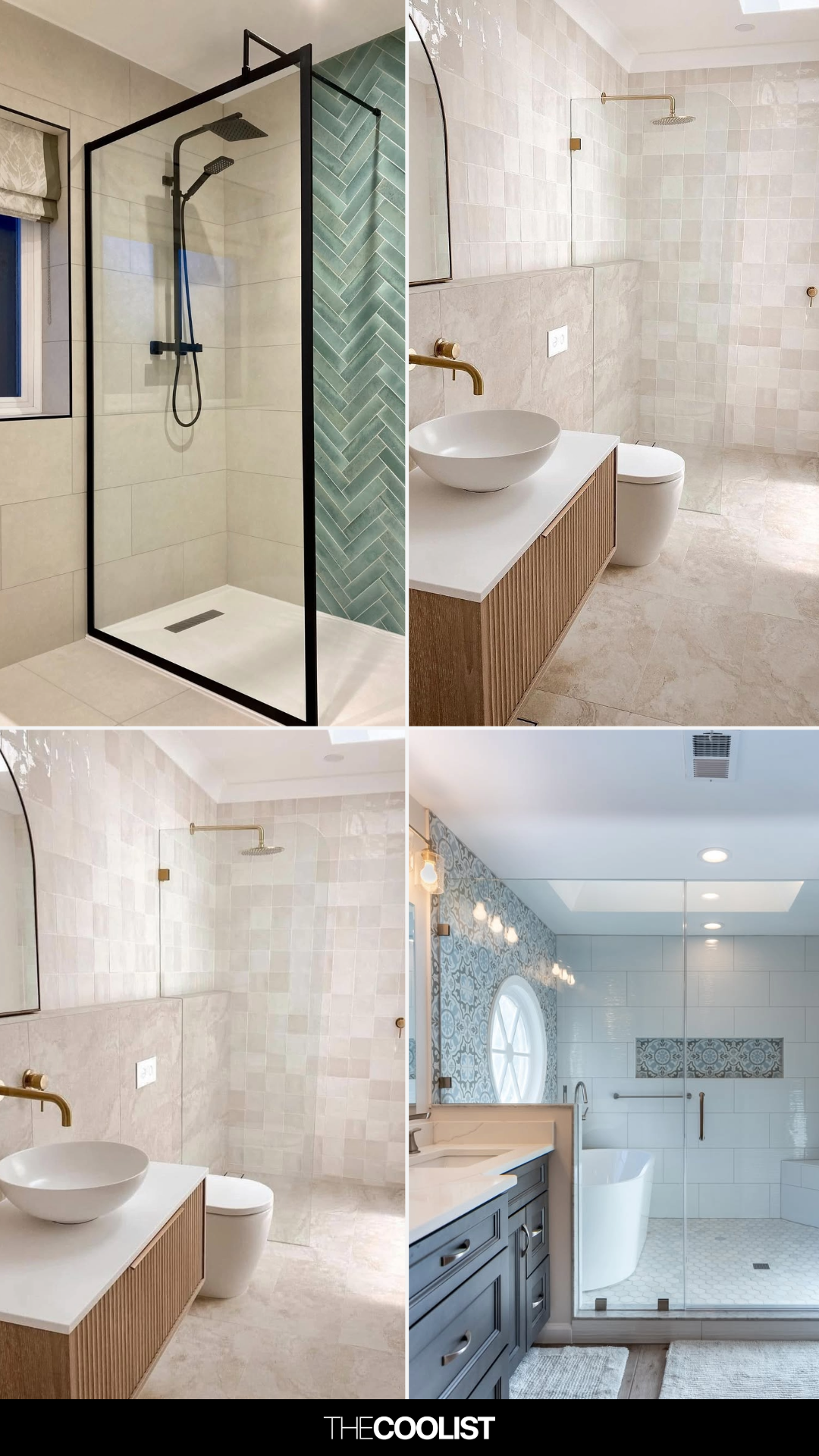
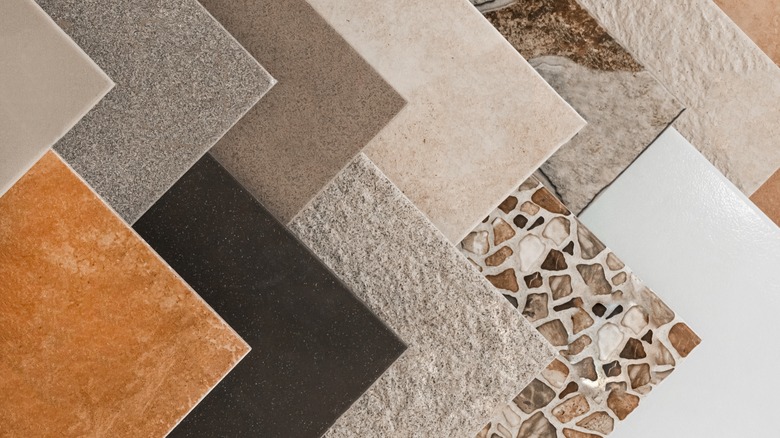
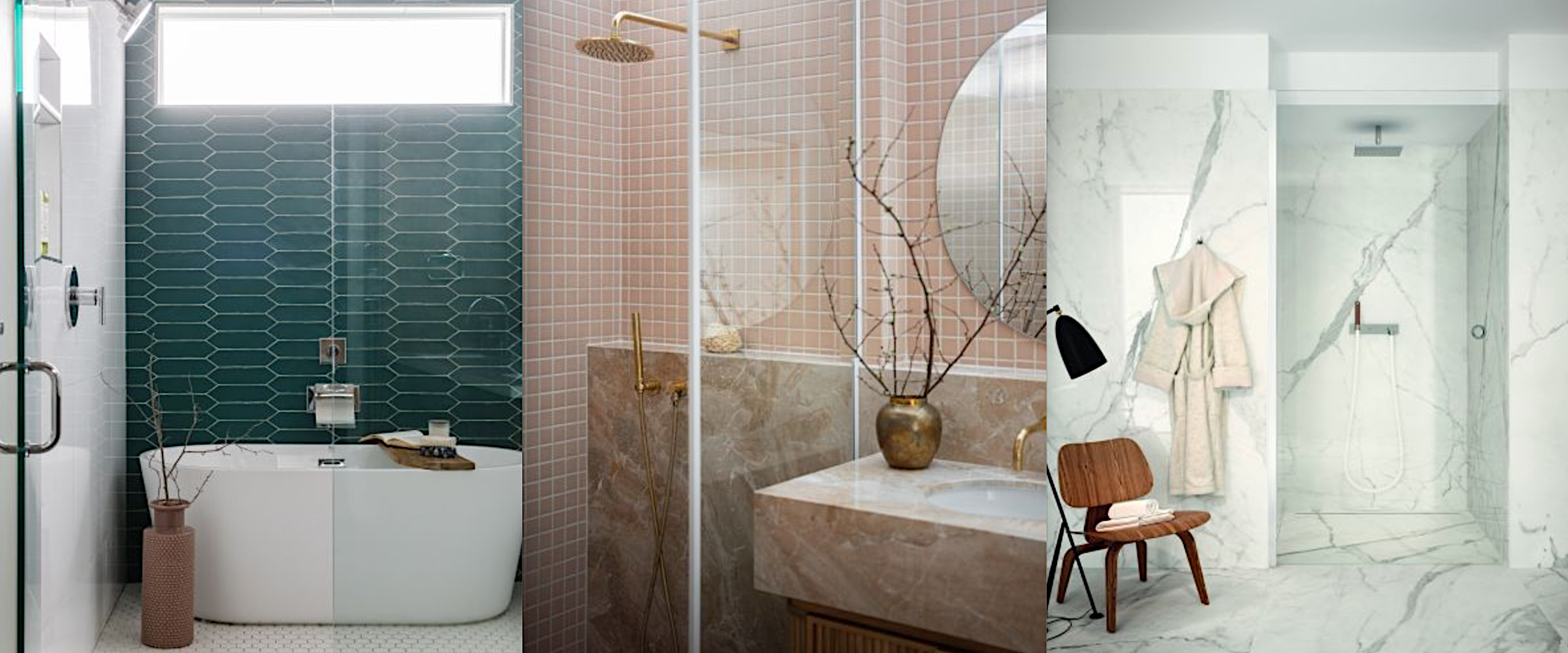
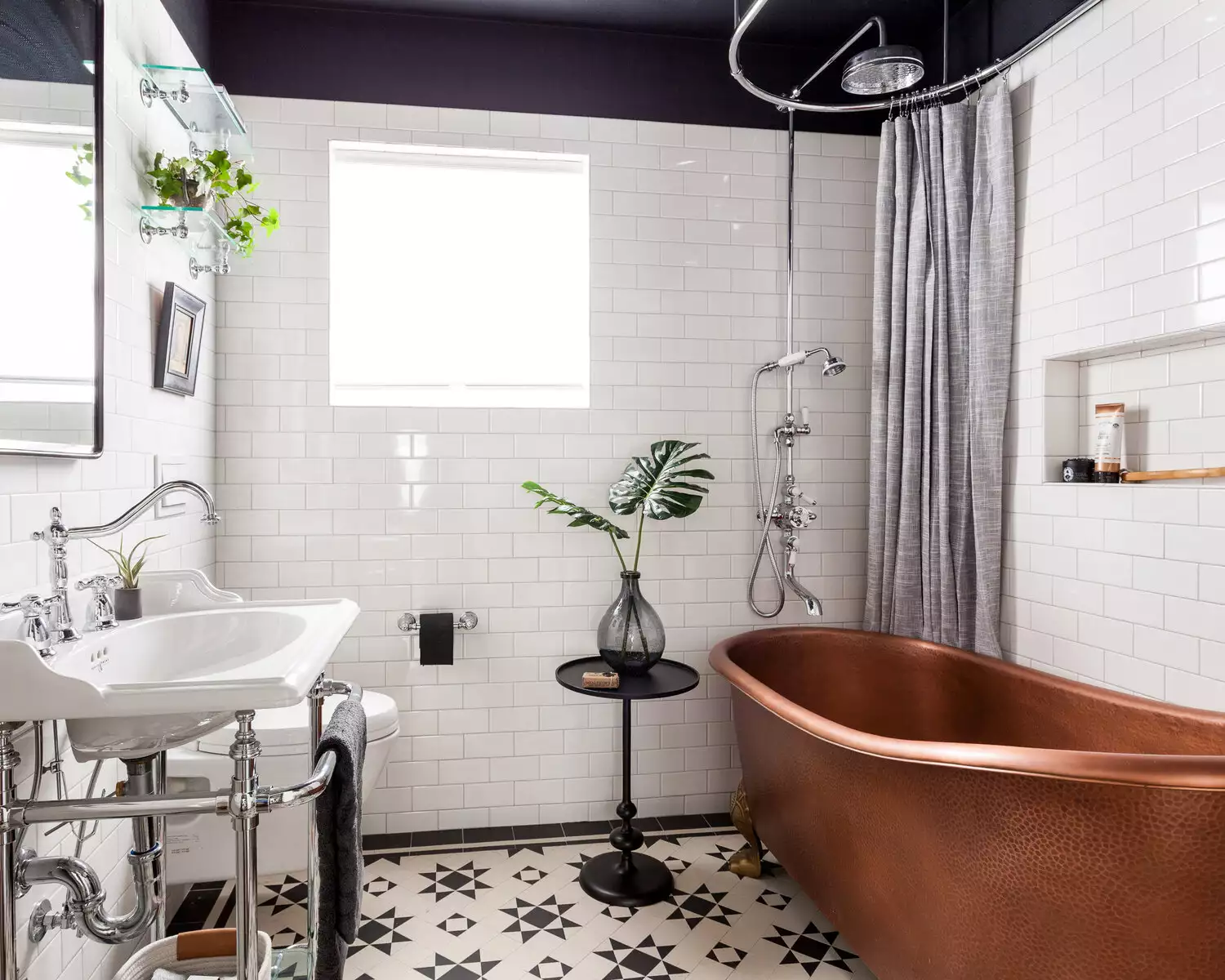
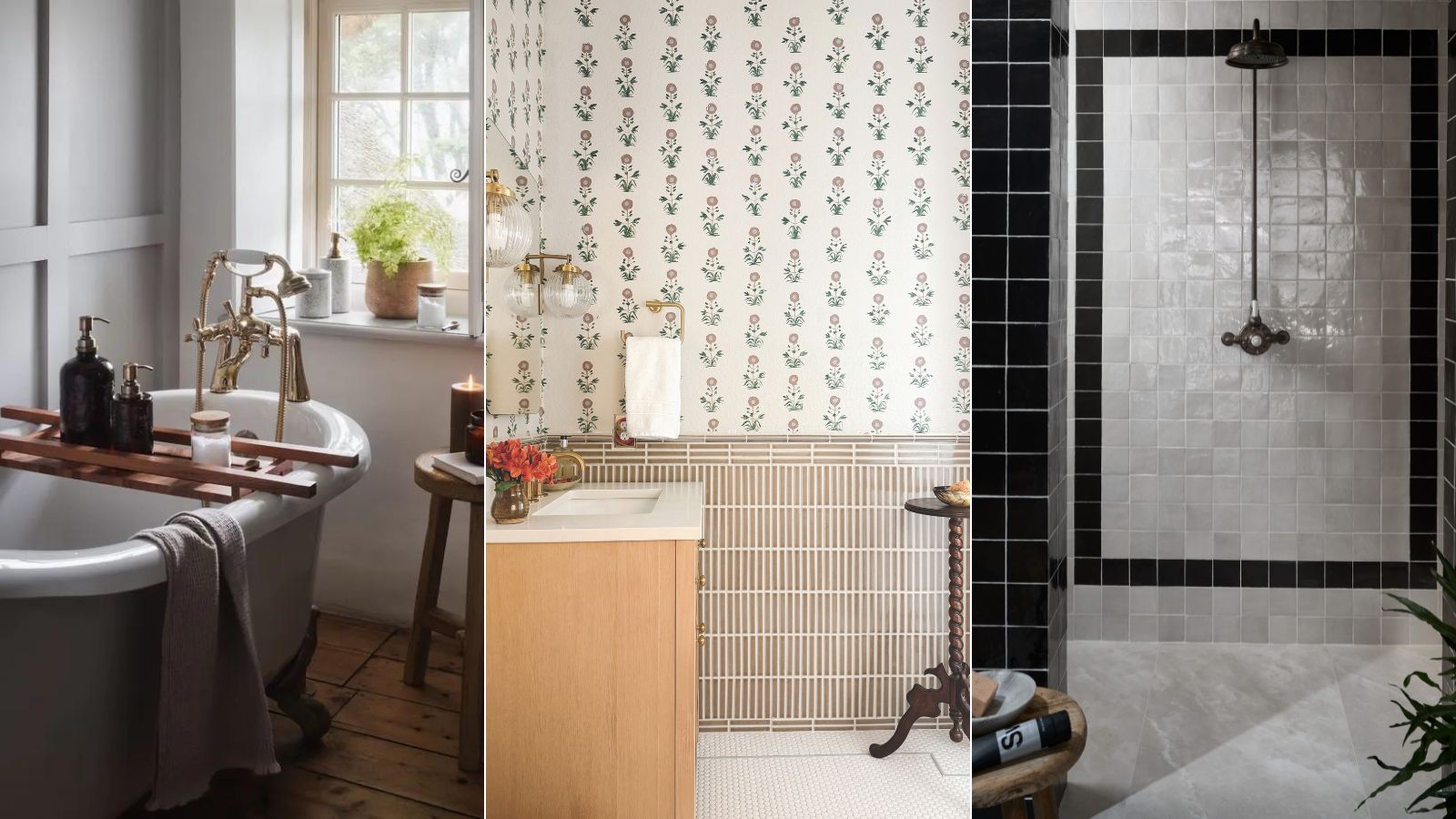
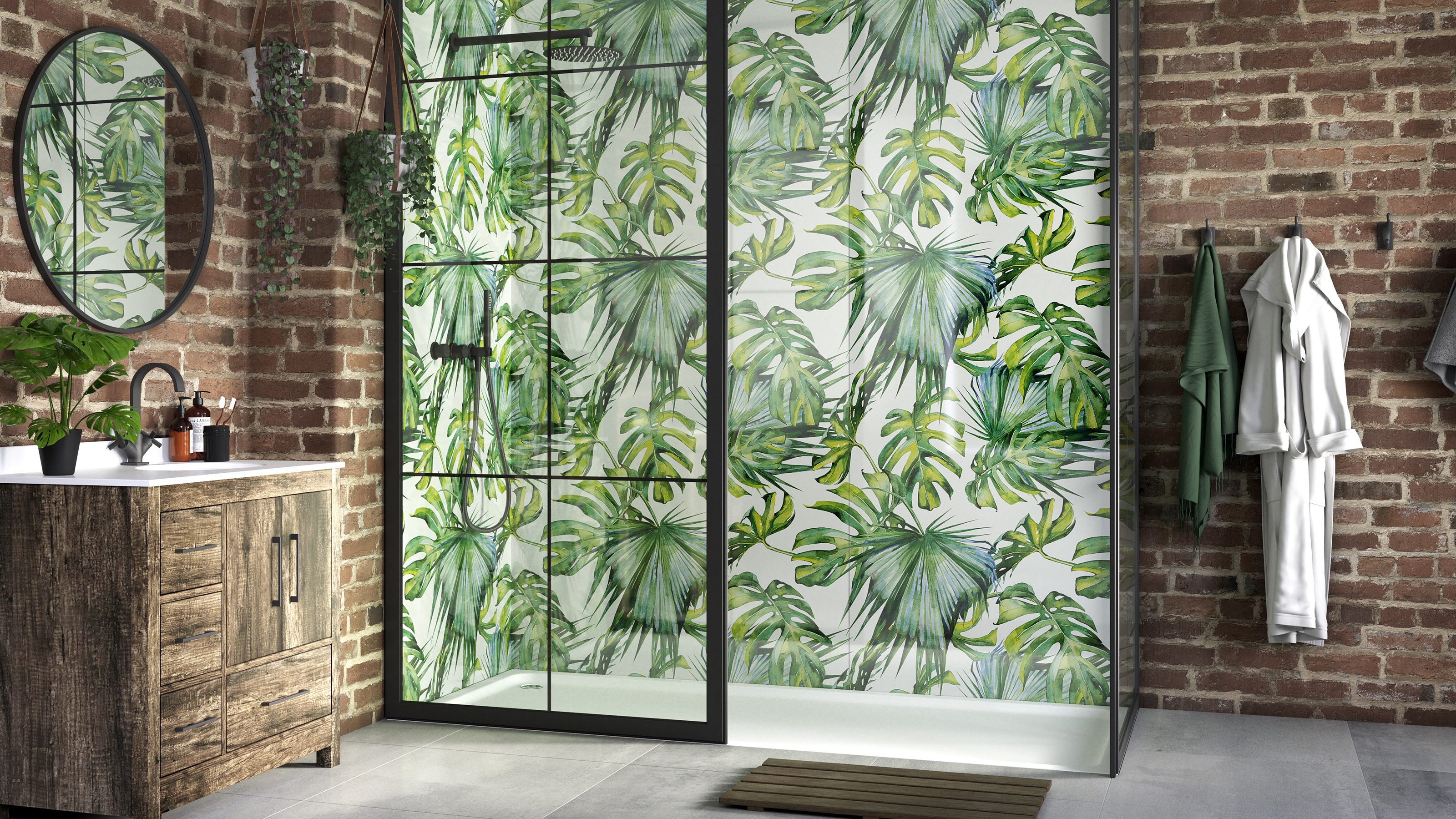
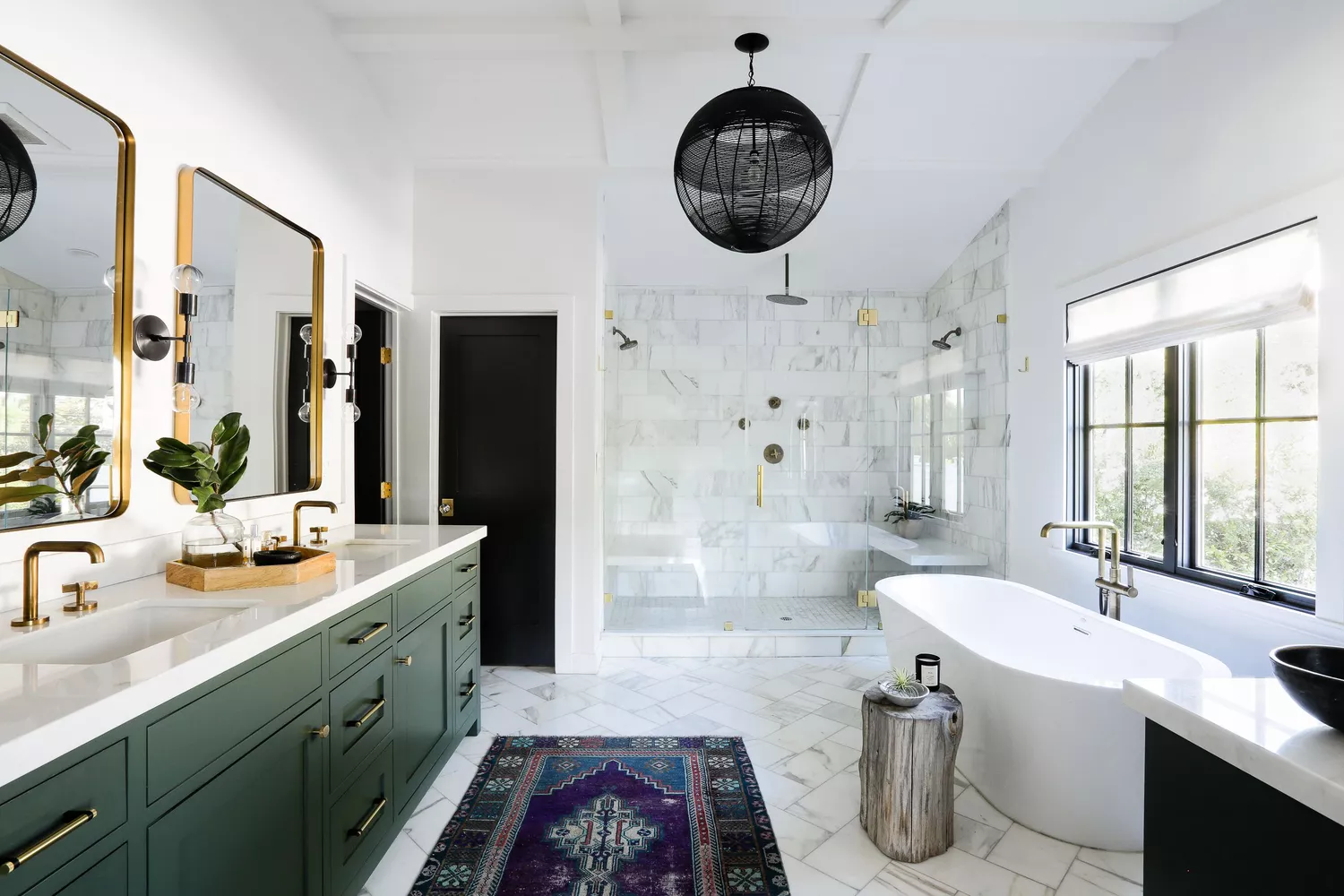
One of the main arguments in favor of contrasting shower tiles is their ability to zone the space and create visual interest, especially in larger bathrooms where a single-tile scheme might appear monotonous. Mike Whitfield, a luxury interior expert at LUSSO, suggests that introducing a contrasting tile in the shower can prevent the space from feeling flat or uninspiring, establishing distinct areas within a larger layout. This approach is particularly appealing for homeowners who love a bold or unique tile but find it too daring for the entire bathroom. By limiting its application to the shower, the statement tile can become a focal point without overwhelming the space. Carly Allison, head of product design at Fired Earth, emphasizes the importance of maintaining cohesion even with contrasting tiles by echoing similar tones in other elements like paint and fittings throughout the bathroom.
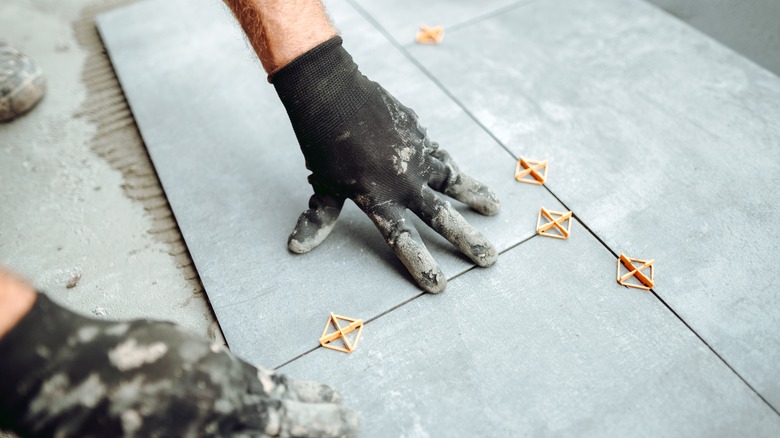
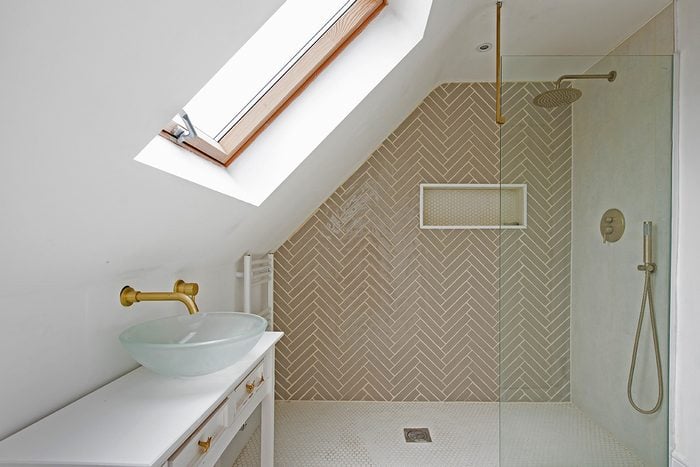
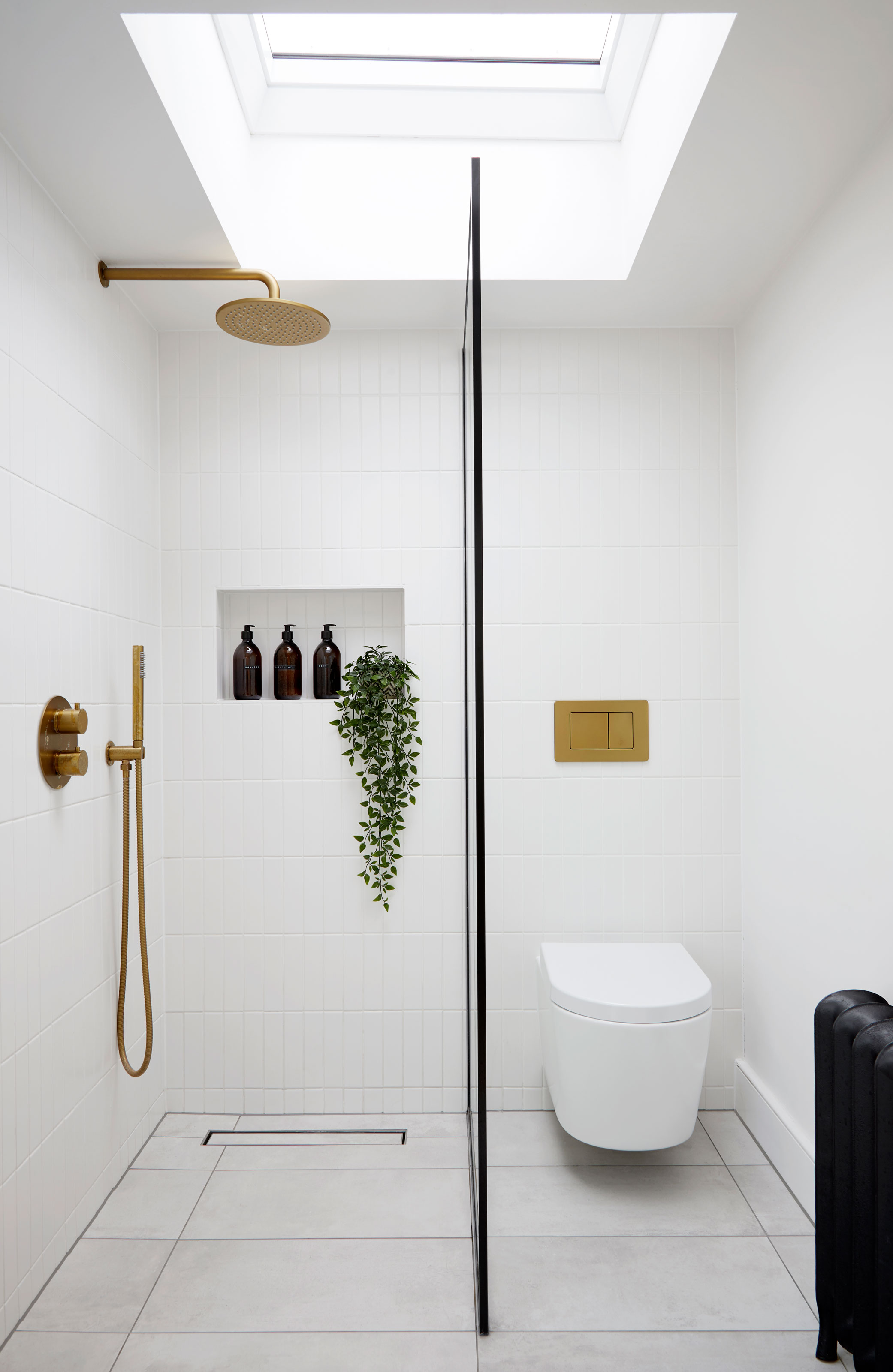
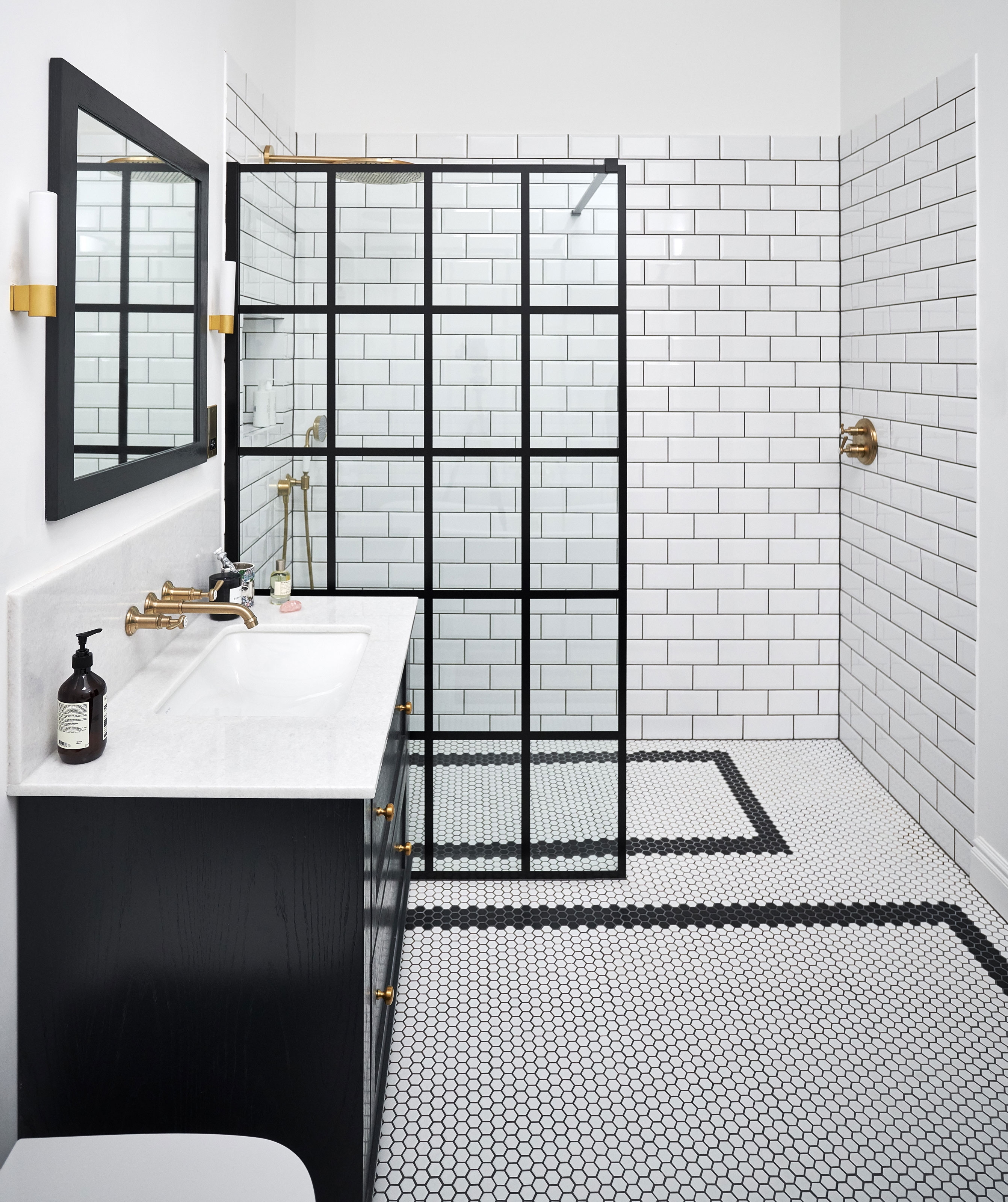
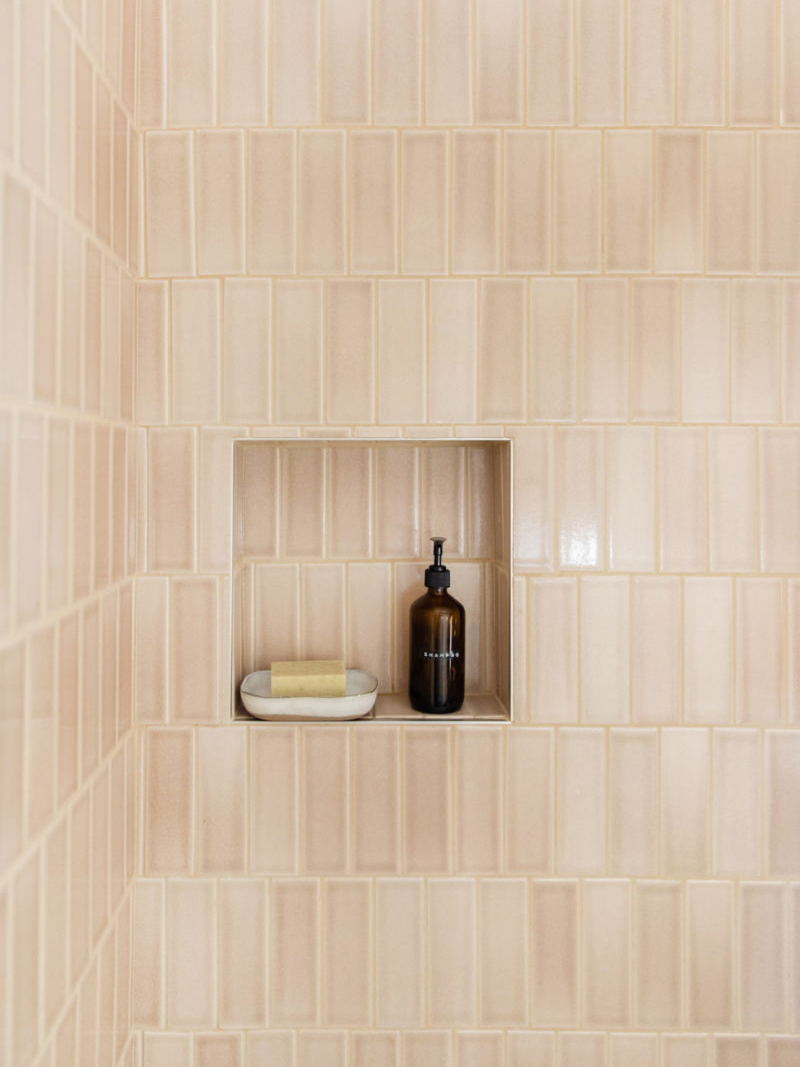
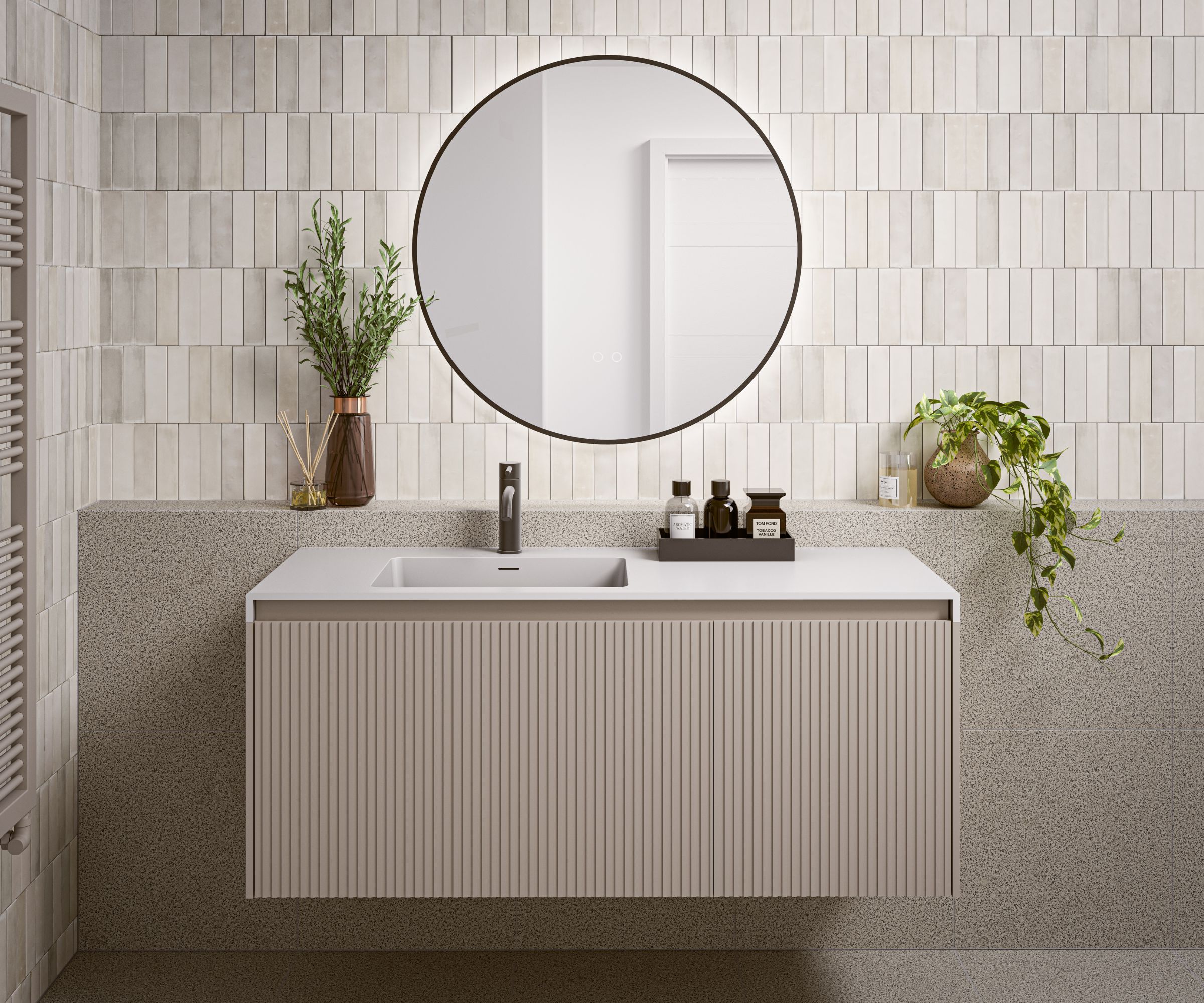
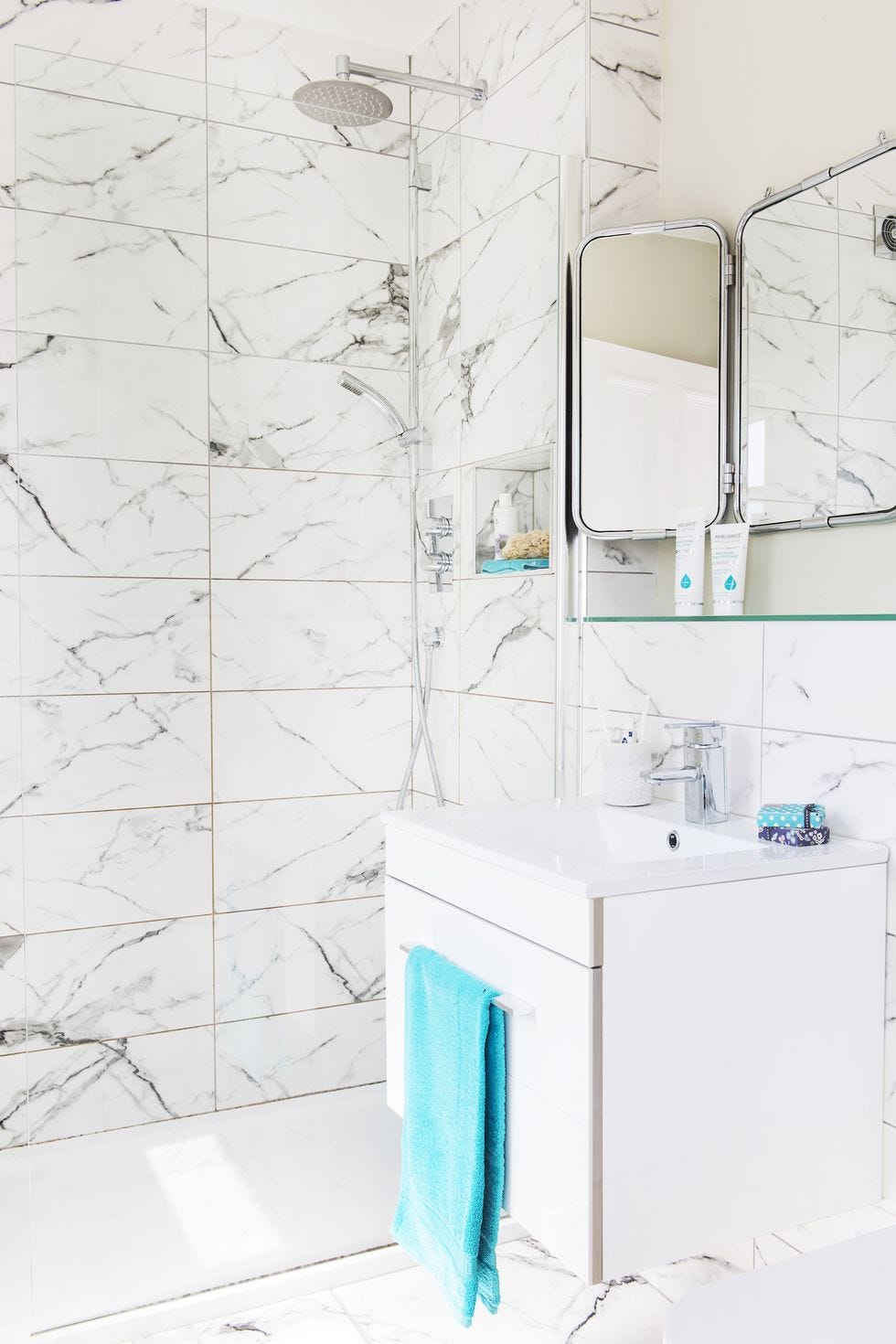
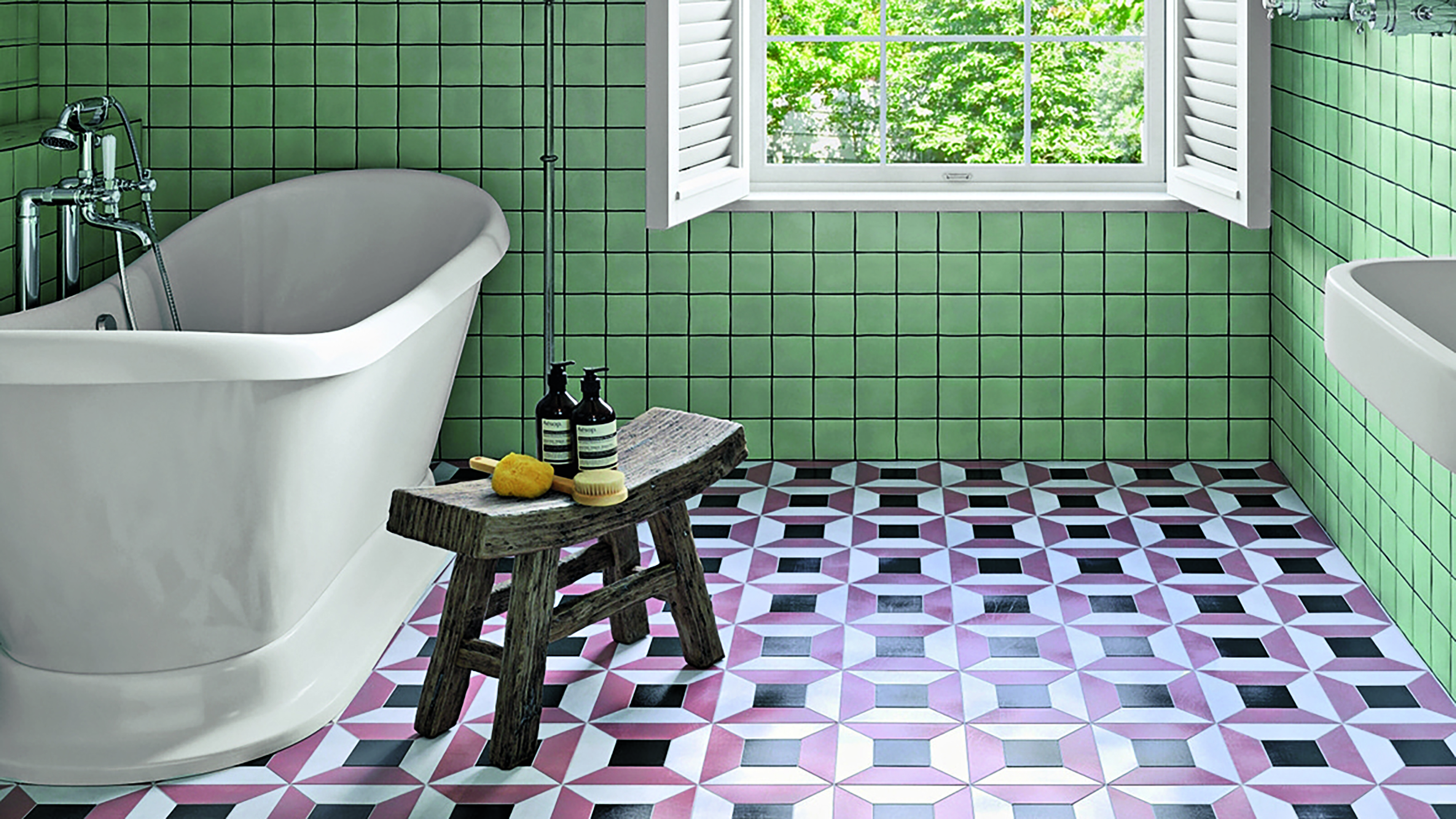
Conversely, some designers caution against contrasting tiles, particularly in smaller bathrooms. They argue that a mix of tile patterns and colors can create a visual divide, making an already compact space feel even smaller and more disjointed. For these smaller areas, a cohesive tile scheme is often preferred to promote a sense of openness and flow. Lee Thornley, founder of Bert & May, recommends using a consistent tile color across the entire bathroom, including walls, floors, and the shower interior, but suggests varying the tile format, such as using large squares in the shower. This method allows for texture and personality without sacrificing cohesion, creating a seamless and calming aesthetic.
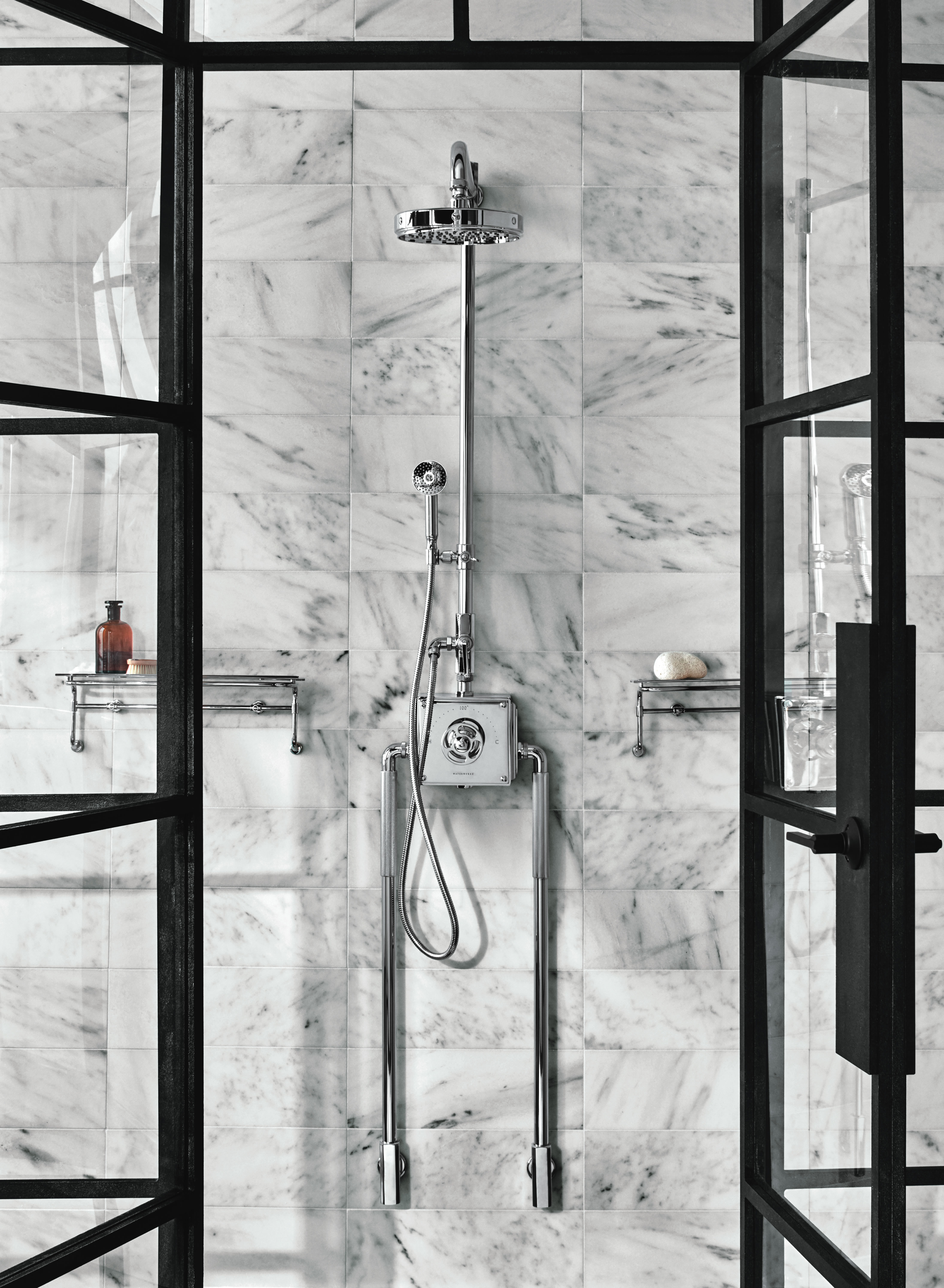
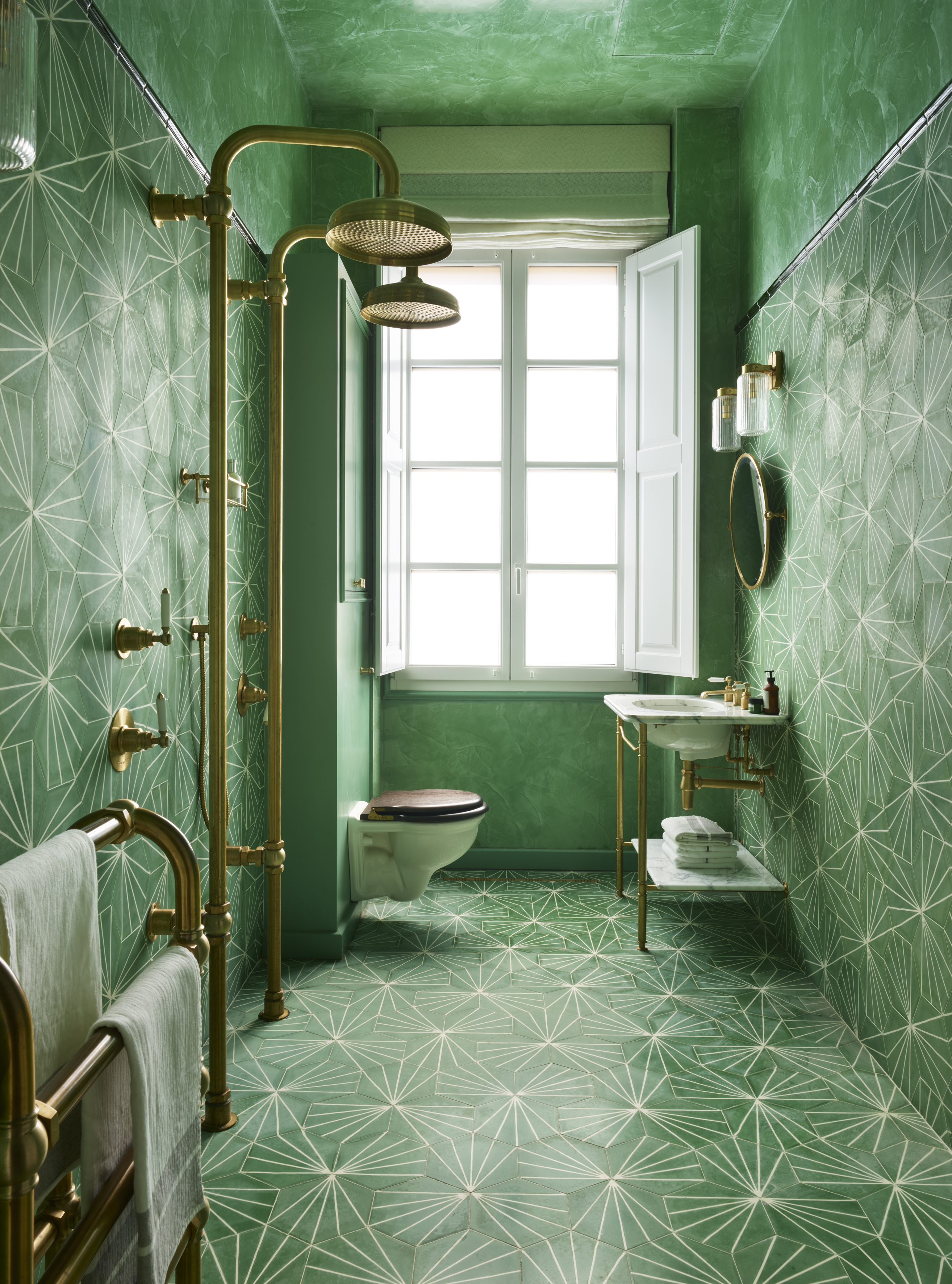
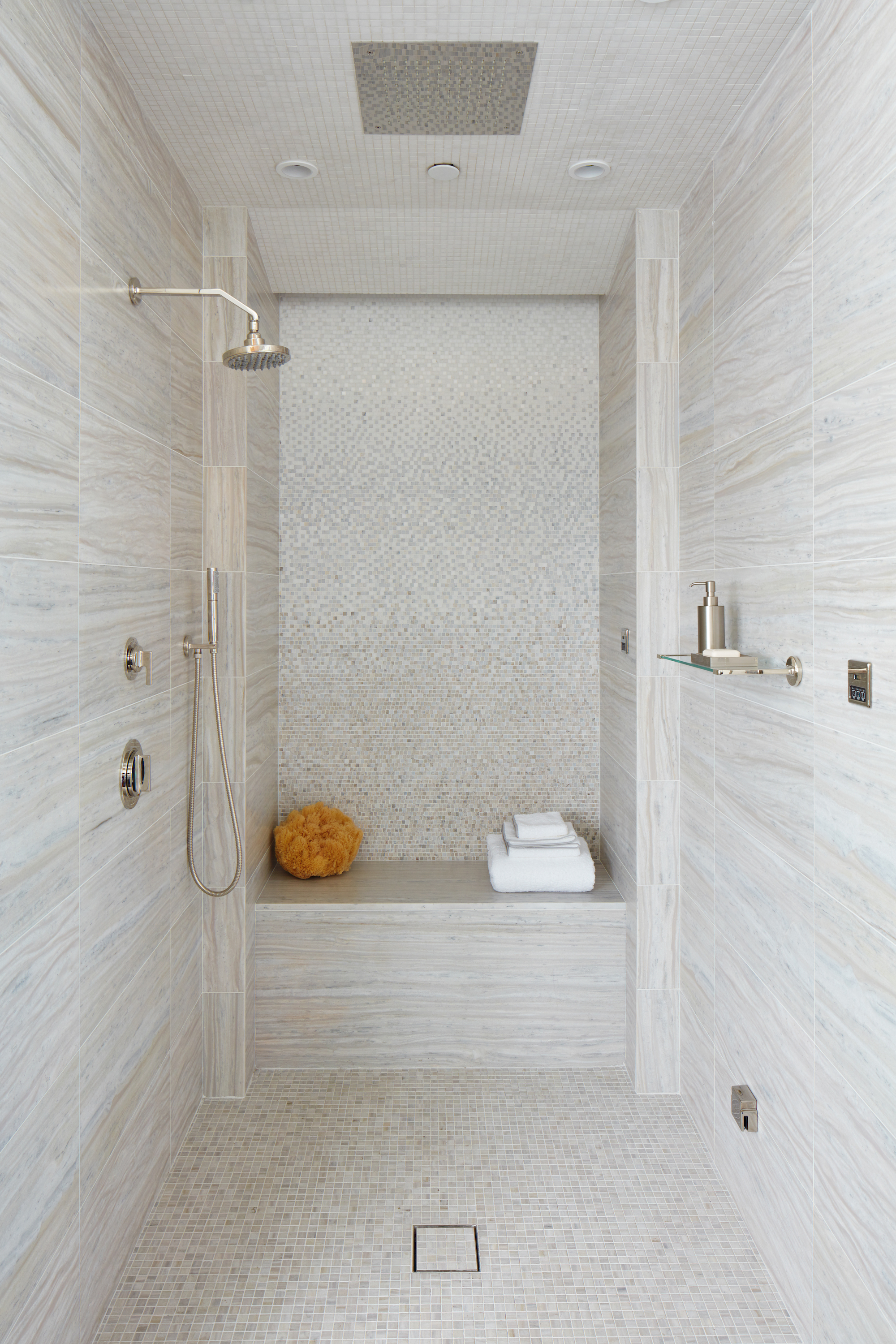
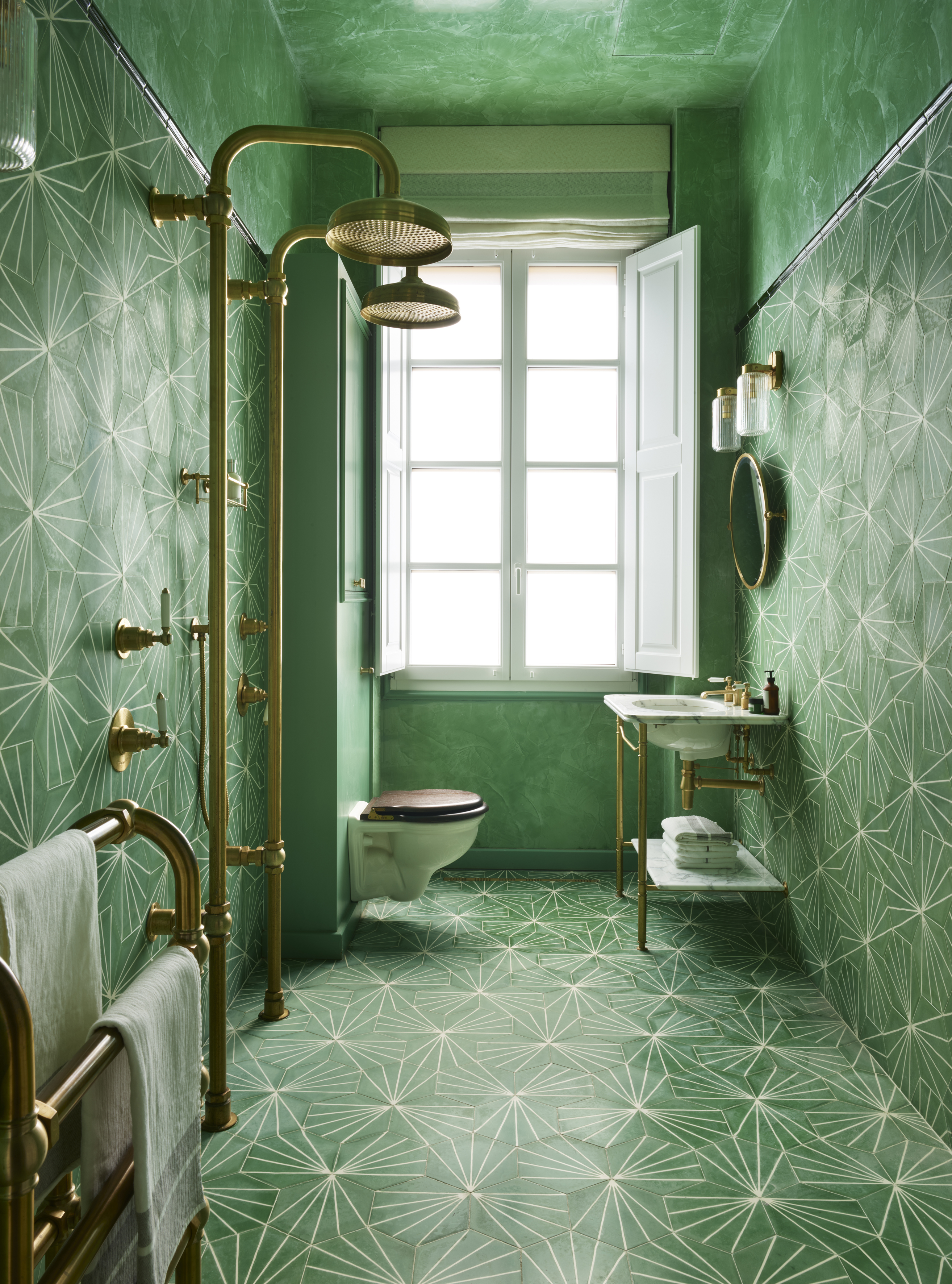
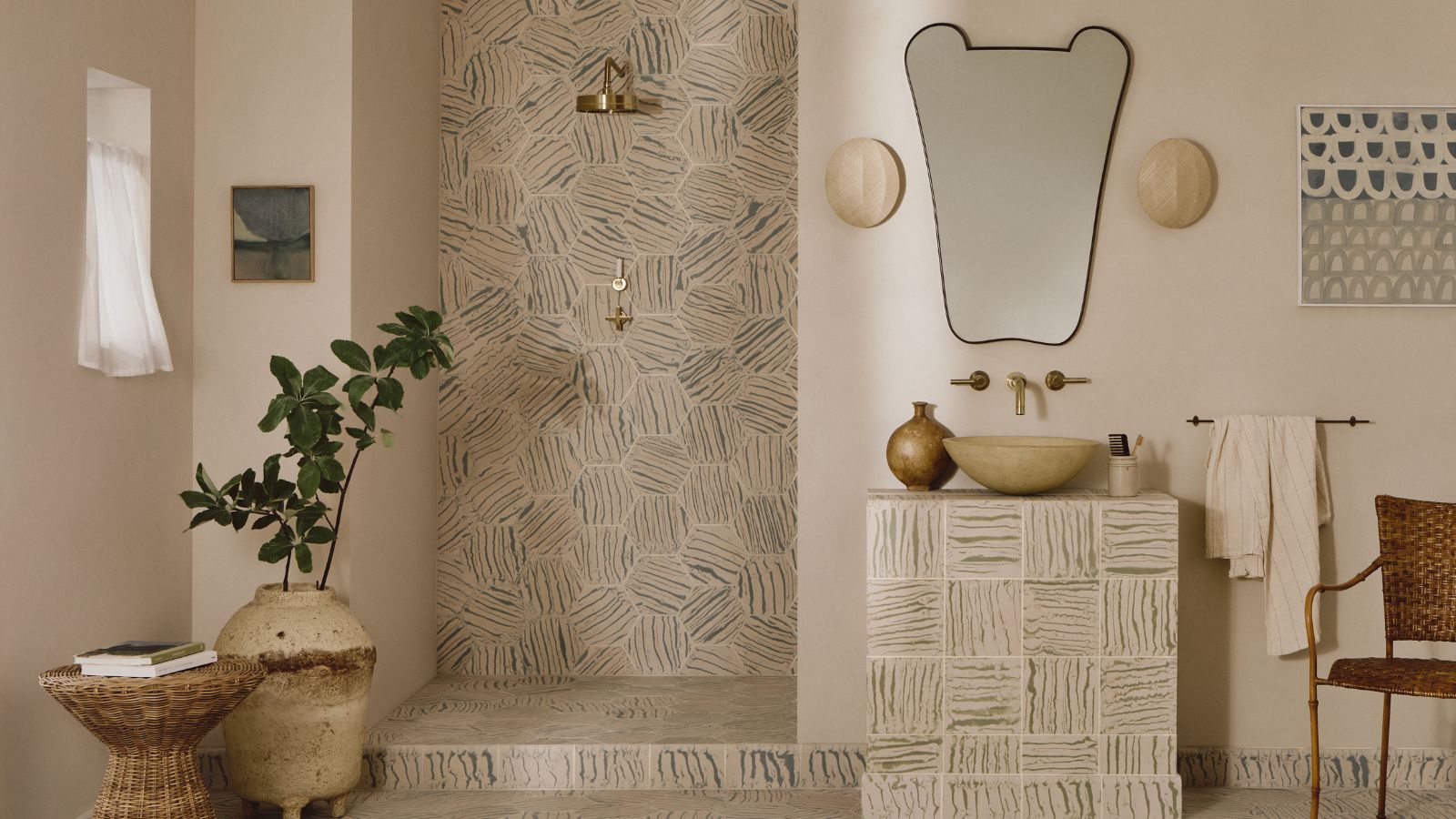
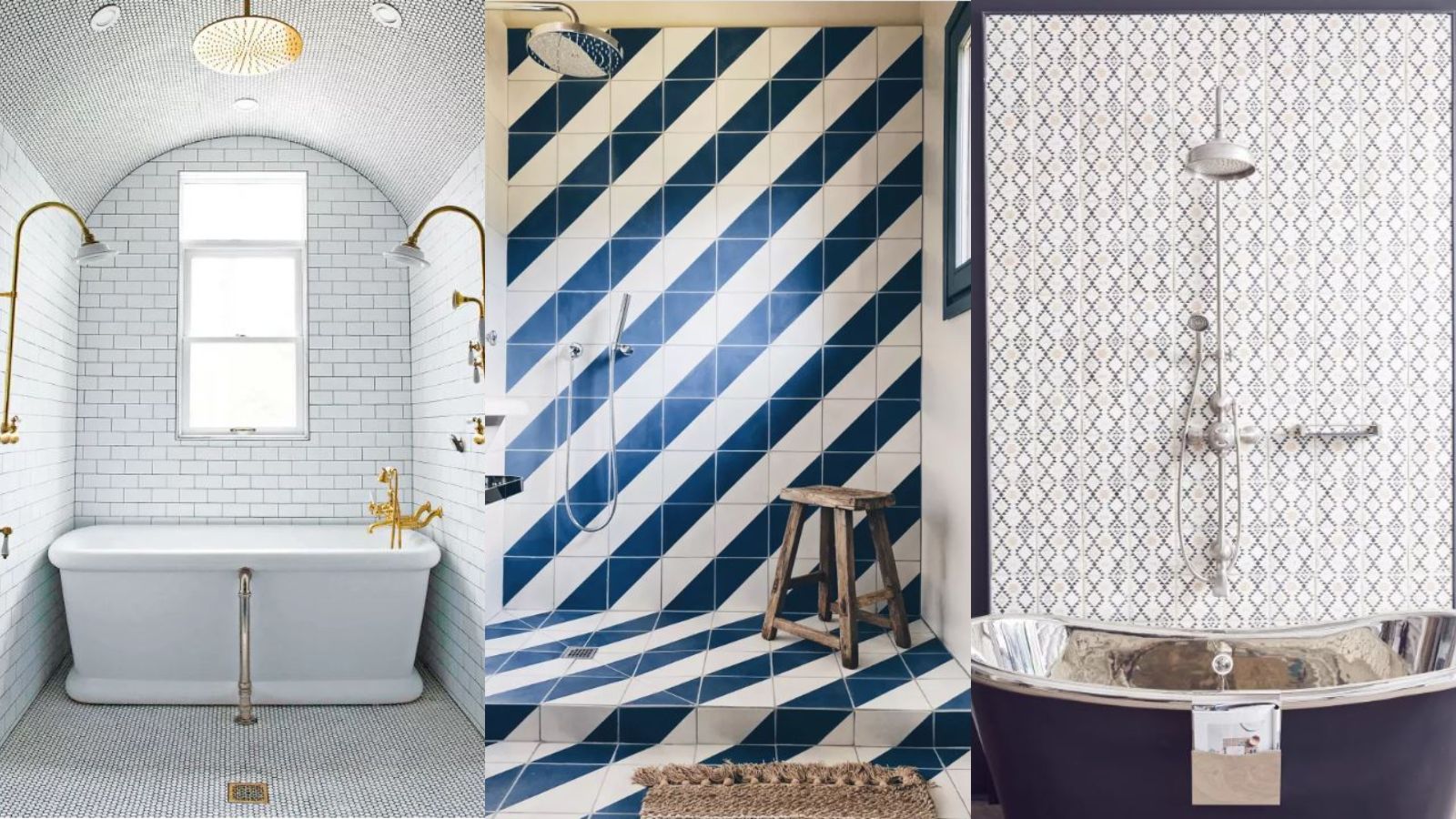
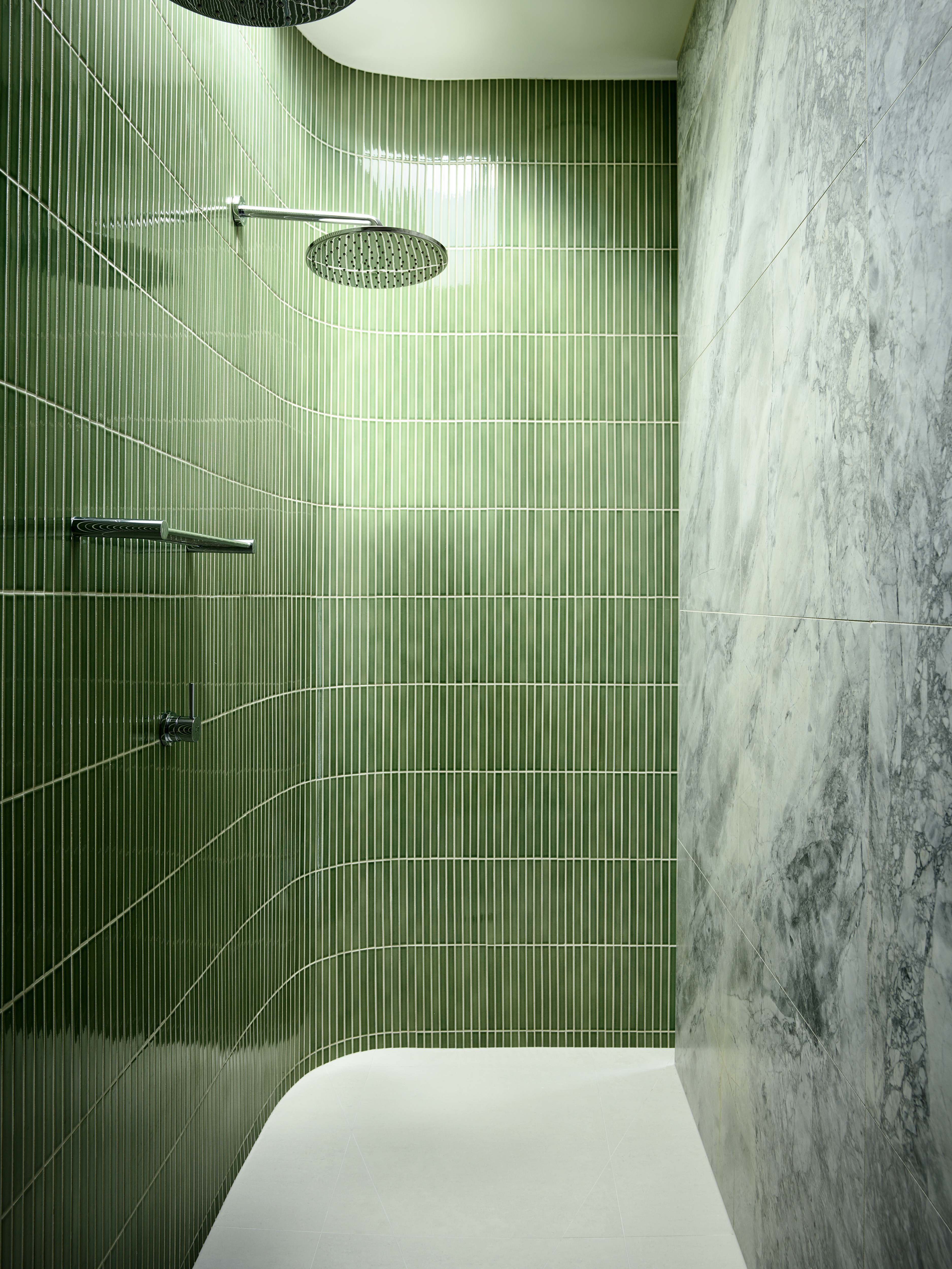
Beyond just matching or contrasting, the article introduces the concept of 'tile drenching' as a popular trend. This involves covering walls, floors, and even ceilings with the same tile, creating an all-encompassing, modern, and seamless ambiance. Mike Whitfield notes that tile drenching can be effectively used in bathrooms of any size. He advises that the color selection is crucial: light hues create an airy feel, while richer tones offer a more intimate and cocooning effect. Matching grout color to the tiles can further enhance this seamless and luxurious spa-like finish.
The article concludes by stressing that there are no strict rules in bathroom design, encouraging homeowners to choose an approach that aligns with their space and style. It reiterates the importance of considering the bathroom's size, as contrasting tiles might be better suited for larger areas or separated shower nooks. In smaller bathrooms, opting for different-sized tiles in a consistent color can differentiate zones without causing visual fragmentation. The key is to ensure that all design elements, including tile choices and color palettes, work together cohesively and deliberately. The article also touches upon the impact of bathroom color ideas and color combinations, along with tile layouts and patterns, underscoring the need for careful consideration to achieve a striking and harmonious result.
#BathroomDesign #ShowerTiles #InteriorDesign #TileTrends #HomeDecor #BathroomRenovation #CohesiveDesign #ContrastingTiles #SmallBathroomIdeas #BathroomDesign #ShowerTiles #InteriorDesign #TileTrends #HomeDecor #BathroomRenovation #CohesiveDesign #ContrastingTiles #SmallBathroomIdeas
合計0件のコメント
 まだコメントはありません
あなたも好きかもしれません
10 shower tile ideas - designers explain how to play with color, pattern, texture and scale

13 shower floor tile ideas – from color and layout to picking the right size
Who Says Your Bathrooms Have to Look the Same?
30 Shower Tile Ideas That Make Your Bathroom Look Fresh and Modern Without a Full Renovation

The Best Shower Tile To Use In Your Bathroom, According To A Design Expert
Small bathroom shower tile ideas – 10 looks that enhance a compact space
How to Choose Bathroom Tile That You'll Love Forever, According to a Designer

6 bathroom design myths experts say you shouldn't believe
Shower tile ideas: 19 designs for cubicles and walk-ins with wow-factor

20 Shower Tile Ideas to Inspire Your Bathroom Remodel
Shower tile ideas – 20 ways to create impact and interest
24 bathroom tile ideas to add impact and transform your space
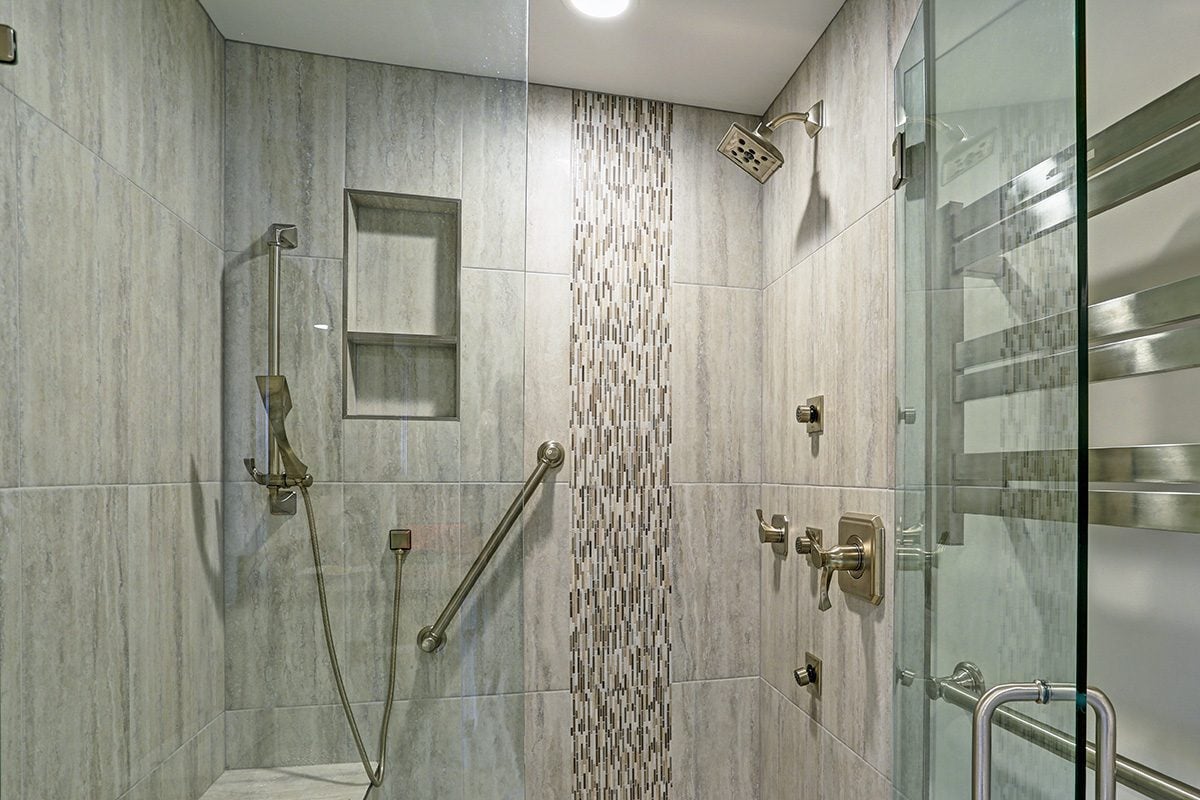
Upgrade Your Shower With These 8 Gorgeous Tile Design Ideas

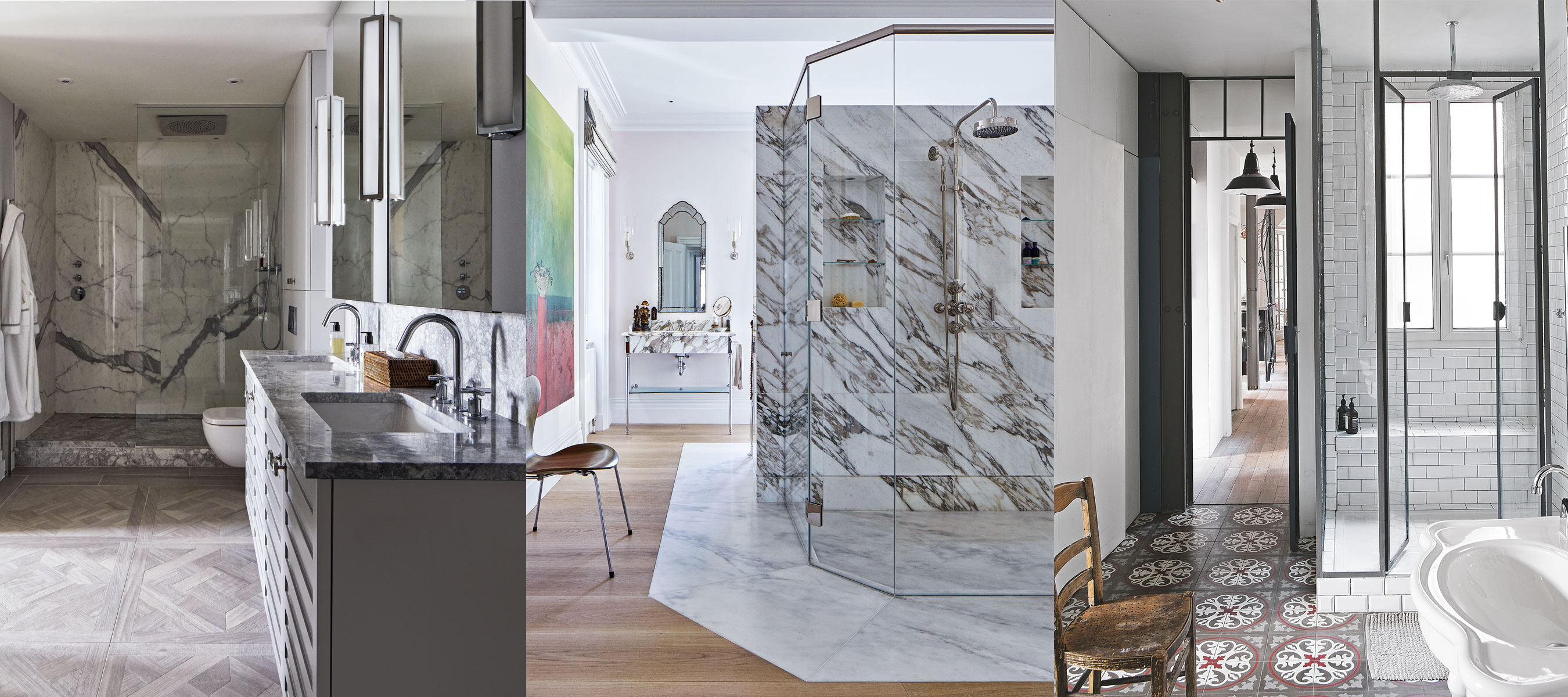
Shower floor tile ideas – 10 looks, layouts and colors for an inspiring space

Bathroom Tiles

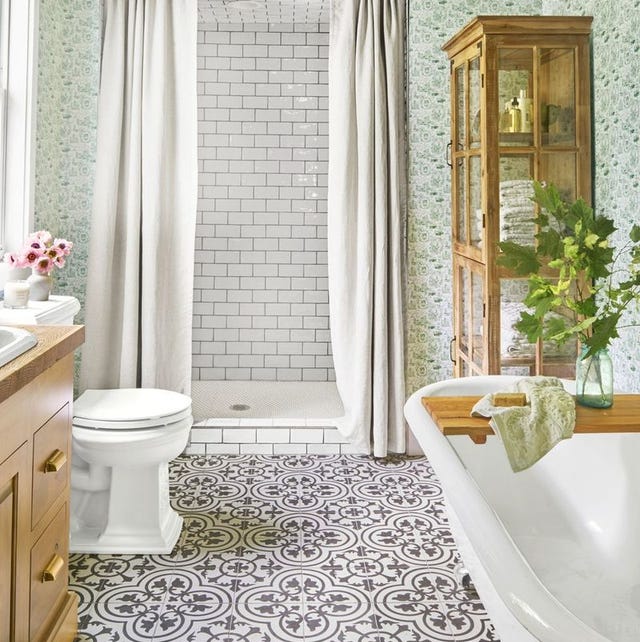
20 Bathroom Tile Ideas That Make a Major Design Statement

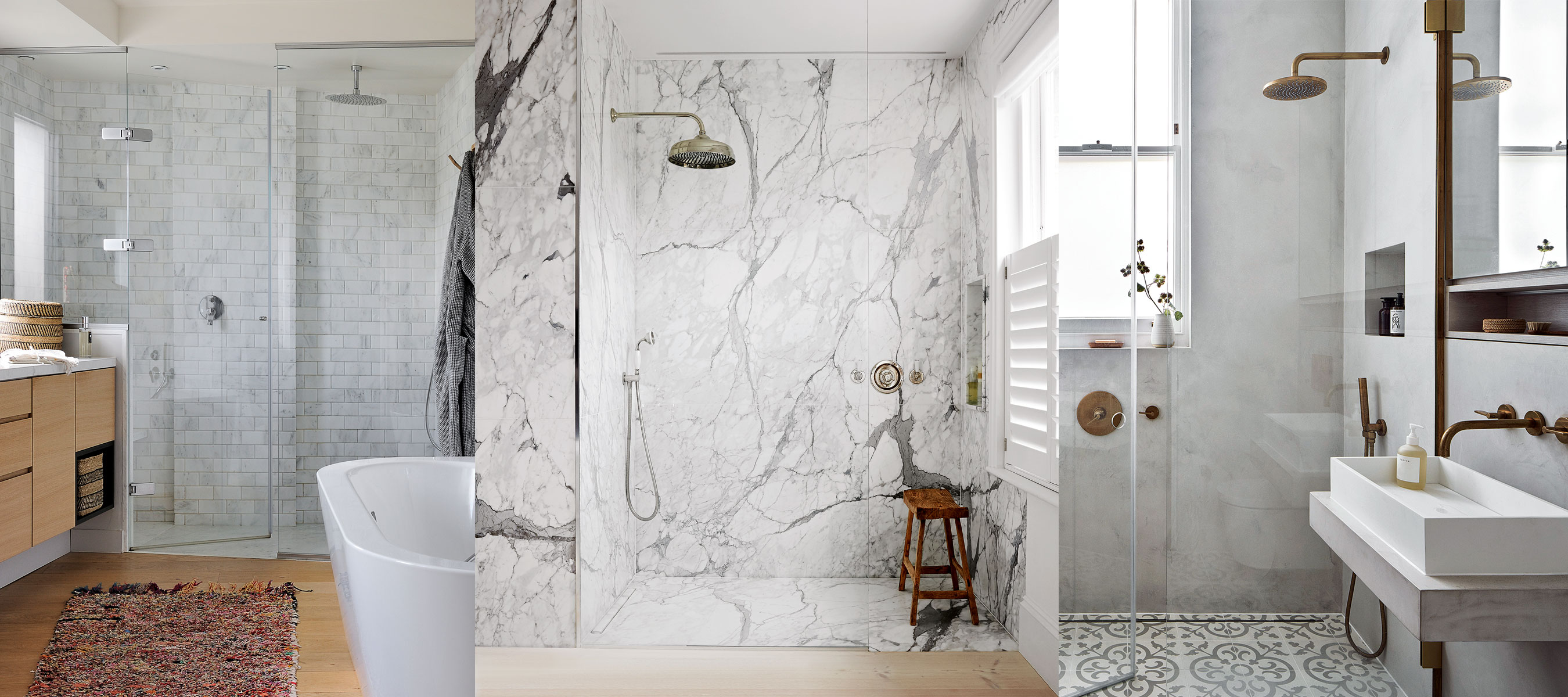
Shower wall ideas – 11 striking finishes for the walls in your bathroom
5 Experts Share Their Favorite Tile for a Knockout Shower
Bathroom shower ideas – 11 statement schemes that center around the bath
71 Bathroom Tile Ideas to Upgrade Your Space