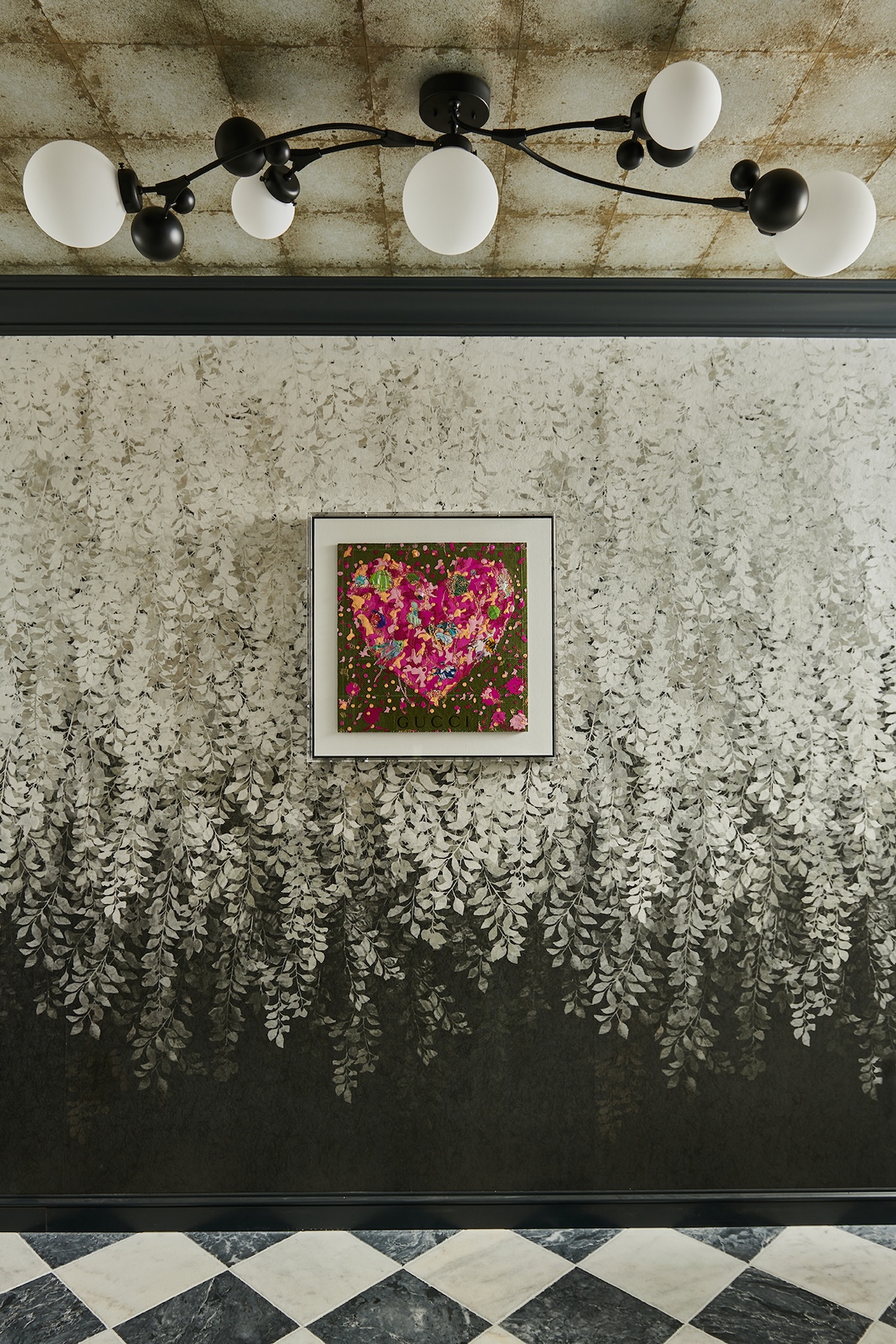
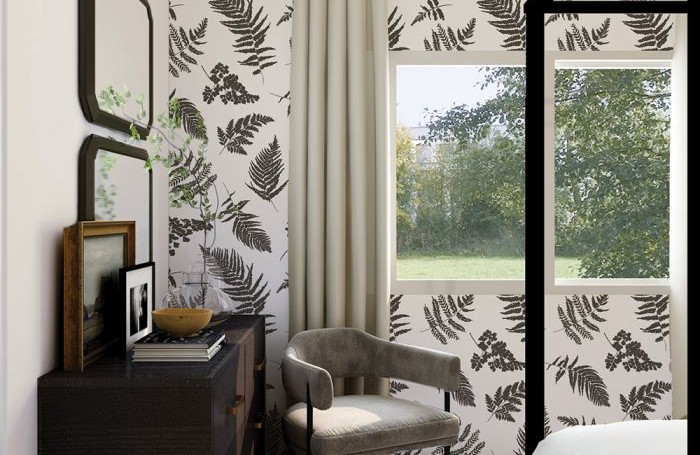
1/3
Removable wallpaper or traditional? Here's how to know what's right for your project
The choice between removable and traditional wallpaper often arises from past experiences with the difficult removal of traditional wallpaper. Historically, removing wallpaper was a multi-step, labor-intensive process involving scoring, steaming, and scraping. In response to this challenge, removable, or peel-and-stick, wallpaper options have become widely available over the last decade, offered by various retailers from mass-market to high-end brands, with prices comparable to traditional versions.
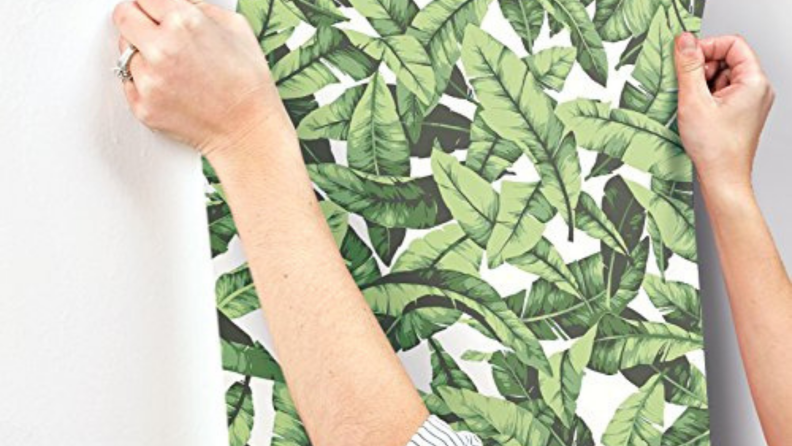
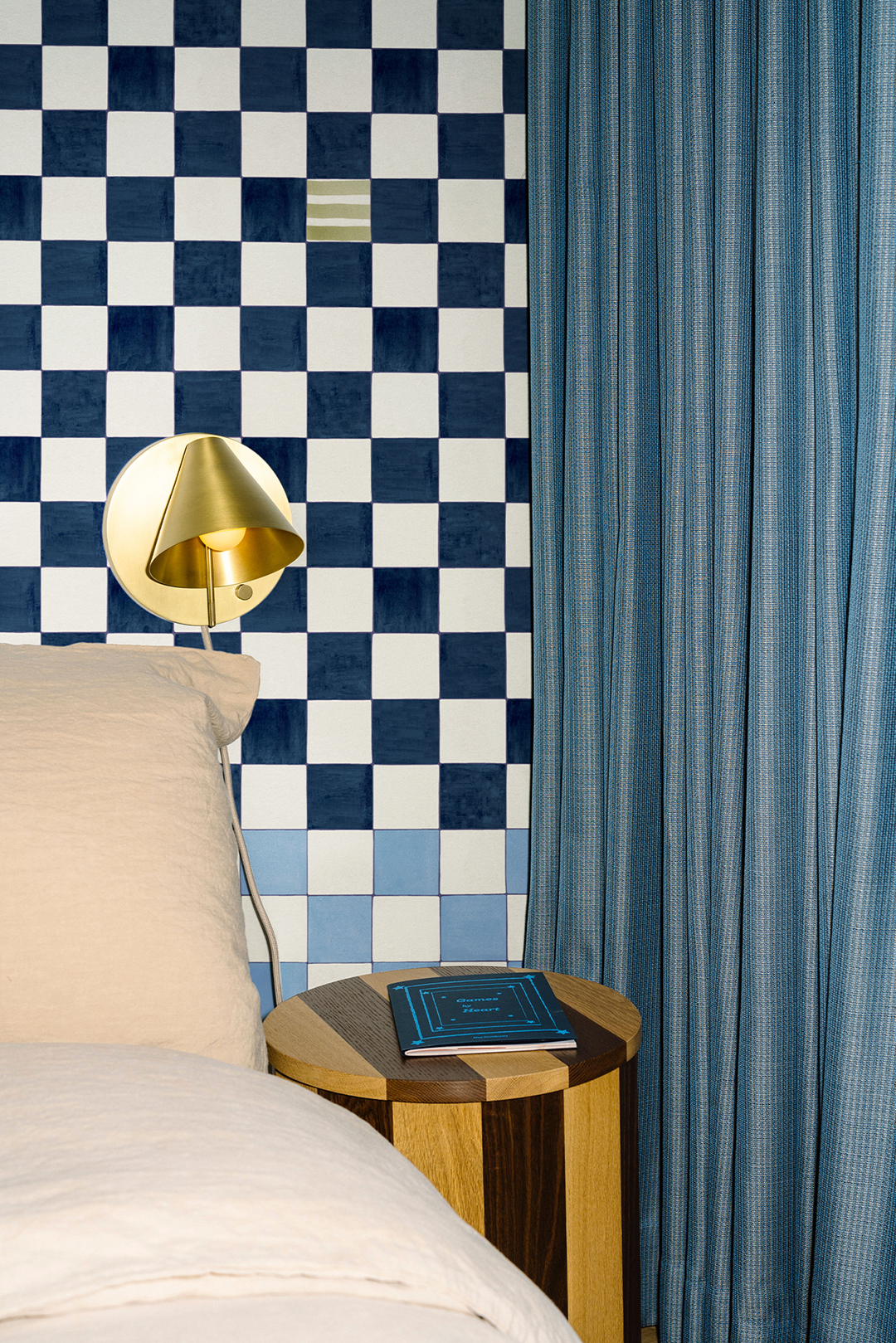
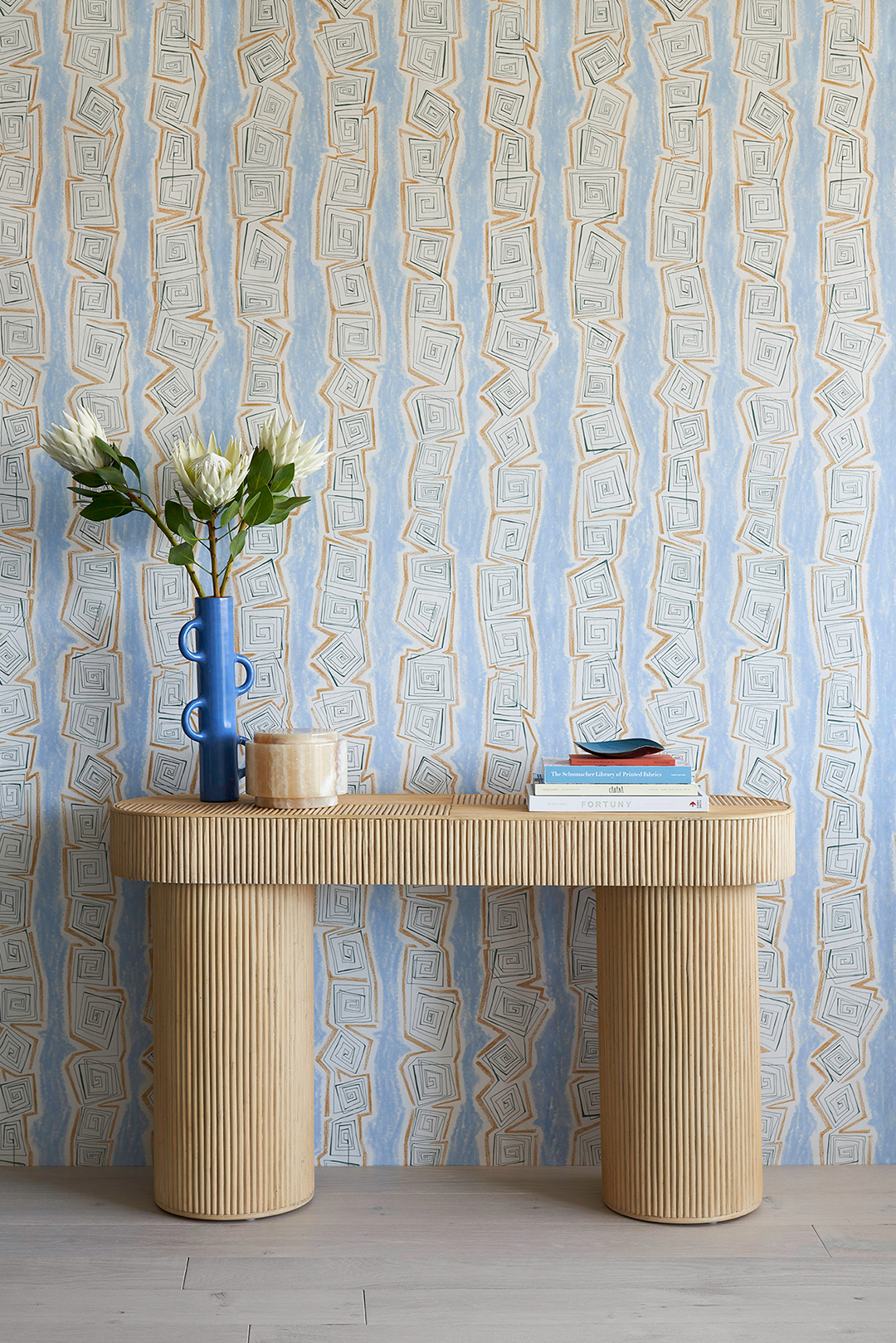
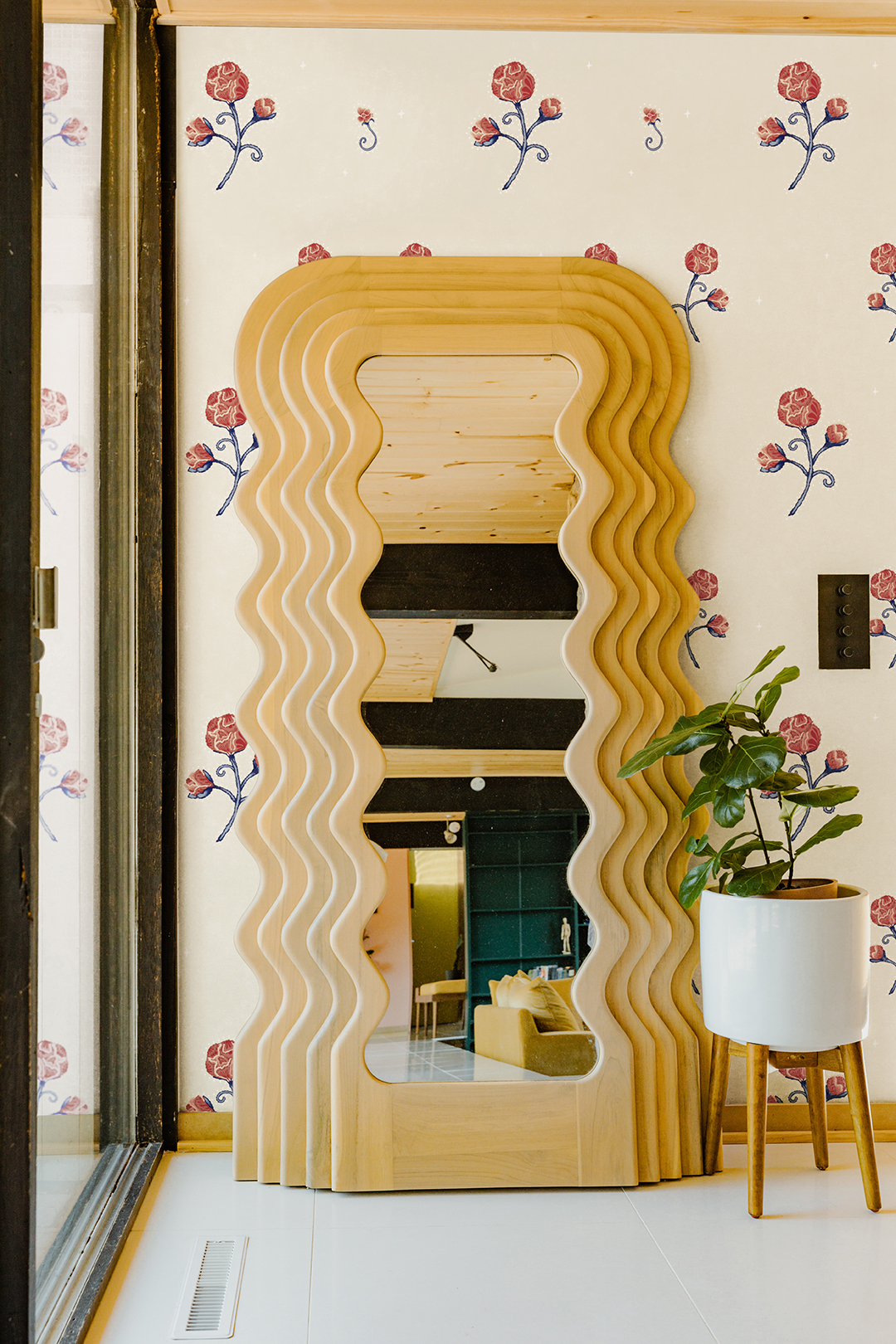
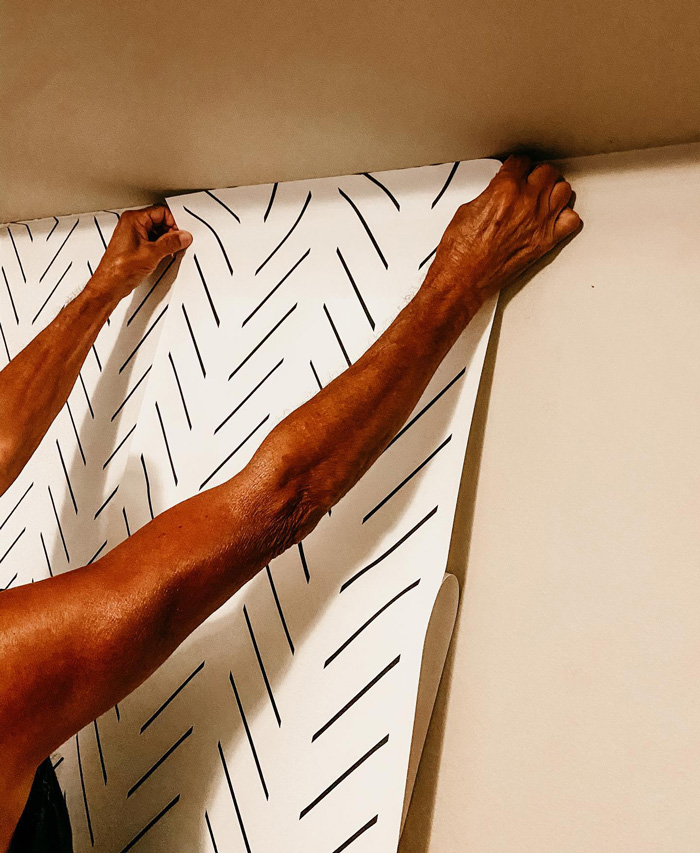
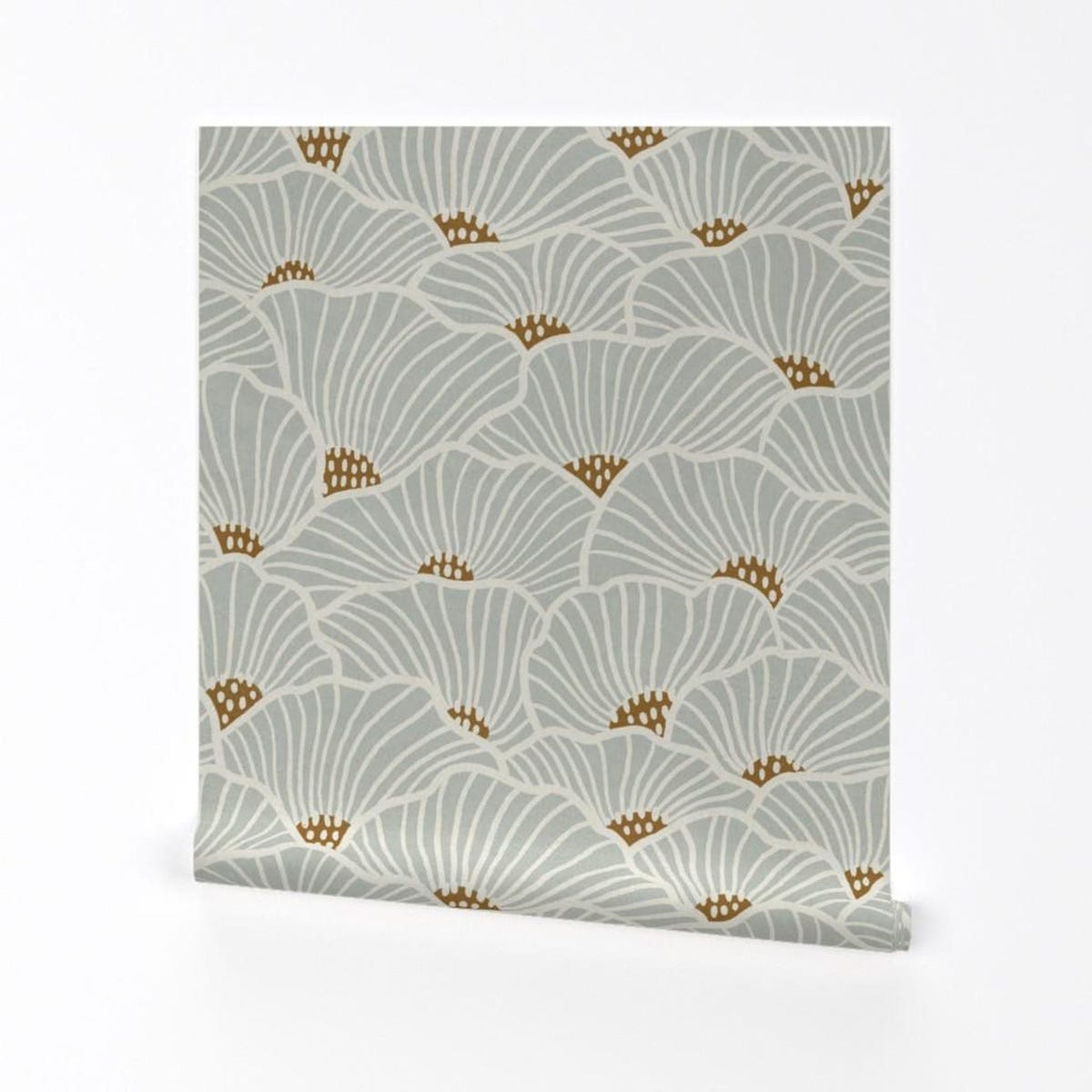
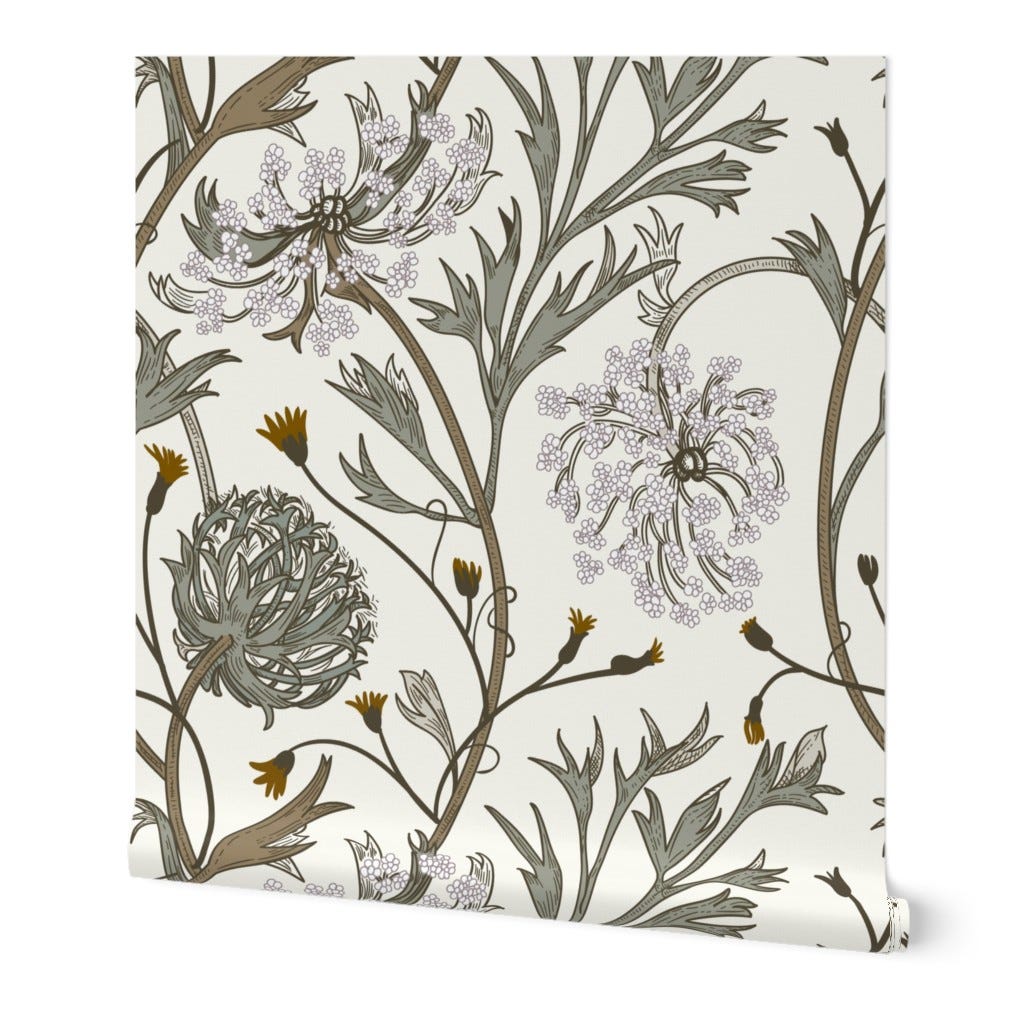
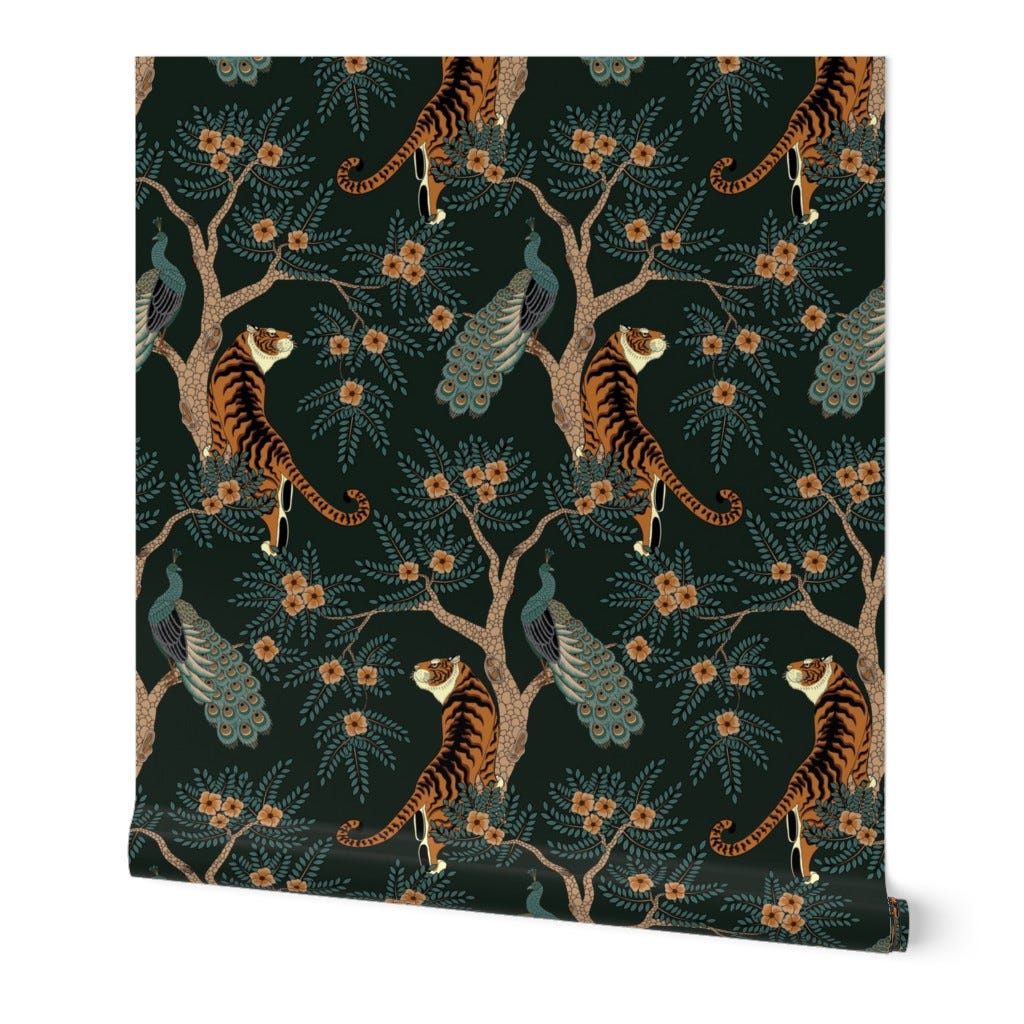
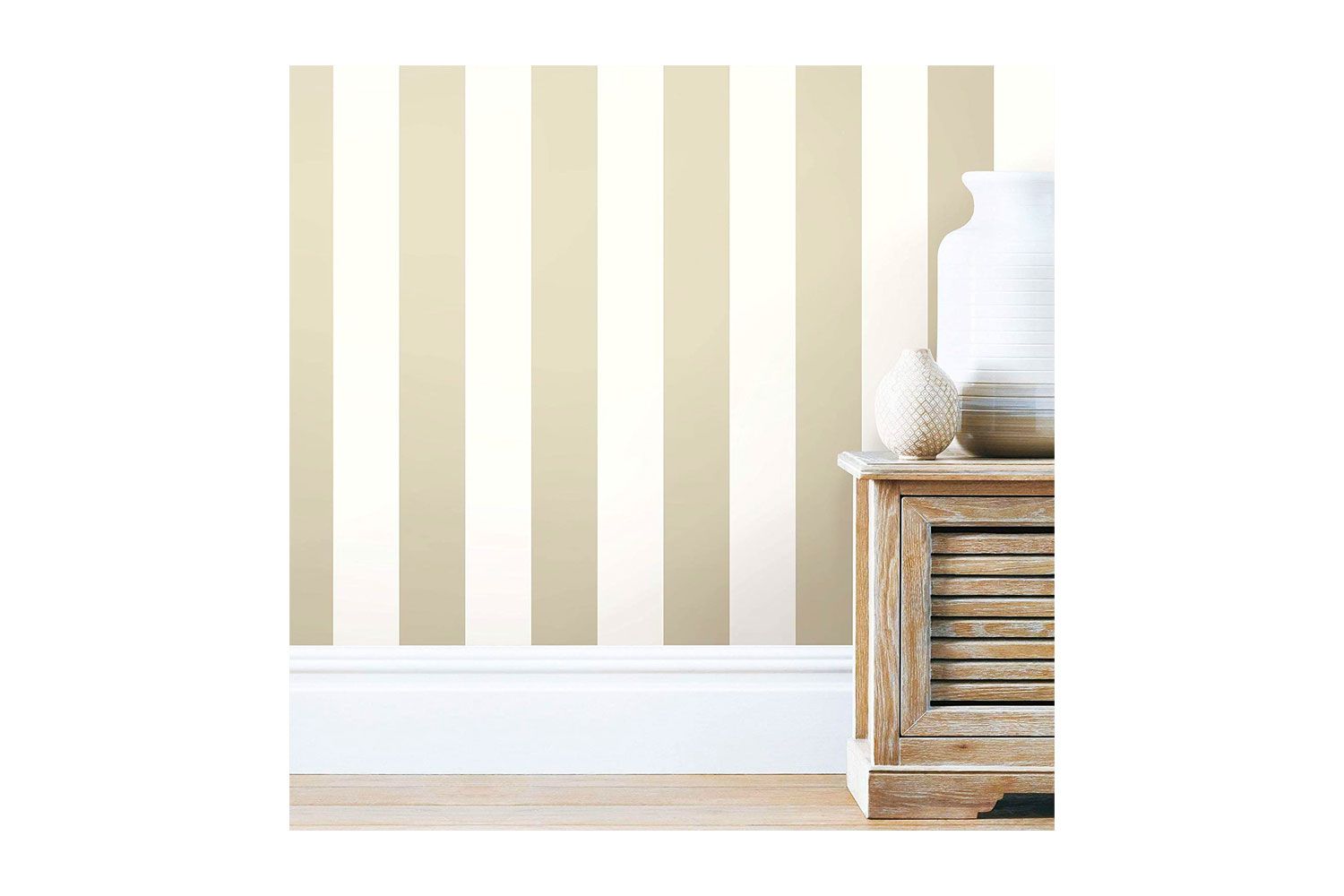
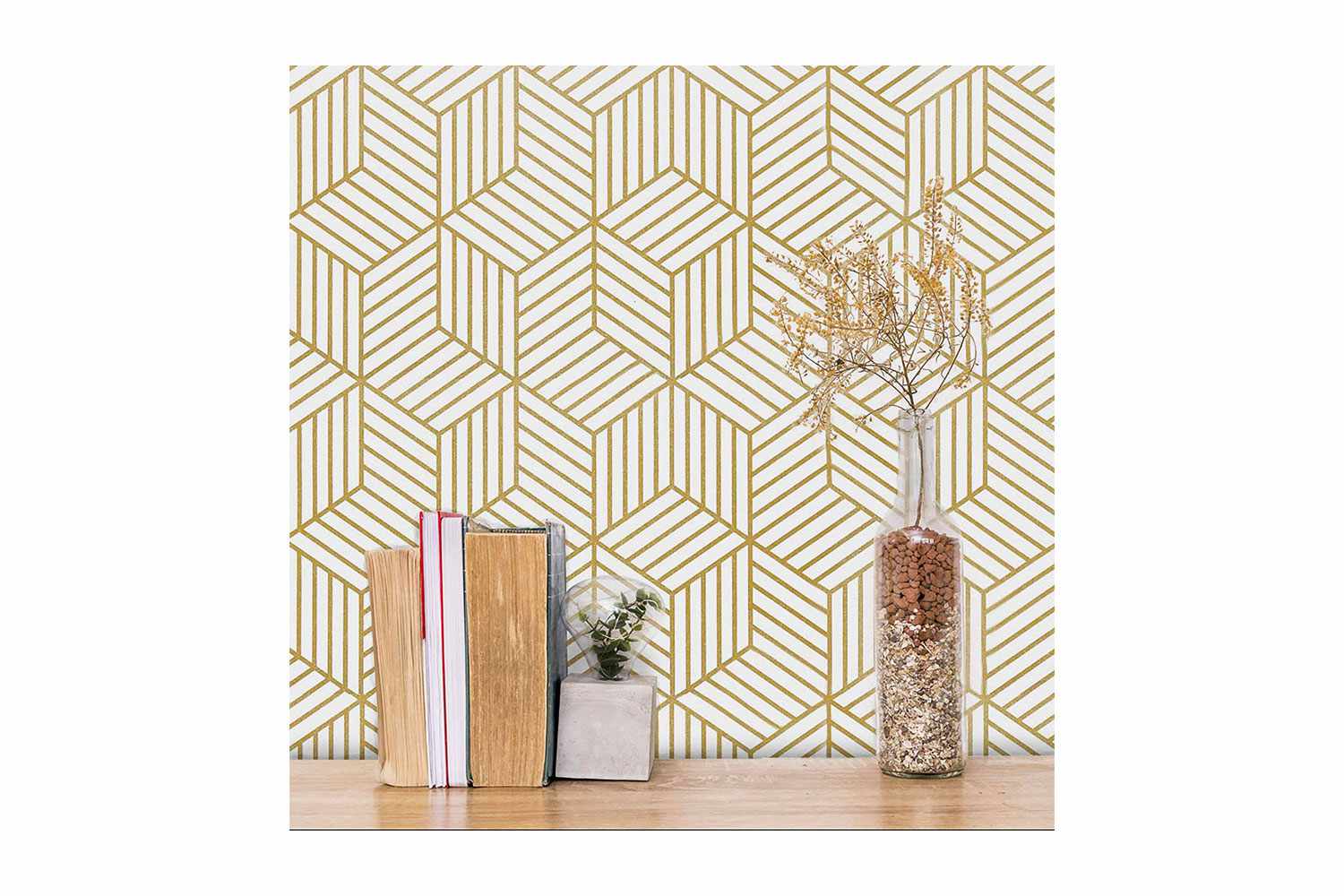
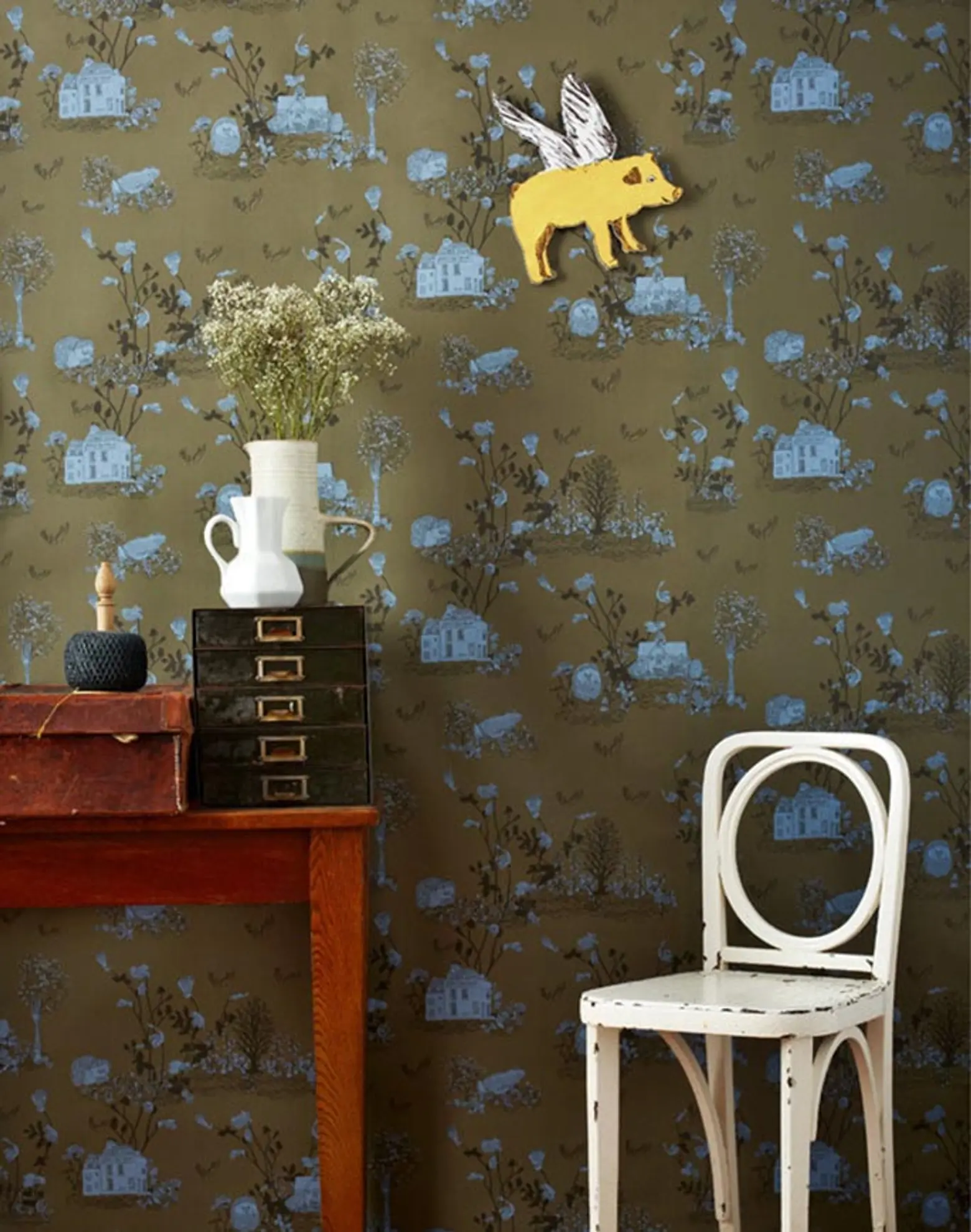
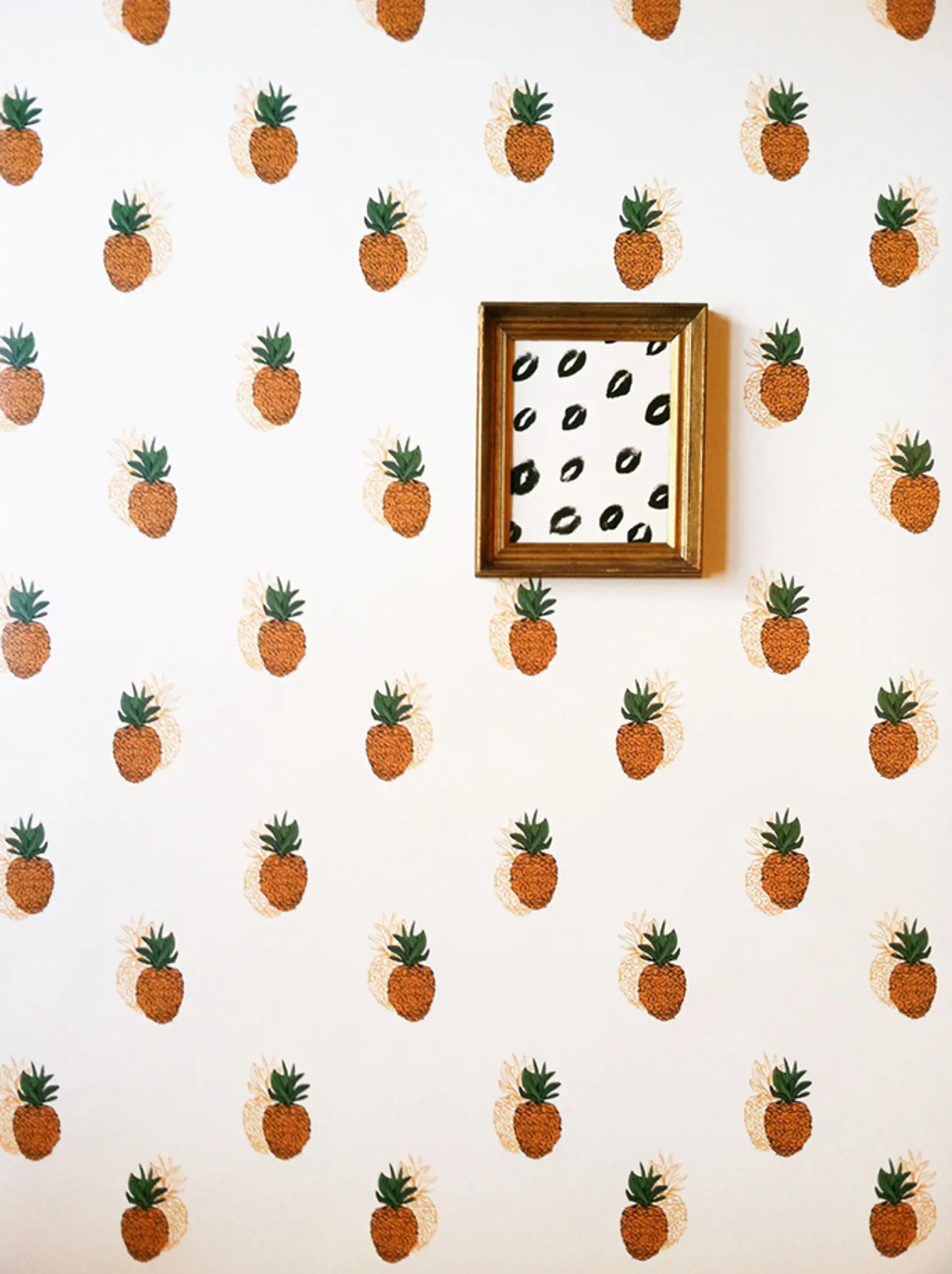
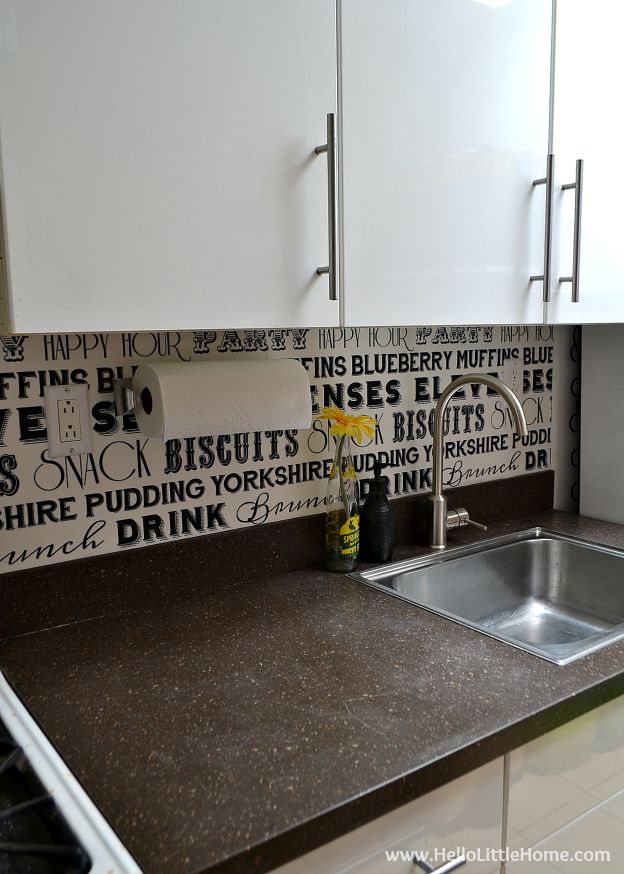
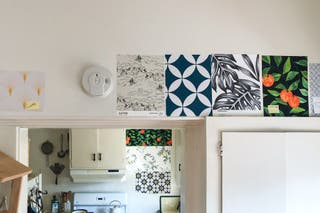
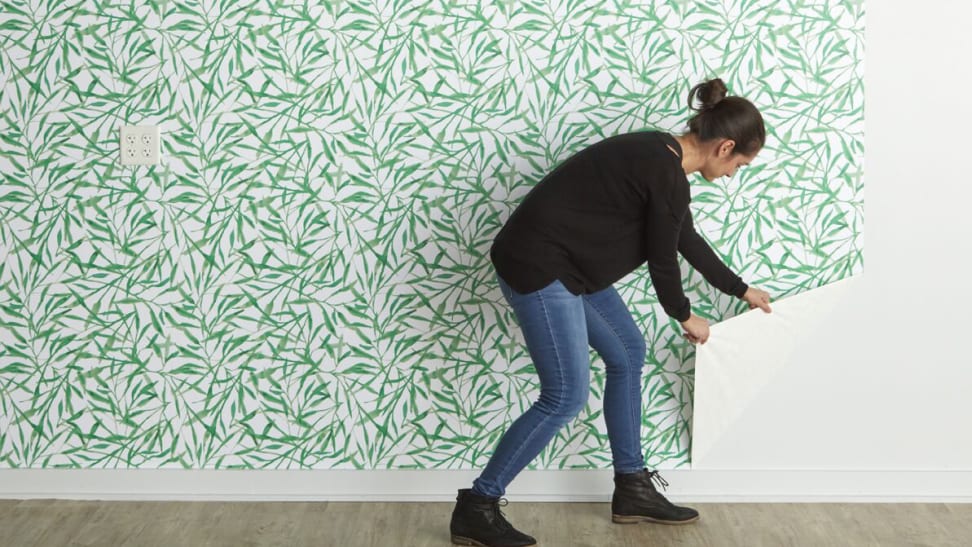
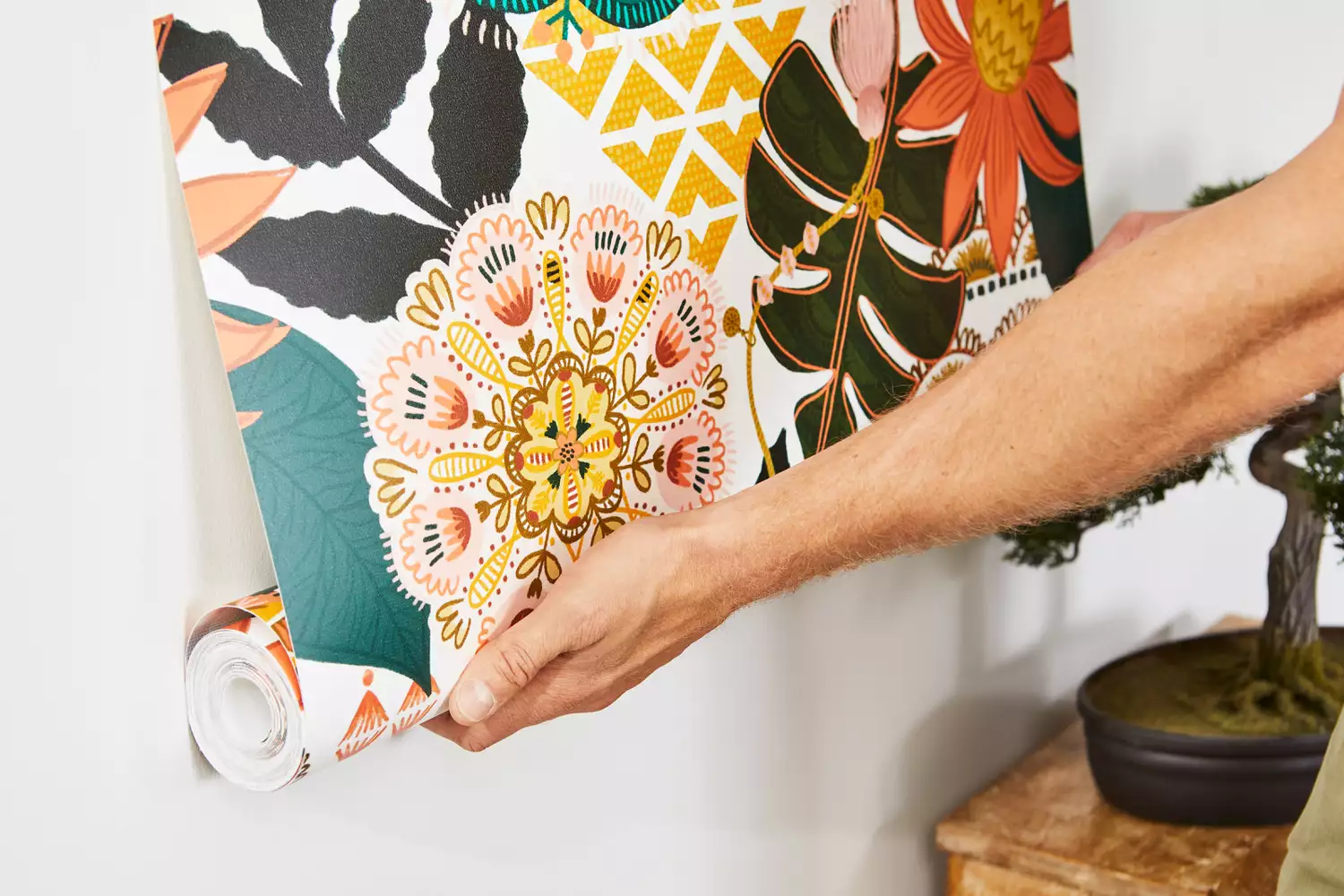
Removable wallpaper functions like a large, durable sticker with an adhesive backing, typically made of vinyl. Installation is straightforward: peel off the backing and press it onto the wall, eliminating the need for adhesives or paste. This temporary nature makes it ideal for renters, college students, or those decorating a space for a short period, such as a nursery. It's also suitable for experimenting with trendy looks without a long-term commitment. One significant advantage is its easy removal, which can be done in minutes with minimal damage to the underlying surface, even after extended periods. However, despite its simpler installation process, proper placement can be tricky. Unlike traditional wallpaper, which allows for repositioning due to wet paste, peel-and-stick wallpaper adheres instantly. Correcting a misaligned panel requires removing the entire piece and reapplying it, which can be challenging, especially with intricate patterns or uneven walls. This can lead to stretching the paper or permanent bubbles if not handled carefully, suggesting the need for an extra roll for mistakes. Removable wallpaper is best for small projects like bookcase backs or accent walls, or for spaces that will change over time.
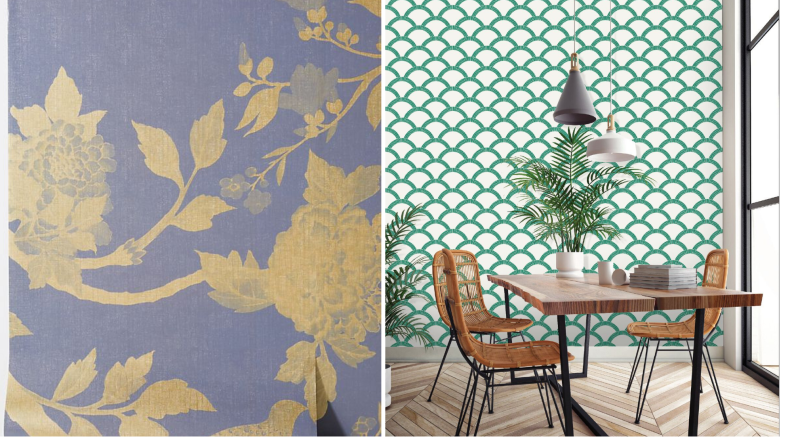
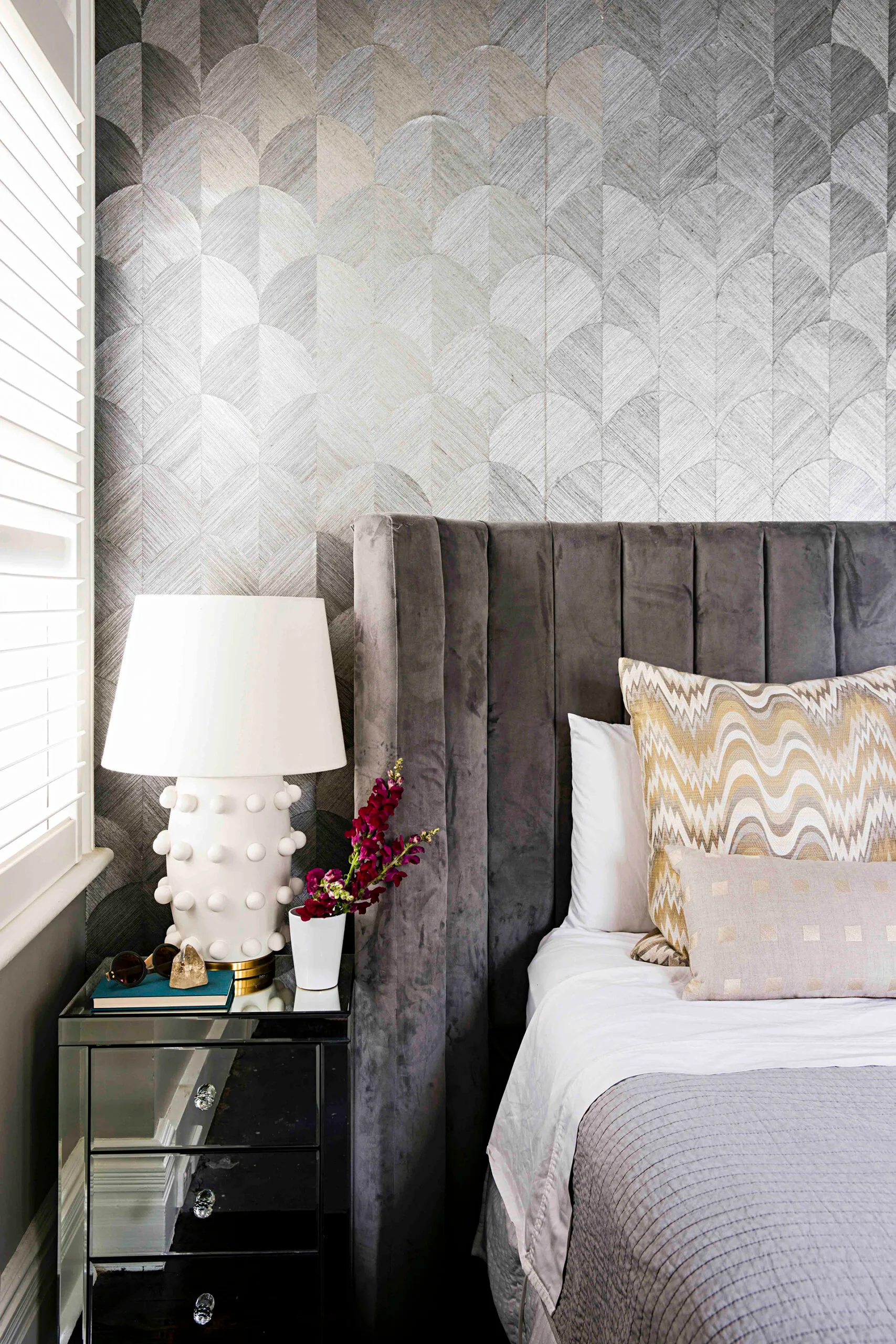
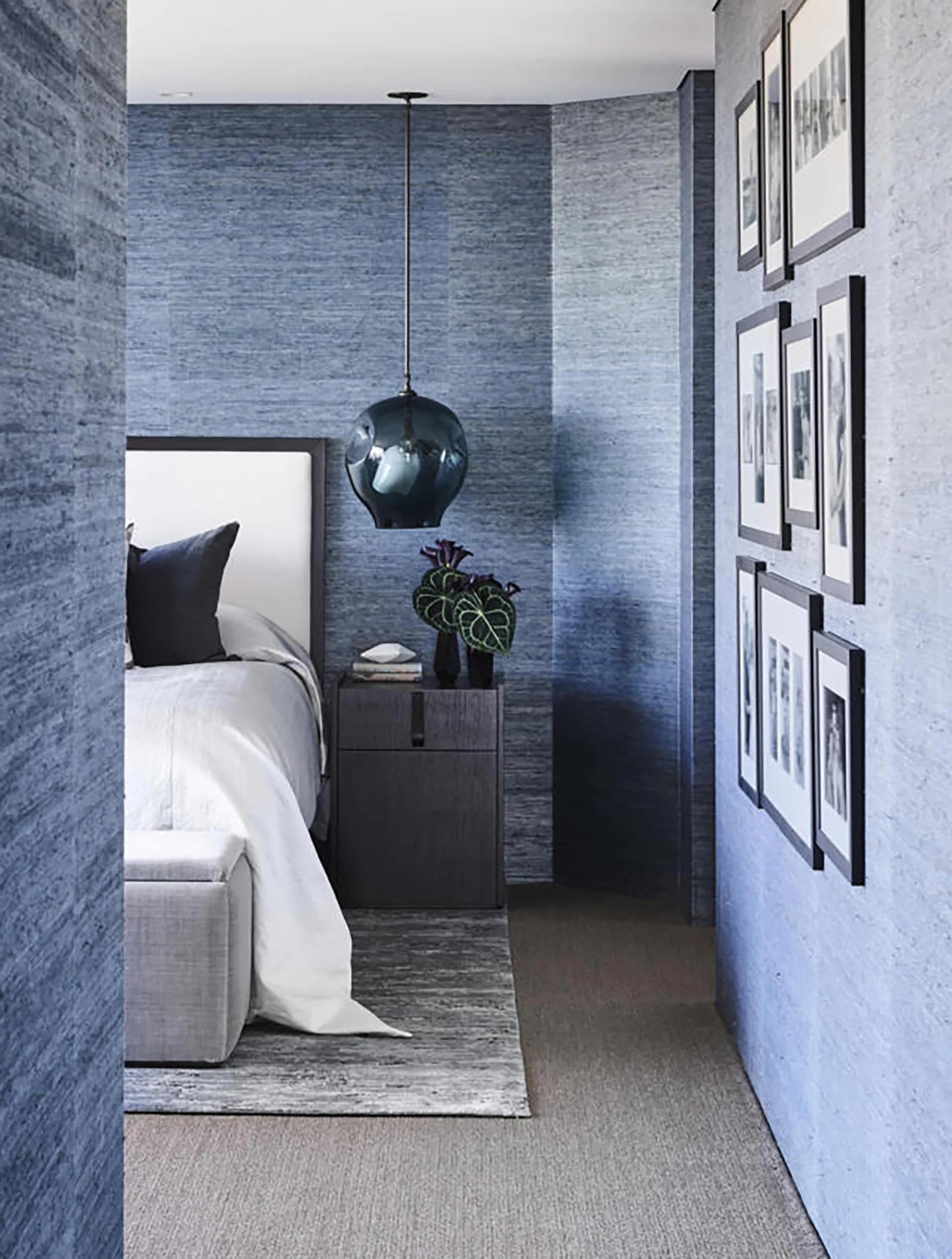
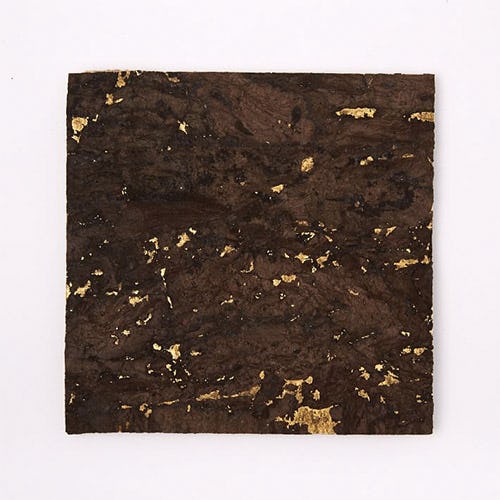
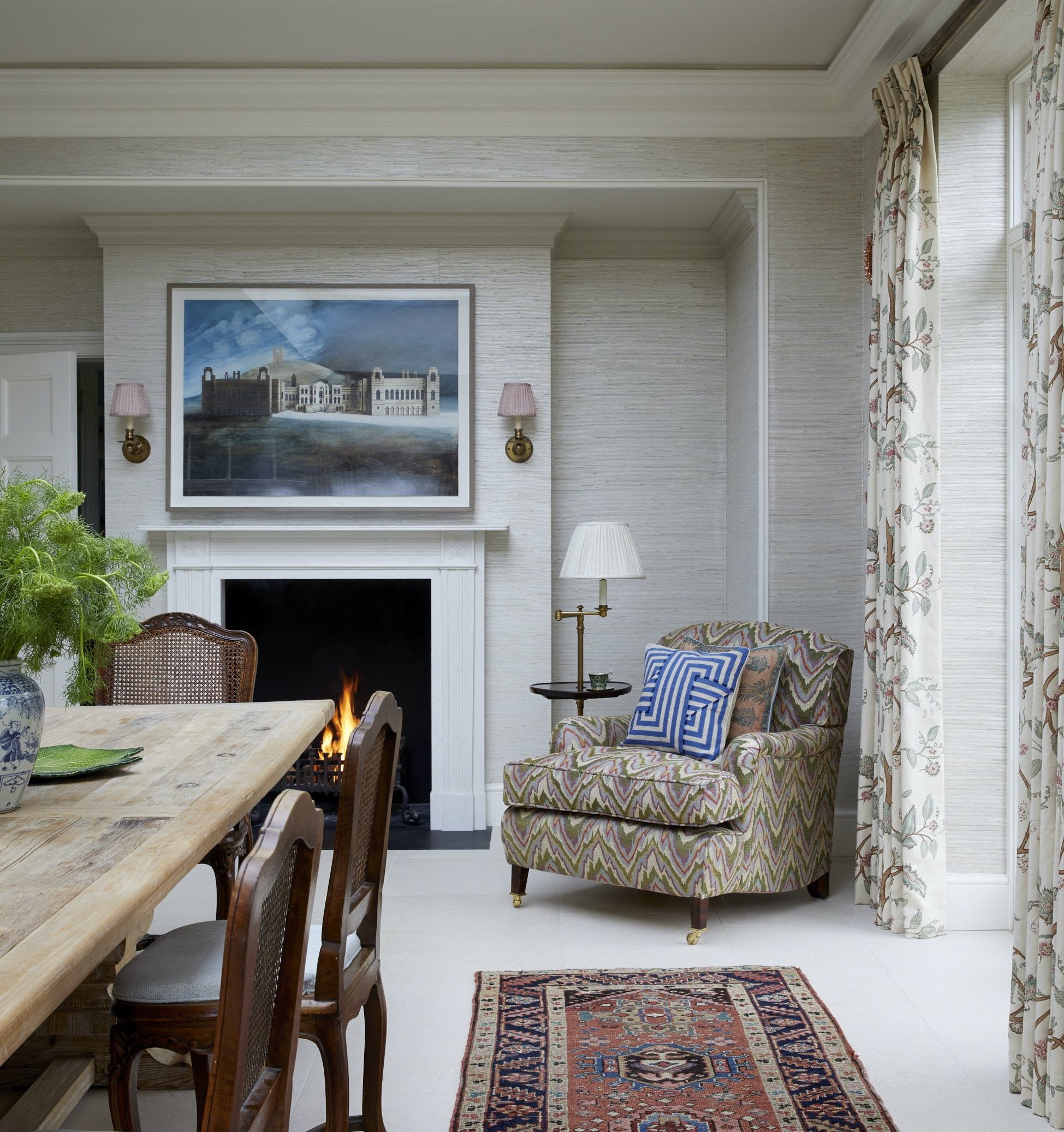
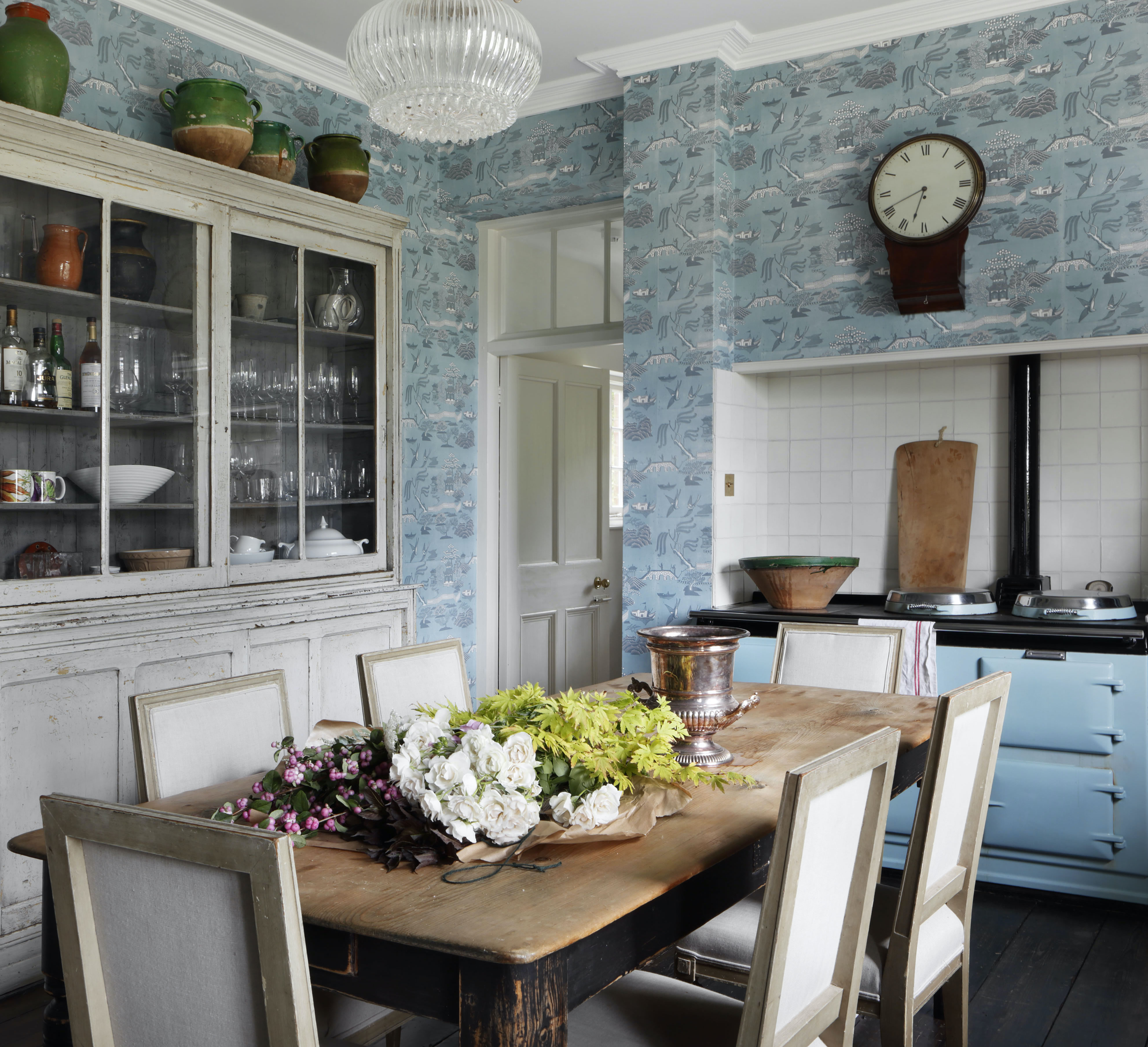
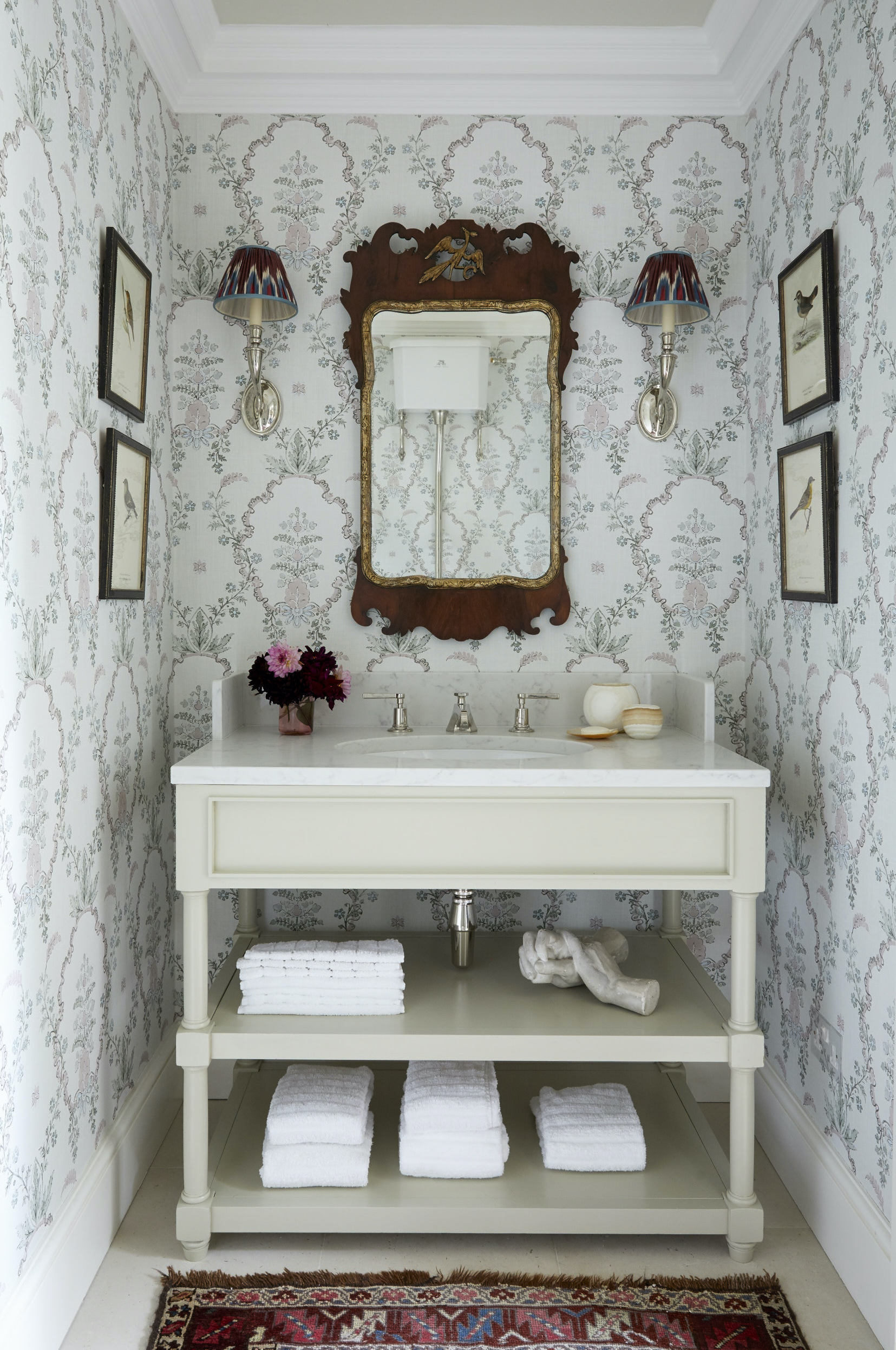
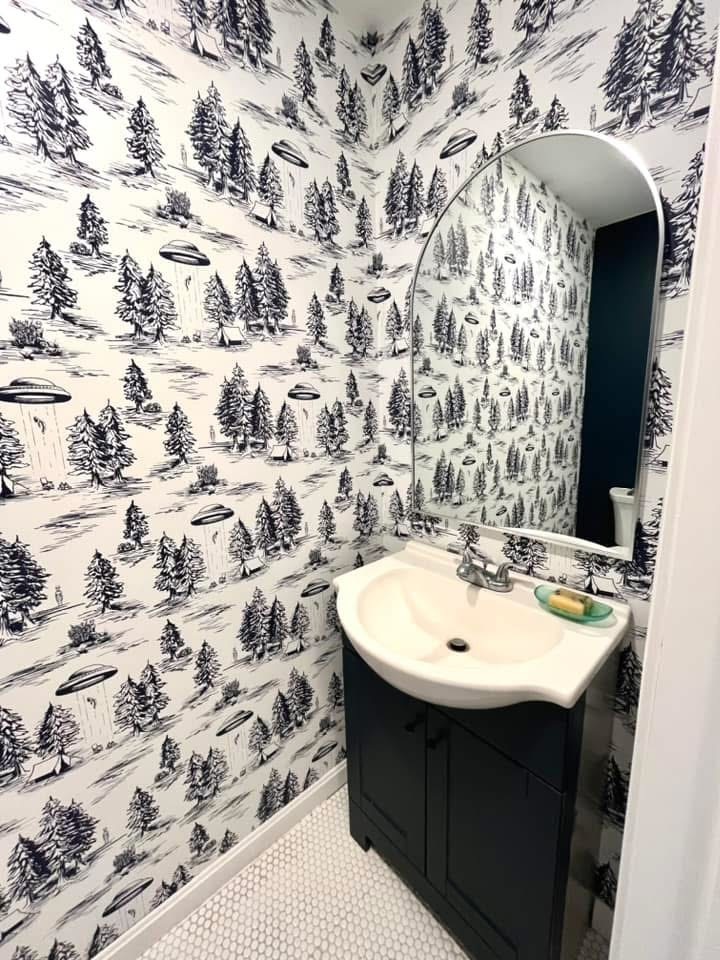
Traditional wallpaper includes paste-the-wall and paste-the-paper varieties. Modern paste-the-paper options often skip the soaking step, allowing for direct paste application. While removable options have expanded, specialty finishes, luxury papers, or specific textures like grass cloth are predominantly found in traditional formats. The main drawback of traditional wallpaper is its permanence and the intensive removal process. This can take days, involving scoring, steaming, and scraping, often leaving behind adhesive residue or minor wall damage. This makes it less appealing for short-term decor or frequent changes, and professional removal can be costly. However, traditional wallpaper generally offers a higher quality finish and material. The wet paste during installation allows for easier adjustment and alignment, which is particularly beneficial for detailed patterns or older homes with imperfect walls. Paste-the-wall methods are often slightly easier than paste-the-paper, as they eliminate the need for a pasting table, making both accessible even for beginners.
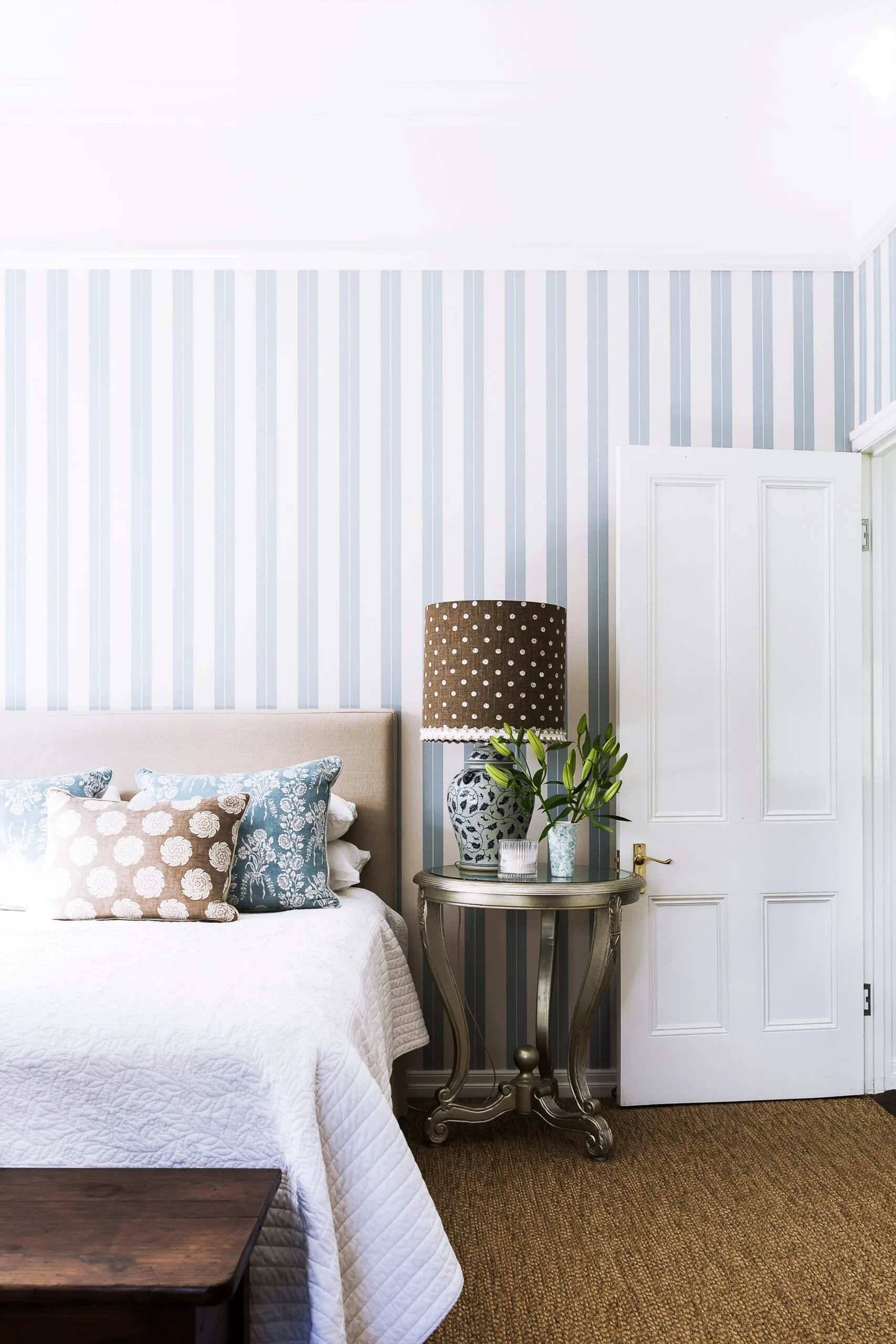
Traditional wallpaper is recommended for homeowners installing classic or high-end papers, those seeking a long-term decor solution (five years or more), or individuals undertaking larger projects like entire bedrooms. It is also suitable for older homes where walls may not be perfectly straight, as the adjustability of traditional wallpaper can compensate. Ultimately, the decision between removable and traditional wallpaper depends on the project's scope, home ownership status, and desired longevity of the decor.
#RemovableWallpaper #TraditionalWallpaper #HomeDecor #InteriorDesign #DIYHomeImprovement #WallpaperInstallation #HomeRenovation #PeelAndStick #WallCoverings #RemovableWallpaper #TraditionalWallpaper #HomeDecor #InteriorDesign #DIYHomeImprovement #WallpaperInstallation #HomeRenovation #PeelAndStick #WallCoverings
合計0件のコメント
 まだコメントはありません
あなたも好きかもしれません
Everything you need to know about removable wallpaper

Our Editors Love This Brand's Removable Wallpaper

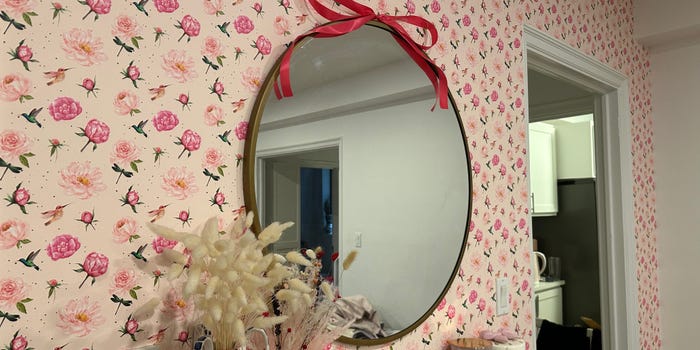
Best removable wallpaper of 2025, renter-tested and DIY approved
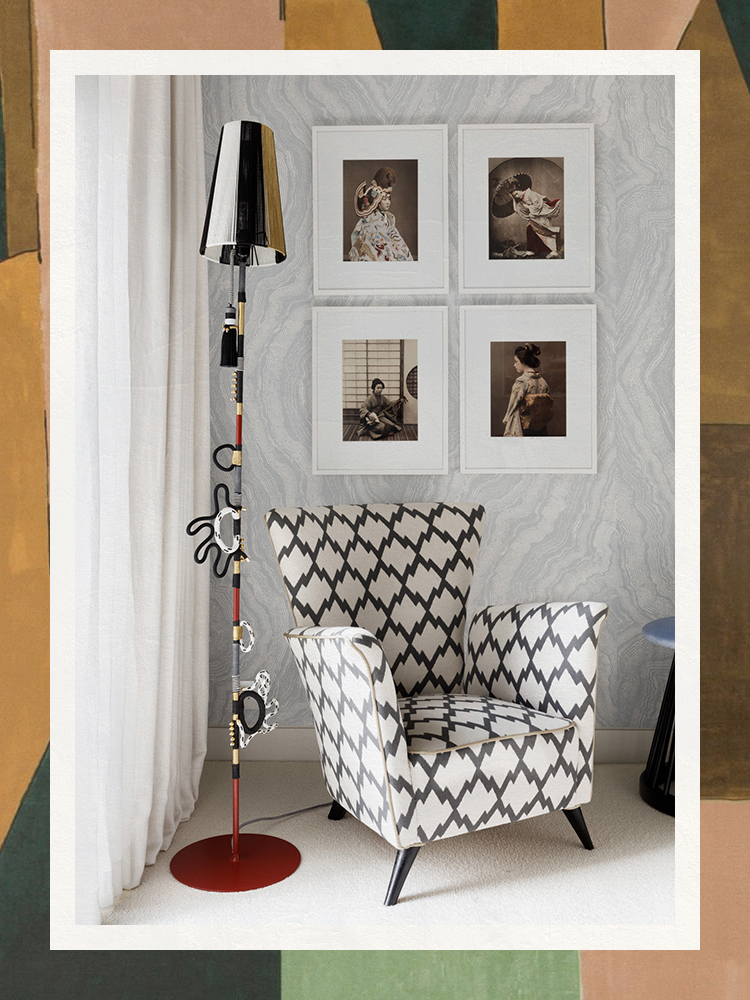
We Found the Best Statement Wallpapers, From Palm Leaves to Warhol-esque Flowers
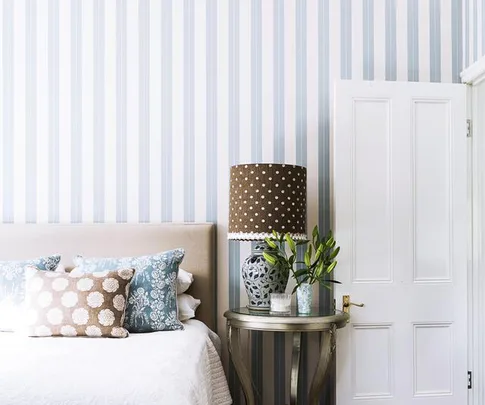
Everything you need to know about removable wallpaper

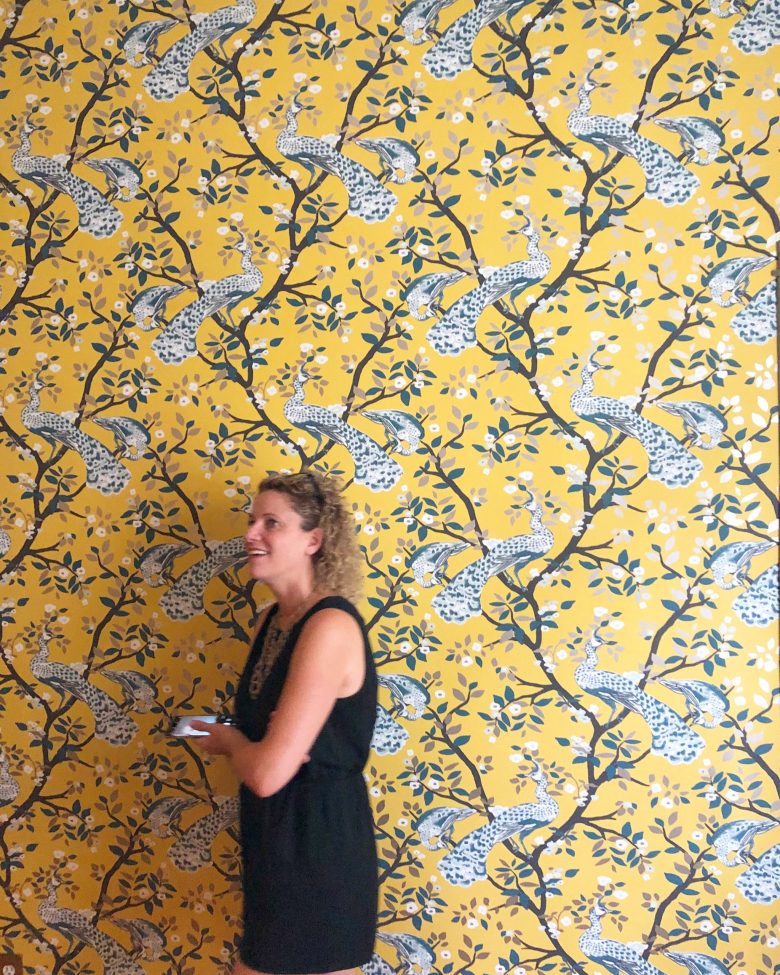
Wallpaper is back, in a big way

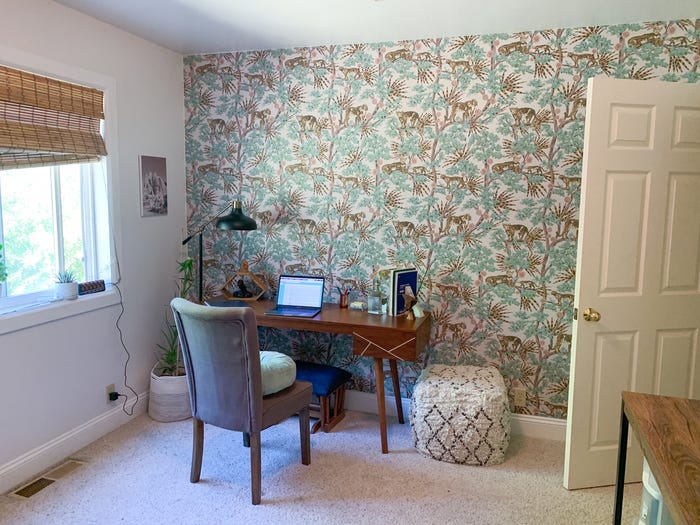
Tempaper Removable Wallpaper Product Review
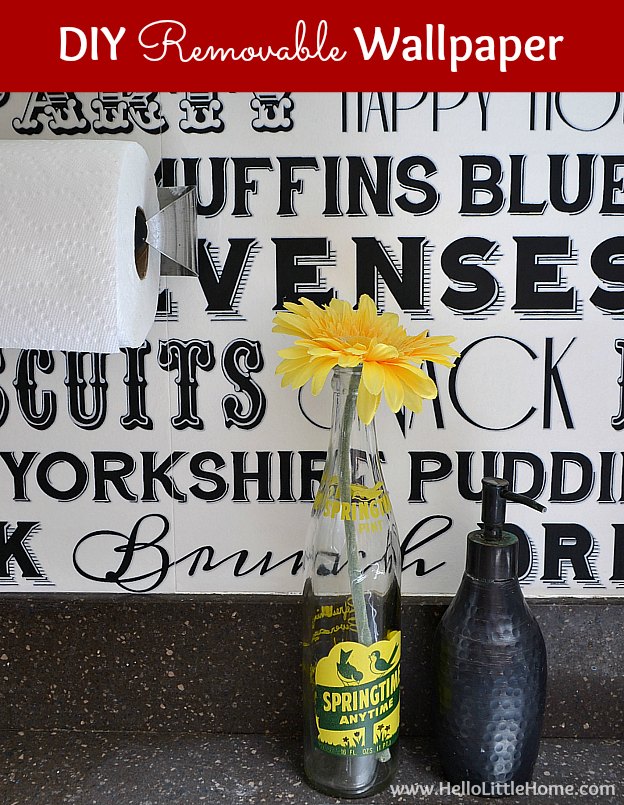
DIY Removable Wallpaper
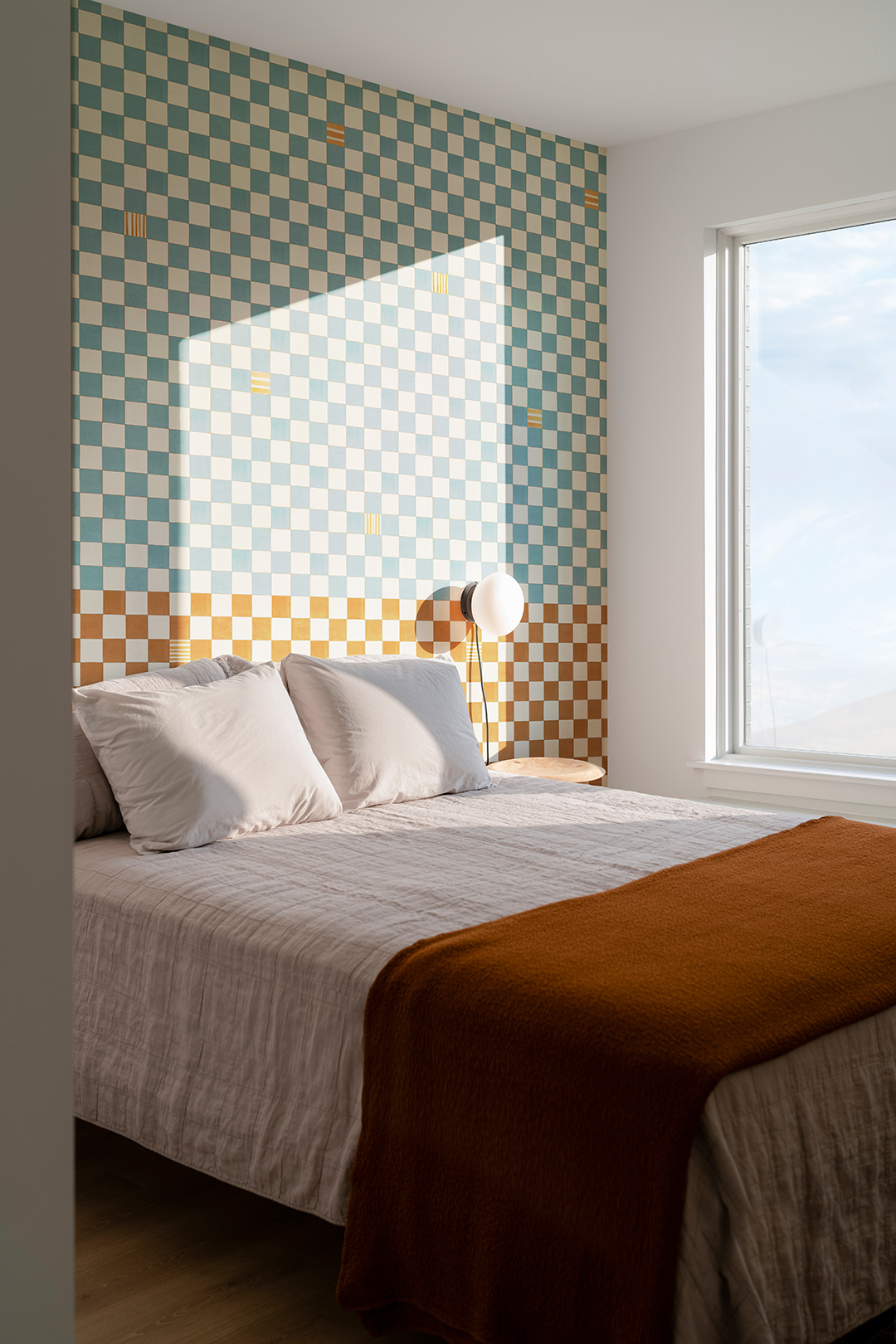
Backdrop Just Released This Award-Winning Wallpaper in a Removable Version

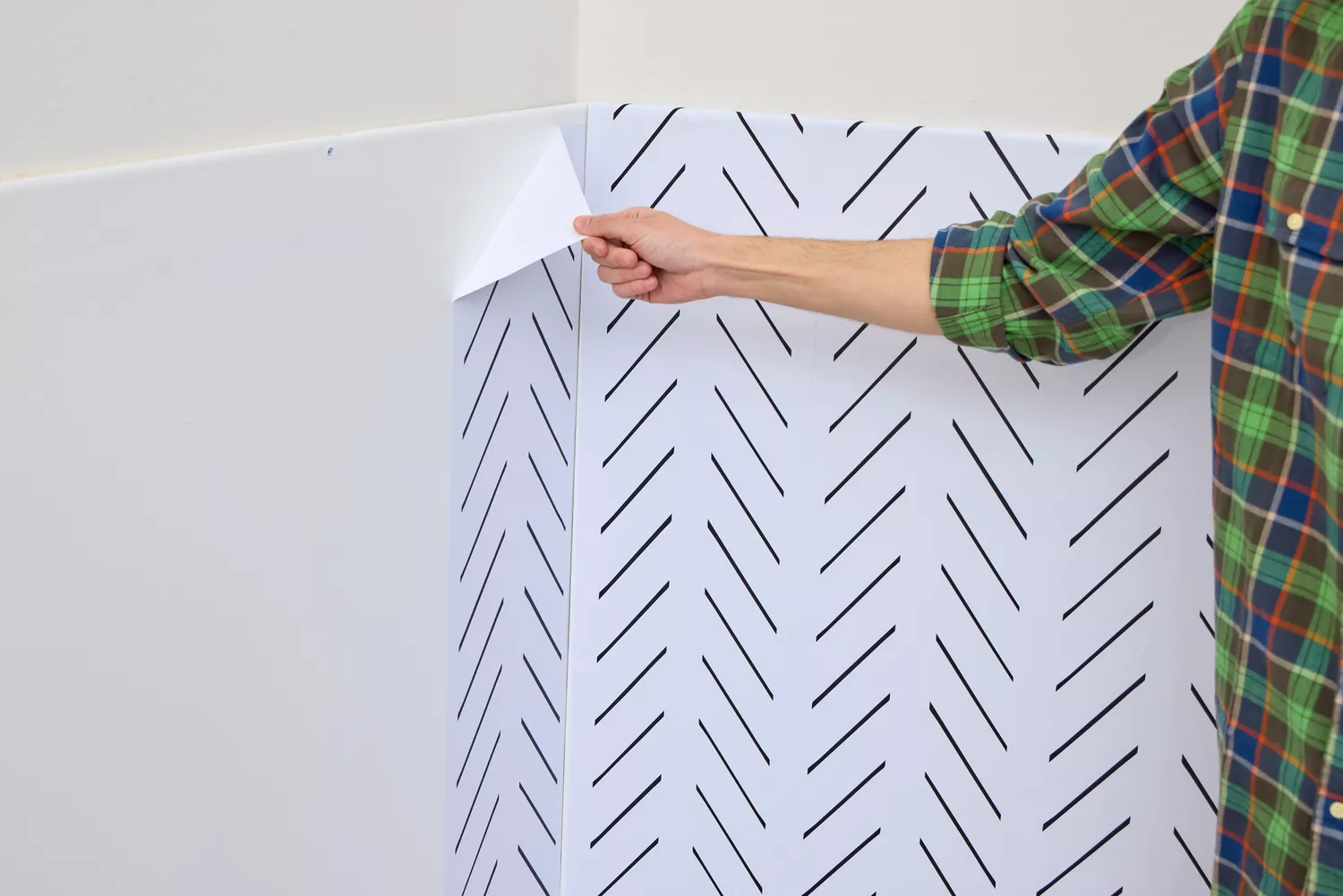
We're Not Worried About Damaged Walls With These 6 Removable Wallpapers

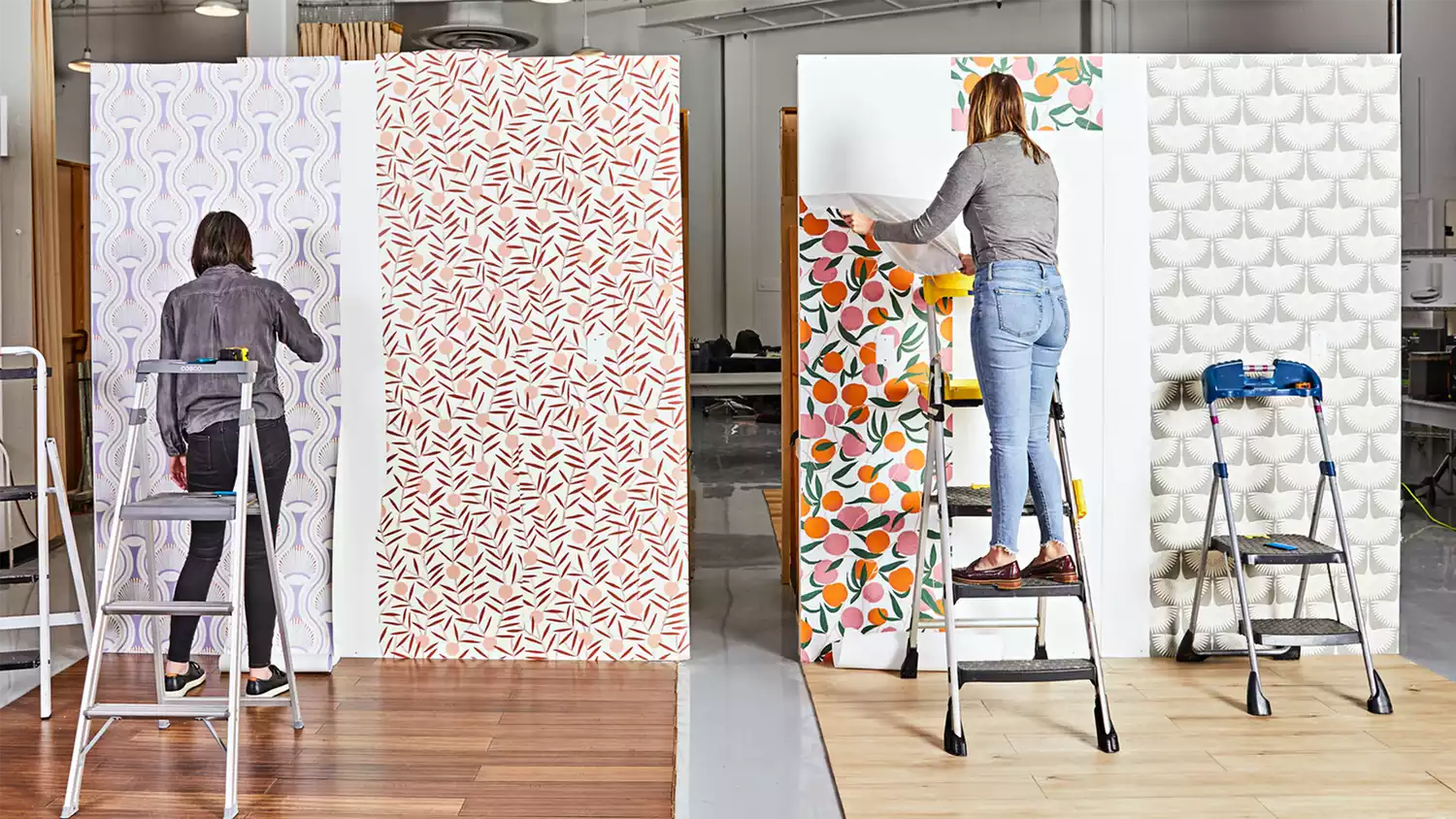
We Tested 28 Removable Wallpapers and Narrowed Them Down to the 6 Best for Your Walls


The 3 Best Removable Wallpapers of 2026 | Reviews by Wirecutter

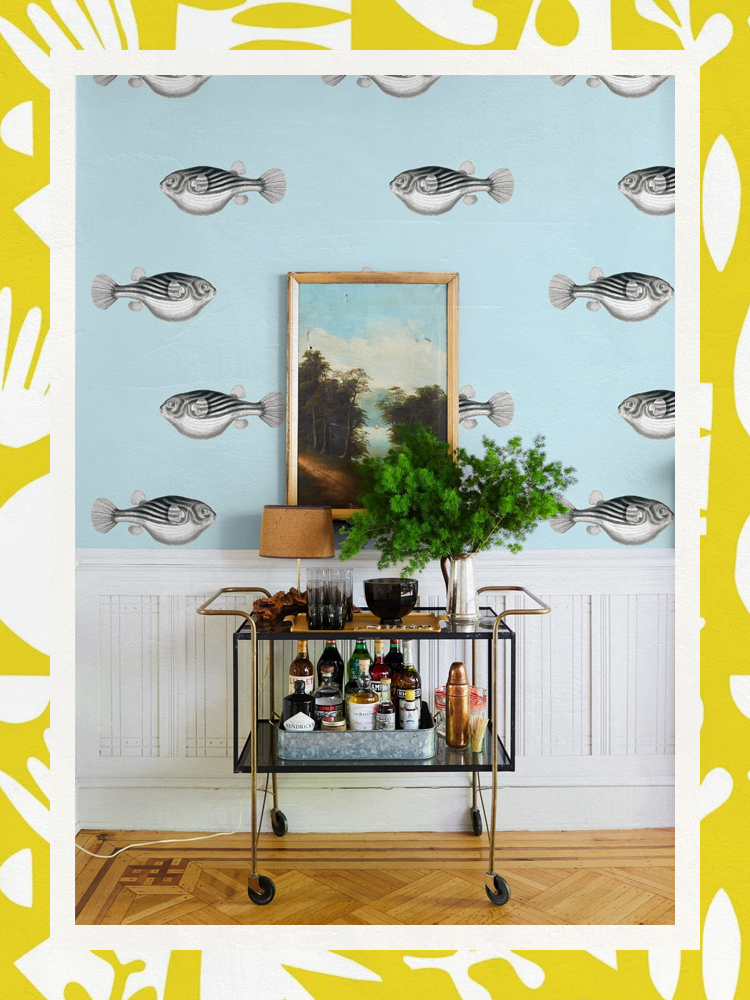
The Best Removable Wallpaper for Rental-Friendly Renos
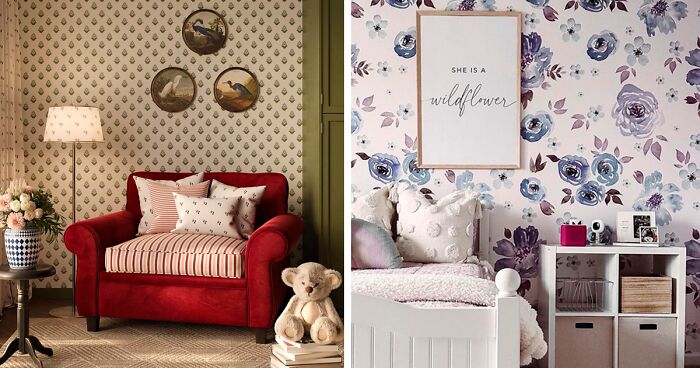
10 Stylish Removable Wallpaper Decor Ideas to Transform Your Space
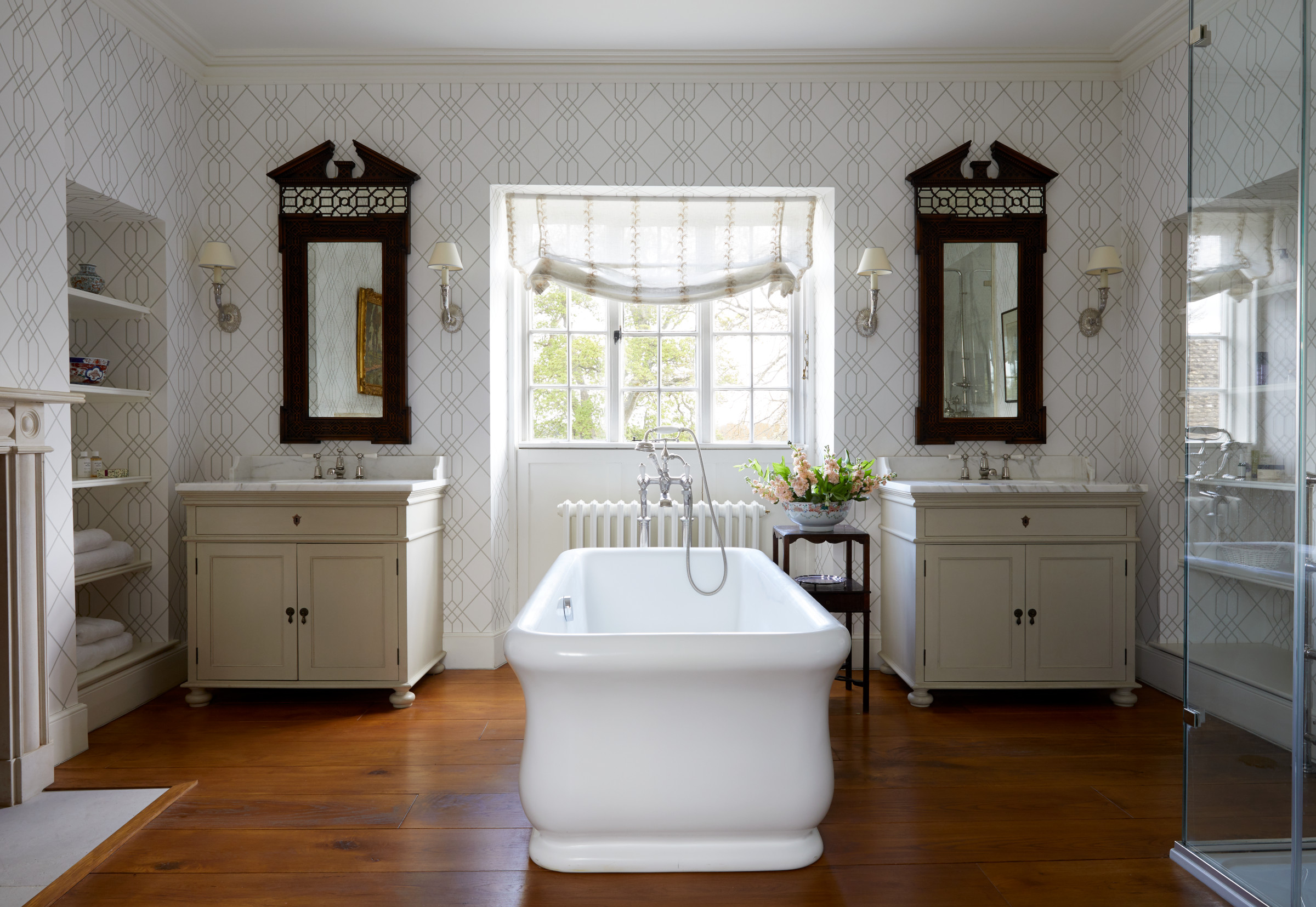
7 decisions I make when choosing wallpaper


Interior Designers Reveal Their Honest Opinions on Peel-and-Stick Wallpaper vs. Paste

The 6 best removable wallpapers, according to an expert

Even Wallpaper Skeptics Can Tackle The Trend With This Foolproof Tip
12 unique wallpaper ideas for renters and homeowners at every budget

Real Simple Editors' Favorite Wallpapers Right Now