Is Farmhouse Design Still Trendy? What Designers Want You to Know
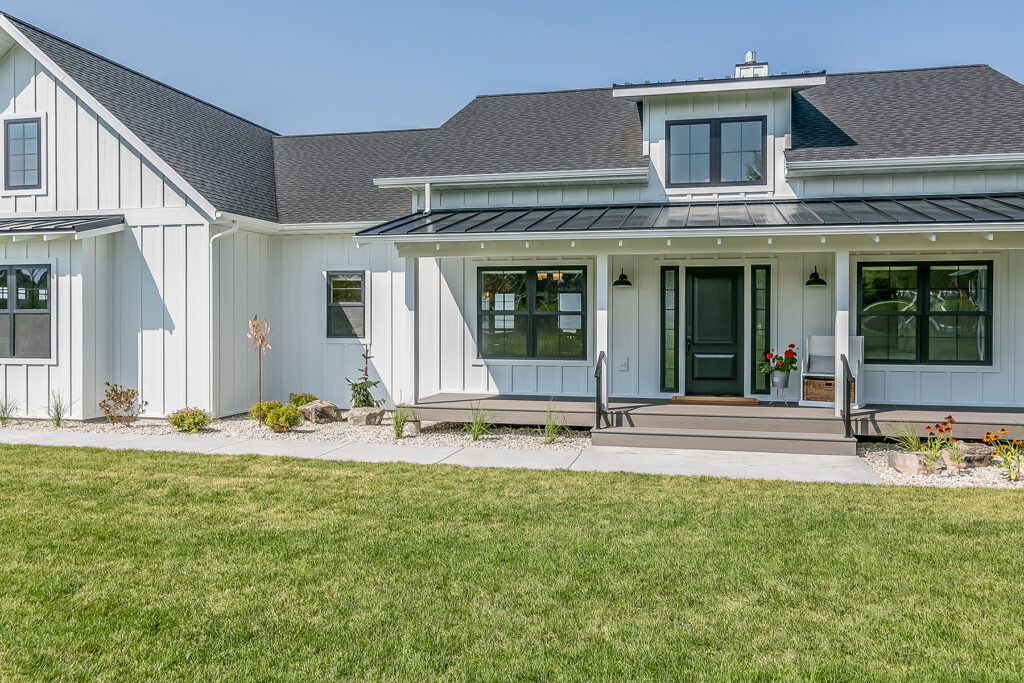
Farmhouse style, a popular design trend for over a decade, is examined to determine its current relevance in interior design. This article consults with designers Christina Kim, Karen Paez Emil, and Lauren Ashley to offer insights and suggestions for updating the aesthetic. While acknowledging the enduring appeal of farmhouse, the experts collectively agree that modifications are necessary to keep the style contemporary and fresh.
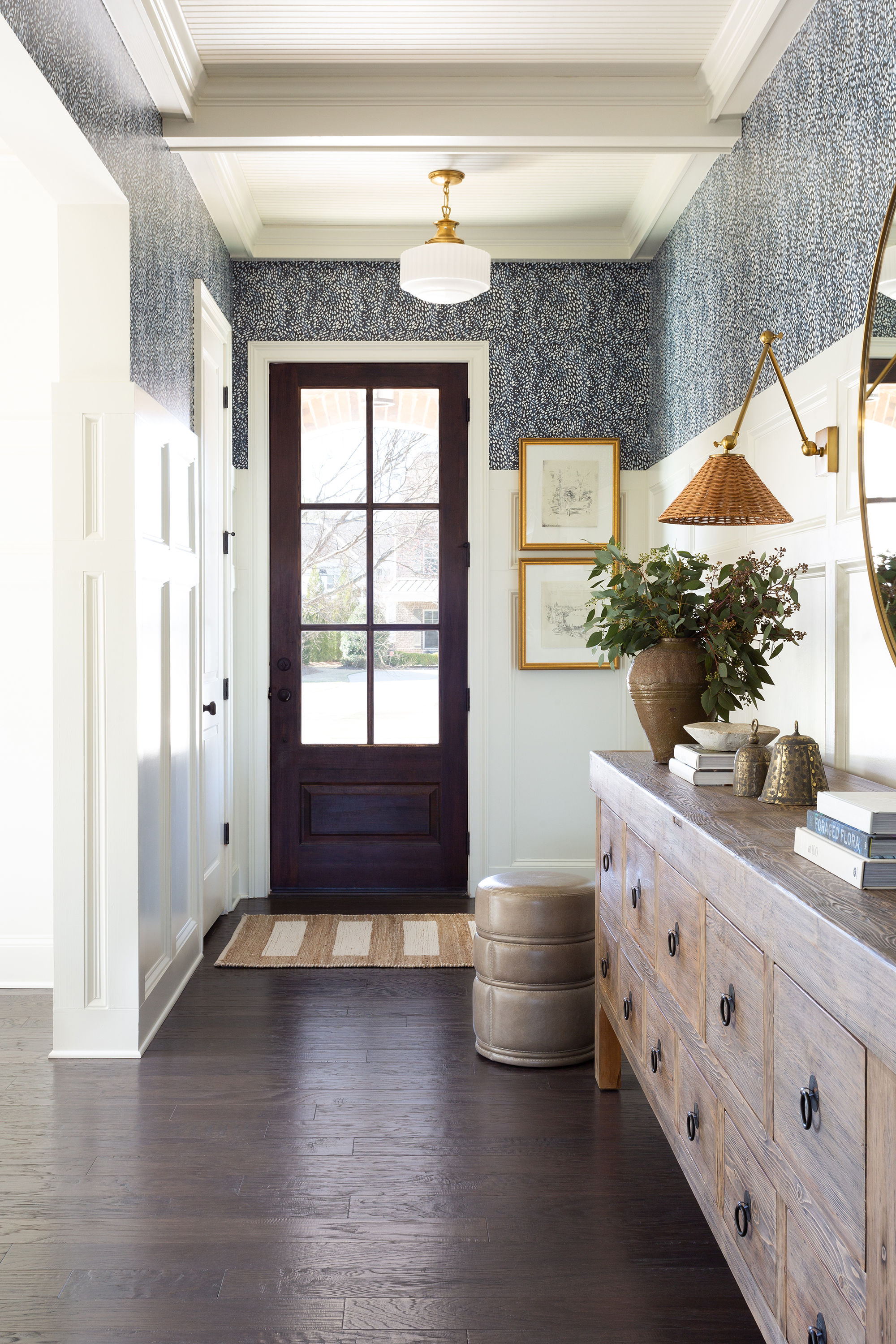
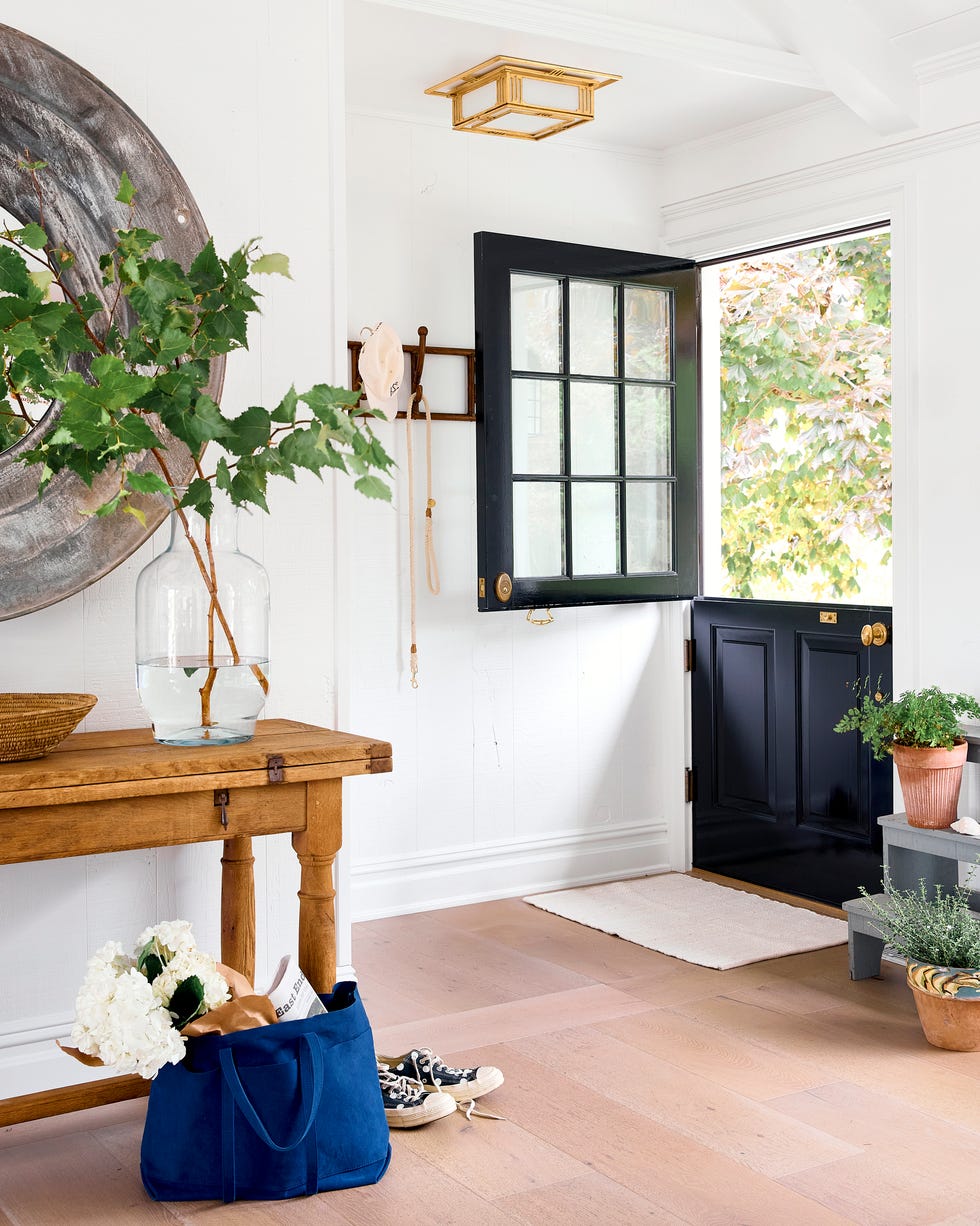
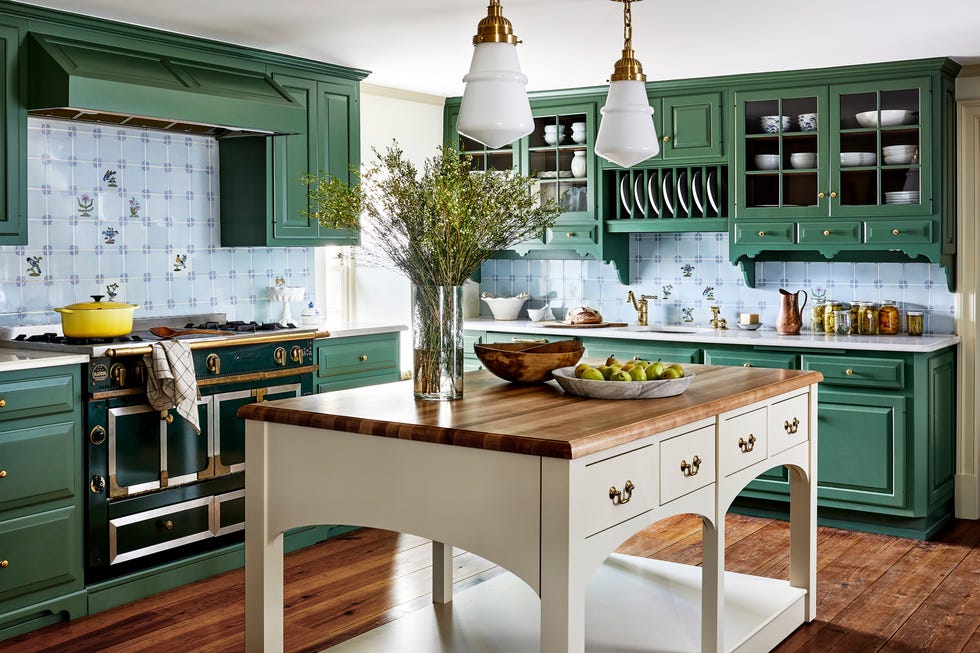
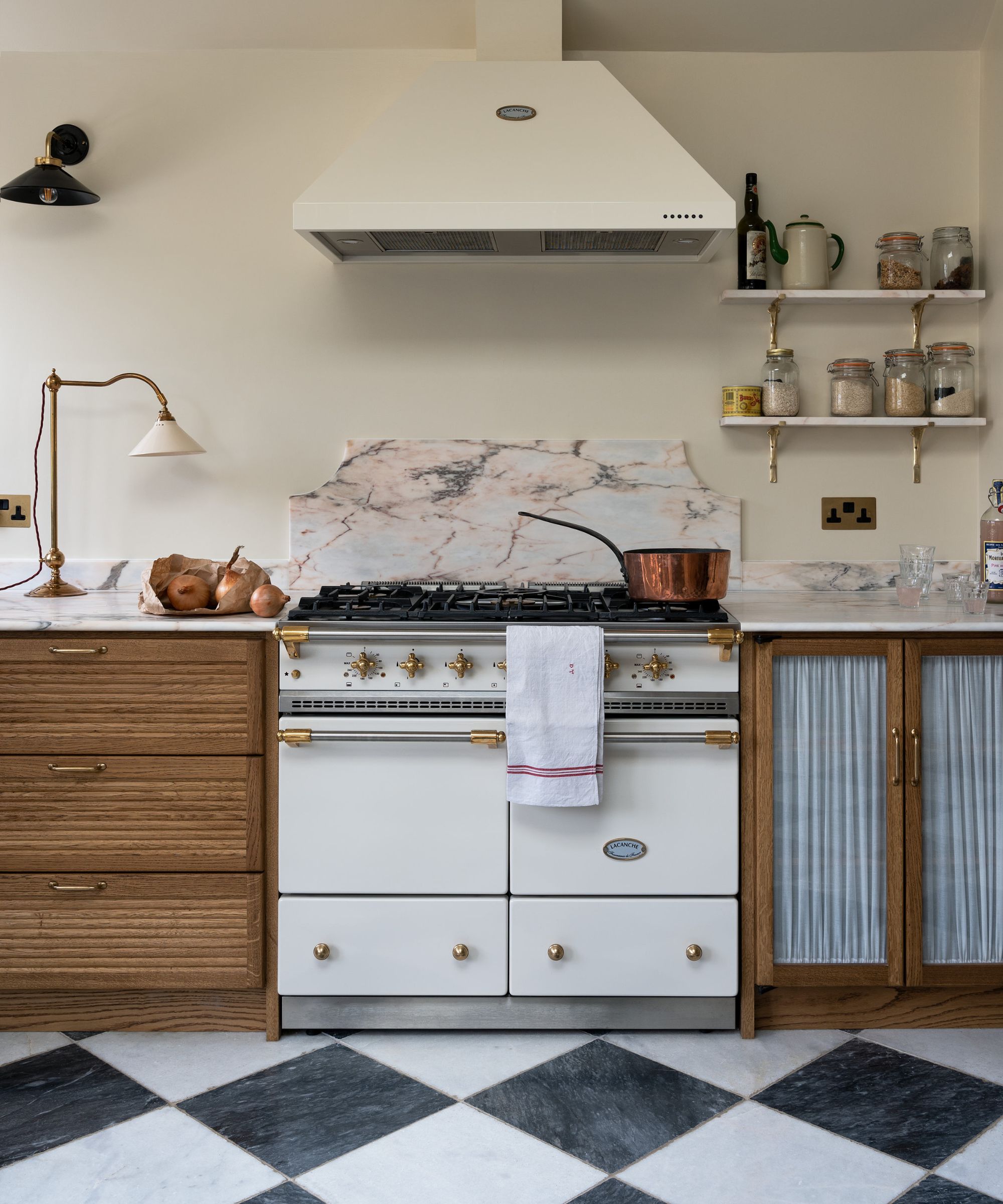
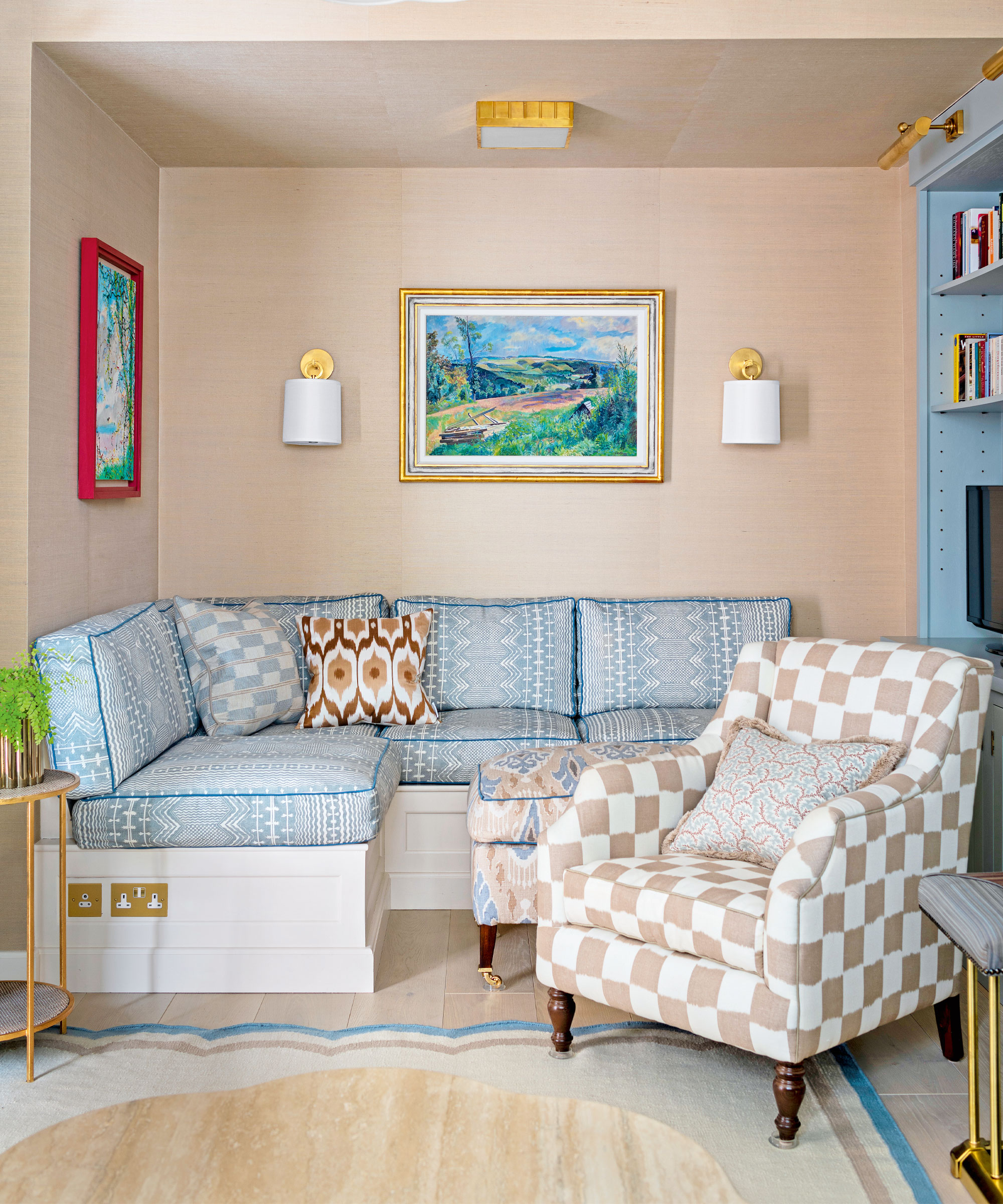
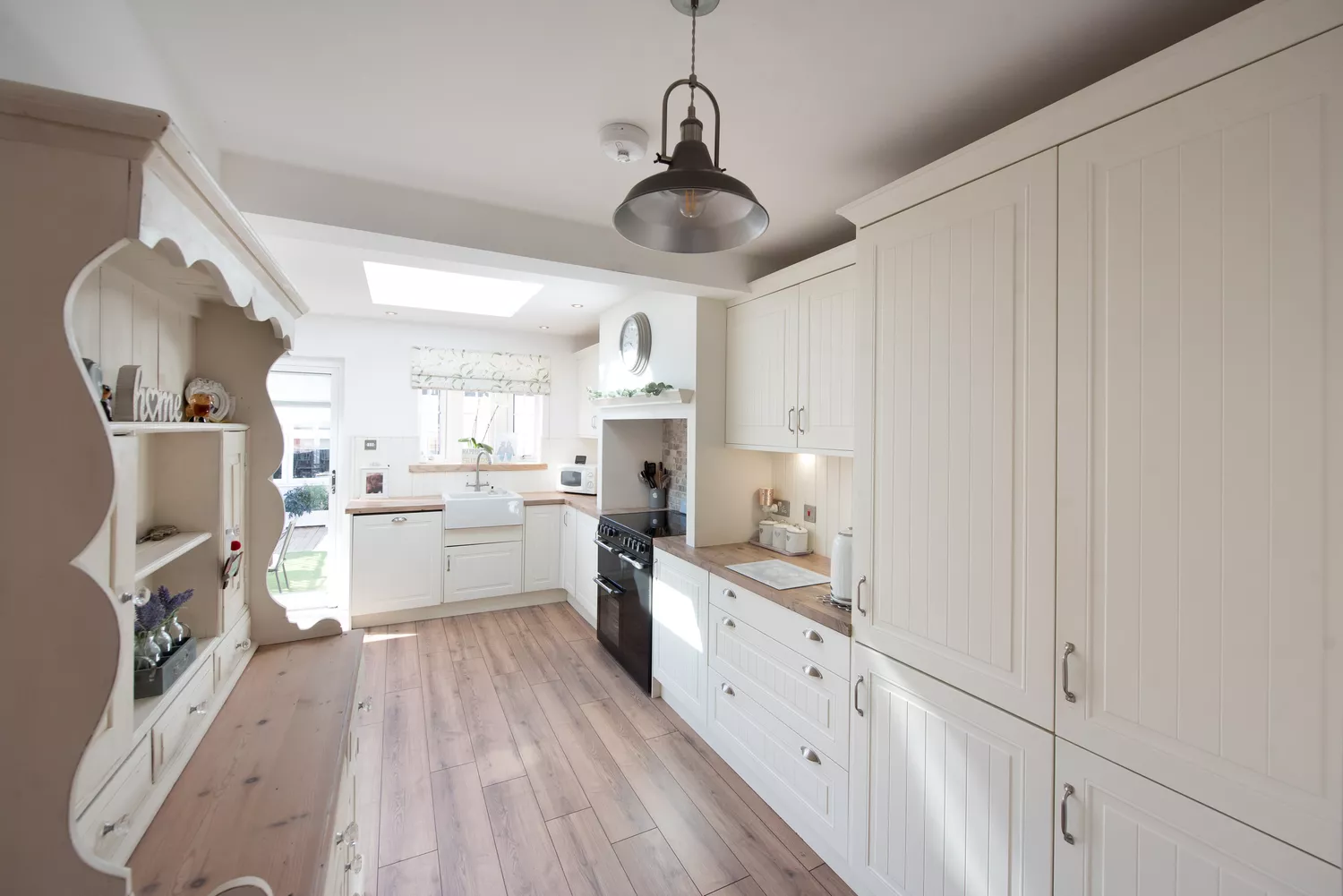
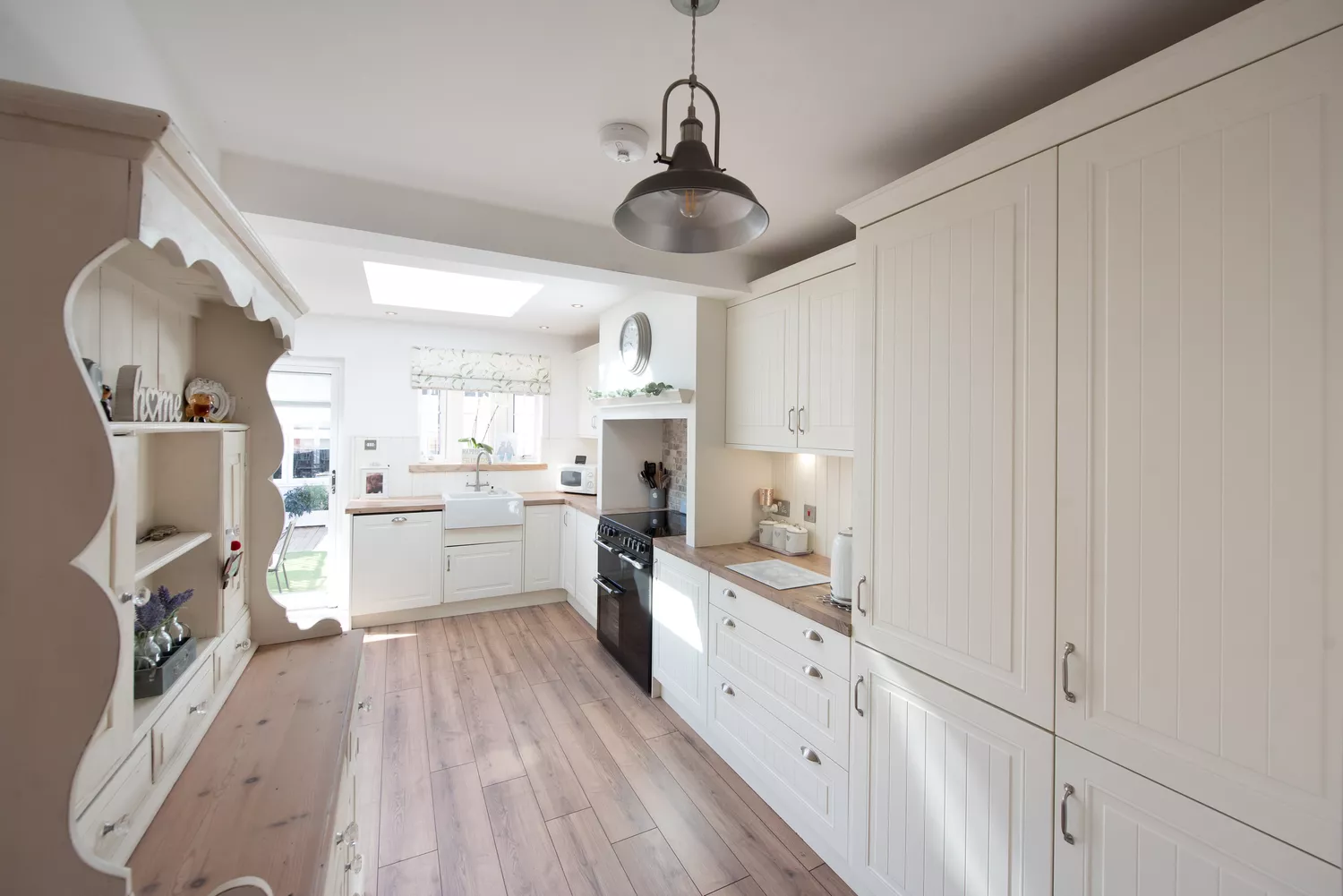
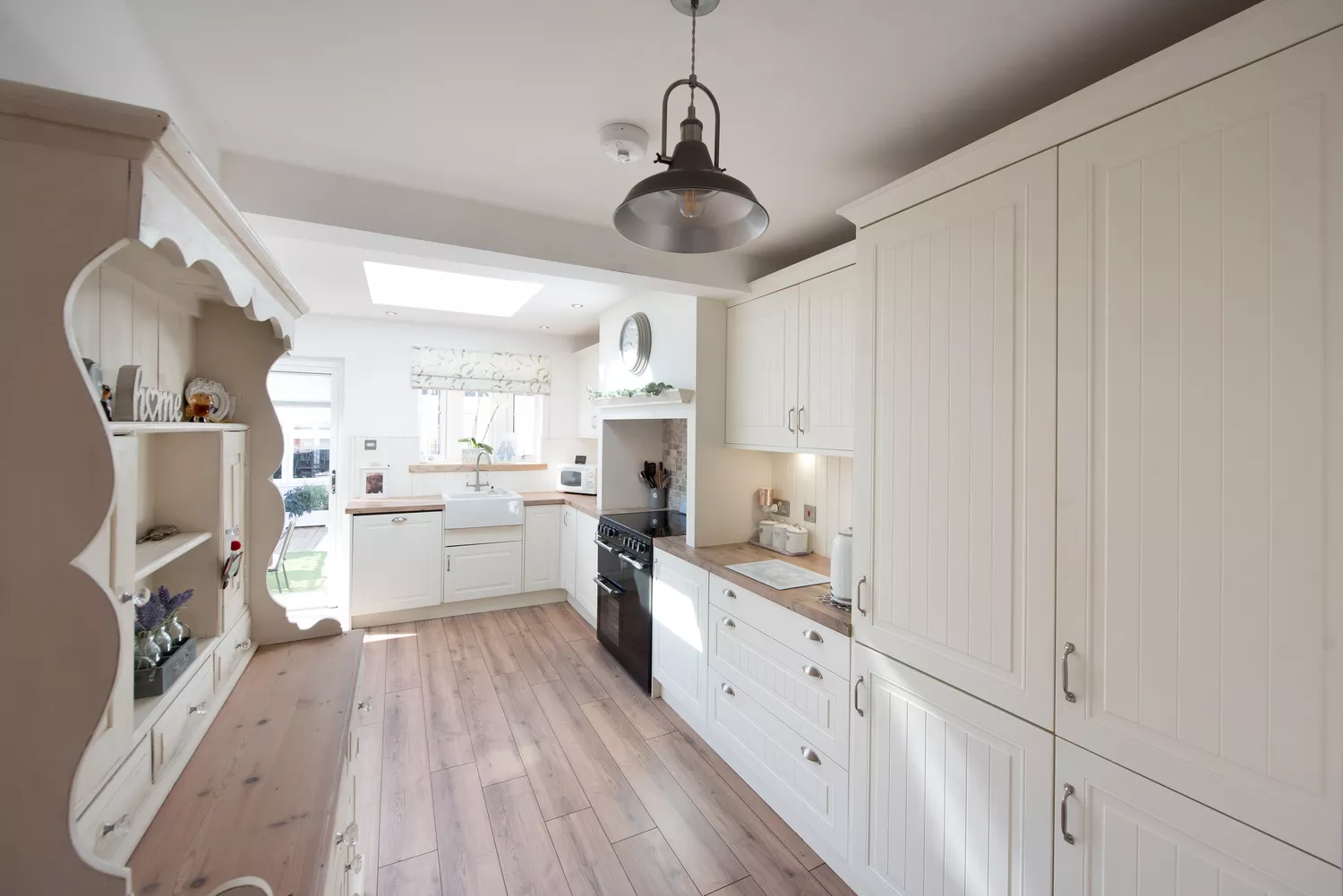
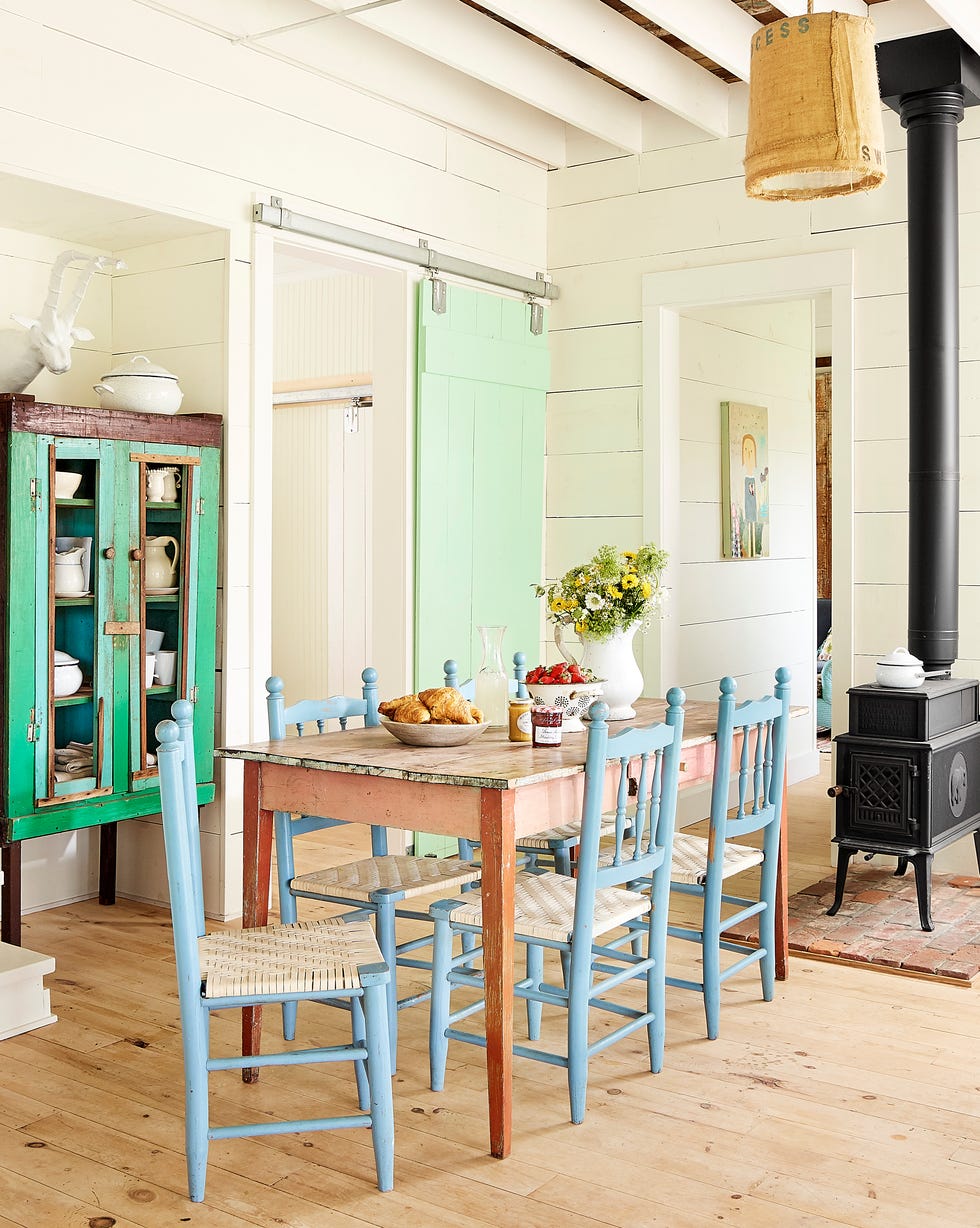
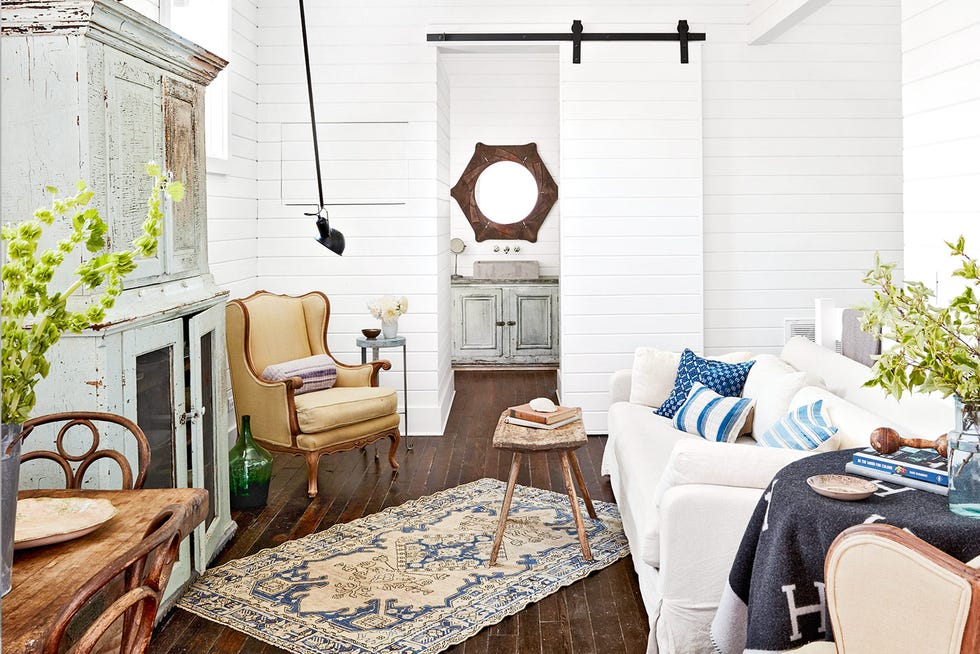
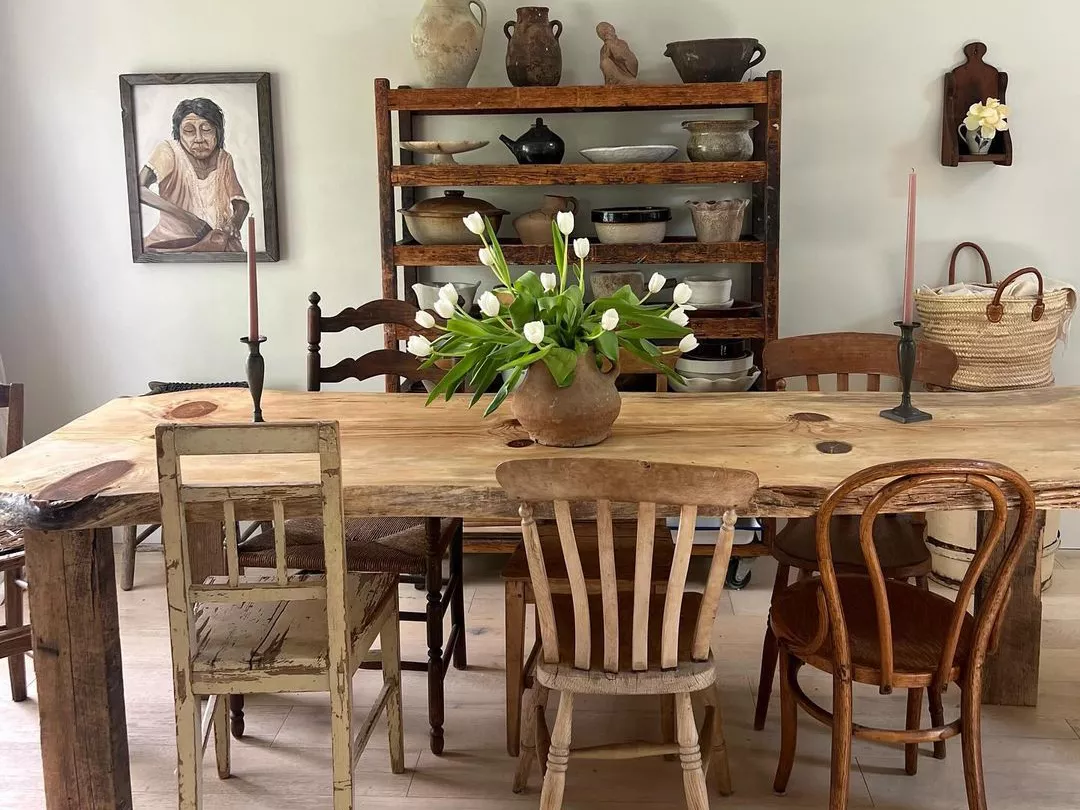
One approach to updating farmhouse style is to integrate romantic touches, moving beyond the stark whites and simplistic lines often associated with modern farmhouse. Christina Kim suggests incorporating patterned wallpaper, warmer color palettes, and richly layered fabrics to cultivate a European cottage ambiance. This can be achieved through warm lighting, mixing complementary wood finishes, and embracing various patterns to create a cozy yet current atmosphere.
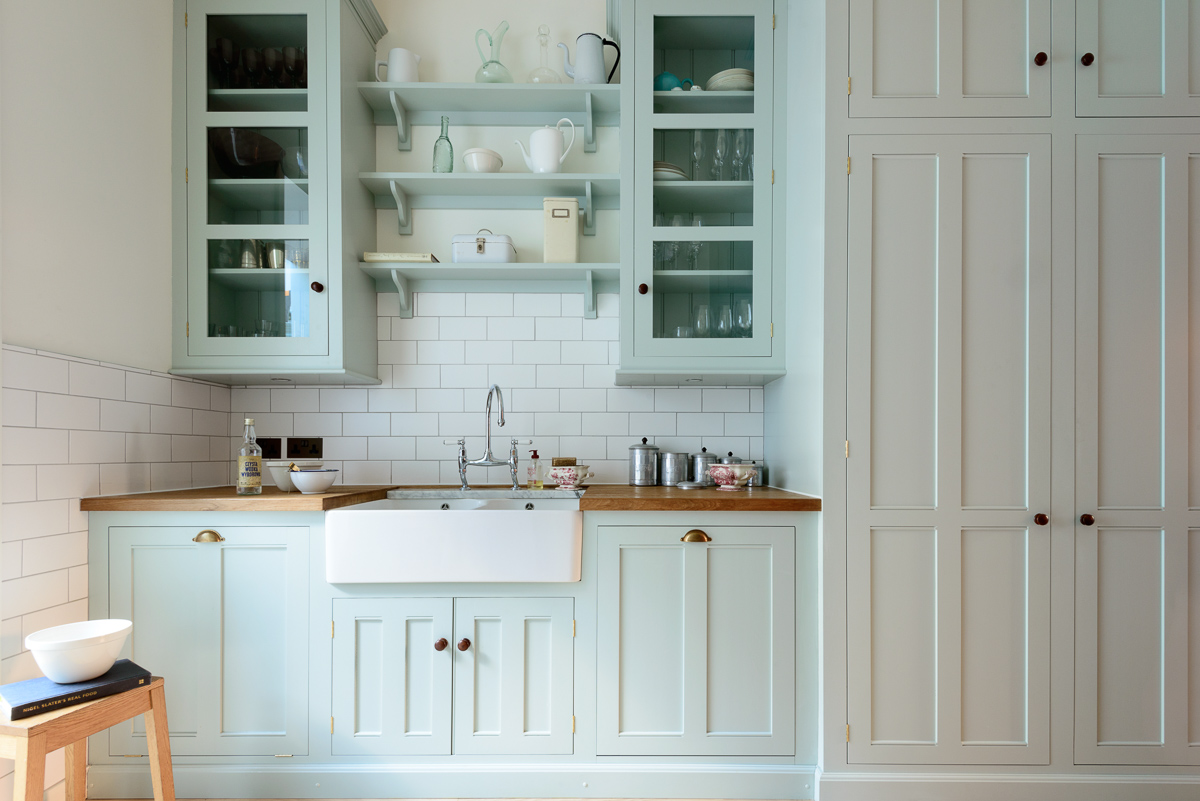
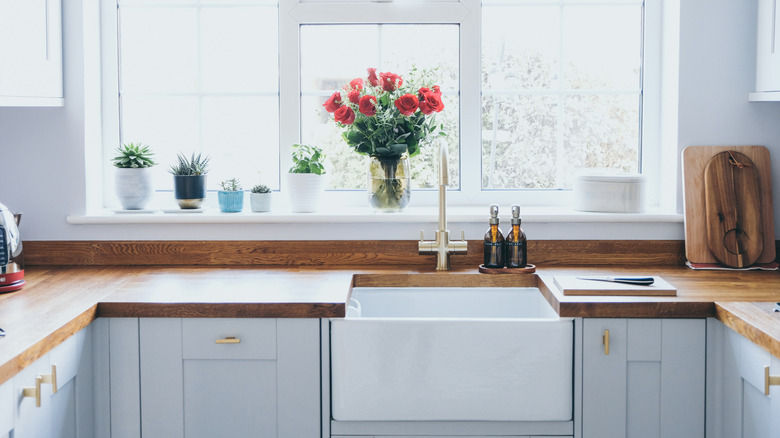
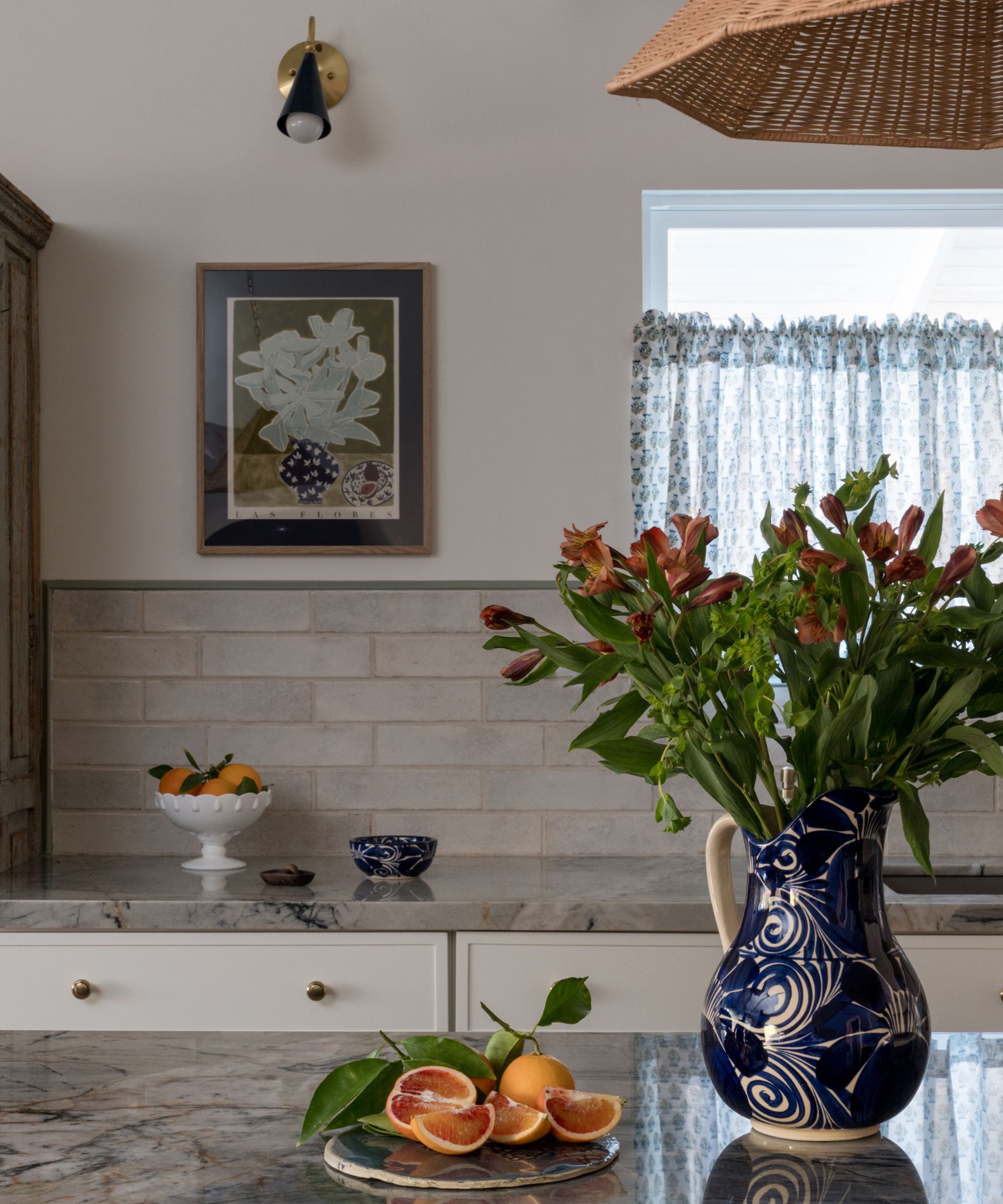
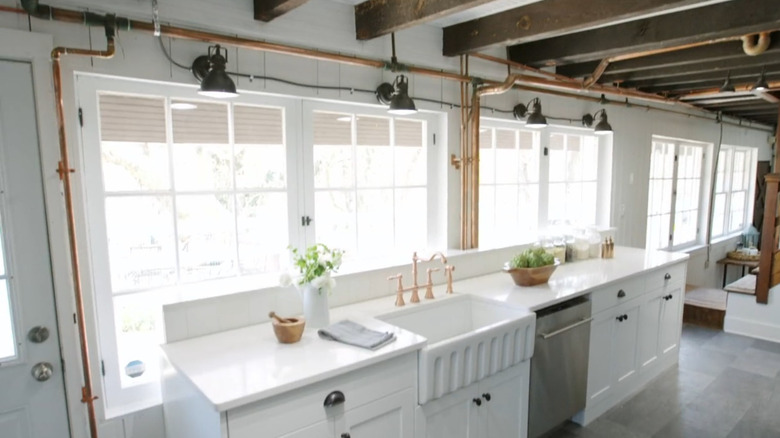
Another strategy involves cross-referencing with country design elements. Karen Paez Emil demonstrates how traditional farmhouse elements, such as cast iron apron sinks and trough tubs, can be revitalized by blending them with country-esque features like lace curtains, beige walls, antique oil paintings, and doilies. This blend aims to elevate the style in a timeless manner, encouraging personalization to ensure the design withstands changing trends.
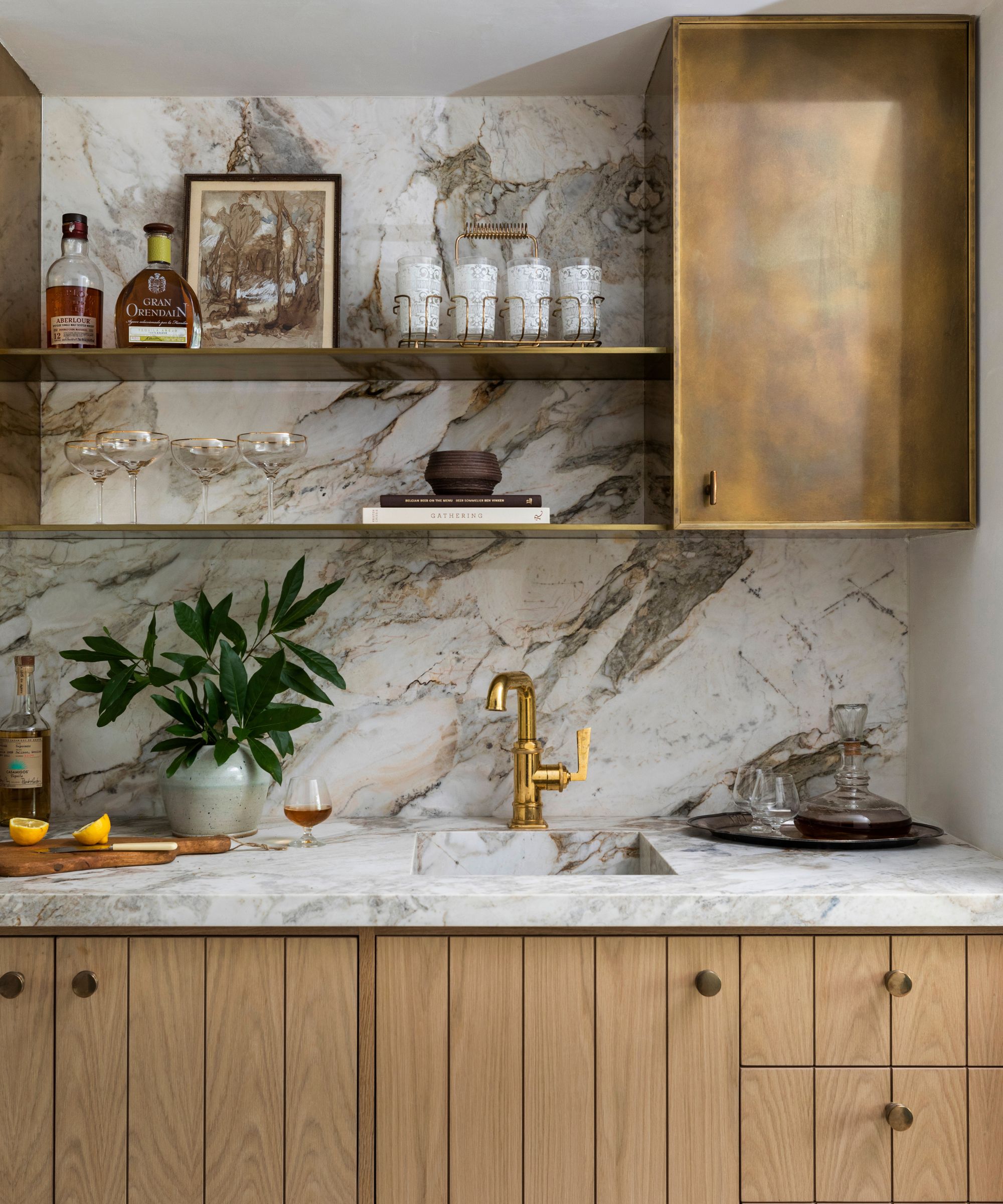
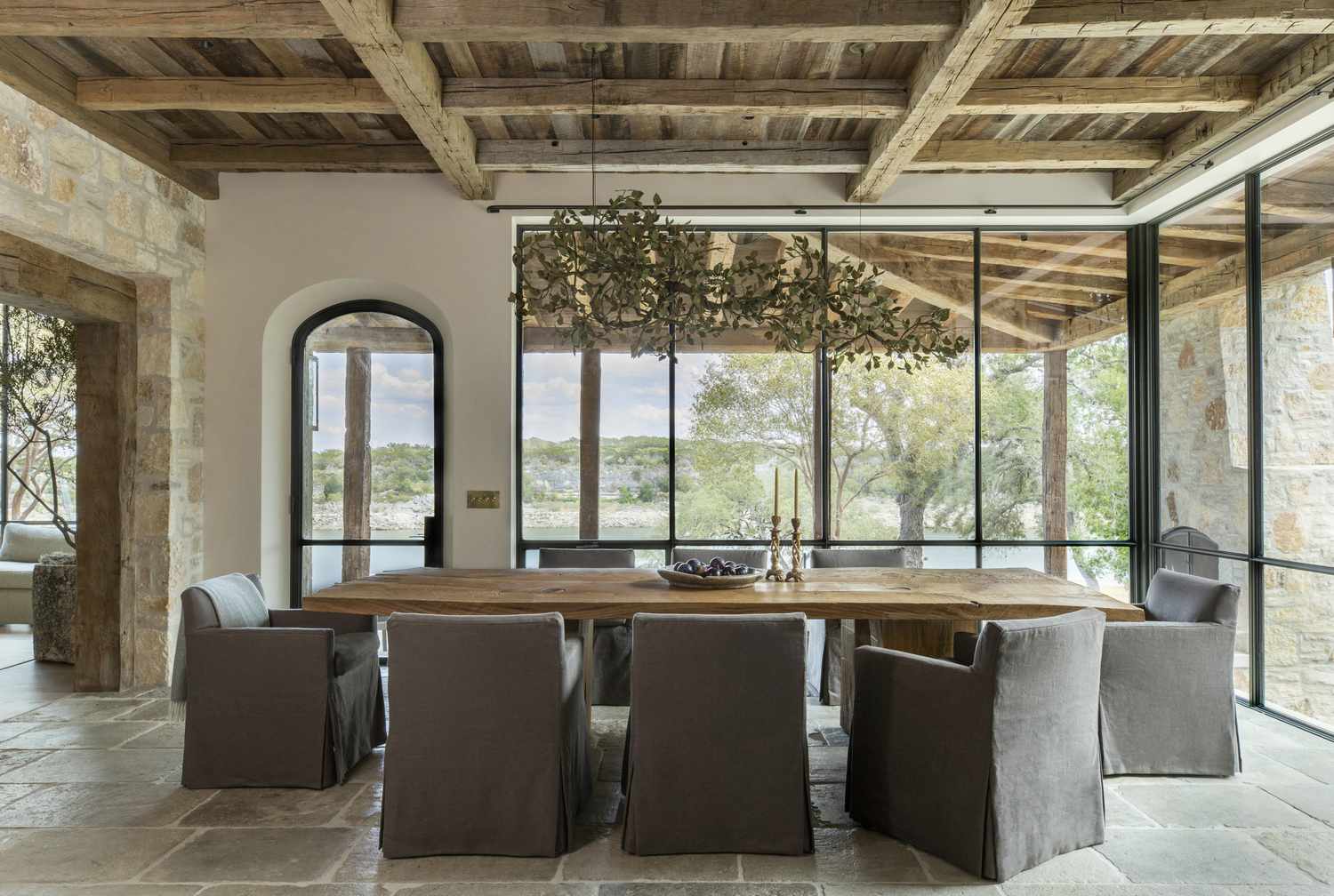
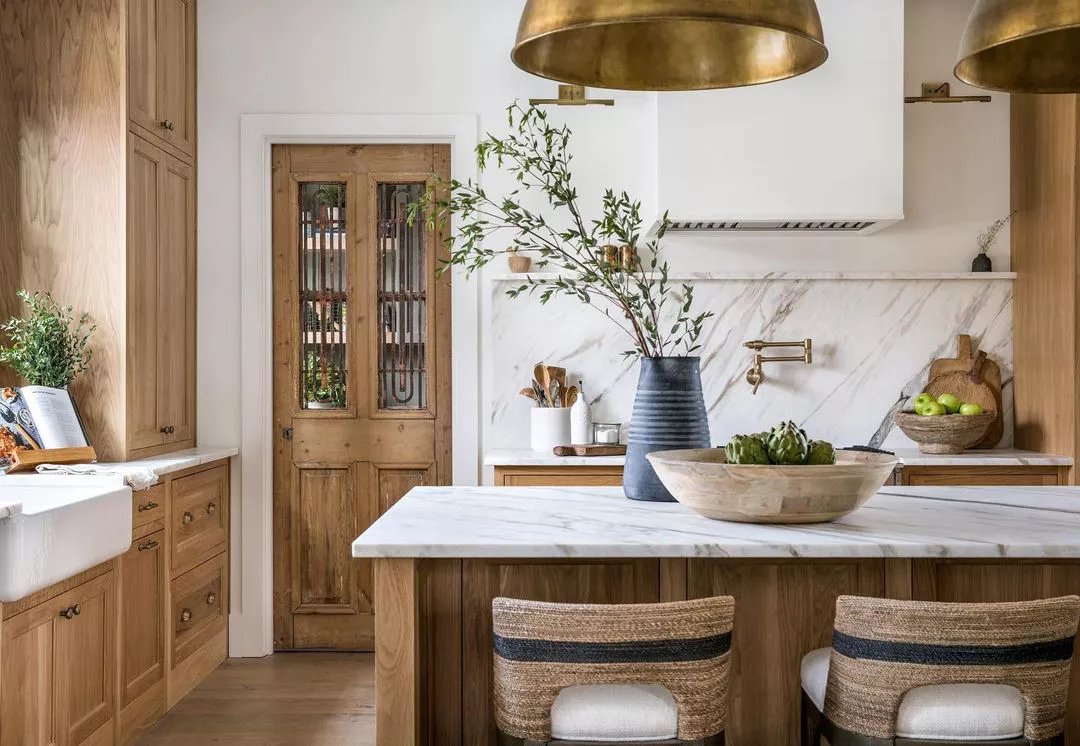
Introducing non-traditional materials like plaster can also inject new energy into farmhouse interiors. While weathered wood and burnished brass remain core elements, plaster offers a unique texture. Examples include a white plaster oven hood or oversized plaster urns and light fixtures. The inherent rough-hewn texture of plaster allows it to blend harmoniously with rustic farmhouse finishes.

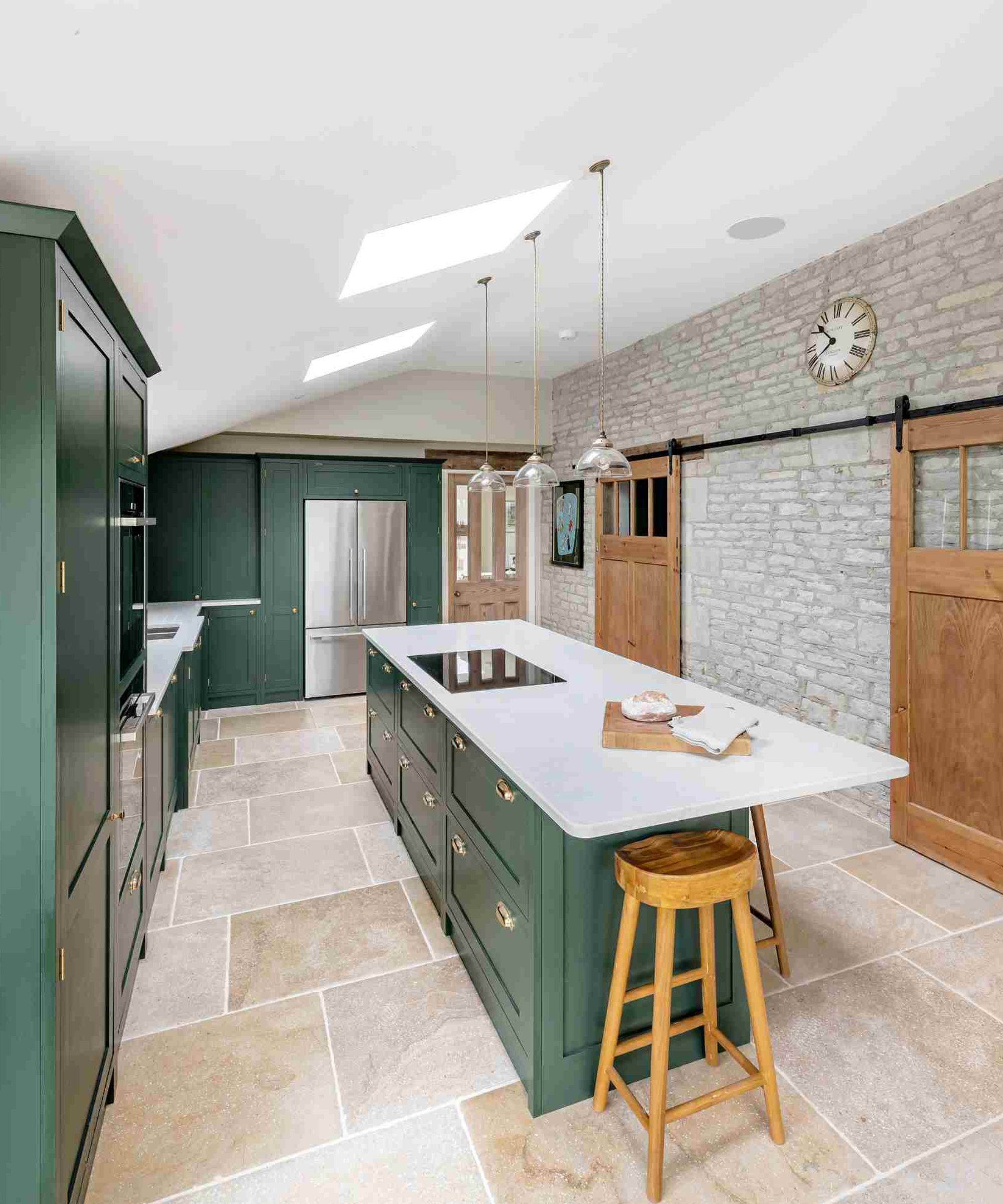
Experimenting with deeper, darker hues is another way to refresh the farmhouse palette. Instead of the typical soft grays, blues, and greens, designers recommend richer tones like mink brown or Spanish moss green. These moodier colors can add a layer of sophistication, particularly when paired with dark wood finishes.
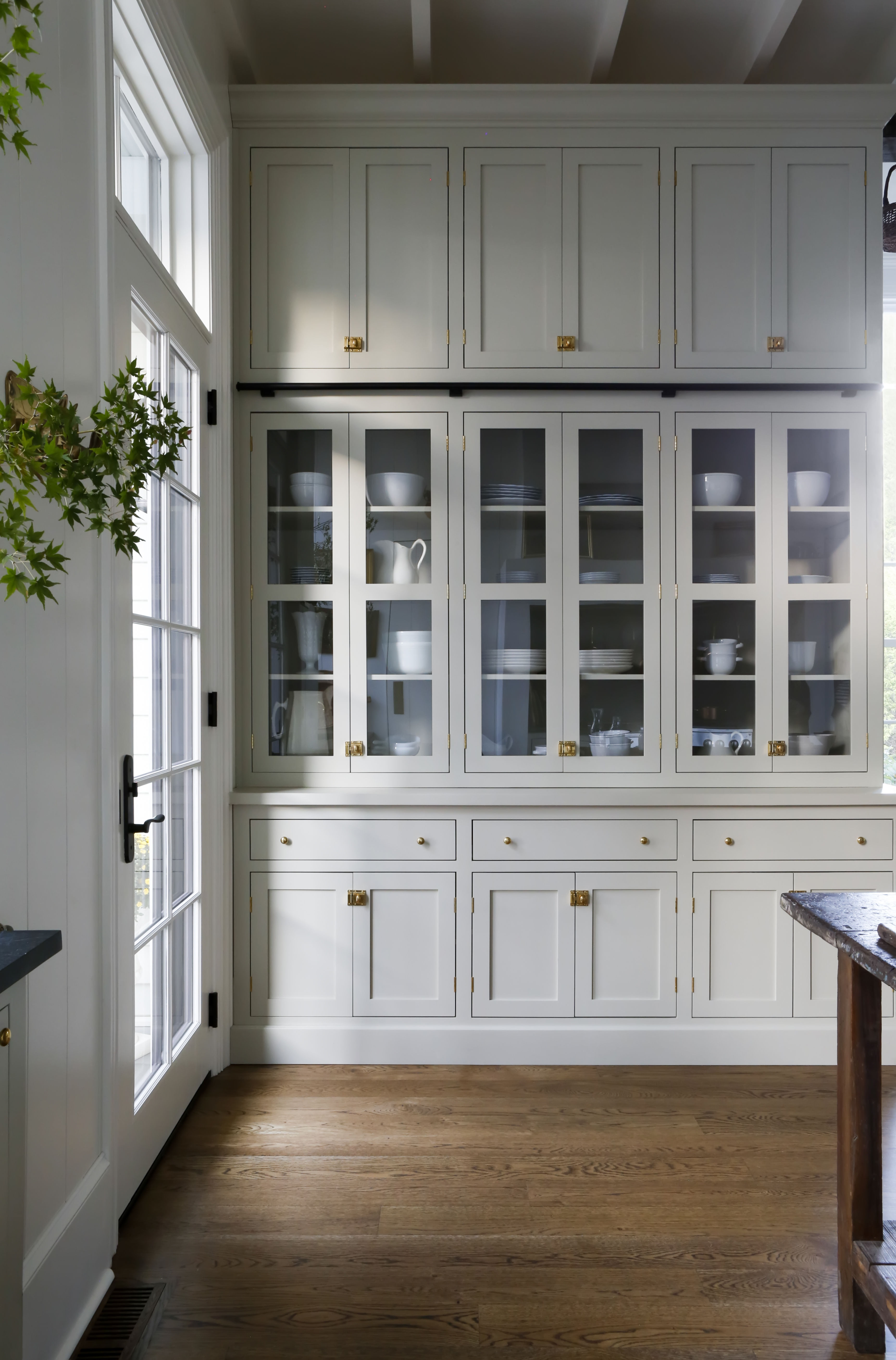
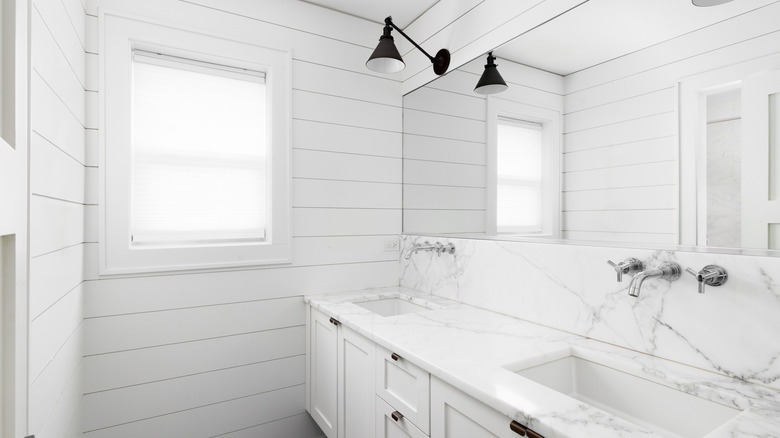
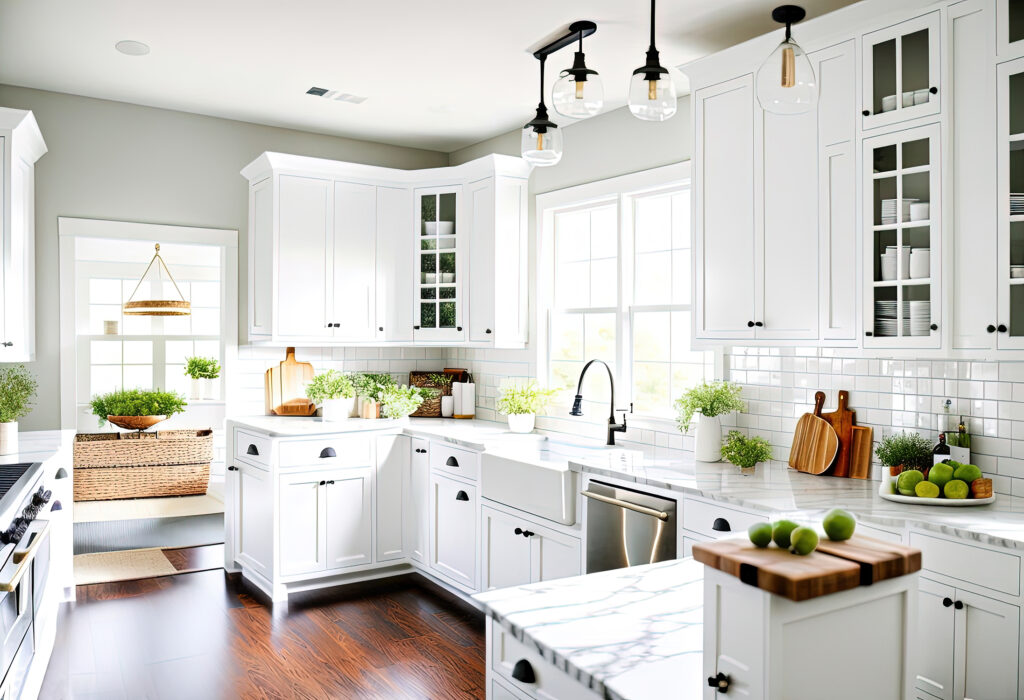
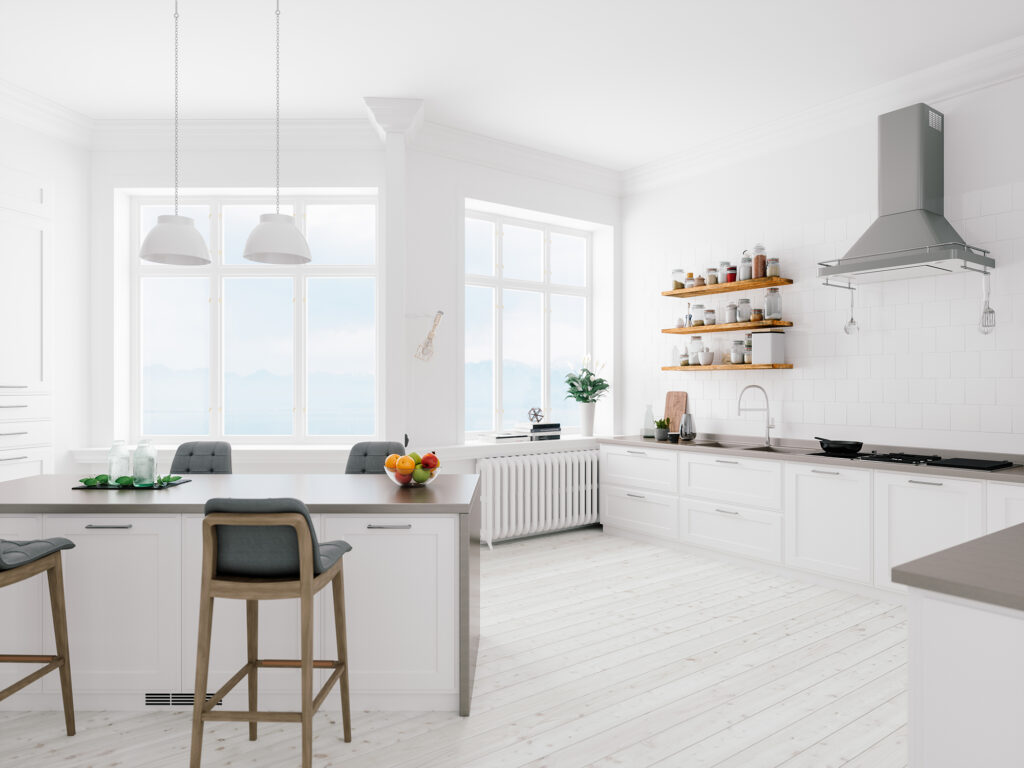
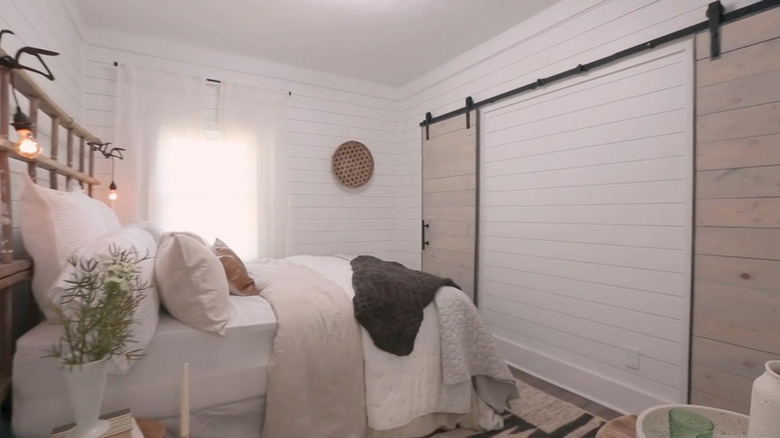
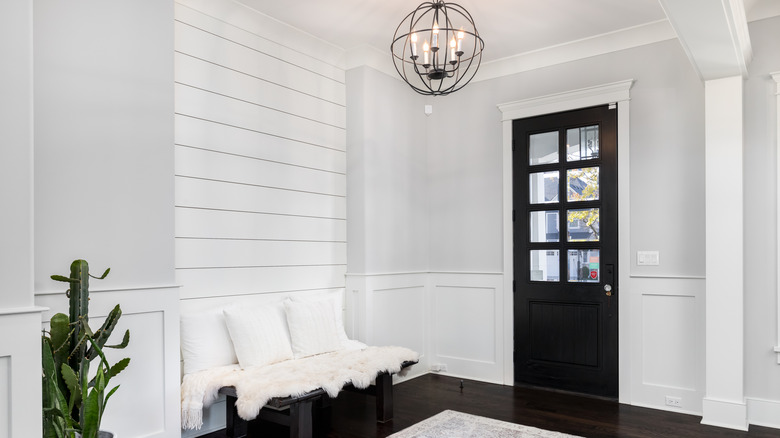
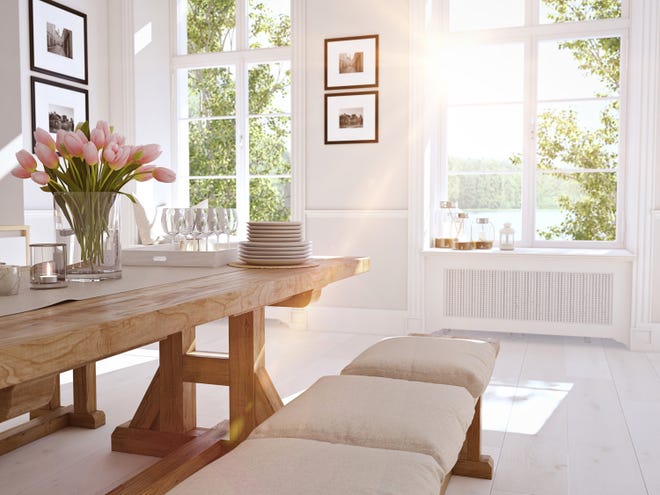
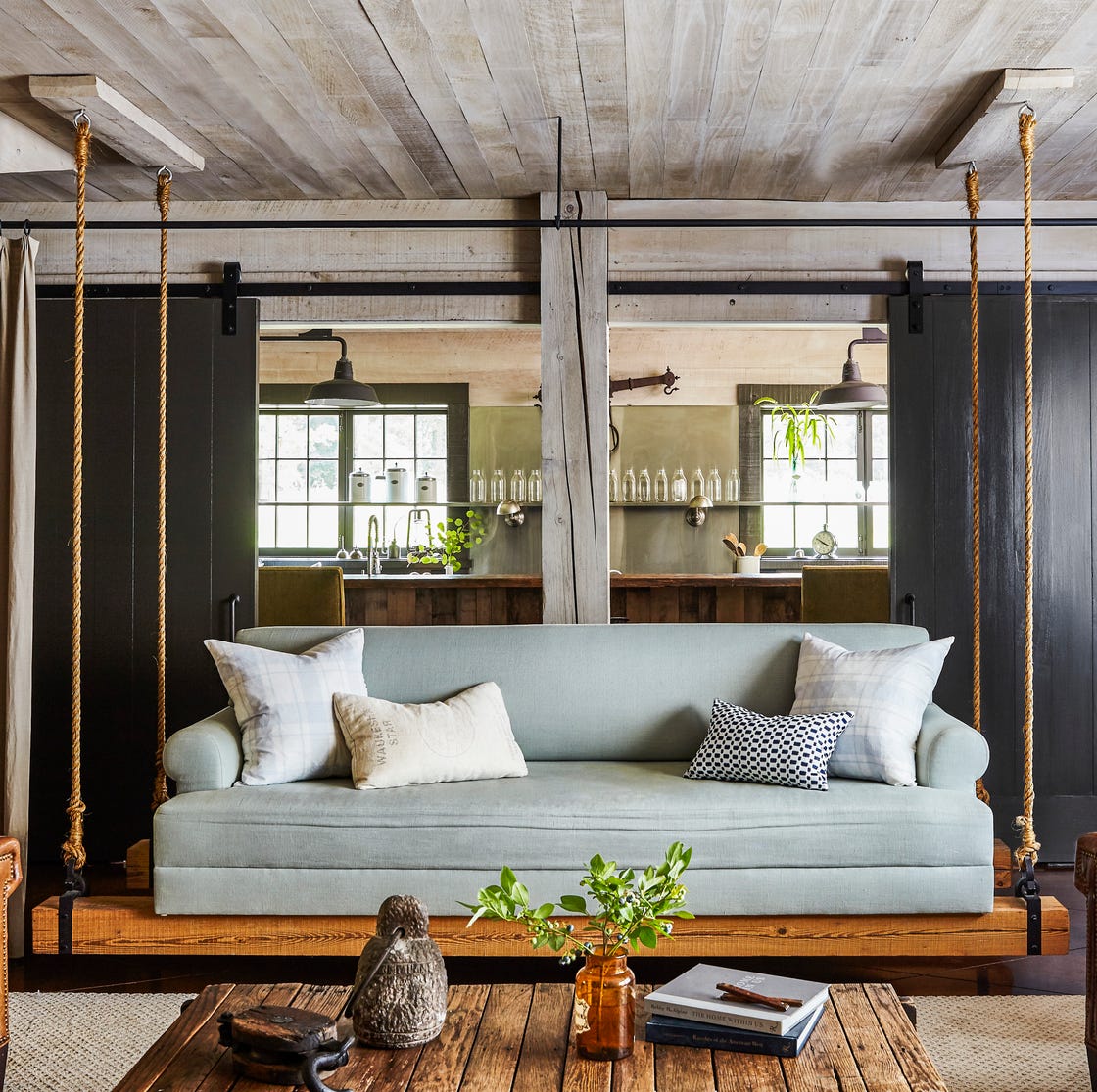
Conversely, an all-white palette can also be used to refresh the space, provided that essential farmhouse staples are maintained to prevent the look from becoming too modern. Incorporating elements such as barn-style wood mantels, reclaimed wood coffee tables, and plaid pillows helps solidify the farmhouse aesthetic within a predominantly white scheme.
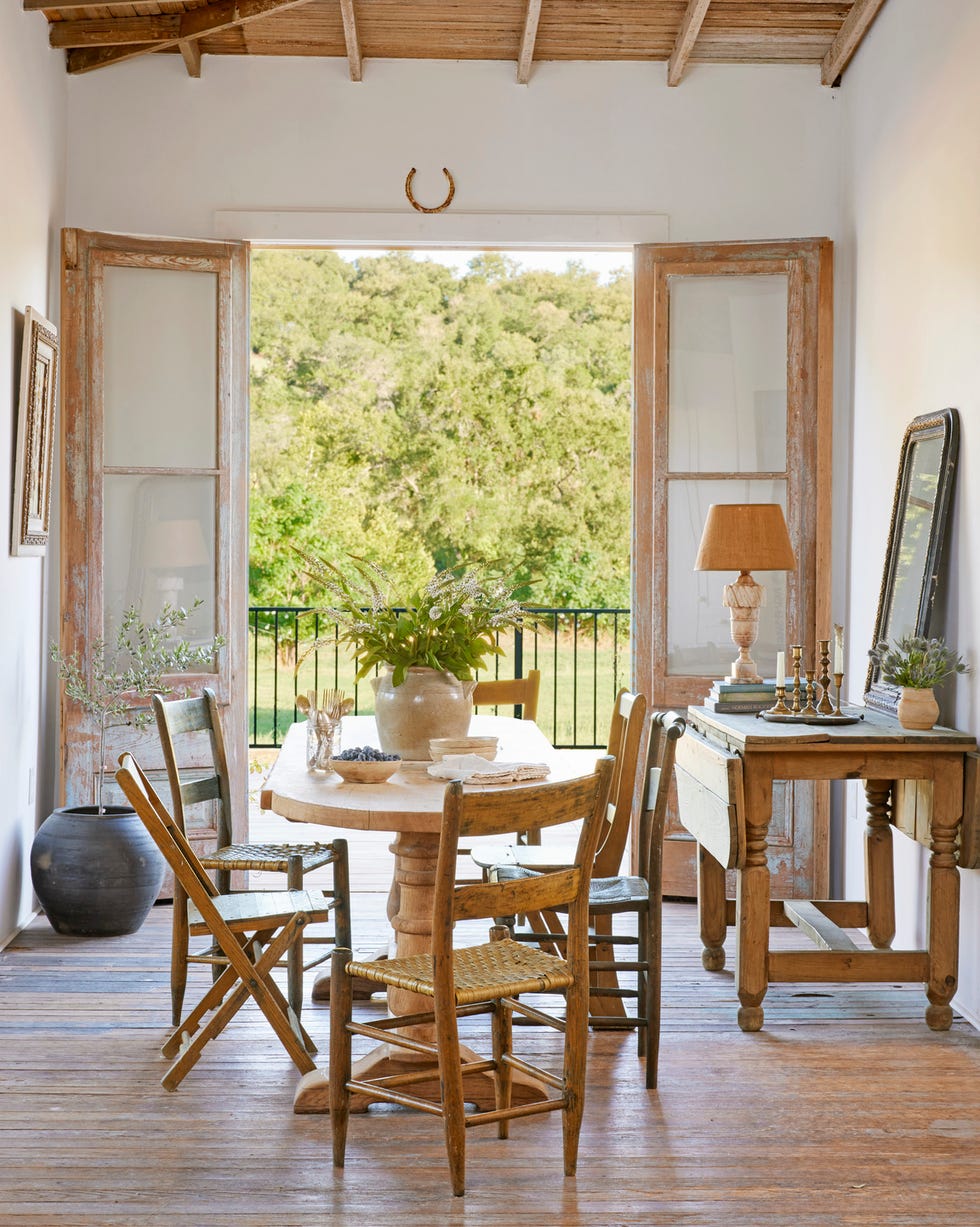
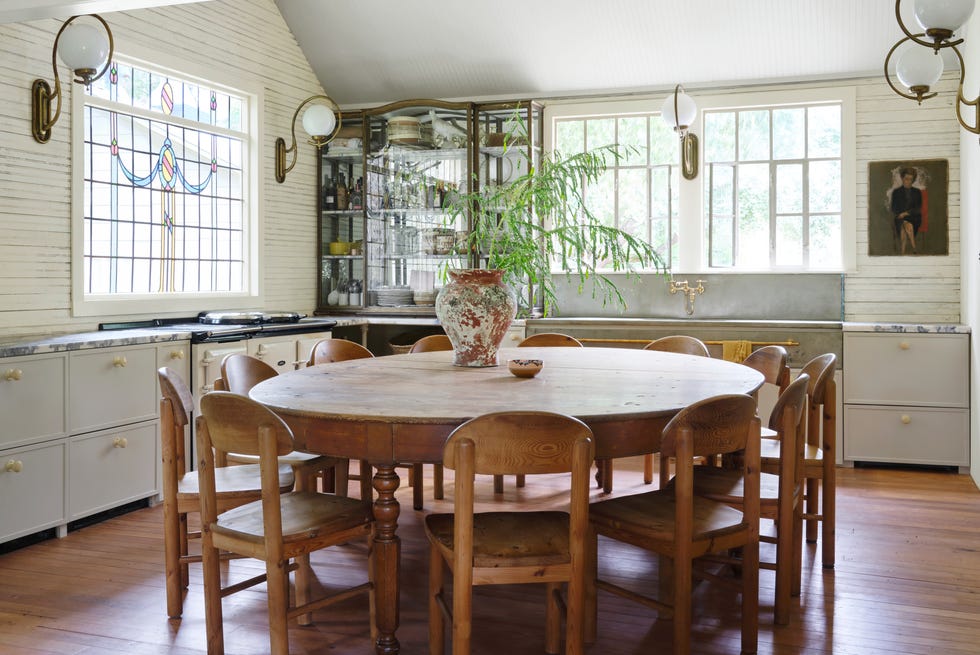
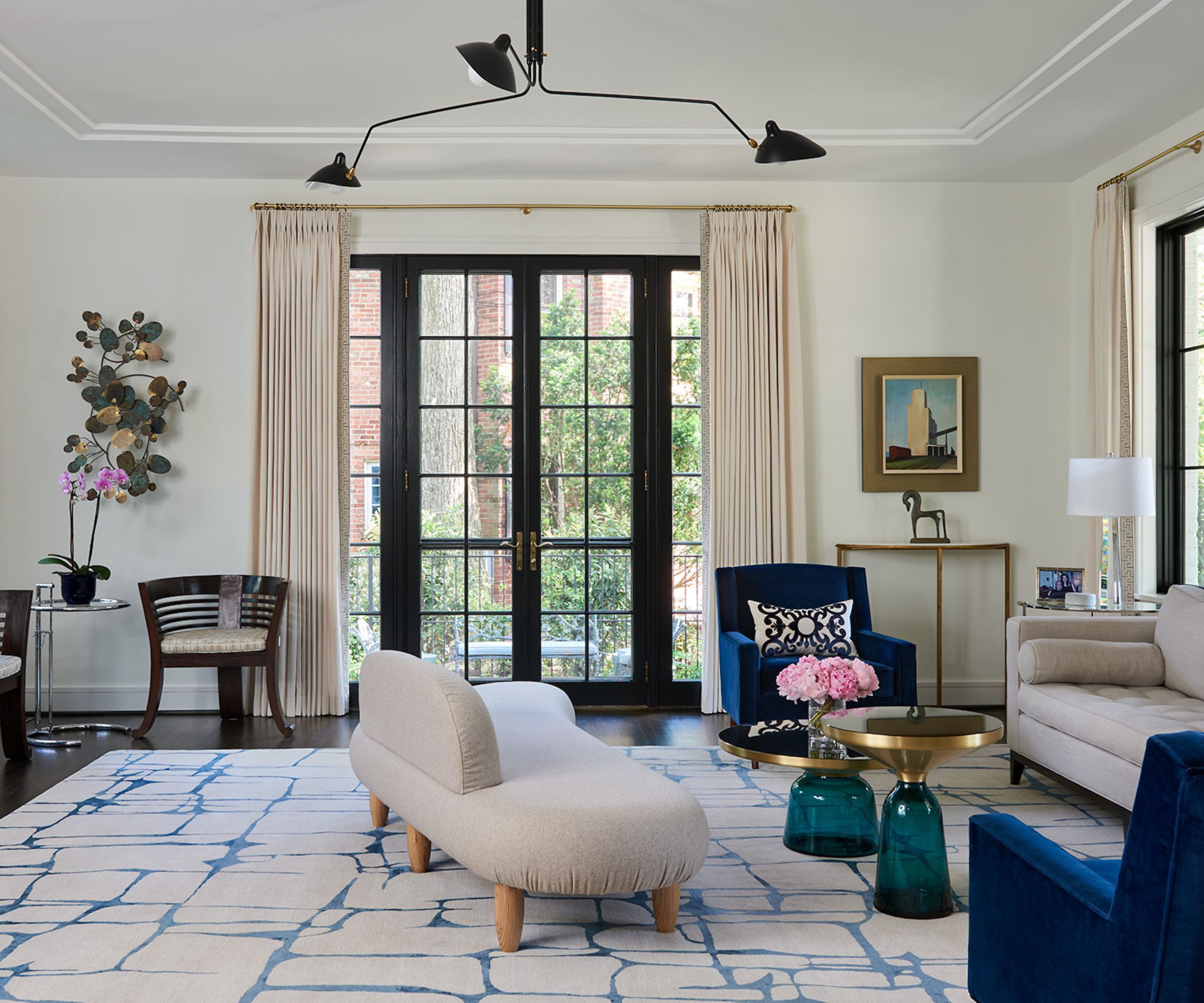
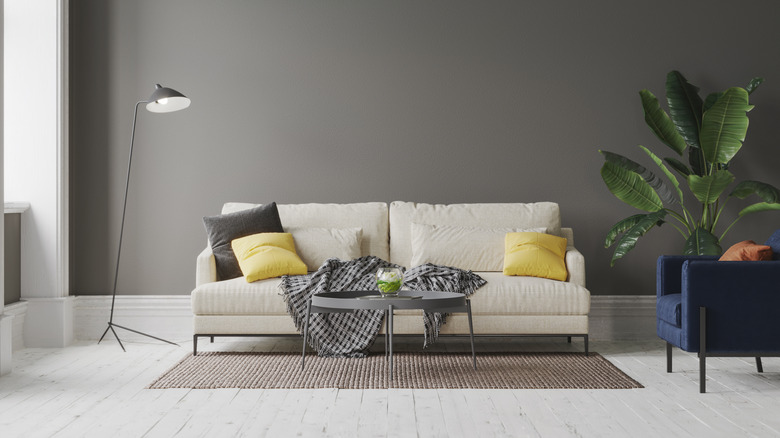
Mixing in modern elements is crucial to prevent the style from becoming dated. Uniformity can lead to a stagnant design, so introducing unexpected pieces can create visual interest. For example, pairing a rustic wood farmhouse dining table with sleek Danish modern wishbone chairs creates a striking contrast, making the dining area feel edgier and more contemporary while retaining its farmhouse essence.
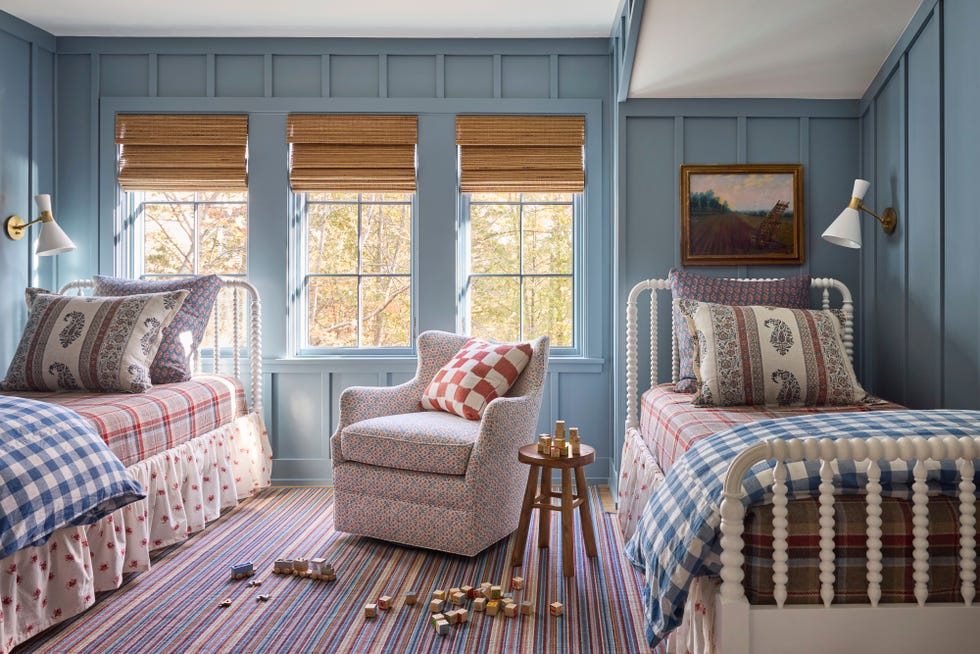
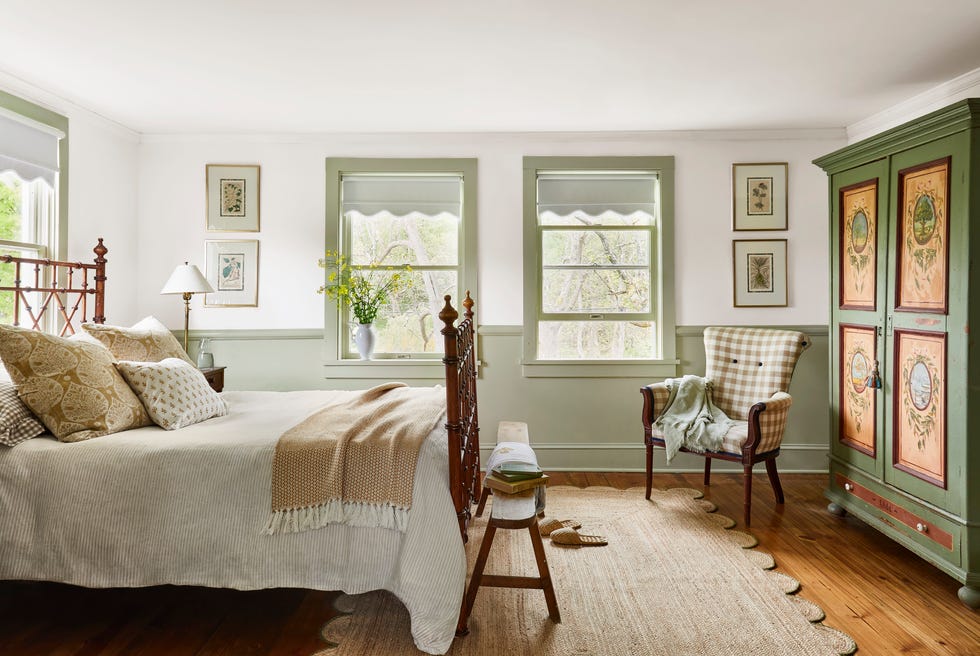
Furthermore, incorporating a variety of patterns beyond traditional plaids or ticking stripes can invigorate the farmhouse style. Layering different textiles, such as a global-inspired coverlet over a gingham bedspread, or using Chinoiserie-style wallpaper, can add depth and personality. A cohesive rustic color palette, like sage and beige, can tie these diverse patterns together, maintaining the farmhouse feel.
Ultimately, the most effective way to keep farmhouse style fresh is through personalization. Lauren Ashley emphasizes creating a comfortable and secure space that genuinely reflects individual tastes and emotions. Understanding personal needs leads to a more meaningful and satisfying design that ensures the style remains relevant and cherished.
#FarmhouseStyle #InteriorDesign #HomeDecorTrends #DesignUpdates #RusticDesign #ModernFarmhouse #DesignTips #PersonalizedDesign #FarmhouseStyle #InteriorDesign #HomeDecorTrends #DesignUpdates #RusticDesign #ModernFarmhouse #DesignTips #PersonalizedDesign
合計0件のコメント
 まだコメントはありません
あなたも好きかもしれません
Are Modern Farmhouse Kitchens Out of Style? Designers Tell Us Which Elements Are Kicky — and Which to Kick Out

6 Farmhouse-Style Trends Designers Secretly Wish We’d Retire
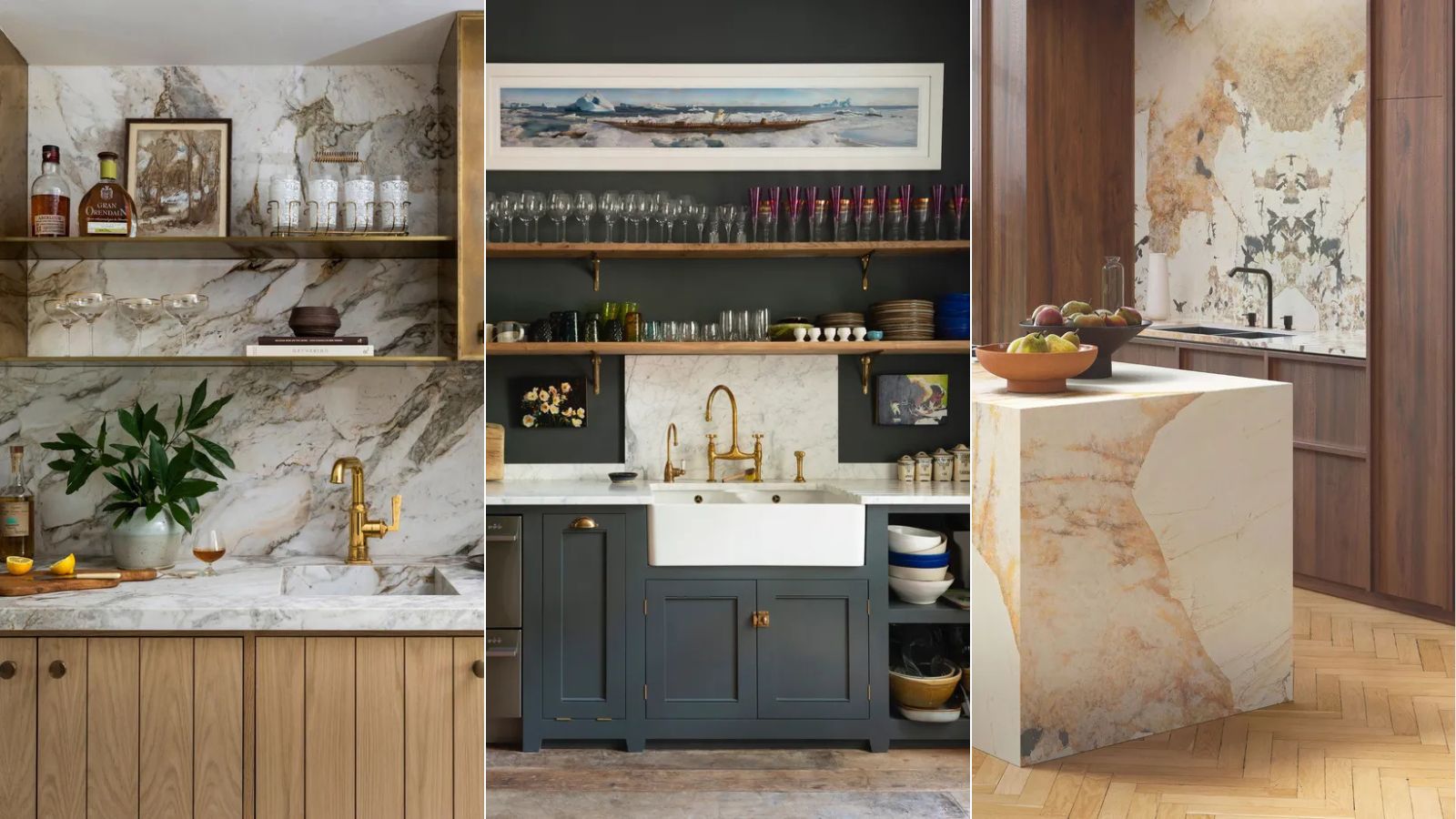
What's replacing modern farmhouse kitchens in 2025? 5 styles designers say you should consider instead

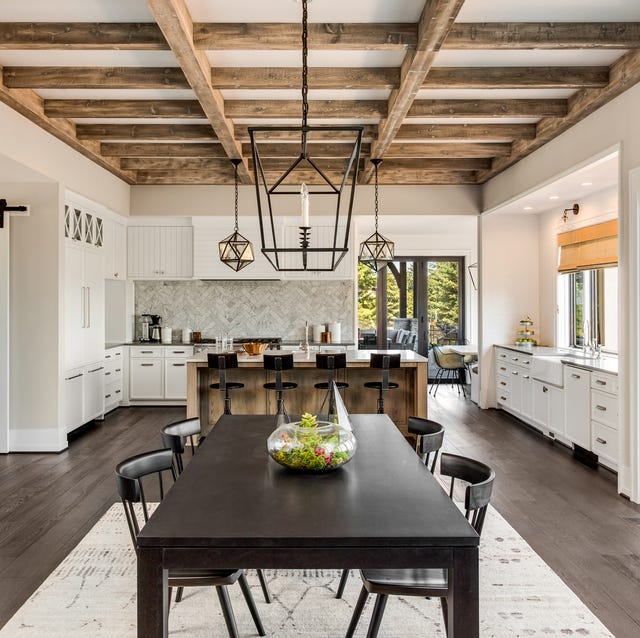
Designers Say This Beloved Style Is Completely Out for 2025

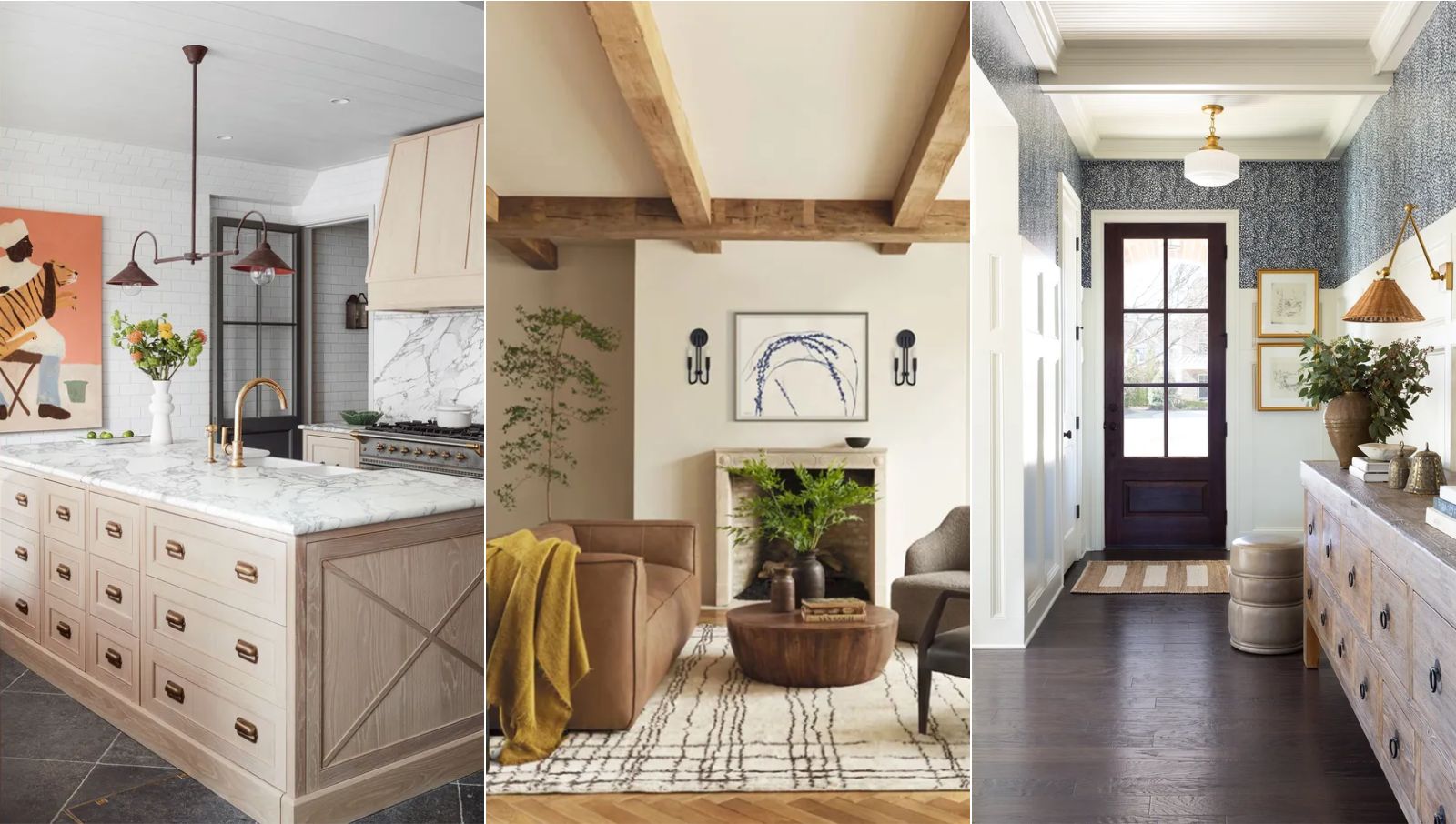
Is modern rustic decor still on trend? We asked designers if this much-loved look is here to stay
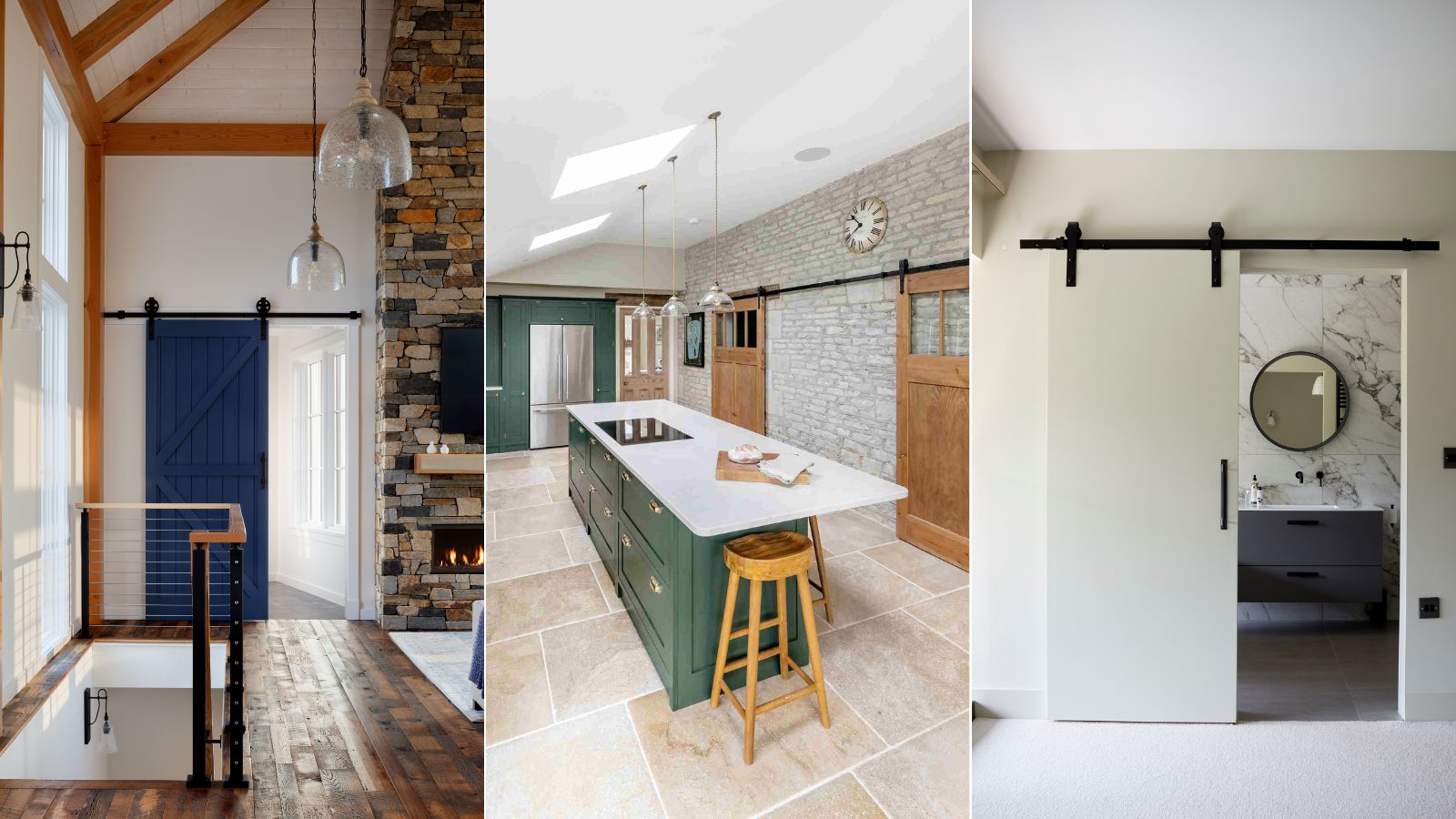
Are barn doors still in style? Interior designers weigh in on the well-loved rustic feature
Modern Farmhouse: Design trendsetter
The Controversial Farmhouse Design Choice That’s Actually So Smart
Outdated Farmhouse Design Trends That Are Being Replaced In 2025
Is Farmhouse Design Out for 2025? We Asked Designers for Their Unfiltered Takes
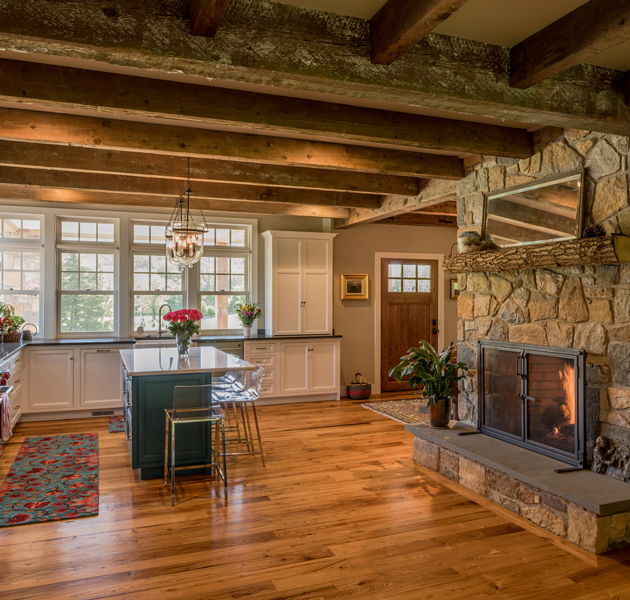
The six principles of a farmhouse aesthetic

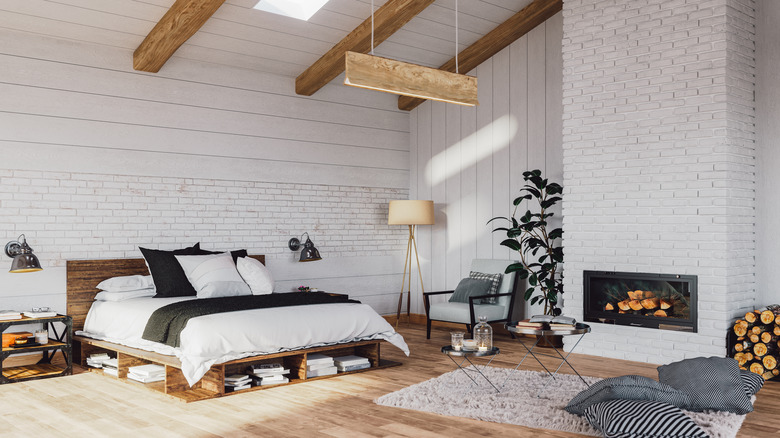
Modern Farmhouse Design Inspo From Popular HGTV Stars

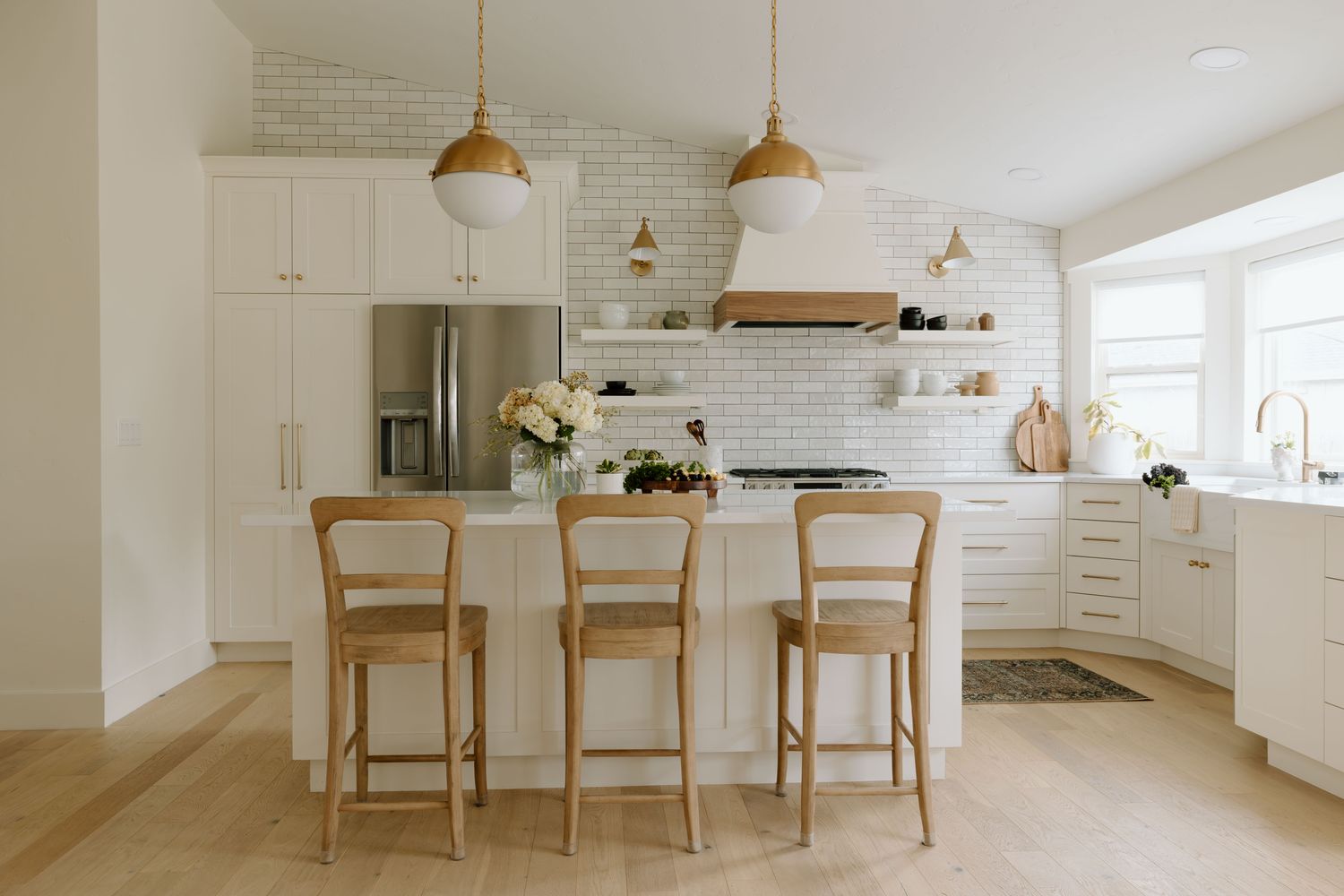
Is Farmhouse Style Out? Here's What Designers Are Saying in 2025

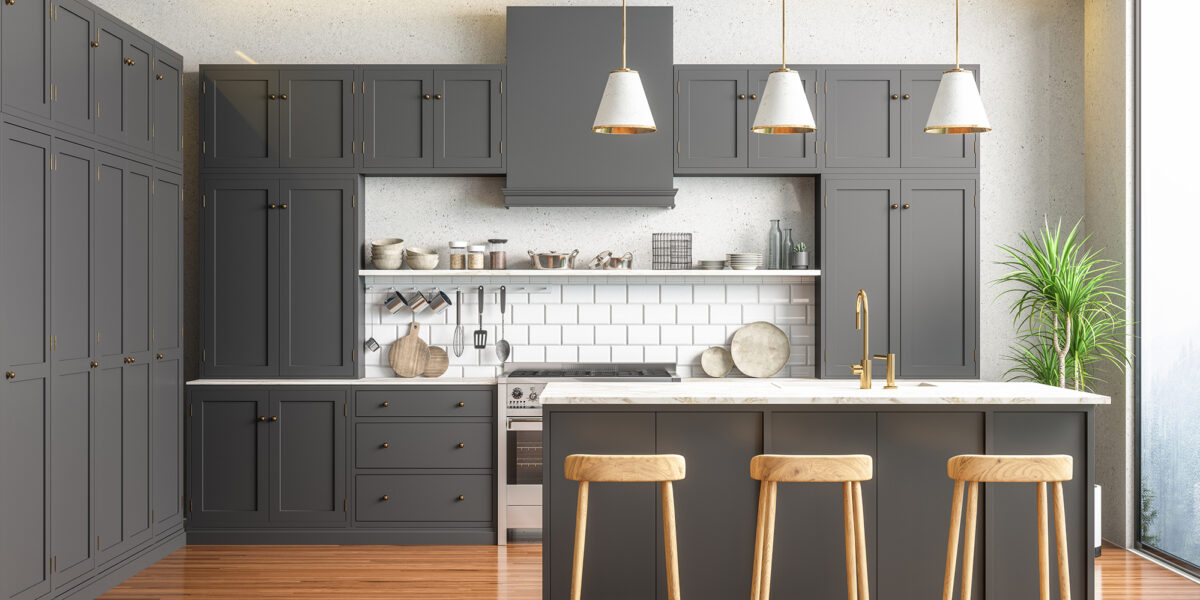
It’s Time to Say Goodbye to These Outdated Design Trends in 2024
Don't Make These 5 Mistakes When Trying Modern Farmhouse Style, Designers Warn

13 Home Design Trends That Are Dating Your Home
Designers Are Moving On from Modern Farmhouse—Here’s the Style Taking Over
Should you follow interior design trends? Do they create a stylish home or one that will date fast?
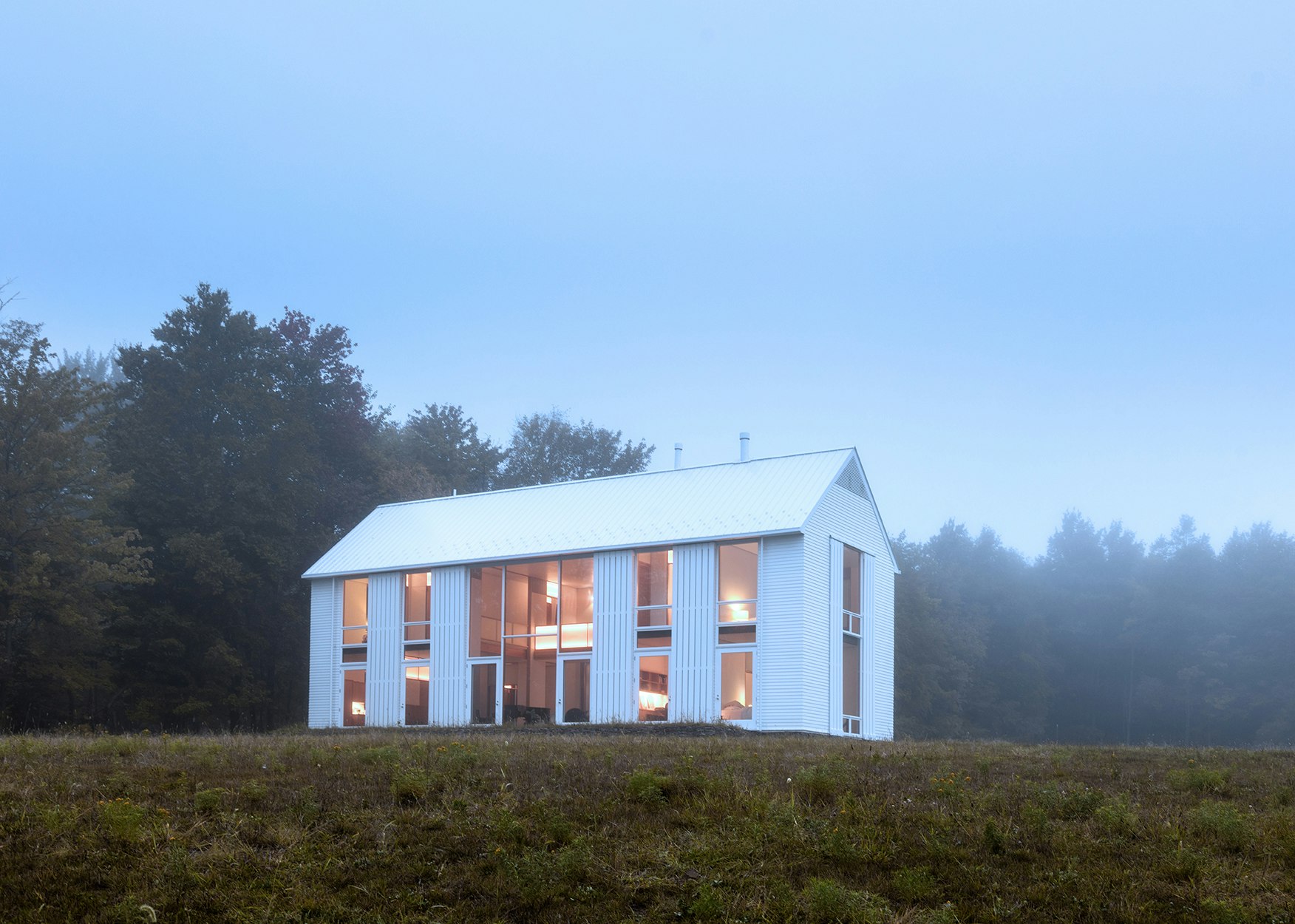
20 Modern American Farmhouses That Update Tradition

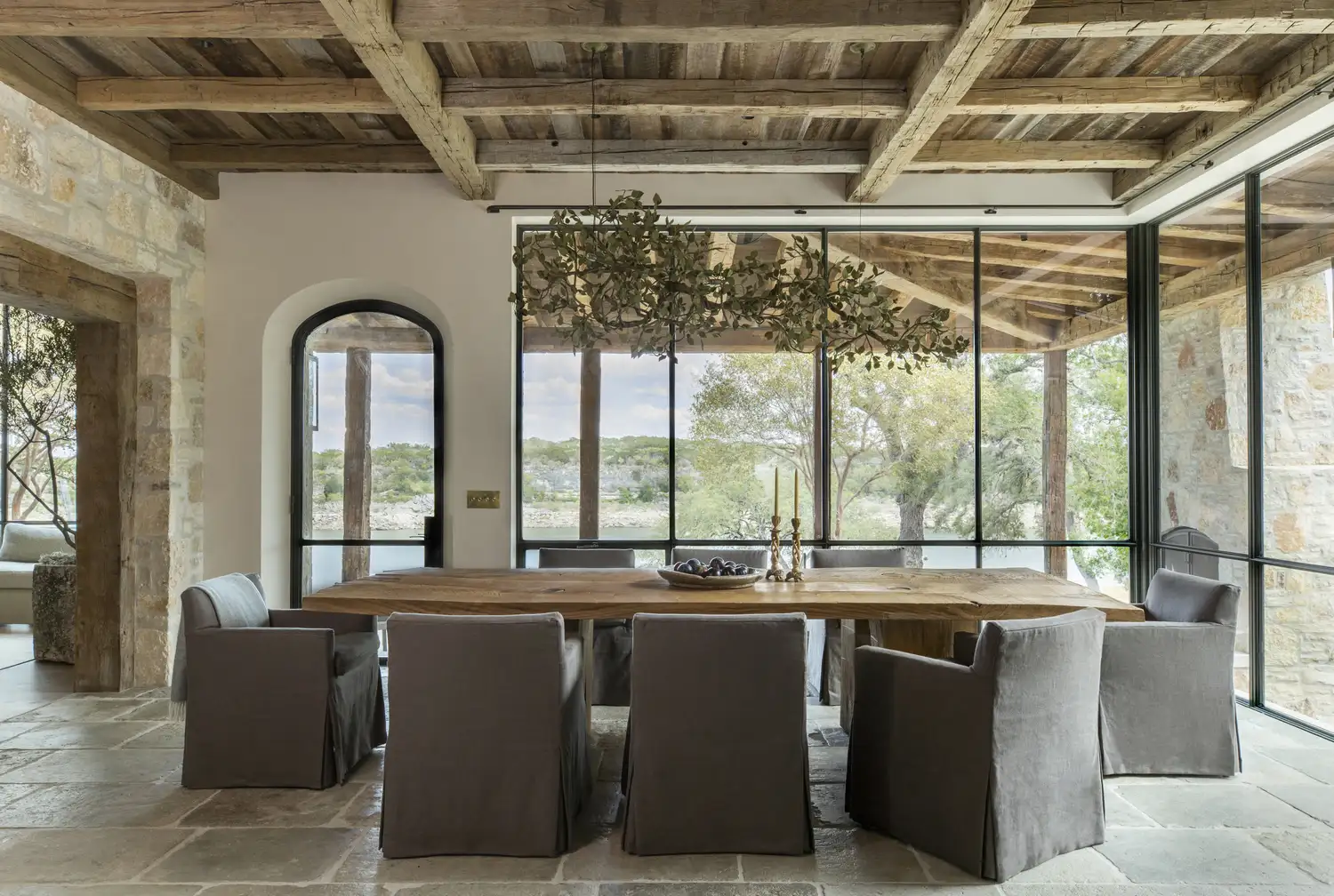
Designers Still Love These Modern Farmhouse Dining Room Ideas—And We Do Too