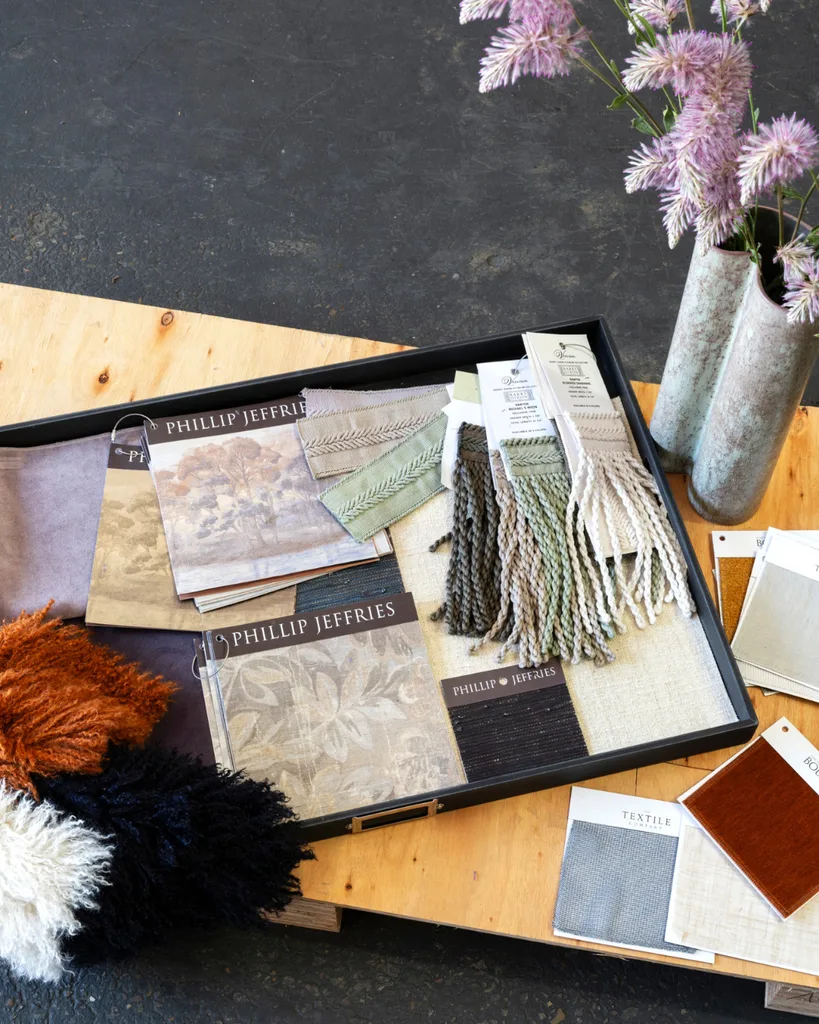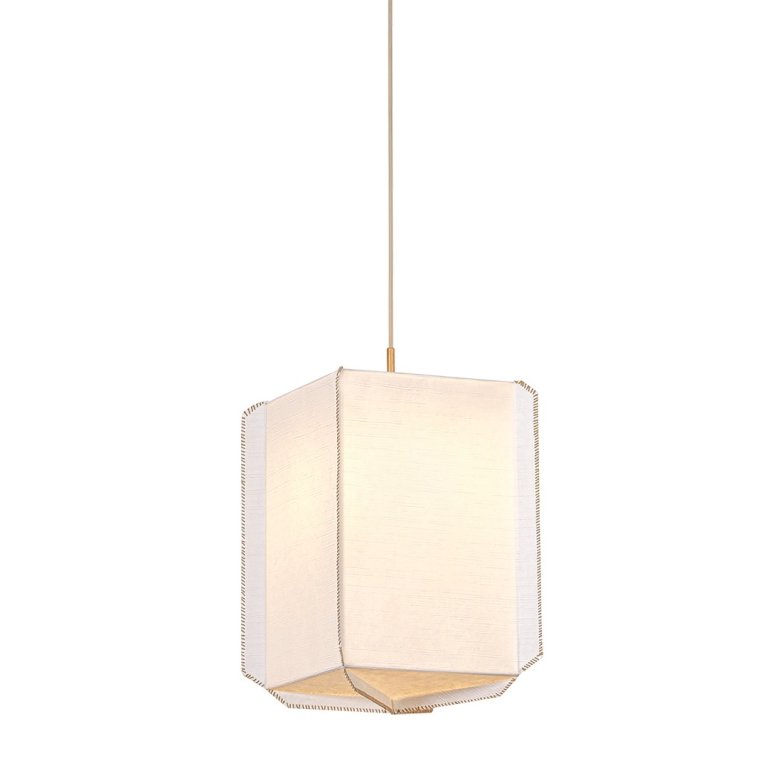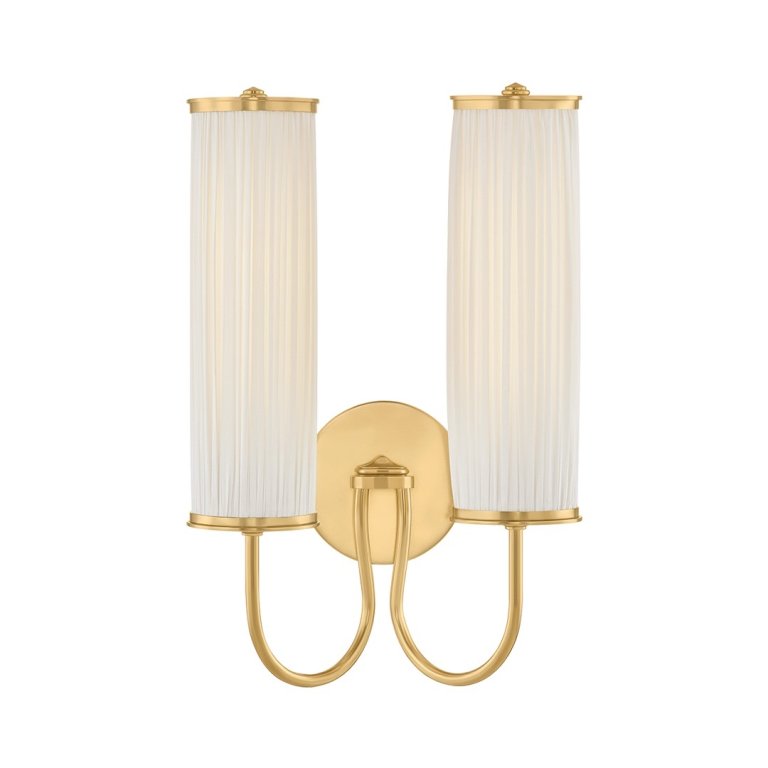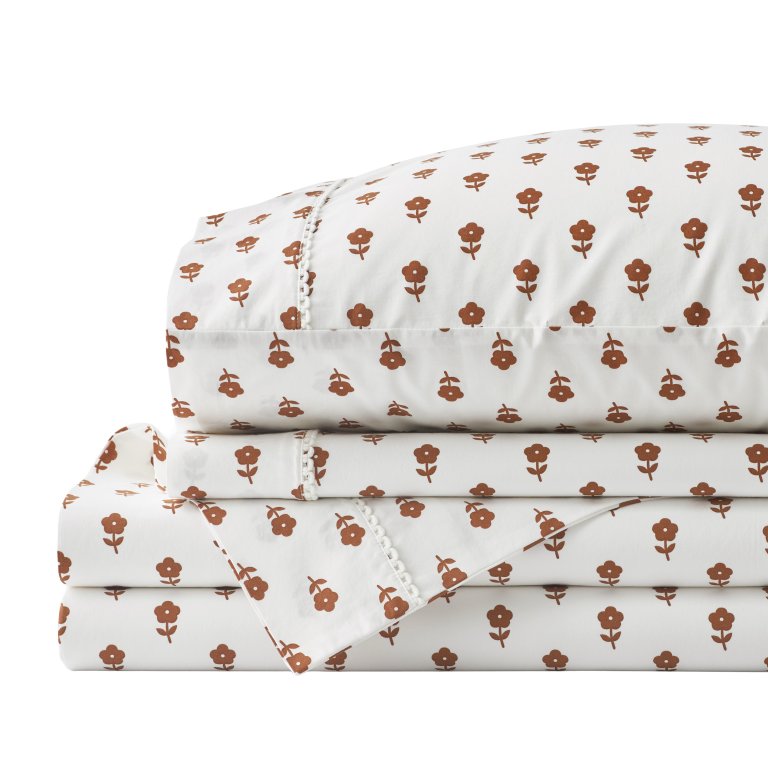
Home textiles: The big opportunity
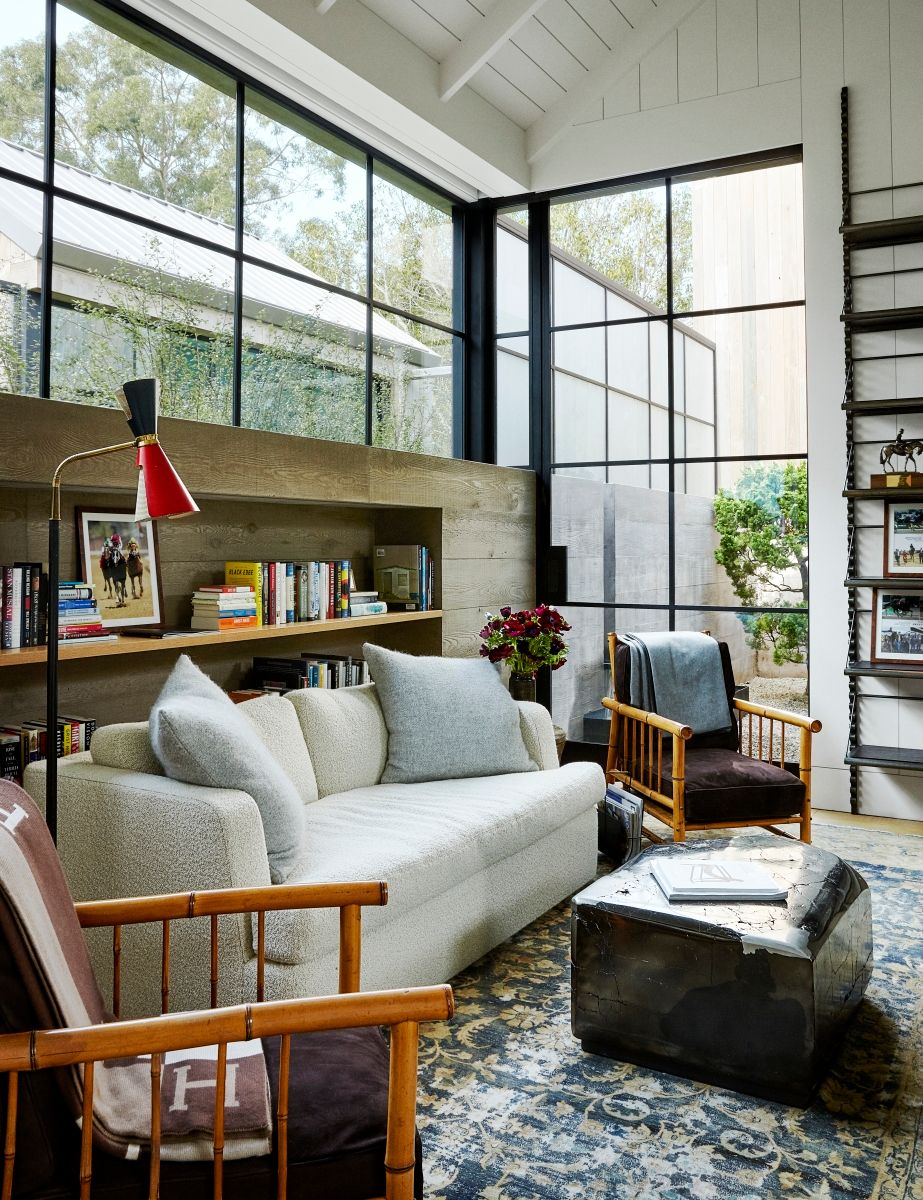
The Indian home textiles market, valued at Rs 17,000 crore, is experiencing significant growth, projected at over 9 percent annually. This expansion is driven by an increase in households, rising disposable incomes, and the growth of the housing, office, hospitality, and healthcare sectors. India is globally recognized for its diverse and well-designed home textiles and furnishing fabrics, with bed and bath linen constituting two-thirds of the market, while kitchen linen, curtains, upholstery, and carpets/rugs make up the remainder.
The market is predominantly unorganized, with less than 10 percent being structured, presenting a substantial opportunity for organized players. Major brands like Raymond Home, Welspun India, Creative Portico, Bombay Dyeing, and Maspar have strategically entered or expanded their presence in this sector. Welspun India, for instance, is the largest Indian manufacturer and a significant global supplier, owning international brands and Indian labels like Spaces and Welhome.
E-commerce platforms are playing a crucial role in this growth, with giants like Flipkart, Snapdeal, Jabong, Paytm, and Amazon.in featuring extensive home decor segments. Specialized e-home stores such as Fabfurnish.com and Bedbathmore.com cater exclusively to this market. The online retail of home textiles is appealing to customers across metro, Tier-2, and Tier-3 cities, offering convenience and a wide assortment of products, including 'cut length' curtains and ready-to-use items. Brands like Portico, Swayam, and Raymond Home are available on these platforms, and some e-tailers also offer their in-house brands and designer collections. The online sector's aggressive discounting and shopping festivals provide a competitive edge over traditional physical retailers, which face higher operational costs.
Despite the rapid growth, challenges persist in manufacturing, including intense global competition, issues with skilled labor, cost pressures, and adapting to diverse consumer needs. Irregular supply of quality raw materials and fluctuating prices also pose problems. However, brands maintain that product quality remains consistent across online and offline channels, with price differences often stemming from the lower overheads of e-commerce. Consumer demographics for home textiles vary, with e-commerce platforms attracting a younger demographic, typically between 18 and 45 years old.
Leading brands offer a diverse range of products. Portico New York has collaborations like 'MTV for Portico' targeting a younger audience, in addition to designer ranges and collections for children. Raymond Home provides bedsheets, blankets, comforters, and towels. Bombay Dyeing features Disney collections and designer bedsheets, while Maspar offers various soft home furnishings. Welspun, a pioneer in towels, also manufactures bedsheets, comforters, and bathrobes. Luxury brands such as La Kairos offer bespoke and limited-edition items at higher price points.
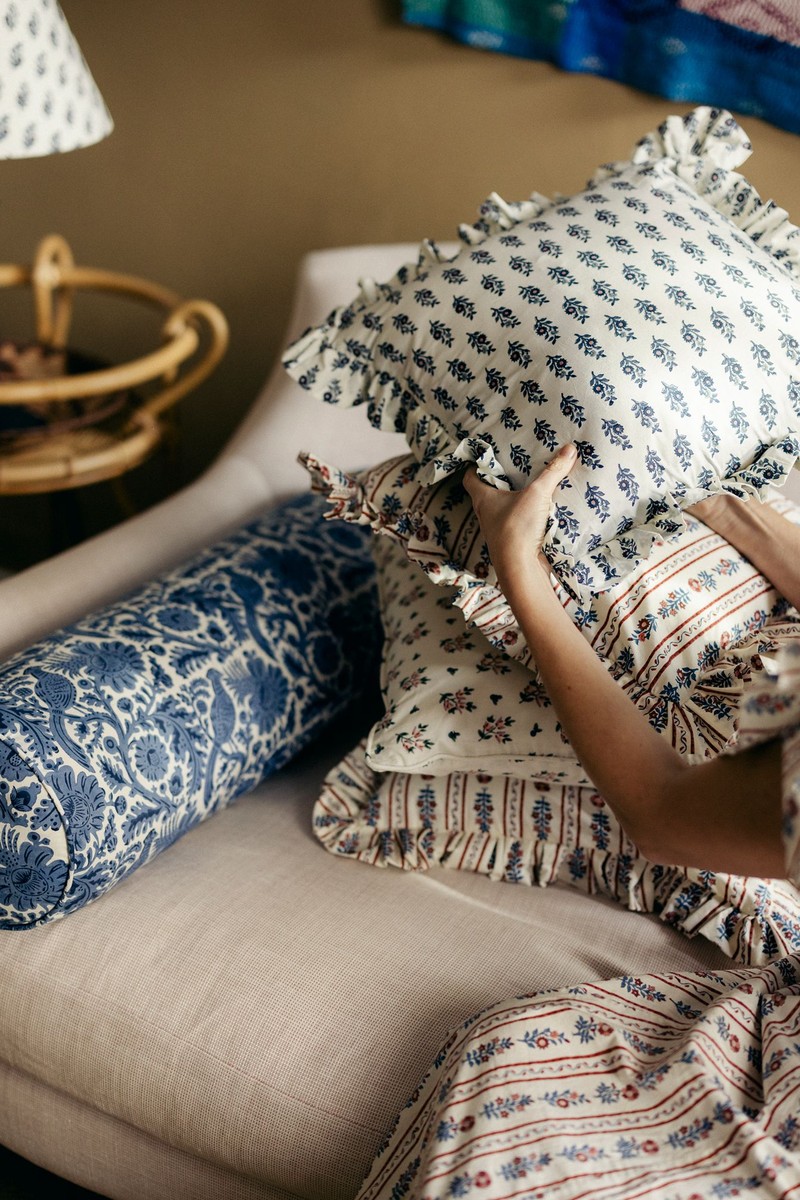
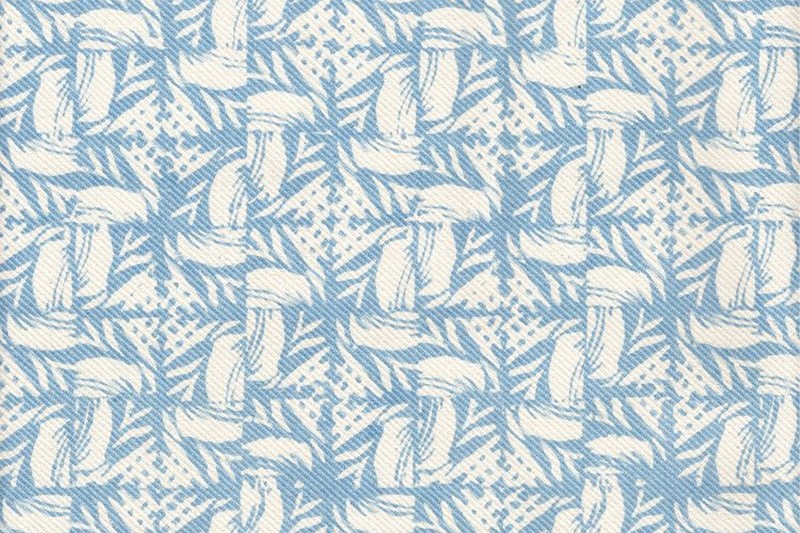
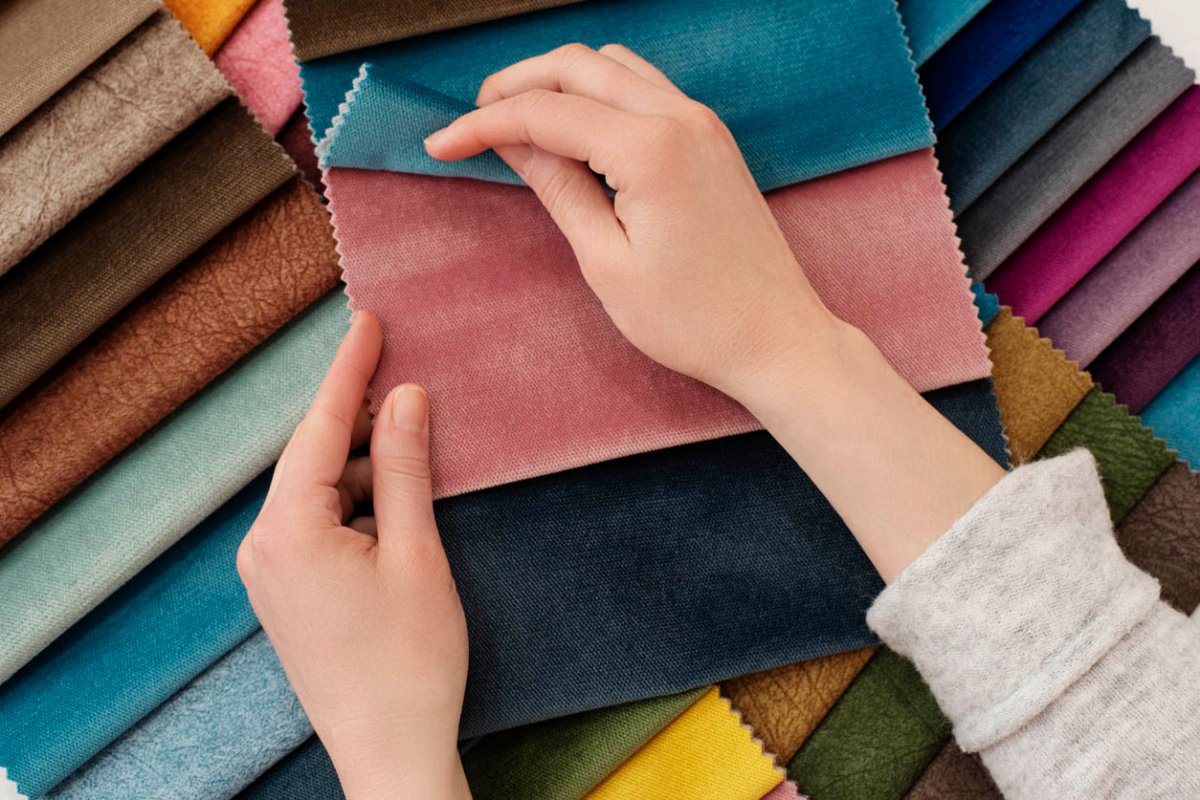
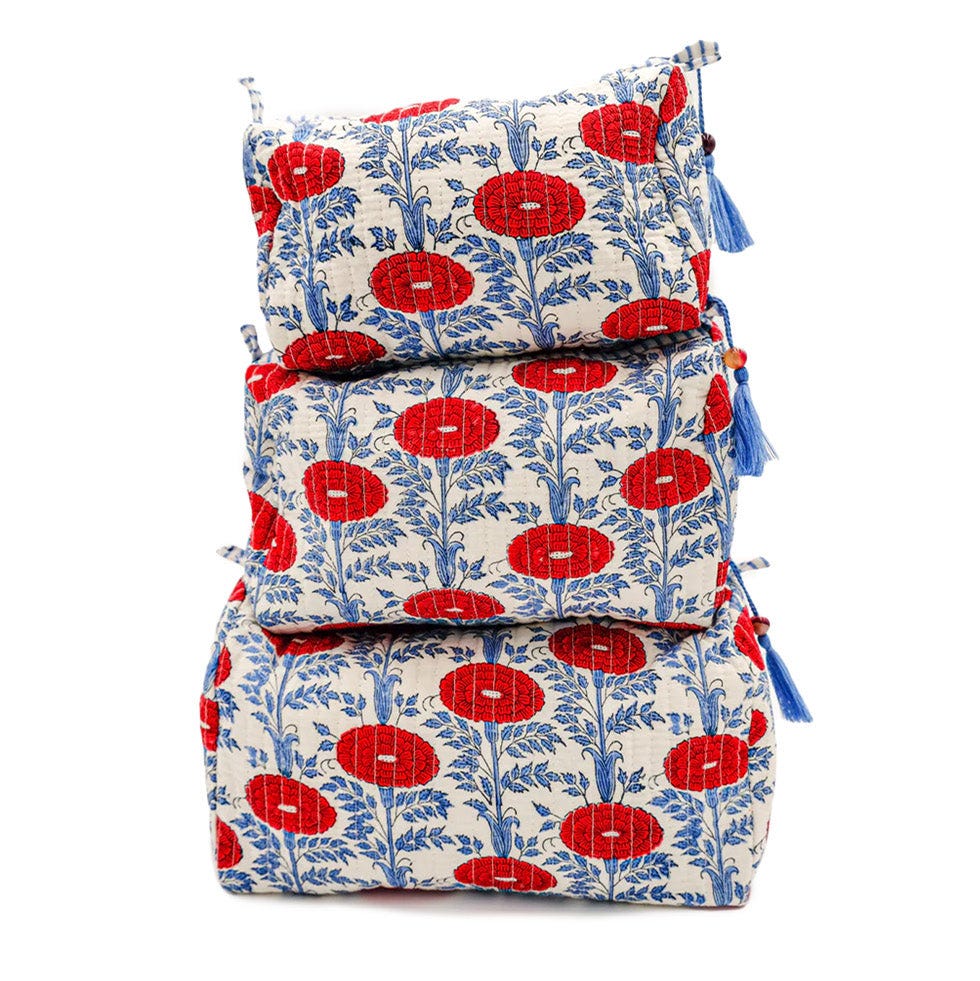
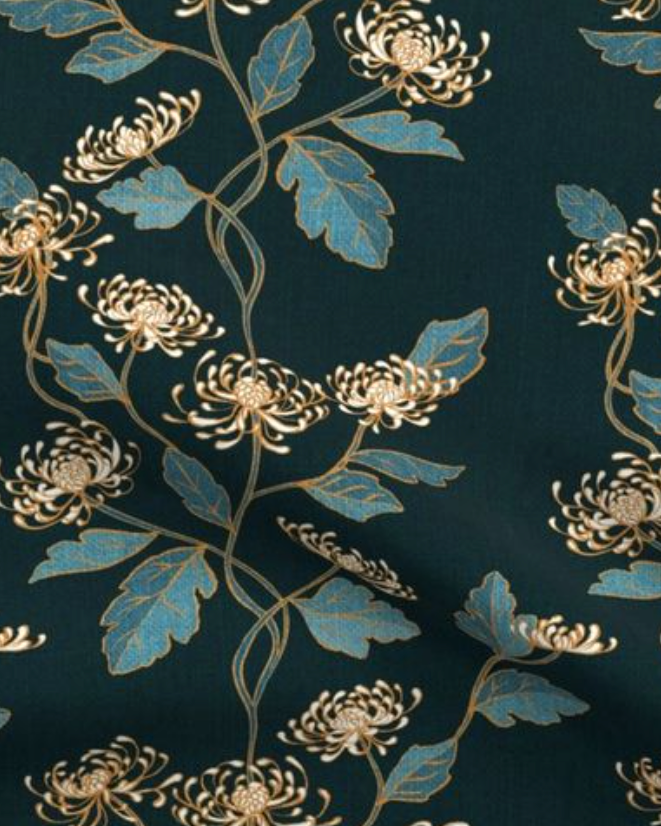
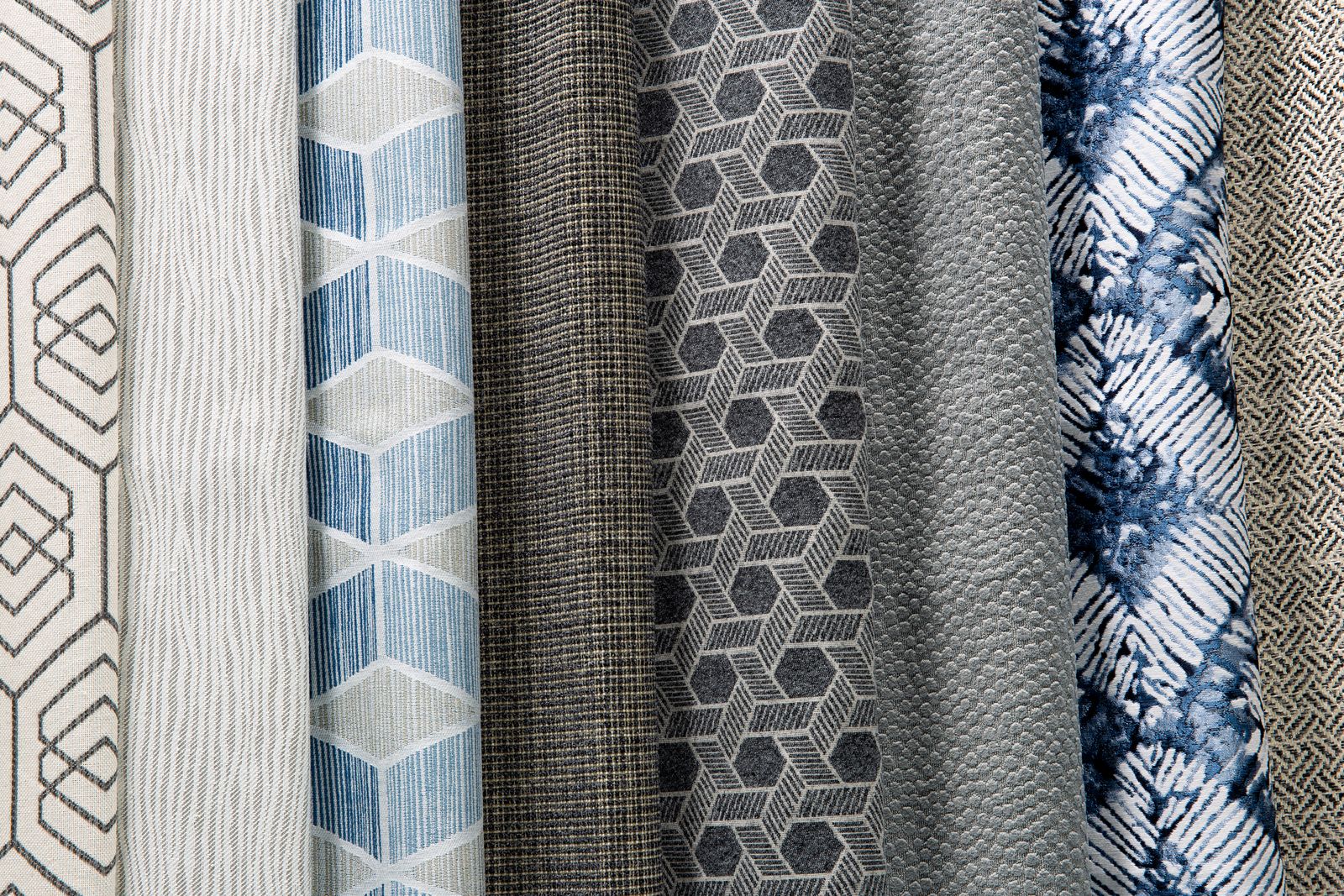
Manufacturers largely use internal design teams that draw inspiration from international trends and consumer feedback. The industry is seeing trends like soft pastels, comic prints, florals, 3D prints, and ethnic designs. Fabrics range from conventional cotton and linen to luxurious chanderi silk, brocade, felt, leather, tussar, and velvet. An increasing emphasis is placed on eco-friendly manufacturing practices, with companies like Welspun recycling water and utilizing sustainable processes. Most brands introduce two major collections annually, catering to Spring/Summer and Autumn/Winter seasons.
Indian home textile exports are substantial, with Welspun exporting 97 percent of its merchandise to 50 countries and supplying to major global retailers like Carrefour and IKEA. Other brands like Maspar and Creative Portico also have strong international presences in markets including France, Canada, the US, and Europe. The Indian home furnishing manufacturers contribute significantly to the global market, offering a spectacular variety of handcrafted products. The industry seeks government reforms to transition the fragmented market into a more organized segment and encourage new ventures.
#HomeTextiles #IndianMarket #ECommerceBoom #TextileIndustry #InteriorDesign #RetailTrends #SustainableManufacturing #GlobalExports #ConsumerBehavior #HomeTextiles #IndianMarket #ECommerceBoom #TextileIndustry #InteriorDesign #RetailTrends #SustainableManufacturing #GlobalExports #ConsumerBehavior
合計0件のコメント
 まだコメントはありません
あなたも好きかもしれません
The New Fabric Launches Worth Knowing About
The 5 Fabric Trends Ruling Interiors Now, According to the Pros

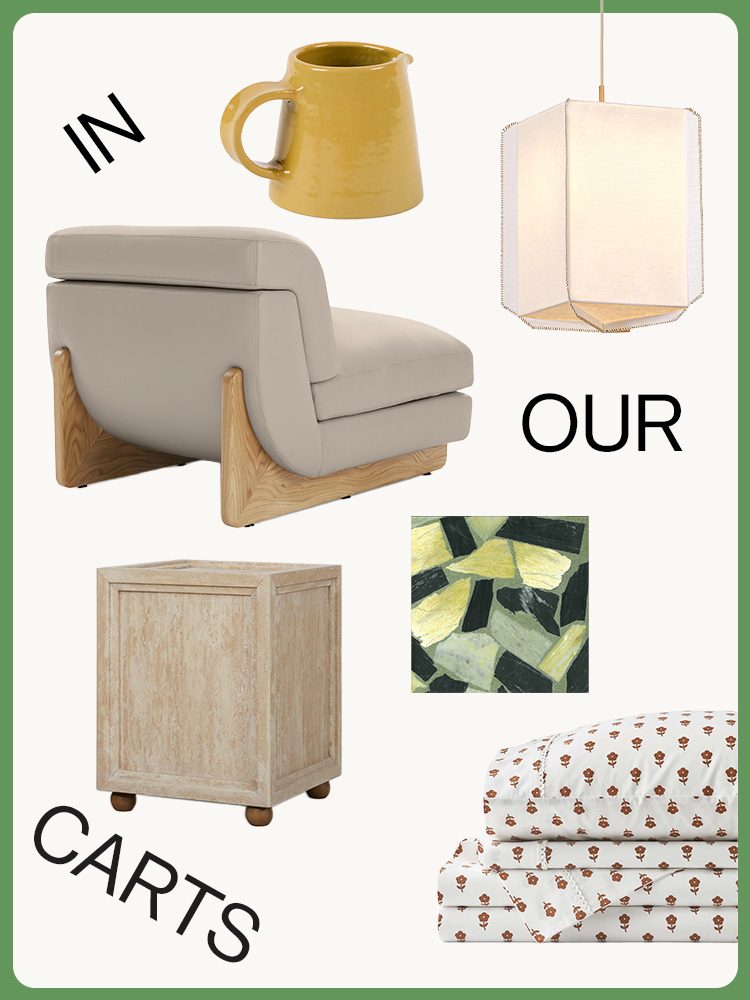
Gelato-Inspired Tiles, a New Sixpenny Sofa, and Heather Taylor Home Starting at $12

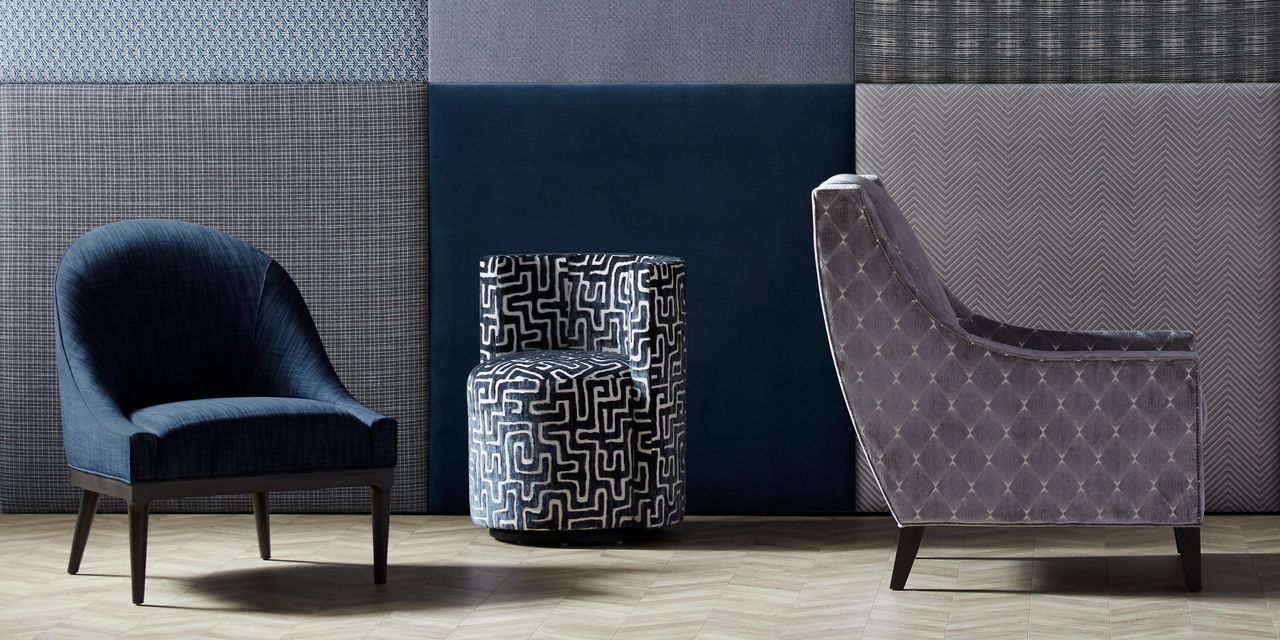
You Can Now Spec Kravet Fabric at Mitchell Gold + Bob Williams

15 highlights from Heimtextil: spot the textile trends for 2025


Meet Inner Child, the Home Decor Brand Handcrafting Maximalist Magic


Transforming Home Comfort

Crossover skills give upholsterers business opportunities in many markets

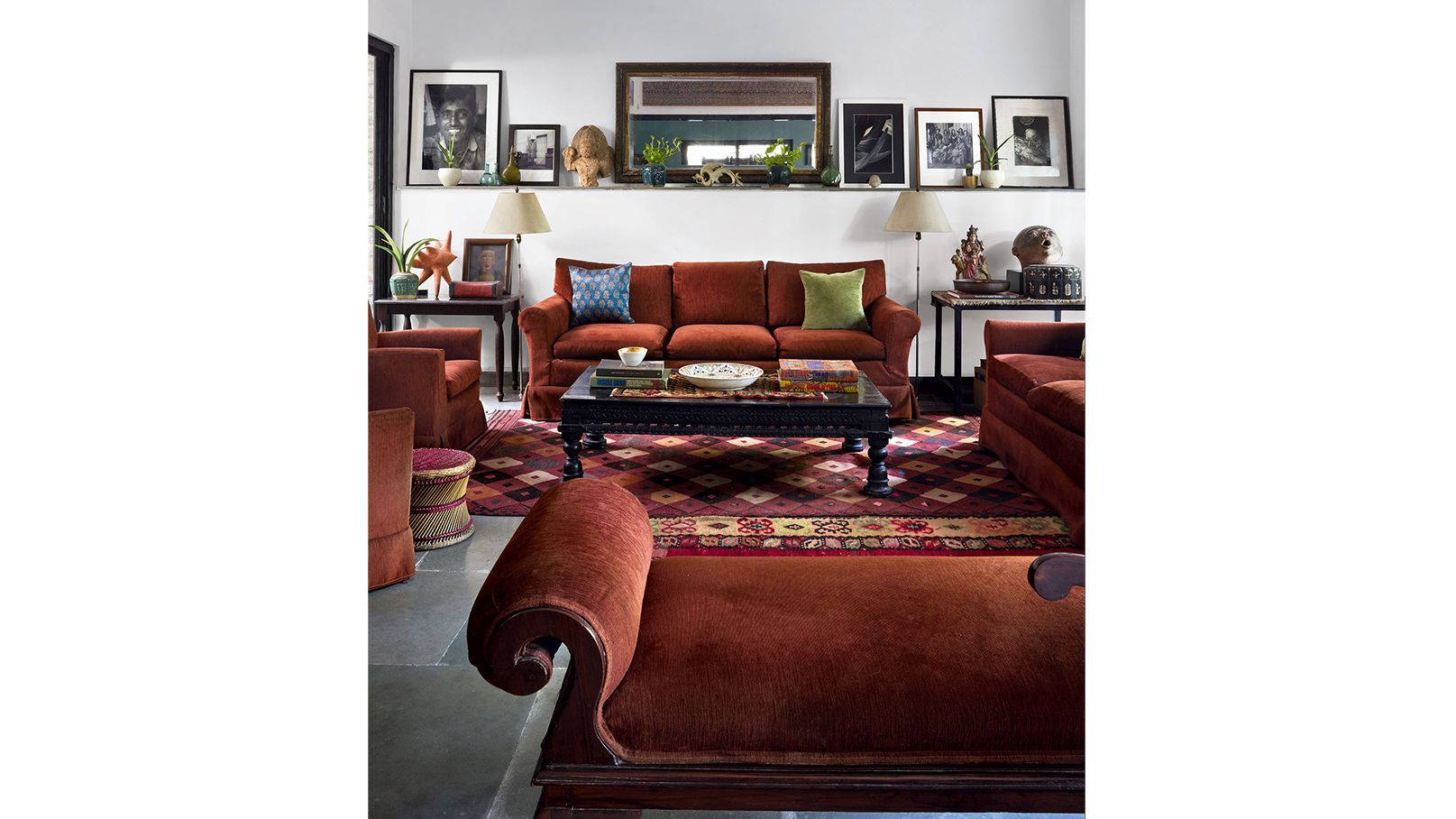
The 5 fabric trends ruling interiors now, according to the pros

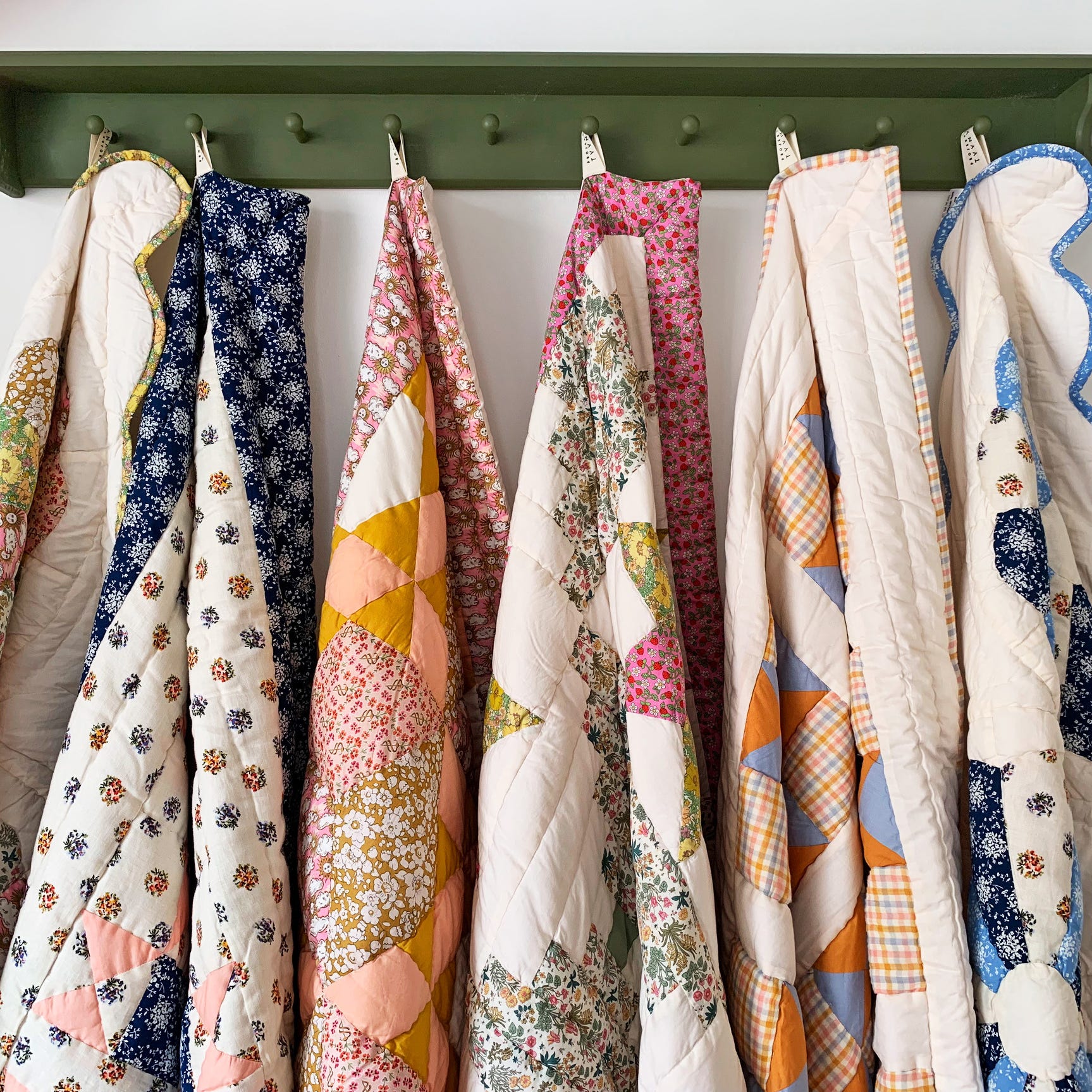
Where to Buy Fabric Now that JOANN is Closing for Good
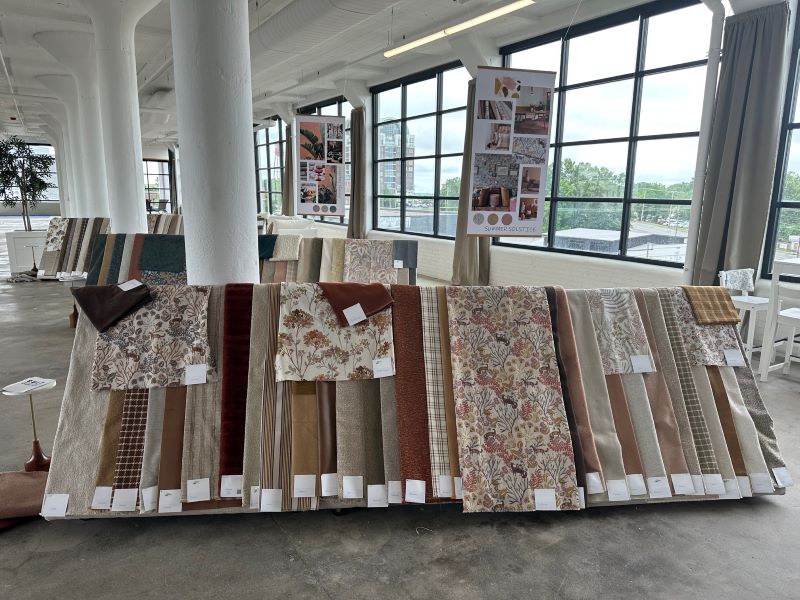
Seen at Interwoven May 2024

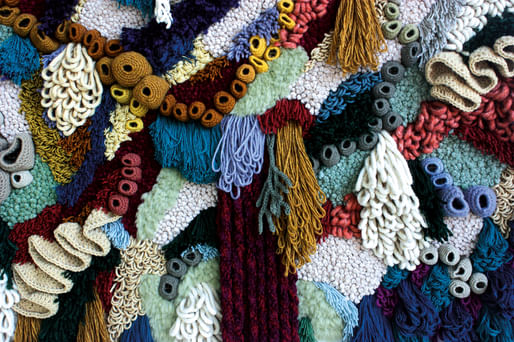
Rugs and Textiles go Vertical as Wall Art
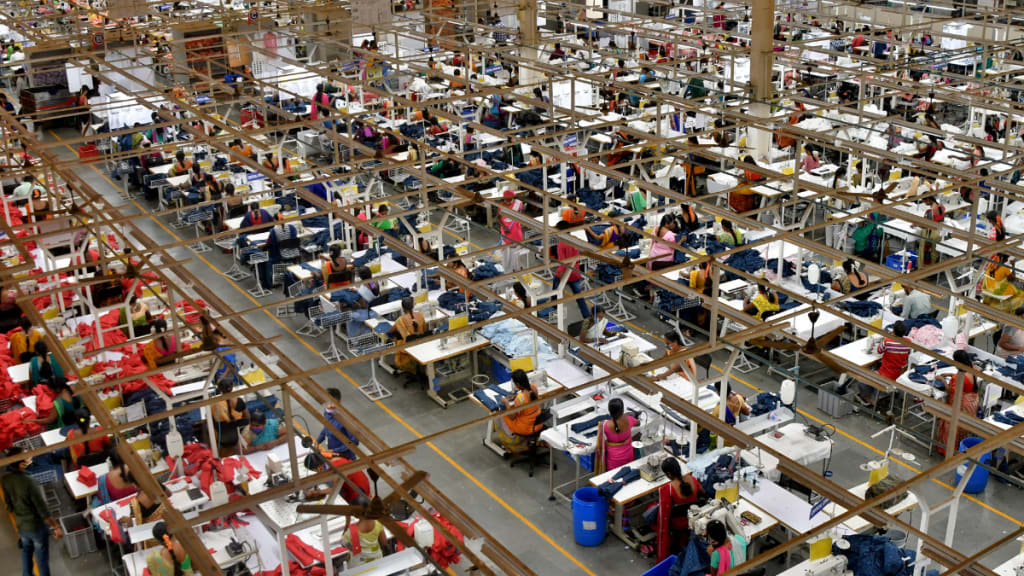
Home Textile Industry News: Growth and Challenges in 2025
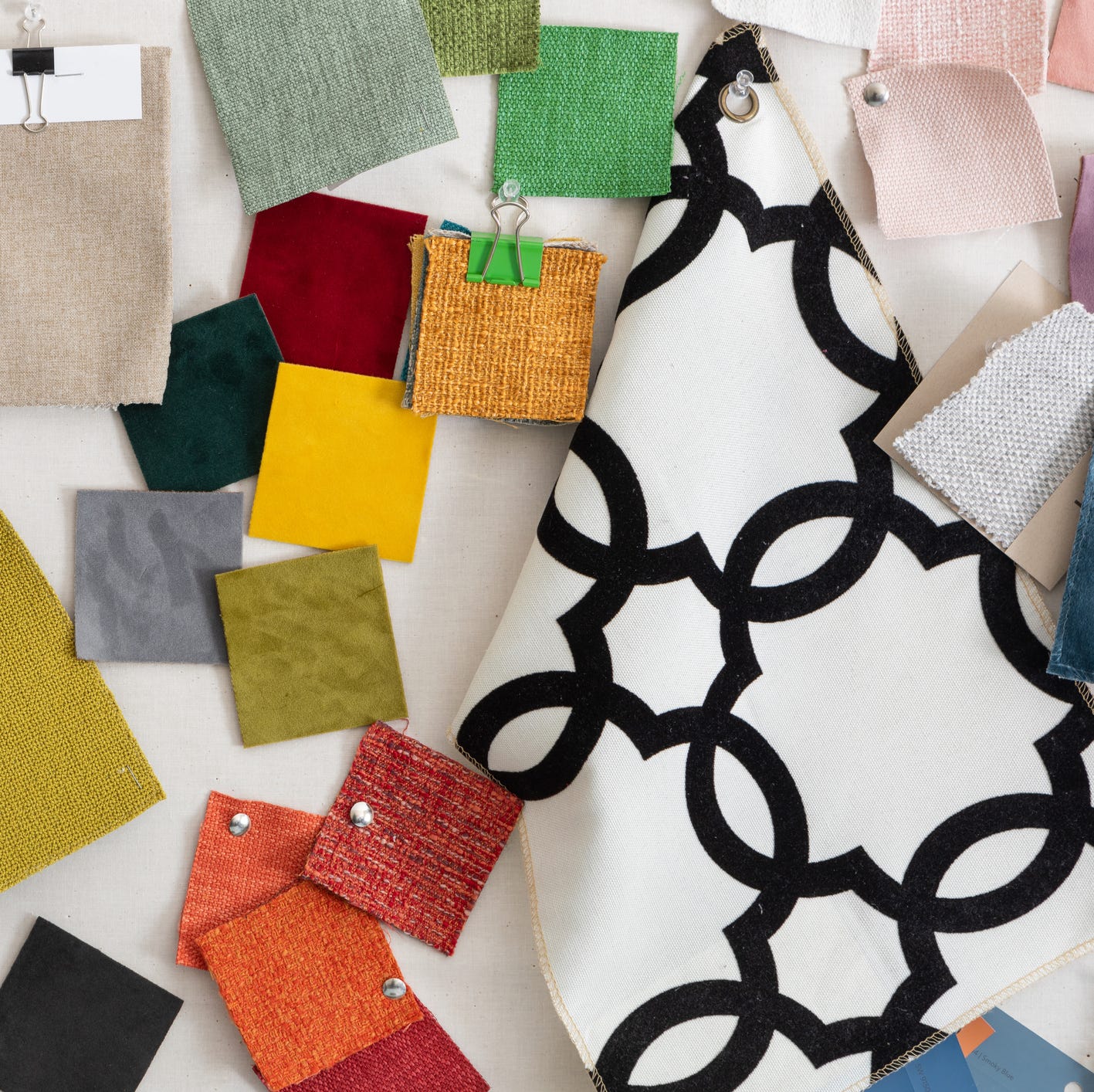
15 Places to Buy Fabric Online, From Budget Finds to Designer Faves

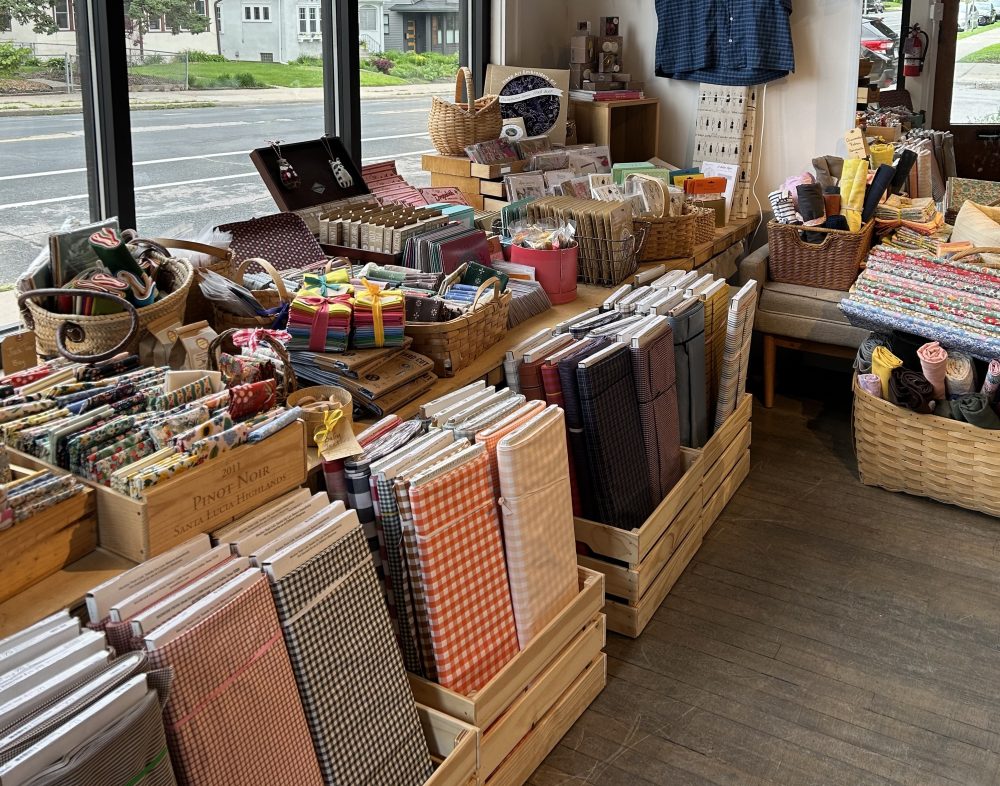
Your Neighborhood Textile Stores: Where To Go Now That JOANN Is Gone

Ticking Trends: What’s New, Now, Next

The Best Online Fabric Stores Today
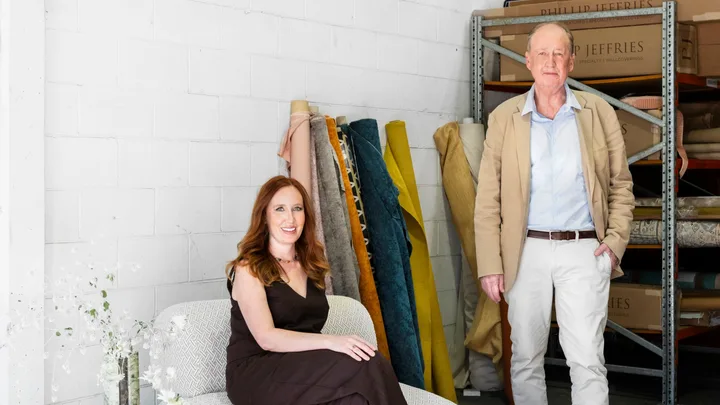
The evolution of The Textile Company and its family-led legacy

8 Great Alternatives to Joann Fabrics Now That the Company Is Gone for Good

9 Best Places to Buy High-Quality Fabric Now That JOANN Is Closing