
1/4
Does Stain-Resistant Upholstery Work? A New Study Says Not Really
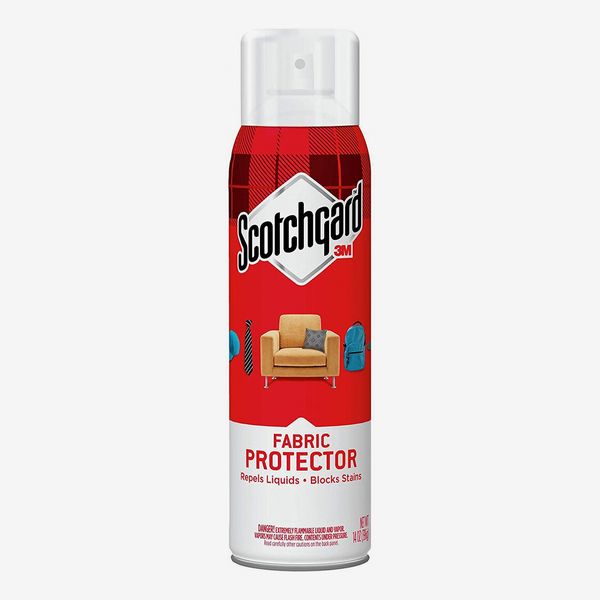
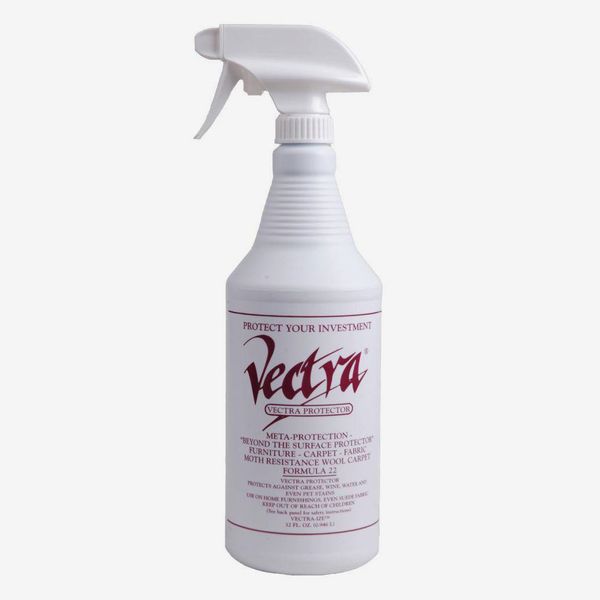
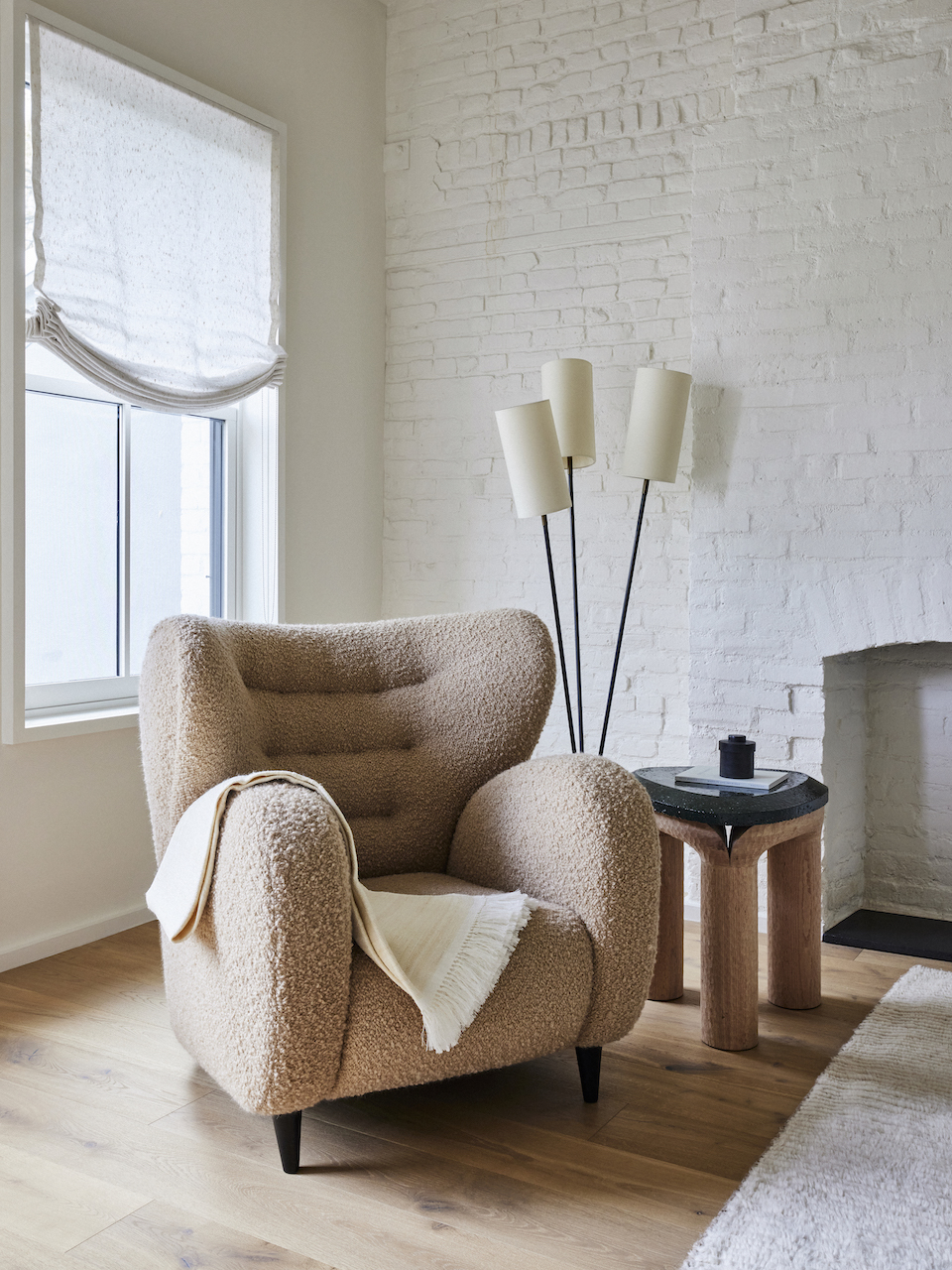
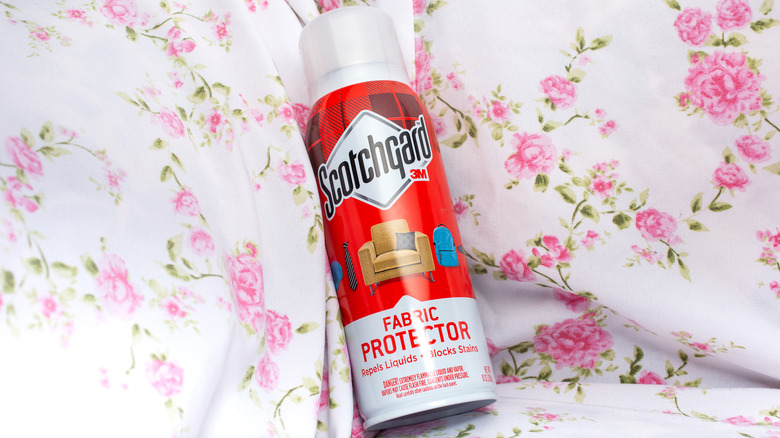
The concept of stain-resistant upholstery, often appealing to individuals with pets, children, or a penchant for spills, has been widely promoted in the home furnishings market. However, a recent peer-reviewed study conducted by the American Association of Textile Chemists and Colorists (AATCC) challenges the effectiveness of such products, particularly those treated with polyfluoroalkyl substances (PFAS). PFAS are 'forever chemicals' linked to various health concerns, including weight gain and cancer, raising questions about their presence in home textiles.
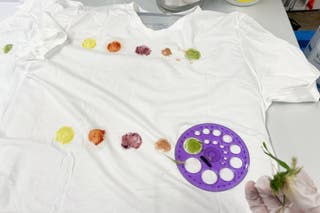
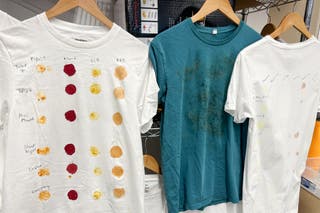
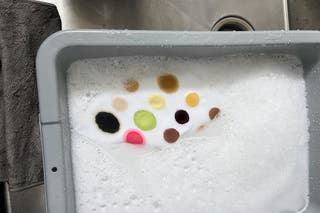
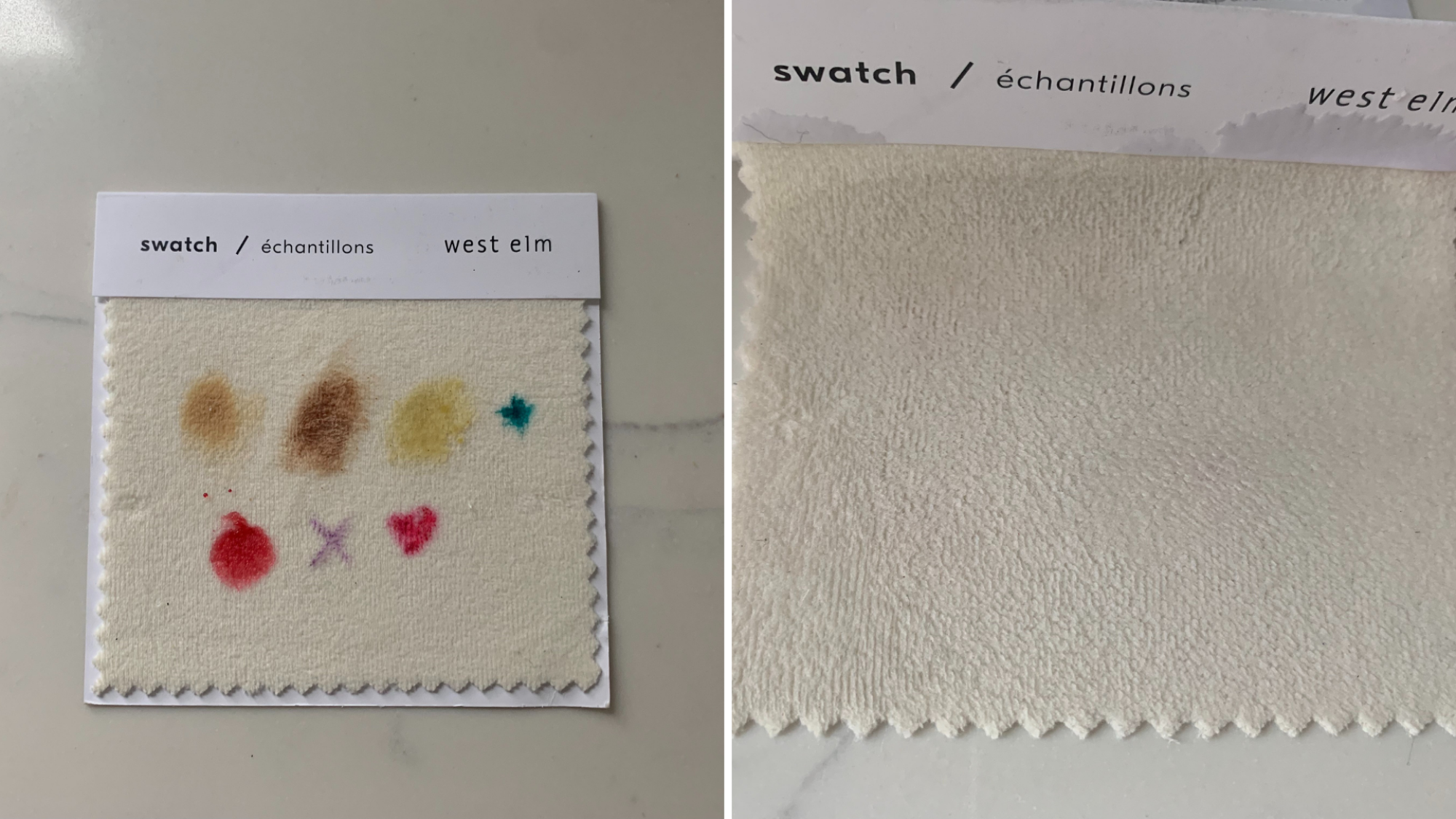
The study involved testing six PFAS-treated textiles alongside three untreated ones, using common household spills like coffee and oil-based salad dressing. The findings indicated that stain-resistant treatments offered limited to no real-world effectiveness in preventing stains. While some treated materials showed minor improvements against greasy spills, the inherent properties of the fabric type (e.g., polyester versus cotton) were found to be more significant in repellency. Furthermore, the study highlighted that any observed repellency in treated fabrics is often short-lived, implying that the stain-resistant properties diminish within a few months, whereas the PFAS chemicals persist.
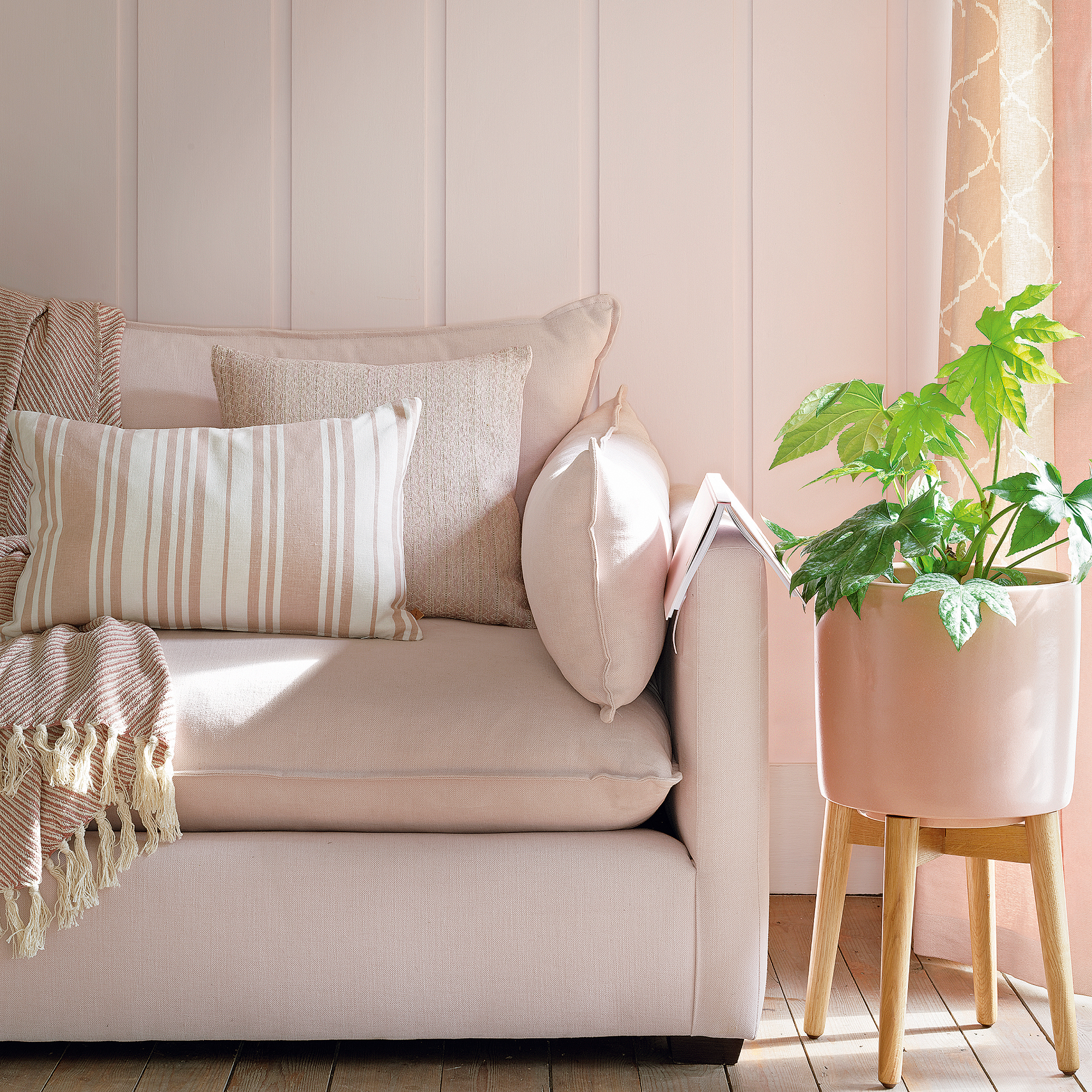
Given these findings, the article suggests alternative, toxin-free strategies for maintaining clean furniture without relying on PFAS-laden products. One key recommendation is to choose high-performing fabrics and colors. Darker solids and patterns are more effective at masking stains, especially water-based spills. Synthetic materials like polyester are naturally less absorbent, and wool, with its lanolin content, offers inherent repellency. These choices leverage the material's natural characteristics rather than chemical treatments.
Another practical solution is to opt for machine-washable upholstery. The resurgence of slipcovered furniture and the availability of products from brands like Levity and Ruggable, which offer machine-washable components for various furniture styles, provide consumers with the convenience of easy cleaning. This approach allows for thorough stain removal without the need for chemical treatments, making it a sustainable and safe option for households.
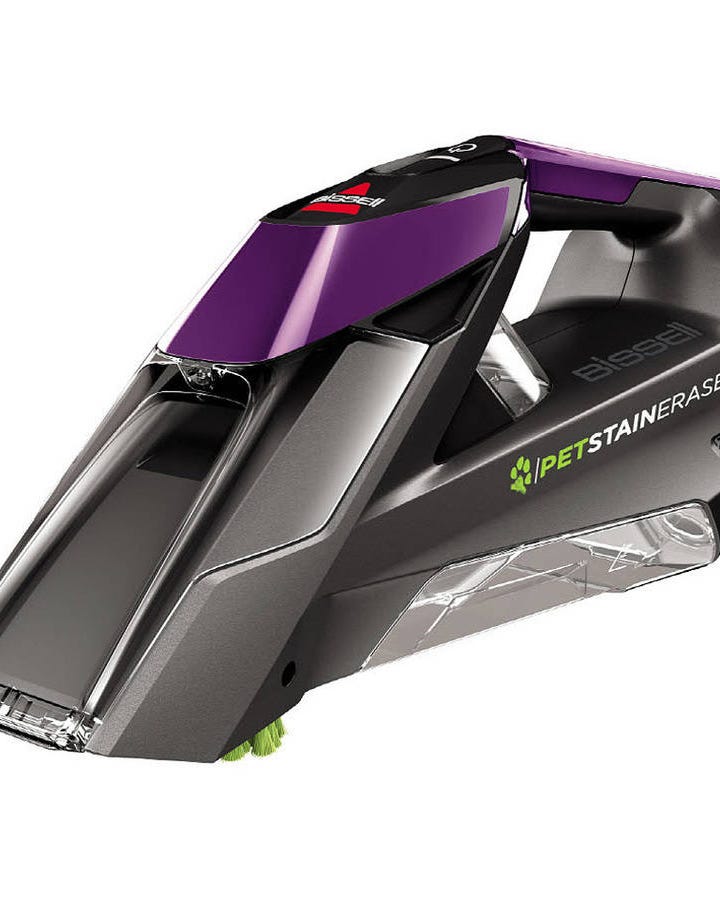
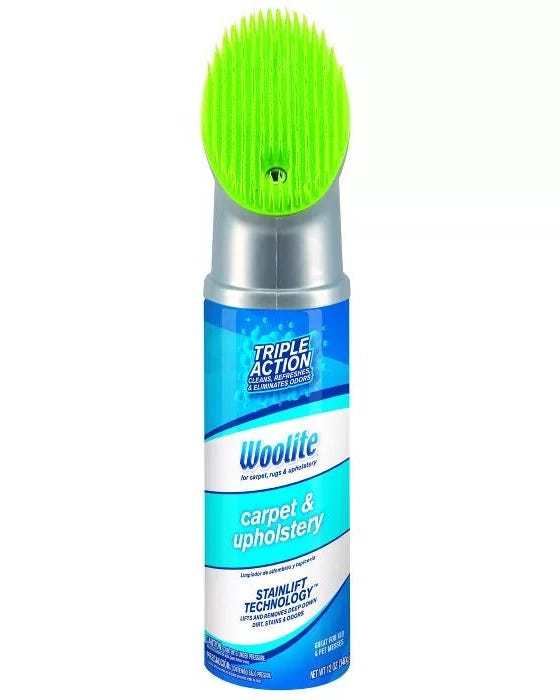
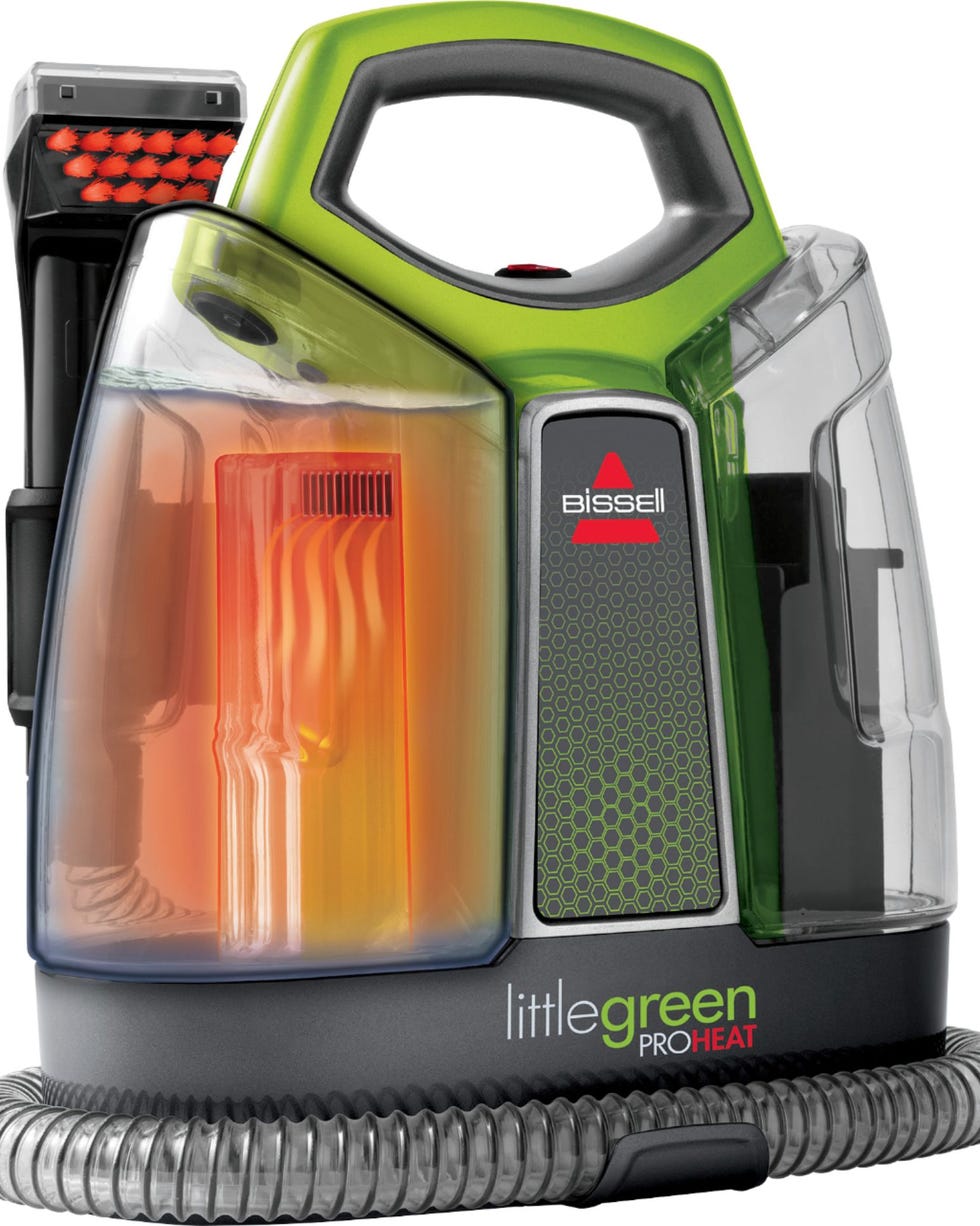
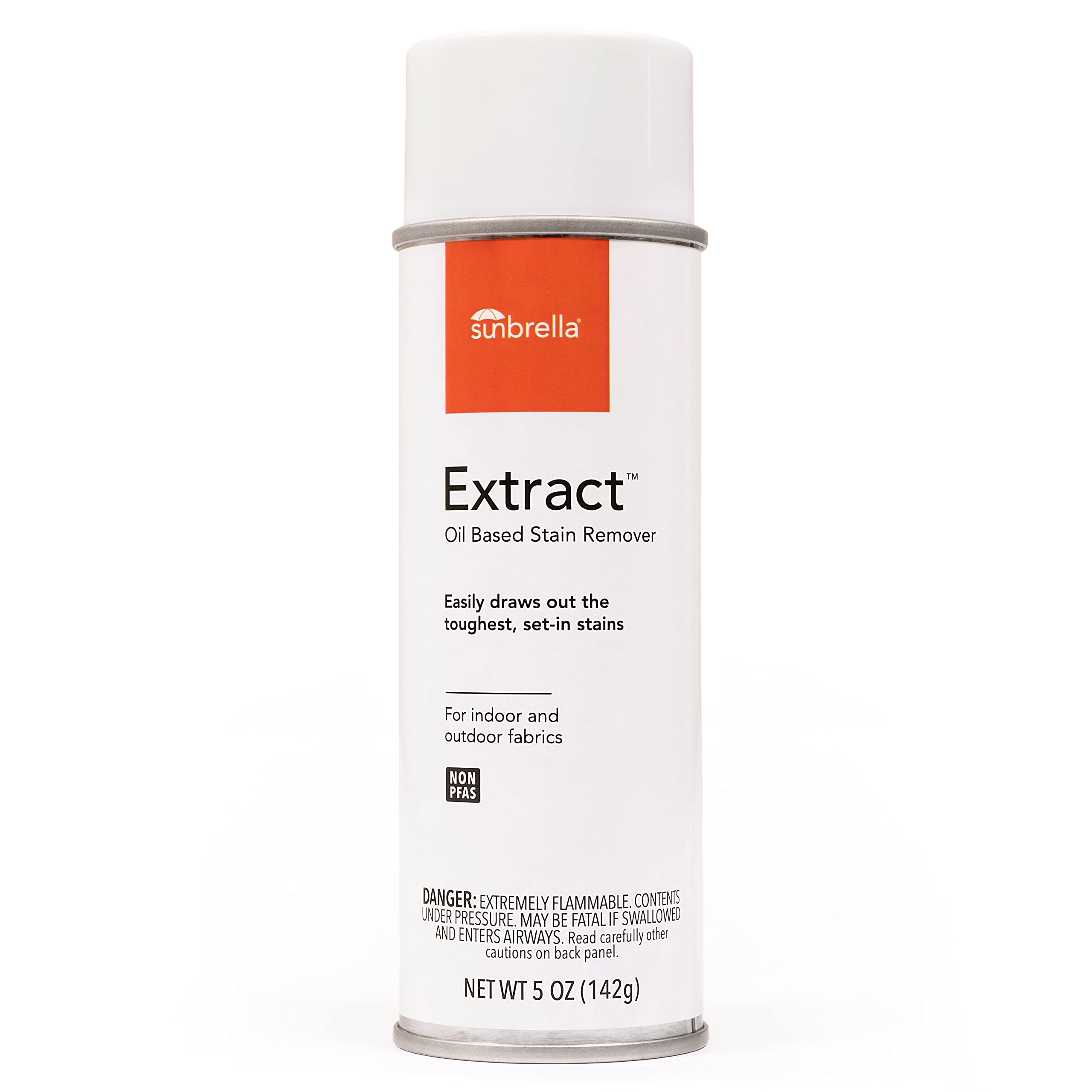
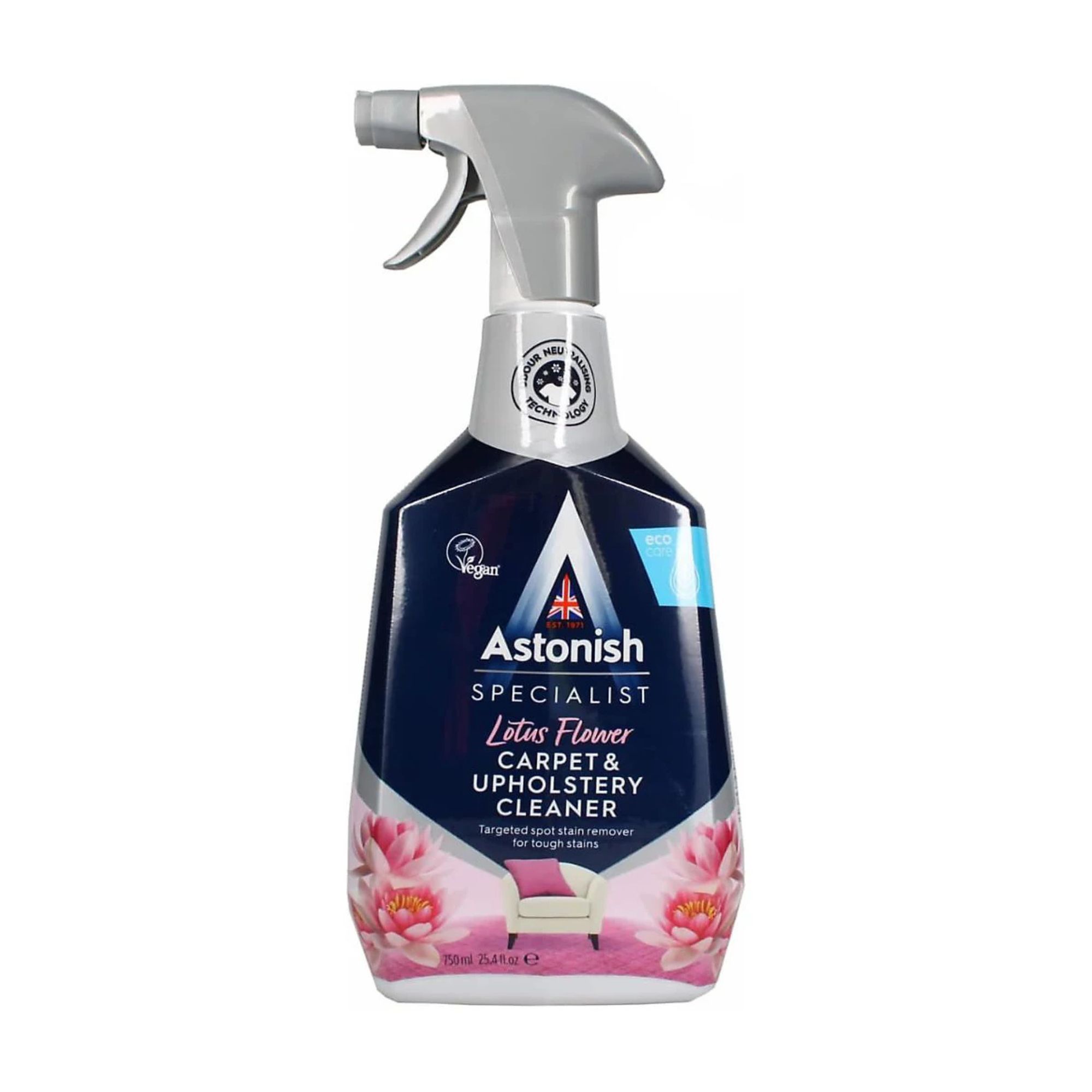
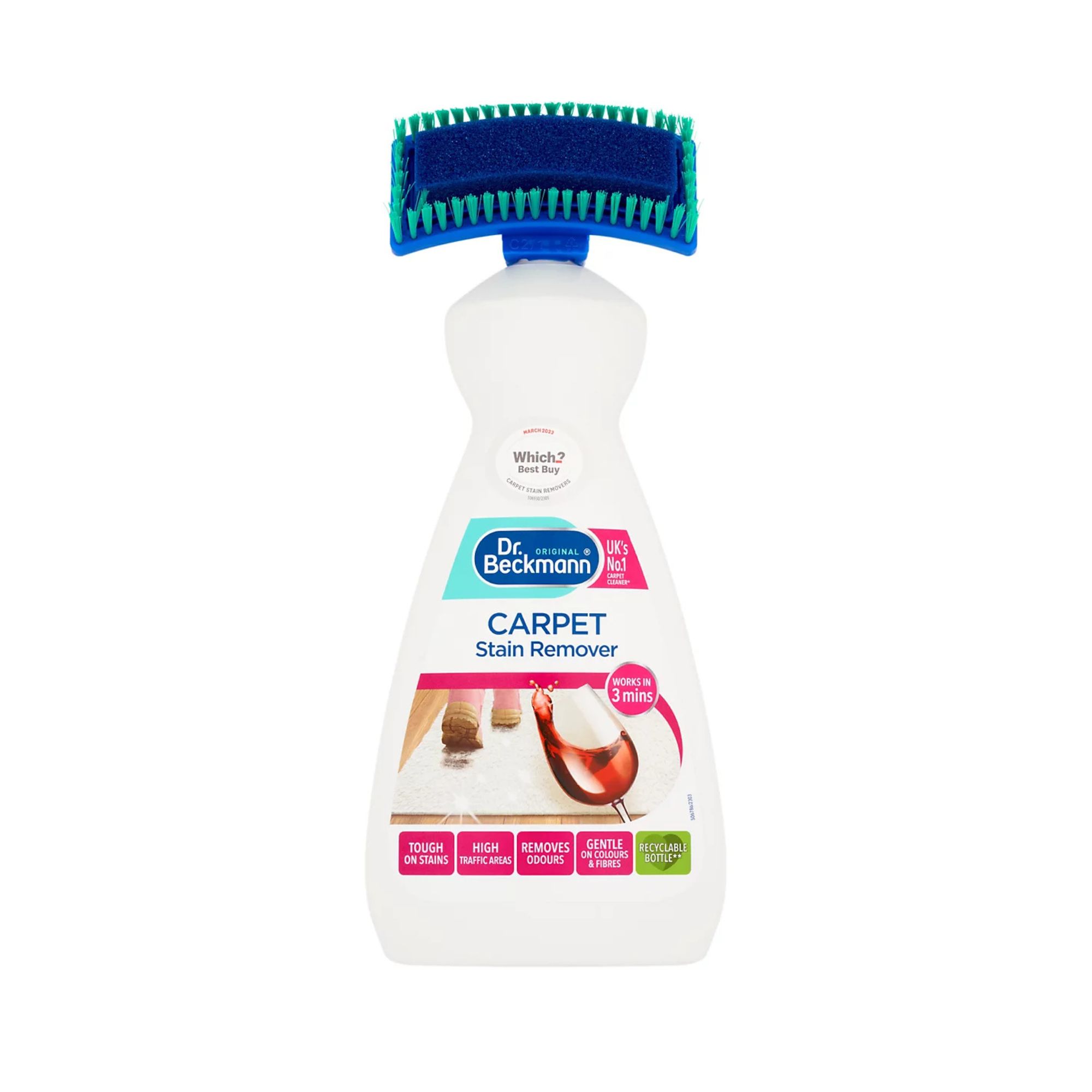
Finally, the article emphasizes the importance of having effective, safe spot treatments readily available for immediate action against spills. Examples include using Magic Erasers for tough marks or natural stain removers like Nellie's Wow Stick. The author also references expert-tested upholstery cleaners that are chemical-free, ensuring that prompt and safe stain management is possible without introducing harmful substances into the home. These proactive and reactive strategies offer practical alternatives to relying on potentially ineffective and harmful stain-resistant chemical treatments.
#StainResistantUpholstery #PFASChemicals #HomeDecor #TextileStudy #NonToxicLiving #UpholsteryCare #FabricSelection #MachineWashableFurniture #StainRemoval #InteriorDesign #StainResistantUpholstery #PFASChemicals #HomeDecor #TextileStudy #NonToxicLiving #UpholsteryCare #FabricSelection #MachineWashableFurniture #StainRemoval #InteriorDesign
合計0件のコメント
 まだコメントはありません
あなたも好きかもしれません
10 Best Upholstery Cleaners to Tackle Every Kind of Stain

How to Protect Fabric Furniture From Stains and Dirt
I’m a cleaning editor, and these are the 6 best upholstery cleaners I rate to refresh sofas, curtains and carpets

Successful Staining

Does the Purple Waterproof Mattress Protector really offer the gold standard of stain protection? I tested it to see


How to clean a linen sofa to keep it in pristine condition – even in a busy family home

Rover is welcome on this miracle furniture
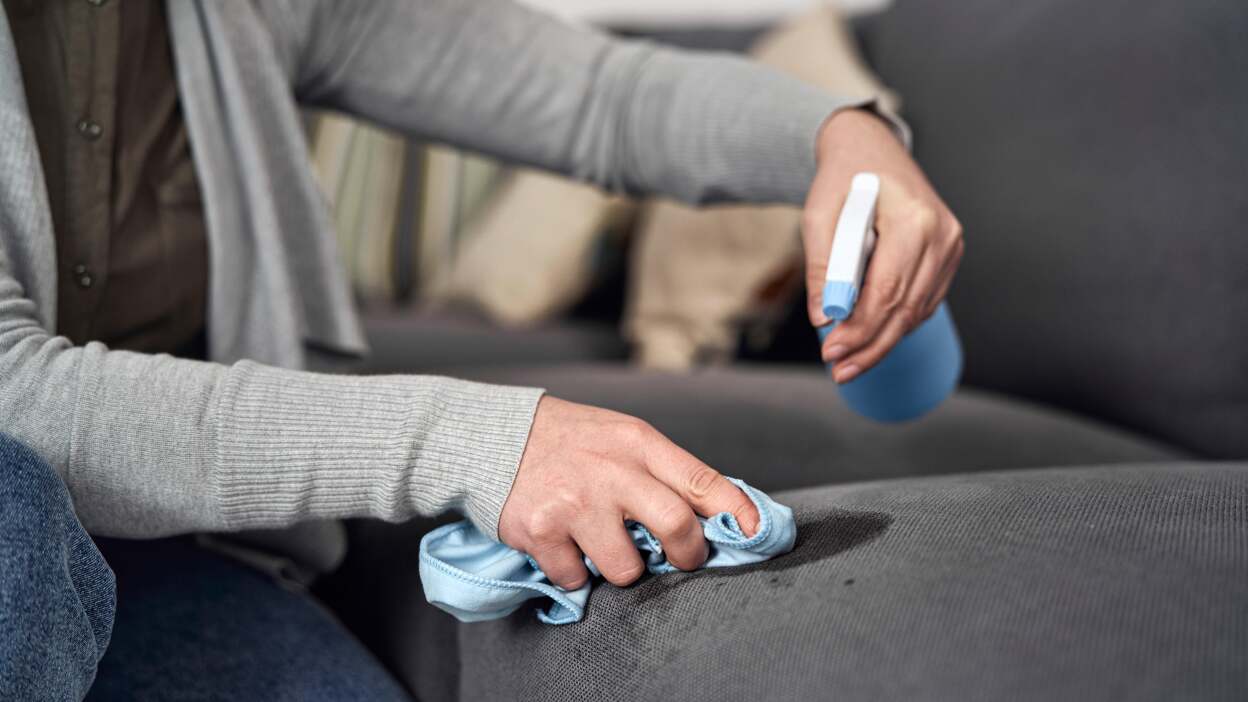
You Can Test a Couch’s Stain Resistance Before You Even Buy It

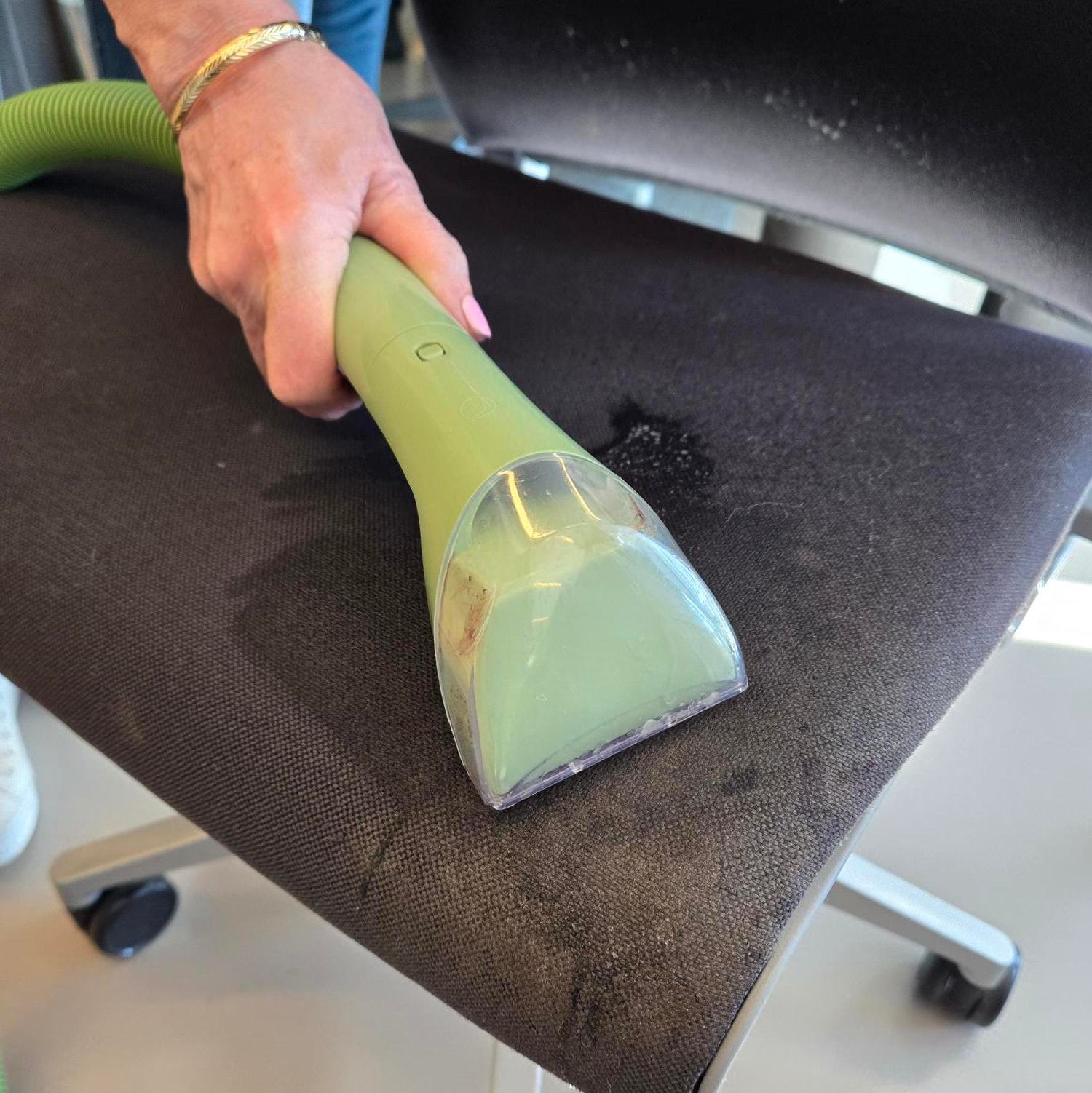
The Best Upholstery Cleaners to Make Stubborn Stains Disappear

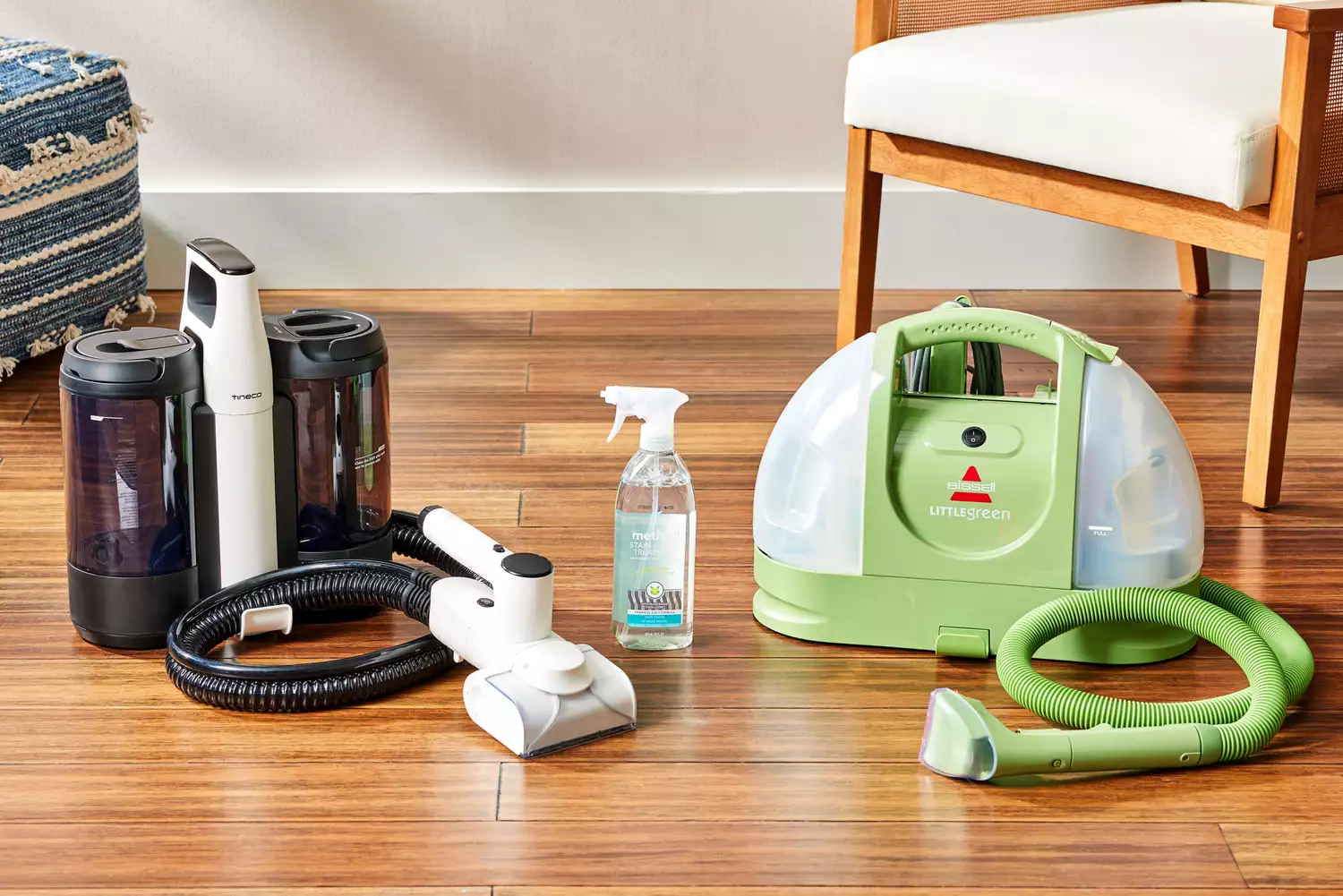
Between Pets, Kids, and Spills, These Upholstery Cleaners Saved Our Sofa's Appearance
The 6 Best Stain Removers of 2026 | Reviews by Wirecutter

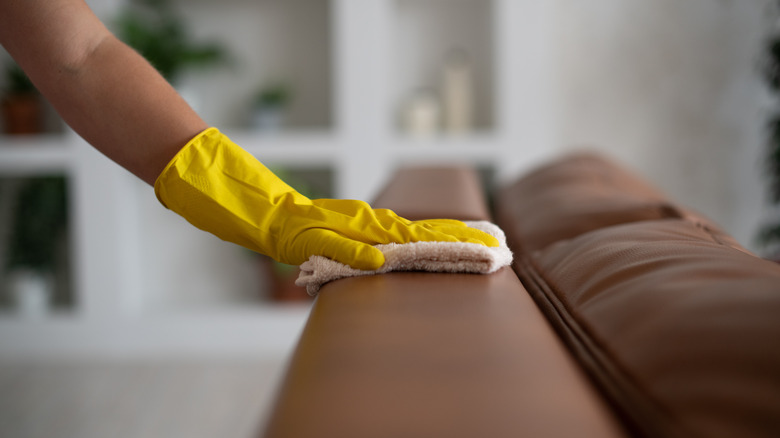
Why Scotchgarding Your Furniture Might Be A Big Mistake

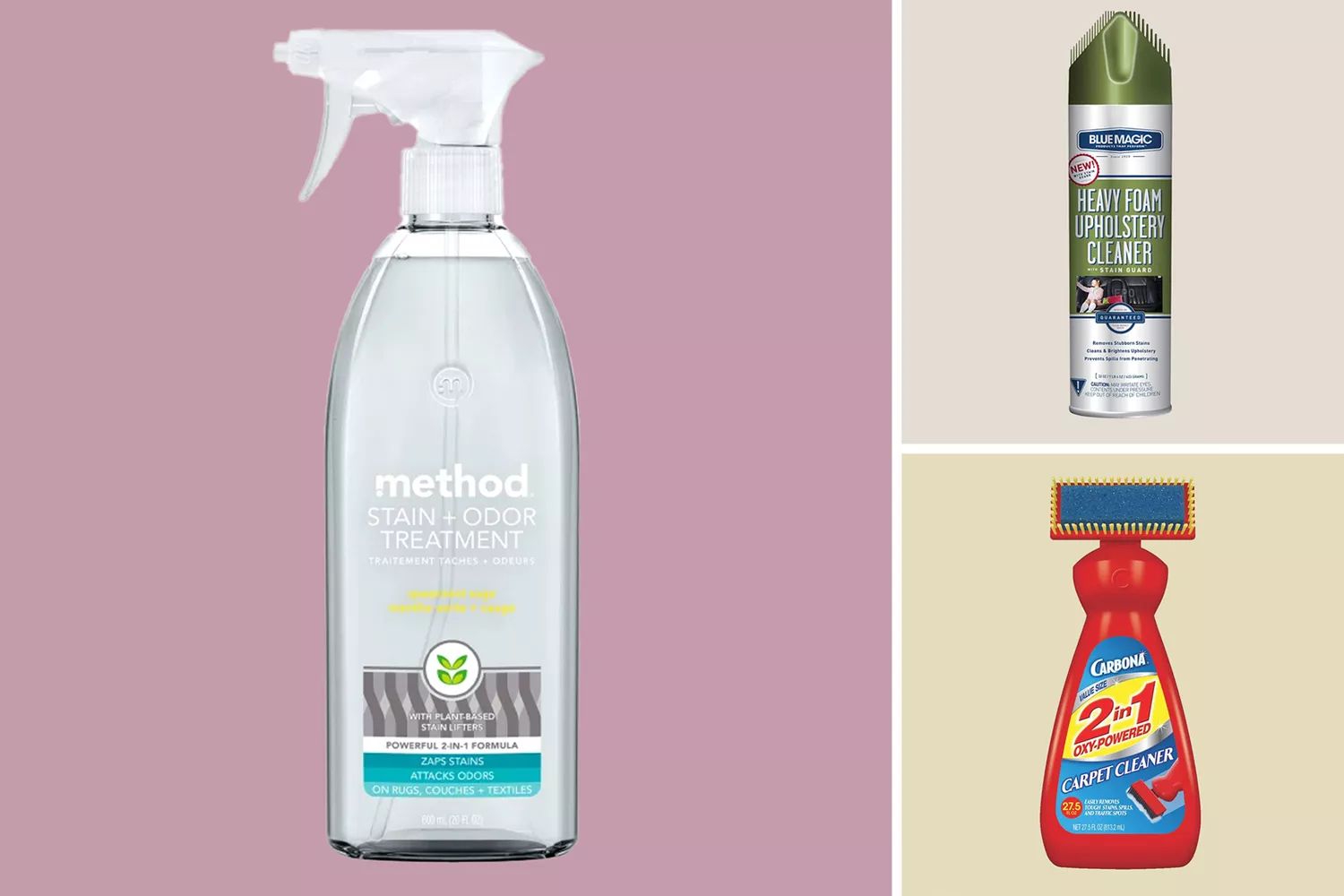
These 10 Upholstery Cleaners Will Make Your Furniture Look Like New, Say Pro Cleaners


This is the Best Fabric Protector for Your Sofa, According to All the Cleaning Professionals We Asked

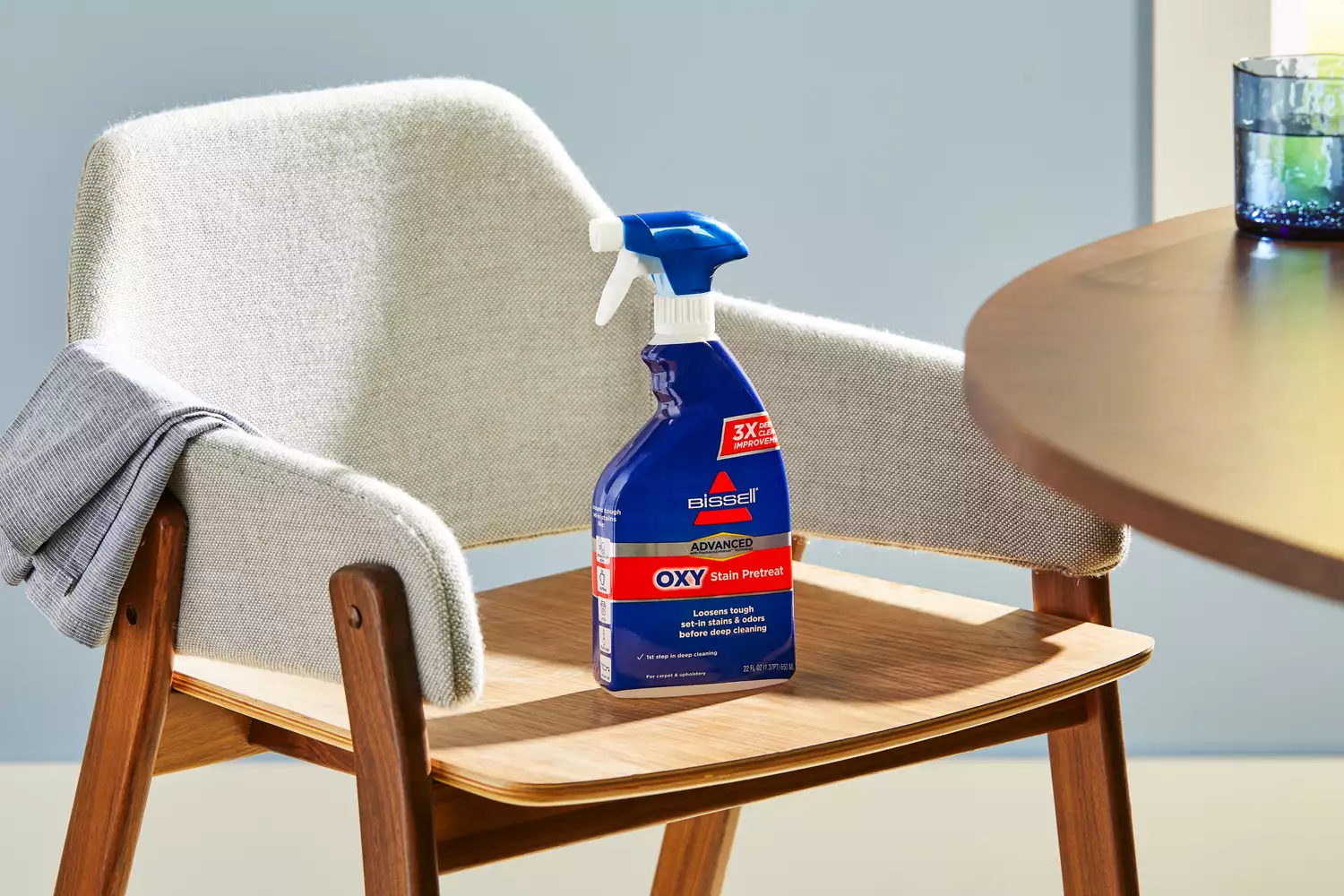
We Stained Our Rugs and Couches—These Sprays Made the Mess Disappear Like Magic

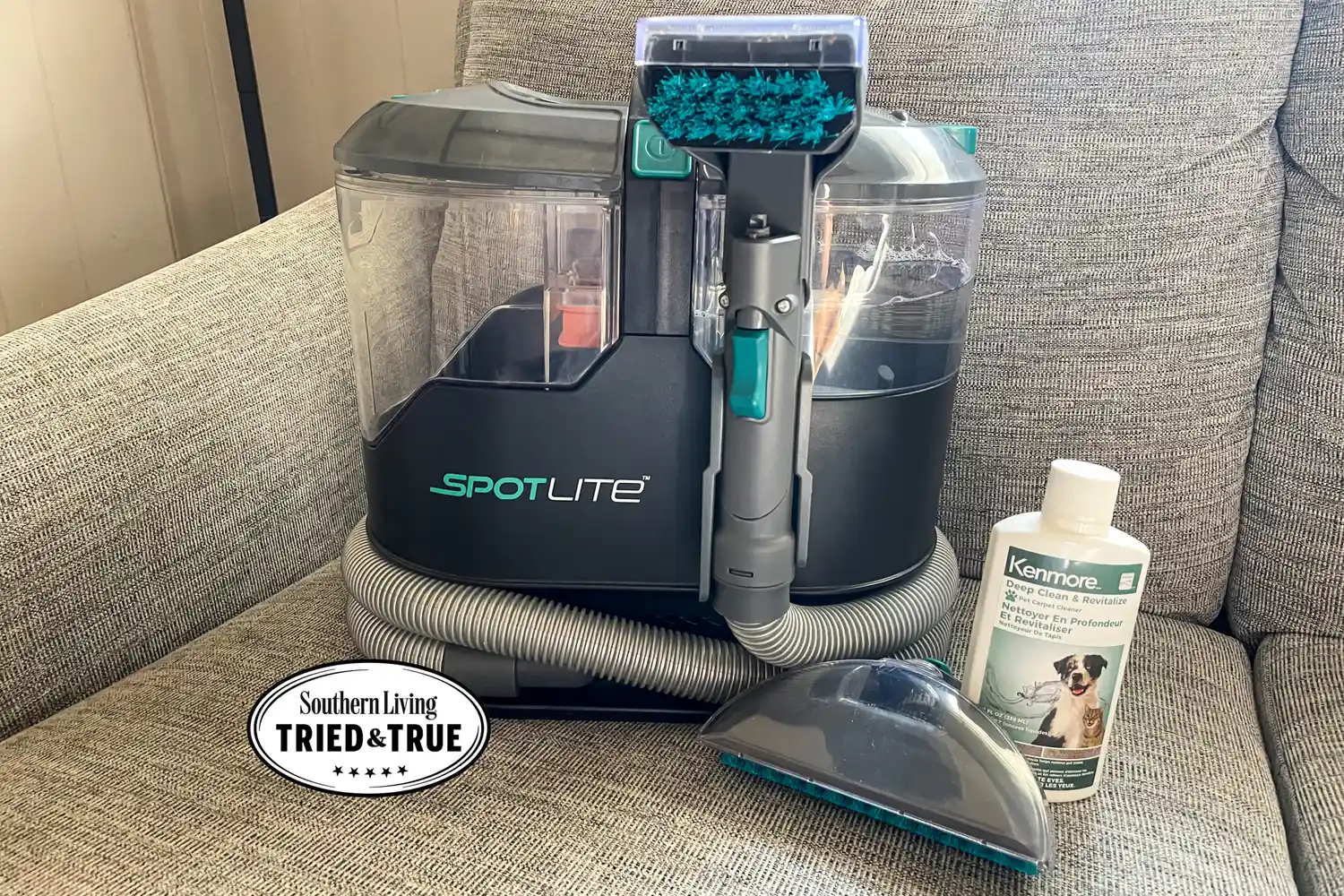
The Best Upholstery Cleaners, Ranked By How They Handle The Worst Stains
6 of the best upholstery cleaners — stain-removing solutions and machines that work

The 8 Best Upholstery Cleaners for Furniture and Beyond

We Tested Upholstery Cleaners And These Revive Your Upholstery The Best

How To Clean A Couch So It Looks As Good As New